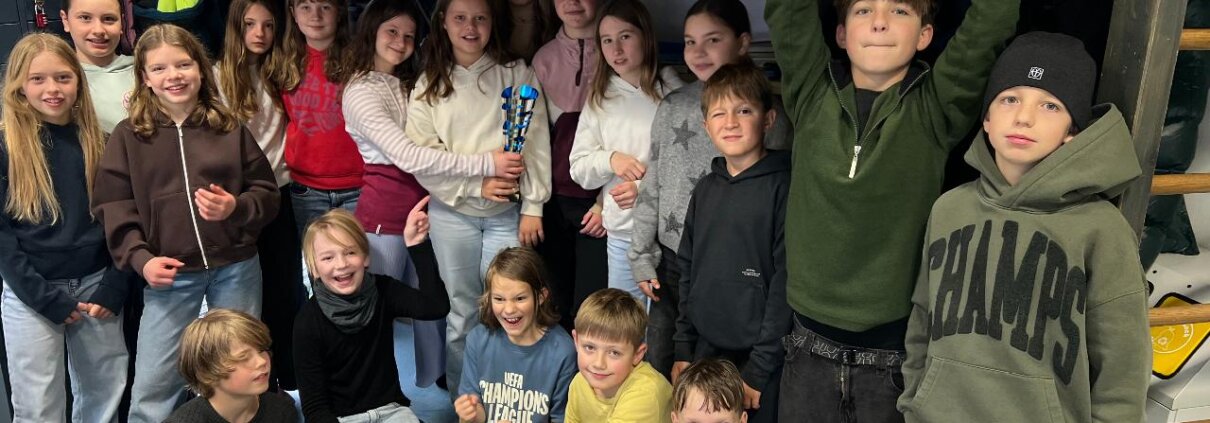
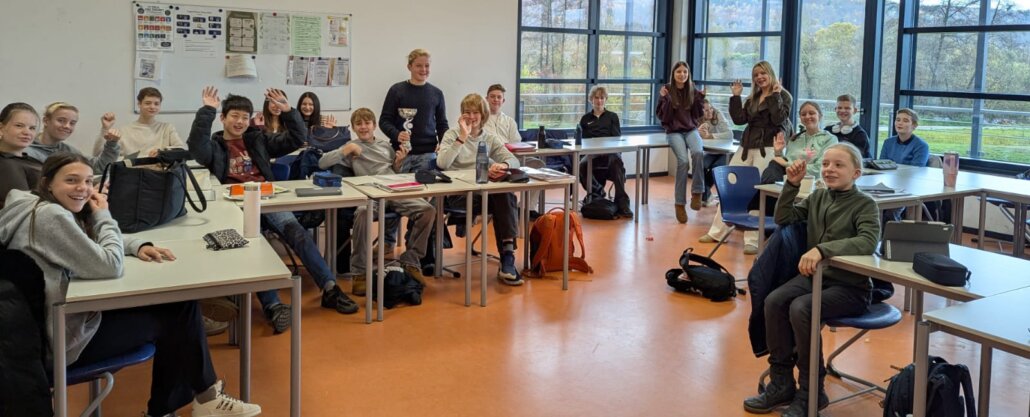
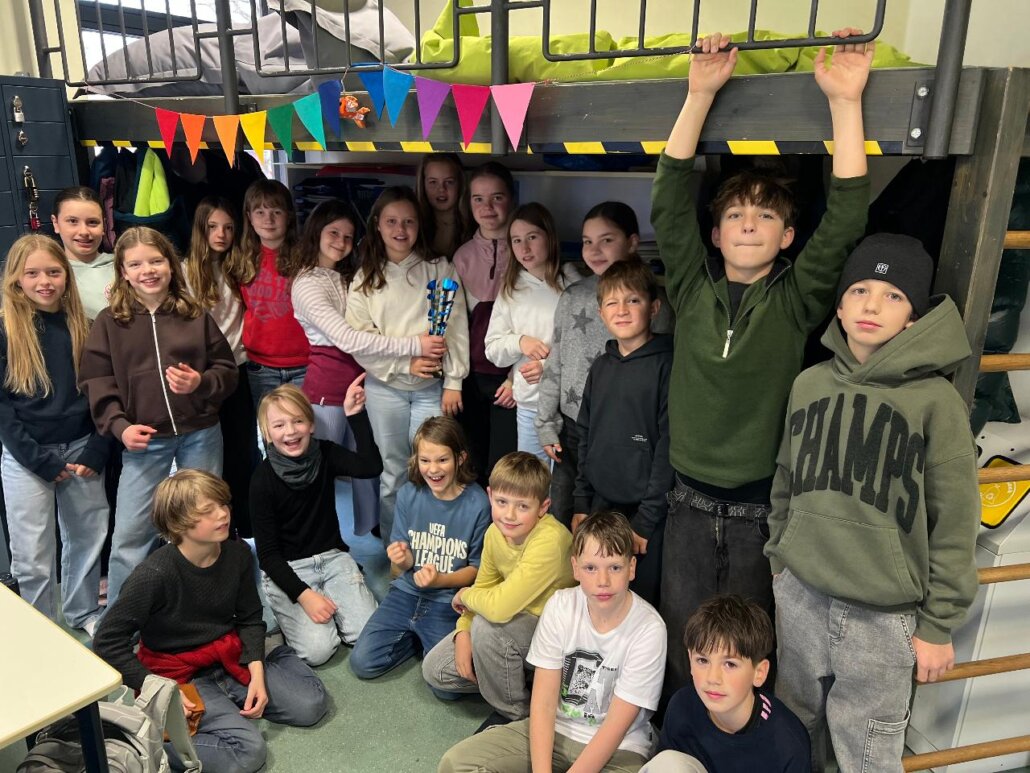
The Steinmühlen Clean Cup kicked off last week! Congratulations to the first winning classes: 5c in the lower school and 8b in the middle school (grades 7–9).

In the Clean Cup, classes can win a traveling trophy every week. Points are awarded for keeping the classroom tidy and, for example, for decorations.

Classes that win the Clean Cup more often are granted more freedom during recess. The class that takes home the overall victory at the end of the school year will be treated to ice cream by the school.

We’re looking forward to the next rounds and are excited to see which classes will take home the trophies.

(Th. Großer)


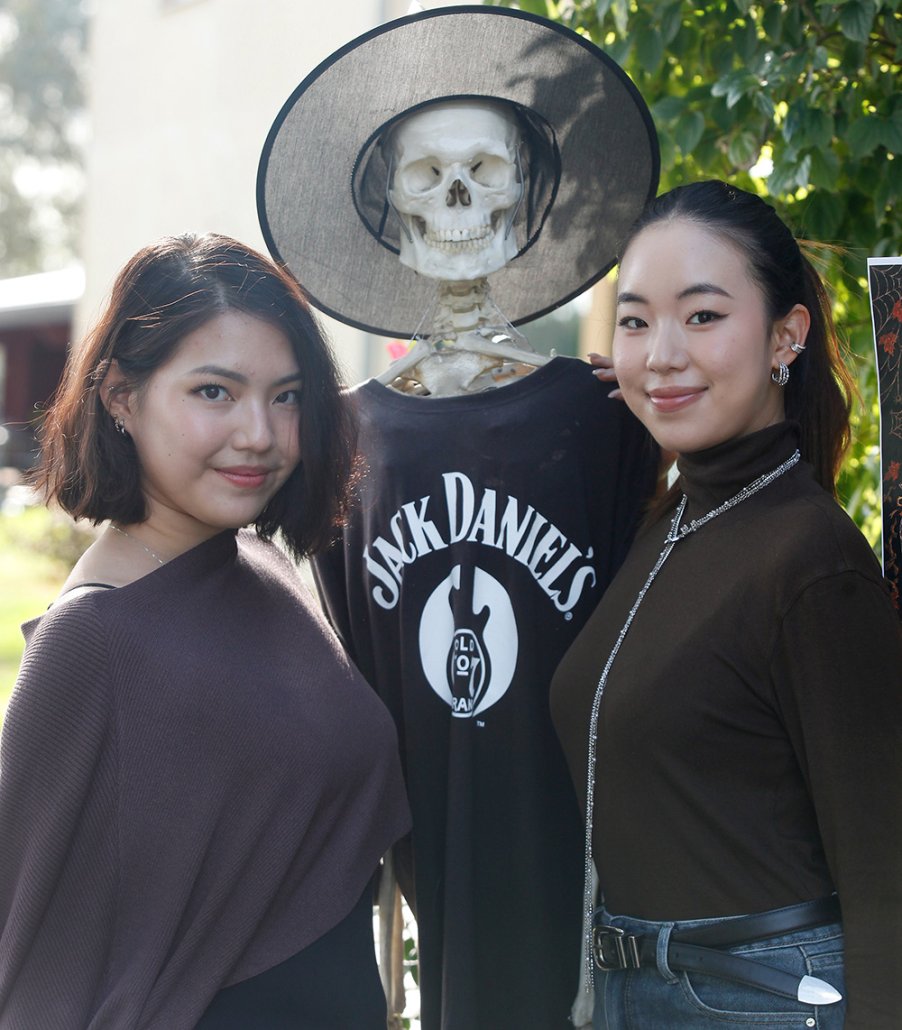
Before the Steinmühle is decked out with Christmas decorations in various spots, it’s worth taking a look back at the lovingly crafted Halloween decorations. Although this holiday, celebrated on the last day of October, doesn’t have deep historical roots in this country, it has become so well-established that it’s now a fixture on the annual calendar for children and teenagers alike.


Under expert guidance

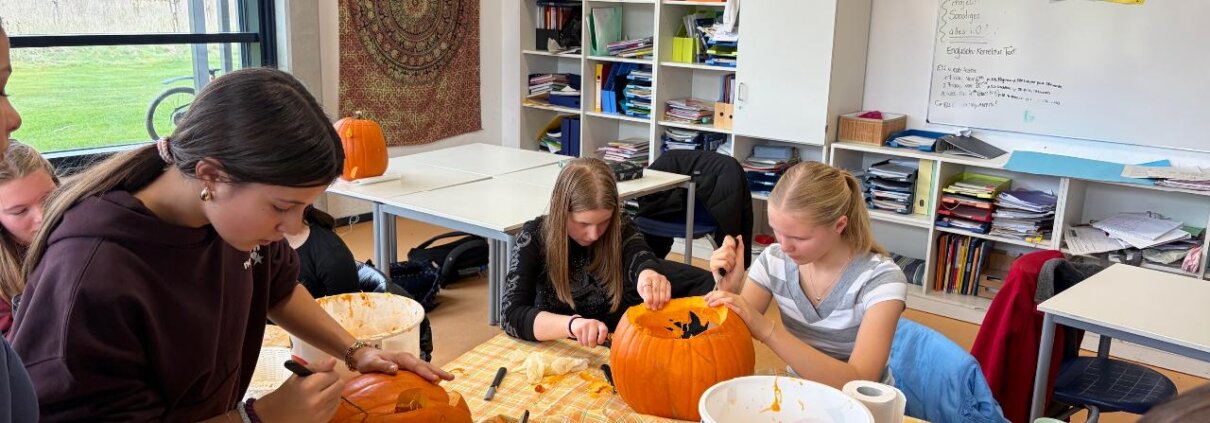
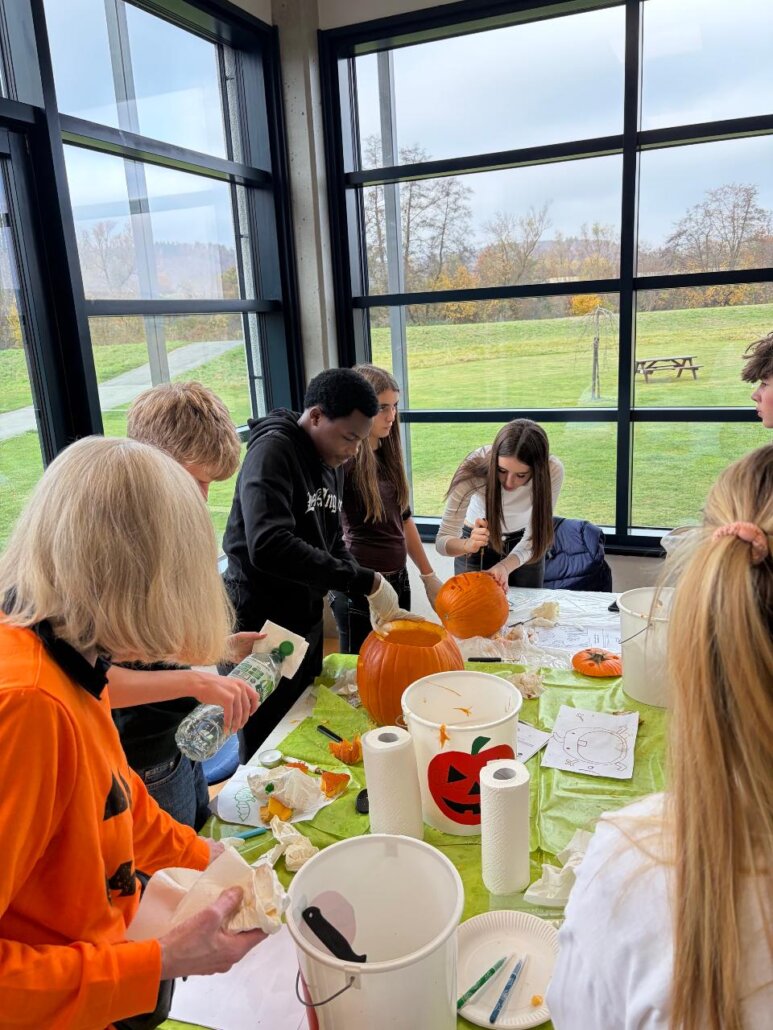
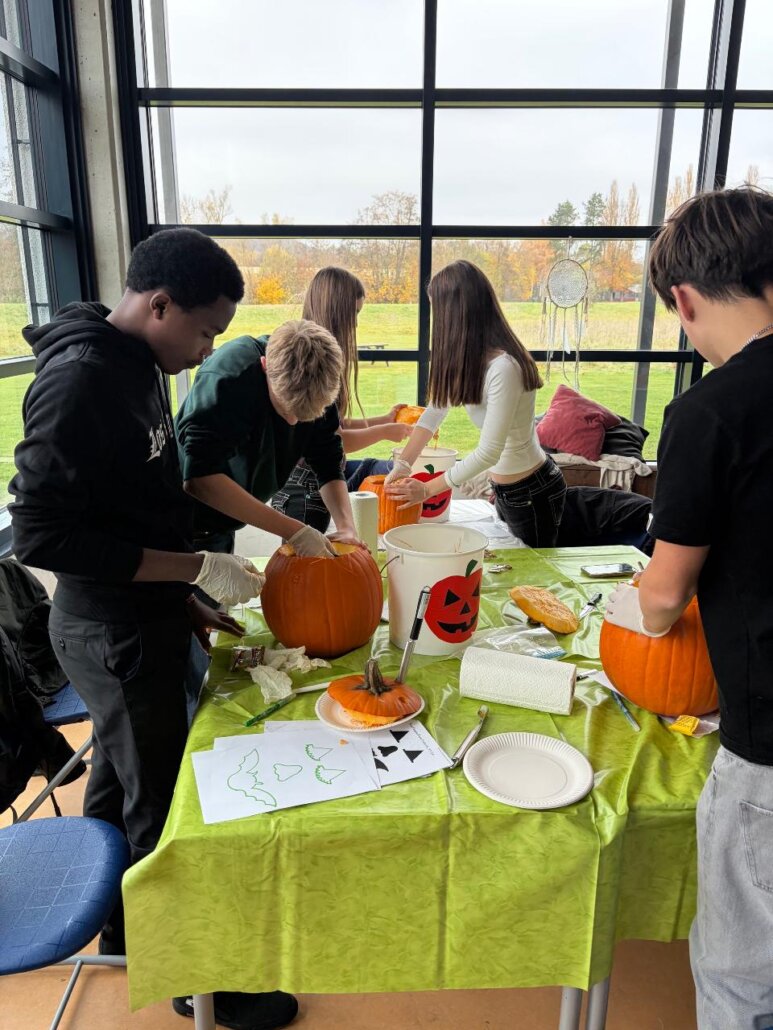
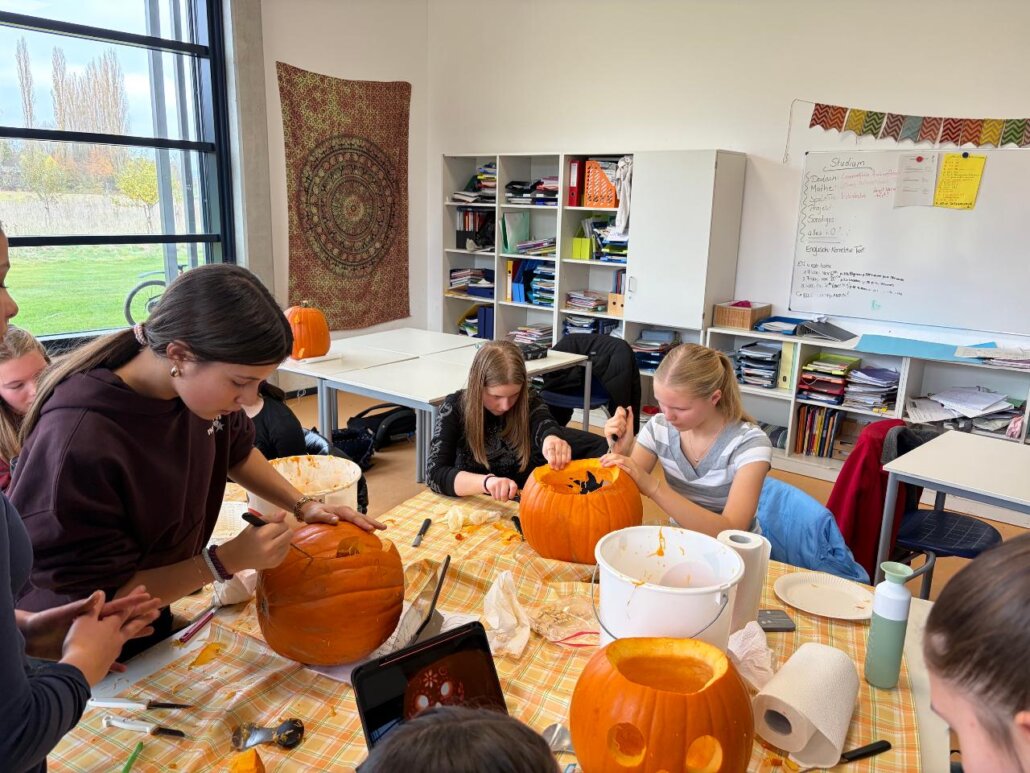
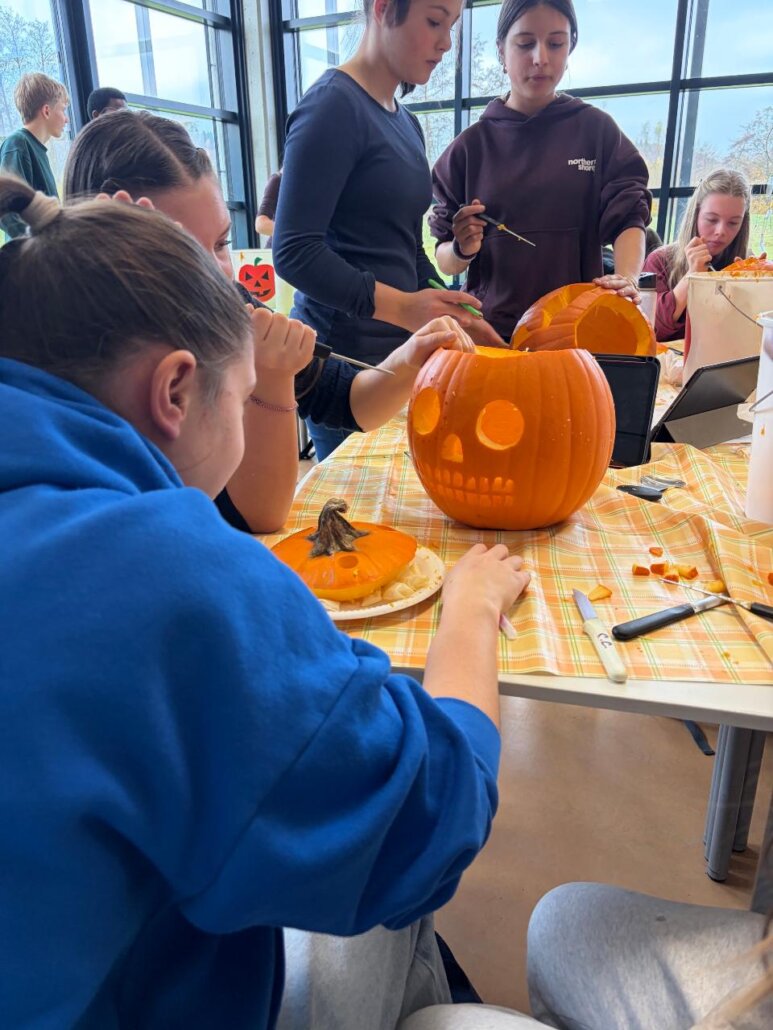
After “Trunk or Treat,” there was a pumpkin workshop held a little later for the Round Square 8/9 elective class (WU). No one was better suited to lead it than our Friends of the School Association Chair, Jasmine Weidenbach, who moved to Marburg from New York City many years ago. She expertly gathered all the materials and professionally guided the students in transforming pumpkins into the most beautiful Halloween decorations. Jasmine Weidenbach was actively supported by Bianca Zenker, the former chair of the School Parents’ Council, who has also spent a considerable amount of time in the U.S.


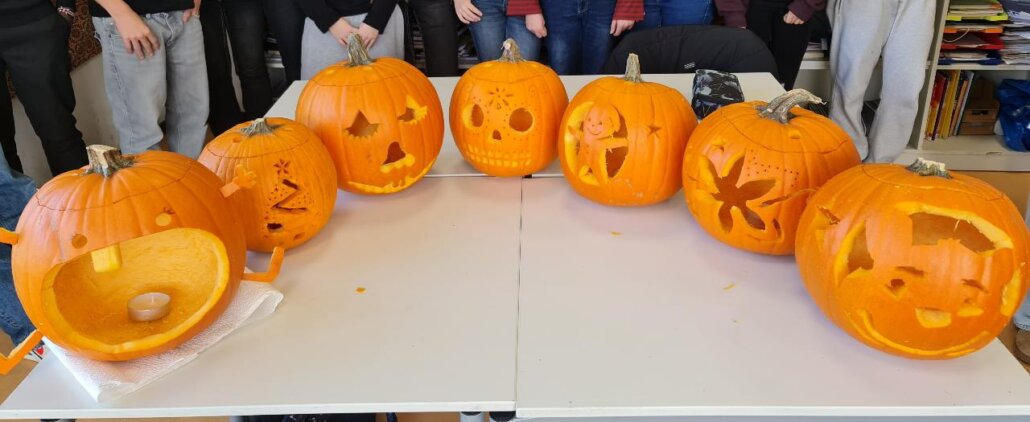
The team decorated seven pumpkins

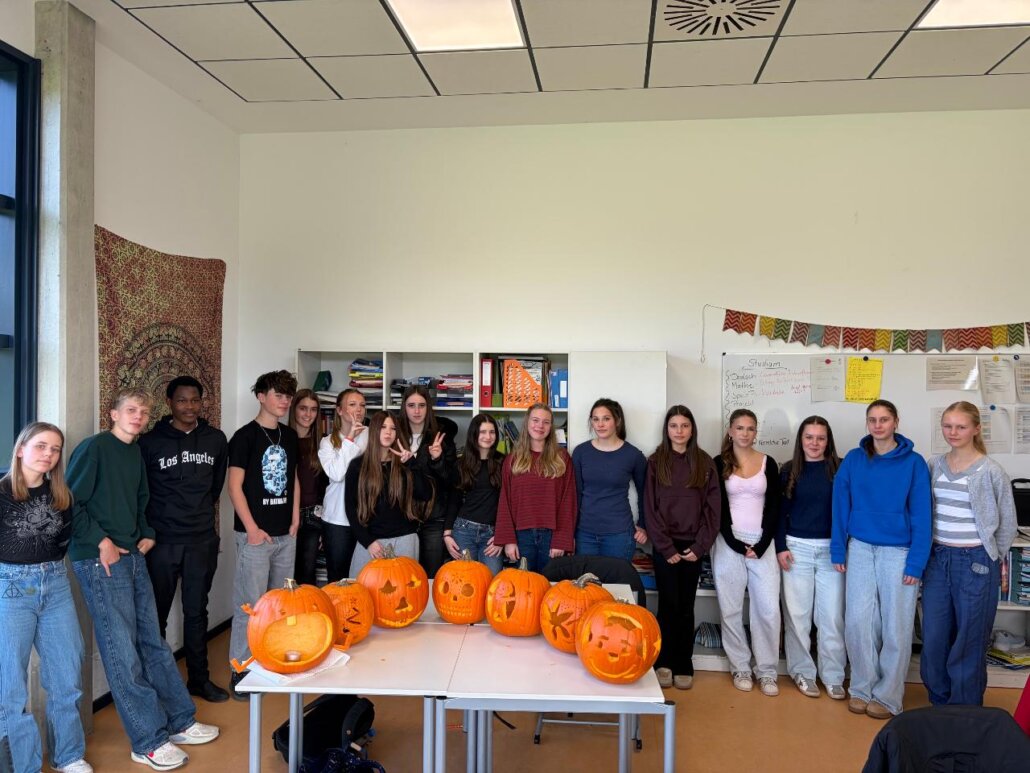
“We decorated seven pumpkins during a double period,” says Theresa Großer. She is the head of the lower secondary school, directs the International High School program, and also serves as the Round Square coordinator.

“It was a great project that involved hard work and creativity as a team,” she continued, adding, “Even though we ran a little behind schedule, our enjoyment of the work and the result was no less.” Incidentally, Desmond Kiprotich, our junior assistant from Kenya, who will be working in the International School Division until June 2027, was also there.

Announced for the Fall Festival: A Pumpkin Craft Booth

One of the goals of the activity was to train volunteers who would like to—and are able to—run a pumpkin-crafting booth at the upcoming Fall Festival.

And with so much combined language proficiency among all the instructors, it goes without saying: The workshop was conducted primarily in English.

(Heinm)


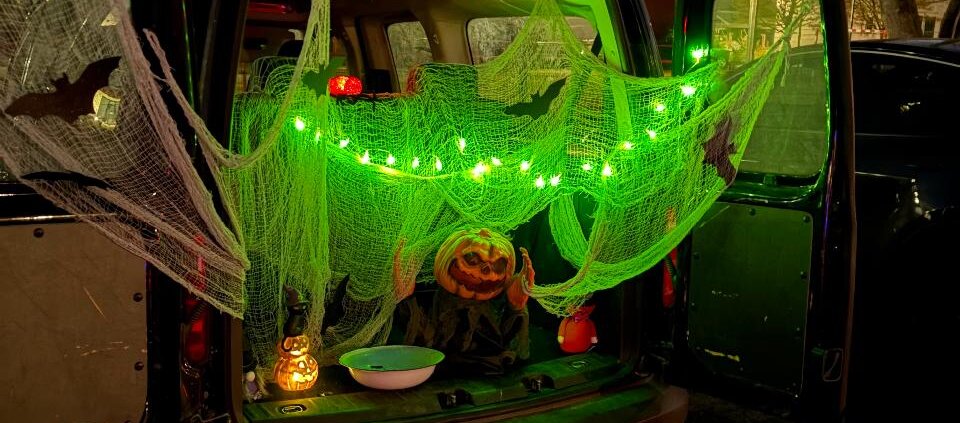
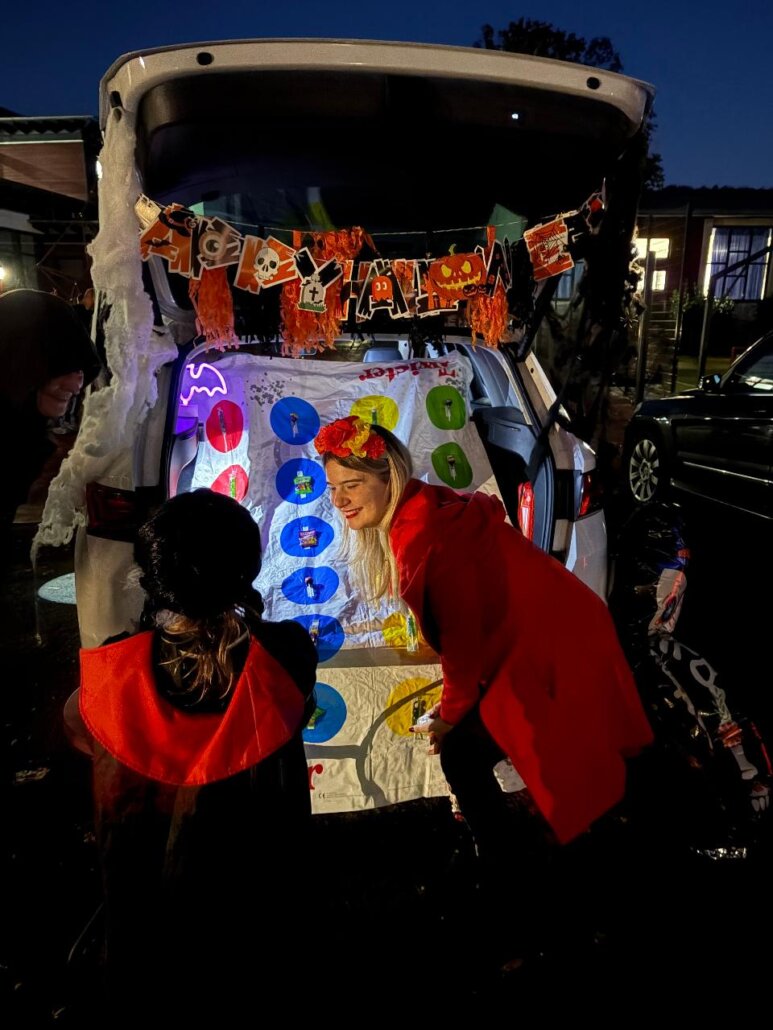
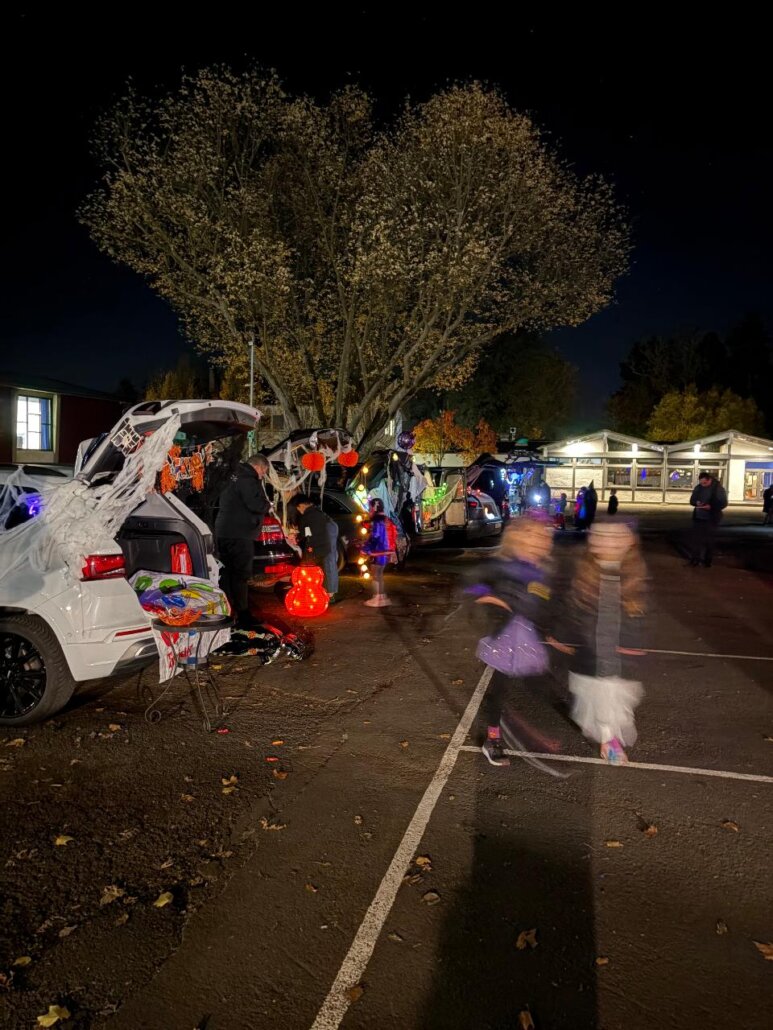
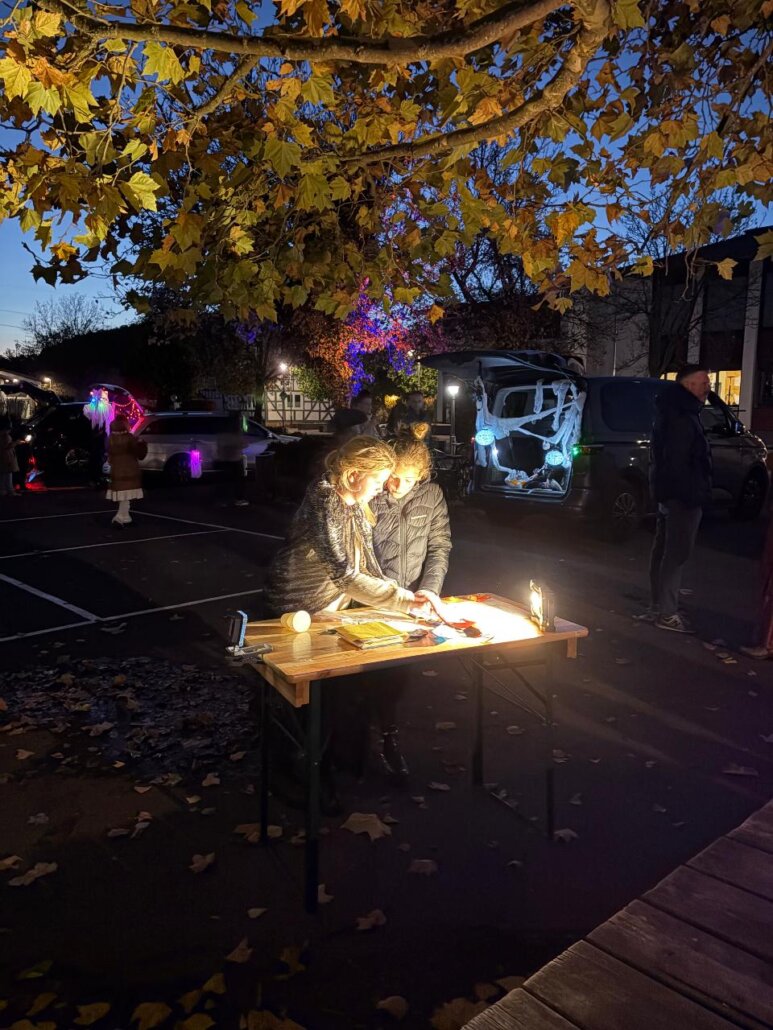
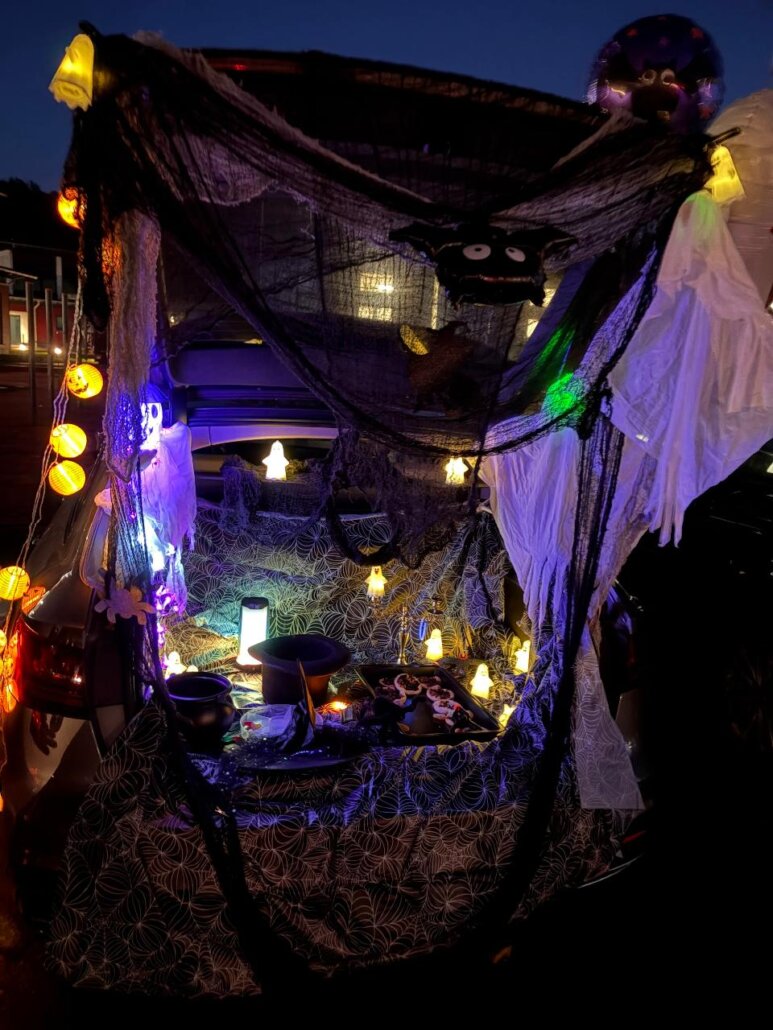
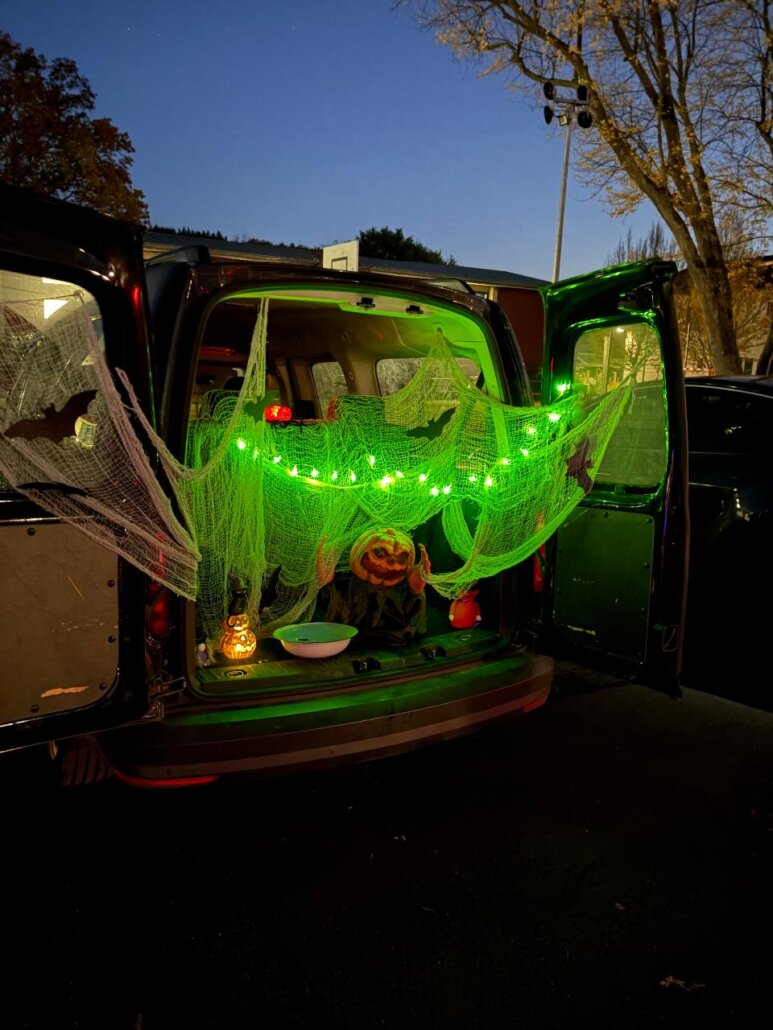
On Friday, October 30, from 5:00 to 7:00 p.m., our school grounds were once again transformed into a fun and spooky Halloween world! In crisp autumn weather, children, parents, and teachers celebrated our now-traditional “Trunk or Treat” together.

The name is a play on the American Halloween tradition of “Trick or Treat.” In American English, “trunk” means “car trunk.” Instead of going door to door, the children wander from one imaginatively decorated car trunk to the next.


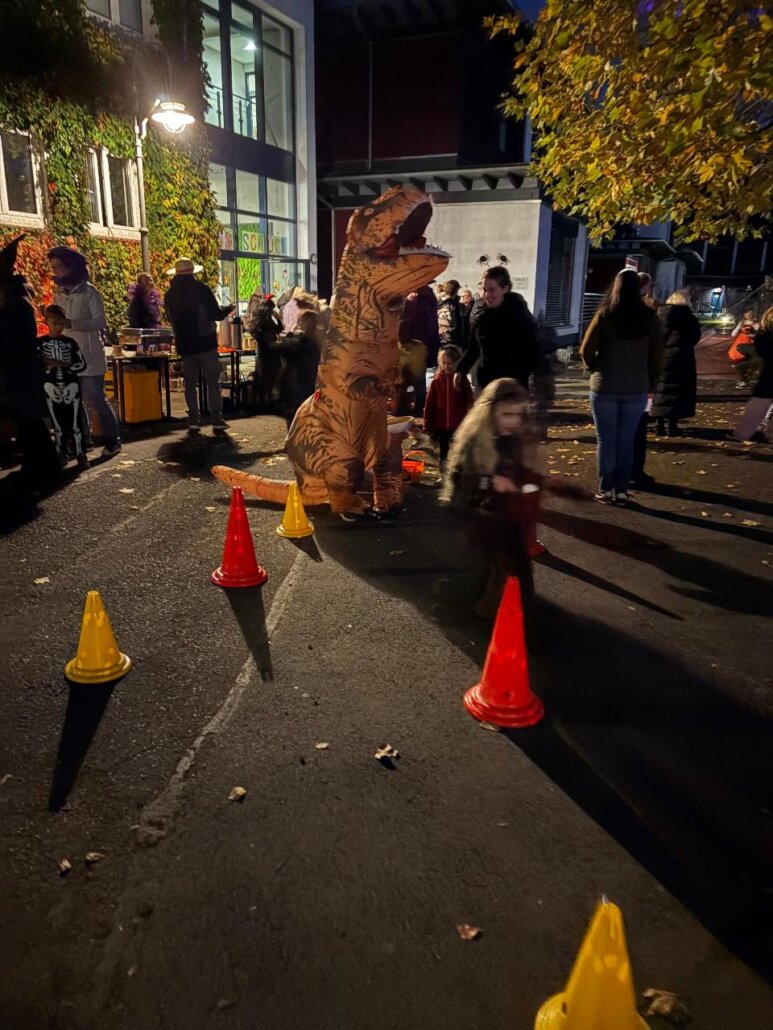
Particularly striking: a giant dinosaur

Ghosts, vampires, witches, and many other spooky creatures filled the schoolyard. One that really stood out was a giant dinosaur, followed everywhere by two little twin dinosaurs!

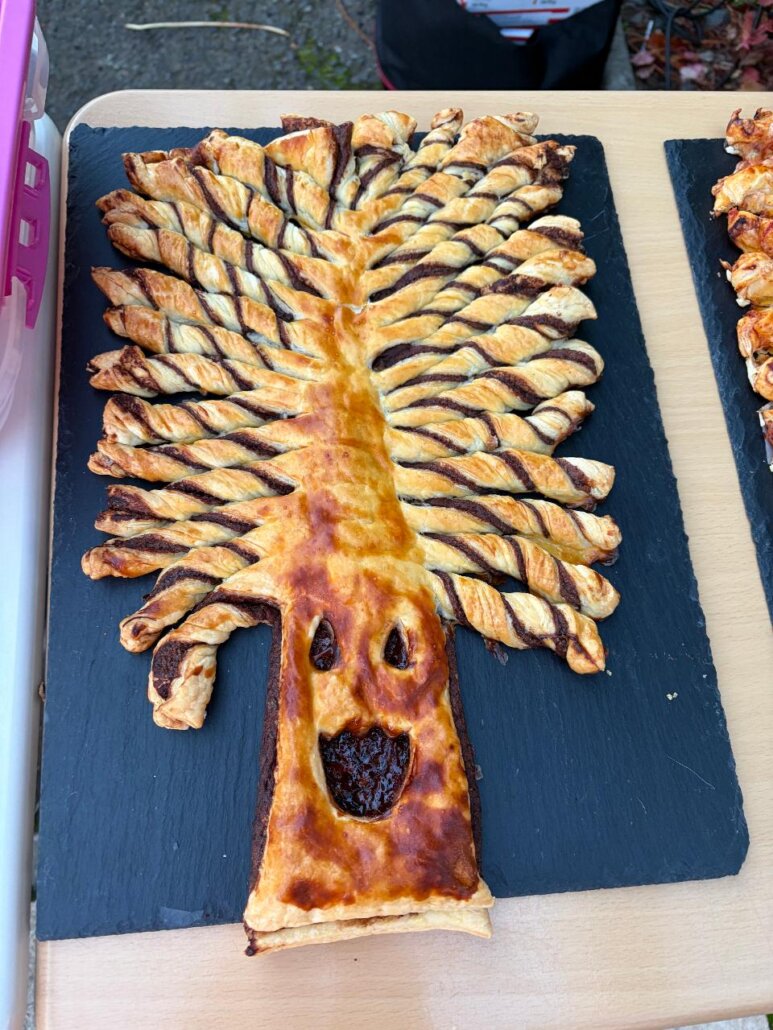
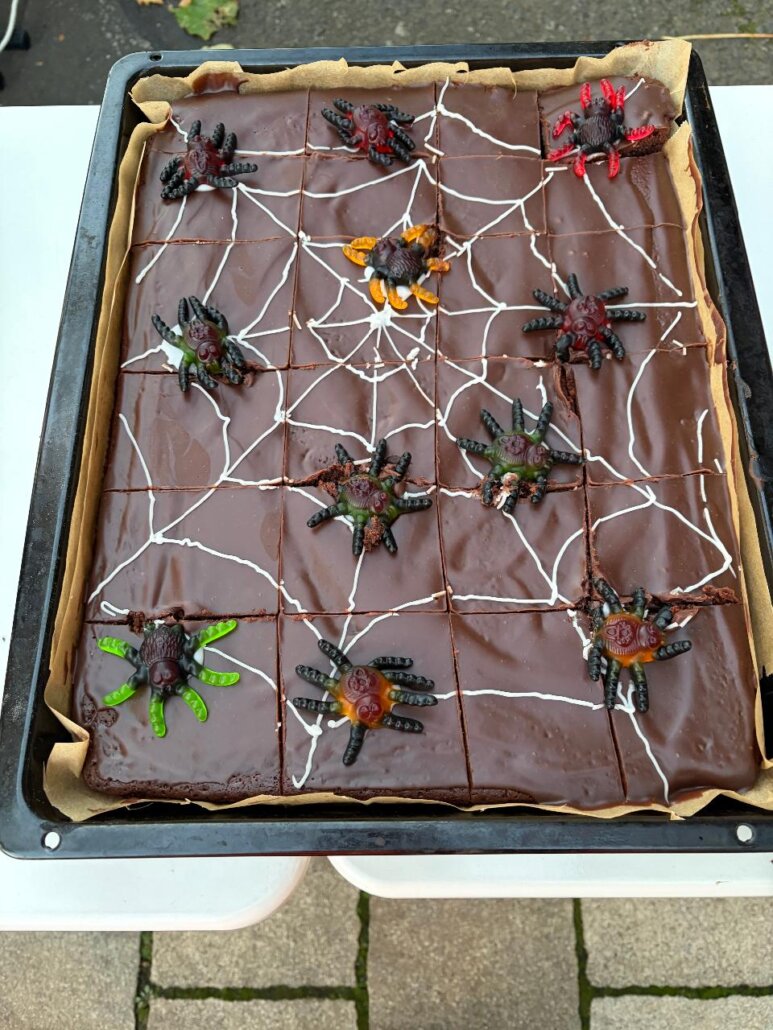
The parents had transformed the trunks of their cars into spooky activity stations with great creativity and attention to detail. In addition to candy, exciting games, fun challenges, and plenty of surprises awaited the children. A wonderful international buffet featuring savory and sweet delicacies also kept everyone well-fed.


A huge thank you to the parents

What makes our Trunk or Treat special is that the entire event is organized by our elementary school’s parent council. We owe the success of this wonderful celebration every year to the enthusiasm, creativity, and active support of our parents: a vibrant, international, and dedicated community.

So a huge thank you to all the parents who planned, prepared, decorated, cooked, baked, and pitched in! You gave the children an unforgettable evening.

We’re already looking forward to next year!

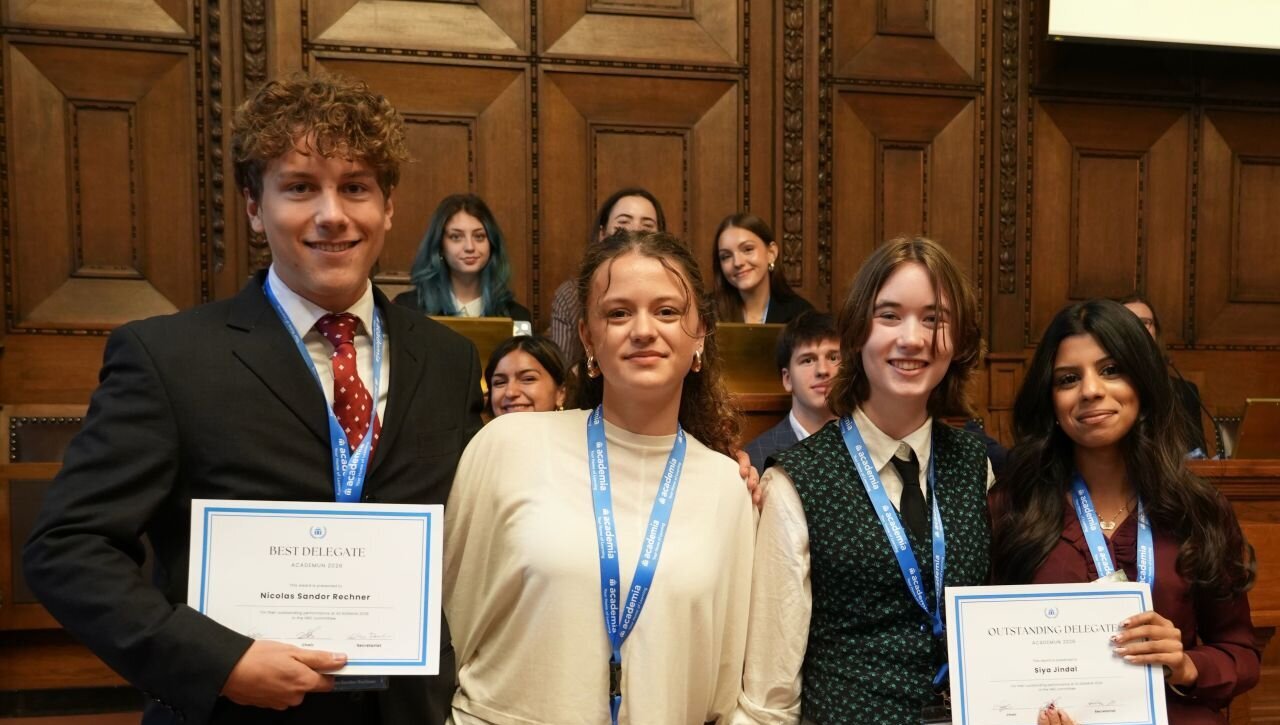
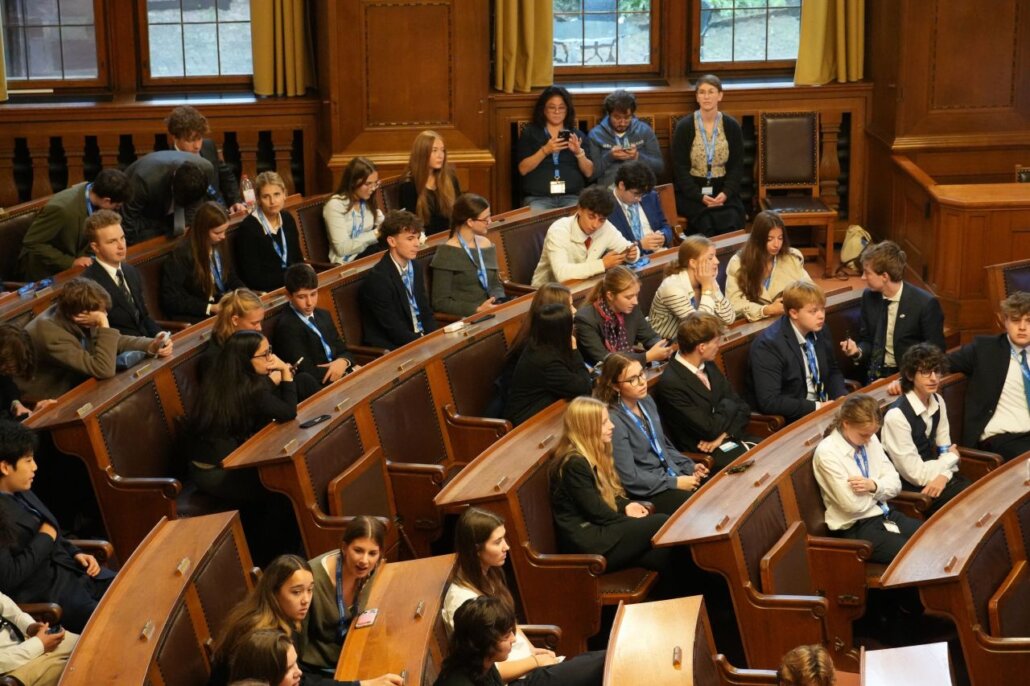
Everyone talks about diplomacy—but how does it actually work? Nicolas Rechner, a 13th-grade student at Steinmühlen, has actively explored this topic on several occasions. During the fall break, he actively participated in a MUN for the second time.

MUN stands for Model United Nations. These are academic simulation exercises for high school and college students in which participants take on the roles of diplomats and reenact the work of the United Nations.


Participation in MUN events in London and Basel

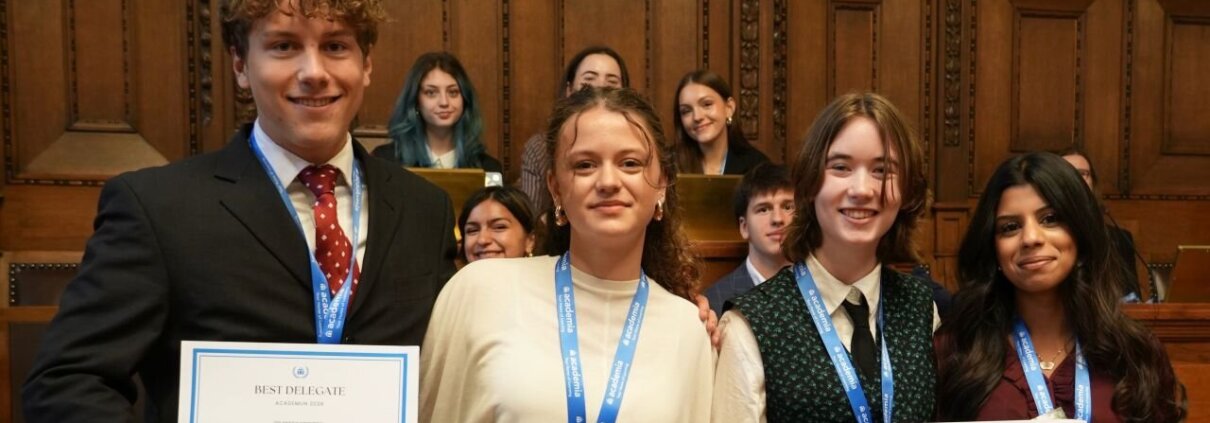
At Academun, which is part of the Academia School in Basel, Nicolas Rechner initially represented Brazil on the Human Rights Council (HRC), but after the first day he took on the role of the Israeli delegation to make the debate in the HRC even more interesting, as he put it. Nicolas managed to introduce five amendments to the resolution and later received the Best Delegate Award.

“Every MUN is different, because it really depends on the venue, the organizer, and the participants,” explains Nicolas. This was his second time attending a MUN—first in London in April and now in Basel—and he won awards at both conferences:

Best Delegate, Distinguished Delegate, and Best Position Paper. The MUNs were always conducted in English.

“The topics usually vary depending on the MUN,” he says, “but AI is, of course, a very hot topic right now. On top of that, each committee or panel has its own set of subtopics.” So far, Nicolas has served on the UN General Assembly (GA) and the UN Human Rights Council (HRC).

(Angela Heinemann)


The Concept

Role Assignment: Each person or team represents a specific country or organization in a simulated body (e.g., the UN General Assembly or the Security Council).

No personal opinion: One does not argue from one’s own perspective, but officially represents the political stance of the assigned country.

Objectives: Participants debate global crises or issues (such as climate change or human rights), engage in negotiations, and work together to draft resolutions.

Procedure and Objectives

Debates: Give speeches, submit motions, and form alliances with other countries.

Learning Outcome: To impart knowledge of international politics, diplomacy, international law, as well as rhetoric, negotiation skills, and intercultural understanding.

Conferences: MUNs take place as one-day school events or as large national and international conferences lasting several days, such as those organized by the Deutsche Model United Nations e.V.

(Source: AI)


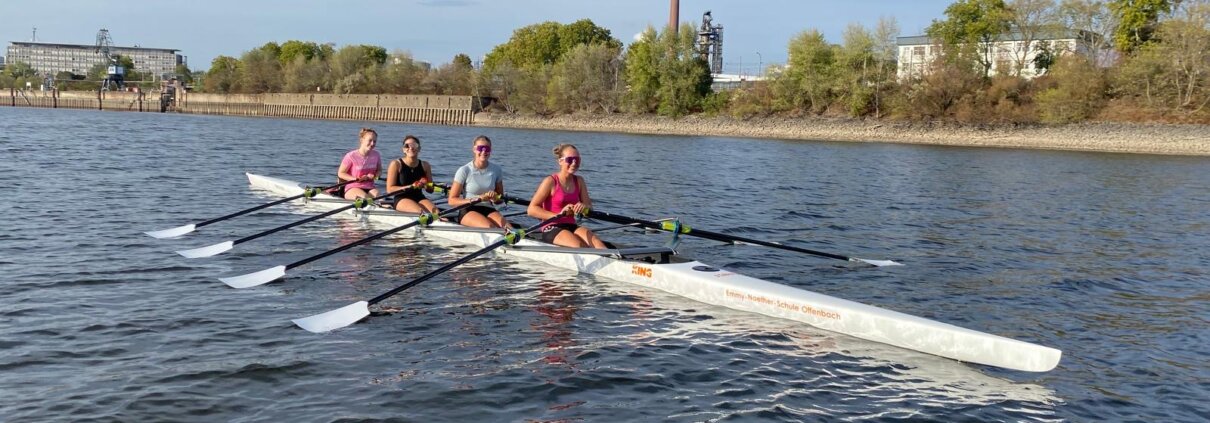
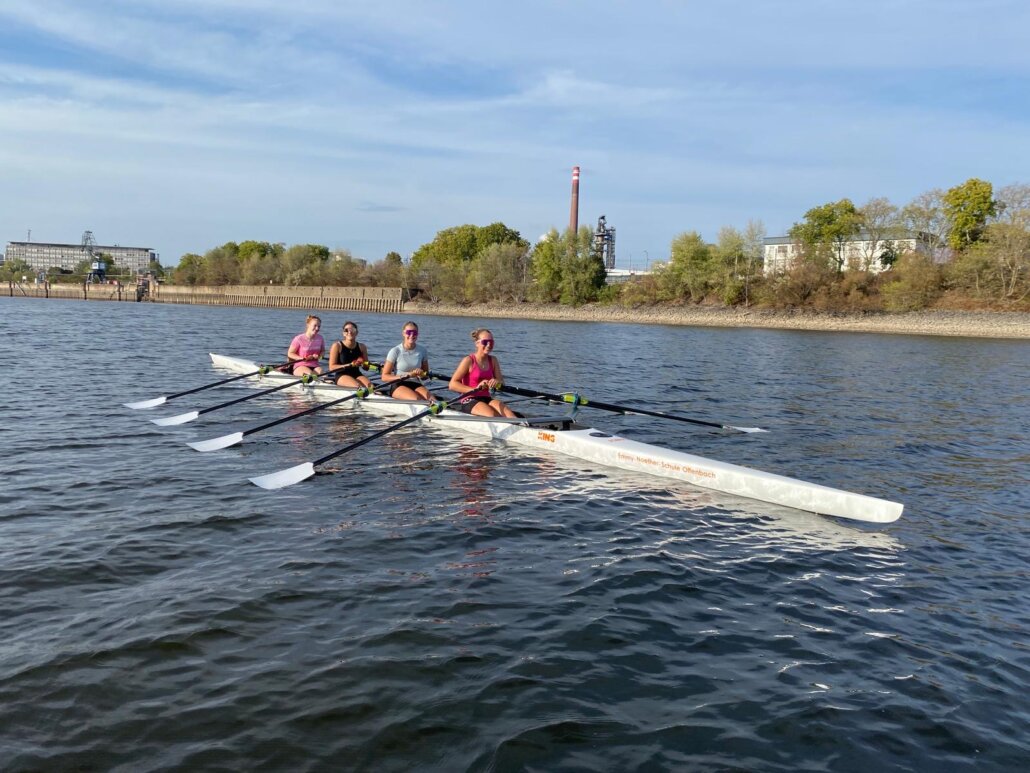
💪🏼 Great performances by our quadruple sculls: Emma Schütt (stroke, seat 1), Freya Dorndorf (seat 2), Lara Khatib (seat 3), Lotta Funk (seat 4), and coxswain Richard Tapia showed off some really great rowing at the training camp in Mannheim-Sandhofen 🚣‍♀️👏‼️
“Considering the short amount of time, their rowing technique was impressive,” praised head coach Martin Strohmenger (“Stromi”). The young athletes particularly stood out for their focus, stamina, and endurance. “A great team,” Stromi continued enthusiastically, noting that they also had a lot to learn from the more experienced athletes from Offenbach who were there at the same time😇

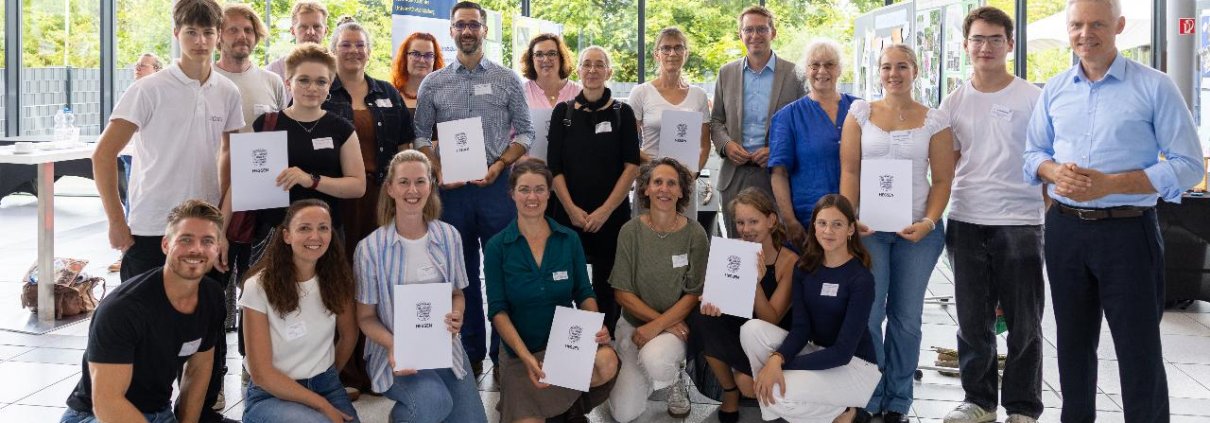
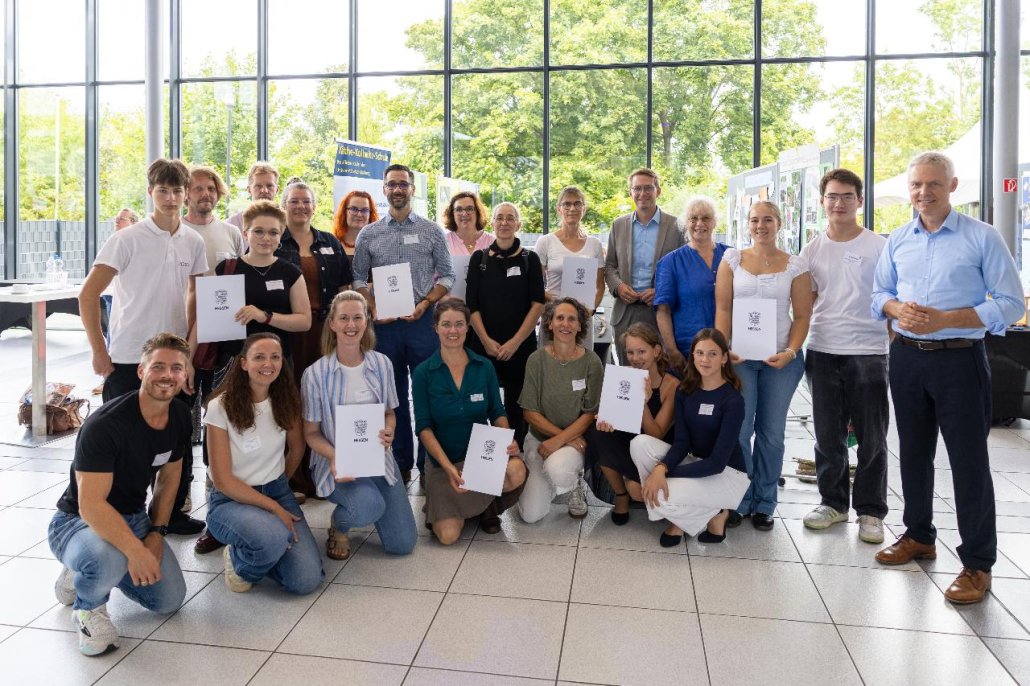
A proud group of participants from Steinmühle at the “Environmental Schools 2026” awards ceremony: Once again, our school received the corresponding certificate for another two years, presented by State Secretary for Education Dr. Manuel Lösel and Michael Ruhl, State Secretary at the Hessian Ministry of Agriculture and the Environment, Viticulture, Forestry, Hunting, and Regional Affairs. Steinmühle was represented by Dr. Sven Freibert, Anna-Lena Griessler, and Vasyl Diachenko (Class 9i, elective course on bees). Our group can be seen on the left side of the photo. The photo shows representatives from various schools that—like Steinmühle—belong to the Roßberg Youth Forest Center, an extracurricular environmental education center.


Activities at the Steinmühle go beyond the award criteria

The presentation of the certificate and the entire ceremony once again served as a powerful testament to our school’s commitment to Education for Sustainable Development (ESD). The numerous presentations and contributions by the students, as well as the dedication of the accompanying teachers, enriched the event in a special way.

To earn this award, our students and teachers spent two years working on topics related to sustainable development, guided by the ESD Compass. Throughout their activities, they were supported and advised by teachers seconded to extracurricular environmental centers. The liaison for Steinmühle is Ute Visser, regional coordinator of the environmental center and a student teacher at our school.


The ESD-focused activities at the Steinmühle School and Boarding School are not limited to the criteria required for the award, but go far beyond them. We will continue to report on various examples.

(Heinm/ Photo: Stephan Rech)
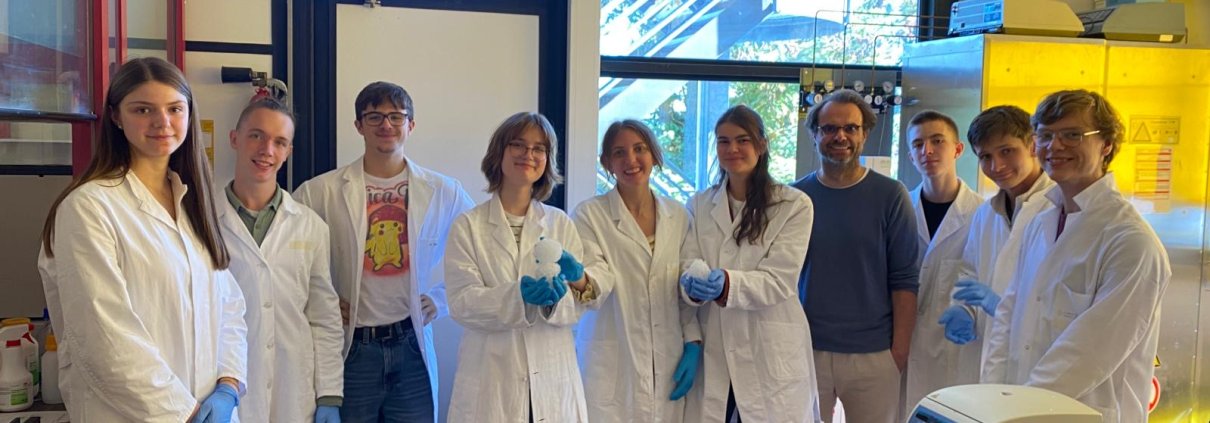
 

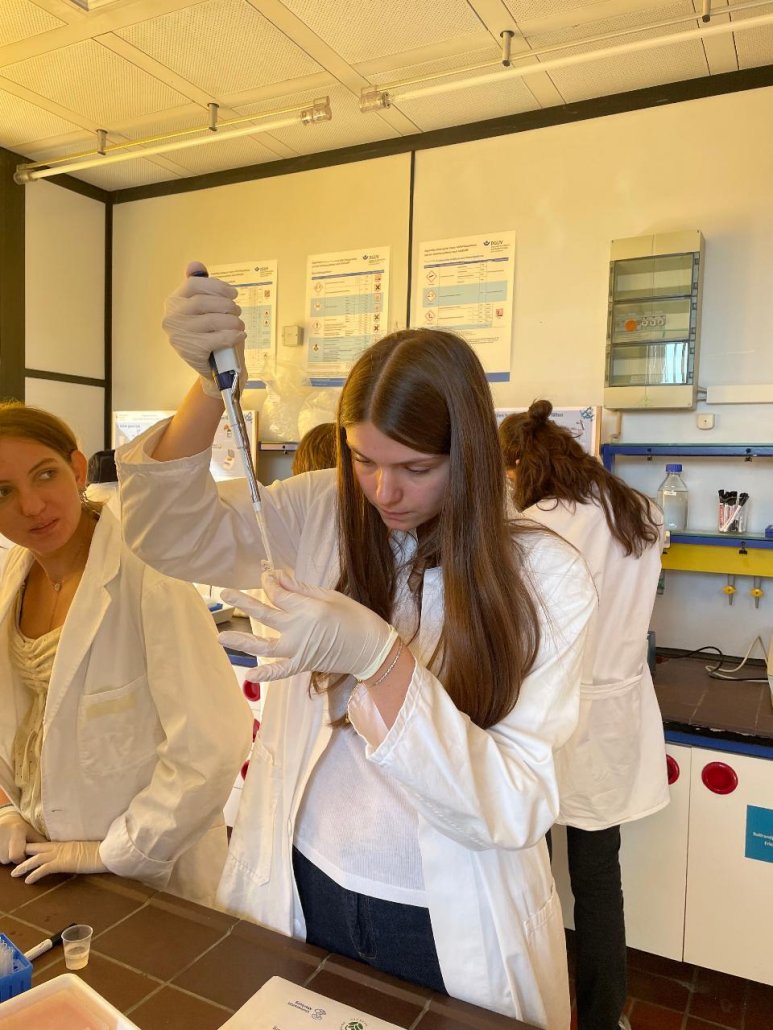
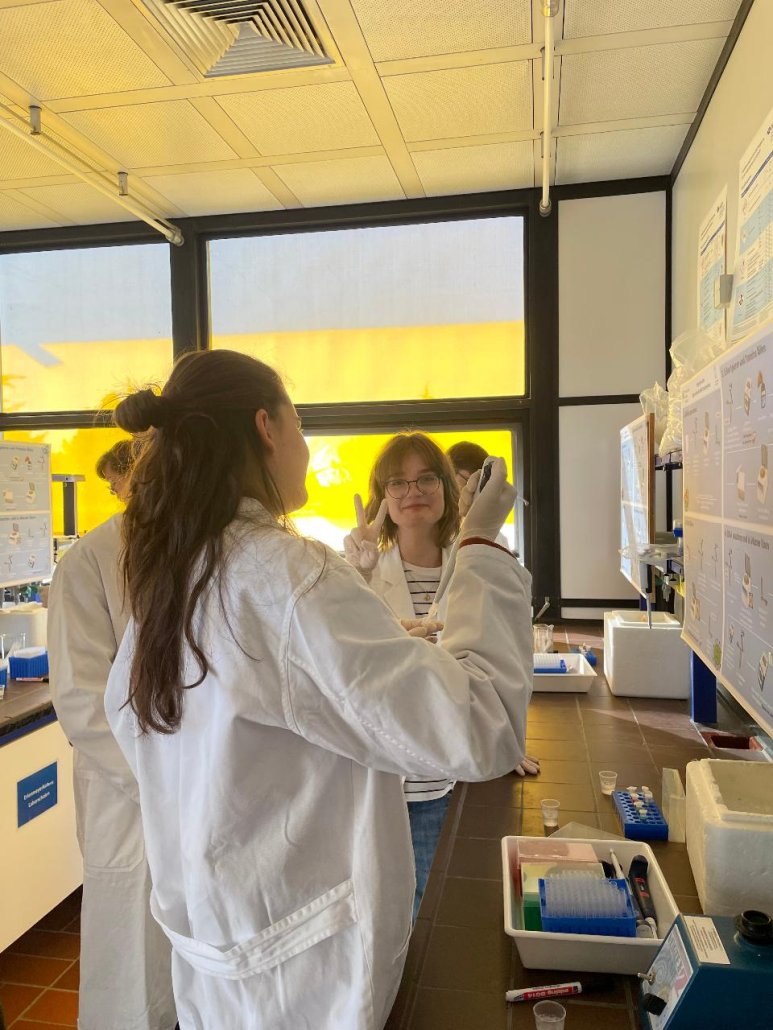
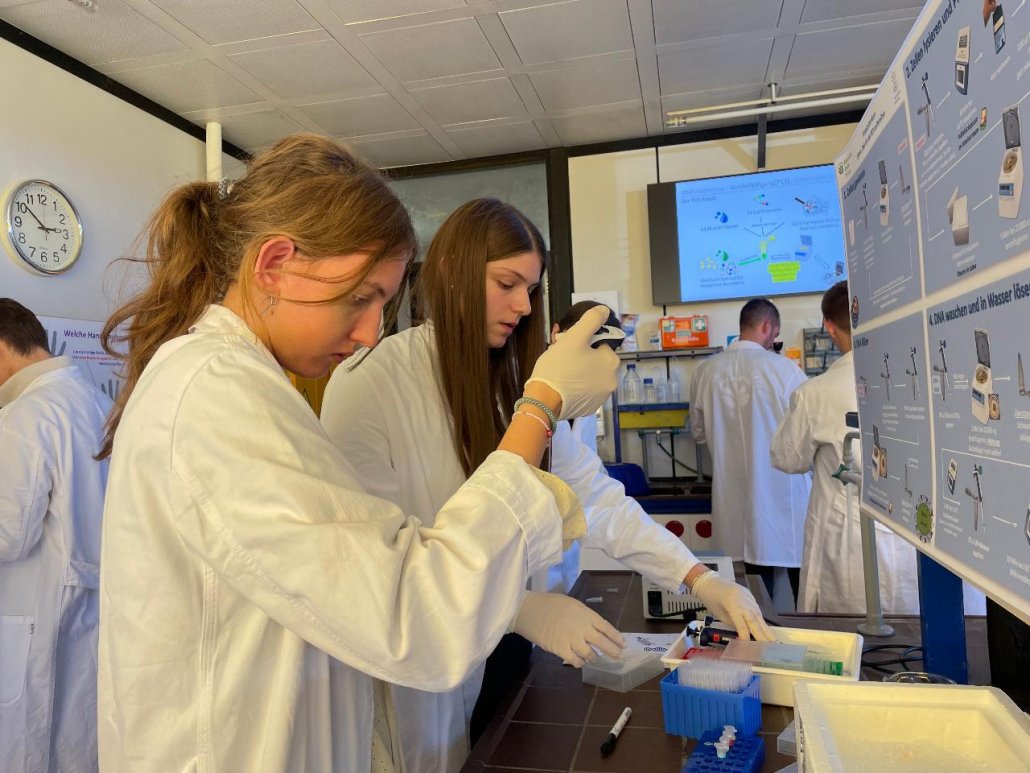
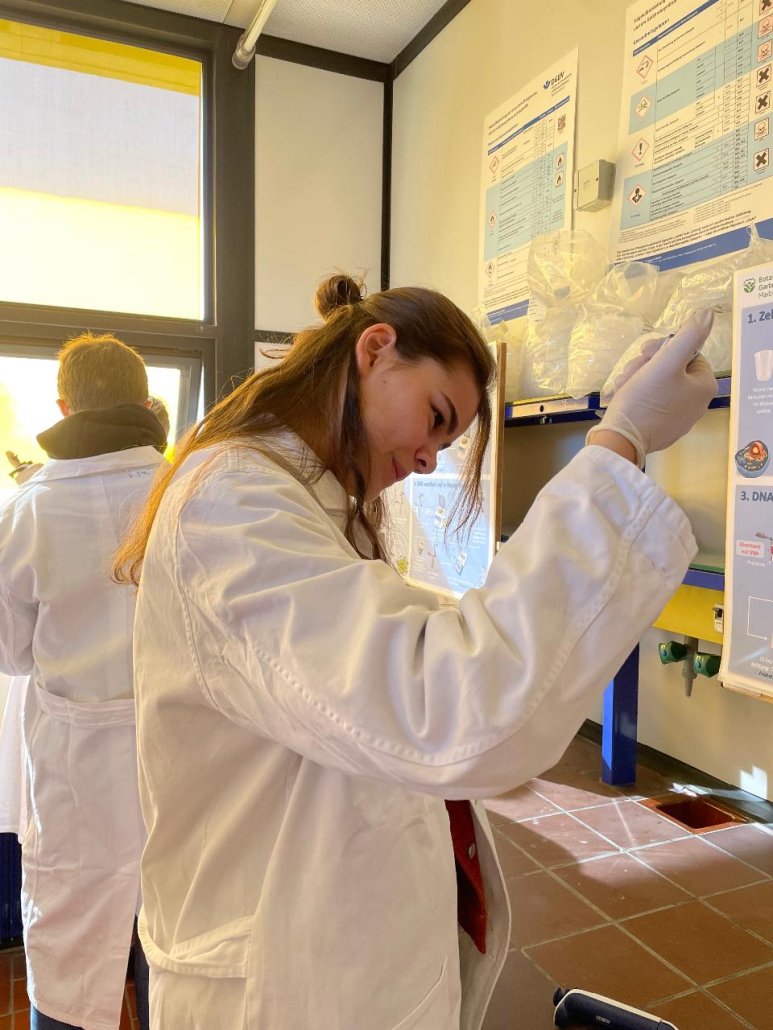
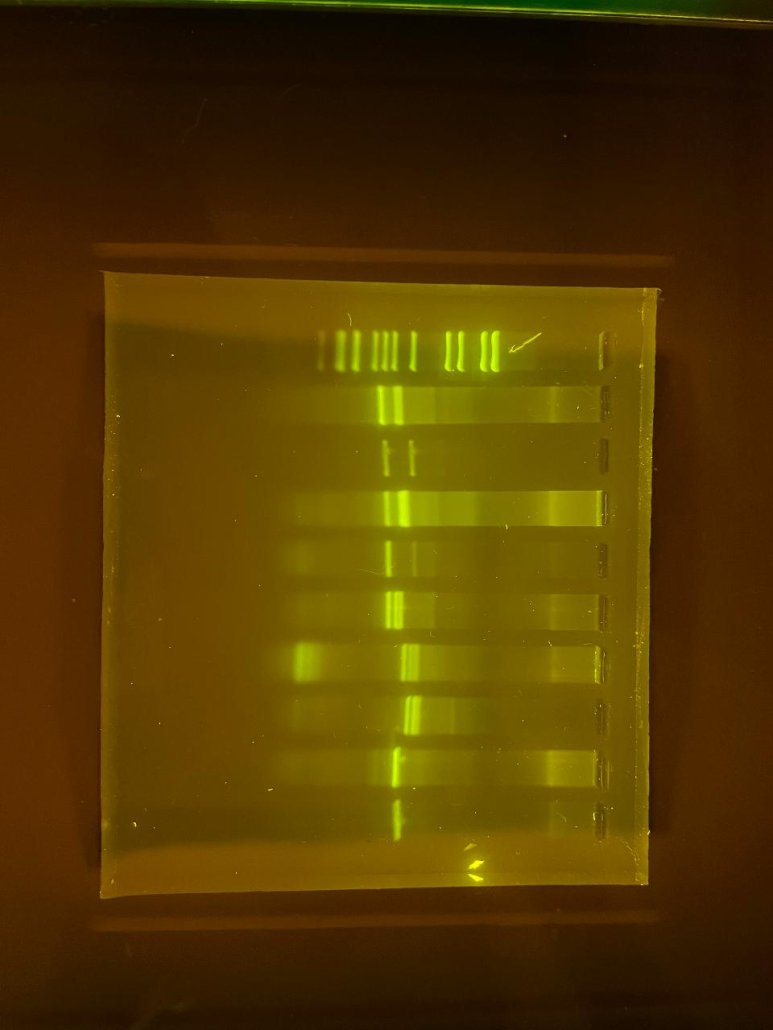
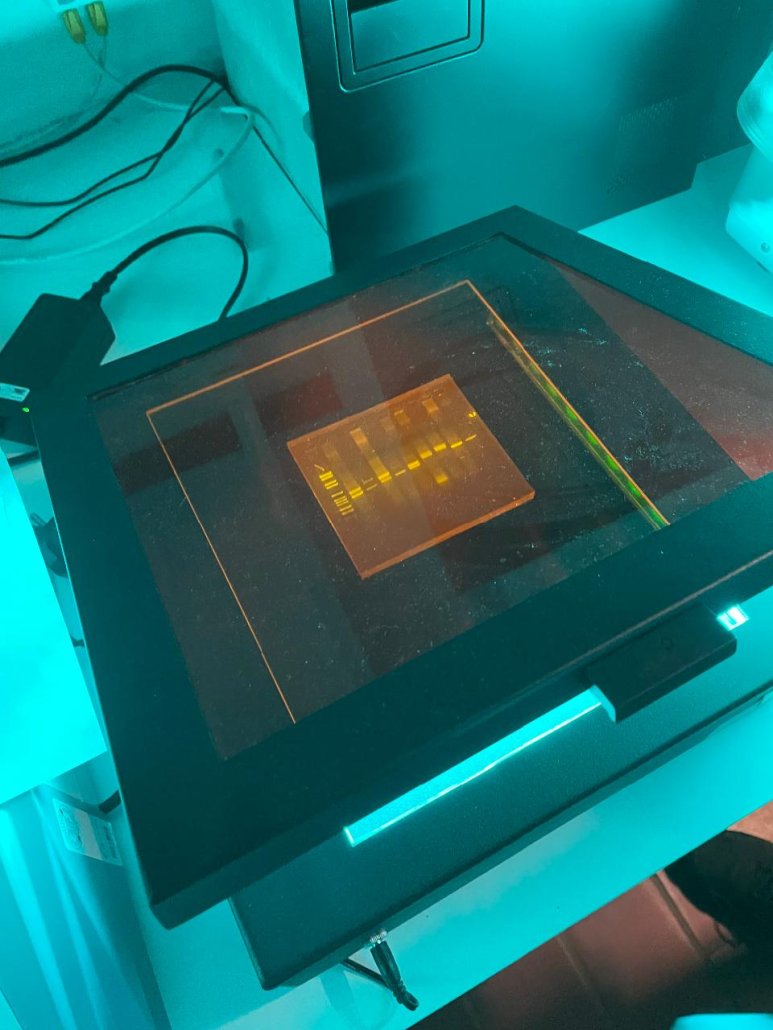
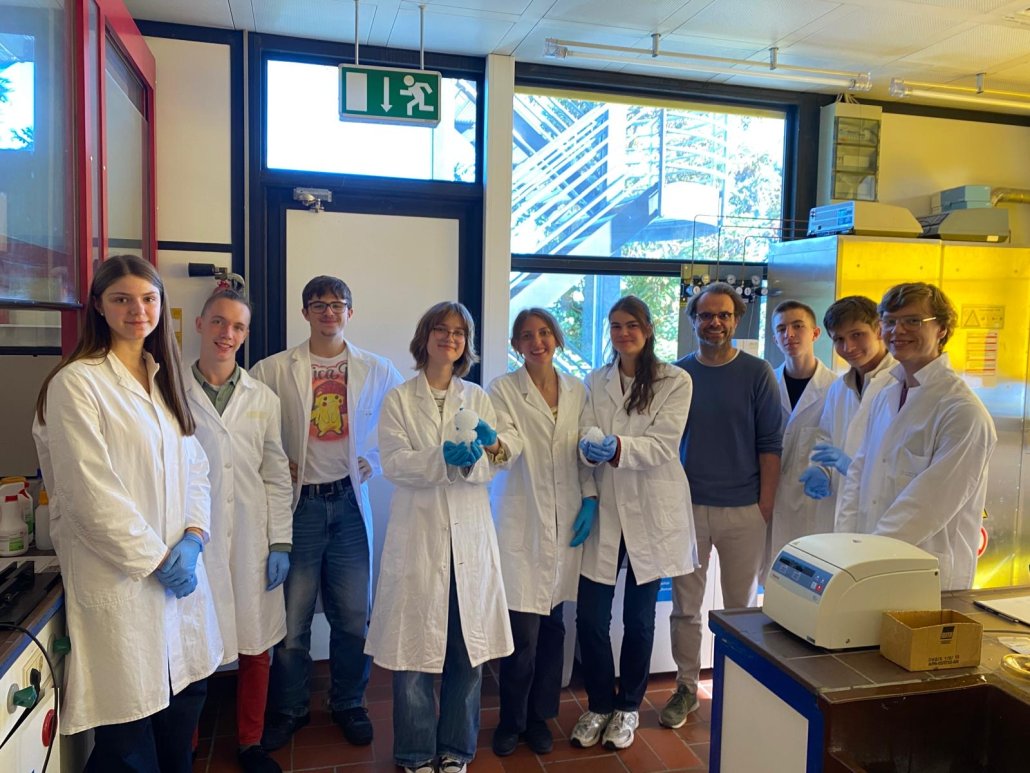
Together with their biology teacher, Malte Klimczak, a group of nine students from the Steinmühle’s plus-MINT program went on a field trip to the student laboratory at the Botanical Garden. The goal was to participate in the molecular biology course “Genetic Fingerprinting” to gain insight into molecular biology laboratory techniques.


DNA isolated and visualized

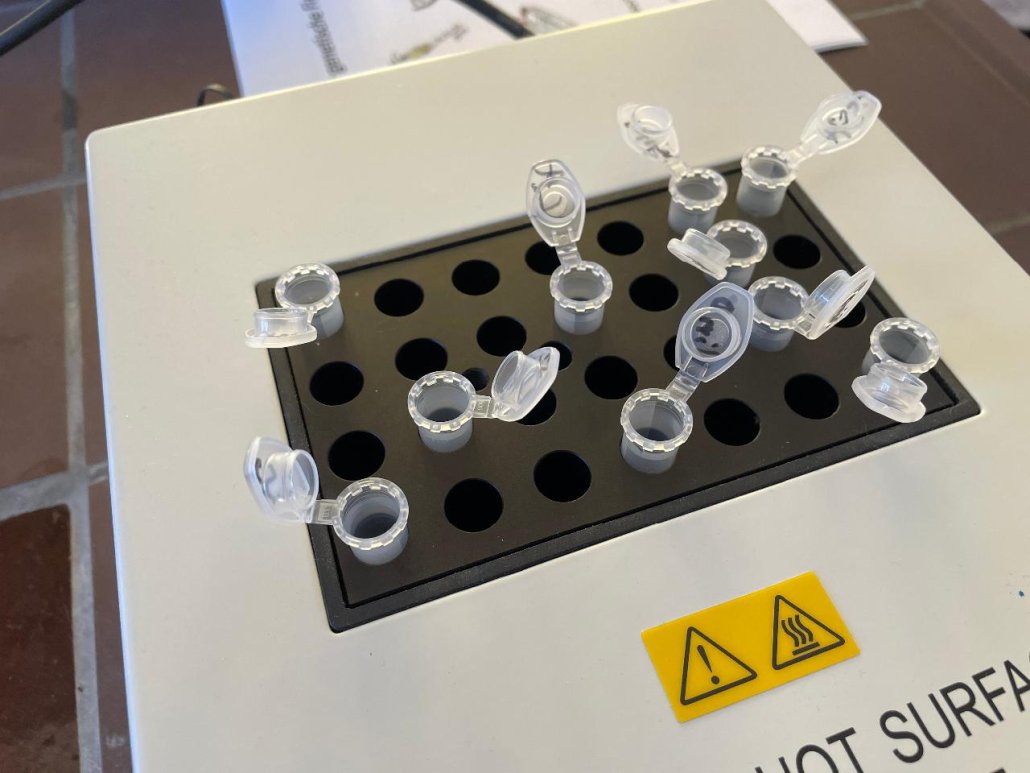
The genetic fingerprint should be created from each participant’s own genetic material. To do this, each participant first isolated DNA from cells in the oral mucosa. This DNA was amplified using the polymerase chain reaction (PCR) and visualized via gel electrophoresis.

“We try to give students insights into various fields of science through different field trips and workshops,” explained Malte Klimczak. “This allows them to develop ideas and methods for their own research projects.”


Modern content in an authentic setting

The student laboratory at the Botanical Garden has been in operation since 2010 and has 20 workstations. It is an extracurricular learning center affiliated with Philipps University of Marburg. The lab primarily offers courses on photosynthesis and molecular genetics for high school students in their advanced studies track. Over 600 students from Marburg and the surrounding area attend the courses at the student lab each year. This complements the science curriculum in schools with modern content in an authentic setting.

Malte Klimczak, a teacher at Steinmühlen, also used to work in the student lab and developed the internship program back then. Christian Deurer recently provided on-site support to the Steinmühlen group. He is a research assistant and teacher in the student lab.

(Heinm)

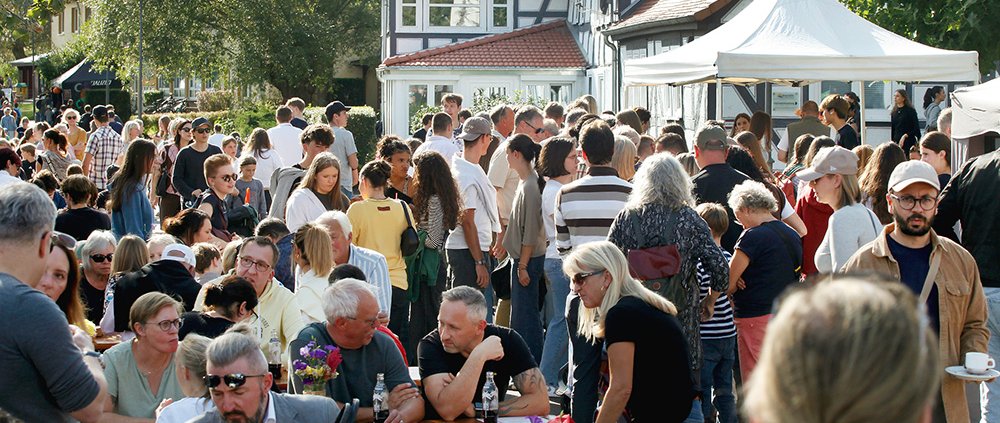
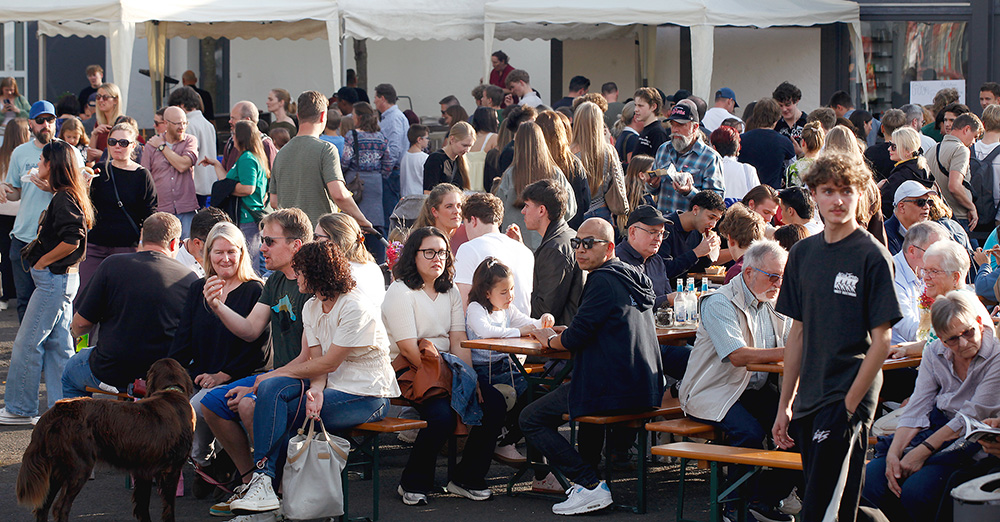
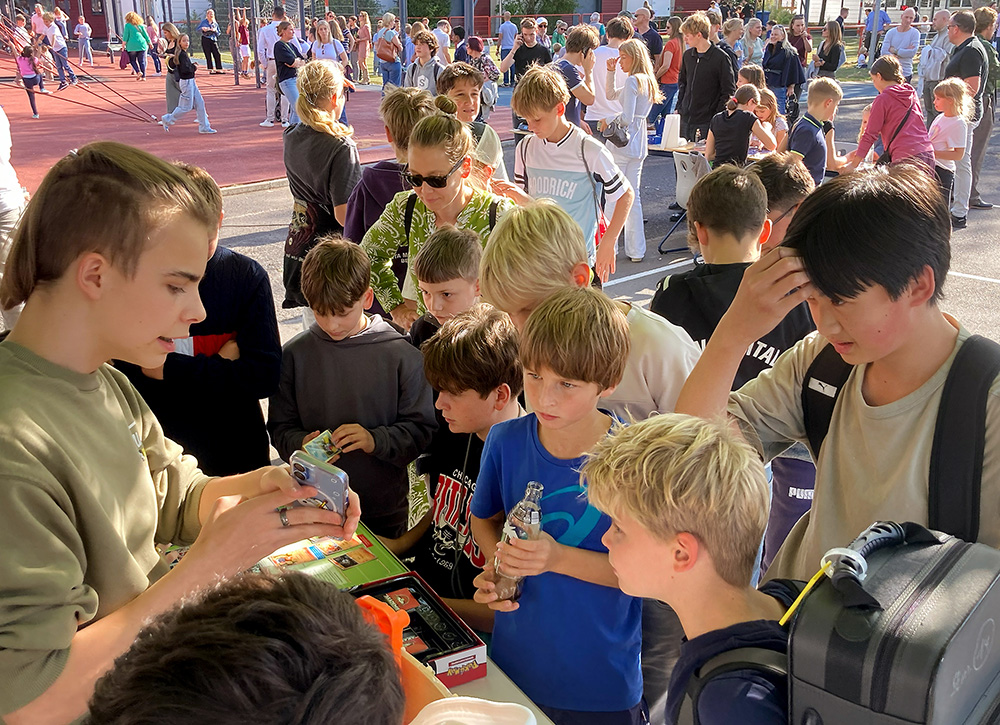
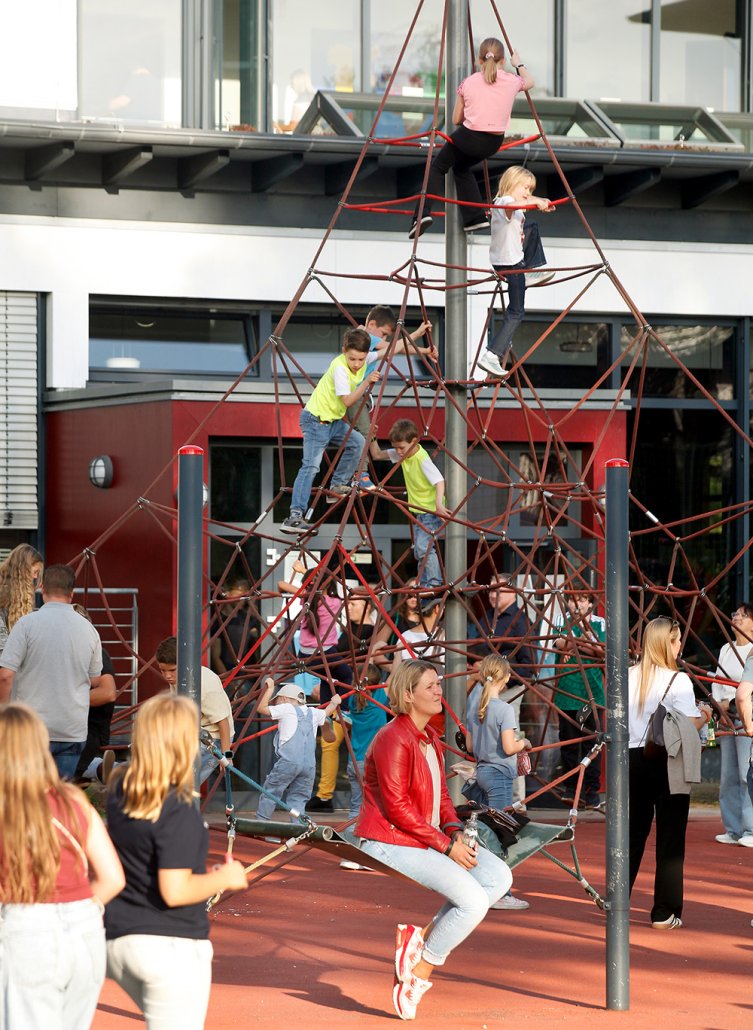
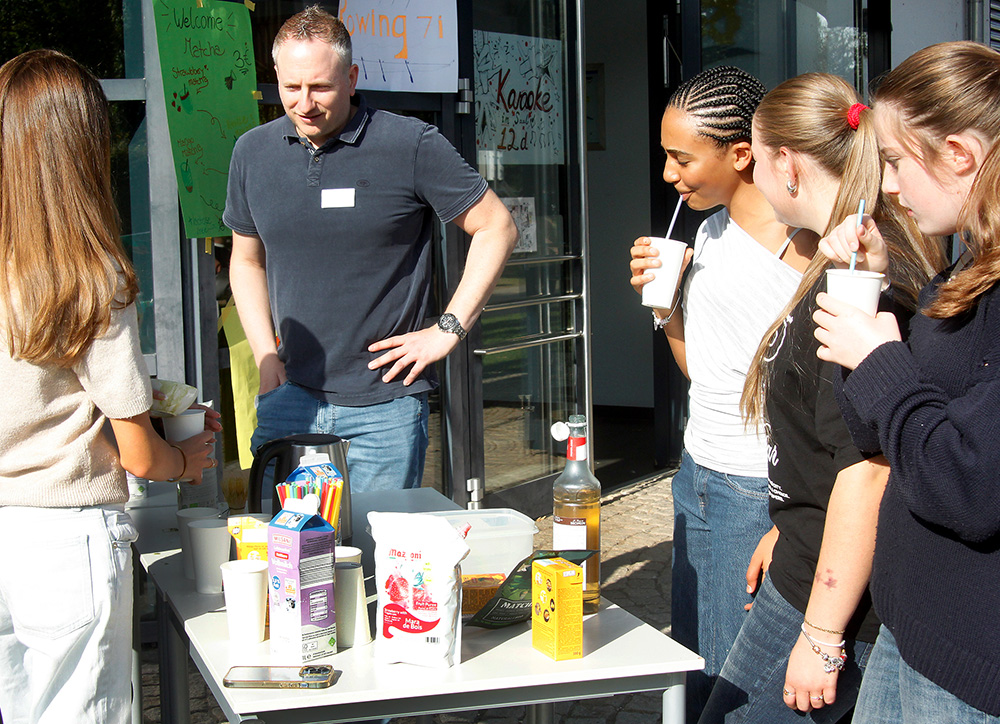
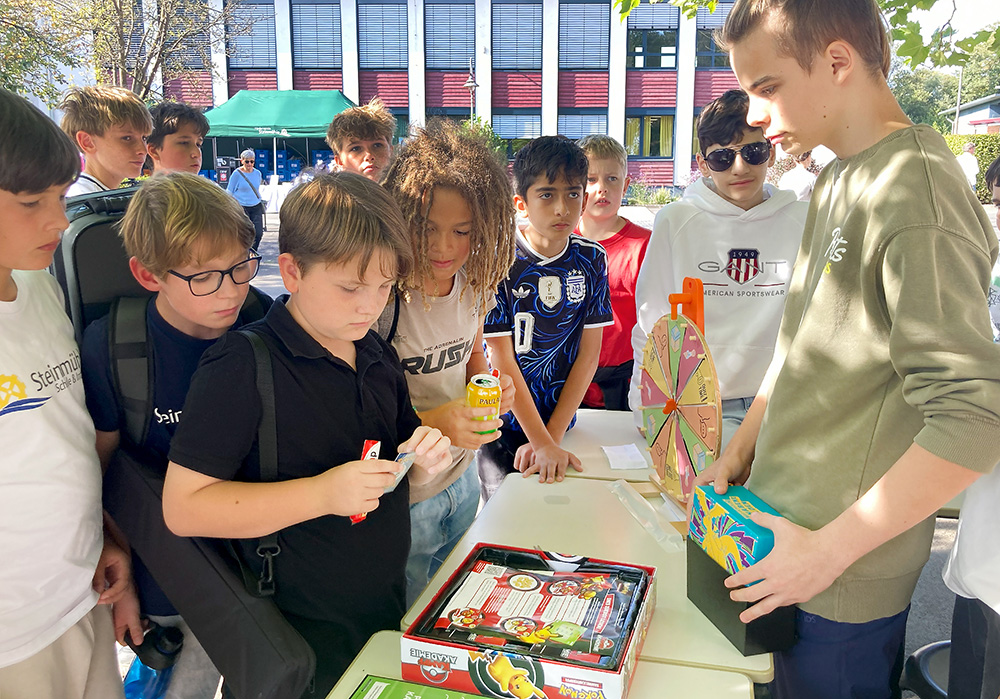
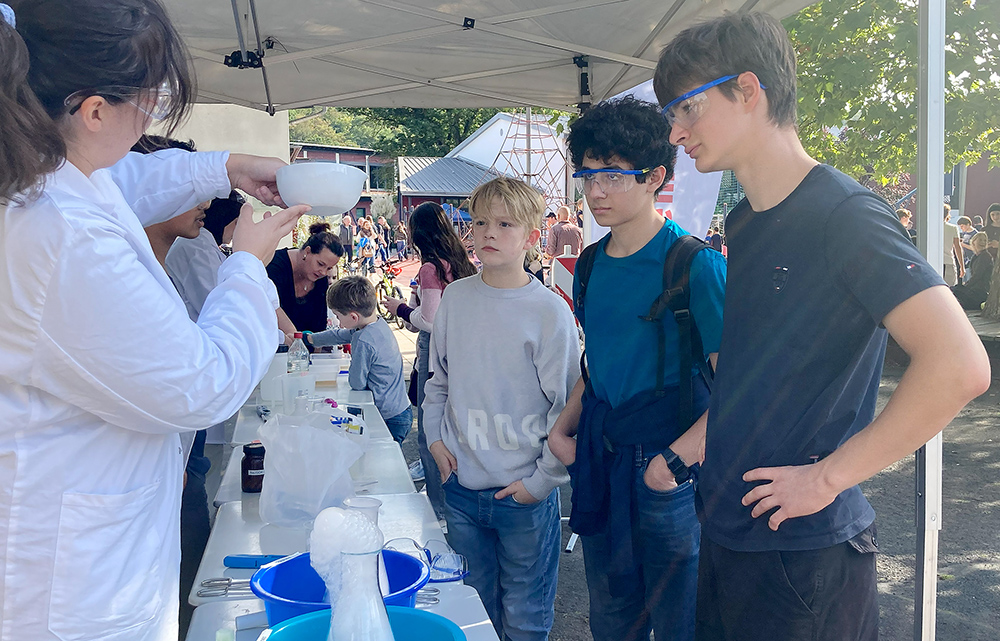
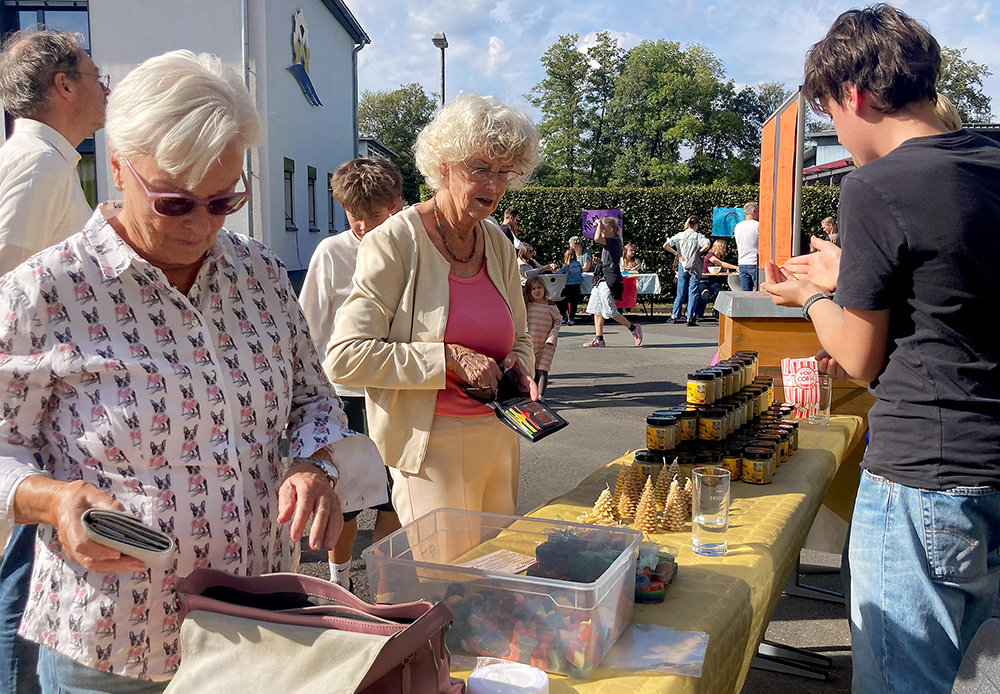
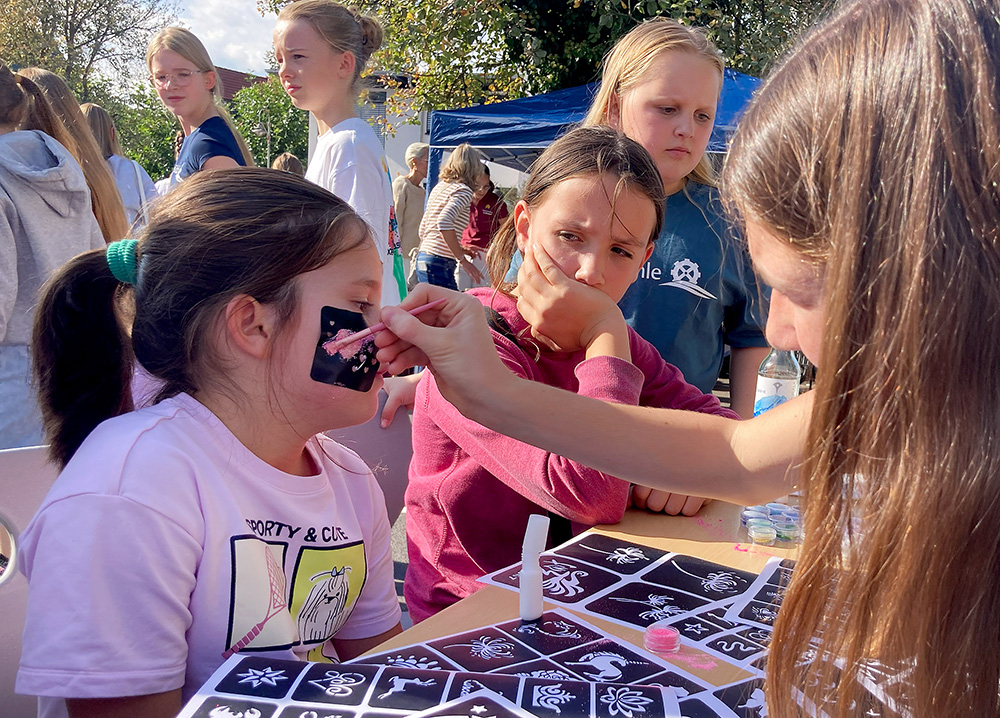
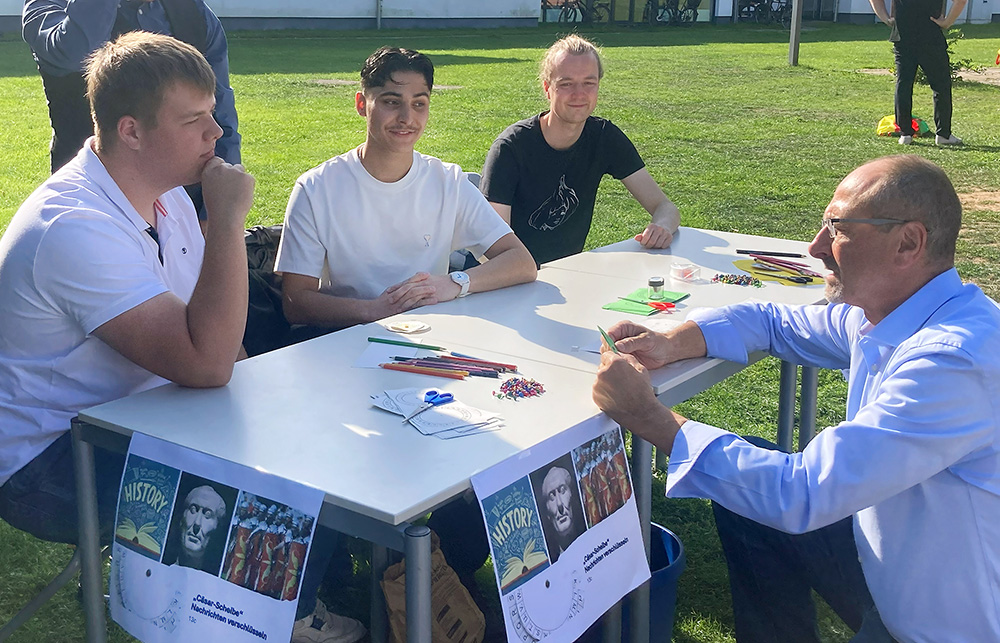
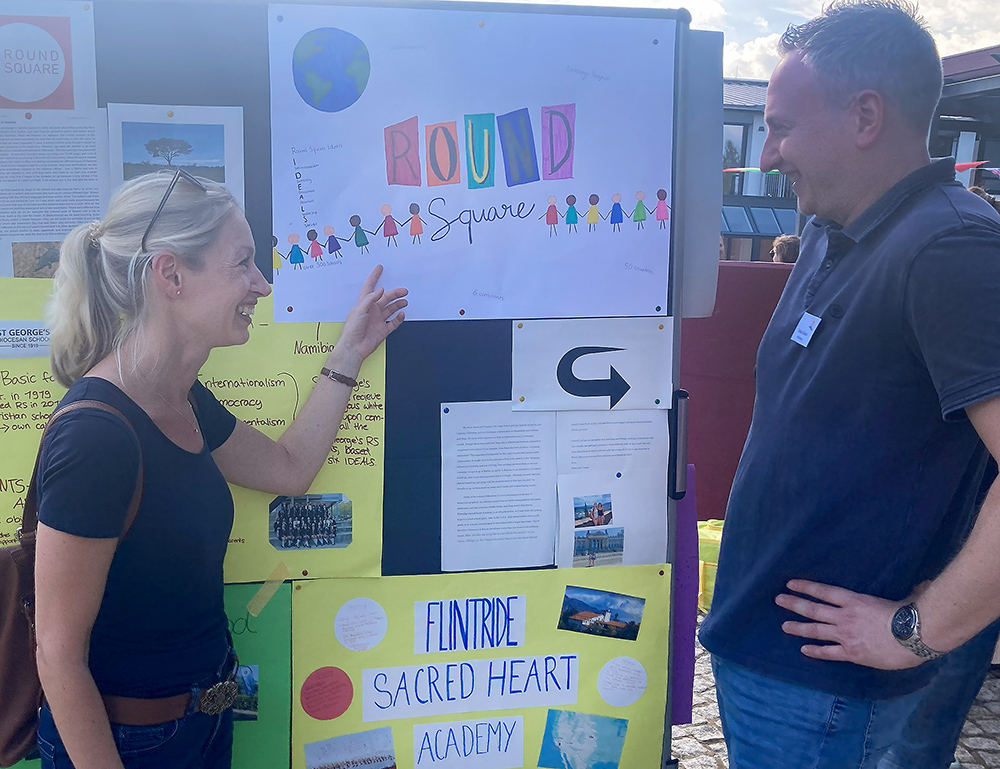
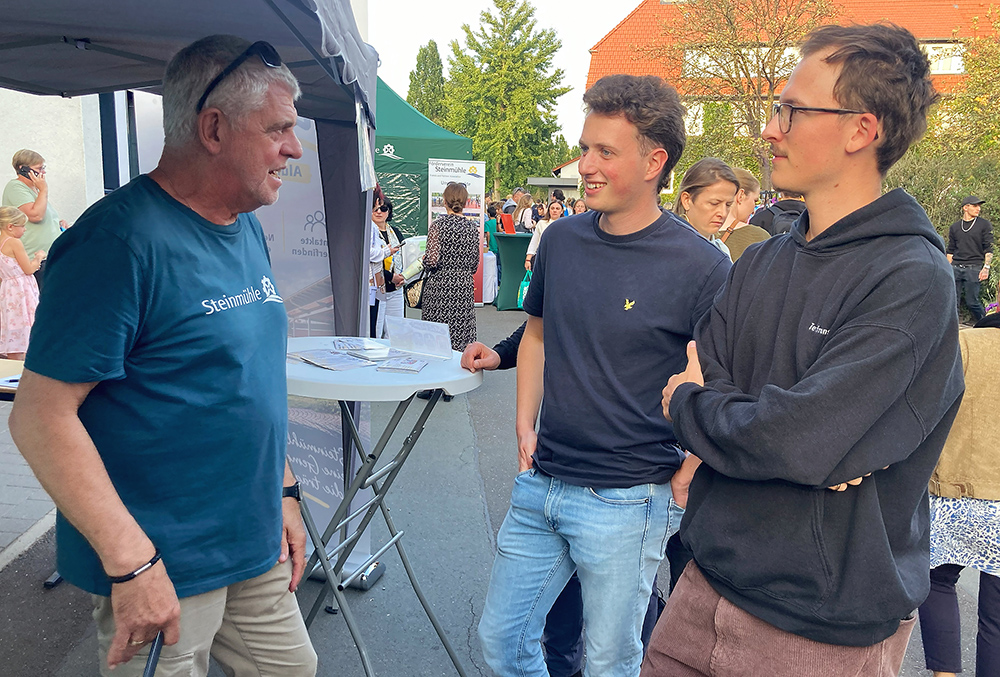
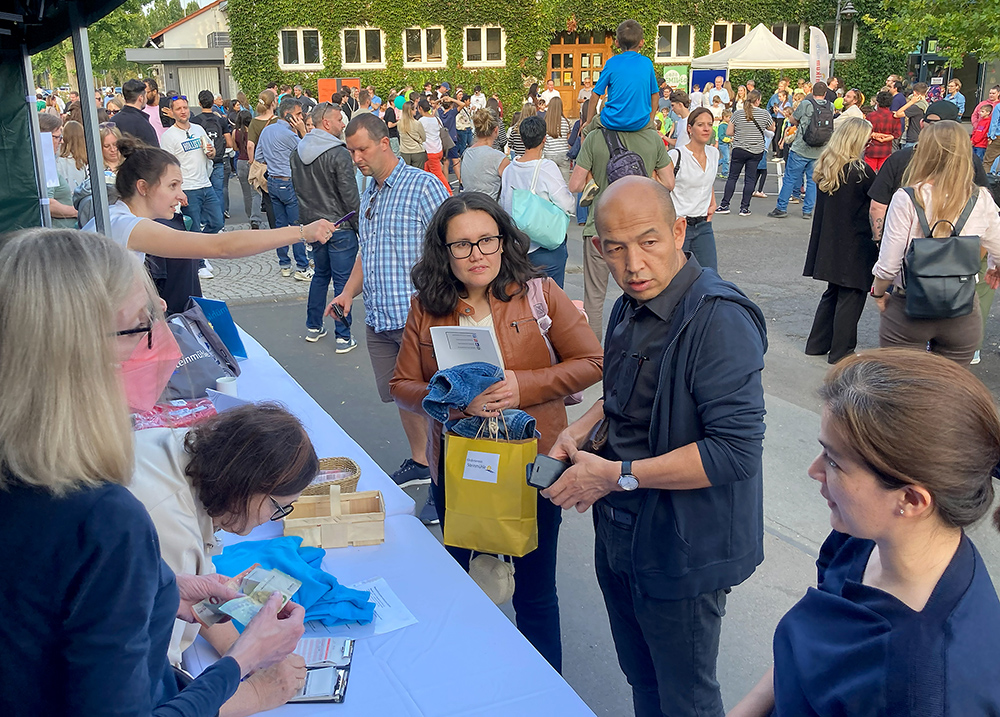
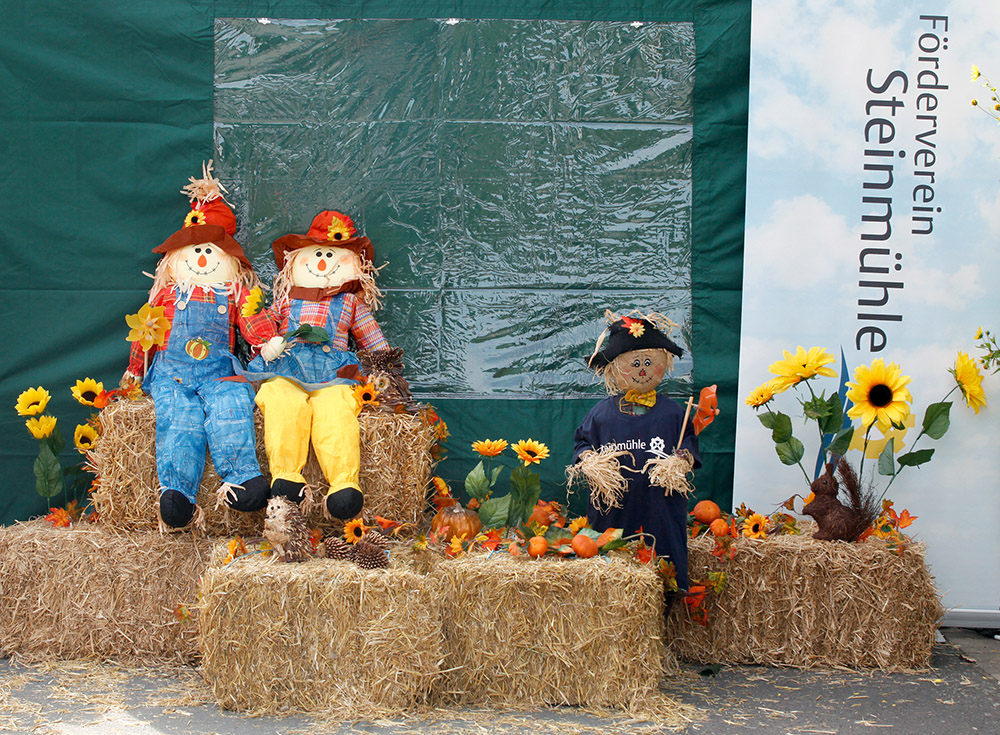
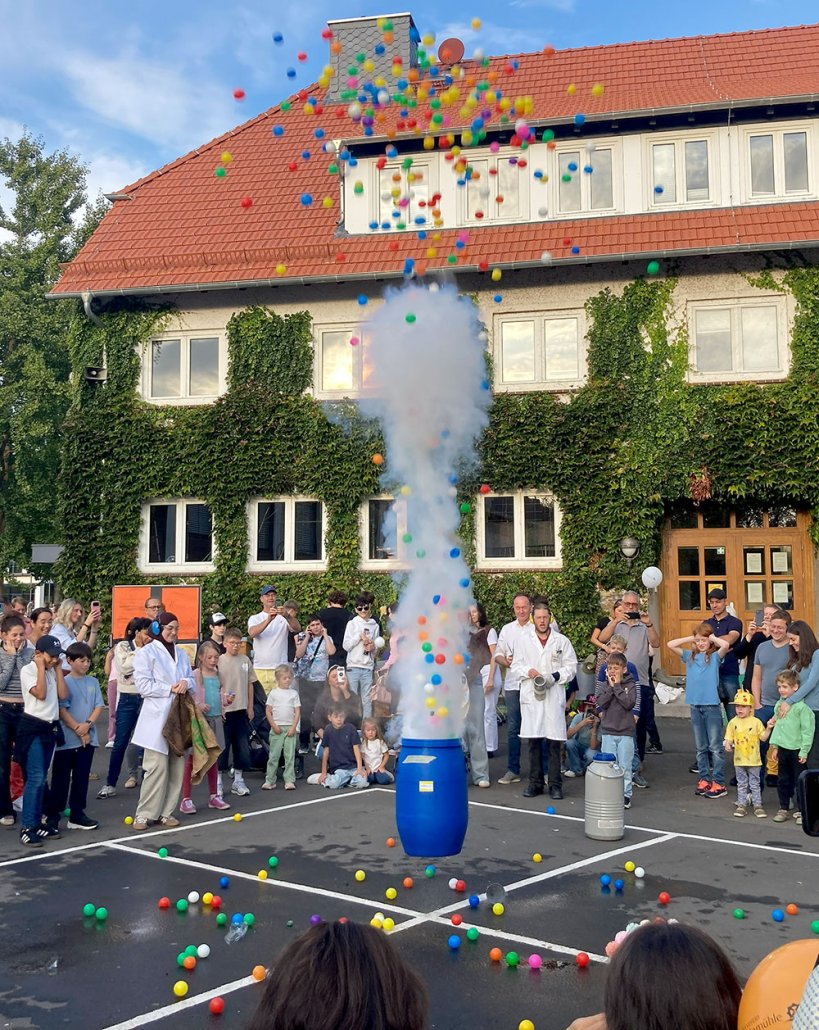
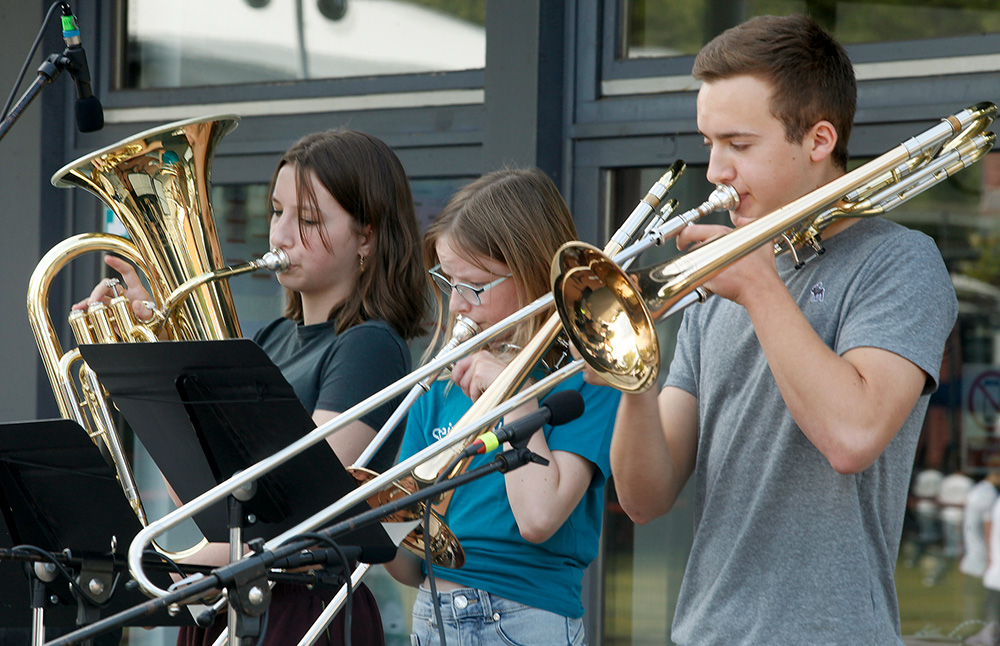
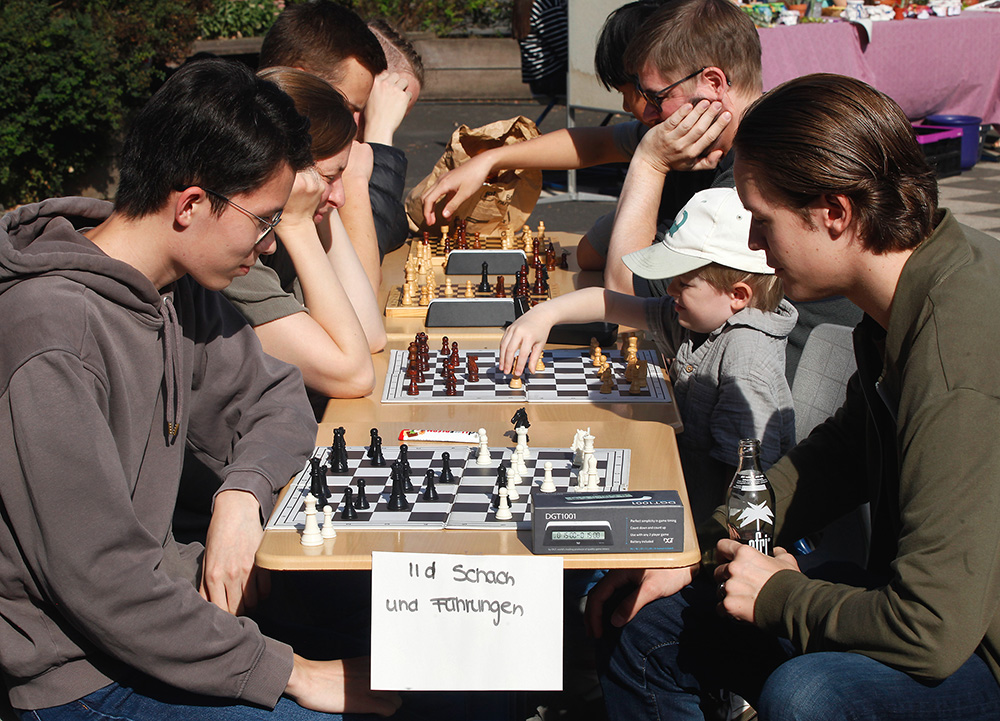
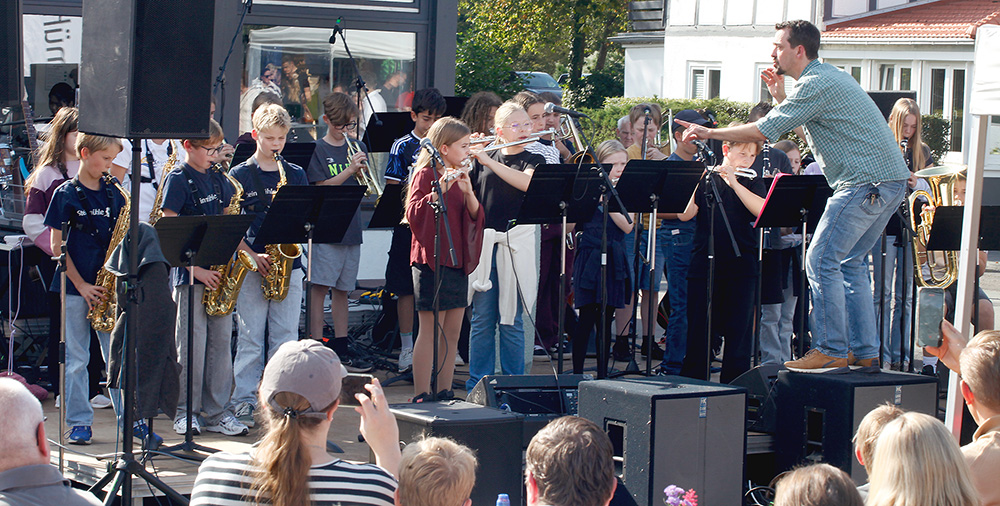
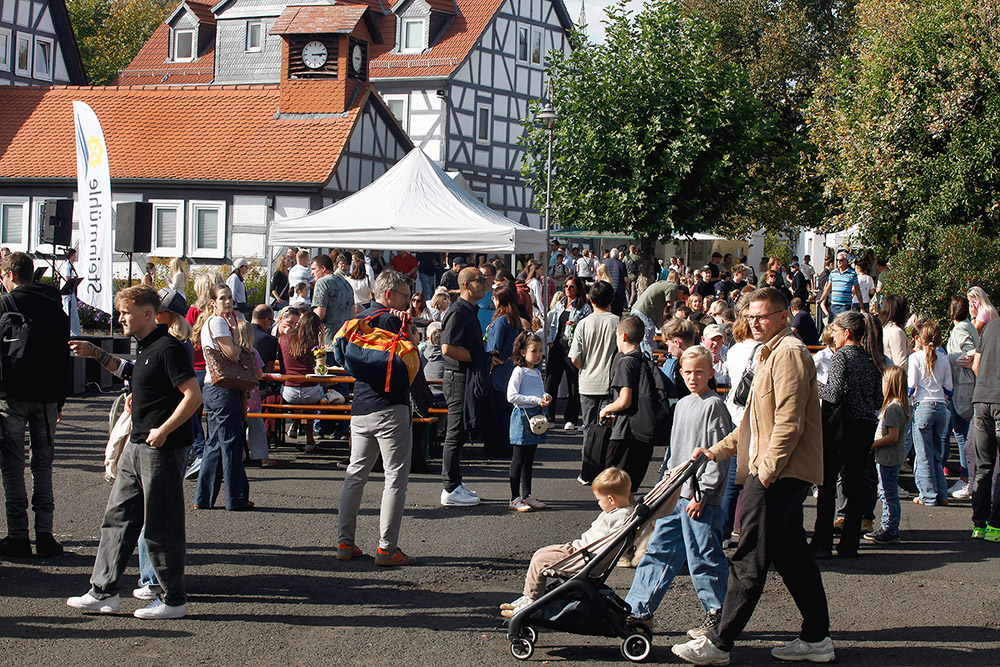
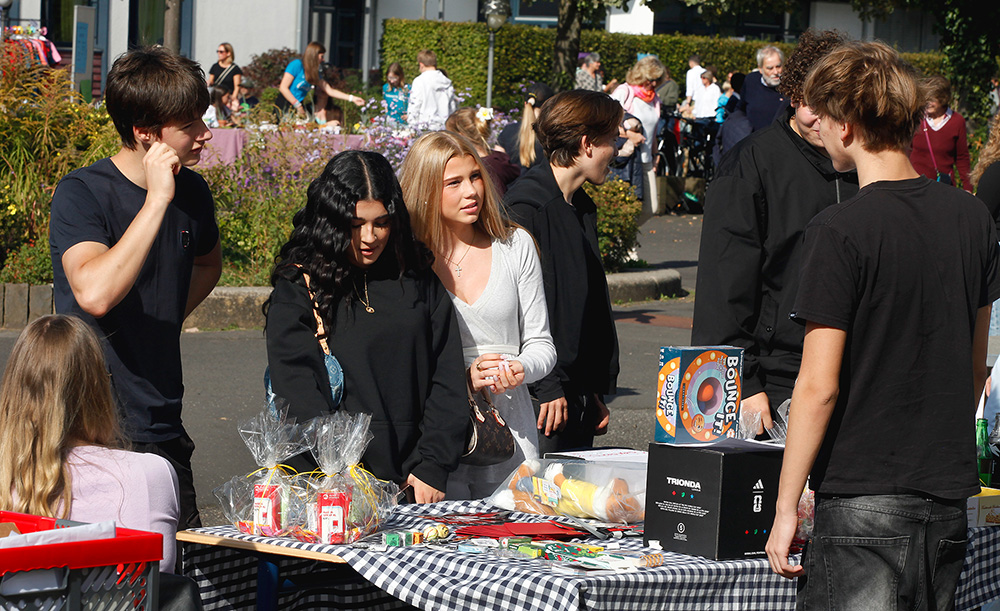
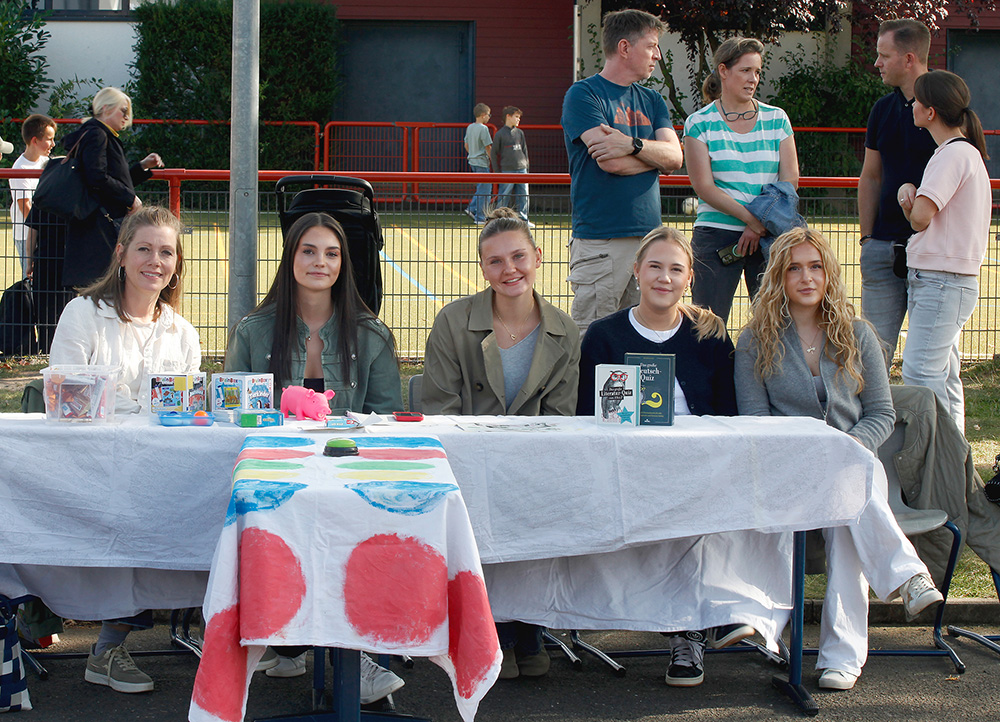
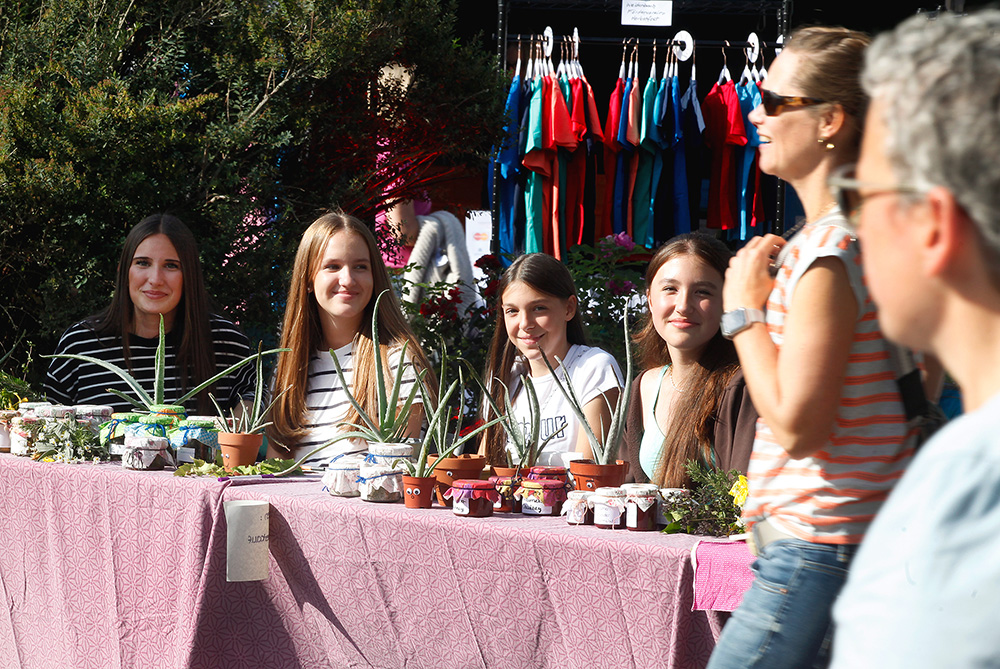
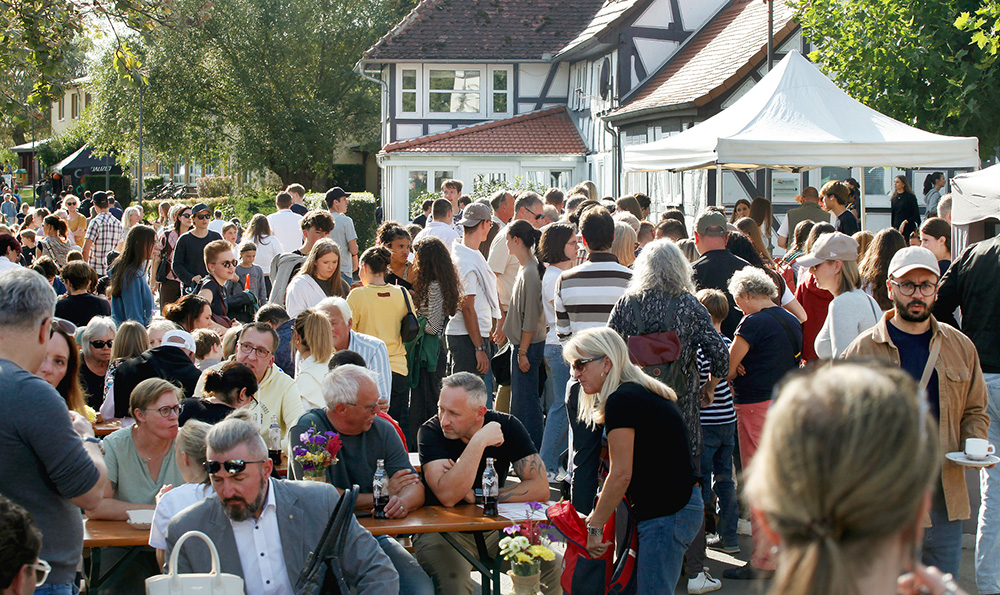
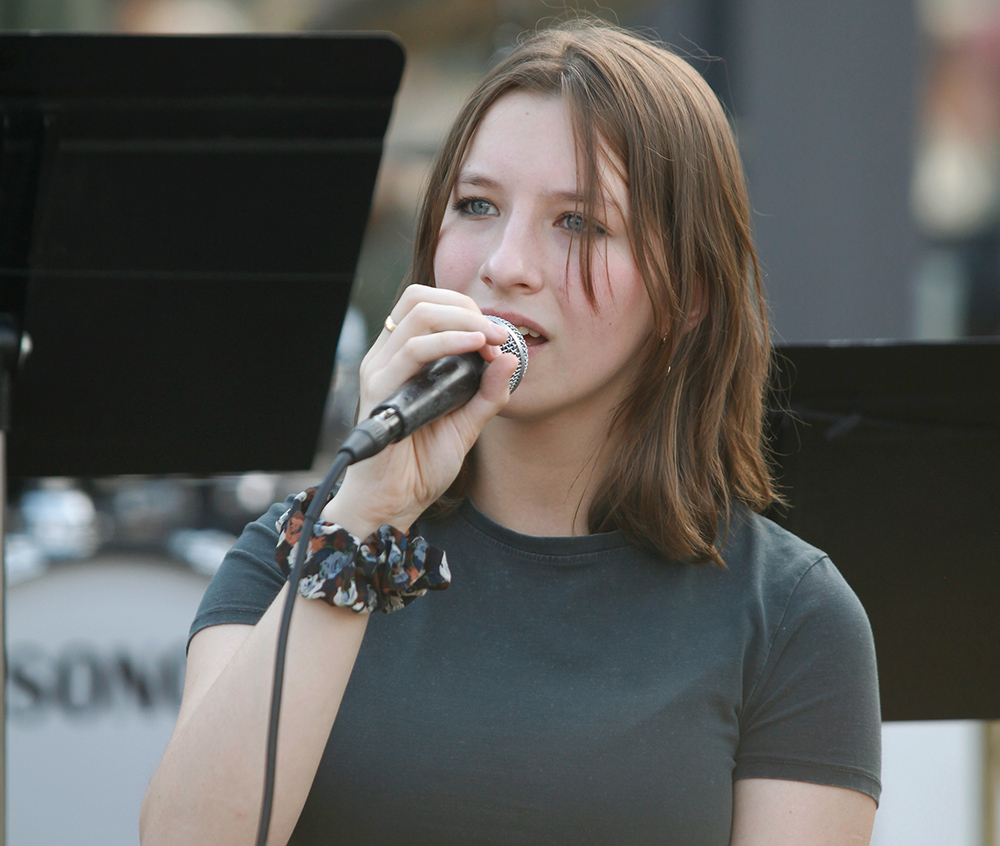
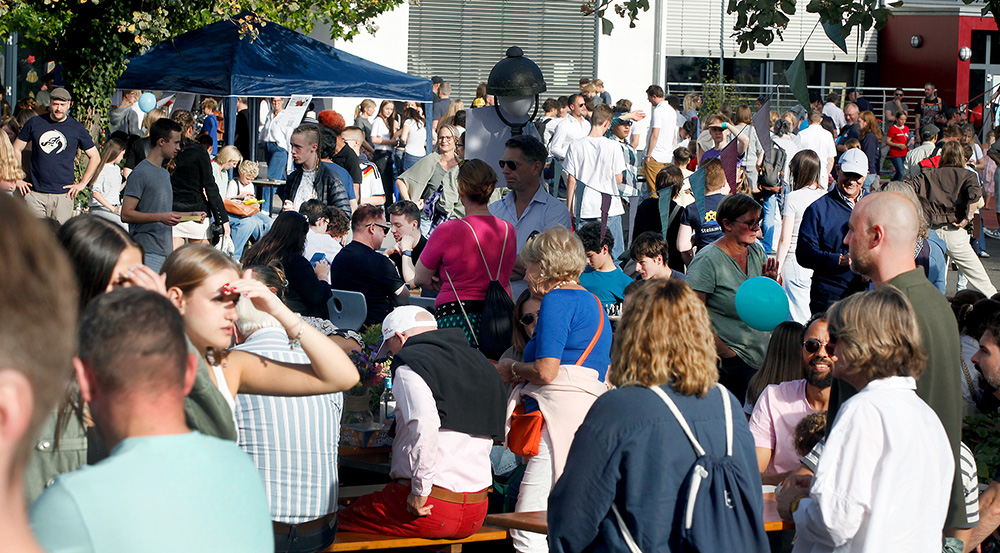
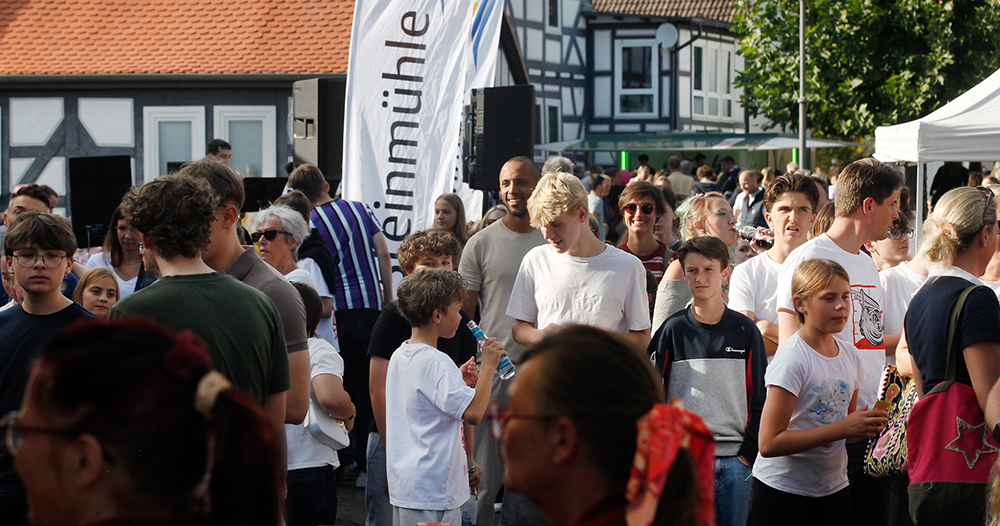
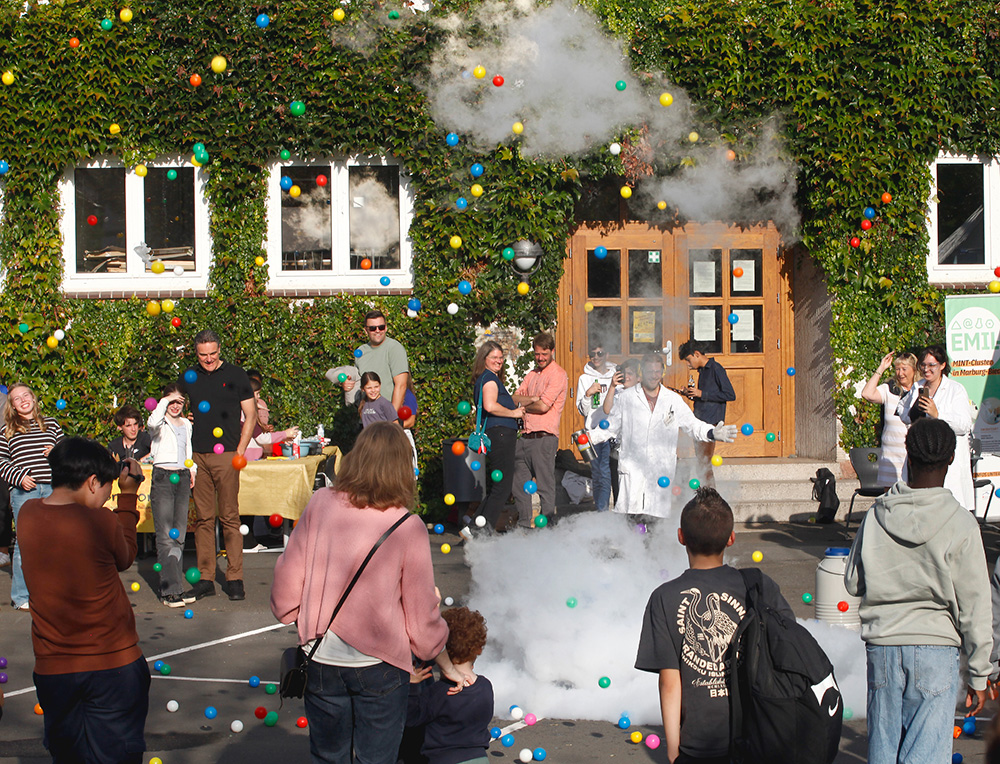
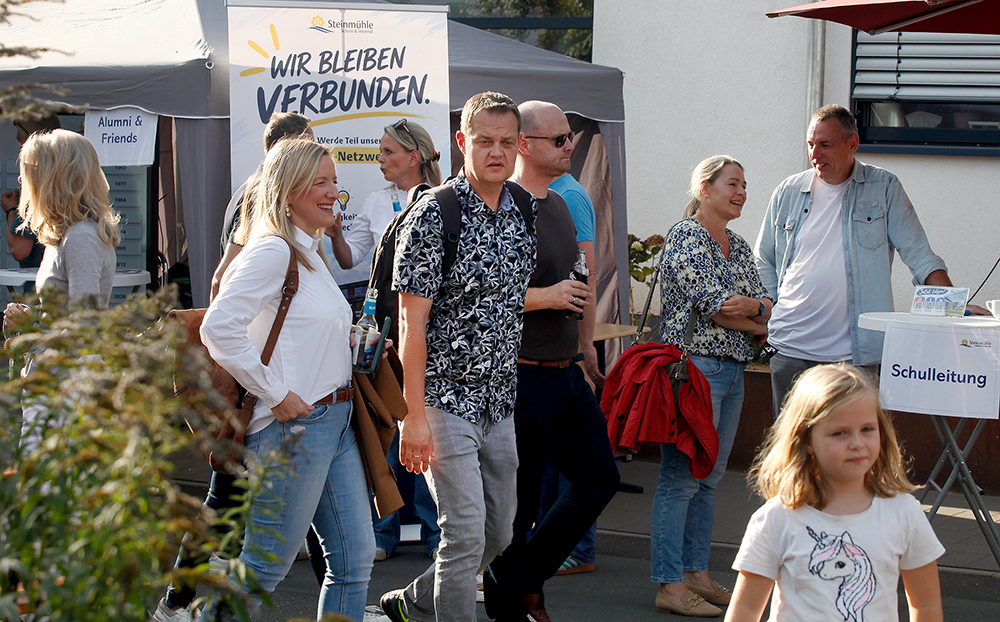
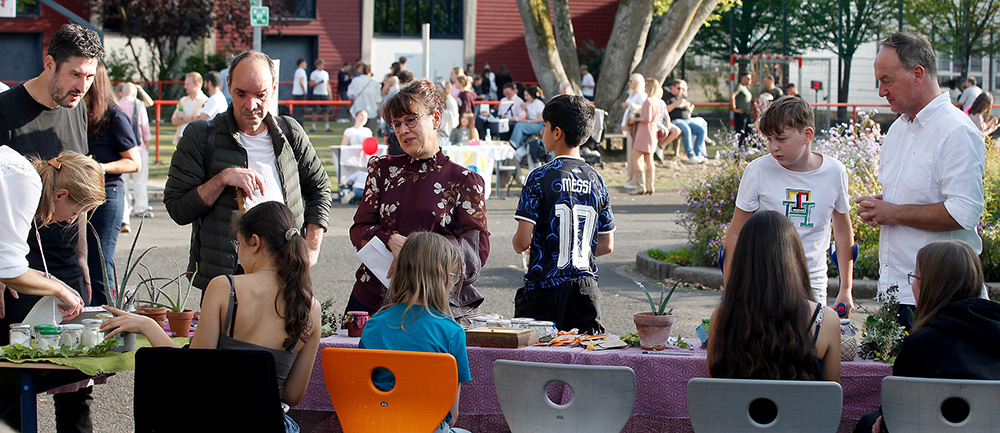
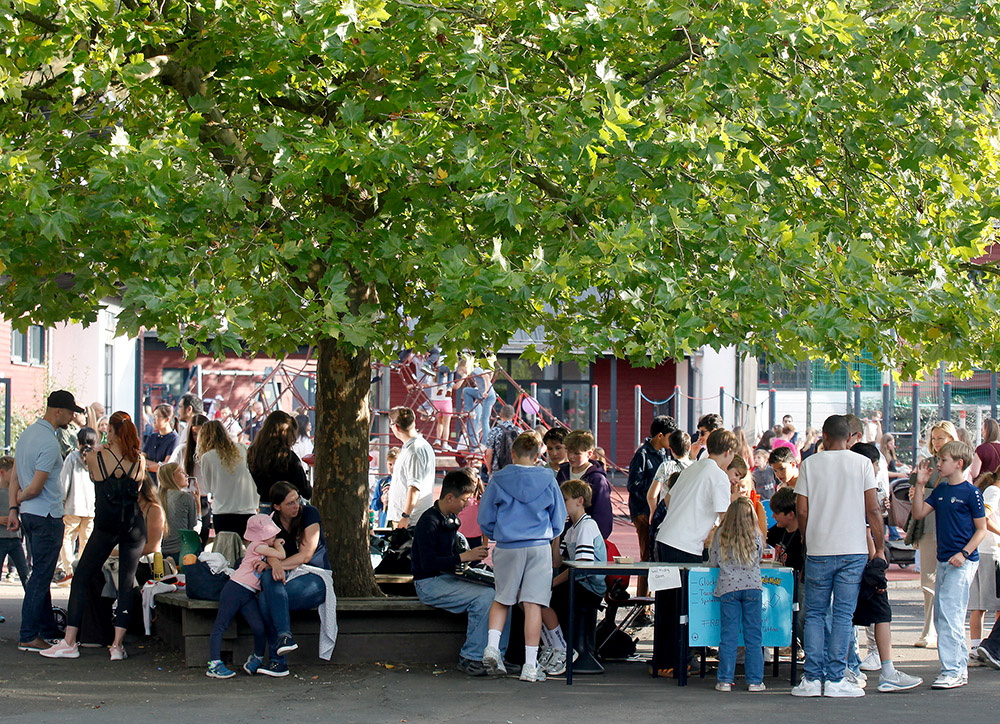
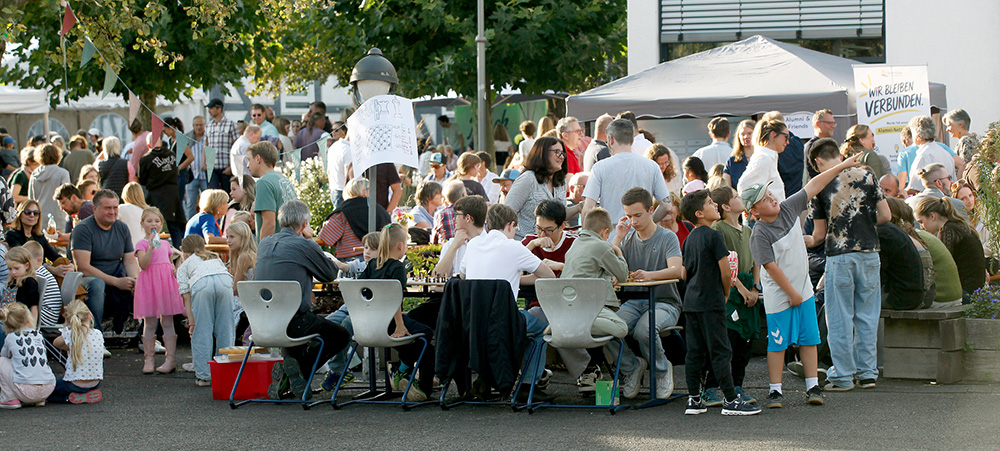
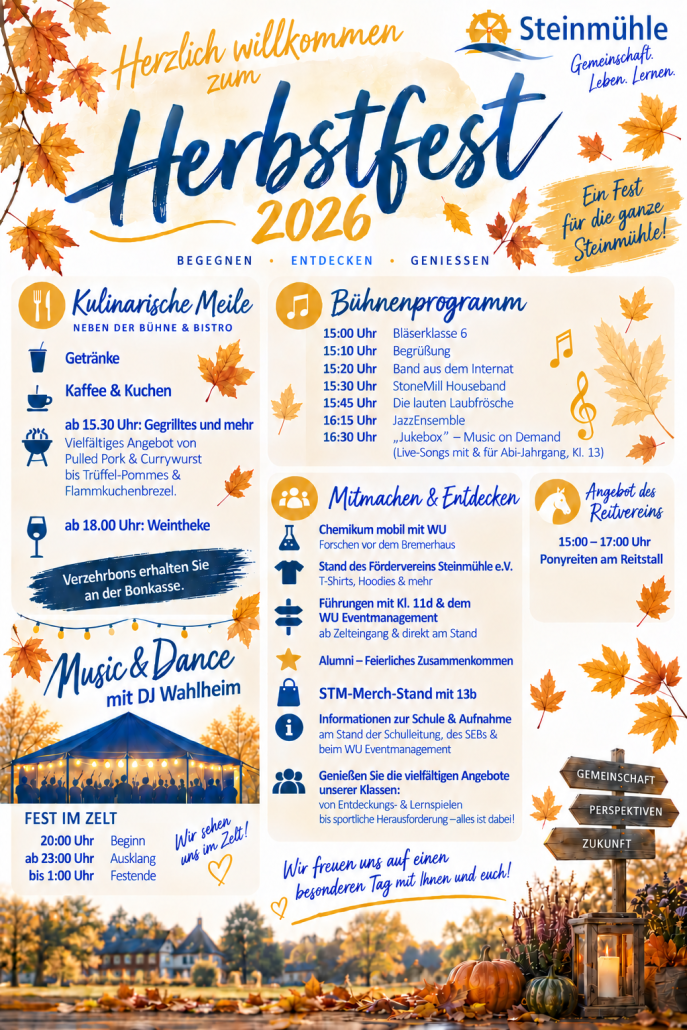
Our photographer, Rainer Waldinger, took many beautiful snapshots at the Steinmühle Fall Festival last Saturday, September 26.


Presentations with great attention to detail

The following photos from the day reflect the diversity of our offerings, the atmosphere on our campus, and the attention to detail with which everyone involved went above and beyond to ensure a diverse and outstanding public image. We thank the boarding school community and the school for all their hard work. Organizationally, this took a massive amount of effort! We have the utmost respect for those who were in charge of the planning, as well as for everyone who pitched in physically to transform the Steinmühlen campus into a festival grounds for a day. The fact that we managed practically without any external service providers gives you an idea of what had to be accomplished here.


Follow us on social media!

Now scroll down to check out the photos. The second batch of evening photos will follow. You can already get a glimpse of them in the “Herbstfest” story archive on the Steinmühle Instagram page. By the way: We’d love to have you as a follower there, as well as on Facebook and LinkedIn.

Have fun!


(Angela Heinemann)


Here’s what we offered:

03 Fall Festival Schedule 2026


Did you miss our festival? We’d like to take this opportunity to answer a frequently asked question: The Fall Festival always takes place on the last Saturday of September. So, if you’re planning ahead, feel free to mark your calendars for next year’s date: September 25, 2027.


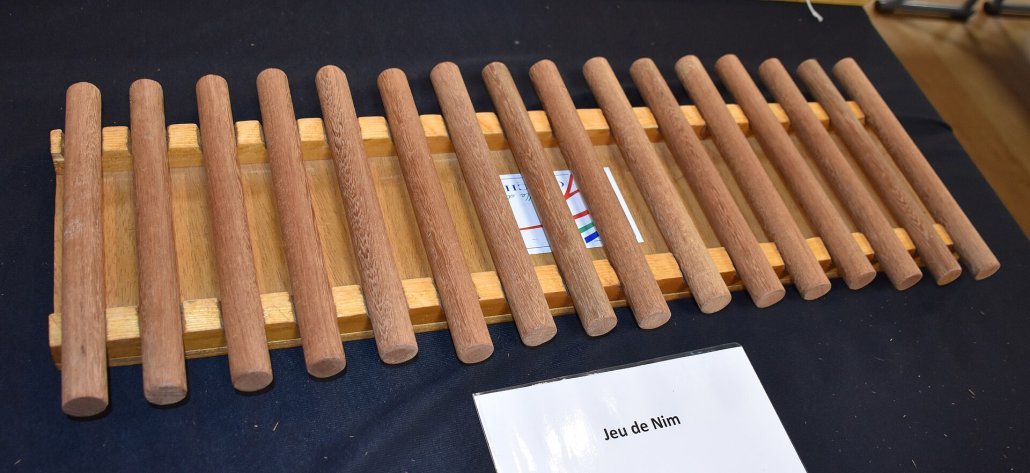
Eighteen math-enthusiastic and gifted students in grades 6 through 13 at Steinmühle High School recently discovered that mathematics is much more than just dry formula work. During the three-hour workshop, they delved deeply into the fascinating world of game theory and combinatorics—led by Prof. István Heckenberger (Department 12: Mathematics and Computer Science at the University of Marburg) and math teacher Maximilian Moll.


Of Astonishing Strategies and Helpless Sheep

The afternoon focused on so-called deterministic games —games in which victory is not determined by luck of the roll but can be achieved through a mathematically perfect strategy. Among other things, the young people explored:

  • NIM Games: How can you plan your victory from the very beginning by skillfully dividing matches into pairs and using binary numbers?
  • Wolves vs. Sheep: Why can four wolves on a chessboard guarantee that they will surround the sheep by using a seamless “wall strategy”?
  • Connect Four & Space Control: What mathematical principle lies behind the middle column, and how do the odds of winning change when you vary the number of columns?

In addition to strategy games, the focus was on phenomena such as non-transitive dice (dice that beat each other—similar to “Rock, Paper, Scissors”), the systematic counting of possibilities, and the mathematical search for unchanging properties (invariants).

What makes this group special is that the wide age range—from 6th grade to high school—proved to be a real asset: As they worked on complicated game strategies, the ideas of the younger and older students complemented each other.


Kickoff for Additional Workshops at Other High Schools in Marburg

The afternoon marked the successful kickoff of the “Marburg Does Math” workshop series—a joint initiative of the Central Hesse Student Research Center (SFM) in cooperation with Department 12 at Philipps University of Marburg.

The goal of the series is to bring together math enthusiasts from the region and give them insights into topics that go far beyond the standard school curriculum. Additional events at other high schools in Marburg and at the university are already being planned.

If you have any questions or are interested in the upcoming workshops, please feel free to contact Prof. István Heckenberger and Maximilian Moll.

(Maximilian Moll / Photo: Wikimedia)