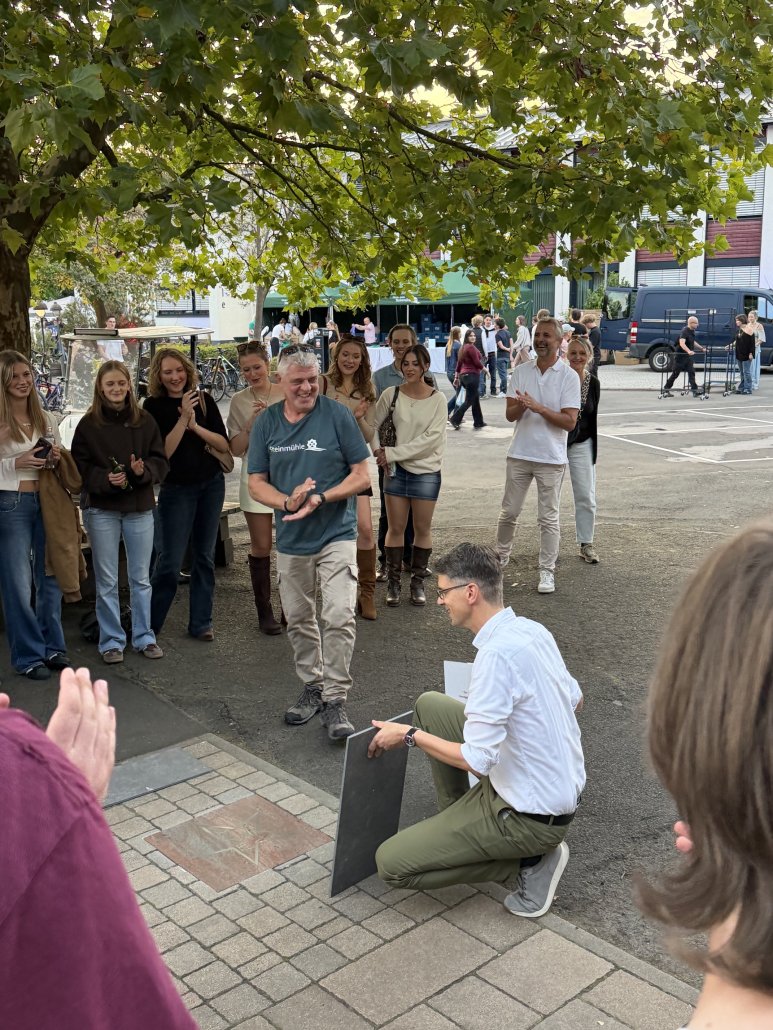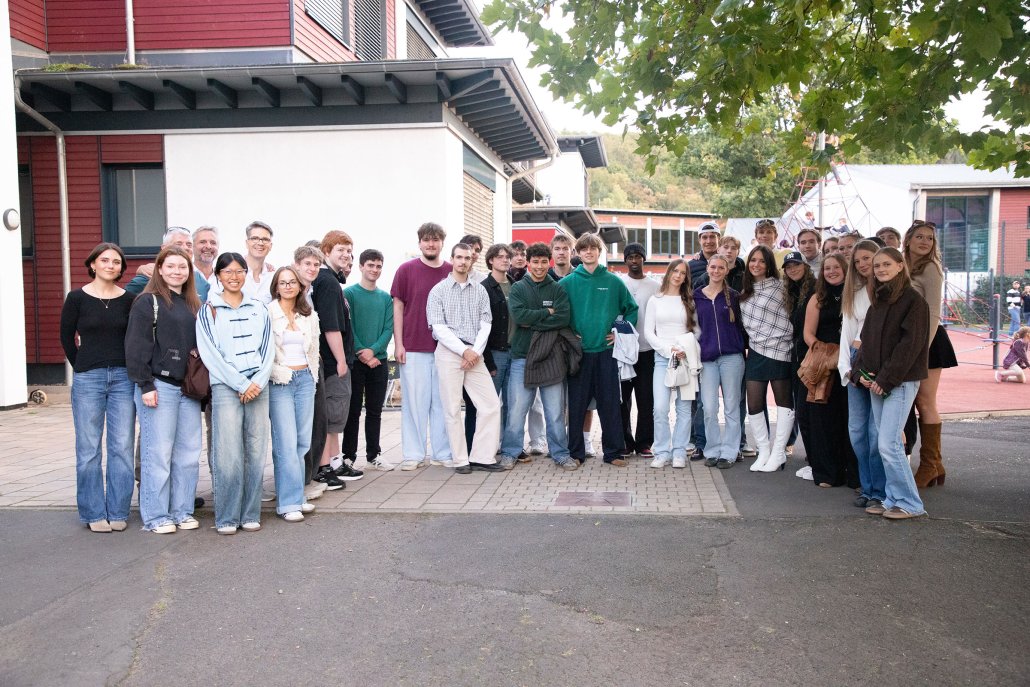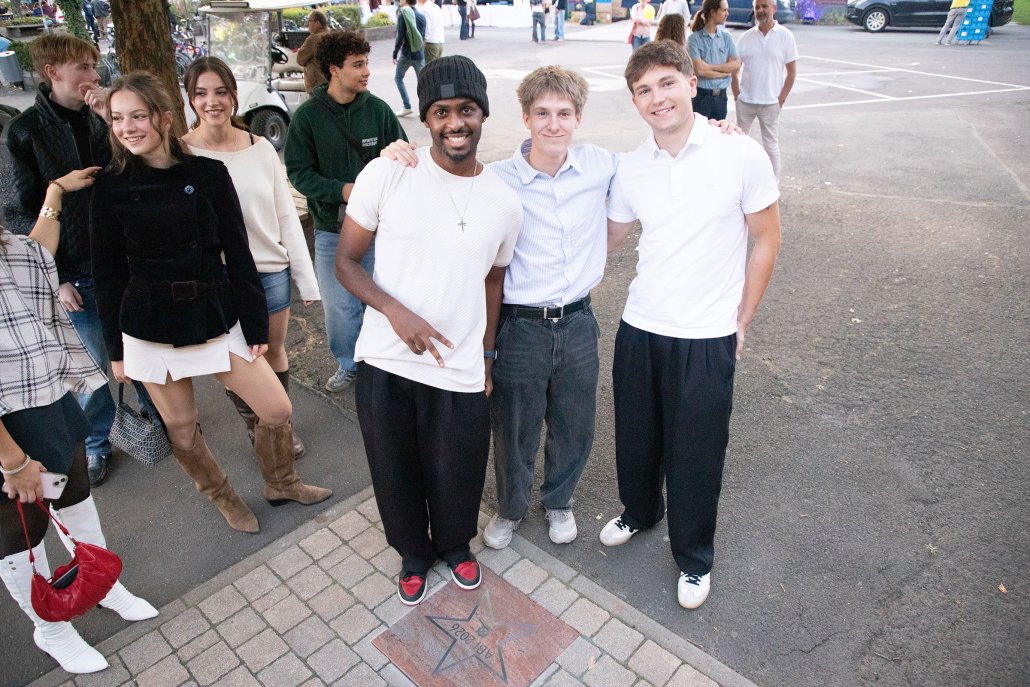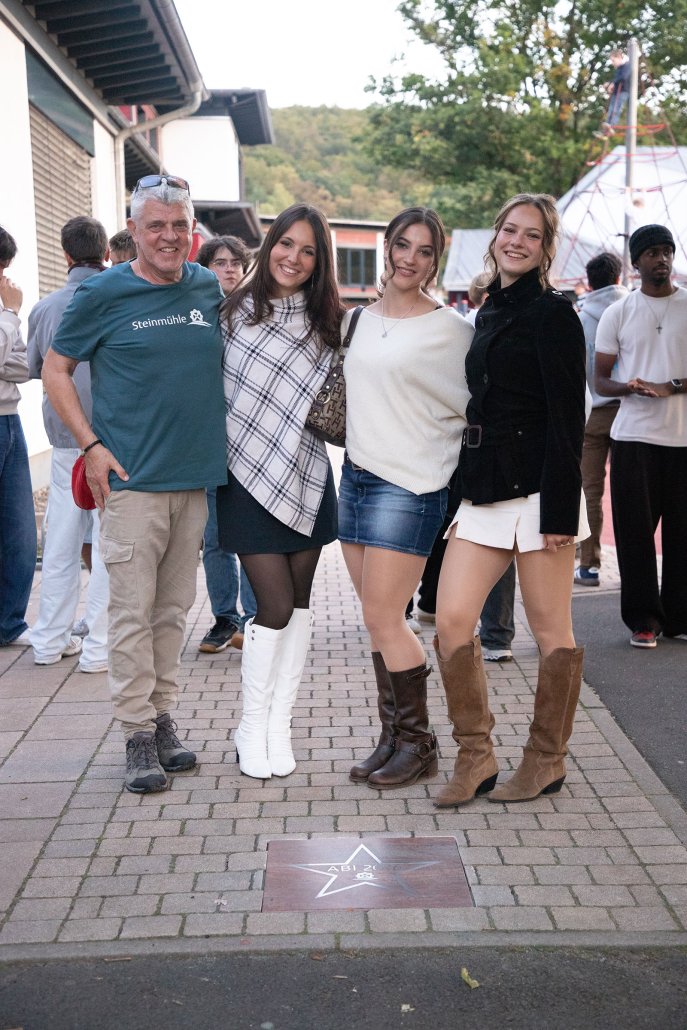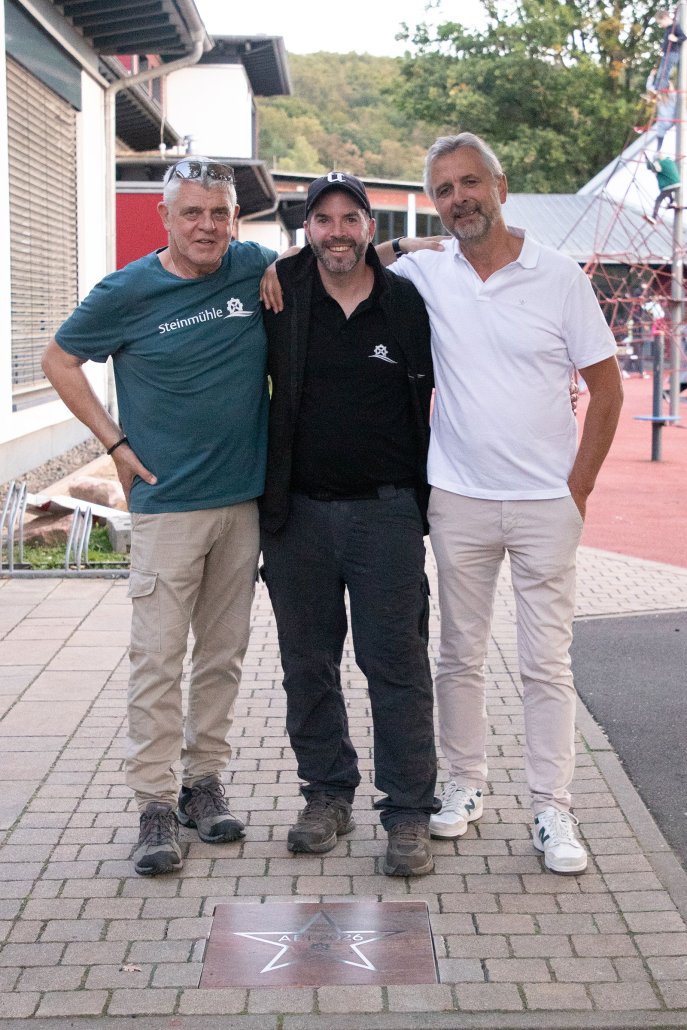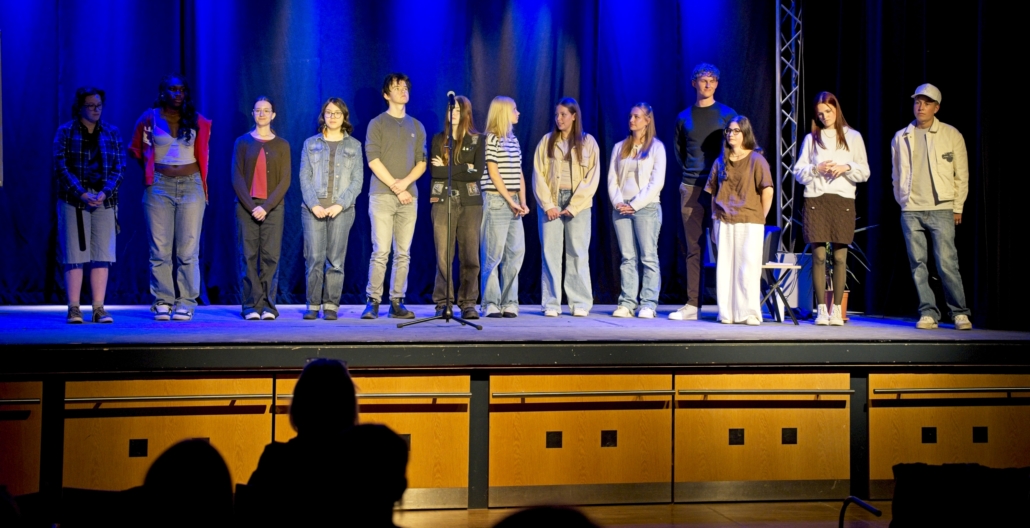


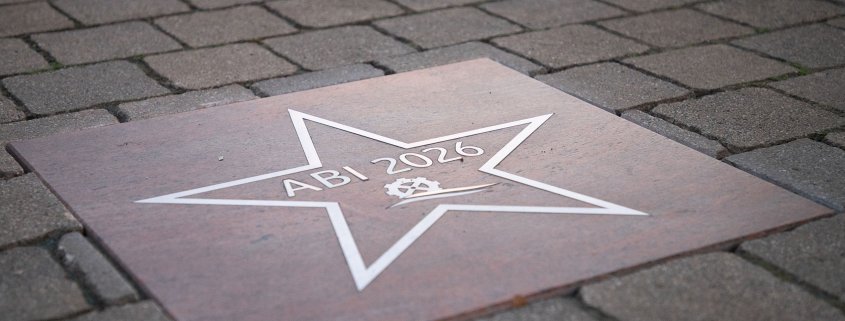
We’ve taken the first step: The first alumni stone from the Class of 2026 is now in place in the Steinmühle schoolyard! Together with stones from other graduating classes, it will one day mark the path to the planned alumni gathering place in the Miyawaki Forest, which was planted in the area between the parking lot and the new gymnasium to mark the retirement of Principal Bernd Holly in the summer of 2023. The forest was named “Hollywood” at the time, so it’s no surprise that the planned path—modeled after the world-famous “Hollywood Walk of Fame” in Los Angeles—will also be called the “Walk of Fame.” The original in LA honors various celebrities from the entertainment industry with over 2,800 embedded stars.
Bernd Holly is the face of the alumni network
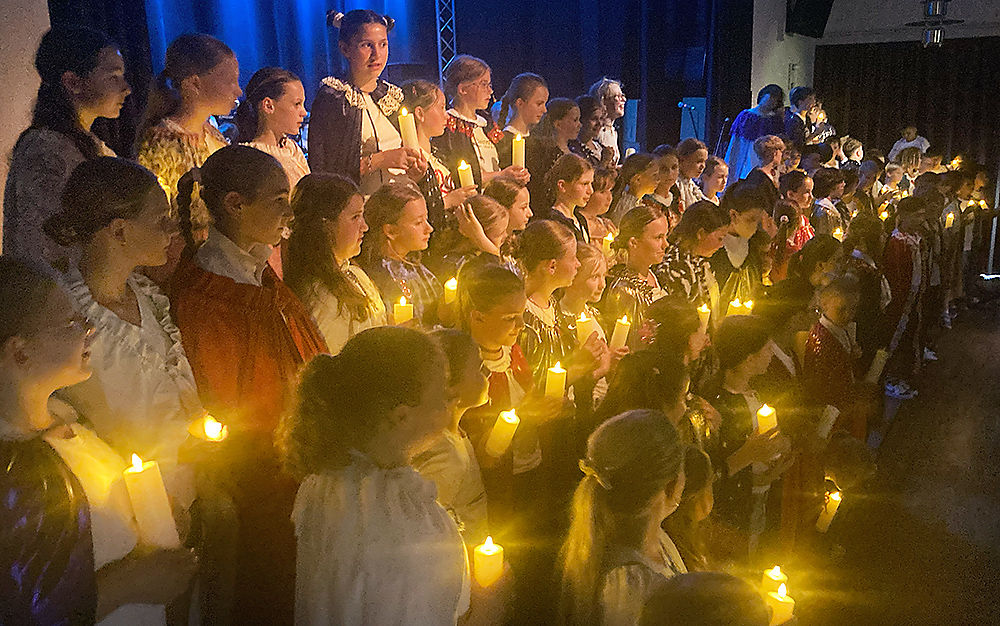
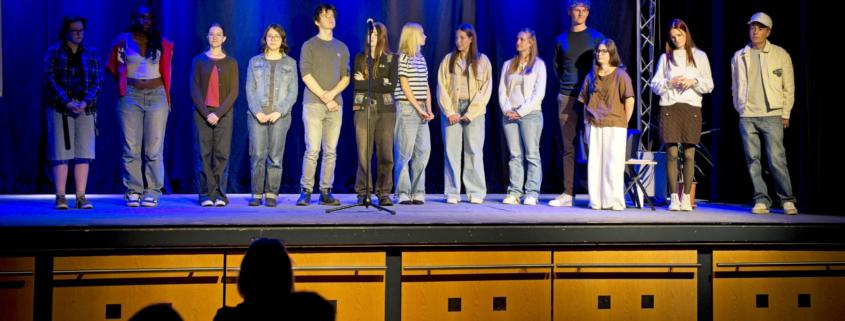
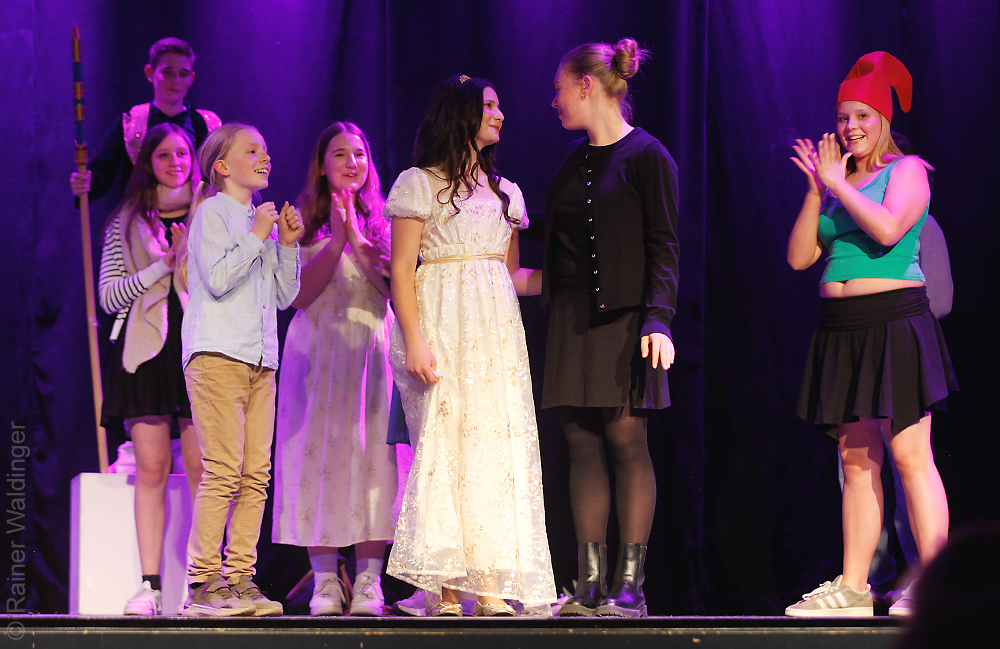
Until the path on the Steinmühle grounds is finally in place, Bernd Holly still has some work to do. This energetic networker is the new face of the Steinmühle alumni community, which is currently being established. Together with his former fellow principal, Björn Gemmer, and under the enthusiastic gaze of the Steinmühle administration, he unveiled the first alumni stone. Nearly the entire class of 2026 had traveled to the event, formed a guard of honor during the ceremony, and applauded.
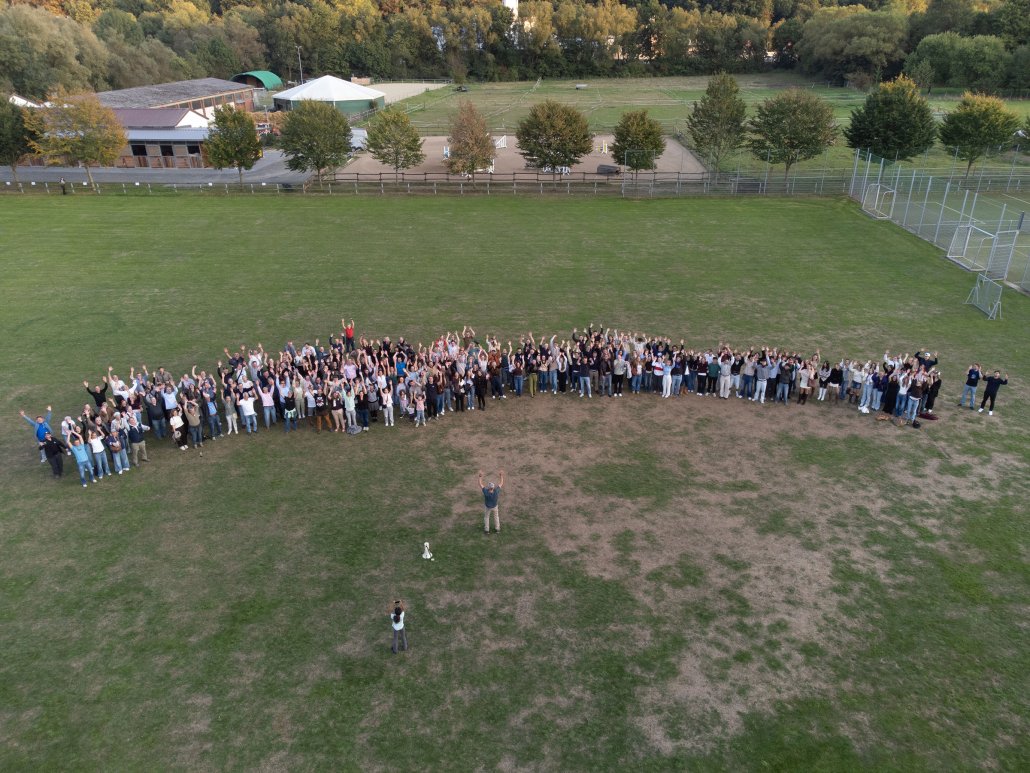
“Some Steinmühlen high school graduates have become famous. Who knows, maybe you will, too,” said Björn Gemmer, half in hope, half in prophecy. Be that as it may: It was a very special part of the program at this fall festival, during which—shortly beforehand—alumni from all graduating classes had gathered on the sports field of the boarding school grounds at Bernd Holly’s call to pose for a drone photo taken by Till Buurman, the head of facilities and IT at the boarding school, .
High school graduating classes can apply to have a star on the “Walk of Fame”
We’re curious to see which graduating classes from past and future years would also like to have a stone on the Steinmühle Walk of Fame. It is a high-quality granite stone with stainless steel, crafted by the master stonemason and stone sculptor Joseph Paffrath.
Anyone interested is invited to contact Principal Björn Gemmer or Managing Director Dirk Konnertz.
Steinmühle-Alumi from all graduating classes are also warmly invited to connect with one another online. The Steinmühle website is available for this purpose: https://steinmuehle.de/friends-alumni/alumni-netzwerk-steinmuehle/.
(Angela Heinemann)