Halloween is just around the corner, but unfortunately, the big costume party had to be canceled this year. But of course, masks, social distancing, and other precautions aren’t stopping the Steinmühl students from enjoying a spookily fun boarding school weekend. So the teachers put together a COVID-safe program for the weekend that gave the students plenty of reasons to get the creeps.

Creative Pumpkins Carved by Hand

Of course, the classic pumpkin carving activity was a must. Inside the tent, the large pumpkins were hollowed out and carved using professional tools until, in the end, seven glowing, spooky faces adorned the entrance to the dining hall. Everything was carved, from the Cheshire Cat from *Alice in Wonderland* to the face from *The Nightmare Before Christmas* to the classic grim expressions. Sprayed with varnish, these handmade pumpkins will last until October 31.

A Full Halloween Lineup: Scary Movies, a Nighttime Walk, and More

And while the older students tried not to throw their popcorn into the air in fright as they watched a scary movie that evening in the dining hall—which had been set up to comply with COVID-19 guidelines—the younger students shuddered during their nighttime walk. Ten intrepid Steinmühl students ventured out with two teachers on a tour through the Cappeler Forest—a test of courage, of course, included. Fortunately, everyone arrived home safe and sound after surviving the terrors of the dark forest.

The horrors of the forest were brought directly to the students’ cell phones and tablets through the digital game “Among Us.” The objective of the game: to unmask the sinister enemy “among us” in the fictional space colony in order to save the community. Thrills and fun are guaranteed here as players work to uncover the traitor in their own ranks. This digital reimagining of the classic Werewolf game was a hit with many students and continued to be played even beyond the extracurricular club sessions, right into the dorm groups.

For those who preferred something a little more low-key: a cozy, spine-tingling experience with storytime and puzzles

Those who preferred a more laid-back atmosphere could gather in the gym for “Trick or Treat,” where, while maintaining a safe distance and by candlelight, they could listen to someone read from *Harry Potter*. The more active, unconventional thinkers among the students were invited to take part in “Black Stories”: Two men died at the same time, simply because they wanted to get some fresh air. What had happened? This and other mysteries were solved together.

The biggest mystery for the residents of Steinmühle right now, however, is whether and when a big activity weekend will be able to take place again. But thanks to the creativity of the educators, it will never get boring here, no matter what.

School, boarding school, and strong networks enable new activities in inclusive sports

Plenty of exercise in the fresh air and lots of fun for young people with and without disabilities—that’s what the new soccer golf course on the Steinmühle grounds has to offer. The 12-station course is designed for use in inclusive sports. That’s why the soccer team from the Kerstin-Heim and soccer-loving families from fib—the association for promoting the inclusion of people with disabilities—attended the opening ceremony. Together with members of the Sportfreunde Blau-Gelb and Steinmühle, they immediately set out to explore the individual challenges.

“Hesse has never seen such diversity before,” said Anne Effe enthusiastically. The Special Olympics regional coordinator for Hesse had traveled there specifically for the opening ceremony. Egon Vaupel expressed his gratitude to her in his brief speech. The chairman of the Steinmühle Marburg School Association also thanked Marc Mercurio and the Hessian State Sports Federation for their financial support. He emphasized the collaboration among individual institutions on this project, noting that the partnership formed a year ago between Steinmühle and the Blau-Gelb Marburg Sports Club was a key component of it.

Vaupel explained that, under normal circumstances, the course would be completed in groups of five made up of participants from all participating institutions. “Unfortunately, due to pandemic-related regulations, this is not possible at the moment, so the groups of five will remain separate,” he explained to the guests, among whom was Verena Gottmann from the Culture and Sports Department of the Marburg-Biedenkopf district.

There are still too few Unified teams, Vaupel said. That makes it all the more wonderful to launch this initiative in Marburg. “But this can only work as a team,” emphasized the school association president, whose networking skills once again came into their own in this matter.


The focus is on social skills

The idea for the soccer-golf course came from Bernd Holly, one of the two principals at Steinmühlen School: “Our goal was to promote sportsmanship and teamwork, free from the pressure to perform.” In inclusive sports, he explained, teaching and results take a back seat. The focus is instead on acquiring and applying social skills within a team where young people with and without disabilities participate together. The plan is for one or two Steinmühlen students to always be on hand to assist those who need support due to their disabilities as they navigate the course.

“It’s wonderful that we can present this facility today,” said Michael Neirich, the school’s athletic director at Steinmühle, with delight. “We’re inaugurating 12 stations today; eventually, there will be 18.” A unique feature of the facility is that it was designed by students at Steinmühle. The future advanced sports class from 11th grade and their teacher, Mirko Radatz, invested many hours in developing and designing the course. The course elements are weather-resistant; some can be set up and taken down within ten minutes; they can also be used individually for recess sports and, for example, at the Steinmühle Bilingual Elementary School. The high school students provided a description of all the course stations and a “score card” on which all participants’ results can be recorded. The course details alone would provide enough material for another report.


Sascha Huhn had the hardest shot

“If everyone is having fun, diving right into the activities, and the facility can be used in a variety of ways, then we’ve done something right,” Dirk Konnertz concluded. As a former active soccer player and coach, the managing director of the Schulverein Steinmühle Marburg e.V. couldn’t resist taking a shot at the goal wall. The best performance at this station—where shot speed can be measured electronically—was achieved on the day of the inauguration by 23-year-old Sascha Huhn, with a shot speed of 118 kilometers per hour. The student is a winger for Blau-Gelb and a former Steinmühle student.

In collaboration with the organization “Hilfe für Sibiu/Hermannstadt,” the last chalkboards left the Steinmühle during the summer break on a fully loaded 40-metric-ton truck headed for Sibiu—as part of an aid shipment for our Romanian sister city.

The next shipment to Sibiu will include 37 school backpacks in good condition for our new fifth-graders. Principal Bernd Holly has been actively supporting the school backpack drive organized by the Marburg Children’s and Youth Parliament (KiJuPa) for years. The campaign provides school backpacks to children who cannot afford them, while also taking a stand against waste and promoting greater sustainability.


Numerous students from Steinmühle in grades 8 through 11 had the opportunity to experience this over two days in the Dr. Hans Riegel Foundation’s Science Truck, which made a stop at the Stadthalle in Marburg in October.
At this mobile learning center, students were greeted by an exciting, interactive environment where they could explore the future world of life and work under the guidance of three young STEM coaches.

This made it possible to program a humanoid robot to transport a gold bear into a box. Afterward, they learned about the types of tasks robots could be used for in the near future.
“Augmented Reality (AR)” can be used in the future to simplify the assembly of relatively complex machines. At this station, the students had to assemble a machine using smart glasses, through which animated step-by-step instructions were displayed.
At another station, the students were able to experience how virtual spaces can make learning and working easier in the future. Using virtual reality (VR) goggles, participants enter a virtual workshop where they can work on a machine.
At the “Mind Control” exhibit, students experience what it feels like to control objects using only the power of their brainwaves. Here, they must guide a ball through an obstacle course. Technically, this works by measuring voltage fluctuations in the brain. A headset records these voltage fluctuations on the forehead.

Other exhibits focus, for example, on OLED displays, smart textiles, and the “Hyperloop”—a circular vacuum tube in which vehicles can be accelerated to speeds of up to 1,300 km/h, which could be a form of transportation of the future.

The students thought it was “cool” that they got to try so many things out for themselves, and they also found it interesting to learn what the future might hold for them.

For more information: www.touchtomorrow.de

Well, what a wonderful coincidence: 14 students spent 14 days of their fall break at the Waldhaus—this combination made it a natural fit to have a different group prepare dinner each day. This not only ensured an interesting variety at the table but also provided a daily opportunity for community and connection.

Supporting the community even in difficult times

Like everyone else, the educational team at Steinmühle’s “Waldhaus” weekend and vacation retreat faced a major challenge during this year’s fall break: offering the students an exciting program while keeping a close eye on the spread of COVID-19 and ensuring their safety.

As a result, in addition to the group cooking nights and game nights, the program for these two weeks focused primarily on outdoor activities and creative workshops:

The students at Steinmühle Boarding School got plenty of exercise at the high ropes course, and the hike to the Frauenberg castle ruins in the Beltershausen area offered, as always, a magnificent view of the Marburg countryside. Even a brief drizzle couldn’t dampen the spirits during the activities.

The indoor program was also well-received. Equipped with a projector, popcorn, and a large sound system, movie day was one of the highlights. Sometimes it’s the oldies that are the best: Harry Potter took the top spot in the movie rankings.

Discovering the Art of Woodcarving

Some of the program activities brought out the group’s creative side. Batik-dyeing gym bags revealed a few artistic talents. The Waldhaus staff also provided carving tools and wood and offered initial guidance on how to bring their own ideas to life in wood. These have since evolved into independent projects. Boarding student Shawn took on the challenge of carving a Terminator bust. We can’t wait to see the result…

But of course, vacation fun isn’t complete without some big activities. Since laser tag is a favorite pastime for many young people, the Waldhaus educational team rented a laser tag setup. To offer a change of pace from the usual activities back home, the students were able to let off steam in a variety of ways here, under supervision and with safety precautions in place.

In addition, our classmate Cindy had her big day during the fall break: she turned 18—and of course, that had to be celebrated in style that evening. The break ended on Saturday with a raclette dinner together, to mark our time together with another delicious meal.

The end of vacation is approaching: All boarding school students will gather on Sunday

School will resume on Monday for all students at Steinmühle. Boarding school parents and students were well prepared for their return trip by boarding school director Anke Muszynski. The teachers at Steinmühle will continue the measures that Waldhaus has already implemented during the break: as much safety as necessary to maintain as much normalcy and joy as possible during these times!

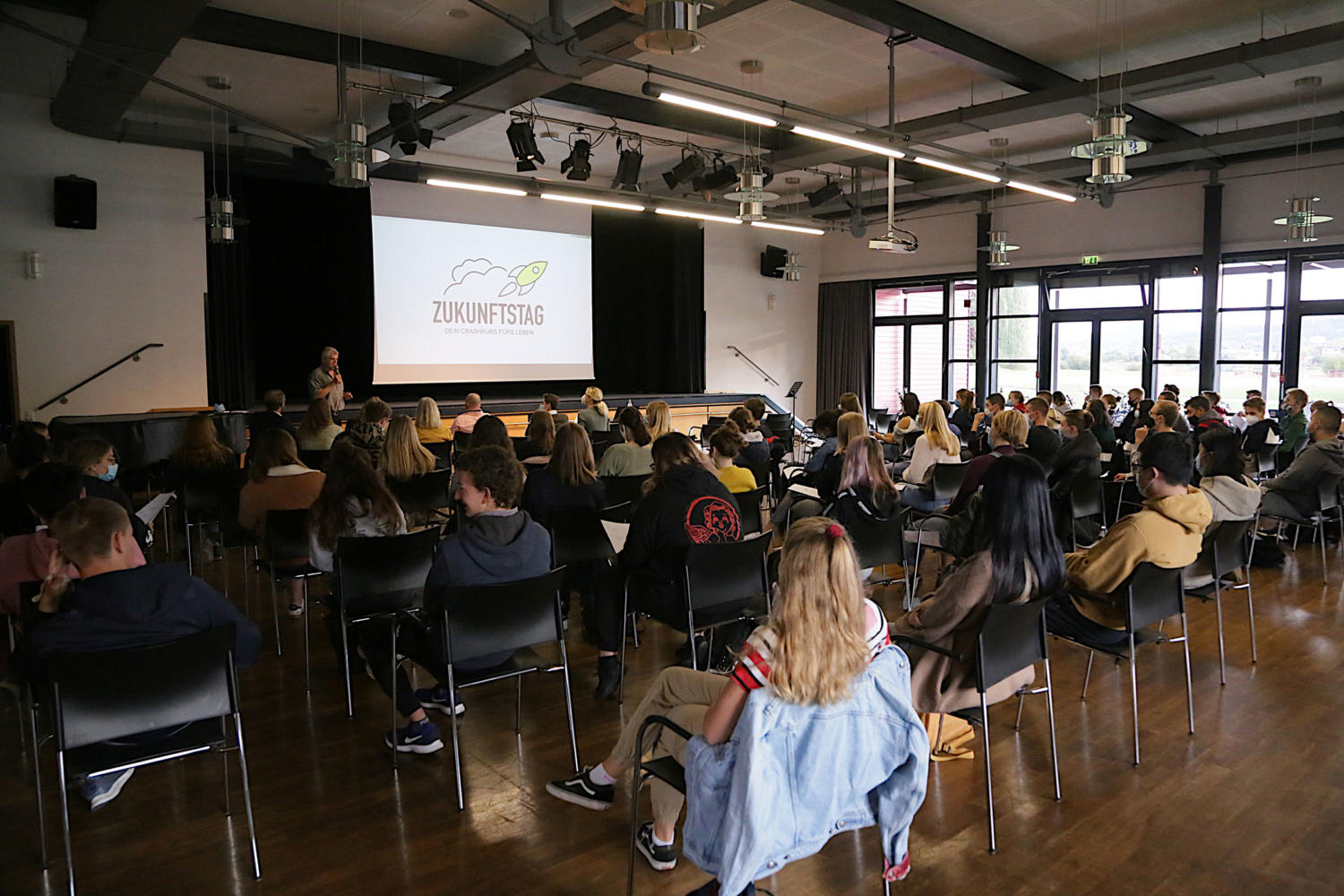
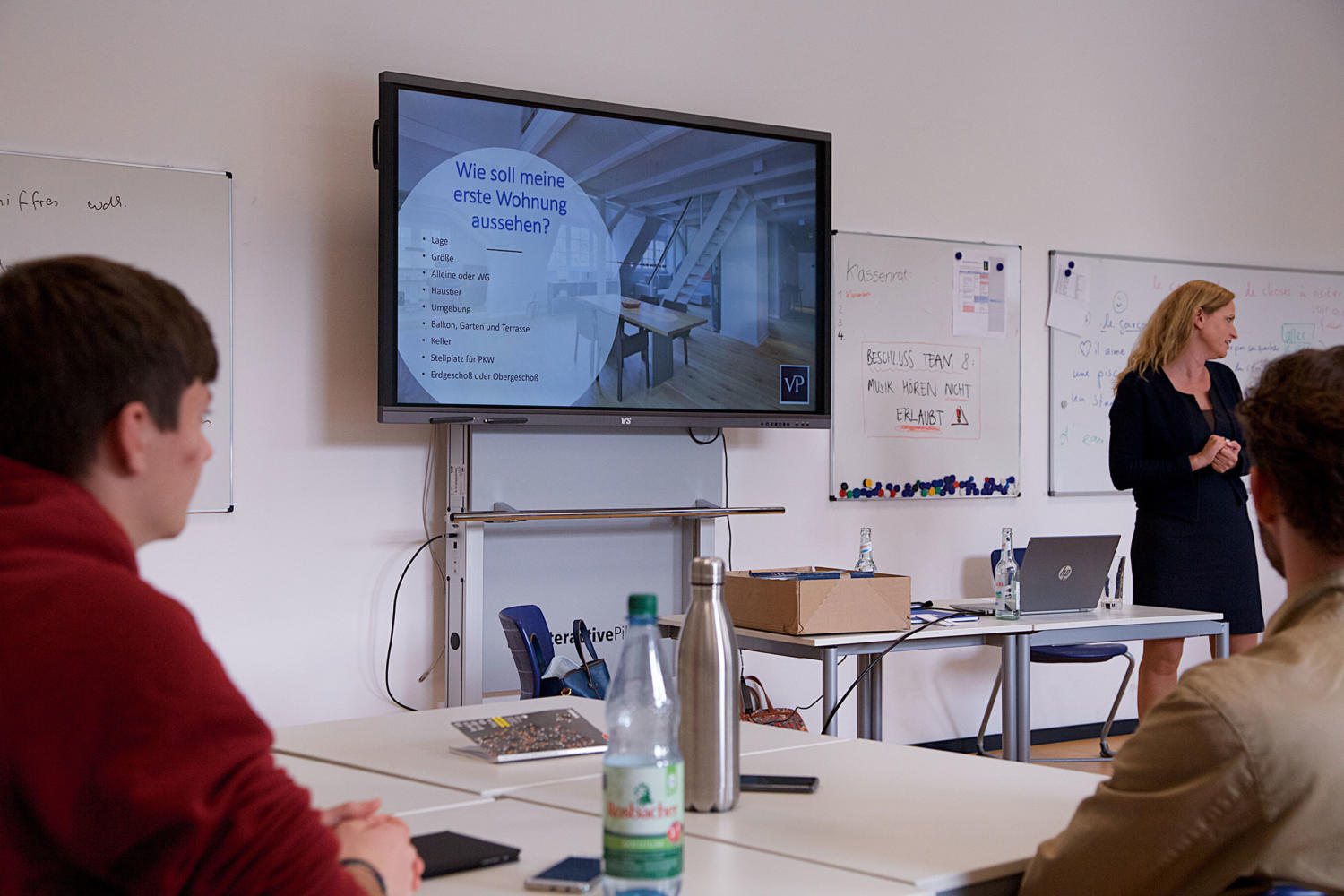
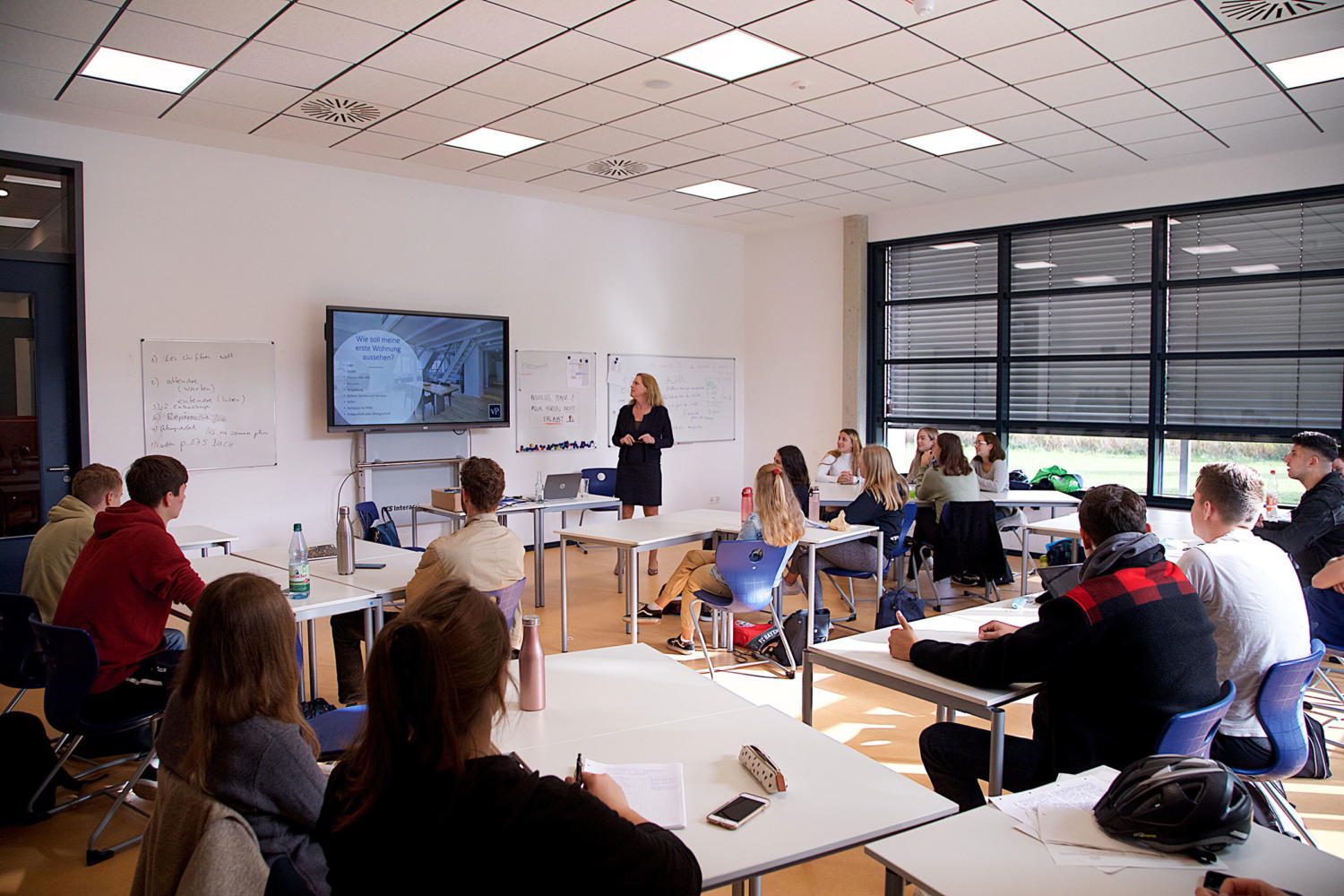
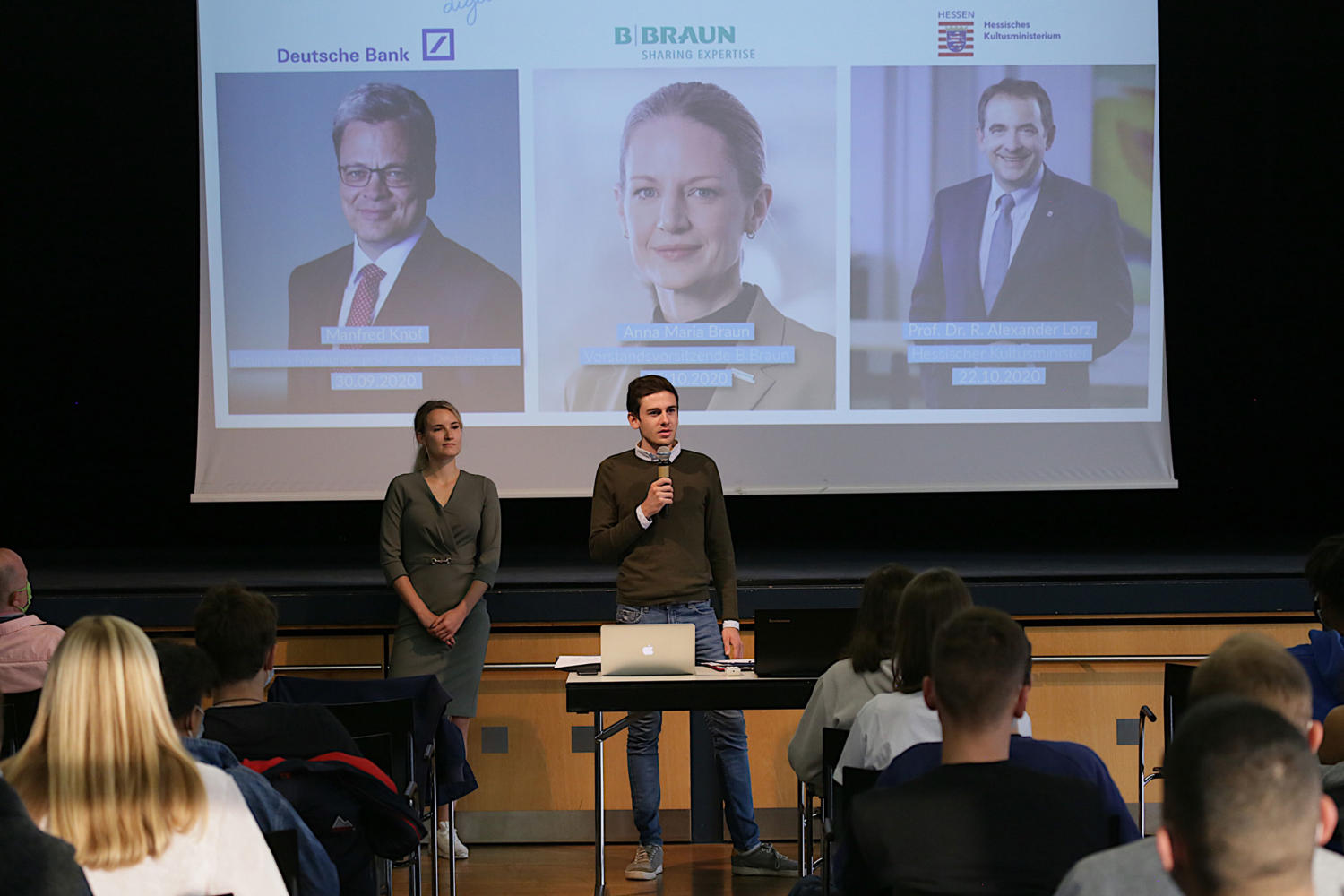
The Steinmühle was the first high school in Marburg to host the so-called “Future Day.” The goal of the organizer, the “Initiative for Economic Education for Youth” from Kassel, is to teach high school students skills related to finance, housing, taxes, and health insurance.

These four areas are not covered in depth in secondary school curricula—much to the chagrin of many students, who, while they leave school with a strong academic foundation, are unfamiliar with rental agreements or financial investments. The Kassel Initiative, a nonprofit organization whose members themselves have not been out of school for very long, addresses this very issue. Since January 2019, these young people have held their “Future Day” event dozens of times at various schools throughout Germany. Ever since the Handelsblatt reported on it, the event has practically become a runaway success.


Speakers from the region

In all cases, experts from the region provide information on finance, housing, taxes, and health insurance. The speakers are hired by the association and are required to refrain from promoting their employers. To ensure this, the association works with the respective experts in advance to develop the content.

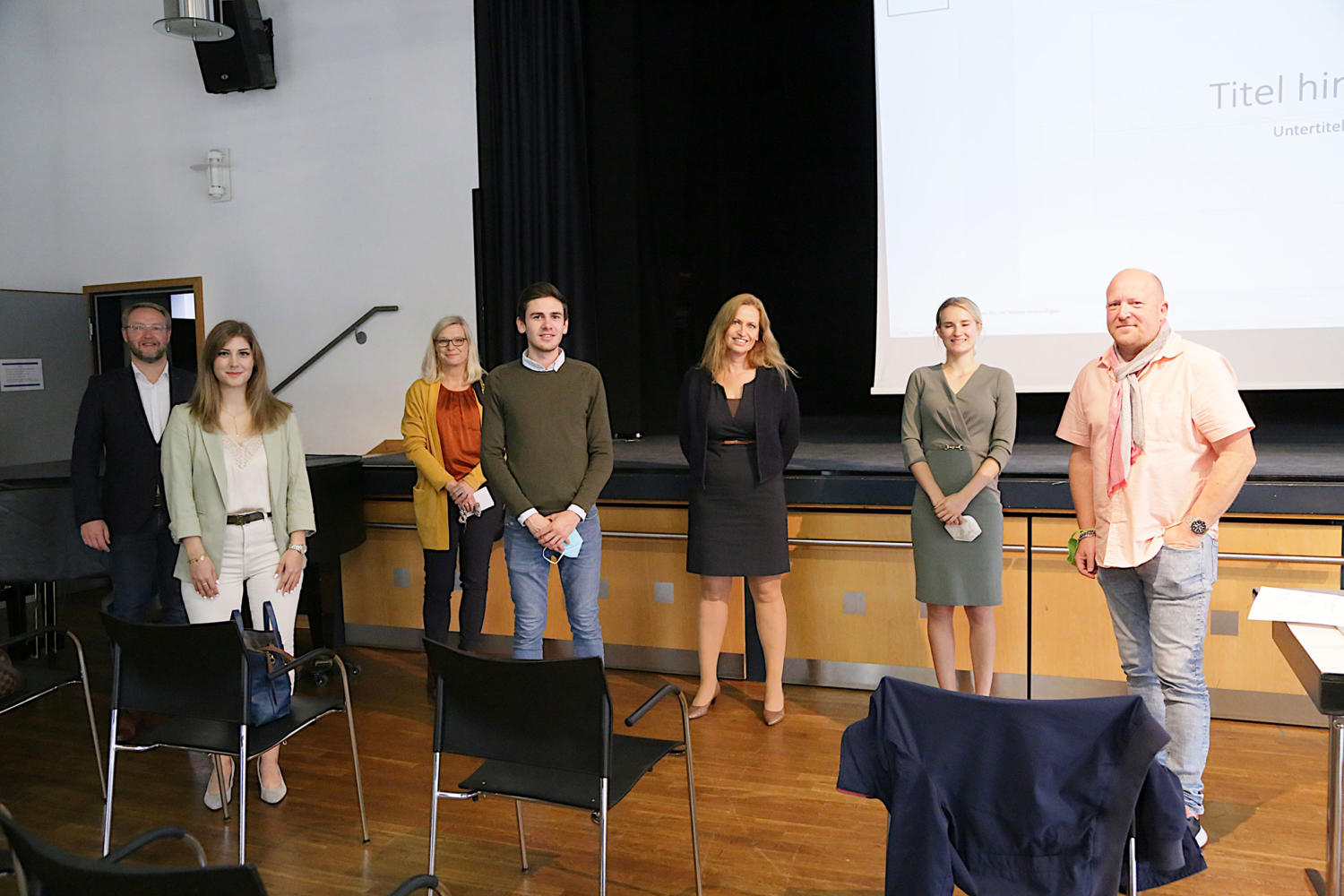
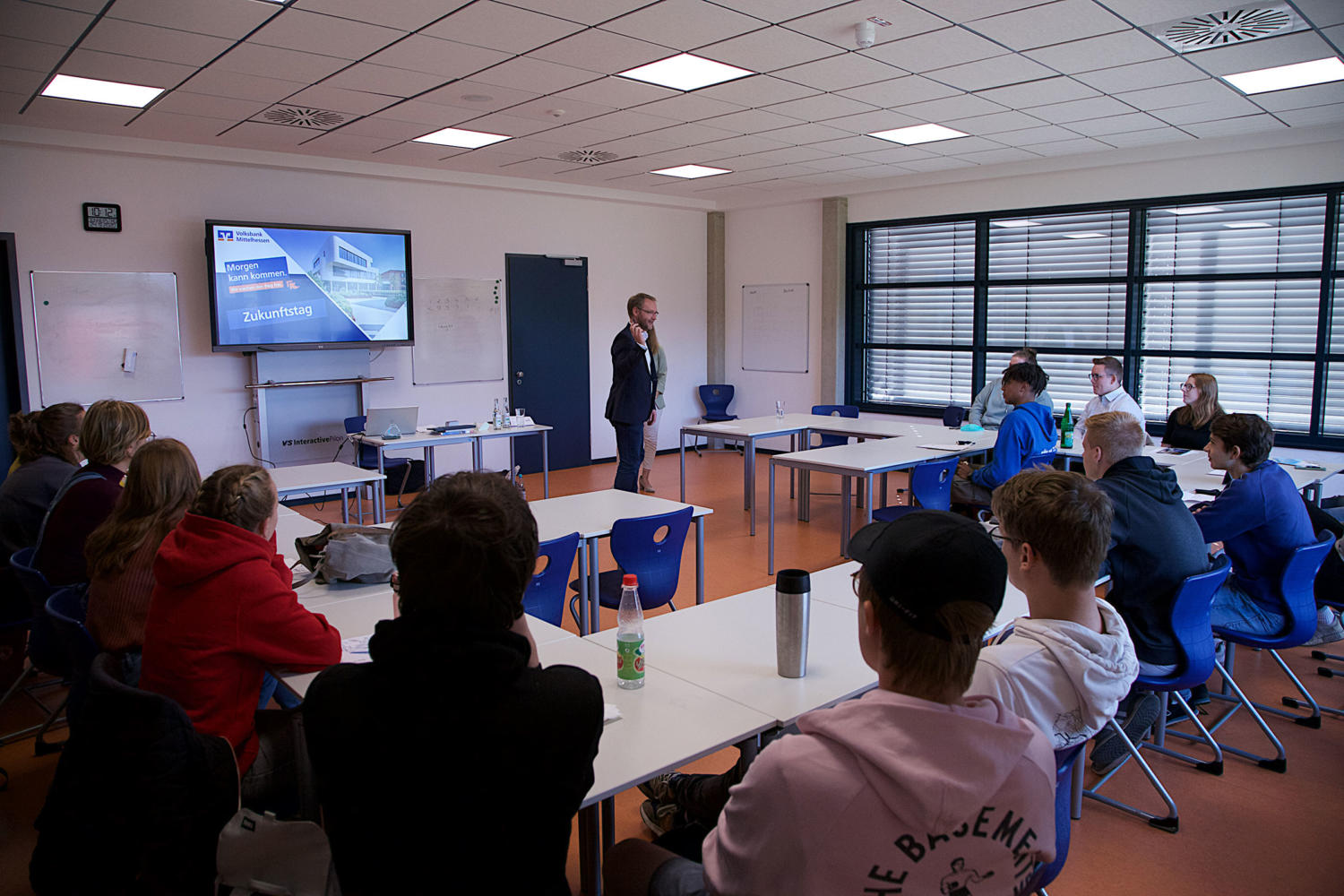
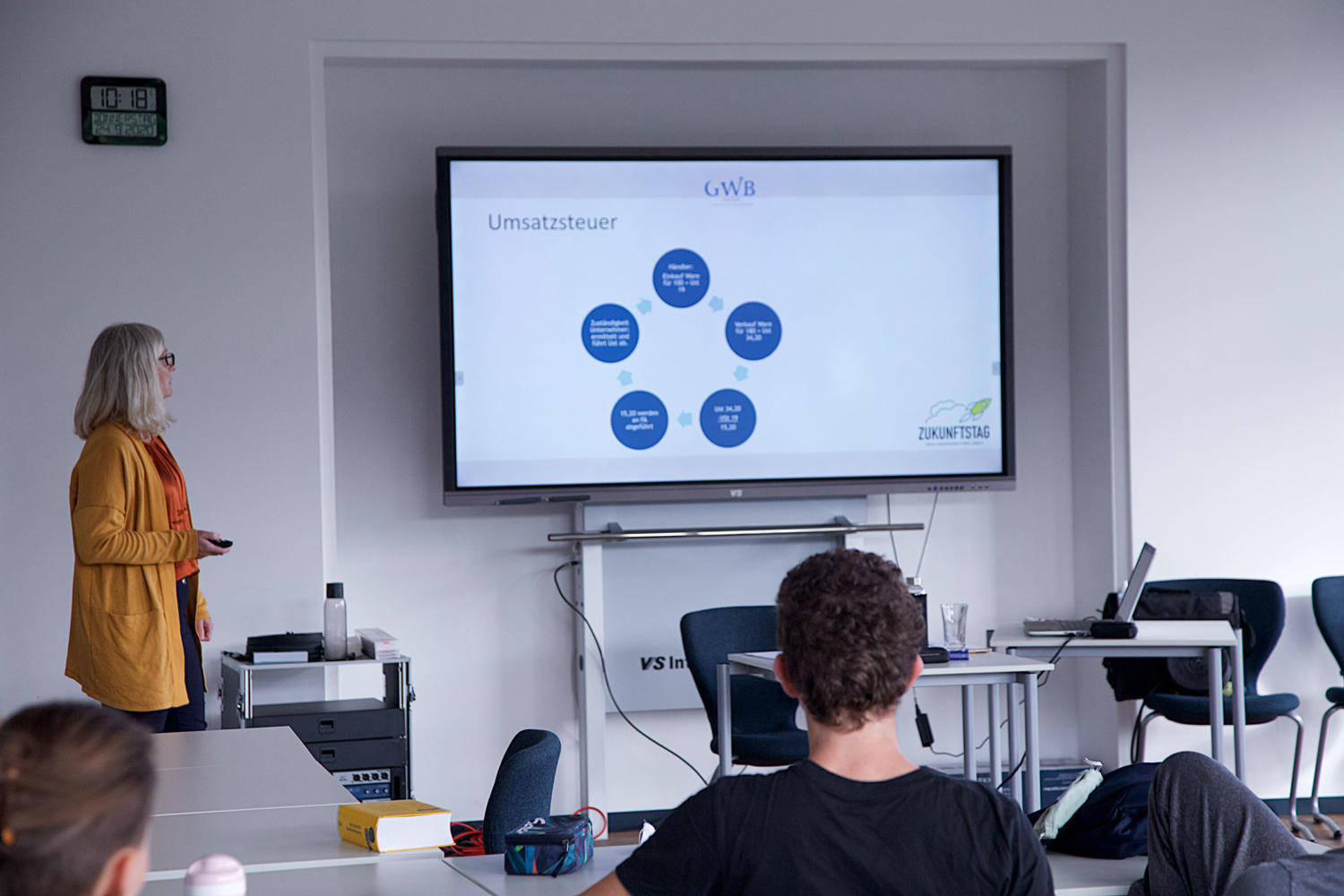
At the Steinmühle, representatives from a financial institution, a real estate agency, a health insurance company, and a tax advisor spoke. After the event, feedback forms were distributed to the student body. They provided an overview of the areas that the experts had explained particularly well.


The initiative comes from Kassel

Ben Göbel is an economics student in Kassel and organized the Future Day event at the Steinmühle together with Anna Proetel. She studies sociology and political science and, like Ben, is a member of the organizing association. Together with six other colleagues and a network of volunteers, they work on a volunteer basis; they were initially in Marburg and, shortly thereafter, practically simultaneously in Munich, Berlin, and Giessen. The organization and logistics are financially supported by foundations. The Hessian Ministry of Education and Cultural Affairs is also among the sponsors. It views the initiative not as competition for schools, but as a complement to them.

At the end of September, Manfred Casper, former CEO of the Braunschweig Region Employers’ Association, was a guest at the Steinmühle. During his lecture on the topic “Freedom at Any Price,” he proved to be a captivating storyteller, recounting his youth in the GDR, a failed escape attempt, stints in prison, and a fresh start in West Germany.

The event, initiated by the Rotary Club of Marburg and Steinmühle and organized in collaboration with the Friedrich Naumann Foundation, was originally scheduled to take place in April—before a large audience at the Forum. Due to the pandemic, it was postponed by five months, and only a quarter of the originally planned audience was allowed to attend.

In his captivating talk, Casper began by recounting his happy childhood in the GDR and his family ties to the West. But during his youth, his critical and freedom-loving spirit began to harbor doubts about the regime. Using compelling examples, he explained why he hatched plans to flee across the Bulgarian-Greek border, why those plans ultimately failed, and how they led to his imprisonment.

His account of being at the mercy of a state without separation of powers and with appalling prison conditions was deeply moving. It was impressive that, under these conditions, he found the courage to apply for permission to leave the country while still in prison—a request that was ultimately granted. Manfred Casper skillfully alternated between personal accounts, excerpts from his book *Vom Wachsen der Flügel* (*The Growing of Wings*), and quotes from his 700-page Stasi file, which continued to be updated in great detail even after his departure for the West, right up until the fall of the Wall.

The audience, which included teachers from Steinmühle and 12th-grade students, appreciated Casper’s presentation style—well-informed rather than biased, objective rather than emotional, and informative rather than preachy—and thus, just a few days before the 30th anniversary of German reunification, gained an interesting and authentic insight into a chapter of inter-German history.