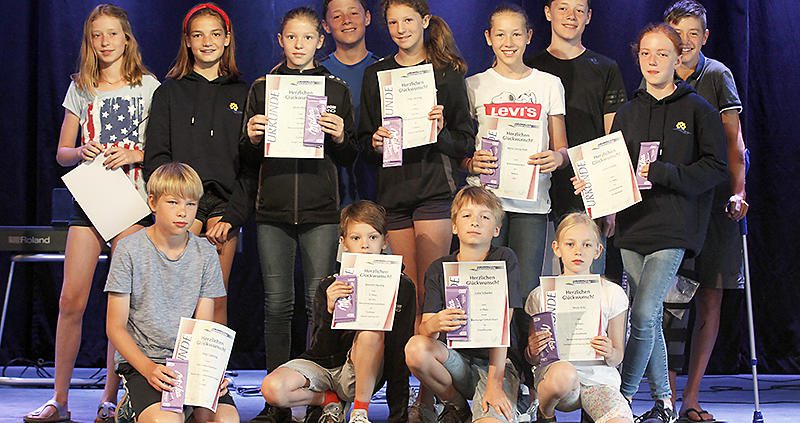
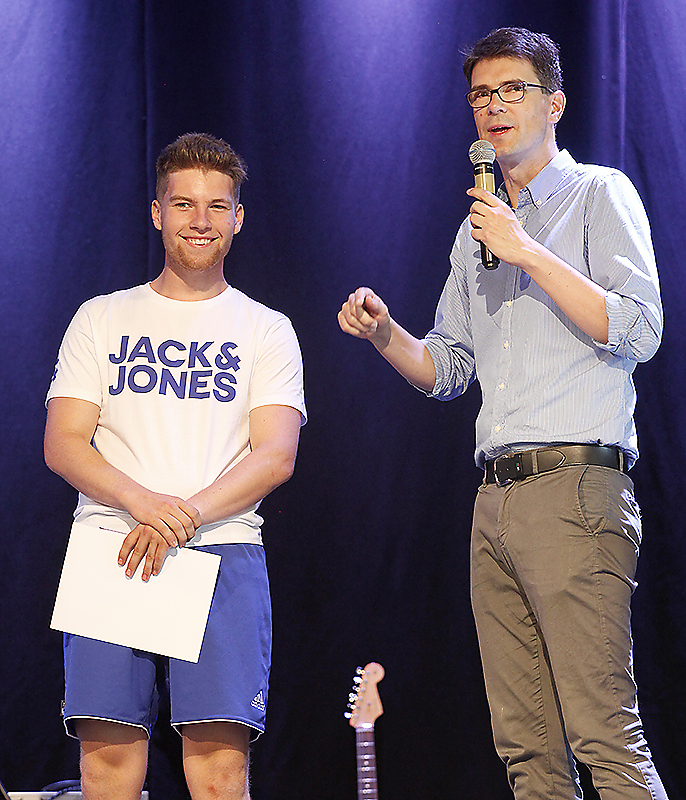
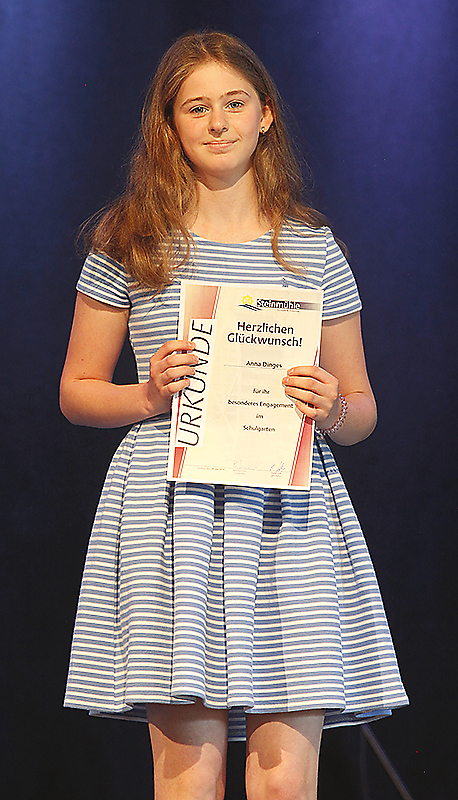
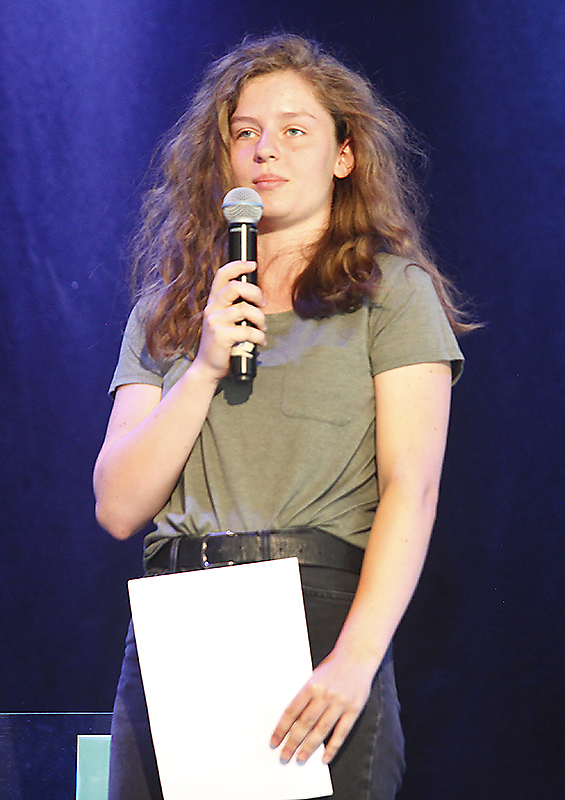
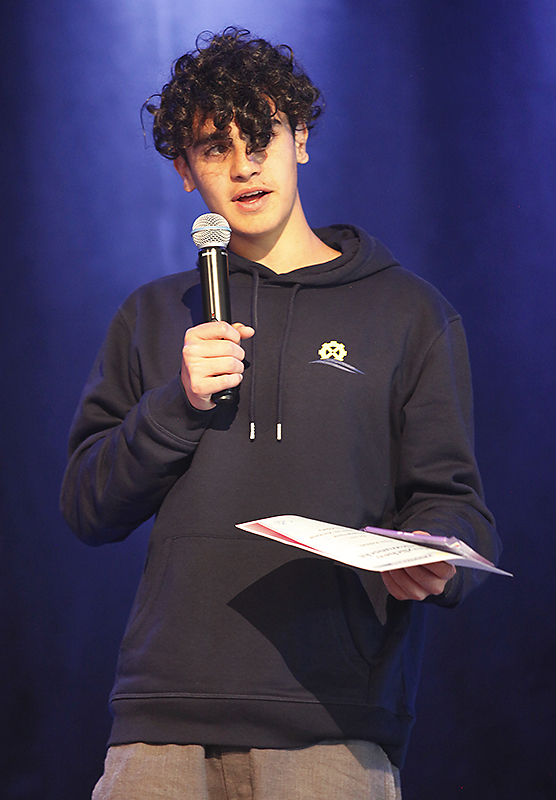
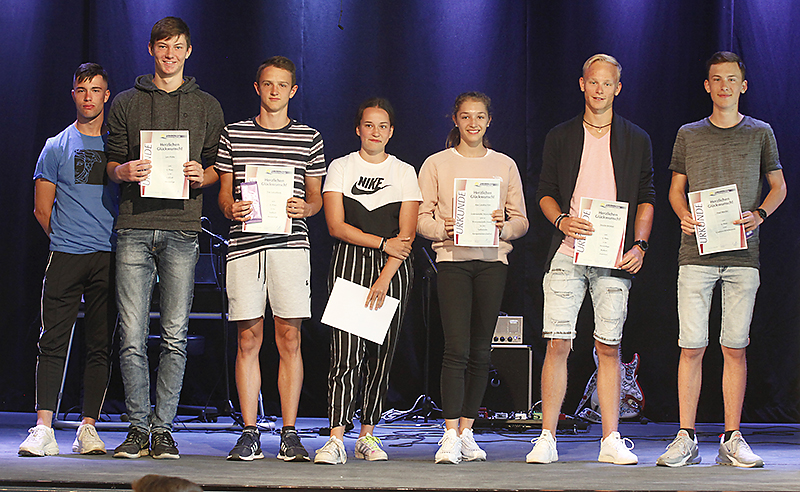
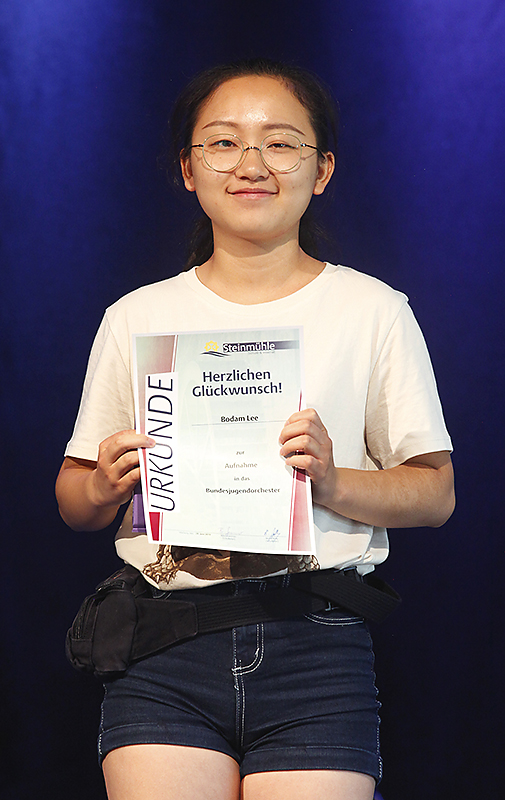
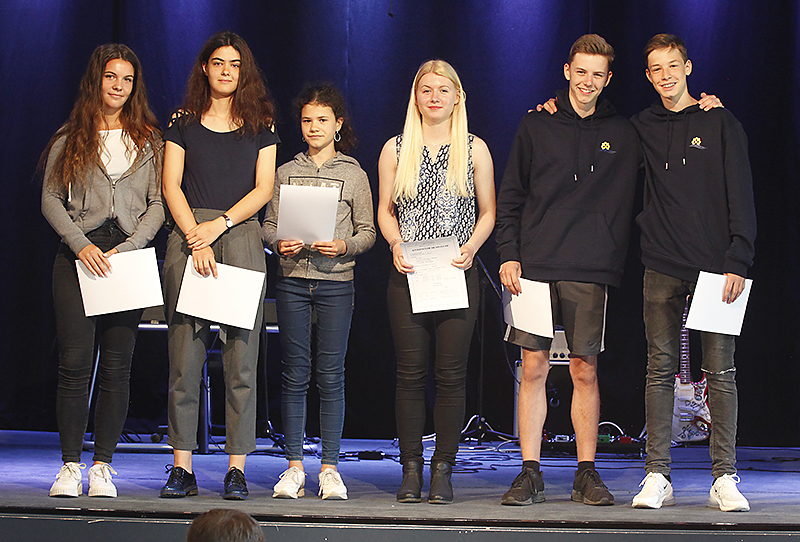
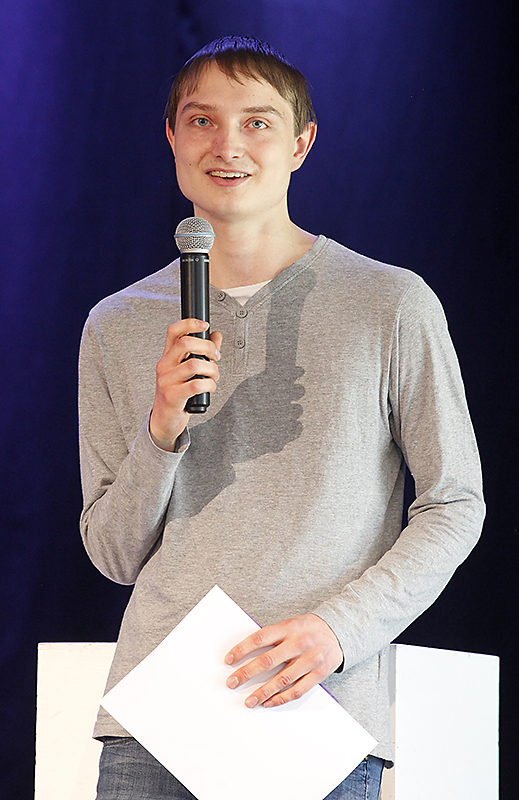
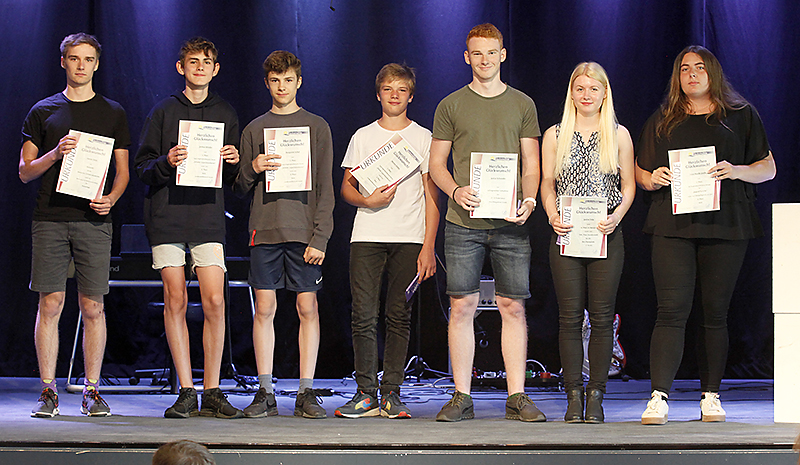
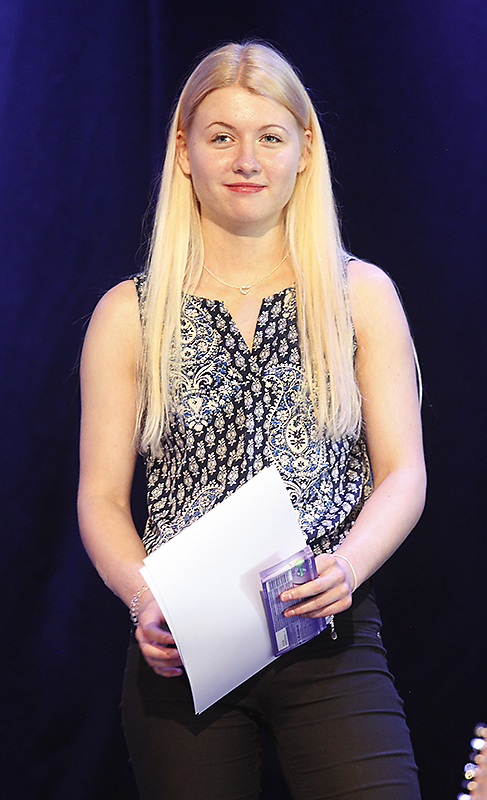
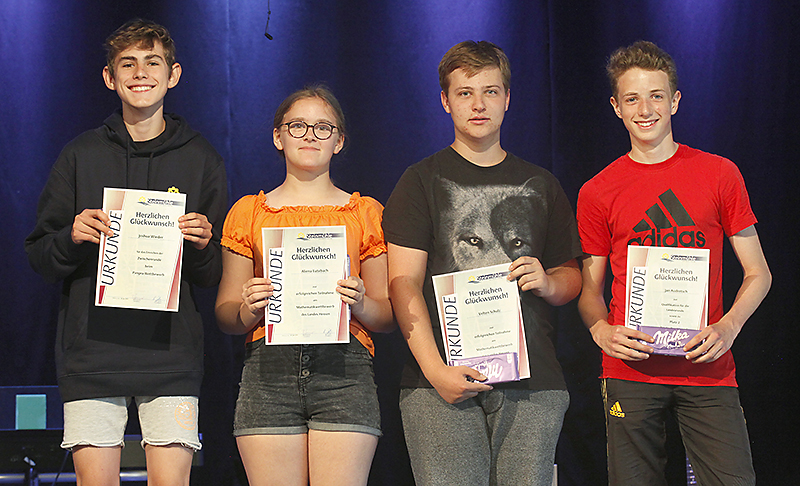
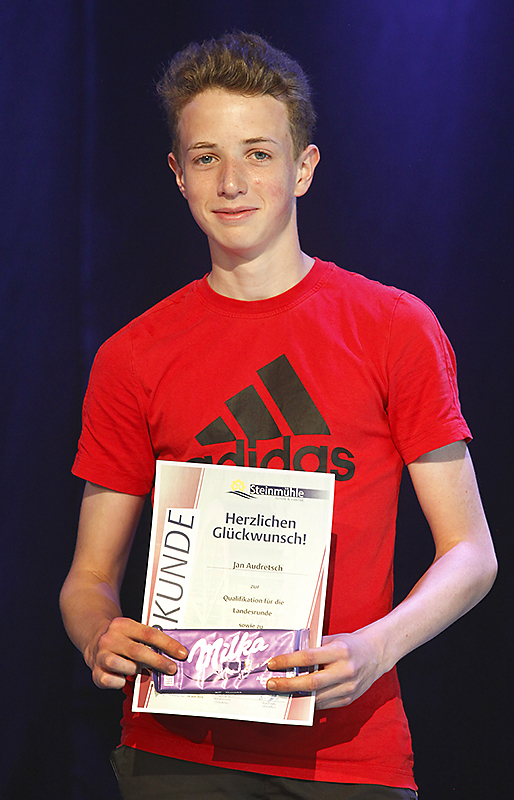
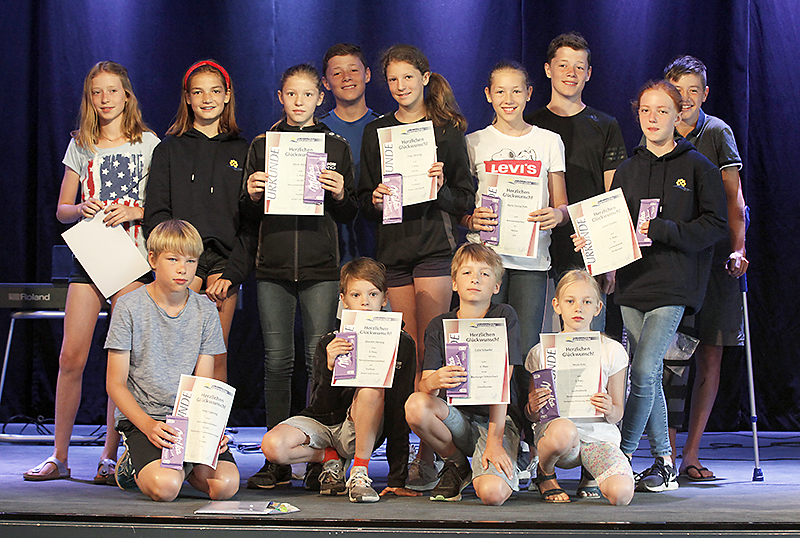
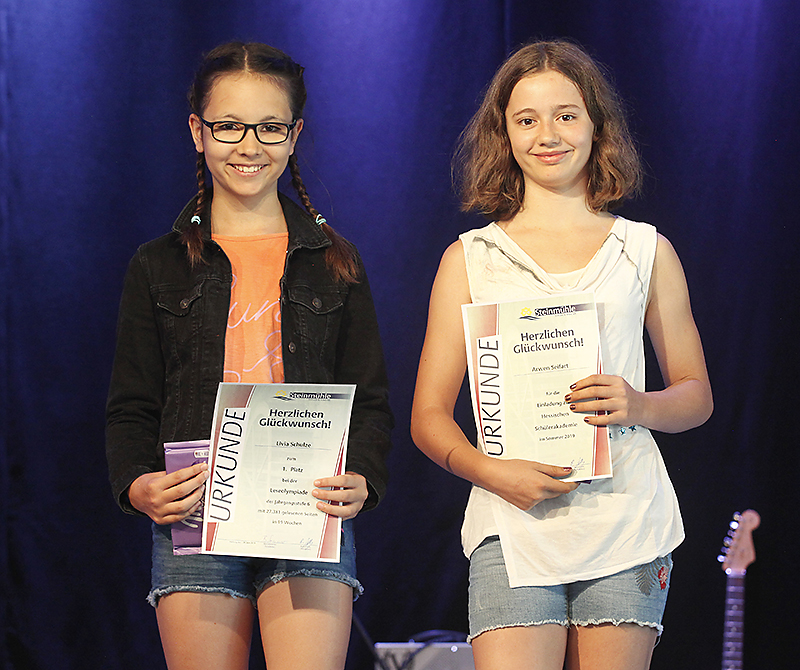
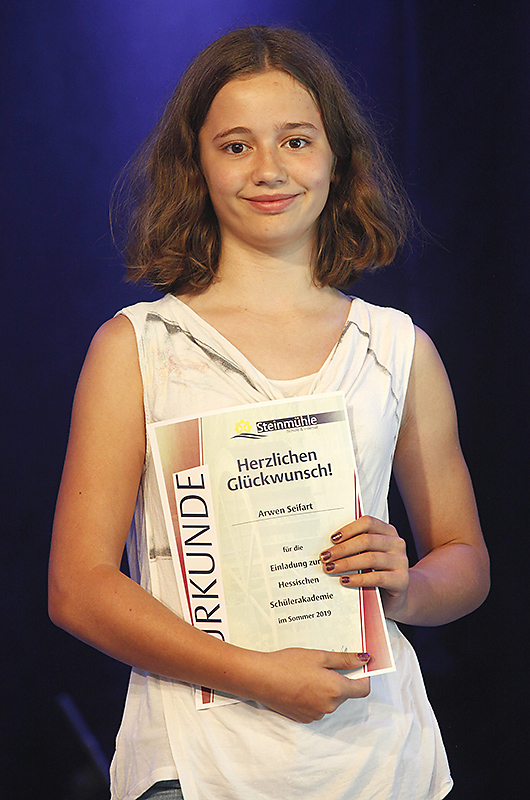
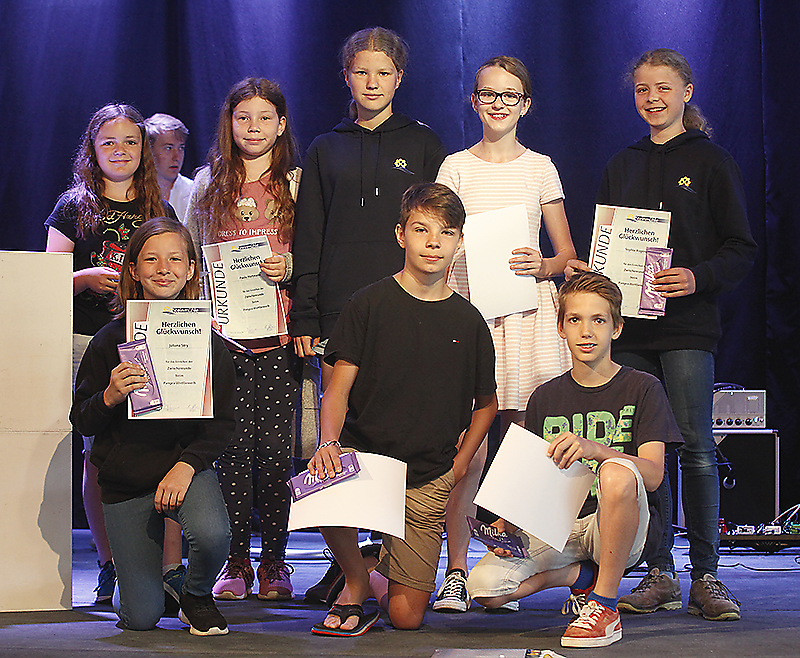
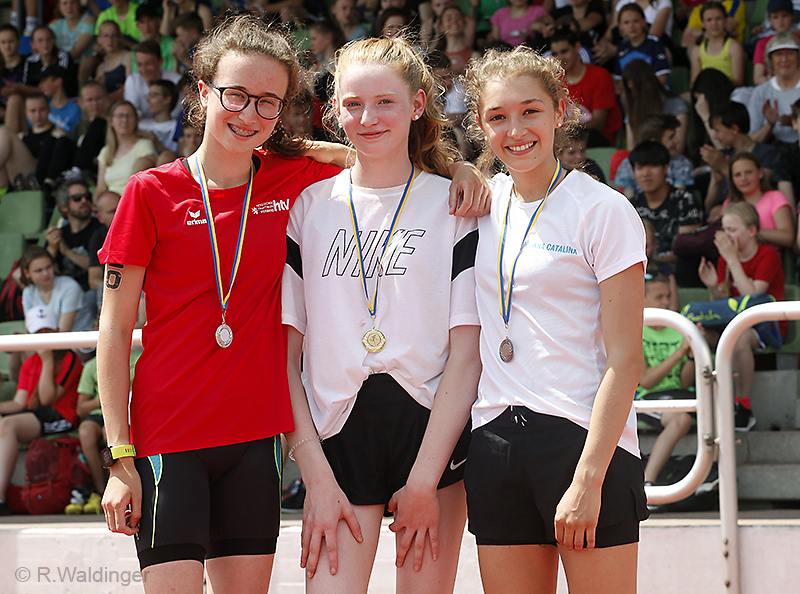
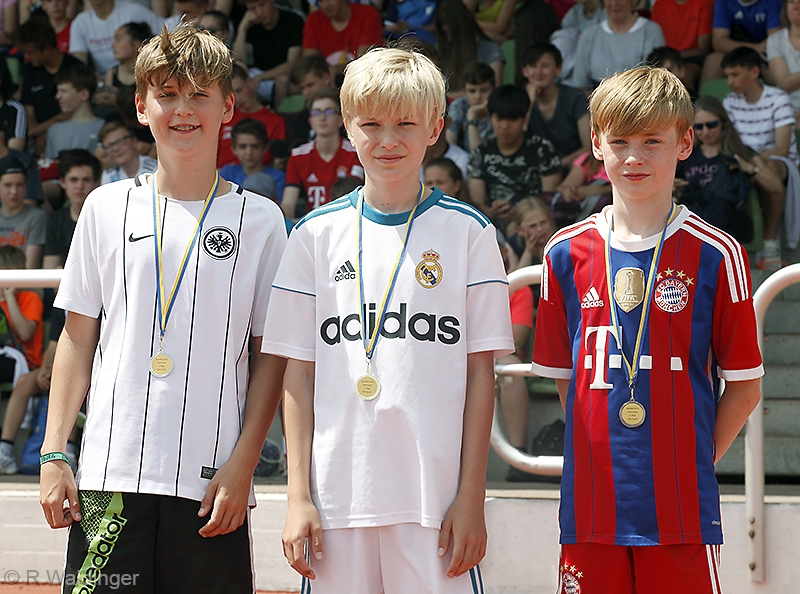
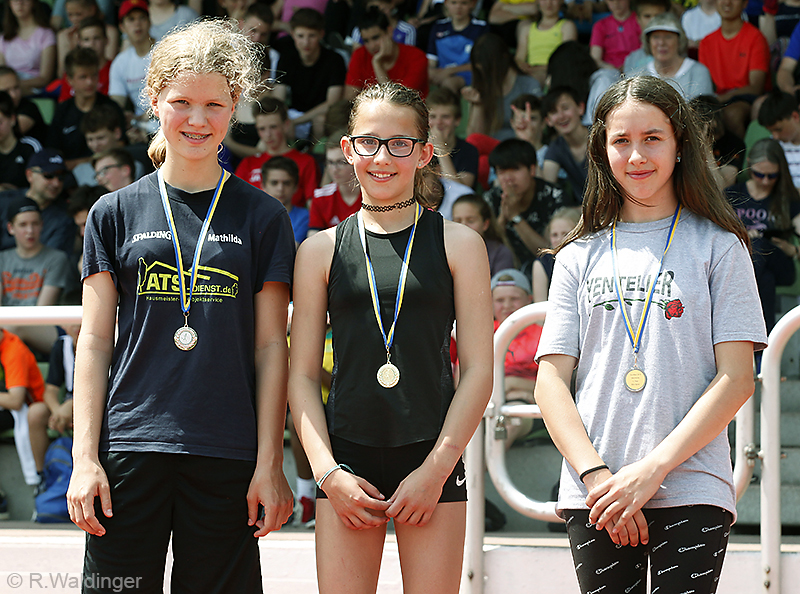
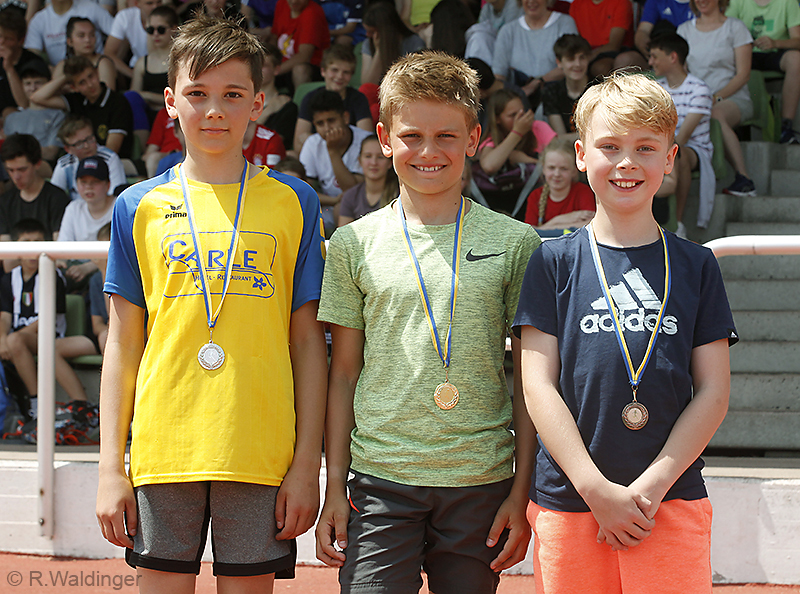
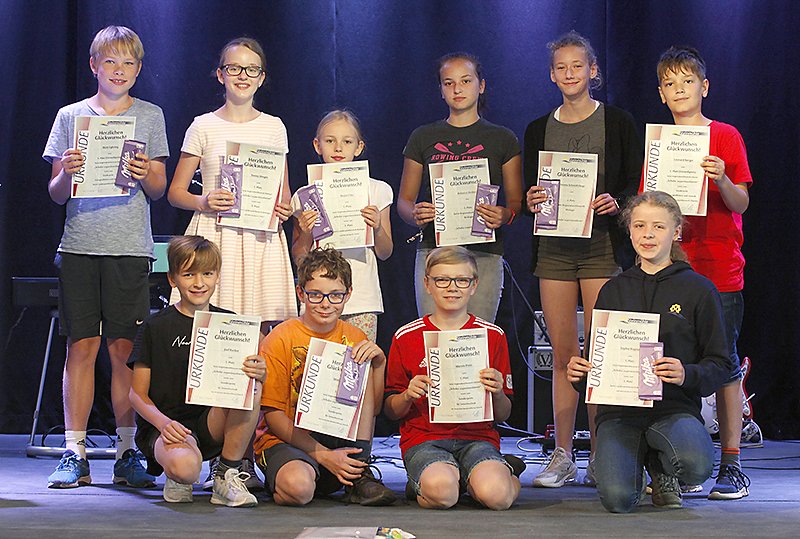
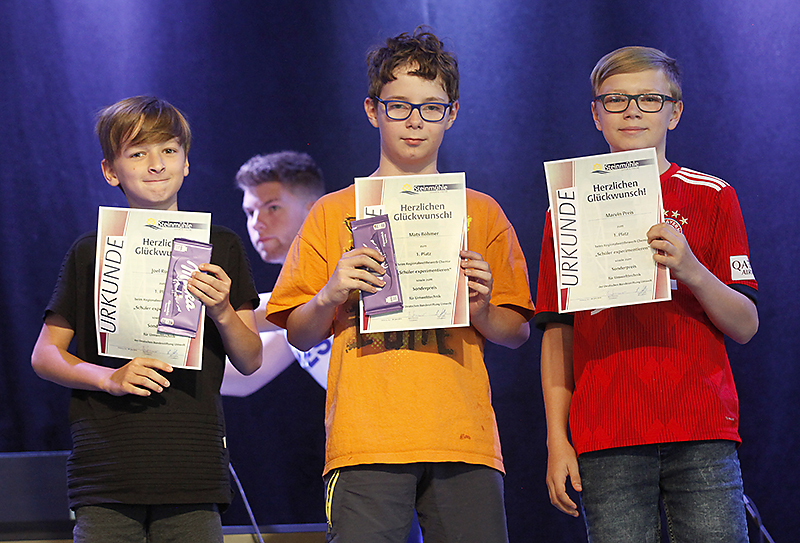
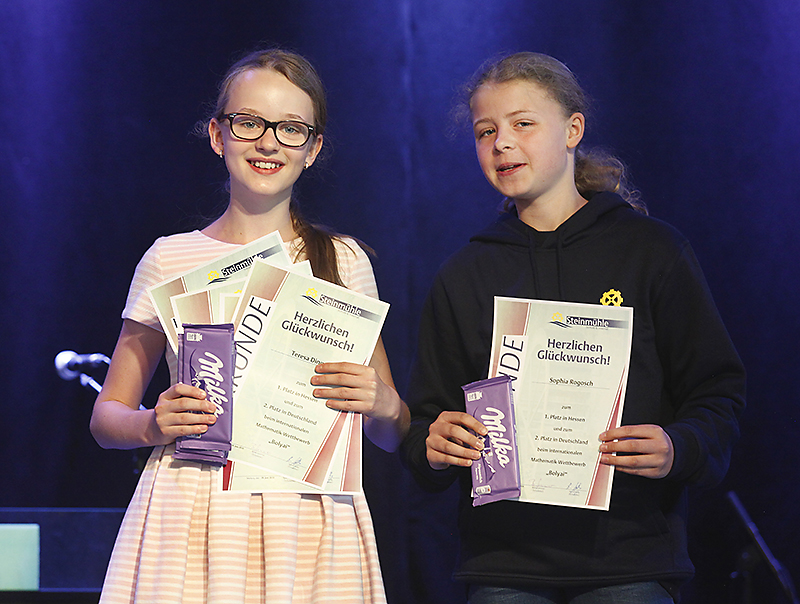
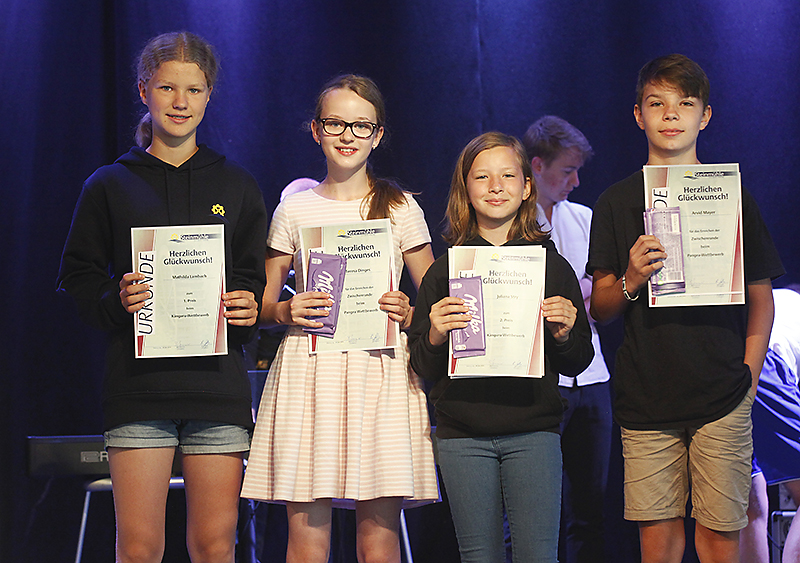
Traditionally, on the last day of school before report cards are handed out, Steinmühle honors the extracurricular efforts of students from various grade levels. Principal Björn Gemmer handed out certificates and candy to children and teenagers who have been active in sports, cultural activities, and competitions in the natural sciences, mathematics, or music. Awards were also given to students whose efforts benefit the school community through work in the school garden or in organizing events. However, these are just a few examples. The awards ceremony is also an opportunity to recognize those who volunteer in their personal lives, for example, through social service. In order to present these awards, the school administration always relies on recommendations regarding who is making a commitment in which area. This is especially true for initiatives that take place outside the school community.

The last Thursday evening before summer break is traditionally not only the date of the “teachers’ barbecue.” It is also a time to say goodbye to colleagues who are leaving Steinmühle.

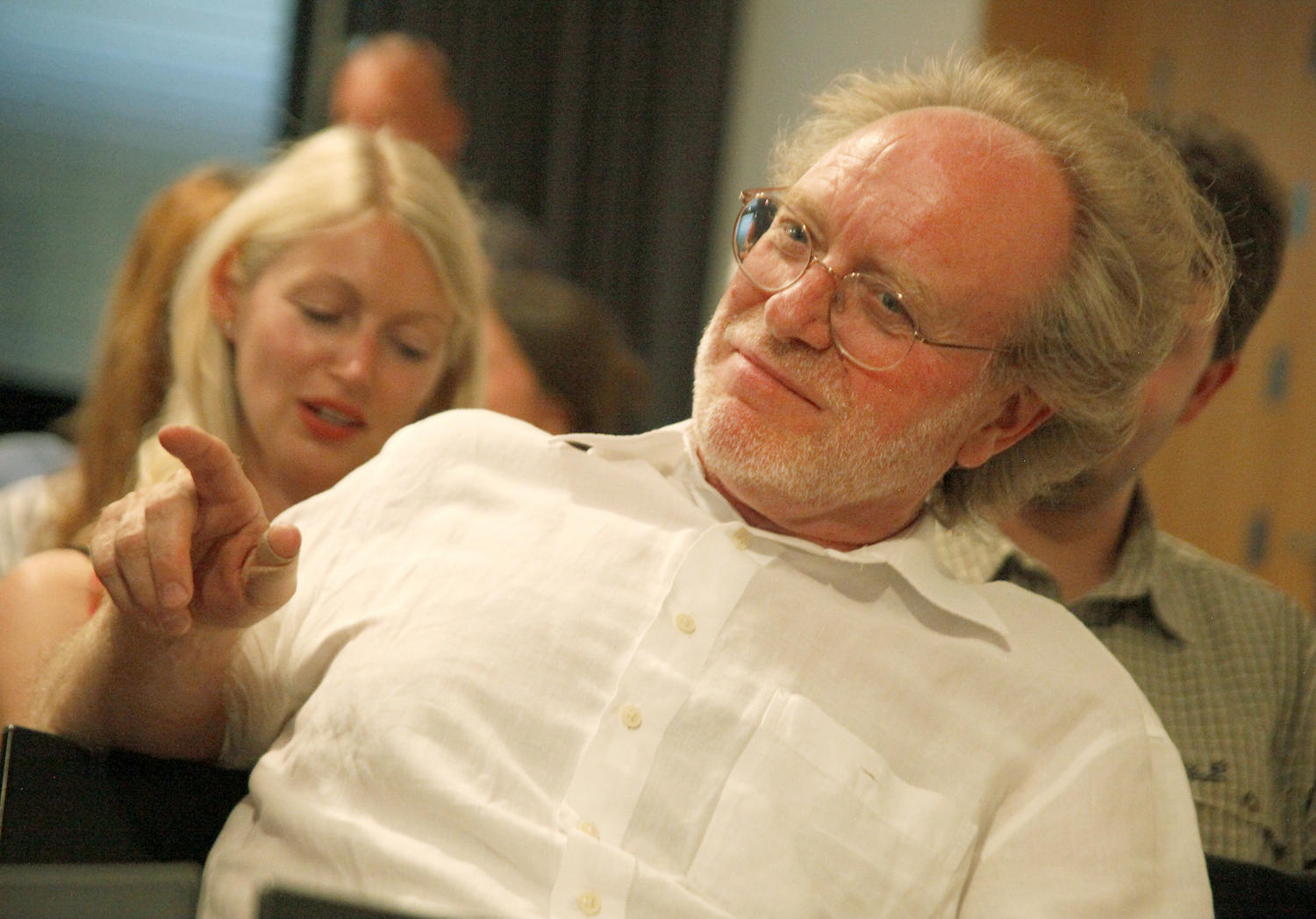
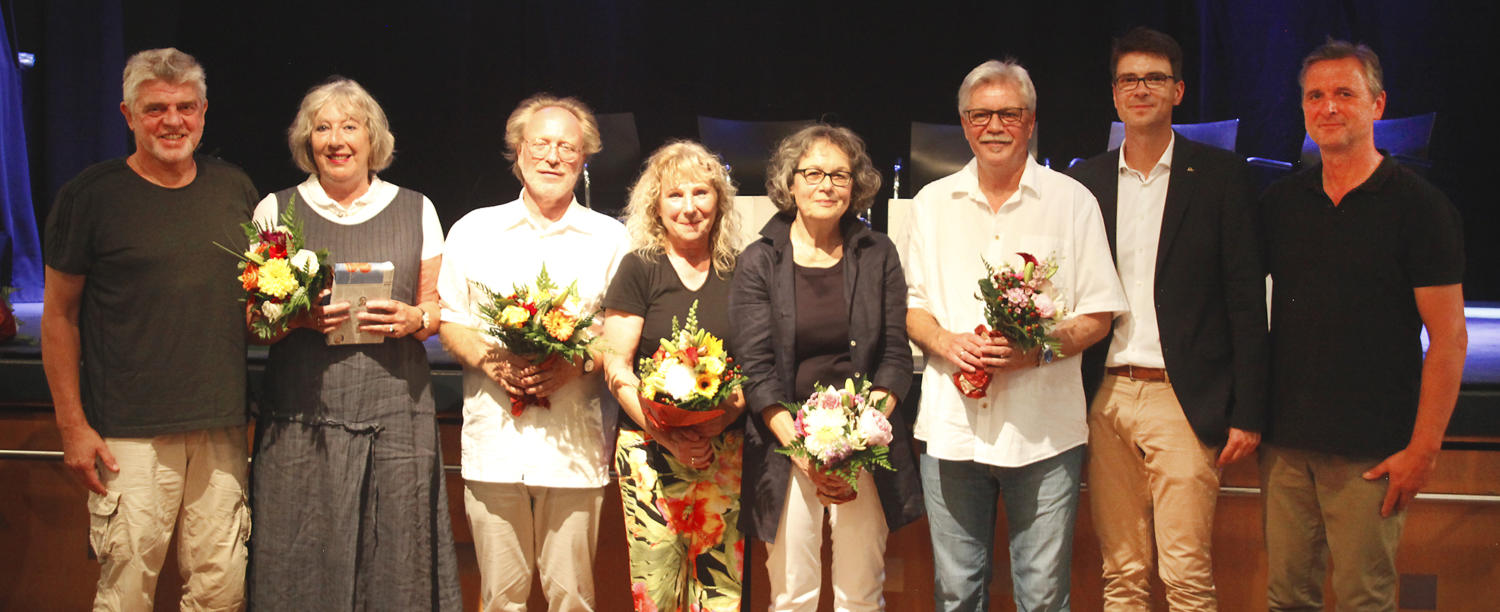
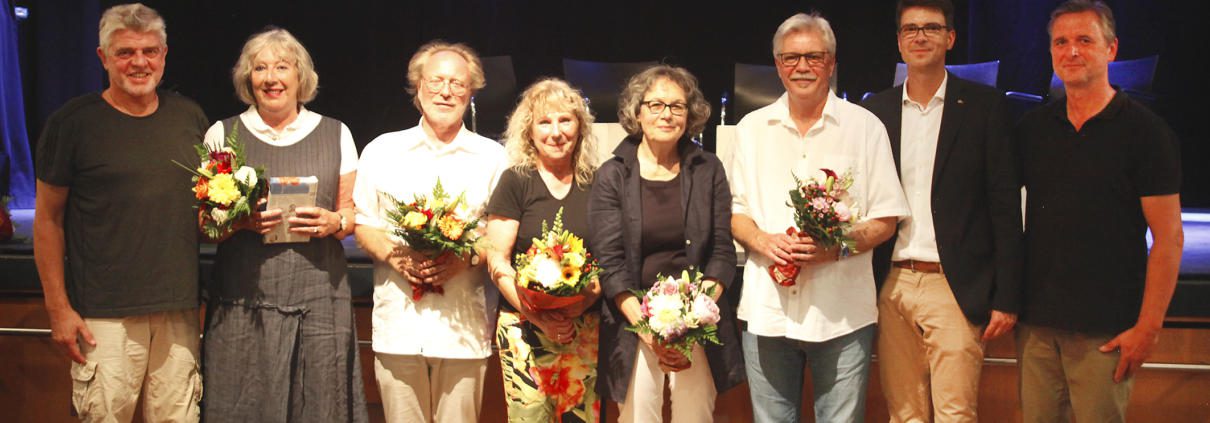
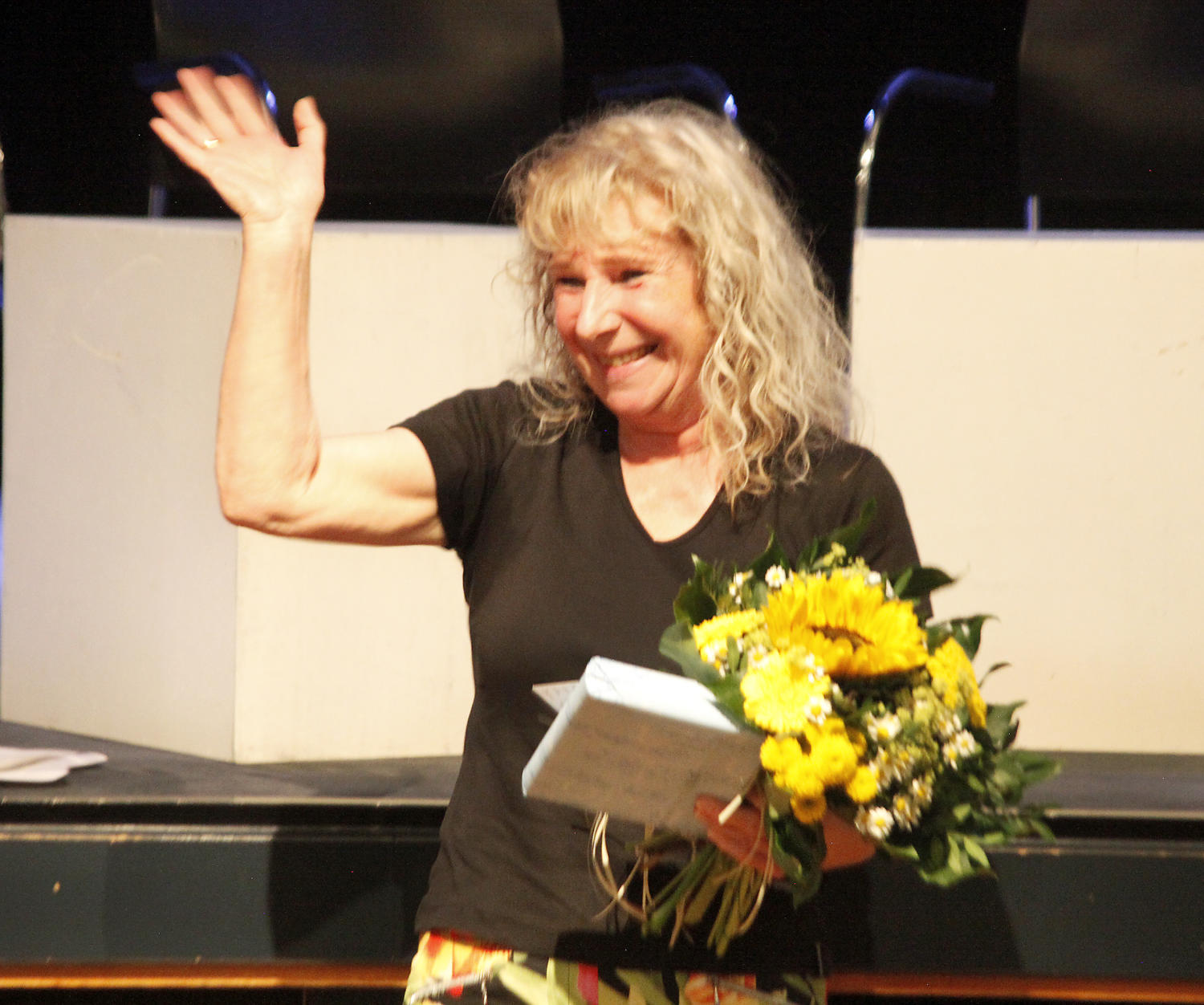
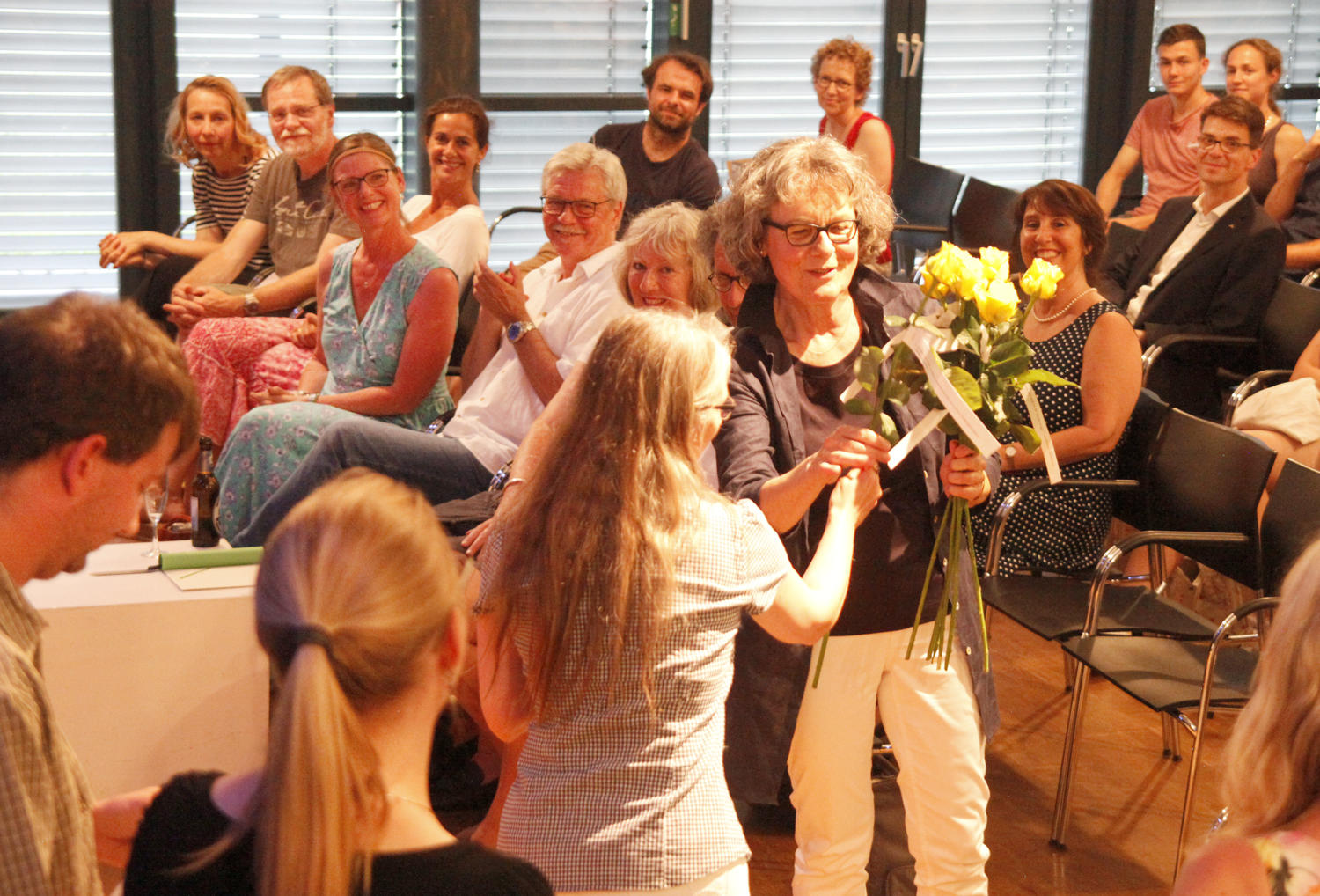
This summer, five teachers are saying goodbye to Steinmühle and beginning their retirement. They are Dr. Dietmar von der Ahe, Rosie Boebel, Wolfgang Reinert, Sigrid Stechmann, and Ulrike Wassum.

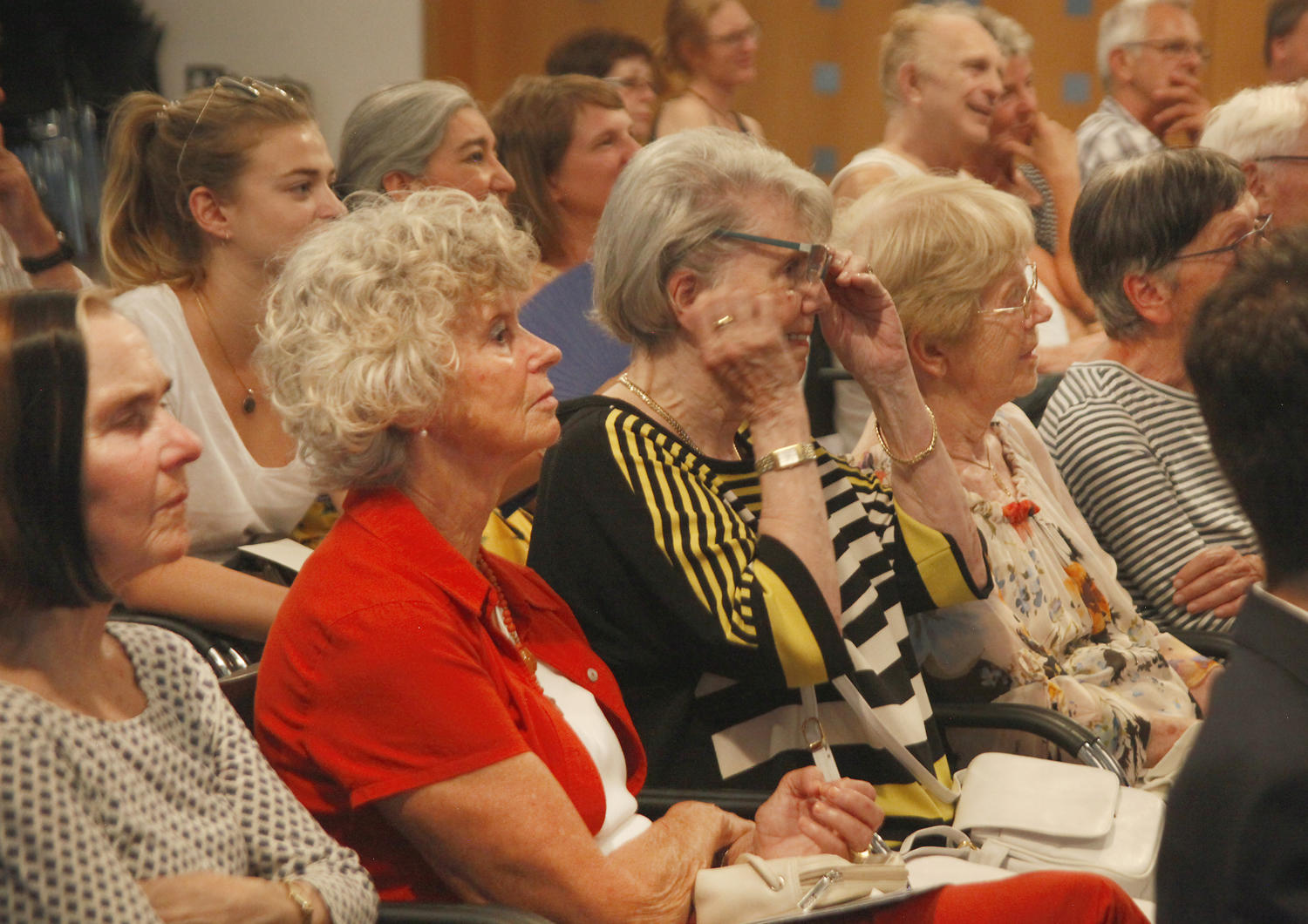
At the Steinmühle Forum, Principal Björn Gemmer paid tribute to the achievements of his colleagues and spoke in detail about their individual contributions over the years and decades. In doing so, he highlighted specific incidents that he either remembered particularly well or that were especially characteristic of the retiring staff members’ work.

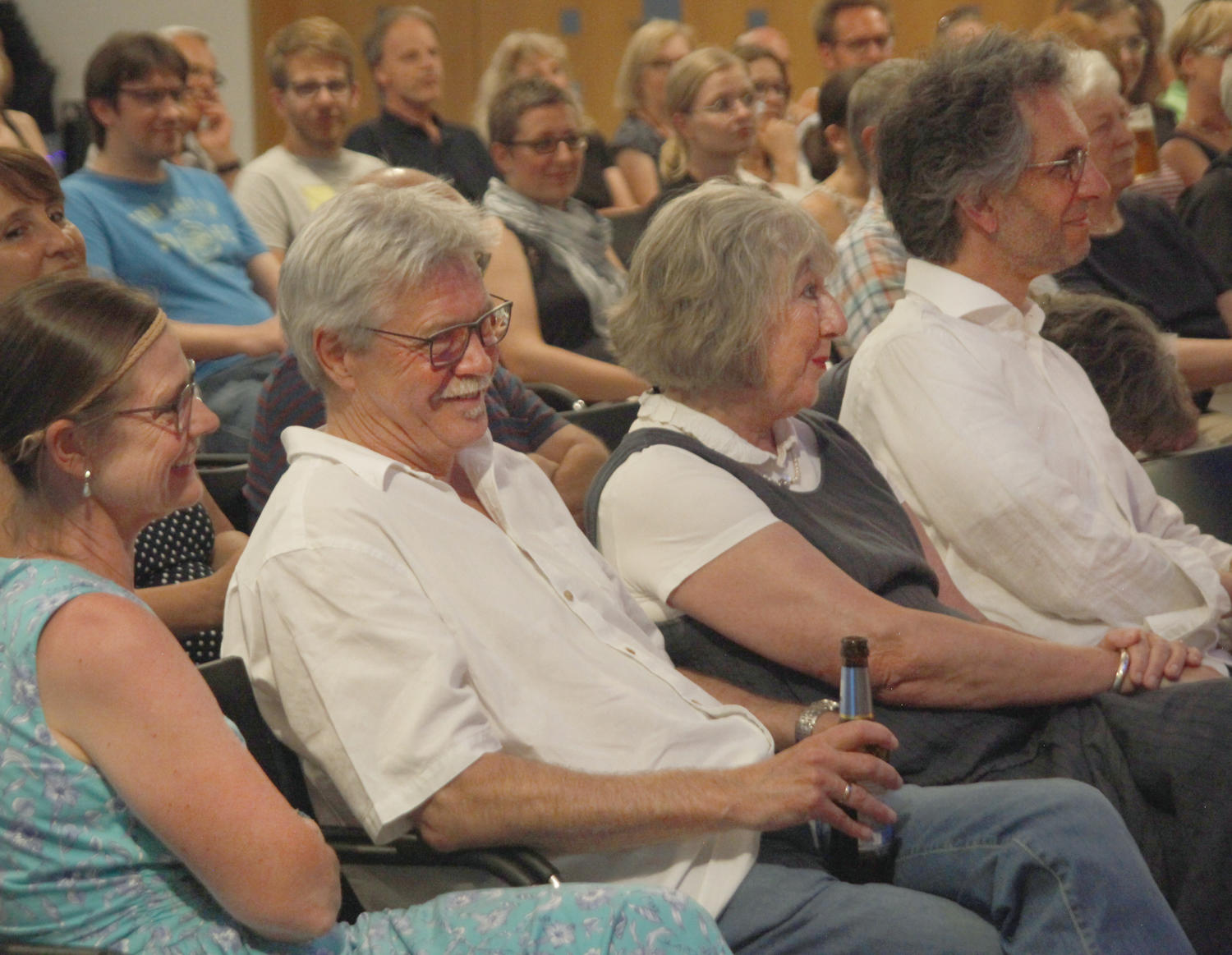
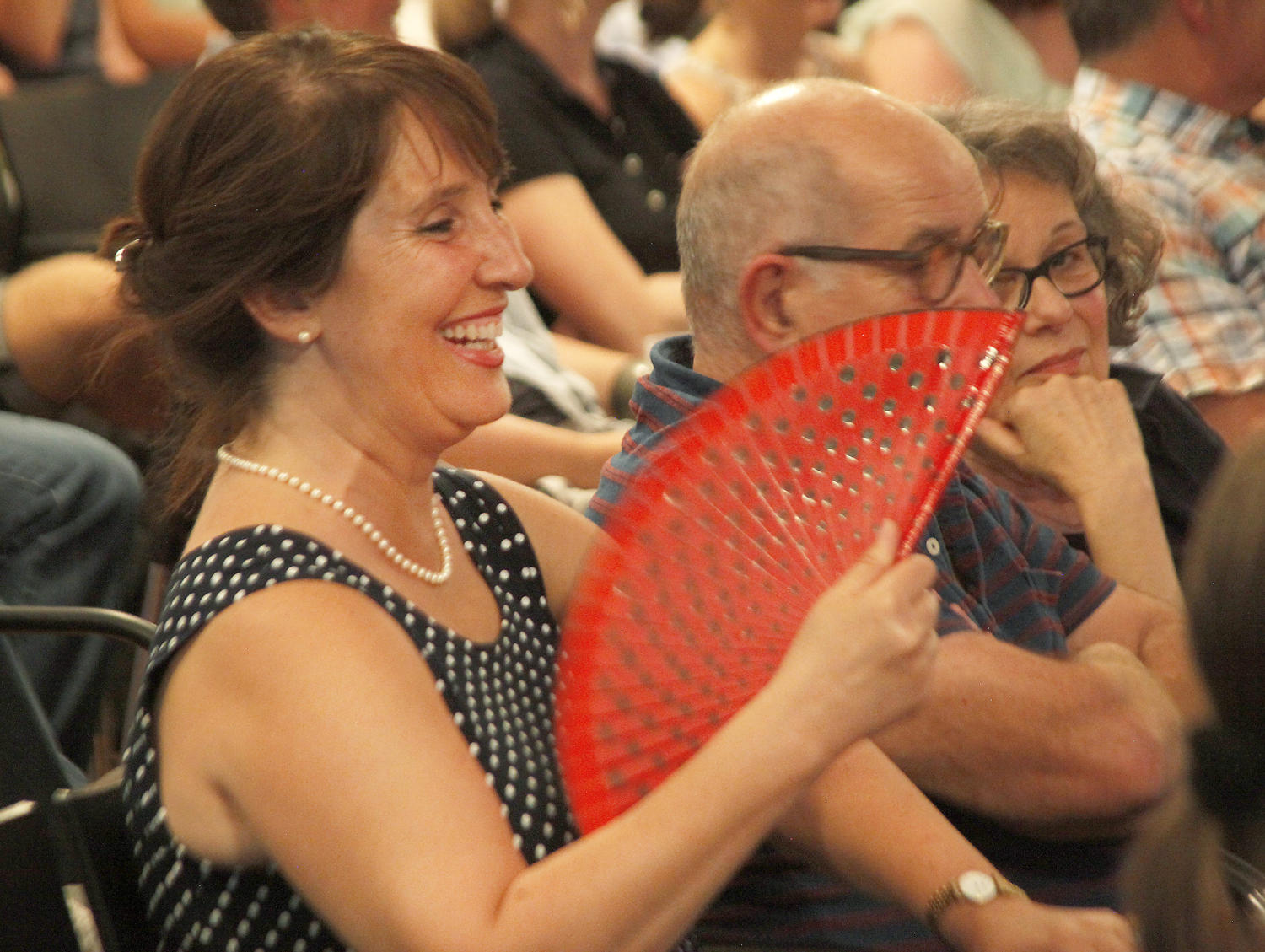
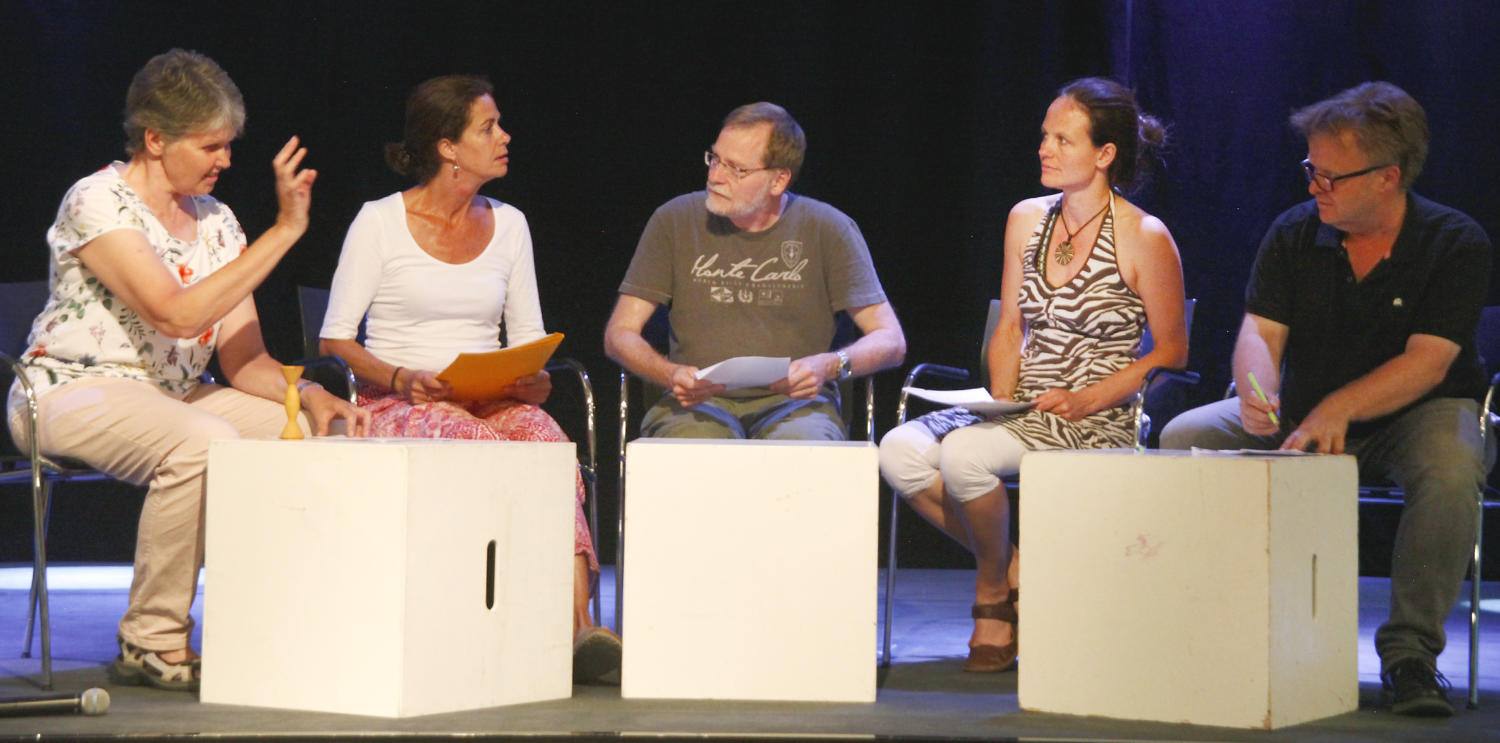
Afterward, the stage belonged to the faculty associations to which the teachers belonged. Through humorous skits, the members took a close look at the characteristics, habits, and behaviors of the long-serving teachers and reflected on certain past events. Both the school administration and their colleagues managed, through their remarks, to use their words to take some of the wistfulness out of the evening.

Dirk Konnertz, executive director of the school association, used the farewell ceremony to thank Tanja Herfert for her four years of service as director of the Steinmühle youth welfare facility. The facility closed at the end of the school year.

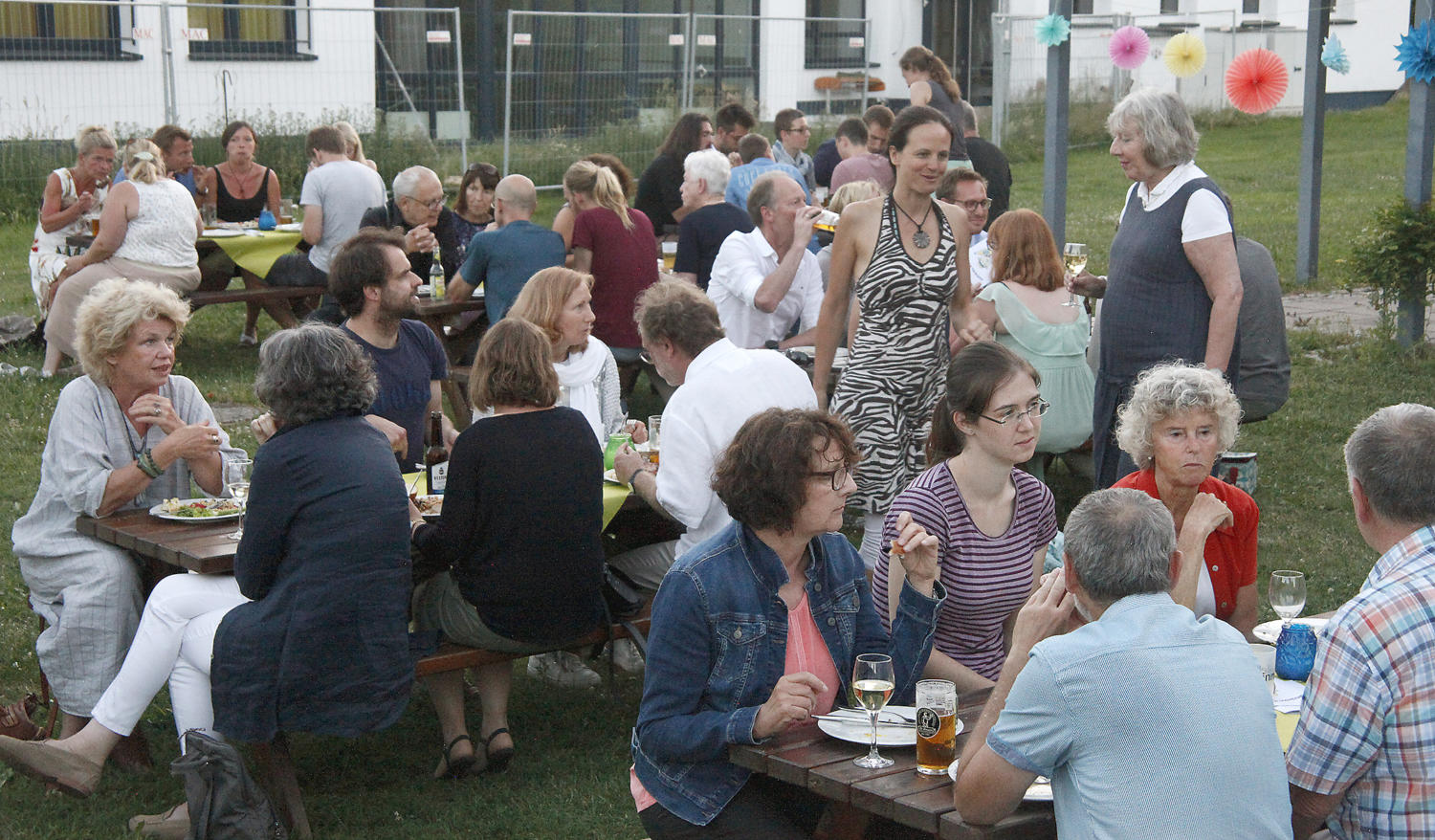
After the many words of praise and reflection, it was only natural that both the honorees and the audience—consisting of the rest of the faculty—began to feel the need for cold drinks and grilled food. As is the case every year, everyone was then able to enjoy the food and refreshments while chatting in front of the Forum. Hardworking hands had set up beer tables and benches there. Sausages, steaks, salads, and the radiant evening sun ensured that the evening came to a pleasant culinary conclusion.
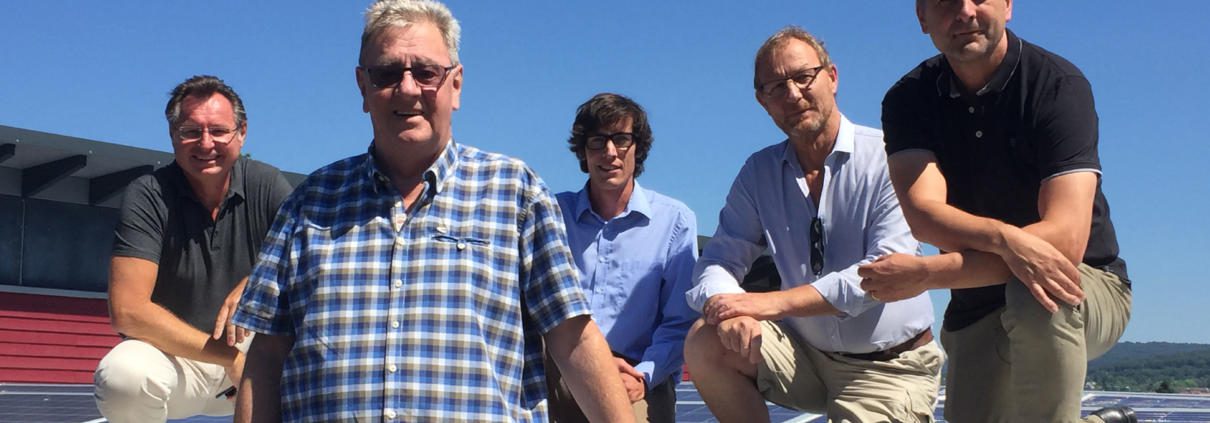
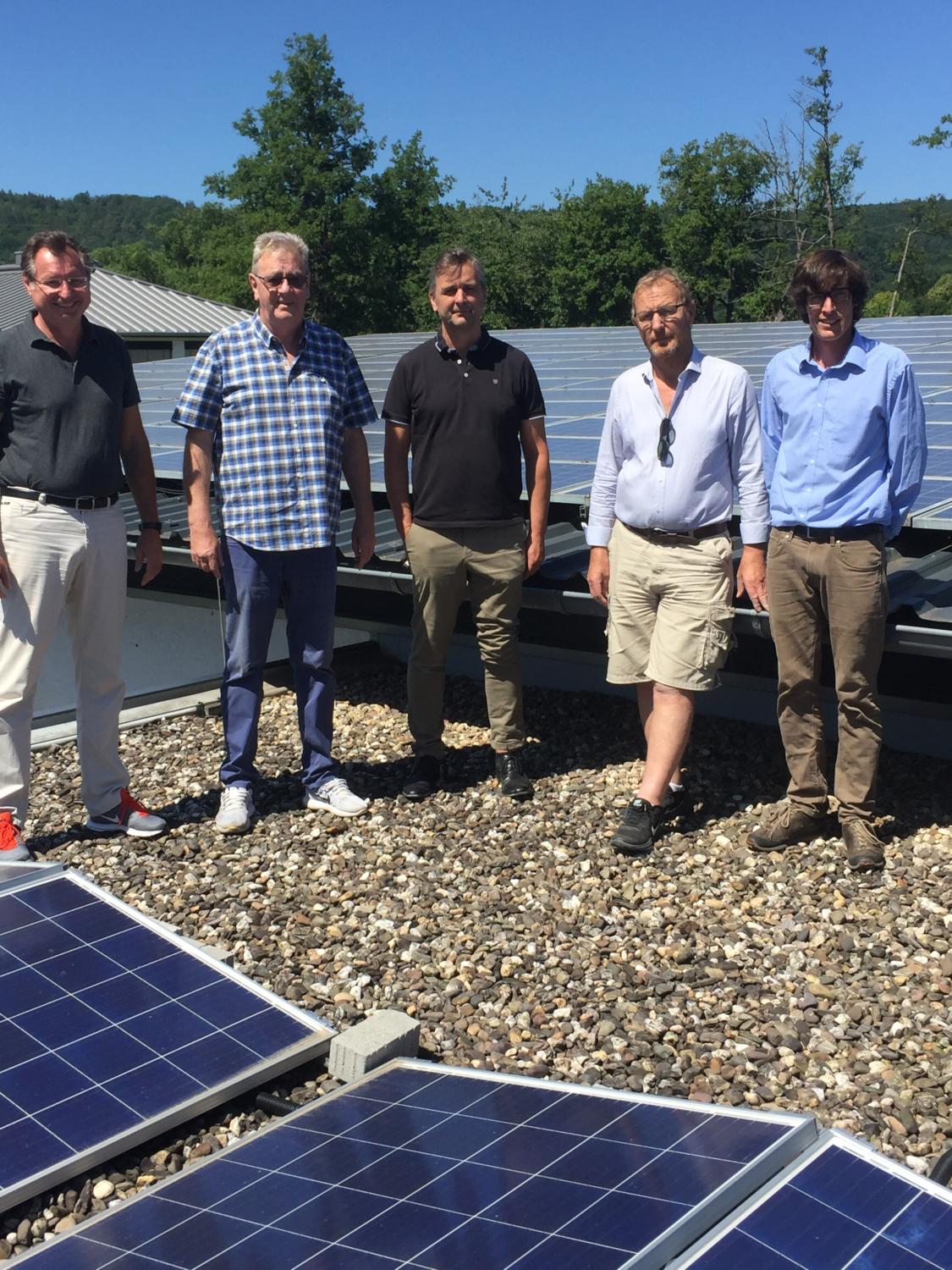
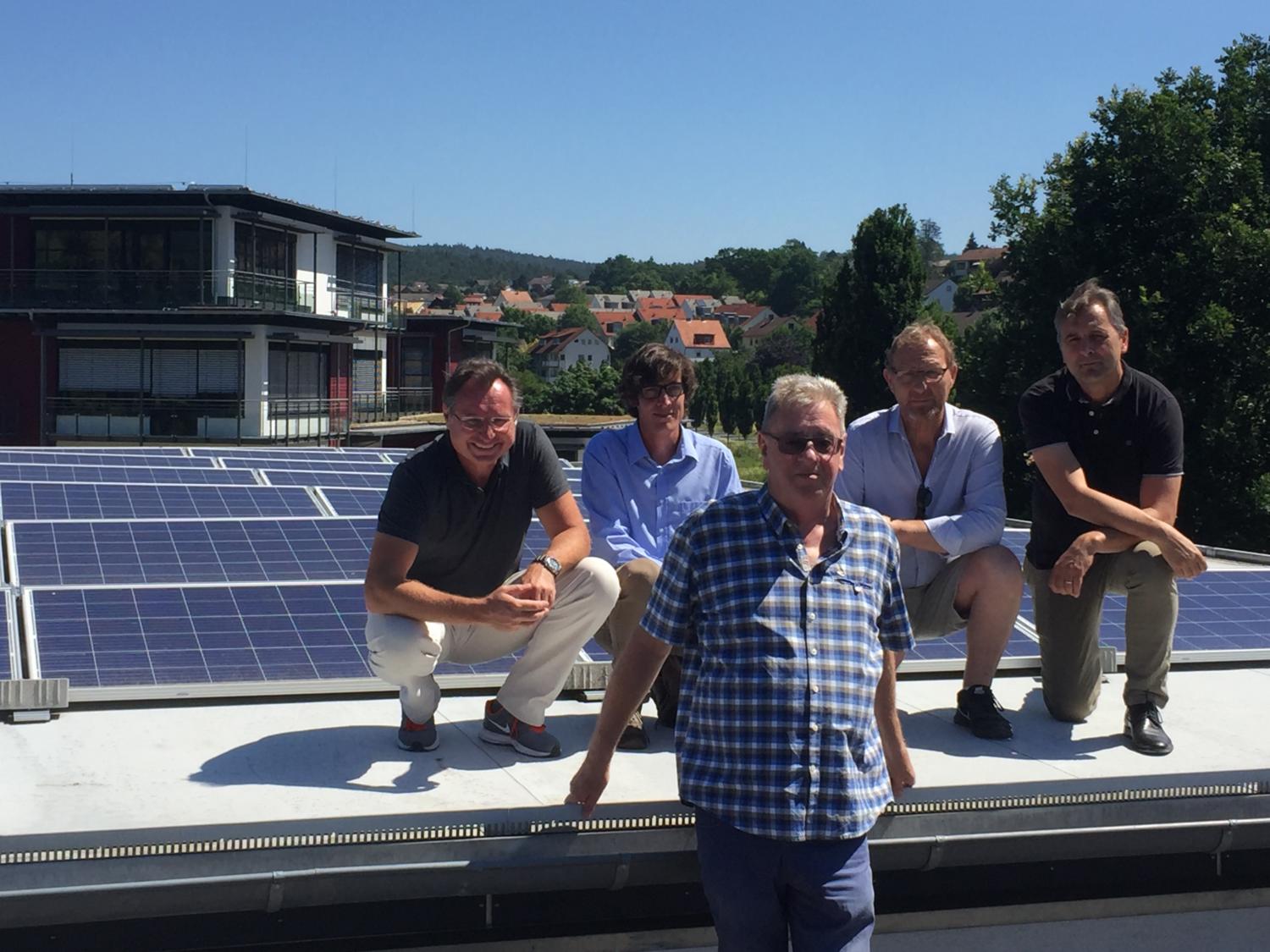
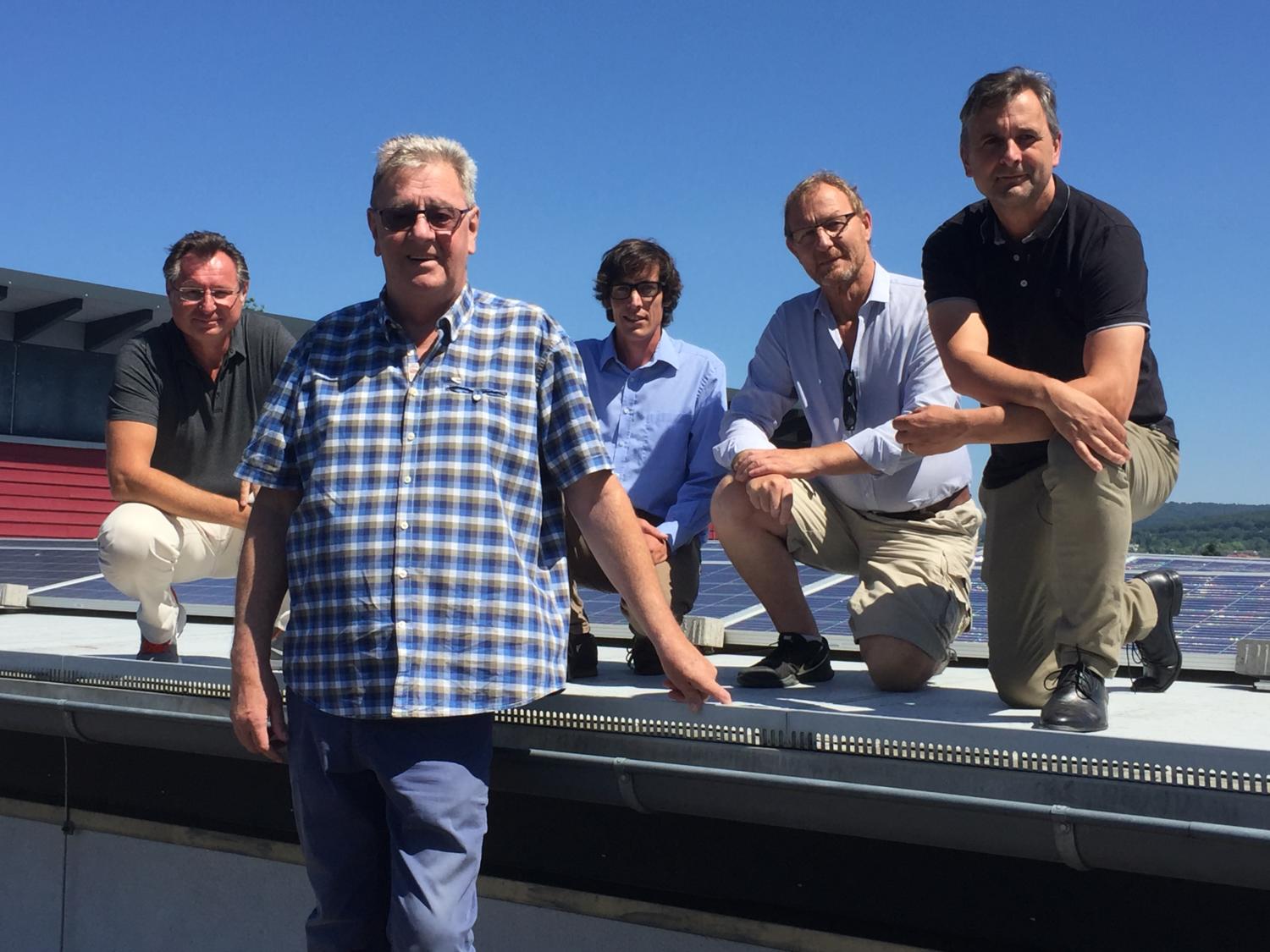
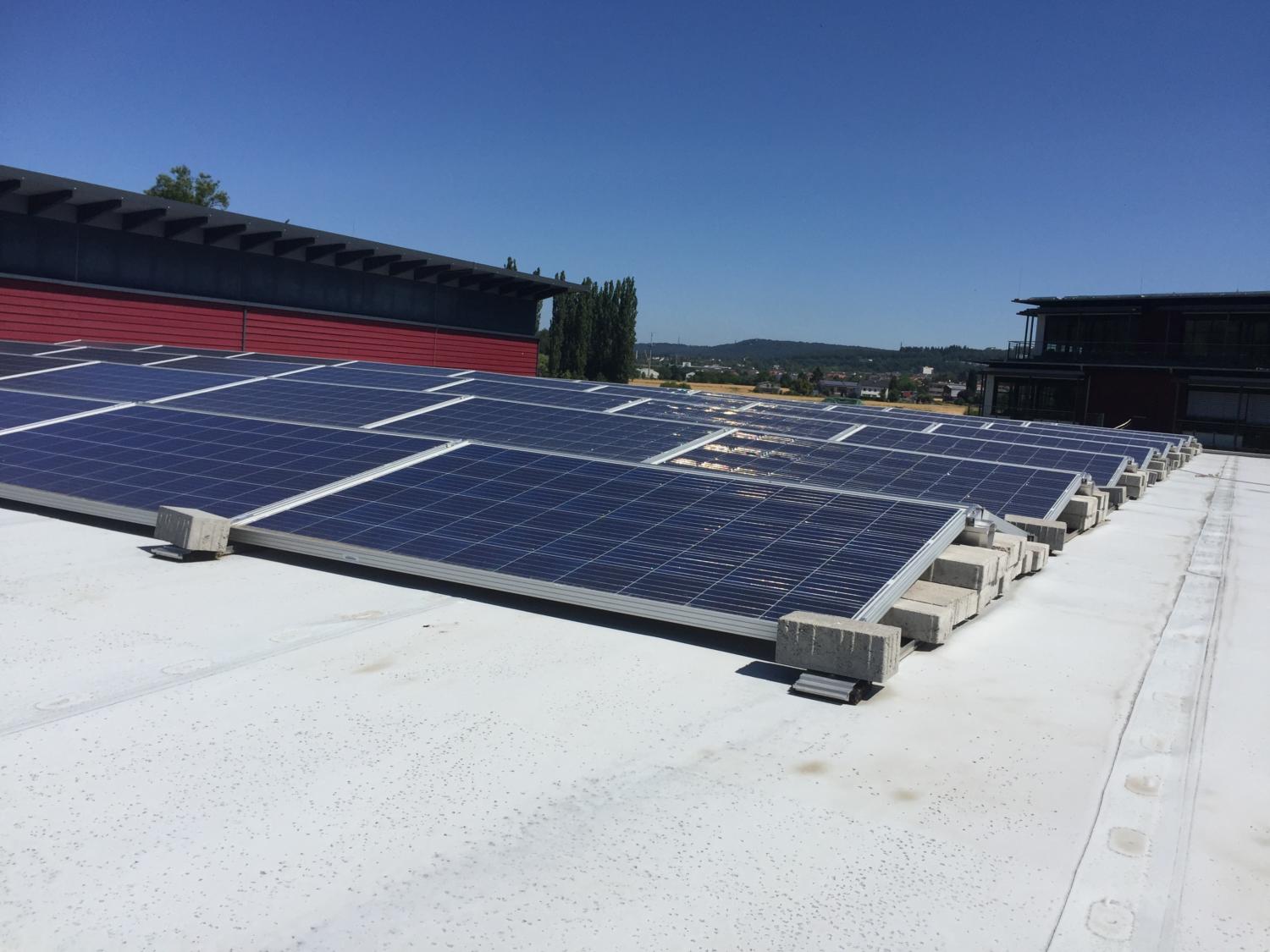
Steinmühle is stepping up its efforts to promote renewable energy. Additional photovoltaic systems have recently been installed on the roofs of Steinmühle. Egon Vaupel, chairman of the Steinmühle Marburg School Association, inaugurated the systems together with representatives of the Sonneninitiative association and school principal Dirk Konnertz on the last day of school before summer break.

“The school association is making the roofs of the School Forum and the new ‘Atrium’ building available to the Sonneninitiative association. The association, in turn, makes them available to interested citizens who want to generate environmentally friendly solar power there,” Konnertz reported, explaining: “For us, this project is another step toward utilizing renewable energy.” Steinmühle already has its own hydroelectric power plant, which covers its own electricity needs and feeds surplus electricity into the grid.
With the continued installation of solar panels on buildings—part of the Schulforum was already equipped with its own system and has now been expanded in cooperation with the Sonneninitiative association—the Steinmühle is on the right path toward the future: “We are considering installing solar panels on additional buildings.”

Sonneninitiative e.V., a Marburg-based association led by Volker Klös, is organizing the project and handling the accounting. It already operates 250 community solar power plants.

The Steinmühle community solar power plant can generate up to 125 kilowatts of solar power. This can reduce carbon dioxide emissions by 91 metric tons annually. The annual electricity generation of 122,000 kilowatt-hours would be sufficient to meet the private electricity needs of approximately 40 households in Marburg.


Steinmühle Community Solar Power Plant, Marburg

Additional data:

Capacity: 125 kWp
Area: 780 m² net module area
Lifespan: 30–40 years
Shading: none
Owners: 10 citizens
Total cost of the system: approx. 150,000 euros
Annual electricity revenue: 13,500–14,000 euros

On class project day, students regularly engage in activities outside of school. The goal is to experience life “out there,” and often there are specific tasks the students set for themselves. It’s not uncommon for these to involve social service. Class 8a, for example, recently dedicated itself to serving the community. Teacher Gisela Opper reports:

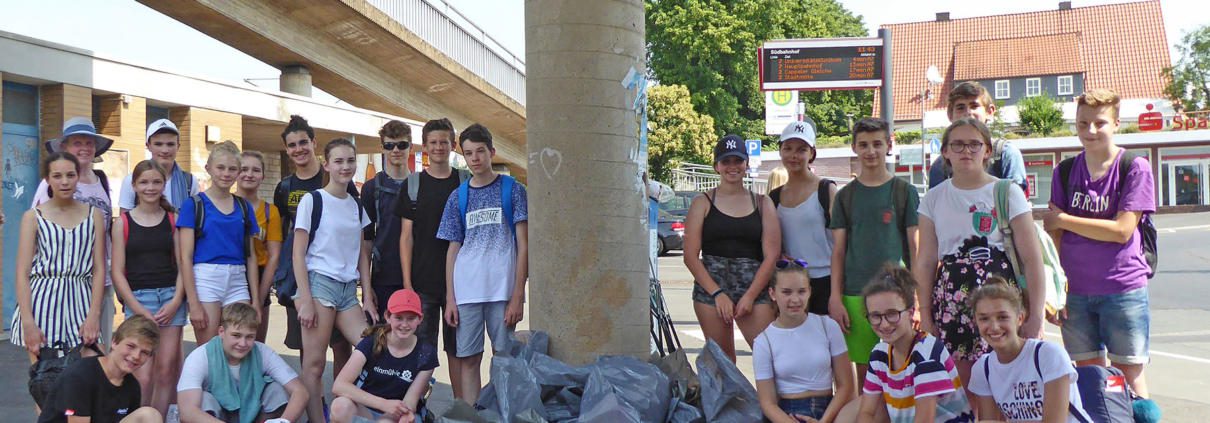
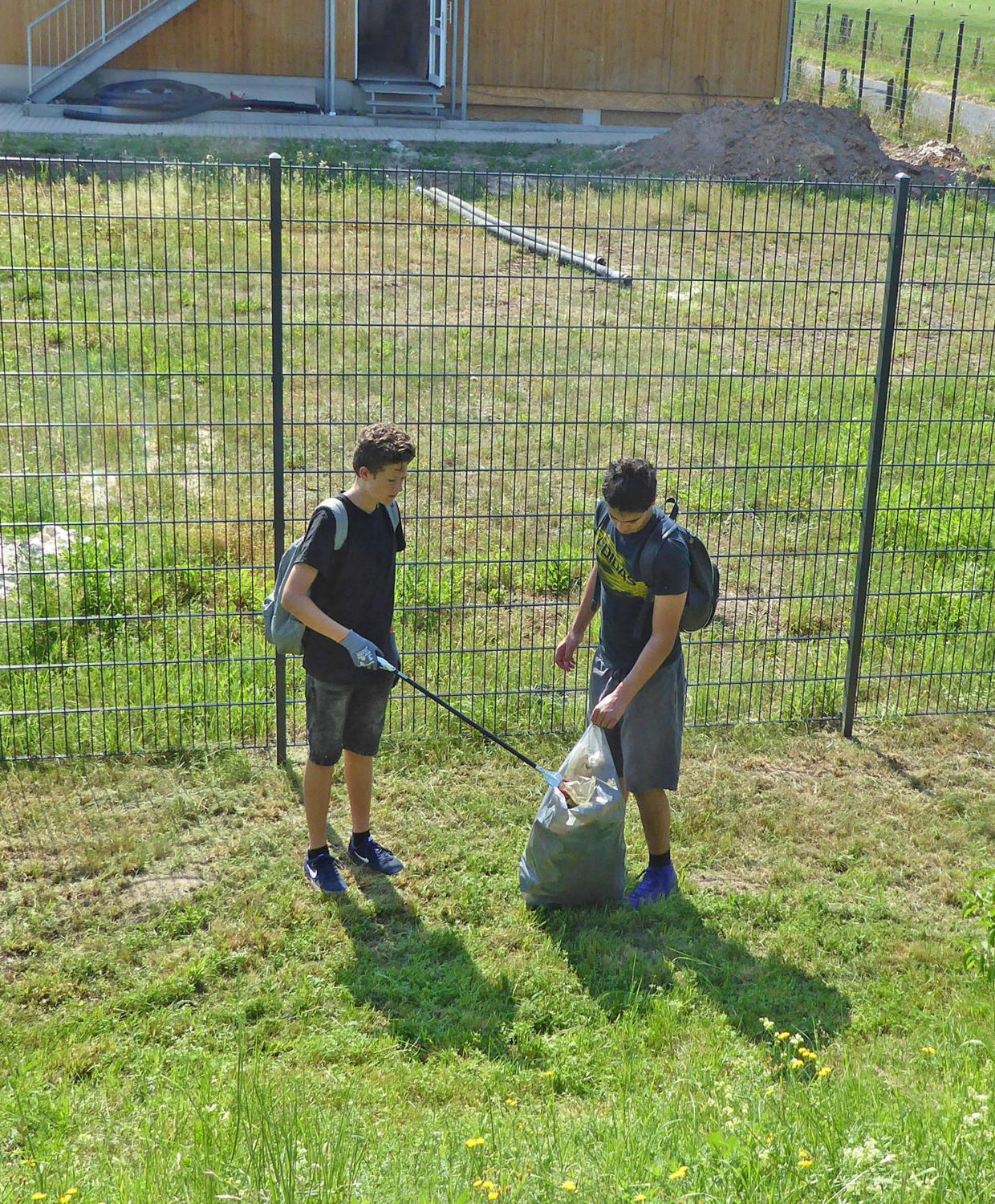
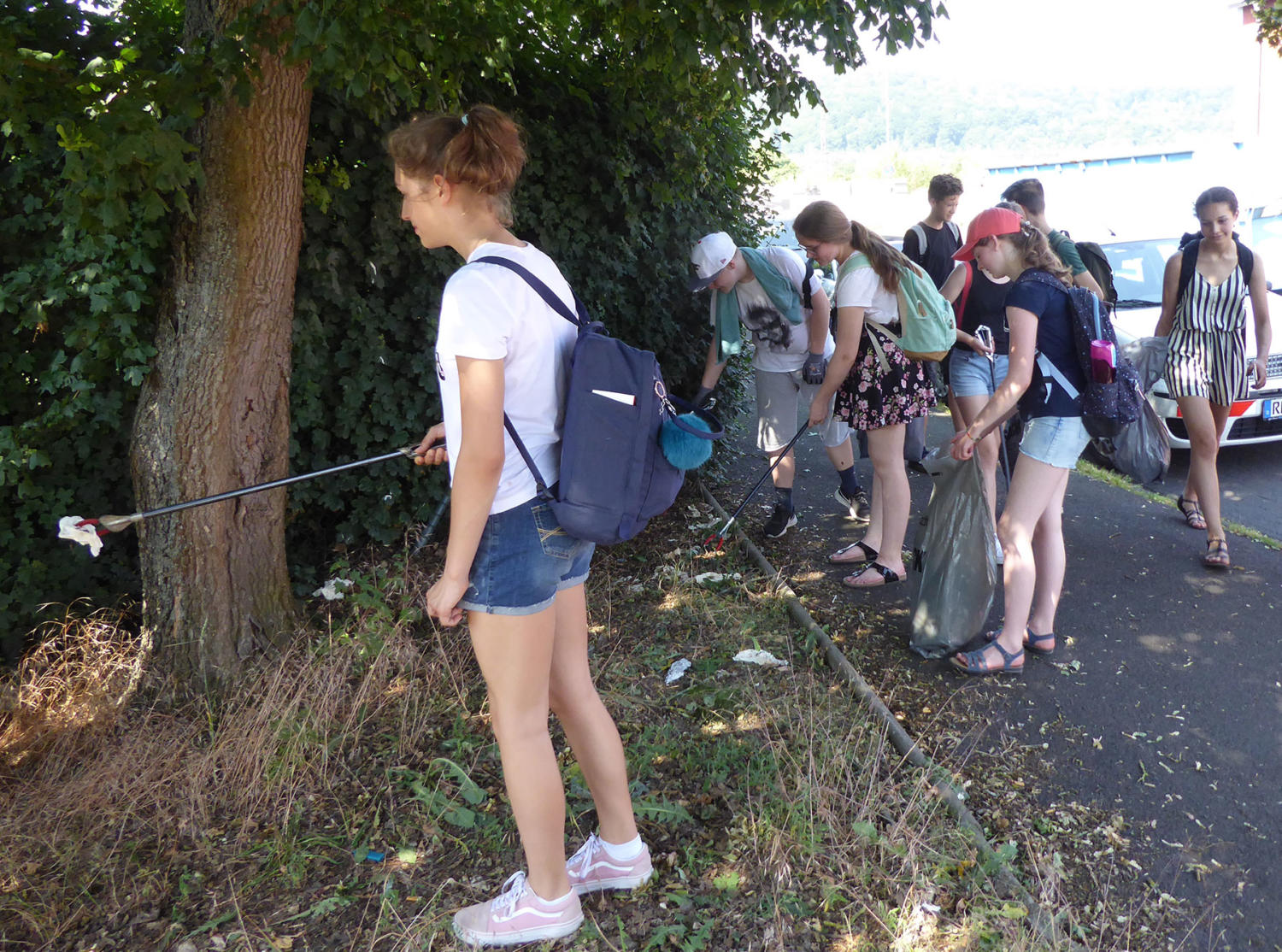
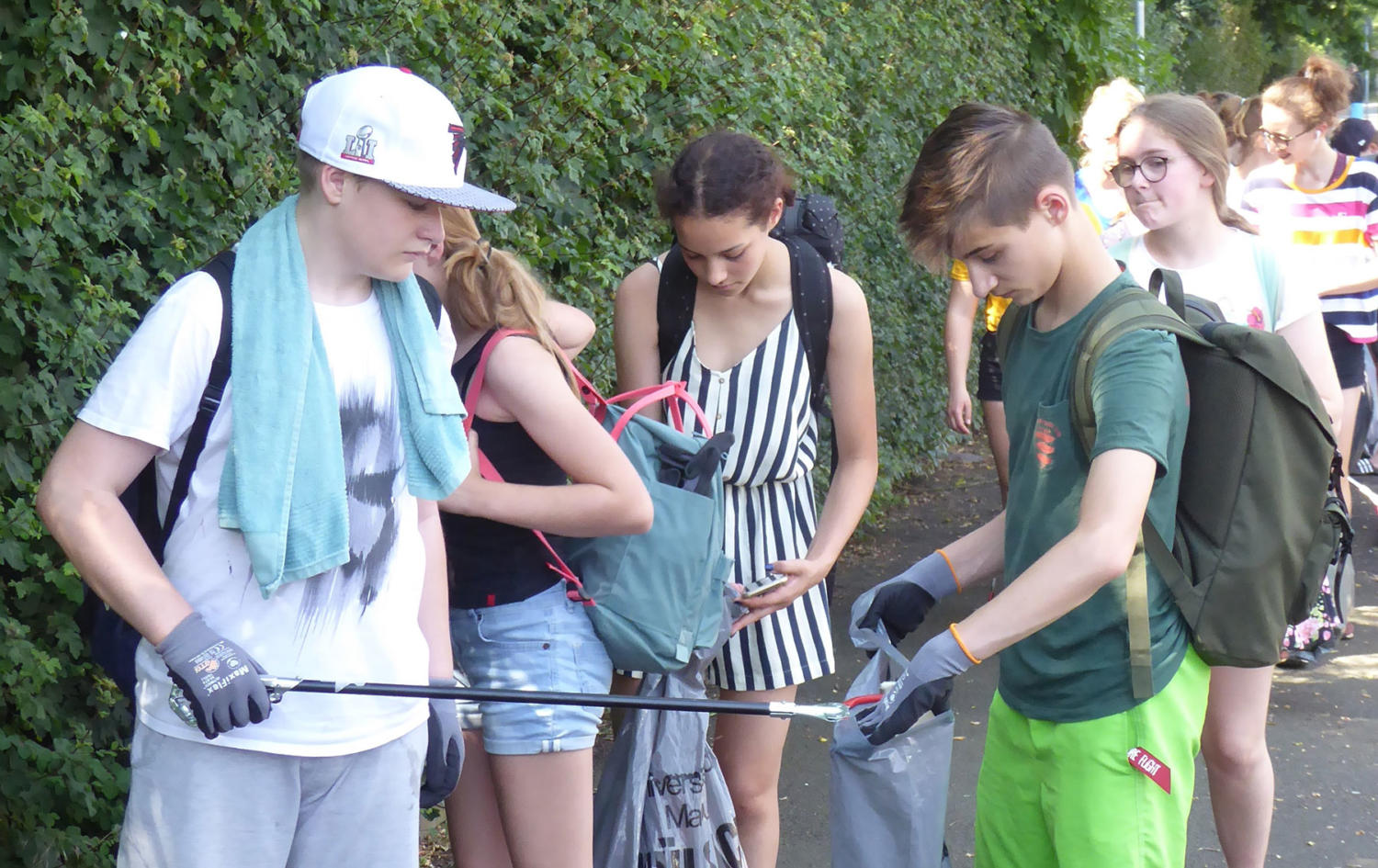
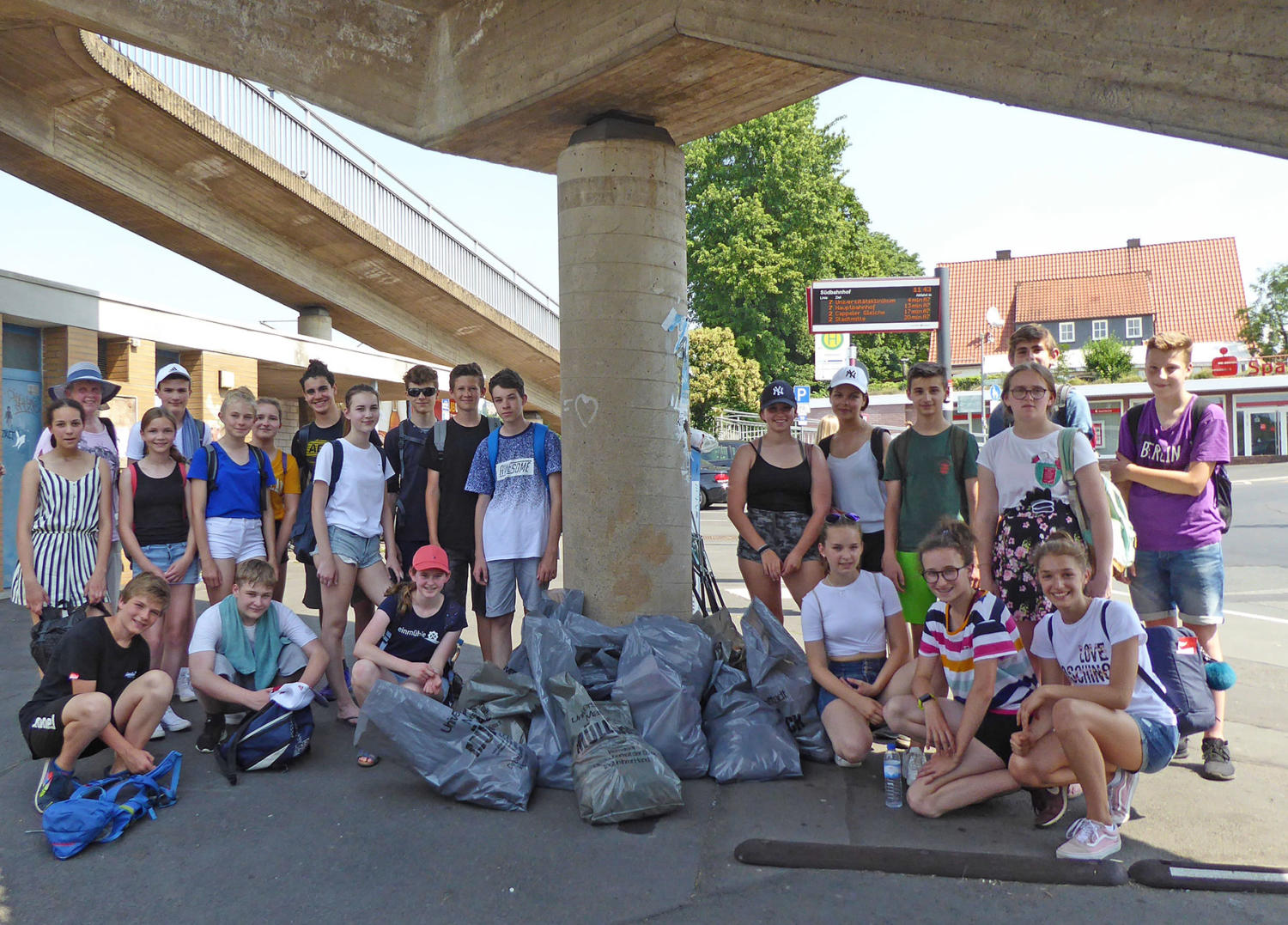
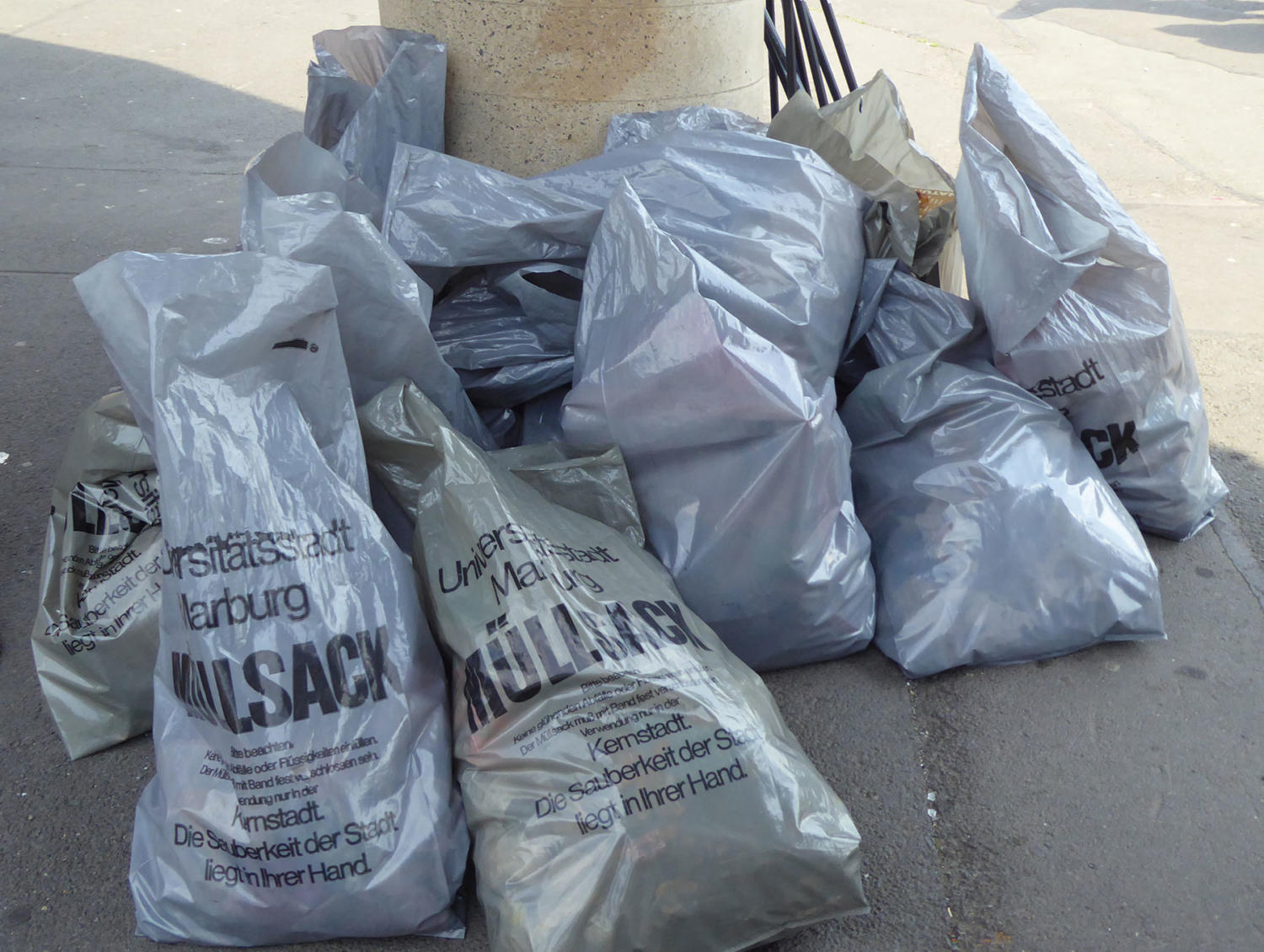
On the class project day, after having breakfast together, Class 8a took part in the “Cleaner Way to School” campaign. Some students had explored the topics of “plastic waste in water” and “waste prevention” as part of their water-related project, so participating in this campaign was a natural fit. Equipped by the DBM with trash grabbers, trash bags, and gloves as needed, they walked from the Steinmühle to the Südbahnhof. Along the way, they eagerly collected paper, various types of packaging, bottles, cans, bottle caps, hundreds of discarded cigarette butts, and all sorts of unidentifiable items. “A cool activity—we could do this again, maybe with the whole school,” was one comment. The plan to walk all the way to Rudolfsplatz was abandoned due to time constraints and the intense heat. This allowed some students to take a well-deserved dip in the cool water at the lake afterward.

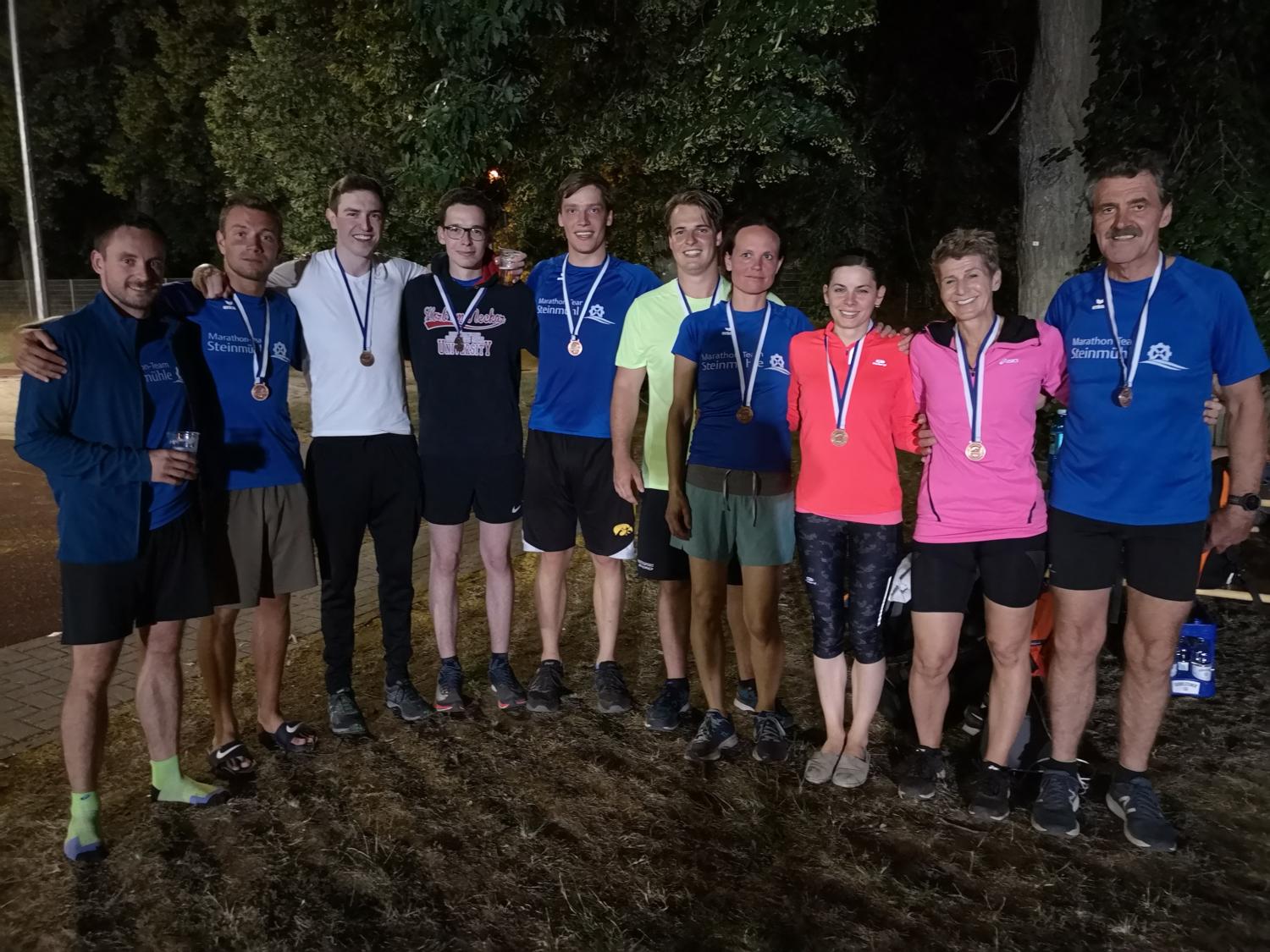
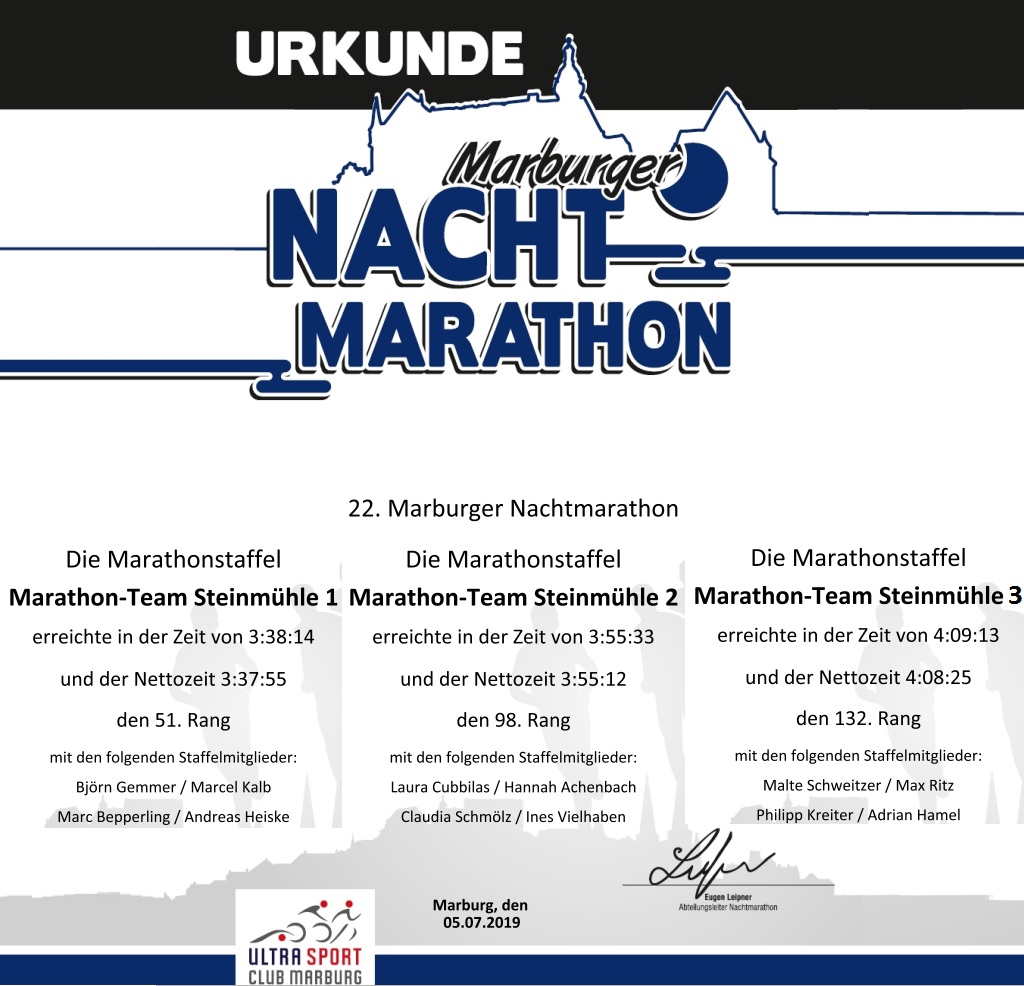
With the support of several new teachers and former students, a group of dedicated participants from Steinmühle took part in this year’s Night Marathon.
Due to the summer break, only a small number of participants gathered for the sporting event this time. In particular, no current students were available due to scheduling conflicts. However, the active participation of alumni from the classes of 2015 and 2016 demonstrated their traditional connection to the event. Steinmühle has now participated in the Marburg sports event for the seventh consecutive year, with initiator Dr. Andreas Heiske and Principal Björn Gemmer taking part every year. “Next year, we’re aiming for even greater participation. It’s essential that we keep this tradition alive,” they said in unison.
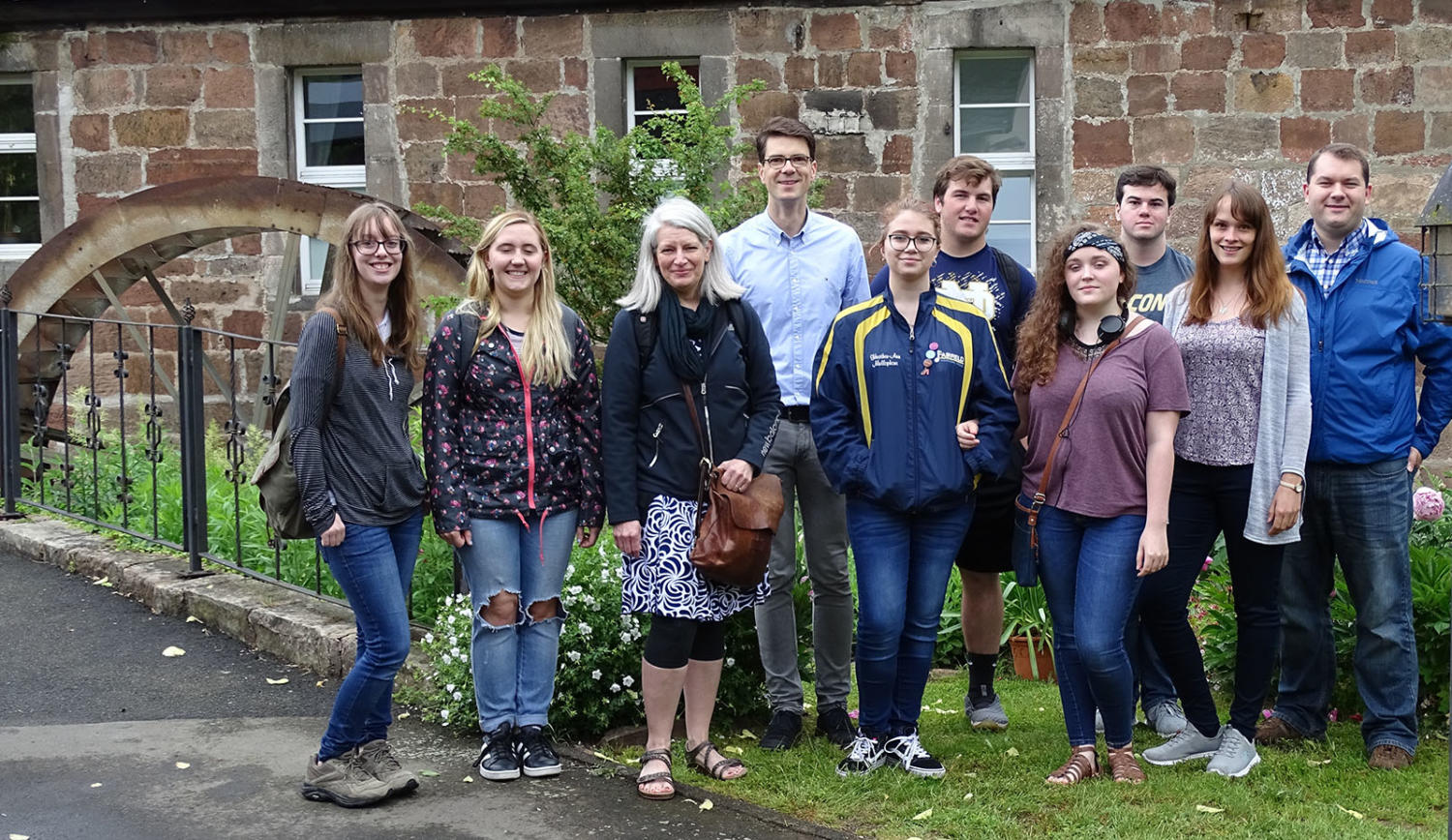
The group photo of the three classes shows (from left): Marcel Kalb (student teacher), Marc Bepperling (teaching assistant), Max Ritz (alumnus), Philipp Kreiter (alumnus), Adrian Hamel (alumnus), Malte Schweitzer (alumnus), Ines Vielhaben (teacher), Hannah Achenbach (teacher), Dr. Claudia Schmölz (chair of the parents’ council), Dr. Andreas Heiske (teacher). Missing from the photo are Laura Cubillas (teacher) and Björn Gemmer (principal).

mde

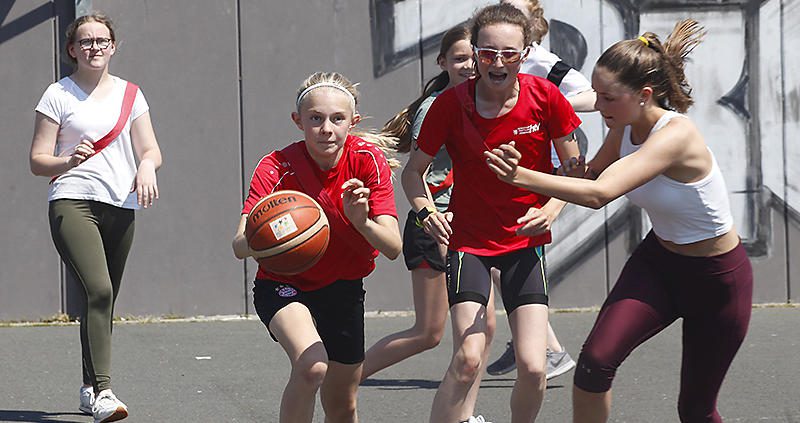
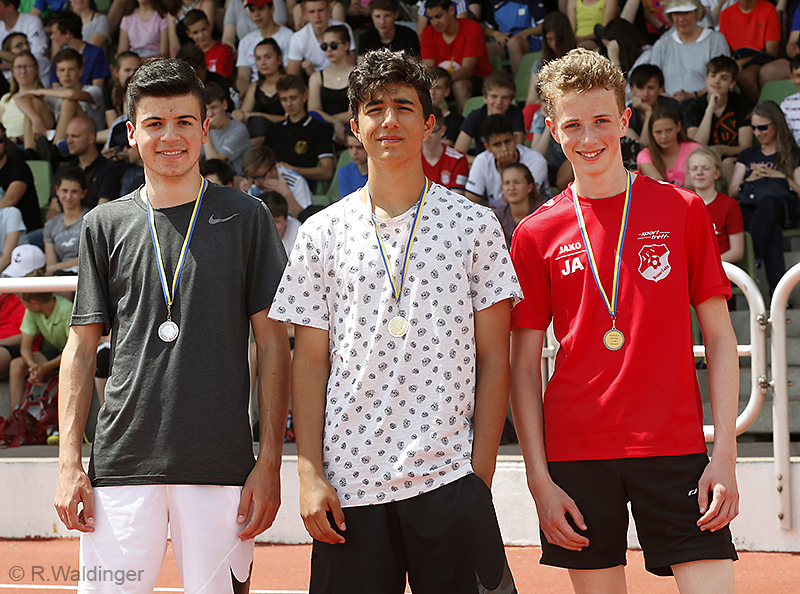
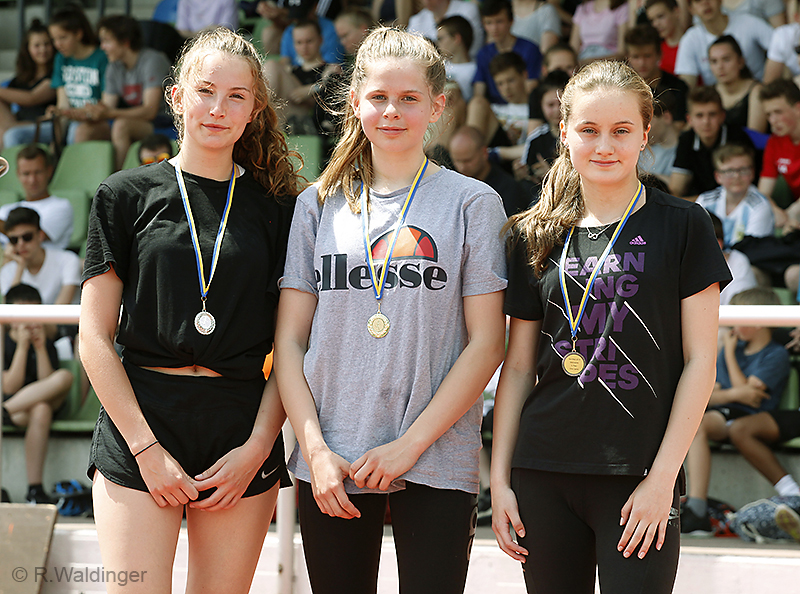
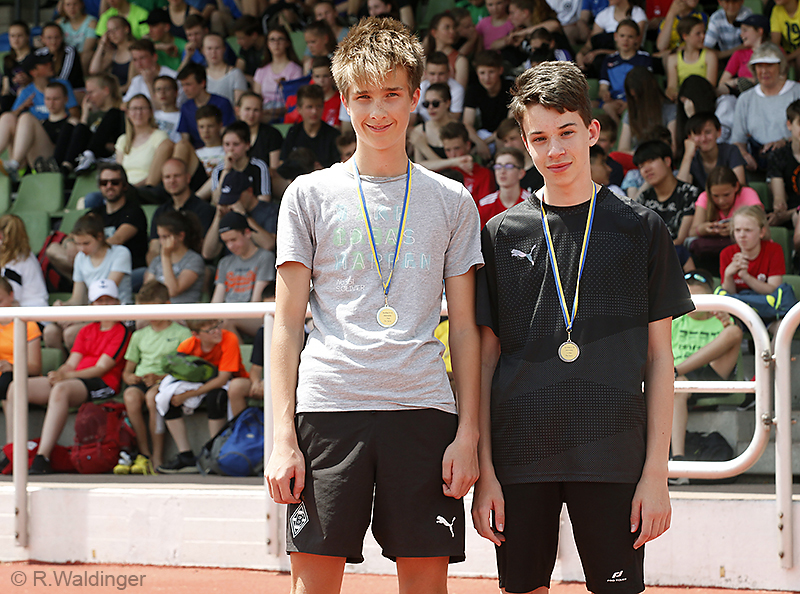
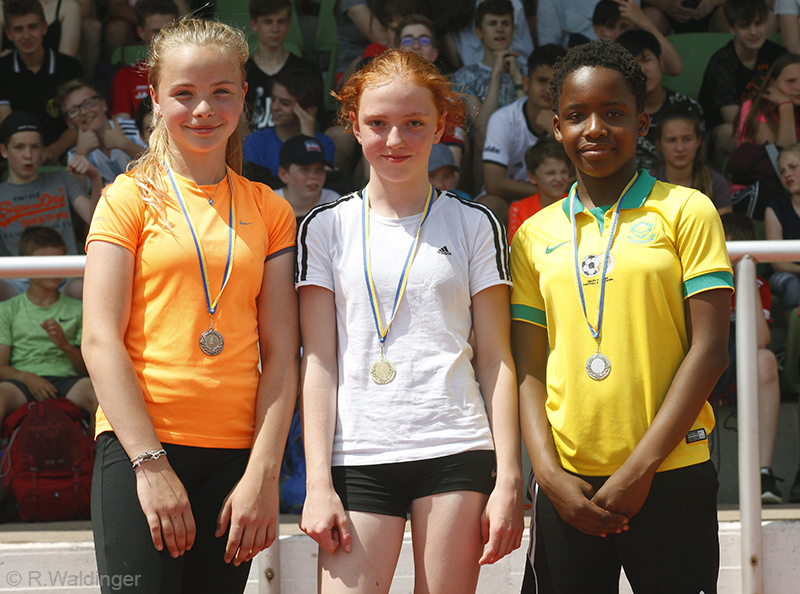
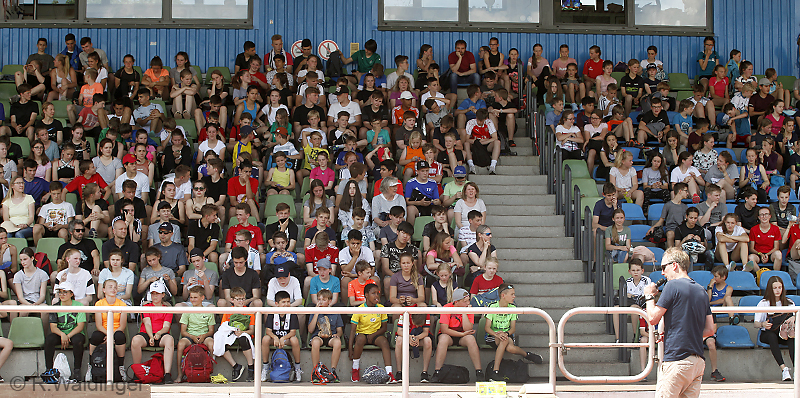
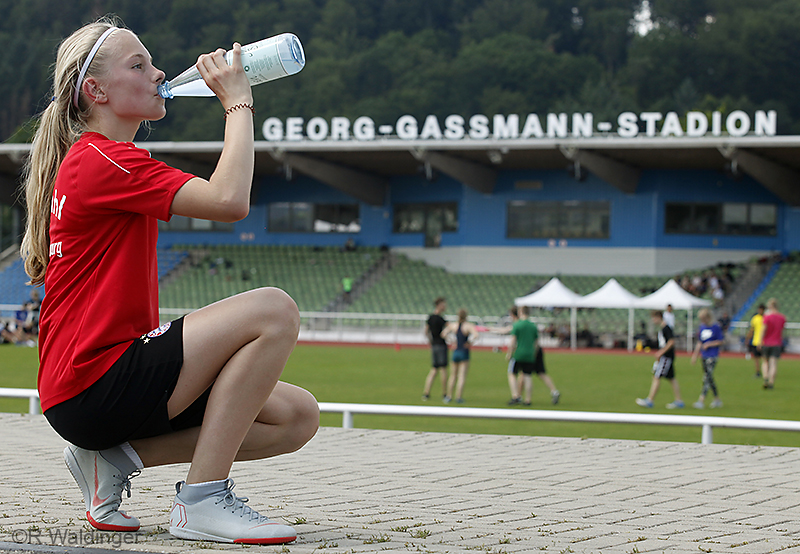
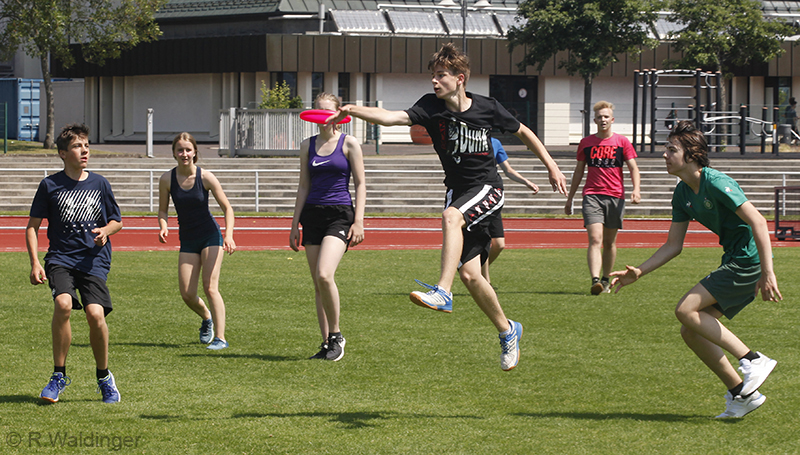
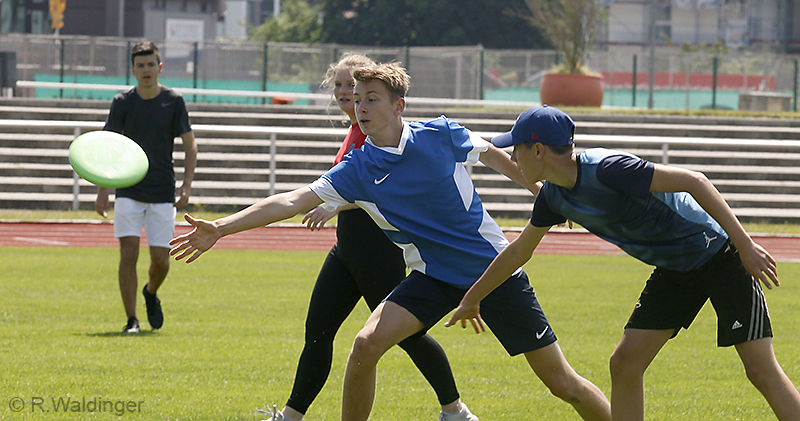
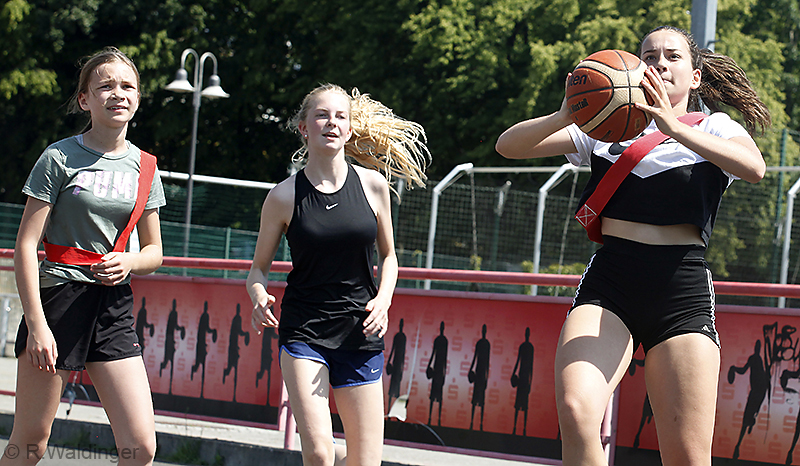
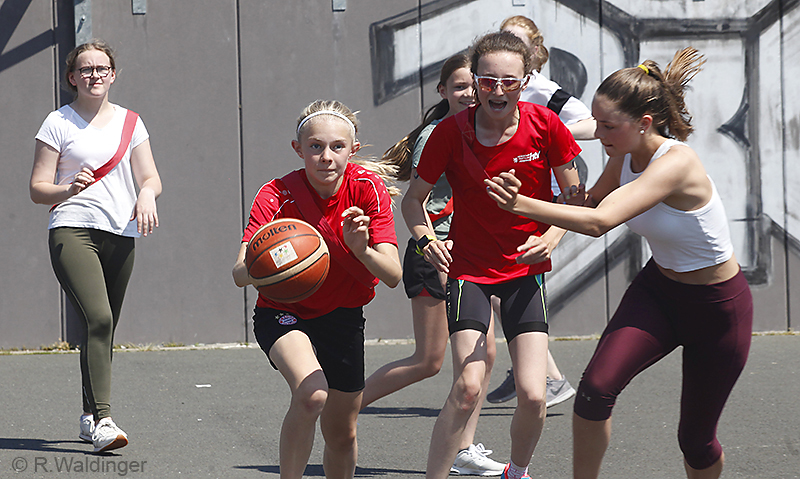
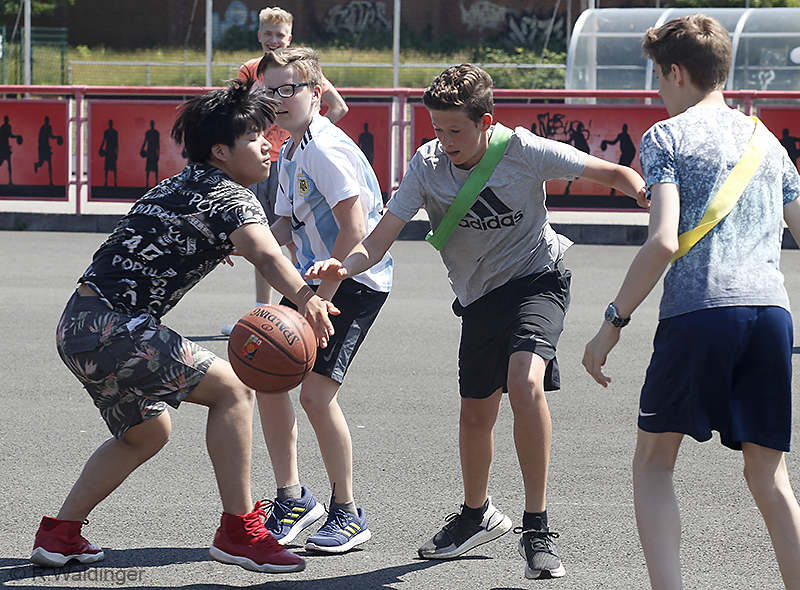
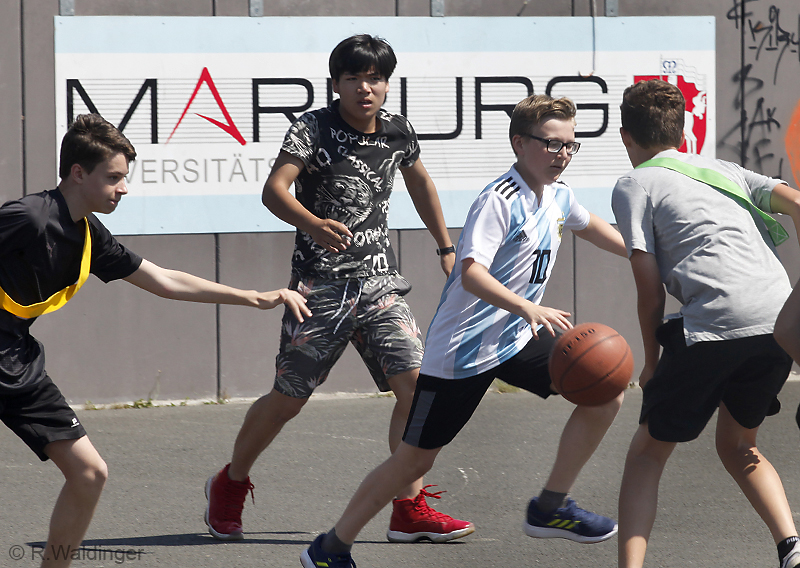
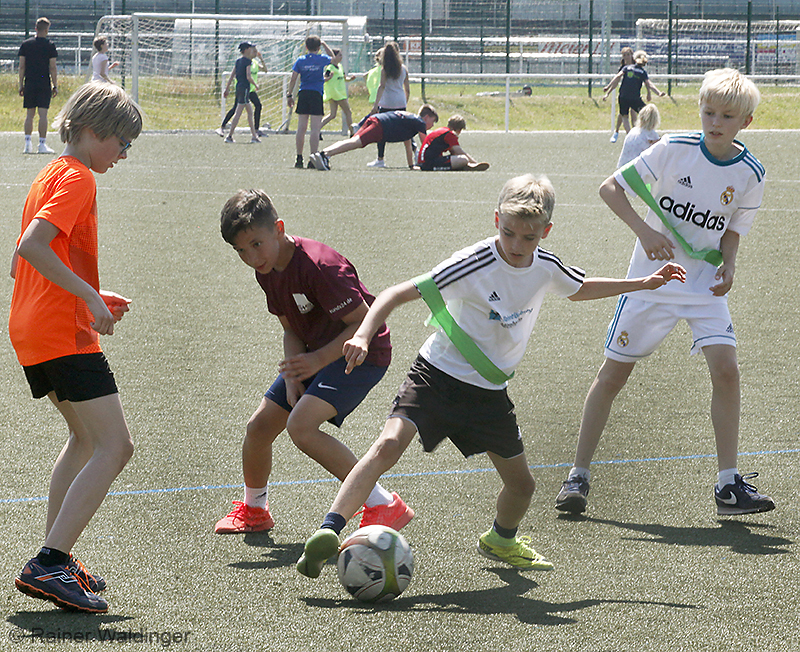
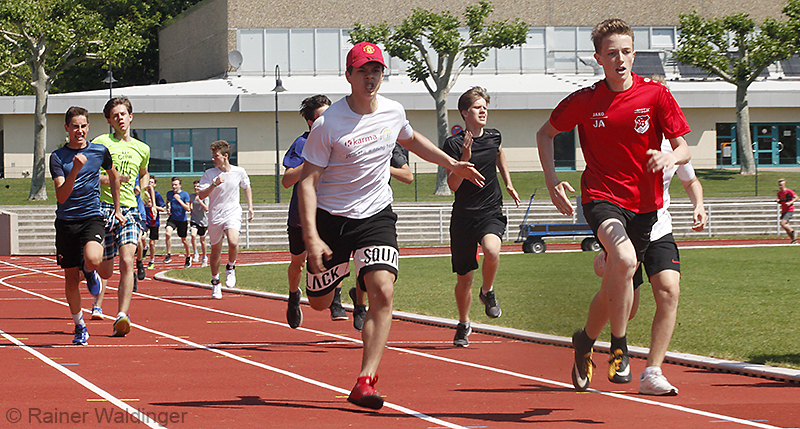
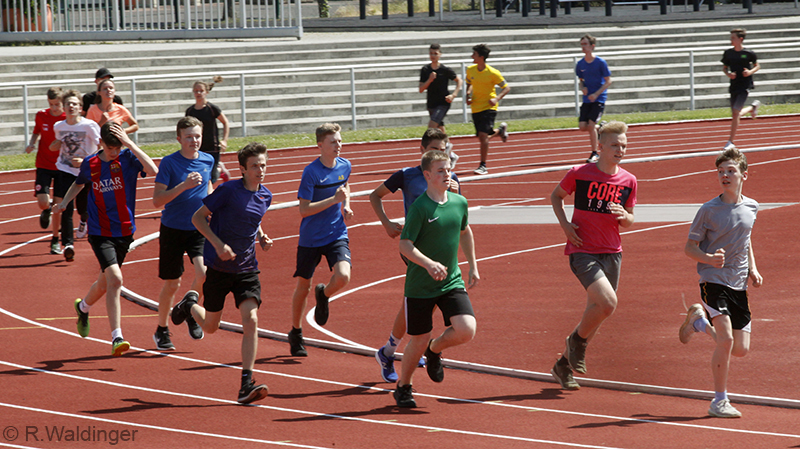
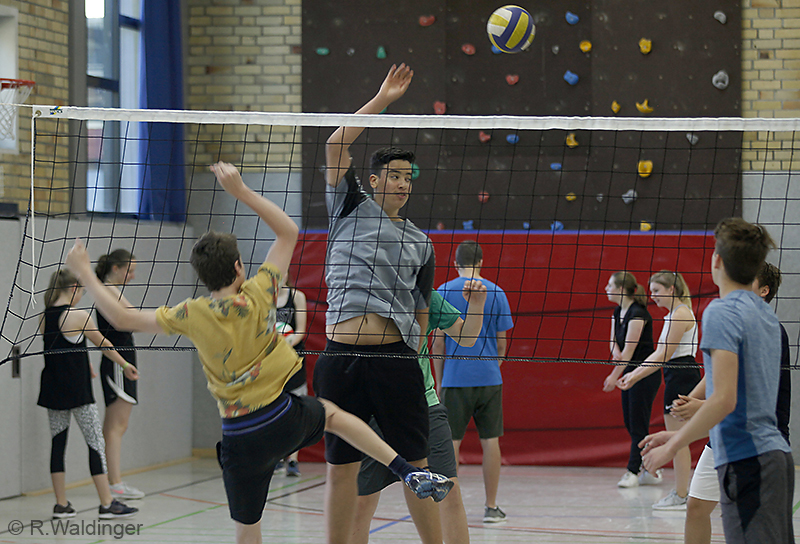
Once again this year, the Lower Secondary School Sports Day was on the schedule. While the 10th-grade classes, led by Patric Hahn (Steinmühle Boarding School), held a volleyball tournament, the younger students competed in several events at Georg Gassmann Stadium as part of the Federal Youth Games. School athletic director and organizer Michael Neirich was assisted in running the event by various colleagues from Steinmühle. Students received medals and certificates for their strong performances in the individual disciplines. These achievements also serve as the basis for earning the 2019 German Sports Badge. In addition to the running events (sprint/endurance) of the National Youth Games, this year’s class champions were also determined in the sports games dodgeball (Grade 5), soccer (Grade 6), basketball (Grade 8), and Ultimate Frisbee (Grade 9). Sports Day ended at 1:00 p.m.

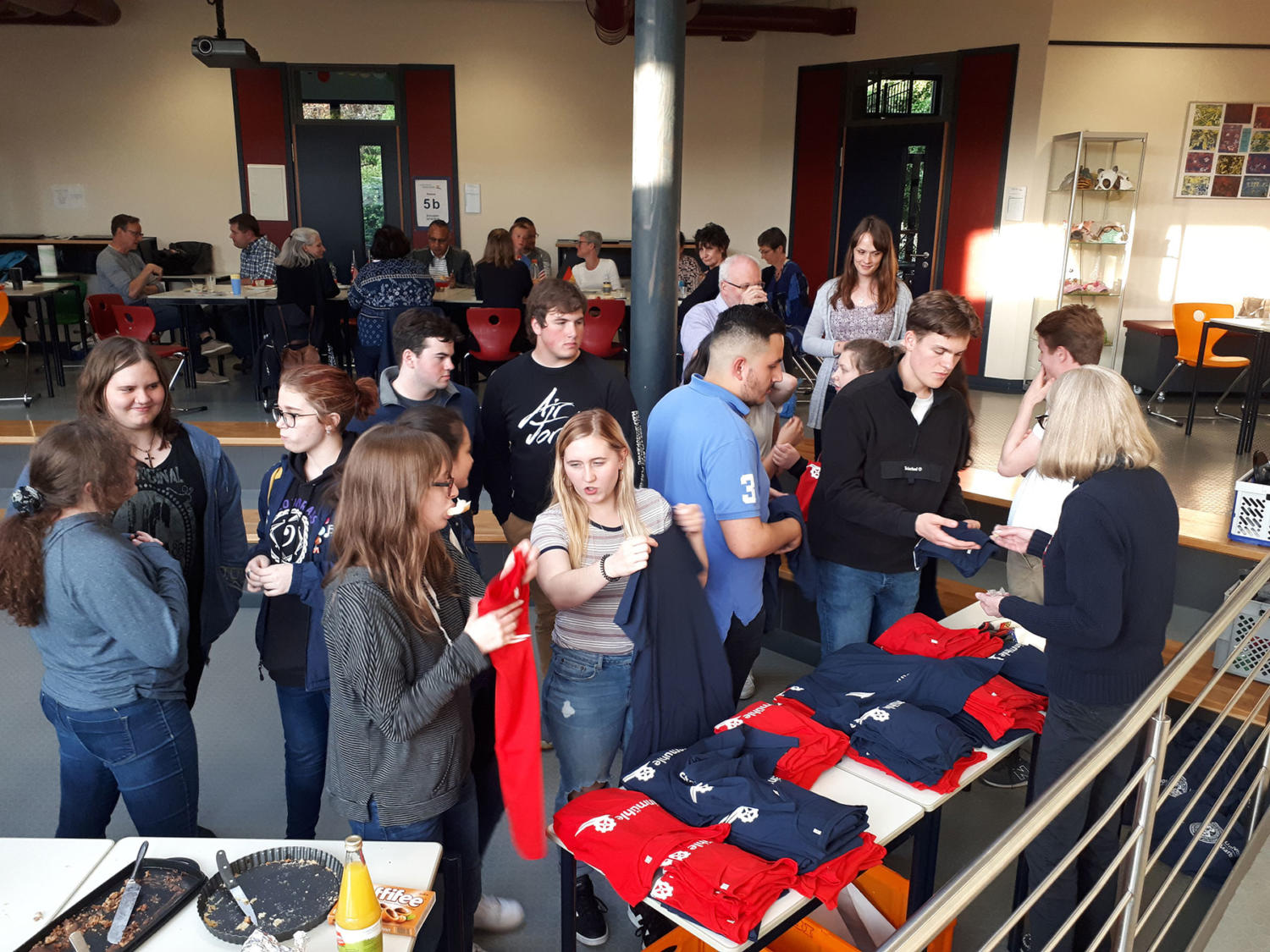
The exchange program with the U.S. is a well-established tradition at Steinmühle. This spring, it was organized by English teacher Eva Stelz, with her colleague Rosie Boebel contributing her many years of experience. Eberhard Wieth accompanied the group on the trip to the U.S. as the second teacher traveling with them.

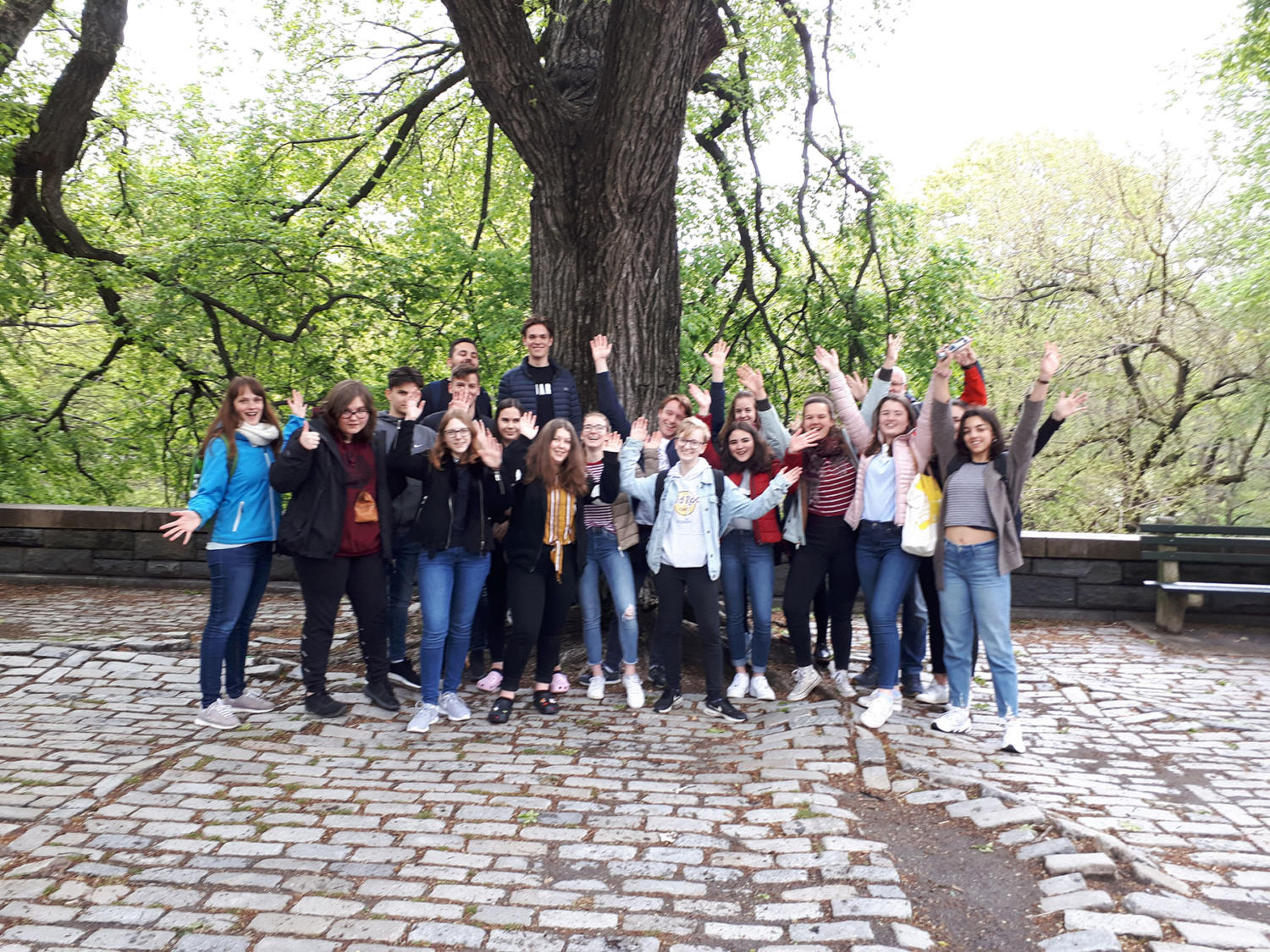
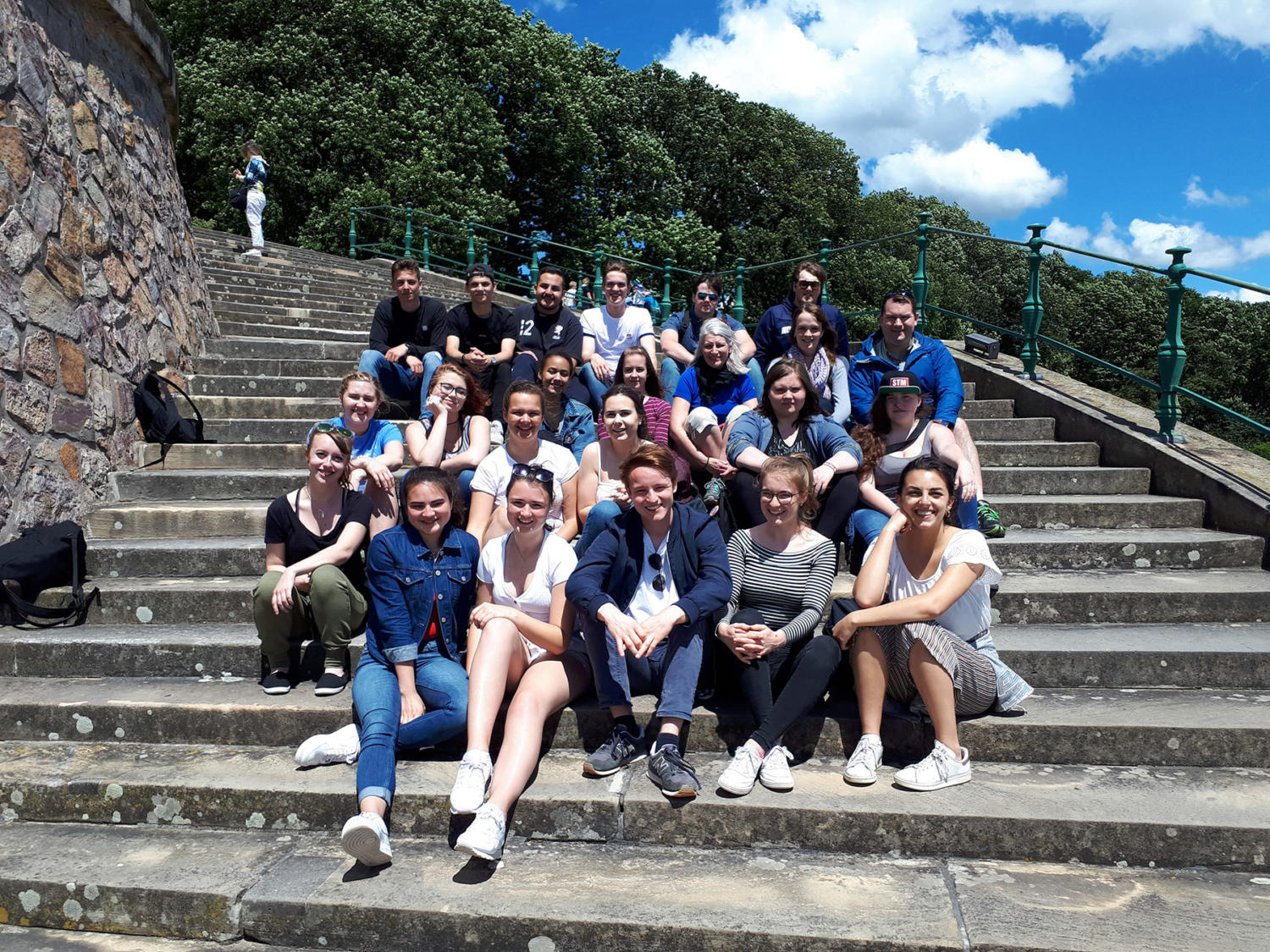
First, the Steinmühle students were in Goshen, where they accompanied their exchange partners to class. “Everyone got a taste of typical high school life,” reports Eva Stelz. In the third week, the group visited Chicago and New York City. Of course, a souvenir photo in front of Central Park was a must. The Americans’ return visit to Steinmühle took place from June 5 to 19. The itinerary included, among other things, a trip to the Rhine.

The trip boosted motivation to use the language

There’s no doubt that the students were able to gain a wide range of experiences through the exchange. Eva Stelz: “Above all, however, they were able to greatly improve their language skills, since they spent every day with their host families and had to speak English there. It was clear that they can now speak much more fluently and that their motivation has generally increased thanks to the wonderful experiences they had in an English-speaking country.”

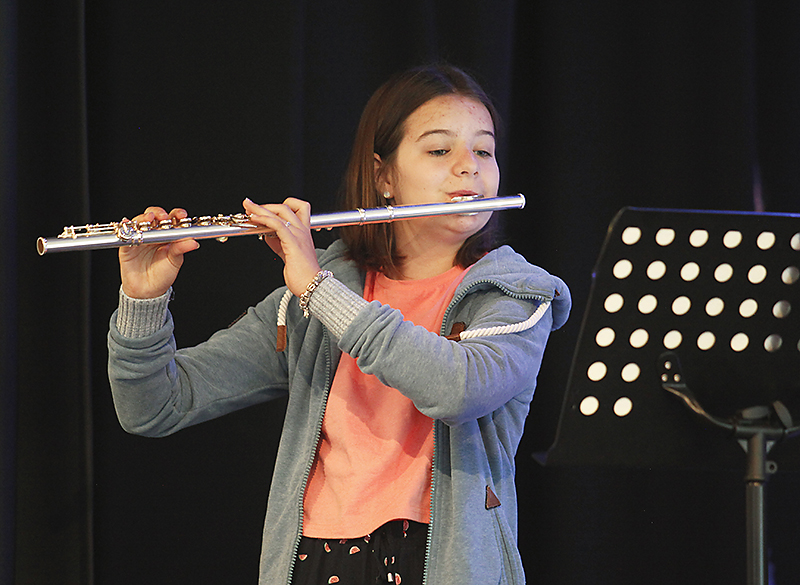
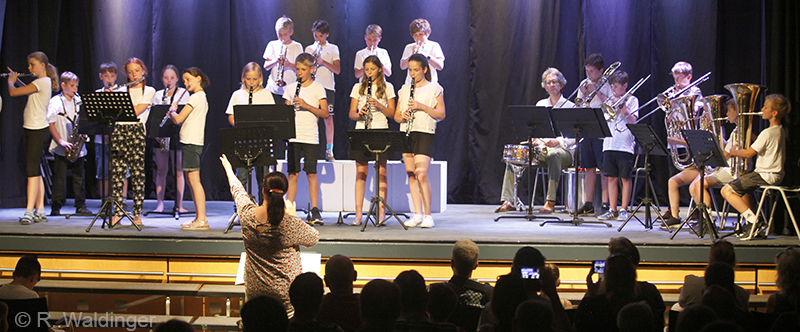
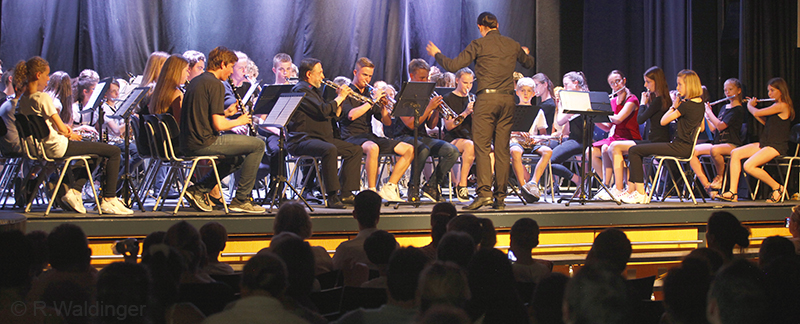
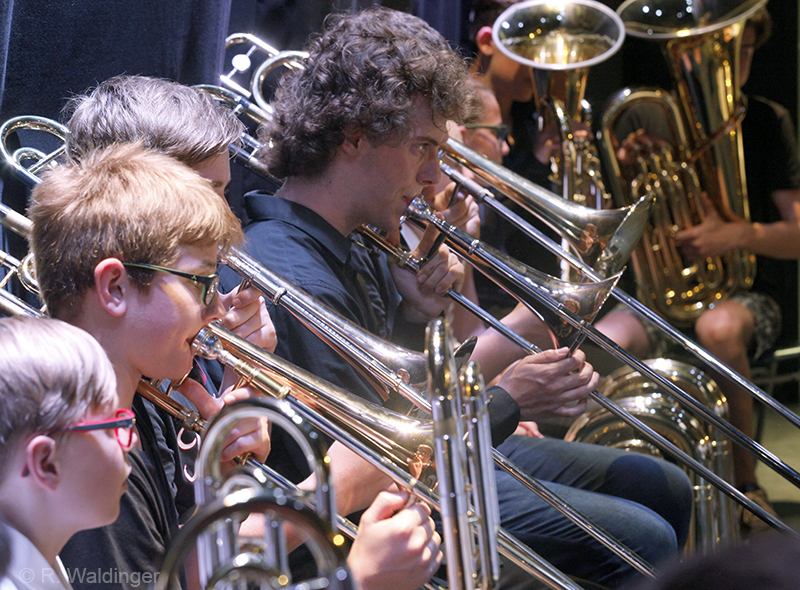
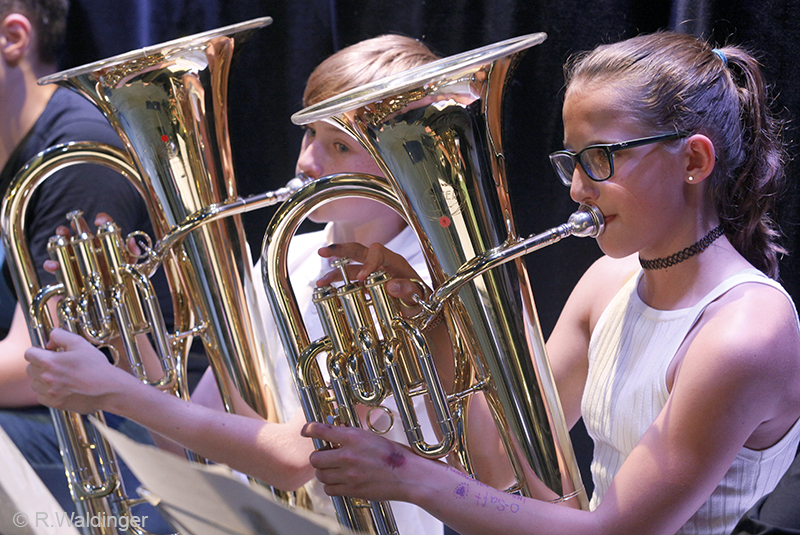
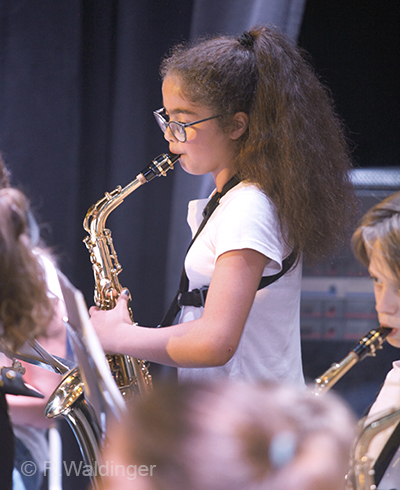
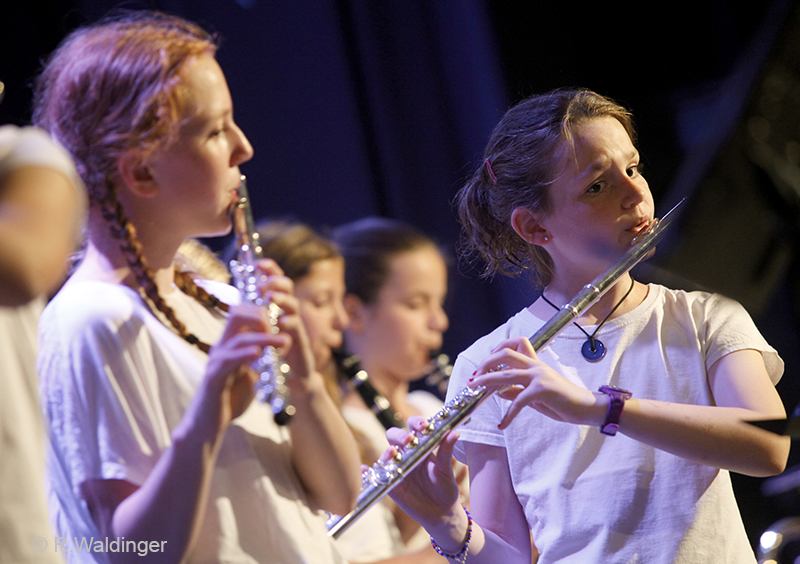
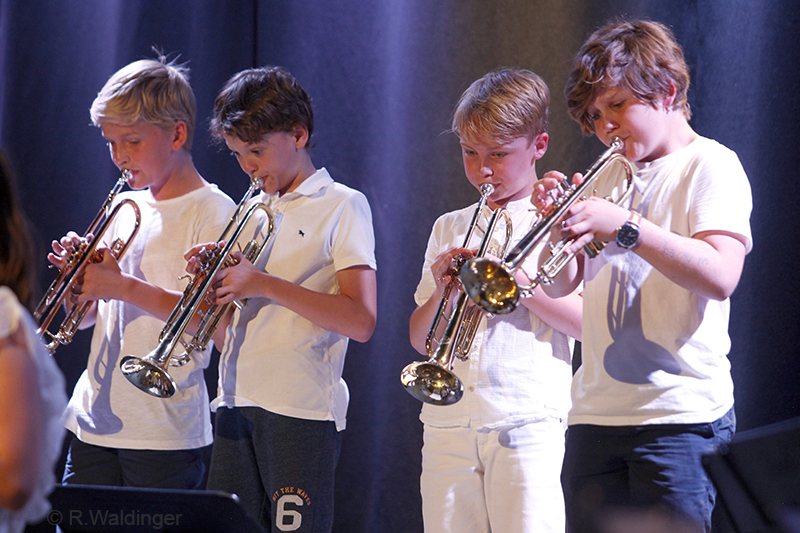
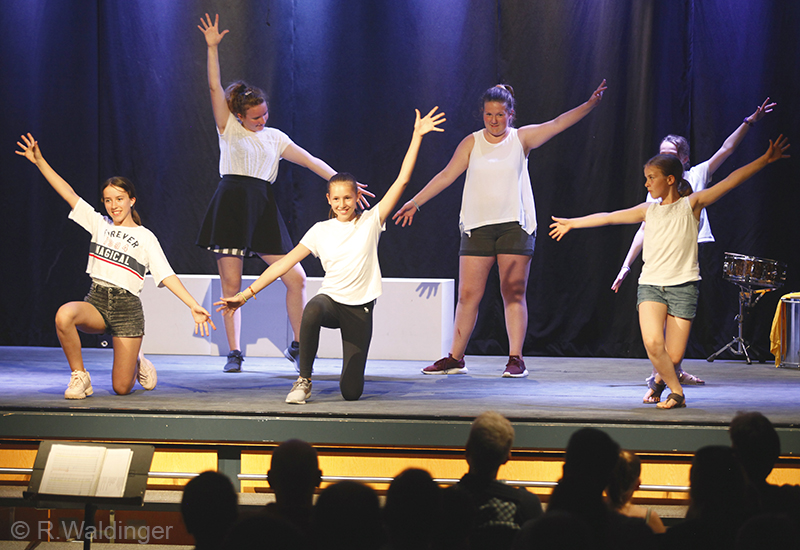
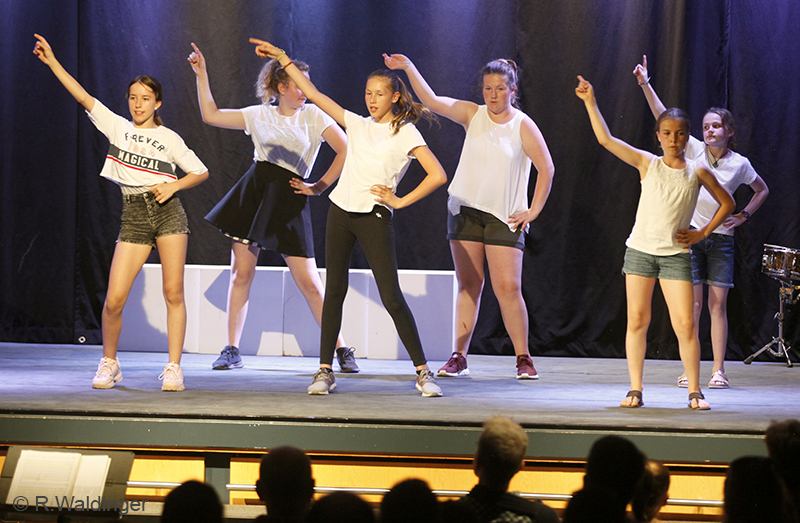
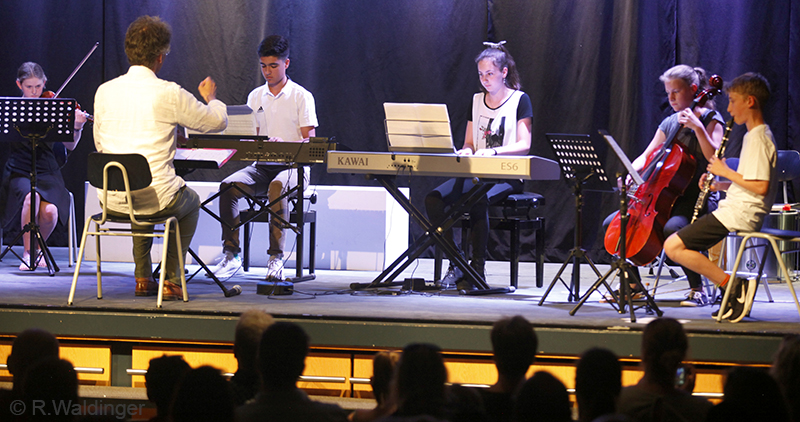
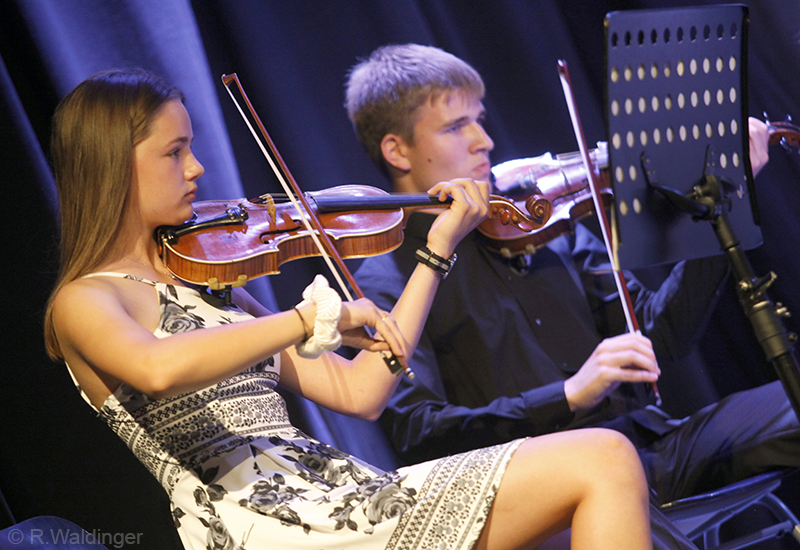
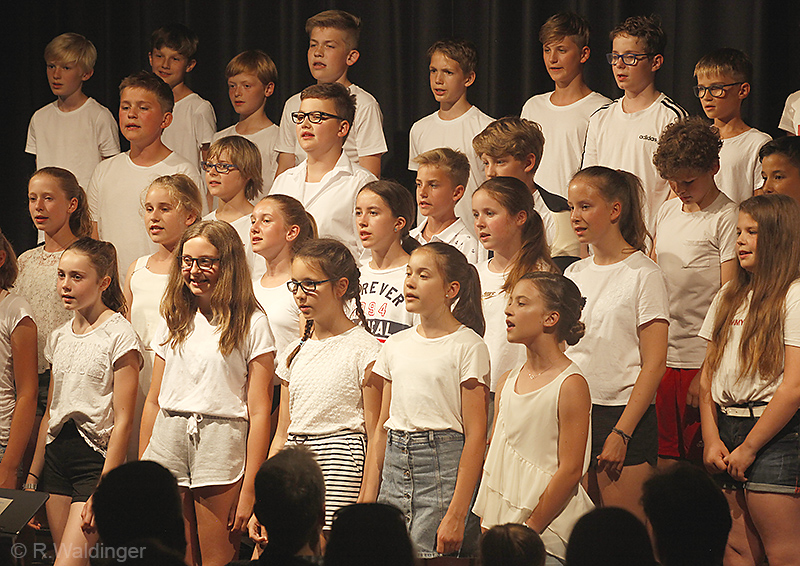
At the summer concert, 120 students entertained the audience in the packed Steinmühlenforum with clear tones and lively rhythms. The summer concert is one of our school’s long-standing events.

The music student council, led by Ulrike Wilmsmeyer, had really struck a chord with the audience by putting together a program consisting of six performances. With “Rolling In The Deep” by Adele and “High Hopes” by Panic! At The Disco, the performance kicked off with the 6th-grade choir, directed by Daniel Sans and Ulrike Wilmsmeyer, and was an instant hit—many audience members nodded in amazement at how well the notes were hit! The Chamber Music Club, led by Frank Wemme, delighted the audience with its usual high standard and even premiered one of its own compositions. Kim-Luna Kaletsch and her Swing & Sing Club then managed to get the audience moving and clapping along, despite the high temperatures. The Wind Ensemble Class 5 that followed demonstrated just how much skill can be acquired even in a few short months. Under the guidance of Ulrike Wilmsmeyer, the girls and boys had only begun playing their instruments in October. It was clear from the performance of the Wind Ensemble Class 6, led by Andreas Jamin, that they had been playing their instruments for somewhat longer. Stephan Reissig and “his” concert band brought the early evening’s music to a close. Many of the audience members took Headmaster Björn Gemmer’s suggestion to enjoy some barbecue and drinks at the summer festival hosted by the Rudern und Sport Steinmühle club at the nearby boathouse.

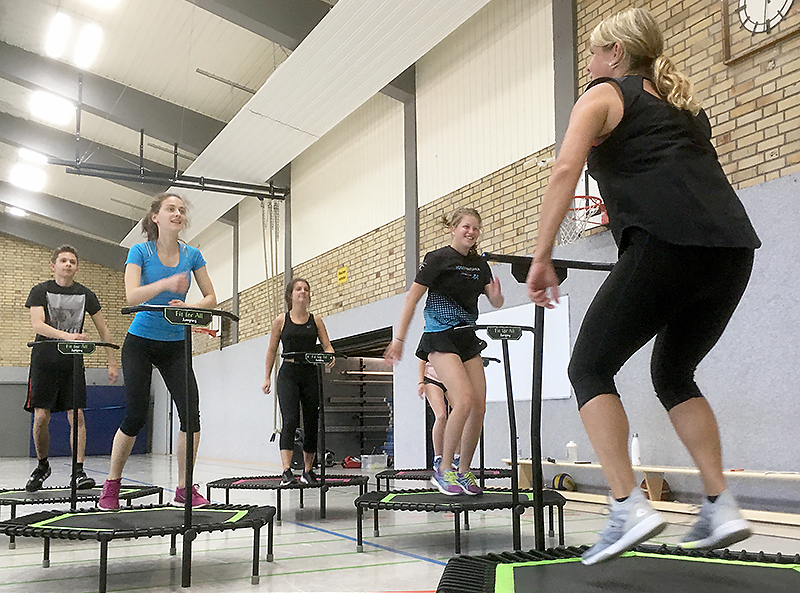
Nutrition, exercise, homemade cosmetics, the environment, first aid, and art projects—these and other topics were on the agenda for Steinmühle’s second Health Project Day. Students could choose “their” favorite workshop from a long list and spend an entire morning exploring their favorite topic. Honey tastings, jumping fitness, homemade baked goods, and “homemade” face masks were delightful surprises for visitors as they toured the school buildings and grounds. Among the numerous offerings, other highlights that caught the eye included “Eating Insects,” “Mindfulness for Beginners,” “Self-Defense,” and current topics such as “Fun and Games Without a Smartphone” and “Zero-Waste Food.”

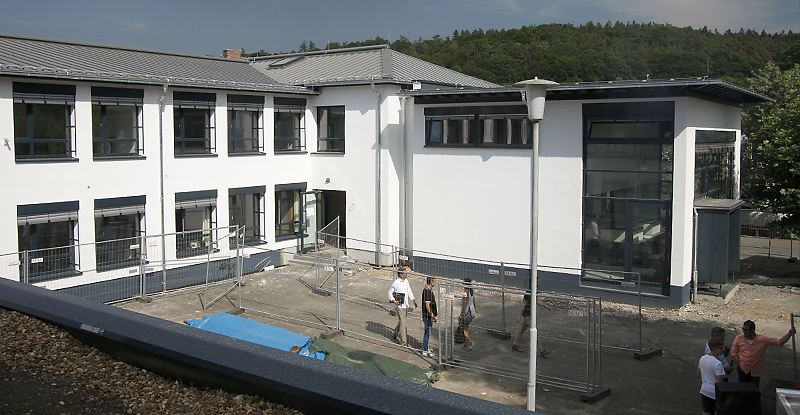
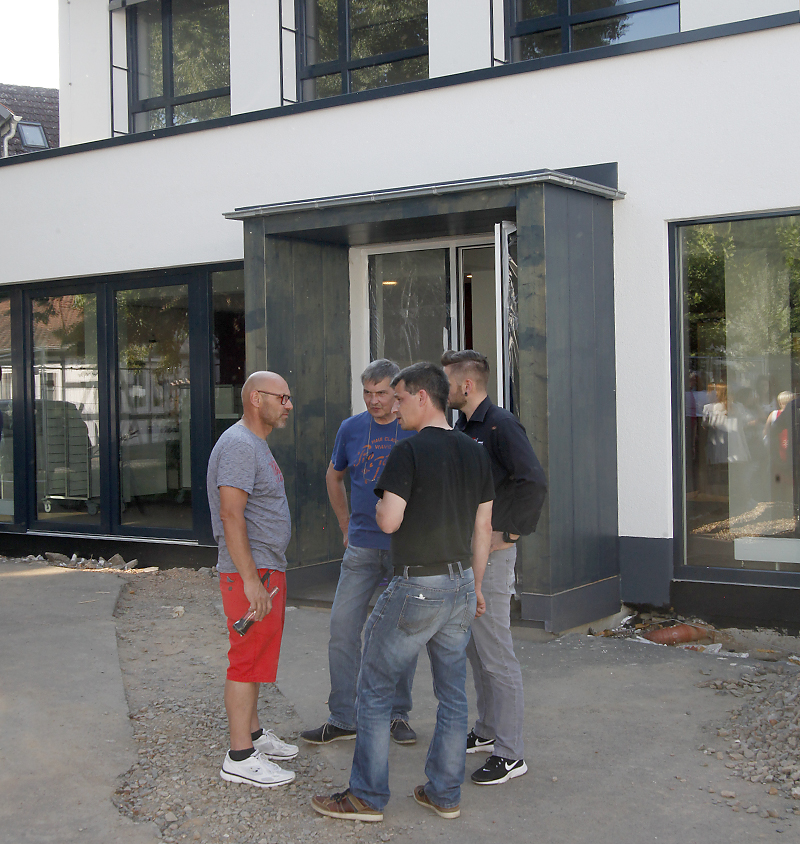
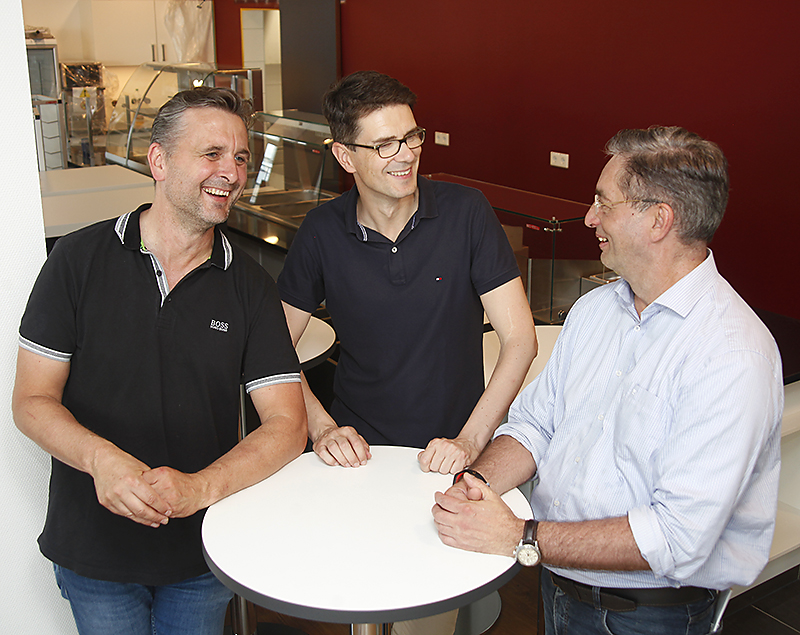
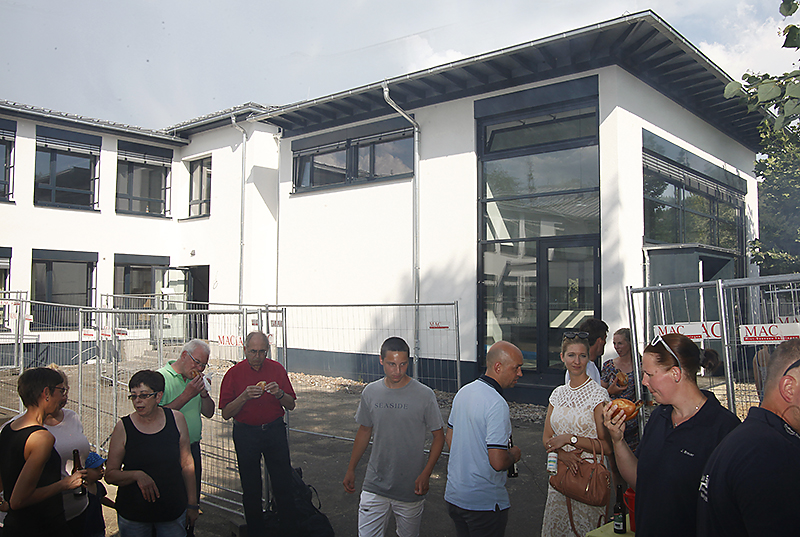
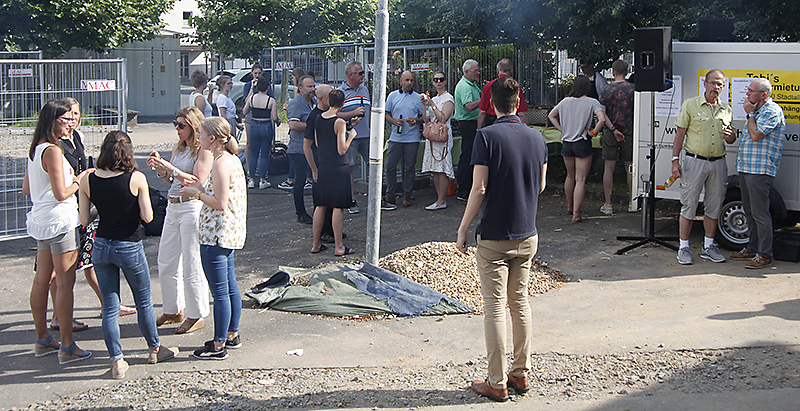
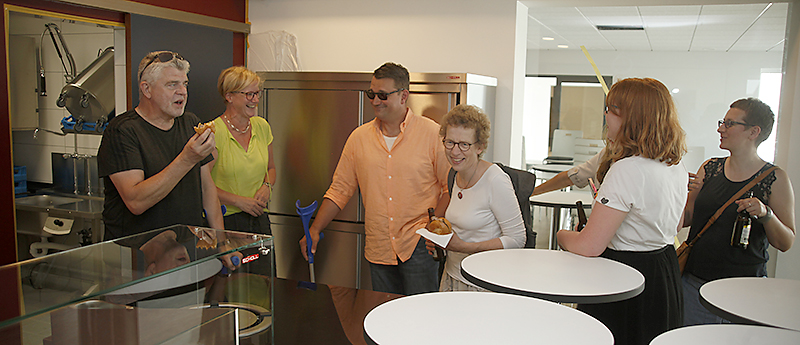
Steaks and sausages sizzled on the grill, and guests enjoyed refreshing cold drinks: faculty, upper-level students, and staff from all participating companies celebrated the opening of the renovated main building on June 19—an event that is now just around the corner. Construction fences are still up, but the building’s appearance has completely changed—both inside and out. The main building, which for decades has housed students, teachers, the school administration, and the school office and has seen many people come and go, is now brighter, more spacious, and more modern. “The transformation of this building is a dream come true,” enthused Principal Bernd Holly, who is still on crutches following surgery but well on his way to recovery. Just like the main building, the adjacent cafeteria will be unrecognizable. It is being transformed into a space for food preparation and service that meets the latest and most modern standards. Throughout the comprehensive renovation, the school and the boarding school worked hand in hand, made possible by the cooperative collaboration of their management teams and leadership.