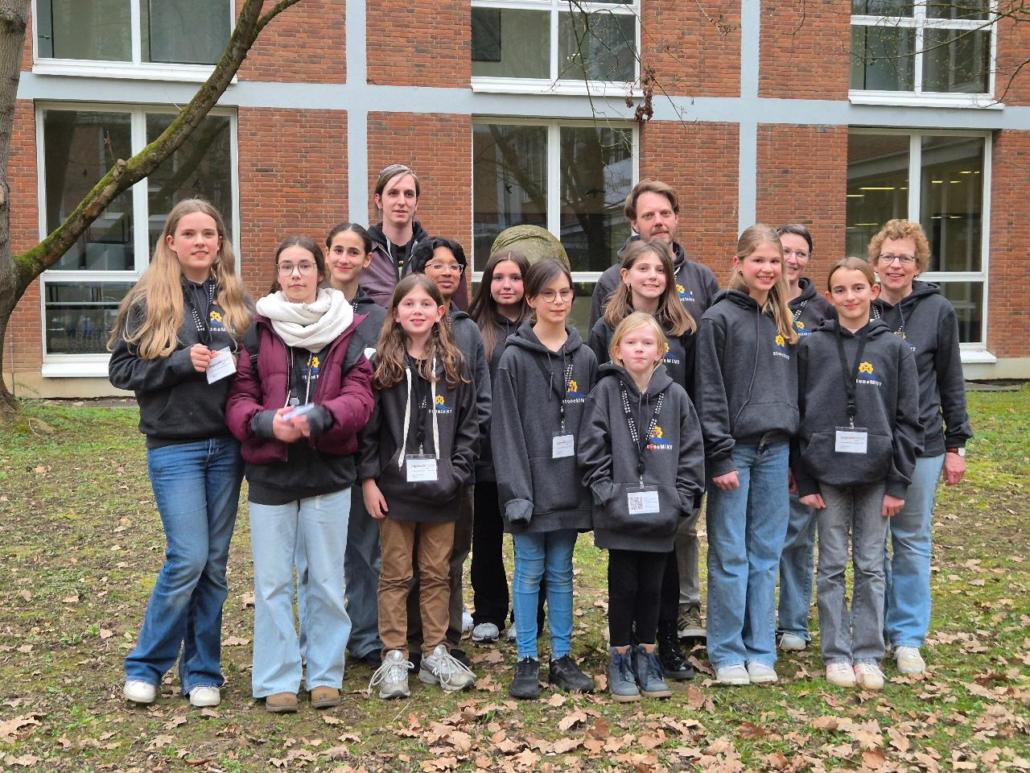
This date is a must-mark on the calendars of all runners who want to join the Steinmühle team at the Marburg Night Marathon: Friday, July 3, at 7 p.m.

School sports coordinator Marcel Kalb is now actively promoting the event to anyone who wants to participate. In the past, there have been great runs practically every year, sometimes with some quirky stories—and in any case, a lot of fun as a group. Because that’s what it’s all about.

Our poster lists the different running activities available. There’s definitely something for everyone.

Go ahead and give it a try!

If you have any questions or would like to register, please contact Marcel Kalb—either by email at marcel.kalb@steinmuehle.net or, for StoneApp users, right there in the app!

(Heinm)

In the Steinmühle schoolyard, the Haus der Jugend presented its recreational programs for children and youth during the first and second long breaks. These include the Volle Hütte youth club, the boys’ club, the media clubs, the kids’ club, the girls’ club, the queer club (all at the Haus der Jugend), and the Beekeeping Club (in the city forest).

The program is aimed primarily at middle school students and was organized in cooperation with school social worker Mara von Essen: “The goal is to make the girls and boys aware of these programs and invite them to check them out,” she explained.

(Heinm)


Why and how do you groom a horse? How do you properly fit a saddle and bridle? What belongs in a horse stall? — Students in grades 5 and 6 learn how to properly handle horses and provide optimal care for these four-legged friends on Thursdays from 1:00 to 2:00 p.m. in the riding club at the Steinmühle School & Boarding School.

The program teaches important basics about horses. This helps the children gain the confidence they need when interacting with the animals.

  • What should you keep in mind when interacting with horses?
  • How are they kept, and what do they eat?
  • What does care involve?
Before beginning equestrian training, it is important to acquire this and other knowledge, which is essential for enjoying riding, achieving success, and having fun.


A specific topic for each club meeting

At the Steinmühle Riding School, led by Beate Schridde (Level A Instructor), there are club activity leaders with experience working with horses. They gently and properly introduce the girls and boys to horseback riding.

“In every club meeting, we discuss a specific topic,” explains Julia Werth, who, during one of the most recent club meetings, helped the students decorate the “spring ponies” while the sun shone brightly in the sky.

Over the next few weeks, there will certainly be more fun club sessions for grades 5 and 6 at the Steinmühle Riding School.

Contact: reitschule@steinmuehle.de

(Heinm)


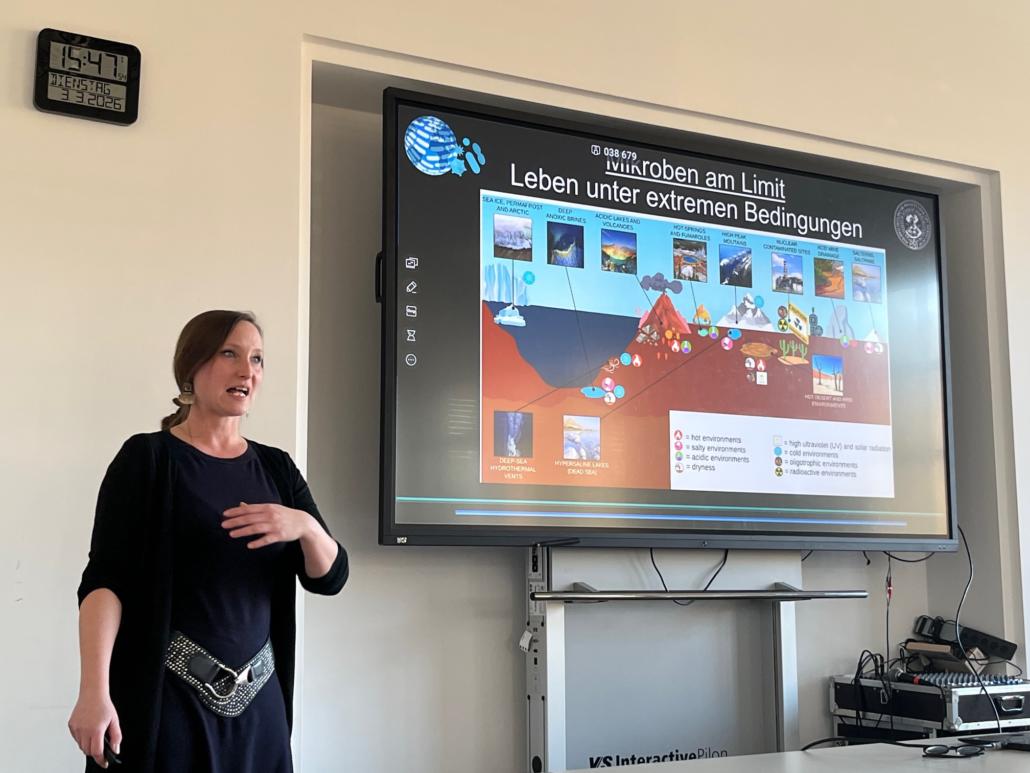
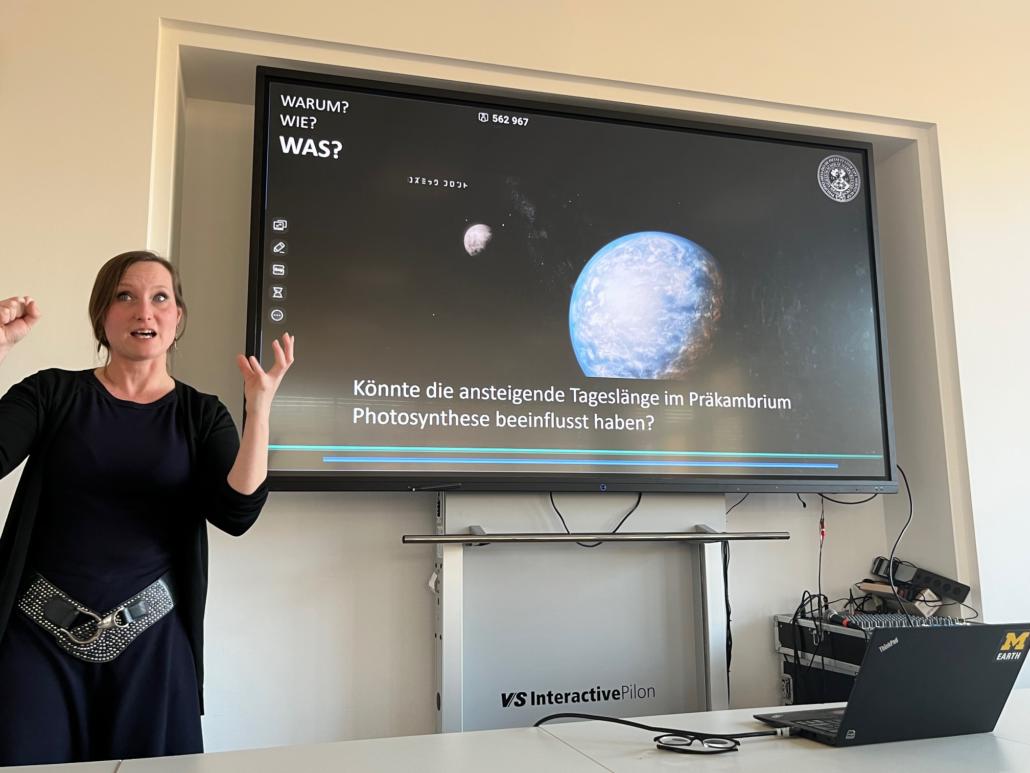
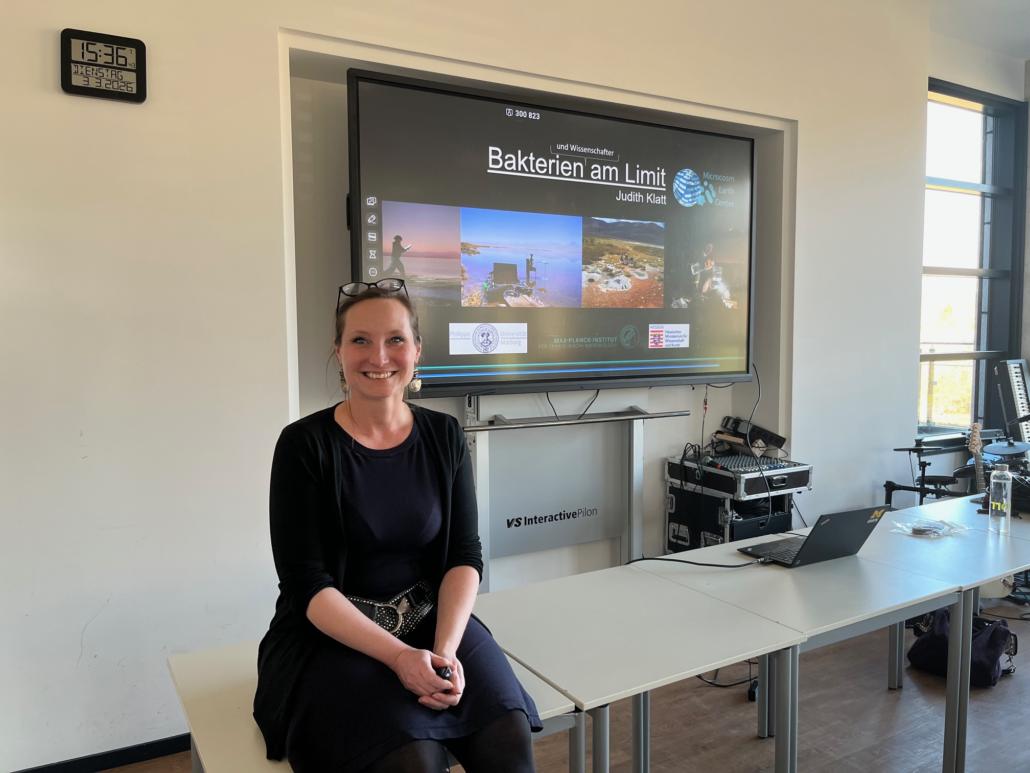
High UV radiation, heavy metals, extreme temperature fluctuations, low oxygen levels: some microbes thrive in places it’s hard to even imagine. Geomicrobiologist Dr. Judith Klatt, who has been working at the Max Planck Institute for Terrestrial Microbiology in Marburg since 2022 and serves as a research group leader at the Mikrokosmos Erde Future Center, took her audience at the Steinmühle on research journeys to explore these microbial survival experts.


Interdisciplinary Work

The scientific lecture “Bacteria at the Limit” was also a journey back to the very first microbes and the origins of life: “It’s about understanding microbial life and, at the same time, the limits of life,” said Dr. Judith Klatt. This understanding emerges at the intersection of several disciplines: physics, biology, and chemistry.


A broad temporal scope

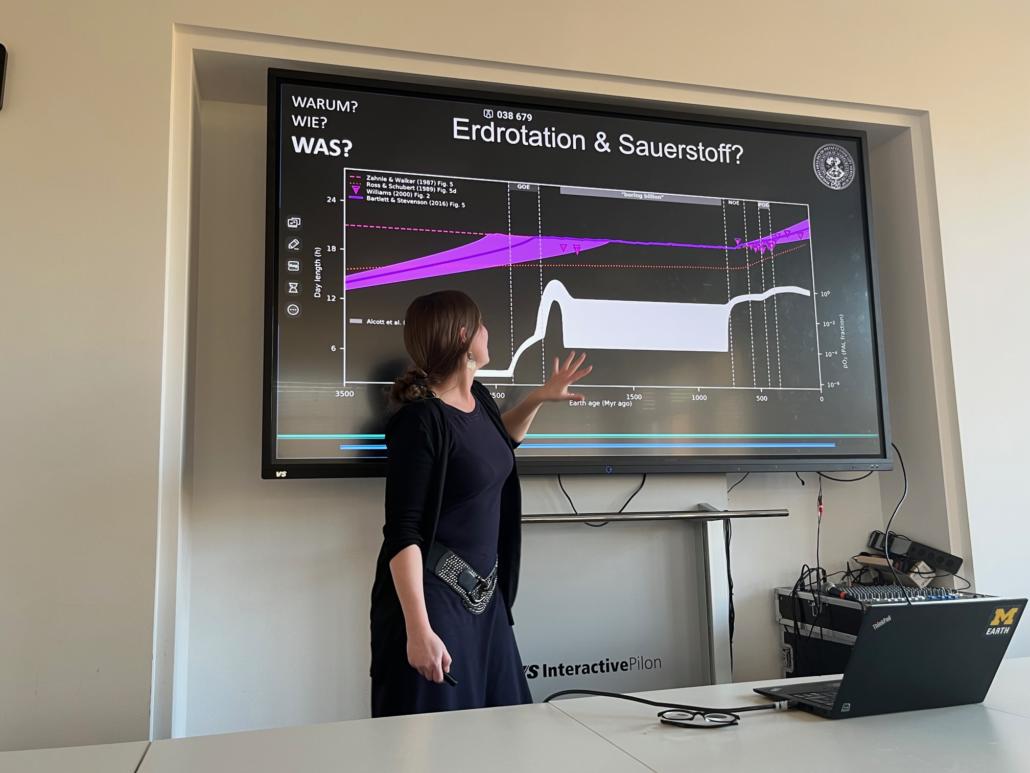
One of Dr. Klatt’s research sites, for example, is Hawaii: “Our work opens a window into Earth’s history spanning a timeline of 4.5 billion years,” the researcher reported, thereby giving her audience an idea of the temporal scale under consideration. Environmental science topics are also frequently incorporated into her research stays, helping to better understand the fluctuations in maximum temperature and in the oxygen and CO2 levels of the atmosphere throughout Earth’s history. According to Dr. Klatt, both are very closely linked to the “global microbiome.”


Fundamentals of Molecular Biology

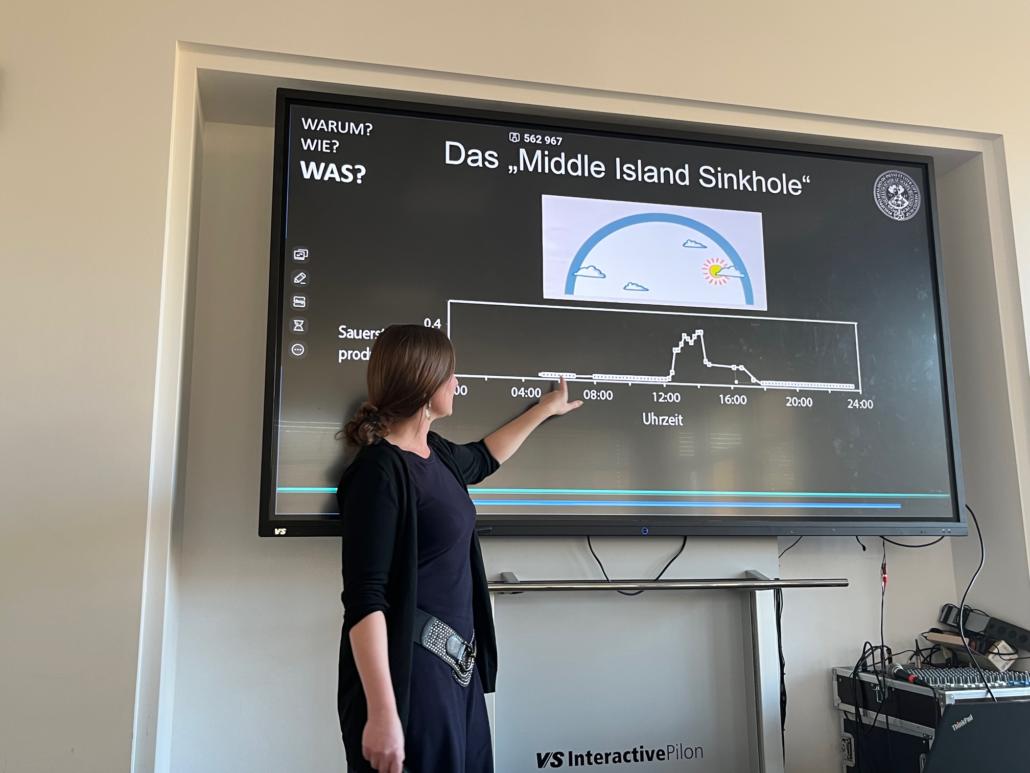
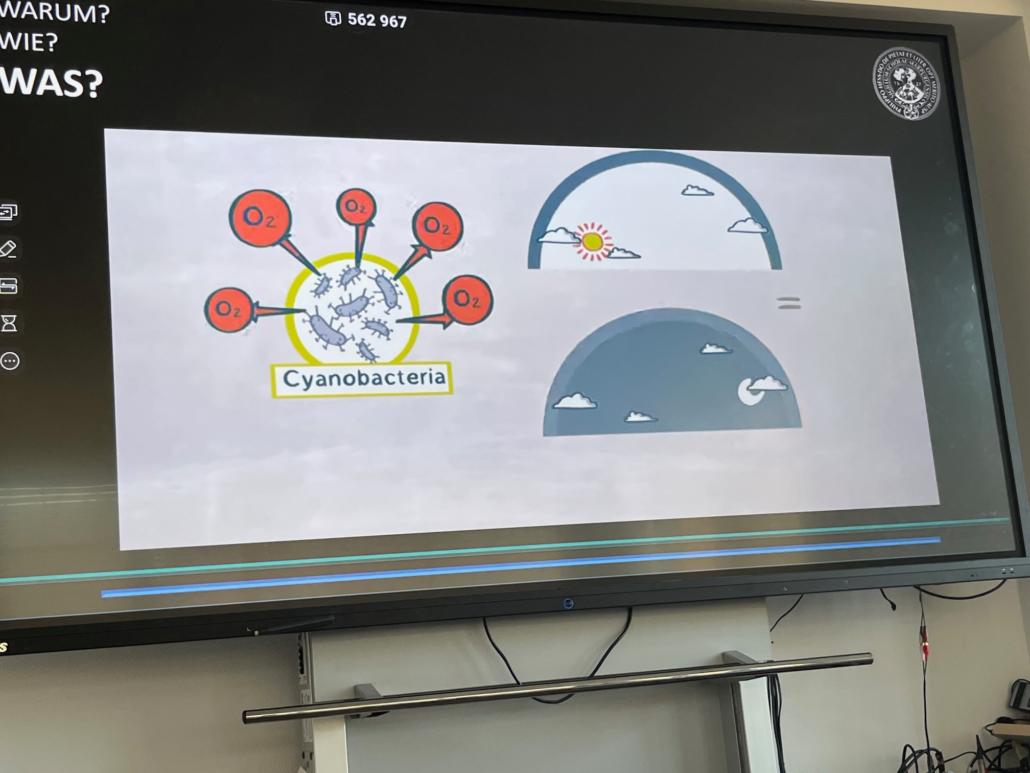
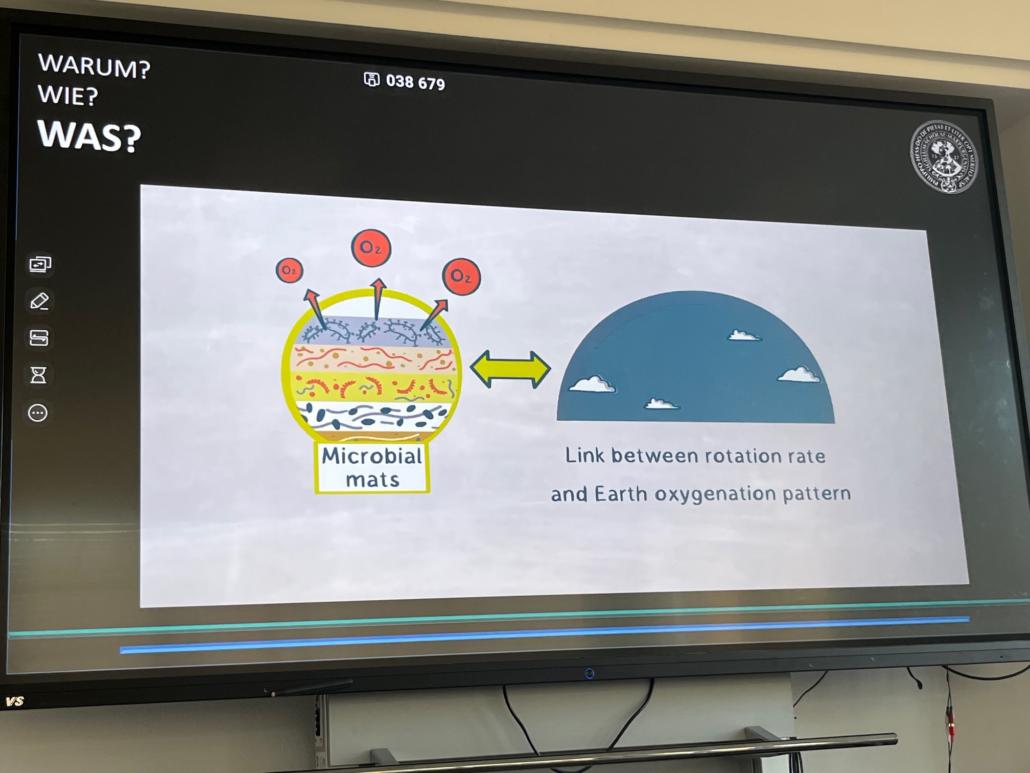
Extreme habitats continually open up new horizons for research and research teams. For example, the fundamentals of molecular biology were isolated from microbes in extremely hot or cold habitats: these include the enzymes used in polymerase chain reactions (PCR), which form the basis for paternity tests and DNA fingerprinting in forensic science. Microorganisms such as cyanobacteria—commonly known as blue-green algae—have also been responsible for oxygen production and played a key role in the oxygenation of our atmosphere during the Precambrian era. Cyanobacteria are single-celled organisms that live in both fresh and saltwater and obtain their energy through photosynthesis, much like our green plants. This process produces oxygen, which escapes from the “microbial mats” and can be measured by Dr. Klatt’s team, for example, using microsensors.


Research Under the Most Challenging Conditions

“It can be difficult to work in the field,” the speaker recalled, citing, for example, a research trip to the high Andes at an altitude of 3,000 meters. A 24-hour trek to the nearest supermarket presented the research team not only with the challenge of answering their research question using complex methods but also with the difficult task of self-sufficiency. No stable life for microorganisms has been detected there so far. Oxygen alone, therefore, is not a reliable indicator of life.


Impressive photos

At the Max Planck Institute for Terrestrial Microbiology in Marburg, the extreme conditions that the research team encounters in the field are also simulated in the laboratory. “While we can never quite replicate the conditions from field research exactly as they occur in nature, this approach still allows us to study the enormous dynamics within an extreme habitat very realistically, even over longer periods of time,” explains Dr. Judith Klatt, who illustrated her presentation with impressive photos and sparked great enthusiasm among the students with her talk.


Outstanding Researcher

Through her work, Dr. Judith Klatt helps make Marburg a center of excellence in cutting-edge research. In 2024, for example, she was awarded an ERC Starting Grant by the European Research Council.

The presentation was part of the “Microbes for Future” lecture series organized by the Max Planck Institute for Terrestrial Microbiology in Marburg in cooperation with the Central Hesse Student Research Center (SFZ).

The scientific presentations will continue.

(Angela Heinemann / Dr. Sven-A. Freibert)

Conveying complex topics in a way that is tailored to the audience—this is, at best, a skill possessed by professors, lecturers in general, and also by teachers. With this in mind, Björn Gemmer, principal of Steinmühle School, expressly praised the Marburg-based biologist and chemist Prof. Dr. Tobias Erb of the Max Planck Institute for Terrestrial Microbiology for his public lecture at Steinmühle.

About 100 interested attendees came to hear the presentation on the topic “Microbial Power—New Paths Out of the Climate Crisis.” In the auditorium were students from the advanced biology classes in grades Q2 and Q4, students from the introductory biology class in our Q4, as well as external attendees and all members of the plus-MINT group from Steinmühle.


How can microbiology help reduce the CO2 content of the atmosphere?

That was the topic of the lecture, which biology and math teacher Dr. Sven Freibert—a member of Steinmühle’s Plus-MINT support team—summarized as follows:


The “terrestrial microbiome” plays an enormously important role in the carbon cycle. The sequestration of CO2—including anthropogenic CO2—is carried out almost entirely by terrestrial plants and aquatic microorganisms. The latter are primarily found in the world’s oceans. However, the efficiency of CO₂ fixation by microorganisms is not very high. Due to the comparatively high availability of CO₂ throughout both the older and more recent geological history, there has been—and continues to be—no evolutionary pressure to significantly improve this efficiency.

Microbiology—or, more specifically in this case, synthetic microbiology—and, above all, the team led by Prof. Dr. Tobias Erb has now made this “problem” of efficiency the focus of its research. The goal is to use microbiological, genetic, and biochemical methods to identify and isolate metabolic pathways in microorganisms and increase their efficiency, with the ultimate aim of using these molecular machines for artificial CO₂ fixation. It should be noted, however, that the goal is not to release artificially produced microorganisms!

Another approach being pursued by Prof. Erb’s team is to genetically modify crops that are grown in large quantities so that these plants can fix CO2 more efficiently. This would have the dual advantage of removing large amounts of anthropogenic CO₂ from the atmosphere and enabling the plants to grow significantly faster, which in turn would make food much more readily available and thus contribute to global food security. “Killing two birds with one stone”!


The audience’s full attention

It’s not usually the case that an audience listens spellbound to a speaker from start to finish. Tobias Erb managed to hold the audience’s full attention throughout his nearly 45-minute presentation. He struck the right balance between technical expertise and clarity, and during the subsequent Q&A session—which lasted about 30 minutes—it became clear that he had truly engaged the audience with his content.

In closing, Erb expressly praised the keen interest shown by the Steinmühlen students as well as the quality of their questions.


Speaker Sparked Interest in Research

Professor Erb began by introducing the Max Planck Institute in Marburg as one of a total of 86 Max Planck Institutes. He highlighted the quality of the research, which is evident not least in the numerous awards, including several Nobel Prizes. The scientist highlighted the work of the international research teams and sparked an interest in scientific research.


Central Hesse Student Research Center as the organizer

In closing, Steinmühlen School Principal Björn Gemmer thanked not only the speaker, Prof. Dr. Tobias Erb, and Dr. Virginia Geisel, the press officer, but also the Central Hesse Student Research Center, which initiated and organized the event. As part of this group, Steinmühle is hosting four lectures in the “Microbes@School” lecture series.

(Gem / Dr. S. Freib / Heinm)


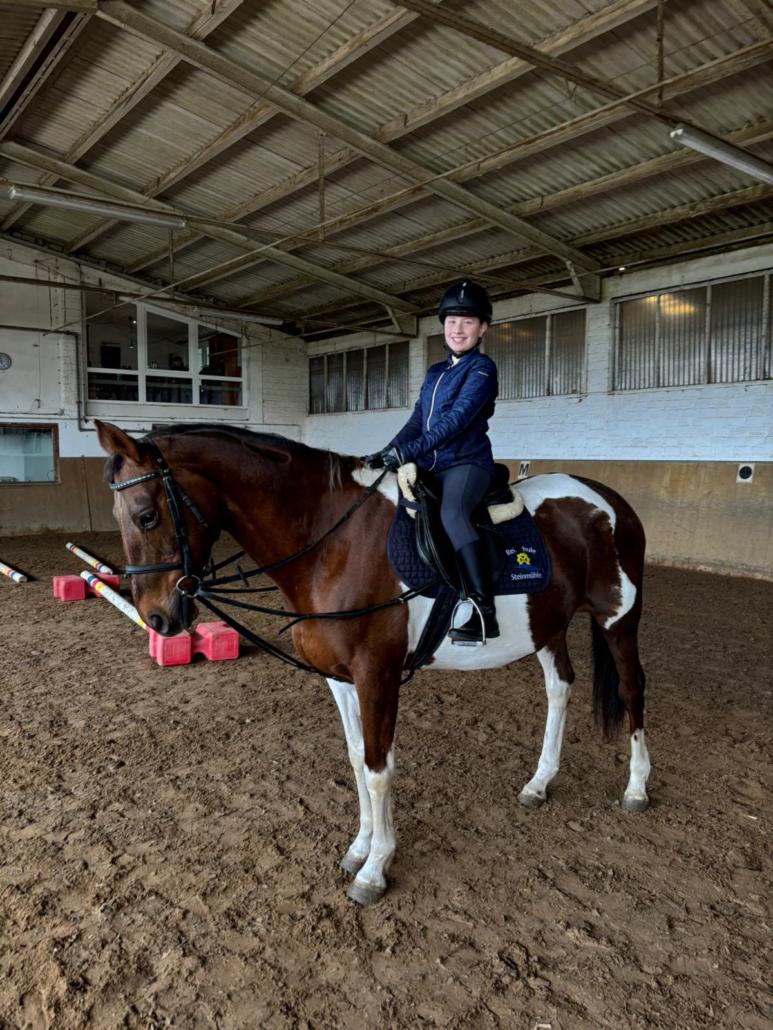
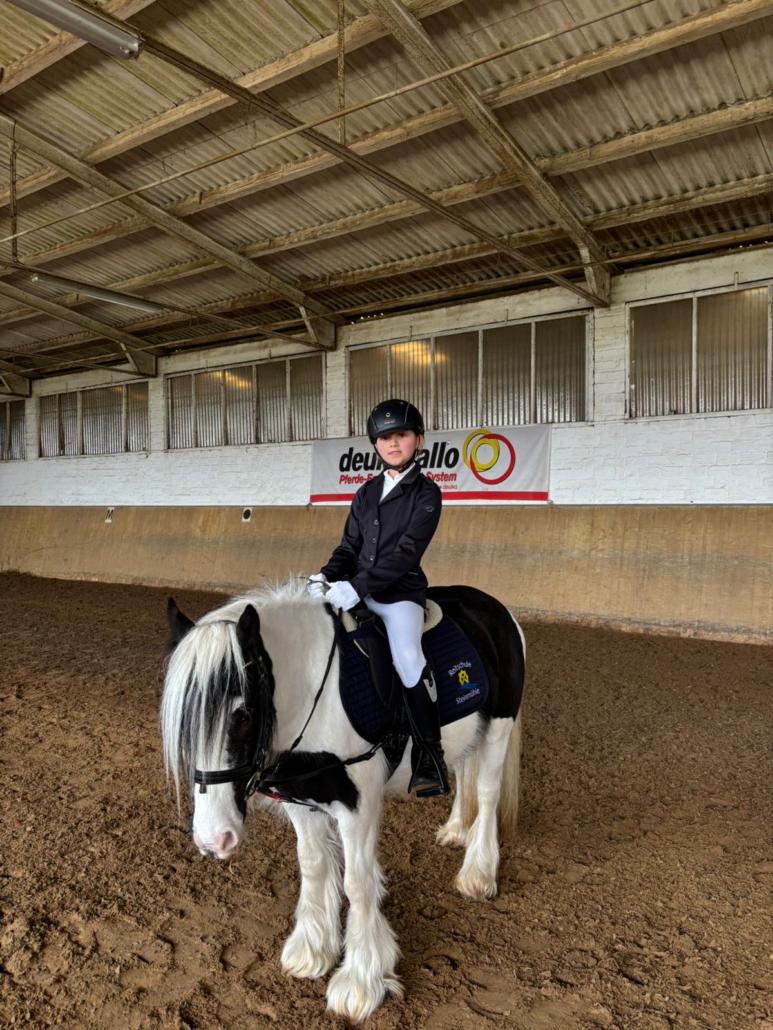
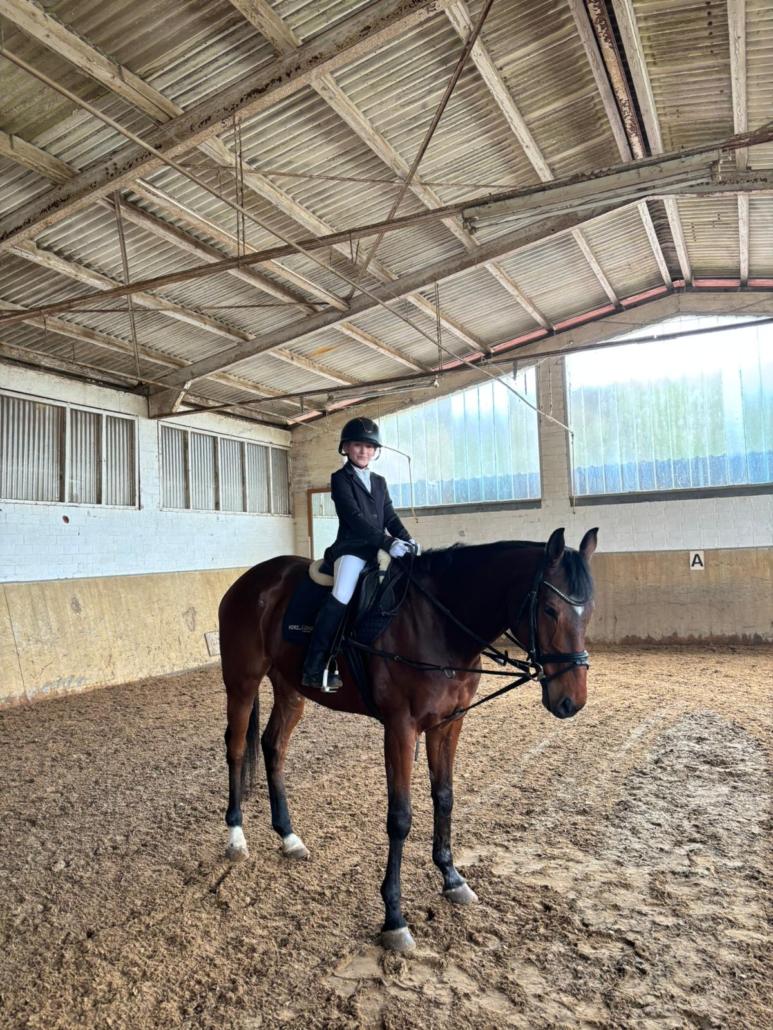
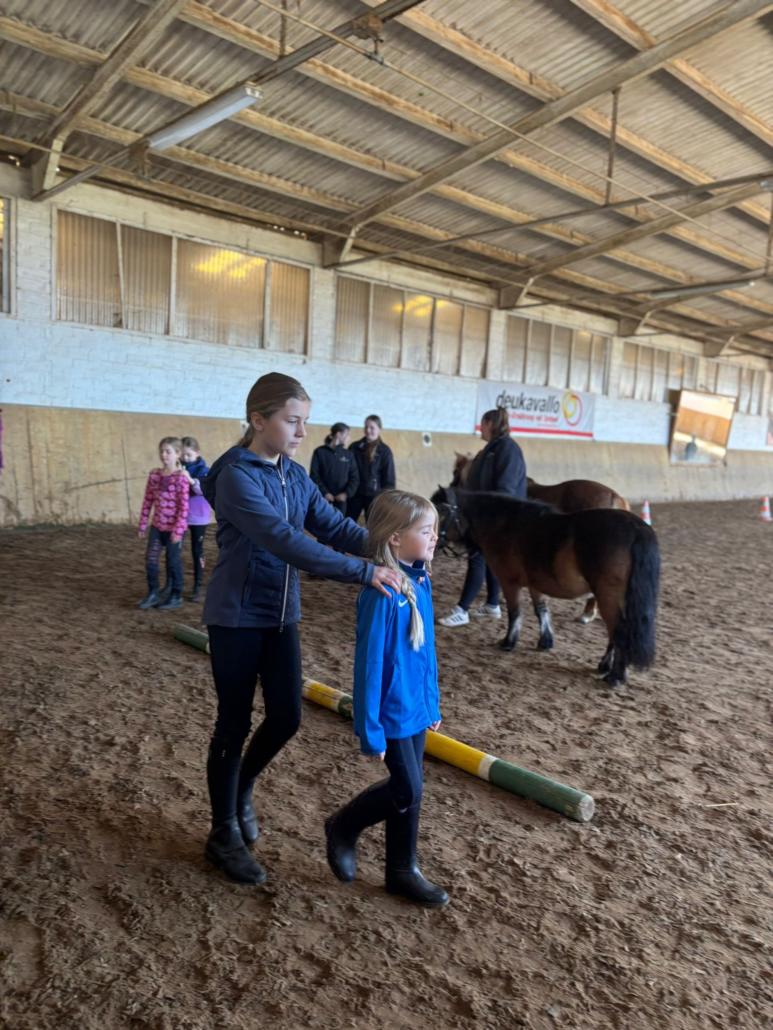
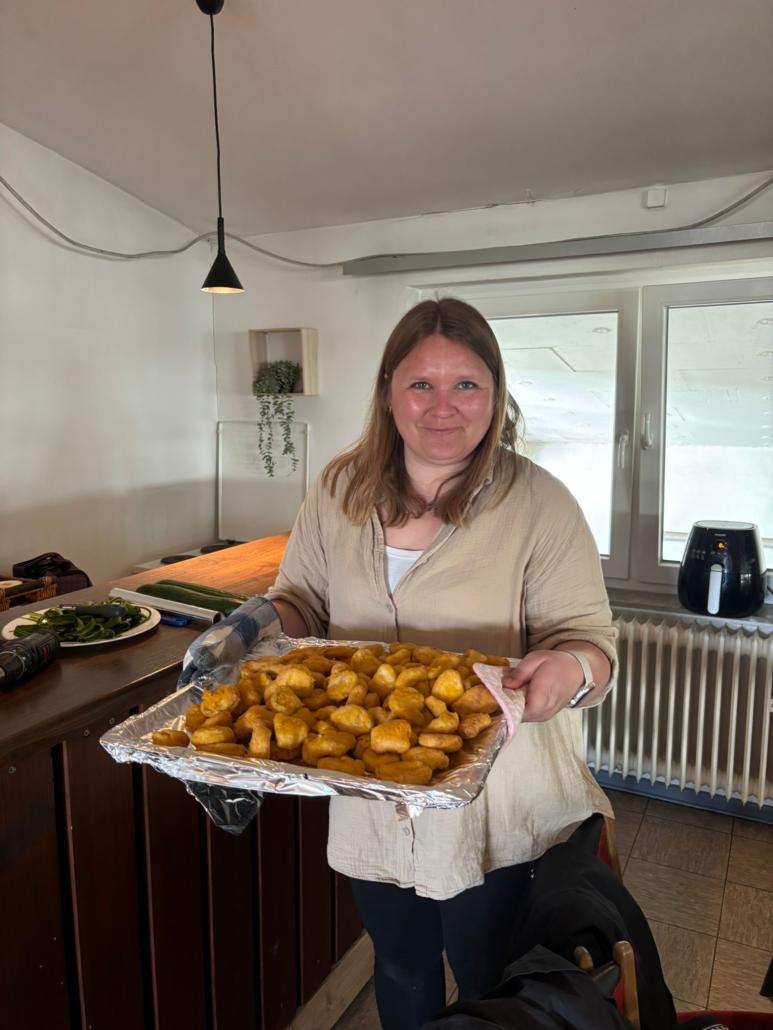
With plenty of enthusiasm, team spirit, and a passion for horses, ten girls aged 7–12 completed a course at the riding school of the Steinmühle boarding school. Under the guidance of course instructor Beate Schridde, the young horse enthusiasts learned all the necessary skills during the last week of the Easter break to earn their achievement badges at the end of the course. The exam consisted of riding, theory, and ground work.


Various tasks awaited us at the riding stable

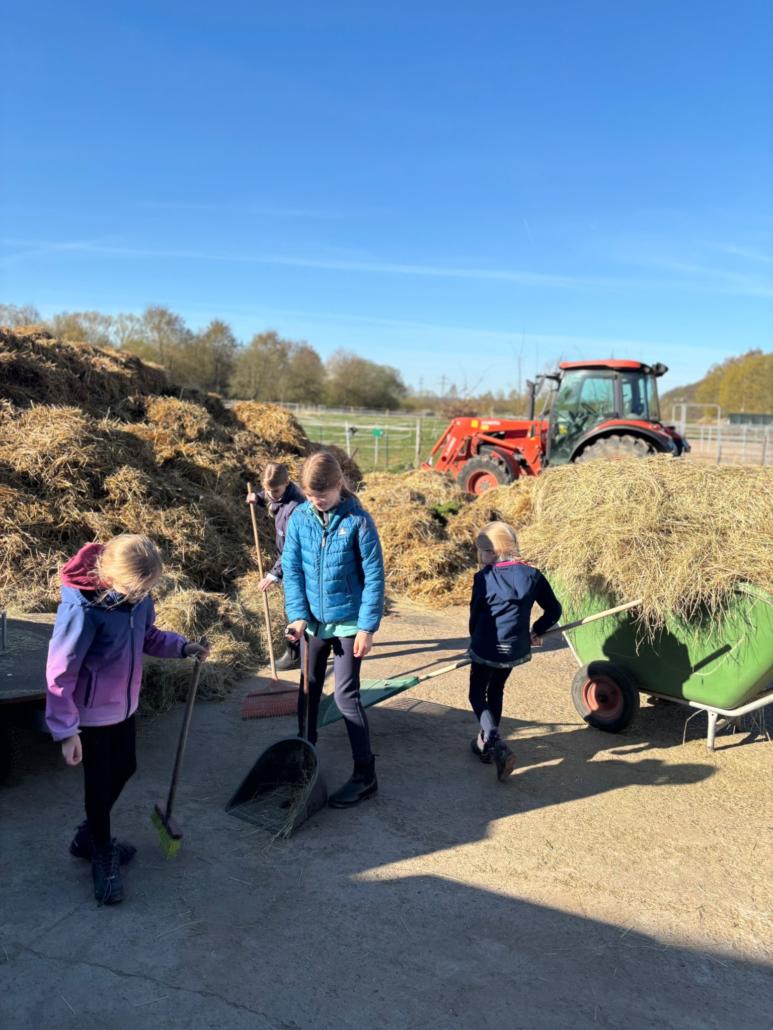
The course team—consisting of Sabrina Schneider, Chiara Cordes, Amaia Balzer, Julia Werth, and Anni Bohn—led the participants through various activities each day of the course. Starting at 9 a.m., after a meeting and welcome, the schedule included farm chores such as tending to the horses, sweeping the yard, and cleaning up manure from the paddocks. Then it was time to groom the horses. To boost everyone’s enthusiasm a bit more, a grooming competition was held, with the promise of a grooming trophy at the end of the week.

Under expert guidance, the horses were then saddled and bridled. Afterward, the girls rode in three groups.


Animal Care

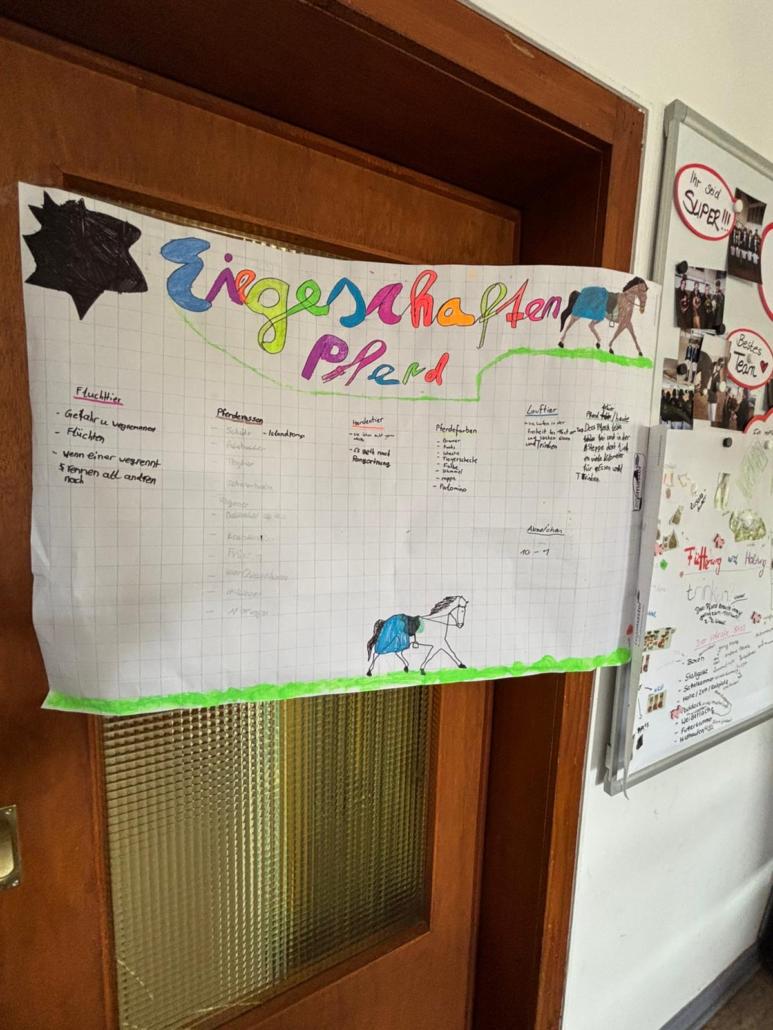
How do you properly care for horses? That was also a topic covered during the training week. Along the way, the participants absorbed the necessary theoretical knowledge. Together, they created posters to help them better internalize the individual topics. The young riders then proudly presented their insightful results to the entire group. Really well done!


Balanced Meal Plan

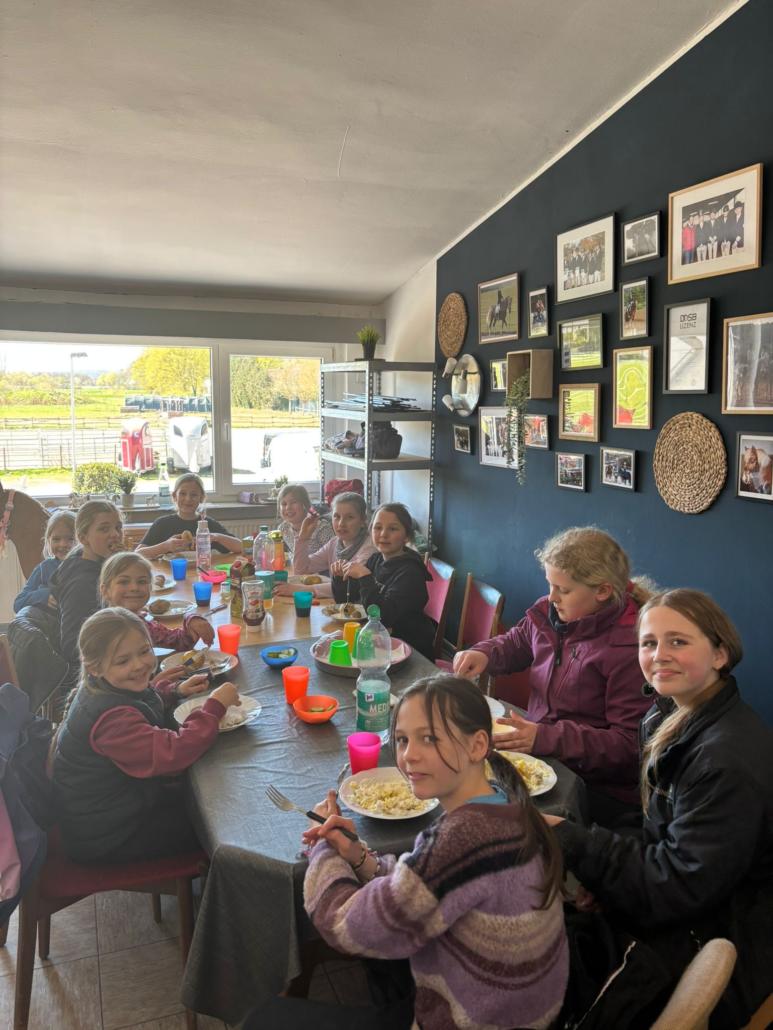
Next up was ground work—with ponies and on foot. After lunch together at the Reiterstübchen, featuring a specially planned menu, everyone enjoyed some playtime together in the riding arena and in the tent before parents and relatives arrived to pick them up at 2:00 p.m.


Enormous progress

“It was a really great week with the girls; they all got along really well, and their progress in riding from Day 1 to Day 6 was truly remarkable!” Julia Werth says enthusiastically.

On the day of the exam, family members watched, and there was a delicious potluck buffet. During the exam, the students had to demonstrate what they had learned under the watchful eye of the judge.


Personalized Support from the Riding School Team

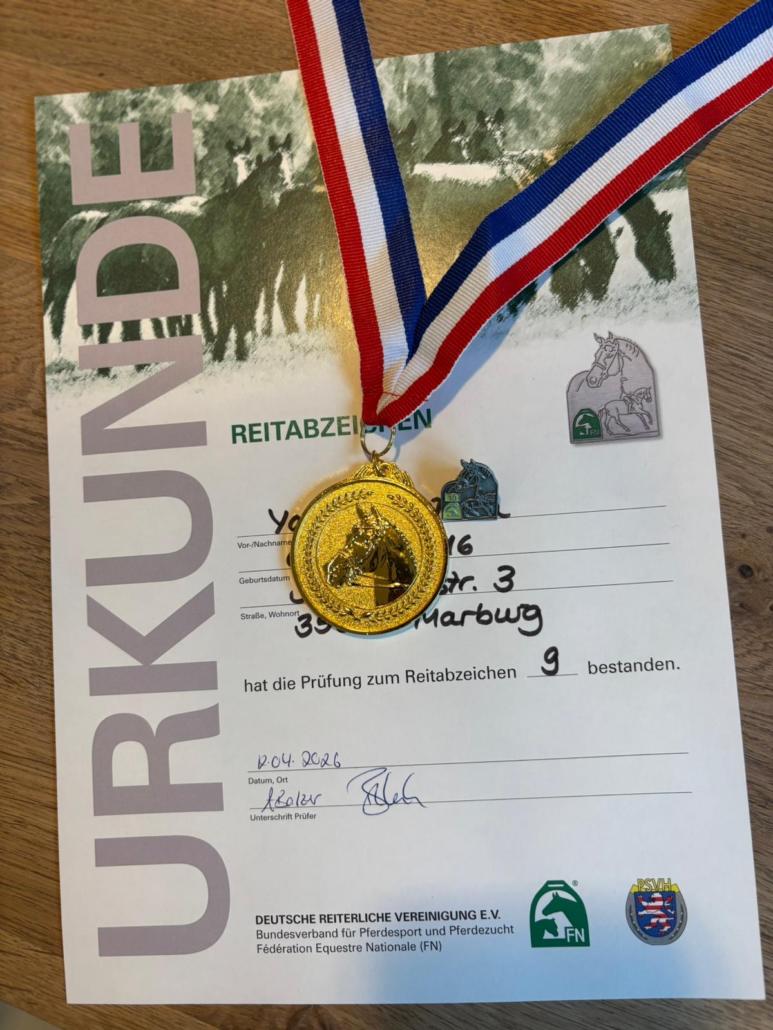
Some of the children were very excited, but thanks to the attentive guidance of the riding school team and their mutual support, all the riders passed their motivation badge test with flying colors and were beaming as they received their certificates.

The grooming competition prize was quickly changed to medals for everyone, since it was impossible to choose a single winner. Everyone did such a great job and made the ponies’ and horses’ coats shine!


The following badges were developed:


Motivational Badge 8:

Greta Emilie Reimann

Elise Charlotte Backes

Marie Di Cato

Anna Ayiana Schneider


Motivational Badge 9:

Cleo Emilia Bohn

Julia Geisler

Annabelle Estelle Wenz

Yasmin Werth


Motivational Badge 10:

Maya Sophie Mey

Frieda Sophia Reimann


The Badge System as a Measure of Training Progress: What Do Badges 10 through 6 Mean in Equestrian Sports?

You can find answers to this question at the following link on the website of our partner, the German Equestrian Federation (FN): https://www.pferd-aktuell.de/ausbildung/abzeichen-im-pferdesport/abzeichen-im-pferdesport


Interested in a course or riding lessons?

The next course at Steinmühle is already in the planning stages; for more information, visit https://reitschule.steinmuehle.de/

Those interested can find information about riding lessons at reitschule@steinmuehle.de

(Heinm)


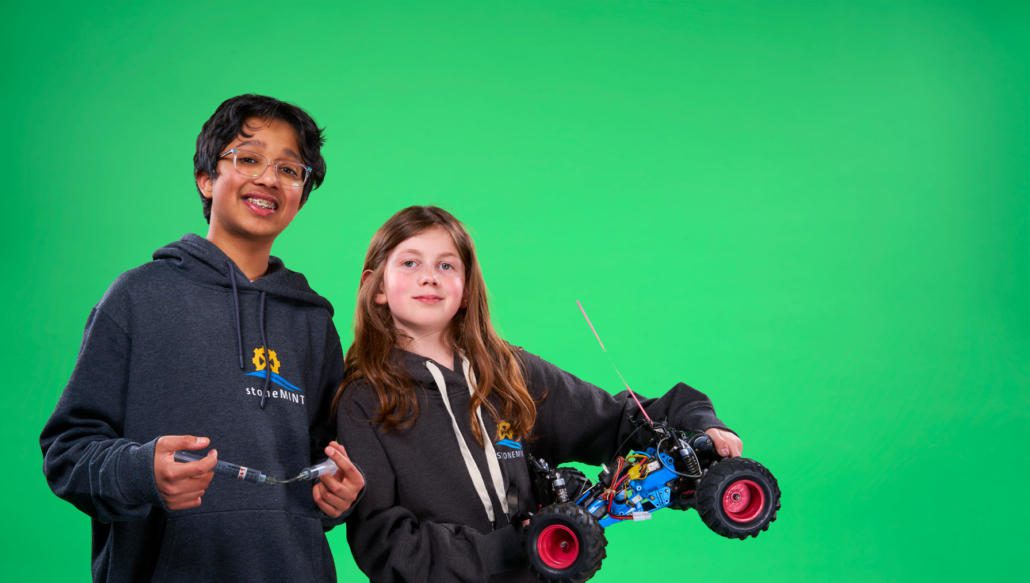
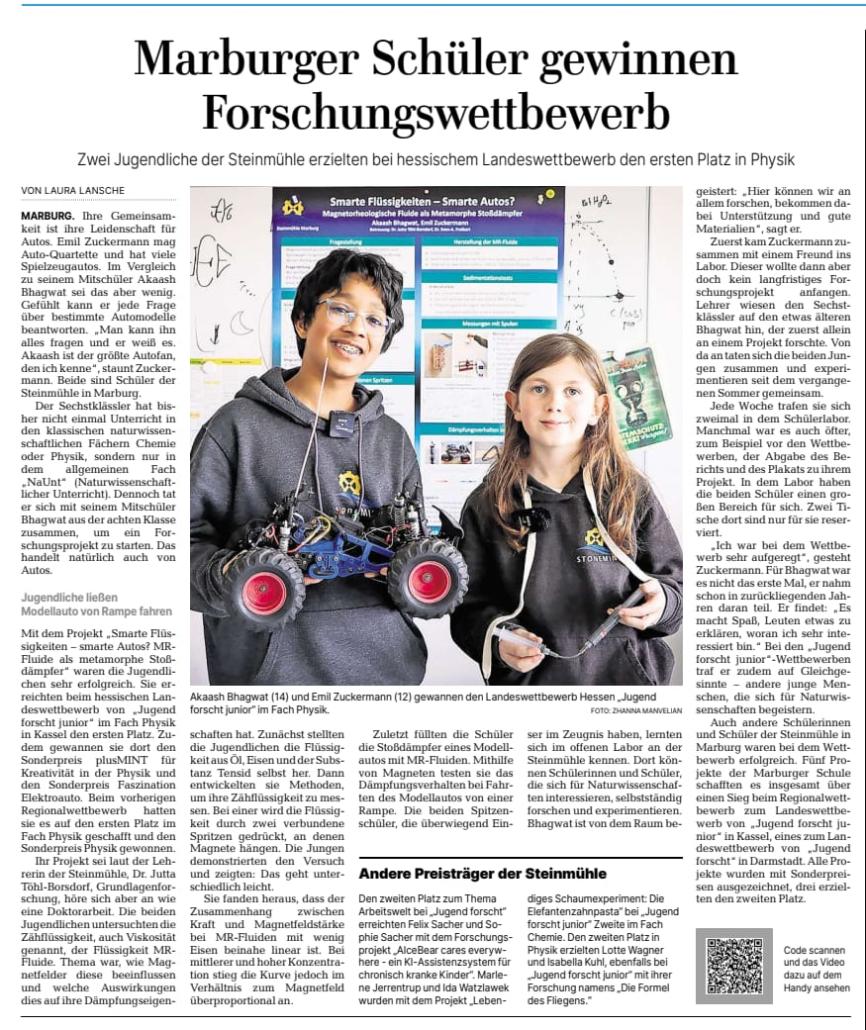
Anyone who claims that young people today lack an interest in the natural sciences and fail to achieve success in those fields clearly hasn’t yet taken a look around the plus-MINT boarding school Steinmühle. There, in fact, the students have racked up one victory after another in the “Jugend forscht” competitions. Akaash Bhagwat (14) and Emil Zuckermann (12) recently took first place in physics at the state level in this competition.


A Dedicated Team of Teachers

There’s a whole team of students at Steinmühle High School who are investing a lot of enthusiasm and time in the subjects of math, computer science, natural sciences, and technology. An amazing fact: Not a single one of them went home empty-handed from this year’s “Jugend forscht” competition! The fact that Steinmühle in Marburg stands out from surrounding high schools with these results also makes the teachers proud. STEM coordinator Dr. Jutta Töhl-Borsdorf says, “Our students are eager to do research, and we as a team of teachers support them in that.”

It goes without saying that this team itself consists of die-hard scientists. However Dr. Jutta Töhl-Borsdorf, Dr. Sven Freibert, Malte Klimczak, Dr. Eva Neumann, Antje Seel, and Dr. Patrick Szabo manage to do it—they manage to inspire the young people.


“An outstanding piece of work”

The laudatory speech for the winners of the Hessian state competition “Jugend forscht” in physics, Akaash Bhagwat and Emil Zuckermann, certainly offers deep insight: “…They presented an outstanding project on the topic “Smart Fluids—Smart Cars?”, which impressed us with its exceptionally high level of motivation and genuine interest in the subject.
We particularly appreciated your highly structured scientific approach, in which you systematically varied influencing factors independently of one another, conducted measurement series meticulously, and evaluated your results in a clear, meaningful, and reproducible manner,” the laudatory speech states.


What had Akaash and Emil done?

Since both students are huge car fans, it was obvious: their joint research project would be about cars. The two teenagers investigated the viscosity of MR fluids. Magnetorheological (MR) fluids are smart functional fluids that change their viscosity—that is, their viscous properties—from liquid to semisolid within milliseconds when exposed to a magnetic field. Using various measurement methods, Akaash and Emil developed a working prototype for adaptive shock absorbers. — A success that earned them press coverage, including an article and a video, about their research.

Considering that in the previous regional qualifying round, all 6 of the 6 teams from Schule & Internat Steinmühle that competed had emerged victorious, that fact alone must be described as absolutely extraordinary. The fact that several Steinmühle teams subsequently competed at the very top at the state level is evident from the following list:


The “Jugend forscht” winning teams in the regional competition (RW) and the state competition (LW):

Felix Sacher (10th grade) and Sophie Sacher (6th grade) / Topic: AIceBear cares everywhere—AI assistance system for chronically ill children: RW 1st place in the “Working World” category, LW 2nd place in the “Working World” category & Special Prize from the German Hearing Aid Industry Association

Aurelia Wild, Marietheres Schwabe, Fatma Sepetcigil (5th grade) / Topic: Making Baby Diapers More Eco-Friendly—Plant Power Instead of Superabsorbents: RW 1st Place in Chemistry, LW Geolino Special Prize (Participation in the “Jugend Forscht Junior” competition)

Marlene Jerrentrup, Ida Watzlawek (6th grade) / Topic: Living Foam Experiment: Elephant Toothpaste: RW 1st Place in Chemistry, LW 2nd Place in Chemistry & Special Prize from the German Chemical Industry Association (VCI) (Participation in the “Jugend Forscht Junior” competition)

Lotte Wagner, Isabella Kuhl (7th grade) / Topic: The Formula for Flight: RW 1st place in physics, LW 2nd place in physics & special award for attention to detail (participation in the “Jugend Forscht Junior” competition)

Lara Khatib, Giorgia Kuhn (8th grade) / Topic: The Gen2 Horse Paper: RW 1st Place in the “Working World” category, LW Special Prize for Materials and Substances (Institute of Materials Science and Engineering). Participation in the “Jugend Forscht Junior” competition.

Akaash Bhagwat (8th grade), Emil Zuckermann (6th grade) / Topic: Smart Fluids—Smart Cars? MR fluids as metamorphic shock absorbers; RW: 1st place in Physics & Special Prize in Physics (game prize); LW: 1st place in Physics and the plusMINT Special Prize for Creativity in Physics. “Fascination with Electric Cars” experiment kit.


Unfortunately, there is no national competition in this category.

Akaash and Emil also participated in the “Jugend Forscht Junior” competition, which is for their age group. There is no national finals round in this competition category. However, both have been invited to the plusMINT Research Camp in Louisenlund in early August. — Have fun there, you two!

(Angela Heinemann)


Oberhessische Presse, April 7, 2026