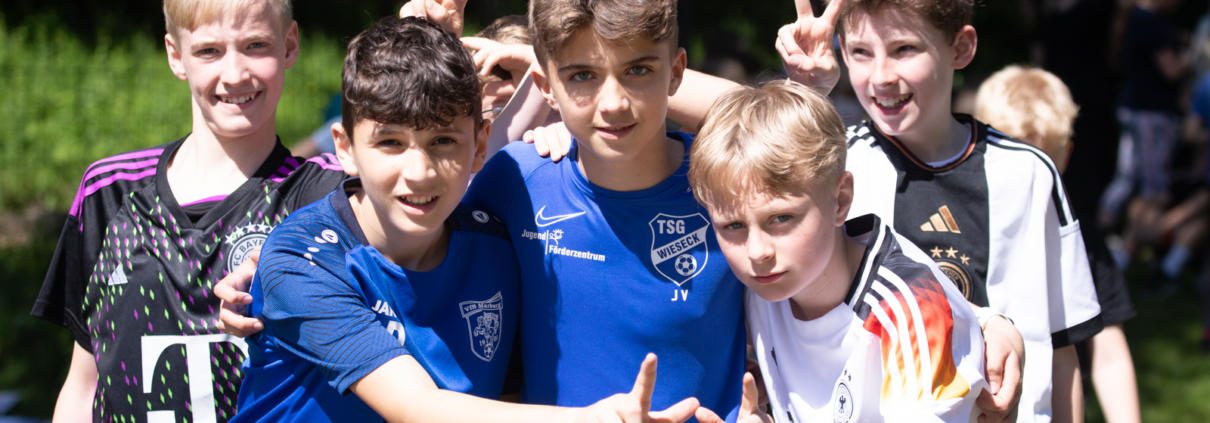
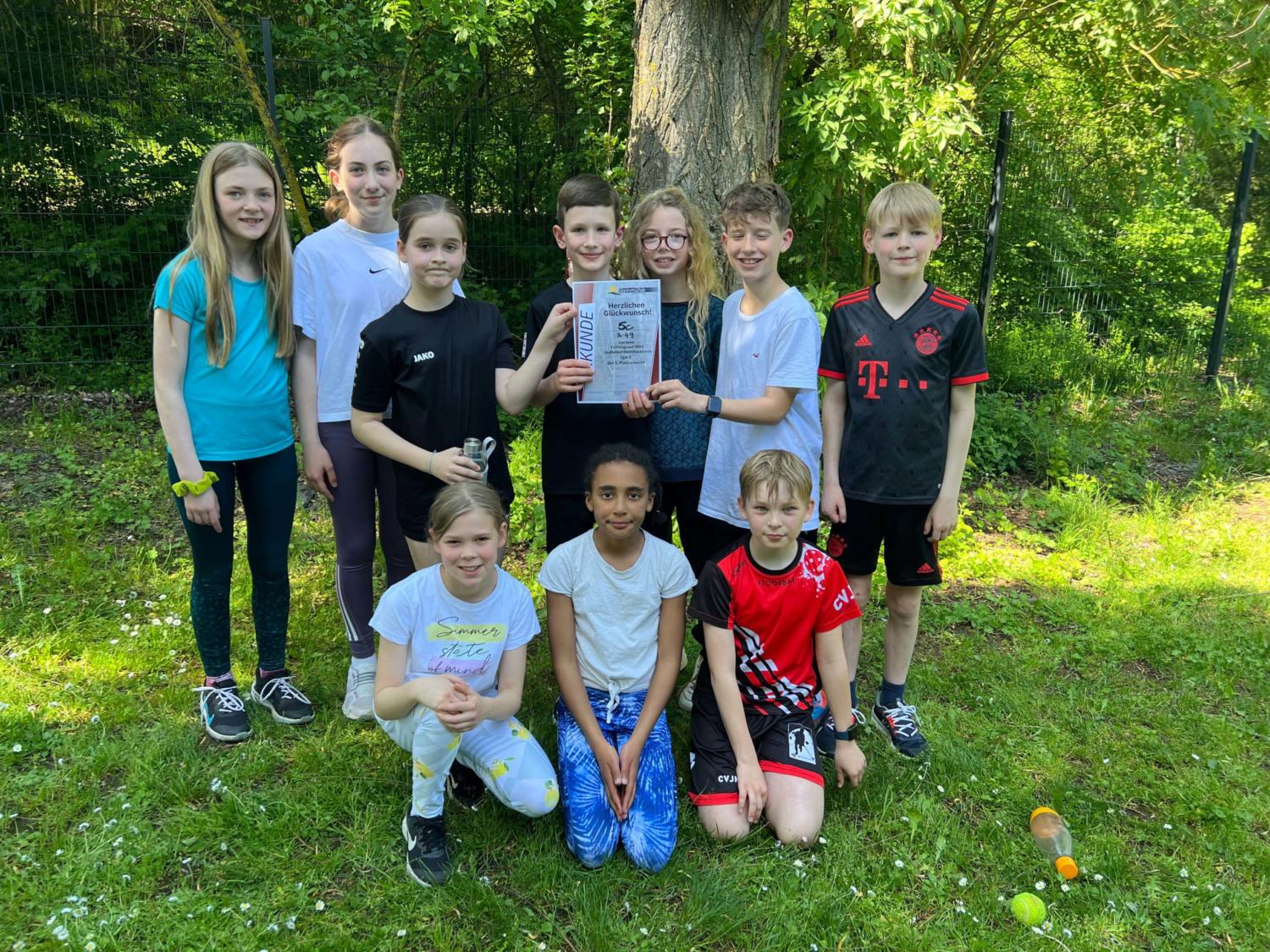
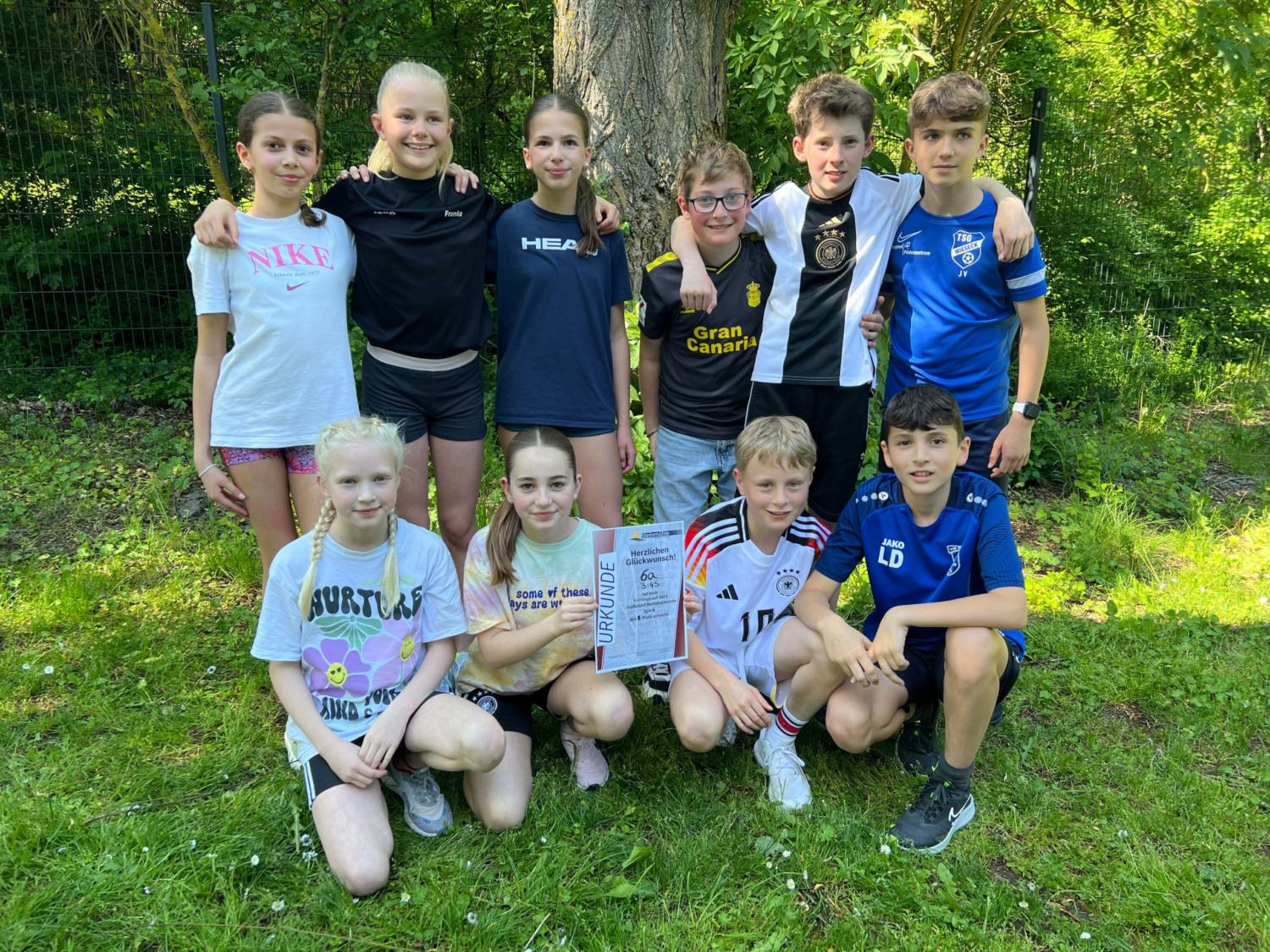
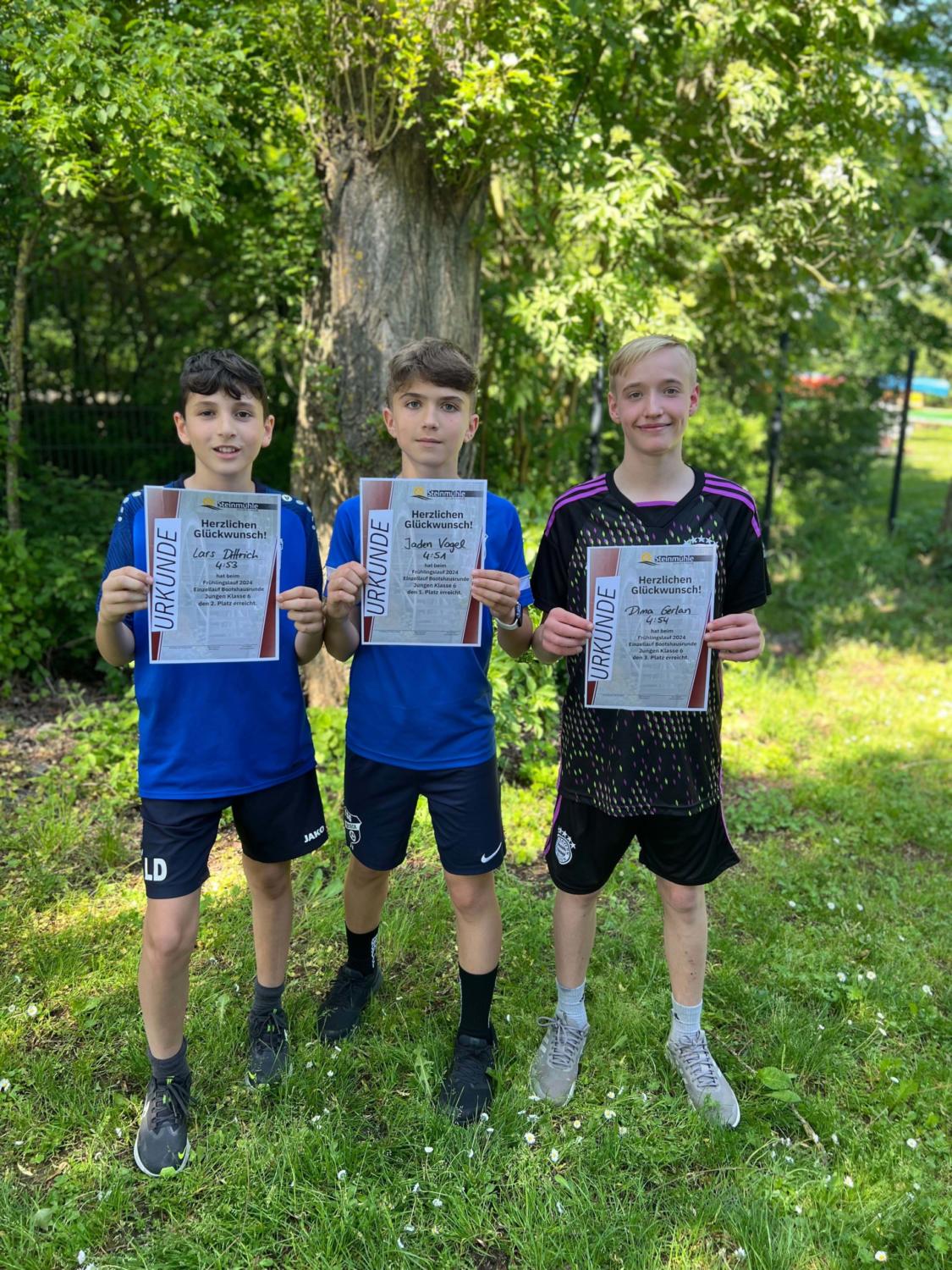
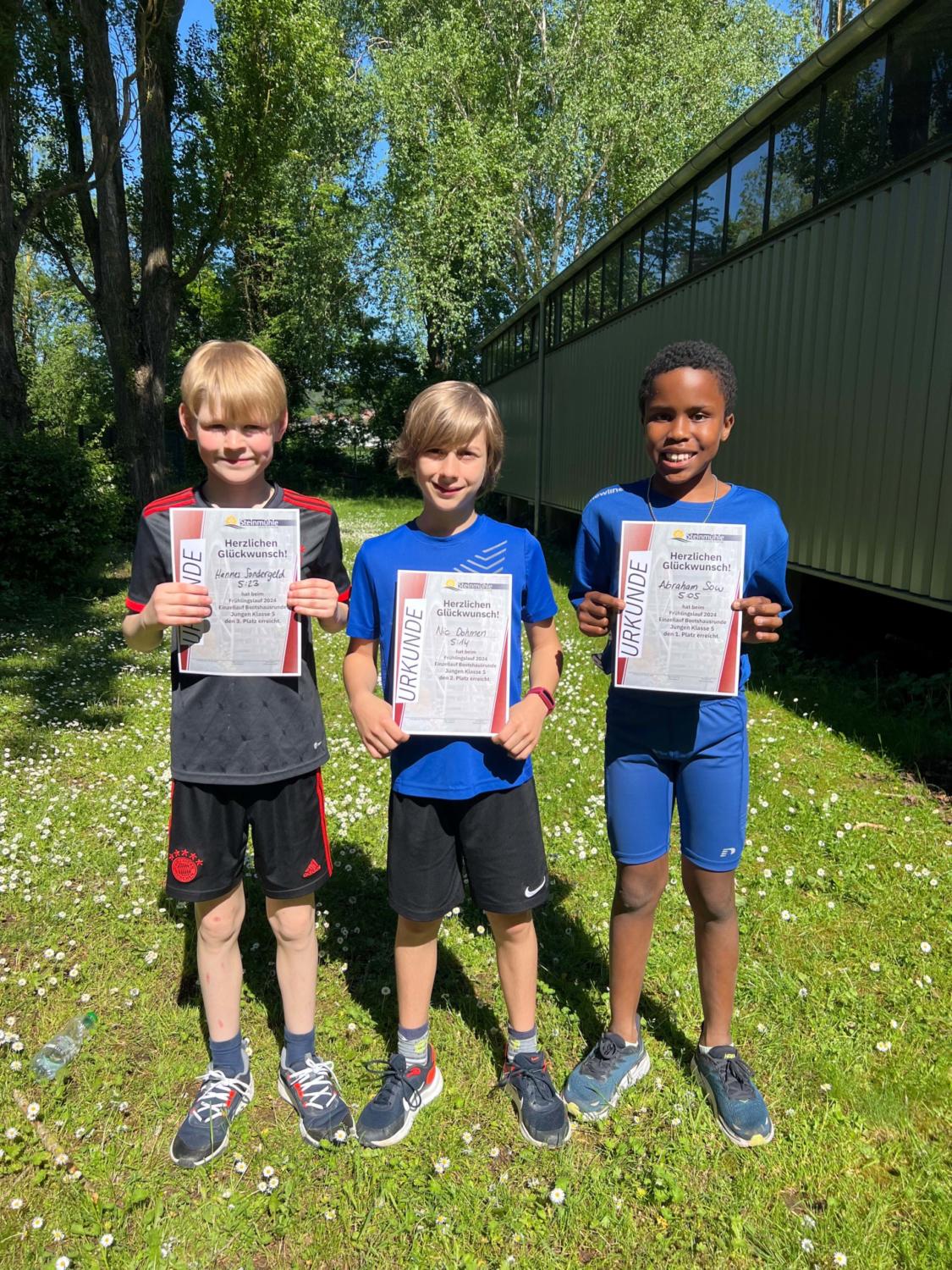
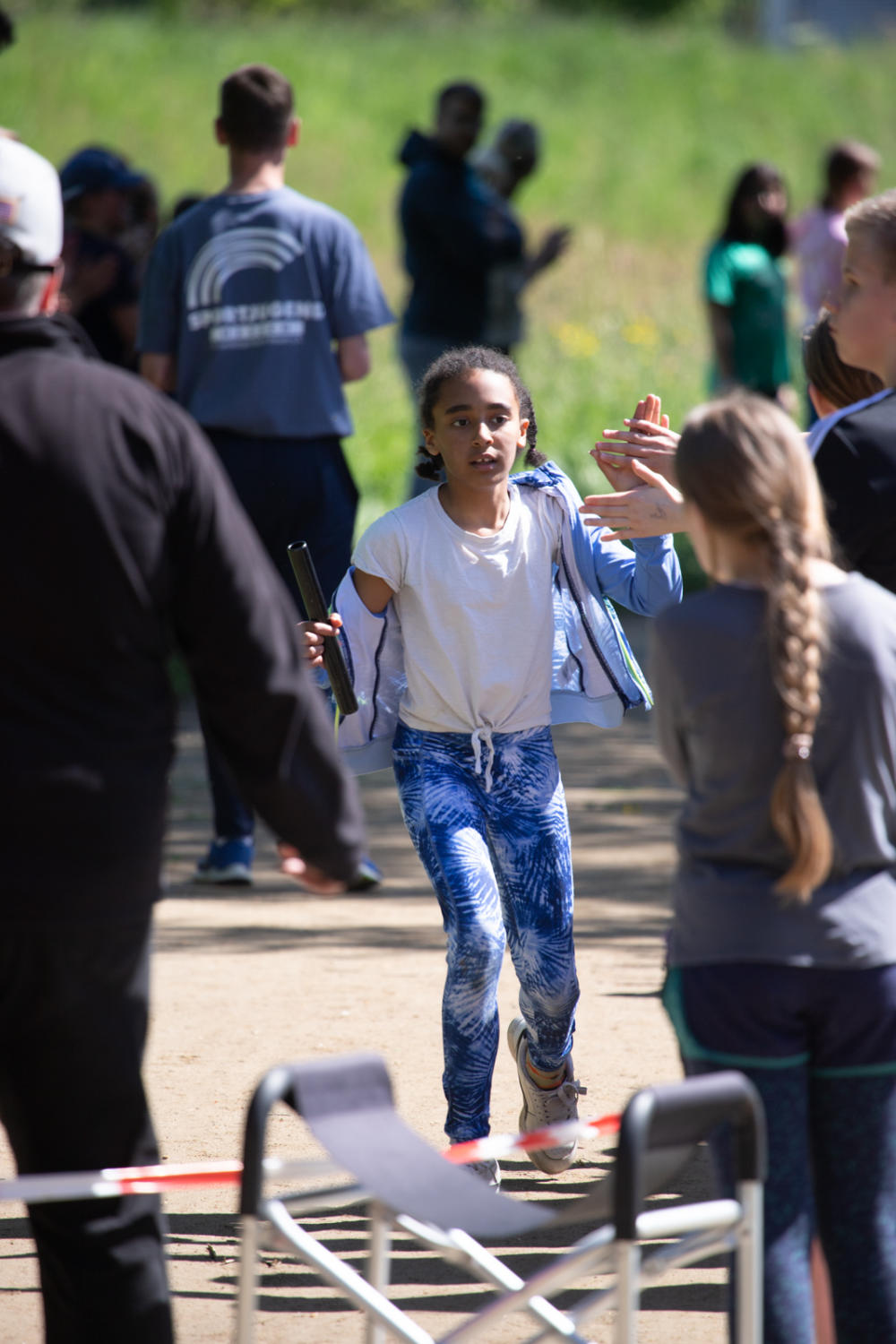
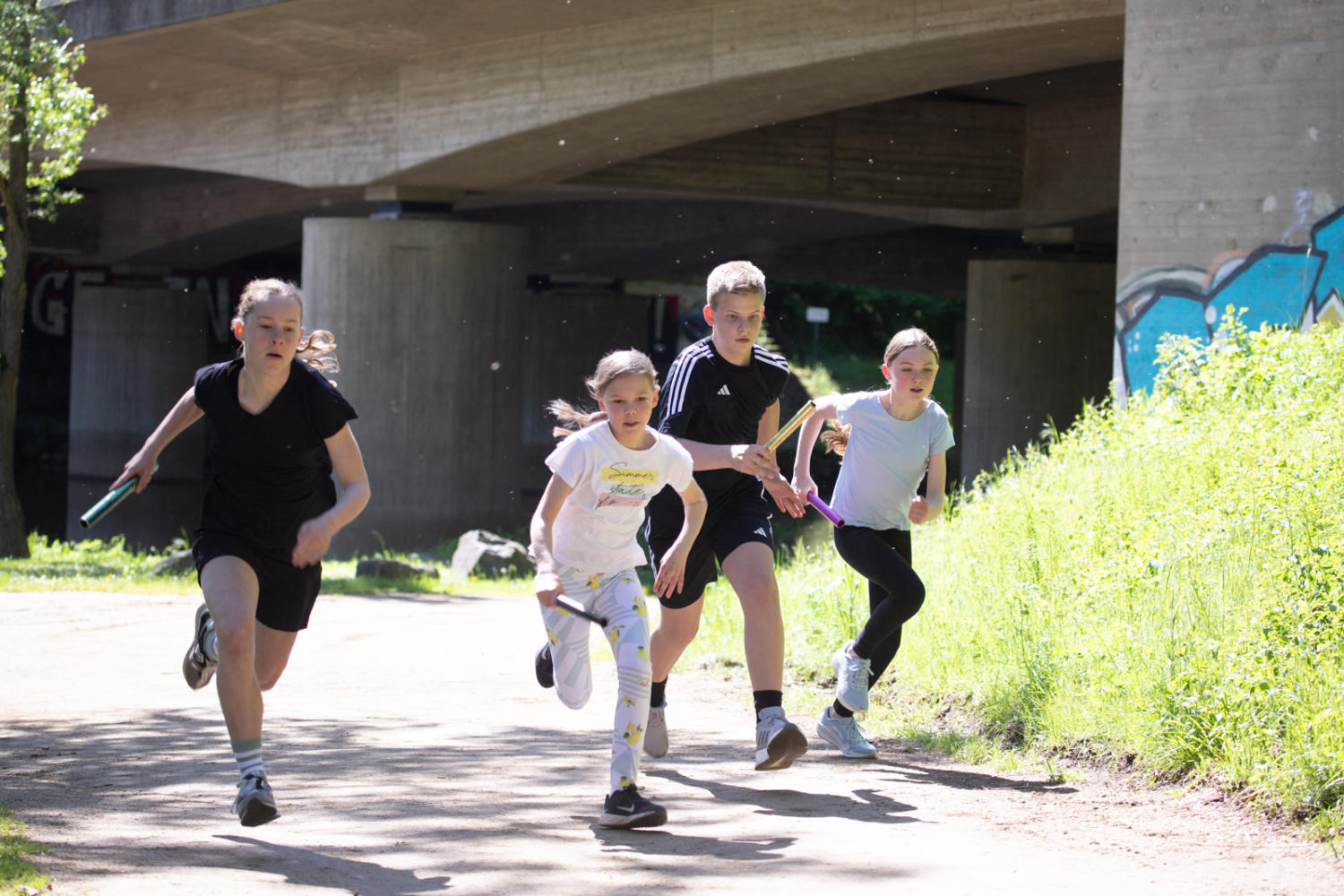
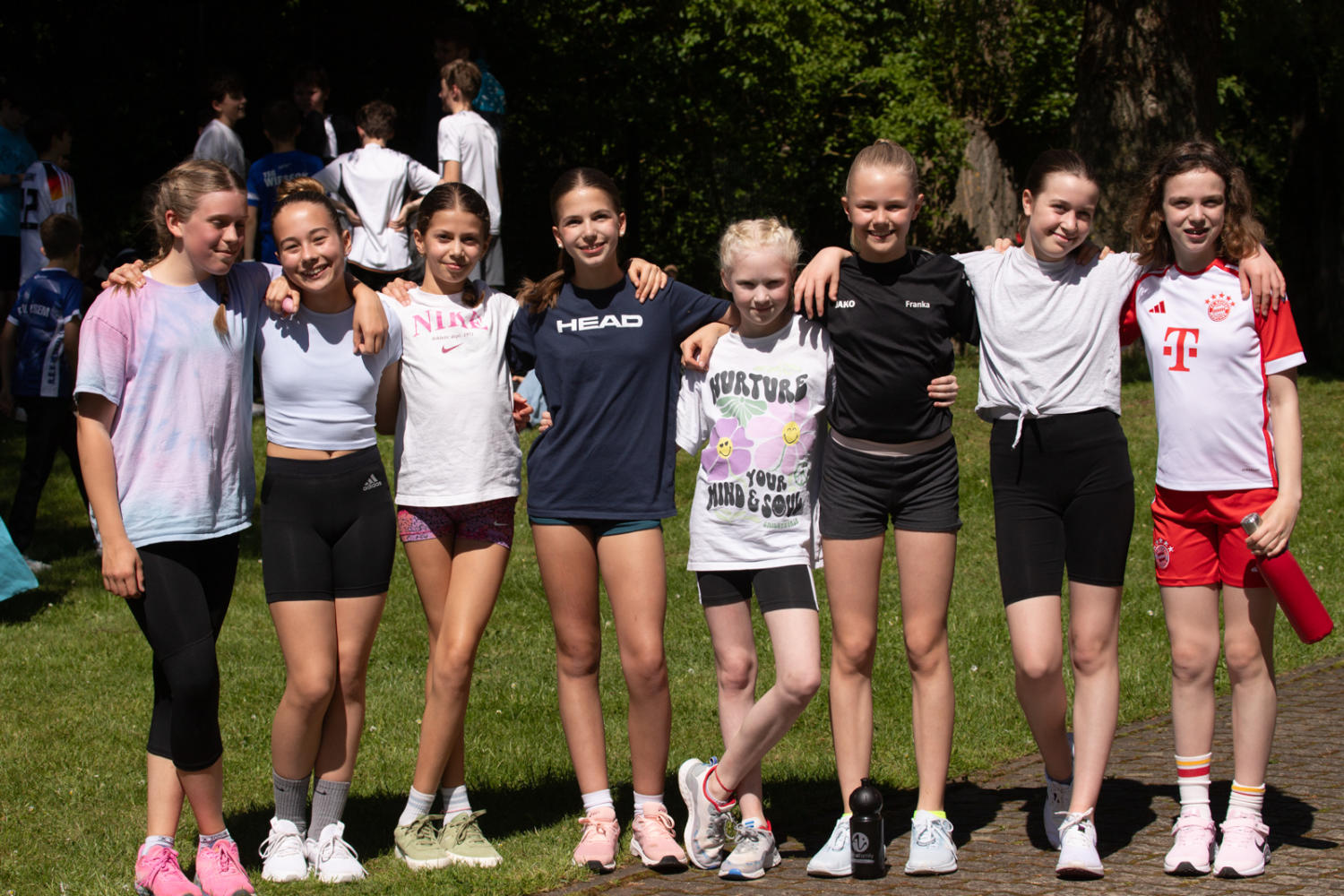
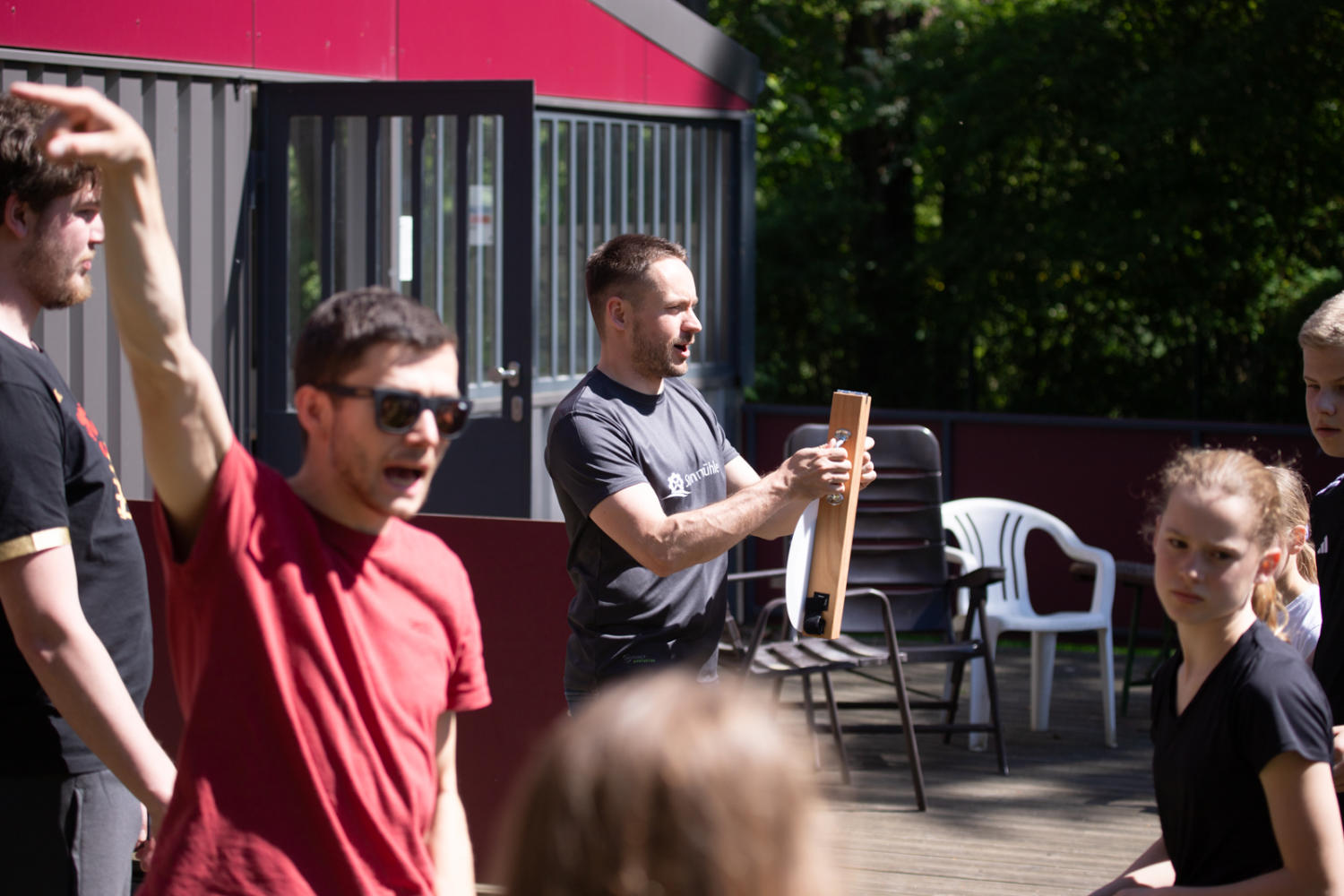
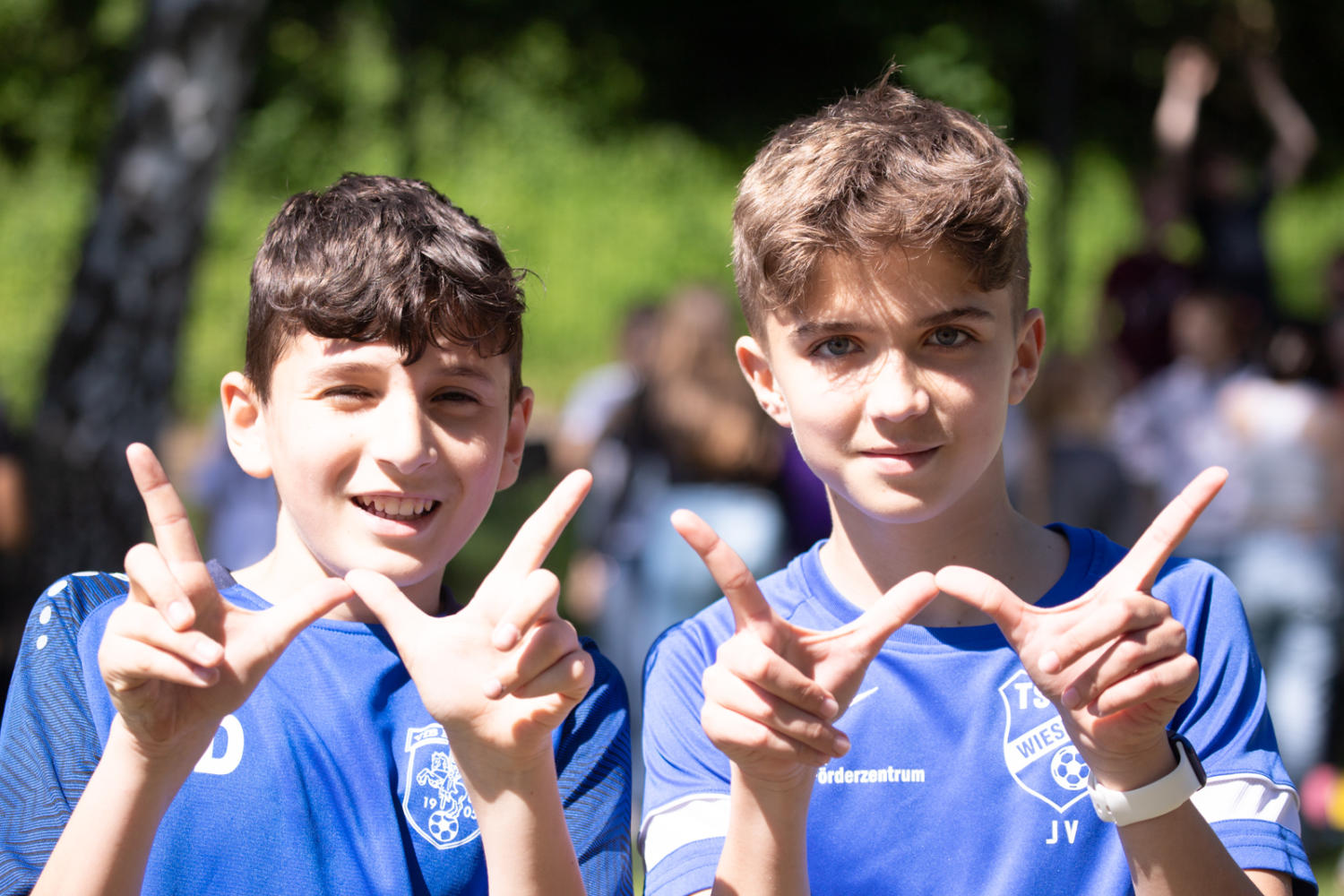
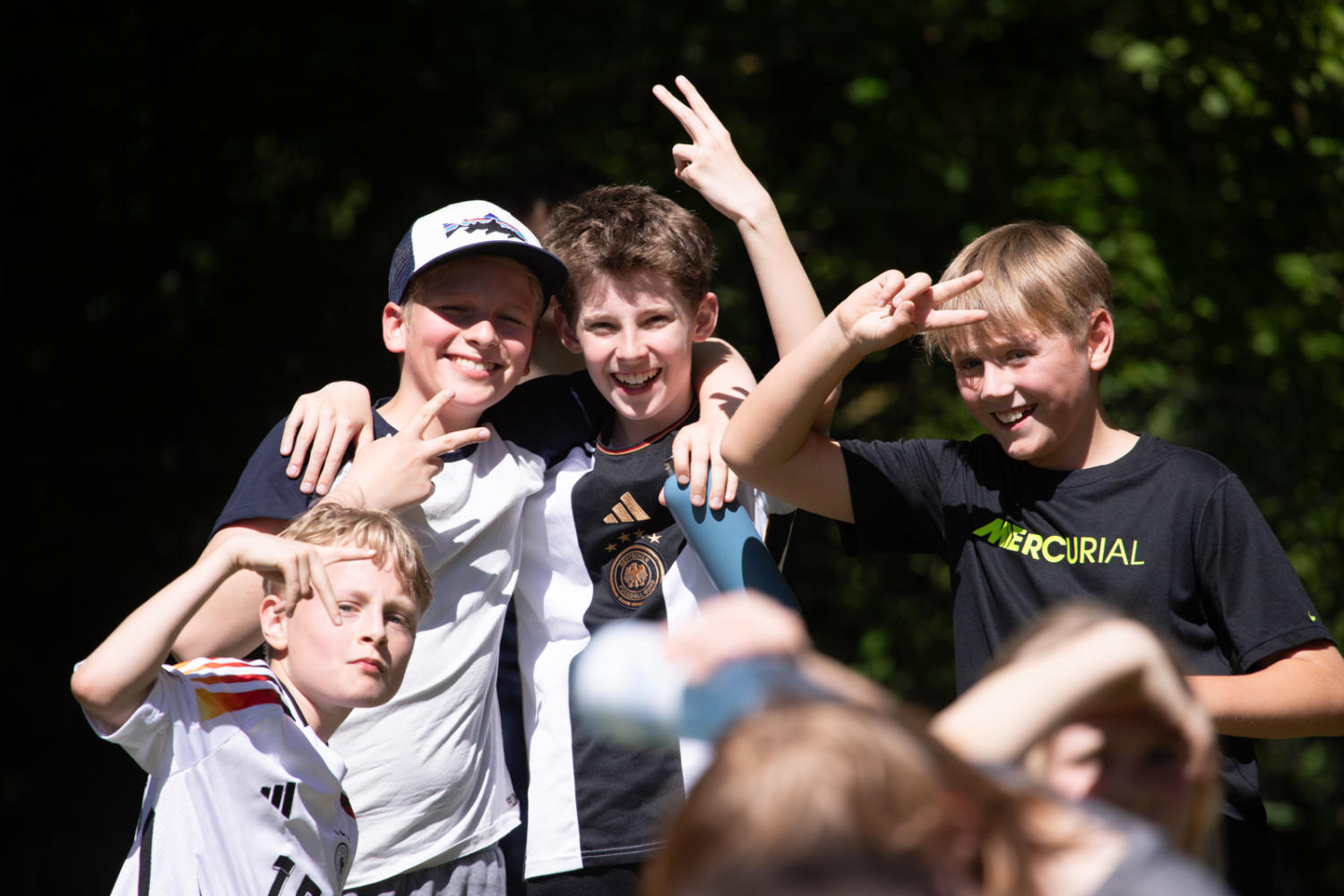
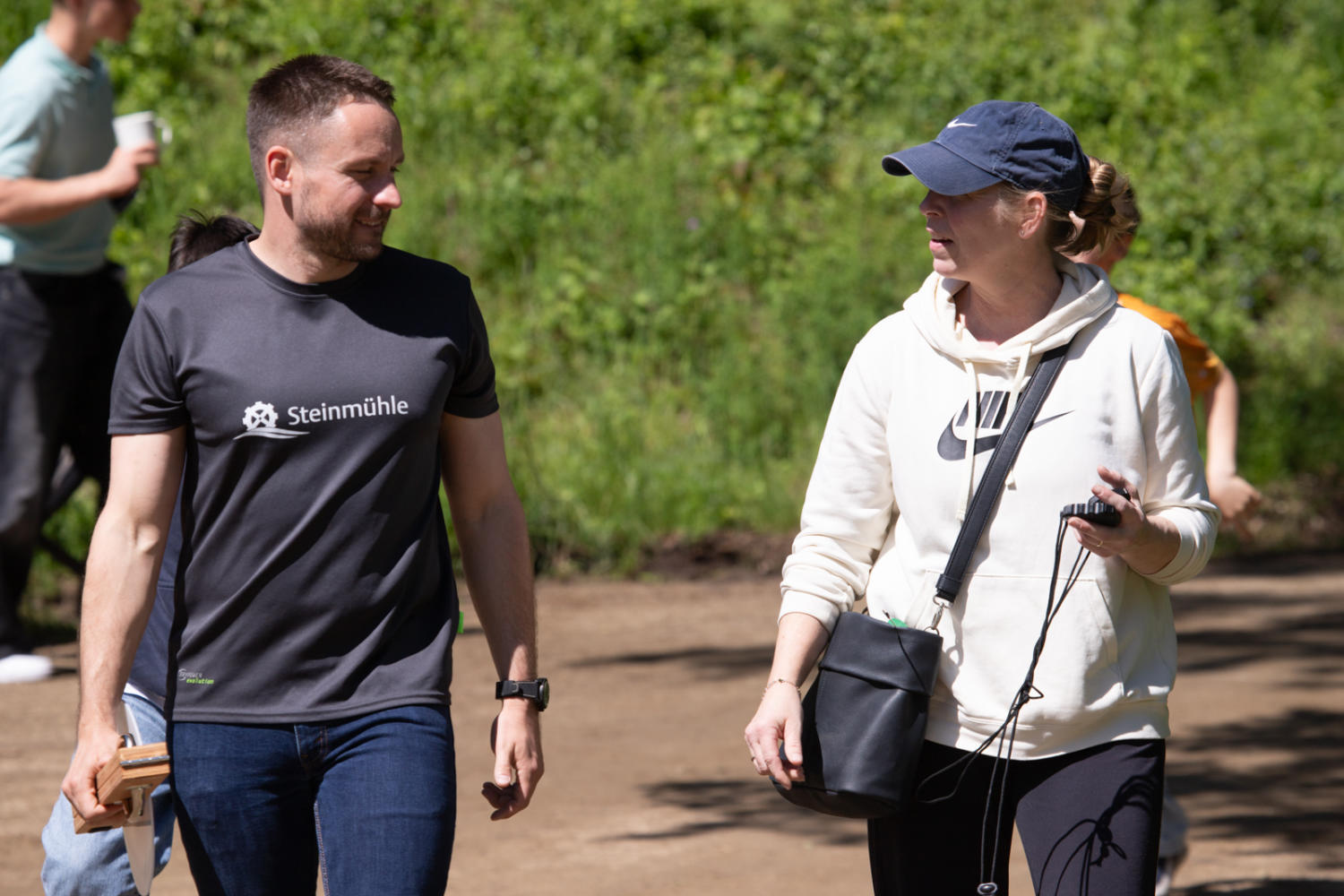
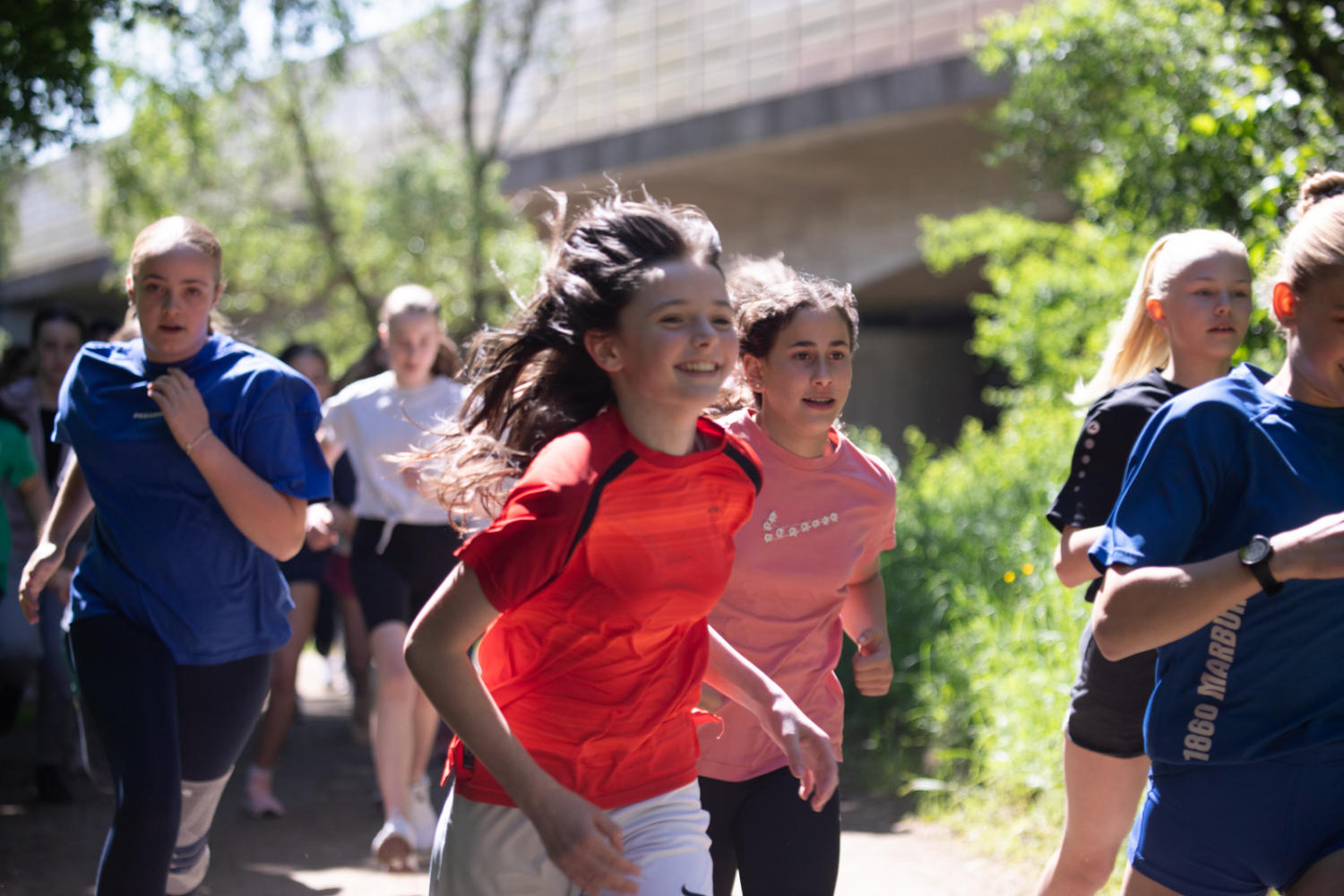
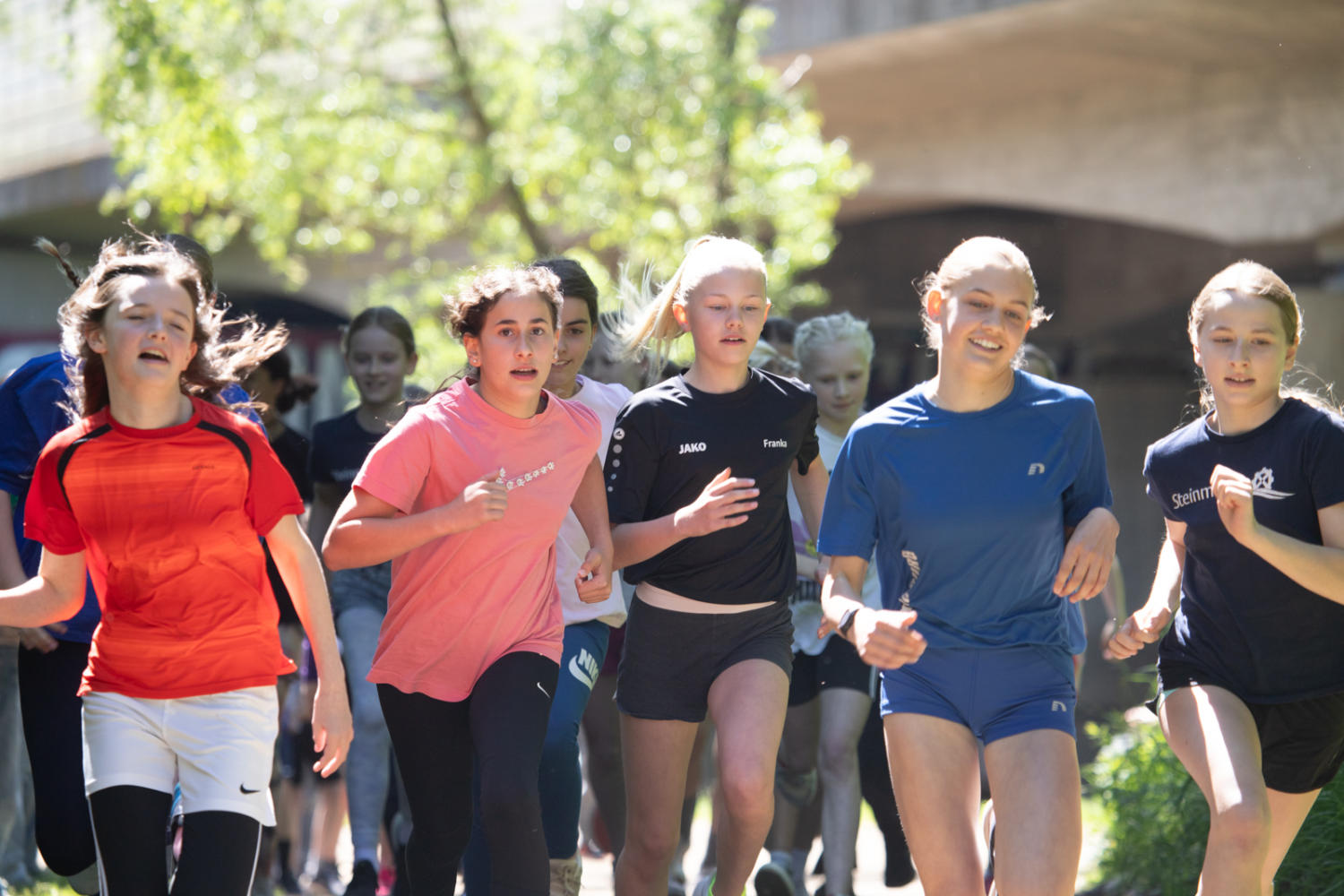
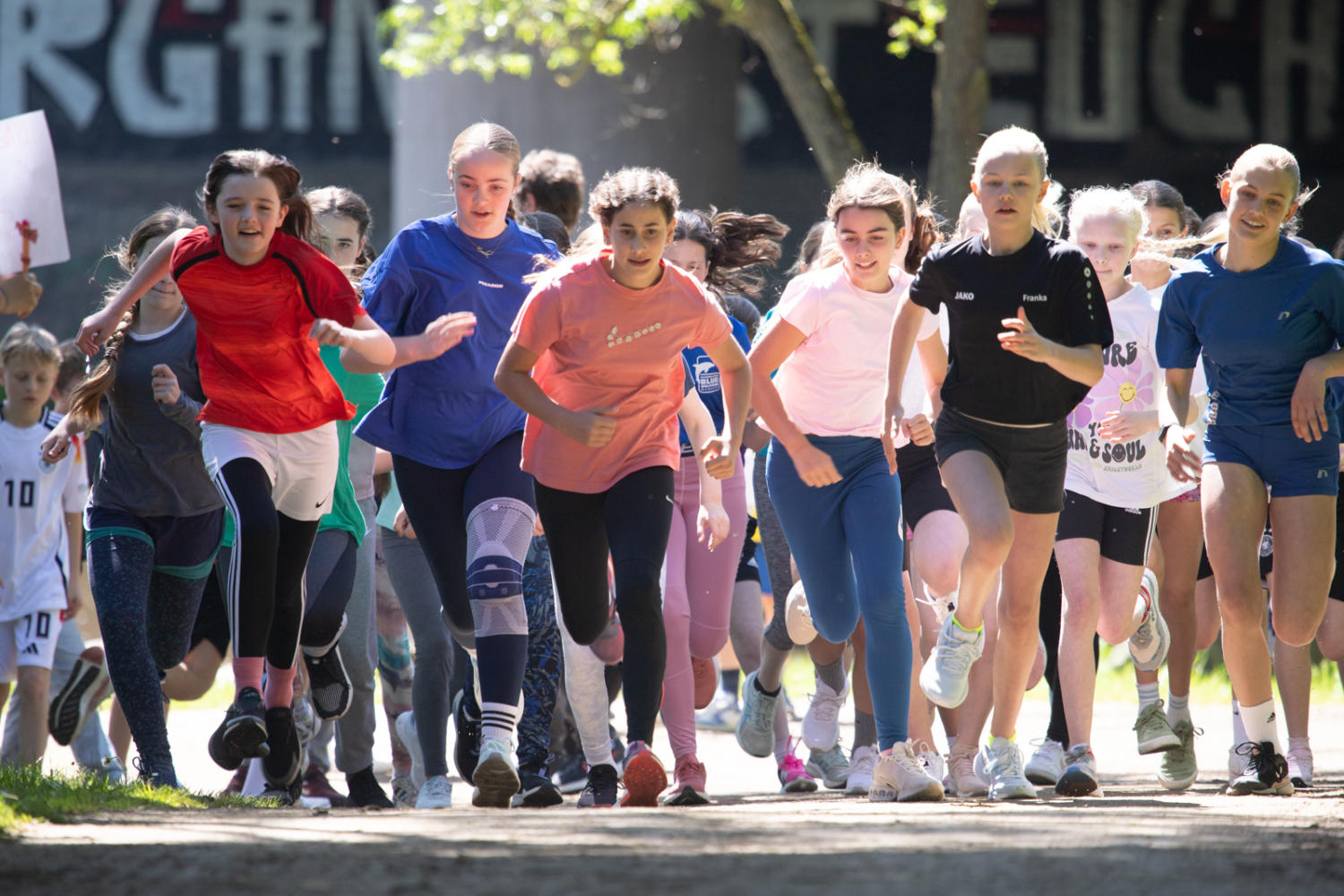
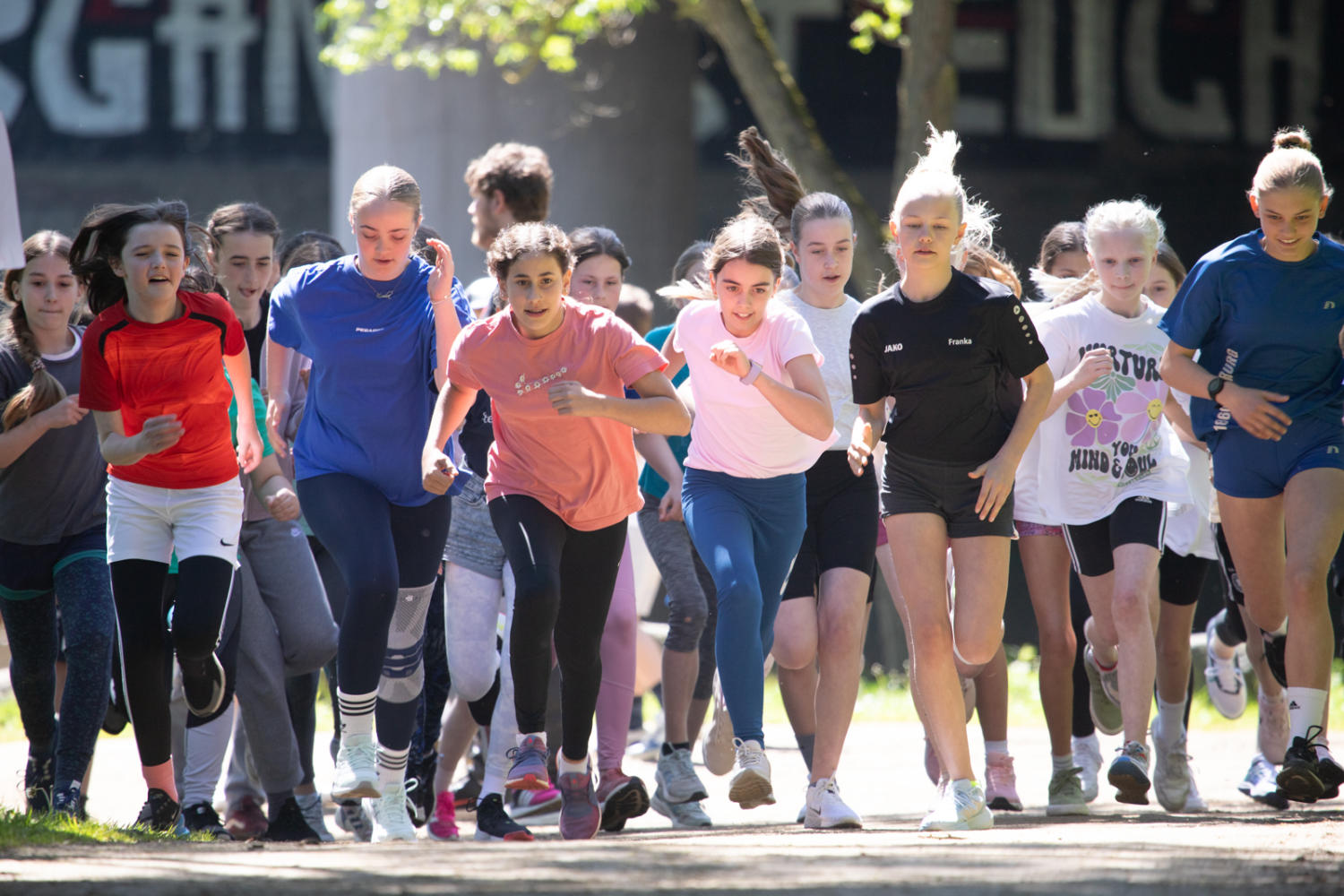
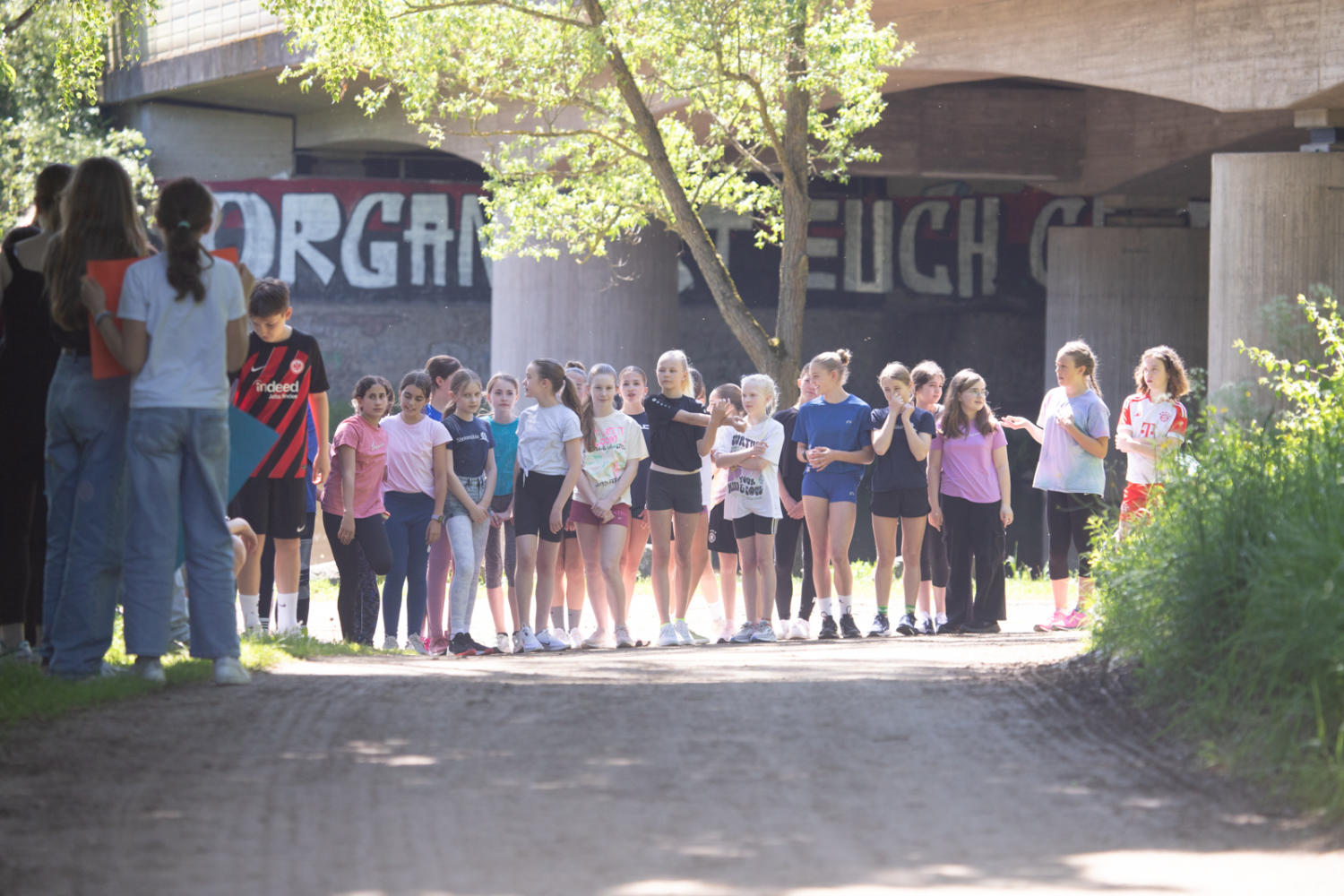
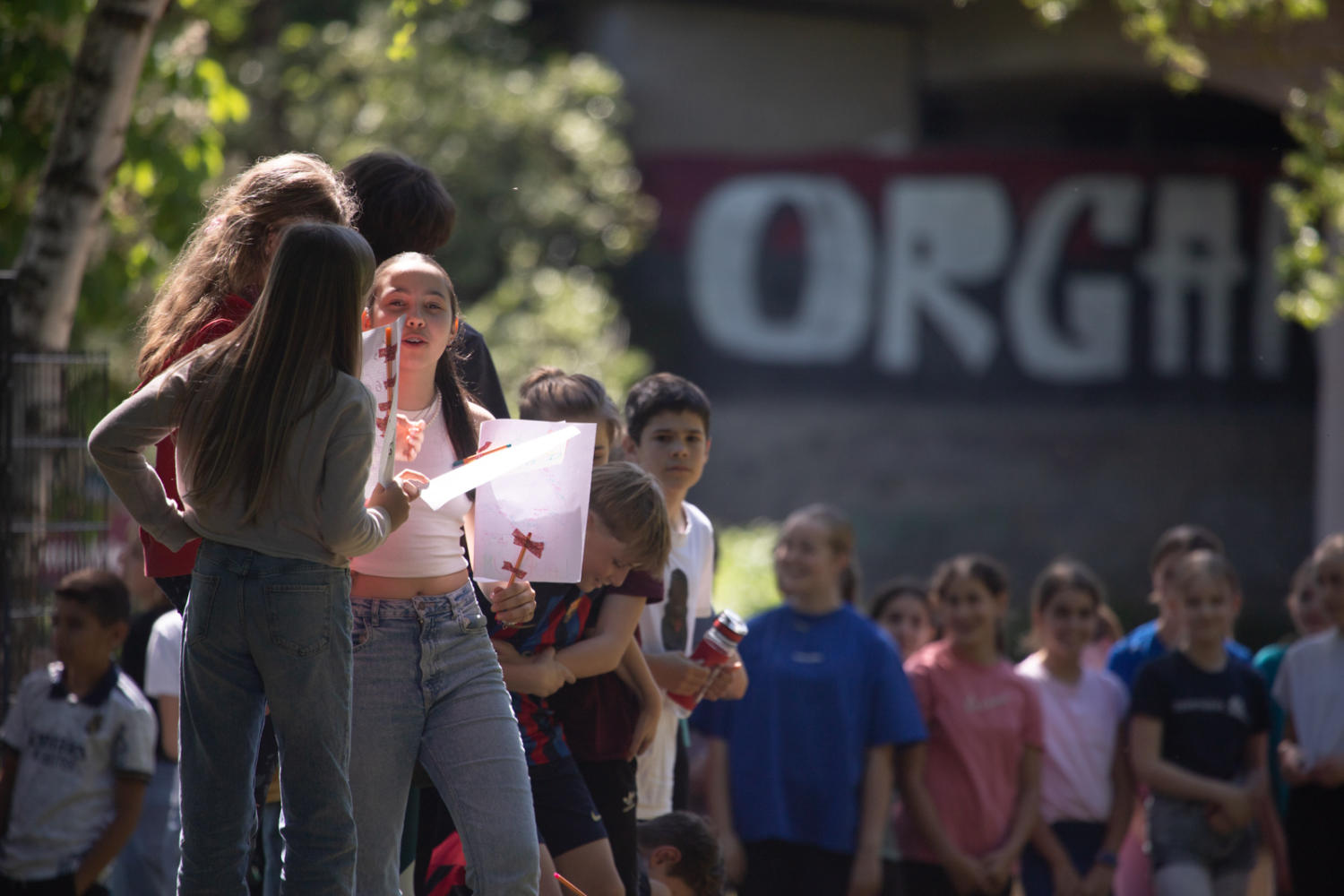
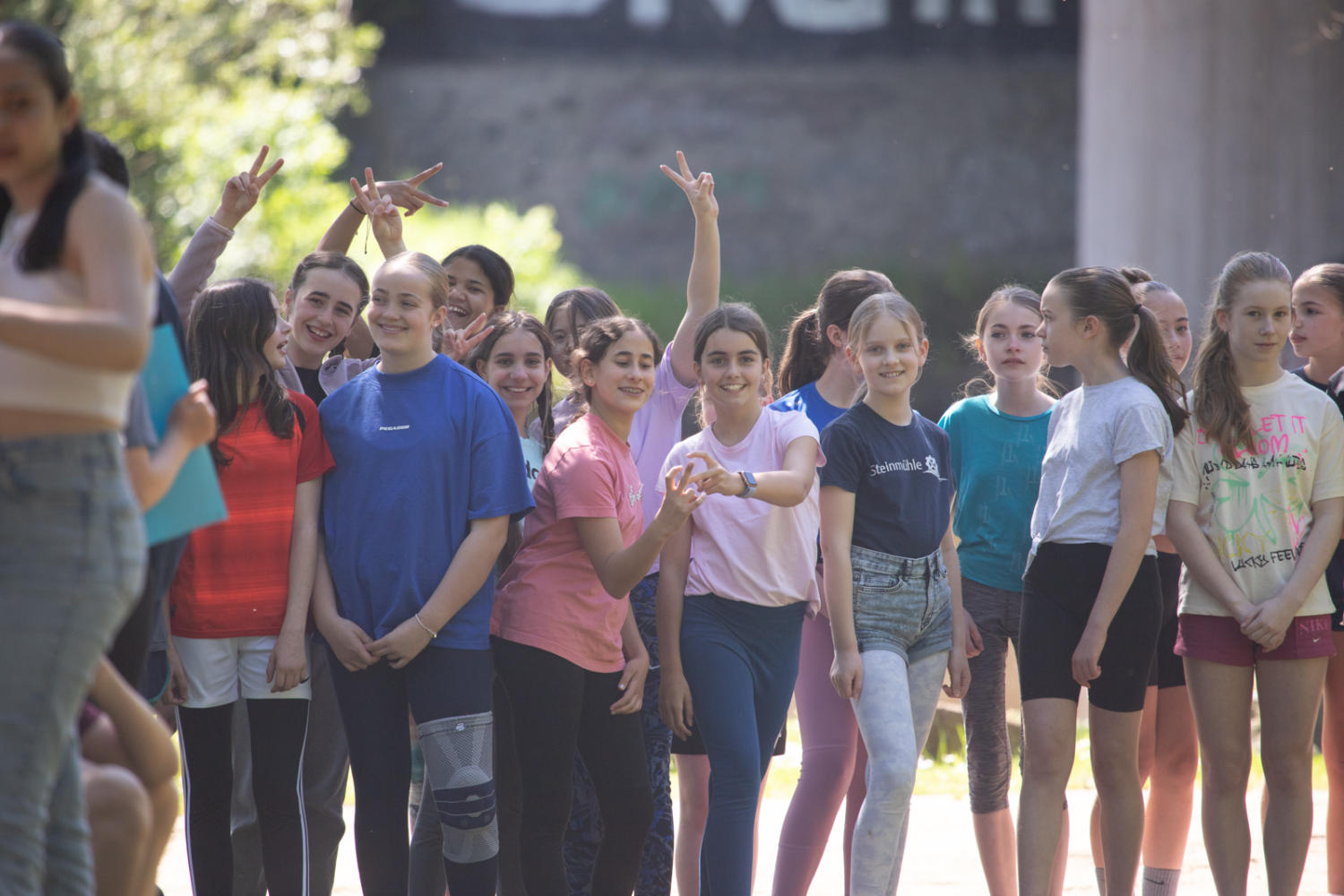
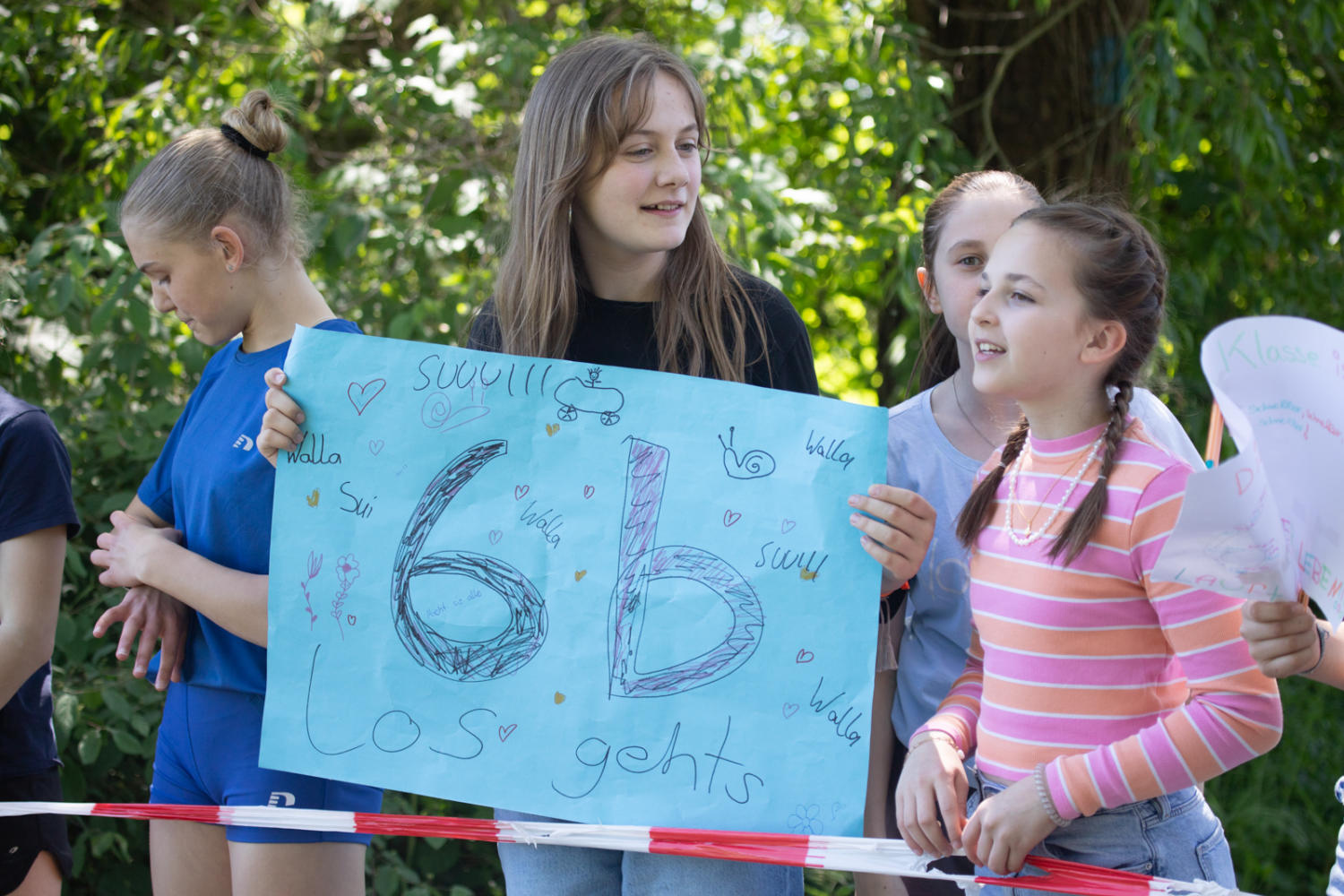
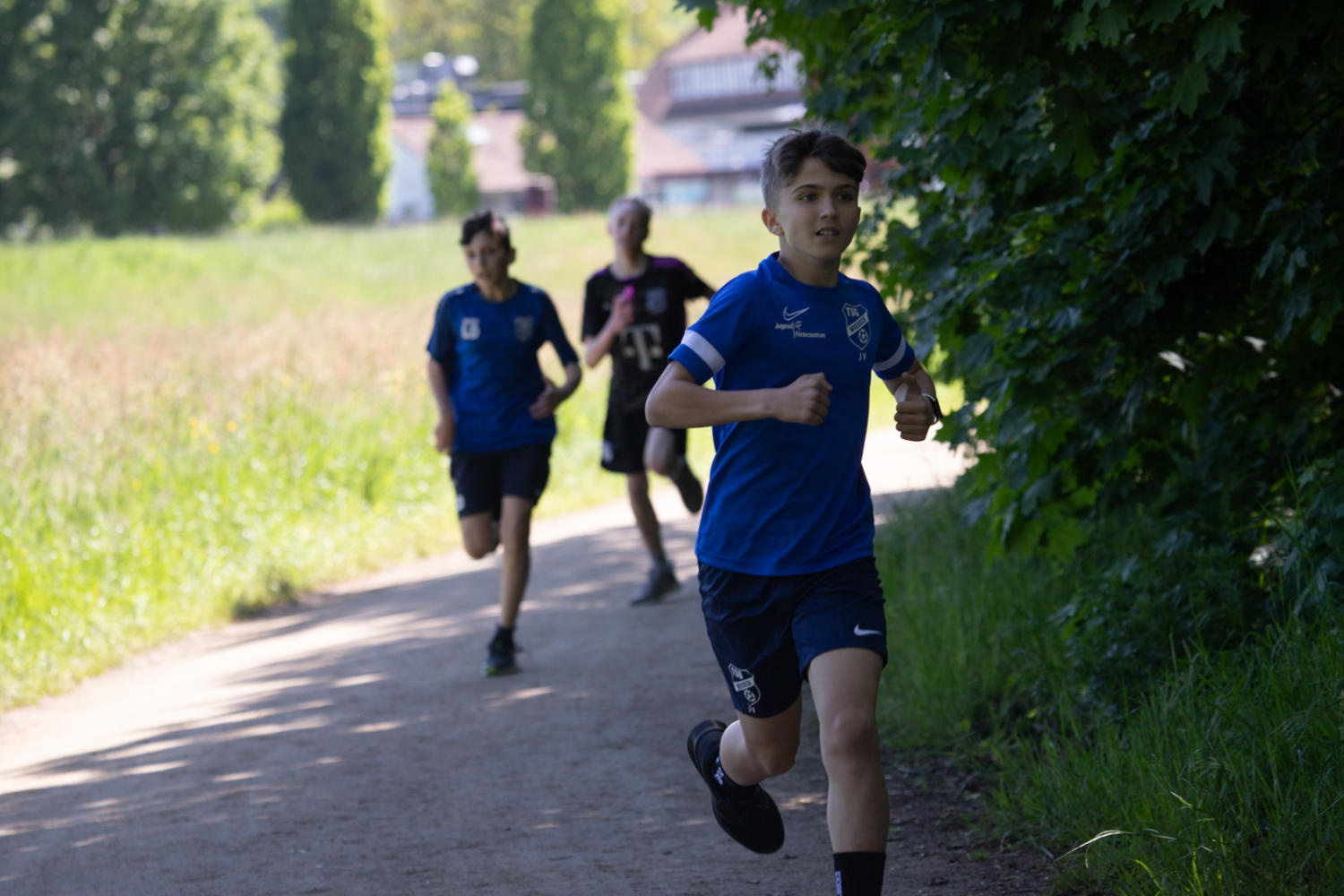
The spring run around the boathouse is a tradition at Steinmühle. Every year, students in grades 5 and 6 run their laps here. The fastest relay teams are also determined during the event. According to Nicole Scholtes, speaking on behalf of the organizing team, this year’s winners were the relay teams from classes 5c and 6a. The runners for each team were:

Class 5c: (from left) Back row: Marlene Würfel, Clara Koch, Emilia Buchta, Leo Niederhöfer, Liam Bacht, Theodor Weber, Hannes Kindergeld; front row: Greta Edelmann, Imani Krüger, Ole Brutzer.


Season 6a: (from left) Back row: Ein Kaya, Franka von zur Mühlen, Lotti Jarosch, Lenni Weber, Konrad Wagner, Jaden Vogel; Front row: Johanna Fuchs, Carla Isenberg, Konrad Wagner, Lars Dittrich.


It wasn’t the most relaxed event the Steinmühle had ever seen, clearly due to the topic:

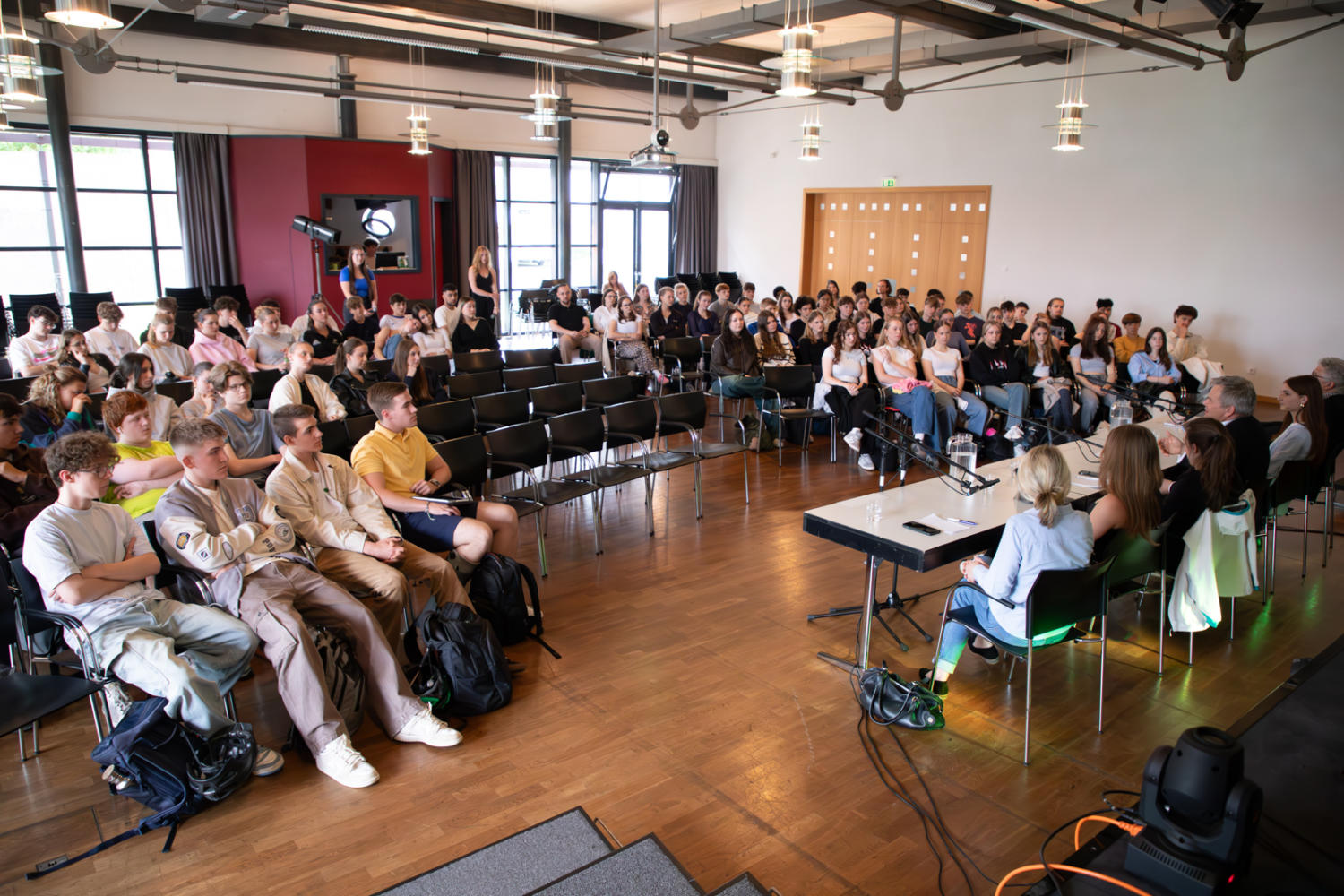
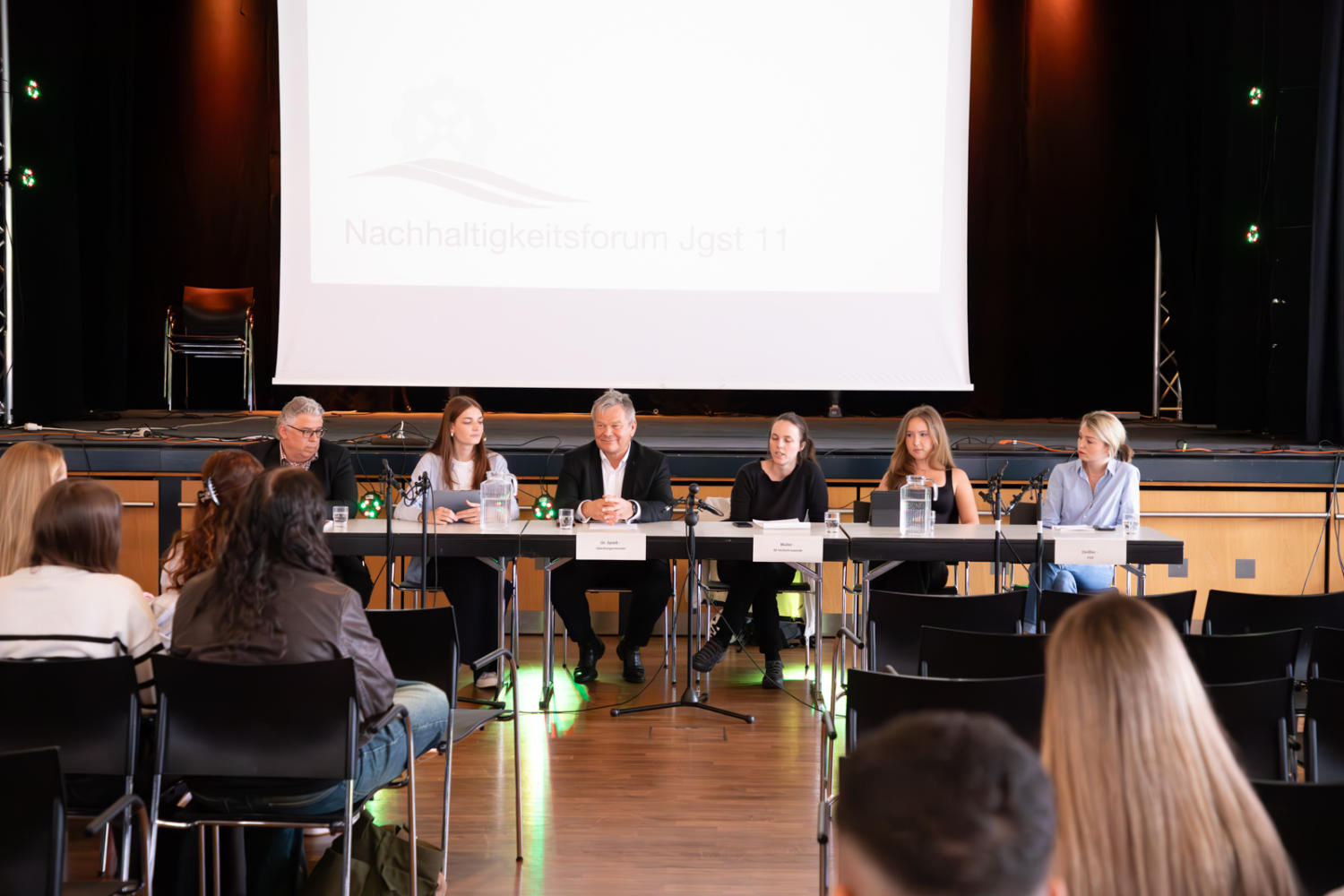
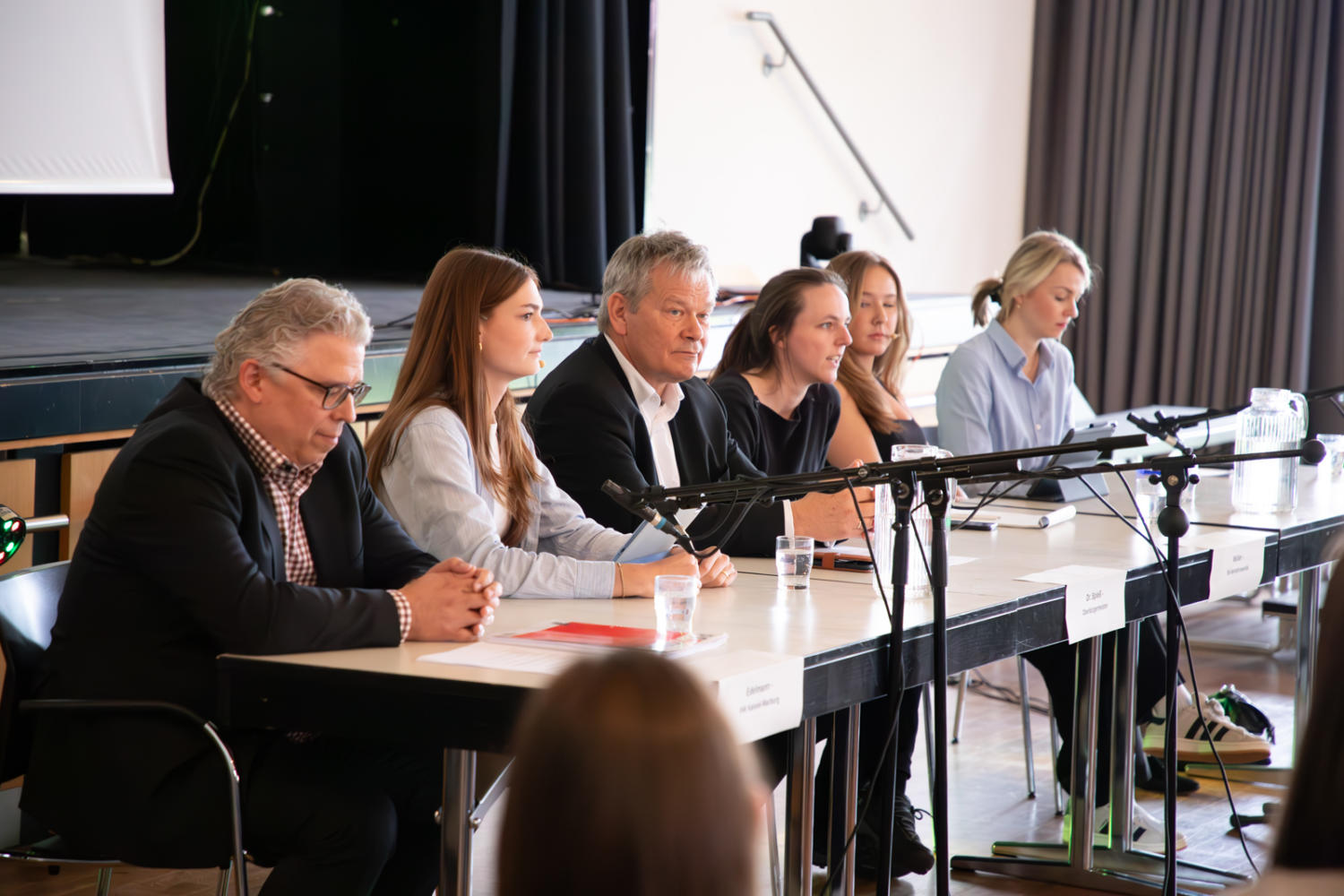
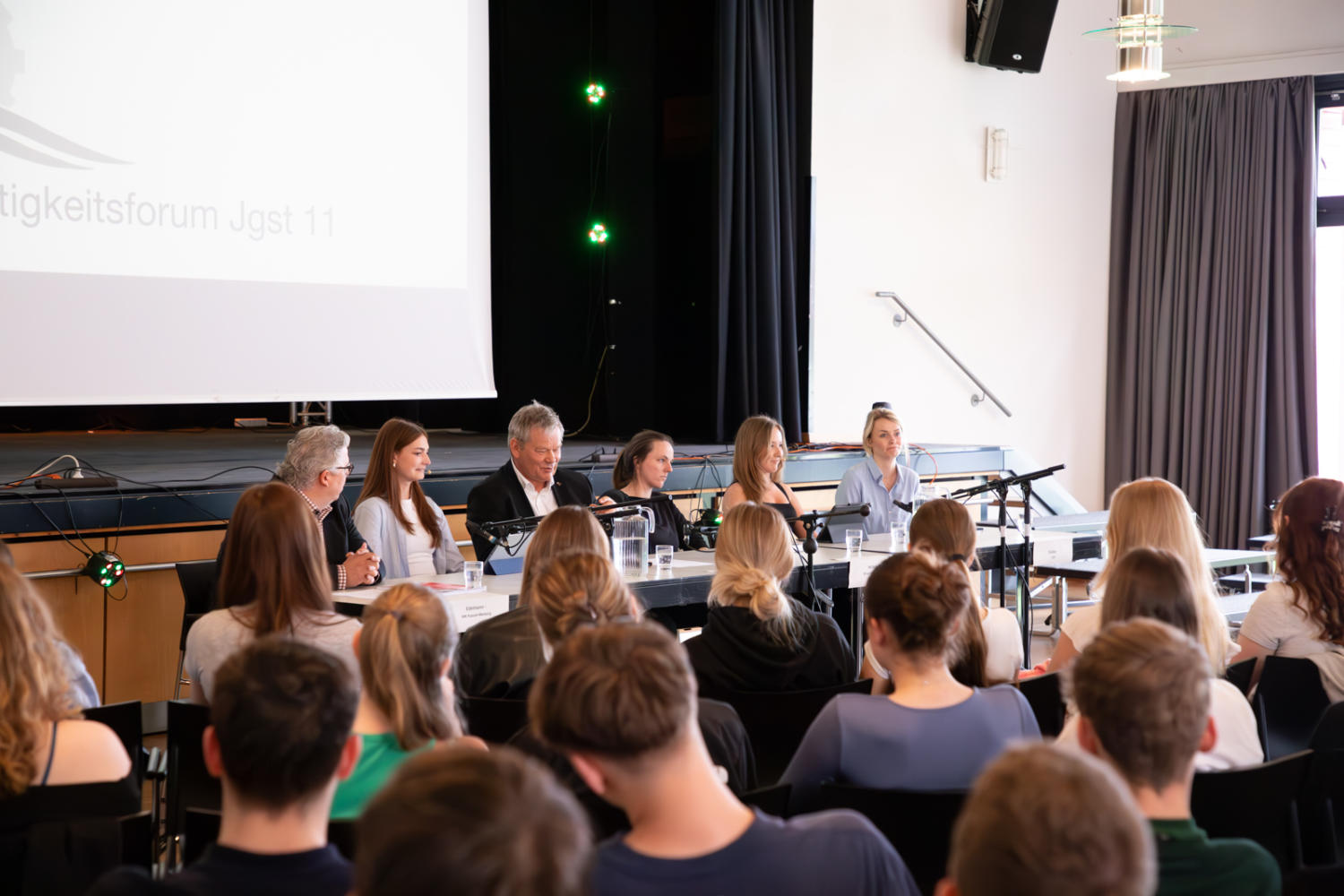
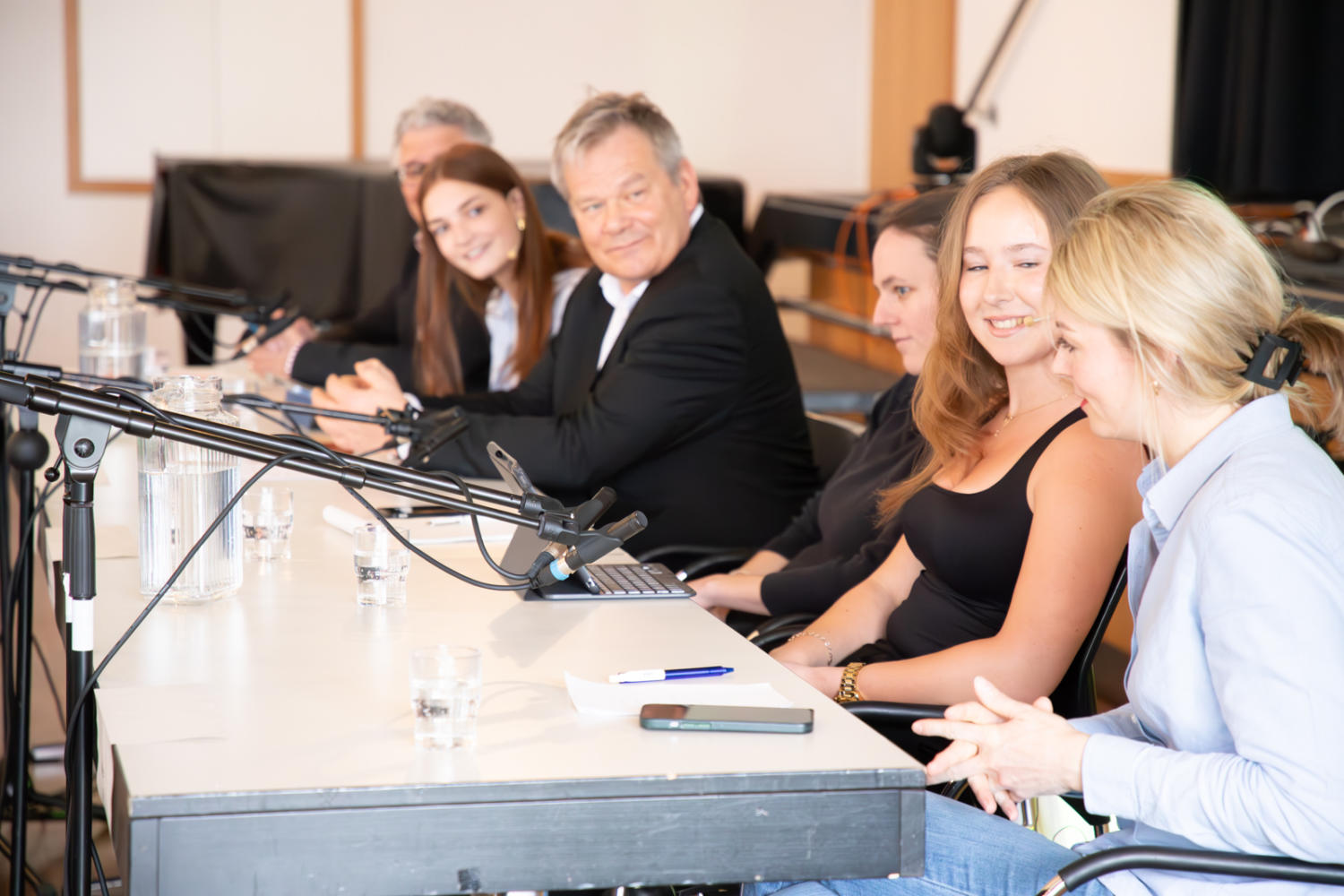
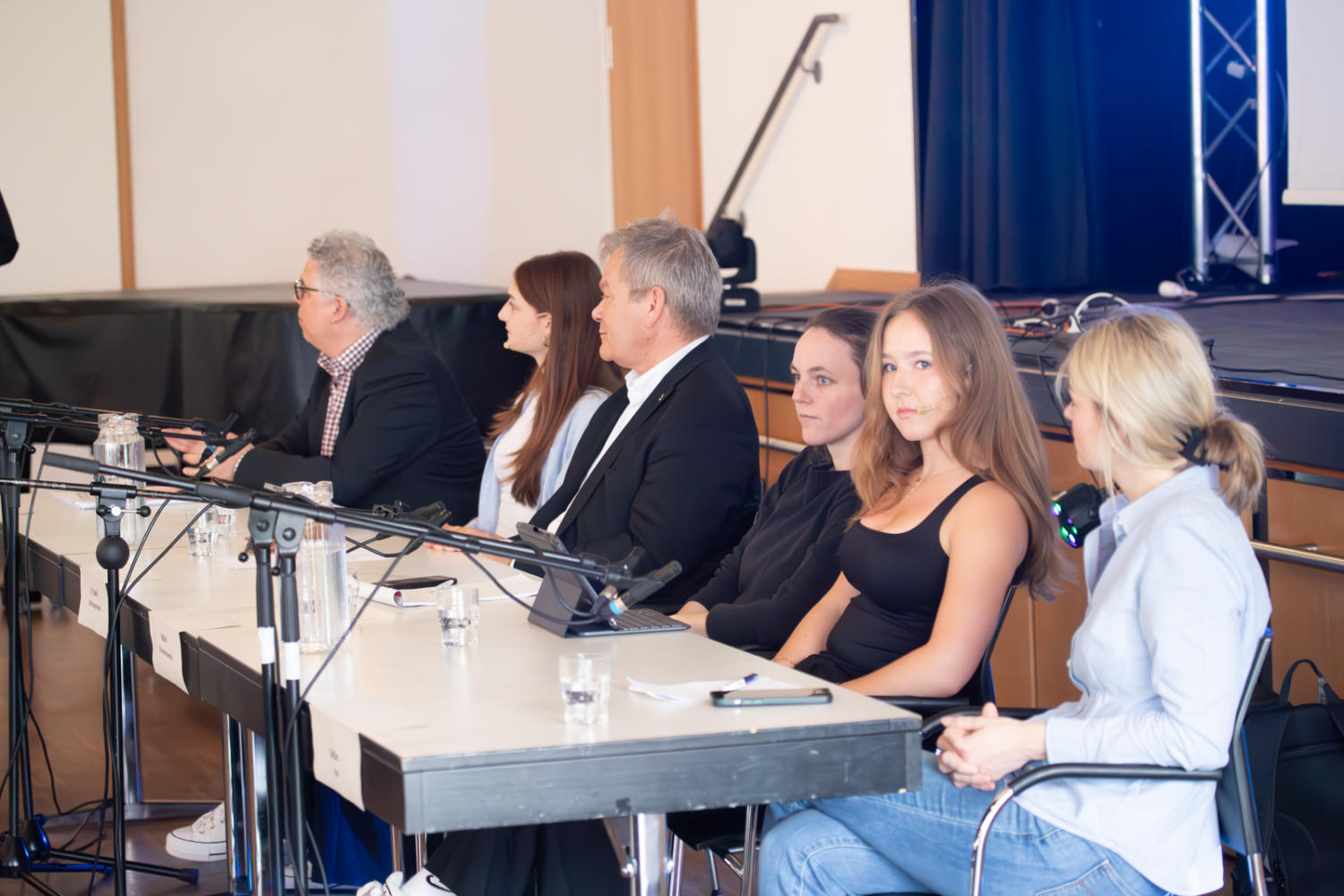
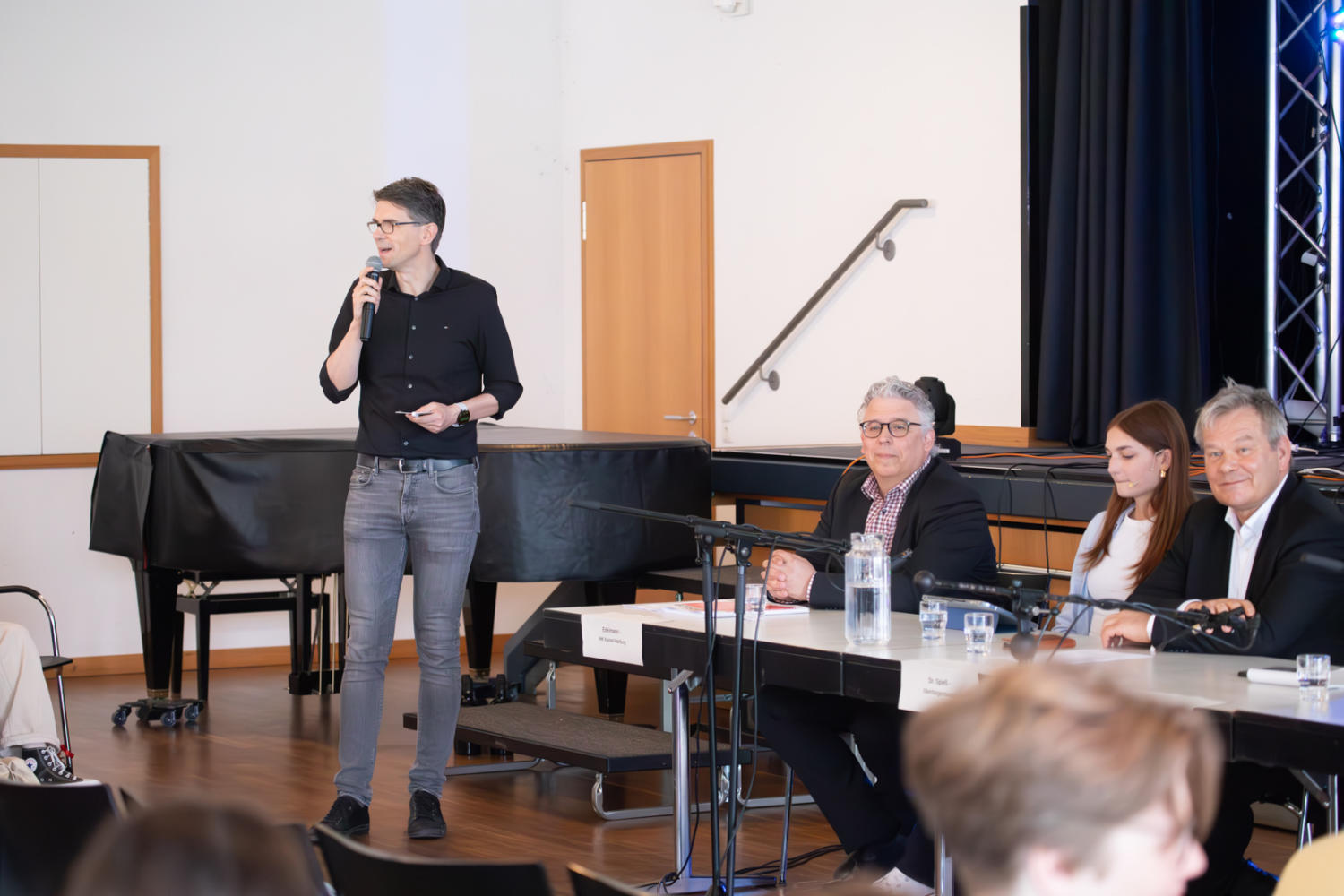
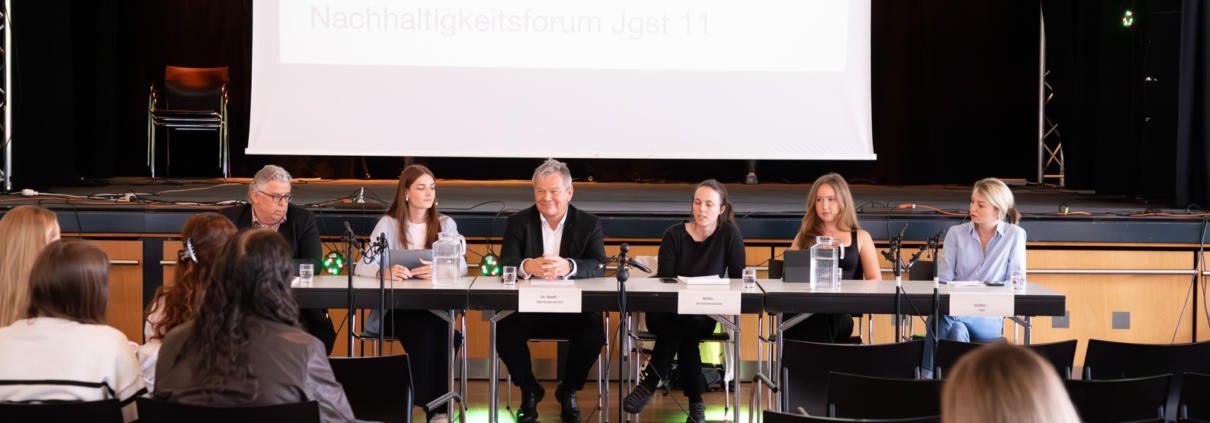
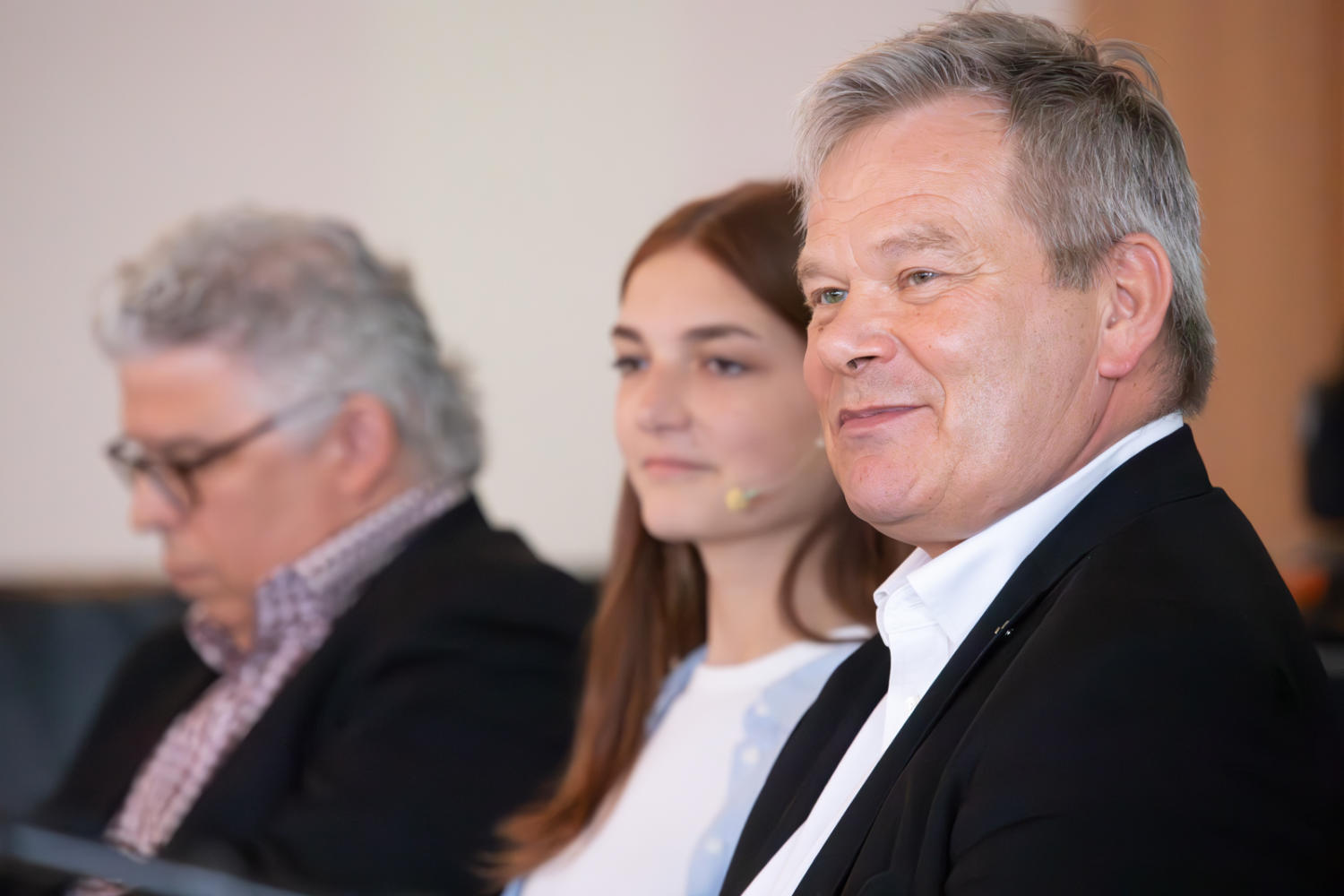
Mayor Dr. Thomas Spies and Sara Müller of the citizens’ initiative “Verkehrswende” discussed the MOVE 35 transportation plan with Oskar Edelmann, deputy executive director of the Kassel-Marburg Chamber of Commerce and Industry, and Lisa Deißler of the CDU/FDP/BfM parliamentary group.

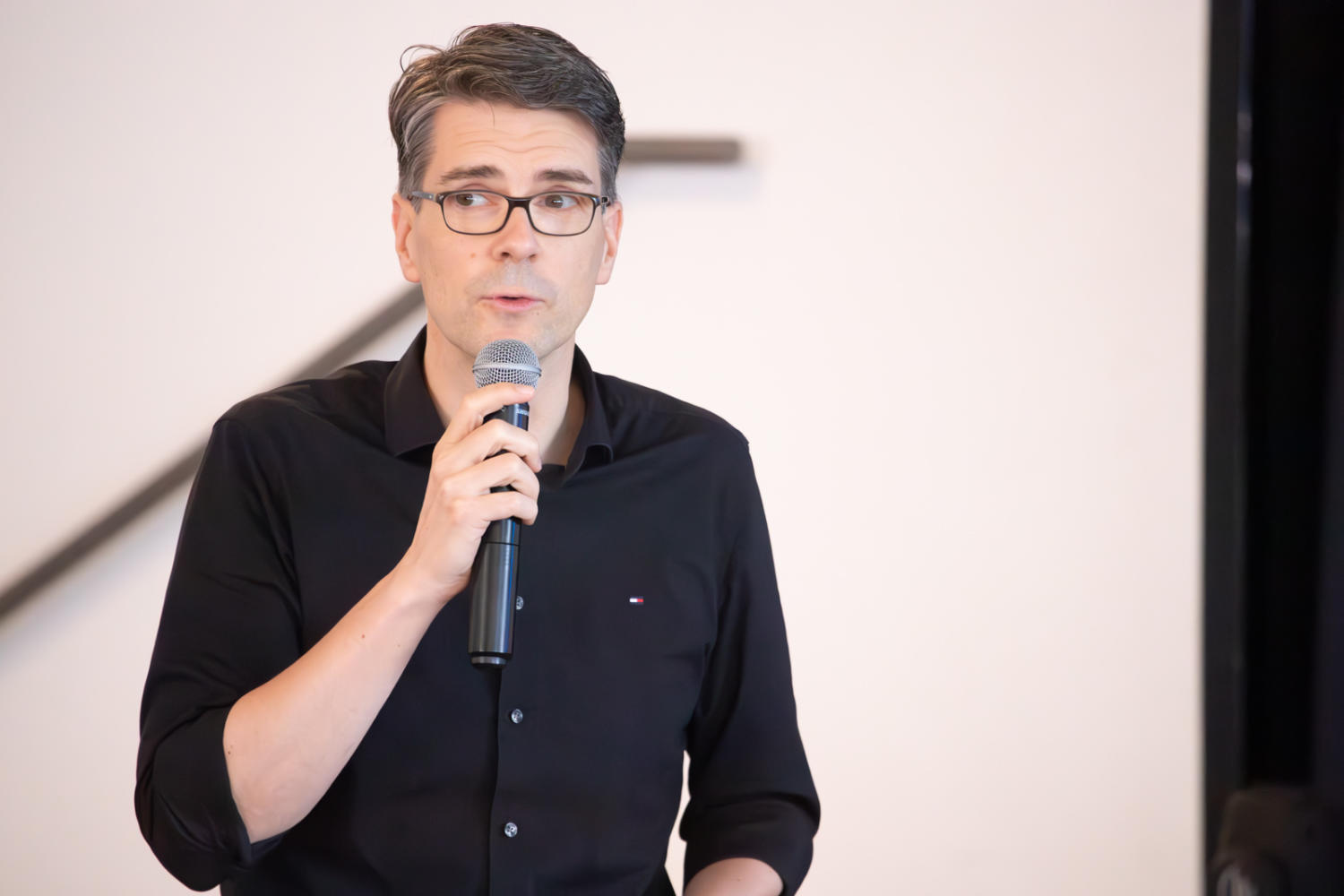
Everyone was suddenly faced with questions from the 11th-grade class at Steinmühle.

Ecology vs. Economy. — Or Can They Go Hand in Hand After All?

Against the backdrop of climate change and the international and national agreements ratified in this context, transportation and mobility are central issues that are the subject of heated debate. Are ecology and the economy an irreconcilable contradiction?

A variety of topics will be incorporated into the 250-page MOVE 35 concept if it is implemented. This quickly became apparent from the statements made by the panelists.

“They want to rush this through here, and accessibility to Marburg’s outlying neighborhoods is being neglected,” stated Lisa Deißler, reaffirming her faction’s “no” vote due to various shortcomings: “There are no concrete plans.” Sara Müller’s approach was quite different. “We have declared a climate emergency for Marburg,” she reminded the audience, “Voting ‘yes’ on MOVE 35 is a climate necessity.” Mayor Dr. Thomas Spies began his statement by noting, “Mobility isn’t just about moving machines.” Unfortunately, he said, every transportation debate is framed as a debate about car traffic—when it’s really just about how people get from one place to another.


“Many business owners are concerned”

This argument didn’t really take hold—at least not with Chamber of Industry and Commerce representative Oskar Edelmann. For him, it was clear: “First, we need to expand public transportation; only then can we consider mandatory measures against car use.” The representative of the local business community spoke of the deep concerns local business owners have about the reduction of parking spaces and one-way street regulations: “More business owners than ever before are worried.”

The mayor acknowledged that mobility is essential and dismissed the claim that the city wants to ban cars as “nonsense.” Of course, a certain level of accessibility is needed, but it must be balanced fairly. According to the Chamber of Industry and Commerce representative, removing parking spaces creates an environmental contradiction: “More traffic searching for parking generates more CO2.” Furthermore, there is no need to impose restrictions on drivers in order to expand public transportation and bike lanes. Furthermore, people often don’t come into the city for personal enjoyment: “You have to keep in mind that Marburg has 29,000 commuters every day.”

“How do the municipal utilities plan to handle putting even more buses into service? We’re already short on bus drivers,” one student asked. Sara Müller sees the solution in using smaller vehicles, at least for the outlying neighborhoods. These could be operated without a bus driver’s license—a passenger transport permit would suffice.

Lisa Deißler cast serious doubt on the intention expressed by MOVE supporters to create “neighborhood parking garages” and asked where these were supposed to be located. Incorporating some questions from students, those present also discussed the topics of impervious surfaces, possible changes to the bus route system, carsharing, and community buses.


“Opponents spread bad vibes”

In the end, what remained of the event were mutual accusations among the panelists that the other side had failed to take entrepreneurs and the district into account (quote from Edelmann), had distorted the facts, and had spread bad vibes (quote from Spies).

Whether department store owner Ahrens or the company Pharmaserv was for or against MOVE 35 could not be definitively determined during the event, as each panelist claimed the position that suited them best.

The majority of the 11th-graders seemed to oppose the proposal—which is hardly surprising for students at a private school whose parents tend to be more economically minded. Whether they will be in the majority or minority in Marburg will become clear after the vote on June 9.

The Sustainability Forum at the school—as the event is officially titled—has a long tradition at Steinmühle. The panel discussion was organized by the Political Science Department, primarily by Carmen Bastian. She also serves as Steinmühle’s Ecology Coordinator and Environmental Officer.
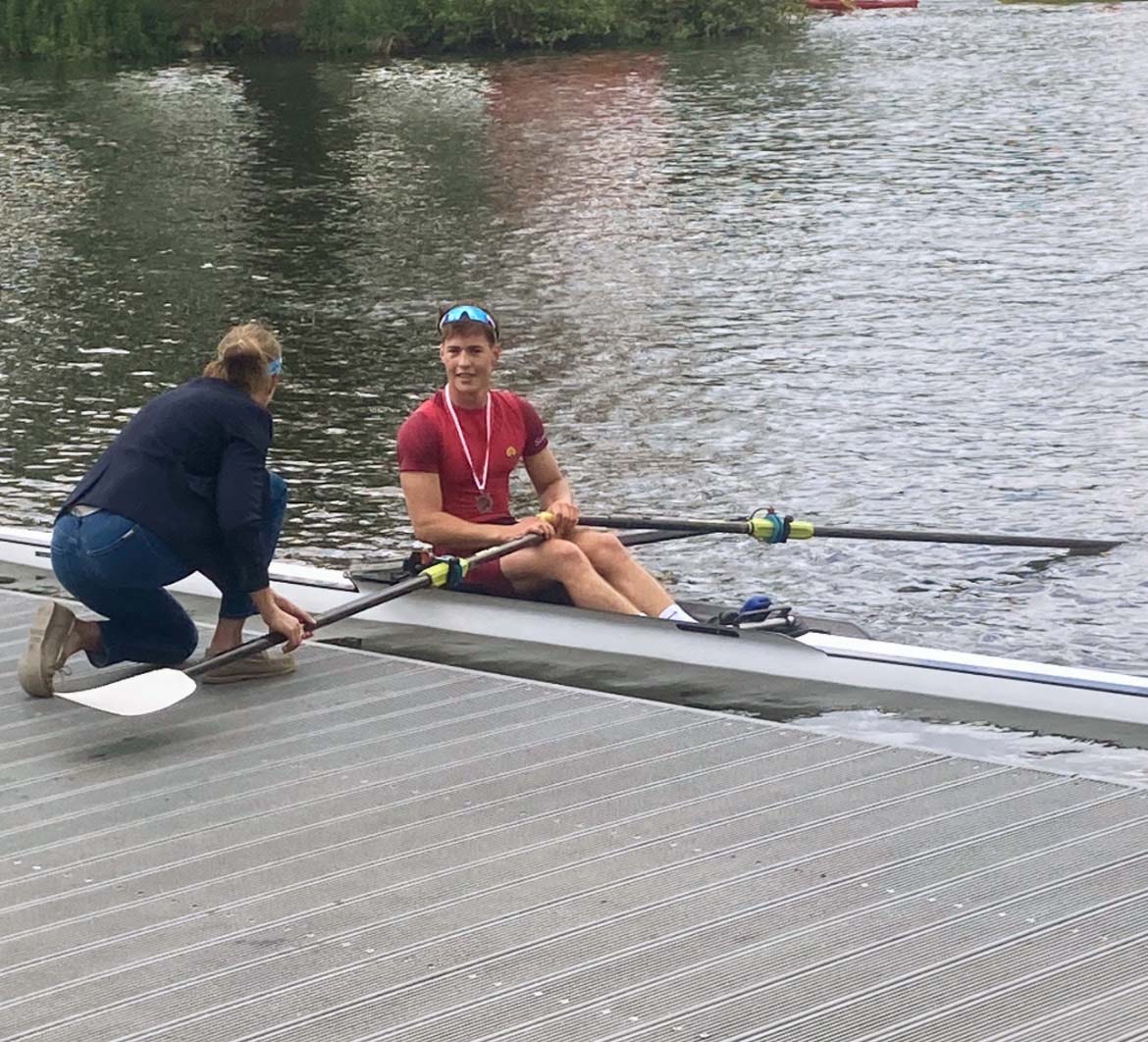
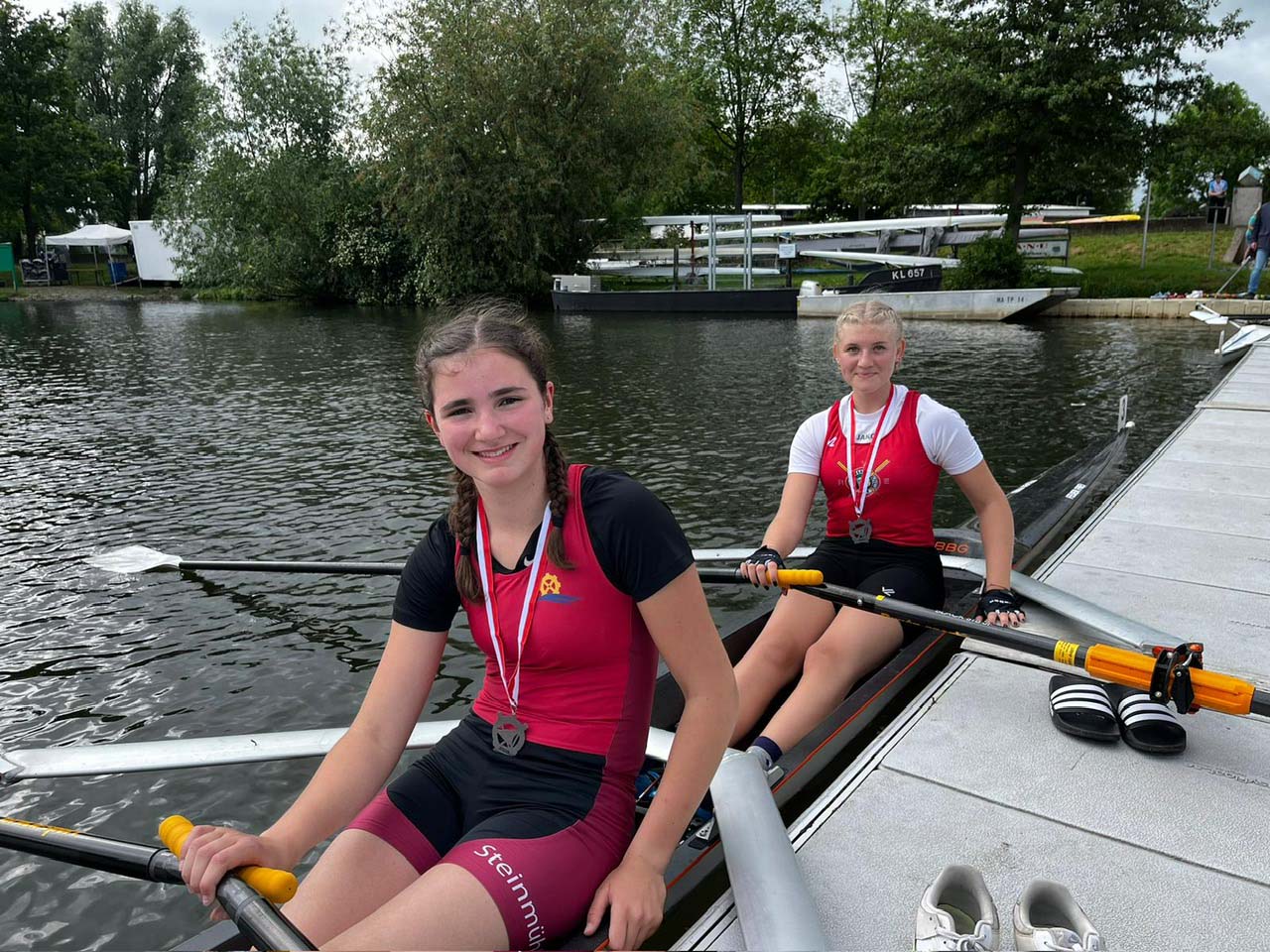
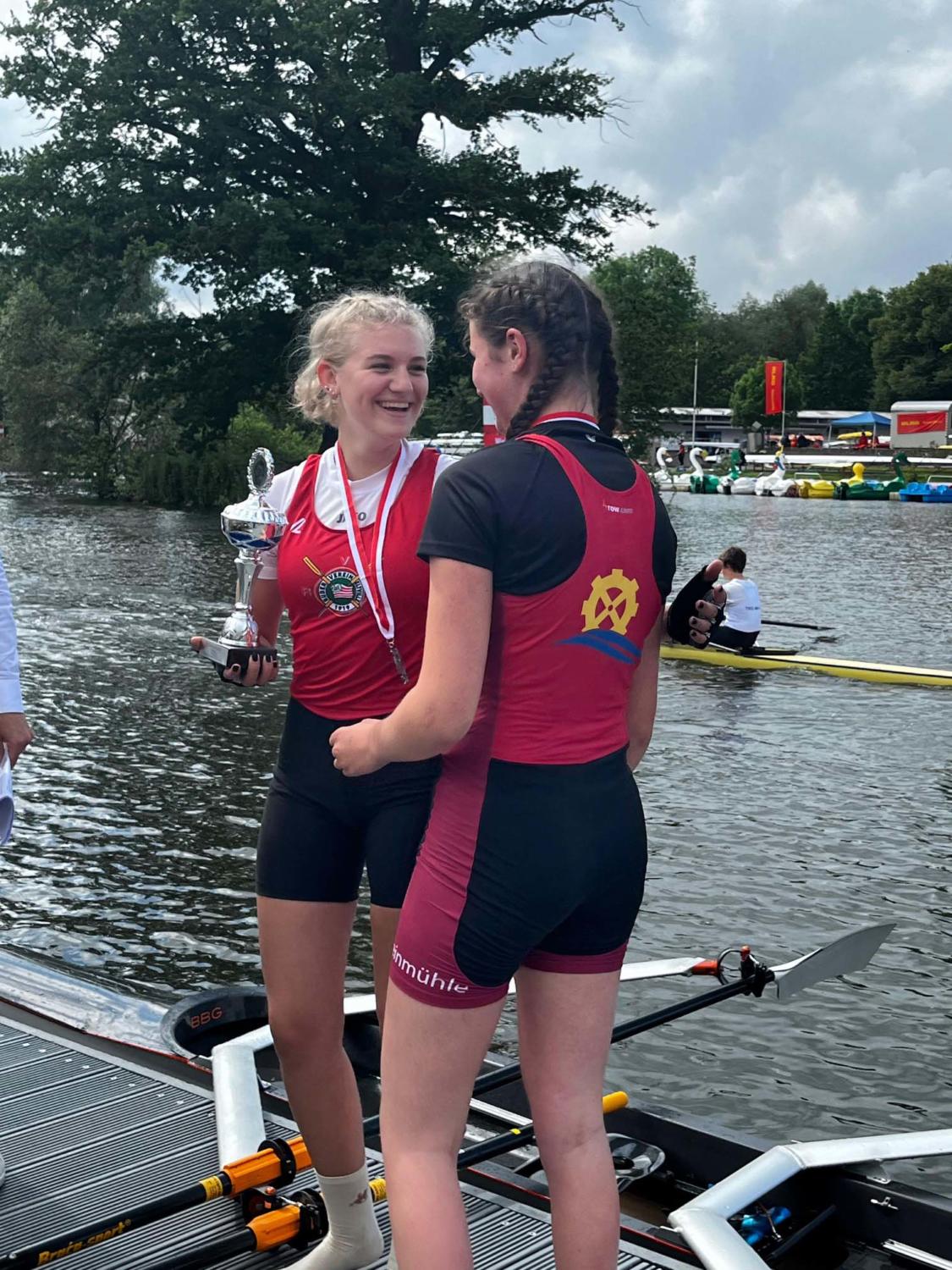
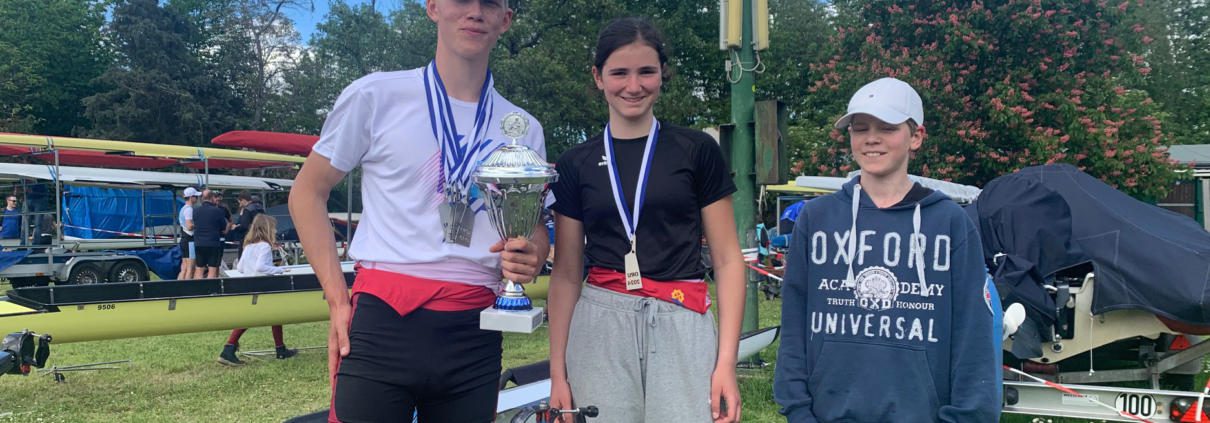
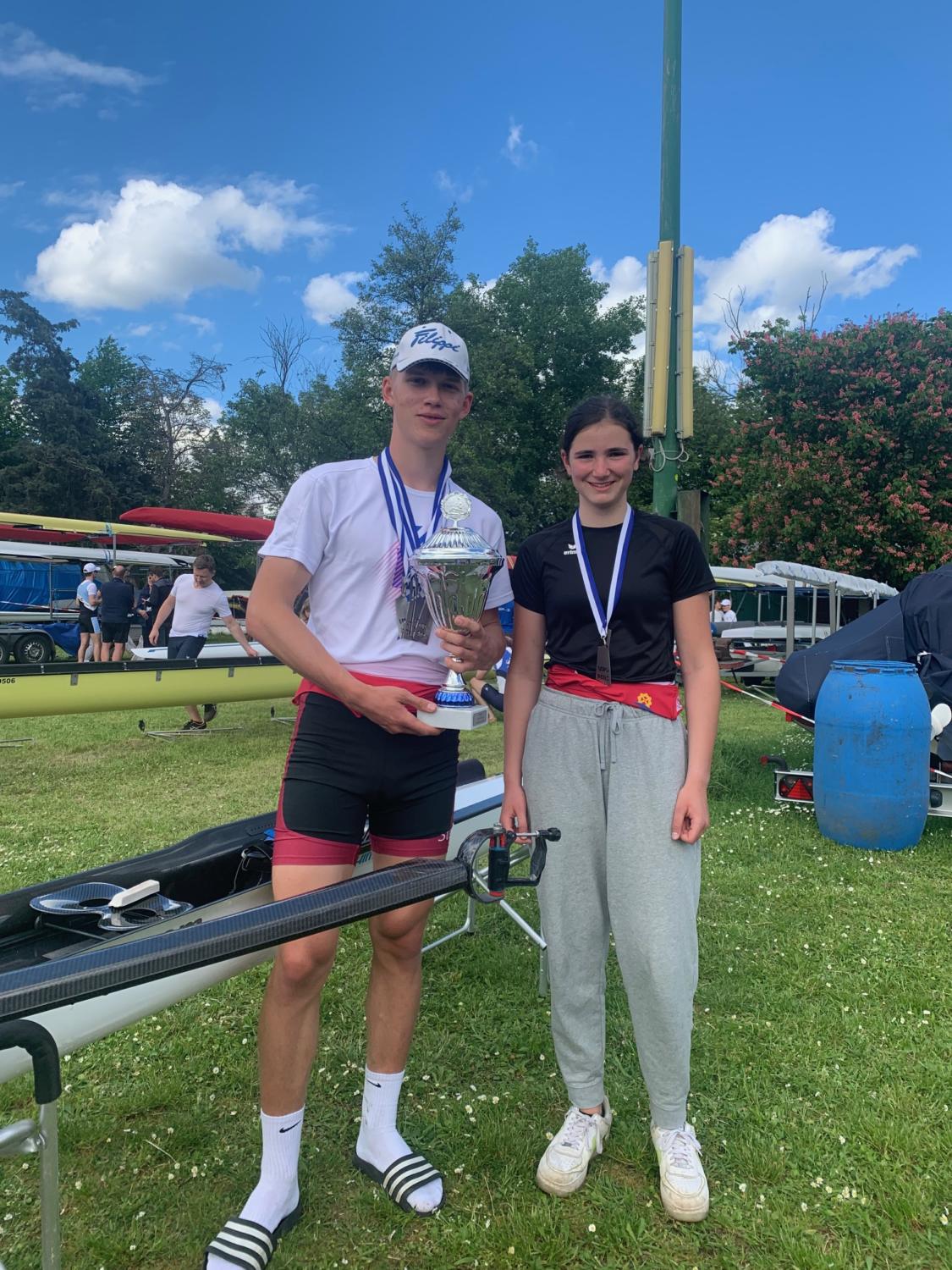
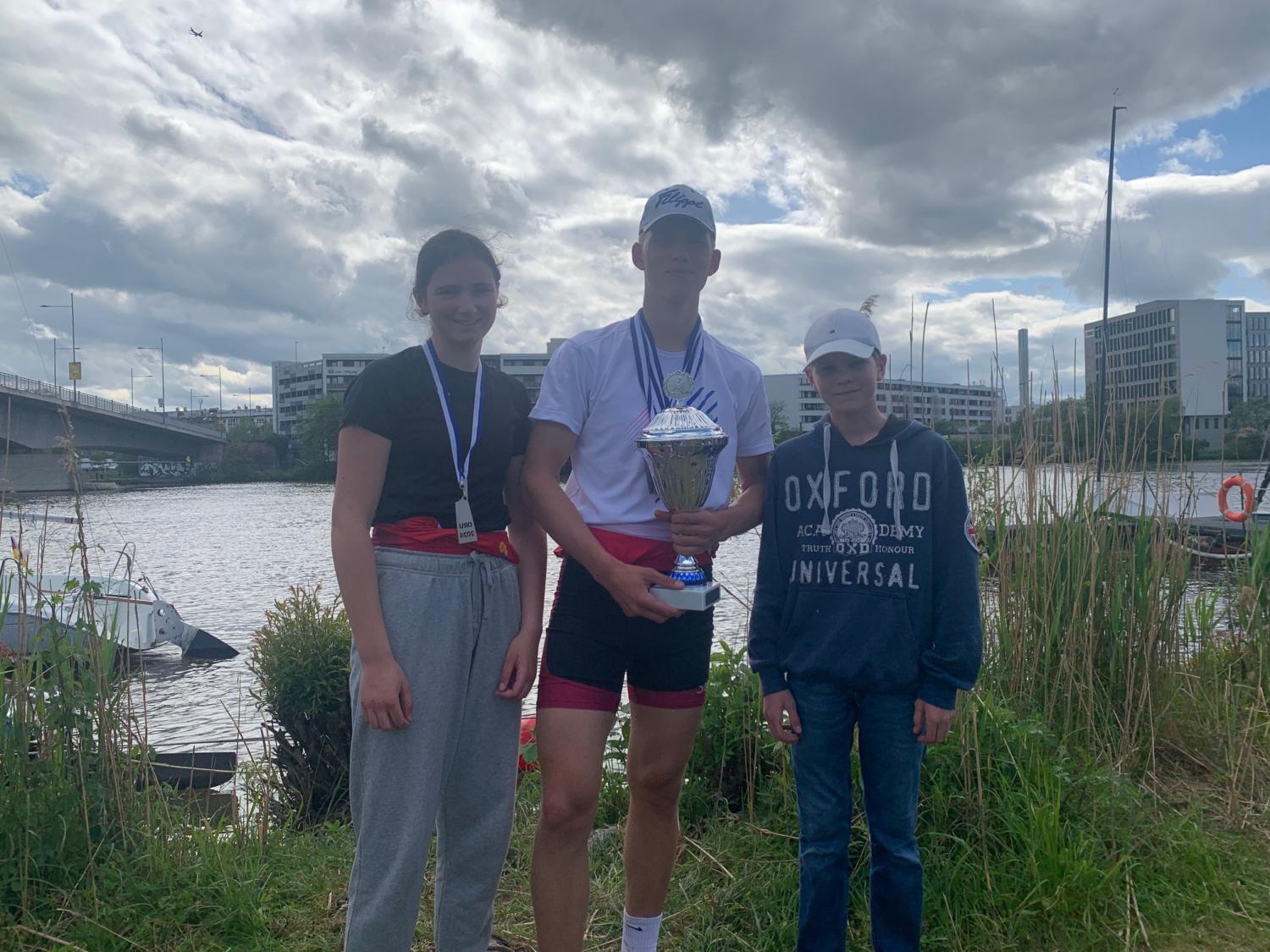
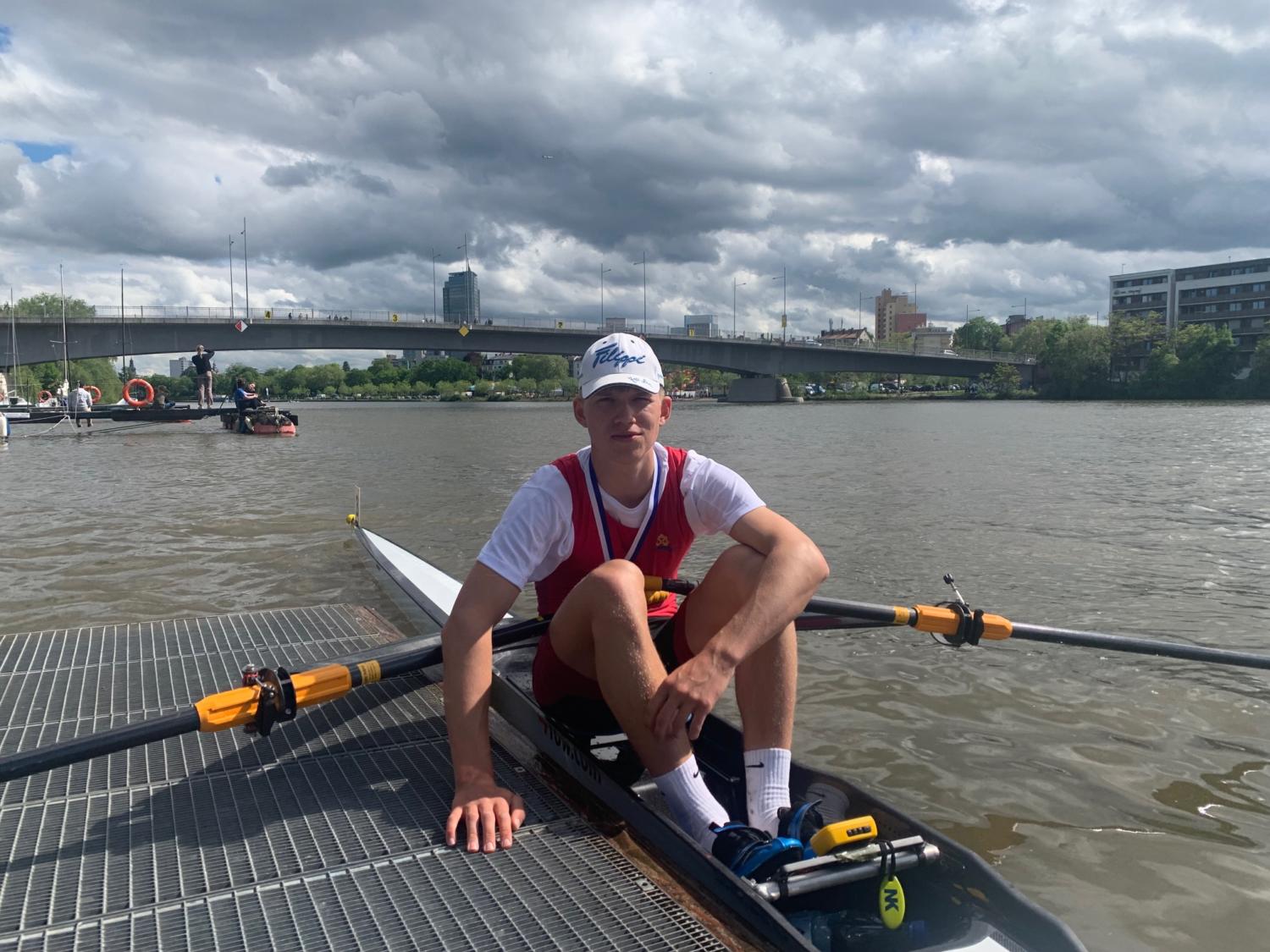
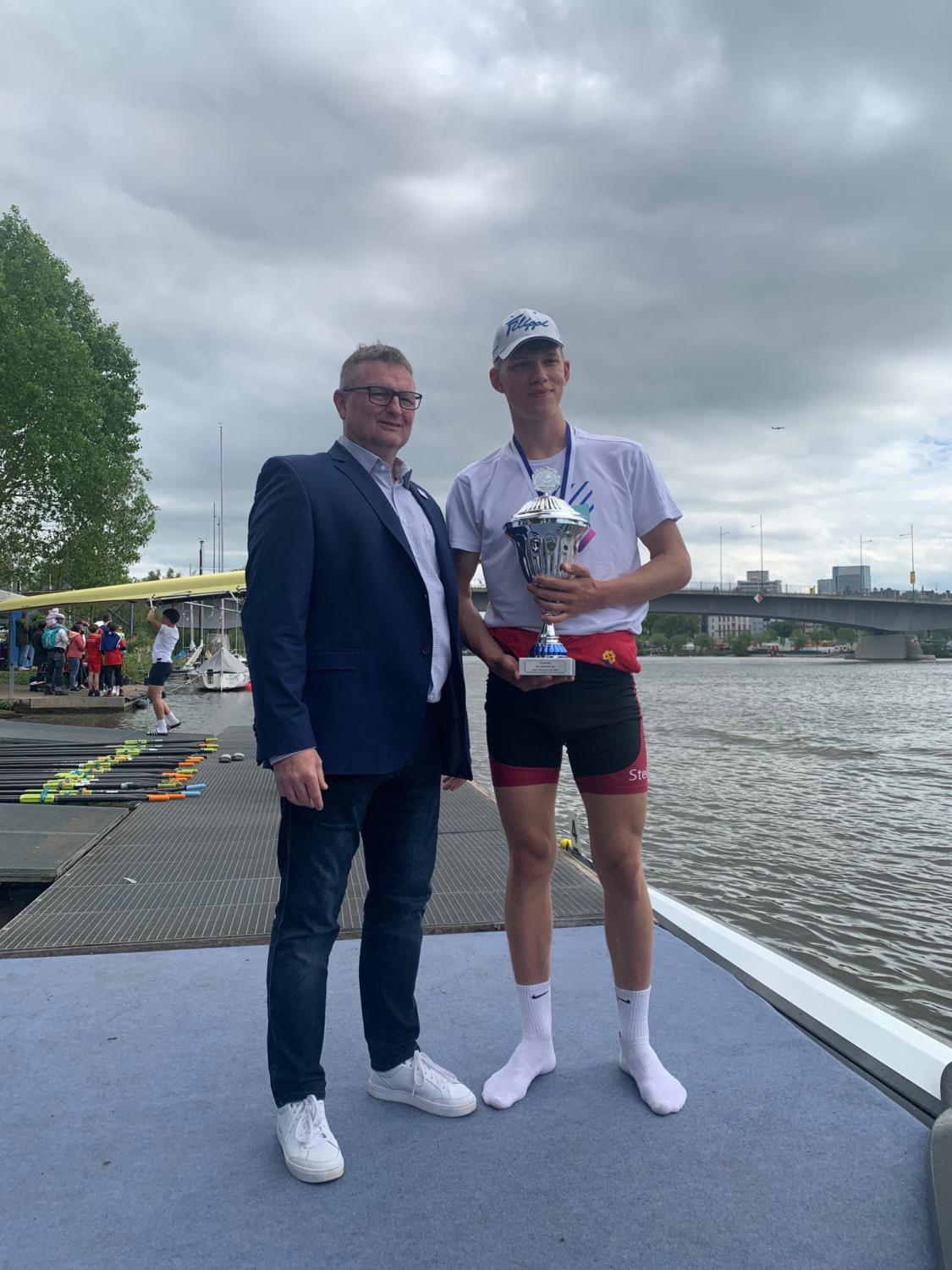
With no fewer than 12 victories under its belt, the Rudern und Sport Steinmühle club headed home from the 112th Giessen Pentecost Regatta. The concept of this traditional event—with its mix of elite and club sports—once again perfectly aligned with the Steinmühle Rowing Club’s mission to support both competitive and recreational rowing. The fact that Steinmühle’s results in Giessen were so outstanding proved once again: the right people are in the right place here.

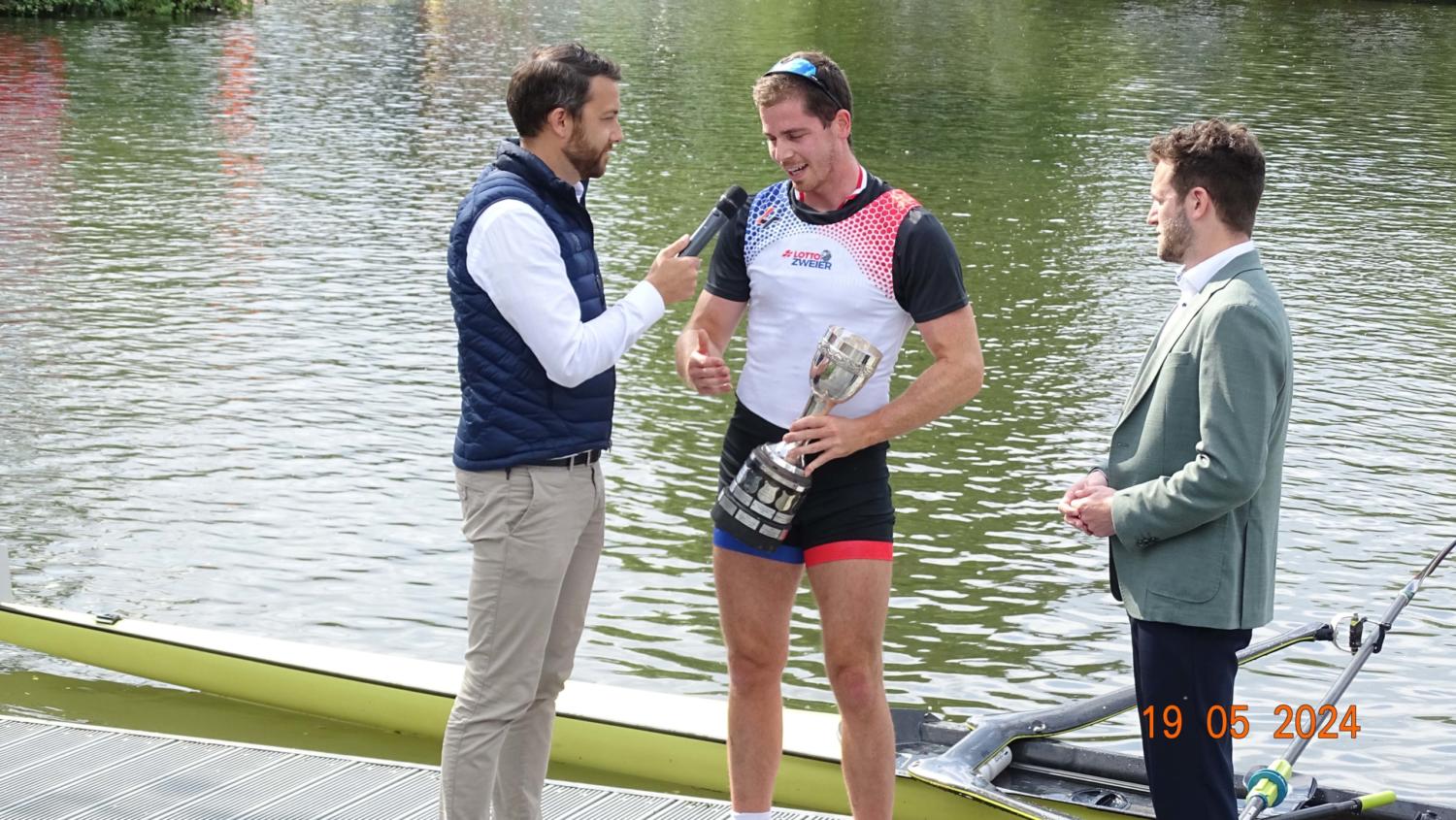
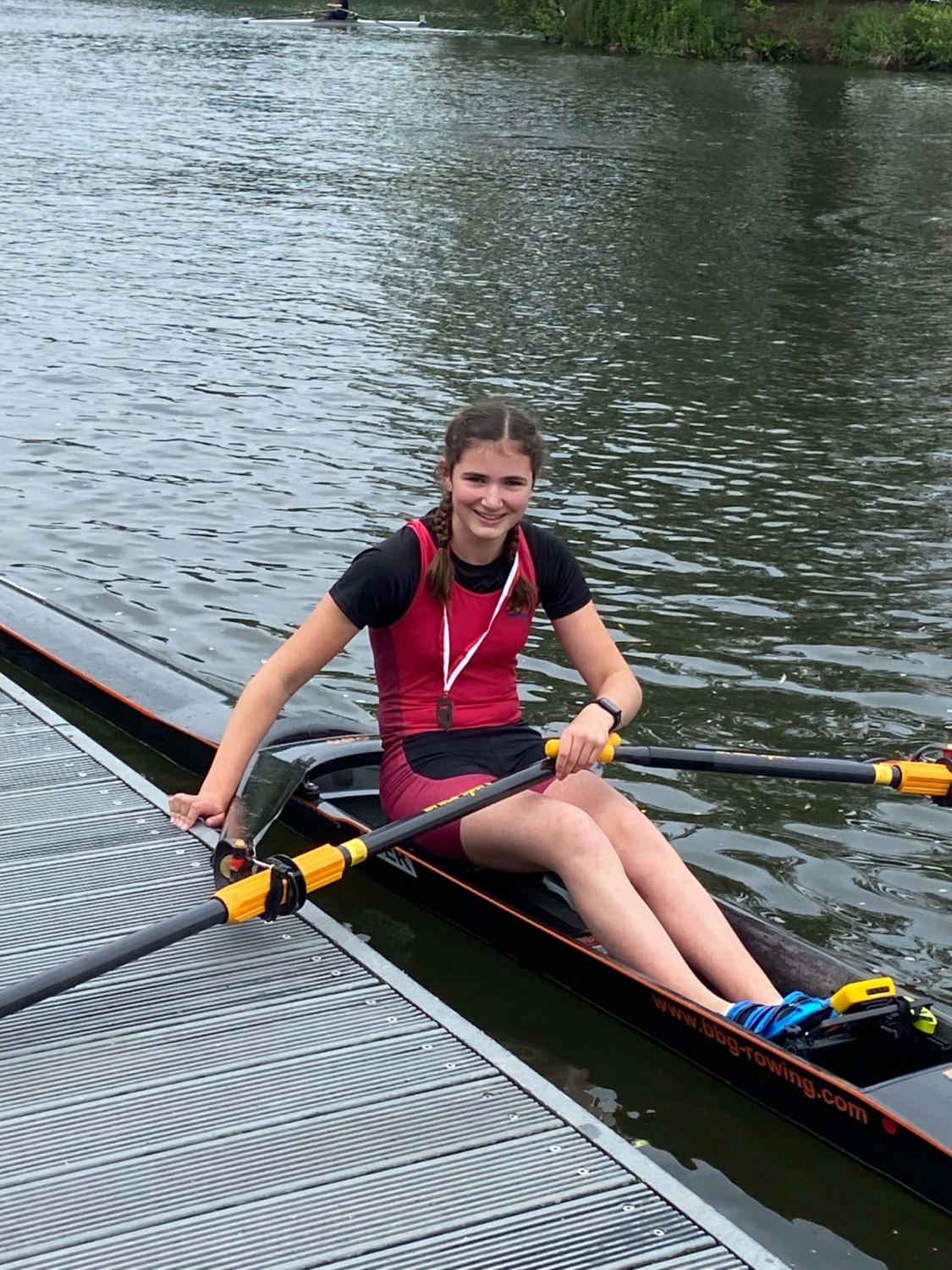
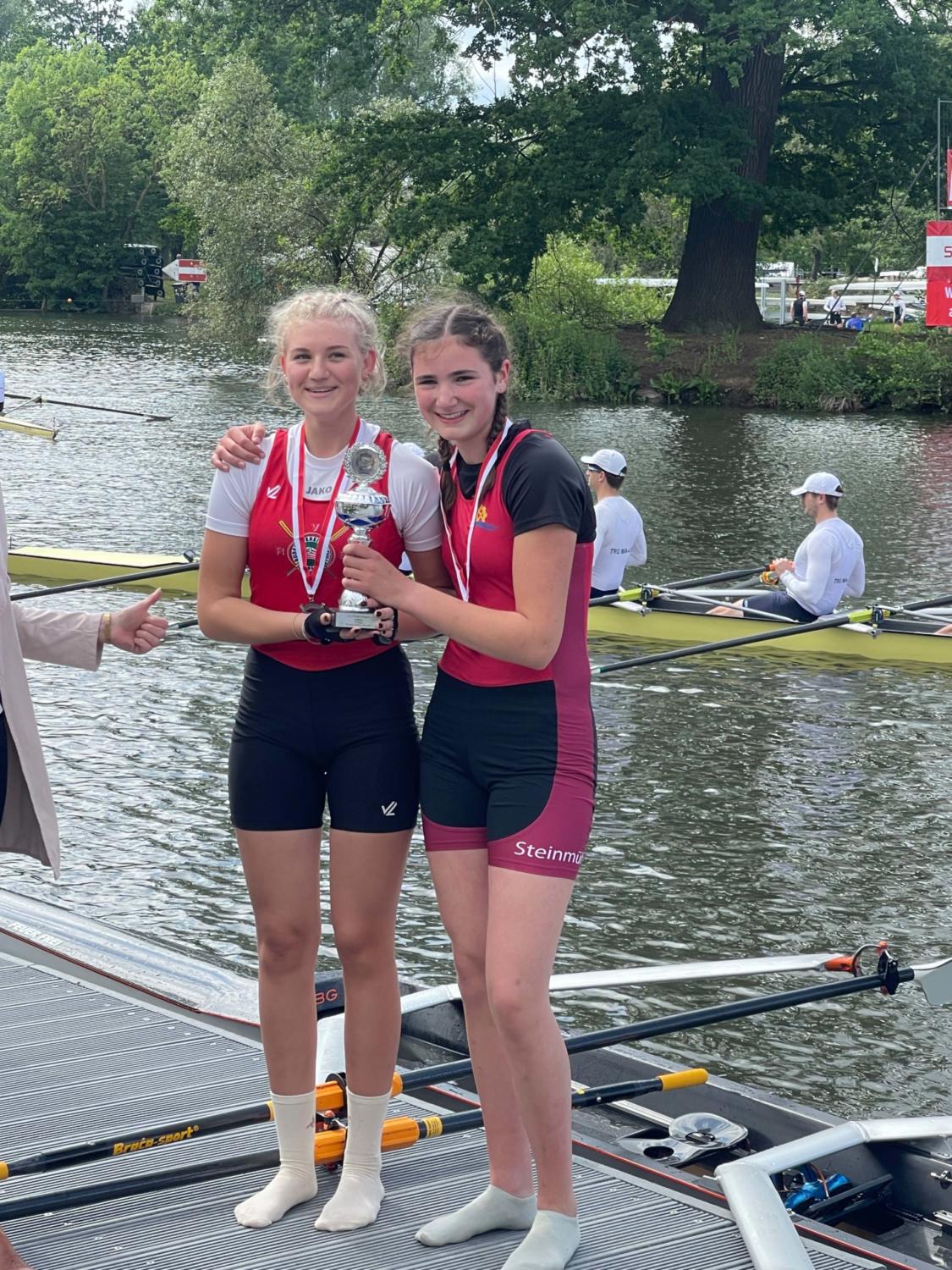
Although he is now accustomed to competing on the international stage, Marc Weber decided to race in his home region once again. This return to his roots was well received by the organizers, and as expected, Marc—who has his sights set on an Olympic berth—secured two victories and the Lahn Cup. The RuS Junior A and Junior B competitive rowers also won their respective competitions. Johannes Germano claimed four victories and posted the fastest times in both the Junior B and Junior A competitions. Lilu Schmidt crossed the finish line first a total of five times. The talented Steinmühlen rower also impressed alongside her rowing partner from Eltville, Sofiia Krasnova, in the double sculls. “This duo could have a successful future ahead of them,” predicts Steinmühlen coach Martin “Stromi” Strohmenger.
 

Great performance by Maurits Juhre

The coach also praised Maurits Juhre’s outstanding performances. Together with Johannes Germano, Maurits—who had already impressed in Munich—posted the fastest times in the single sculls races. Maurits also took to the water with his Frankfurt rowing partner in the “development double,” and did so with phenomenal success: Out of a total of 15 competitors, they posted the fastest time. “Both train in an exemplary manner,” Strohmenger explained, seeing great potential for this boat combination in 2025.

Paula Koch had also signed up for the Pentecost Regatta. However, a last-minute illness put a damper on her plans. Several rowers from the U-15 age group would have competed as well—if they hadn’t been away at a Scout camp.


A united front sends a great message

“All these results are great,” says Coach Strohmenger happily. The coach considers the team spirit and the united front shown by the young athletes to be almost even more important, especially since all of the RuS competitive rowers competed in Giessen.

The next events are already marked on the RuS athletes’ calendars. Marc Weber will next compete at World Cup III in Poznan from June 14 to 16, while Johannes Germano, Lilu Schmidt, Maurits Juhre, and his rowing partner will compete at the 2nd International DRV Junior Regatta in Hamburg from June 1 to 2. The 88th Kassel Rowing Regatta, taking place the same weekend, will serve as the state qualifier for the national competition. There, Leonhardt Germano and Nils Grunwaldt will put their skills to the test.


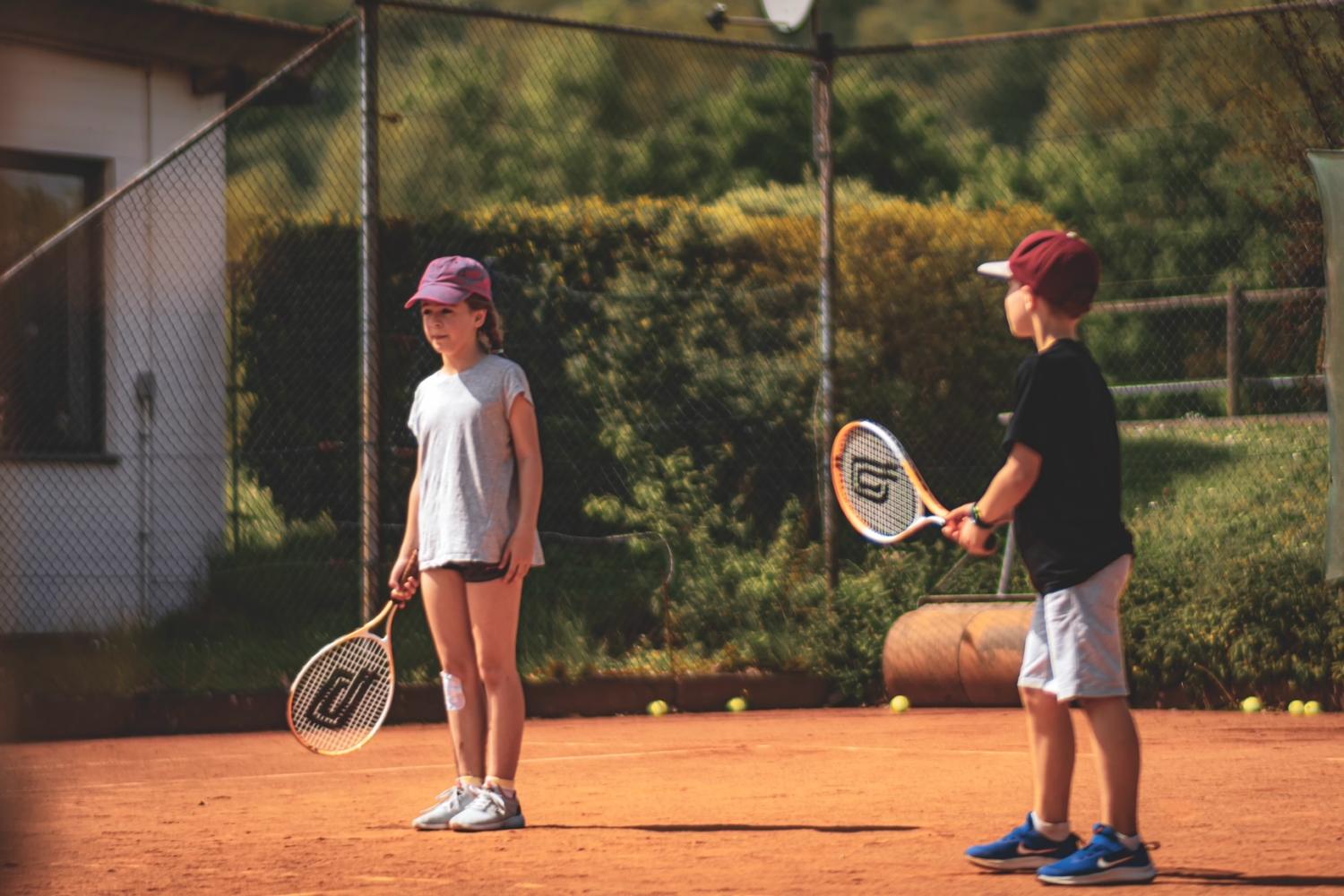
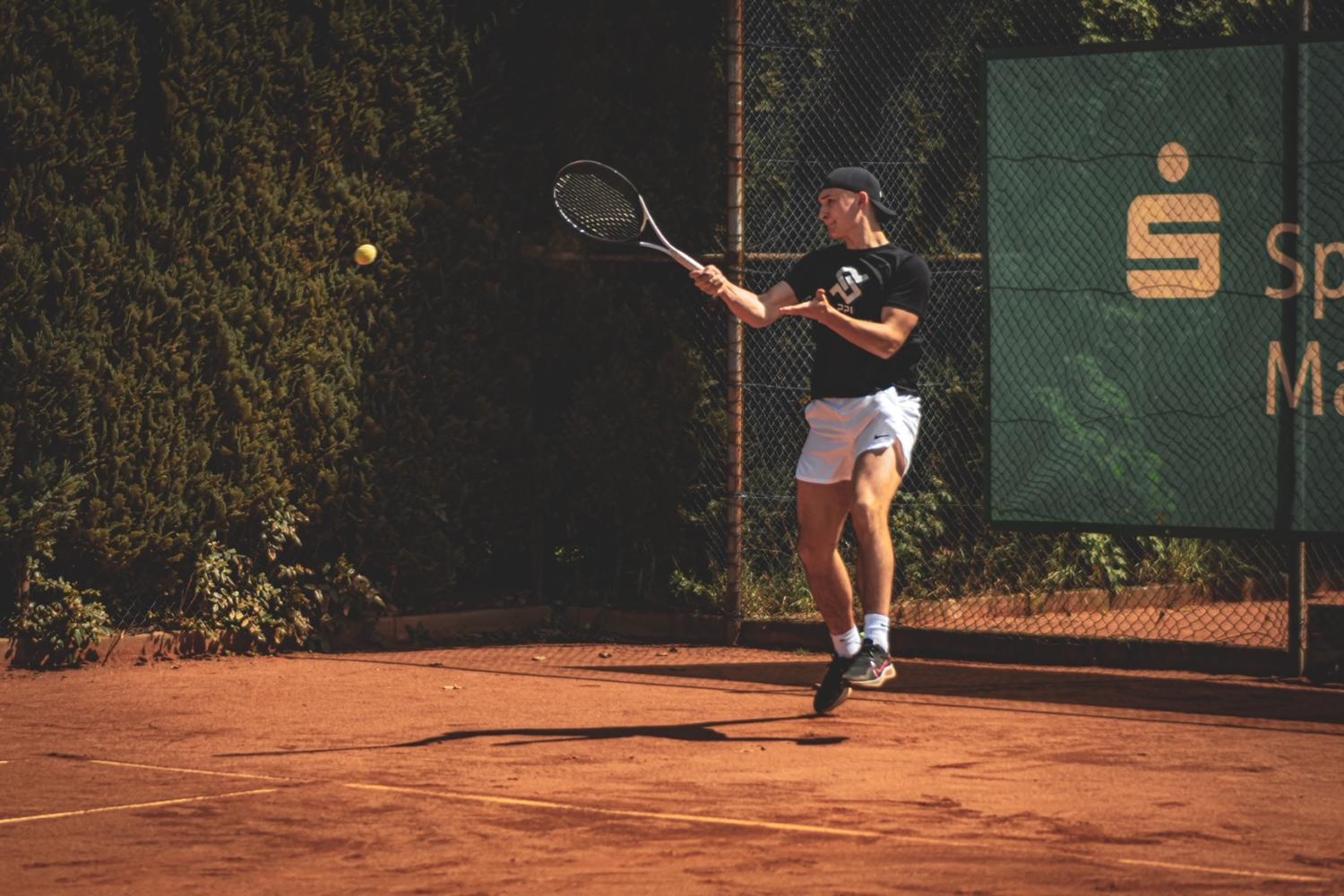
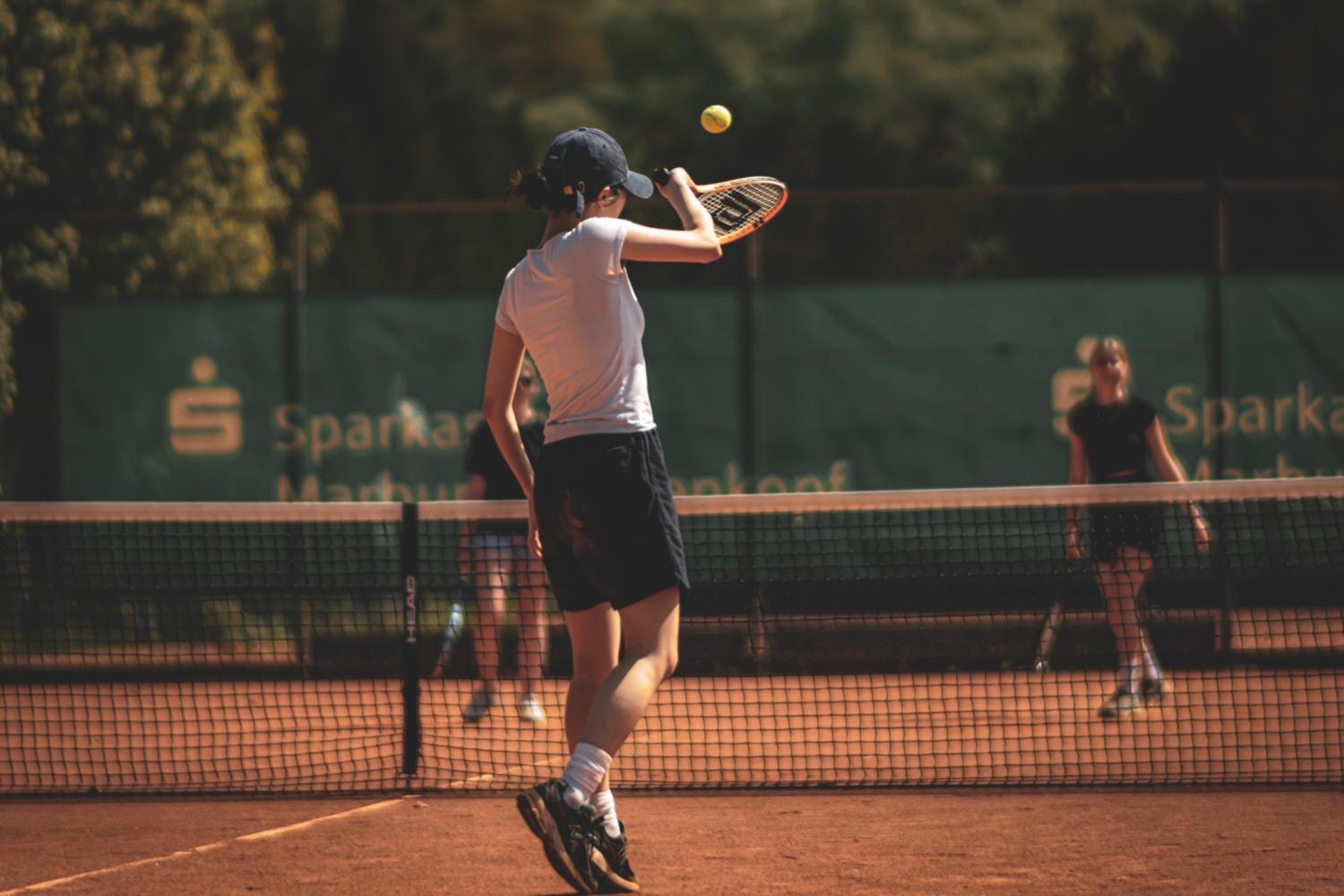
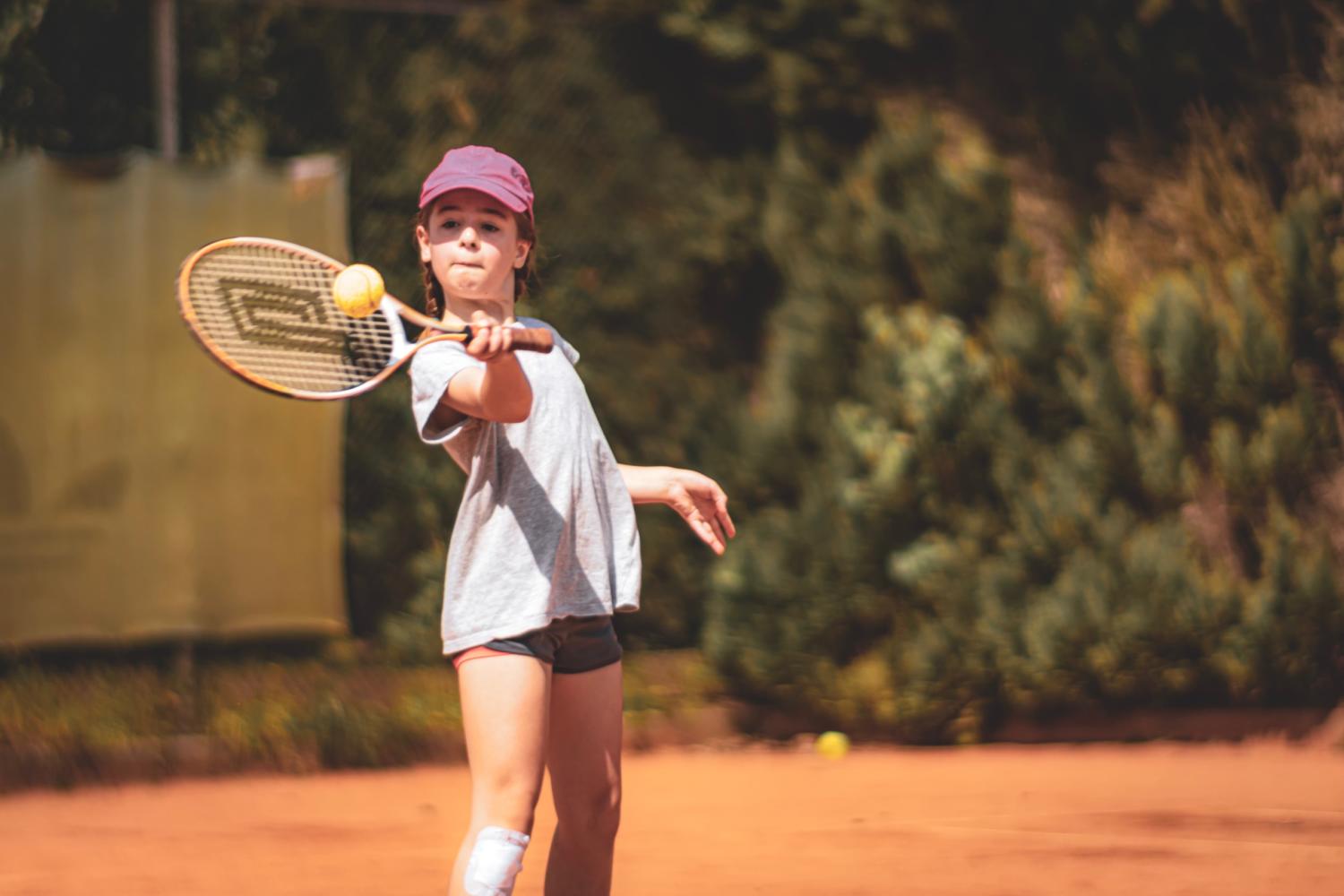
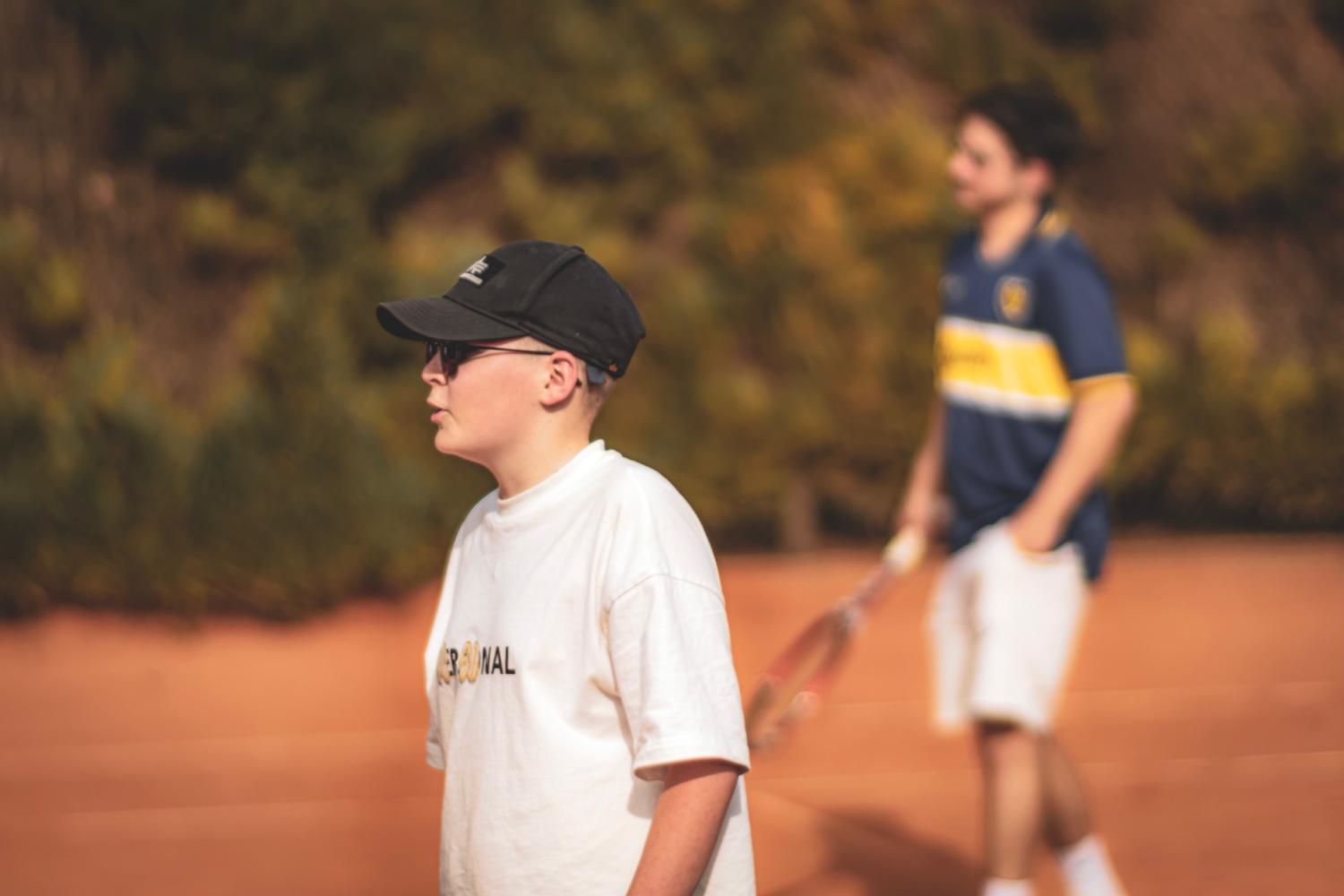
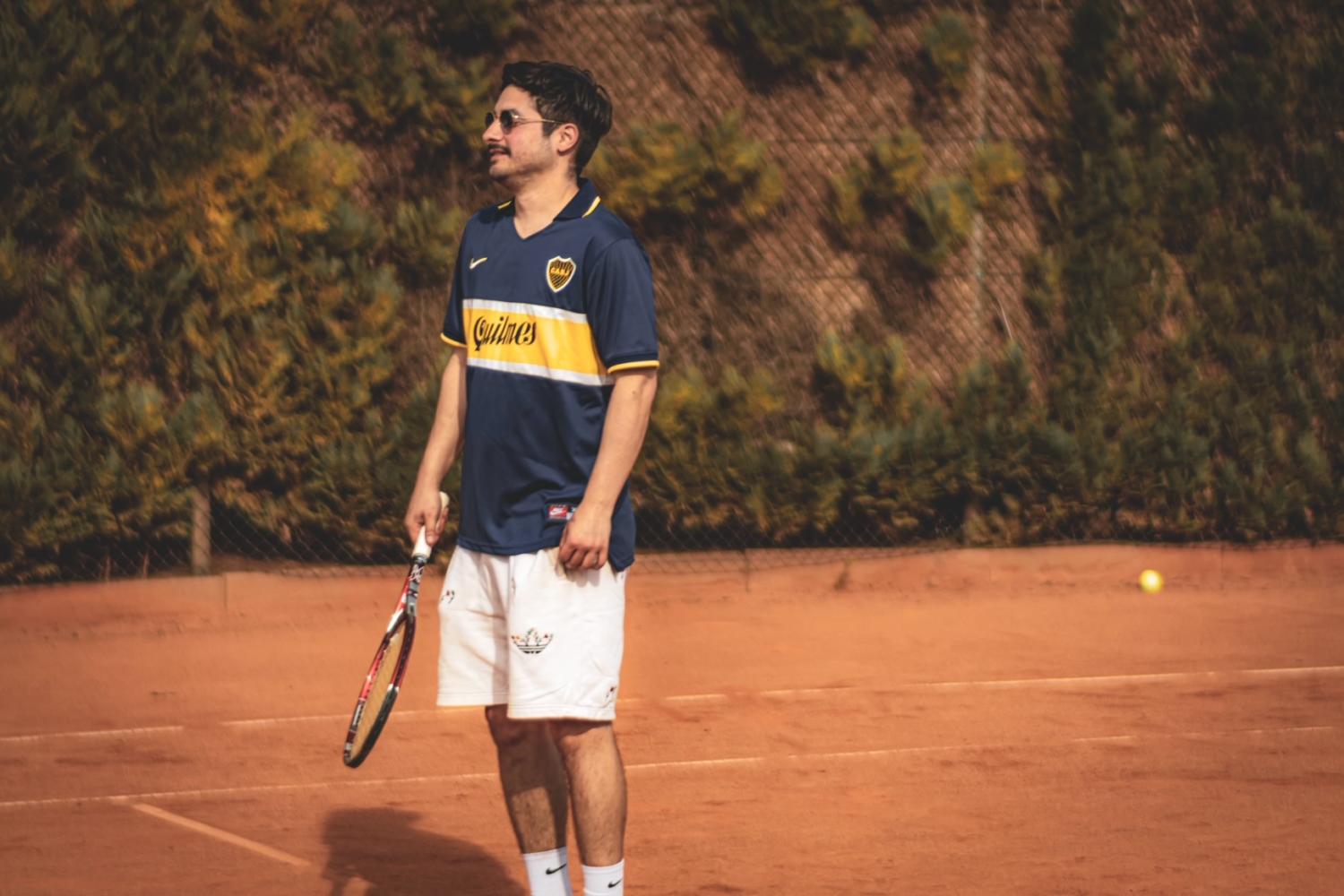
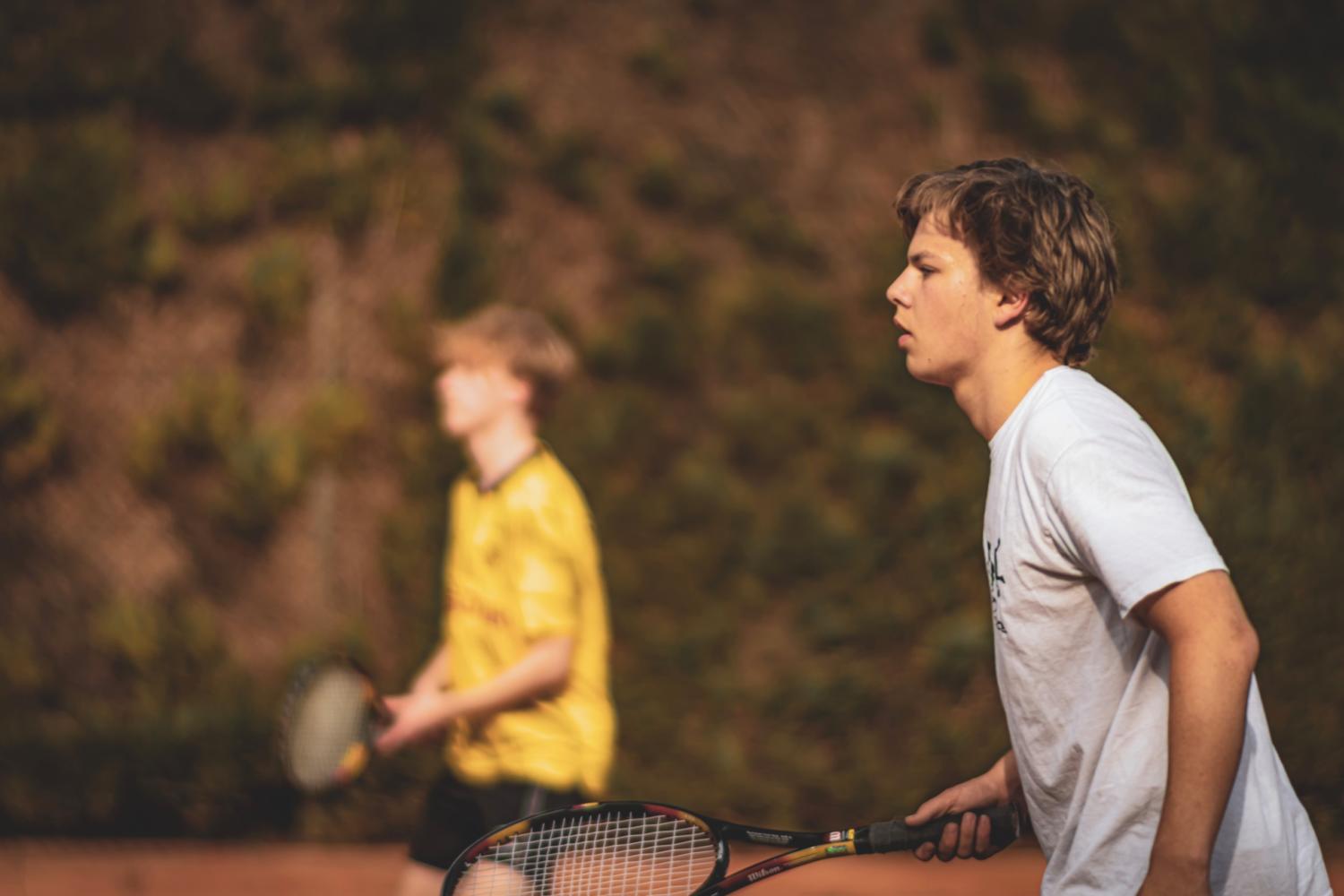
Tennis matches featuring teams with varying lineups are among the most popular sports activities at Steinmühle Boarding School. The weather was kind to the many participants, and everyone gathered in high spirits on the school’s own tennis court under bright sunshine. After several thrilling matches, a student-teacher team once again claimed victory. Congratulations! Even after the official part of the event, the courts remained busy, as the enthusiasm showed no signs of waning. We’re looking forward to seeing what other matches we’ll get to watch in the coming weeks.

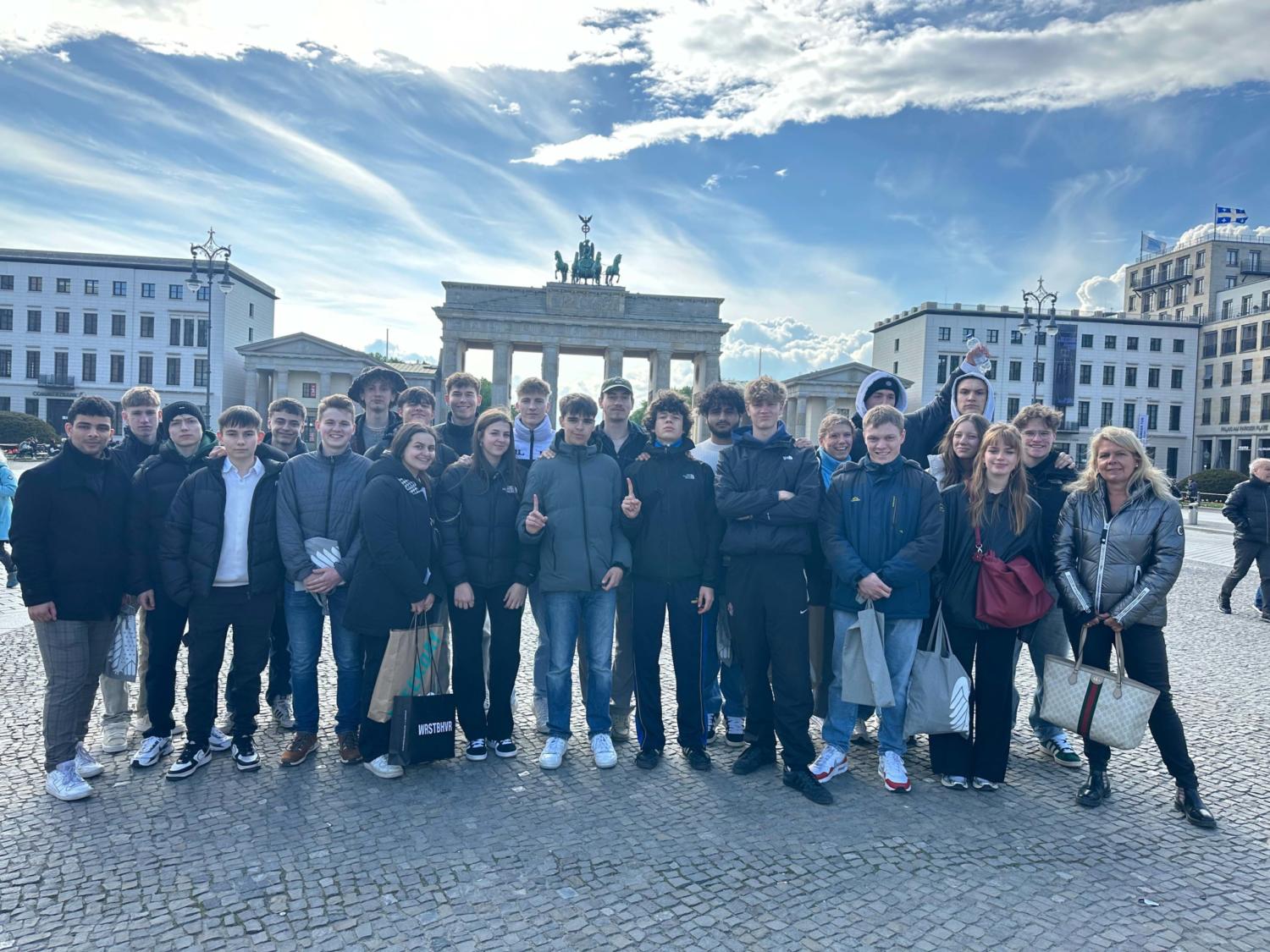
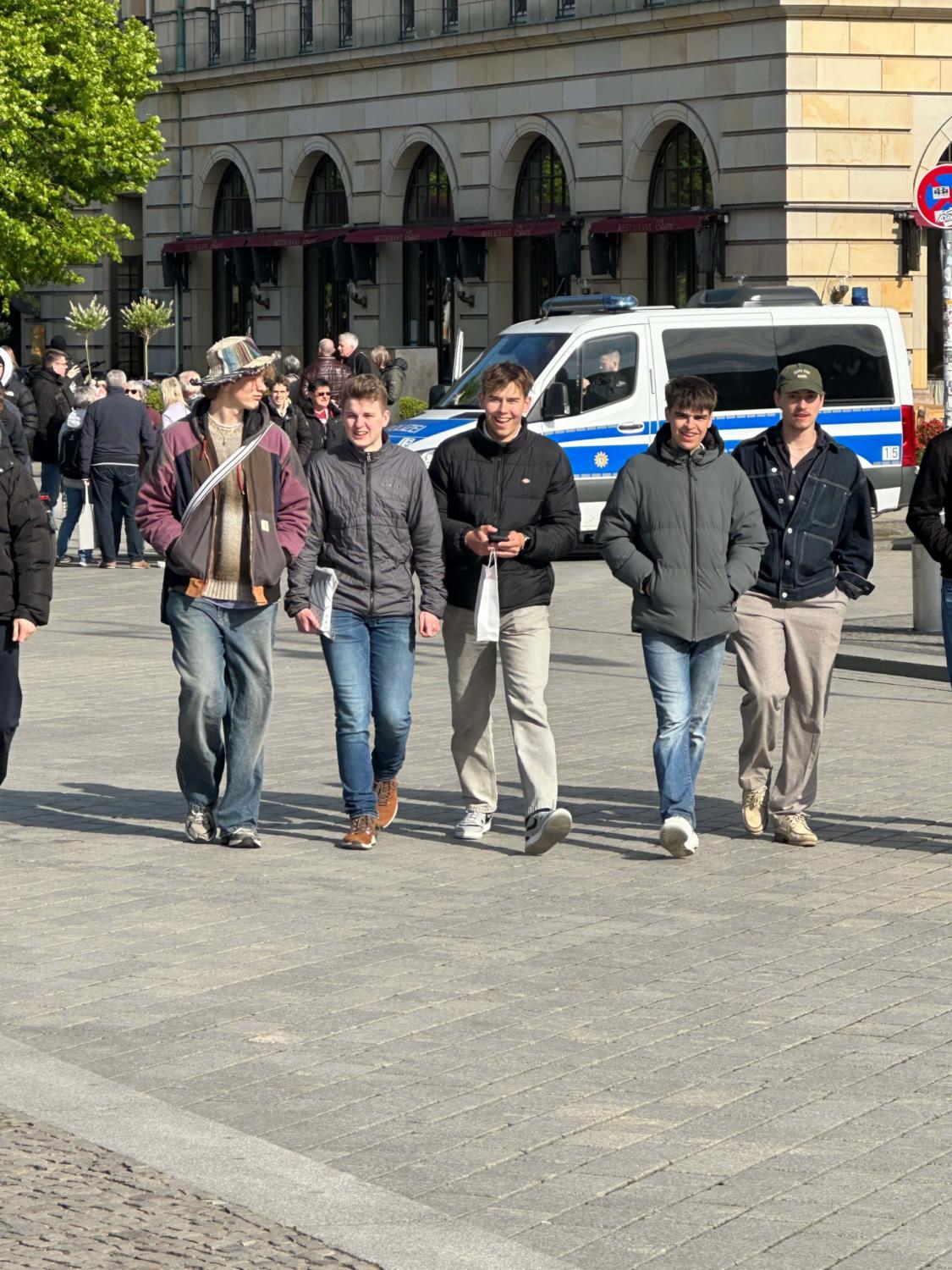
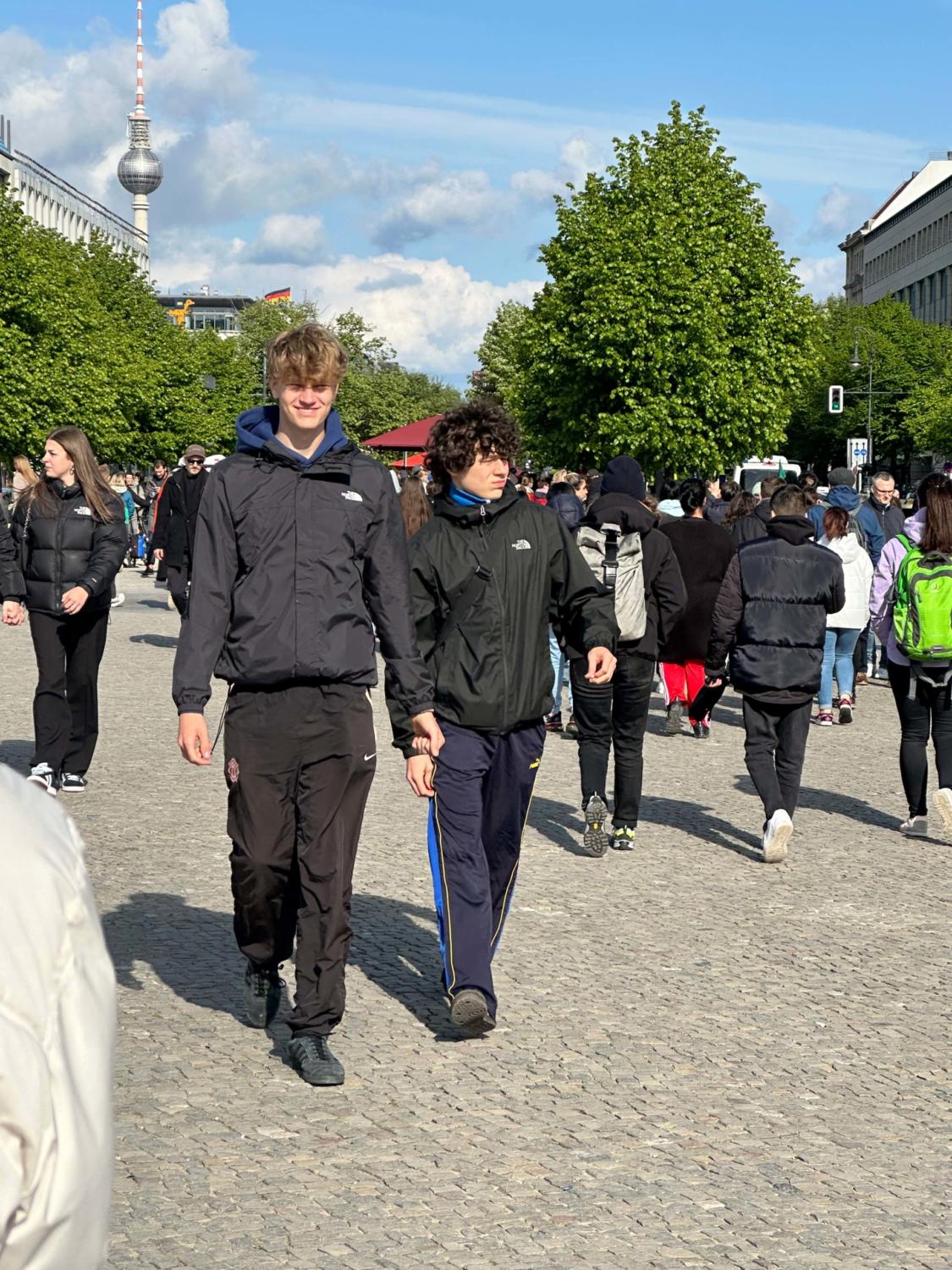
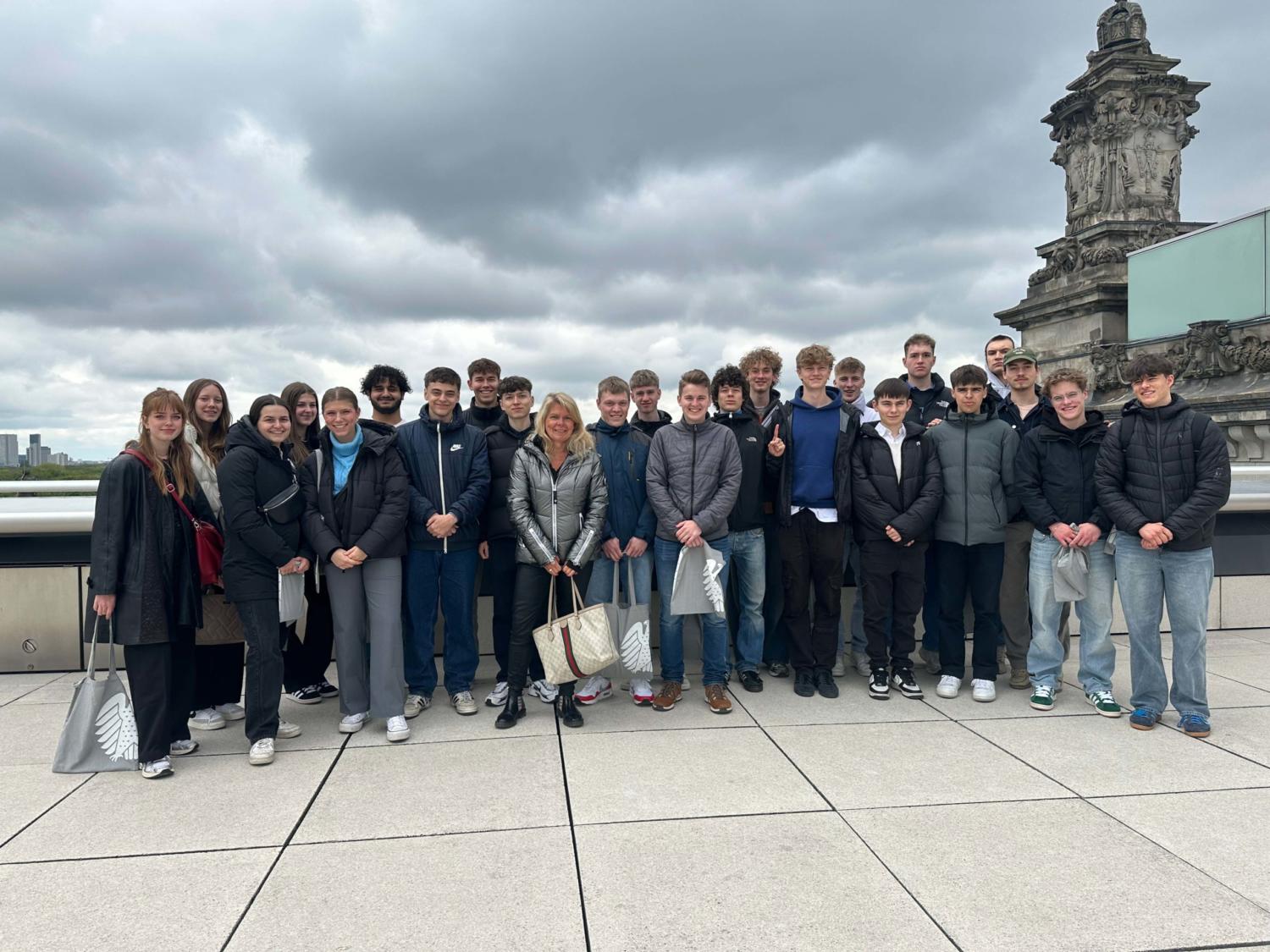
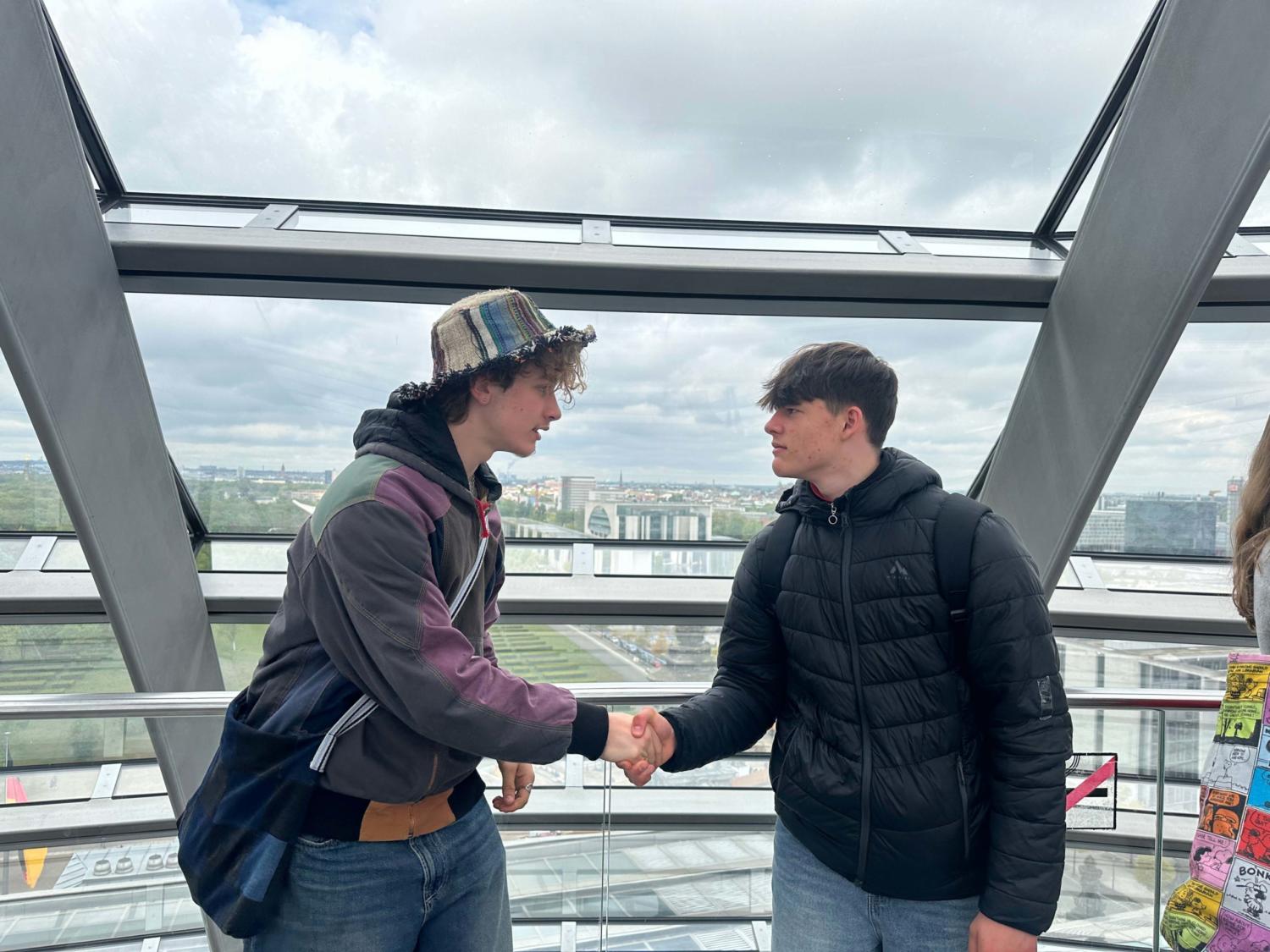
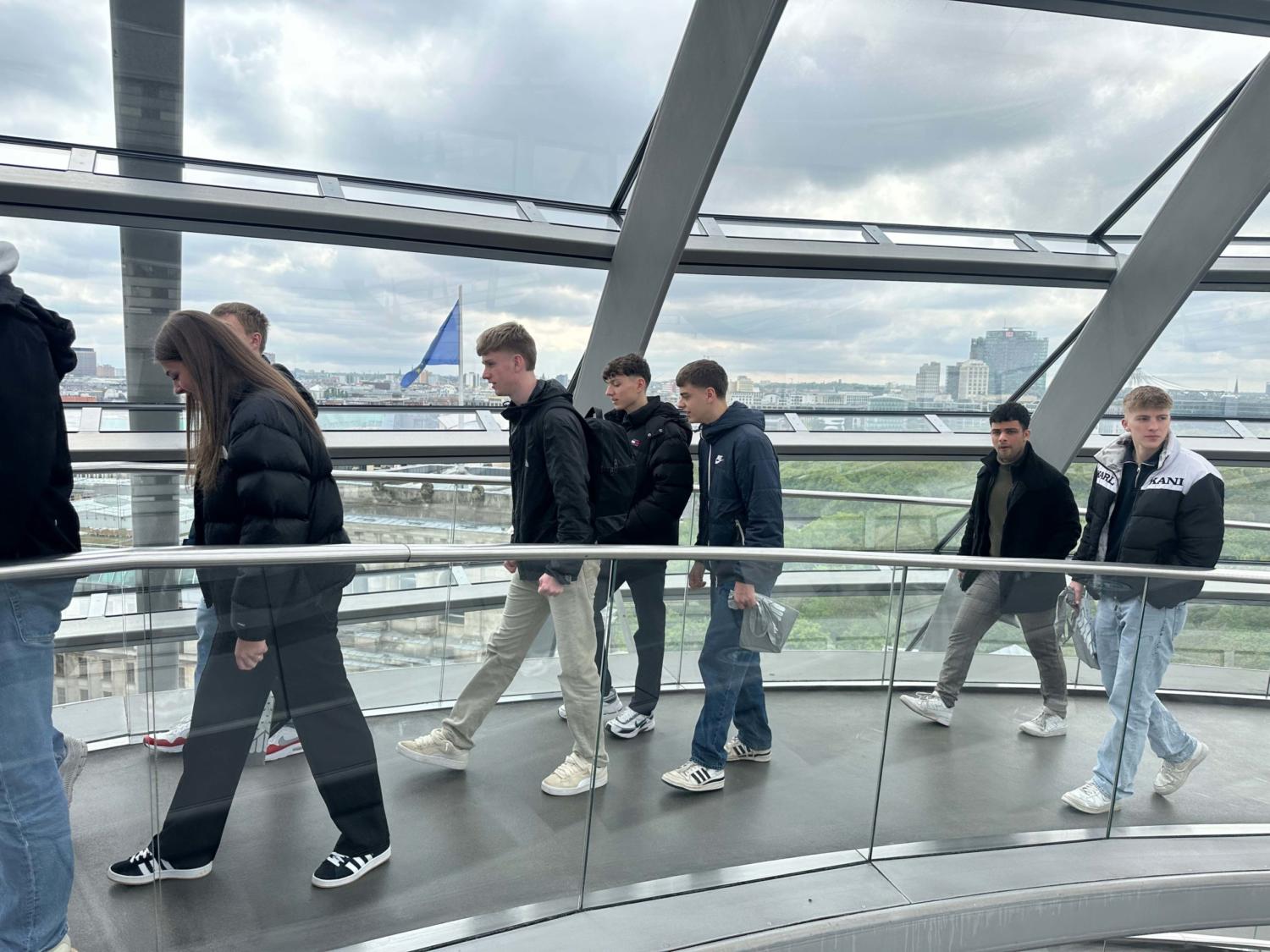
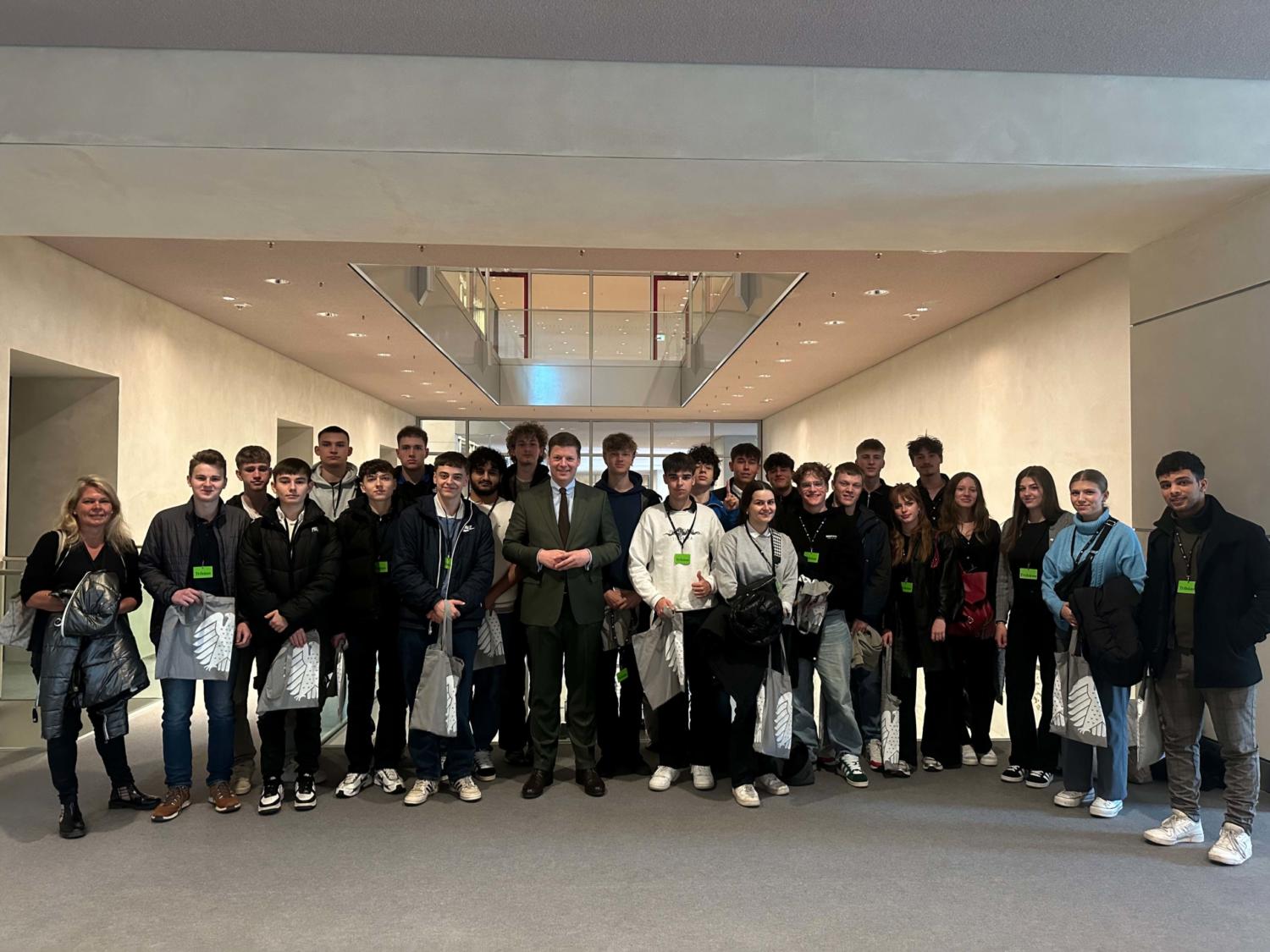
At the invitation of local Member of the Bundestag Dr. Stefan Heck (CDU), the Steinmühlen 12th-grade advanced political science class, accompanied by their teacher Dr. Claudia Röder, visited the German Bundestag in Berlin. The trip began on a Wednesday at 2:00 p.m. and took them via Kassel. The group arrived in the capital around 7:30 p.m. The day ended with a group dinner, followed by a ride to a very nice hotel.
On Thursday morning, the group visited the German Bundestag, where the Political Science Advanced Course students were able to follow exciting and quite controversial discussions on the topic of the EU’s eastward expansion. Afterward, the group had a personal meeting with Member of the Bundestag Stefan Heck, who also invited the guests from Steinmühle to lunch in the Bundestag cafeteria. During the discussion with the CDU politician, topics such as social inequality, the future of the Bundeswehr, the new payment card, and issues surrounding the legalization of cannabis were addressed. The day concluded with a guided tour of the government district. The day ended with an Indian dinner with the class. Felix celebrated his 18th birthday!

The next morning, the group headed to *Die Welt*, where the students were invited to participate in an editorial board meeting on current events. To wrap up the two-day trip, the group visited the House of the Wannsee Conference in the afternoon before heading back to Marburg around 5:15 p.m.

The young athletes from RuS Steinmühle achieved remarkable success at the regatta hosted by the Offenbach Rowing Club “Undine.” They secured a total of seven victories, four of which were won by Johannes Germano alone. The talented and hard-working rower racked up a total of eight victories of his own.

Another standout performer: Lilu Schmidt. At not even 15 years old, she finished first in three out of four races—and that against a field of 15- and 16-year-olds, and even some 18-year-olds. —What a celebration!

With this regatta performance, the Rudern und Sport (RuS) Steinmühle club came within a hair’s breadth of winning the overall trophy for the day; it missed out by just one point. “Still, we came in second—and that’s among about 30 clubs from all over Hesse and the surrounding area,” says coach Martin Strohmenger happily.

Other athletes from RuS Steinmühle are also currently in contention for top finishes. Notable among them are Leonhardt Germano and Nils Grunwaldt, who competed in the 12/13-year-old age group in Offenbach, narrowly lost in the single and double sculls, respectively, and returned home with valuable regatta experience.

Meanwhile, at the International Junior Regatta in Munich, 17-year-old RuS rising star Maurits Juhre once again demonstrated his skills. At Europe’s largest junior rowing event, the ambitious Steinmühlen rower held his own against a multinational and highly competitive field, finishing with an outstanding 4th place in the B final.

Guys and girls, we’re proud of you!

Photos: Guido Germano

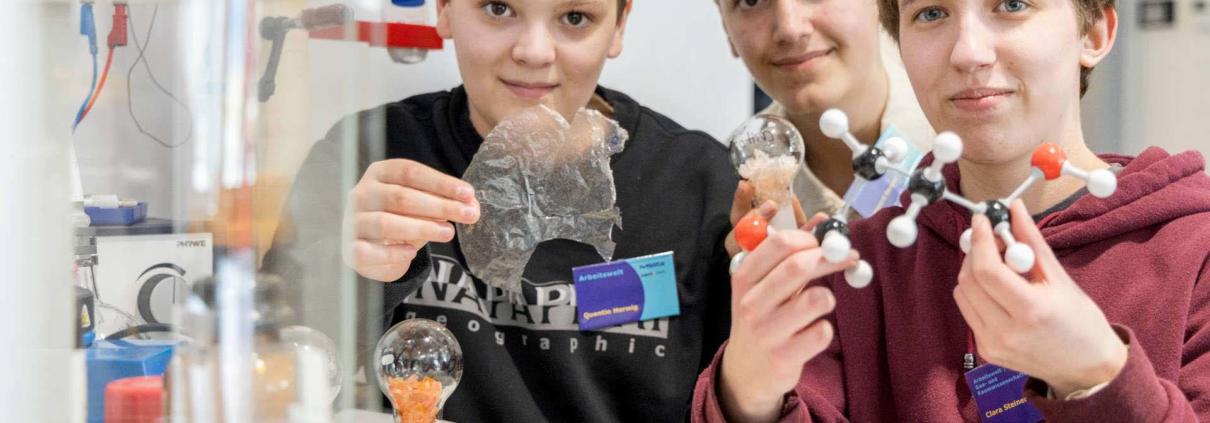
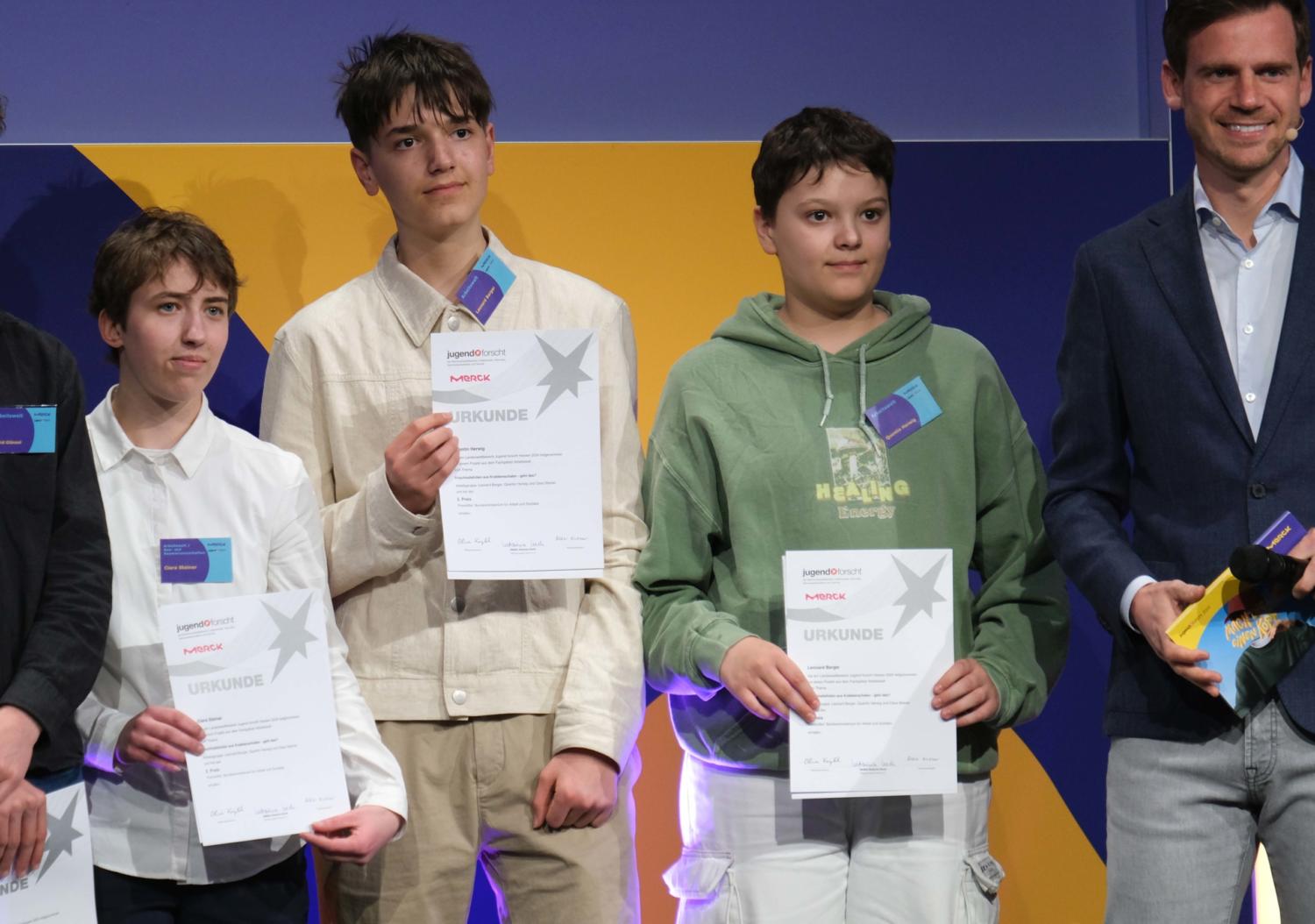
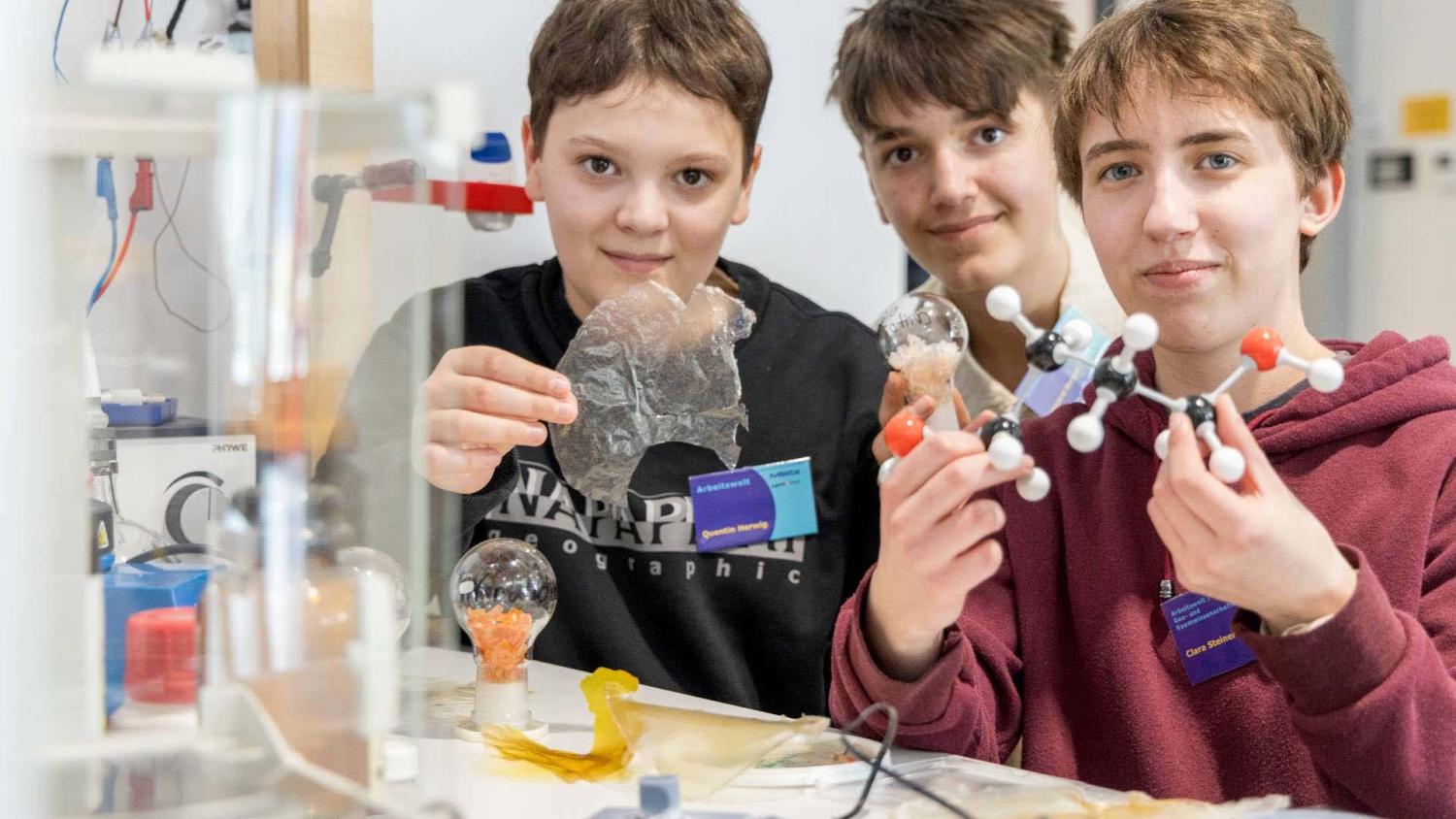
At the state competition “Jugend Forscht” in Darmstadt, Steinmühlen students Leonard Berger, Clara Steiner, and Quentin Herwig narrowly missed second place—and with it, qualification for the national competition—with their project “Food Wrap Made from Crab Shells—Is That Possible?” For the trio—which recently became a quartet with the addition of Nicolas Bohnstedt—the project is now moving on to the next round at a different level. In addition to second place and a special prize at the state competition, an inquiry from ZDF is a wonderful sign of recognition.

An editor from the ZDF science program PUR+ had visited the “Jugend Forscht” state competition, looked at the many exciting projects, and presented the most interesting ones to the planning editorial team. Among them was the Steinmühle project by the four teenagers. While still at the event, the journalist spoke with Quentin about the project and shortly thereafter reached out to the Steinmühle and project leader Dr. Jutta Töhl-Borsdorf to stay in touch with the students and their project.

“We don’t yet have a specific program in mind that this project might fit into,” according to ZDF. The plan is to produce a segment for 2025.

PUR+ is an educational program for children that covers a wide range of topics, from sports and the environment to social issues and technology. The target audience is children aged approximately 10–14.

Meanwhile, the group is very excited about this request, according to Dr. Jutta Töhl-Borsdorf, project supervisor and STEM coordinator at Steinmühle. The team now plans to continue working on the project and perhaps submit it to “Jugend testet” next year.
This works out well, because the group has not only produced many different types of films made from chitosan—a byproduct of crab shells—but has also developed various testing methods. For example, the highly sustainable films can be tested for tear resistance using a homemade pulling machine, or to determine how much moisture or oxygen they allow to pass through.
Further information: https://www.zdf.de/kinder/purplus, https://www.jugend-testet.de/.


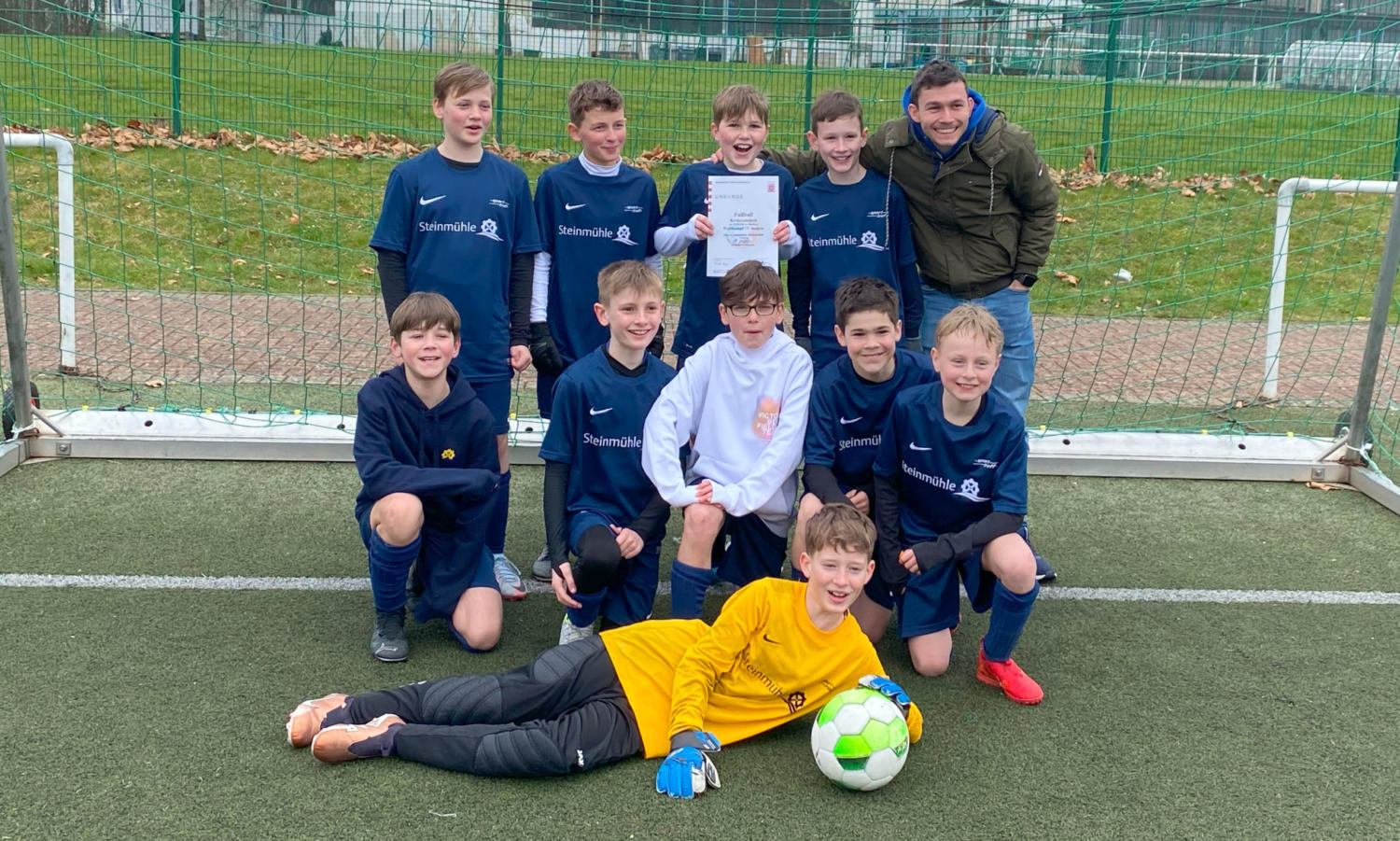
An outstanding performance by the Steinmühle soccer academy team made up of players born in 2012 and 2013. Back in March, the team prevailed over the competition from Marburg’s schools in the district tournament, thereby qualifying for last week’s regional tournament. This was reported by physical education teacher Tim Elmshäuser.

In the regional tournament, the team initially played in a group with the teams from Bad Nauheim, Kronberg, and Wetzlar. With a total of 6 points and a goal difference of 8:8, the team finished second in the group and faced the co-favorites from Gießen in the semifinals. Here, the opponent’s individual skill was on full display, and despite a strong effort, the team was defeated 0–2. In the third-place match, the team ran out of steam toward the end, and our boys lost a close game 1–2 to the team from Limburg. As a result, Steinmühle earned a very respectable fourth-place finish on their certificate.

The 5th- and 6th-grade players who play for FV Wehrda, JFV Salzböde/Lahn, and FSV Cappel, represented the school with distinction and were able to hold their own even against schools fielding players from the youth academies of Eintracht Frankfurt, Mainz 05, and TSG Wieseck.

Thanks also to the many parents who were there to support the team and provided the boys with snacks and drinks.