• Anruf
  • E-Mail
  • Zu Facebook
  • Zu Instagram
  • Zu LinkedIn
Loading
Steinmühle – Schule & Internat
  • About us
    • Organization & History
    • Teams
    • Stakeholders
    • Internal clubs
      • Riding School
      • Rowing Club
      • Friends of the School Association
    • Partners
    • Mission Statement & Vision
    • Ecology & Sustainability
    • A Safe Place
    • Quality Management
  • School
    • High School
    • Bilingual Elementary School
    • Project-Based Learning
    • Promoting STEM Talent
    • Languages & International Affairs
    • Sports & Health
    • Art, Music & Theater
    • Social Responsibility
    • Digitization
    • Promoting Independence & Individuality
    • Social Responsibility & Strengthening the Community
  • Boarding School
    • Boarding School as an Opportunity
    • Support for Families
    • Life
    • Learning
    • Sports & Recreation
    • Trips & Weekends
    • Talent Program Plus STEM
    • Fit for Life
  • Admission
    • Boarding School Admission
    • High School Admission
    • International High School Program
    • Bilingual Elementary School
    • Costs & Contract Terms
  • News
    • News
    • News Archive
    • Events
    • Support Current Projects
  • Friends & Alumni
    • Stories
    • Alumni Reunion
    • Steinmühle Alumni Network
  • Fan Shop
  • English
    • German
    • Spanish
    • French
    • Italian
    • Russian
  • Search
  • Menu Menu
  • English
    • German
    • Spanish
    • French
    • Italian
    • Russian

Homeschooling at Steinmühle, or the Benefits of the StoneApp

Digitalization & AI, News

Homeschooling is currently posing major challenges for many students, but especially for parents. This is particularly true when parents still have to go to work or work from home while also caring for their children.

However, parents do not always complain about the additional workload caused by the assignments; many feel helpless because there is a lack of adequate communication between the school, the home, and the teachers. And still others are surprised that their daughters and sons have very little to do. Apparently, not all teachers feel obligated to assign homework, or they lack the technical means to get it to the students.

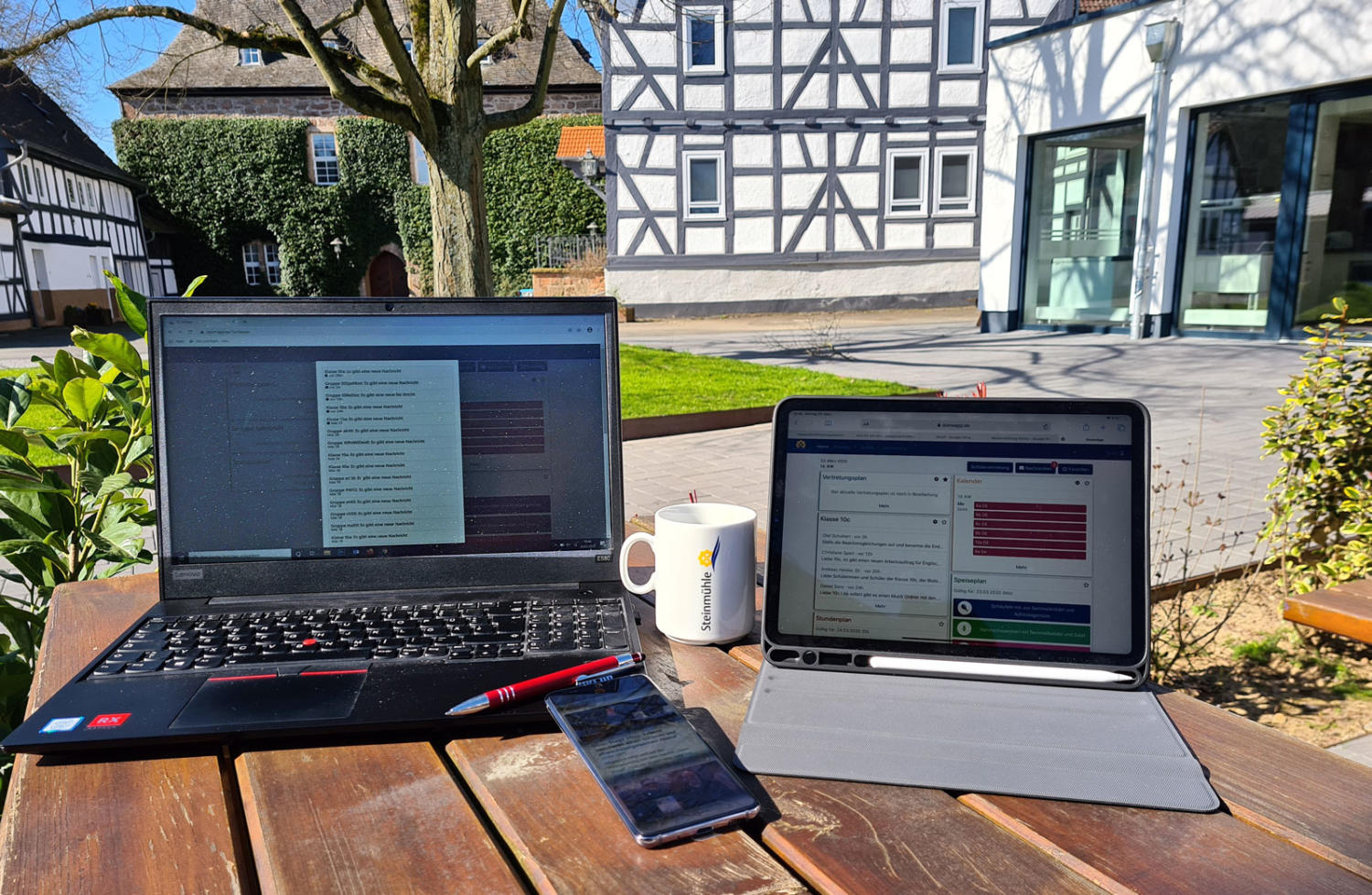
At Steinmühle, they’re unaware of these problems. The reason: this privately run school has made enormous efforts over the past two years and is years ahead of public schools when it comes to digitalization. When it comes to homeschooling, the so-called StoneApp is particularly helpful; it was initiated a few months ago by Steinmühle’s upper-level computer science class and was largely programmed by current Steinmühle senior Aaron Stein. The StoneApp, which all Steinmühle students and their parents have been using for a year and a half, displays individual class schedules, the substitute teacher schedule, the exam schedule, and the school cafeteria menu, and it is linked to the Steinmühle website. During the school closure, it is of the utmost importance that the StoneApp also serves as a communication and data platform between students and their parents, on the one hand, and teachers and the school, on the other:

  • Each class and each course has its own group, to which all students and the respective teachers are assigned.
  • Teachers and group moderators can post messages in individual groups, create subject folders, and upload assignments to them.
  • Because StoneApp is a web-based app, it can be used not only on mobile devices such as smartphones and tablets, but also on any computer with internet access. This makes downloading and processing orders particularly convenient.
  • The StoneApp contains the email addresses of all Steinmühle teachers, so users can send questions, comments, and assignments to the teachers.

When the school closed, the Steinmühle faculty were required by the school administration to do the following:

  • Assignments should be created that roughly cover the amount of time the class would have taken.
  • Teachers are required to document assignments: They must enter into a teacher’s lesson plan spreadsheet the information that would otherwise have been recorded in the class or course log.
  • Students are required to send their work to their teachers via email. Assignments should be given on a weekly basis, and the work should be collected weekly. This allows the students’ work to serve as a basis for the teachers’ further planning, and enables the teachers to provide the students with feedback on their work.
  • Facts can be researched using appropriate online resources. To this end, many skills have been acquired in recent months through in-school teacher training sessions held as part of the introduction of tablet-based instruction at Steinmühle.
  • Teachers who wish to create their own so-called tutorials or who require their students to create video content are granted access to the Steinmühlen Cloud, where large amounts of data can be uploaded.
  • The requirement to assign learning and work tasks applies not only to major subjects but also to minor subjects. The only exceptions are elective courses, physical education, and swimming. In the subjects of Drama, Musical Theater, and Theater Workshop, students should be assigned tasks to memorize texts.

To ensure that all of this could be done successfully, the students were given three days—each day consisting of eleven hours—at the start of the school closures to retrieve their school supplies from the school. This helped prevent large crowds from forming.

The students in emergency care and the boarding students who cannot go home are working on their assignments at the Steinmühle.

The feedback provided by students and parents to homeroom teachers and school administrators during the first week mostly reflected great gratitude for the excellent organization and the teachers’ strong commitment. The only critical feedback concerned the sheer volume of assignments. In this regard, the school administration had to urge its teachers to exercise restraint and to consider that completing assignments independently at home is more challenging than at school, where classmates and teachers can more easily offer help or provide specific guidance. This remains the case even with StoneApp, which is why the volume of assignments for Week 2 was reduced slightly.
23. March 2020
https://steinmuehle.de/wp-content/uploads/sites/5/2020/03/Stonapp-scaled.jpg 979 1500 konnertz https://steinmuehle.de/wp-content/uploads/sites/5/2025/11/Logo_SchuleInternat_Steinmuehle_2026_3.png konnertz2020-03-23 11:14:402026-06-18 17:34:28Homeschooling at Steinmühle, or the Benefits of the StoneApp

Bio-Olympics with a State Seminar at TU Darmstadt

Contests & Awards, News, STEM

Conduct Biochemical Experiments Yourself and explore new areas of biology

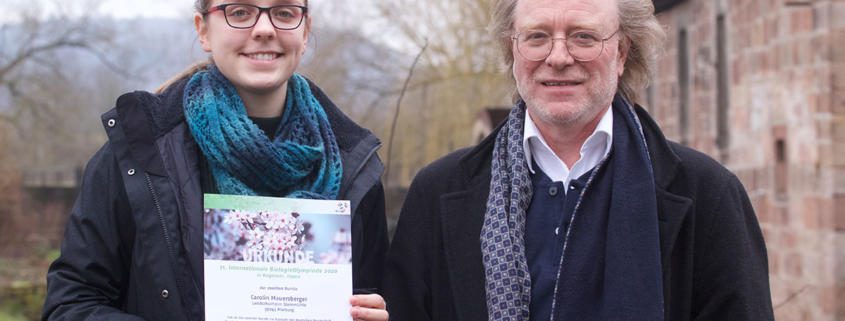
First things first: You don’t have to be in the advanced biology class—this is all about personal interest and extracurricular involvement! The International Biology Olympiad (IBO) is an annual competition for high school students that consists of four rounds. After successfully completing written knowledge tests and practical lab work, the four top German students will travel to the host country of the respective Olympiad for the final round. This year, that country is Japan (Nagasaki).

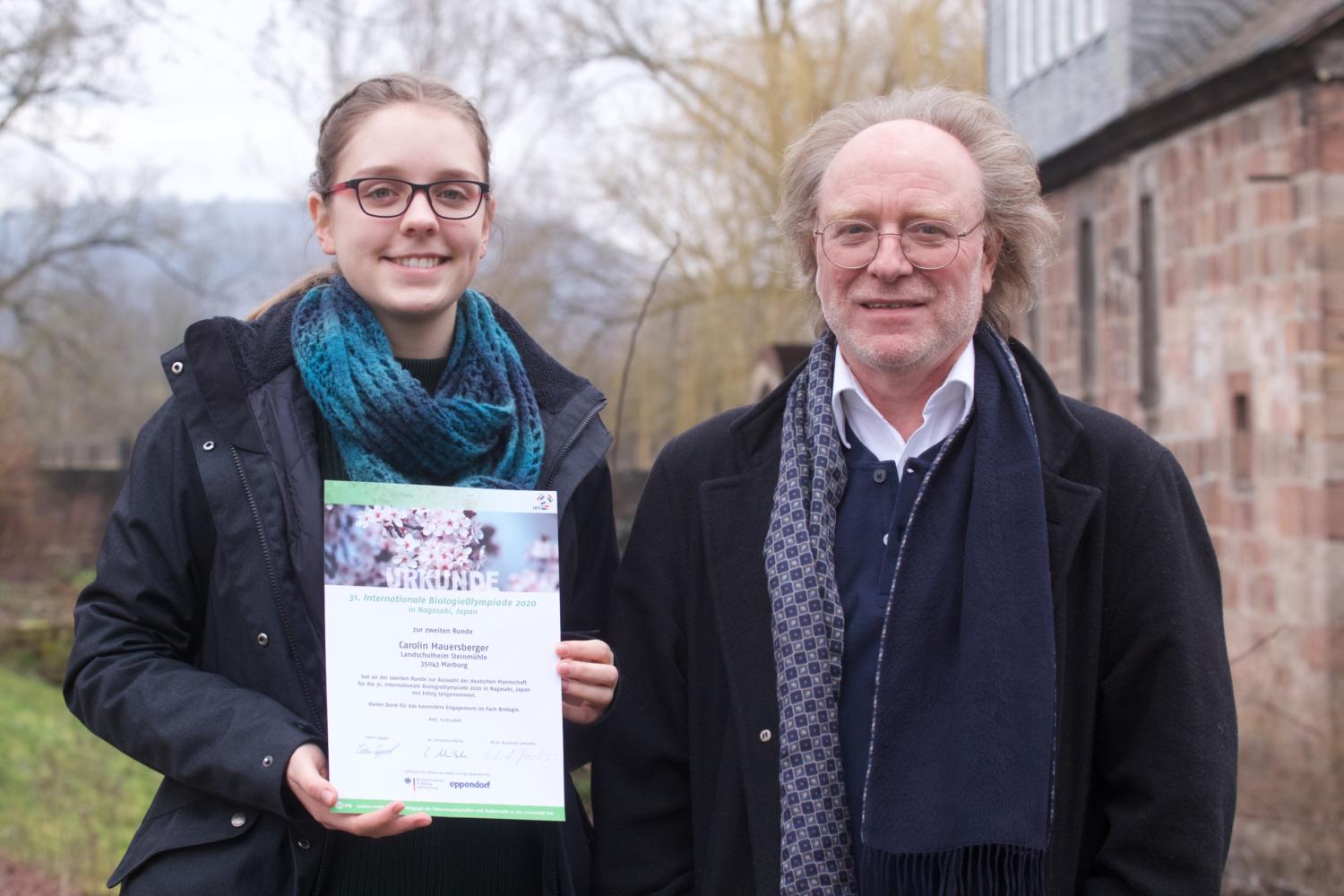
In my first year participating, I made it to the second round and, as one of the top ten students from Hesse, was invited to attend a four-day state seminar at TU Darmstadt. Throughout the entire time, I was supervised by Dr. Dietmar von der Ahe, who serves as the contact person at Steinmühle for student competitions in biology.


Requirements Beyond the High School Level

In the first round, four open-ended problems are presented covering all areas of biology. The difficulty level exceeds that of high school, but participants may use any relevant reference materials to solve the problems. The submitted solutions, in the form of a term paper, are reviewed by the supervising teacher. For me, the decision to participate in the Biology Olympiad wasn’t based on the expectation that I would definitely advance to the third and fourth rounds. My primary goal was to take advantage of the opportunity to tackle more challenging problems in biology, since I plan to study medicine after graduating from high school and enjoy taking on new challenges.

The first round requires a significant time commitment, but for me it was worth it—both to gain new knowledge in the fields of botany, genetics, zoology, physiology, systematics, and biochemistry, and to practice writing a scientific paper.

About half of all participants made it to the second round this year. In roughly two hours, they had to complete 30 multiple-choice questions and eight more complex problems. The resources available on the IBO website, as well as past exams, offer a useful way to prepare for this very challenging test and familiarize yourself with the format. Overall, I can say that there is no foolproof way to prepare for this round, as some of the questions present challenges even for biology teachers with a degree in biology.


Final Presentation

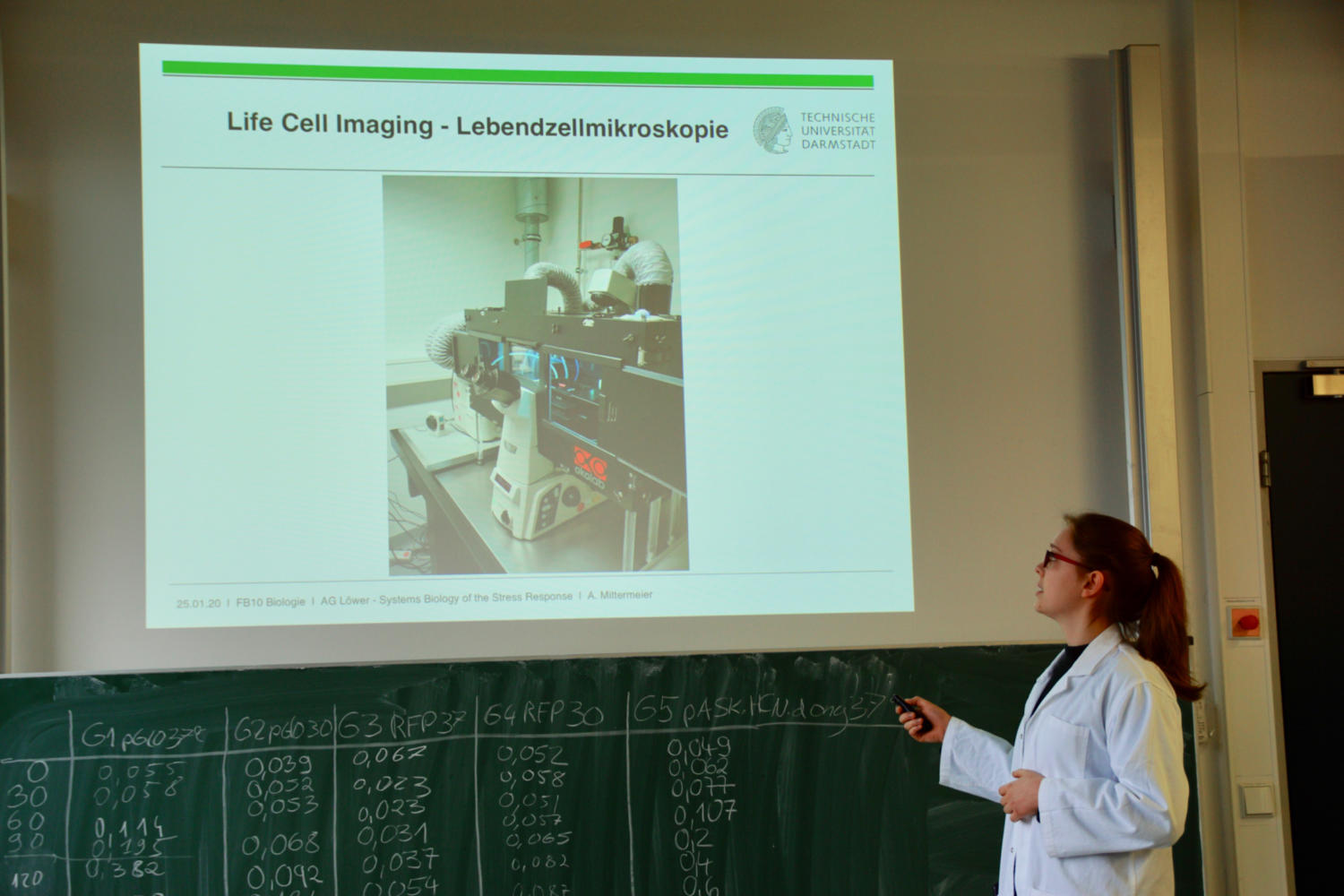
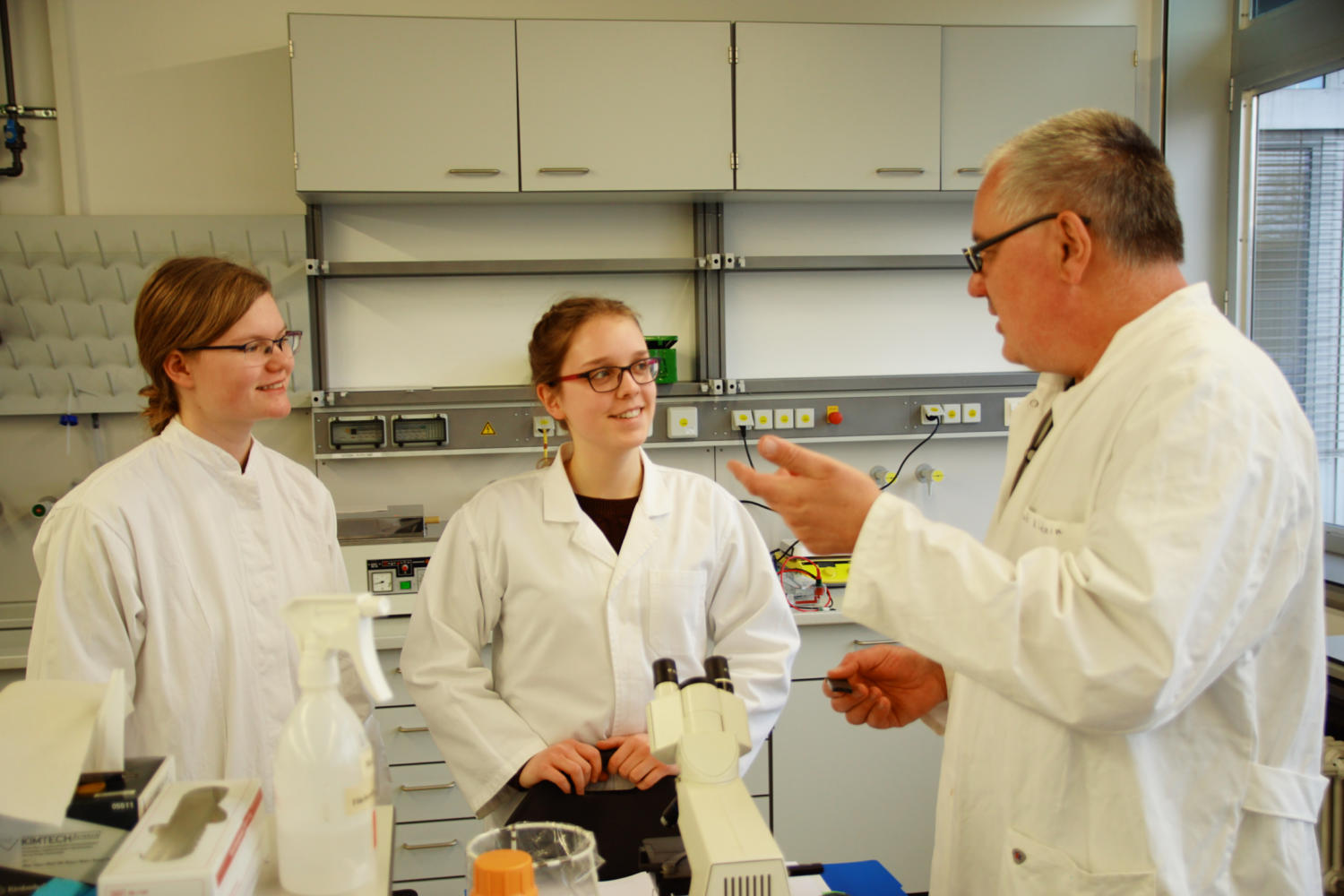
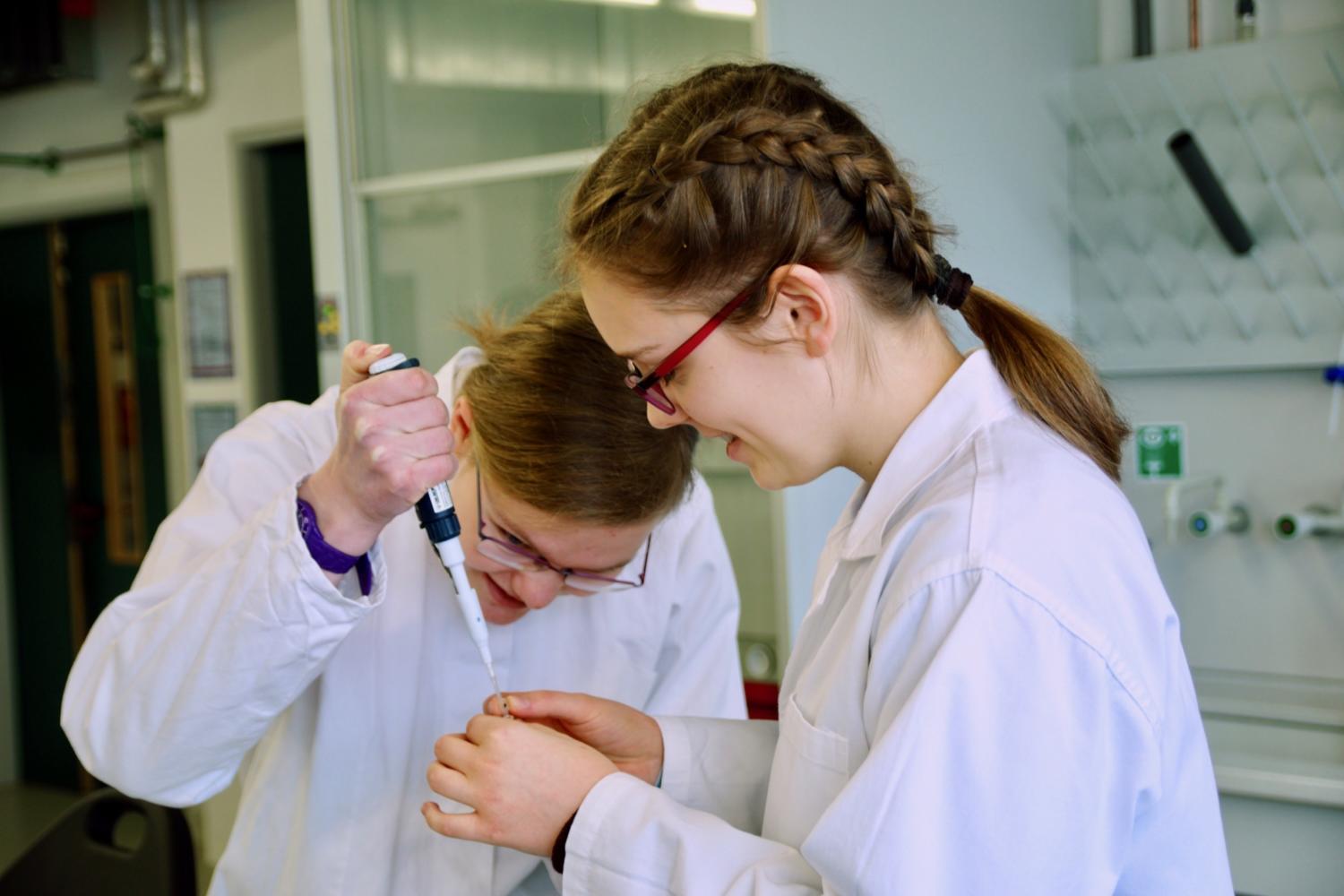
The top 10 participants from Hesse in the second round will then be invited to Darmstadt as a “reward for their achievements.” Working in teams of two, under the guidance and supervision of a lecturer, we were able to set up bacterial cultures, measure and record their growth, and perform biochemical procedures such as plasmid isolation, polymerase chain reaction (PCR), and gel electrophoresis ourselves. On one of the four days, we had the opportunity to explore other areas of biology in small groups and actively try out more complex biological techniques. In addition to topics such as neurophysiology (measuring action potentials in neurons), fluorescence and electron microscopy (learning about and testing how they work), and RNA methods (Western blotting), we also explored live-cell imaging. My experience in the field of live-cell microscopy was very positive, as we received excellent guidance and the professor in charge even took the time personally to answer our questions. The program concluded with short presentations by each small group on their findings from the individual experiments.

I was very pleasantly surprised by the work in the lab at TU Darmstadt, and since the internship isn’t graded, I can really recommend it!


Encouragement to Participate

To all interested high school students: If you’d like to give yourself the chance this year to challenge yourself and—by participating—not only earn credit toward your biology qualification but also gain hands-on experience working in a university lab under the guidance of a professional instructor, talk to your biology teacher and start working on the first-round assignments for this year’s Biology Olympiad as early as April! Have fun and good luck! (My results: Round 1: 13th place in Hesse, 182nd out of 1,165 in Germany; Round 2: 6th place in Hesse, 54th out of 518 in Germany)

(Carolin Mauersberger)

20. March 2020
https://steinmuehle.de/wp-content/uploads/sites/5/2020/03/1-1.jpg 657 1200 konnertz https://steinmuehle.de/wp-content/uploads/sites/5/2025/11/Logo_SchuleInternat_Steinmuehle_2026_3.png konnertz2020-03-20 12:21:012026-06-18 15:51:14Bio-Olympics with a State Seminar at TU Darmstadt

Open Stage 2020: Talented performers make for a wonderful and varied evening

Art, Music & Theater, News

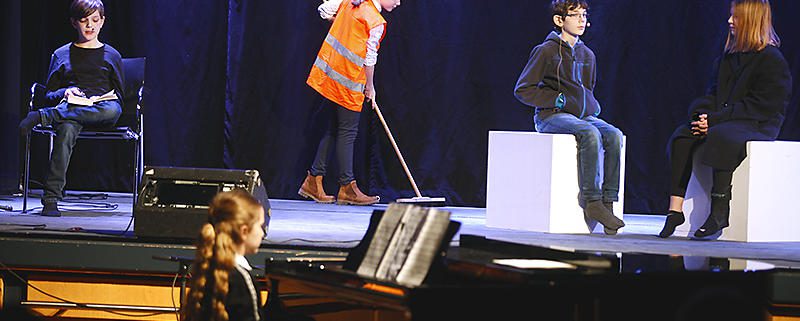
Every year, the event called “Open Stage” demonstrates that Steinmühle is not only a successful school but also a breeding ground for talent. Here, students from all grade levels take the opportunity to showcase their cultural contributions—guided and supported by the music department and other teachers.

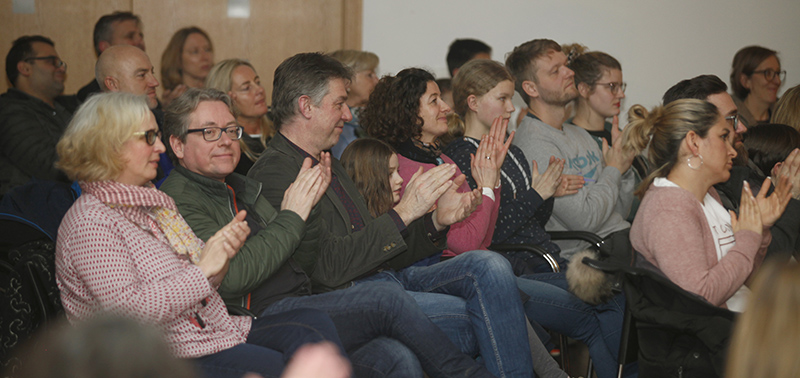
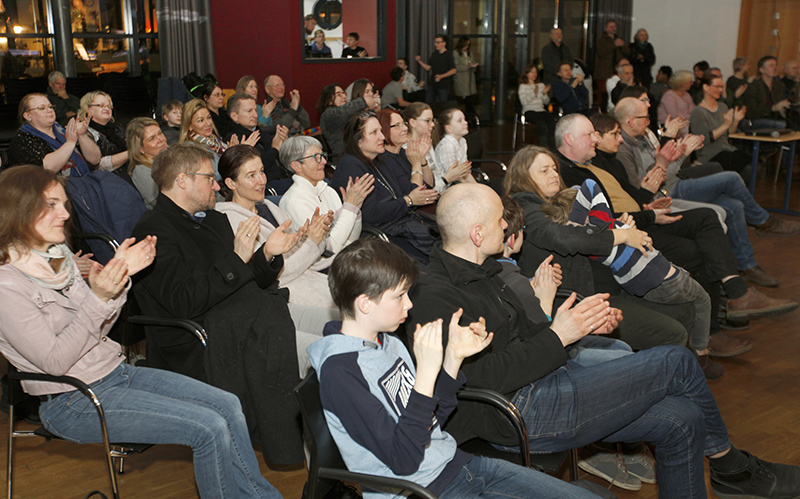
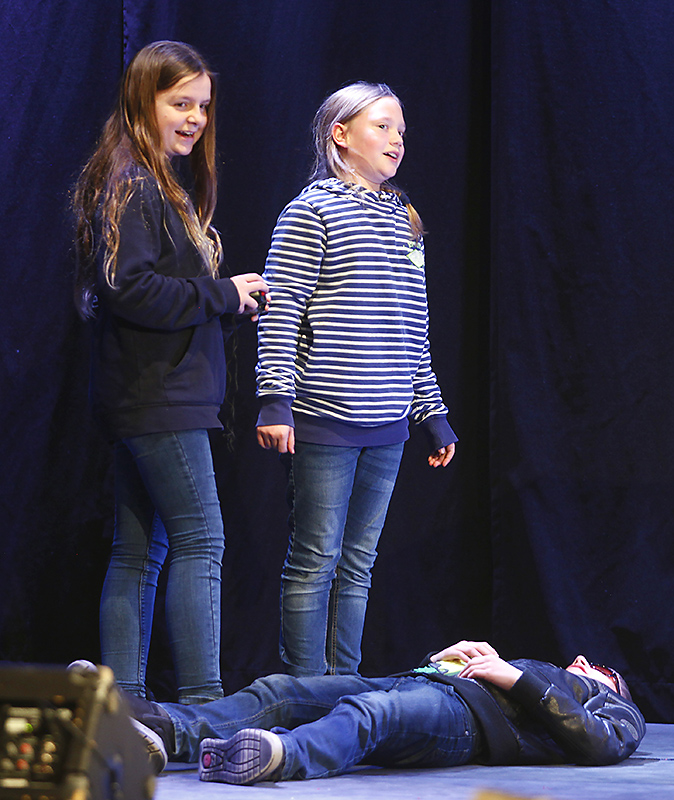
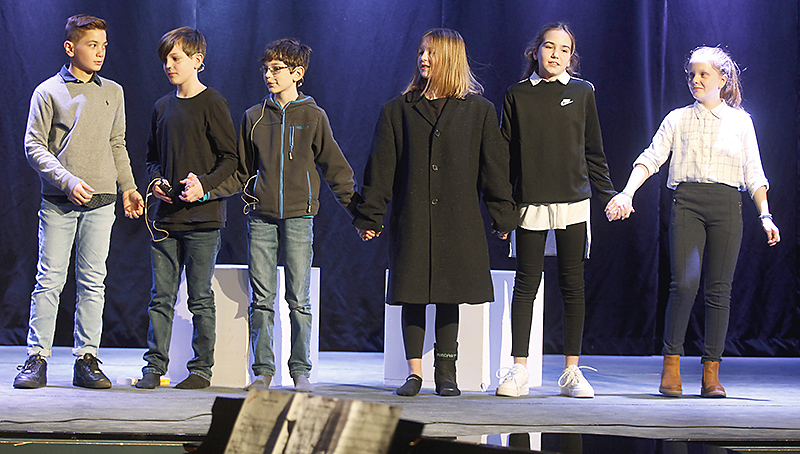
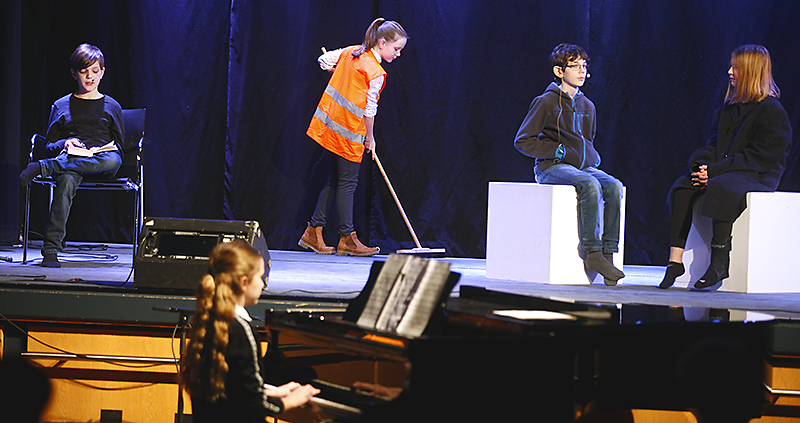
At the end of February, nearly 150 audience members gathered at the Forum to enjoy another entertaining evening. Naturally, the youngest high school students kicked things off. The 5th-grade language workshop, led by Kristina Sokoli, enchanted the audience with their well-rehearsed performance of “Step-Breath-Broomstroke” from Michael Ende’s *Momo*. The performers were Jana Farsch, Paul Fischer, Simon Glowacz, Annan Harnisch, Maximilian Schreyer, Summer Schulz, and Ida Sommer.

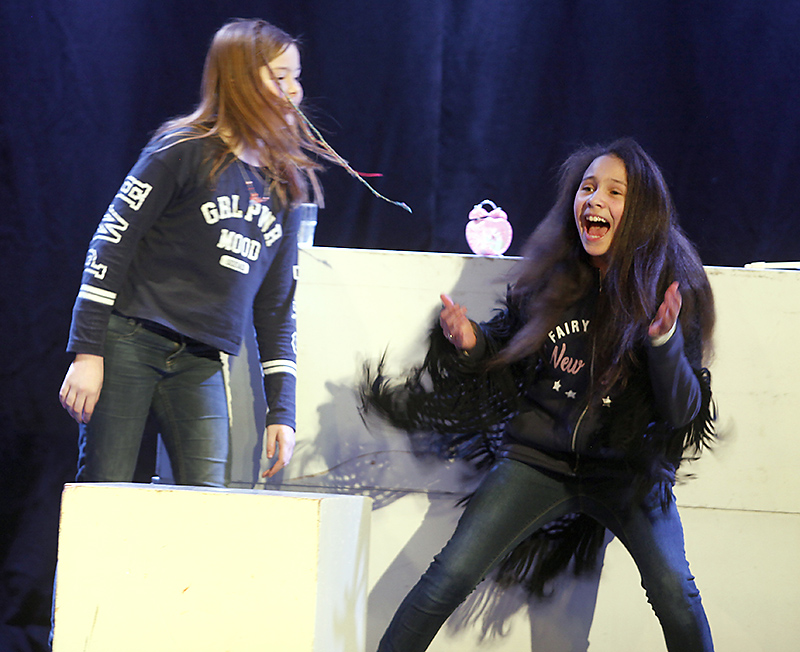
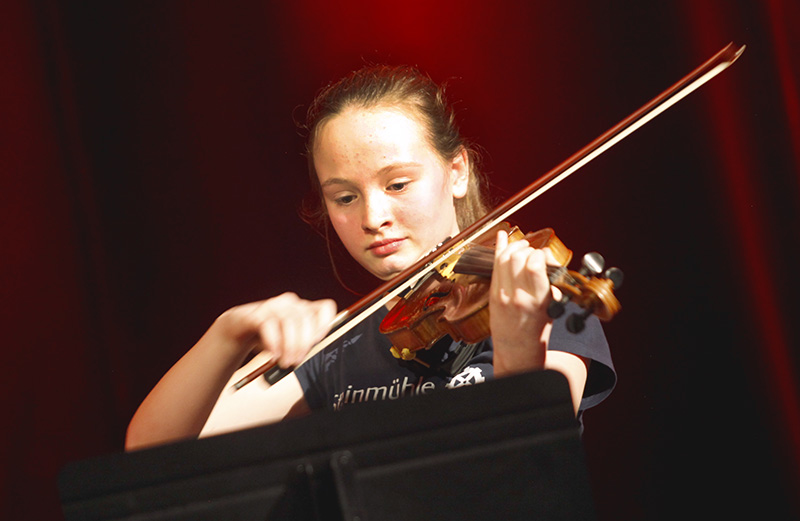
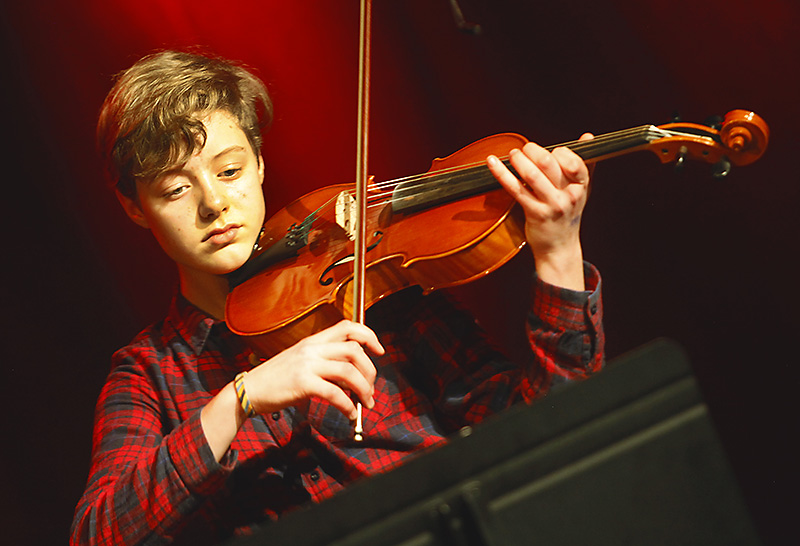
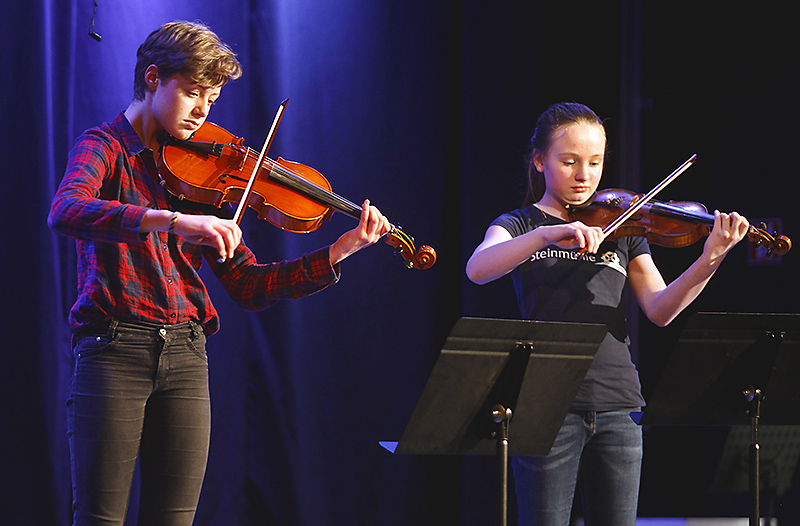
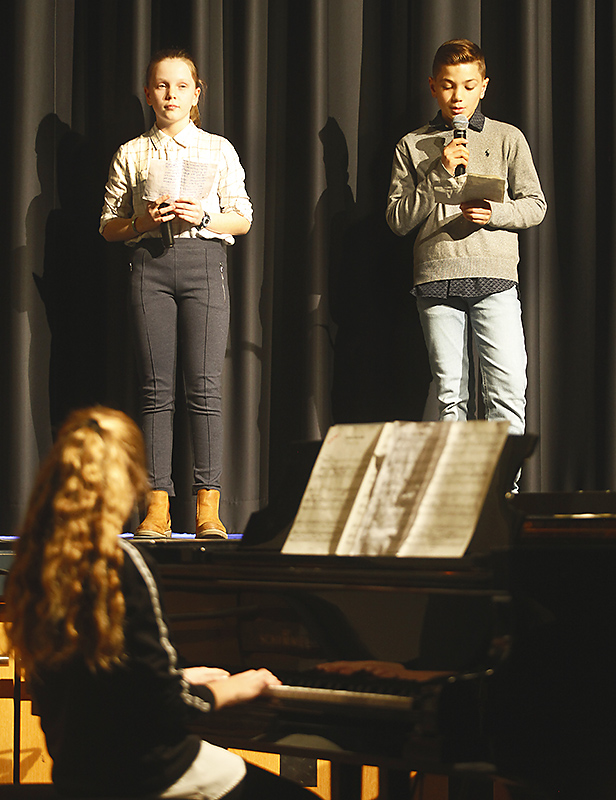
This performance was followed by Carlotta Meyer (6th grade) and Johanna Krausch (7th grade) on viola and violin. They successfully tackled pieces by Telemann and Aleksey Igudesmann. Social commentary was a must, and it was provided by Paul Fischer (Grade 5) with his anti-Lidl poem. A group of six students from the 5th-grade theater club, led by Melisande Lauginiger, also presented “Lammkeule,” a performance that made the audience smile and reflect. The cast included Sabine Auer, Emilia Berger, Philipp Dubinker, Ida Kraft, Karlson Obermeyer, and Louisa Röder.

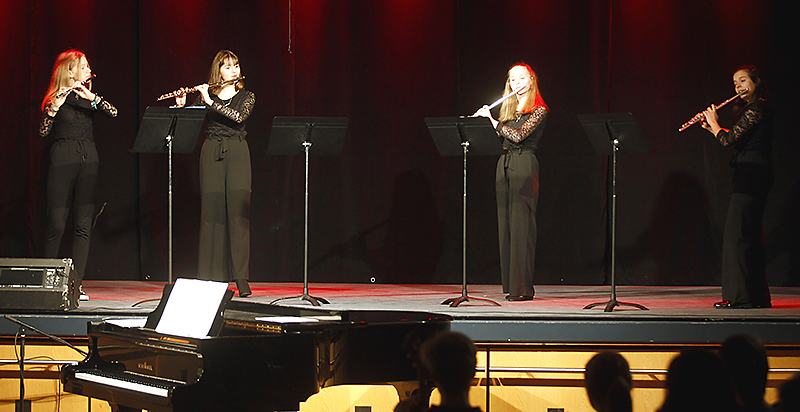
The “4 Notenschlüssel,” featuring eighth-grader Nela Haeberle and her three fellow musicians, performed a high-level flute recital. The audience had never heard anything like it!

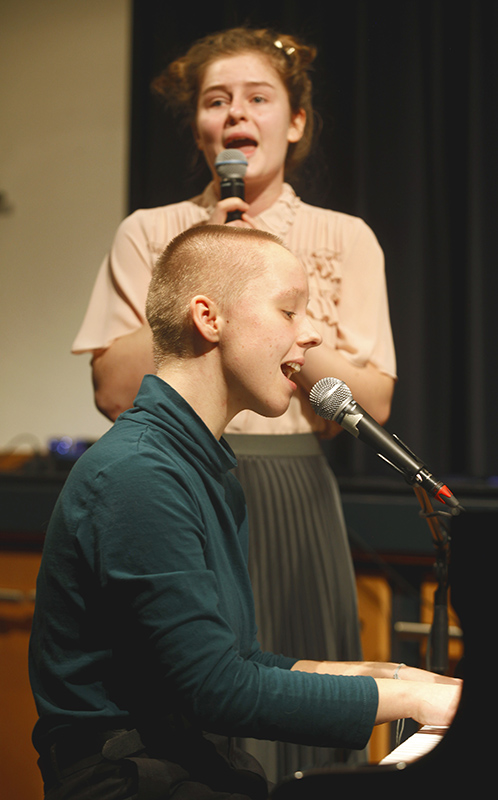
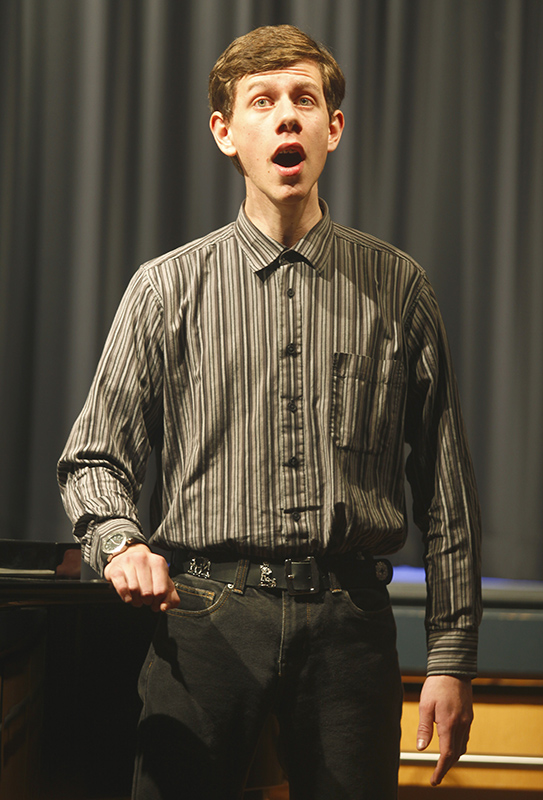
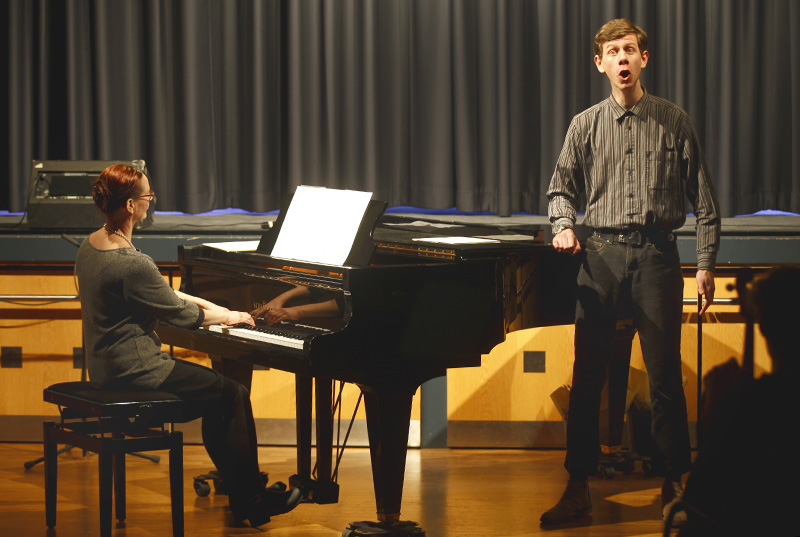
Felix Müller was a real surprise of the evening. Accompanied by Ulrike Wilmsmeyer on the piano, the tenth-grader—despite having a cold—performed Giuseppe Giordani’s song “Caro mio ben” in such a way that it gave the audience that famous “goosebumps” feeling. A graduate of a classical vocal training program, he regularly competes in various singing competitions.

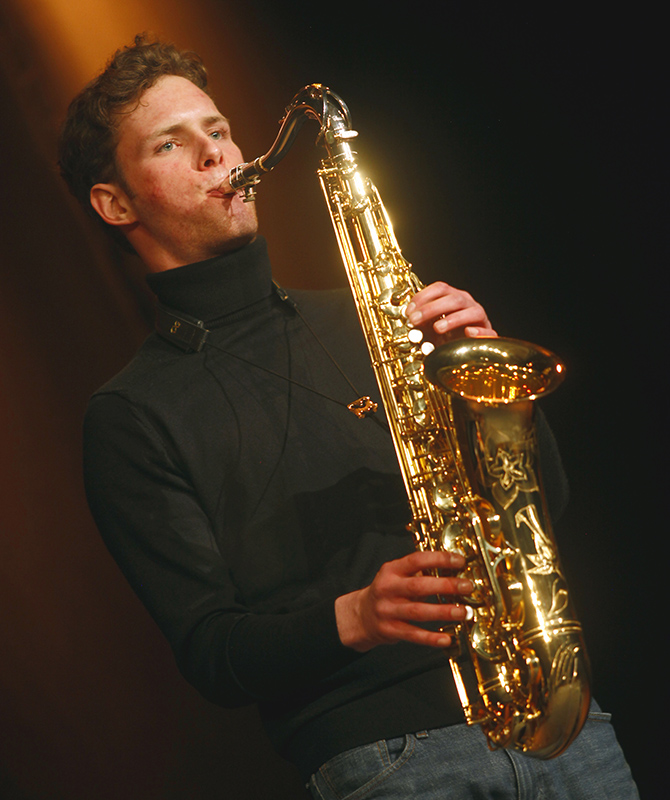
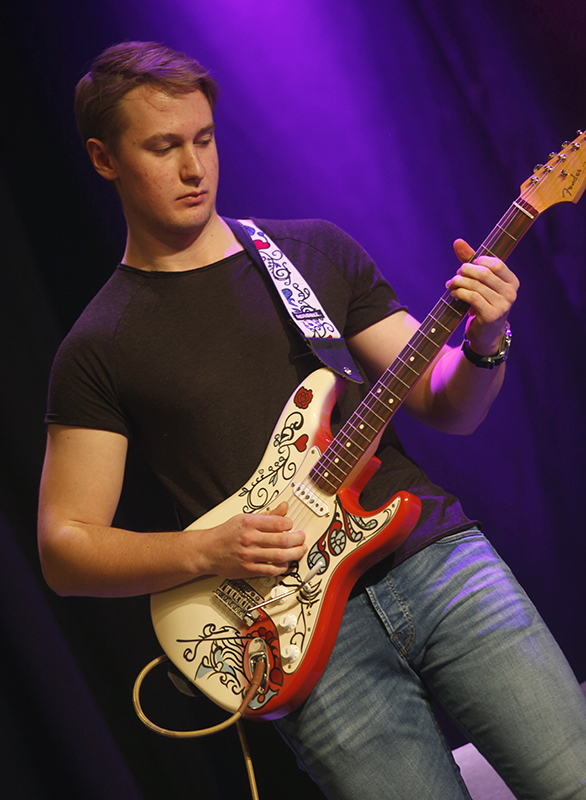
The evening, hosted by Ulrike Wilmsmeyer, drew to a close with spirited song performances by Talea Funk (11th grade) and Evelyn Damer (12th grade), followed by a performance by Fynn Konnertz. The guitarist skillfully “played right through” a broken string—in the literal sense—before Tom Herfert on tenor saxophone and Frank Wemme on keyboard brought the successful evening to a close. Tom Herfert, too, once began where many lower-grade students first encounter the instrument: in the wind ensemble class. Matthäus Otte from Sound & Light was responsible for ensuring that the deserving participants remained in the spotlight throughout the evening.

(Angela Heinemann)

20. March 2020
https://steinmuehle.de/wp-content/uploads/sites/5/2020/03/MG_3071.jpg 423 800 konnertz https://steinmuehle.de/wp-content/uploads/sites/5/2025/11/Logo_SchuleInternat_Steinmuehle_2026_3.png konnertz2020-03-20 12:02:182026-06-18 17:34:27Open Stage 2020: Talented performers make for a wonderful and varied evening

Steinmühle won top honors and special prizes at regional “Jugend Forscht” competitions

Contests & Awards, News, STEM, Talent Development

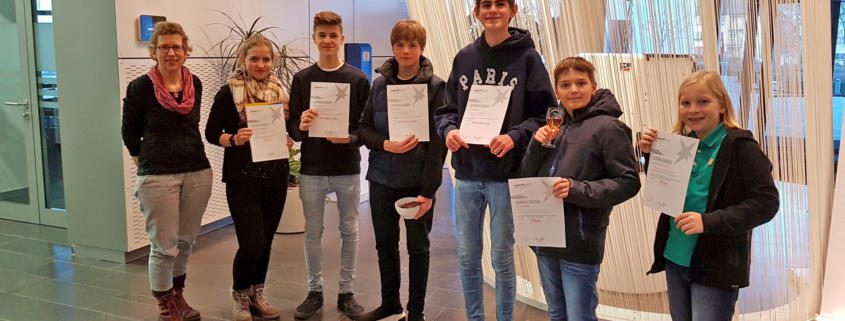
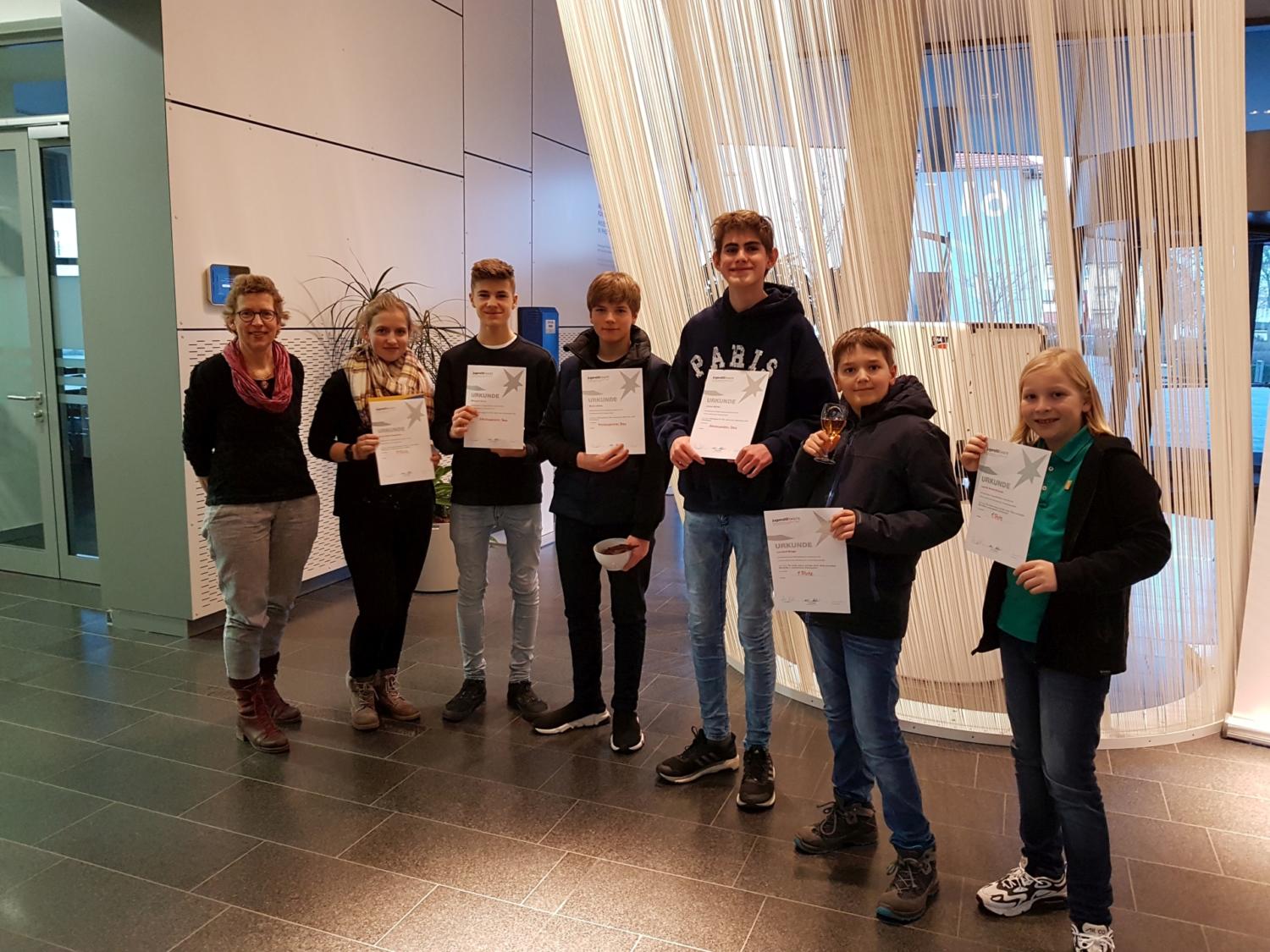
With a total of six projects, Steinmühle competed this year in the regional competitions in Lollar and Kassel. Three teams took first place, thereby qualifying for the state competitions in Darmstadt and Kassel in the “Schüler experimentieren” category. Three teams earned a special award.

Noteworthy is the participation of teams from various grade levels—from the lower school to the upper school. Grade 6 was represented twice, while grades 8, 9, 11, and 13 were each represented once. The subject areas were also quite diverse: research and experiments were conducted three times in biology and once each in chemistry, physics, and earth and space sciences.

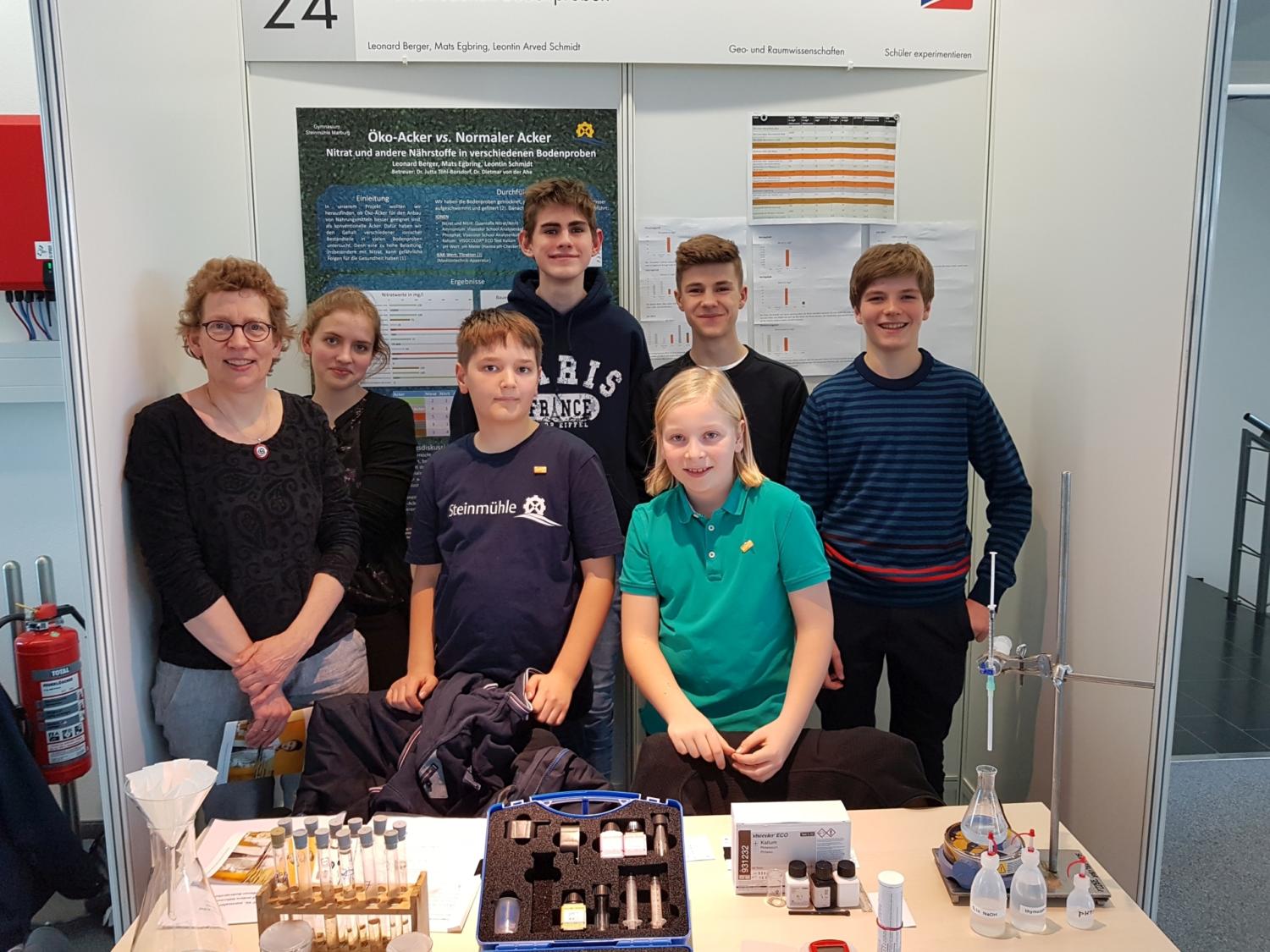
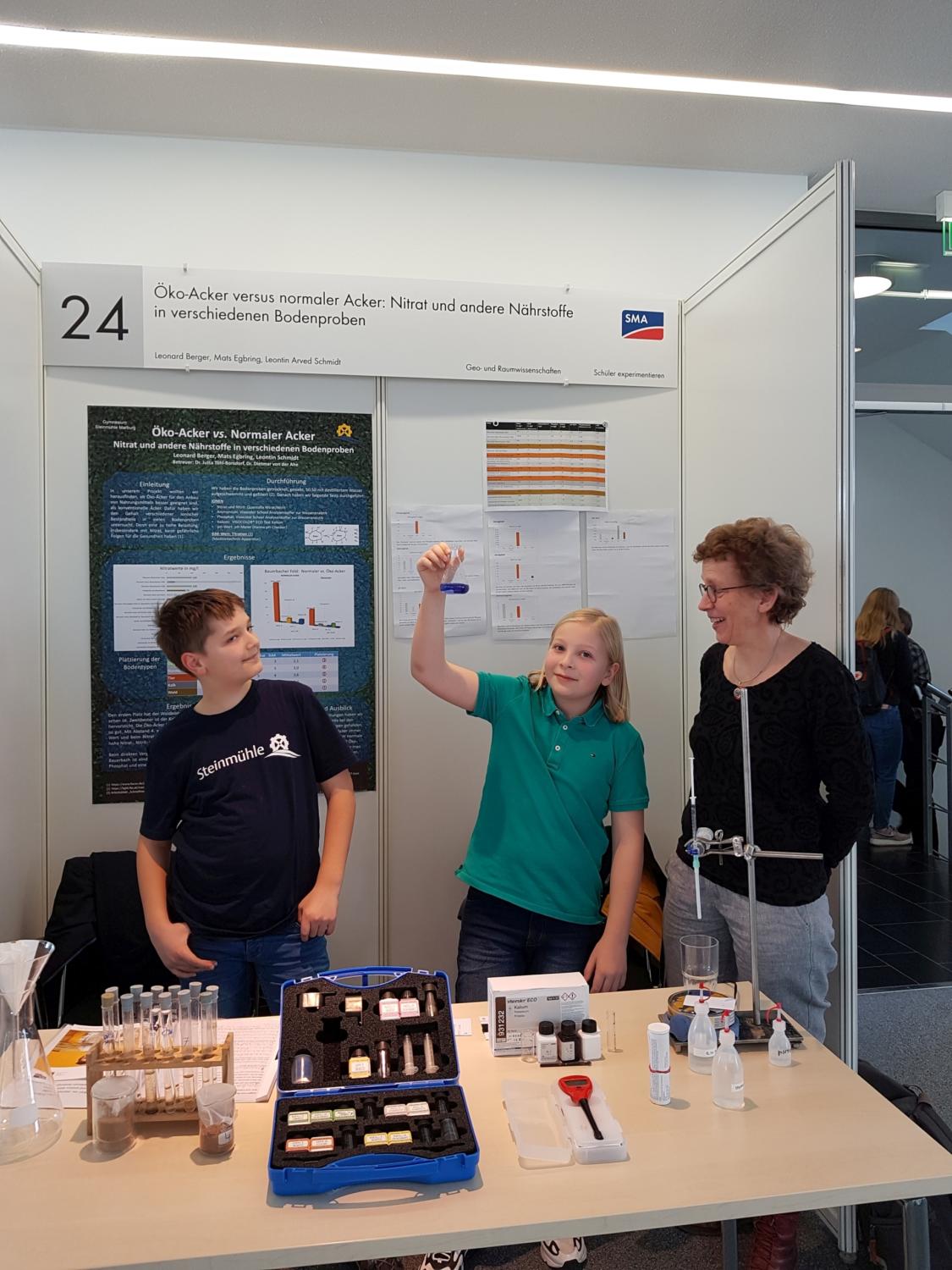
Leonard Berger, Mats Egbring, and Leontin Schmidt were the sixth-graders who, in the “Schüler experimentieren” under the guidance of teachers Dr. Jutta Töhl-Borsdorf and Dr. Dietmar von der Ahe, and also took home the special prize for environmental technology. They compared organic fields with conventional fields. In doing so, they analyzed a total of nearly 20 soil samples and found that organic fields scored highly both due to their low nitrate levels and their ability to bind and subsequently release nutrients. Conventional fields—and especially those fertilized with liquid manure—almost universally exhibited concerning levels of nitrate and nitrite. The jury deemed the topic, the project, and its results worthy of the highest possible ranking. Next up is the state competition in Kassel.


Not enough oxygen in the shoe

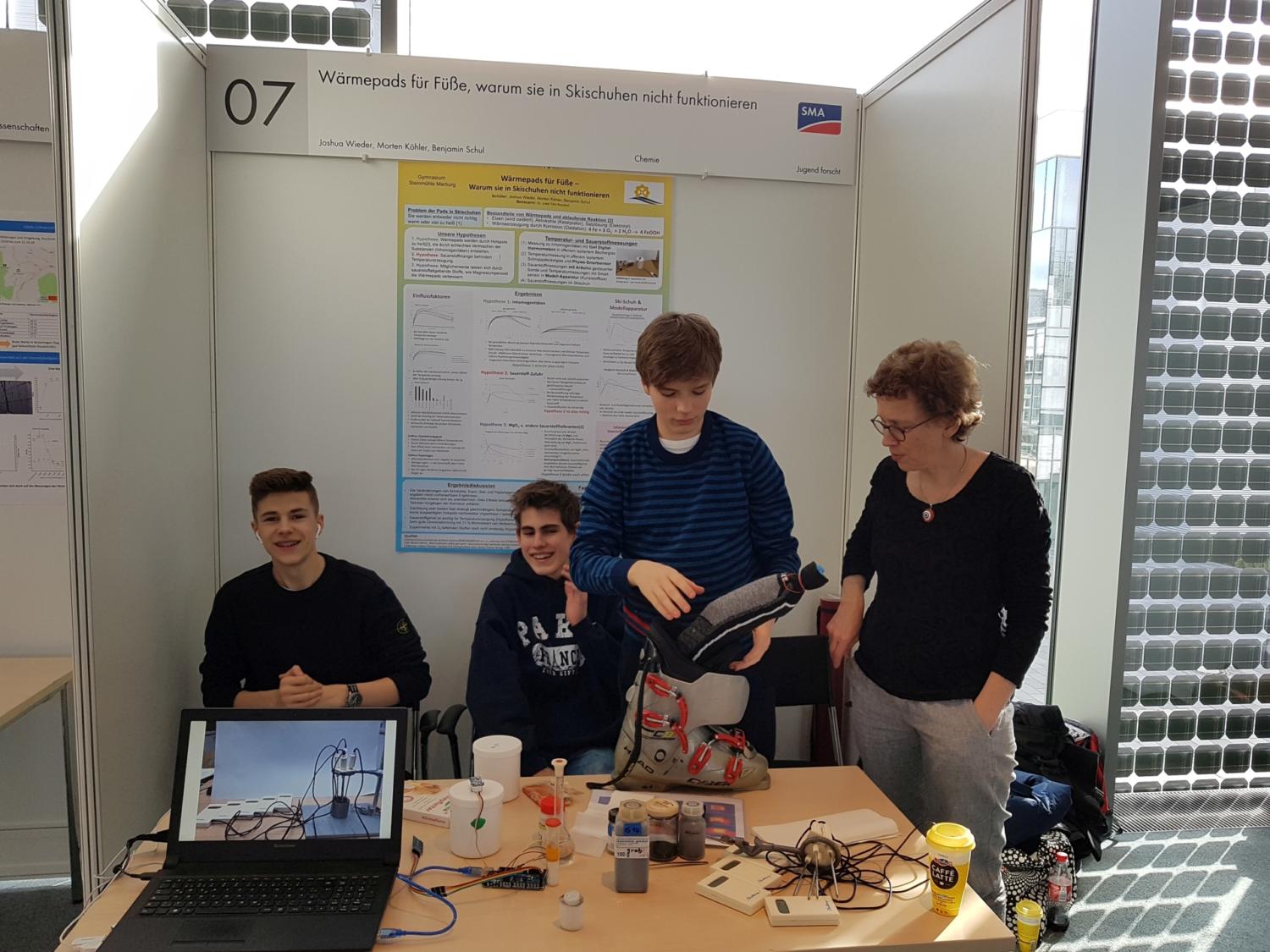
Morten Köhler, Benjamin Schul, and Joshua Wieder from 9th grade investigated why heat pads don’t work in ski boots. The three students had gotten cold feet during the Steinmühle ski trip and noticed that heat pads for feet—which are supposed to provide relief—work very poorly. They investigated the chemical reaction and found—in part by measuring temperature and oxygen curves—that there is simply not enough oxygen inside ski boots. As a result, the desired reaction quickly comes to a halt.
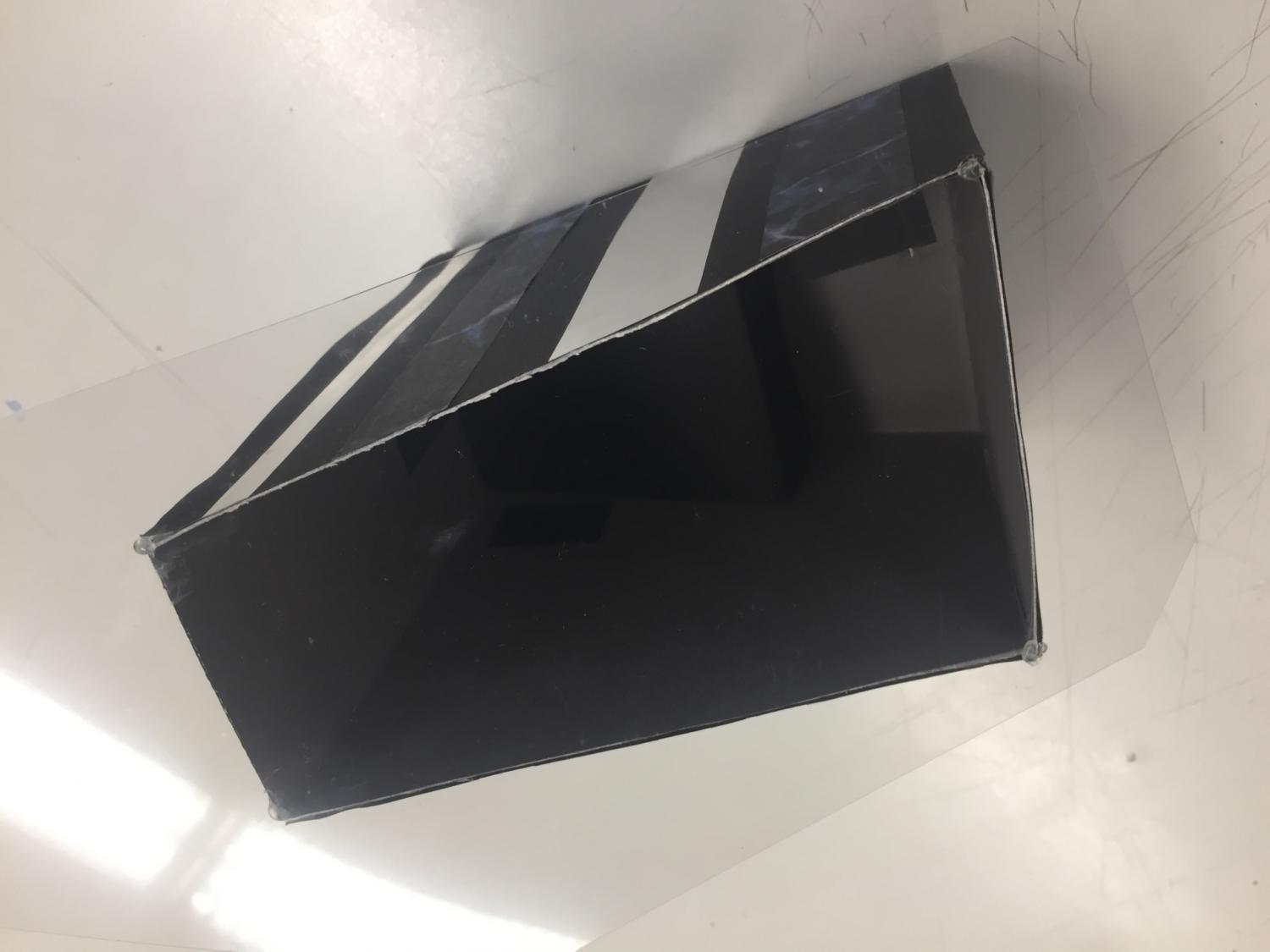
Under the guidance of teacher Dr. Jutta Töhl-Borsdorf, they used smartphone-controlled temperature sensors and an oxygen probe controlled by an Arduino. Arduino microcontroller boards were first introduced at Steinmühle by Malte Klimczak in the elective technology class and were also used here to address chemistry problems. These three students also won first place in chemistry for the best interdisciplinary project and can look forward to competing in the state competition in Darmstadt.


How Flour Beetles “Break Down” Styrofoam

Clara Müller, Marie Englert, and Jennifer Weber, all 11th-grade students, investigated—under the guidance of Dr. Dietmar von der Ahe—whether bacteria in the gut flora of mealworm larvae play a role in the degradation of Styrofoam. The students observed the feeding behavior of mealworm larvae (Tenebrio molitor) under various conditions. Using molecular biology methods (PCR, genomic and PCR DNA isolation, DNA quantification with a photometer, gel electrophoresis, and 16S rRNA gene sequencing performed by Eurofins Genomics, Ebersberg), they examined 230 different bacterial clones from the larvae’s gut flora for their phylogenetic relationships and their ability to degrade polystyrene. In the process, they identified several bacterial clones from the Enterobacteriaceae family that can degrade the plastic in a nutrient solution. The genome of one of these clones (Clone No. 43) was fully sequenced (approximately 6 million base pairs) by Eurofins Genomics on their behalf in order to search the genome for coding regions for enzymes that might be involved in styrene degradation. The students also presented a possible mechanism for the chemical process of styrene degradation. As a special prize, the trio received a one-year subscription to the scientific journal “Bild der Wissenschaft.”


Connecting with the University Through a Competition

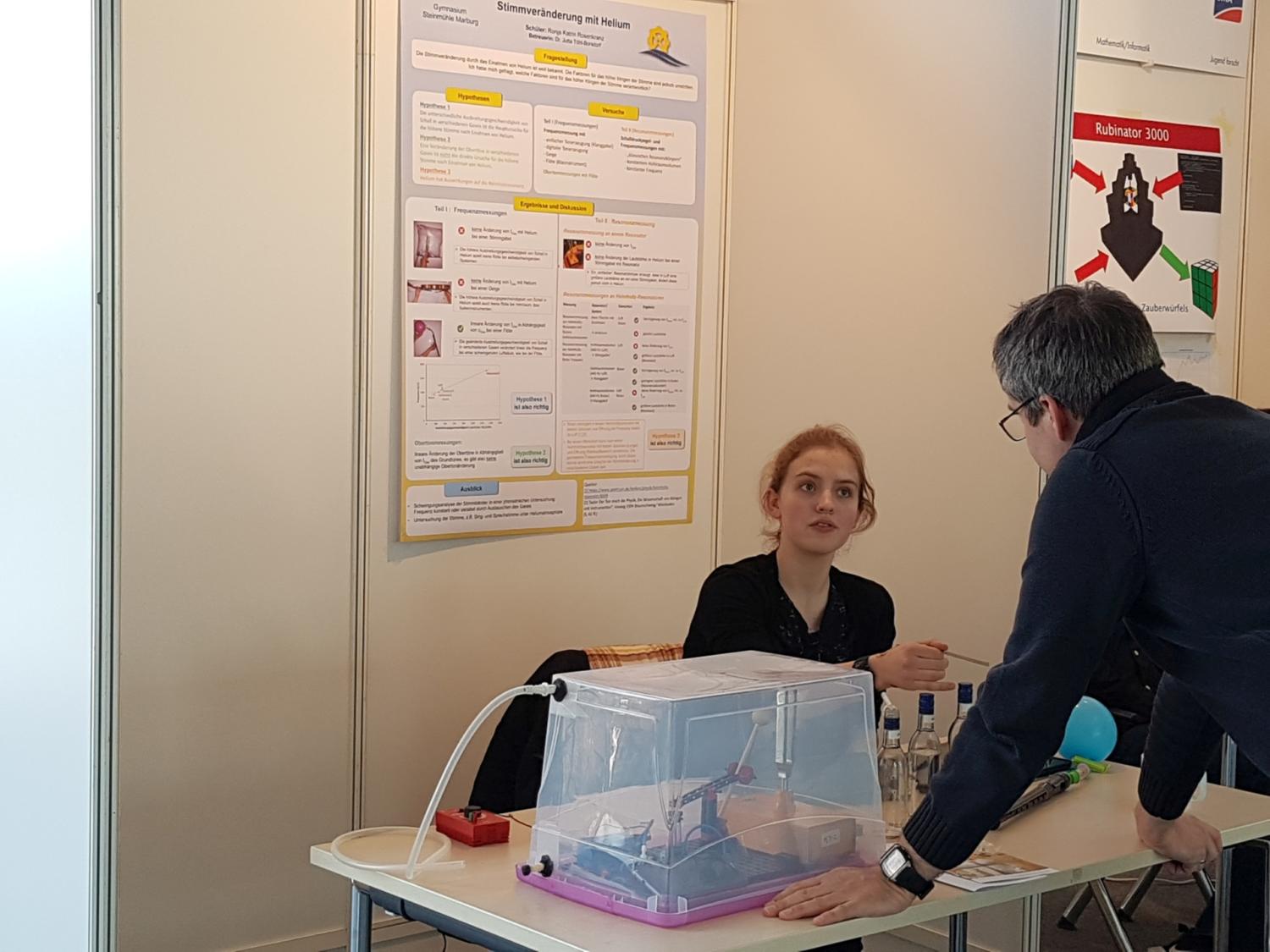
Ronja Rosenkranz, a 13th-grade student, impressed the jury in the physics category. She investigated what causes voice changes when inhaling helium. Students asked themselves this question in the 5th-grade NaUnt course taught by Dr. Jutta Töhl-Borsdorf. Ronja quickly realized that the explanation found almost everywhere is only partially correct and that the phenomenon is much more complex than previously thought. She developed various experimental setups to get to the bottom of the matter. The jury particularly emphasized her highly scientific approach to this question. Through the competition, she quickly established contacts with the University of Marburg, making it possible to conduct measurements in the Department of Phoniatrics. First place in physics for this project and the special prize for acoustics also qualify Ronja Rosenkranz for the state competition in Darmstadt.
 

What Earthworms Like

In the “Schüler experimentieren” competition, led by Dr. Dietmar von der Ahe, young researchers Teresa Dinges (Class 6b) and Sophia Rogosch (6c) investigated the potential effects of earthworms on soil and climate. In this project, the students took a close look at the behavior of the native earthworm Lumbricus terrestris and its interaction with soil bacteria. In the process, they discovered:

  • the type of soil that earthworms prefer
  • what soil conditions he avoids (pH level, calcareous soil, sandy soil, etc.)
  • that earthworms produce significant amounts of the greenhouse gas CO2 in the soil through their interaction with soil bacteria.
  • that the bacterial families present in the soil differ from those found in earthworm feces.


The Environment of Horsehide

Silas Krüger and Jan Vollmer (both in Class 8c) wanted to learn more about “life on a horse’s skin.” Under the guidance of Dr. Dietmar von der Ahe, the students examined various skin areas of two horses (skin, ear, nose, mouth) for bacterial colonization—the so-called microbiome. In the process, they discovered that the summer microbiome differs significantly from the winter microbiome—that is, different bacterial families are found on the various skin areas in summer than in winter. This corresponds to the different skin functions under varying climatic conditions.


18. March 2020
https://steinmuehle.de/wp-content/uploads/sites/5/2020/03/1-scaled.jpg 673 1500 konnertz https://steinmuehle.de/wp-content/uploads/sites/5/2025/11/Logo_SchuleInternat_Steinmuehle_2026_3.png konnertz2020-03-18 12:44:412026-06-18 15:50:38Steinmühle won top honors and special prizes at regional “Jugend Forscht” competitions

Escapes from reality into art, music, literature, or physical relaxation: The Advanced Art Class designed escape pods

Art, Music & Theater, News, Sports & Health

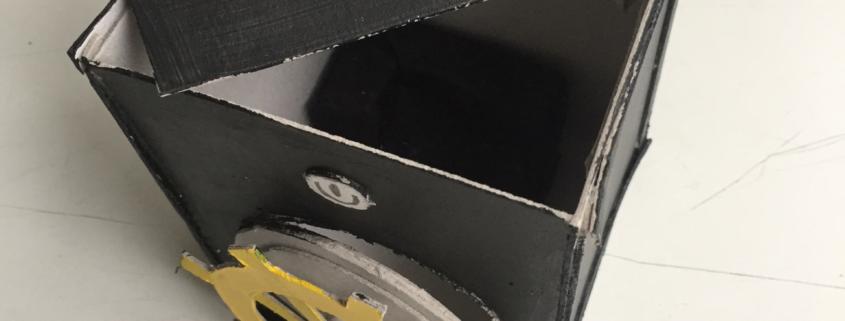
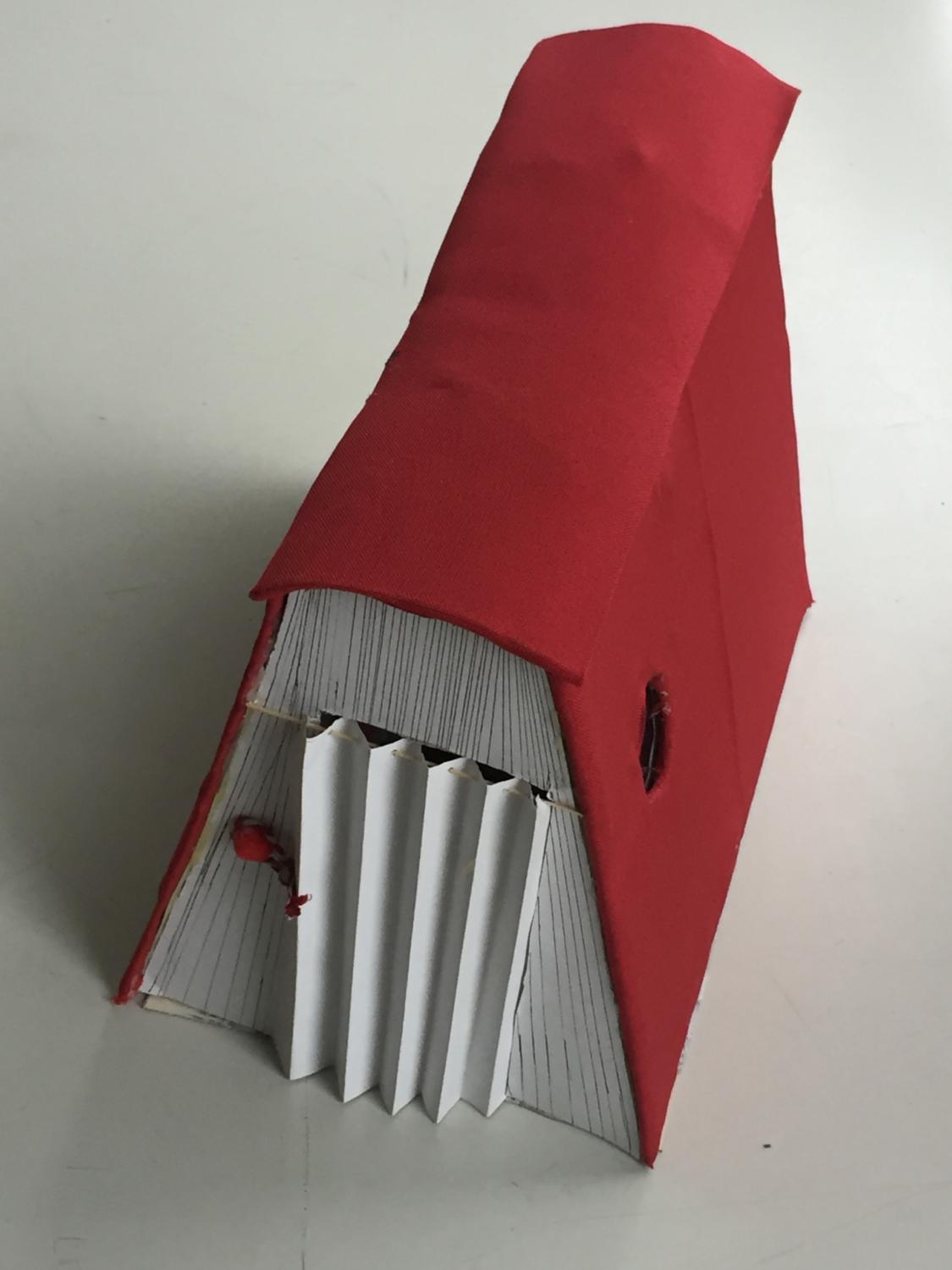
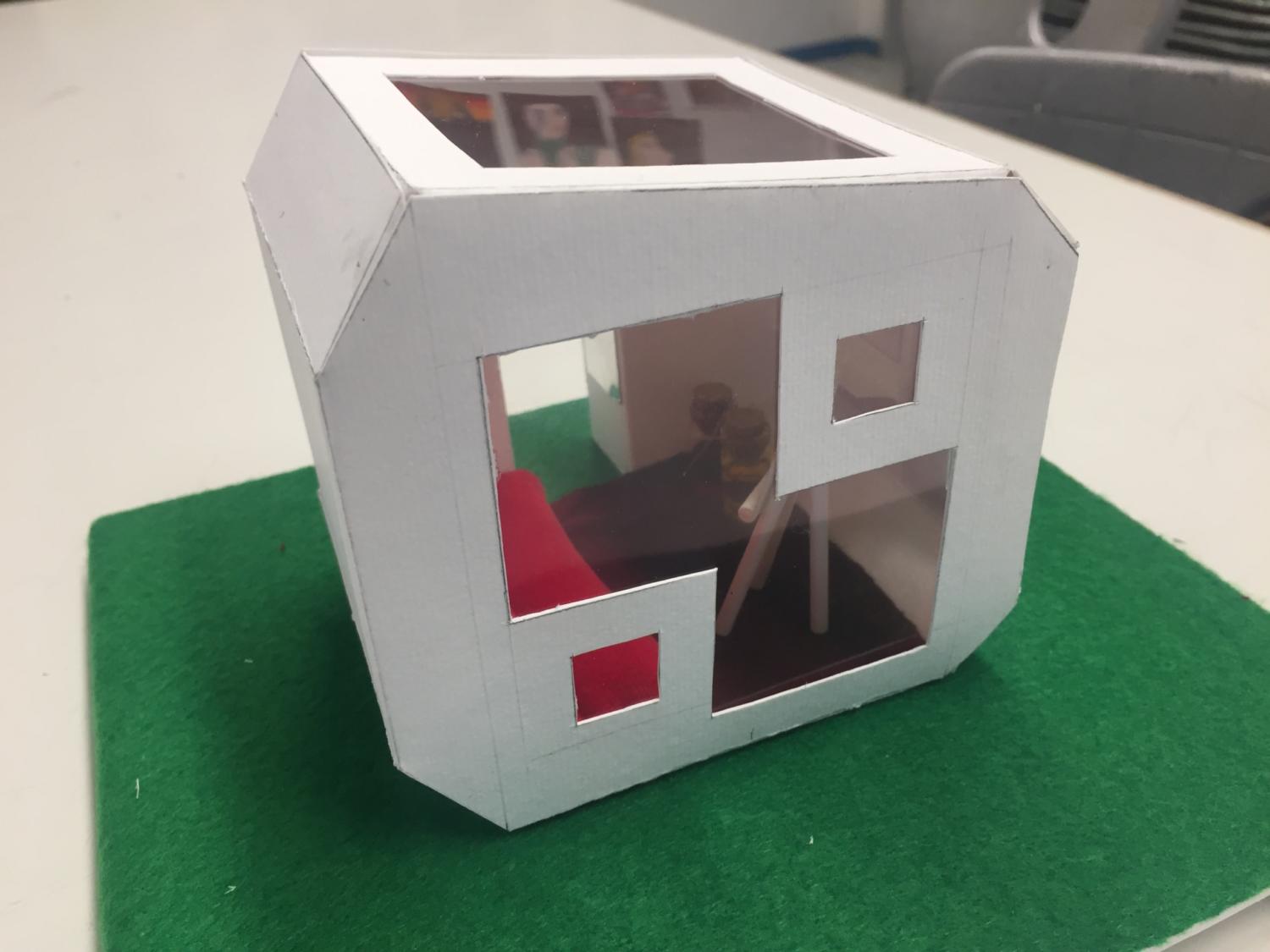
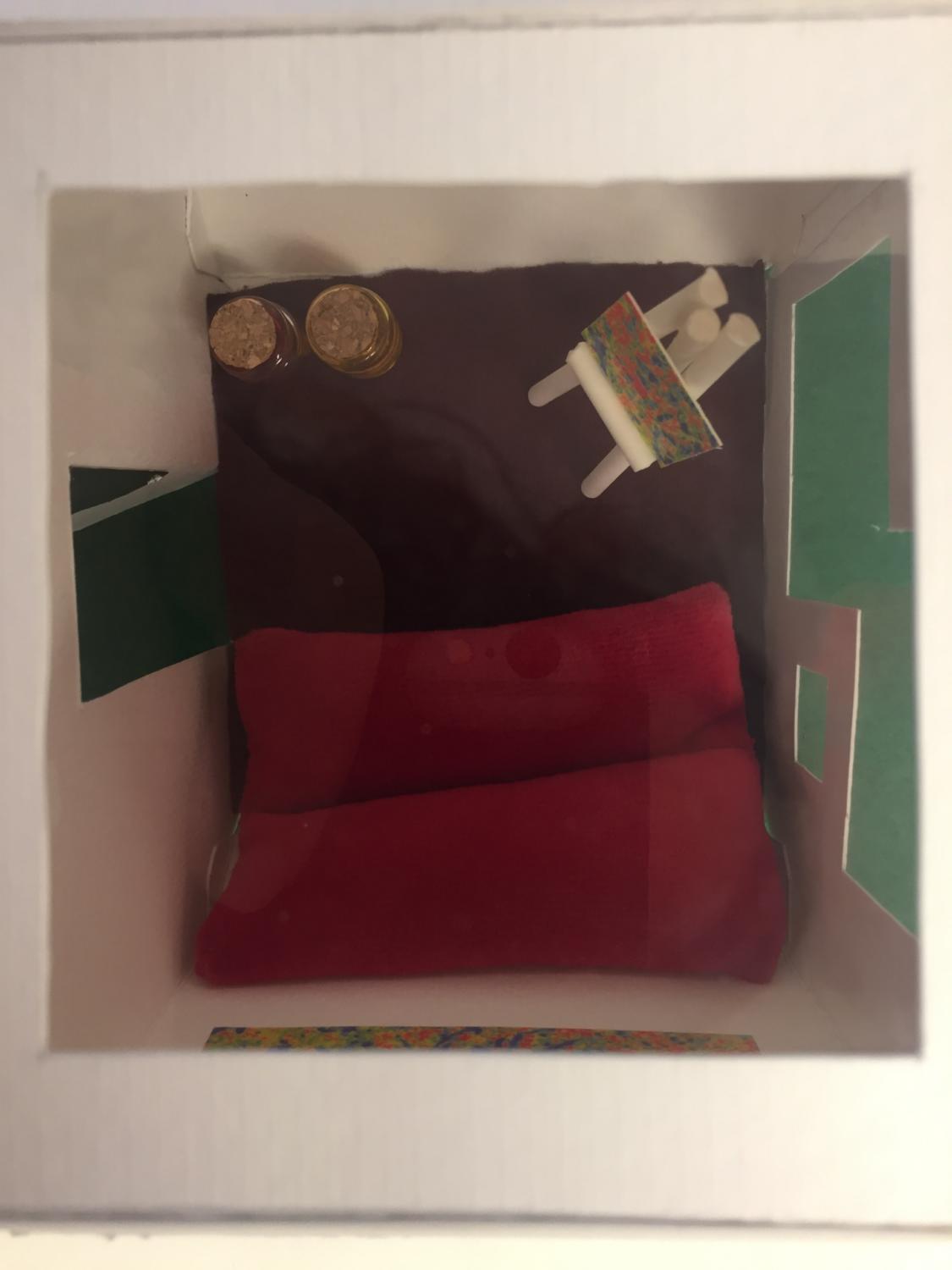
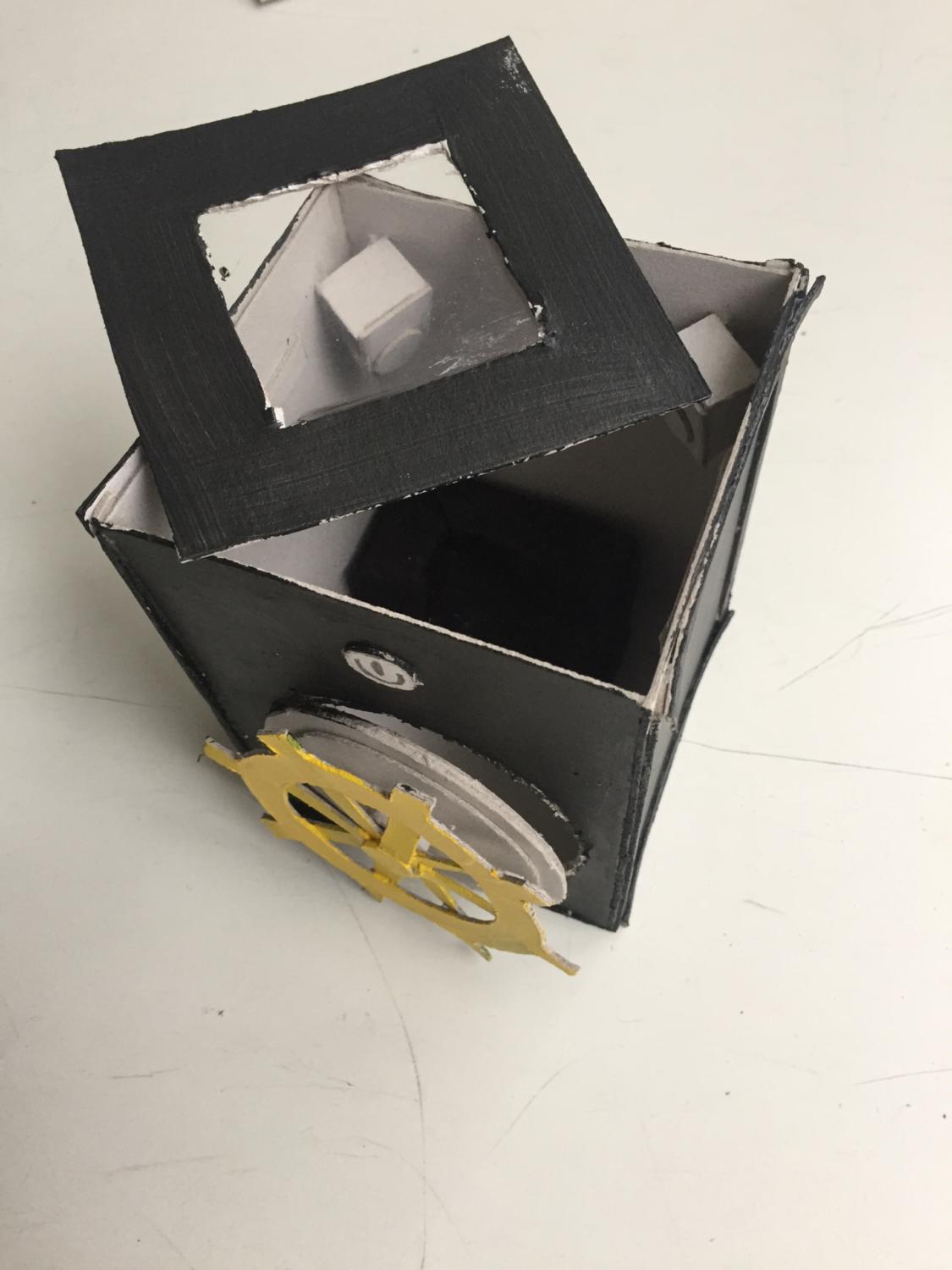
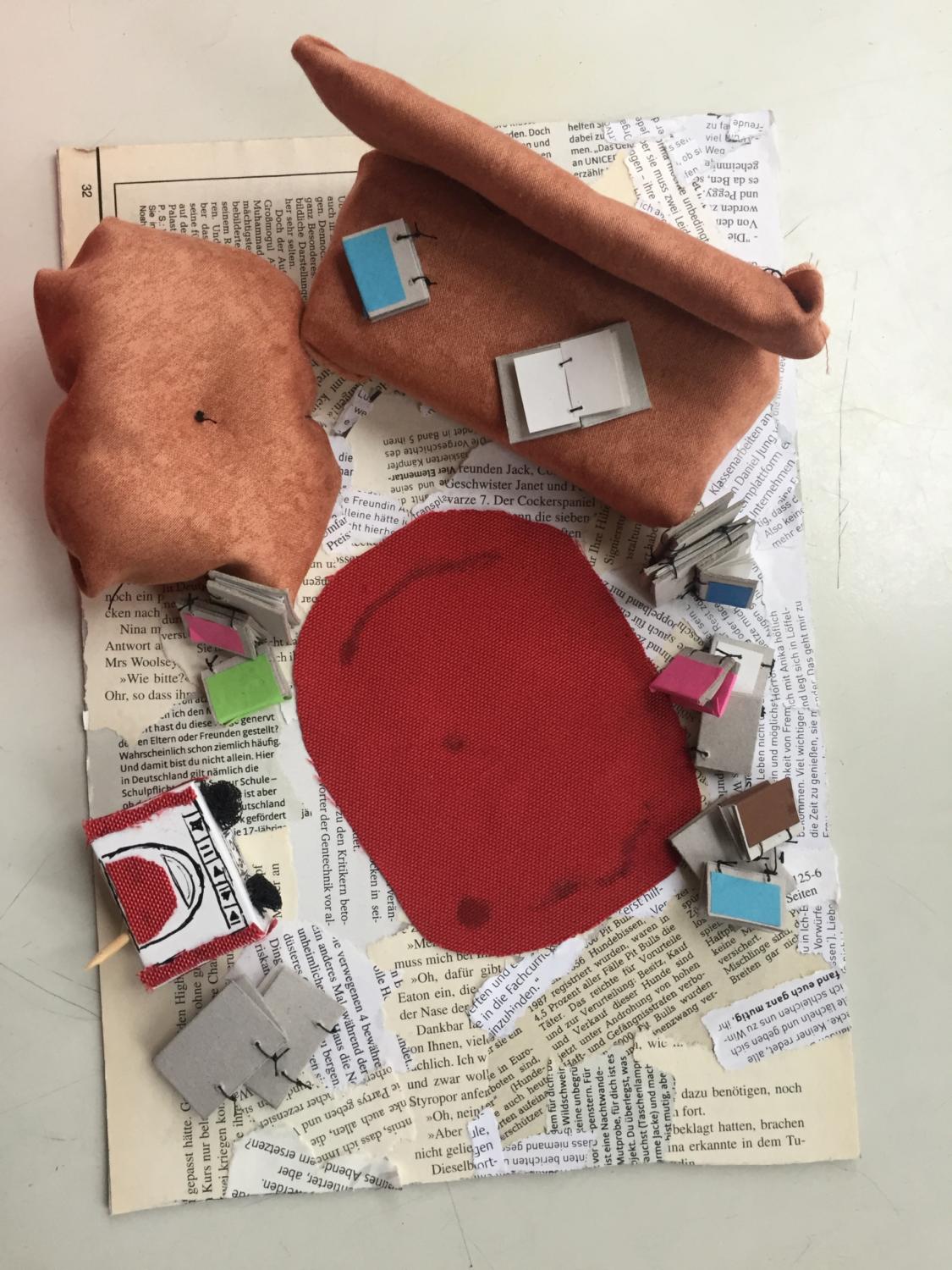
Students in the advanced art class concluded their exploration of architecture and design by developing artistic ideas for the public space at the Steinmühle. They were tasked with creating a design and model for an escape capsule, or “escape vehicle.” The capsule’s interior was intended to provide a space to escape the daily routine at Steinmühle and immerse oneself in another world.


A Dream World Made of Books by Natalia Bieker

This escape pod isn’t just filled with books and stories—the floor is made of text, and even the shell, roof, and walls are modeled after the appearance of an old, open book. The space invites visitors to make themselves comfortable in the realm of words.


“Creative Escape Vehicle” by Lea Zessin

The exterior of this art capsule resembles a White Cube that has lost its sharp corners. Daylight floods the studio from the roof and the north side. Inside, canvases, an easel, and paints are ready to give shape to his inner visions.


Sound Space by Jieni Zhang

This space, which resembles a speaker cabinet even from the outside, is entirely dedicated to sound. Inside the darkened room, visitors can relax and lose themselves in the music, escaping the sounds of everyday school life. The millwheel at the entrance to the cabinet echoes the stone mill logo.


Meditation Room – Room of Silence by Jieni Zhang

In this stone-like, circular room, small lights in the vaulted ceiling remind visitors of a starry sky. They can settle down on the soft floor and meditate.


A Wellness Oasis by Selin Canim

This room contains nothing but a large waterbed with massage jets. Depending on the visitor’s level of tension, this wellness bed offers everything from a gentle, sleep-inducing bubbling sensation to a invigorating back massage.

(Ines Vielhaben)


18. March 2020
https://steinmuehle.de/wp-content/uploads/sites/5/2020/03/IMG_4655-scaled-1-scaled.jpg 1500 1125 konnertz https://steinmuehle.de/wp-content/uploads/sites/5/2025/11/Logo_SchuleInternat_Steinmuehle_2026_3.png konnertz2020-03-18 11:28:182026-06-18 17:34:26Escapes from reality into art, music, literature, or physical relaxation: The Advanced Art Class designed escape pods

Music “made in Steinmühle”: Philipp Stauzebach and his band Juno17 recorded a new album at the Forum

Art, Music & Theater, Former Students & Alumni, News

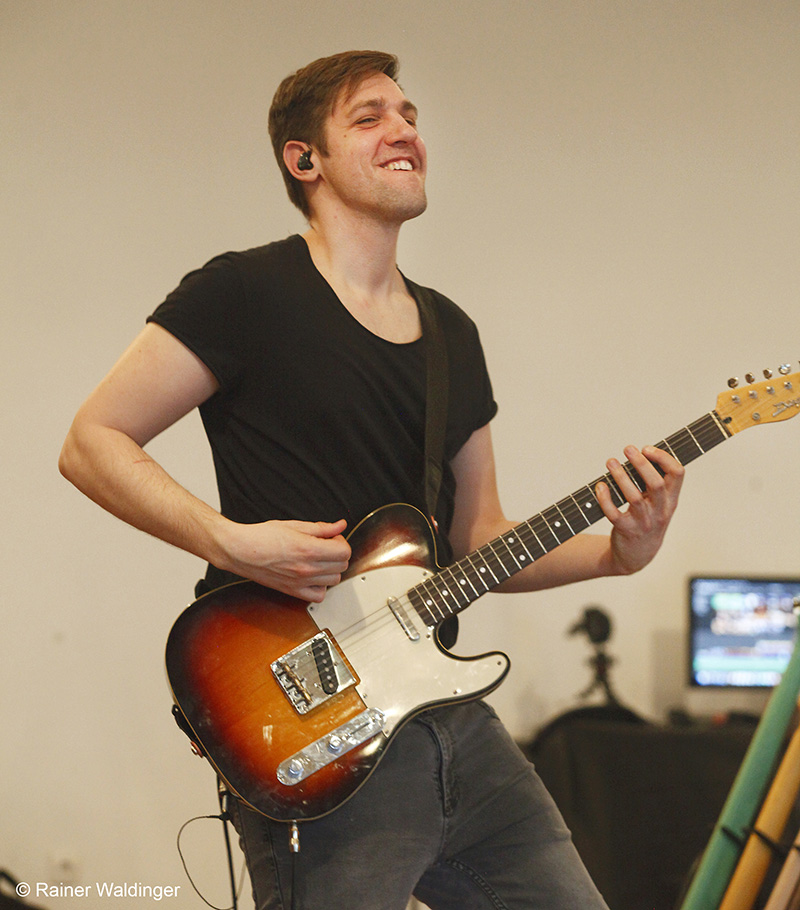
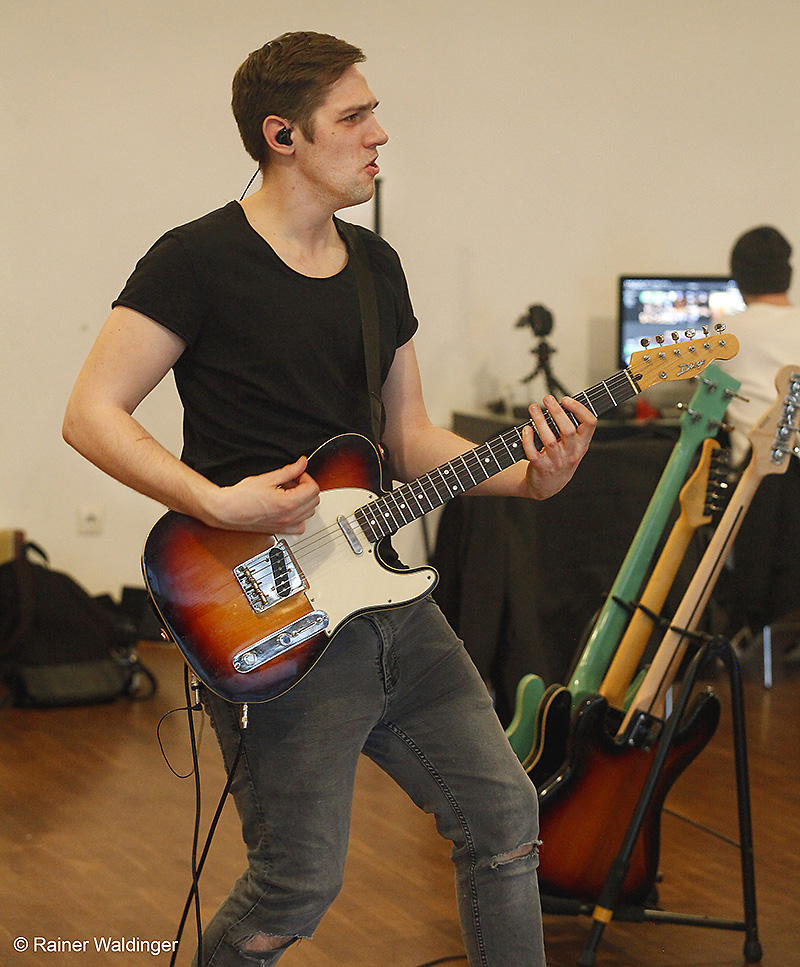
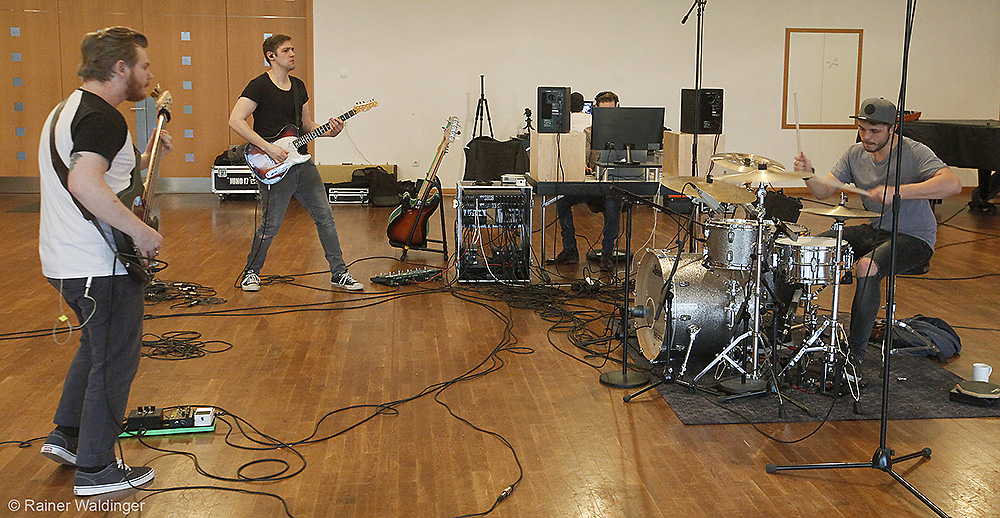
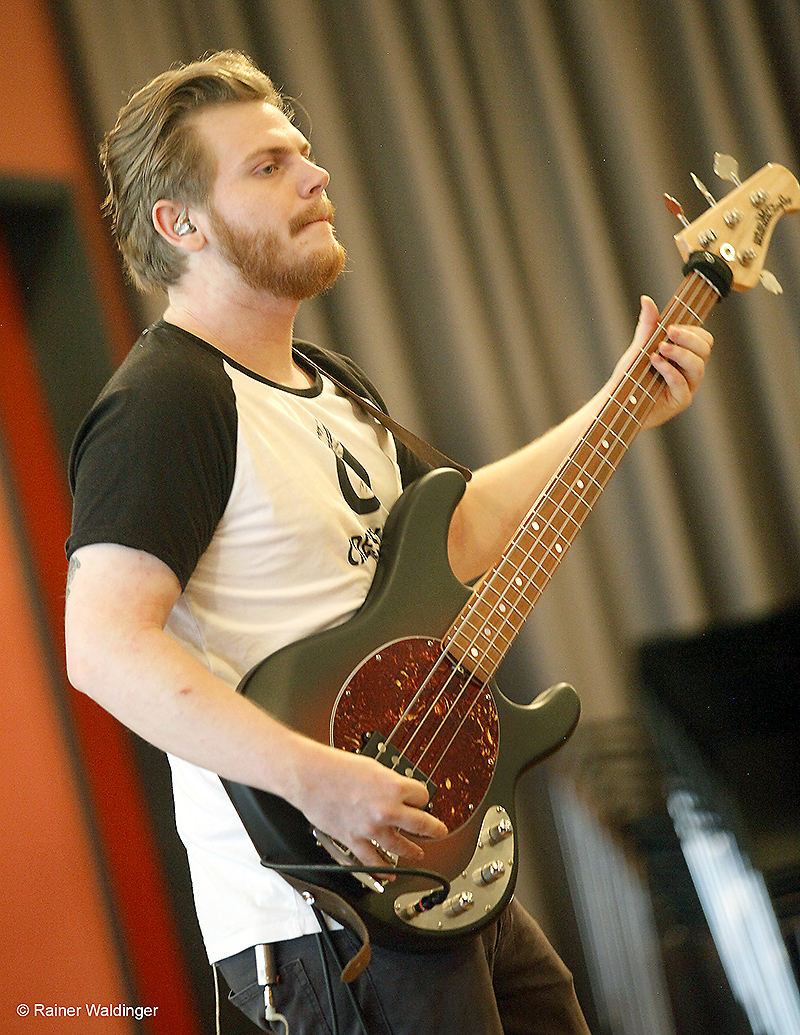
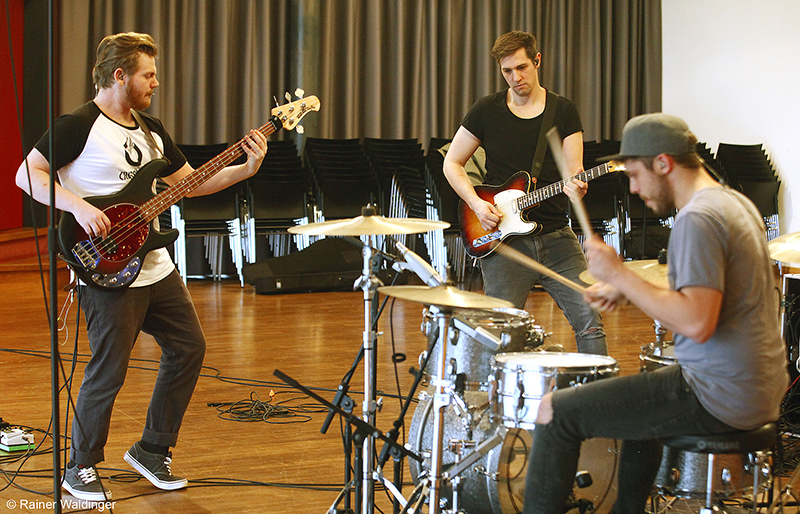
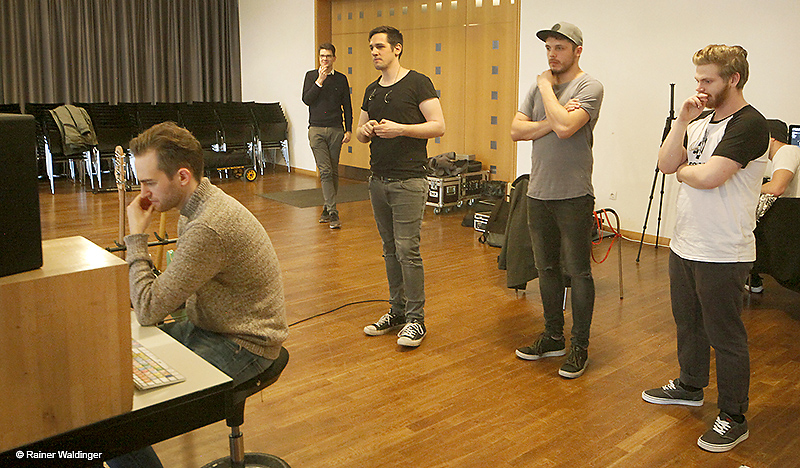
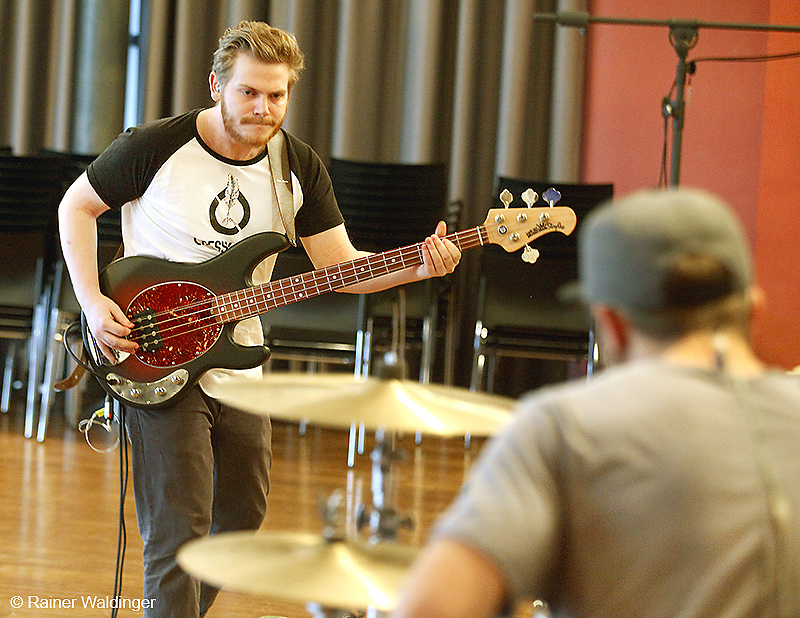
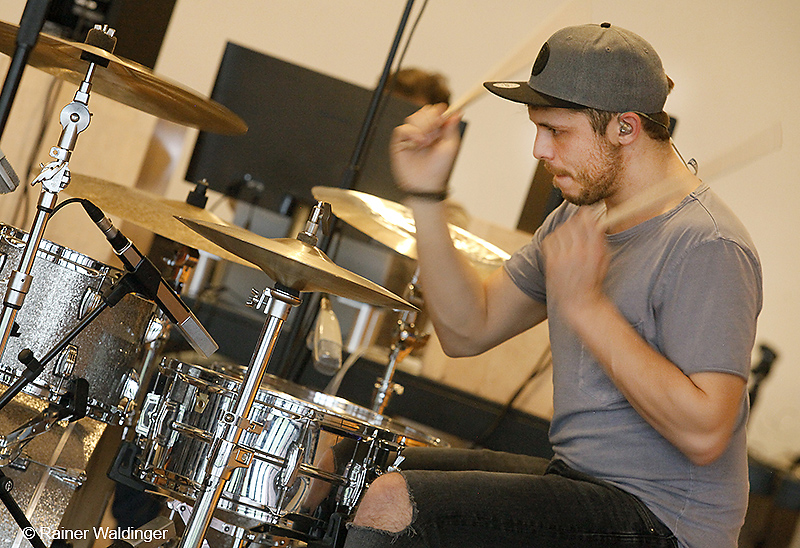
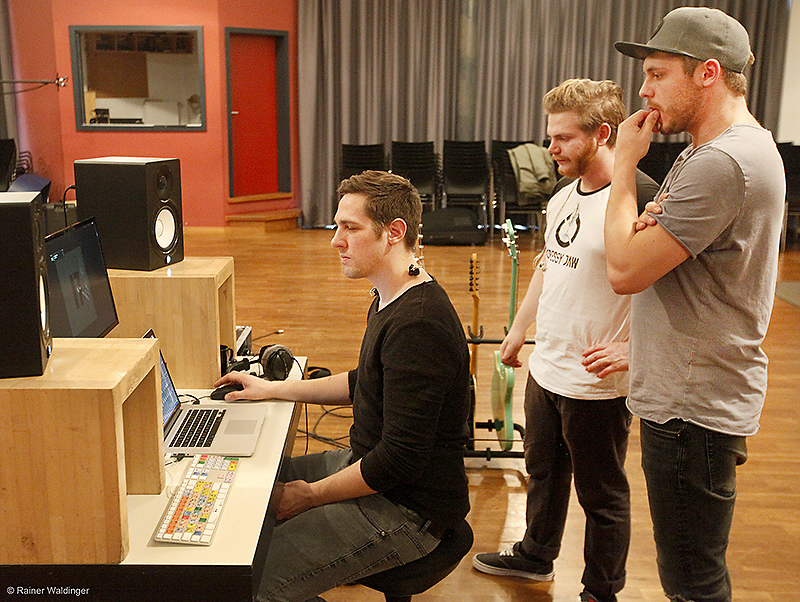
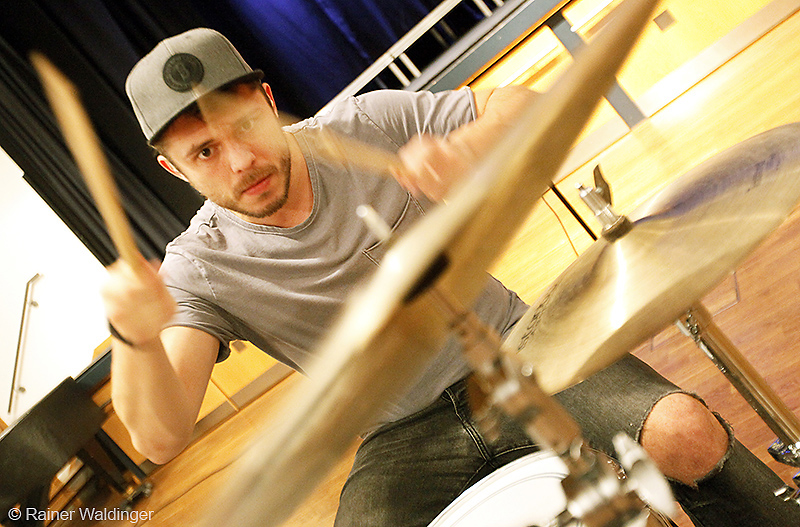
The German band “JUNO17” took advantage of the fact that schools were closed for the weekend to record parts of their new album at the Steinmühle Forum.

This extraordinary lineup has a history. The band, which has a large following on all social media platforms, has been around since 2015. Its members are Philipp Hofmann (vocals), Philipp Stauzebach (guitar), Joscha Mengel (bass), and Sebastian Schmitt (drums). Guitarist Philipp Stauzebach, from Marburg, was a student at Steinmühle himself. He graduated from high school here 13 years ago.

In 2016, the group celebrated its TV success in Germany when it provided the theme song for the season of *Celebrity Big Brother* with its song “Rebellen.” Since then, the musicians have been active primarily in Russia. There, they have built up a large fan base and have become an integral part of well-known music shows and the lineups of major festivals. With their cover version of the old Russian anti-war song “Beri Shinel, poshli damoy”—originally by Bulat Okudzhava—they performed on Victory Day in May 2019 (May 9), and have been traveling to Russia 5–6 times a year ever since. “We’re all working hard to learn Russian,” said singer Philipp Hofmann when asked how he and his colleagues were getting along with communication. “But we’re not quite there yet.”

Guitarist Philipp Stauzebach from Marburg still raves about the musical support he always received at the Steinmühle. He has remained in touch with his former school—especially with principal Björn Gemmer—to this day, and the sound of the Forum was one of the reasons Stauzebach chose to record parts of his new album right there, where, musically speaking, it all began for him.

(Angela Heinemann)

18. March 2020
https://steinmuehle.de/wp-content/uploads/sites/5/2020/03/MG_1255_800px.jpg 514 800 konnertz https://steinmuehle.de/wp-content/uploads/sites/5/2025/11/Logo_SchuleInternat_Steinmuehle_2026_3.png konnertz2020-03-18 11:09:362026-06-18 15:50:26Music “made in Steinmühle”: Philipp Stauzebach and his band Juno17 recorded a new album at the Forum

First Prize at “Jugend musiziert” for Nela Haeberle and her flute quartet

Art, Music & Theater, Contests & Awards, News, Talent Development

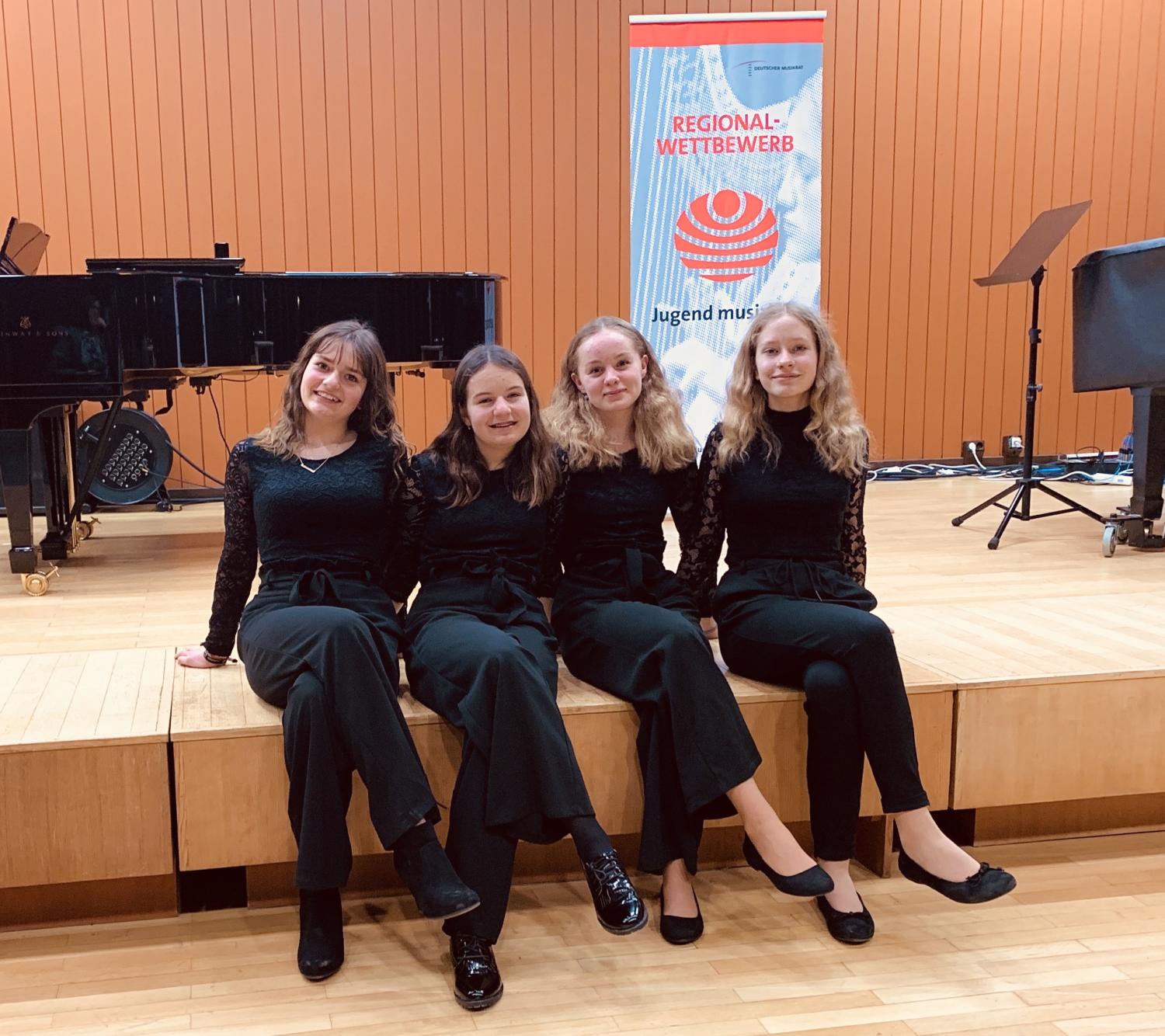
Nela Haeberle and her flute quartet won first prize with a perfect score of 25 points at the Central Hesse regional round of “Jugend musiziert” held at the Philosophikum II in Giessen. The “Vier Notenschlüssel” have thus qualified directly for the state competition, which will be held at the end of March at the State Music Academy in Schlitz. The quartet’s ultimate goal—which includes Nela Haeberle (second from the left) along with students Anna Briel, Anna Schwarz, and Miriam Lange—is to qualify for the national competition. We’re keeping our fingers crossed for them!

18. March 2020
https://steinmuehle.de/wp-content/uploads/sites/5/2020/03/IMG_0086-scaled.jpg 1334 1500 konnertz https://steinmuehle.de/wp-content/uploads/sites/5/2025/11/Logo_SchuleInternat_Steinmuehle_2026_3.png konnertz2020-03-18 10:59:542026-06-18 17:34:25First Prize at “Jugend musiziert” for Nela Haeberle and her flute quartet

Coronavirus – Important Information

News

Dear Parents,

In addition to Friday evening’s announcement, we would like to inform you of the option, as communicated by the Ministry of Education, to pick up school supplies—particularly books, workbooks, and binders—from the school. To avoid crowds, we are extending the pickup time window at the Steinmühle campus:

The school buildings will be open from Monday, March 16, through Wednesday, March 18, from 7:30 a.m. to 6:00 p.m. each day. As we noted on Friday evening: To significantly slow the spread of the coronavirus, it is important that as few students as possible come to school. Children whose parents are not eligible to provide care have the option of attending school. This applies when the children are at an age where they cannot yet stay home alone and when both parents work in jobs that are essential to society, such as healthcare workers (doctors, nurses, pharmacy staff), firefighters, police officers, etc., as children should not be cared for by their grandparents. If you belong to this group, please email me at bjoern.gemmer@steinmuehle.net AND Bernd Holly at bernd.holly@steinmuehle.net by Sunday evening to let us know which student will be coming to school starting Monday to receive care there. Even though teachers are still required to report for duty, this information is important so that we can verify that your daughter or son has arrived at school and know how many lunches to prepare. Additional important information:

  • As things stand now, the regular high school graduation exam date will remain unchanged.
  • The parent-teacher conferences have been canceled.
  • The same applies to all informational events.

The parents of boarding students will receive further information from the boarding school administration. You will certainly receive additional emails from Steinmühle in the near future. In particular, we will try to send your daughters and sons study materials on important school-related topics. To do this, we will either send emails or share information in the relevant groups on the StoneApp.

With warm regards and best wishes for a healthy weekend!
Bernd Holly and Björn Gemmer

15. March 2020
https://steinmuehle.de/wp-content/uploads/sites/5/2020/03/w1176_h662_x750_y421_0937bab5574caf29.jpeg 662 1176 konnertz https://steinmuehle.de/wp-content/uploads/sites/5/2025/11/Logo_SchuleInternat_Steinmuehle_2026_3.png konnertz2020-03-15 16:47:002026-06-18 15:50:25Coronavirus – Important Information

Steinmühle Boarding School: Active on the Slopes

Class Trips, Field Trips, and School Outings, News, Sports & Health, Steinmühle on the Road
Spectacular weather awaited us in Randa:

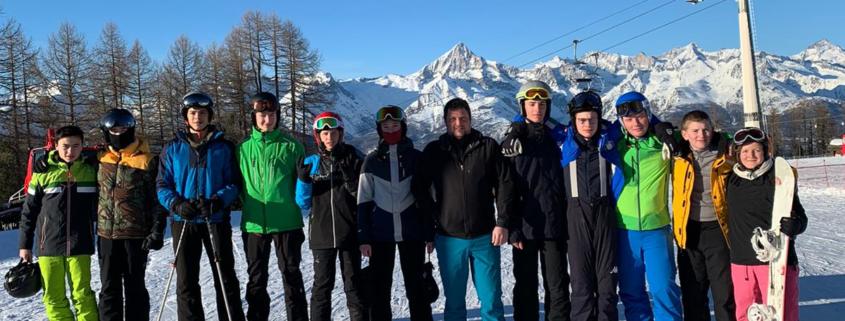
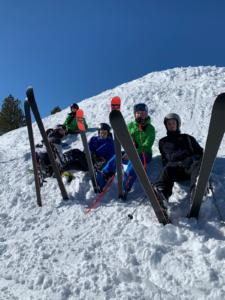
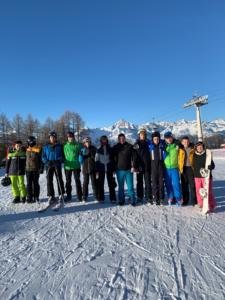
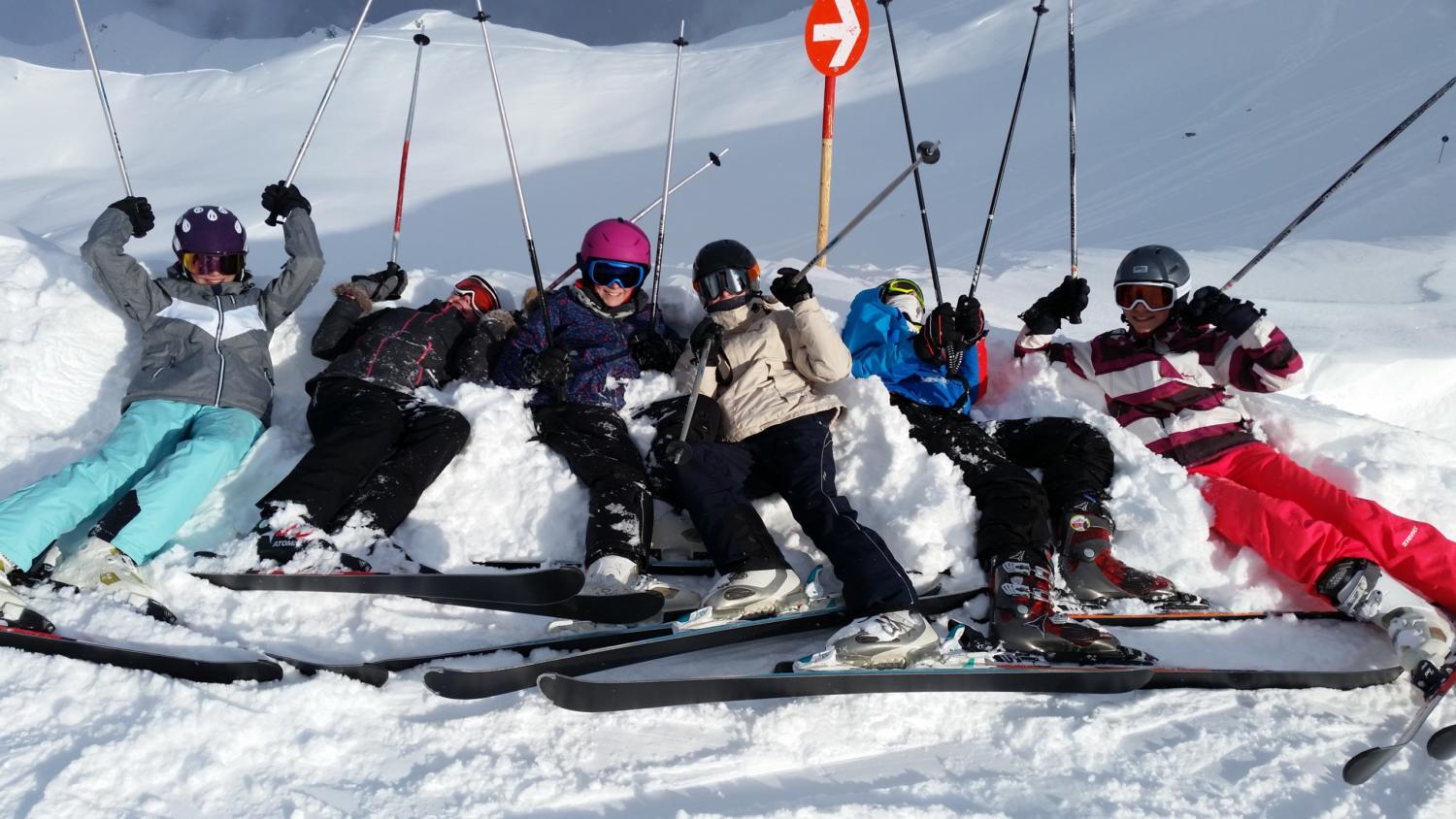
The ski trip to Randa, Switzerland, has long been a staple of the annual schedule at Steinmühle Boarding School. On February 13, ten students set off together with

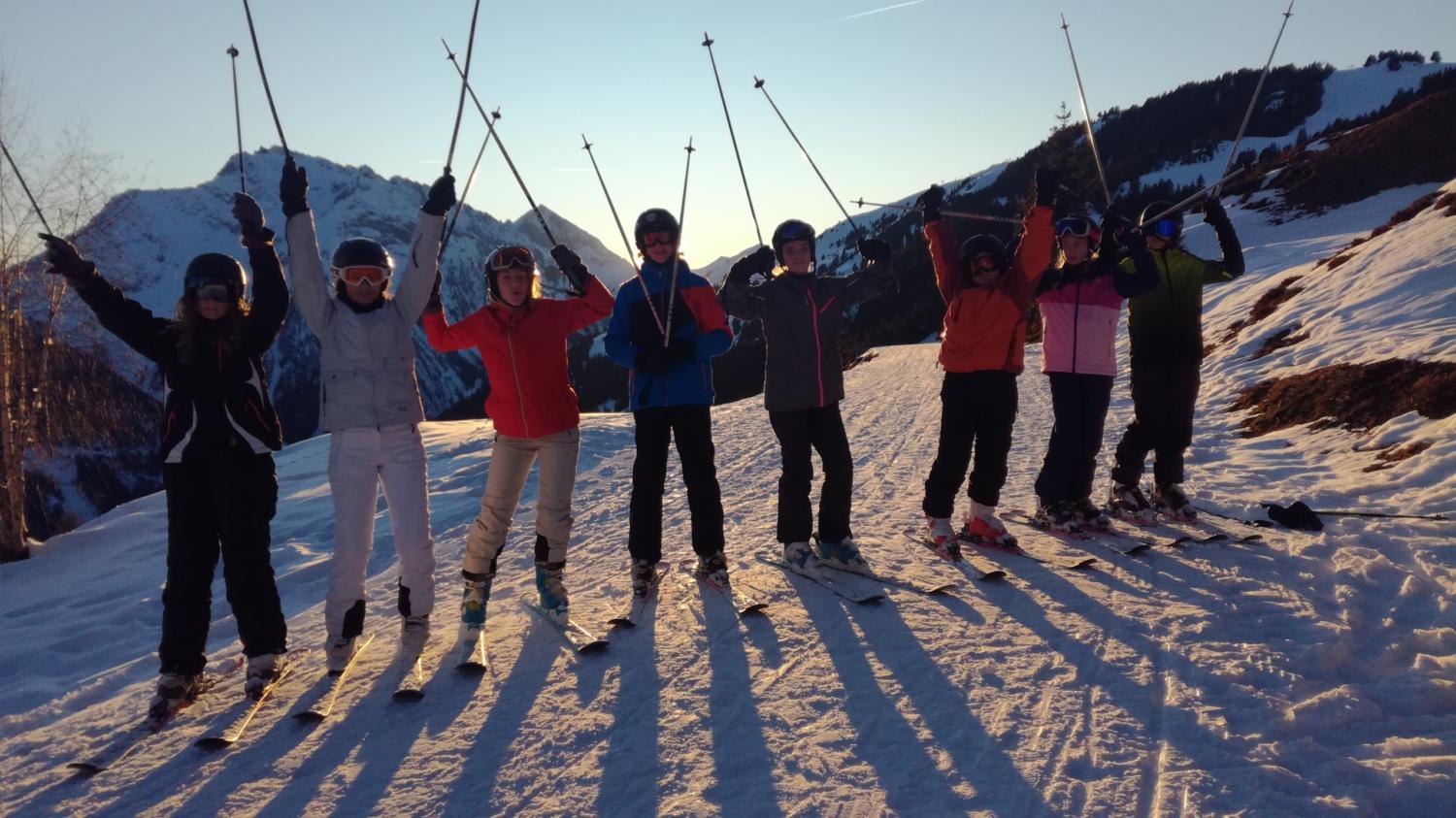
Nils Schwandt and Freya Penschuck set out from Marburg for the Grächen ski resort. The weather throughout their three-day stay more than made up for the eight-hour trip there, which took place in the rain and under less-than-ideal conditions. “We had what you might call perfect weather in Randa,” the participants reported. Indeed, the cloudless sky and clear visibility treated the students from the Steinmühle boarding school to a view of the distant Matterhorn!
Helping One Another
It quickly became clear that all the passengers had been on a ski vacation before, on their own. You could tell that some were experienced skiers or snowboarders: they turned out to be seasoned and skilled riders. In contrast, others still needed a little extra help or a refresher on their skills. In many cases, everyone quickly helped each other out to navigate the slopes successfully. We also had Freya, a certified snowboard instructor, who had a few helpful tips for everyone.
Working Out During the Day
We slept in old, rustic wooden cabins on the grounds of a former farm in a traditional mountain village at an elevation of about 1,400 meters. We hit the slopes around 9 a.m. The day there was active and full of exercise. Around 4:30 p.m., the group met up to ski down to the valley. So it’s no wonder that everyone was thoroughly tired and exhausted by evening. After cooking and eating together, we chatted a bit or played some games to wind down the day peacefully.
Refreshing all around
Once again this year, none of the participants could escape the ritual that has been a tradition for years: Anyone visiting Randa for the first time must take a quick dip in a water trough. Since it is fed by pure mountain spring water, this turned into a “pleasantly refreshing” splash around. Everyone took the decidedly cool temperatures in stride and saw it as a sign to return to their schoolwork with a clear head once they were back at the Steinmühle boarding school.

13. March 2020
https://steinmuehle.de/wp-content/uploads/sites/5/2020/03/IMG-20200312-WA0003-scaled.jpg 1500 1125 Angela https://steinmuehle.de/wp-content/uploads/sites/5/2025/11/Logo_SchuleInternat_Steinmuehle_2026_3.png Angela2020-03-13 10:46:392026-06-18 15:50:24Steinmühle Boarding School: Active on the Slopes

School Ski Course: A varied program featuring hands-on activities, theory, and fun at the mountain huts

Class Trips, Field Trips, and School Outings, News, Sports & Health

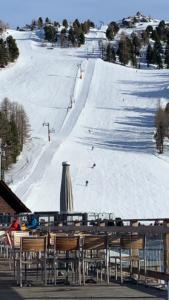
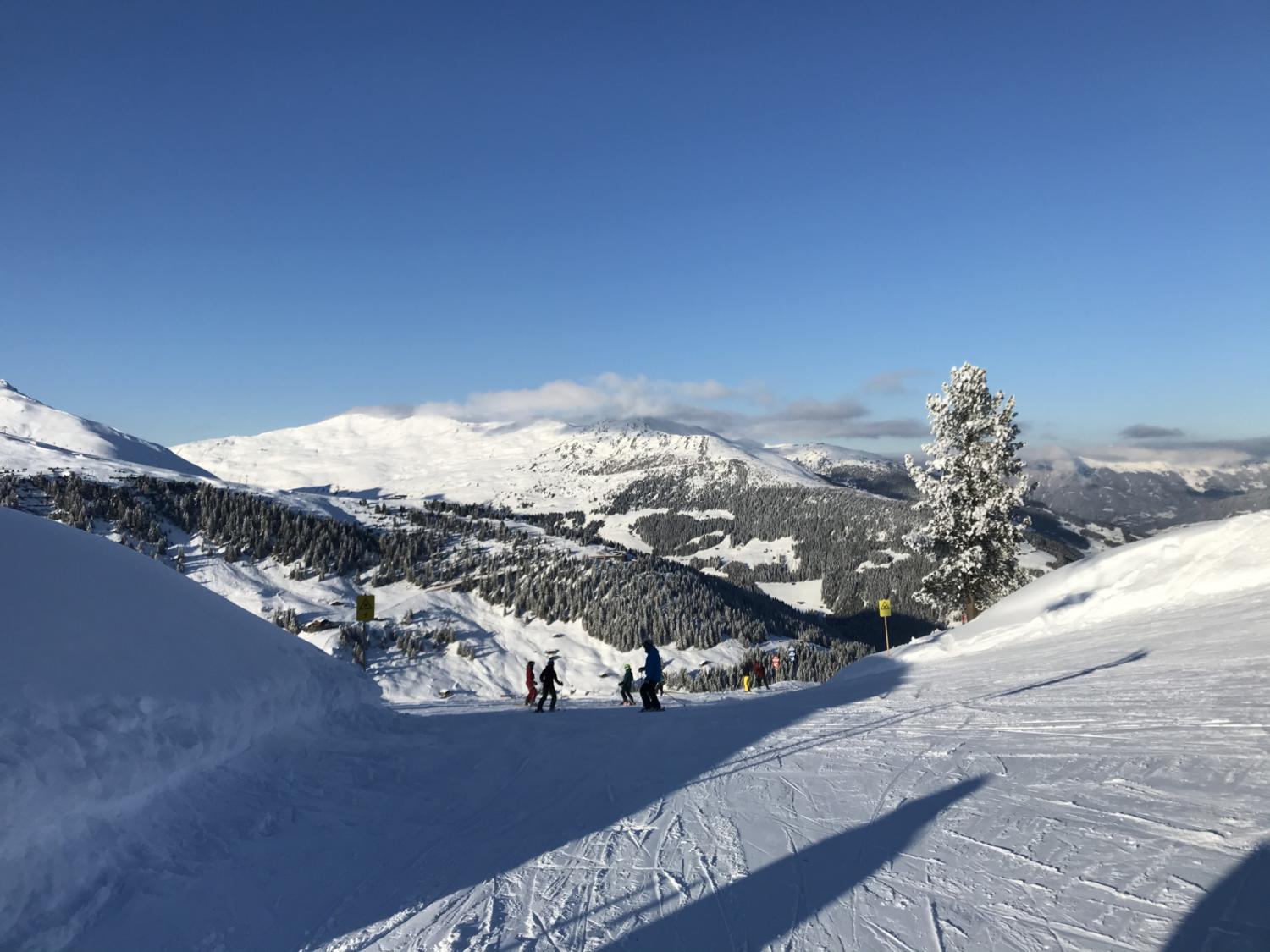
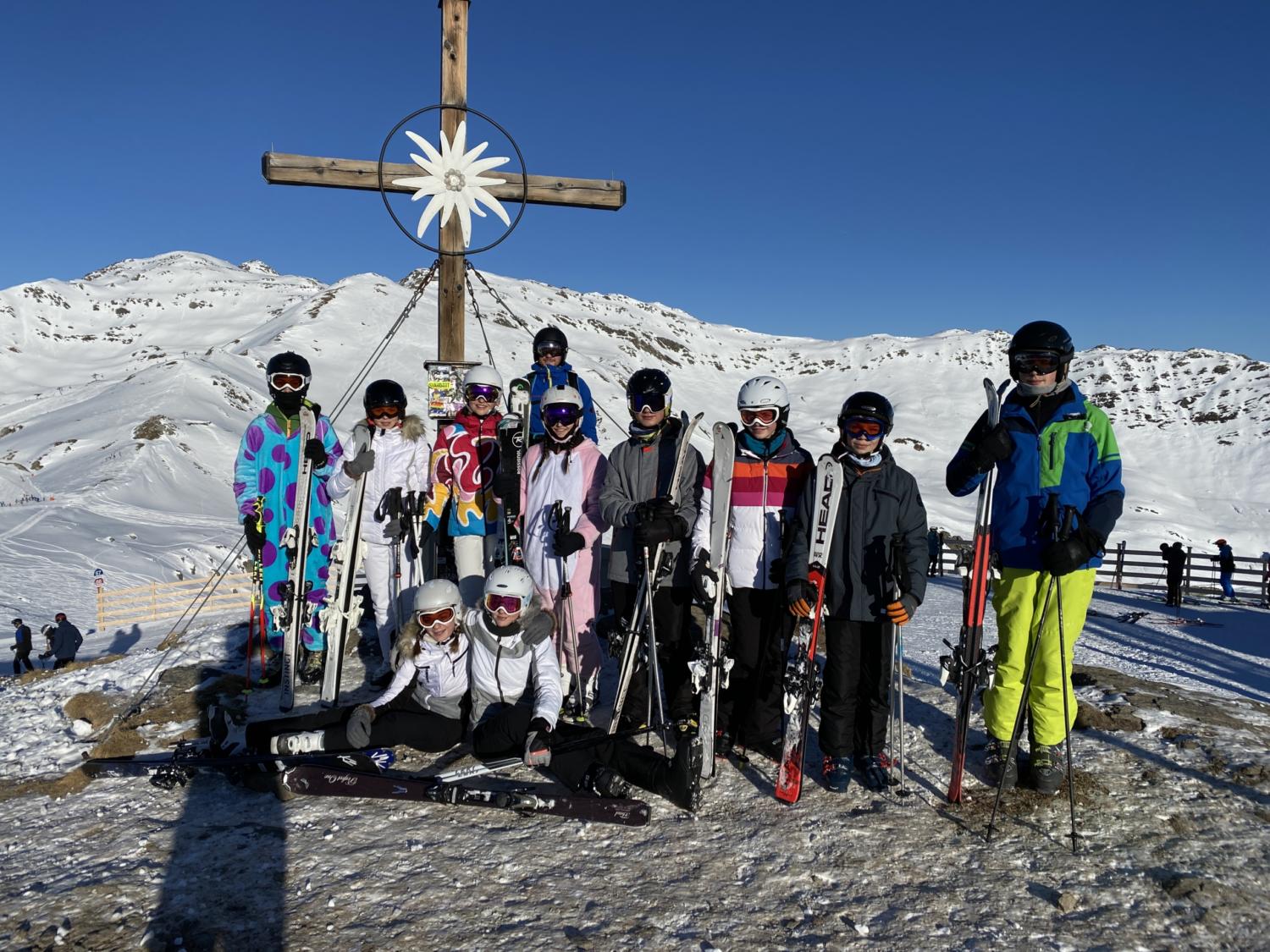
At the end of the third week of January, the annual school ski trip for 8th-grade classes began. With a total of 72 students and 11 teachers, the group set off by bus for Mayrhofen in the Zillertal.

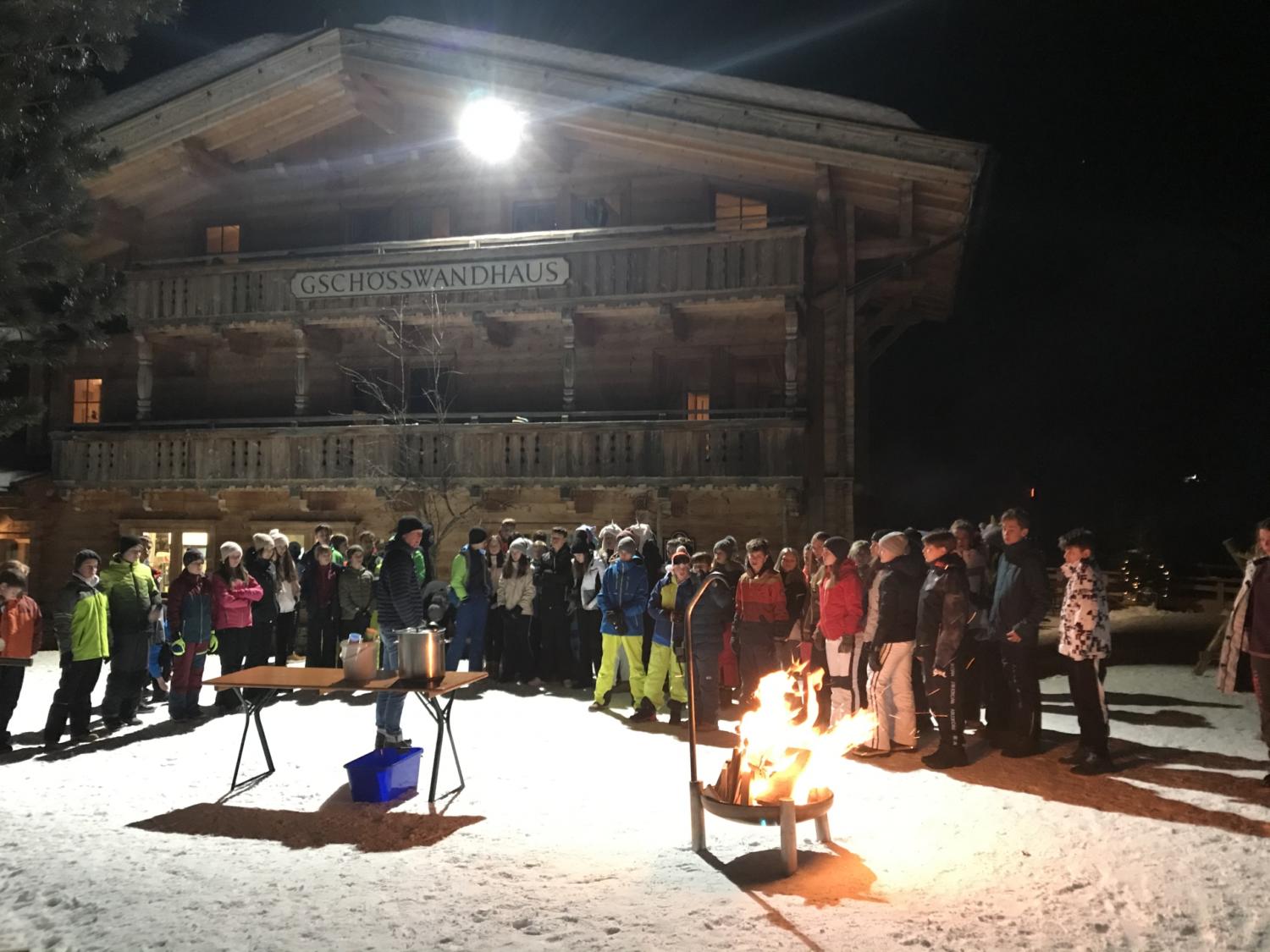
After overcoming the initial organizational challenge of transferring all the luggage from the bus to the Penkenbahn in no time at all, everyone was then able to enjoy the Alpine panorama to the fullest. Upon arriving at the Gschösswandhaus, run by the Mitterer family, everyone settled into their rooms and enjoyed their first hearty dinner.

For the following days, everyone was divided into three skill-level groups—from beginners to advanced—to improve their skiing skills or learn to ski with the help of the instructors.

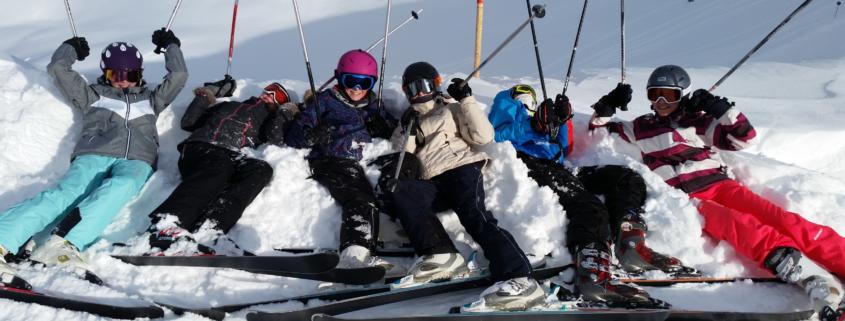
The days began with a wake-up call at 7:30 a.m. and ended with bedtime at 10:00 p.m. We hit the slopes for two hours each morning and afternoon. Everything went smoothly, and aside from a few minor scrapes, everyone had a great time—especially in the bright sunshine starting on the second day.


About slope rules and Alpine Hazards

There was also a varied program at the lodge, and the theoretical side wasn’t neglected: the instructors presented a lecture on international slope rules, skiing adapted to external conditions, and information about alpine hazards. In addition, there was always plenty of entertainment. There was a moonlight disco; at night, participants could marvel at the clear starry sky on a night hike; and on the ski-free afternoon, they could even tour the Penkenbahn or head down to Mayrhofen for some shopping. Highlights included the final afternoon on the slopes, when students were allowed to ski in mixed groups; a fire alarm accidentally triggered by deodorant spray; and the elaborately and creatively designed “rocket” in the room decoration contest. On the day of departure, everyone headed back to beautiful Marburg with mixed feelings.
The WU Student Newspaper

dav

4. March 2020
https://steinmuehle.de/wp-content/uploads/sites/5/2020/03/20200119_150743-scaled-1-scaled.jpg 844 1500 konnertz https://steinmuehle.de/wp-content/uploads/sites/5/2025/11/Logo_SchuleInternat_Steinmuehle_2026_3.png konnertz2020-03-04 11:27:292026-06-18 15:49:30School Ski Course: A varied program featuring hands-on activities, theory, and fun at the mountain huts
Page 1 of 212

Pages

  • A Safe Place
  • About Us
  • Alternative Sports
  • Alumni Feed
  • Alumni Login
  • Alumni Reunion
  • Annual Calendar Download
  • Art, Music & Theater
  • Awards
  • Bilingual Elementary School
  • Bilingual Elementary School
  • Boarding School
  • Boarding School Admission
  • Boarding School as an Opportunity
  • Charity Projects
  • Contact
  • Costs & Contract Terms
  • Digitization
  • Donation Failed
  • Donation Receipt
  • Donor Dashboard
  • Ecology & Sustainability
  • Elementary School Registration
  • Events
  • Fan Shop
  • Fit for Life
  • Forgot your password?
  • Friends & Alumni
  • Friends of the School Association
  • Funding Partners
  • Fundraising
  • Groups
  • High School
  • High School Admission
  • High School Registration Form
  • Home
  • Internal Clubs
  • International High School
  • International High School Program
  • International High School Registration Form
  • International School
  • International School Registration
  • Keyword Search
  • Languages & International Affairs
  • Learning
  • Legal Notice
  • Life
  • Members
  • MINT Lab Equipment
  • Mission Statement & Vision
  • My Profile
  • News
  • News
  • News Archive
  • Newsletter
  • Newsletter
  • Organization & History
  • Partners
  • Privacy Policy
  • Privacy Policy (Detailed)
  • Project-Based Learning
  • Promoting Independence & Individuality
  • Promoting STEM Talent
  • Publications
  • Quality Management
  • Recording
  • Registration Form for the Bilingual Elementary School
  • Reset Password
  • Riding School
  • Rowing Club
  • School
  • School as a Community
  • Signed up for the newsletter
  • Social Responsibility
  • Social Responsibility & Strengthening the Community
  • Sponsorship
  • Sports & Health
  • Sports & Recreation
  • Stakeholders
  • Steinmühle Alumni Network
  • Steinmühle as a Youth Welfare Agency
  • Stories
  • Summer Camps
  • Support Current Projects
  • Support for Families
  • Talent Program Plus STEM
  • Teams
  • Terms and Conditions for High School
  • Terms and Conditions for the Bilingual Elementary School
  • Terms and Conditions of the International High School
  • Terms of Contract for the Bilingual Primary School
  • Terms of Contract for the International School
  • Trips & Weekends
  • Upload Transcript
  • What is … up to today, anyway?
  • Why Steinmühle?
  • Work at the Steinmühle

Categories

  • Archive
  • Art, Music & Theater
  • Bilingual Elementary School
  • Boarding School
  • Class Trips, Field Trips, and School Outings
  • Collaborations & Partnerships
  • Contests & Awards
  • Digitalization & AI
  • Ecology and Sustainability
  • Events & Celebrations
  • Former Students & Alumni
  • International High School
  • Job Openings
  • Languages & International Affairs
  • Life at Boarding School
  • News
  • Politics, Business & Responsibility
  • Rowing
  • Social Engagement
  • Sports
  • Sports & Health
  • Steinmühle on the Road
  • Steinmühle Riding School
  • STEM
  • Surveys & Studies
  • Talent Development
  • Uncategorized

Archive

  • June 2026
  • May 2026
  • April 2026
  • March 2026
  • February 2026
  • January 2026
  • December 2025
  • November 2025
  • October 2025
  • September 2025
  • August 2025
  • July 2025
  • June 2025
  • May 2025
  • April 2025
  • March 2025
  • February 2025
  • January 2025
  • December 2024
  • November 2024
  • October 2024
  • September 2024
  • August 2024
  • July 2024
  • June 2024
  • May 2024
  • April 2024
  • March 2024
  • February 2024
  • January 2024
  • December 2023
  • November 2023
  • October 2023
  • September 2023
  • August 2023
  • July 2023
  • June 2023
  • May 2023
  • April 2023
  • March 2023
  • February 2023
  • January 2023
  • December 2022
  • November 2022
  • October 2022
  • September 2022
  • August 2022
  • July 2022
  • June 2022
  • May 2022
  • April 2022
  • March 2022
  • February 2022
  • January 2022
  • December 2021
  • November 2021
  • October 2021
  • September 2021
  • August 2021
  • July 2021
  • May 2021
  • April 2021
  • March 2021
  • February 2021
  • December 2020
  • November 2020
  • October 2020
  • September 2020
  • August 2020
  • July 2020
  • June 2020
  • May 2020
  • April 2020
  • March 2020
  • February 2020
  • January 2020
  • December 2019
  • November 2019
  • October 2019
  • September 2019
  • August 2019
  • July 2019
  • June 2019
  • May 2019
  • April 2019
  • March 2019
  • February 2019
  • January 2019
  • December 2018
  • November 2018
  • October 2018
  • September 2018
  • August 2018
  • July 2018
  • June 2018
  • May 2018
  • April 2018
  • March 2018
  • February 2018
  • January 2018
  • December 2017
  • November 2017
  • October 2017
  • September 2017
  • August 2017
  • July 2017
  • June 2017
  • May 2017
  • April 2017
  • March 2017
  • February 2017
  • January 2017
  • December 2016
  • November 2016
  • October 2016
  • September 2016
  • August 2016
  • July 2016
  • June 2016
  • May 2016
  • April 2016
  • March 2016
  • February 2016
  • December 2015
  • November 2015
  • October 2015
  • September 2015
  • July 2015
  • June 2015
  • May 2015
  • April 2015
  • March 2015
  • February 2015
  • January 2015
  • December 2014
  • November 2014
  • October 2014
  • September 2014
  • July 2014
  • June 2014
  • May 2014
  • April 2014
  • March 2014
  • February 2014
  • January 2014
  • December 2013
  • November 2013
 
PreviousNext
12
 
PreviousNext
123456

Do you have questions about the school?

School Administration & Management

Björn Gemmer & Dirk Konnertz
Phone: 06421 408-20

schule@steinmuehle.de

Do you have questions about the boarding school?

Boarding School Administration & Management

Anke Muszynski & Dirk Konnertz
Phone: 06421 408-0

internat@steinmuehle.de

  • NEWSLETTER
  • PUBLICATIONS
  • CAREERS AT STEINMÜHLE
  • SUMMER CAMPS
  • LEGAL NOTICE
  • PRIVACY POLICY
  • CONTACT

Do you have questions about the school?

School Administration & Management

Björn Gemmer & Dirk Konnertz
Phone: 06421 408-20

schule@steinmuehle.de

Do you have questions about the boarding school?

Boarding School Administration & Management

Anke Muszynski & Dirk Konnertz
Phone: 06421 408-0

internat@steinmuehle.de

  • NEWSLETTER
  • PUBLICATIONS
  • WORK AT THE STONE MILL
  • SUMMER CAMPS
  • LEGAL NOTICE
  • PRIVACY POLICY
  • CONTACT

© Copyright – Steinmühle 2026 | Erneuern oder ändern Sie Ihre Cookie-Einwilligung
Scroll to top