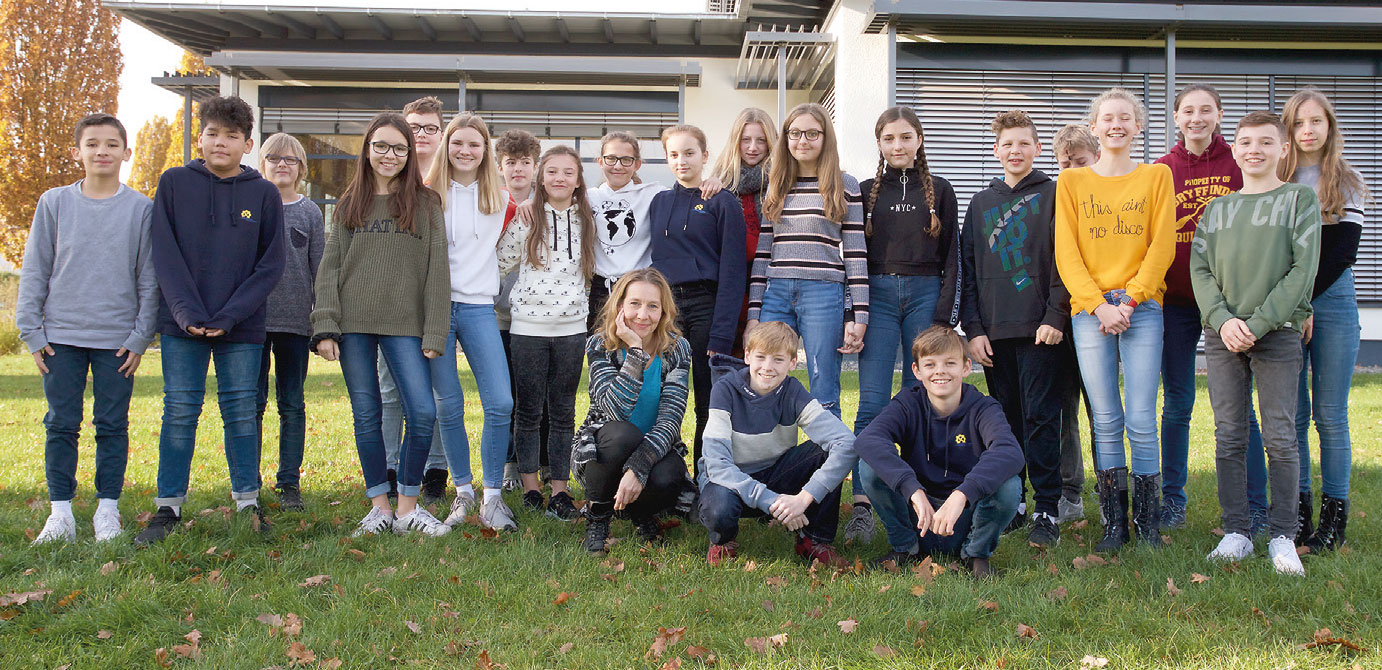
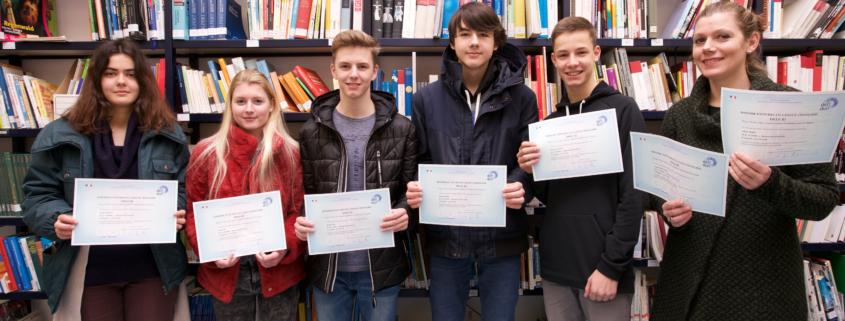
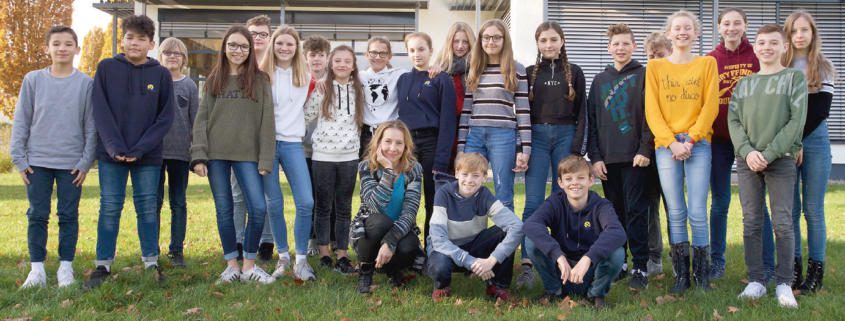
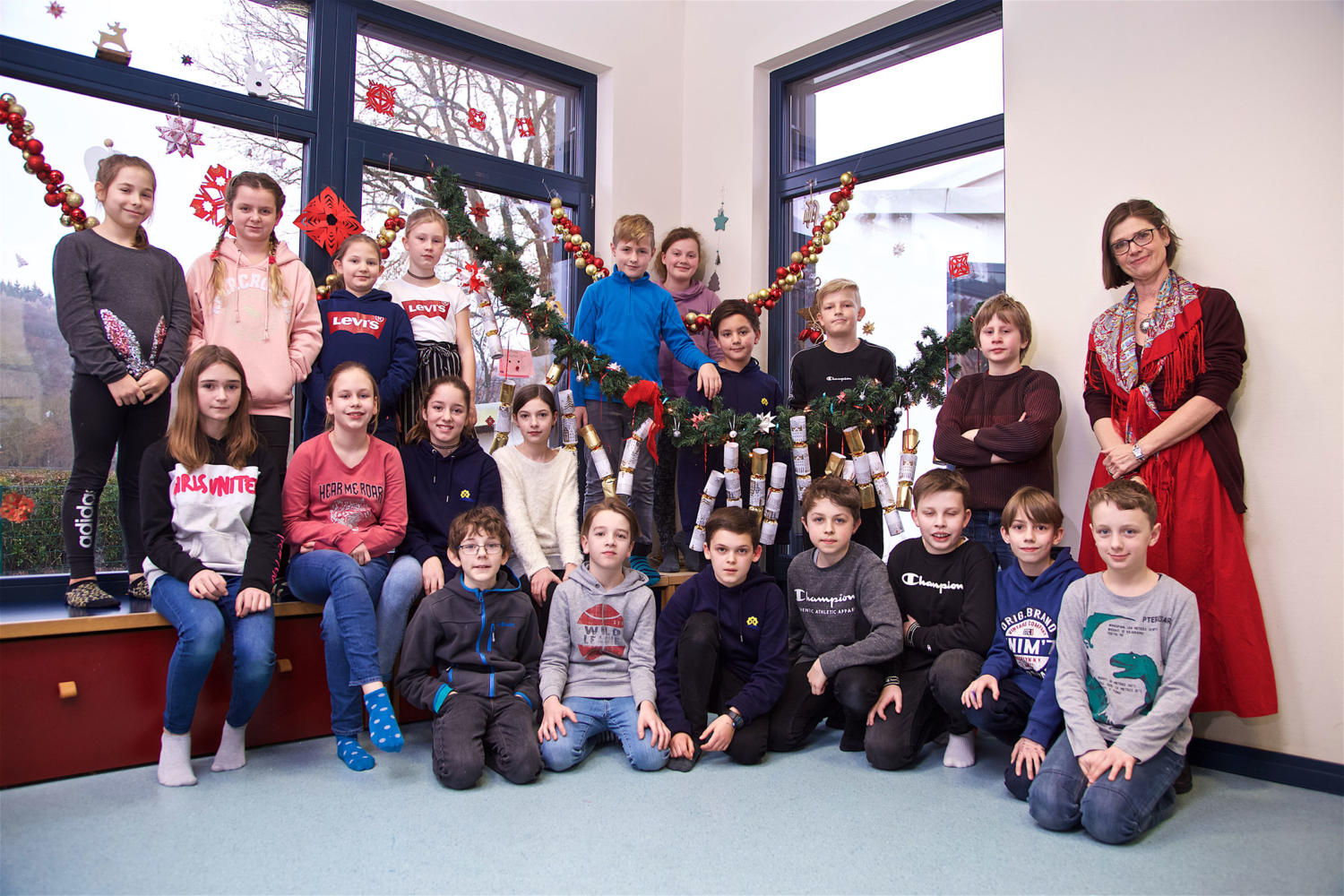
Since the first Reading Olympics for the current 7a class—with a total of over 139,000 pages read, and since some students in the class asked me if we could hold another Reading Olympics, we organized a second, slightly modified Reading Olympics during the 14 weeks leading up to summer break. To ensure that students who are not yet strong readers also have a chance to be just as successful in the Reading Olympics as the strong readers—for whom reading comes easily anyway—we based this round on the individual weekly page average from the last Reading Olympics, which students were tasked with matching or exceeding. Everyone who met this goal during the week received 100 points, with the aim of reaching 1,500 points by the end of the Olympics. Bonus points were awarded for every additional 100 pages read and for doubling, tripling, or more than one’s average. After all, 16 students managed to consistently read at or above their average. This is extremely encouraging, especially considering that in the 5th grade 16 students reported never or only rarely reading—and especially given that the students had already performed so well in the first Reading Olympics. Many even read significantly more than they did during the first Reading Olympics. In total, the class read 222,447.5 pages over these 14 weeks, nearly doubling their final result. It is particularly gratifying that some students, for whom reading was extremely difficult, managed to read up to 2,300 pages in a single week. These students in particular—who made the transition from non-readers to readers thanks to this Reading Olympics—can therefore be incredibly proud of themselves. First place in the second Reading Olympics went to Lilly Peters this time, with 9,750 points and 32,266 pages read (previously 18,432 pages), followed by Livia Schulze with 9,500 points and 36,972 pages read (previously 27,381 pages). With this, Livia once again set the record for the most pages read. Third place, also just behind the top two finishers, went to Rebecca Zenker with 9,000 points and 33,541 pages read (previously 25,044 pages). Fourth place —and thus the highest finish among the boys —went to Lasse Hühn with 7,400 points and 12,983 pages read (previously 1,730 pages). Lasse Hühn, who had an average of 91 pages read in his first Olympiad, has now reached an average of 927 pages. In addition to the students mentioned above, the following students also managed to break the 5,000-point mark; according to my prediction, I had expected only three students to do so: Hanna Schmidt-Dege with 7,250 points and 25,697 pages read (previously 10,350 pages), Amelie Laukel with 7,200 points and 22,657 pages read (previously 13,679 pages), and Henry Just with 6,450 points and 20,367 pages read (previously 12,252 pages). Marie Agel (6177 pages, up from 1109), Leon Schmidt (7367.5 pages, up from 3668), and Piet Laufhütte (2934 pages, up from 611) all achieved significant increases in their average reading scores . Laufhütte’s average increased from 32 pages in the first Reading Olympiad to 210 pages. Colin O’Brien, Sophia Weidemann, Junia Molzberger, Len Hülsbeck (son of Ms. Lauginiger), Laurenz Steiß, and Lia Kraft can also be very proud of themselves, as they have noticeably improved their averages from the last Olympiad.
Thus, following the creation of a classroom library, the “Reading Caterpillar,” the book presentations, and the first Reading Olympics, the second Reading Olympics can also be considered a great success.
All participants who earned 1,500 points received small gifts in recognition of their great dedication to reading. The eight winners who earned 5,000 points received larger prizes.