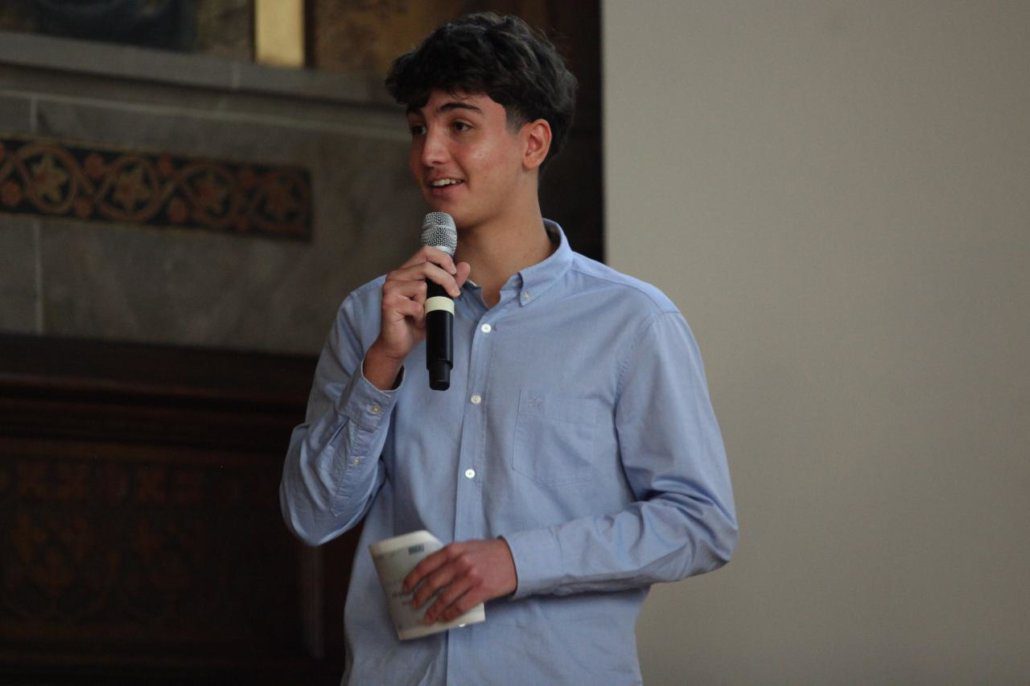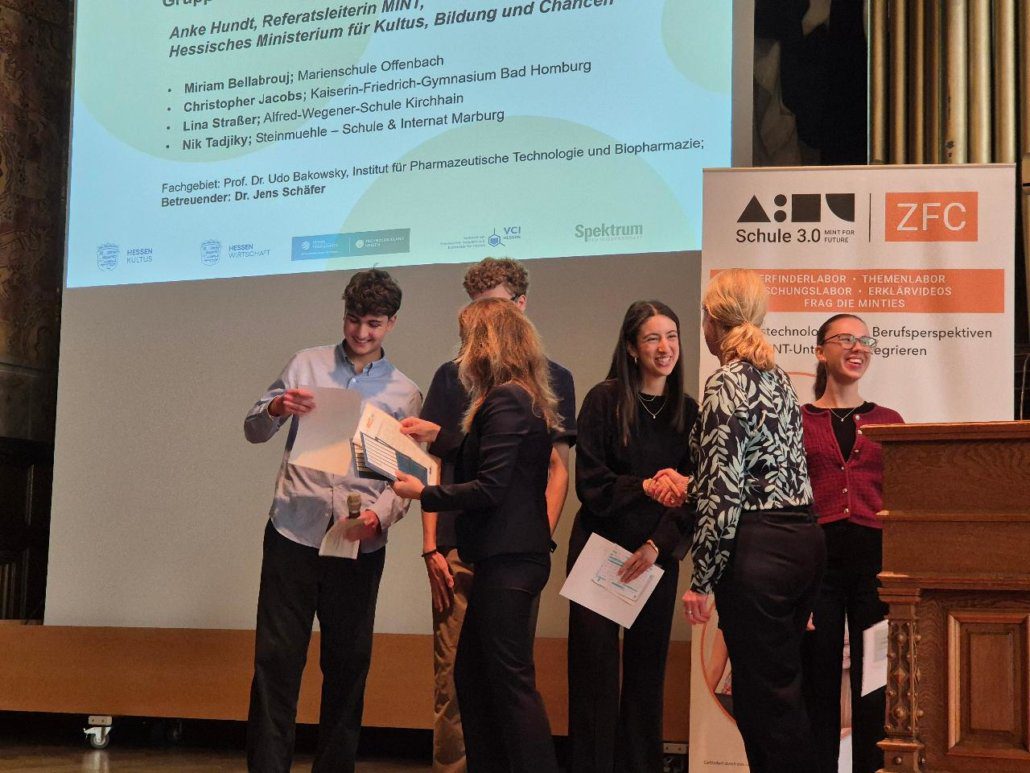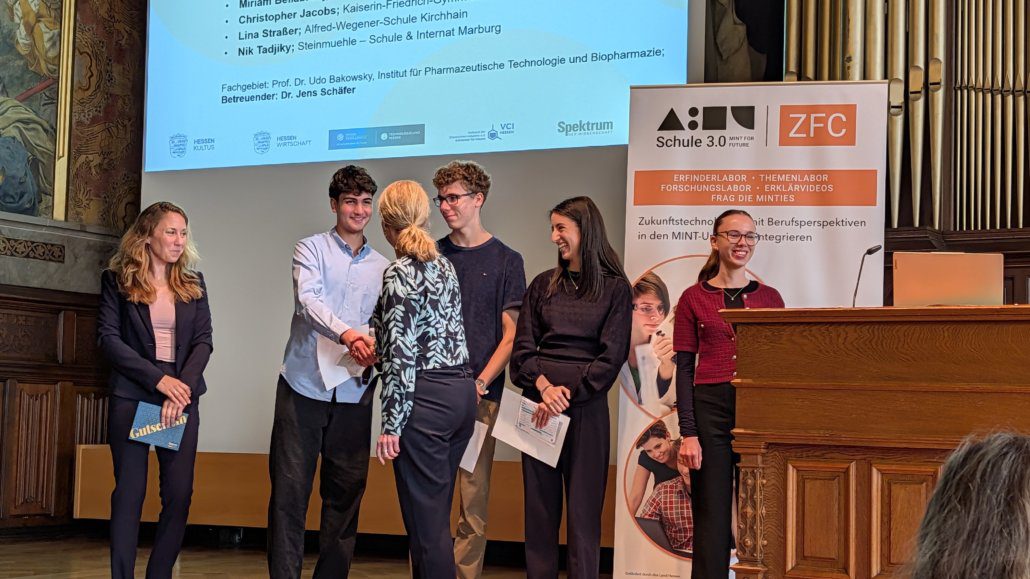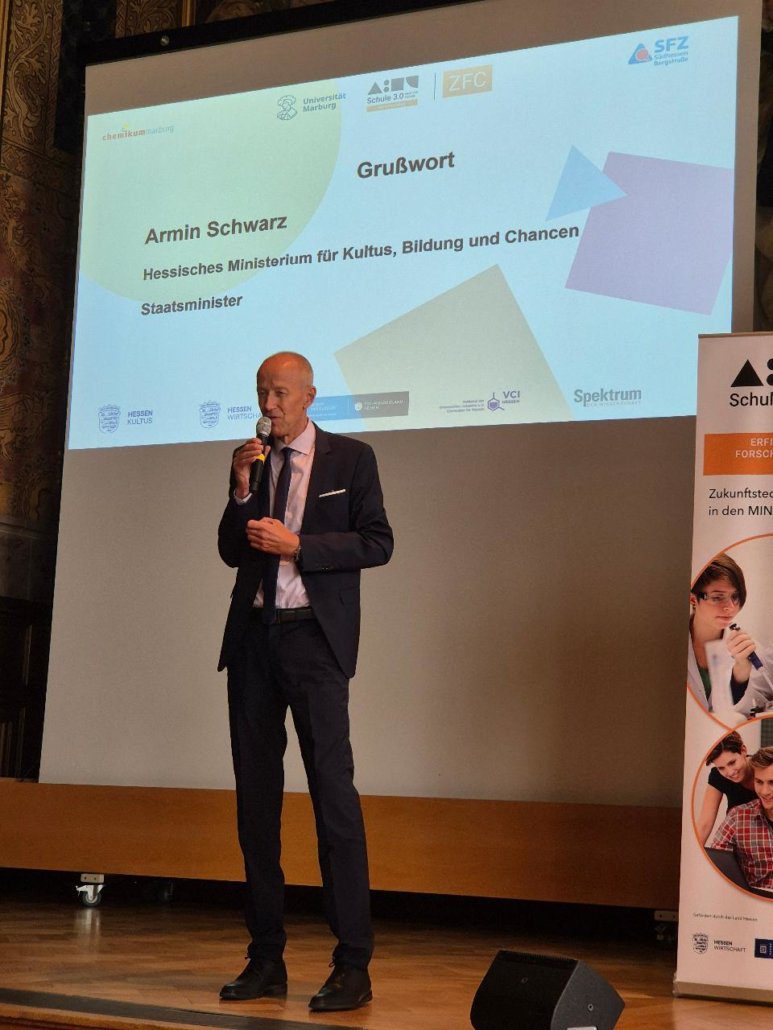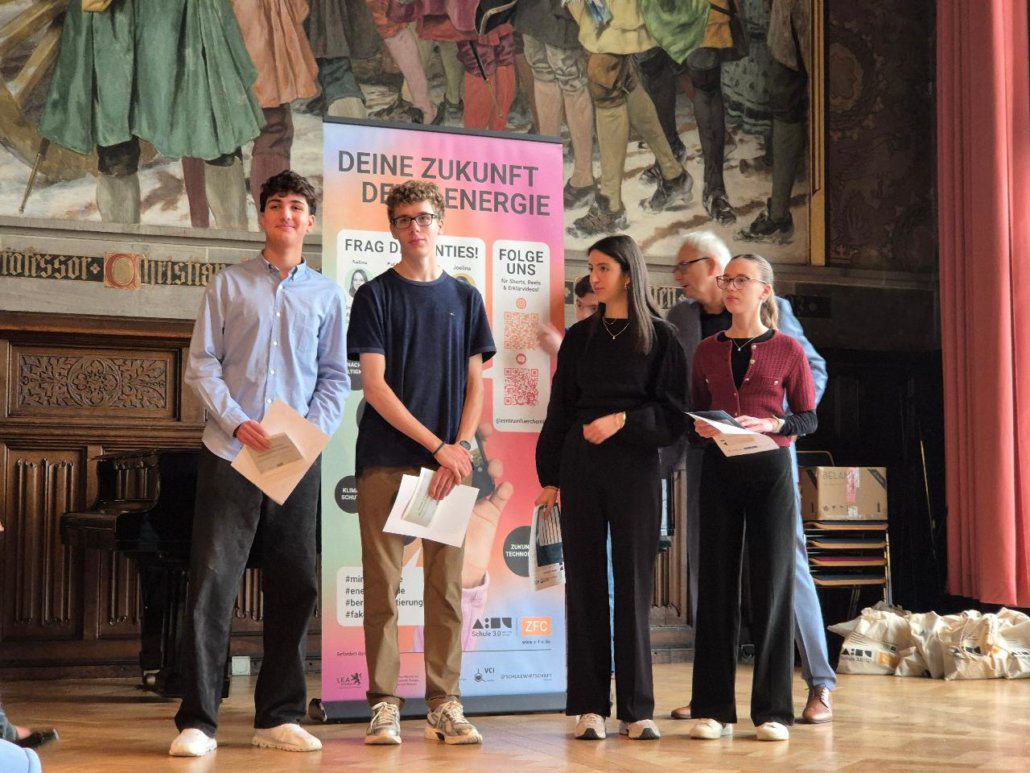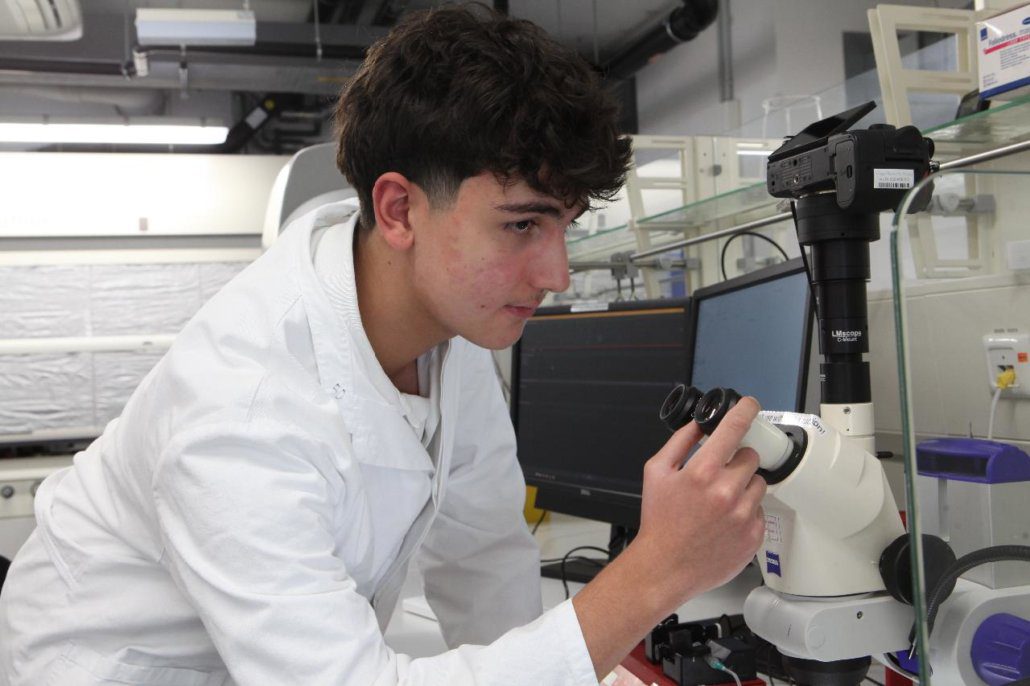
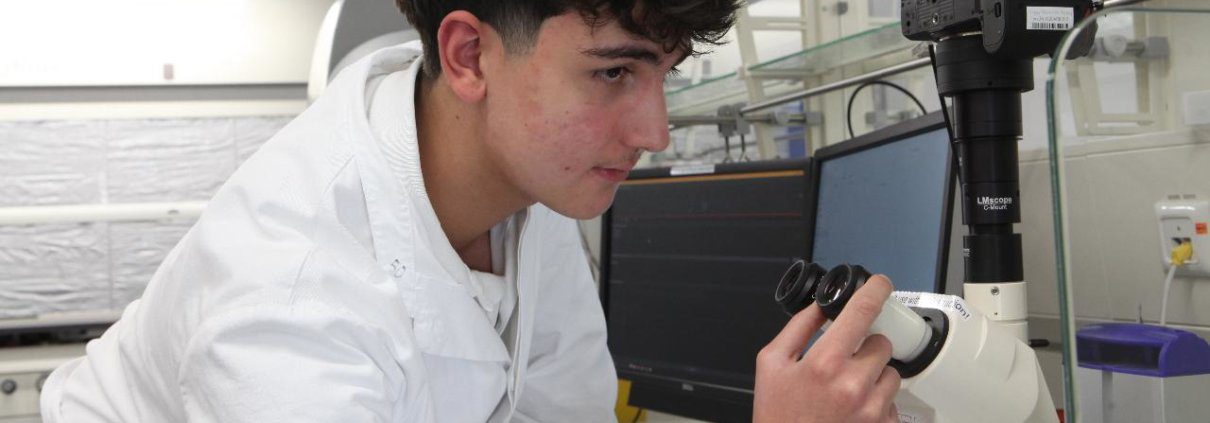
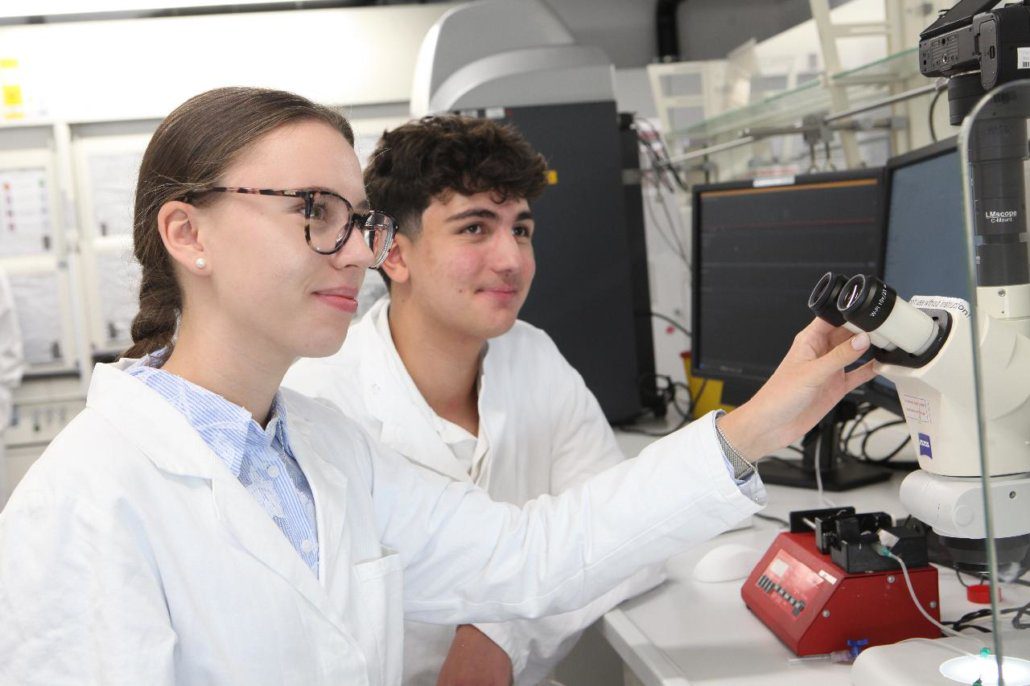
During the 41st Inventors’ Lab hosted by the Center for Chemistry (ZFC) from August 17 to 21, August, 16 high school students from 16 schools in Hesse—all with top grades in STEM subjects—spent a week at Philipps University of Marburg conducting research on current issues in biotechnology and drug development. The high-achieving students presented their findings in the historic auditorium of Philipps University of Marburg to an audience of 170 guests, including Armin Schwarz, Hesse’s Minister of Education and Cultural Affairs. Among the research team was Nik Tadjiky from the Steinmühle School & Boarding School in Marburg. The Inventors’ Lab also served as a celebratory event as part of “80 Years of Hesse.”


When Viruses Help and Protect Dying Cells:

Can viruses help in the fight against dangerous bacteria? How can tumor cells be targeted specifically? Can active ingredients be formulated so that they work exactly where they’re needed? And can stressed stem cells protect other cells? Eight female and eight male students presented answers to these questions to guests from the fields of science, politics, education, and business. The event took place in the Alte Aula at Philipps University of Marburg, a historic venue where teaching and research have been conducted for centuries. There, the students presented—in a clear and concise manner—what they had developed during a week of intensive laboratory work.

“Scientific knowledge alone is not enough. You also have to be able to communicate it in a way that even non-experts can understand its significance,” said Dr. Thomas Schneidermeier, Executive Director of the ZFC. “In this age of fake news, we need this kind of knowledge communication now more than ever.” Rather than conducting simplified school experiments, the young people spent a week working in research groups at Philipps University of Marburg. There, they learned about scientific methods and developed and tested their own solutions. They also discovered that research doesn’t always yield the results one expects.


An Insight into Industrial Pharmaceutical Manufacturing

The Inventors’ Lab not only supports high-achieving students but also opens up concrete prospects for higher education and careers. During a tour of the Aenova facility in Marburg on the first day of the workshop week, the students gained insights into industrial drug manufacturing and potential career paths in the pharmaceutical industry. At the Max Planck Institute for Terrestrial Microbiology, Director Prof. Dr. Helge Bode vividly explained scientific working methods and academic career paths. “It is precisely this combination of research, communication, and career guidance that defines the Inventor Lab,” said Meike Jäger, who also serves on the ZFC’s board of directors.

The 16 teenagers had successfully navigated a rigorous selection process. A total of 196 high-achieving high school students from 115 schools in Hesse had applied for this year’s two ZFC Inventor Labs. In the selection process, the ZFC considers not only academic performance but also, among other things, a balanced gender ratio and the inclusion of as many different schools as possible
.


Connection to everyday life established

How much are we affected by PIM-1 mutations? Who among you has ever seen a malformation like this? Are all viruses bad, like the coronavirus? Can dying stem cells protect other cells?

The students opened their final presentations with such thought-provoking questions. With confidence and poise, they explained even highly complex scientific concepts in a way that was easy to understand, repeatedly drawing parallels to the listeners’ everyday lives. “The PIM1 kinase is actually an important protein in our cells. However, if it exists in a mutated—that is, defective—form, it can contribute to the development and growth of tumors,” one group explained. “This can affect any one of us.” That makes it all the more important to continue researching new therapeutic approaches, which those affected are counting on and depend on.

In the research groups, the students worked with professional laboratory techniques—ranging from chromatography and mass spectrometry to scanning electron microscopy, cell culture, and fluorescence methods. Guided by research staff, they conducted challenging experiments, analyzed their results, and gained an authentic insight into the day-to-day work of modern life sciences research.


“Using STEM Knowledge to Make Sense of the News”

Scientific knowledge is urgently needed to make sense of public debates and news reports, according to ZFC board member Thomas Schneidermeier. “Today, STEM knowledge also serves as a kind of shield against false or misleading statements.” Using public statements about
hydrogen technologies, he demonstrated how difficult it can be to evaluate news reports from a technical perspective. Those who have experimented with hydrogen themselves and understand the fundamentals of science are better able to assess such statements.

Schneidermeier also addressed the current debate surrounding mRNA vaccines. He noted that whether this technology is effective and safe cannot be determined based on political statements, but only through dialogue with scientists conducting research in this field. Particularly in light of fake news and artificial intelligence, she said, it is therefore a responsibility for society as a whole to empower young people to critically examine and evaluate statements in the media.


Real research, as opposed to traditional classroom instruction

The students themselves described just how different real research feels compared to traditional classroom instruction. “My highlight was the moment when the synthesis worked for the first time and we actually had our product in our hands,” said one student.

One student summed up her experience with one word: “Independence.” While school experiments usually specify exactly what is to be done and what results are expected, she said they were able to set their own priorities in the lab. “We had much more flexibility and were able to develop a completely different connection to our project.” She was also particularly impressed by the technical capabilities of professional research.

Another insight a student took away from the week was: “Nature offers an incredible number of solutions to our problems. We just have to look more closely, explore them, and make use of them.”

The Inventor Lab has also opened up new perspectives when it comes to academic and career guidance. “You get to meet people from a wide variety of fields, degree programs, and professions, and gain firsthand experience and advice,” said one student.

Another student also reflected on the experience: “Talking with people in the field of research has once again significantly broadened my horizons.”


Marburg: A Center of Scholarship with a Long Tradition

Minister of State Armin Schwarz praised Marburg as a strong hub for science and research and recognized the 16 participants as its next generation. The Inventors’ Lab stands for “talent, ideas, and innovation” and for asking the right questions. Addressing the young people, Schwarz said, “We have young people who are capable, who are motivated, and who are driving us forward”—both scientifically and, consequently, economically.

Evelyn Damer, student vice president at Philipps University of Marburg, highlighted the university’s nearly 500-year-old tradition of research. She noted that the Inventor Lab represents the “development of the next generation of researchers.” Here, young people can gain firsthand experience with the university, research, and potential academic paths. At the same time, the transfer of knowledge to the business sector is an important factor for Hesse as a location.


“We need people who are curious”

Dr. Janin Sameith of the Hessian Ministry of Economics, Energy, Transportation, Housing, and Rural Affairs focused on the connection between research and application. In Marburg, she noted, “chemistry and healthcare” come together. From Emil von Behring to today’s life sciences industry, it is evident how scientific discoveries can be translated into medical applications and economic development. “We need people who are curious—people who want to generate knowledge and get things done,” said Sameith.

Heike Blaum of the Chemical Industry Association (VCI) of Hesse described Marburg as the “perfect place” to conduct research on biotechnology and pharmaceuticals. She noted that the city has long been shaped by science and pharmaceutical development, but at the same time must continually face new
challenges. “This requires bright minds,” said Blaum: people who help shape the future, take on responsibility, and develop solutions together.


Is there a typical career path?

Johanna Lücke, a student at Philipps University of Marburg, highlighted the breadth of science degree programs during a discussion on academic and career guidance. She chose pharmacy because she wanted to combine her interest in the natural sciences with medicine and the effects of pharmaceutical compounds. “Pharmacy is a mix of many disciplines—medicine, chemistry, biology, and even a little physics,” she said.
Dr. Christof Wegscheid-Gerlach, director of Chemikum Marburg, demonstrated through his own career path that a professional journey does not have to follow a straight line. He initially wanted to study chemistry, but then studied pharmacy, earned his doctorate, worked in the pharmaceutical industry, and later returned to the university. Today, he combines pharmacy, teaching, supporting young talent, and science communication. His conclusion:
Science degree programs open up far more paths than traditional career profiles might suggest. “Do your research, try things out, and don’t let anything deter you,” he advised the young people.


Minister of State Armin Schwarz: “I’ve learned something new”

Minister of State Armin Schwarz was impressed by the young people’s presentations. He noted that they had tackled challenging and highly relevant social issues and communicated complex research in a way that allowed even an audience without a background in the subject to gain a great deal from it. “I learned something new,” said Schwarz. The young people embody “pure innovation” and “pure curiosity.”

Anke Hundt, head of the STEM division at the Hessian Ministry of Culture, Education, and Opportunity, emphasized how clearly the young people had explained their research. She noted that they were particularly successful in engaging the audience right from the start with a vivid question and in making orders of magnitude understandable through everyday comparisons.


Technical terminology translated into plain language

Heike Blaum from VCI Hessen felt the same way after the presentation on phages. She said she hadn’t known what phages were before, but the presentation—even for someone like her who isn’t a scientist—enabled her to understand their relevance. She particularly praised the fact that the young people consistently translated the technical jargon into language that was easy for everyone to understand.

Following the presentation, Dr. Janin Sameith of the Hessian Ministry of Economic Affairs also highlighted the use of humor. However, she noted that it was particularly important that the young people openly acknowledged that experiments do not always go as planned. It is precisely in those moments, she said, that it is important to use unexpected results to generate new questions.


“MINTIES” at the ZFC: Science Between Shorts and Reels

Making science accessible is also the goal of the ZFC’s “MINTIES” program. Former participants in the Inventors’ Lab produce explanatory videos, shorts, and Reels for YouTube, Instagram, and TikTok. There are now more than 220 posts online. The topics range from green steel and hydrogen mobility to artificial tissue structures created with 3D printers. Together with Clarissa Corêa da Silva, known from the TV show “Sendung mit der Maus,” the MINTIES, for example, conducted experiments on hydrogen and fuel cells and demonstrated the technology using, among other things, a
hydrogen-powered car.

Elise Beck also demonstrated just how closely linked the Inventor Lab and MINTIES are: Having participated in an Inventor Lab herself just last year, she this time served as the eloquent host of the closing event. As a MINTIE, she also explains scientific topics on camera, such as how three-dimensional cell structures can be created using stem cells and so-called “bio-ink” in 3D printing.

The goal of the explanatory videos, Shorts, and Reels is to bring research from universities and industry to the places where young people spend part of their free time and to present complex topics related to the future in a way that makes them understandable even outside of specialized classes
.


Committed partners make it possible

The Inventors’ Lab is made possible by a close-knit network of universities, research institutions, sponsors, and partners. “I’d like to extend my special thanks to everyone who made this week possible,” said Dr. Thomas Schneidermeier. The long-standing and trusting collaboration makes it possible to directly involve high school students in real research.

To wrap things up, Meike Jäger once again turned the spotlight on the 16 young people. After a week of hard work and their final presentations, she said they deserved the biggest thanks: “You are the stars of this event.”

In closing, Dr. Christof Wegscheid-Gerlach emphasized that the supervising research groups also benefit from this exchange. The young people’s questions and perspectives could open up new ways of looking at things. “That way, both sides benefit,” he said.

In recognition of their achievements, the 16 participants received a one-year subscription to *Spektrum der Wissenschaft* at the end of the program, giving them the opportunity to continue following current research even after the Inventor Lab has ended.


STEM Knowledge Against Fake News

The Inventor Labs are part of the ZFC initiative “School 3.0 – STEM for Future.” The goal is to more closely integrate socially relevant topics such as digitalization, artificial intelligence, climate protection, the energy transition, and drug development into the regular curriculum at schools. Young people should learn to understand scientific concepts, analyze information from a technical perspective, and explore options for higher education and careers. The initiative is also designed to help students use STEM knowledge to identify and evaluate targeted fake news circulating online.


About the Center for Chemistry

The Center for Chemistry (ZFC) is a registered nonprofit organization. For over 20 years, the ZFC has been carrying out STEM projects for students aged 8 to 19 in collaboration with schools, universities, research institutes, companies, associations, foundations, and ministries. Incorporating socially relevant issues into regular classroom instruction facilitates better career guidance, thereby helping to ensure a sufficient supply of STEM professionals and enabling students to analyze news stories using their STEM knowledge.

For more information: www.z-f-c.de

(ZFC / Heinm, Stm)
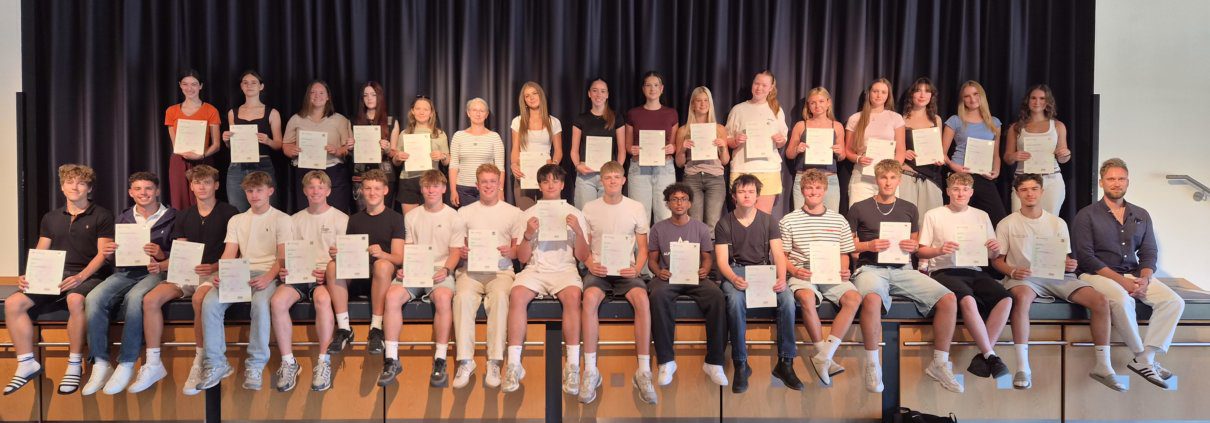
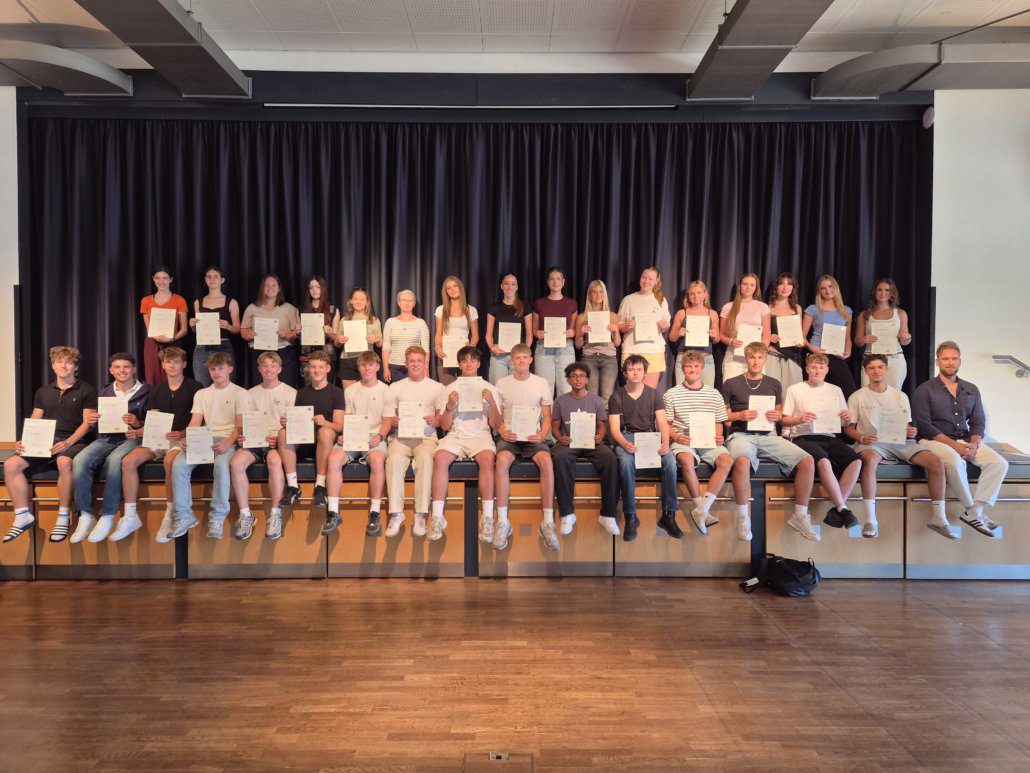
In the 2025–26 school year, 16 11th-grade girls and 16 11th-grade boys once again performed very successfully on the Cambridge exams and earned language certificates for levels B2 and C1. “The supervising teachers, Nicole Hohm and Matthäus Otte, can be very proud of the exceptionally good results achieved on this strictly monitored external exam,” commented Principal Björn Gemmer, who presented the certificates today.

The award-winning students posed for the photographer along with their teachers.

Back row, from left: Sonia Weber, Anna Schäfer, Emilia Berger, Ida Kraft, Cara Gleisner, teacher Nicole Hohm, Amelie Schwarze, Helen Karakizlis, Evelyn Hildermann, Greta Steiner, Nele Heinemann, Louisa Röder, Luna Körner, Jana Farsch, Helena Sperl, Elisabeth Peña Grimm.

Front row, from left: Nicolas Rechner, Vasileios Pararas, Luis Menz, Philipp Dubinker, Sven Rehäuser, Paul Hühn, Henk Eidam, Nick Hantelmann, Elias Eckhardt, Jordan Wagner, Lennard Kröger, Konrad Rothmann, Pirmin Kaiser, Mika Hirsch, Dejan Pavlovic, and teacher Matthäus Otte.

Missing from the photo: Riona van den Muyzenberg.

(Gem)
 

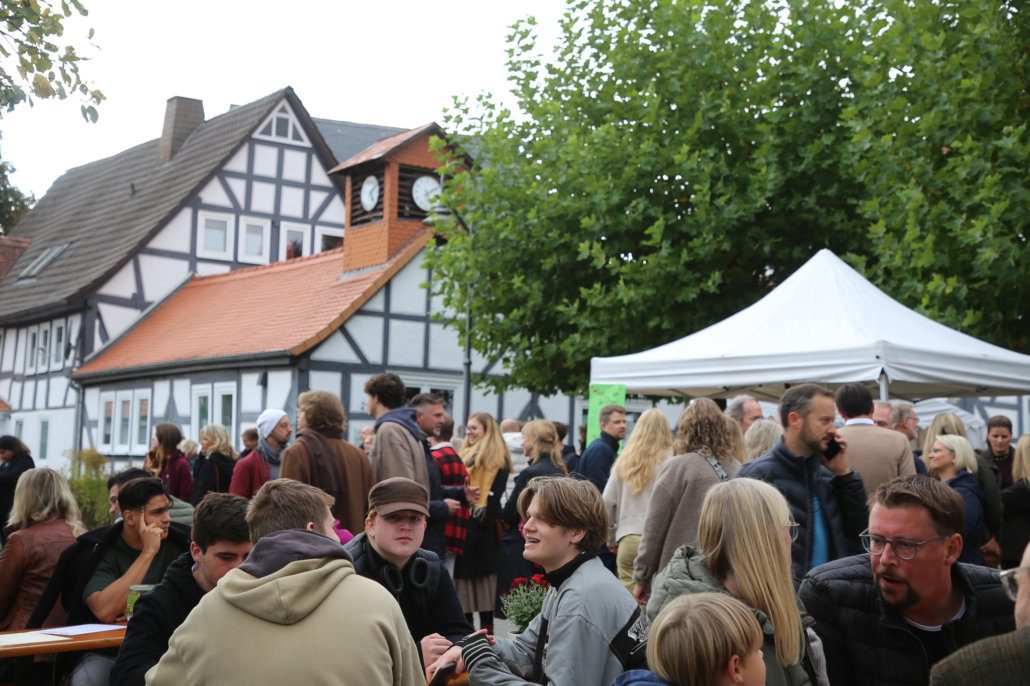
As it does every year, the last Saturday in September is dedicated to the Steinmühle Fall Festival. Students, parents, alumni, and friends of Steinmühle are cordially invited!

This time, our alumni are the focus of the event. We’ll be welcoming them at a dedicated booth. Anyone who attended the Steinmühle boarding school or day school is cordially invited to register here:

https://steinmuehle.de/friends-alumni/alumni-netzwerk-steinmuehle/

The festivities, which begin at 3:00 p.m., promise culinary delights lasting well into the evening, a lively stage program, hands-on activities for children in the schoolyard, and pony rides. At an information booth, we’ll answer all your questions about the school and boarding school.

The romantic evening get-together at the Mühlenhof begins at 6 p.m. The party in the festival tent starts at 8 p.m. and ends at 1:00 a.m., at which time the entire event concludes.

The Steinmühle looks forward to seeing you all!

(Heinm)
 

In the “School Cycling” event in Marburg and the surrounding district, the Steinmühle School & Boarding School covered the most kilometers. It won with 25,213 kilometers cycled, well ahead of the Gymnasium Philippinum (16,567 km) and the Gesamtschule Niederwalgern (13,835 km).

The results were recognized at an awards ceremony held in front of the district administration office in Marburg and as part of the student awards ceremonies on the last day of the previous school year.

Julius Henkel (13D) cycled the most kilometers at Steinmühle High School—namely, 1,751.9 kilometers. Lars Hübl (8c) was the winner in the middle school division, while Vincent Maximilian Peter (6c) came out on top in the lower school division. Anton Lucio Röder from 2nd grade took first place at the Steinmühle Bilingual Elementary School. Among non-students, Björn Hübl topped the leaderboard. Students who cycled more than 300 kilometers included Lukas Zimmer, Mattis Hofacker, Levin Schulenberg, Cajus Lauf, Anton Richter, Kai Gundlach, Emil Zuckermann, and Romy Buschmann. Some members of the winning team received gift certificates awarded by lottery, while others were delighted to receive free admission tickets to Lake Niederweimar, presented by Steinmühle teacher Jonathan Gröb.

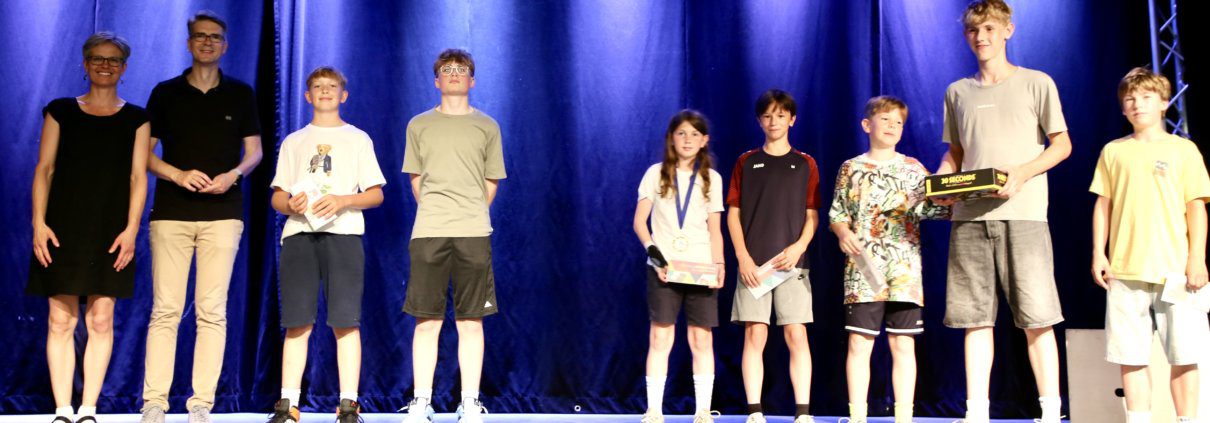
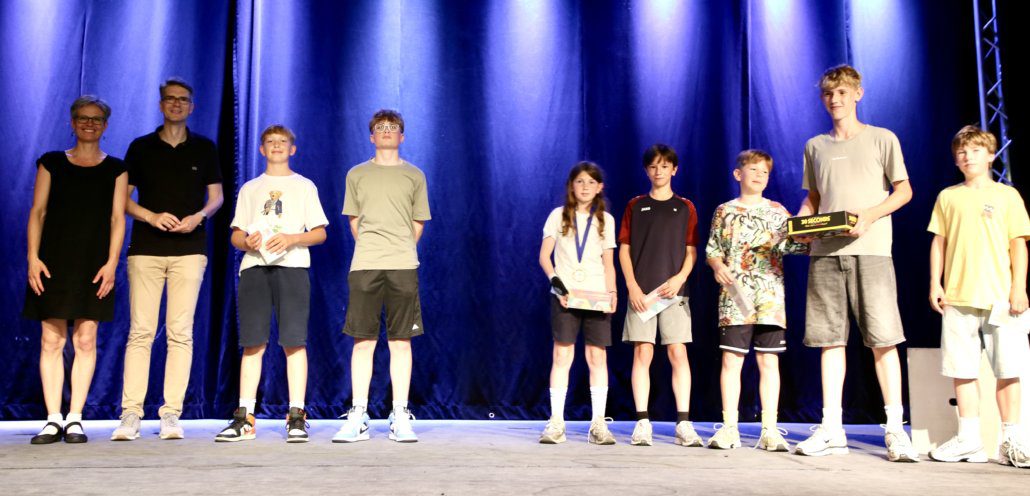
Some of the students were ultimately able to attend the official awards ceremony alongside teacher Ines Vielhaben and principal Björn Gemmer (from left) and proudly posed for the photographer.

In any case, we’re taking the energy of our successful cyclists with us into the new school year and wish everyone a pleasant start to the school year!

(Heinm)

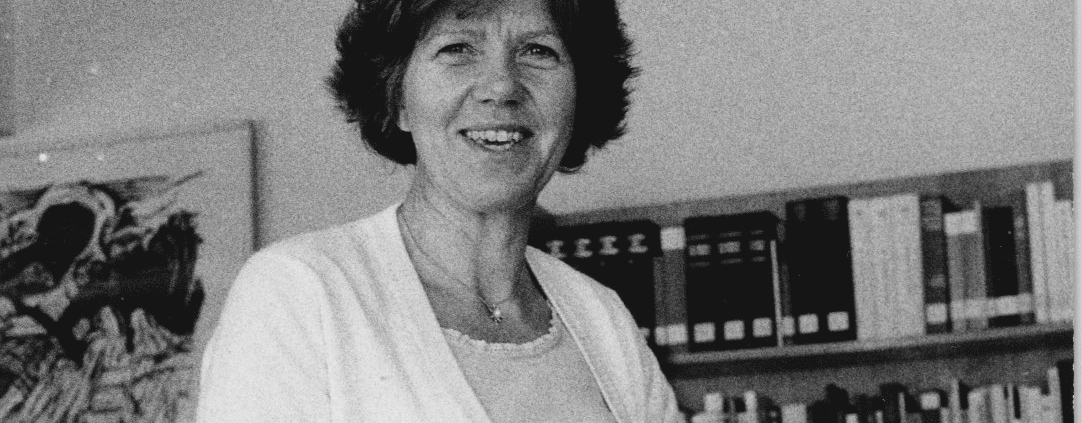
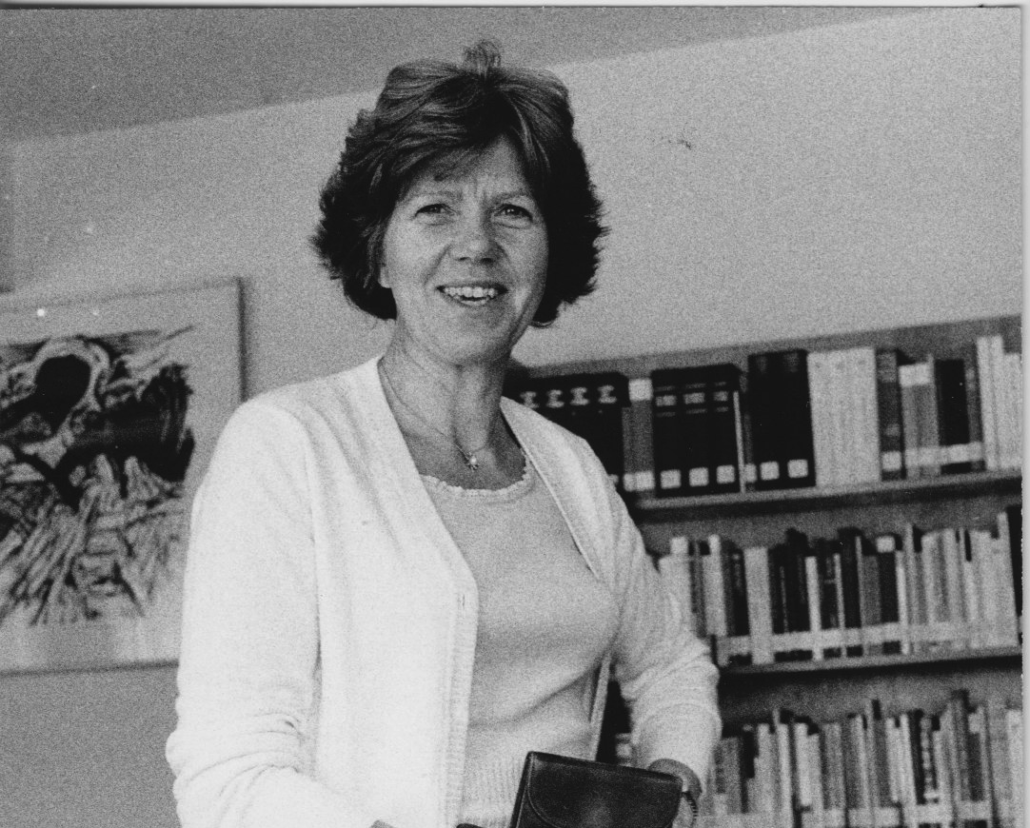
The Steinmühle mourns the passing of Dr. Sigrid Pfitzner-Seidel (born Dec. 3, 1932; died July 30, 2026).

After earning her doctorate in Tübingen, teaching at the university in Charlottesville (USA), and completing her teaching internship at the Elisabethschule, Dr. Sigrid Seidel taught German, biology, and chemistry at Steinmühle.

Starting in 1973, she headed the teacher-training program at Steinmühle and was thus responsible for the training of student teachers at our school for more than two decades.

Dr. Sigrid Seidel was an authority in the field of education. She was equally popular and respected among students, student teachers, and her fellow faculty members. She was respected for her constructive, solution-oriented, and substantial contributions. In addition, she was very open to new ideas, both in her field and in education.

Many of her student teachers went on to become faculty members at Steinmühle. As a result, her work had a major impact on the development of Steinmühle as an educational environment for learning and living.

We thank her from the bottom of our hearts for her inspiring dedication.

Our thoughts are with their loved ones.


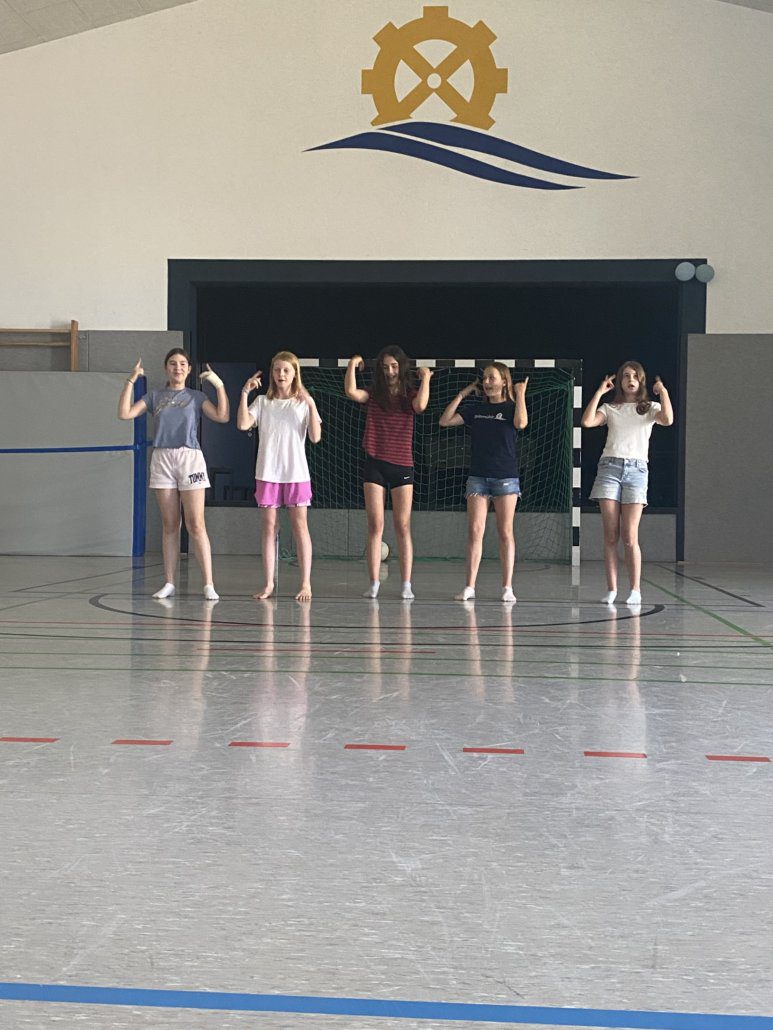
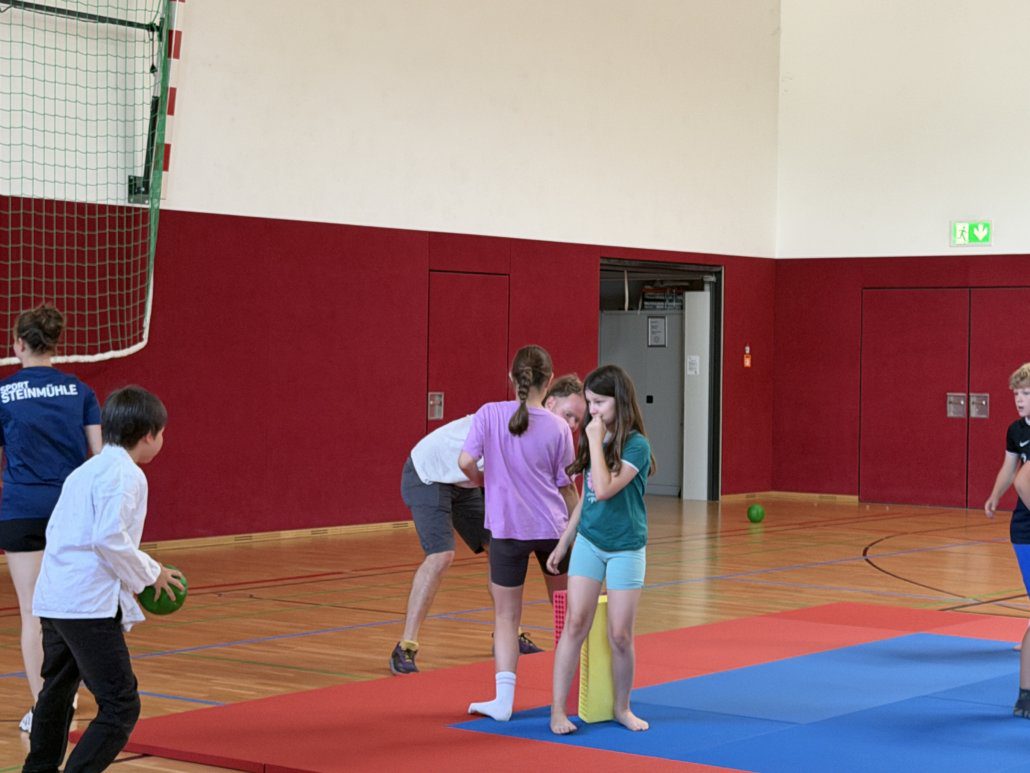
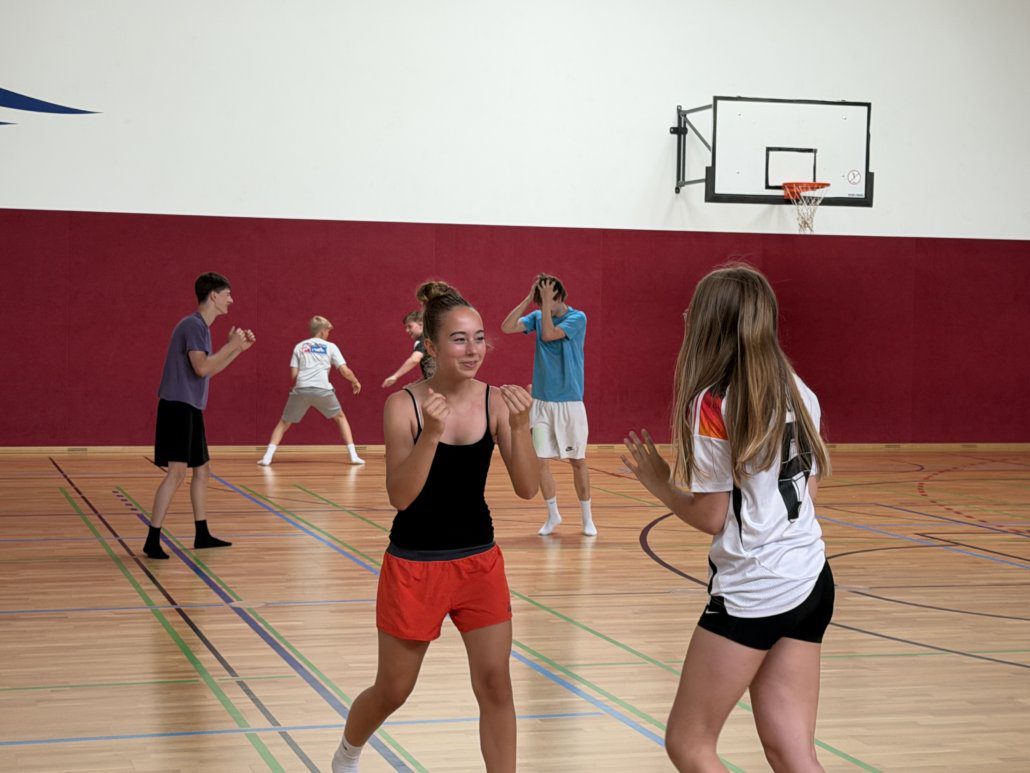
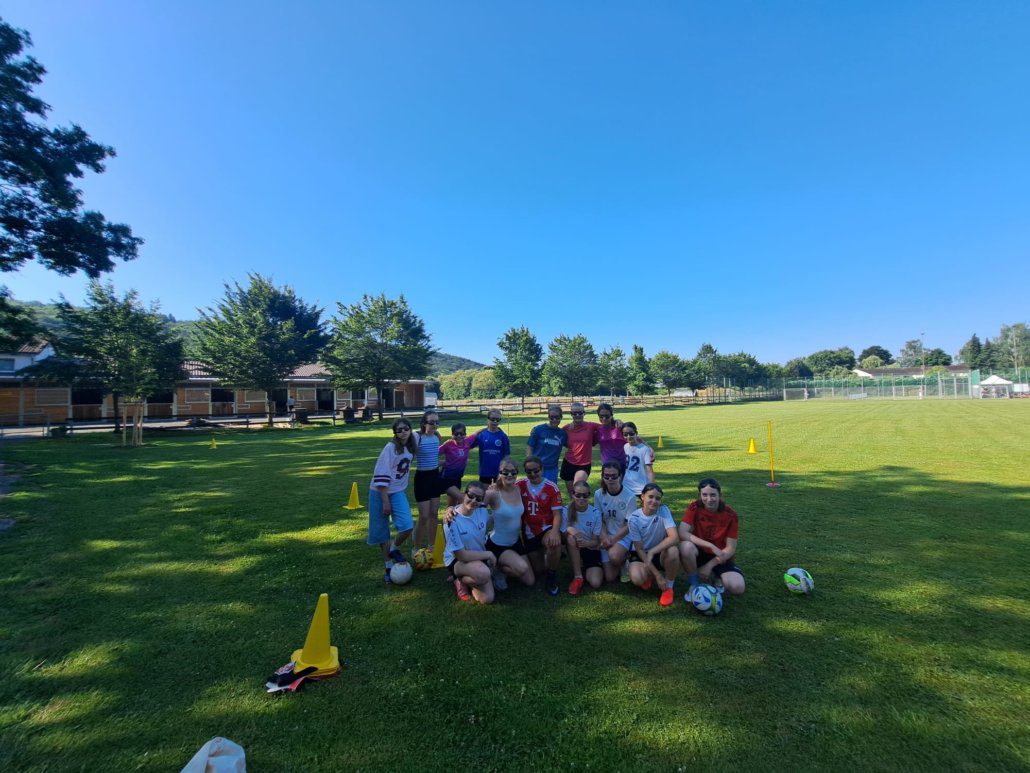
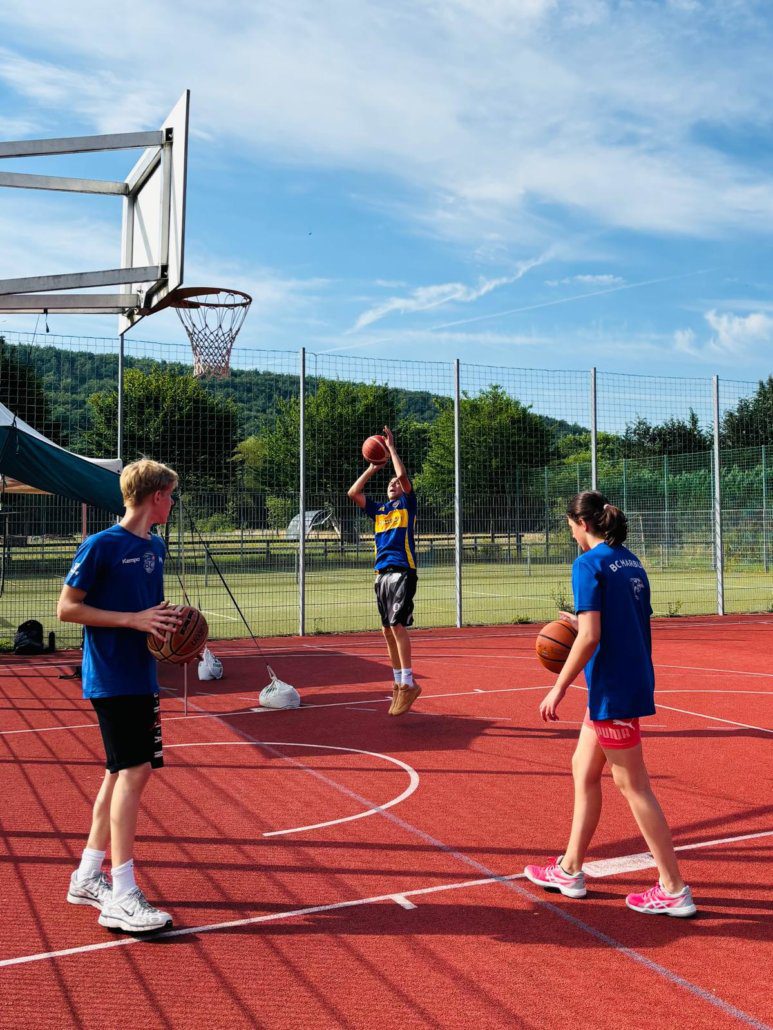
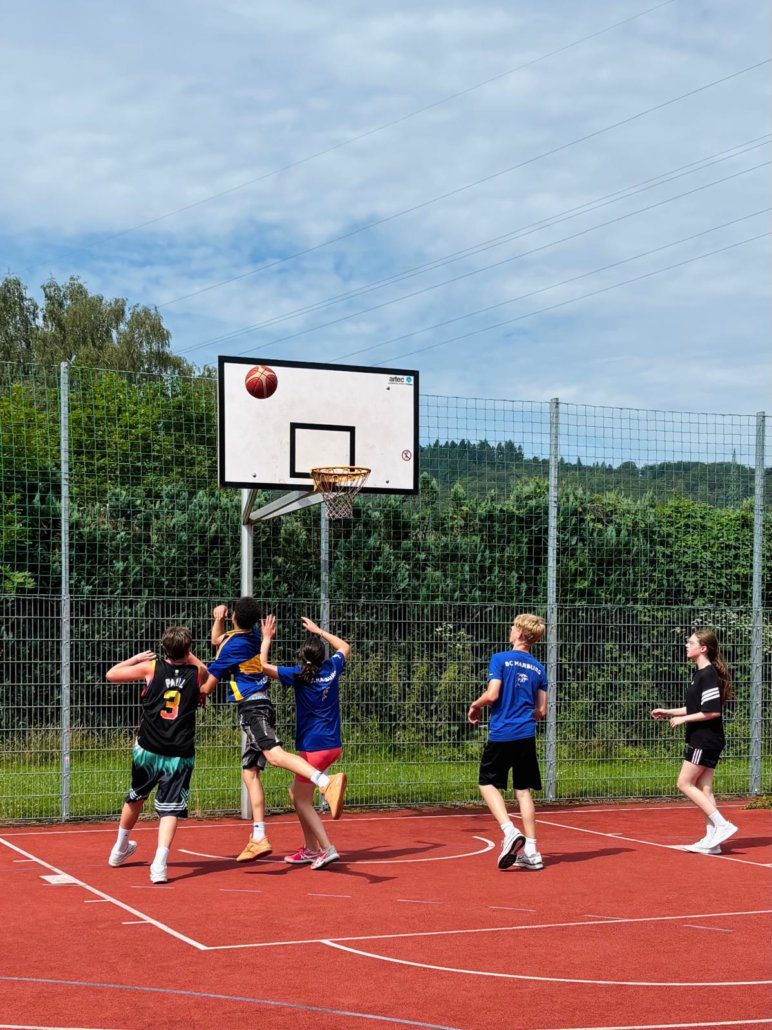
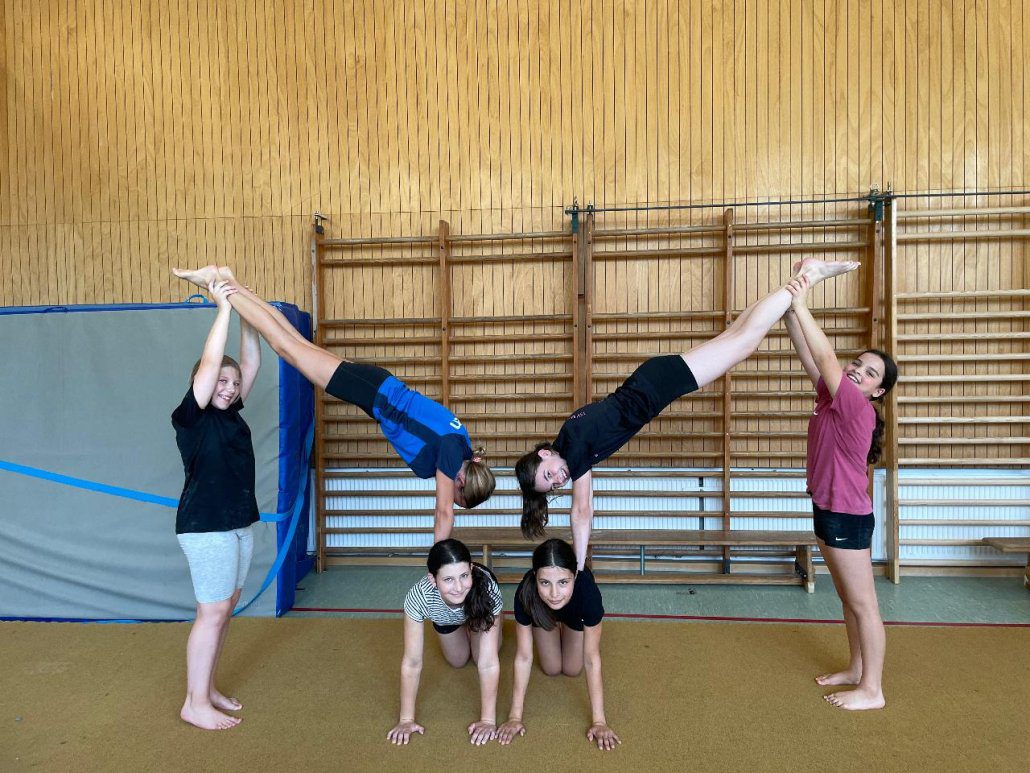
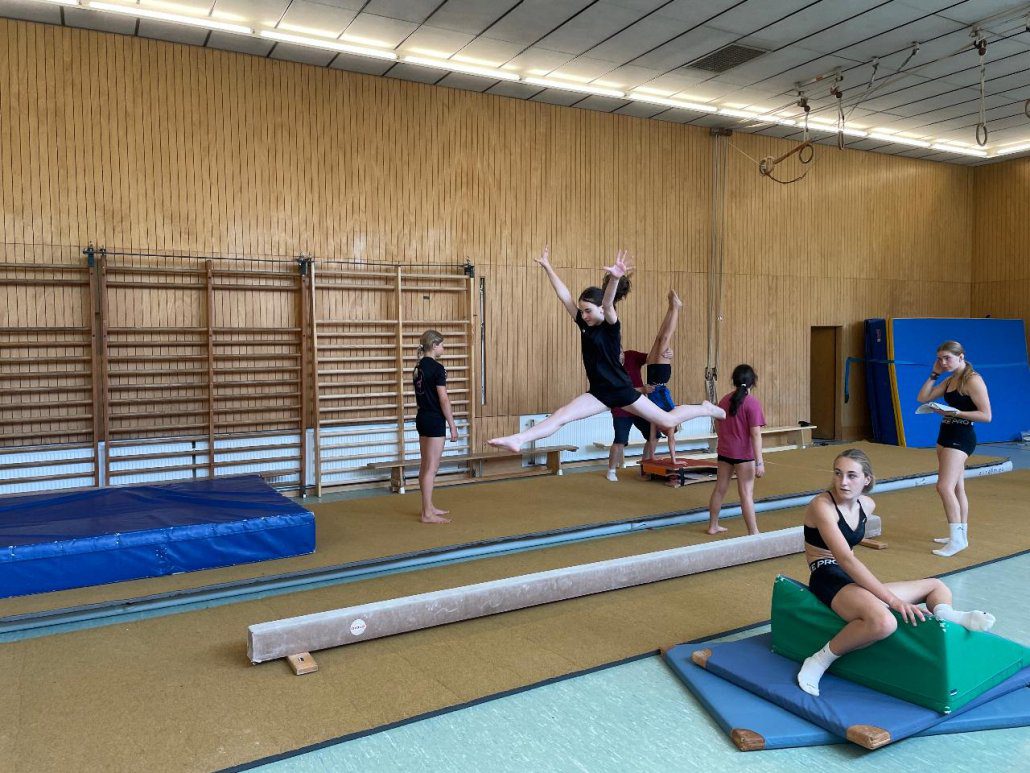
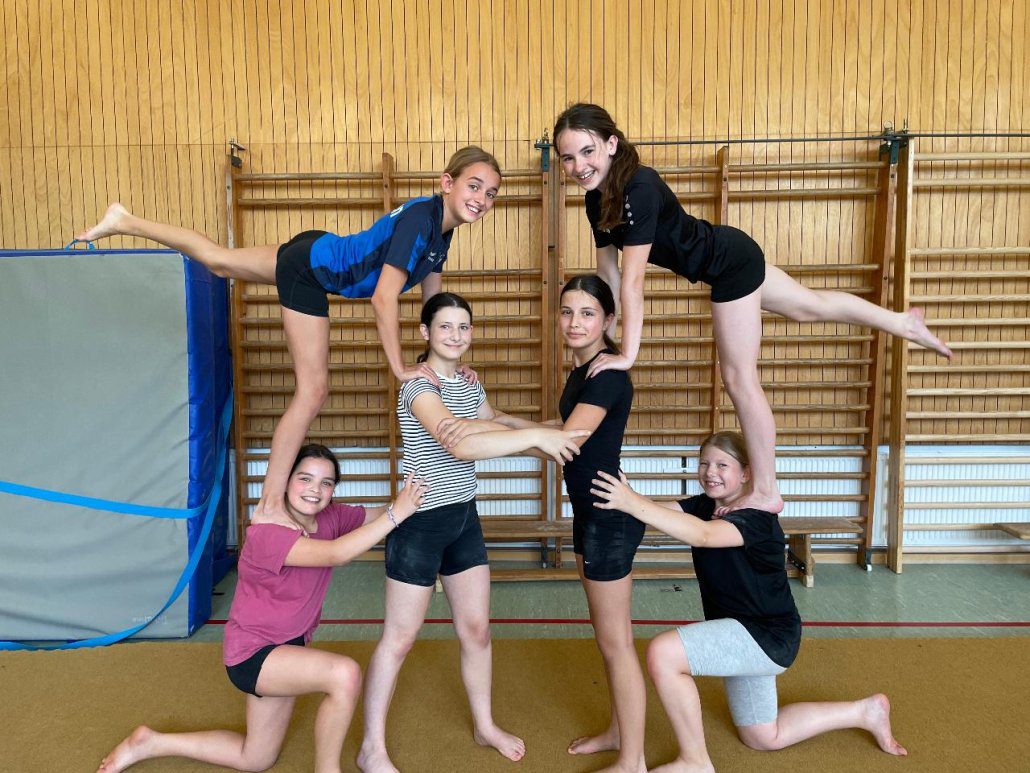
“Right before summer break…nothing much is going on at school anyway.” — Anyone who thinks that probably hasn’t experienced Steinmühle yet. No, we don’t overwhelm our students with lots of highly challenging brain teasers anymore. But a little guidance on which sport they might enjoy in the future—that’s definitely possible!


Active Day for Grades 5 through 12

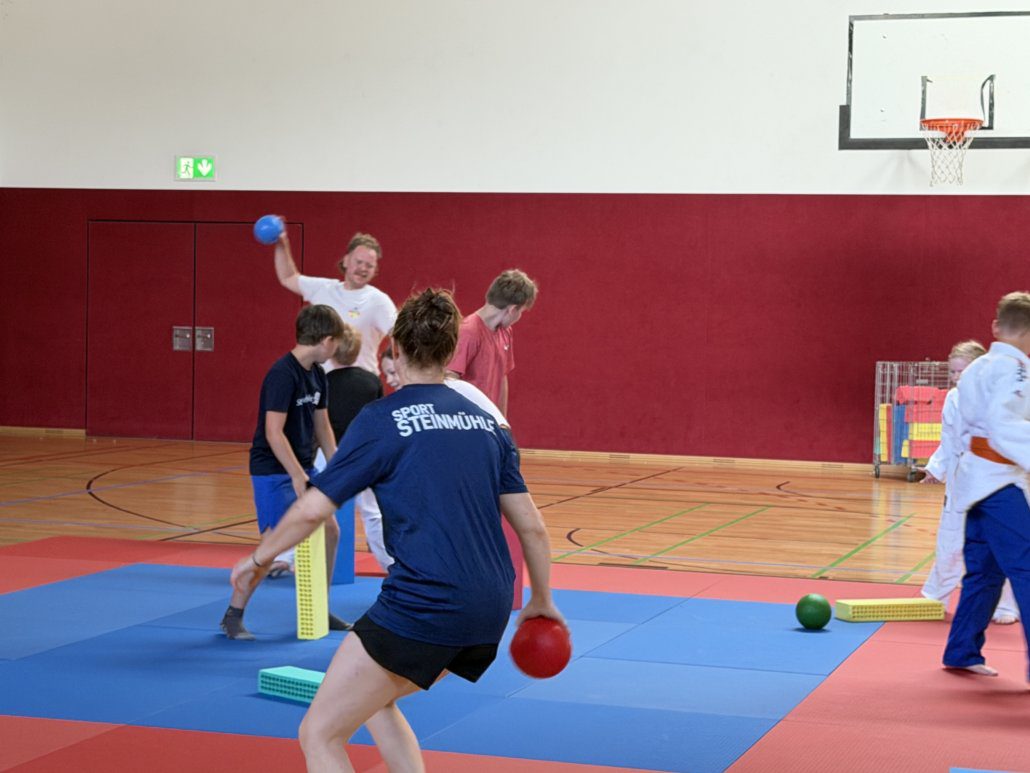
This idea laid the foundation for the two consecutive sports project days. For several years now, they have been a permanent fixture in the annual program at the Steinmühle School & Boarding School. Divided into 32 groups, students in grades 5 through 12 try out different sports. They registered for these in advance, listing their first choice and three additional sports.

“We make a variety of sports experiences possible,” says Marcel Kalb. He is a biology and physical education teacher and also the school’s athletic director at Steinmühle. Since Steinmühle cannot offer all sports on its own, it partners with various clubs. “We rent out the occasional sports facility and also make use of external workshops. This happens in disciplines where we don’t have our own expertise.”


The Stone Mill as a “Sports Mill”

Experience has shown that everyone finds something that piques their curiosity or that the students have always wanted to try.

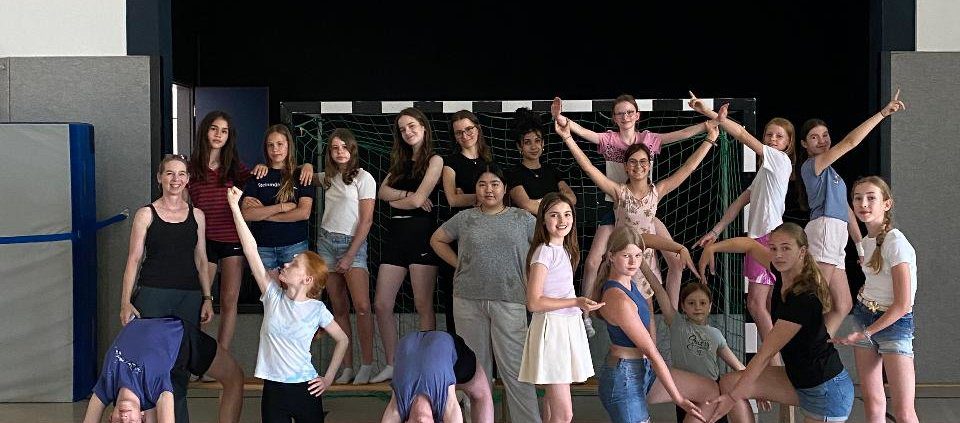
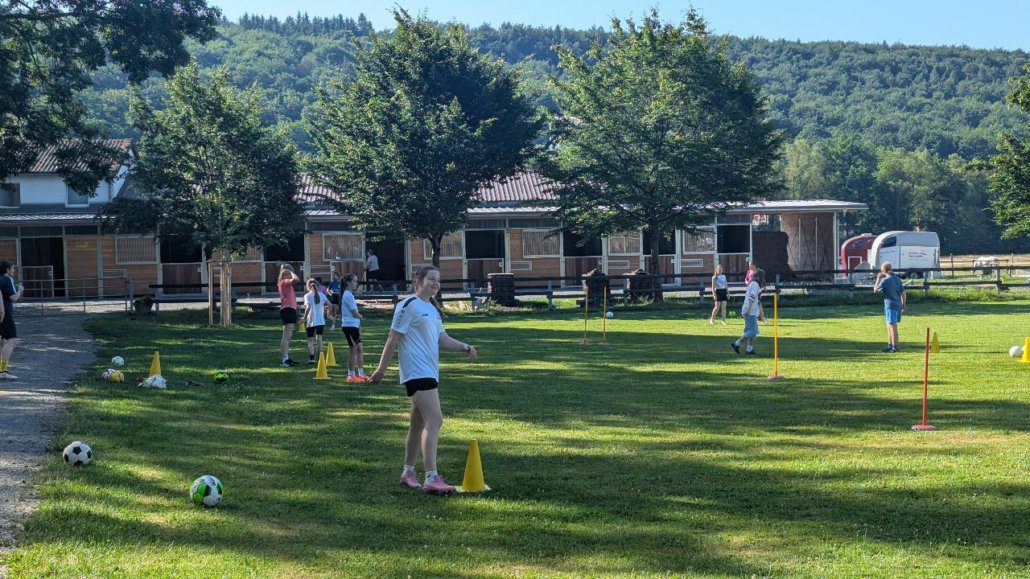
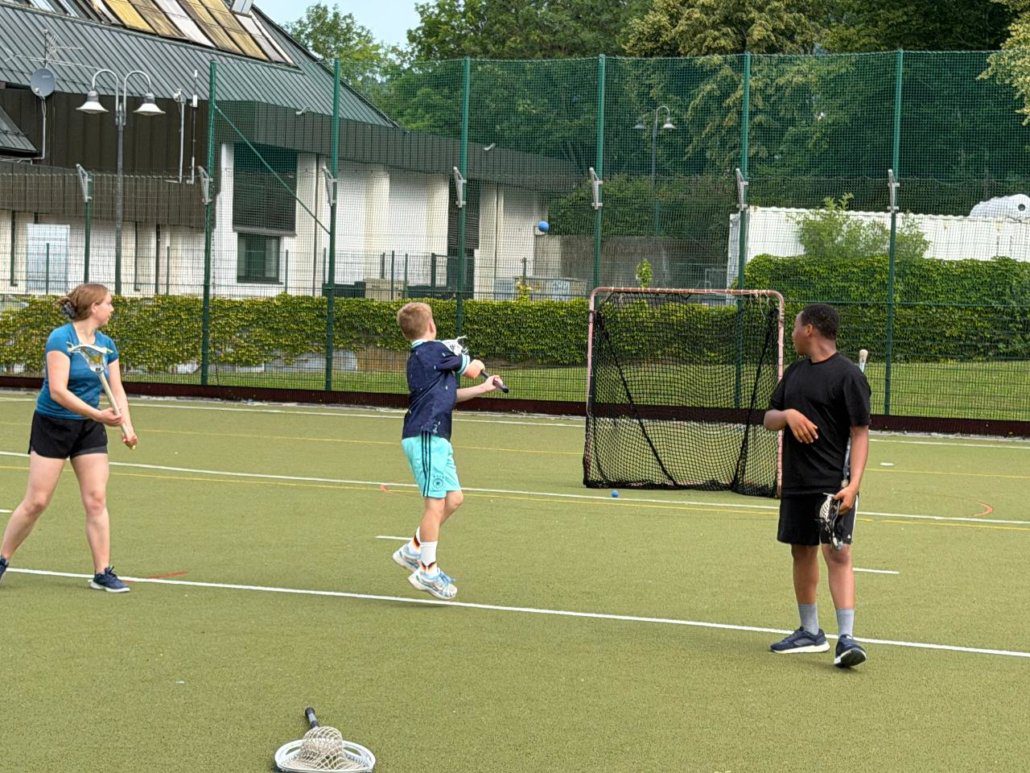
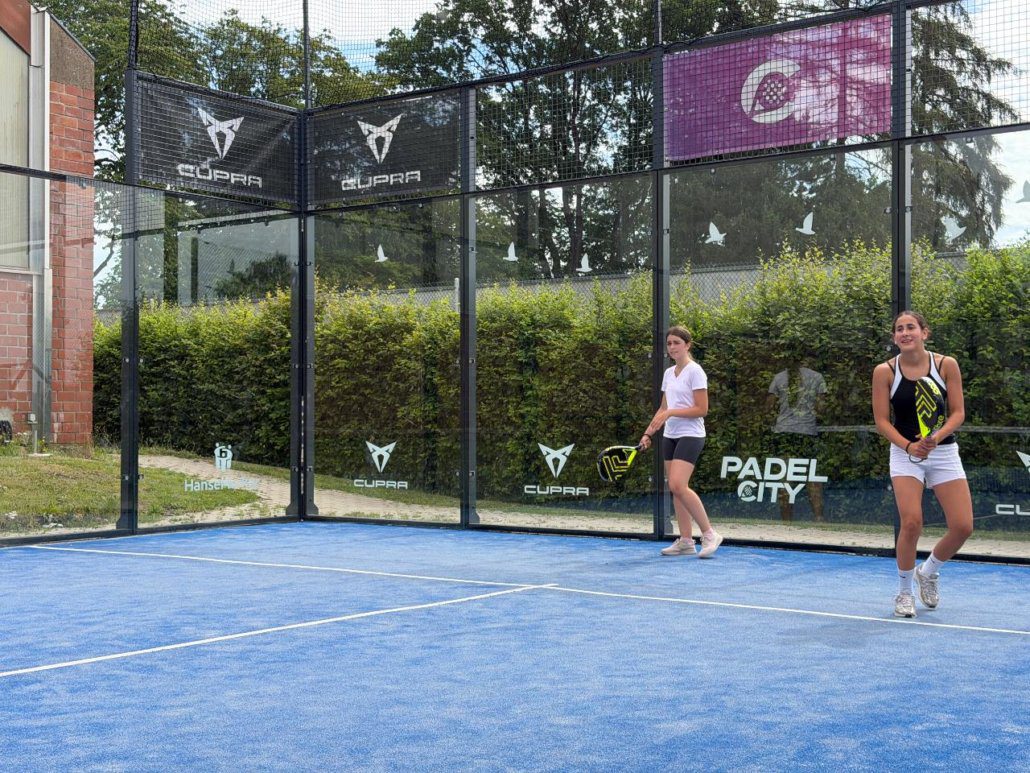
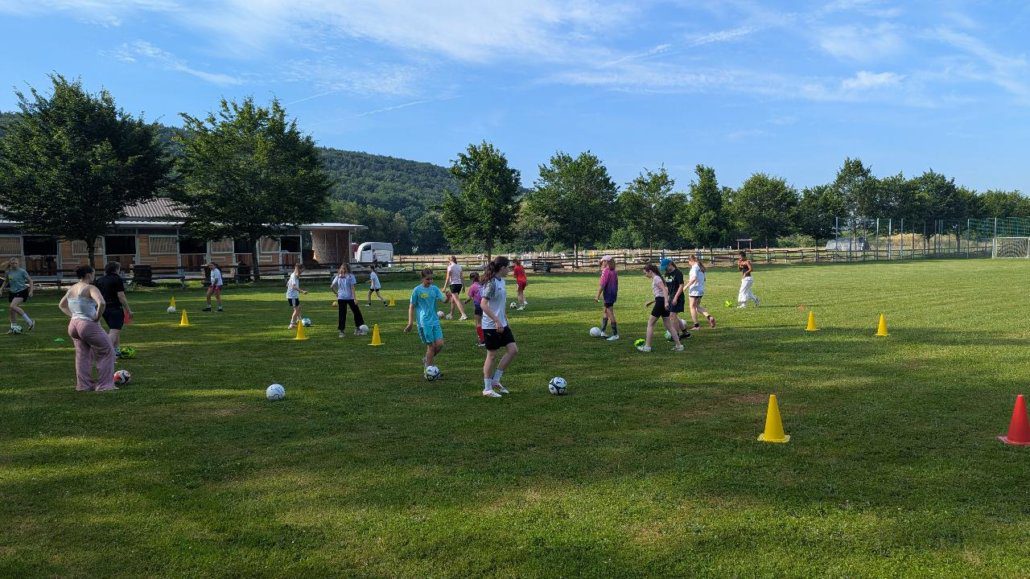
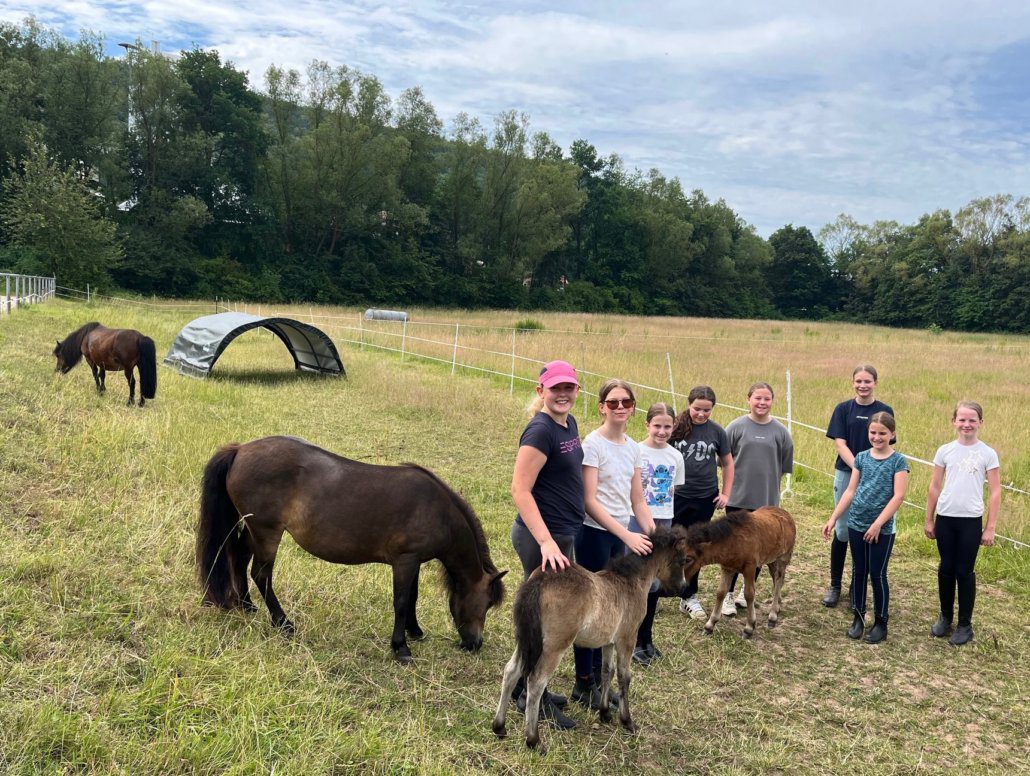
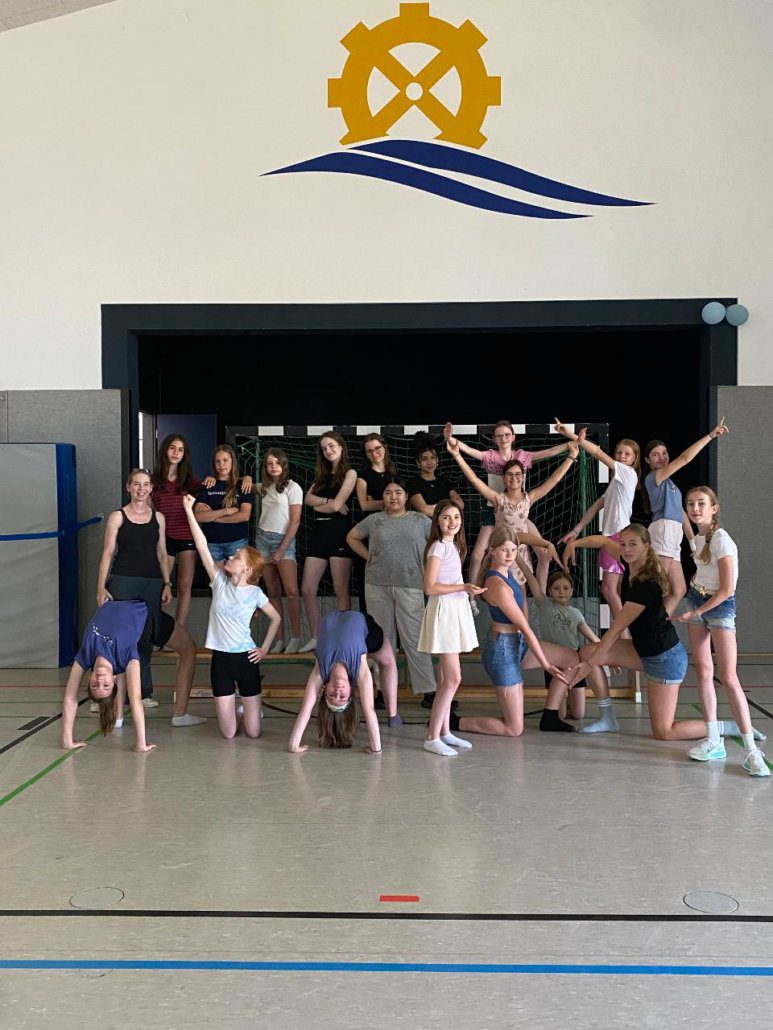
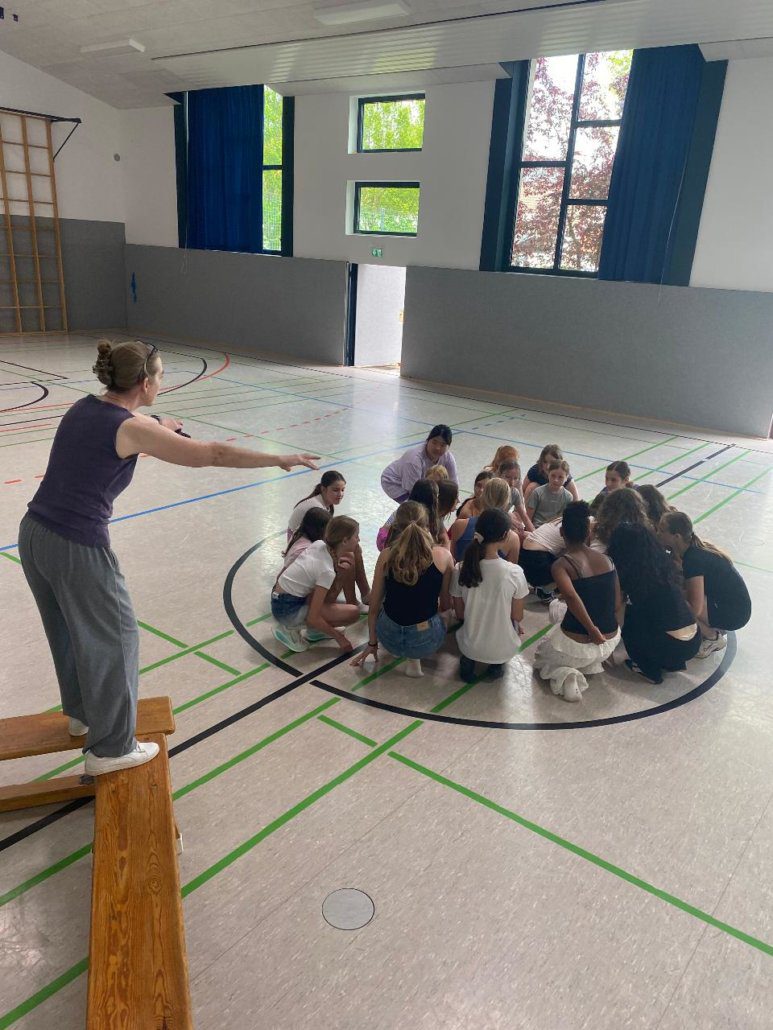
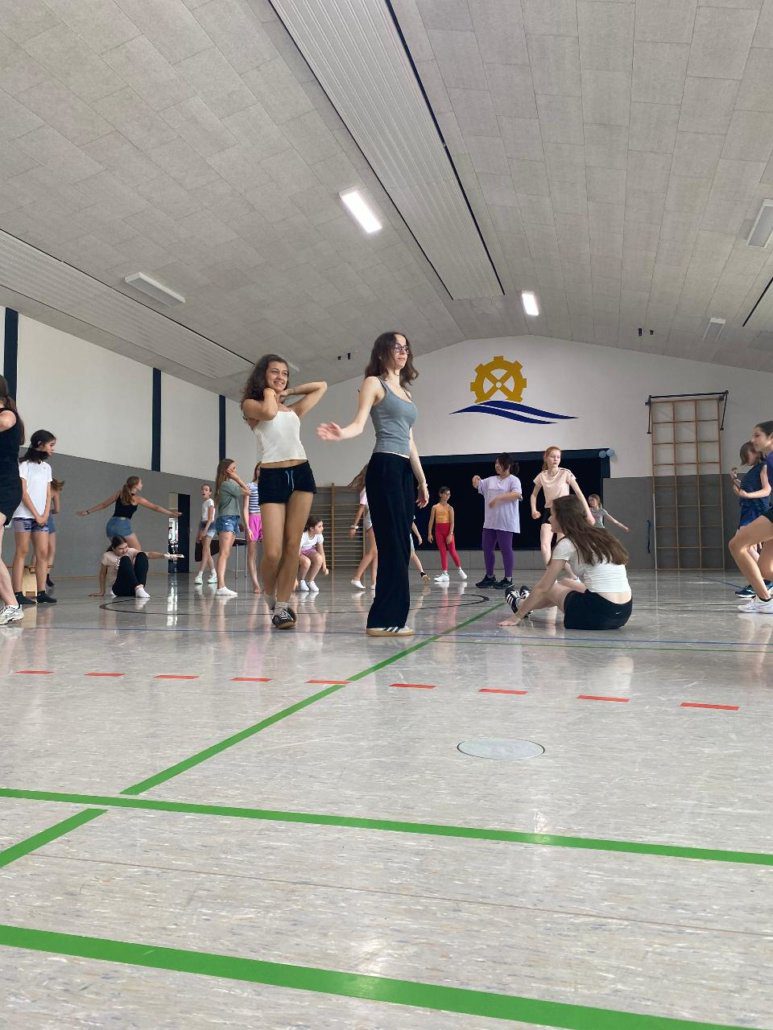
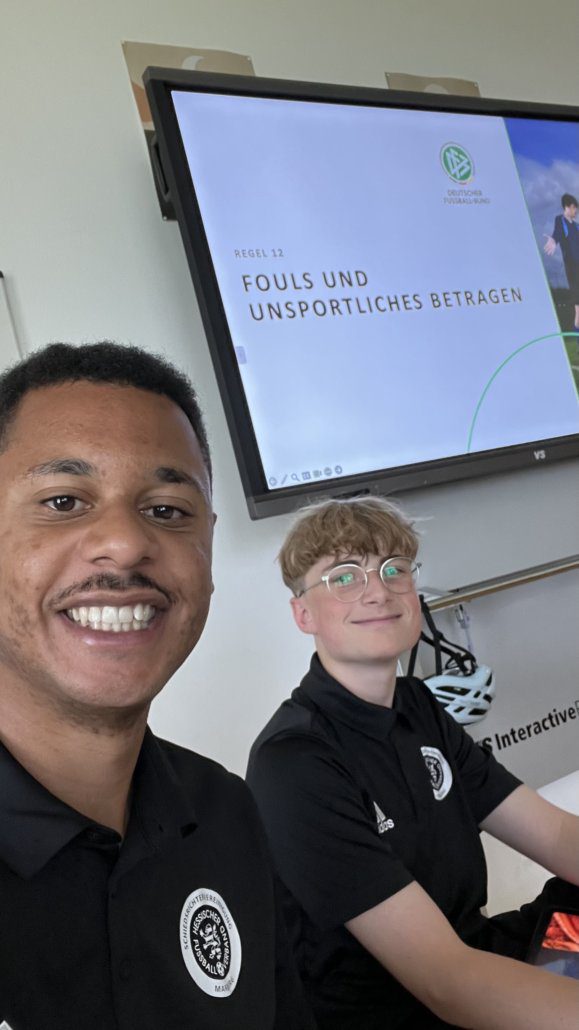
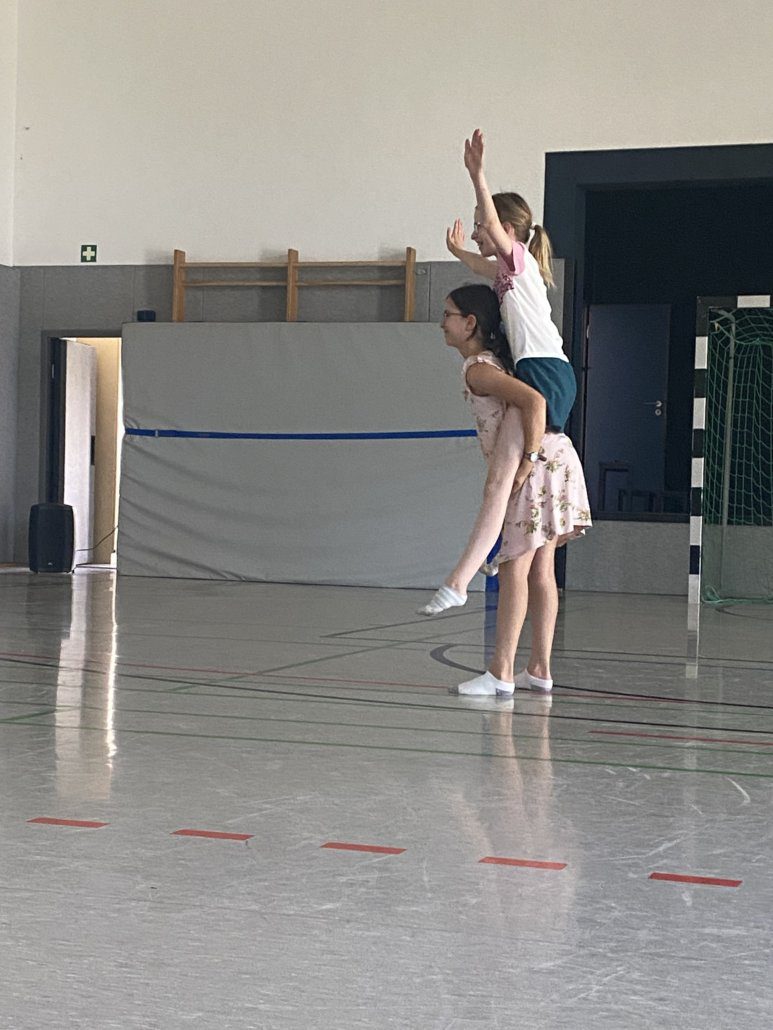
For example, there were activities in basketball, American football, ballet, golf, handball, fitness, lacrosse, judo, kickboxing, Muay Thai, mixed martial arts (MMA), padel tennis, pickleball, horseback riding, gymnastics, rowing, and dance. Of course, there were also activities in soccer—and, building on that, an opportunity to learn about the role of a soccer referee.

Even the very warm temperatures didn’t bother the vast majority of students. They took the opportunity to try out sports they hadn’t experienced before. So it was another great success for Steinmühle as the “Sports Mill.”


(Angela Heinemann)


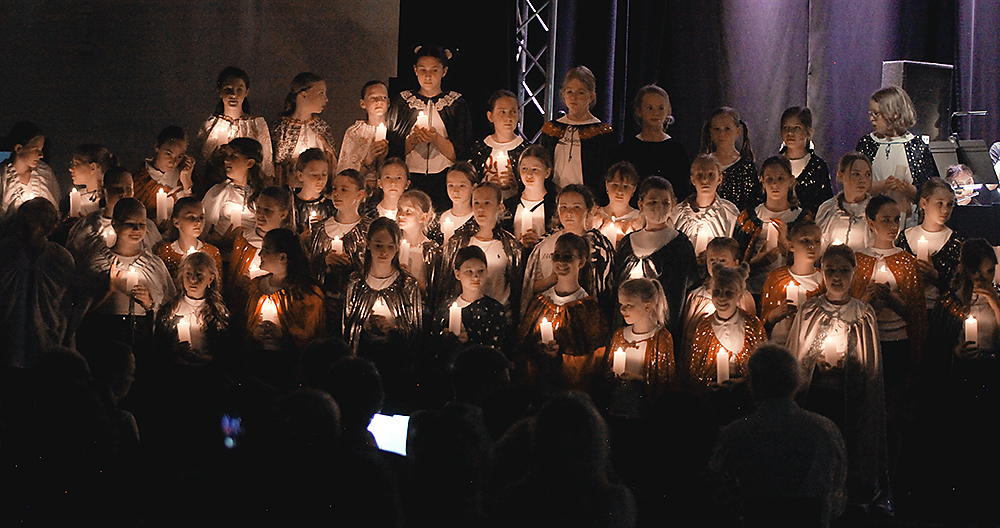
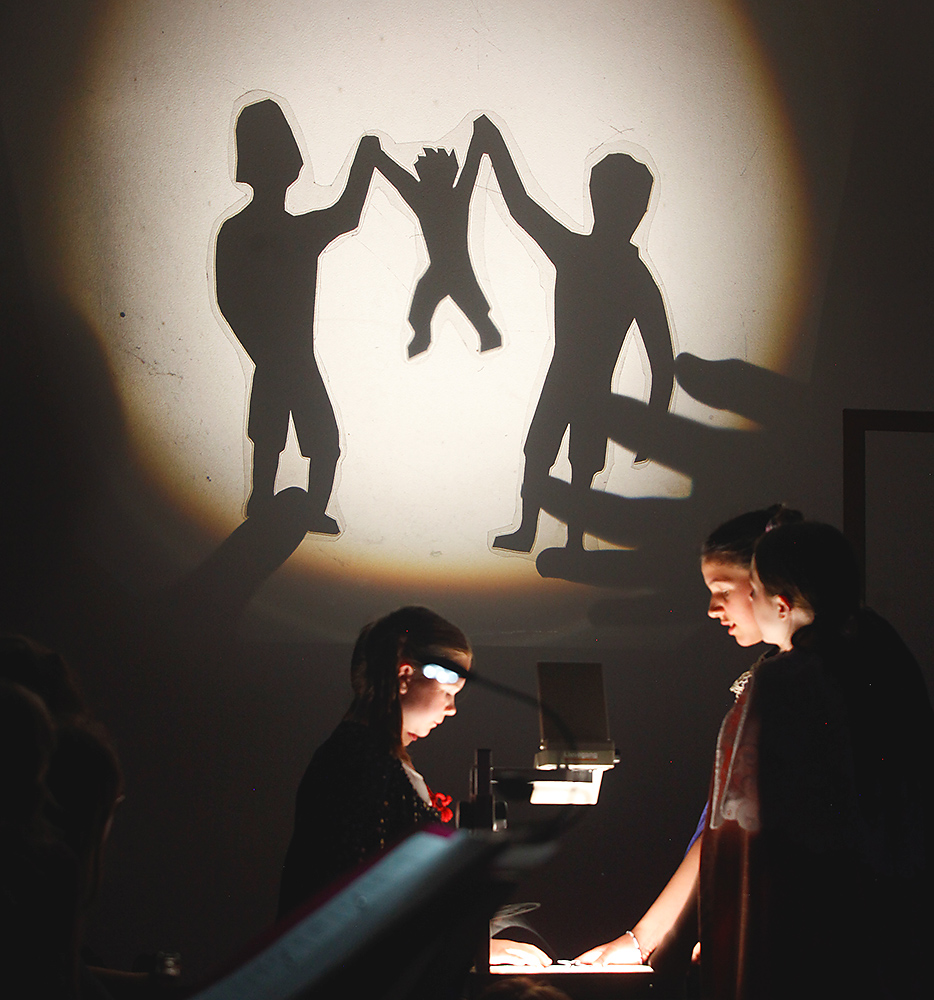
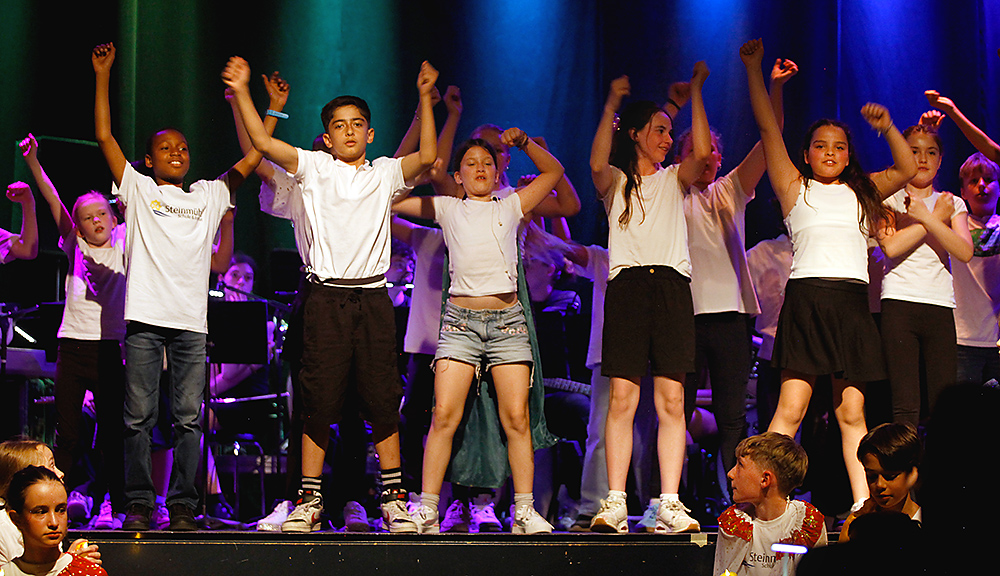
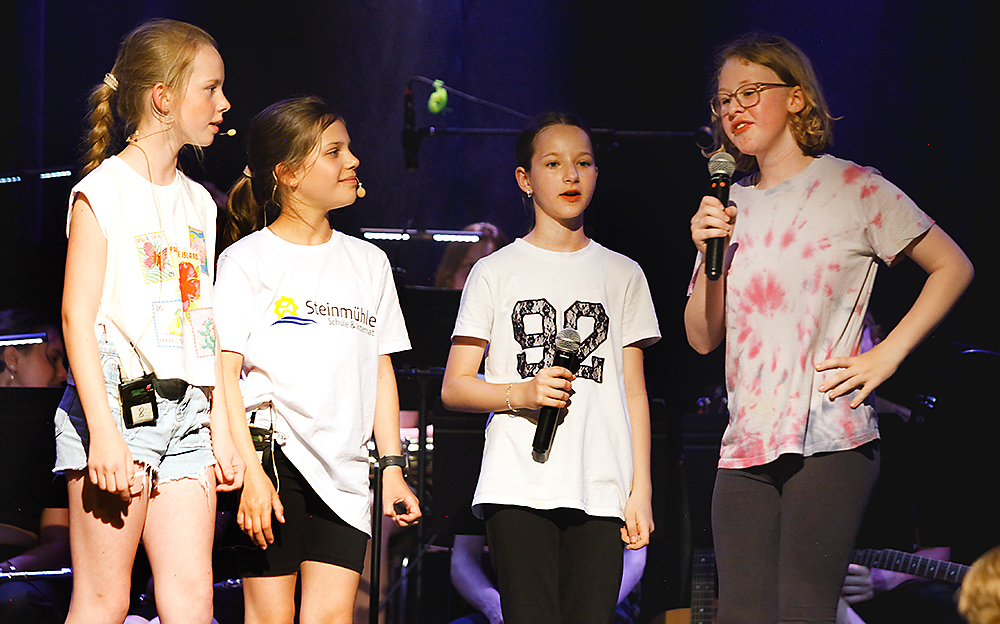
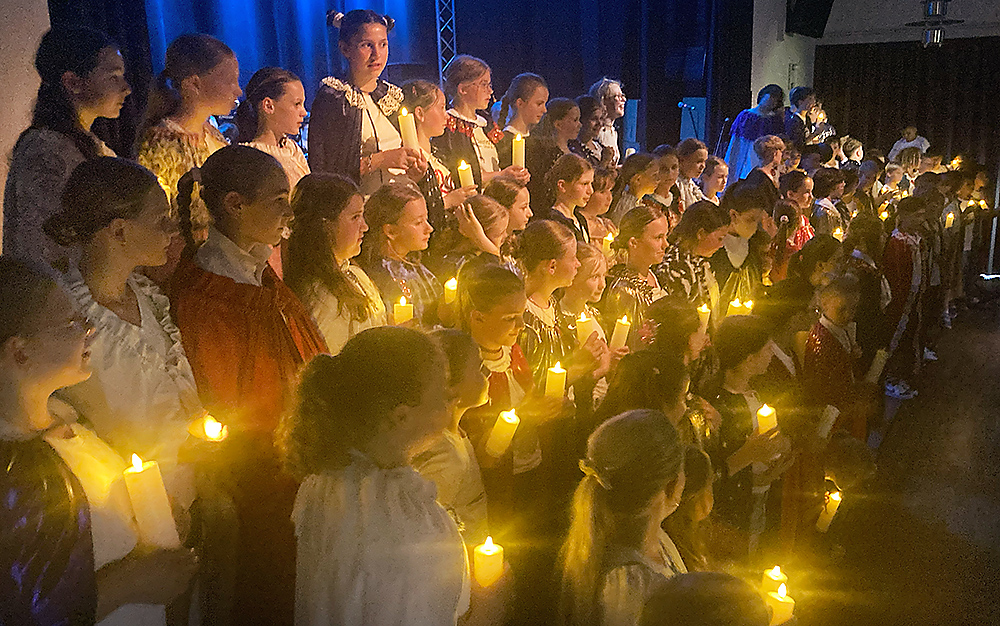
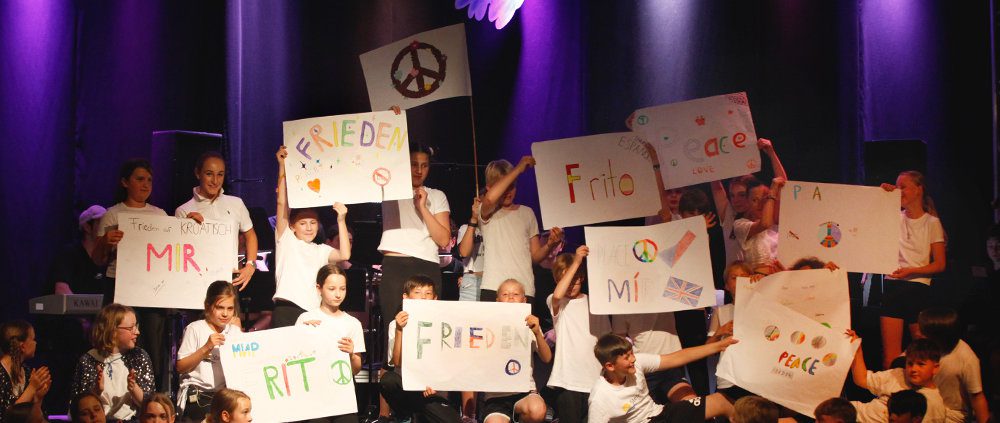
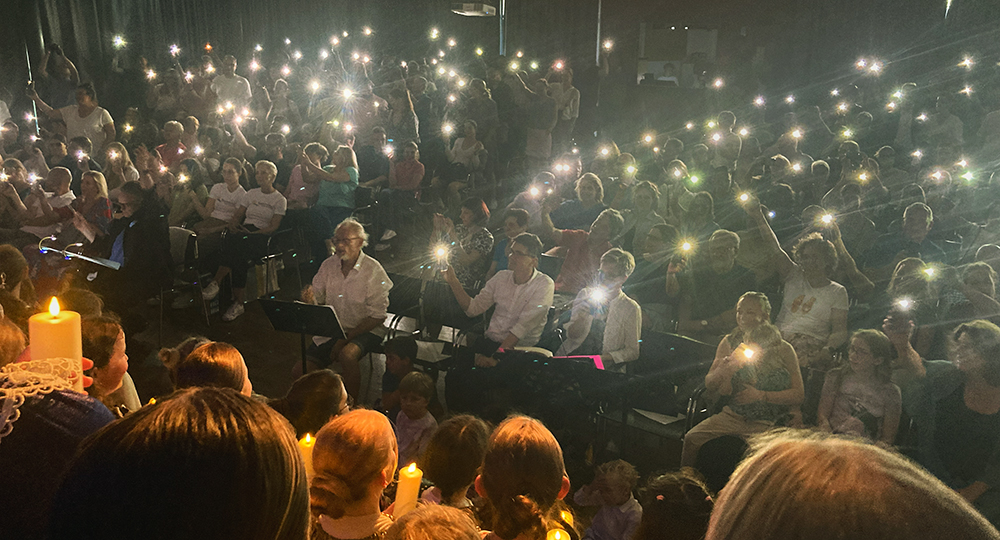
As the first notes of “Imagine” rang out, countless candles and cell phone lights gradually began to glow. For a moment, time seemed to stand still. The stage and the audience were united in a shared message—a striking image that captured the theme of this year’s musical by the 5th-grade classes: “Land of Peace—Utopia.”

When Steinmühle looks back on the highlights of the school year, the fifth-graders’ musical has held a special place for many years. Once again, the school’s youngest students demonstrated just how much creativity, musical talent, and team spirit they can bring to bringing a story to life on stage. At the heart of the production was a message that could hardly be more timely: “We’re moving toward peace.”

Music, Drama, and Movement

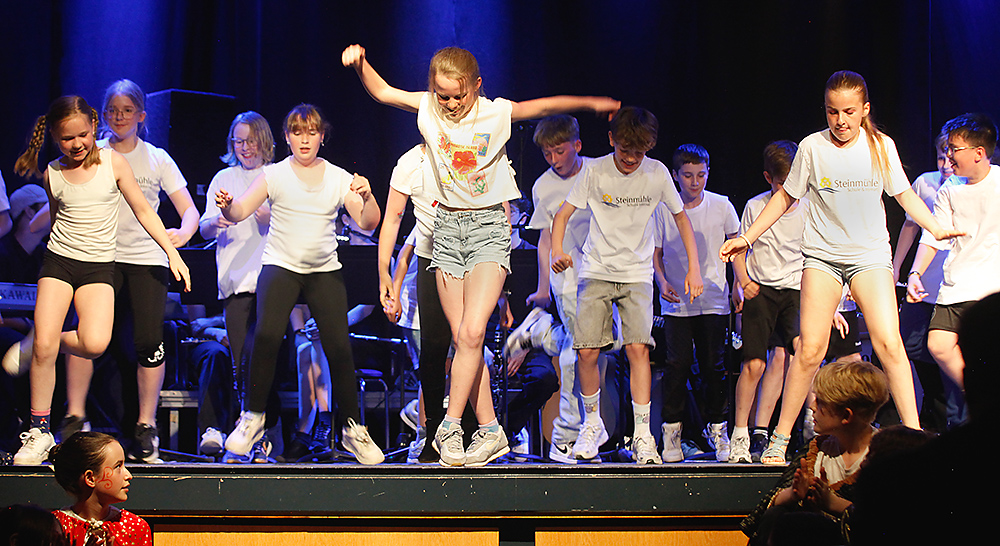
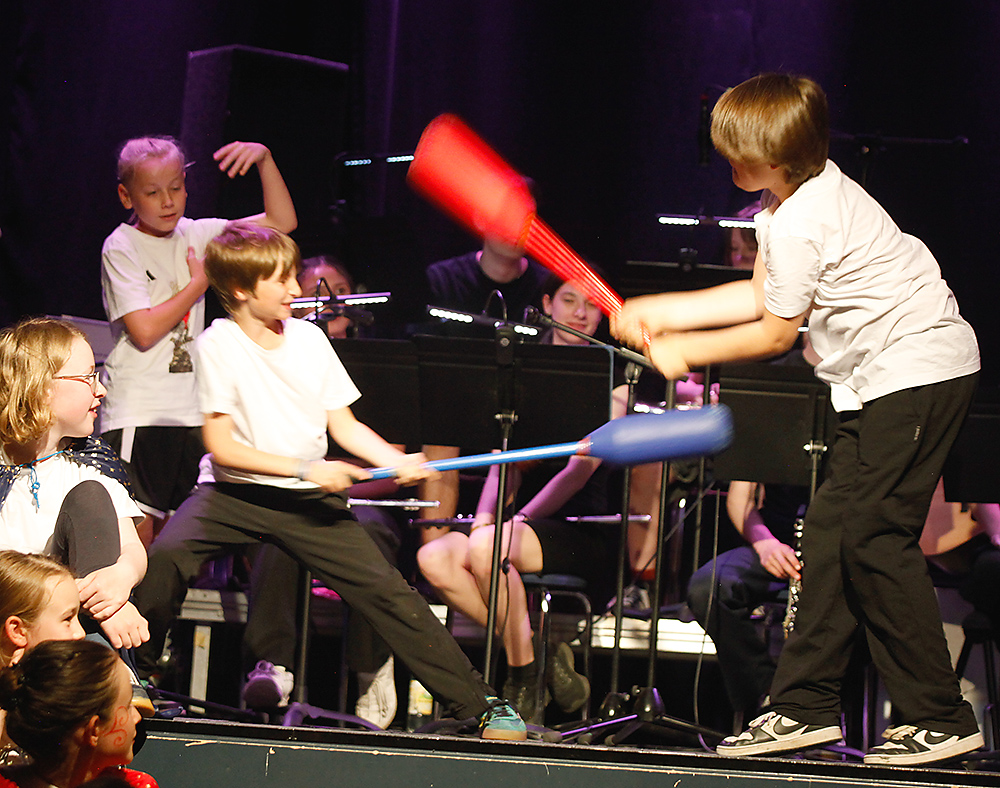
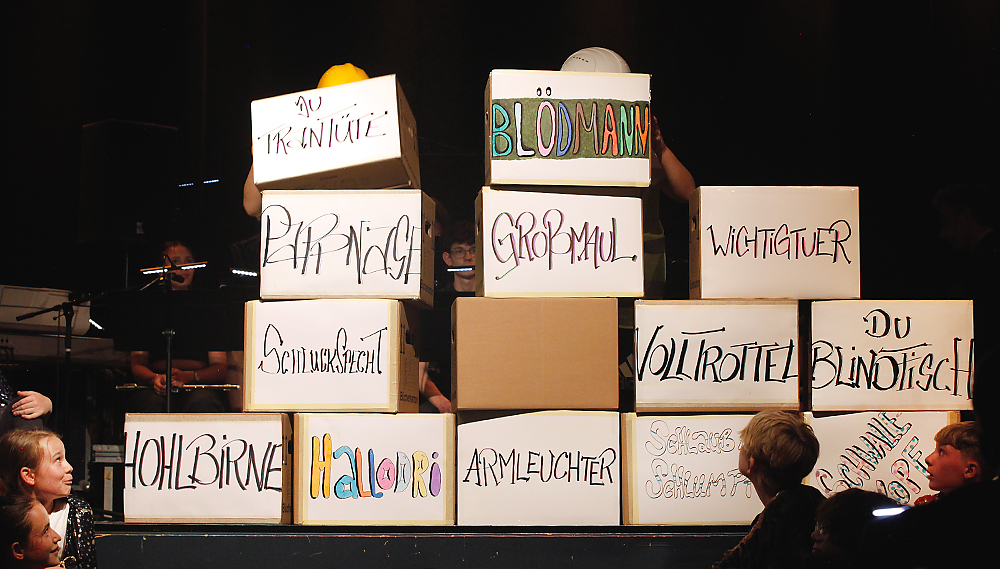
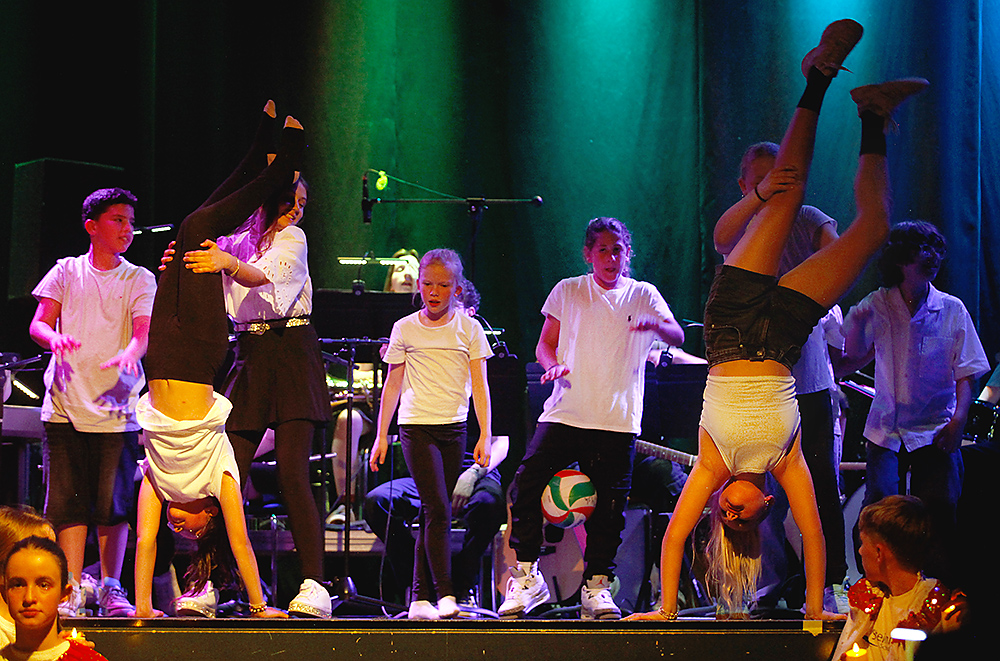
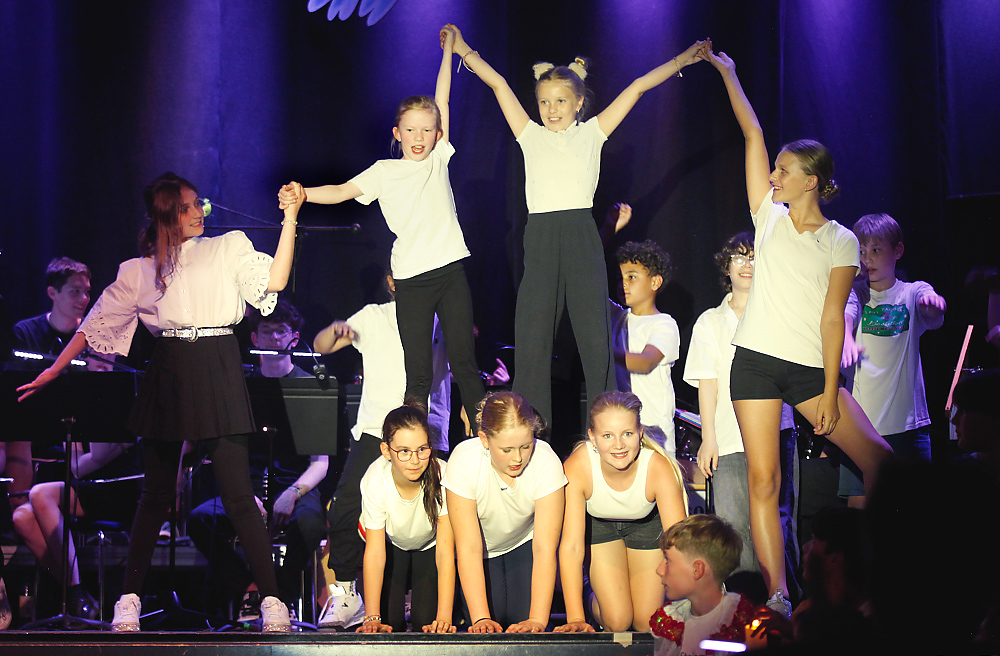
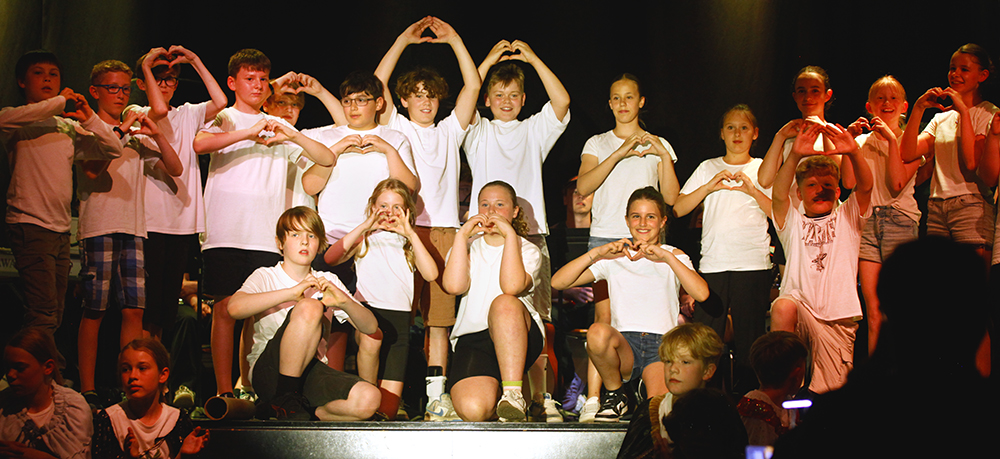
With great enthusiasm, the students told their story about the desire for a more peaceful world. They impressed the audience not only with their stunning choral performance but also with their acting talent and athletic feats. Creative choreography and acrobatic performances added extra energy to the musical and were repeatedly rewarded with spontaneous applause from the audience.

The varied program took the audience on a musical journey through different decades and featured peace songs that have lost none of their power to this day. The set list included “We Shall Overcome,” “Blowin’ in the Wind” by Bob Dylan, “Imagine” by John Lennon, “Heal the World” and “Man in the Mirror” by Michael Jackson, “99 Luftballons” by Nena, “Wir ziehen in den Frieden” by Udo Lindenberg, as well as the traditional pieces “Dona nobis pacem” and “Kumbayah, My Lord.”
The fifth-graders particularly impressed the audience with their powerful voices during their performance of “99 Luftballons.” When the last note faded away, the applause went on for a long time. The audience demanded encores—and got them.

A collaborative project involving the entire school community

Ulrike Wilmsmeyer served as the overall musical director. Together with Daniel Sans, Olaf Roth, Ines Vielhaben, and Frank Wemme, as well as the teachers of the 5th-grade classes, they created a performance that clearly demonstrated how many people contributed their ideas and dedication.

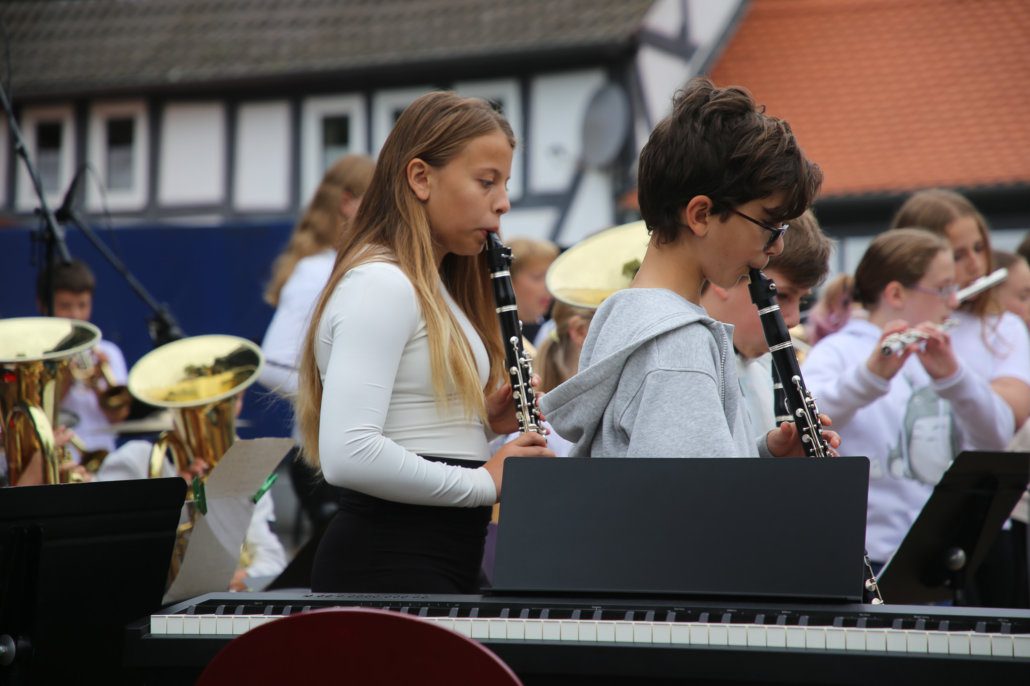
The collaboration among the different grade levels was also impressive. The accompanying band, led by Frank Wemme, was made up of students from grades 8 through 12. With flutes, clarinet, trumpet, euphonium, guitar, piano, drums, and bass, they highlighted the musical diversity of Steinmühle and gave the songs their distinctive sound.


Behind the scenes, too, there was a great deal of hard work. The Sound & Light Club handled the technical aspects, and Kira Gräser was once again in charge of props and makeup. The posters for the performance were created in the 5th-grade art class taught by Ms. Rado and helped spark interest in the musical well in advance.

A message that leaves a lasting impression

In closing, Principal Björn Gemmer thanked the many people who had contributed to the success of the evening. He particularly highlighted that, as part of the musical, the students had also explored historical songs and impressively conveyed their messages.
“Friedensland – Utopia” was far more than just a musical performance. It was an evening that demonstrated what schools are capable of: young people pushing themselves to new heights together, taking on responsibility, and using music, drama, and movement to send a message of peace, solidarity, and hope—a message that resonated long after the final applause.

(Heinm)

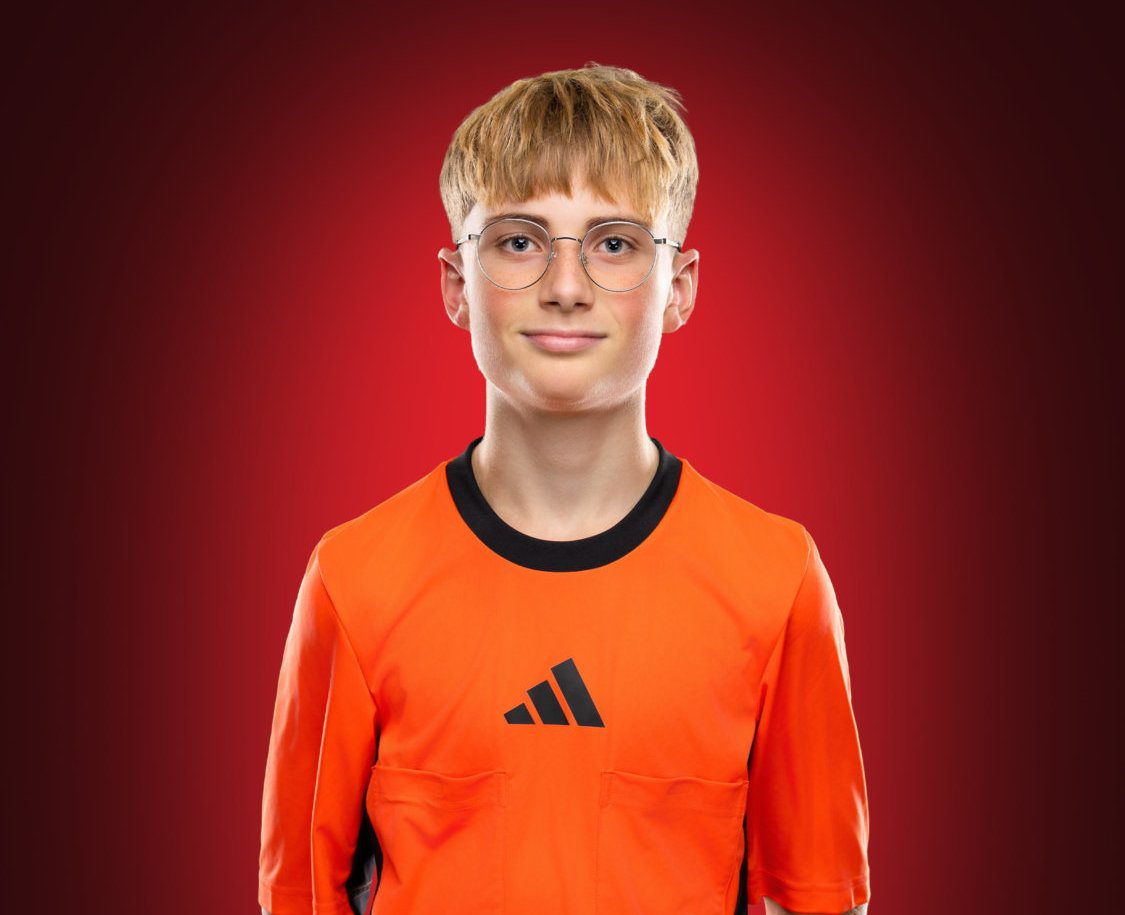
Boys, whether young or old, sometimes dream of soccer: one day being a goal-scorer like Harry Kane, or a goalkeeper like Manuel Neuer. Lars Hübl, a student at Steinmühlen School, also envisions a career in soccer—just in a different role. He dreams of becoming a Bundesliga referee.

“I don’t really know how it happened. At some point, there was just this moment. From then on, I knew: I want to be a referee.” Coming from a 13-year-old, those words sound confident and definitive.

Lars had this “inspiration”—that’s what we call it—six years ago. Whether he was watching soccer or playing soccer, that determination suddenly took hold. And as we all know, where there’s a will, there’s a way.


Support from Parents

To say that Lars has dreams is only partly true. Some time ago, the teenager began putting his dreams into action. At the age of 11, he earned his official referee certification after completing a 12-hour course. The written exam consisted of 30 questions on the rules that had to be answered. For Lars Hübl, this was no problem.

The young referee first began officiating in the U-10 league and later moved on to the U-15 Group League, the third-highest league in youth soccer. Lars Hübl works the time commitment required for this into his weekly school schedule. His parents support his hobby, which can certainly be described as unusual.

The young man has some reservations about the word “hobby.” The sport is taken very seriously. As part of a three-person team, he takes the field alongside assistant referees for many games. It’s not uncommon for his colleagues to already be of legal age.


“Self-confidence and assertiveness are important”

How does that make you feel?

“Great!” Lars says. But he remains realistic. Because he knows: “The most important things are self-confidence and assertiveness.”

He does that. He attends seminars, listens, and contributes his thoughts. He’s an active player for FV Wehrda, where he also serves as a referee for the club, of course.

“It’s possible,” Lars said, “that I’ll focus on it one hundred percent.”

The active, athletic aspect of the referee’s job is by no means neglected. “That’s often underestimated,” the student laughs. He knows you have to be fast and you have to run. You easily cover 6 to 7 kilometers per game.

Lars Hübl has something that even older teenagers often lack: he has a vision. “I want to get into men’s soccer as soon as possible,” he says, explaining at the same time that underage referees are not uncommon there.


“I asked myself: Is this what I want?”

His young age can sometimes be a challenge during games—namely, when aggressive parents from the opposing team yell at him. “The first time it happened, I asked myself, ‘Is this what I want?’” Lars recalls.

By now, however, he’s come to terms with it; he doesn’t take it personally, but looks at it from a psychological perspective. “You’re just to blame for everything when things aren’t going well for your opponent.”

He himself has a level-headed disposition. He enjoys his role as a mediator between players on opposing teams. He’s quite comfortable with the career prospects of being a referee. Starting in the 3rd Division, the German Football Association (DFB) pays fixed salaries. Lars himself sees himself, ideally, in the Bundesliga one day.

Since professional athletes typically have a long-term civilian career to fall back on, Lars already has his sights set on one. “I might end up in sports management.” With his favorite subjects being math and physical education—why not?

Incidentally, he also has a valuable supporter at school who is helping him pursue his goal of becoming a referee: his teacher, Phillip Knaack. Both actively share a passion for the role of referee.

Angela Heinemann

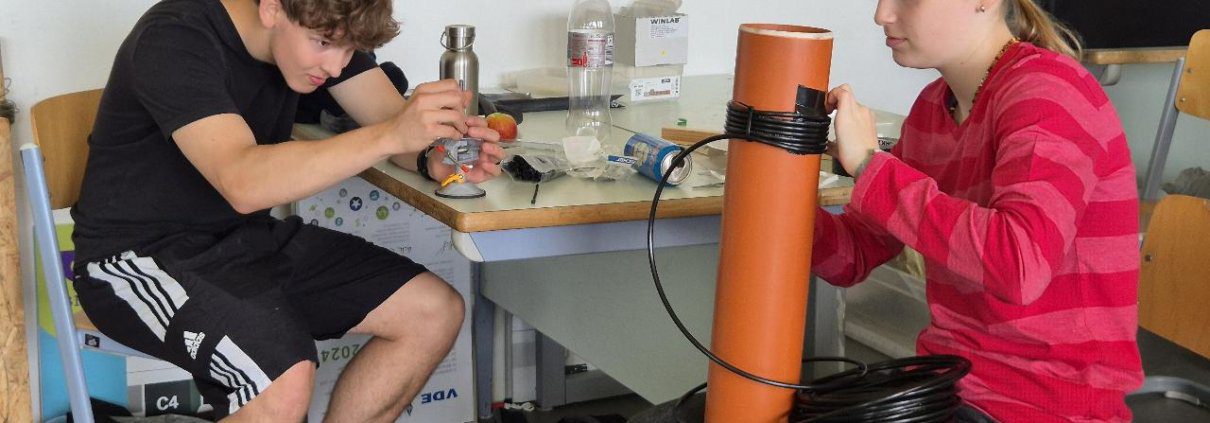
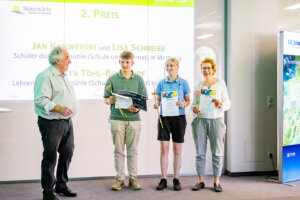
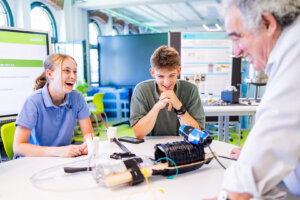
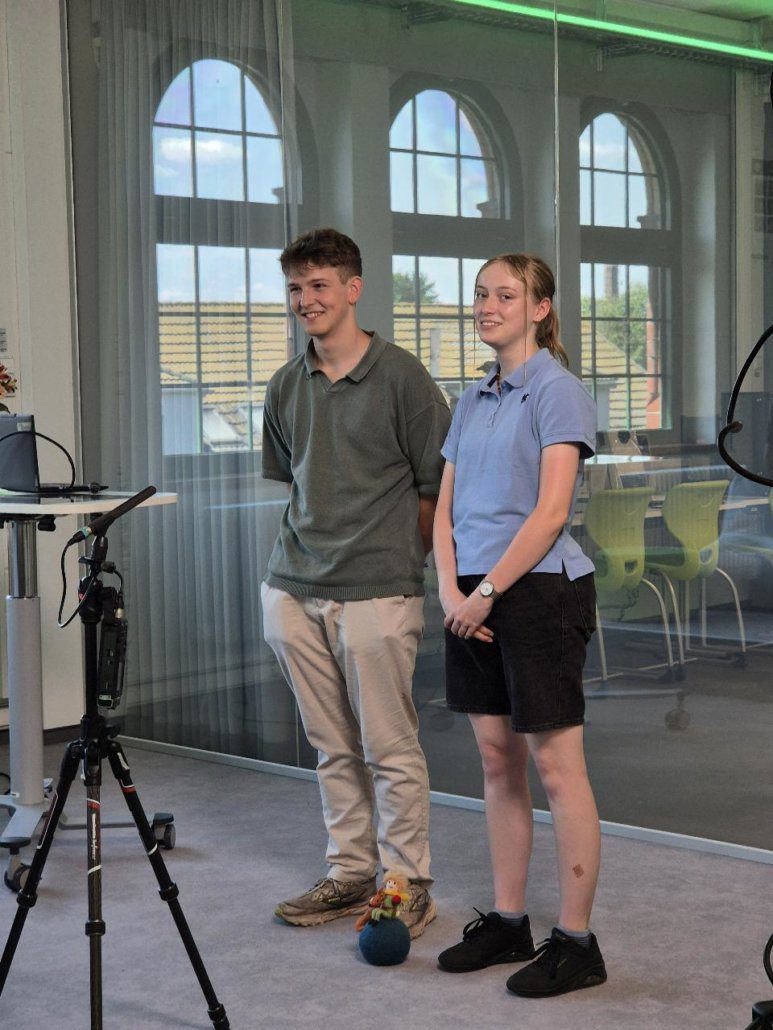
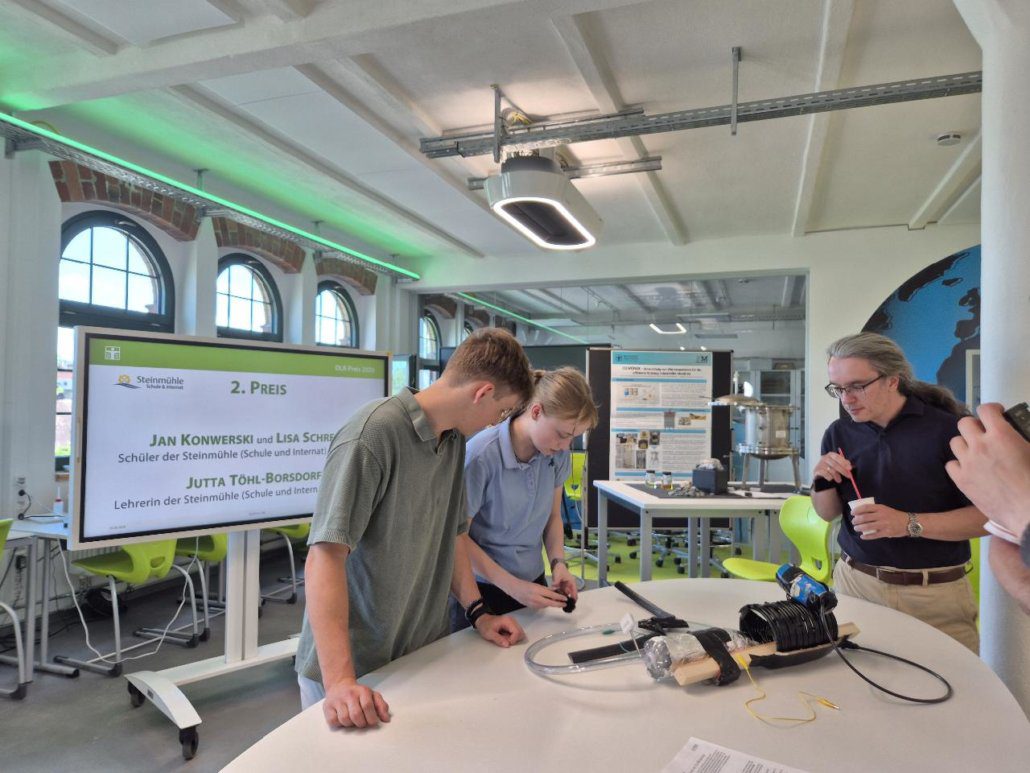
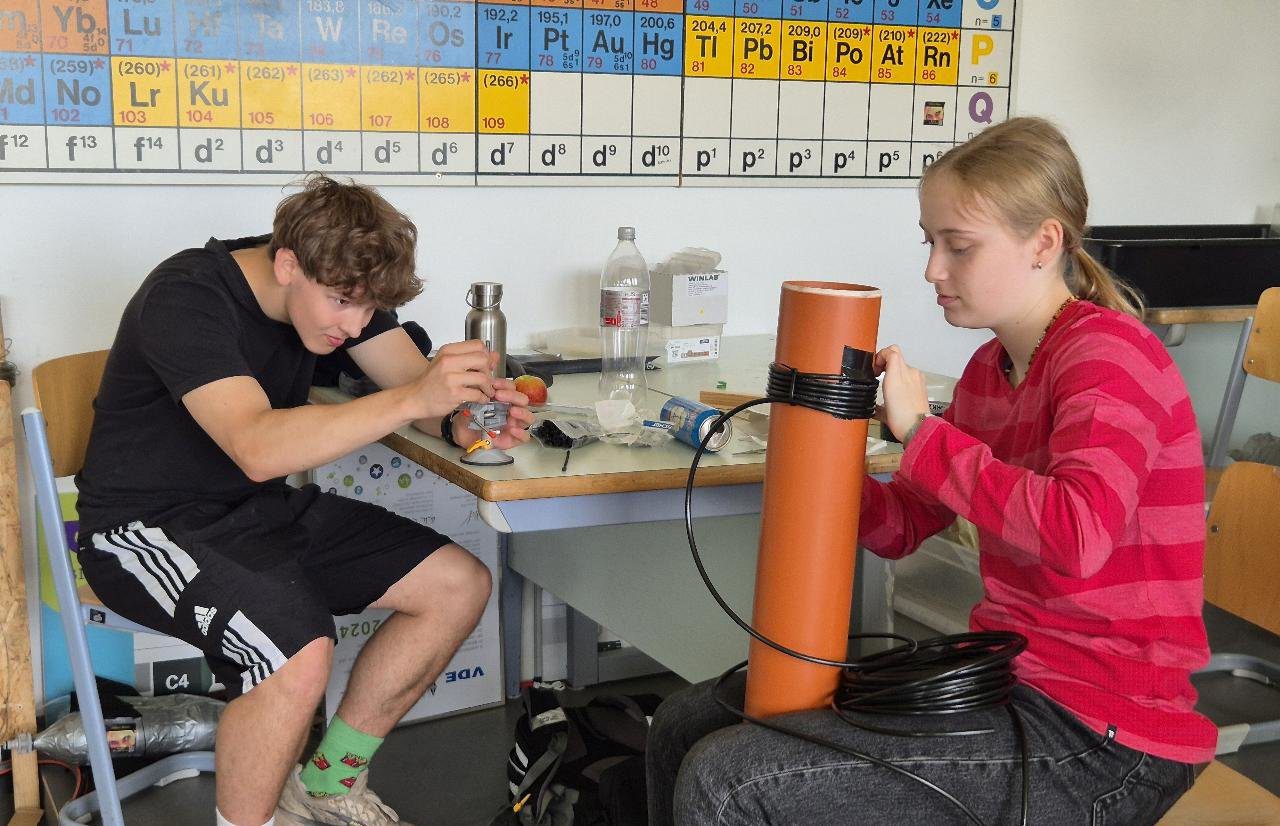
This is amazing: Jan Konwerski and Lisa Schreier, 11th-grade students in the plus-MINT program at Steinmühle Boarding School, won second place in the School Lab competition hosted by the German Aerospace Center (DLR) with their heat pump model.

“We are very pleased with this tremendous success,” said project supervisor Dr. Jutta Töhl-Borsdorf—who also serves as the STEM coordinator at Steinmühle School and Boarding School—along with Managing Director Dirk Konnertz and Principal Björn Gemmer.

Everyone is talking about heat pumps, and the technology itself is already in use in many buildings. In terms of market share, heat pumps account for about 6 percent of all homes in Germany. Although many sophisticated devices are available on the market, innovative approaches from young researchers remain crucial in light of these figures. This is the only way to further develop this field, underscore the importance of the technology, and carry the topic forward into the future.


The Task: Building Mechanical or Virtual Models

The 2026 DLR School Lab Award was a student competition on the topic of climate-neutral heat pumps.

The topic was “Reducing CO2 Emissions with Heat Pumps.”
The students’ assignment was to explain how a heat pump based on the Brayton cycle works and to build a model of it.
Teams from grades 6 through 12 accomplished this by designing mechanical or virtual models.

On behalf of the DLR, Dr. Thomas Fester from the project management team invited the two young researchers from Steinmühle to the DLR in Zittau for the award ceremony. From there, they returned home with many new experiences, a wealth of information, and prize money totaling 700 euros.

On its own website, the DLR also reports on the DLR School Lab Award:

© Foto: Carla Schmidt Fotografie

Read the article at www.dlr.de


… and Zittau University also reports:

© Foto: Carla Schmidt Fotografie

Read the article at www.hszg.de

With its performance in this prestigious competition, Steinmühle—which offers a range of athletic programs, including rowing and equestrian sports—has further solidified its reputation as a plus-MINT boarding school.

(Angela Heinemann)


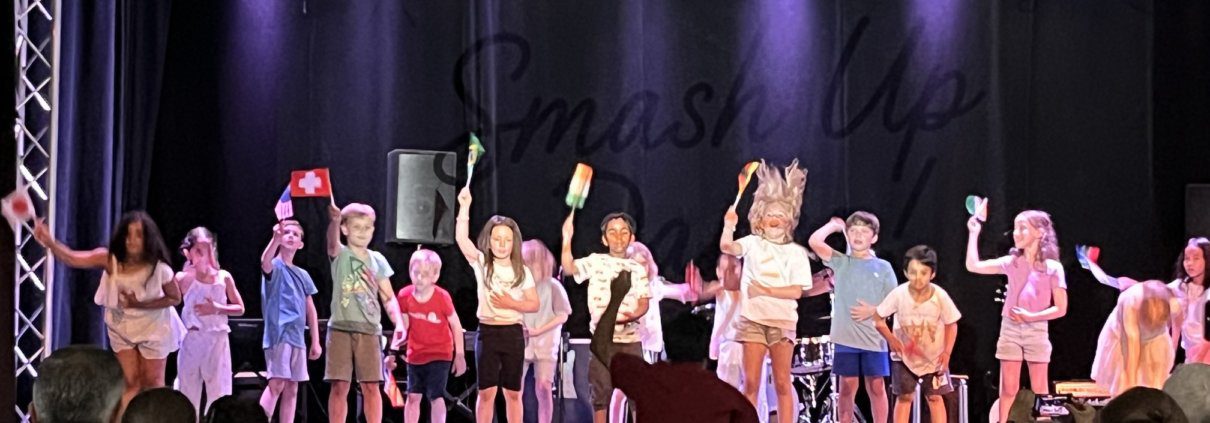
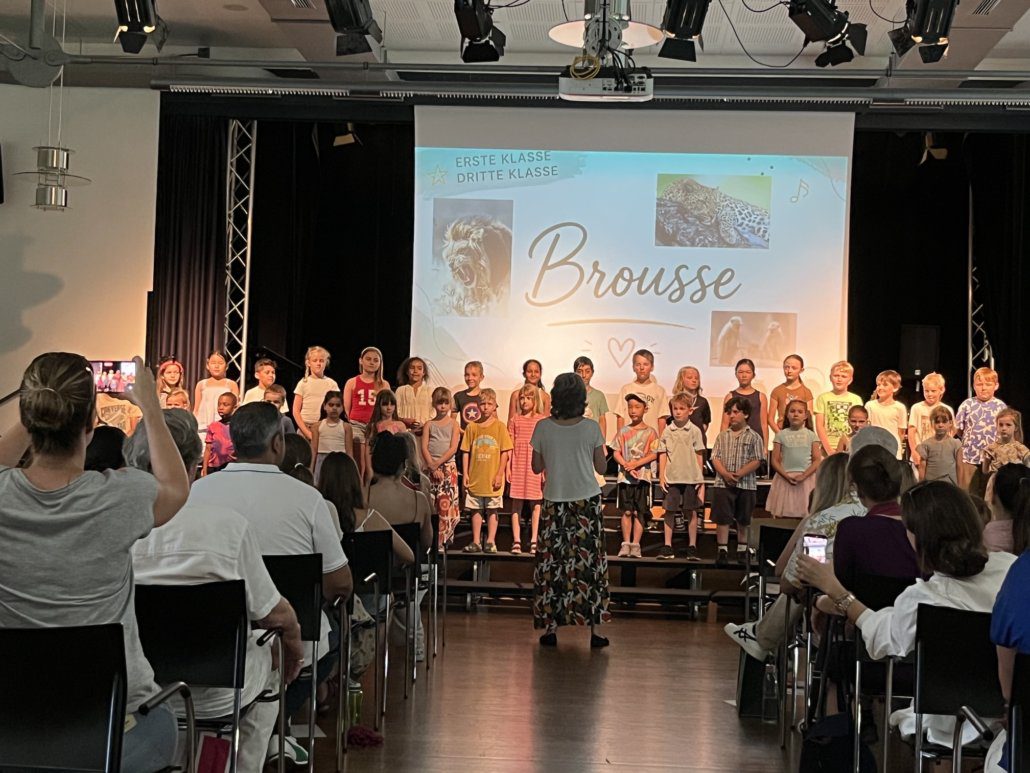
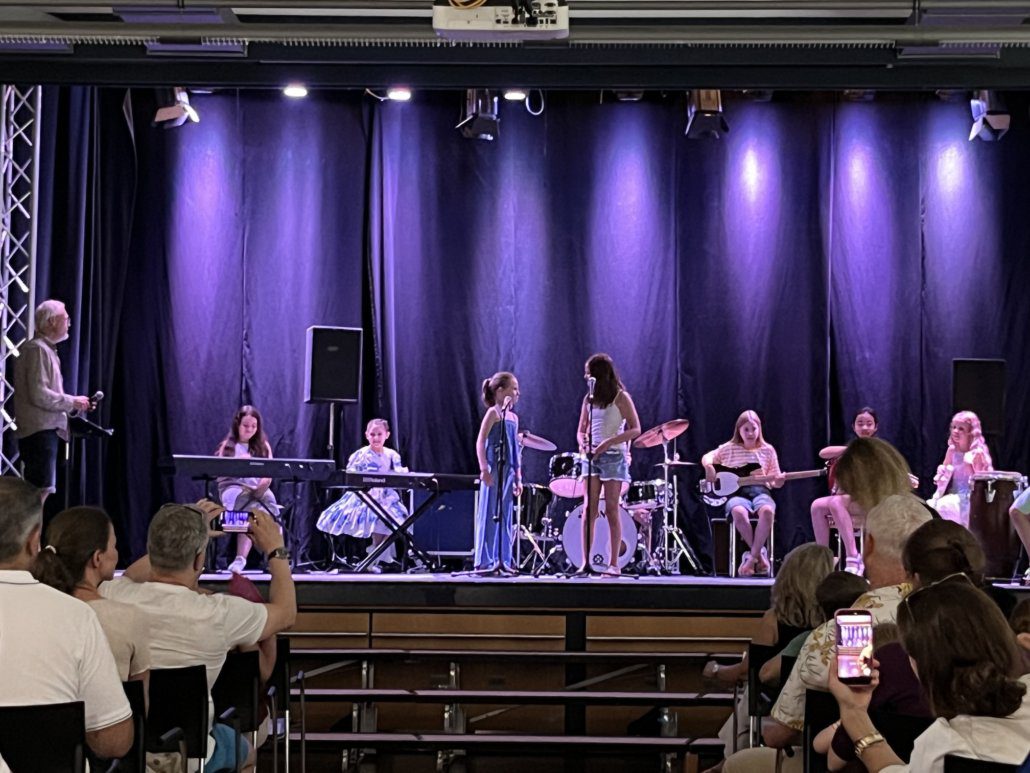
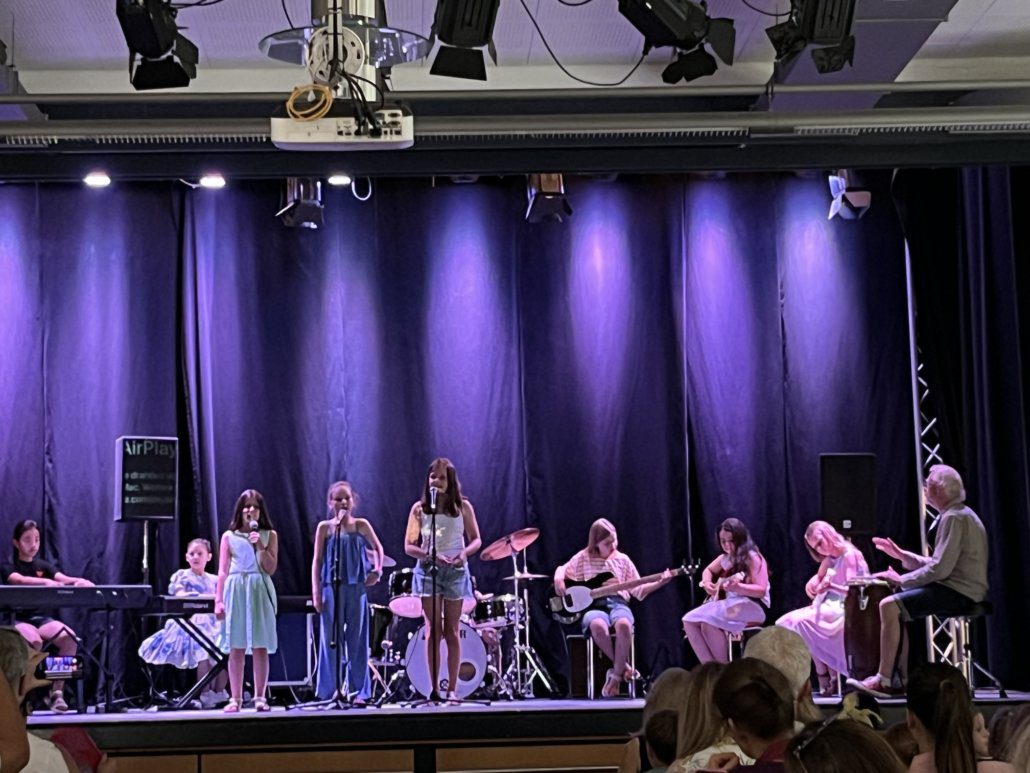
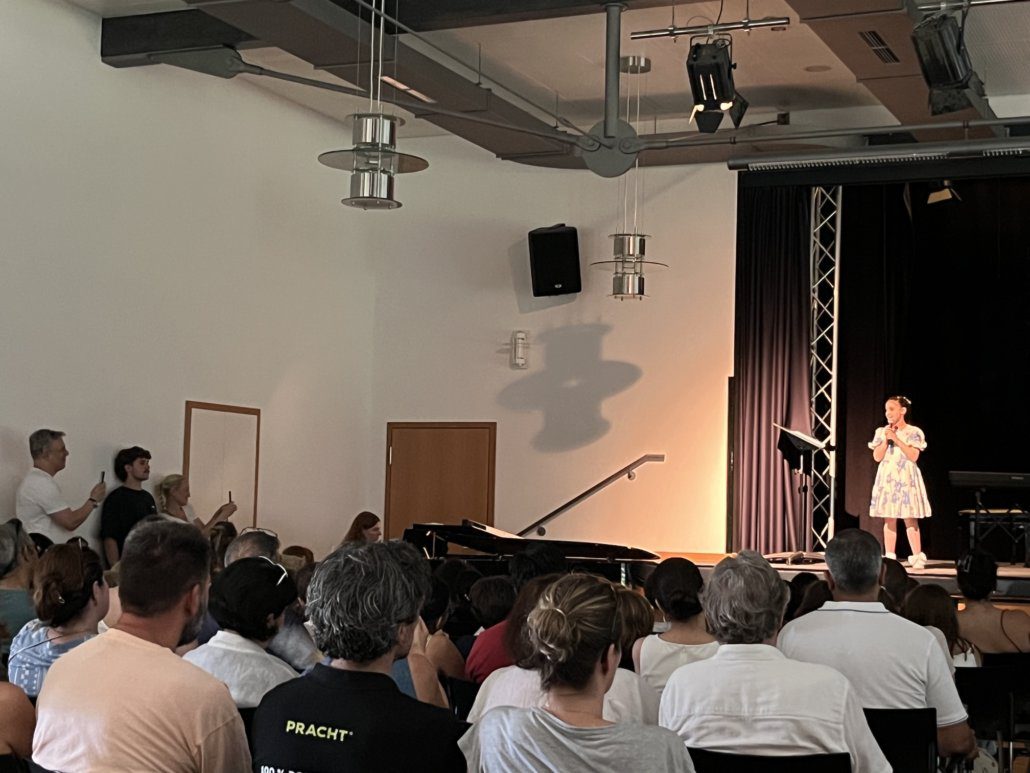
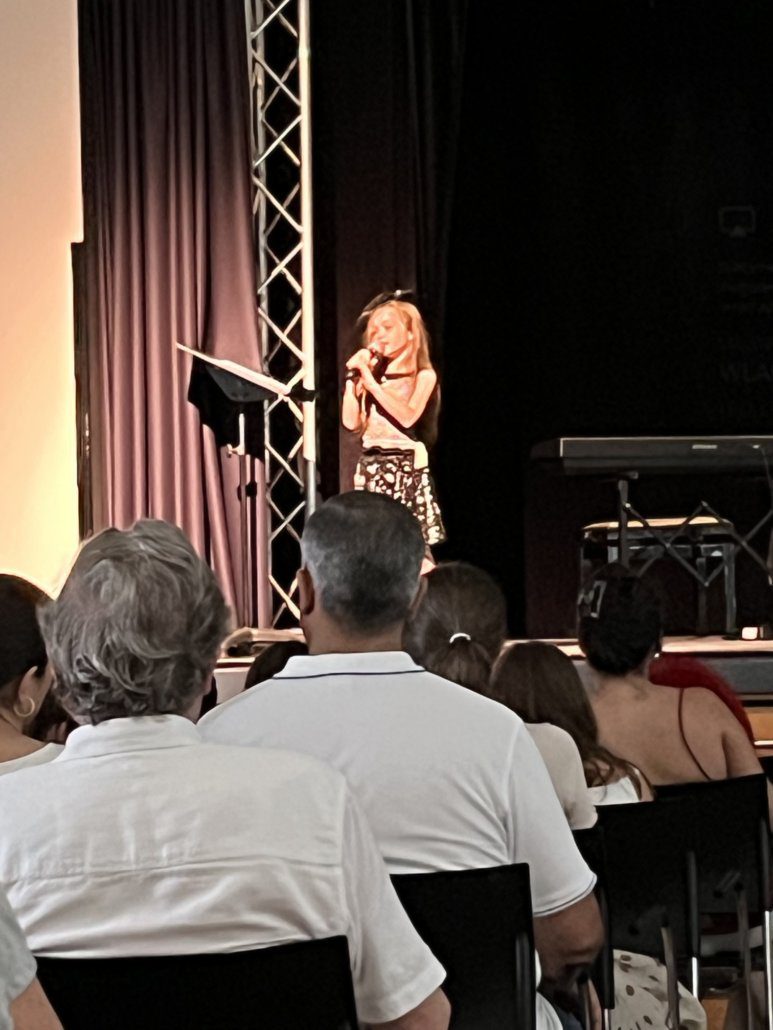
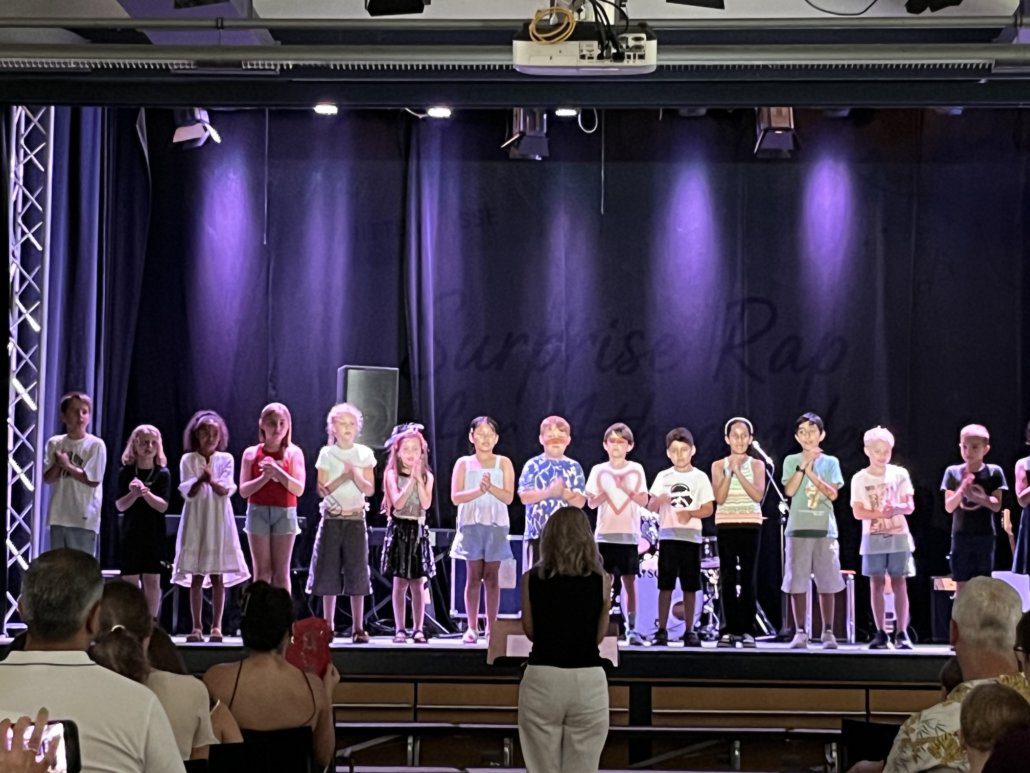
As the school year draws to a close, the “Open Stage” event has become a fixture on the calendar at Steinmühle Bilingual Elementary School. Numerous parents, family members, and friends gathered in the school auditorium to enjoy the diverse performances by our students.

The event was opened by Principal Julia Daube, who warmly welcomed the guests. At the conclusion of the Open Stage, she thanked all the teachers for their great dedication, as well as the families, whose interest and support play such an active role in their children’s school life.


Band music, movement, and singing

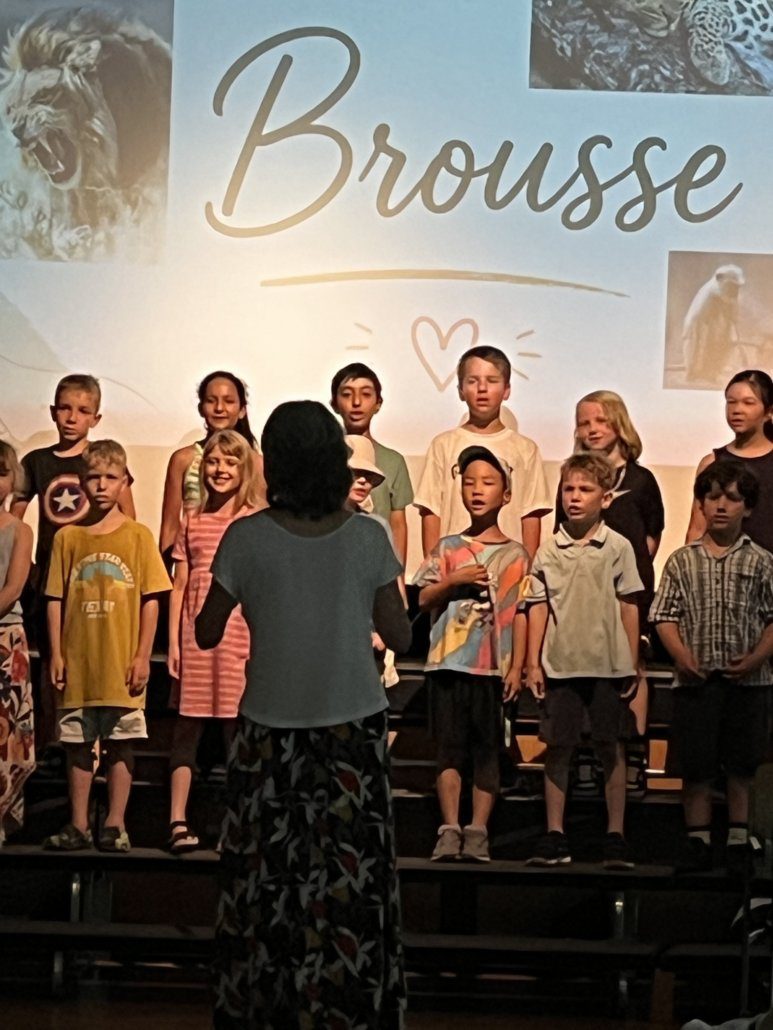
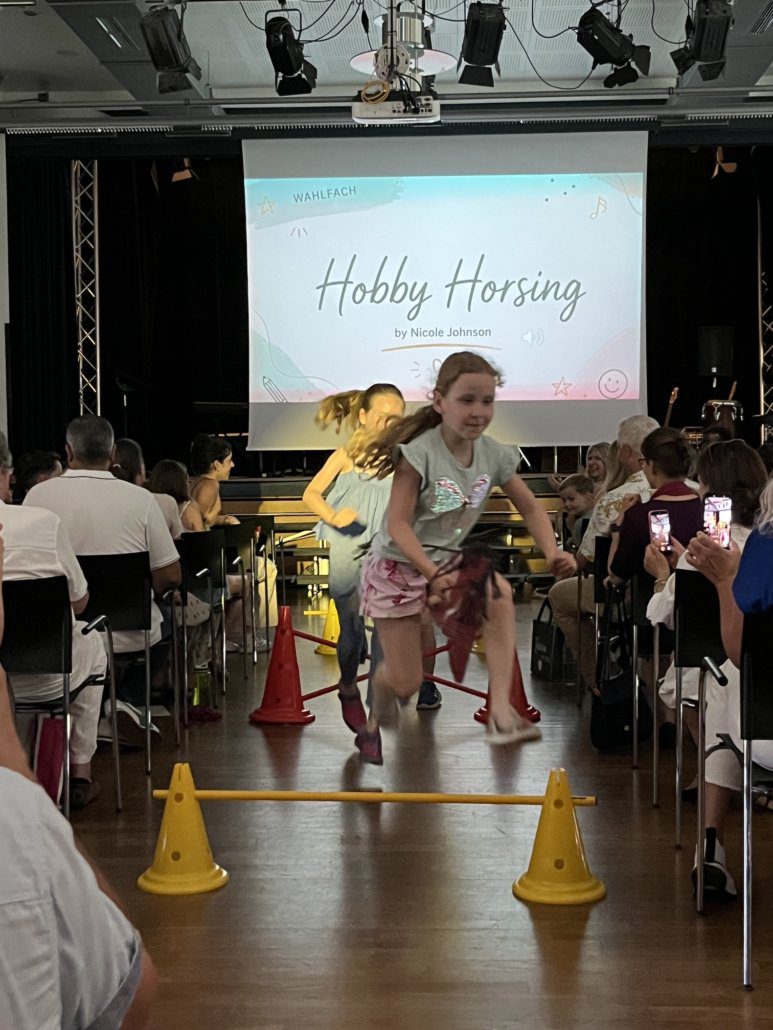
All four elementary school classes presented what they had been working on throughout the school year with great enthusiasm and confidence. The varied program was rounded out by the elective course “Hobby Horsing” with physical education teacher Nikki Johnson, by our elementary school band called “Girls on Fire,” led by Olaf Roth, and an impressive musical performance by students Letitia Pabst and Violetta Sans, who delighted the audience with their singing and instrumental playing.

With their performance of “The Duck Dance,” Class 2 actively involved many parents in the event. With a touch of nostalgia, Class 3 bid farewell to all the fourth graders at the end of the performance. If they move up to Class 5i at Steinmühle, their common meeting place in the coming school year will likely be the schoolyard.

(Herrm/Heinm)