• Anruf
  • E-Mail
  • Zu Facebook
  • Zu Instagram
  • Zu LinkedIn
Loading
Steinmühle – Schule & Internat
  • About us
    • Organization & History
    • Teams
    • Stakeholders
    • Internal clubs
      • Riding School
      • Rowing Club
      • Friends of the School Association
    • Partners
    • Mission Statement & Vision
    • Ecology & Sustainability
    • A Safe Place
    • Quality Management
  • School
    • High School
    • Bilingual Elementary School
    • Project-Based Learning
    • Promoting STEM Talent
    • Languages & International Affairs
    • Sports & Health
    • Art, Music & Theater
    • Social Responsibility
    • Digitization
    • Promoting Independence & Individuality
    • Social Responsibility & Strengthening the Community
  • Boarding School
    • Boarding School as an Opportunity
    • Support for Families
    • Life
    • Learning
    • Sports & Recreation
    • Trips & Weekends
    • Talent Program Plus STEM
    • Fit for Life
  • Admission
    • Boarding School Admission
    • High School Admission
    • International High School Program
    • Bilingual Elementary School
    • Costs & Contract Terms
  • News
    • News
    • News Archive
    • Events
    • Support Current Projects
  • Friends & Alumni
    • Stories
    • Alumni Reunion
    • Steinmühle Alumni Network
  • Fan Shop
  • English
    • German
    • Spanish
    • French
    • Italian
    • Russian
  • Search
  • Menu Menu
  • English
    • German
    • Spanish
    • French
    • Italian
    • Russian

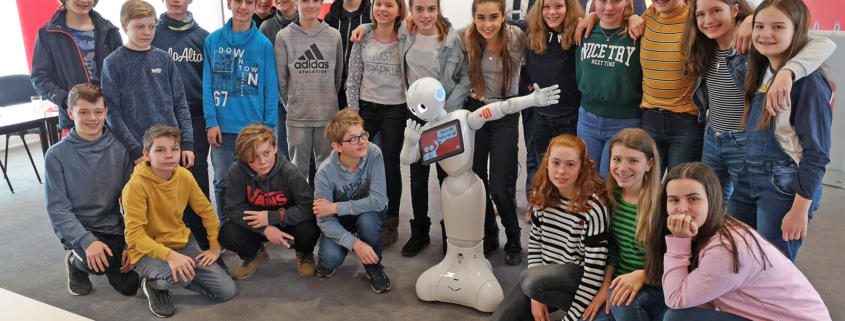
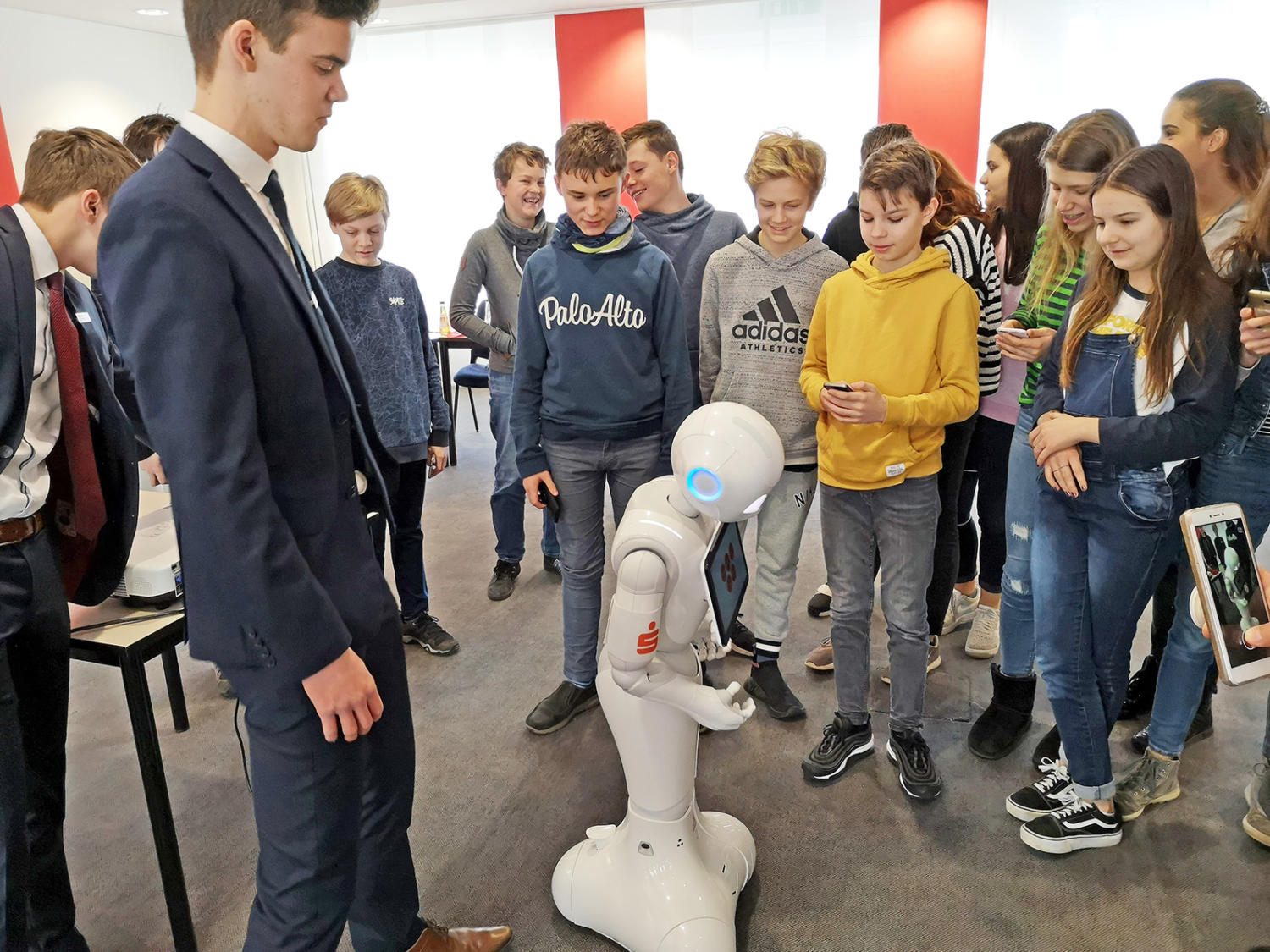
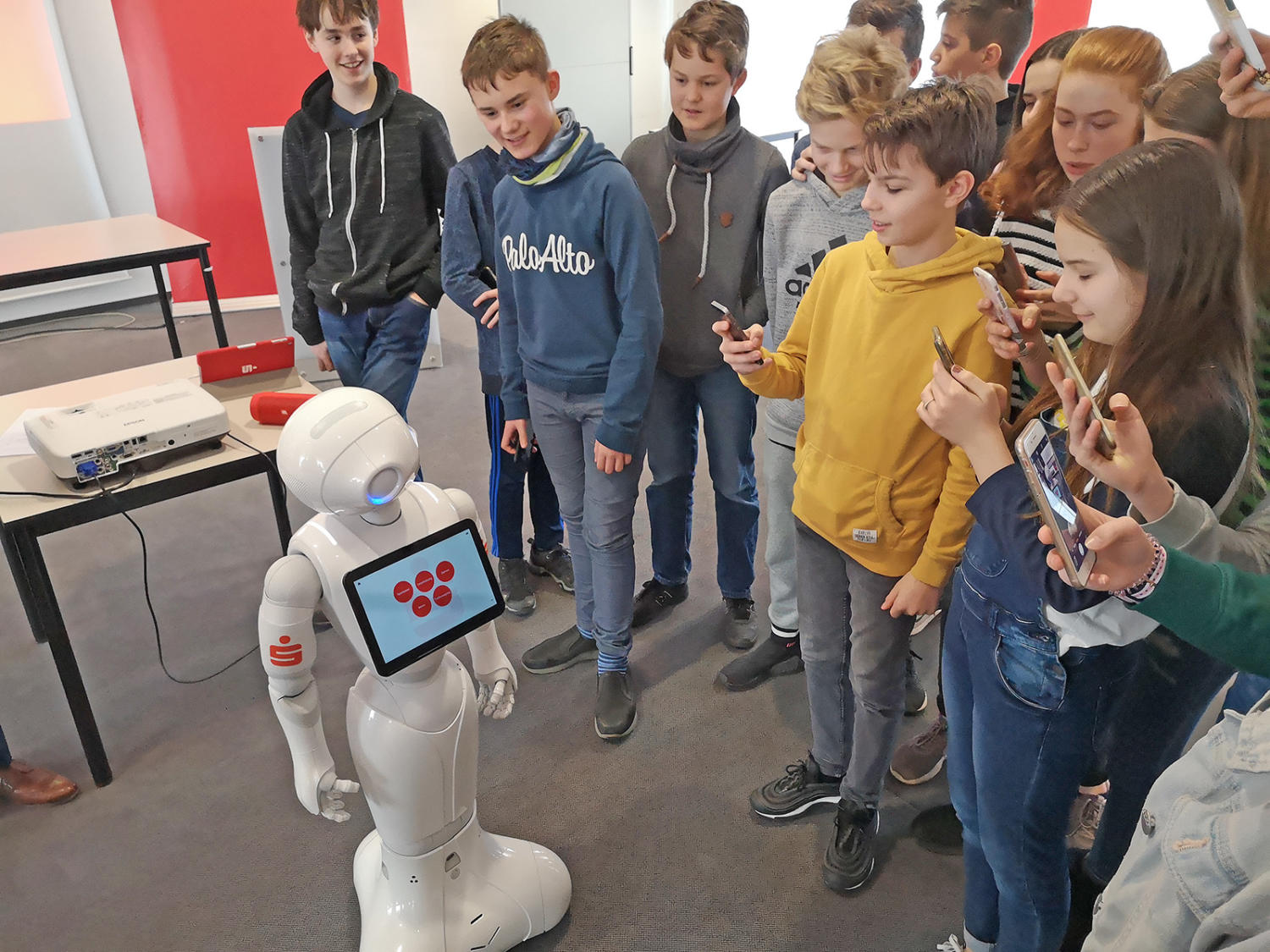
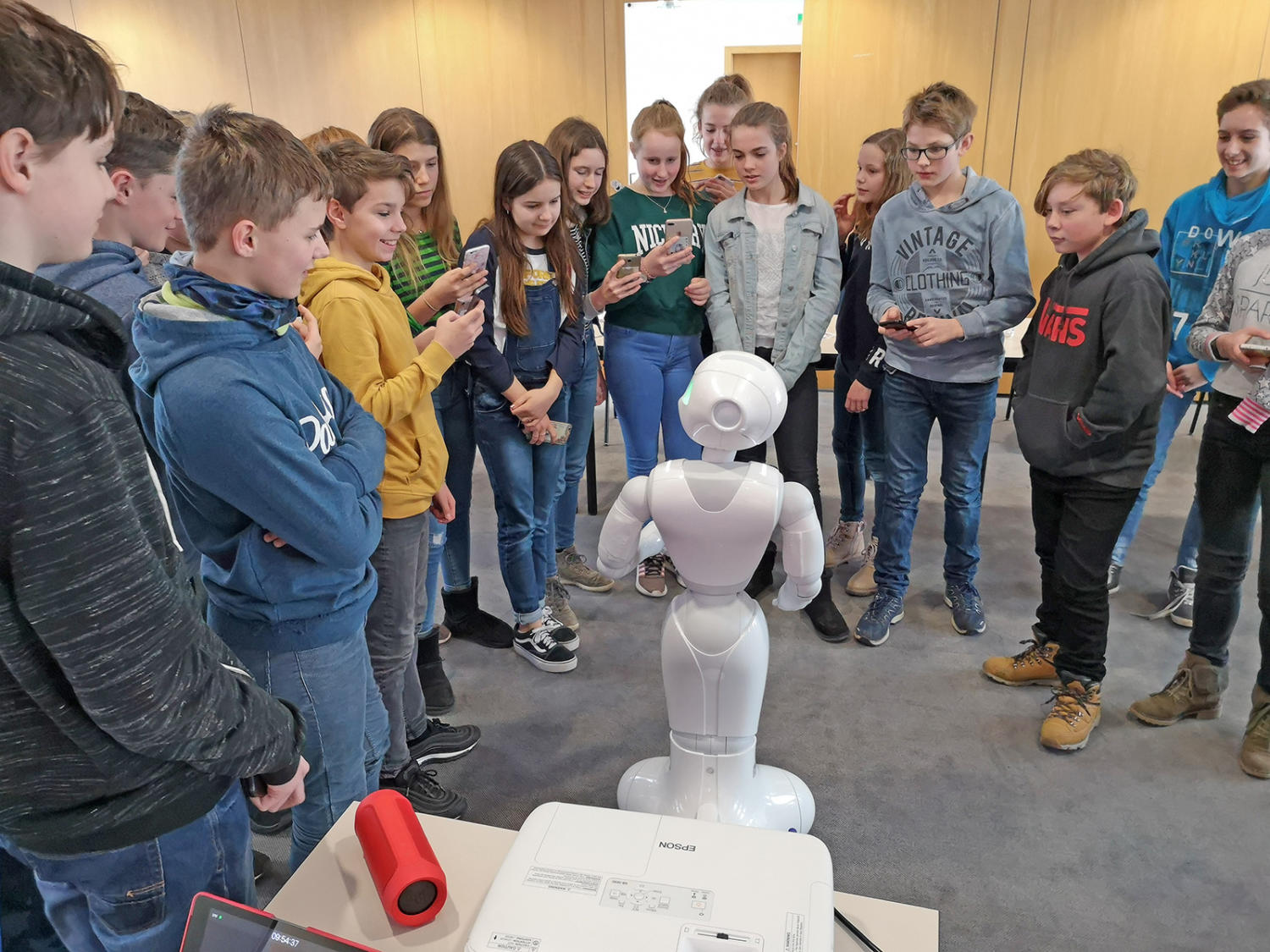
Students Visit the Sparkasse: Interest Calculations in Practice

News, Politics, Business & Responsibility

As part of the math class for 7c, the topic of “interest calculations” was covered over the past few weeks. In this context, the students had many follow-up questions:

Why do interest rates exist, anyway? When did interest rates first come into existence? What is the current interest rate on savings and loans? Who sets the interest rates? Why are interest rates so low right now?

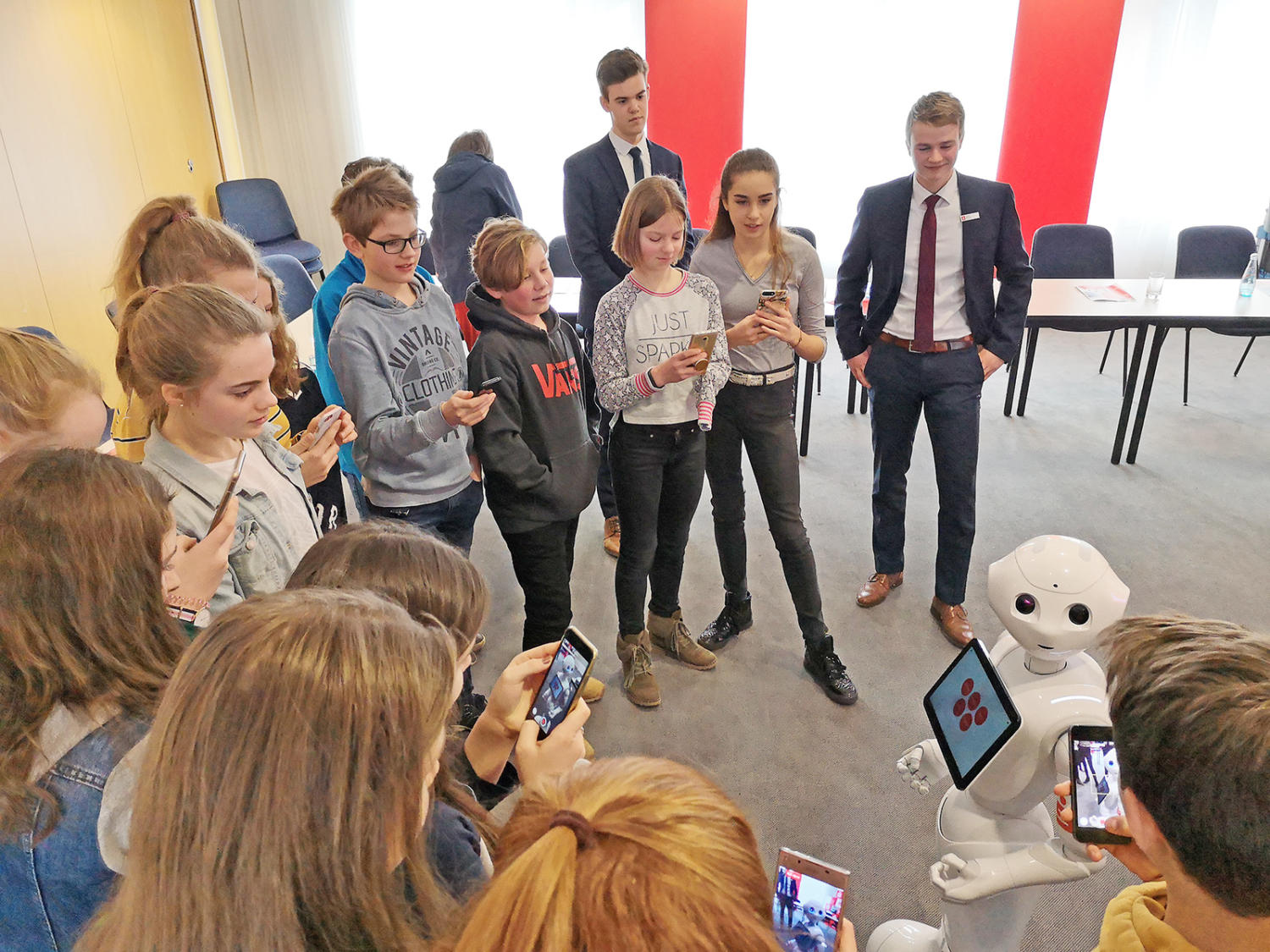
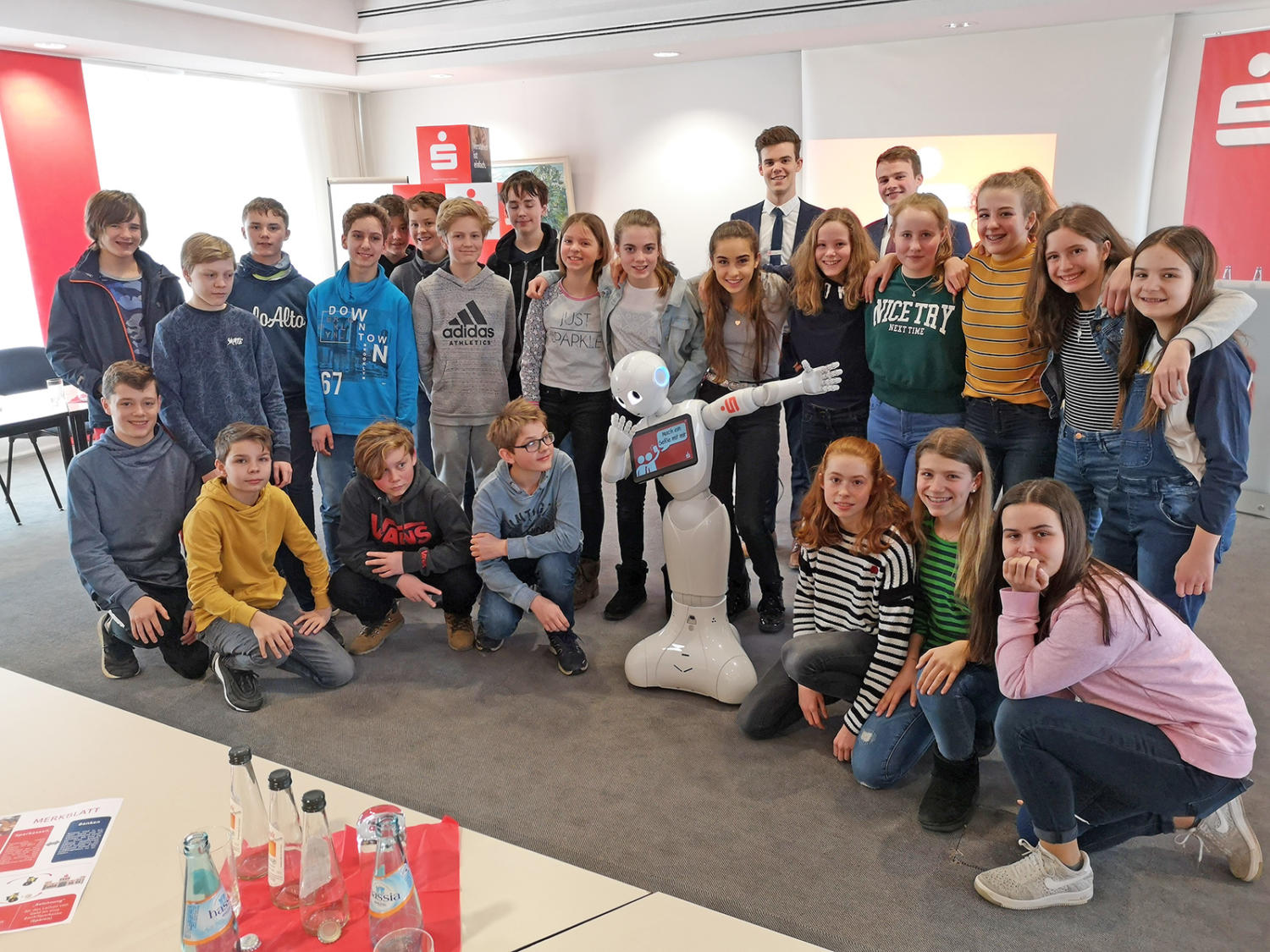
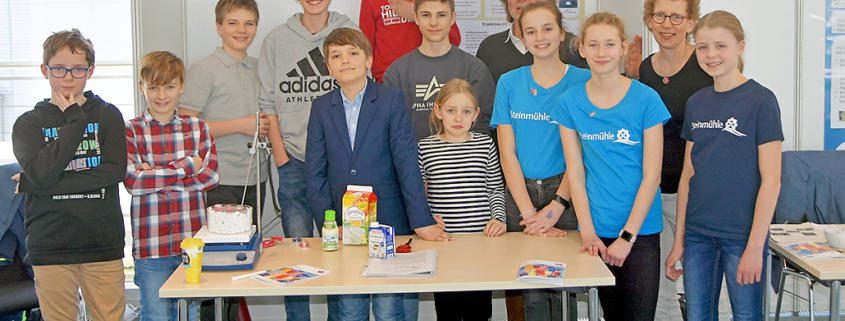
To find answers to these questions, the class reached out to Sparkasse Marburg-Biedenkopf. Jochen Schönleber, a member of the board of directors, invited Class 7c—along with their homeroom teacher, Lisa Braun, and their former math teacher, Eberhard Wieth—to visit the Sparkasse’s main branch. During the visit, he explained to the class the Sparkasse’s responsibilities and how it operates.


Questions presented as a quiz

In addition, the students asked several other questions during the visit: What was the largest loan the Sparkasse has ever granted? What happens if the Sparkasse cannot repay savings deposits? What other functions does the Sparkasse perform? Is it possible to do an internship at the Sparkasse?

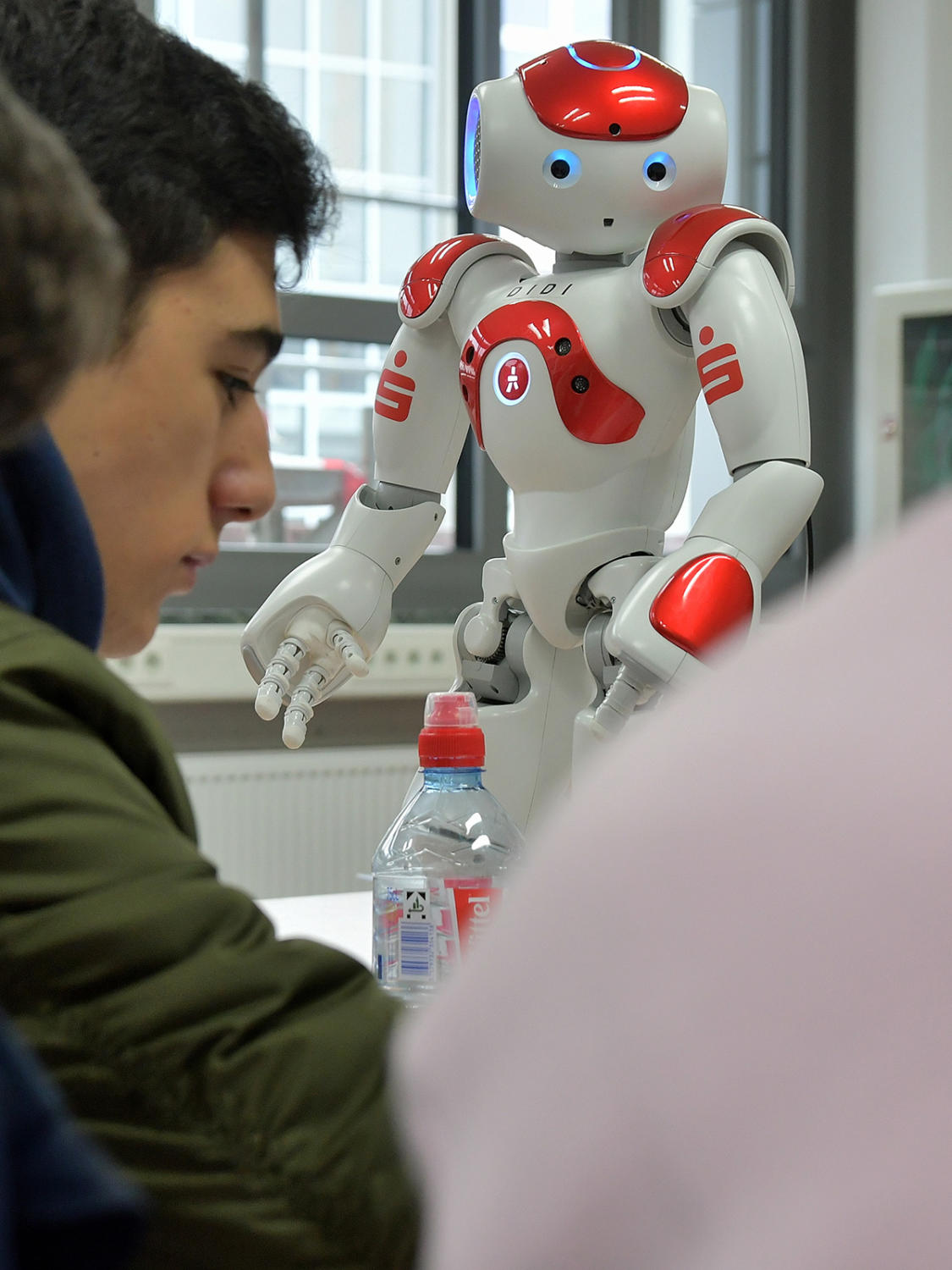
Sparkasse employees Felix Müller and Julian Blöcher had prepared the students’ questions in the form of a quiz. The students took the quiz on their smartphones and learned a lot of new things in the process, including about interest rates, the European Central Bank’s (ECB) key interest rate, jobs at the Sparkasse, and more. “Numi,” the robot developed by the Sparkasse in collaboration with the University of Marburg, helped them along the way.

A final tour of the Sparkasse, with additional information provided by Deputy Branch Manager Kevin Kassner, rounded out the visit, which had been organized by Sparkasse employee Meike Stark.

28. February 2019
https://steinmuehle.de/wp-content/uploads/sites/5/2019/02/1-1-scaled.jpg 1125 1500 konnertz https://steinmuehle.de/wp-content/uploads/sites/5/2025/11/Logo_SchuleInternat_Steinmuehle_2026_3.png konnertz2019-02-28 16:38:012026-06-18 15:44:52Students Visit the Sparkasse: Interest Calculations in Practice

Brought to Life: Understanding *Woyzeck* Better

Art, Music & Theater, News

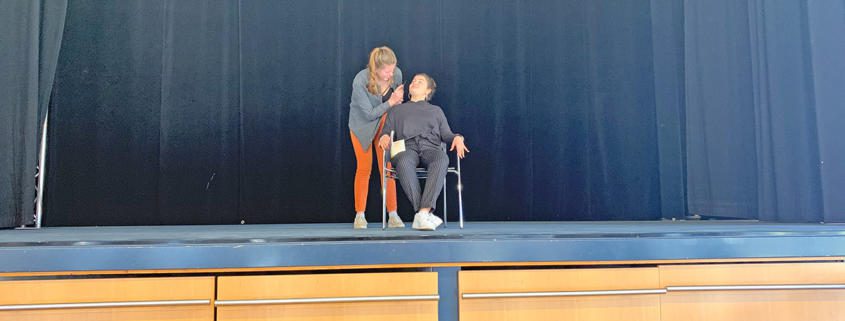
One of the best-known plays in German literature is Georg Büchner’s *Woyzeck*. The advanced German class in Qualification Phase 2 is also currently reading the work. To explore the thematic complex of “materialism and idealism,” the students engaged in dramatic activities. They acted out the dialogue between Woyzeck and the Captain.

The role-play allowed for the analysis not only of speaking time and content but also of facial expressions, gestures, and hierarchical relationships. Teacher Dr. Claudia Röder took a few snapshots during the performance in the forum.


28. February 2019
https://steinmuehle.de/wp-content/uploads/sites/5/2019/02/1.jpg 900 1200 konnertz https://steinmuehle.de/wp-content/uploads/sites/5/2025/11/Logo_SchuleInternat_Steinmuehle_2026_3.png konnertz2019-02-28 16:28:202026-06-18 15:45:35Brought to Life: Understanding *Woyzeck* Better

The Steinmühle team won three awards at once

Contests & Awards, Ecology and Sustainability, News, STEM

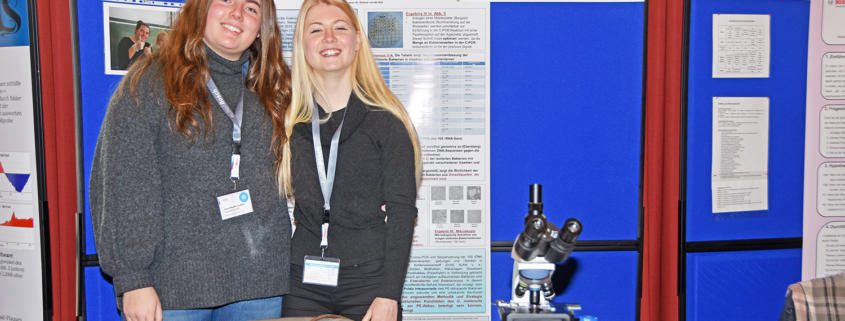
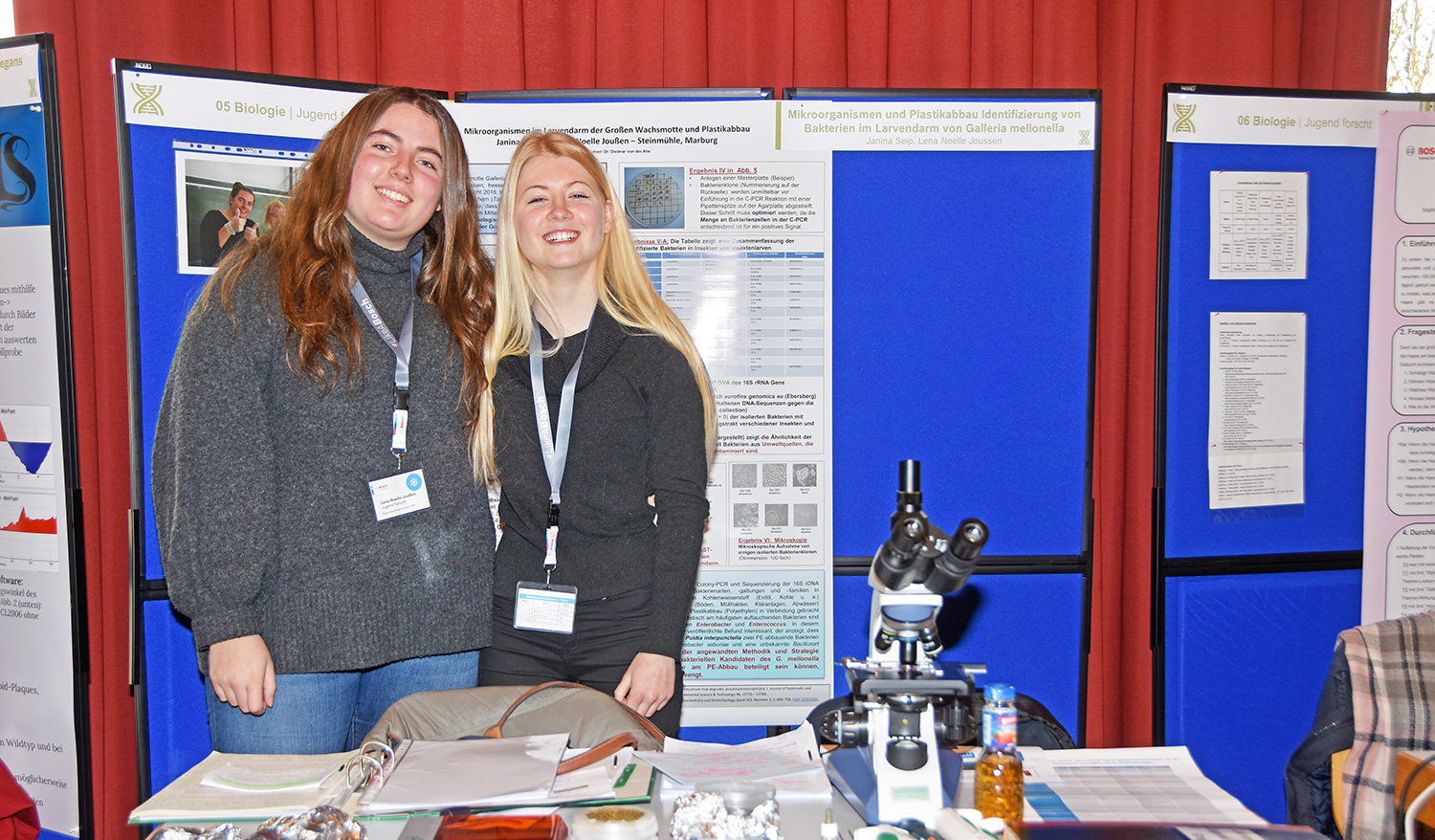
Lena Joußen and Janina Seip, along with their advisor Dr. Dietmar von der Ahe, won the “Jugend Forscht” competition

Things couldn’t have gone better at the “Jugend Forscht” regional competition for Central Hesse, held at the Klein-Linden Community Center, as Steinmühle’s participation resulted in three awards: Students Lena Noelle Joußen and Janina Seip, together with their teacher Dr. Dietmar von der Ahe, won the Project Prize, the Environmental Prize, and the Advisor Prize.

“Keep going, make the most of this project’s potential, and enter the competition again.” That was the jury’s advice exactly one year ago, when the then-11th-grade students first presented their hypothesis to the panel of experts at the “Jugend Forscht” competition. They suggested that the wax moth (Galleria mellonella) might offer a solution to the plastic pollution problem. For the experiment, honeycombs infested with wax moth larvae had been placed in plastic bags. Just a short time later, the plastic was riddled with holes and crumbled. Laboratory tests confirmed that the larvae do indeed break down polyethylene (PE).

In Search of the Right Enzyme
To delve deeper into the topic, Lena and Janina set out to investigate whether the larvae of the greater wax moth harbor so-called symbionts in their intestines—that is, microorganisms that help break down plastic. Their work on the freshly deceased insect—including isolating the bacteria into a culture medium, allowing the bacteria to grow, creating bacterial clones, and performing the polymerase chain reaction (PCR)—revealed that a specific gene from the bacteria was amplifying —and at the same time raised the question of whether this gene exists in nature as part of a similar enzyme that may already be known, and whether this enzyme, through its ability to break down carbon compounds, can make a decisive contribution to plastic degradation.

“We’ve taken a decisive step closer to the result,” reports biology teacher Dr. Dietmar von der Ahe. “It’s not just one bacterium. We’ve narrowed down the list of bacterial candidates to about two dozen,” says the expert. Conducting further research in this area is a matter of time and, above all, cost.


wasn’t discouraged by setbacks
. According to the biologist, who holds a Ph.D., it looked as though the research wouldn’t work out until November. The twelfth-grade students carried out over 200 PCR reactions and ultimately refused to let themselves be discouraged. Thanks to plenty of words of encouragement, effective coordination, and a well-thought-out project strategy, Steinmühle also won the Advisor’s Award. The timely and pressing topic of “plastic” was a fitting focus for the environmental award. The competition’s Sponsorenpool Hessen awarded the 1,600-euro project prize in recognition of the students’ persistent, precise, and determined work.

Prerequisites Provided by the Steinmühle Student Lab
The Steinmühle student lab, equipped by the Friends of Steinmühle Association, is an essential prerequisite for the work of the young Steinmühle researchers. Jasmine Weidenbach, chairwoman of the Friends of Steinmühle, had applied for funding (5,100 euros) from Roche Germany as the main sponsor in June 2014. Headquarters approved the application a month later, and the lab was set up in the fall of 2014. The official opening of the lab took place in February 2015.

The national “Jugend Forscht” competition is organized by the foundation of the same name. Its goal is to inspire young researchers to pursue mathematics, computer science, the natural sciences, and technology, and to foster interest in these career fields.


27. February 2019
https://steinmuehle.de/wp-content/uploads/sites/5/2019/02/JuFo-1.jpg 878 1500 konnertz https://steinmuehle.de/wp-content/uploads/sites/5/2025/11/Logo_SchuleInternat_Steinmuehle_2026_3.png konnertz2019-02-27 15:23:272026-06-18 15:42:06The Steinmühle team won three awards at once

“Youth Researches”: Young researchers from Steinmühlen took home plenty of awards

Contests & Awards, News, STEM, Talent Development

Of the 15 students, 13 qualified for their respective state competitions
Steinmühlen students explored interesting everyday questions related to nutrition and nature in the “Schüler experimentieren” competition. Under this competition title—the “Jugend Forscht” category for lower and middle school students (up to age 14)—the youngest Steinmühlen students won numerous prizes: They were able to prevail against mostly older competitors. They took first place five times and second place once. The early-intervention program—featuring the so-called “GuFi Lab,” where both basic and advanced work is conducted—has thus proven its worth in an impressive way.

Phosphate in Food—How Delicious Food Can Be Dangerous
Under this title, students Mats Böhmer, Marvin Preis, and Joel Rucker, along with their advisor Dr. Jutta Töhl-Borsdorf, entered the competition in the field of chemistry.

Excessively high phosphate levels in the blood can lead to cardiovascular disease and osteoporosis. The group of students developed testing methods to analyze the phosphate content of various foods, such as döner, bratwurst, and cola. In the process, they discovered that you consume far less phosphate from the much-criticized doner than from a cola. The project was awarded first prize and will compete in the state competition in April.

Does Diet Coke Make You Fat? – A Study of Blood Sugar Levels
In their biology class, students Rebecca Zenker and Hanna Schmidt-Dege studied blood sugar levels after consuming various sweeteners, as well as cola, Diet Coke, and potatoes.

Based on their findings, they concluded that it is best not to consume artificial sweeteners at the same time as sugar, and that potatoes do not cause blood sugar levels to rise as sharply if they are allowed to cool beforehand. The project, conducted in the Biology department under the supervision of Dr. Jutta Töhl-Borsdorf, won second place.

How and how quickly does milk really go bad?
In search of an answer to this question, students Joshua Wieder, Morten Köhler, and Benjamin Schul conducted research in the Department of Chemistry. The team investigated how different types of milk spoil under various conditions. To do this, they built a temperature-control apparatus, determined the timing of curdling, and took bacterial swabs. Among other things, they found that added sugar accelerates spoilage, while longer shelf lives—even at room temperature—can be achieved by adding the sugar alcohol xylitol and by introducing air. The judges awarded first place in the same age group to the project, which was supervised by Dr. Jutta Töhl-Borsdorf. The team will now compete in the state competition.

Sunscreen for Trees
Once again in the field of chemistry, fifth-graders Mats Egbring and Leonard Berger entered the competition under the guidance of their teacher, Dr. Dietmar von der Ahe. Because his partner was unable to attend on the day of the competition, Leonard Berger presented the results. The two students isolated the leaf pigments from various colored autumn leaves and plotted them on a chromatogram. They used the leaf pigments—green, red, yellow, and brown-yellow—in solution as “sunscreen protection” against UV radiation, which simulates sunlight, on agar plates containing oral bacteria. Without color filters, bacterial growth is inhibited. The protective effect of the pigment filters ranges from 30% to 80%. The red filter provides the strongest protection against UV light. Leonard Berger received a special interdisciplinary award (equivalent to first prize) for his presentation and has been admitted to the state competition “Schüler experimentieren.”

Herbs, Tea, and More to Fight Bacteria
In their biology experiments, students Teresa Dinges, Neyla Fritz, and Sophia Rogosch (all in 5th grade), under the guidance of their teacher Dr. Dietmar von der Ahe, investigated the effect of various types of tea, herbal infusions, and food-based beverages on bacterial growth. The various solutions were mixed into liquid agar, poured into Petri dishes, and oral bacteria were spread onto them. By counting the bacterial colonies, the students were able to test the inhibitory effect of the herbal, tea, and food solutions on bacterial growth. Peppermint tea and ginger tea inhibit bacterial growth the most. The project was presented by Neyla Fritz and Sophia Rogosch (Teresa Dinges was unable to attend due to her participation in the Math Olympiad). The project won first place and has thus qualified for the state competition.

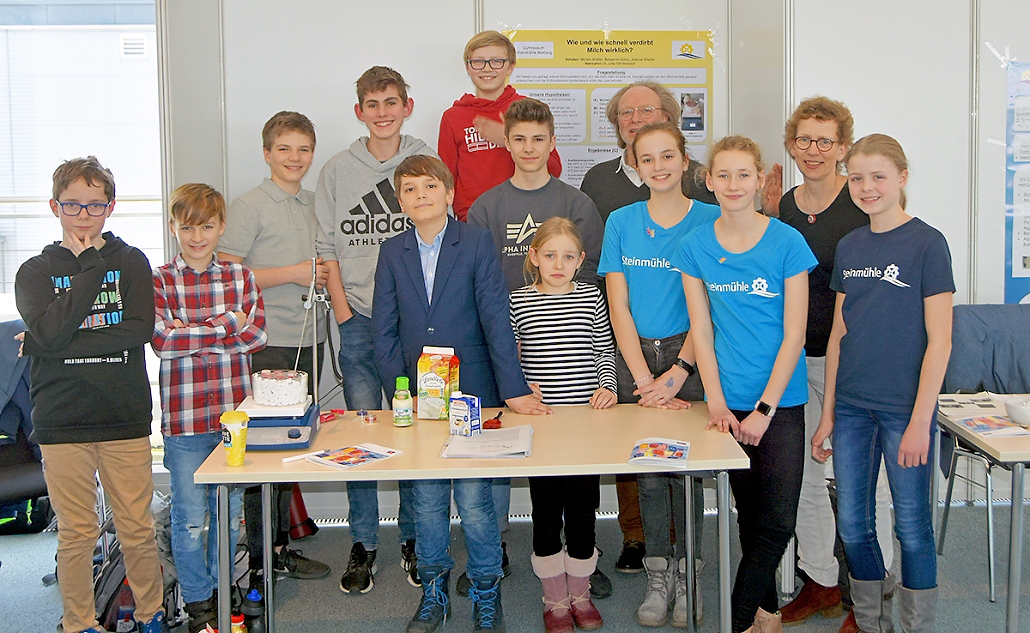
The young researchers (Schüler experimentieren) in Kassel with their mentors:
From left to right: Mats Böhmer, Joel Rucker, Morten Köhler, Joshua Wieder, Leonard Berger, Marvin Preis, Benjamin Schul, Neyla Fritz, Dr. Dietmar von der Ahe, Rebecca Zenker, Hanna
Schmidt-Dege, Dr. Jutta Töhl-Borsdorf, Sophia Rogosch. Not pictured are participants Teresa Dinges and Mats Egbring.

26. February 2019
https://steinmuehle.de/wp-content/uploads/sites/5/2019/02/Jugend_forscht-1030x633_rw.jpg 633 1030 konnertz https://steinmuehle.de/wp-content/uploads/sites/5/2025/11/Logo_SchuleInternat_Steinmuehle_2026_3.png konnertz2019-02-26 14:07:452026-06-18 15:41:52“Youth Researches”: Young researchers from Steinmühlen took home plenty of awards

Electronics and Programming in Elective Classes

Digitalization & AI, News, STEM

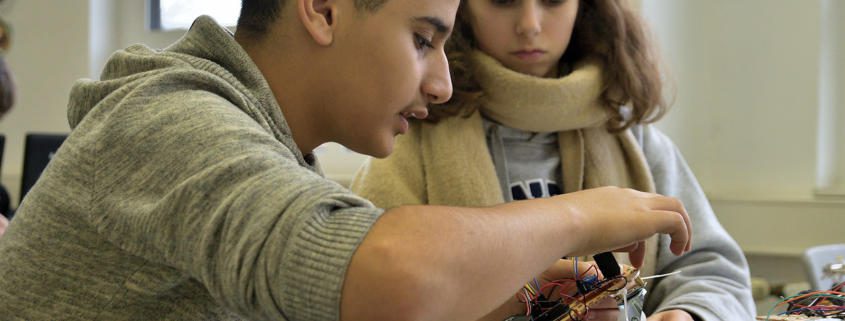
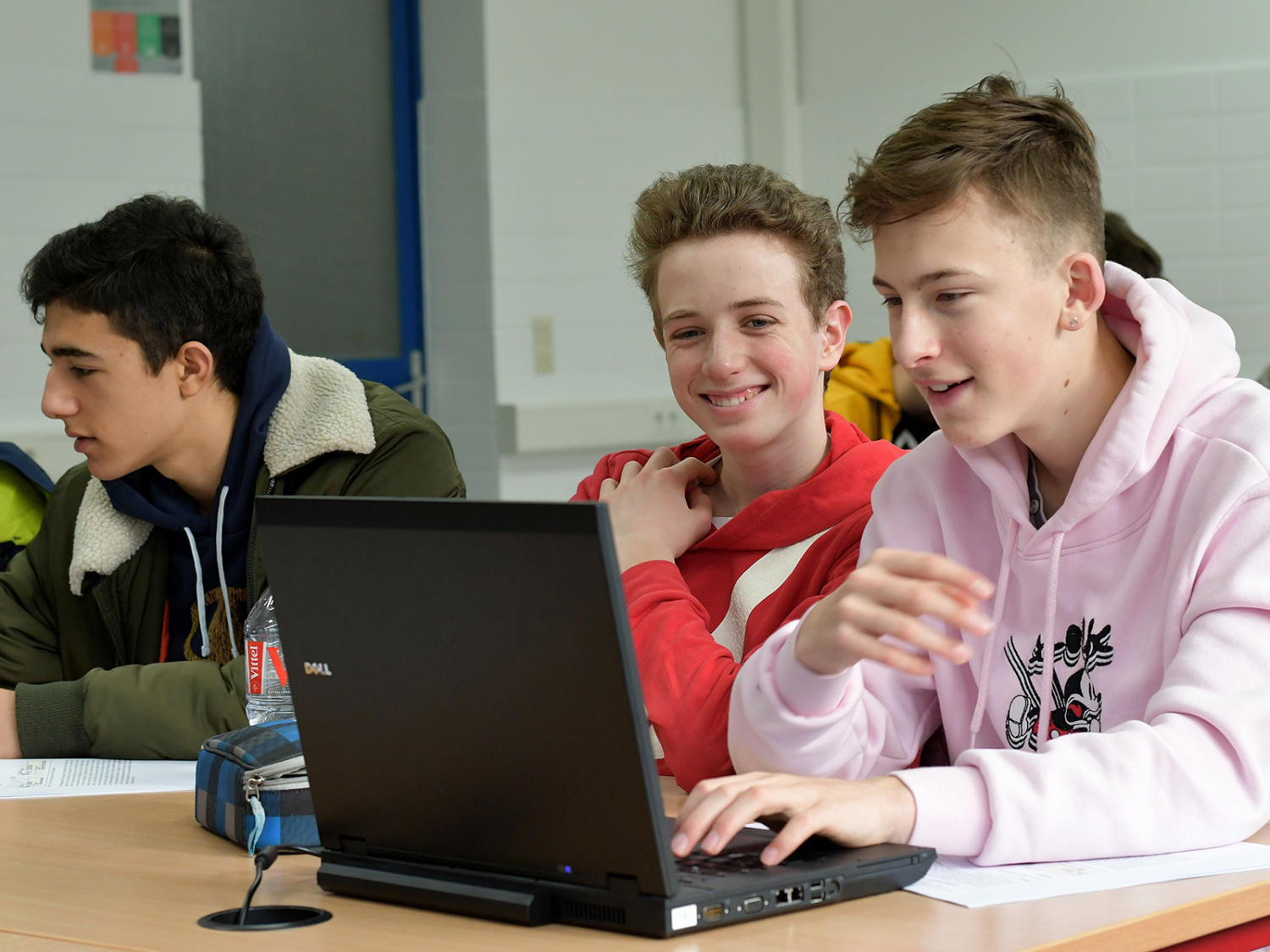
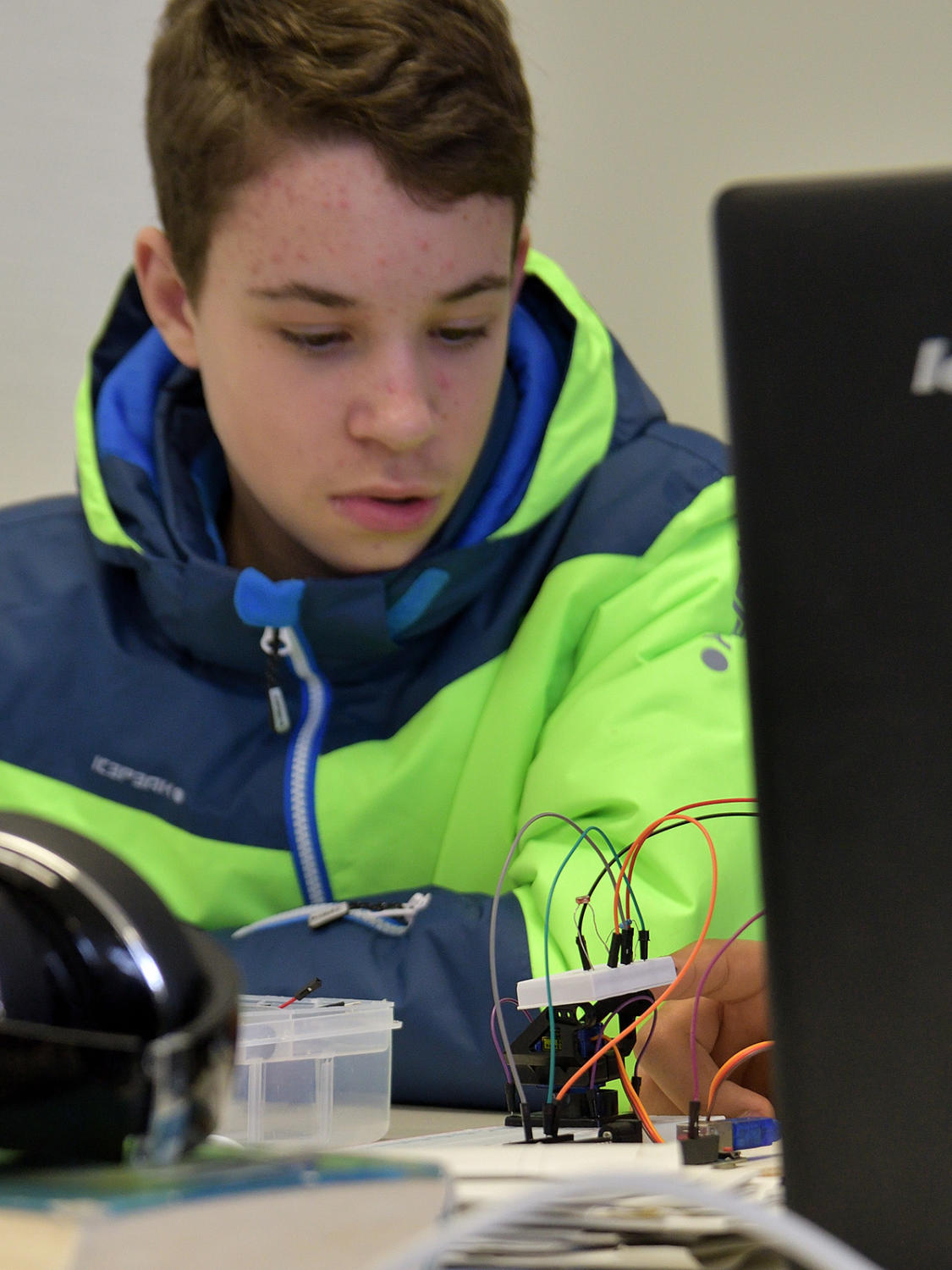
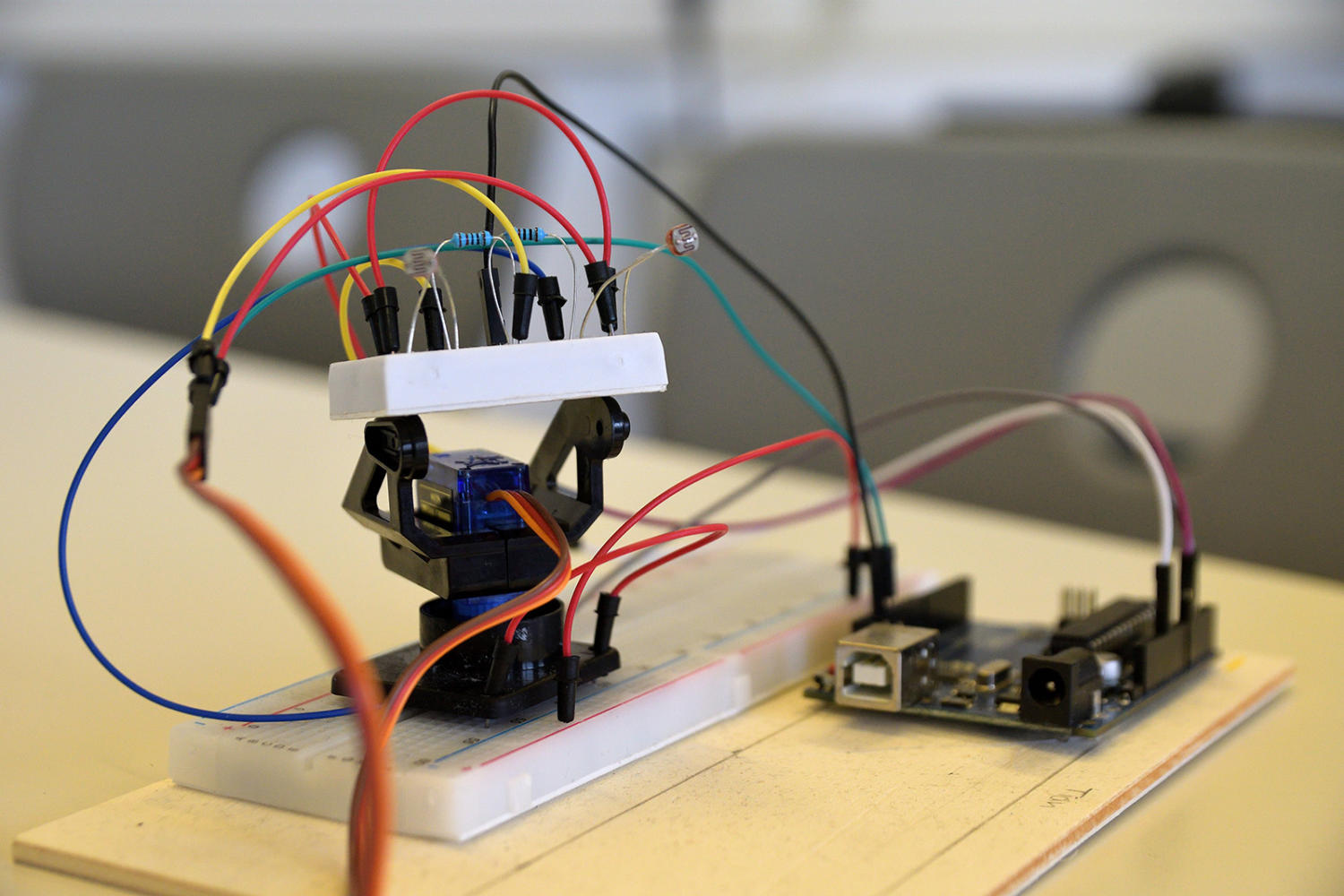
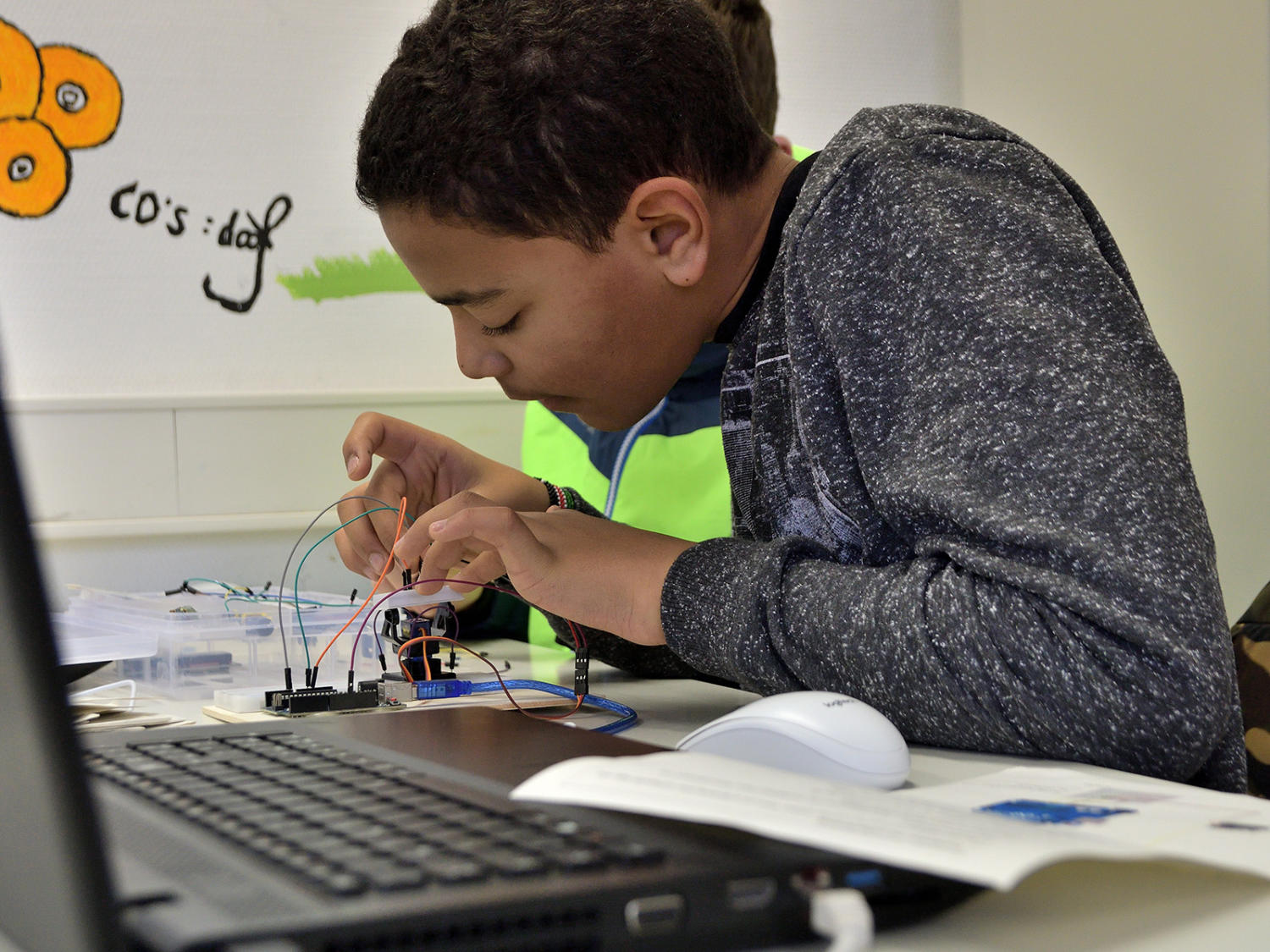
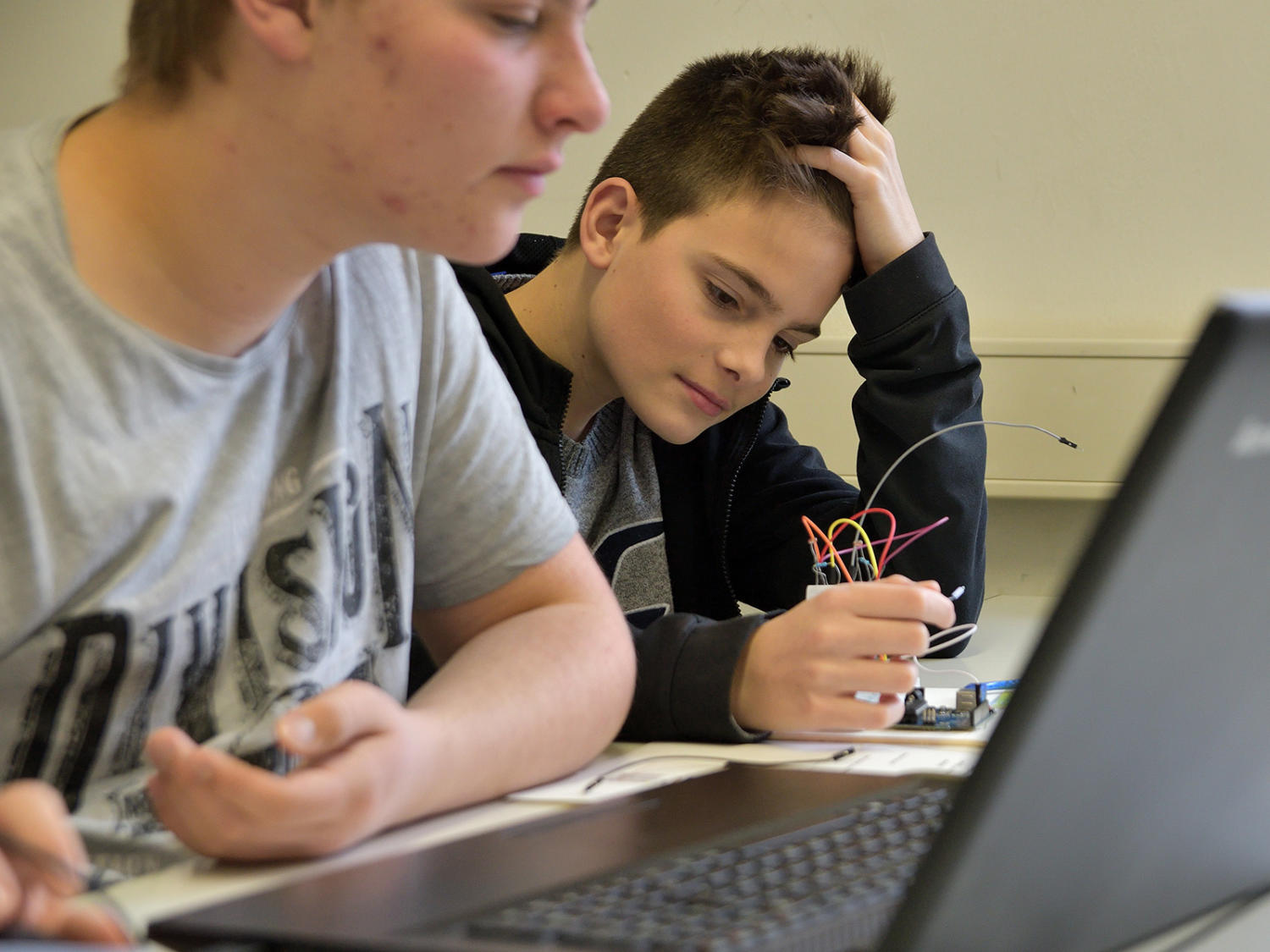
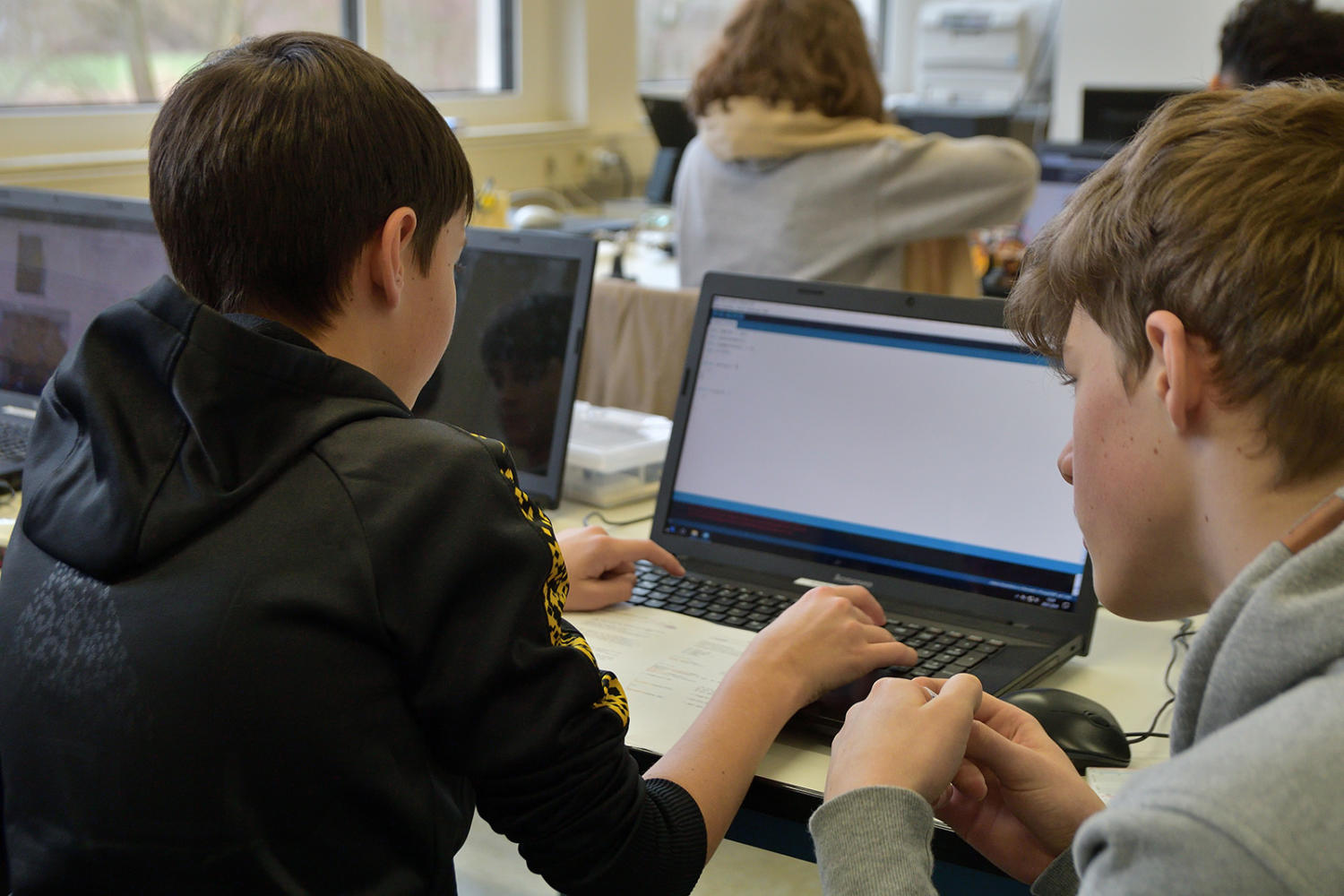
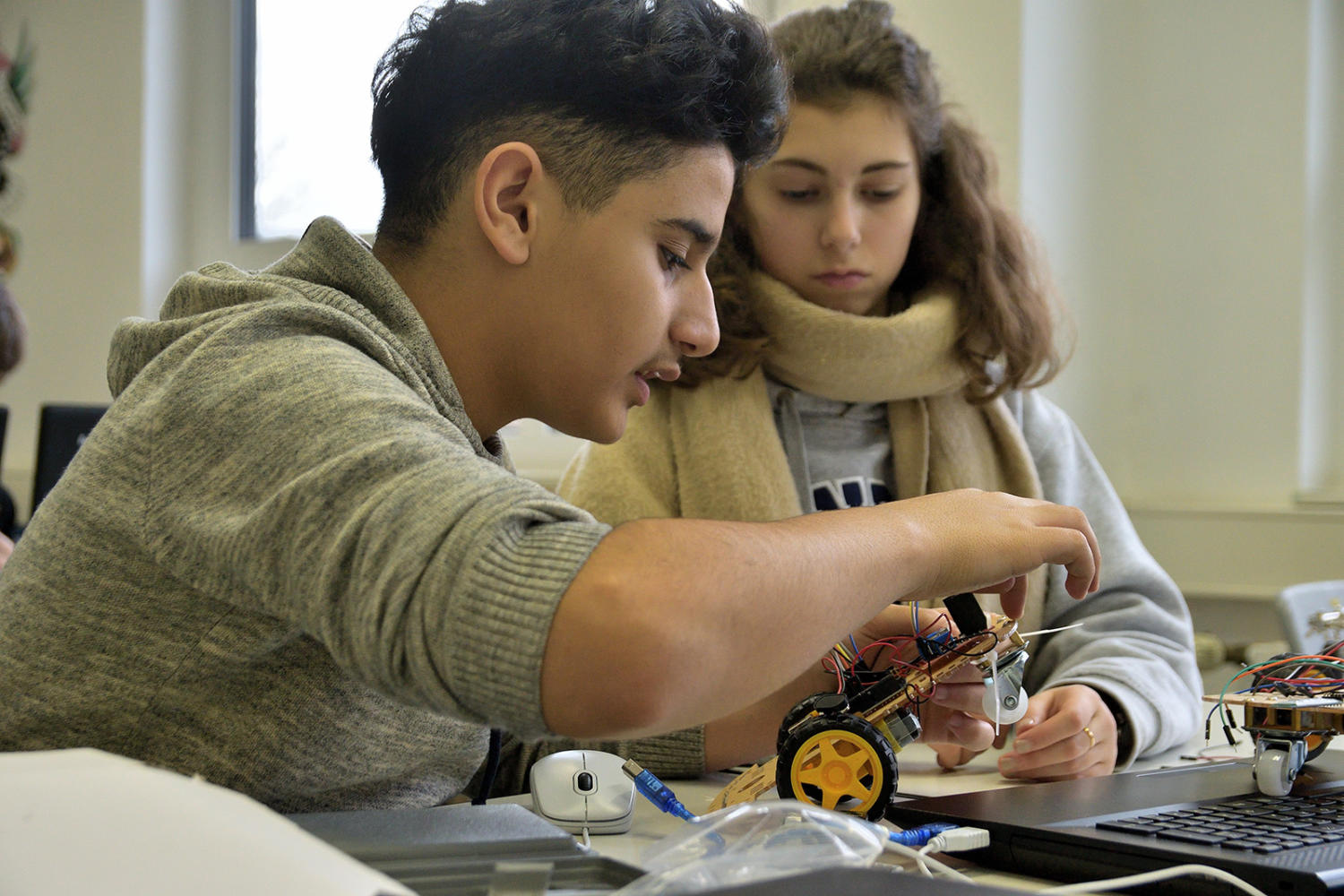
As part of the elective course (WU), the offerings in the area of technology and computers were expanded this school year. Students in grades 8 and 9 had the opportunity to carry out their own electronics projects using Arduino microcontrollers. Arduino, according to Malte Klimczak, the teacher in charge, in his report, is an open-source electronics prototyping platform for flexible, easy-to-use hardware and software. It is primarily used by artists, designers, tinkerers, and hobbyists to bring creative ideas to life.

Various sensors (e.g., temperature, motion, light, etc.), as well as LEDs, motors, buttons, and displays, can be connected to the microcontroller. The individual components are controlled through simple programming. This allows students to create small interactive objects in a short amount of time. Among other things, the students have built a small robot that follows the light of a flashlight, a car controlled via Bluetooth and a smartphone, and a digital thermometer. In addition, a group of students independently developed a motor control system for a remote-controlled model airplane.
 

Analytical thinking is developed

The focus was not only on programming microcontrollers, but also on the practical assembly of electronic circuits. In particular, students can develop technical skills and acquire competencies in computer science and programming. Logical and analytical thinking are honed and applied in real-world situations. This program builds on physics and project-based learning and serves as a valuable supplement.
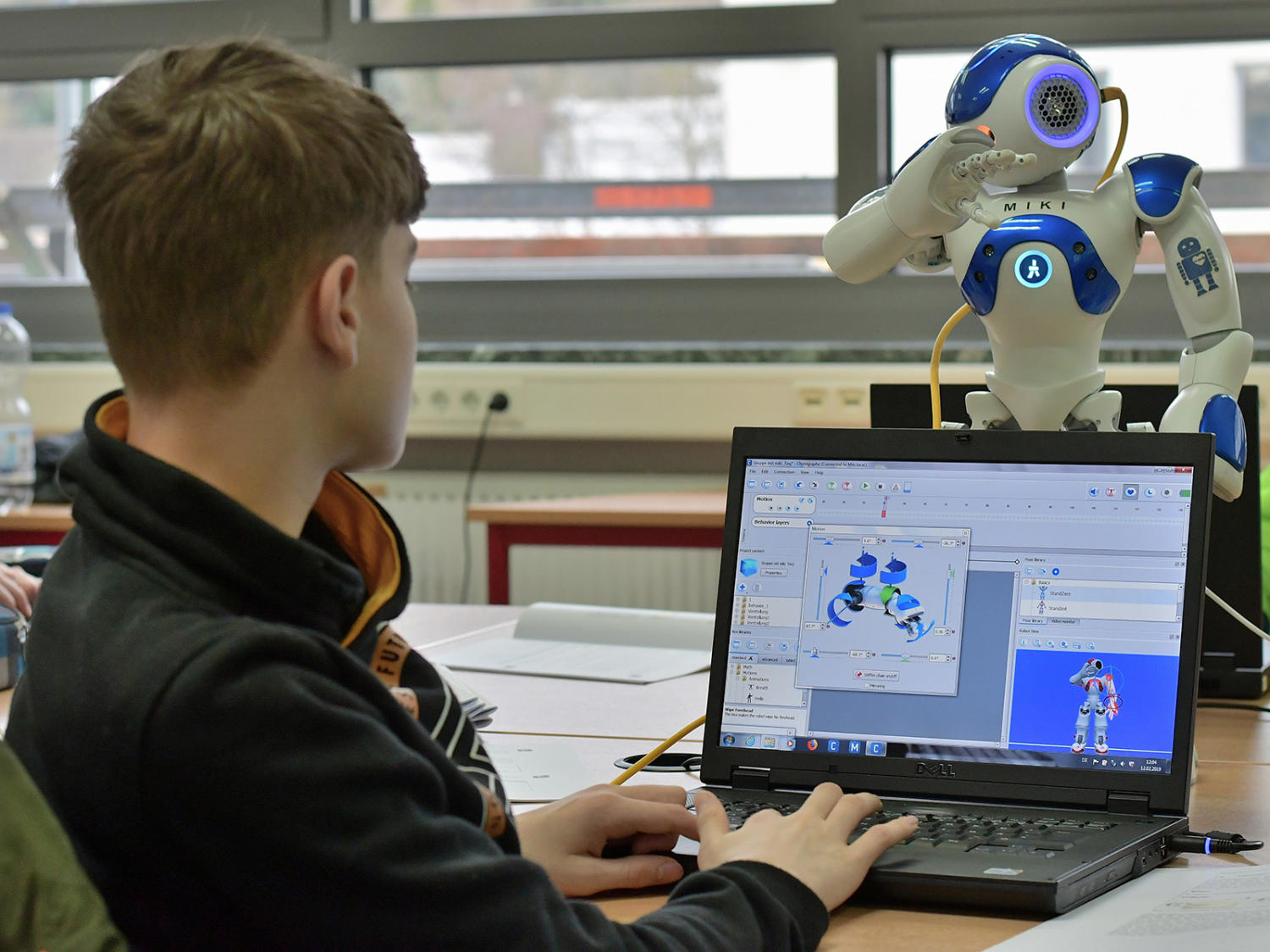
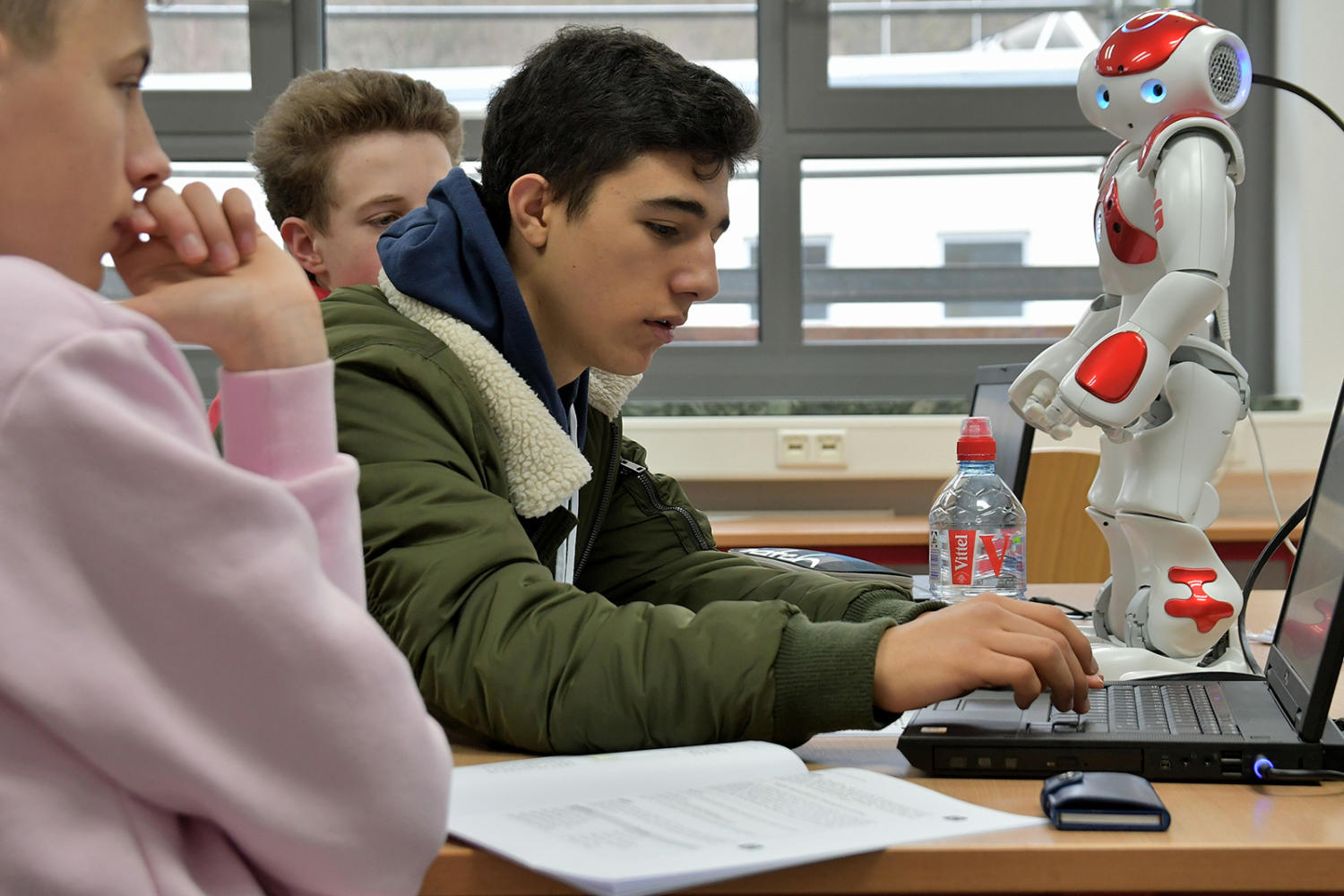
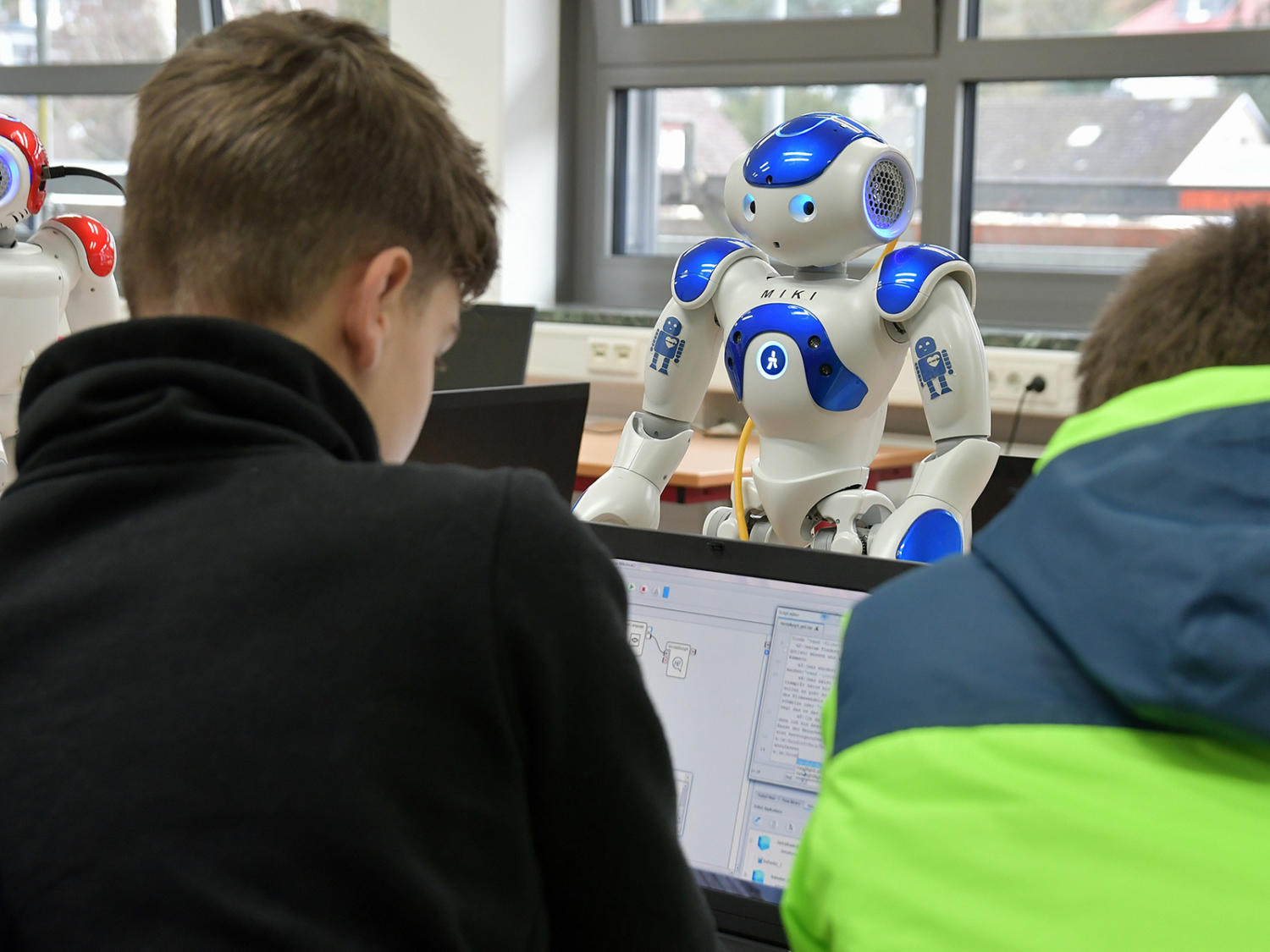
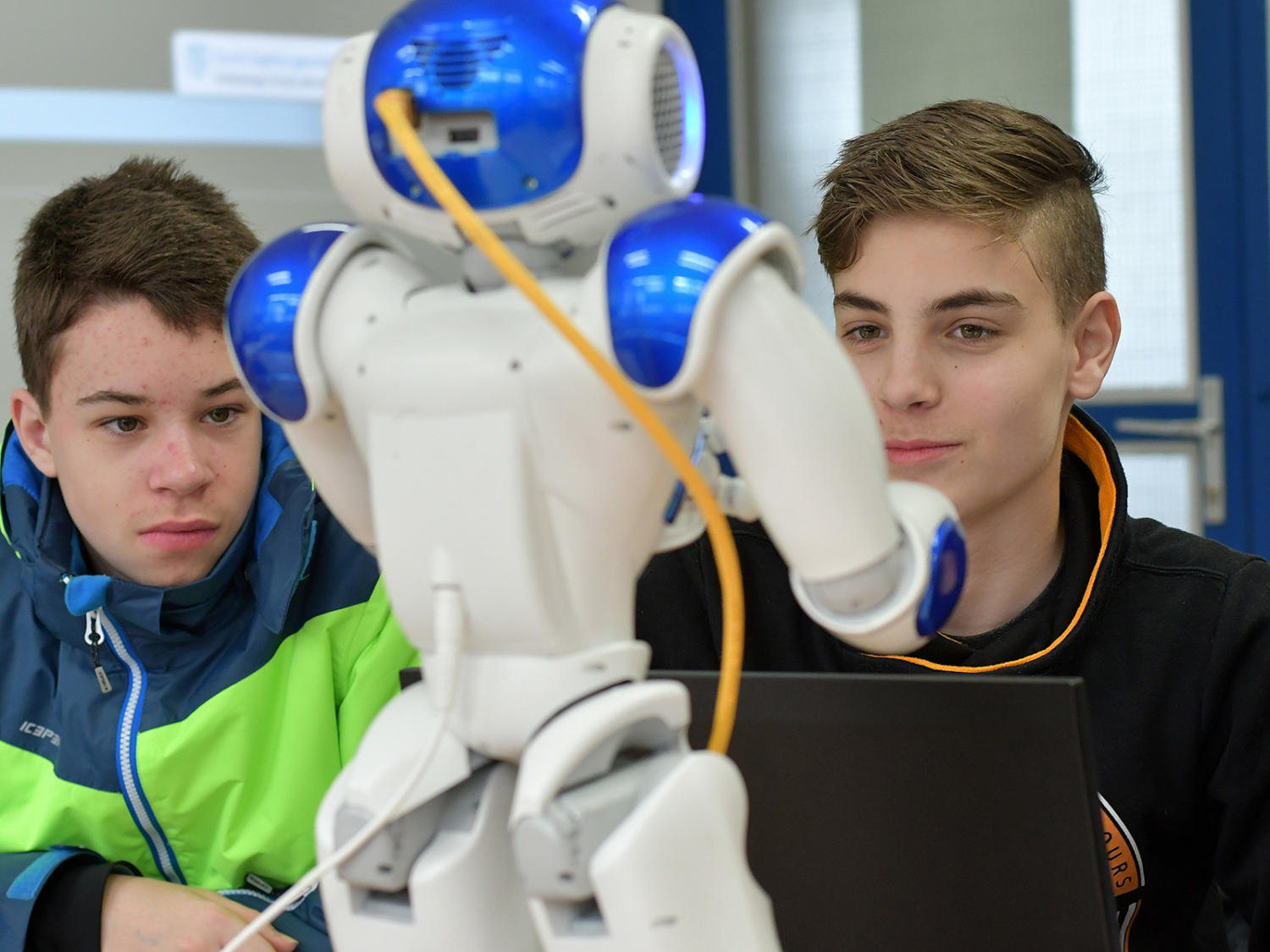
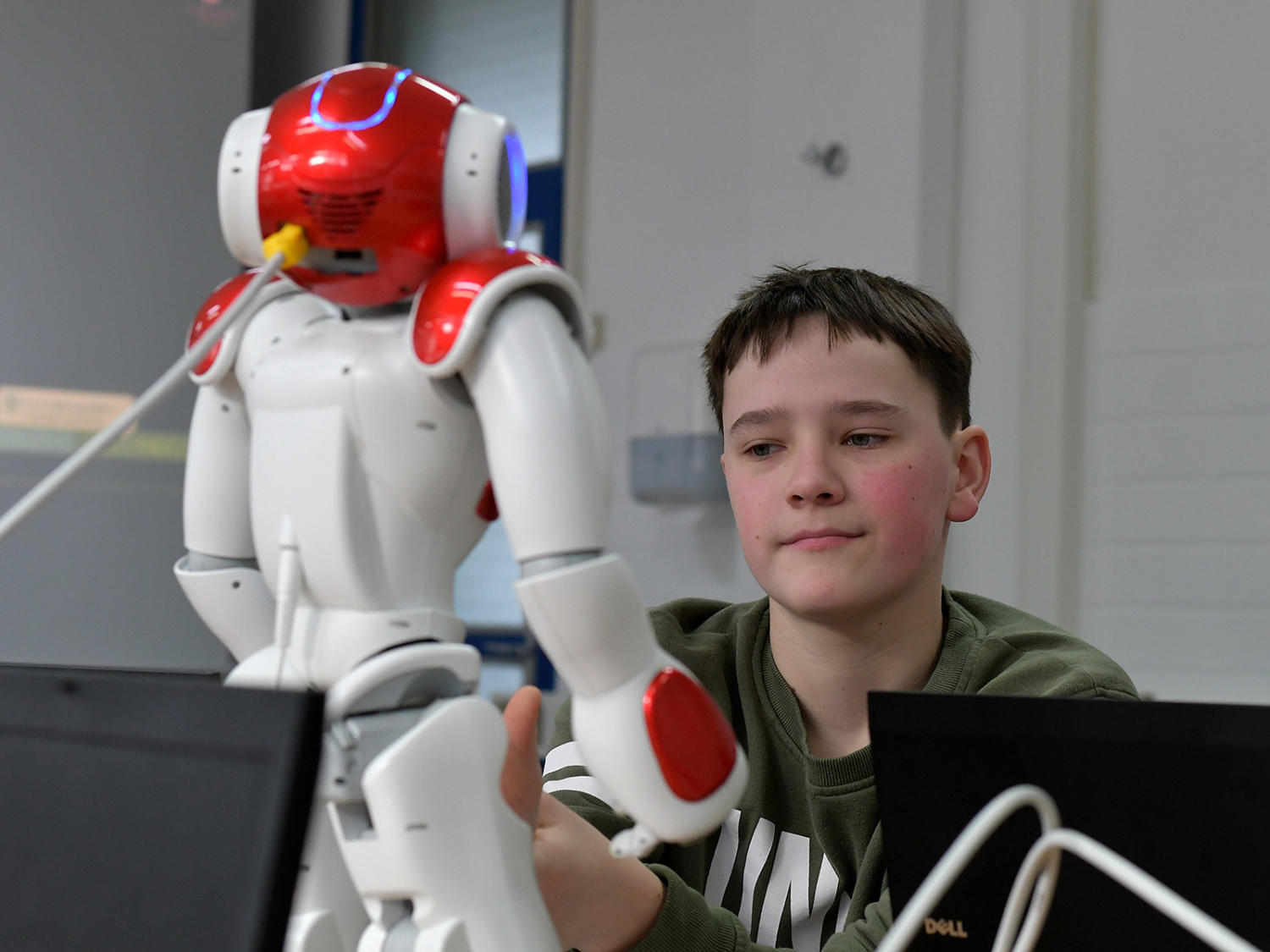
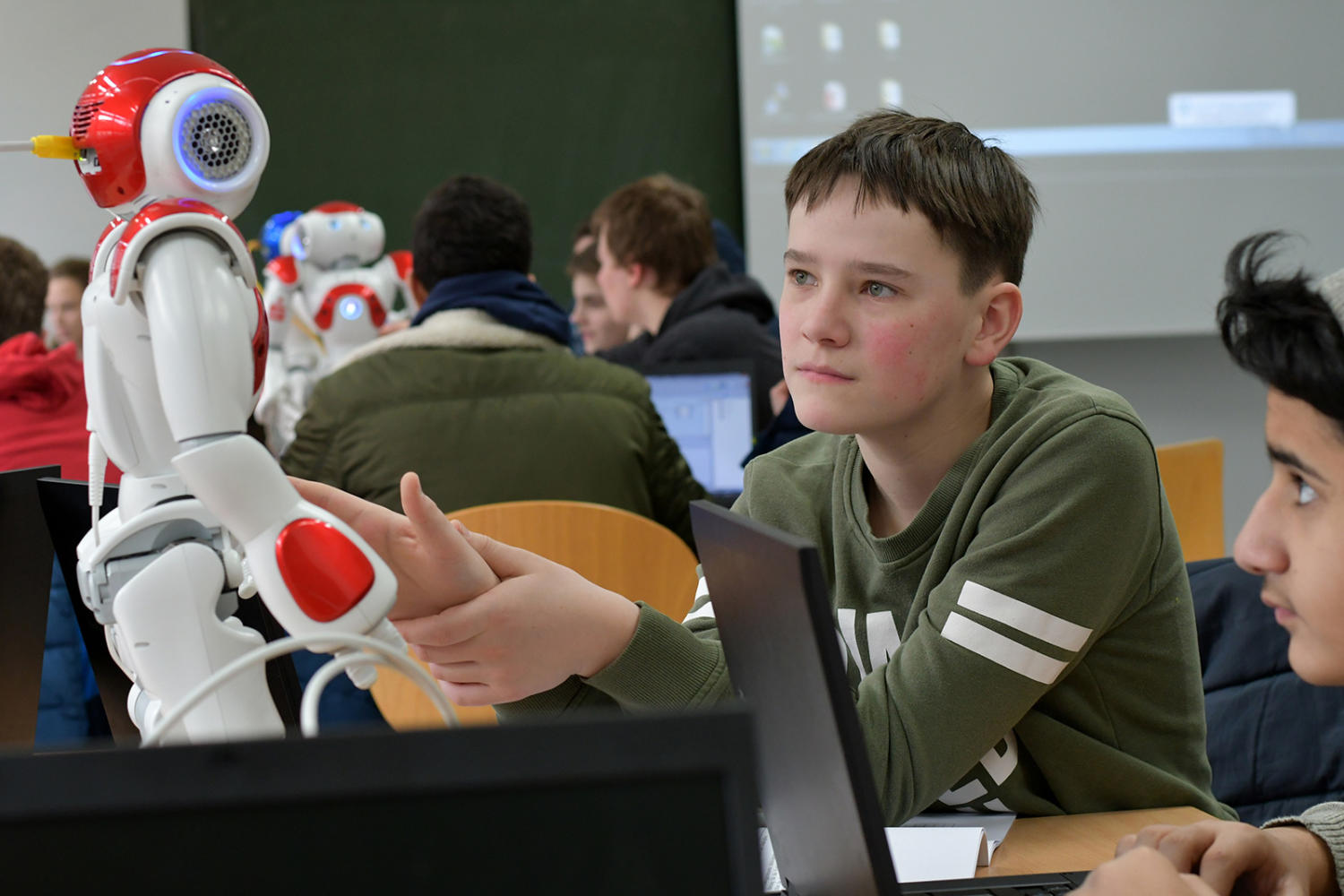
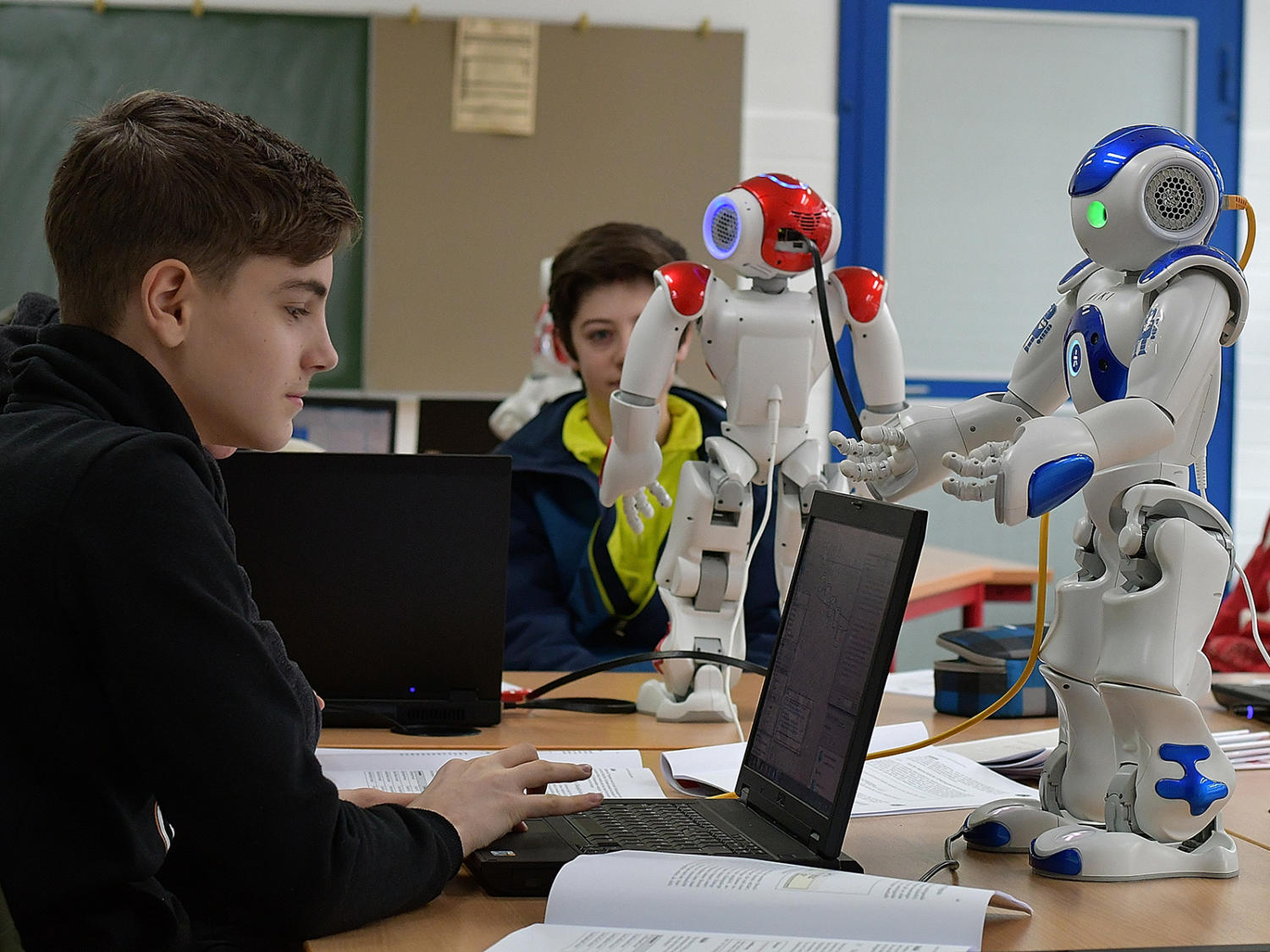
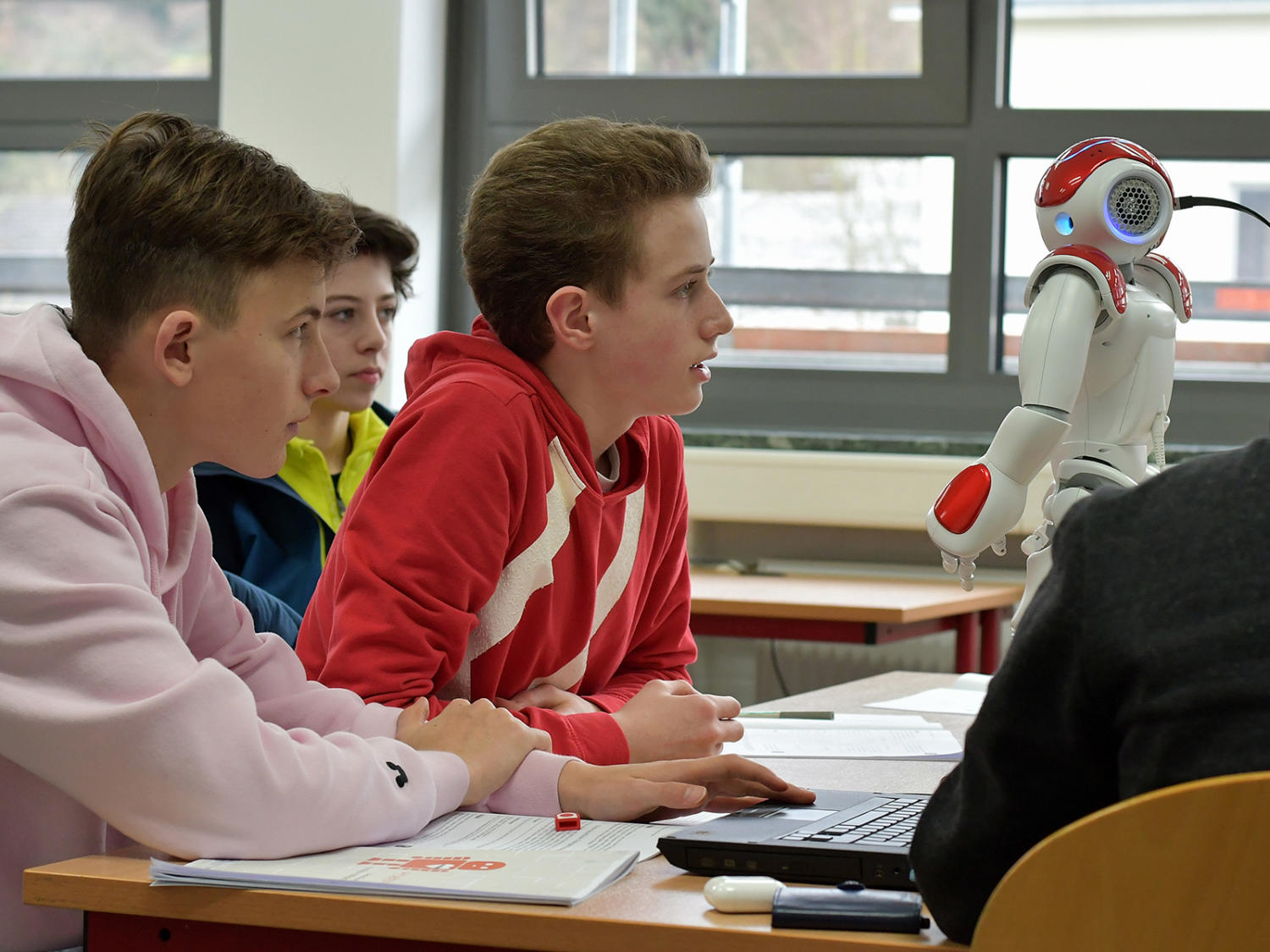
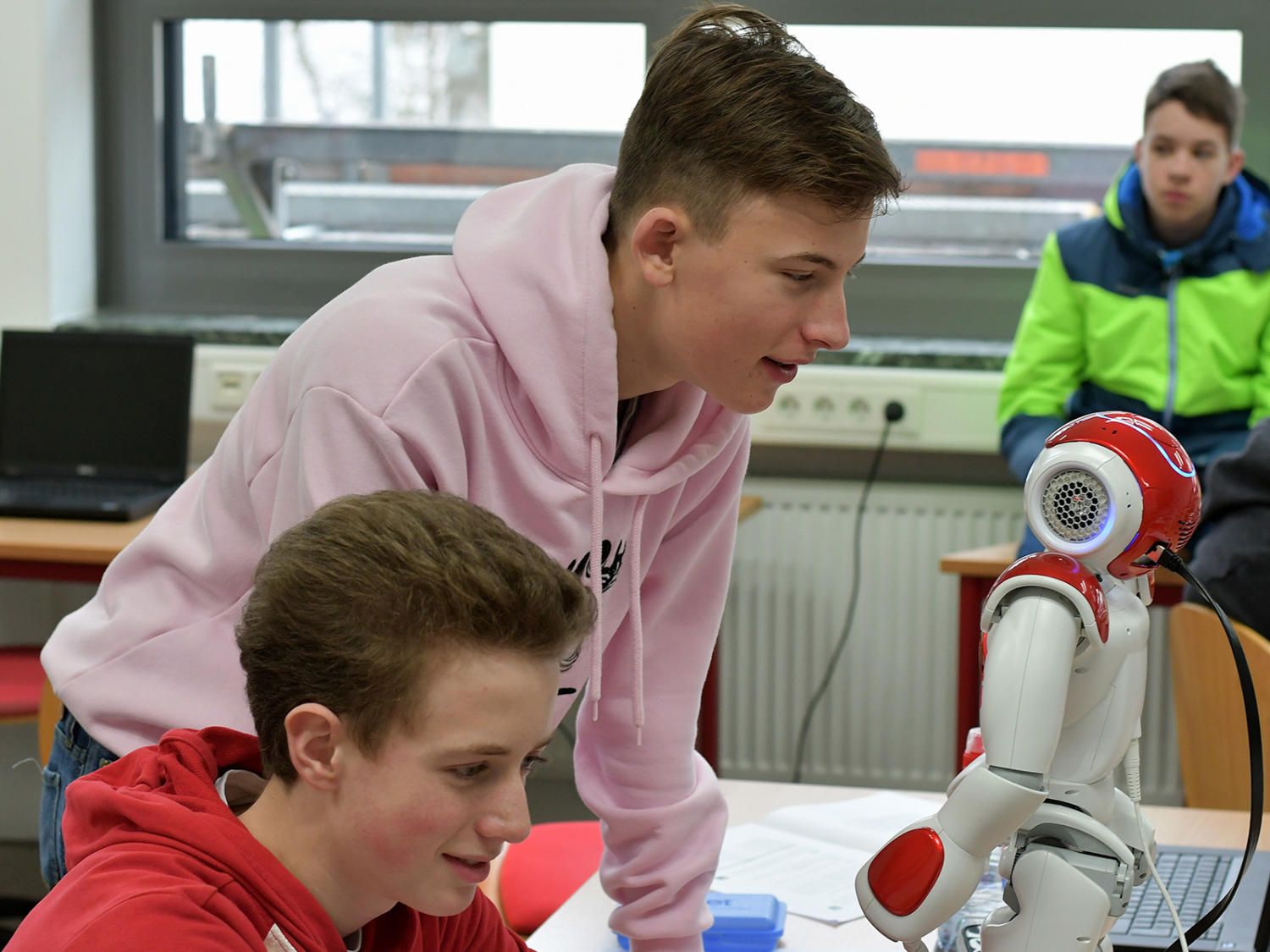
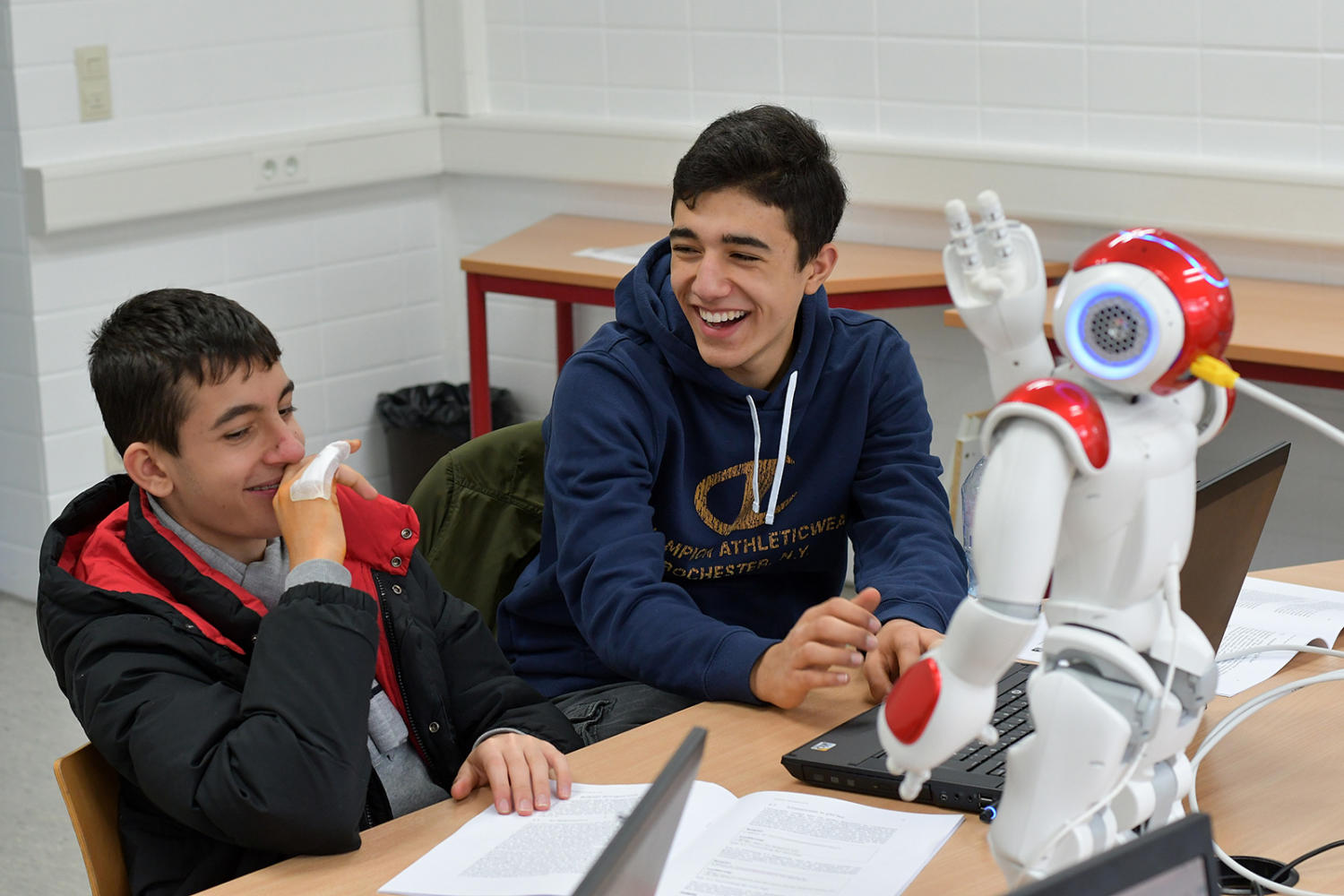
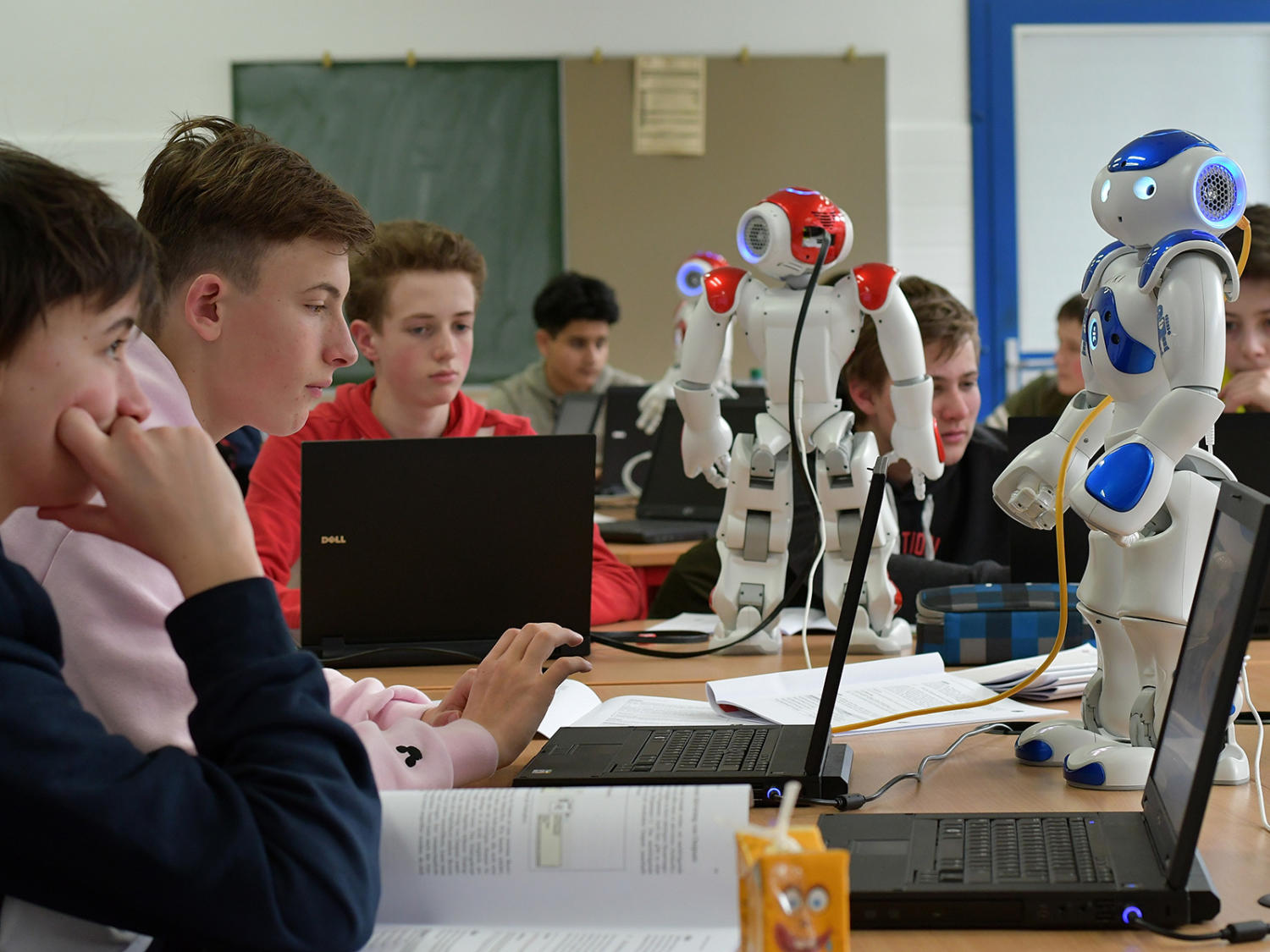
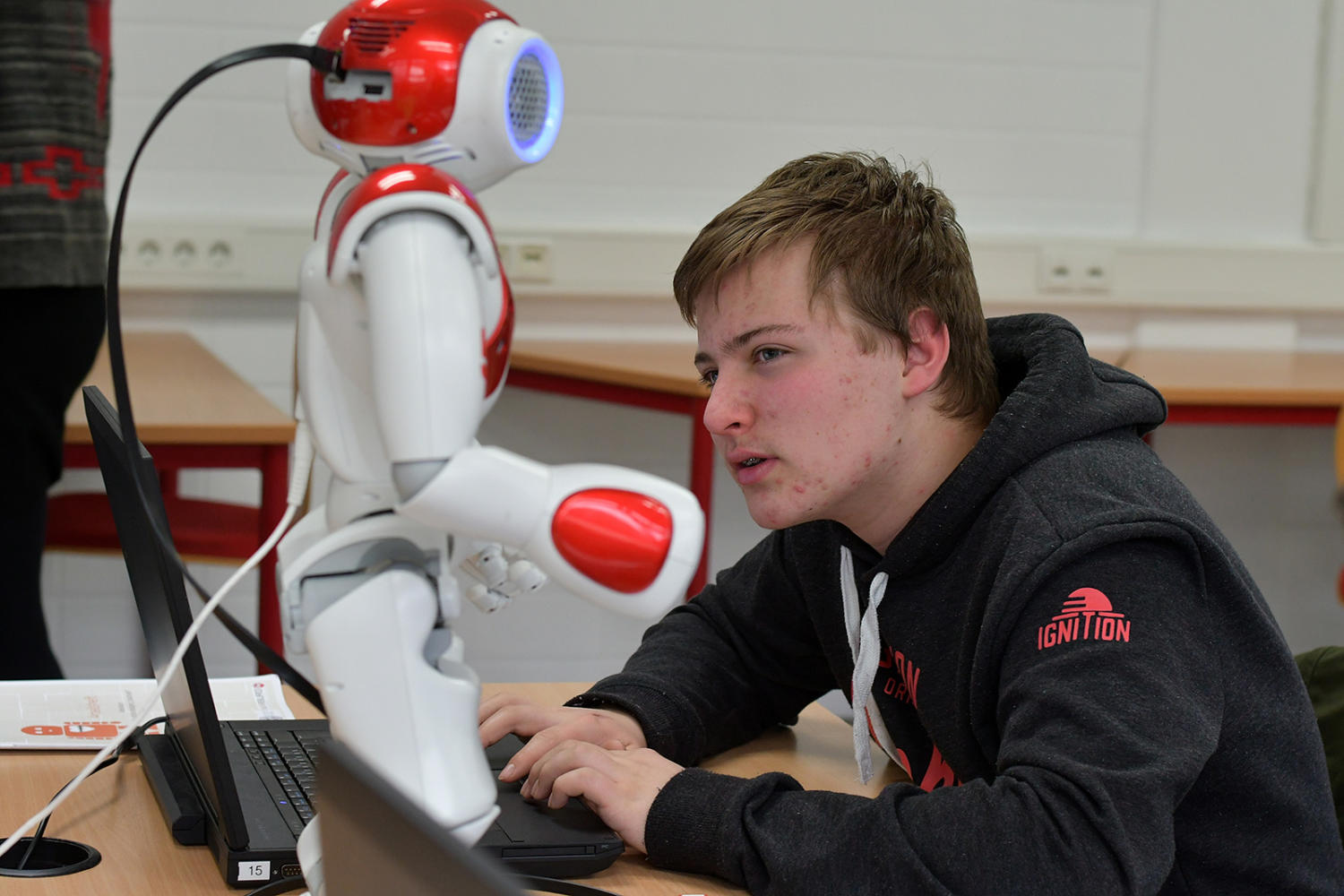
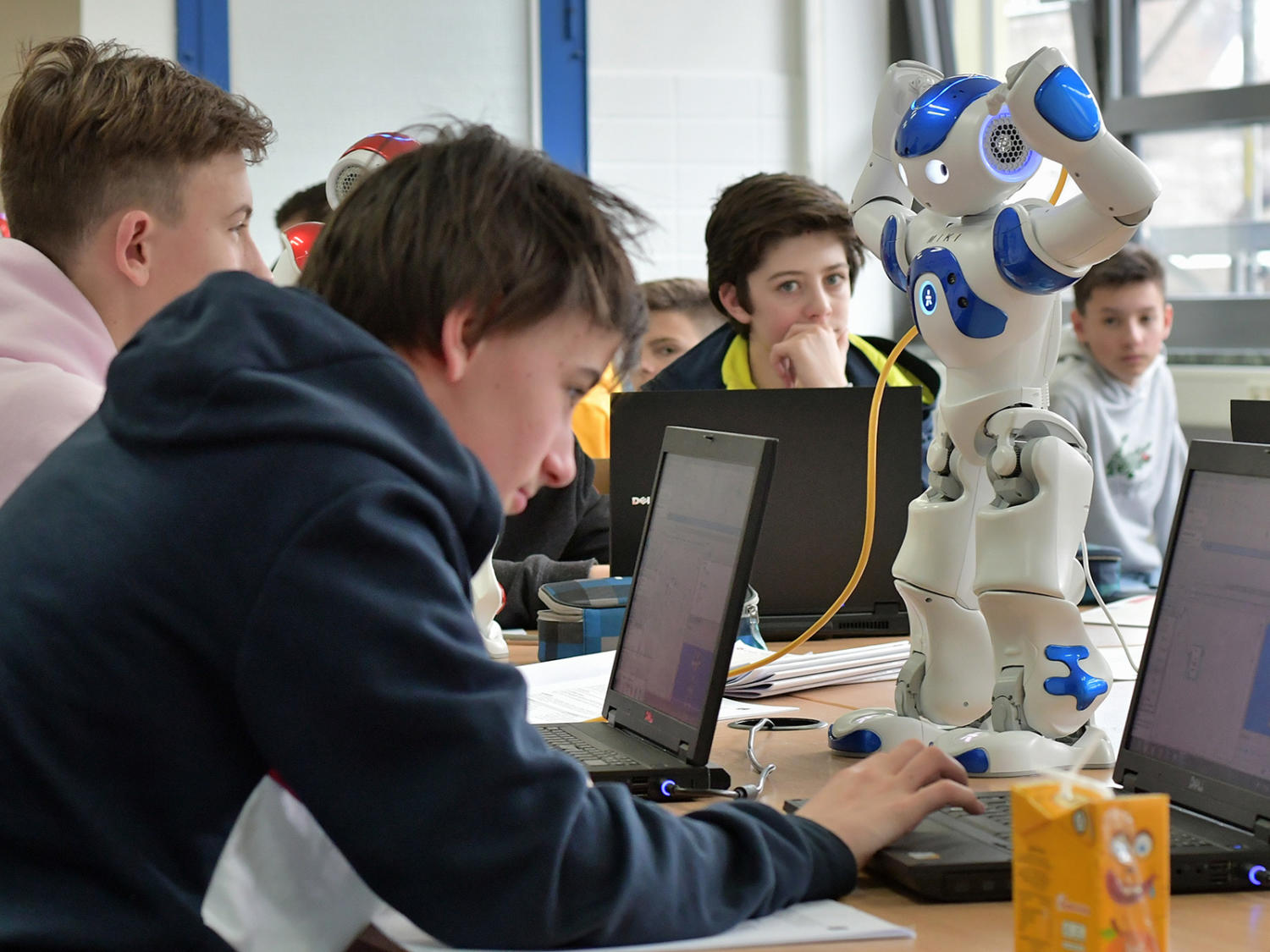
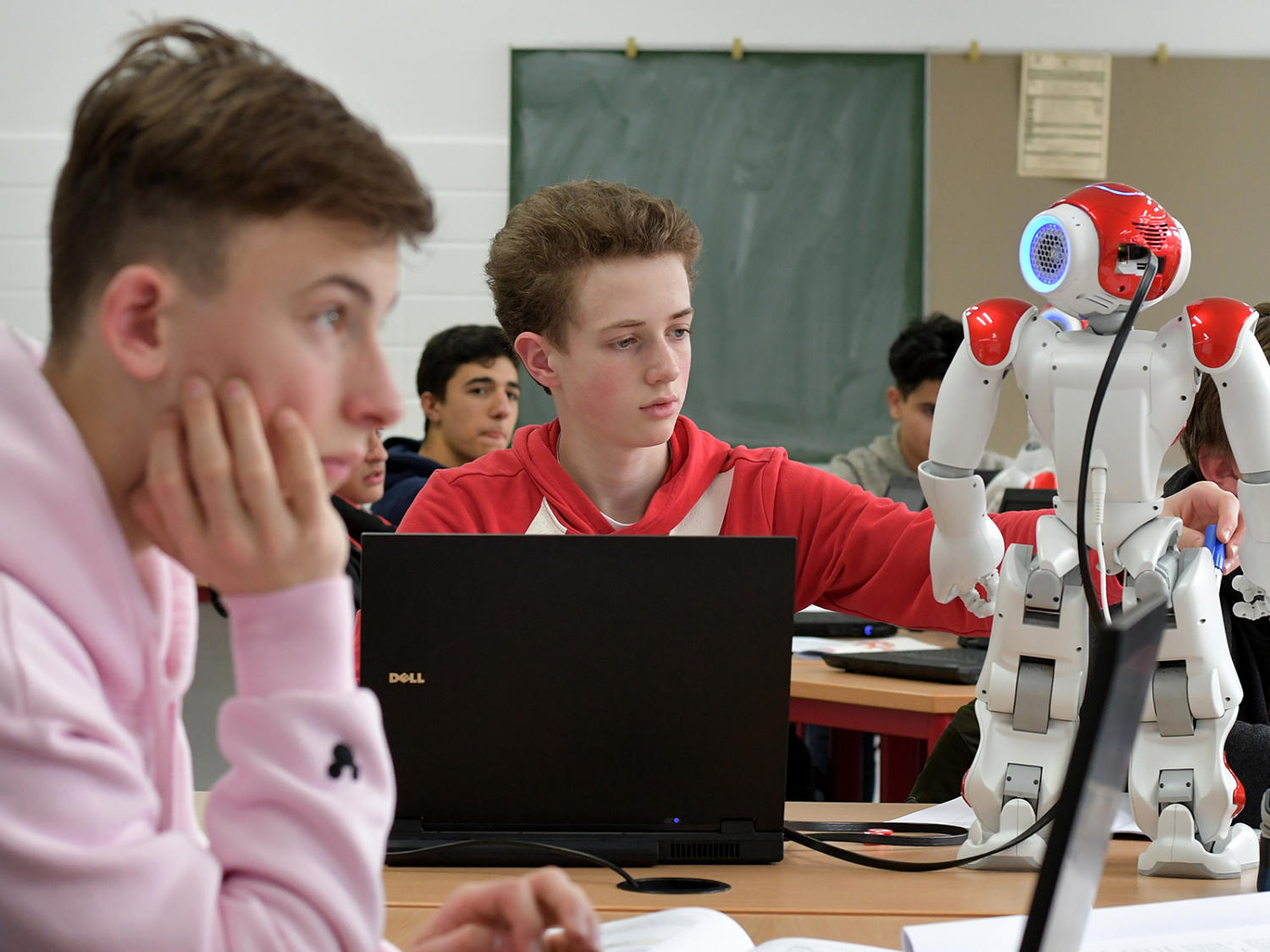
The semester concluded with a visit to the so-called “Robotikum” at Philipps University of Marburg, located on the grounds of the Adolf-Reichwein School. During the three-day workshop, the students had the opportunity to try out NAO-type humanoid robots. The robots can walk, speak, and interact with the people around them. Artificial intelligence makes these diverse interactions possible.

During the internship, the students had the opportunity to develop and test dialogues, movements, and facial recognition with the robots. The goal was not only to become familiar with the robots and understand how they work, but also to improve their own algorithmic thinking, which is particularly important in today’s digital world.


21. February 2019
https://steinmuehle.de/wp-content/uploads/sites/5/2019/02/WU-Elektronik_01-scaled.jpg 1000 1500 konnertz https://steinmuehle.de/wp-content/uploads/sites/5/2025/11/Logo_SchuleInternat_Steinmuehle_2026_3.png konnertz2019-02-21 08:46:502026-06-18 15:41:51Electronics and Programming in Elective Classes

Winter Teepee Camp in the Lüneburg Heath

Class Trips, Field Trips, and School Outings, Life at Boarding School, News

In Kreutzen, in the Lüneburg Heath, many die-hard camping enthusiasts—who aren’t deterred even by winter temperatures—regularly gather at the Oertzewinkel campground. A group from the Steinmühle boarding school joined them and had a great time.

After a smooth drive, our team arrived at our destination around 7 p.m. Most of the approximately 25 tents on site were equipped with tent stoves and were therefore pleasantly “warm” even in sub-zero temperatures. Due to the mild weather, the boarding school group decided not to set up their stove and left it on the trailer. Instead, the Steinmühlen students focused on the barbecue that followed.

There was a lot of talk about the hobby, and when it came to camping and boating, one or two people revealed themselves to be experts. The campfire didn’t end until around 1 a.m.

Girls Showed Courage While Swimming

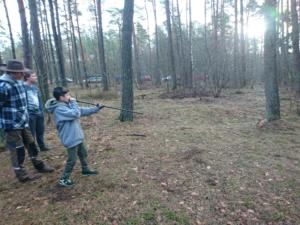
Saturday kicked off at 10 a.m. with a breakfast of scrambled eggs. The day’s activities included archery, blowgun shooting, slingshot shooting with paintball pellets, woodcarving, chopping wood, cutting deadwood in the forest, and gathering firewood.

The real die-hards—especially the women in the group—actually dared to go swimming. In the evening, we enjoyed pasta Bolognese around the campfire, a cozy get-together, and singing.
Applause for Felix’s singing

After refueling with pancakes, it was already time once again—late Sunday morning—to take everything down and clean up. The group trickled back into the Steinmühle around 4 p.m.

Felix sang for others around “strangers’” campfires on both evenings and received lots of applause. The Steinmühlen group was very well received by the other campers, and everyone is looking forward to seeing us again next year.


20. February 2019
https://steinmuehle.de/wp-content/uploads/sites/5/2019/02/DSC_1295-1-scaled.jpg 1125 1500 Angela https://steinmuehle.de/wp-content/uploads/sites/5/2025/11/Logo_SchuleInternat_Steinmuehle_2026_3.png Angela2019-02-20 09:14:042026-06-18 15:41:50Winter Teepee Camp in the Lüneburg Heath

Equestrian Brunch as a Weekend Special

News, Sports & Health, Steinmühle Riding School


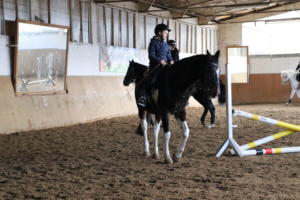
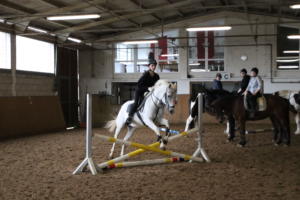
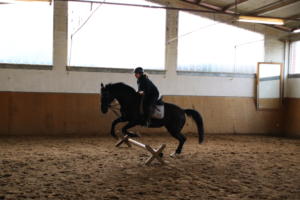
For eight boarding school students, last weekend was all about horseback riding. In a wonderful atmosphere, they enjoyed the equestrian brunch together—an event that certainly looks like it’s worth repeating.

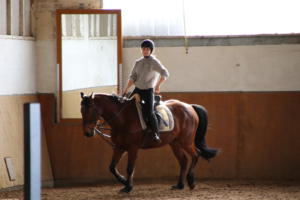
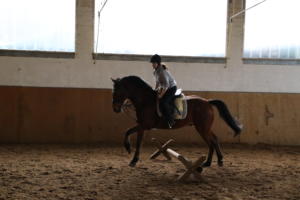
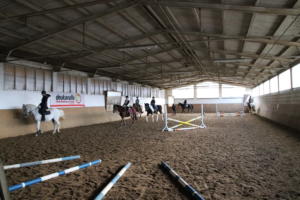
First, the riders focused on the athletic portion of the event. Guided by experienced riders and riding instructor Beate Schridde, the program included a group riding lesson. This involved setting up the jumping obstacles in the indoor arena and preparing the horses. Then they got started. The riders tackled the individual obstacles with full concentration.

Horseback Rides and Vaulting Planned

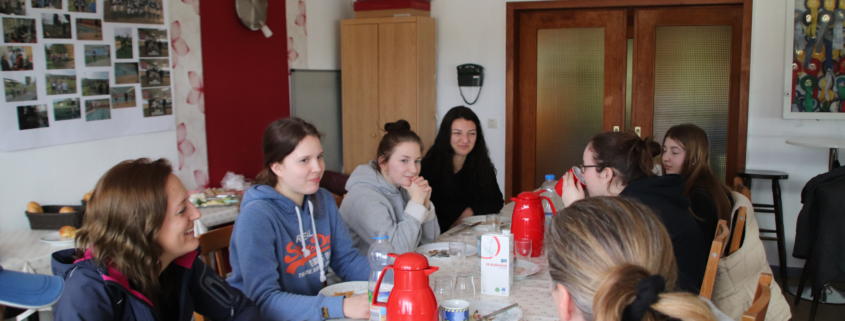
After the sports activities, all the horses were cared for. Everyone enjoyed a brunch at the Reiterstübchen afterward and watched the Shetland ponies romp around in the indoor arena.

During the meeting, additional ideas were discussed. Horseback riding and vaulting are already firmly planned as weekend activities.

Horseback Riding as Part of Daily Life at Boarding School

Steinmühle Boarding School regularly incorporates horseback riding into its weekly routine. Some students participate in the weekly riding club, while others have access to a horse to ride. The recent event provided an opportunity to devote even more time to this hobby over the weekend.

14. February 2019
https://steinmuehle.de/wp-content/uploads/sites/5/2019/02/IMG_1178-scaled.jpg 1000 1500 Angela https://steinmuehle.de/wp-content/uploads/sites/5/2025/11/Logo_SchuleInternat_Steinmuehle_2026_3.png Angela2019-02-14 17:33:412026-06-18 15:41:51Equestrian Brunch as a Weekend Special

Combating “Reluctance to Read”: Class 6a Kicked Off the Reading Olympics

Contests & Awards, Languages & International Affairs, News

Both statistics and the students’ own experiences and assessments show that reading is becoming less and less common. In a survey conducted in Class 6a, 16 students reported that they never or only occasionally read. Five indicated that they read occasionally. Eleven answered, “I never read.” Various reading projects carried out in the 6th grade were intended to counteract this alarming result. Teacher Melisande Lauginiger writes in her report:

After a small classroom library was set up in fifth grade—which most of the students had actively used for personal reading in addition to the school library—the idea was to visualize this through a caterpillar that would make its way around the classroom. For every book read, the student received a caterpillar segment, which was also intended to serve as an advertisement for the book. This, along with numerous book presentations, has already increased students’ motivation and reading skills.


At least 50 pages per week

Nevertheless, it was clear—not least because the parallel class had also had a positive experience with the Reading Olympics—that another project was needed to further promote reading motivation and reading skills. To continue to cater to the class’s high level of enthusiasm for reading, but also to motivate those who had not yet discovered reading—and, by extension, the class library—as a form of entertainment, a Reading Olympics was held during the first semester of 6th grade: The children were encouraged to read at least 50 pages each week and to record the number of pages they had read on a large master list in the classroom.


No More Non-Readers!

From the very beginning, the Reading Olympics was very well received by more than half the class. Thanks to the motivation of many students and the competitive nature of the event, the others were swept up in the excitement as well, creating a momentum that captivated everyone. As a result, there were some students who read thousands of pages almost every week. The record here was 5,207 pages in a single week. Equally significant is the fact that there wasn’t a single student who stopped reading because of the Reading Olympics. Some of the students who had previously been complete non-readers went on to read several hundred pages over time—even though participation was voluntary.


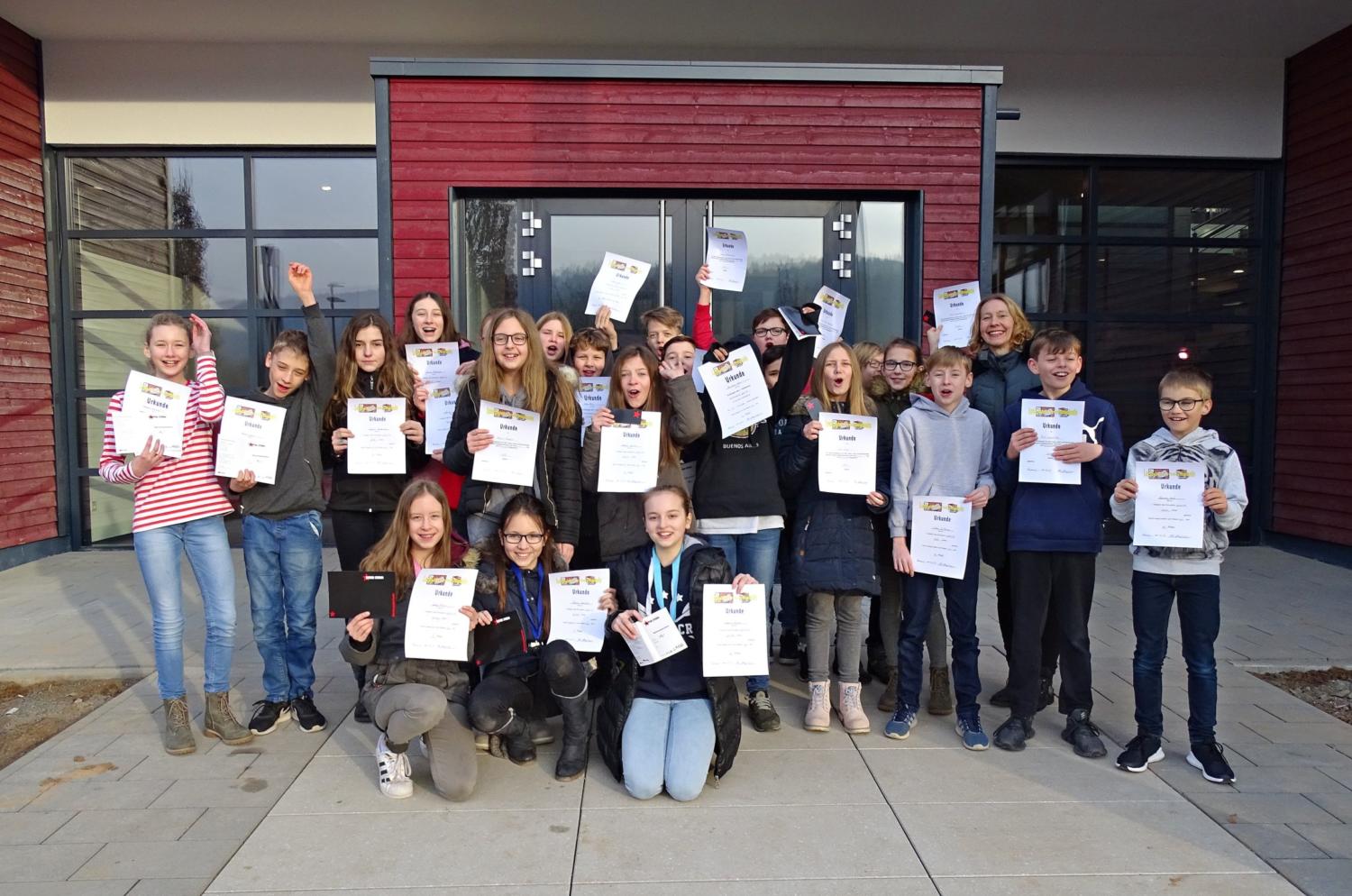
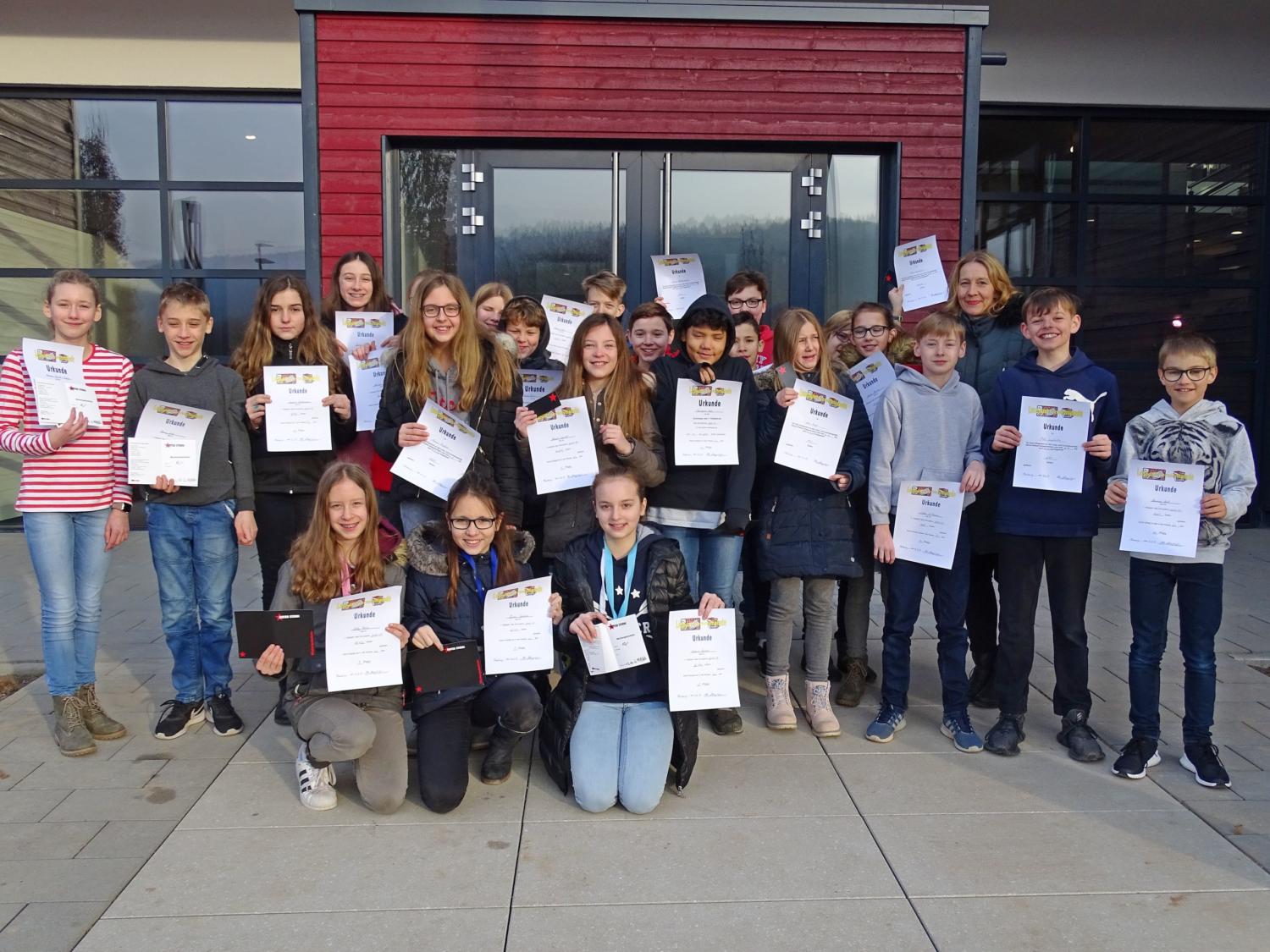
Certificates for Everyone

Overall, Class 6a achieved an outstanding reading result, reading 139,843 pages in the first half of the school year (August–mid-December). A truly impressive result! The students were finally honored for this achievement in January. All participants received certificates for their great dedication to reading. The nine winners also received book vouchers. These were generously donated by Steinmühle and the Roter Stern/Lesezeichen bookstore, with which Steinmühle has been collaborating very successfully for many years.


Livia Schulze in the lead

Livia Schulze took first place with 27,381 pages, Rebecca Zenker took second place with 25,044 pages, and Lilly Peters took third place with 18,432 pages. Henry Just took first place among the boys with 12,252 pages read, followed by Fabian Fahr with 4,164 and Leon Schmidt with 3,668 pages read. Even the students who placed lower managed to read at least 486 pages. Thus, the Reading Olympics—which was very well received by the students—can be considered an impressive success.


Awards for the Rising Stars

To motivate even those students who struggle with reading or who generally described themselves as “absolute non-readers,” there was also a prize for the students who made the greatest progress—a prize that almost all students would have deserved: This prize was awarded to Hanna Schmidt-Dege (6th place with 10,350 pages read), Lasse Hühn (12th place with 1,730 pages read), and Enrique Seip (11th place with 2,380 pages read).


13. February 2019
https://steinmuehle.de/wp-content/uploads/sites/5/2019/02/2_klein-scaled.jpg 994 1500 konnertz https://steinmuehle.de/wp-content/uploads/sites/5/2025/11/Logo_SchuleInternat_Steinmuehle_2026_3.png konnertz2019-02-13 14:55:562026-06-18 15:41:53Combating “Reluctance to Read”: Class 6a Kicked Off the Reading Olympics

Team Steinmühle/Philippinum Won the Math Competition

Contests & Awards, News, STEM

Students from Steinmühle and Philippinum were named the best team in Hesse in their grade level at the international Bolyai Mathematics Competition. In the 5th-grade category, Steinmühle students Sophia Rogosch and Teresa Katharina Dinges won alongside Jonathan Hundt and Leo Yu’an (both from Philippinum). We extend our heartfelt congratulations on this shared success!

The competition’s motto is: “The ability to collaborate is a core value in our lives.” What makes this competition so appealing is that students, working in teams of four within the allotted 60-minute time frame, can discuss both the problems and the provided solutions and skillfully divide up the work. What makes it particularly challenging is that, out of the five answer choices provided for each question, several may be correct. In one of the tasks, all five provided answers were actually correct. Of course, our math whizzes recognized this. Great job! Congratulations!

11. February 2019
https://steinmuehle.de/wp-content/uploads/sites/5/2019/02/IMG_20190115_111447.jpg 842 1500 konnertz https://steinmuehle.de/wp-content/uploads/sites/5/2025/11/Logo_SchuleInternat_Steinmuehle_2026_3.png konnertz2019-02-11 12:16:542026-06-18 15:41:35Team Steinmühle/Philippinum Won the Math Competition

Aliena, Paula, and Velten were the best at math

Contests & Awards, News, STEM

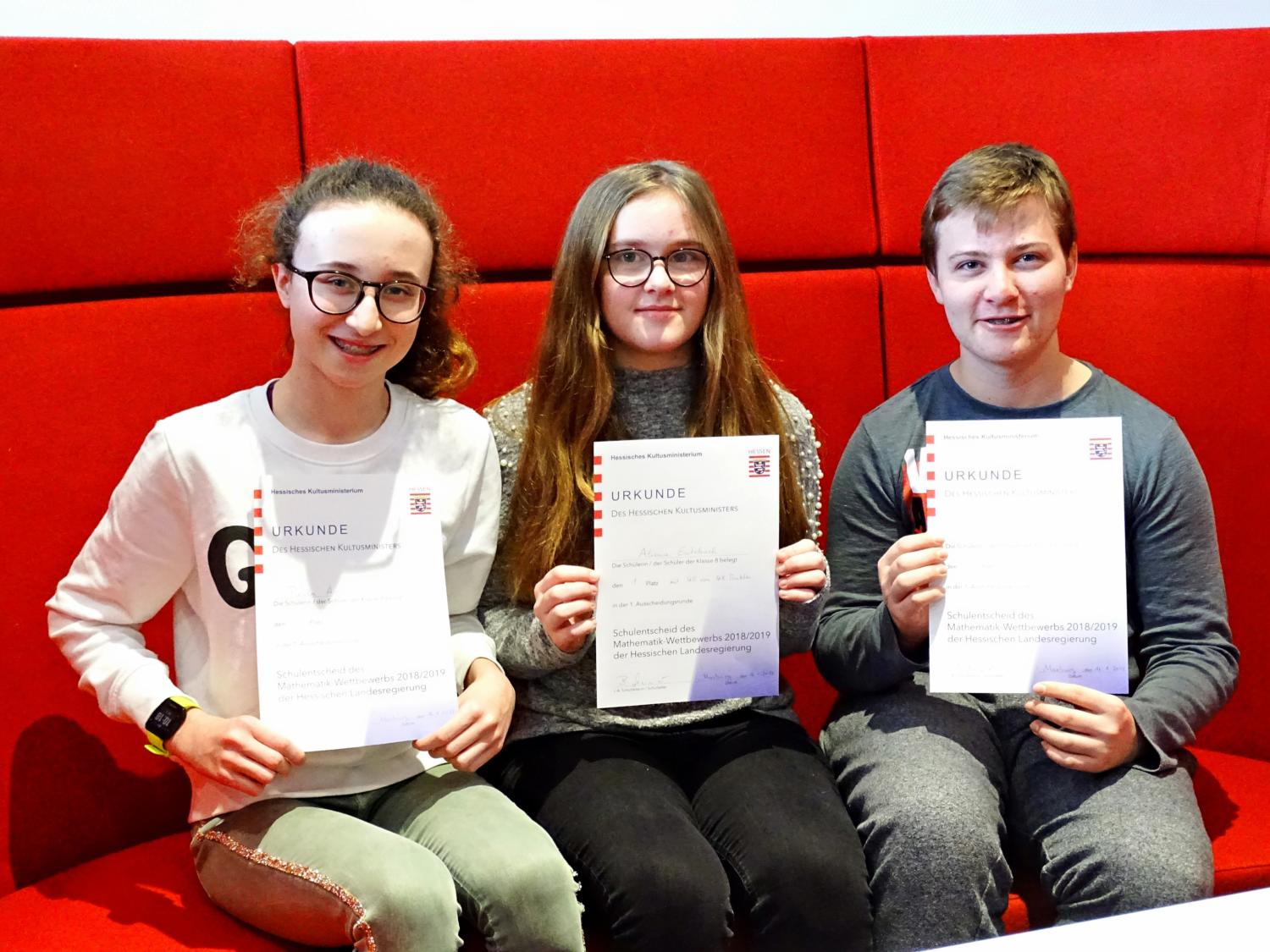
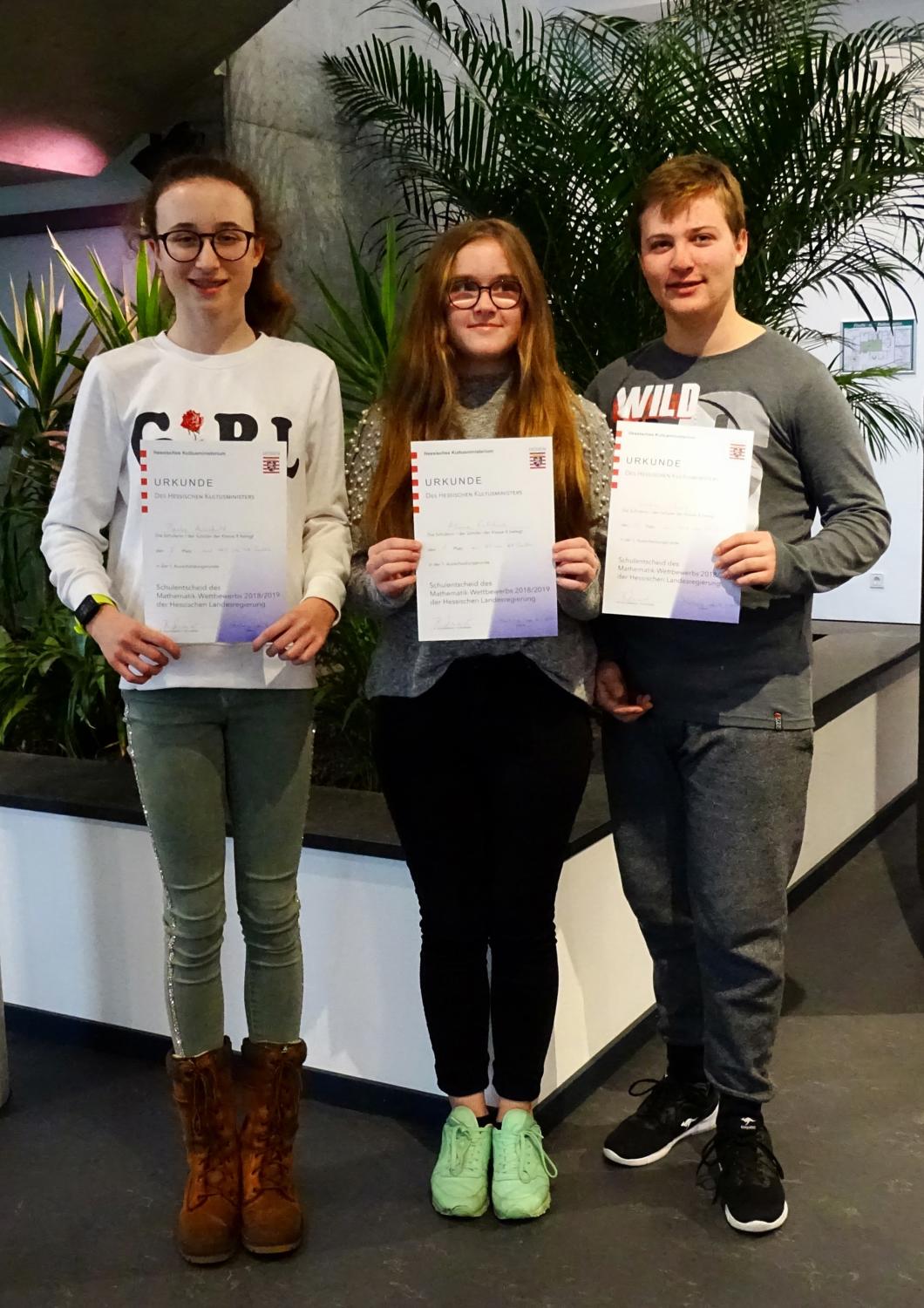
In this year’s mandatory math assessment for 8th graders—the “Hesse State Math Competition”—Aliena Eutebach (8a), Paula Auschill (8a), and Velten Schulz (8c) were the school winners at Steinmühle. Out of a possible 48 points, Aliena scored 45, Paula 44.5, and Velten 41.5. All three will participate in the second round of the competition on March 7 at the Elisabethschule. We wish them the best of luck!

At the certificate presentation ceremony on February 1, Paula, Aliena, and Velten (from left to right) received their certificates.

9. February 2019
https://steinmuehle.de/wp-content/uploads/sites/5/2019/02/DSC03209-scaled.jpg 1125 1500 konnertz https://steinmuehle.de/wp-content/uploads/sites/5/2025/11/Logo_SchuleInternat_Steinmuehle_2026_3.png konnertz2019-02-09 15:38:282026-06-18 15:44:51Aliena, Paula, and Velten were the best at math
Page 1 of 212

Pages

  • A Safe Place
  • About Us
  • Alternative Sports
  • Alumni Feed
  • Alumni Login
  • Alumni Reunion
  • Annual Calendar Download
  • Art, Music & Theater
  • Awards
  • Bilingual Elementary School
  • Bilingual Elementary School
  • Boarding School
  • Boarding School Admission
  • Boarding School as an Opportunity
  • Charity Projects
  • Contact
  • Costs & Contract Terms
  • Digitization
  • Donation Failed
  • Donation Receipt
  • Donor Dashboard
  • Ecology & Sustainability
  • Elementary School Registration
  • Events
  • Fan Shop
  • Fit for Life
  • Forgot your password?
  • Friends & Alumni
  • Friends of the School Association
  • Funding Partners
  • Fundraising
  • Groups
  • High School
  • High School Admission
  • High School Registration Form
  • Home
  • Internal Clubs
  • International High School
  • International High School Program
  • International High School Registration Form
  • International School
  • International School Registration
  • Keyword Search
  • Languages & International Affairs
  • Learning
  • Legal Notice
  • Life
  • Members
  • MINT Lab Equipment
  • Mission Statement & Vision
  • My Profile
  • News
  • News
  • News Archive
  • Newsletter
  • Newsletter
  • Organization & History
  • Partners
  • Privacy Policy
  • Privacy Policy (Detailed)
  • Project-Based Learning
  • Promoting Independence & Individuality
  • Promoting STEM Talent
  • Publications
  • Quality Management
  • Recording
  • Registration Form for the Bilingual Elementary School
  • Reset Password
  • Riding School
  • Rowing Club
  • School
  • School as a Community
  • Signed up for the newsletter
  • Social Responsibility
  • Social Responsibility & Strengthening the Community
  • Sponsorship
  • Sports & Health
  • Sports & Recreation
  • Stakeholders
  • Steinmühle Alumni Network
  • Steinmühle as a Youth Welfare Agency
  • Stories
  • Summer Camps
  • Support Current Projects
  • Support for Families
  • Talent Program Plus STEM
  • Teams
  • Terms and Conditions for High School
  • Terms and Conditions for the Bilingual Elementary School
  • Terms and Conditions of the International High School
  • Terms of Contract for the Bilingual Primary School
  • Terms of Contract for the International School
  • Trips & Weekends
  • Upload Transcript
  • What is … up to today, anyway?
  • Why Steinmühle?
  • Work at the Steinmühle

Categories

  • Archive
  • Art, Music & Theater
  • Bilingual Elementary School
  • Boarding School
  • Class Trips, Field Trips, and School Outings
  • Collaborations & Partnerships
  • Contests & Awards
  • Digitalization & AI
  • Ecology and Sustainability
  • Events & Celebrations
  • Former Students & Alumni
  • International High School
  • Job Openings
  • Languages & International Affairs
  • Life at Boarding School
  • News
  • Politics, Business & Responsibility
  • Rowing
  • Social Engagement
  • Sports
  • Sports & Health
  • Steinmühle on the Road
  • Steinmühle Riding School
  • STEM
  • Surveys & Studies
  • Talent Development
  • Uncategorized

Archive

  • June 2026
  • May 2026
  • April 2026
  • March 2026
  • February 2026
  • January 2026
  • December 2025
  • November 2025
  • October 2025
  • September 2025
  • August 2025
  • July 2025
  • June 2025
  • May 2025
  • April 2025
  • March 2025
  • February 2025
  • January 2025
  • December 2024
  • November 2024
  • October 2024
  • September 2024
  • August 2024
  • July 2024
  • June 2024
  • May 2024
  • April 2024
  • March 2024
  • February 2024
  • January 2024
  • December 2023
  • November 2023
  • October 2023
  • September 2023
  • August 2023
  • July 2023
  • June 2023
  • May 2023
  • April 2023
  • March 2023
  • February 2023
  • January 2023
  • December 2022
  • November 2022
  • October 2022
  • September 2022
  • August 2022
  • July 2022
  • June 2022
  • May 2022
  • April 2022
  • March 2022
  • February 2022
  • January 2022
  • December 2021
  • November 2021
  • October 2021
  • September 2021
  • August 2021
  • July 2021
  • May 2021
  • April 2021
  • March 2021
  • February 2021
  • December 2020
  • November 2020
  • October 2020
  • September 2020
  • August 2020
  • July 2020
  • June 2020
  • May 2020
  • April 2020
  • March 2020
  • February 2020
  • January 2020
  • December 2019
  • November 2019
  • October 2019
  • September 2019
  • August 2019
  • July 2019
  • June 2019
  • May 2019
  • April 2019
  • March 2019
  • February 2019
  • January 2019
  • December 2018
  • November 2018
  • October 2018
  • September 2018
  • August 2018
  • July 2018
  • June 2018
  • May 2018
  • April 2018
  • March 2018
  • February 2018
  • January 2018
  • December 2017
  • November 2017
  • October 2017
  • September 2017
  • August 2017
  • July 2017
  • June 2017
  • May 2017
  • April 2017
  • March 2017
  • February 2017
  • January 2017
  • December 2016
  • November 2016
  • October 2016
  • September 2016
  • August 2016
  • July 2016
  • June 2016
  • May 2016
  • April 2016
  • March 2016
  • February 2016
  • December 2015
  • November 2015
  • October 2015
  • September 2015
  • July 2015
  • June 2015
  • May 2015
  • April 2015
  • March 2015
  • February 2015
  • January 2015
  • December 2014
  • November 2014
  • October 2014
  • September 2014
  • July 2014
  • June 2014
  • May 2014
  • April 2014
  • March 2014
  • February 2014
  • January 2014
  • December 2013
  • November 2013
 
PreviousNext
12
 
PreviousNext
123456

Do you have questions about the school?

School Administration & Management

Björn Gemmer & Dirk Konnertz
Phone: 06421 408-20

schule@steinmuehle.de

Do you have questions about the boarding school?

Boarding School Administration & Management

Anke Muszynski & Dirk Konnertz
Phone: 06421 408-0

internat@steinmuehle.de

  • NEWSLETTER
  • PUBLICATIONS
  • CAREERS AT STEINMÜHLE
  • SUMMER CAMPS
  • LEGAL NOTICE
  • PRIVACY POLICY
  • CONTACT

Do you have questions about the school?

School Administration & Management

Björn Gemmer & Dirk Konnertz
Phone: 06421 408-20

schule@steinmuehle.de

Do you have questions about the boarding school?

Boarding School Administration & Management

Anke Muszynski & Dirk Konnertz
Phone: 06421 408-0

internat@steinmuehle.de

  • NEWSLETTER
  • PUBLICATIONS
  • WORK AT THE STONE MILL
  • SUMMER CAMPS
  • LEGAL NOTICE
  • PRIVACY POLICY
  • CONTACT

© Copyright – Steinmühle 2026 | Erneuern oder ändern Sie Ihre Cookie-Einwilligung
Scroll to top