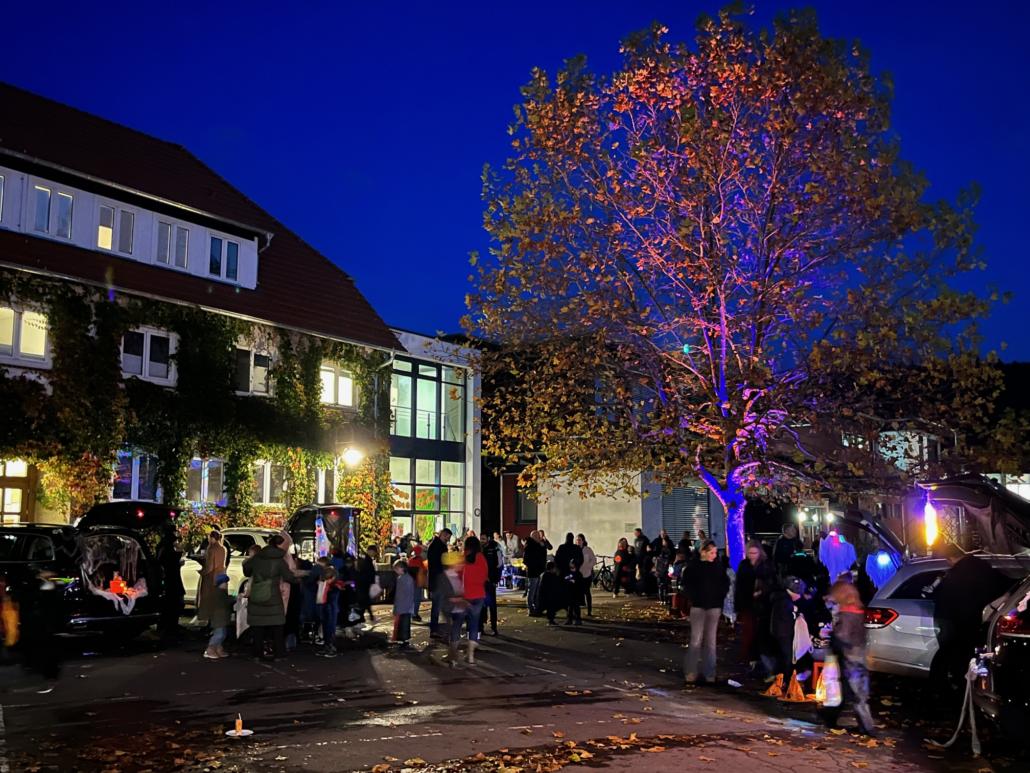
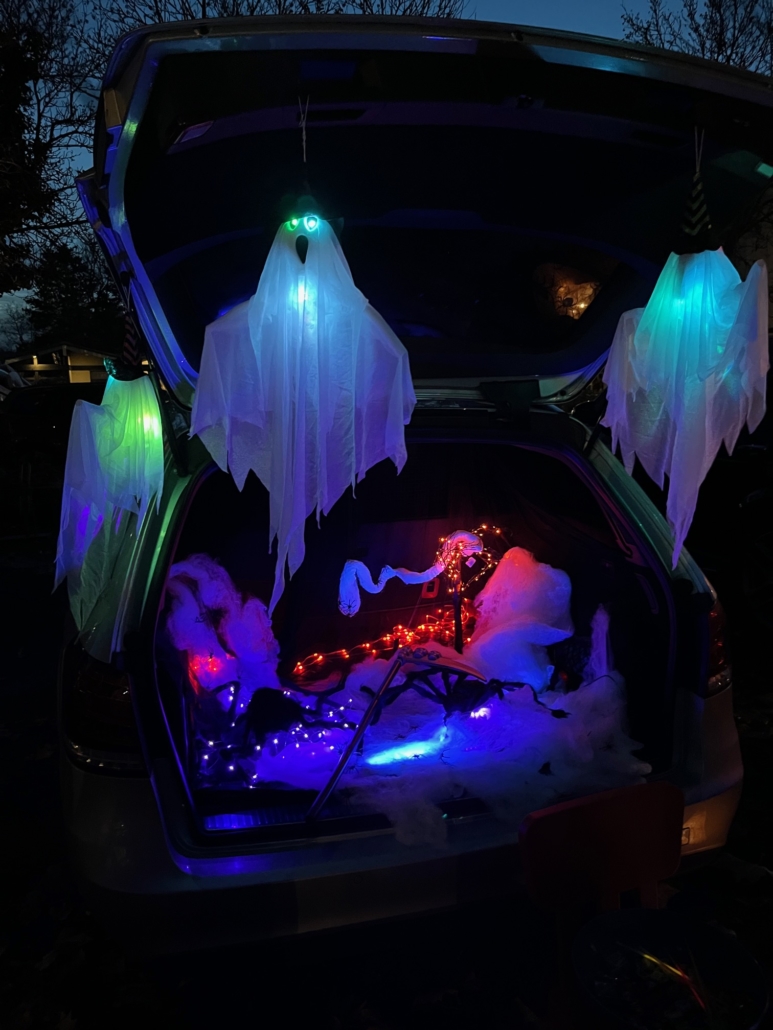
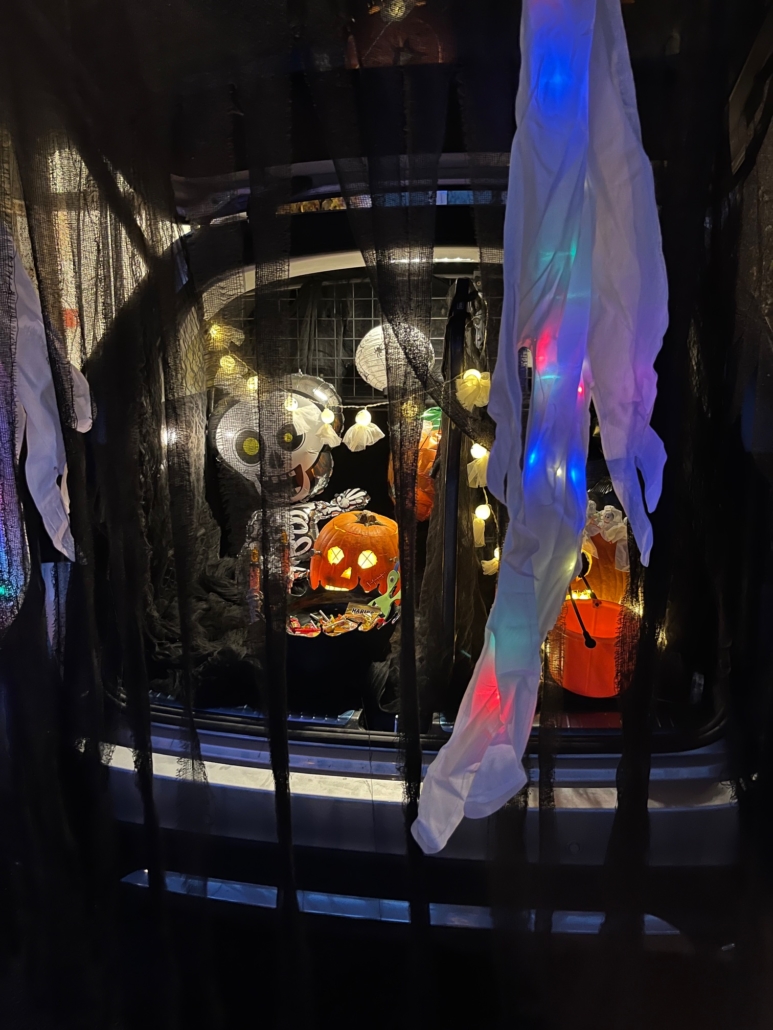
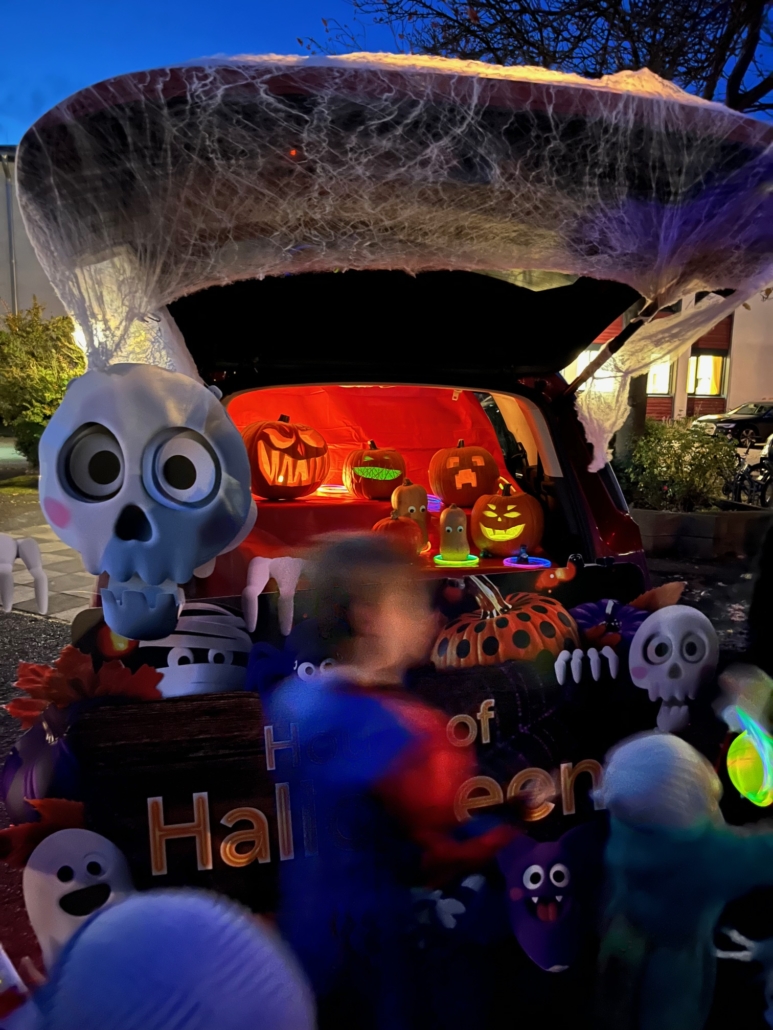
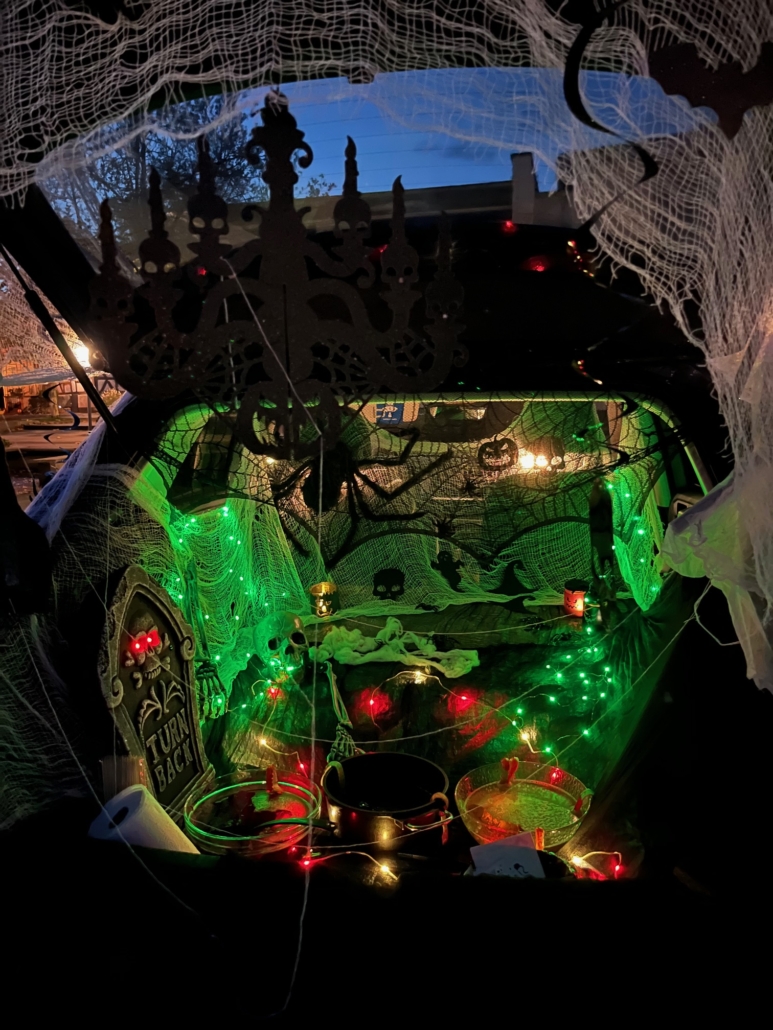
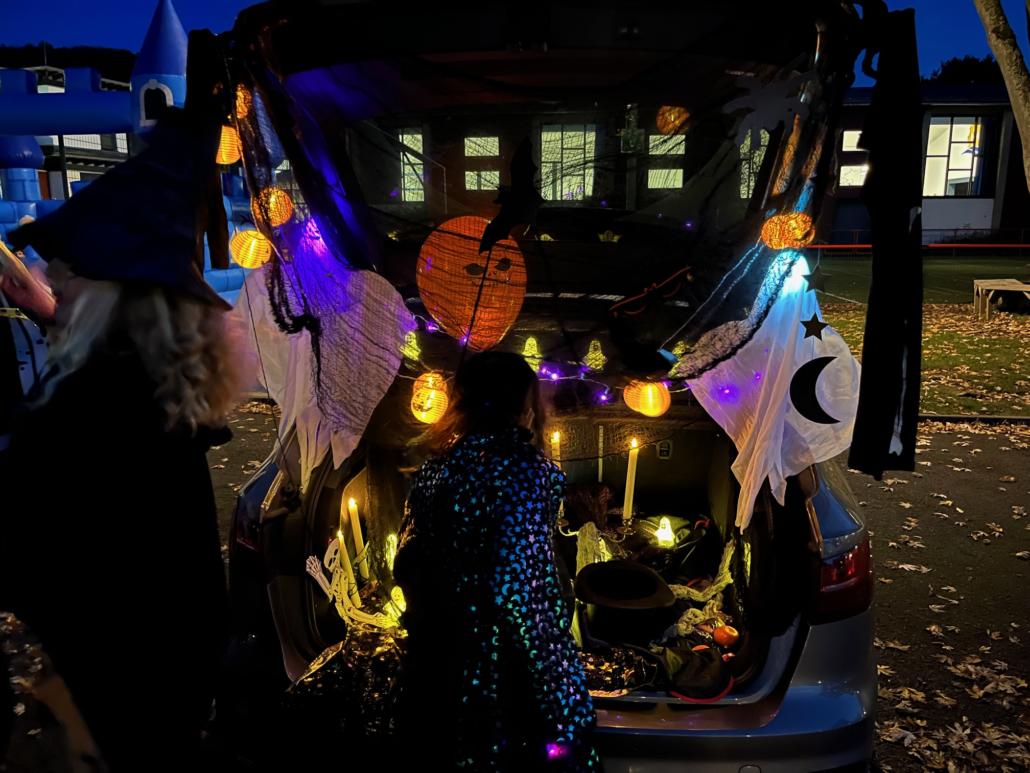
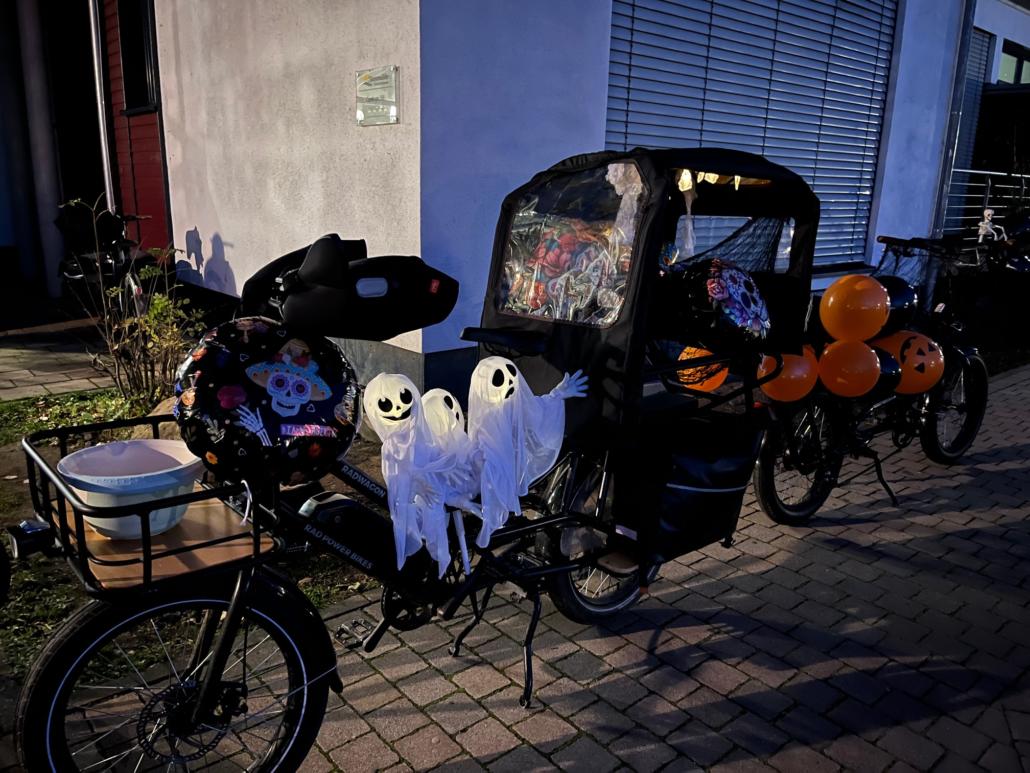
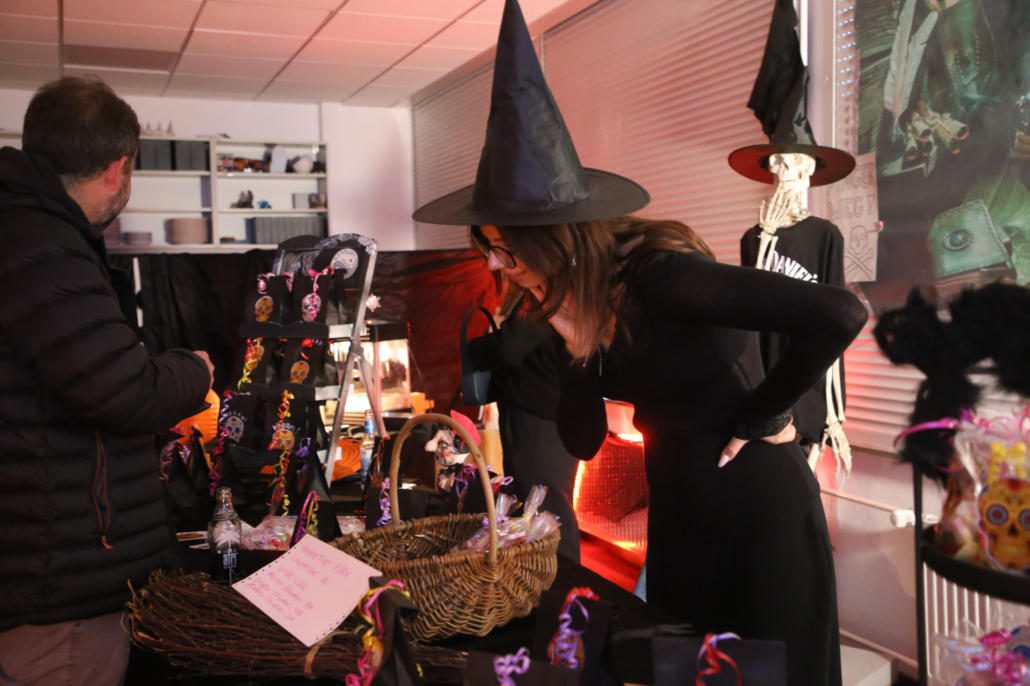
As is tradition, the parents of the elementary school students created fantastic decorative “eye-catchers” in the open trunks of their cars for “Trunk or Treat.” It was really fun to walk around the schoolyard and take a closer look at the decorations, many of which had been elaborately prepared.

The event, organized by the elementary school parents, was supported by parents of Class 5i—our youngest international high school class.

Not only the children, but also many parents dressed up that evening, so you really had to look twice to recognize everyone. On top of that, there were all kinds of treats and drinks for everyone, so the evening can be described as a complete success.

The Steinmühle would like to thank everyone involved for their hard work. Our youngest participants had a wonderful time—one they’re sure to remember for a long time to come!


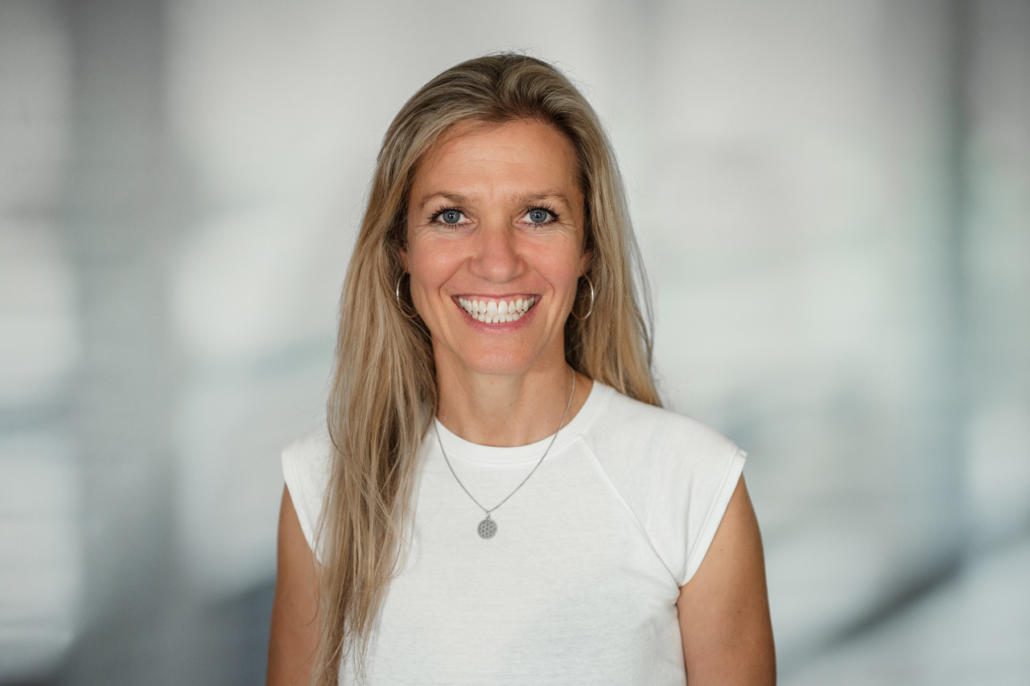
To those around her, it was crystal clear what career Julia Daube would eventually pursue. Even back in high school, her teachers predicted, “You’ll be one of us someday.” It turned out to be a good guess, as became clear shortly thereafter. Julia Daube studied to become an elementary school teacher, specializing in German, math, and art.

Julia Daube calls the eastern part of the Marburg-Biedenkopf district home, and it was there—in Erksdorf and Hatzbach—that she found her job. Every detail showed that preparing girls and boys for life through their early years of schooling is exactly “her thing.”

The mother of two daughters, ages 17 and 9, had felt at home among the students and faculty for years. Then she received a call from Steinmühle.


Has already contributed to the curriculum

Thanks to her acquaintance with Principal Björn Gemmer, she had already been in contact with the school on Steinmühlenweg during the founding phase of the Bilingual Elementary School. Julia Daube also helped develop the curriculum for the Bilingual Elementary School. Because Elementary School Principal Janine Küster was on maternity leave, her desk was vacant. Björn Gemmer recognized this as an opportunity for both parties.


A Passionate Teacher

“I really thought long and hard when I was asked last summer if I wanted to be Janine’s successor,” recalls Julia Daube. The perception that school leadership involves a lot of administrative work and little time for the classroom is widespread—and as a passionate teacher, she didn’t want to underestimate that. She has not regretted her decision to join Steinmühle: “A friendly team, a great vice principal, lovely children—and open doors all over campus whenever questions arise.”


“Educational tasks remain the top priority”

Julia Daube is grateful for this atmosphere of openness and the culture of friendly interaction between teachers and students. Despite the administrative demands, she considers her teaching responsibilities to be her top priority.

Julia Daube’s motto is not to take anything personally—especially not what the students say. “Ever since a child once told me, ‘Your hair looks like a squirrel’s tail,’ I’ve started to let humor get the better of me every now and then.”

In the demanding role of a elementary school teacher in a leadership position, this attitude is likely to be helpful on more than one occasion. Angela Heinemann

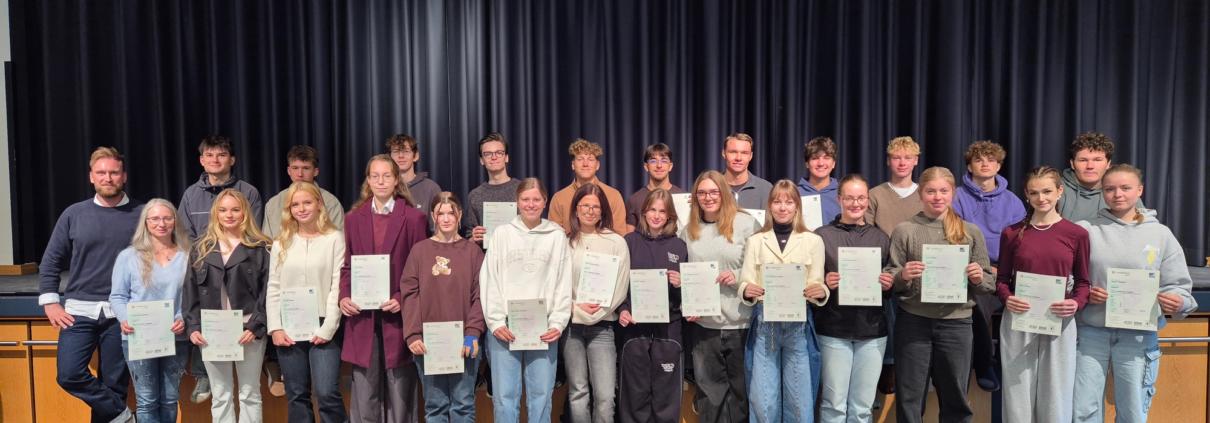
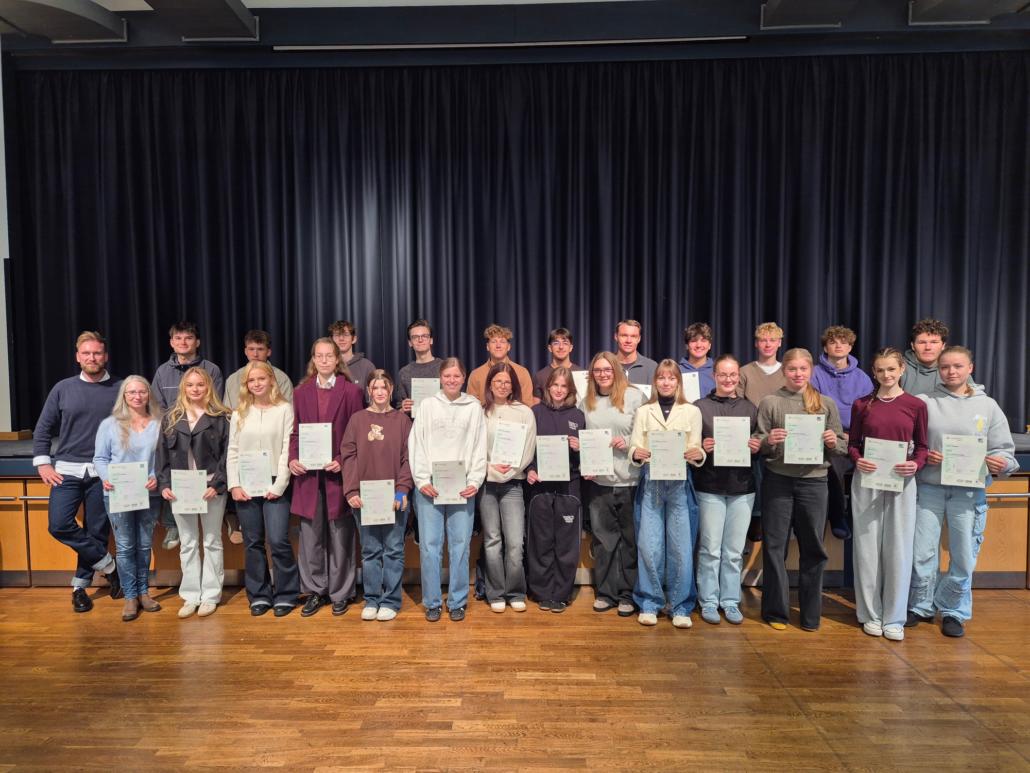
Congratulations to all 12th-grade students who received their Cambridge certificates before the fall break! They completed the preparatory courses in 11th grade with subject teachers Nicole Hohm and Matthäus Otte. Thank you both very much for your dedication. The results achieved were remarkably good. Principal Björn Gemmer: “The level of English at Steinmühle can confidently be described as ‘outstanding’!”


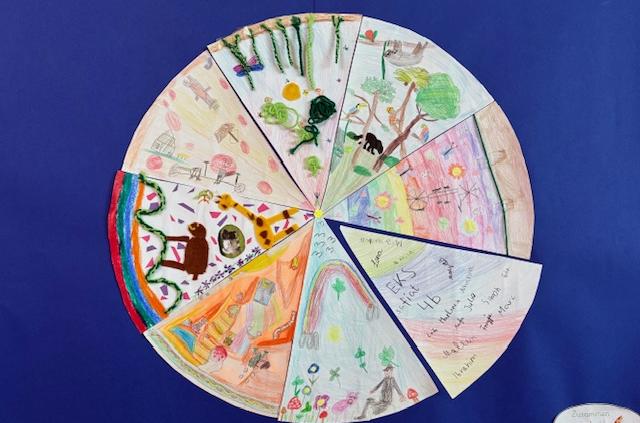
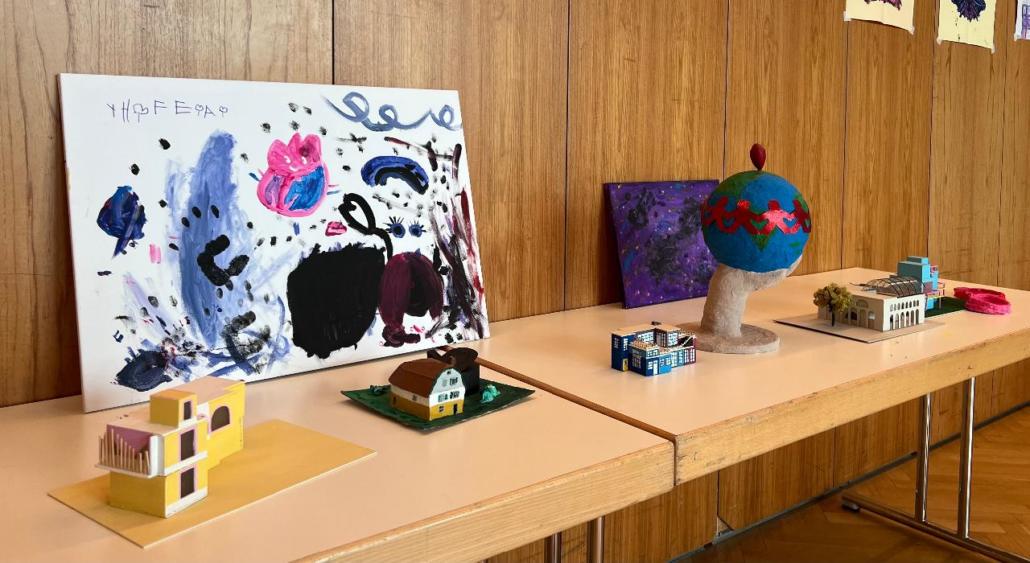
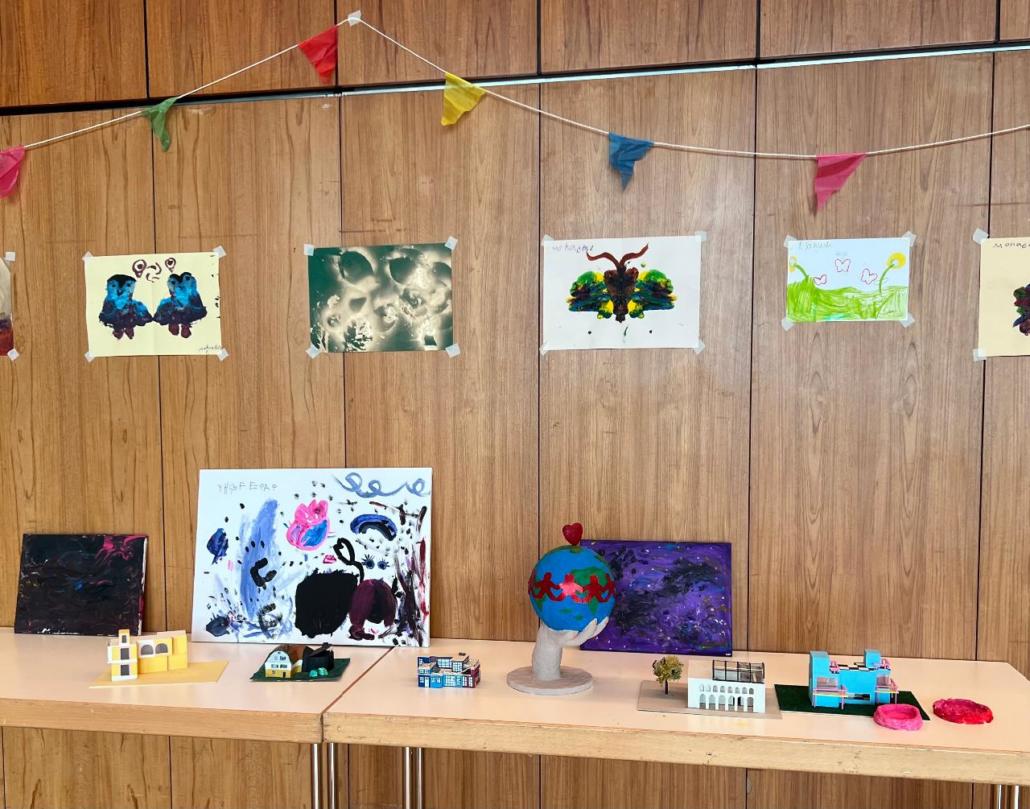
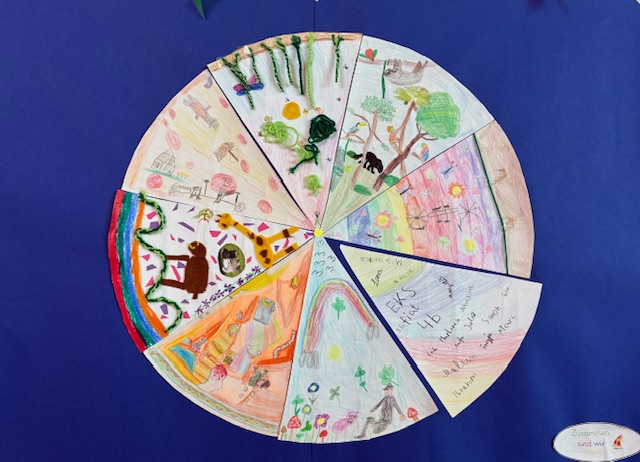
The tables were beautifully decorated, the buffet was constantly being restocked, and the stage was still closed off. Hanging on the walls were works of art by children and teenagers from the two neighborhood schools—the Steinmühle and the Erich Kästner School—as well as from the shared housing facility on Raiffeisenstraße. These paintings and sculptures reflected a wide spectrum—not only because they were created by people of different ages, but also because they came from very different backgrounds and had diverse life experiences.

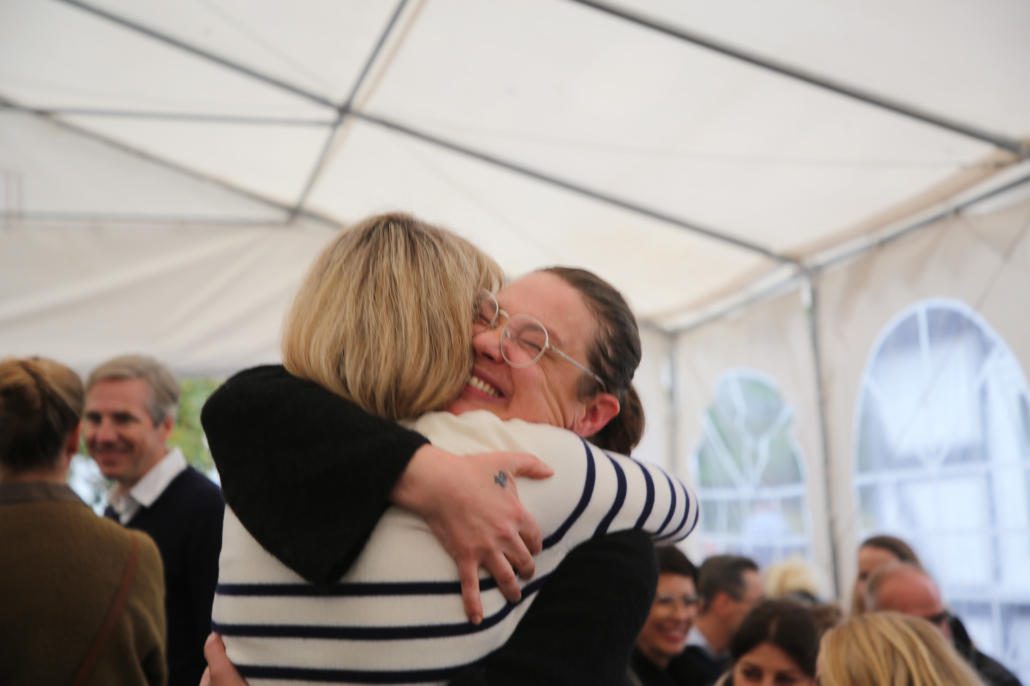
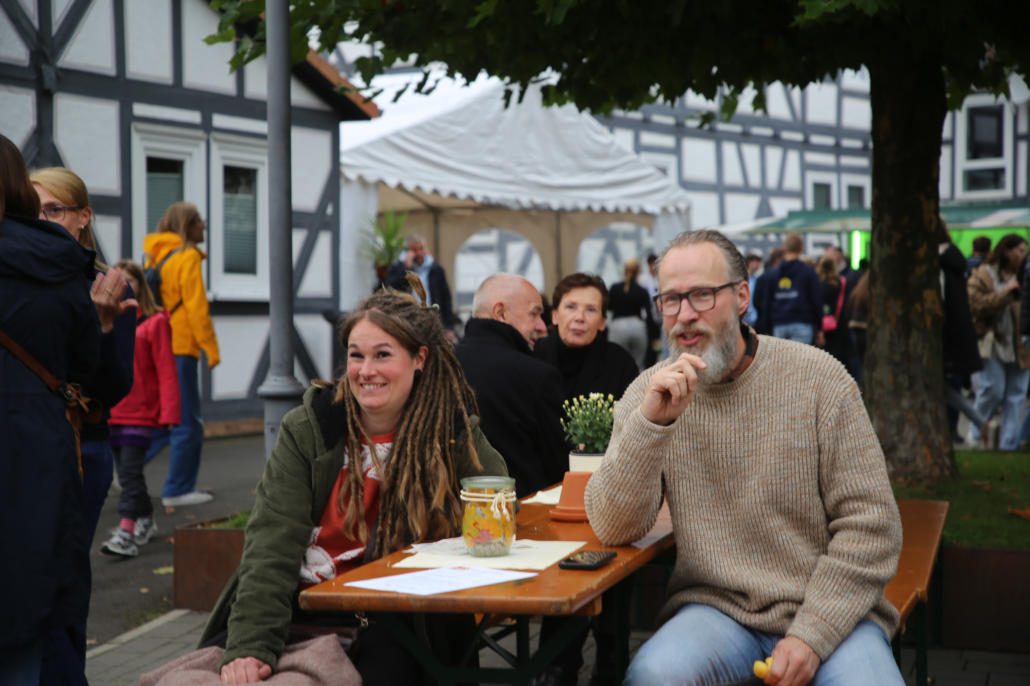
The Intercultural Family Festival was opened by City Councilwoman Kirsten Dinnebier and Local Council Member Michael Korte, representing Local Council Chairman Peter Hesse. Cappel’s neighborhood manager, Vanessa Binzen, who organized the festival, guided the audience through the program. Clown Gina Ginella then took the stage—there were squeals, rumbling sounds, and things falling down—just the right kind of entertainment for the preschool- and elementary-school-aged children in attendance. And for us adults, she always struck just the right (off-key) note to amuse her audience. There were more than three rounds of hearty laughter. With delicious treats on our plates and in our cups, we came together and struck up conversations. It was a lovely afternoon.

Katrin Reichel


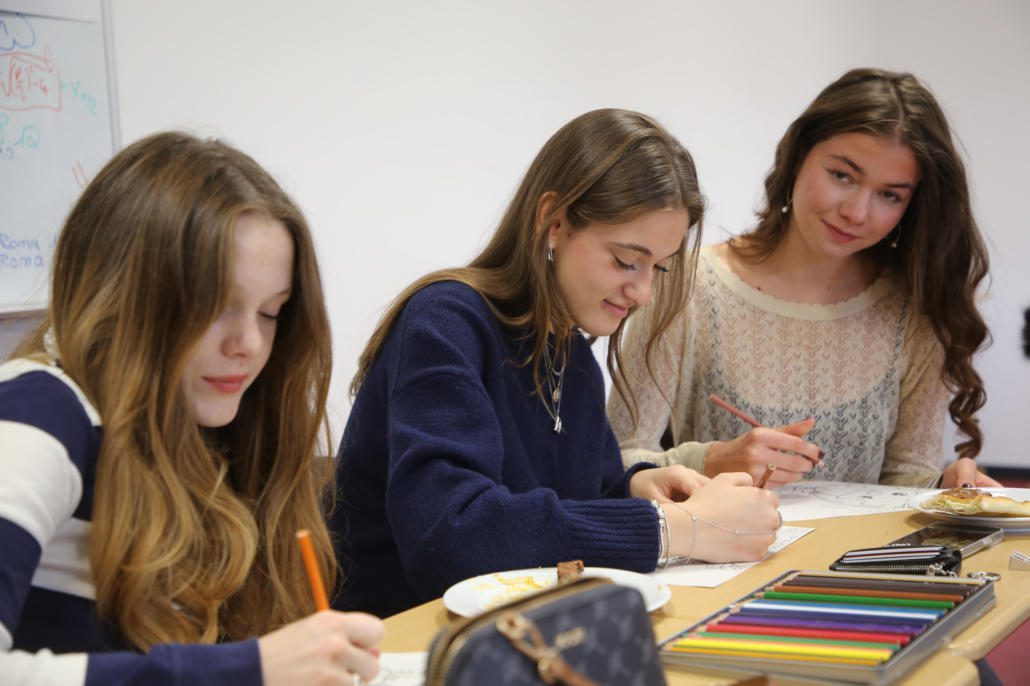
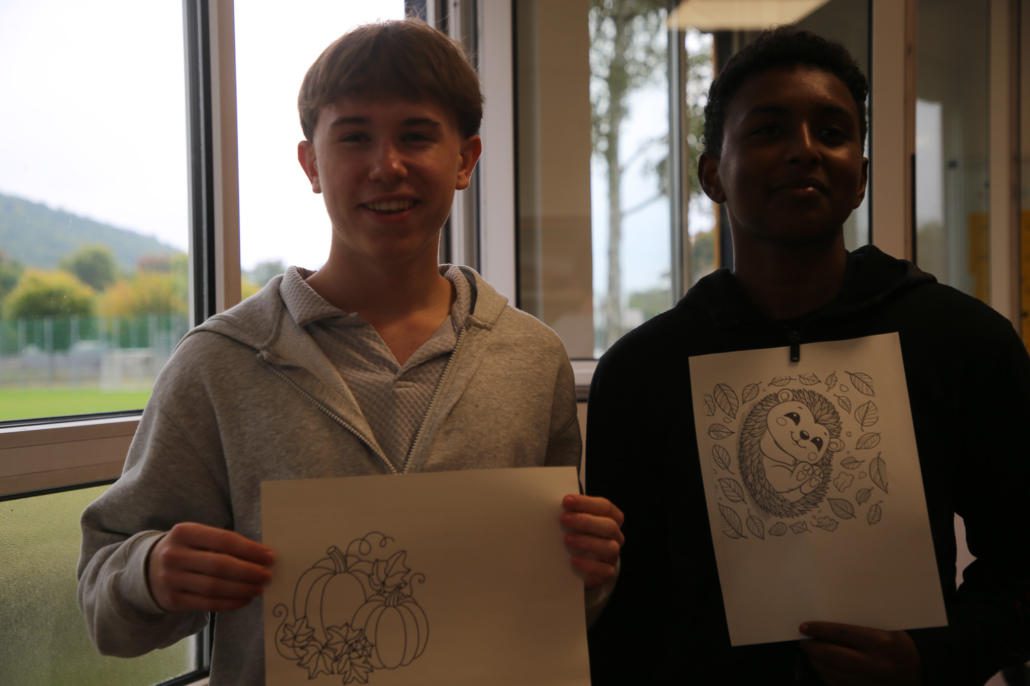
At the event, the Steinmühle displayed various exhibits on the topic. The artwork was created by Ella, Paul, Hannah, Josephine, Arvid (formerly LK 13, Rado), and Cilia (now LK 13 Vielhaben).

Knockout drops at parties or events are a source of fear for parents, teenagers, and even older adults. The idea that strangers might slip substances into your drink when you’re not looking—substances that first make you “drunk” and then render you helpless—is a major cause for concern. But what exactly are knockout drops? How can you recognize them, and how can you protect yourself from them? And what should you do if you do become a victim of a knockout attack?

Question after question—and during a one-and-a-half-hour prevention session at Steinmühle School & Boarding School, the 10th-grade students had two knowledgeable advisors to turn to: Lara Baade and Lucie Lemberg from the association Frauennotruf Marburg e.V.


A Sudden Shift from Euphoria to Helplessness

It’s not just a single substance that can be used as a knockout agent. Around 150 different substances—some of which can be ordered online—are “suitable” for temporarily and deliberately removing specific individuals from their self-determined lives. These are substances—some of which are misused—that do not necessarily stand out visually or in terms of taste when added to a drink. For up to 30 minutes after consuming the drink, the person feels somewhat intoxicated and euphoric. After 20 to 30 minutes, however, the tipping point arrives—and it happens suddenly.

“Then comes the sedative phase,” the speakers report. Those affected are dazed, listless, experience impaired consciousness and a racing heart, and are overcome by vomiting. They are unable to defend themselves against active abuse or mistreatment—including rape—and have no strength. Depending on the substance and the individual’s physical condition, this phase lasts about 6 to 8 hours.


Consumption Simulated Using Special Glasses

“It depends on whether and what you’ve eaten, or whether you may have consumed alcohol beforehand or something similar,” explain the experts, who had the students complete an interactive obstacle course at the end of the field trip. Using special goggles, the activity simulated the effects of having previously consumed dangerous intoxicants—an experience designed to give students a rough idea of what it’s like to be a victim of knockout drops.


At celebrations of all kinds

Incidentally, the place where these insidious activities take place isn’t always a club or a bar. It can be private parties, a fair, or celebrations of all kinds where large groups of people usually gather. And, by the way, it isn’t necessarily a stranger who picks out the victim or victims on such occasions. Sometimes it’s someone from your circle of acquaintances who plans a cruel prank—or worse—in this way.

Contrary to popular belief, while the targets are usually female, they are not always so, and it is not uncommon for them to no longer be teenagers. “Older people can also become victims of knockout drops,” the speakers said.

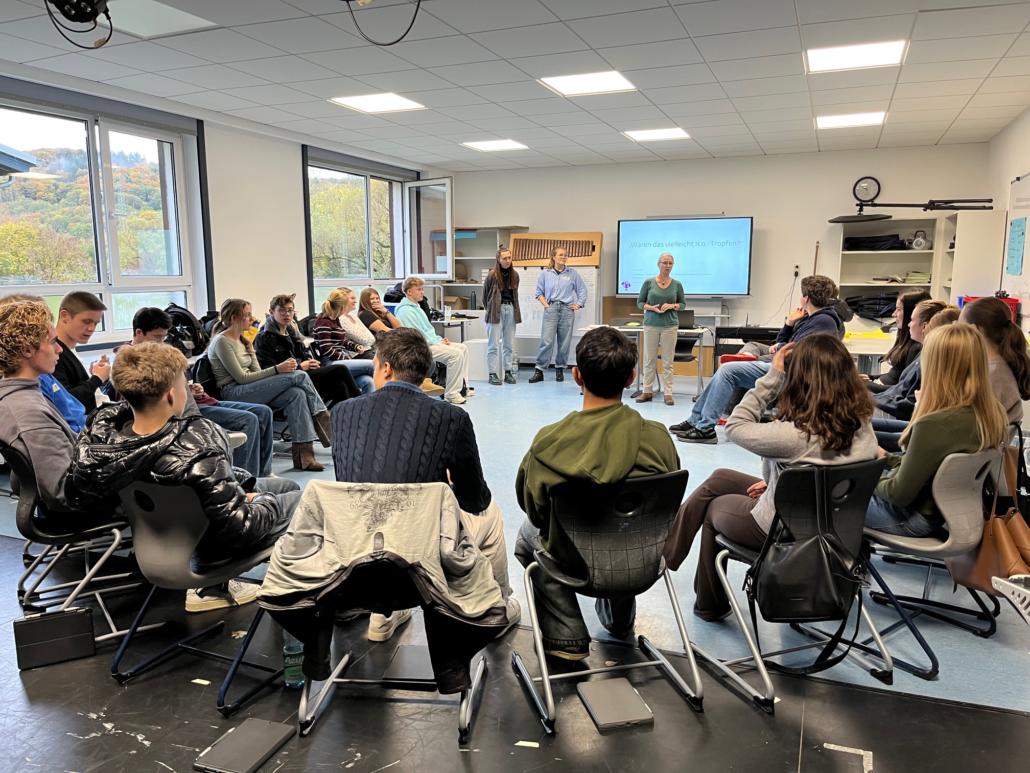
The prevention session for the 10th-grade students at Steinmühle took place in individual classes or groups. Our photo was taken during the prevention session for the class taught by subject teacher Nicole Hohm.


“What an awesome day that was!”—when students leave class saying that, it means the teachers have done something right!


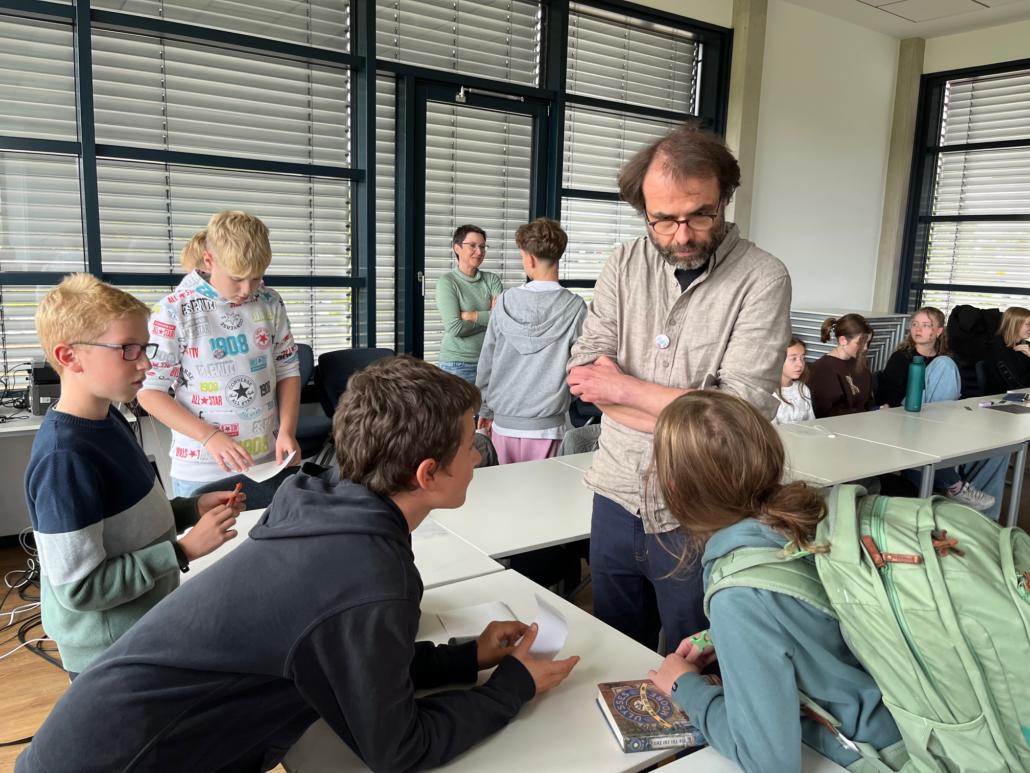
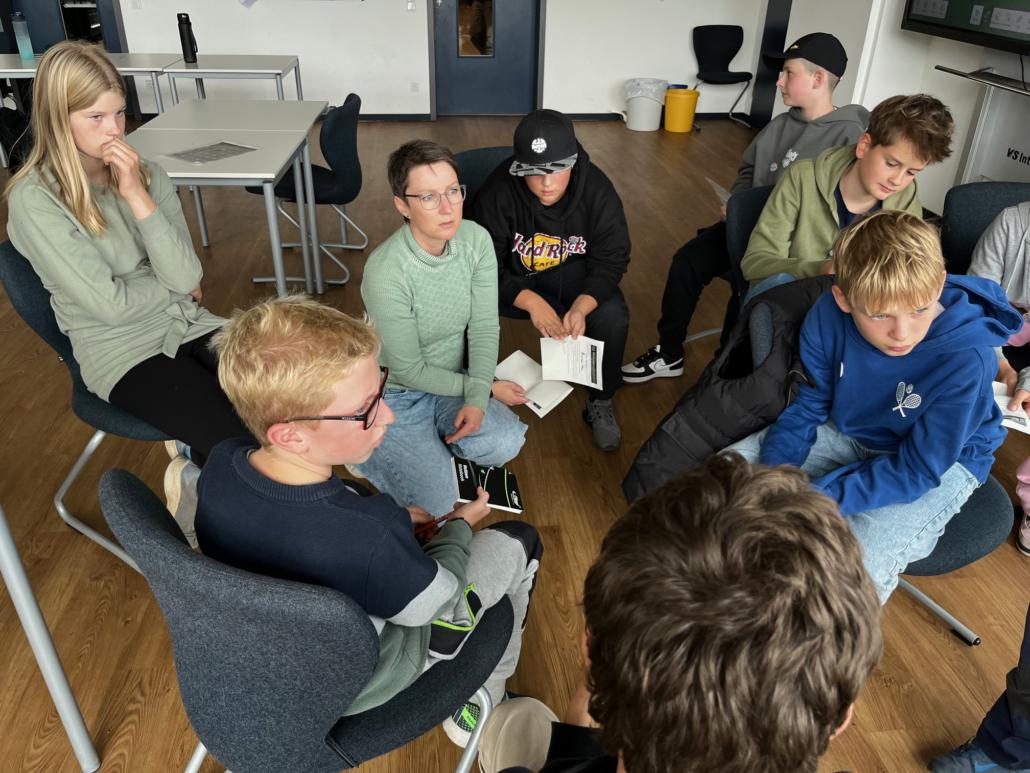
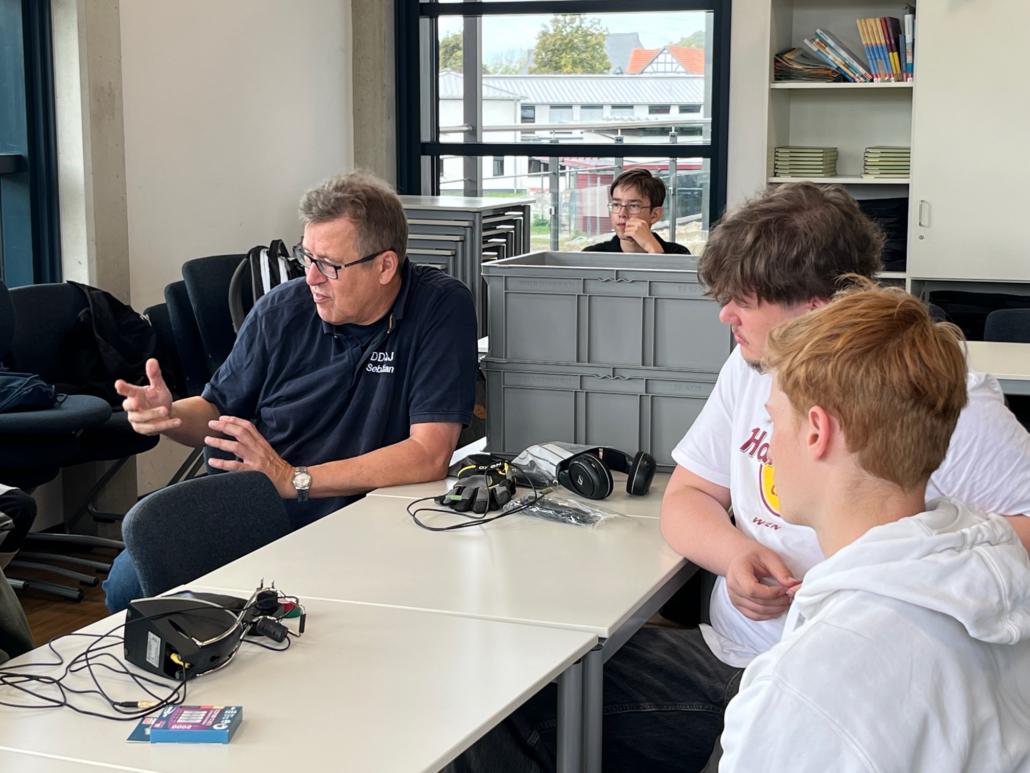
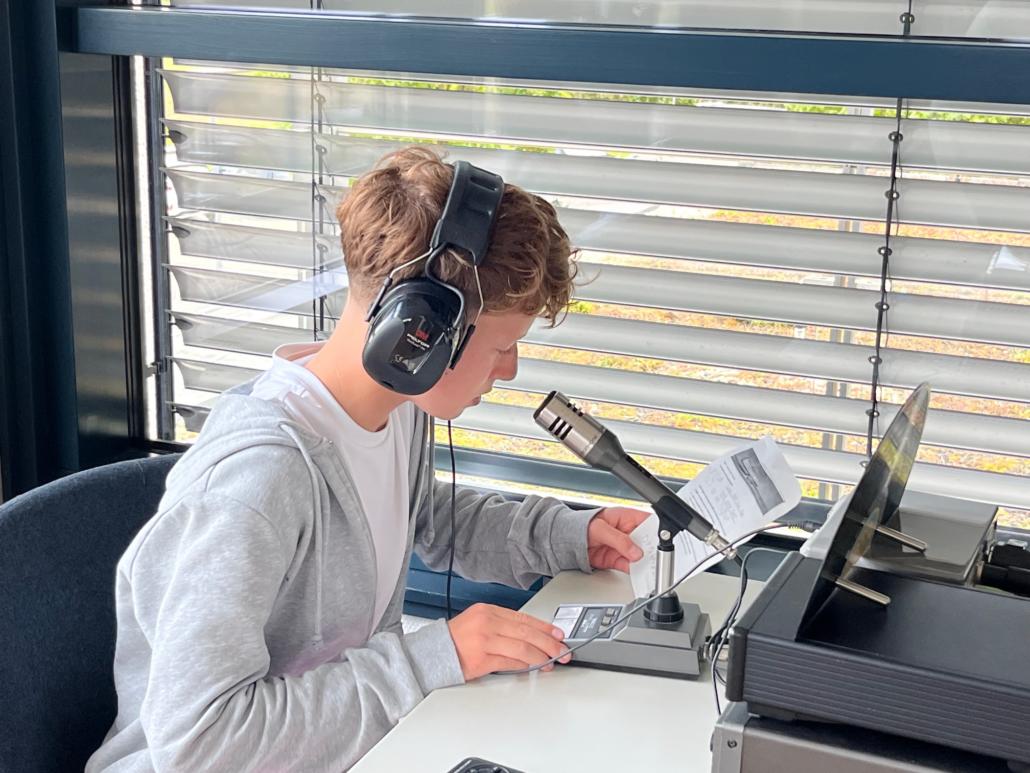
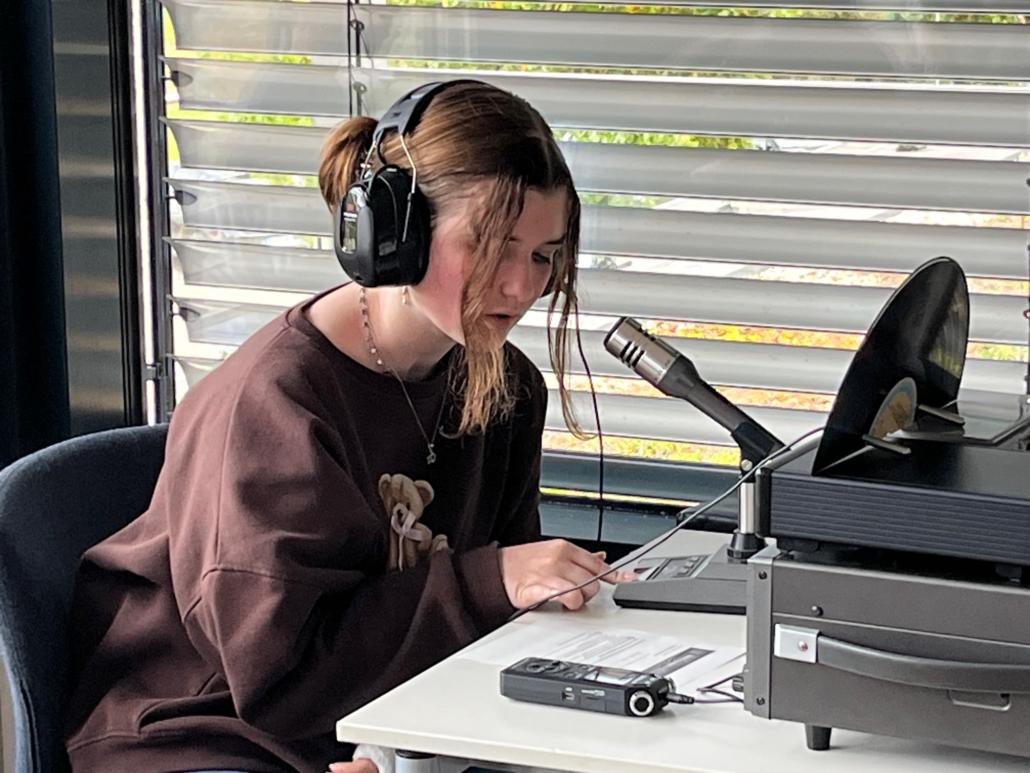
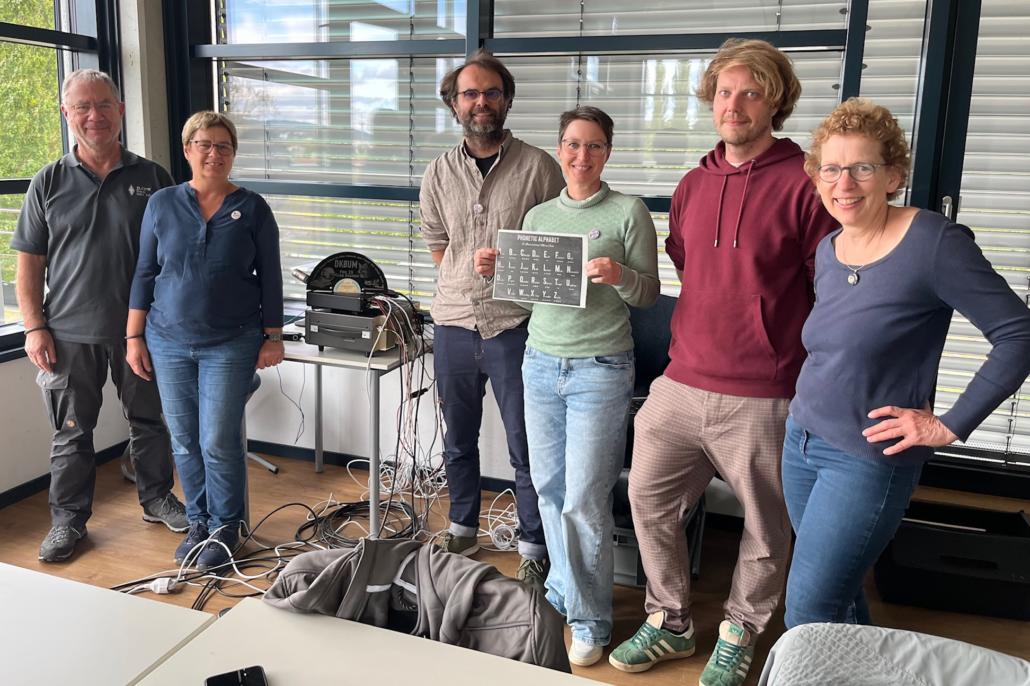
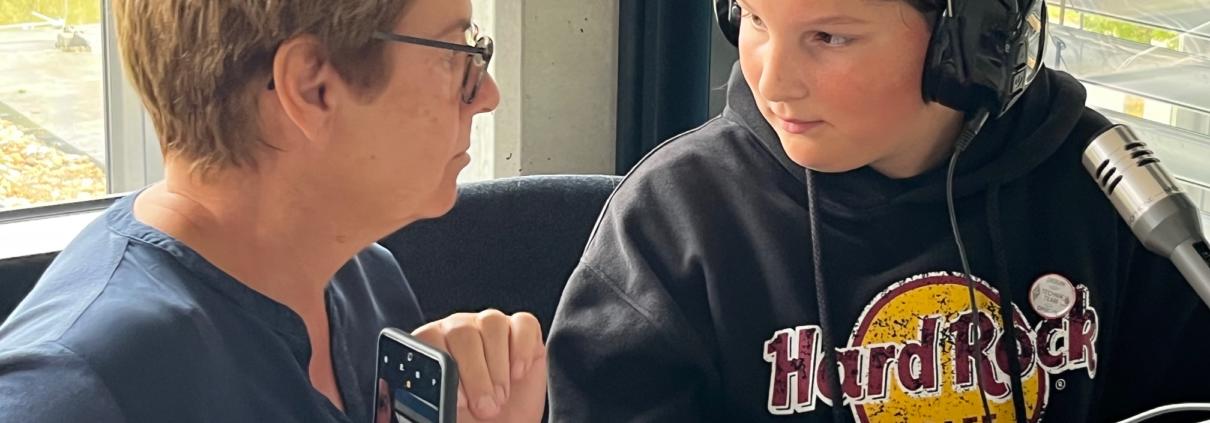
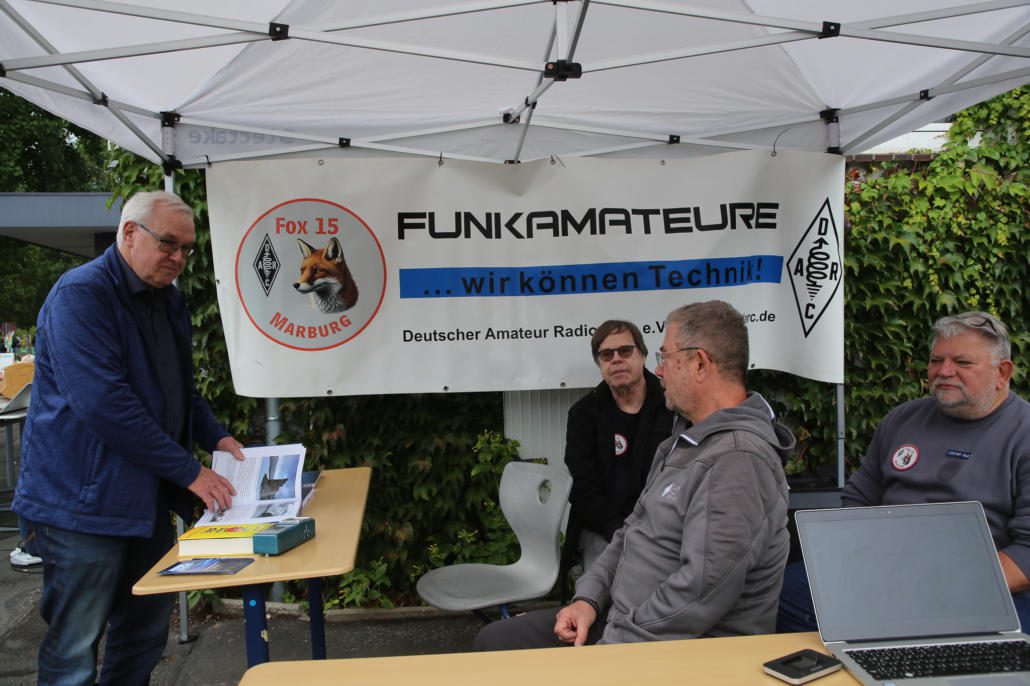
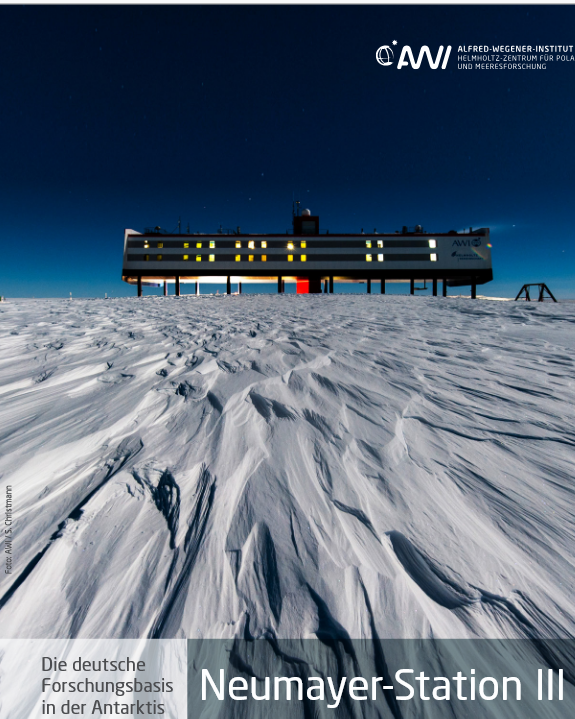
One thing is clear: It’s not every day that you can establish radio contact with the South Pole. When the opportunity arose on September 24, many students at Steinmühle were thrilled to speak with the Neumayer III research station in the Antarctic ice. Establishing contact with the crew and receiving their answers to various questions from Steinmühle was made possible by technical support from the German Amateur Radio Club (DARC), by working out questions for the scientists together with the STEM teachers at Steinmühle, and by maintaining discipline during the radio communication. After all, just saying something casual into the microphone isn’t enough.


A Quick Introduction to the Basics of Radio Communication

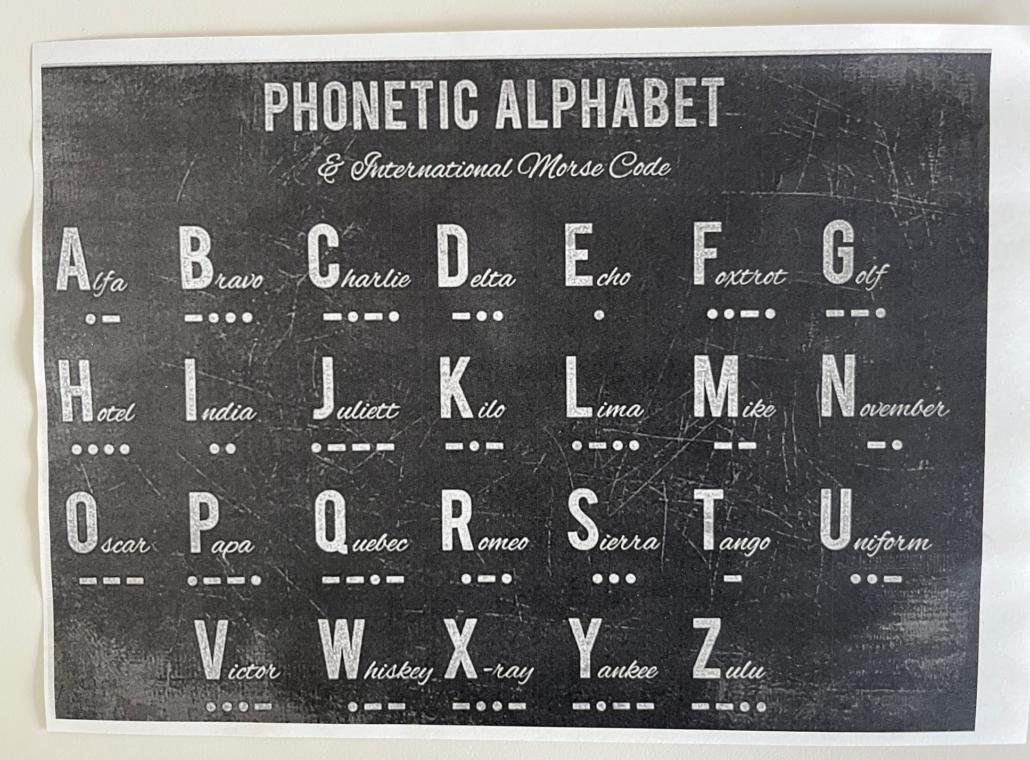
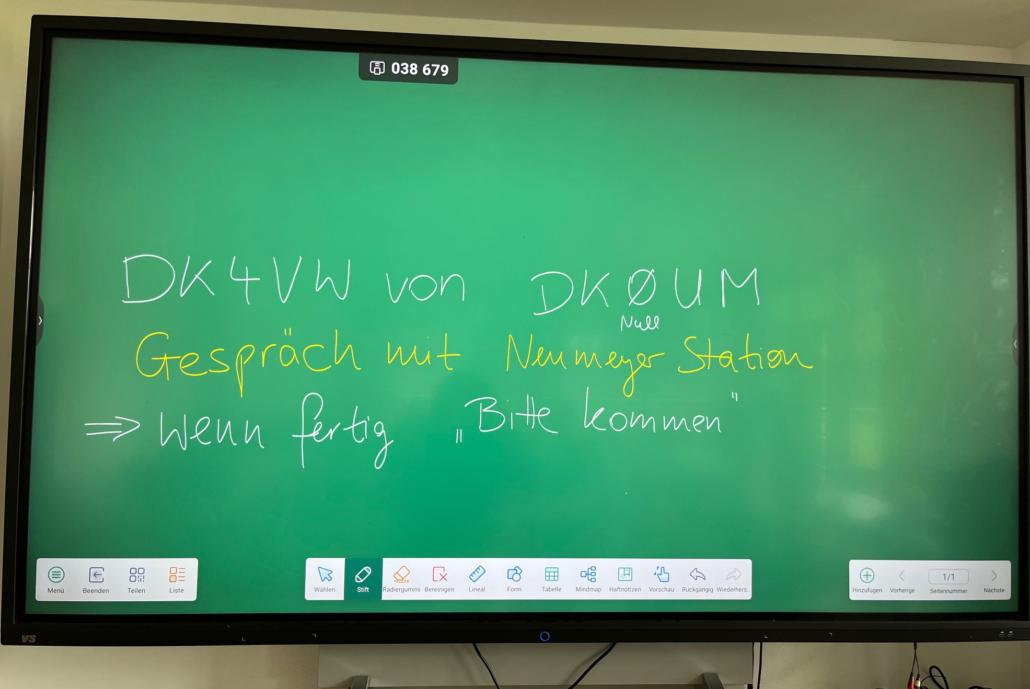
Under expert guidance, the task was to familiarize oneself with the radio alphabet, recite the call sign of the other station, and then state one’s own call sign. Each sentence had to end with “come,” which signals to the other party that you are finished. “Over and out” ends the conversation completely.


Research findings of global interest

To be able to hear the scientists’ answers to the questions posed by the Steinmühlen students, discipline and keeping one’s own voice down were helpful. Just imagine: Nine people are located about 12,000 kilometers away in the Southern Ocean, at a research station built on stilts. And beneath them lies 200 meters of ice. They are experts in various fields, such as meteorology, geophysics, climate research, and biology. Their tasks include Earth observation, radiation measurement, and climate research using data, temperatures, and time series. These are the issues of our time.


Many questions were on people’s minds

“Hello, Luna,” came the greeting back over the airwaves. When it became clear that radio contact was working, excitement mounted once again. There was a barrage of questions: what data is collected on glacier movements and ice thickness, how energy is generated at the station, whether there’s cell service on site, whether penguins are also being studied, where wastewater is discharged, and much more.


What is life like in isolation?

But the students also had personal questions for the team. “How are you coping with the isolation? How do you take care of yourselves? What do you eat? What do you do in your free time? And how do you stay warm?” Given the outside temperature of around minus 40 degrees Celsius, that’s a valid question. The team, which included a doctor, explained their daily routine, which each member could tailor within certain limits—“…with puzzles, on the rowing machine, or on the treadmill, for example.” No, there isn’t really a big Christmas spirit; much of it comes down to individual preferences. Fortunately, however, they’ve had internet for the past three years through the provider Starlink, which brings high-speed connectivity even to remote corners of the world—enabling not only communication but also the ability to watch the occasional video.


150 meters per year toward the ice edge

Returning to civilization after months of research can also be challenging. However, the projects, research, and findings make up for the very unique life at the research station, which must be raised regularly to prevent it from sinking into the ice. The station, operated by the Alfred Wegener Institute in Bremerhaven and which moves 150 meters closer to the ice edge every year, is currently located 10 kilometers away from it. The current team has been on site since November 2024 and will begin their journey home by plane—the same aircraft used to deliver supplies once a year—this coming December.


More opportunities than in Germany

When asked why someone would subject themselves to these unconventional working conditions for such a long time, there is one answer that researchers are likely to understand particularly well: “I simply have more opportunities here than in Germany.”


“One of the best experiences I’ve ever had”

For the students, this radio contact with the Neumayer III research station in the Southern Ocean was undoubtedly the highlight of the year. This was evident from comments such as “One of the best experiences I’ve ever had.” The project was organized under the leadership of Steinmühlen teachers Malte Klimczak and Dr. Eva Neumann. Kudos for this extraordinary “journey”! A very heartfelt thank you also goes to Frank Riedel and Marina Meixner from the German Amateur Radio Club. Your dedication was outstanding and indispensable. Angela Heinemann

The following link provides insights into the conversations between students at Steinmühle and the scientists at the Neumayer III research station:

https://cloud.steinmuehle.info/s/tS4zQq3qRzogNXj


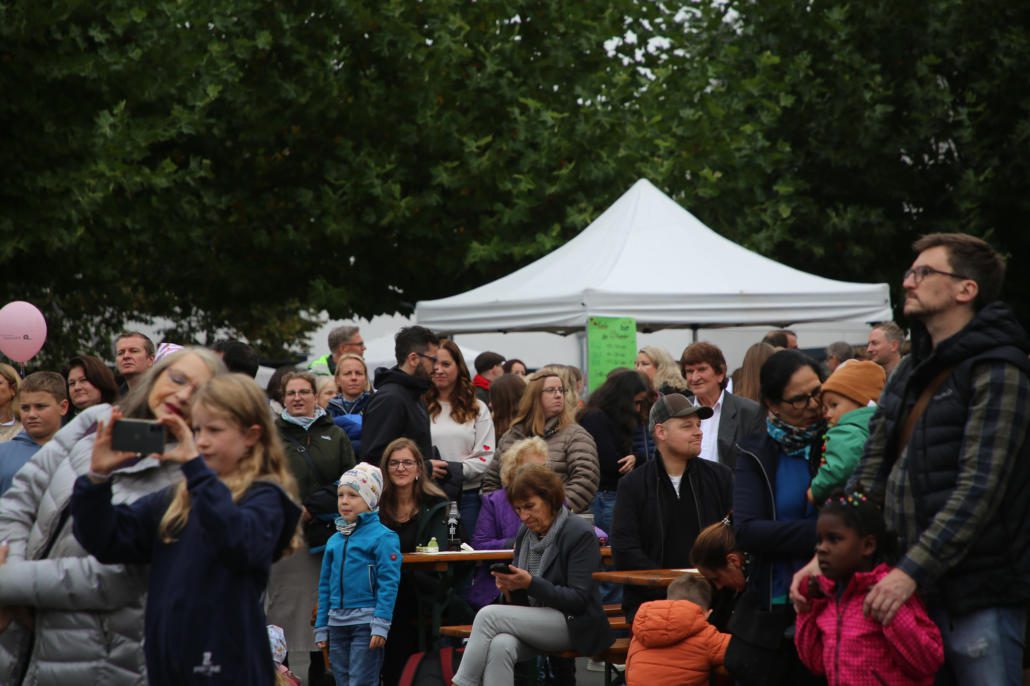
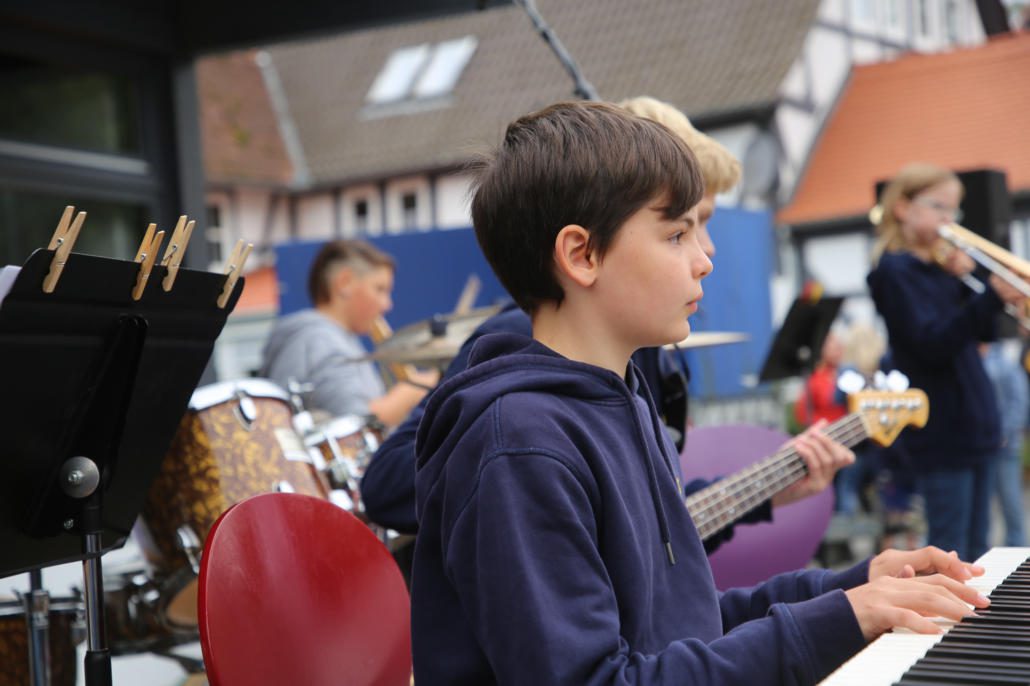
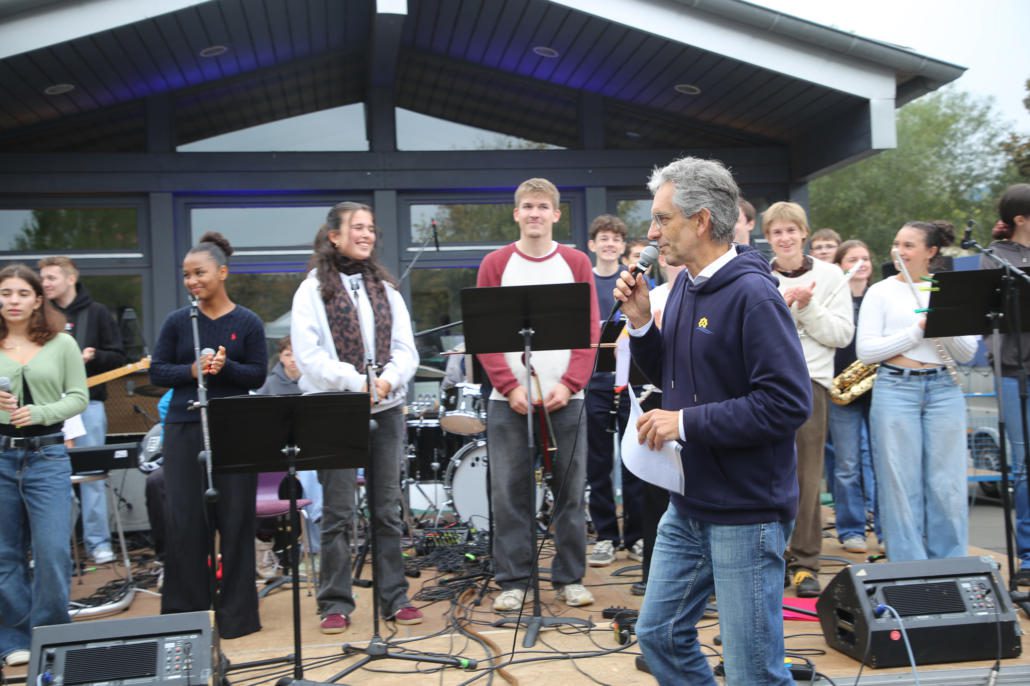
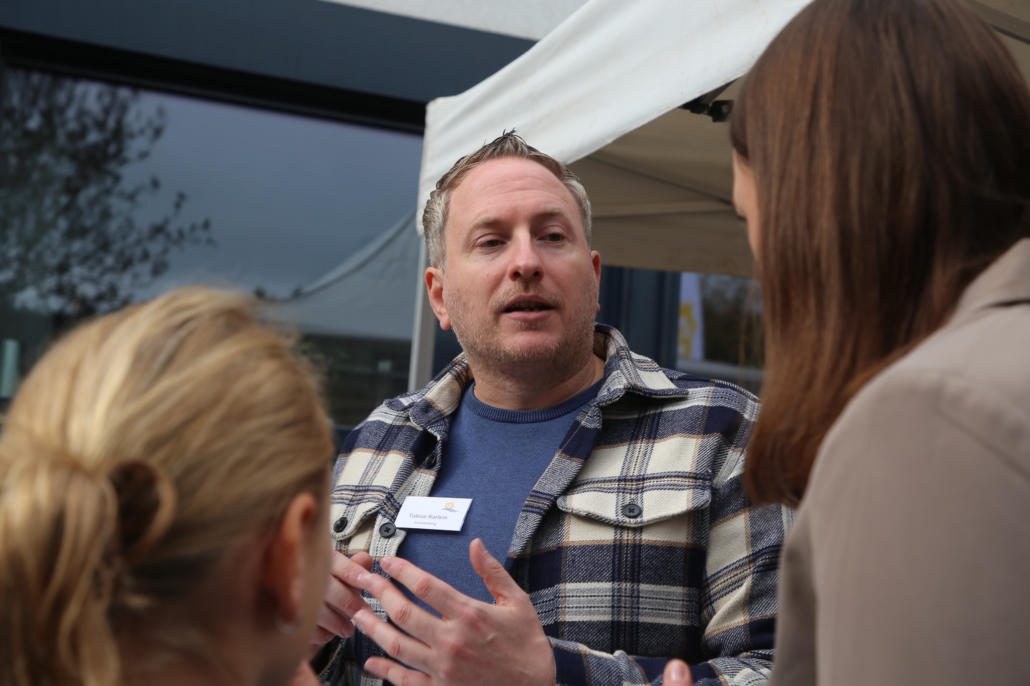
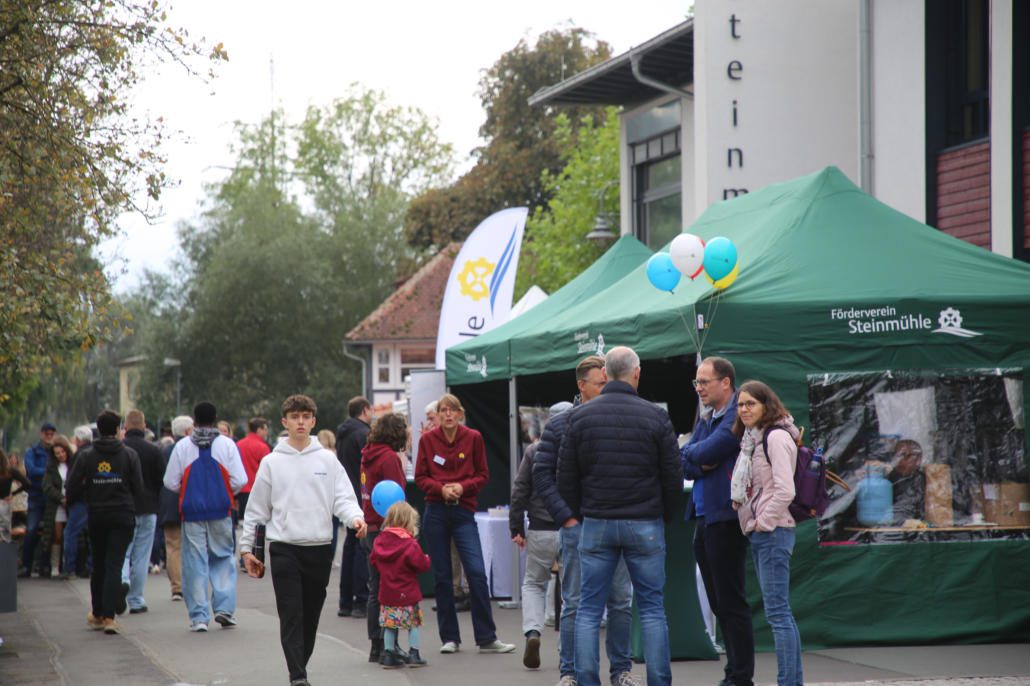
It wasn’t exactly a golden autumn day, but at least the weather held steady on the last Saturday in September, when Steinmühle celebrated its annual fall festival. The Steinmühle administration’s overall assessment of the event is positive: The festival brought people together who, in some cases, hadn’t seen each other in a long time—and alongside the fun, artistic, entertaining, and athletic presentations by the current classes, that was definitely the most important aspect of this “holiday.”


“The overall atmosphere was outstanding”

Principal Björn Gemmer: “It was a very peaceful celebration. The overall atmosphere that evening was outstanding. Graduating classes from 1975 to 2025 had fun together, sitting together in a convivial atmosphere, laughing and dancing. I met many parents with their adult children who were celebrating with each other or with friends. — The Steinmühle served as our common gathering place.”


“Another step toward mutual understanding”

Boarding School Director Anke Muszynski: “Our young people had a wonderful celebration. The goal of fostering a sense of community and growing through challenges is certainly still being fulfilled. Considering that the administrative merger of the boarding school and the school took place not too long ago, it was evident that, at least among the teaching staff, another step toward transparency and mutual understanding has been taken. I find that very heartening.”


Information About the Friends of the School Association

Steinmühle also uses the Fall Festival as an opportunity to share information about the school and boarding school. Members of the school administration are on hand to answer questions from visitors. At the same time, the Friends of Steinmühle, led by Chairwoman Jasmine Weidenbach, are available to anyone considering membership. What does the Friends Association fund, and where does it provide financial support? — The Autumn Festival provided the answers in person.

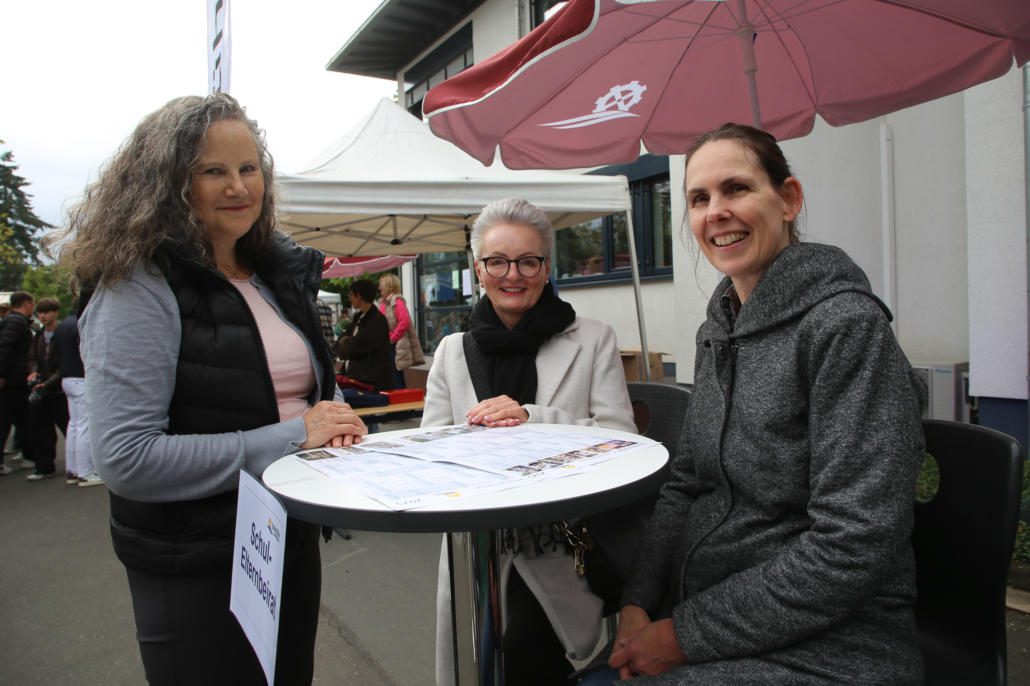
The same goes for the school parents’ council. There, Chairwoman Bianca Zenker and her team shared a bit of information with everyone.


The boarding school and the school shared responsibilities

Whether it’s interactions among alumni, activities organized by current classes, the presence of parents and siblings, the desire for information, or the extensive food and beverage offerings—with the impressive four-digit number of visitors, excellent organization is essential. This responsibility lies largely with the boarding school, but the school also played a significant role in many areas.


Amazing: Parents pitched in

Many people and countless helping hands volunteered their time to prepare for the fall festival. The parents also pitched in—a fact that cannot be praised highly enough, given the positive outcome.


Take another look at the beverage concept

There’s no denying that the organization can be challenging in some respects. However, that’s not because it’s fundamentally impossible to manage.
Dirk Konnertz: “The Fall Festival is an event where several generations come together to celebrate, including minors. “The food and beverage aspect needs to be well thought out,” says the managing director of Schule & Internat Steinmühle. He does not rule out the possibility that the concept may be adjusted slightly over the years to address this aspect.

This aspect should not be overlooked, but it is by no means the most important one: “The Steinmühle has shown itself to be a professional, cosmopolitan, and cheerful community, and we are delighted about that.”

Angela Heinemann

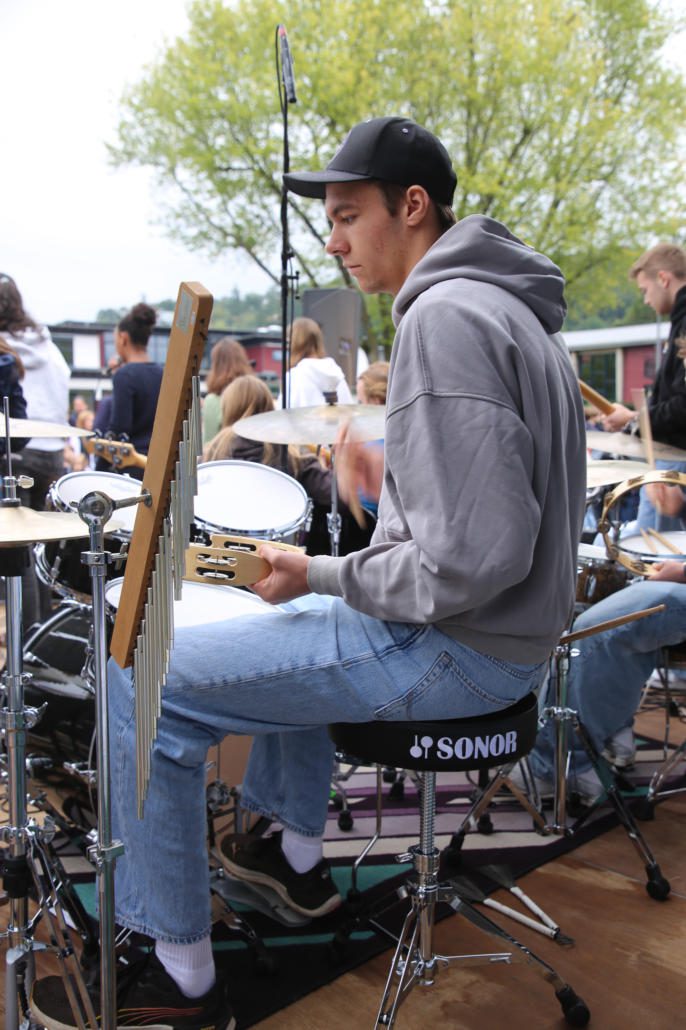
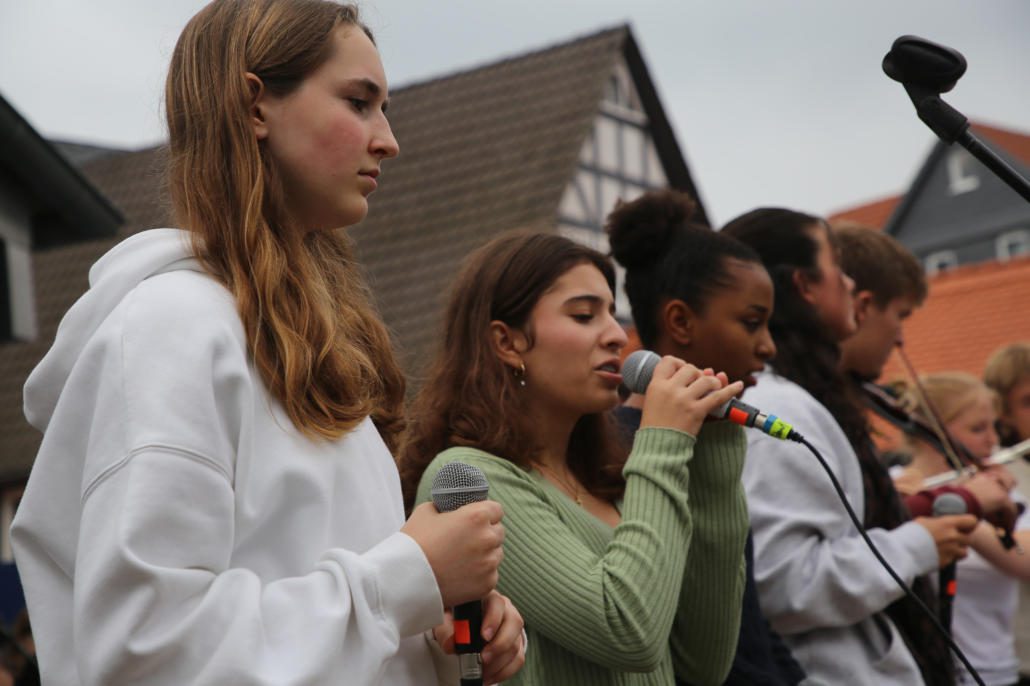
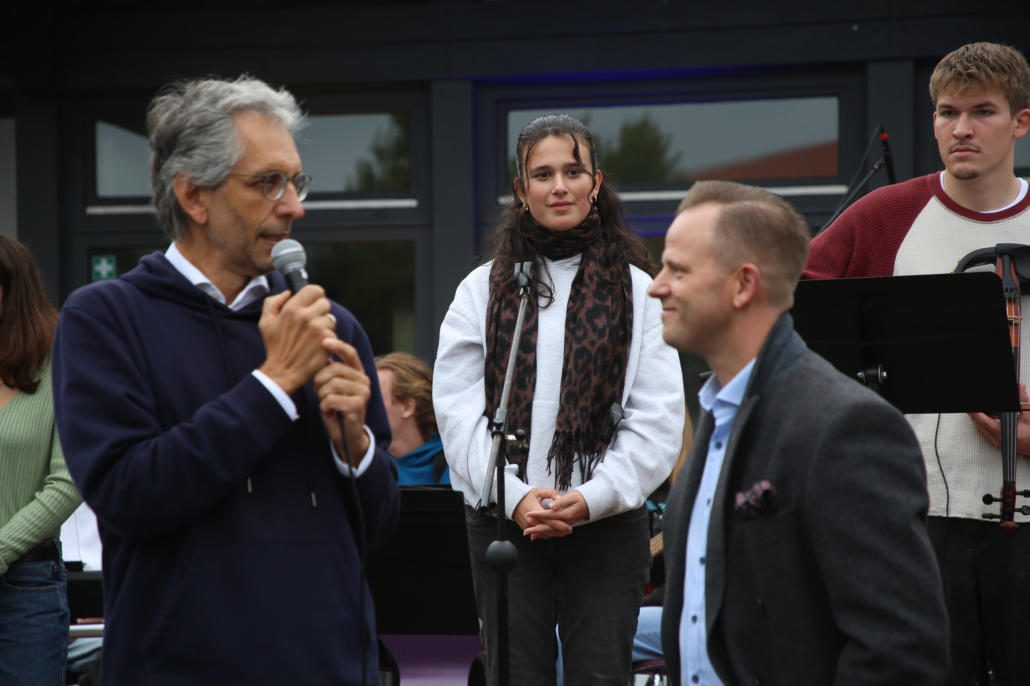
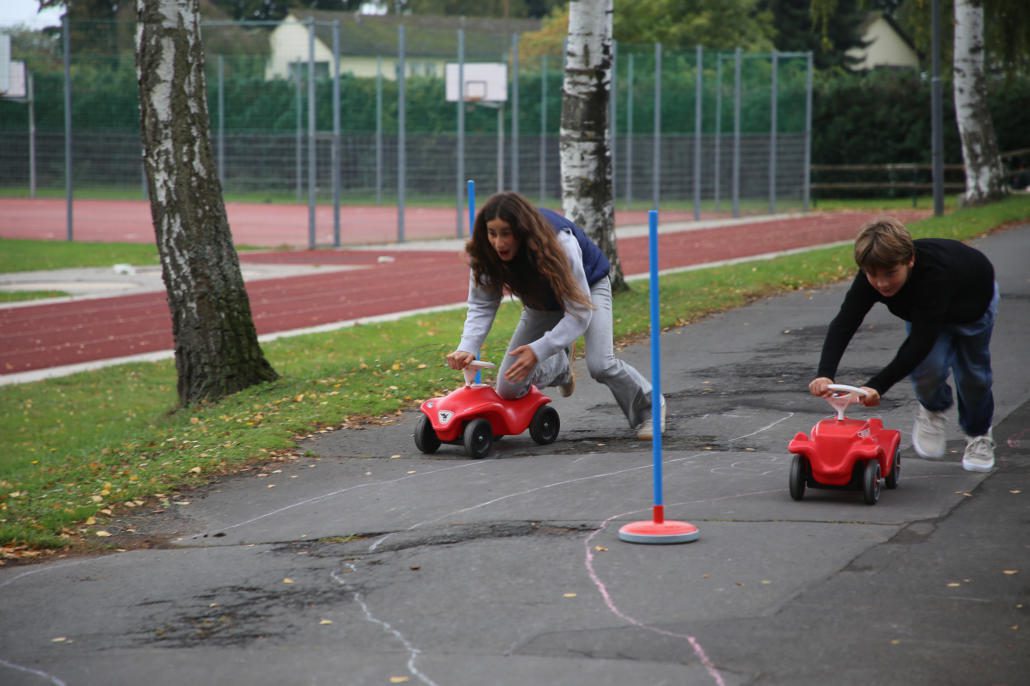
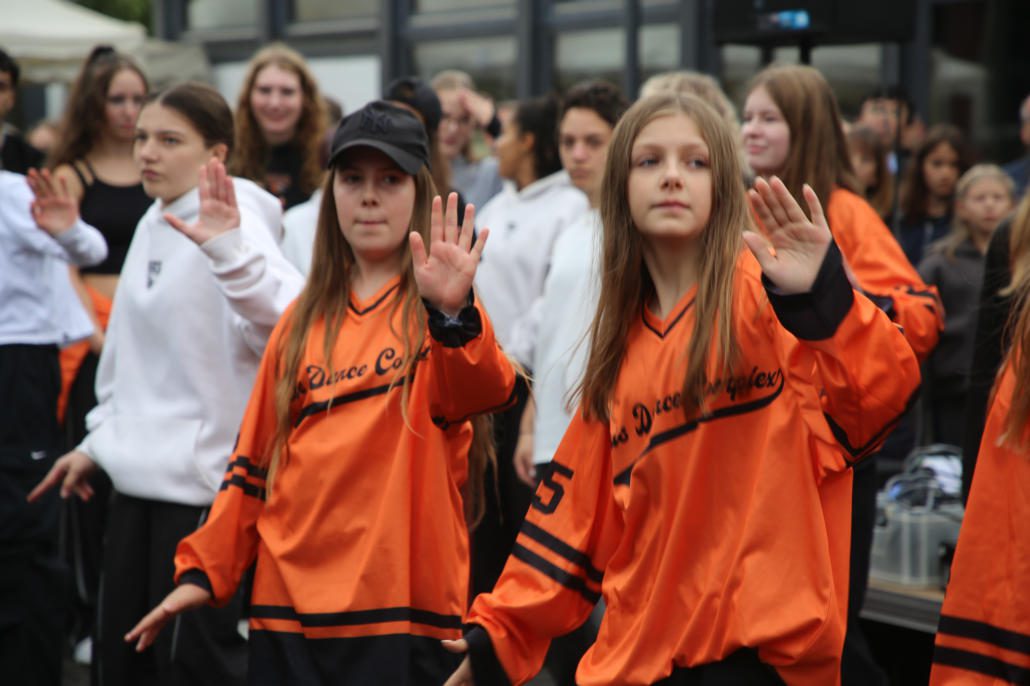
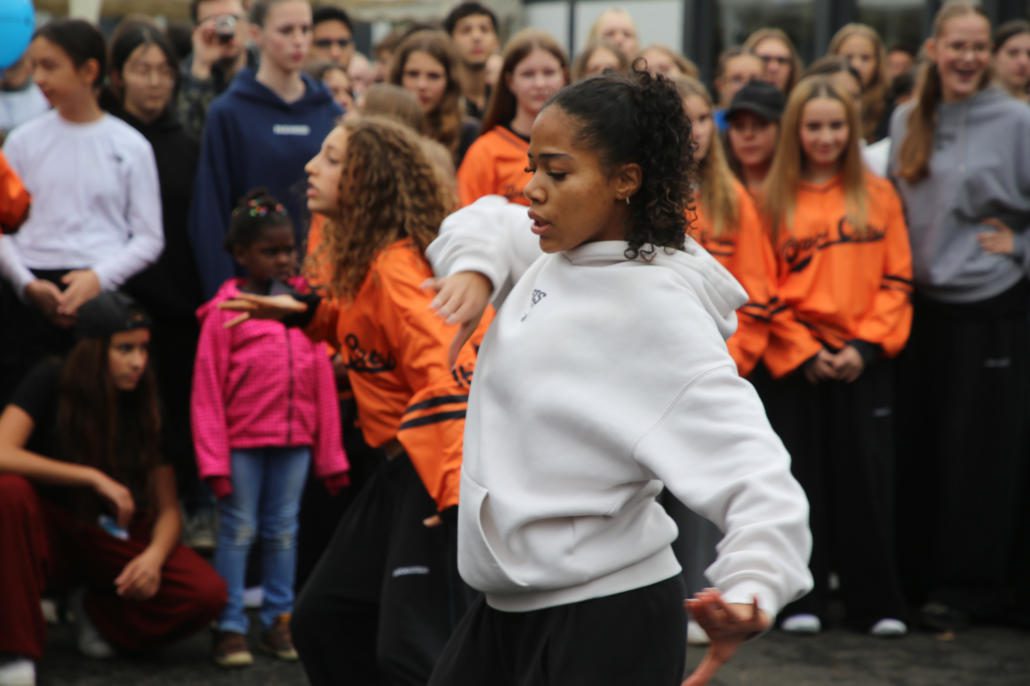
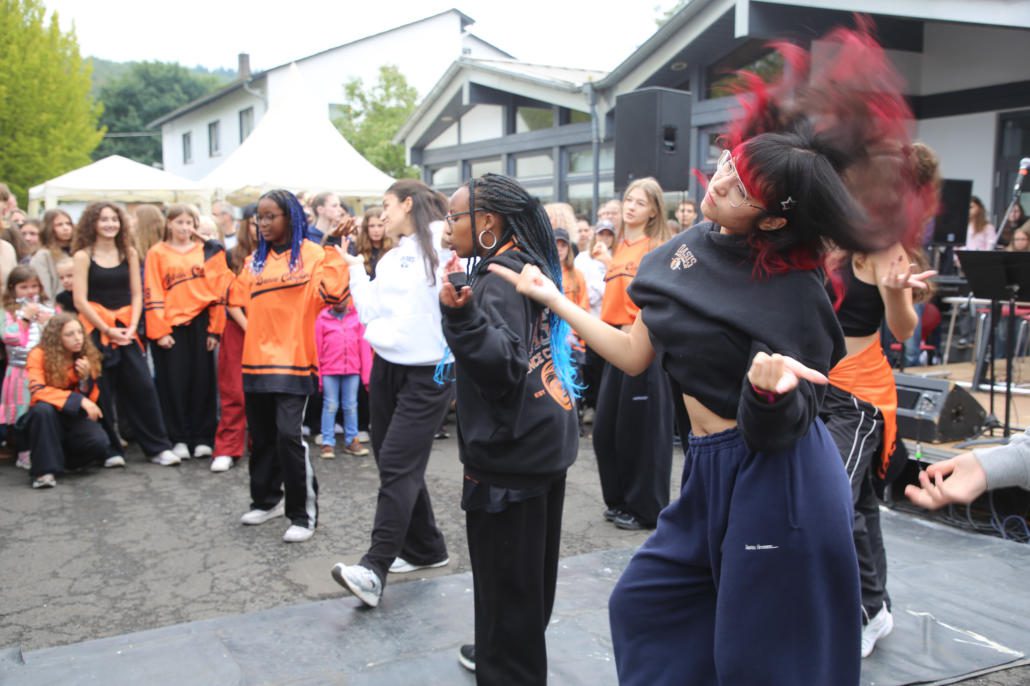
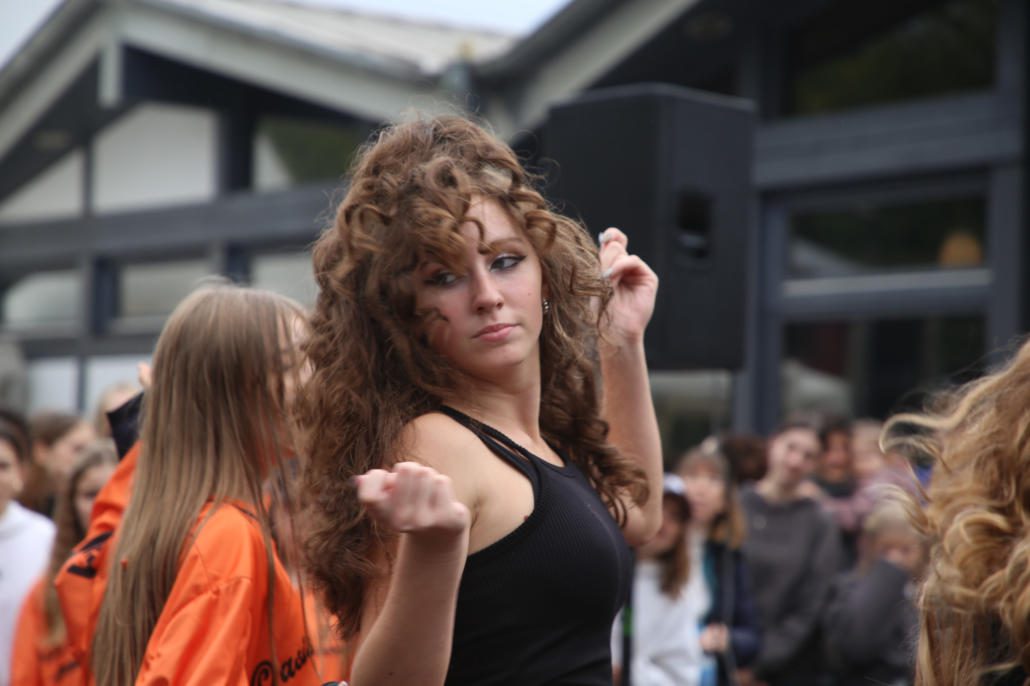
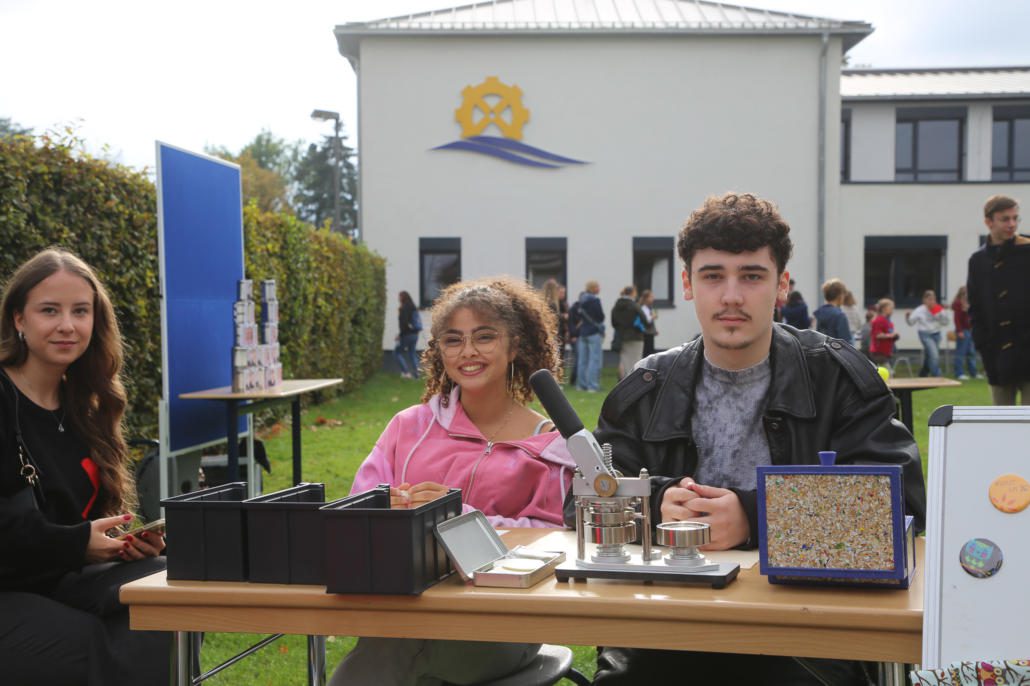
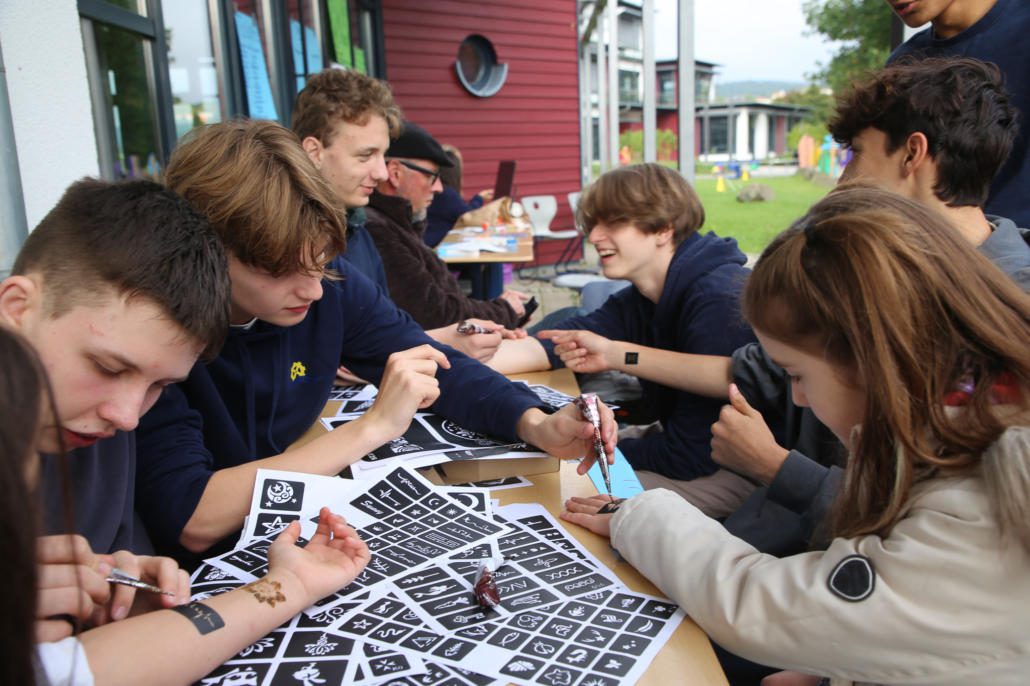
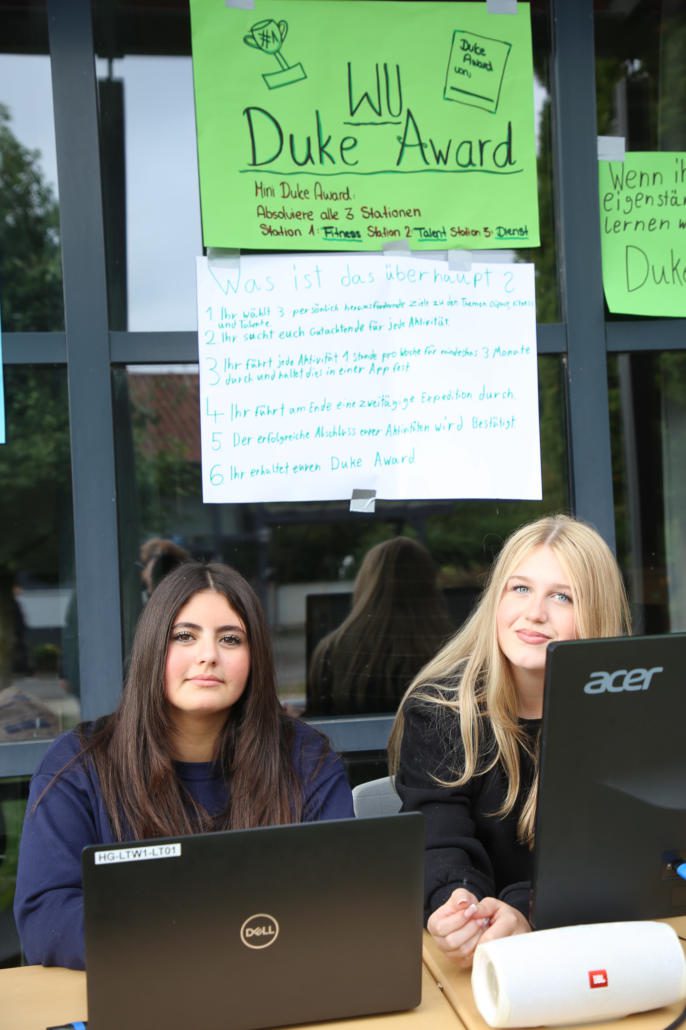
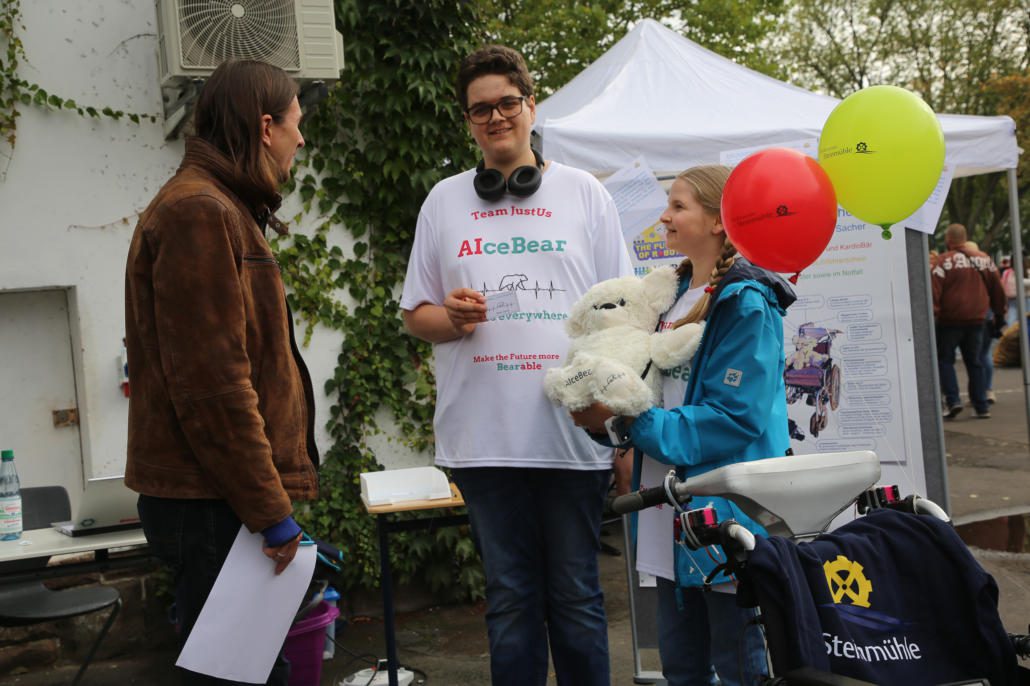
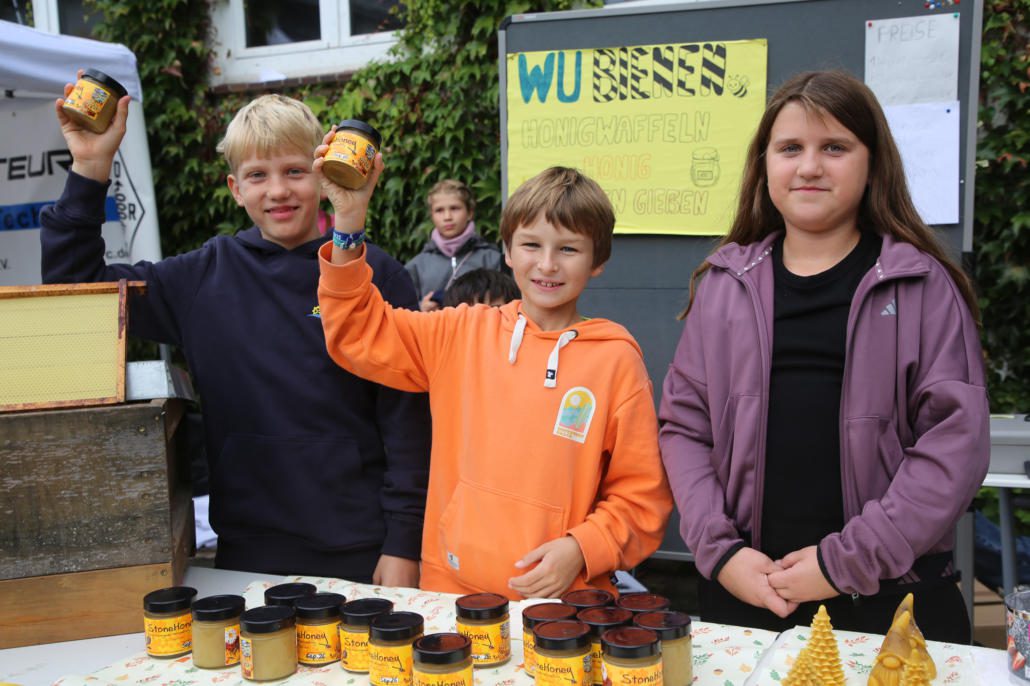
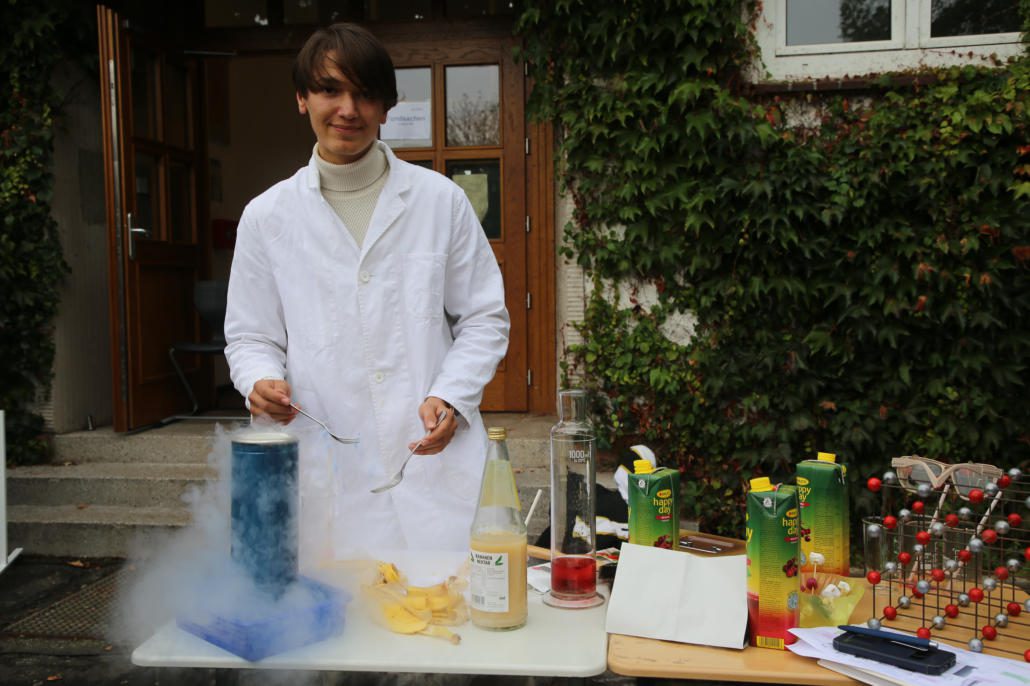
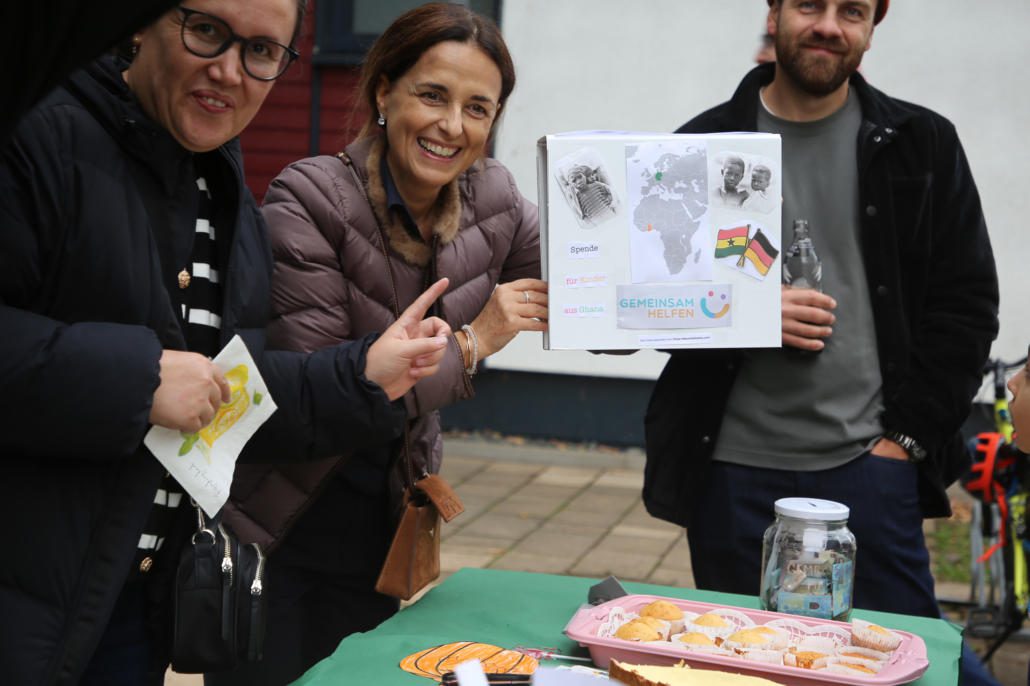
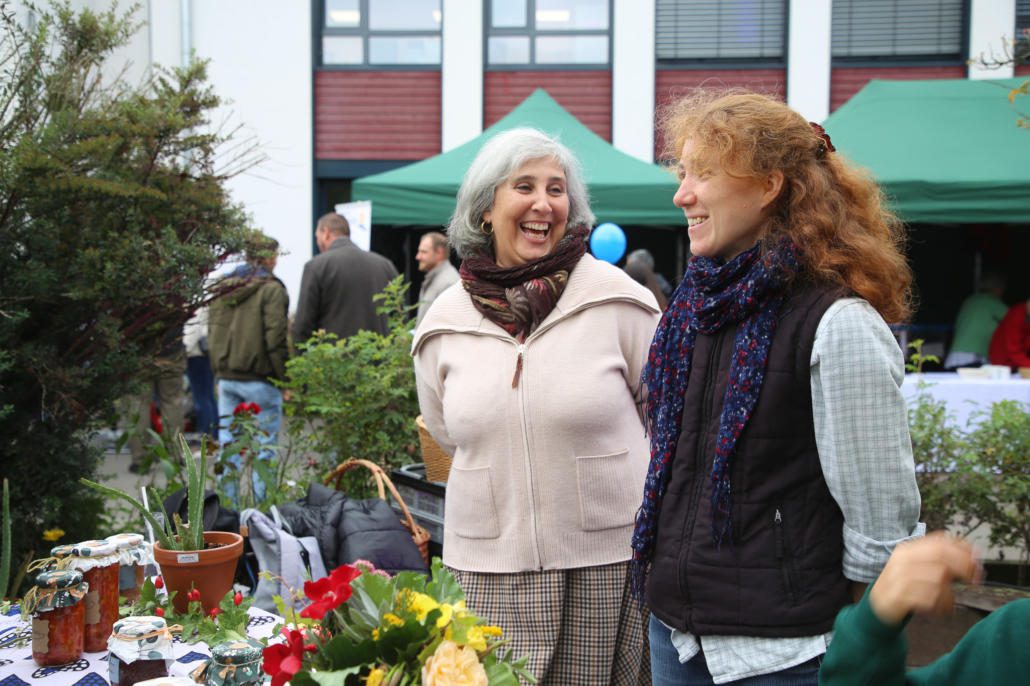
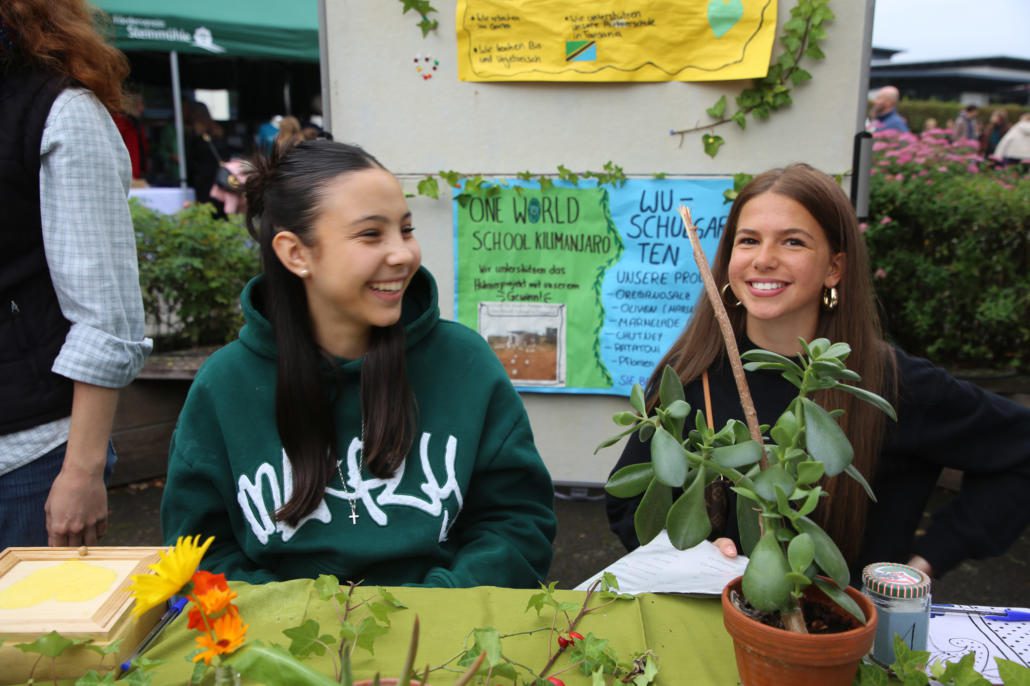
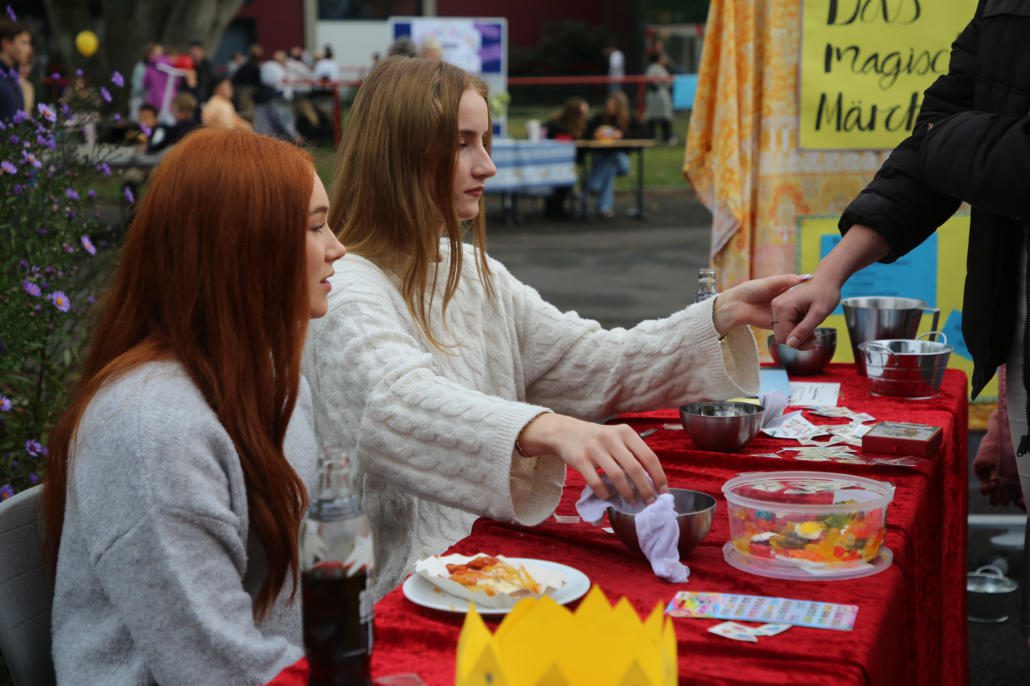
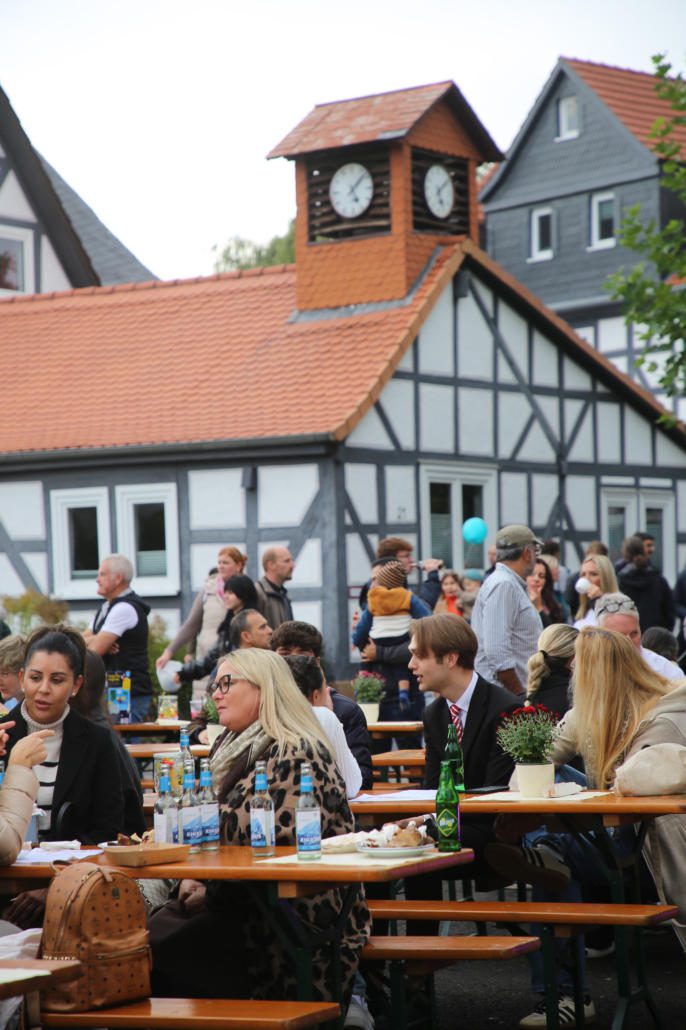
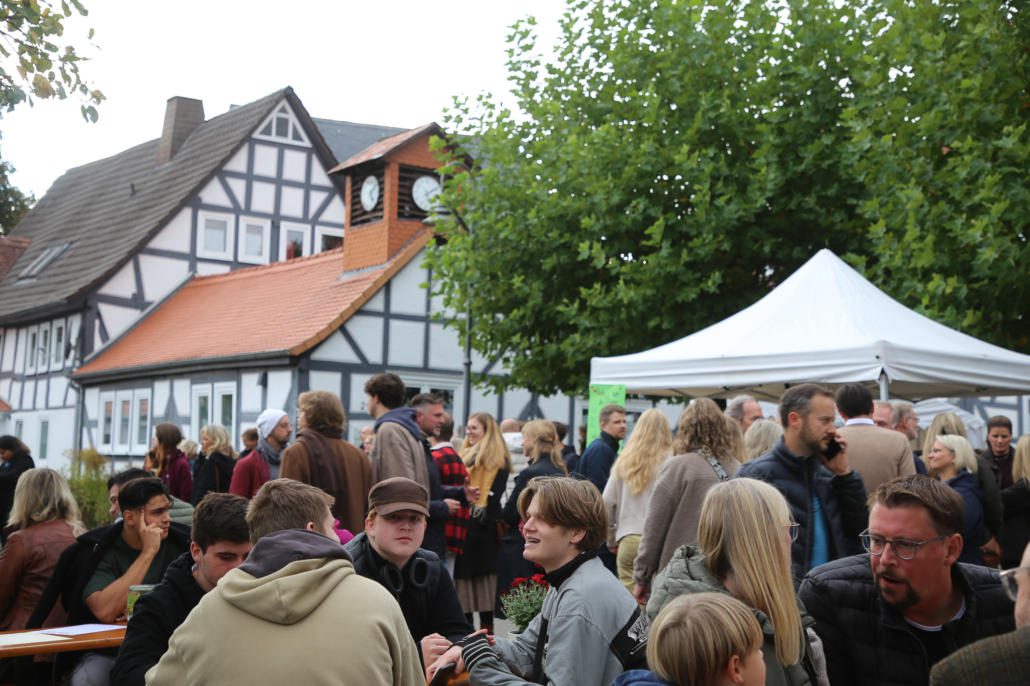
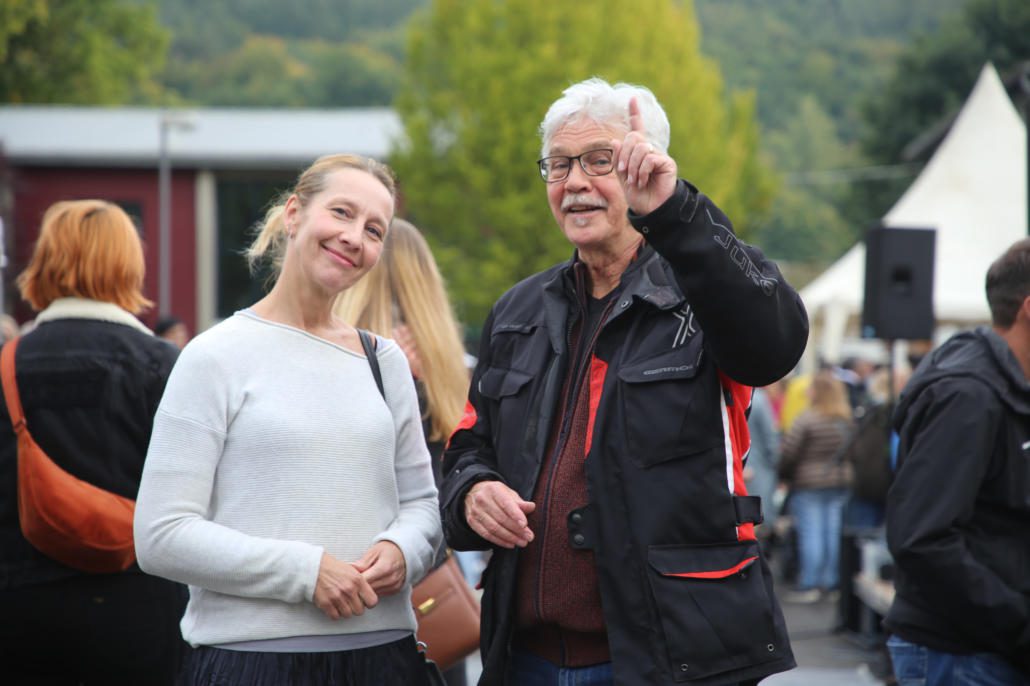
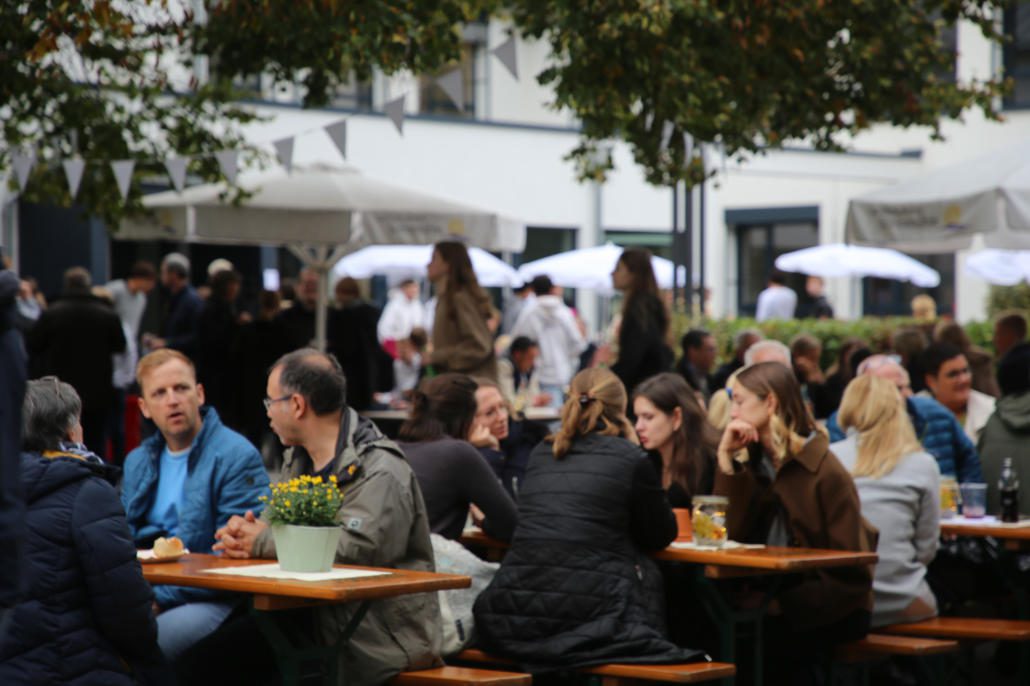
For those who couldn’t make it to the Steinmühle Fall Festival or didn’t get to visit all the booths, here are a few photos to give you a glimpse of the event:

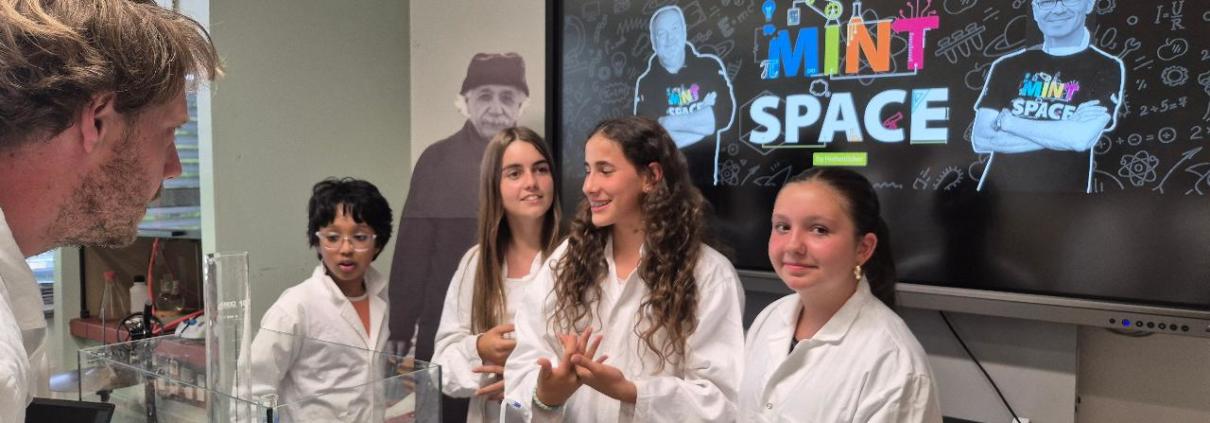
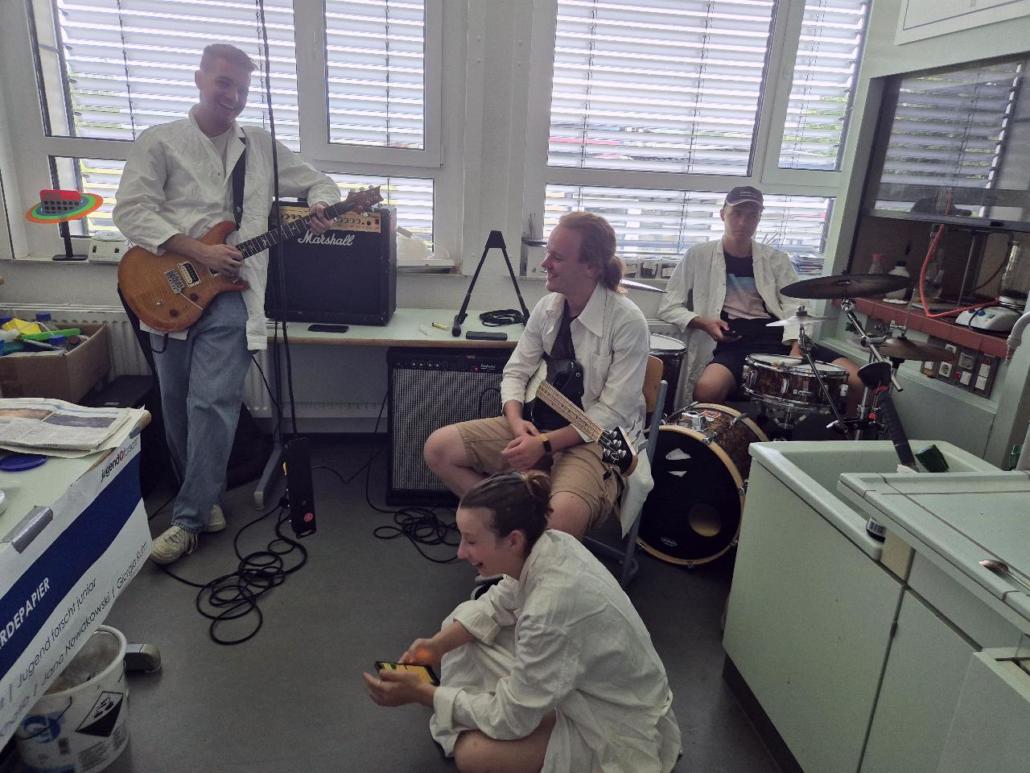
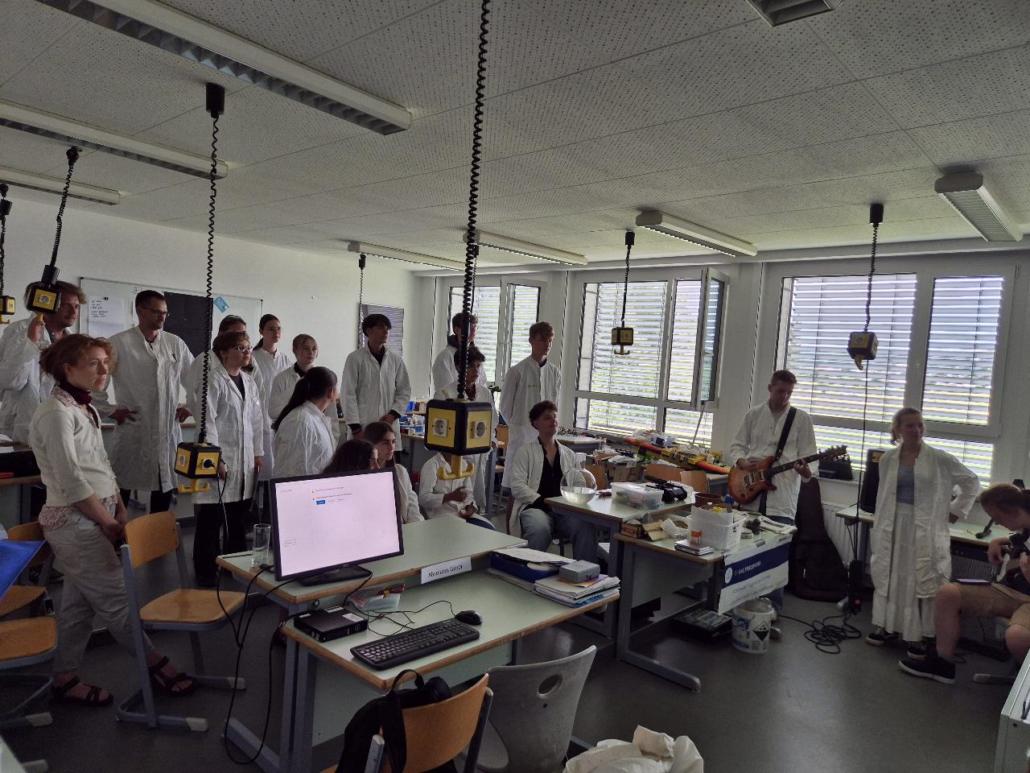
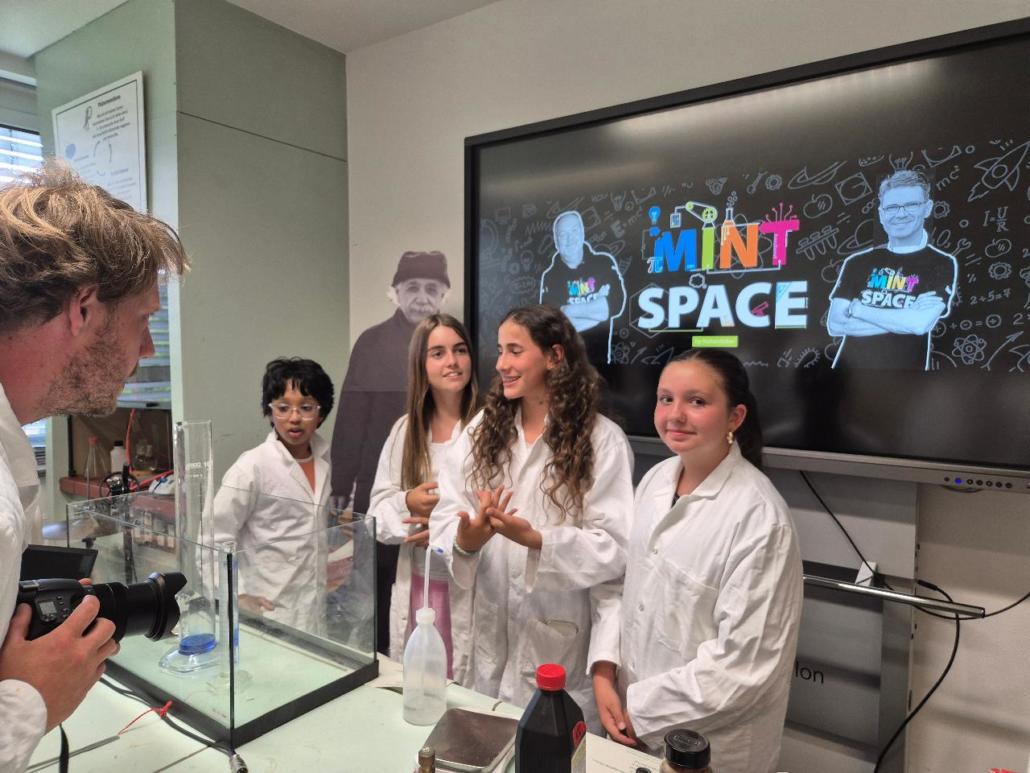
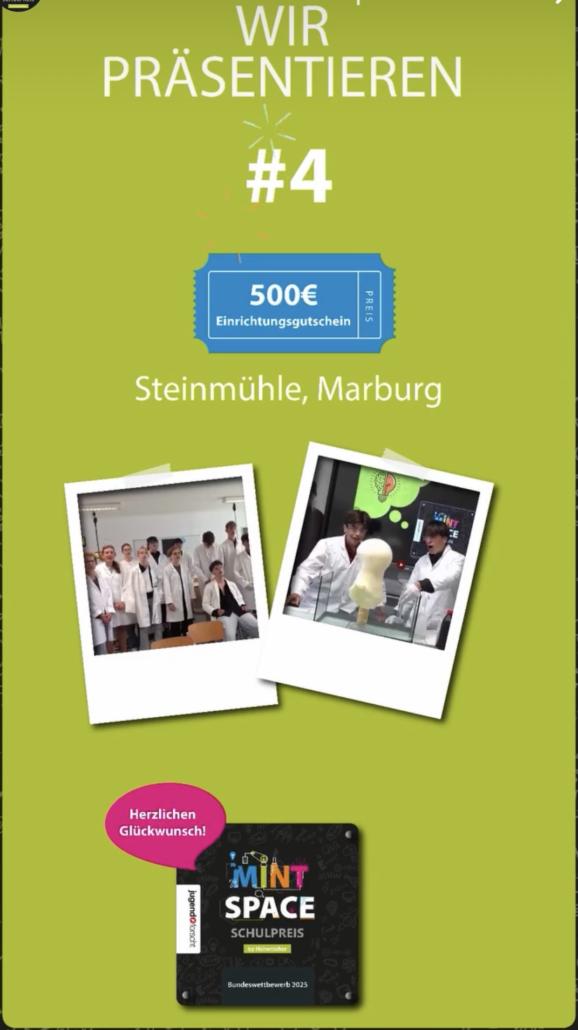
With a video they produced themselves, the Steinmühle STEM team secured third place among numerous competing schools in the competition for the MINT SPACE School Award from the Hohenloher Academy’s School Facilities Division. The prize included a €500 furnishing voucher and a great deal of fun making the video, which centered on the desire for further improved conditions for our highly successful “MINTies” and dedicated STEM teachers.

Of course, you showed total dedication in this competition as well, did a great job, and even showed a lot of humor! Great job!


Lyrics
We don’t need any boring classrooms
We want spaces that are bright and free
No broken tables in the stonemill
MINT-space is the place to be

Chorus
Hey, teacher, let the kids explore! (Shout)
All in all, it’s just another lab in the hall
All in all, we’re just another lab in the hall
A future lab so well designed,
A place for every genius mind,
Modern, open, bright, and smart,
Where innovations truly start.

Chorus
, Hey, teacher, let the kids explore! (Shout)
, All in all, it’s just another lab in the hall
, All in all, we’re just another lab in the hall
, Hohenloher, hear the call,
, Let’s build the greatest lab of all!
We are ready and full of heart—
Please help us make this vision a reality!

Chorus
, please—help us make this vision a reality! (Shout)
All in all, we’re just another lab in the hall.
All in all, we’re building
A brilliant lab for us all.

Many students and teachers from Steinmühle – Schule & Internat were involved in the video project. Specifically, they were:

Storyboard and Lyrics
, Anna-Lena Griesler, Lisa Schreier, Dr. Jutta Töhl-Borsdorf

Band
“Larry and the Loud Tree Frogs” (Constantin Franz on guitar, Bent Deidl on bass,
Jaron Häußermann on drums, Juliana Stry on vocals)

choir
Students from the Steinmühle laboratory. Directed by Daniel Sans

Technical Support
, Jonathan Kurz

Editing
, Anna-Lena Griesler


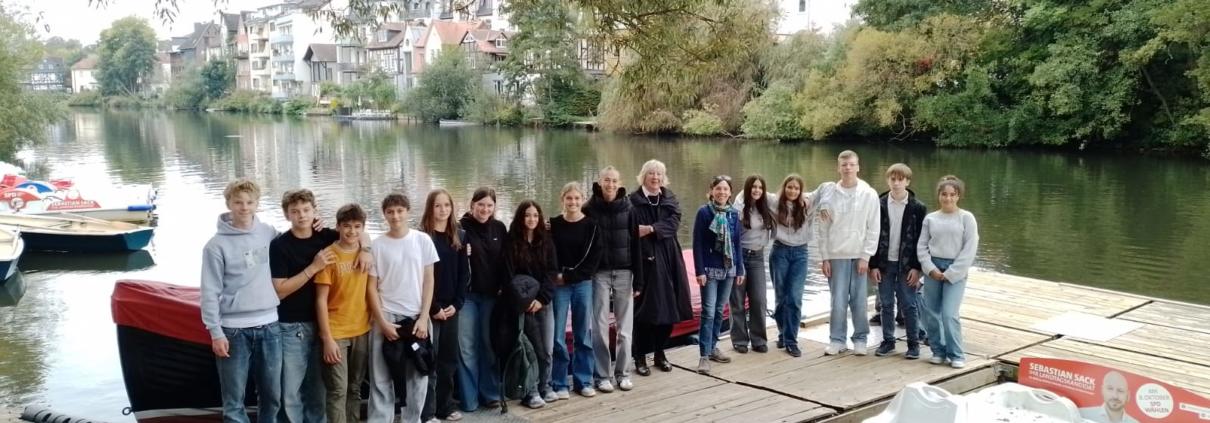
In September, the 9th-grade class hosted a group of students from Châlons-en-Champagne for a week, reports subject teacher Ulrike Wilmsmeyer. The French students were warmly welcomed by the German host families of our 9th-grade students and spent a week exploring Steinmühle and Marburg.

Everyone had a lot of fun spending a day in Marburg going on a pedal boat ride. We also took our photo with our French teacher, Sigrid Stechmann, on the banks of the Lahn.

The return visit by the Steinmühlen students to France is scheduled for early May 2026.

Our second photo shows the group saying goodbye at Marburg Central Station.


An exhibition is on display in the main building of the Steinmühle through mid-November, highlighting key global challenges and their social, environmental, and legal dimensions.

Among other things, it involves:

• Land Grabbing as a Criminal Offense: The Illegal Appropriation of Land and Its Impact on Local Communities.


• Monoculture: How industrial agriculture is displacing the traditional ways of life of indigenous peoples, as exemplified by the Bender people.


• Fossil Fuels: Global energy demand has doubled, yet 80 % of it still comes from fossil fuels. New record highs are being set every year.


• Legal proceedings against oil companies: Shell plans to withdraw from Nigeria following public protests against oil spills. This raises questions of responsibility and justice.


• Global water crisis: Despite a growing world population, water is becoming increasingly scarce. 2.2 billion people lack reliable access to clean drinking water. A large portion of indirect water consumption occurs in poorer countries, often at the expense of the local population.


• Land use for paper: Germany consumes 230 kg of paper per capita (2023), with 20 percent of its pulp coming from Brazil. The Pataxó Indigenous people are losing their land to pulp cultivation and face repression when they protest.

Ines Vielhaben, a teacher at Steinmühle and the ESD coordinator, borrowed the roll-ups—which can also be incorporated into lessons—from the Motives e.V. association.