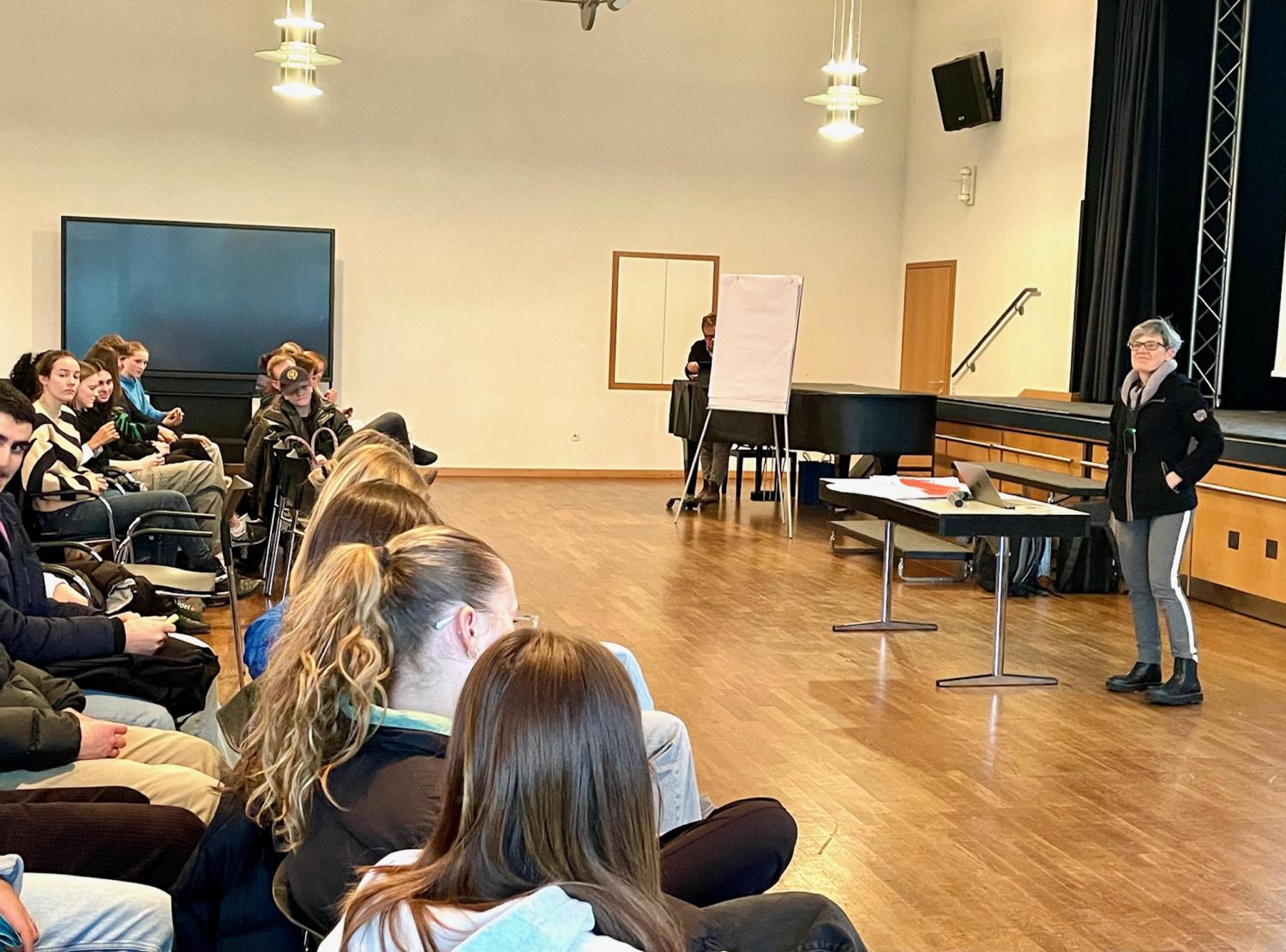
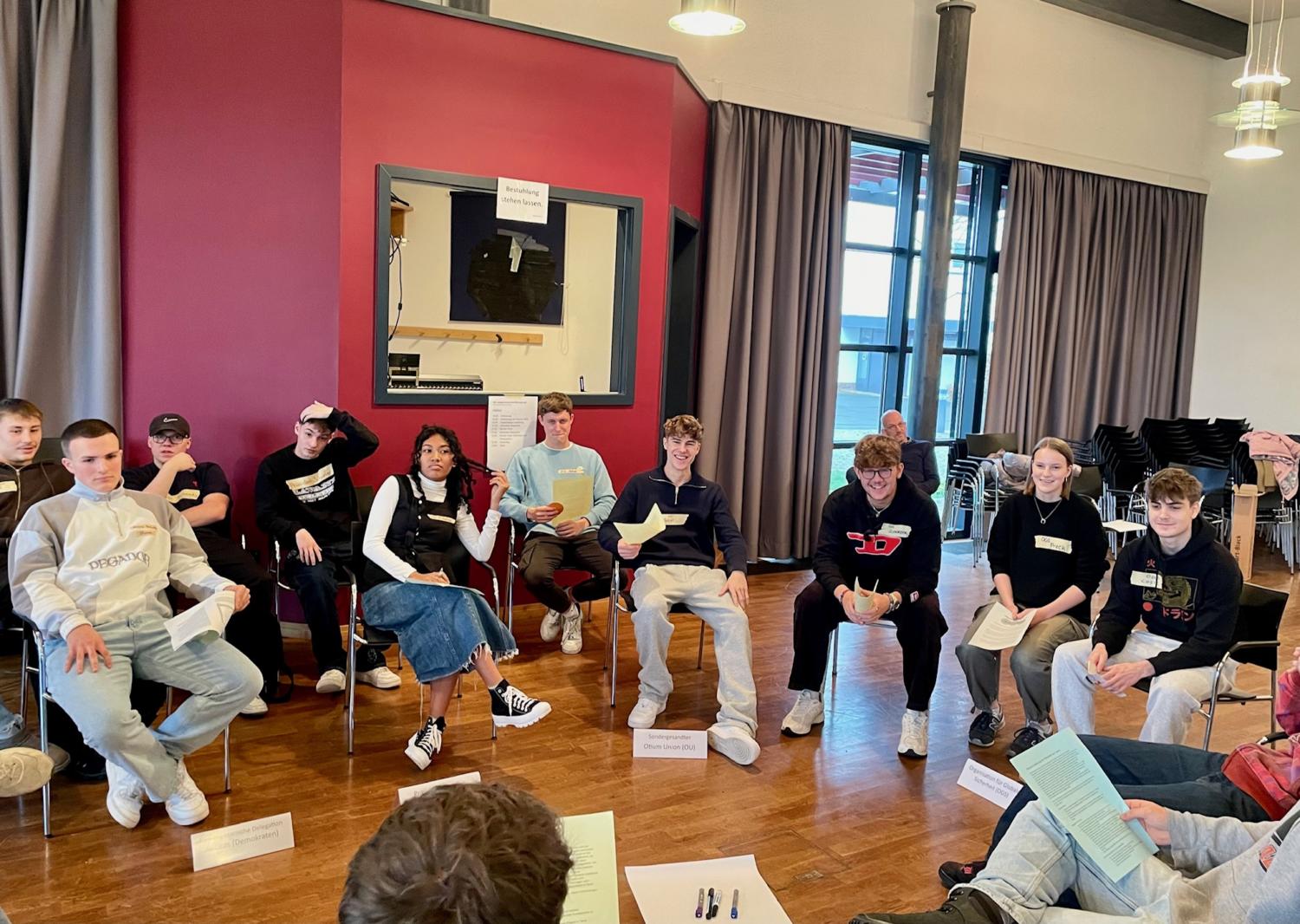
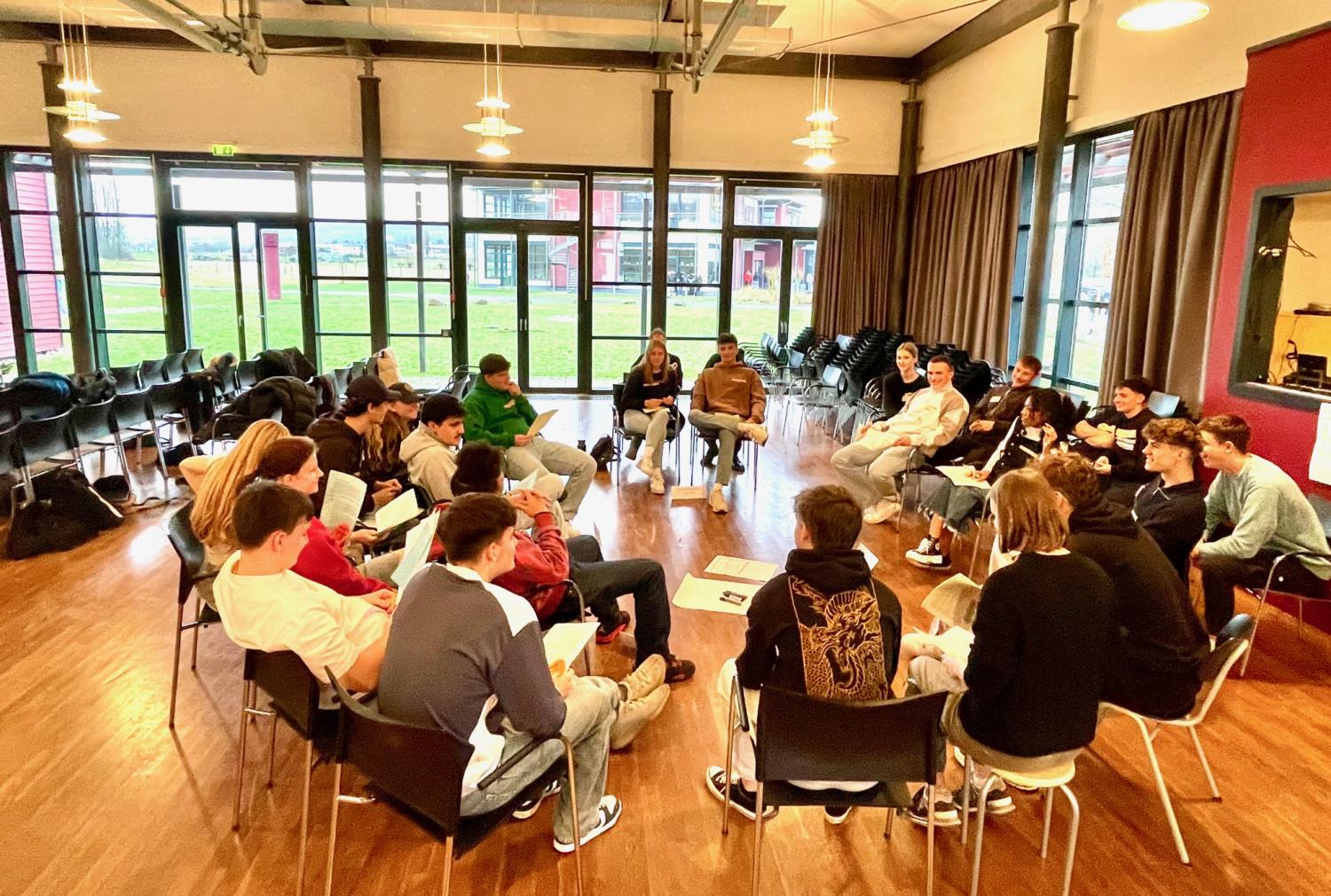
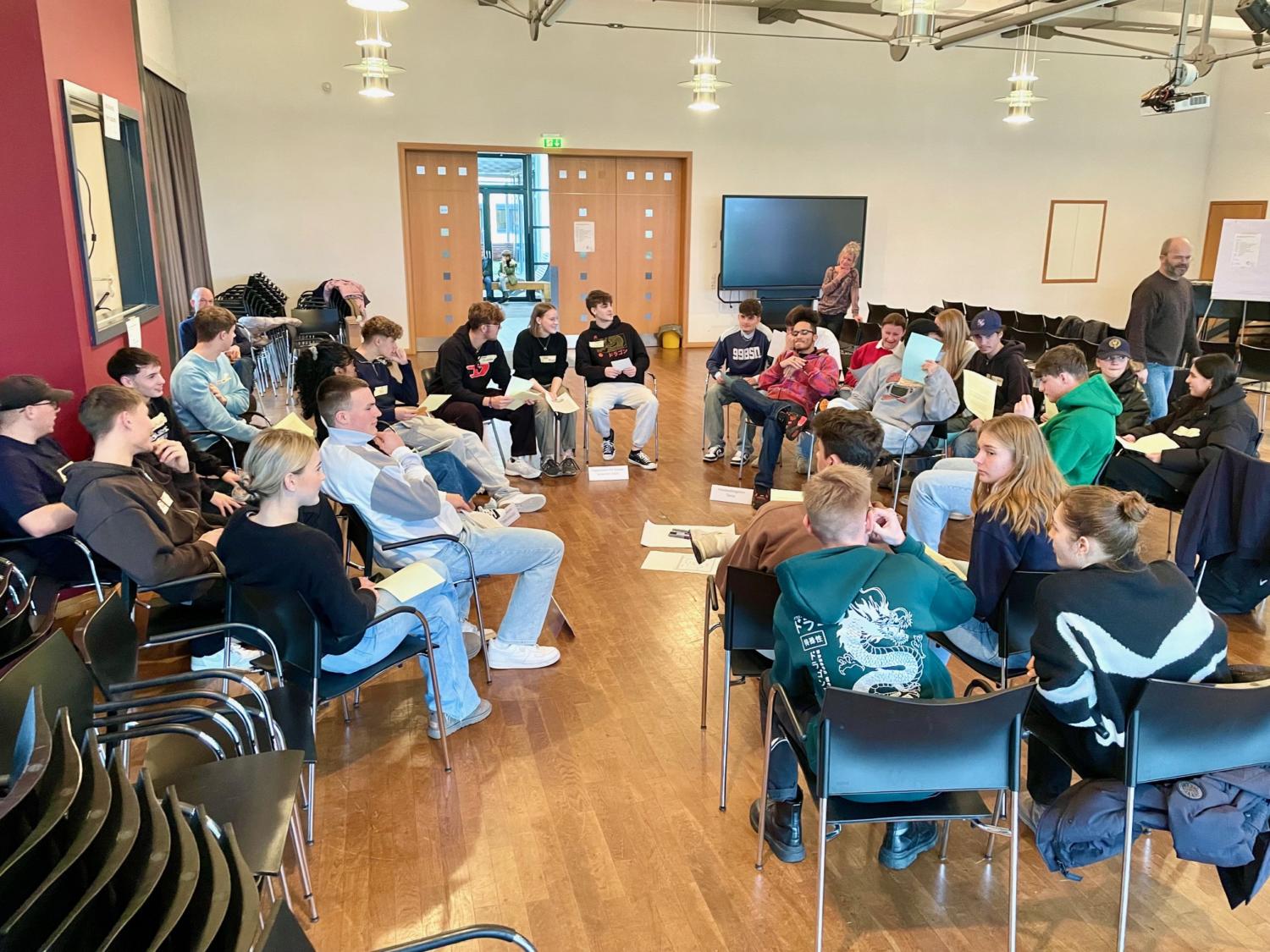
Regularly reevaluating our own approach and constantly evolving: The Steinmühle is a school that never stops learning—and not just on paper. The school’s internal teacher training days were used to visit other schools in Germany that employ various modern approaches: to see how things can be done differently, to gather ideas, and to gain new perspectives. The field trips taken by the four groups of teachers led them to the Sächsisches Landesgymnasium Sankt Afra in Meissen, the Alemannenschule in Wutöschingen, Baden-Württemberg, the Anne Frank School in Bargteheide near Hamburg, and the Ratsgymnasium in Minden.
St. Afra: Deepen Your Interest with Addita
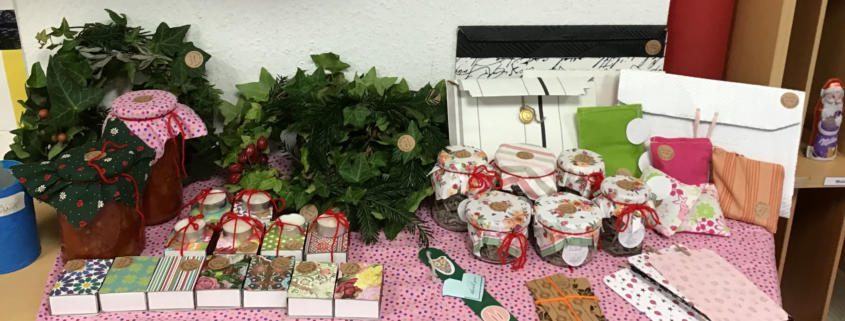
St. Afra’s philosophy is to consistently focus on the students’ strengths. Students are given the freedom to develop their personalities and are trained to take on responsibility. Mentoring in the boarding school and high school, along with building relationships, forms the foundation for everything. At St. Afra, a boarding school for gifted students, children also practice crafts, and teachers introduce them to various hobby activities. Through so-called “Addita,” students can explore their own interests—beyond the core curriculum—in greater depth. “We need more accountability,” is the credo of the school administration, which fosters a school atmosphere of total focus on the subject matter. In “learning tandems,” high-achieving and average students work together in chemistry class—an approach that has proven effective.
Alemannenschule Wutöschingen: Grading System for Social Behavior
At the Alemannenschule in Wutöschingen, the school’s mission statement is put into practice: decency, respect, and personal responsibility. Here, teachers are called “learning guides,” and students are “learning partners.” Everyone sits together in the same room, and everyone is working. The atmosphere is quiet, with only whispers. The staff members are always present; there are hardly any places to retreat to. Every week, students reflect on their personal plans with their own coach. Clear rules are a cornerstone of the Alemannenschule’s approach. Everything is extremely clean and well-maintained; meals are eaten only in the dining hall, not elsewhere in the building. No one uses cell phones—neither middle schoolers nor high schoolers. “Learning through experience” is a guiding principle. Experts who are not teachers help the children and teenagers experience real life. There is a grading system for social behavior that allows students to earn greater freedoms.
Anne Frank School in Bargteheide: No Grades for Grades 5–7
Every class in grades 5–9 at the Anne Frank School in Bargteheide has two co-teachers with equal responsibility. At this inclusive comprehensive school, only part of the class works with tablets at any given time; the students share the devices. In grades 5–7, report cards with grades are not used. Instead, there are portfolios and a portfolio review that highlights each student’s strengths—further emphasized by a corresponding certificate at the end of the school year. A consistent reduction of 5 minutes in each class period creates free time during which students can explore their personal interests in extracurricular clubs or elective courses. A high degree of mindfulness fosters a very personal atmosphere at the school, which has adopted the motto “Connection before Education.”
Ratsgymnasium Minden: “Deeper Learning” in Practice
The Ratsgymnasium in Minden is committed to an open approach to learning. Using the so-called “Deeper Learning” concept, the school has set out to have students first master the fundamentals in selected lessons, and then apply that knowledge as practical skills through authentic and relevant tasks. These tasks are then intended—on a large or small scale—to have an impact on the school community, if possible, in the form of a relevant outcome or product. For the Ratsgymnasium, a school with a strong cultural focus, such tasks often arise from various performance formats, such as concerts or theater productions. However, they can also take the form of explanatory videos, a school scavenger hunt, or other formats that are personally meaningful to the students and develop from their own ideas. The school works in close cooperation with external partners not only for these performances. In addition to theater and concert venues, these have included, for example, professional craftsmen with whom students built the school’s outdoor seating themselves.
Innovative public schools provided impetus
In any case, the visits to the four schools have shown that a reformed and innovatively designed school day is not the exclusive domain of independent schools: All four of the schools visited are public, and they are located in different federal states.
Steinmühle has, in fact, found that it can learn from innovative public schools. “But that doesn’t mean Steinmühle is now turning its concept upside down,” the school administration team summarized. During the discussion of what they had heard, the Steinmühle faculty compiled several ideas and guiding principles that had been noted, in order to reflect on them and assess whether and to what extent they could be incorporated into the school’s daily routine and the Steinmühle’s educational philosophy.
The following to-dos, lines of thought, and statements (selection) were listed, among others:
- Connecting the school with the local community, bringing students together with (external) people, opening the school to people from outside the community
- Freedom is causally linked to obligations
- Emphasize social behavior, solidarity, and compassion
- School as a Social Space
- Slipper Culture: A Whole New Level of Quality of Life
- Taking a Closer Look at Grades for Younger Students
- Companies are interested in young people who follow (their own) guidelines
- We should take a look at what we already have and incorporate new elements into a well-rounded overall plan
- Strengths-Based Approach
- As teachers, we must take the rules seriously ourselves and serve as role models
- Examining the mentoring system and the two-teacher system
- Highlighting “Fundamentum” and “Additum”
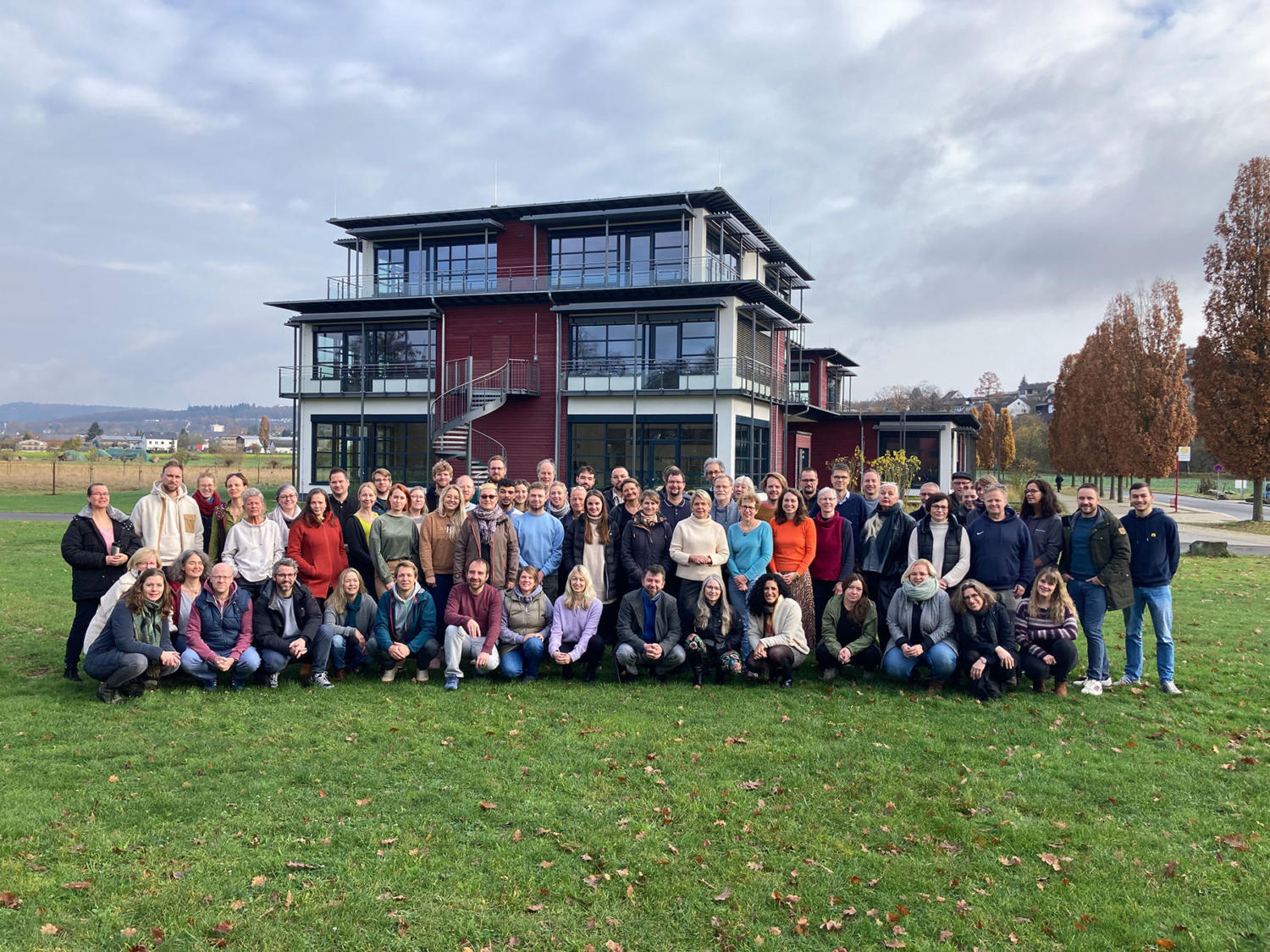
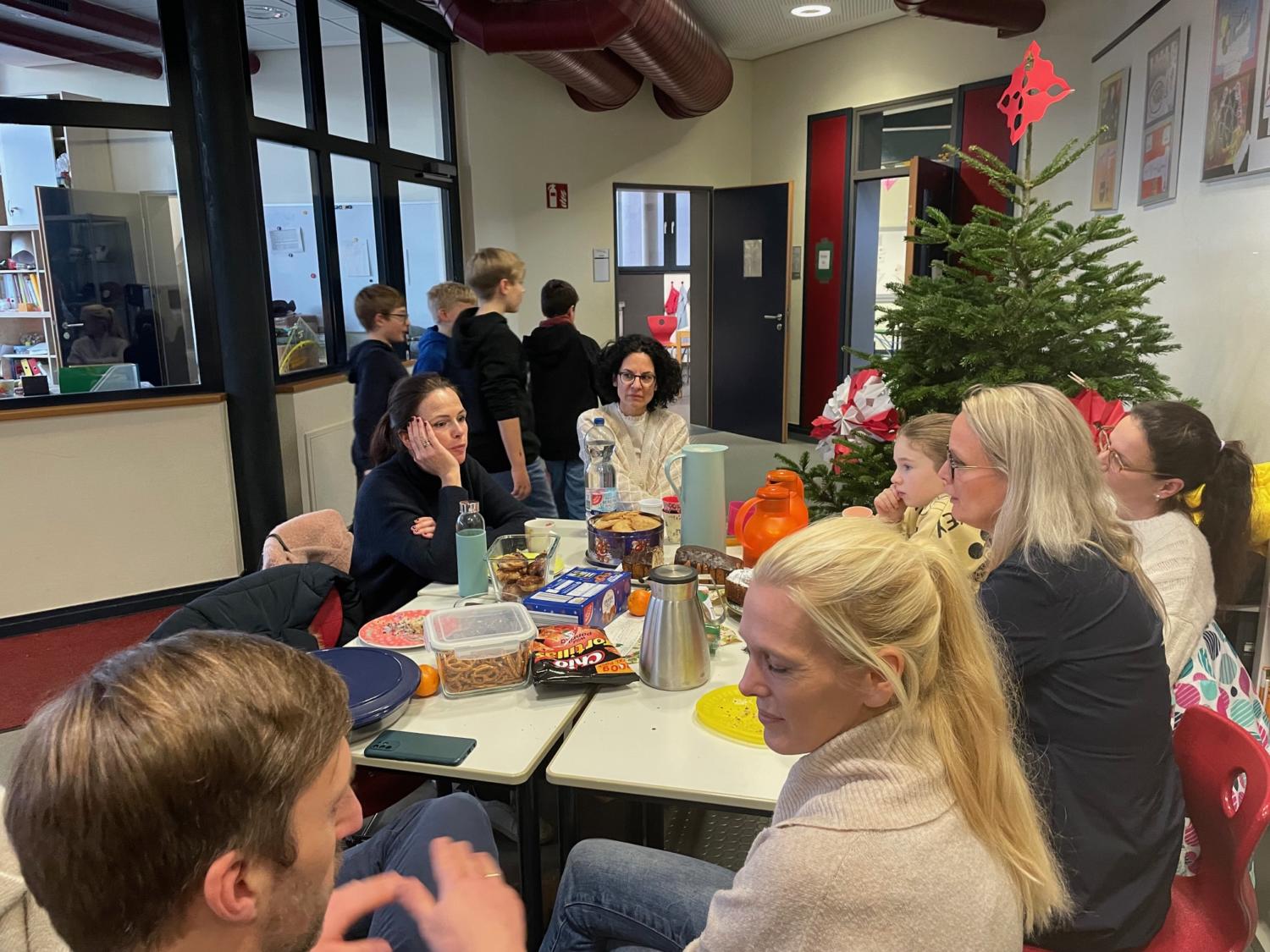
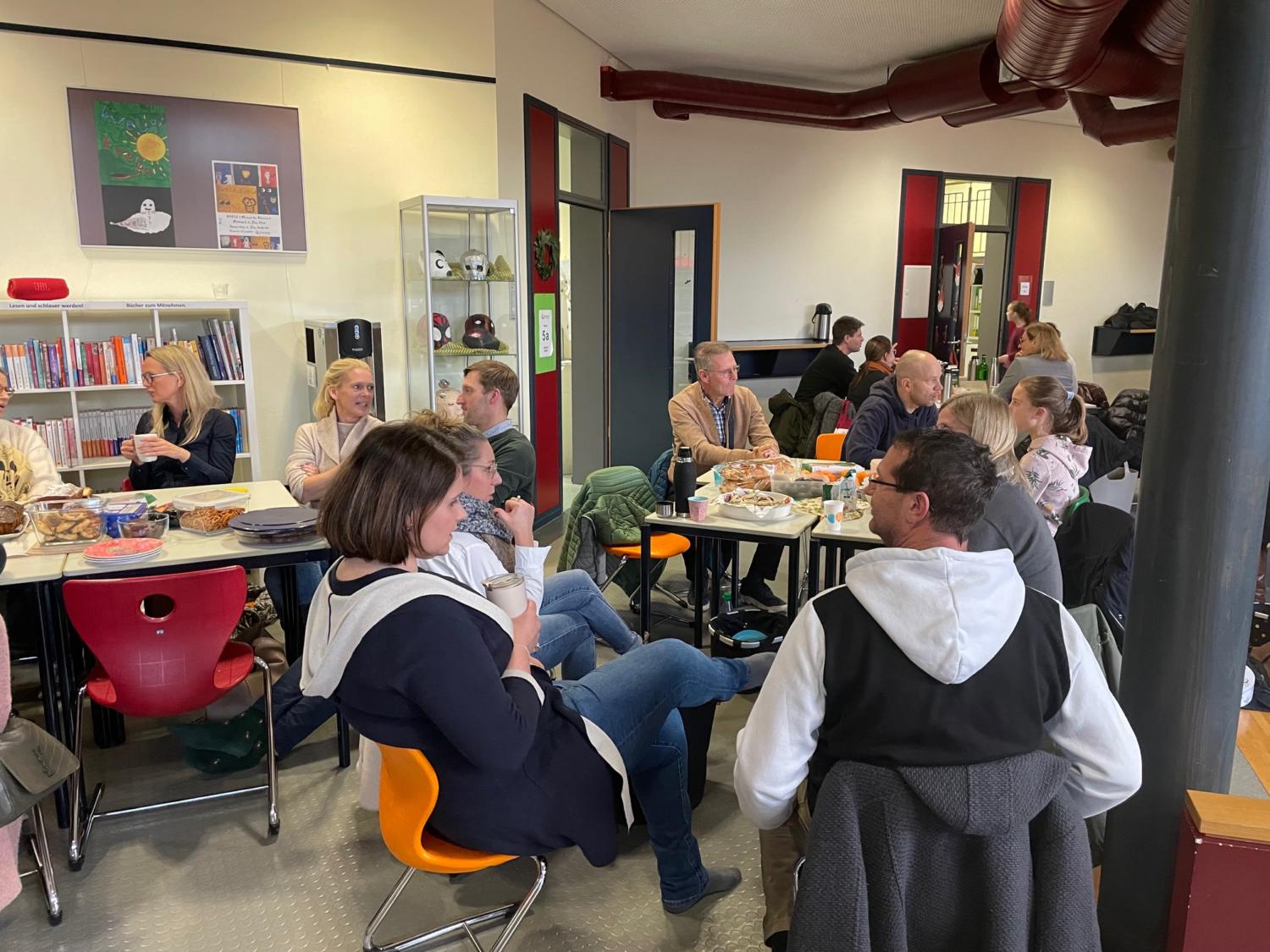
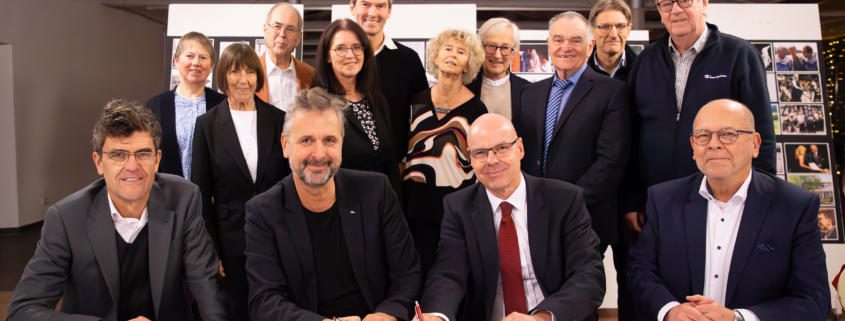
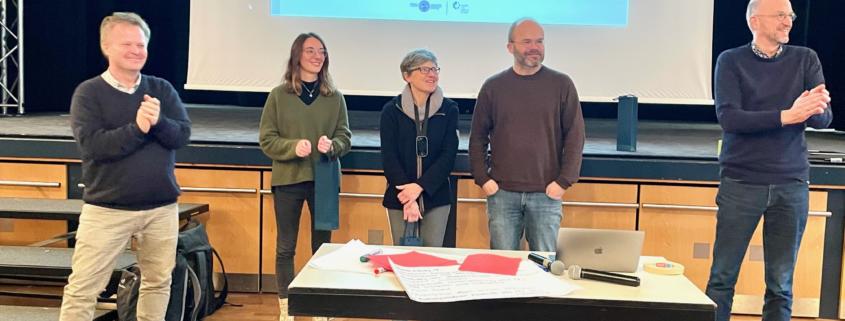
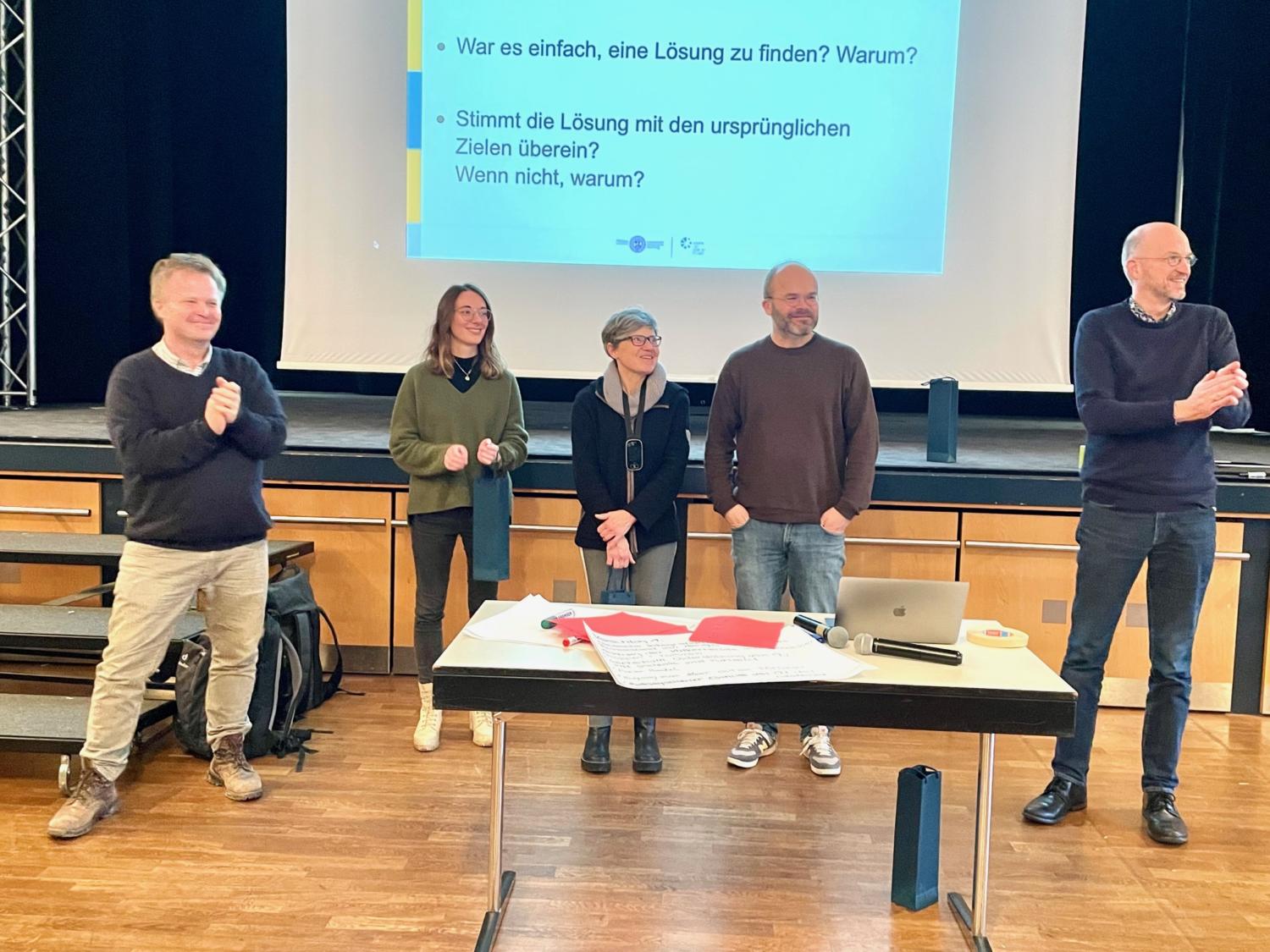
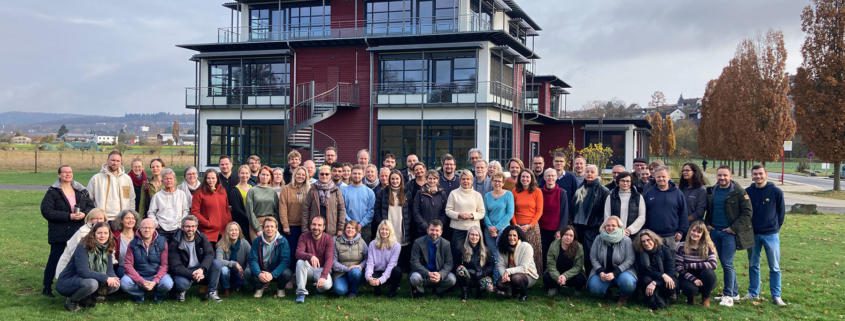
Our photo in front of the Forum shows the teachers from Steinmühle on the second day of the training session, when all the results were compiled.