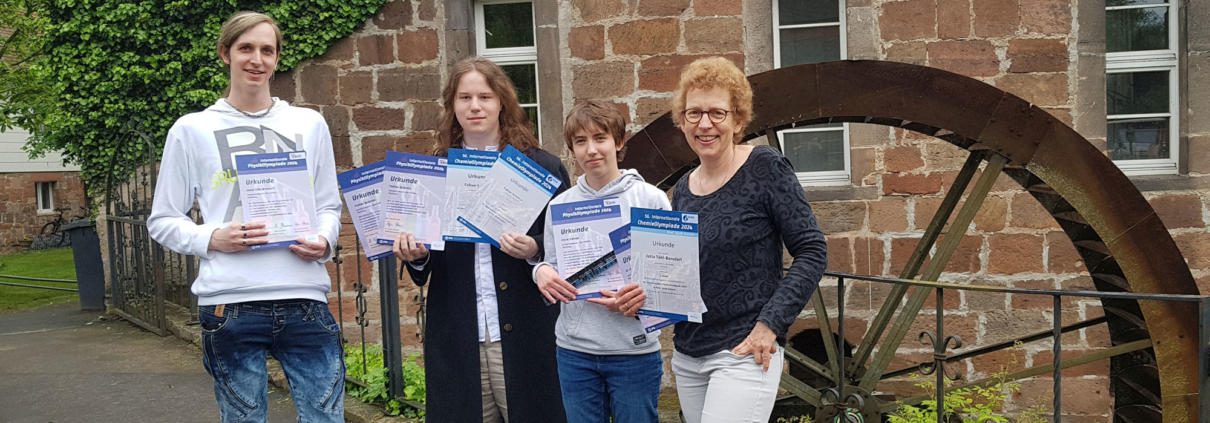
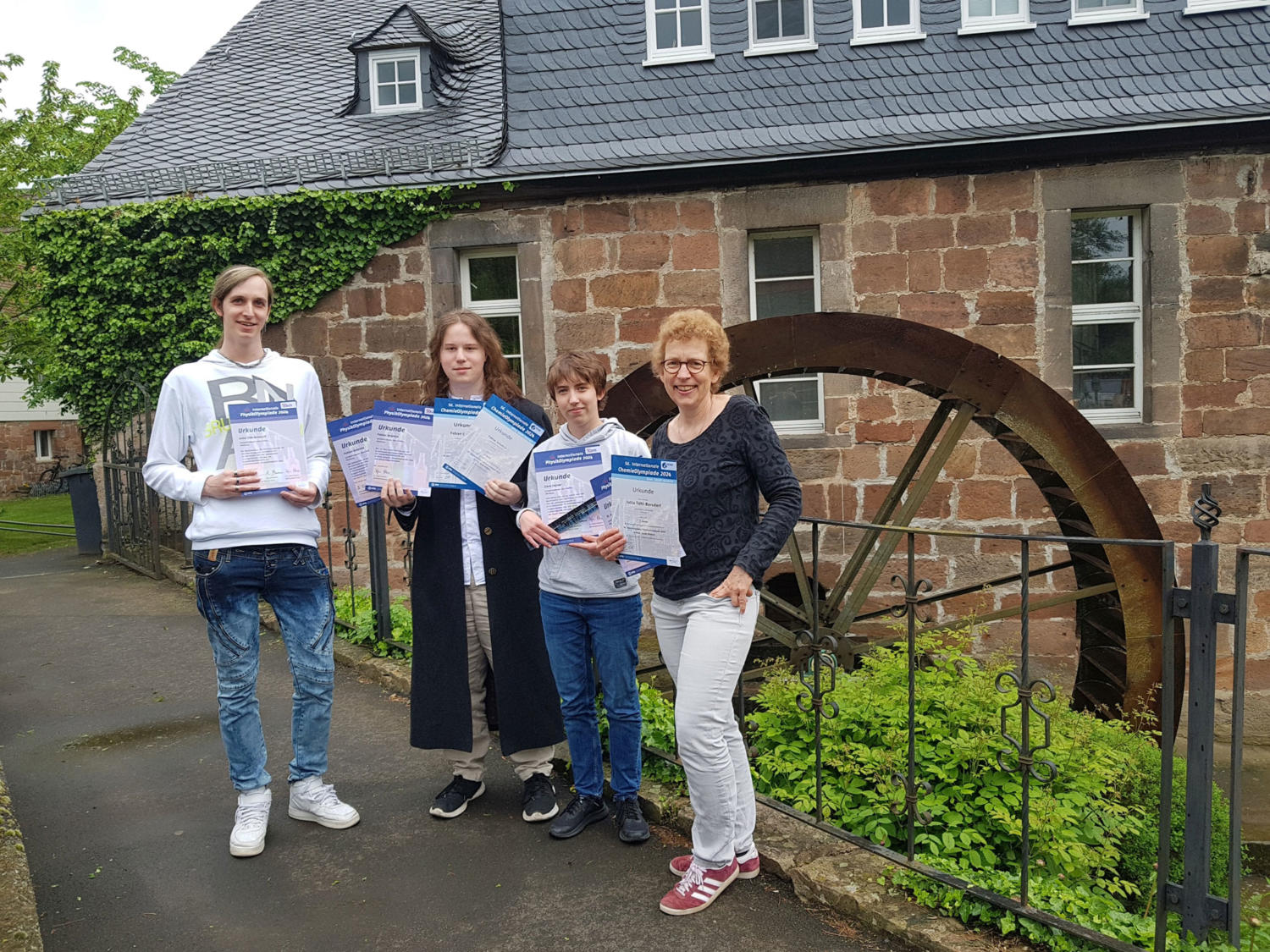
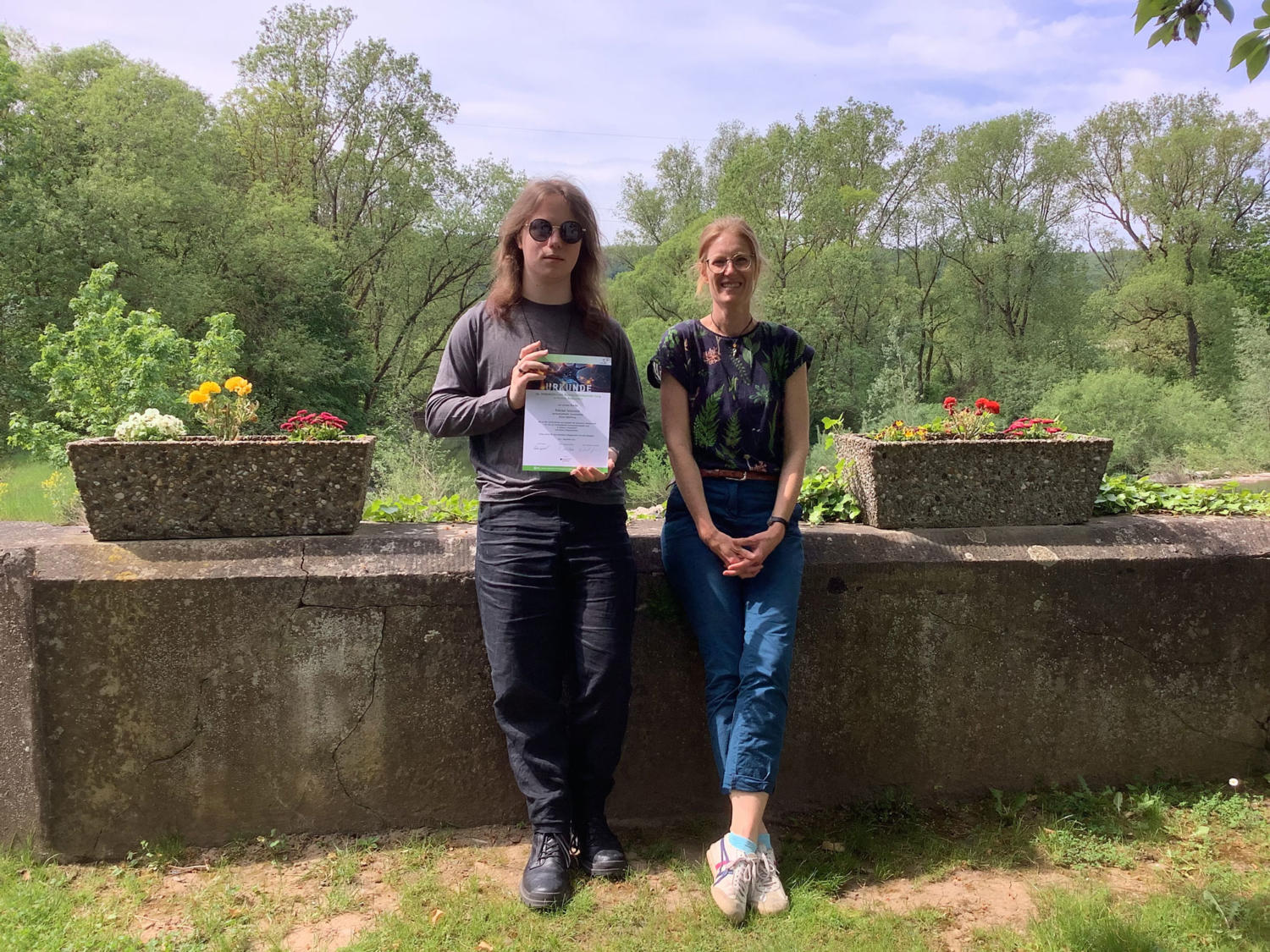
In 12th grade, Clara Steiner and Fabian Sotonica participated in various science competitions, including the Chemistry, Biology, and Physics Olympiads.

Both tackled the very challenging problems of the Physics Olympiad and made an immediate impression. They qualified for Round 2. Unfortunately, Clara was unable to take the exam for Round 2.
Fabian also competed in the Biology and Chemistry Olympiads, though he narrowly missed advancing to the second round in biology. Things went very well in chemistry; he aced the first round and performed so well in the second round that he was rewarded with a book voucher.

The two were accompanied by their supervising teachers, Antje Seel, Dr. Jutta Töhl-Borsdorf, and Dr. Patrick Szabo. The results give cause for optimism for next year’s competition, as both students will likely have significantly expanded their knowledge by then.


Much more complex than expected, and important not only as a peace alliance

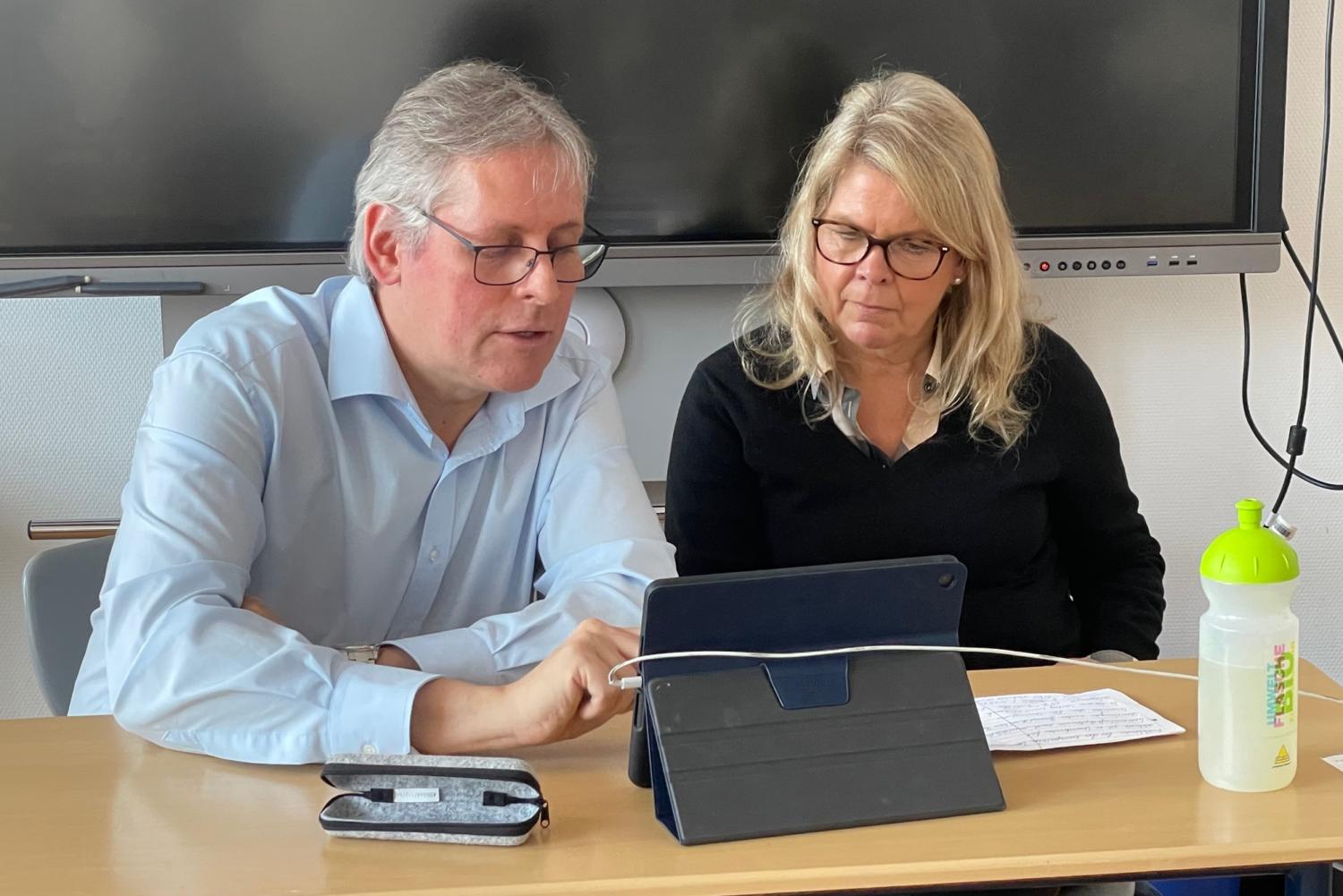
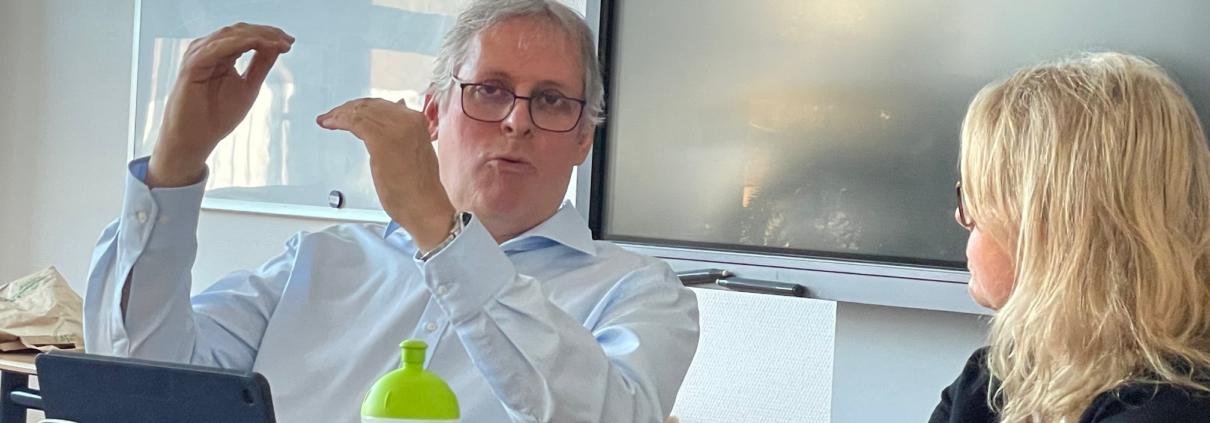
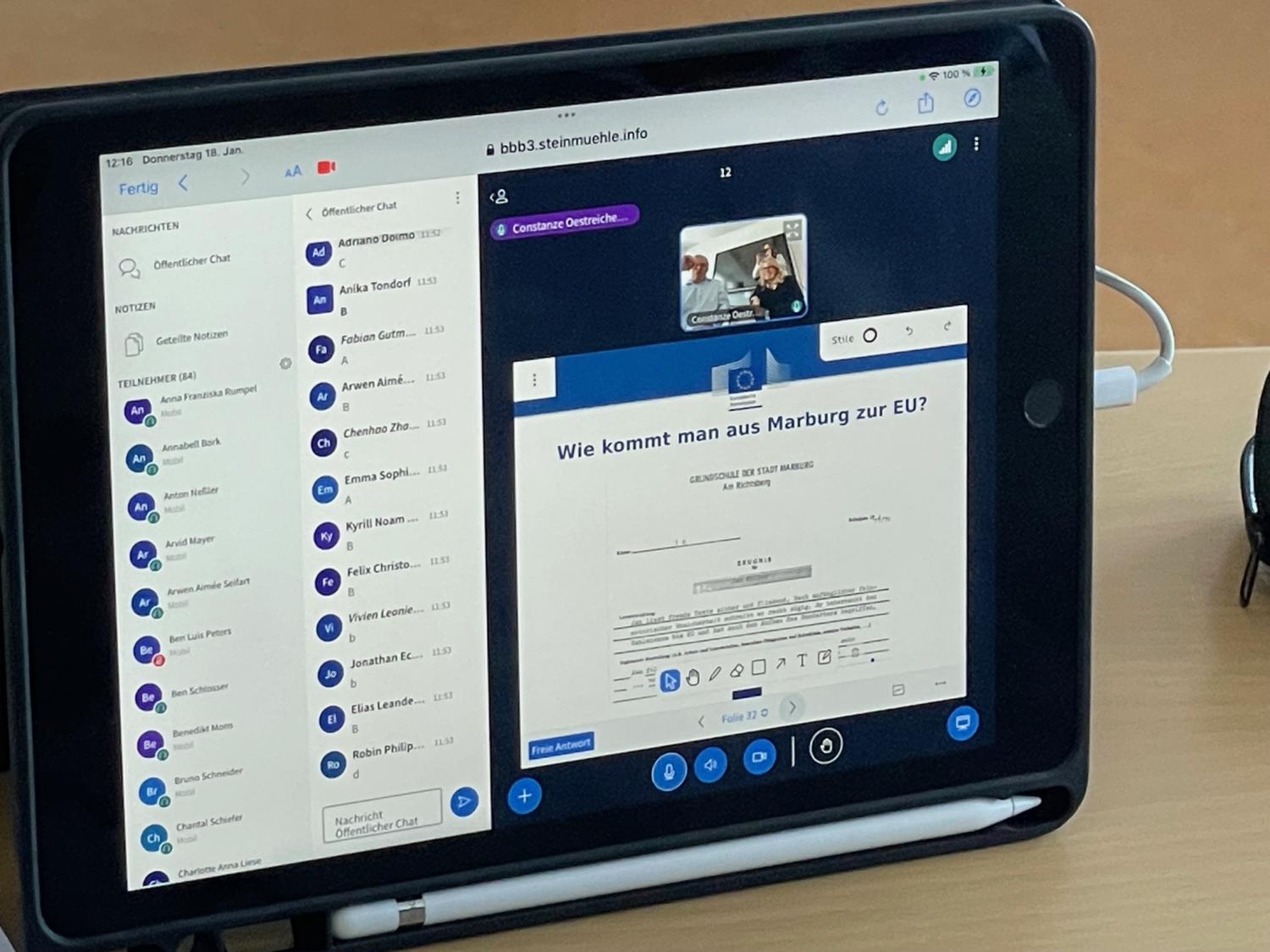
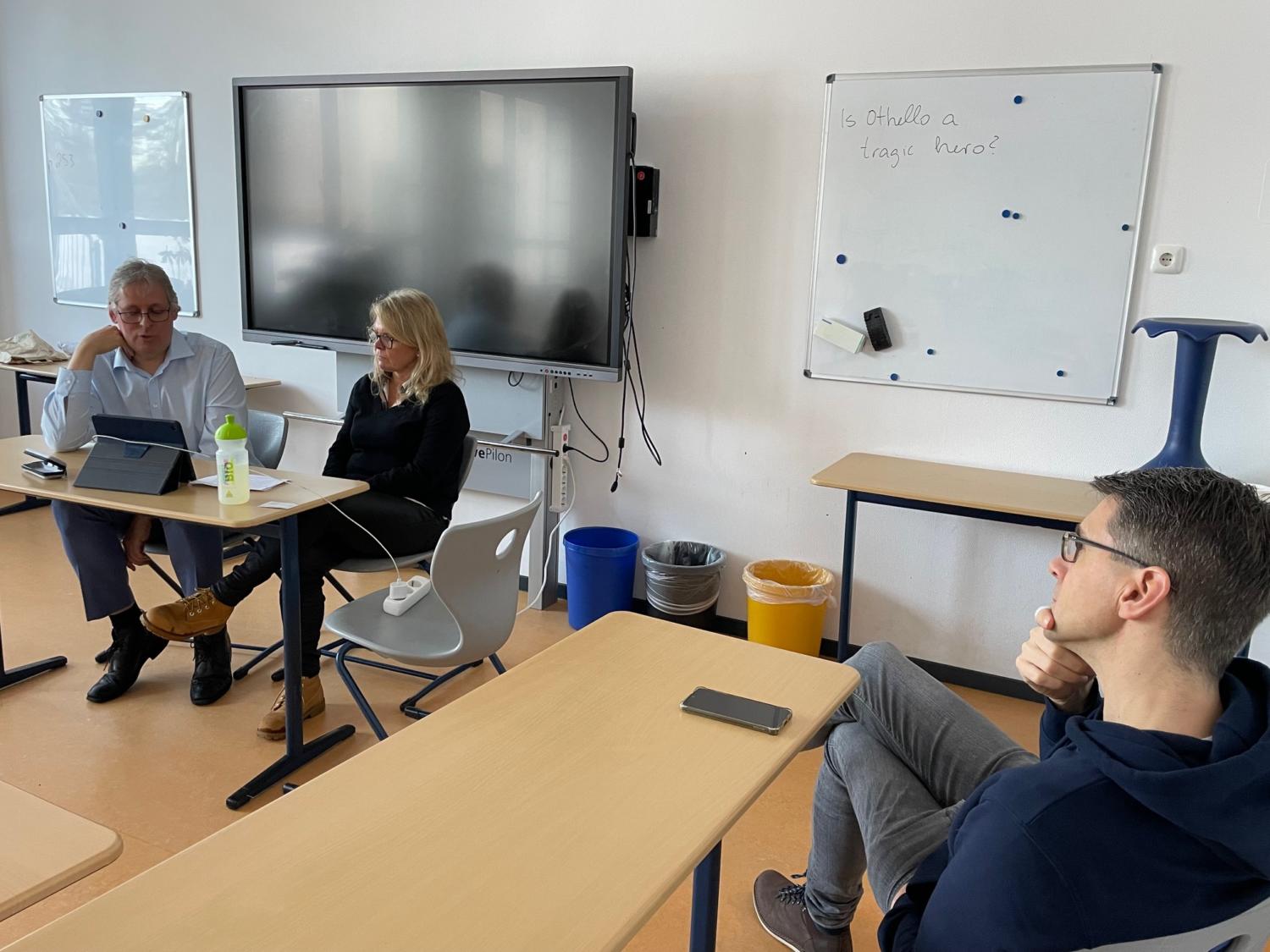
People often make jokes about the EU and the work of those based in Brussels, sometimes questioning the efficiency of their efforts and the entire institution itself. Yet very few people seem to know exactly which bodies make up the EU, what their responsibilities are, and, above all, what would happen if the EU suddenly ceased to exist. Dr. Jan-Marco Müller spoke to the 11th-grade class about all of this last Thursday. The fact that the EU official’s presentation took place on a morning when weather-related remote learning was in effect did not diminish the students’ interest in the slightest. The event was facilitated by Steinmühlen teacher Dr. Claudia Röder.

An introductory quiz quickly made it clear just how complex knowledge about the EU can be: “Ireland, Iceland, Switzerland—which one is not part of the Schengen Area?” That really made you think, just like the question, “Which one is not part of UEFA: Kazakhstan, Monaco, or Israel?” The guest also wanted to know whose application for EU membership had been rejected in the past: Turkey, Morocco, or Bulgaria. He also raised the question of the difference between the following bodies: the Euro Council, the Council of Europe, the European Council, and the Council of the European Union. – By then, at the latest, most people had to admit defeat.


European Elections: A Gift of Democracy

The late Henry Kissinger had already recognized that Europe isn’t all that simple: “Who do I call if I want to call Europe?” was the question he posed several years ago—one that has often been quoted in political circles. With 27 member states, half a billion inhabitants, 24 official languages, and three alphabets, it was a question that couldn’t be answered off the cuff. “United in diversity” is how the guest from Brussels described the situation for the member states, all of which share one very important advantage: they have enjoyed peace since 1945.

There are also several other solid reasons why countries want to join the EU: the free movement of people and the free exchange of goods, the rule of law, mutual solidarity, and subsidiarity. The guest went on to explain other responsibilities within the administrative apparatus, which comprises 25,000 employees. But he also promoted the European elections on June 9, calling them “a gift of democracy.”


A “compromise machine”

“There are 232 parties running for election,” Müller said, “but unlike in other elections, there is no 5 percent threshold.” This means that, contrary to usual practice, votes cast for small or very small parties are not wasted. Under the umbrella of the European Parliament, parties with similar platforms would find common ground through cooperation. Otherwise, it would include the governments of 27 nations—”a compromise machine.”

The students’ questions about the speaker’s presentation came one after another. They ranged from whether and how the shift to the right in Europe was becoming apparent, to why Ukraine’s accession to the EU was desirable, to questions about legislation for a climate-neutral continent. One 11th-grade student also wanted to know whether the EU was considering the creation of a European army. But there were also questions, like the one he asked, about how the speaker felt about Martin Sonneborn’s satire. Armed with the diplomacy of an EU official, Dr. Jan-Marco Müller replied accordingly: “You have to have jokers like that in Parliament, and privately, it’s actually quite nice. You can’t really do much politics there—we have to come up with solutions.”

Solutions are also the goal when it comes to all the world powers: “We have to make sure we have a voice on the world stage. It’s a long road ahead, but we’re well-positioned for it.”


“We need people with all kinds of backgrounds from all fields”

Dr. Jan-Marco Müller, who grew up in Cappel, studied geography in Marburg, worked in science management, and joined the EU through the scientific service, where he initially served as a scientific policy advisor. Currently, as a science diplomat, he is exploring how science can be used to improve diplomatic relations: “Scientists speak up when diplomats no longer do.” Müller adds: “I try to get politicians excited about science and convey the relevant facts.” This involves, among other things—though not exclusively—climate change and the technology race with China.

The speaker, who had an extremely interested audience, encouraged the students to consider pursuing a career in the EU: “We need people with all kinds of backgrounds, from all fields.”

Principal Björn Gemmer welcomed the speaker at the outset and took some time himself to follow the interesting presentation. There was likely no one in the lecture hall or watching on the screens who hadn’t expanded their knowledge that morning.
 

Right in the middle of the Christmas break, we received some fantastic news: René Schulenberg’s Class 6a won first place in the “Class Competition” category of “Math in Advent” among all 6th-grade classes! The “Schulenbergies” achieved the best results in their grade level across all federal states in the digital math Advent challenge.

Principal Björn Gemmer was among the very first to offer his congratulations and gushed, “That’s fantastic!”

This victory is truly fantastic for the sixth graders, as it also means that the entire class has been invited to the awards ceremony on January 26 in Berlin. A major math event will take place at the Max Kade Auditorium at Freie Universität Berlin, featuring an awards ceremony for all winners, music, games, and entertainment. There will be plenty to discover at a math fair. A total of 1,000 people are expected to attend.

“Mathe im Advent” is a digital Advent calendar and math competition for students in grades 4 through 9, organized by the nonprofit Mathe im Leben GmbH.

(A report on the trip will follow!)

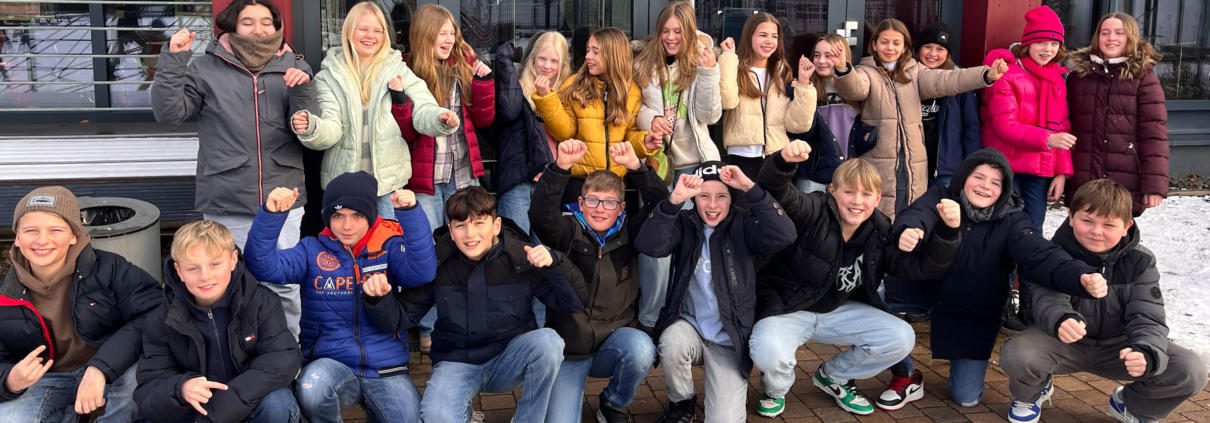
For the second time, Steinmühle hosted the plus-MINT Math Camp as part of the plus-MINT talent development program, organized and led this year by Maximilian Moll. In January, 22 students gathered for four days and had an exciting time participating in a varied math program that included several field trips.

Young math enthusiasts from grades 10 and 11 arrived at the Steinmühlen campus from all corners of the country: Participants from Birklehof High School, Louisenlund, St. Afra Saxon State High School, and Pforta State School—they all worked on math problems and puzzles together with students from Steinmühle High School.


Geometry on a Sphere

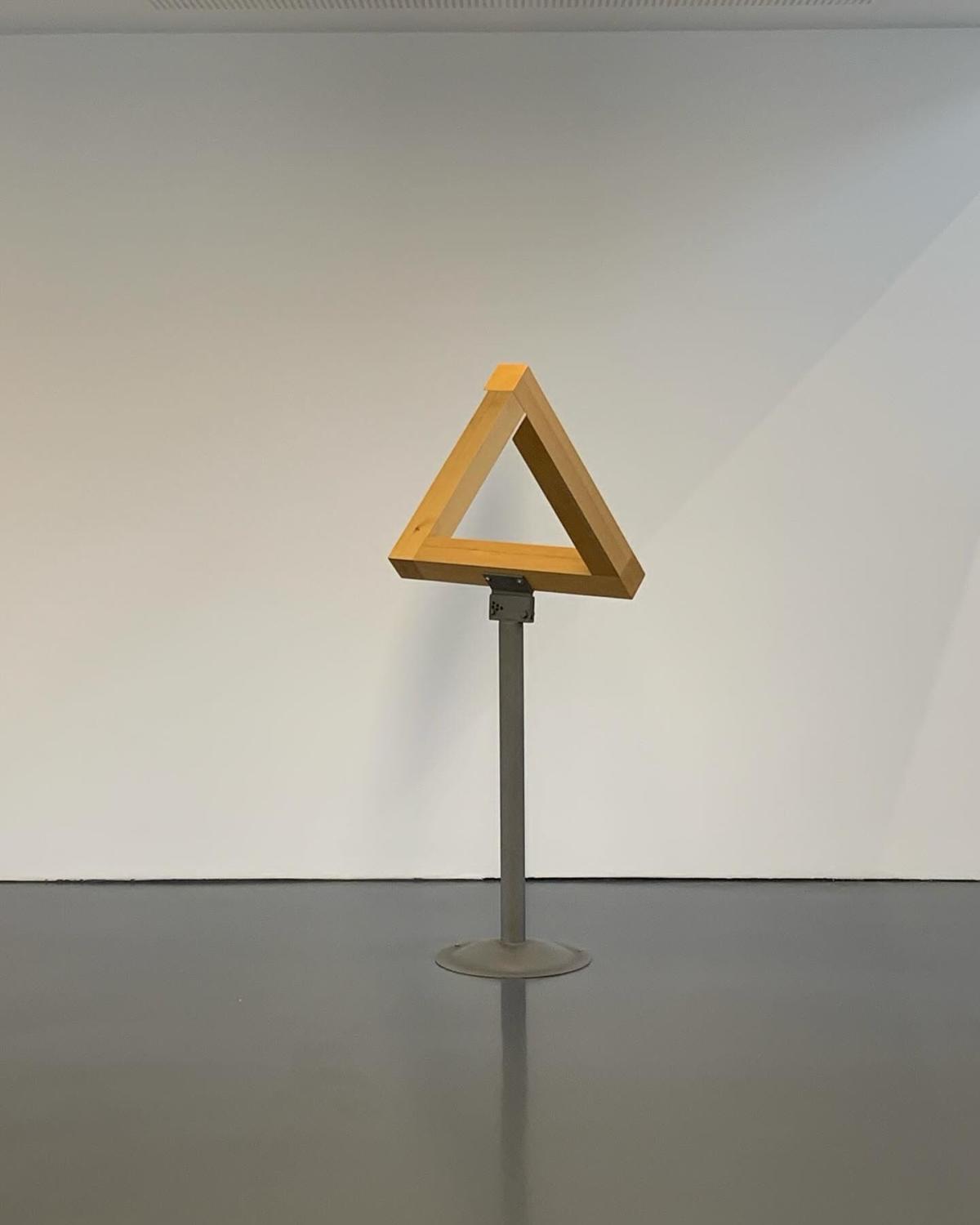
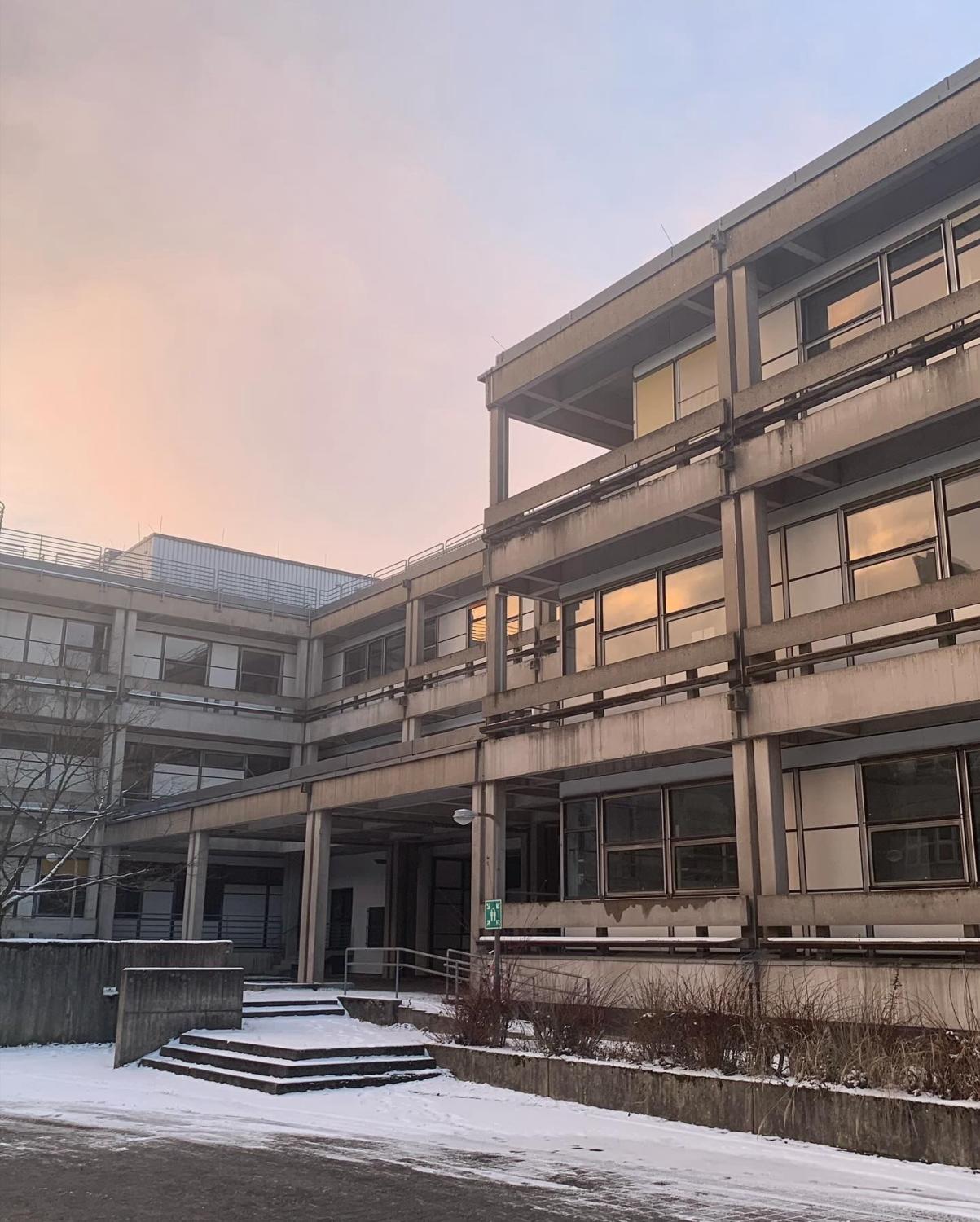
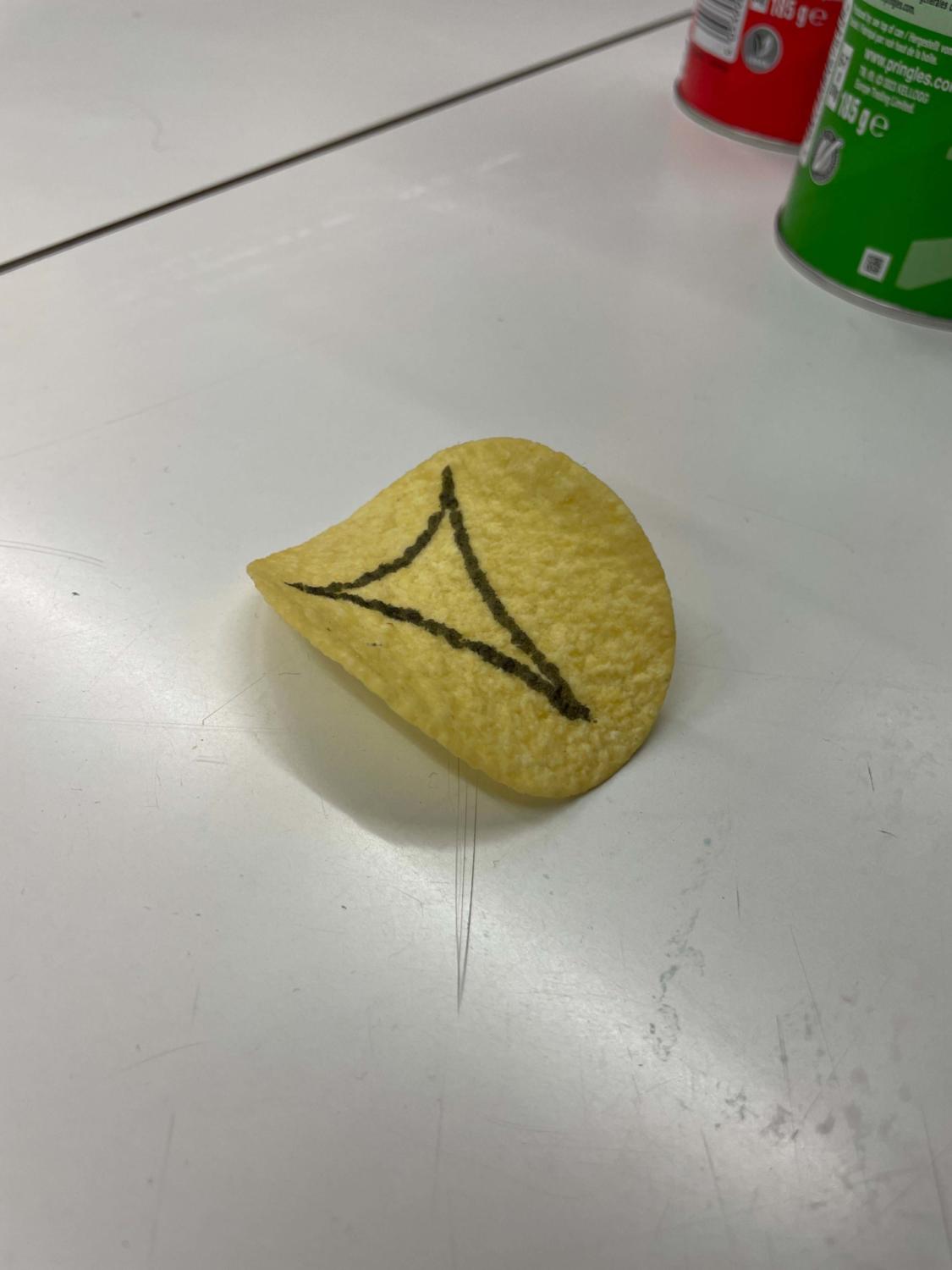
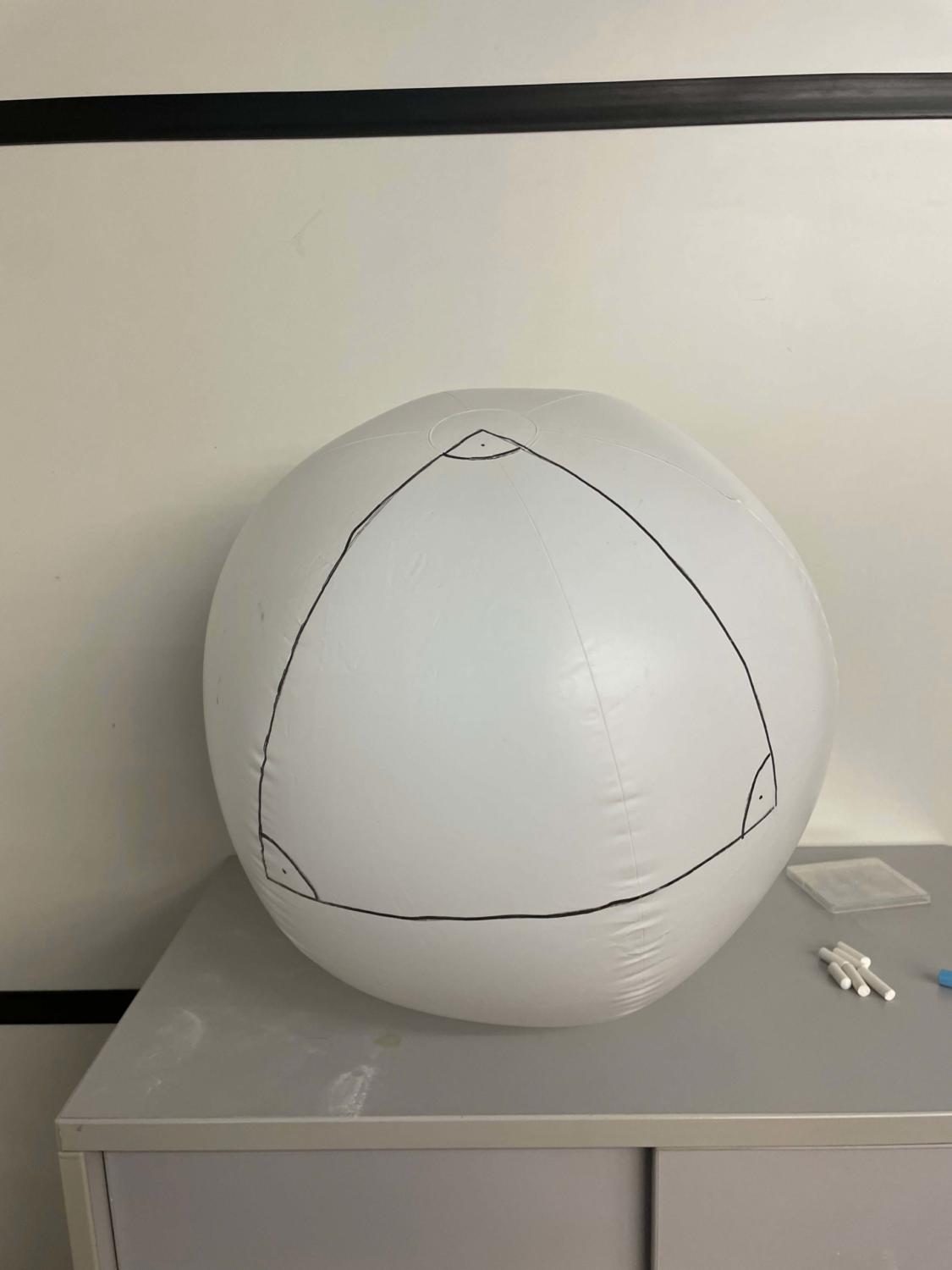
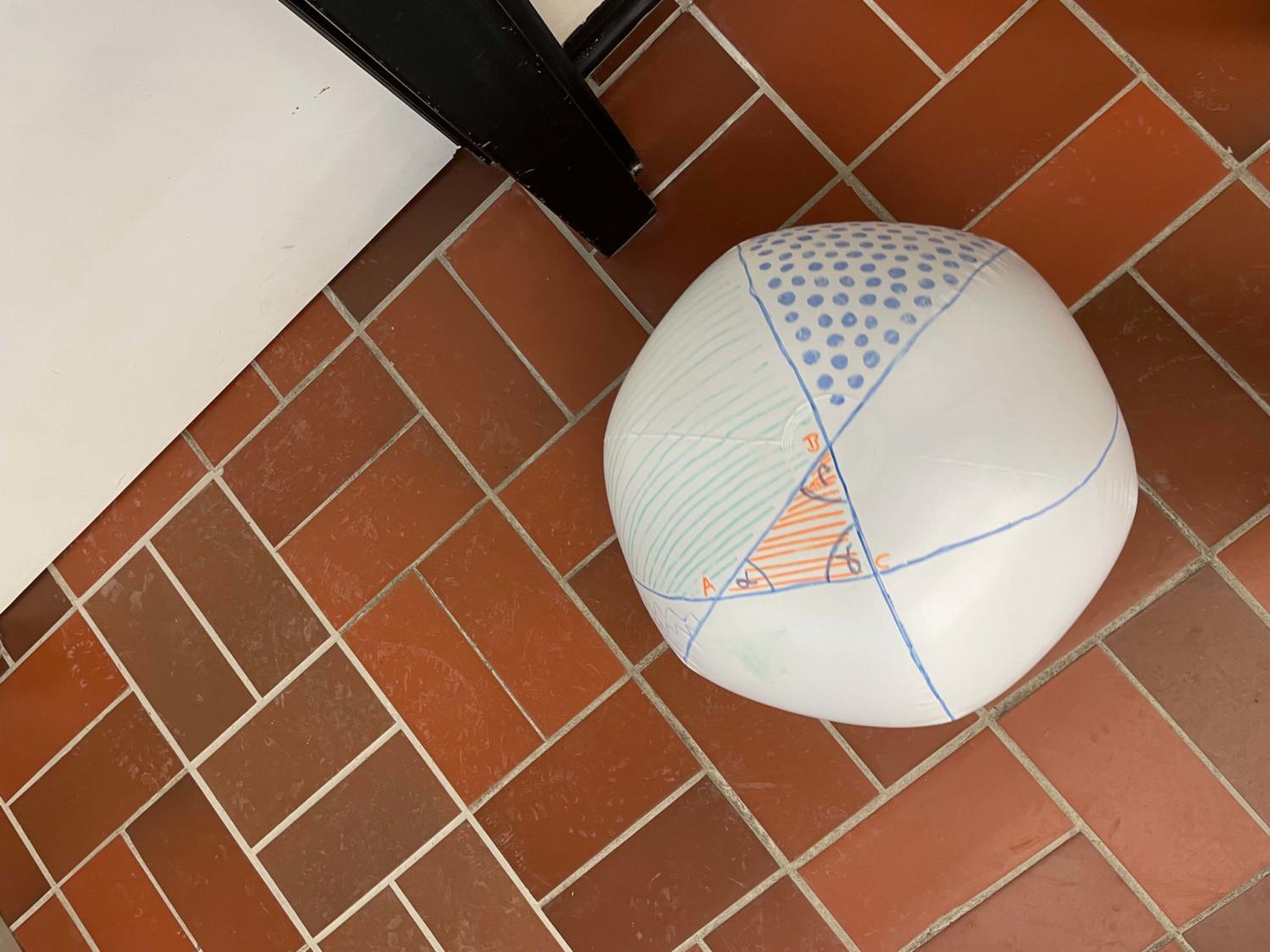
On Monday, the group arrived and was welcomed in the boarding school’s tea room with drinks and snacks. Afterward, they headed to the Lahnberge hills in Marburg to participate in the workshop “Geometry, Topology, and Spherical Triangles” with Prof. Dr. Oliver Goertsches from Department 12 (Mathematics and Computer Science). Topics covered included the geometry of the sphere, dihedra, and the derivation of the area of a spherical triangle.

The next morning, the students were set to compete in the Bolyai Competition. In this multiple-choice math competition, team performance is what counts. Talea Wagner, Zora Herrmann, Alfred Sontag, and Alexa Lehmann achieved an outstanding result. They took first place out of 134 teams in Hesse! This high-performing group also took first place nationwide, tied on points with the team from the Landesgymnasium für Hochbegabte in Schwäbisch Gmünd. Unfortunately, the quartet missed out on advancing to the final round in Budapest in the tiebreaker. Still, it was a fantastic performance by the four of them that day!


Calculating Logarithms in Your Head

The team competition was followed by a workshop with Dr. Karl-Heinz Muth: “Math Tricks to Help in Everyday Life—From the Calendar to the pH Value.” The students gained many fascinating insights into mathematical relationships. For example, they calculated logarithms in their heads and learned how to determine the day of the week of a given birth date mentally.

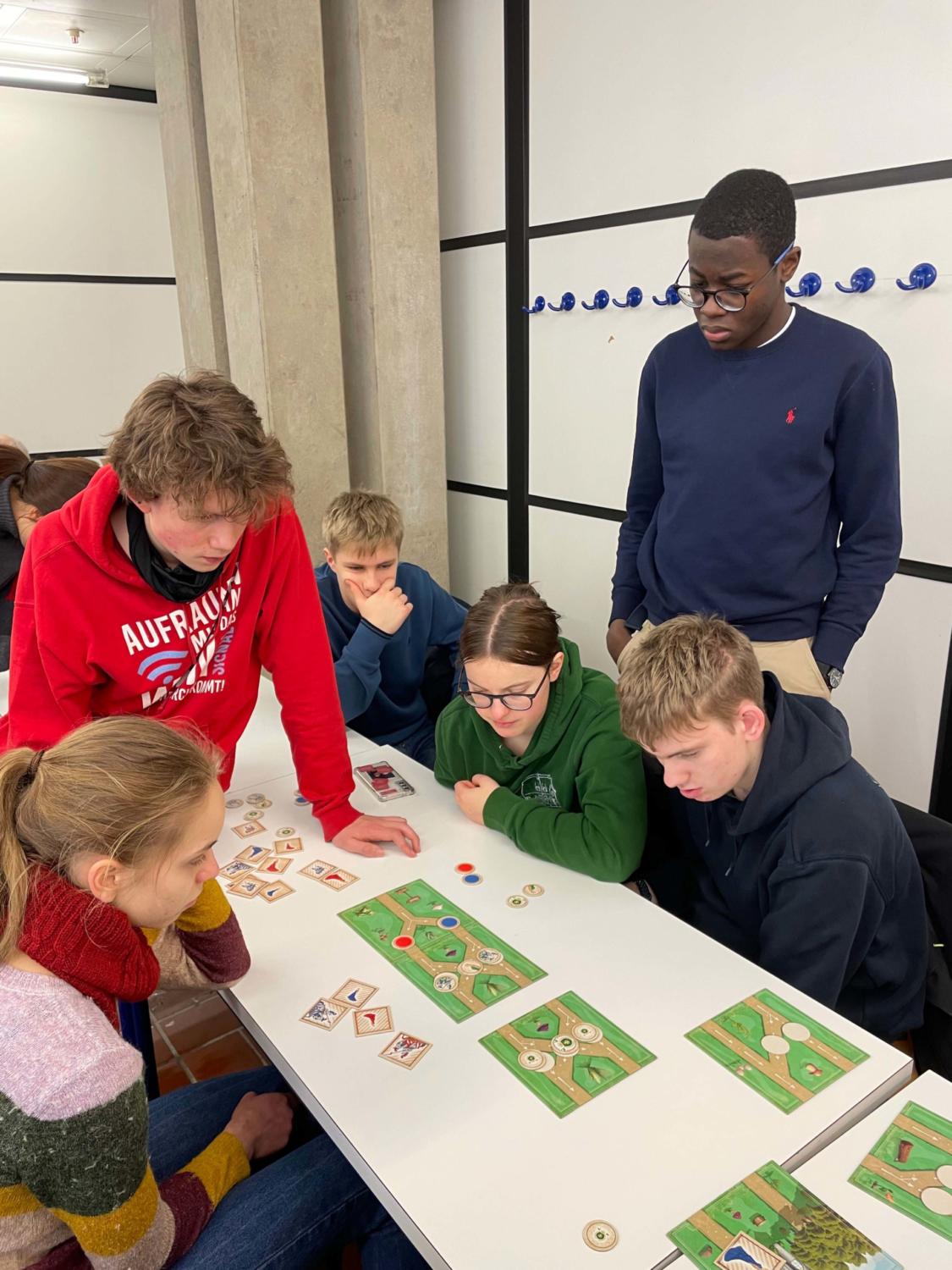
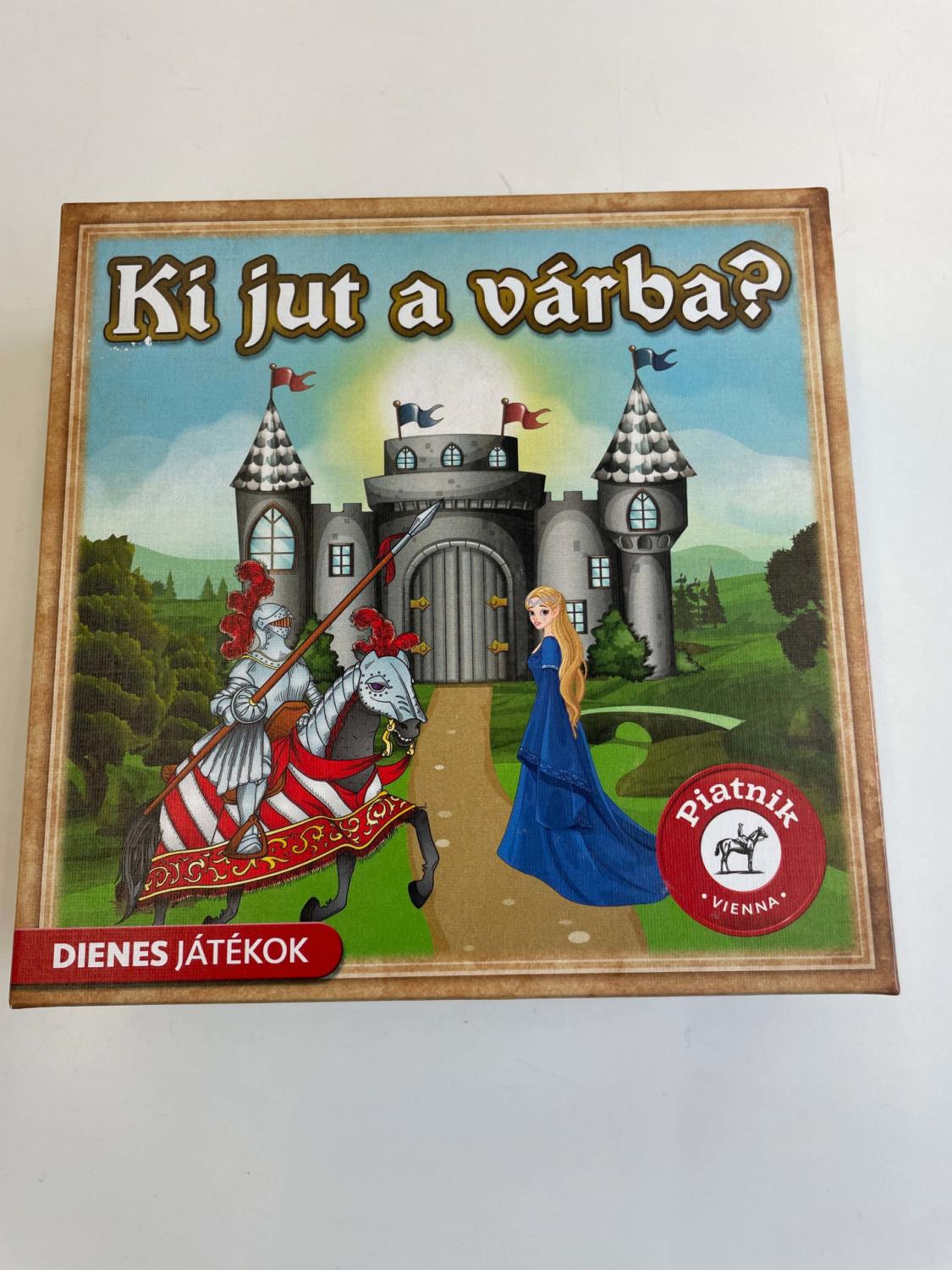
The day’s mathematics program concluded with a workshop led by Prof. Dr. István Heckenberger titled “Games, Logic, Mathematics.” Topics included a Hungarian board game with a brief introduction to logic in mathematics.

It wasn’t just the daytime program at the +MINT Math Camp that was sports-oriented: The evening wrapped up at the Steinmühle with an exercise session.


Field Trip to the Mathematikum

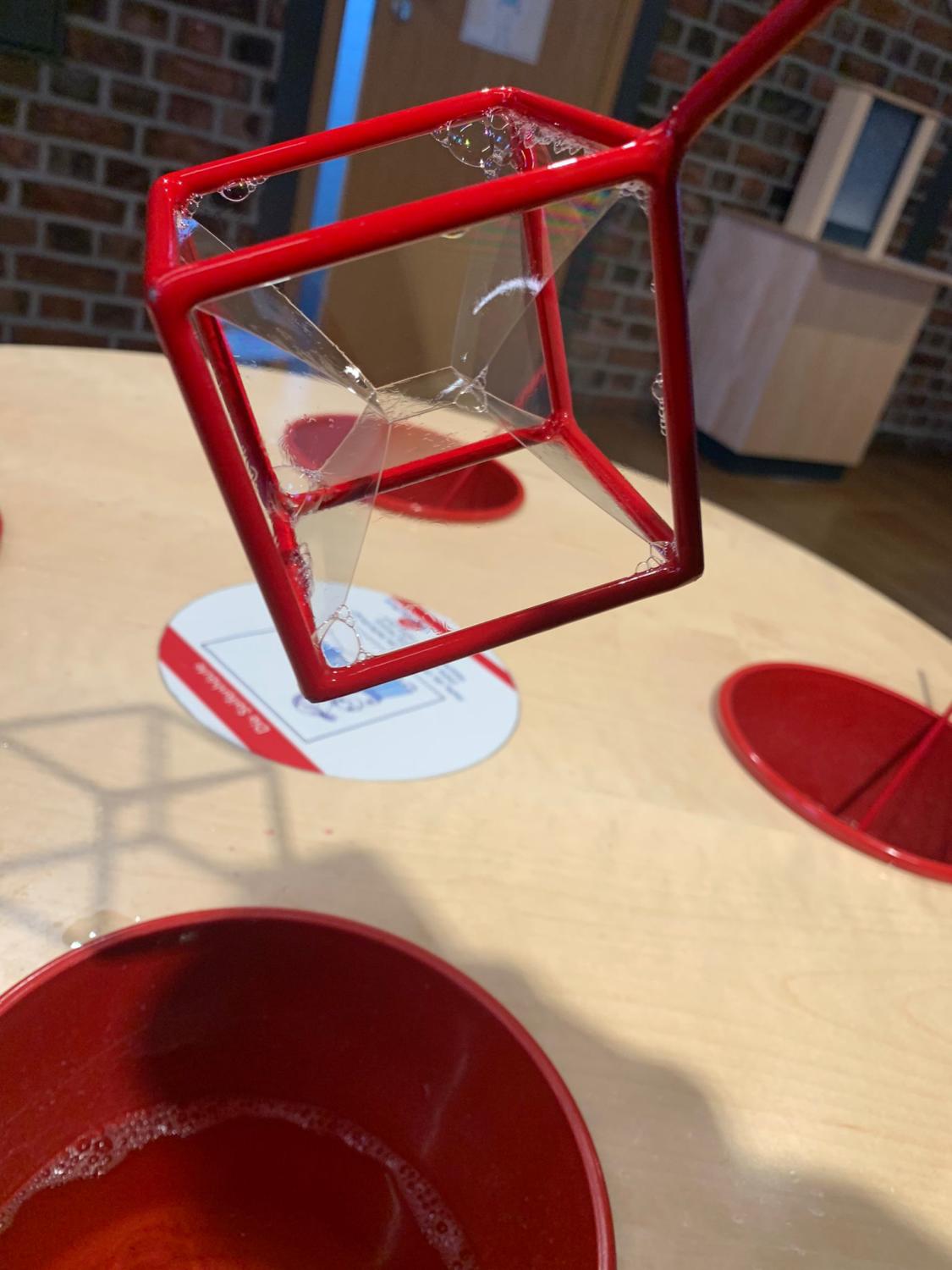
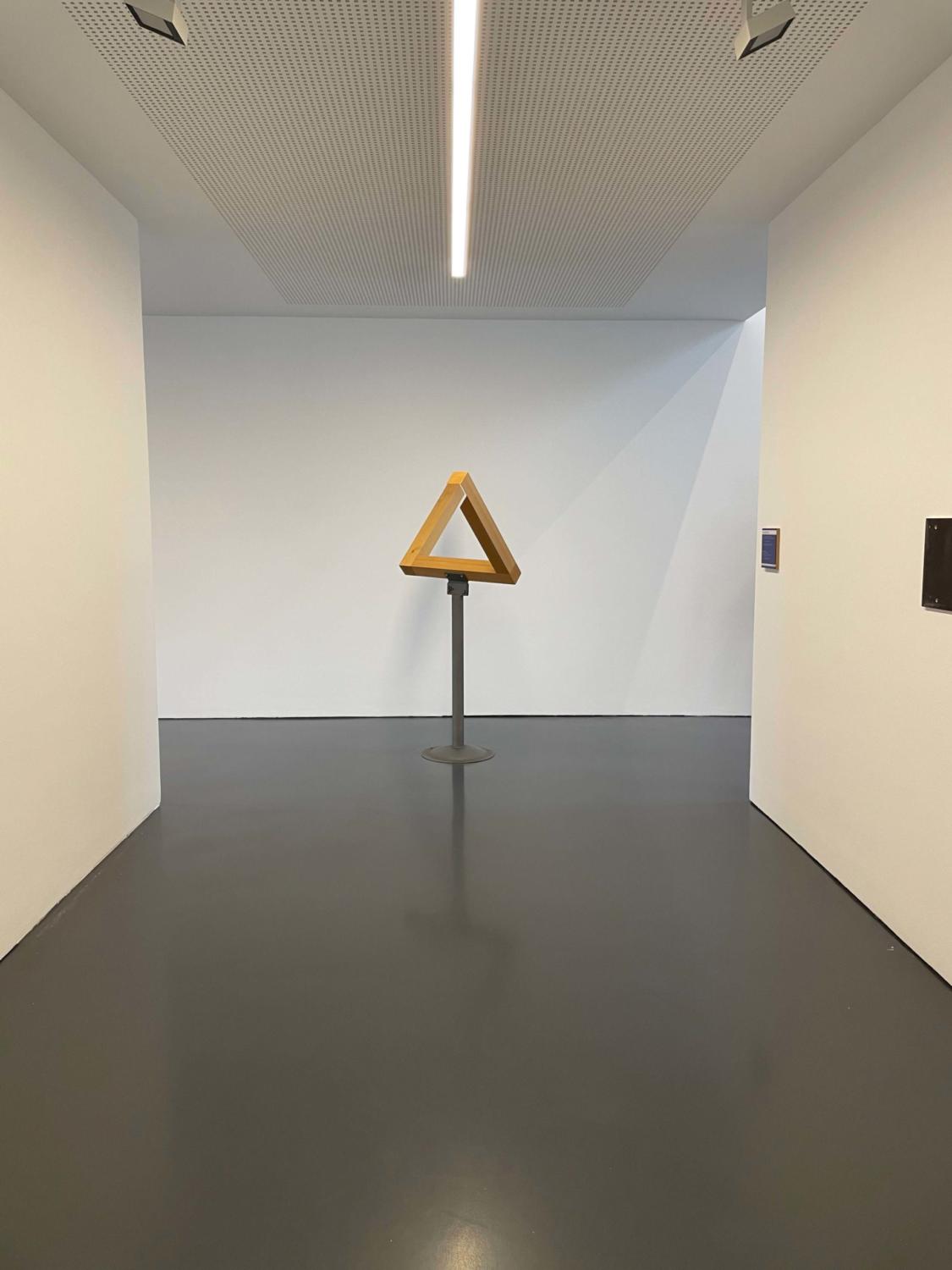
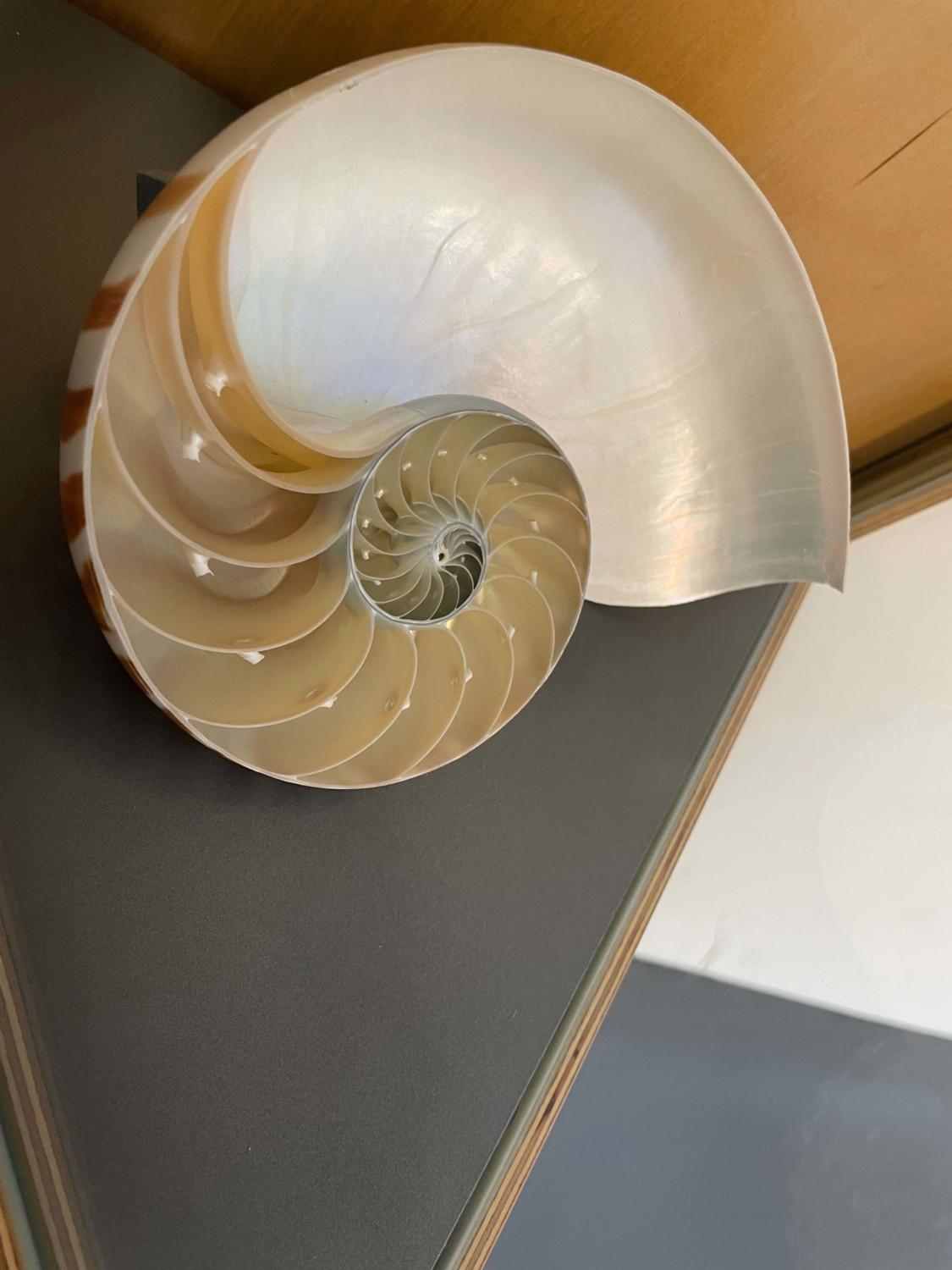
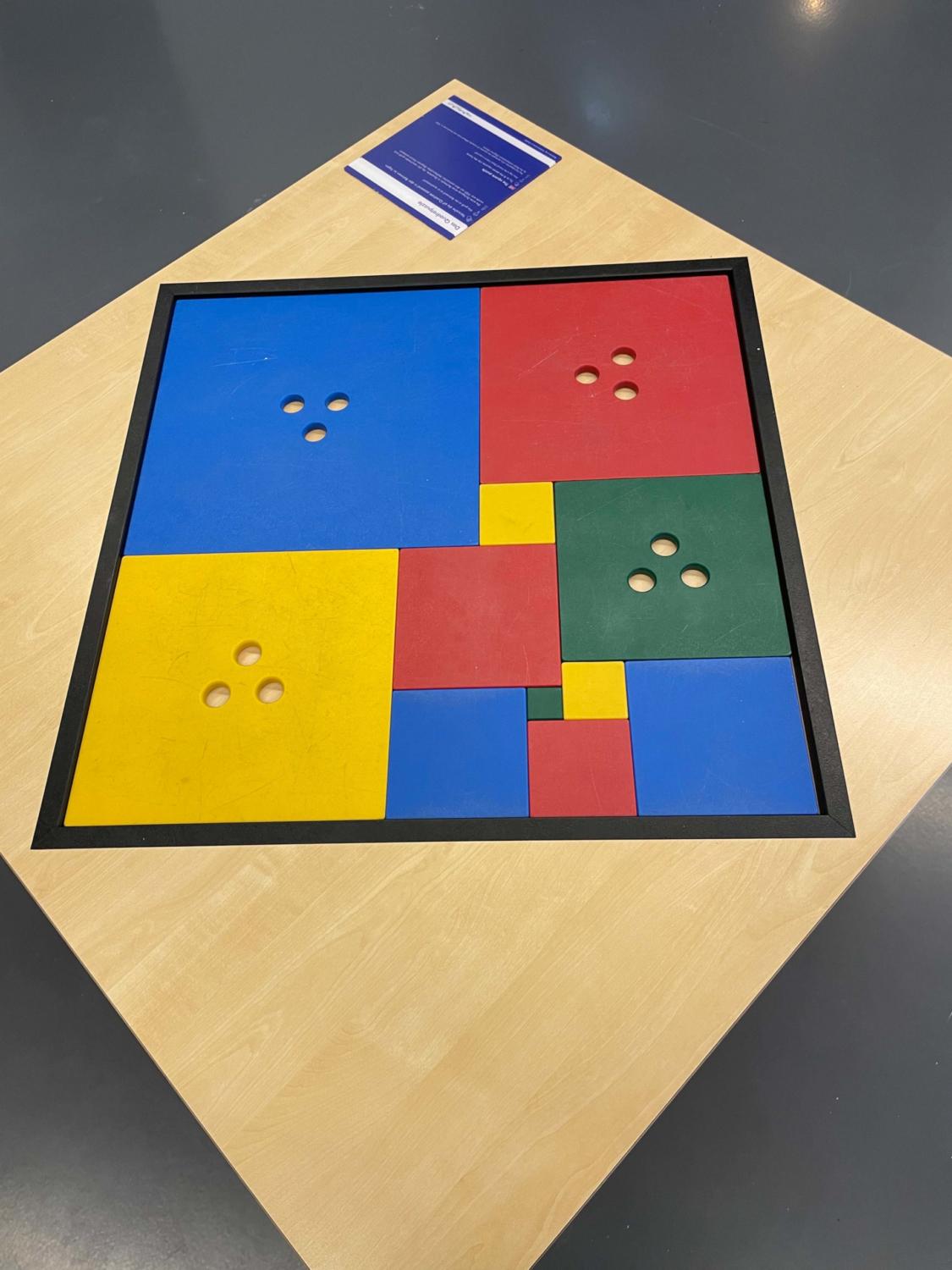
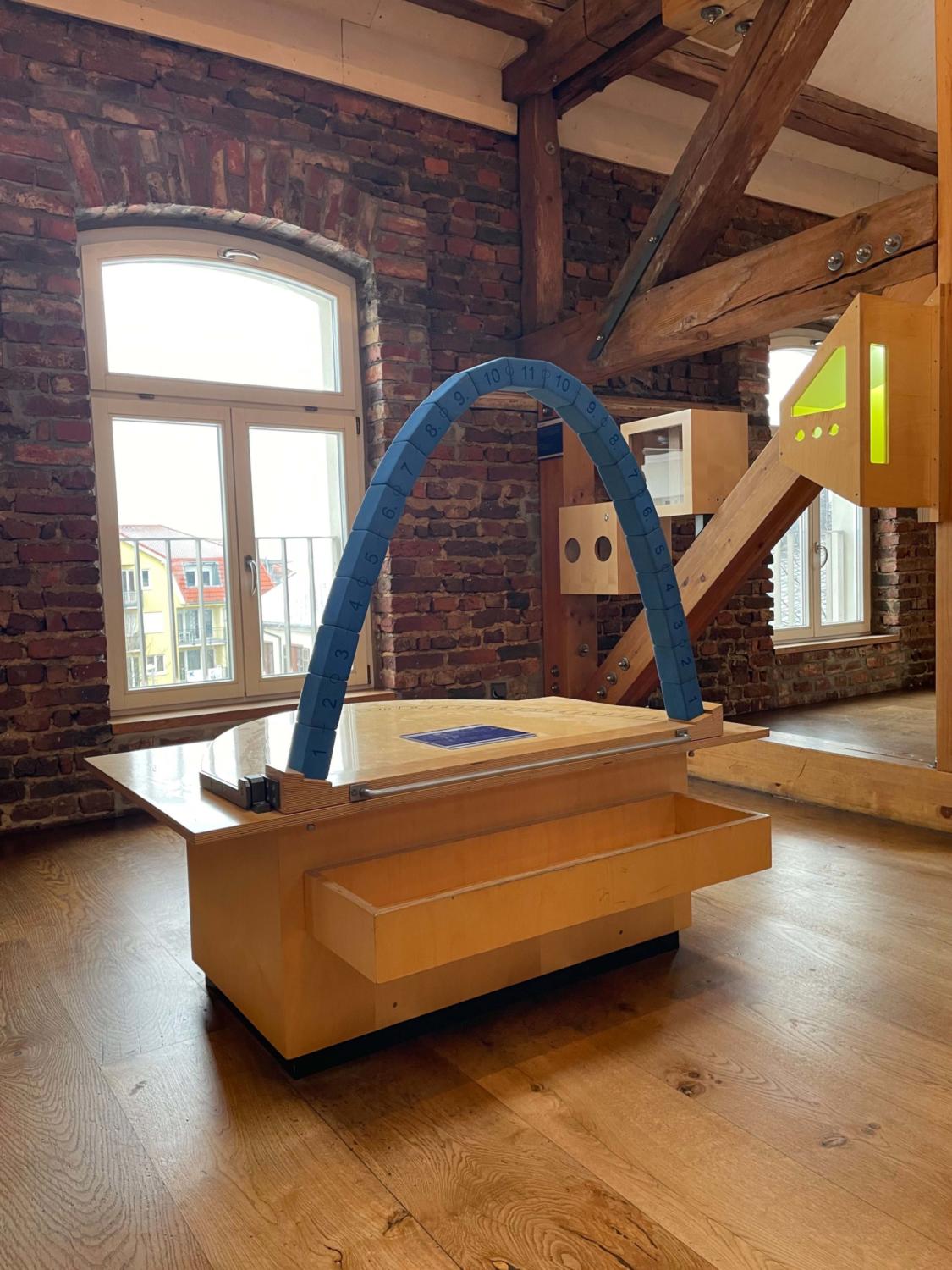
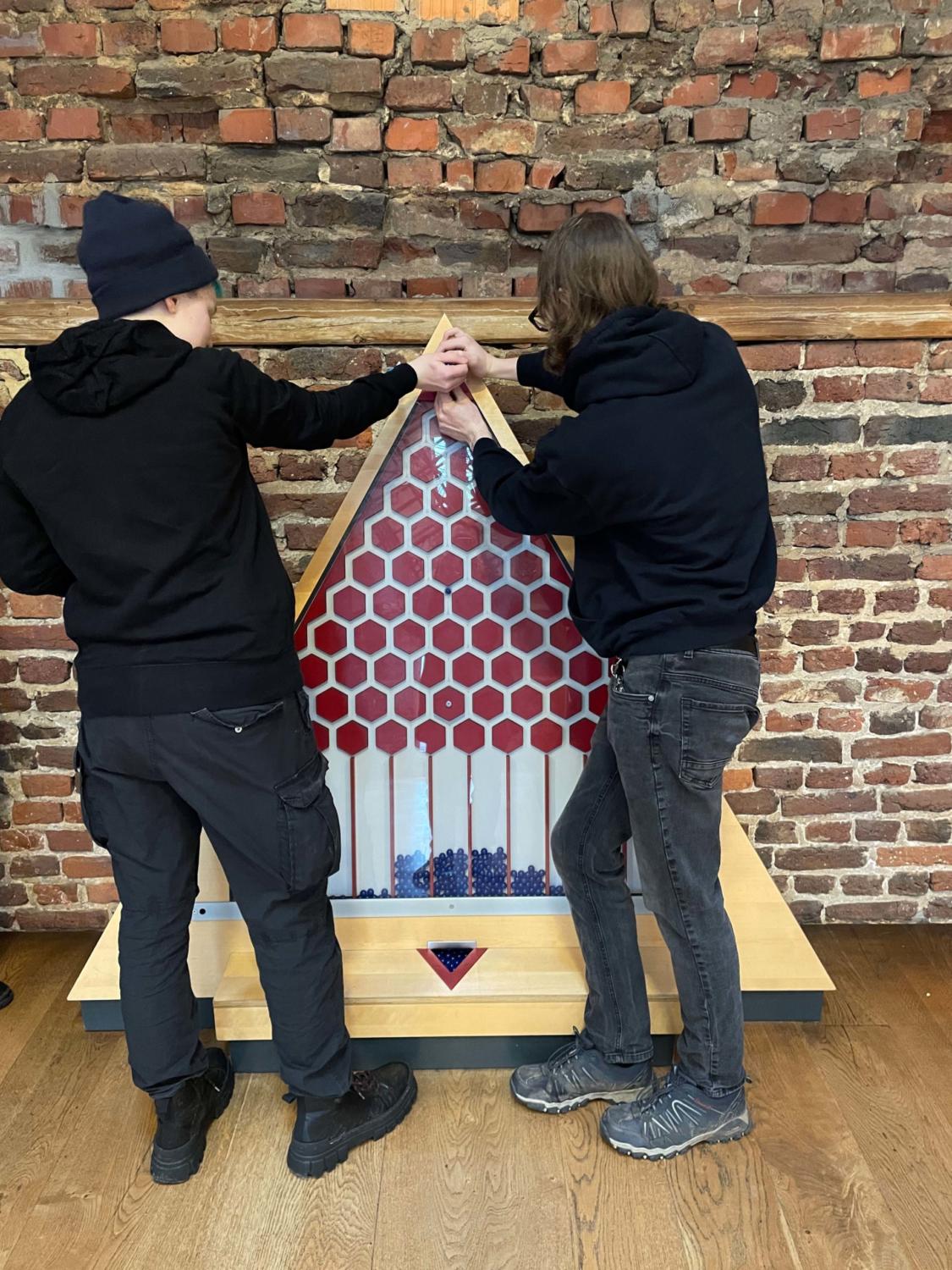
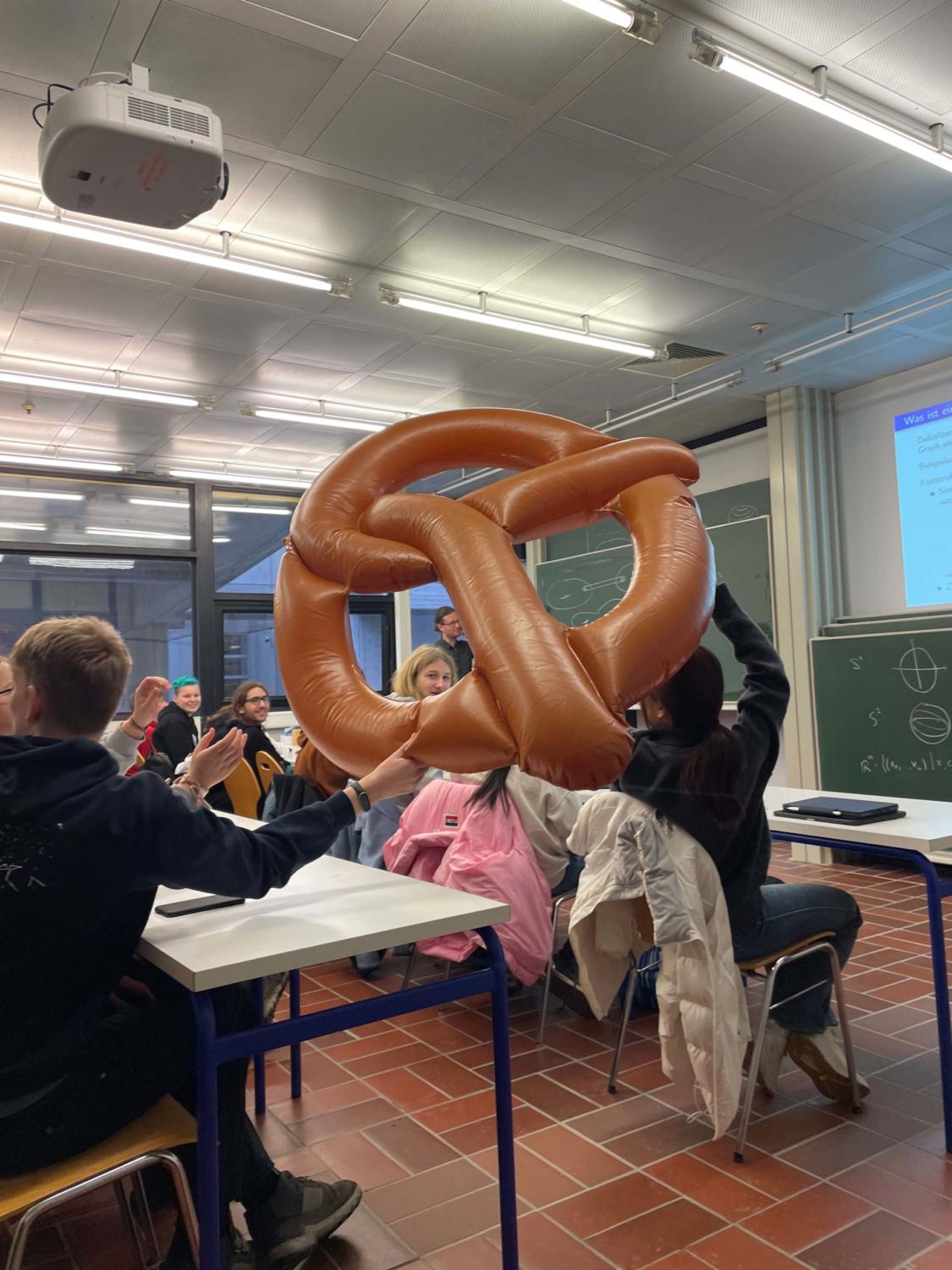
On Wednesday, the group took a trip to Gießen and visited the Mathematikum. The doors of the popular hands-on museum opened exclusively for the “MINTIs” during renovation week.

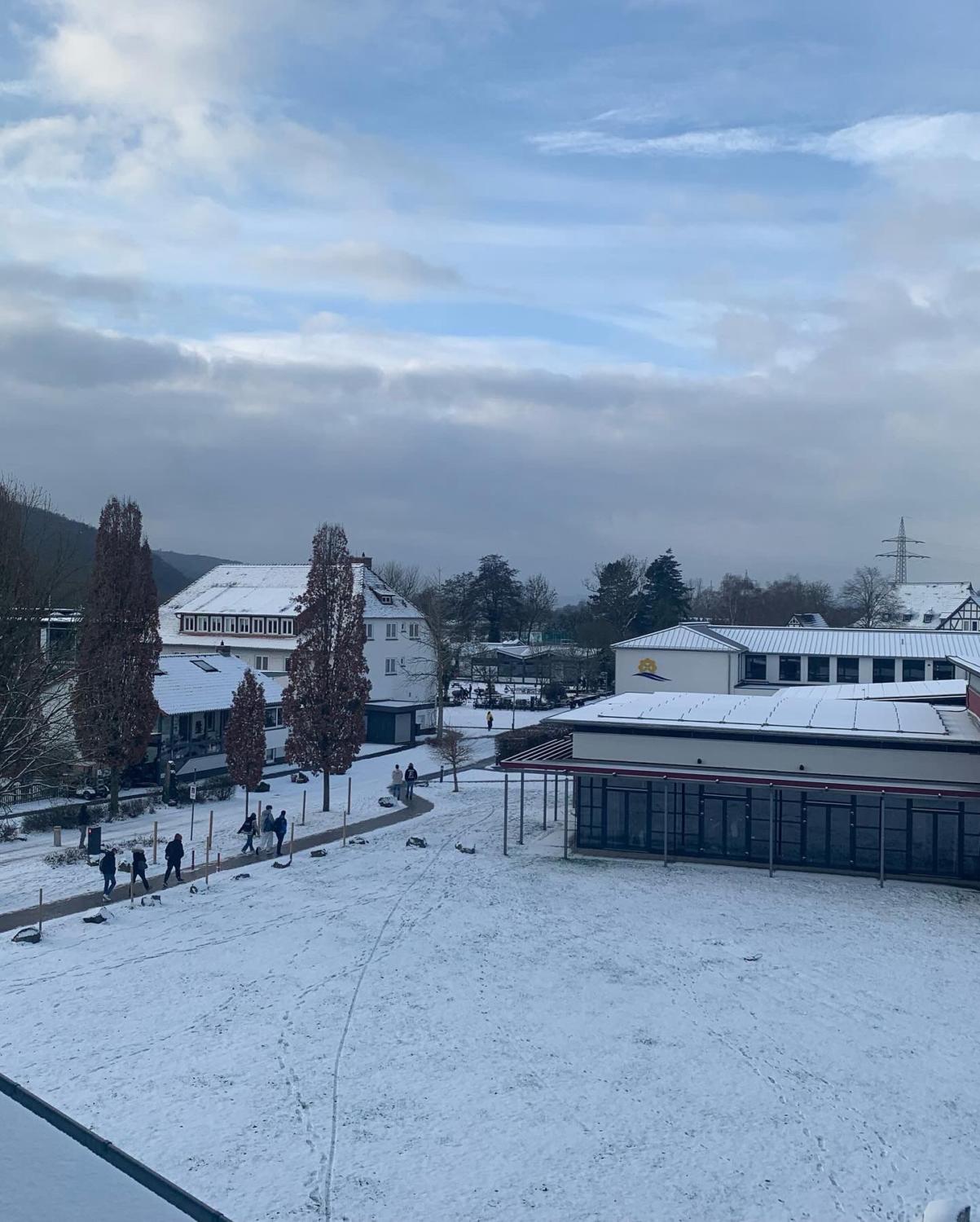
The group had actually planned to go on a math scavenger hunt in Marburg’s old town afterward. However, the heavy snowfall that set in put a stop to those plans.

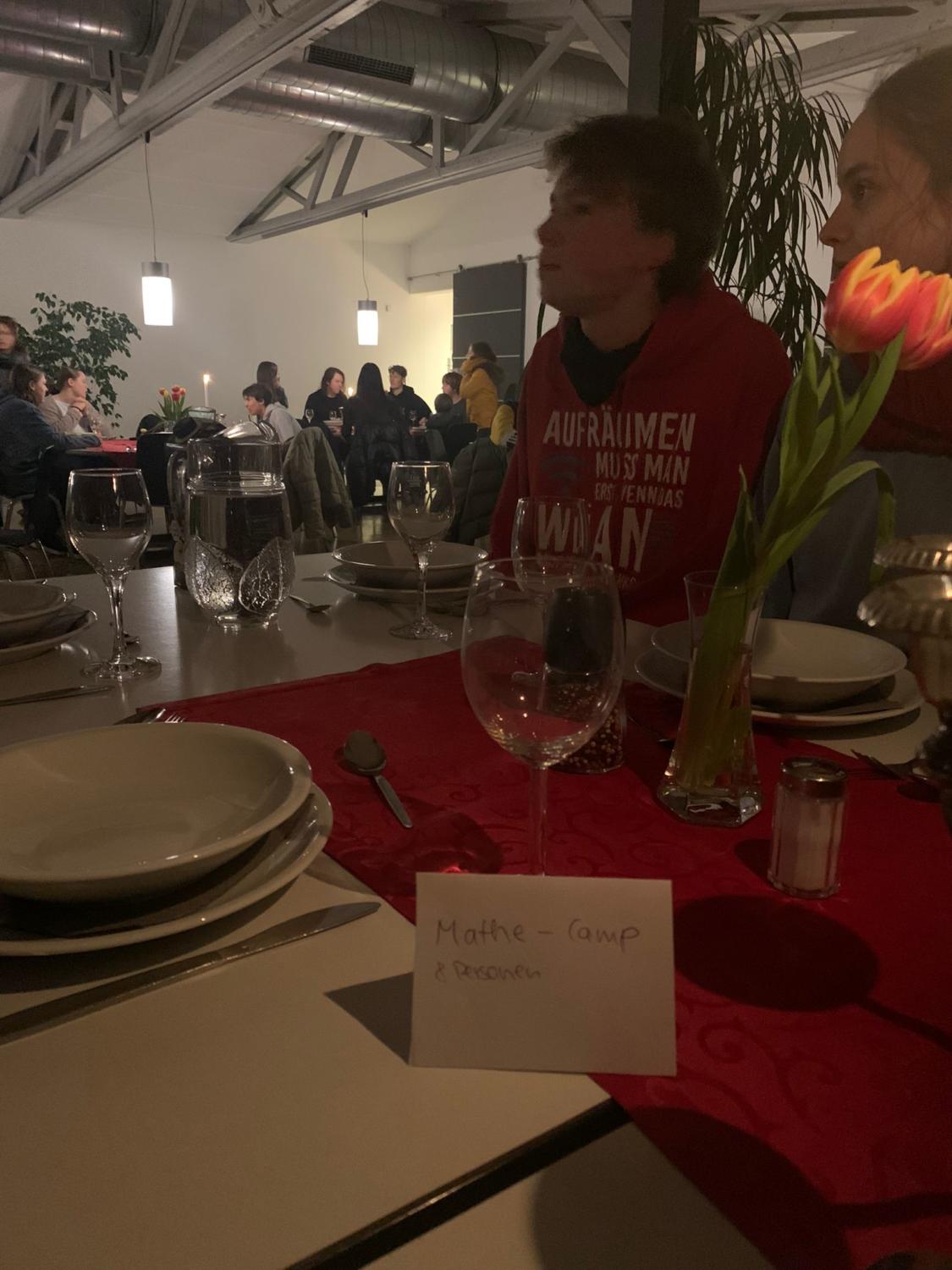
The math camp ultimately wrapped up with a special dinner in the cafeteria, featuring a three-course meal by candlelight.

To sum up the entire event, Steinmühle noted a very positive overall atmosphere, engaging presentations, and successful cross-school networking.

The participants quickly realized among themselves: We can count on you!