To mark the end of the school year, the boarding school community gathered for a barbecue in the schoolyard on their last evening together. Under bright sunshine, everyone ate together and reflected on the year before the summer break began.

Students and faculty members who are leaving Steinmühle were given a send-off. In addition, several students received academic awards for outstanding academic achievements.

The start of summer vacation also means saying goodbye to the Lahn grounds—even if it’s only for six weeks. Because of the warm weather, many people took advantage of the opportunity to go for a long swim one last time.

Steinmühle Boarding School wishes everyone a wonderful summer vacation and looks forward to the exciting school year ahead!


Encouraging results for Steinmühle at the “Youth Trains for the Olympics” rowing competition: Anton and Justus Steinmetz placed second in the lightweight double sculls at the state finals, finishing ahead of six other boats. The women’s coxed four, competing together for the first time, immediately secured 5th place out of 15. It wasn’t until the semifinals that the team—consisting of Anna Rheinhardt as coxswain, Rebecca Zenker at the stroke, Anna Dinges, Julia Fischer, and Alicia Spitzhüttl—was defeated. Julia Fischer and Rebecca Zenker finished third in the double sculls in a close race.

Coach and rowing instructor Martin “Stromi” Strohmenger summed it up: “We now have a total of about ten young people who are very interested in rowing and have indicated that they want to continue rowing in competitions.”

The young athletes from Steinmühle secured a top-10 finish at the state triathlon championship (Competition Class III) in Fulda. This achievement is all the more remarkable given that this was the first time a team from Steinmühle competed in this sport as part of “Youth Trains for the Olympics” (JtfO). Physical education teacher Marcel Kalb reports:
What a sensational debut at the state-wide “Youth Trains for the Olympics” school competition in triathlon, where the seven-member team immediately secured a spot in the top 10. In the end, they were just under 30 seconds shy of seventh place out of a total of 16 teams.
From the very start, the team’s motivation, morale, dedication, and fierce competitive spirit were all on point. The team was only defeated by teams that are already well-established in this competition, though this suggests that something truly great could emerge from Steinmühle in the future. In any case, the students are already very enthusiastic and open to participating again.
Many thanks also to the two helpers, Gianna Fain and Mara Mensing from class 9c, who supported the team and the competition with great dedication.
The following students competed: Alisa Padva (8a), Paul Martin (9b), Anton Steinmetz (7c), Paula Auschill (8a), Yasin Yilmaz (9a), Luca Baalbaki (7c), and Justus Steinmetz (7b).

For everyone who wasn’t there: We want you!

So much of what happens on stage at the Steinmühlenforum looks so effortless when it’s finally performed. Yet in almost every case, it’s the result of weeks or months of work. Everything is prepared and rehearsed with diligence and dedication, even in class. That was also the case with the 5th-grade musical titled “Kwela! Kwela!” It was THEIR night. But it wasn’t just the youngest students who were involved in the performance.

The story begins with a crisis: There’s no water in Africa, and it’s sooo hot. This causes problems for the animals—and calls for a solution. That doesn’t seem so easy—with a cheeky know-it-all, a poet in love, a desperate lover, a diva, an old sage, queens and a king, laid-back animals, and thieving spirits. —A colorful group, in other words, struggling to maintain their comfortable lives. A little rabbit plays an important role. In the end, everyone gives something up, but everyone also wins. You win when you lose. A fair deal.


Choir and Soloists

The parable about the struggle to achieve a harmonious coexistence, accompanied by abundant music, required the participation of many singers in its performance: The 5th-grade choir, directed by Daniel Sans, Ulrike Wilmsmeyer, and Frank Wemme, as well as the vocal soloists Samuel Kirschning, Justus Manczyk, Annica Bartsch, Carlotta Meyer, Sophia Rogosch, Marie Grosse, and Leontin Schmidt.


The Joy of Acting

The cast included Maximilian Glock (King George), Antonia Kurlinsky (Queen Geogina), Stella Preiss (Queen Georgia), Lilian Gräser (Zebra Zoe), Zebra Fred (Finja Simmer), Mats Egbring (Priscilla), Konrad Rothmann (Tebogo), Jaron Häußermann (Wise Marabou), Sude Yilmaz (Frank the Elephant), Liliane Albrecht (Zoe the Monkey), Colin Schäfer (Marvin the Monkey), Neyla Fritz (Tschipo the Rabbit), Mats Egbring (the Oracle), as well as Mika Bredendiek, Max Krug, Jonas Nolte, and Philipp Zielen as the Monkey Ghosts. The performance was directed by Ulrike Wilmsmeyer and Frank Wemme.


They set the rhythm

The musical accompaniment was provided by the musical band, made up of students in grades 7 through 11. The following instruments were played:

Flutes (Nela Haeberle, Flûte Seifart, Alicia Spitzhüttl), saxophone (Tom Herfert), trombone (Samuel Ruff), piano (Nina Simmer), electric bass (Janne Schweitzer), drums (Aaron Ruff). Frank Wemme from the Music Student Council played electric guitar and led the group.


For Great Sound

No performance would be complete without the contributions of the WU Sound & Light team. The team consisted of Tim Bastian, Finn-Jonas Posingies, Anton Schneider, Luis Klefenz (grades 8 and 9), Raphael Hetche, Basti Sasse, and Julian Textor (grades 10 and 12). Sam Kempkes directed the production.


The parents helped

The visual impact of any performance should not be underestimated. The fact that the costumes and makeup were so professionally prepared was thanks to Birgit Niedziella, Alessa Niedziella, and Kira Gräser. Other parents also helped out with the makeup.


Great at Painting

The set design was created by Samuel Kirschning and Justus Manczyk (Sun/Title), Janne Elsaßer (Oracle), Celia Giebing, Merle Herwig, and Emma Wagner, under the direction of Ines Vielhaben.

The posters were created by Annica Bartsch, Leonard Berger, Mika Bredendiek, Zoe Closmann, Mats Egbring, Neyla Fritz, Max Glock, Lilian Gräser, Jaron Häußermann, Quentin Herwig, Antonia Kurlinsky, Carlotta Meyer, Jonas Nolte, Stella Preiß, Konrad Rothmann, Colin Schaefer, Ben Scharmann, Sude Yilmaz, and Philipp Zielen under the guidance of Ines Vielhaben. The hand puppets were also used as part of their 5th-grade art class.

Ulrike Wilmsmeyer was in charge of the overall organization of the event. We would like to thank the school administration and Oleg Koch, the custodian, for their organizational support.

Who actually decided what’s normal? The 11th-grade “Drama” class explored this question in depth with their production “The Perfectly Normal Madness.” As part of what’s known as a “scene collage,” the students brought various theatrical techniques to the stage: expression through movement, rhythm, voice, and props. Visitors learned that much of this depends on the perspective of the audience. It all comes down to what the viewers and listeners make of the messages conveyed.

The DS-Kurs 12 class presented the play *Dead Poets Society*, deliberately exaggerating the routines of a staunchly conservative boarding school and the unconditional support it receives—precisely for that reason—from some traditional parents. Discipline and self-expression are presented here as seemingly irreconcilable opposites; a student’s suicide is attributed to the unconventional teaching methods of a single teacher—because that’s easier than questioning oneself as a parent or the boarding school itself. – A wonderful evening with consistently excellent acting throughout.

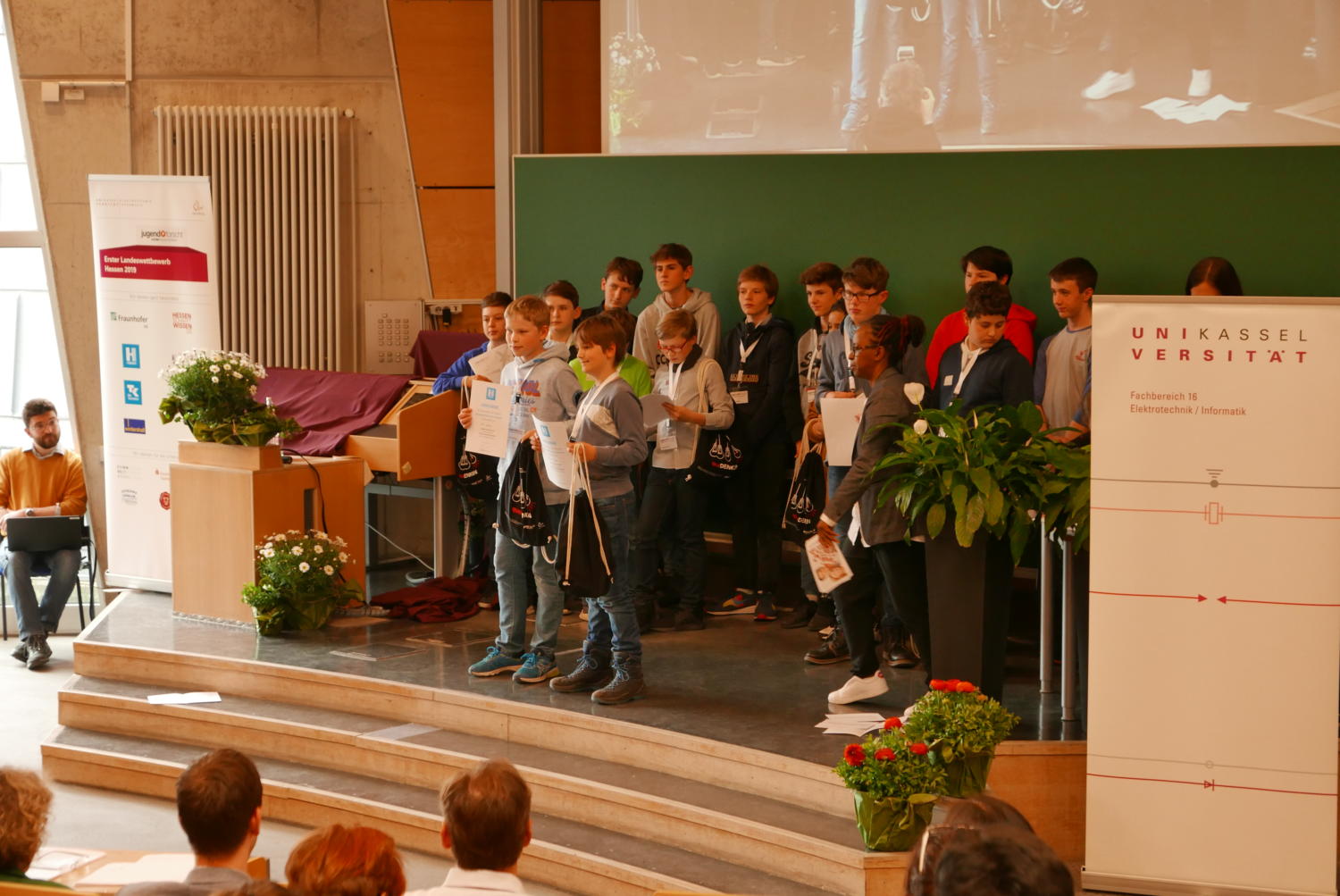
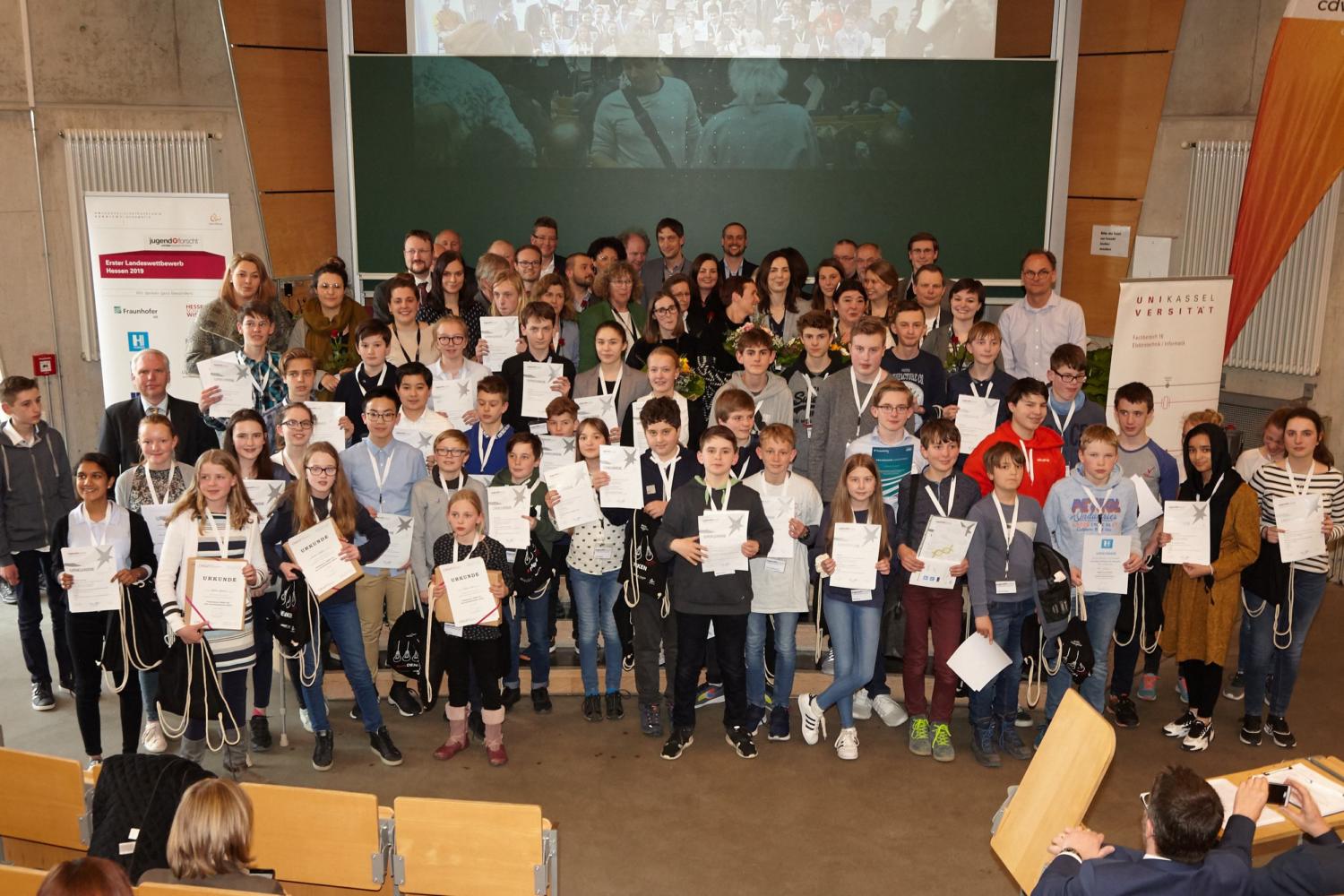
This spring, for the first time, a state competition was held in Hesse in the junior division of Jugend Forscht, also known as “Schüler experimentieren.” For Steinmühle, participating was a complete success, as no one returned to school without a prize.

The competition was organized by the Department of Electrical Engineering and Computer Science at the University of Kassel and was held there as well.
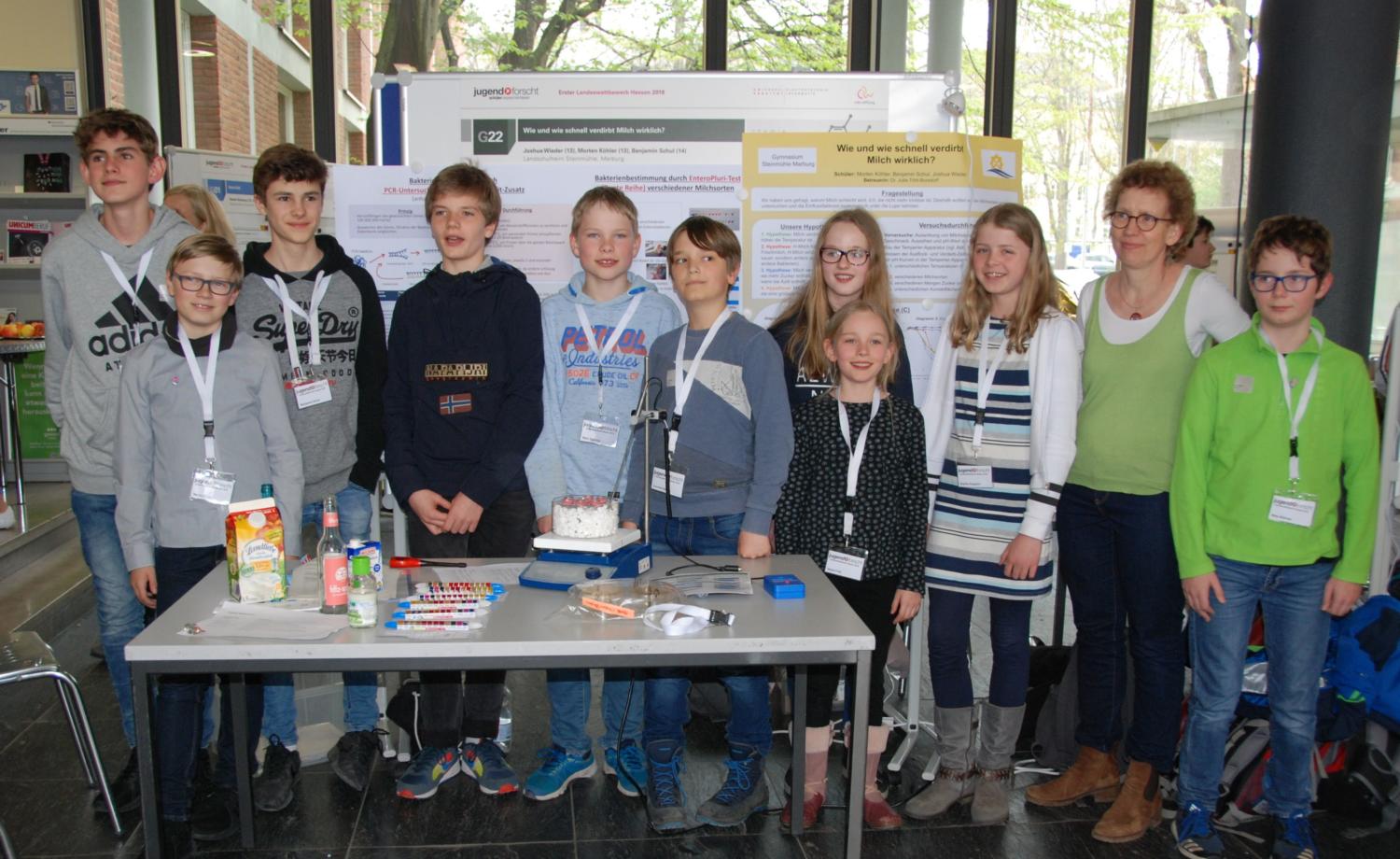
Steinmühle was able to field four teams (one biology project and three chemistry projects) that had won first place in the regional competition. The students from grades 5, 6, and 8 had to arrive early to set up their booths by around 8 a.m. Over the course of two days, they presented their research projects at their booths using scientific posters to a panel of experts and, on the second day, to the general public as well. It quickly became apparent that—compared to the regional competition—the overall standard of the research projects was very high.

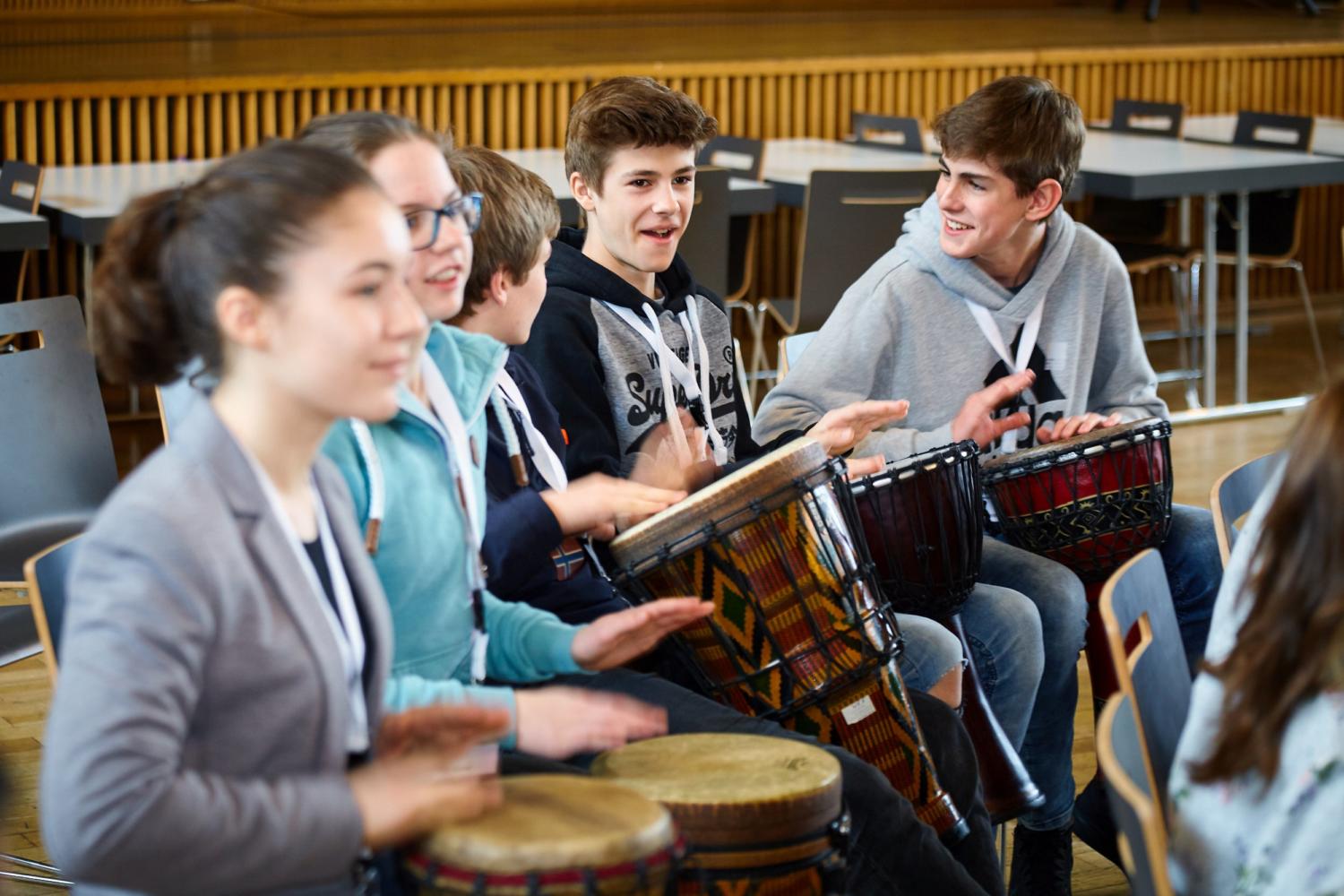
A varied program of activities, including a visit to Grimm-Welt on Friday and a drumming workshop on Saturday, was on the agenda for the students. They spent the night at the nearby youth hostel.

Famous TV Host

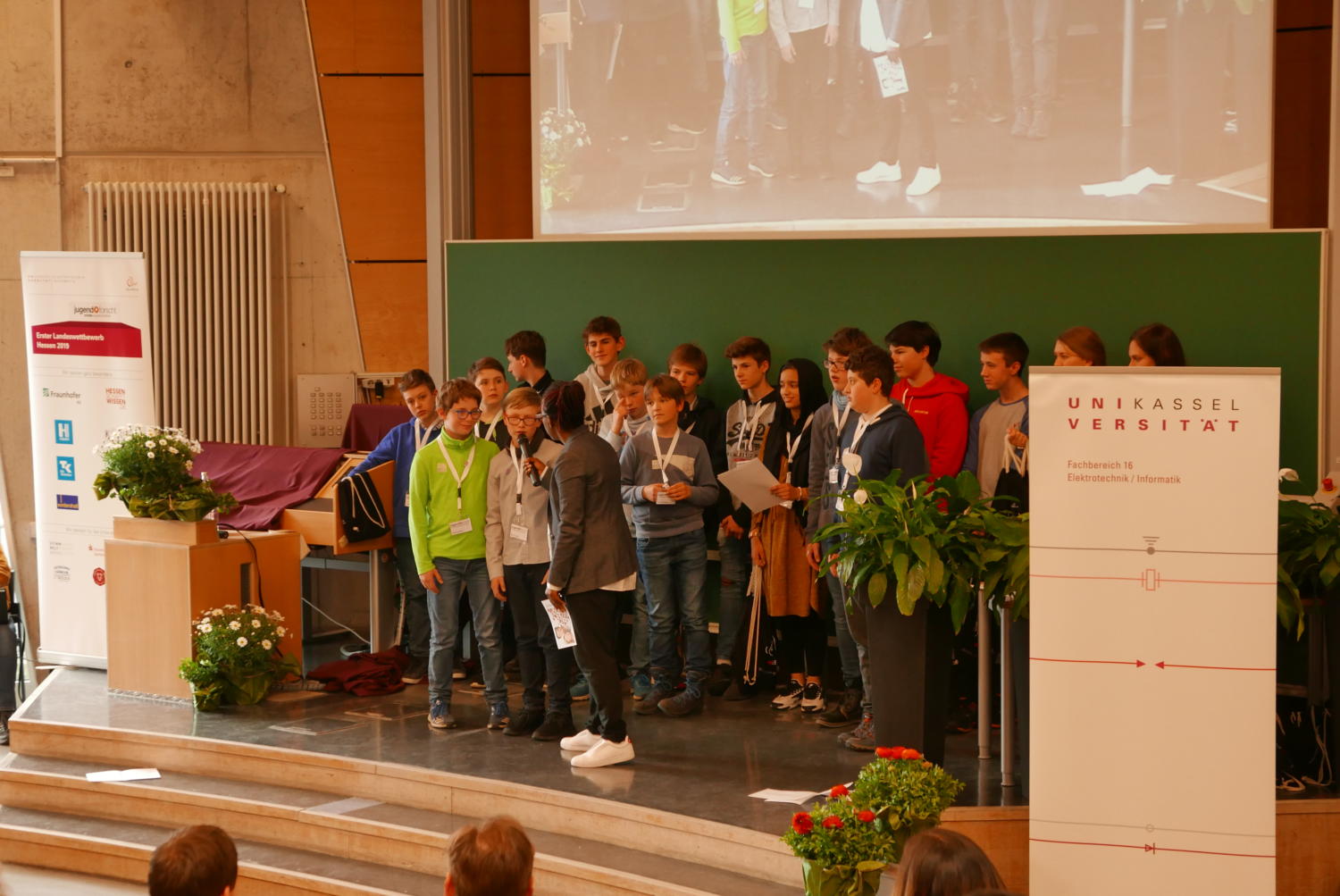
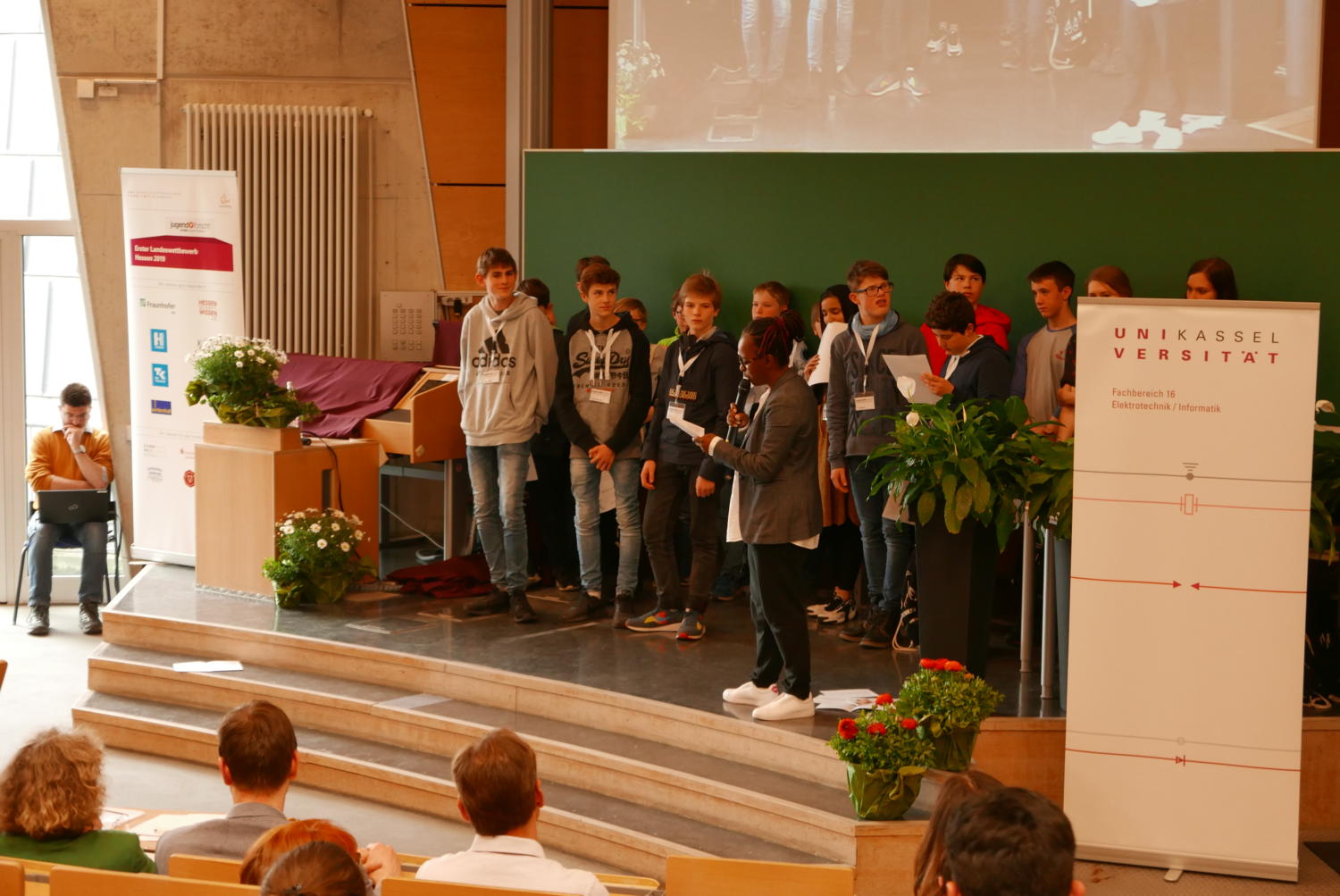
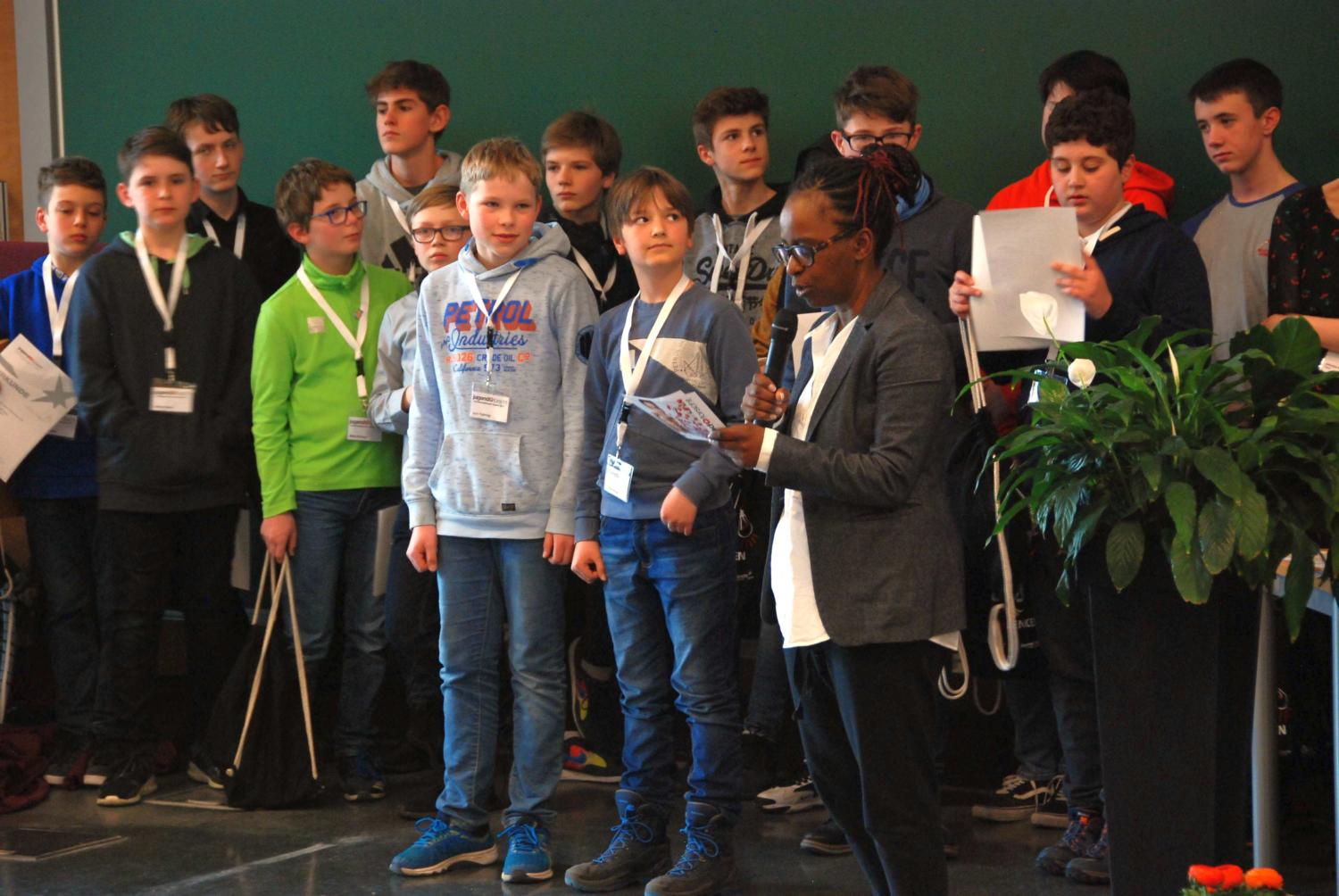
The awards ceremony finally took place on Saturday afternoon and was hosted in a very entertaining manner by Shary Reeves, whom many recognize from the KiKa show “Wissen macht Ah.”
The program began with a series of thank-you speeches by representatives from the Hessian Ministry of Education and Cultural Affairs, the business community, and the University of Kassel. Shary Reeves then announced the rankings in the individual disciplines and presented the special awards.

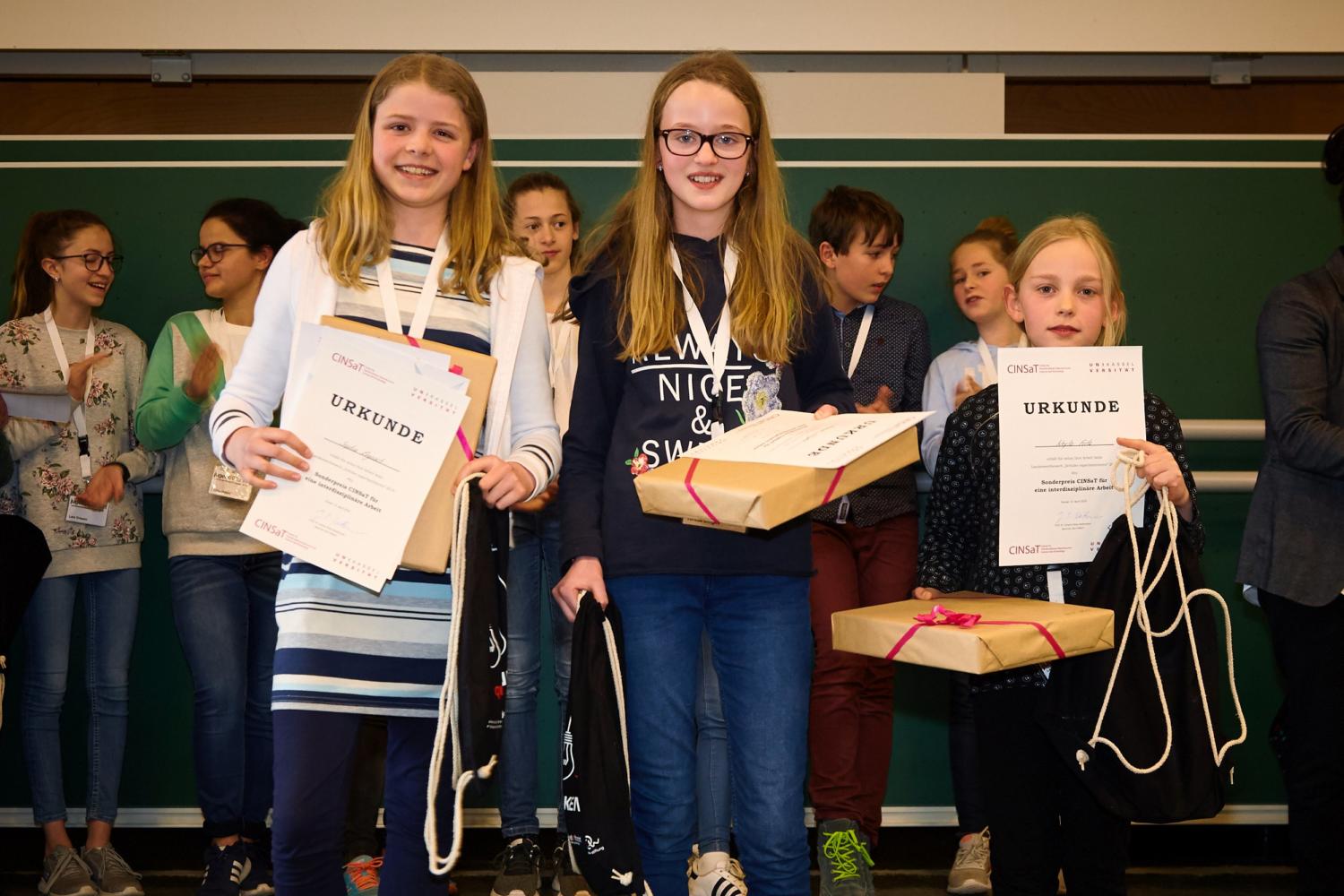
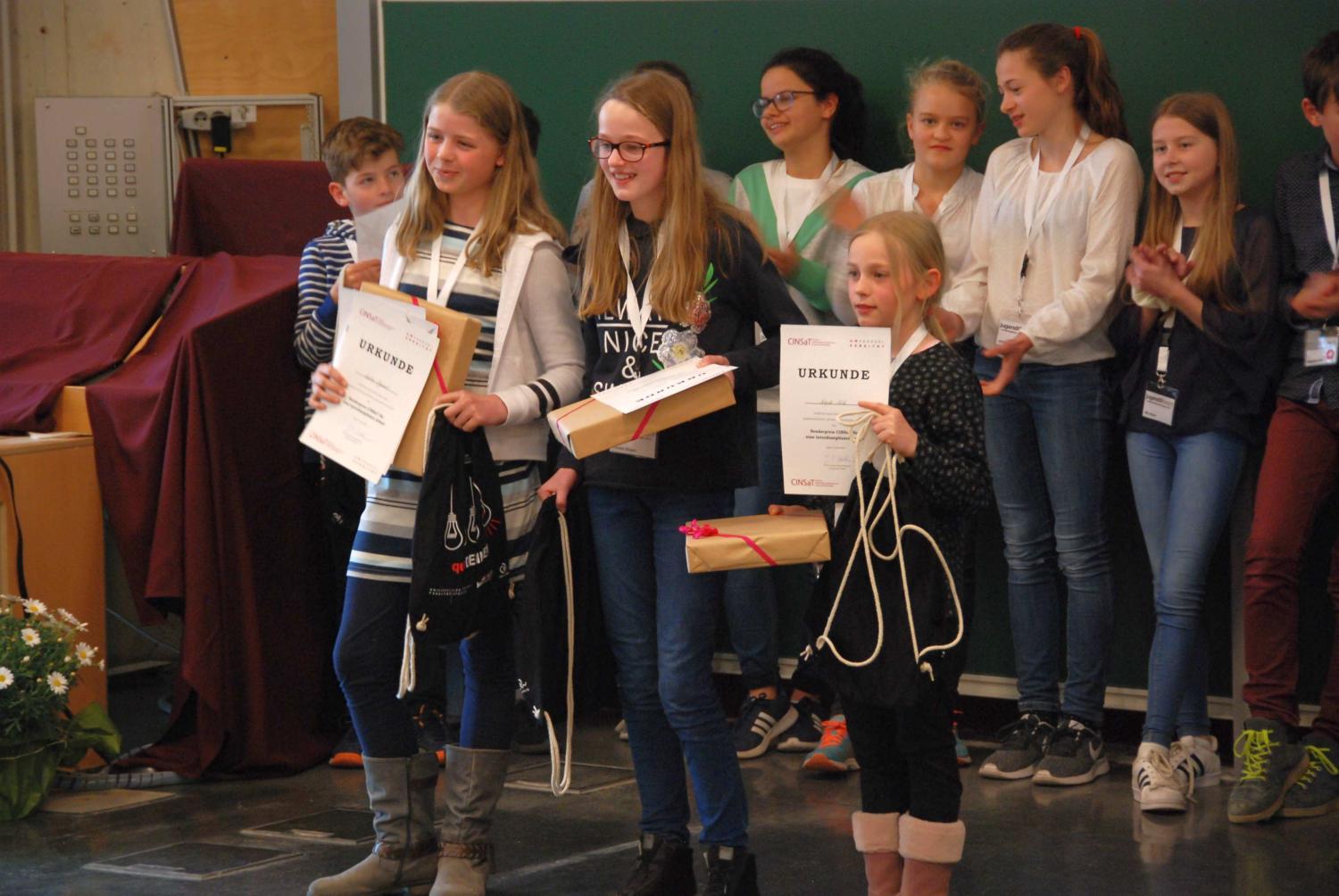
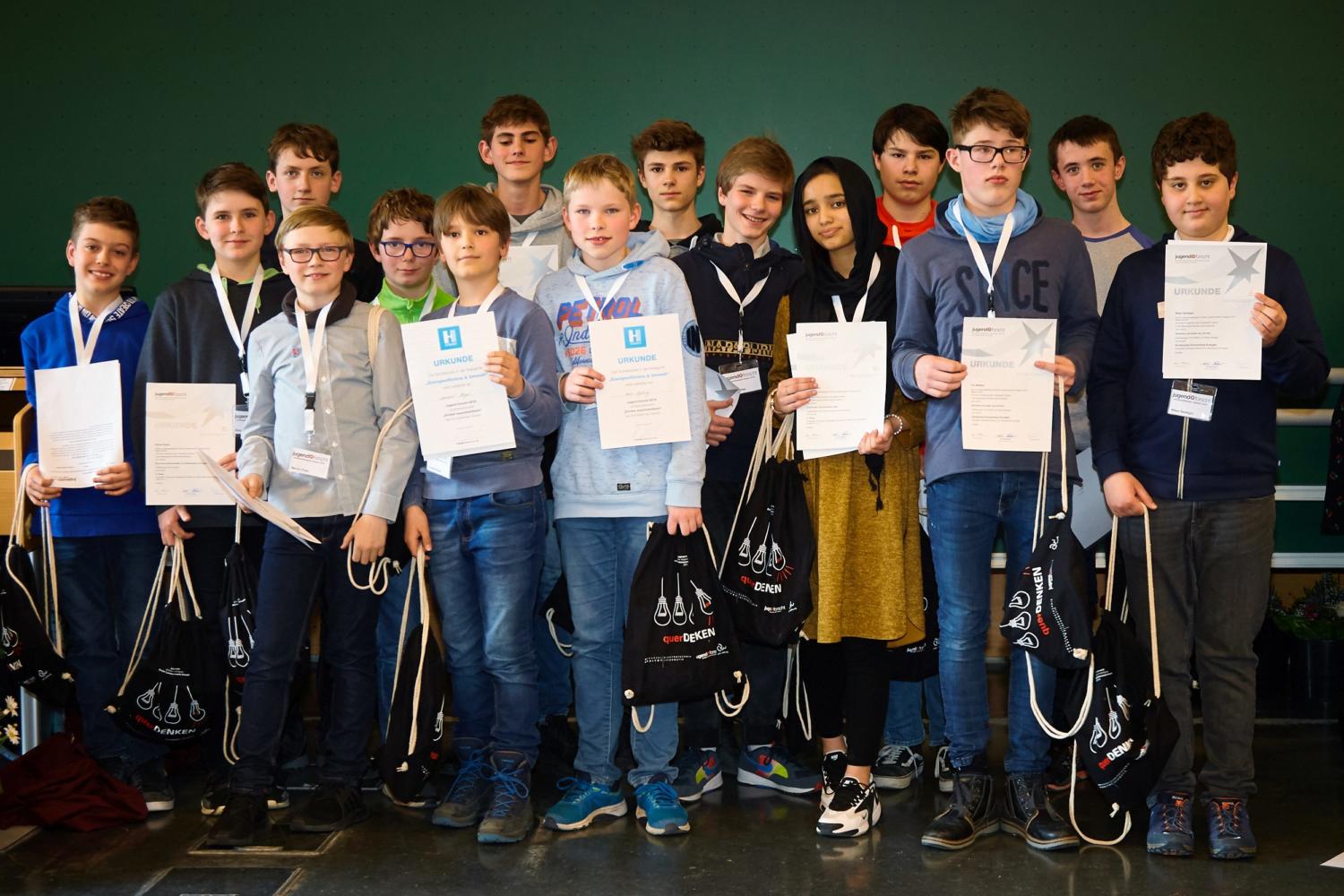
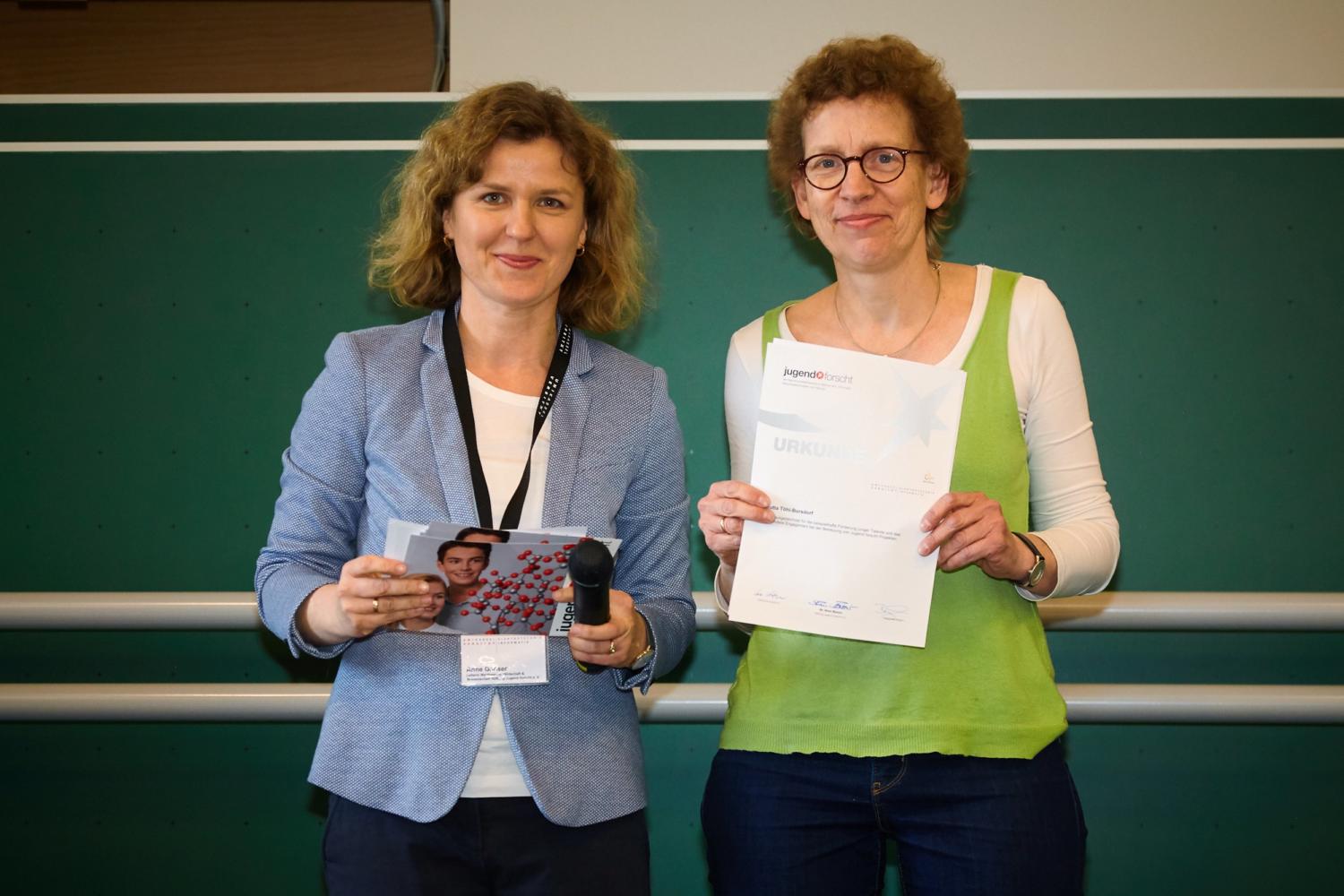
The result was sensational for Steinmühle. Happily, all of Steinmühle’s participants went home with prizes! This was also true for Dr. Jutta Töhl-Borsdorf, our school’s STEM coordinator, who received a mentor award: “When it comes to the supervisor awards, it’s repeatedly emphasized that we’re able to have even very young students work on challenging projects.” There was also an interview in Kassel about the structures at Steinmühle.


Many would like to continue

Dr. Jutta Töhl-Borsdorf: “It’s great that the students who leave the GuFi Lab in 7th grade often continue—or now want to continue—for example, on Friday afternoons in the ‘Open Lab’ or during the 8th and 9th periods in elective classes.”

Another goal is for the project to extend all the way to the upper grades. While students there often have a very full schedule, it is possible to substitute a subject required for the Abitur with a “Jugend Forscht” project as a “special academic achievement.”


The following projects were developed for the “Schüler experimentieren” competition:

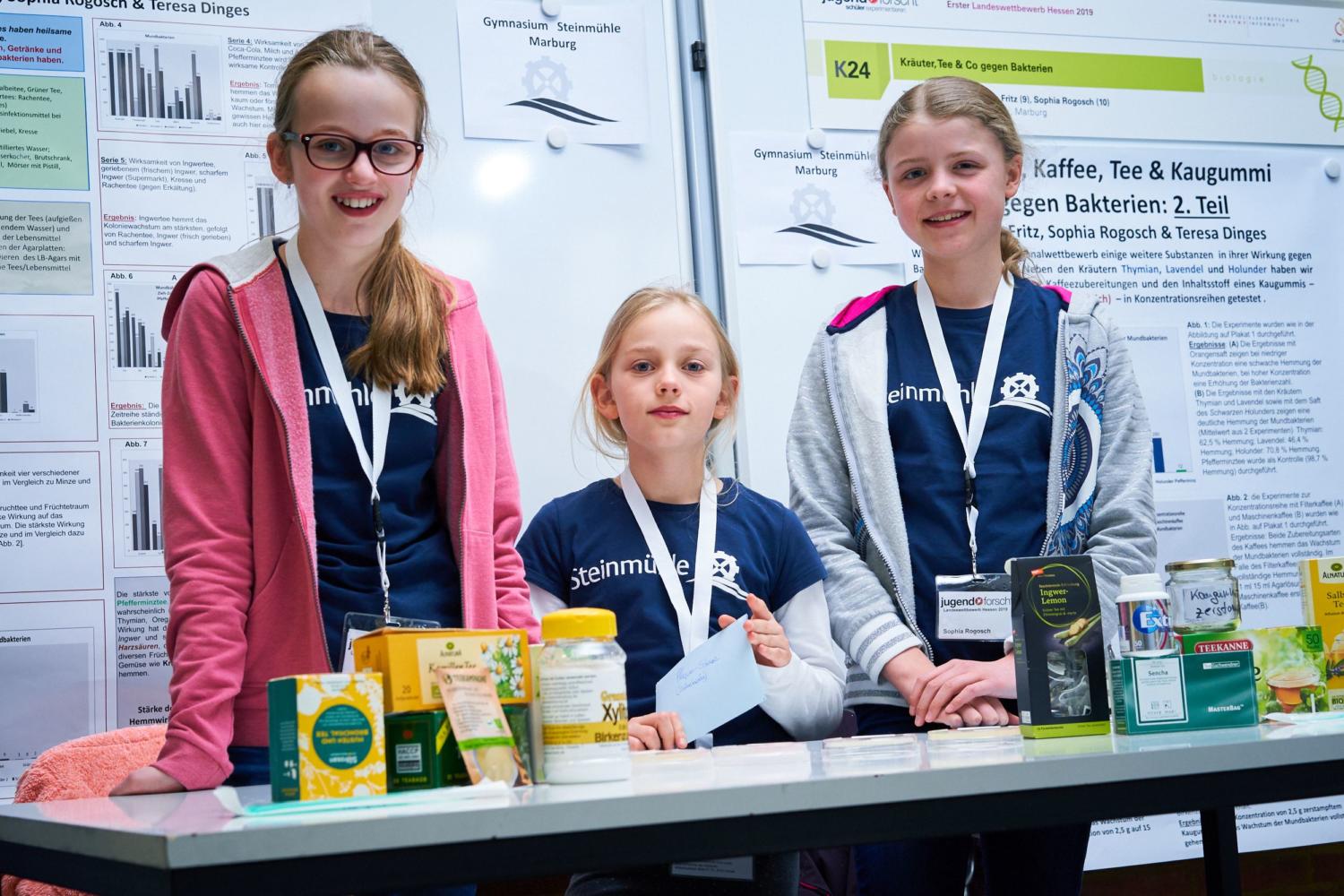
Teresa Dinges, Neyla Fritz, Sophia Rogosch
: Herbs, Tea & Co. Against Bacteria: 3rd place in Biology (75€) and a non-cash prize (a multimeter) from CINSaT for an interdisciplinary project.

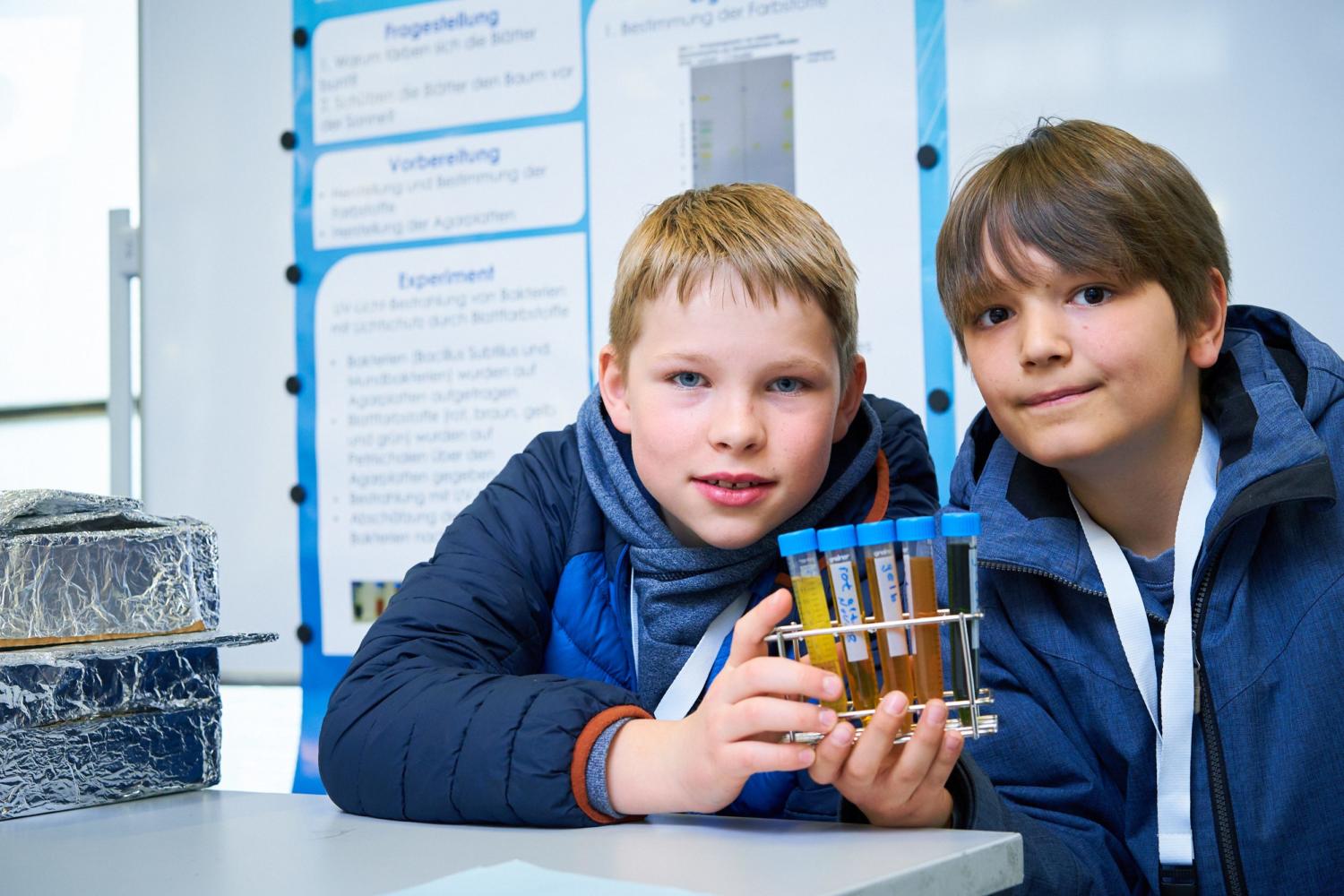
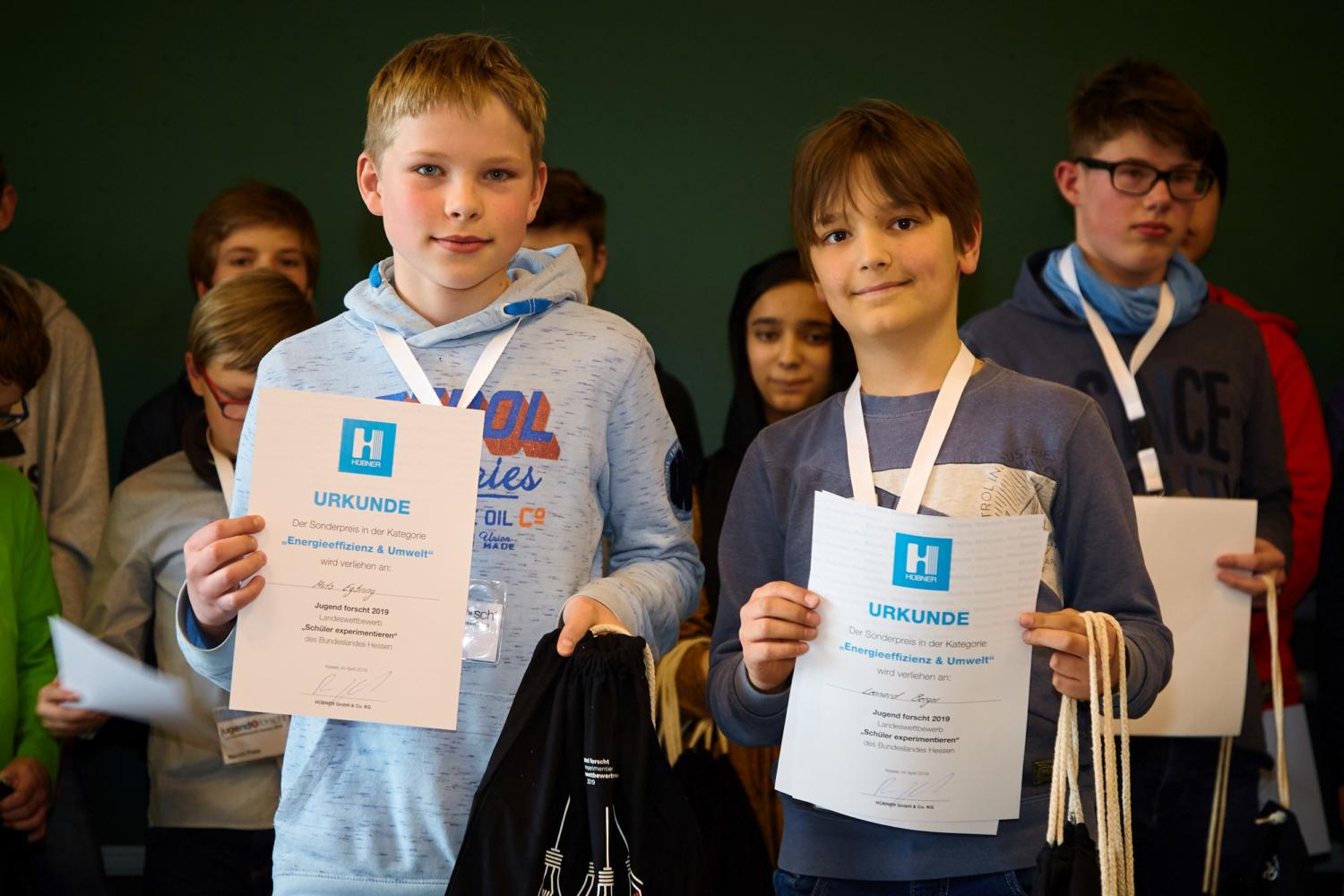
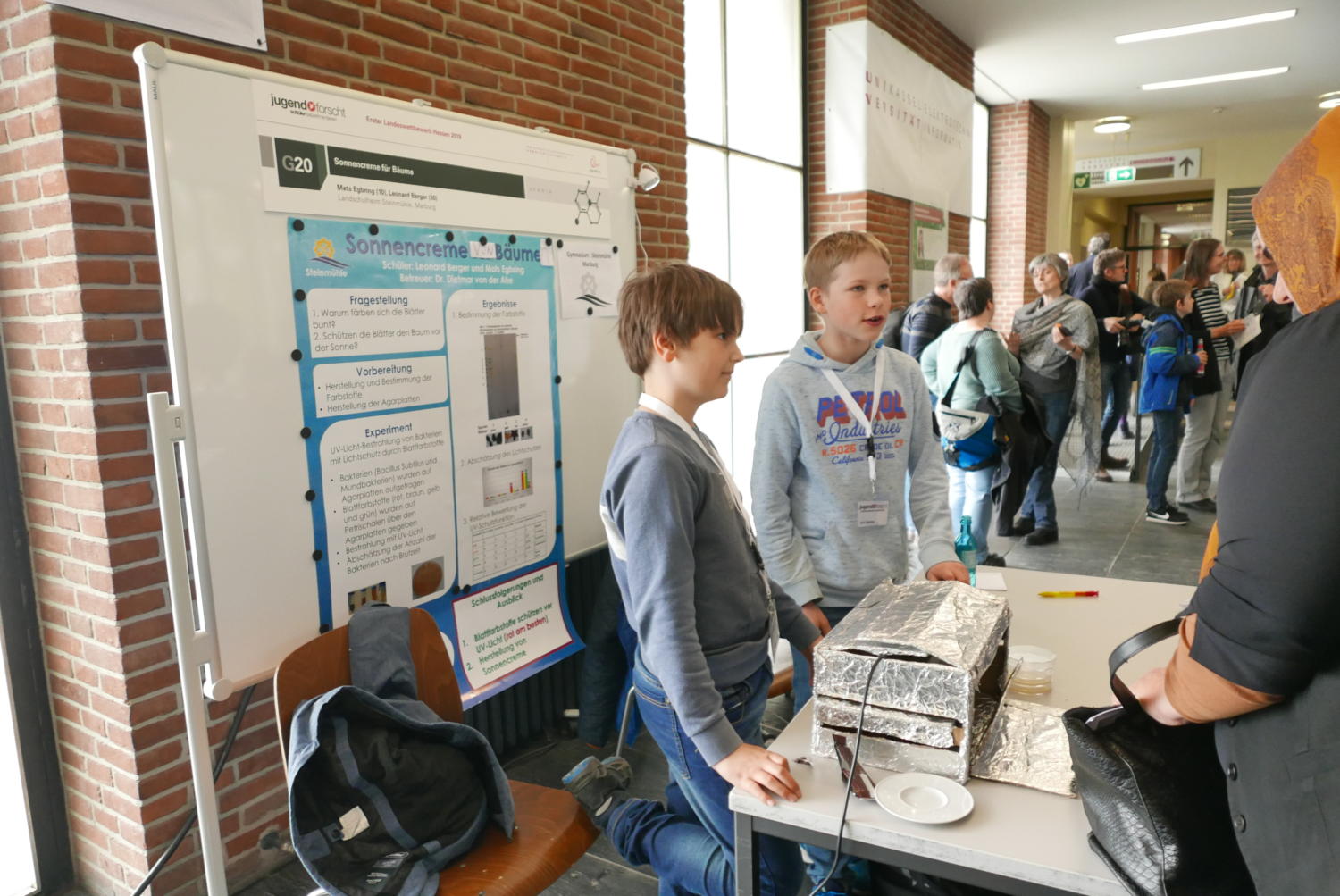
Mats Egbring & Leonard Berger
Sunscreen for Trees: Special Prize for Energy Efficiency and the Environment (150€)

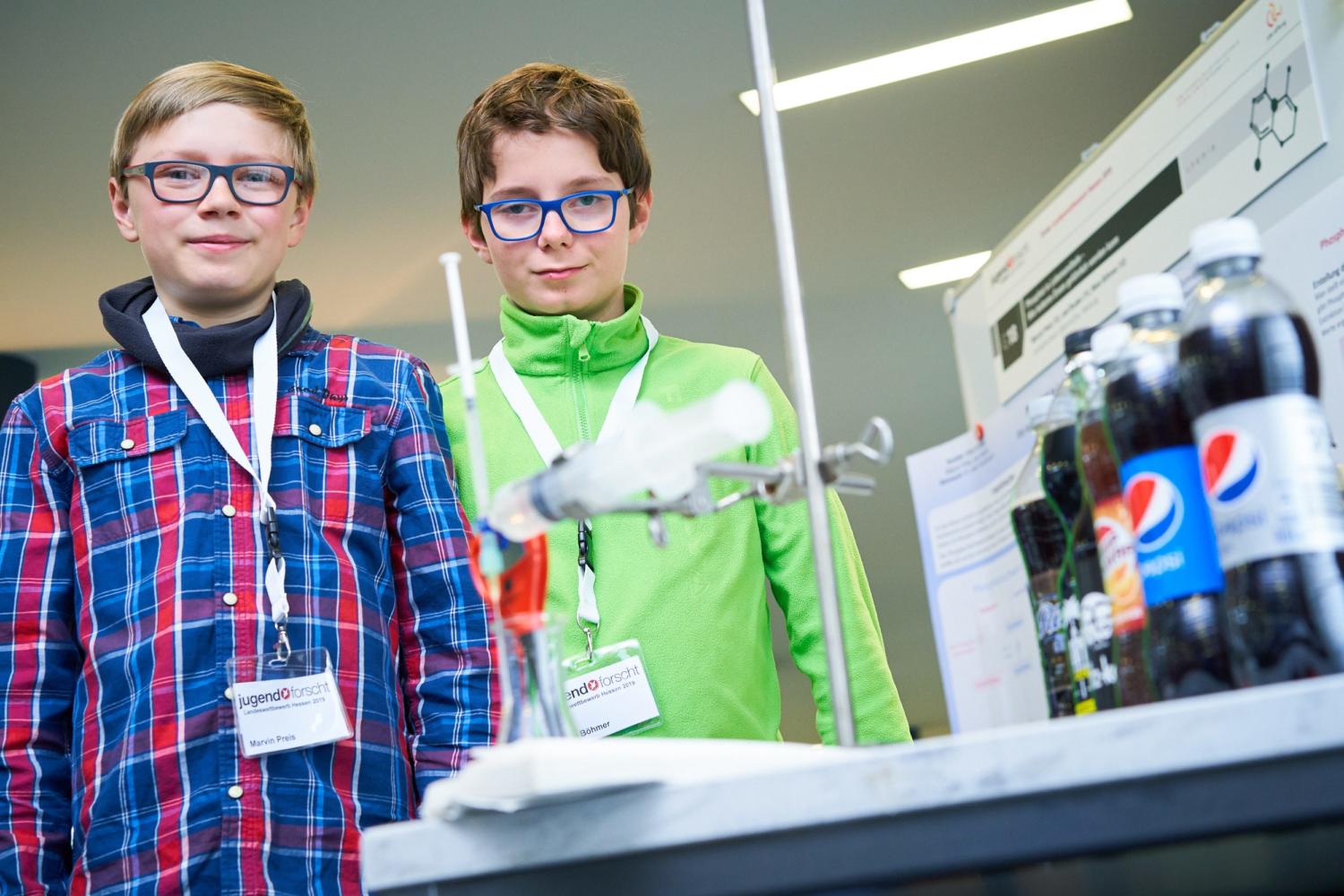
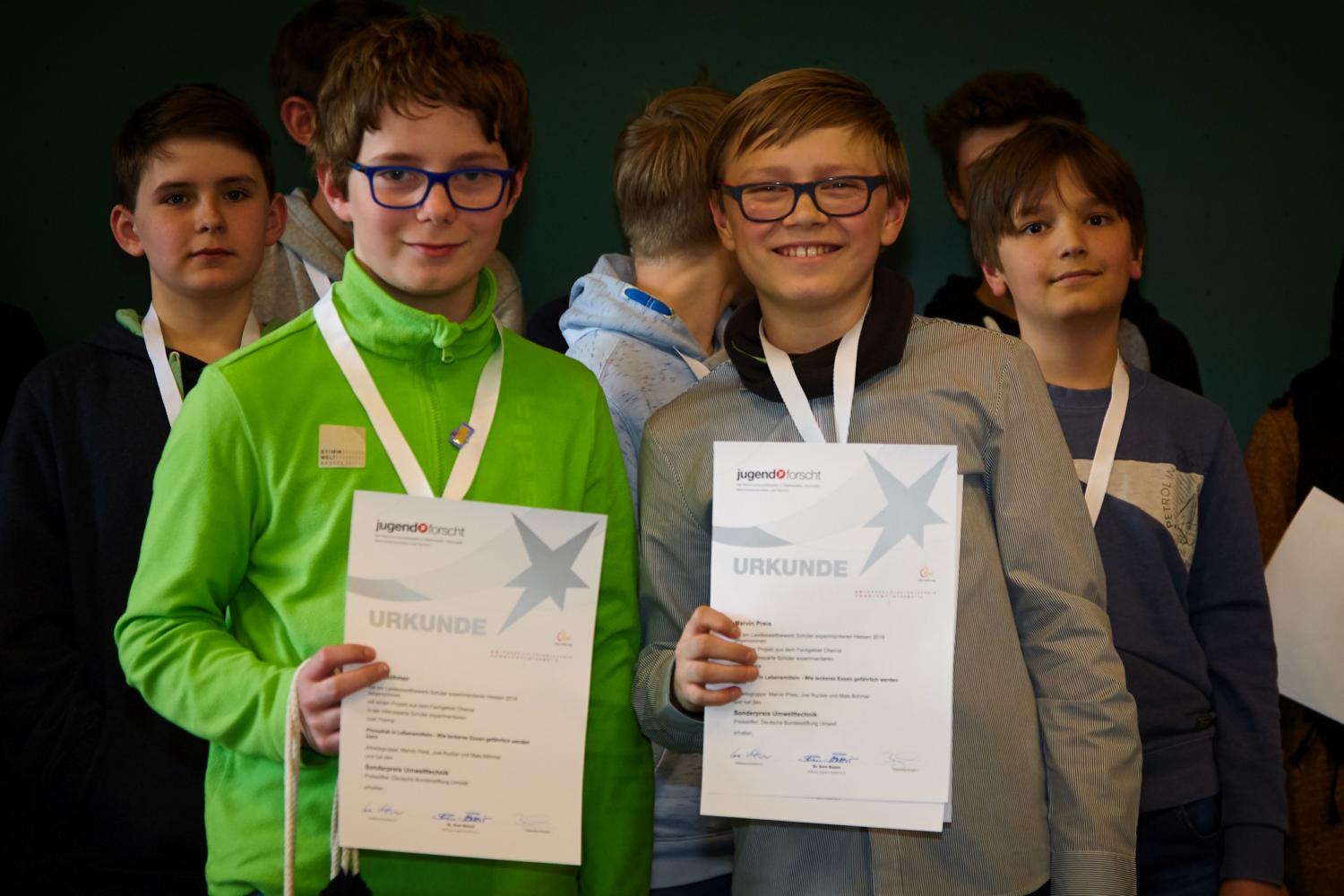
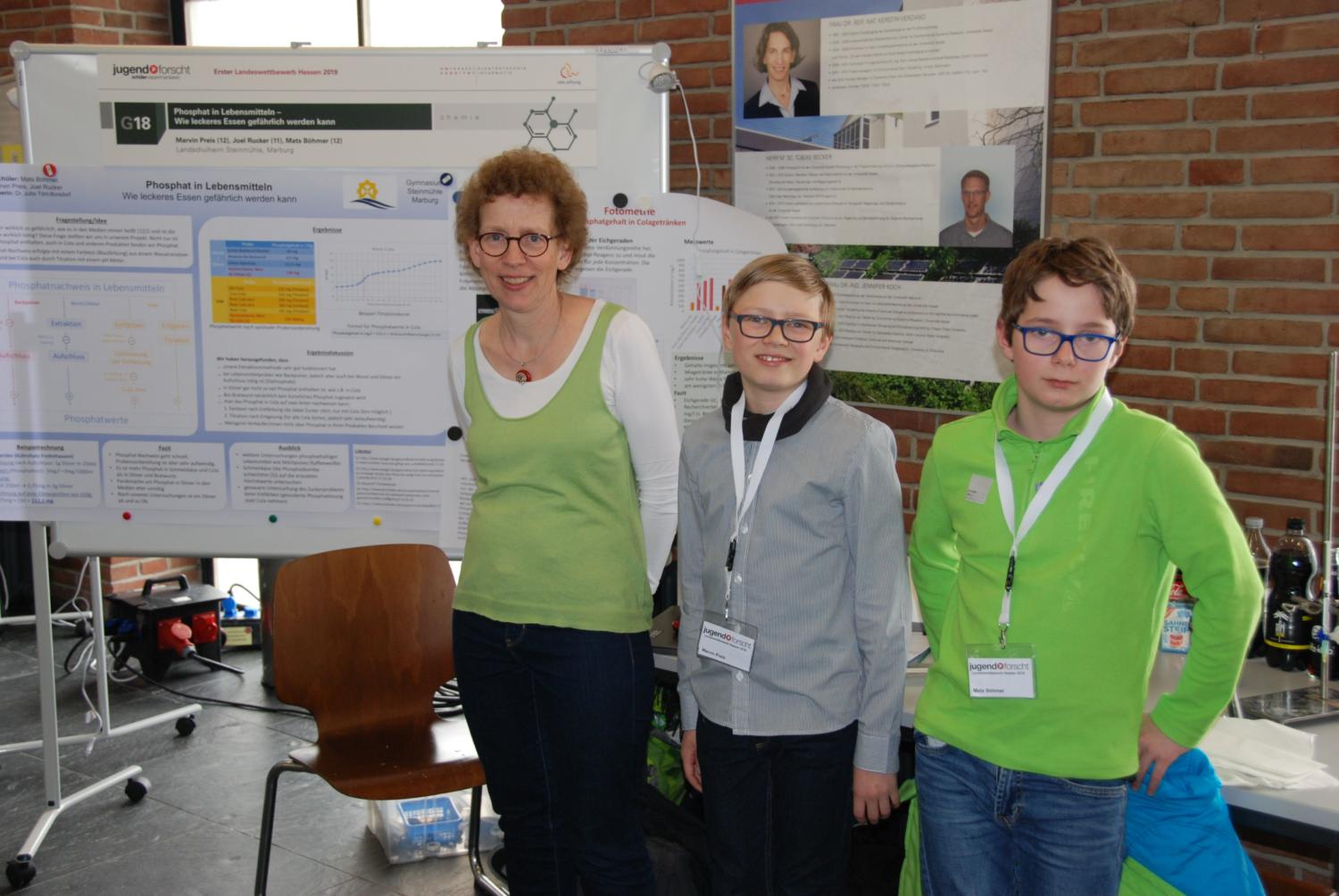
Marvin Preis, Joel Rucker, Mats Böhmer
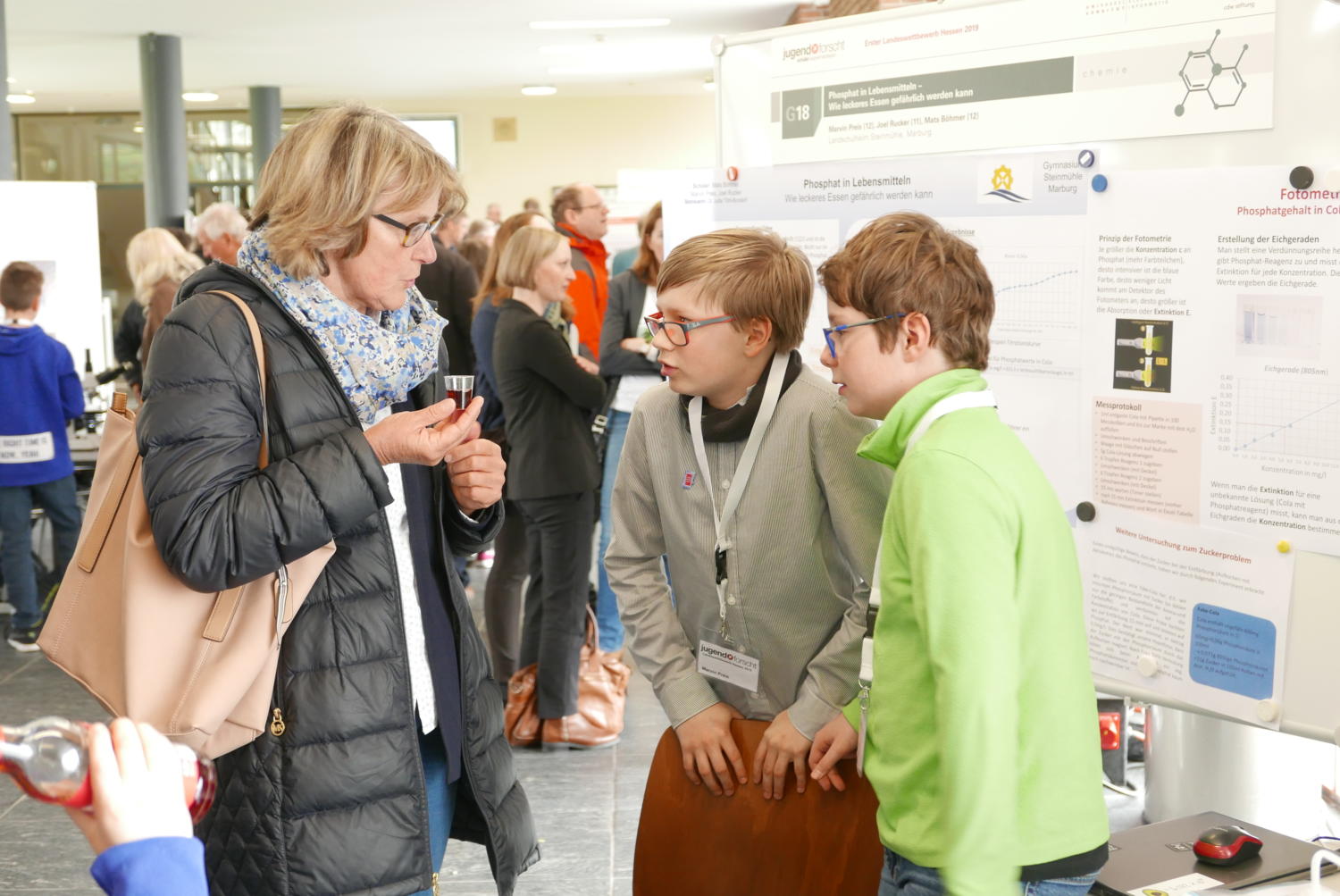
, “Phosphate in Food—How Delicious Food Can Become Dangerous”: Special Prize for Environmental Technology from the German Federal Environmental Foundation (150€)

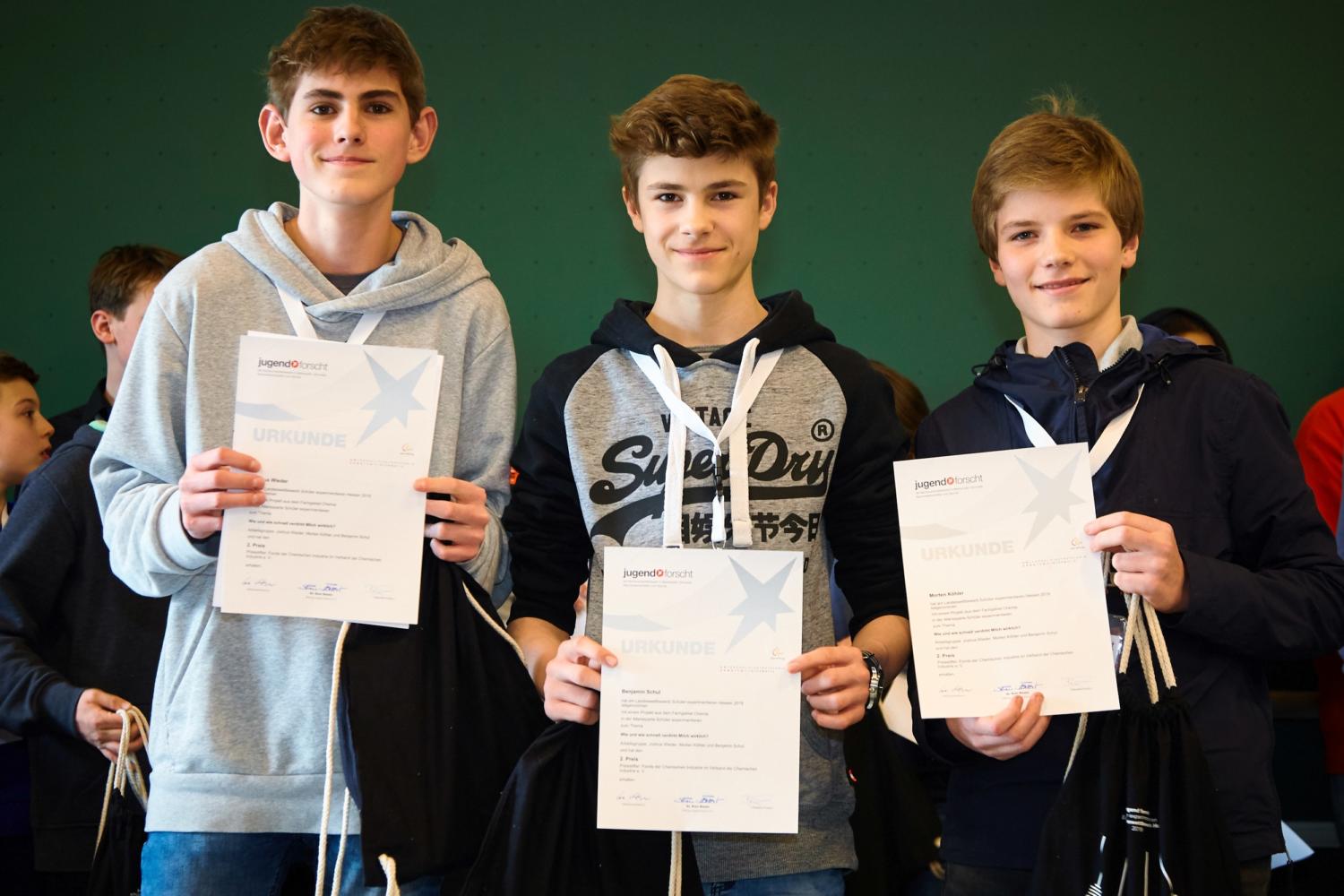
Joshua Wieder, Morten Köhler, Benjamin Schul
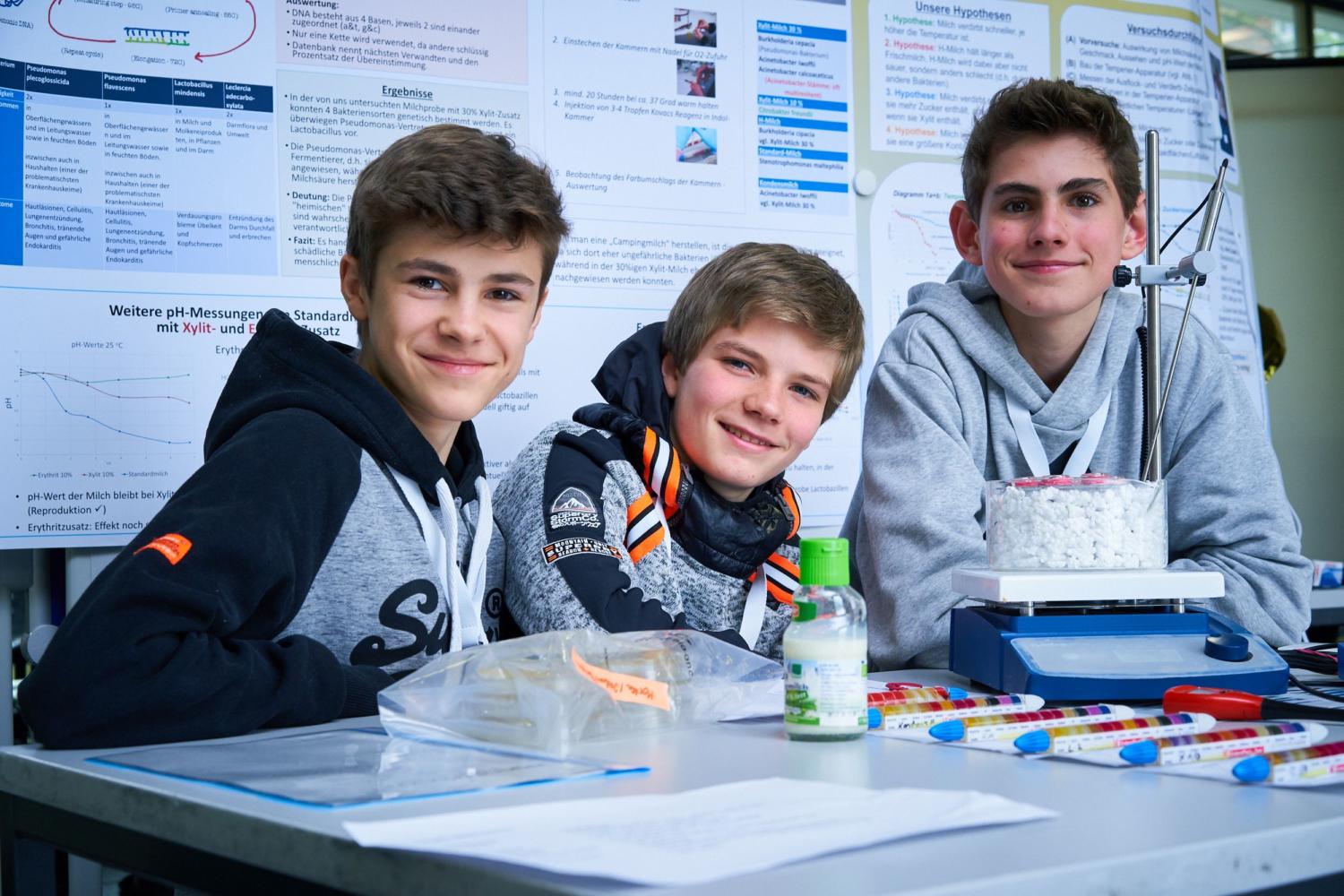
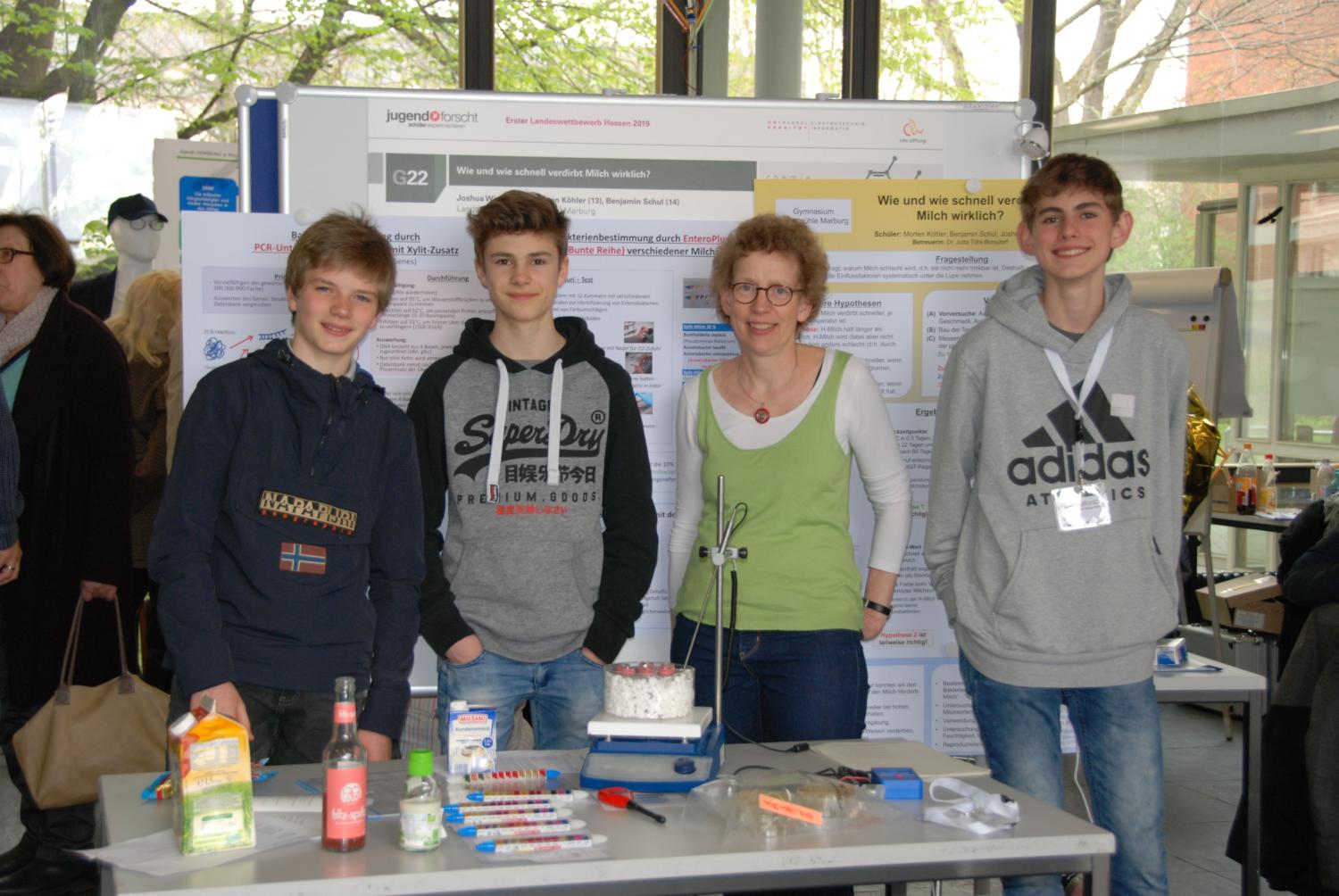
How and How Fast Does Milk Really Go Bad?: 2nd Place in Chemistry (100€)

The mentor award for Dr. Jutta Töhl-Borsdorf includes participation in a training workshop to be held in November in Paderborn at the Nixdorf company, together with mentors from the other federal states.

At the regional “Jugend Forscht” competition, the two 12th-grade students, Lena Noelle Joußen (17) and Janina Seip (18), qualified for the Hesse state competition in Darmstadt. This meant they had to keep putting the finishing touches on their project right up until the very end.

The two-person team set off for Darmstadt the day before the competition, right after school ended. The next morning at 8 a.m., they were admitted to the Merck company’s gym. A total of 36 teams from the fields of the working world, biology, chemistry, earth and space sciences, mathematics and computer science, physics, and technology set about setting up their booths, taking the opportunity to check out the other participants’ projects.

Each team received two partition walls as well as tables and chairs; parents and guardians were not permitted to attend that day. At 9 a.m., the opening remarks were given, highlighting this year’s motto, “Don’t ask me, ask yourself,” and outlining the schedule for the day. A list of the jury’s evaluation times was passed around. This was much more enjoyable than at the regional competition, since we didn’t have to stand at the booth the whole time but could also attend various workshops on topics such as dual study programs or patent law, etc. We also got to know the other teams better, who also had very good projects to present.


45-minute evaluation by a four-member panel of experts

The wait until the jury’s questioning seemed relatively long, and our nerves kept getting worse. At 12:15 p.m., the jury arrived at our booth, “Microorganisms and Plastic Degradation: Identification of Bacteria in the Larval Intestines of Galleria mellonella.” Our presentation was followed by questions from the four-member expert jury, after which a sort of conversation developed, making the 45 minutes go by faster than expected.

We were done just in time for lunch, so we were able to spend the rest of the day in a more relaxed manner. Until 4:00 p.m., camera crews, photographers, and radio teams were on the move, interviewing the candidates. The jury also conducted their final evaluations. This was followed by a dress rehearsal for the awards ceremony, which seemed a bit unnecessary. Then, after a long wait, the moment finally arrived: buses took us participants to the Kinopolis so that everyone could watch the movie “Ex Machina” and then enjoy dinner together. During this time, the atmosphere among us grew increasingly lively, and by the end of the evening—when everyone had settled into either a youth hostel or a hotel—many new connections had been made.


“Feel free to put your own ideas into action!”

The next morning, we had breakfast, and afterward everyone was driven back to the Merck campus. There was a lot of excitement about the awards ceremony, as well as a noticeable sense of fatigue among everyone. However, the schedule didn’t allow for any long breaks. The tour of the Merck Innovation Center, where ideas for the future are brought to life, was very impressive and innovative, and our fatigue quickly faded away. We were given an insight into the idea development process—which usually takes more than two years—and a startup entrepreneur explained his company’s process to us in a very relaxed manner, encouraging us to put our ideas into action.

After spending nearly three hours at the Merck plant, we made our way back to the gym, where parents, chaperones, and science enthusiasts were now waiting to hear explanations of the projects. This part was exhausting but also very interesting, as a noticeable number of interested people came to our booths.


Vince Ebert as host

At 3:30 p.m., the awards ceremony began as the participants entered the hall, and host Vince Ebert welcomed everyone in his usual warm and friendly manner. This was followed by many more speeches from Merck representatives, mayors, and the Minister of Culture.

With its second-place finish in the biology category, along with 200 euros in prize money, Steinmühle achieved a very gratifying result, which delighted our parents as well as our advisor, Dr. Dietmar von der Ahe, and our chemistry and physics teacher, Dr. Jutta Töhl-Borsdorf, who had also traveled to Darmstadt. Dr. von der Ahe, as our advisor, received the Advisor’s Award. All in all, these two days were extremely enlightening, interesting, yet also very exhausting, and were filled with many wonderful experiences. Janina Seip


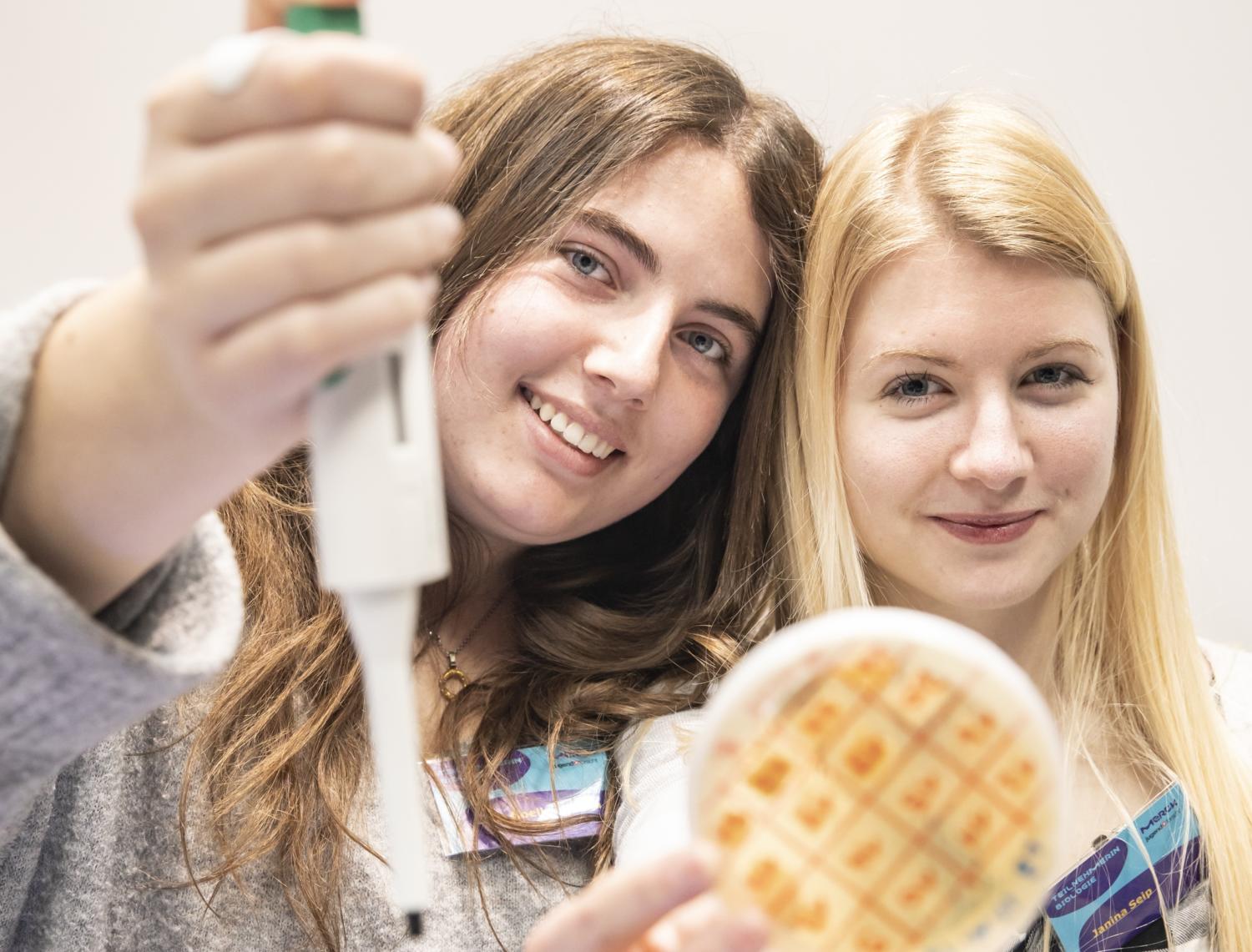
Lena Noelle Joußen and Janina Seip won second prize at the state-level “Jugend Forscht” competition for their research on “Microorganisms and Plastic Degradation: Identification of Bacteria in the Larval Intestines of Galleria mellonella.”


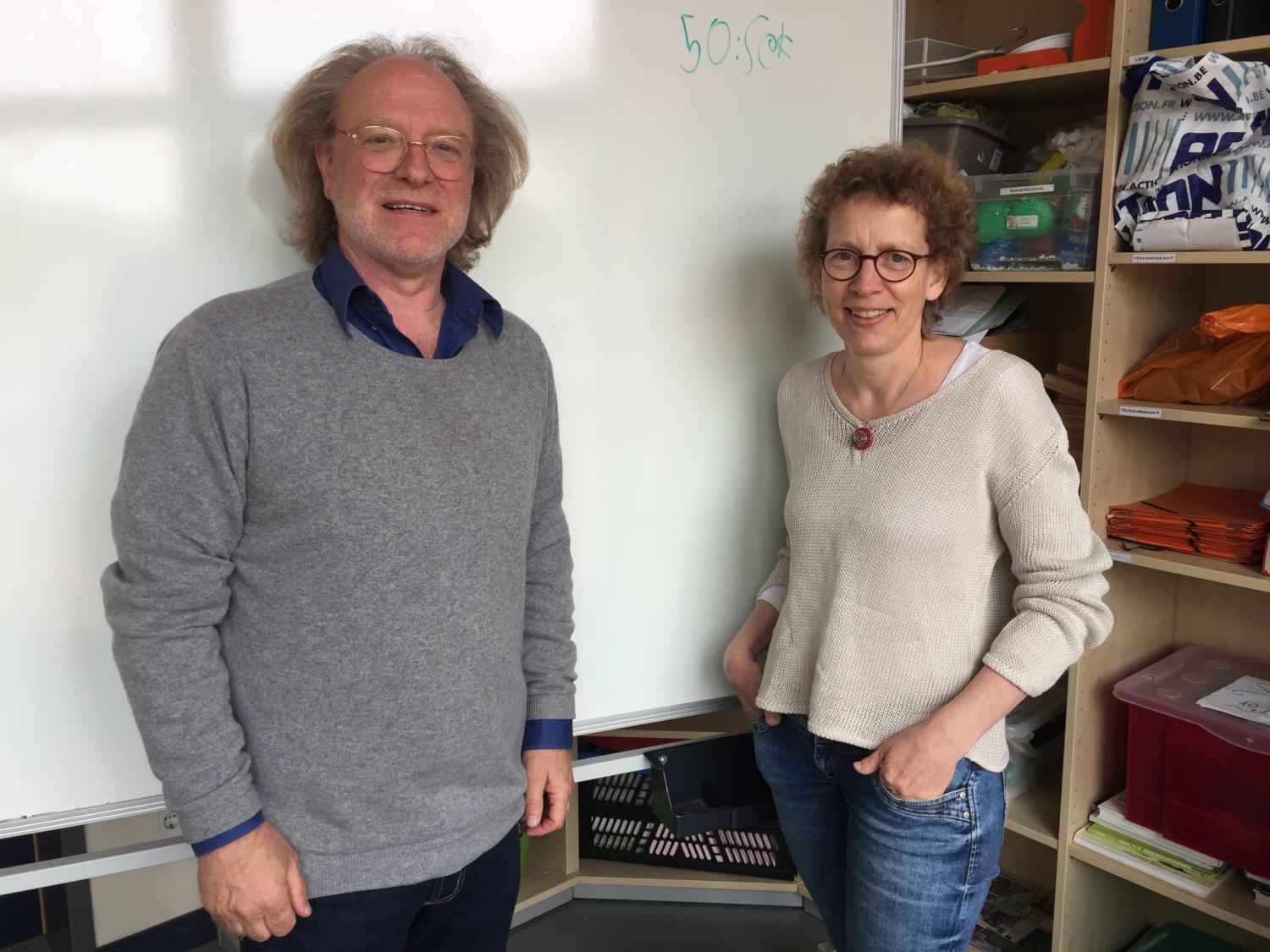
This speaks to the quality of the education at Steinmühle: Just like his colleague Dr. Jutta Töhl-Borsdorf (right) at the “Schüler experimentieren” junior competition, Dr. Dietmar von der Ahe (left) also received the Mentor Award at the “Jugend Forscht” competition.


The hr Big Band has a reputation: whoever’s in it is the real deal. No wonder the ensemble’s announcement that they would be performing at the Steinmühle was met with great anticipation. An incredible atmosphere filled the Forum during the event on the Friday before Pentecost. And let anyone try to say again that jazz is only for older people.

Bouncing, snapping—the place was rocking. Even the youngest students were caught up in the rhythm. Somehow, the songs seemed familiar, and the names sounded familiar too: Steely Dan, Miles Davis, Duke Ellington, Thad Jones. These were great artists whose music was being performed here.


“Advanced Course” on Jazz

Well before the event, some members of the Steinmühlen Jazz Ensemble had taken on another task: hosting the event. Students Talea Funk, Samuel Ruff, Tom Herfert, and Marit Winterstein had traveled to Frankfurt specifically to attend a workshop at Hessischer Rundfunk, where professionals taught them how to host a jazz concert. These quick learners had quickly taken the tips to heart. Without any visible nervousness, but with deep respect for the ensemble and its performance, the Steinmühlen musicians guided the audience through the morning’s program.

They provided the audience with insights into the pieces performed by the professionals. The band members interviewed them on various topics. Not only did the audience get to hear some lively jazz, but they also learned something new. It was a crash course in jazz music for everyone in attendance.

The hr Big Band’s visit to Steinmühle is, in a sense, part of a mission. Since it’s well known that opportunities to experience good jazz music in schools are generally few and far between, the hr Big Band goes on school tours throughout Hesse at regular intervals.

This time, the Steinmühle was on the itinerary. It was the last stop on our tour through our state. The big band professionals certainly couldn’t have known or anticipated that jazz at the Steinmühle isn’t just something people talk about, but is firmly established as part of the venue’s active music program. However, they probably enjoyed performing in front of a few “connoisseurs of the scene.”

The weather was on our side for the annual Family Day at Steinmühle Boarding School. The families of all boarding school students were invited to spend a few pleasant hours together in a relaxed atmosphere. A variety of activities kept everyone entertained: from canoeing on the Lahn to finger painting for young visitors, bull riding, and bubble balls, all the way to box climbing—everyone had a great time while the sun shone brightly. The day concluded with a barbecue buffet, where the chefs showcased their skills.

This traditional event focuses on general interaction. For parents and families, the gathering always offers an opportunity to get to know one another and network.


The audience has probably never laughed so heartily at a performance by the 7th-grade theater workshop—and they laughed all evening long. The atmosphere in the packed Forum was lively from start to finish, with the audience applauding seamlessly from one scene to the next. – This is the best sign that the students, teachers, and the professional actors assisting with the direction did everything just right.

Classes 7b, 7c, and 7a performed their plays in exactly that order. “False Suspicion” was the title of the play that Class 7b had rehearsed under the direction of Ines Vielhaben and Daniel Sempf. In a brilliant way, the young ensemble managed to transform a current and rather serious topic into an entertaining stage play: A murder had taken place during a demonstration by supporters of a united Europe against advocates of a unified Germany. With expressive acting, plenty of wit, and obvious enjoyment of the performance, they succeeded in presenting the case and its resolution in such a way that they perfectly struck the right humorous note with the mostly adult audience, despite the not-so-funny real-life context.

“Once and Never Again” was the title of the play by Class 7c, which had been brought to the stage under the direction of Lisa Braun and Michael Pietsch. It dealt with the hurdles a long-term couple had to overcome while planning their wedding. Almost everything went wrong; no one did their job with the necessary care—leaving behind a rather stressed-out bride whose nerves frayed with every mishap. Of course, when you’re the one in trouble, you don’t have to worry about the mockery: the audience’s amusement grew in direct proportion to the chaos. A great performance by Class 7c, which received a lot of applause.

The presentation that Melisande Lauginiger and Michael Köckritz had prepared with Class 7a depicted scenes from “real” family life. Three families—each different enough in their own right and dealing with various internal conflicts—come together at a family therapy center. There, they learn that things aren’t going smoothly elsewhere either and even form personal connections—only to end up asking themselves whether the therapist at the center might actually be the craziest one of all. The question “Uh, is this the bar?” was the anticipated way out of the chaos—and at the same time, the title of the production.

After the three performances, the audience left the Steinmühlenforum visibly entertained and in high spirits. That evening had once again shown that, when it comes to theater, the Steinmühle couldn’t ask for anything better than the fantastic dedication of their fellow students, the enjoyment all seventh graders took in the experience, and the acting guidance they received from professional actors Daniel Sempf, Michael Pietsch, and Michael Köckritz.