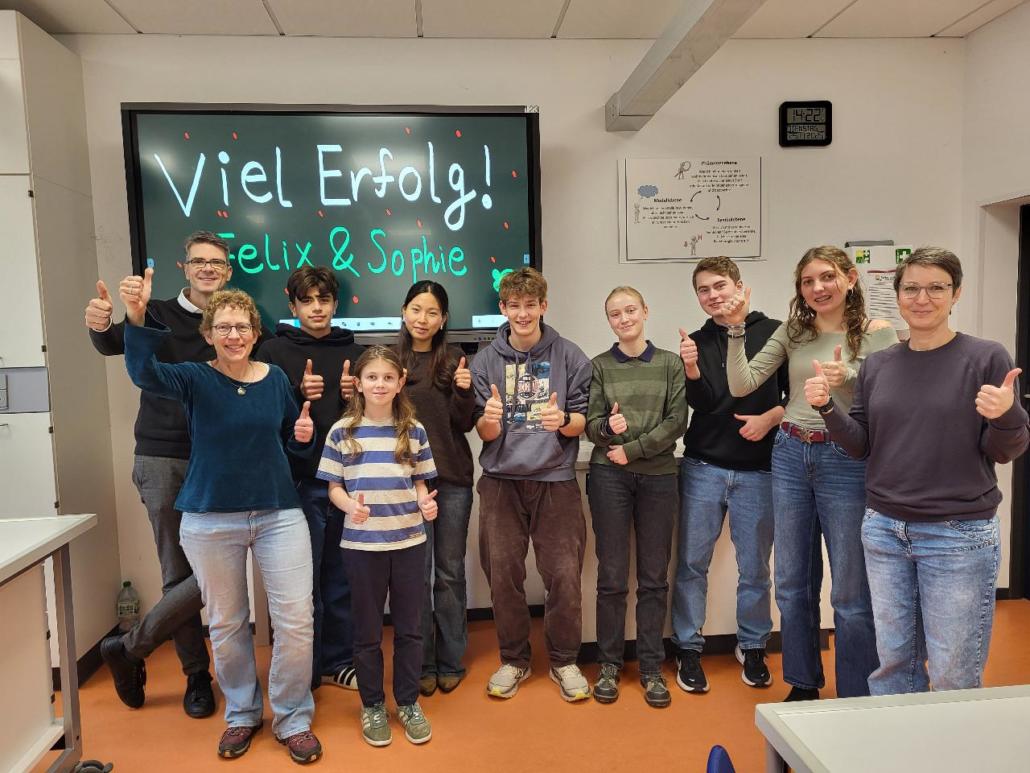
While we’re scraping ice off car windows at Steinmühle School & Boarding School and there are still patches of snow along the roadsides, two of our students in Singapore are dealing with temperatures around 30 degrees. Sophie and Felix Sacher are there, ready to go for their presentation at the World Robot Olympiad (WRO), which is starting right now. After their project “Ice Bear – I Care Everywhere” has already enjoyed great success in Germany (as we’ve reported on several occasions), it’s now being presented on the international stage. The technical design is intended to make everyday life easier for children with migraines and heart conditions.

Dear Sophie, Dear Felix: No matter how you do, you’re simply amazing! The Steinmühle STEM team is rooting for you and wishes you the best of luck!


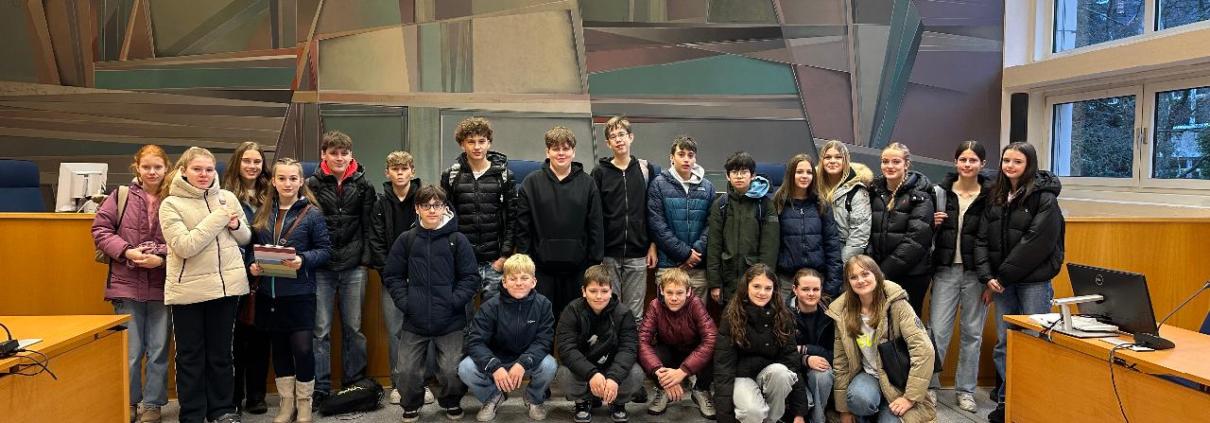
As part of the “Youth and Crime” project, Class 8b attended an exciting court trial at the Marburg District Court. One student wrote the following report about the experience:

On November 20, the 8th-grade class from Steinmühle visited the district court in Marburg. Thanks to our intensive preparation—which involved studying various offenses as well as background information and legal terminology—our class had acquired a certain amount of prior knowledge that proved useful during the subsequent trial.


A Look Inside the Detention Cells

At 8 a.m., we all met in front of the district court on Universitätsstraße. There, our teacher, Dr. Claudia Röder, introduced us to Dr. Wilhelm, who works as a judge at the district court. We were also lucky enough to run into two court officers there who were willing to give us a tour of the court’s holding cells.

Ten minutes later, we were all standing in the narrow hallway in front of the five simply furnished detention cells. The interior of the detention cells was basic: a wooden table mounted on the wall, a simple chair, a sink, and a toilet. The police officers also shared a few anecdotes from their daily work, which gave us a small theoretical insight into how people feel when they’re held here for a short time.


Visit to the Criminal Courtroom

As a result, before the trial began, we had a little time left, during which the court officers showed us around the criminal courtroom. There, the court officers and Dr. Wilhelm explained further examples of different types of court proceedings and their specific characteristics. This was good preparation for us ahead of the upcoming trial.


Narcotics were the topic

The trial began at 9 a.m., and as it progressed, we were able to get a good overview of the general structure of such a trial. This case mainly concerned the use and trafficking of narcotics—a topic we had covered in class, but not nearly in such detail.


Reading Chat Histories Aloud

Despite the many legal details, we were able to follow the proceedings well, even though it was harder to stay focused at times. For example, when the evidence was being reviewed. The defendant’s cell phone had been analyzed by the police, and the reading of the chat histories and call records ended up taking almost exactly one hour.


26 prior convictions and a report from a psychiatrist

The two police officers who had been called as witnesses reported on the investigation into the defendant, which was very informative and provided yet another perspective on the trial. Twenty minutes later, there was another rather theoretical segment in which the judge read aloud the defendant’s 26 prior convictions, which gave each of us a small glimpse into the defendant’s past and childhood. As we saw from the statements of the probation officer and the psychiatrist—and as we realized for ourselves—such background information is always important. Most likely, everyone—including the prosecutor and the judge—would have had a different impression of the defendant before hearing the statements from the probation officer and the psychiatrist. But with this assessment, which was a great help to the judge, many aspects of the case changed.


It’s not about the maximum sentence, but about the future

After all, in the end, everyone wants to find a good solution to the problem or the situation at hand. The goal is not to sentence someone to the maximum penalty, but to find a solution for the person in question. Everyone involved worked to secure a future for the defendant and to guide him, thereby enabling him to find his way back into society.

Annamierl Pierenkemper, Class 8b


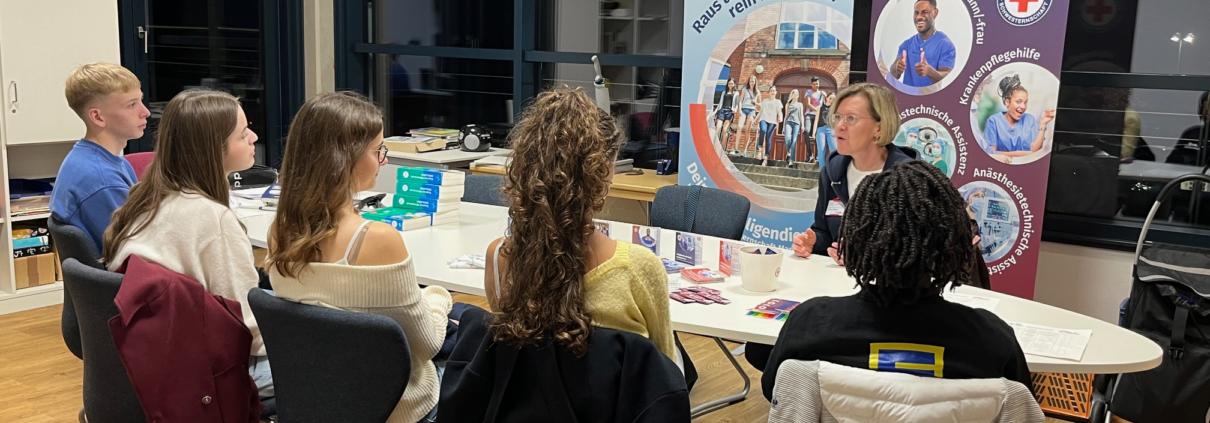
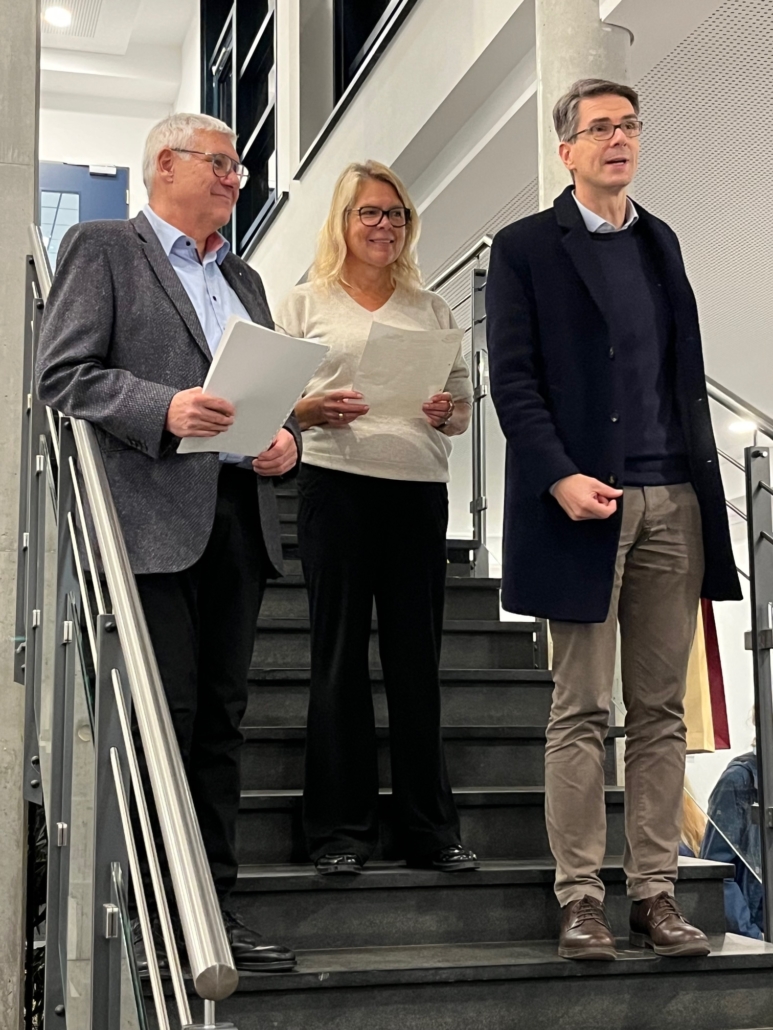
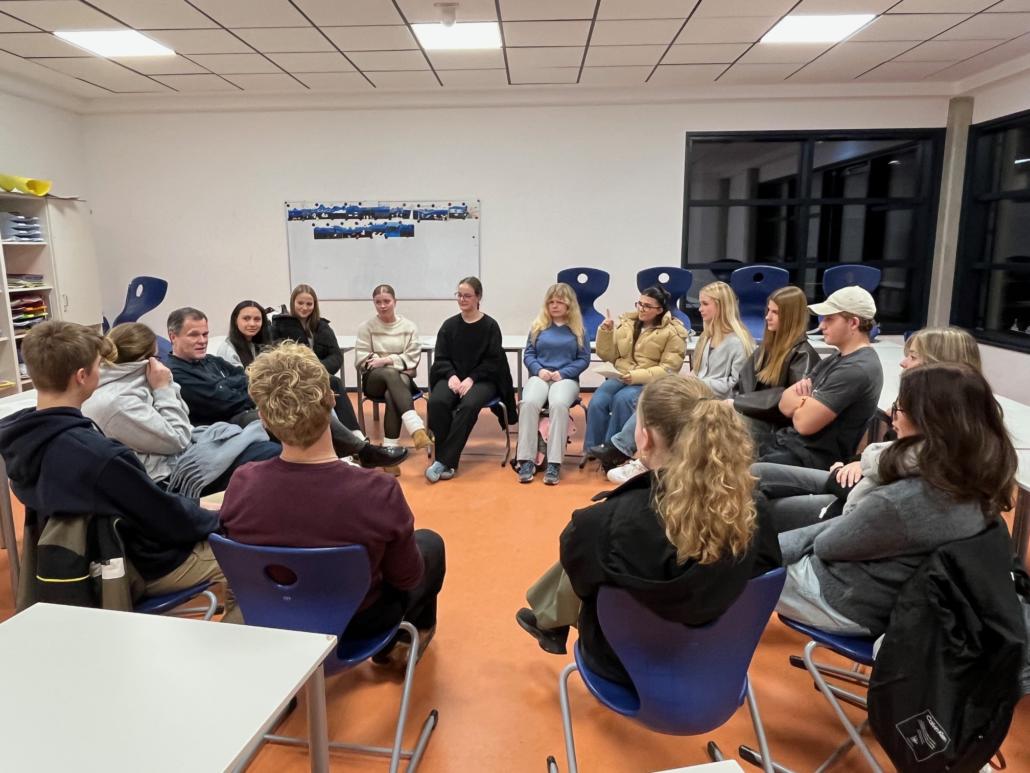
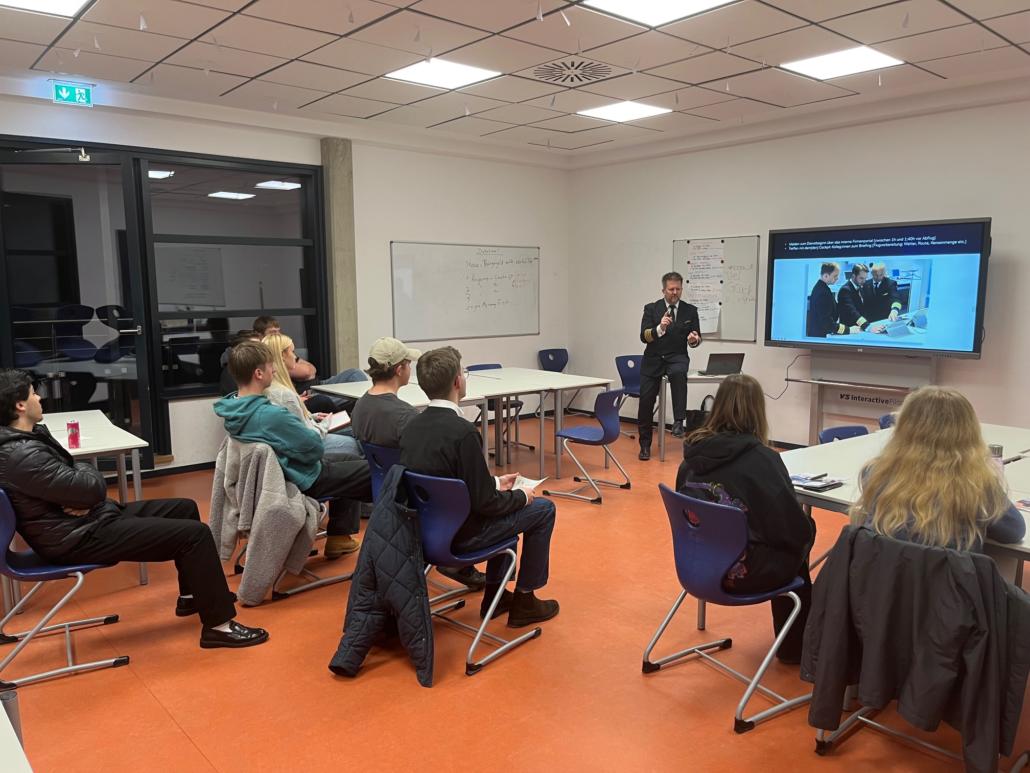
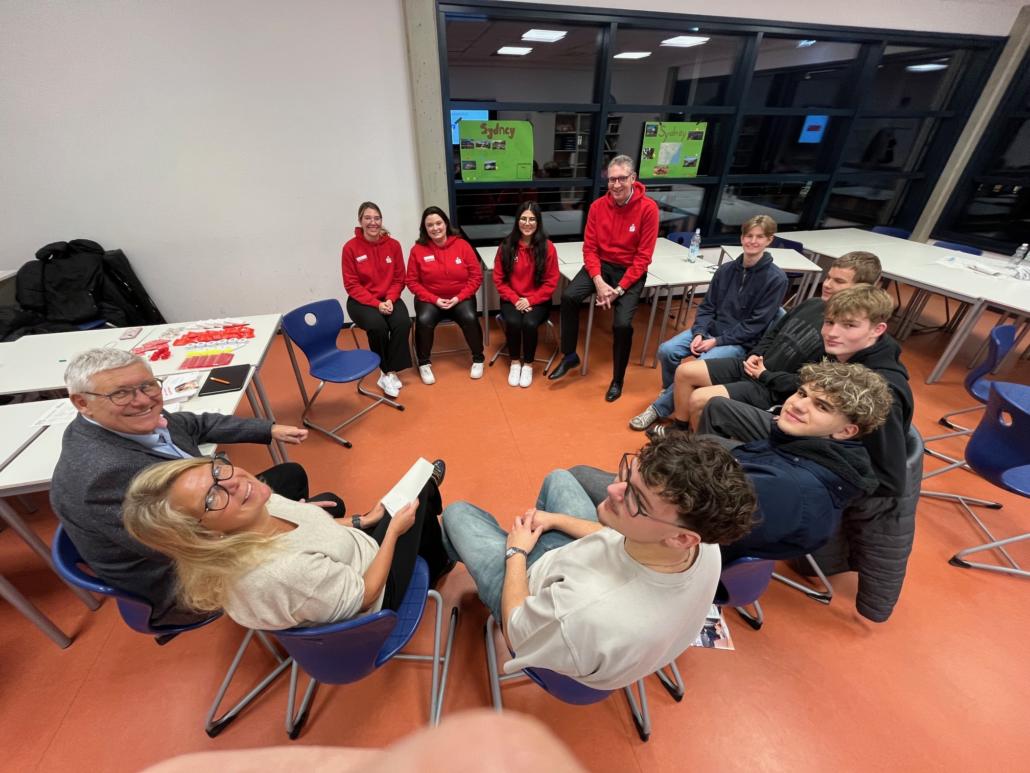
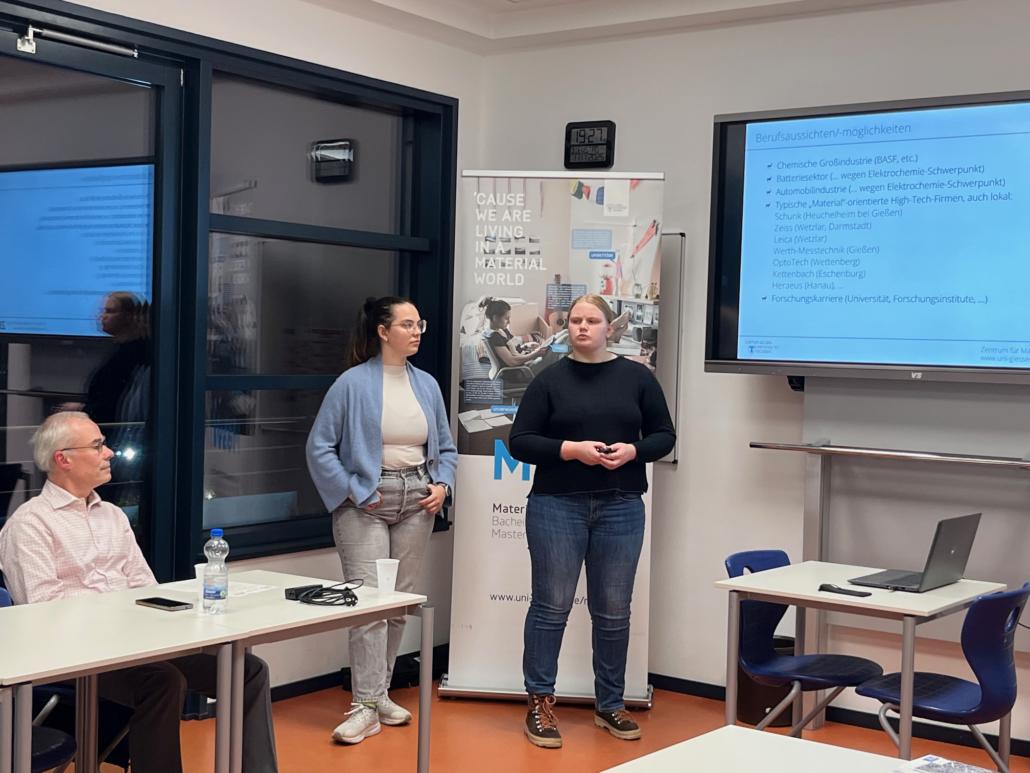
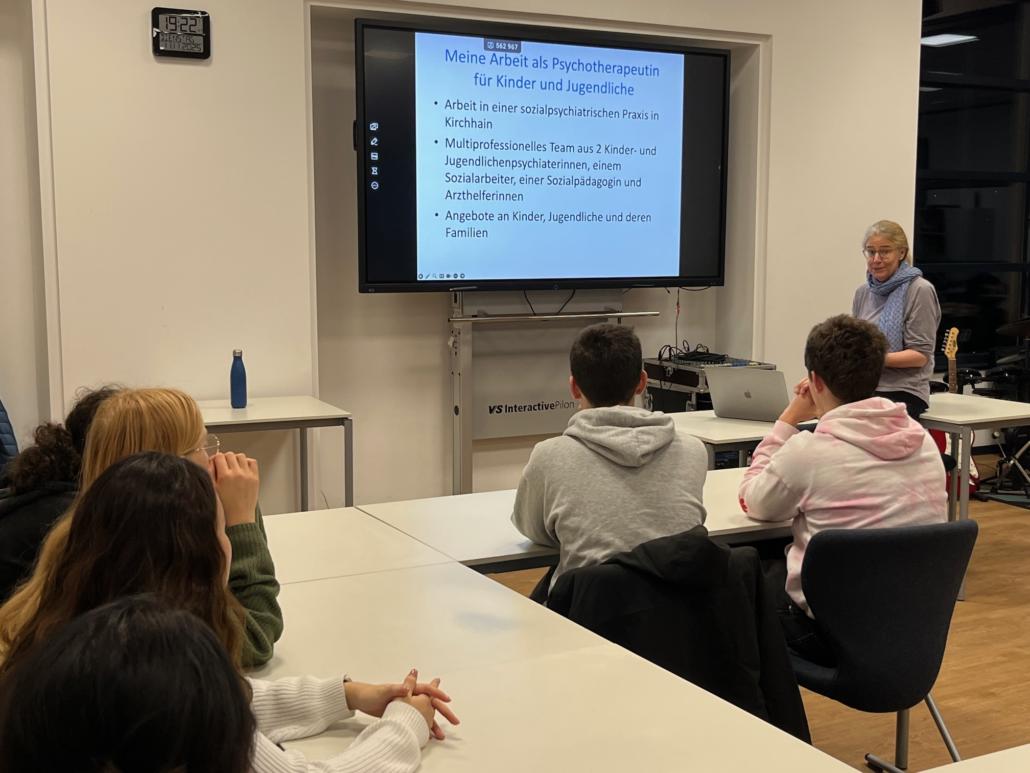
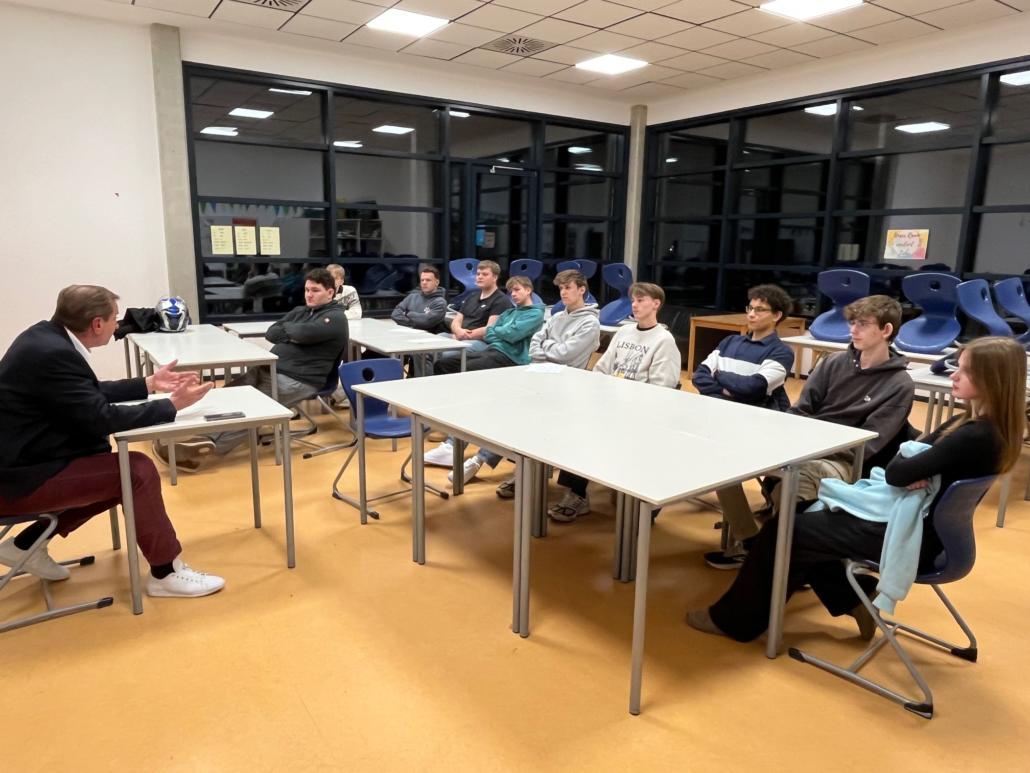
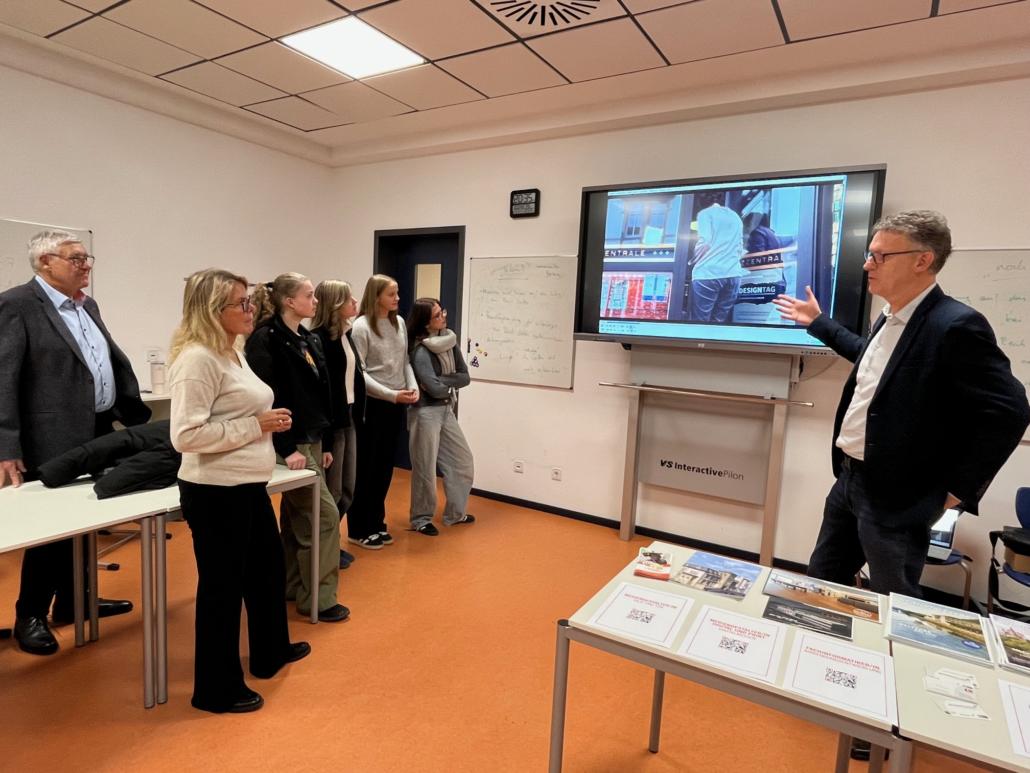
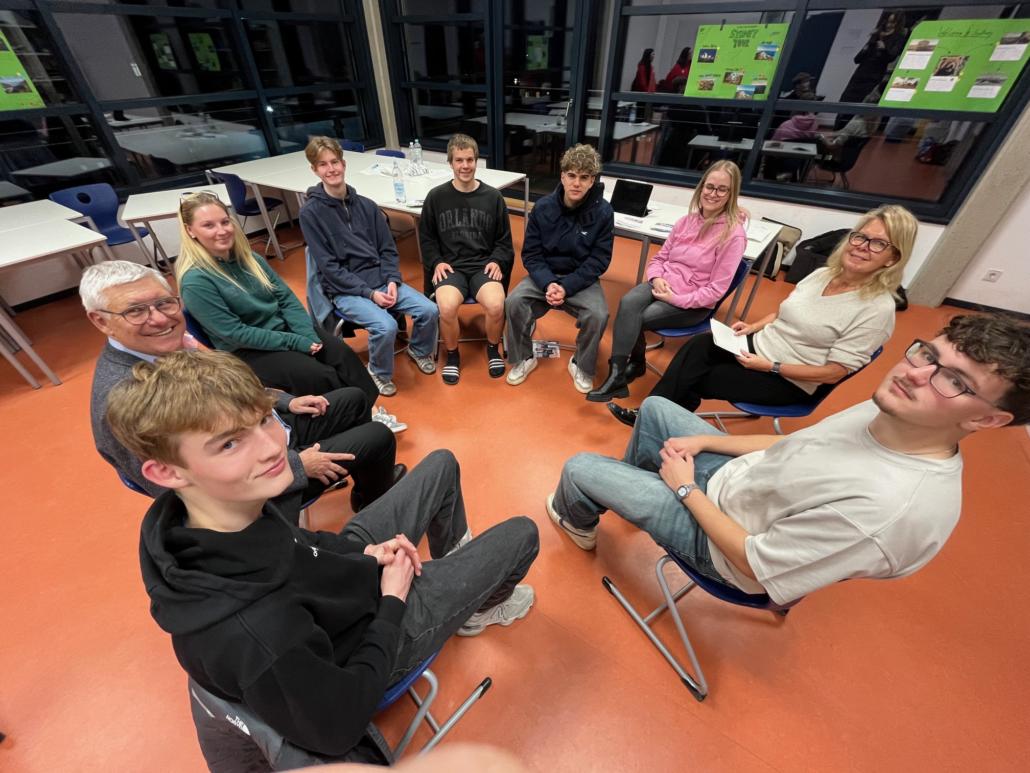
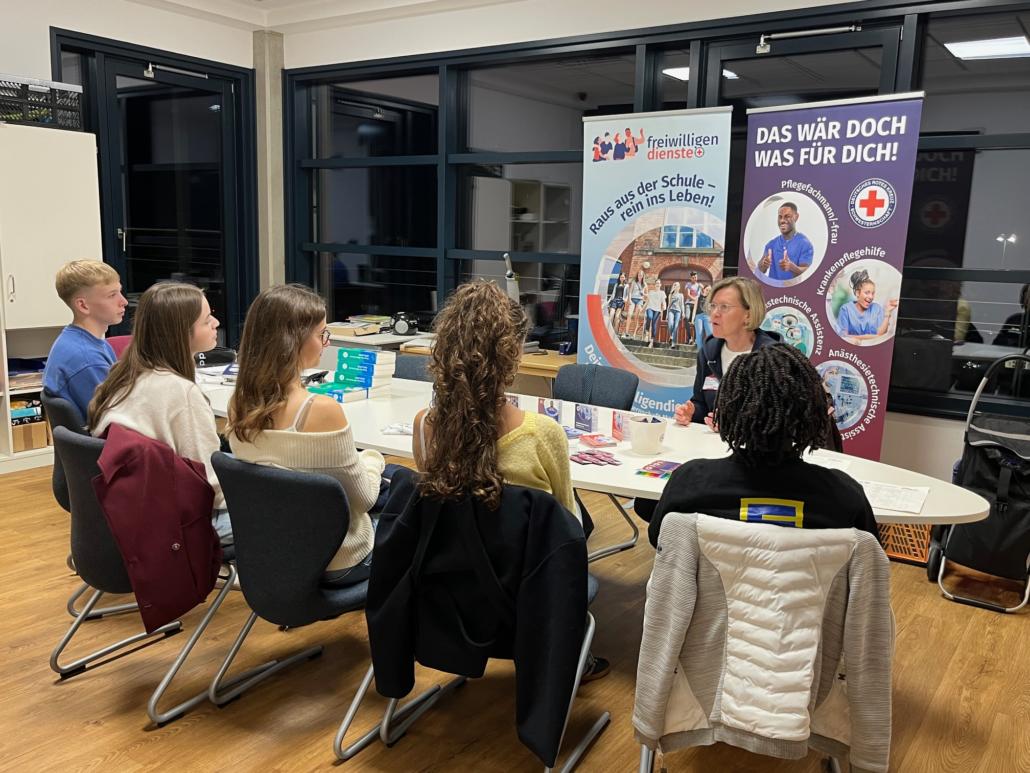
For a full 28 years now, Steinmühle has been hosting its Career Information Day every November—a successful event organized in cooperation with the Rotary Club Marburg-Schloss. Once again, we owe our thanks not only to the organizers: Steinmühle teacher Dr. Claudia Röder and Hans-Heinrich Bähr from the Rotary Vocational Service. We would also like to thank the representatives of the many different professions who so enthusiastically answered questions and provided information to our upper-level students.


Information, Inspiration, and Insights

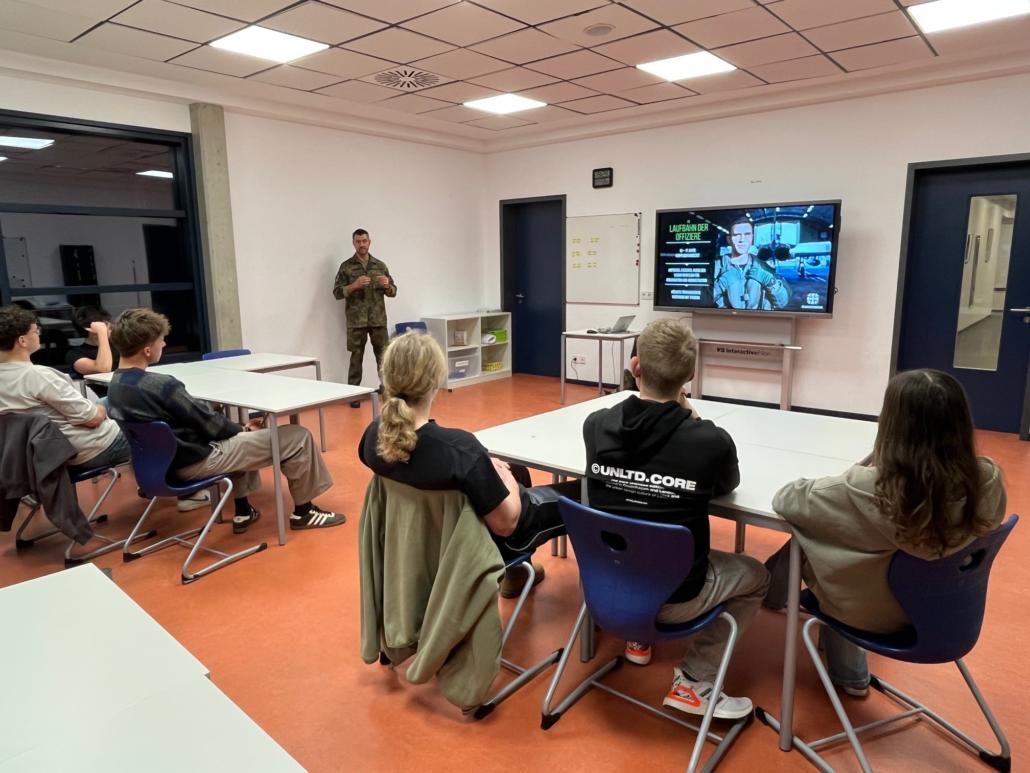
The event, opened by Principal Björn Gemmer, featured presentations on the following professions and fields during three sessions that evening: Attorney, Business Administration (Operations Management), Dentist, Physician, Psychologist, Software Company, Tax Consultant/Certified Public Accountant, Finance/Savings Banks/Banks, Social Service Year, Police Service, Pilot, German Armed Forces, Dual Degree Program at THM, Journalist, Political Scientist, Materials Science, Physics, Advertising Agency/Media, Architecture.

Our students certainly went home with some valuable information, a few ideas, or a new insight into their future career aspirations.

Dear business owners and their representatives: Thank you for enriching the information evening for the young people! Our photos show a selection of participants.

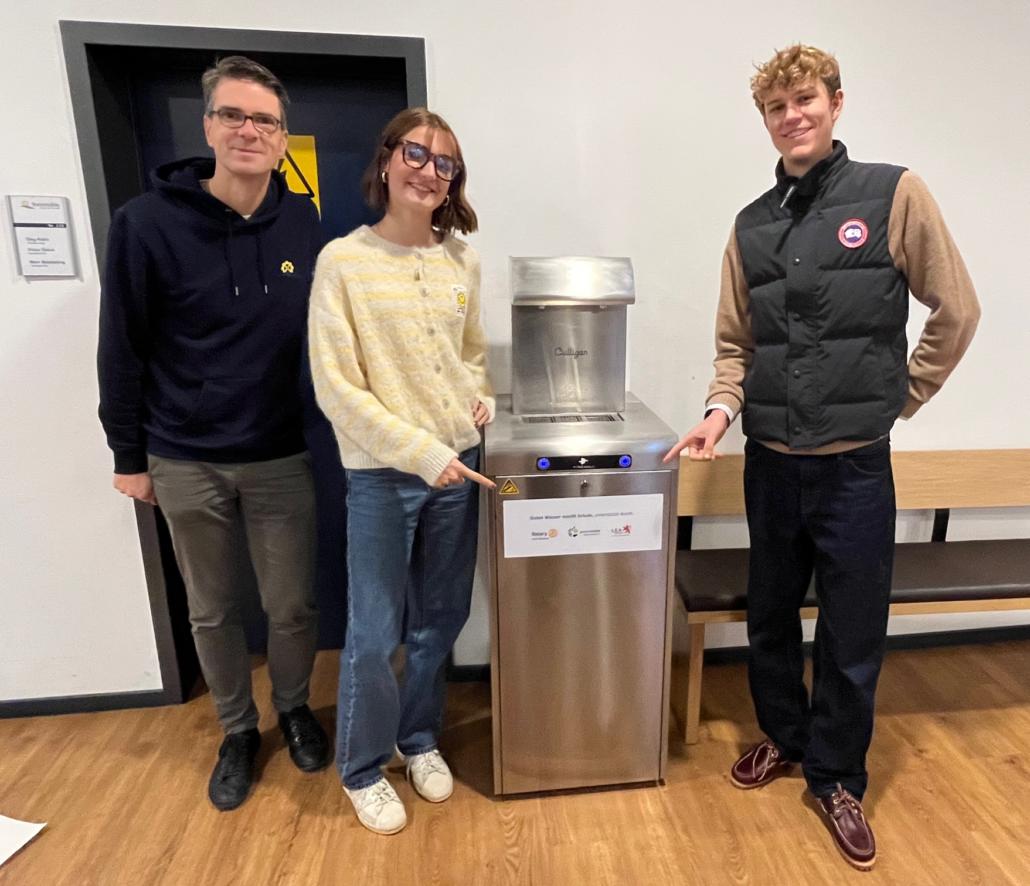
With support from the LandesEnergieAgentur Hessen (LEA) and the Rotary Clubs’ nonprofit initiative “gesundekids e.V.,” the Rotary Club Marburg der Steinmühle has now donated a drinking water fountain worth just under 3,000 euros. Immediately after its installation, the students began eagerly using the water dispenser.


Reduce Health Risks

“The LEA (Hesse State Energy Agency) supports this project in light of the growing impacts of climate change and the resulting need for action. “The free provision of drinking water is important for public health, as staying hydrated reduces the risk of heat- and drought-related health problems,” according to a statement on the matter.

Carl-Eugen Bitzer, a member of the board of gesundekids e.V. from Langen in southern Hesse, who also serves as the Rotary district representative for gesundekids, arranged for the official handover by Steinmühlen School Principal Björn Gemmer, a member of the Rotary Club of Marburg, to the school community, represented by student body presidents Niclas Peters and Anna Reinhardt.

According to reports, the drinking fountain continues to be very popular, and Steinmühle would like to express its heartfelt thanks!


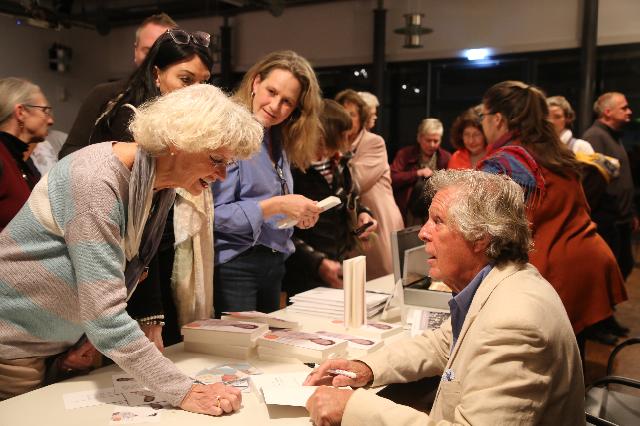
Sigmar Solbach is coming. A former student of the Steinmühle boarding school. Someone who became an actor, a TV series star, and a heartthrob. — What can you expect? A lot of self-importance, a lot of reminiscing about his own glory days, and, on the spot, a good dose of showmanship as he reads from his memoirs.

In the end, people were all the more surprised to realize: He wasn’t a show-off at all. Here was an authentic guest who self-critically looked back on his successful life, yet didn’t shy away from acknowledging dark moments and difficult times. On top of that, he conveyed what is essential for anyone who wants to be successful: overcoming obstacles, pushing past one’s limits, stepping outside one’s comfort zone—and always keeping one’s goal in sight.


Boarding school was his own choice

Sigmar Solbach enrolled in the upper school at Steinmühle Boarding School in 1963 because he wanted to do better in his studies. He did so of his own accord. His parents were separated, and his mother had a new partner. — From his perspective, this was not a foundation for a successful academic career.

The young man from the village of Rothemühle in South Westphalia already knew what he wanted to be when he arrived: an actor. The theater production at the Steinmühle got off to a flying start shortly thereafter. The driving force behind it all: Sigmar Solbach.


“A largely carefree time”

It turned out to be a largely cheerful look back—before, during, and after the reading. Several classmates from back then gathered at the Steinmühlenforum, and more than once someone would say, “Do you remember…?”—They looked at old photos and shared anecdotes. – That’s exactly how you’d imagine a class reunion after 60 years.

“It was a happy and mostly carefree time,” the actor recalls of his years at Steinmühle Boarding School.


Solbach was one of 500—and he played Faust

When Solbach had “a decent high school diploma” under his belt in 1966 and his dream of becoming an actor was still very much alive, his stepfather remained skeptical. “He was willing to support just one attempt at a drama school.” This narrow path and the enormous pressure of auditioning as one of 500 applicants at the Westfälische Schauspielschule in Bochum apparently unleashed every conceivable ounce of energy in Sigmar Solbach. He received the only acceptance—because he performed well in a role that no one had dared to take on before: Faust.


Respect for High Standards

Sigmar Solbach felt a sense of relief. He was able to put his career Plan B—becoming a goalkeeper on the national soccer team—aside.

Solbach’s acting solved some problems, but it also created new challenges. In the eyes of his stepfather, he went from being a “good-for-nothing” to someone who was slowly making something of himself.

What no one saw: The hardships on the way to the top, financial struggles, and the student dorm without a shower; the need to earn money temporarily as a cosmetics sales representative; the poor credit rating as a freelancer; the respect for one or another great director and the expectations that came with it. For example, “…in front of the great Fritz Umgelter”:


“First I was afraid of horses—then I rode like the devil”

He was told to get crowns on his healthy incisors because they were just a tiny bit crooked. And he had to learn to ride—that was the condition for the role he was being considered for. Against his better judgment, he went to the dentist; despite his fear of horses, he took riding lessons. “And you won’t believe it—neither did I—but in the end, I was riding like the devil.”


Hamlet as a Mark of Distinction

The recurring question he asked himself—“Will I be up to the task?”—was a recurring theme not only at the start of Solbach’s career. Later, when the man with a penchant for theatrical roles was appearing primarily in television series, Solbach defined his own personal challenges. After portraying Hamlet—”arguably the most difficult theater role”—he undertook three successful transatlantic crossings on a sailing yacht, which took their toll: little sleep, a great deal of skill, and complete concentration.

Proving himself, pushing himself to the limit, testing his boundaries, and seeing things through to the end—that’s what Sigmar Solbach stands for above all else. How insignificant, then, are the kissing and bedroom scenes from TV series for which—according to his wife’s standard response—“he was, in any case, well paid.”

No, he doesn’t take the characters he plays home with him, Solbach explained during a Q&A session following his reading. And he admits, “…that a successful career depends on many pieces of the puzzle.” He also says he’s been lucky. Judging by everything he’s said, however, that luck seems to have been rather limited. Angela Heinemann


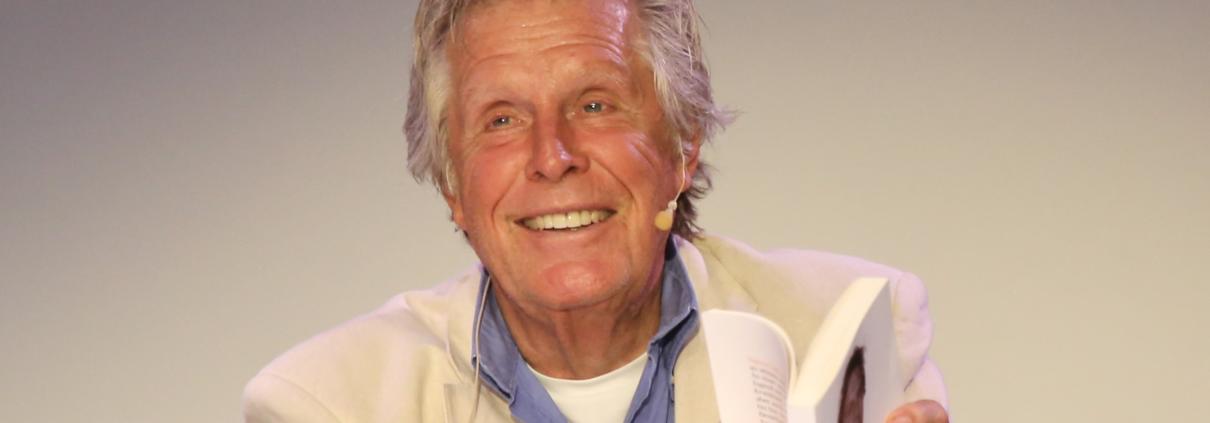
Actor Sigmar Solbach, known for his roles in the series “The Winter That Was a Summer” and “*Das Traumschiff*, “Das Erbe der Guldenburgs,” “Diese Drombuschs,” “Dr. Stefan Frank,” “Die Alpenklinik,” and others, visited his former school, the Steinmühle boarding school, thanks to his existing connection with Principal Björn Gemmer, and read from his autobiography “Mein Leben – ein Traum.”

The Oberhessische Presse filmed parts of the evening:

https://www.instagram.com/reel/DQwmHDkDHBf/?igsh=aGJlaTl2M3I3Y3Fi


The residents of the Steinmühle boarding school clearly had a great time at their Halloween party. As Michel Hermens from the educational team reports, the evening began with a lavish buffet and continued with a small costume contest, during which the students were able to show off their costumes in the dining hall. Afterward, the party continued long and lively in the tea room. “A wonderful and entertaining evening,” Michel Hermens summarized, and sent the following photos:


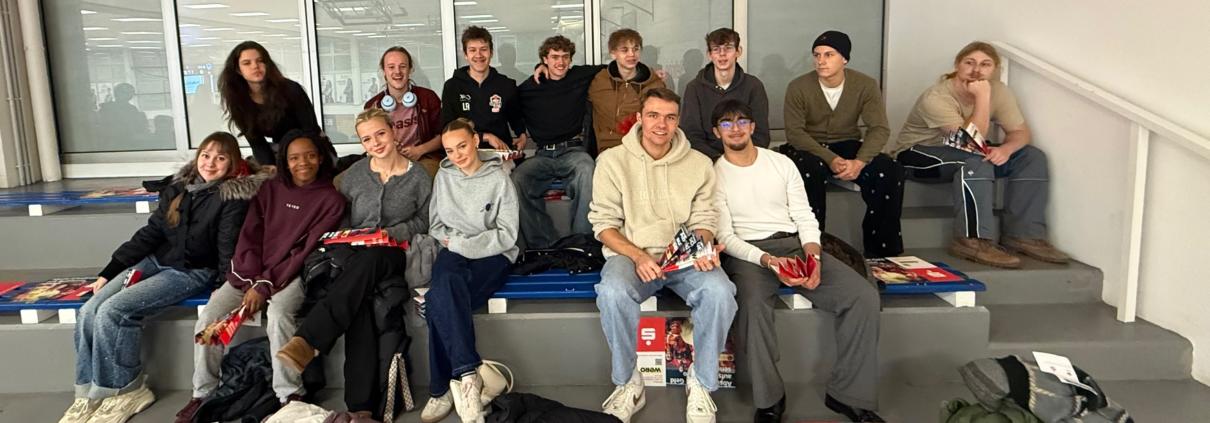
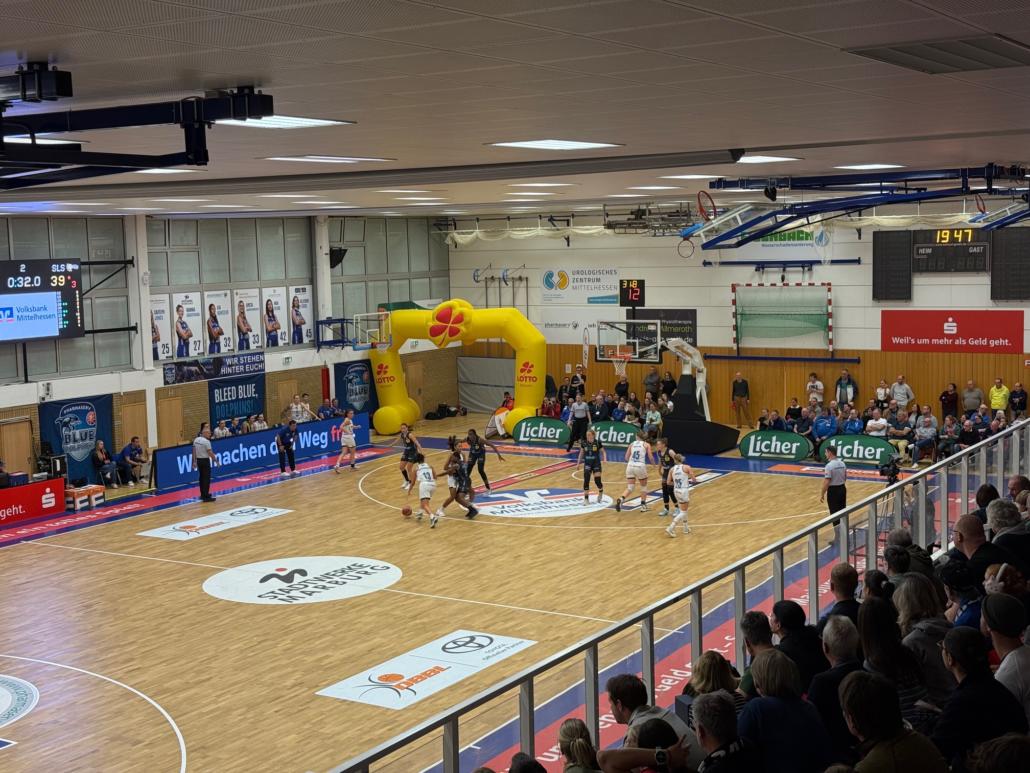
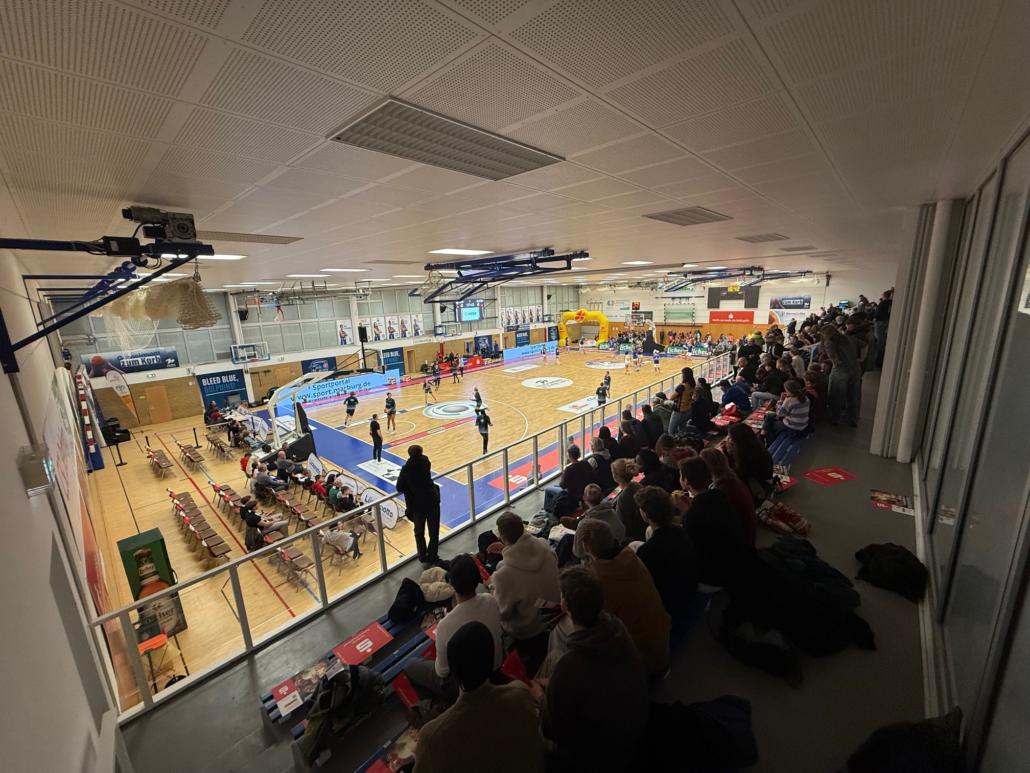
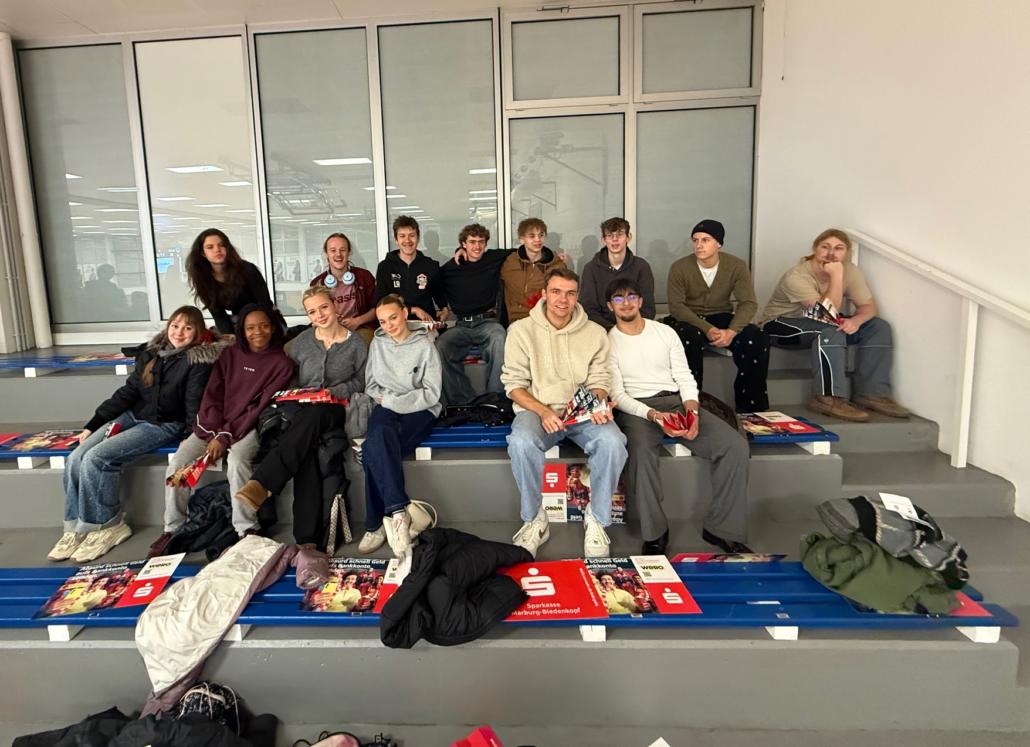
Last Saturday, Benedikt Hohmann’s three-hour introductory sports course was hosted at the Blue Dolphins Marburg’s home game against the Saarlouis Royals. A total of 17 12th-grade students made their way together to the small Georg-Gaßmann-Halle—invited by BC Marburg, whom we would like to sincerely thank here.

And the trip was well worth it: From the very first minute, there was a genuine Bundesliga atmosphere—fast-paced plays, loud cheers, and a crowd that passionately supported its team. The game itself was exciting right up to the end: Despite trailing by a wide margin in the first half, the Dolphins fought passionately, but ultimately fell just short against the strong Saarlouis Royals, losing 57–61. The disappointment over the loss quickly gave way to excitement over the intense, high-level game, which many of us were able to experience live for the first time, reports Benedikt Hohmann.


Inspiration Just Before the Practical Basketball Exam

Perfect timing, by the way: The practical basketball exam for the course starts in just a few days. So the evening wasn’t just a great experience, but also an inspiring way to get in the right mindset for our own game—truly in the spirit of “learning by watching.”

A big thank you to BC Marburg for the invitation and to the Blue Dolphins for an exciting, athletic evening full of emotion!

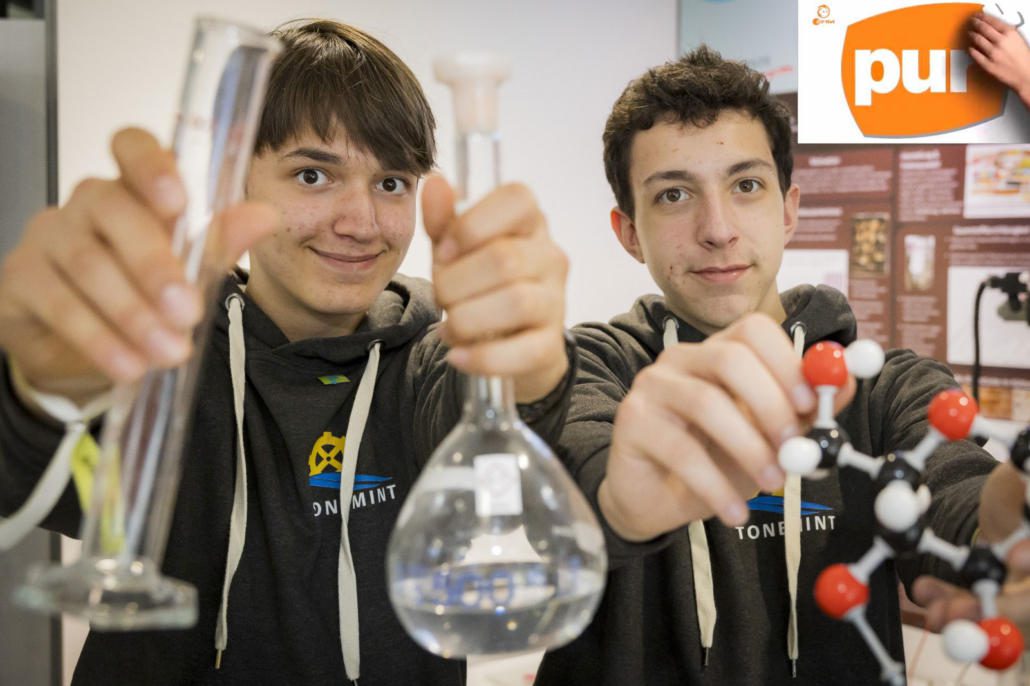
On March 13, a ZDF camera crew visited Steinmühle to film the successful Steinmühle duo, Leonard Berger and Nicolas Bohnstedt, as they conducted research into sustainable alternatives to conventional petroleum-based plastic wrap.

After both won first place in chemistry at the regional “Jugend forscht” competition, earned a special prize at the state competition, and placed second out of over 1,000 contestants at the “Jugend testet” competition in Berlin, their successful work will now be featured on screen. It has been available online on the ZDF streaming portal since last Friday, October 31: https://www.zdf.de/reportagen/purplus-100 ( starting at minute 9)

The episode will air on KiKA on Tuesday, November 4, and on ZDF on Saturday, November 8 be broadcast.

Enjoy watching!