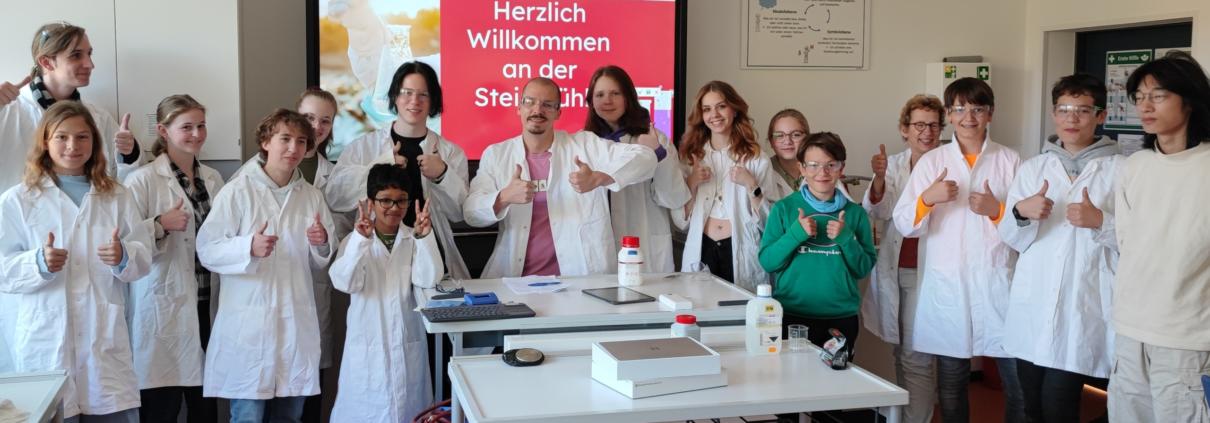
YouTube STEM star Marcel Häfele visits the Steinmühle and conducts an impressive experiment with about 25 students.

On a sunny Tuesday morning, Clara (16), Fabian (15), and Luis (15) are standing at Marburg’s main train station with Steinmühle School Principal Björn Gemmer, waiting. For the plus-MINT students at Steinmühle, today is anything but “normal,” because any moment now they’ll get to meet Marcel in person.

Marcel Häfele is 28 years old and a real star among STEM enthusiasts in Germany. His YouTube channel, Techtastisch, has 478,000 subscribers, where chemistry and physics experiments are staged in spectacular ways. Marcel first visited the Steinmühle a year ago, and since then, a partnership has been established between Techtastisch and the plus-MINT Association. Marcel is a passionate supporter of the plus-MINT program. He’s convinced that “the plus-MINT program would have been the perfect opportunity for me as a student!”


plusMINT: Nationwide Talent Development at Selected Boarding Schools

In the summer of 2021, Steinmühle became one of six plus-MINT boarding schools in Germany. The plus-MINT program began with four students at the start of the 2022–2023 school year. Clara, Marlene, Luis, and Fabian applied online via the plus-MINT platform in the fall of 2021. The selection days took place during the 2022 Easter break. “They were incredible!” enthuses Clara (16): “We sat together with 50 people in the evenings and tackled math problems—everyone loved math.” At first, Clara couldn’t imagine going to a boarding school at all: “I was very unsure whether this was right for me, but the selection days completely won me over. Anyone interested in STEM should definitely apply!” Fabian (15) enthusiastically agrees: “The selection days were really great! I’m still in touch with some of the participants.”


Everyone agrees: “Best decision ever!”

The first few weeks at boarding school were an adjustment for all four of them, and for some, a major challenge. “After three days, I missed my family so much that I wanted to give up,” says Luis (15). “I then set myself a two-month deadline, and now, after a little over five weeks, I can say: Going to Steinmühle as a Plus-MINT student was the best decision of my life.”

Marlene (14) is surprised by her own reaction: “I thought I’d be homesick, but somehow boarding school life really suits me. I enjoy being around people my own age, and on the weekends when we go home, I visit my family.” Luis also finds spending time with the boarding school community to be a great experience: “Back home, I wasn’t very socially active and tended to hang out with my friends online. Here at Steinmühle, you just automatically take part in boarding school life and feel like you belong. That’s good for me!”

Luis has been an avid follower of Techtastisch for six years now. He never would have thought it possible to meet Marcel in person. And then there he is, standing right in front of them—Marcel. He’s friendly, open, and somehow feels like one of them right away.


Marcel’s message: “Follow your own path, live your dream!”

Upon arriving at the Steinmühle chemistry lab, Marcel receives a warm welcome from about 25 Steinmühle students enrolled in the research courses, as well as STEM teacher Dr. Patrick Szabo and STEM coordinator Dr. Jutta Töhl-Borsdorf. Soon, lab coats and safety goggles are put on, and Techtastisch gets started. Marcel approaches the task with enthusiasm, wit, and a touch of irony; he has a good rapport with the students. He is living his dream and has even managed to make a living from his passion for STEM.

“I never would have thought I’d be standing here one day. I was diagnosed with ADHD at age eight, and school was sometimes very difficult for me. As a teenager, I struggled with bullying.” Today, as a young adult, there’s no trace left of the once-introverted student. He’s passionate about STEM and wants to ignite that same passion in others. He treats everyone he meets as an equal, and that really resonates with people.

Everything is filmed specifically for the Techtastisch community and posted on TikTok and Instagram. Fabian, a student in the Plus-MINT program, is brought on as an assistant and mixes chemical substances under Marcel’s guidance (and with great caution). Shortly afterward, a jet of flame lights up the lab, and everyone present is visibly impressed.

What was done in the experiment?

The experiment is known in American English as “Negativ X.” In German, it is called “Feuer mit Wasser.”

Procedure:
Weigh out the ammonium nitrate and ammonium chloride and mix them in a beaker. The mixture is then placed on a fireproof surface, a weighed amount of zinc is carefully folded in, and the mixture is piled into a cone. A small amount of water is added drop by drop using a pipette.

The mixture is essentially ignited by water.


Marlene and Luis record the explanations for the experiment live and film them for YouTube. Luis is still completely blown away the next day: “Marcel and Techtastisch have had a huge influence on me over the years; he’s my idol. It was through him that I learned about plus-MINT, and I ultimately applied in response to his call for applicants. Getting to meet him in person here at the Steinmühle—and not just watching him, but actually working with him—was simply amazing!”

Techtastisch leaves his mark at the Steinmühle and promises to come back soon.

He has a clear message for anyone interested in STEM: “Apply for the next round of the plus-MINT program!” Clara, Marlene, Fabian, and Luis couldn’t agree more.

On September 1, Wilhelm “Willi” Stehling presented his new book, *Die Marburger Turmwächter* (The Marburg Tower Guards), at his former place of work. The former music, sports, and geography teacher at Steinmühle took the hundred guests on a journey back in time during his richly illustrated reading and made it clear that the tower guards had been watching over the city from the high castle tower since the Middle Ages, ensuring its safety. Day and night, they warned of fires, enemies, and other dangers, and used signals to announce all travelers approaching the city. At the same time, the tower guards—who served as princely castle and city musicians for centuries—were regarded as the most important representatives of instrumental music. These musical all-rounders performed at weddings, dances, church and civic events, as well as at courtly occasions.

Willi Stehling did more than just provide an introduction to the complex working lives of guards and musicians. In particular, the stories from the professional and personal lives of one or two colorful characters were highly entertaining and made it clear that with his book, Stehling has not only made an important contribution to the cultural history of Marburg, but has also produced an engaging read offering previously unknown insights into the city’s musical and social life.


For the past year, the educational team at Steinmühle has been organizing special weekends focused on the topics of physical and mental health, media education, and sustainability. After some preparation time, the educators form working groups to develop a specialized and practical program for the students, designed to benefit them in the long term in their everyday lives.

So, as the title suggests, last Saturday marked the start of the sustainability-themed weekend. The entire boarding school gathered in the dining hall for the kickoff. Two films were shown to explain the broad concept of sustainability, which was then explored in greater depth during a question-and-answer session. To wrap up the introduction, the students were able to take a self-assessment test on their cell phones. The test was designed to help them visualize their own ecological footprint in terms of the number of Earths required to sustain it. “If everyone on Earth had your footprint, we’d need 3.6 Earths,” the test results page read. The room was filled with whispering, as the students were amazed by their own environmental footprints; too many of them had results showing multiple “worlds.” After some lively discussions, the students were then able to join their chosen clubs, where they could further discuss and analyze the results of the self-assessment. A desire to reduce their own ecological footprint was already evident at the start of the weekend. All of the workshops offered were designed to help the students incorporate useful tips and tricks into their daily lives.

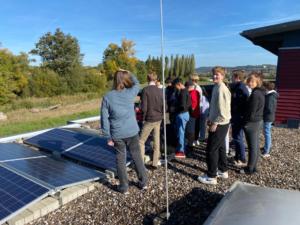
One of the first activities focused on the topic of sustainable energy supply. The school and boarding school had already been actively involved in this area in recent years. Thanks to Sonneninitiative e.V., the Forum’s roof was equipped with a photovoltaic system, which drew visitors for a tour over the weekend. A staff member from the initiative accompanied our students onto the roof to explain the system and answer questions.


Shortly afterward, the event continued in the dining hall with a focus on sustainable consumption. All students were invited to a flea market and swap meet. There, each student could sell or trade old items or clothes. Typical flea market tables were set up, and of course, there were plenty of treats to enjoy as well. On this Saturday, other clubs also met, focusing on environmental pollution—including a cleanup—and the upcycling of everyday items.

On Sunday, the program continued with a focus on sustainable eating. A group of students and teachers headed to a nearby farm stand to stock up on seasonal and regional fruits and vegetables. Later, they baked and cooked together using these delicious ingredients.

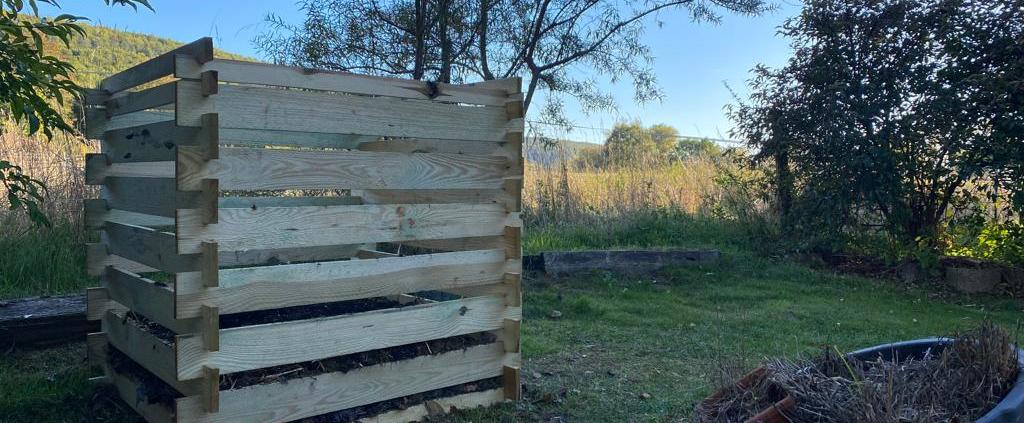
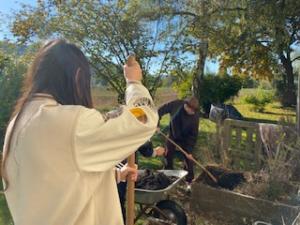
In addition, the activities on Sunday included building a compost bin, planting garden beds, or discussing sustainability as a group.

The goal of the weekend was to raise awareness among young people about living more sustainably, and by the end, the students were determined to put what they had learned into practice. Several follow-up discussions took place afterward about how they could take personal responsibility for reducing their own ecological footprint. Even after the weekend, students swapped clothes, used the compost bin for organic waste, and tended to the newly planted garden bed.

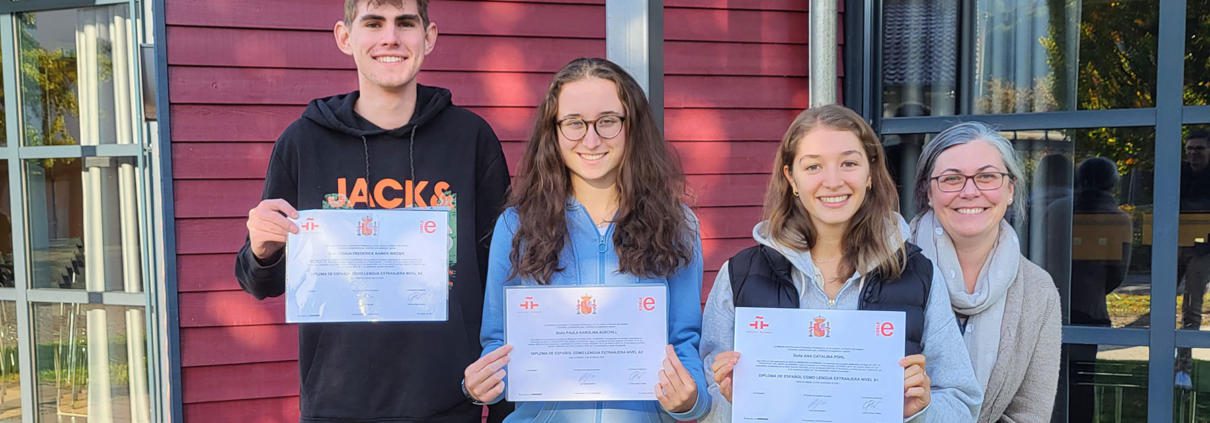
By earning their DELE certificates, Joshua Wieder (12d), Paula Auschill (12d), and Ana Catalina Pohl (12b) demonstrated their excellent Spanish language skills—the official paper diplomas arrived at Steinmühle some time later. The DELE diplomas are official certificates attesting to proficiency in the Spanish language, awarded by the Instituto Cervantes on behalf of the Spanish Ministry of Education and Science. They are internationally recognized and are equally valid in both academic and professional settings. The test assesses all four skills—namely reading, writing, listening, and speaking—as well as knowledge of linguistic structures.

The DELE A2/B1 exam for schools offers students the opportunity to demonstrate proficiency at either the A2 or B1 level. The exam is intended for students up to age 17. Ana-Catalina Pohl (2nd from right) took the DELE exam in May 2021 during the lockdown and achieved level B1. Paula Auschill (2nd from left) and Joshua Wieder (left) took the exam in November 2021 and achieved level A2. Congratulations to all three certificate recipients, who posed for the photographer here together with their teacher, Mar Montenegro (right).

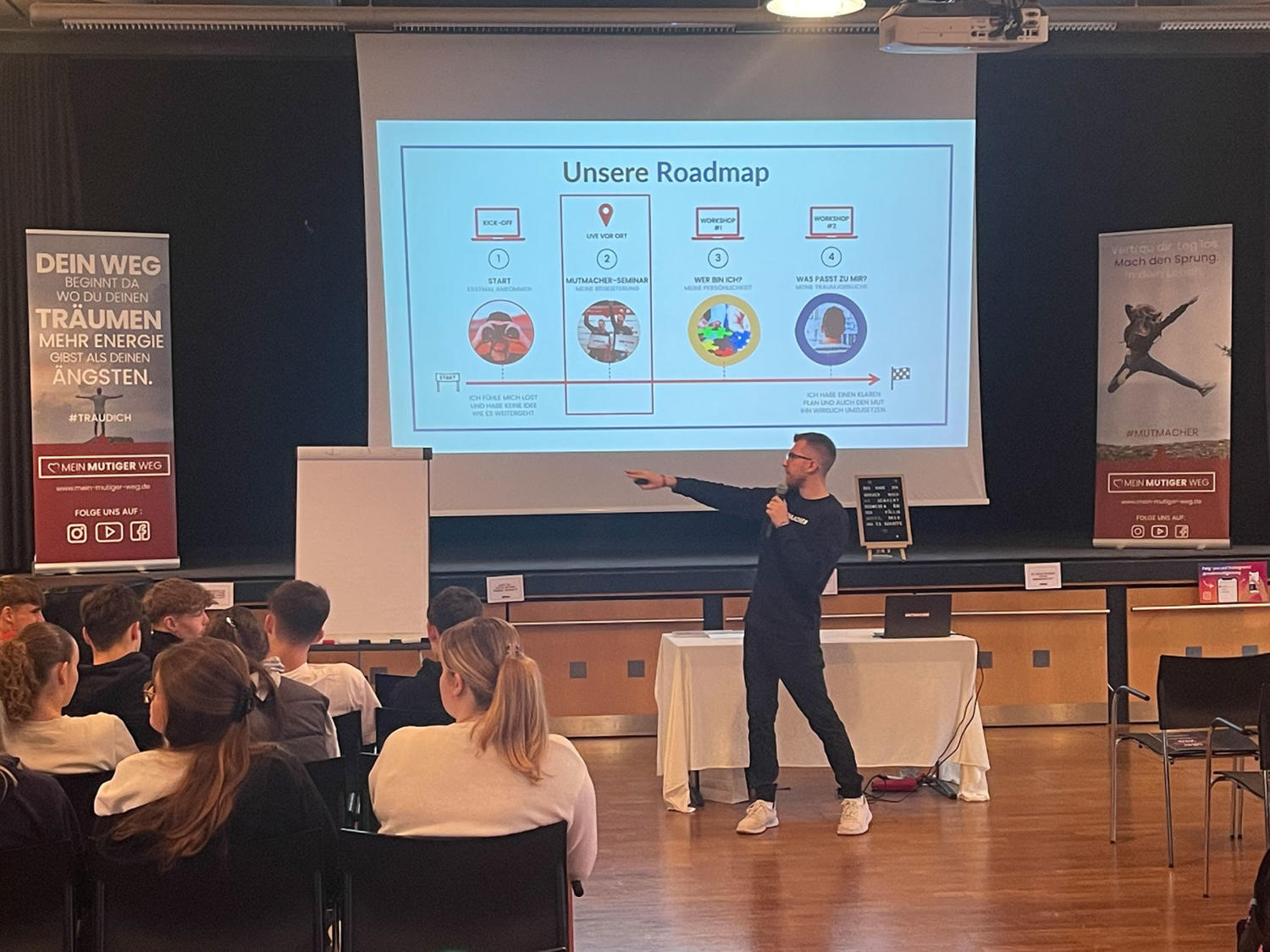
“Only you know what career is right for you.” – The “Mutmacher” team conveyed this encouraging and confident message to the 11th-grade class. The Mutmacher are members of a startup focused on modern career guidance, based in Karlsruhe and active in schools across various German states. Following their debut last year, the young people returned to Steinmühle for the second time to help the students—who are only slightly younger than they are—develop career prospects.

The overwhelming number of options for what to do after graduating from high school is offset by a rather sobering reality: One in three students drops out of college, and 150,000 apprenticeships were terminated early in 2019 alone. To ensure that the supposed dream job doesn’t turn out to be a nightmare, the motivational speakers recommended exploring one’s own criteria for a dream job: What will be important to me in my future career? A lot of money? Social recognition? Plenty of free time? A fulfilling job? Regular working hours? Working in a team or alone? The team of speakers advised the students to first gain clarity on these and other points. Together with their own strengths—which were assessed in a workbook and discussed in pairs—each student had the opportunity to develop a rough idea of where their journey might lead after graduating from high school.

Annerose Glöckner, the Steinmühlen liaison at the Federal Employment Agency, described the Mutmacher event as “very helpful and practical.” “There is a path for everyone—even for those who don’t have a specific career in mind.”

The Mutmacher crew pointed out how important it is to develop self-confidence in order to be able to pursue the chosen path with determination: “At school, self-confidence is usually linked to grades. If you do well, you’re self-confident—and vice versa. However, the currency of the future is gaining self-confidence regardless of grades.” But self-confidence also means standing by your own limits. “That’s not so easy in a world where it’s a breeze to put on a mask.”

The morning event with the “Mutmacher” (Encouragers), who can be found on Instagram at @meinmutigerweg, was organized by Dr. Claudia Röder, who is in charge of career guidance at Steinmühle.

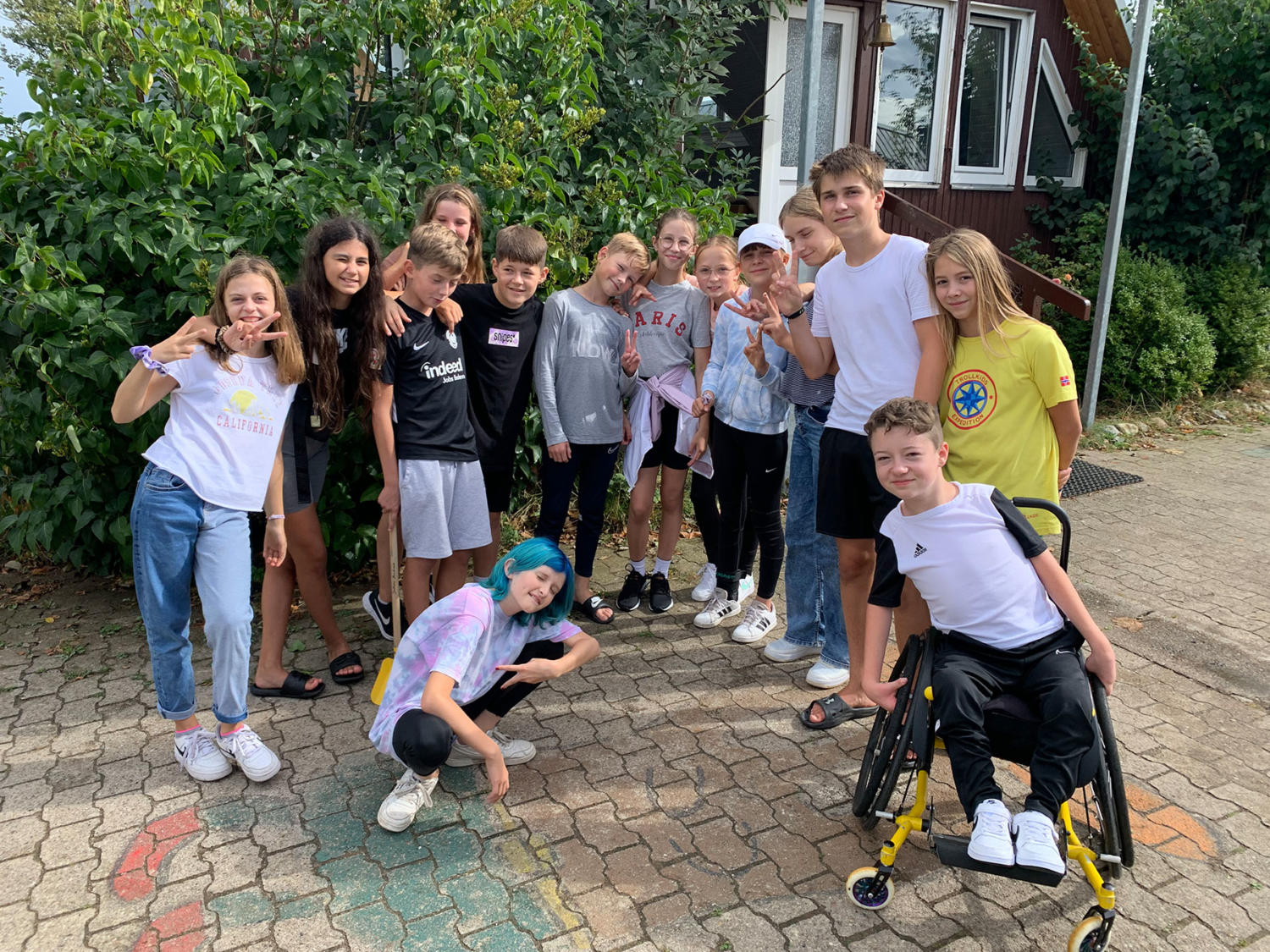
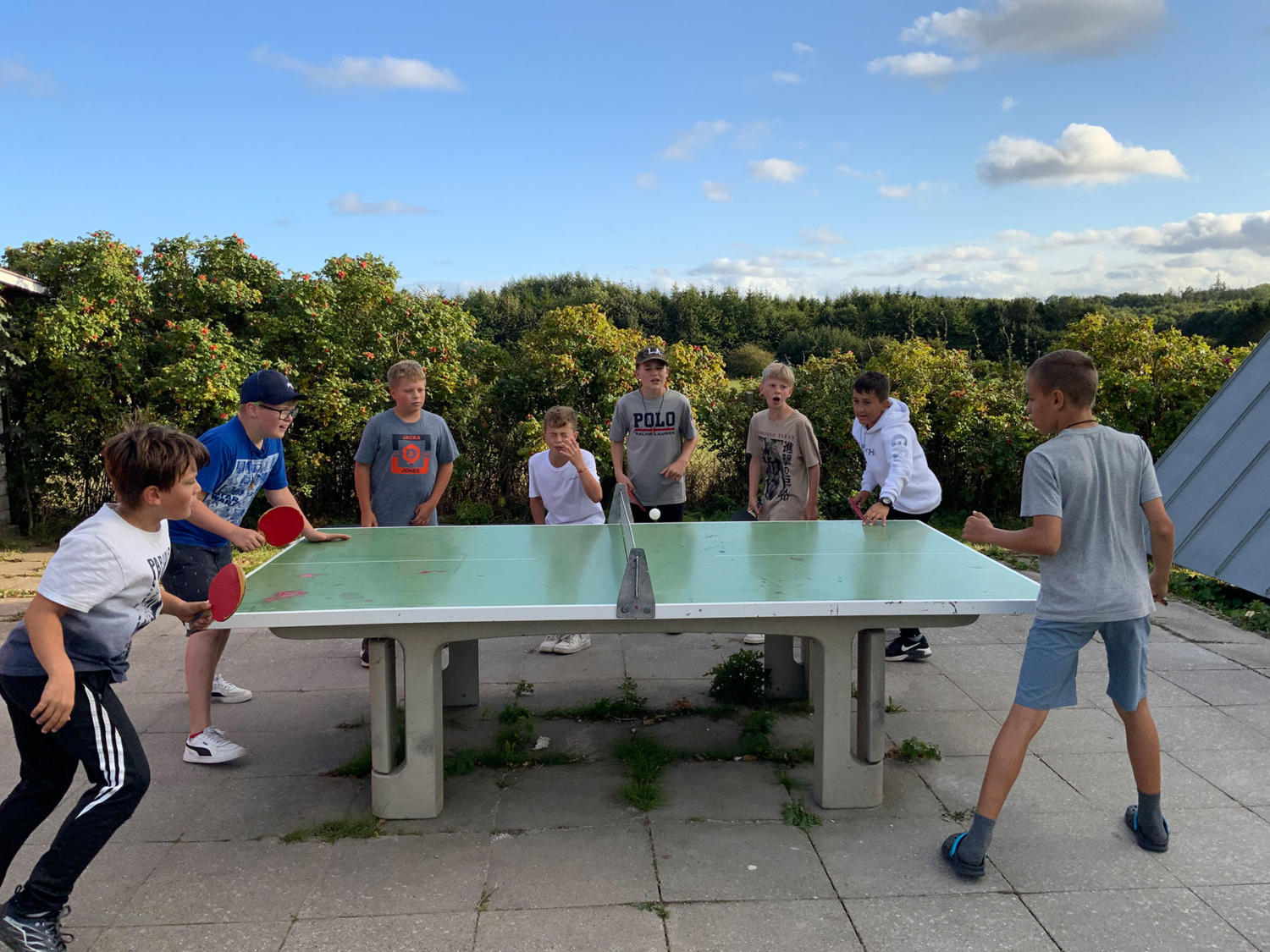
After about an 8-hour drive, the 6th-grade class finally arrived in Schubystrand. Very cozy cabins were waiting for us at the camp. In the evening, we were treated to a delicious meal. We often walked to Damp, a small town with a harbor and an ice cream shop right by the sea—it was very beautiful.

We went on three big field trips. The first field trip was to Multimar (a marine museum) in Tönning. There were two workshops there: a research lab and a whale house. We really enjoyed the research lab; there, we petted starfish and fed and observed barnacles under a microscope. At the end, there was a little scavenger hunt. We didn’t enjoy the whale house quite as much because we had to give a presentation on whales.

Our second field trip took us to a swimming pool. It was really cool at the pool! There were some totally awesome slides: a tube slide that was a lot of fun even without a tube. Half of the 6th-grade class slid down the tube slide together—without tubes, of course. There was also a steep “Speed-Hot Slide,” but you were only allowed to go down it alone because it was so steep.


Workshops in the Viking Village

On our last field trip, we went to Haithabu, which is an old Viking village and Viking museum. There were various workshops to choose from. The activities included archery, Viking games, and runes. We really loved that the workshop leader showed us the replica Viking huts and told us a lot about Viking life inside them. We were fascinated!

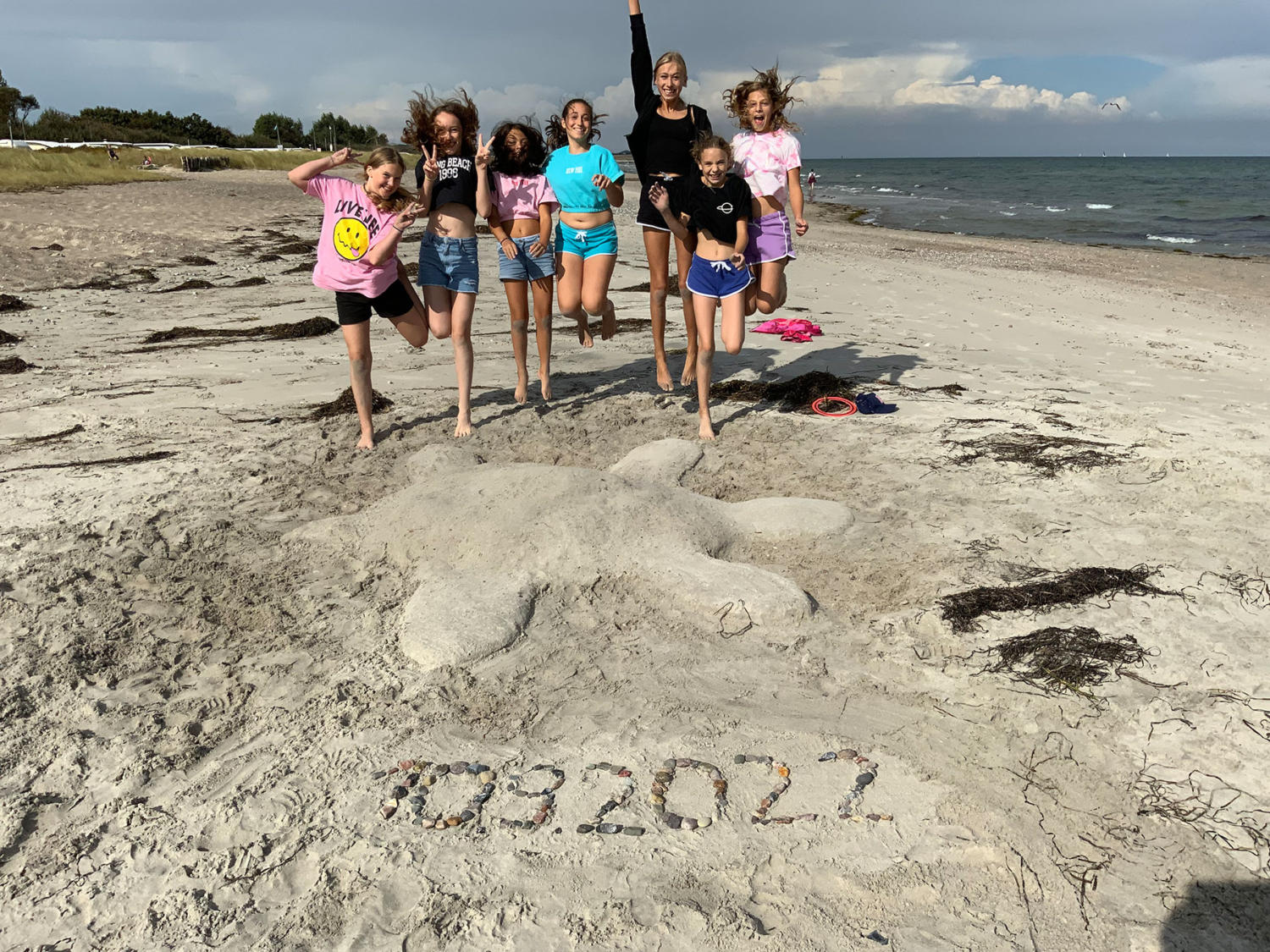
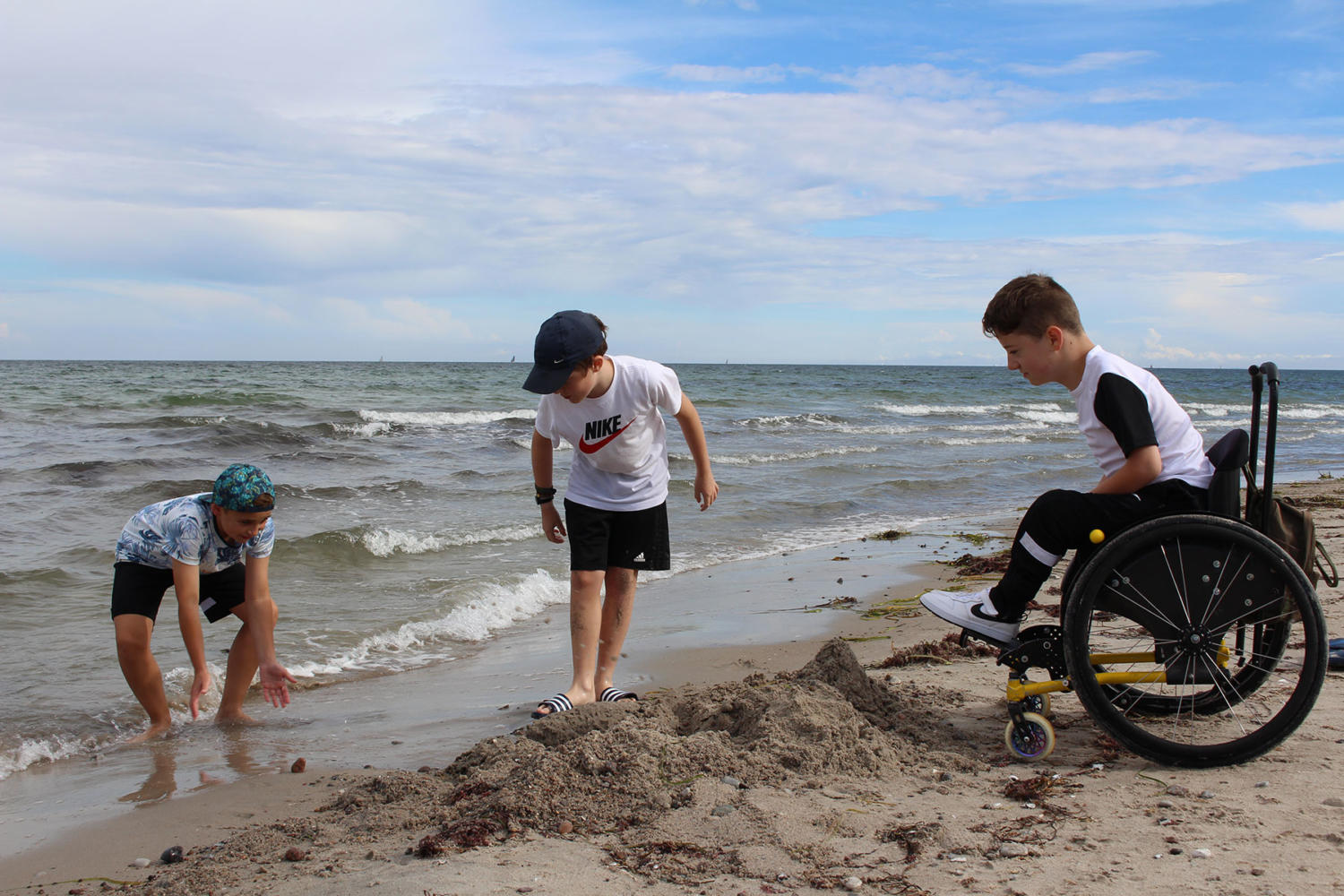
Several times a week, we had the chance to go to the beach and swim in the ocean, fly kites, or collect seashells. It was absolutely wonderful when we went jogging with Mr. Bepperling in the morning as the sun was just rising over the ocean—that was an amazing experience!

One morning, we went on a hike to the cliffs. At the cliffs, we found many beautiful stones and identified them right there using the books we’d brought along—including a sea urchin fossil, a zebra stone, several chicken gods, and even more beautiful stones and shells.

All in all, we’d say that the class trip was really wonderful and full of exciting experiences for all of us!

By Mira, Lotta, and Ella (6a)