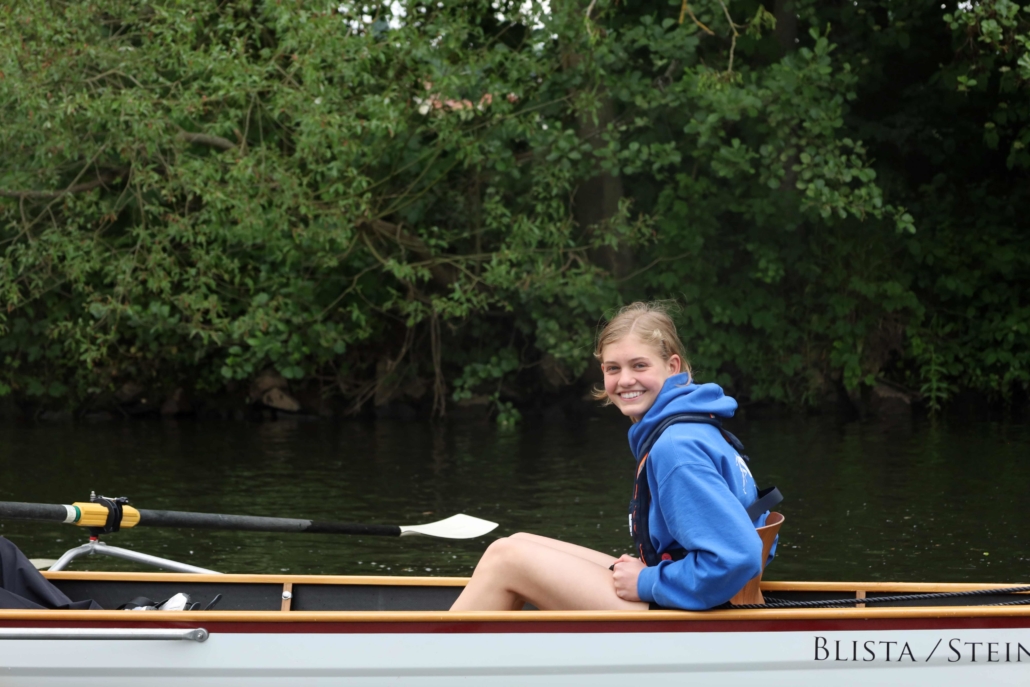
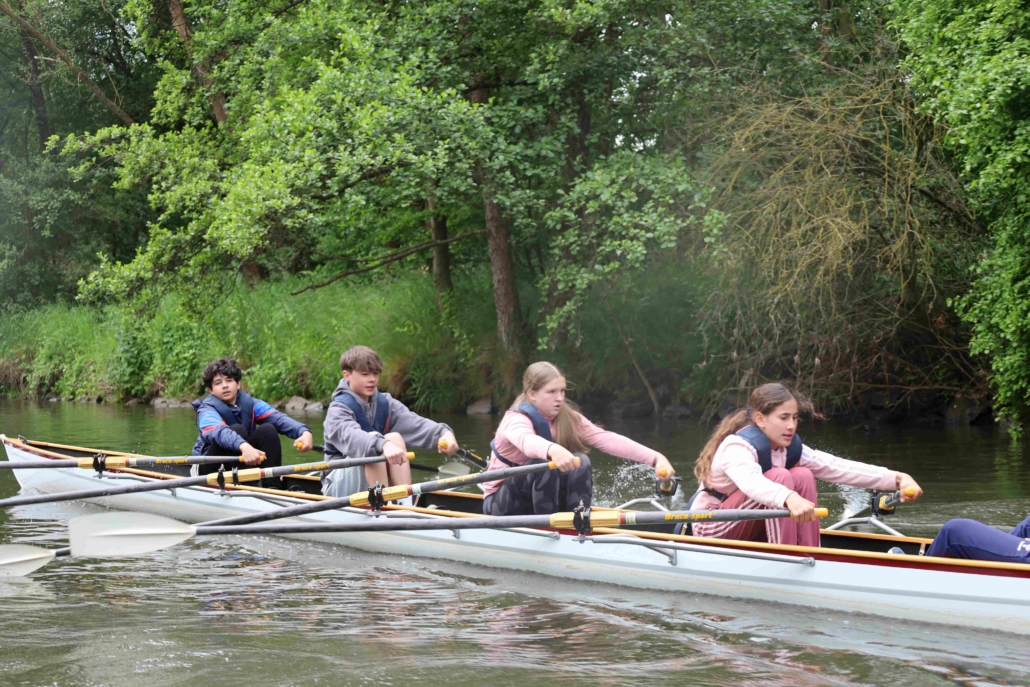
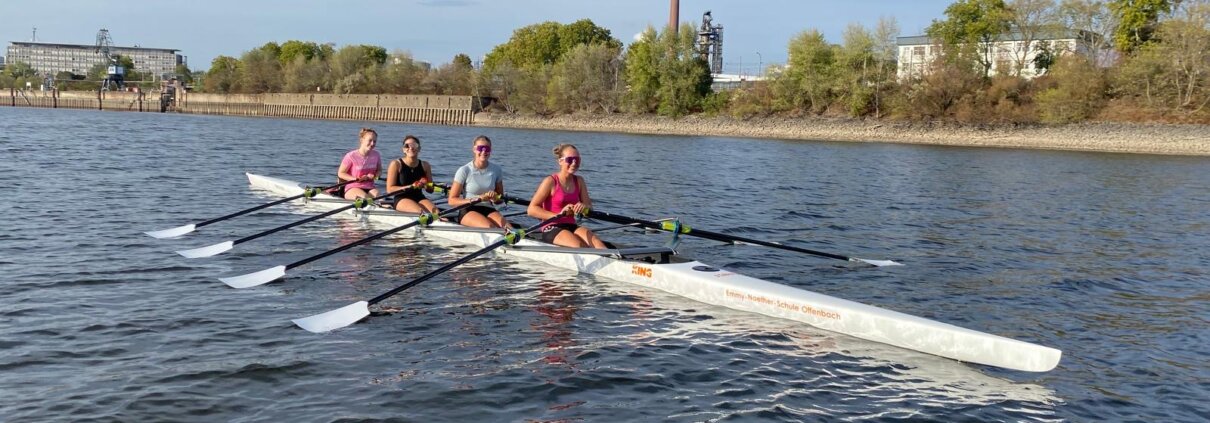
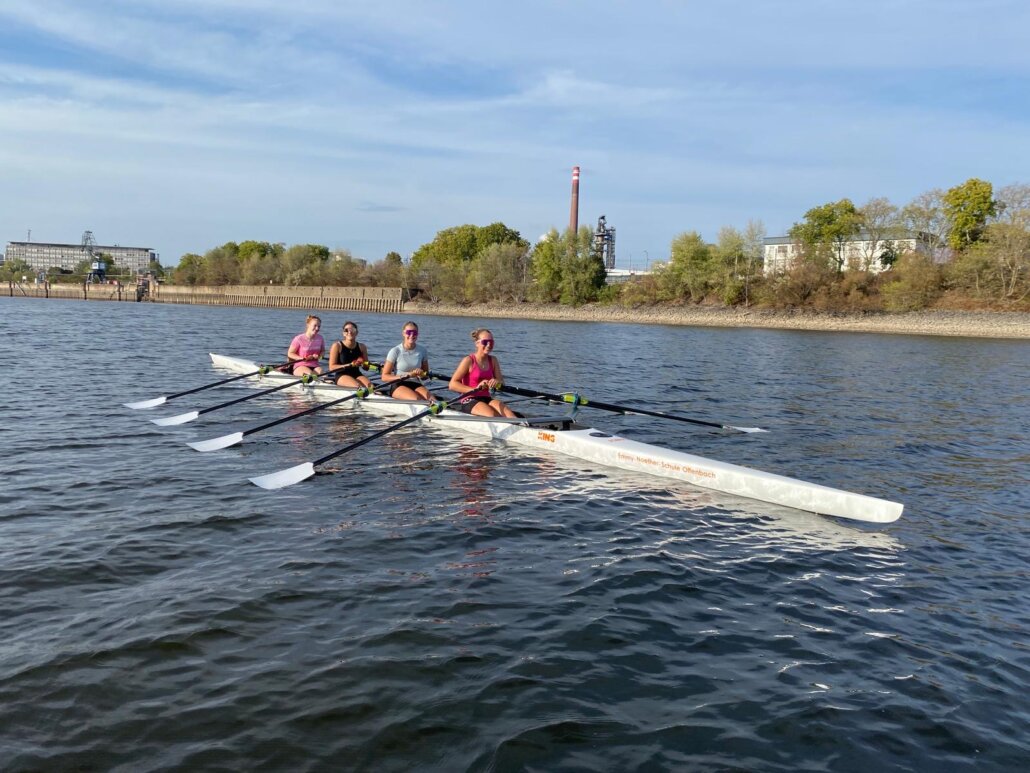
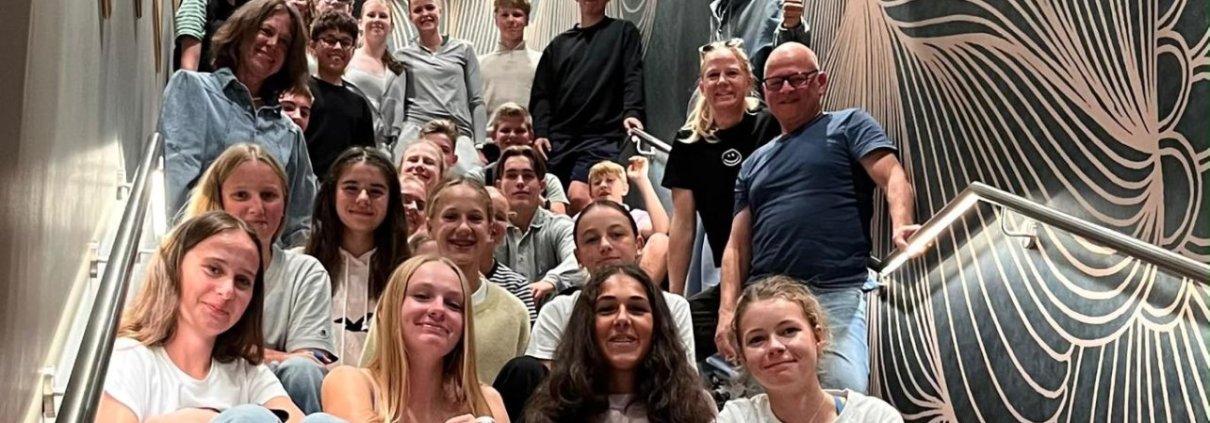
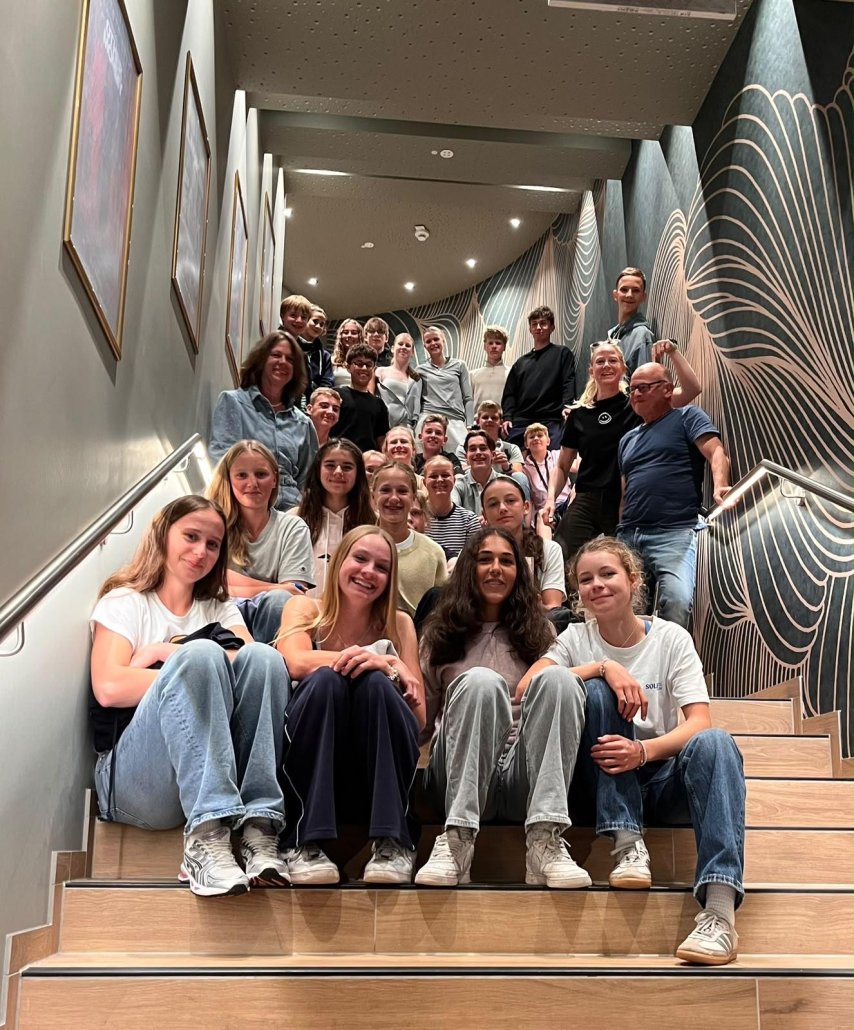
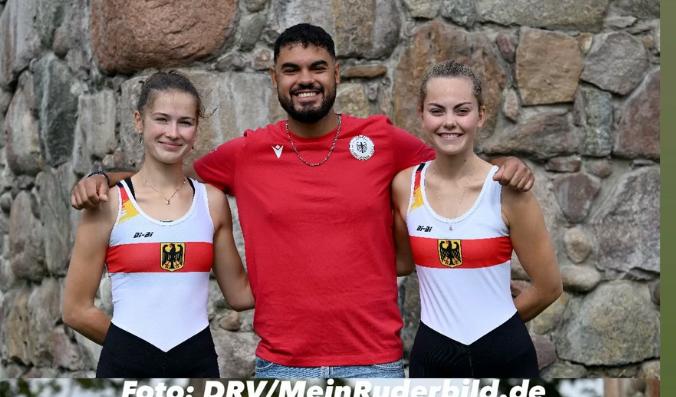
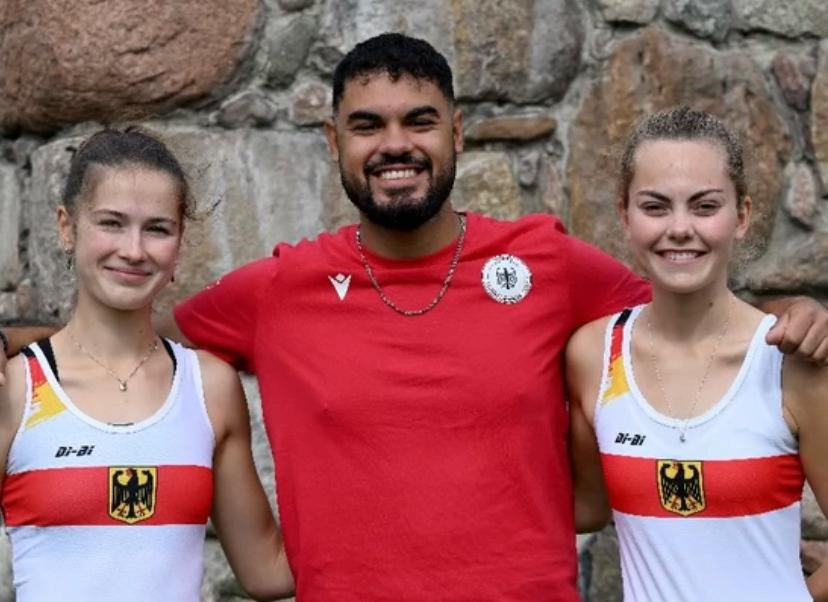
💪🏼 Great performances by our quadruple sculls: Emma Schütt (stroke, seat 1), Freya Dorndorf (seat 2), Lara Khatib (seat 3), Lotta Funk (seat 4), and coxswain Richard Tapia showed off some really great rowing at the training camp in Mannheim-Sandhofen 🚣‍♀️👏‼️
“Considering the short amount of time, their rowing technique was impressive,” praised head coach Martin Strohmenger (“Stromi”). The young athletes particularly stood out for their focus, stamina, and endurance. “A great team,” Stromi continued enthusiastically, noting that they also had a lot to learn from the more experienced athletes from Offenbach who were there at the same time😇

A must-see film for every rower, watched together by the Steinmühle rowers at the Mannheim-Sandhofen training camp alongside the rowing team from Offenbach. “This isn’t the first time the two training groups have been here at the same time. You could call it a symbiosis—almost a strategic partnership,” reports Steinmühle head coach “Stromi.”

With nearly ideal weather conditions, the 33 athletes are having a great time at the training center—both on the athletic side and in terms of social camaraderie—and are being well taken care of by the kitchen team of Jola and Lina Strohmenger. The evening program, featuring the movie “Adams Acht”—based on a true story—added another highlight to the event. Learn more about the film from the German Rowing Association: https://www.rudern.de/news/adams-acht-begeistert-das-kinopublikum-jetzt-heisst-es-dranbleiben.

We wish our active members all the best and continued success!

(Heinm)


Regarding the report from the Hessenschau broadcast on September 14, 2026:

Hessischer Rundfunk Spotlights Rowing at the Steinmühle

(c) hr Television

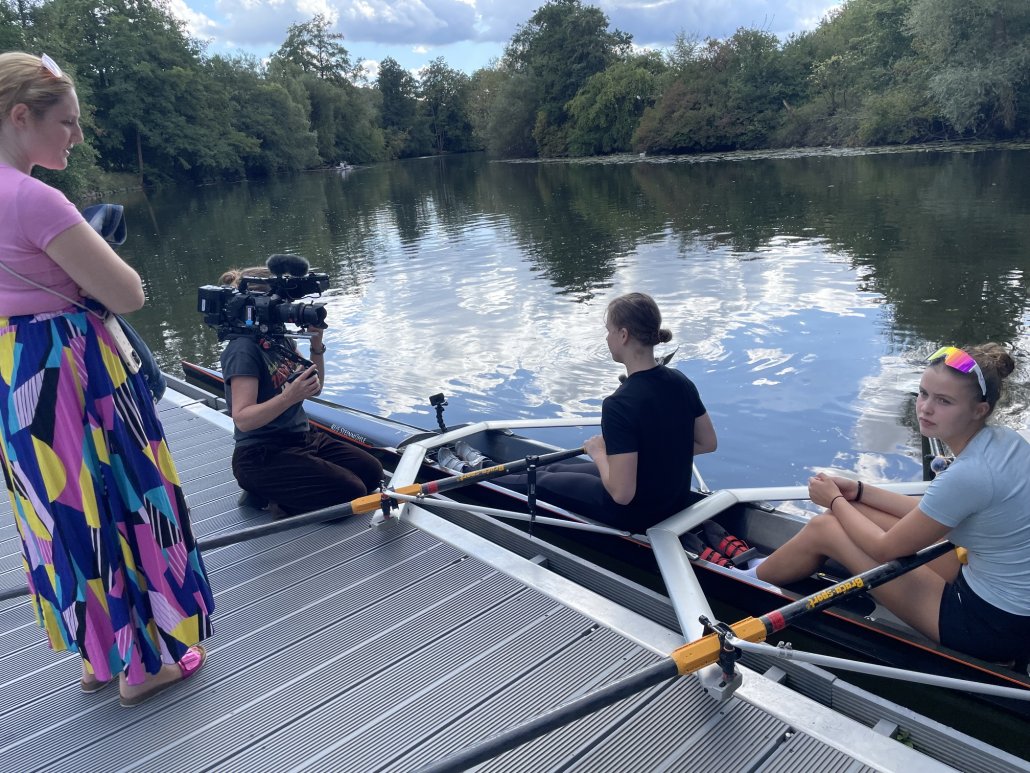
An event that makes us proud: Hessischer Rundfunk had announced a visit to our para-rowers. The goal: “To experience para-sports firsthand and report on them,” explains editor Sarah-Lisa Angress, who is looking forward to meeting our para-rowers.

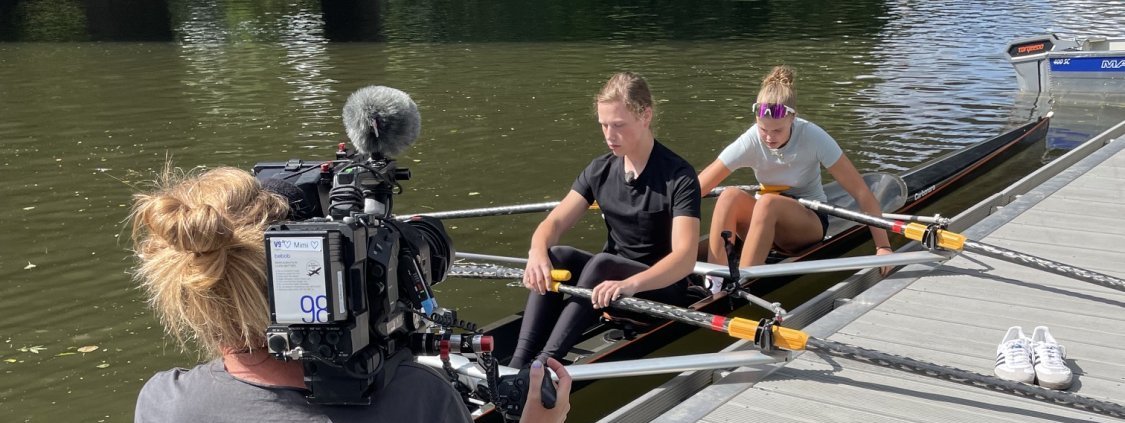
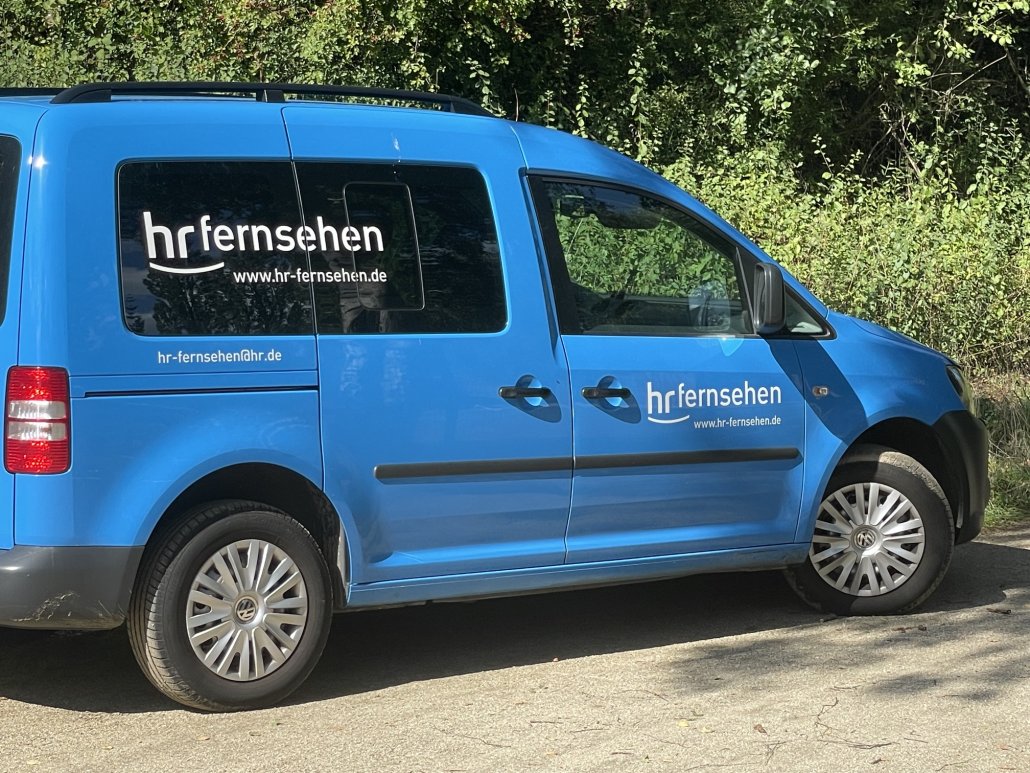
The blue car with the white “hrfernsehen” lettering is driving from the Steinmühlen Campus toward the boathouse. Lennard Koch and Freya Dorndorf are training there. Lennard, 19, lost his sight completely just two years ago.

A turning point.

But Lennard has come to terms with his fate. The young man channels his disability into pure energy.


Orientation and Safety

Six times a week, he meets with Freya Dorndorf for training. She can see, is highly focused, and has a strong sense of direction. She does what he cannot.

In just half a year, the ninth-grader has learned everything needed to provide guidance and reassurance.

The proverbial “blind trust” must have originated right here.


Clear Commands

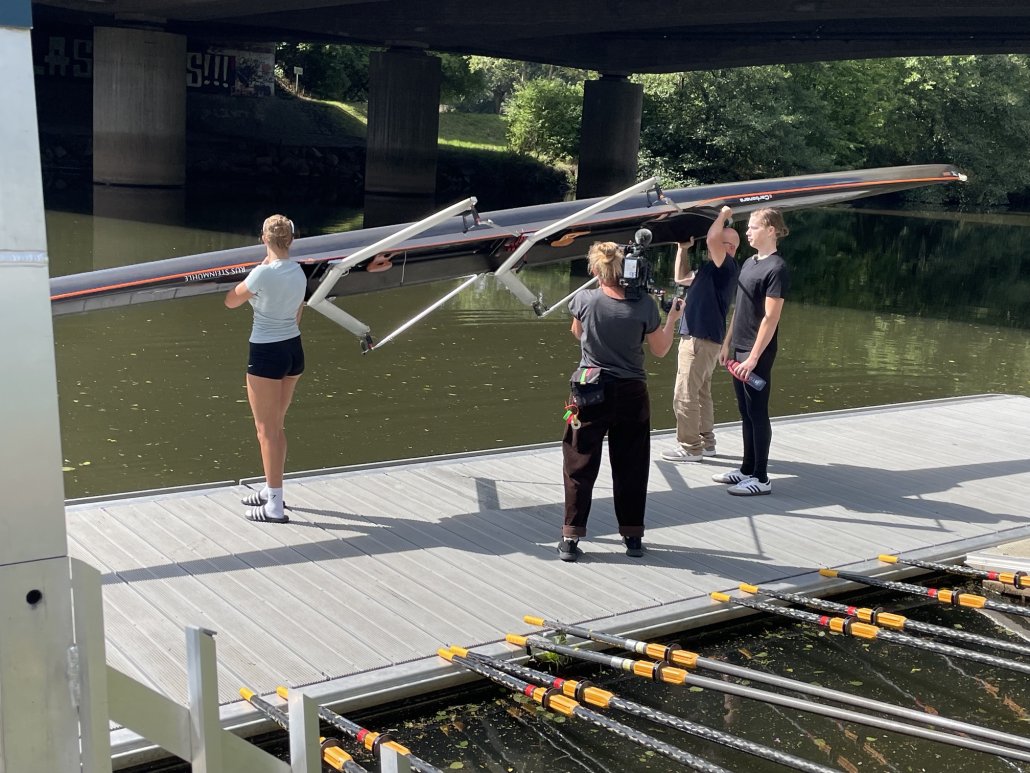
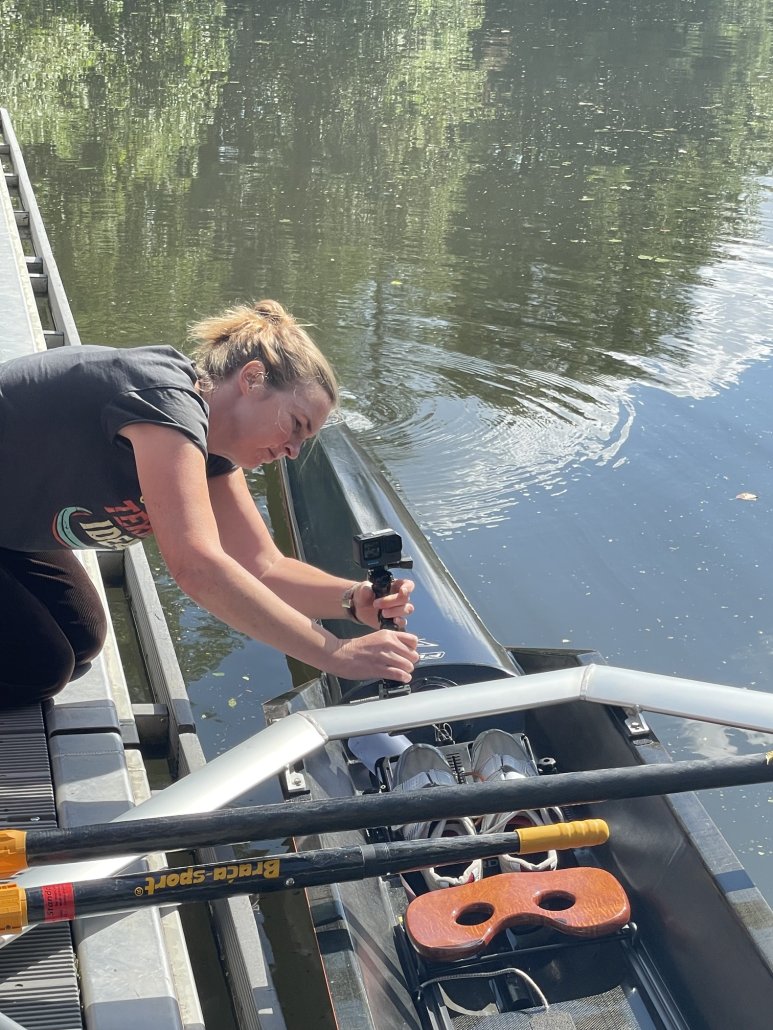
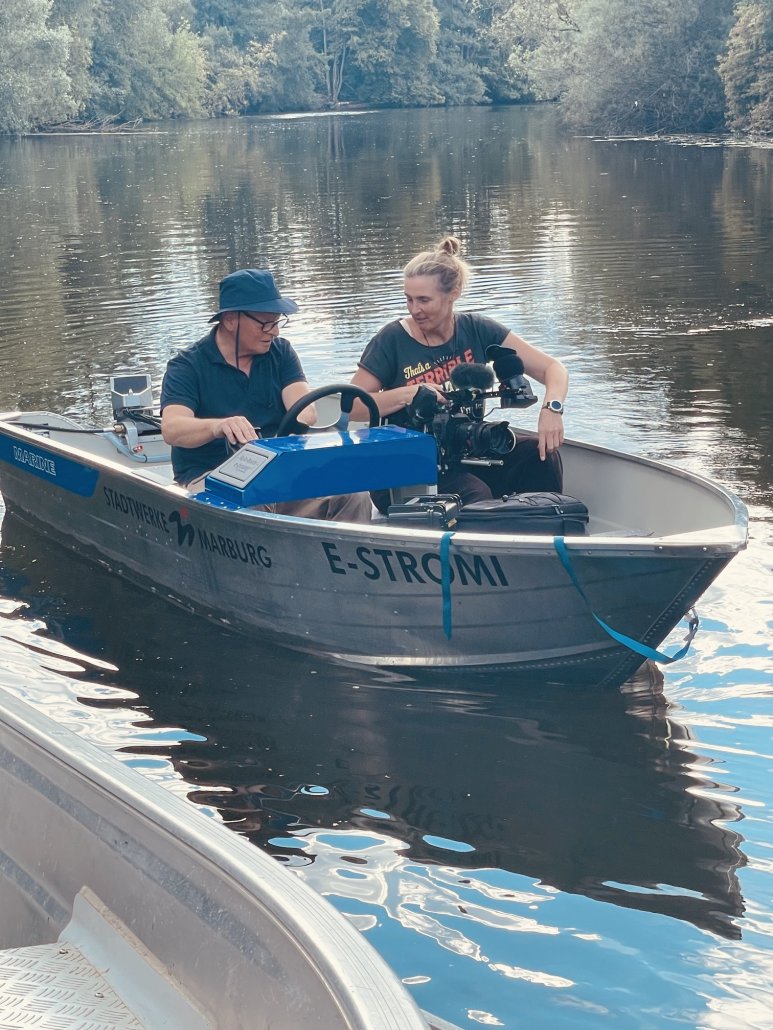
Along with high-performance coach Martin Strohmenger, the camera crew climbs into the electric dinghy. They film up close, capturing what really matters: timely instructions and clear commands, leaving no room for interpretation. Everyone knows exactly what to do. Lennard leads the way.

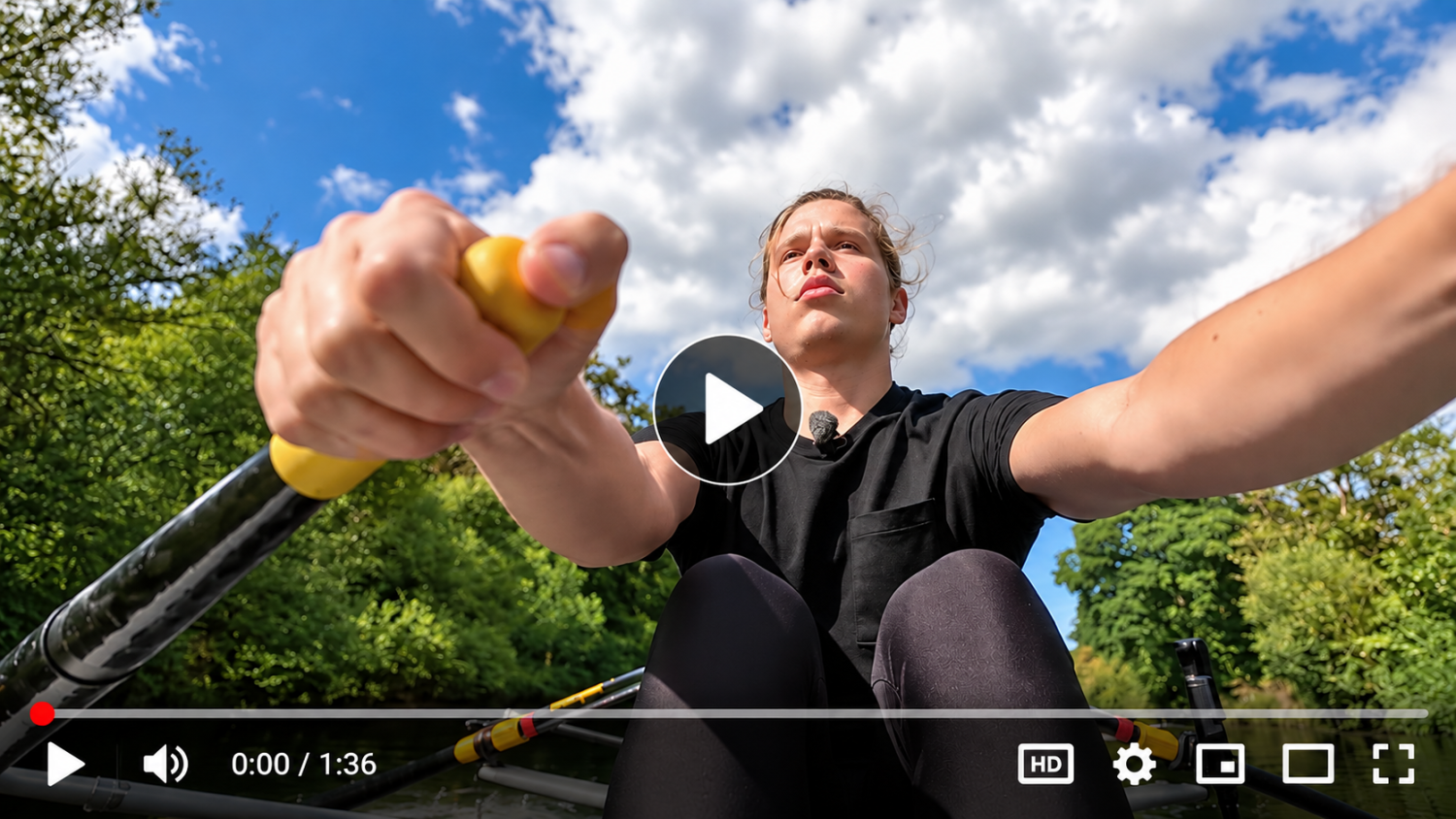
The route goes up the Lahn River from the Steinmühle boathouse and back down again. Hessischer Rundfunk is filming a well-coordinated team where every stroke is perfect. The footage captures the clarity of the commands and gives a glimpse into what a typical day of rowing might be like for Lennard and Freya.


Infrastructure and Partnerships

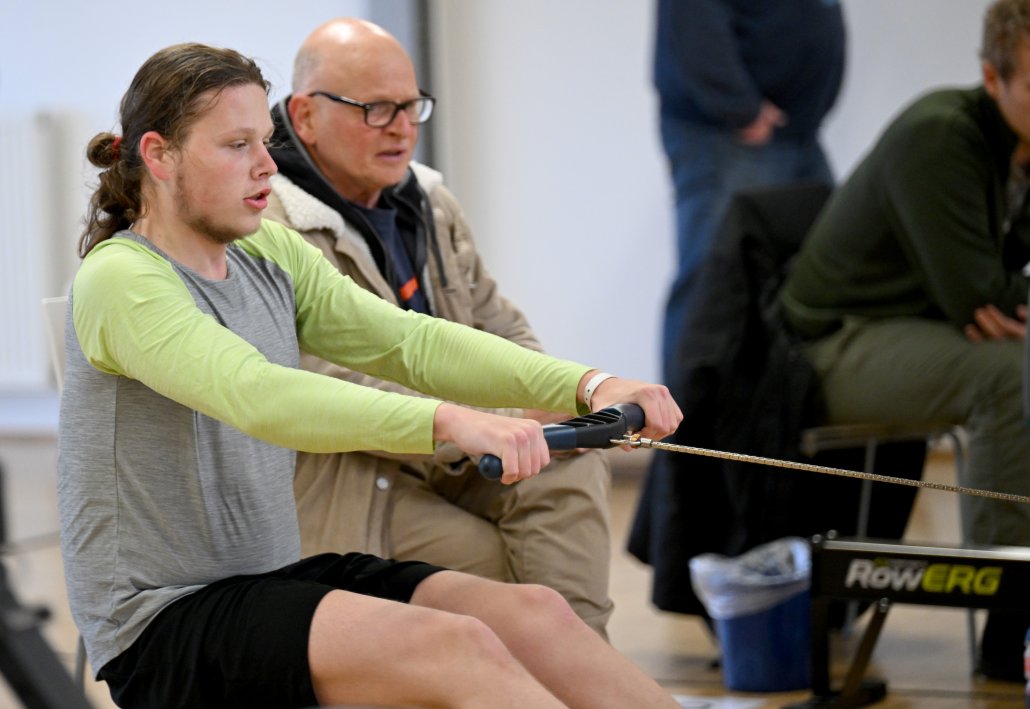
Performance coach Martin Strohmenger, known simply as “Stromi,” looks back on a pleasant afternoon today. The film featuring Lennard, the 2024 German champion in ergometer rowing, and Freya, the level-headed student from Steinmühle, authentically shows how both of them give their all for the sport. But it also highlights the importance of infrastructure like that at Steinmühle, which is suited for para-sports, as well as the success of partnerships—such as the one with the German Institute for the Blind (blista) in Marburg—when they are brought to life.

The Steinmühle, as the state training center for para-rowing of the Hessian Association for Sports for People with Disabilities and Rehabilitation (HBRS), enjoys special recognition among rowers and throughout the sports world. It therefore warmly invites rowers with physical disabilities to get in touch.

By the way: You can—but don’t have to—become the German Ergo Champion right away.

(Angela Heinemann)

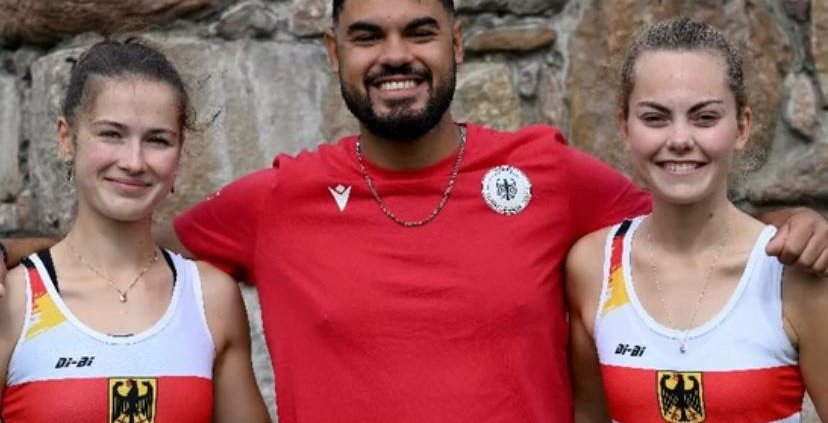
A milestone for Raavi Nasser, our new coach on the TARUS Future Team: At the U23 European Championships in Kruszwica, Poland, he earned his first “Eagle” as a boat coach at an international competition. Our photo shows Raavi, who will be moving from Hanover to the Lahn River, together with Jette Lisdat (Hanover Rowing Club, HRC) and Melina Reinke (Neuss Rowing Club), who competed in the women’s lightweight double sculls (LW2x). The team finished behind Greece and ahead of Italy, winning the silver medal!

More to come soon about Raavi and his responsibilities related to TARUS and the stone mill.

(Heinm)


“Right before summer break…nothing much is going on at school anyway.” — Anyone who thinks that probably hasn’t experienced Steinmühle yet. No, we don’t overwhelm our students with lots of highly challenging brain teasers anymore. But a little guidance on which sport they might enjoy in the future—that’s definitely possible!


Active Day for Grades 5 through 12

This idea laid the foundation for the two consecutive sports project days. For several years now, they have been a permanent fixture in the annual program at the Steinmühle School & Boarding School. Divided into 32 groups, students in grades 5 through 12 try out different sports. They registered for these in advance, listing their first choice and three additional sports.

“We make a variety of sports experiences possible,” says Marcel Kalb. He is a biology and physical education teacher and also the school’s athletic director at Steinmühle. Since Steinmühle cannot offer all sports on its own, it partners with various clubs. “We rent out the occasional sports facility and also make use of external workshops. This happens in disciplines where we don’t have our own expertise.”


The Stone Mill as a “Sports Mill”

Experience has shown that everyone finds something that piques their curiosity or that the students have always wanted to try.

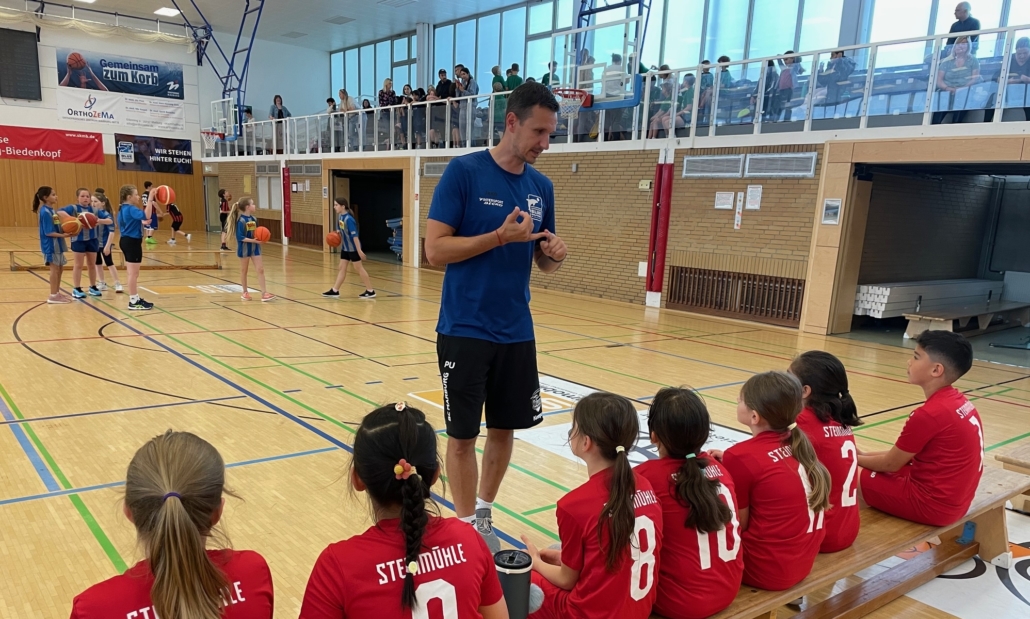
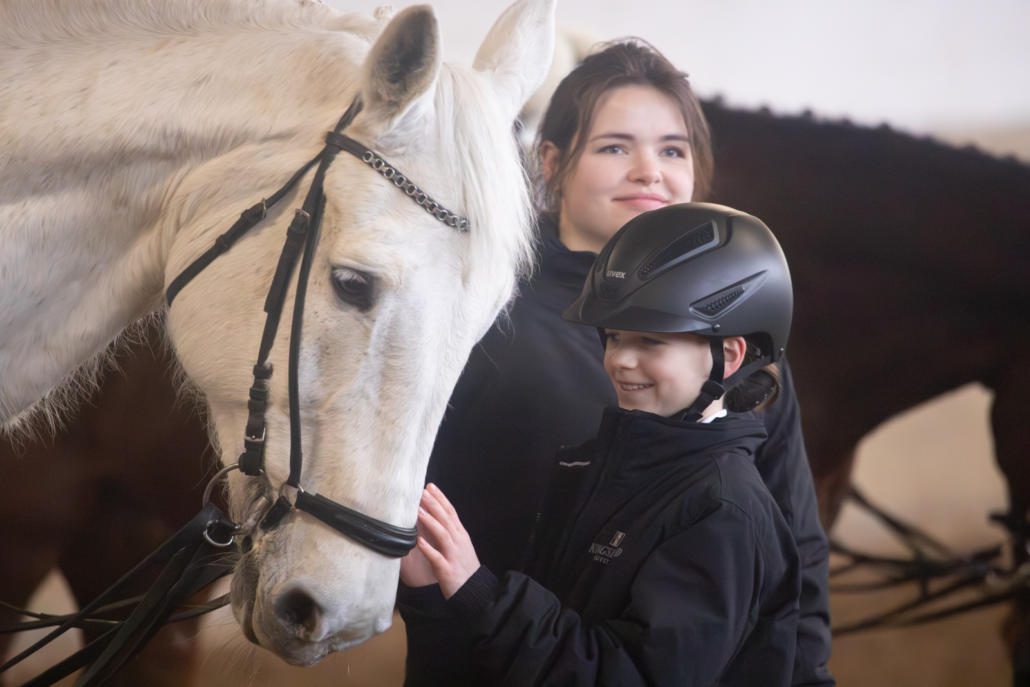
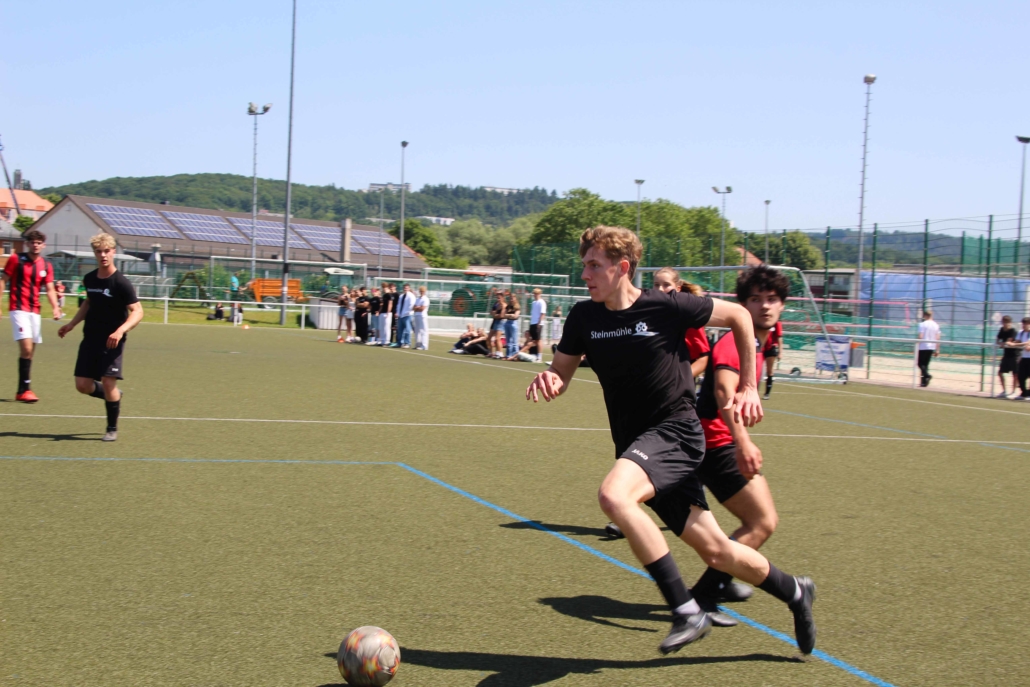
For example, there were activities in basketball, American football, ballet, golf, handball, fitness, lacrosse, judo, kickboxing, Muay Thai, mixed martial arts (MMA), padel tennis, pickleball, horseback riding, gymnastics, rowing, and dance. Of course, there were also activities in soccer—and, building on that, an opportunity to learn about the role of a soccer referee.

Even the very warm temperatures didn’t bother the vast majority of students. They took the opportunity to try out sports they hadn’t experienced before. So it was another great success for Steinmühle as the “Sports Mill.”


(Angela Heinemann)


A young team—and already so ambitious: The athletes from the Steinmühlen rowing team brought home three medals from the state rowing championship “Youth Trains for the Olympics” in Kassel.

“The outcome was effectively decided on Saturday, when all the teams had qualified for the finals,” says head coach Martin Strohmenger (“Stromi”), raving about the young athletes. The result was all the more impressive given that everyone managed to perform at their very best—despite coming from different performance levels.


Steinmühle fielded a team of 12 plus 2 active players

Twelve athletes, along with two reserve rowers and support staff, arrived at the training center over the weekend. The rowers battled it out in the scorching heat with everything on the line. Given the highly competitive field, it was unlikely that every participant would end up on the podium. “A wonderful team is coming together,” said coach Martin Strohmenger, full of praise for the young athletes as their success became apparent. At the same time, he acknowledged the support of the many parents who had traveled with them.


Back to the Lahn with three bronze medals in tow

Third place (bronze medal) in Competition Class 3 in the coxed quadruple sculls (ages 13–14) was won by: Lotta Funk, Freya Dorndorf, Lara Khatib, Emma Schütt, and coxswain Hanni Fuchs.

Also finishing in third place—and thus earning a bronze medal—in the same age group in the boys’ gig quadruple sculls were: Ole Brutzer, Julian Lange, Jakob Heck, Ricardo Tapia, and coxswain Mika Nordwald.

Julian Steinkamp and Vincent Pfarr also took third place—and thus another bronze medal—in Competition Class 2 in the double sculls (ages 15–17).

Johannes Figiel and Lara Burk were there as substitutes and volunteers. Their tremendous effort, as well as the strong commitment shown by Michael Neirich as the school rowing coordinator and Maurits Juhre (FSJ rowing volunteer), cannot be praised highly enough.


“We’re on the right track”

“Our fresh start has become evident,” the coach said with satisfaction, noting that some participants had decided at the last minute to take part despite the challenges, in order to capitalize on the momentum.


Despite all that, some top rowers were missing

“During the previous week of training at our base in Mannheim, 33 students had given it a try, but in the end, some didn’t have the guts to compete in Kassel,” says “Stromi,” describing this minor setback. He’s certain: “Among those who stayed home, one or two still had potential; some capable rowers stayed home as well.” They plan to rethink the organizational aspects of this in the future. Martin Strohmenger is pleased, however, that the Steinmühlen rowers’ appearance at “Youth Trains for the Olympics”—after a long absence—has already been such a success. “You performed exceptionally well. A movement is beginning here. Thank you very much to everyone.”

(Angela Heinemann)


“Those were two great regattas for Steinmühle,” says head coach Martin Strohmenger, raving about the most recent competitions for Steinmühle’s active rowers.

He begins by looking back at the International Junior Rowing Regatta in Cologne. There, Janina Conrad won her heat by a margin of 13 seconds, taking first place, and the next day competed in the A final as part of a racing team with Bremen and Berlin, delivering a spectacular performance. Finishing 6th out of 36, the boat crewed by the athlete—who only took up rowing a year and a half ago—achieved an outstanding result. “An explosion of performance that is far from over for Janina,” commented “Stromi.”


Harmony and a family-like atmosphere

That same weekend, the area around the Giessen Pentecost Regatta served as the venue for many Steinmühlen rowers. “Everything just came together perfectly,” says the coach, delighted by the dedication and support of the many parents who traveled with the team.

Regardless of age or skill level, everyone stuck together, helped one another, and cheered each other on. — The family-like atmosphere, in which everyone helped everyone else, motivated everyone to perform at their best, including our elite para-rower Lennart Koch.


Rowing to Beat Graduation Stress

Lilu Schmidt delivered her usual strong performance and won two races in the single sculls in the junior women’s division. Leonard Hilger (14) won his very first race in the single sculls—and by a wide margin! Ricardo Tapia was also a newcomer to the starting line, and he quickly got the hang of things. Jacob Romsdorfer didn’t let his rowing boat down despite cramming for his high school graduation exams and competed anyway. What a great gesture—that’s what we call a refreshing change of pace.

Due to an injury, Freya Dorndorf had to sit out. She was replaced by Emma Schütt. Together with Lotta Funk, she took second place in the double sculls. Afterward, all three girls posed for the photographer.

Salentin Wittgenstein demonstrated great skill and concentration while rowing. He won his race by a wide margin, and we’re sure we’ll be seeing a lot more from this 12-year-old in the world of sports.


(Angela Heinemann)


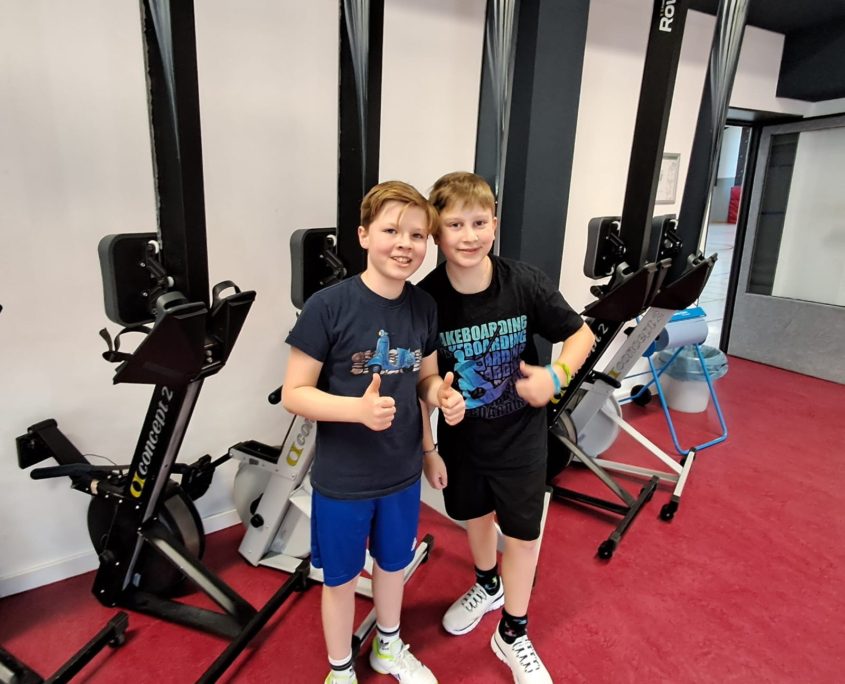
Rowing is part of the curriculum for every 7th-grade class at Steinmühle. Because of this focus on the sport, the four 7th-grade classes once again organized the rowing event at the Steinmühle boathouse during this year’s Lower Secondary School Sports Day.

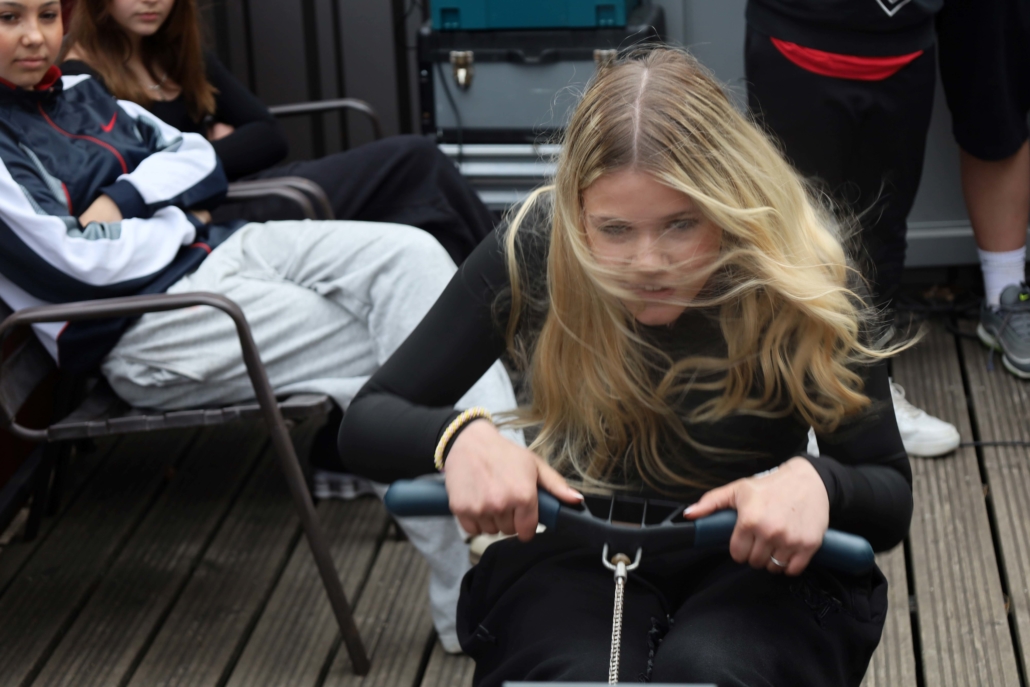
The Steinmühle rowing team has expanded on the concept of the rowing event from recent years to create a new event called the “Steinmühle Spring Ergo & Gig Cup.” This modified format made its debut at this event.


What has changed:

The new format consists of a triathlon featuring the following events, all of which are based exclusively on rowing-specific competition formats:

– Rowing-Ergometer-Challenge over 250m

– Rowing rally “ Monte Carlo ” in gig*)-4s: each mixed gig races over a distance of 500m-
Boat per class at the start.

– 250-meter gig boat sprint: Two mixed gig boats per class compete in the preliminary round using a time-trial elimination format to determine the four semifinalists. Starting with the semifinals, the winning boat is determined through head-to-head competition.

Despite limited time to prepare for the event, some of the students delivered outstanding performances, reported organizer Michael Neirich. The competition day was therefore marked by great athletic dedication, and the beautiful weather further contributed to the positive atmosphere. It was also impressive that the students cheered each other on during all the events—a lovely gesture that demonstrated their sense of camaraderie despite the competitive atmosphere!

A big thank you to all our colleagues who helped organize the event and provided photos!

(M. Neirich/A. Heinemann)


Below are the results of the 2026 Steinmühlen Spring Ergo & Gig Cup:


Ergometer Results (250 m)

Girl:
1st Place: Dana Schleich 7i
2nd Place: Clara Koch 7c
3rd Place: Lara Burk 7c – Anouk Sedlmayr 7a – Romilda Baralis 7c

Boys:
1st Place: Julian Lange, 7b
2nd Place: Titus Lampert, 7a – Jakob Heck, 7b
3rd Place: Leo Niederhöfer, 7c


Results of the “Monte Carlo” Gig-BootCompetition
1st Place: 7c Hannes Sondergeld, Ole Brutzer, Romilda Baralis, Johanna Schütte, Theodor Weber
2nd Place: 7a Tabea Moses, Anouk Sedlmayr, Finja Porth, Philipp Zschau, Mika Nordwald
3rd Place: 7b Miranda Lammerskötter, Justus Böth, Leo Keil, Yiheng Liang, Noe Becker


Result “250m Sprint” Competition Gig Boat
1st Place: 7i Ismail Özmen, Noah Gavrilas, Emmanuel Sarumi, Dana Schleich, Nika Jablonski
2nd Place: 7i Nic Dohmen, Alea Stübner, Aurelia Thielicke, Gianluca Schneider, Ricardo Tapia Gehring
3rd place: 7b Maximilian Bliemel, Philipp Leont, Jakob Heck, Alisa Neufeld, Nora Rettig


Results “Fastest Rowing Class” Competition
1st place: 7b
2nd place: 7a
3rd place: 7c
4th place: 7 i

—

For clarification:

*) The Gig-Boot (Gig for short) is a fast, sturdy type of rowing boat. It is characterized by its wider and more stable design compared to narrow racing boats and is the standard boat for recreational rowing, training, and touring.


Head coach Martin Strohmenger was able to report a very solid performance for the Steinmühle School & Boarding School at the Rüdersdorf Spring Regatta this weekend. Janina Conrad (featured photo) alone won three gold medals!

This series once again made the competition on the outskirts of the federal capital a rowing highlight. The team also praised the great course, the excellent catering, and the comfortable accommodations—all topped off by good weather.


Max Beck followed suit and also claimed the victory

Coach “Stromi” was particularly pleased with the wonderful conclusion to the regatta on Sunday, courtesy of Steinmühlen rower Max Beck (first photo in the gallery). Although he hadn’t been able to fully demonstrate his potential earlier on, he finally broke through at the end of the event and once again secured a top spot as the fastest rower.

Feeling satisfied and having built a strong network through important conversations on the sidelines of the regatta course, the tireless team headed back west to kick off a new week.


Meanwhile, the Steinmühle School & Boarding School and the newly founded association Talentakademie Rudern Steinmühle (TARUS) e.V. are on the verge of launching the plus-RUDERN program, which offers ambitious rowers new opportunities in elite rowing combined with an education of the highest caliber.

(Angela Heinemann)


Horseback riding, rowing, team sports, and an ever-growing number of partnerships: The sports program at Steinmühle School & Boarding School has evolved significantly in recent years. Modernized facilities, a growing team, and numerous projects ensure that physical activity has a firm place in the students’ daily school life—and will continue to be expanded in the future.


Steinmühle has always been known for its wide range of sports programs: established equestrian programs, professional rowing instruction, and successes that have even led to Olympic participation. Tennis has long been played on the school’s own courts, ball sports—including beach volleyball—are played along the Lahn River, and strength training is offered even during the winter months. But even good things can be made even better, explains Marcel Kalb, head of school sports, organizer of many training sessions, and coordinator of partnerships with other clubs.


Modern Infrastructure

At this point, we’ve already reached a stage where things have expanded considerably compared to about ten to 15 years ago. Compared to back then, the infrastructure has been modernized and significantly expanded. A renovated boathouse, a large second sports hall, and a modernized existing hall are now available for rowing equipment and indoor sports. The selection of sports equipment is also being continuously expanded. The selection in the weight room already gives a good idea of what this looks like.


More People for Sports

The development of the sports program was a process—both in terms of infrastructure and staffing. The faculty in the Sports Department has now grown to 17 teachers, with one educator from the boarding school and three FSJ volunteers providing support in various roles. “We’re also in contact with the departments of Sports Science and Motology at Philipps University in Marburg,” reports Marcel Kalb.


No Grades in Physical Education for Grades 5–8

Promoting physical activity is a top priority at Steinmühle. For example, there are extracurricular programs such as rowing trips and ski trips, and students have the option to choose the sports track in 11th grade—the so-called “E-Phase” of upper secondary school. One unique feature is also worth mentioning: In grades 5 through 8, no numerical grades are given in physical education. “We believe that a numerical grade cannot reflect the diversity of sports and the associated assessment of student performance. For this reason, we strive to provide differentiated and meaningful feedback on performance in physical education classes,” explains the school’s physical education director.


Para-sports are part of the program

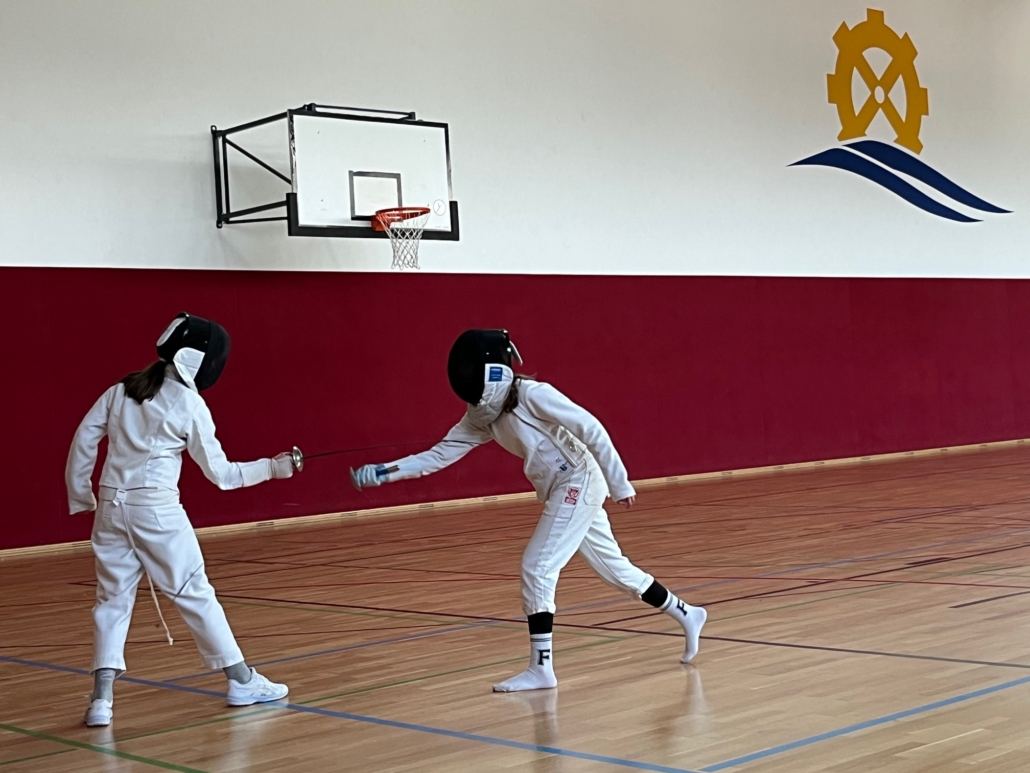
Thanks to partnerships with other clubs, the range of sports offered at Steinmühle School & Boarding School is virtually limitless. While some Steinmühle teachers offer sports such as fencing out of personal interest, traditional sports like volleyball, basketball, and soccer are already part of the regular program. The new, spacious sports hall enables Steinmühle—which is already a Paralympic training center for rowing—to now also offer wheelchair basketball as a team sport.

On Mondays, inclusive soccer is also held: A few years ago, the Unified Team began regular training in cooperation with the local sports club, SF Blau-Gelb Marburg. At the time, Egon Vaupel, chairman of the sponsoring association Steinmühle Marburg e. V., had been a particularly strong advocate for the formation of this team.


New School Structure Model Opens Up Opportunities

According to Kalb, the school’s athletic director, the school is seeking further partnerships with other clubs. He has in mind extracurricular activities such as track and field, gymnastics, and swimming. “The new school restructuring model set to be implemented in the future will open up great opportunities in this regard.”


Keeping an eye on competitive sports

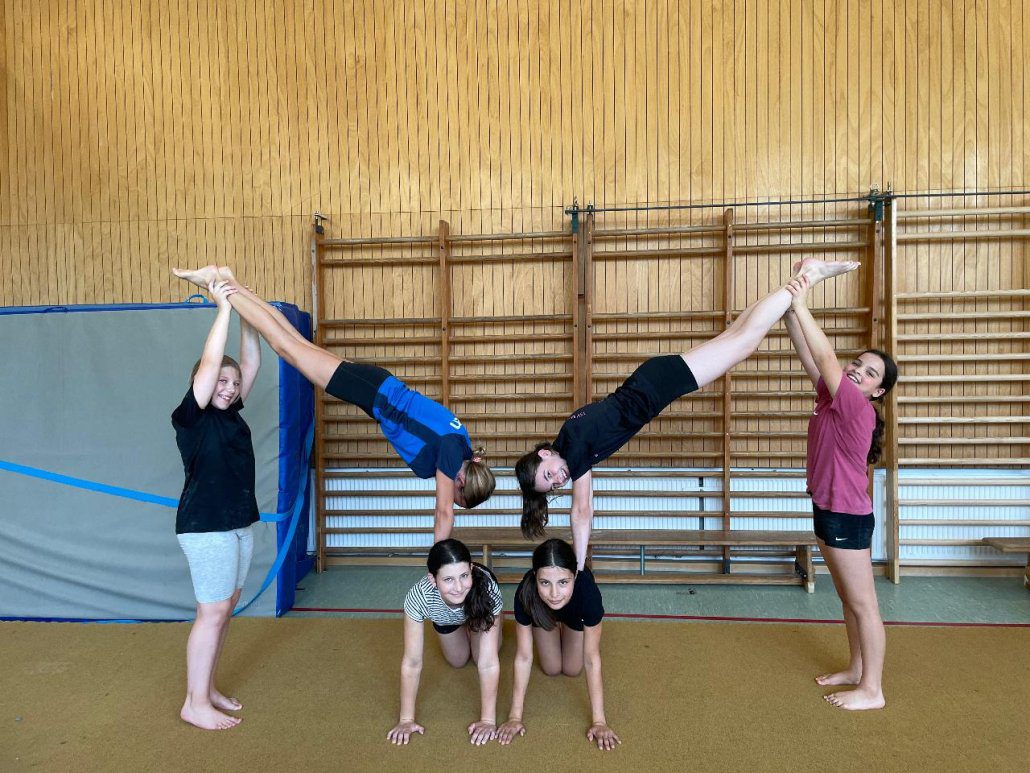
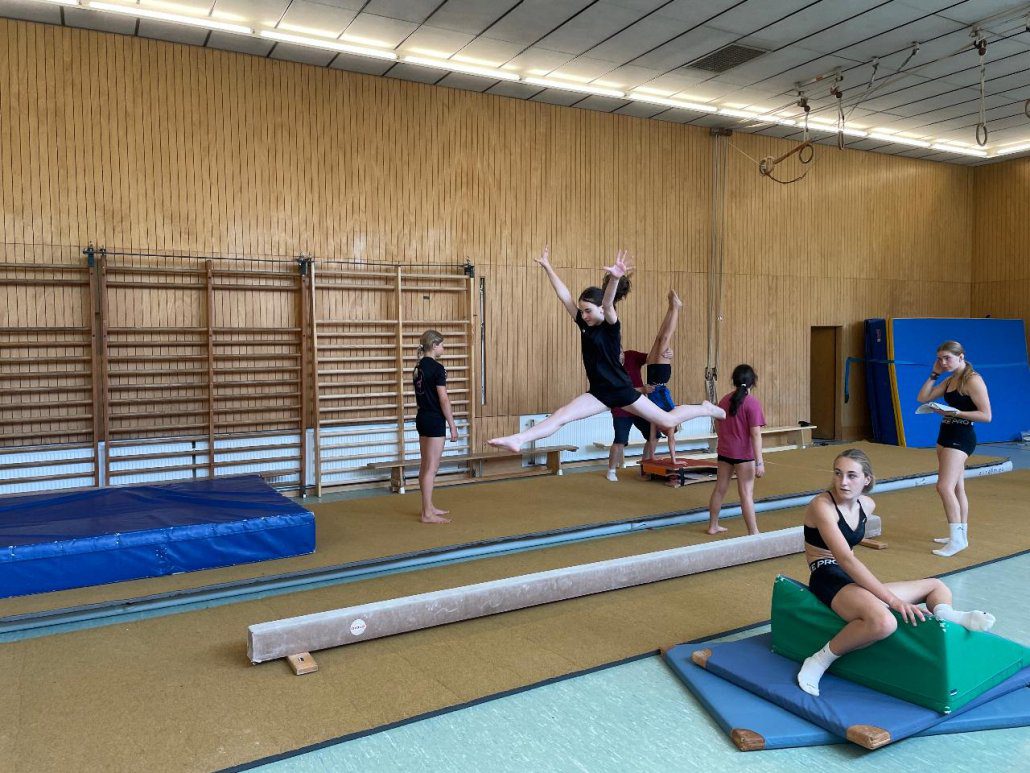
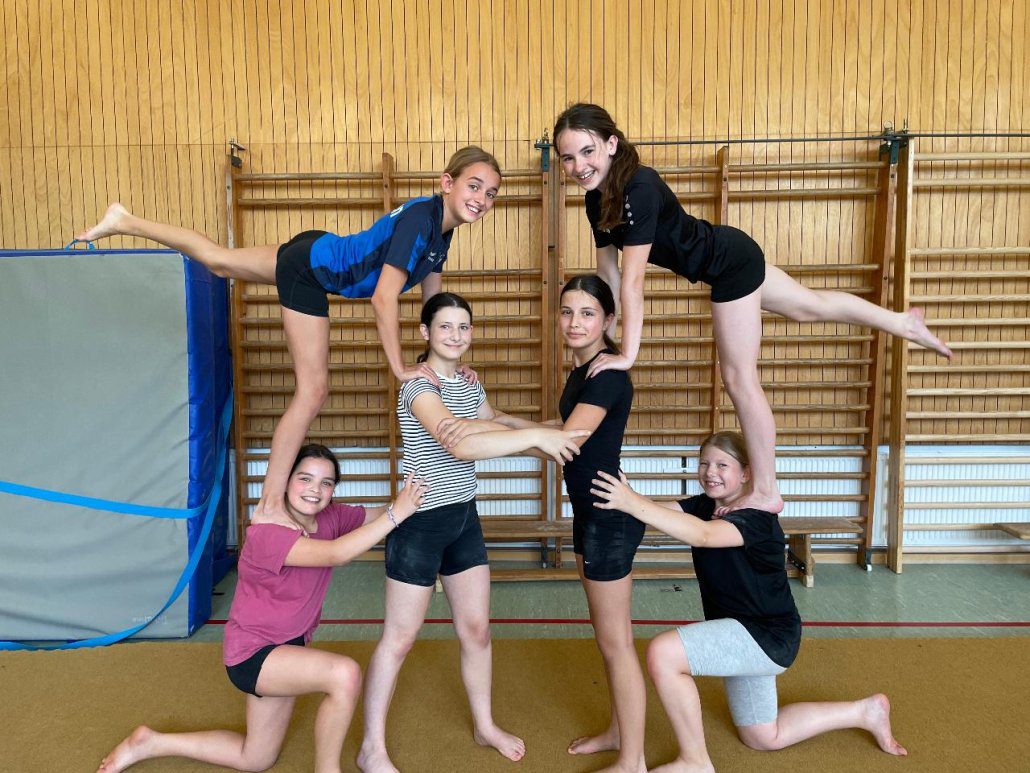
Marcel Kalb also keeps an eye on competitive sports and cites, for example, the volleyball club and the elective volleyball classes (WU) for grades 5 and 6, as well as the gymnastics program offered as part of “Youth Training for the Olympics,” in which five female students performed exceptionally well. His credo: “Sports and achievement go hand in hand. And that’s what we encourage.”

In addition, a two-hour-per-week upper-school sports program is offered to students across all grade levels. Marcel Kalb oversees the program, but the students also organize many activities on their own, thereby creating self-directed spaces for physical activity and training.


Getting to know each other in two ways

For several years now, Steinmühle has also been holding sports project days during the last week of school, says Kalb, who has been working at Steinmühle for seven years. The additional sports days in May are for grades 5 through 10 and include rowing, running finals, and other disciplines. In addition, Steinmühle has held—and plans to continue holding—a sports festival during the last week of school. Partnering sports clubs and physical education students from the university are also invited to this event. In addition to promoting physical activity, the festival serves as an opportunity for participants to get to know one another—both among the athletes themselves and through exposure to other sports programs.


Fitness Programs for Faculty

“Our day-to-day work is becoming increasingly complex, so we also need to ensure that our staff gets enough exercise,” adds Marcel Kalb. At this point, he brings up the “StoneFIT” program—an initiative designed to promote physical activity specifically for employees.

“We can be proud of the opportunities we have,” Marcel Kalb sums up. But he adds that they haven’t reached the finish line yet: “… there’s still more to come.”

He also mentions the lively break in the gym that comes with the cell phone ban. Led by a volunteer doing a year of voluntary social service (FSJ), grades 5 and 6 are active during the first long break, and grades 7 and 8 during the second long break. “If you curb the urge to play digital games, you have to offer other alternatives—ones that promote health through sports and physical activity.”


Sports are part of school culture

Steinmühle does not see its future as limited to its own offerings. “We also like to take a look at what public schools are doing and try to adopt the best practices.”

This makes it clear: At Steinmühle, physical education is much more than just a school subject. It is part of the school’s culture—driven by dedication, collaboration, and the shared goal of sustainably promoting physical activity, health, team spirit, and a drive to excel.

(Angela Heinemann/Photos: Steinmühle Archive)