The participation of numerous students from our school in the annual Pangea Mathematics Competition, which takes place in several countries, has become a true tradition and shows that mathematics is a subject that can inspire many people.

This competition consists of 20 multiple-choice questions of varying difficulty, which students must solve within 45–60 minutes without a calculator. These are not traditional math problems from the classroom, but rather a combination of logic and brainteaser problems, such as those sometimes found in various aptitude tests for career orientation. Scoring is done centrally, and typically the top 500 participants in each grade level from across Germany are invited to the intermediate round.

This year, too, several students performed exceptionally well and made it into the top 500 in Germany (and the top 50 in Hesse).

5th Grade: Carlos_Toshira_Beato_Del Rosal

6th Grade: Sophia Rogosch and Teresa Dinges

7th Grade: Timo Wienbeck and Yewon Jeong

9th Grade: Joshua Wieder; Paula Auschill; Susanna Just; and Velten Schulz

We would like to extend our warmest congratulations to our students on this achievement.

(Unfortunately, due to the COVID-19 situation, the remaining rounds of the competition have been canceled this year.)


(from left to right) Joshua Wieder, Sophia Rogosch, Teresa Dinges, Yewon Jeong, Susanna Just, Timo Wienbeck, Paula Auschill, Carlos Toshira Beato del Rosal, Velten Schulz

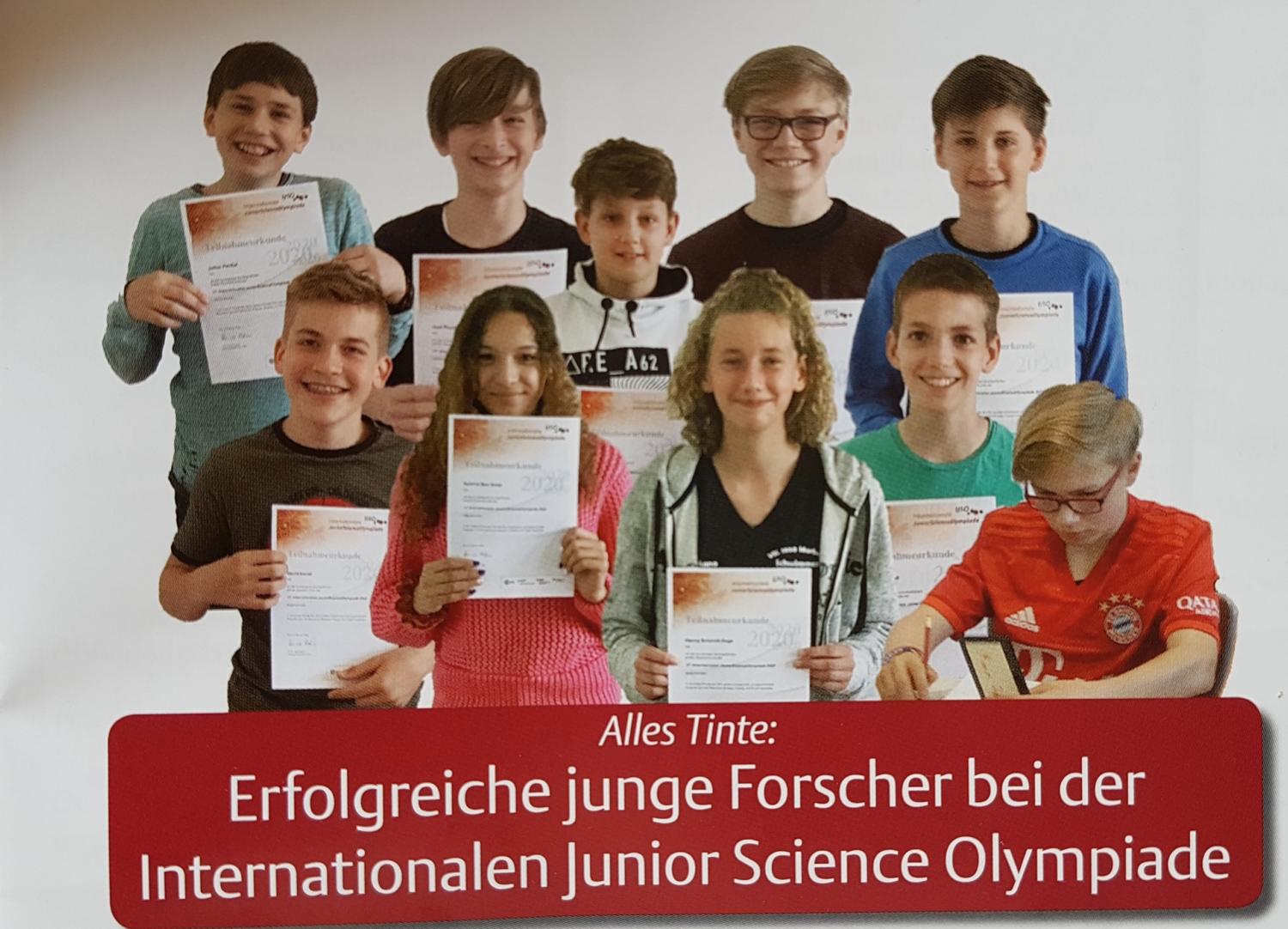
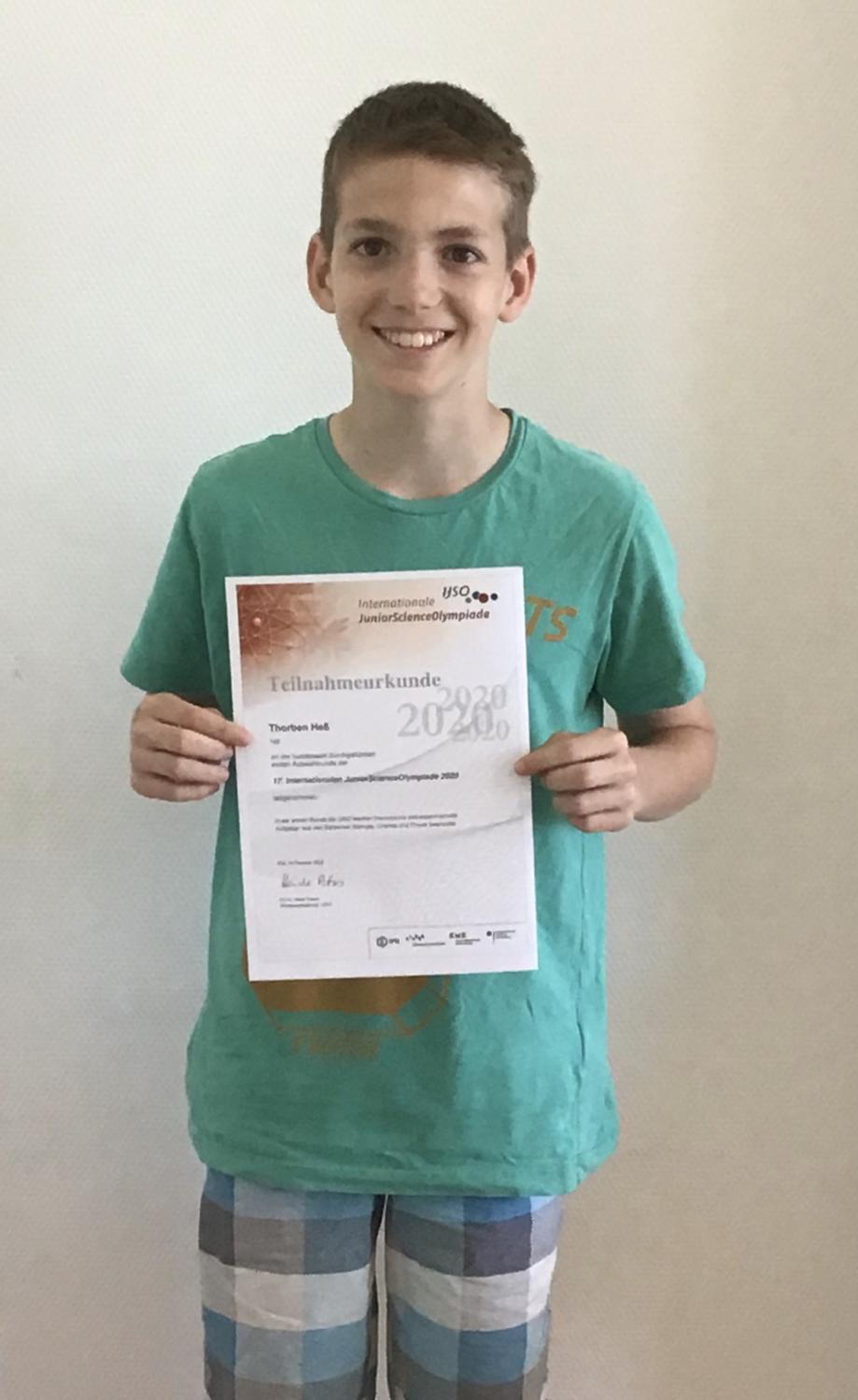
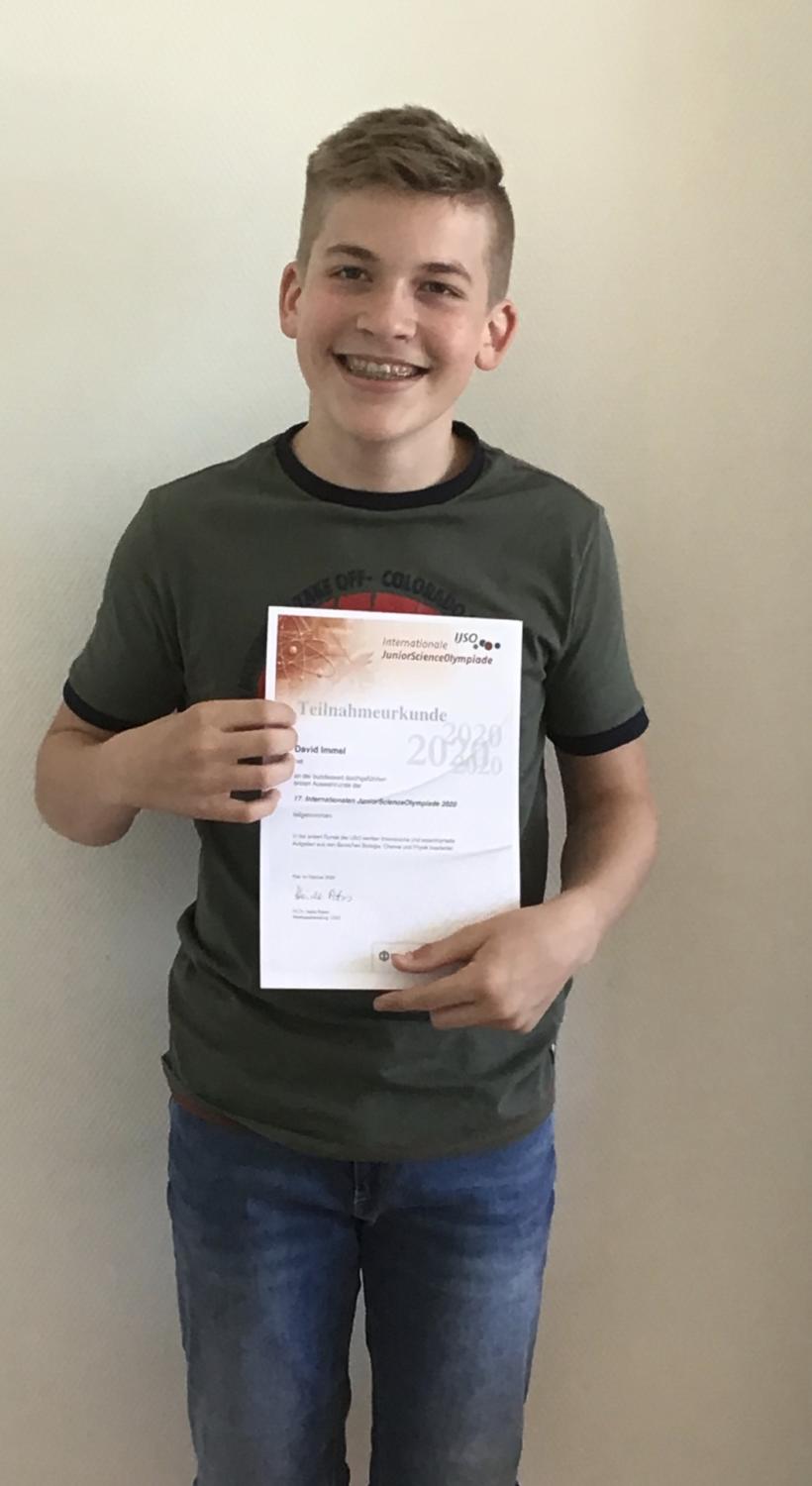
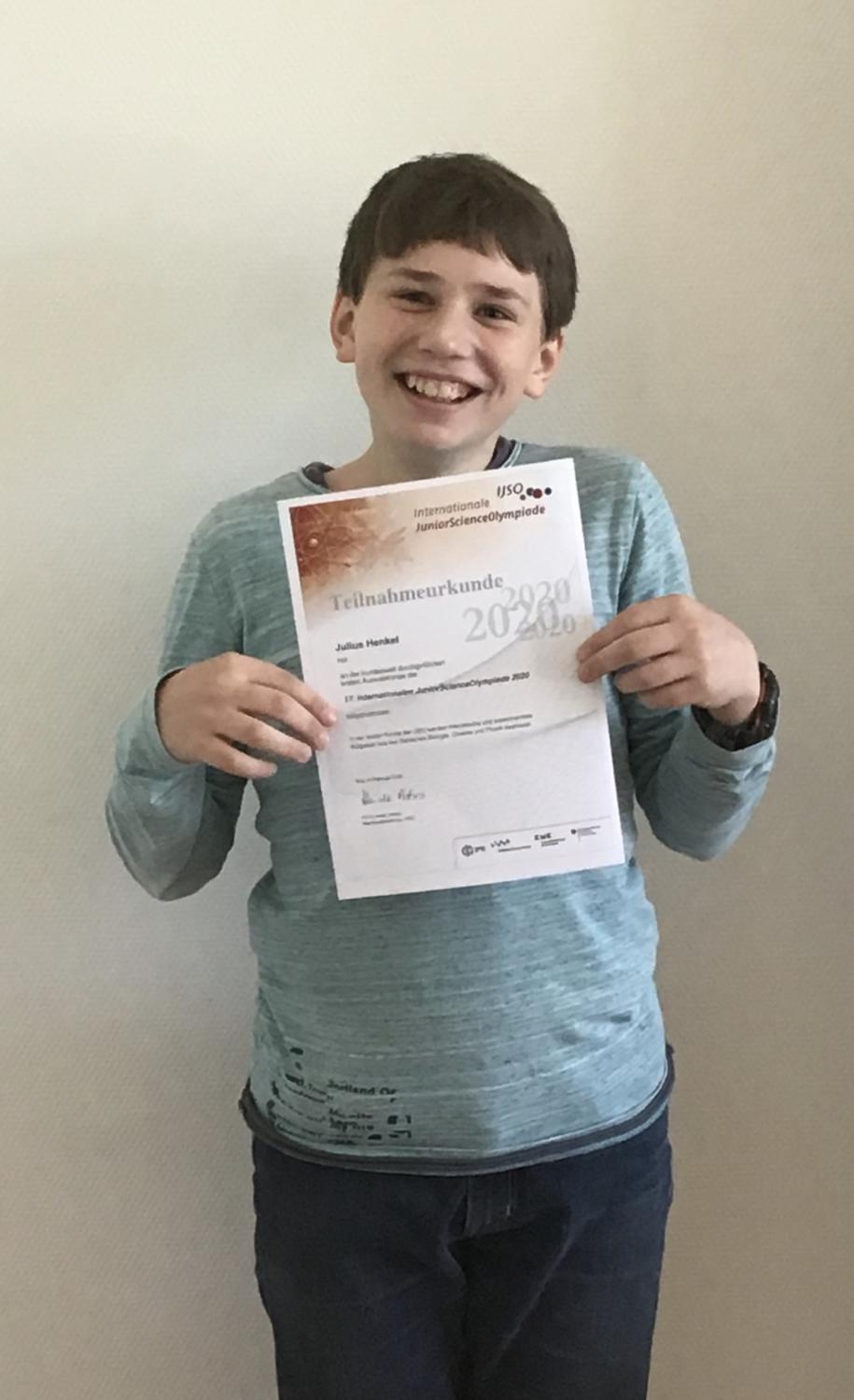
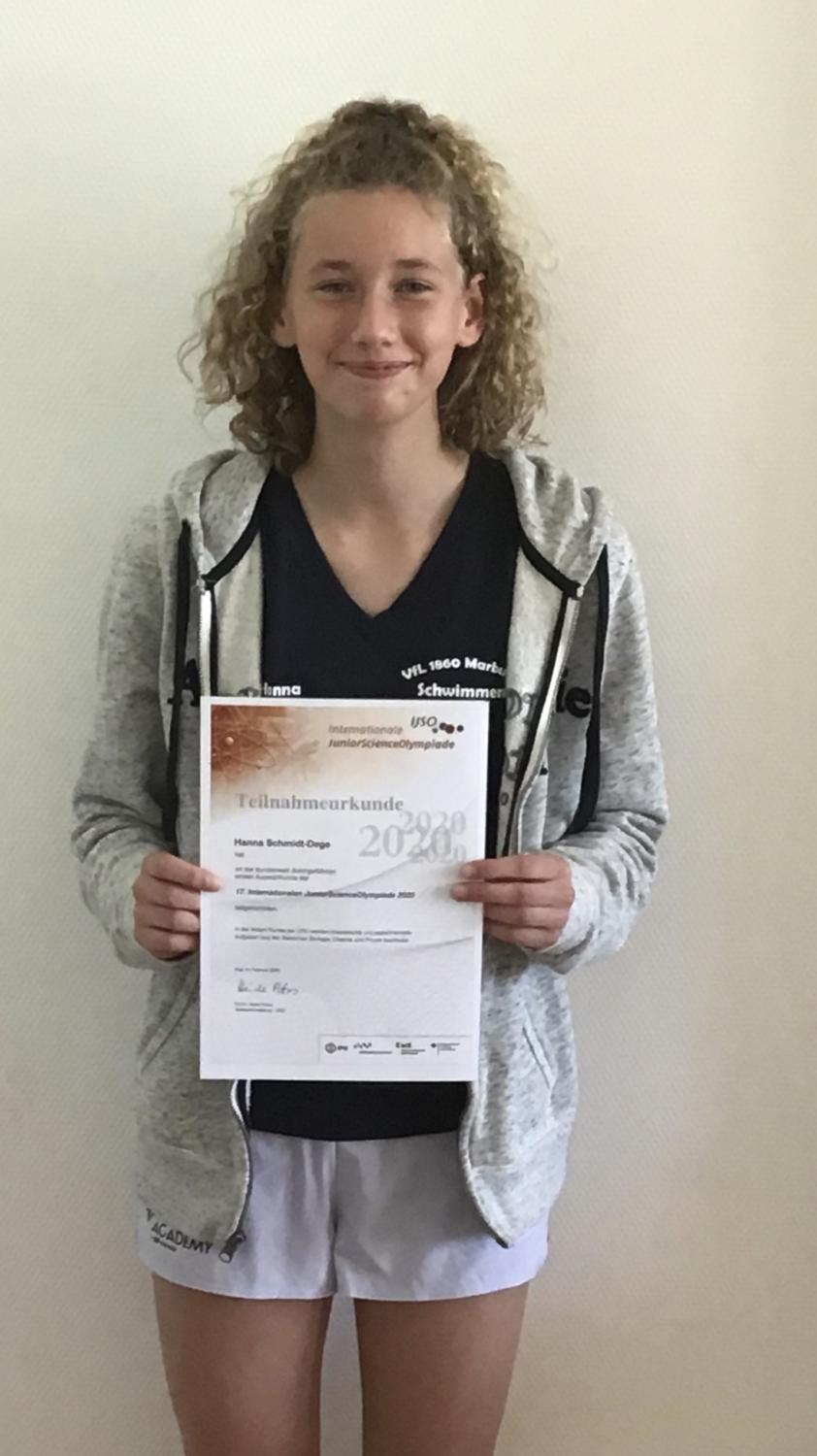
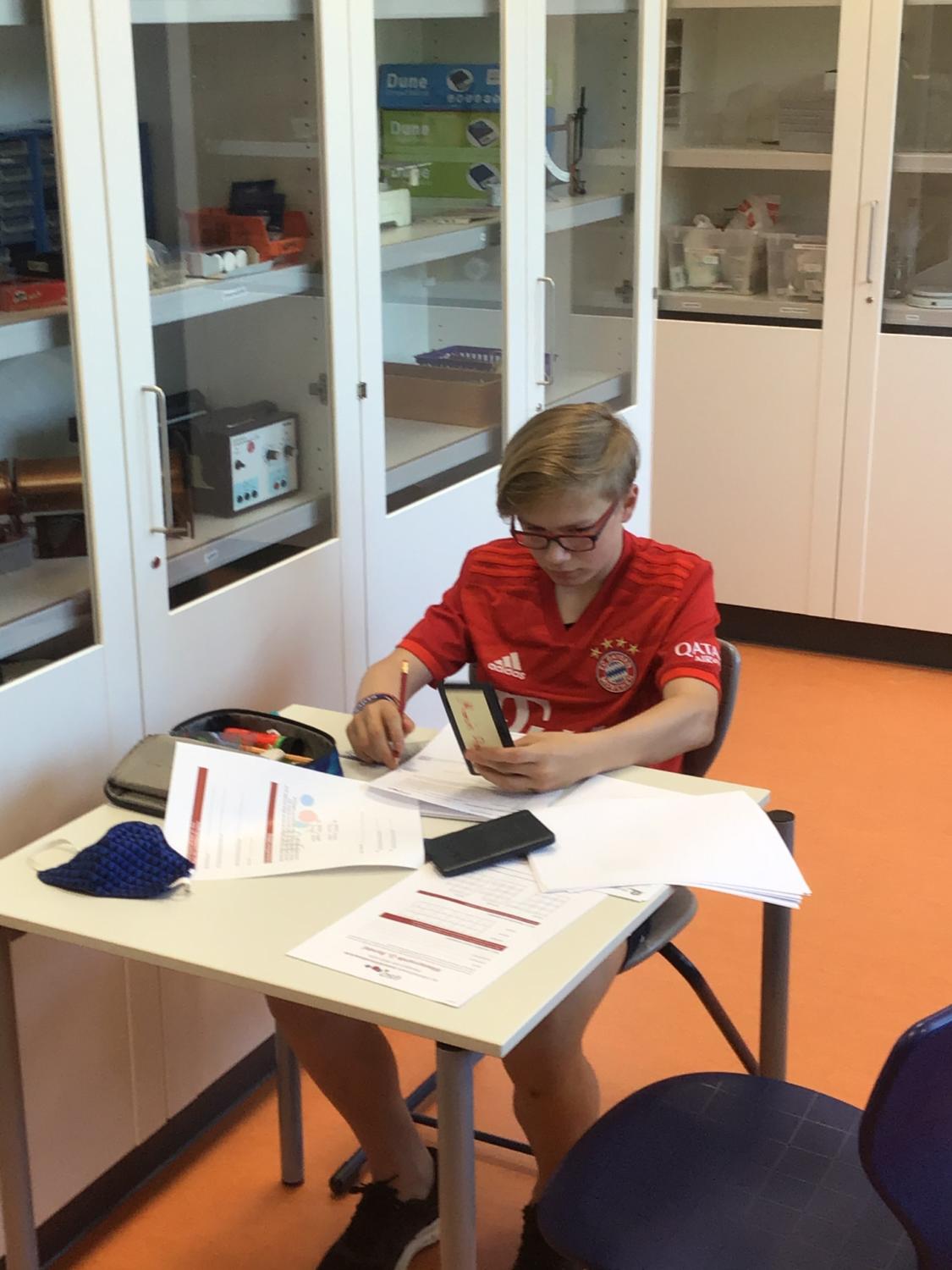
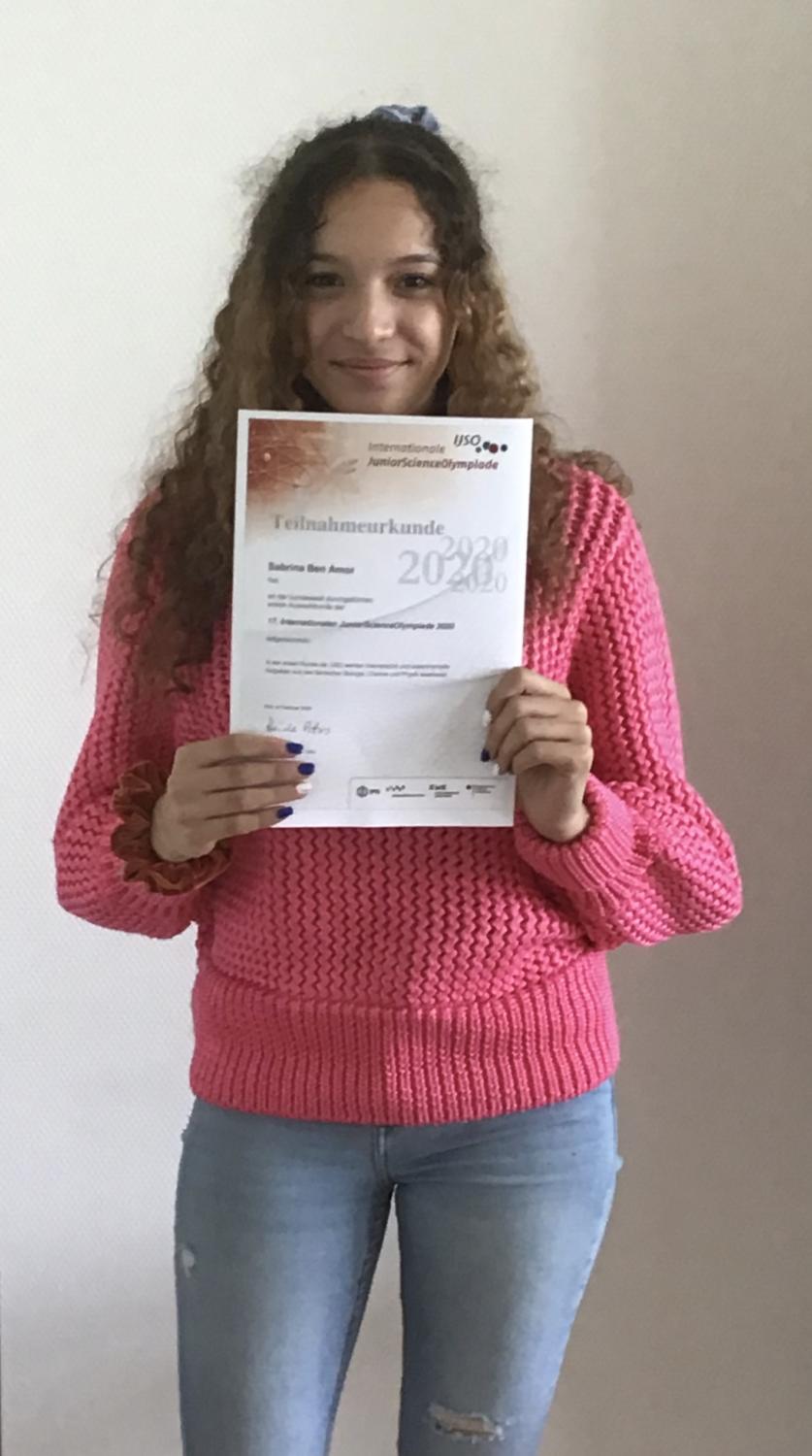
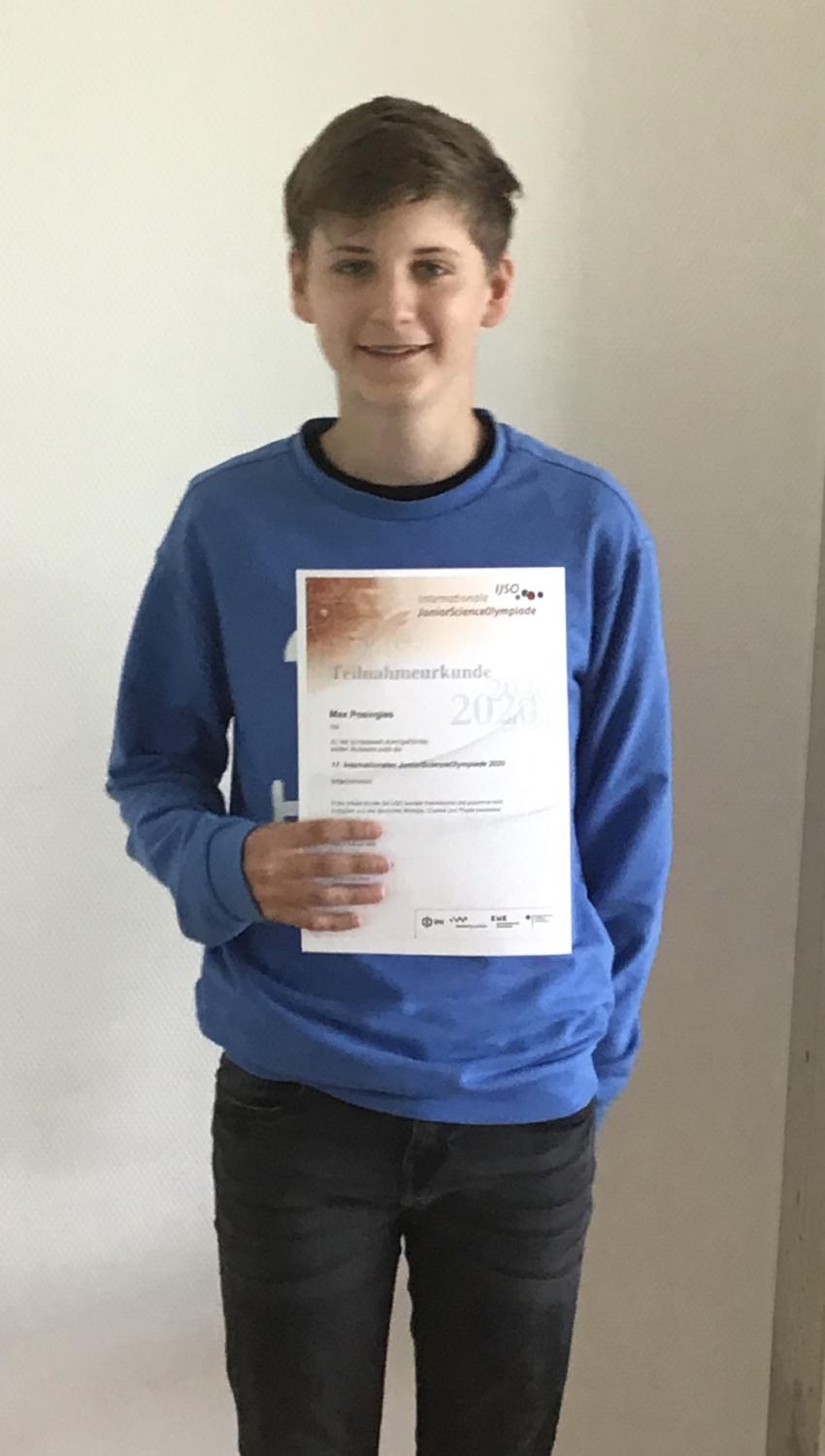
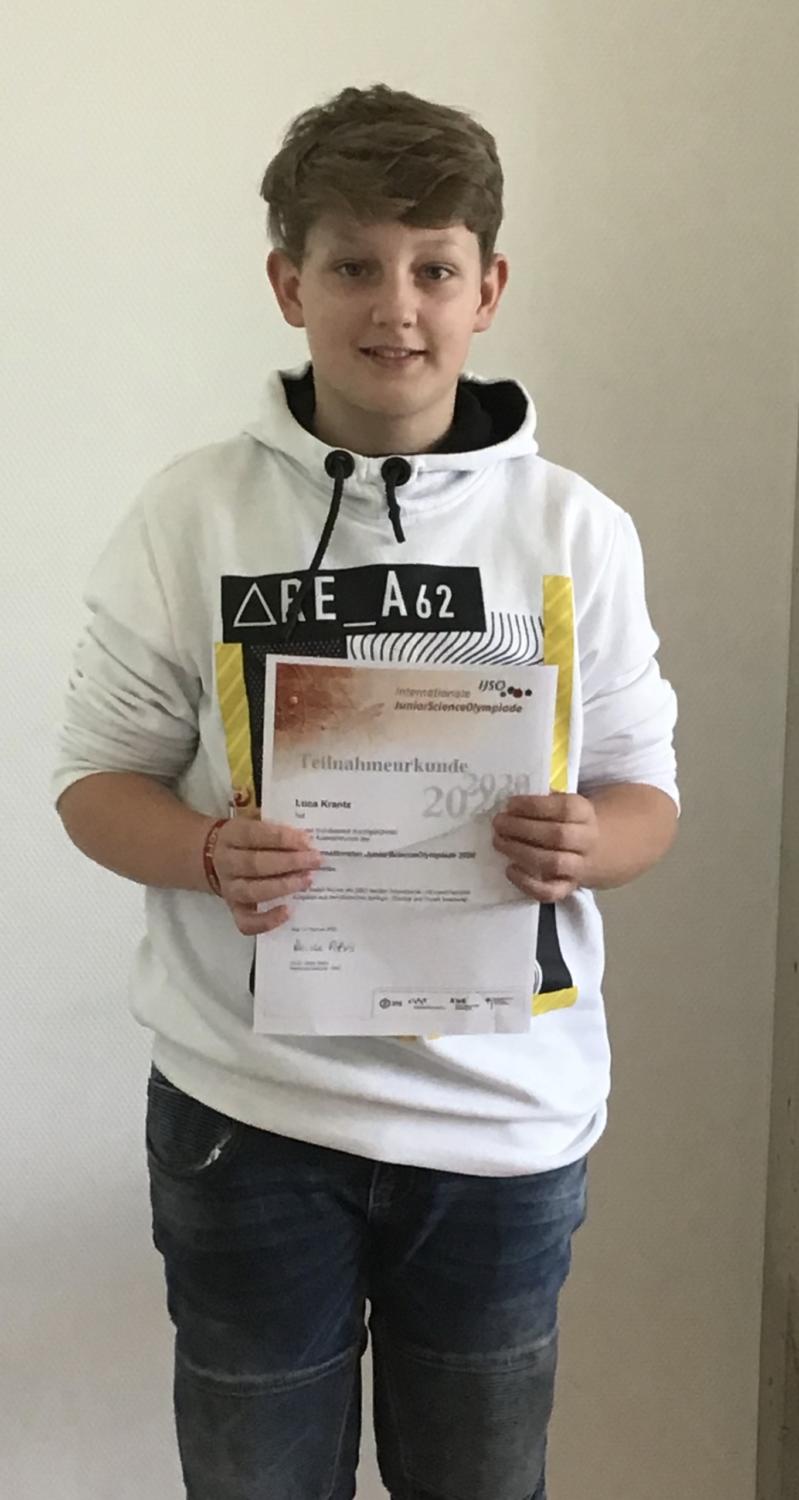
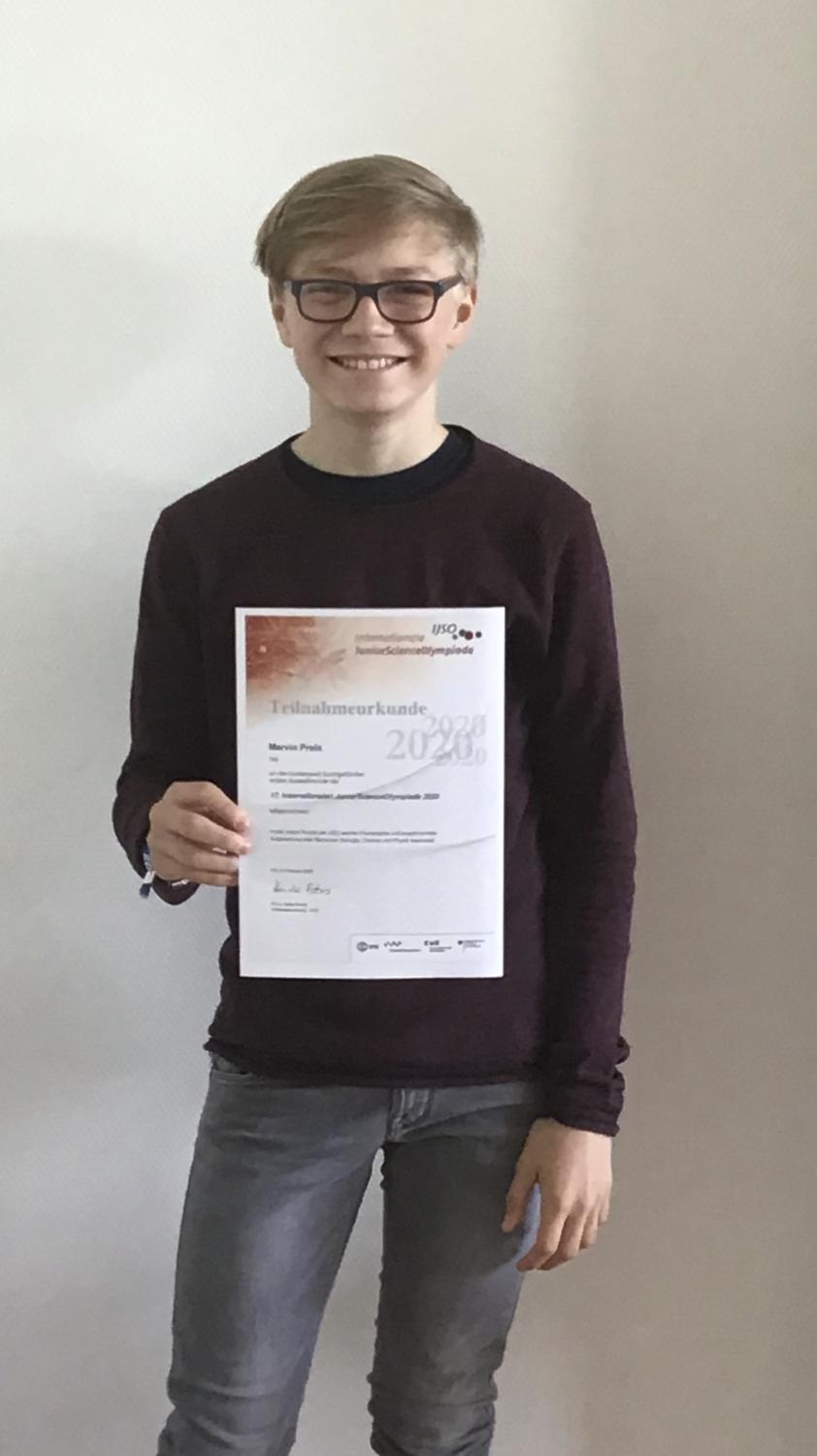
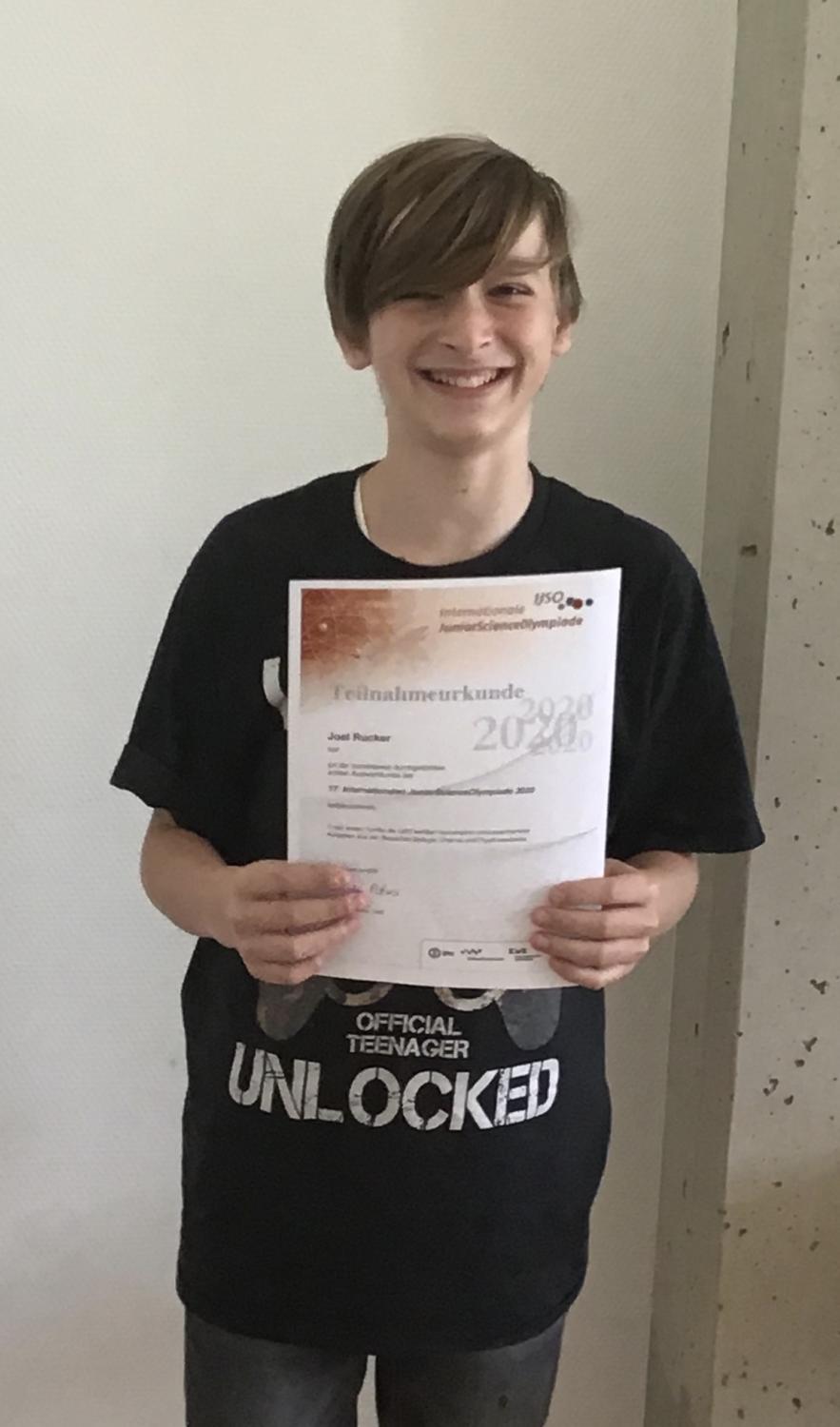
For the second time, Hanna Schmidt-Dege (7a), Sabrina Ben Amor, Julius Henkel, Thorben Heß, David Immel, Luca Krantz, Max Posingies, Marvin Preis, and Joel Rucker (all 7c) took part in the International Junior Science Olympiad, which this year had the theme “All About Ink.” In this competition, children and teenagers up to age 15, under the supervision of a teacher, can work on various competition tasks either alone or in small groups. The most important part of each task is an experiment that must be conducted, documented, and evaluated. This year, for example, the students investigated what happens to ink when it is “erased” with an ink eraser, and they made their own ink using various recipes. In two additional experiments, they used ink to examine water transport in flowers more closely and to visualize particle movement in liquids of varying concentrations and temperatures.

The students were able to conduct the experiments during their regular physics classes and thus also make use of the school’s resources (e.g., the student lab, physics equipment collection). The results show that everyone learned from last year’s experiences and acquired a high level of experimental competence.

Marvin Preis (7c), who not only participated in this year’s Olympiad but also successfully competed in the “Jugend experimentiert” contest last year, advanced to the next round of the competition. There, he had to answer a total of 24 quiz questions on various topics in the natural sciences that went far beyond the school curriculum for his age group. Marvin rose to this challenge as well and qualified for the next round—a written exam—which will take place in June, and we wish him the best of luck.

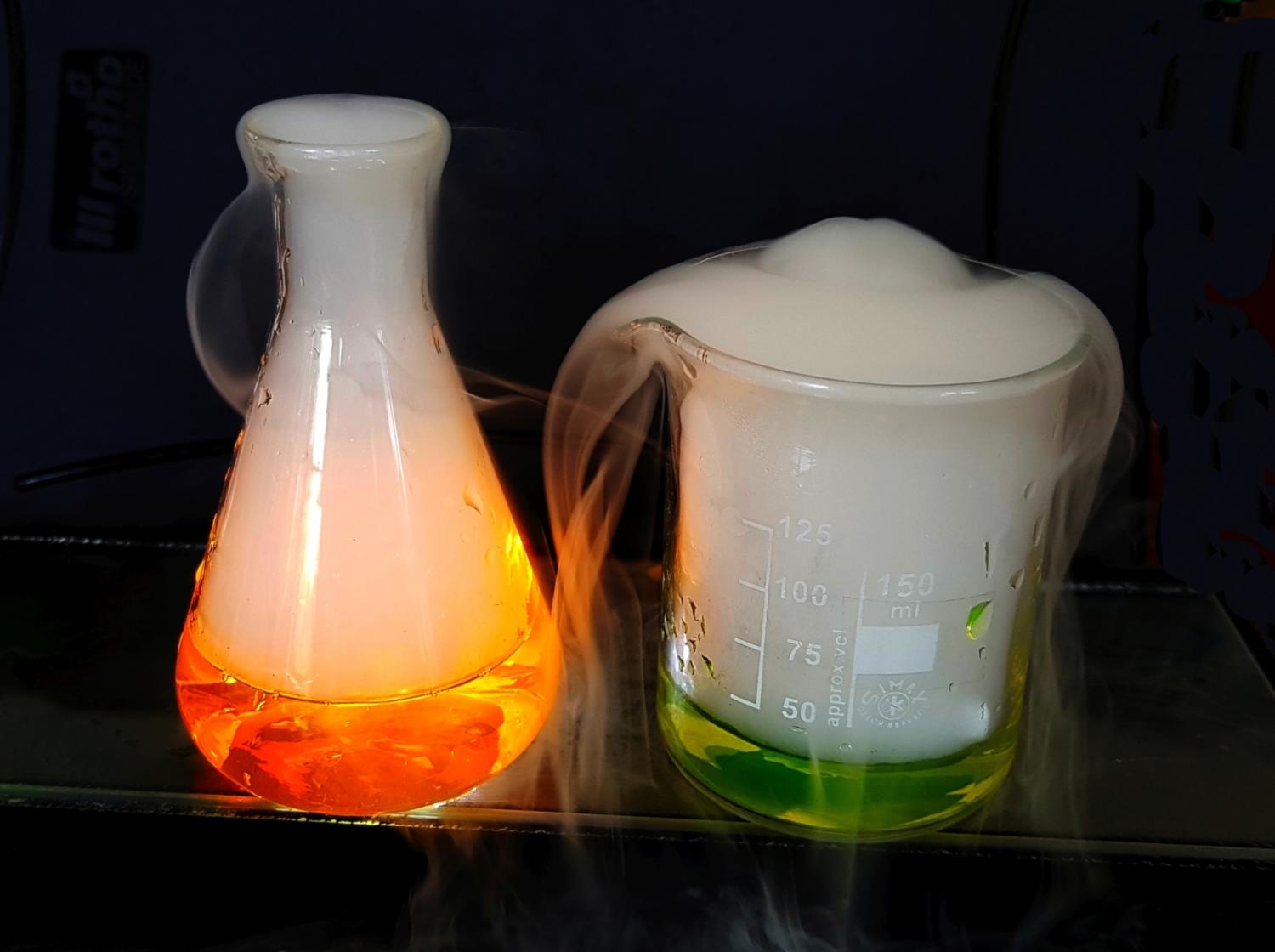
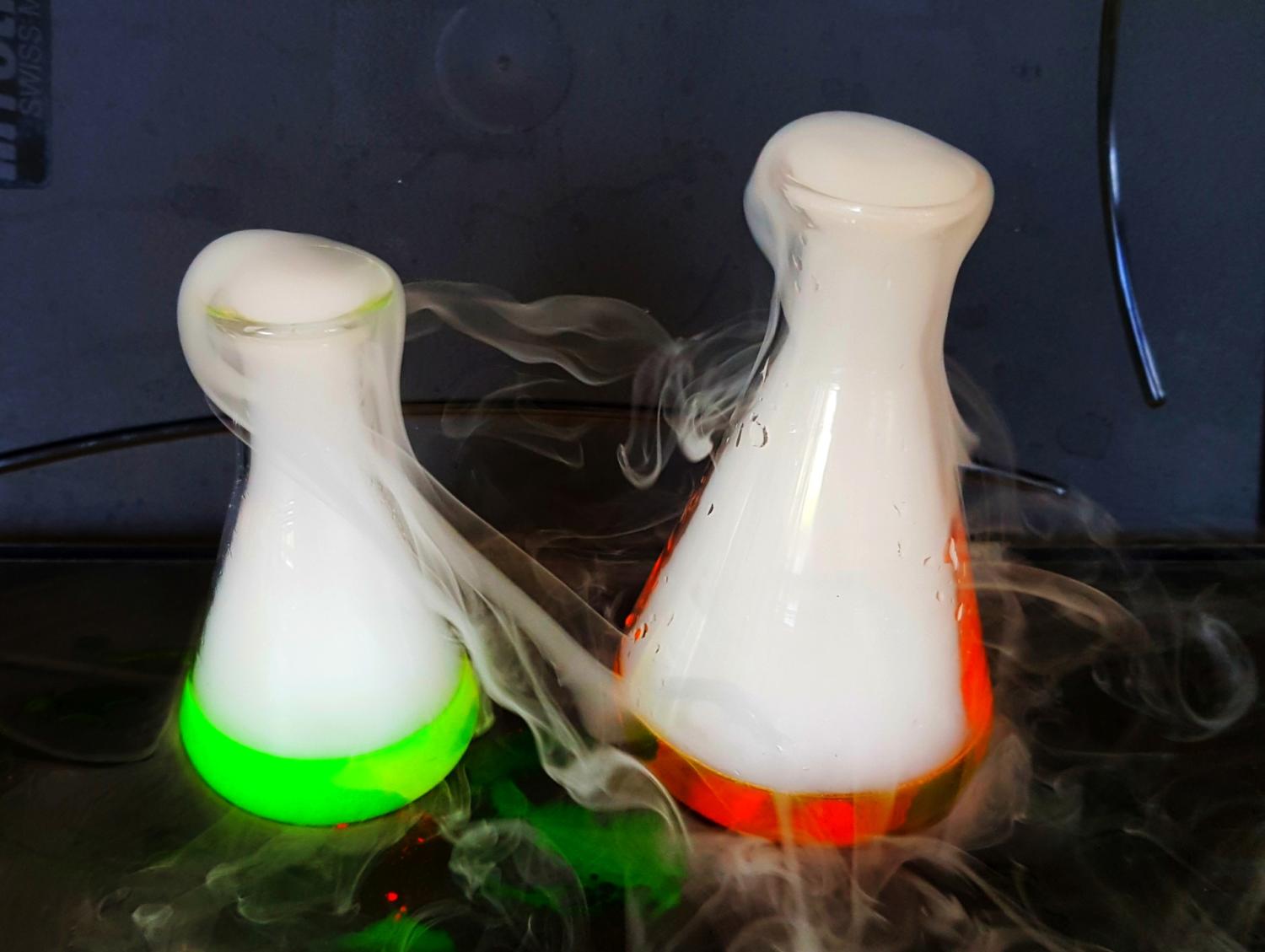
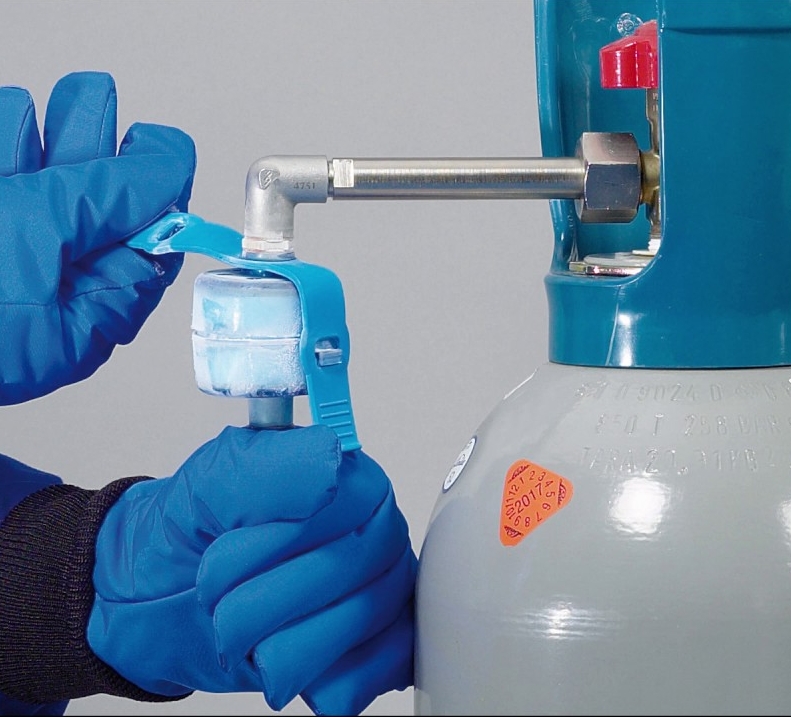
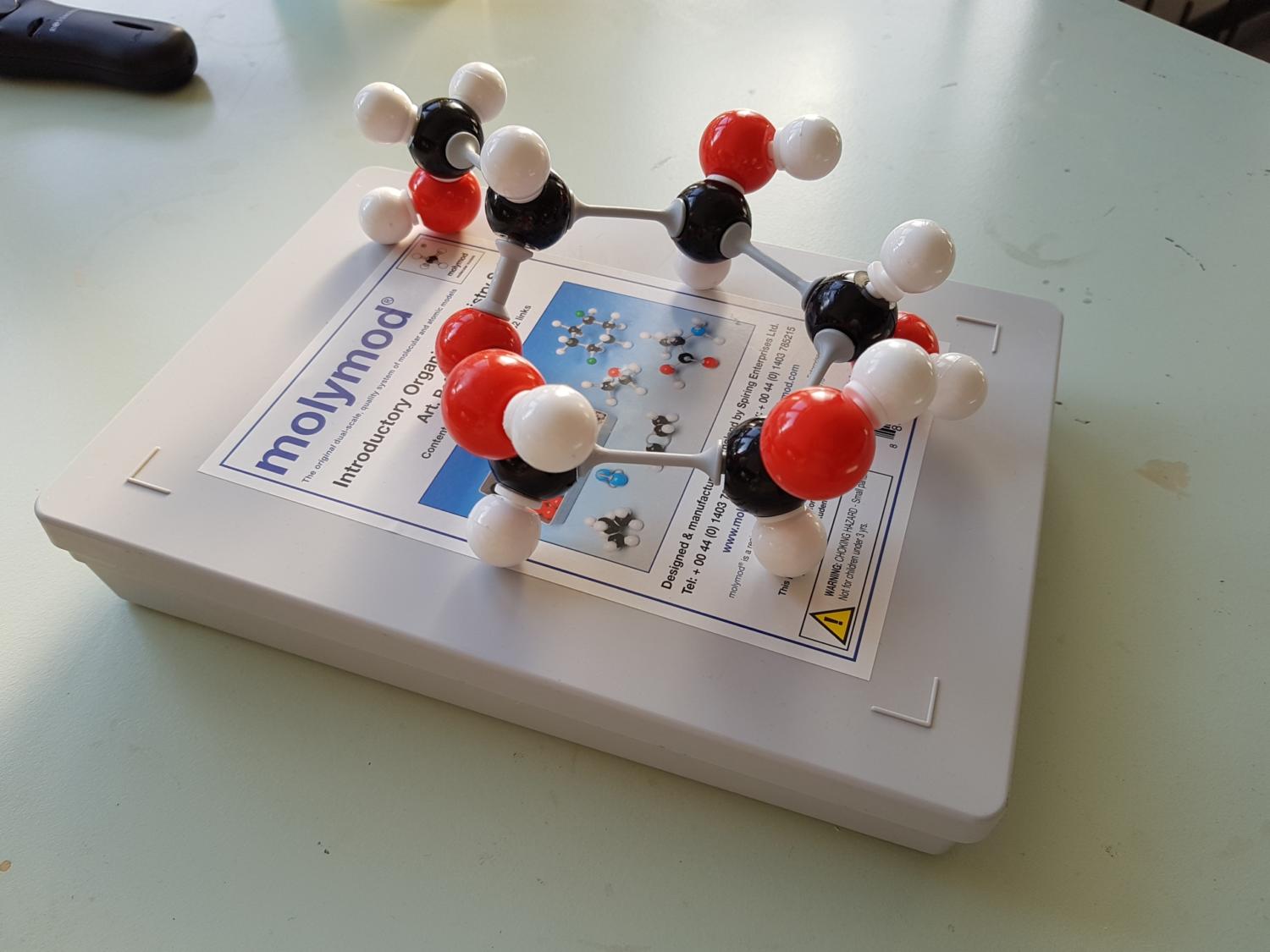
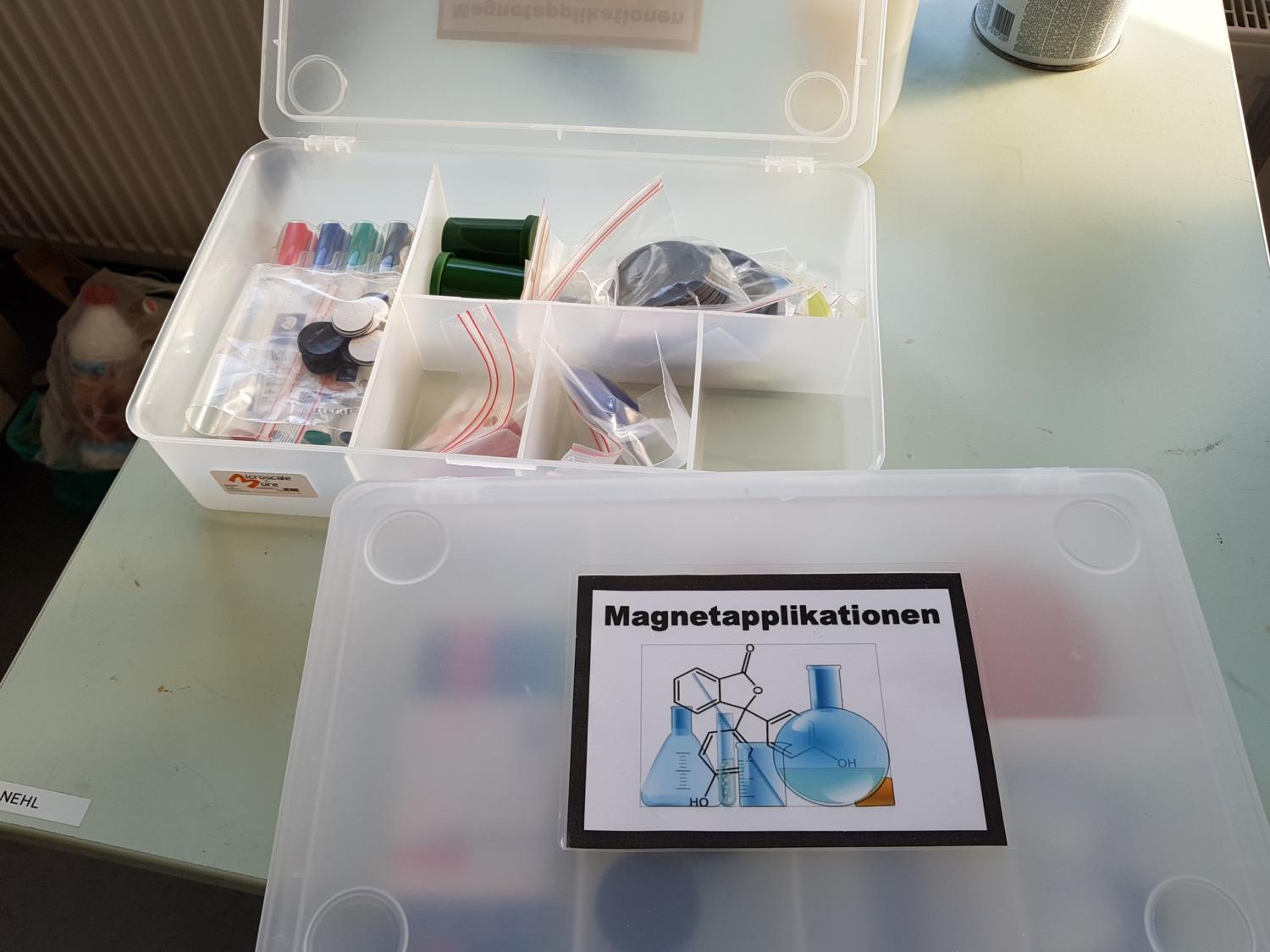
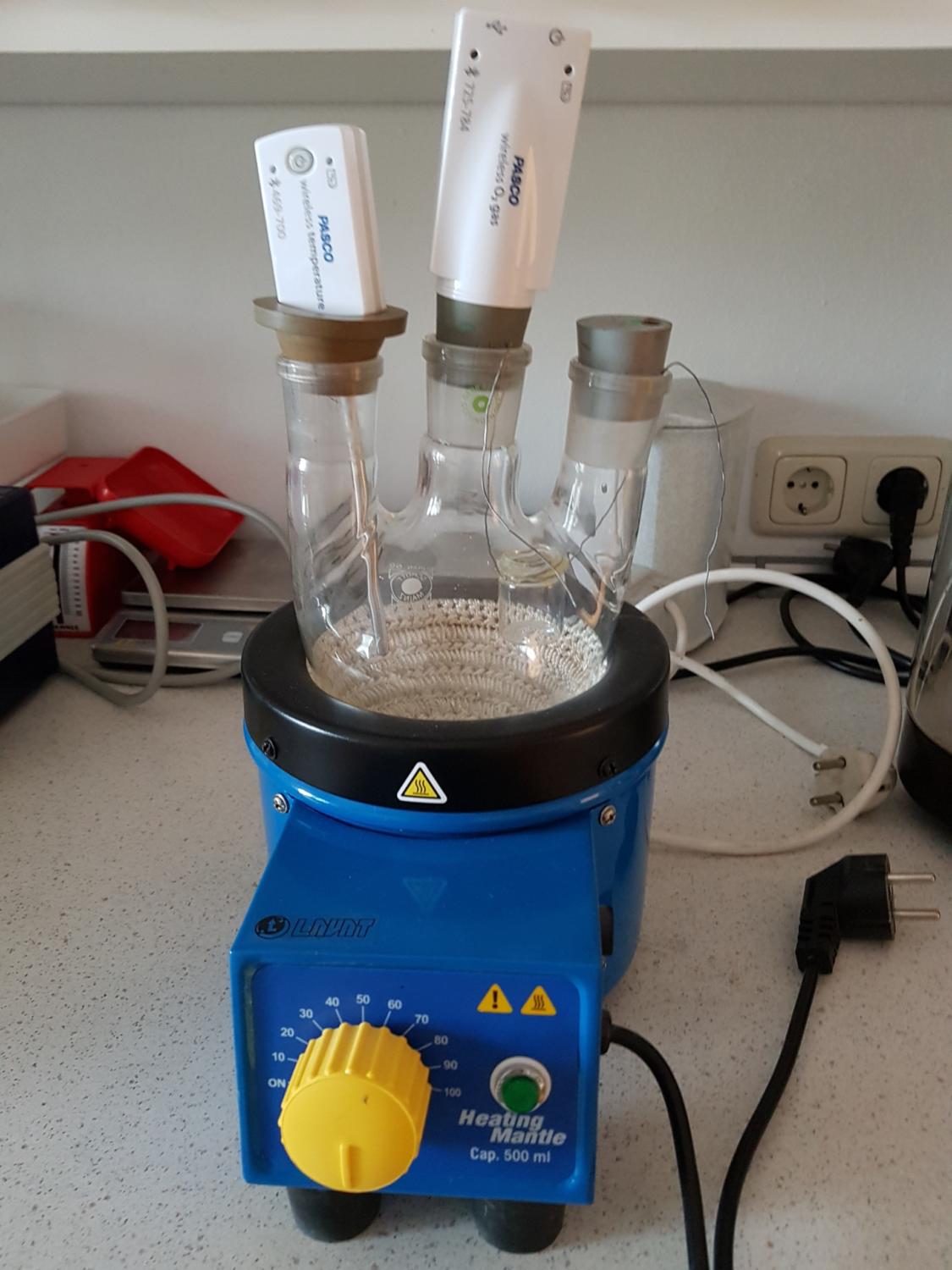
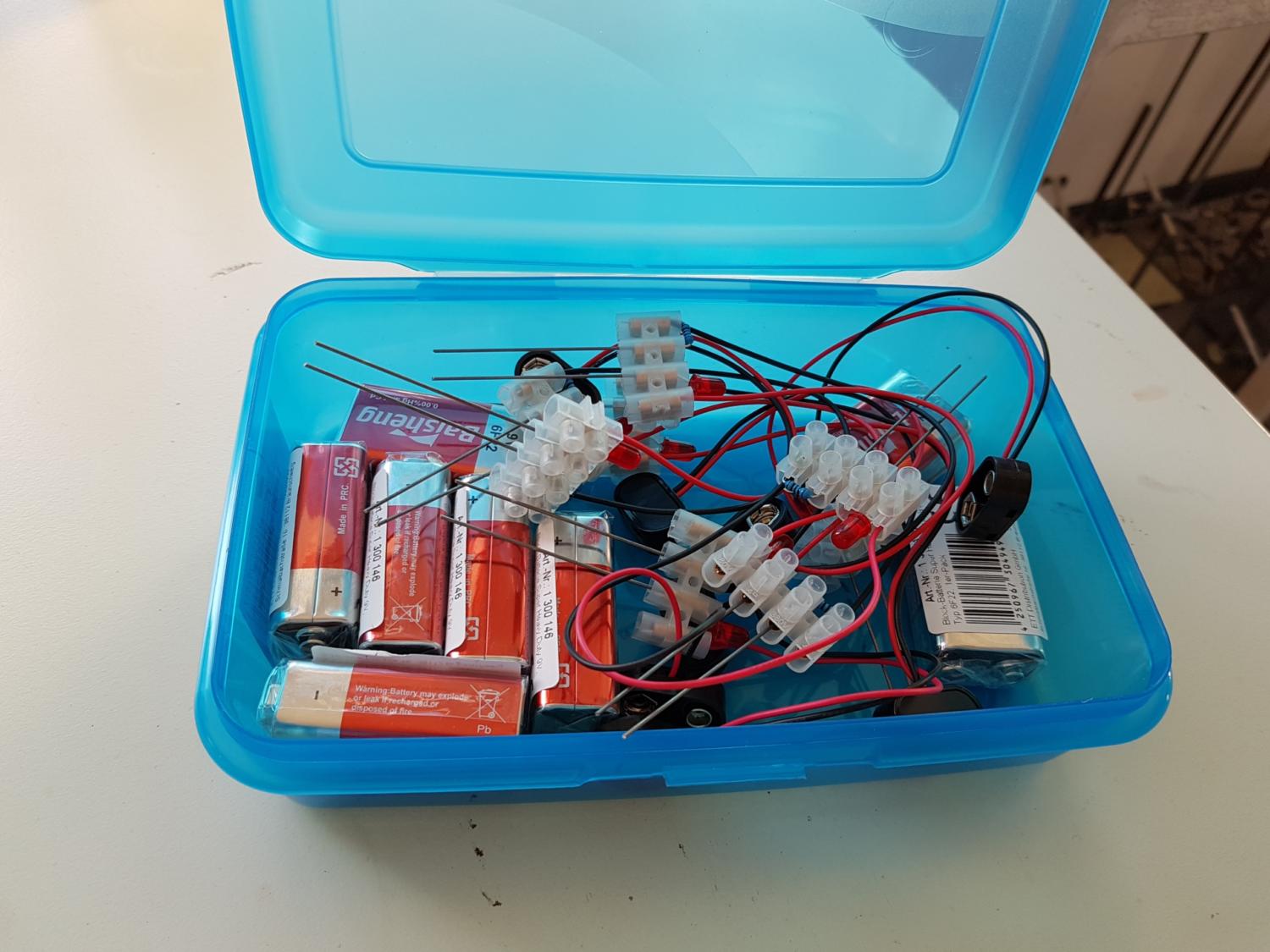
Every three years, secondary schools can apply to the Chemical Industry Fund for financial support for experimental science instruction. Steinmühle regularly applies for these grants. In the spring, another €2,500 was approved. With these funds, the school has since been able to purchase new molecular building sets and magnetic applications for modeling chemical processes and concepts, as well as additional specialized literature. With an attachment for carbon dioxide cylinders designed to compress dry ice tablets, small amounts of dry ice can now be produced right at the school. Experiments with dry ice are among the most popular activities among the students. Additional experimental materials for student experiments have also been purchased and will be gradually added in the coming weeks.


Experiments with dry ice are fascinating


Models make it easier to understand chemical structures and reactions


Smart sensors, when used in conjunction with a tablet or smartphone, enable the measurement of various parameters over time


Conductivity can be measured very easily using LEDs

Bottle and Can Collection Drive to benefit of young victims of domestic violence

To provide relief where it is most urgently needed right now, the high school seniors at Steinmühle Boarding School have launched a fundraising campaign over the past few weeks. Their goal is to do their part to foster a spirit of solidarity.

The effects of the COVID-19 crisis are a test for society as a whole, but during economic crises, it is often those who already have very little who suffer the most. Independent social service organizations are particularly hard-hit by economic downturns, as they are only able to make limited financial provisions. The loss of revenue then particularly affects clients who are in urgent need of financial and social work support.

The plan was quickly made

The idea was as simple as it was successful: If everyone contributes just a small part, but the number of participants is very high—so the simple equation goes—the result will also be very large. So our high school seniors called on the entire boarding school community to donate their personal returnable bottles and beverage crates to the fundraiser. To make it as easy as possible for everyone to participate, they didn’t even have to take the empty containers away themselves. A “pickup service” organized by the graduating seniors ensured that all the empty bottles and crates were collected from the doors of the boarding school students’ private rooms and apartments over the course of two weeks.


Overwhelming Success

Since all the students, the entire teaching staff, and the boarding school as an institution were happy to respond to the call for donations and participated in this wonderful initiative in an exemplary manner, the graduating seniors were able to collect so many empty bottles and cans over the course of two weeks that transporting them required the use of a bus and an additional car. After more than an hour of redeeming the bottles, it was finally clear that the initiative had raised more than 300 € for the donation fund, which was subsequently donated to “Frauen helfen Frauen e.V.” and the Counseling and Intervention Center Against Domestic Violence. It didn’t take long for the thanks to come…


Dear Ms. Muszynski, dear high school graduates,

Thank you very much for your donation to the children’s and youth program at the Marburg Women’s Shelter—we were very happy that the children living here were remembered in this way !

The womenat the women’s shelter have often witnessed or even experienced violence themselves. It is therefore important for them to be able to enjoy a time here at the women’s shelter that is as carefree as possible .

Since summer is just around the corner and we hope that outings will soon be possible again, we’d like to use the money for those kinds of activities (e.g., going out for ice cream, visiting the zoo, etc.).

I’ve attached a little note from the children.

Once again, thank you so much to you and the high school graduates, and all the best!

With warm regards from the women’s shelter,

Jasmin Worseg (Music Therapist, M.A. // Children’s and Youth Services at the Women’s Shelter)