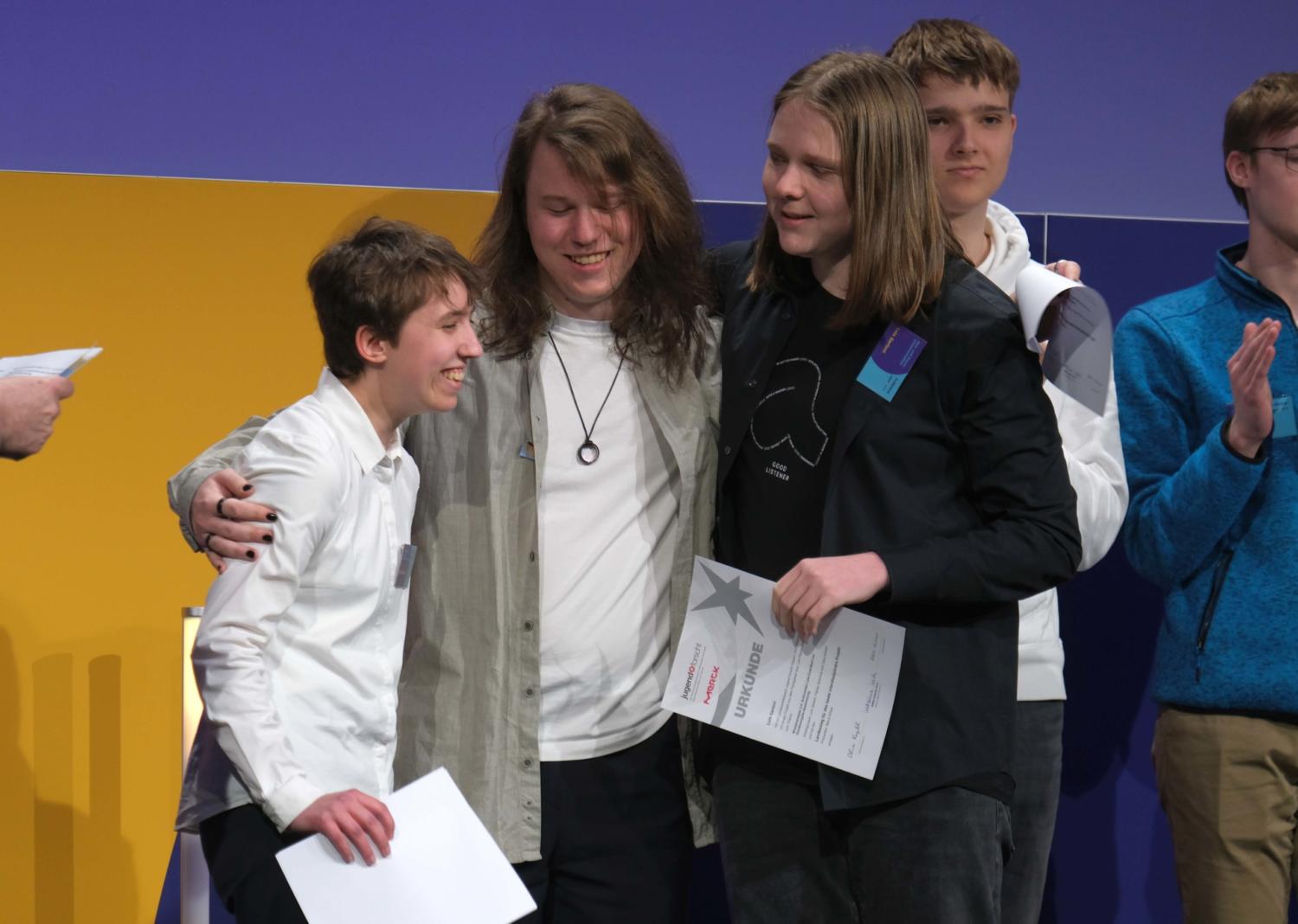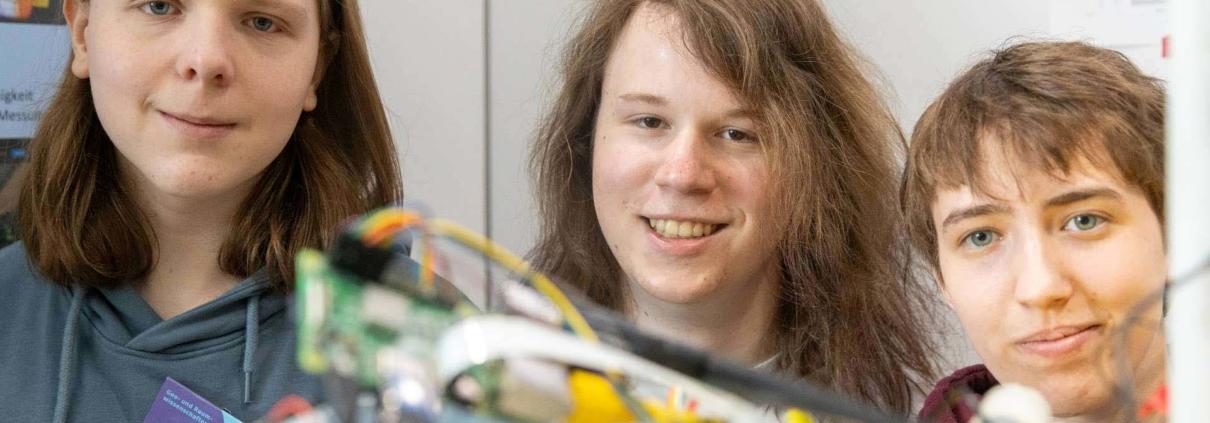
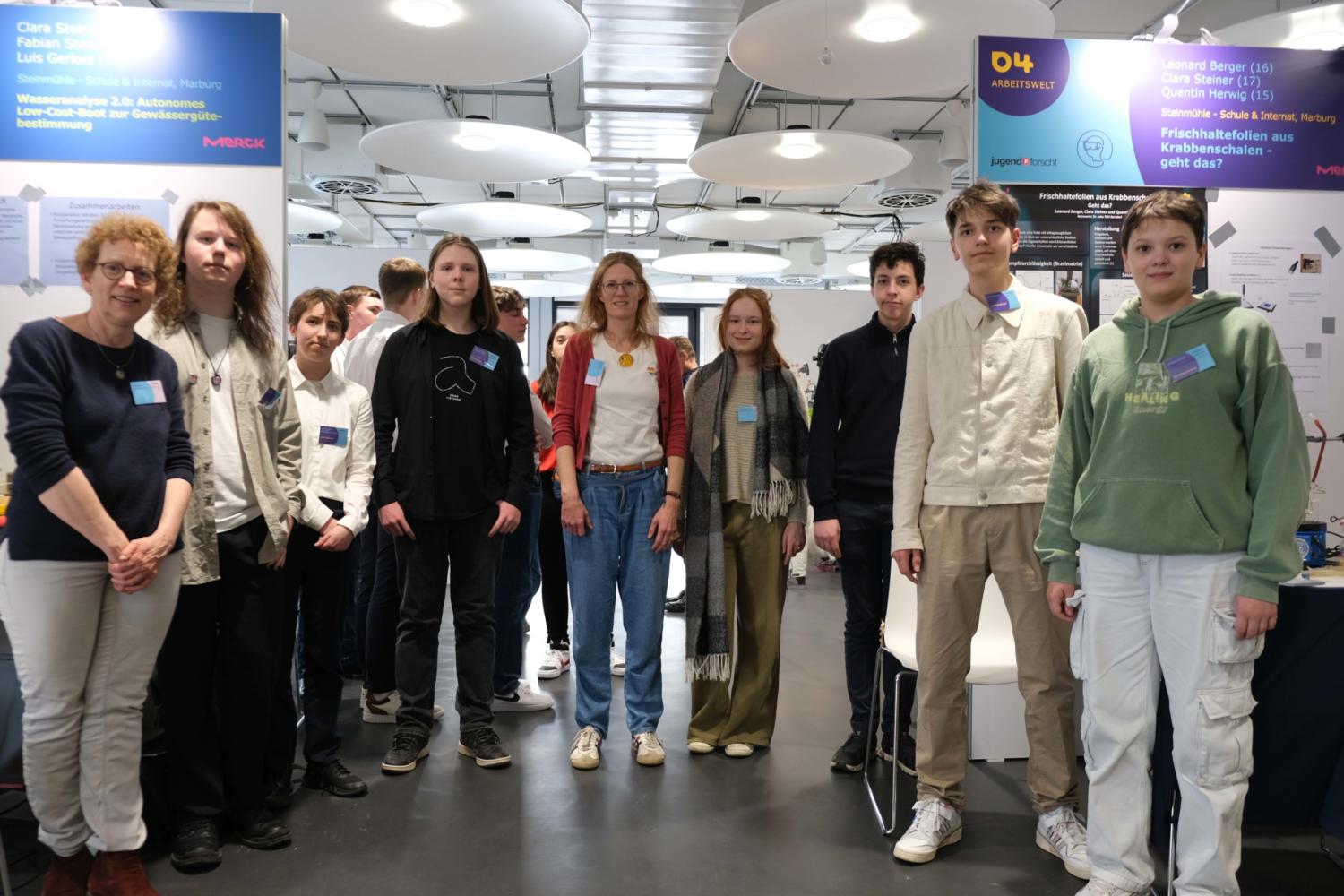
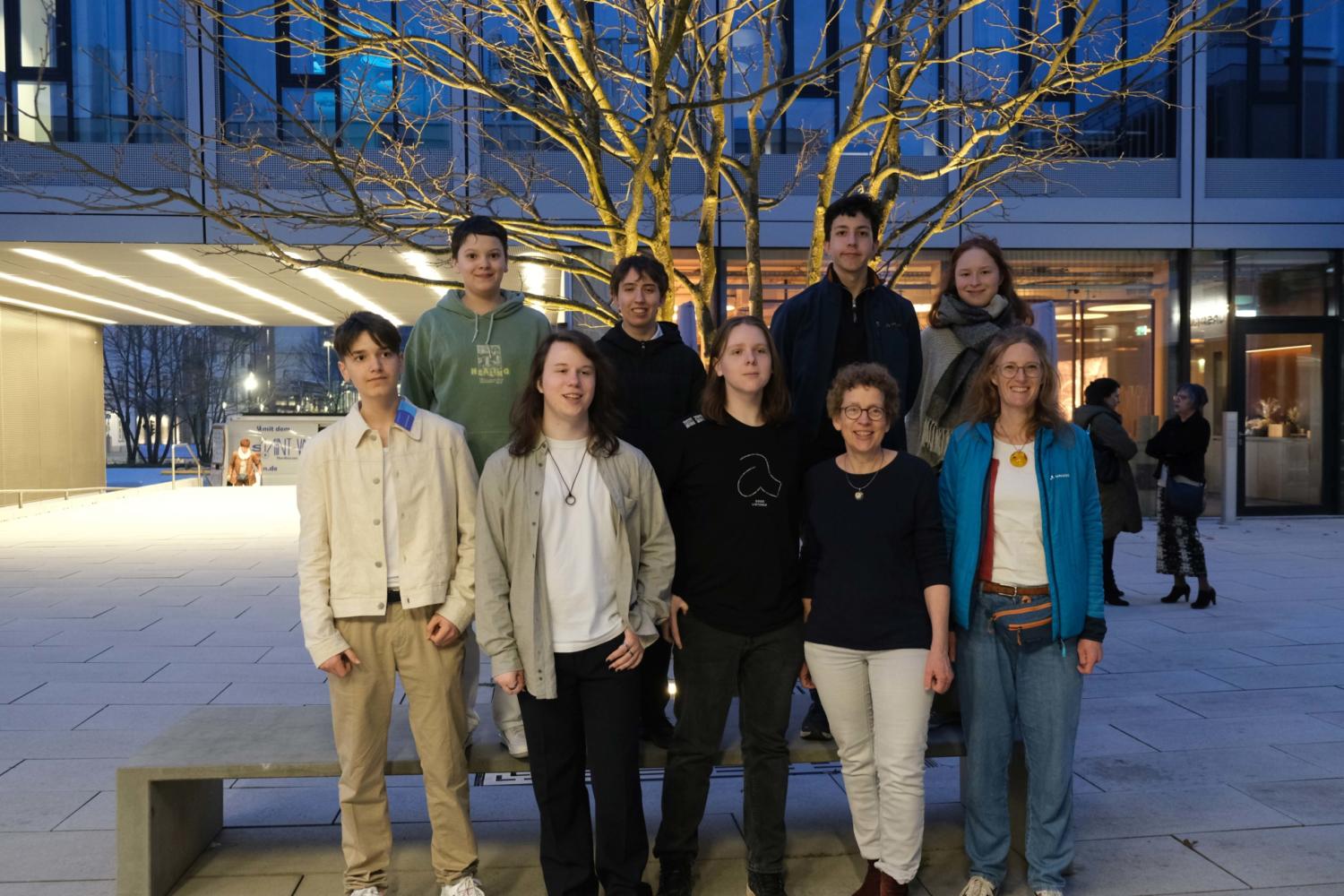
This is the best “Jugend Forscht” result in Steinmühle’s history: After Steinmühle student Akaash Bhagwat won the state championship in physics at “Schüler experimentieren” (the competition for younger students), the 12th-grade plus-MINT trio—consisting of Luis Gerloni, Fabian Sotonica, and Clara Steiner, also emerged as state champions at the “Jugend forscht” state competition held at Merck in Darmstadt. Originally submitted in the Earth and Space Sciences category, the project ultimately won the award for “Best Interdisciplinary Project” and will now compete in the national competition. “We’ve been participating in ‘Jugend forscht’ for seven years and have always done very well. But we’ve never had a success like this before,” explains their advisor, Dr. Jutta Töhl-Borsdorf.

Luis (16), Clara, and Fabian (both 17) were quite nervous as they had to hold their own among about 50 other projects and ultimately compete against three others in their category. For about half an hour, the jury members—representing research, academia, and industry—asked their questions—and they were on the same level. Under the title “Water Analysis 2.0: Autonomous Low-Cost Boat for Determining Water Quality,” the trio presented their research project. The discussion delved deeply into the subject matter—not a trace of easy questions whose answers would have been obvious. Relieved and almost in disbelief, the students—who participate in the plus-MINT program at the Steinmühle boarding school—heard that they had won—the reward for hours of dedicated tinkering, extensive expertise, endless perseverance, and tremendous interest.


Another criterion: public benefit

The next round—the national competition in Heilbronn—will feature the best German research projects. The young researchers explain in an interview that they’ll have to step it up a notch there. “There are only a few projects in our category, Earth and Space Sciences,” the three acknowledge. But that makes their efforts all the more closely scrutinized by the jury members.

The questions asked there will also focus on other aspects. The jury will assess whether the project is truly the participants’ own—that is, whether they identify with the project’s goals and demonstrate genuine commitment. According to the trio, the project’s benefit to the community is also important. They can wholeheartedly affirm this—because their greatest hope is that their experiment will become a mass-market product for measuring water quality!


The Goal: To Inspire the Industry

A small “surfboard” serves as the basis for the remote-controlled, motorized platform for water analysis developed by Clara Steiner, Fabian Sotonica, and Luis Gerloni. It is not stationary—which sets it apart from many measurement systems. The “boat” can be equipped with various sensors for water analysis, and it can collect up to four water samples.

Inspiring industry and businesses with their idea is therefore the goal of the three plus-MINT talents, who—along with the Steinmühle School and Boarding School—have made it to the top ranks of Germany’s best young researchers. Their vision is a fully autonomous boat capable of navigating currents and saltwater that can be used by anyone, even private individuals, in any location. This would allow water measurements to be taken at a wide variety of locations across the country and transmitted online for analysis. “The result would be a nearly complete picture of the condition of our waterways.”

At the end of May, Luis, Clara, and Fabian will head to Heilbronn for the national “Jugend Forscht” competition. Joining them will be Dr. Jutta Töhl-Borsdorf, a multiple recipient of the Mentor Award. Alongside her are others who have supported the plus-MINT trio on their journey to the top. These include Antje Seel and Dr. Patrick Szabo from the Steinmühlen STEM team. The collaboration with Dr. Christoph Reudenbach from the Department of Geography at Philipps University of Marburg also provided valuable insights and support.
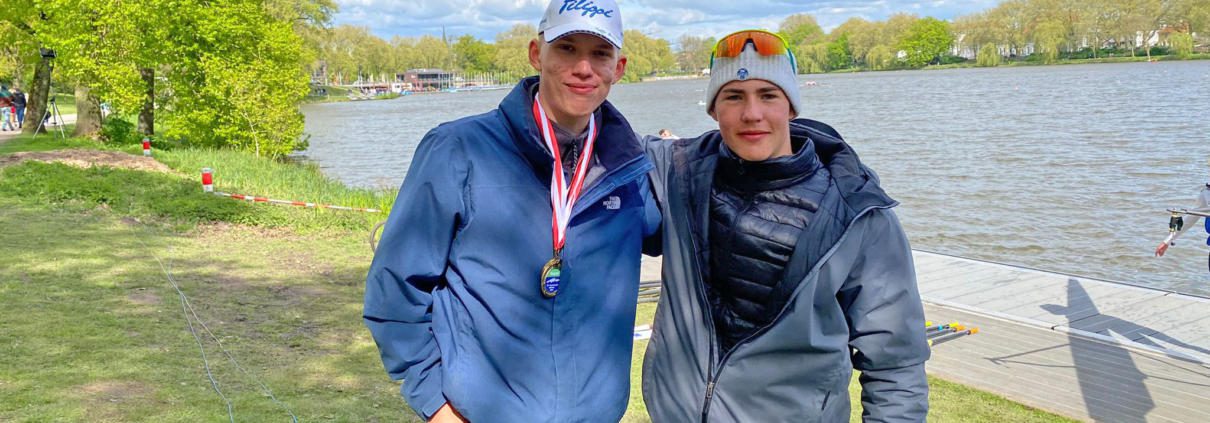
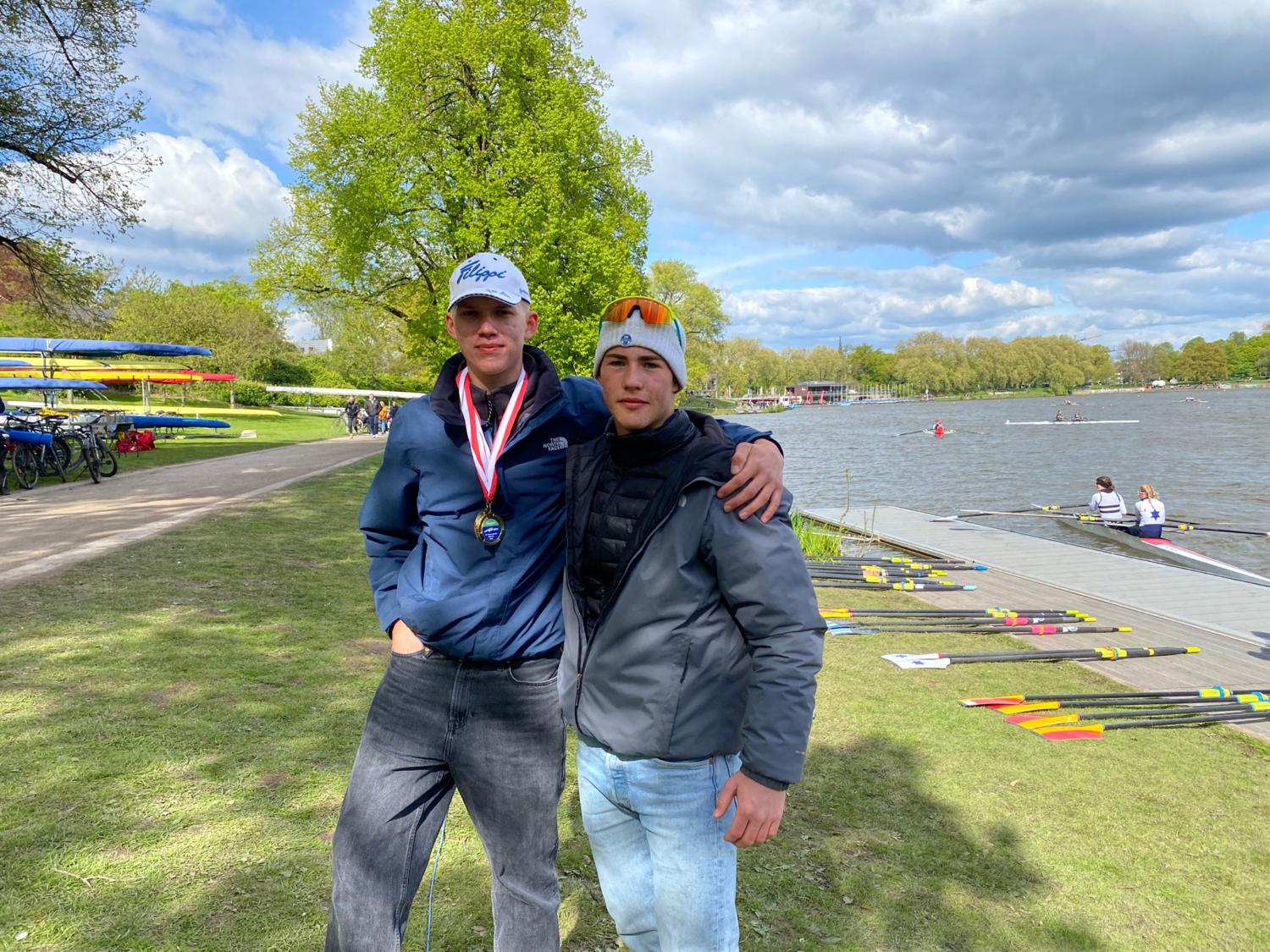
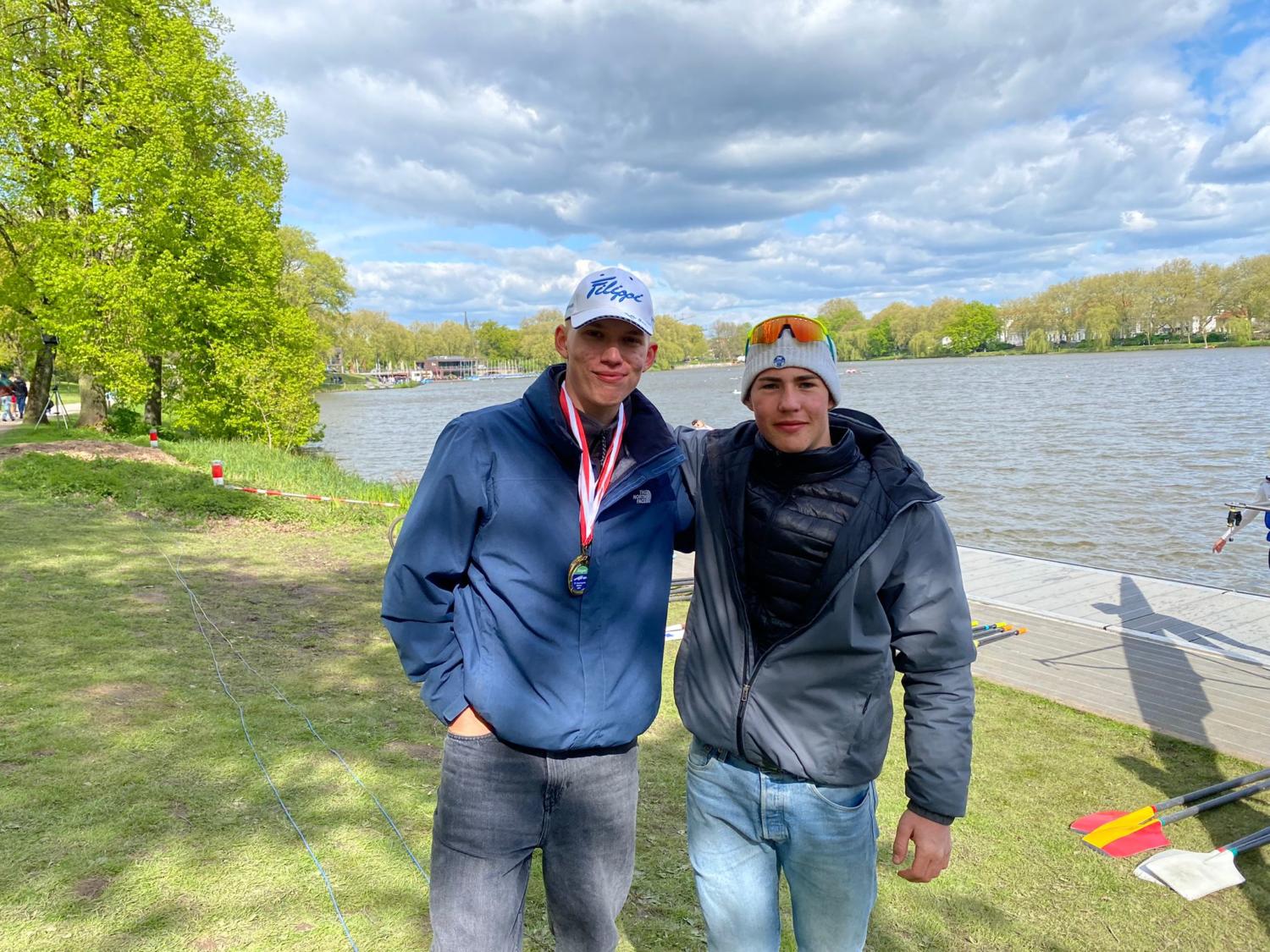
A great start to the season for our rowers from RuS Steinmühle: Maurits Juhre and Johannes Germano got off to a flying start this weekend at the 52nd Early Season Regatta on Lake Aasee in Münster. Maurits competed four times over 2,000 meters, confidently securing second place three times and finishing third once. Johannes also raced four times, all over a distance of 1,500 meters. The young athlete, who recently joined RuS Steinmühle, won all four races by a wide margin—what a celebration! Coach Martin Strohmenger was impressed: “Both rowers received positive feedback and gained valuable experience this weekend, which will definitely benefit them in their upcoming regattas.” Their next races will take place in two weeks in Offenbach and then in Gießen. — Keep it up, guys! We’re rooting for you!

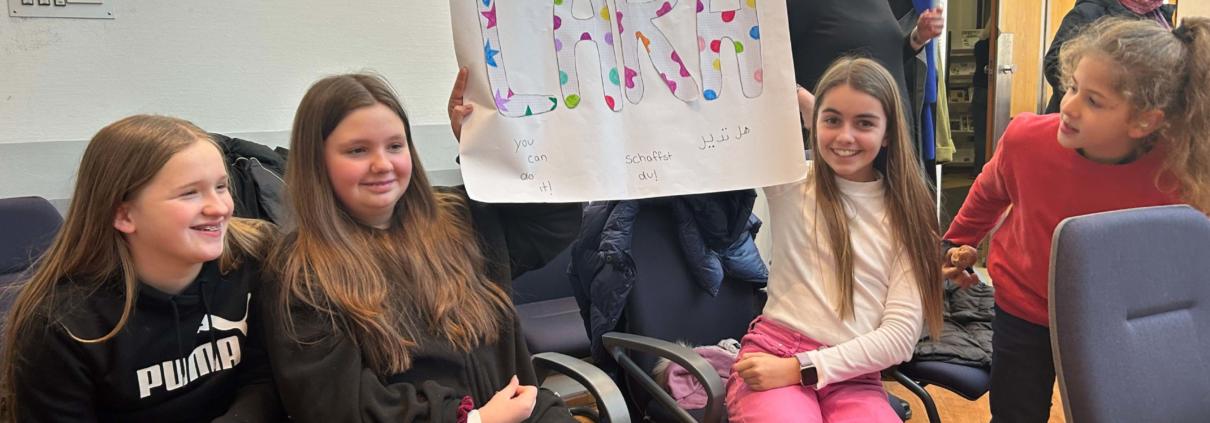
A great achievement for Lara Khatib from Class 6i in our International High School Program: At the end of November last year, she won the school-level reading competition, advanced to the next round—the city and district finals—and ultimately placed among the top competitors there as well.

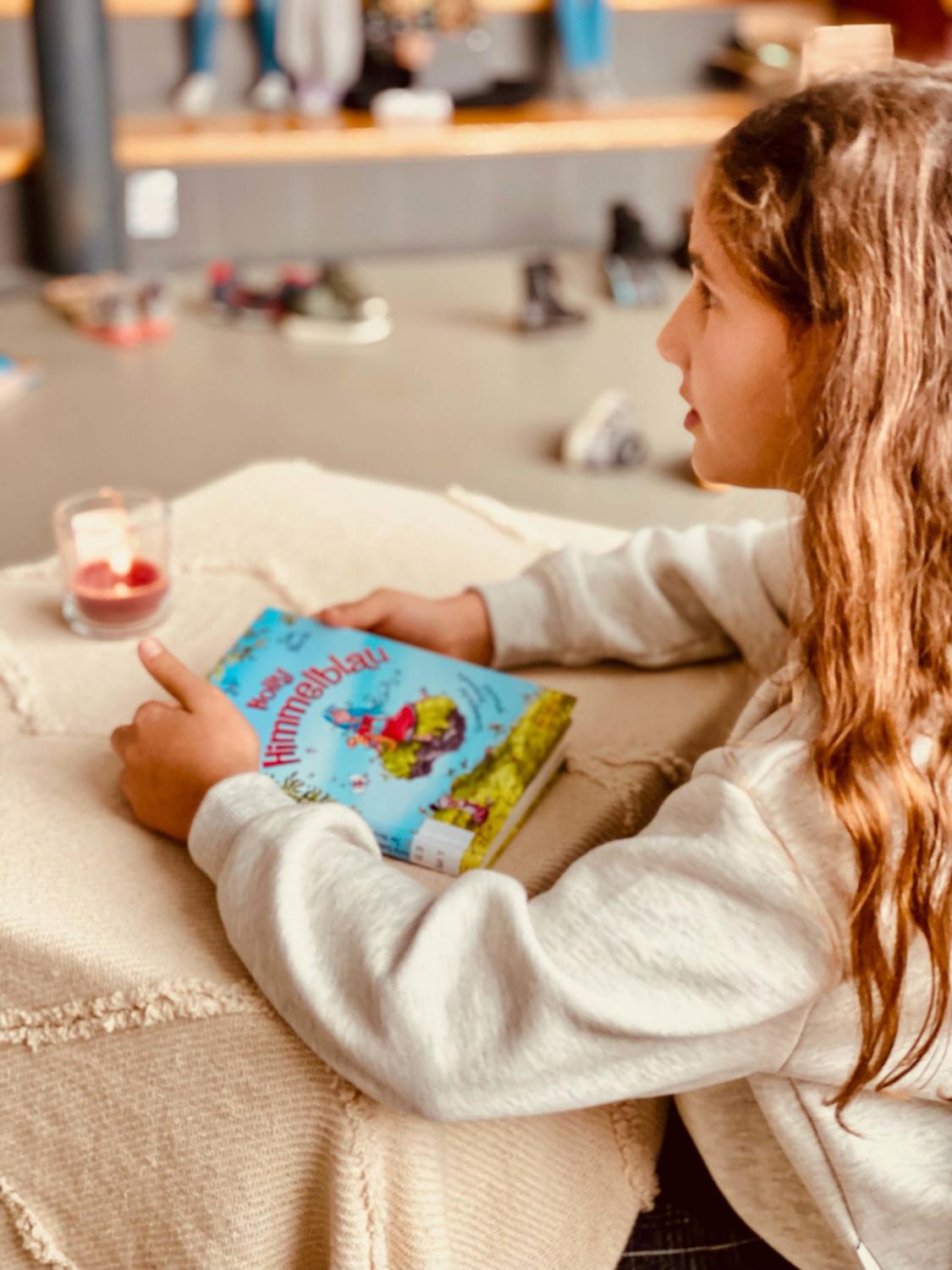
One student each from the Steinmühlen classes 6a, 6b, 6c, and 6i competed in a reading contest in November, reported teacher Lisa Braun. Nilay Dedeoglu (6a), Leni Ochs (6b), Sophia Kirschning (6c), and Lara Khatib from 6i presented their readings. First, they read a passage of their own choosing from a novel of their choice; then, they had to read aloud for two minutes from a text they hadn’t chosen themselves. The audience evaluated the performances using rating sheets, focusing on reading technique, interpretation, and the choice of text passage. The participants enjoyed a great atmosphere and read before an interested and eager audience. Lara Khatib emerged as the winner of this round by a narrow margin.


A close call

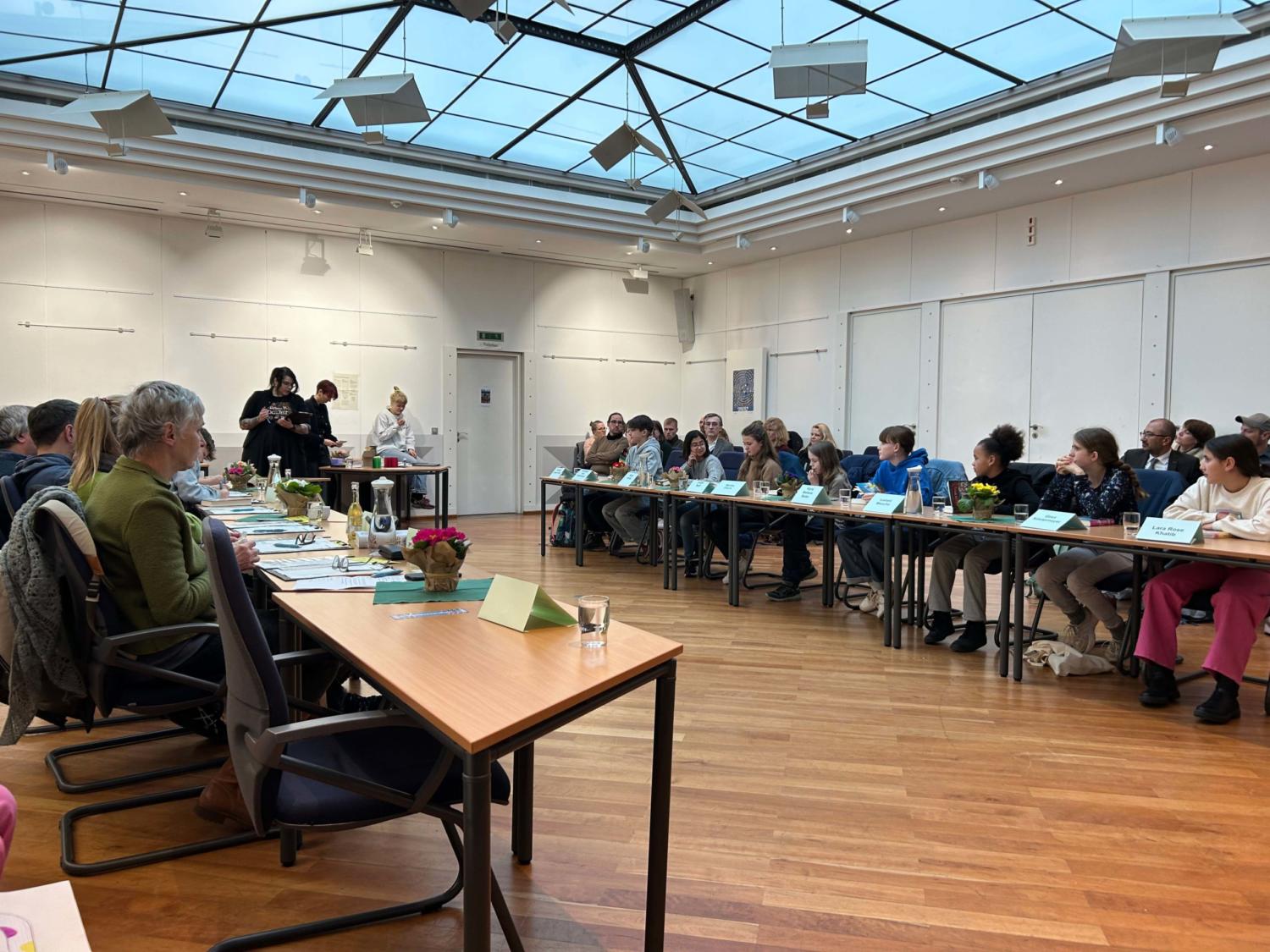
Winning at the school level automatically qualified them to compete in the next round of the competition—the city/county finals on February 26. On that day, all the school winners gathered in the conference room of the building department to once again try to win over the jury, explains Lara’s German teacher, Laura Cubillas. And once again, the jury’s decision was a close call. However, this time it wasn’t Lara but another contestant who came out on top, and Lara was delighted with a very strong second-place finish. The jury explained that Lara, who recited her own text from the book *Emmi & Einschwein* by Anna Böhm, had truly missed the win by a hair’s breadth.

“I was so excited, especially after the jury had deliberated,” Lara recalls today. Some of her classmates had come along to support her and were rooting for her during her presentation.

Lara is taking it in stride that she missed the win by a hair: “I wasn’t really disappointed, because I also thought the other kids read beautifully. It was a wonderful experience for me.”

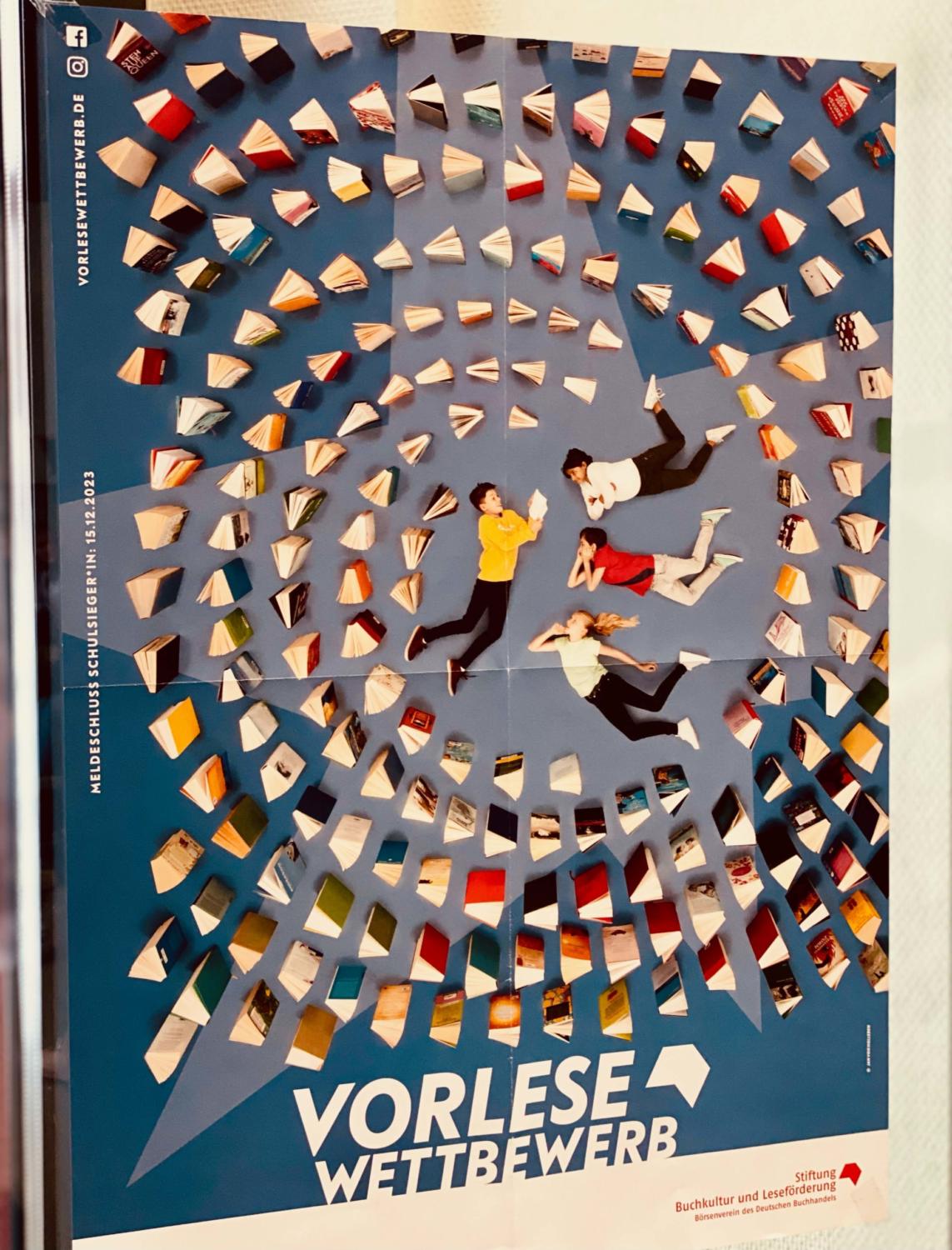
Steinmühle participates regularly in the annual reading competition and organizes activities on a regular basis through the German department to improve students’ reading skills.


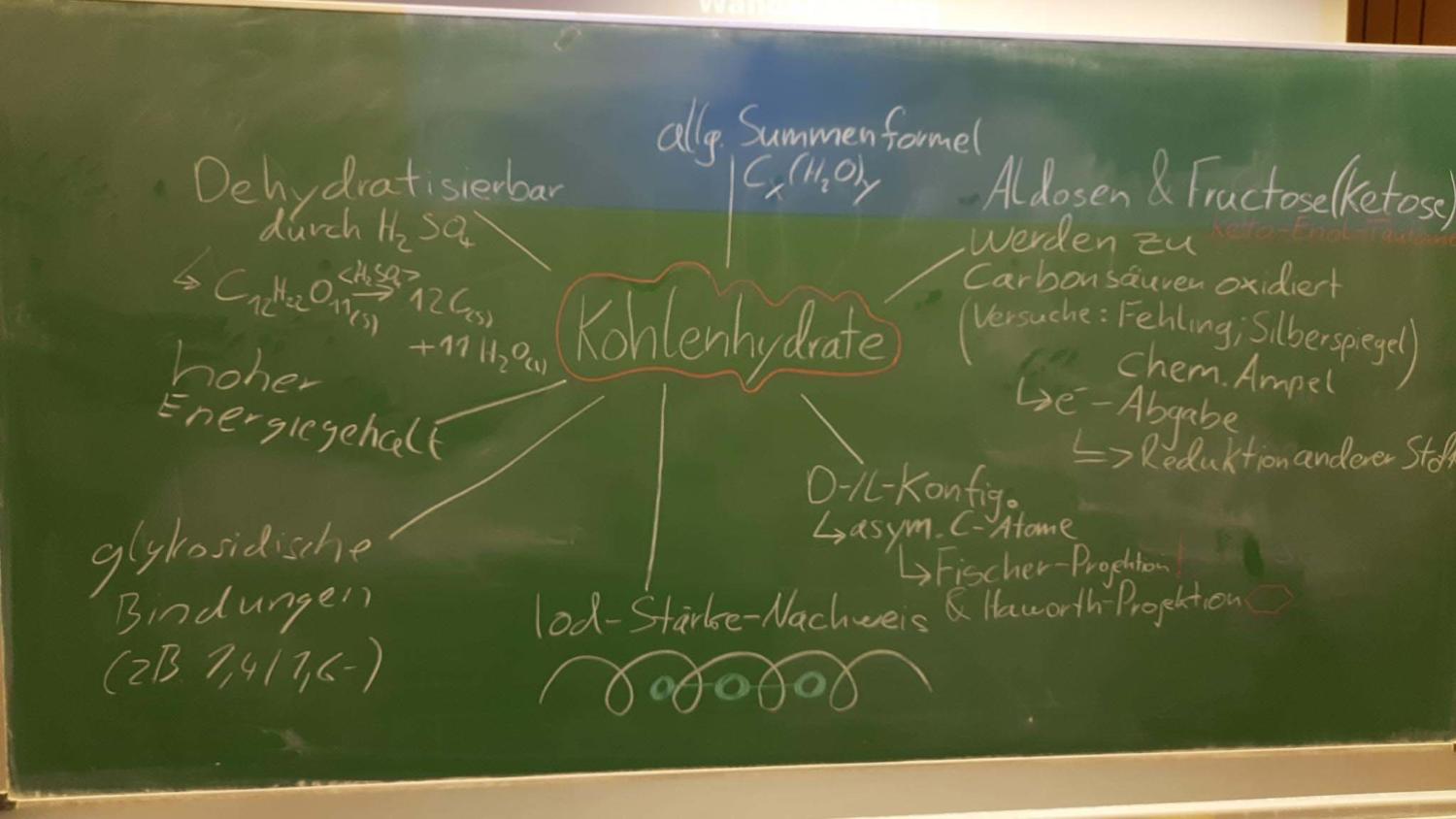
Shortly before the end of the first semester, the 12th-grade advanced chemistry class met with their teacher, Dr. Jutta Töhl-Borsdorf, for a workshop at the Department of Chemistry at the University of Marburg on the Lahnbergen. For many of them, it was their first time standing on the large campus—which was covered in snow that morning—and getting a taste of college life.

The goal of the workshop was to provide us with theoretical and practical insight into the chemistry of carbohydrates and to serve as a practical exercise for the three student teachers who led the session. To start things off, an interactive lecture laid the foundation for understanding the following experiments by explaining the general properties and various structures of carbohydrates.
We then split into small groups and headed straight to the stations, where we explored a wide variety of phenomena. These included detection reactions, qualitative analyses, and a self-induced color-changing reaction that could be repeated simply by shaking the solution. What made it special was that nearly everything could be explained using the information from the introduction—which was now our task.

We spent our lunch break in the university cafeteria, which, fortunately, was pretty empty that day, before returning to discuss our experimental results.

At the end, we were divided into small groups again, each with a buzzer. The final activity was a quiz in which we competed against each other and had to demonstrate the knowledge we had gained throughout the day. The winning group was rewarded with candy.

In summary, it was a valuable experience not only in terms of our knowledge of carbohydrates, but above all in terms of how to interpret experimental results and understand the relationships between them.

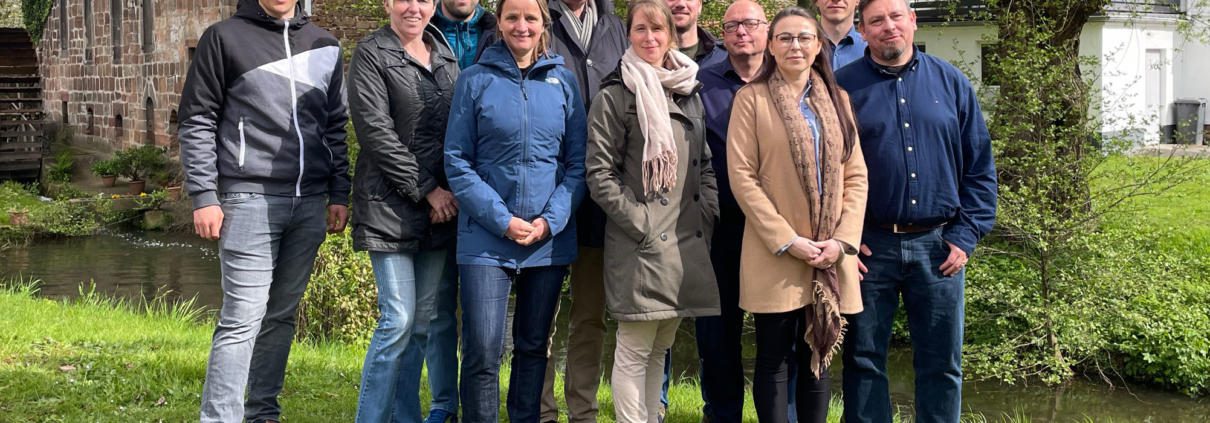
The Climate Protection Team from the Marburg-Biedenkopf District’s Department of District Development and Climate Protection recently held its strategy day on the Steinmühle campus. “Three colleagues have joined the new Climate Adaptation division, which is funded by the federal government for two years,” explained team leader Michael Kauer. The committee discussed possible measures for addressing the consequences of climate change in the Marburg-Biedenkopf district. The steps agreed upon will be implemented over the next few years. According to Michael Kauer, the overarching theme is how to achieve the climate goals set by policymakers.

The District Development and Climate Protection Department, headed by Ulrich Buddemeier, is responsible for the village and regional development grant programs as well as for bicycle traffic planning, and coordinates interdisciplinary individual projects related to district development.

As part of this joint partnership, the Steinmühle makes its facilities available to the Marburg-Biedenkopf district at irregular intervals for medium-sized and larger events. The district was one of the Steinmühle’s key supporters during its construction and expansion projects.