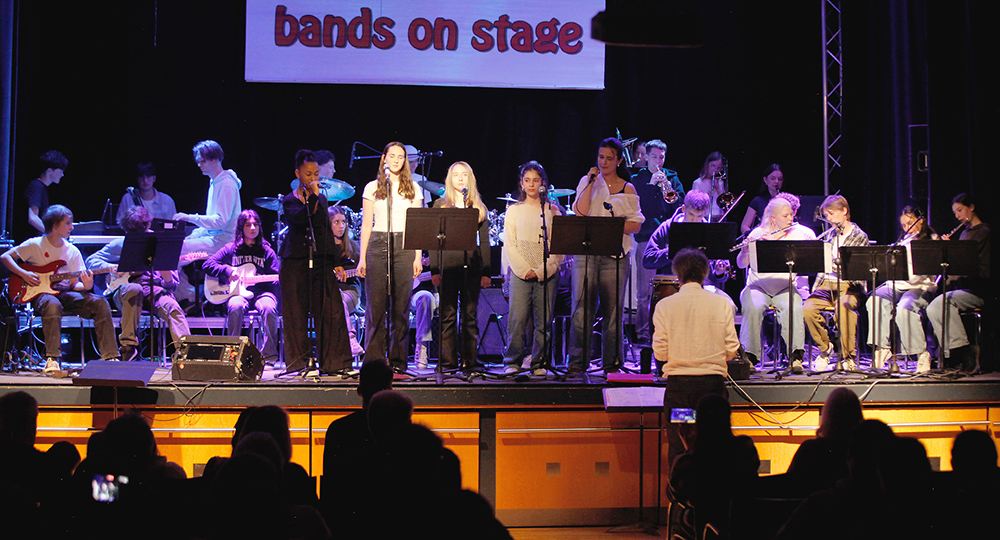
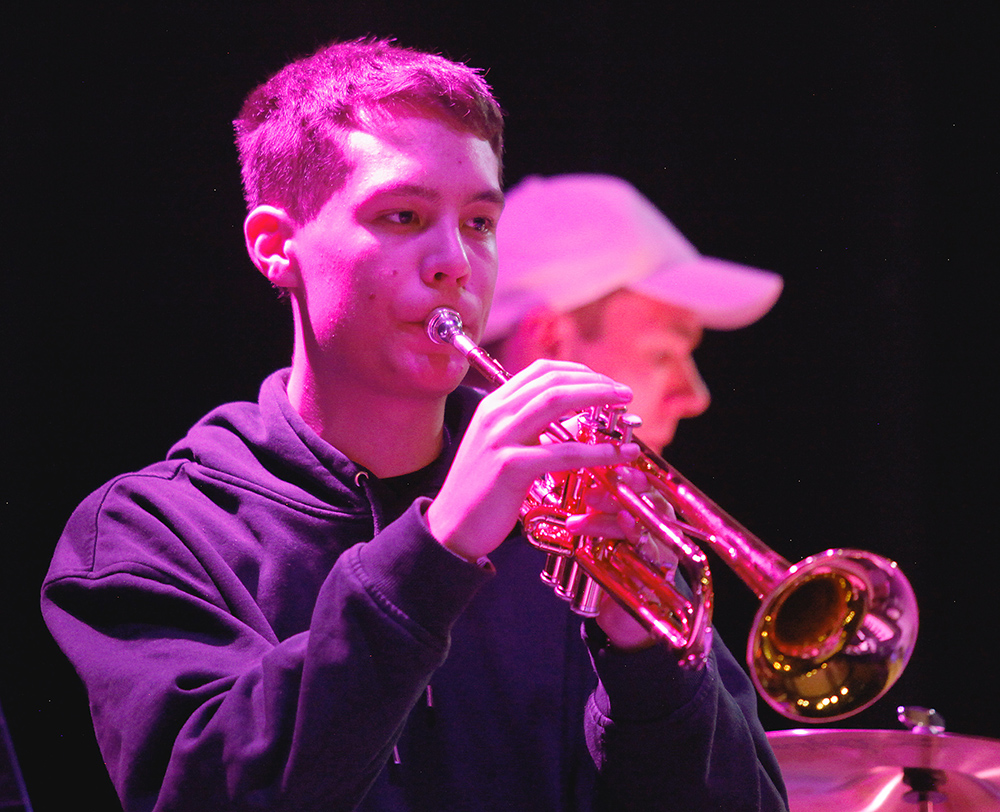
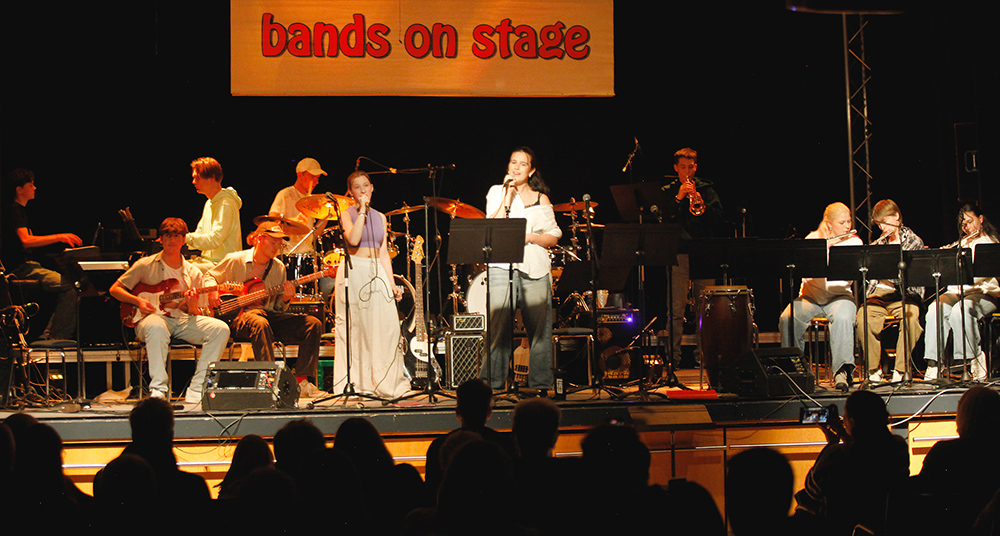
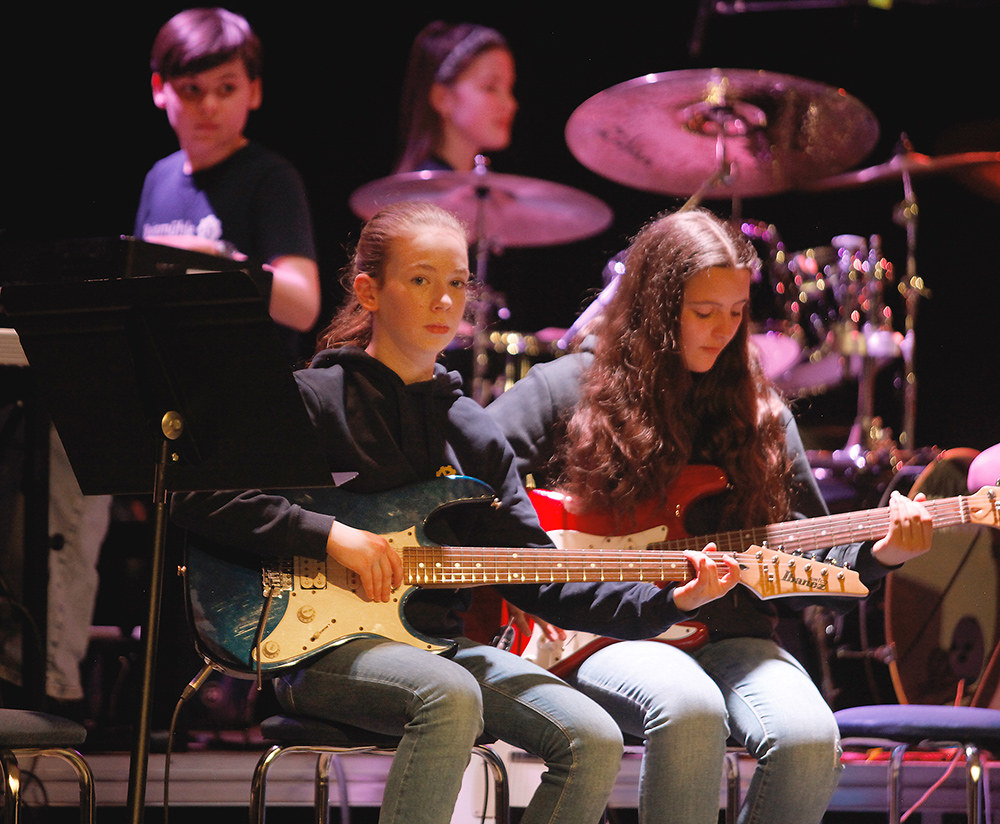
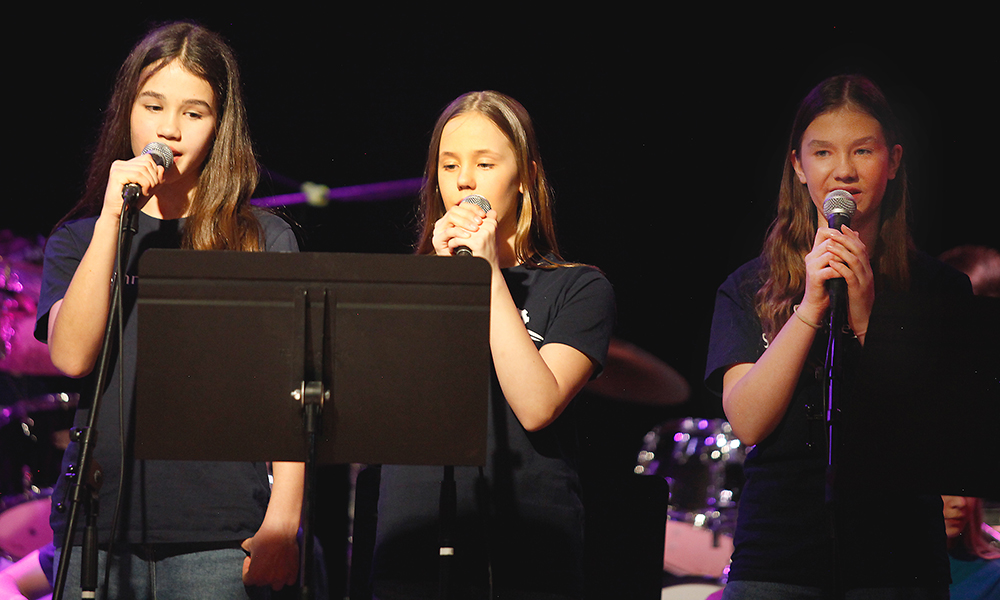
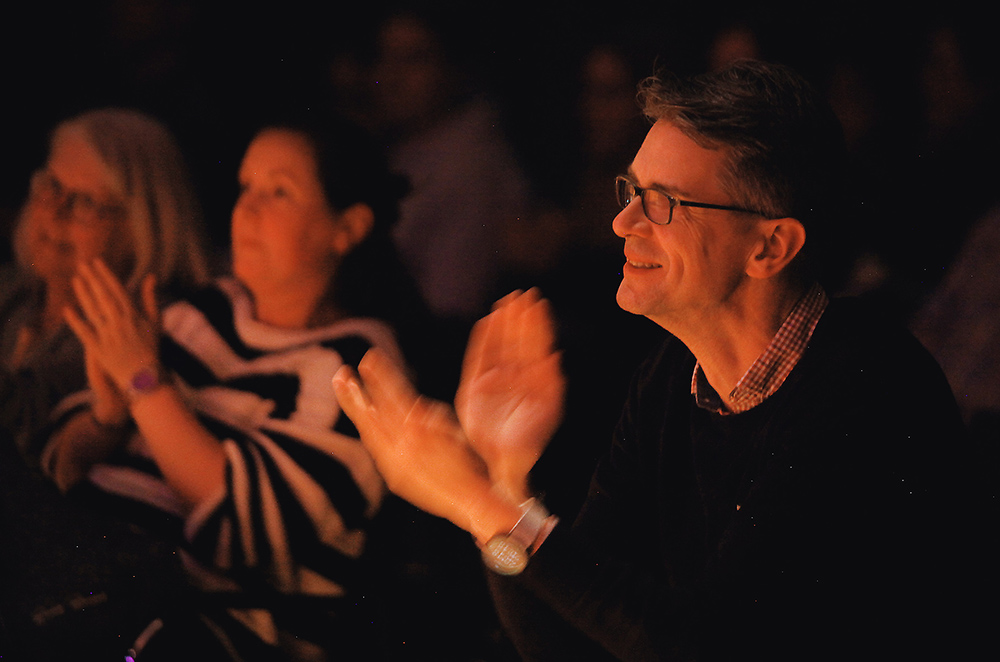
Principal Björn Gemmer called it the “best ‘Bands on Stage’ ever.” And indeed: There were plenty of goosebump-inducing moments at this year’s concert, which has a permanent spot on the Steinmühle calendar every March. Music teacher and organizer Frank Wemme, as well as the entire music department, received high praise from many quarters for the performances in the Steinmühle Forum. There’s truly a lot of talent, hard work, and perseverance behind it all.


All age groups on stage

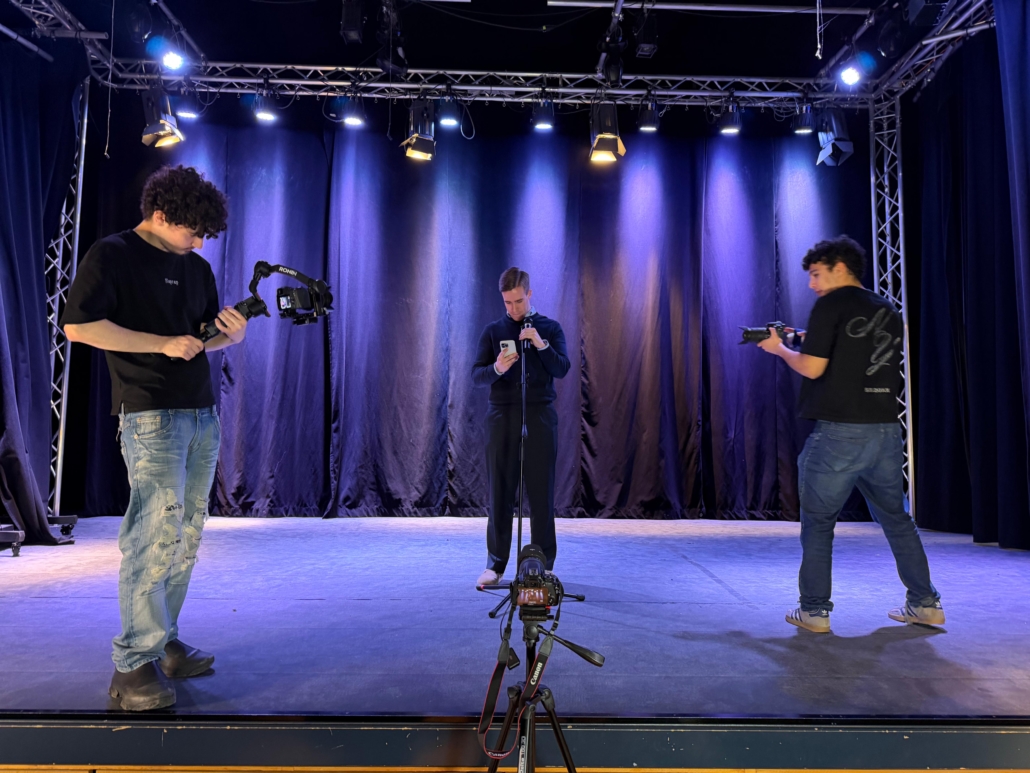
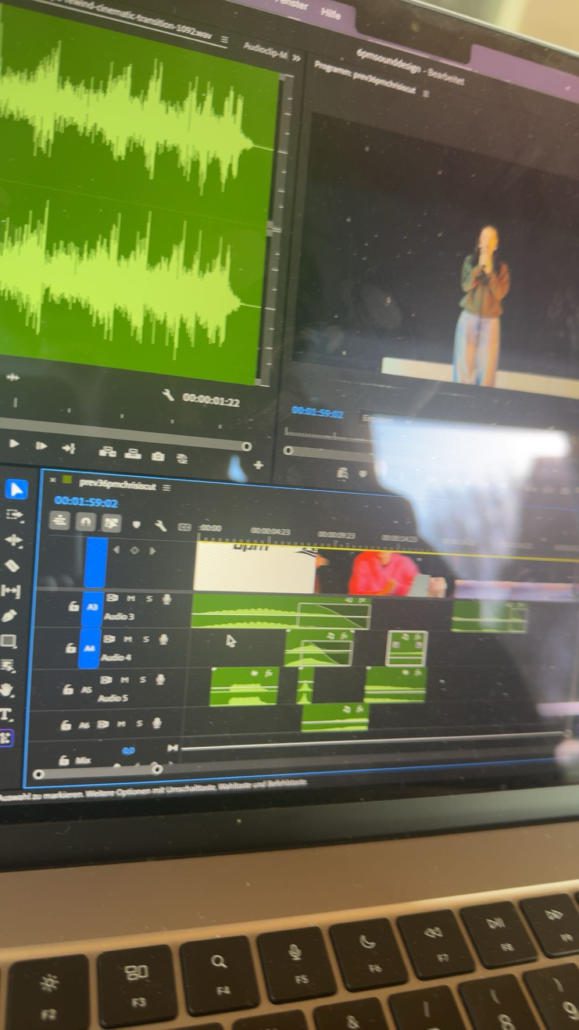
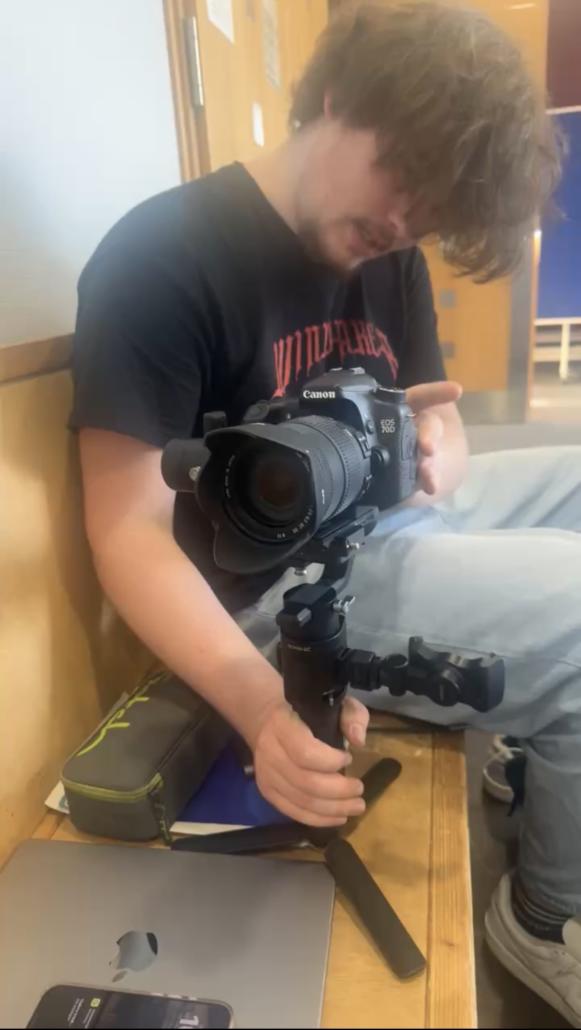
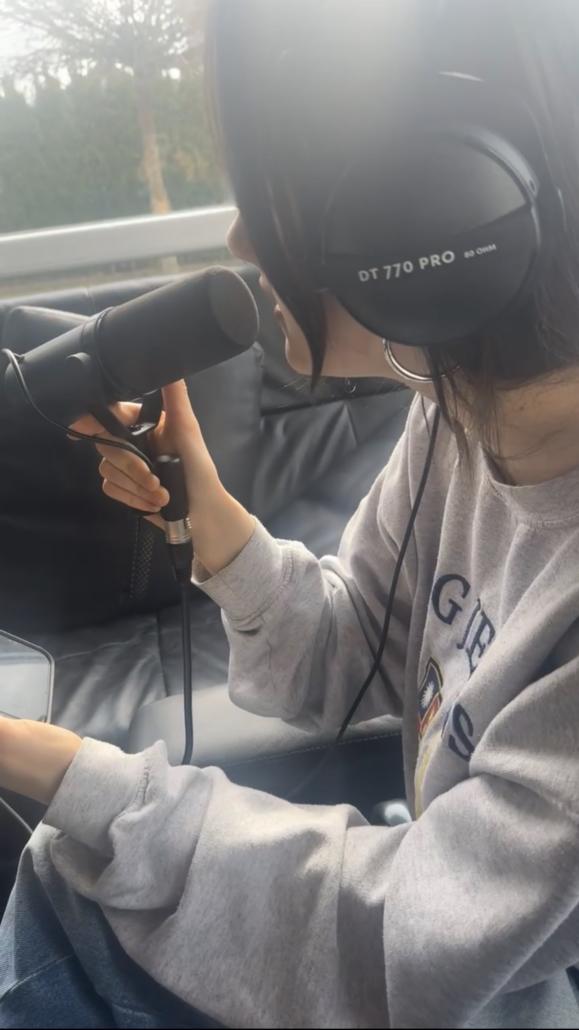
It’s a well-known fact that you can only do well what you enjoy doing. A promising and diverse program was on the agenda—featuring participating artists ranging from elementary and high school students to members of the current graduating class. On stage were the Bilingual Elementary School’s AG Band (conducted by Olaf Roth), its successor group, the AG Band for Grades 5/6 (led by Frank Wemme), 12th-grade singer Annica Bartsch and Mio Bender on piano, the Laubfrösche 2026, as well as the Jazz Ensemble and the StoneMill House Band, all led by Frank Wemme. The Sound & Light team ensured everything ran smoothly from a technical standpoint. — We highly recommend browsing through our photo gallery below!


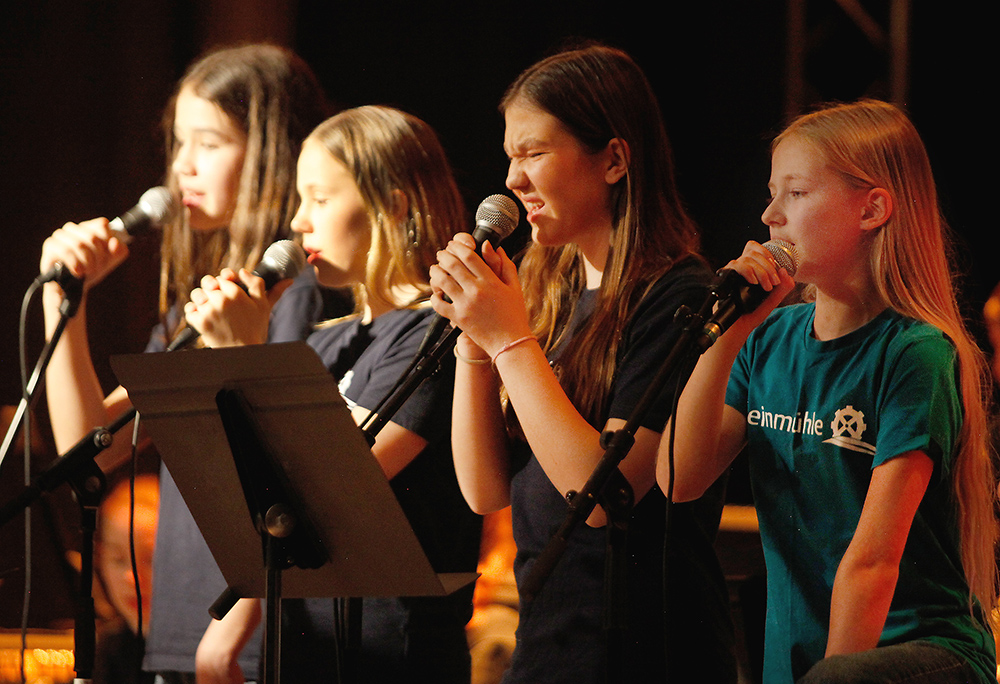
Plenty of energy among the youngest

That was pretty awesome—what our youngest performers just put on! From “Girls on Fire” to “Dance Monkey” to “Umbrella,” they showed tremendous energy. Olaf Roth’s live band is always a key element of Steinmühlen’s musical performances. A round of applause for so much rousing music!


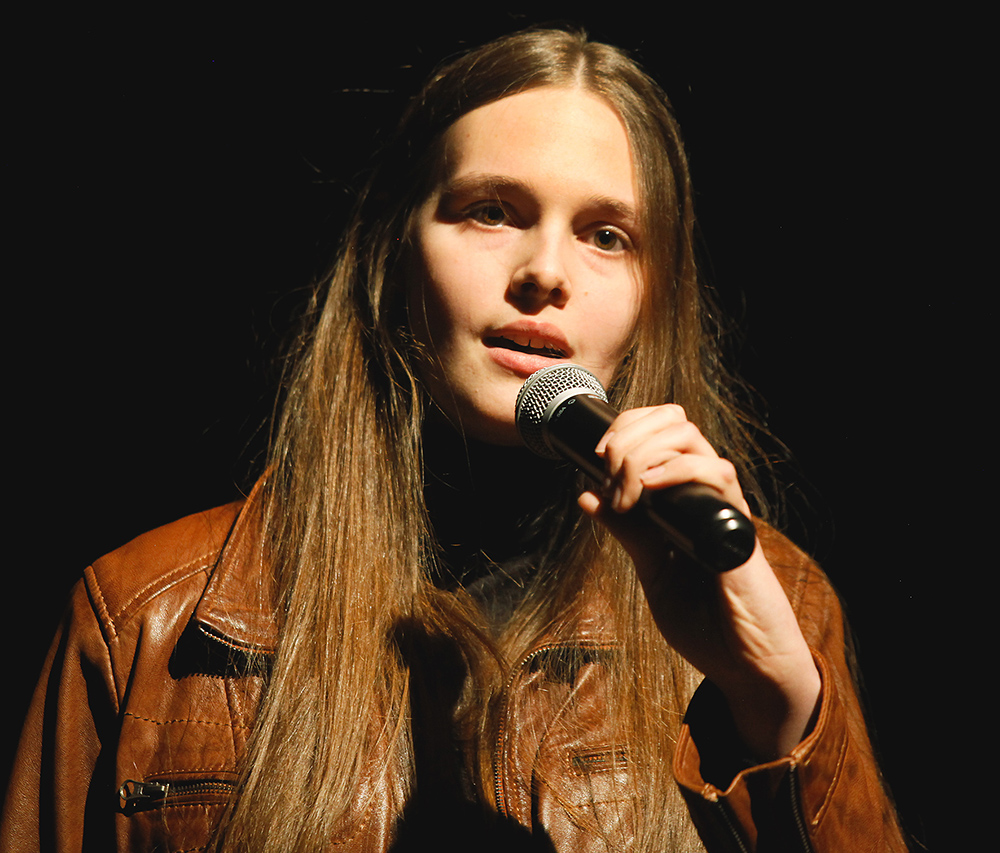
Annica Bartsch with her crystal-clear voice

For several years now, whenever Annica Bartsch takes the stage, the audience knows: here comes someone with a crystal-clear voice. Once again, the 12th-grade student at Steinmühlen proved that she has tremendous talent and received long, sustained applause for her performances.


Special trip from Munich

Then the tree frogs got ready for their performance. And let’s be honest: Not everyone would make a special trip all the way from Munich just to perform with the school band one more time at “their” school. But Constantin “Consti” Franz did. And the audience in the packed rows realized: He’s still got it!

The jazz ensemble, led by and featuring the active participation of organizer Frank Wemme, then struck a somewhat more subdued note, performing, among other pieces, the Sinatra classic “Fly Me to the Moon.” Was there a connection to current events?


Recognizing Potential – Nurturing Talent

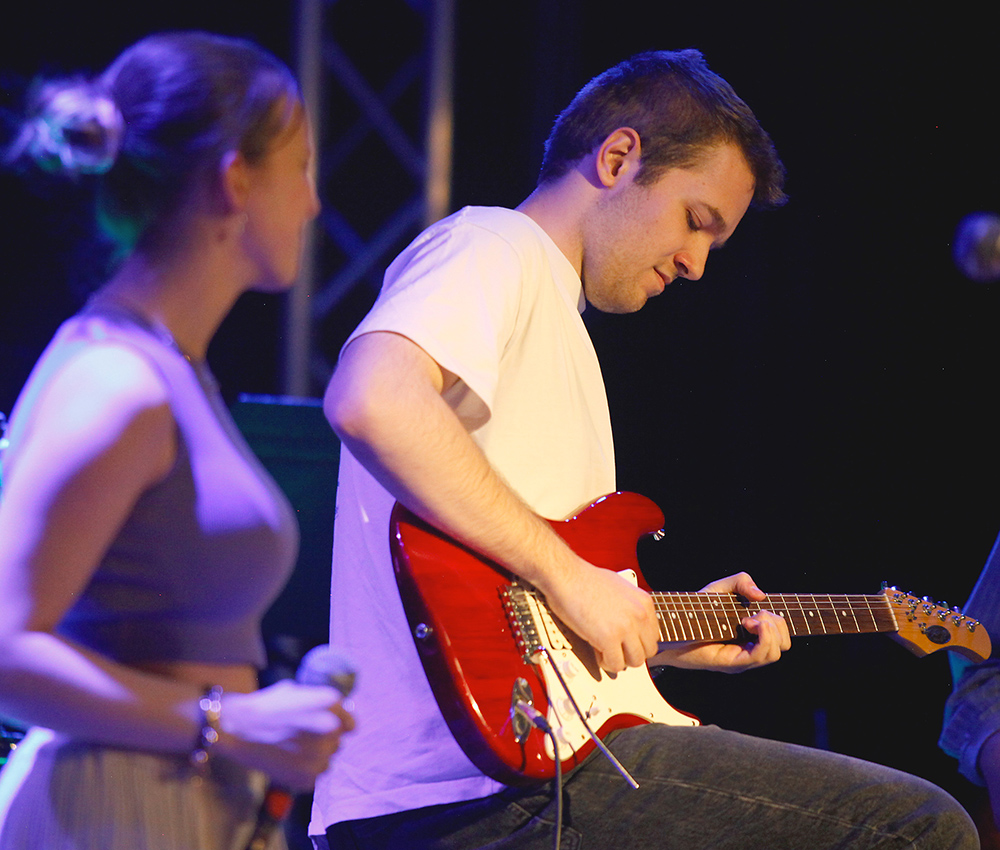
This energizing journey—which offered insights into various genres and once again showcased the musical potential of the Steinmühlen students—came to a close with classic tunes performed by the legendary StoneMill House Band. There is no doubt that the prerequisite for all of this is having teachers who recognize this potential, nurture talent, and, through their personal enthusiasm, help students develop the skills needed to perform on stage.

And luckily, Steinmühle has them.

(Angela Heinemann)


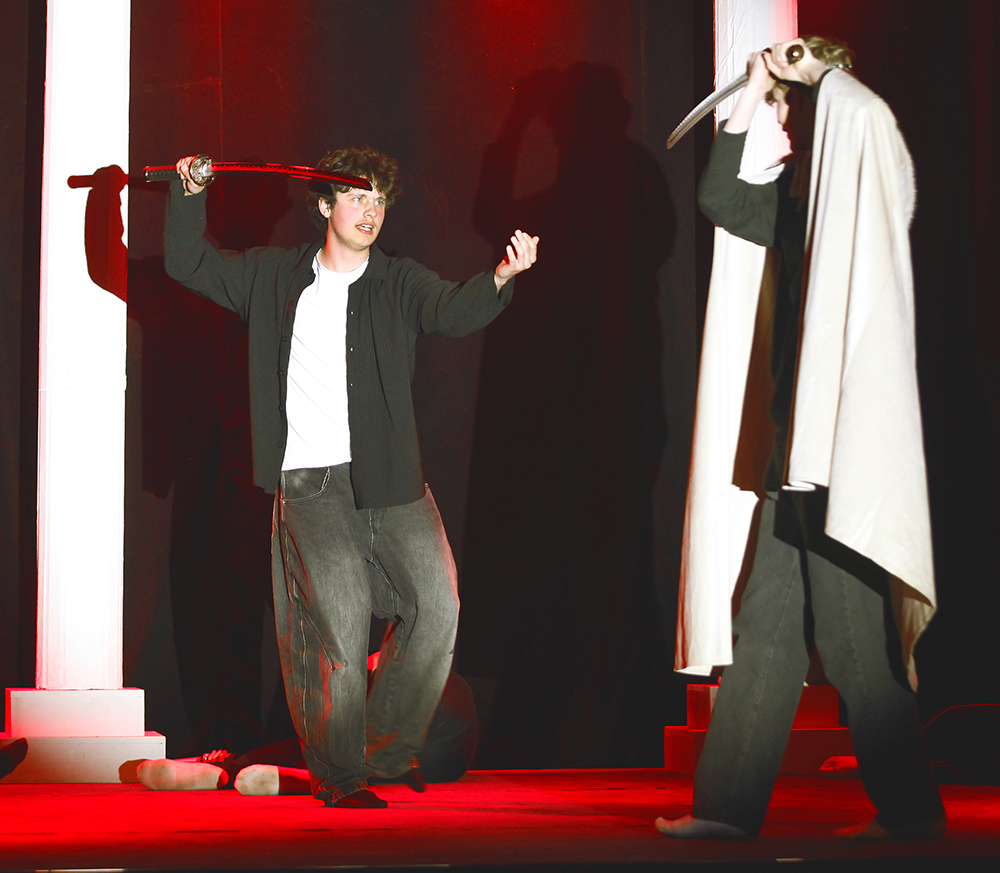
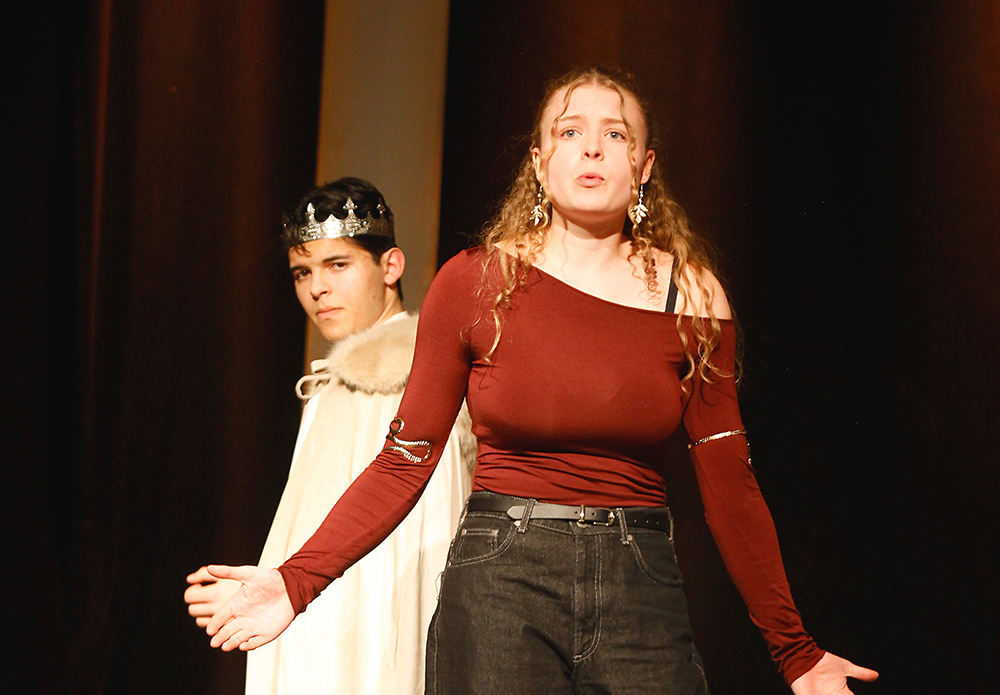
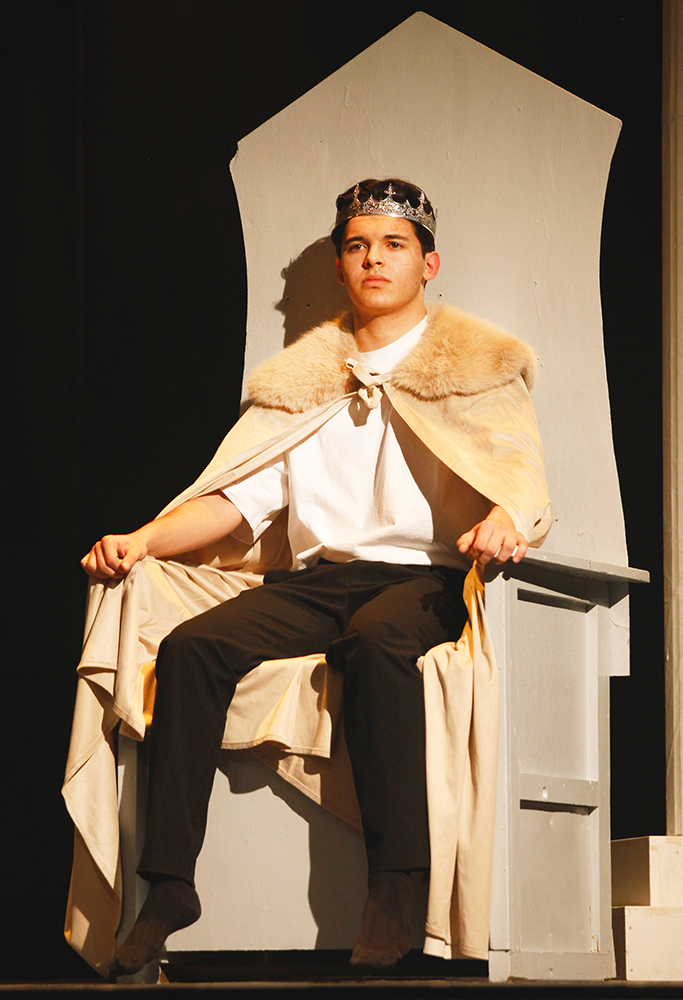
The ancient tragedy *Antigone*, written by Sophocles—in which Antigone defies King Creon’s law and, despite the threat of the death penalty, attempts to bury her brother Polynices with dignity—has been reinterpreted in various ways time and again over the centuries. Joining the ranks of translations and adaptations—from Hölderlin to Schimmelpfennig, Brecht, and Anouilh, all the way to Bodo Wartke—is now a completely new, fresh adaptation, developed by the “Performing Arts 12” class under the direction of Nina Merzenich.

The students recently performed this version—which is almost entirely in rhyme—at the Steinmühle Forum, captivating the audience from the very first second.


The people of Thebes danced to “YMCA”

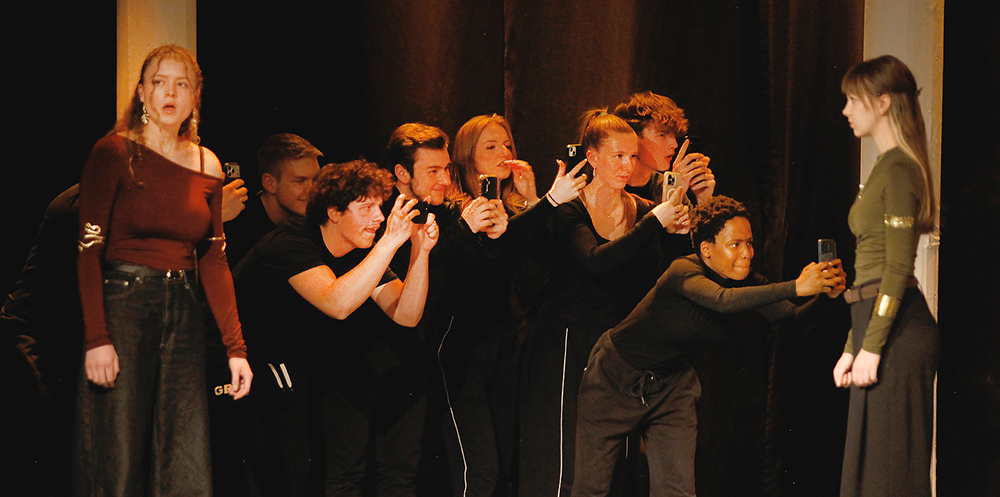
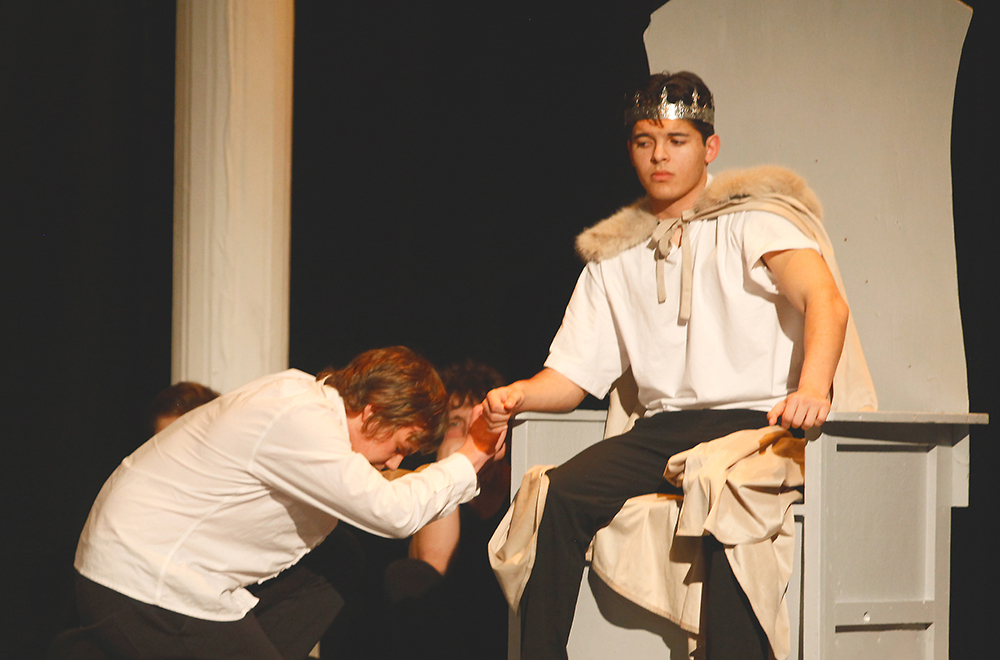
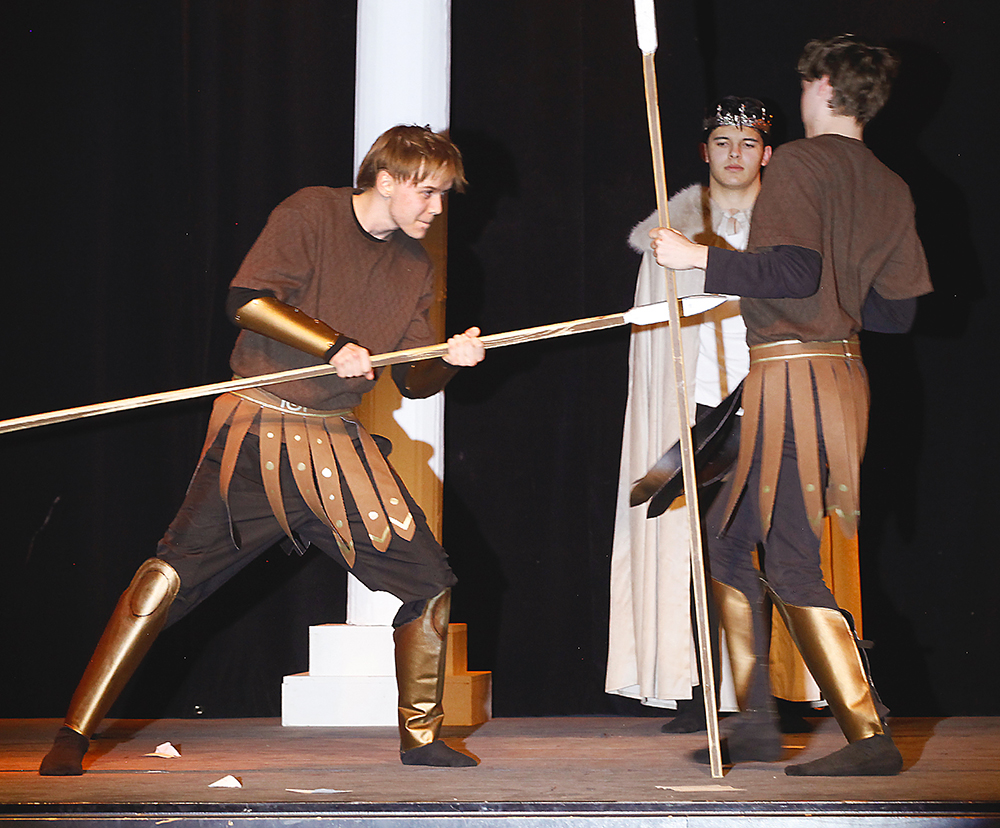
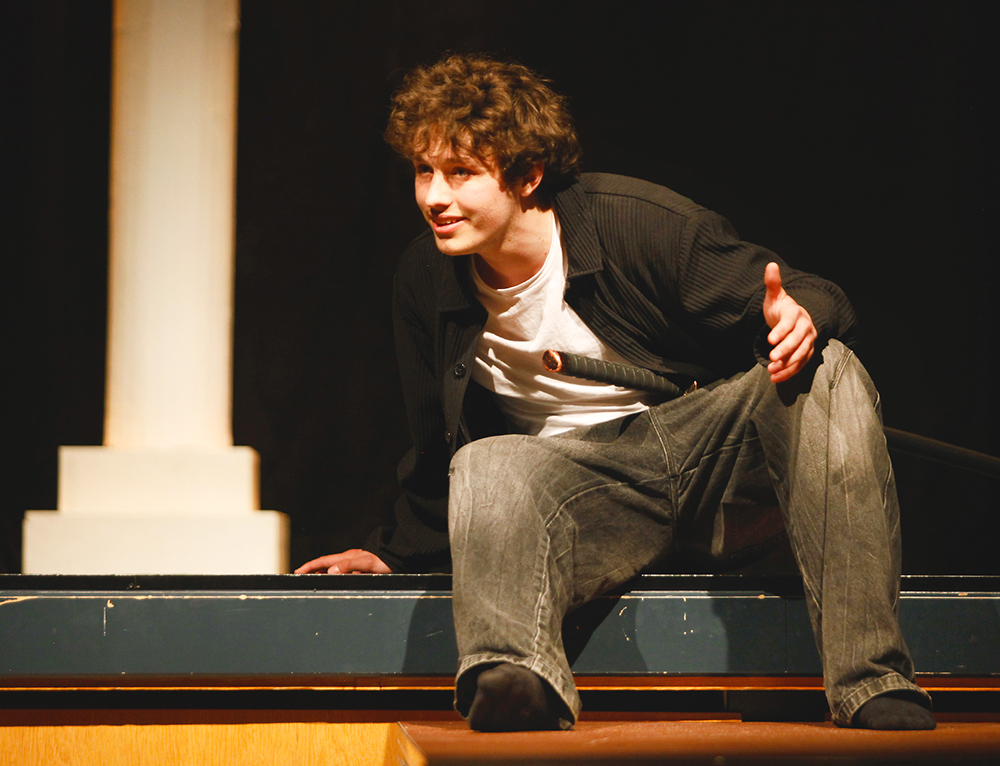
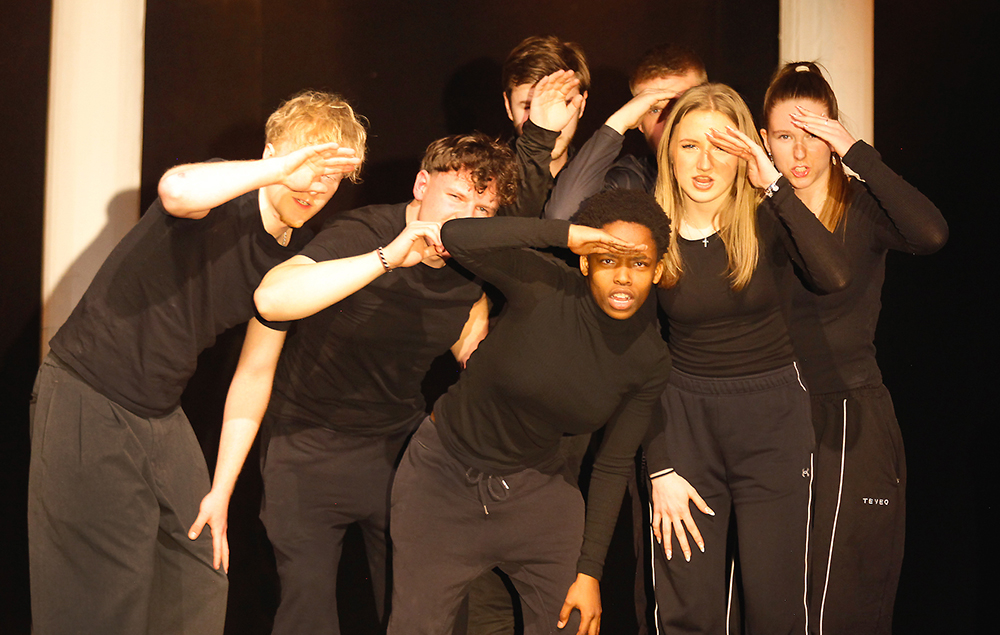
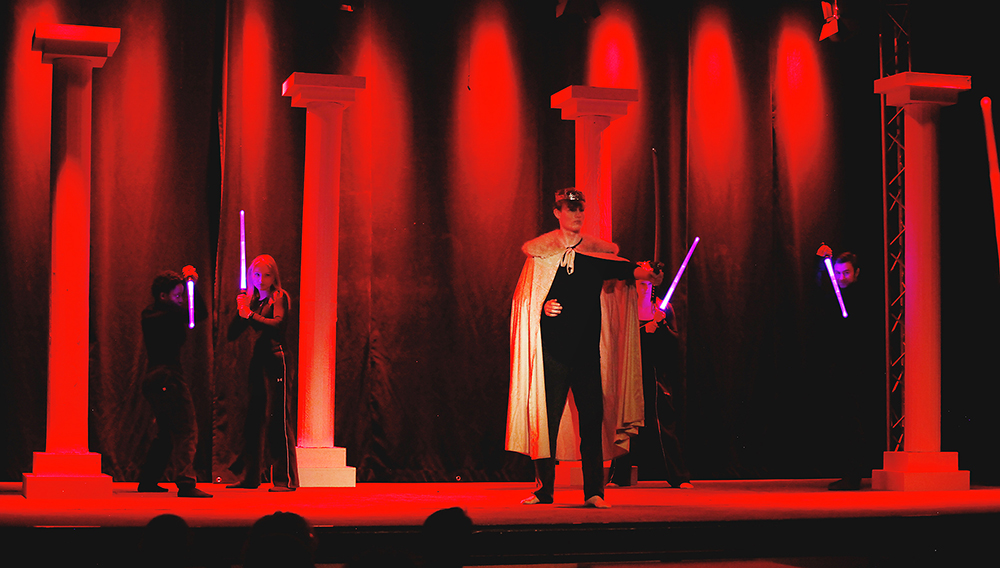
Whether it was the moving moment right at the beginning, when Antigone gently sprinkled sand on her dead brother Polynices, who lay on a platform right in the middle of the audience, or the battle for Thebes, fought with lightsabers to the beat of techno music; whether it was the tender love scene when Antigone and her lover Haimon met one last time on the catwalk among the audience before her death, or the coronation party for Creon, where the people of Thebes danced exuberantly to “YMCA”—every scene captivated, fascinated, was fun, and enchanted.

Not only did the course demonstrate how to pull out all the stops when it comes to theatrical magic (lighting, sound, fog, proscenium, set design, costumes, ensemble acting, dance…), but each individual also delivered a magnificent performance.


Impressive amounts of text

The People of Thebes (Sophie Becker, Gregor Bigeschke, Amely Blazek, Ron Georg, Dominik Koerth, Antonia Kurlinsky, Felix Schlegel, Jesko von Werder, Jan Ole Wollersheim) captivated the audience with constantly shifting formations, battle and dance scenes, and both choral and solo speech and action. In the role of Polyneices, Gregor Bigeschke gave a compelling performance as the enraged brother who had been cheated out of his rightful claim. Jan Ole Wollersheim gave a magnificent performance as his brother Eteocles, portraying him as majestic and statesmanlike. Kimo Achteresch and Alrik Keßler provided top-notch entertainment time and again in the roles of the two guards. Antonia Kurlinsky gave a moving portrayal of Queen Eurydice, who struggled to maintain her composure and ultimately took her own life out of grief. Orlando Geisel appeared eloquent and self-assured as Creon’s son Haimon, while Celia Giebing gave a wonderful performance as Antigone’s sister Ismene, portraying her as both tender and courageous.


“Antigone” provided some spine-tingling moments

Jaan Ebbing portrayed the blind seer Teiresias as a figure somewhere between a god and Gandalf, a role he brought to life brilliantly on stage. He was guided by a child, a guest role lovingly played by Mona Merzenich (6th grade). Sophia Rogosch’s performance was also outstanding; as Antigone, she repeatedly gave the audience goosebumps. Last but not least, Maximilian Glock impressively portrayed (and with an impressive amount of dialogue!) the harsh ruler Creon as a figure caught between power and self-doubt.

Kimo Achteresch, Ron Georg, and Anna-Lena Grießler (11th grade) made sure the sound and lighting set the right mood. We would like to thank the Freie Waldorfschule Marburg for the stage design (columns, throne, fog machine) and the guards’ costumes.

Hats off to everyone for a fantastic stage show!

(Nina Merzenich)

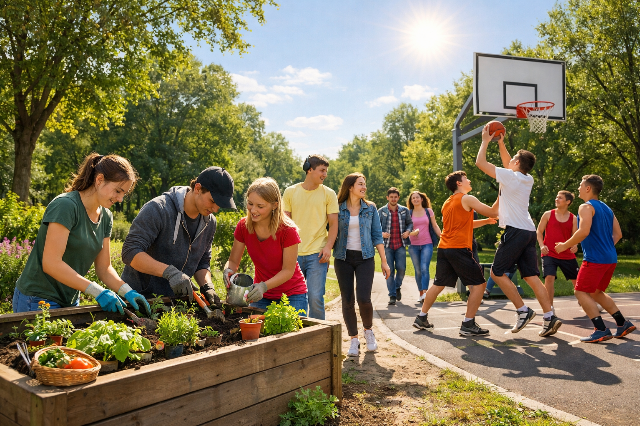
It was “Health” theme weekend again at the Steinmühle boarding school. Each student had the opportunity to choose two different workshops.
In keeping with the theme, all the workshops were designed to focus on physical or mental health. Topics included community, achieving a sense of accomplishment, moments of self-efficacy, mindfulness, and openness to new experiences.


Another topic: How to deal with news

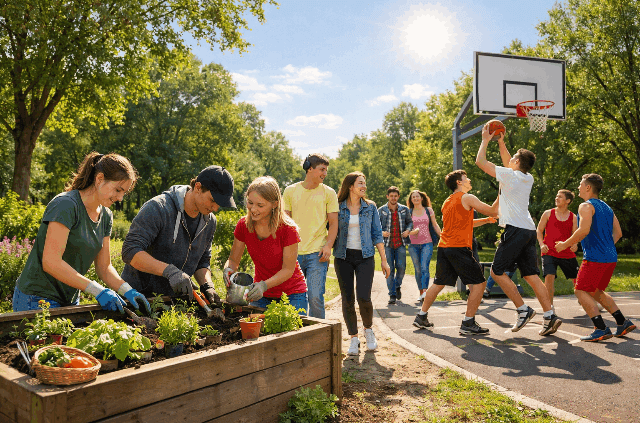
The program also included the workshop “Journey Through the Five Senses,” in which an example was discussed for each sense: walking barefoot for “touch,” trying different foods for “taste,” and more. Other activities included replanting raised beds with lettuce and herbs, playing baseball, a session on “Women and Menstruation” for female students, and ice bathing.

Other examples included dealing with less-than-positive news, “my year in pictures,” creating a vision board, attending a basketball game, taking a walk in the woods, as well as health exercises and circuit training in the weight room.


On Sunday evening, the individual residential groups reflected on their experiences with the educators. Julia Ploch summed it up on behalf of the educational team: “The young people really enjoyed the weekend. In addition to the great response, we had plenty of sunshine and high spirits over the two days.”

(Heinm/Photo: KI)


What was originally intended as a substitute for a written exam eventually developed into an impressive artistic expression: The students in the advanced art class in 13th grade were tasked with looking back on 76 years of Steinmühle’s history in their final project, artistically reflecting on the present, and at the same time designing a vision for the future. The result was to be a mural adorning the interior of the main building.


From Individual Figures to the Big Picture

“It’s truly amazing how the dynamic evolved from individually designed single figures toward a shared overall image of all five students,” says art teacher Ines Vielhaben, commenting on the creative process. It quickly became clear: All the figures should be sitting in a boat. To achieve this, the group decided to take on the challenge of creating life-size figures using the stencil art technique, which is well known from street art—particularly through Banksy.


Workshop in Giessen as preparation

In line with this, the class took part in a workshop led by Kai Krieger of 3 Steps at the HUETTE38 Art Hub in Giessen. Armed with their prepared stencils, the students used graffiti spray paint to spray-paint the rowboat and figures onto three strips of smooth wallpaper under expert guidance.


A work with multifaceted content

In terms of content, the work is multi-layered: The figure in the background, with its black face, symbolizes the fading memories of prominent members of the school community. The next figure refers to the successes in the important Steinmühlen “Jugend forscht” program—depicted by a bubbling laboratory experiment. The next figure, wearing the distinctive red one-piece uniform, represents the school’s current successes in rowing and its international victories, accompanied by the German flag as a symbol of the international context. Another figure, composed of pixels, embodies the future, shaped by digitalization and artificial intelligence. Finally, the coxswain looks ahead, pointing toward a hopeful future. His jersey features a combination of various versions of the Steinmühle’s past and present logos.


Display during Senior Year Theme Week

During the graduating class’s theme week, they managed to enlist the help of the facilities staff to install the mural. Together with the art class, the artwork was installed in the main building next to the cafeteria entrance. The event was accompanied by lively music and applause from fellow graduating seniors. Special thanks go to the students involved—Cilia Evelbauer, Janice Houdek, Raphael Richard Miller, Nele Schultheis, and Lina Zippel—as well as their art teacher, Ines Vielhaben, for the successful completion of this extraordinary project.


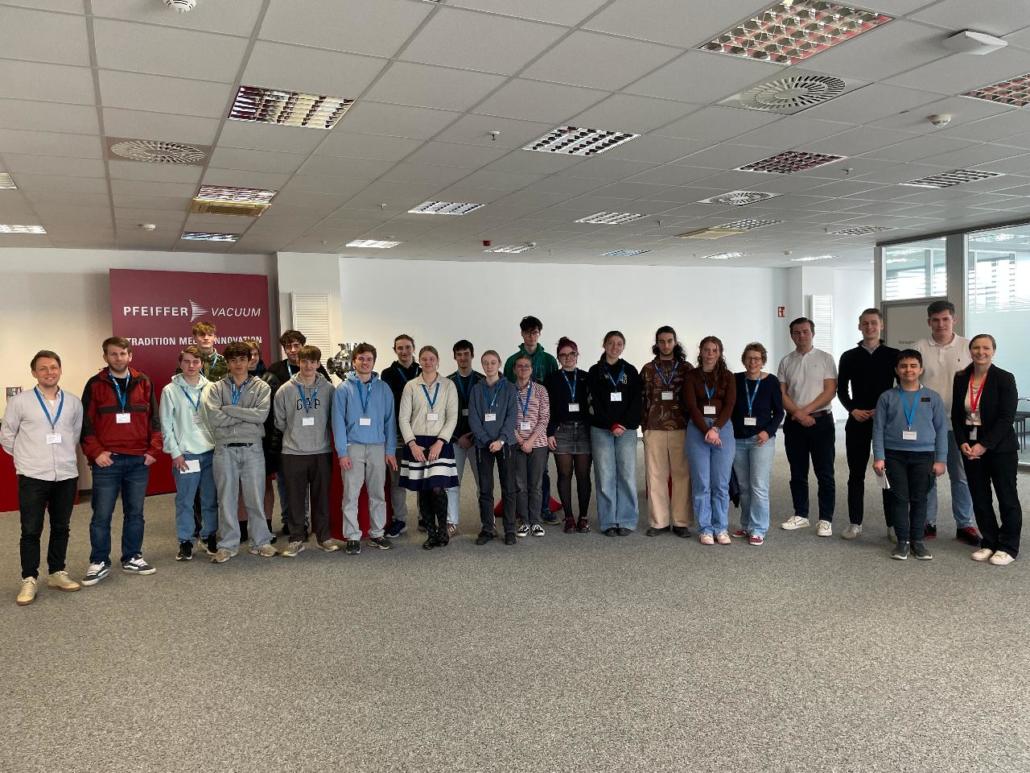
A Flurry of Activities at the +MINT Boarding Schools: Together with a total of eight students from Schloss Louisenlund and Schloss Neubeuern, a team from Schule & Internat Steinmühle kicked off this year’s +MINT Camp. In addition to plenty of information and activities related to math, computer science, natural sciences, and technology, there was lots of fun and plenty to marvel at.


With kangaroo jumps

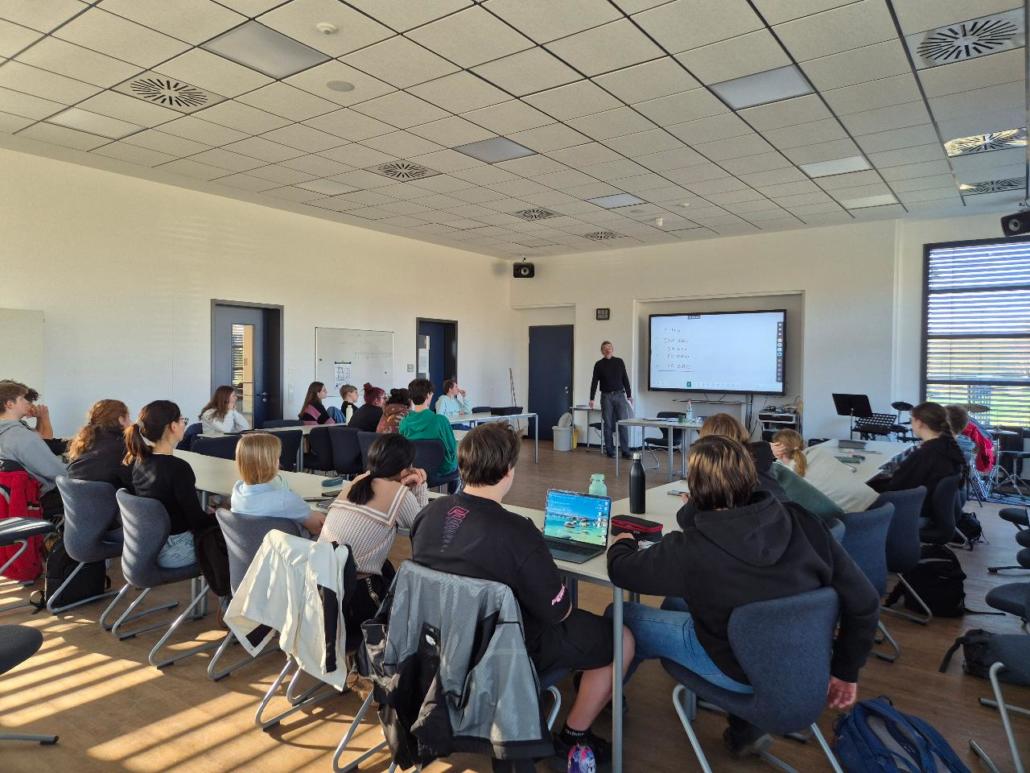
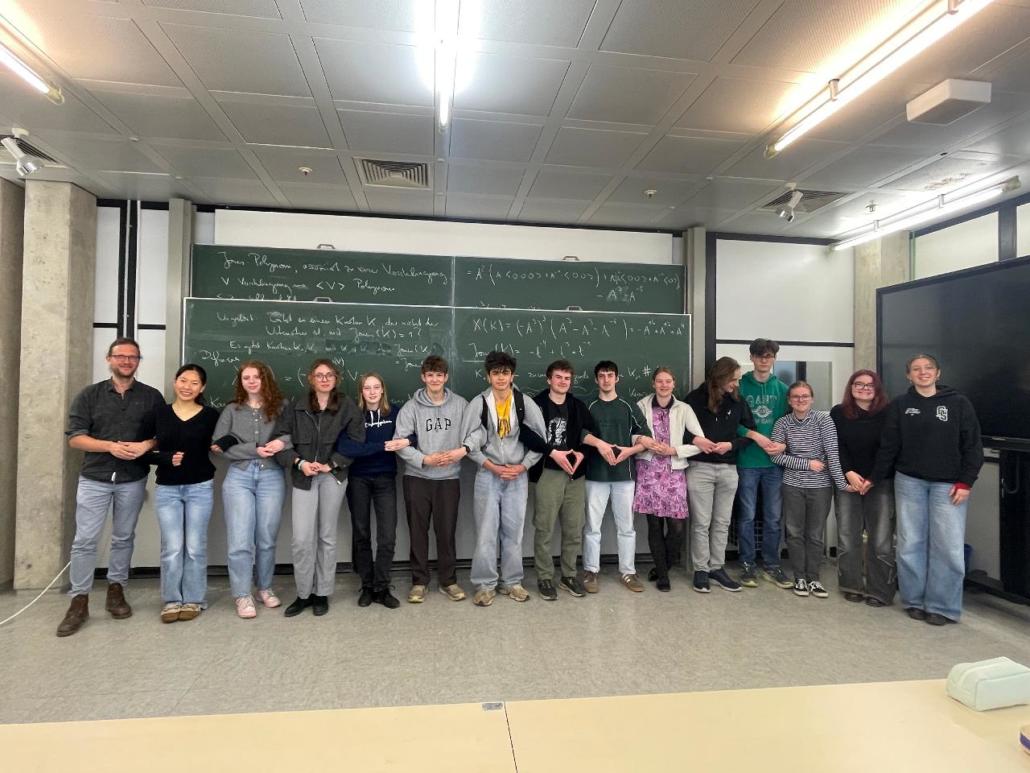
Some aspects were familiar from previous years’ camps, while others were new: For the first time, the event took place in March and was combined with the Kangaroo Competition. Under the proven leadership of Maximilian Moll, a math teacher at Steinmühle, the group headed to the Lahnberge, among other places, where Dr. Patrick Mehlitz, a professor of mathematical optimization, was waiting with his workshop on Eulerian graphs.

Another workshop on knot theory was held the following day, led by Prof. Dr. Oliver Goertsches.

The program also included the traditional visit to Pfeiffer-Vacuum in Aßlar to learn about state-of-the-art vacuum technology.

To find out just what a beautiful city the Steinmühle is actually located in, we naturally set out to explore Marburg, packed with a lunch to go.


Mathematikum: Educational and entertaining

“The world is—according to Pythagoras—numbers. And no one does the math.” That was the title of Dr. Muth’s workshop. It took place at the Steinmühle.

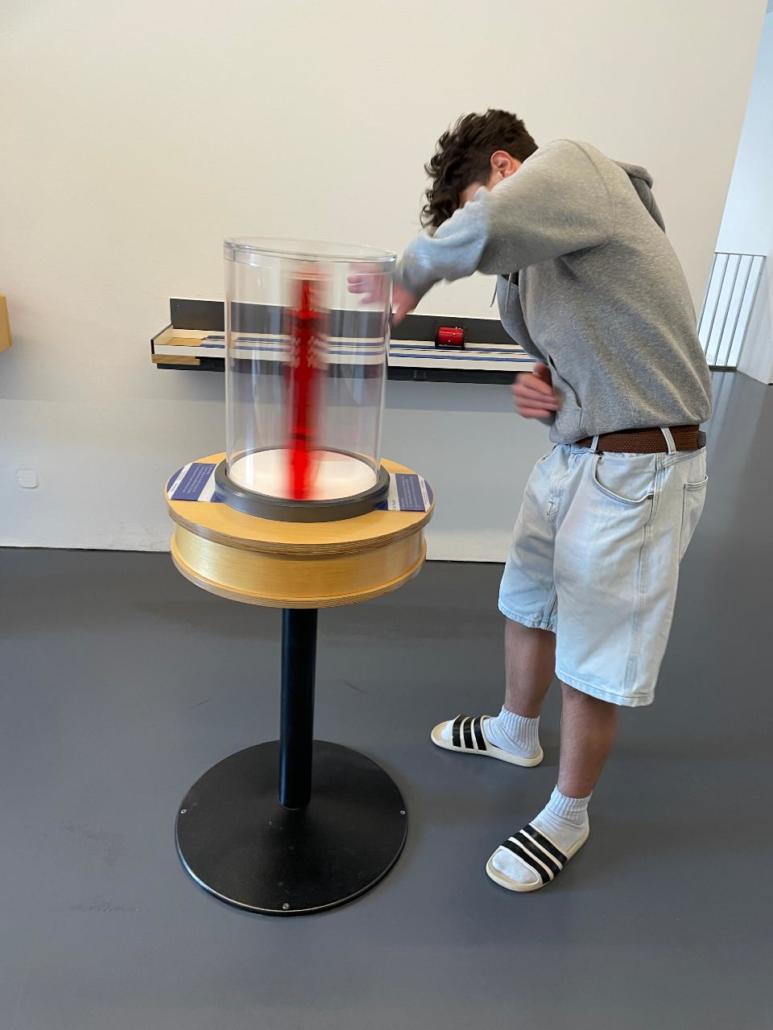
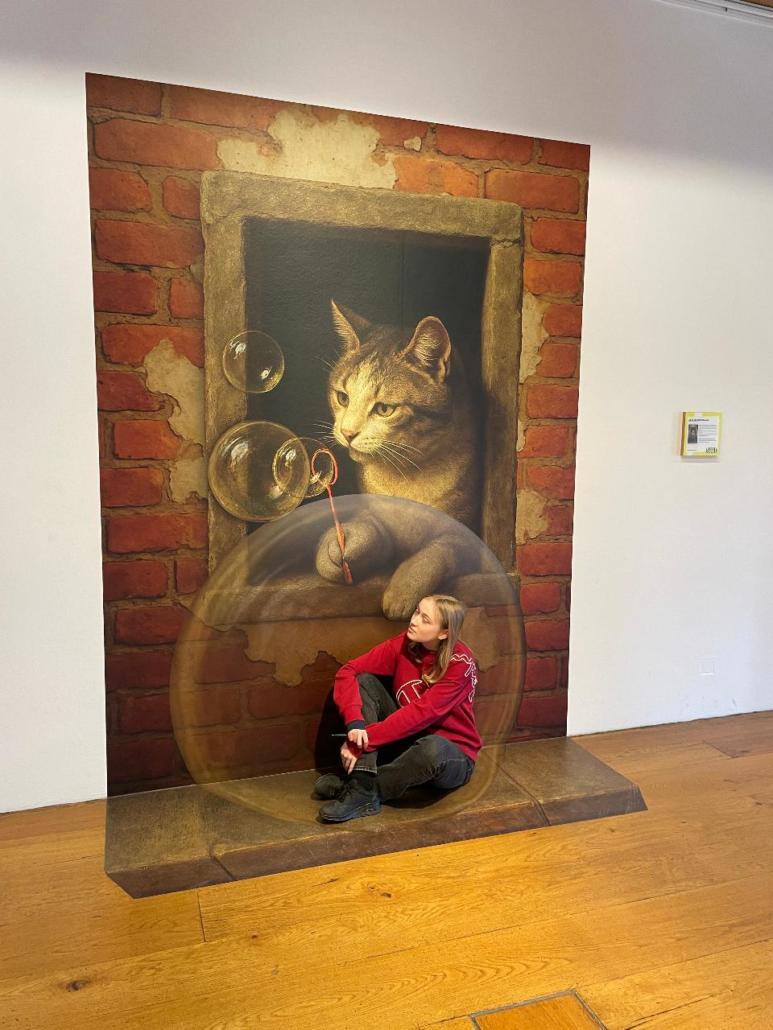
The grand finale of the four-day event was a visit to the Mathematikum in Giessen (cover photo). This is a well-established and engaging part of the program that demonstrates in many ways that math doesn’t have to be so “dry,” but instead holds plenty of surprises.


The dinner event was a culinary highlight

Events at the Steinmühle are renowned for their attractive supporting program and excellent catering. And this year’s +MINT Camp once again lived up to that reputation. Refreshments in the bistro with snacks and drinks, delicious meals in the Steinmühle cafeteria prepared by Chef Sebastian Riehl and his team, and topped off by a festive dinner.


Which rocket flies the highest?

For some entertainment in between activities, participants took part in a rocket competition, the goal of which was to build a water-pressure-powered rocket and make it fly as high as possible. And for those who wanted to get some exercise themselves in addition to launching their rockets, there were various sports activities to choose from.

Our takeaway: It was great hanging out with you guys, and we had a lot of fun! — We’ll say: Ciao — see you next time!

(Angela Heinemann)


Mara von Essen has been a school social worker at Steinmühle since January 1. Together with Hanne Wolf, the school psychologist, she is expanding the range of counseling and support services available to students.


Support in Everyday School Life

Mara von Essen is the point of contact for students regarding personal, academic, and social issues—such as stress, conflicts, or feelings of uncertainty.
Counseling is voluntary, confidential, and independent of academic performance. Students can initiate consultations on their own, or they can be referred by teachers or parents. Together, they then work to find appropriate solutions.


Support Upon Arrival

A particular focus is currently on grades 5 and 6. Here, Mara von Essen supports the students as they transition to middle school—helping them settle into new groups, build relationships, and cope with new challenges.
The goal is to provide early support and foster the positive development of the class community.


Prevention and Collaboration – From “I” to “We”

In addition to working with individual students, she also offers preventive programs, such as those focused on social interaction, conflict resolution, or outdoor activities. These can take place in a classroom setting or in groups.
Collaboration with teachers and parents is an important part of this effort to strengthen social processes and foster a sense of community in the classroom.


Support for all grade levels

Mara von Essen is available to all students as a point of contact. Topics for discussion may include, among other things, academic pressure, friendships, family stress, or personal crises. Preventive programs are also currently being developed for the various classes to provide students with early support.


Accessibility

Mara von Essen is at school Monday through Thursday from 8:30 a.m. to 2:15 p.m.
Students can visit her during open office hours on Tuesdays and Thursdays during the second long break.
Additional appointments can be scheduled as needed.

The best way for teachers and parents to contact Mara von Essen is via the StoneApp or by phone at +49 1590 6204687.


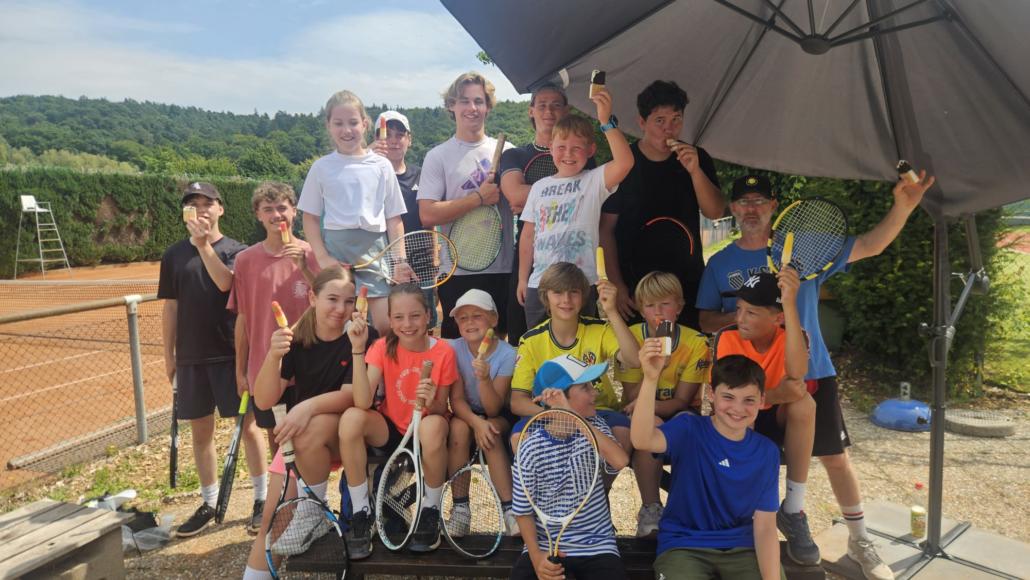
In cooperation with the agency Play the Pro and its managing director, Heiko Hampl from Marburg, Steinmühle has put its tennis program on a professional footing. Now that the tennis facilities on the boarding school grounds have been modernized and are complemented by the newly opened Café Mühle—run by the boarding school students—the focus is shifting toward tournament participation—but that’s not all. Beginners are also warmly welcome.

The tennis program at Steinmühle is open to students in grades 1 through 13—that is, all grade levels represented on campus. “It’s popular with both elementary school students and high school students,” reports Heiko Hampl.

You don’t have to be a pro to start playing tennis at Steinmühle. According to Hampl, many of the people on the court are beginners, while some are more advanced. “Anyone who wants to learn to play tennis should feel free to give it a try.”


Morning Sessions for Parents

The program is primarily aimed at students at Steinmühle, who no longer have to travel long distances for their after-school sports activities. Training times have therefore been scheduled mainly in the afternoon. “But we also offer morning sessions, so we can keep an eye on the parents,” Hampl reports. Players can play on three courts at the same time.

Siblings Philipp and Jana Nowakowski show what it’s like when you’ve caught “tennis fever.” Philipp, who is still in elementary school, has attended a few tennis camps with his sister. “The camps will be back,” says Heiko Hampl, looking ahead to the future and at his calendar. Demand is currently being finalized, and after Easter—to stick with the sports metaphor—things will be in full swing.


Even a spontaneous start can be successful

There is great excitement about the revival of tennis at Steinmühle: “This wonderful sport had been in a deep slumber here for a long time, and we have now brought it back to life together with a professional partner,” explains Dirk Konnertz, managing director of Schule & Internat.

Anyone interested in tennis—whether you’d like to take lessons, pick up a racket again after a break, or try the sport for the first time—is cordially invited to learn more about our offerings at the following link: https://www.play-the-pro.com/steinm%C3%BChle-schule-internat/. If possible, you can also join a class on the spot.

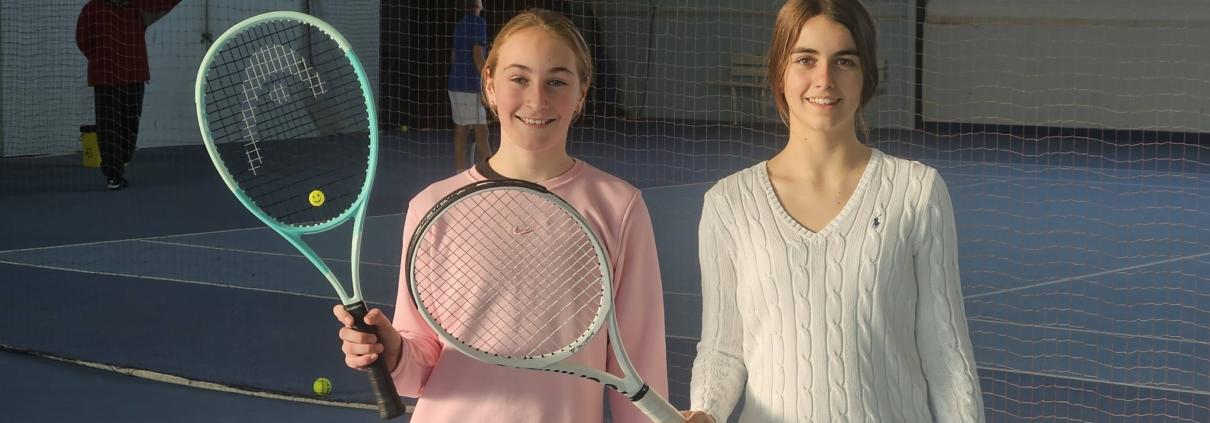
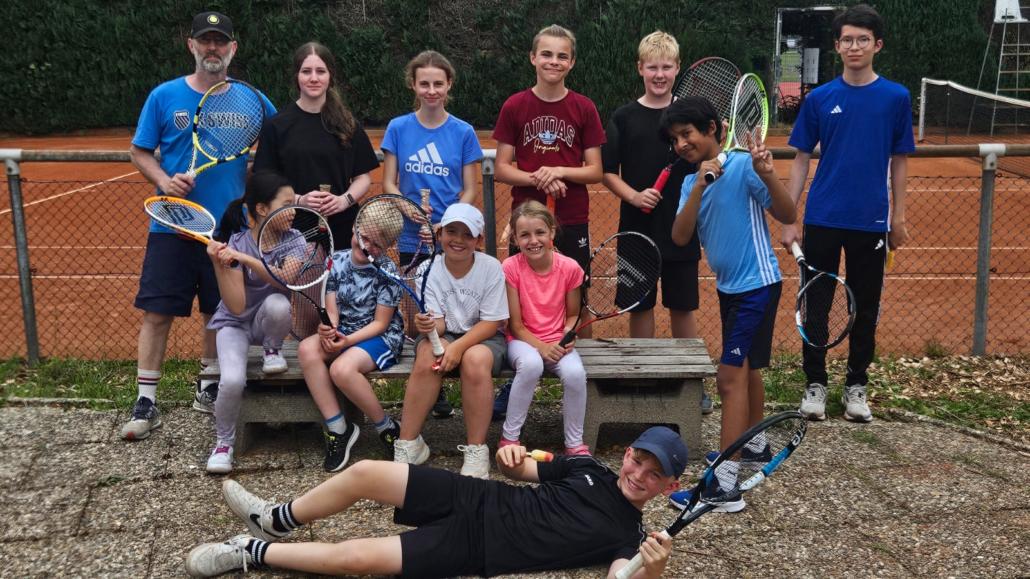
Our cover photo shows Lanah Reithmayer and Jana Nowakowski enjoying their hobby. The group photos give a glimpse of the tennis camps.

(Angela Heinemann)


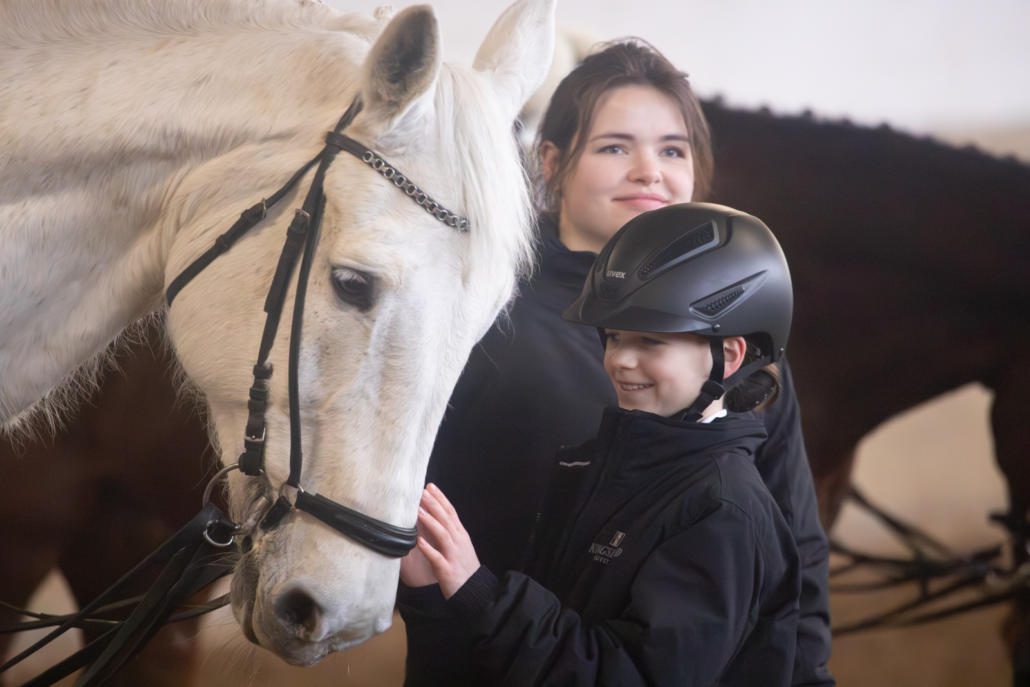
Horseback riding, rowing, team sports, and an ever-growing number of partnerships: The sports program at Steinmühle School & Boarding School has evolved significantly in recent years. Modernized facilities, a growing team, and numerous projects ensure that physical activity has a firm place in the students’ daily school life—and will continue to be expanded in the future.


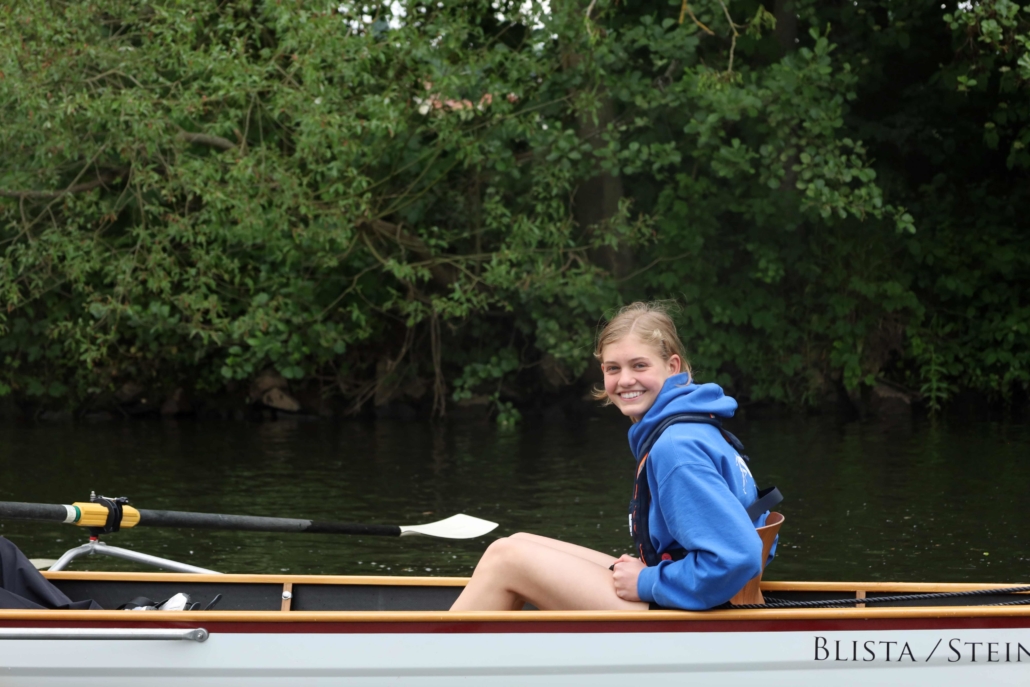
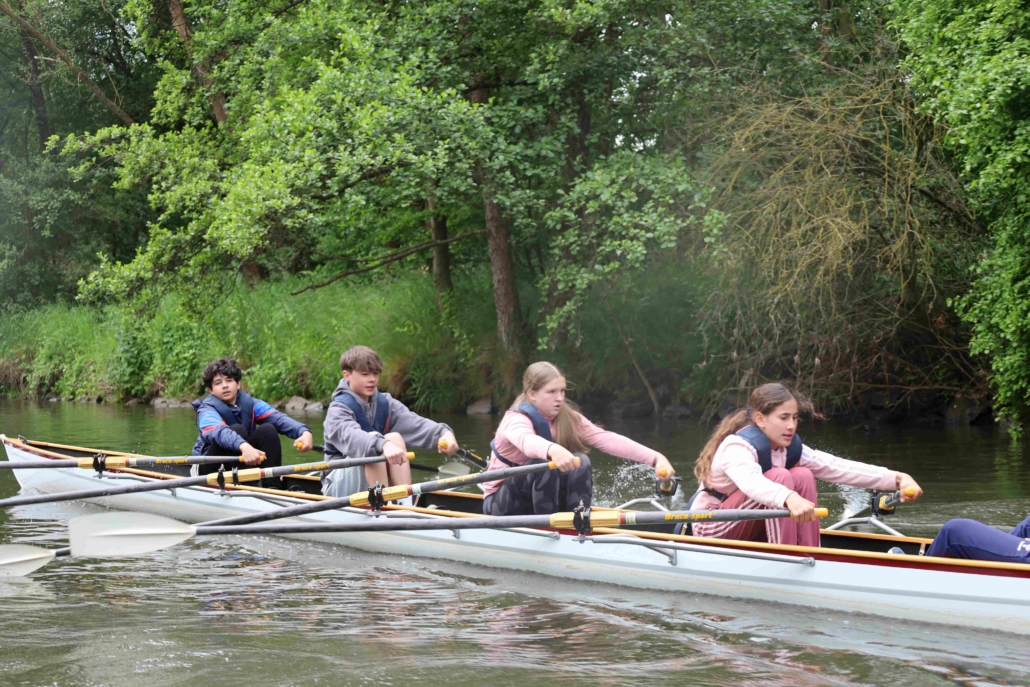
Steinmühle has always been known for its wide range of sports programs: established equestrian programs, professional rowing instruction, and successes that have even led to Olympic participation. Tennis has long been played on the school’s own courts, ball sports—including beach volleyball—are played along the Lahn River, and strength training is offered even during the winter months. But even good things can be made even better, explains Marcel Kalb, head of school sports, organizer of many training sessions, and coordinator of partnerships with other clubs.


Modern Infrastructure

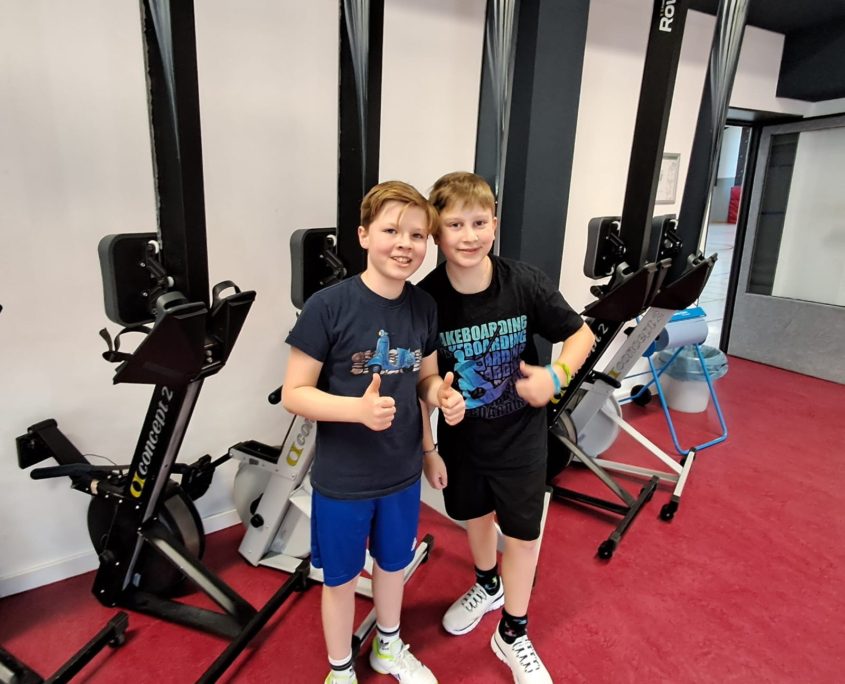
At this point, we’ve already reached a stage where things have expanded considerably compared to about ten to 15 years ago. Compared to back then, the infrastructure has been modernized and significantly expanded. A renovated boathouse, a large second sports hall, and a modernized existing hall are now available for rowing equipment and indoor sports. The selection of sports equipment is also being continuously expanded. The selection in the weight room already gives a good idea of what this looks like.


More People for Sports

The development of the sports program was a process—both in terms of infrastructure and staffing. The faculty in the Sports Department has now grown to 17 teachers, with one educator from the boarding school and three FSJ volunteers providing support in various roles. “We’re also in contact with the departments of Sports Science and Motology at Philipps University in Marburg,” reports Marcel Kalb.


No Grades in Physical Education for Grades 5–8

Promoting physical activity is a top priority at Steinmühle. For example, there are extracurricular programs such as rowing trips and ski trips, and students have the option to choose the sports track in 11th grade—the so-called “E-Phase” of upper secondary school. One unique feature is also worth mentioning: In grades 5 through 8, no numerical grades are given in physical education. “We believe that a numerical grade cannot reflect the diversity of sports and the associated assessment of student performance. For this reason, we strive to provide differentiated and meaningful feedback on performance in physical education classes,” explains the school’s physical education director.


Para-sports are part of the program

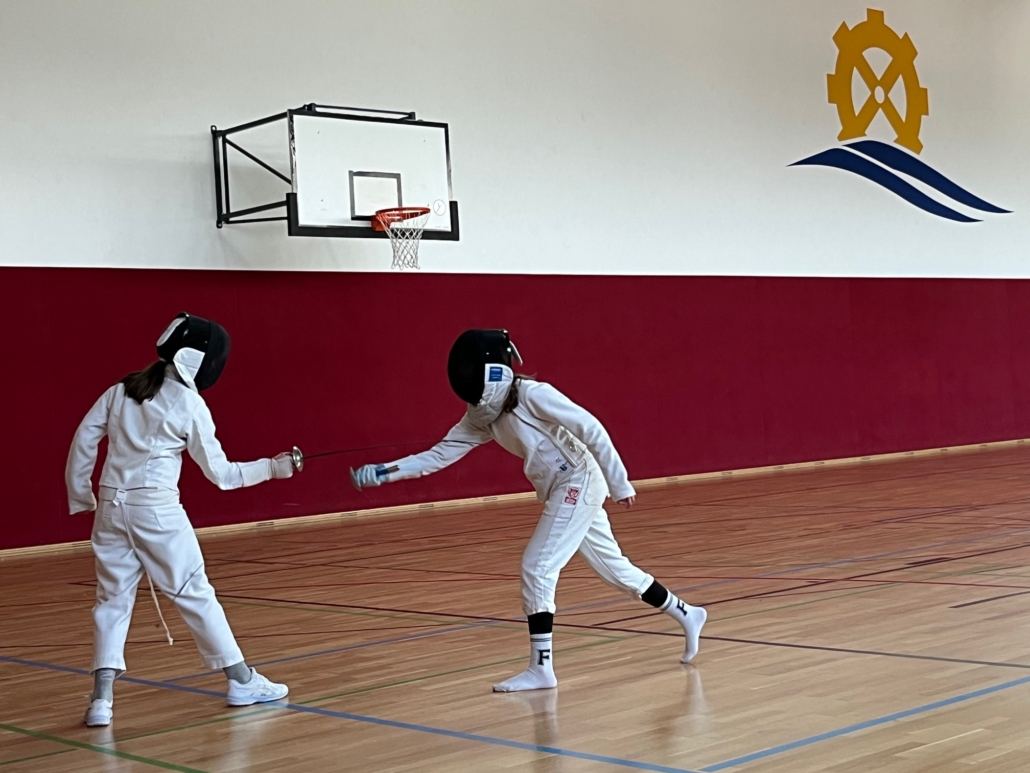
Thanks to partnerships with other clubs, the range of sports offered at Steinmühle School & Boarding School is virtually limitless. While some Steinmühle teachers offer sports such as fencing out of personal interest, traditional sports like volleyball, basketball, and soccer are already part of the regular program. The new, spacious sports hall enables Steinmühle—which is already a Paralympic training center for rowing—to now also offer wheelchair basketball as a team sport.

On Mondays, inclusive soccer is also held: A few years ago, the Unified Team began regular training in cooperation with the local sports club, SF Blau-Gelb Marburg. At the time, Egon Vaupel, chairman of the sponsoring association Steinmühle Marburg e. V., had been a particularly strong advocate for the formation of this team.


New School Structure Model Opens Up Opportunities

According to Kalb, the school’s athletic director, the school is seeking further partnerships with other clubs. He has in mind extracurricular activities such as track and field, gymnastics, and swimming. “The new school restructuring model set to be implemented in the future will open up great opportunities in this regard.”


Keeping an eye on competitive sports

Marcel Kalb also keeps an eye on competitive sports and cites, for example, the volleyball club and the elective volleyball classes (WU) for grades 5 and 6, as well as the gymnastics program offered as part of “Youth Training for the Olympics,” in which five female students performed exceptionally well. His credo: “Sports and achievement go hand in hand. And that’s what we encourage.”

In addition, a two-hour-per-week upper-school sports program is offered to students across all grade levels. Marcel Kalb oversees the program, but the students also organize many activities on their own, thereby creating self-directed spaces for physical activity and training.


Getting to know each other in two ways

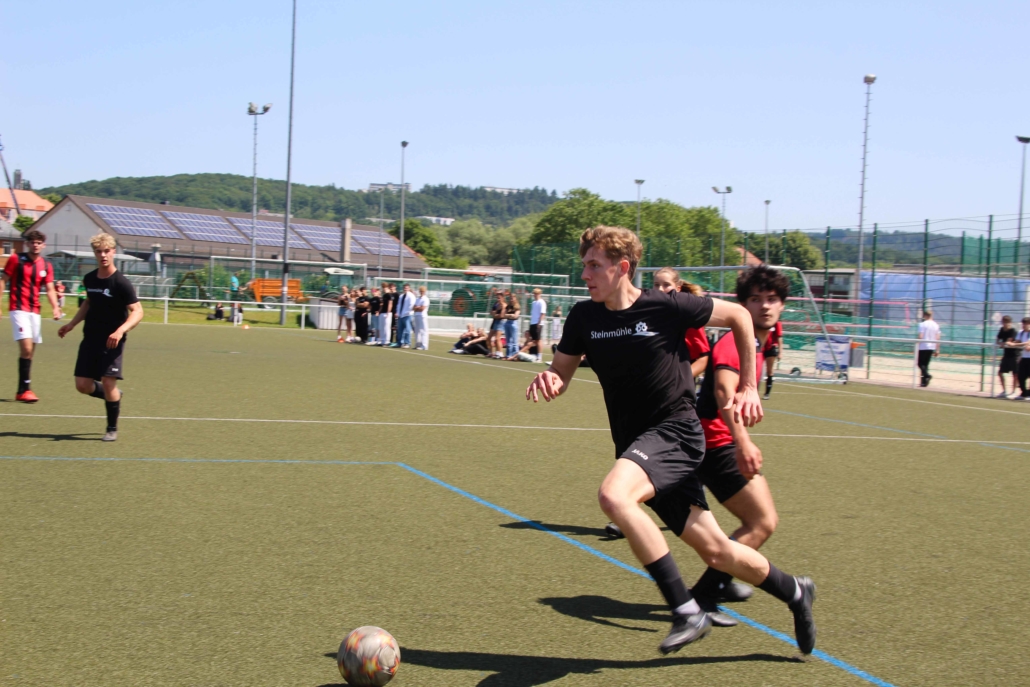
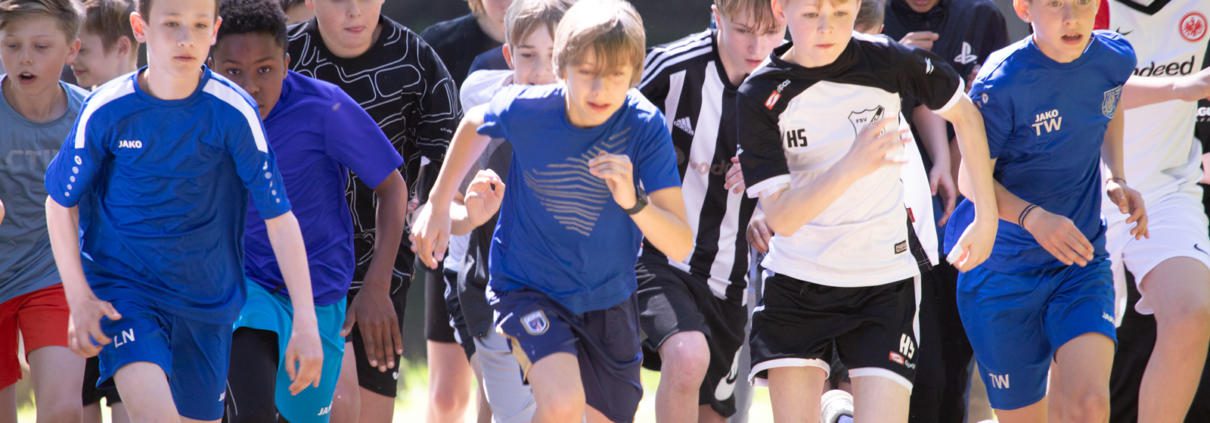
For several years now, Steinmühle has also been holding sports project days during the last week of school, says Kalb, who has been working at Steinmühle for seven years. The additional sports days in May are for grades 5 through 10 and include rowing, running finals, and other disciplines. In addition, Steinmühle has held—and plans to continue holding—a sports festival during the last week of school. Partnering sports clubs and physical education students from the university are also invited to this event. In addition to promoting physical activity, the festival serves as an opportunity for participants to get to know one another—both among the athletes themselves and through exposure to other sports programs.


Fitness Programs for Faculty

“Our day-to-day work is becoming increasingly complex, so we also need to ensure that our staff gets enough exercise,” adds Marcel Kalb. At this point, he brings up the “StoneFIT” program—an initiative designed to promote physical activity specifically for employees.

“We can be proud of the opportunities we have,” Marcel Kalb sums up. But he adds that they haven’t reached the finish line yet: “… there’s still more to come.”

He also mentions the lively break in the gym that comes with the cell phone ban. Led by a volunteer doing a year of voluntary social service (FSJ), grades 5 and 6 are active during the first long break, and grades 7 and 8 during the second long break. “If you curb the urge to play digital games, you have to offer other alternatives—ones that promote health through sports and physical activity.”


Sports are part of school culture

Steinmühle does not see its future as limited to its own offerings. “We also like to take a look at what public schools are doing and try to adopt the best practices.”

This makes it clear: At Steinmühle, physical education is much more than just a school subject. It is part of the school’s culture—driven by dedication, collaboration, and the shared goal of sustainably promoting physical activity, health, team spirit, and a drive to excel.

(Angela Heinemann/Photos: Steinmühle Archive)


109 schools submitted their videos to the 6PM brand’s challenge. The goal: to “win” graduation hoodies. Our graduating class was one of the entrants—and now we’re overjoyed. Because it actually worked out!

Livia Sophie Schulze, a 13th-grade student, explains that the path to the goal wasn’t as easy as it seemed:

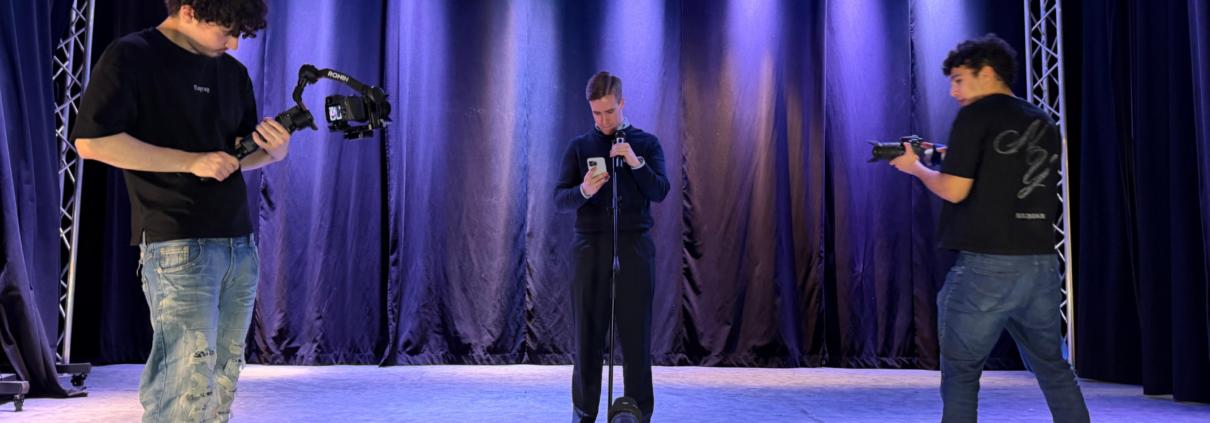
The idea came about in early February, when a well-known TikTok challenge by the brand 6PM reached our graduating class. Several students took inspiration from it and developed their own version in the style of a casting show centered around our senior hoodies. Hessein Koheil, in particular, was a strong advocate for making sure the idea actually came to fruition.


Two days of filming and two sleepless nights

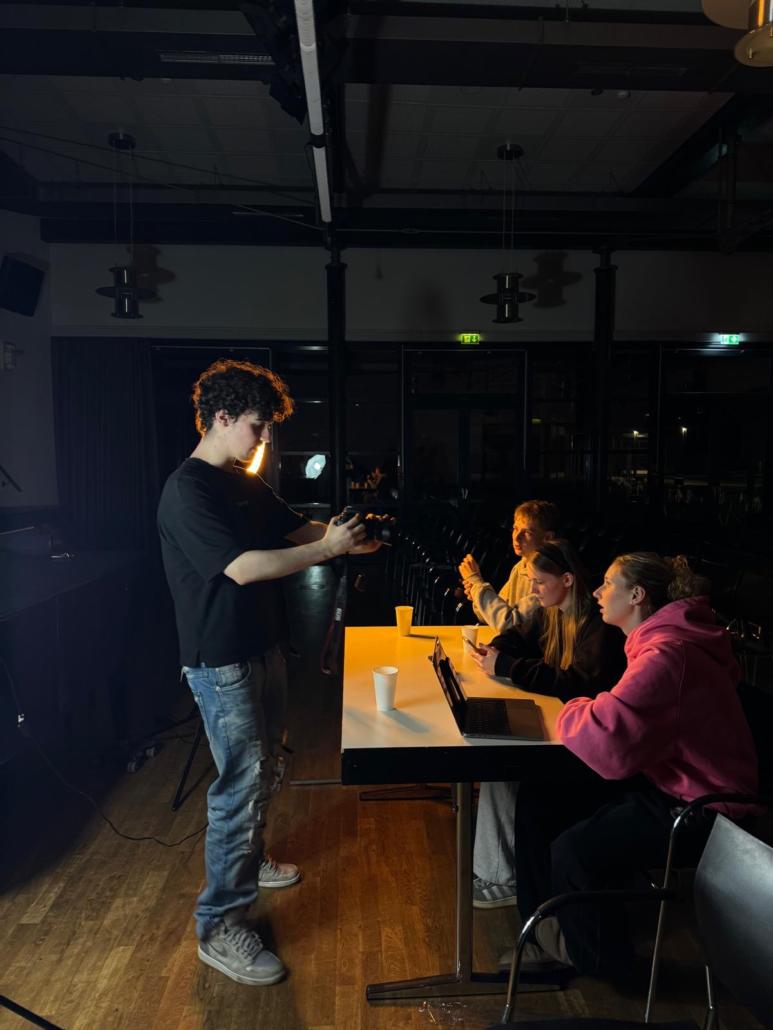
The project was supported by a dedicated group of about 15 students from our class. Despite initial criticism—mainly due to the very tight deadline—we decided to go ahead with the project anyway. After just two days of filming and two sleepless nights spent editing, the finished video was finally complete.


A round of applause for the IT team

Our IT team also played a major role in this: Raphael Miller and Christian Savage supported us with their technical expertise, high-quality equipment, and assistance with the script and its implementation.

We are very grateful for the dedication of everyone involved and proud of what we’ve created together in such a short time. Now we’re even more excited for our graduation hoodies from 6PM!

(Heinm)


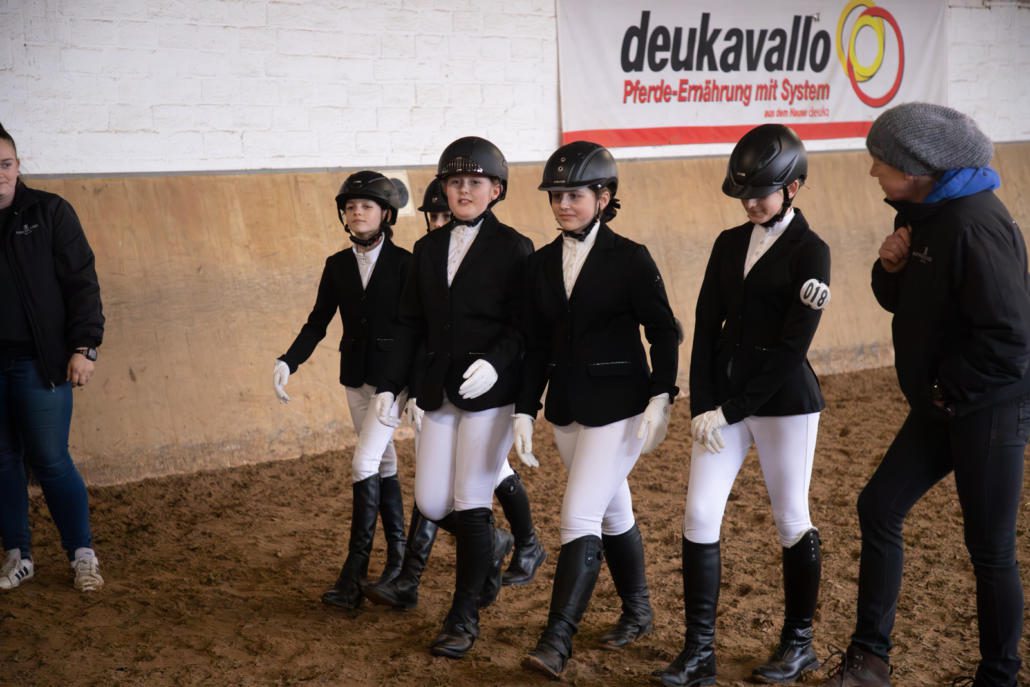
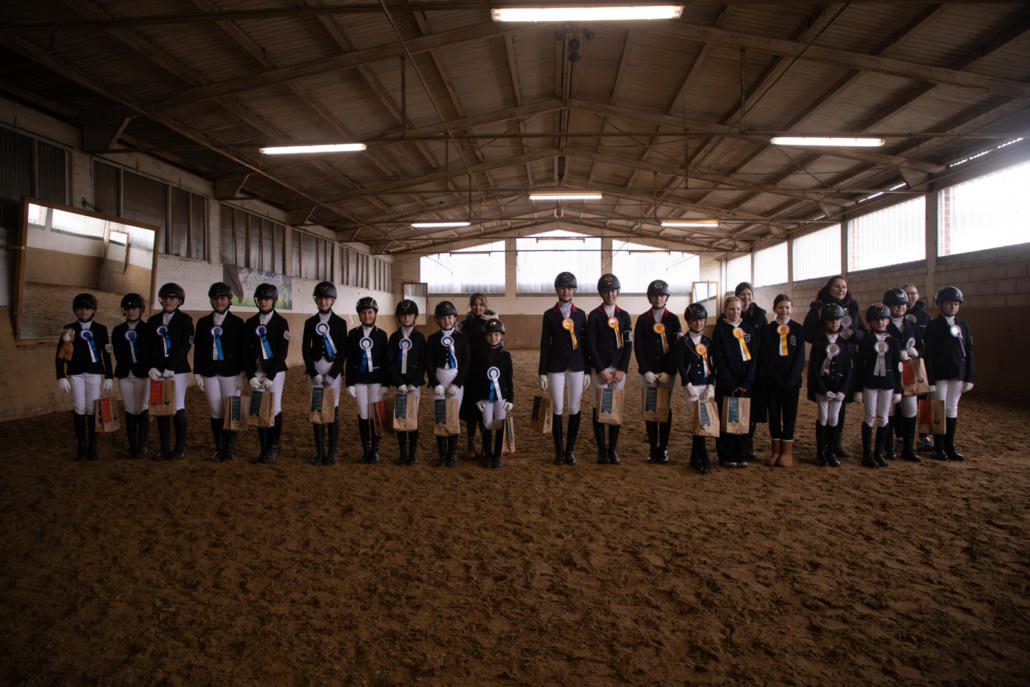
Finally, another horse show at Steinmühle! Shortly after the return of Beate Schridde—the trusted stable manager, riding instructor, and trainer—to the Steinmühle Riding School, the popular Youth Cup was held there again following a lengthy hiatus. Teams from Sterzhausen, Mengsberg, and Rauschenberg were in attendance to demonstrate their skills before the experienced judge Albrecht Welz. In addition to the dressage test, participants were also tested on their theoretical knowledge, as is customary at the Youth Cup.


Improvements in performance are already clearly evident

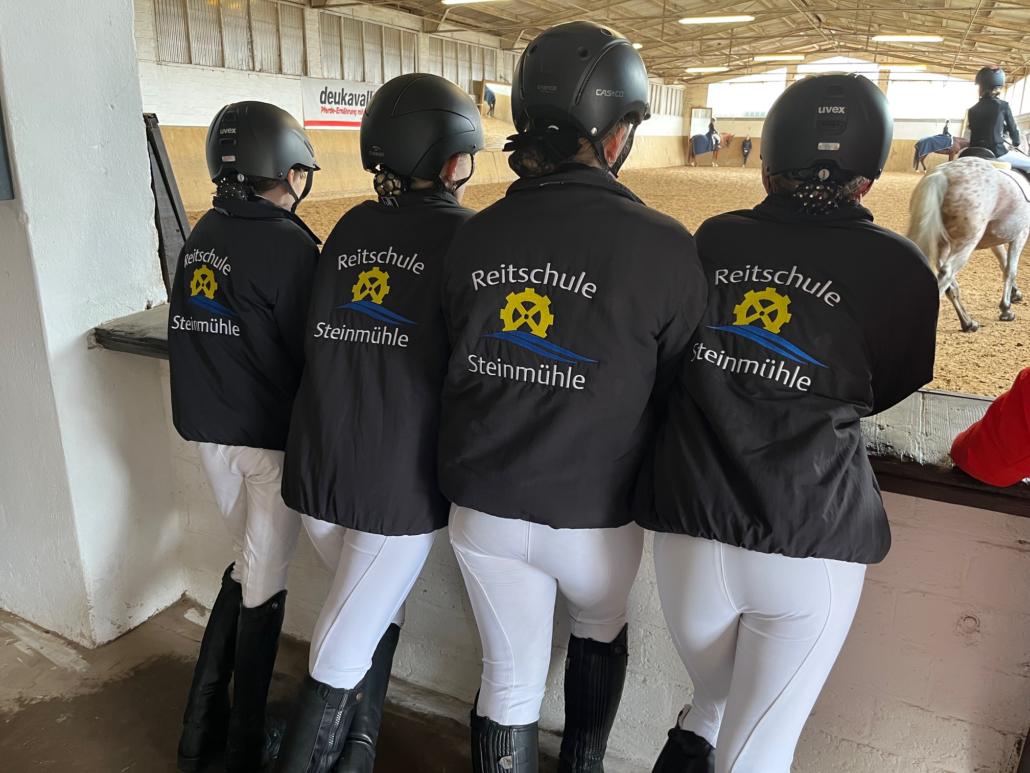
As for the riding performances of the Steinmühlen riders, Beate Schridde has already noted a significant increase in the scores achieved compared to their first two appearances in the Youth Cup following their long “hiatus.” The girls, dressed in their riding attire bearing the Steinmühlen emblem, cut a fine figure not only as spectators along the sidelines but also on horseback—much to the delight of the parents of all the participating riders.


Applause for the Renovation and Decor

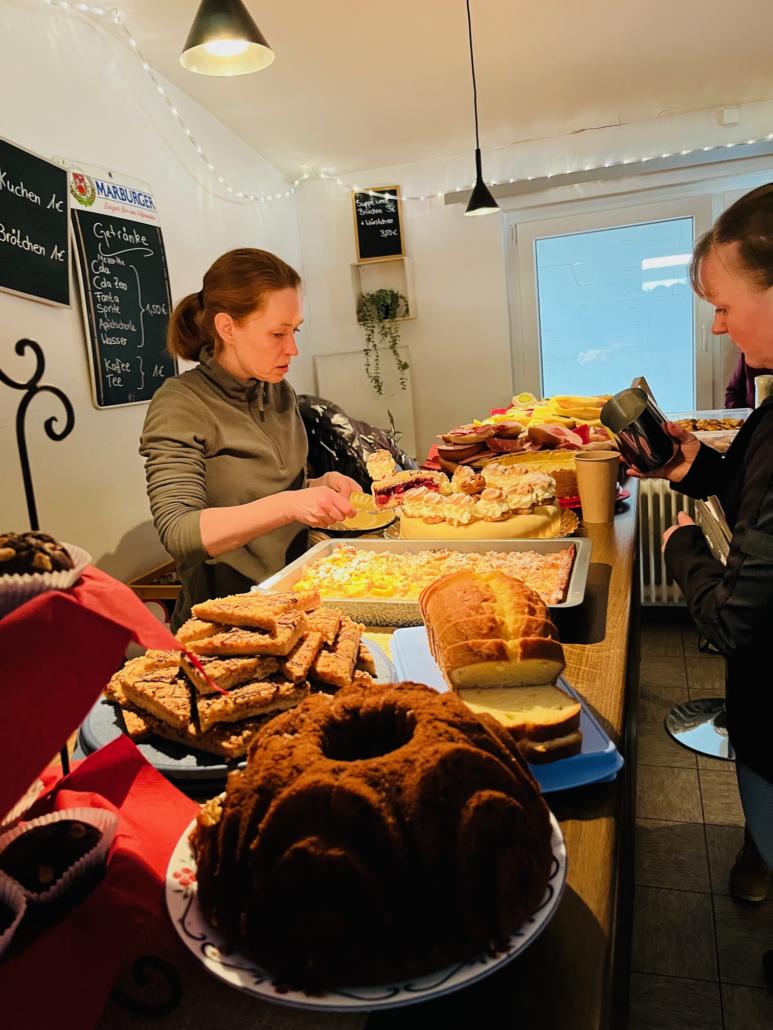
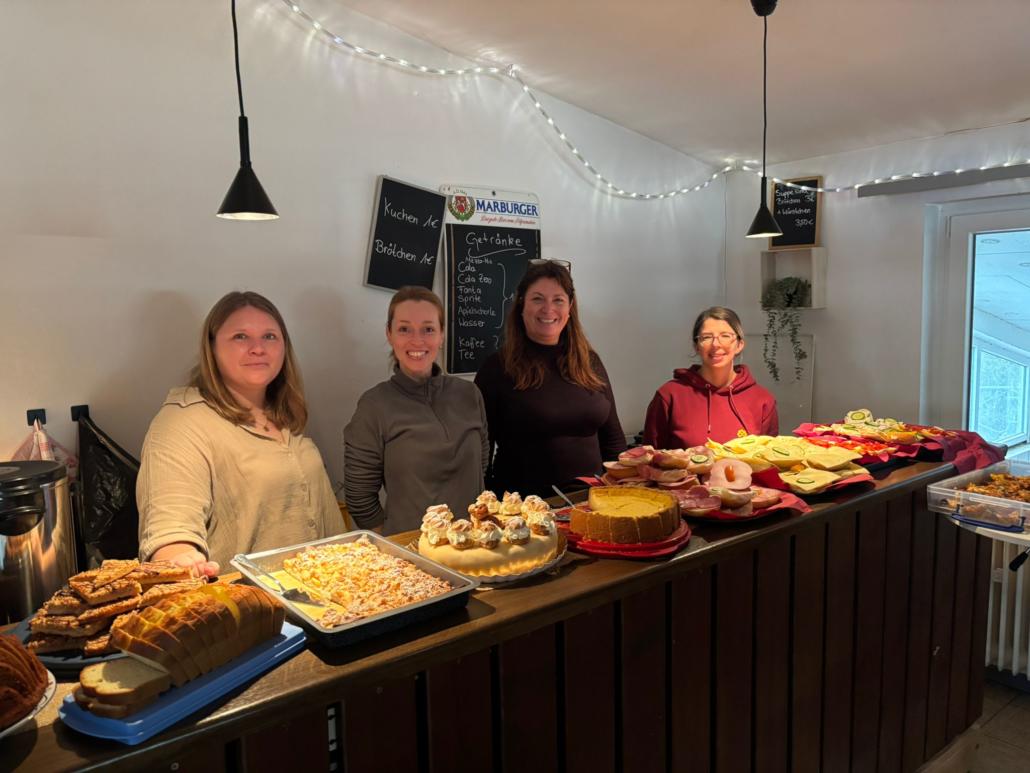
The riding club’s planning team had worked tirelessly to prepare for the event, renovating and decorating the premises until they were barely recognizable. A wide selection of food and drinks was provided to cater to the needs of the visitors, who included members of the riding teams and numerous interested guests.


“Proud to be able to lead the riding club”

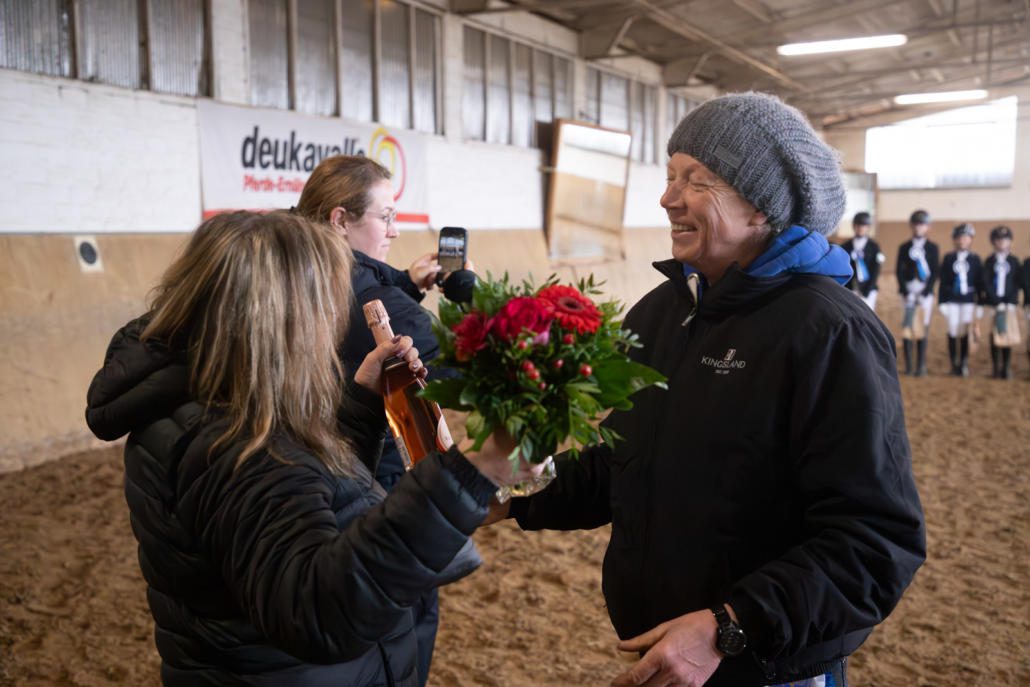
In light of all these positive developments, Manuel Miltschelff, the new president of the Steinmühle Riding Club, was full of praise: “My daughter has been taking riding lessons with Beate Schridde since November 2025 and is part of the Steinmühle Youth Cup team. It’s really great to see how the girls have grown together as a team and how much their riding skills have improved in such a short time. I’m grateful, and it fills me with pride to be able to lead this wonderful riding club.”


Lots of activity on the grounds

There will continue to be a lot of activity at the Steinmühle Riding Club’s stables in the near future, including the renovation of the stable wing, which is already underway. As for the club’s activities, a variety of courses and workshops are enriching the existing riding programs. More on this coming soon. For an overview of the various courses, click here: https://reitschule.steinmuehle.de/ausbildung/

(Angela Heinemann)