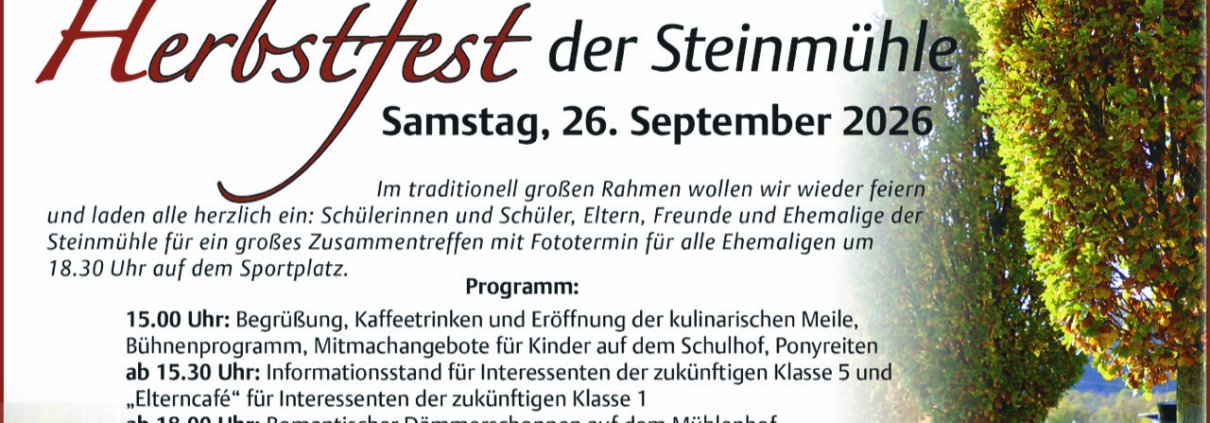
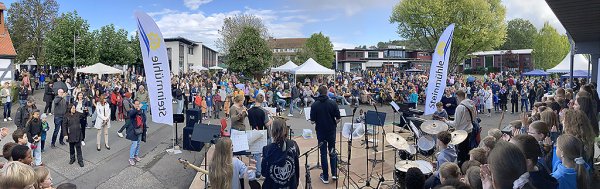
This event is definitely one to mark on your calendar—and it’s coming up at the end of this week: Steinmühle is celebrating its Fall Festival! This time, there will be some very special highlights for alumni. Let us surprise you!

What you can do right now: Sign up for our alumni network at https://steinmuehle.de/friends-alumni/alumni-netzwerk-steinmuehle/. The motto is: “Find others and be found.” There are even separate groups for each high school graduating class.

Would your family and friends like to join you? Our event promises a wide-ranging program for all ages.

Are you interested in learning more about the school’s international program? Welcome! We’d also be happy to discuss boarding school options with you. We recommend scheduling an appointment by calling 06421-4080 so we can provide you with a thorough explanation in a relaxed setting.

We look forward to seeing you!

(Heinm)


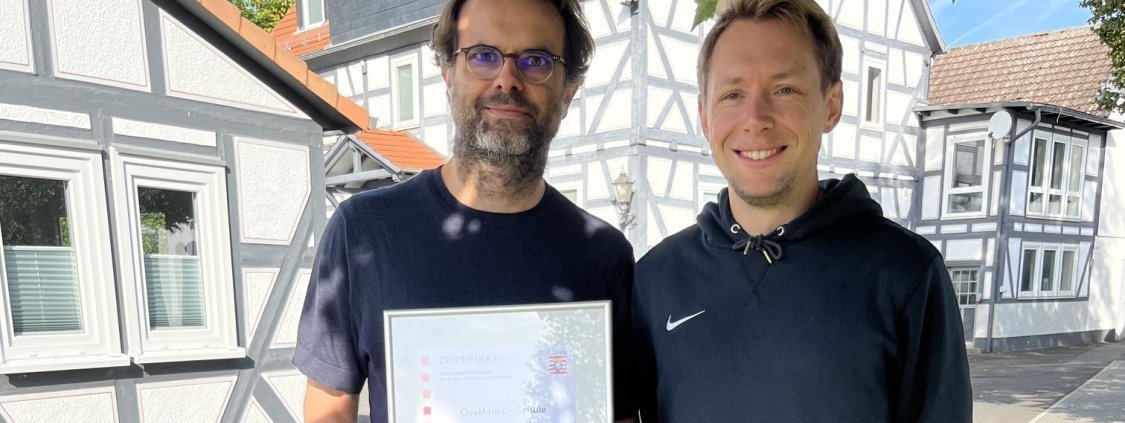
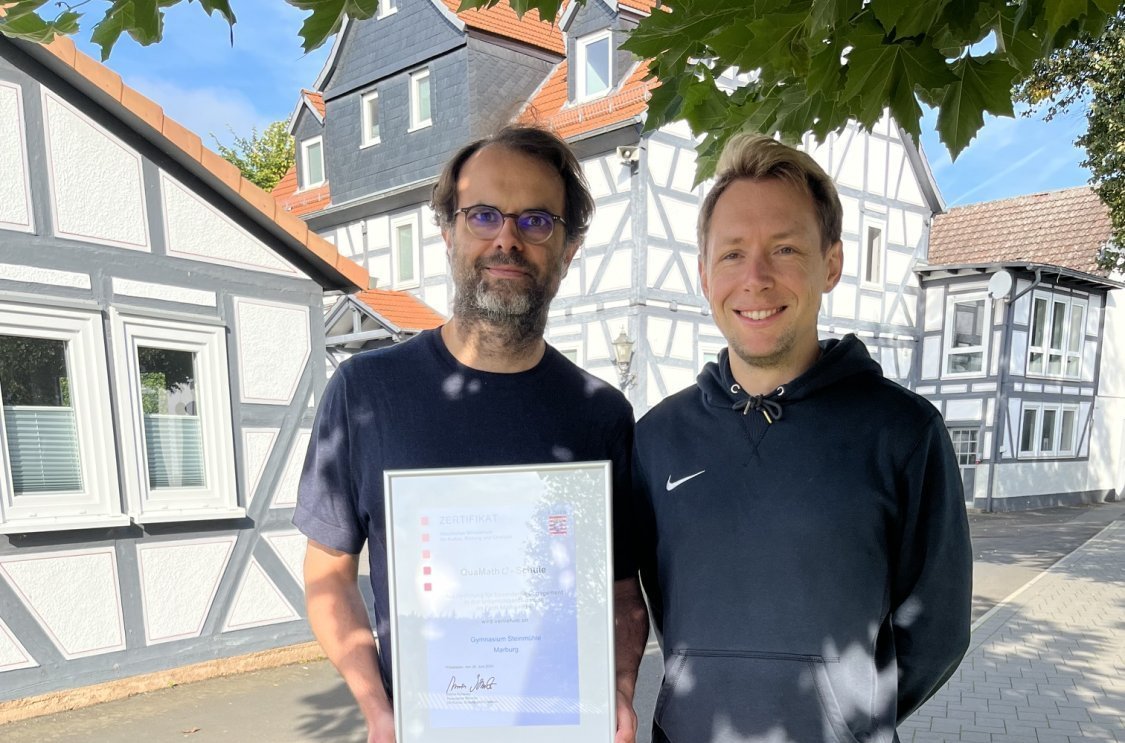
The QuaMath professional development program, which is designed for secondary school math teachers, spans three years. Maximilian Moll and Malte Klimczak are participating in the program on behalf of Steinmühle.

The two math teachers reported that the content focuses on teaching methods and aspects of school development. Their task is to bring the ideas they gained from the workshops back to the math department at Steinmühle.


Outstanding Commitment to the Development of Mathematics Instruction

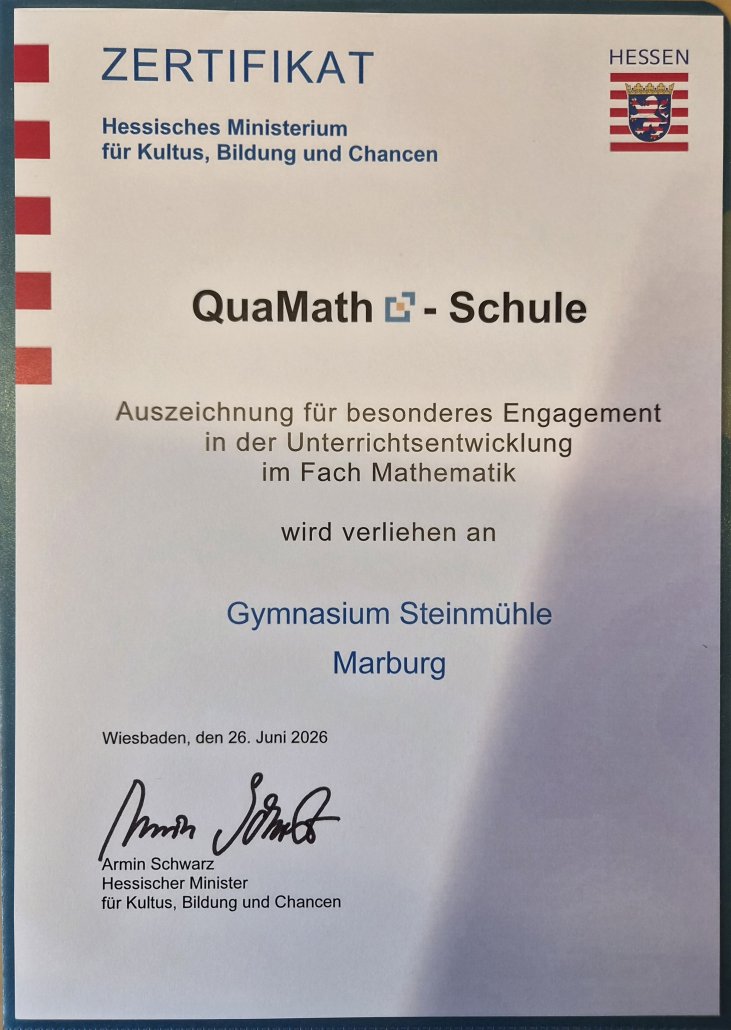
Minister of Education Armin Schwarz signed the latest certificate, which recognizes the school’s exceptional commitment to curriculum development in mathematics. It now adorns the wall in the entrance area of the Steinmühlen main building, alongside numerous other certificates and awards.

QuaMath is a nationwide German professional development program aimed at improving mathematics instruction over the long term, from preschool through high school graduation.

It is a joint initiative of the Conference of Ministers of Education (KMK) and the German Center for Mathematics Teacher Education (DZLM).

(Heinm)


For several weeks, the Powi Plus course focused on innovation and developed product ideas that do not yet exist on the market. The innovations spanned various industries, such as food technology, healthcare, the cosmetics industry, and the fitness sector. At the invitation of Marburg University President Prof. Dr. Thomas Nauss, Prof. Dr. Vivien Procher and several staff members from MAFEX (Center for Entrepreneurship and Innovation) to Steinmühle to coach the PoWi Plus students in preparing and delivering a professional pitch (as we reported on July 1).

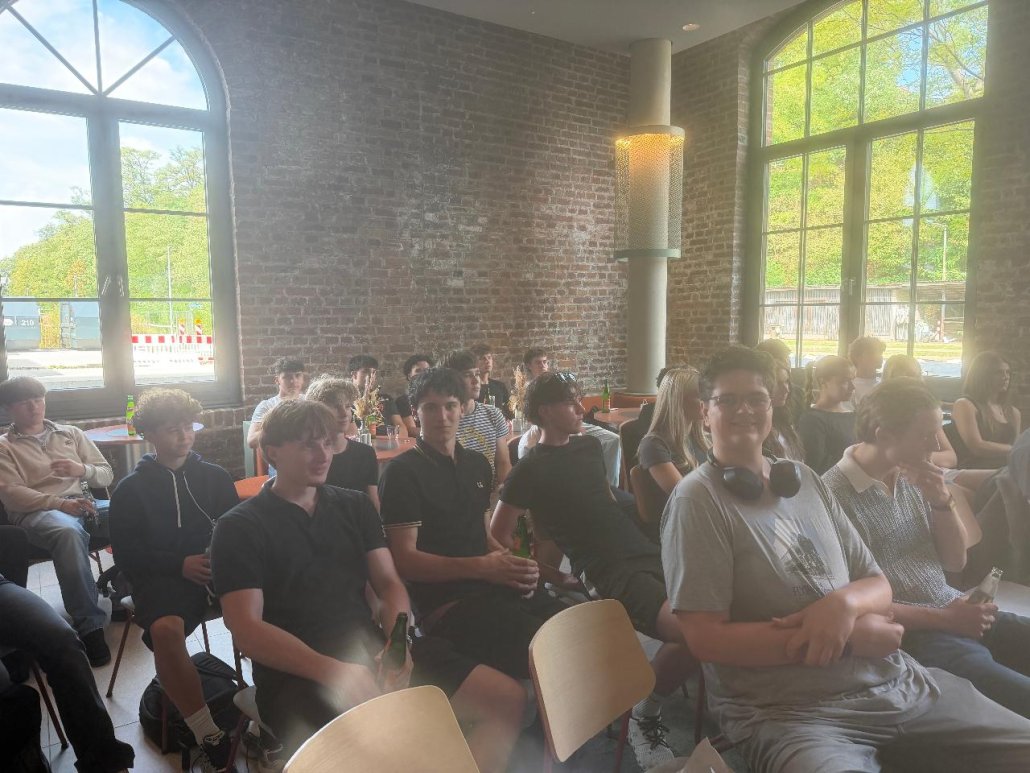
After summer break, the students in the PoWi Plus class, along with students from another PoWi course, took a field trip to the Marburg Lokschuppen, where they gained insight into Marburg’s startup scene.

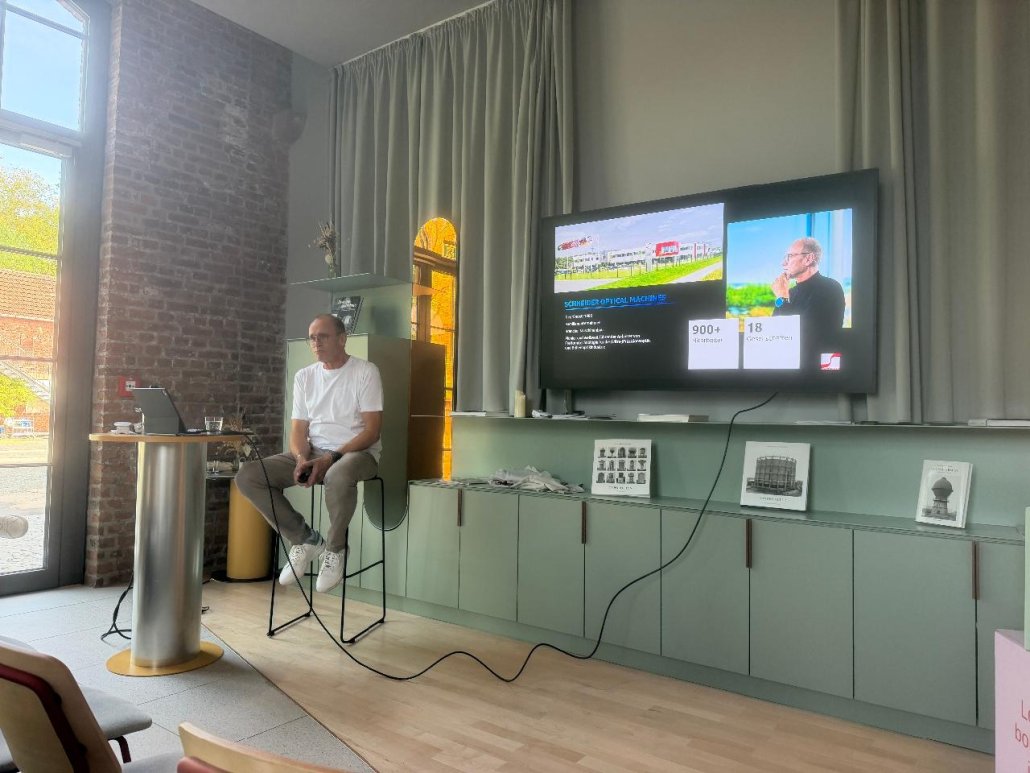
Gunther Schneider (CEO of Schneider GmbH Co. KG and founder of Lokschuppen) gave a captivating presentation on what makes a founder successful.


“Foremost characteristic: restlessness”

He cited “restlessness” as the most important quality. One should be driven by the question, “How can this be done better?”

Another slide was titled “Know your shit.” According to Schneider, innovation begins with knowledge; only then can market relevance be assessed and true added value be created.

True innovation seeks to understand where the customer wants to be in five years. Schneider shared a quote from Henry Ford here, and it illustrated exactly what he meant:

“If I had asked people what they wanted, they would have said faster horses.” (Henry Ford)

You have to think what no one else has thought of yet.


“Come up with ideas—and, above all, follow through on them”

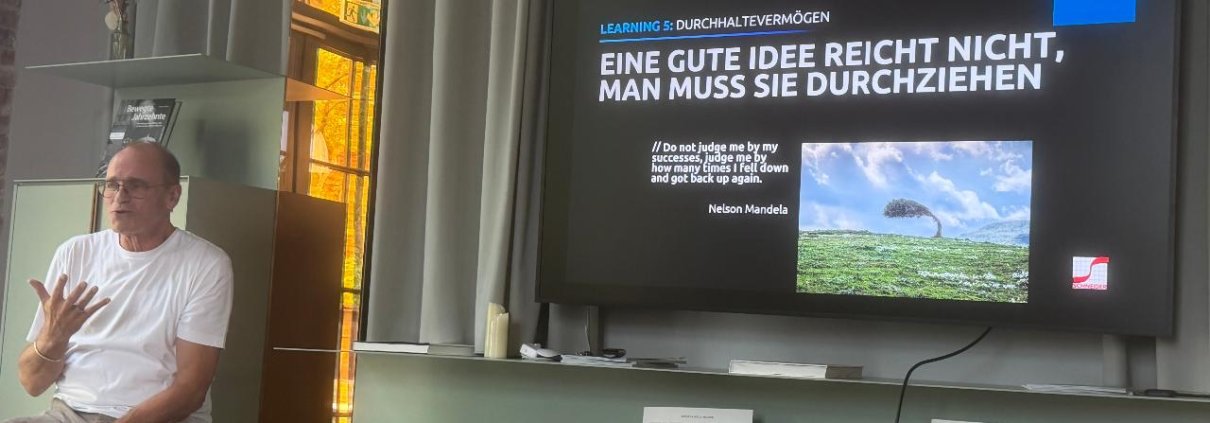
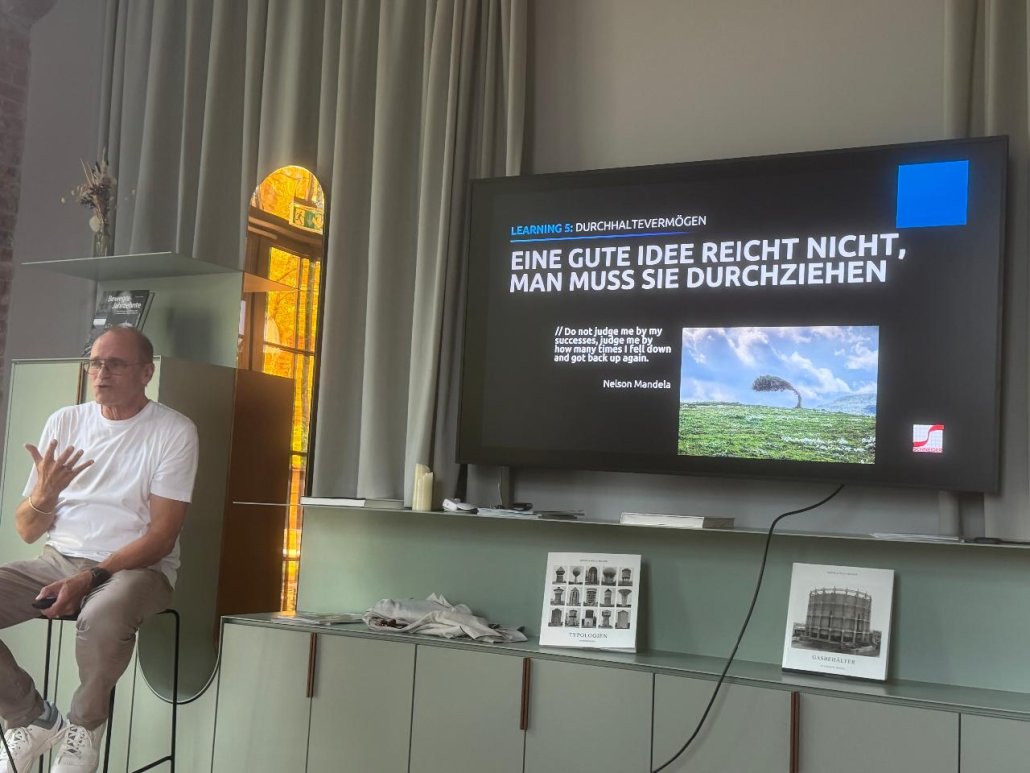
Another slide was titled “A good idea isn’t enough—you have to follow through on it.”

Here, too, he used a relevant quote to illustrate his point, which highlights the necessary perseverance:

“Don’t judge me by my successes; judge me by how many times I fell down and got back up again.” (Nelson Mandela)


“Change before you have to”

For Gunter Schneider, innovation is a matter of personal attitude; it is the relentless pursuit of improvement. “Change before you have to.”

Speaking about the concept behind the Lokschuppen, he explained that it used to be a hub for trains. Now, he said, it is meant to be a hub for people who are innovative and want to make the world a better place.

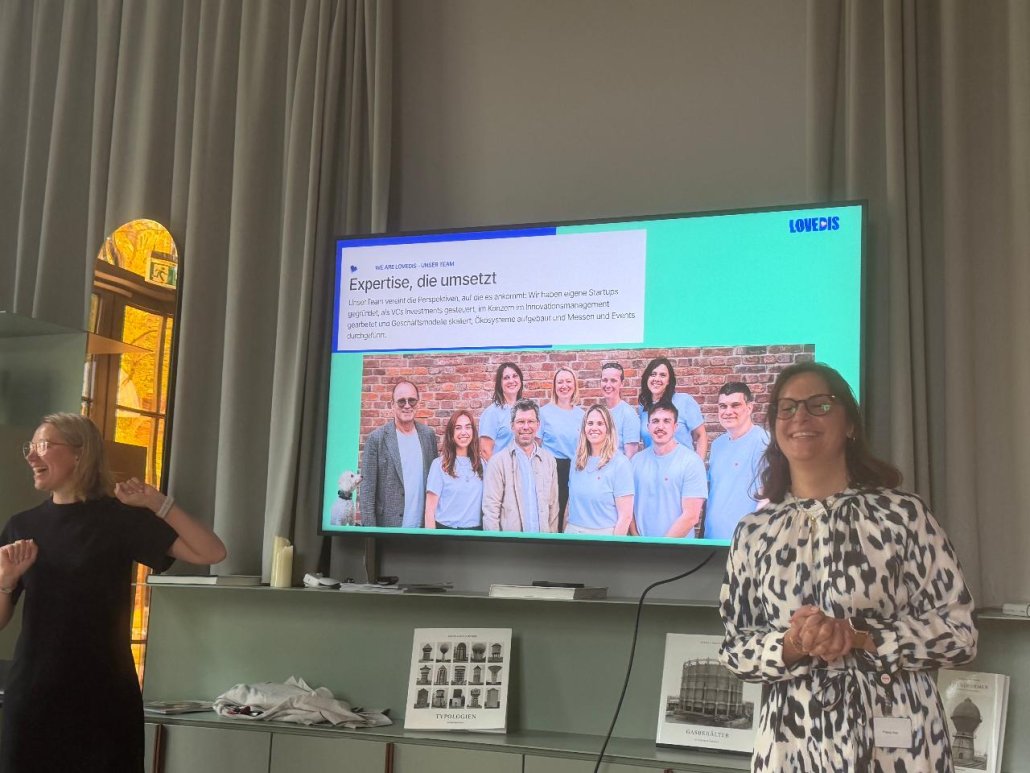
Gunter Schneider’s presentation was followed by a talk from the Lovedis team, who discussed their concept of connecting founders with existing customers.


“Find a problem that’s really annoying”

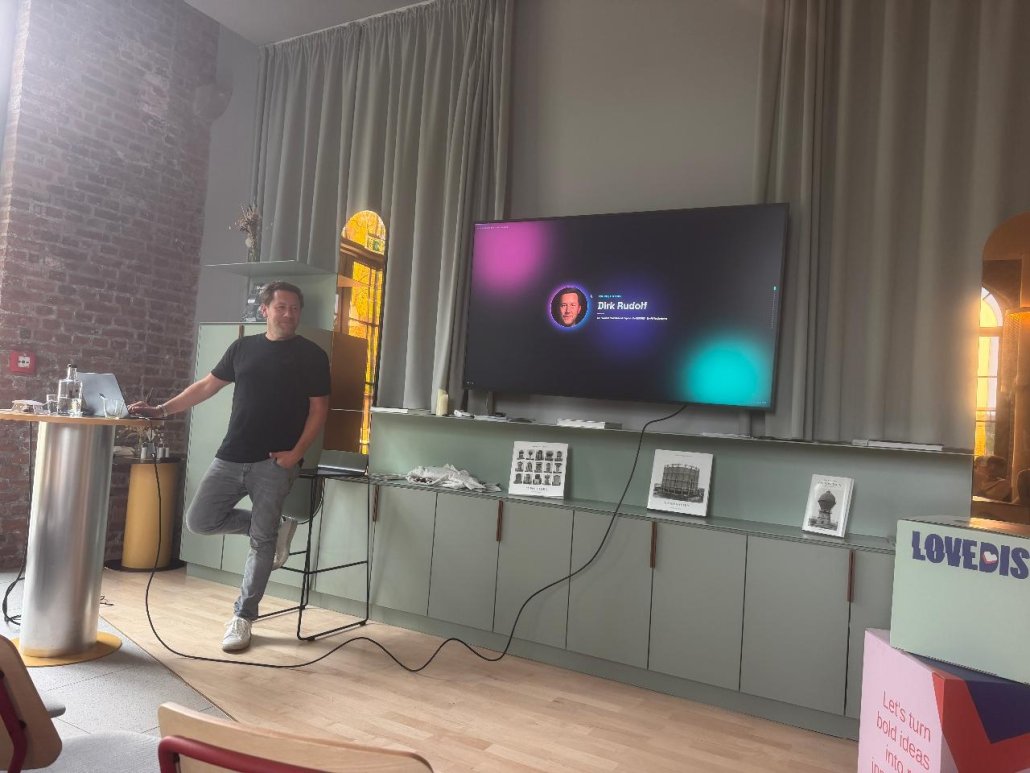
The afternoon was rounded out by the exciting ideas presented by Dirk Rudolf (founder of Direktüberweisung).

His entrepreneurial ideas began in the late 1990s, when he was a poor student and the Internet was truly still uncharted territory, with a homework platform for students that got off to a successful start. Then, in 2003, as online shopping became increasingly popular, he founded a company specializing in direct bank transfers, which he later sold to Klarna. To date, he has founded other companies as well, but he has consistently sold them off because new ideas for launching further innovations kept coming to him.

He gave us the following words of advice:

“Find a problem that’s really annoying and figure out how to fix it!”

Starting a business requires hard work and a little bit of luck, but without courage, nothing works out.


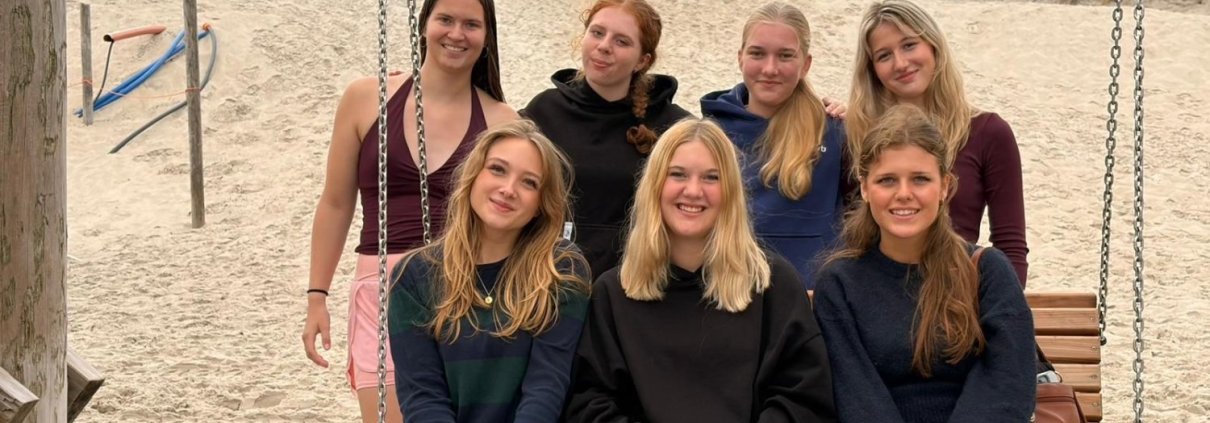
What’s the best way for new and “old” boarding students in the same residential group to get to know each other? Steinmühle relies on a tried-and-true format for this. At the start of the school year, each residential group embarks on a group trip. Read on to find out which trips were on the calendar this time.


Hessenhaus: Casual conversations and new connections

This year’s group trip took us to Soltau, in the heart of the Lüneburg Heath, where we spent a fun-filled weekend together. The goal of the trip was to strengthen group cohesion, build trust, and create opportunities for new connections through shared experiences.

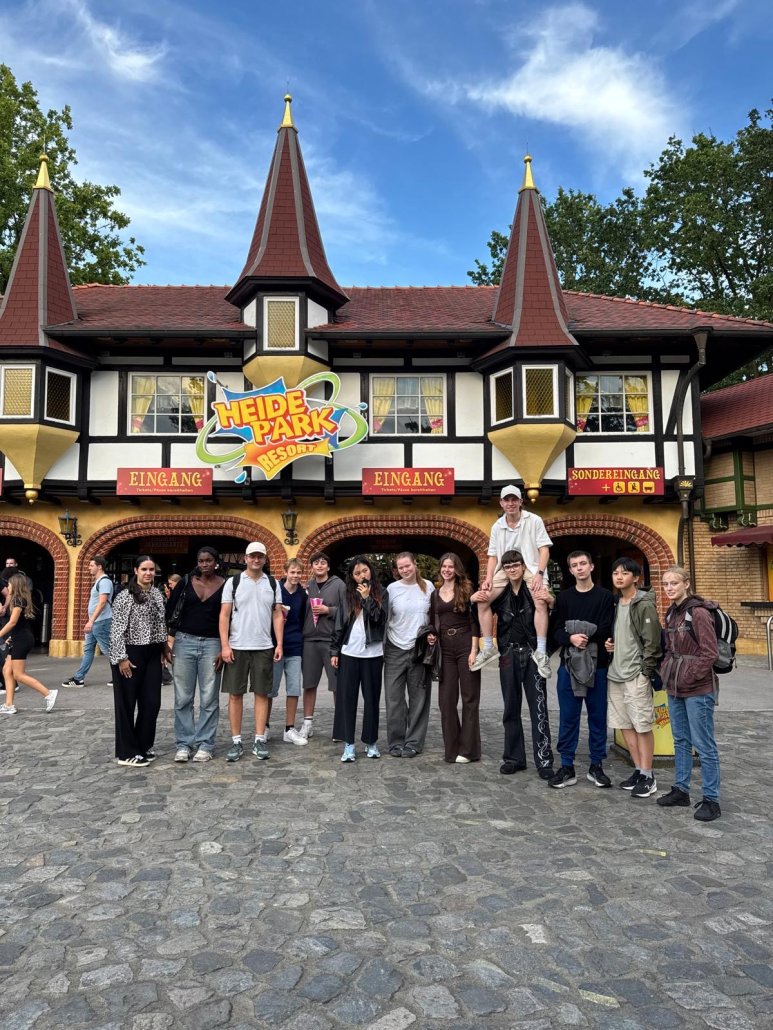
Over the course of the weekend, it was clear to see how the group was growing closer and closer. During games, shared meals, and the visit to Heide Park, many casual conversations took place and new connections were formed. It was especially wonderful to see how naturally the young people included one another and shared experiences together.


Westfalenhaus: Personal Friendships and True Group Cohesion

To get to know each other better and build a sense of community, this year’s Westfalenhaus event was held near Cologne. The highlight on Saturday: riding roller coasters at Phantasialand. We spent the whole day on the hunt for the next adrenaline rush, during which some of us had to step out of our comfort zones and conquer the thrills together. Things got really exciting—and a little bit scary—that evening during a game of Werewolf, which gave everyone another chance to get to know each other even better. But it wasn’t just there—individual friendships and genuine group camaraderie also blossomed over the weekend while we cooked together in the self-catering cabin, sat comfortably around the campfire chatting, or enjoyed spontaneous dance parties in the evening.


Bremerhaus: The Success of Everyday Life Depends on Everyone’s Participation

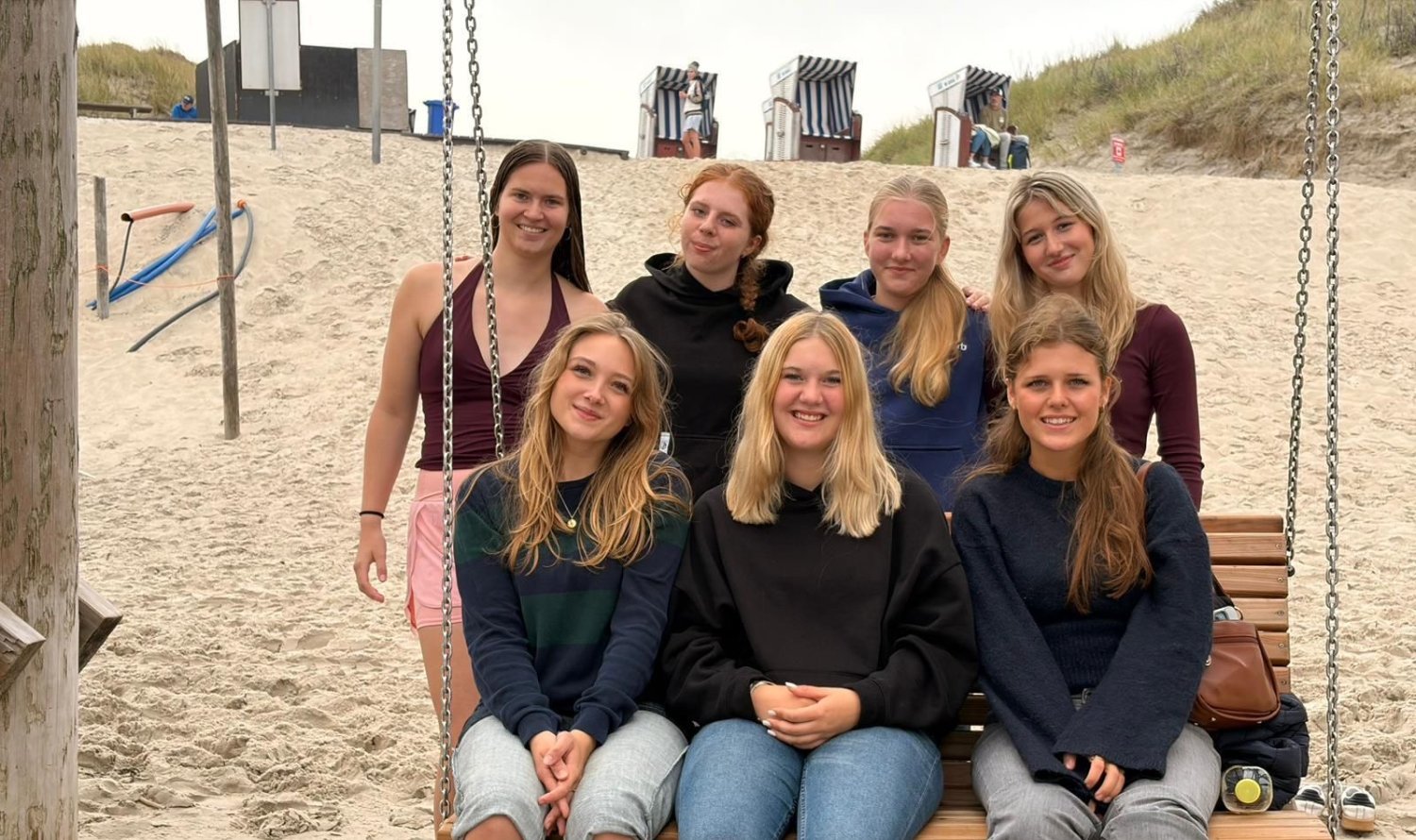
The Bremerhaus trip to East Frisia and the island of Norderney was all about shared experiences, team building, and personal development. The focus was less on the journey itself and more on how a group grows closer through new experiences, shared challenges, and unfamiliar situations.

Shaping daily life together was particularly important. When shopping, planning, and preparing meals, the young people were challenged to take on responsibility, coordinate with one another, and divide tasks among themselves. This naturally led to situations that required consideration, communication, and reliability. Cooking together thus became an important social learning experience: Everyone could contribute and see firsthand that the success of daily life as a group depends on everyone’s participation.

The stay on Norderney also offered numerous opportunities to test their independence and personal responsibility. The young people had to find their bearings in an unfamiliar environment, navigate their way around on their own, and coordinate with each other within the group. Consciously trusting in their own abilities and in the group not only strengthened their individual independence but also fostered mutual trust.

Taking a group swim in the cold North Sea posed a particular challenge. Venturing into the water despite the low temperatures required determination and courage. It is precisely these kinds of situations—those that lie outside our usual daily routine—that offer valuable experiences: recognizing one’s own limits, overcoming them when necessary, and being supported and motivated by others in the process. Overcoming this challenge together strengthened the sense of camaraderie and created a shared sense of accomplishment.

In addition, new connections formed within the group, particularly through playing together. The unfamiliar situations gave rise to new dynamics and relationships that might not develop as naturally in the normal daily life of a boarding school. In some cases, the teens saw each other from a different perspective and discovered shared interests and skills. This helped break down existing group boundaries and foster new relationships within the Bremerhaus.


Parent Company: A Complete Success in Terms of Momentum

The main group went to the Rhön this year. We all spent the night together in a large tent under simple conditions. We set up and took down the tent together with all the boys. All other tasks that needed to be done—cleaning up, doing the dishes, and preparing meals—were also handled collaboratively and without complaint. In our free time, we played chess and soccer. Whether it was summer tobogganing, hiking, or unwinding at the thermal baths at the end of the trip, the mood was consistently lively, and the entire group clearly had a great time. As a reward after the hike, we stopped at a monastery to refuel with hearty treats.

The weekend was a complete success in terms of the group’s dynamic and cohesion, and we are very optimistic about the coming school year.


Mühle: Time spent together on a wonderful weekend

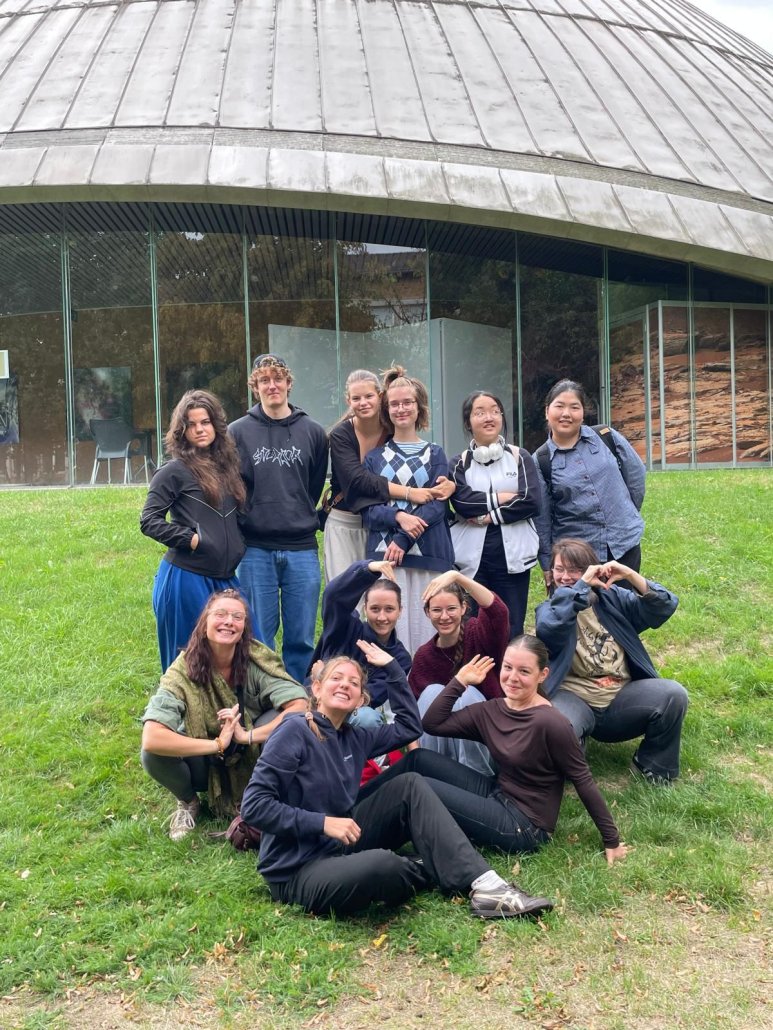
This year, we took a trip to the Ruhr region together with the Mühle girls’ group. At a cozy lodging in a cultural center in Essen, we wrapped up Friday evening with an Italian cooking session and fun games. At the stroke of midnight, we had a little party with a sing-along to properly celebrate one of the residents’ 14th birthday. We spent Saturday together at Movie Park. From whitewater rafting and looping roller coasters to shooting ranges and delicious crêpes, there was something for everyone. Before heading back to our hometown of Marburg on Sunday, we made a stop at the Bochum Planetarium. There, we watched “The Mysterious Universe,” lying beneath a huge dome and gazing at wonderful constellations while listening to a fascinating presentation about the structure of our universe and the Milky Way galaxy. The girls—and we teachers, too—really enjoyed our time there and will remember this wonderful weekend, complete with lots of photos.


Biohaus: The group can weather friction and reach compromises

A new residential group, a new concept, and eight young adults: For some of our 12th and 13th graders, this trip wasn’t just an outing—it was a dress rehearsal for a completely new residential group concept at our boarding school, one that emphasizes initiative, trust, and maximum independence. The role of the educational team? No longer merely as guides, but as invited partners on equal footing.

It became clear right from the start of the weekend together that this idea could work: shopping, preparation, and an atmospheric candlelit pizza dinner were all organized entirely by the group on their own. The educational team sat at the table with them—but as guests in what was clearly a well-functioning shared apartment.

Saturday was all about genuine participation. To turn the living group into a true meeting place that also serves as a learning space, the group worked together to select the furnishings for the “new” group room. The lively discussion about taste and practicality suggests that the group can handle disagreements and find compromises together.

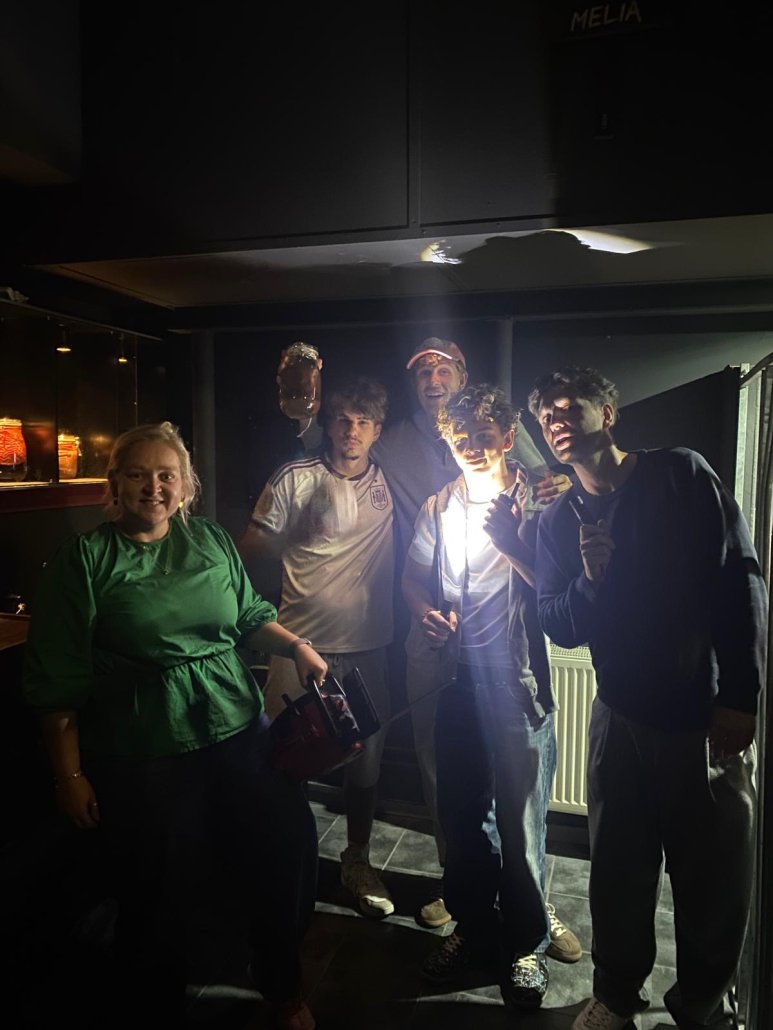
To highlight the importance of effective communication for a group, we visited the interactive museum “Dialog im Dunkeln” in Frankfurt am Main. Relying on the voices and signals of others while unable to see was a valuable and very powerful experience in terms of trust, support, and communication for a group that must learn to work together without a constantly supervising team of educators. The same applies to the escape room, which rounded out the Saturday. Finding solutions as a team, relying on one another, and even taking wrong turns together will also be part of everyday life in a shared apartment.

As a team, we’re drawing a very positive conclusion from this weekend: Despite their very different personalities, the group is already getting along remarkably well. Naturally, such a new and, until now, unfamiliar living arrangement at our boarding school brings with it some minor uncertainties—both for the young adults and the slightly “older” ones. Nevertheless, we were able to prove this weekend that giving young adults a lot of trust up front can pay off. An all-around successful start for a new group—and perhaps also for a new living arrangement that will last for many years.


The Educational Team at the Steinmühle Boarding School


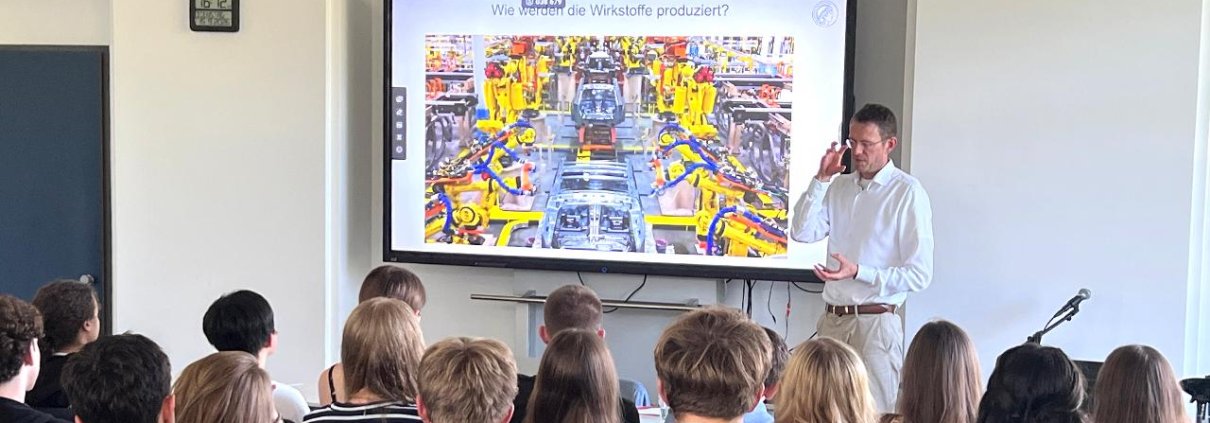
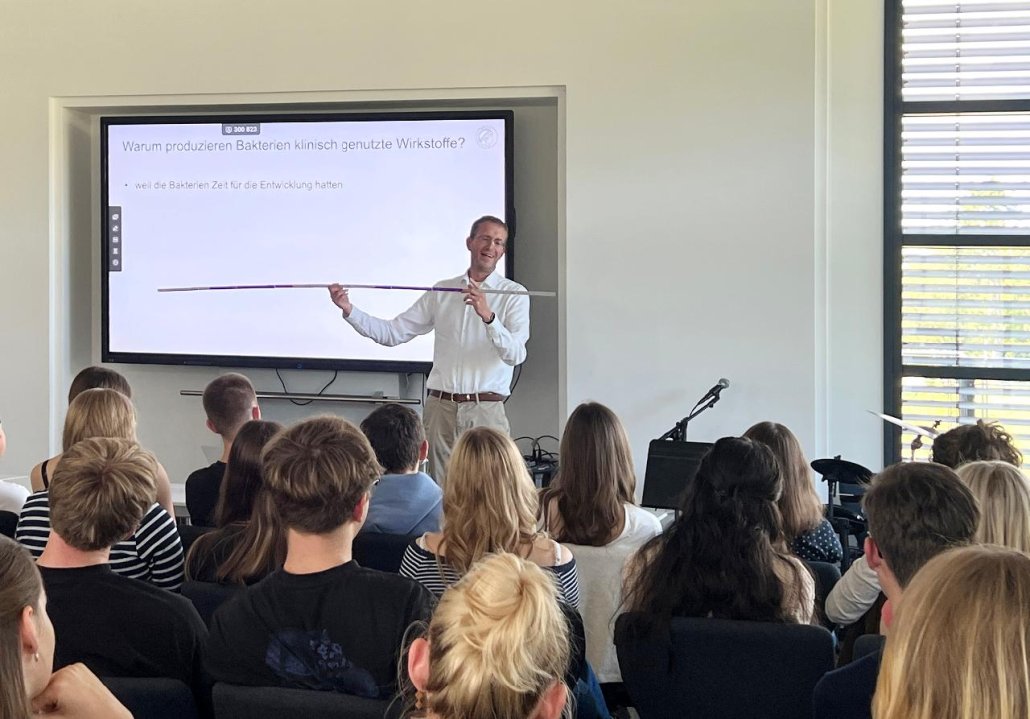
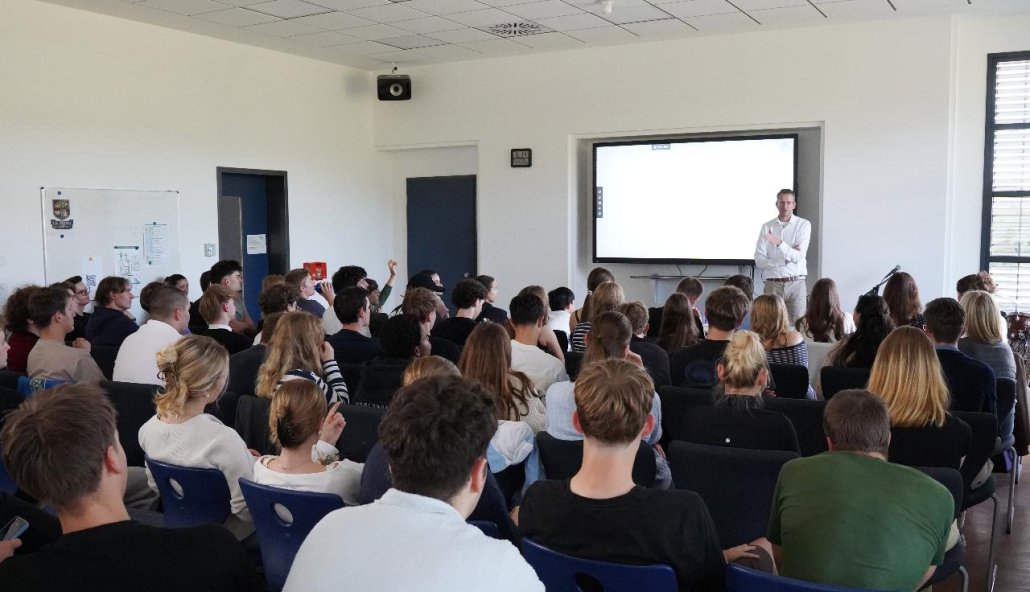
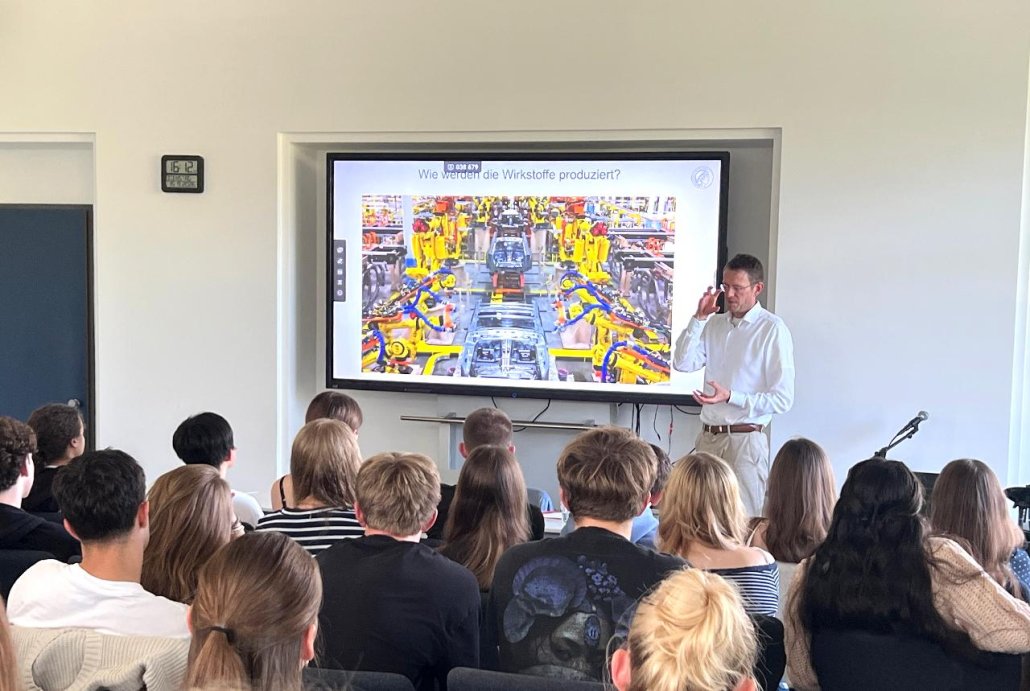
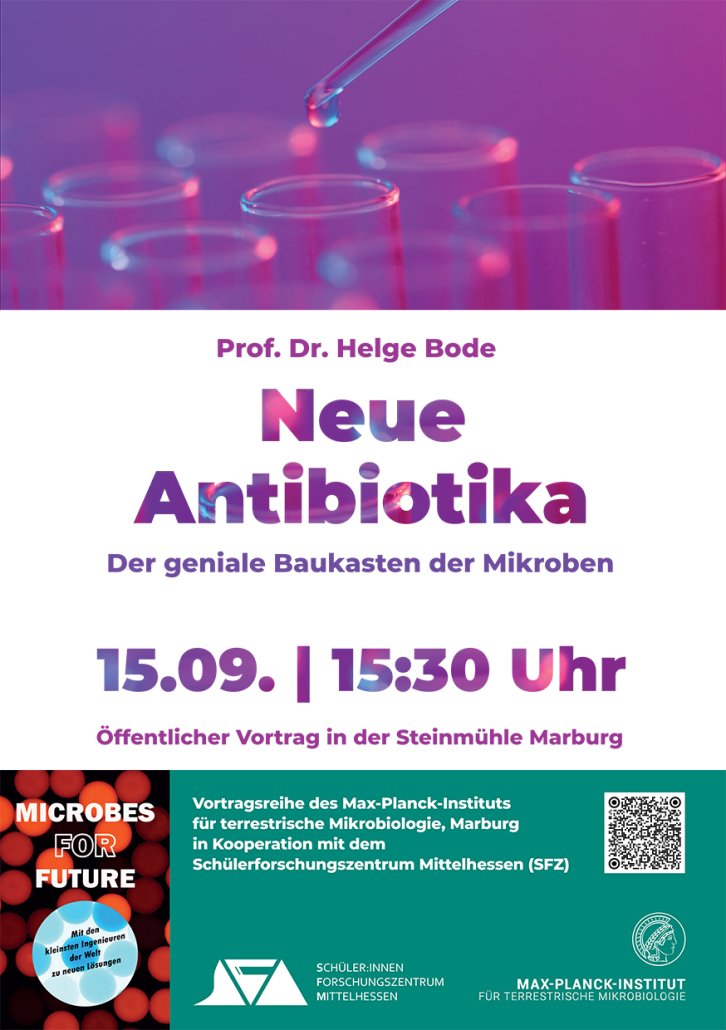
Prof. Dr. Helge Bode, director of the Max Planck Institute for Terrestrial Microbiology in Marburg, drew an interested audience during his recent lecture at the Steinmühle.

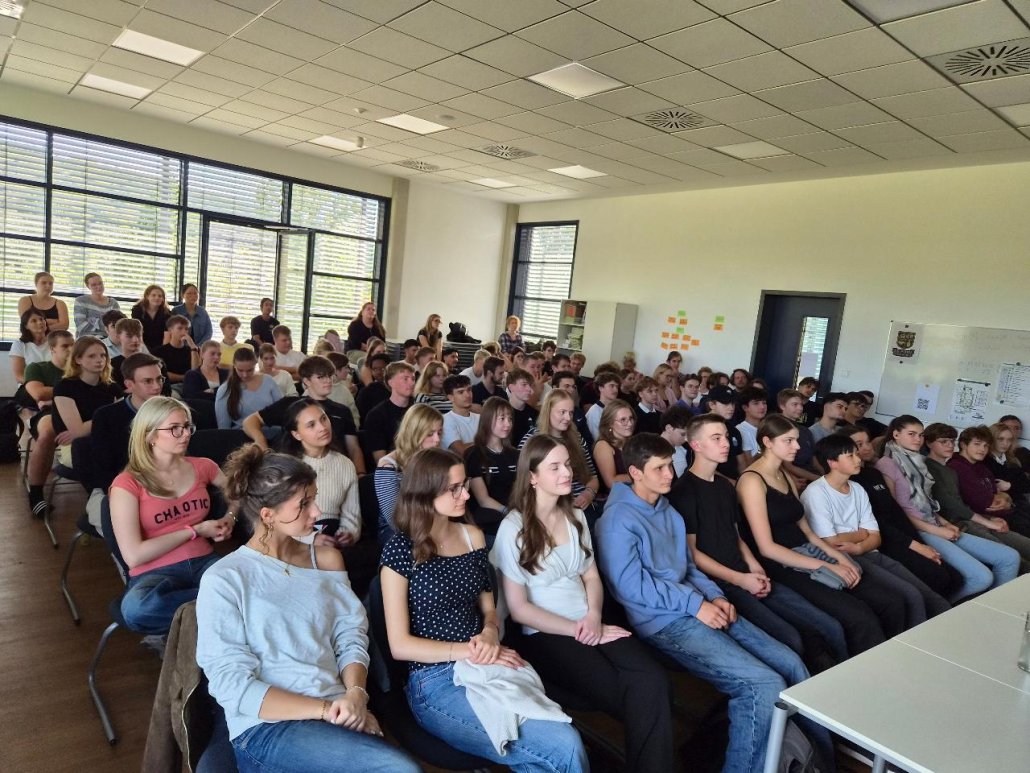
In attendance were 85 students in grades 12 and 13 who are taking biology as an advanced course, numerous students enrolled in the introductory course, and participants in the plus-MINT talent development program.

What was it about?


Many drugs are originally produced by microorganisms

In his lecture titled “New Antibiotics,” Bode explained that many of our most important drugs—such as antibiotics, immunosuppressants for transplants, and chemotherapy drugs for cancer—did not originally come from chemistry labs, but are produced by microorganisms. In nature, bacteria typically use these substances as defensive weapons against competitors.

He went on to explain that bacteria produce these complex active compounds via specialized molecular assembly lines (known as non-ribosomal peptide synthetases or polyketide synthetases). You can think of these enzymes as Lego bricks or a construction set in which various proteins assemble chemical building blocks step by step.


More and more pathogens are becoming resistant

Concerns have been raised that more and more pathogens are becoming resistant to conventional drugs, meaning it is no longer enough to simply search for new compounds in nature. This is precisely where Helge Bode’s research comes in: His research group decodes the genetic building blocks of bacteria, breaks down the individual “Lego bricks,” and reassembles them in the lab. By reprogramming these bacterial “assembly lines,” they create entirely new, artificial molecules that have never existed in nature—tailor-made antibiotics to combat resistant pathogens.


Tailored antibiotics are urgently needed

Bode pointed out that these new antibiotics are urgently needed, as people are becoming increasingly resistant to existing antibiotics—not least because of the widespread use of antibiotics in factory farming.

Following the one-hour lecture, the audience asked numerous interesting and thought-provoking questions, prompting Prof. Bode to expressly praise the Steinmühlen students for their ability to concentrate and their interest.

The presentation was part of the “Microbes@School” lecture series initiated by the Central Hesse Student Research Center.

(Gem) // Photos: MPI Marburg, Geisel


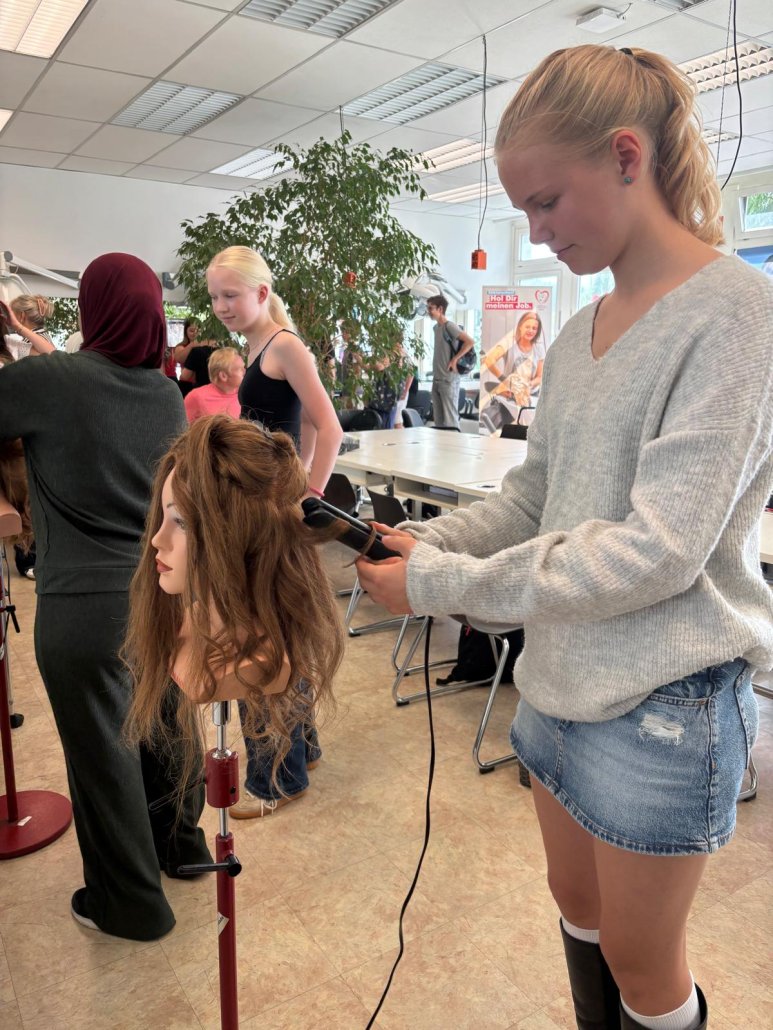
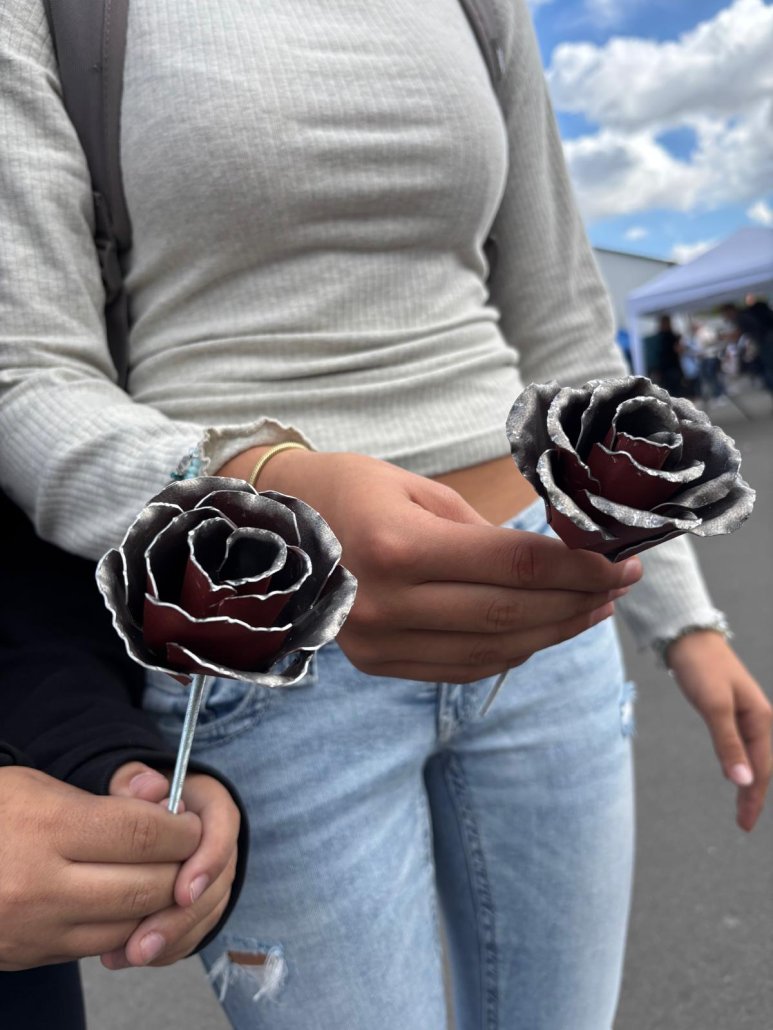
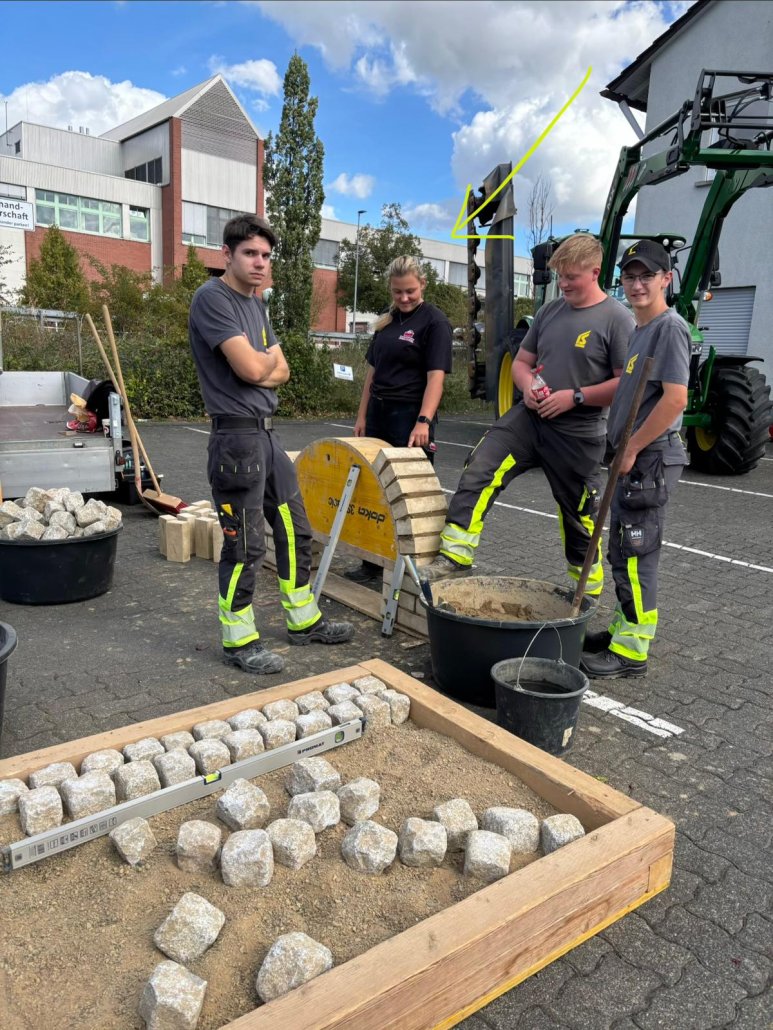
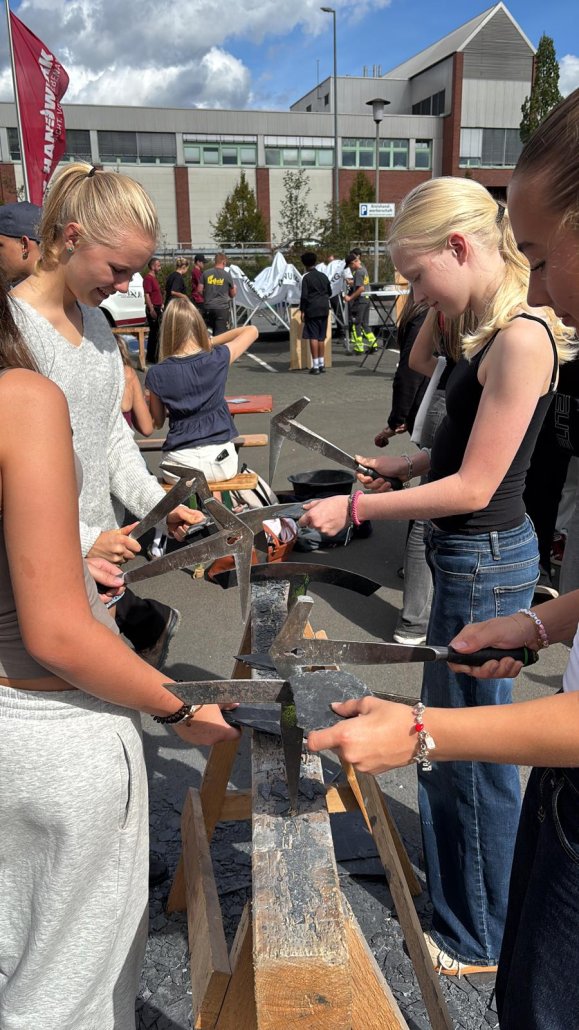
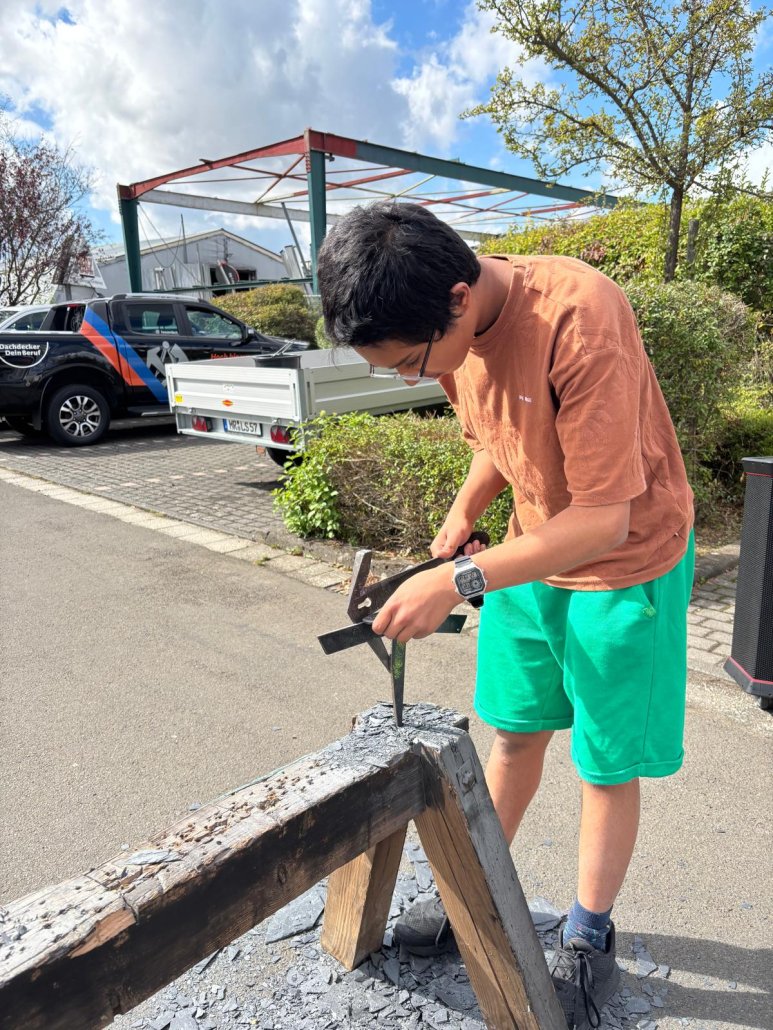
For the third time this year, the 9th-grade classes at Steinmühle participated in Crafts Day. “It was a complete success,” said Dr. Claudia Röder, who is responsible for career guidance and coordinating school-based internships at Steinmühle.


A wide range of hands-on activities

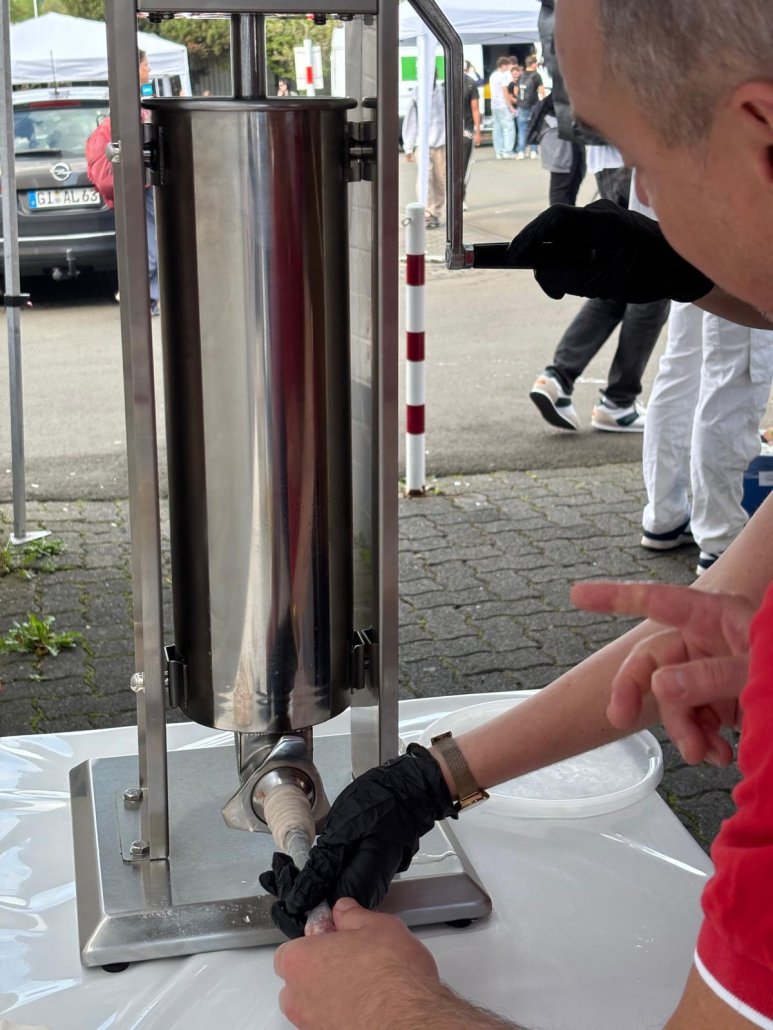
On September 8, starting in the third period , students at the Marburg Vocational Training Center found a wide range of hands-on activities organized for them by the Marburg District Craftsmen’s Association.

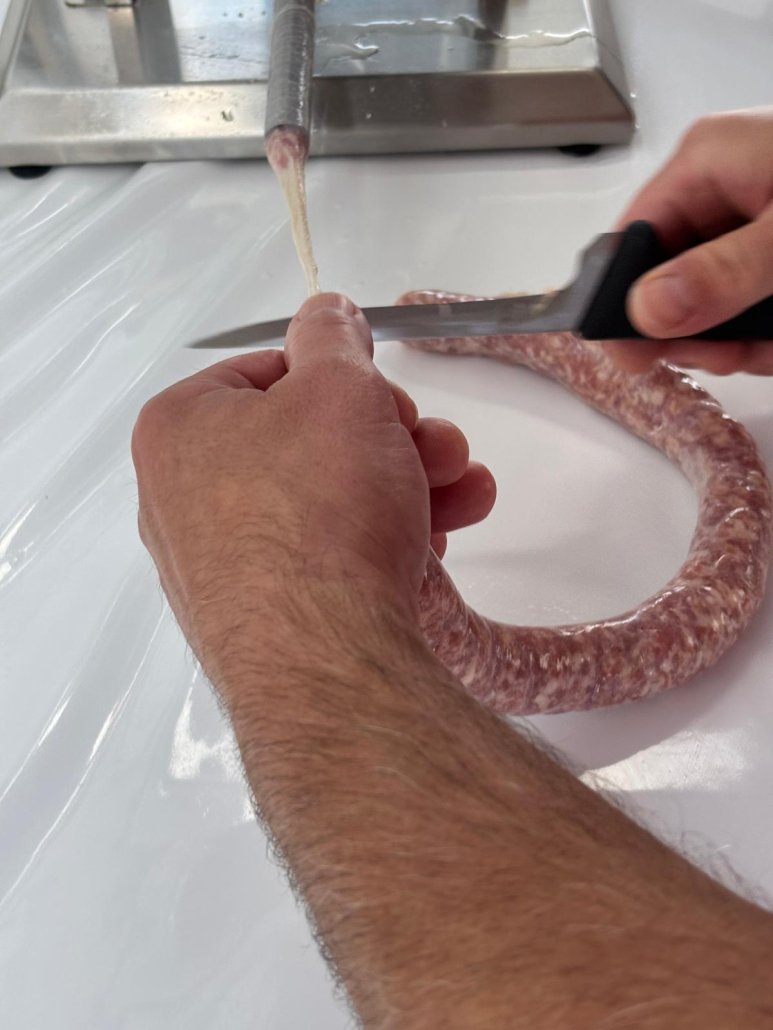
All the guilds were represented, covering professions such as precision mechanics, butchers, hairdressers, automotive mechatronics technicians, masons, and more.


Gathering Ideas for the Internship

The students were able to gather ideas for their work experience program in 9th grade and even get in direct contact with representatives of the professions that particularly interested them.

The event was intended to broaden participants’ perspectives by showing that, in addition to academic careers, there are also future-proof careers in the skilled trades.

The students were accompanied by their homeroom teachers.

(Heinm)


Dear students, parents, alumni, and friends of Steinmühle!

Our traditional fall festival on the last Saturday in September is the biggest celebration of the year at Steinmühle!


The program:

3:00 p.m.: Welcome, coffee, and opening of the food fair; stage performances; hands-on activities for children in the schoolyard; pony rides

Starting at 3:30 p.m.: Information booth run by the school administration for interested students and parents, as well as a “Parents’ Café” for those interested in the future first-grade class
Starting at 6:00 p.m.: Romantic twilight drinks at the Mühlenhof

A special highlight of our program:
At 6:30 p.m., there will be a big get-together on the sports field with a photo op for all alumni!

Are you interested in enrolling in our boarding school? We’d be happy to set aside some time for a personal consultation. Just give us a call at 06421-4080 or fill out our contact form.

Go to the contact form
We look forward to seeing you all!

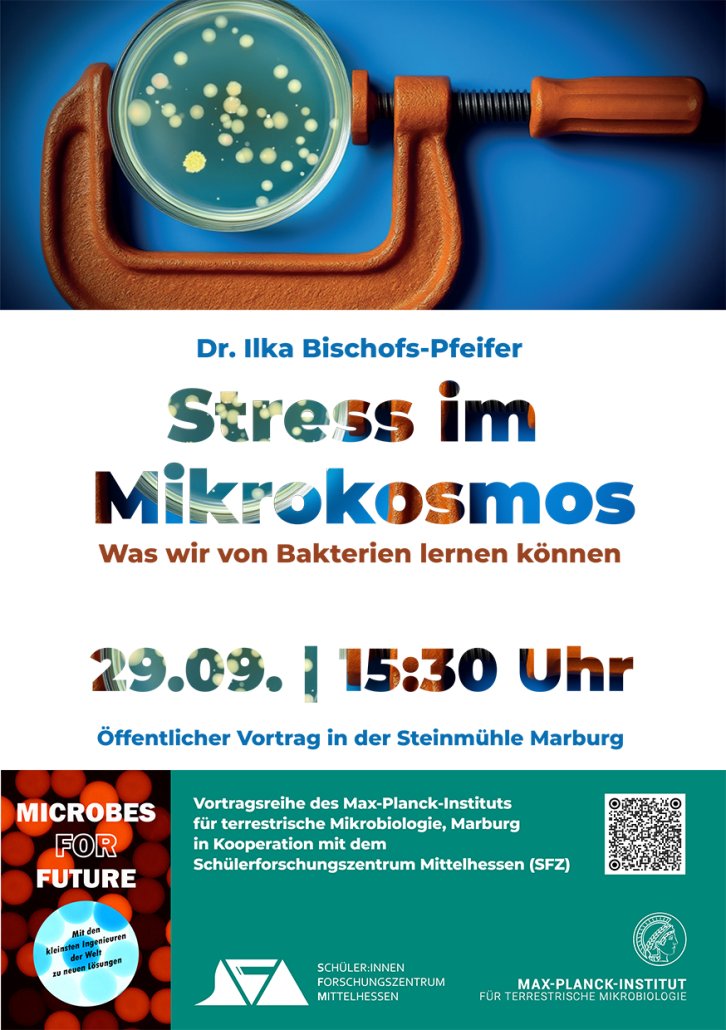
Leading scientists from the Max Planck Institute for Terrestrial Microbiology in Marburg will provide insights into contemporary issues at the Steinmühle as part of the microbes@school lecture series. These visits by experts also serve, to some extent, as career guidance. After each presentation, there will be an opportunity to ask questions, including those about the speakers’ professional careers.
 

New Antibiotics—The Ingenious Building Blocks of Microbes

Antibiotics such as penicillin, cancer drugs, and medications for organ transplants—many of these drugs are produced by bacteria. Prof. Dr. Helge Bode, director at the Max Planck Institute in Marburg, reveals the tricks bacteria use and clearly explains how their microbial building blocks can be used to discover new antibiotics even faster—or even to build new antibiotics from scratch.

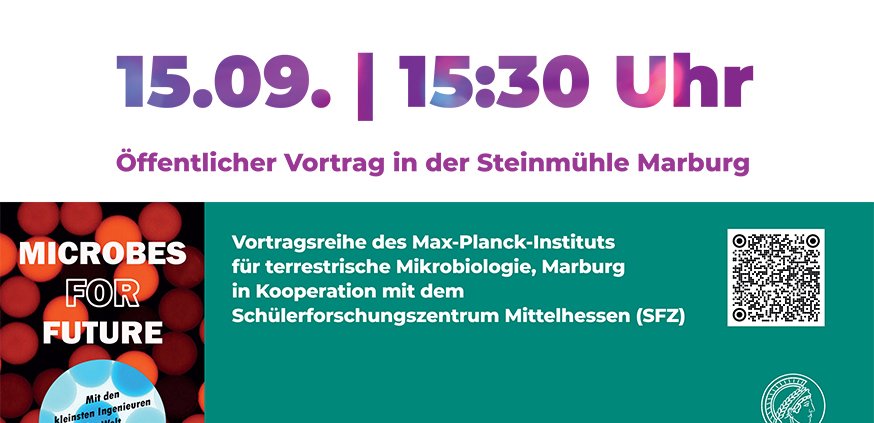
The lecture will take place on Tuesday, September 15, from 3:30 to 4:30 p.m. at Steinmühle in Room 615.


Stress Management in the Microcosm—What We Can Learn from Bacteria

It’s not just people—microbes experience stress, too. What surprising strategies do bacteria use to cope with stress? What can we learn from this to apply to our own lives?

Dr. Ilka Bischofs-Pfeifer will discuss this in her presentation on Tuesday, September 29, from 3:30 to 4:30 p.m., also at the Steinmühle in Room 615.

Afterward, there will be time for questions about science, everyday life in the lab, or career paths.

The lectures are open to the public and can be attended without prior registration.

(Hei)

Marlene Wagner had already fallen in love with soccer when she was just three years old: Whenever her older brother Moritz went to soccer practice, she wanted to go too! Back then, no one could have guessed just how far that passion—and the soccer games she played in the backyard with her brothers Moritz, Konrad, and Wilhelm—would take her. Today, they’re an unbeatable team—four Steinmühlen students, all on their own.


A Girl on the Boys’ Team

Back then, she was fully integrated into the soccer team—as a girl! That was also thanks to her coaches, including Marco Preis and Arthur Keck. Marlene had a lot of fun with her teammates, almost all of whom she knew from kindergarten. Today, the talented Steinmühlen student plays for the TSG Hoffenheim U17 girls’ team. Her goals: the Bundesliga and the national team.


Marlene Wagner Makes the Cut for the Hesse Team

Indeed! We do a quick Google search and find Marlene’s photo under “Defense” on the Blue-and-Whites’ website. What a fantastic journey she has had—and still has ahead of her! Former coach Lothar Potthoff has every reason to be proud. He was part of the adult coaching staff at the Marburg-Weimar Girls’ Soccer Club (MSG), where it all really took off. Together with Jan Arnold, Julia Günsch, and Sascha Meusel, he guided and encouraged the young athlete’s progress on the green field. From the regional team, she made the leap to the Hesse state team.


U-16 Prospects Training Course

In the C-youth division, Marlene joined the boys’ team at Blau-Gelb Marburg. That winter, Marlene participated in a talent development camp for the U-16 national team.

TSG Hoffenheim had already approached the young soccer player last October after the South German Championship. Will everyone be giving her the thumbs-up in the end? If so, it’ll be time to pack her bags and move!


Moving to a new home, changing schools

And that’s exactly what happened. But when dreams come true, there are practical matters to work out, as the young player quickly realized: moving into a shared apartment in Hoffenheim and changing schools. She was a little nervous. Would everything work out? In the end, the light turned green. Everything was all set.

Steinmühle let Marlene go. The good news: It’s just for one year to start with! The talented soccer player passed her medical exam at the end of June and took the next step in her career on July 1. With the support of personalized training and strength training, Marlene can learn a lot in Hoffenheim, tap into her full potential, and pursue her goals. Her focus: settling in well and playing lots of games with her new team. Her next goal: the TSG Hoffenheim U20 team, which currently plays in the Women’s 2nd Bundesliga.


“High level of motivation”

Lothar Potthoff, who also coaches the Steinmühlen women’s soccer team, is both happy and sad to see his center back move on. “We’re losing a good player, but we’re incredibly proud.” He praises Marlene’s strong work ethic, her remarkable determination, and her mental and physical resilience. “You can really feel the strong support she gets from her parents.”

The excellent soccer academy Marlene attended played a big part in her development: “The BG Marburg team and its coach, Pascal Rohpeter, gave me such a warm welcome.” There, she trained three times a week and played with the boys in the Gruppenliga, and last season in the Verbandsliga Nord. “That’s not something to be taken for granted,” Marlene herself says. The family rivalry with her brother Konrad, who plays for TSG Wieseck, is also unusual and very special.


“A stroke of luck for me”

Marlene considers it a stroke of luck that she is currently able to train with Hoffenheim, a club whose women’s first team plays in the 1. Bundesliga. “If I can follow this path all the way to the national team, then I will have achieved my biggest goal.”

The young woman, who is a Bayern fan and greatly admires Joshua Kimmich, is described as “aggressive on the field, but down-to-earth as a person.” Ideal circumstances, one might say—thanks in part to her current Steinmühlen homeroom teacher, Dr. Bernd Schweitzer, a die-hard soccer fan who supports Marlene’s passion wholeheartedly. After all, they understand each other well, since his subject is math—and that, along with sports of course, is Marlene’s favorite subject.

(Angela Heinemann)


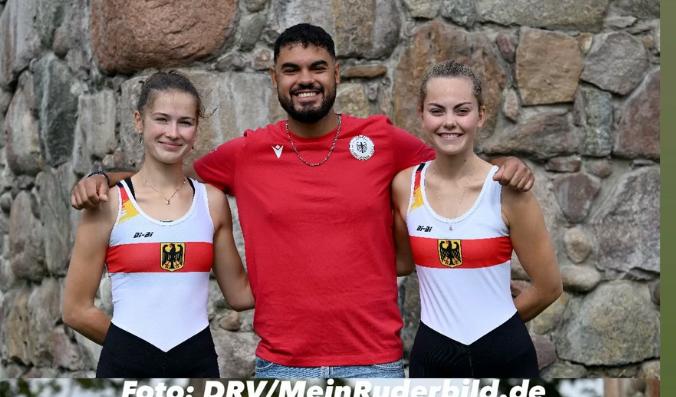
A milestone for Raavi Nasser, our new coach on the TARUS Future Team: At the U23 European Championships in Kruszwica, Poland, he earned his first “Eagle” as a boat coach at an international competition. Our photo shows Raavi, who will be moving from Hanover to the Lahn River, together with Jette Lisdat (Hanover Rowing Club, HRC) and Melina Reinke (Neuss Rowing Club), who competed in the women’s lightweight double sculls (LW2x). The team finished behind Greece and ahead of Italy, winning the silver medal!

More to come soon about Raavi and his responsibilities related to TARUS and the stone mill.

(Heinm)