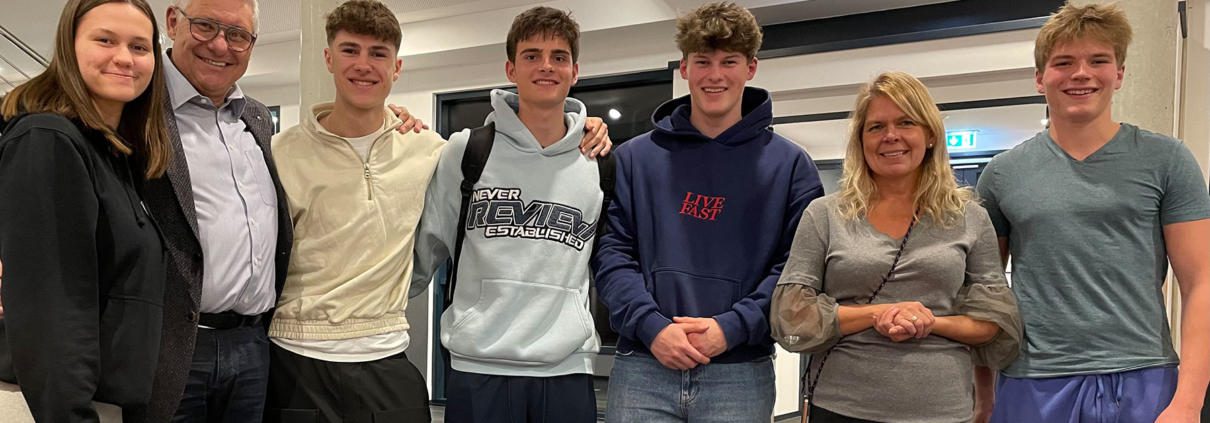
On November 10 and 11, the six plus-MINT boarding schools gathered at the Steinmühle at the invitation of the Verein zur plus-MINT Talentförderung e.V. In addition to substantive program items and the association’s work, the conference provided ample opportunity for participants to get to know one another, exchange ideas, and gain professional insights.

Participants from the six plus-MINT locations enjoyed two eventful days of MIN(T) together in the university town.

Professional insights and peer-to-peer exchange at the “Science Fair”

Prof. Albrecht Beutelspacher, the founder and director of the Mathematikum in Giessen, gave an inspiring STEM lecture.

Immediately afterward, students from all plus-MINT boarding schools had the opportunity to present their own projects in short presentations. The plus-MINT students from Steinmühle, together with the day students, presented their research projects at a “science fair.” The experiments were set up on tables and displayed on display panels. The students stood next to their experiments, ready to answer questions. This type of presentation led to many in-depth discussions and was found to be very enriching by everyone involved.

“We got a lot of interesting tips for our project,” says Toshiro (14).

“I loved it because I got to present my experiments to so many people. The math presentation was great, too—it showed the fun side of math. But the very best part was that my dad didn’t pick me up until late, so I could hang out with the others at the tea room that evening,” enthuses Akaash (10).

“It’s precisely these encounters and conversations among equals that make such events so special. Here, people chat in a relaxed atmosphere and discuss their interests with like-minded peers. That’s exactly what we hoped to achieve at the conference at the Steinmühle,” says plus-MINT project manager Sven Meier enthusiastically. “We want to build a strong network of students, teachers, and scientists and provide young people with a platform where they are taken seriously and can inspire one another.”

STEM at the Steinmühle

In the summer of 2021, Steinmühle became one of six plus-MINT boarding schools in Germany. The plus-MINT program began with four students at the start of the 2022–2023 school year. Clara, Marlene, Luis, and Fabian applied online via the plus-MINT website in the fall of 2021 and were successful in the selection process. They have since become an integral and important part of the boarding school community. “The four of them really enrich our boarding school community—it’s great to have them here!” reports boarding school director Anke Muszynski.

At Steinmühle, STEM has long been an integral part of the school, and students celebrate major successes every year in statewide competitions such as “Jugend forscht.” “We’ve been working here for years to make STEM appealing to our students. We’ve developed the concept of the ‘Open Student Lab,’ where day and boarding students can conduct research based on their respective areas of interest, and projects naturally emerge from these interests,” reports Jutta Töhl-Borsdorf, the STEM coordinator at Steinmühle, with pride.

Linking the plus-MINT program with the numerous other STEM activities at Steinmühle is an exciting challenge. The conference at Steinmühle and joint participation in plus-MINT camps are paving the way for the future. Most recently, five day students and the four plus-MINT students went to the astronomy camp in Heidelberg—a great experience for everyone involved.

“The partnership with plus-MINT is a huge asset and brings great new ideas and opportunities for all students at Steinmühle!” adds Björn Gemmer, principal of Steinmühle.

Establishment of a Student Advisory Board and Expansion of Collaboration

At the annual general meeting of the plus-MINT Association, a student advisory board was elected for the first time, in addition to the executive board. “In the future, students will have even more say and influence—that’s very important to us in the plus-MINT program,” explains Sven Meier, project manager of the plus-MINT program.

A podcast series is planned for the next six months, which will be produced by the plus-MINT boarding school Louisenlund. “All boarding schools are welcome to contribute to the podcast. Here at Steinmühle, we’re already thinking about what we’d like to present to people interested in STEM across the region,” says Fabian (15). He and his classmate Marlene (14) were elected by Steinmühle to the plus-MINT advisory board.

Fabian goes on to say: “The plus-MINT network offers us so many opportunities to further develop our passion for STEM. I’ve already developed a concrete idea for a project with a plus-MINT student from Louisenlund. It would be very difficult for me to carry that out on my own.”

Plus-MINT Camp in early 2023 at the Steinmühle

The next opportunity for group activities is coming up soon: “In January, we’ll have a first here at the Steinmühle. For the first time, we’ll be hosting a plus-MINT Camp,” says MINT coordinator Jutta Töhl-Borsdorf. “The focus will be on mathematics. We’re still fine-tuning the exact schedule, but there will definitely be an exciting and varied program.”


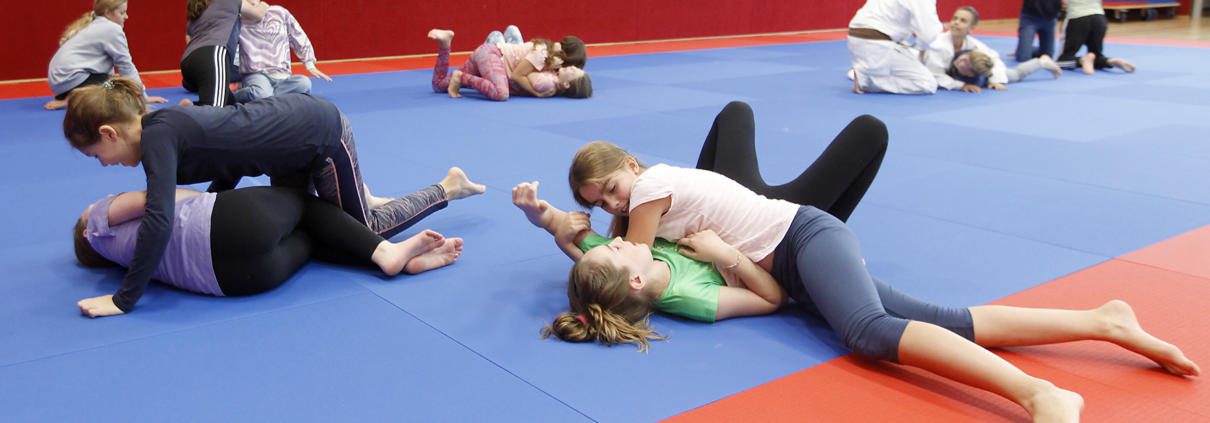
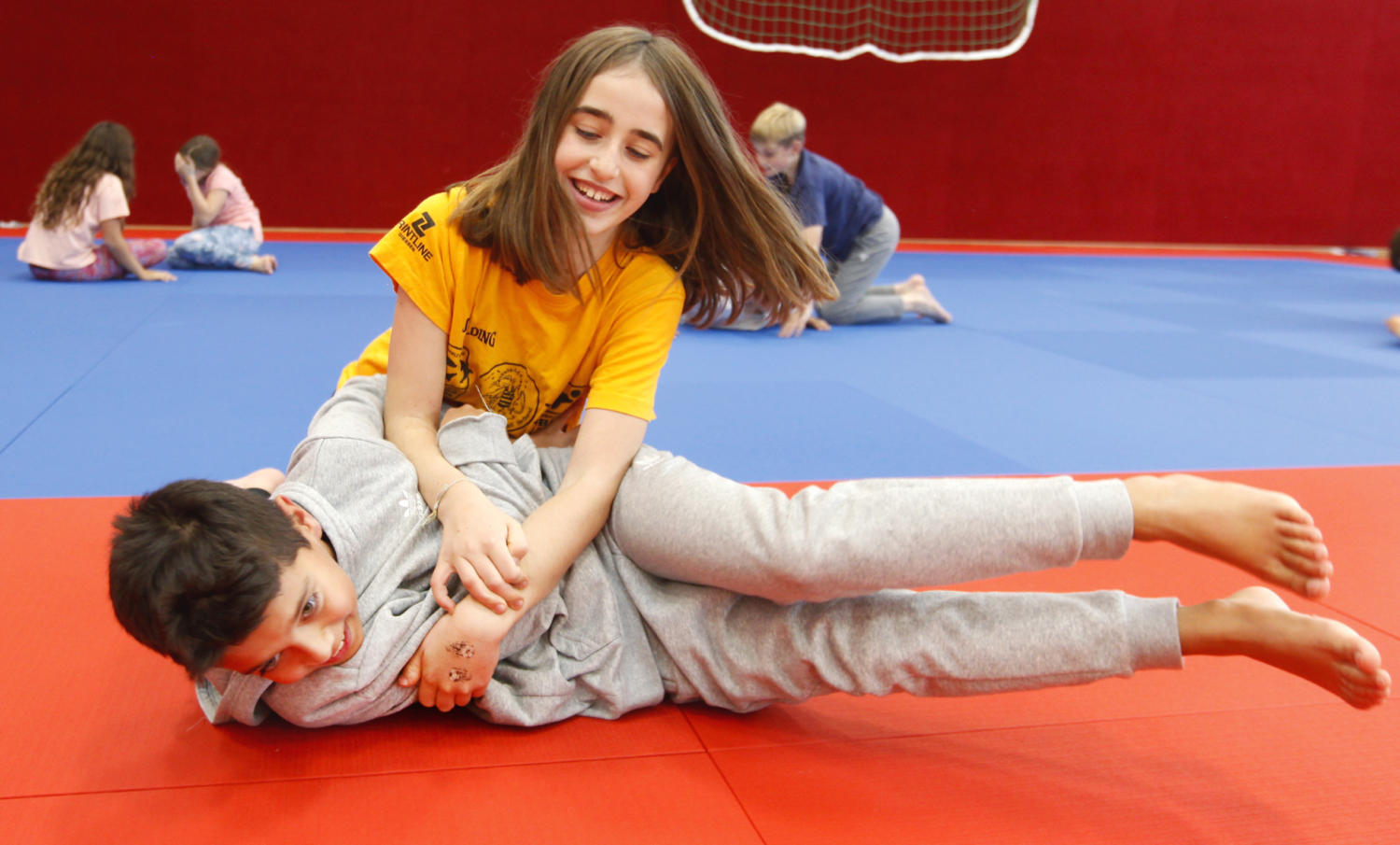
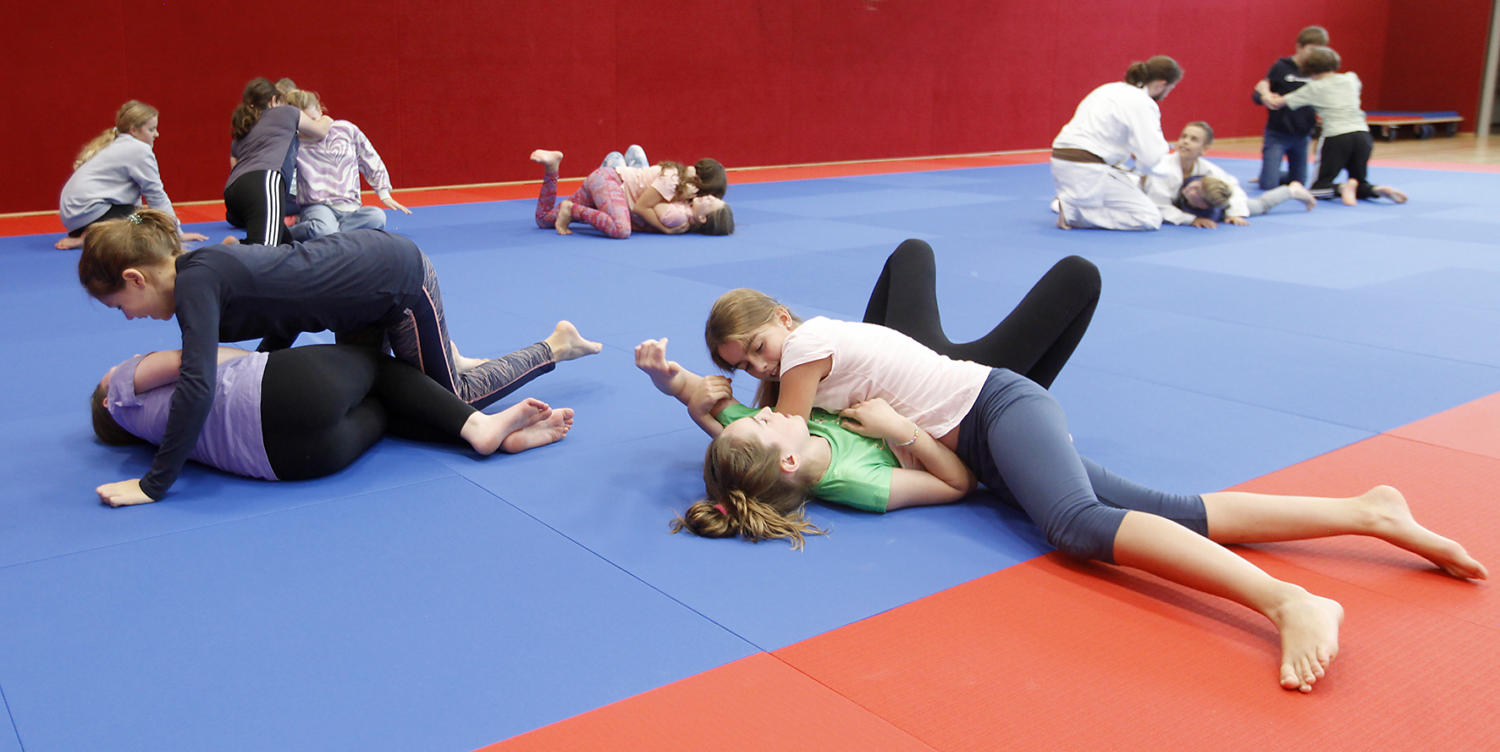
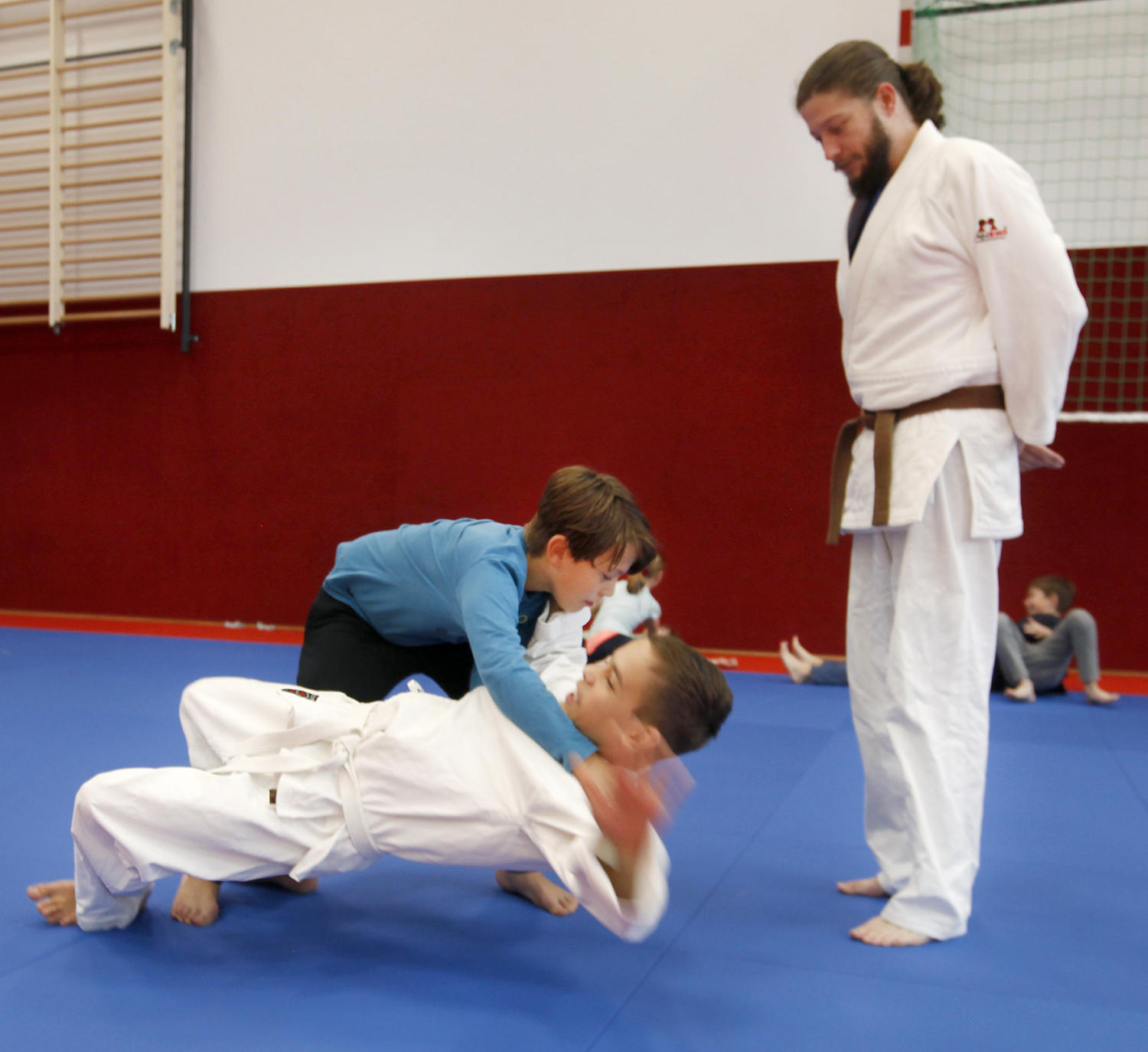
The boys and girls in grades 5 and 6 are excited: It’s about to begin. But first, they need to get ready: “Take off your jewelry, watches, and earrings,” calls out Yves Pasquay, the coach. In the new judo class, he wants to start by practicing falls with the students. It’s the second training session.

They can do judo just like the big kids—the boys and girls took to the mat with certain images in their minds. It’s called the “trial phase,” and it’s been offered weekly since November 1 through Christmas—including for third and fourth graders. “Chin to your chest and roll backward,” Yves wants to see. The exercises are going great. Everyone is having fun.

“New gym—new sport.” Dirk Konnertz, principal of Steinmühle School, is delighted with the new program at Steinmühle, which he planned together with Markus Zaumbrecher, the judo coach at Blista. This is only possible through cooperation: “We built the new gym for ourselves and our partners, and offering judo to our students is a project close to our hearts.”

Yves Pasquay is a children’s and youth coach in the judo division of the Sportfreunde Blau-Gelb Marburg club. The club is also home to the state training center “Judo for the Visually Impaired and Blind,” where Yves also serves as a coach. “The fact that we can benefit from his skills is a huge advantage for us,” says Konnertz. “Sportfreunde Blau-Gelb trains at the Steinmühle alongside the Unified team and several girls’ teams. It’s a win-win situation.”


A sport for boys and girls

The children are fascinated by this Japanese martial art. There are roughly equal numbers of boys and girls. They’re learning a judo roll and how to break their fall. Special attention is given to “professional leg sweeps.” They’re also practicing the hold. Pinning the training partner to the ground simulates victory over the “attacker”—the goal has been achieved.

The young martial artists quickly get the hang of how best to practice. Yves is in charge of the details and the finishing touches; he provides guidance, offers help, and shares tips. In the blink of an eye, the class is already over. The second day of judo practice is over. See you again next week! Meanwhile, the 3rd and 4th graders are already getting ready in the locker rooms. They, too, are looking forward to their second practice session.


Interested in judo? Just stop by!

Until Christmas, students in grades 5 and 6 at Steinmühle can still come to the new gym on Tuesdays between 1:30 p.m. and 2:45 p.m. for a judo trial session. The trial sessions for grades 3 and 4 run from 2:45 p.m. to 3:45 p.m. Anyone who enjoys the sport can continue participating; professional gear will be required later on.

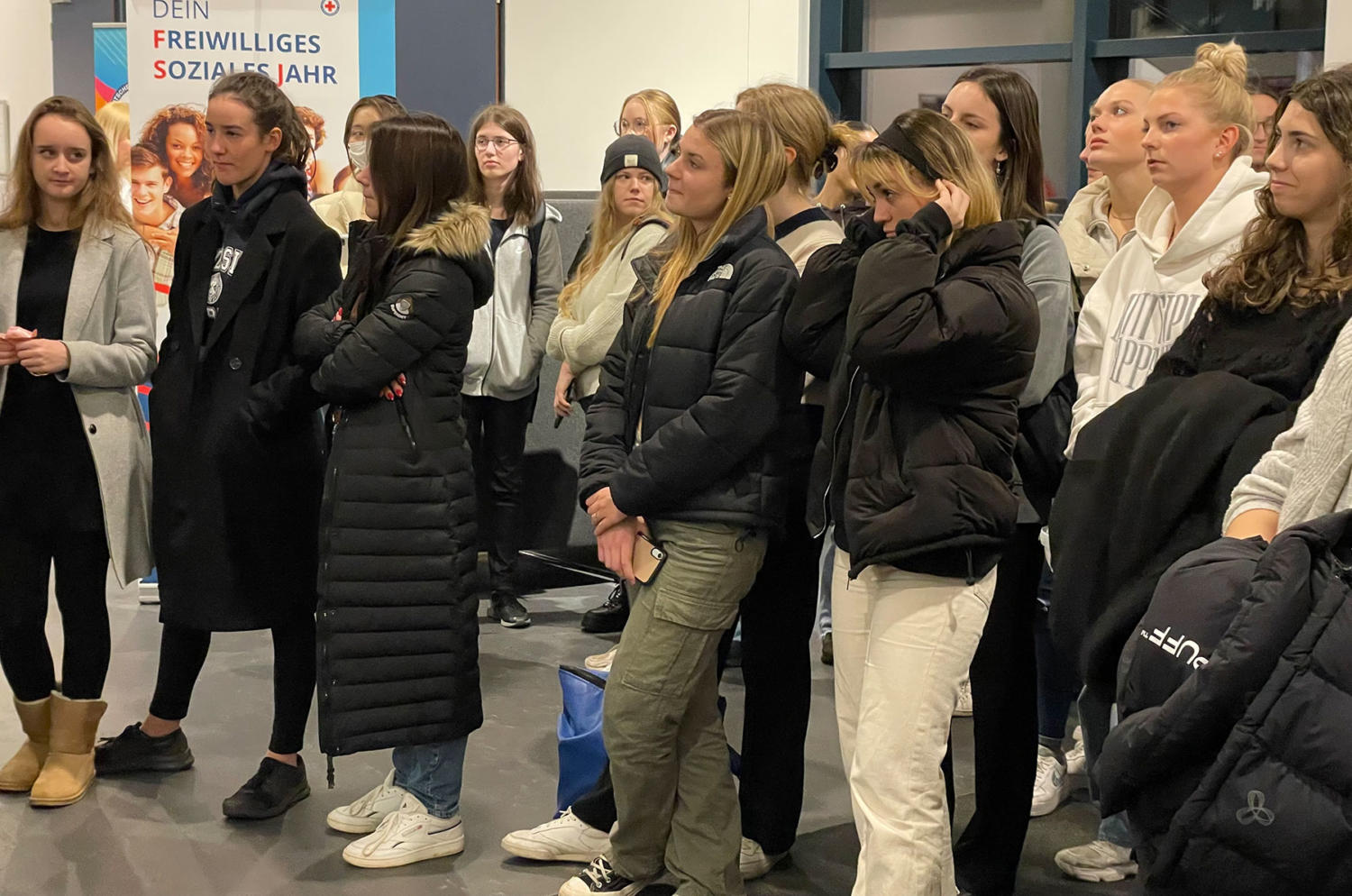
“And what do you want to be when you grow up?”—This question, which was already being asked of young people decades ago, has lost none of its relevance. On the contrary, the answers are no clearer today: more degree programs, more training opportunities, but not necessarily more clarity among young people. To change that, Steinmühle holds a career information day every November. The event is organized by Steinmühle teacher Dr. Claudia Röder, the career guidance coordinator, and Hans-Heinrich Bähr from the career services department of the Rotary Club Marburg-Schloss.

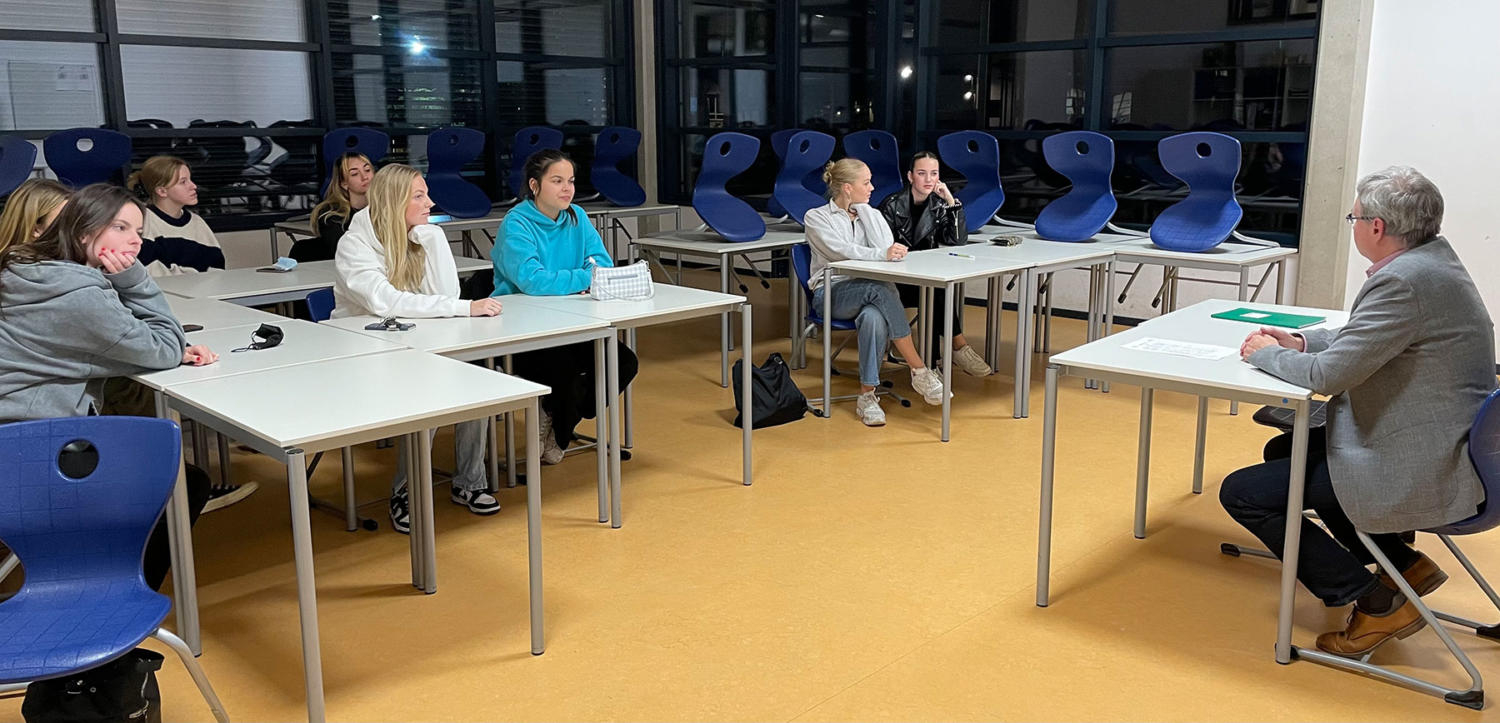
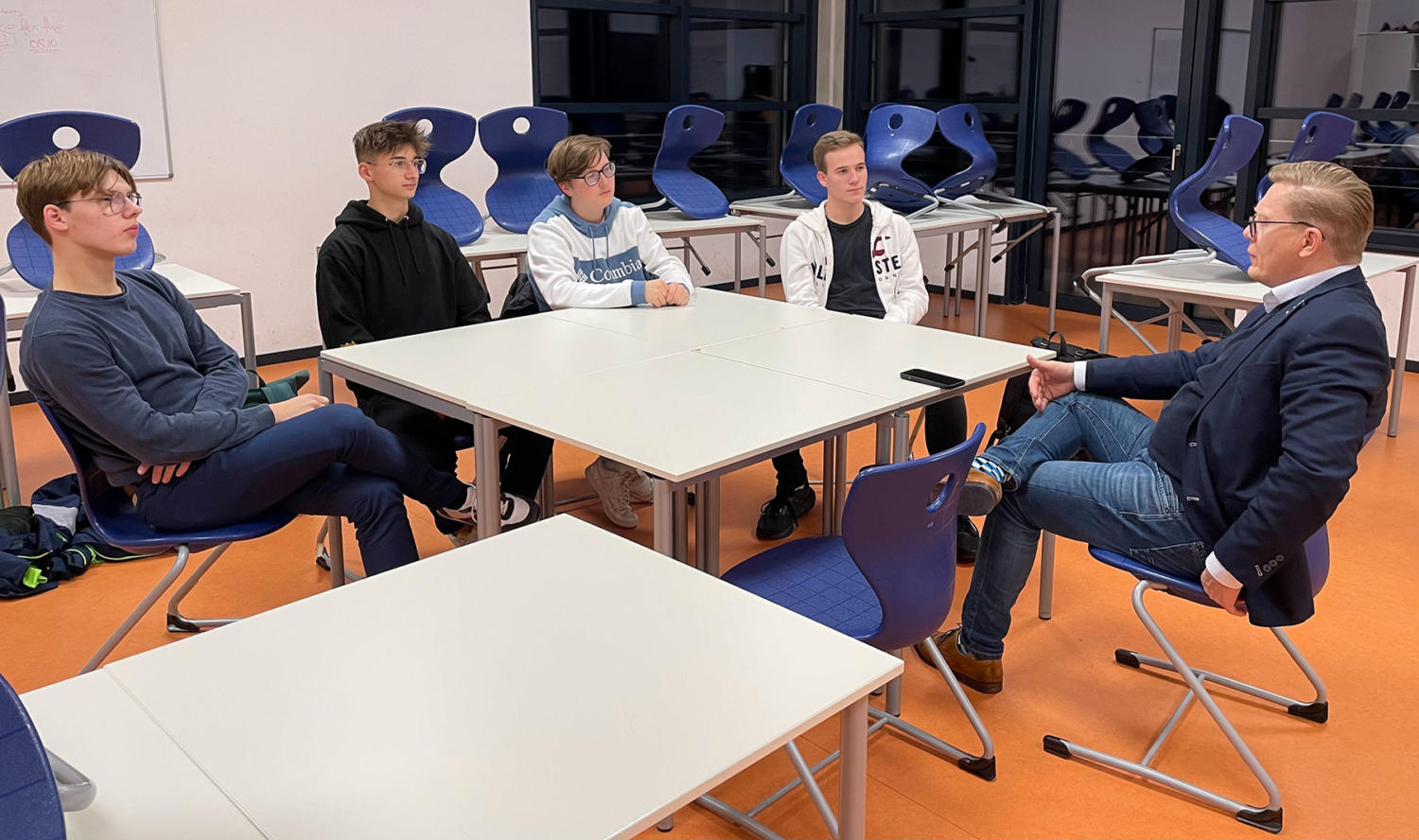
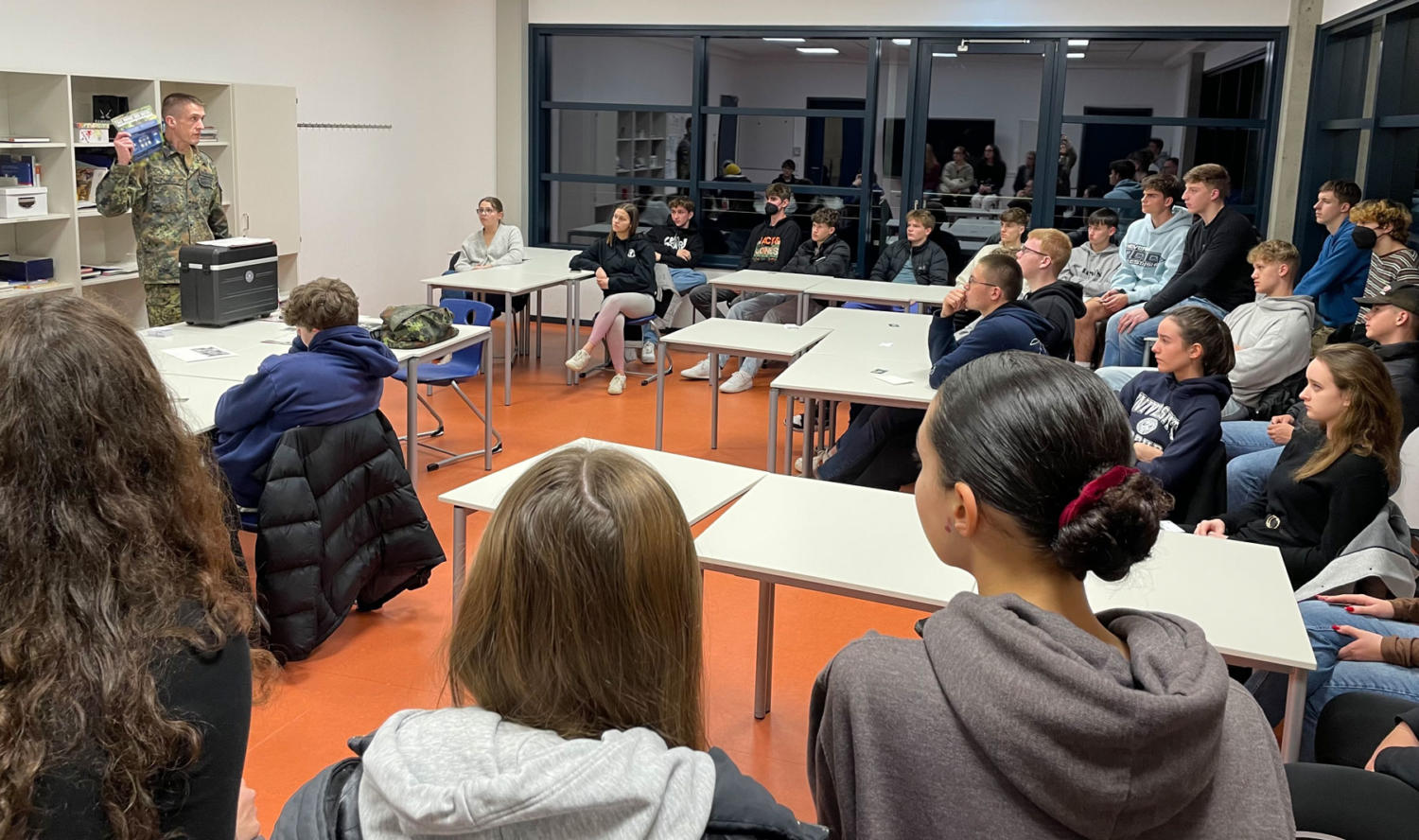
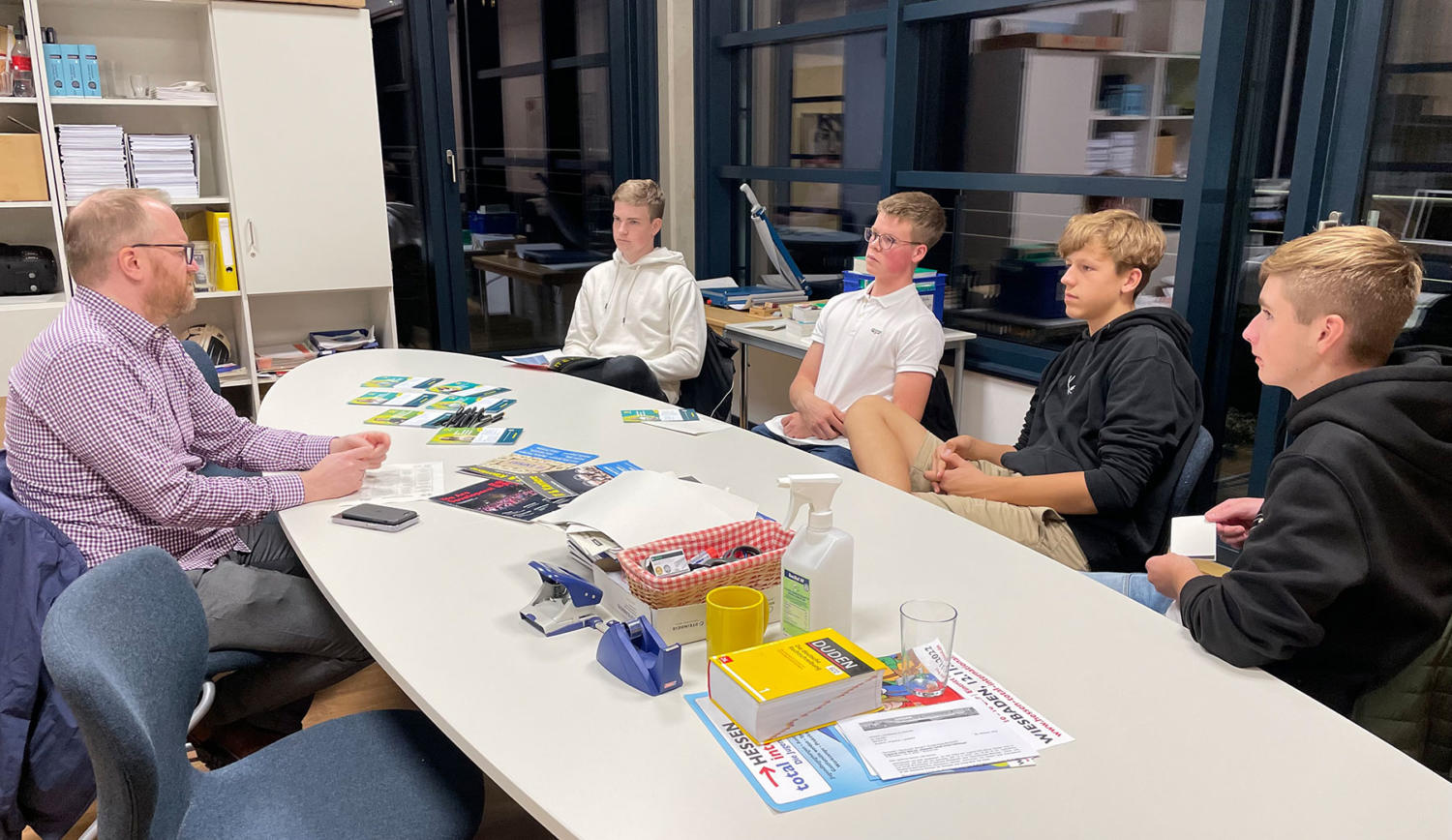
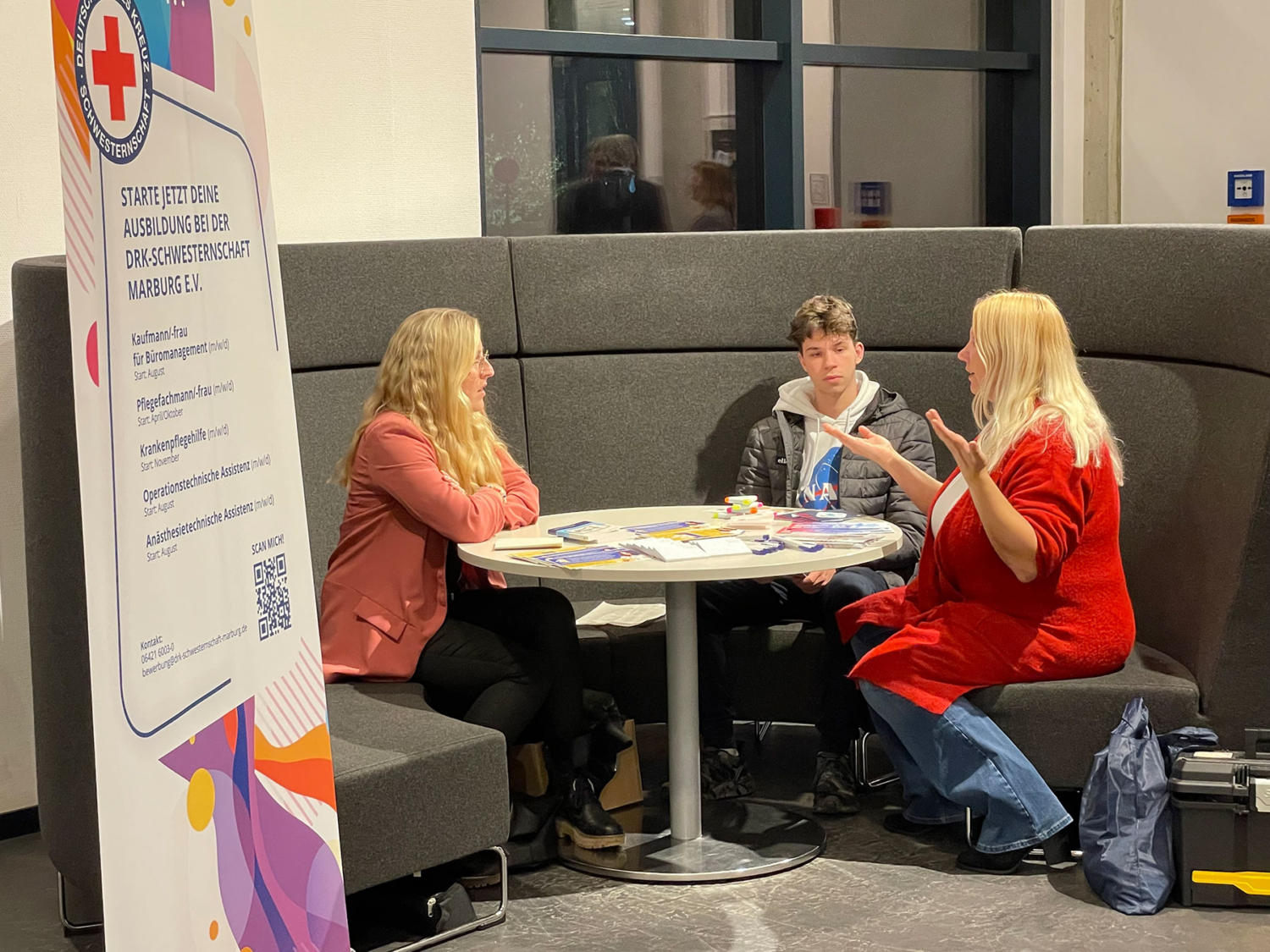
Once again, many professionals from a wide variety of fields had agreed to answer questions from the 11th-grade students about their career paths and their work. In three 20-minute discussion sessions, the young people were able to ask their favorite experts anything that was on their minds: How do you secure a spot in a psychology program? What should you expect if you want to enter the IT industry? “How do you become a professional politician?” These were ultimately the questions asked most frequently, reflecting which careers were the most in demand that evening. However, the representative from the German Armed Forces drew the most interest by far. Not a single career field went without questions.


Politicians also answered questions

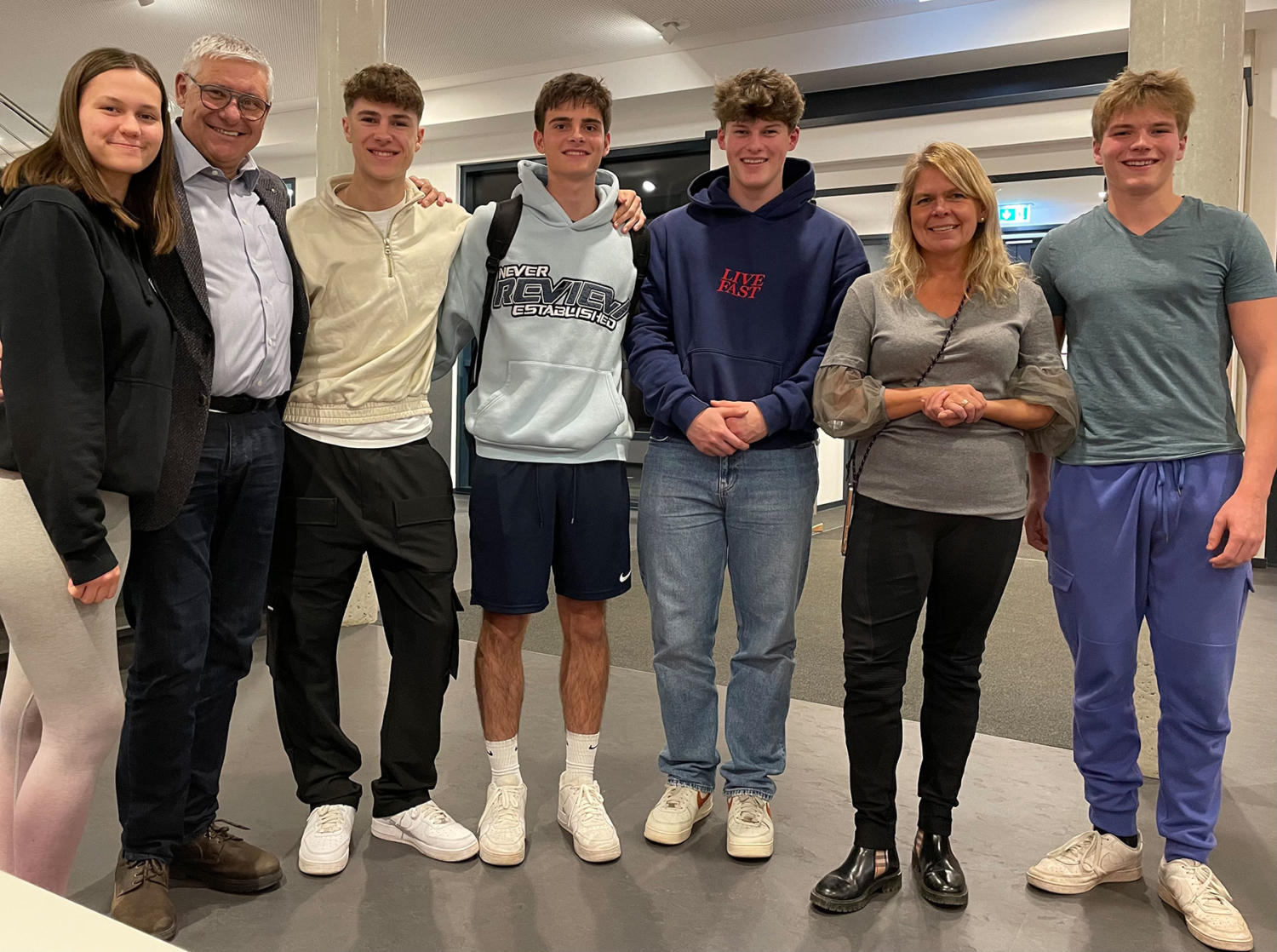
“We are pleased to be able to host this information evening again,” said Dr. Claudia Röder, noting the lively discussions that took place. “I am particularly pleased that we were able to have representatives from the political sphere join us.” Local state legislator Dirk Bamberger (CDU) and Marburg Mayor Nadine Bernshausen (Alliance 90/The Greens) were on hand to participate in the discussions. Nadine Bernshausen also represented the legal profession.

“I found it very interesting,” Benjamin Schul said at the end of the event. He had had an in-depth conversation with a representative from a consulting firm and could now envision a career as a self-employed professional after completing his business administration degree. Melissa Mägerlein was impressed by the information provided by the German Armed Forces: “We learned about the degree programs available through the German Armed Forces and, most importantly, received concrete offers for a camp or an internship. That was very helpful.” Emilia Ouaissa had inquired about the details of a career in politics and working as a psychologist. “It was very interesting for me because I was able to get truly neutral and balanced information.” Chiara Rector had focused on the Bundeswehr and medicine; she found the information on both topics to be sound and the explanation of the career path and duration of study to be comprehensive. Tom Beyer explained that he had used the evening to rule out some options: “I was able to get an idea of what isn’t really for me.”

Some of the students would have liked a little more time at the career information evening—either to go into more detail with their preferred speaker or to learn more about another career field. Lauritz Kleine, an 11th grader, said, “Holding five rounds of discussions instead of three—that might be a suggestion.”

At the career information evening, which was opened by Principal Björn Gemmer, the following professions and fields were represented: Attorney, judge, business graduate/managing director, physician, psychologist, psychological psychotherapist/child and adolescent psychotherapist, dentist, tax consultant/certified public accountant, physicist, management consultant/business administration studies, information technology, savings bank/finance, career politician, member of parliament, Authorized signatory, medical school without admission restrictions, German Armed Forces, pharmacist, voluntary social service year, journalism.

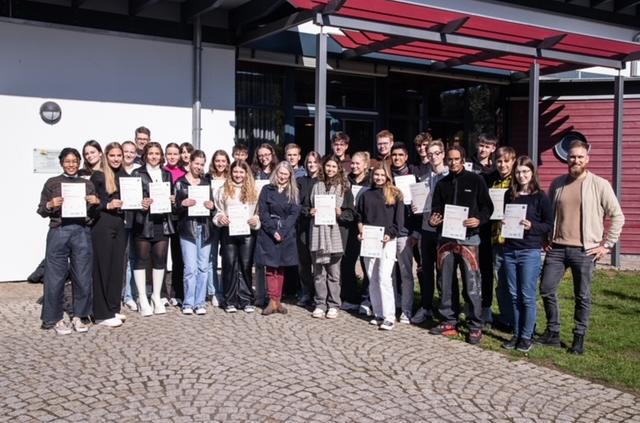
This year marked the 11th time a Cambridge exam was held at Steinmühle. It’s a good opportunity to look back. Subject teacher Nicole Hohm reports:

In 2010, I received an invitation to “Cambridge Day”—at first, I thought it was just another invitation to a professional development event like any other. Since the topics of the workshops and presentations sounded interesting, I signed up on the spot without knowing exactly what it was all about—even though it took place on a Saturday in Frankfurt and required a small fee for the presentations and catering. The speakers were excellent across the board, and I was pleasantly surprised by the good organization and the overall experience, which isn’t always the case with training events hosted by the Ministry of Education and Cultural Affairs.

As the event went on, it became clear to me what it was all about—they wanted to bring the Cambridge exams to schools. One might ask, why would anyone want to pursue an external certificate—one they have to pay for, no less—when schools already offer English classes? The Cambridge exams are administered exactly as they are in every country around the world—whether in Japan, Singapore, Ghana, Egypt, or even Germany—which makes them comparable. You receive certification of your language proficiency, which is recognized worldwide.

Back at Steinmühle, I went straight to the school administration on Monday, presented the concept, and asked if we could try it out in the WU program. The school administration gave the green light: Why not?

In 2011, I taught my first Cambridge course, preparing 11 students for the FCE exam (First Certificate of English), which is now usually referred to simply as First B2 (B2 is the upper-intermediate language level). We were all nervous—the students, of course, because external examiners were coming to test them. And I was just as nervous, because I hoped I had prepared them properly: 10 passed the exam, and one missed it by just one point…

The following year, 16 students participated, and two even performed so well that they were certified at the next higher level—C1. This time, no one failed. In 2014, due to the high number of students (28), we offered two courses: Jeannine Walter taught one, and I taught the other, as always; in 2015, 21 students participated, and in 2016, 17 students took part.


We worked with rubber gloves, face masks, and disinfectant

In 2017, we took a year off because we switched from the FCE exam to the Business English exam—we now had a two-year plan: In the newly established WU Business English course in 10th grade, I began preparing the students for the business aspects. In 11th grade, the students were then prepared for the BEC exam (Business English Certificate). In 2018, 18 students took the exam—unfortunately, two did not pass, but two others reached the next higher level. Despite the pandemic, we all bravely carried on—wearing face masks, rubber gloves, and using plenty of hand sanitizer: 28 students participated in 2019, and 14 in 2020. In 2021, 34 students signed up—which was definitely too many for a single class. Matthäus Otte immediately agreed to take over a class. In 2021, an impressive four people reached the C1 level.

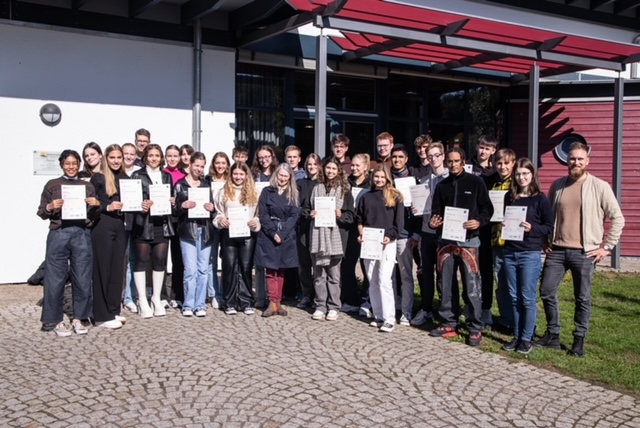
But this year’s class really took the cake—out of 29 students, 7 achieved such good results that they were certified at the C1 level. Huge kudos to the students who achieved such outstanding results despite the long period of online instruction in grades 9 and 10. Congratulations!

This year’s Cambridge candidates were: Alina Adamski, Paula Auschill, Max Badouin, Svea Bredendiek, Felix Busch, Anton Graf, Lena Herzog, Ellen Hilt, Emilia Hoffmans, Lennart Holly, Neele Jansen, Lotte Jungfer, Tino Kraft, Sarah Kremer-Golder, David Krüger, Nina Marko, Chiara Massa-Enders, Emilia Quaissa, Ana Catalina Pohl, Finn-Jonas Posingies, Tamira Preck, Luisa Reinhardt, Fabian Seidel, Adama Sow, Anna Steinfeldt, Ariane Stry, Bijan Teymoortash, Anna Tille, Joshua Wieder.

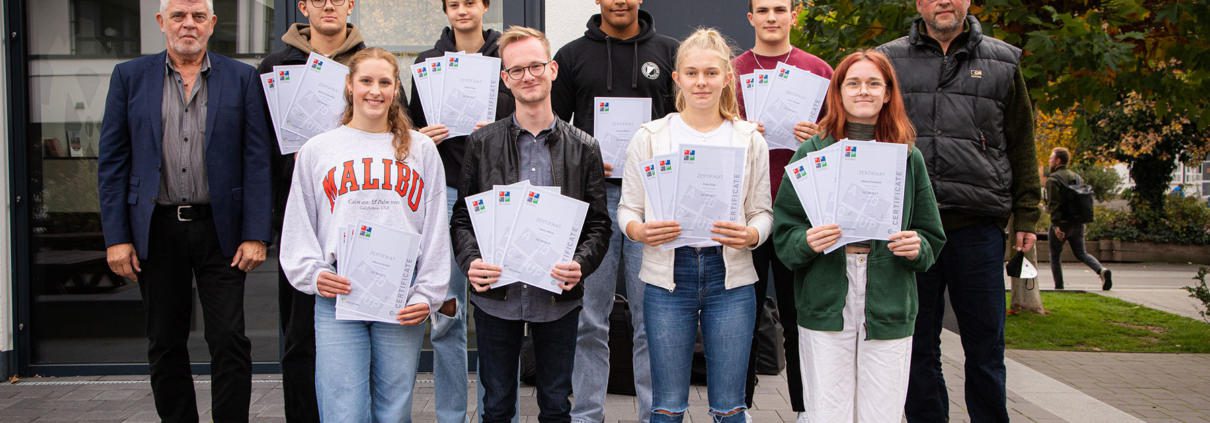
During the past school year, several students took their exams for the Entrepreneur’s License. They have now received their certificates and posed for a photo with Principal Bernd Holly (left) and subject teacher Erno Menzel (right). The following students qualified:

Johanna Arndt, Fiona Claar, Aliena Entebach, Finja Grün, Lauritz Kleine, Jannis Mitze, Acelya Olcuk, Anton Schneider, Daniel Schöne, Lenn Stumm, Emilia Wagner. Of 33 exams (Modules A/B/C), 29 were successfully completed.

The modules are structured as follows: Module A: Basic Economics; Module B: Fundamentals of Economic Interrelationships; Module C: Basic Entrepreneurial Knowledge—The Business Plan.
The certificates are part of the “Entrepreneur’s Skills Certificate” program and are awarded by Eurochambres, the umbrella organization of European chambers of commerce and industry.