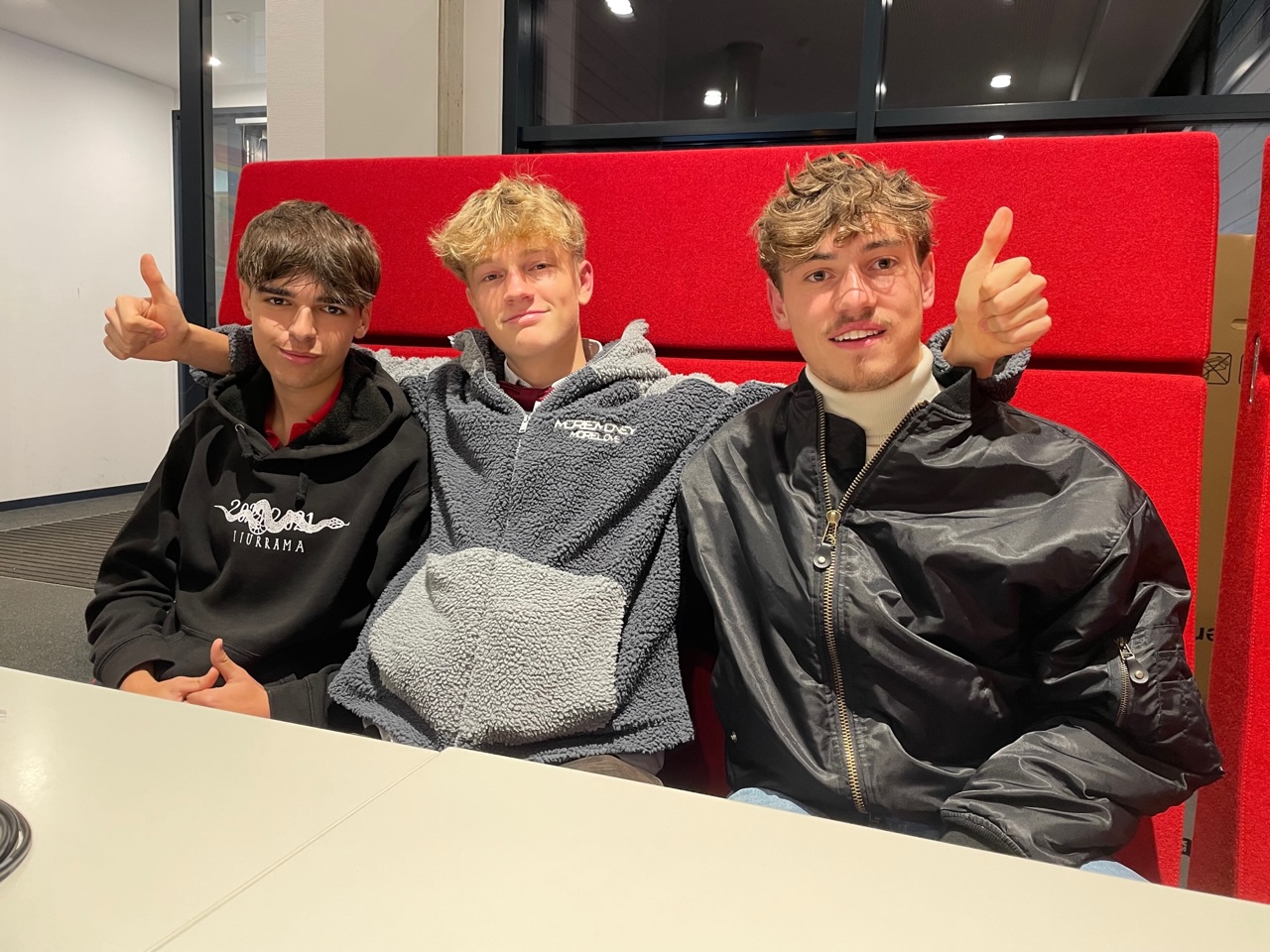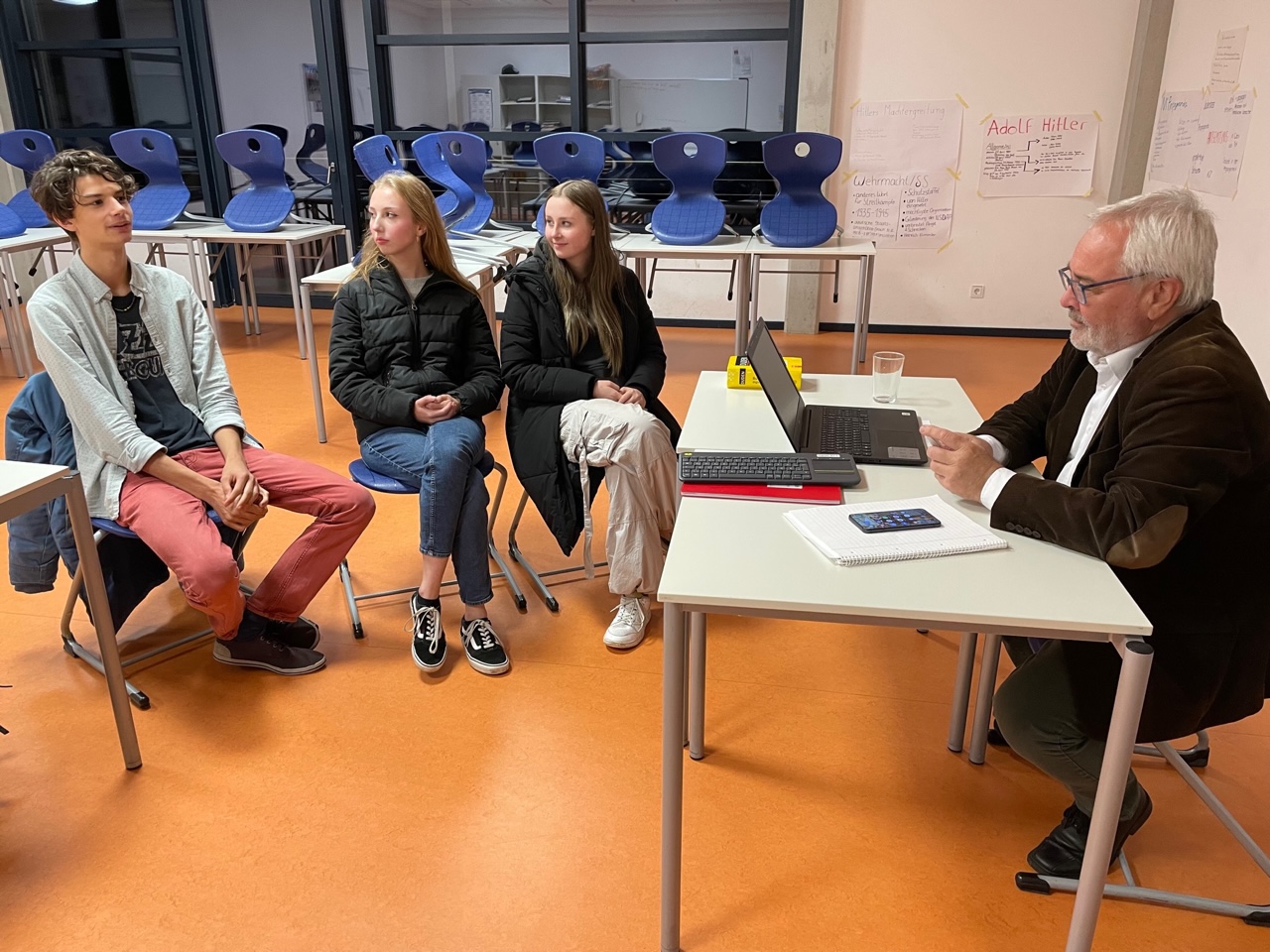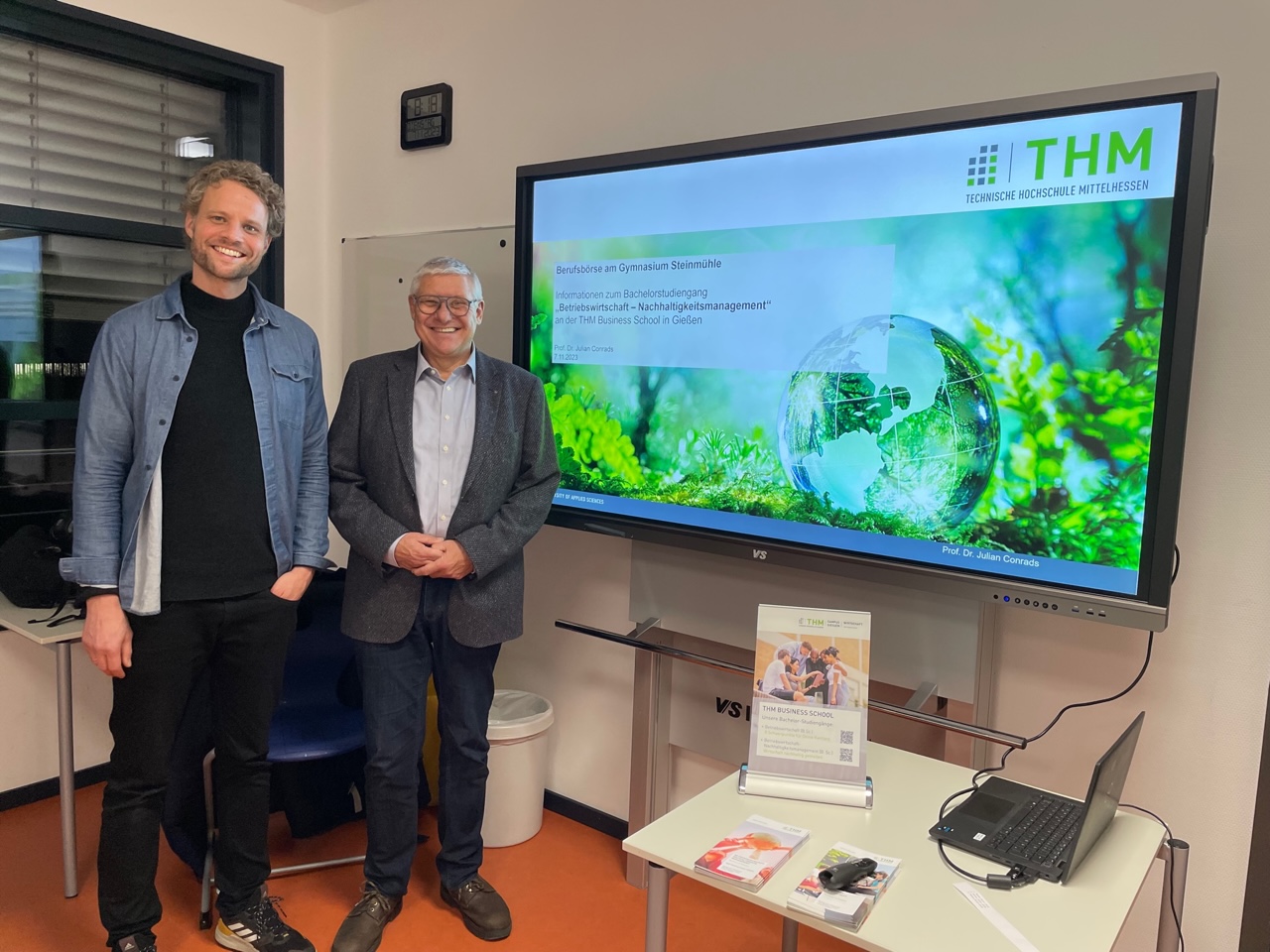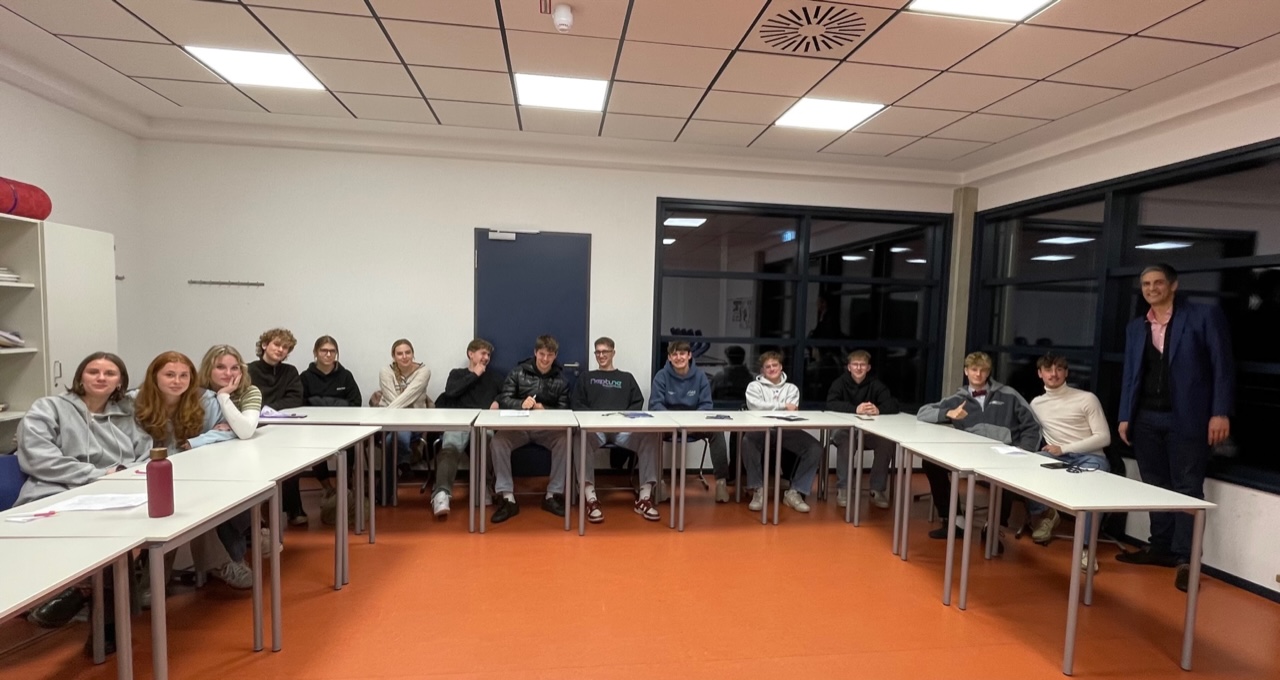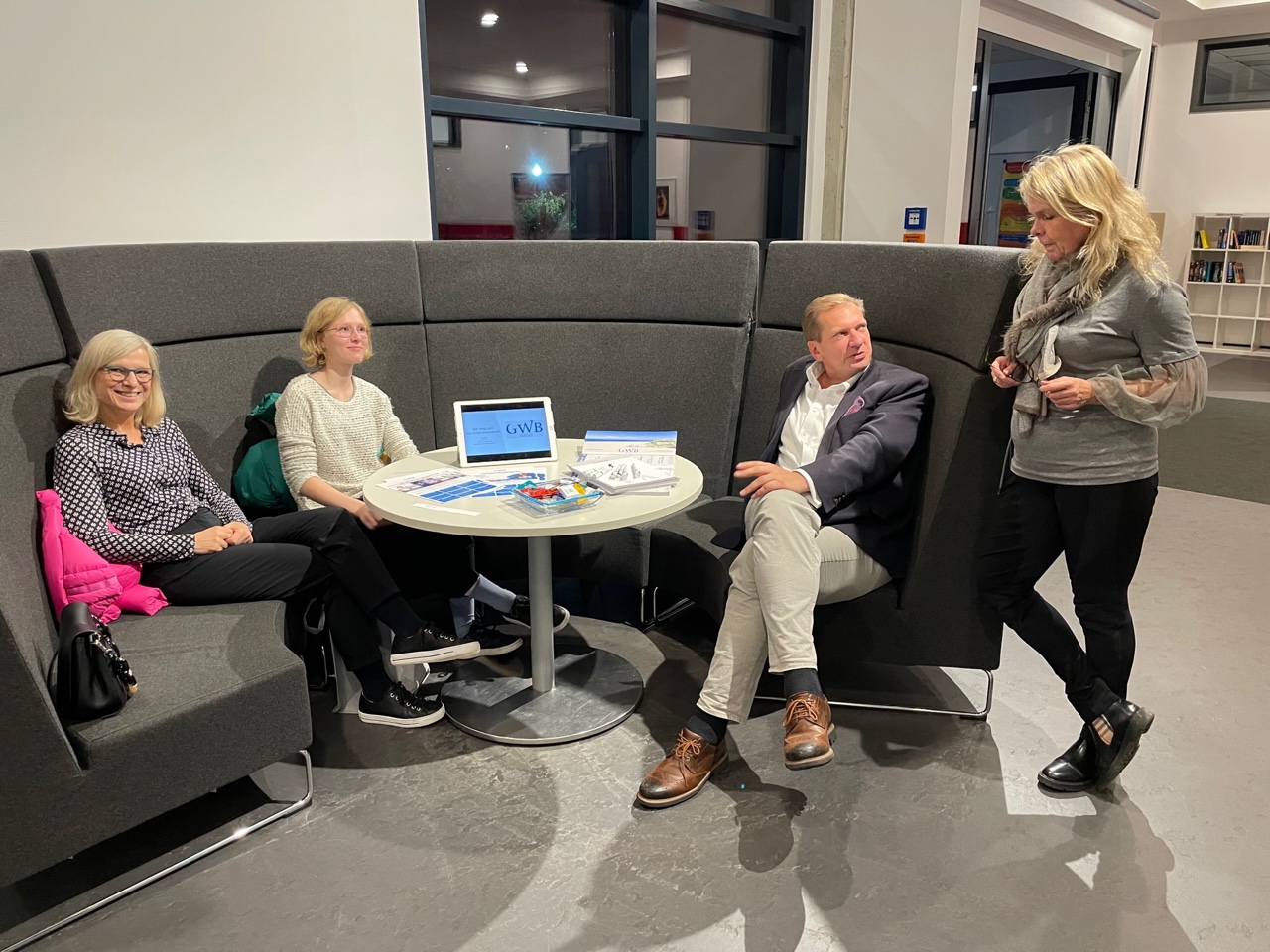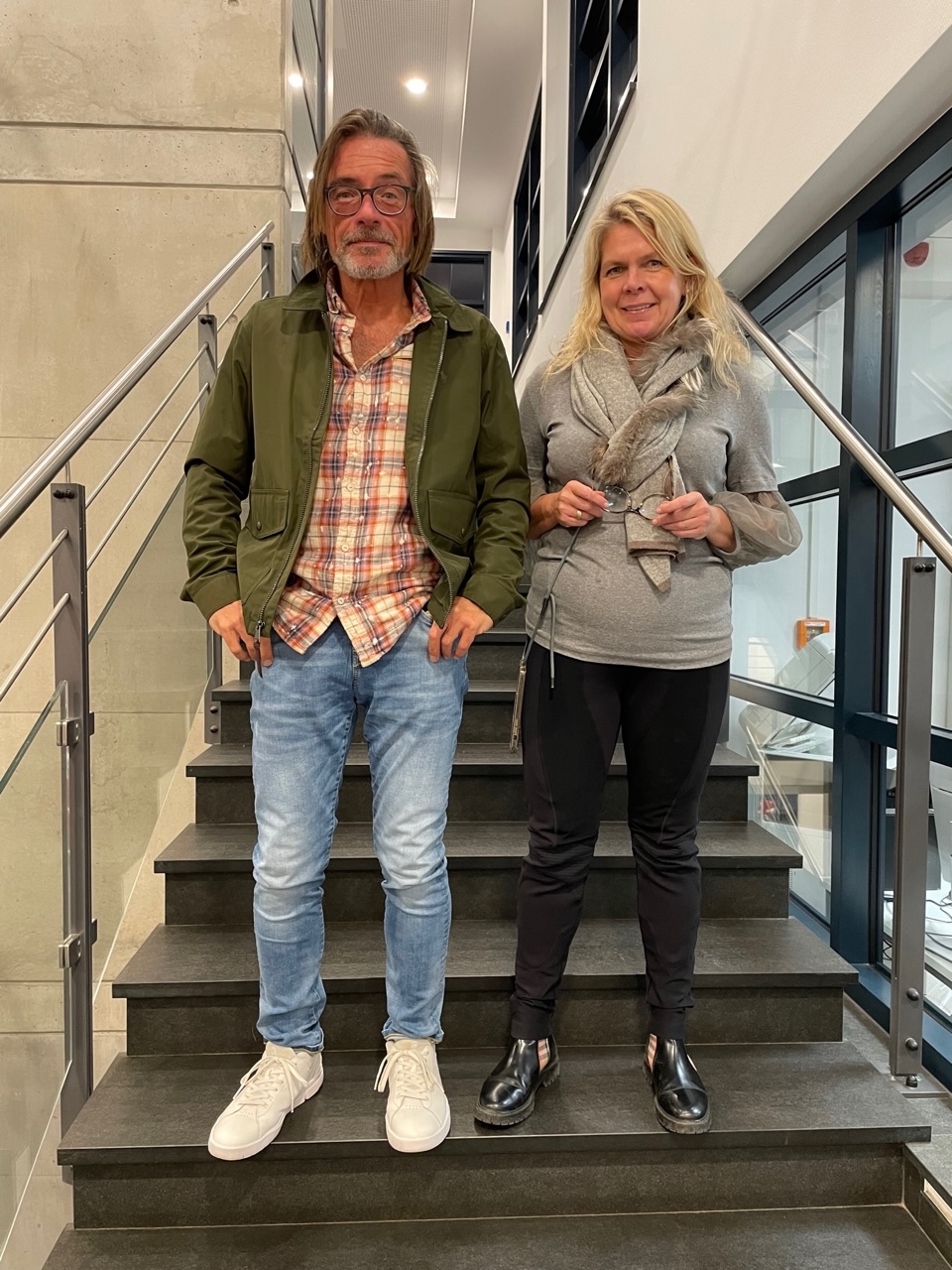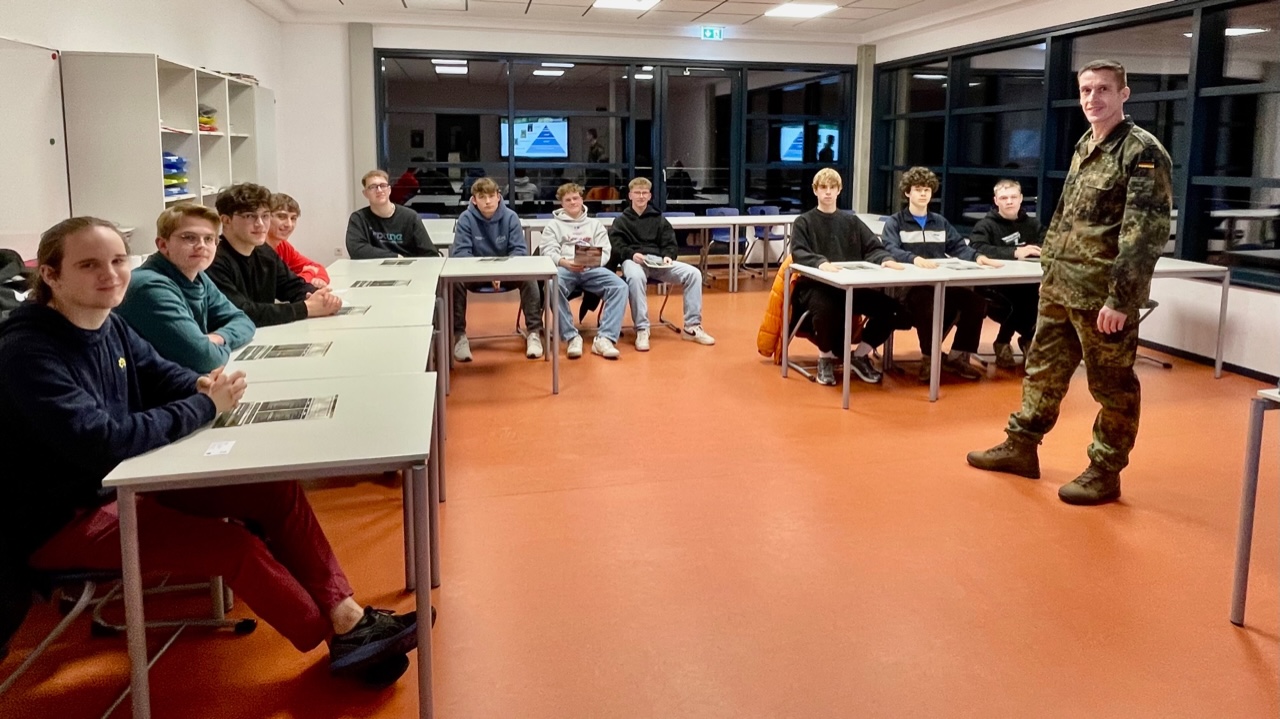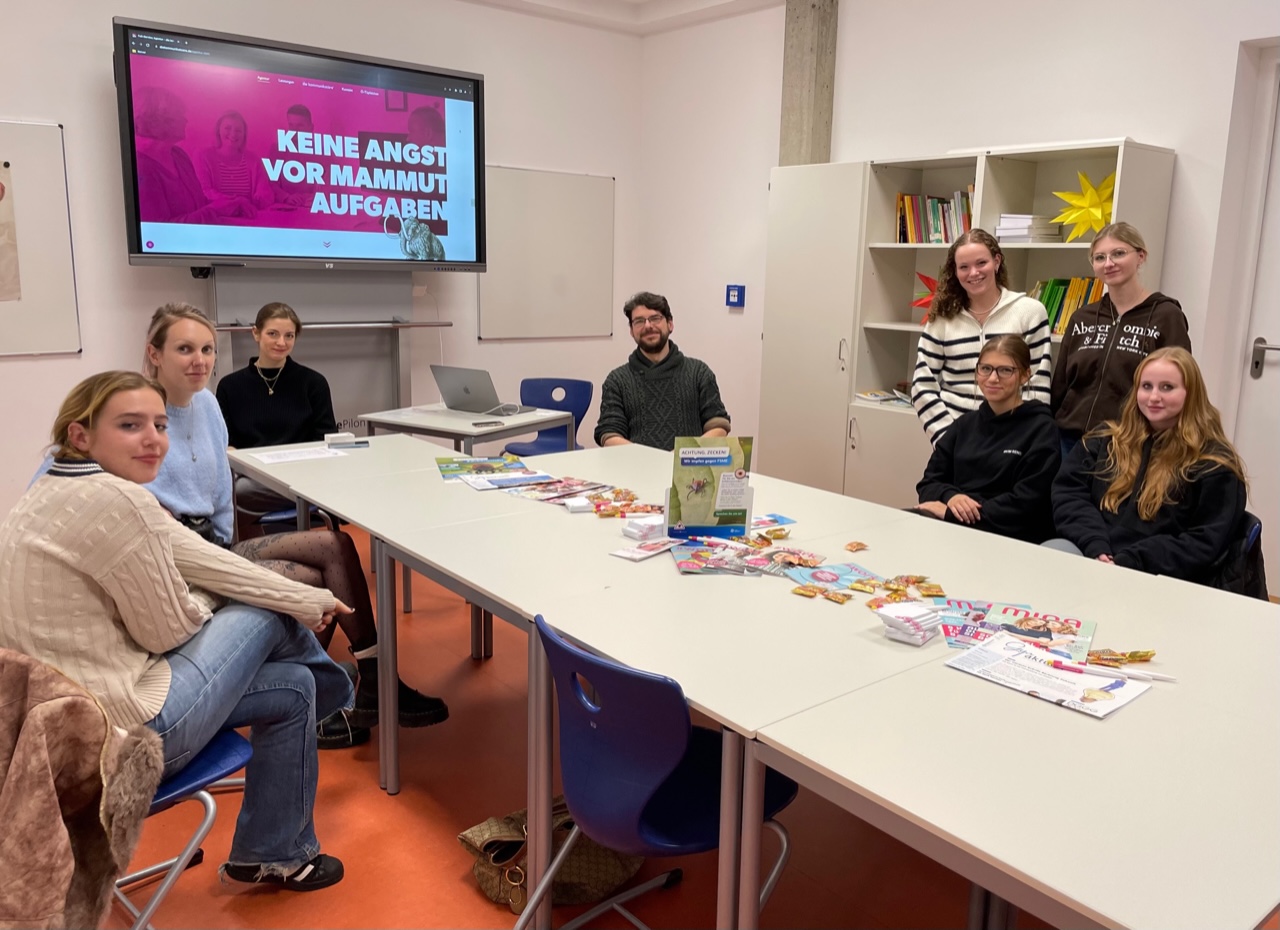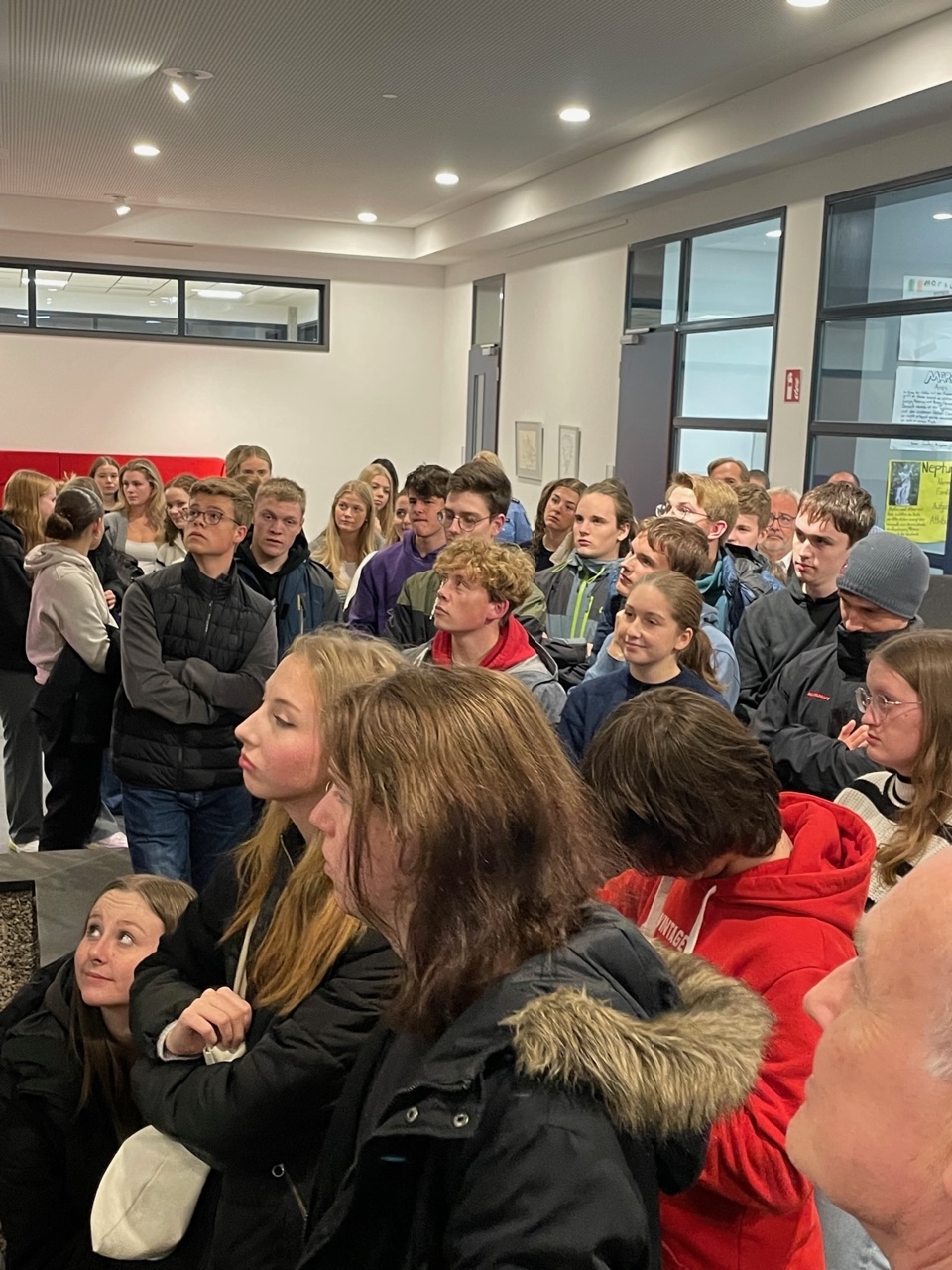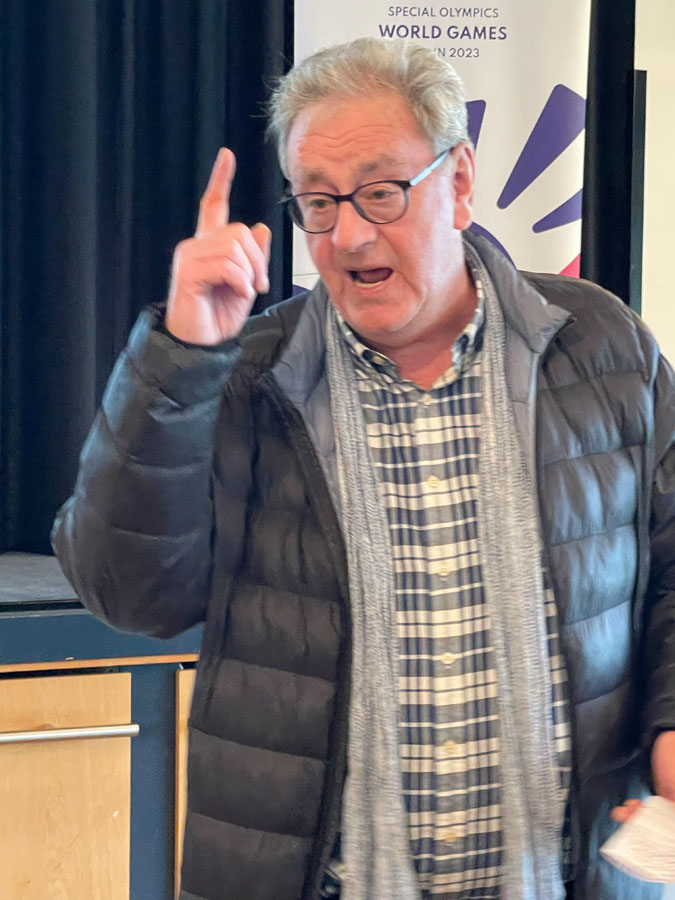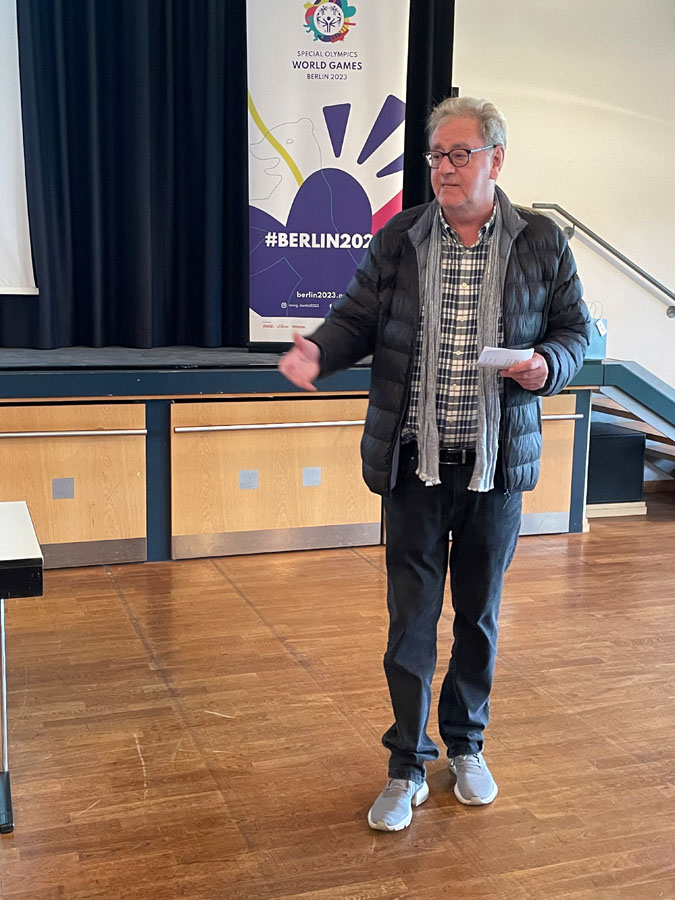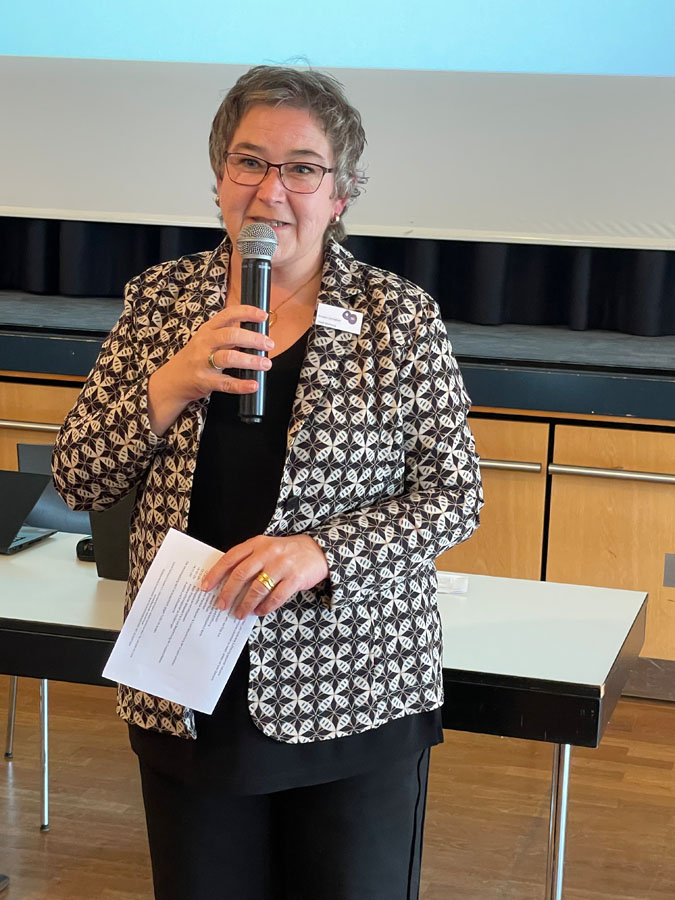
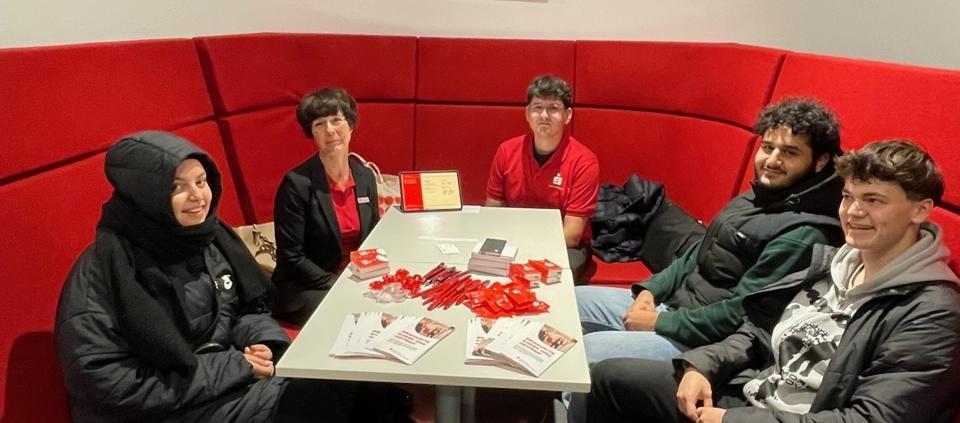
Every year, for one evening in November, the Steinmühle Atrium is reserved for the 12th-grade class and representatives of the Marburg-Schloss Rotary Club. Under the motto “Students Ask—Professionals Answer,” these young adults have the opportunity to learn about various careers, gain insights, and ask questions.

To ensure that the flow of information is as effective as possible and that the representatives also cover professions that interest the students, the 12th-grade class has a say in the composition of the team of experts beforehand. Students can express their preferences regarding which careers they would like to learn more about from a practical perspective. Once the panel of experts has been finalized, students receive a PDF file in advance containing information about each expert and their responsibilities in their respective fields. This allows students to choose which of the three available expert sessions to attend in a highly targeted manner.

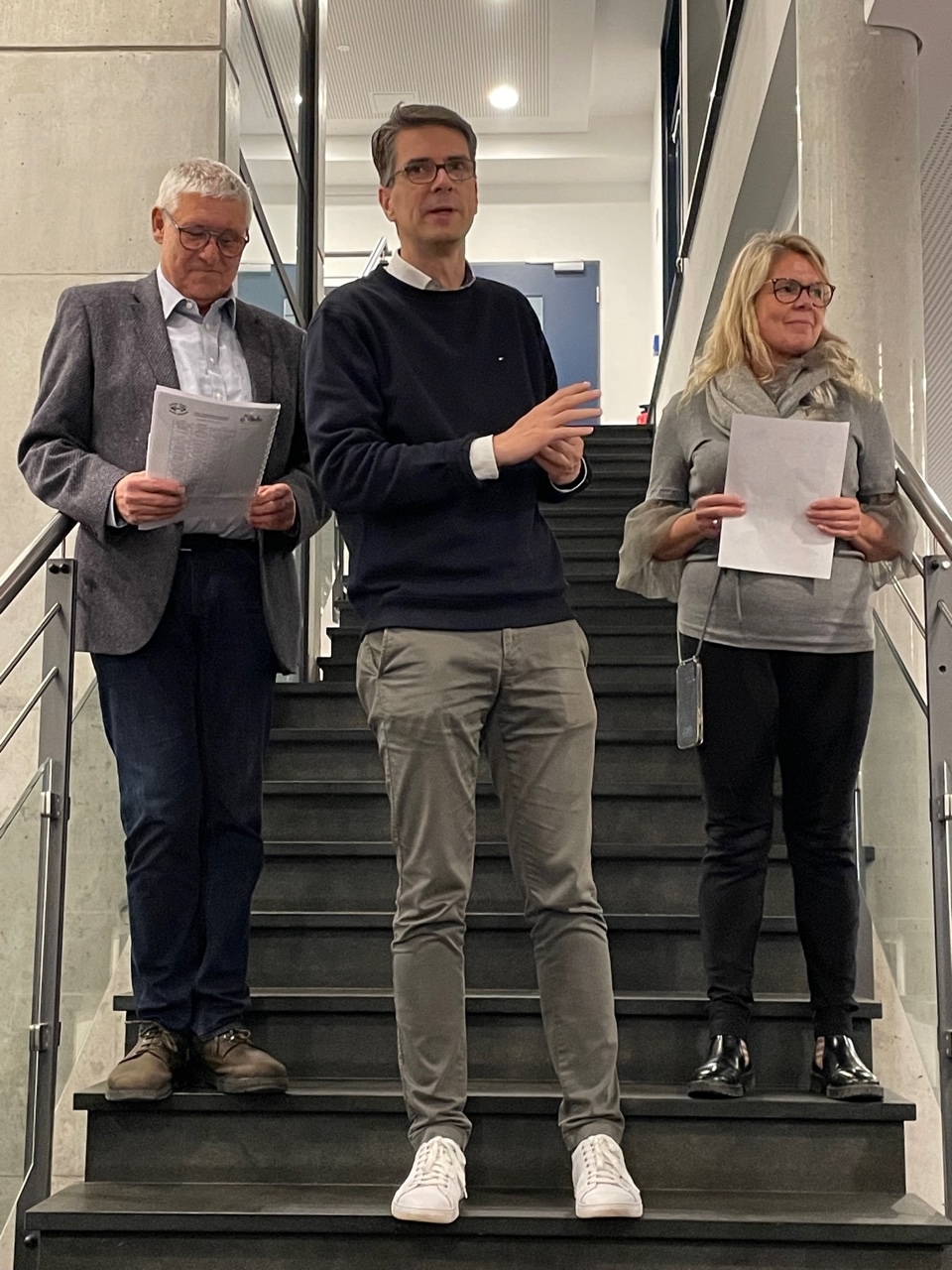
Every year, Dr. Claudia Röder and Hans-Heinrich Bähr are responsible for the preliminary organization and the smooth running of the event. “We’ve become a well-coordinated team by now,” they say. The Steinmühlen teacher is in charge of academic and career guidance at the school, while Hans-Heinrich Bähr is responsible for the career information service at the Rotary Club Marburg-Schloss. Principal Björn Gemmer thanked both of them for their reliable preparation before opening the event.


Specific offers were well received

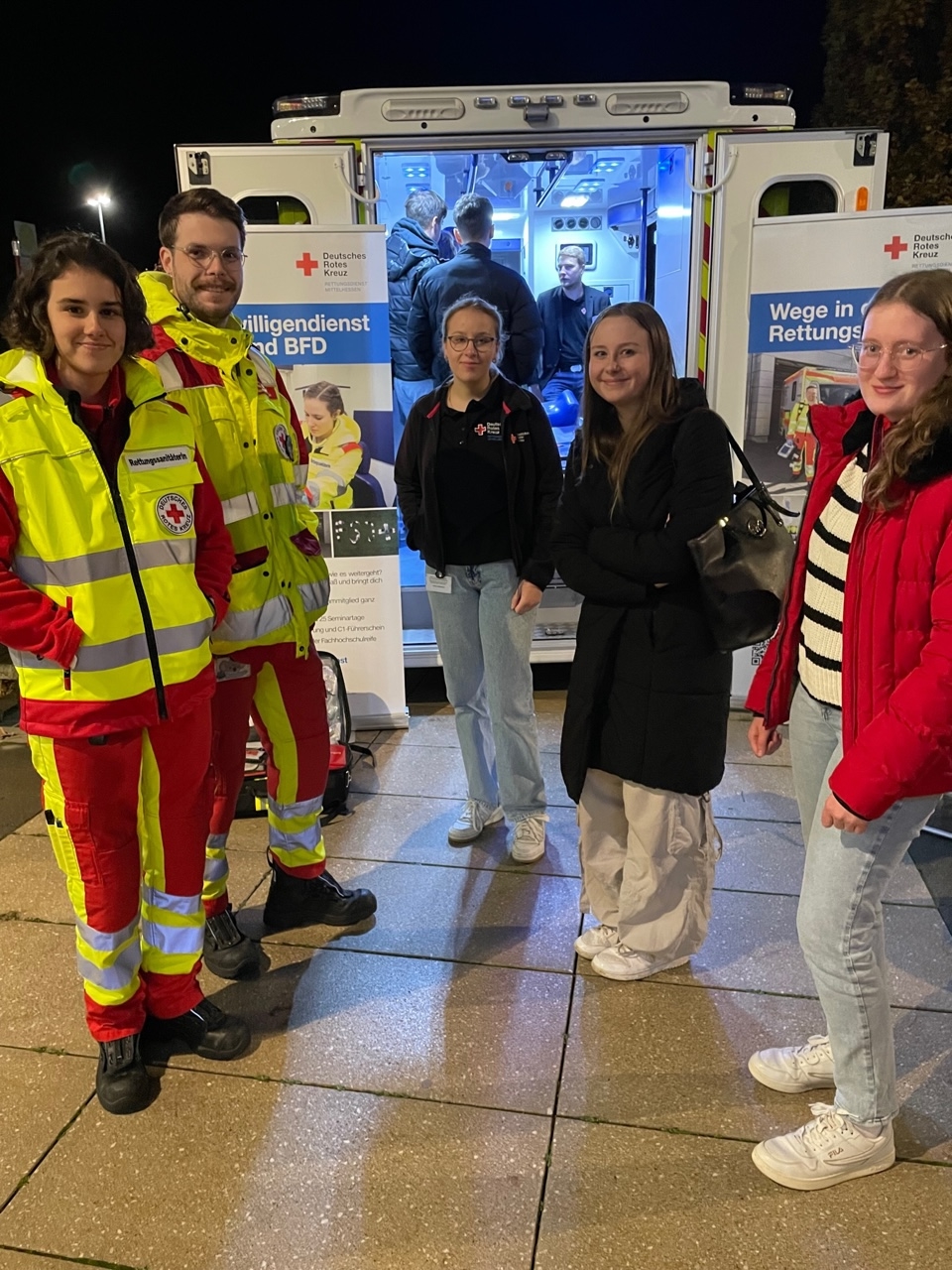
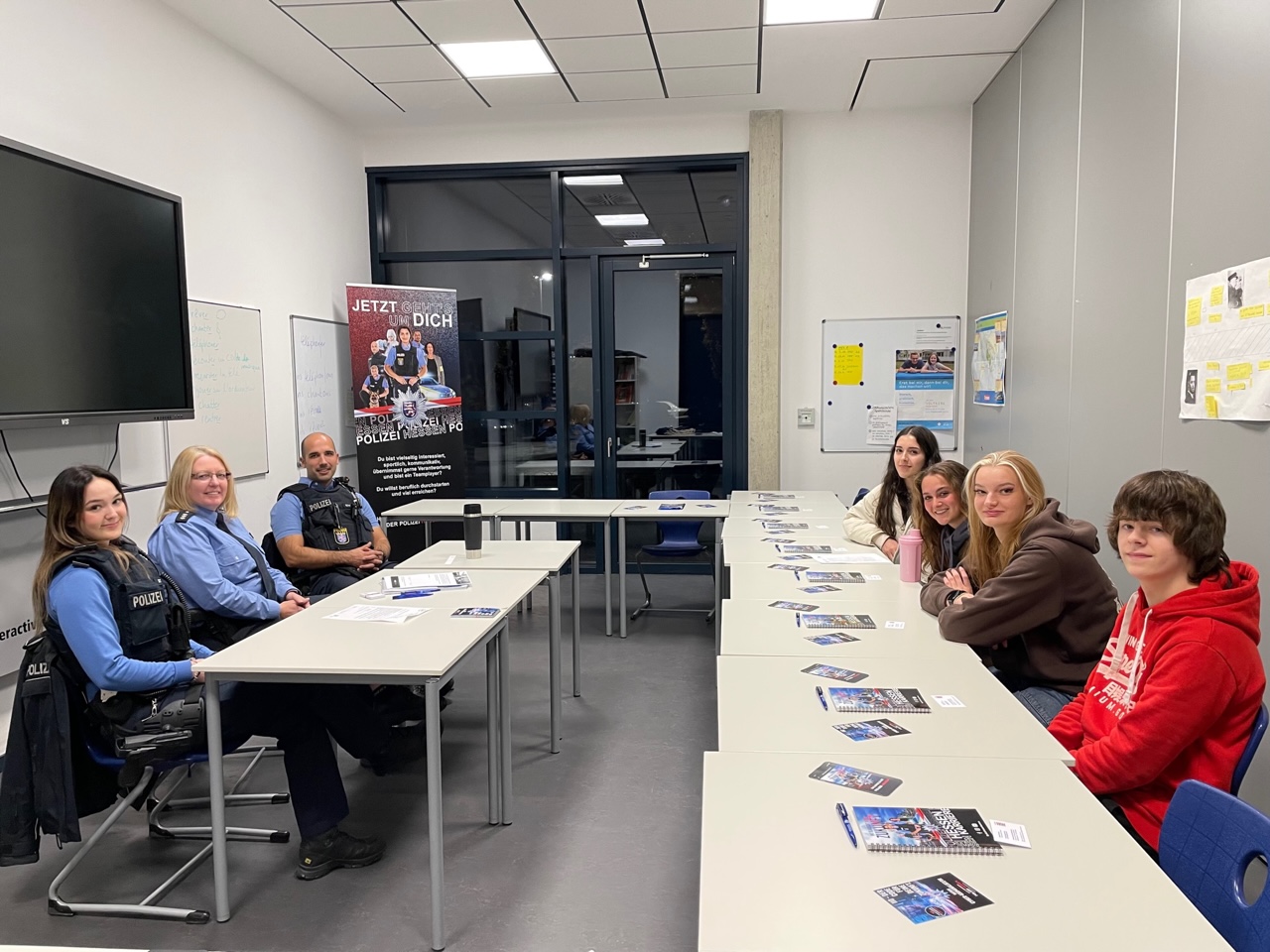
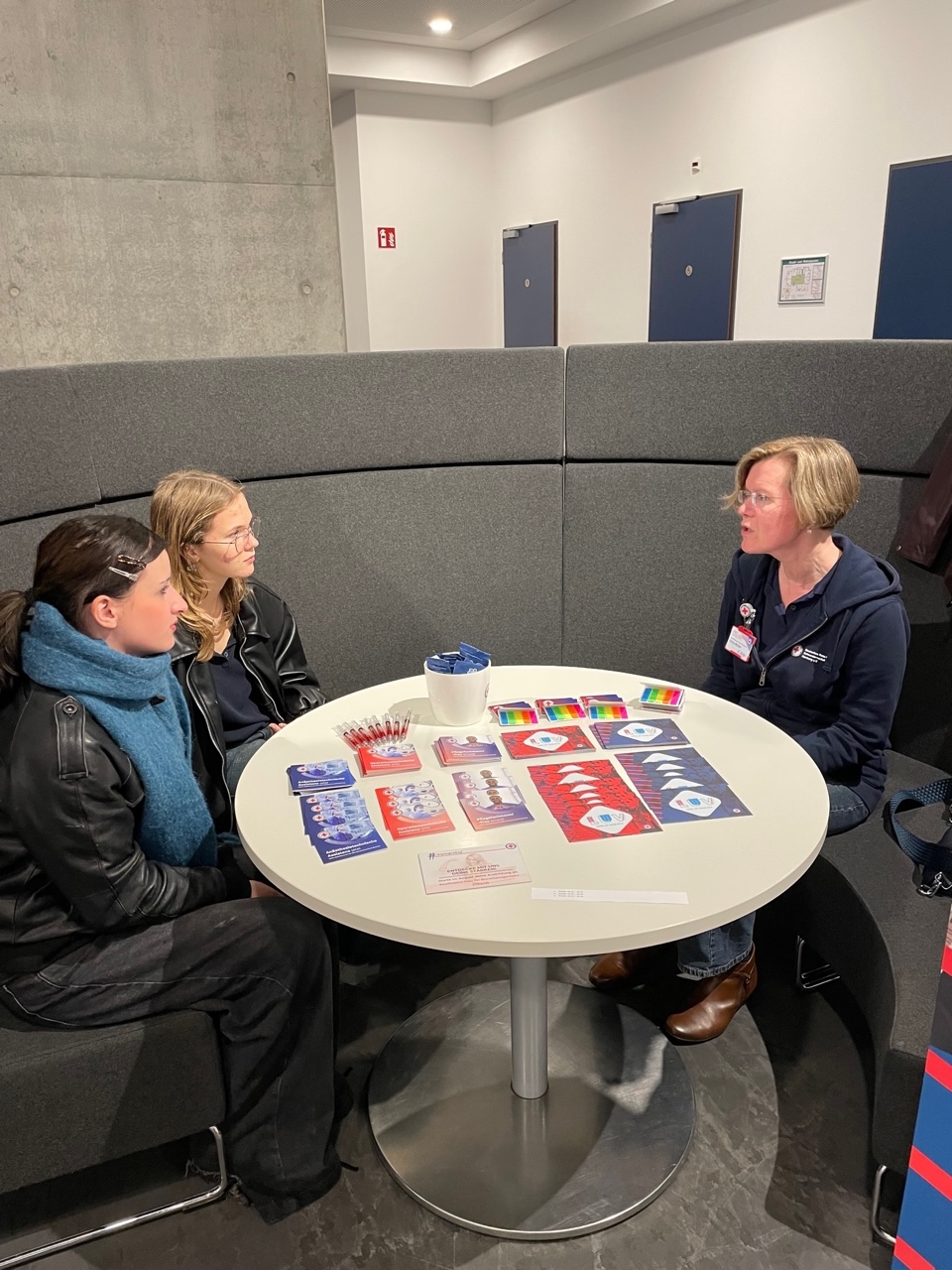
While last year a few specific career paths were the absolute favorites—such as the profession of psychologist and various opportunities with the German Armed Forces—this time the main areas of interest were somewhat more diverse. For example, there was also strong interest in counseling sessions on the various career opportunities with the Mittelhessen Emergency Medical Services and the Mittelhessen Police Headquarters, as well as in strategic service roles for hotel chains and the Sustainability Management degree program at the Technical University of Mittelhessen —the latter two were new additions to the Career Information Day’s offerings, just like the Materials Science degree program. Creative and communication-oriented professions, such as design, art direction, and journalism—to name just a few—were also in high demand. Numerous interested attendees also came to the information session on the career profiles of lawyers, (dental) physicians, and management consultants. A larger group also gathered at the German Red Cross (DRK) Nurses’ Association, which, for example, highlighted the opportunity to complete a voluntary social year. A total of 22 different career paths were presented.

“We liked that the career representatives just talked about their work on their own, without us having to ask questions,” said students Vivien Ettrich and Amelie Schröder. They were interested in psychology and journalism, but also found the option of first completing a voluntary social year appealing. Ina Arnold and Paula Henke found the information provided by the police to be very insightful: “They had three people there from different fields, and you could immediately see how diverse the opportunities with the police are.” Both were also drawn to the information provided by the Bundeswehr representative: “He offered internships, participation in camps, and even degree programs,” they reported.


The Best Ways to Combine High School Graduation and a Trade

Constantin Mensing, Johnny Eckardt, and Manu Yárnoz were impressed by the descriptions provided by the representative of the Hyatt Hotel Group and considered the information to be “very authentic” and now know that there are excellent career advancement opportunities in this particular field, provided one is willing to adapt to certain conditions, such as work hours. They also gained valuable insights into the careers of architects and lawyers, which offer a wide range of opportunities. The students found their conversation with Stefan Gräser about the role of a building energy manager to be very informative. Conclusion: There are excellent opportunities to combine a high school diploma with a trade.

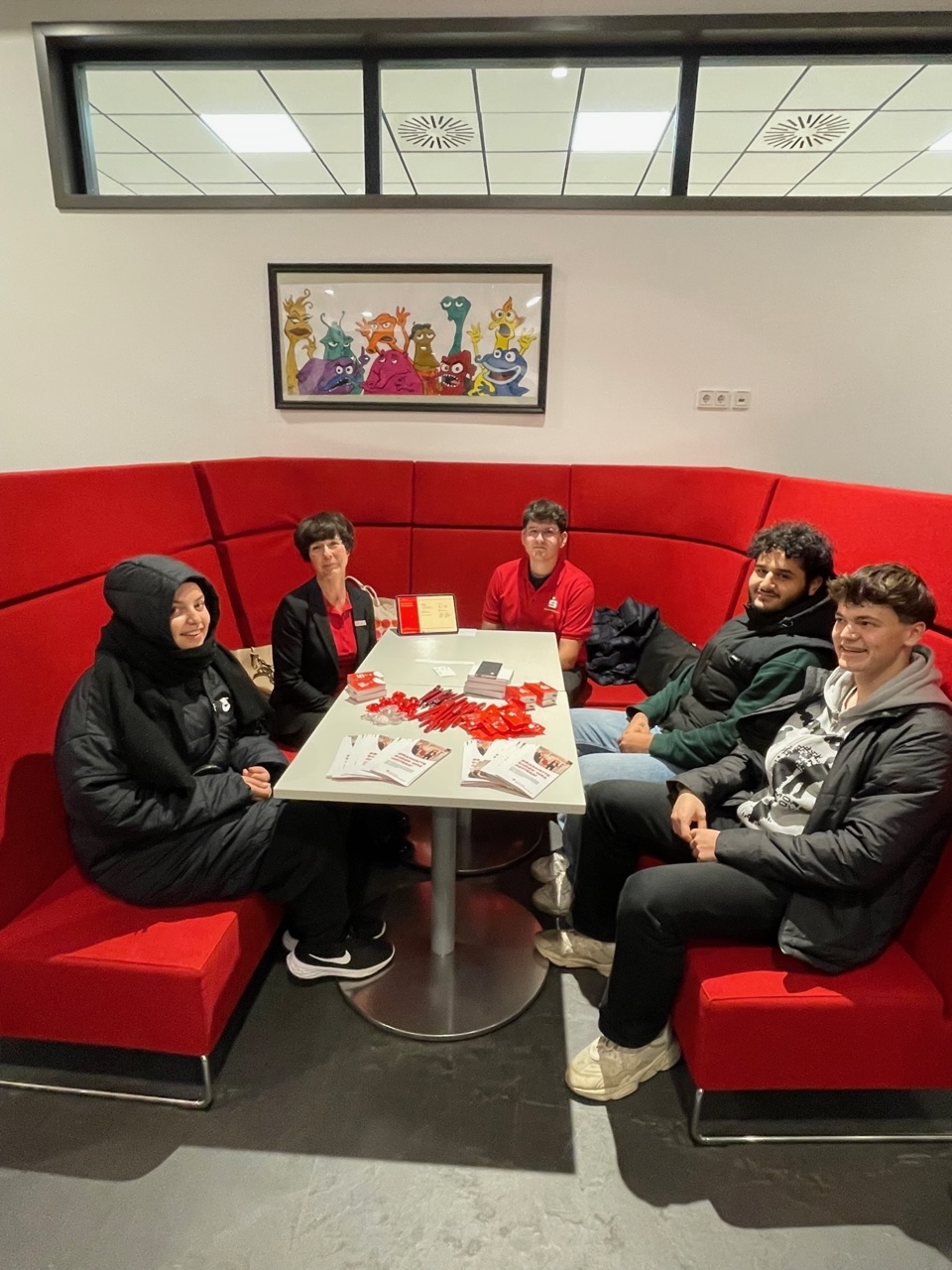
Baris Cem Tutu and Selim Özcan found the visit with representatives of Sparkasse Marburg-Biedenkopf informative, as well as the presentation by the Bundeswehr representative, who “did a great job” of explaining the material. “I now have a general idea,” says Selim. “A little more time overall wouldn’t have been a bad thing.”

In addition to the opportunities mentioned, the following career fields were also presented: Business graduate, managing director, IT specialist, tax consultant/certified public accountant, investment advisor/insurance agent, physicist.

The State Working Group for School Libraries in Hesse (LAG) visited the Steinmühle school library on Monday, November 6, with its LAG Café and workshop. From 4:00 to 6:00 p.m., interested teachers with library responsibilities and other school library staff from various schools in Hesse had the opportunity to exchange ideas over coffee, cake, and snacks. The Steinmühle employs its own librarian, Katrin Reichel, to handle all aspects of library operations; she herself is a member of the LAG School Libraries advisory board. She welcomed a total of 12 attendees, who asked questions of the presenters—Matthias Matzen, a teacher at the Gesamtschule Gießen Ost, a member of the LAG Executive Board and an employee of the IT Service Center for School Libraries in Hesse, and received various tips and tricks. Without exception, the guests were enthusiastic about this accessible event and the opportunity to network, and they hope the event will be repeated soon.

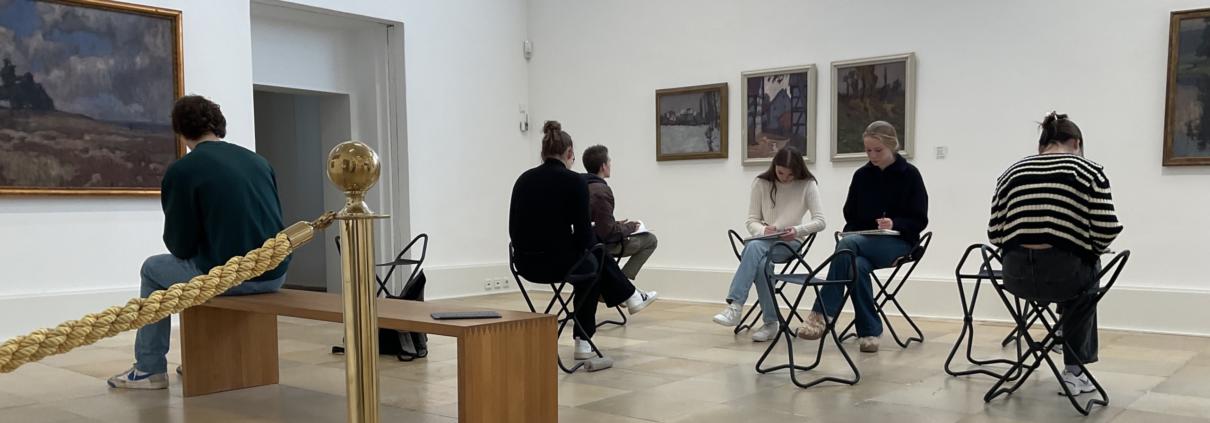
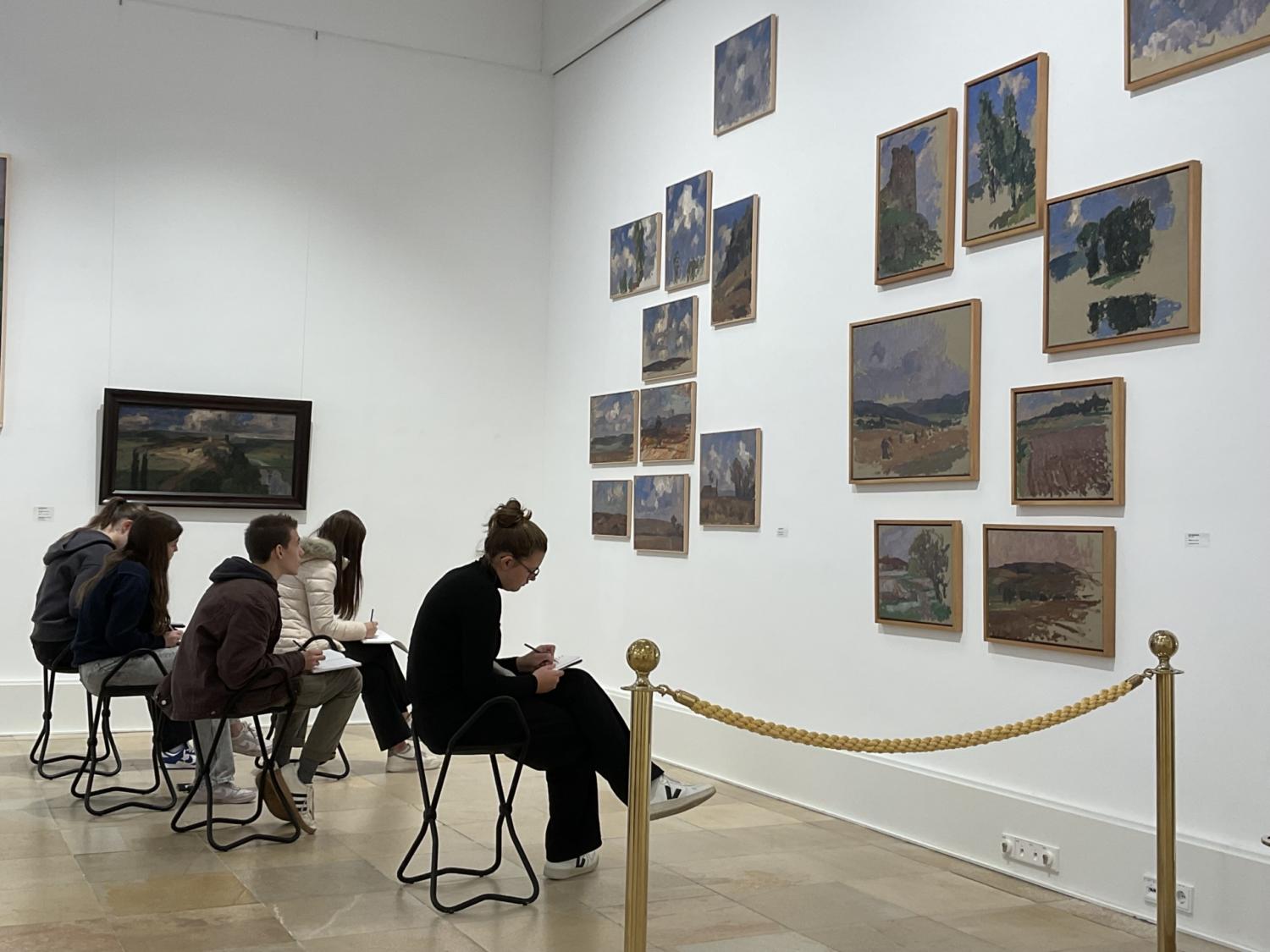
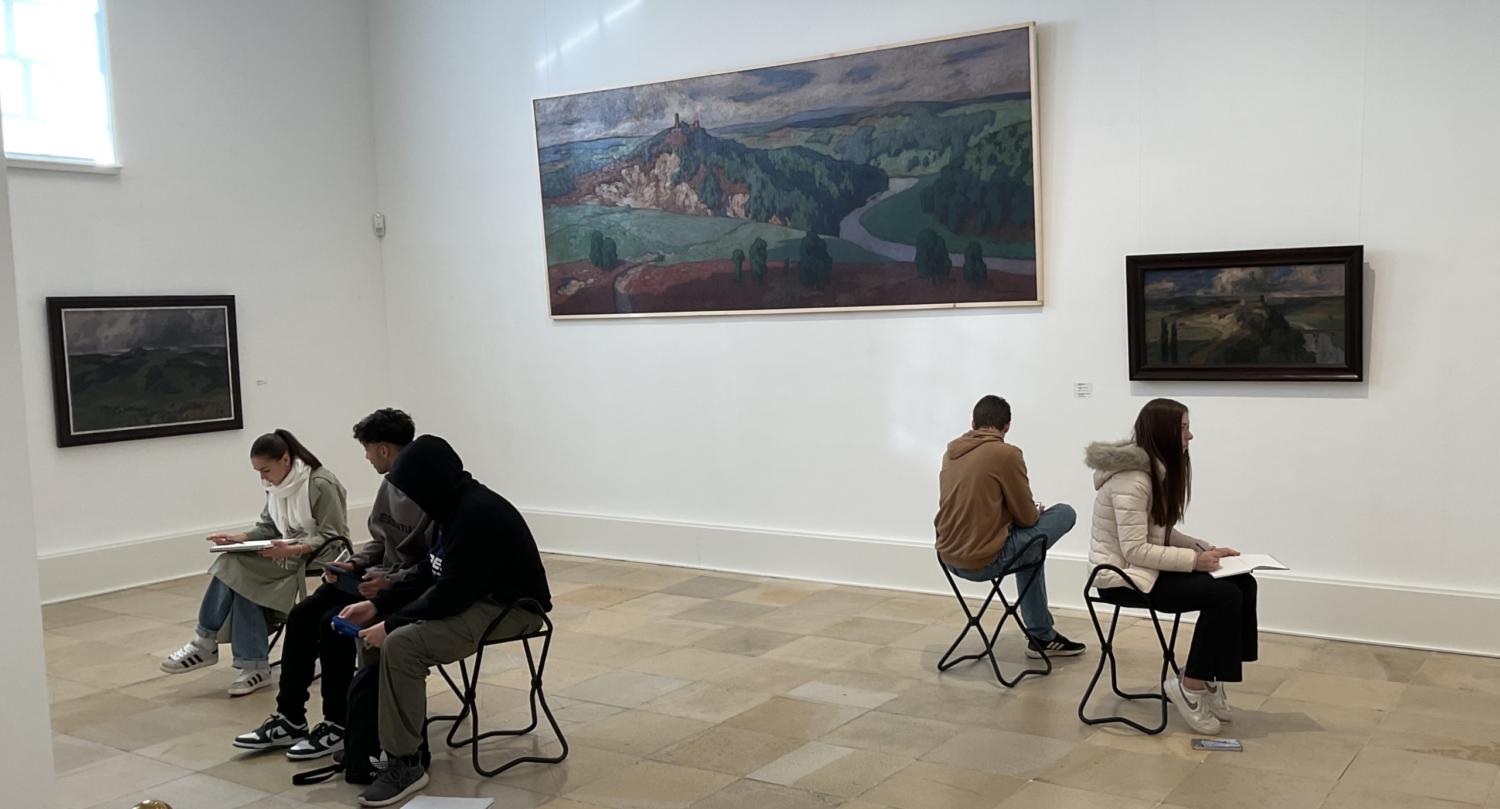
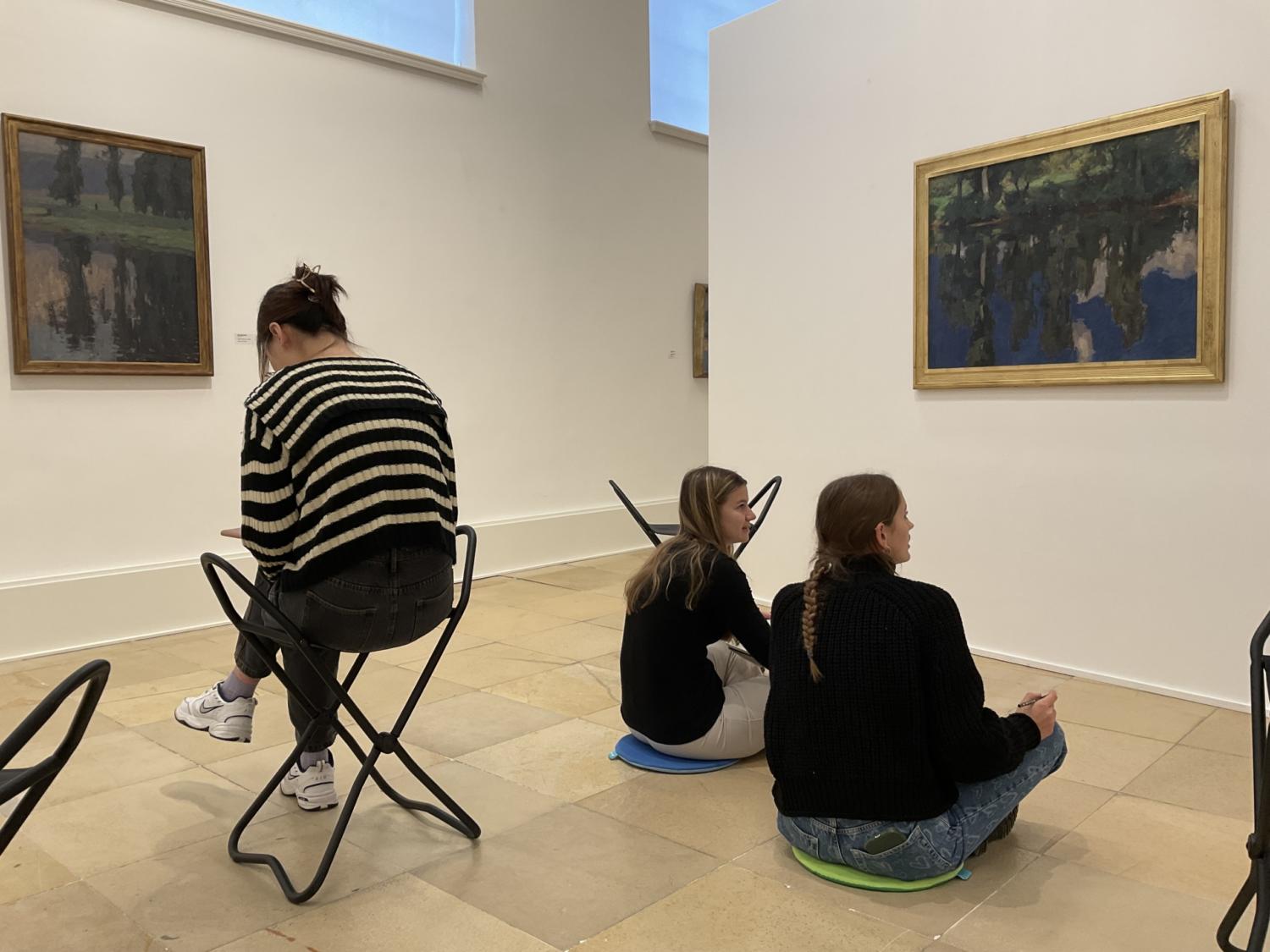
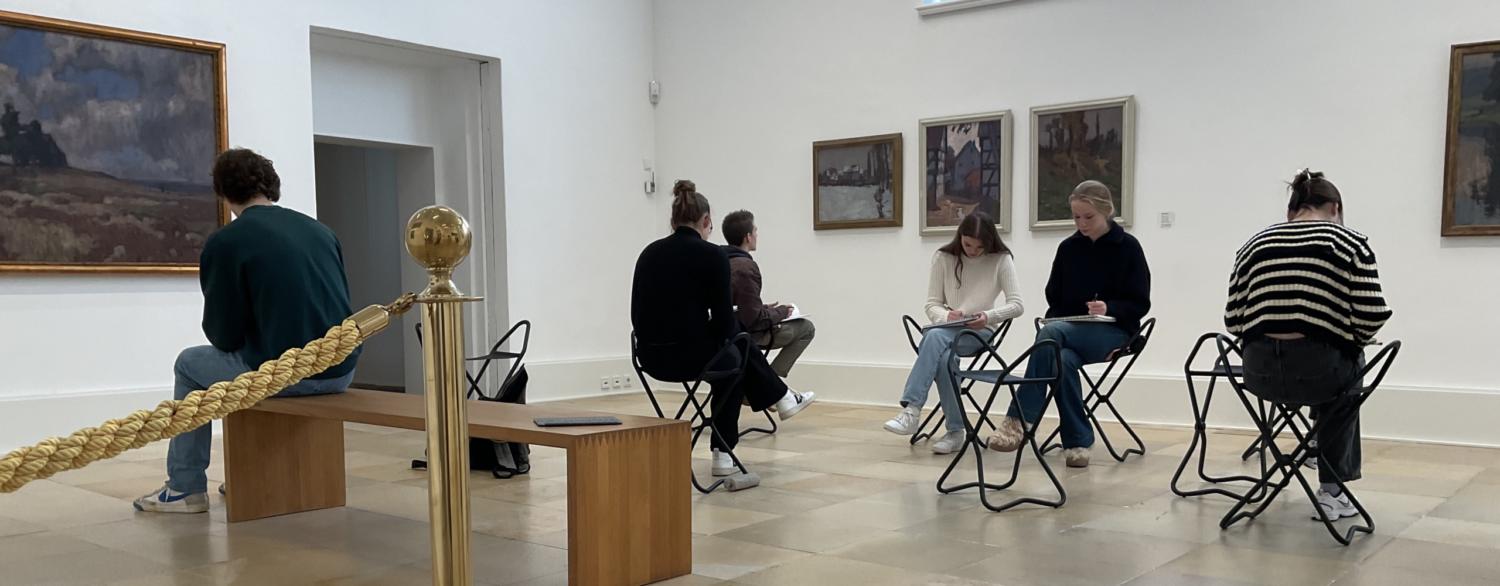
In the spacious rooms of the Museum of Art and Cultural History at the University of Marburg, the aspiring artists are focusing on Ubbelohde’s landscapes, some of which capture precisely this autumnal weather in a painterly way.

Working in front of the originals, they sketch the slanting trees, reflections on the shore, and promising cloud formations, attempting to translate Ubbelohde’s expressive brushwork into their pencil drawings.

Judging by the pictures, Ubbelohde must have been a rather introverted and melancholic fellow, the students speculate during the concluding reflection discussion with their teacher, Ines Vielhaben.

Axel Täubert, bestselling author and Head of Startups at Google, visited the Steinmühle

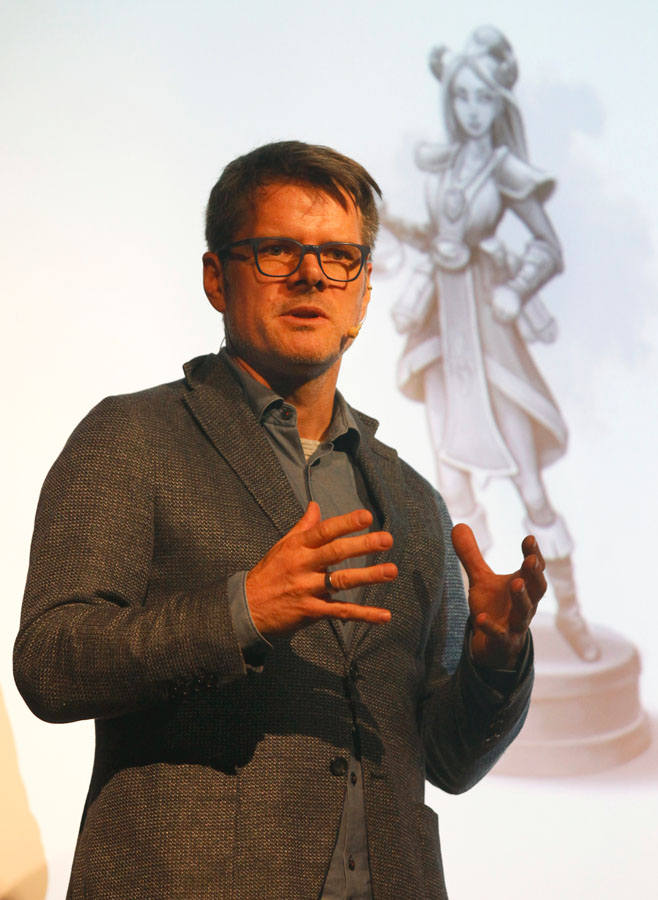
Those who fail are often met with ridicule: “He went bankrupt,” “his company went under,” “so much for those great ideas.” Even today, founders whose companies couldn’t hold their own in the market are still stigmatized in Germany. Axel Täubert, who graduated from the Liebigschule in Giessen in 1996 and is now Head of Startups at Google, made this the topic of his talk at the Steinmühle on Tuesday evening. The provocative title: “Failure as a Business Model.”

It’s easy to forget: Anyone who starts a business has dealt with things that many employees only know about from hearsay. Formalities, business plans, capital requirements, and—if necessary—the search for investors—not to mention the willingness to work longer hours than “nine-to-five.” Almost essential: putting together the right team. “Anyone who wants to start a business needs people who are not only passionate about the same idea but whose skills complement one another.” One person is at home in the world of finance, while another loves sales and interacting with people. A third person has the expertise that the company relies on—whether as a technician, engineer, scientist, or whatever field the startup specializes in. This explicitly includes skilled trades businesses.


“Everything should start with the user”

Many entrepreneurs rely on financial support during the startup phase. If they can convince investors in such a situation with a novel, innovative business idea and the structure of their team, venture capital often comes into play. Investors provide funding to high-growth, unlisted startups without requiring collateral and offer not only financial assistance but also advice and access to networks. This takes the form of a venture capital fund as part of an equity investment in the company. The investment results in co-ownership, though the investors do not seek a majority stake.

Venture capital-eligible companies are those that, through their activities, offer clear customer value and an innovative advantage. Axel Täubert: “Everything should start with the user.” He cited the example of a company that, using decorative elements and a special design concept, transformed MRI diagnostic equipment into an “adventure cave” that, rather than instilling fear in children, encourages them to enter and undergo the examination.


If you’re going to fail, do it quickly

Only one in ten startups becomes truly successful, reports Axel Täubert. Relevant statistics show that between 80 and 90 percent of all startups fail within three years. “It’s important to recognize early on when things aren’t going well,” advises Täubert. Admitting failure shouldn’t be unnecessarily delayed in the false hope that things will still turn around. Of course, this doesn’t rule out adjusting the business plan before throwing in the towel. Fortunately, failure after starting a business is no longer seen as a stigma. On the contrary, investors often view it as a sign of experience.

“Believe in your ideas; if necessary, have them patented,” advises the speaker, who had come to the Steinmühle through the efforts of Jens Ihle, the managing director of Regional Management Central Hesse. According to Täubert, the organization, based in Gießen, is also a possible place for potential founders to pitch their ideas or find out where they can do so. During the Q&A session following the presentation, Täubert also explained that there are geographical differences in Germany regarding which regions or cities are best suited for founders: “Certain universities simply offer better opportunities for support, and in certain places there is simply a strong startup ecosystem. The Lokschuppen in Marburg is one of them.”


Essential Skills for Founders

The speaker specifically described the role a school can play in turning graduates into potentially successful entrepreneurs as follows: “Anyone who can read for meaning, is good at math, is a team player, and can work independently has every chance of becoming a successful entrepreneur.” Principal Björn Gemmer, who guided the highly engaged audience through the evening, also noted that the course “Jugend gründet” (Youth Starts a Business)—analogous to “Jugend forscht” (Youth Researches)—is already established at some German schools, even as a “Special Learning Achievement” and thus as an Abitur subject.


Grades 5 through 7 discussed Axel Täubert’s book *The Classroom Coach*

A change of scene. Axel Täubert, father of two sons aged 13 and 15, fills the forum on Wednesday morning with students from grades 5 through 7 at Steinmühlen. He reads from his book *Der Classroom-Coach*, which he co-authored with education entrepreneur Daniel Jung. A little less than four years ago, Daniel Jung—the math YouTuber to whom so many students owe a debt of gratitude for help with math problems—stood here as well. A memorable quote from that time: “You saved my butt on my final exams.”

This time, in Axel Täubert’s bestseller *Classroom Coach*, the story revolves around a learning app—a tutoring app whose development stems from an idea by a student named Nele. She and her team—which, besides her, consists of Karl, Mehmet, and Aliyah—are acting as founders. It’s an exciting journey that is first read aloud on stage by Axel Täubert himself and later by four Steinmühlen students taking on the respective roles.

Despite the longer listening time, the young audience was captivated—just like Axel Täubert himself: “The students didn’t just read it—they acted it out,” he said enthusiastically, referring to the way Leo Keil (5b), Thomas Pfotenhauer (6b), Lotta Jerrentrup (7a), and Samri Wulf (7a) portrayed their respective roles.

Afterward, there was plenty of time for questions, and the students had plenty of them. It became clear just how well-informed the students were about the latest relevant websites, and they peppered the expert guest with all the questions that were on their minds. Among them were questions that Axel Täubert preferred to sidestep, such as “How much do you earn at Google?” He credited his decision to inspire young people to become entrepreneurs to his acquaintance with financial entrepreneur Carsten Maschmeyer. Together with him, he also wrote the bestseller *Die Start-Up-Gang*.

“If you’re going to do something, do something new,” the guest concluded his appearance at the Steinmühle. And who knows—maybe he’ll run into one or two of those enthusiastic young people again someday.

Axel Täubert is a retired rapper, SPIEGEL bestselling author, and Head of Startups at Google. He lived in Gießen until he graduated from high school (Liebigschule, 1996) and, prior to his current role, served as Head of Gaming at YouTube, among other positions. He founded several companies at a young age and now supports various startups as a business angel. He is also the author of children’s books and lives in Munich with his wife and two sons.


Once again this year, the Fall Festival—organized jointly by the school and the boarding school—was a highlight for many students, families, and alumni. For weeks, everyone had been working hard to plan the event and make the day unforgettable for everyone involved. From face painting and a haunted house to the evening festivities in the festival tent, there was something for everyone.

Preparations for the event began days in advance, with the boarding school students pitching in as well. The schoolyard gradually transformed into the festival grounds that visitors from previous years are likely already familiar with. Benches and booths were set up in the courtyard, and the stage was erected for the choir and band performances. This year, the school helped the boarding school with baking cakes, resulting once again in a varied buffet. As a result, the dorms smelled of delicious pastries for days on end, with one baking sheet after another being slid into the oven. Of course, a little tasting was a must. But who can resist fresh cinnamon rolls?
On the big day itself, the anticipation kept building. After the tables in the courtyard were decorated with the help of the Mühle residential group, the time had finally come, and the guests arrived, curious to explore the grounds and marvel at the program that had been put together. The Hessenhaus and the Biohaus worked hard to support the bake sale, and the students from the main building helped the kitchen with the barbecue, while the Westfalenhaus and Bremerhaus collected dishes all day long—because a celebration this big can only be a success if everyone pitches in together. We’d like to take this opportunity to thank all the students and the teaching staff for their active support!
The fall festival was marked by the presence of many familiar faces, all of whom were warmly welcomed. Time and again, people would say, “Back when I was at boarding school…” Alumni, current students, and faculty members happily exchanged stories about boarding school life, shared their experiences, and reminisced about shared memories. Once again, it became clear that the boarding school community extends beyond one’s time as a student and that Steinmühle often plays a formative role in the lives of young people.

We’re already looking forward to the next Fall Festival in 2024!

Ines Vielhaben’s Advanced Art Class has creatively curated an exhibition featuring impressive documentary and staged photographs that shed light on selected Sustainable Development Goals in a compelling way. This visual journey through commitment and vision awaits all interested visitors in the open workspace of the Steinmühlen main building. The photos not only tell very different stories but also encourage reflection.

According to Ines Vielhaben, the exhibition is more than just pictures on the wall—it is an invitation to view the world through the lens of sustainability.

This selection of photos provides a glimpse into the various photo series.