The Boarding School Association (DIV) held its meeting at the Steinmühle with 135 participants
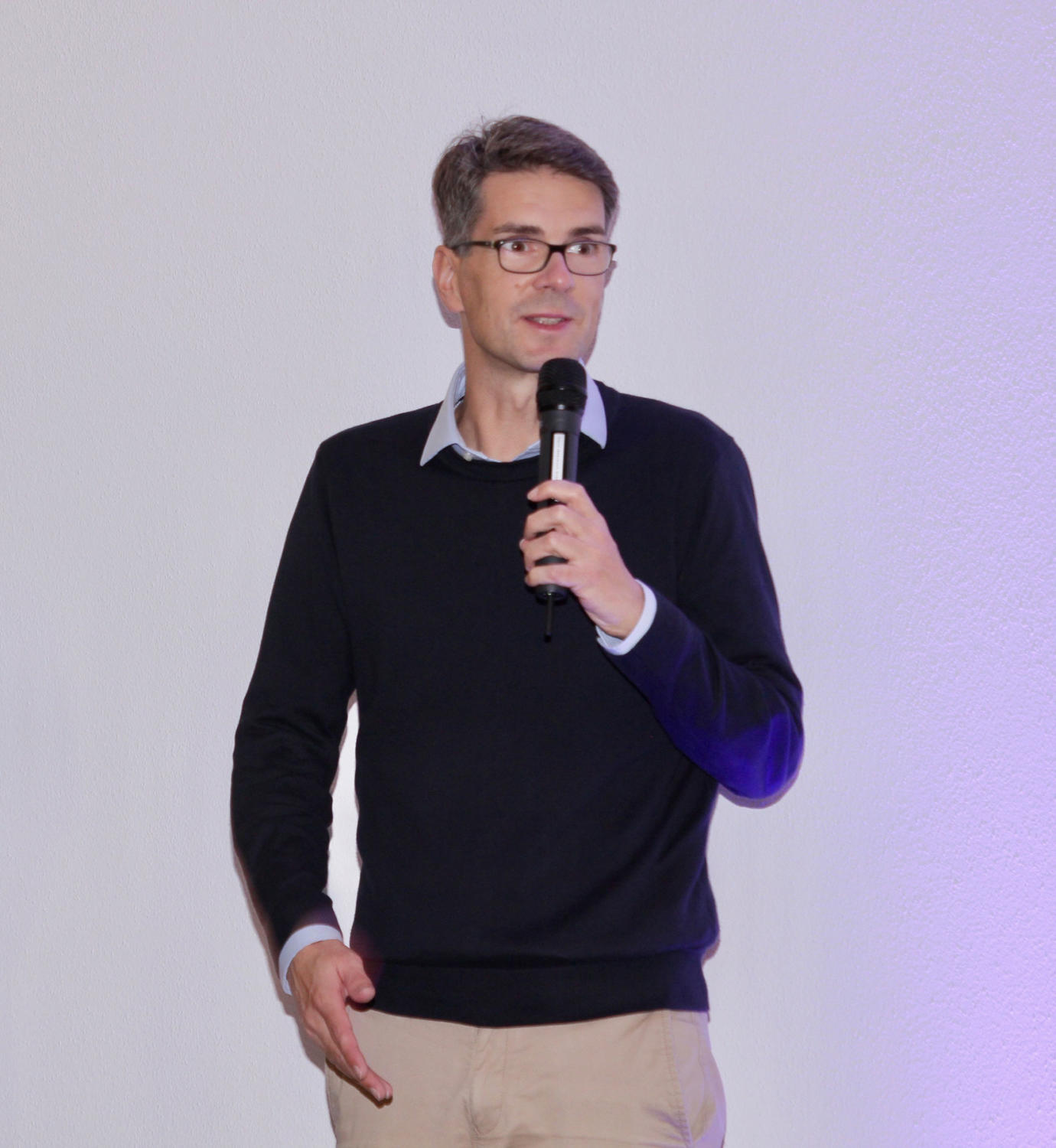
The Steinmühle School and Boarding School are linked in more ways than just their shared logo. The two institutions are financially separate but closely linked in their missions. Given this, it was only natural for Steinmühle School Principal Björn Gemmer—after a period of membership in “Die Internate Vereinigung” (DIV)—to take over as chair of the association this year. The “2021 Major Staff Conference of the Boarding Schools Association,” attended by representatives from all 16 member schools across Germany, was therefore held this year at Steinmühlenweg in Marburg.
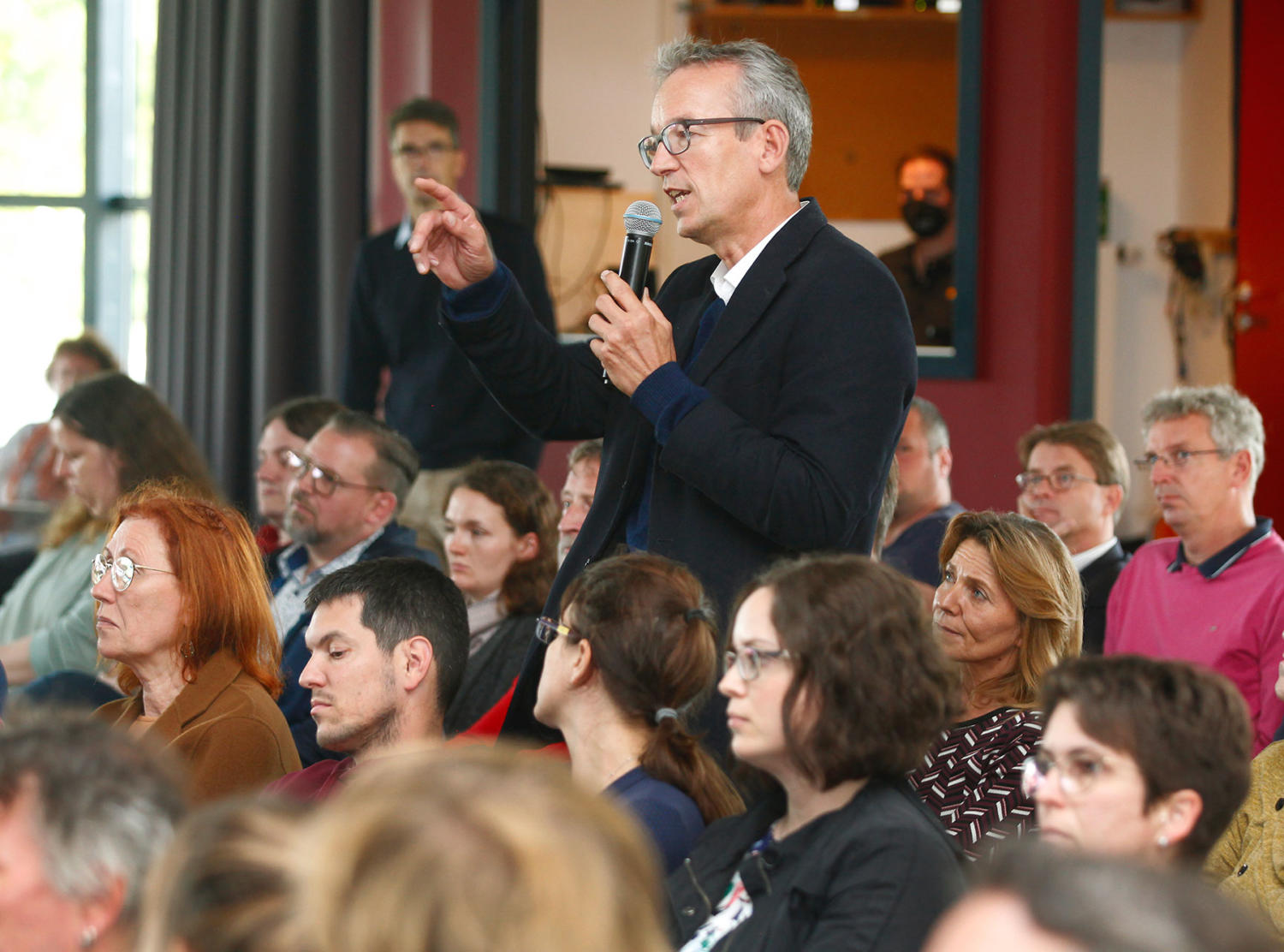
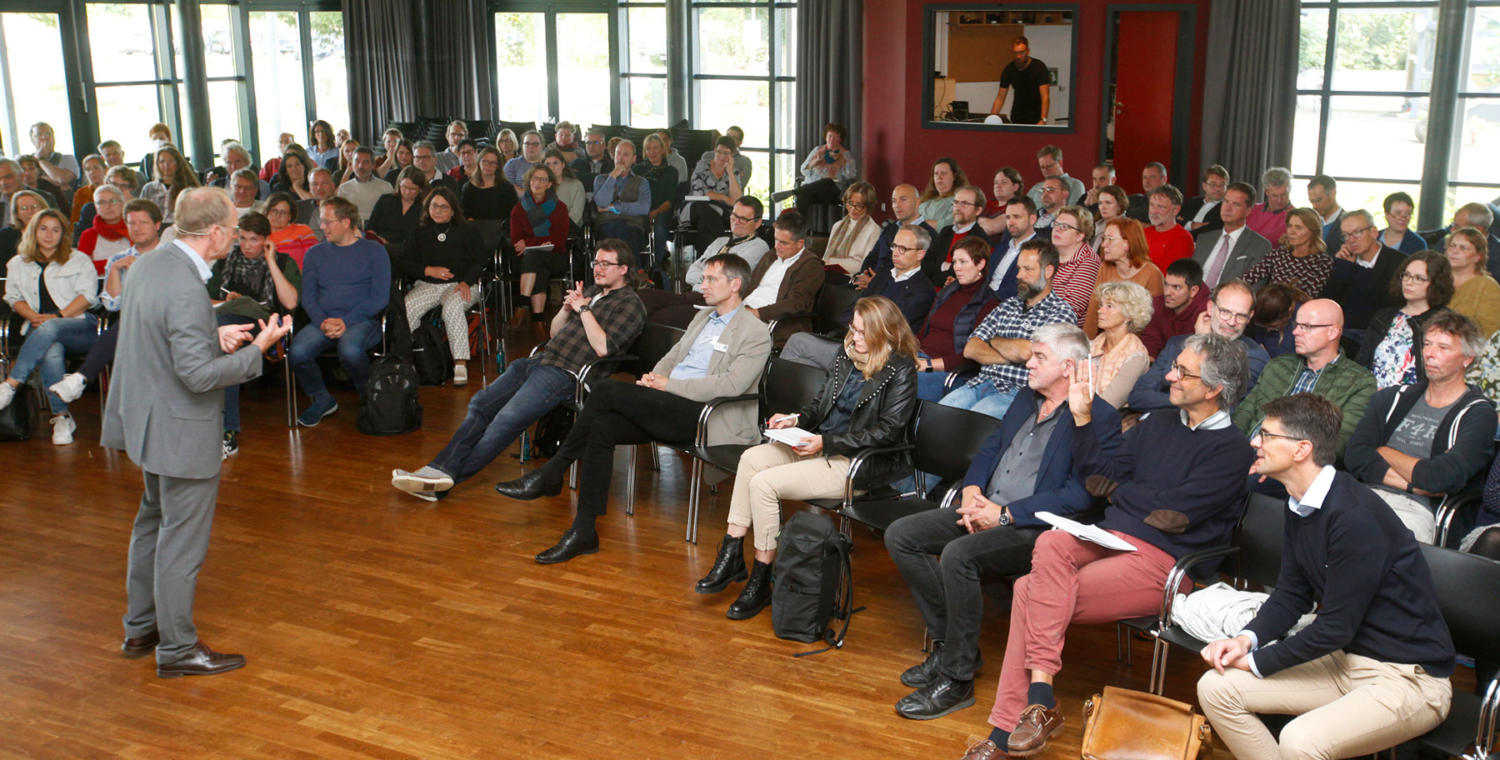
Asking questions about our own daily lives, discussing them with speakers, and learning about our colleagues’ perspectives—the annual meetings aren’t just about patting each other on the back. Reflecting on the present, staying true to oneself, and gaining new inspiration—that was the goal of the 135 attendees this time, most of whom were educators. “We’re not competitors; either everyone is doing well or everyone is doing poorly,” was the sentiment expressed in summarizing past events. This time, the message was clear: All boarding schools are full.
The Importance of a Real Mentor
Whether on the North Sea coast or in the Alpine foothills, boarding schools have long struggled with image problems. They were seen as a “way out” for families—a place you end up if you’re not a good student or a well-behaved daughter. This image—unknown in England—has largely been overcome in Germany. The conference participants at the Steinmühle focused on solving other problems and addressing issues arising in the present: digitalization in schools, learning during and after the COVID-19 crisis, the importance of a real-life mentor, and the question of what asynchronous learning can or must look like.
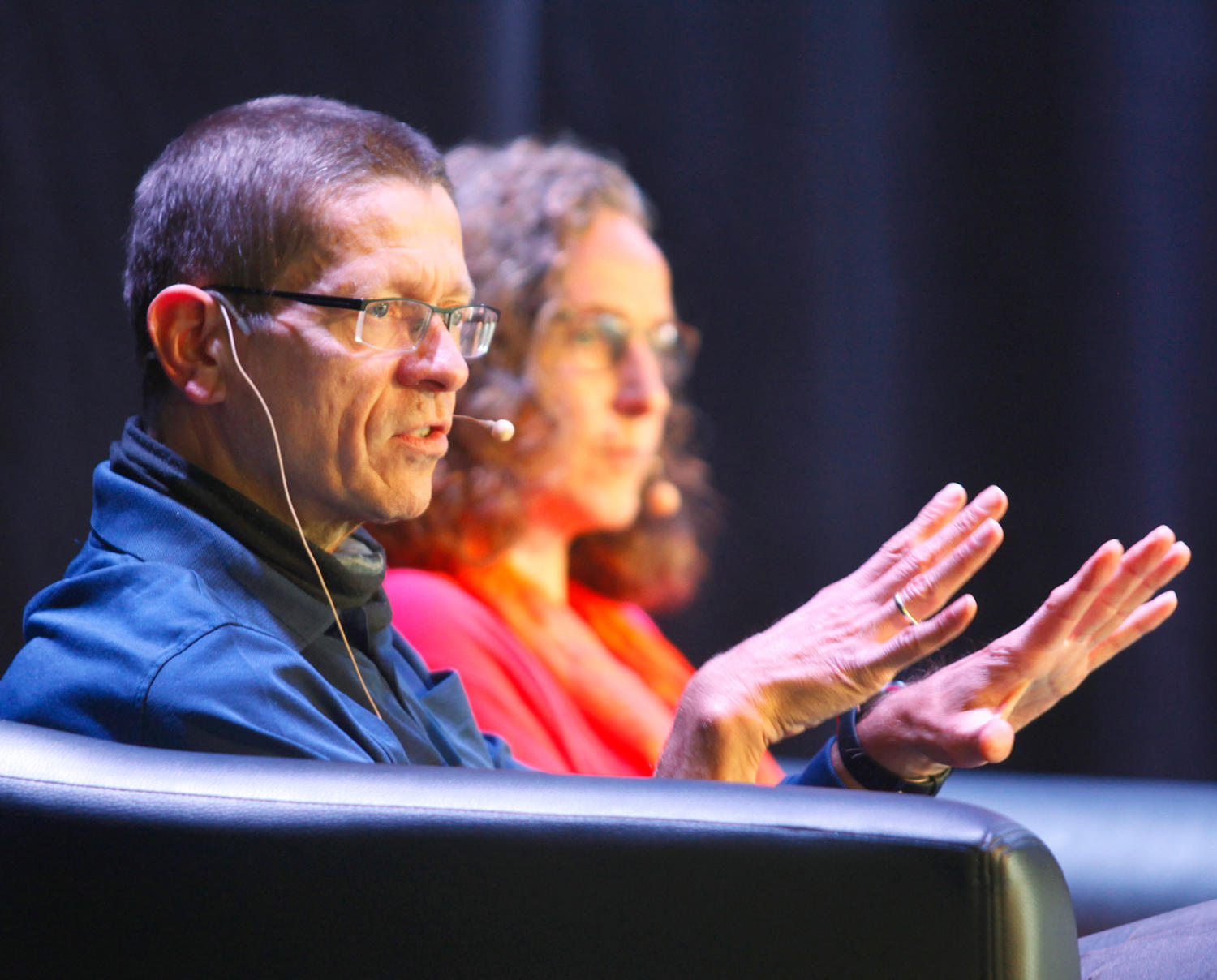
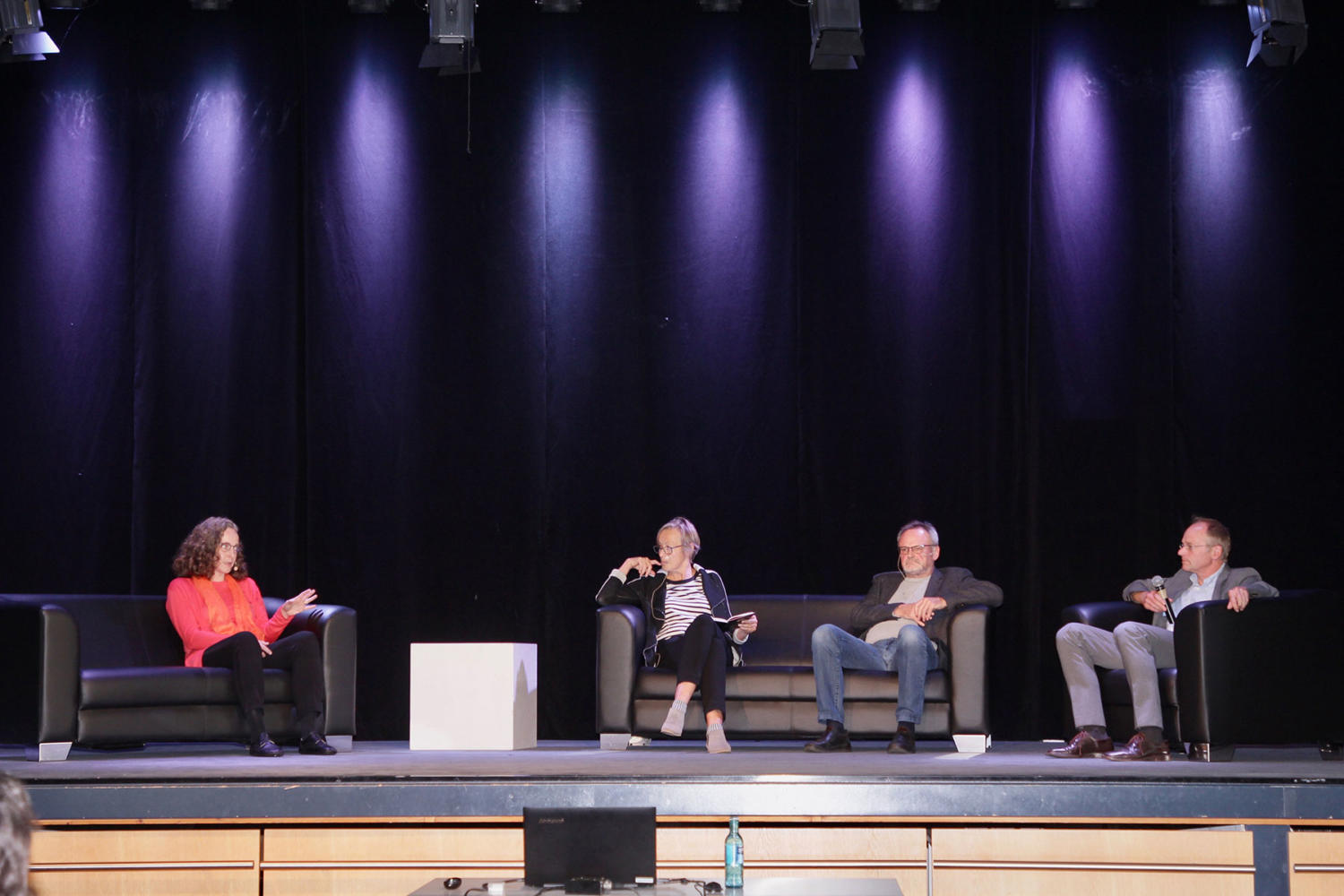
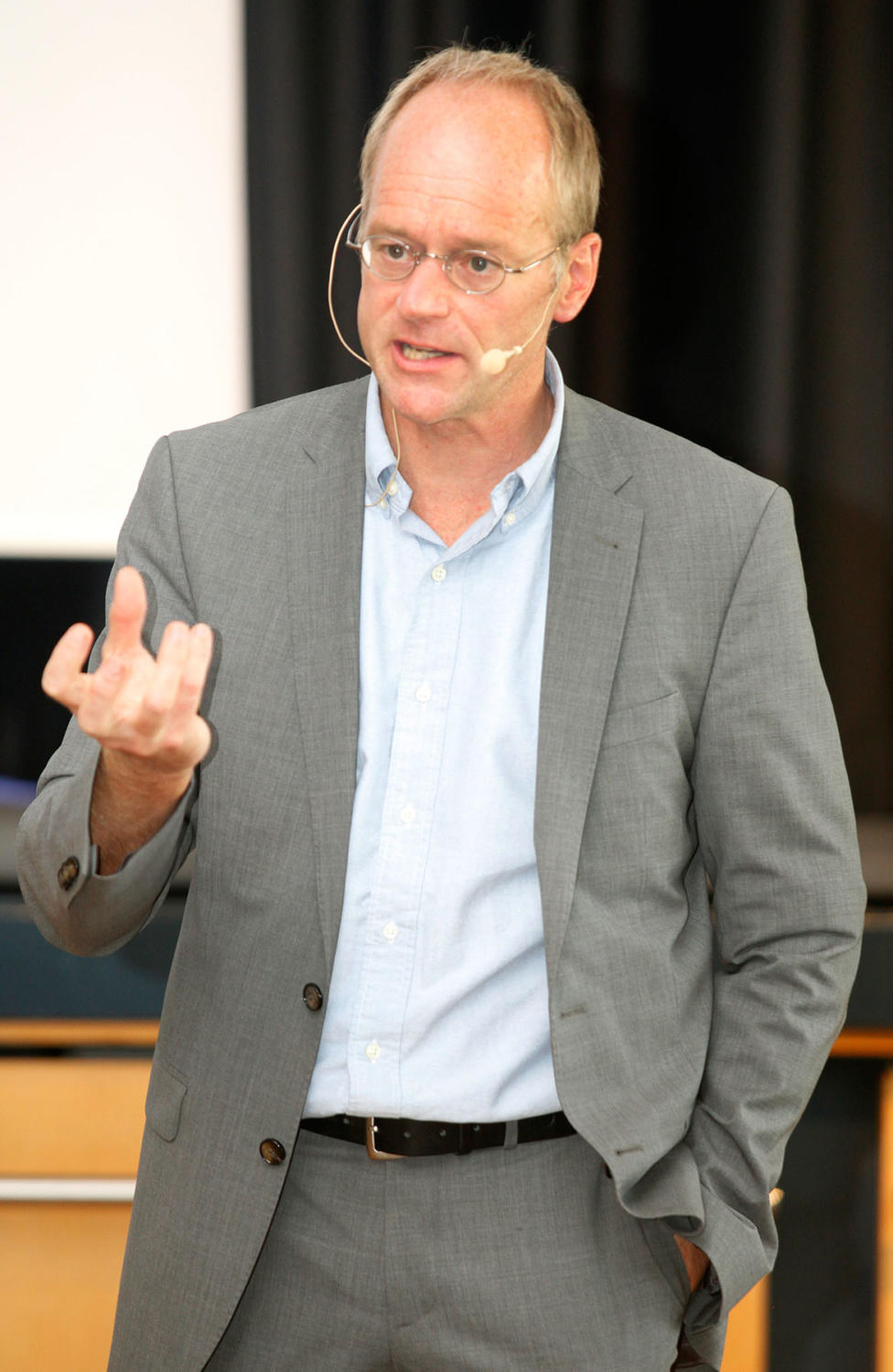
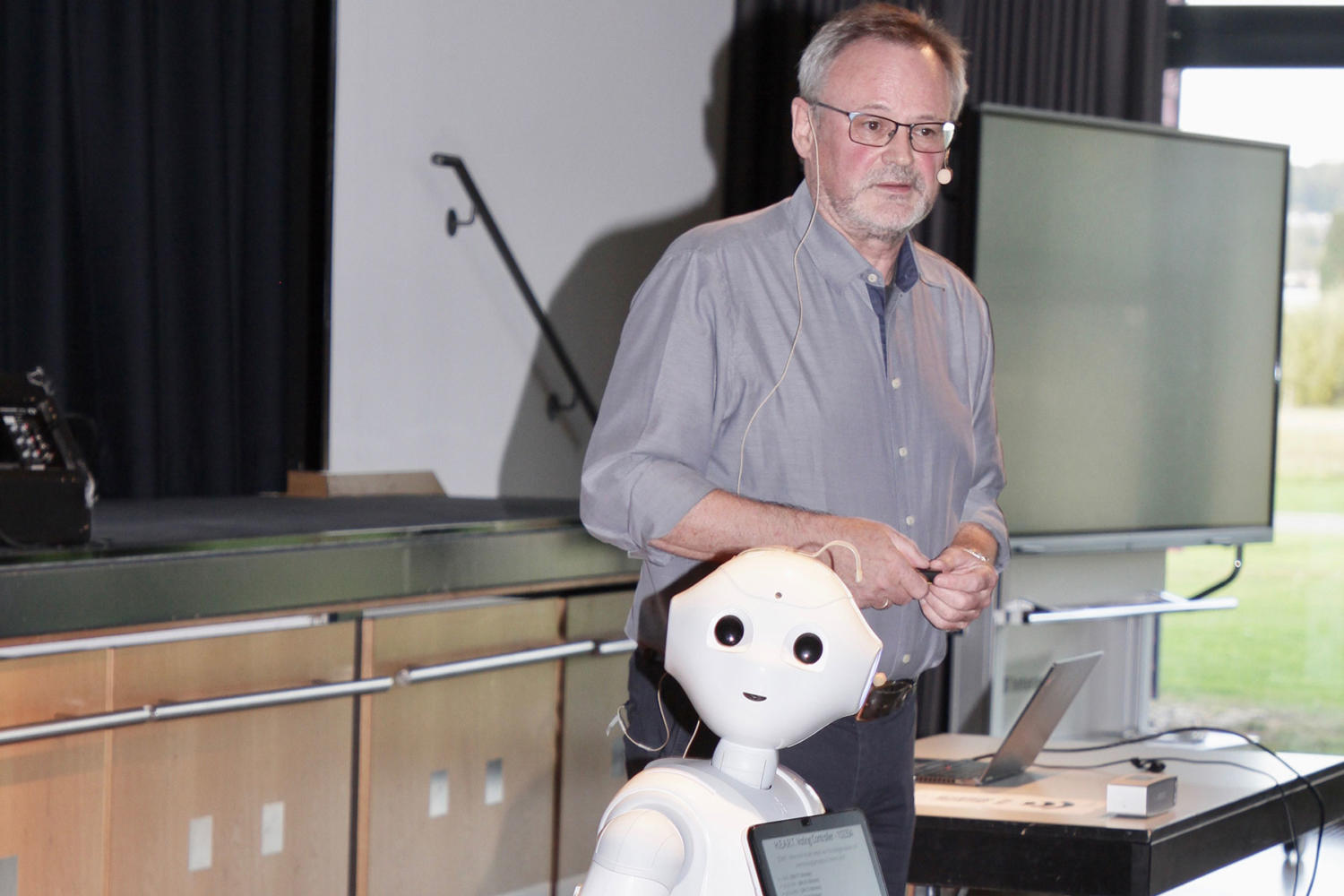
The three-day conference featured presentations by experts and a panel discussion that, naturally, could not avoid addressing the interrelated topic of teacher education. Speaking as a local representative was Prof. Dr. Jürgen Handke, the “guru of digitalization” from Marburg, who, among other things, expressed the fear that after the pandemic, teaching would “fall back into the old rut” in which people had “made do with emergency solutions”: “We have neglected asynchronous knowledge transfer”; the way content is delivered must change, because simply providing assignments digitally is not enough in schools.
Prof. Dr. Martin Korte of the Technical University of Hannover focuses his research on the cellular basis of learning and memory. According to him, effective learning requires a school environment as well as a real mentor—even if, in the future, that mentor might find himself in the role of an advisor or learning coach.
Questioning Teacher Education
Another participant in the expert discussion was University Vice President Prof. Dr. Evelyn Korn, who is responsible for teacher education at Philipps University of Marburg. In her view, there is no single “right” way to conduct digital instruction, and so it is not part of teacher training to “hand out recipes” for it. Korn acknowledged that there is a difference between students’ physical presence and their digital presence: “For the first time, students knew more than their instructors. It undoubtedly changes the learning process.”
Prof. Dr. Klaus Zierer of the University of Augsburg, a full professor of school pedagogy, emphasized yet another approach. He called for a reevaluation of teacher training: “We need to address this differently; a lot is going wrong here.” Unlike in some other countries, he noted, the public perception of the teaching profession in Germany is not favorable, which in turn is one of the causes of a glaring shortage of teachers. “We need to find a way to inspire students to pursue a career in teaching again.”
Shortly after the event, Björn Gemmer, the conference director and organizer, received feedback on how the individual participants had personally benefited from attending the DIV conference in Marburg:
“Having just arrived home, I would like to once again express my sincere thanks for the invitation to the lecture. I thoroughly enjoyed it—it’s rare to experience so much educational ethos all in one place. Great!” (Prof. Dr. Klaus Zierer, Full Professor of School Pedagogy, University of Augsburg)
“I would like to express my gratitude for the excellent organization of my presentation and the panel discussion featuring myself and the other speakers. In my view, it was a truly successful event, and listening to Mr. Zierer was an experience in itself! I am deeply impressed by what the Boarding School Association has put together here!” (Prof. Dr. Martin Korte, Technical University of Braunschweig)
“On behalf of my wife as well, thank you once again for the opportunity to be part of your wonderful conference and to enjoy the various additional amenities. I am glad that my ideas and initiatives have fallen on such fertile ground, and you can be sure that I will hold up the high schools and boarding schools that were present at the DIV conference as exemplary and mention them in the future. A first workshop has already been scheduled at Louisenlund (with Dr. Rösner), where I would like to prepare students, teachers, and parent representatives for digital teaching through several hands-on workshops. I can well imagine that other schools and boarding schools would also like to take advantage of this offer, and I am open to establishing such contacts. In any case, we should stay in touch to continue strengthening the pioneering path your schools and boarding schools are taking.” (Prof. Dr. Juergen Handke, University of Marburg & 3M Solutions, RoboPraX – Robotikum)
“Now that we’ve returned safely to the Ammersee, I’d like to take a moment to once again express my heartfelt thanks for the excellent planning and execution of the conference. Our staff were absolutely thrilled and have already shared this with the rest of the faculty during our Monday meeting today. That’s exactly how it should be. An outstanding start for future events. I can well understand what it takes to organize such an event at the beginning of the school year. So, hats off to you! By the way, I’ll soon be meeting with colleagues from Neubeuern and Stein for one of our tried-and-true (Bavarian) exchange meetings. If desired, I’d be happy to beat the DIV drum once again there.” (Rüdiger Häusler, Foundation Director, Landheim Ammersee)
“Thank you so much for this absolutely wonderful conference, your fabulous organization, the fascinating topics, the delicious food, and especially for your comforting words right at the start: I took that literally and actually took a little ‘vacation’—I was able to unwind, even found time to explore the wonderful old town a bit, light a candle for my grandpa at St. Elizabeth’s Church, and just pause for a moment amid the constant hustle and bustle—which I actually really enjoy! The gathering and conference were so important—and how wonderful that we were finally able to see each other again and exchange ideas. And thank you for making Marburg a permanent fixture on my mental map from now on: a great city, but above all, a fantastic, innovative, and incredibly well-equipped school—thank you, thank you, thank you, thank you for your energy and time, for your perseverance and resilience in complicated times: that was exactly what was needed, and I’m very much looking forward to our continued collaboration and all the upcoming events and activities.” (Katja Maike Braun, Principal, Executive Board of the Ecole d’Humanité)
“After a tiring but incredibly varied, informative, and superbly organized weekend, I would like to express my sincere thanks—also on behalf of my colleagues—for the warm welcome we received at the Steinmühle Boarding School. The impressions we gained of the DIV, its member boarding schools, and especially Steinmühle Boarding School were so consistently positive and rewarding that we know it is definitely worth further strengthening our collaboration, and the three of us, as ambassadors in Roßleben, will always be happy to share the spirit of the DIV. We look forward to the invitations to the working groups and hope you’ll find some time to relax after what were surely exciting days for you as well.” (Yvonne Sonnenfeld, Roßleben Foundation Administration)
“I really enjoyed the weekend at Steinmühle! Delicious food, interesting presentations, a great atmosphere, nice people, and excellent organization—thank you so much to you and your team!!!” (Maik Lüdemann, Business Director at Marienau School)