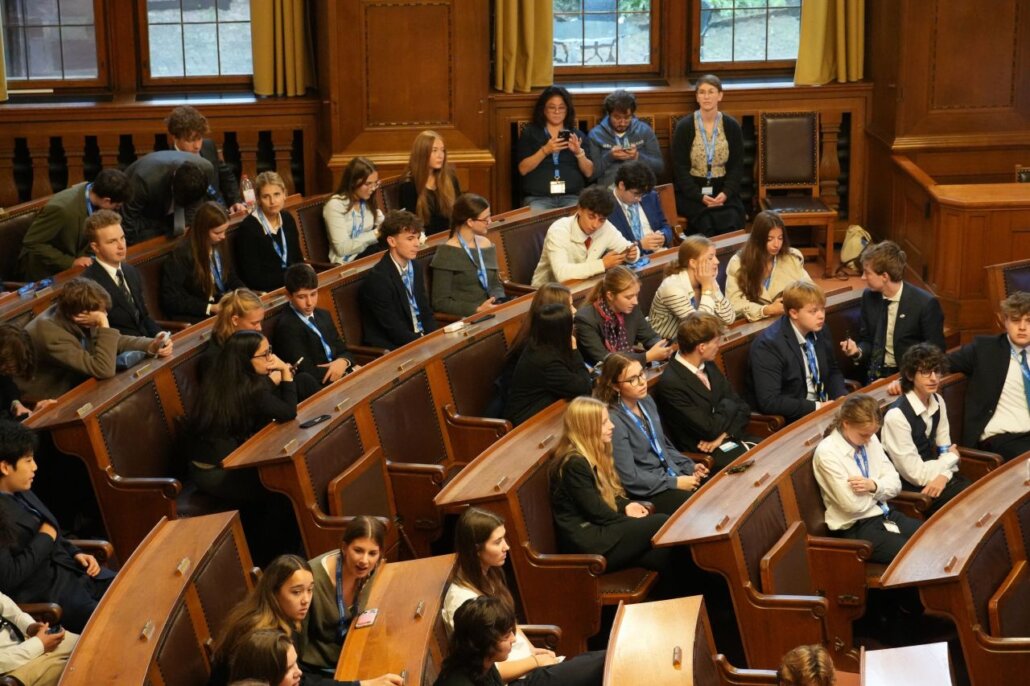
Everyone talks about diplomacy—but how does it actually work? Nicolas Rechner, a 13th-grade student at Steinmühlen, has actively explored this topic on several occasions. During the fall break, he actively participated in a MUN for the second time.

MUN stands for Model United Nations. These are academic simulation exercises for high school and college students in which participants take on the roles of diplomats and reenact the work of the United Nations.


Participation in MUN events in London and Basel

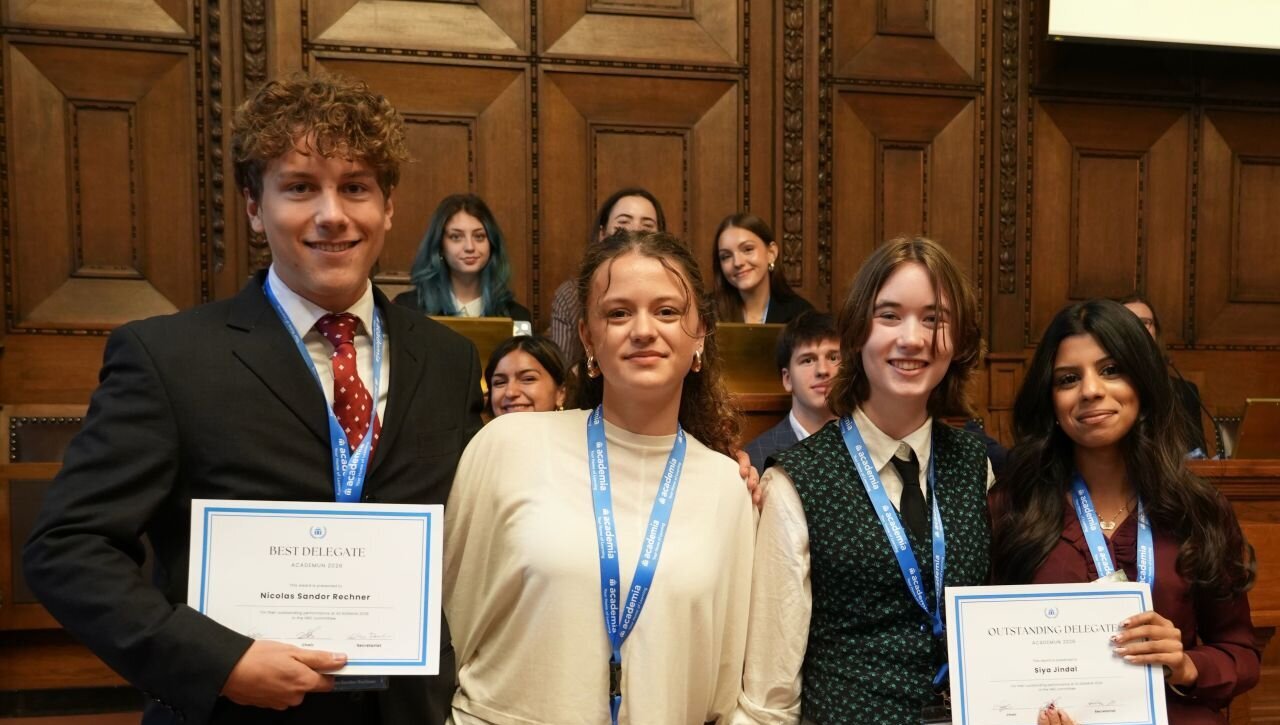
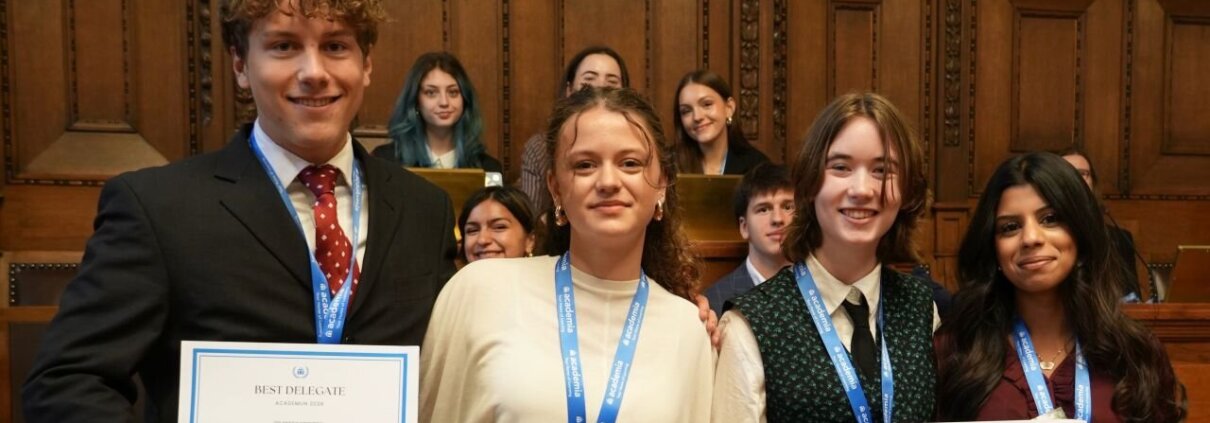
At Academun, which is part of the Academia School in Basel, Nicolas Rechner initially represented Brazil on the Human Rights Council (HRC), but after the first day he took on the role of the Israeli delegation to make the debate in the HRC even more interesting, as he put it. Nicolas managed to introduce five amendments to the resolution and later received the Best Delegate Award.

“Every MUN is different, because it really depends on the venue, the organizer, and the participants,” explains Nicolas. This was his second time attending a MUN—first in London in April and now in Basel—and he won awards at both conferences:

Best Delegate, Distinguished Delegate, and Best Position Paper. The MUNs were always conducted in English.

“The topics usually vary depending on the MUN,” he says, “but AI is, of course, a very hot topic right now. On top of that, each committee or panel has its own set of subtopics.” So far, Nicolas has served on the UN General Assembly (GA) and the UN Human Rights Council (HRC).

(Angela Heinemann)


The Concept

Role Assignment: Each person or team represents a specific country or organization in a simulated body (e.g., the UN General Assembly or the Security Council).

No personal opinion: One does not argue from one’s own perspective, but officially represents the political stance of the assigned country.

Objectives: Participants debate global crises or issues (such as climate change or human rights), engage in negotiations, and work together to draft resolutions.

Procedure and Objectives

Debates: Give speeches, submit motions, and form alliances with other countries.

Learning Outcome: To impart knowledge of international politics, diplomacy, international law, as well as rhetoric, negotiation skills, and intercultural understanding.

Conferences: MUNs take place as one-day school events or as large national and international conferences lasting several days, such as those organized by the Deutsche Model United Nations e.V.

(Source: AI)


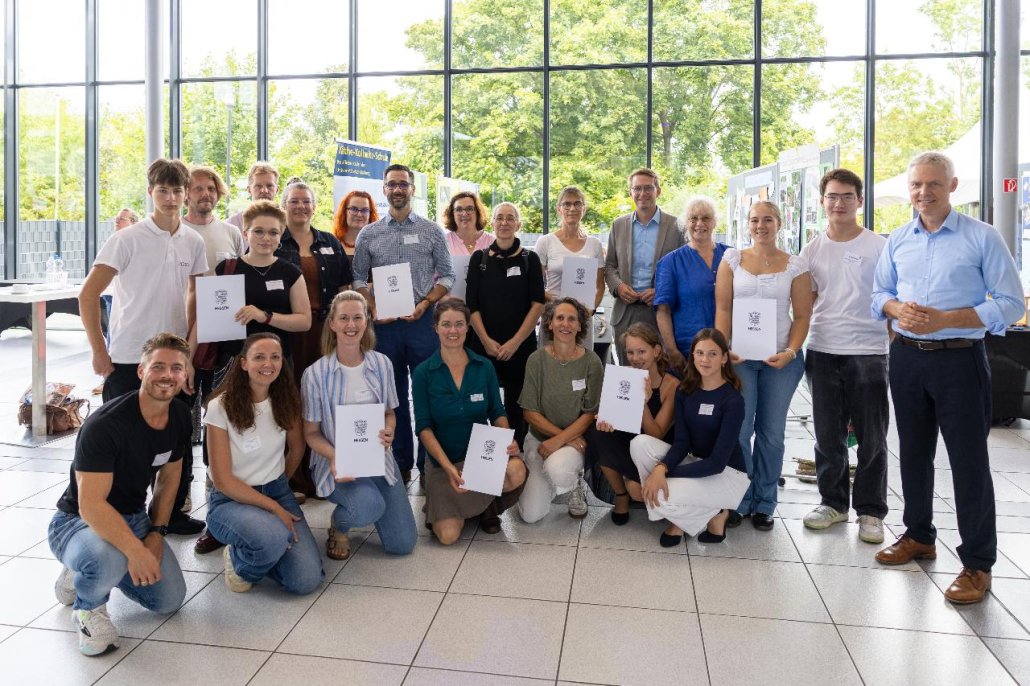
A proud group of participants from Steinmühle at the “Environmental Schools 2026” awards ceremony: Once again, our school received the corresponding certificate for another two years, presented by State Secretary for Education Dr. Manuel Lösel and Michael Ruhl, State Secretary at the Hessian Ministry of Agriculture and the Environment, Viticulture, Forestry, Hunting, and Regional Affairs. Steinmühle was represented by Dr. Sven Freibert, Anna-Lena Griessler, and Vasyl Diachenko (Class 9i, elective course on bees). Our group can be seen on the left side of the photo. The photo shows representatives from various schools that—like Steinmühle—belong to the Roßberg Youth Forest Center, an extracurricular environmental education center.


Activities at the Steinmühle go beyond the award criteria

The presentation of the certificate and the entire ceremony once again served as a powerful testament to our school’s commitment to Education for Sustainable Development (ESD). The numerous presentations and contributions by the students, as well as the dedication of the accompanying teachers, enriched the event in a special way.

To earn this award, our students and teachers spent two years working on topics related to sustainable development, guided by the ESD Compass. Throughout their activities, they were supported and advised by teachers seconded to extracurricular environmental centers. The liaison for Steinmühle is Ute Visser, regional coordinator of the environmental center and a student teacher at our school.


The ESD-focused activities at the Steinmühle School and Boarding School are not limited to the criteria required for the award, but go far beyond them. We will continue to report on various examples.

(Heinm/ Photo: Stephan Rech)


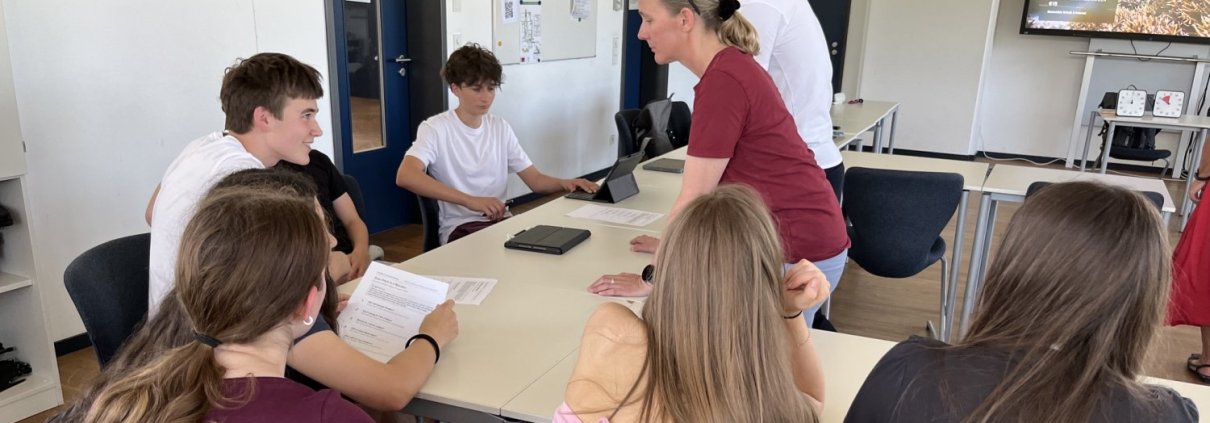
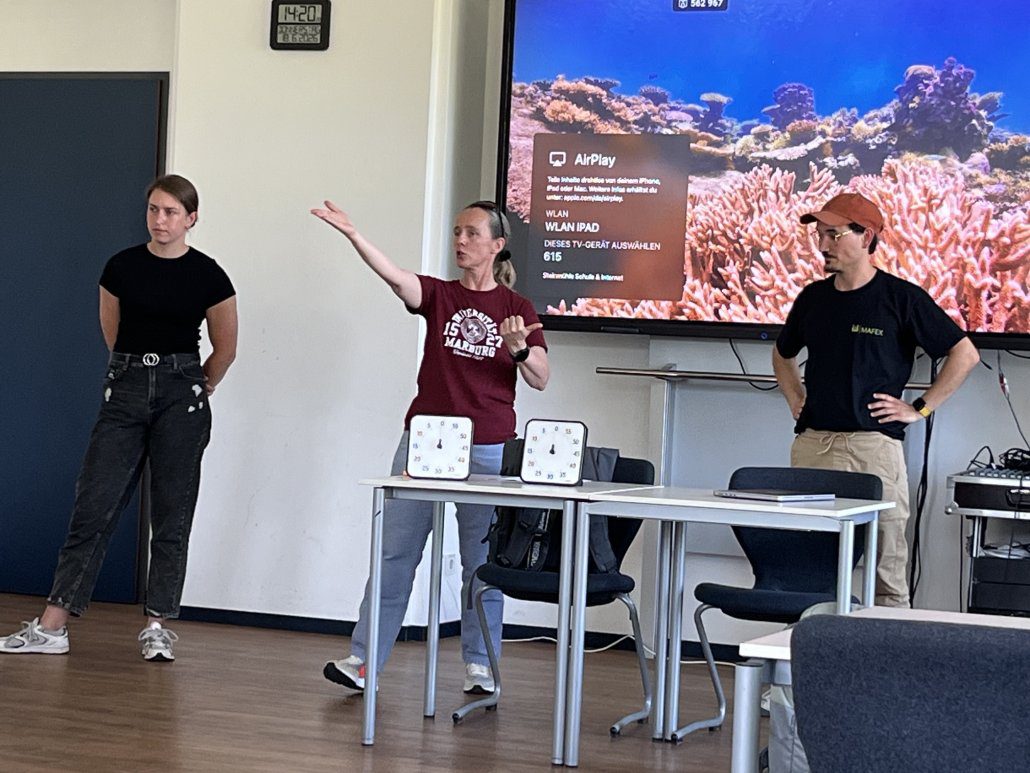
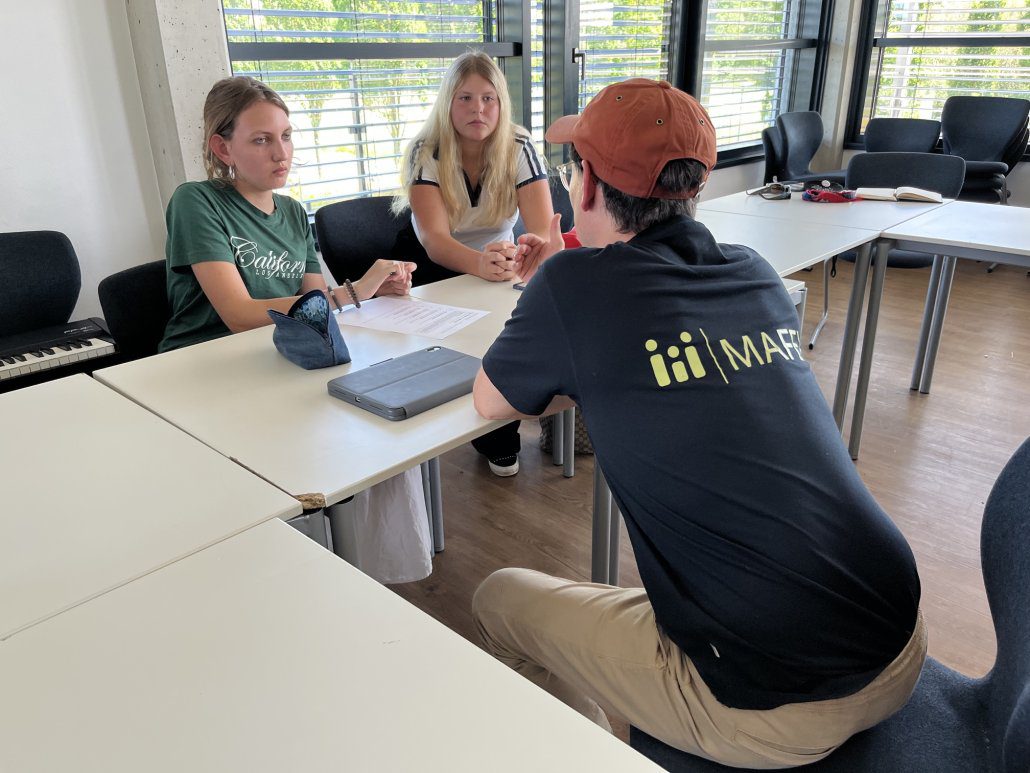
For several weeks, the Powi Plus course focused on innovation and developed product ideas that do not yet exist on the market. The innovations spanned various industries, such as food technology, healthcare, the cosmetics industry, and the fitness sector. At the invitation of Marburg University President Prof. Dr. Thomas Nauss, Prof. Dr. Vivien Procher and several staff members from MAFEX (Center for Entrepreneurship and Innovation) to Steinmühle to coach the PoWi Plus students in preparing and delivering a professional pitch (as we reported on July 1).

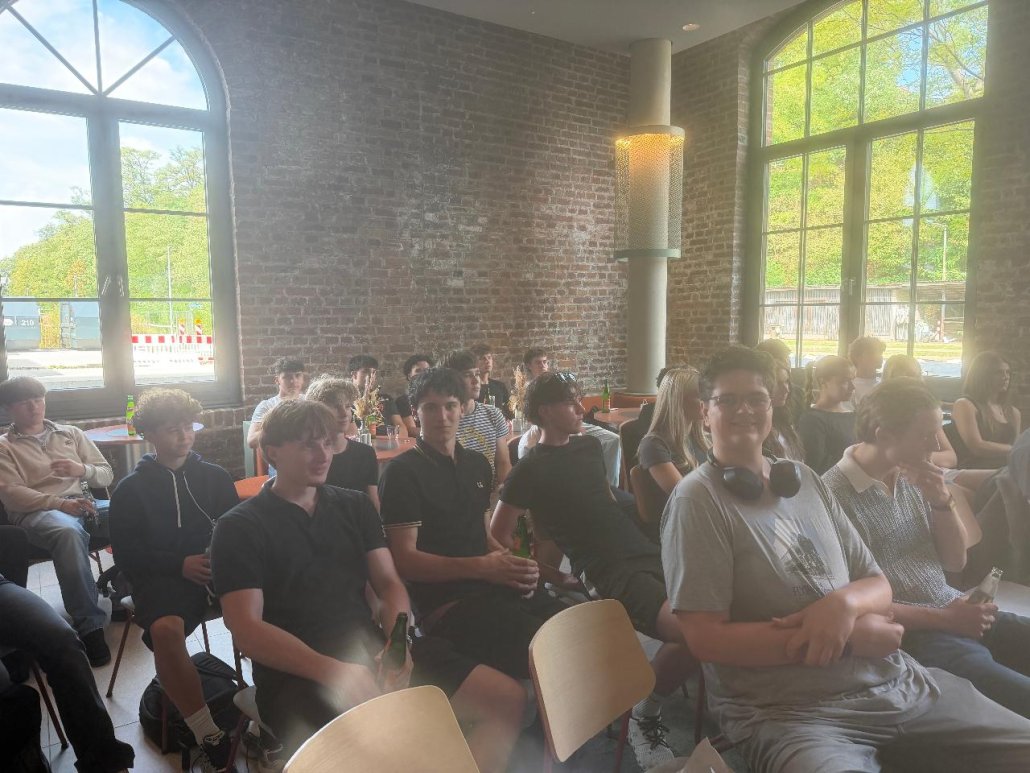
After summer break, the students in the PoWi Plus class, along with students from another PoWi course, took a field trip to the Marburg Lokschuppen, where they gained insight into Marburg’s startup scene.

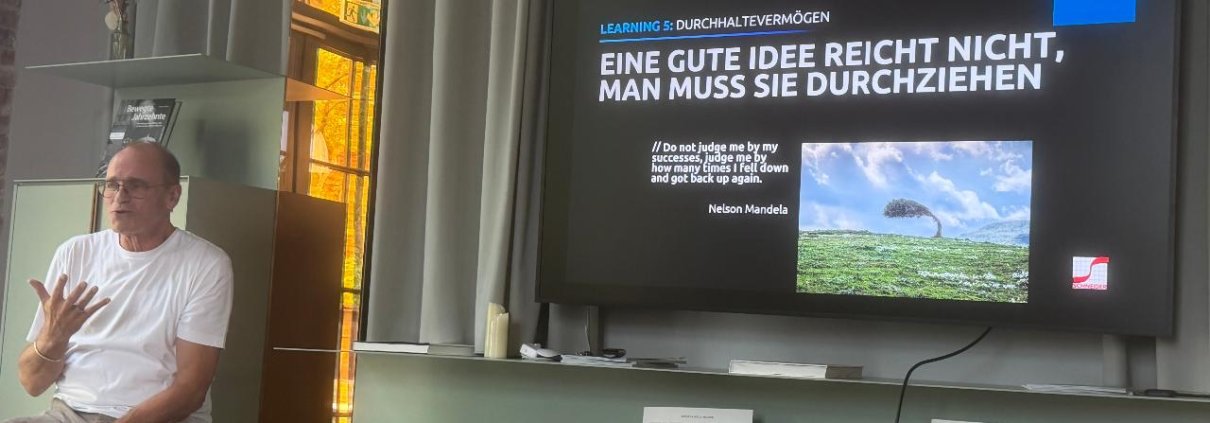
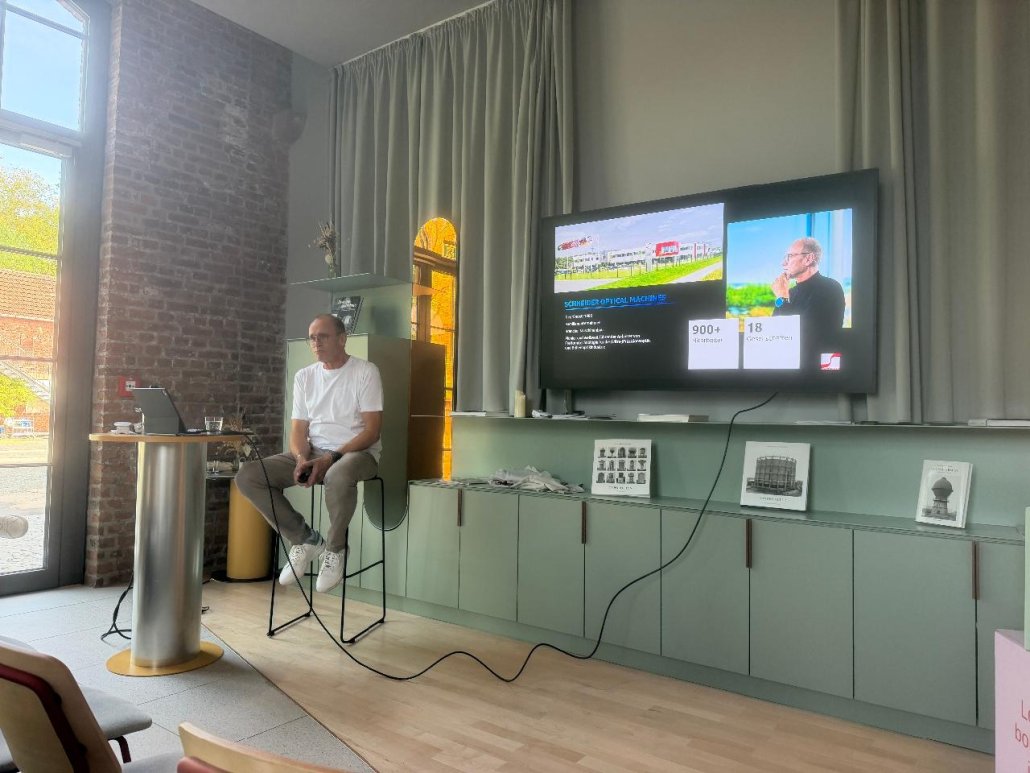
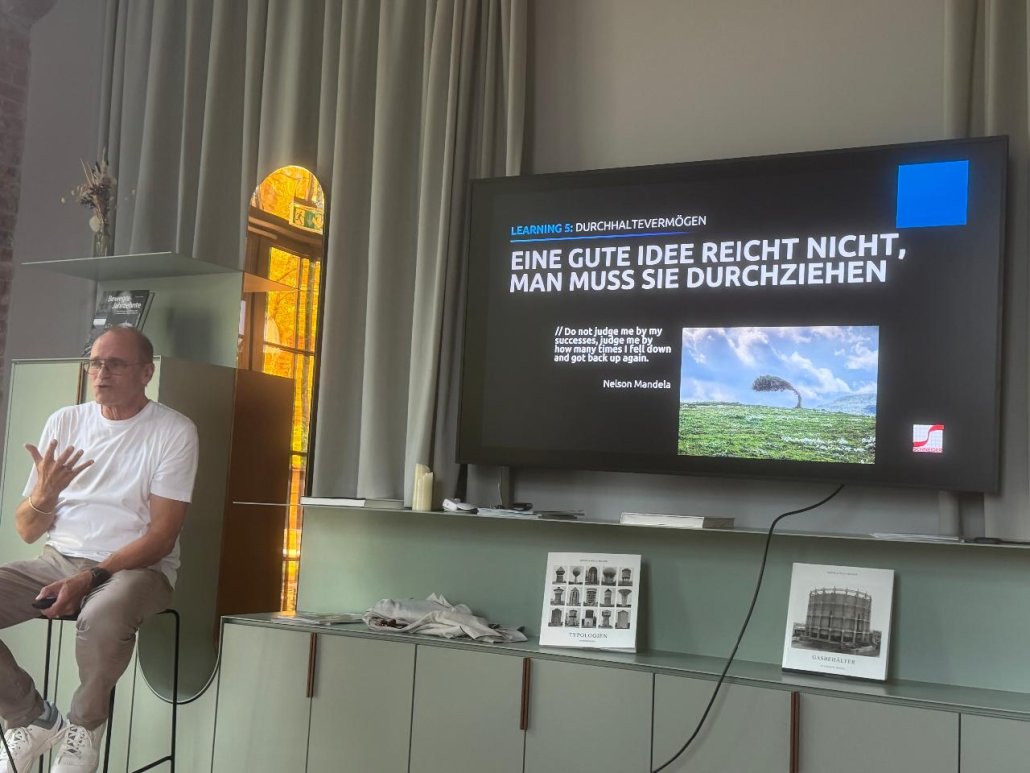
Gunther Schneider (CEO of Schneider GmbH Co. KG and founder of Lokschuppen) gave a captivating presentation on what makes a founder successful.


“Foremost characteristic: restlessness”

He cited “restlessness” as the most important quality. One should be driven by the question, “How can this be done better?”

Another slide was titled “Know your shit.” According to Schneider, innovation begins with knowledge; only then can market relevance be assessed and true added value be created.

True innovation seeks to understand where the customer wants to be in five years. Schneider shared a quote from Henry Ford here, and it illustrated exactly what he meant:

“If I had asked people what they wanted, they would have said faster horses.” (Henry Ford)

You have to think what no one else has thought of yet.


“Come up with ideas—and, above all, follow through on them”

Another slide was titled “A good idea isn’t enough—you have to follow through on it.”

Here, too, he used a relevant quote to illustrate his point, which highlights the necessary perseverance:

“Don’t judge me by my successes; judge me by how many times I fell down and got back up again.” (Nelson Mandela)


“Change before you have to”

For Gunter Schneider, innovation is a matter of personal attitude; it is the relentless pursuit of improvement. “Change before you have to.”

Speaking about the concept behind the Lokschuppen, he explained that it used to be a hub for trains. Now, he said, it is meant to be a hub for people who are innovative and want to make the world a better place.

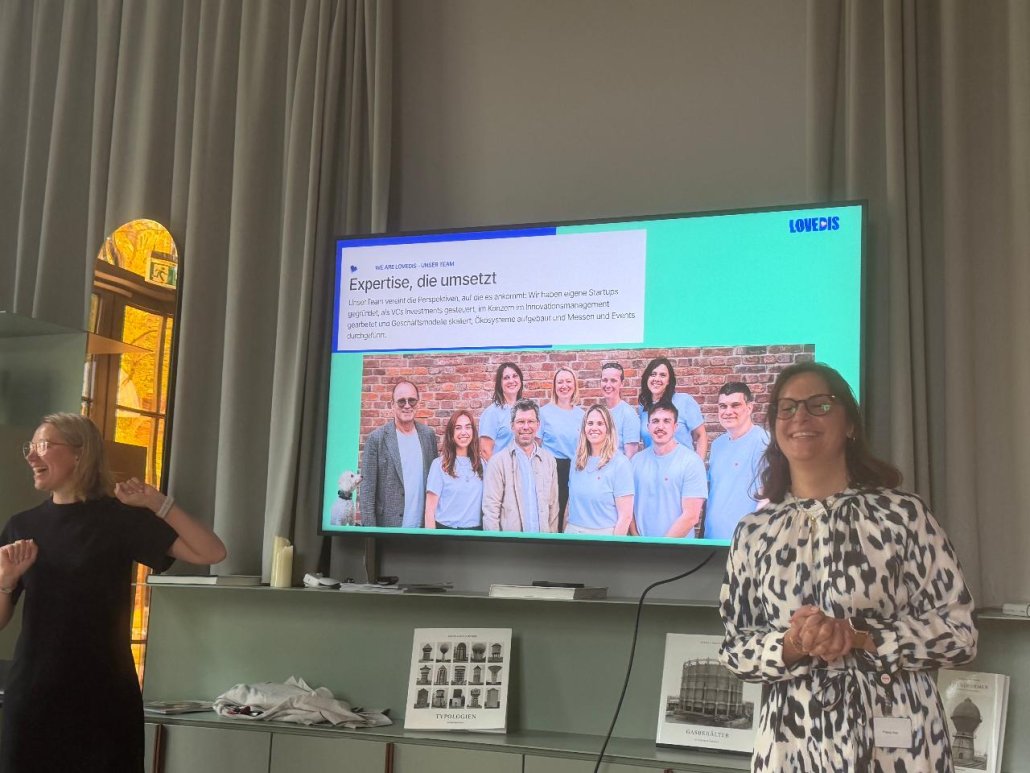
Gunter Schneider’s presentation was followed by a talk from the Lovedis team, who discussed their concept of connecting founders with existing customers.


“Find a problem that’s really annoying”

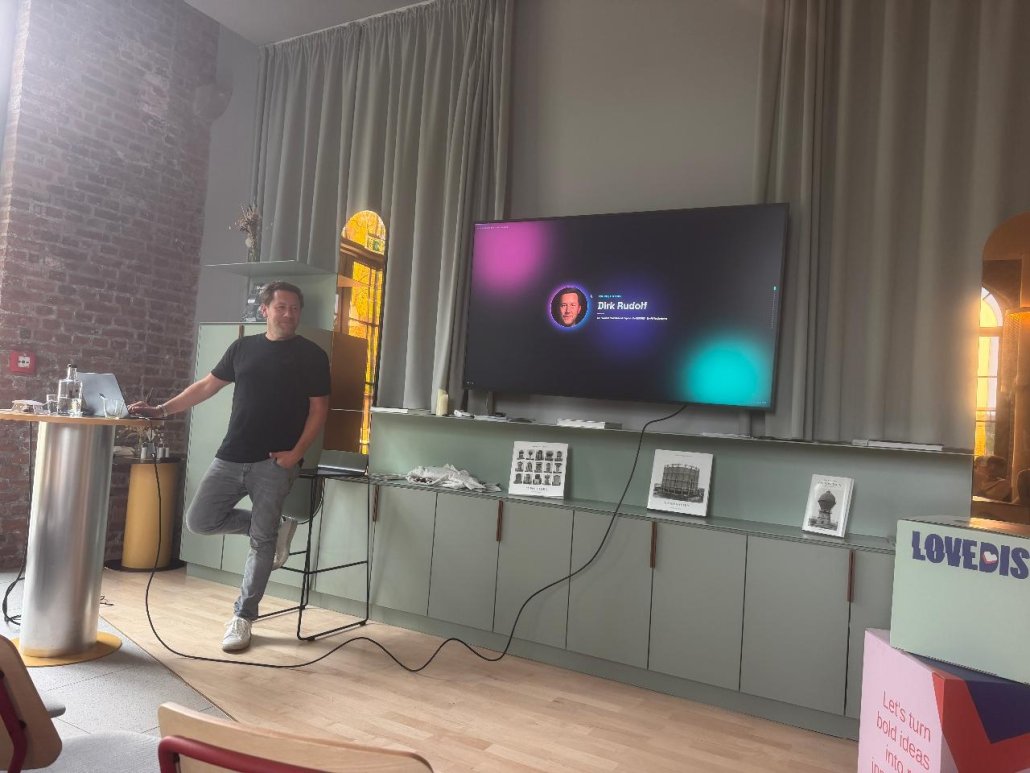
The afternoon was rounded out by the exciting ideas presented by Dirk Rudolf (founder of Direktüberweisung).

His entrepreneurial ideas began in the late 1990s, when he was a poor student and the Internet was truly still uncharted territory, with a homework platform for students that got off to a successful start. Then, in 2003, as online shopping became increasingly popular, he founded a company specializing in direct bank transfers, which he later sold to Klarna. To date, he has founded other companies as well, but he has consistently sold them off because new ideas for launching further innovations kept coming to him.

He gave us the following words of advice:

“Find a problem that’s really annoying and figure out how to fix it!”

Starting a business requires hard work and a little bit of luck, but without courage, nothing works out.


Powi-plus students in grades 9 and 10 recently presented their product ideas to a panel from MAFEX, the startup service at Philipps University of Marburg. – So this is what it feels like when founders and young entrepreneurs present their ideas on TV on “The Lion’s Den”!

The students at Steinmühlen learned that a pitch lasts 2 minutes, is presented from memory, and ends with a clear call to action, a clear message. The time in between should be filled with confident statements that highlight a great product and a competent team. Ultimately, the project should be realistically feasible.

The student groups had 12 minutes to prepare their respective presentations for the team led by MAFEX Executive Director and Professor Dr. Vivien Procher. Although the presentations already sounded quite professional, the groups still received a number of tips from the experts on how to further refine their presentations.

(Heinm)


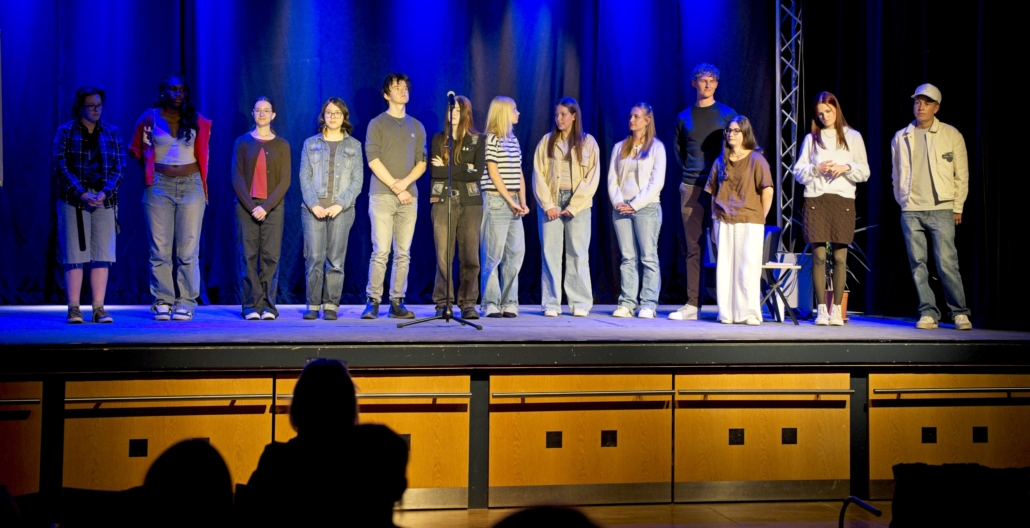
This time, it was the stage instead of the classroom: On Wednesday evening, June 10, the first Marburg School Slam took place at the Steinmühle. Thirteen students from three Marburg high schools took the stage with texts they had written themselves—and faced the traditional slam judging process: The audience decided who would advance to the finals based on their applause.

The premiere was the result of a collaboration between the Elisabethschule (Ute Trautwein), the Gymnasium Philippinum (Christian Steiner), and the Steinmühle (Kristina Sokoli and Björn Wagner), which had initially held a writing workshop at each school. The texts created during those workshops then made their way onto the stage.


Bestselling author Leah Weigand explained how poetry slam works

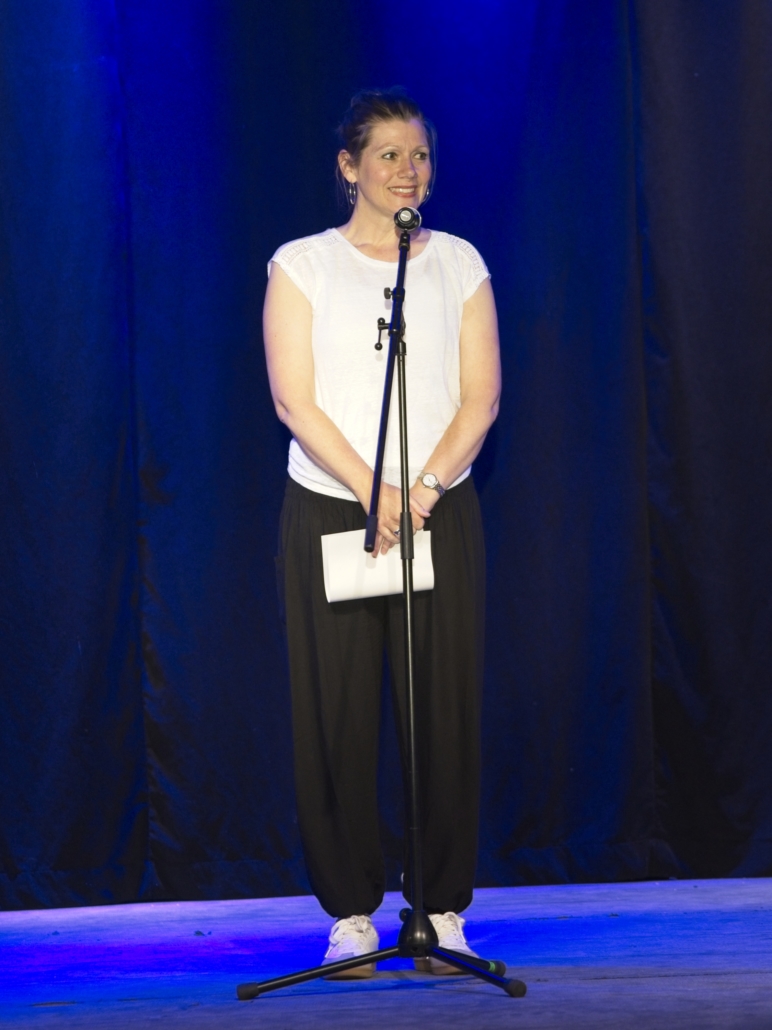
The evening was hosted by Marburg-based spoken word artist and bestselling author Leah Weigand, who began by explaining to the audience how a poetry slam actually works: only original texts, a maximum of 6 minutes, no props—and an audience of about 130 people, who ultimately become the jury by “clapping” for the winner.

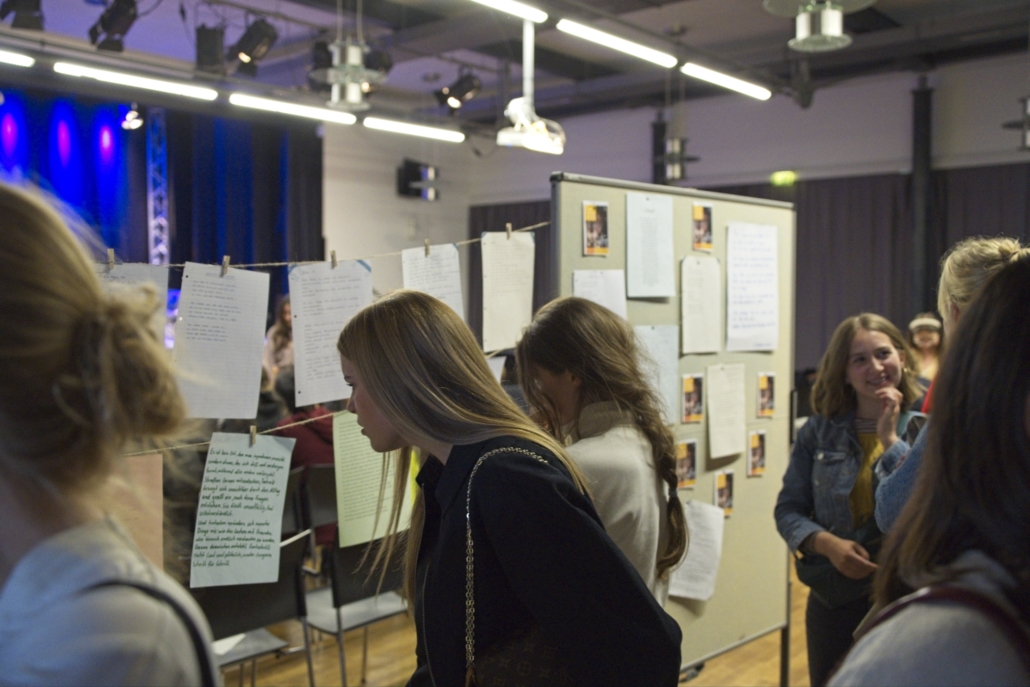
In terms of content, the young poets didn’t mince words. Their texts revolved around topics such as respect and equality, mental health, the big questions, and the meaning of life—topics that visibly moved the predominantly young audience. A total of nine artists or teams competed in the preliminary round; during a break, guests had the opportunity to read the texts displayed around the room at their leisure and strike up conversations with one another.


Elisabethschule, Philippinum, and Steinmühle Are in the Running

The Elisabethschule was represented by Rou AbdAlrahman, the duo Nikas Schmidt and Leonie Schultz, and the trio Maria Traute, Jara Jahn, and Louis Klöck. The Philippinum sent Mara Dumitru and Louise Malévé into the competition. Competing for the Steinmühle were Christabel Okafor, Marie Grosse, Sophia Hach, and the duo Ida Kraft and Lennard Kröger.

After the preliminary rounds, the audience first selected three finalists, who then gave it their all once again with a second piece. In the end, Marie Grosse came out on top, winning the first Marburg SchoolSlam.


Project funded by the HBB

The event ran smoothly thanks to the “Sound&Light” technical team at the Steinmühle. The project was funded by the Office of the Hessian Innovation and Advisory Network for Talent Development (HIBB), which is responsible for promoting talent as part of the Hessian Ministry of Culture, Education, and Opportunity.

Judging by the evening’s applause, it was clear that this first School Slam couldn’t possibly be the end: Marburg’s first School Slam showed just how much courage, eloquence, and open-ended questions young people possess—and that Marburg’s schools are happy to come together to build a stage for them.

(Björn Wagner/Kristina Sokoli)

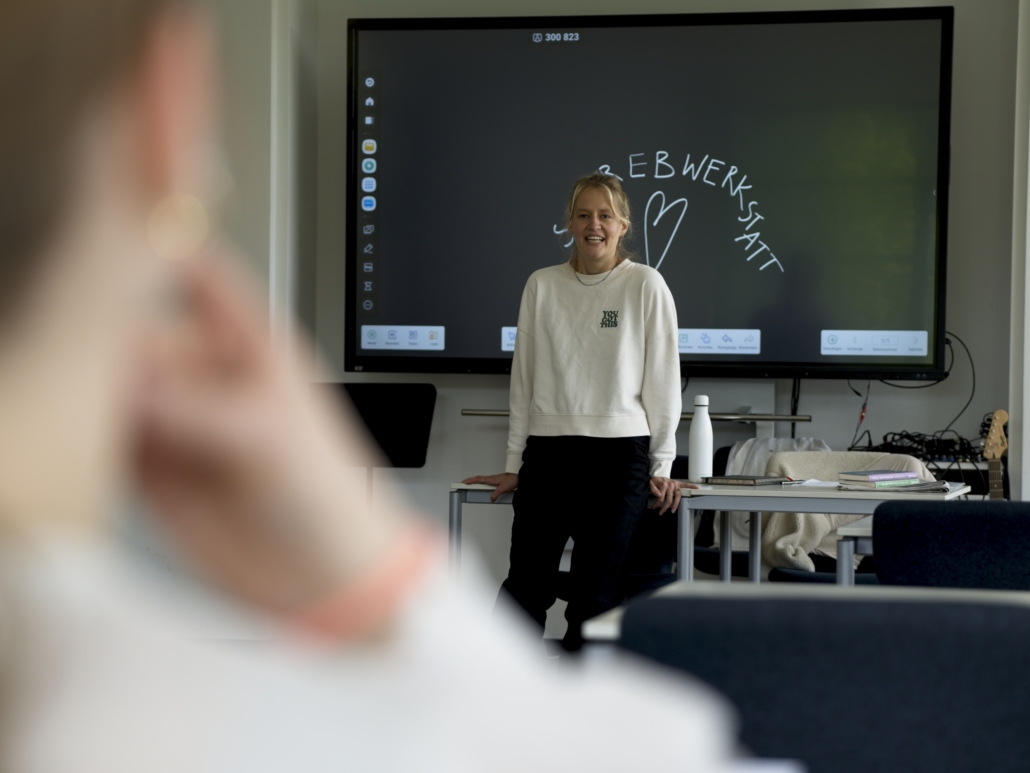
Literary talents from Steinmühle met with the well-known author and spoken-word artist Leah Weigand to prepare for the 1st Marburg School Slam. It is a treasure waiting to be unearthed: the ability to transform one’s own thoughts and experiences into artistic words and to inspire others with them. This goal united the 11th-grade students who met with Leah Weigand at Steinmühle on May 8 to write—in a way that was quite different from how they usually have to write in school.


“Respect the poet”

In a pleasantly relaxed and highly motivating atmosphere, the participants gained valuable inspiration through various creative writing exercises. The result was a range of texts, both short and long—sometimes funny, sometimes mundane, occasionally philosophical, thought-provoking, and poetically striking—all guided by the event’s theme: “Respect the poet,” and captured on camera by Björn Wagner.


How It All Began

It all started at the poetry slam at KFZ last December. Class 11a attended the event, was very impressed by the artists there, and our colleague Björn Wagner—who also performs as a slammer in his free time—put us in touch with Leah Weigand, who hosted the slam at the KFZ, who is also a bestselling author and a sought-after slam poet in her own right.


Cross-School Collaboration

The desire to nurture not only scientific but also artistic and literary talents at Steinmühle has long been a priority, and now the opportunity has arisen to bring a professional woman to our school. But that’s not all. When discussing how to finance this project with the Hessian Innovation and Advisory Network for the Promotion of Gifted Students (HIBB), the idea arose to establish a cross-school collaboration.


The project’s highlight on June 10

We were able to recruit a teacher from the Elisabethschule and a teacher from the Philippinum, who also offered poetry workshops at their respective schools. The highlight of this project so far is scheduled to take place on June 10 at 7 p.m., when students from all three schools will compete in a literary contest at the Forum der Steinmühle and celebrate the 1st Marburg School Slam, moderated by Leah Weigand.

We’re really looking forward to it and say: Don’t miss it! Mark your calendars.

(Kristina Sokoli)


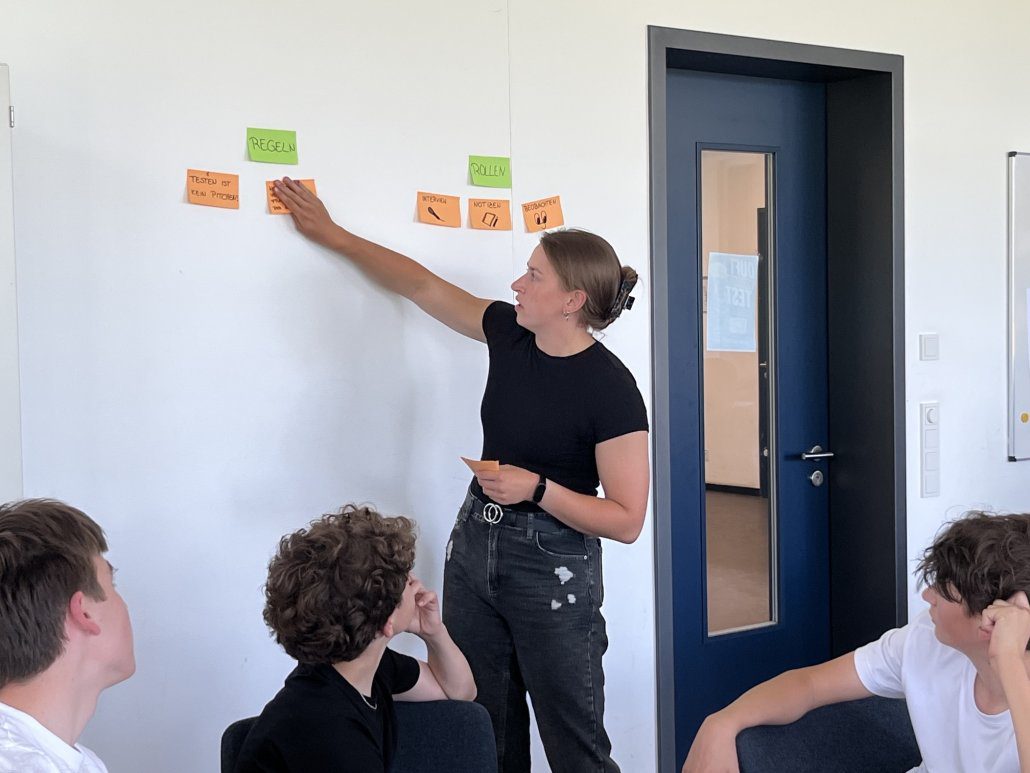
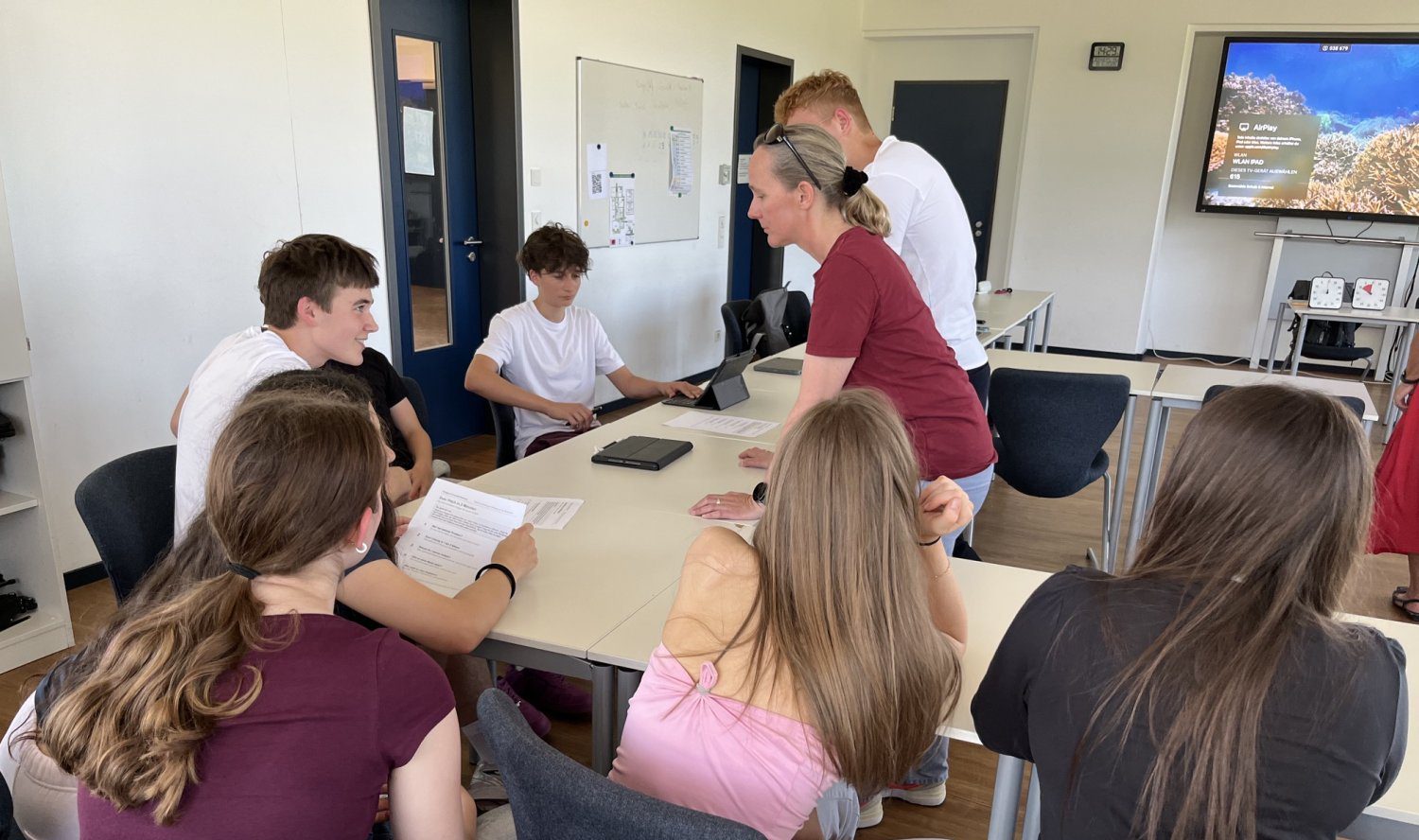
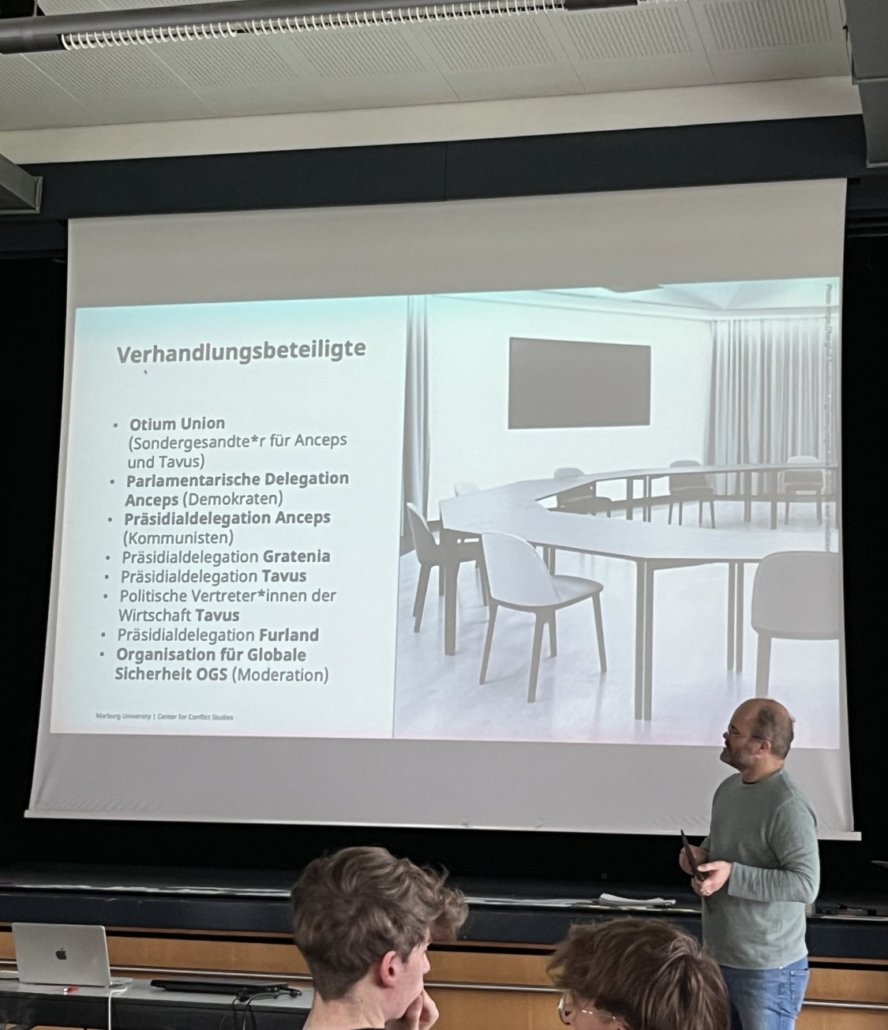
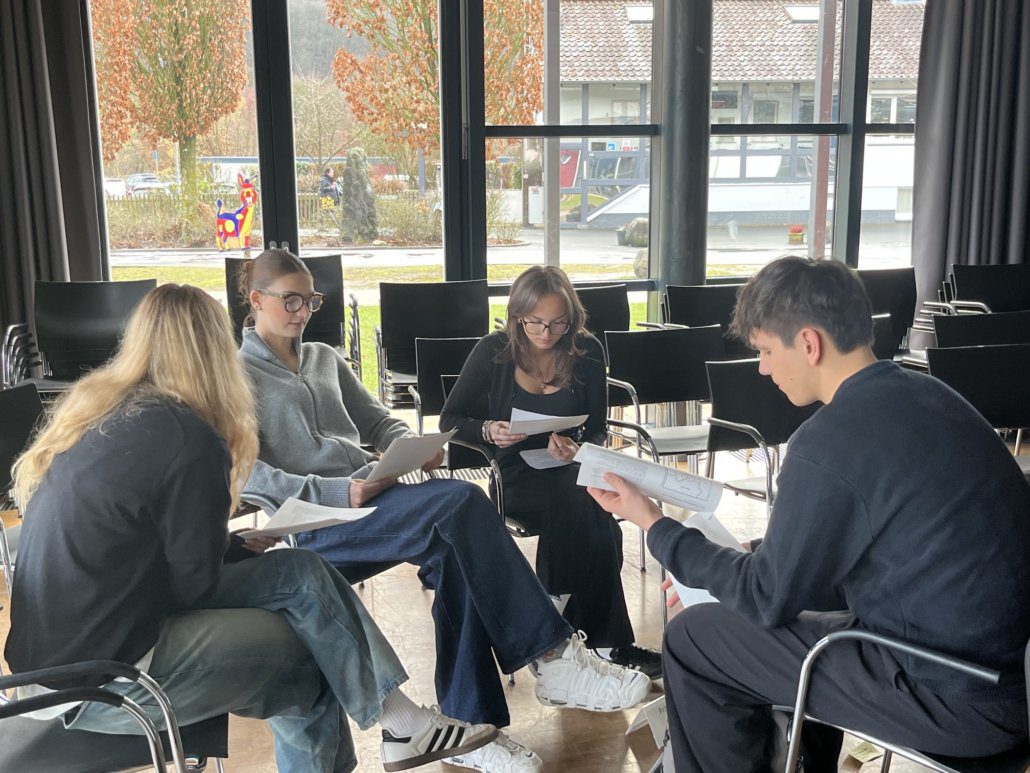
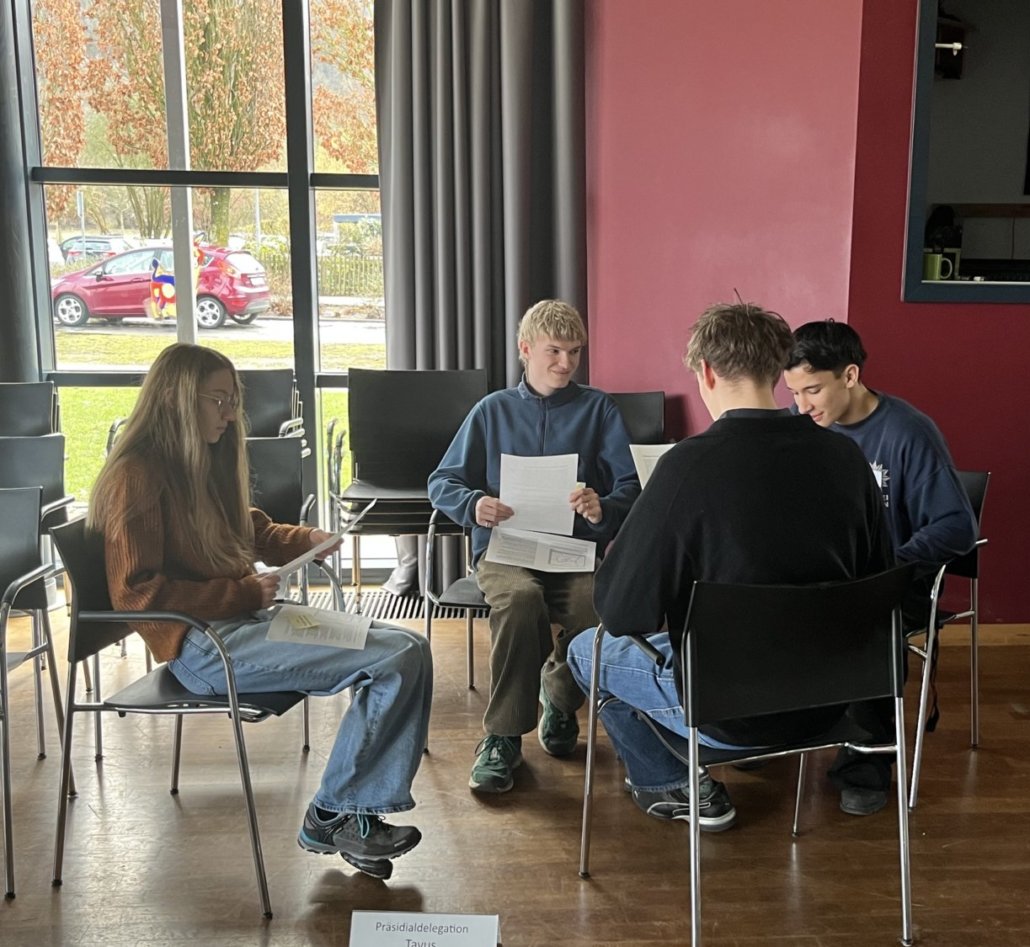
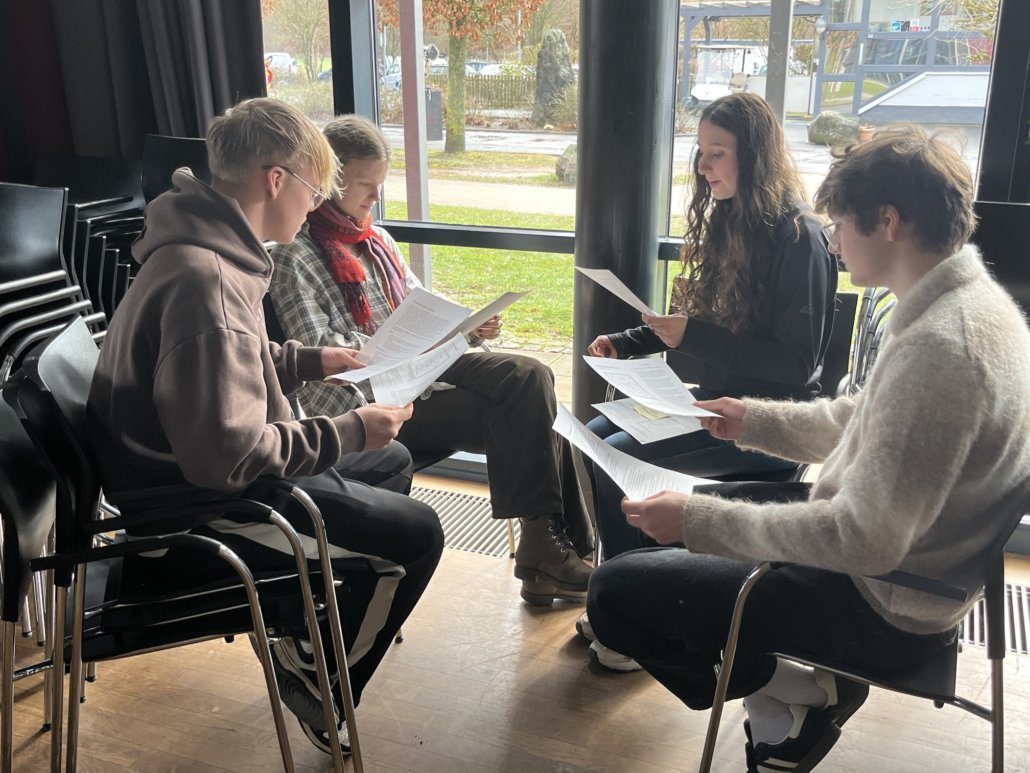
Why can’t international conflicts simply be resolved at the negotiating table? The 13th-grade students at Steinmühle once again explored this question. Following the successful premiere two years ago, this year’s collaboration with Philipps University of Marburg once again demonstrated just how challenging diplomatic negotiations actually are. The event was largely facilitated by conflict researcher Dr. Stéphane Voell, who led the simulation and guided the participants through the challenging simulation exercise.


Informal discussions as a first step

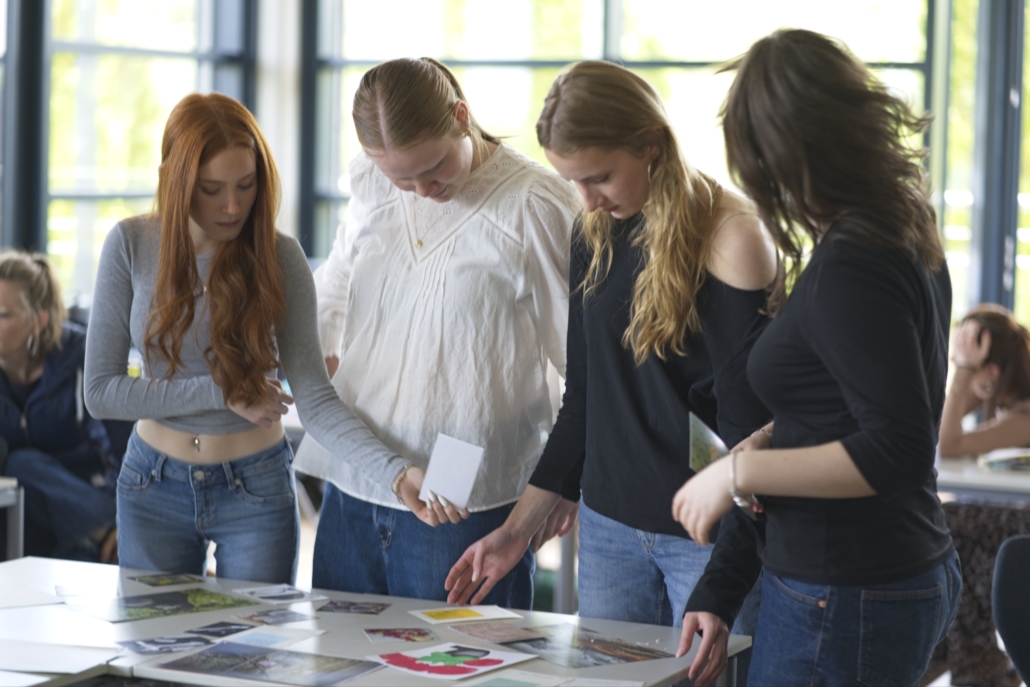
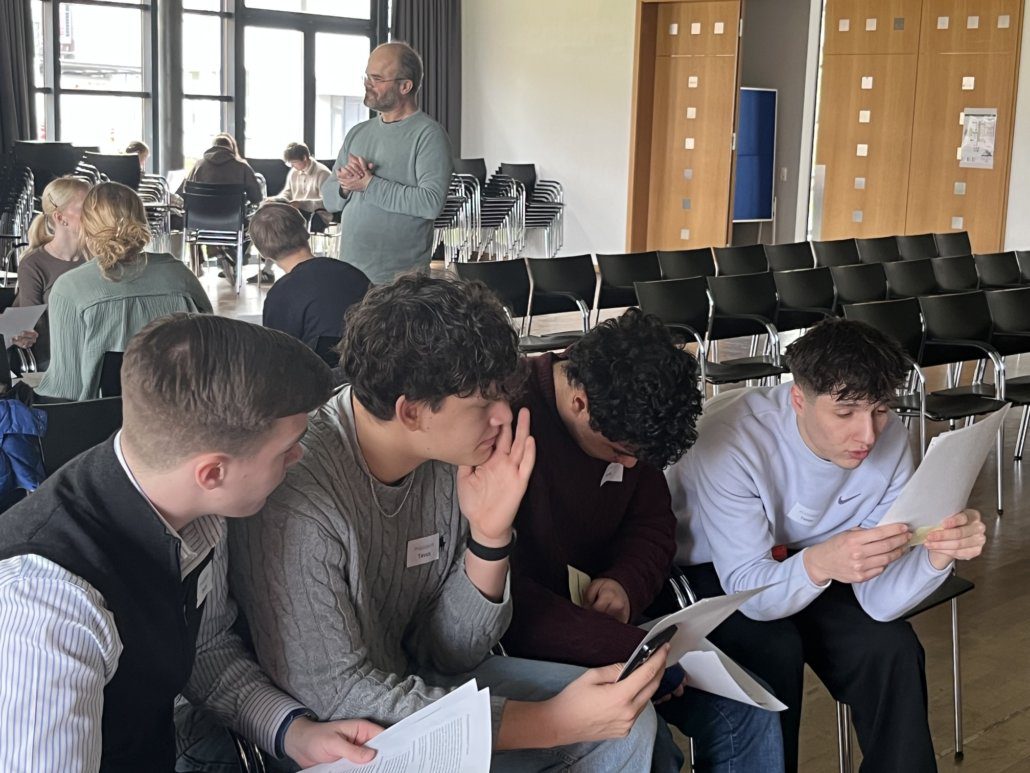
During the event, the students took on the roles of delegates from various fictional countries. Each with their own interests, political goals, and territorial claims, they first engaged in informal discussions before gathering at a roundtable to try to develop a joint solution to the conflict. To give the simulation as authentic and official a character as possible, the participants were instructed to consistently address one another formally during the negotiations. It quickly became clear how difficult it is to negotiate compromises when national interests, economic interdependencies, and security considerations clash.


Caught between conflicting interests

Not every delegation was willing to compromise. Some vigorously defended their positions, while others sought dialogue—a tension that significantly shaped the course of the negotiations. The participants gained firsthand experience of just how challenging international diplomacy can be and why even well-intentioned solutions often fail due to conflicting interests.


A Keener Perspective on Real-World Conflicts

During the concluding reflection session, many students described how intensely they had experienced their respective roles. Terms like “frustrating” or “complicated” came up repeatedly, yet it also became clear that these very experiences had sharpened their perspective on real-world political conflicts. Together with Stéphane Voell, the dynamics of the negotiations were analyzed, and the simulation’s framework was finally revealed: The scenario was broadly based on the Transnistria conflict between the Republic of Moldova and the self-proclaimed Transnistrian Republic, with Russia’s involvement.


Experience the partnership with the university firsthand

For Bernd Hülsbeck, a subject teacher and head of the social sciences division within the Politics and Economics Department, the event is a successful example of close collaboration between the school and the university. It allows students to experience firsthand the long-standing partnership with Philipps University of Marburg. At the same time, the simulation adds a practical perspective to the 13th-grade curriculum, which is currently covering international relations.


A Wide Range of Career Opportunities

The Peace and Conflict Studies program at the University of Marburg offers graduates a wide range of career opportunities—including positions in international organizations such as the United Nations, as well as in the academic analysis and resolution of international conflicts. The simulation, held once again, impressively demonstrated just how complex peace processes are and how important dialogue, negotiation skills, and mutual understanding remain for sustainable solutions.

(Angela Heinemann)


When is a man a man? Herbert Grönemeyer asked this very question back in 1984 in his song “Männer.” The topic has lost none of its relevance. Over the weekend, a workshop on “Masculinity & Role Models” took place at the Steinmühle boarding school, led by two guest speakers from ProFamilia.

Overall, the program was very well received by the young men, reports program director Marlon Welsch. Most of them engaged openly and enthusiastically with the content and discussions. In the workshop, they explored societal role models, aspects of toxic masculinity, and their own ideas about relationships and how to shape them.

What makes a man a man?

The discussion about what “makes a man” for them personally was particularly valuable. Many participants were able to take away concrete ideas and food for thought to apply to their daily lives—especially with regard to self-reflection, interacting with one another, and building respectful relationships.


The workshop provided a safe space for honest conversations and was generally considered an enriching experience.


(Heinm/Photo: KI)