The German-language press hails the book as “the funniest work about the German provinces…,” praises its style with its “lively cascades of sentences,” and describes the author himself as a “magician and wanderer of worlds”: Reason enough for the Steinmühle to invite the young author Sven Pfizenmaier to a reading at the Forum. The bottom line: The book *Draußen feiern die Leute* was also well received at the Forum.

Before the event, Principal Bernd Holly (pictured with the author) raved about the novel, which he had devoured with enthusiasm. After the event, audience members lined up for an autograph. In between, the audience got to see a young man who read a sample from his successful book and came across as reserved.

His novel is different. Using a magnifying glass with an enormous focal length, Sven Pfizenmaier focuses on village life in the Lower Saxony countryside—not in the sense of an absence of big cities, but as something that can also make one feel lonely. The author describes three characters with exuberant precision, with an imagination that seems to run wild but reveals what it means to be different. The book revolves around these relatable characters—the drug lord Rasputin from the nearby city of Hanover, immigrants from Kazakhstan, and the ever-growing number of people who disappear from the town while the locals are partying. The Onion Festival, for example.

As one can see, the novel certainly has autobiographical elements. Everyday social problems are woven into anecdotes and placed within a broader context. The unflinching nature of the descriptions—without, however, exposing the characters to ridicule—is likely one of the secrets to Pfizenmaier’s success.

After two and a half years, the school celebrated together again: the Spring Festival!

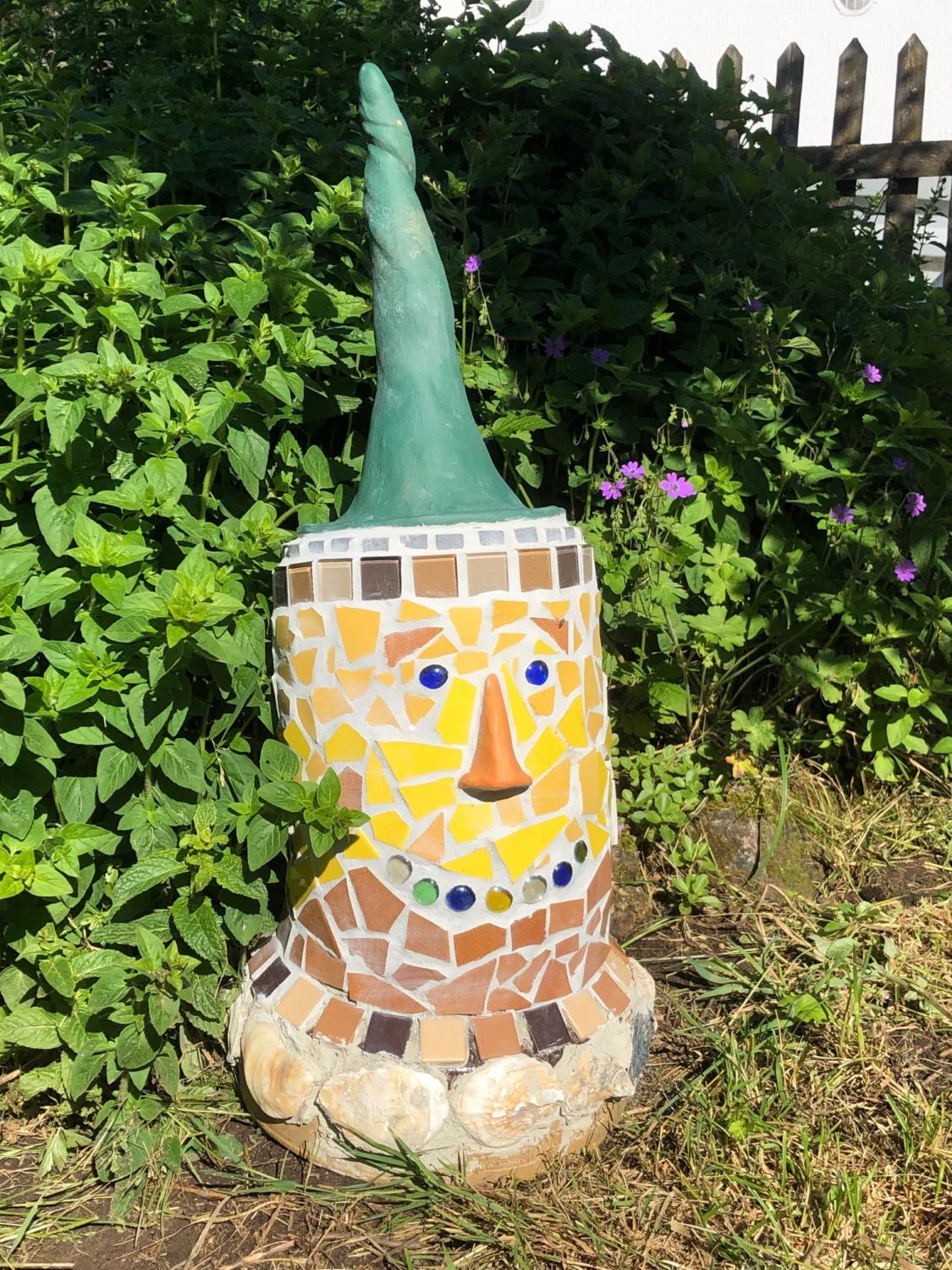
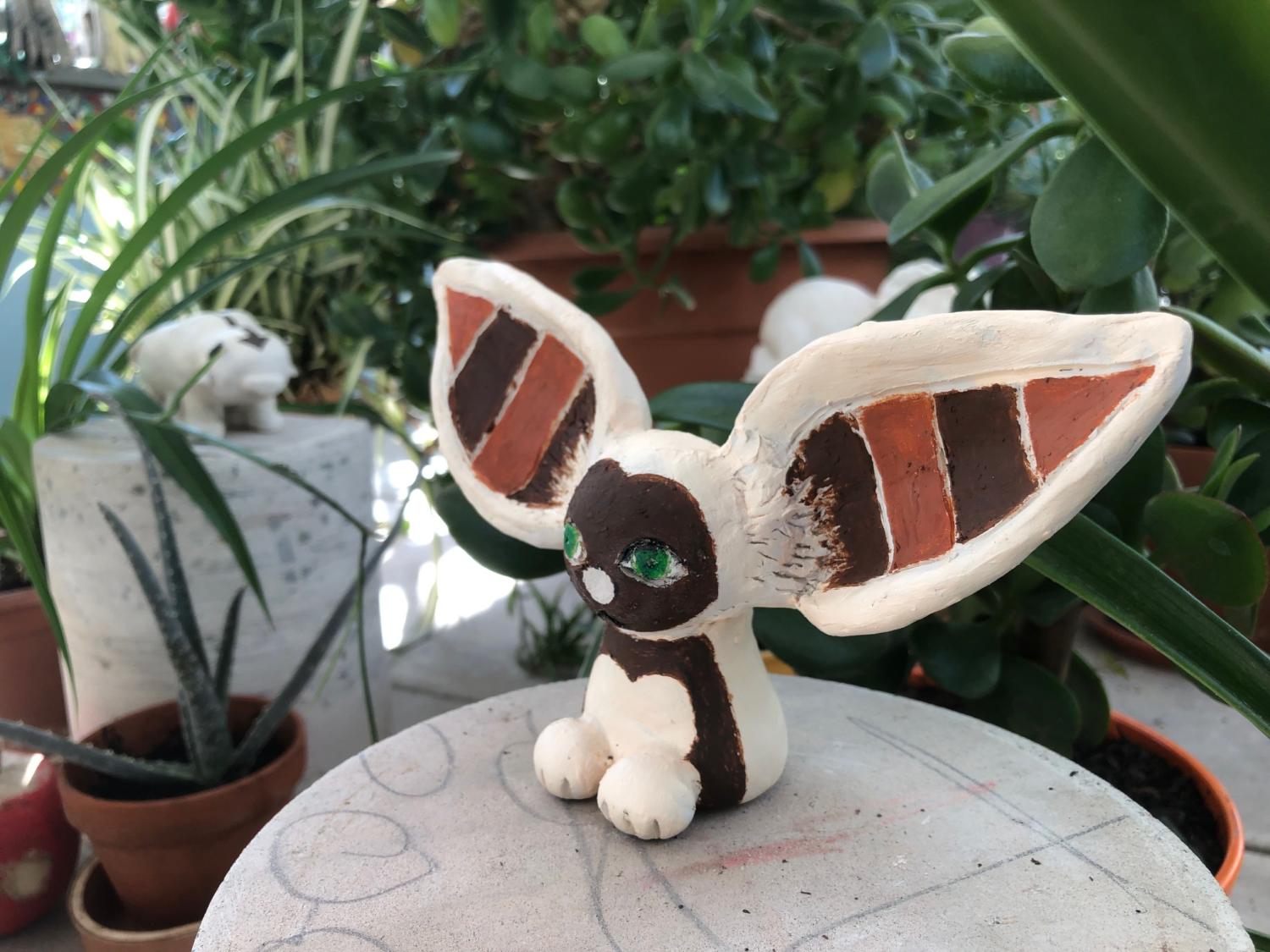
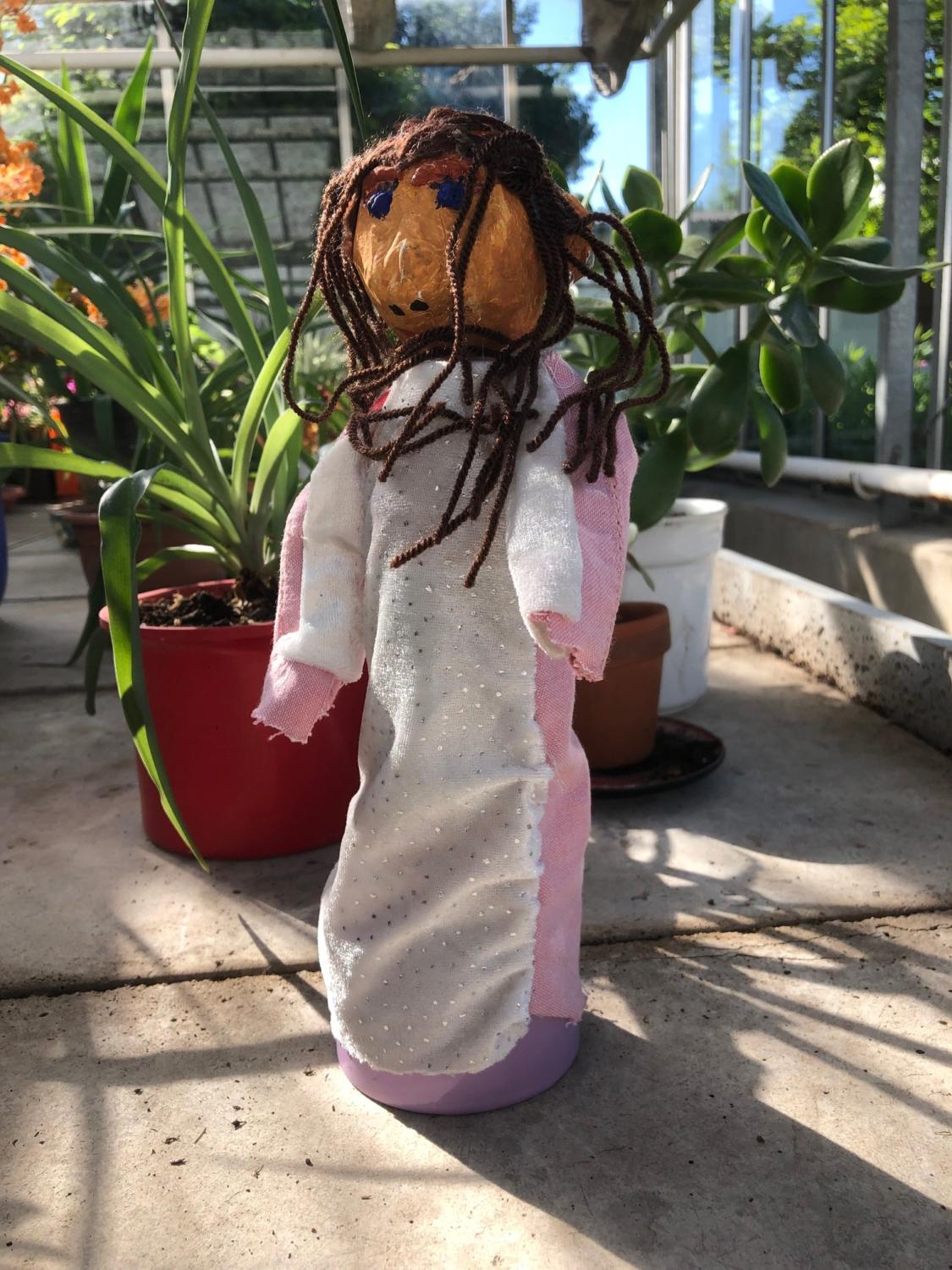
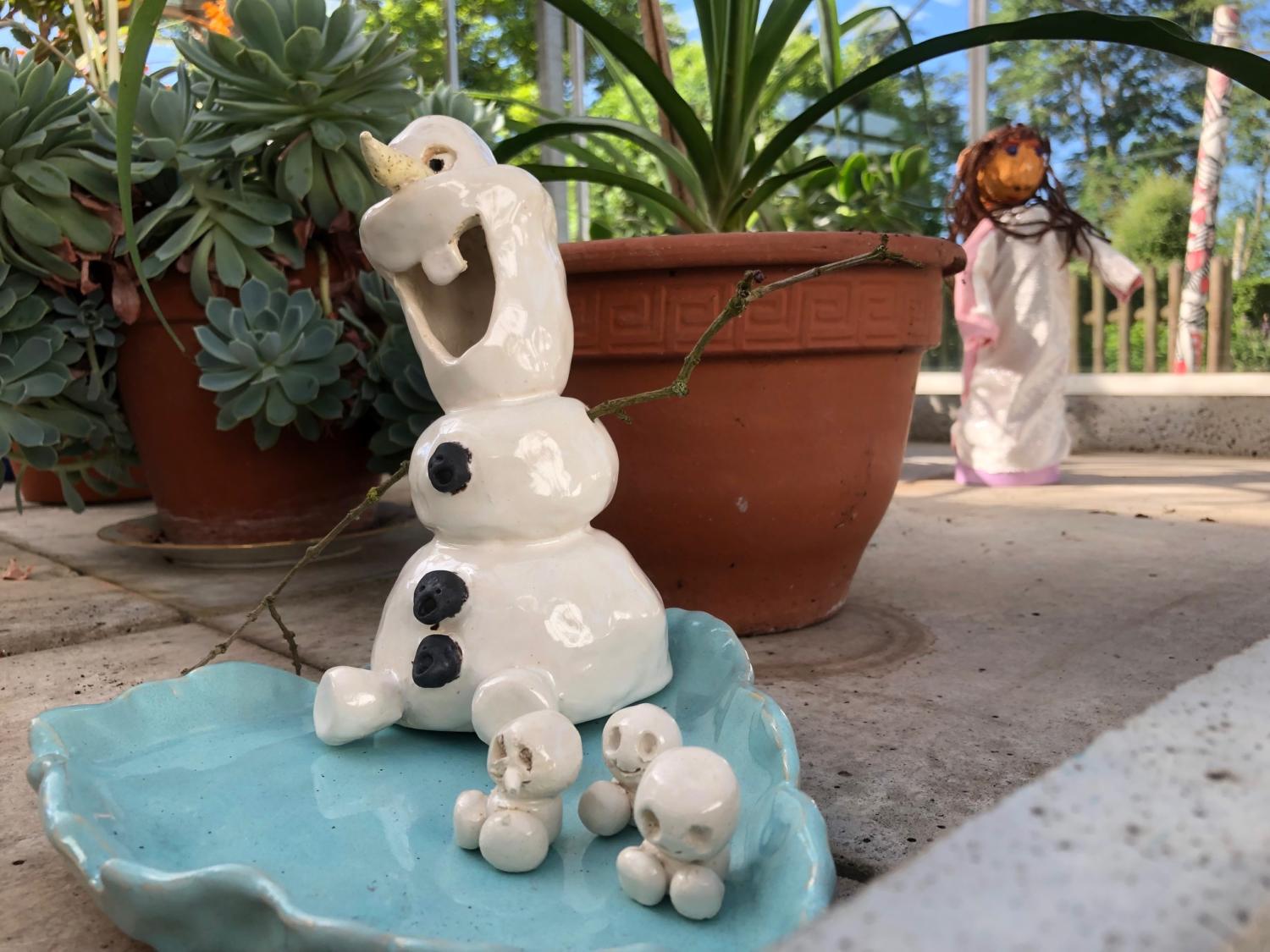
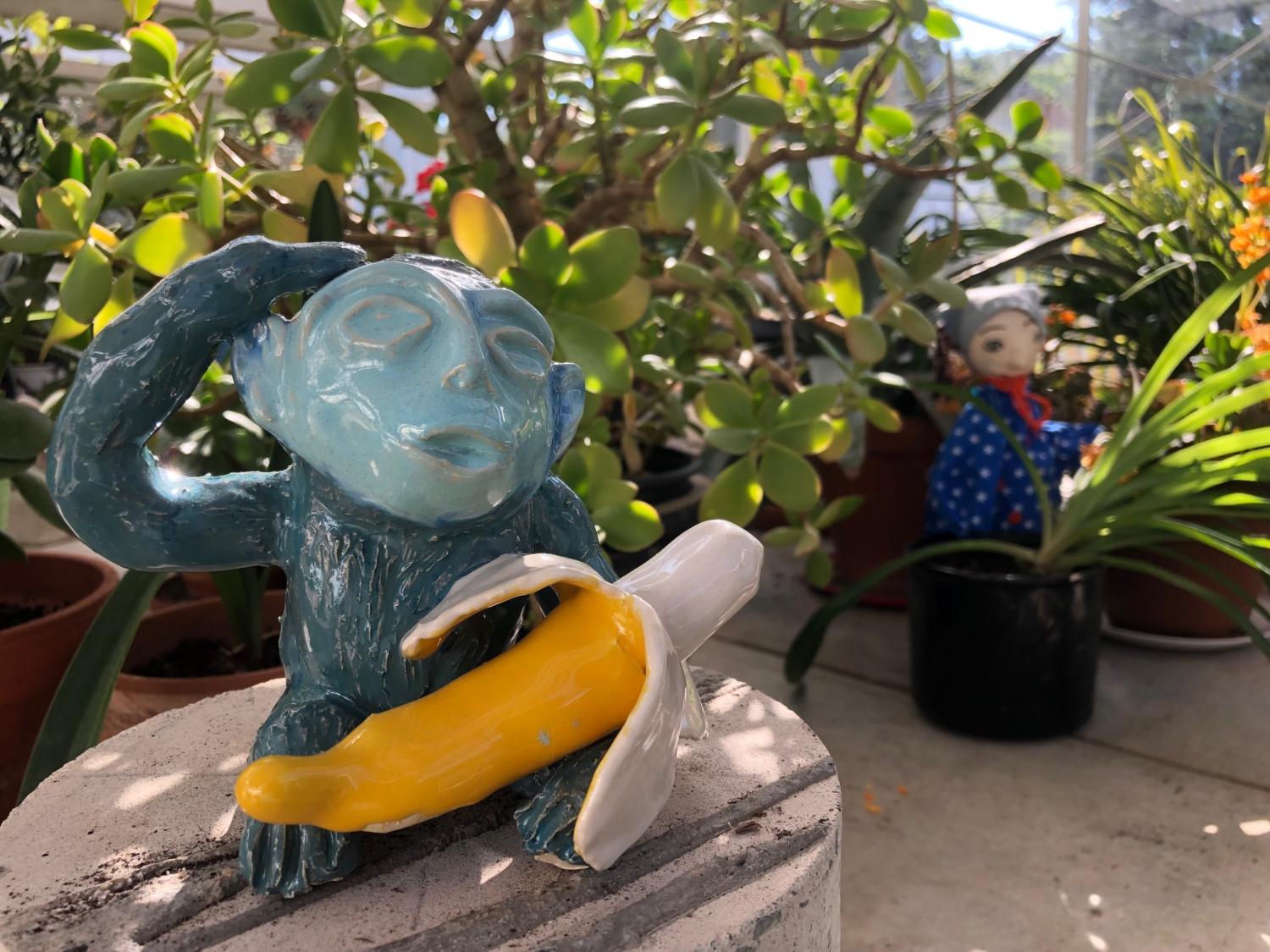
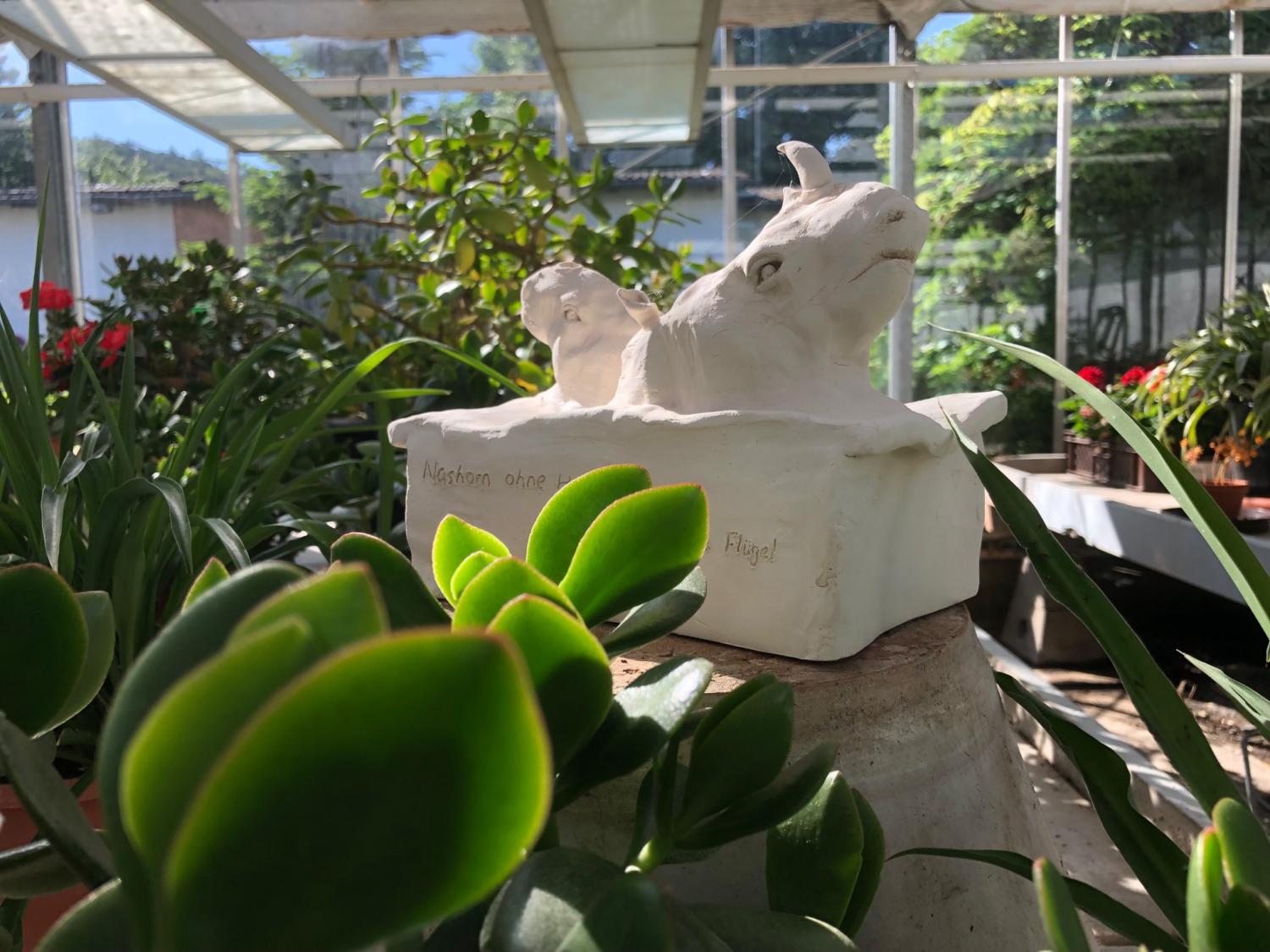
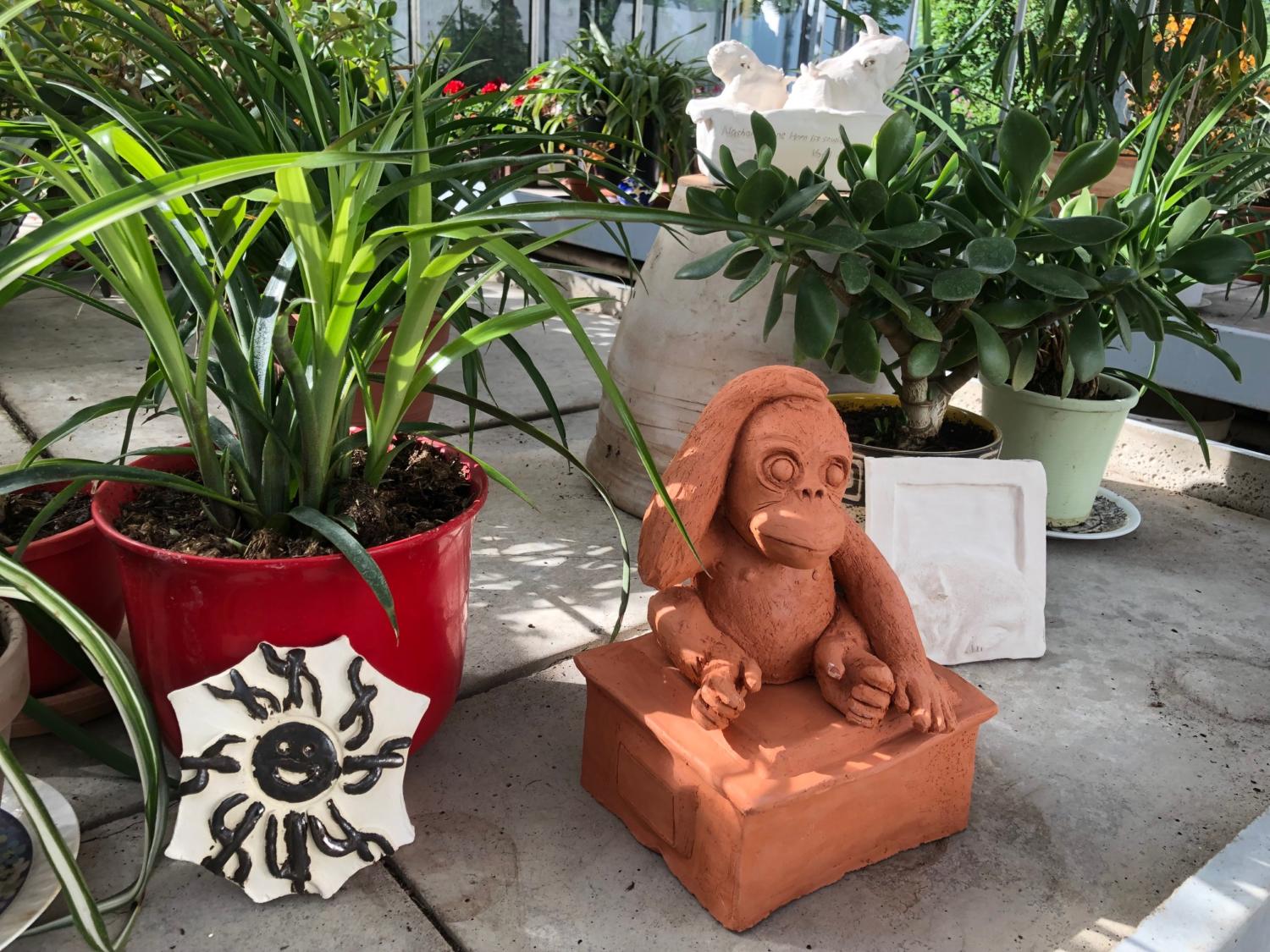
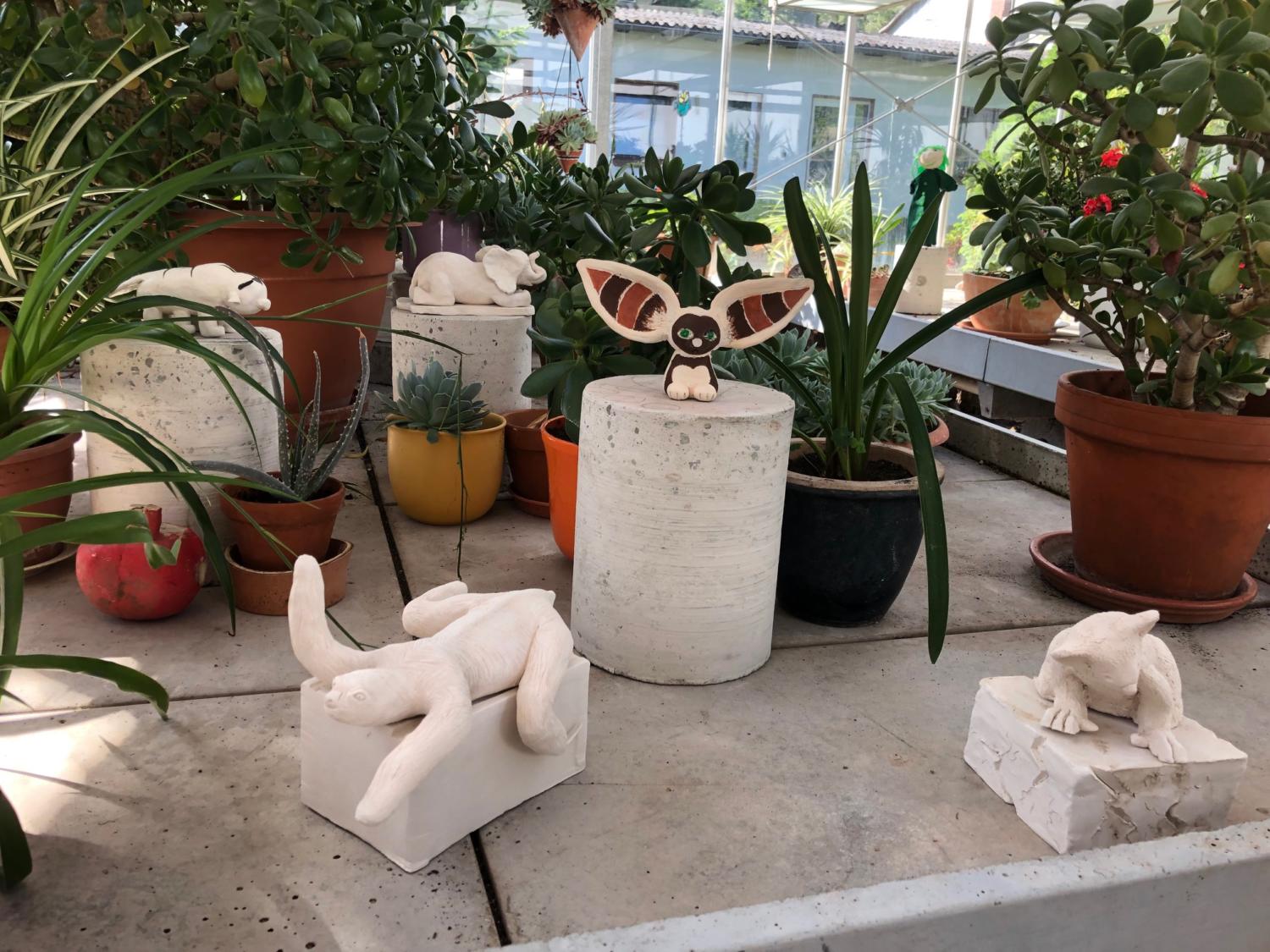
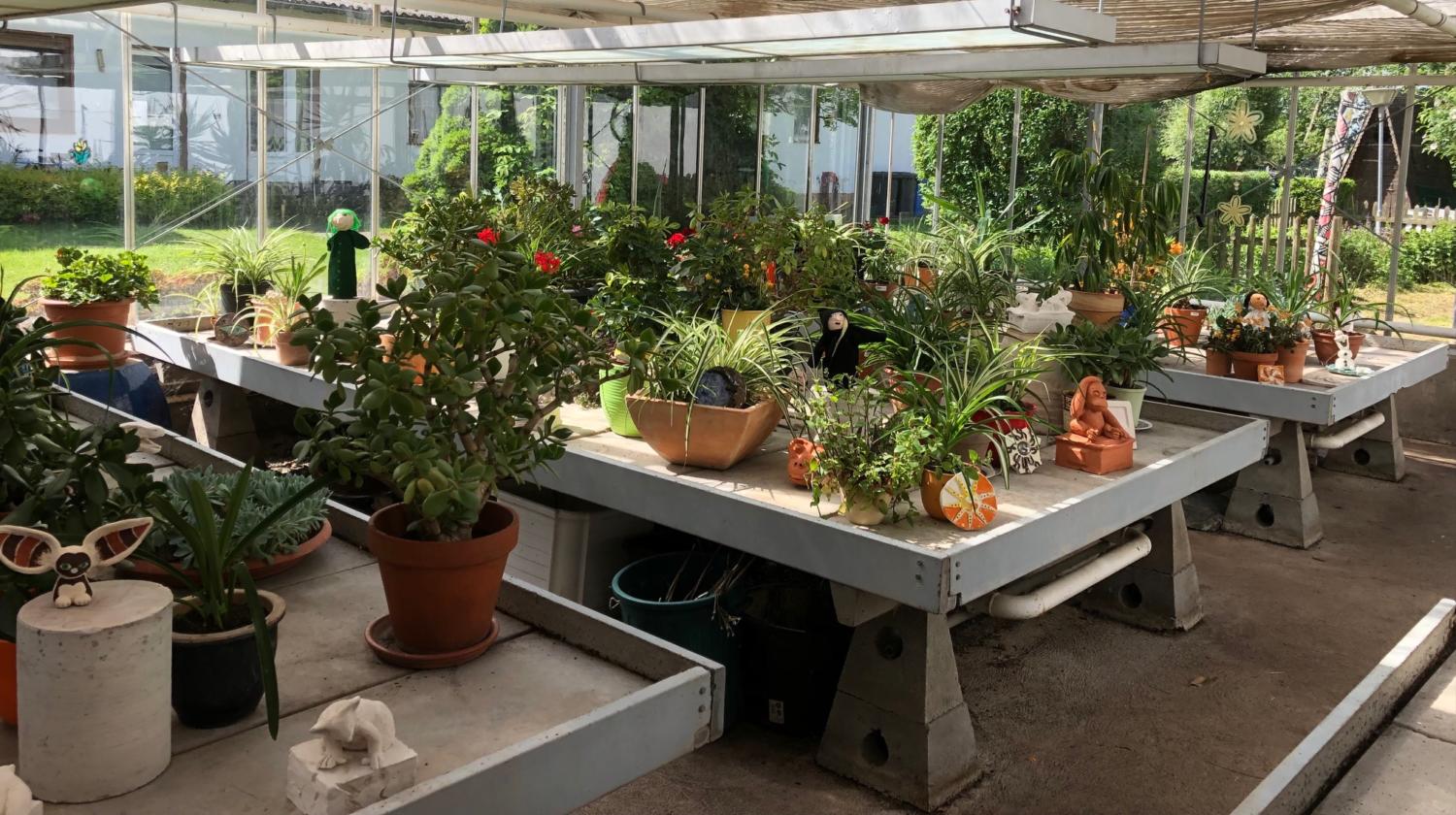
Maria Ramos and Ines Vielhaben took this as an opportunity to bring the symphony of art and nature back to life in the greenhouse and garden. So the WU “Gardening and Vegetarian Cooking” group spruced up all the plants and the rooms to create space for arranging the small sculptures and hand puppets among them.

On display were a variety of hand puppets created by Heike Rabben-Martin’s (RaDo) 5th-grade classes, which caught the eye with their humorous faces and hand-sewn costumes. Class 5a, taught by Ines Vielhaben, modeled and glazed clay sun symbols inspired by sun symbols from various cultures around the world.

The WU 10 “Drawing and Cultural Studies” course developed small models for sculptures that could be erected or installed on the Steinmühle grounds in a way that reflects the local context. “Instead of on the cafeteria roof, the banana-eating blue monkey also looks great among the plants,” says Maria Ramos as she places the figures.

Animal figures on pedestals emerged from an in-depth exploration by Ines Vielhaben’s 11th-grade art class of occasions, motifs, and locations for monuments. When looking at the selection of animals, it is easy to see that they are endangered species that take the term “DenkMal!” literally, thereby serving as a stark reminder to protect biodiversity. Otherwise, only statues will remain to commemorate these animals.

Thanks to the variety of chalk drawings in the schoolyard, students repeatedly found their way to this hidden gem at the Steinmühle during the spring festival, stepping away from the hustle and bustle of the festivities.

Charity concert featuring the Kassel Army Band and an inter-school “workshop band”

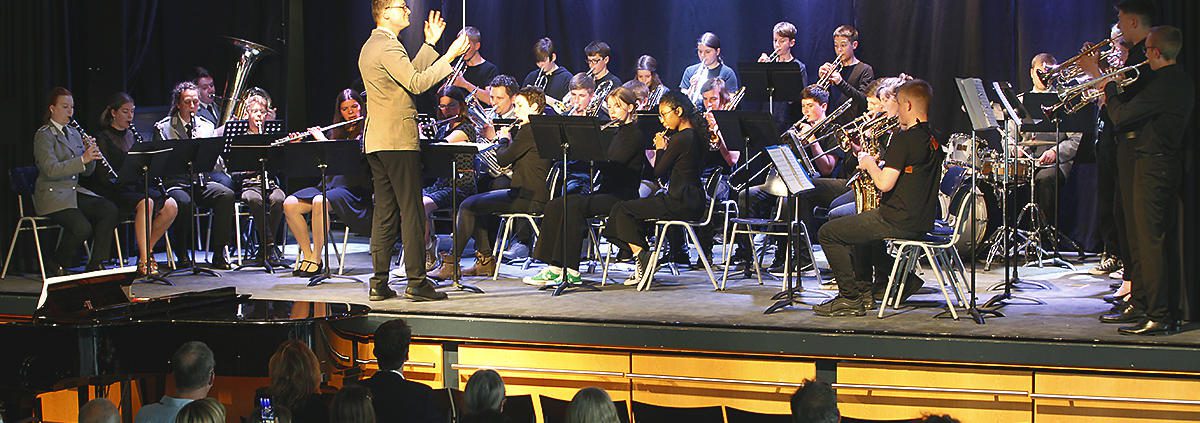
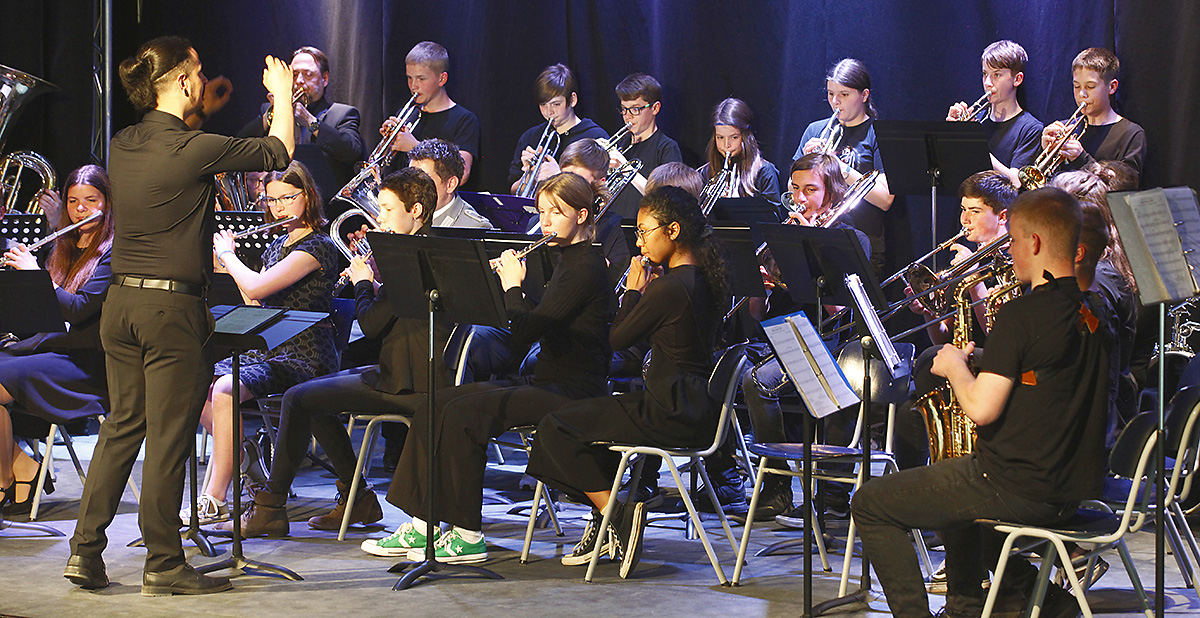
Planning had been underway for three years, but due to the pandemic, there were repeated setbacks for the benefit concert featuring the Kassel Army Band at the Steinmühle. The performance on a beautiful summer evening in the school’s forum finally rewarded the musicians of Hesse’s only military orchestra for their patience—and not just them, but also the Steinmühle concert band, which performed alongside them. In a one-day workshop leading up to the event, both groups rehearsed together and showcased the results of their collaboration. The audience was amazed and applauded the outstanding performance of the pieces they had rehearsed together on such short notice.

Music connoisseurs know that crystal-clear tones are the hallmark of a concert by the 50-member Army Band. Professional musicians perform here at a high level. For a school to establish a collaboration—even if only brief—can be a tremendous source of motivation for its own students! That’s why the “workshop band” wasn’t made up solely of students from Steinmühlen. About half of the participants were young musicians from other schools in Marburg who took advantage of this opportunity for musical exchange—specifically, students from the Elisabethschule, the Freie Waldorfschule, the Gymnasium Philippinum, the Martin Luther Schule, and the Edertalschule in Frankenberg. Music school teacher Stephan Reissig and Lieutenant Colonel Tobias Terhardt took the lead for the combined group. The audience honored the harmonious collaboration between the two bands with enthusiastic applause.

Afterward, the conductor’s instructions were directed solely at the Army Music Corps, whose chamber ensembles performed that evening. The Steinmühlenforum drew about 100 attendees—who applauded with such enthusiasm that one might have thought the audience was twice as large. There were standing ovations for the pieces performed on the euphonium and trumpet, the clarinet, piano, and other instruments. And encores, of course. The repertoire ranged from pop to classical, from Michael Jackson to Frank Sinatra, and from gospel to jazz.

In addition to the joint musical performance by several Marburg schools and the musical inspiration provided by professional musicians, the evening’s third purpose—which had already been highlighted in the event’s title—came to the fore: a benefit concert. This initiative also yielded a positive result. Over 2,000 euros were raised through ticket sales. Half of the money will go to the surviving family members and relatives of fallen and wounded soldiers through a support association in Stadtallendorf, while the other half will go to the youth department of the Marburg Music School. This funding will support young brass players.

“We are delighted that our benefit concert was a success on several levels,” said Gisela Falk, current president of the organizing Rotary Club of Marburg. Björn Gemmer, the school principal and also a Rotary member, can already envision repeating the concert in the same format.

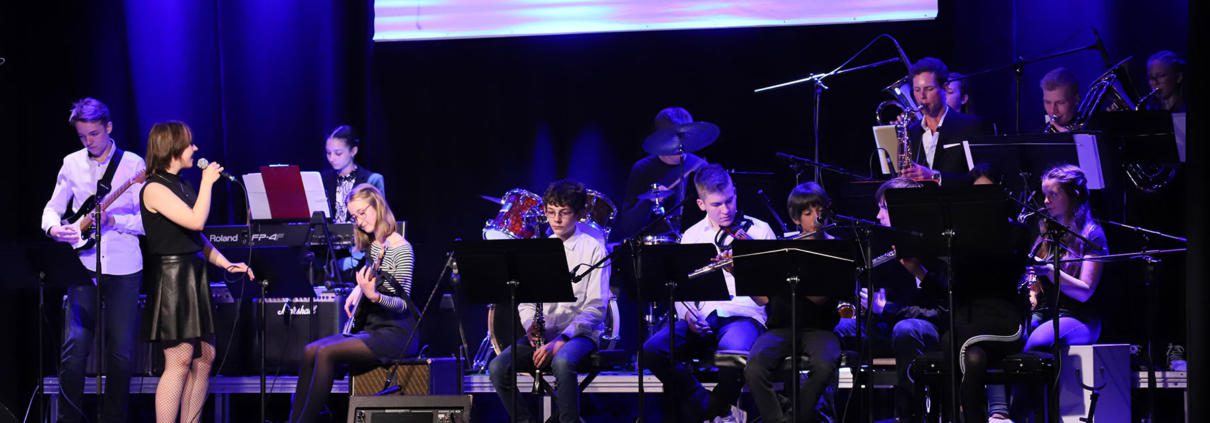
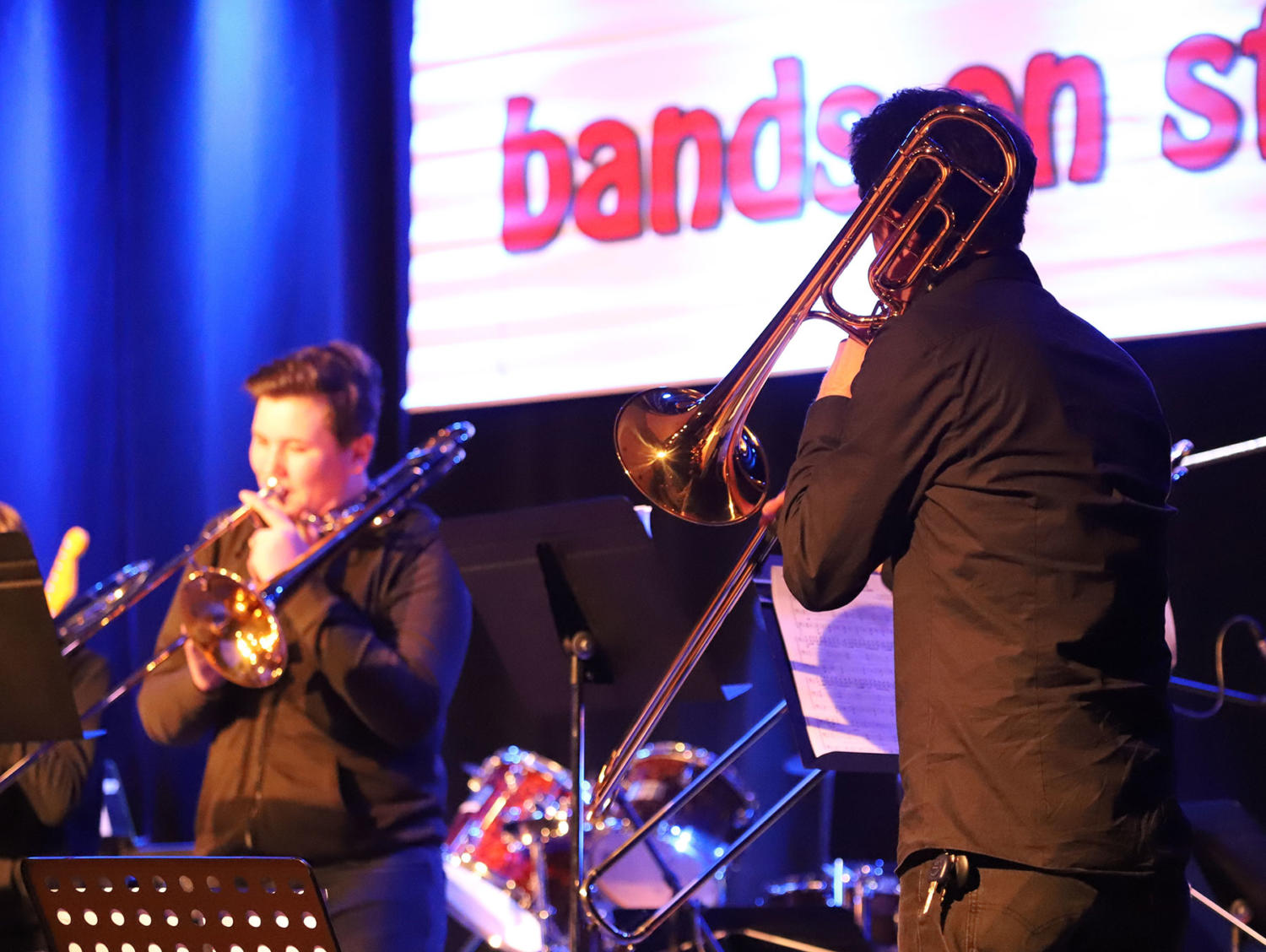
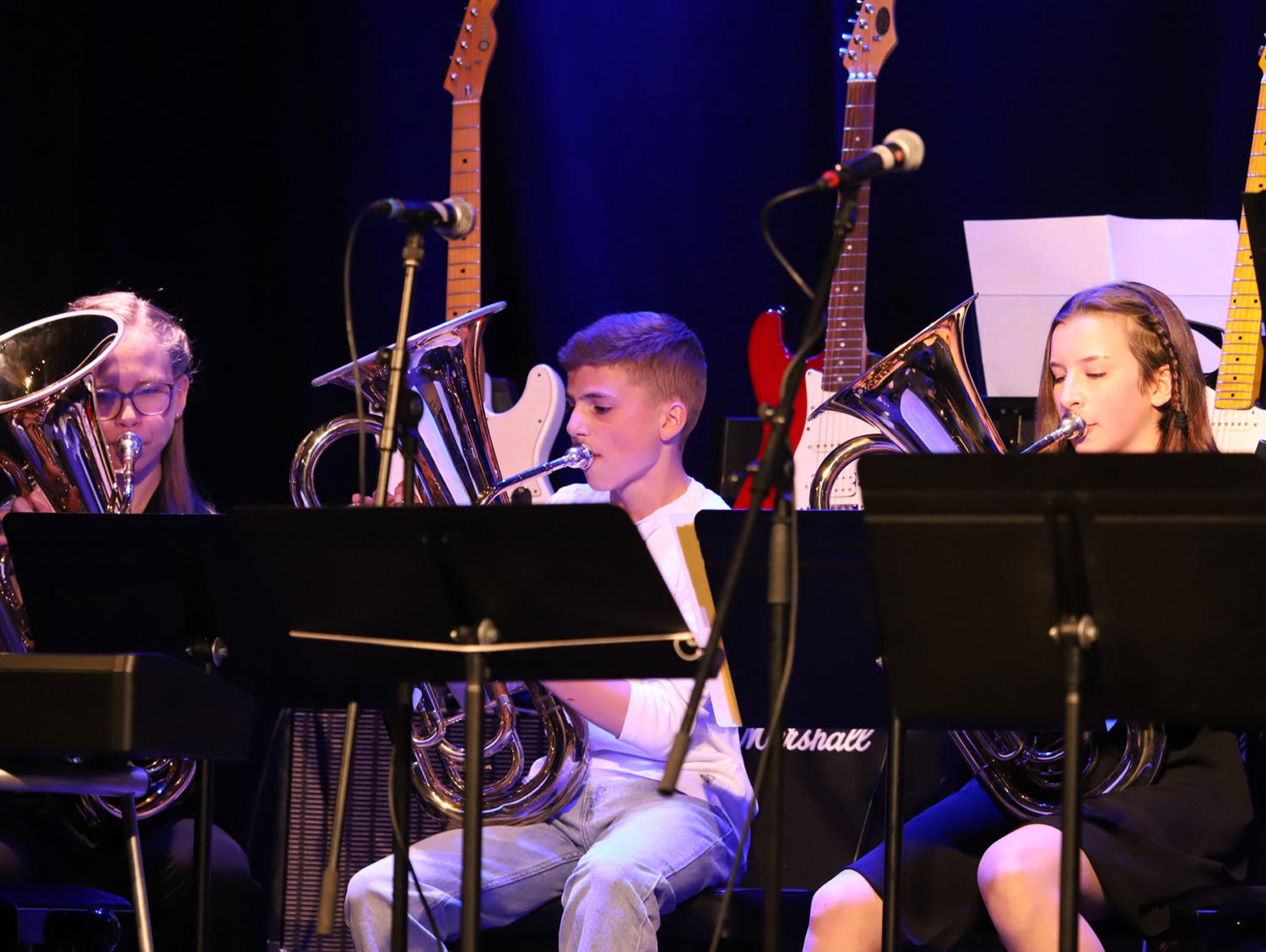
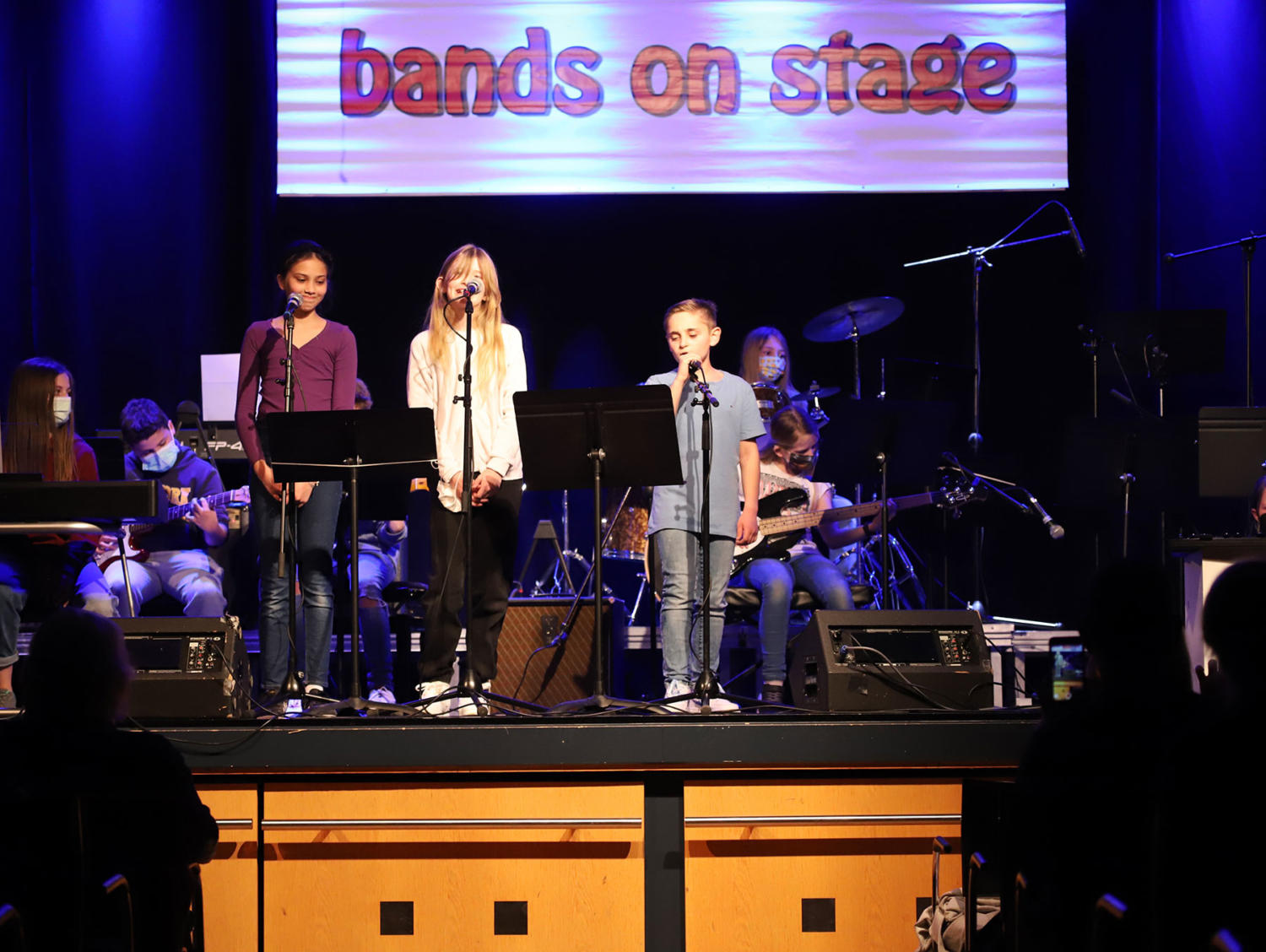
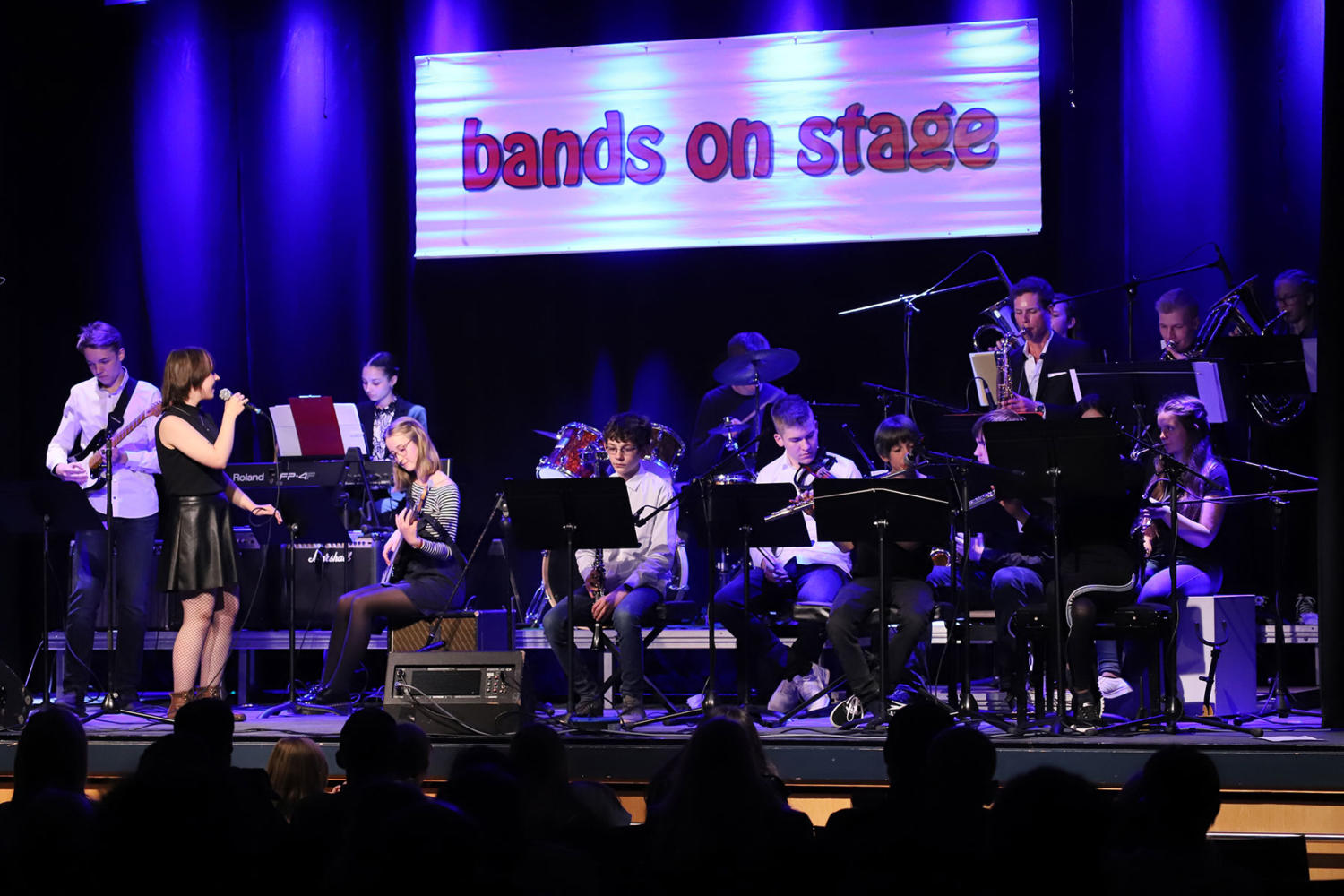
What had been impossible for years finally came to life once again on the stage of the Steinmühle on Monday, March 28, 2022, to the great joy and delight of everyone involved. About 130 audience members enjoyed a performance by the new ensemble stonemill brass—featuring trombones and euphoniums—as they performed three challenging film classics under the direction of Andreas Jamin, before the sixteen-member Class 5 band made its brilliant debut with “Faded” and “I’m So Sorry.” Despite the absence of their conductor, Jörg Eichberger, due to illness, the saxophone ensemble from the Marburg Music School made a guest appearance on stage in keeping with tradition, performing four challenging jazz arrangements. Talea Funk, who has been one of the creative forces on the Steinmühle stage for years, presented two atmospheric original compositions for voice and ukulele in her final year—powerful and moving once again.

The Steinmühle Jazz Ensemble performed four jazz standards arranged in a variety of styles before the StoneMill House Band, led by Frank Wemme, brought the evening to a brilliant close with its current program. The Sound & Light elective course, led by Matthäus Otte, was once again put to good use, ensuring excellent sound and lighting on stage and providing the musicians with a superb setting. A visibly moved principal, Bernd Holly, thanked everyone involved for this long-missed and now once again possible, touchingly arranged treat—a joy to hear, a delight to see, and a wonderful experience.

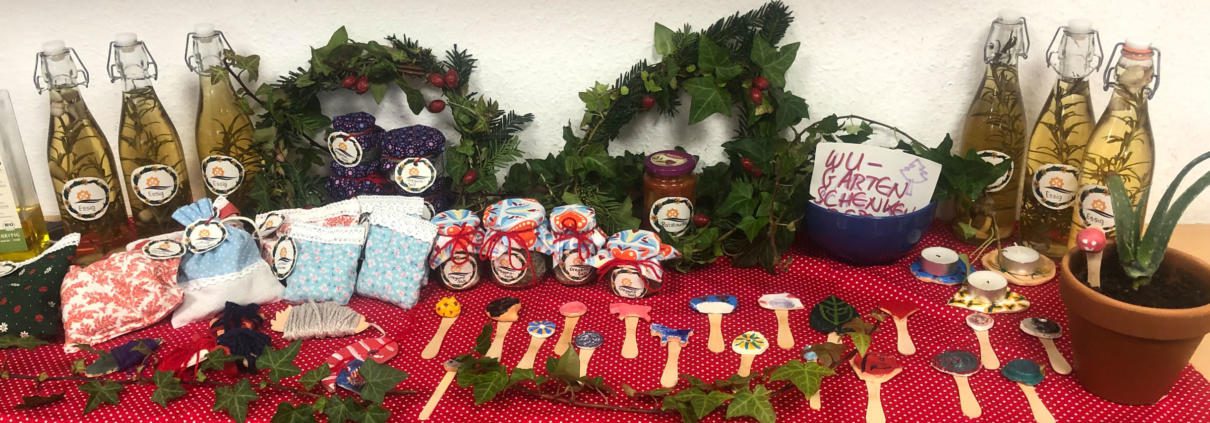
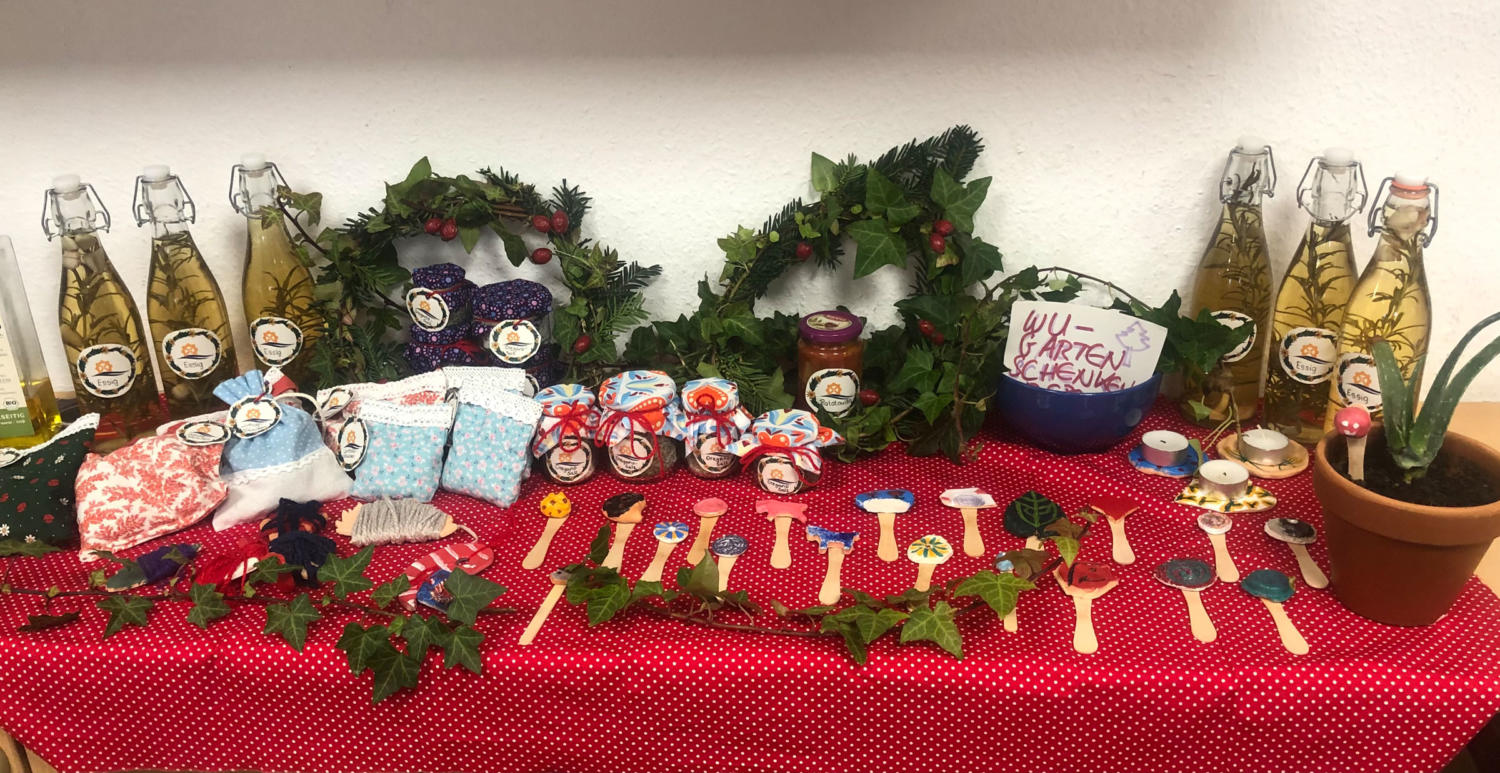
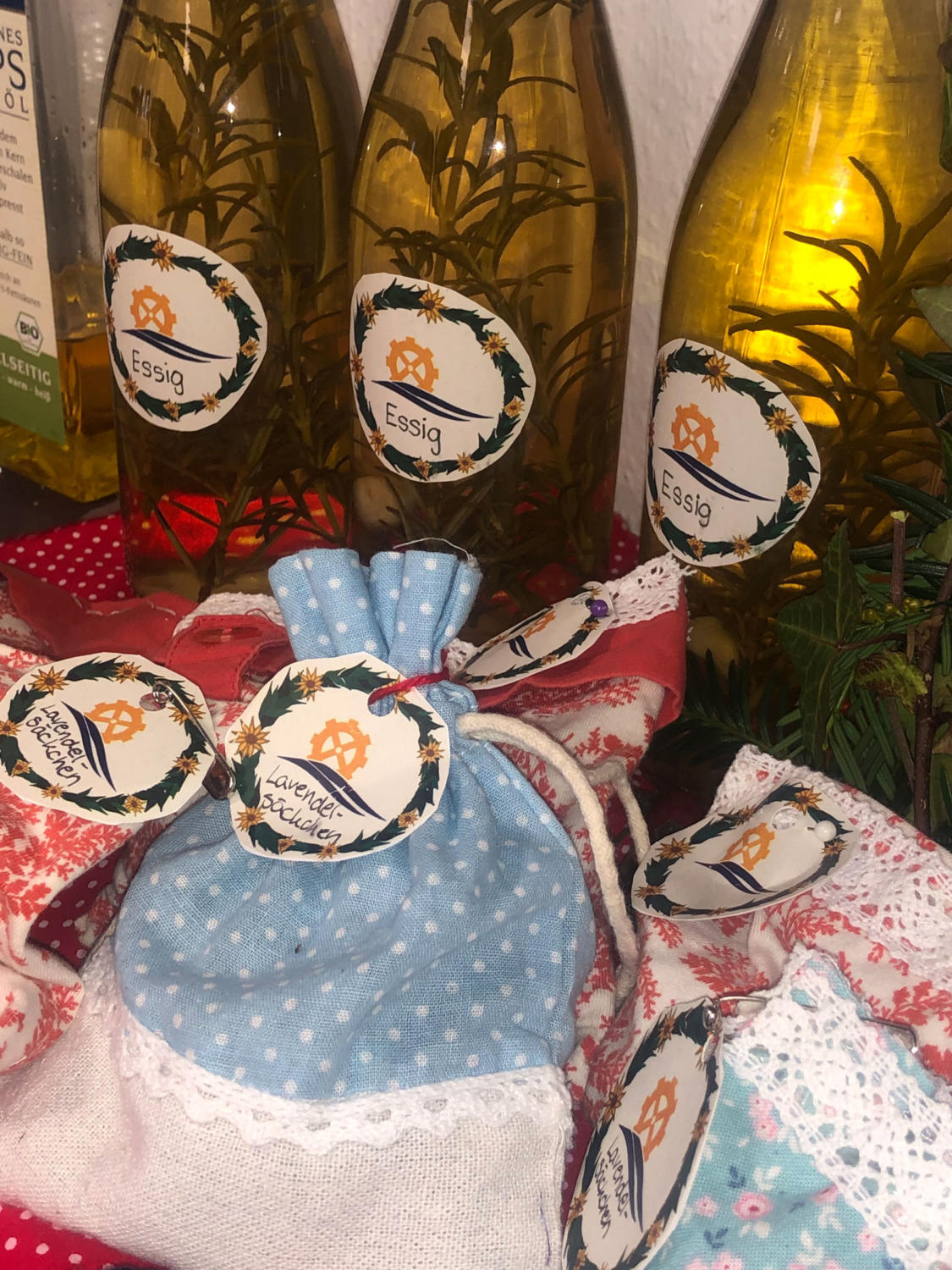
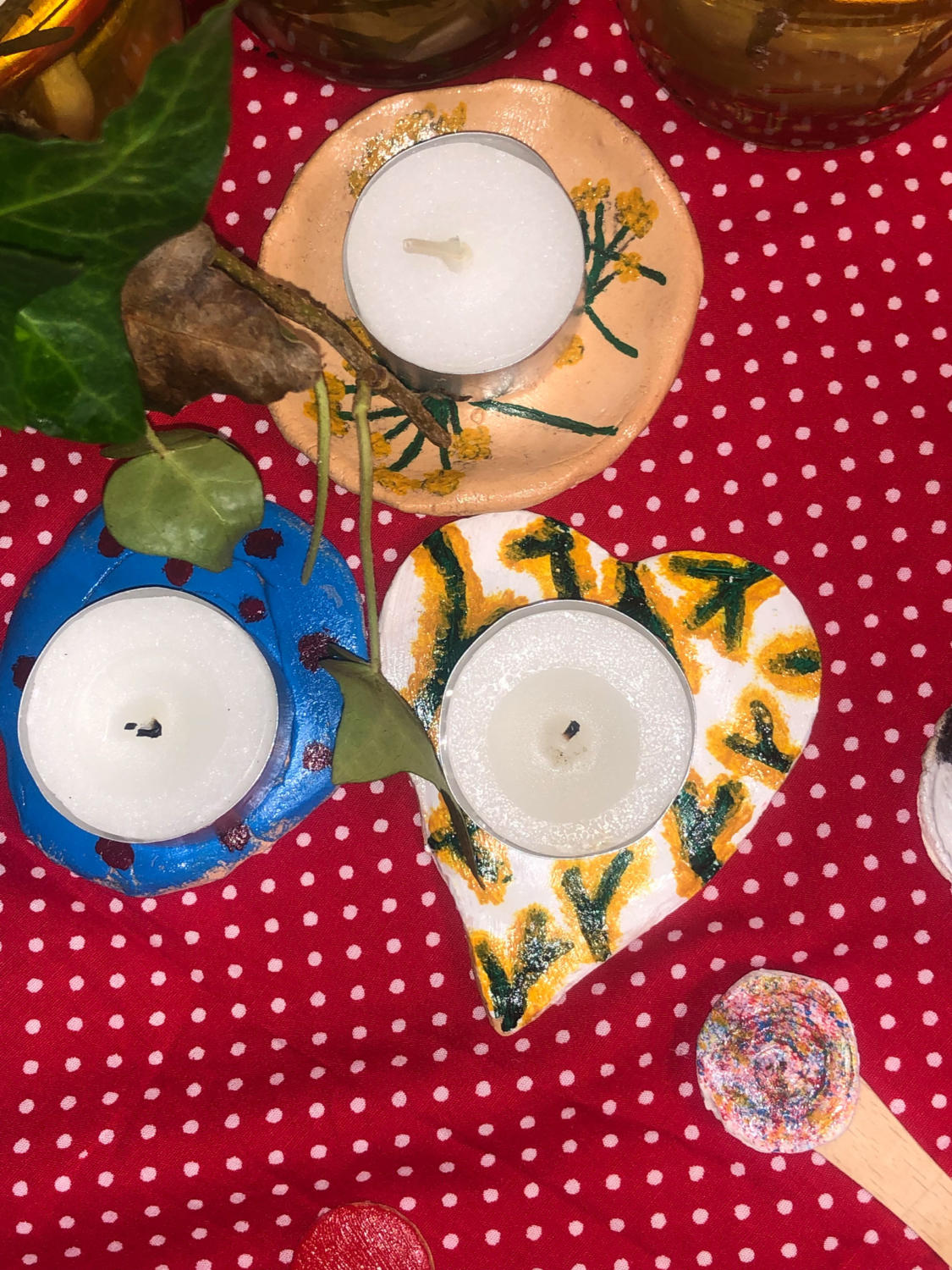
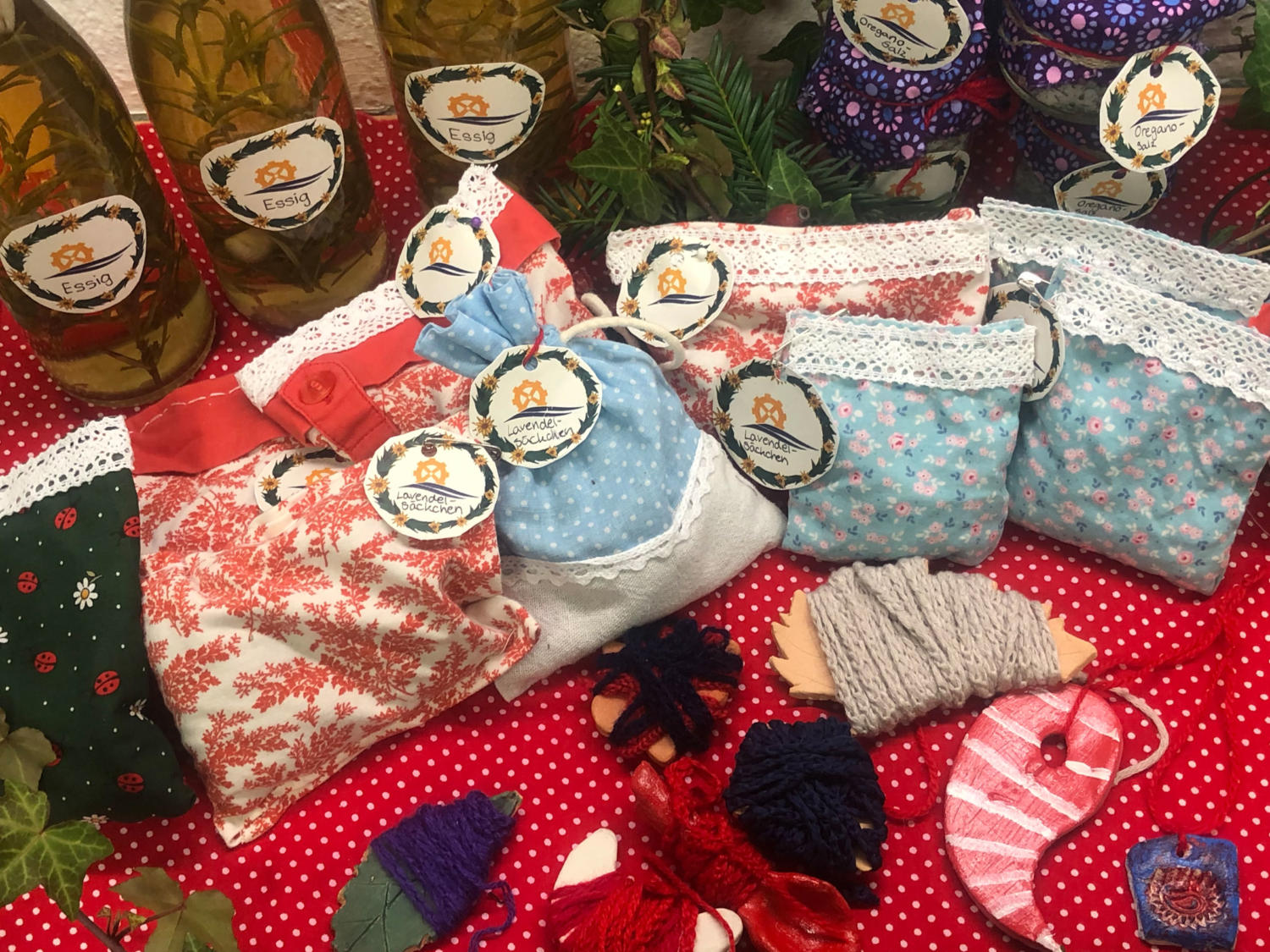
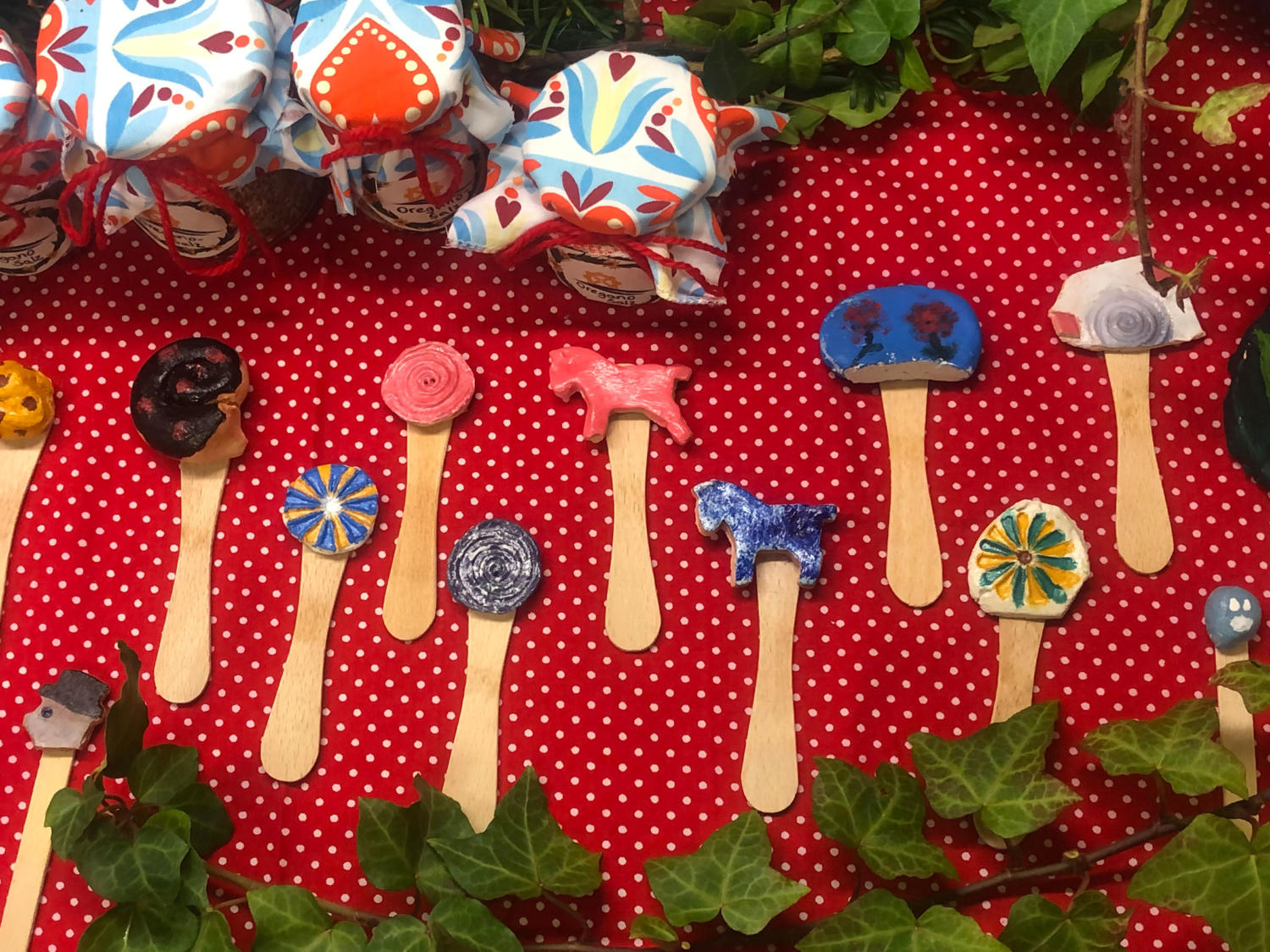
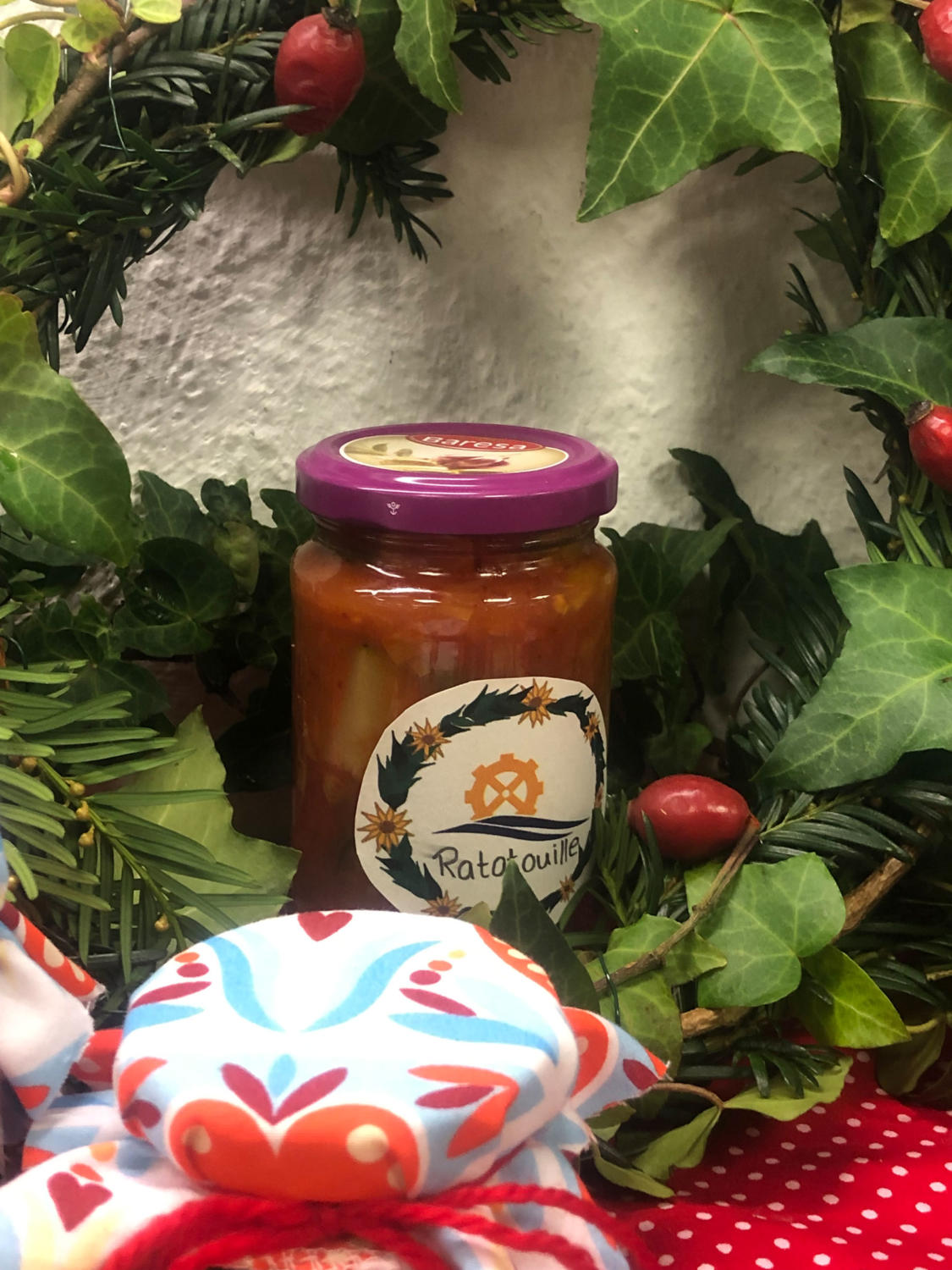
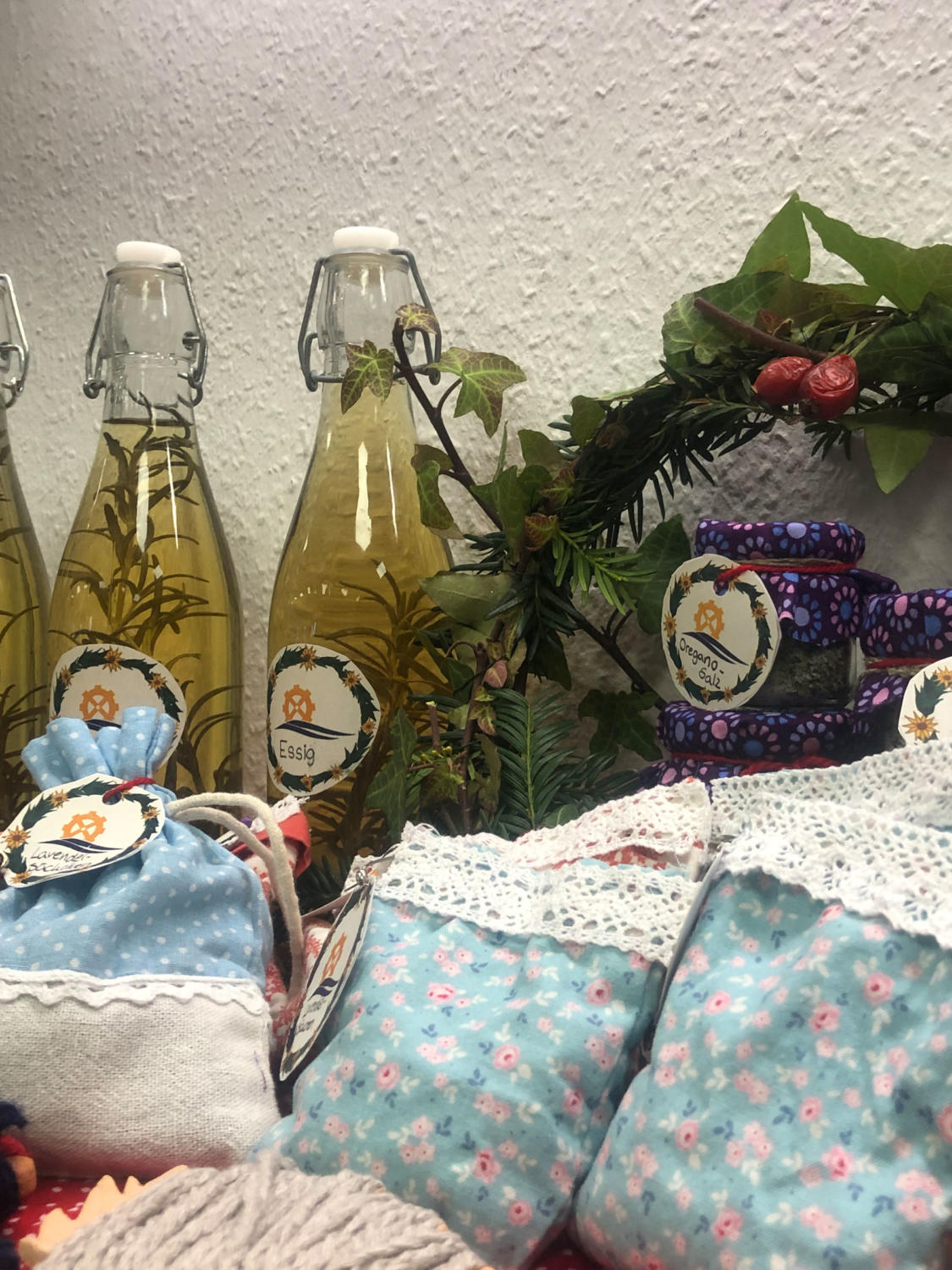
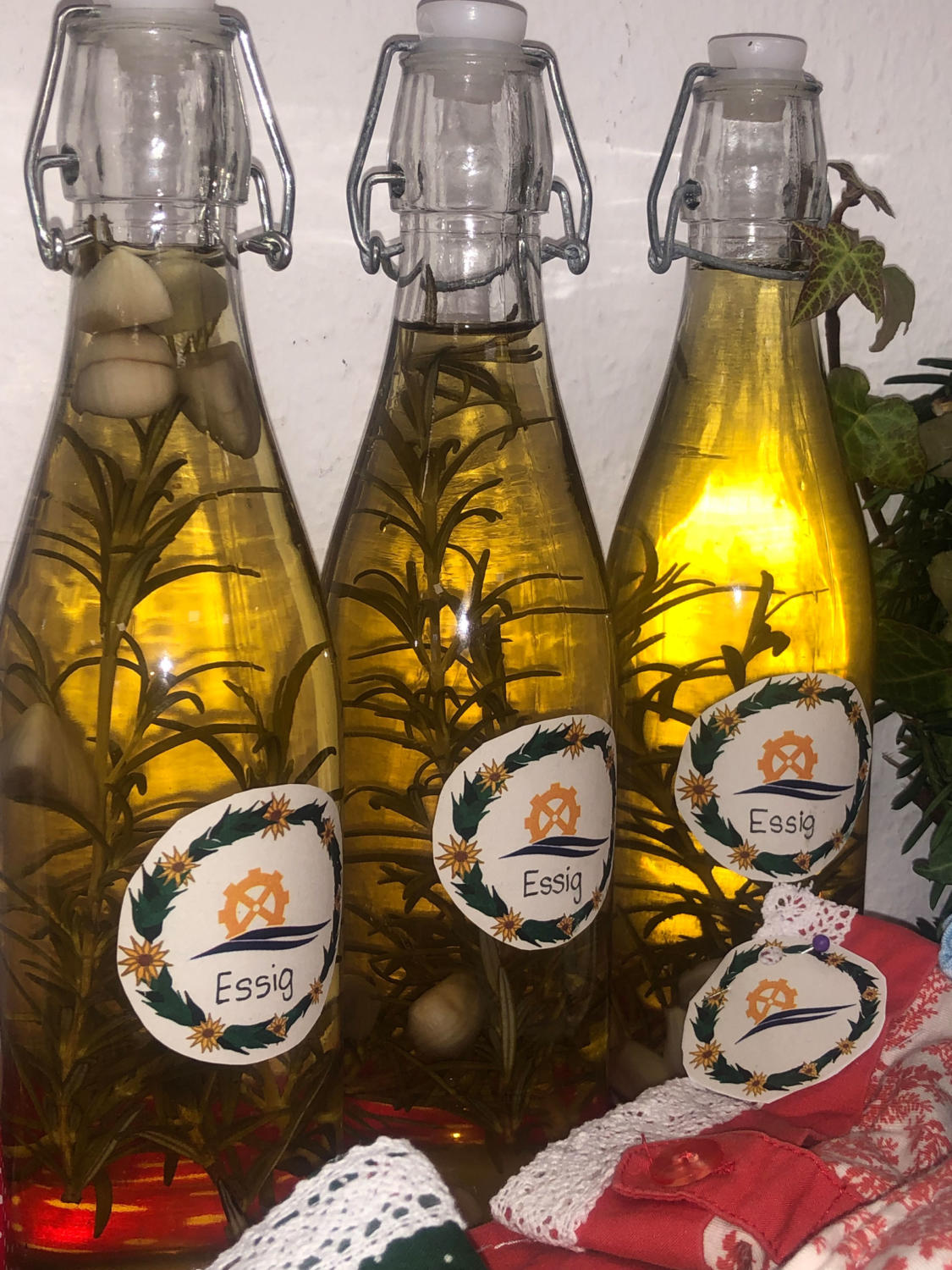
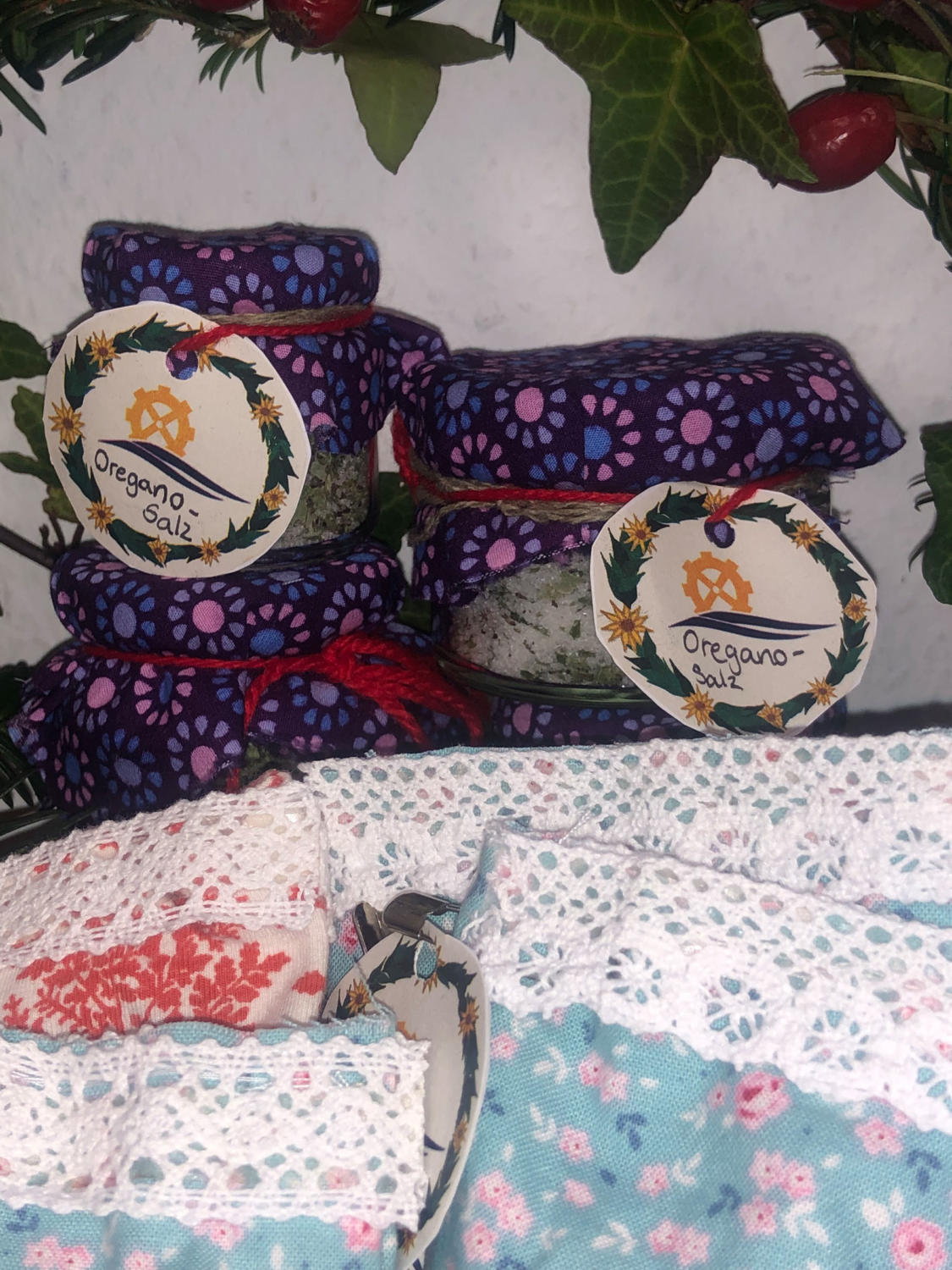
It doesn’t get any more organic than this: Eighth- and ninth-graders showed particular creativity in the elective course (WU) “School Garden.” Under the guidance of Steinmühlen teacher María Ramos Iglesias, they used the produce grown in the school’s own garden to create original products with great dedication, proving themselves to be true connoisseurs of gourmet cuisine. To make their creations even more special, they added the Steinmühlen logo. The result included, for example, decorative vinegar products, oregano salt, jars of ratatouille, lavender sachets, and much more. The products—which make excellent Christmas gifts—are on display in the teachers’ lounge and are available for purchase in exchange for a voluntary donation.

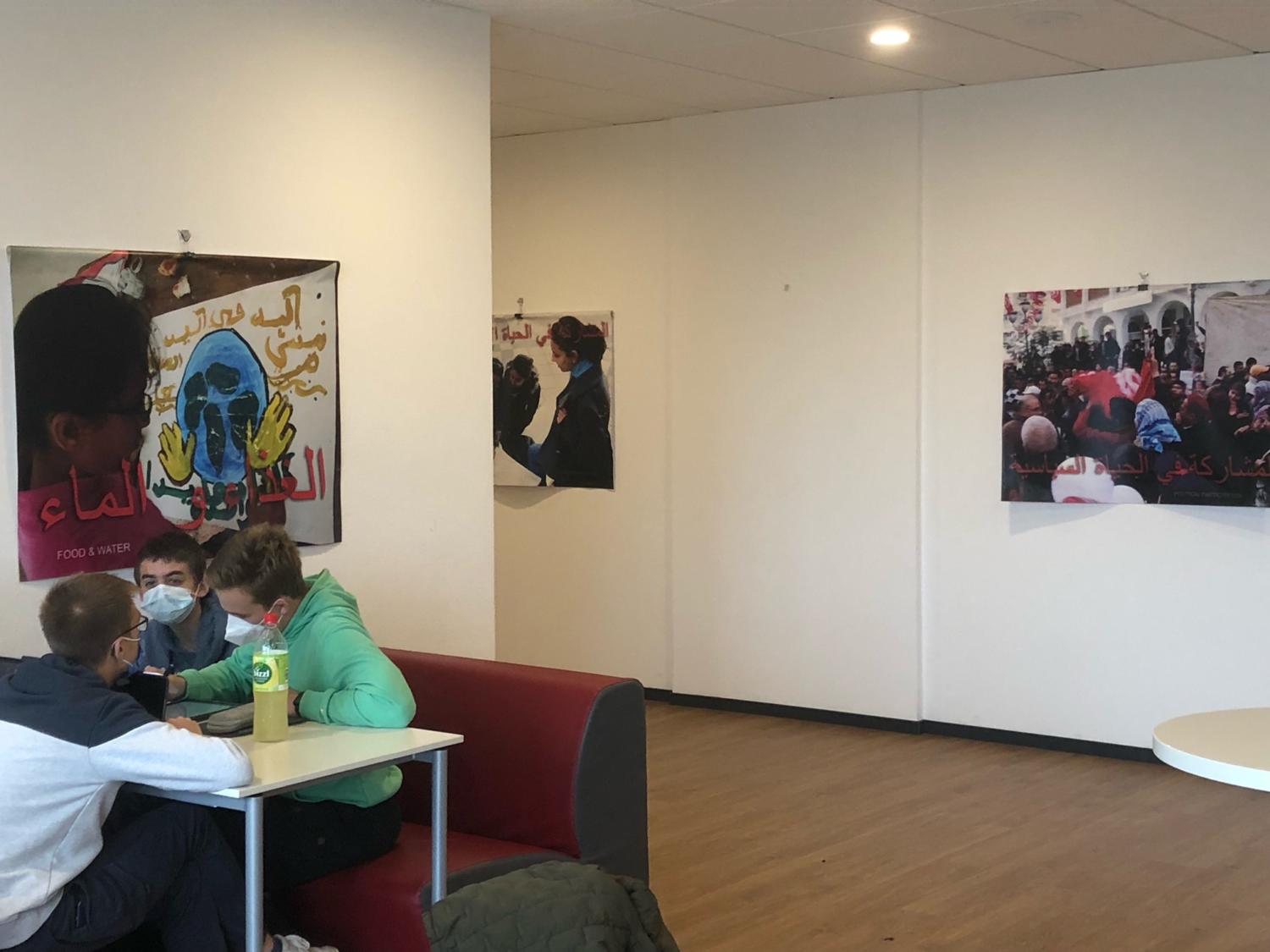
A new exhibition at the Steinmühle, featuring works in the atrium, the Centrum, and the main building, is themed “Human Rights.” It was created by Thomas Gebauer, an artist and activist whose previous exhibition, “People, Diversity, Future,” was very well received.

“The exhibition should be seen as a tool of the ‘Future Workshop: Democracy and Education,'” says art teacher Ines Vielhaben. Students in her 10th-grade elective course (WU) “Kulturallee” were actively involved in the arrangement and installation of the exhibition.

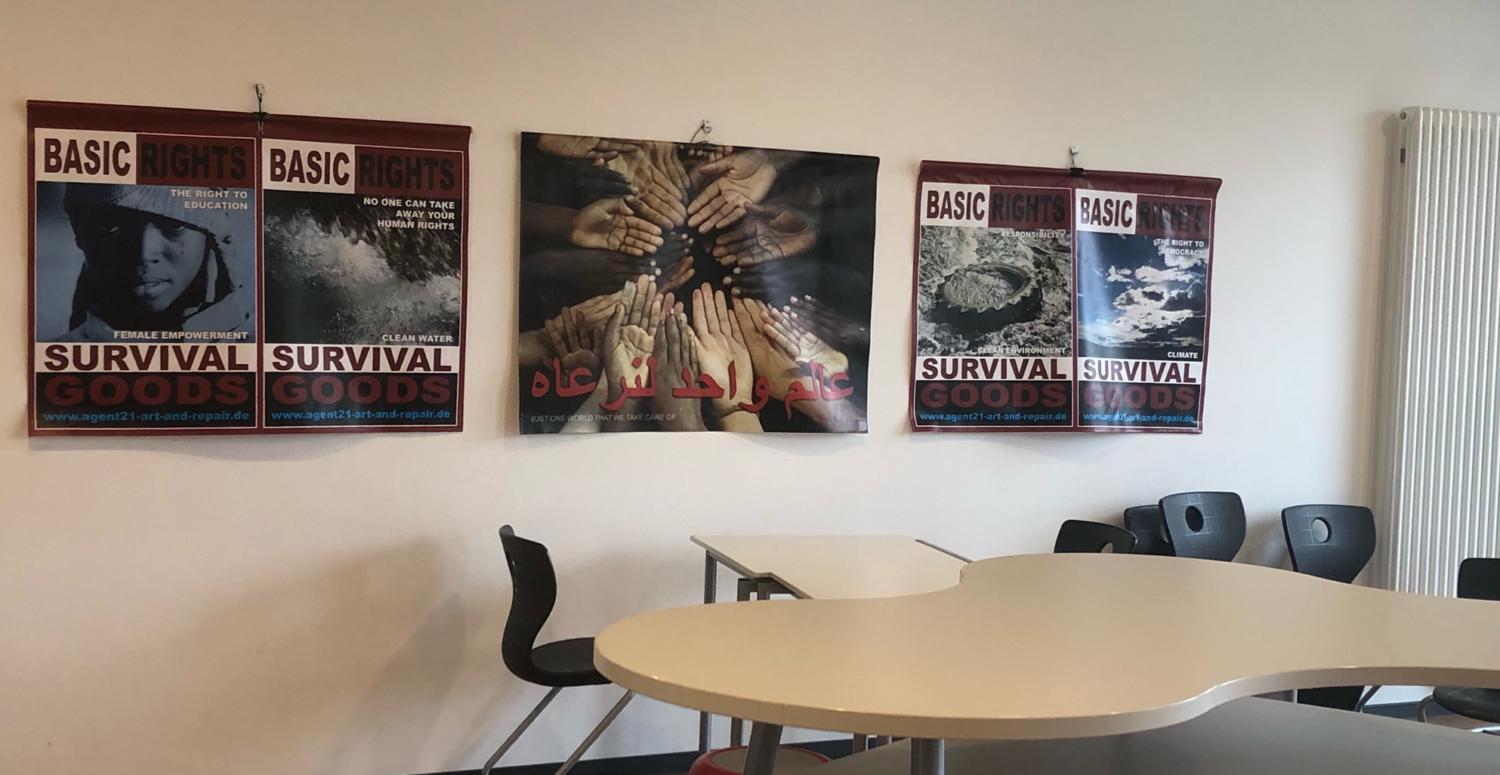
The Human Rights exhibition consists of 28 large-format photographs that visually incorporate human rights concepts in both English and Arabic. They depict scenes and situations related to the democracy movement (2011–12) during the Arab Spring in Sfax, Marburg’s sister city in Tunisia, and address the Tunisian people’s call for freedom, democracy, and justice during that time. The photographs by Thomas Gebauer are complemented by posters from Basic Rights – Survival Goods poster exhibition, which presents the theme of democracy as the foundation, perspective, and prerequisite for a dignified participation in life based on freedom and justice, and illustrates access to essential resources for survival in a global context.


Can be incorporated into lessons

The exhibition focuses on the 30 fundamental human rights enshrined by the UN in 1948 in the context of resources essential for life and survival, such as water, food, education, health, and justice. The entire human rights exhibition was produced by its initiator, Thomas Gebauer, as a high-quality, portable exhibition module printed on truck tarps, so that it can be borrowed by schools and educational institutions throughout the Marburg-Biedenkopf district along with accompanying teaching materials.

“The exhibition,” says Steinmühlen art teacher Ines Vielhaben, “can be incorporated into subject-specific instruction in various ways.” Possible options include project days, themed visits, and block-schedule visits for all grade levels, as well as an evening event as a cultural program featuring a slide presentation followed by a discussion. If you are interested, Thomas Gebauer is available as the direct contact (agent21 Zukunftswerkstatt, email: thomas.a.gebauer@gmail.com).

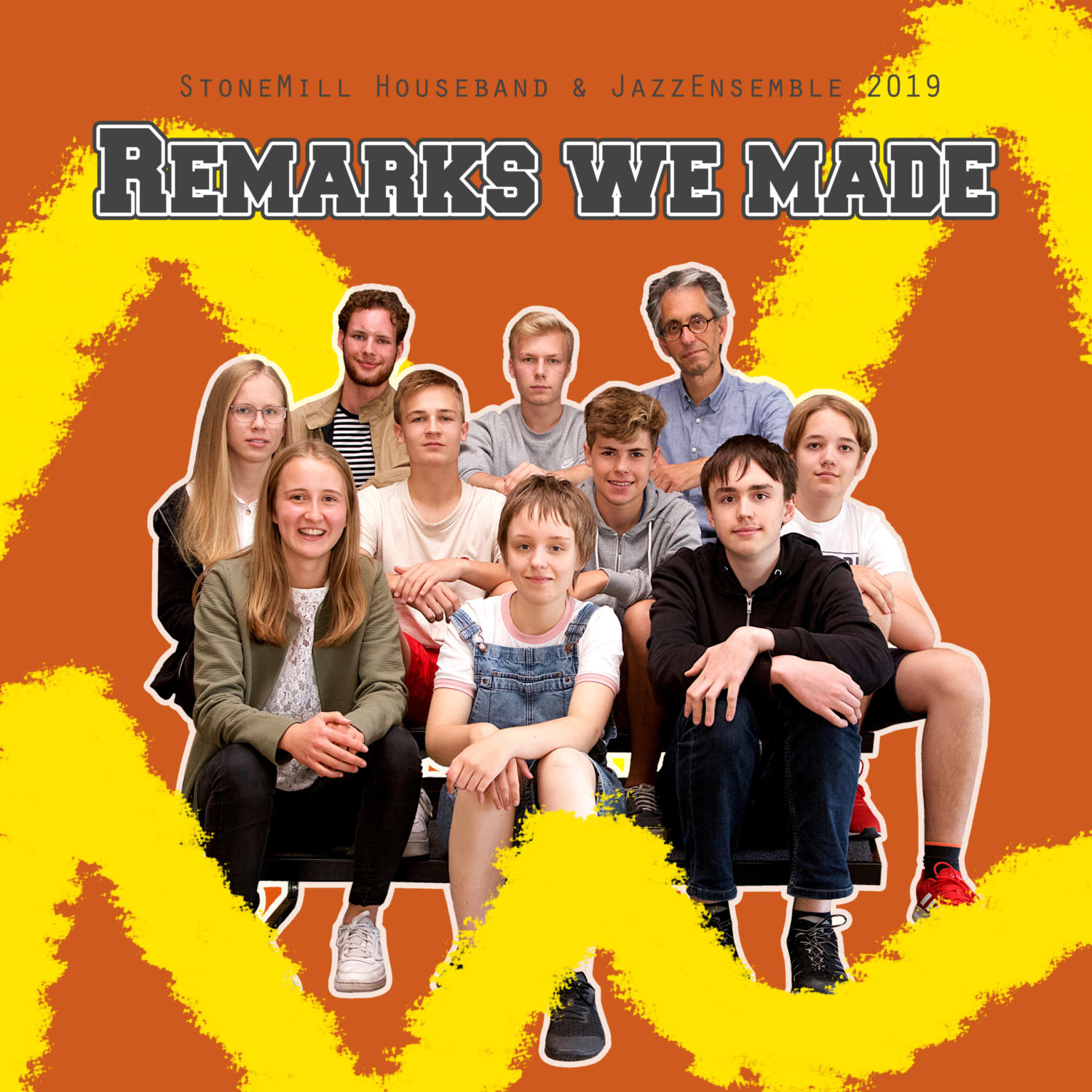
It’s not often that a school band displays as much motivation and love for music as the Stonemill House Band and our jazz ensemble do. To help us remember this in the years to come, we wanted to document our work together. In January 2020, we were able to record our program—consisting of the songs “Romantically Helpless,” “I Don’t Need No Doctor,” “Whisper Not,” and “A Remark You Made,” which we had arranged a year earlier in Wolfhausen. With the wonderful support of Werner Eismann, we created a professionally produced CD that captures our time together. Anyone who would like a copy can pick it up at the school office for a nominal fee.

Talea Funk

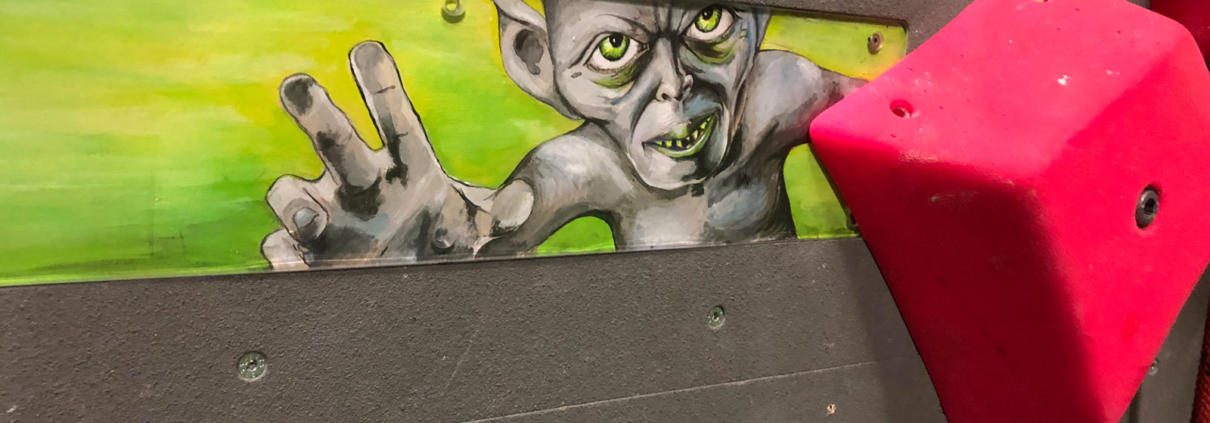
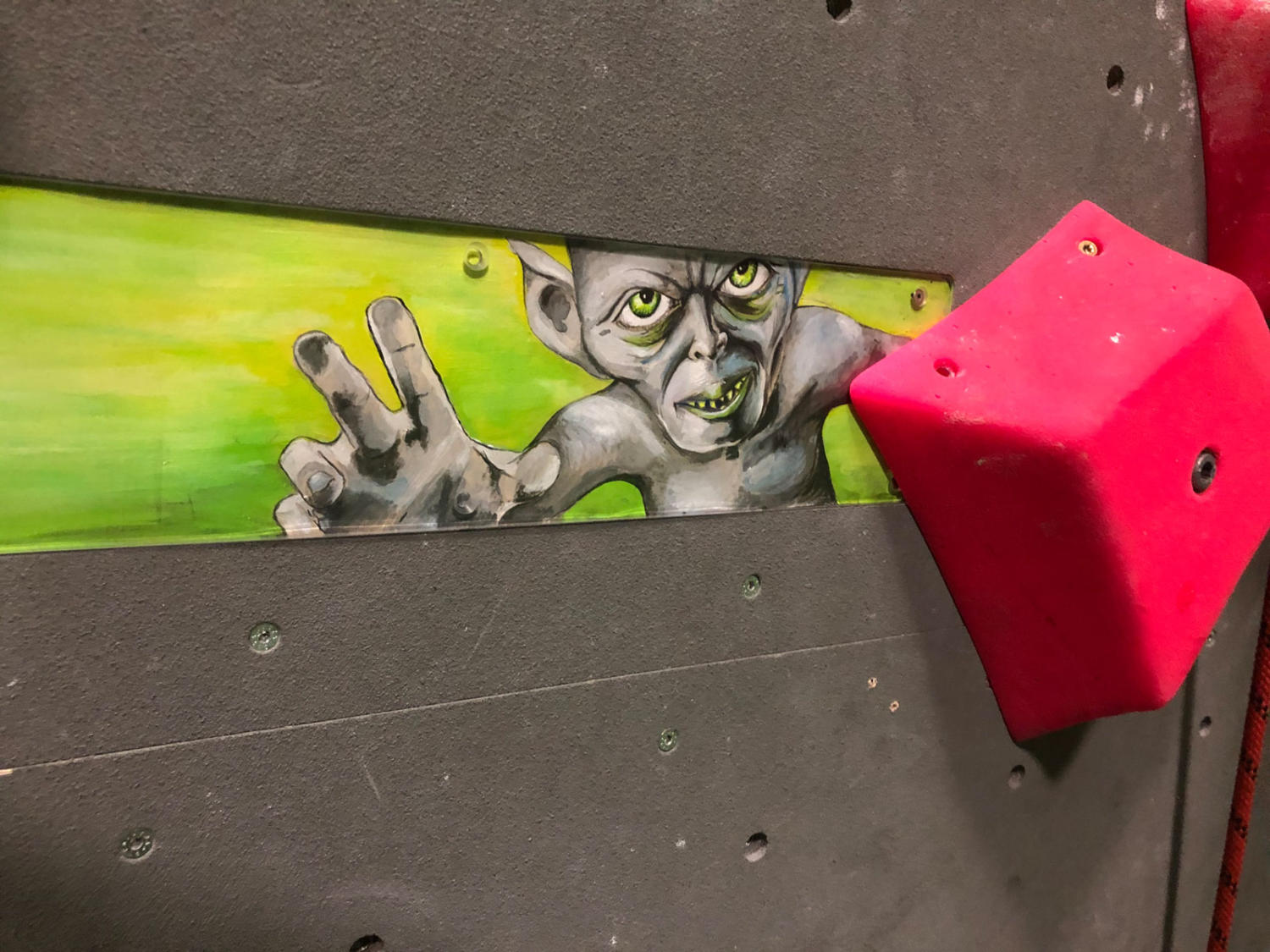
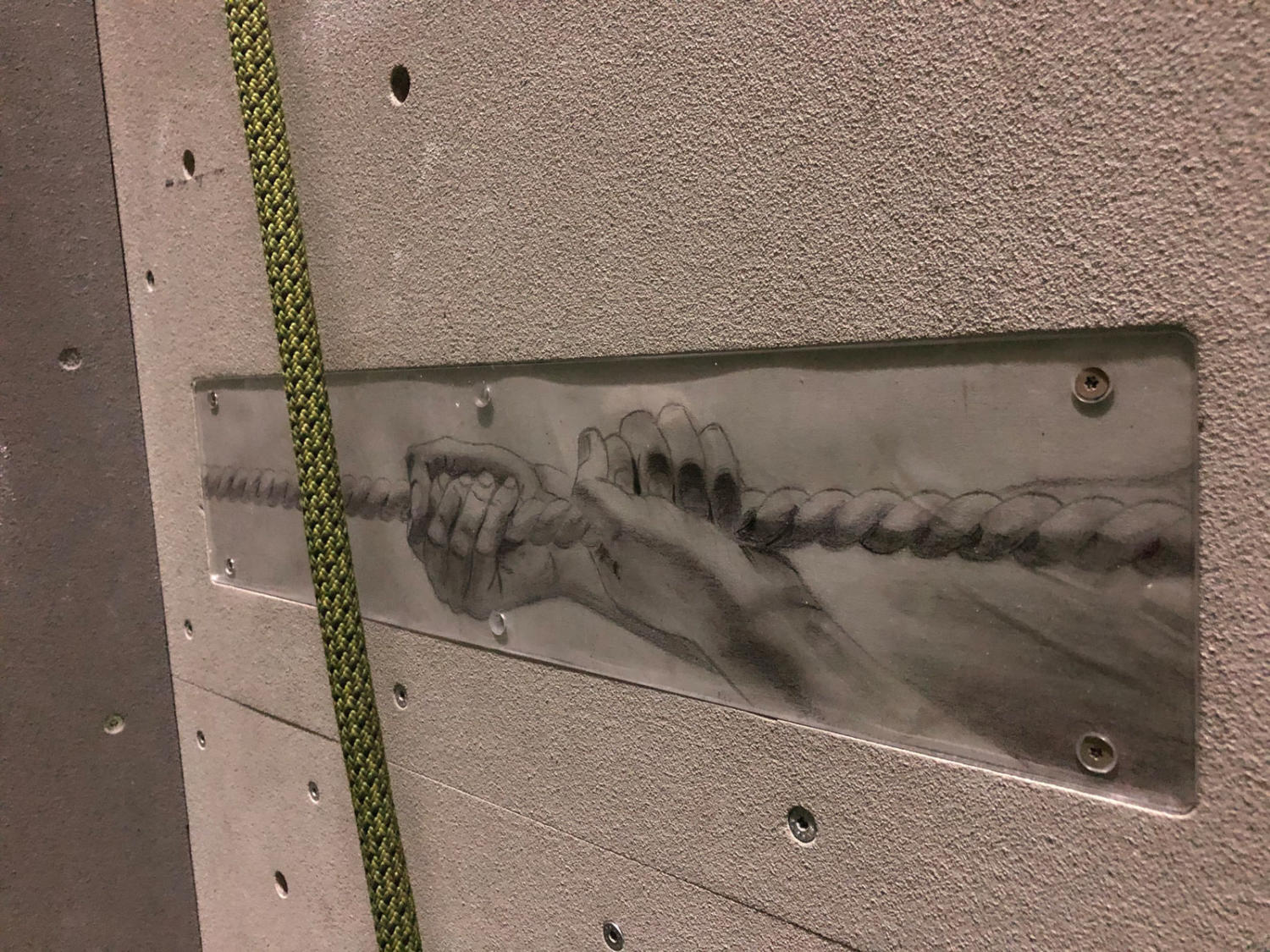
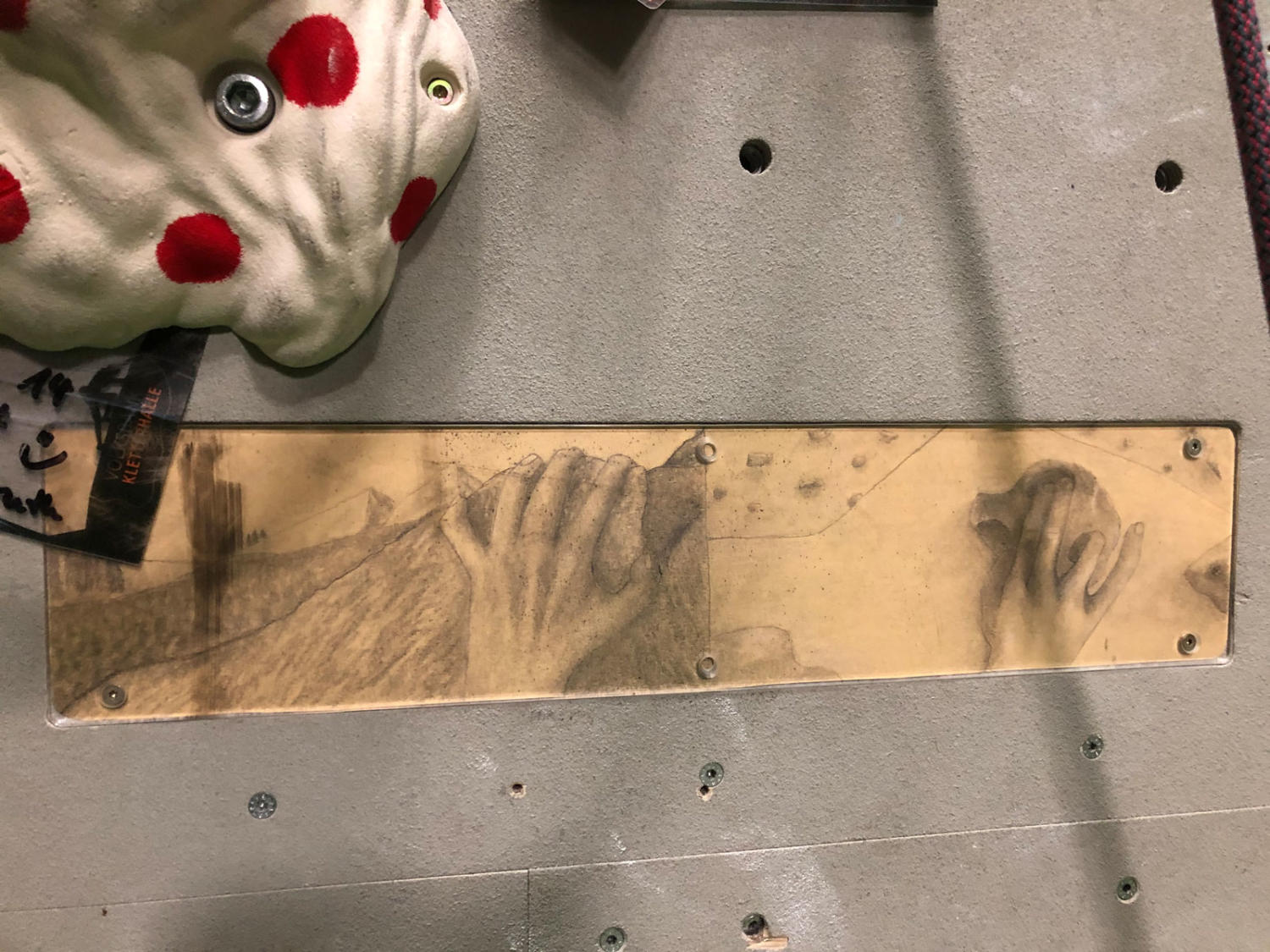
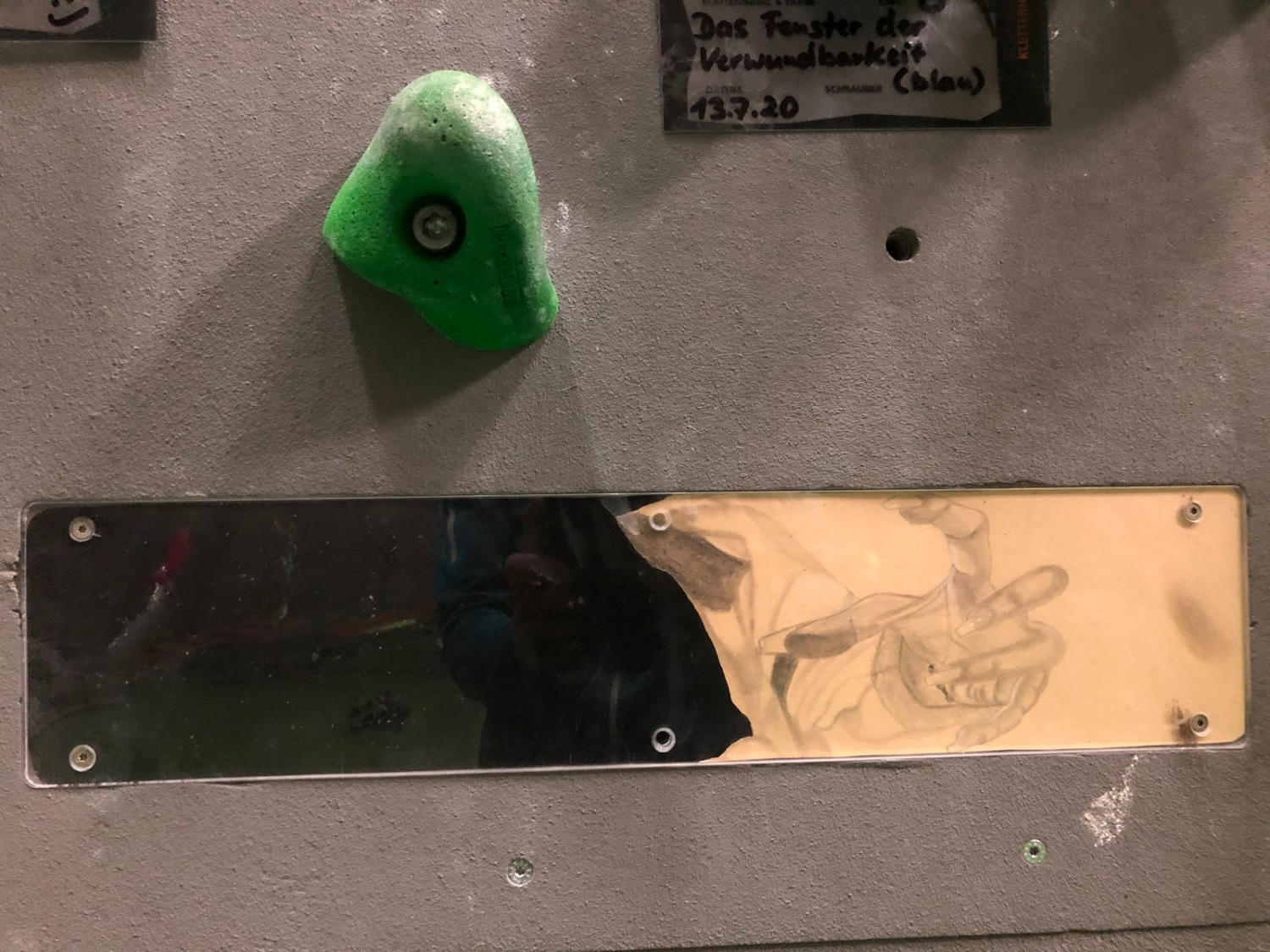
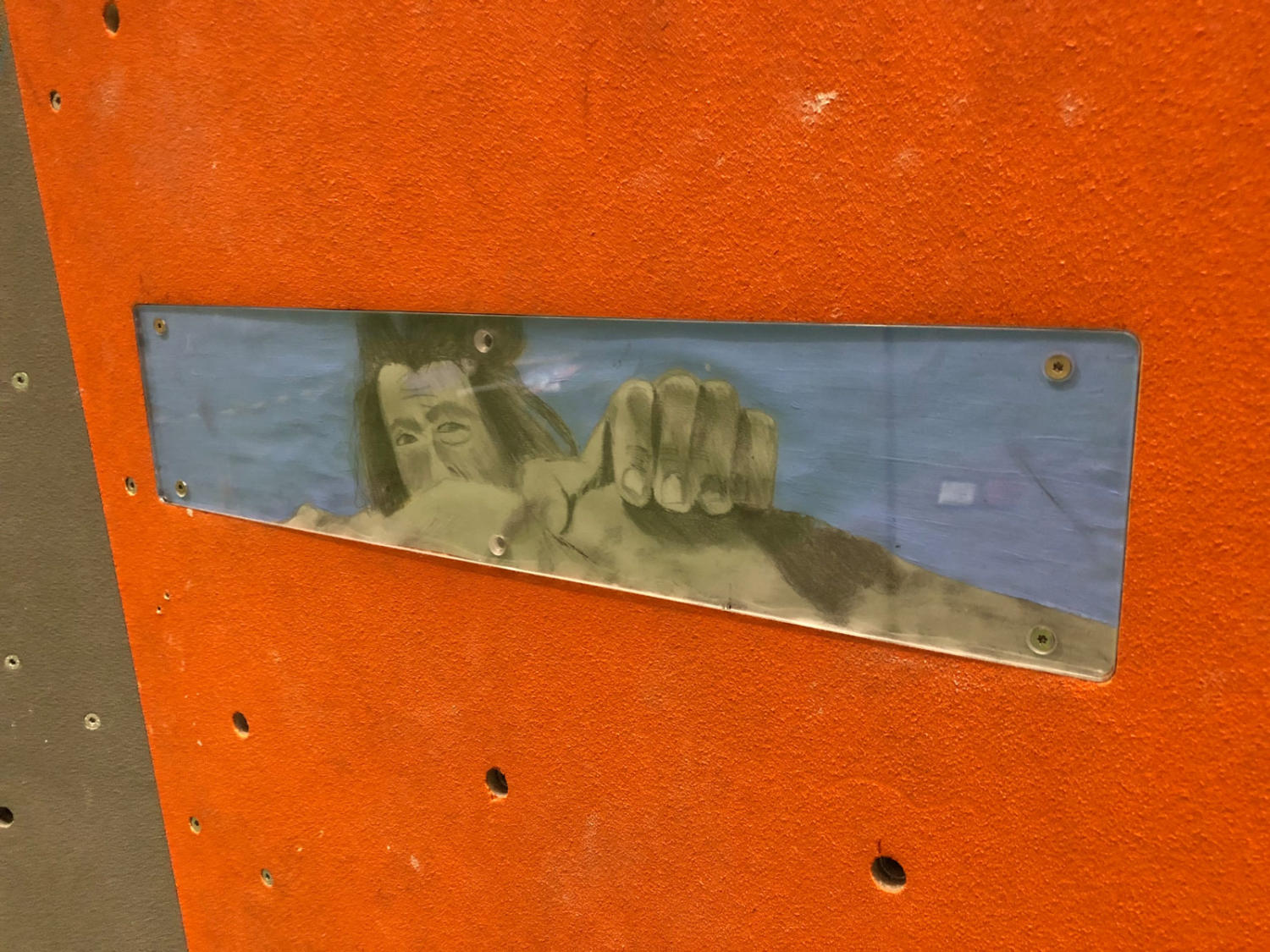
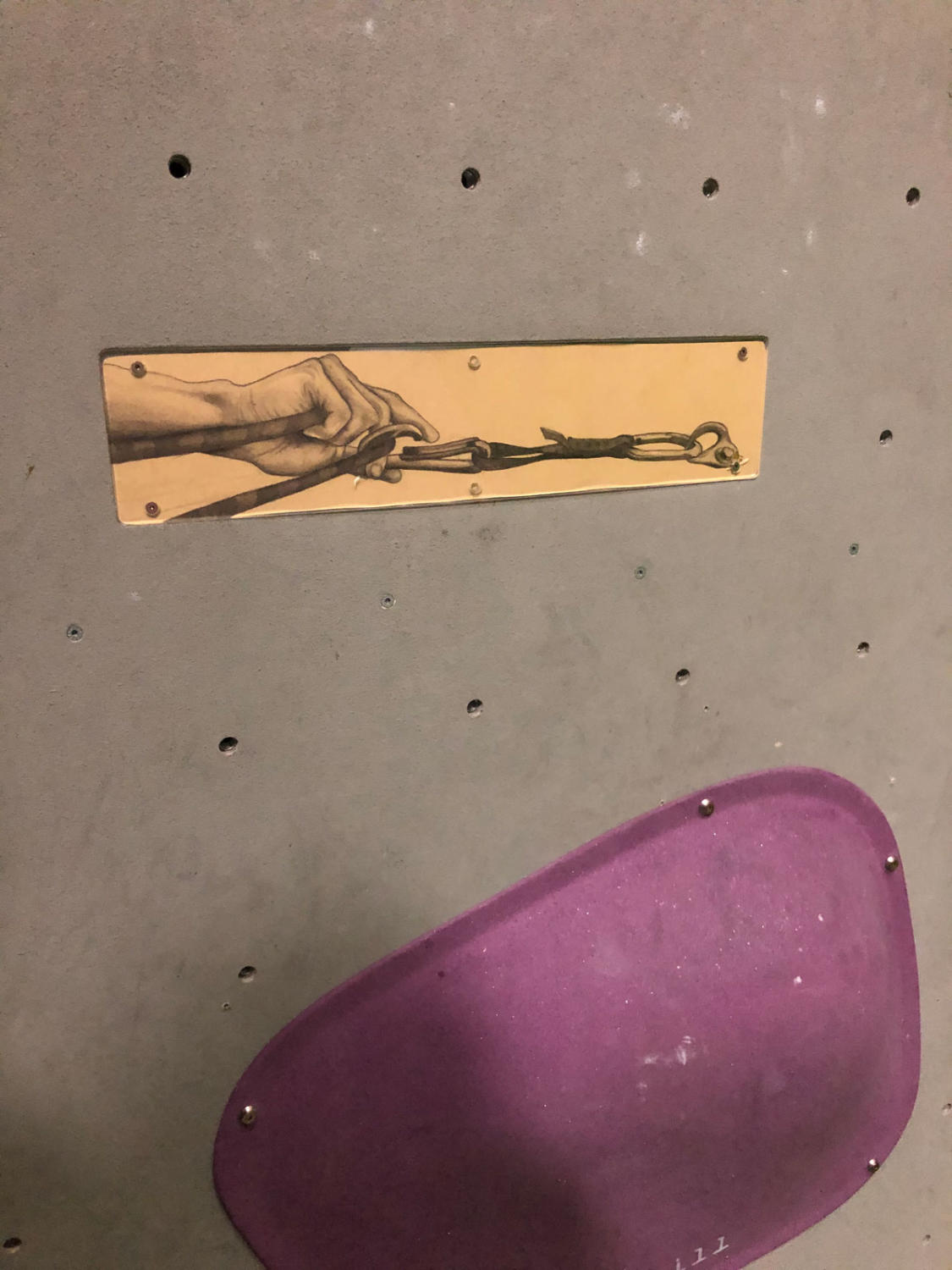
At last, it’s here: the new exhibition at the Marburg Climbing Gym, created by the Steinmühle high school’s advanced art class. Since mid-December 2020, the class’s new drawings of climbing hands have been on display there. As early as 2018, art related to mountaineering from an elective course taught by Ines Vielhaben was exhibited here for the first time. The response and demand from climbers in the German Alpine Club (DAV) were so great that, even during the COVID-19 pandemic, a class once again created and designed several works specifically for the climbing gym.
“The unusually long formats are dictated by the Plexiglas panels embedded in the climbing walls,” reports Ines Vielhaben. The students have adapted their naturalistic drawings of grasping hands to this unusual format and, through their artistic snapshots of grasping hands, tell stories of adventures in the mountains, of strength, and of climbing techniques.
José Domingo, an employee at the climbing gym: “We’re so excited that people can finally see the photos now that the climbing gym has been closed for four months!”

A big round of applause for the artists Clara Köhler, Diba Sharifzahdeh, Talea Funk, Niklas Diedrich, Amy Wong, and Ines Vielhaben!

Kulturmühle, an online platform for artistic and cultural contributions from the school community, continues to enjoy great popularity today, following its Advent calendar activities at the end of last year. Most recently, art students in the qualification phase shared their wishes and tips here through thought-provoking paintings and collages with all students—half of whom are still in remote learning at home even after February 22.

The works were created with the hope that, rather than just saying “Hang in there,” they would provide something more concrete—such as motivation for everyday life. Messages such as “Lie down outside on the ground at night and look at the stars…” or “In Marburg, we stick together…” or “It’s just a difficult time, not a difficult life” are meant to provide inspiration and show some students that no one is alone.
Art teacher Ines Vielhaben: “Cultural activity is so important in times of crisis so that we don’t lose ourselves.”
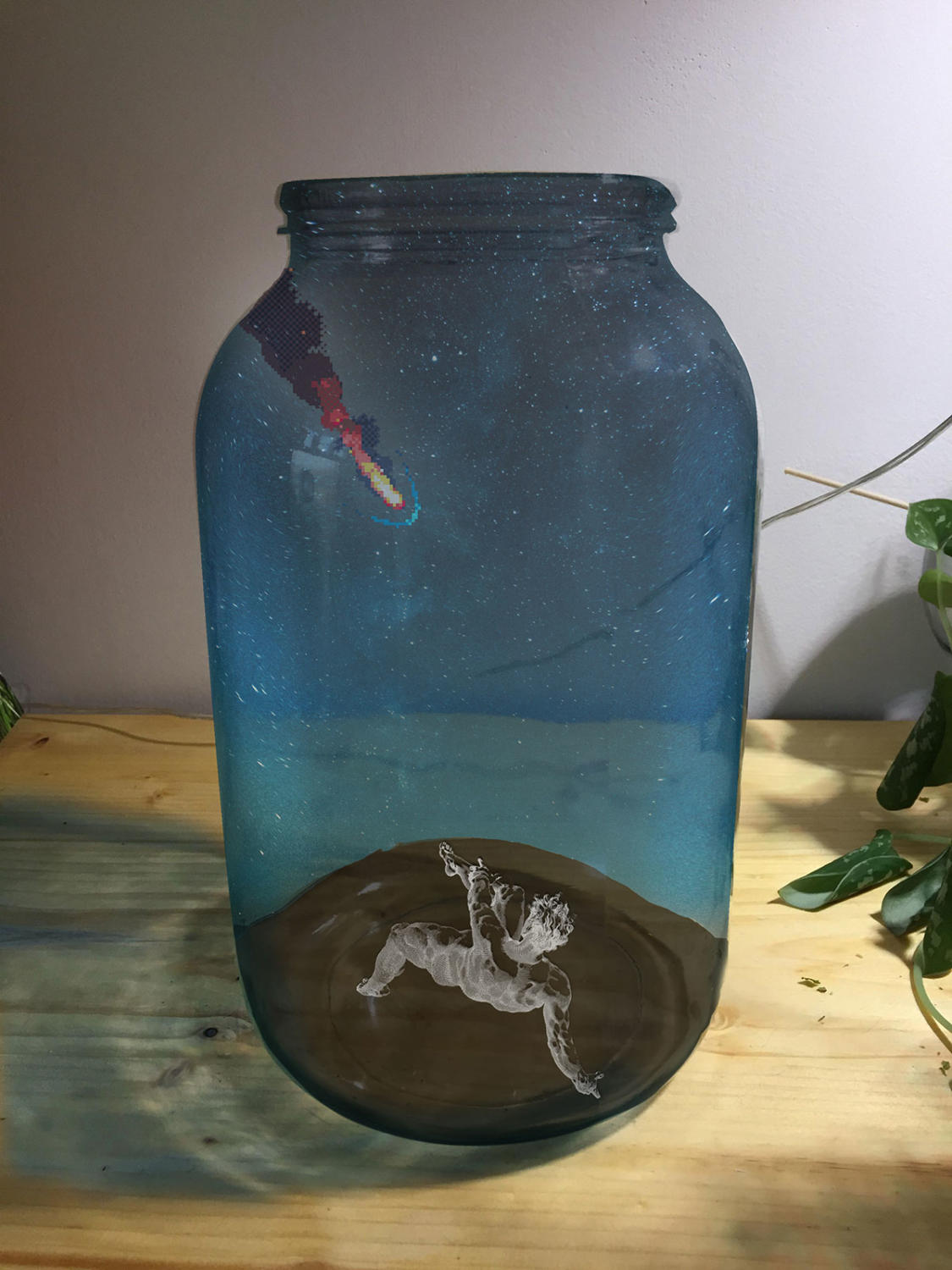
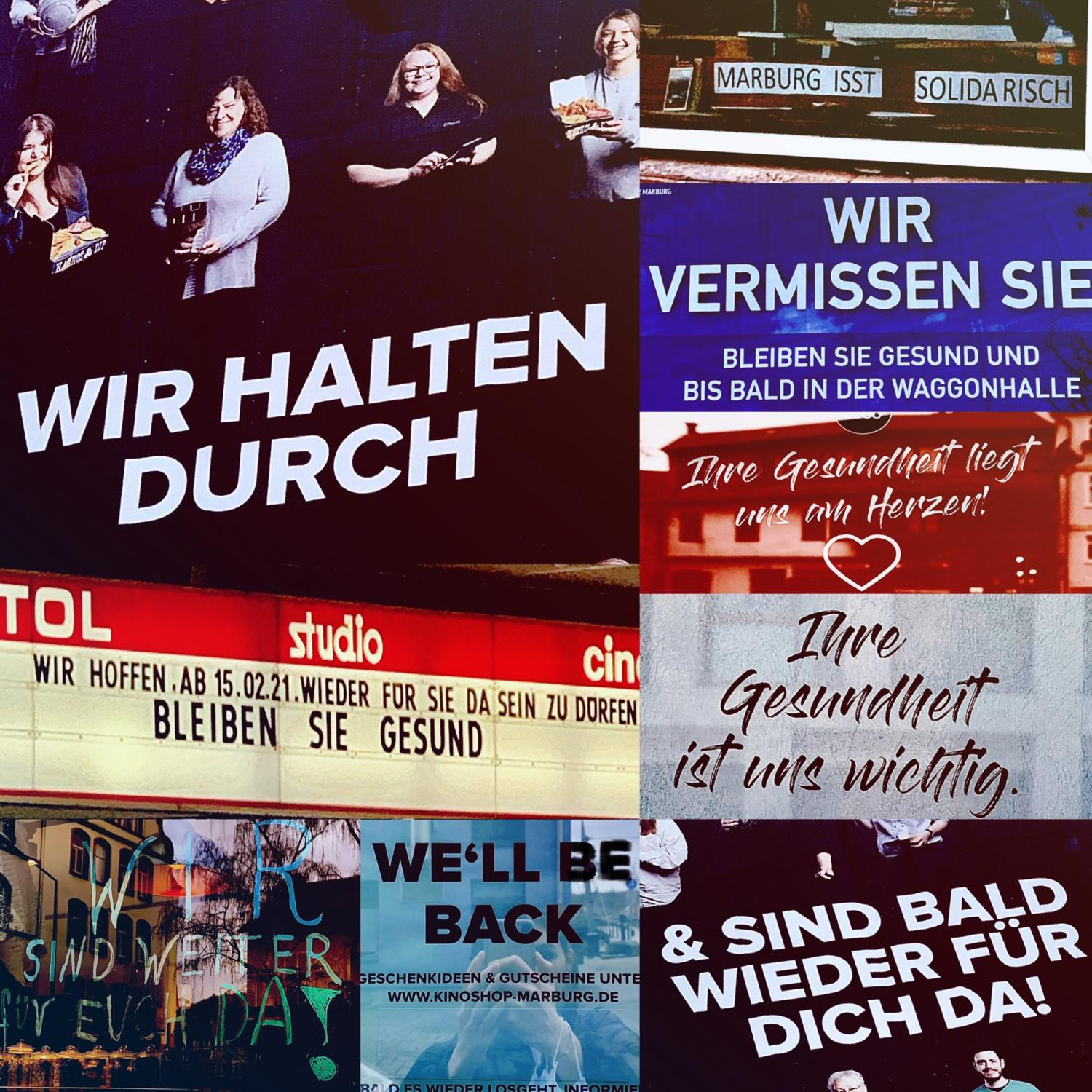
The sample images shown are by Talea Funk and Lucia Wormsbächer.