On Bioplastic Films, Microplastics, and Rusting Processes
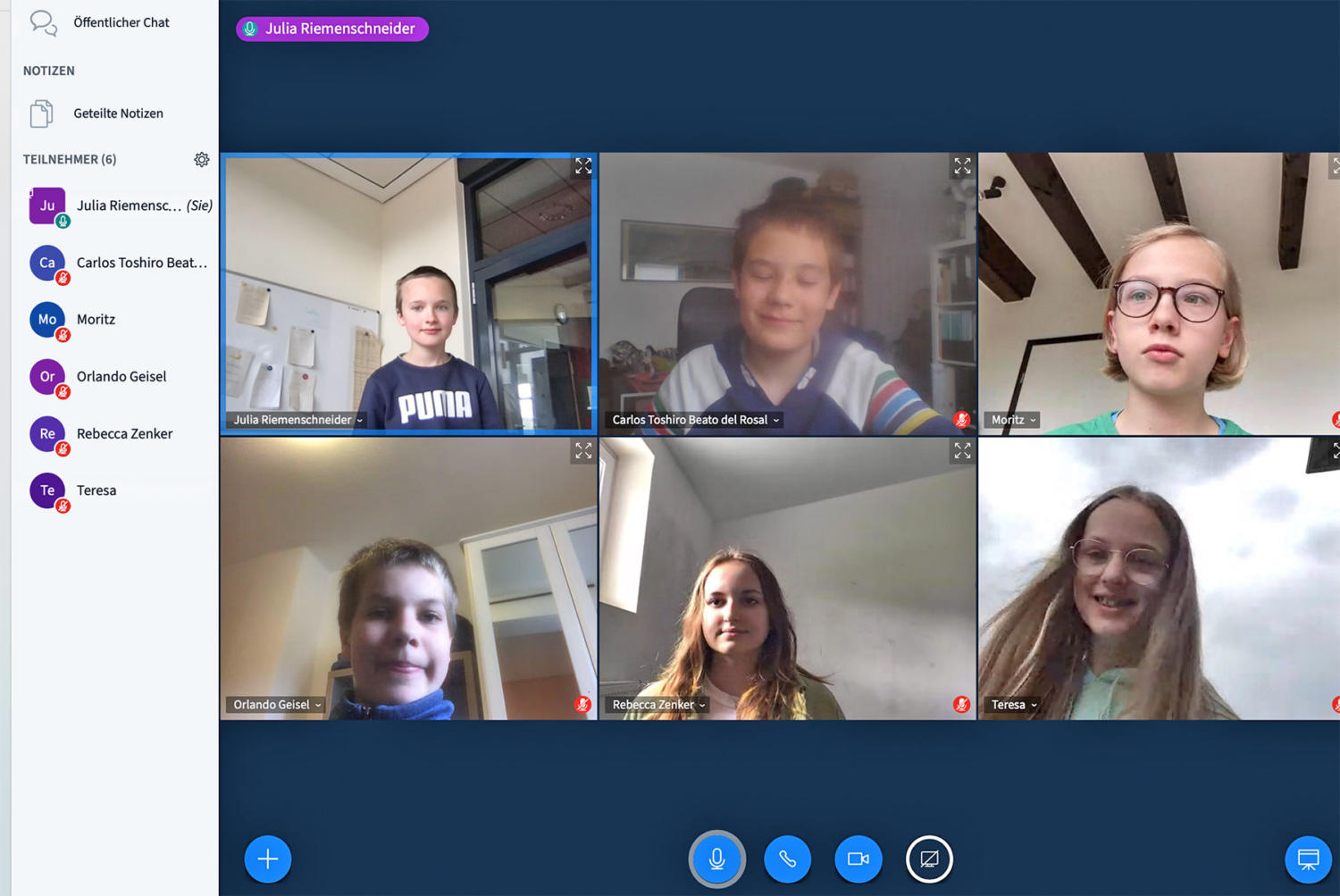
The 57th “Jugend forscht” Regional Competition for Central Hesse took place on Friday and Saturday, February 25 and 26, 2022. As was the case last year, the competition—which, unfortunately, was held exclusively online—was jointly organized by the Technical University of Central Hesse (THM) and Justus Liebig University Giessen. Under the theme “Randomly Brilliant?”, a total of 34 projects were presented, including two projects from Singapore and one from Buenos Aires.
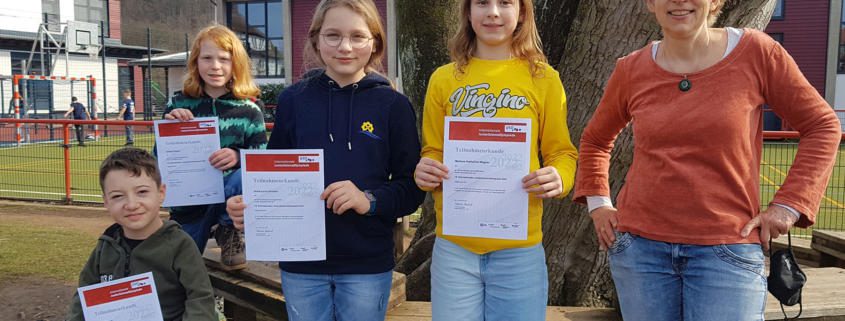
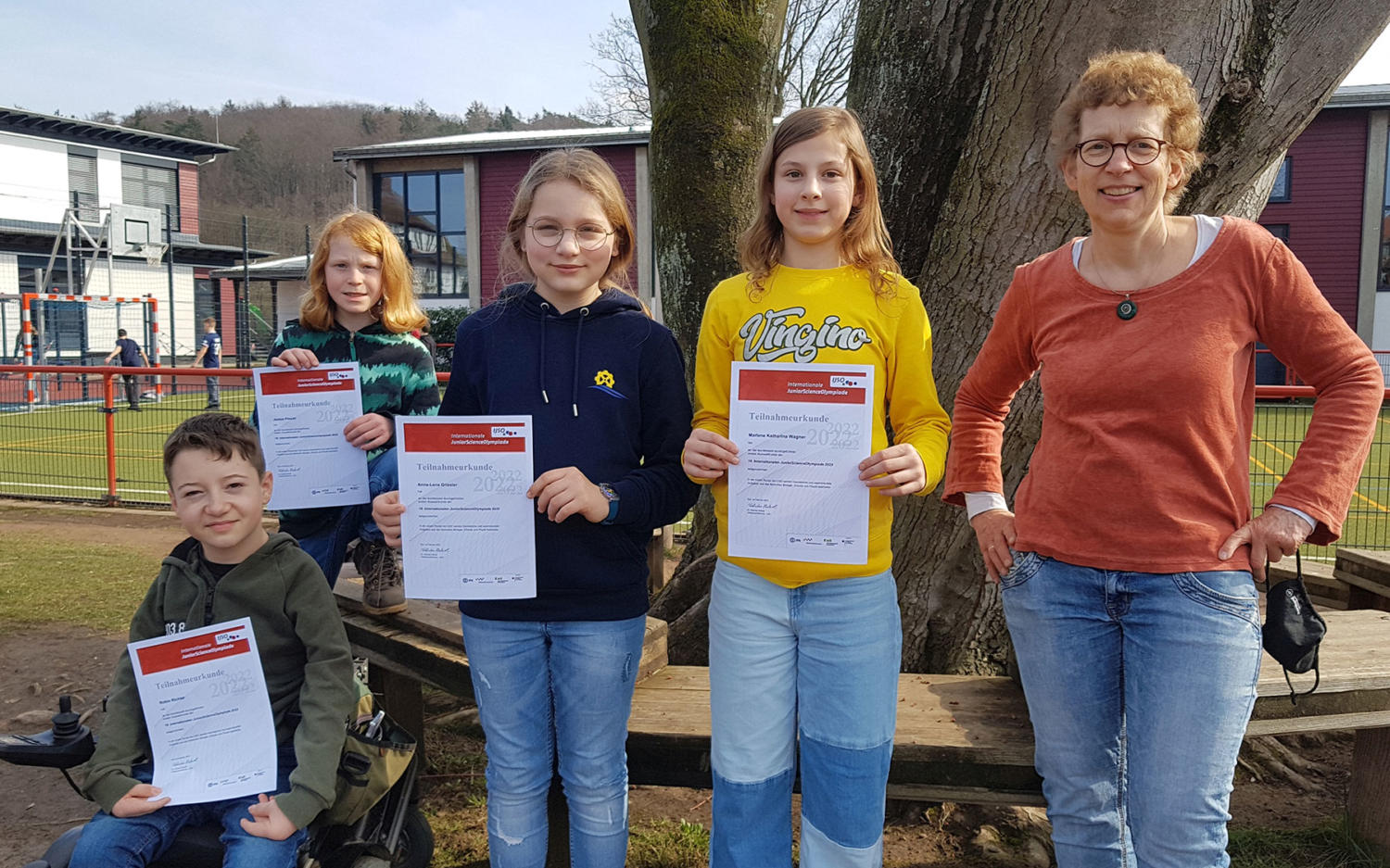
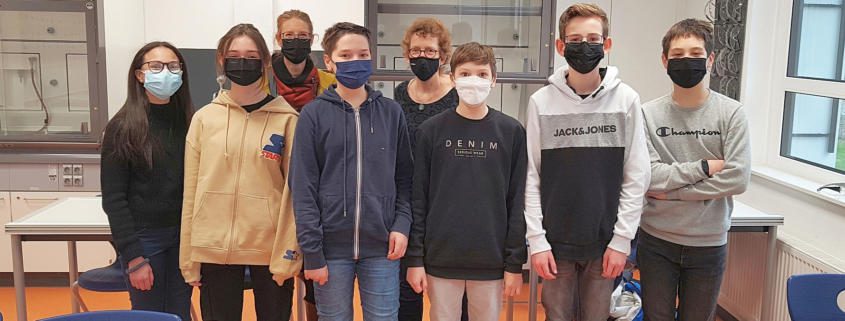
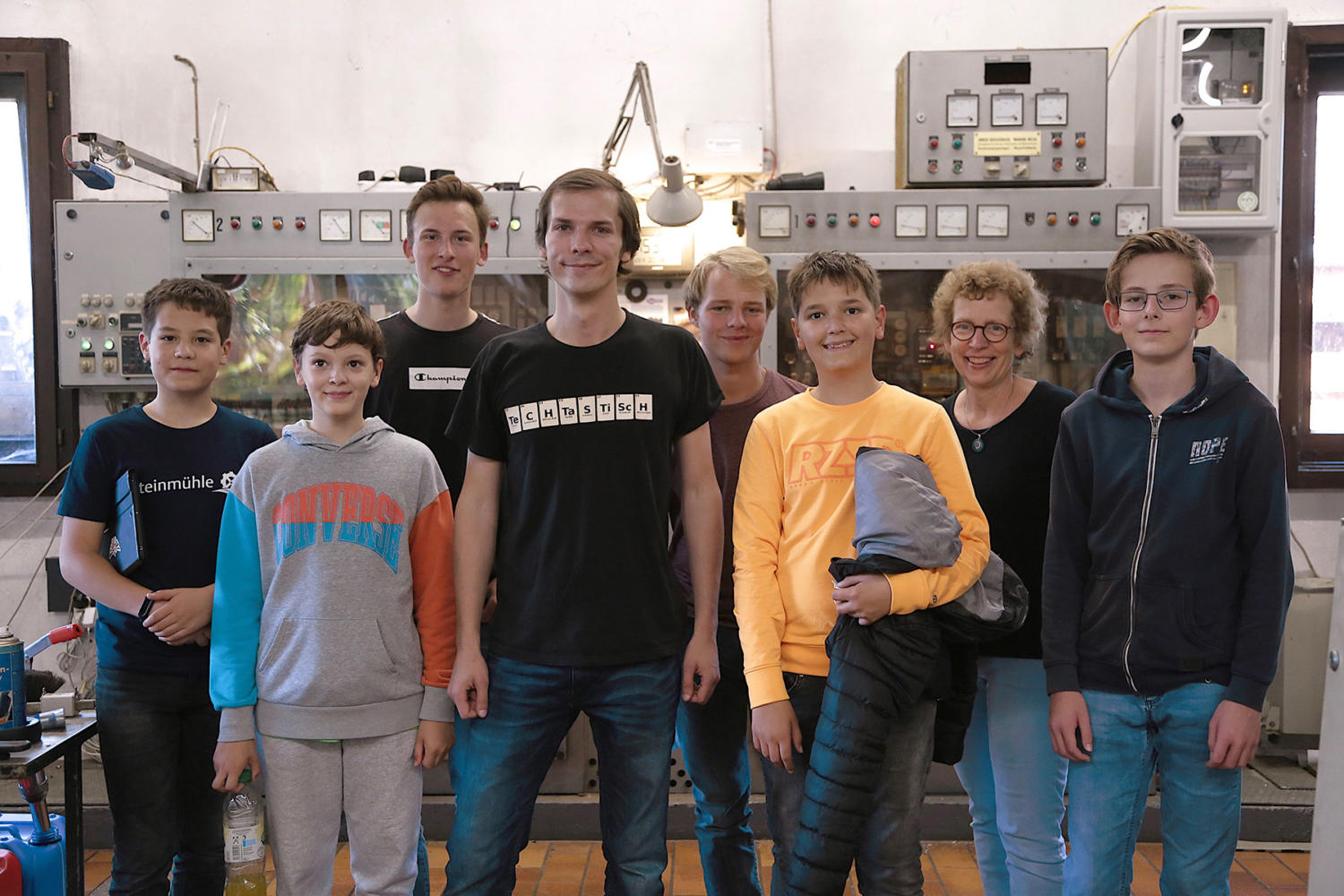
This year, Steinmühle launched three projects as part of the “Schüler experimentieren” competition, in the fields of chemistry, physics, and biology. Steinmühle emerged successfully from this competition, taking first, second, and third place, as well as a special award for dedicated mentors. All prizes include certificates and cash awards.
Rusting keeps you warm, too!
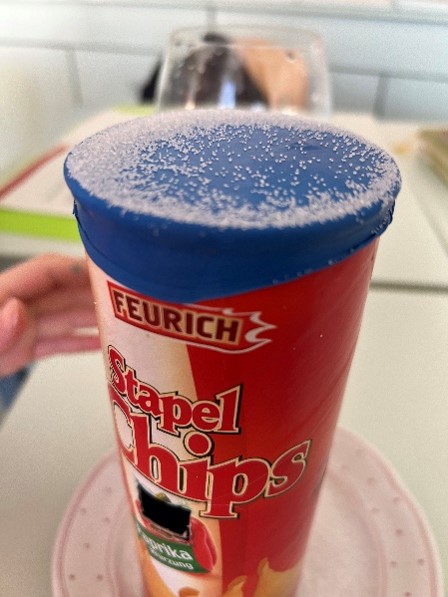
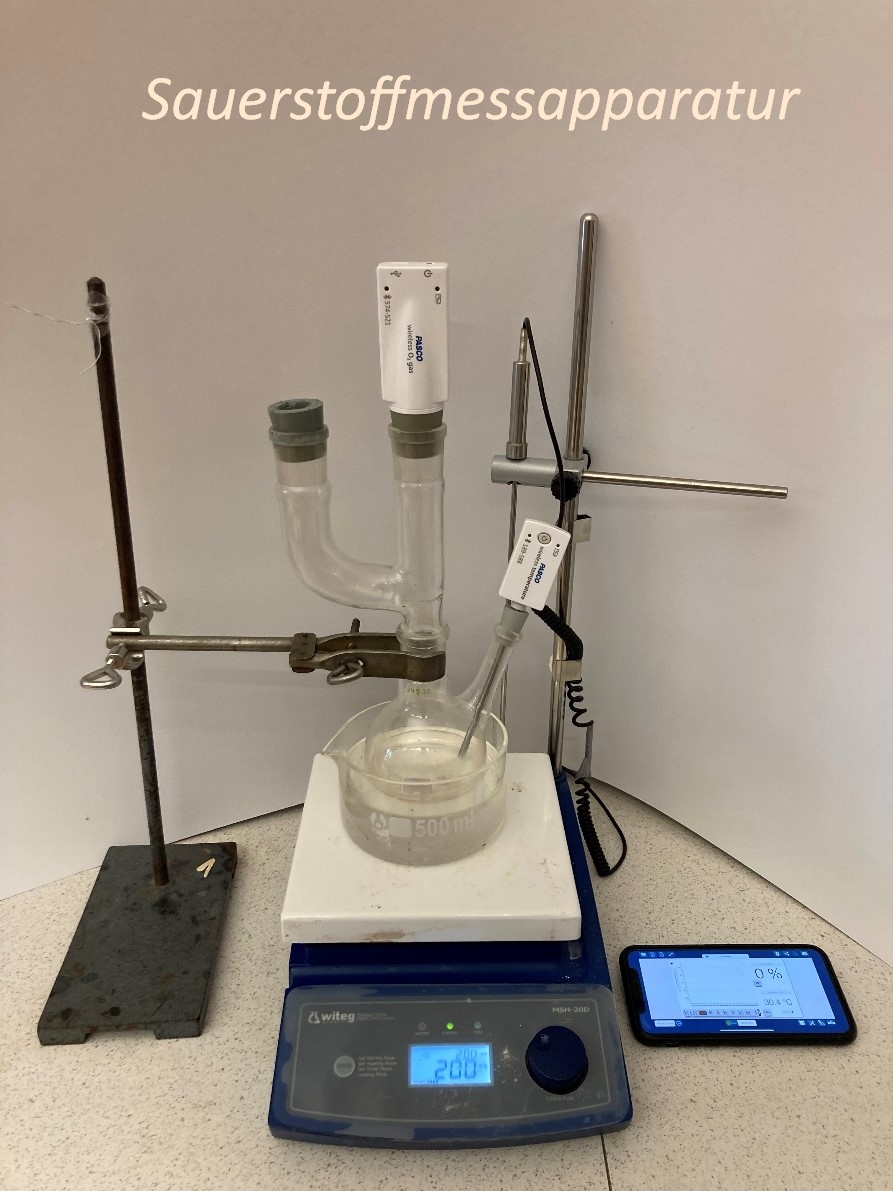
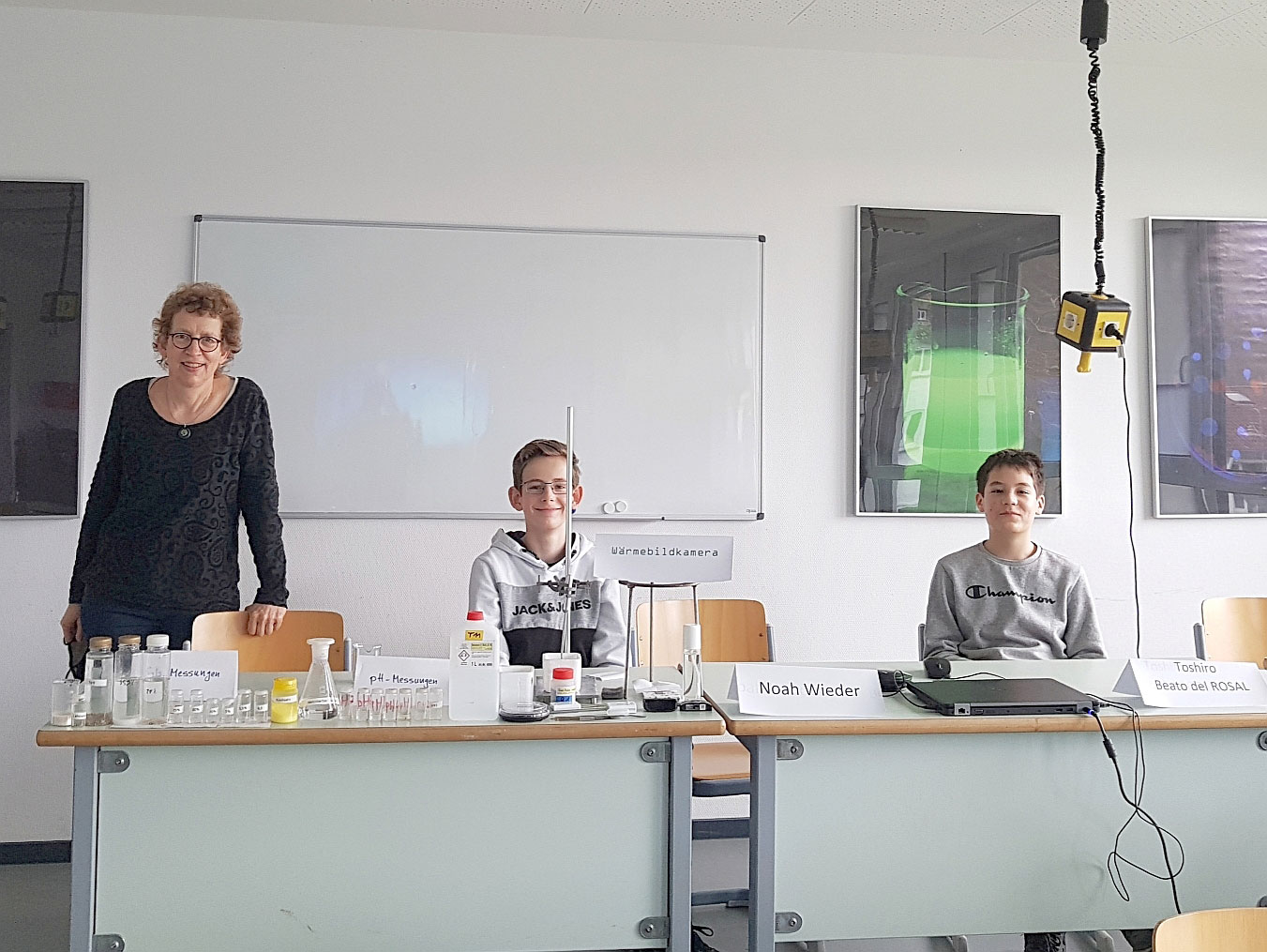
Noah Wieder (8th grade) and Toshiro Beato del Rosal (7th grade) wondered just how quickly rusting actually occurs after they noticed two rusty shopping carts at the boathouse that had been “fished out” of the Lahn River. Since rusting releases small amounts of heat, they developed model experiments under the supervision of Dr. Jutta Töhl-Borsdorf and measured temperature changes over time under various conditions. They found that the process occurs faster when the salt content is high and the pH is low. Since the temperature changes are very small overall, these measurements were not easy to perform experimentally.
The jury praised the ambitious project idea and the students’ advanced subject knowledge, as well as their excellent presentation skills, and awarded them third place in the chemistry category.
What effect do microplastics have on plant growth?
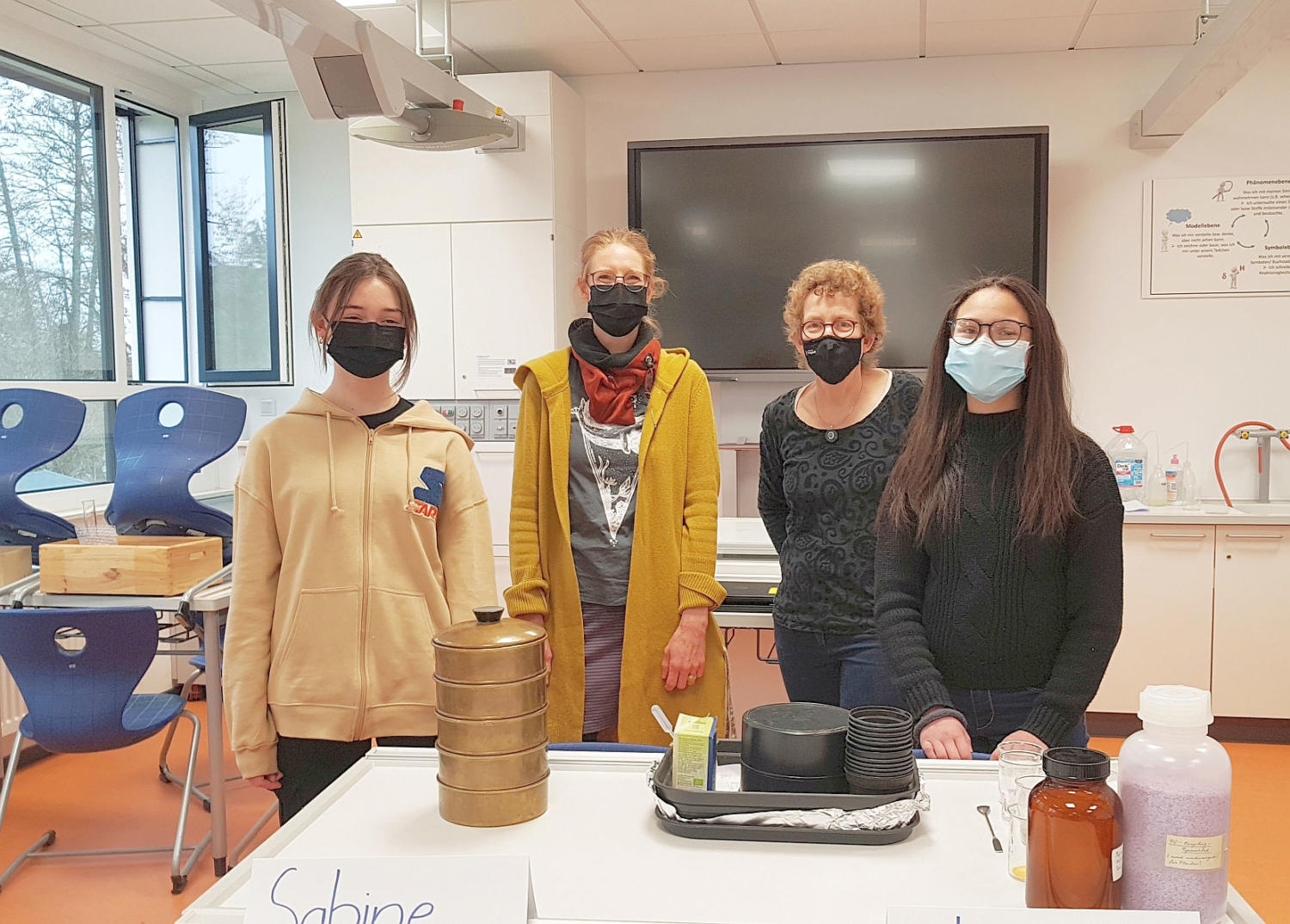
Lina Wicherek and Sabine Auer, both seventh-graders, have been studying the issue of microplastics in the soil. In their research, which focused on a specific type of microplastic (PA), they were able to show that, depending on the amount of microplastic introduced, PA negatively affects or even completely inhibits the germination of cress. They also demonstrated that the extent of the inhibition depends on the substrate. They succeeded in defining the maximum tolerated amount of PA for the substrates “sand” and “cellulose.”
The jury was impressed by the highly topical subject matter, the precise research question, and the reproducible experimental design. The project was awarded second place in the biology category. The project was jointly supervised by Antje Seel and Dr. Jutta Töhl-Borsdorf.
Biofilms vs. Plastic Films—Manufacturing and Measurement of Physical Properties
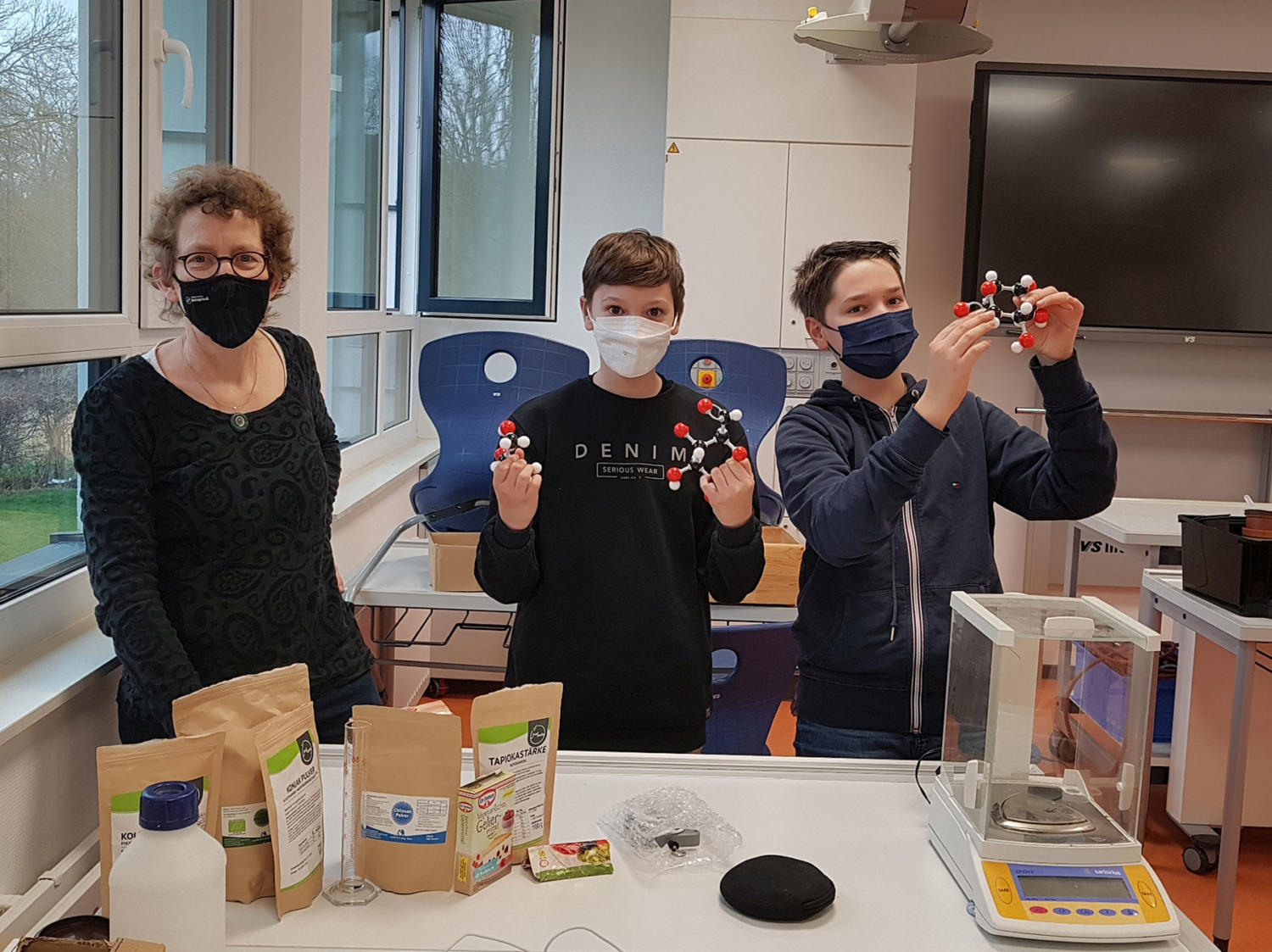
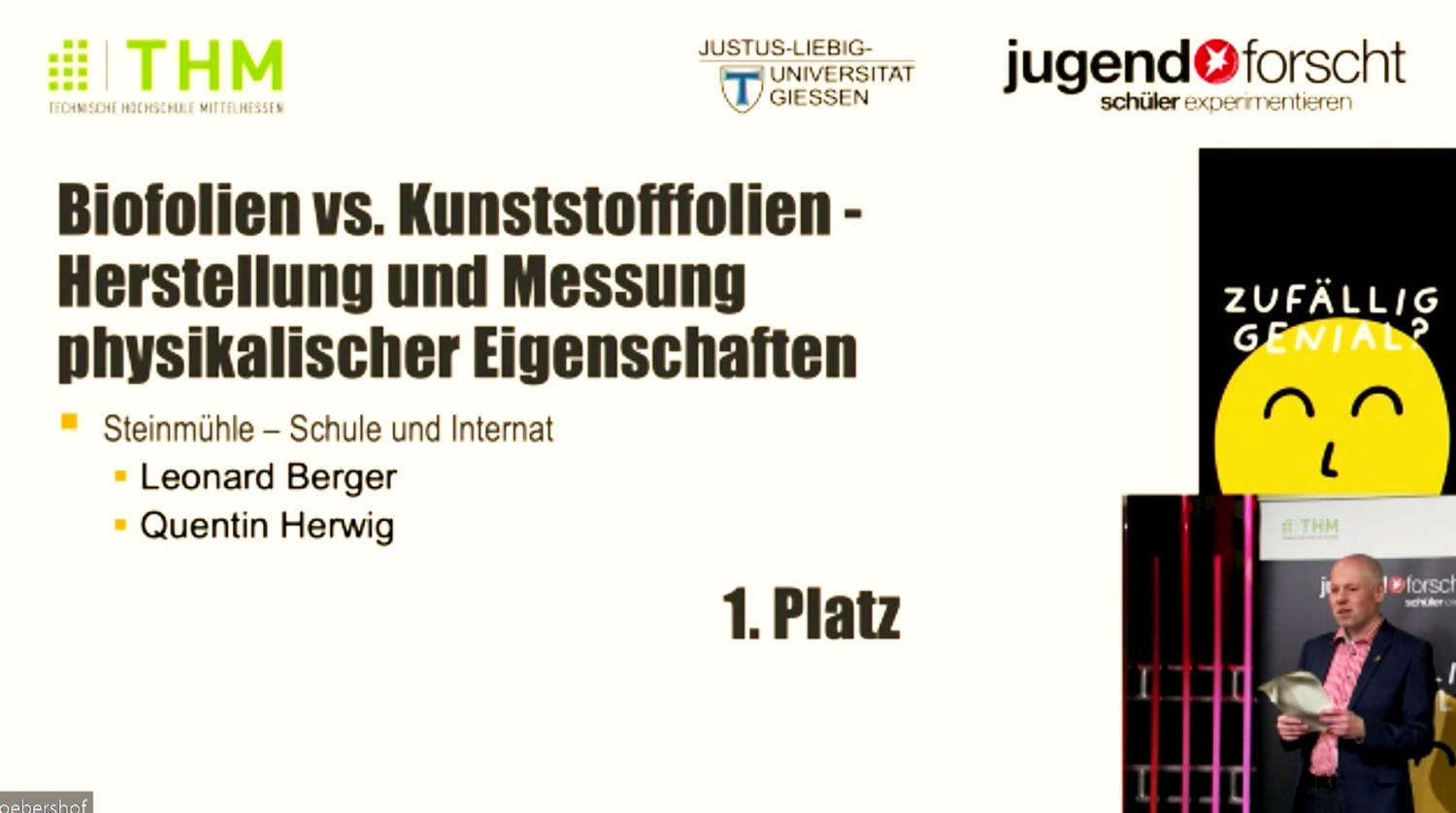
Leonard Berger and Quentin Herwig received a lengthy commendation. Under the supervision of Dr. Jutta Töhl-Borsdorf, they produced biofilms from various food-grade thickeners and developed a physical measurement apparatus to test their suitability for everyday use. The films should be as tear-resistant, transparent, and impermeable as possible.
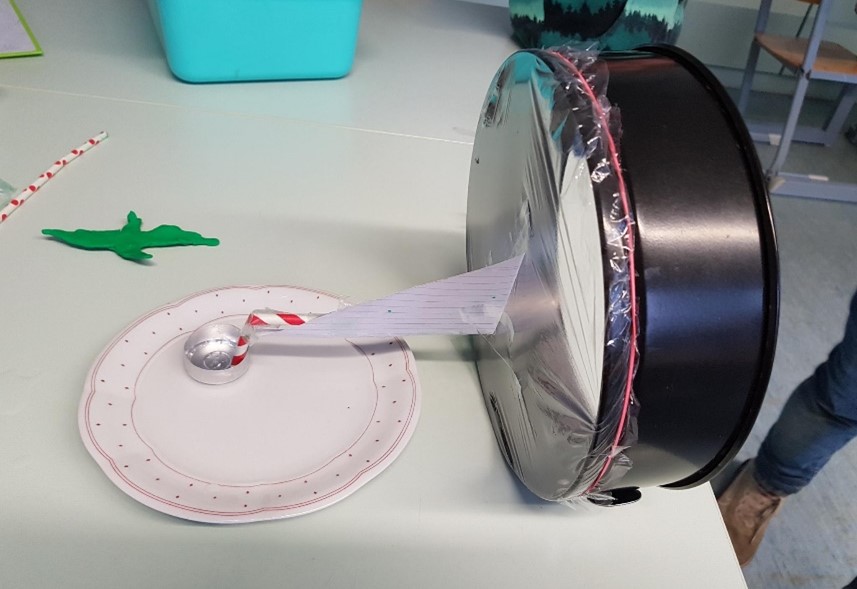
They measured tear strength using digital sensors, transparency using a smartphone, and water vapor permeability using an analytical balance.
All of their measurement methods are now working very well, and during the production of the films, they also identified individual films with promising properties (e.g., made from tapioca, arrowroot, or konjac starch). Further research is needed to find an all-around film that performs well in all areas.
The judges were not only very impressed by the presentation, but also by the “in-depth understanding of the topic.” They also praised the comprehensive and clear description of the experiments, a very well-thought-out discussion, and the ideas for further developing the project. In addition, they recommended that the students enter their tests in the “Jugend testet” competition (Stiftung Warentest).
First, however, they’ll be heading to the state competition in Kassel, as the two won first place in the physics category and have thus qualified for the in-person competition. Due to the pandemic, however, the event must take place without parents and behind closed doors. At least the mentors are allowed to travel with them, and the interaction with the other young researchers—which has been missing for the past two years—will likely be able to take place.
Leonard has been participating since 5th grade—this is his fourth consecutive year in “Jugend Forscht”—and has always advanced to the state competition with his respective group. A great achievement!
Talent and Interest in the Best Hands
Last year, students Joshua Wieder, Morten Köhler, and Benjamin Schul also advanced to the state competition. The group decided to take a break this year, as the members were less enthusiastic about the online version of the competition.
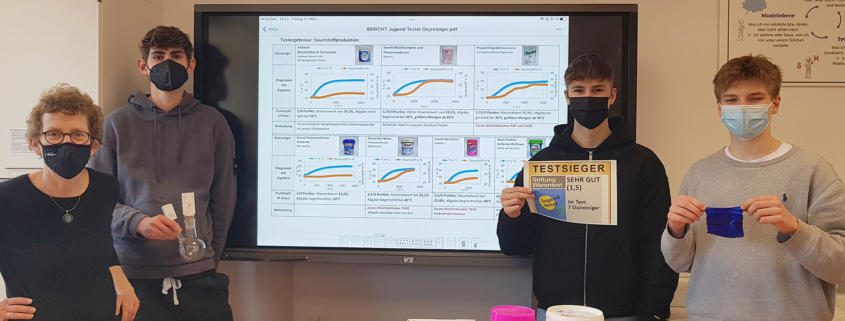
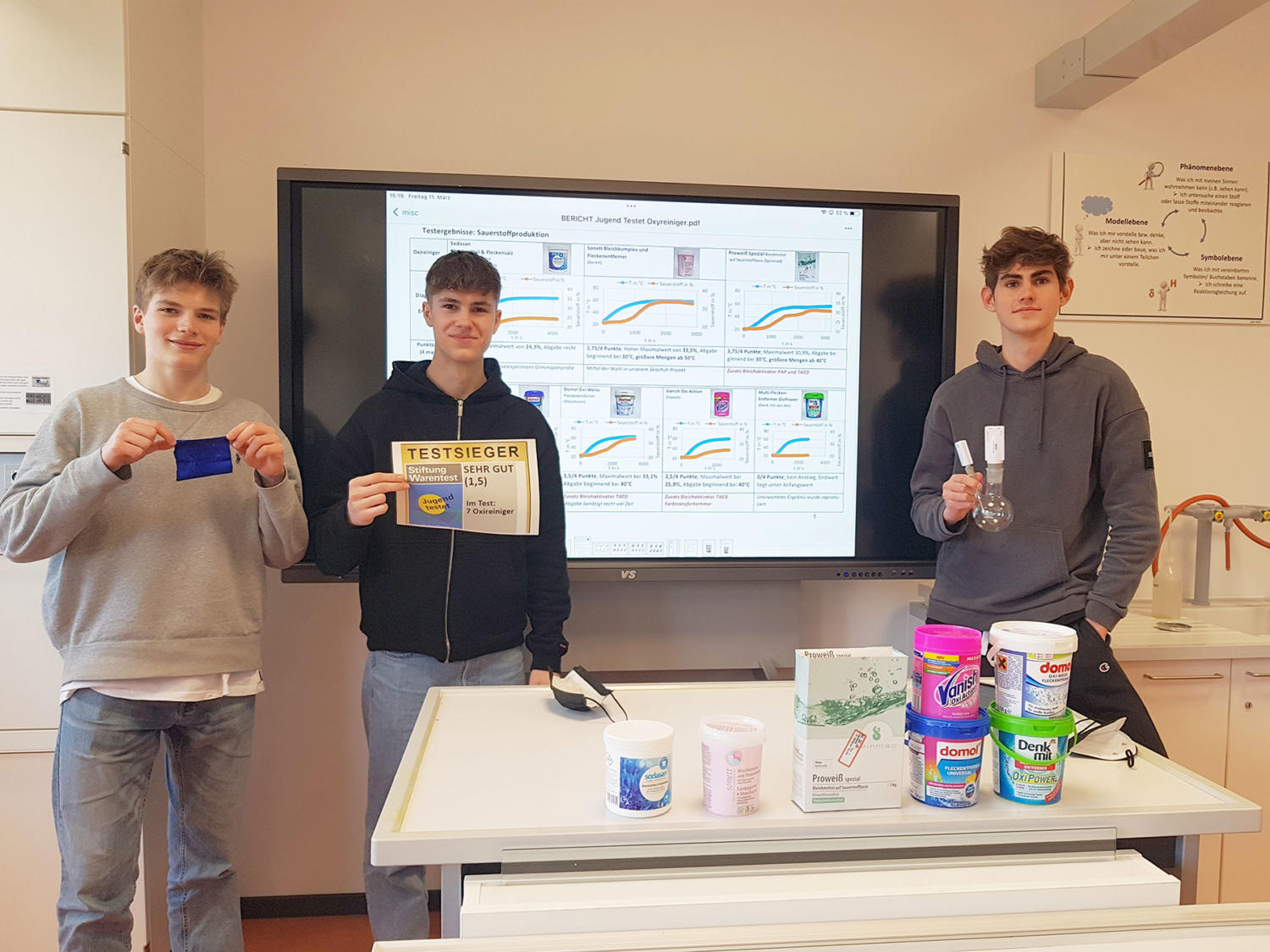
Nevertheless, they didn’t sit idle and investigated how effectively various oxygen-based cleaners can remove different types of stains. This project was submitted to the ongoing “Jugend testet” competition.
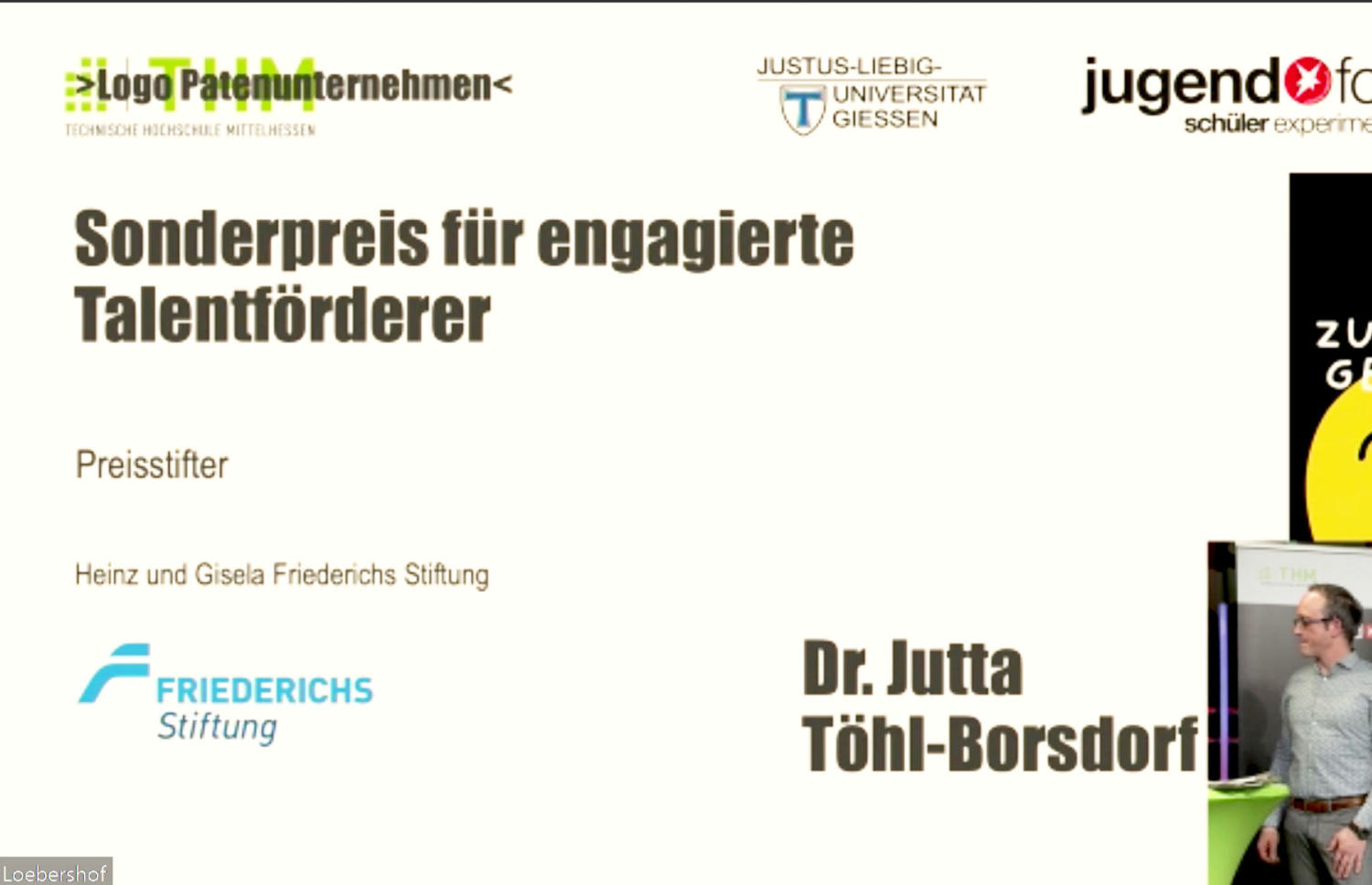
Finally, Dr. Jutta Töhl-Borsdorf received another award—the Special Prize for Dedicated Talent Promoters, sponsored by the Heinz and Gisela Friedrichs Foundation. Once again, she served as the advisor and coordinator for the school’s participation in the “Jugend forscht” competition.
Steinmühle is proud of all the award winners!