• Anruf
  • E-Mail
  • Zu Facebook
  • Zu Instagram
  • Zu LinkedIn
Loading
Steinmühle – Schule & Internat
  • About us
    • Organization & History
    • Teams
    • Stakeholders
    • Internal clubs
      • Riding School
      • Rowing Club
      • Friends of the School Association
    • Partners
    • Mission Statement & Vision
    • Ecology & Sustainability
    • A Safe Place
    • Quality Management
  • School
    • High School
    • Bilingual Elementary School
    • Project-Based Learning
    • Promoting STEM Talent
    • Languages & International Affairs
    • Sports & Health
    • Art, Music & Theater
    • Social Responsibility
    • Digitization
    • Promoting Independence & Individuality
    • Social Responsibility & Strengthening the Community
  • Boarding School
    • Boarding School as an Opportunity
    • Support for Families
    • Life
    • Learning
    • Sports & Recreation
    • Trips & Weekends
    • Talent Program Plus STEM
    • Fit for Life
  • Admission
    • Boarding School Admission
    • High School Admission
    • International High School Program
    • Bilingual Elementary School
    • Costs & Contract Terms
  • News
    • News
    • News Archive
    • Events
    • Support Current Projects
  • Friends & Alumni
    • Stories
    • Alumni Reunion
    • Steinmühle Alumni Network
  • Fan Shop
  • English
    • German
    • Spanish
    • French
    • Italian
    • Russian
  • Search
  • Menu Menu
  • English
    • German
    • Spanish
    • French
    • Italian
    • Russian

Making Their Position Clear: Political Leaders Discussed Issues with Students

Collaborations & Partnerships, Ecology and Sustainability, News, Politics, Business & Responsibility

Steinmühlen High School showed great interest in engaging with the candidates


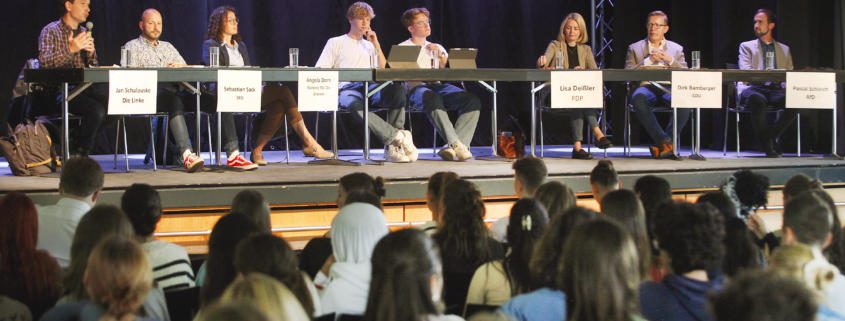
All of the district’s leading candidates running in the upcoming state legislative election gathered on stage at the Steinmühle Forum to share their views on controversial political issues with 12th and 13th graders. The politicians devoted most of their energy to distinguishing themselves from their political opponents.

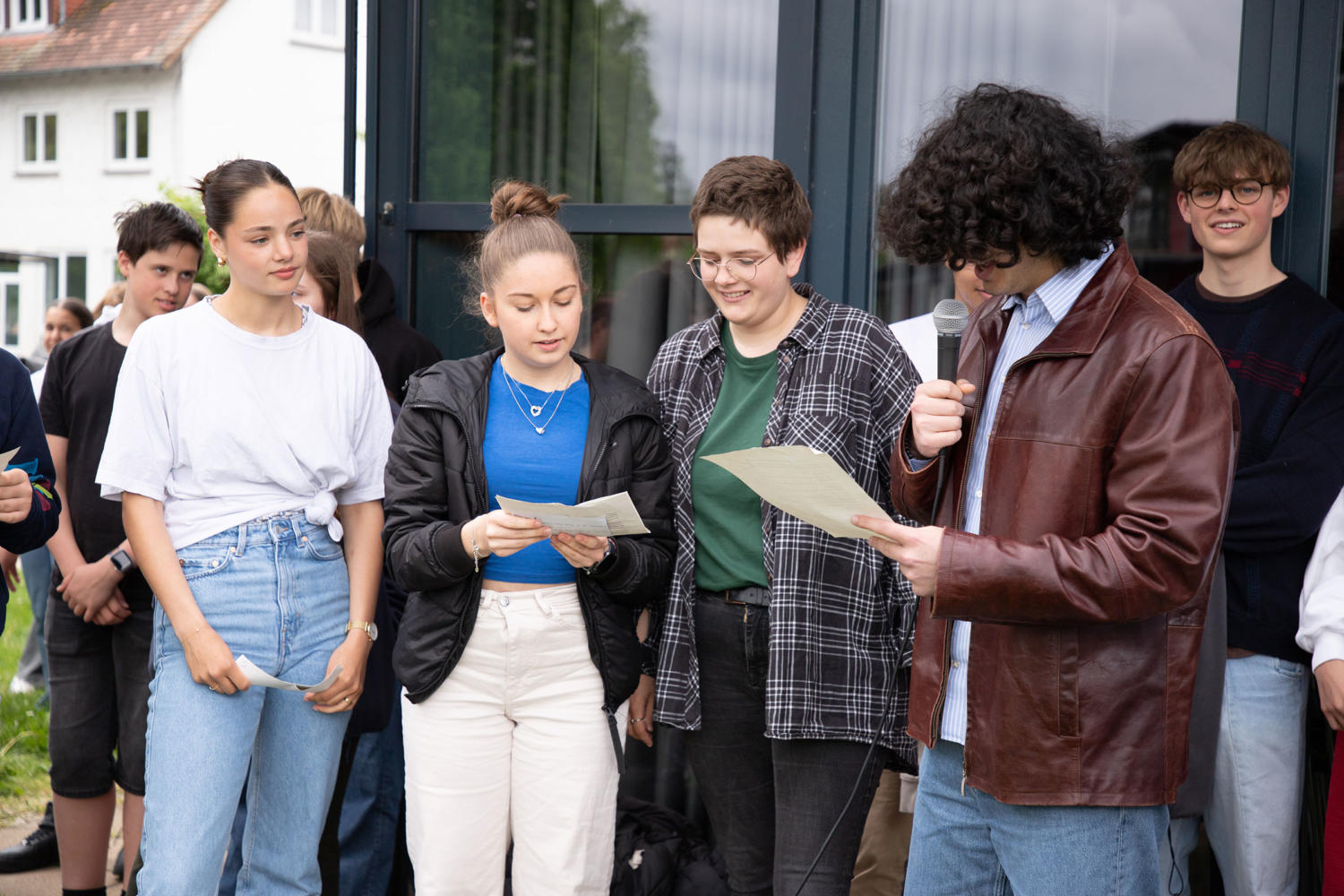
Speaking before a packed auditorium, in front of students who will be first-time voters this year or next, was likely what made this event so appealing to the candidates. The questions to be addressed were provided by Jonathan Eckardt and Jan Templer. They are students in the advanced “Politics and Economics” course in the 12th grade at Steinmühlen High School.

The questions posed by the two young moderators and the follow-up questions from the audience focused, among other things, on opinions regarding the phase-out of the internal combustion engine, attitudes toward gender equality, and gender-neutral language, as well as Marburg’s “Move 35” transportation plan and the related question of how people from the surrounding areas—especially older residents of the city’s neighborhoods—should envision their future mobility. General issues were also discussed, such as the proposed solution to the teacher shortage or the environmental protection measures that the candidates considered both feasible and appropriate—to name just a few examples.

Given the generally well-known positions of the individual parties, there were few surprises in the answers. The candidates’ stances were sometimes polarizing, and if there was one thing that could be described as exemplary about the event, it was the fact that it took place in a mostly objective atmosphere.

There would have been plenty more “material” to continue the discussion. Unfortunately, however, the allotted time—90 minutes—was not enough. In any case, there is certainly no sign of the political apathy among young people that is often claimed in public discourse here at the Steinmühle.

Thanks to the efforts of subject teacher Dr. Claudia Röder, Steinmühle High School succeeded in inviting the candidates from all political parties, without exception, to participate in the school event. Principal Björn Gemmer thanked her and the political guests for this extraordinary and fruitful morning, which likely served as another important step toward helping the student body form their own political opinions.

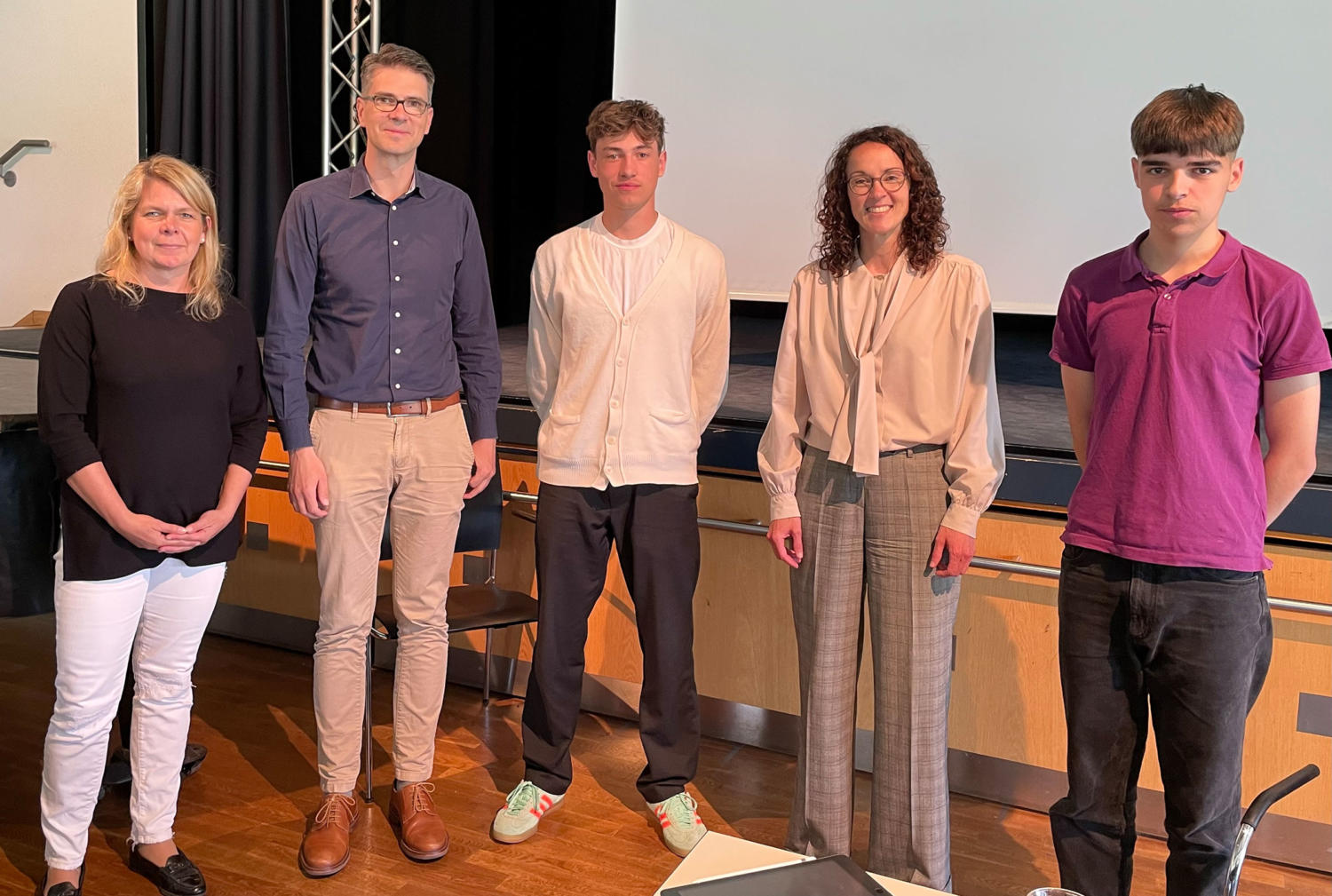
This lineup promised a lively discussion. Participating in the political discussion with the students (from left) were Jan Schalauske (Die Linke), Sebastian Sack (SPD), Angela Dorn (Alliance 90/The Greens), Lisa Deißler (FDP), Dirk Bamberger (CDU), and Pascal Schleich (AfD). Jonathan Eckardt and Jan Templer (center) moderated the morning session.


Caught on camera:

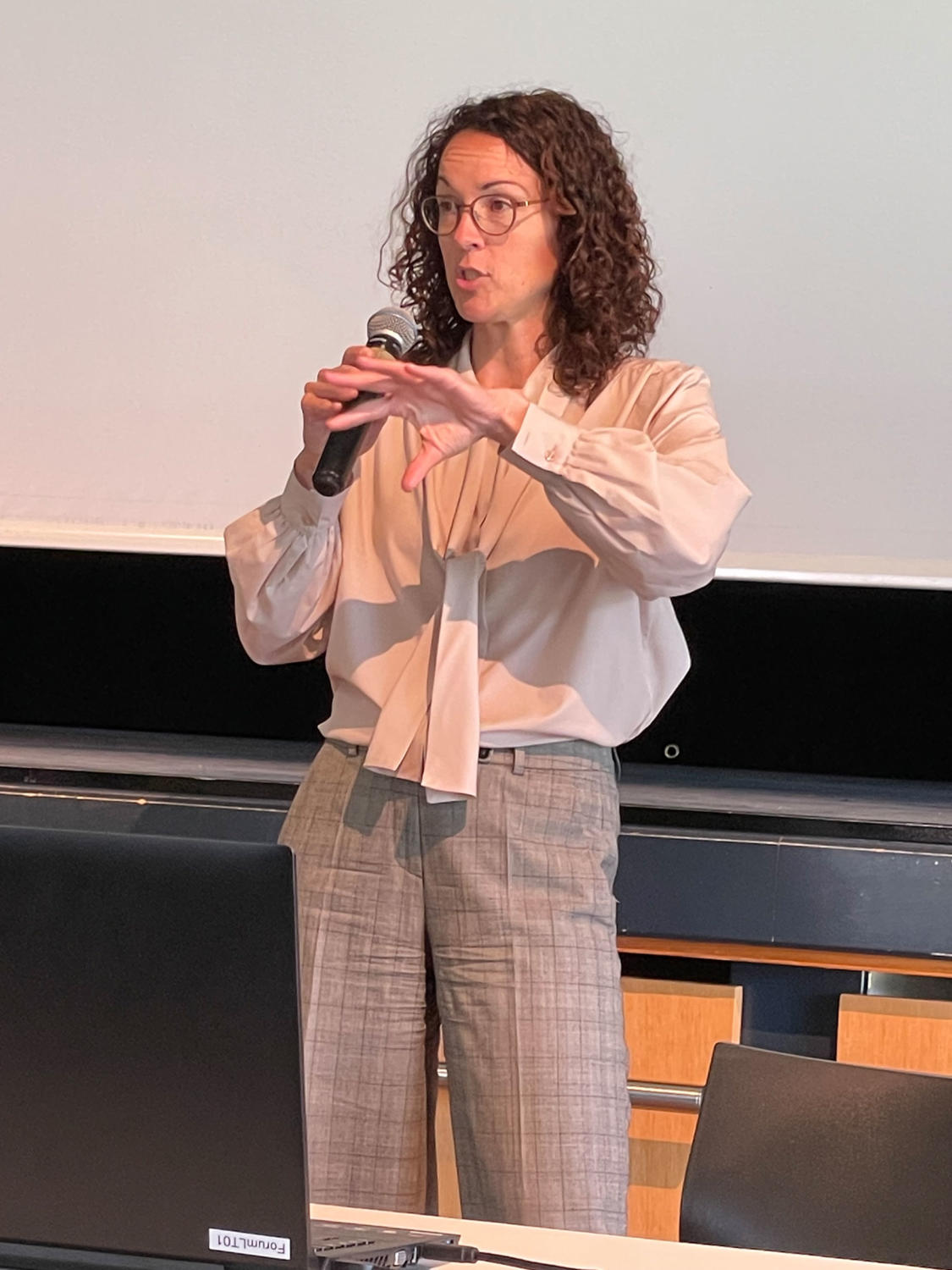
Angela Dorn (Alliance 90/The Greens)
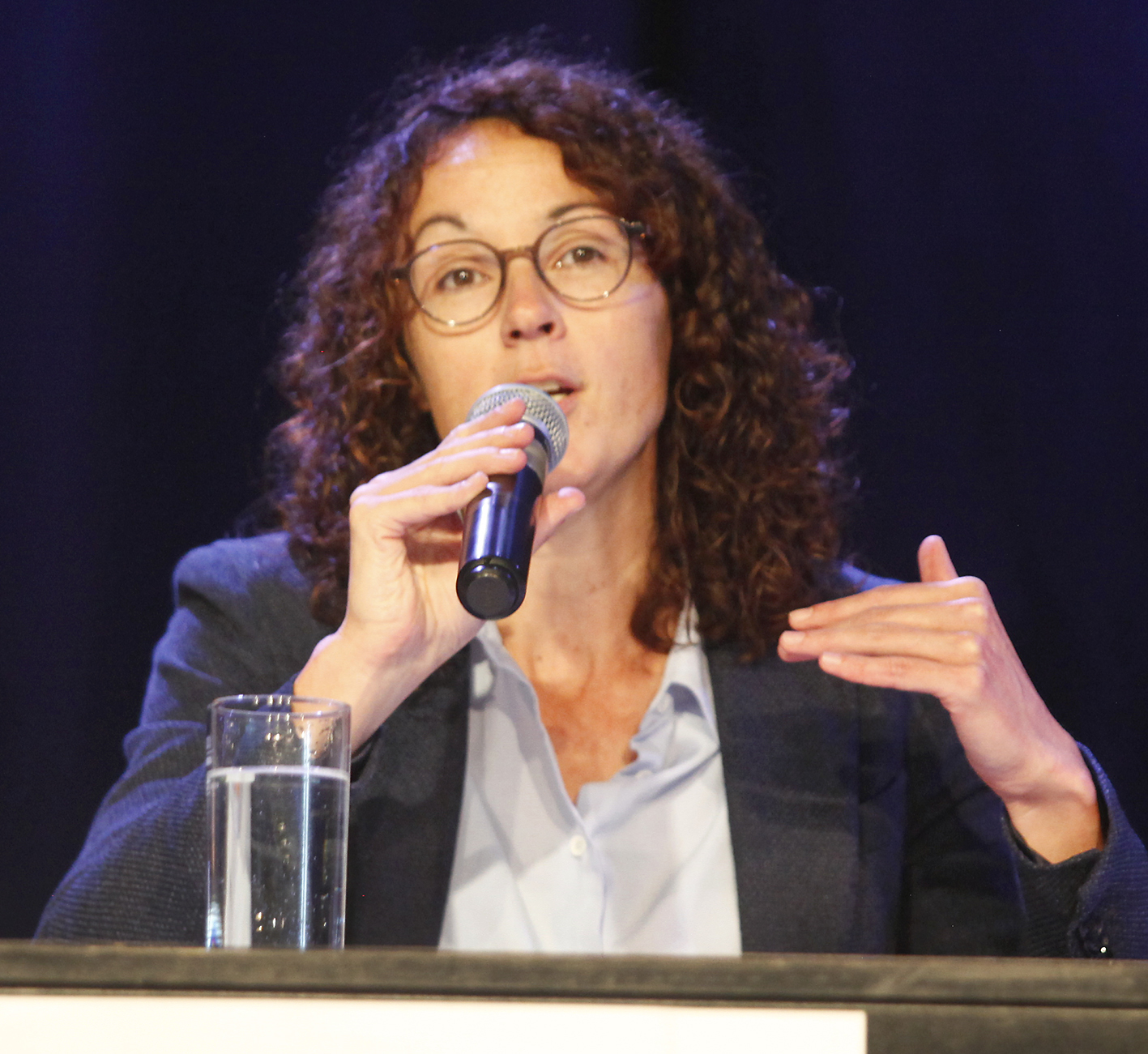
Angela Dorn, Alliance 90 / The Greens

The phase-out of the internal combustion engine was an EU decision. That is often forgotten.

The Federal Constitutional Court has also ruled that there are more than two genders. Incidentally, this can also be observed in the animal kingdom.

We have doubled funding for road repairs. The FDP, however, is always in favor of new construction, but never of maintenance.

It takes too long to plan bike paths in Germany.

When it comes to local public transportation, we continue to support the “Every Village, Every Hour” initiative. However, this cannot be free of charge.

Our greatest resource is our mind.

We need a genuine educational revolution. Steinmühle can serve as a role model in this regard.

Go abroad! Take the time to look closely. Do internships! (Addressed to the student body, regarding career guidance).

Our prosperity is at risk if we do not meet our climate goals.


Dirk Bamberger (CDU)
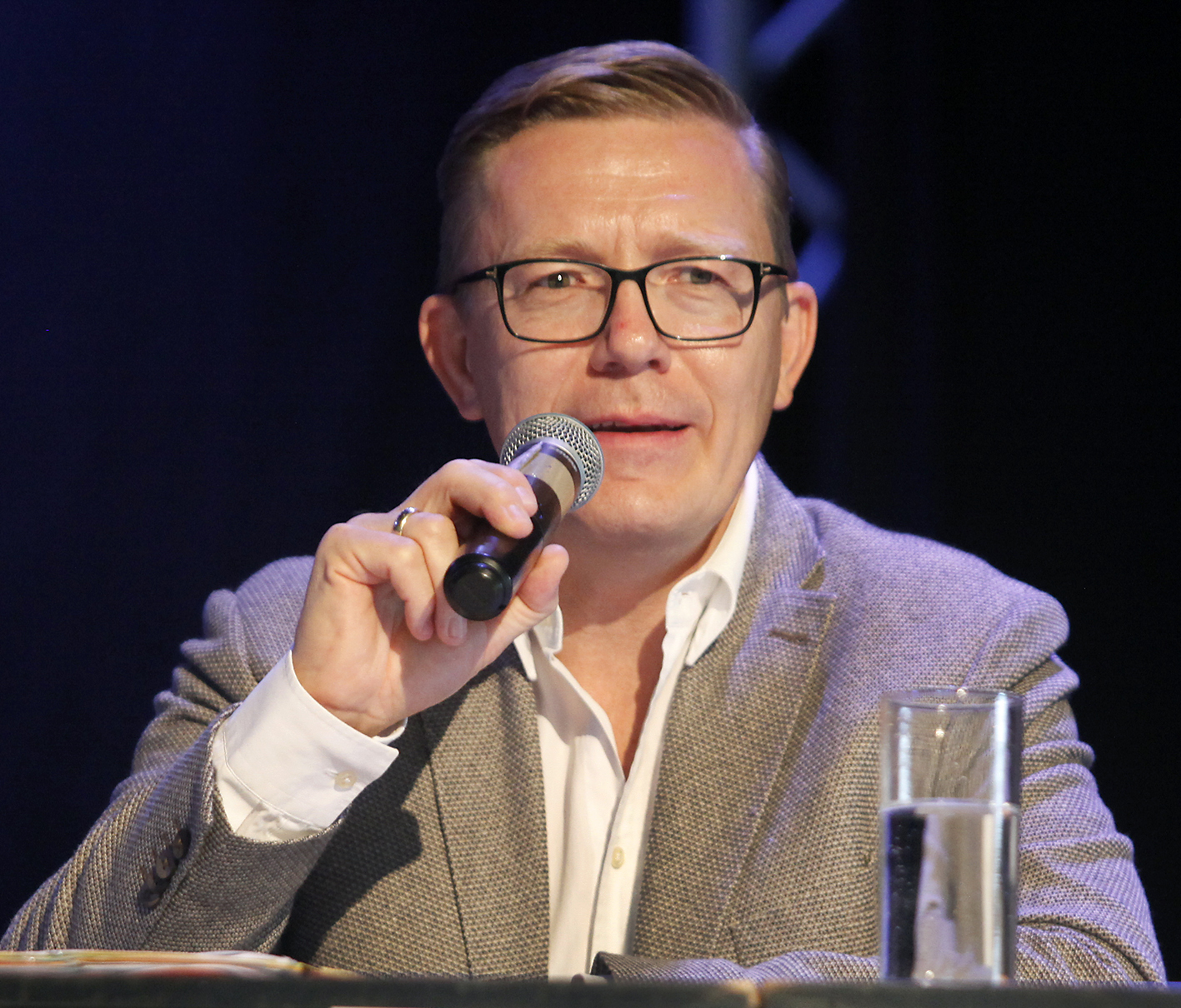
Dirk Bamberger, CDU

We need to recognize that even electricity is not entirely CO2-neutral.

I take a critical view of gender-neutral language. For people with disabilities, it makes language more complicated.

Move35 suddenly disappeared behind closed doors. The concept is aimed at the car.

In 10 to 15 years, we may have autonomous vehicles, including buses.

Student tickets for everyone—we also need to consider how this will be funded.

In Hesse, we currently have more teachers than ever before, with fewer students than ever before—and more school psychologists than ever before.


Lisa Deißler (FDP)
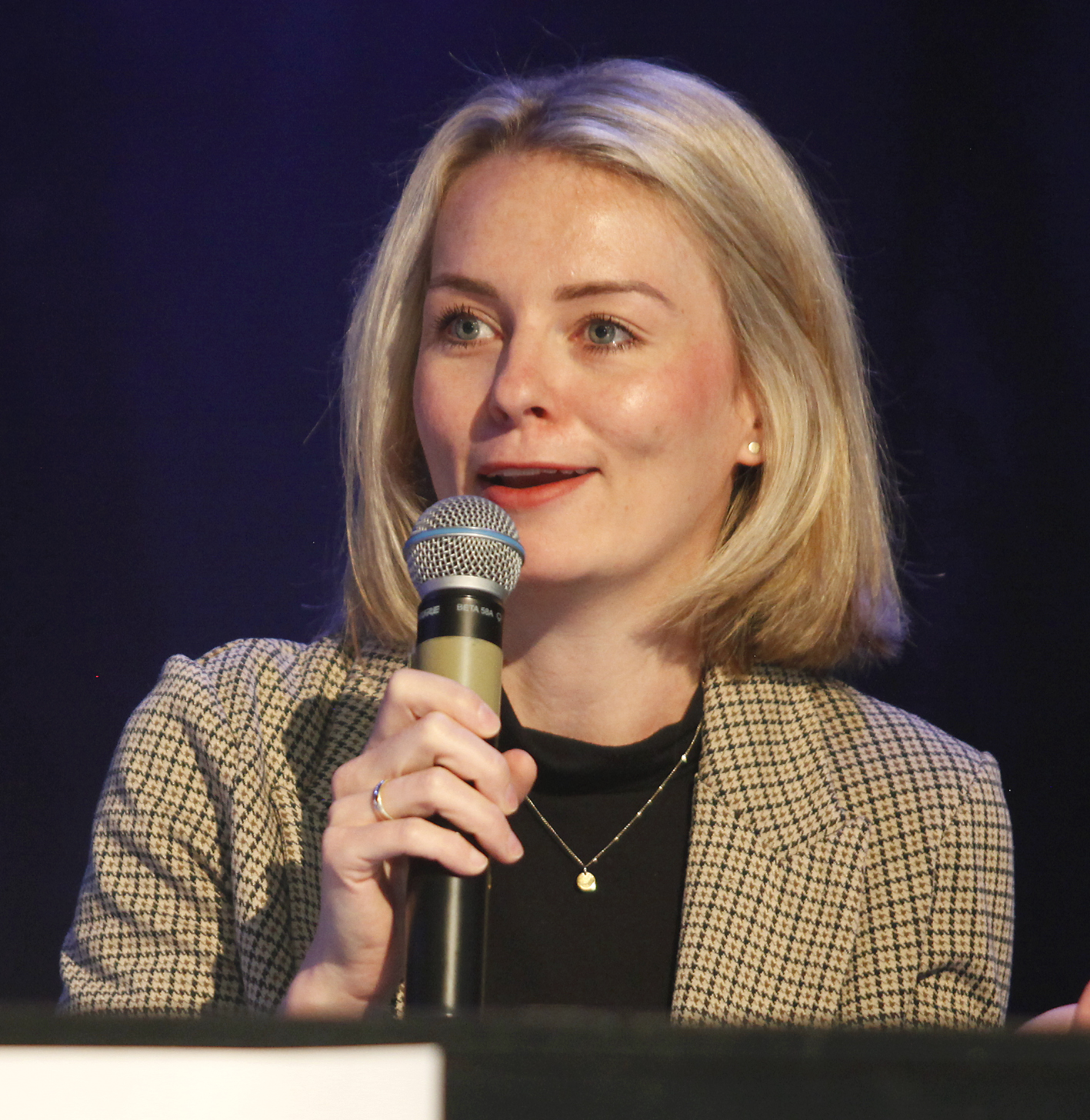
Lisa Deißler, FDP

The question arises as to whether the timing (for phasing out the internal combustion engine) is wise. And whether we have the infrastructure for charging (electric cars).

When it comes to Move35, there’s a lot I don’t understand either.

For a Green Party transportation minister (Tarek Al Wazir), the rail and bike paths in Hesse are underdeveloped.

We need private transportation. Otherwise, things will get bleak in the outlying neighborhoods.

We need technology for the future and must continue our research in that direction.

When it comes to renovation, government buildings need to be addressed first before imposing regulations on the public.


Pascal Schleich (AfD)

Pascal Schleich, AfD

Phasing out the internal combustion engine is a complete mistake. We simply don’t have the energy for electric cars.

People are laughing at us. Biologically speaking, there are only two sexes.

Teachers have a higher rate of sick leave than people in other professions. This is due to overwork.

We support the preservation of special education schools. Inclusive classrooms require trained teachers.

When it comes to climate protection, we need to get others on board and, first and foremost, hold them accountable.


Sebastian Sack (SPD)
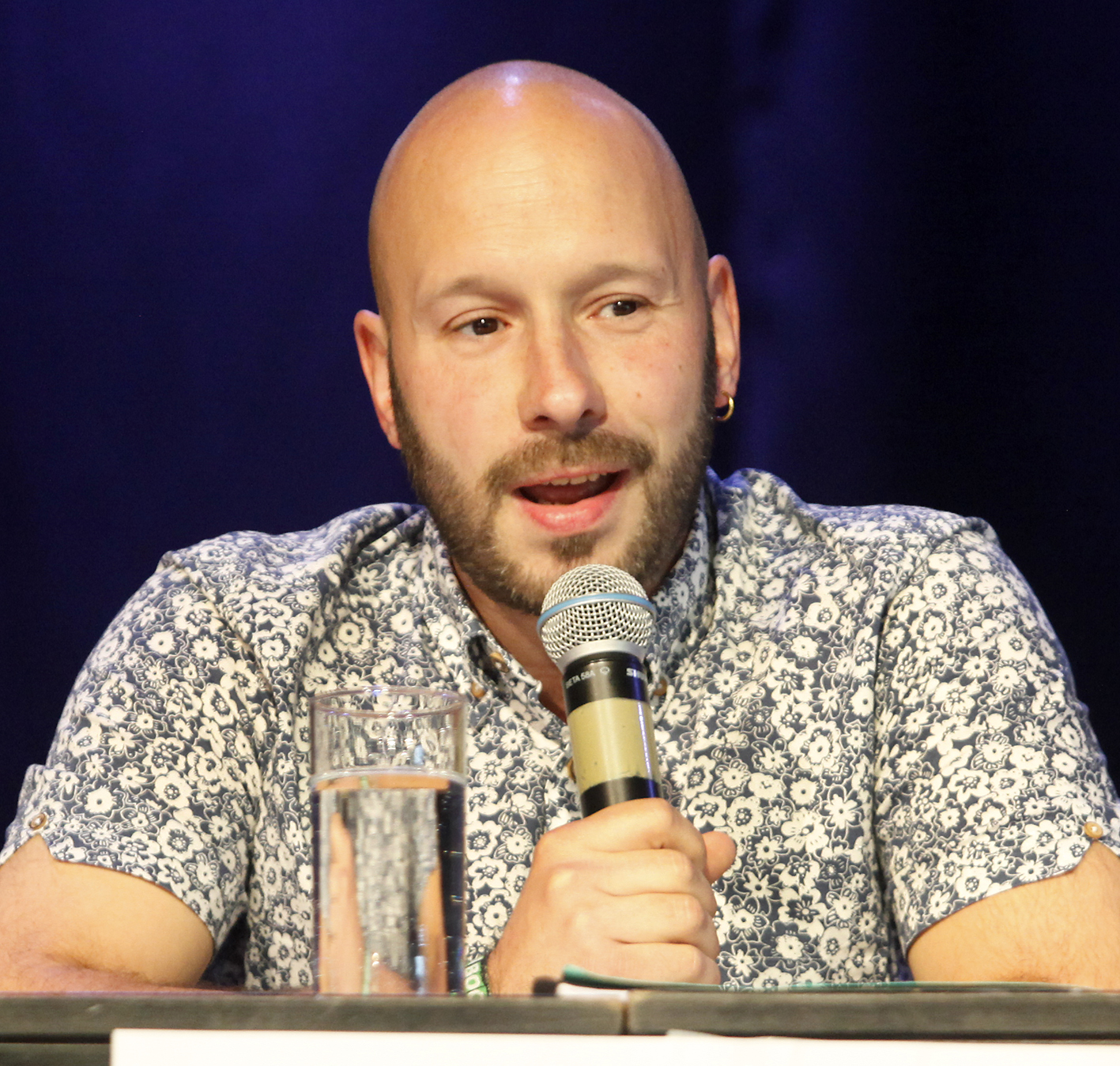
Sebastian Sack, SPD

We need to take responsibility. In the long run, this means the end of the internal combustion engine.

Remote villages in the county still rely on private transportation.

I’m in favor of small buses and frequent service.

The community bus is a useful service.

Education must be free—whether it’s a vocational certificate or a master’s degree.

It is important to renovate houses.

We should stop picking on each other.


Jan Schalauske (The Left)

Jan Schalauske, The Left

We must do everything we can to meet our climate goals. Phasing out internal combustion engines is the right thing to do.

I see the issue of gender language the same way Ms. Dorn does. It has to do with respect.

Roads should be repurposed to prioritize pedestrian and bicycle traffic.

The car-sharing concept is important for rural areas.

My vision for local public transportation: free of charge, no fare.

Educational success still depends on parents’ income.

To increase the number of teachers, we should focus on attracting people from other fields.

7. October 2023
https://steinmuehle.de/wp-content/uploads/sites/5/2023/10/RW-Landtagswahl-Forum-5610-scaled.jpg 747 1500 konnertz https://steinmuehle.de/wp-content/uploads/sites/5/2025/11/Logo_SchuleInternat_Steinmuehle_2026_3.png konnertz2023-10-07 09:59:462026-06-18 17:37:16Making Their Position Clear: Political Leaders Discussed Issues with Students

The Steinmühlen Boarding School’s Media Education Program

Life at Boarding School, News, Politics, Business & Responsibility

A conversation with Marion Widera, media educator at the boarding school
Media are playing an increasingly important role in the everyday lives of our children and young people. For this reason, it is important to engage with them and discuss them together, developing an attitude towards these issues that allows us to always have an inner compass in the media world.
Marion Widera does exactly that at Steinmühle. She has been a media educator at the boarding school since September 2019 and works with the teaching team and the children and young people in the areas of media education and media literacy.
“Ms. Widera, you have been a media educator at the Steinmühle boarding school since 2019, how did it all begin back then?”
Marion Widera: “The position of media educator was newly created at that time. The teaching team and I started together and gradually approached the topic. Initially, I surveyed the boarding school staff to find out what was important to them regarding media. What topics were important to the teachers, what did the children and young people at the boarding school want? This helped us develop an idea of ​​where we should begin.”

What exactly happened after the inquiries?
M.W.: “We started by holding workshops for the boarding school community. These were offered weekly during study hall hours. Together, we explored various topics, starting with targeted searches using Google. In the process, we used and learned about the advanced features. This is particularly advantageous when conducting targeted searches for specific topics. In addition, we played and discussed games related to data protection and fake news. We also addressed topics such as gender roles in the media. Furthermore, interested students had the opportunity to experience their favorite game from the perspective of a game tester. After playing for a while, the game was analyzed and evaluated based on various criteria using a questionnaire. The criteria included, for example, graphics, music, presentation, authenticity, assessment of the age rating, fun factor, entertainment value, etc.

How did the workshops come to be implemented in schools as well?
We began collaborating with Marcel Kalb, who was the school’s JUMBA representative (Youth Media Protection Officer) at the time. I am currently working with Tim Elmshäuser, who has taken over that role. We brainstormed ways to integrate this topic more into everyday school life and came up with the idea of holding workshops as a starting point. At the time, iPads had already been introduced, and it was clear to us that it wasn’t enough to simply provide support for using the technology; the digital resources and applications also needed to be addressed, and students needed guidance on how to use them.
The workshops on media pedagogy and media education are now firmly established in the curriculum. For the past two years, a three-hour workshop has been held once per semester for grades 5–10. For the coming school year, the number of hours will be expanded to two sessions of two hours each per semester.”

What topics are discussed?
M.W.: “We tested out various topics at the beginning. That’s how we developed a list of topics; workshop topics include, for example, cyberbullying, cybergrooming, the dream job of an influencer, hate speech, copyright, social media, and ‘Always On’ (what does it mean to be online all the time?).”

How do the children and teens respond to the workshops?
M.W.: “It varies a lot. Generally speaking, the younger students, aged 11–14, are more open and enjoy sharing their personal experiences in the digital world. You can tell that the topic is very important to them; they even come up to me during recess after the workshops, eager to talk and share their experiences. With the older students—those 14 and up—it’s a bit different; we might be able to further optimize the workshops for this age group. Currently, the participants fill out a questionnaire after each workshop, and I’m already looking forward to seeing the results.”

In addition to working directly with the children and teenagers, work has been ongoing on the Steinmühlen Boarding School’s media education concept. What is the current status?
M.W.: “The media education concept is complete. It will be officially integrated into our educational work starting in the 2023–2024 school year.”

What exactly is the media education concept?
“To put it simply, it’s a guide for the educational team and also for parents on how to deal with media. There are four major issues that can arise time and again among children and adolescents: cyberbullying, fake news, sexting, and excessive media use. The concept provides tips on how to address these four areas for educators, parents, and children and adolescents alike. And it’s about our stance as an educational team—as Steinmühle—on the topic of media and media use. We don’t want to take a negative stance, but rather to take a close look at the issues together with the students. Media consumption and social media can trigger digital stress and put us under pressure. Our approach is to shed light on the opportunities and risks and to encourage a critical engagement with the media.”

How has this approach been received so far?
M.W.: “With children and adolescents, it’s a long process. So far, we’ve had guidelines for digital media use that are based on the students’ ages. Teachers are in the thankless position of having to enforce these rules, which casts the topic of media in a negative light. Every family is probably familiar with the fact that the issue of cell phone time can also lead to arguments. I think this association makes it harder for students to see that educators also have other interests when it comes to media and smartphones and aren’t simply “against” them per se—which, incidentally, isn’t our stance either.”

What are your hopes for the future of media education at Steinmühle?
M.W.: “That the topic no longer carries a special status. A natural and open approach to the topic among educators, parents, and children and adolescents. Adults sometimes tread carefully on this topic because they don’t feel they’re on equal footing with children and teens, or that they don’t know enough about it. In my workshops, I’ve found that it’s important to engage with students in a dialogue that’s authentic, curious, and non-judgmental. It’s perfectly natural to learn from one another—and that goes for the world of media and digital technology as well. I can let them show me things; I don’t have to go into a workshop on “The Dream Job: Influencer” already knowing all the stars. The students bring this input with them and are happy to talk about it and take me into their world. And together with them, I can look at their stars and shed light on the marketing strategy behind influencers.”

13. July 2023
https://steinmuehle.de/wp-content/uploads/sites/5/2023/07/1688124411805-1-scaled-1-scaled.jpg 1000 1500 konnertz https://steinmuehle.de/wp-content/uploads/sites/5/2025/11/Logo_SchuleInternat_Steinmuehle_2026_3.png konnertz2023-07-13 11:25:442026-06-18 17:37:01The Steinmühlen Boarding School’s Media Education Program

Theme Weekend at the Steinmühle – Media and Learning: AI, Blender, ChatGPT—How Can Media Support Our Learning?

Digitalization & AI, Life at Boarding School, News, Politics, Business & Responsibility

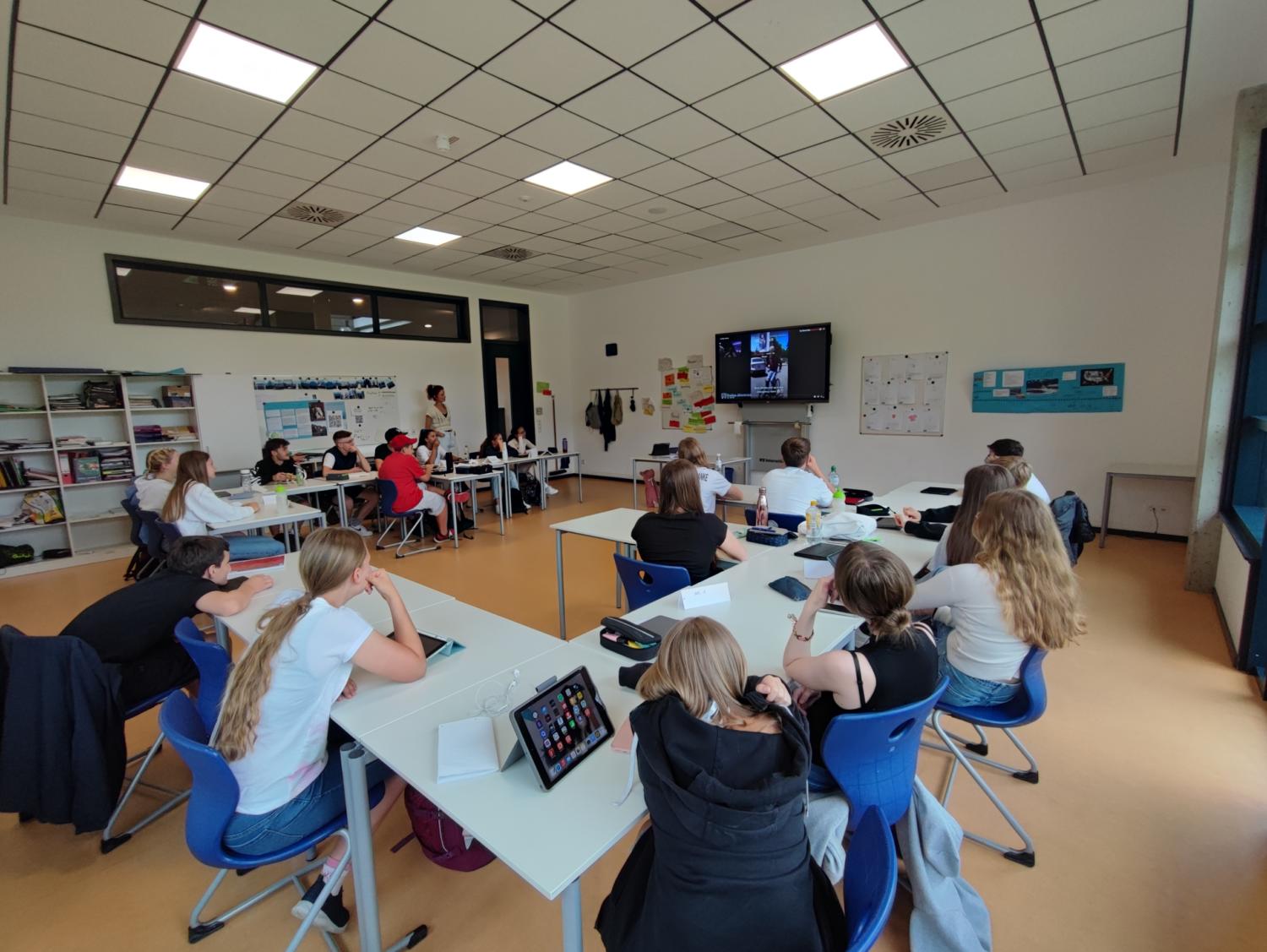
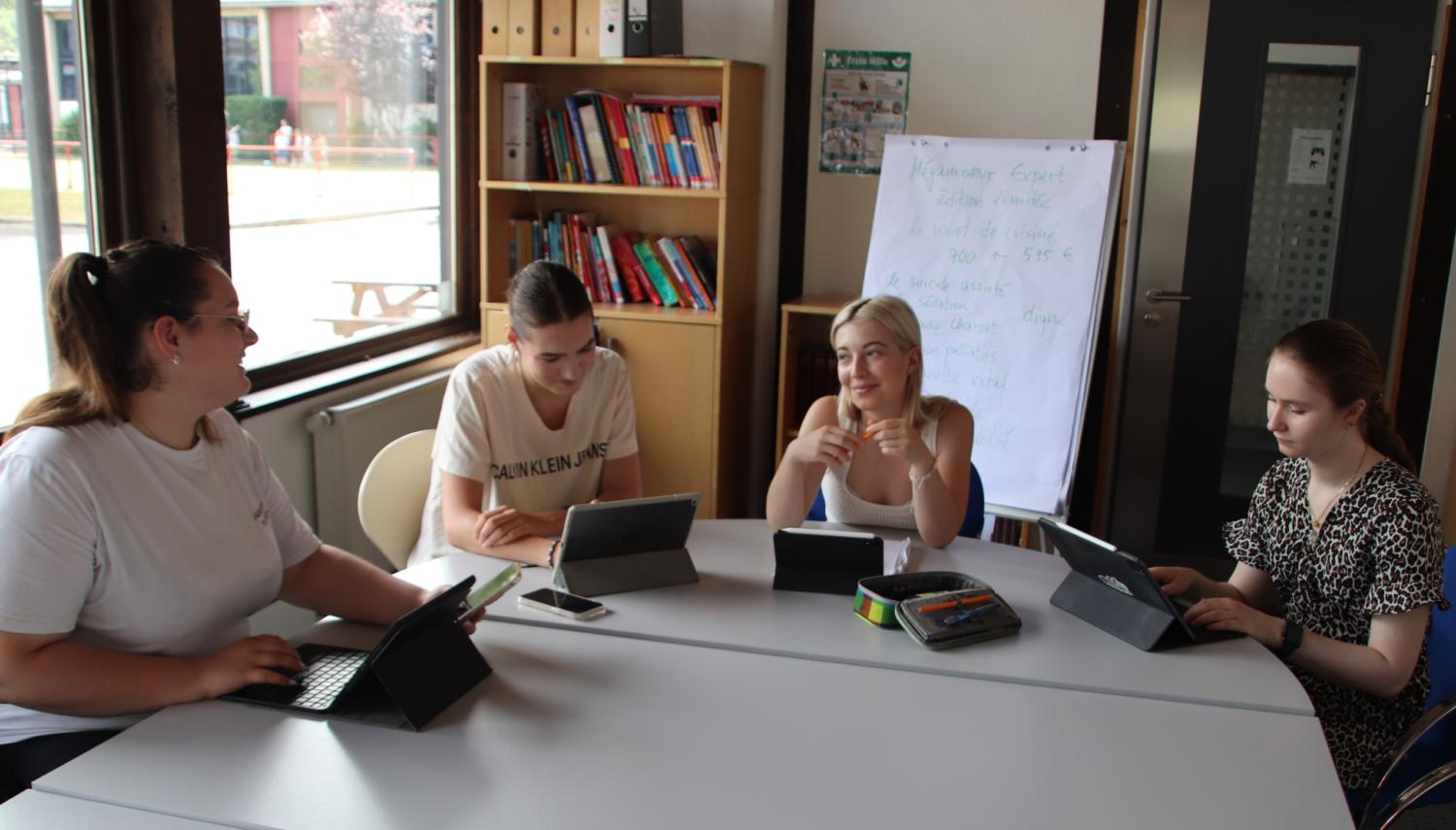
Media is playing an increasingly significant role in our students’ daily lives. For this reason, it is important to engage with media and discuss together how it can be used effectively in learning and at school in general, as well as the challenges its use presents. The students and teachers at Steinmühle took on this challenge as part of a joint themed weekend focused on media and learning.


In preparation for the upcoming high school graduation exams, the students and teachers explored topics such as study skills. To this end, a joint kickoff event began with a presentation of different learning styles, which the students could then identify with based on a self-assessment. These reflections were then explored in greater depth with the help of an online test. Questions such as “Do I remember things better when I walk around my room while studying?” or “What kind of music is best for studying?” played a role in the exercise. The main goal of this exploration was to help students make their learning more effective and to gain new ideas for different ways of learning.

Over the course of the weekend, a wide range of extracurricular activities helped students deepen this knowledge even further. In the “Learning by Explaining” program, a group of students explored how to effectively convey information to others—and in the process, learn themselves. Of course, the students put this into practice right away. To do so, they worked on various topics that they were able to bring up themselves. The “Presentations (Media and Presentations)” club also gave students the opportunity to present their existing knowledge in a clear and engaging way. One high school senior enthusiastically shared that, with her oral exams just around the corner, this had helped her prepare more effectively.

A group of students also explored the “Blender” software. This open-source program allows users to create 3D graphics. The session was led by Fabian, a student who is currently discovering the program for himself and was happy to share his knowledge with others. Together, the students succeeded in creating 3D models of objects they had brought with them. That evening, Fabian mentioned that he was already thinking about how a future workshop on the topic could be structured.

Another focus of the weekend was artificial intelligence (AI), as our students are increasingly using these tools in their everyday school life. In addition to exploring the practical implementation of various applications, the club also examined, among other things, the potential that artificial intelligence offers. Particular attention was paid to AI-powered tools designed to support schooling and learning. At the same time, the group examined potential limitations and discussed how AI can be used as efficiently and effectively as possible. In addition, the students explored ethical principles for using ChatGPT. For example, the group discussed the question of what interests companies might be pursuing by providing AI tools and what societal implications are associated with this.

What became particularly clear over the course of the weekend was that media has become an integral part of our daily lives, and that tools like ChatGPT can provide our students with valuable support in tackling academic challenges. At the same time, awareness grew regarding the limitations of artificial intelligence and the diverse opportunities for learning. In particular, the different learning styles remained a topic of conversation even after the weekend and will certainly be discussed more frequently in the future. We are already excited to see what new paths of learning the students will take.

22. June 2023
https://steinmuehle.de/wp-content/uploads/sites/5/2023/06/Titel-Artikel-Medien-WE-scaled-1-scaled.jpg 855 1500 Angela https://steinmuehle.de/wp-content/uploads/sites/5/2025/11/Logo_SchuleInternat_Steinmuehle_2026_3.png Angela2023-06-22 12:56:112026-06-18 17:36:44Theme Weekend at the Steinmühle – Media and Learning: AI, Blender, ChatGPT—How Can Media Support Our Learning?

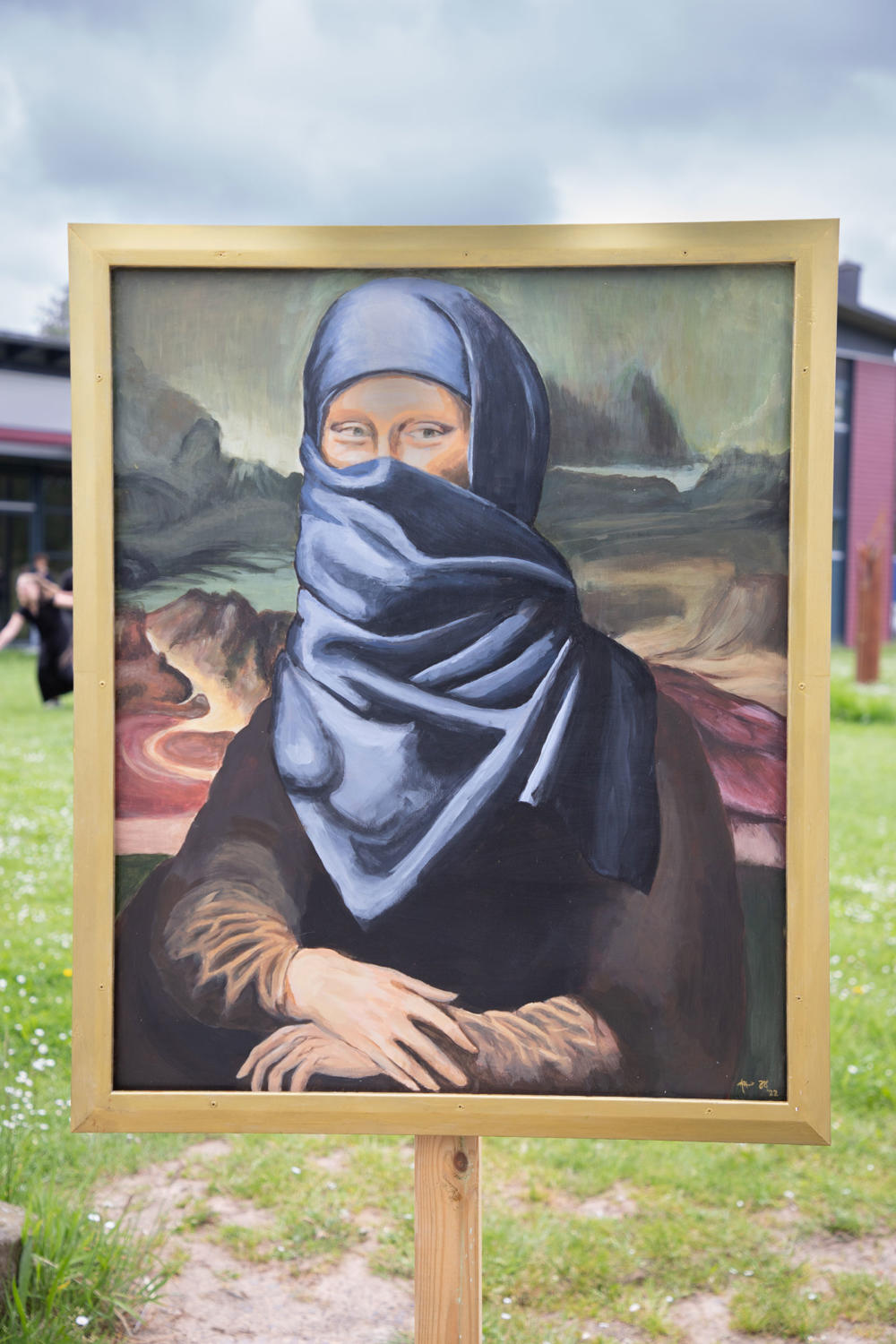
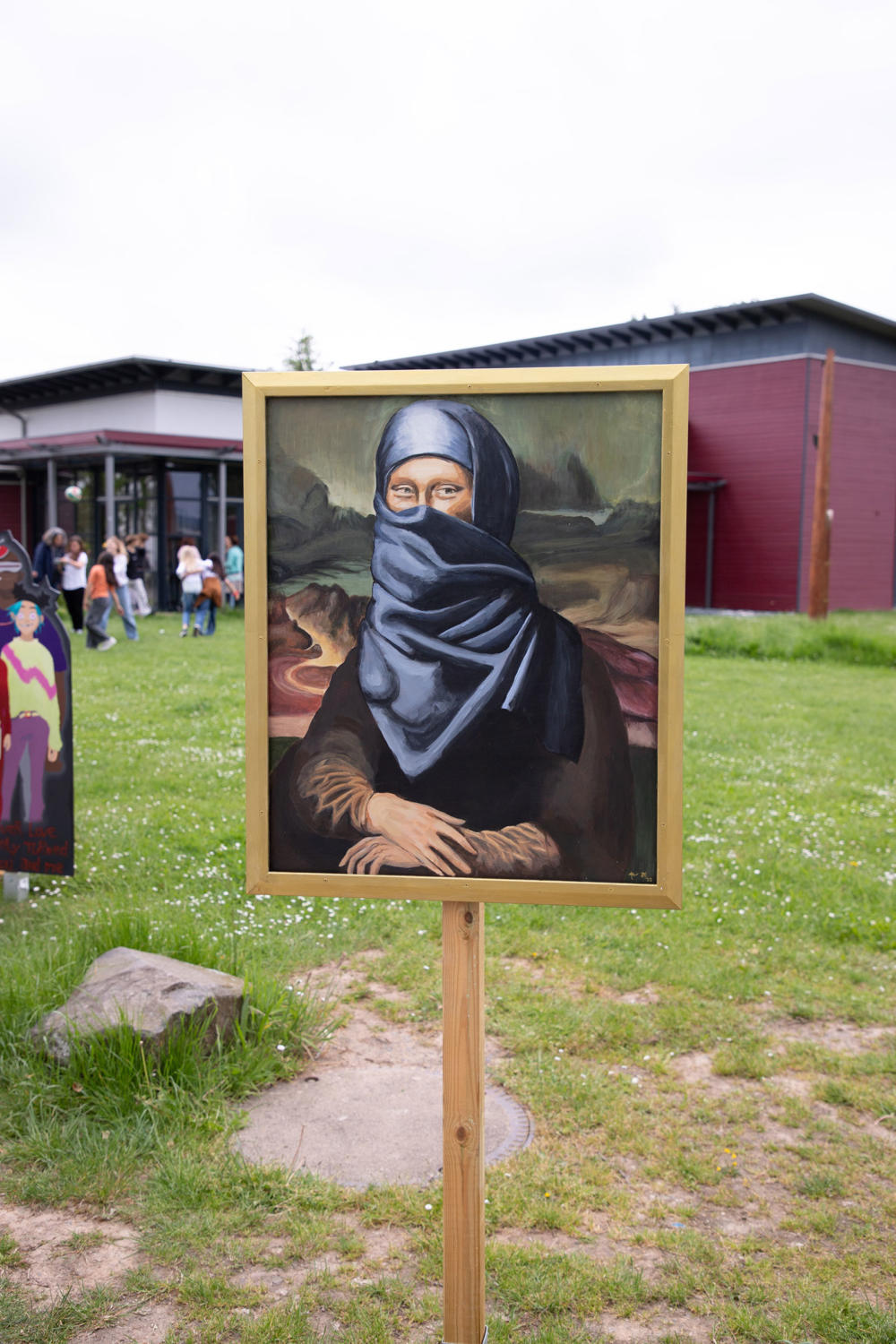
Mona Lisa Wears a Headscarf: Steinmühle Celebrated Diversity Day

Art, Music & Theater, Ecology and Sustainability, News, Politics, Business & Responsibility

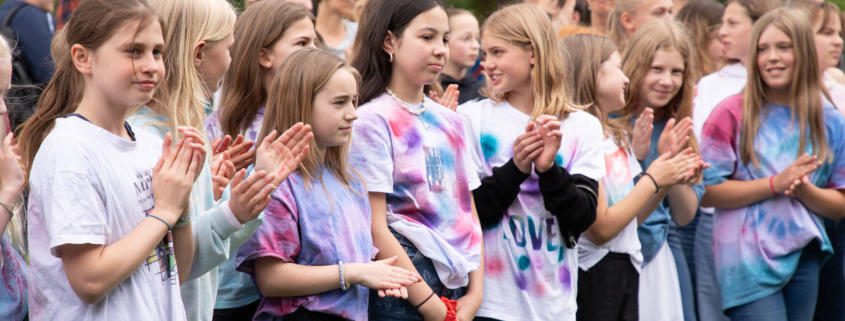
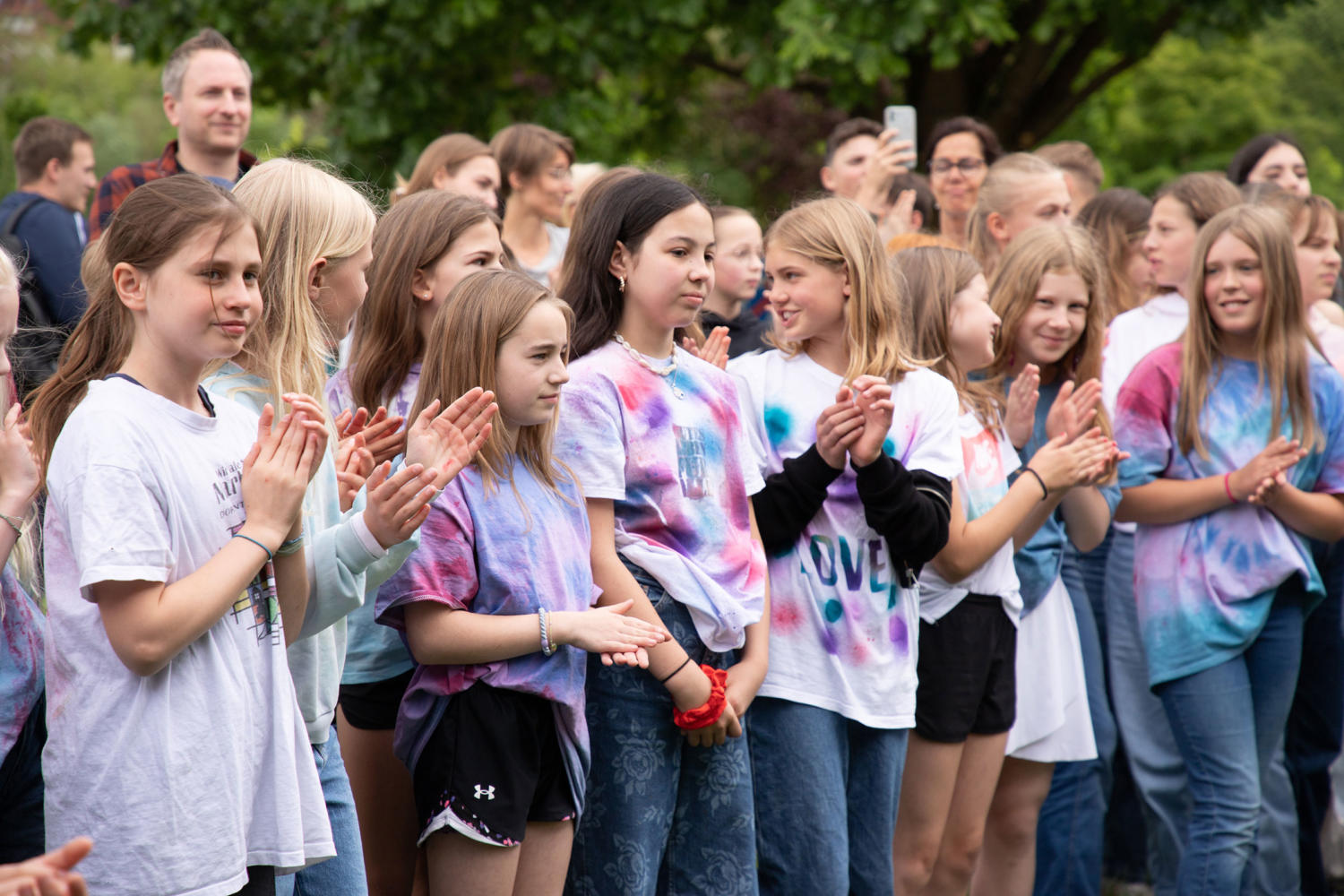
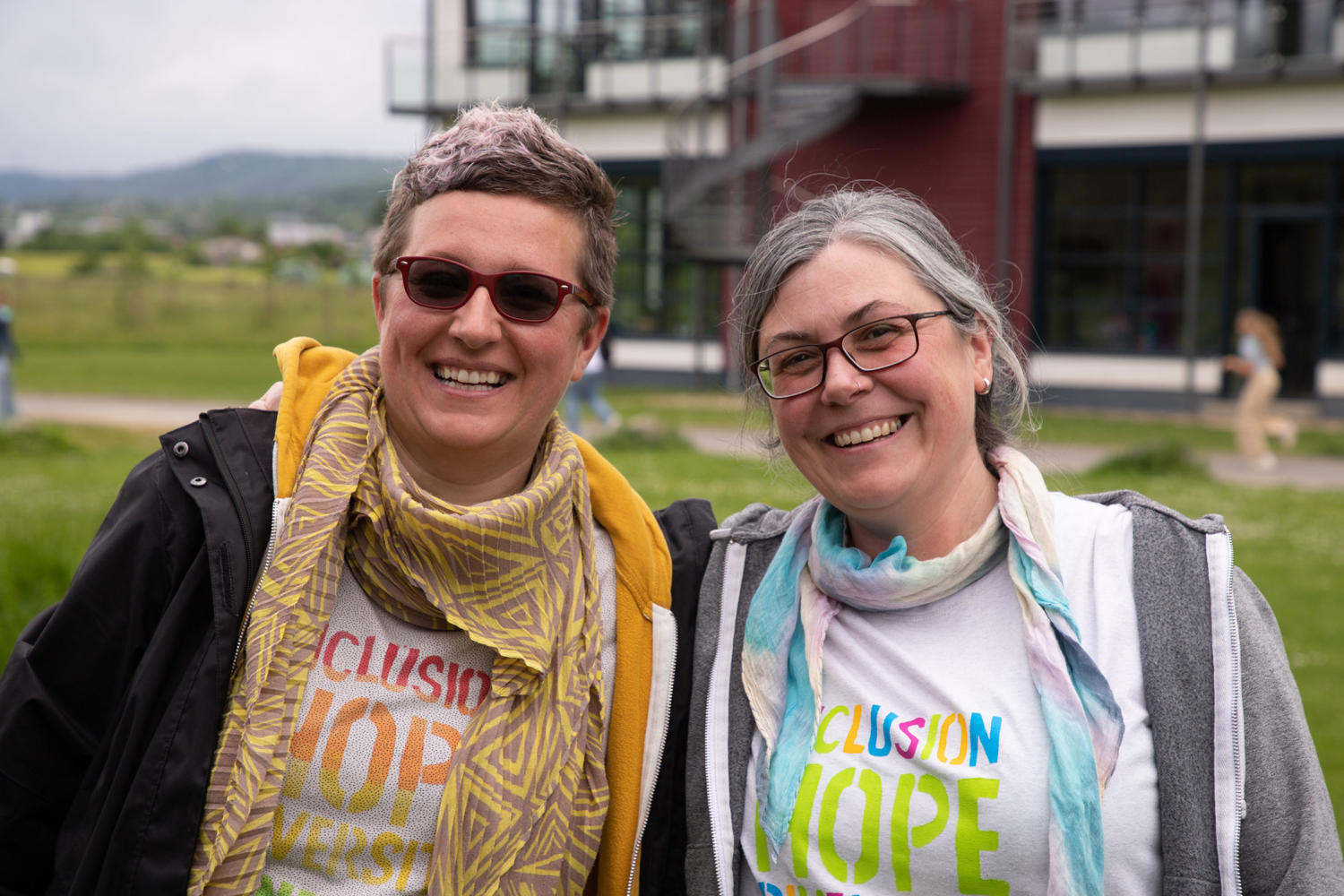
Like many other institutions in Germany, Steinmühle had also prepared several activities for Diversity Day on May 23. Wearing themed T-shirts and participating in activities during the second break were intended to raise awareness of the issue at the school. Teachers Dr. Sigrun Galter, Ines Vielhaben, and Antje Seel had compiled a checklist for their colleagues in advance to promote greater diversity in teaching materials, which had also been discussed at the last faculty meeting. At that meeting, the Rainbow Working Group was also introduced; it is led by Dr. Sigrun Galter and Bella-Jean Gnodtke and can be reached via email at regenbogen@steinmuehle.net. In addition, there were teaching resources for diversity-conscious education aimed at teachers of all subjects.


Understanding “impulse” as a “kickoff”

“It’s not just about this one day,” explained Dr. Sigrun Galter, Ines Vielhaben, and Anje Seel. “We’d rather have our ideas seen as a ‘kickoff,’ since many topics can be grouped under the umbrella term ‘diversity.'” The three-member panel cited, among other things, equal opportunity, discrimination, gender equality, racism, xenophobia, and anti-LGBTQ+ bias, as well as freedom of sexual orientation, religion, and language. They noted that an impact can already be made here through careful wording of practice sentences or text exercises and a conscious approach to stereotypes.

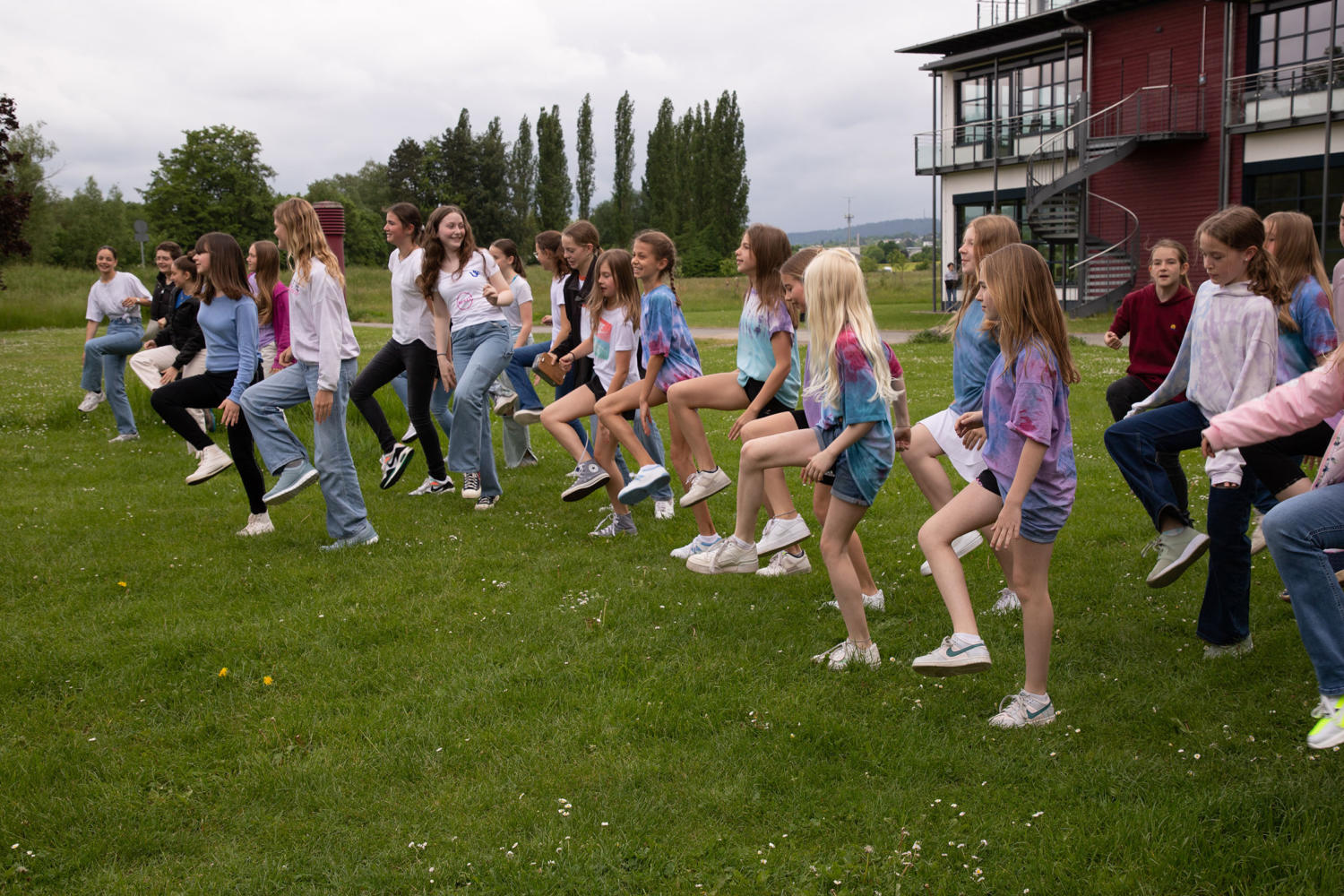
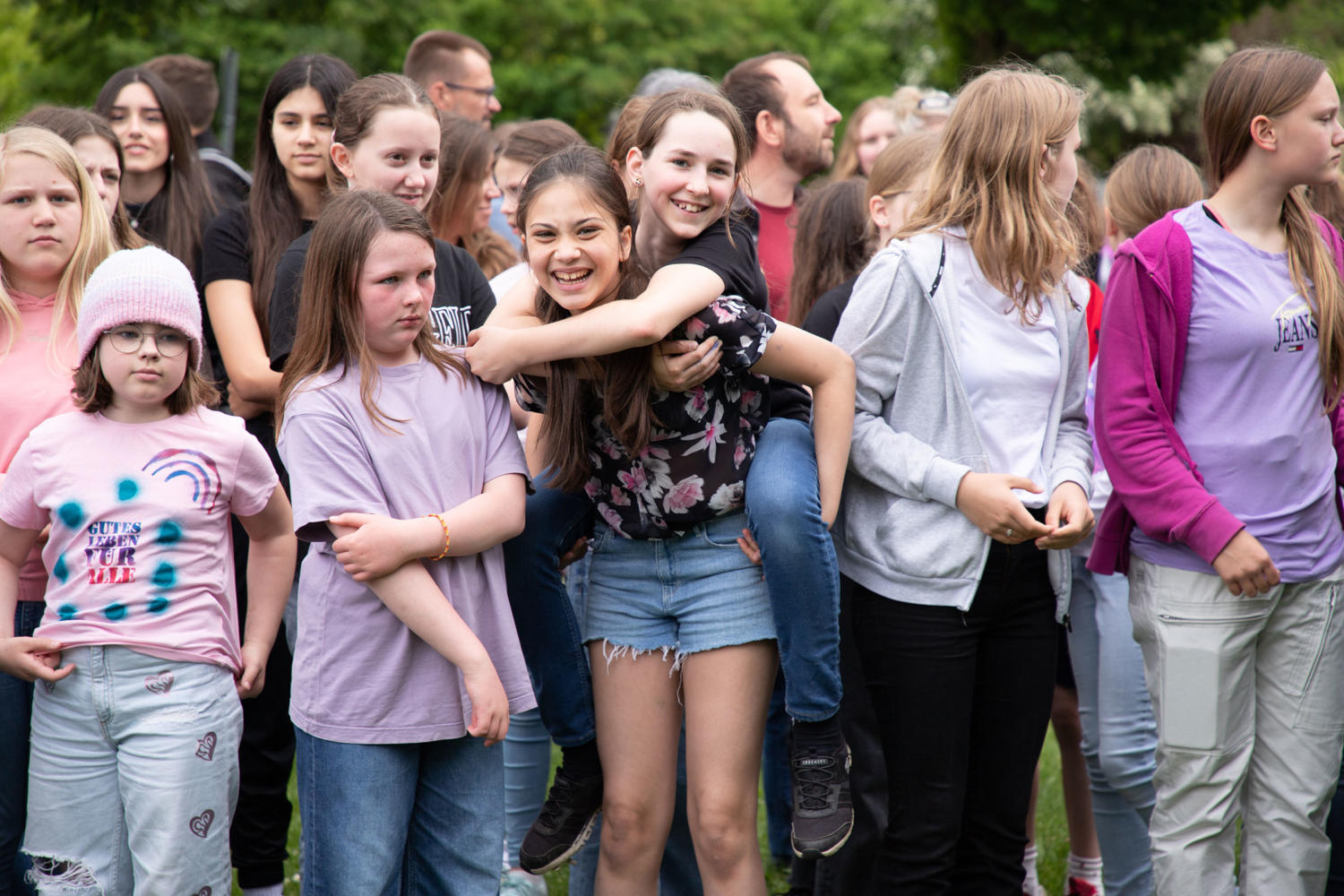
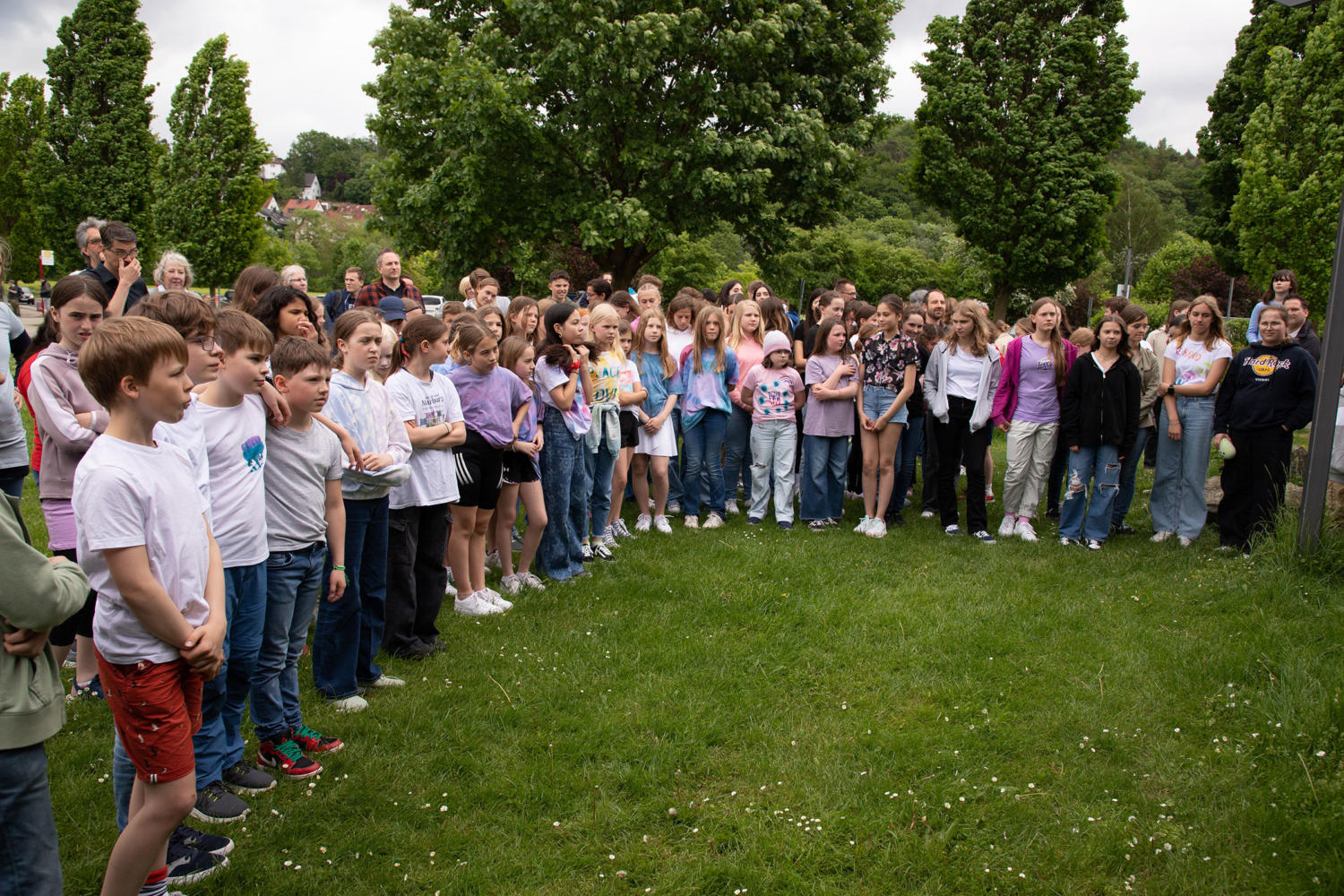
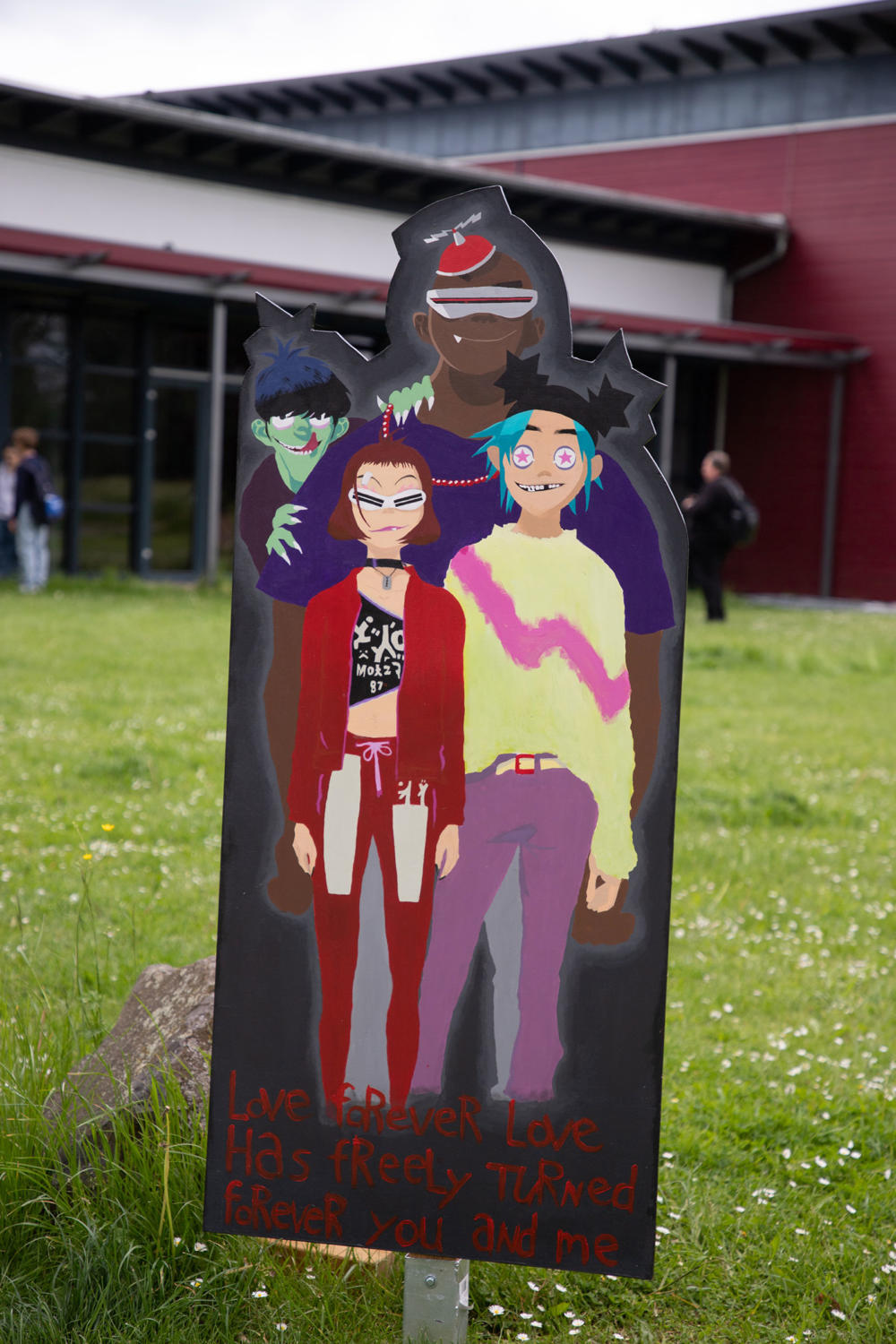
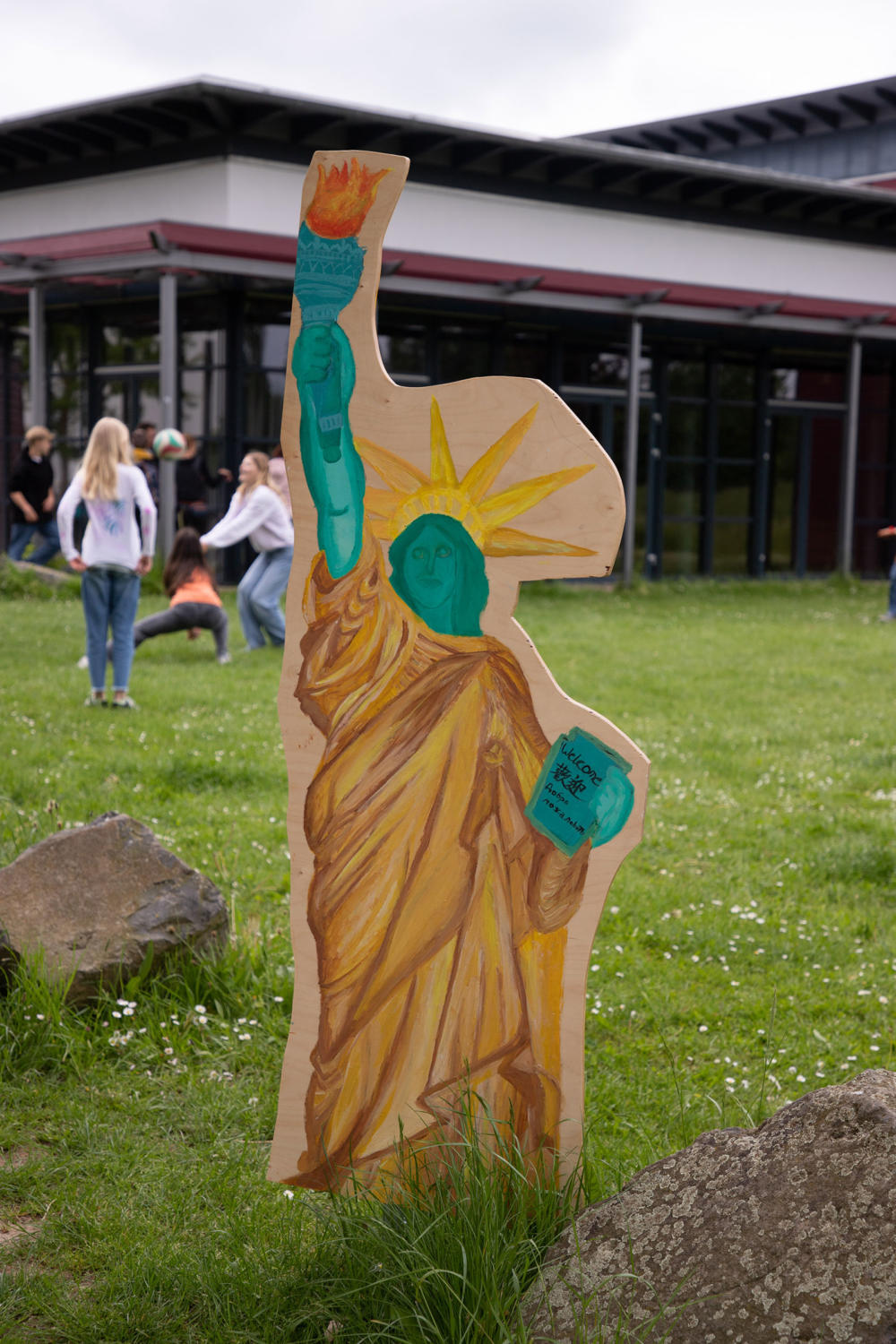
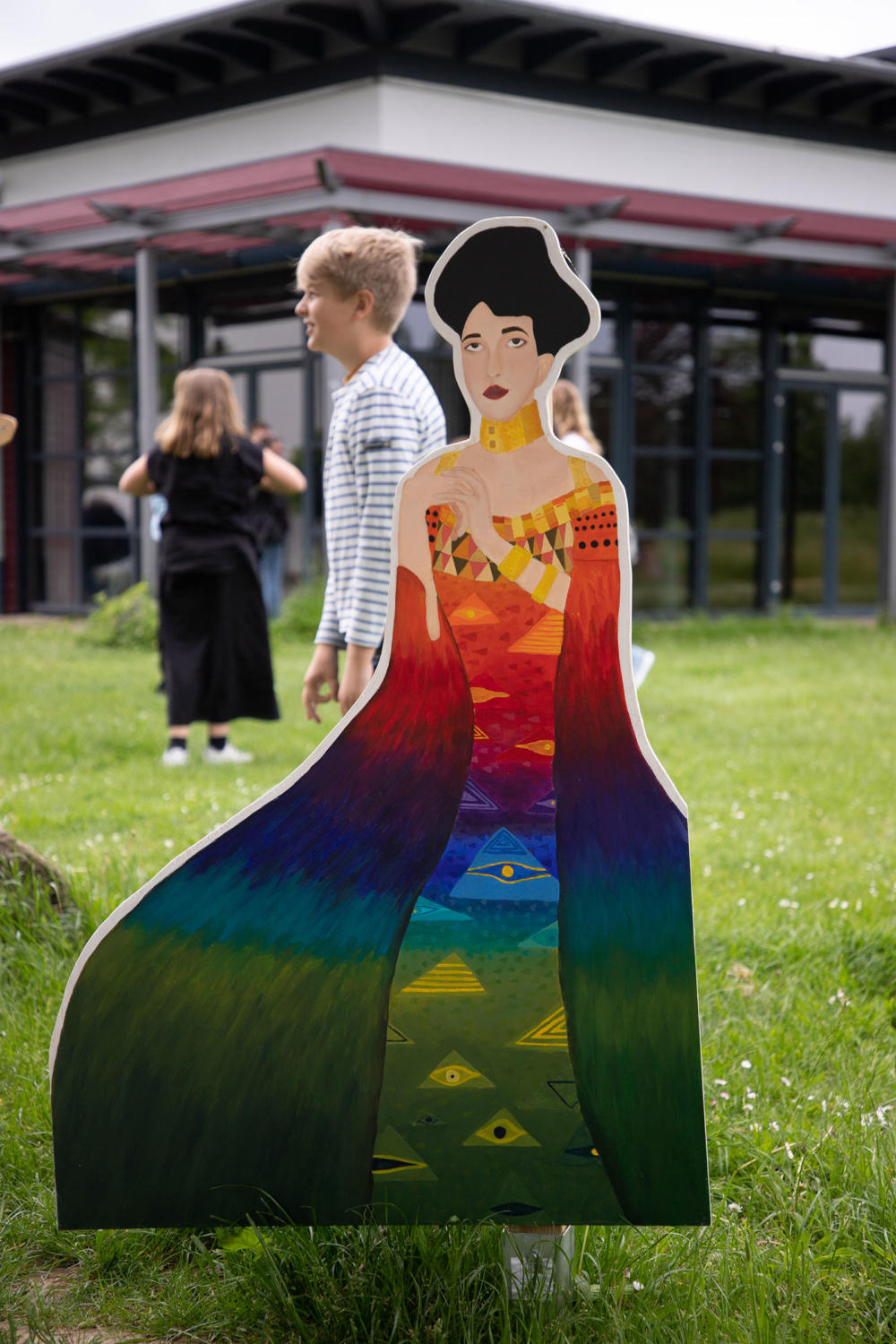
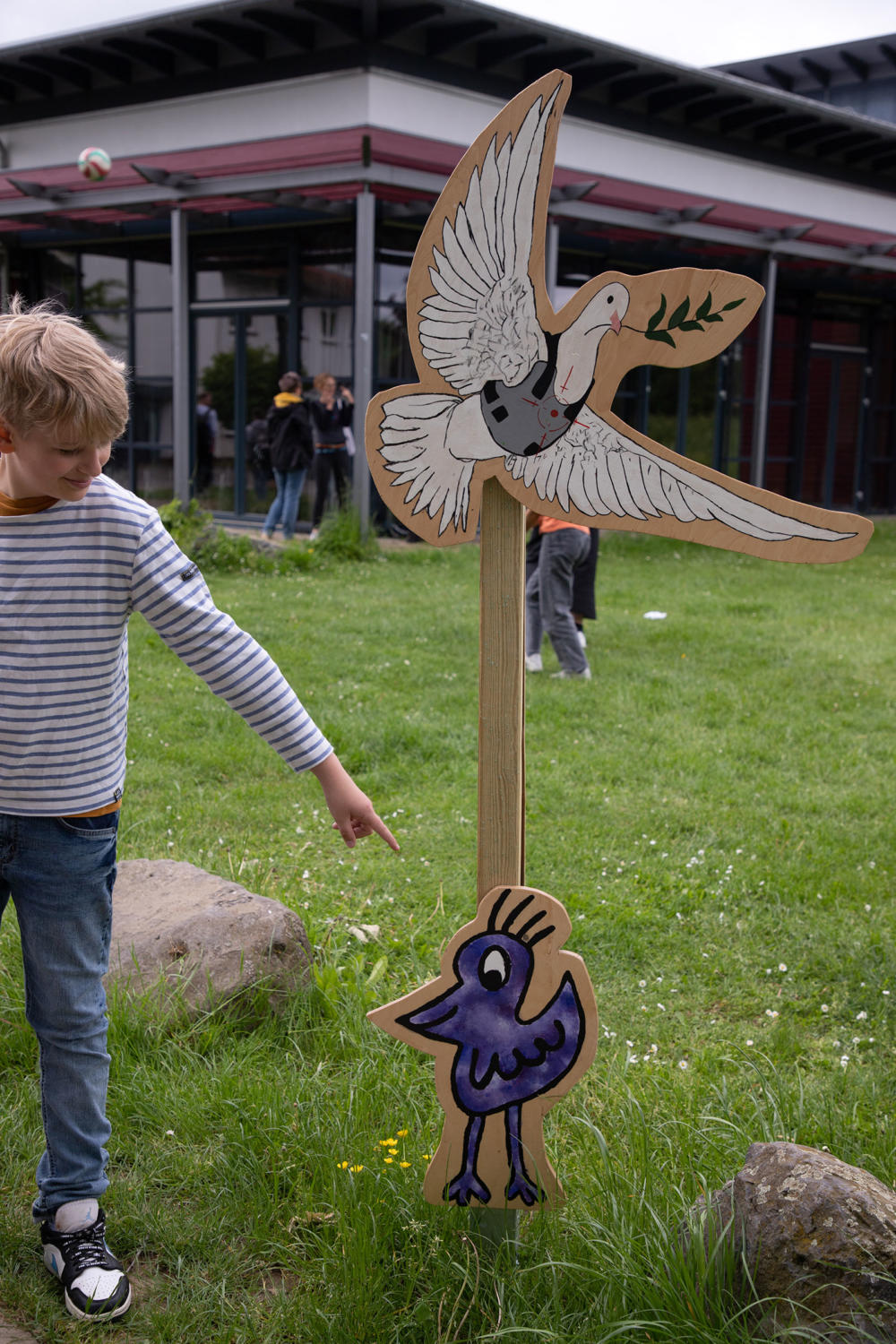
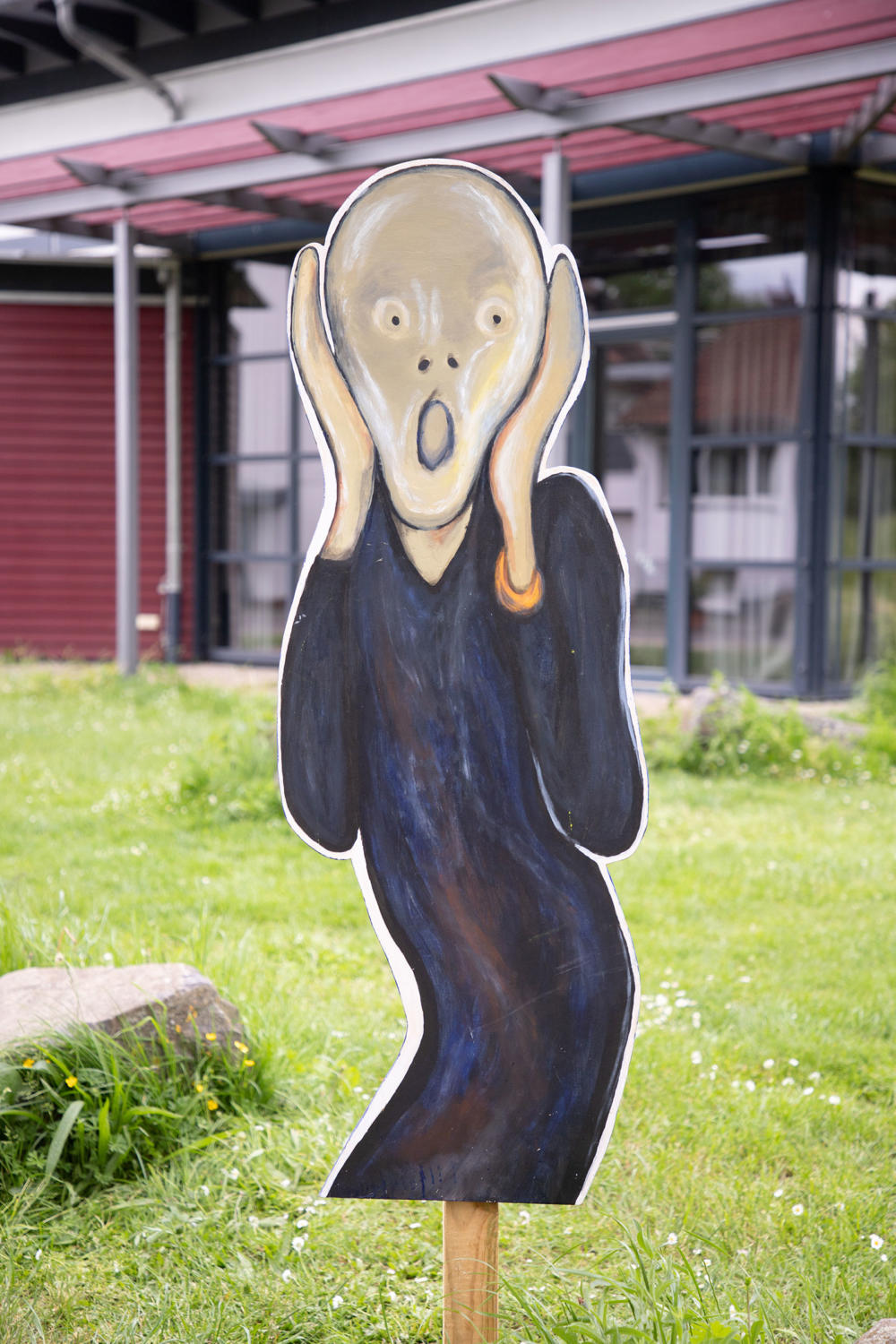
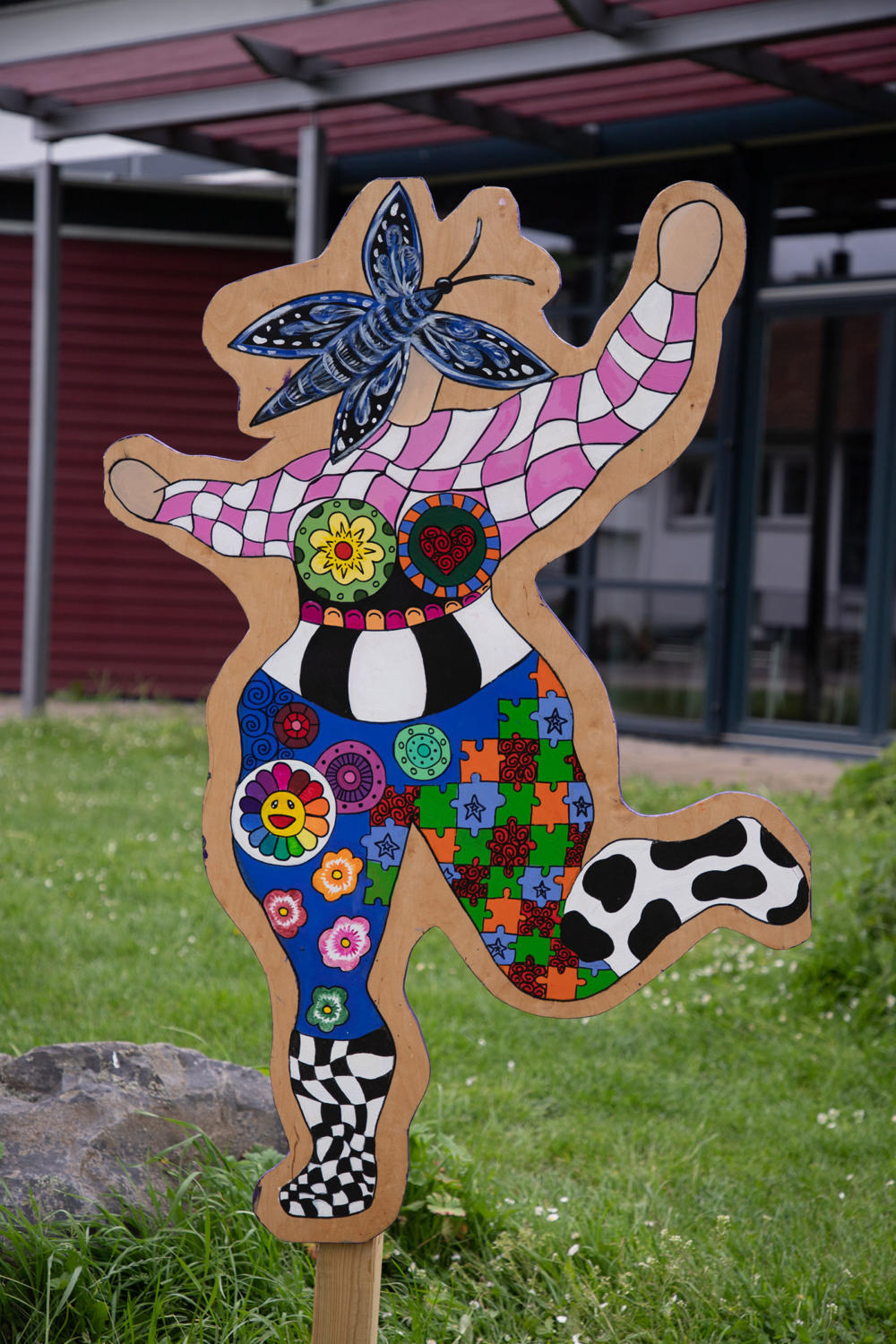
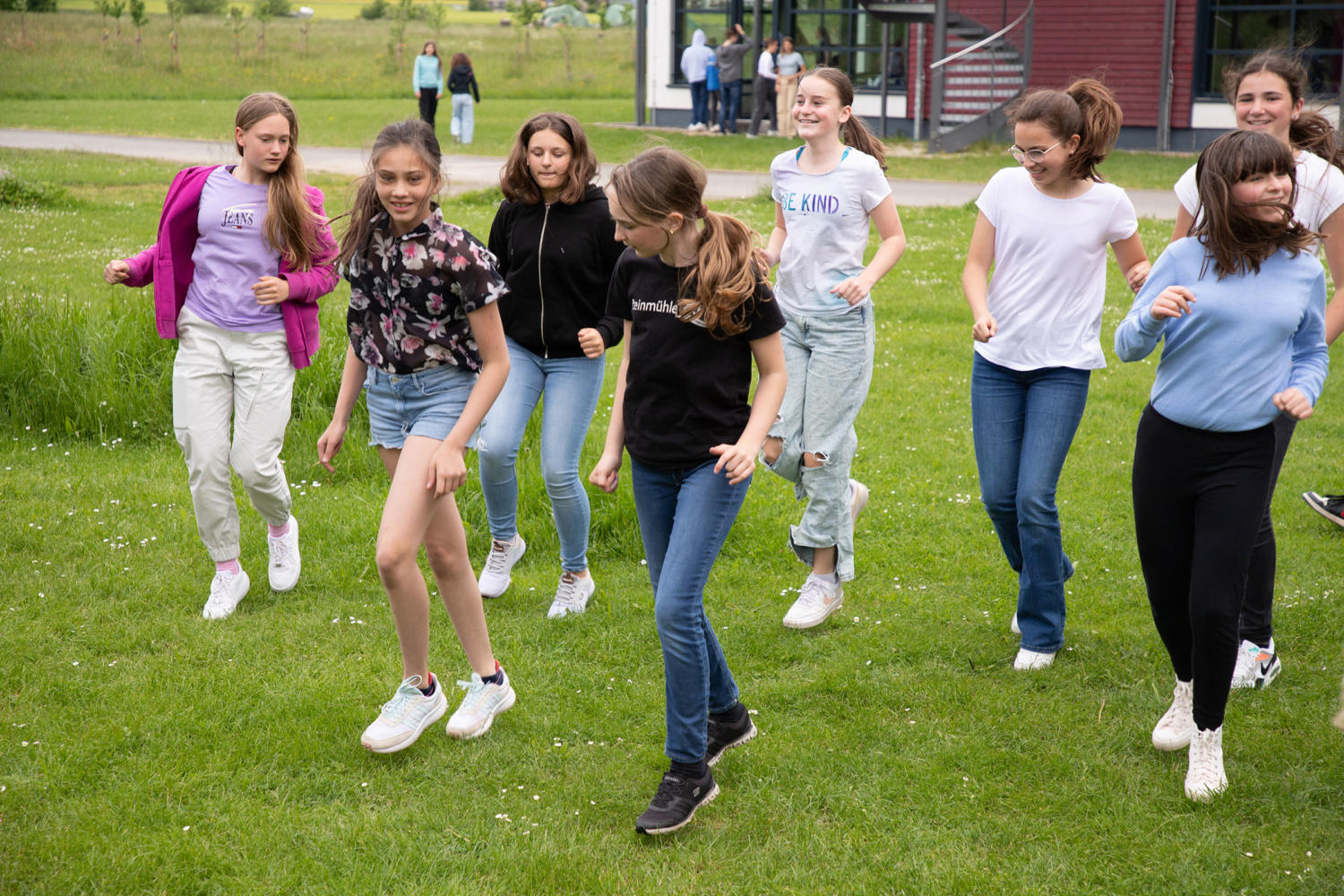
“Diversity can’t be defined,” was the message on May 23 during the recess event, where all students who wanted to joined in the fun at the forum, dancing to the song “Cotton-Eye Joe” while wearing themed T-shirts. The T-shirt event was attended primarily by students in grades 5, 6, and 7, as well as classes 11a and 12f. Since Diversity Day, the entrance area of the Steinmühle has been graced by an “Art Alley,” featuring various sculptures that symbolize that everyone is welcome here in their own diversity. The sculptures were created by the former Elective Course 10 (now in grade 11) and the Advanced Art Class. Principal Bernd Holly once again thanked them all for their dedication and commitment.

So if Steinmühlen students happen to stop by the entrance to our school soon and wonder why the Mona Lisa is wearing a headscarf in the artwork, we’ll simply reply—in the spirit of diversity—with: Why not?

13. June 2023
https://steinmuehle.de/wp-content/uploads/sites/5/2023/06/00_6238-scaled.jpg 1000 1500 konnertz https://steinmuehle.de/wp-content/uploads/sites/5/2025/11/Logo_SchuleInternat_Steinmuehle_2026_3.png konnertz2023-06-13 08:51:082026-06-18 17:36:53Mona Lisa Wears a Headscarf: Steinmühle Celebrated Diversity Day

11th-grade students spoke at the Energy Forum with Science Minister Angela Dorn

Collaborations & Partnerships, Ecology and Sustainability, News, Politics, Business & Responsibility

The school bell served as a stark reminder that class was over. Otherwise, the 11th-grade class would likely have continued chatting with Angela Dorn for hours. The Hessian Minister of Science and the Arts was a guest at the Steinmühle Energy Forum—fully aware that she would meet well-informed students there, as she had mentioned beforehand. Thorough preparation on the one hand, credible, thoughtful answers, and an ability to meet them on their level on the other—that is likely the secret to a fruitful dialogue with young people on the cusp of becoming first-time voters. But let’s take it one step at a time.

It became clear in the first part of the event that the students of subject teachers Erno Menzel, Carmen Bastian, and Dr. Claudia Röder had thoroughly explored the topic of energy. Classes 11a through 11e took a close look at liquefied petroleum gas (LPG) as a potential alternative to natural gas, explaining its advantages, disadvantages, and properties. A similar analysis was conducted on the topic of nuclear power plants—though, of course, not without pointing out the potential dangers and the unresolved problem of final storage for nuclear waste. They also examined whether electric cars can save the climate. Here, issues such as child labor, lithium mining and its water requirements, the recycling problem with batteries, and infrastructure related to charging stations came into play, as well as the potential forced relocation of people in mining regions. The energy consumption associated with digitalization was also discussed, as was an interview with Claudia Schnabel, mayor of the large municipality of Fronhausen/Lahn, and the results of a survey showing that, on average, respondents were willing to be part of the climate transition.


For Better European Connectivity

“It’s not every day we have a minister visit the school,” said Principal Björn Gemmer happily as he welcomed the guest. And so it was time to ask Angela Dorn some pressing questions. Whether carbon capture—that is, the underground storage of CO2—is an adequate solution. “We need this as an additional measure,” said the minister, adding that Germany is on the right track with it. When asked about the nuclear phase-out, the minister stated that it was inevitable. After all, she explained, the key question is what to do with radioactive waste—a question that is always answered according to the “not in my backyard” principle: “Please, not here.” “We are currently still dependent on nuclear power, including from other countries,” the guest acknowledged. However, she added, this cannot be the future. Angela Dorn cited government subsidies for companies that reduce their energy consumption as one possible solution. “Speed and flexibility are essential here. And we must respond with pinpoint precision.”

Another student wanted to discuss the idea of harnessing solar energy from Africa. “The local population must also benefit,” the minister replied, calling for even better European coordination and the full utilization of the potential of existing open spaces.

The shift toward walking, biking, or using public transportation presents Angela Dorn with the challenge of widespread adoption of electric cars. “We won’t be able to achieve the energy transition with electric cars alone.” Angela Dorn sees the introduction of the Deutschland-Ticket, for example, as the right step in the right direction. Connecting “every hour, every village” via public transportation is the goal when it comes to public transit. The student body viewed this effort with some skepticism, and was critical of the lack of or insufficient support for implementing certain private initiatives related to the energy transition.


No Deindustrialization

The event with the minister concluded with a few remarks from her. Citizens should be offered a wider range of energy-related behaviors and measures to choose from, and she stated: “We can only achieve this by making it appealing.” It is clear to Angela Dorn that it is significantly easier to conserve energy resources in urban areas than in rural areas, and that it is fundamentally wrong to place the burden on the shoulders of individual people. We must not accept deindustrialization, nor the undermining of all rights by the so-called “Last Generation.”

The term “motivation” came up frequently in the debate. It made it clear that, in the minister’s view, the focus should be on encouragement rather than on imposing rules. The discussion also touched on the need to strive for intergenerational justice and, despite everything, the importance of social cohesion: “None of us,” Angela Dorn concluded, “should be left behind in this transformation.”

The following additional topics were discussed or touched upon during the 11th-grade Energy Forum and the visit by Angela Dorn, Hesse’s Minister of Science and the Arts: Nutrition, set-aside of agricultural land, privatization of the UKGM, dead zones in cellular coverage, the e-highway test route for trucks on the A5, and speed limits.

10. June 2023
https://steinmuehle.de/wp-content/uploads/sites/5/2023/06/00-scaled.jpg 645 1500 konnertz https://steinmuehle.de/wp-content/uploads/sites/5/2025/11/Logo_SchuleInternat_Steinmuehle_2026_3.png konnertz2023-06-10 15:05:142026-06-18 17:36:5211th-grade students spoke at the Energy Forum with Science Minister Angela Dorn

It’s up to all of us: We can make a big difference when we shop

Collaborations & Partnerships, Ecology and Sustainability, News, Politics, Business & Responsibility

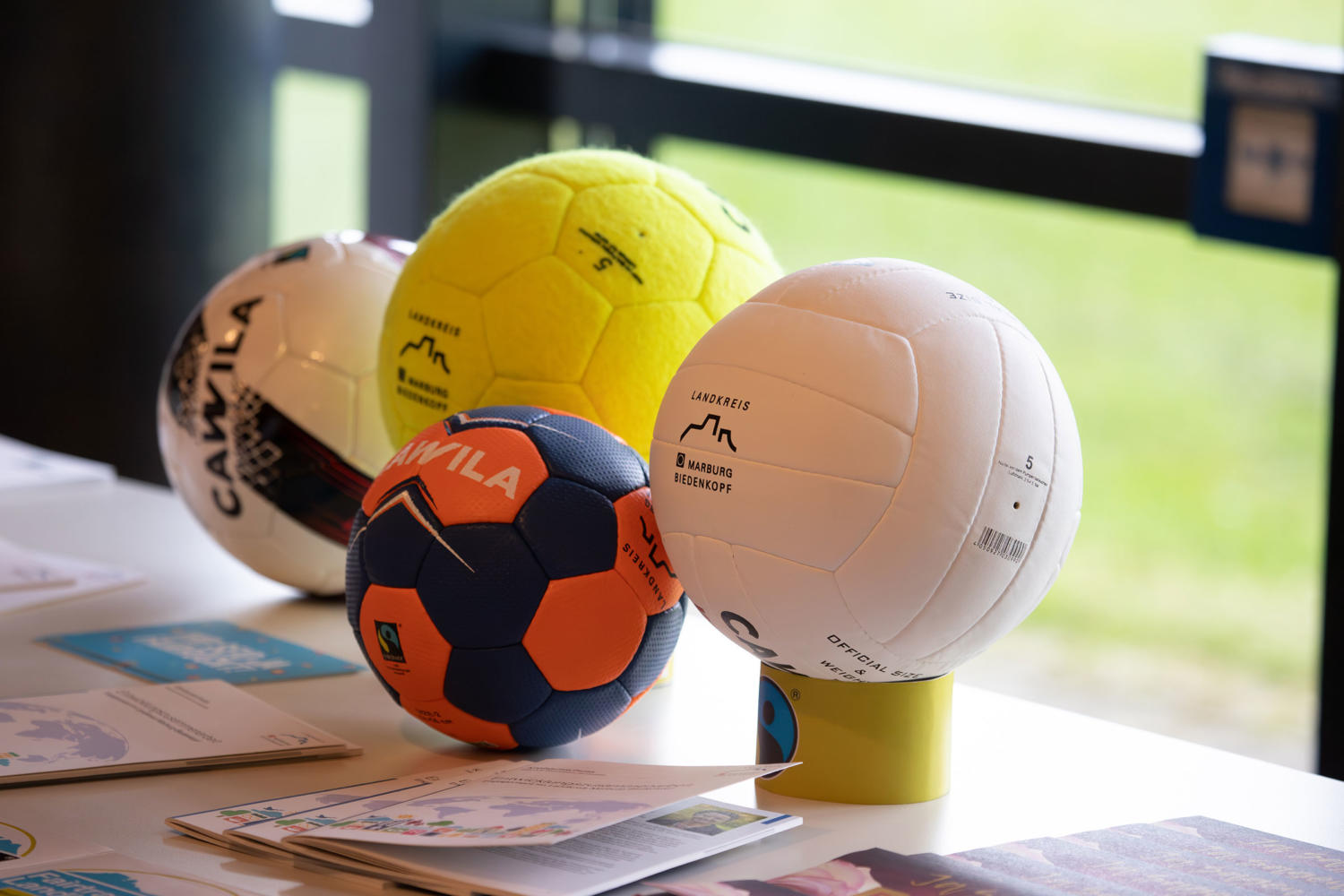
Information on Innovative and Fair Trade

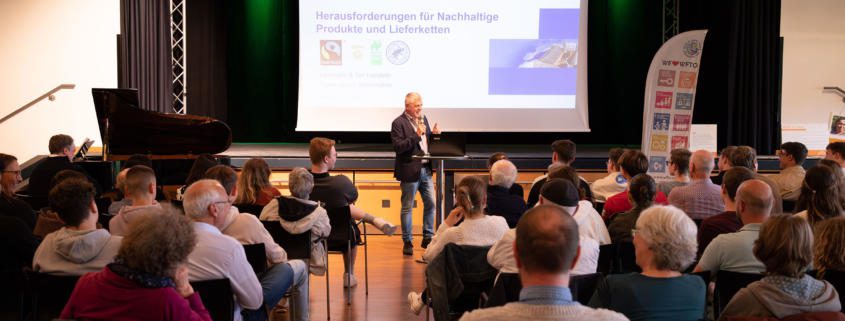
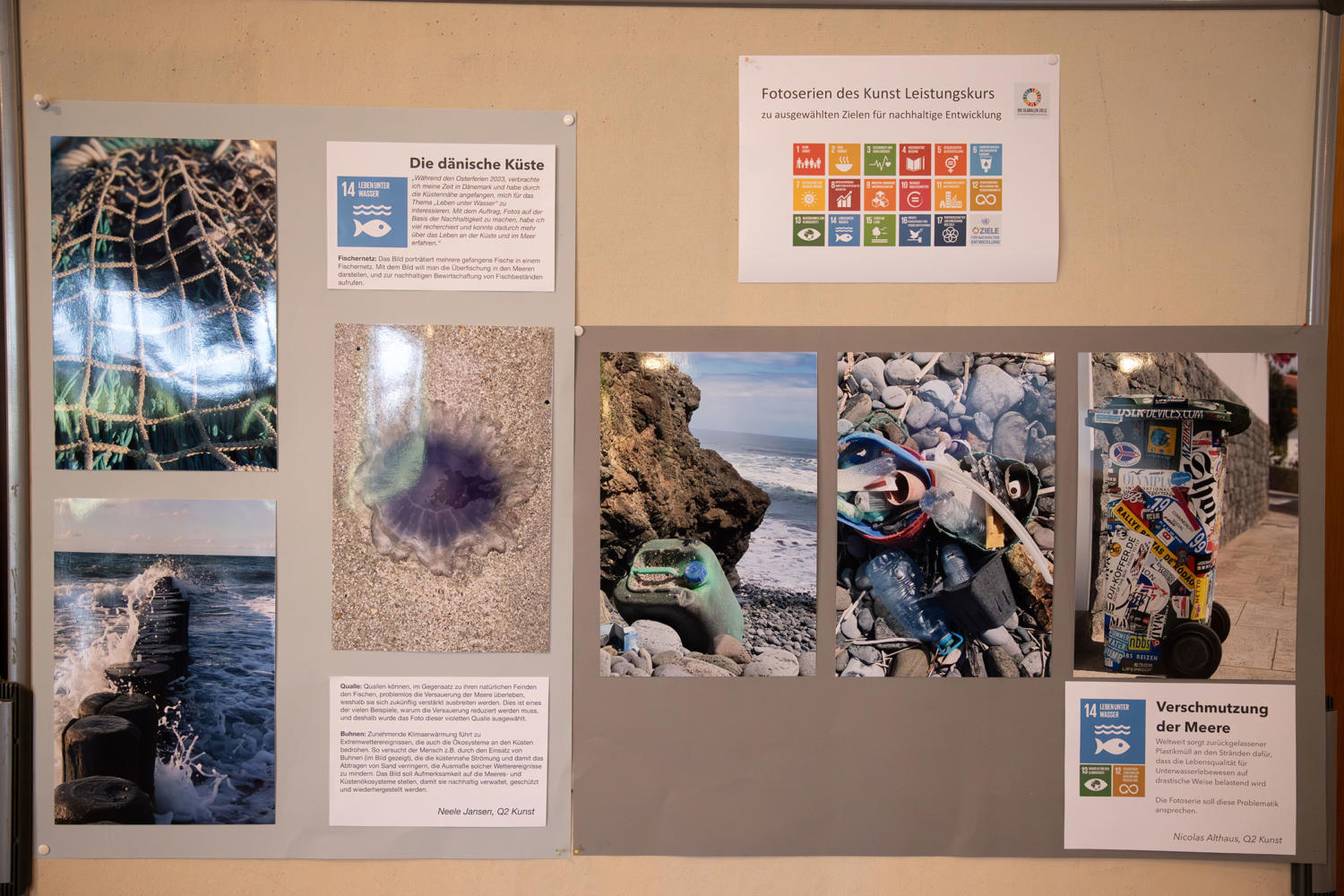
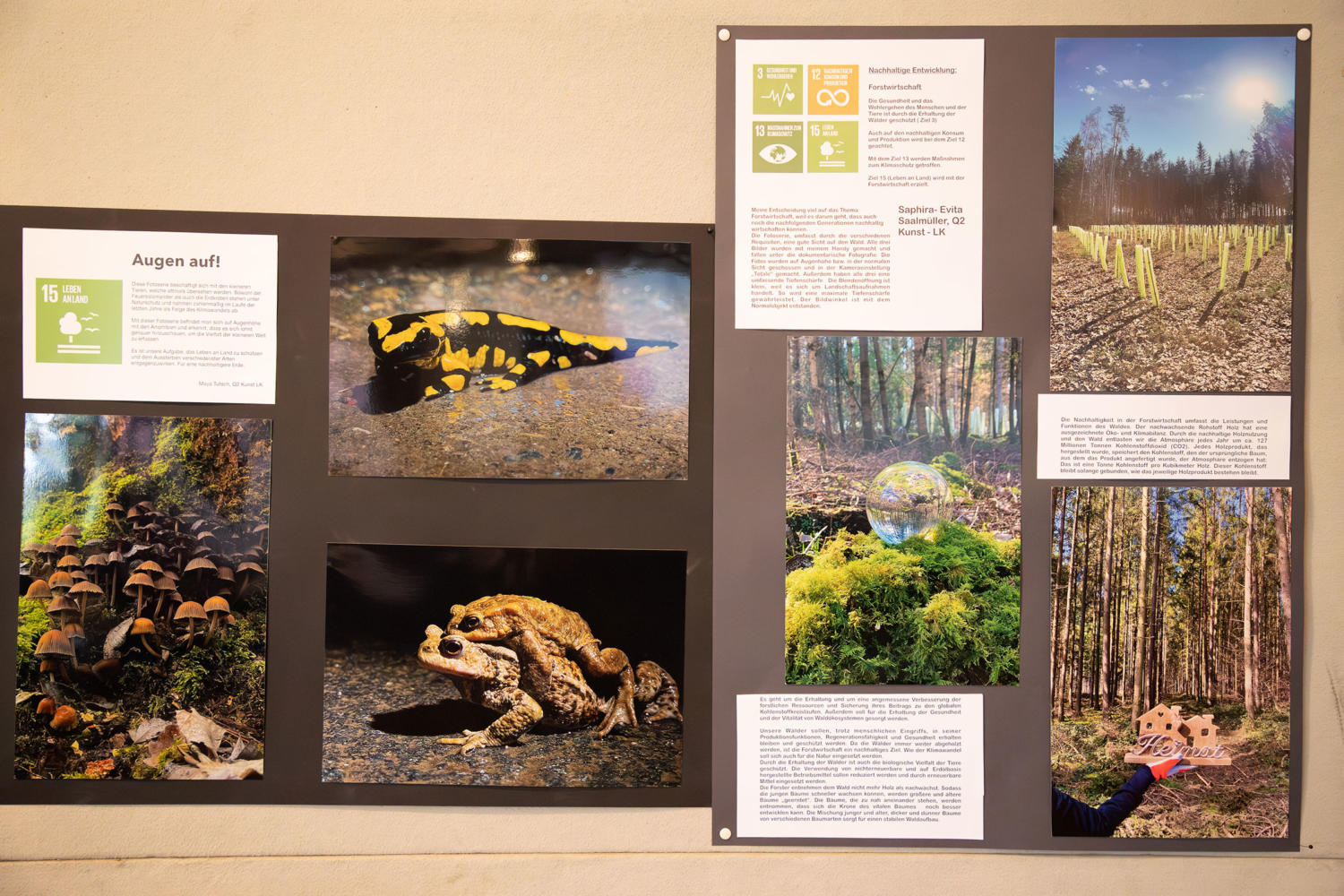
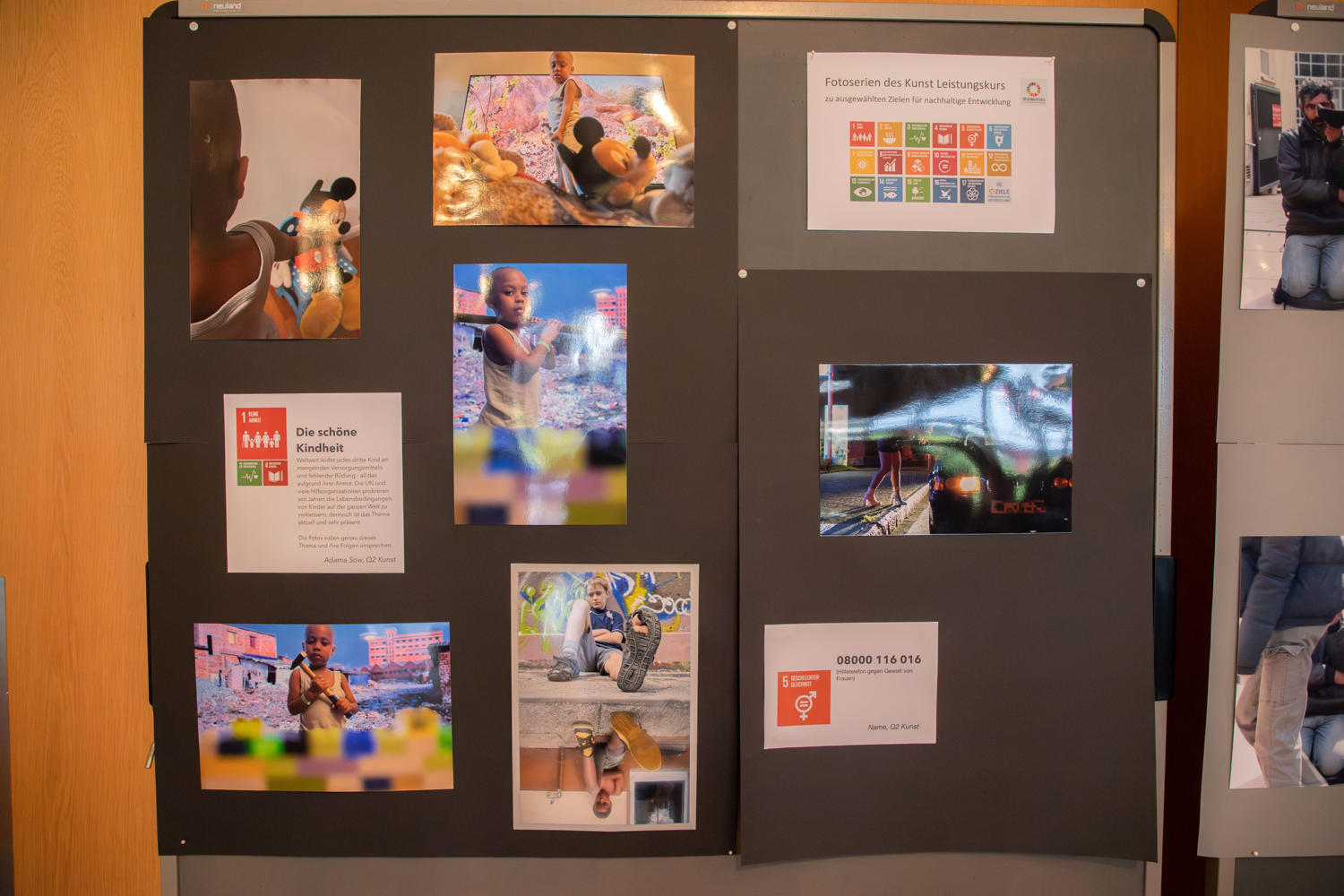
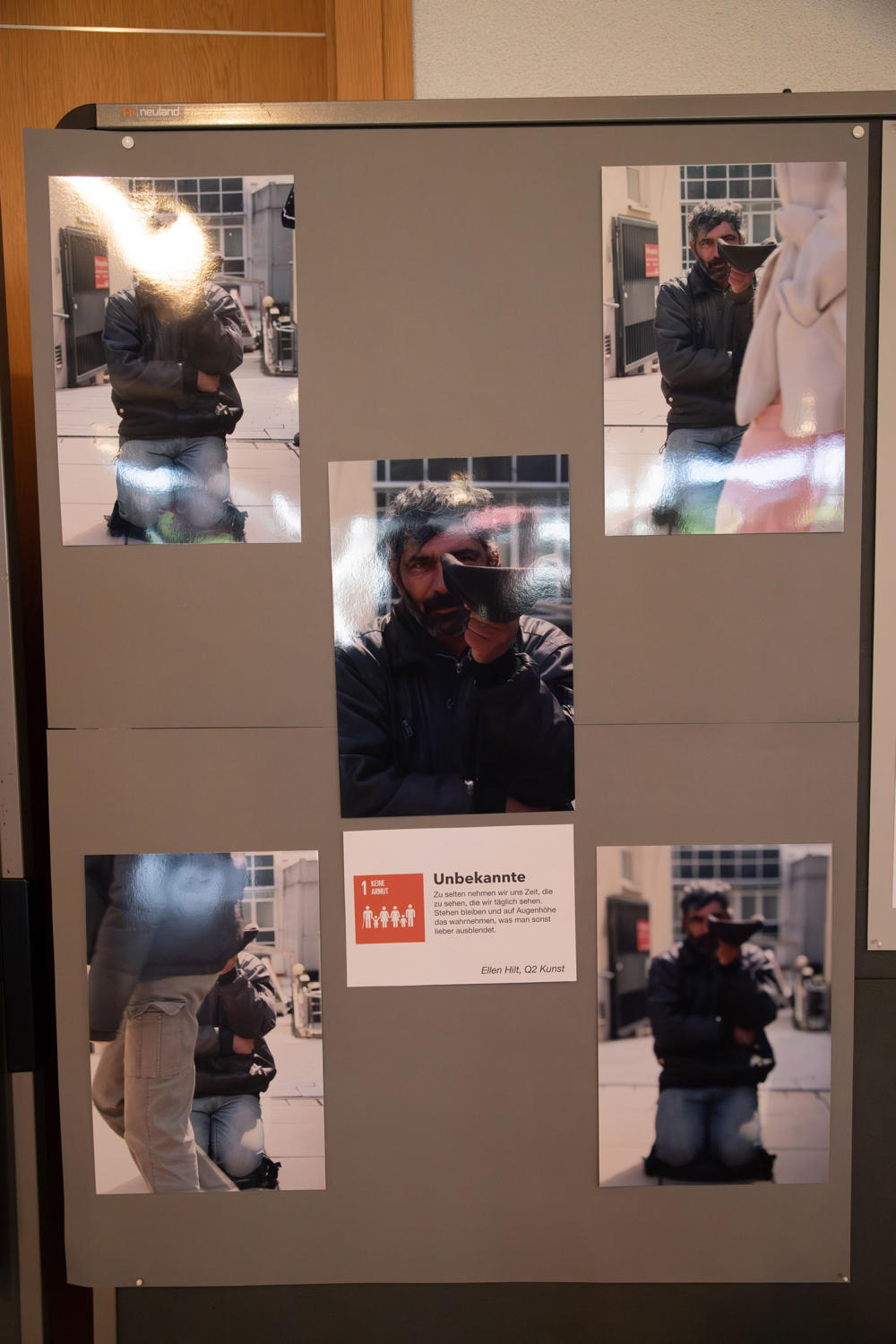
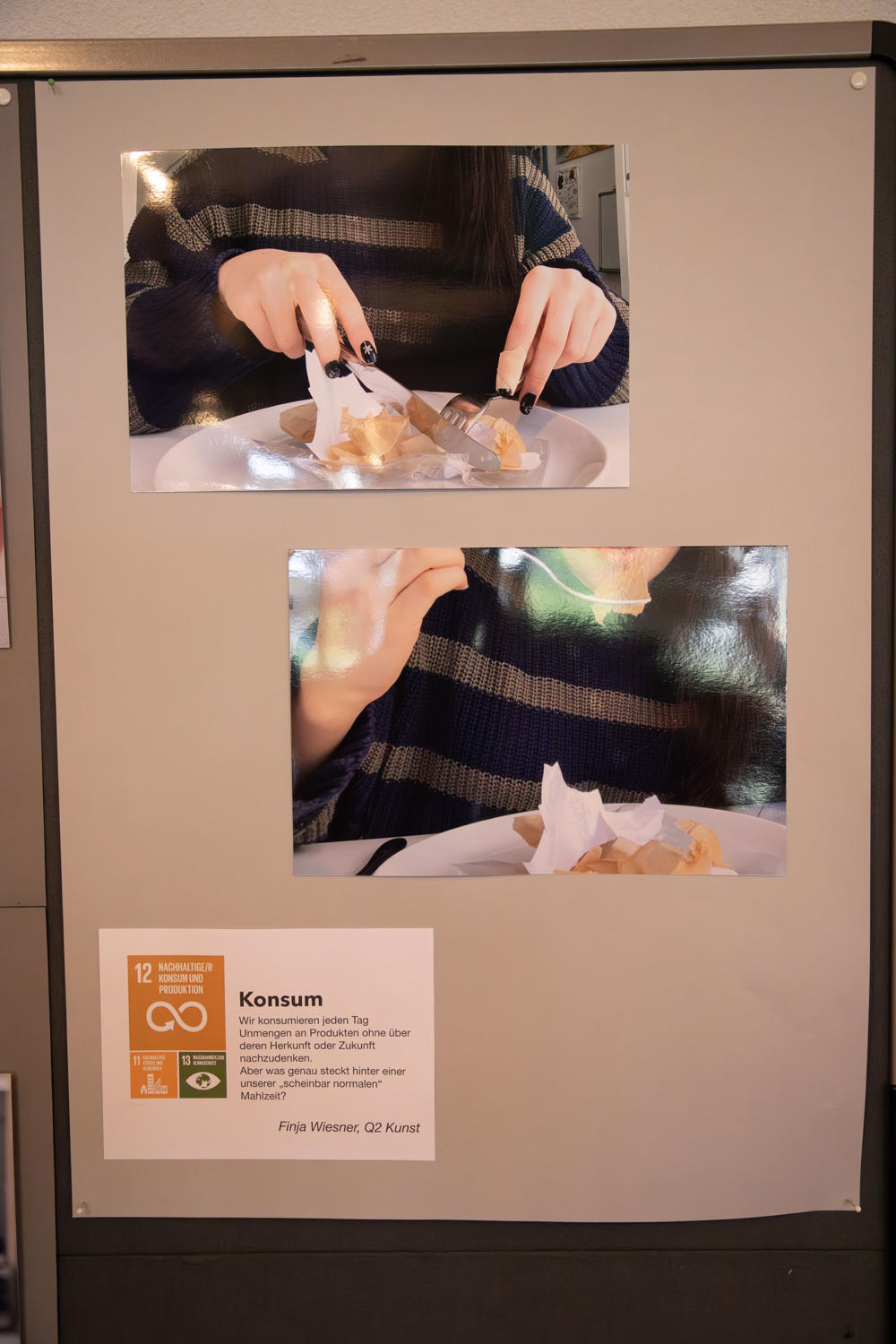
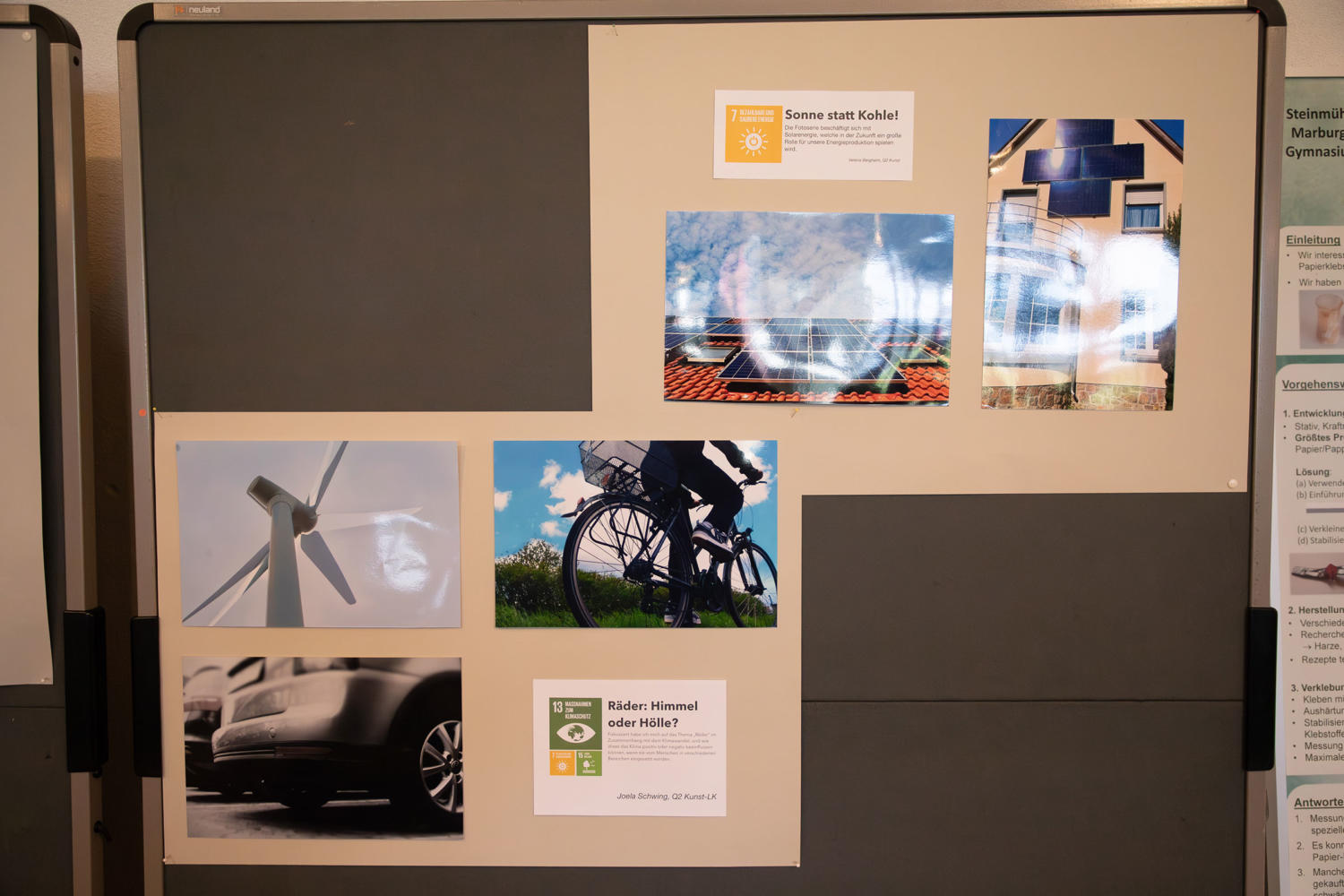
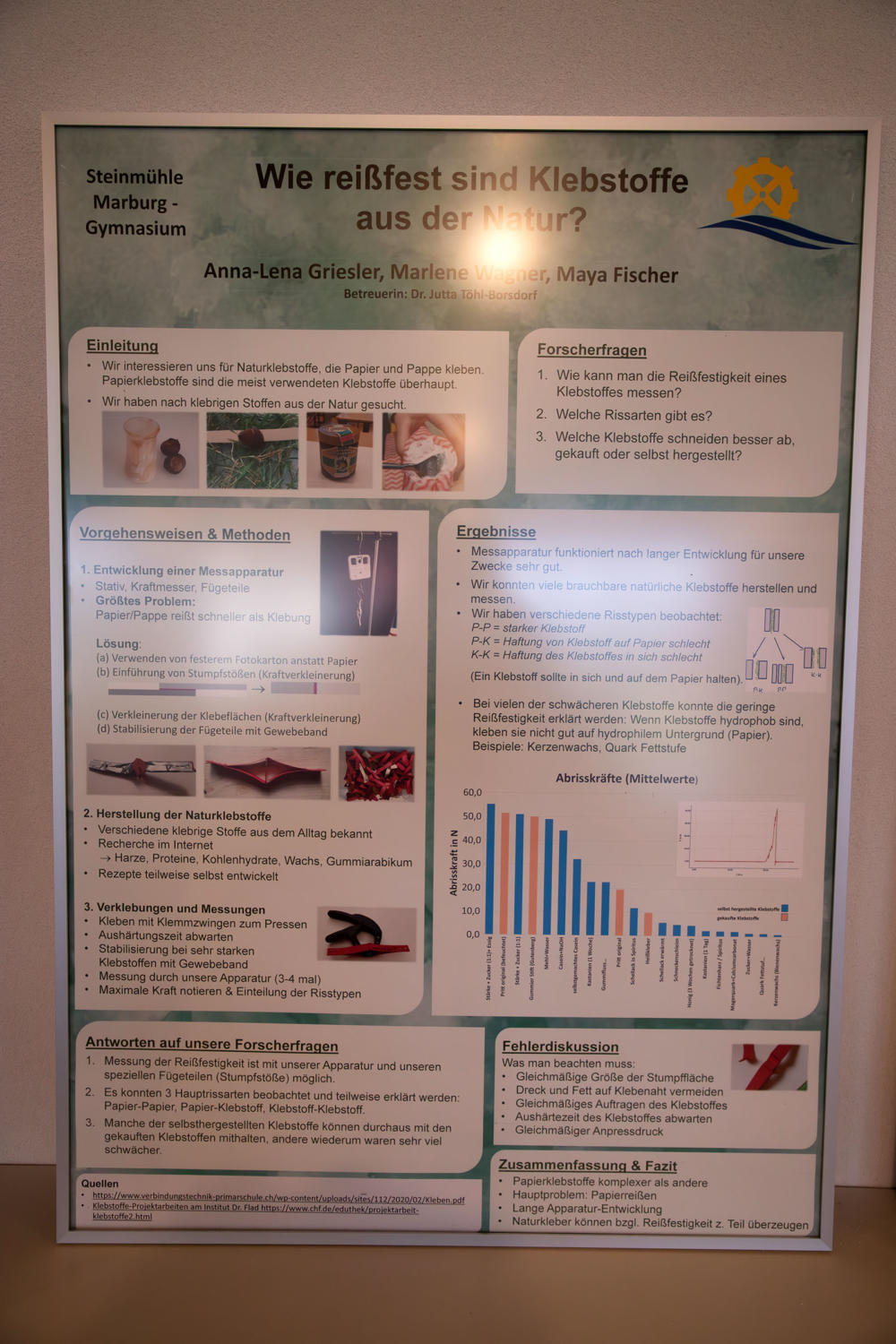
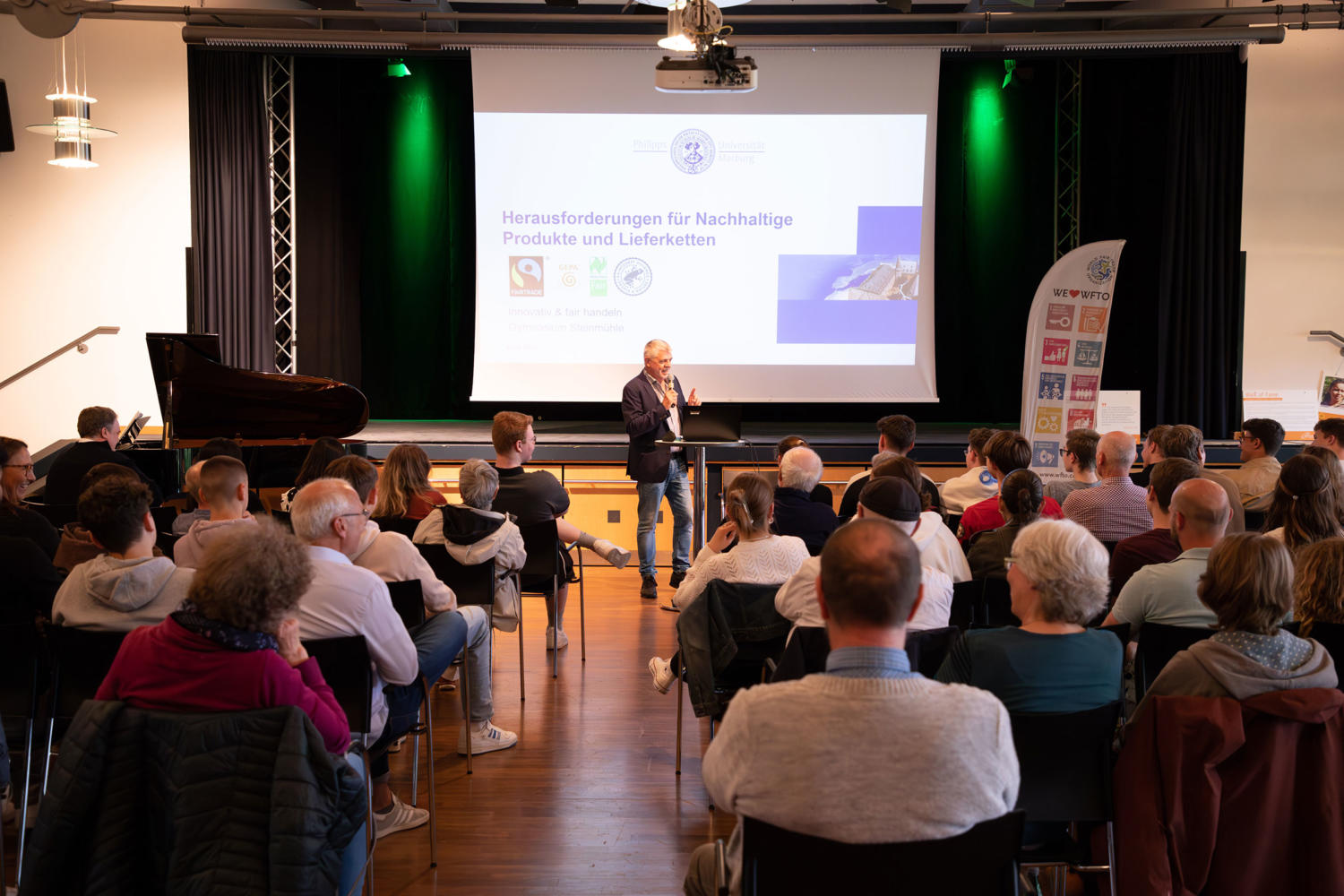
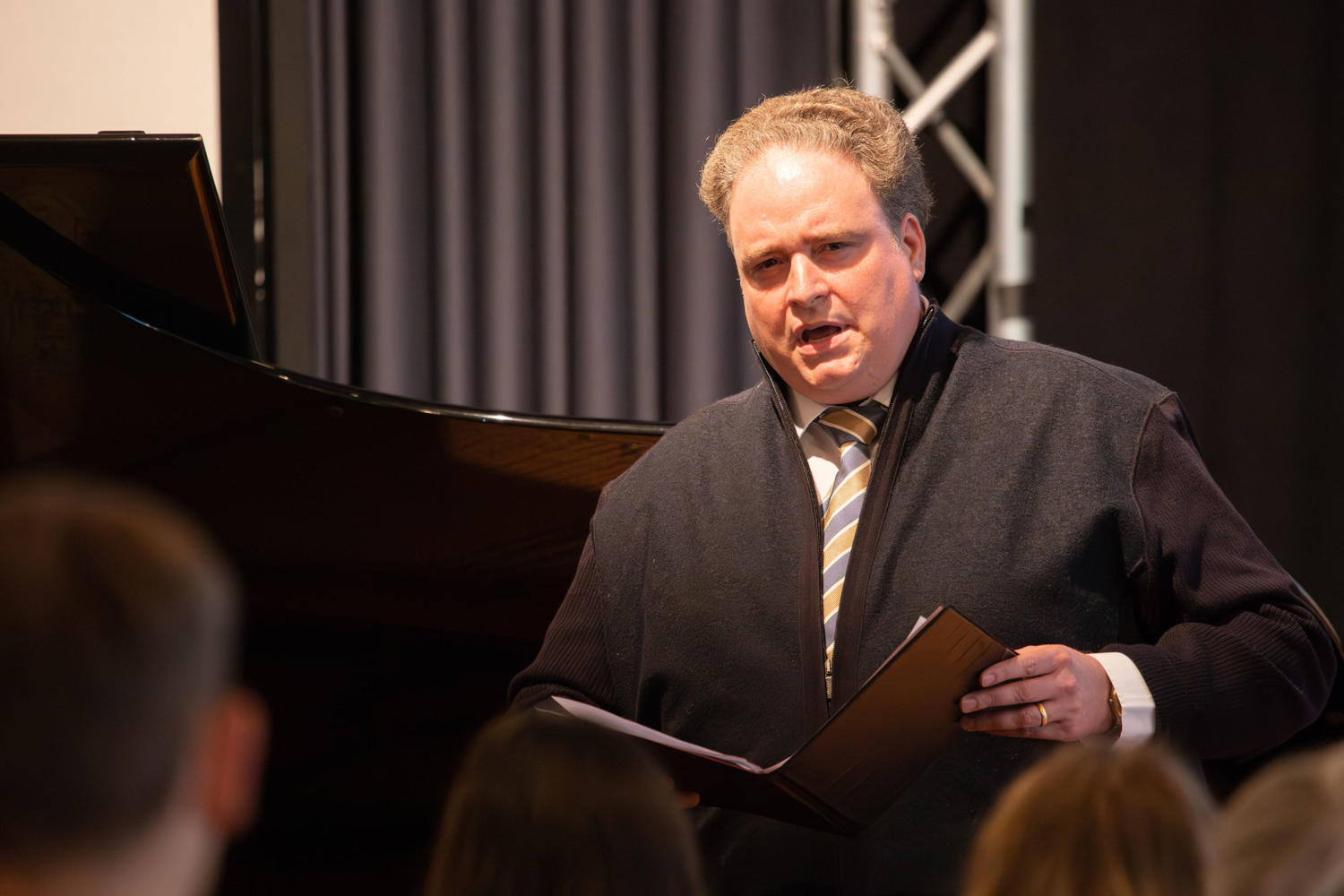
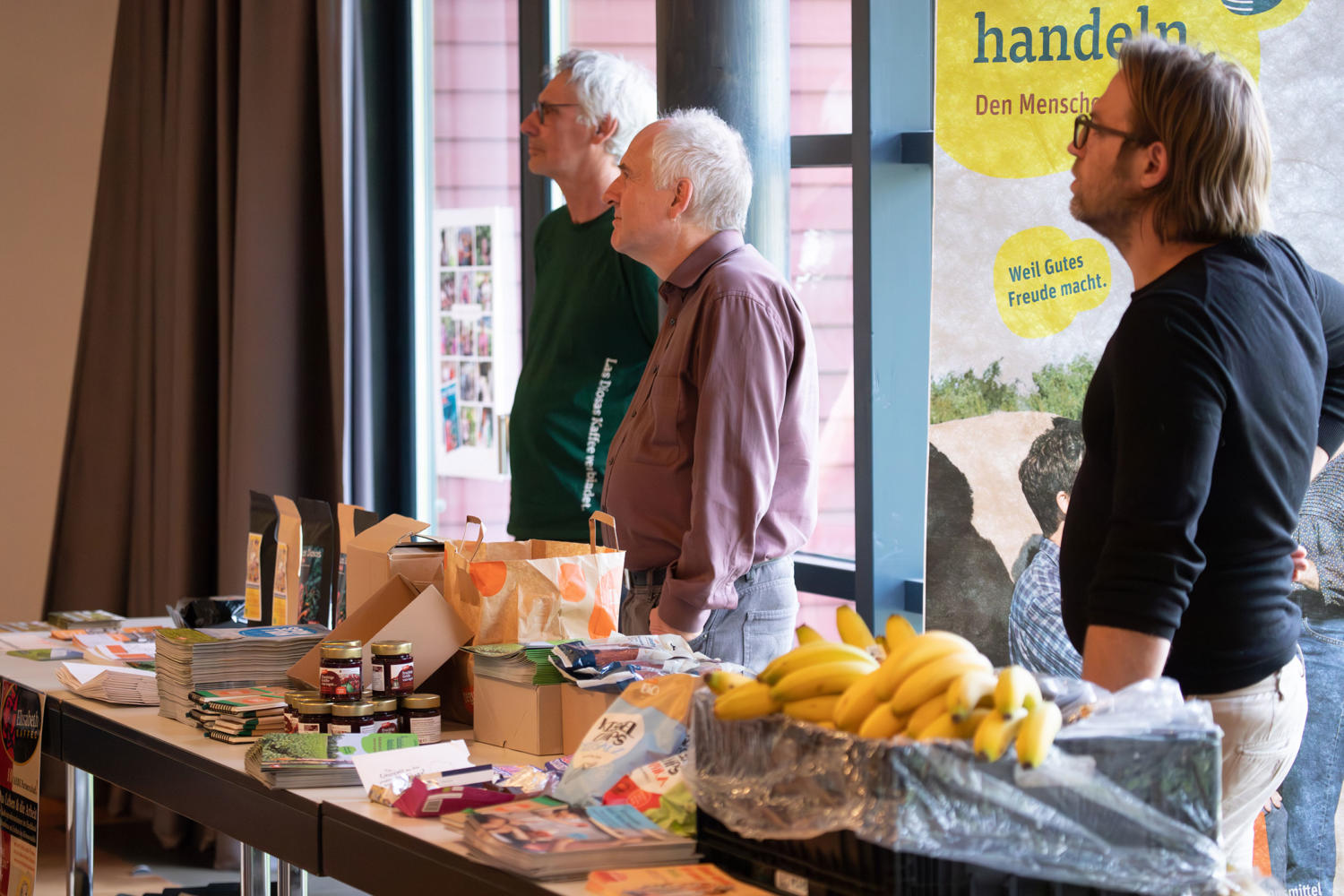
A small, intimate event had been planned. In the end, it turned out to be a big—and, above all, fantastic—event! The Marburg district had chosen the Steinmühle Forum as the venue for its lecture evening on innovative and fair trade. Alongside the renowned speakers, it was the Steinmühle students who captured the guests’ attention with their scientific posters on sustainable research topics and their photo series on the Sustainable Development Goals. The artistic performances by our music teacher and concert tenor Daniel Sans and his wife Marie-Gabrielle also revolved around the evening’s theme: nature and our world. “Im Abendrot” by Franz Schubert—a fitting introduction.

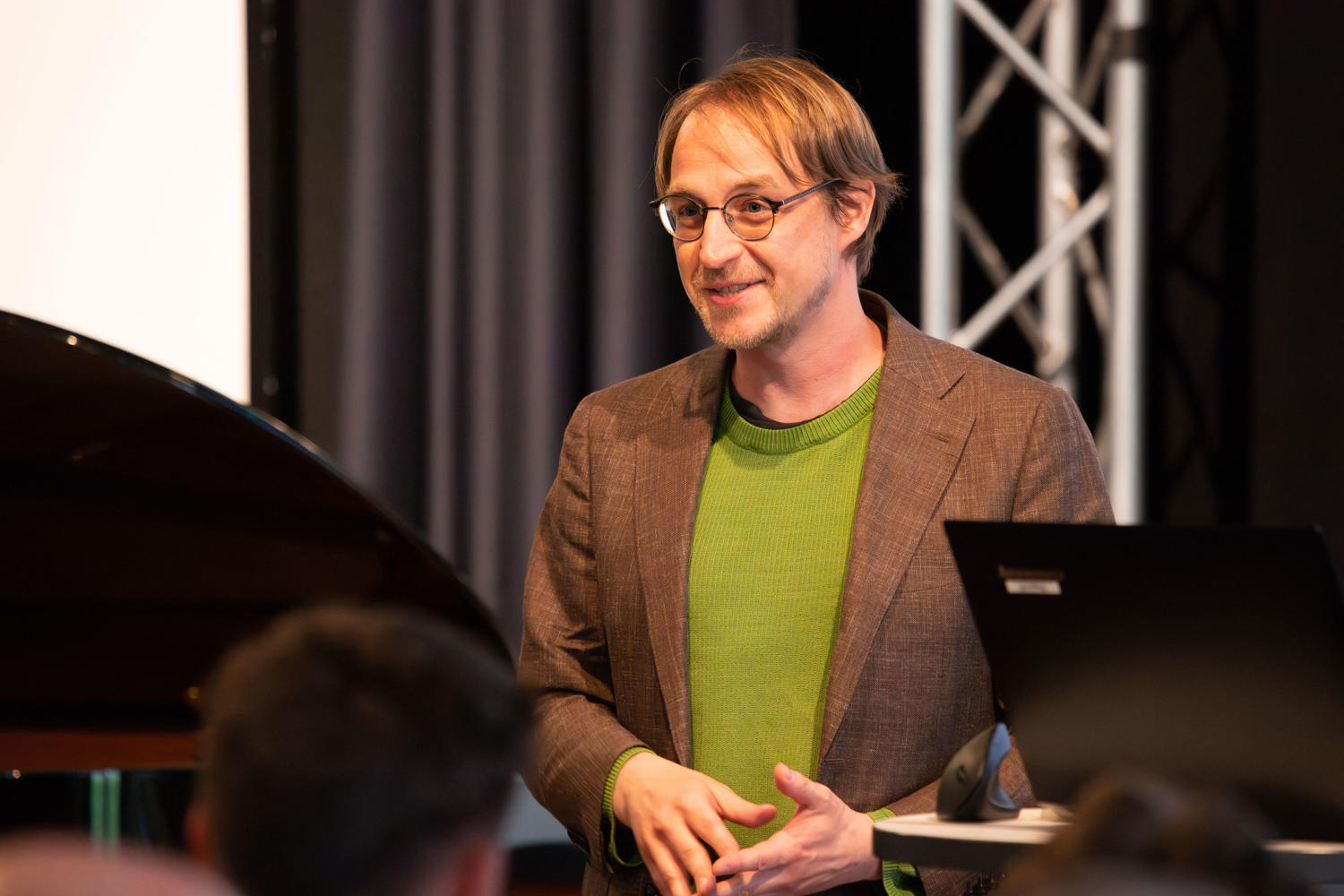
This was the first time District Administrator Jens Womelsdorf had visited the Steinmühle in an official capacity since taking office. “We are currently dealing with various processes of change,” he said in his opening remarks following a welcome from Principal Bernd Holly, “and our task is to shape this change in a positive way.” The district administrator thus addressed the topics of globalization, digitalization, and sustainability, which the previous speaker had identified as both the school’s mission and a challenge. He emphasized the need to find ways to achieve the goals we’ve set without simultaneously destroying the foundations of our way of life.


Transparency vs. Cost-Effectiveness

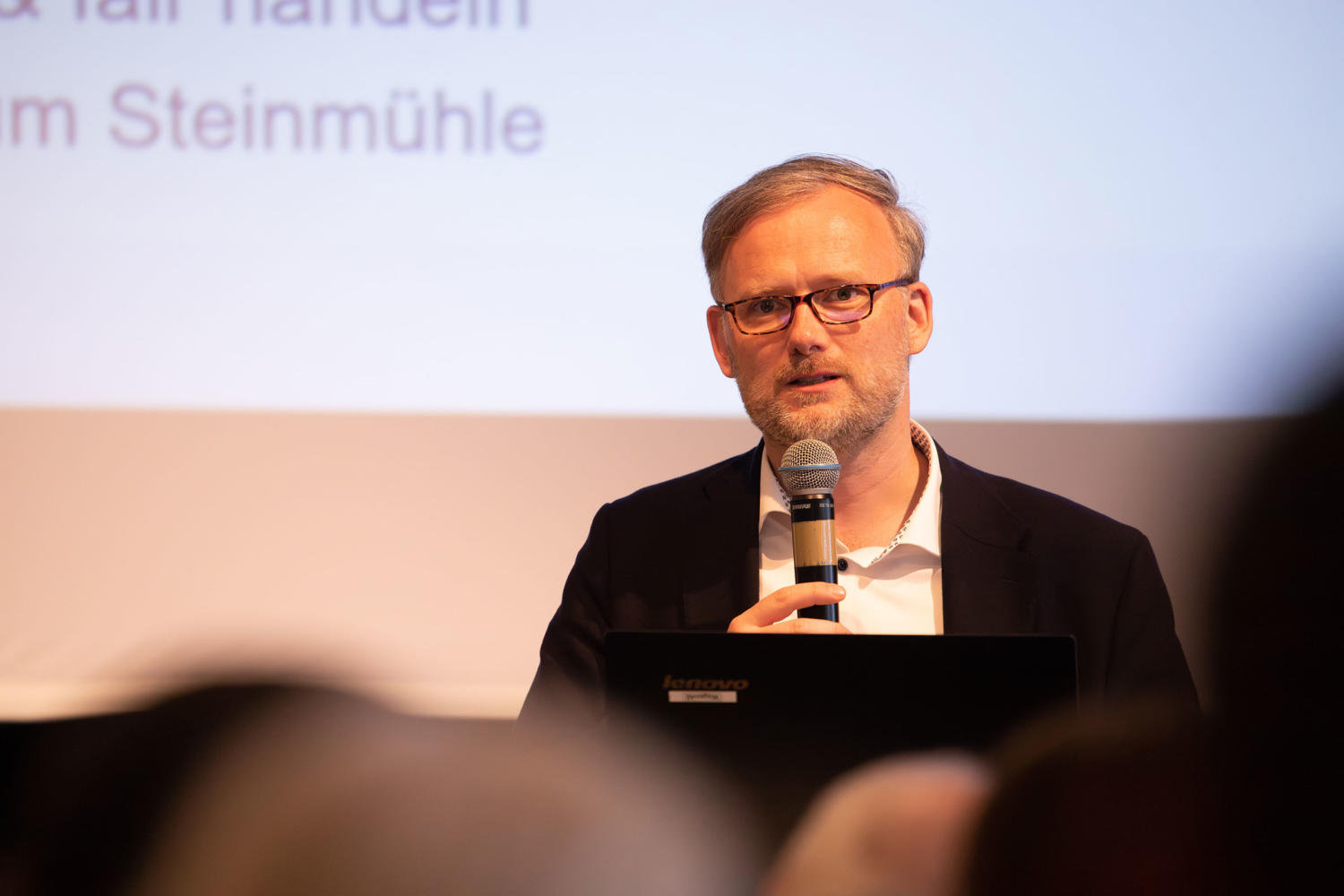
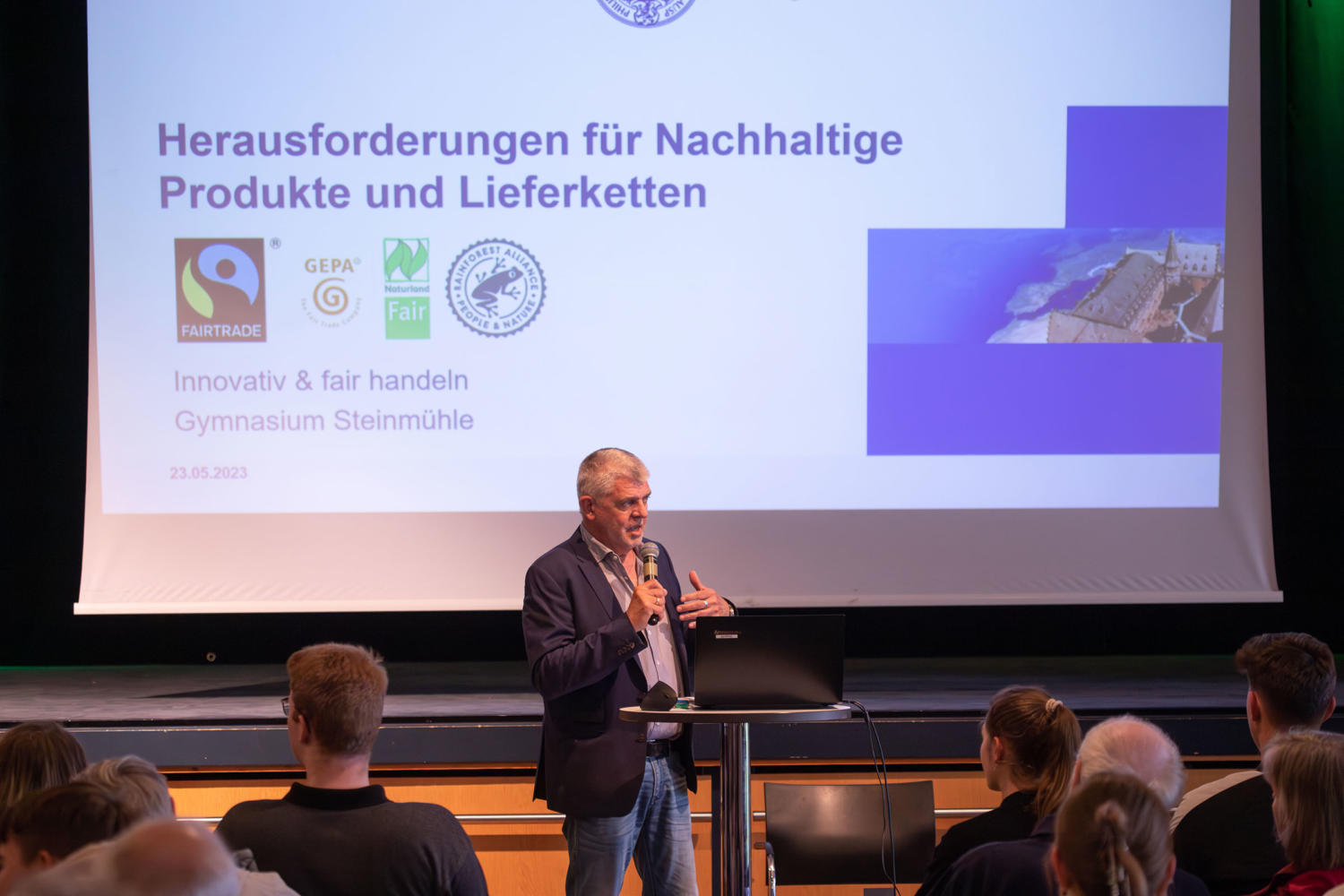
Professor Dr. Sören Becker of Philipps University of Marburg outlined the challenges facing sustainable products and supply chains from a geographer’s perspective. He pointed out that goods produced without the exploitation of labor and with transparent supply chains are, unfortunately, often not economically viable—a problem as well-known as it is difficult to solve. Another challenge is ensuring that materials required for processing are not sourced from conflict regions. His explanation of the Fairtrade seal, using cocoa as an example, illustrated the tension between goals and reality.


Fair Trade Is Led by Women

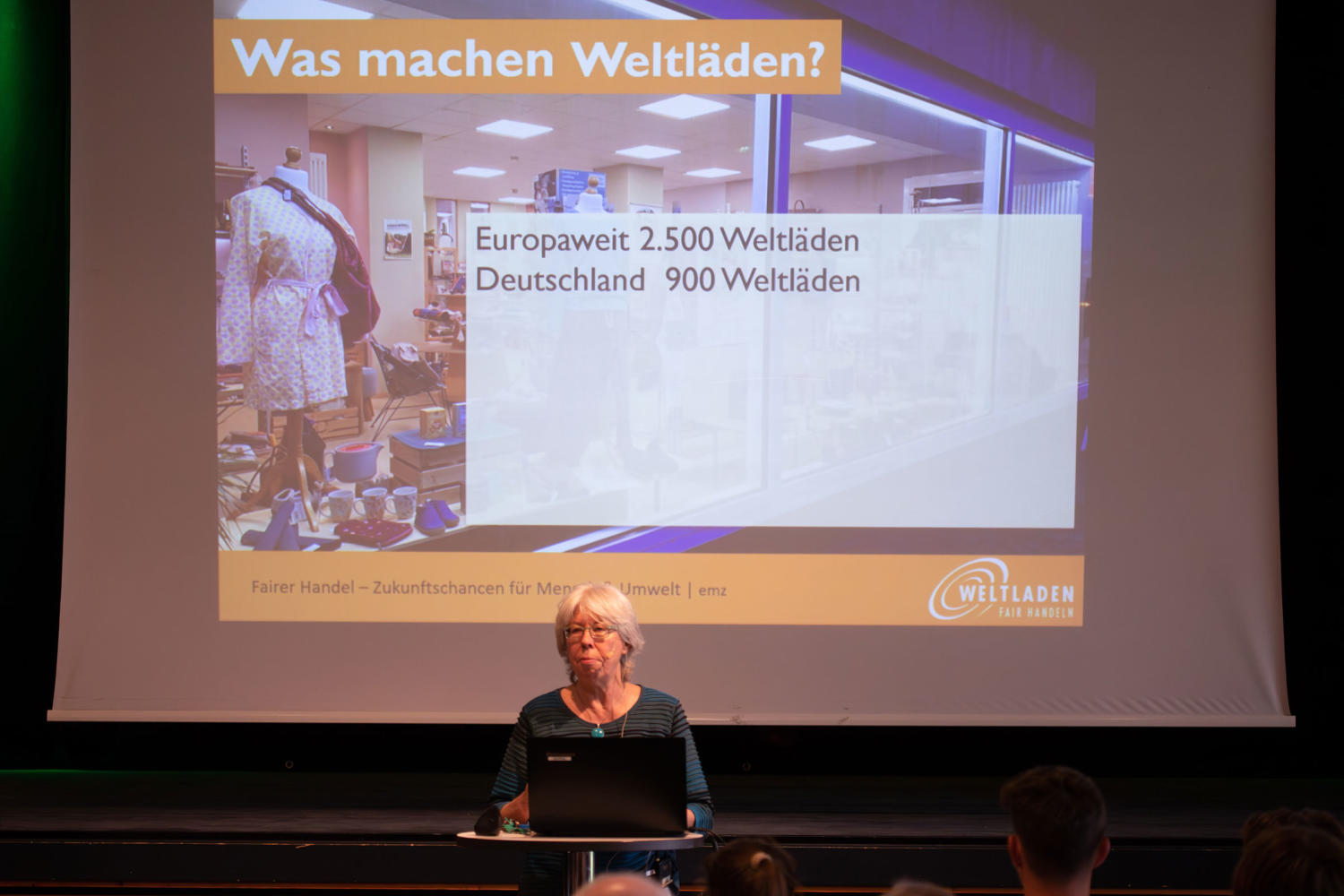
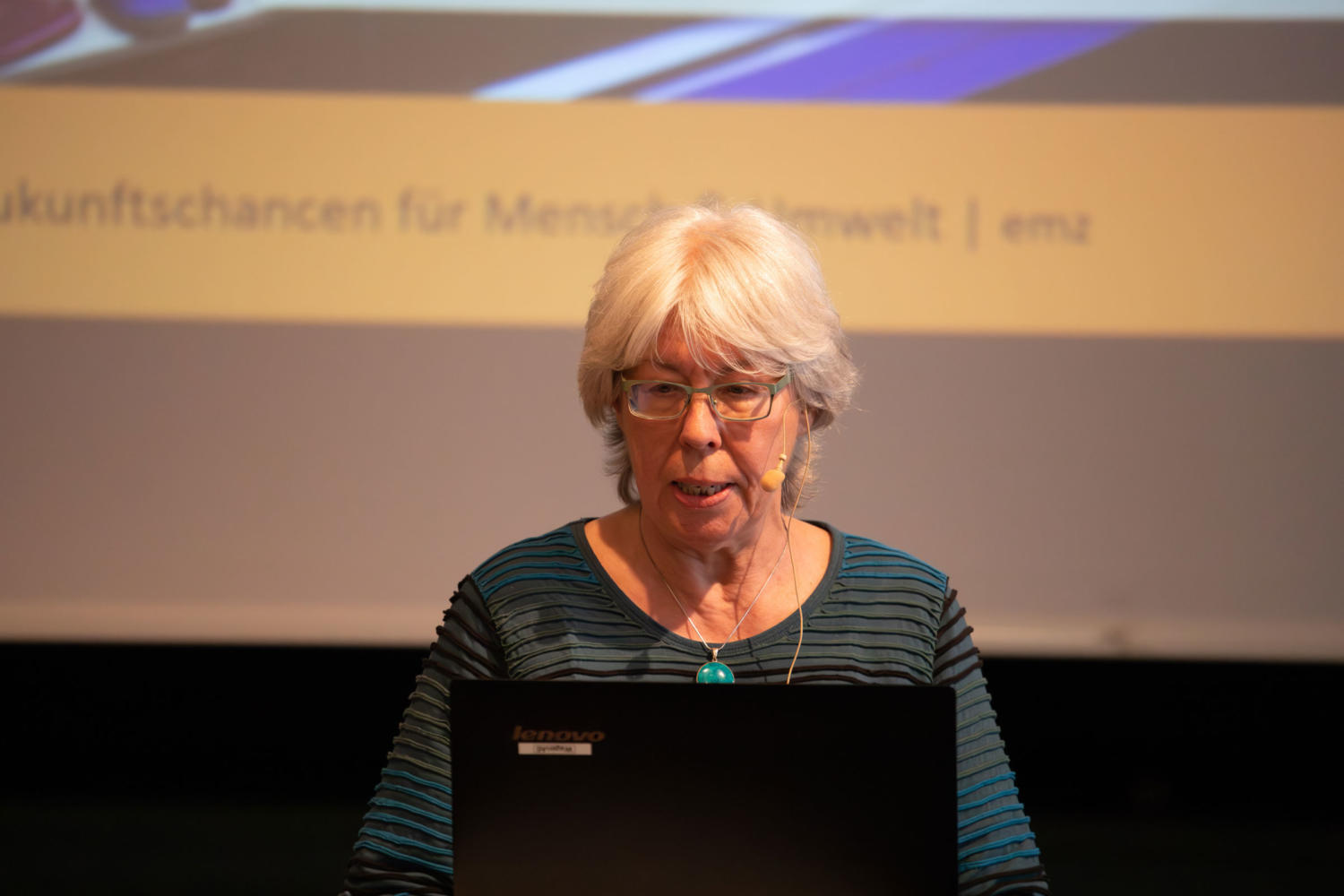
In her presentation, Edith Müller-Zimmermann, spokesperson for the Fairtrade Steering Group of the Marburg-Biedenkopf district and director of the Gladenbach Weltladen, described the work of the Weltläden. The World Shops focus on ensuring a transparent supply chain for goods produced under humane working conditions. The speaker also explained the World Shops’ work in terms of their educational initiatives. “Fair trade also means that over 50 percent of management positions are held by women,” she noted. Key issues include providing information on the origin of all products, as well as the importance of upcycling and recycling. Edith Müller-Zimmermann supplemented her presentation with some brief digital information, in which she also discussed the role of the Egyptian “development initiative” SEKEM. Founded in 1977, SEKEM reclaimed approximately 70 hectares of desert land—including an area on the edge of the Nile Delta, just under 60 kilometers northeast of downtown Cairo—using biodynamic farming methods.

“Shop responsibly and make it part of your daily routine,” the speaker concluded—not without offering to provide anyone interested with further information at any time.


Biodiversity Alert Level

The song by Daniel and Marie-Gabrielle Sans, “What a Wonderful World,” almost touched the hearts of the audience, as it fit perfectly into the context. The opening remarks of the next speaker, however, had an almost sobering effect. Frritz Konz, Head of Quality Management at tegut’s headquarters in Fulda, began his presentation with some disheartening facts: the depletion of resources caused by continuous harvesting in monocultures, and the threat to biodiversity, illustrated with various examples. “Will we still find all of this here in ten years? Very unlikely,” explained Konz, who presented the topic of “fair trade” from a supermarket’s perspective.
 

“Declarative Subtleties”

“Let’s take Nutella,” Konz explained, referring to a diagram. He described the origin, routes, conditions, and transportation of each individual ingredient, illustrating just how complicated the issues of sustainability and fair trade can be—even for a single product. “Supply chains are incredibly complex,” he explained, also mentioning the intricacies of labeling, which often lack transparency for consumers. tegut adheres to certain voluntary commitments and follows defined procurement principles, which can also be found on the company’s website.

“We take the liberty of being different,” stated the quality manager. Tegut’s credo, he explained, is to offer consumers—as a retailer—the choice of which products and from which sources they wish to purchase. The pursuit of fair trade conditions, however, is far from over. “There is still a long way to go. This development will continue.”

Steinmühle is a member of the Marburg-Biedenkopf District’s Fairtrade Steering Committee and supported the district through the certification process as part of their joint collaboration on the committee.

9. June 2023
https://steinmuehle.de/wp-content/uploads/sites/5/2023/06/08_6292-Verbessert-RR-scaled.jpg 1000 1500 konnertz https://steinmuehle.de/wp-content/uploads/sites/5/2025/11/Logo_SchuleInternat_Steinmuehle_2026_3.png konnertz2023-06-09 14:56:532026-06-18 17:36:45It’s up to all of us: We can make a big difference when we shop

Assessing Potential: 11th-Grade Students Took the GEVA Test

News, Politics, Business & Responsibility, Surveys & Studies

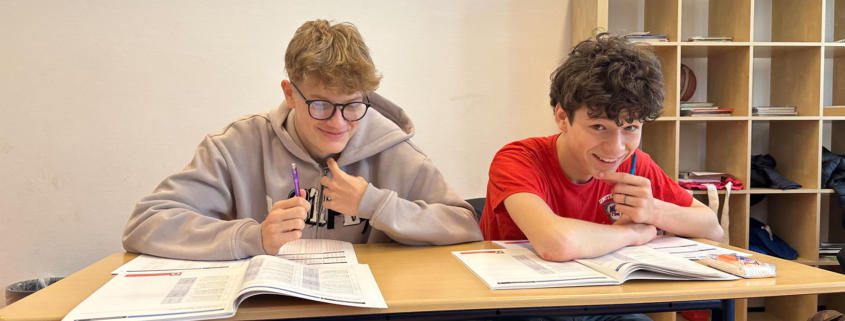
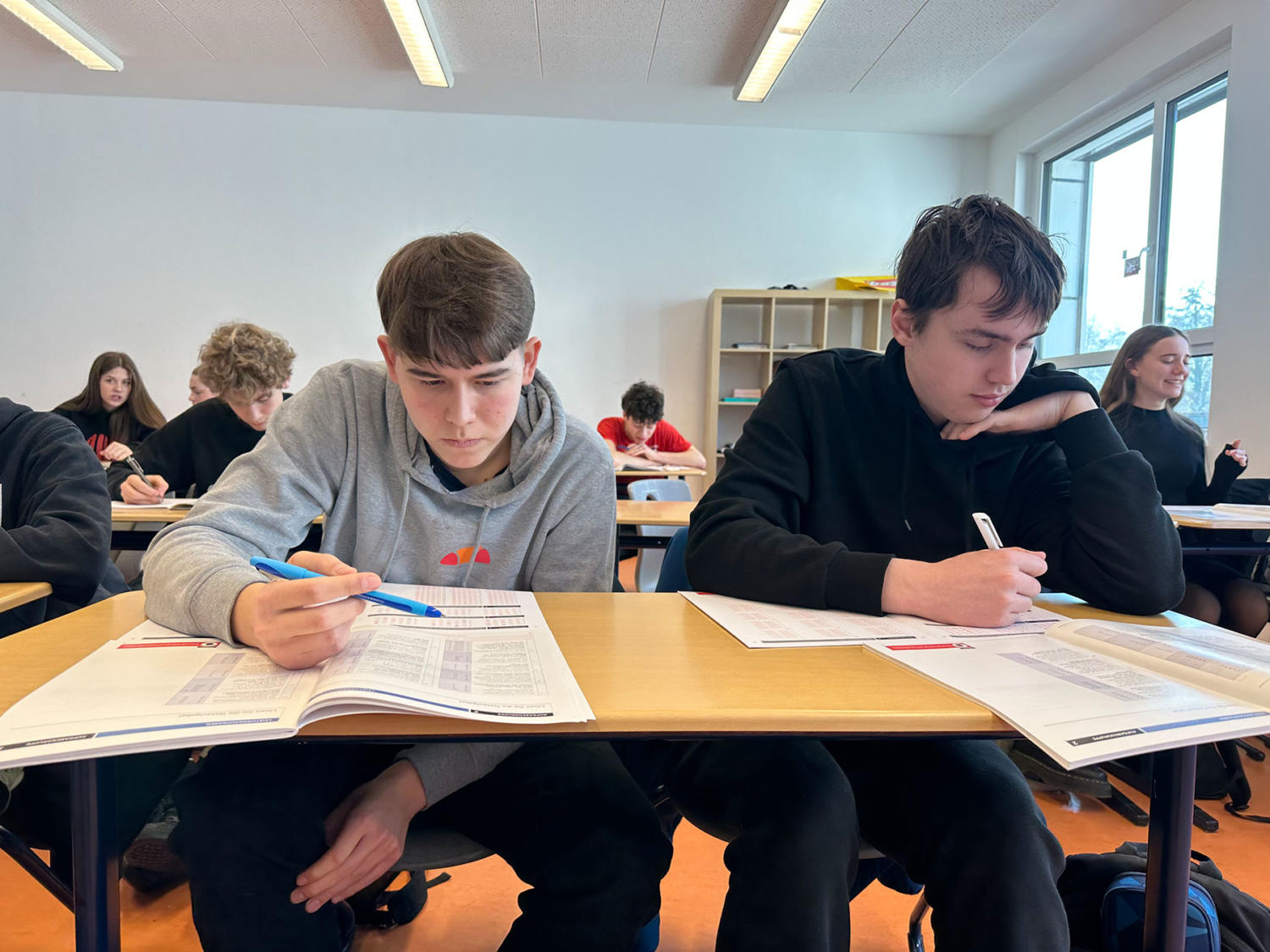
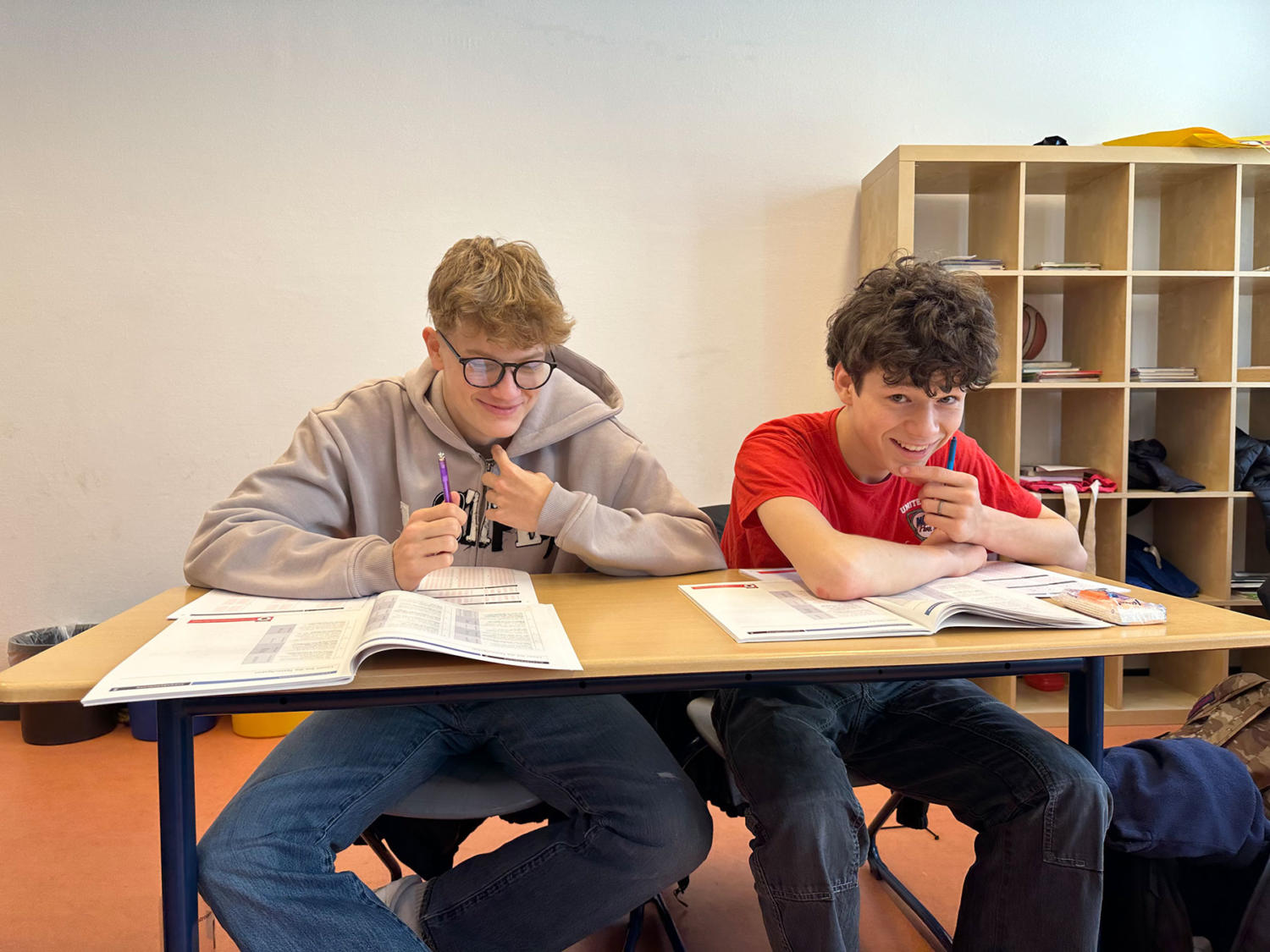
Once again this year, Steinmühle gave 11th-grade students the opportunity to assess their own abilities and interests through the geva test before they finalize their selection of advanced courses. The task was to work through a test booklet containing various exercises within a limited time. Many students are still unsure about the direction their future career “journey” will take. They are struggling with their choice of advanced courses and have absolutely no idea which college major to pursue or which vocational training program to complete later on.

Once the results are analyzed, the geva test essentially provides students with answers to the following questions:

  • What are my greatest interests, key skills, and achievements?
  • Where is there potential, and where are the starting points for my personal development?
  • Am I assessing my performance accurately? In which areas do I overestimate myself, and in which do I underestimate myself?
  • How do I stand out from my peers with a similar educational background?
  • Which degree programs or vocational training programs are the best fit?
  • What career development opportunities are available?

“Our partnership with the geva Institute is an important part of our career guidance efforts,” explained Dr. Claudia Röder, who is responsible for academic and career guidance at Steinmühle and coordinates the school’s internships.

16. February 2023
https://steinmuehle.de/wp-content/uploads/sites/5/2023/02/Geva_Titel-scaled.jpg 760 1500 konnertz https://steinmuehle.de/wp-content/uploads/sites/5/2025/11/Logo_SchuleInternat_Steinmuehle_2026_3.png konnertz2023-02-16 09:58:412026-06-18 17:36:30Assessing Potential: 11th-Grade Students Took the GEVA Test

A Glimpse into “Normal Life”: A Visit to the District Court

News, Politics, Business & Responsibility

In January, Class 8c from Steinmühle High School visited the Marburg District Court on Universitätsstraße as part of the “Youth and Crime” project, accompanied by their teacher, Dr. Claudia Röder. Students Greta Steiner and Evelyne Hildermann wrote the following about the visit:

We wanted to pursue criminal charges. After passing through security, the hearing began at 9:30. The courtroom was a small room divided into two sections: one section was for spectators, and the other section housed the prosecutor, the judge, a court clerk who was taking the minutes, and the defendant.

When the trial was about to begin, no defendant appeared, and the judge feared she would have to send for him. The prosecutor wanted to make sure once more that no one was actually there, and as he did so, he ran into the defendant in the hallway.

The defendant appeared in court without a lawyer and chose to represent himself. In the trial in question, the defendant was accused of assaulting his wife and an acquaintance at a house party attended by about 10 people in total, and of later resisting law enforcement officers.

The defendant denied the sequence of events and said that he had never become violent. However, since five witnesses described him as violent, he was found guilty. He was sentenced to seven months in prison, suspended for three years, and a fine of 600 euros, which he is allowed to pay in installments.

The witness, who failed to appear without a valid excuse, was fined 150 euros or sentenced to three days in jail.

Everyone was clearly shaken by the fact that actions we young people had actually considered “not that bad” had led to a prison sentence.

We all followed the trial with bated breath and found the outcome gripping. At the same time, we realized that, due to his language difficulties, the defendant hadn’t understood everything the prosecutor or the judge had said. For example, he was unfamiliar with the term “probation,” so he reacted with horror to the verdict.

All in all, it was a great morning, and it was cool to get a taste of “normal life” for a change.

16. February 2023
https://steinmuehle.de/wp-content/uploads/sites/5/2023/02/Amtsgericht_Titel-scaled.jpg 679 1500 konnertz https://steinmuehle.de/wp-content/uploads/sites/5/2025/11/Logo_SchuleInternat_Steinmuehle_2026_3.png konnertz2023-02-16 09:52:522026-06-18 17:36:29A Glimpse into “Normal Life”: A Visit to the District Court

Alcohol Prevention Project for 8th Graders: “Hackedicht – You’re Better Off Without It”

News, Politics, Business & Responsibility, Sports & Health

On October 17, the alcohol prevention project “Hackedicht – besser geht’s dir ohne” took place once again for 8th-grade classes. Every year, as part of this project, 8th-graders learn about the basic effects of alcohol on our bodies.

Dr. Birgit Wollenberg, director of the Public Health Department in the Marburg-Biedenkopf district, provided the students with a wealth of information on the relevant topics during the first part of the project: the effects of alcohol on the body, responsible alcohol consumption, alcohol addiction, and its consequences.

In the second part, the activity took on a more practical focus: using “drunk goggles” that simulate the effects of alcohol intoxication, the students learned that even simple tasks—such as sorting small objects or playing ball games—can become very difficult when under the influence of alcohol. Photos were also taken during this activity. In addition, they discussed the topic of “peer pressure and alcohol.”

In general, this two-hour project aims to raise students’ awareness of the issue and, among other things, help them understand the consequences of drinking alcohol at too young an age.

22. December 2022
https://steinmuehle.de/wp-content/uploads/sites/5/2022/12/Titwl-scaled.jpg 719 1500 konnertz https://steinmuehle.de/wp-content/uploads/sites/5/2025/11/Logo_SchuleInternat_Steinmuehle_2026_3.png konnertz2022-12-22 12:26:332026-06-18 17:36:24Alcohol Prevention Project for 8th Graders: “Hackedicht – You’re Better Off Without It”

A Guide to Choosing a Career: Information Day at Steinmühle

Collaborations & Partnerships, News, Politics, Business & Responsibility

“And what do you want to be when you grow up?”—This question, which was already being asked of young people decades ago, has lost none of its relevance. On the contrary, the answers are no clearer today: more degree programs, more training opportunities, but not necessarily more clarity among young people. To change that, Steinmühle holds a career information day every November. The event is organized by Steinmühle teacher Dr. Claudia Röder, the career guidance coordinator, and Hans-Heinrich Bähr from the career services department of the Rotary Club Marburg-Schloss.

Once again, many professionals from a wide variety of fields had agreed to answer questions from the 11th-grade students about their career paths and their work. In three 20-minute discussion sessions, the young people were able to ask their favorite experts anything that was on their minds: How do you secure a spot in a psychology program? What should you expect if you want to enter the IT industry? “How do you become a professional politician?” These were ultimately the questions asked most frequently, reflecting which careers were the most in demand that evening. However, the representative from the German Armed Forces drew the most interest by far. Not a single career field went without questions.


Politicians also answered questions

“We are pleased to be able to host this information evening again,” said Dr. Claudia Röder, noting the lively discussions that took place. “I am particularly pleased that we were able to have representatives from the political sphere join us.” Local state legislator Dirk Bamberger (CDU) and Marburg Mayor Nadine Bernshausen (Alliance 90/The Greens) were on hand to participate in the discussions. Nadine Bernshausen also represented the legal profession.

“I found it very interesting,” Benjamin Schul said at the end of the event. He had had an in-depth conversation with a representative from a consulting firm and could now envision a career as a self-employed professional after completing his business administration degree. Melissa Mägerlein was impressed by the information provided by the German Armed Forces: “We learned about the degree programs available through the German Armed Forces and, most importantly, received concrete offers for a camp or an internship. That was very helpful.” Emilia Ouaissa had inquired about the details of a career in politics and working as a psychologist. “It was very interesting for me because I was able to get truly neutral and balanced information.” Chiara Rector had focused on the Bundeswehr and medicine; she found the information on both topics to be sound and the explanation of the career path and duration of study to be comprehensive. Tom Beyer explained that he had used the evening to rule out some options: “I was able to get an idea of what isn’t really for me.”

Some of the students would have liked a little more time at the career information evening—either to go into more detail with their preferred speaker or to learn more about another career field. Lauritz Kleine, an 11th grader, said, “Holding five rounds of discussions instead of three—that might be a suggestion.”

At the career information evening, which was opened by Principal Björn Gemmer, the following professions and fields were represented: Attorney, judge, business graduate/managing director, physician, psychologist, psychological psychotherapist/child and adolescent psychotherapist, dentist, tax consultant/certified public accountant, physicist, management consultant/business administration studies, information technology, savings bank/finance, career politician, member of parliament, Authorized signatory, medical school without admission restrictions, German Armed Forces, pharmacist, voluntary social service year, journalism.

18. November 2022
https://steinmuehle.de/wp-content/uploads/sites/5/2022/11/Titel-scaled.jpg 679 1500 konnertz https://steinmuehle.de/wp-content/uploads/sites/5/2025/11/Logo_SchuleInternat_Steinmuehle_2026_3.png konnertz2022-11-18 13:06:382026-06-18 17:36:24A Guide to Choosing a Career: Information Day at Steinmühle
Page 6 of 9«‹45678›»

Pages

  • A Safe Place
  • About Us
  • Alternative Sports
  • Alumni Feed
  • Alumni Login
  • Alumni Reunion
  • Annual Calendar Download
  • Art, Music & Theater
  • Awards
  • Bilingual Elementary School
  • Bilingual Elementary School
  • Boarding School
  • Boarding School Admission
  • Boarding School as an Opportunity
  • Charity Projects
  • Contact
  • Costs & Contract Terms
  • Digitization
  • Donation Failed
  • Donation Receipt
  • Donor Dashboard
  • Ecology & Sustainability
  • Elementary School Registration
  • Events
  • Fan Shop
  • Fit for Life
  • Forgot your password?
  • Friends & Alumni
  • Friends of the School Association
  • Funding Partners
  • Fundraising
  • Groups
  • High School
  • High School Admission
  • High School Registration Form
  • Home
  • Internal Clubs
  • International High School
  • International High School Program
  • International High School Registration Form
  • International School
  • International School Registration
  • Keyword Search
  • Languages & International Affairs
  • Learning
  • Legal Notice
  • Life
  • Members
  • MINT Lab Equipment
  • Mission Statement & Vision
  • My Profile
  • News
  • News
  • News Archive
  • Newsletter
  • Newsletter
  • Organization & History
  • Partners
  • Privacy Policy
  • Privacy Policy (Detailed)
  • Project-Based Learning
  • Promoting Independence & Individuality
  • Promoting STEM Talent
  • Publications
  • Quality Management
  • Recording
  • Registration Form for the Bilingual Elementary School
  • Reset Password
  • Riding School
  • Rowing Club
  • School
  • School as a Community
  • Signed up for the newsletter
  • Social Responsibility
  • Social Responsibility & Strengthening the Community
  • Sponsorship
  • Sports & Health
  • Sports & Recreation
  • Stakeholders
  • Steinmühle Alumni Network
  • Steinmühle as a Youth Welfare Agency
  • Stories
  • Summer Camps
  • Support Current Projects
  • Support for Families
  • Talent Program Plus STEM
  • Teams
  • Terms and Conditions for High School
  • Terms and Conditions for the Bilingual Elementary School
  • Terms and Conditions of the International High School
  • Terms of Contract for the Bilingual Primary School
  • Terms of Contract for the International School
  • Trips & Weekends
  • Upload Transcript
  • What is … up to today, anyway?
  • Why Steinmühle?
  • Work at the Steinmühle

Categories

  • Archive
  • Art, Music & Theater
  • Bilingual Elementary School
  • Boarding School
  • Class Trips, Field Trips, and School Outings
  • Collaborations & Partnerships
  • Contests & Awards
  • Digitalization & AI
  • Ecology and Sustainability
  • Events & Celebrations
  • Former Students & Alumni
  • International High School
  • Job Openings
  • Languages & International Affairs
  • Life at Boarding School
  • News
  • Politics, Business & Responsibility
  • Rowing
  • Social Engagement
  • Sports
  • Sports & Health
  • Steinmühle on the Road
  • Steinmühle Riding School
  • STEM
  • Surveys & Studies
  • Talent Development
  • Uncategorized

Archive

  • June 2026
  • May 2026
  • April 2026
  • March 2026
  • February 2026
  • January 2026
  • December 2025
  • November 2025
  • October 2025
  • September 2025
  • August 2025
  • July 2025
  • June 2025
  • May 2025
  • April 2025
  • March 2025
  • February 2025
  • January 2025
  • December 2024
  • November 2024
  • October 2024
  • September 2024
  • August 2024
  • July 2024
  • June 2024
  • May 2024
  • April 2024
  • March 2024
  • February 2024
  • January 2024
  • December 2023
  • November 2023
  • October 2023
  • September 2023
  • August 2023
  • July 2023
  • June 2023
  • May 2023
  • April 2023
  • March 2023
  • February 2023
  • January 2023
  • December 2022
  • November 2022
  • October 2022
  • September 2022
  • August 2022
  • July 2022
  • June 2022
  • May 2022
  • April 2022
  • March 2022
  • February 2022
  • January 2022
  • December 2021
  • November 2021
  • October 2021
  • September 2021
  • August 2021
  • July 2021
  • May 2021
  • April 2021
  • March 2021
  • February 2021
  • December 2020
  • November 2020
  • October 2020
  • September 2020
  • August 2020
  • July 2020
  • June 2020
  • May 2020
  • April 2020
  • March 2020
  • February 2020
  • January 2020
  • December 2019
  • November 2019
  • October 2019
  • September 2019
  • August 2019
  • July 2019
  • June 2019
  • May 2019
  • April 2019
  • March 2019
  • February 2019
  • January 2019
  • December 2018
  • November 2018
  • October 2018
  • September 2018
  • August 2018
  • July 2018
  • June 2018
  • May 2018
  • April 2018
  • March 2018
  • February 2018
  • January 2018
  • December 2017
  • November 2017
  • October 2017
  • September 2017
  • August 2017
  • July 2017
  • June 2017
  • May 2017
  • April 2017
  • March 2017
  • February 2017
  • January 2017
  • December 2016
  • November 2016
  • October 2016
  • September 2016
  • August 2016
  • July 2016
  • June 2016
  • May 2016
  • April 2016
  • March 2016
  • February 2016
  • December 2015
  • November 2015
  • October 2015
  • September 2015
  • July 2015
  • June 2015
  • May 2015
  • April 2015
  • March 2015
  • February 2015
  • January 2015
  • December 2014
  • November 2014
  • October 2014
  • September 2014
  • July 2014
  • June 2014
  • May 2014
  • April 2014
  • March 2014
  • February 2014
  • January 2014
  • December 2013
  • November 2013
 
PreviousNext
12
 
PreviousNext
123456

Do you have questions about the school?

School Administration & Management

Björn Gemmer & Dirk Konnertz
Phone: 06421 408-20

schule@steinmuehle.de

Do you have questions about the boarding school?

Boarding School Administration & Management

Anke Muszynski & Dirk Konnertz
Phone: 06421 408-0

internat@steinmuehle.de

  • NEWSLETTER
  • PUBLICATIONS
  • CAREERS AT STEINMÜHLE
  • SUMMER CAMPS
  • LEGAL NOTICE
  • PRIVACY POLICY
  • CONTACT

Do you have questions about the school?

School Administration & Management

Björn Gemmer & Dirk Konnertz
Phone: 06421 408-20

schule@steinmuehle.de

Do you have questions about the boarding school?

Boarding School Administration & Management

Anke Muszynski & Dirk Konnertz
Phone: 06421 408-0

internat@steinmuehle.de

  • NEWSLETTER
  • PUBLICATIONS
  • WORK AT THE STONE MILL
  • SUMMER CAMPS
  • LEGAL NOTICE
  • PRIVACY POLICY
  • CONTACT

© Copyright – Steinmühle 2026 | Erneuern oder ändern Sie Ihre Cookie-Einwilligung
Scroll to top