

It’s up to all of us: We can make a big difference when we shop
Information on Innovative and Fair Trade
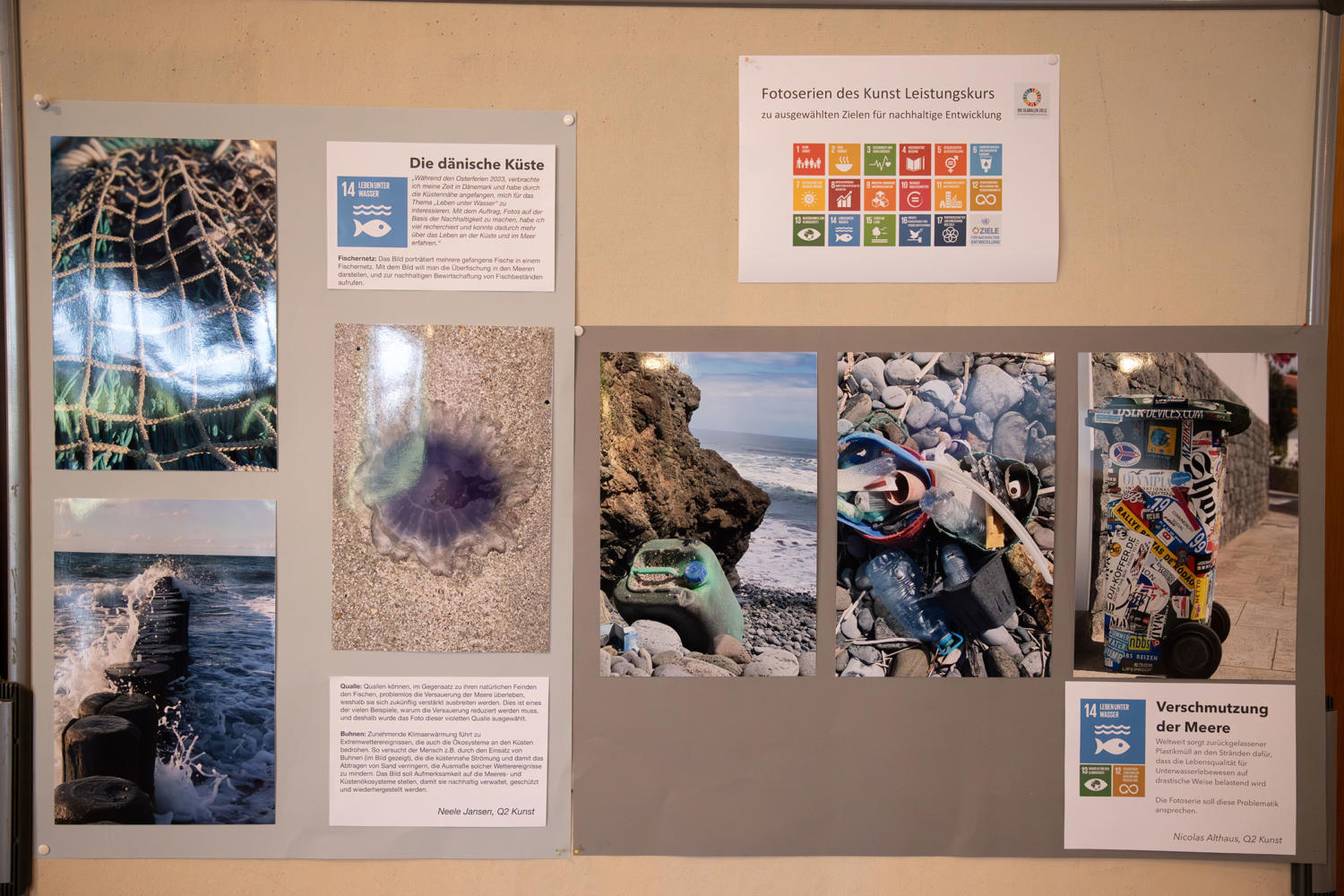
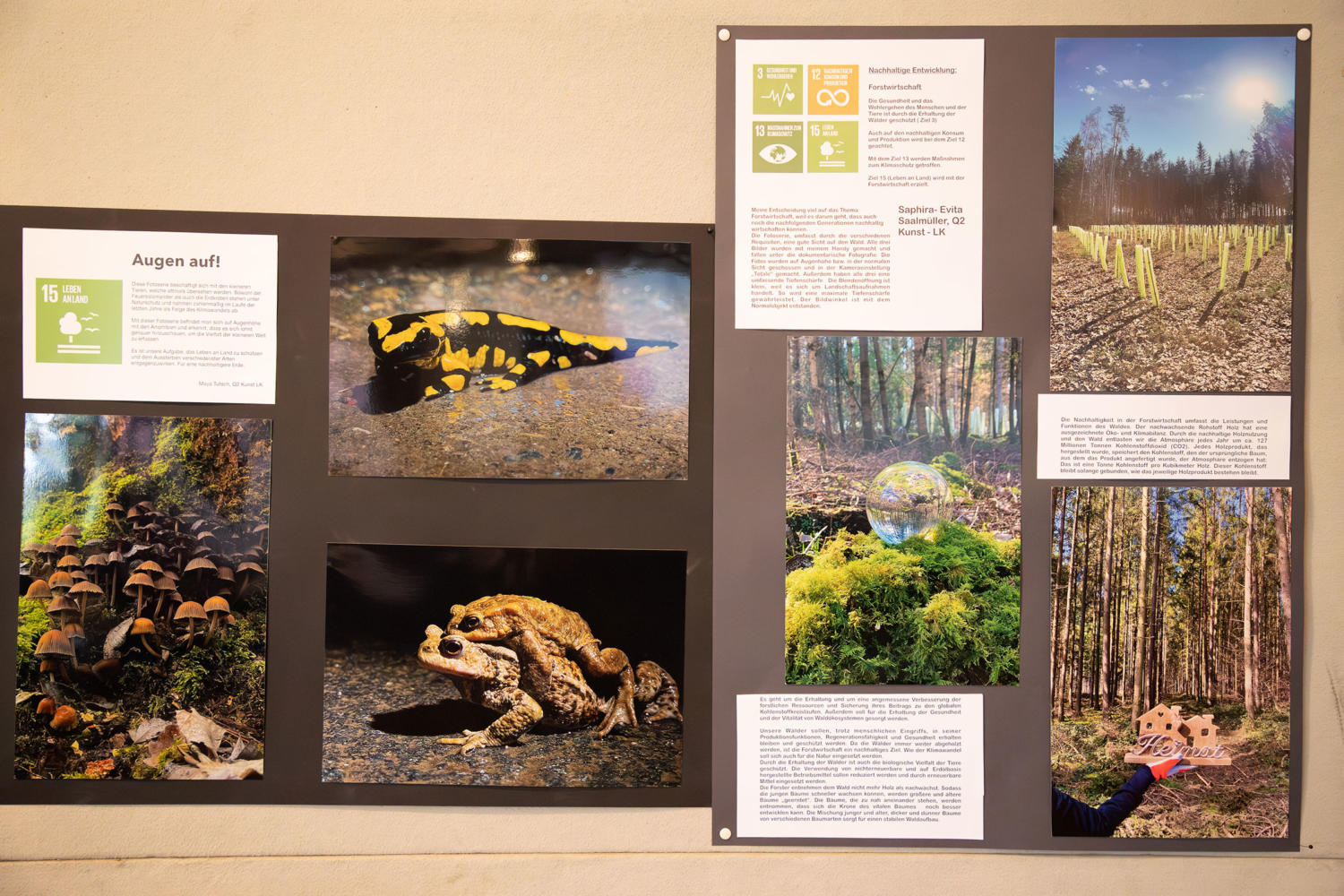
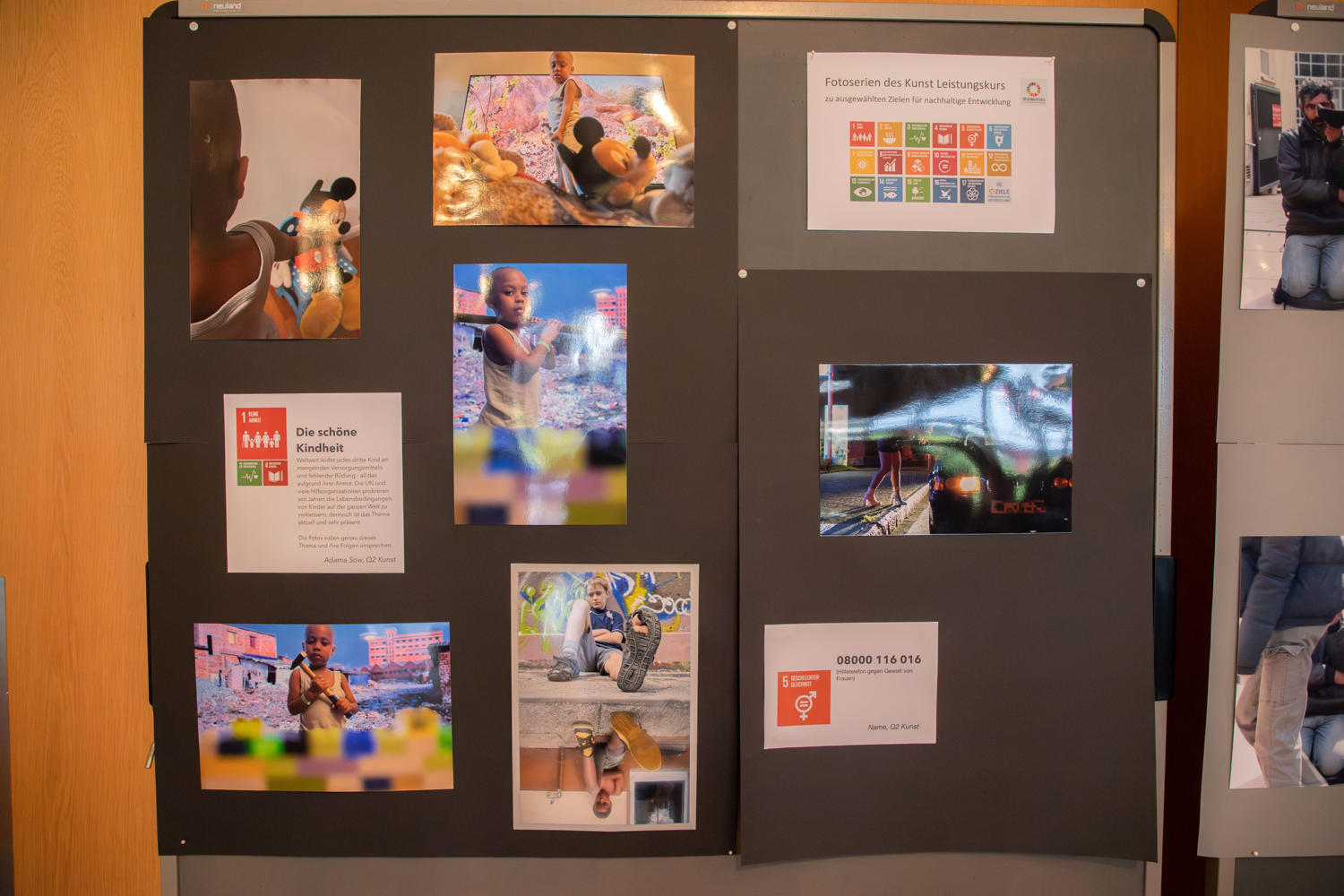
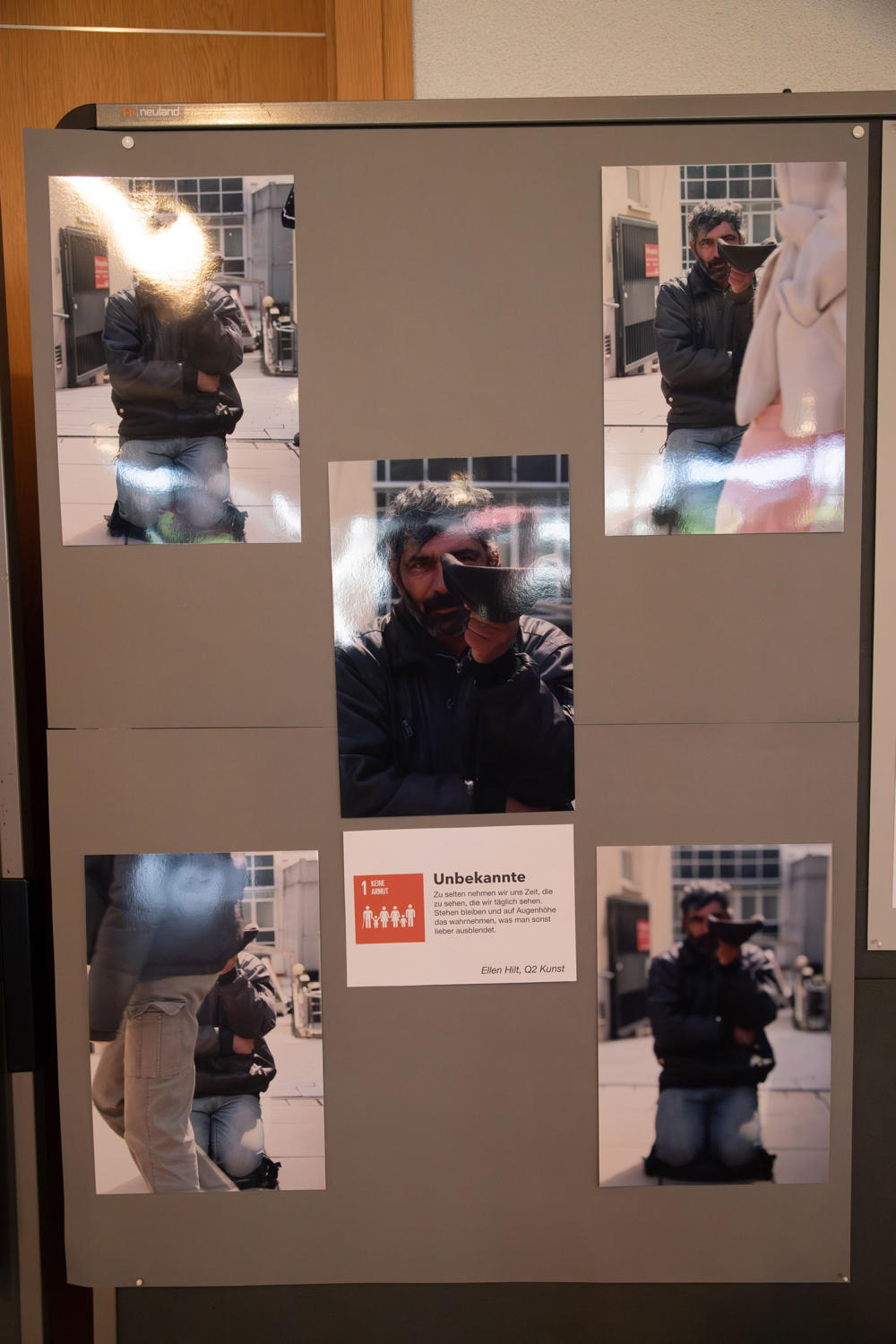
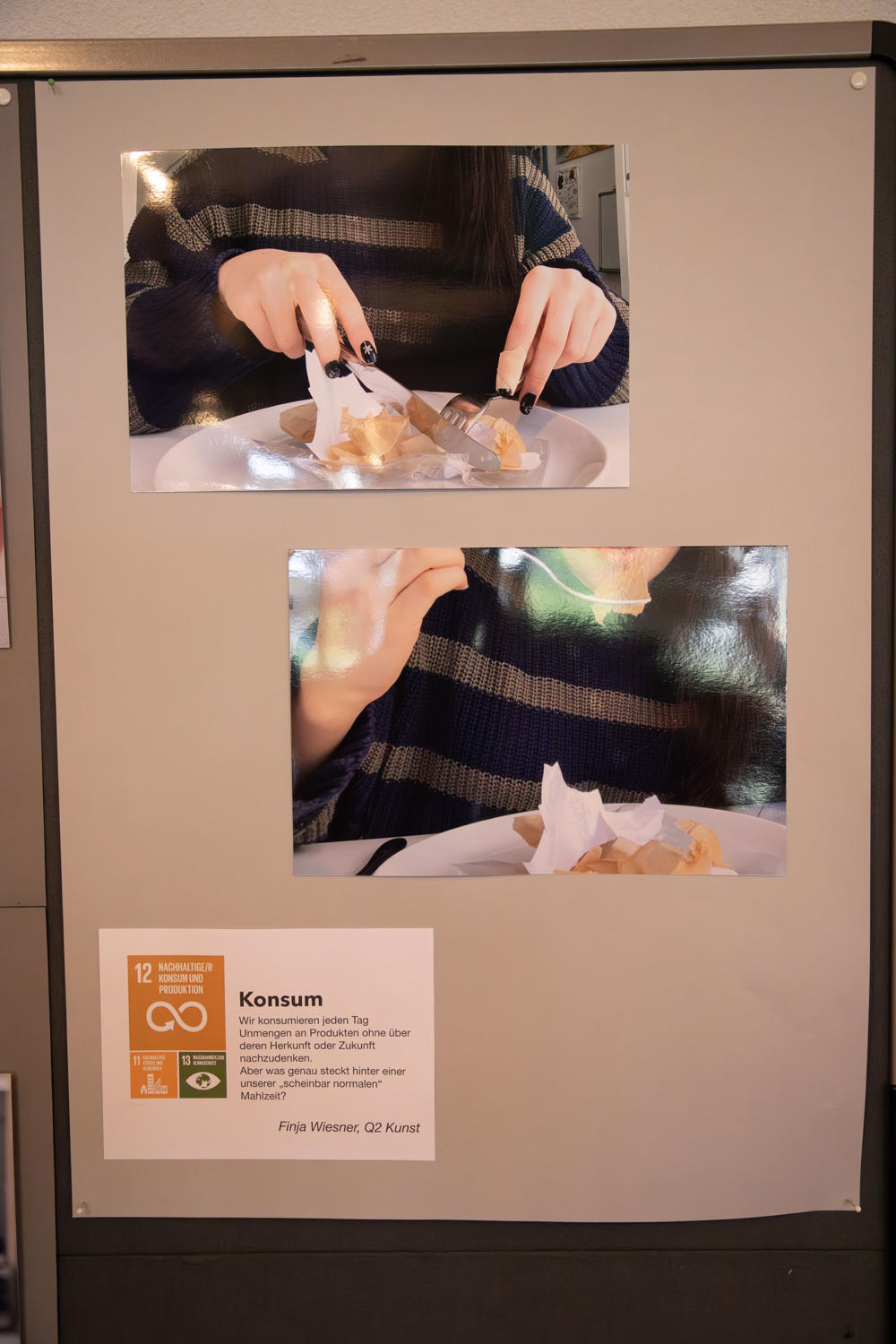
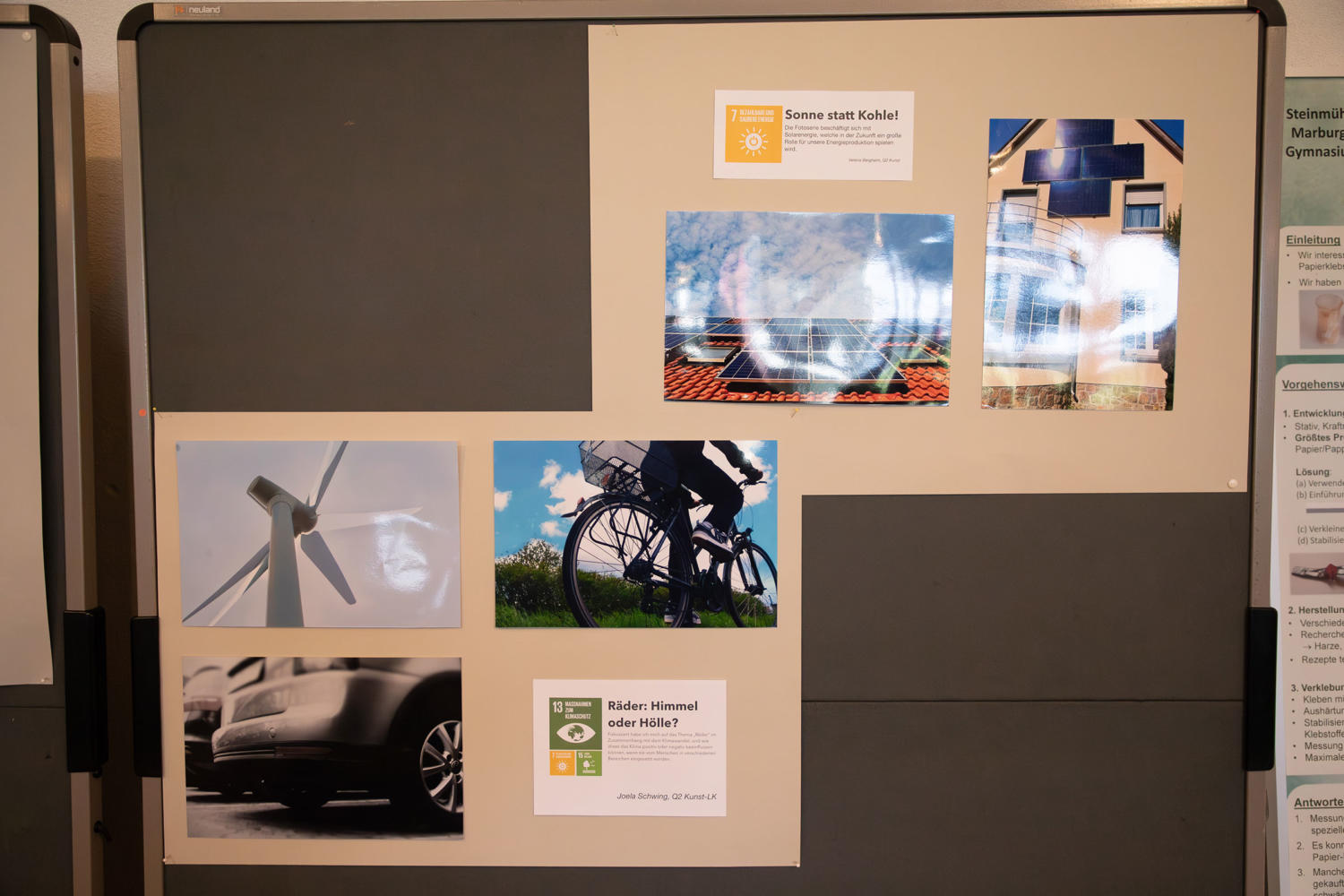
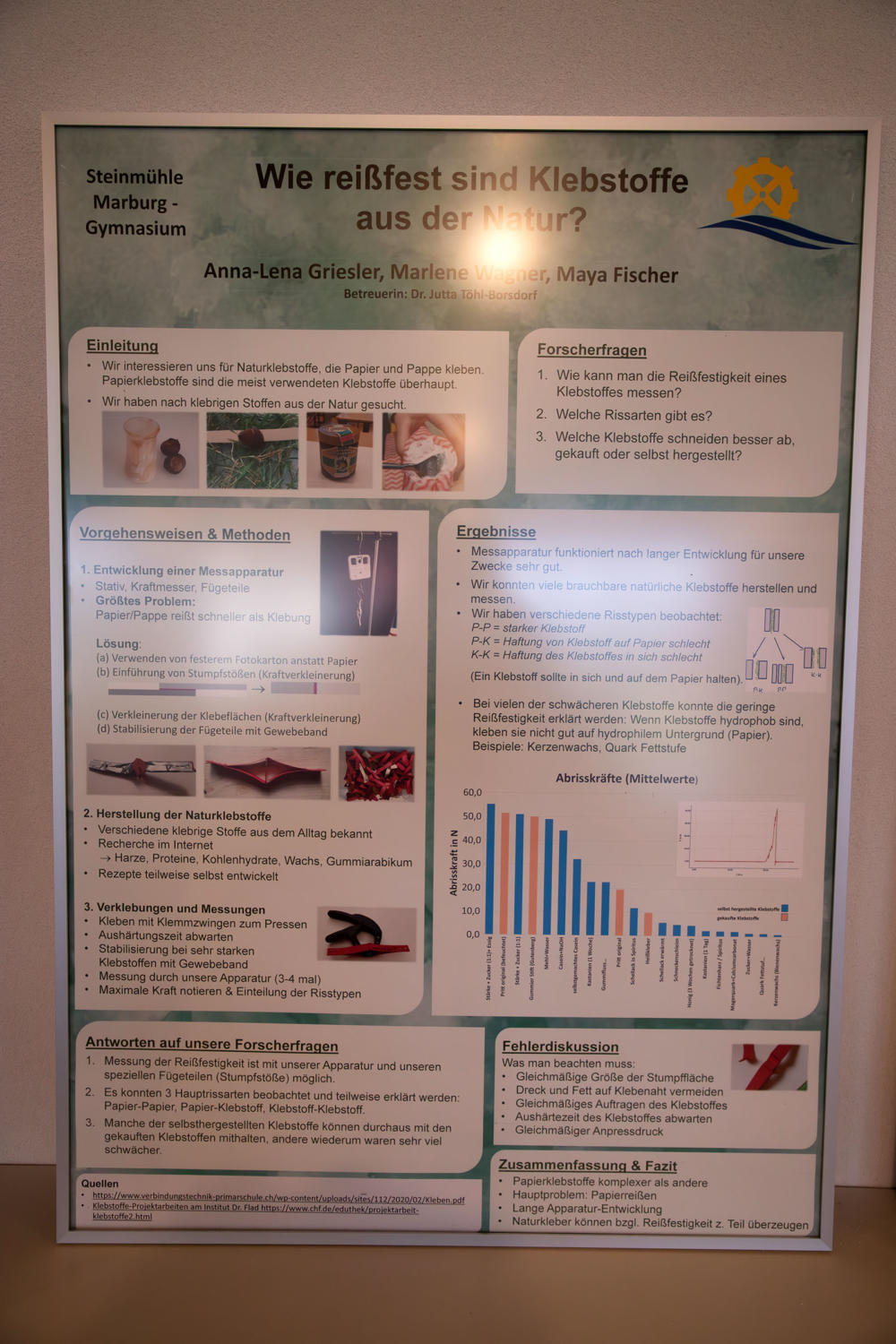
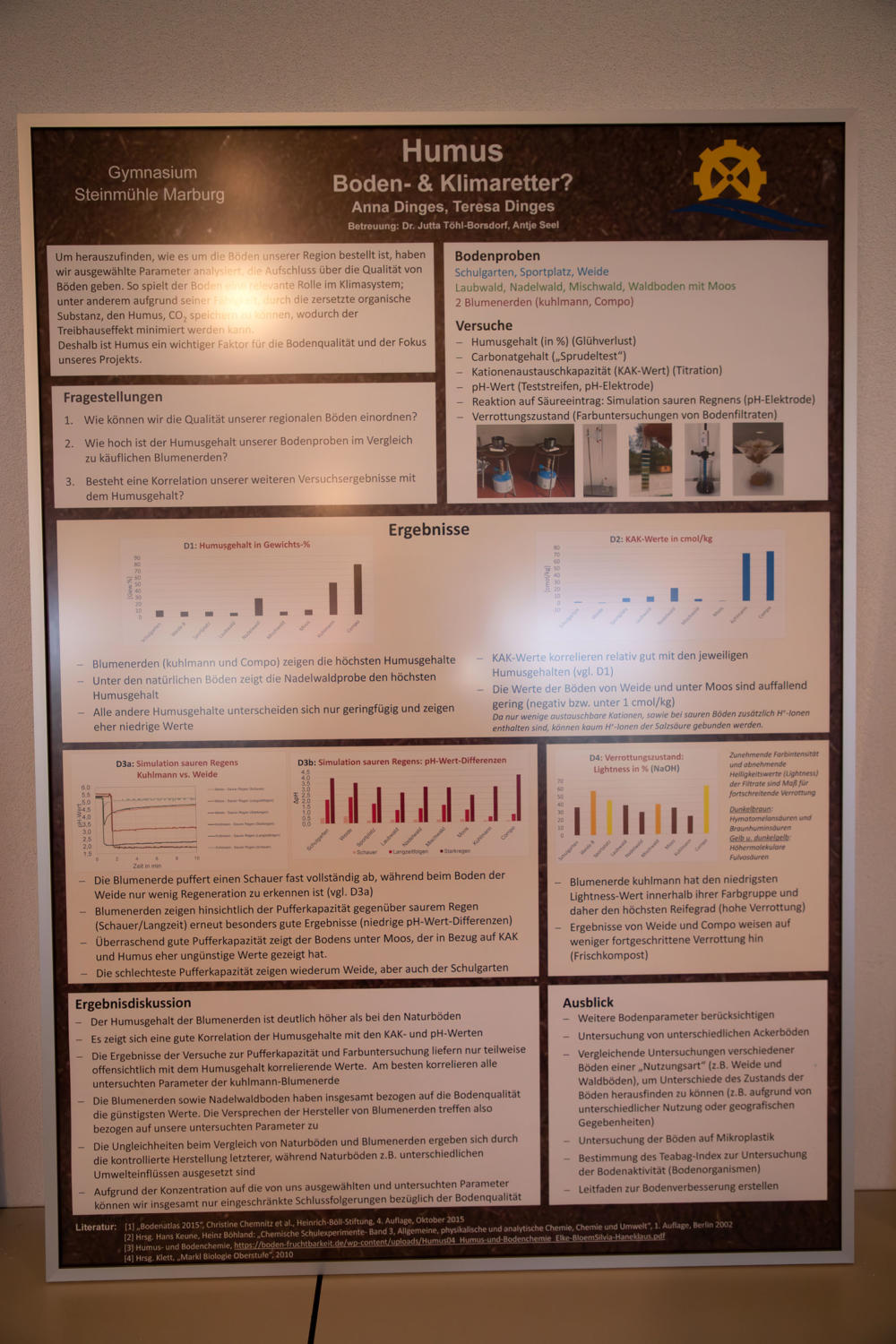
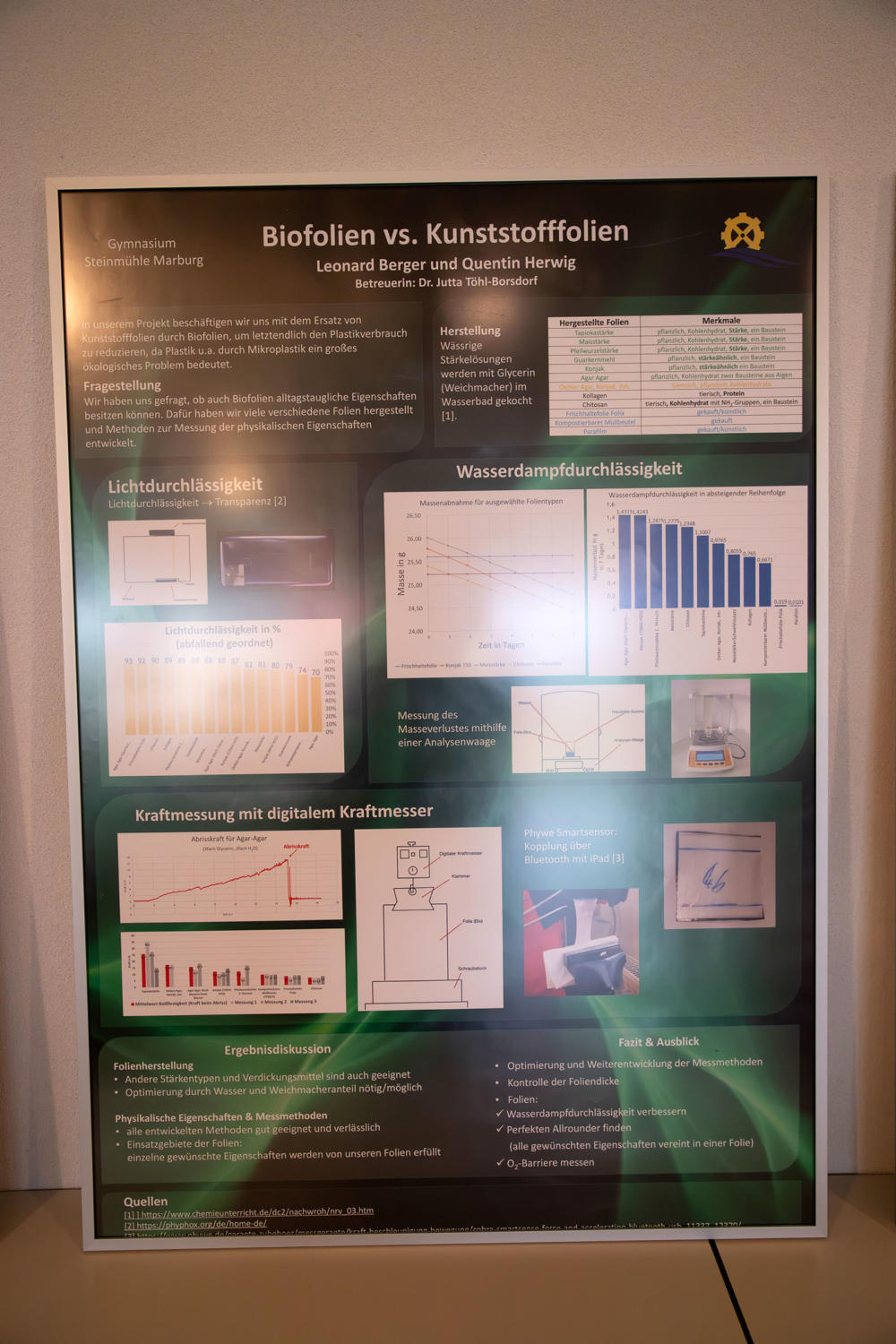
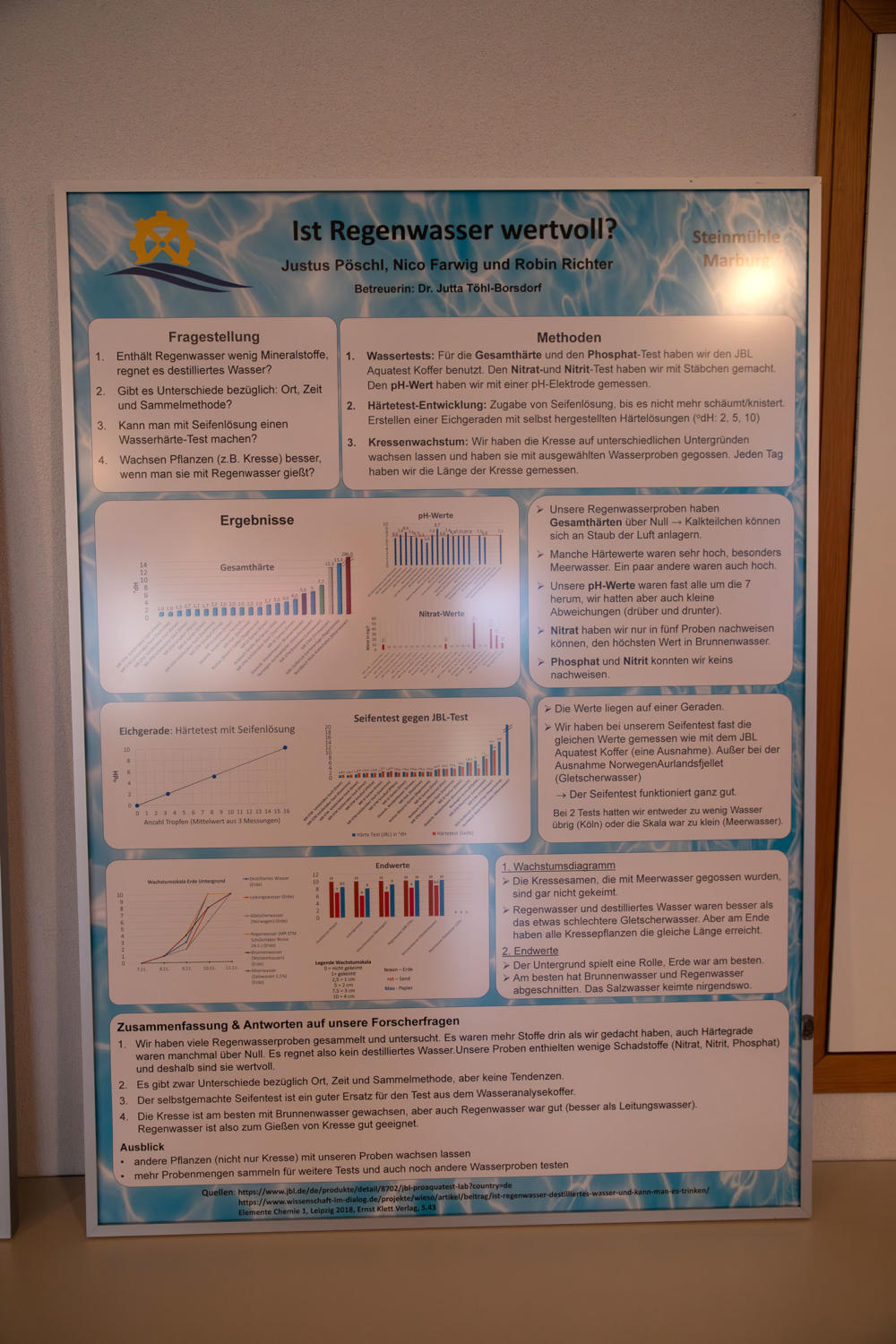
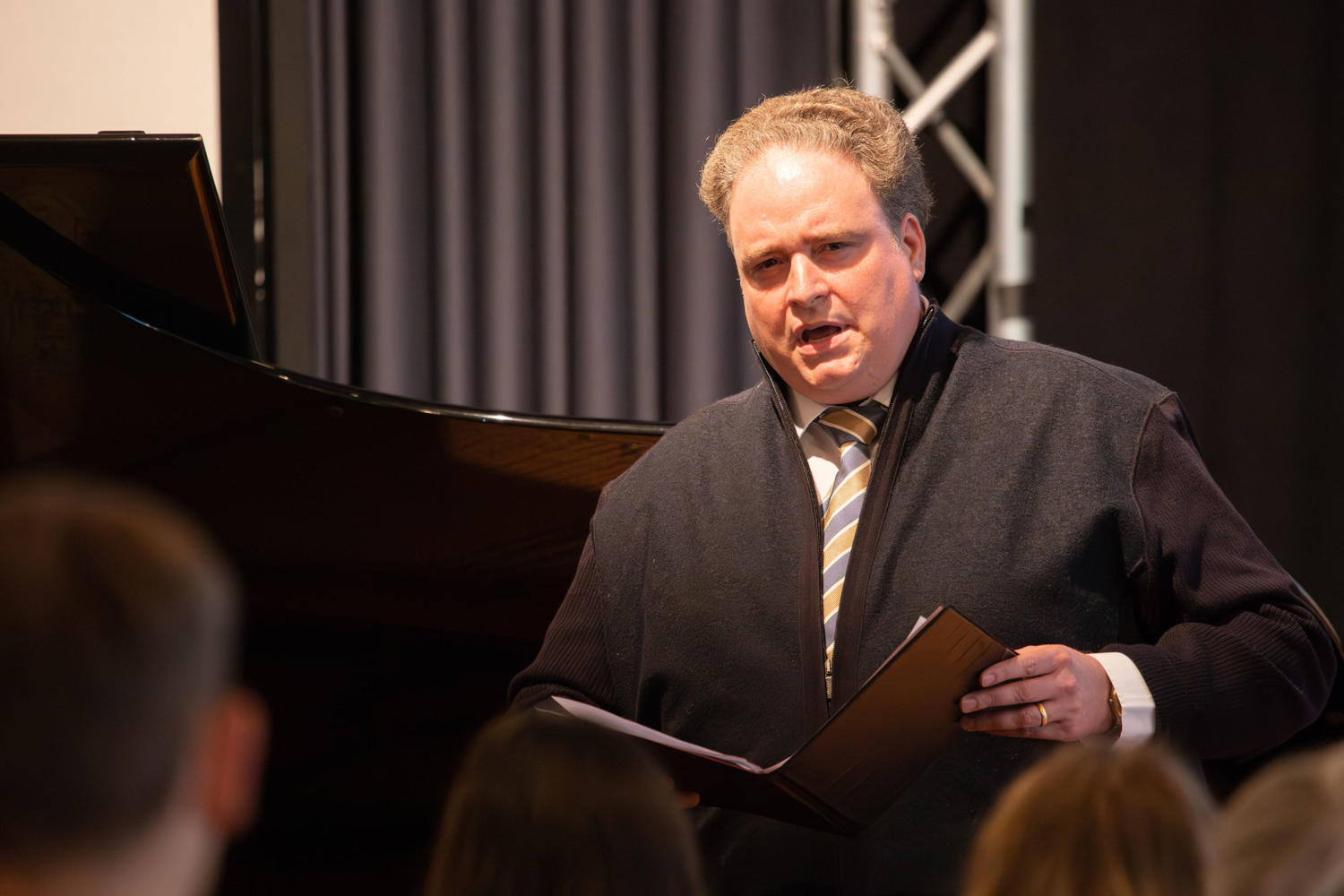
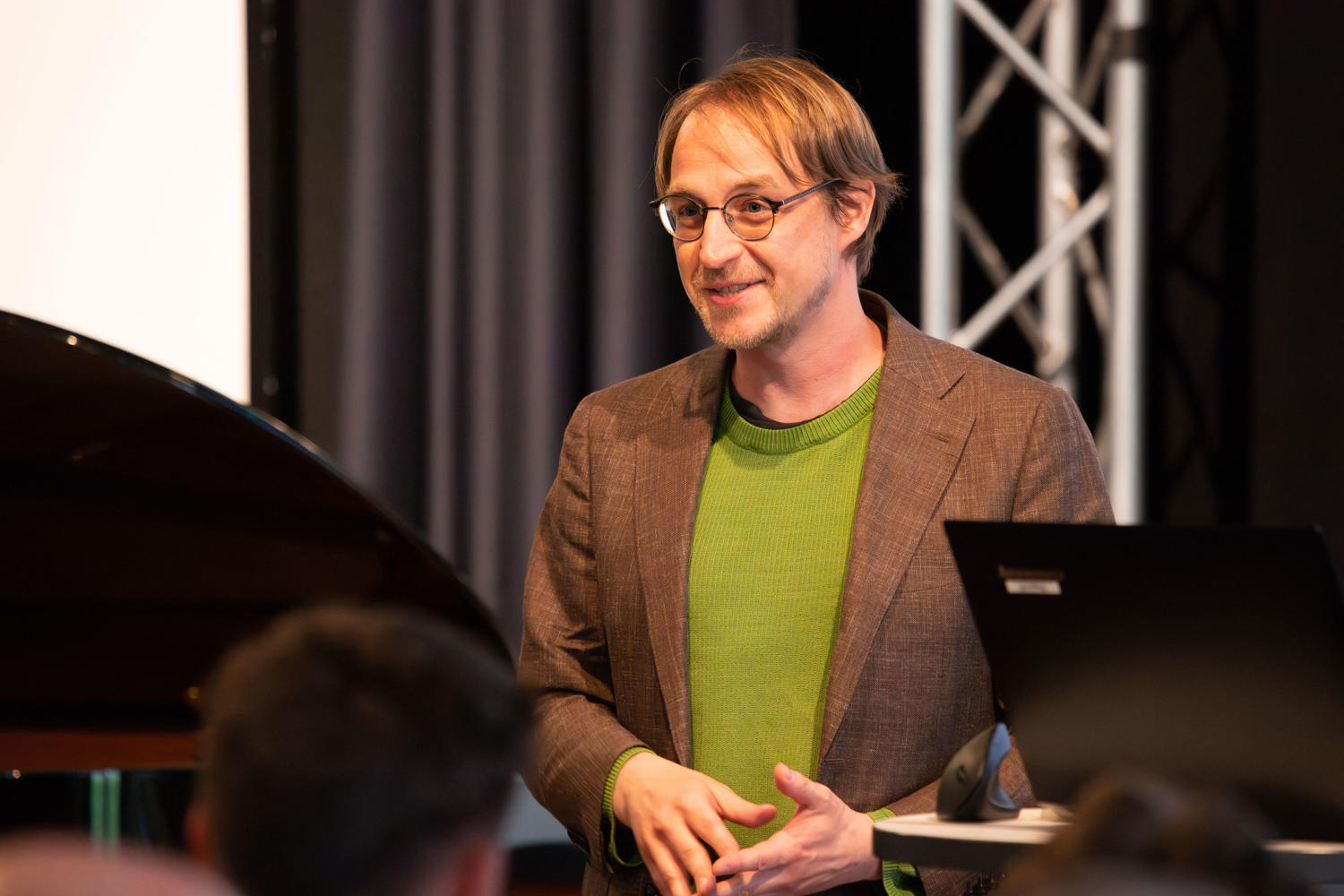
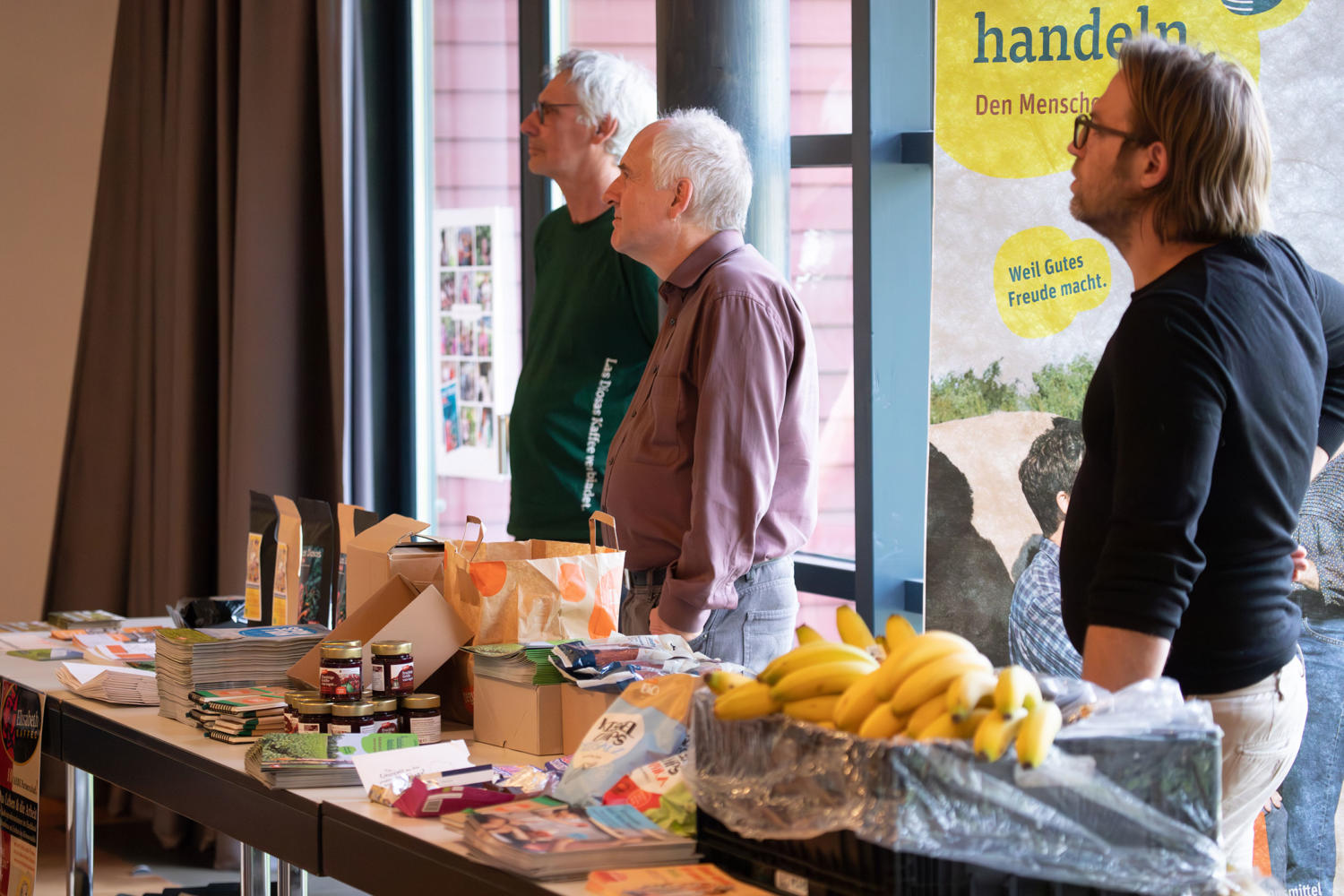
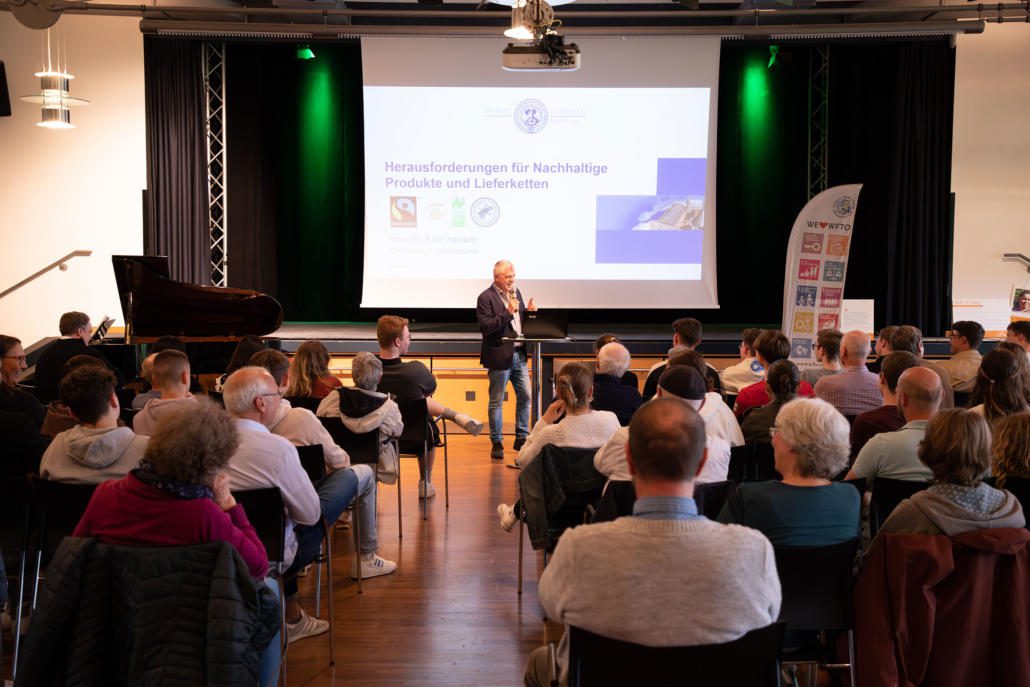
A small, intimate event had been planned. In the end, it turned out to be a big—and, above all, fantastic—event! The Marburg district had chosen the Steinmühle Forum as the venue for its lecture evening on innovative and fair trade. Alongside the renowned speakers, it was the Steinmühle students who captured the guests’ attention with their scientific posters on sustainable research topics and their photo series on the Sustainable Development Goals. The artistic performances by our music teacher and concert tenor Daniel Sans and his wife Marie-Gabrielle also revolved around the evening’s theme: nature and our world. “Im Abendrot” by Franz Schubert—a fitting introduction.
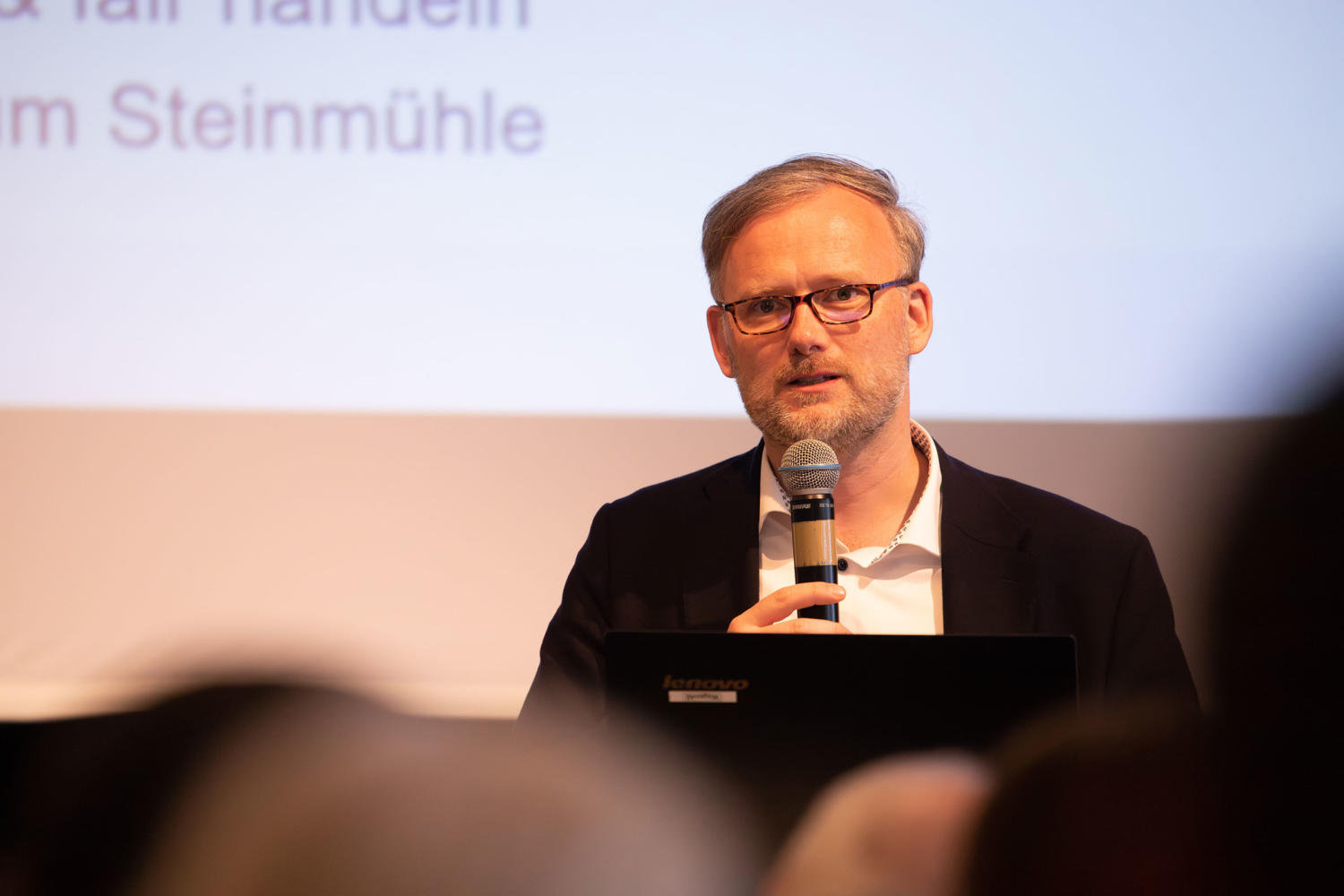
This was the first time District Administrator Jens Womelsdorf had visited the Steinmühle in an official capacity since taking office. “We are currently dealing with various processes of change,” he said in his opening remarks following a welcome from Principal Bernd Holly, “and our task is to shape this change in a positive way.” The district administrator thus addressed the topics of globalization, digitalization, and sustainability, which the previous speaker had identified as both the school’s mission and a challenge. He emphasized the need to find ways to achieve the goals we’ve set without simultaneously destroying the foundations of our way of life.
Transparency vs. Cost-Effectiveness
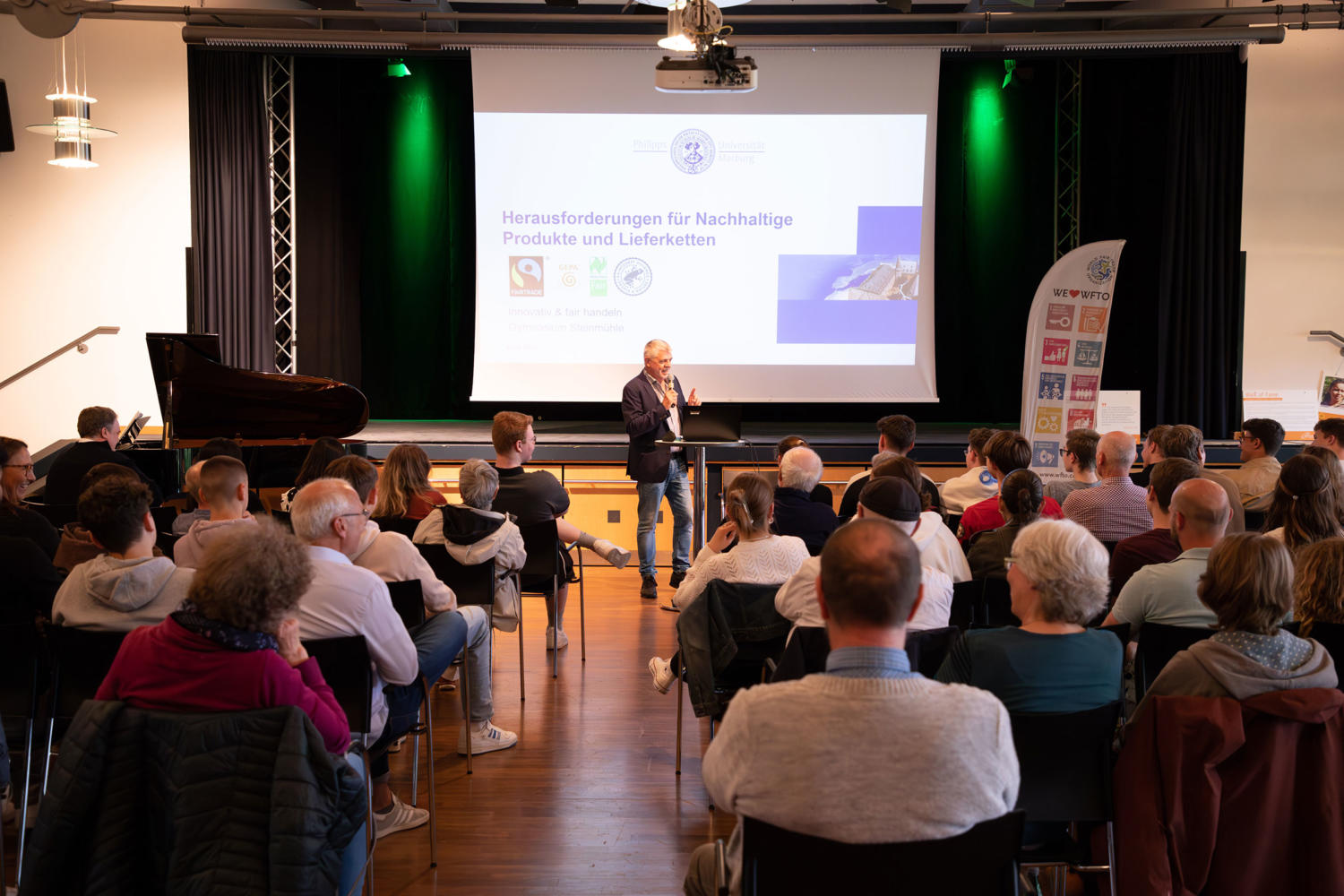
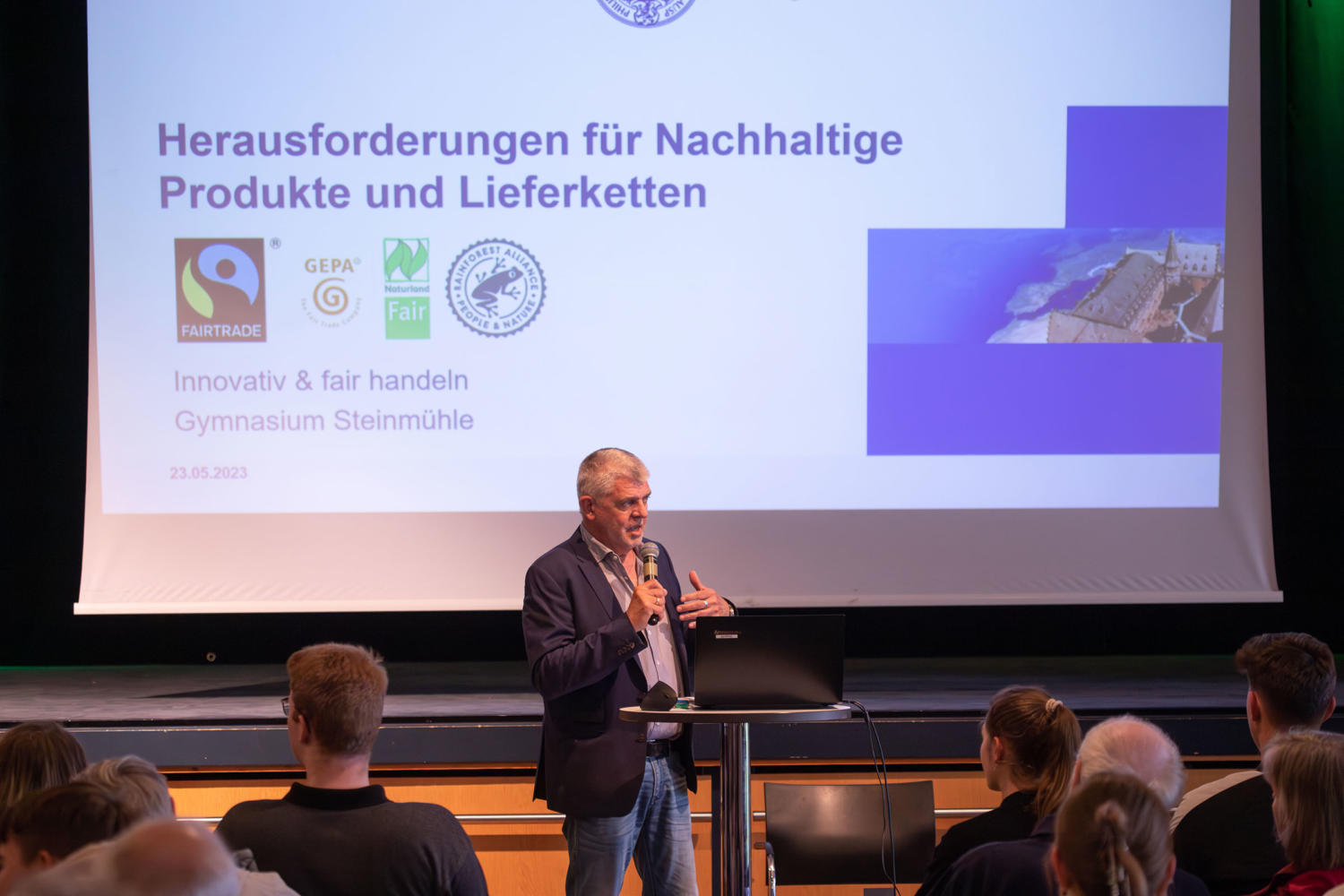
Professor Dr. Sören Becker of Philipps University of Marburg outlined the challenges facing sustainable products and supply chains from a geographer’s perspective. He pointed out that goods produced without the exploitation of labor and with transparent supply chains are, unfortunately, often not economically viable—a problem as well-known as it is difficult to solve. Another challenge is ensuring that materials required for processing are not sourced from conflict regions. His explanation of the Fairtrade seal, using cocoa as an example, illustrated the tension between goals and reality.
Fair Trade Is Led by Women
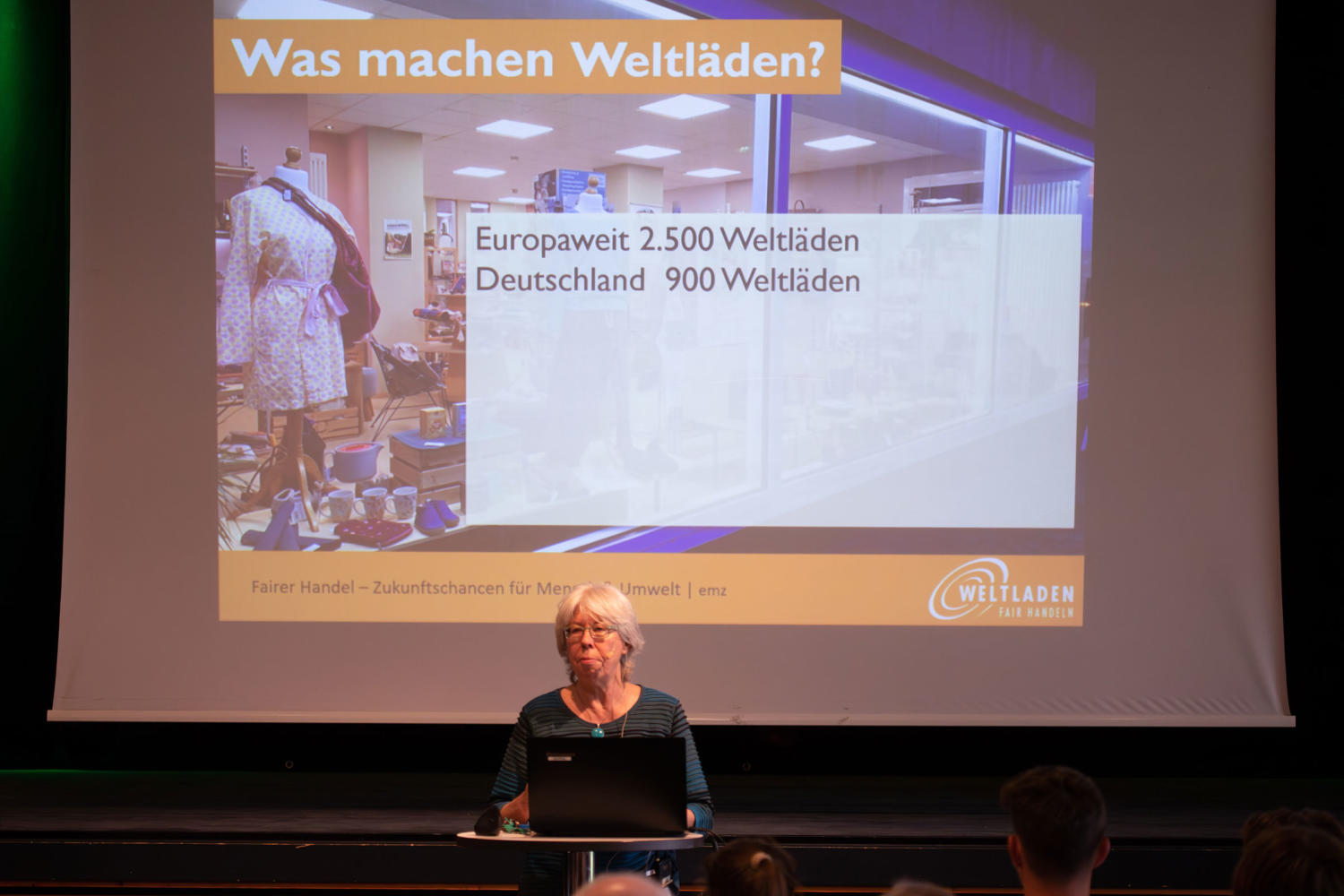
In her presentation, Edith Müller-Zimmermann, spokesperson for the Fairtrade Steering Group of the Marburg-Biedenkopf district and director of the Gladenbach Weltladen, described the work of the Weltläden. The World Shops focus on ensuring a transparent supply chain for goods produced under humane working conditions. The speaker also explained the World Shops’ work in terms of their educational initiatives. “Fair trade also means that over 50 percent of management positions are held by women,” she noted. Key issues include providing information on the origin of all products, as well as the importance of upcycling and recycling. Edith Müller-Zimmermann supplemented her presentation with some brief digital information, in which she also discussed the role of the Egyptian “development initiative” SEKEM. Founded in 1977, SEKEM reclaimed approximately 70 hectares of desert land—including an area on the edge of the Nile Delta, just under 60 kilometers northeast of downtown Cairo—using biodynamic farming methods.
“Shop responsibly and make it part of your daily routine,” the speaker concluded—not without offering to provide anyone interested with further information at any time.
Biodiversity Alert Level
The song by Daniel and Marie-Gabrielle Sans, “What a Wonderful World,” almost touched the hearts of the audience, as it fit perfectly into the context. The opening remarks of the next speaker, however, had an almost sobering effect. Frritz Konz, Head of Quality Management at tegut’s headquarters in Fulda, began his presentation with some disheartening facts: the depletion of resources caused by continuous harvesting in monocultures, and the threat to biodiversity, illustrated with various examples. “Will we still find all of this here in ten years? Very unlikely,” explained Konz, who presented the topic of “fair trade” from a supermarket’s perspective.
“Declarative Subtleties”
“Let’s take Nutella,” Konz explained, referring to a diagram. He described the origin, routes, conditions, and transportation of each individual ingredient, illustrating just how complicated the issues of sustainability and fair trade can be—even for a single product. “Supply chains are incredibly complex,” he explained, also mentioning the intricacies of labeling, which often lack transparency for consumers. tegut adheres to certain voluntary commitments and follows defined procurement principles, which can also be found on the company’s website.
“We take the liberty of being different,” stated the quality manager. Tegut’s credo, he explained, is to offer consumers—as a retailer—the choice of which products and from which sources they wish to purchase. The pursuit of fair trade conditions, however, is far from over. “There is still a long way to go. This development will continue.”
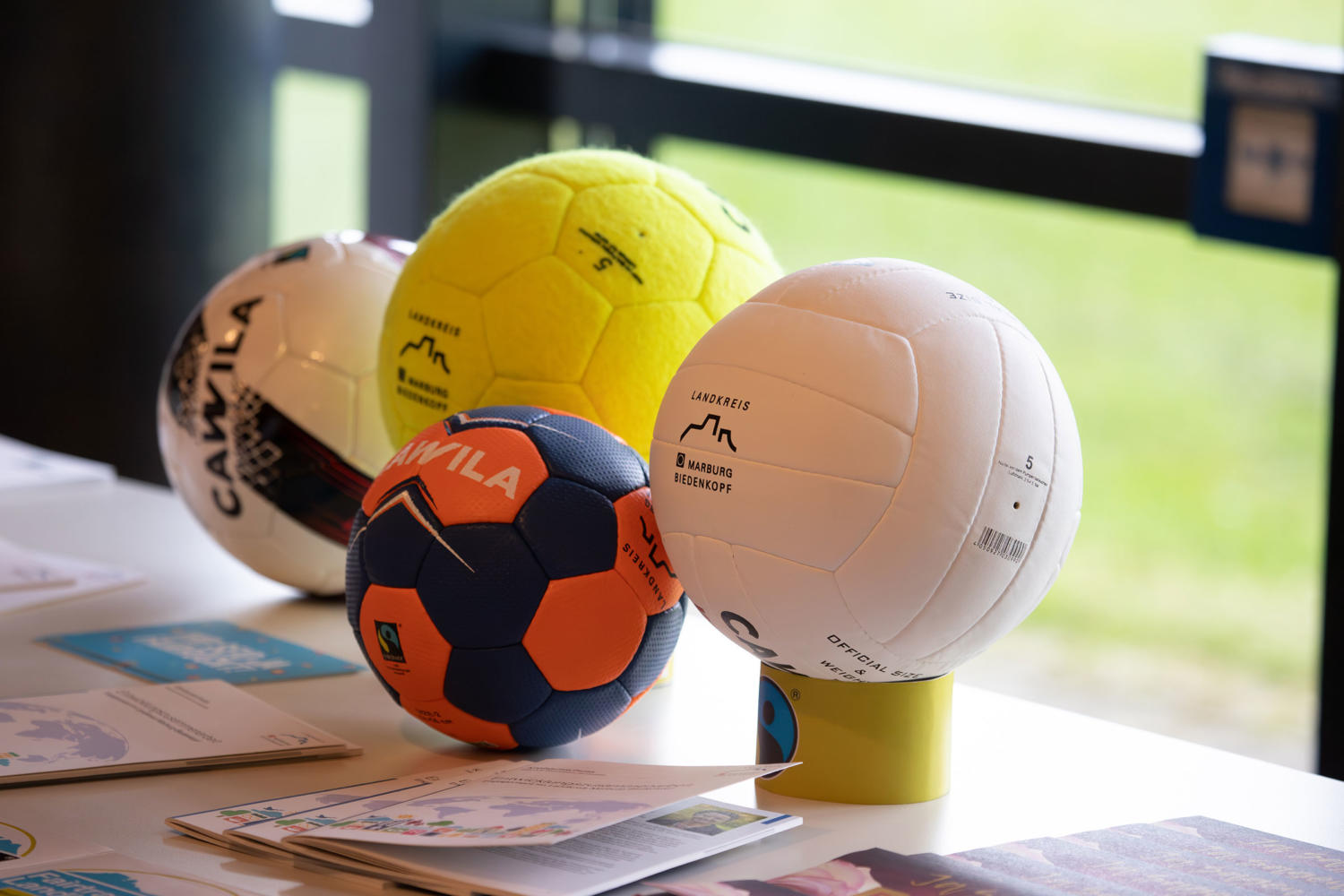
Steinmühle is a member of the Marburg-Biedenkopf District’s Fairtrade Steering Committee and supported the district through the certification process as part of their joint collaboration on the committee.