

The Steinmühlen Boarding School’s Media Education Program
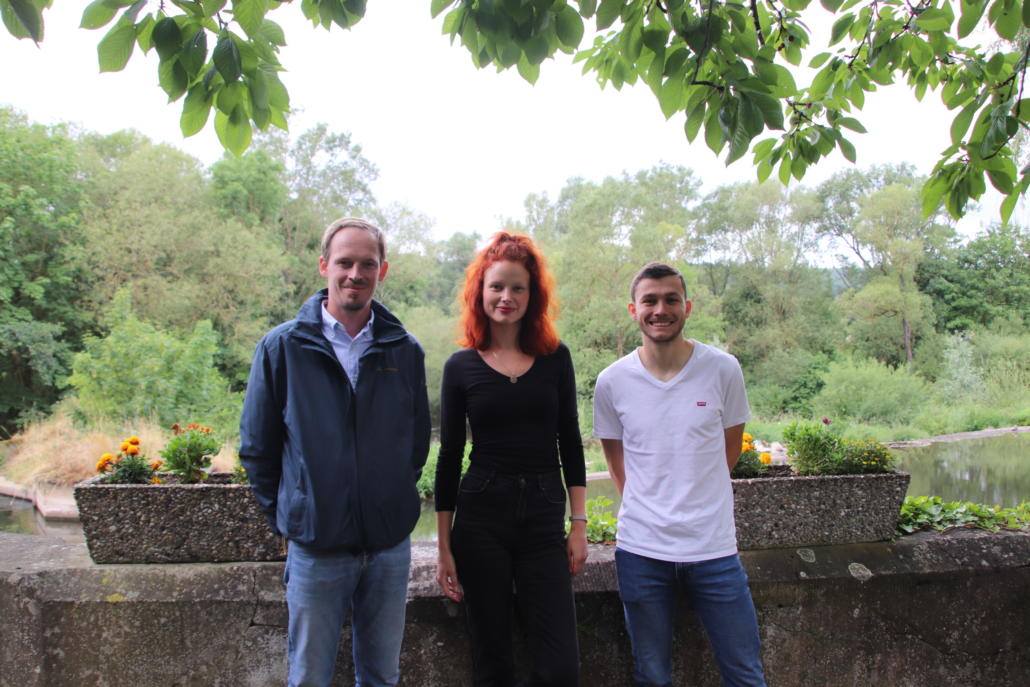
A conversation with Marion Widera, media educator at the boarding school
Media are playing an increasingly important role in the everyday lives of our children and young people. For this reason, it is important to engage with them and discuss them together, developing an attitude towards these issues that allows us to always have an inner compass in the media world.
Marion Widera does exactly that at Steinmühle. She has been a media educator at the boarding school since September 2019 and works with the teaching team and the children and young people in the areas of media education and media literacy.
“Ms. Widera, you have been a media educator at the Steinmühle boarding school since 2019, how did it all begin back then?”
Marion Widera: “The position of media educator was newly created at that time. The teaching team and I started together and gradually approached the topic. Initially, I surveyed the boarding school staff to find out what was important to them regarding media. What topics were important to the teachers, what did the children and young people at the boarding school want? This helped us develop an idea of where we should begin.”
What exactly happened after the inquiries?
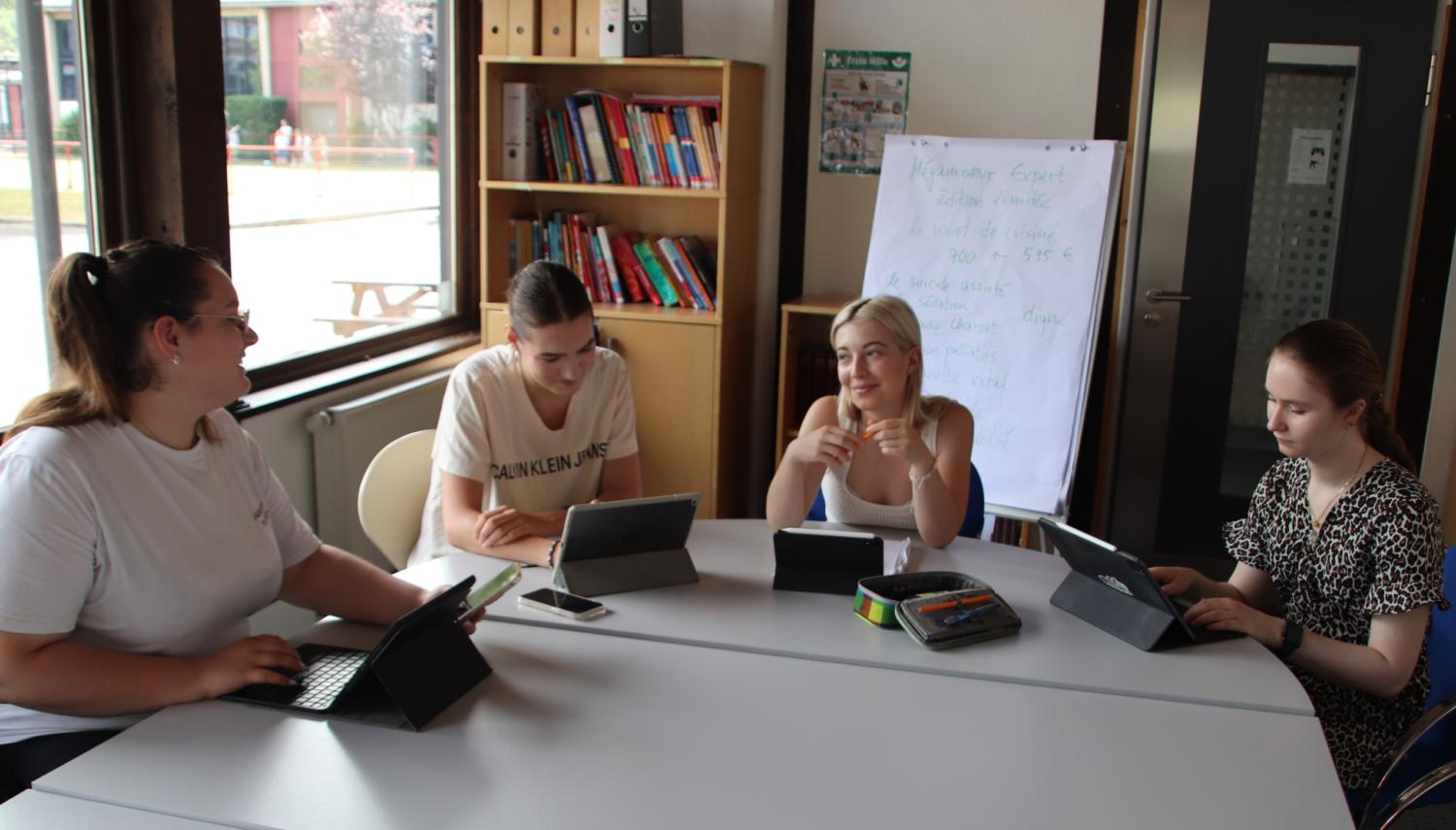
M.W.: “We started by holding workshops for the boarding school community. These were offered weekly during study hall hours. Together, we explored various topics, starting with targeted searches using Google. In the process, we used and learned about the advanced features. This is particularly advantageous when conducting targeted searches for specific topics. In addition, we played and discussed games related to data protection and fake news. We also addressed topics such as gender roles in the media. Furthermore, interested students had the opportunity to experience their favorite game from the perspective of a game tester. After playing for a while, the game was analyzed and evaluated based on various criteria using a questionnaire. The criteria included, for example, graphics, music, presentation, authenticity, assessment of the age rating, fun factor, entertainment value, etc.
How did the workshops come to be implemented in schools as well?
We began collaborating with Marcel Kalb, who was the school’s JUMBA representative (Youth Media Protection Officer) at the time. I am currently working with Tim Elmshäuser, who has taken over that role. We brainstormed ways to integrate this topic more into everyday school life and came up with the idea of holding workshops as a starting point. At the time, iPads had already been introduced, and it was clear to us that it wasn’t enough to simply provide support for using the technology; the digital resources and applications also needed to be addressed, and students needed guidance on how to use them.
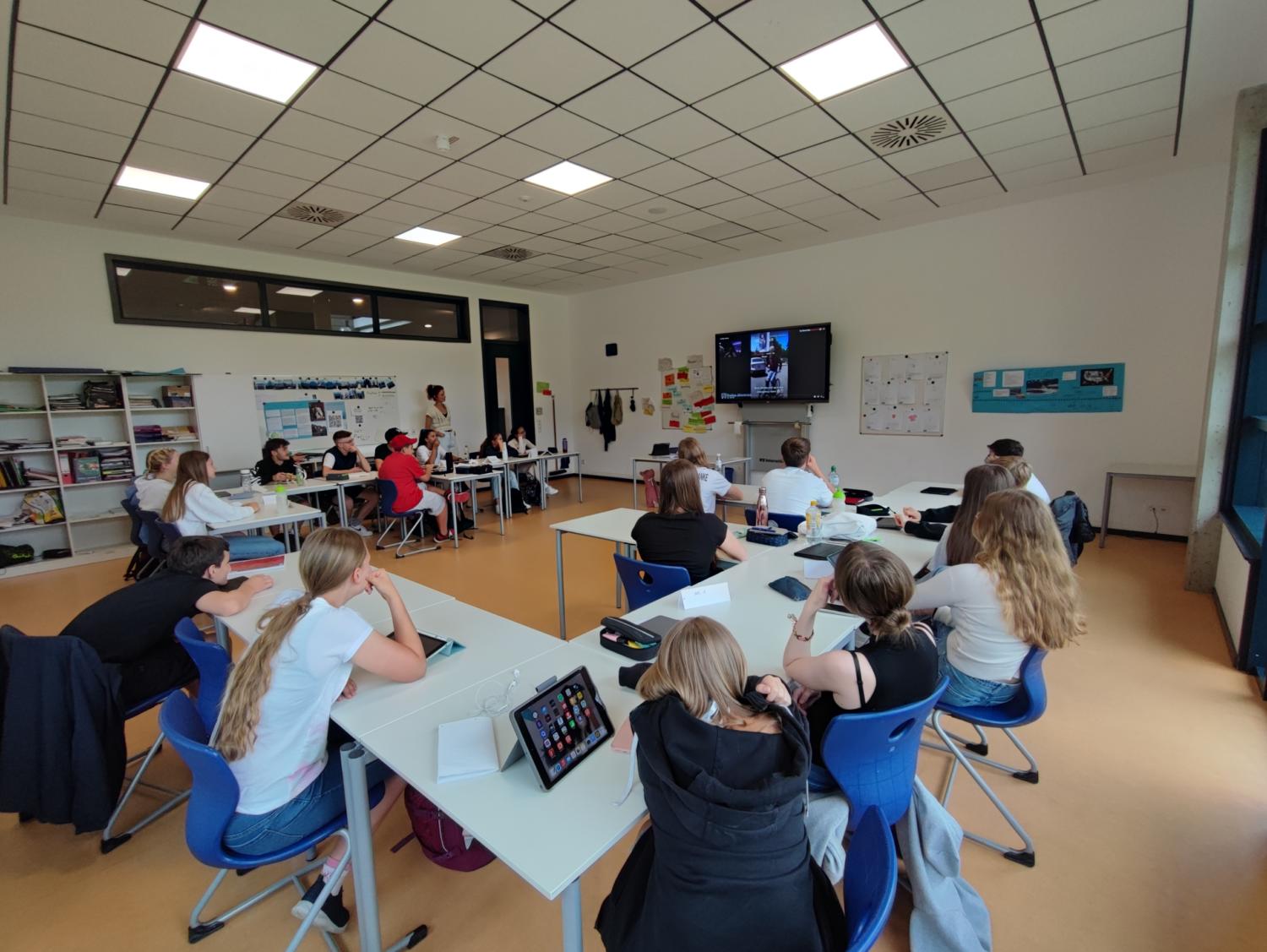
The workshops on media pedagogy and media education are now firmly established in the curriculum. For the past two years, a three-hour workshop has been held once per semester for grades 5–10. For the coming school year, the number of hours will be expanded to two sessions of two hours each per semester.”
What topics are discussed?
M.W.: “We tested out various topics at the beginning. That’s how we developed a list of topics; workshop topics include, for example, cyberbullying, cybergrooming, the dream job of an influencer, hate speech, copyright, social media, and ‘Always On’ (what does it mean to be online all the time?).”
How do the children and teens respond to the workshops?
M.W.: “It varies a lot. Generally speaking, the younger students, aged 11–14, are more open and enjoy sharing their personal experiences in the digital world. You can tell that the topic is very important to them; they even come up to me during recess after the workshops, eager to talk and share their experiences. With the older students—those 14 and up—it’s a bit different; we might be able to further optimize the workshops for this age group. Currently, the participants fill out a questionnaire after each workshop, and I’m already looking forward to seeing the results.”
In addition to working directly with the children and teenagers, work has been ongoing on the Steinmühlen Boarding School’s media education concept. What is the current status?
M.W.: “The media education concept is complete. It will be officially integrated into our educational work starting in the 2023–2024 school year.”
What exactly is the media education concept?
“To put it simply, it’s a guide for the educational team and also for parents on how to deal with media. There are four major issues that can arise time and again among children and adolescents: cyberbullying, fake news, sexting, and excessive media use. The concept provides tips on how to address these four areas for educators, parents, and children and adolescents alike. And it’s about our stance as an educational team—as Steinmühle—on the topic of media and media use. We don’t want to take a negative stance, but rather to take a close look at the issues together with the students. Media consumption and social media can trigger digital stress and put us under pressure. Our approach is to shed light on the opportunities and risks and to encourage a critical engagement with the media.”
How has this approach been received so far?
M.W.: “With children and adolescents, it’s a long process. So far, we’ve had guidelines for digital media use that are based on the students’ ages. Teachers are in the thankless position of having to enforce these rules, which casts the topic of media in a negative light. Every family is probably familiar with the fact that the issue of cell phone time can also lead to arguments. I think this association makes it harder for students to see that educators also have other interests when it comes to media and smartphones and aren’t simply “against” them per se—which, incidentally, isn’t our stance either.”
What are your hopes for the future of media education at Steinmühle?
M.W.: “That the topic no longer carries a special status. A natural and open approach to the topic among educators, parents, and children and adolescents. Adults sometimes tread carefully on this topic because they don’t feel they’re on equal footing with children and teens, or that they don’t know enough about it. In my workshops, I’ve found that it’s important to engage with students in a dialogue that’s authentic, curious, and non-judgmental. It’s perfectly natural to learn from one another—and that goes for the world of media and digital technology as well. I can let them show me things; I don’t have to go into a workshop on “The Dream Job: Influencer” already knowing all the stars. The students bring this input with them and are happy to talk about it and take me into their world. And together with them, I can look at their stars and shed light on the marketing strategy behind influencers.”