• Anruf
  • E-Mail
  • Zu Facebook
  • Zu Instagram
  • Zu LinkedIn
Loading
Steinmühle – Schule & Internat
  • About us
    • Organization & History
    • Teams
    • Stakeholders
    • Internal clubs
      • Riding School
      • Rowing Club
      • Friends of the School Association
    • Partners
    • Mission Statement & Vision
    • Ecology & Sustainability
    • A Safe Place
    • Quality Management
  • School
    • High School
    • Bilingual Elementary School
    • Project-Based Learning
    • Promoting STEM Talent
    • Languages & International Affairs
    • Sports & Health
    • Art, Music & Theater
    • Social Responsibility
    • Digitization
    • Promoting Independence & Individuality
    • Social Responsibility & Strengthening the Community
  • Boarding School
    • Boarding School as an Opportunity
    • Support for Families
    • Life
    • Learning
    • Sports & Recreation
    • Trips & Weekends
    • Talent Program Plus STEM
    • Fit for Life
  • Admission
    • Boarding School Admission
    • High School Admission
    • International High School Program
    • Bilingual Elementary School
    • Costs & Contract Terms
  • News
    • News
    • News Archive
    • Events
    • Support Current Projects
  • Friends & Alumni
    • Stories
    • Alumni Reunion
    • Steinmühle Alumni Network
  • Fan Shop
  • English
    • German
    • Spanish
    • French
    • Italian
    • Russian
  • Search
  • Menu Menu
  • English
    • German
    • Spanish
    • French
    • Italian
    • Russian

Passionate Historian Presents a Lecture and Chronicle to Mark the Anniversary

Former Students & Alumni, News, Politics, Business & Responsibility

Willi Stehling? The one who teaches the wind instrument class…? The one from the ski course…? The one who writes books…? The one who gives lectures? The one who taught geography…? The one from the 5th-grade choir…? The one who taught swimming…? The one who works as a tour guide?

– That’s all correct. The versatile retired teacher returns to the Steinmühle regularly—to have coffee with other alumni, but also to give lectures. History is what fascinates him, and to share the history of Marburg and take people on a journey into the past of our university town, Stehling also works as a city tour guide. He has already written several books to share his wealth of knowledge, preserve details, and give readers a sense of just how many interesting events have taken place in our historically rich city.

Historian Stehling’s connection to the Steinmühle, his former employer, virtually inevitably led him to compile a chronicle to mark its 75th anniversary. It was obvious that Stehling would put the earliest details of the Steinmühle into words: the history of the Steinmühle building, the origins of the rural school camp, and the prehistory and early history of the school and boarding school.

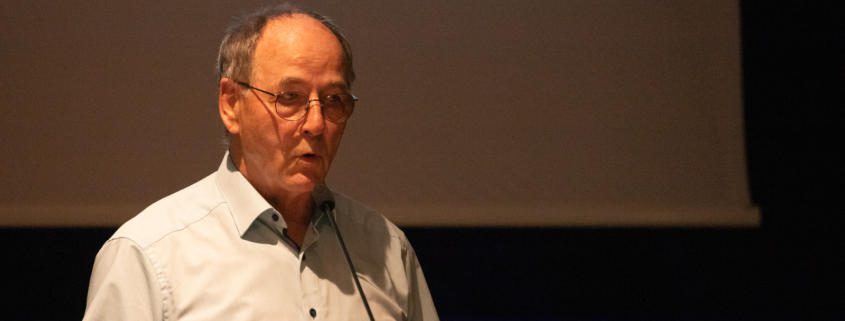
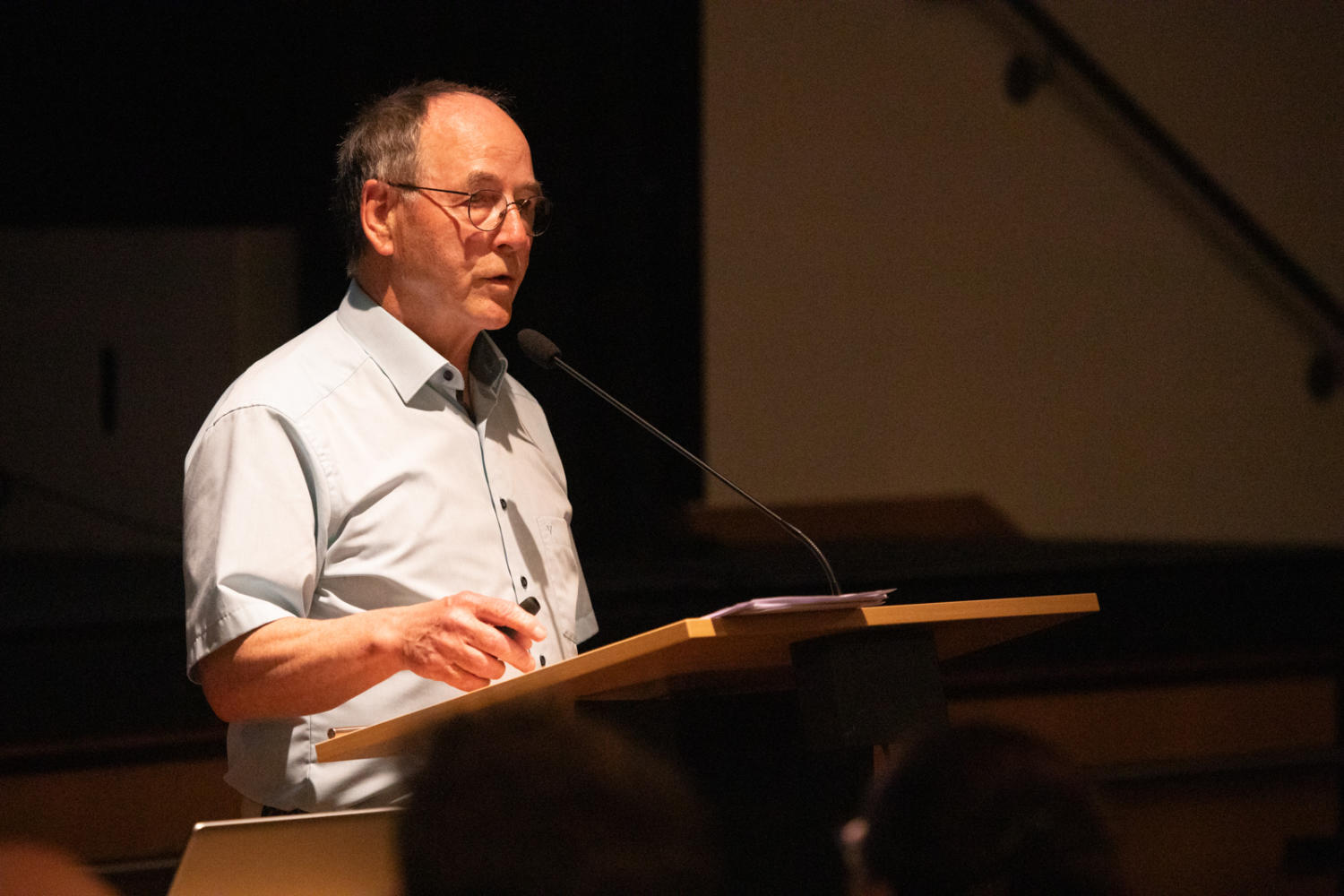
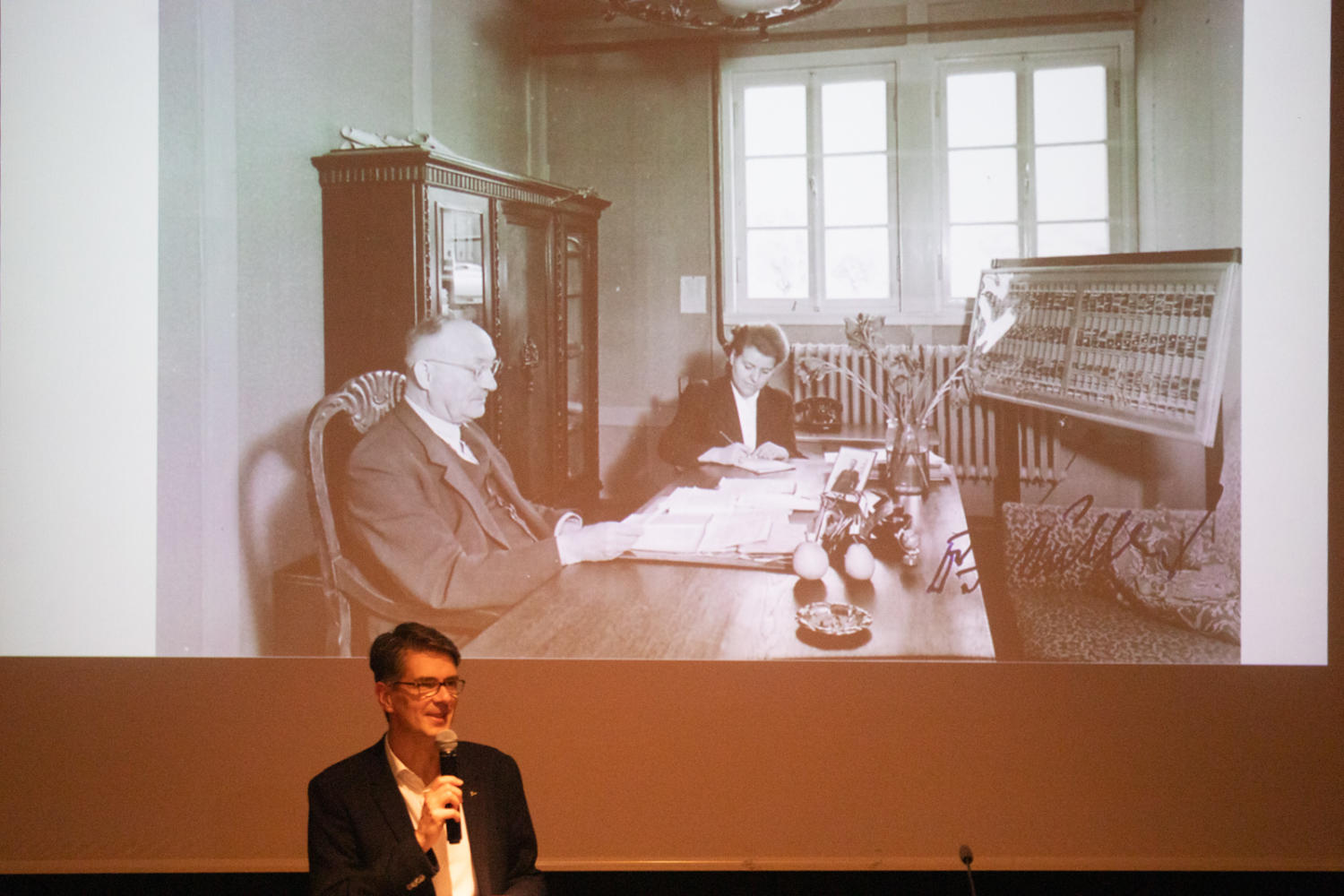
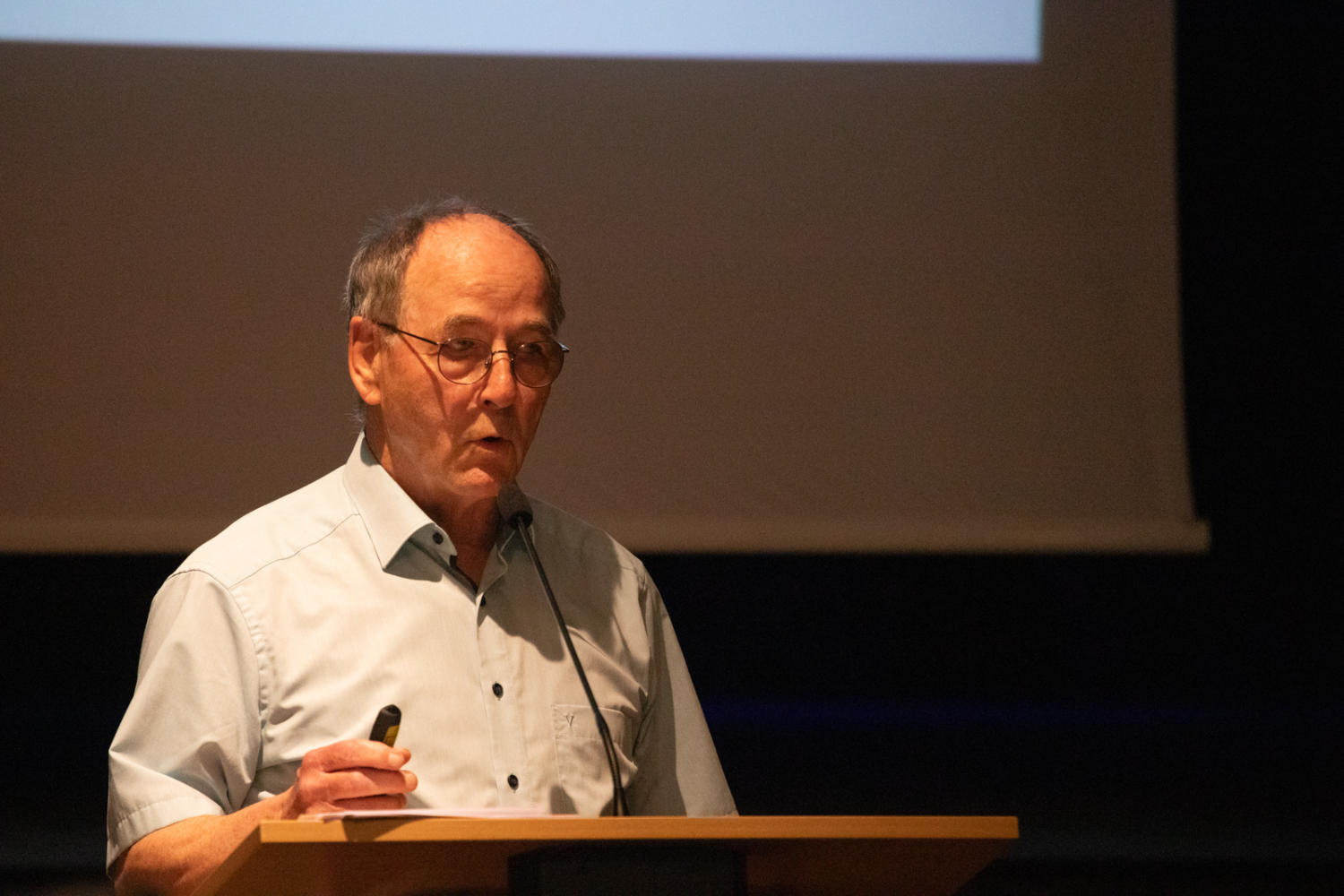
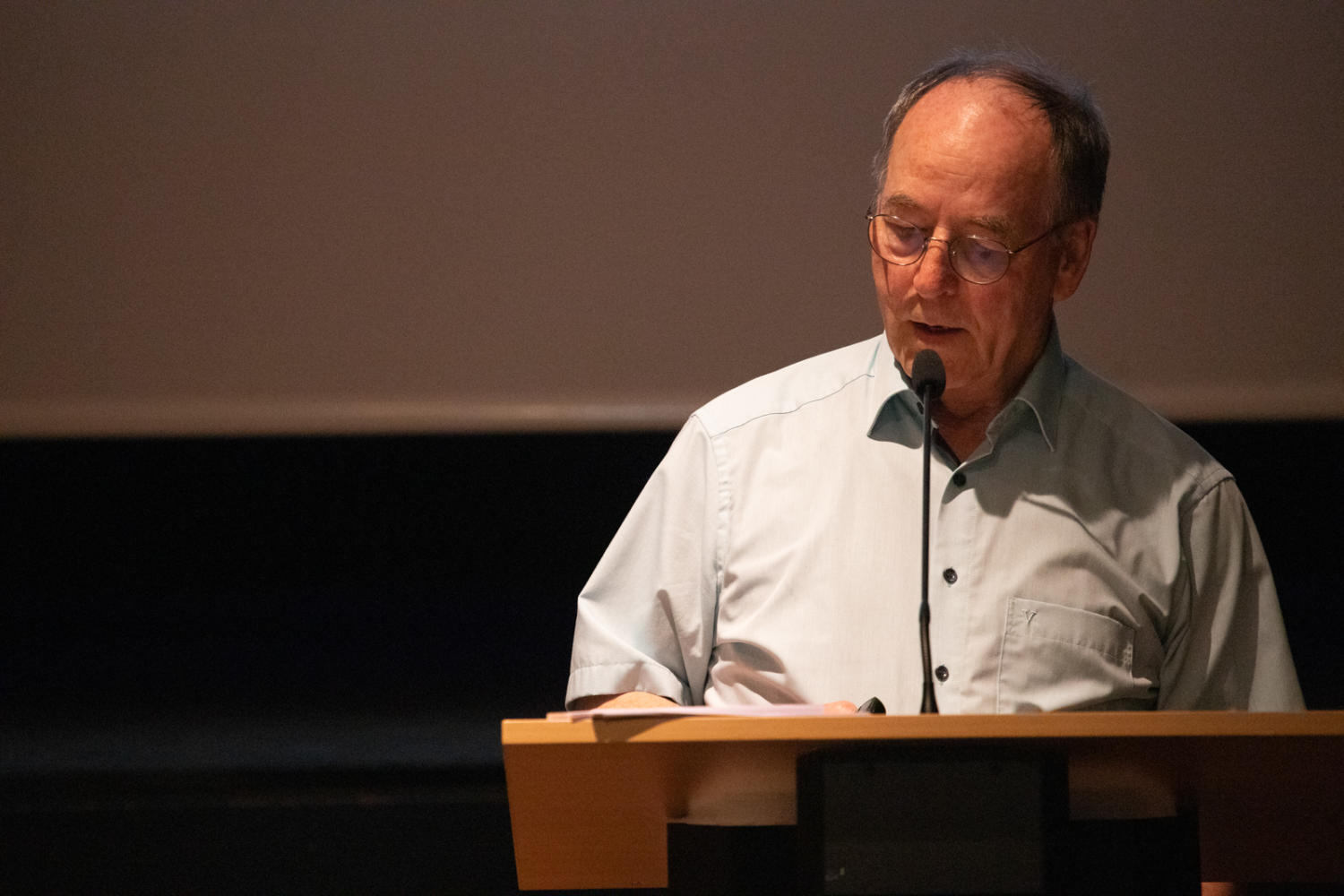
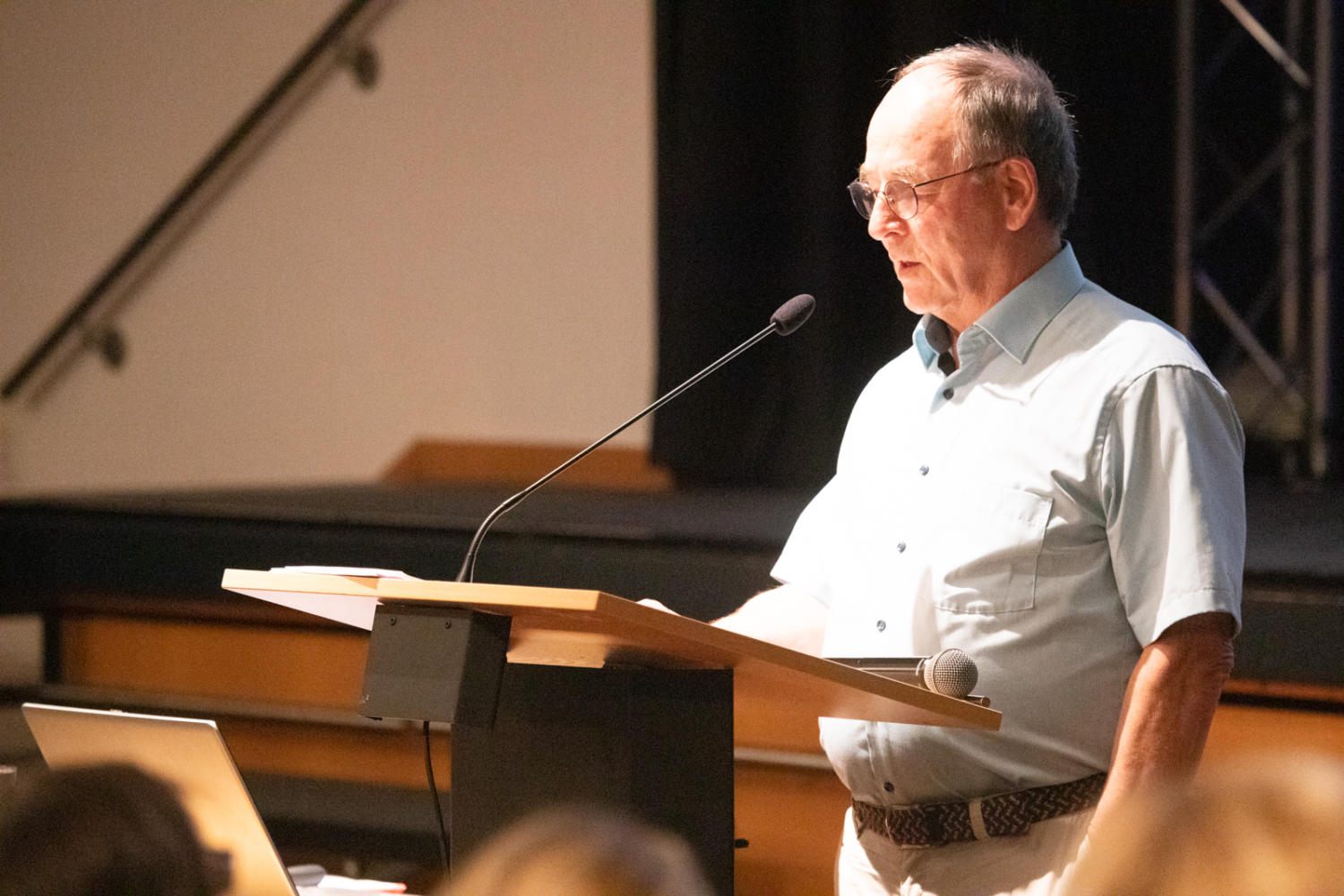
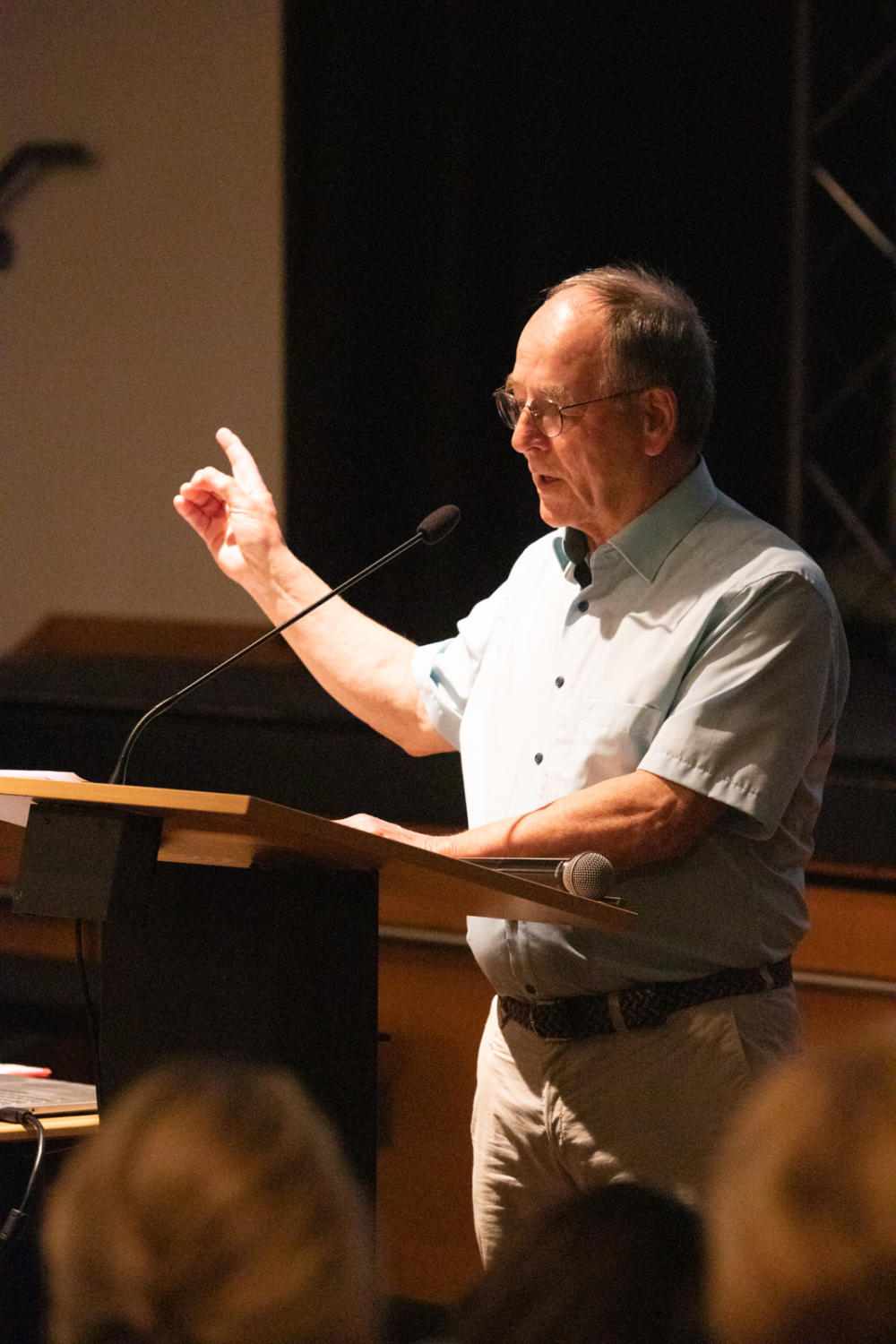
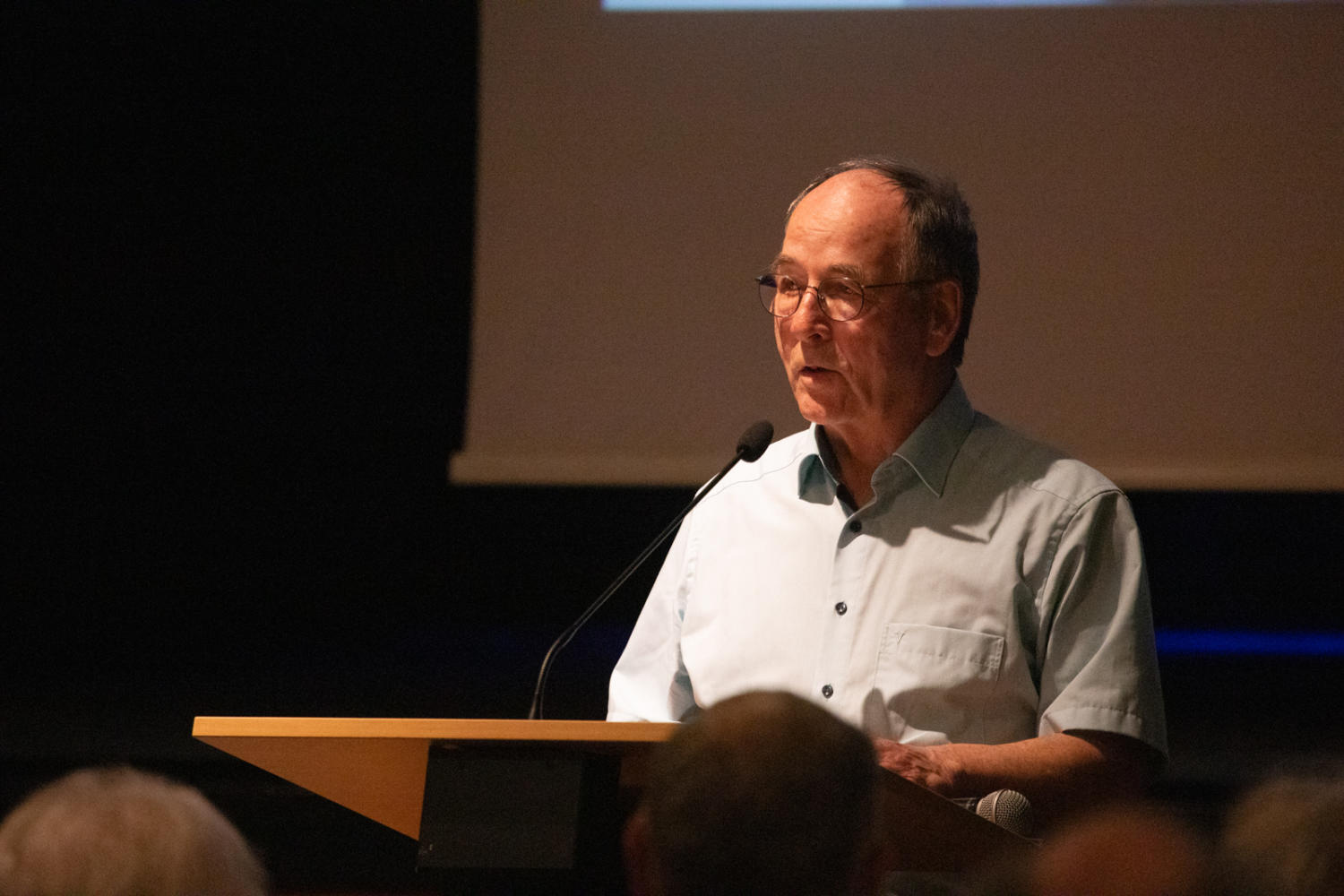
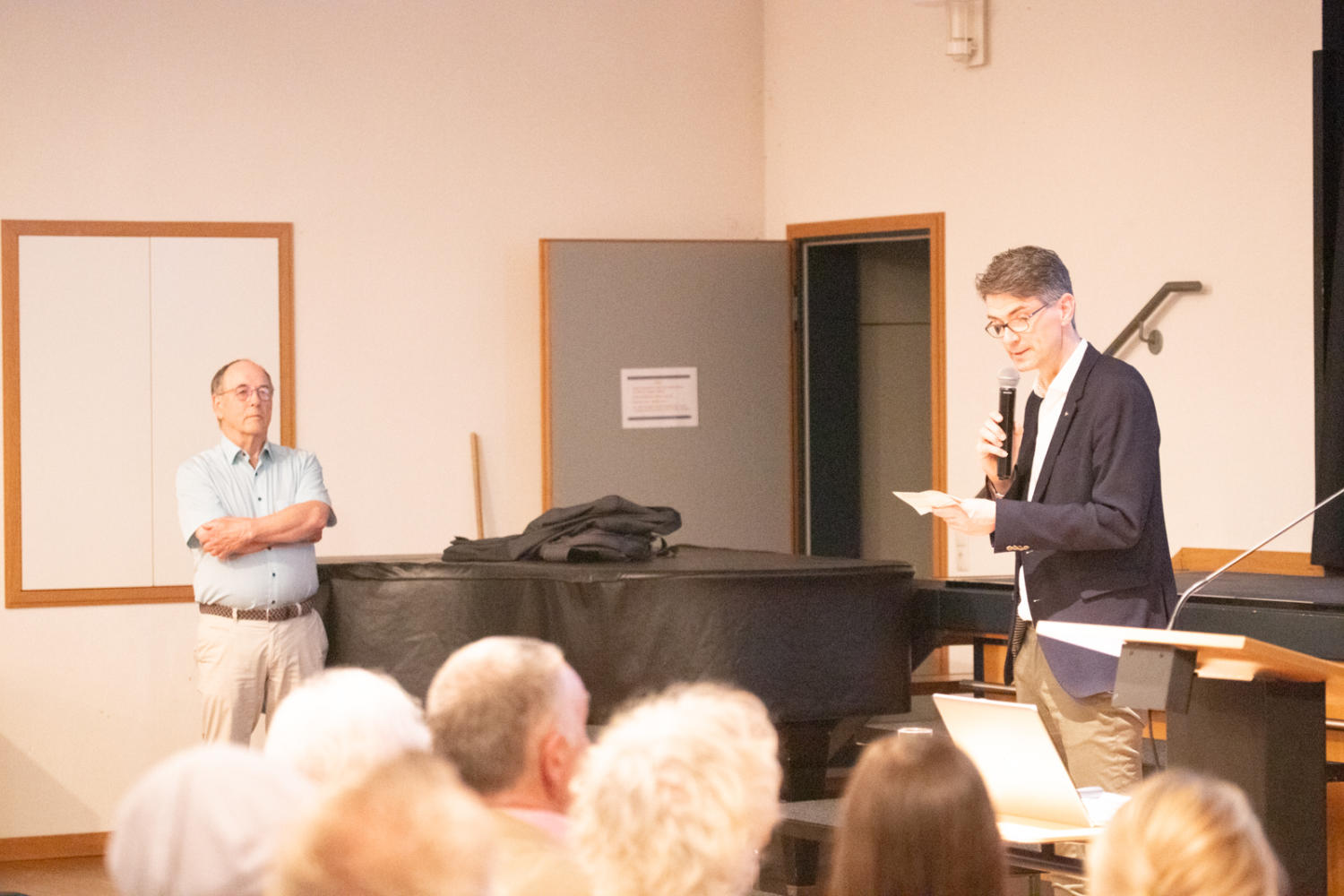
The Steinmühle celebrated its anniversary as a school on May 10, 1049. 75 years and two days later, Willi Stehling stood in the Steinmühle auditorium and gave a lecture on “Dr. Joseph Müller and His Private Schools in Marburg”—a historical retrospective tracing the school’s origins, without which it is difficult to understand Steinmühle.

Founder Joseph Müller and educator Gerhard Buurman were brought together through their activities in the Association of German Private Schools. Buurman invested 40,000 Deutschmarks in Steinmühle, which had 123 students on May 10, 1949. As an independently operated school and boarding school, the then “Landschulheim Steinmühle” received state recognition in 1955. In 1973, the Steinmühle had 226 boarding students—more than ever before and more than ever since.


Excellent research

To compile a work that not only presents facts spanning 75 years but is also an enjoyable read, one needs not only historical research but also archival work done with passion. This was accomplished by Edeltraud Buurman, the wife of Frerich Buurman, the son of Gerhard Buurman. It was a magnificently accomplished—and by no means easy—task that brought to light just how much activity, life, and movement have taken place on the Steinmühlen campus over the past 75 years.


Direction, Organization, Overview

The lead role in conceptualizing this 187-page work was entrusted to the person who already keeps track of everything in day-to-day school life: Principal Björn Gemmer. Alongside Willi Stehling and numerous individual authors, he also contributed a great many pieces to the overall work, ensured the correct sequence and proper alignment of text and photos, and made the layout process run smoothly.

After a busy anniversary season filled with numerous events, the Steinmühle is now taking a summer break before kicking off its “75 plus 1” year.

Currently, the school has a total of 820 students, of whom about 100 live in the boarding school and the rest are day students from the city. There are currently about 1,000 people on campus, including all staff members.

3. July 2024
https://steinmuehle.de/wp-content/uploads/sites/5/2024/07/IMG_1730-scaled.jpg 1000 1500 konnertz https://steinmuehle.de/wp-content/uploads/sites/5/2025/11/Logo_SchuleInternat_Steinmuehle_2026_3.png konnertz2024-07-03 10:33:102026-06-18 17:38:28Passionate Historian Presents a Lecture and Chronicle to Mark the Anniversary

The Duke Award as an Elective Course: For New Challenges and Social Engagement

Contests & Awards, News, Politics, Business & Responsibility

The Duke of Edinburgh’s International Award is a new elective course offered at Steinmühle for students aged 14 and older. The program is offered in over 130 countries and was developed to encourage young people to learn new skills, get involved in community service, promote physical fitness, and experience adventure. Upon successful completion at the end of the school year, participants receive the Duke of Edinburgh’s Award, which consists of a pin and a certificate and is internationally recognized. The program consists of four main areas: Service, Skills, Fitness, and Expedition. By participating in various activities within these areas, participants can earn Bronze, Silver, and Gold awards, each of which has different requirements and presents an increasing level of challenge. Steinmühle will begin with the Bronze level in the coming school year. Everything is documented in an online record book and ultimately verified by assessors. At the end of the school year, the nature expedition takes place. In groups of 4–7 students, the students must independently carry out a two-day, one-night expedition in nature—without technical aids—to complete a specific “research assignment” or expedition goal. The expedition is unaccompanied, meaning the students set out together on foot along a route they have chosen themselves—armed with a map and a backpack—and then spend the night in a tent before continuing the next day. At the end, they give a final presentation on their expedition and present their research findings. Prerequisites for the expedition are participation in expedition training and the completion of a shortened trial expedition.

Theresa Großer, along with René Schulenberg, Marc Bepperling, and Linda Hörner, will serve as Award Leaders in the coming school year. To prepare for this role, the team attended a training session together with Aylin Yüzgülen-Bienek. Currently, 25 students from the upcoming 8th, 9th, and 10th grades have registered. Principal Björn Gemmer thanked Theresa Großer for overseeing the certification process that Steinmühle had to complete to offer the program, and Frank Wemme for implementing it as part of the elective curriculum.

More information about the program is available at https://duke-award.de/

3. July 2024
https://steinmuehle.de/wp-content/uploads/sites/5/2024/07/IMG_0683-scaled-1-scaled.jpg 1000 1500 konnertz https://steinmuehle.de/wp-content/uploads/sites/5/2025/11/Logo_SchuleInternat_Steinmuehle_2026_3.png konnertz2024-07-03 10:27:442026-06-18 17:38:24The Duke Award as an Elective Course: For New Challenges and Social Engagement

Dedicated election volunteers: The CDU was the leading party in the youth elections, but the SPD made gains

News, Politics, Business & Responsibility, Surveys & Studies

On June 6, the junior election for the European Parliament took place at the Steinmühle under bright sunshine. Subject teacher Eva Katharina Rink reports:

It’s no wonder that, with such beautiful election weather, voter turnout was a gratifying 83 percent. But we also have our hardworking election volunteers to thank for this, as well as those who were willing to help out with the junior elections:

Baris Cem Tutu, Jonathan Eckardt, Jan Templer, and Anton Neßler enjoyed their work as election volunteers so much that the junior elections were even completed earlier than originally scheduled. The four young men from Dr. Claudia Röder’s Political Science elective class stood out for their dedication, organizational skills, knowledge, and sense of humor.


Fun While Voting

So the two accompanying teachers, Jessica Schumann and Eva Katharina Rink, didn’t get bored either. On the contrary—the atmosphere at the junior election at Steinmühle was warm, cheerful, and lively. That’s what makes voting fun!

However, the following students should also be mentioned:

Ben Luis Peters, Jannis David Bastian, Fabian Gutmann, and Andreas Fabian Wöhr also wanted to serve as junior election workers, and some of them—including Ben Luis Peters—had already demonstrated their commitment to democracy and their diverse skills during the previous junior elections in the fall of 2023, held in conjunction with the Hessian state legislative elections. Constantin Mensing also served as an election worker during the junior election for the state legislative election and left a very positive impression.


A thank you for your hard work

Eva Katharina Rink, the English and social studies teacher who was primarily responsible for organizing and conducting the junior elections, would like to take this opportunity to extend a heartfelt thank you to the people mentioned above. Without you, these junior elections would not have been possible—you’re the best! 😊

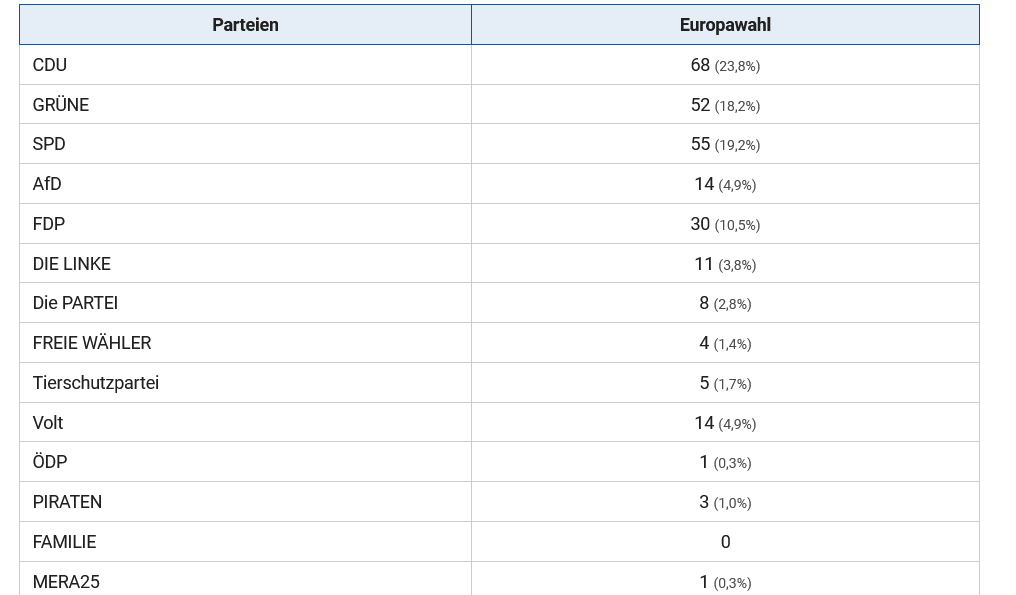
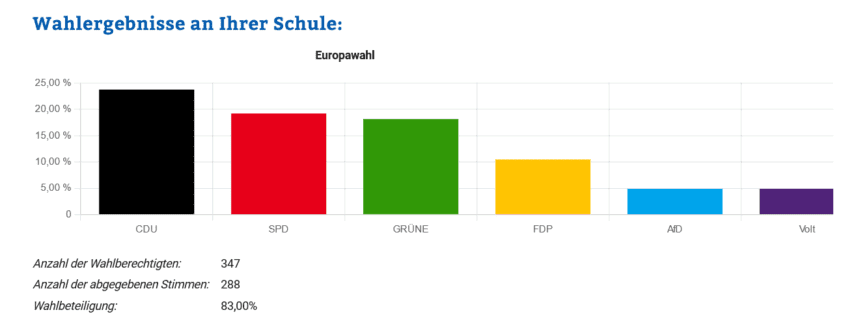
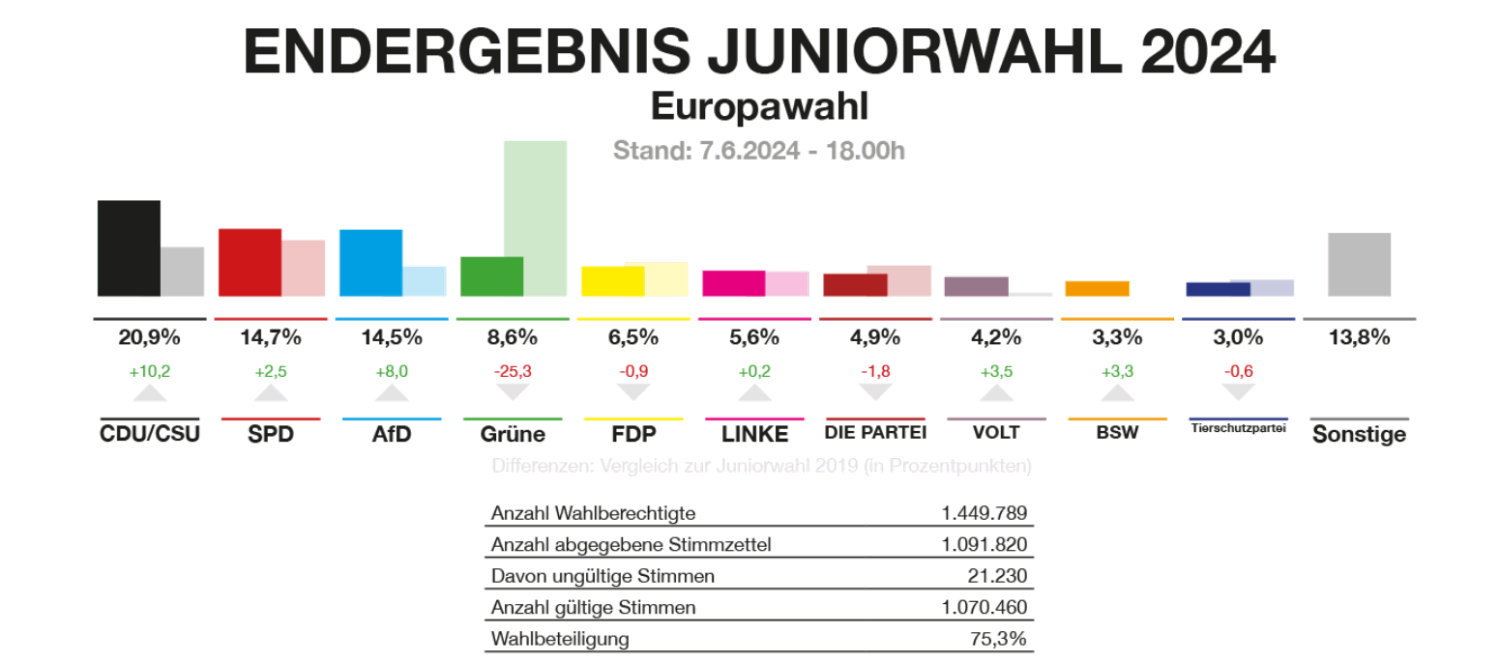
The results of the junior elections at Steinmühle were also outstanding, especially when compared to the overall results of all participating schools in Germany. At Steinmühle, in fact, a clear victory for the democratic parties is emerging. Although the AfD also gained ground here (4.9 percent), it lags significantly behind the other parties. A nationwide trend is also evident at Steinmühle: The Greens are the losers of this election and have lost many votes compared to previous junior elections at Steinmühle (18.2 percent), but they are still the third-strongest party and thus well ahead of the FDP (10.5 percent).

The results for the CDU, which emerged as the leading party at Steinmühle, are also noteworthy (23.8 percent) and the SPD, which, with 19.2 percent, is clearly the second-strongest party and can certainly be described as the winner of the election, as it has made significant gains at Steinmühle compared to previous junior elections.


To Promote Democracy

The result for the Volt party is also noteworthy, as it is tied with the AfD (4.9 percent).

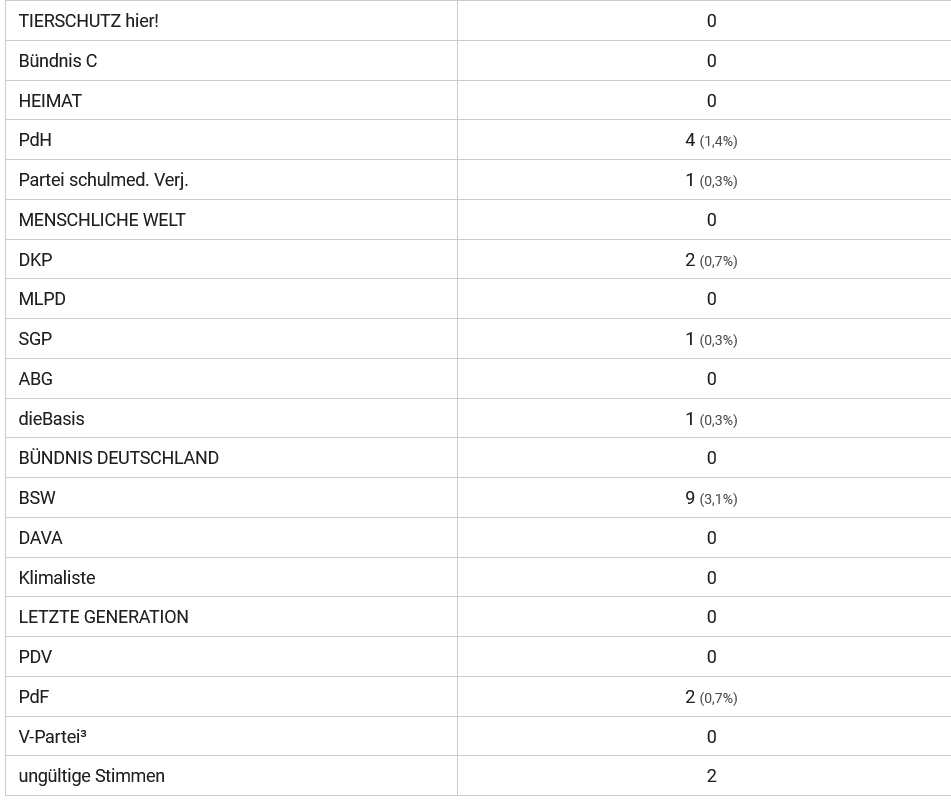
With 3.8 percent of the vote, Die Linke is considered the loser at Steinmühle, and Sahra Wagenknecht’s party (BSW) also managed to secure only 3.1 percent of the vote. It thus trails Die Linke by a narrow margin.

Other parties received a total of 11.5 percent. The exact results can be found in the chart on the right. This result is typically high for our school. This year’s junior elections were, of course, particularly exciting, as 16- and 17-year-olds were also allowed to vote for the first time in the “real” European elections.

The Junior Election (www.juniorwahl.de) is viewed as a project to promote democracy, and given the enthusiasm shown by the Steinmühlen students on Election Day, one can definitely agree with this assessment.

The organizers of the junior elections at Steinmühle hope that the rest of the student body and faculty share this view, and that the enthusiasm and commitment to our wonderful and exciting democracy at our school will continue to grow in the years to come.
17. June 2024
https://steinmuehle.de/wp-content/uploads/sites/5/2024/06/Graphik-Ergebnis-Juniorwahl-zur-Europawahl-2024.png 493 1351 konnertz https://steinmuehle.de/wp-content/uploads/sites/5/2025/11/Logo_SchuleInternat_Steinmuehle_2026_3.png konnertz2024-06-17 13:32:302026-06-18 17:38:14Dedicated election volunteers: The CDU was the leading party in the youth elections, but the SPD made gains

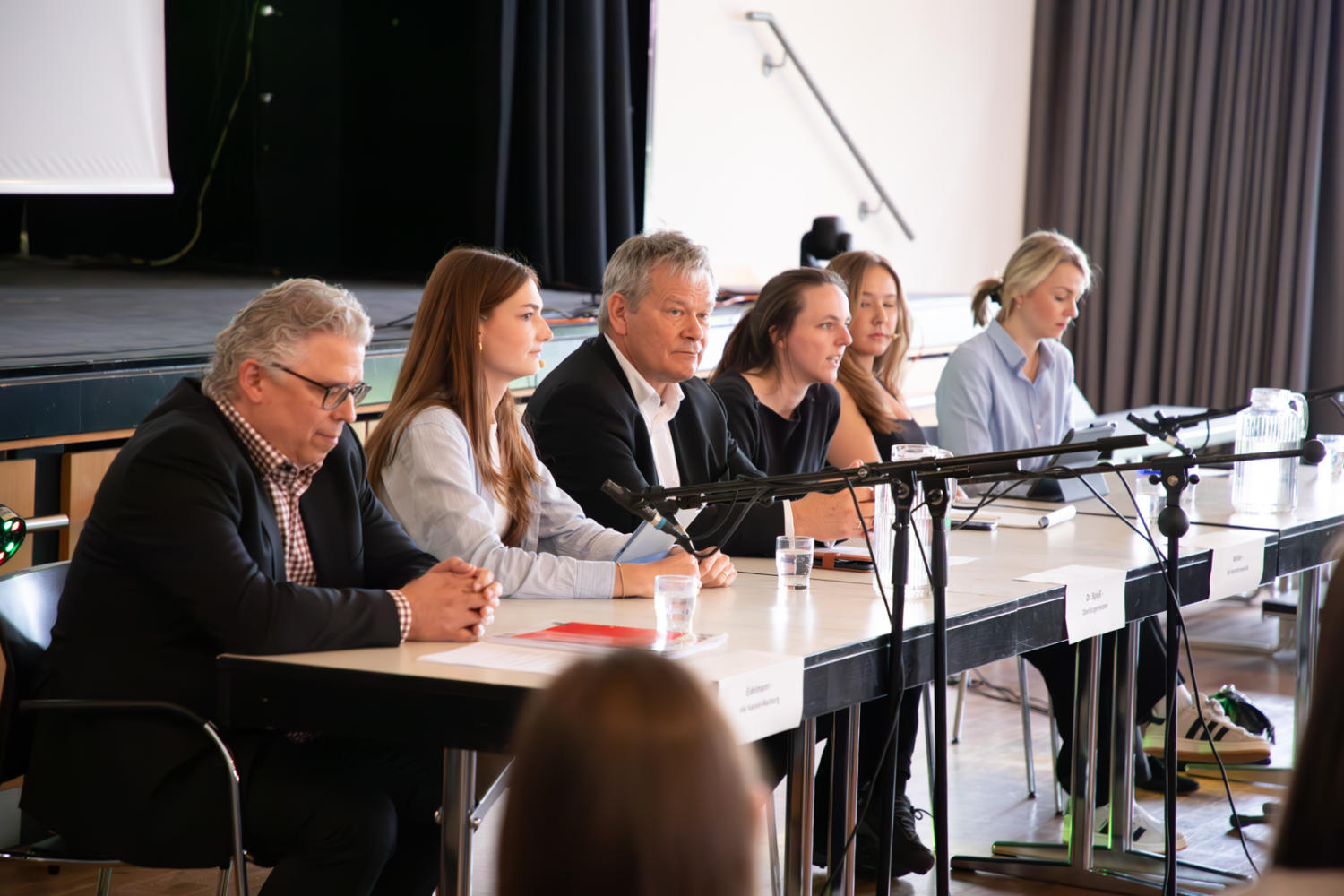
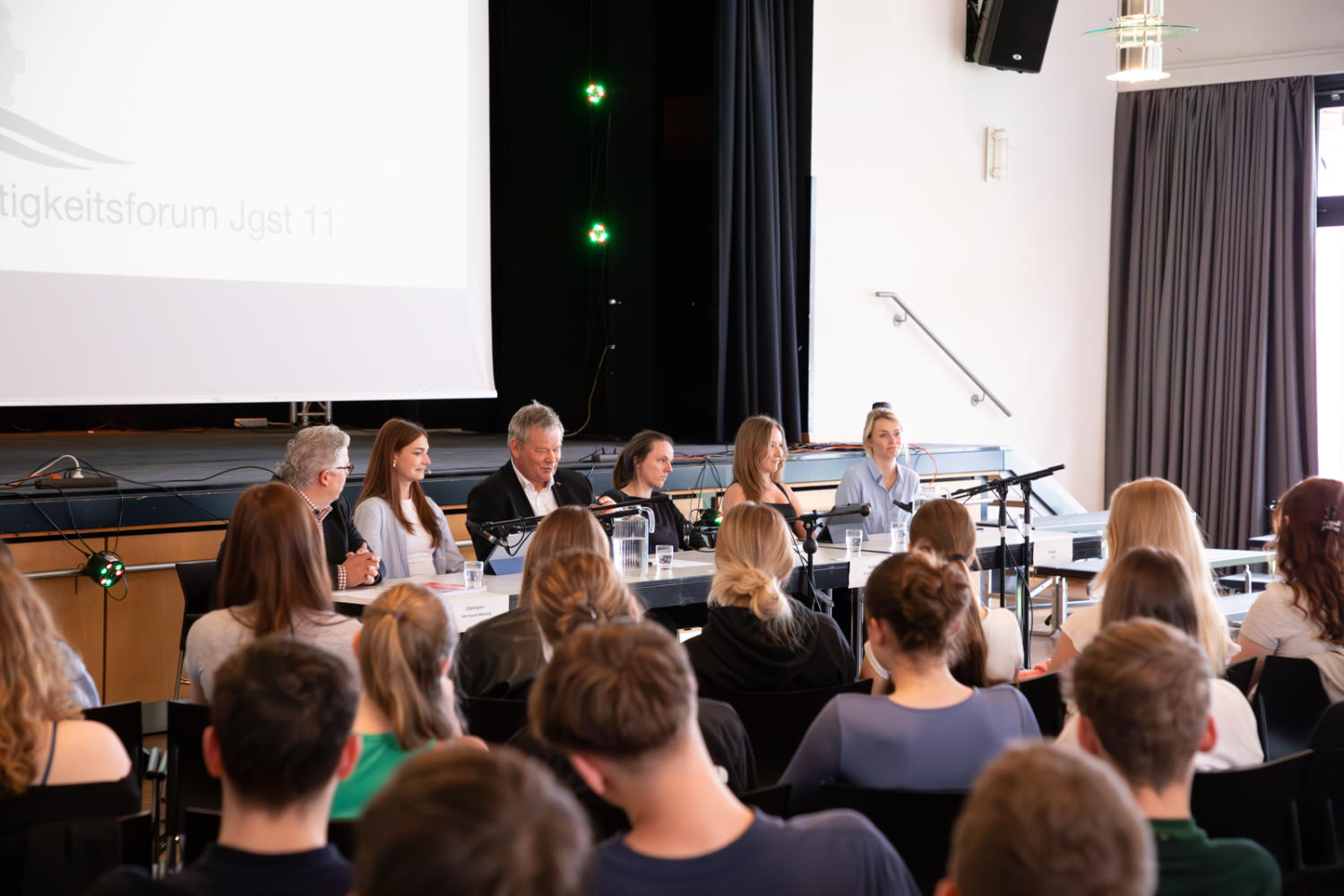
Sustainability Forum, 11th Edition: A Polarizing Debate with Local Politicians on MOVE 35

Ecology and Sustainability, News, Politics, Business & Responsibility

It wasn’t the most relaxed event the Steinmühle had ever seen, clearly due to the topic:

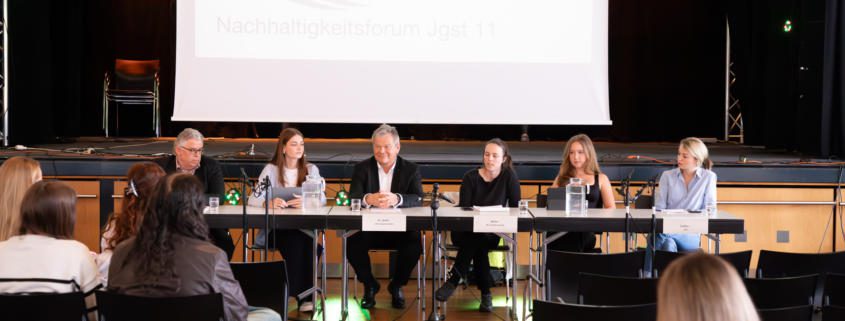
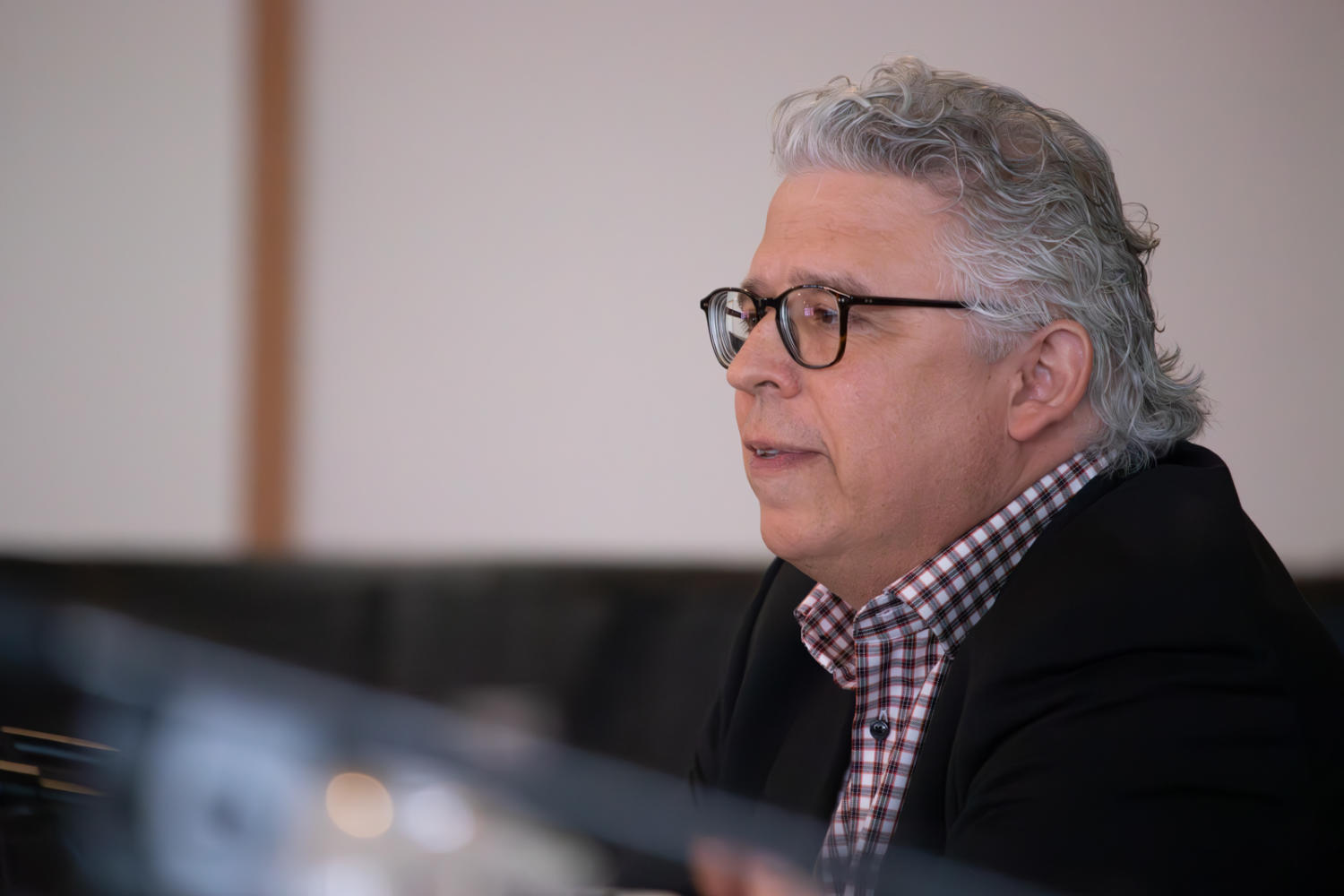
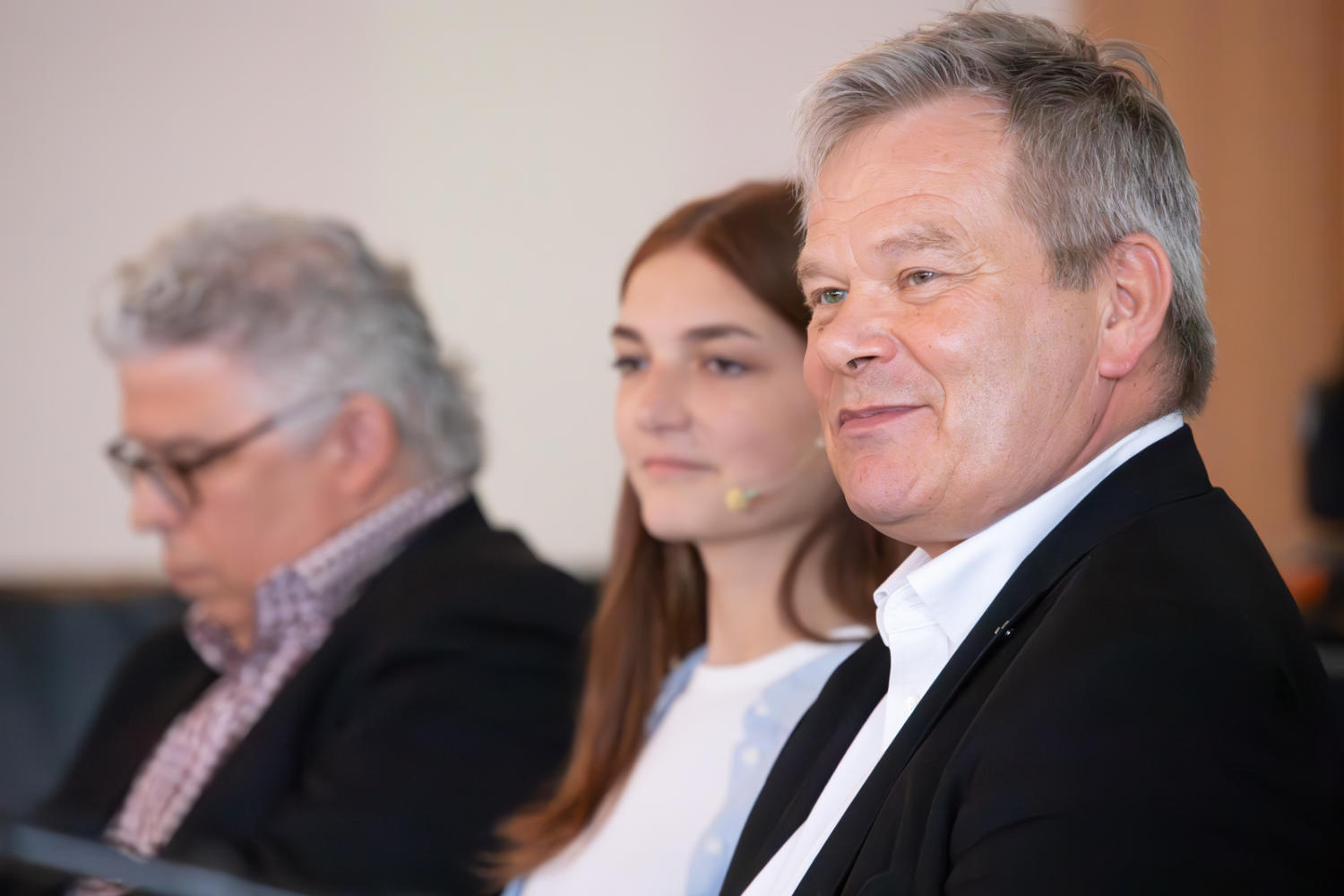
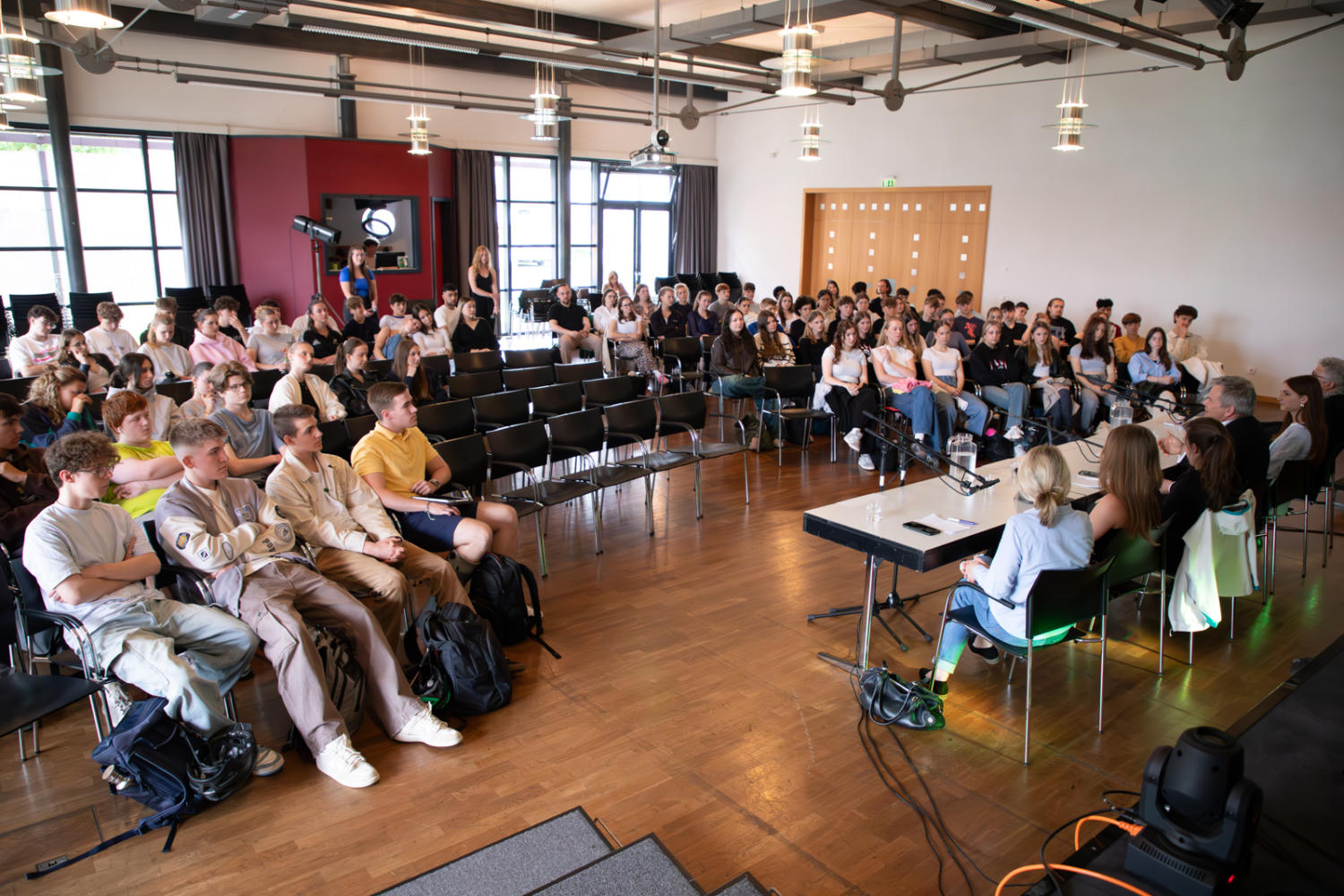
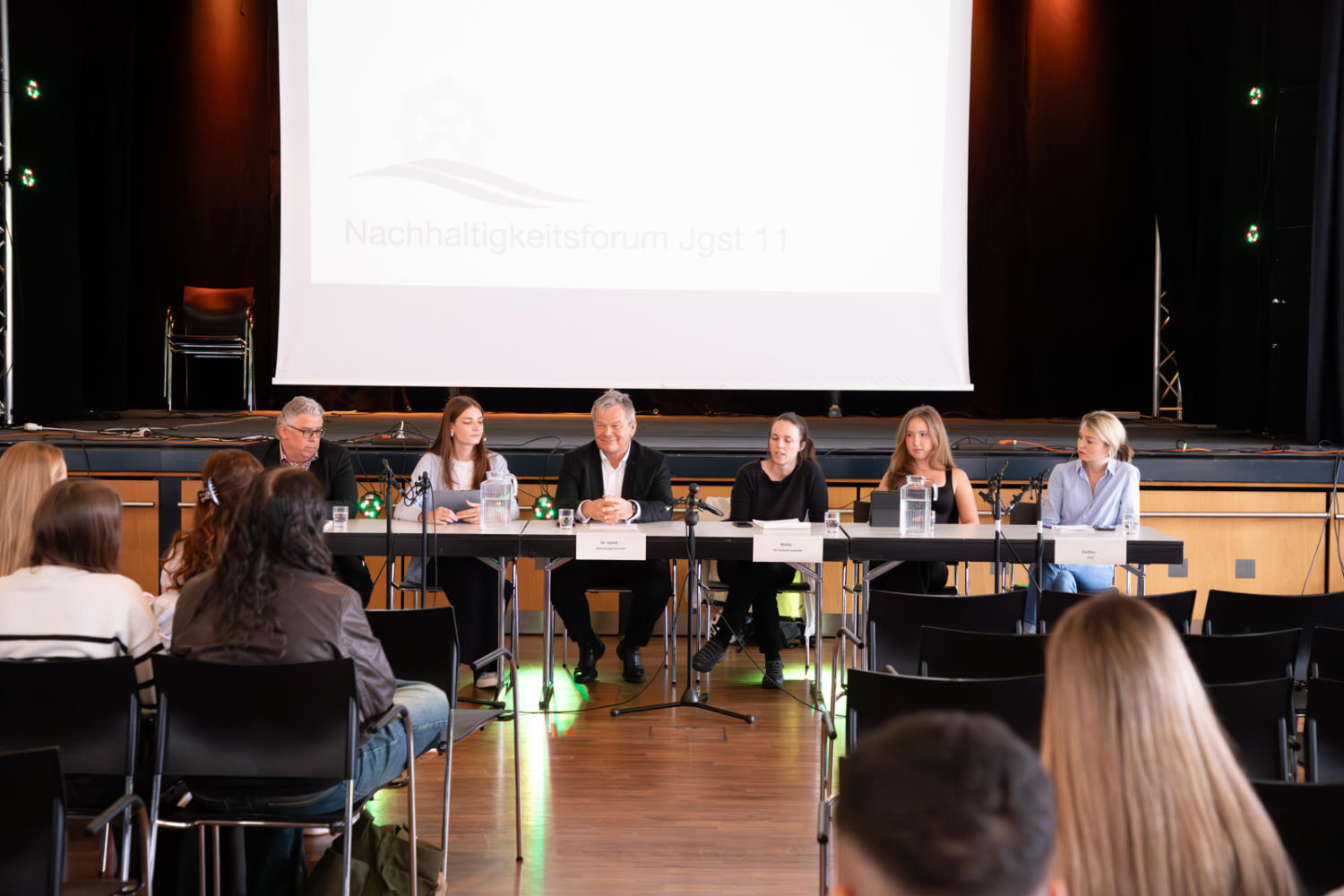
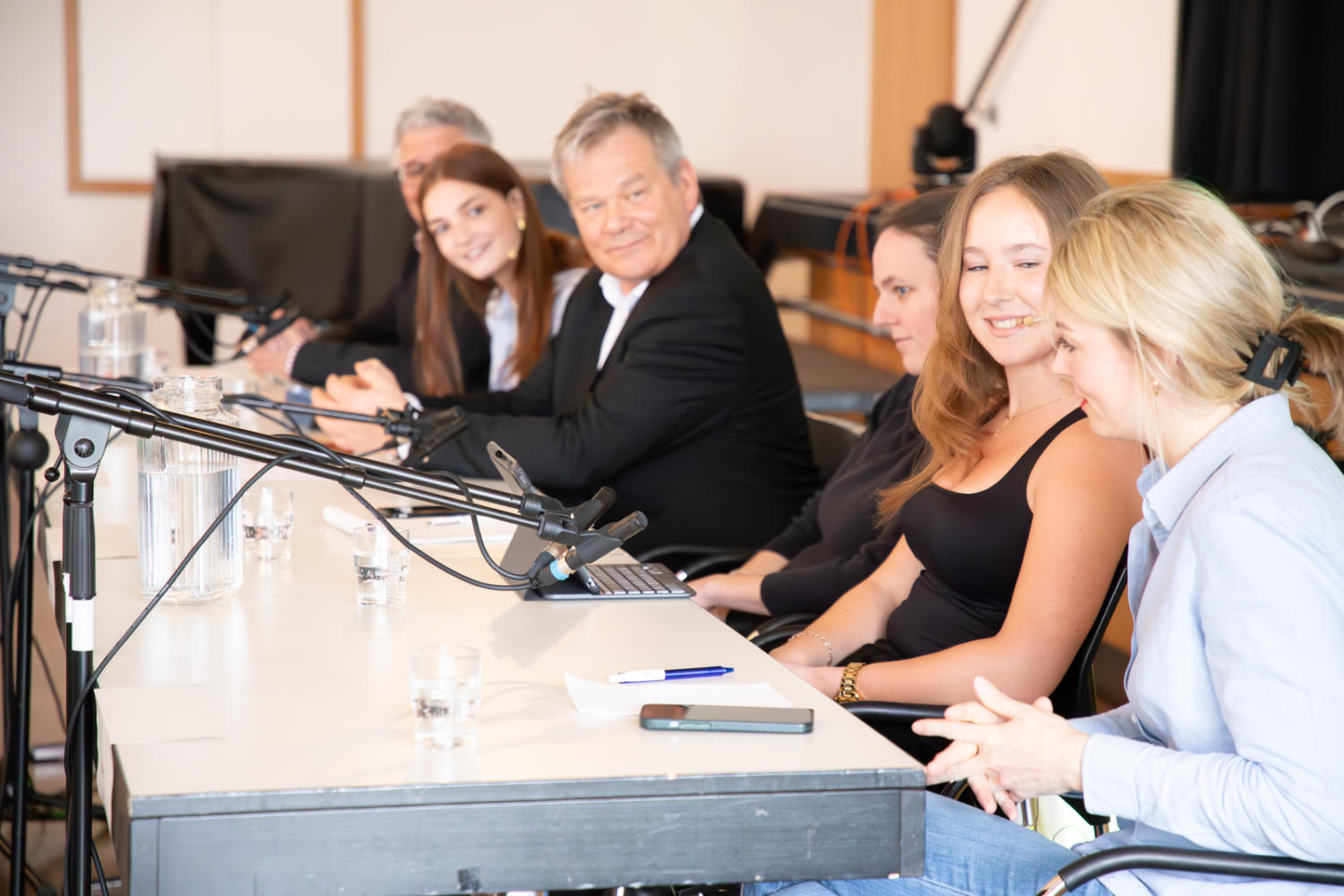
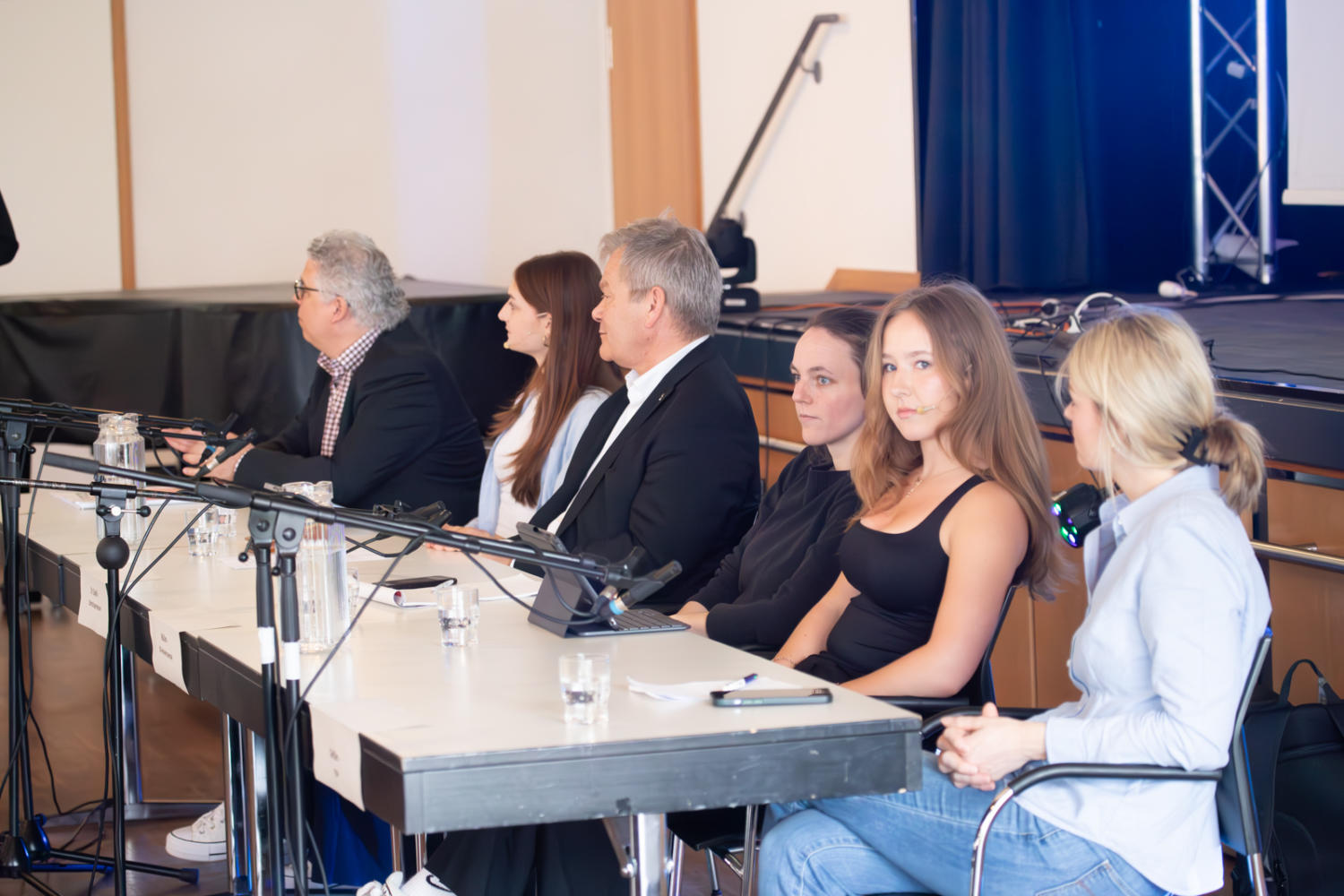
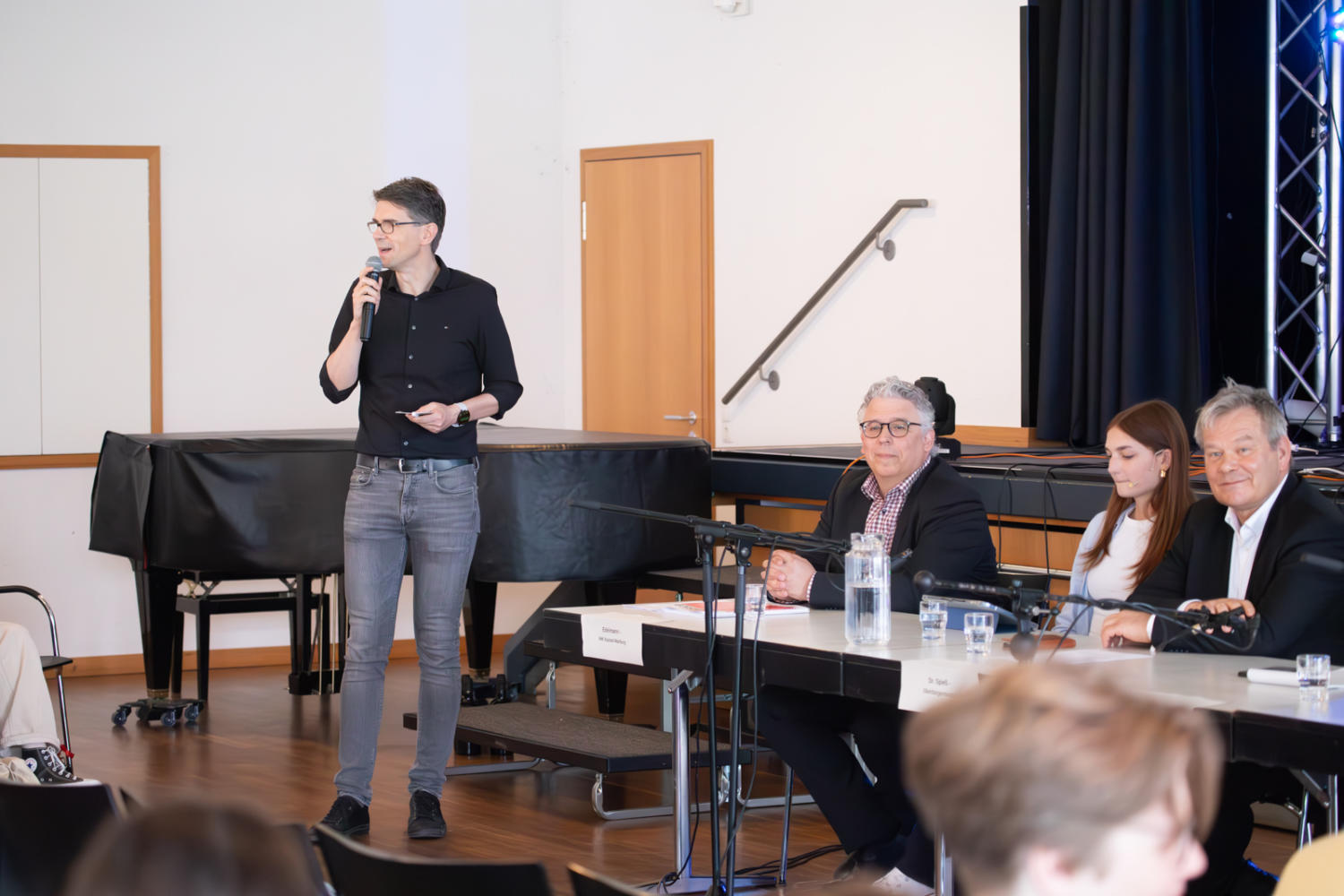
Mayor Dr. Thomas Spies and Sara Müller of the citizens’ initiative “Verkehrswende” discussed the MOVE 35 transportation plan with Oskar Edelmann, deputy executive director of the Kassel-Marburg Chamber of Commerce and Industry, and Lisa Deißler of the CDU/FDP/BfM parliamentary group.

Everyone was suddenly faced with questions from the 11th-grade class at Steinmühle.
Ecology vs. Economy. — Or Can They Go Hand in Hand After All?
Against the backdrop of climate change and the international and national agreements ratified in this context, transportation and mobility are central issues that are the subject of heated debate. Are ecology and the economy an irreconcilable contradiction?

A variety of topics will be incorporated into the 250-page MOVE 35 concept if it is implemented. This quickly became apparent from the statements made by the panelists.

“They want to rush this through here, and accessibility to Marburg’s outlying neighborhoods is being neglected,” stated Lisa Deißler, reaffirming her faction’s “no” vote due to various shortcomings: “There are no concrete plans.” Sara Müller’s approach was quite different. “We have declared a climate emergency for Marburg,” she reminded the audience, “Voting ‘yes’ on MOVE 35 is a climate necessity.” Mayor Dr. Thomas Spies began his statement by noting, “Mobility isn’t just about moving machines.” Unfortunately, he said, every transportation debate is framed as a debate about car traffic—when it’s really just about how people get from one place to another.


“Many business owners are concerned”

This argument didn’t really take hold—at least not with Chamber of Industry and Commerce representative Oskar Edelmann. For him, it was clear: “First, we need to expand public transportation; only then can we consider mandatory measures against car use.” The representative of the local business community spoke of the deep concerns local business owners have about the reduction of parking spaces and one-way street regulations: “More business owners than ever before are worried.”

The mayor acknowledged that mobility is essential and dismissed the claim that the city wants to ban cars as “nonsense.” Of course, a certain level of accessibility is needed, but it must be balanced fairly. According to the Chamber of Industry and Commerce representative, removing parking spaces creates an environmental contradiction: “More traffic searching for parking generates more CO2.” Furthermore, there is no need to impose restrictions on drivers in order to expand public transportation and bike lanes. Furthermore, people often don’t come into the city for personal enjoyment: “You have to keep in mind that Marburg has 29,000 commuters every day.”

“How do the municipal utilities plan to handle putting even more buses into service? We’re already short on bus drivers,” one student asked. Sara Müller sees the solution in using smaller vehicles, at least for the outlying neighborhoods. These could be operated without a bus driver’s license—a passenger transport permit would suffice.

Lisa Deißler cast serious doubt on the intention expressed by MOVE supporters to create “neighborhood parking garages” and asked where these were supposed to be located. Incorporating some questions from students, those present also discussed the topics of impervious surfaces, possible changes to the bus route system, carsharing, and community buses.


“Opponents spread bad vibes”

In the end, what remained of the event were mutual accusations among the panelists that the other side had failed to take entrepreneurs and the district into account (quote from Edelmann), had distorted the facts, and had spread bad vibes (quote from Spies).

Whether department store owner Ahrens or the company Pharmaserv was for or against MOVE 35 could not be definitively determined during the event, as each panelist claimed the position that suited them best.

The majority of the 11th-graders seemed to oppose the proposal—which is hardly surprising for students at a private school whose parents tend to be more economically minded. Whether they will be in the majority or minority in Marburg will become clear after the vote on June 9.

The Sustainability Forum at the school—as the event is officially titled—has a long tradition at Steinmühle. The panel discussion was organized by the Political Science Department, primarily by Carmen Bastian. She also serves as Steinmühle’s Ecology Coordinator and Environmental Officer.

29. May 2024
https://steinmuehle.de/wp-content/uploads/sites/5/2024/05/IMG_1869-Verbessert-RR-scaled.jpg 1000 1500 konnertz https://steinmuehle.de/wp-content/uploads/sites/5/2025/11/Logo_SchuleInternat_Steinmuehle_2026_3.png konnertz2024-05-29 11:54:022026-06-18 17:38:15Sustainability Forum, 11th Edition: A Polarizing Debate with Local Politicians on MOVE 35

The Bundestag and the WELT Editorial Team: The Political Science Class Visited Berlin

News, Politics, Business & Responsibility, Steinmühle on the Road

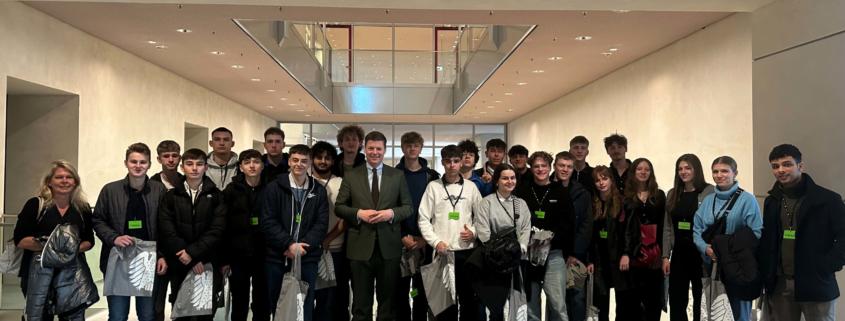
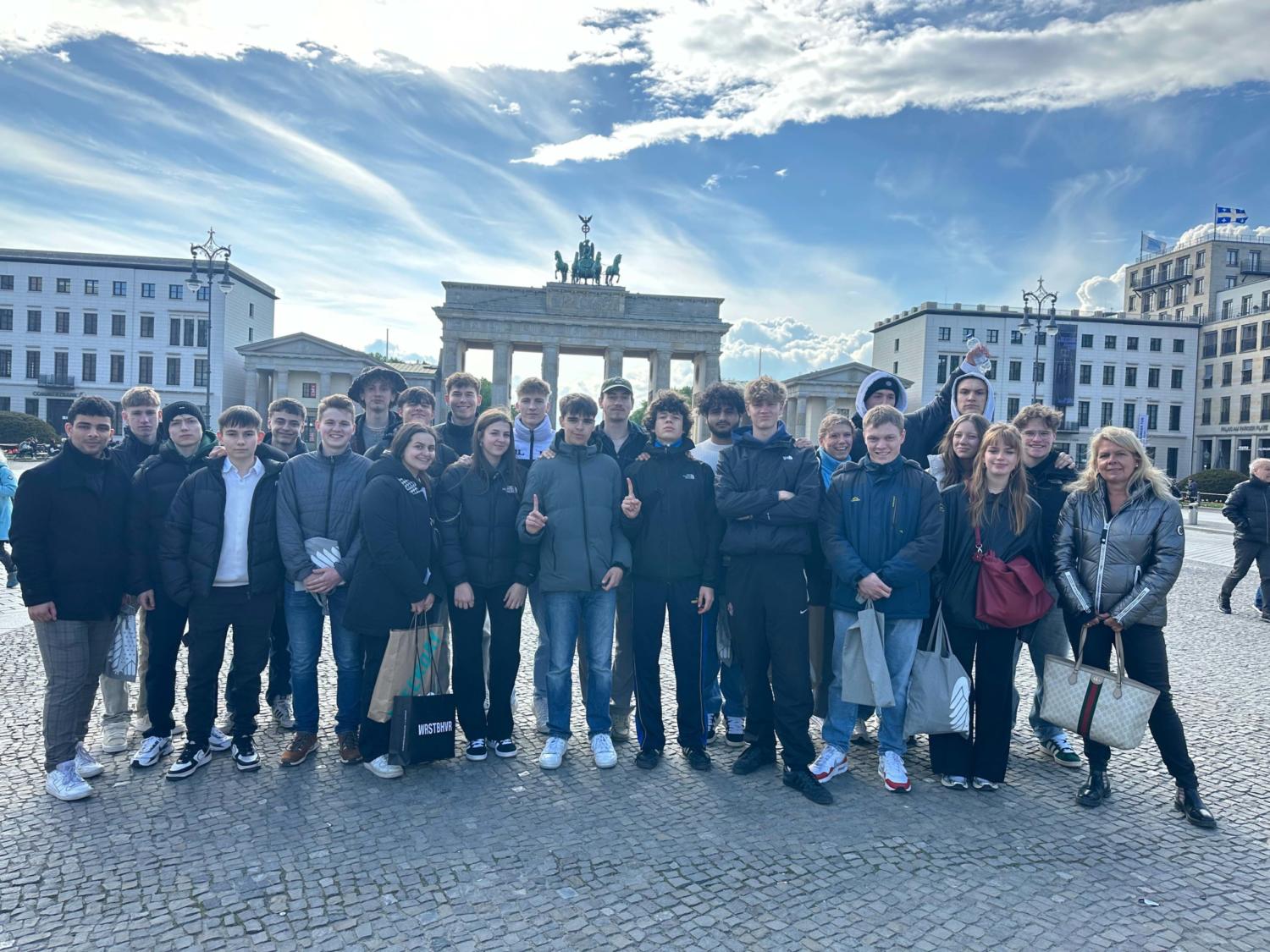
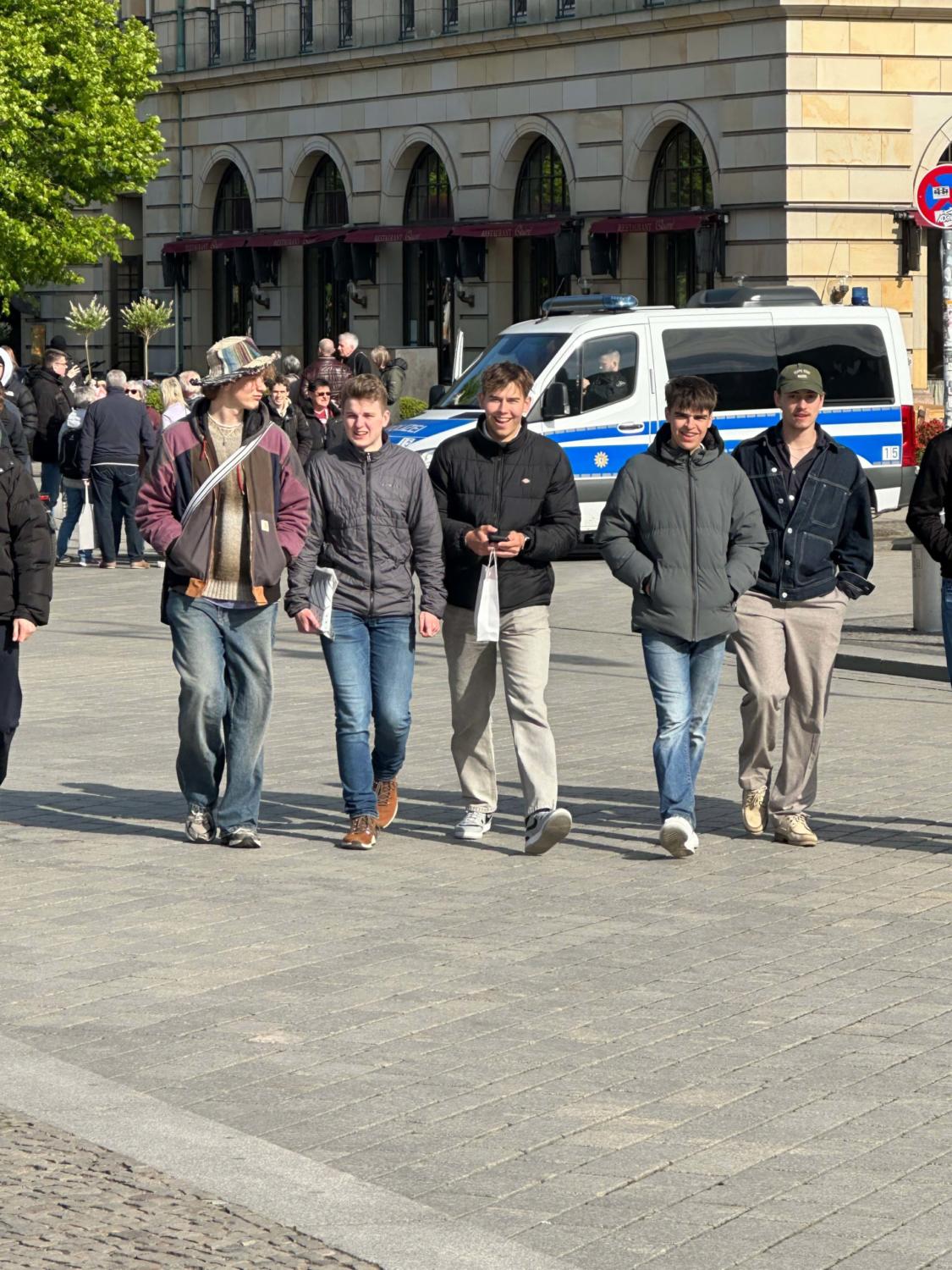
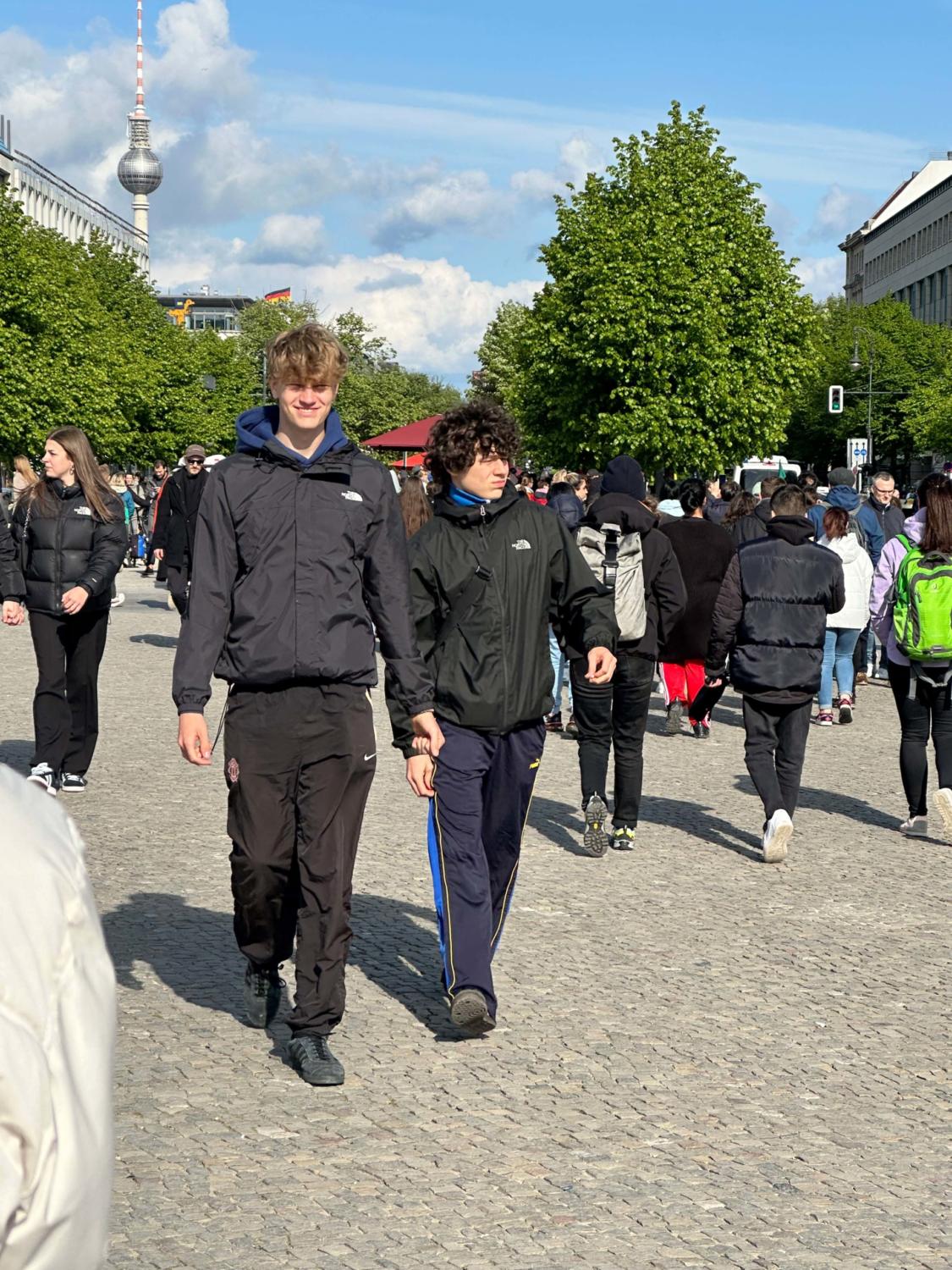
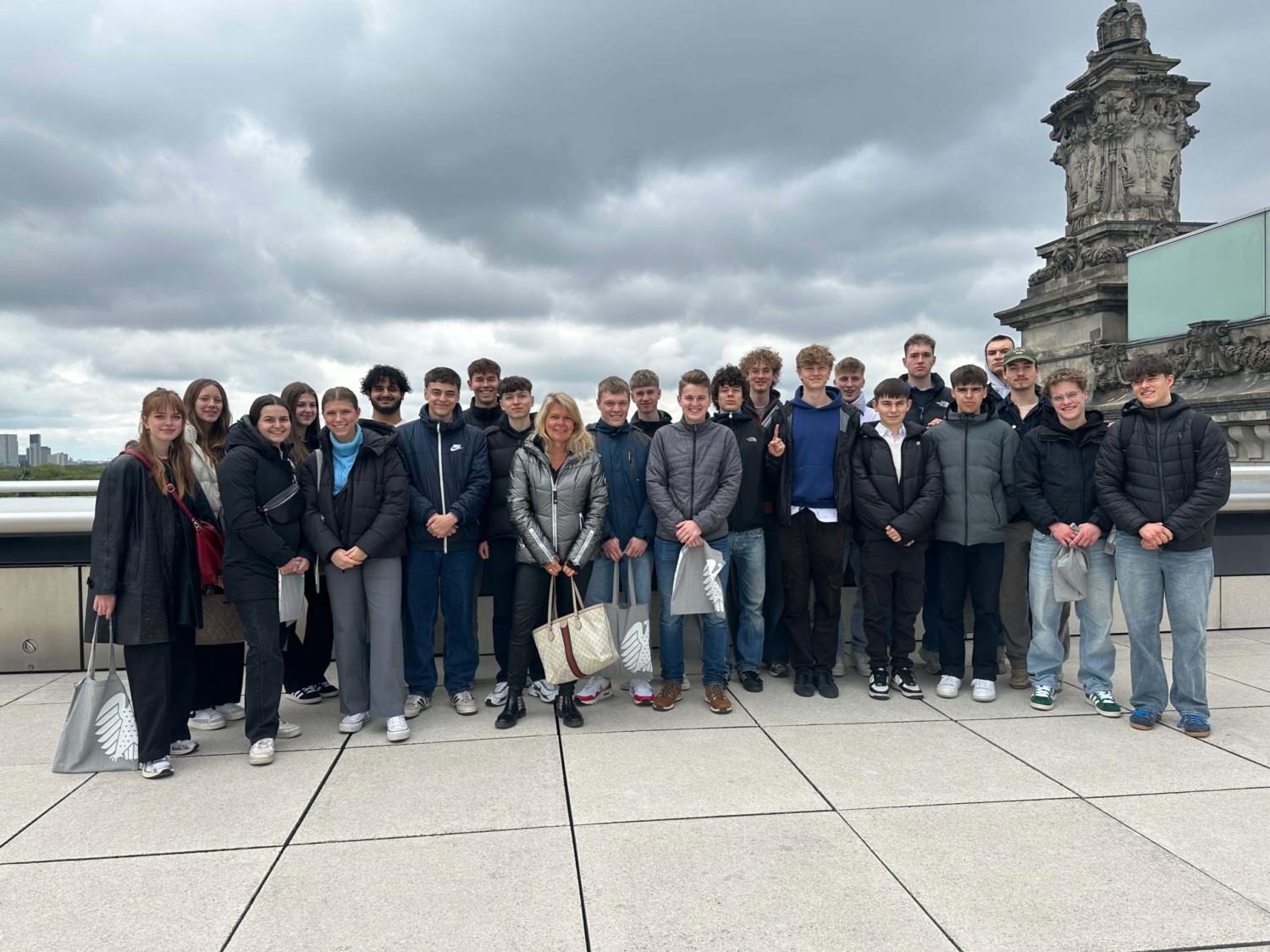
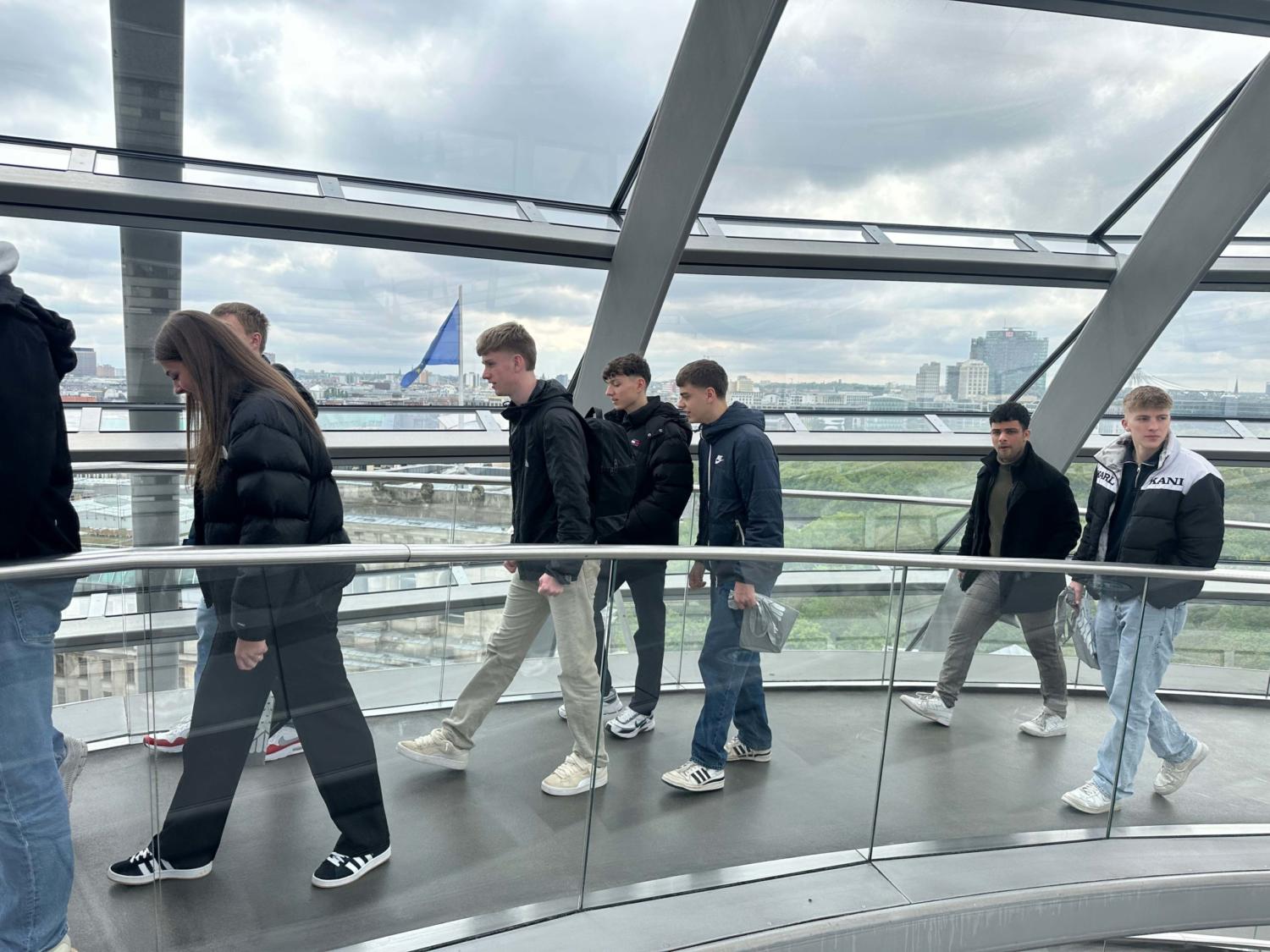
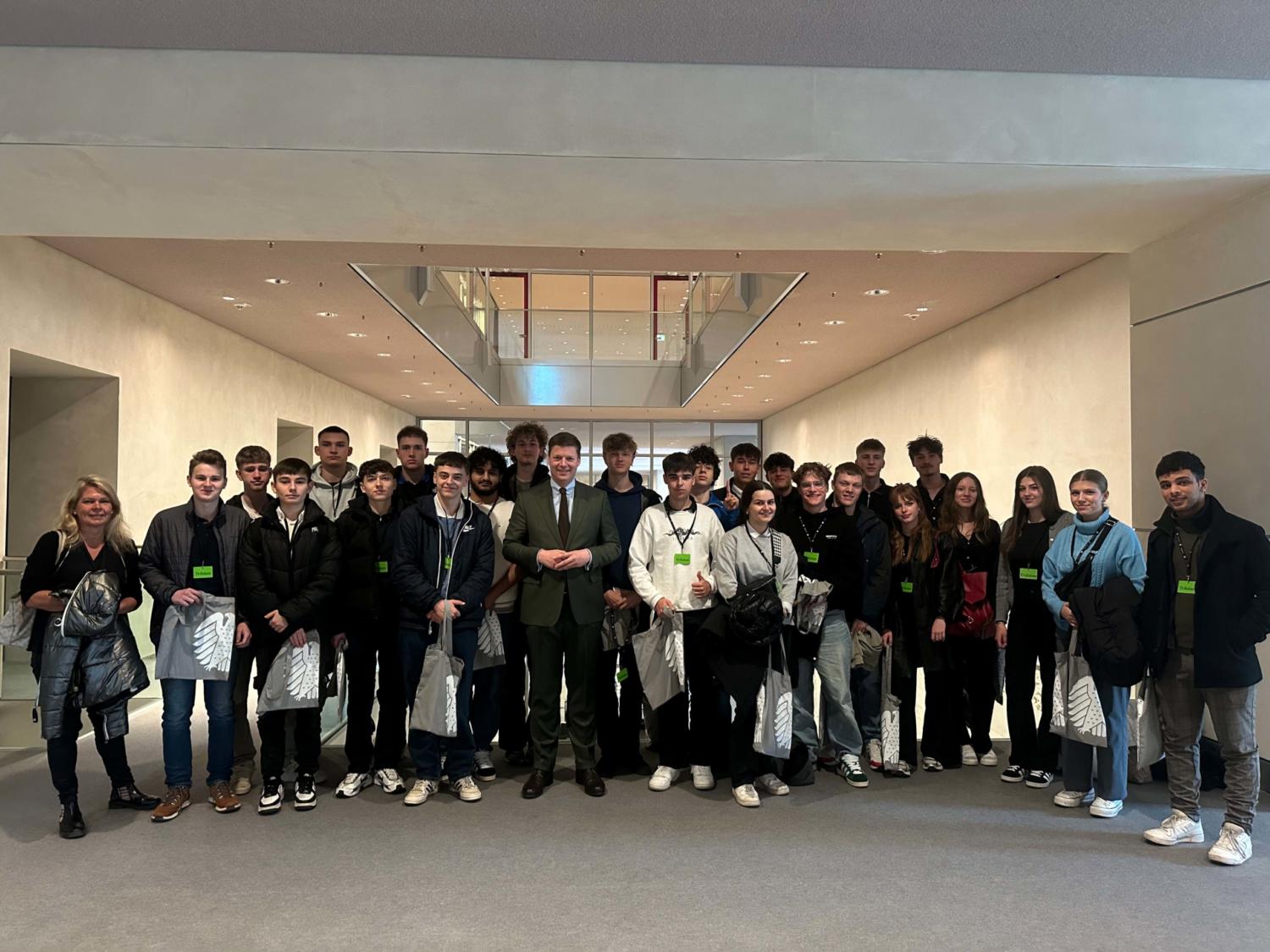
At the invitation of local Member of the Bundestag Dr. Stefan Heck (CDU), the Steinmühlen 12th-grade advanced political science class, accompanied by their teacher Dr. Claudia Röder, visited the German Bundestag in Berlin. The trip began on a Wednesday at 2:00 p.m. and took them via Kassel. The group arrived in the capital around 7:30 p.m. The day ended with a group dinner, followed by a ride to a very nice hotel.

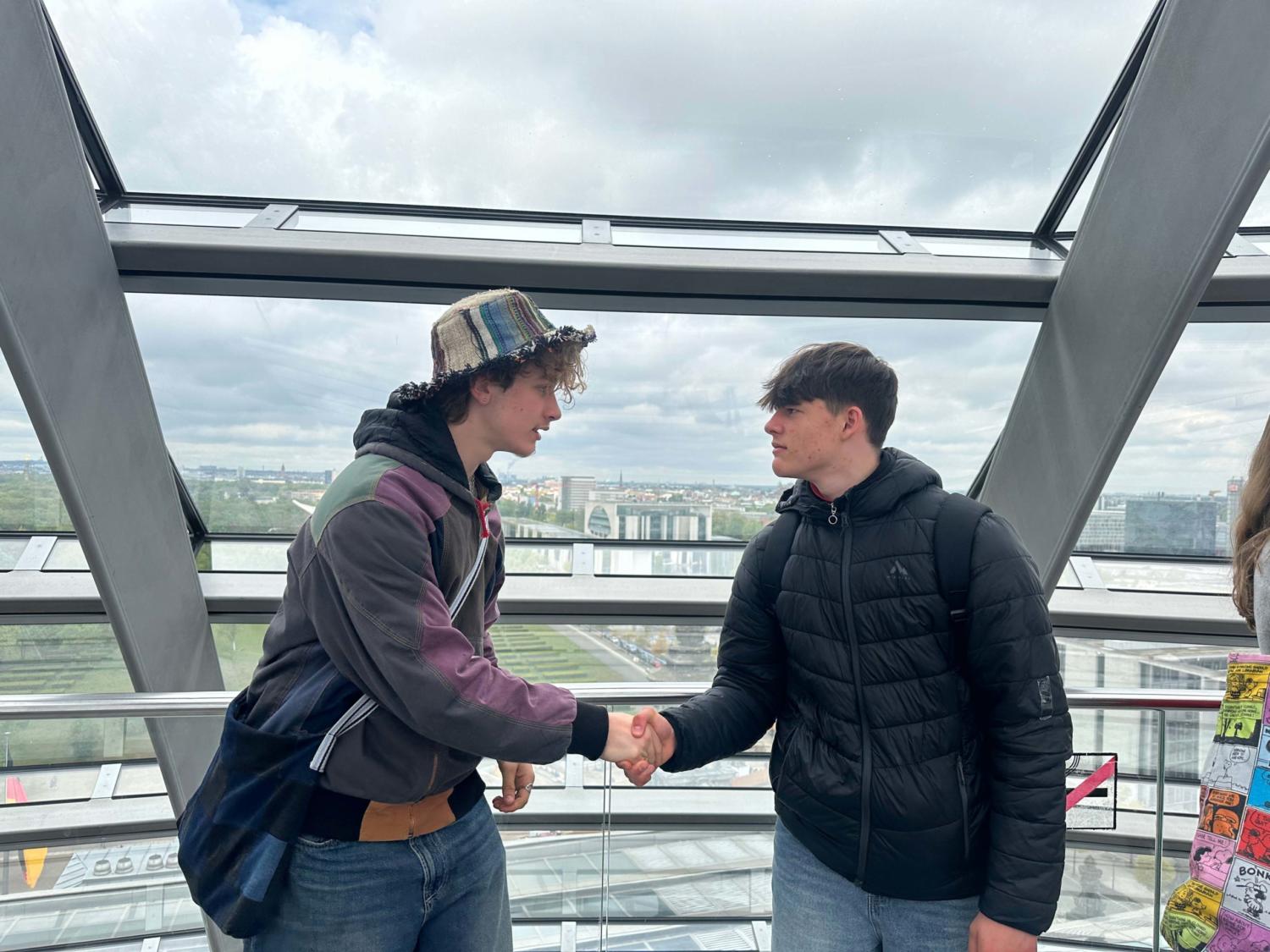
On Thursday morning, the group visited the German Bundestag, where the Political Science Advanced Course students were able to follow exciting and quite controversial discussions on the topic of the EU’s eastward expansion. Afterward, the group had a personal meeting with Member of the Bundestag Stefan Heck, who also invited the guests from Steinmühle to lunch in the Bundestag cafeteria. During the discussion with the CDU politician, topics such as social inequality, the future of the Bundeswehr, the new payment card, and issues surrounding the legalization of cannabis were addressed. The day concluded with a guided tour of the government district. The day ended with an Indian dinner with the class. Felix celebrated his 18th birthday!

The next morning, the group headed to *Die Welt*, where the students were invited to participate in an editorial board meeting on current events. To wrap up the two-day trip, the group visited the House of the Wannsee Conference in the afternoon before heading back to Marburg around 5:15 p.m.

12. May 2024
https://steinmuehle.de/wp-content/uploads/sites/5/2024/05/IMG_1036-scaled-1-scaled.jpg 1125 1500 konnertz https://steinmuehle.de/wp-content/uploads/sites/5/2025/11/Logo_SchuleInternat_Steinmuehle_2026_3.png konnertz2024-05-12 11:28:202026-06-18 17:38:05The Bundestag and the WELT Editorial Team: The Political Science Class Visited Berlin

geva Test: Where Your Career Journey Might Lead

News, Politics, Business & Responsibility

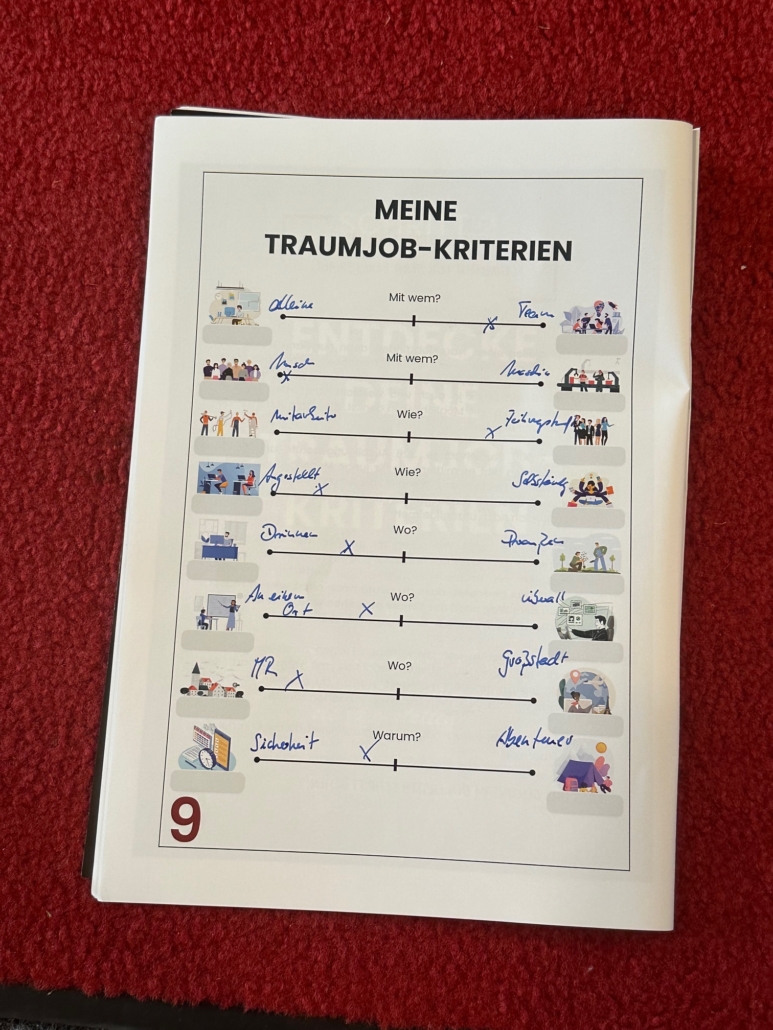
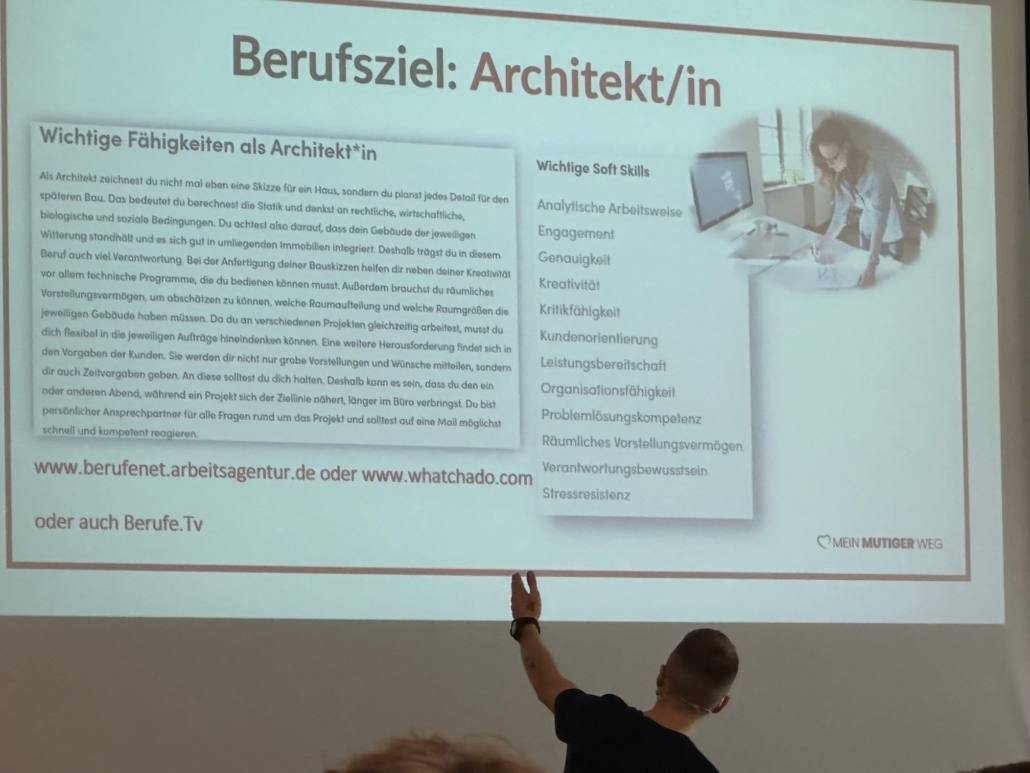
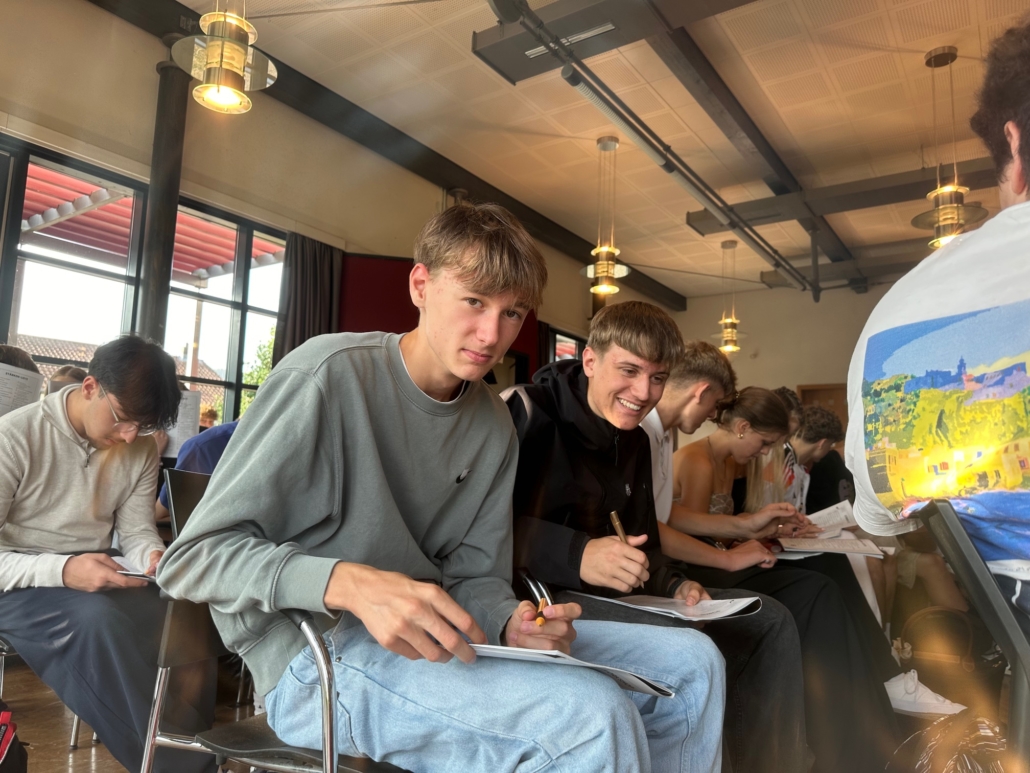
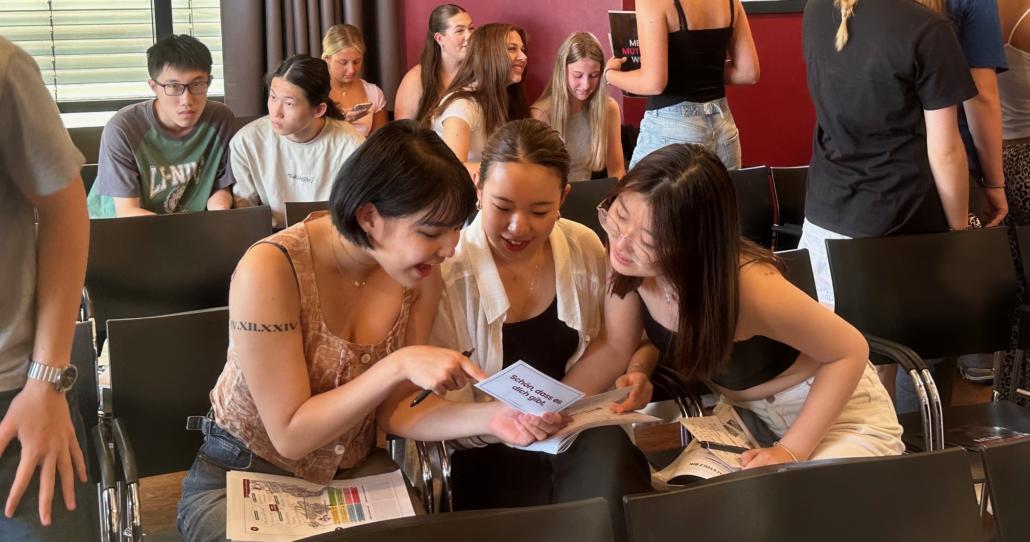
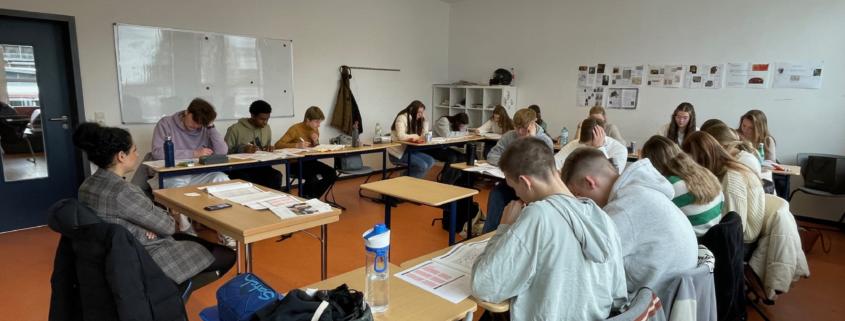
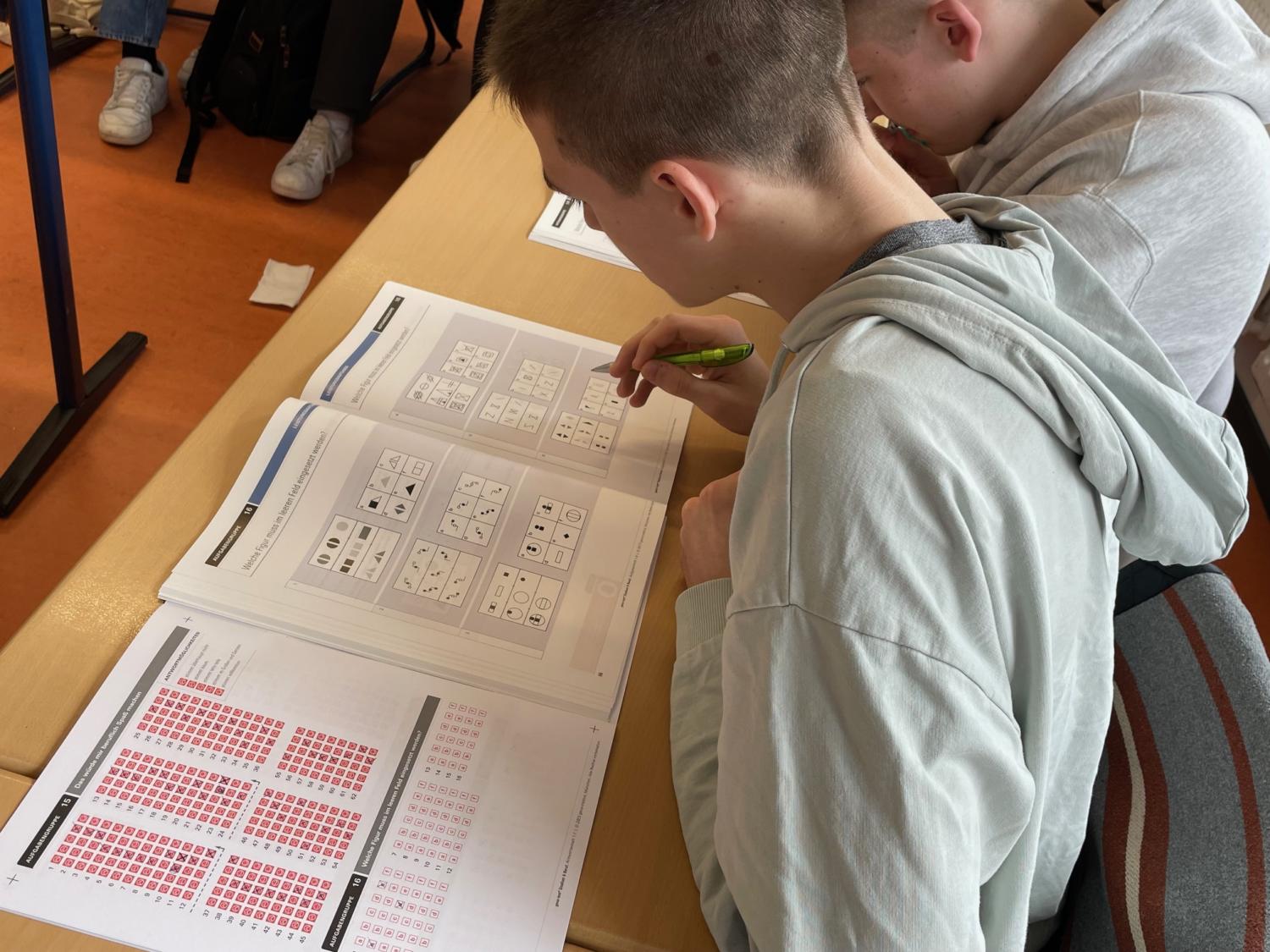
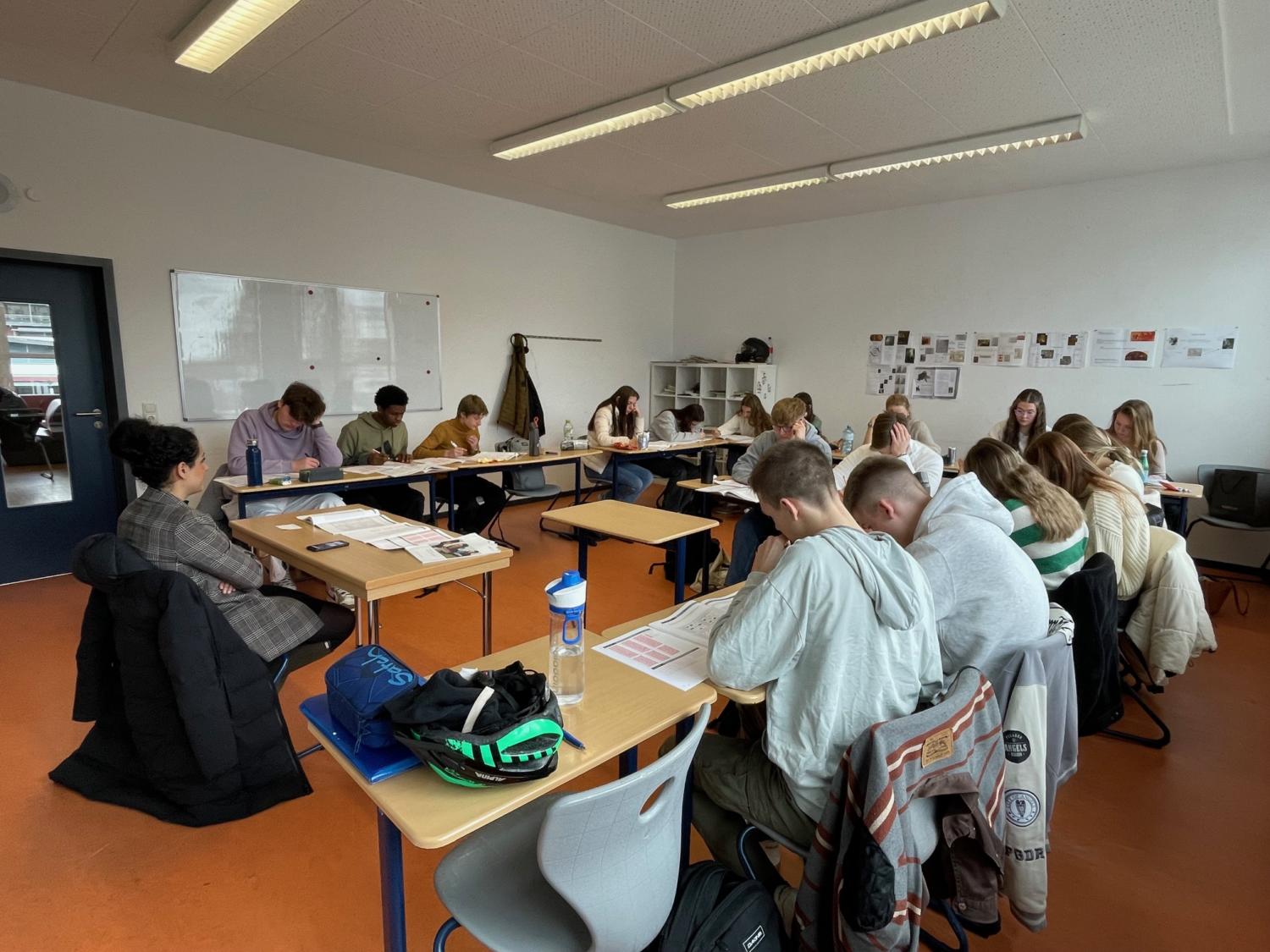
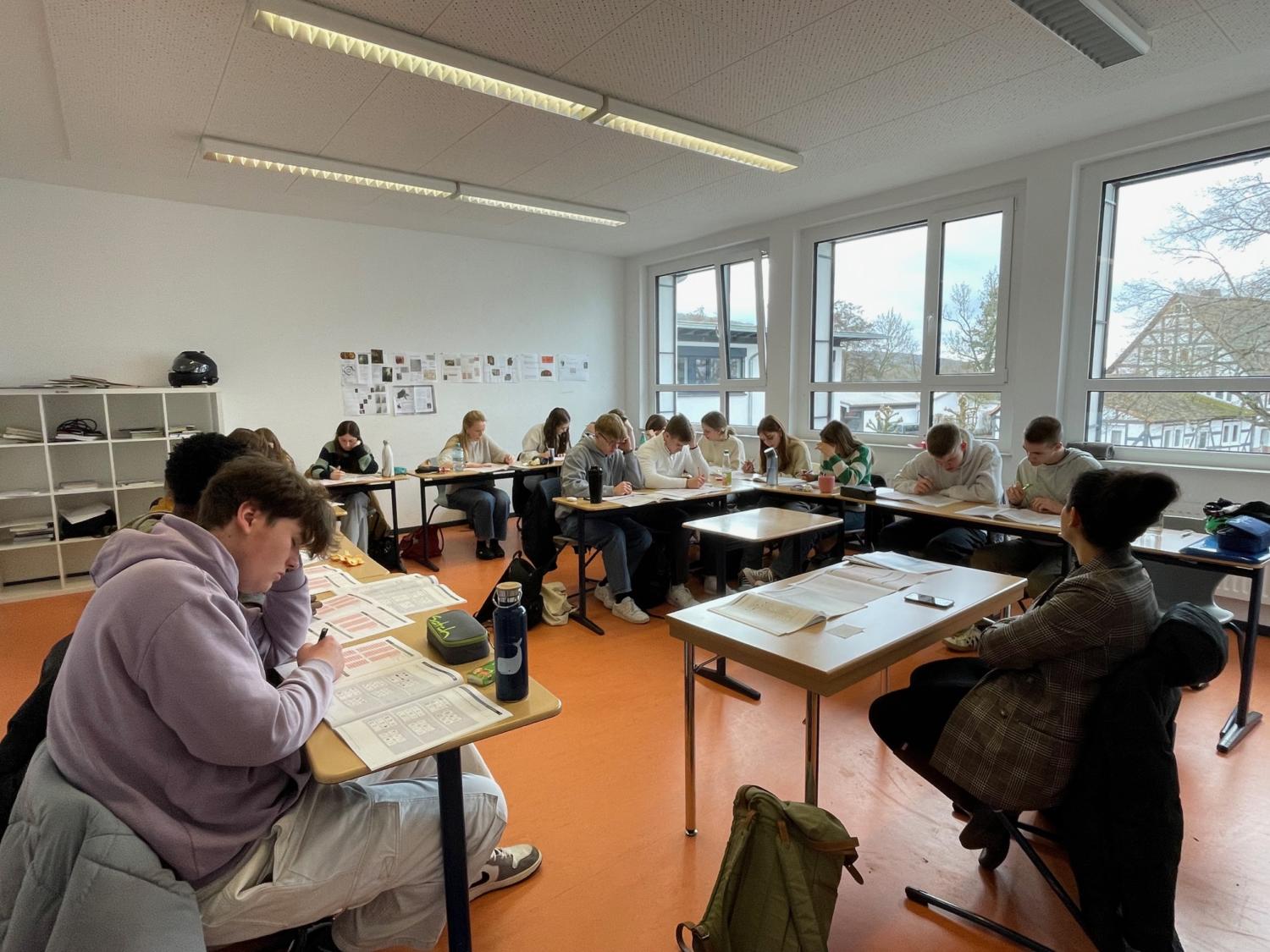
To achieve the most personalized results possible in career guidance for students, Steinmühle takes a variety of approaches. The so-called geva test is one of them. Before making their final selections for advanced courses, this year’s 11th-grade class had another opportunity to assess their own skills and interests, which might even bring them a step closer to making their own career decisions. To do this, they had to work through a test booklet, with time limits set for each individual task. The results revealed whether a student was better suited for the sciences or the humanities, but they also identified specific career paths and held some surprises in store for individual students.

Once the results are analyzed, the geva test essentially provides students with answers to the following questions:

  • What are my greatest interests, key skills, and achievements?
  • Where is there potential, and where are the starting points for my personal development?
  • Am I assessing my performance accurately? In which areas do I overestimate myself, and in which do I underestimate myself?
  • How do I stand out from my peers with a similar educational background?
  • Which degree programs or vocational training programs are the best fit?
  • What career development opportunities are available?

“Our partnership with the geva Institute is an important part of our career guidance efforts,” explained Dr. Claudia Röder, who is responsible for academic and career guidance at Steinmühle and coordinates the school’s internships.

11. March 2024
https://steinmuehle.de/wp-content/uploads/sites/5/2024/03/IMG_3546-scaled.jpg 1125 1500 konnertz https://steinmuehle.de/wp-content/uploads/sites/5/2025/11/Logo_SchuleInternat_Steinmuehle_2026_3.png konnertz2024-03-11 18:44:252026-06-18 17:37:57geva Test: Where Your Career Journey Might Lead

A Hub for People: Advanced Political Science Class Visits the Locomotive Shed

News, Politics, Business & Responsibility, Steinmühle on the Road

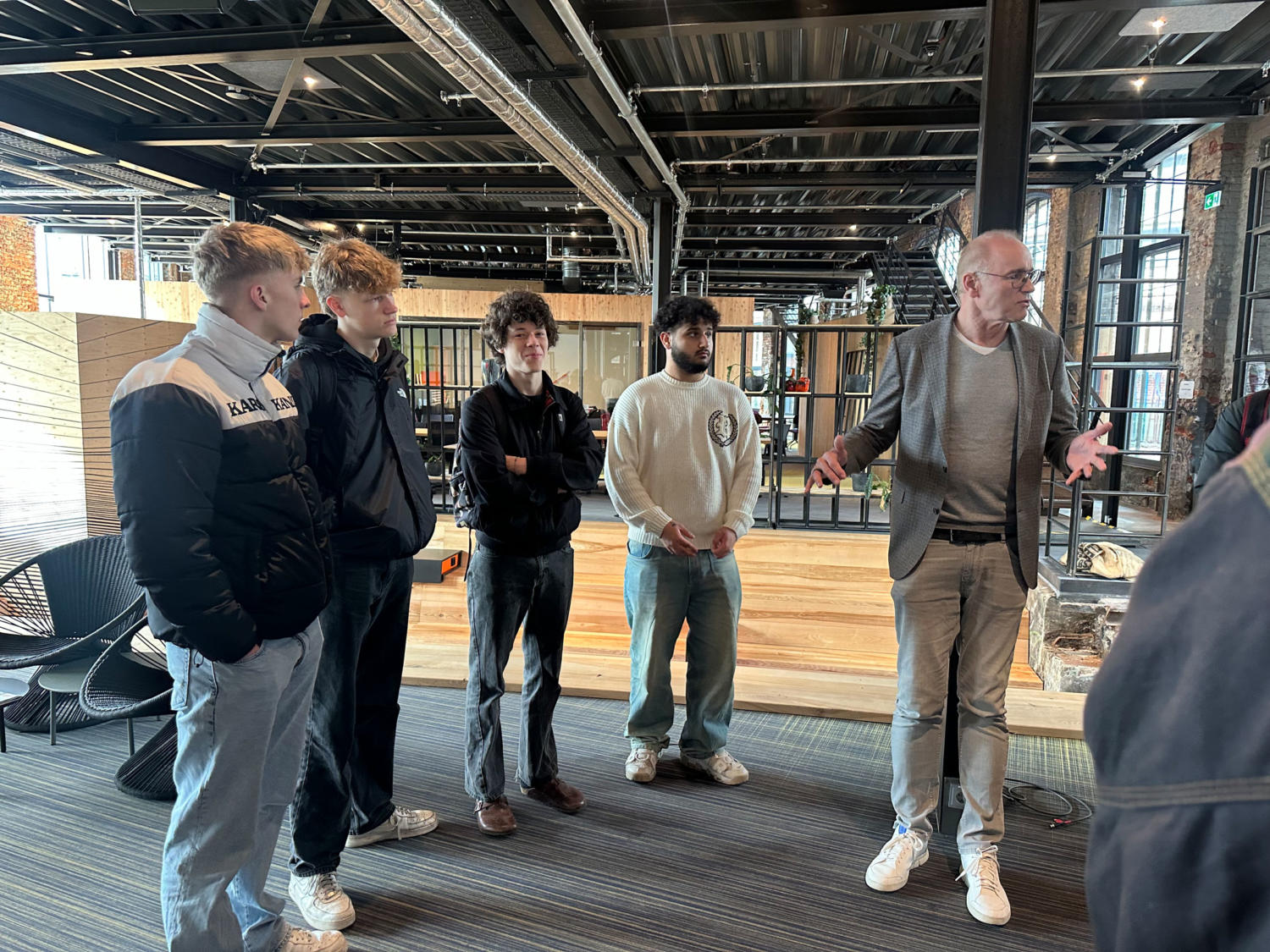
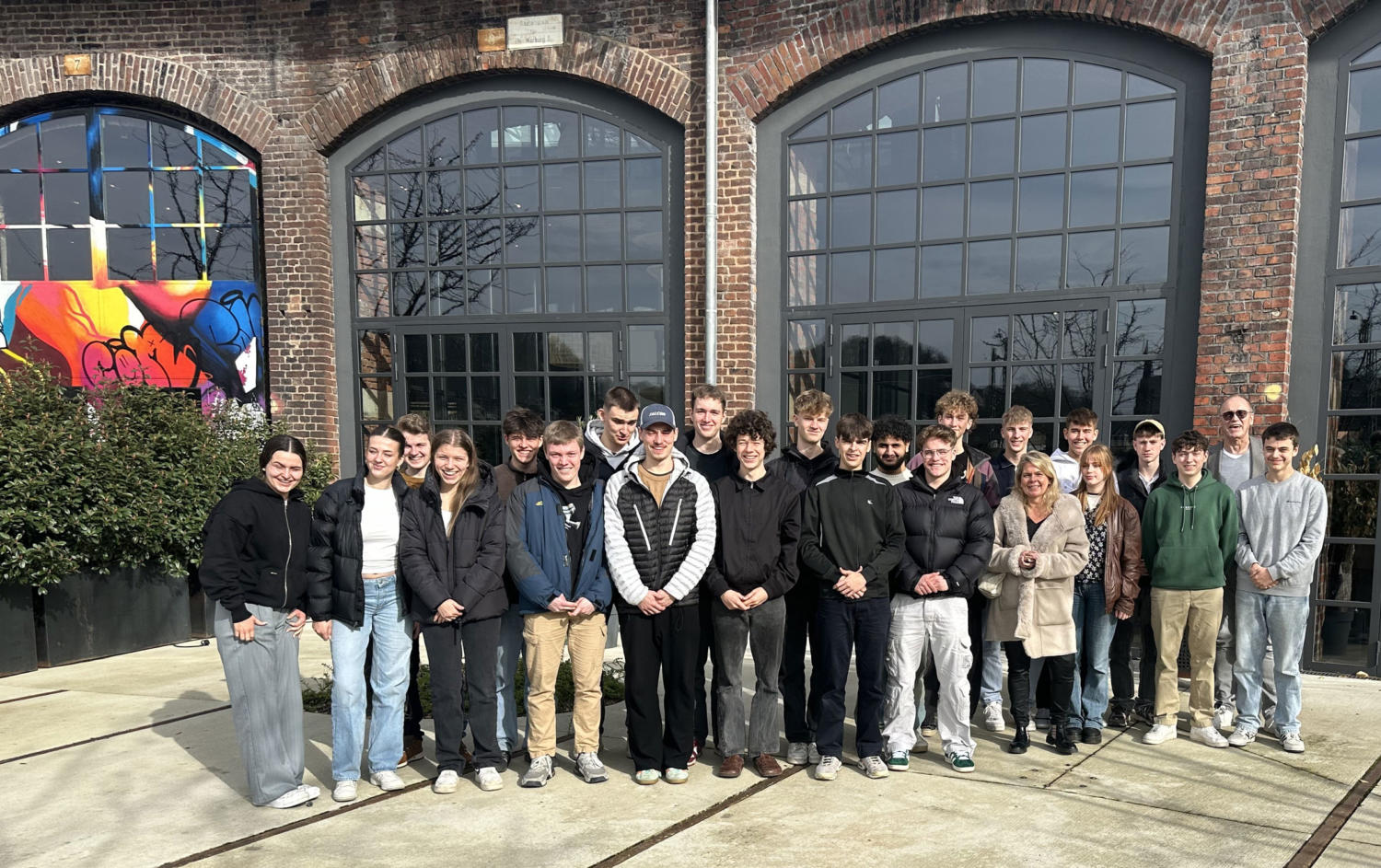
Starting a startup—wouldn’t that be something? But how do you turn an idea into a business, and how do you go about it? Together with their teacher, Dr. Claudia Röder, the advanced political science class visited the Marburg Lokschuppen. It is recognized beyond the district as Marburg’s startup hub.

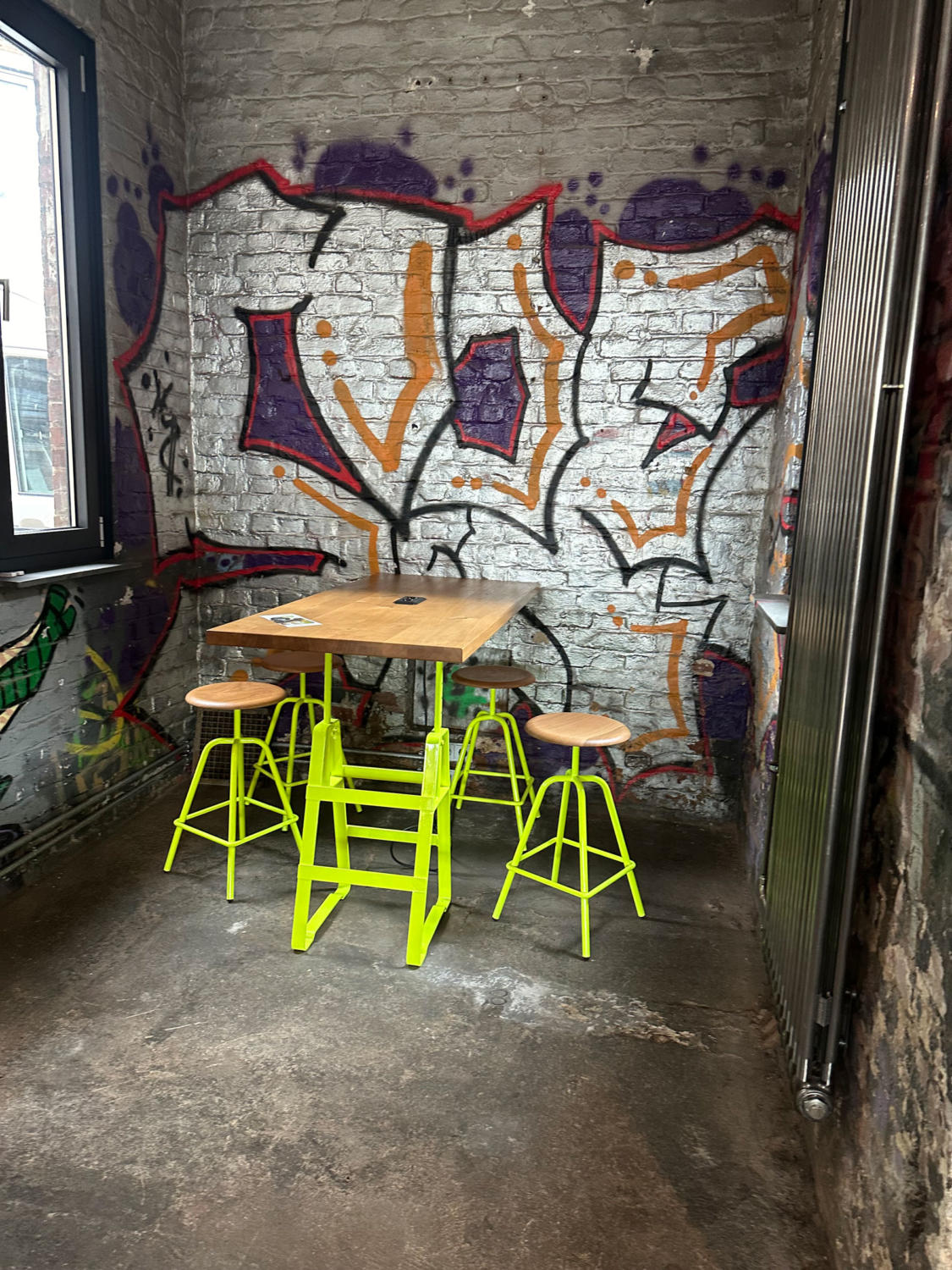
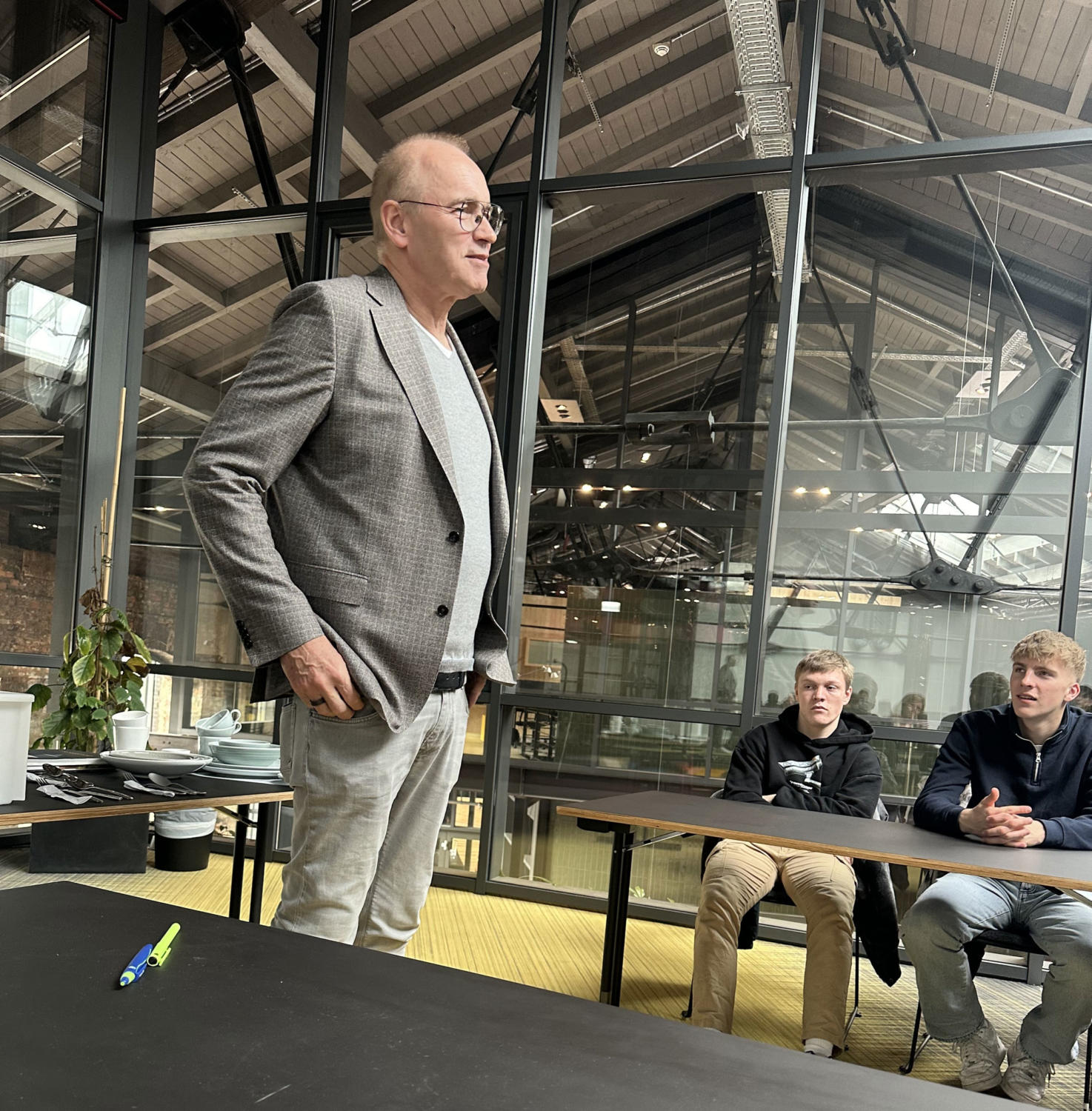
The group meets with Gunter Schneider, the owner of the Lokschuppen, at Innocou, the café and culinary hub of the renovated complex, which has been saved from decay. The café is called the Coworking & Startup Hub; it is intended to provide ample space for diversity and creativity and to be a place of enjoyment and culture—as the owner is quoted as saying in the press.

Gunter Schneider sums up the idea behind the entire project in one sentence: “What was once a hub for locomotives is now becoming a hub for people.” This is also the motto of the startup center, which features numerous workspaces: The “hot seats” serve as workspaces for workers passing through; the “dedicated seats” are for short-term use of up to two weeks; and the “cubes.” The latter are small offices for up to 8 people. In addition, there are also “real offices,” Schneider explains. Larger companies use these for longer-term work.

After the guided tour, Gunter Schneider answers questions from the Steinmühlen students. He also talks about his own company, Schneider Maschinenbau in Fronhausen, which has about 500 employees and branches on several continents. The company is one of the world’s leading manufacturers and developers of machinery and system solutions for the eyewear, precision, and ultra-precision optics industries.


Working Together and Helping One Another

During the discussion with the students, the host cannot avoid the topic of politics and makes a few critical remarks regarding industrial transformation. Startups could drive this transformation and, for example, develop systems to reduce CO₂ emissions.

To drive this development forward, Lokschuppen supports startups in refining their ideas, guides them as they grow, and connects them with various industries. According to Schneider, startups generally thrive on collaboration and mutual support.

Unfortunately, according to the owner, there are too few young people with their own fresh ideas: “To continue achieving economic growth, Germany simply needs new ideas from new people.” In his view, policymakers should provide a platform for startups: “The startup ecosystem must be supported”—also to become less dependent on other countries. Overall, Germany invests too little in education; education must be further digitized. According to Gunter Schneider, the key skills needed to found a startup are a solid high school education, a college degree, and a passion for the chosen field.

The visit to the locomotive shed ended with a short presentation by the host on the topic of patent law—which the Political Science class found very interesting.

11. March 2024
https://steinmuehle.de/wp-content/uploads/sites/5/2024/03/01-scaled.jpg 943 1500 konnertz https://steinmuehle.de/wp-content/uploads/sites/5/2025/11/Logo_SchuleInternat_Steinmuehle_2026_3.png konnertz2024-03-11 18:42:462026-06-18 17:37:56A Hub for People: Advanced Political Science Class Visits the Locomotive Shed

Taxes, Finance, and More: Filling the Gaps That Schools Can’t Cover

News, Politics, Business & Responsibility

For the second time, a so-called “Future Day” was held at Steinmühle for the 13th-grade class. Behind this initiative is a nonprofit limited liability company that has made it its mission to take a closer look at topics that are often neglected during a student’s school career: taxes, finance, housing, and health insurance.

When young people rent their first apartment and have to file their first tax return, they often realize: I have no idea how to do this. The same is true when it comes to health insurance and everything related to finances. Investing, pension insurance, retirement planning—there’s simply a lack of knowledge in these areas. “Steinmühle aims to fill these gaps, and we see the activities of ‘Future Day’ as an important contribution,” explains Constanze Oestreicher-Gold, head of the upper school.

Following a joint introductory session, experts from the respective industries led various workshops to provide foundational knowledge in the areas of finance, taxes, and health insurance. Participants were able to ask and clarify any questions they had, starting with basic know-how on the relevant topics. Hans-Hubertus Wahlen (Bellinger Group), Joachim Schüler (IKK Classic), and Melanie Hofmann (tax consultant, Kanzlei am Obertor) were on hand to answer questions. Due to the speaker’s illness that day, no workshop on housing could take place.

The “Future Day” project is sponsored by companies, foundations, and the Hessian Ministry of Education and Cultural Affairs, which also serves as its patron.

15. February 2024
https://steinmuehle.de/wp-content/uploads/sites/5/2024/02/IMG_5388-scaled.jpg 1125 1500 konnertz https://steinmuehle.de/wp-content/uploads/sites/5/2025/11/Logo_SchuleInternat_Steinmuehle_2026_3.png konnertz2024-02-15 10:53:042026-06-18 17:37:47Taxes, Finance, and More: Filling the Gaps That Schools Can’t Cover

Dr. Jan-Marco Müller: From Cappel to the EU in Brussels

Collaborations & Partnerships, News, Politics, Business & Responsibility

Much more complex than expected, and important not only as a peace alliance

People often make jokes about the EU and the work of those based in Brussels, sometimes questioning the efficiency of their efforts and the entire institution itself. Yet very few people seem to know exactly which bodies make up the EU, what their responsibilities are, and, above all, what would happen if the EU suddenly ceased to exist. Dr. Jan-Marco Müller spoke to the 11th-grade class about all of this last Thursday. The fact that the EU official’s presentation took place on a morning when weather-related remote learning was in effect did not diminish the students’ interest in the slightest. The event was facilitated by Steinmühlen teacher Dr. Claudia Röder.

An introductory quiz quickly made it clear just how complex knowledge about the EU can be: “Ireland, Iceland, Switzerland—which one is not part of the Schengen Area?” That really made you think, just like the question, “Which one is not part of UEFA: Kazakhstan, Monaco, or Israel?” The guest also wanted to know whose application for EU membership had been rejected in the past: Turkey, Morocco, or Bulgaria. He also raised the question of the difference between the following bodies: the Euro Council, the Council of Europe, the European Council, and the Council of the European Union. – By then, at the latest, most people had to admit defeat.


European Elections: A Gift of Democracy

The late Henry Kissinger had already recognized that Europe isn’t all that simple: “Who do I call if I want to call Europe?” was the question he posed several years ago—one that has often been quoted in political circles. With 27 member states, half a billion inhabitants, 24 official languages, and three alphabets, it was a question that couldn’t be answered off the cuff. “United in diversity” is how the guest from Brussels described the situation for the member states, all of which share one very important advantage: they have enjoyed peace since 1945.

There are also several other solid reasons why countries want to join the EU: the free movement of people and the free exchange of goods, the rule of law, mutual solidarity, and subsidiarity. The guest went on to explain other responsibilities within the administrative apparatus, which comprises 25,000 employees. But he also promoted the European elections on June 9, calling them “a gift of democracy.”


A “compromise machine”

“There are 232 parties running for election,” Müller said, “but unlike in other elections, there is no 5 percent threshold.” This means that, contrary to usual practice, votes cast for small or very small parties are not wasted. Under the umbrella of the European Parliament, parties with similar platforms would find common ground through cooperation. Otherwise, it would include the governments of 27 nations—”a compromise machine.”

The students’ questions about the speaker’s presentation came one after another. They ranged from whether and how the shift to the right in Europe was becoming apparent, to why Ukraine’s accession to the EU was desirable, to questions about legislation for a climate-neutral continent. One 11th-grade student also wanted to know whether the EU was considering the creation of a European army. But there were also questions, like the one he asked, about how the speaker felt about Martin Sonneborn’s satire. Armed with the diplomacy of an EU official, Dr. Jan-Marco Müller replied accordingly: “You have to have jokers like that in Parliament, and privately, it’s actually quite nice. You can’t really do much politics there—we have to come up with solutions.”

Solutions are also the goal when it comes to all the world powers: “We have to make sure we have a voice on the world stage. It’s a long road ahead, but we’re well-positioned for it.”


“We need people with all kinds of backgrounds from all fields”

Dr. Jan-Marco Müller, who grew up in Cappel, studied geography in Marburg, worked in science management, and joined the EU through the scientific service, where he initially served as a scientific policy advisor. Currently, as a science diplomat, he is exploring how science can be used to improve diplomatic relations: “Scientists speak up when diplomats no longer do.” Müller adds: “I try to get politicians excited about science and convey the relevant facts.” This involves, among other things—though not exclusively—climate change and the technology race with China.

The speaker, who had an extremely interested audience, encouraged the students to consider pursuing a career in the EU: “We need people with all kinds of backgrounds, from all fields.”

Principal Björn Gemmer welcomed the speaker at the outset and took some time himself to follow the interesting presentation. There was likely no one in the lecture hall or watching on the screens who hadn’t expanded their knowledge that morning.


26. January 2024
https://steinmuehle.de/wp-content/uploads/sites/5/2024/01/IMG_3451-scaled.jpg 1125 1500 konnertz https://steinmuehle.de/wp-content/uploads/sites/5/2025/11/Logo_SchuleInternat_Steinmuehle_2026_3.png konnertz2024-01-26 08:54:342026-06-18 17:37:42Dr. Jan-Marco Müller: From Cappel to the EU in Brussels

Hosted by Steinmühle: Future Workshop on Securing a Skilled Workforce

Collaborations & Partnerships, News, Politics, Business & Responsibility

As part of its partnership with the Marburg-Biedenkopf district, Steinmühle hosted a full-day “Future Workshop” on the topic of securing a skilled workforce. The event was organized by the newly founded Marburg-Biedenkopf Economic Development Corporation (Wirtschaftsförderungsgesellschaft Marburg-Biedenkopf mbH), represented by its managing director Tobias Kurka, and the Office for Securing a Skilled Workforce at the Hessian Ministry of Social Affairs and Integration.

In his welcome address to the participants, Steinmühle Managing Director Dirk Konnertz mentioned the close and ongoing collaboration with the district, but also emphasized the connection between the conference’s theme and Steinmühle as an educational institution. During the lunch break, Principal Björn Gemmer gave the guests a tour of the Steinmühle campus.

District Administrator Jens Womelsdorf emphasized that the Future Workshop, with over forty participants, was an excellent example of successful cooperation within the district. Among those invited to the conference were representatives from the Chamber of Industry and Commerce, Philipps University of Marburg, the Technical University of Central Hesse, local banks, and leading companies in the region.


By 2028, the district will be short more than 4,000 skilled workers with vocational degrees

“Securing a skilled workforce is a genuine societal and long-term challenge that requires the commitment of all stakeholders. I am grateful that we in Hesse are working together to address the issue of securing skilled workers and the labor force. We need coordinated strategies for securing a skilled workforce to pool regional resources, create synergies, and tap into further potential,” said Claudia Wesner of the Office for Securing a Skilled Workforce at the Hessian Ministry of Social Affairs and Integration.

Dr. Christa Larsen, Director of the Institute for Economics, Labor, and Culture at Goethe University Frankfurt: “The labor market situation in the Marburg-Biedenkopf district is already quite tight and will become even more severe in the coming years. By 2028 alone, the district will face a shortage of approximately 4,000 skilled workers with academic or vocational degrees. These skilled-worker shortages will grow even larger in the coming years as the baby boomer generation retires. That is why existing strategies for securing a skilled workforce must be reevaluated, and we need to explore what new approaches are necessary. Ideas for this will be developed in the Future Workshop.”

The Marburg-Biedenkopf Economic Development Corporation (WFG), founded in May 2023, is intended to help address the shortage of skilled workers. The WFG will build on the results of the Future Workshop to strengthen the district’s economic and employment structure in a sustainable manner, in collaboration with all stakeholders.

22. December 2023
https://steinmuehle.de/wp-content/uploads/sites/5/2023/12/IMG_3239-scaled.jpg 1125 1500 konnertz https://steinmuehle.de/wp-content/uploads/sites/5/2025/11/Logo_SchuleInternat_Steinmuehle_2026_3.png konnertz2023-12-22 11:39:072026-06-18 17:37:43Hosted by Steinmühle: Future Workshop on Securing a Skilled Workforce
Page 4 of 9«‹23456›»

Pages

  • A Safe Place
  • About Us
  • Alternative Sports
  • Alumni Feed
  • Alumni Login
  • Alumni Reunion
  • Annual Calendar Download
  • Art, Music & Theater
  • Awards
  • Bilingual Elementary School
  • Bilingual Elementary School
  • Boarding School
  • Boarding School Admission
  • Boarding School as an Opportunity
  • Charity Projects
  • Contact
  • Costs & Contract Terms
  • Digitization
  • Donation Failed
  • Donation Receipt
  • Donor Dashboard
  • Ecology & Sustainability
  • Elementary School Registration
  • Events
  • Fan Shop
  • Fit for Life
  • Forgot your password?
  • Friends & Alumni
  • Friends of the School Association
  • Funding Partners
  • Fundraising
  • Groups
  • High School
  • High School Admission
  • High School Registration Form
  • Home
  • Internal Clubs
  • International High School
  • International High School Program
  • International High School Registration Form
  • International School
  • International School Registration
  • Keyword Search
  • Languages & International Affairs
  • Learning
  • Legal Notice
  • Life
  • Members
  • MINT Lab Equipment
  • Mission Statement & Vision
  • My Profile
  • News
  • News
  • News Archive
  • Newsletter
  • Newsletter
  • Organization & History
  • Partners
  • Privacy Policy
  • Privacy Policy (Detailed)
  • Project-Based Learning
  • Promoting Independence & Individuality
  • Promoting STEM Talent
  • Publications
  • Quality Management
  • Recording
  • Registration Form for the Bilingual Elementary School
  • Reset Password
  • Riding School
  • Rowing Club
  • School
  • School as a Community
  • Signed up for the newsletter
  • Social Responsibility
  • Social Responsibility & Strengthening the Community
  • Sponsorship
  • Sports & Health
  • Sports & Recreation
  • Stakeholders
  • Steinmühle Alumni Network
  • Steinmühle as a Youth Welfare Agency
  • Stories
  • Summer Camps
  • Support Current Projects
  • Support for Families
  • Talent Program Plus STEM
  • Teams
  • Terms and Conditions for High School
  • Terms and Conditions for the Bilingual Elementary School
  • Terms and Conditions of the International High School
  • Terms of Contract for the Bilingual Primary School
  • Terms of Contract for the International School
  • Trips & Weekends
  • Upload Transcript
  • What is … up to today, anyway?
  • Why Steinmühle?
  • Work at the Steinmühle

Categories

  • Archive
  • Art, Music & Theater
  • Bilingual Elementary School
  • Boarding School
  • Class Trips, Field Trips, and School Outings
  • Collaborations & Partnerships
  • Contests & Awards
  • Digitalization & AI
  • Ecology and Sustainability
  • Events & Celebrations
  • Former Students & Alumni
  • International High School
  • Job Openings
  • Languages & International Affairs
  • Life at Boarding School
  • News
  • Politics, Business & Responsibility
  • Rowing
  • Social Engagement
  • Sports
  • Sports & Health
  • Steinmühle on the Road
  • Steinmühle Riding School
  • STEM
  • Surveys & Studies
  • Talent Development
  • Uncategorized

Archive

  • June 2026
  • May 2026
  • April 2026
  • March 2026
  • February 2026
  • January 2026
  • December 2025
  • November 2025
  • October 2025
  • September 2025
  • August 2025
  • July 2025
  • June 2025
  • May 2025
  • April 2025
  • March 2025
  • February 2025
  • January 2025
  • December 2024
  • November 2024
  • October 2024
  • September 2024
  • August 2024
  • July 2024
  • June 2024
  • May 2024
  • April 2024
  • March 2024
  • February 2024
  • January 2024
  • December 2023
  • November 2023
  • October 2023
  • September 2023
  • August 2023
  • July 2023
  • June 2023
  • May 2023
  • April 2023
  • March 2023
  • February 2023
  • January 2023
  • December 2022
  • November 2022
  • October 2022
  • September 2022
  • August 2022
  • July 2022
  • June 2022
  • May 2022
  • April 2022
  • March 2022
  • February 2022
  • January 2022
  • December 2021
  • November 2021
  • October 2021
  • September 2021
  • August 2021
  • July 2021
  • May 2021
  • April 2021
  • March 2021
  • February 2021
  • December 2020
  • November 2020
  • October 2020
  • September 2020
  • August 2020
  • July 2020
  • June 2020
  • May 2020
  • April 2020
  • March 2020
  • February 2020
  • January 2020
  • December 2019
  • November 2019
  • October 2019
  • September 2019
  • August 2019
  • July 2019
  • June 2019
  • May 2019
  • April 2019
  • March 2019
  • February 2019
  • January 2019
  • December 2018
  • November 2018
  • October 2018
  • September 2018
  • August 2018
  • July 2018
  • June 2018
  • May 2018
  • April 2018
  • March 2018
  • February 2018
  • January 2018
  • December 2017
  • November 2017
  • October 2017
  • September 2017
  • August 2017
  • July 2017
  • June 2017
  • May 2017
  • April 2017
  • March 2017
  • February 2017
  • January 2017
  • December 2016
  • November 2016
  • October 2016
  • September 2016
  • August 2016
  • July 2016
  • June 2016
  • May 2016
  • April 2016
  • March 2016
  • February 2016
  • December 2015
  • November 2015
  • October 2015
  • September 2015
  • July 2015
  • June 2015
  • May 2015
  • April 2015
  • March 2015
  • February 2015
  • January 2015
  • December 2014
  • November 2014
  • October 2014
  • September 2014
  • July 2014
  • June 2014
  • May 2014
  • April 2014
  • March 2014
  • February 2014
  • January 2014
  • December 2013
  • November 2013
 
PreviousNext
12
 
PreviousNext
123456

Do you have questions about the school?

School Administration & Management

Björn Gemmer & Dirk Konnertz
Phone: 06421 408-20

schule@steinmuehle.de

Do you have questions about the boarding school?

Boarding School Administration & Management

Anke Muszynski & Dirk Konnertz
Phone: 06421 408-0

internat@steinmuehle.de

  • NEWSLETTER
  • PUBLICATIONS
  • CAREERS AT STEINMÜHLE
  • SUMMER CAMPS
  • LEGAL NOTICE
  • PRIVACY POLICY
  • CONTACT

Do you have questions about the school?

School Administration & Management

Björn Gemmer & Dirk Konnertz
Phone: 06421 408-20

schule@steinmuehle.de

Do you have questions about the boarding school?

Boarding School Administration & Management

Anke Muszynski & Dirk Konnertz
Phone: 06421 408-0

internat@steinmuehle.de

  • NEWSLETTER
  • PUBLICATIONS
  • WORK AT THE STONE MILL
  • SUMMER CAMPS
  • LEGAL NOTICE
  • PRIVACY POLICY
  • CONTACT

© Copyright – Steinmühle 2026 | Erneuern oder ändern Sie Ihre Cookie-Einwilligung
Scroll to top