How do I recognize my own boundaries? How do I stand up for them? These and other topics, such as self-assertion and self-defense, were the focus of a workshop for young women at the Steinmühle boarding school. Through this workshop, the organizing association, Wendo Marburg, actively offers encouragement and support to participants aged 16 and older.

Ten young women participated in the two-day course. Through various exercises, they were able to explore their own boundaries and learn to assert them to others.


Coping with Everyday Situations

The exercises focused, for example, on personal presentation—both verbal (using the two-sentence method) and nonverbal—as well as on everyday situations that participants could learn to handle through repetition. A safe space for dialogue was created. At the same time, the focus was on assertiveness and self-defense. Working in pairs and small groups, the young women were able to try out and practice various strategies.


Mutual Support

Program Director Anne Gebhardt: “It was especially nice to see that the young women continued to talk to one another even in the days following the workshop and, for example, recommended apps to each other within the group so they could continue to support one another beyond the course.”

(Heinm/Photo: KI)

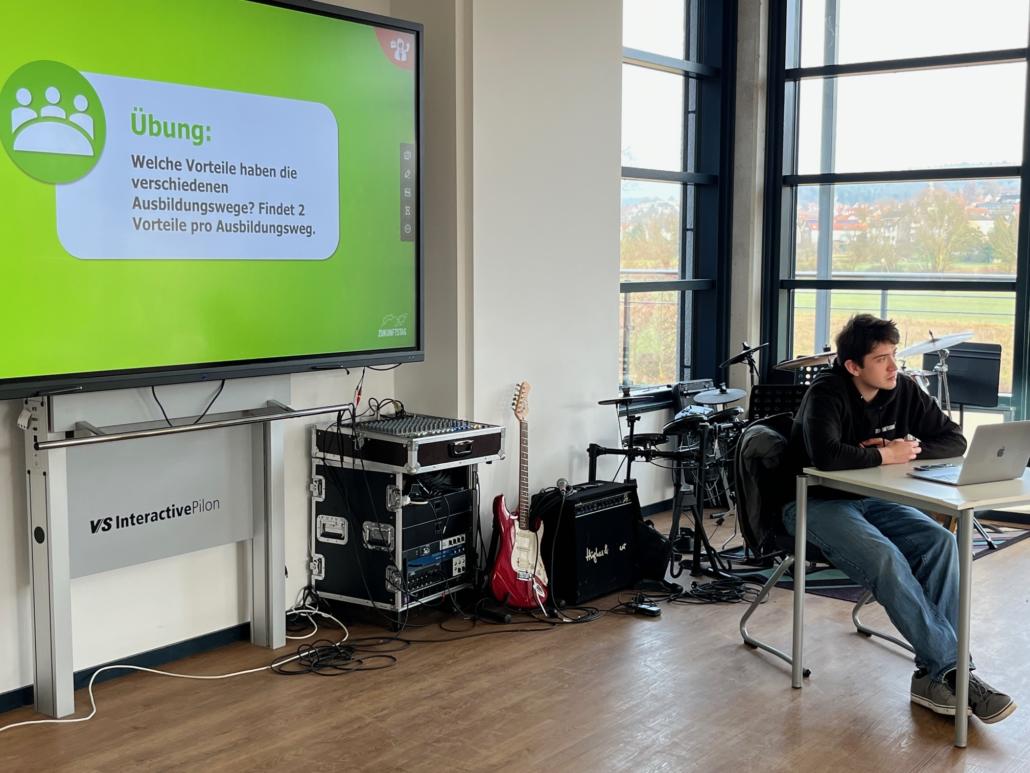
Starting in the coming semester, Steinmühle will launch the powiPlus project for 9th and 10th graders. Subject teachers Phillip Knaack and Dr. Claudia Röder explain this to the students: “powiPlus is for anyone who wants more than just regular political science classes.”

Contacts in the political arena, visits to parliaments and businesses

This program focuses on real issues that affect you: elections, local politics, the economy, businesses, Europe—and how you can have a say and help shape the future. You’ll debate with politicians, participate in simulation exercises, visit state legislatures and businesses, work in teams on your own projects, and get a hands-on look at how politics and the economy really work. powiPlus is voluntary but requires a commitment—no grades, but you’ll receive a certificate and gain some really valuable experience. It’s ideal if you find politics and economics exciting or plan to take the advanced course later on.”

For more information, visit powiPlus.

Phillip Knaack and Dr. Claudia Röder look forward to your feedback.

(Heinm)


Before our students graduate with their high school diplomas and head out into the “real” world, they should have a basic understanding of certain everyday topics, because sooner or later they will be confronted with them. This is the view of Steinmühle High School, and above all, Upper School Director Constanze Oestreicher-Gold. That’s why she organizes what’s known as “Future Day” for the 13th-grade class practically every year.


Educating People About Taxes, Lease Agreements, and More

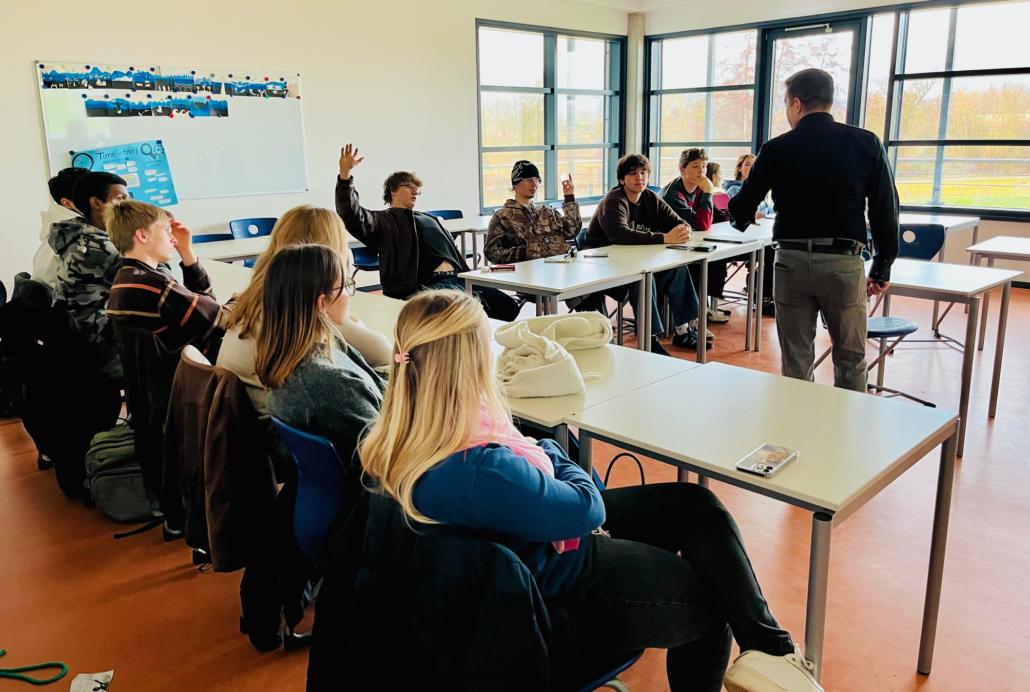
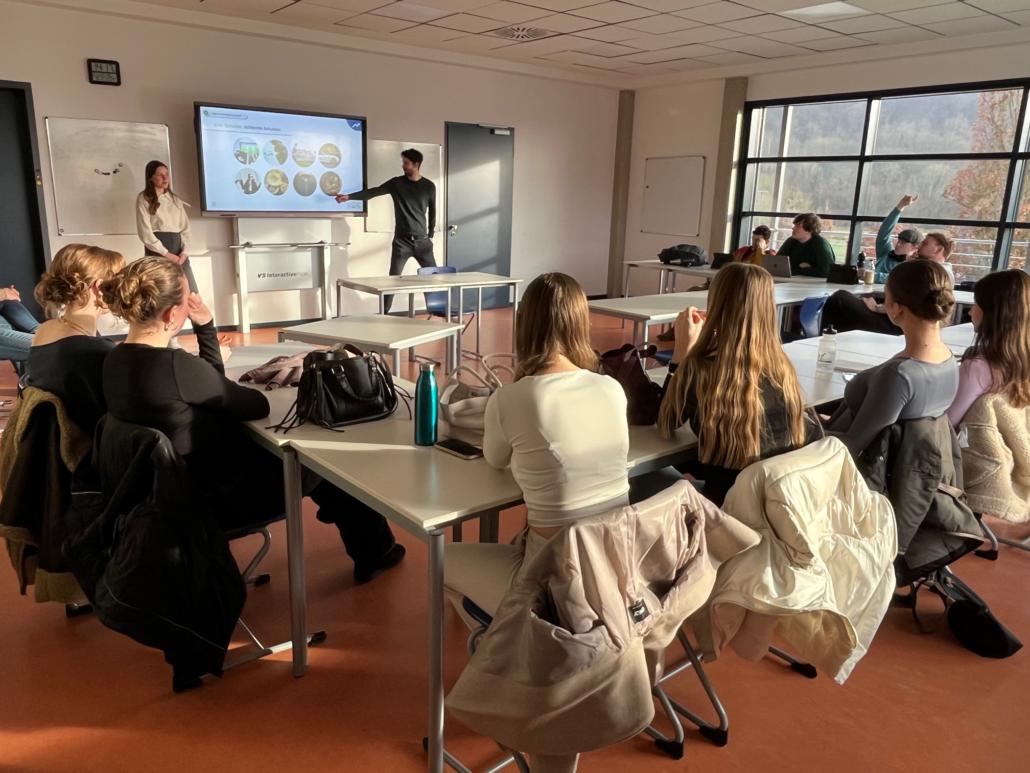
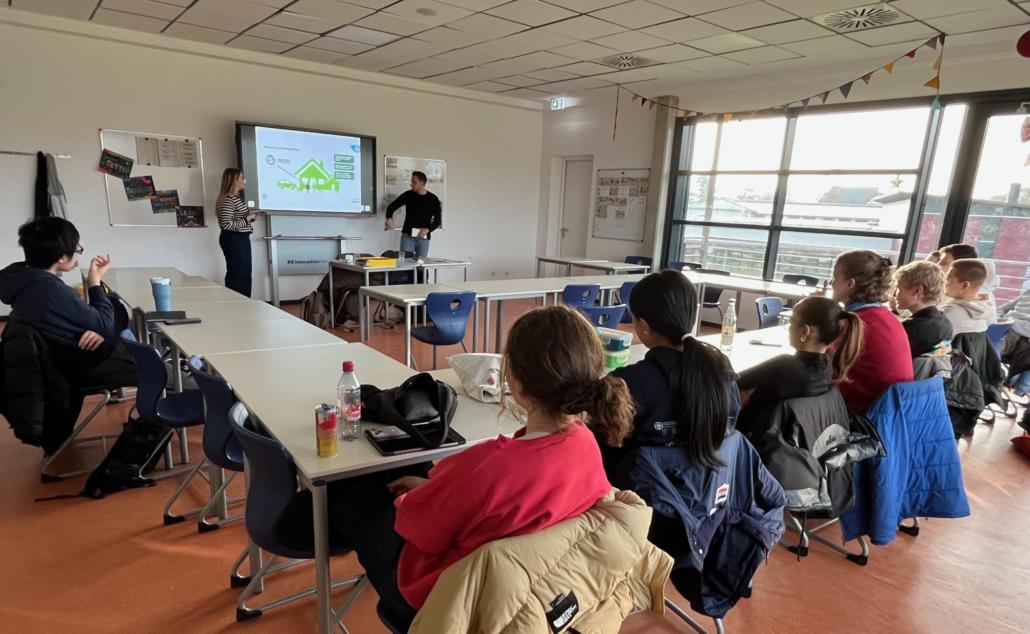
As with the annual Career Information Day held in November, experts will come to the Steinmühle and be available in various rooms of the Forum to answer the young people’s questions.

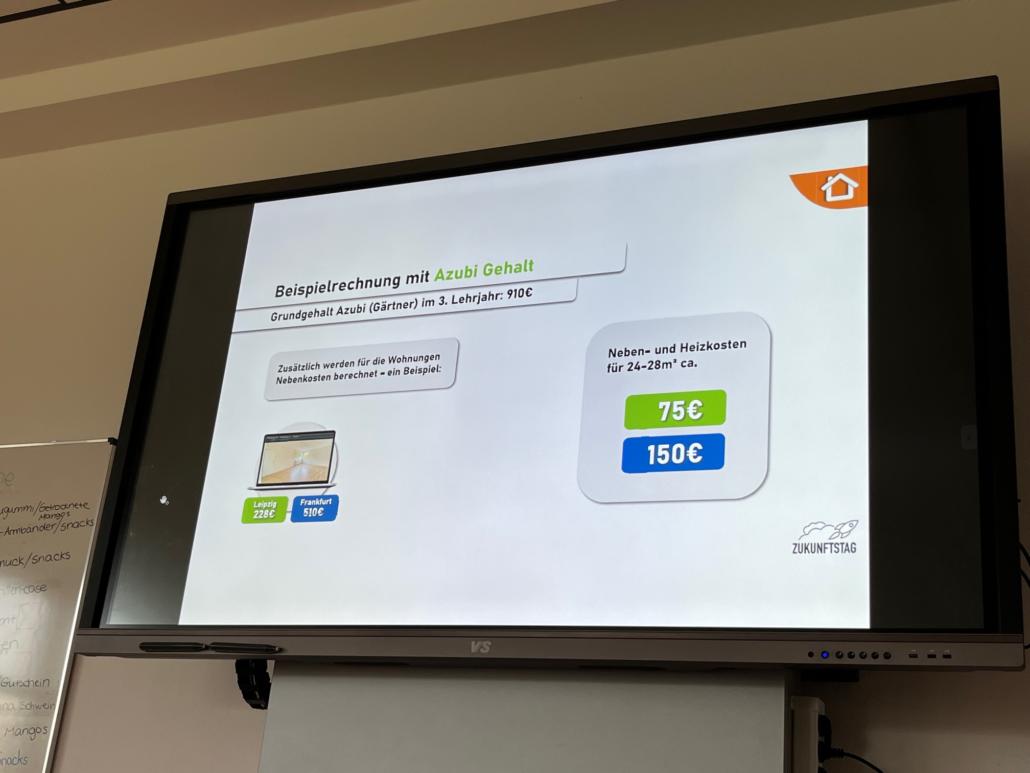
The current topics covered housing, finances, taxes, and starting a career. These broad categories encompass topics such as rental agreements, loans, tax returns, and dual study programs. The young adults had numerous questions on these topics, which were addressed with detailed answers as they delved into each subject.

Steinmühle would like to thank the speakers and the students alike for the interesting discussions and the wealth of important information, which will be of great help to each participant in the near future.

(Heinm)

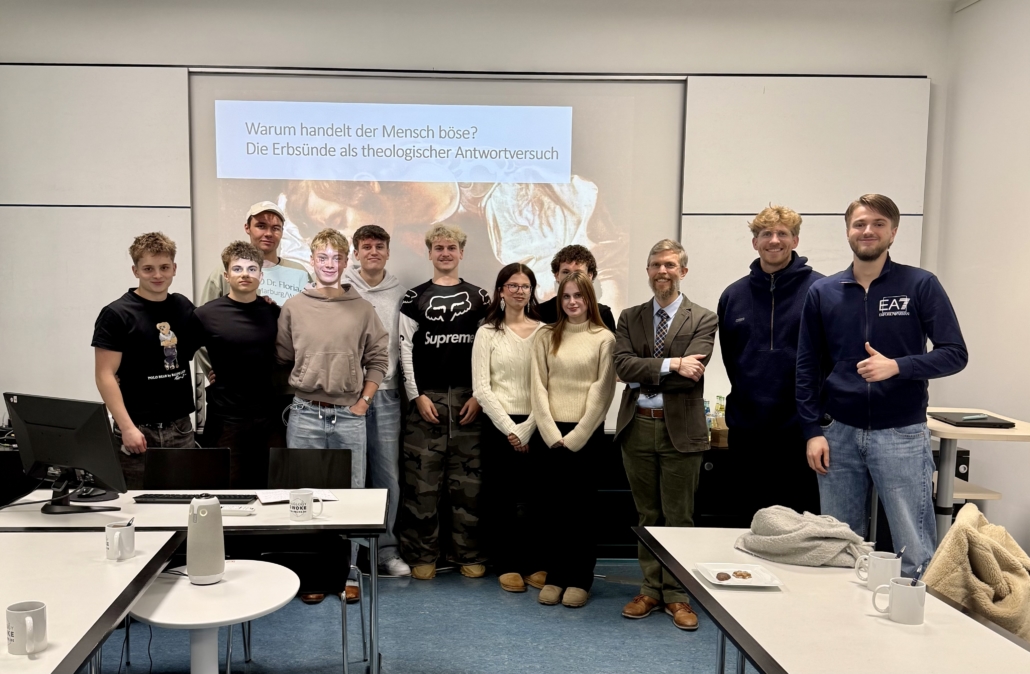
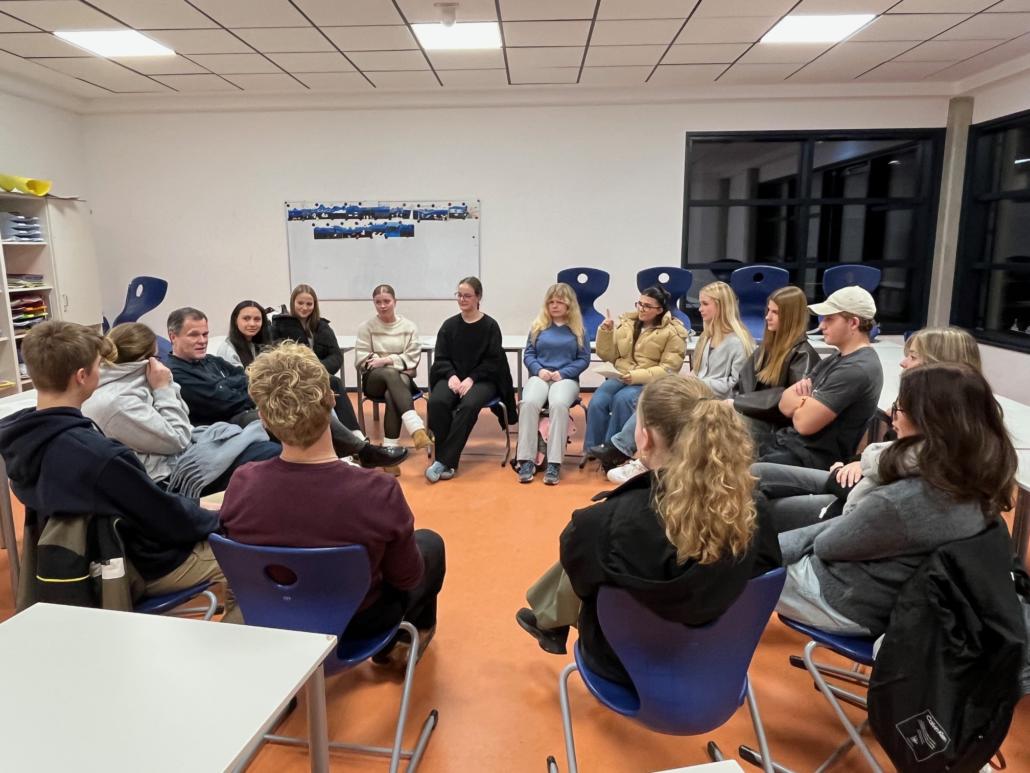
On Tuesday evening, the students in the introductory religion course swapped the classroom for the lecture hall: As part of the student preparatory program, Bene Hohmann’s class visited the Catholic Theological Seminary at the University of Marburg.

The evening offered the Q1 students an exciting look behind the scenes of academic theology. After an initial orientation led by enthusiastic students who guided us through the building and told us about their daily life at the university, the main event of the visit began.


From the Biblical Fall to Modern Narcissism: Insights into Theology

The focus was on the lecture by PD Dr. Florian Klug, a professor of dogmatic theology in Marburg and Vienna. He spoke about a topic that is traditionally difficult to grasp: original sin.

Dr. Klug presented original sin not as a historical event, but as a theological attempt to interpret humanity’s inclination toward evil. The connection to the present day was particularly fascinating: Dr. Klug interpreted original sin as a kind of collective narcissism—the constant exaltation of one’s own ego as the cause of separation from goodness. The students took advantage of the opportunity to ask questions, which led to a lively and engaging discussion.


A resounding success and a taste of college life

The students were thrilled by this glimpse into university life. The evening was not only relevant in terms of content—it also fit perfectly with our Christology unit in Q1—but it also provided the young adults with valuable guidance.

Conclusion: An all-around successful evening that not only imparted knowledge but also—hopefully—sparked an interest in further academic education among the young adults!

Benedikt Hohmann


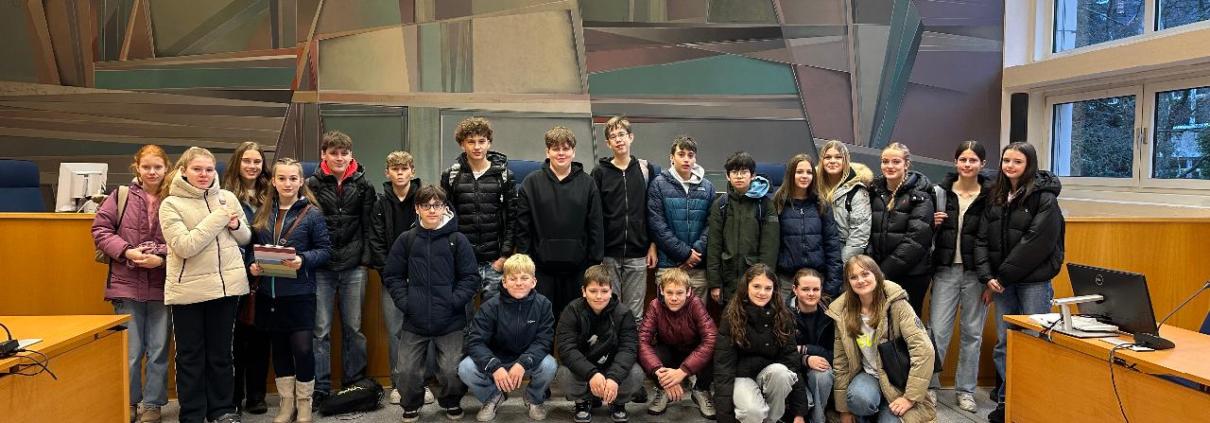
As part of the “Youth and Crime” project, Class 8b attended an exciting court trial at the Marburg District Court. One student wrote the following report about the experience:

On November 20, the 8th-grade class from Steinmühle visited the district court in Marburg. Thanks to our intensive preparation—which involved studying various offenses as well as background information and legal terminology—our class had acquired a certain amount of prior knowledge that proved useful during the subsequent trial.


A Look Inside the Detention Cells

At 8 a.m., we all met in front of the district court on Universitätsstraße. There, our teacher, Dr. Claudia Röder, introduced us to Dr. Wilhelm, who works as a judge at the district court. We were also lucky enough to run into two court officers there who were willing to give us a tour of the court’s holding cells.

Ten minutes later, we were all standing in the narrow hallway in front of the five simply furnished detention cells. The interior of the detention cells was basic: a wooden table mounted on the wall, a simple chair, a sink, and a toilet. The police officers also shared a few anecdotes from their daily work, which gave us a small theoretical insight into how people feel when they’re held here for a short time.


Visit to the Criminal Courtroom

As a result, before the trial began, we had a little time left, during which the court officers showed us around the criminal courtroom. There, the court officers and Dr. Wilhelm explained further examples of different types of court proceedings and their specific characteristics. This was good preparation for us ahead of the upcoming trial.


Narcotics were the topic

The trial began at 9 a.m., and as it progressed, we were able to get a good overview of the general structure of such a trial. This case mainly concerned the use and trafficking of narcotics—a topic we had covered in class, but not nearly in such detail.


Reading Chat Histories Aloud

Despite the many legal details, we were able to follow the proceedings well, even though it was harder to stay focused at times. For example, when the evidence was being reviewed. The defendant’s cell phone had been analyzed by the police, and the reading of the chat histories and call records ended up taking almost exactly one hour.


26 prior convictions and a report from a psychiatrist

The two police officers who had been called as witnesses reported on the investigation into the defendant, which was very informative and provided yet another perspective on the trial. Twenty minutes later, there was another rather theoretical segment in which the judge read aloud the defendant’s 26 prior convictions, which gave each of us a small glimpse into the defendant’s past and childhood. As we saw from the statements of the probation officer and the psychiatrist—and as we realized for ourselves—such background information is always important. Most likely, everyone—including the prosecutor and the judge—would have had a different impression of the defendant before hearing the statements from the probation officer and the psychiatrist. But with this assessment, which was a great help to the judge, many aspects of the case changed.


It’s not about the maximum sentence, but about the future

After all, in the end, everyone wants to find a good solution to the problem or the situation at hand. The goal is not to sentence someone to the maximum penalty, but to find a solution for the person in question. Everyone involved worked to secure a future for the defendant and to guide him, thereby enabling him to find his way back into society.

Annamierl Pierenkemper, Class 8b


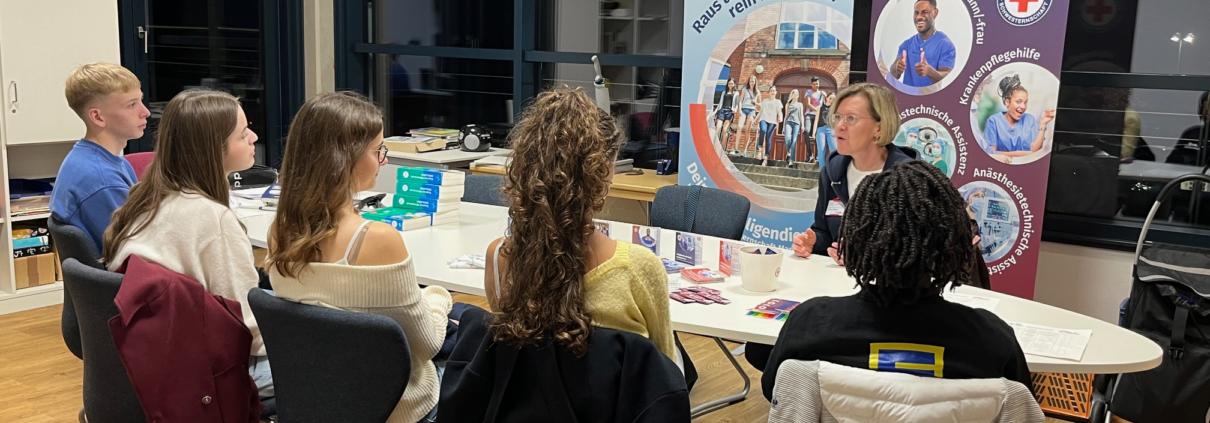
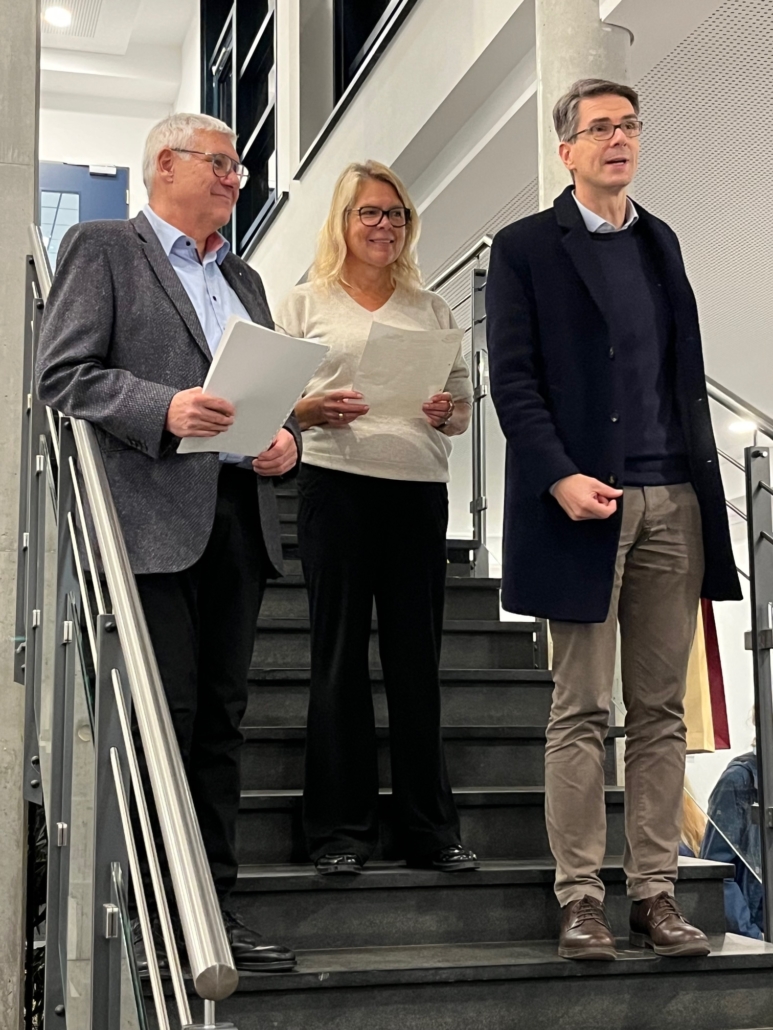
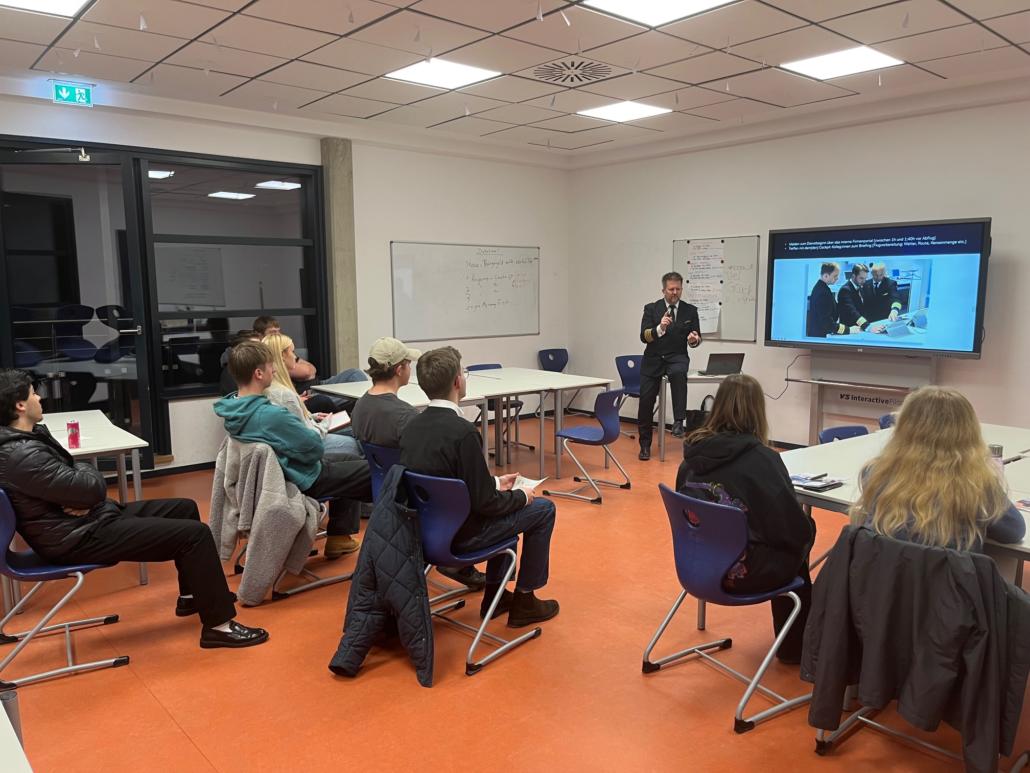
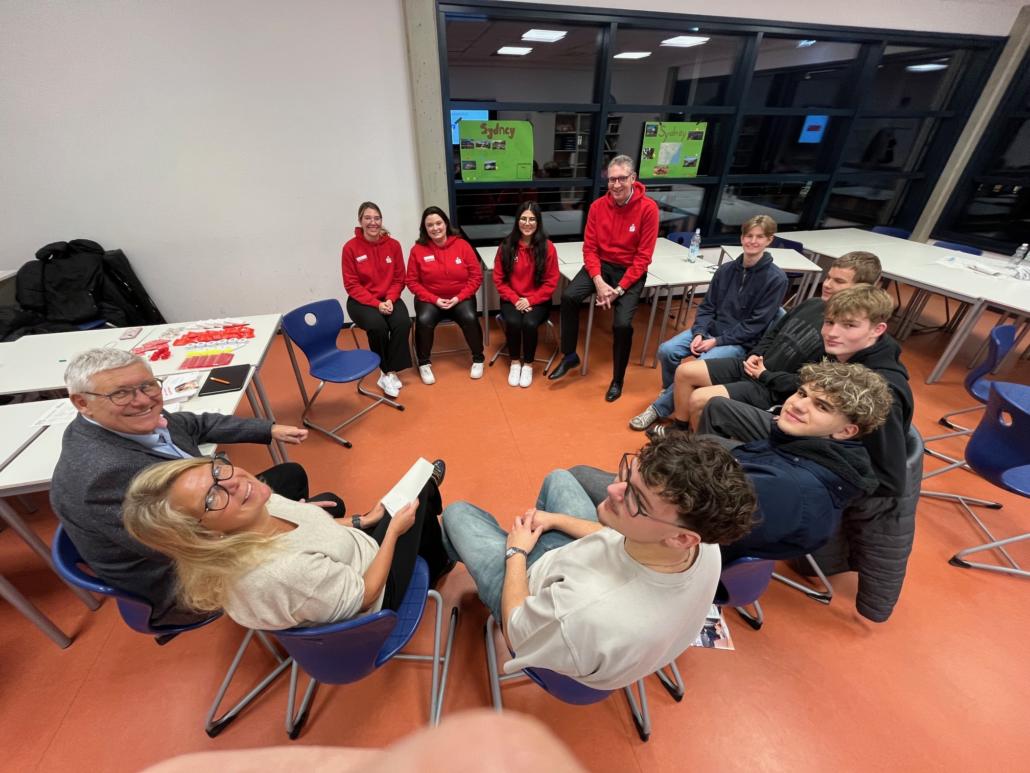
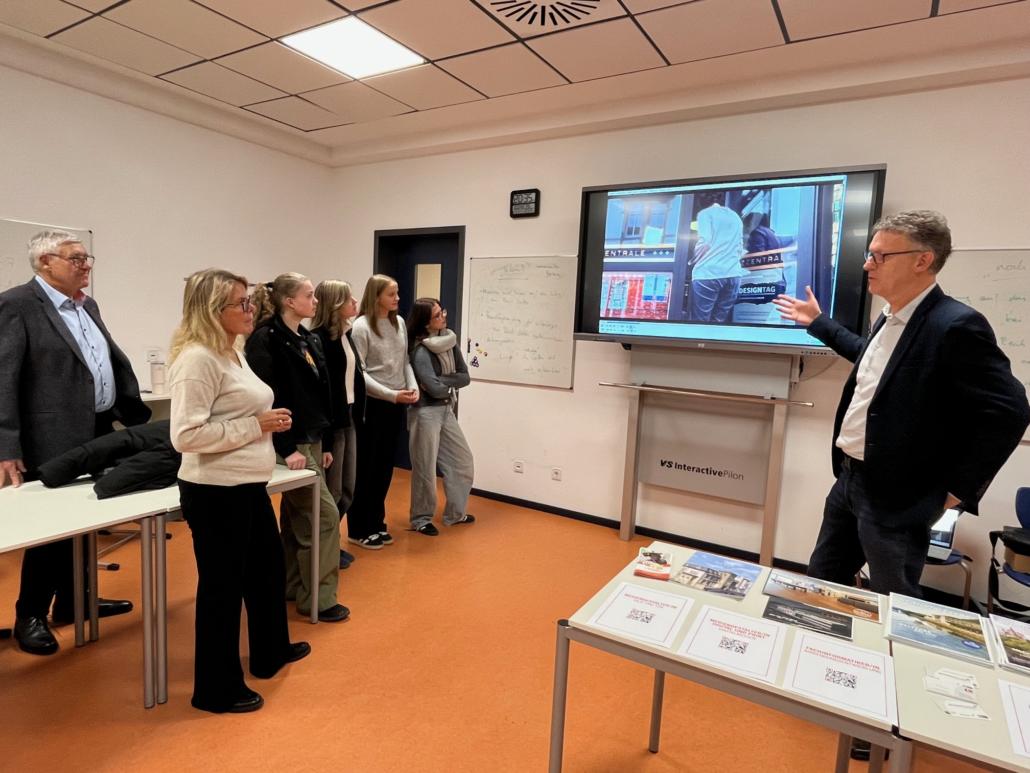
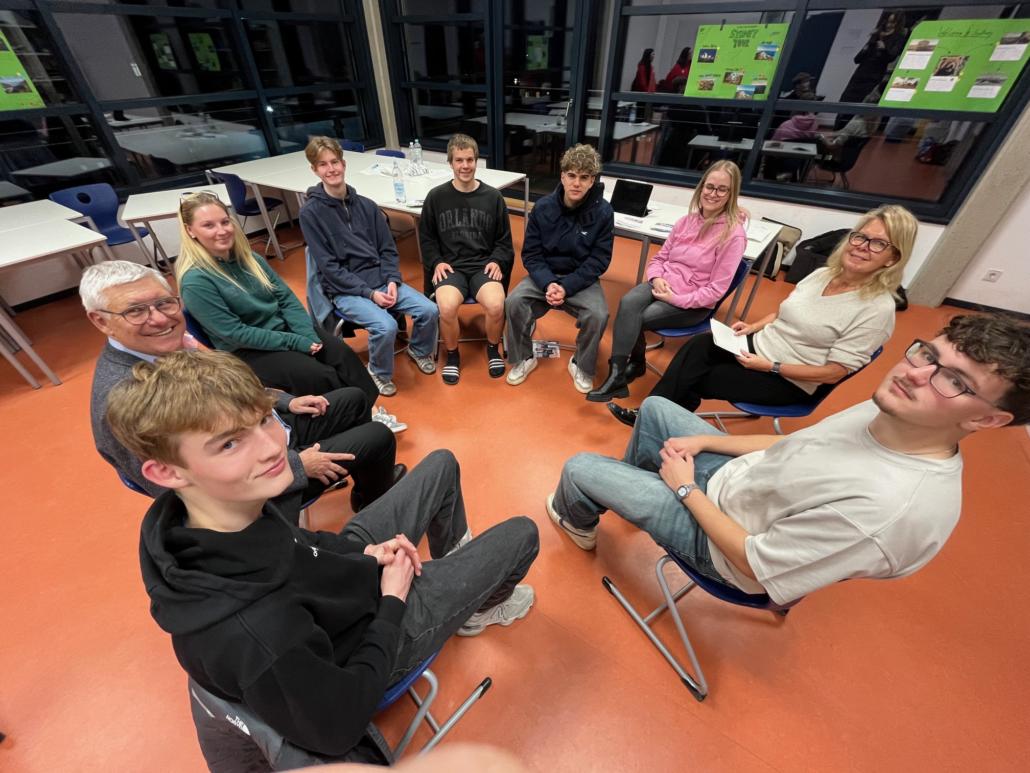
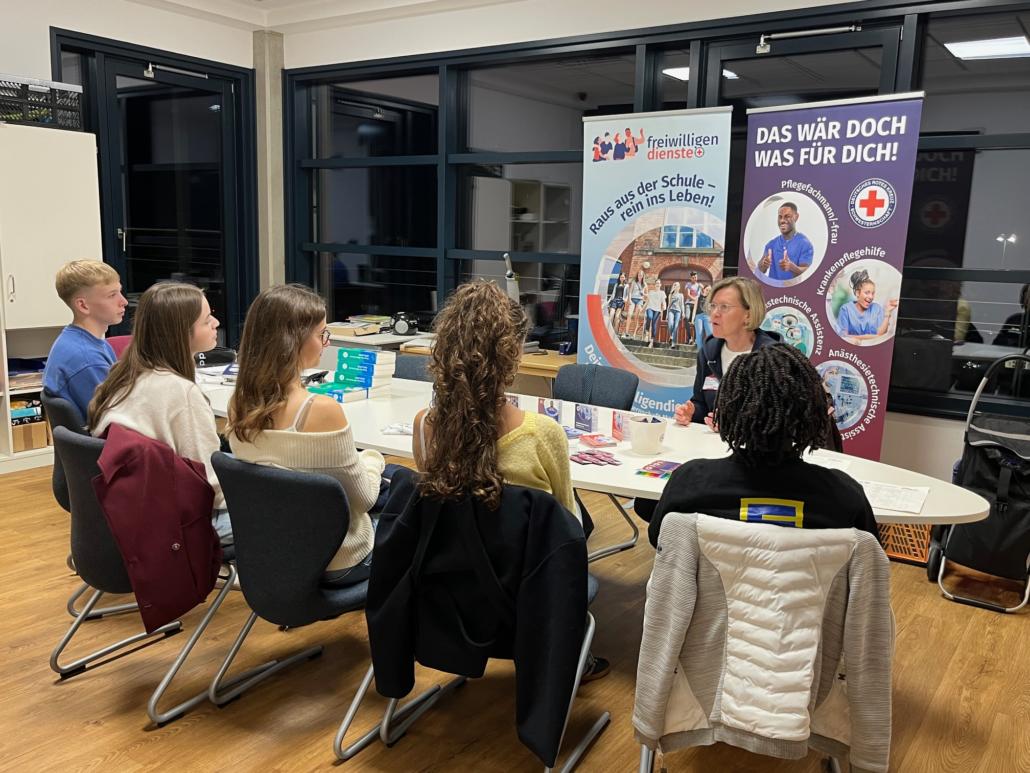
For a full 28 years now, Steinmühle has been hosting its Career Information Day every November—a successful event organized in cooperation with the Rotary Club Marburg-Schloss. Once again, we owe our thanks not only to the organizers: Steinmühle teacher Dr. Claudia Röder and Hans-Heinrich Bähr from the Rotary Vocational Service. We would also like to thank the representatives of the many different professions who so enthusiastically answered questions and provided information to our upper-level students.
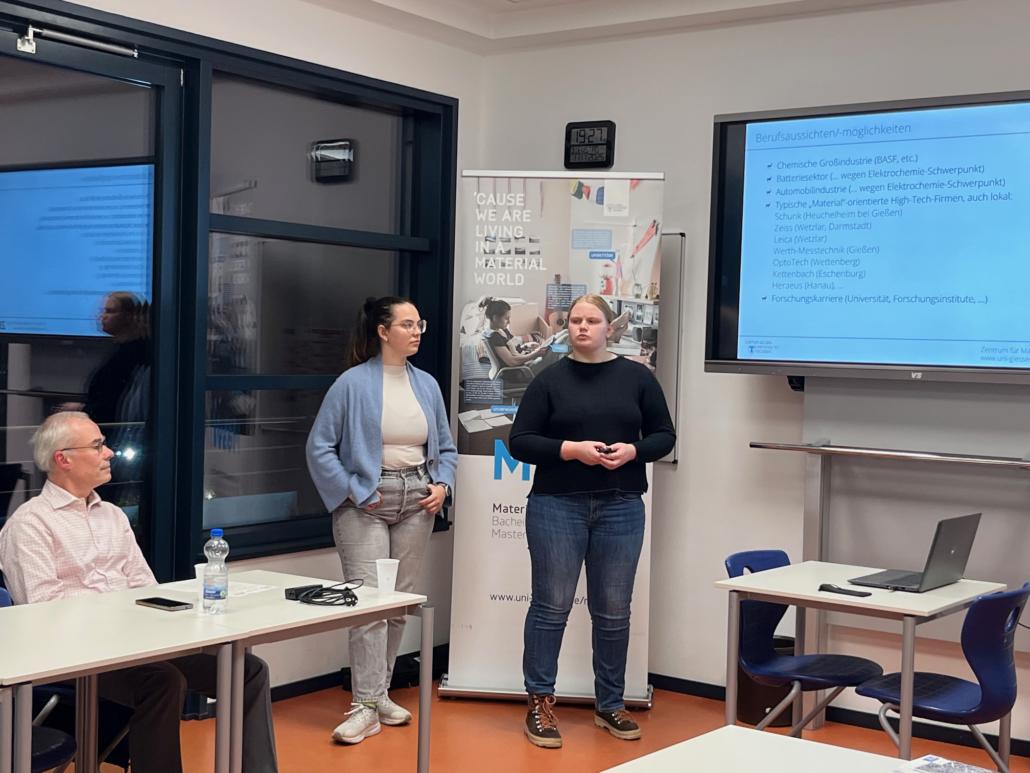
 

Information, Inspiration, and Insights

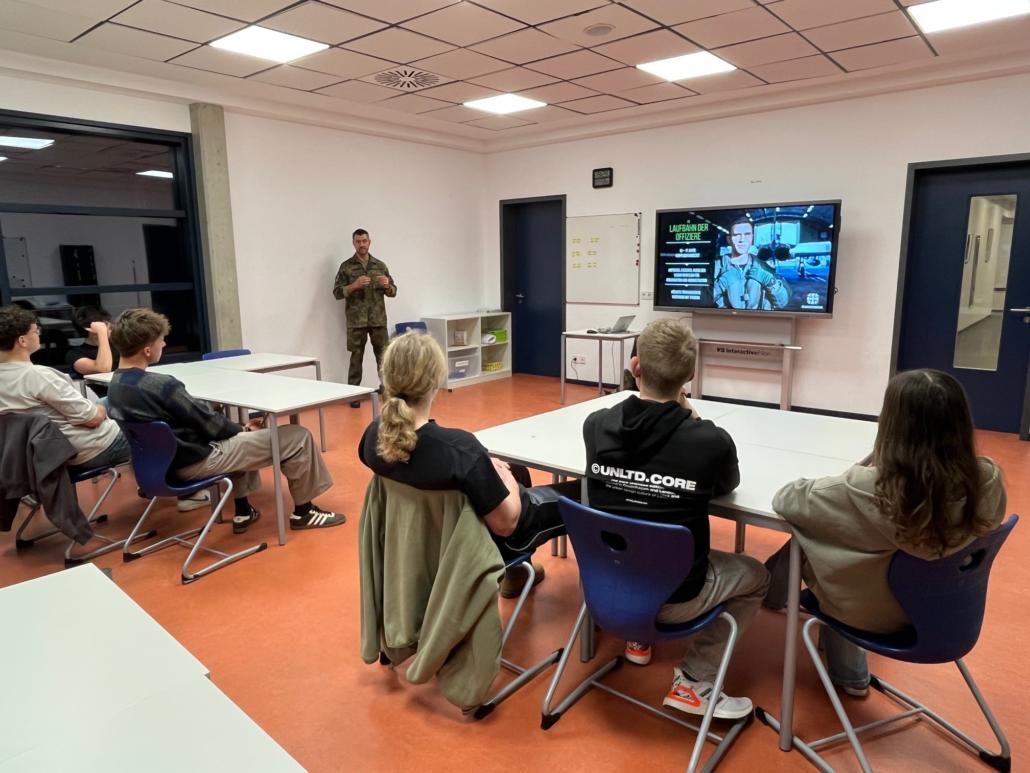
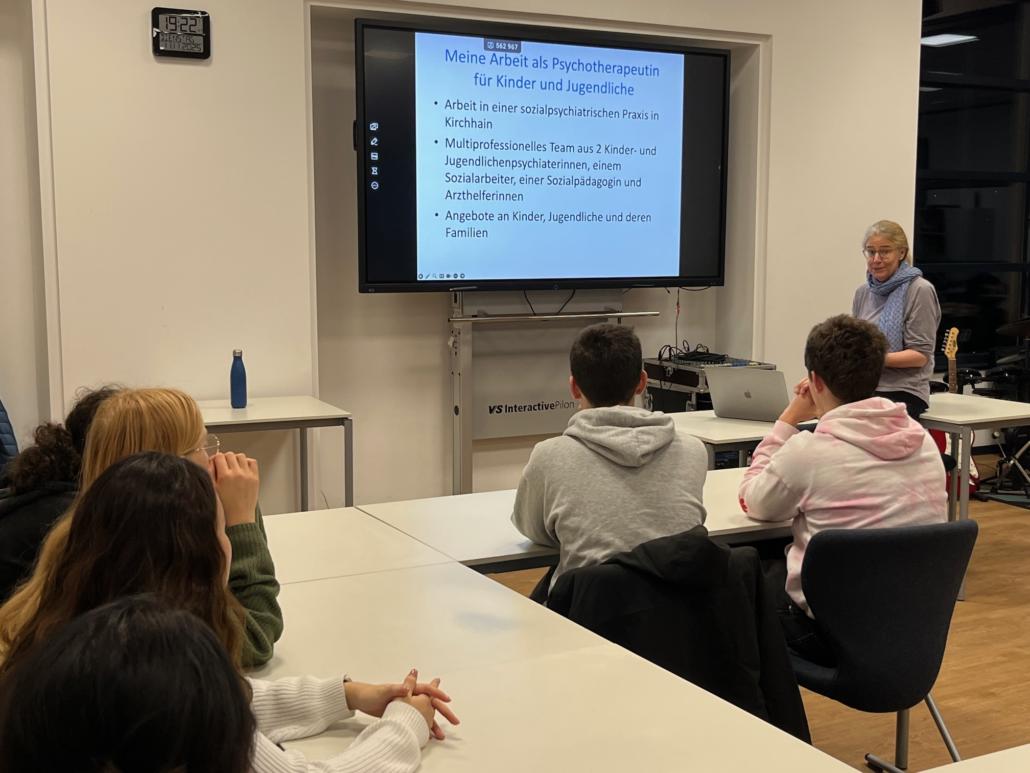
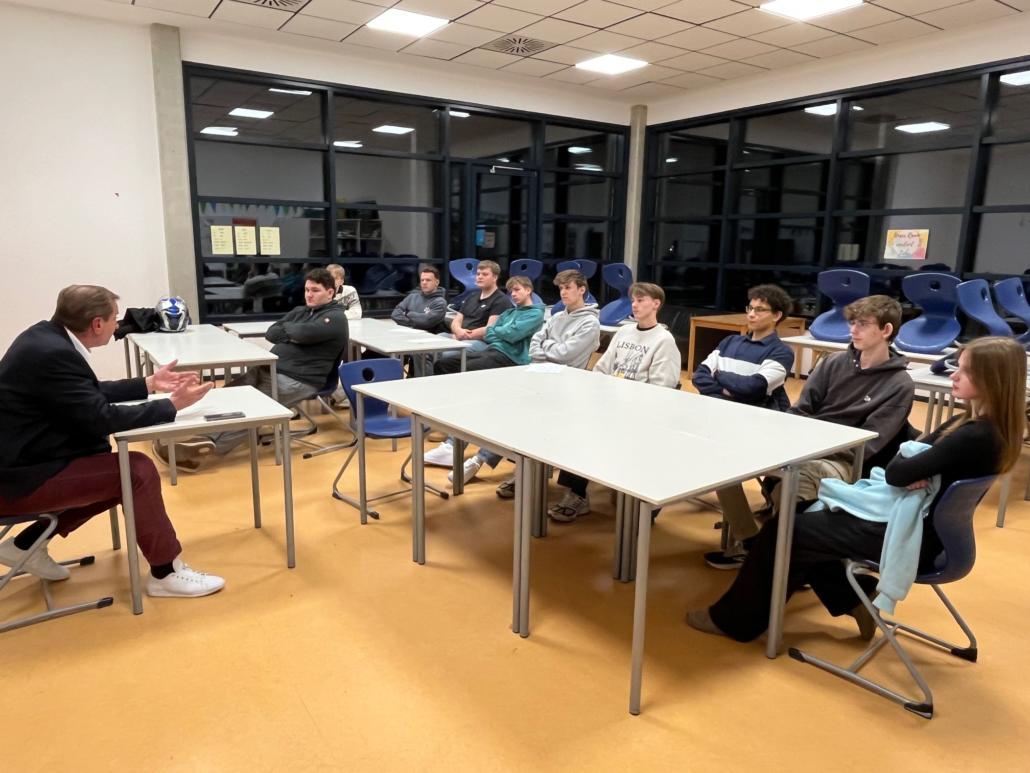
The event, opened by Principal Björn Gemmer, featured presentations on the following professions and fields during three sessions that evening: Attorney, Business Administration (Operations Management), Dentist, Physician, Psychologist, Software Company, Tax Consultant/Certified Public Accountant, Finance/Savings Banks/Banks, Social Service Year, Police Service, Pilot, German Armed Forces, Dual Degree Program at THM, Journalist, Political Scientist, Materials Science, Physics, Advertising Agency/Media, Architecture.

Our students certainly went home with some valuable information, a few ideas, or a new insight into their future career aspirations.

Dear business owners and their representatives: Thank you for enriching the information evening for the young people! Our photos show a selection of participants.

Knockout drops at parties or events are a source of fear for parents, teenagers, and even older adults. The idea that strangers might slip substances into your drink when you’re not looking—substances that first make you “drunk” and then render you helpless—is a major cause for concern. But what exactly are knockout drops? How can you recognize them, and how can you protect yourself from them? And what should you do if you do become a victim of a knockout attack?

Question after question—and during a one-and-a-half-hour prevention session at Steinmühle School & Boarding School, the 10th-grade students had two knowledgeable advisors to turn to: Lara Baade and Lucie Lemberg from the association Frauennotruf Marburg e.V.


A Sudden Shift from Euphoria to Helplessness

It’s not just a single substance that can be used as a knockout agent. Around 150 different substances—some of which can be ordered online—are “suitable” for temporarily and deliberately removing specific individuals from their self-determined lives. These are substances—some of which are misused—that do not necessarily stand out visually or in terms of taste when added to a drink. For up to 30 minutes after consuming the drink, the person feels somewhat intoxicated and euphoric. After 20 to 30 minutes, however, the tipping point arrives—and it happens suddenly.

“Then comes the sedative phase,” the speakers report. Those affected are dazed, listless, experience impaired consciousness and a racing heart, and are overcome by vomiting. They are unable to defend themselves against active abuse or mistreatment—including rape—and have no strength. Depending on the substance and the individual’s physical condition, this phase lasts about 6 to 8 hours.


Consumption Simulated Using Special Glasses

“It depends on whether and what you’ve eaten, or whether you may have consumed alcohol beforehand or something similar,” explain the experts, who had the students complete an interactive obstacle course at the end of the field trip. Using special goggles, the activity simulated the effects of having previously consumed dangerous intoxicants—an experience designed to give students a rough idea of what it’s like to be a victim of knockout drops.


At celebrations of all kinds

Incidentally, the place where these insidious activities take place isn’t always a club or a bar. It can be private parties, a fair, or celebrations of all kinds where large groups of people usually gather. And, by the way, it isn’t necessarily a stranger who picks out the victim or victims on such occasions. Sometimes it’s someone from your circle of acquaintances who plans a cruel prank—or worse—in this way.

Contrary to popular belief, while the targets are usually female, they are not always so, and it is not uncommon for them to no longer be teenagers. “Older people can also become victims of knockout drops,” the speakers said.

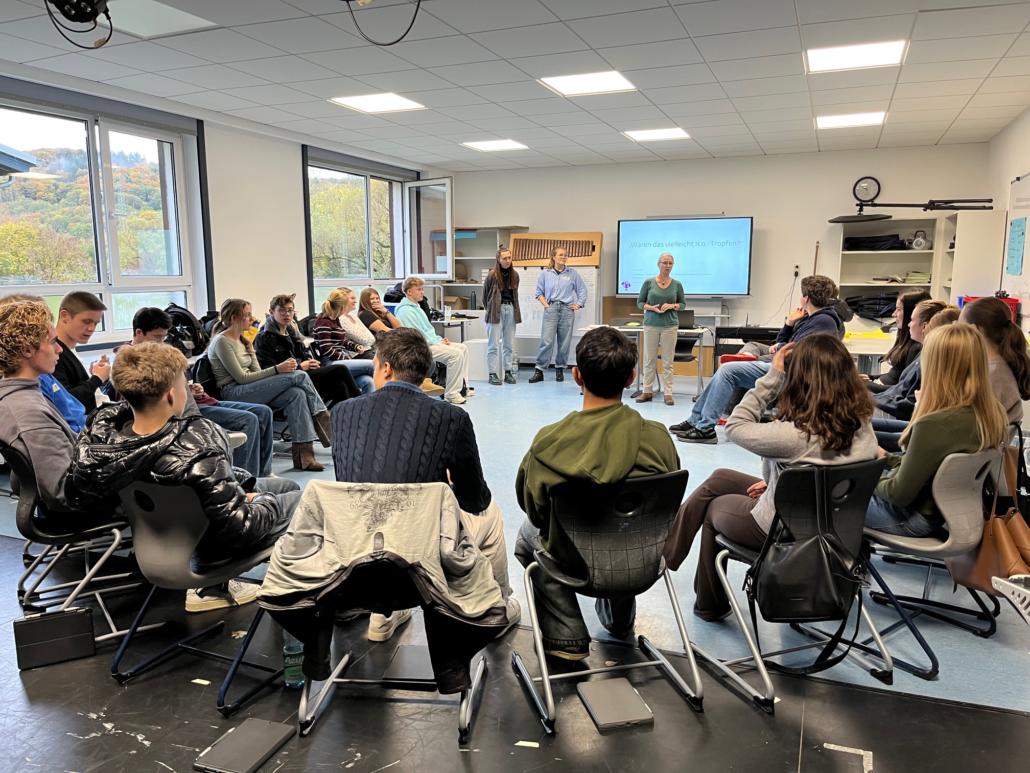
The prevention session for the 10th-grade students at Steinmühle took place in individual classes or groups. Our photo was taken during the prevention session for the class taught by subject teacher Nicole Hohm.


An exhibition is on display in the main building of the Steinmühle through mid-November, highlighting key global challenges and their social, environmental, and legal dimensions.

Among other things, it involves:

• Land Grabbing as a Criminal Offense: The Illegal Appropriation of Land and Its Impact on Local Communities.


• Monoculture: How industrial agriculture is displacing the traditional ways of life of indigenous peoples, as exemplified by the Bender people.


• Fossil Fuels: Global energy demand has doubled, yet 80 % of it still comes from fossil fuels. New record highs are being set every year.


• Legal proceedings against oil companies: Shell plans to withdraw from Nigeria following public protests against oil spills. This raises questions of responsibility and justice.


• Global water crisis: Despite a growing world population, water is becoming increasingly scarce. 2.2 billion people lack reliable access to clean drinking water. A large portion of indirect water consumption occurs in poorer countries, often at the expense of the local population.


• Land use for paper: Germany consumes 230 kg of paper per capita (2023), with 20 percent of its pulp coming from Brazil. The Pataxó Indigenous people are losing their land to pulp cultivation and face repression when they protest.

Ines Vielhaben, a teacher at Steinmühle and the ESD coordinator, borrowed the roll-ups—which can also be incorporated into lessons—from the Motives e.V. association.

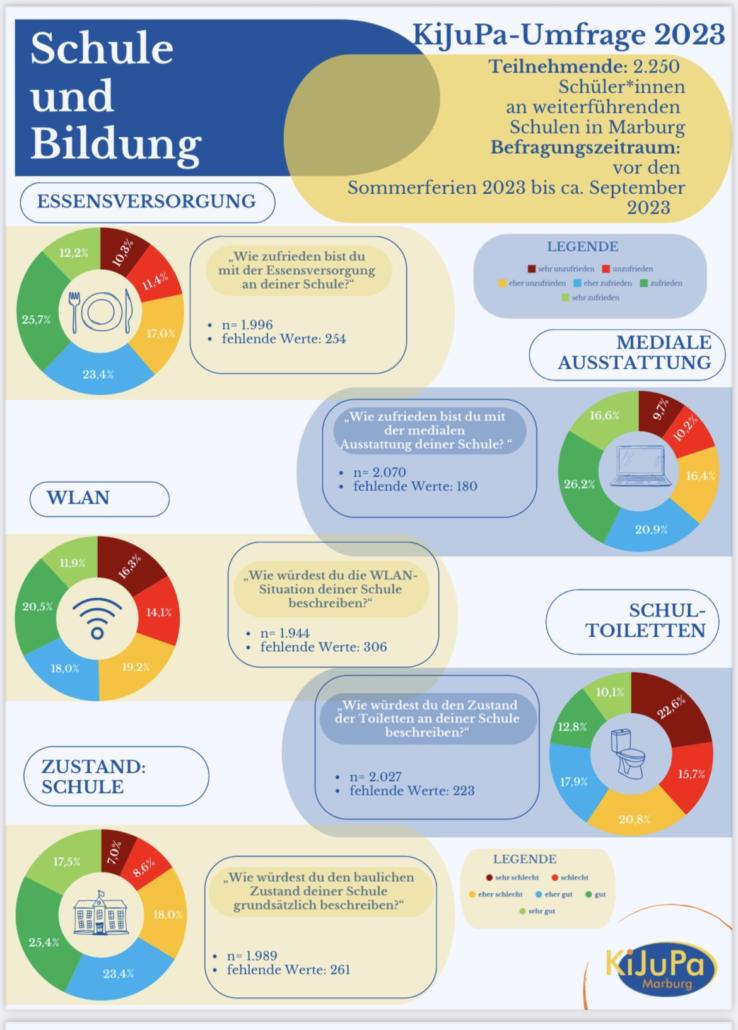
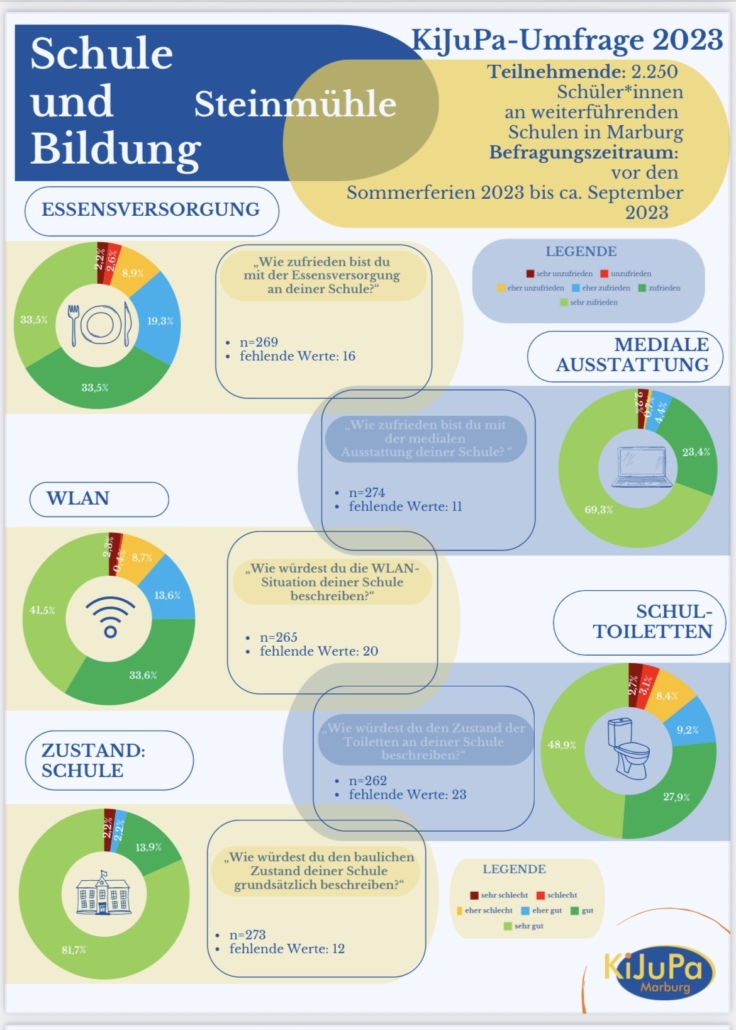
In a survey of 2,250 Marburg students, in which they were asked to evaluate their secondary school based on specific criteria, Steinmühle came out on top: It ranked first in terms of food, media facilities, Wi-Fi, school restrooms, and overall condition.


Investigation Initiated by the Children’s and Youth Parliament

The large-scale study was launched in the summer of 2023 by the Children and Youth Parliament (KiJuPa) of the university city of Marburg. The study was motivated by a desire to answer the question of what young people need and what they hope for in their lives in Marburg.

The young people were surveyed not only on the topic of school and education, but also on topics such as politics and civic engagement, transportation and mobility, leisure, media and digitalization, safety, discrimination, and the future.


With the support of two experts

With support from Philipps University, KiJuPa analyzed the survey results on its own. With Prof. Dr. Ivo Züchner from the Department of Education and Philipp Klingler from the Institute of Political Science, KiJuPa had two experts at its side who guided them through the survey “jungle,” explained complex issues in a clear and understandable way, and gave everyone a crash course in research methodology.


Steinmühlen Principal Praises the School’s Supporting Association

“The outstanding results for Steinmühle give me reason to extend my heartfelt thanks to the School Association on behalf of the school administration team!” commented Steinmühle Principal Björn Gemmer on the survey results. “As the school’s governing body, the School Association provides nearly ideal conditions for our students—far better than the (once) financially strong public school system is able or willing to do,” he said, praising the dedication of School Association Chairman Egon Vaupel, his deputy Gerhard Müller, and Steinmühle Managing Director Dirk Konnertz.

The complete survey section on the topic of school can be viewed here: https://kijupa-marburg.de/wp-content/uploads/Umfrage-Schule.pdf

Angela Heinemann