


The Evolution of Social Values: Ethics Classes Interviewed Prof. Hanno Sauer
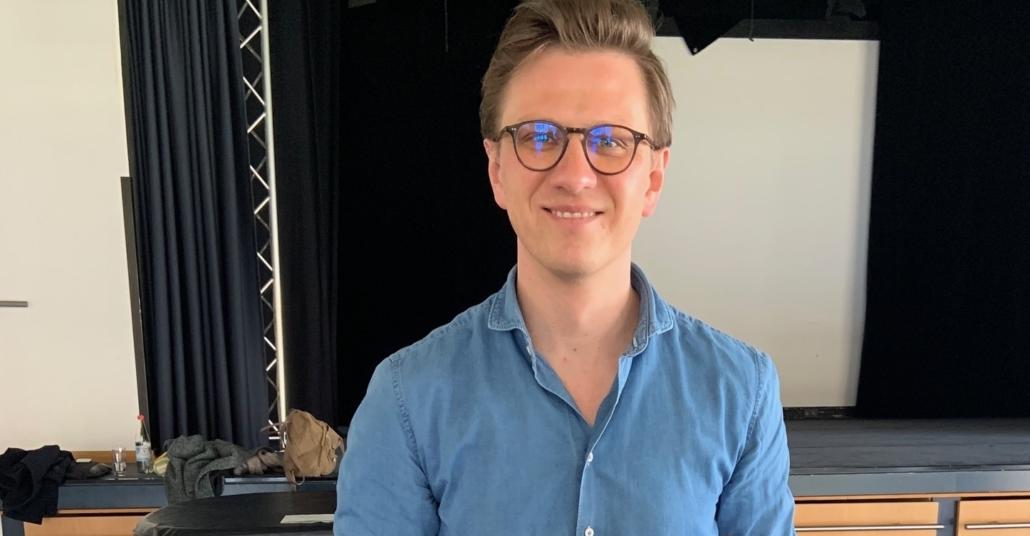
What defines moral action? How do our social values evolve? Are freedom and personal fulfillment still guaranteed in a changing world? With these and many other questions in mind, the 13th-grade ethics and religion classes at Steinmühle engaged in a fascinating dialogue with Prof. Hanno Sauer, a professor of philosophy at Utrecht University and author of the highly acclaimed book *Moral: The Invention of Good and Evil*.
Prof. Sauer took the time to address all of the students’ questions and clearly demonstrated how philosophy finds answers to pressing social issues. Using humorous examples and vivid imagery, he encouraged the students to think more deeply and made abstract concepts tangible.
Are our achievements at risk?
After a brief introduction to his book, which examines the development of morality from the Stone Age to the present day, he turned his attention to current social debates. There was a particularly intense discussion of how concepts and discourses surrounding “wokeness” have emerged and what challenges they pose in a modern, diverse society. Prof. Sauer emphasized that our society has already made considerable progress: skin color, gender, or sexual orientation should no longer influence career opportunities or social participation. However, he also raised the critical question of whether right-wing populist movements could jeopardize these achievements. Despite potential challenges, he remained optimistic that fundamental moral progress cannot simply be reversed.
A Vision of a Hopeful Future
In closing, Prof. Sauer outlined a hopeful vision for the future: a world grounded in universal moral values and traditions. This outlook elicited a palpable sigh of relief from the audience, and the participants went about their day with new ideas and inspiration.
We are already looking forward to welcoming Prof. Hanno Sauer back to Steinmühle soon, especially following the publication of his new book, *Klasse*, in which he examines social class differences from philosophical and economic perspectives. With words of praise for our school and reminiscences of his own time as a student in Marburg, we brought this enriching morning to a close in the warm early spring sunshine. Dr. Stefanie Stork


