Rainer Grabowski, Hesse’s State Representative for the Mathematics Olympiad at secondary schools, was the one to deliver the good news to Maximilian Moll from the Steinmühle math department: Once again, Steinmühle had secured a podium finish in a competition. Fifth-grader Sophie Sacher scored 26.5 out of 40 points in the highly challenging competition, securing third place. Steinmühle Principal Björn Gemmer commented on the achievement of the student, who attends Steinmühle’s International High School Program: “Outstanding!”

Emil Zuckermann, also a 5th grader and regional champion, and Orlando Geisel (11th grader) also took on the challenging problems of the Math Olympiad. Unfortunately, Orlando had to withdraw early on the second day due to illness.

Up through 7th grade, the state competition is the highest level that can be reached

The Math Olympiad consists of several rounds, with the difficulty increasing from round to round—culminating in the national round for the top math whizzes starting in 8th grade. For students in grades 3 through 7, the competition ends with the state round and a grand awards ceremony organized by the individual states.
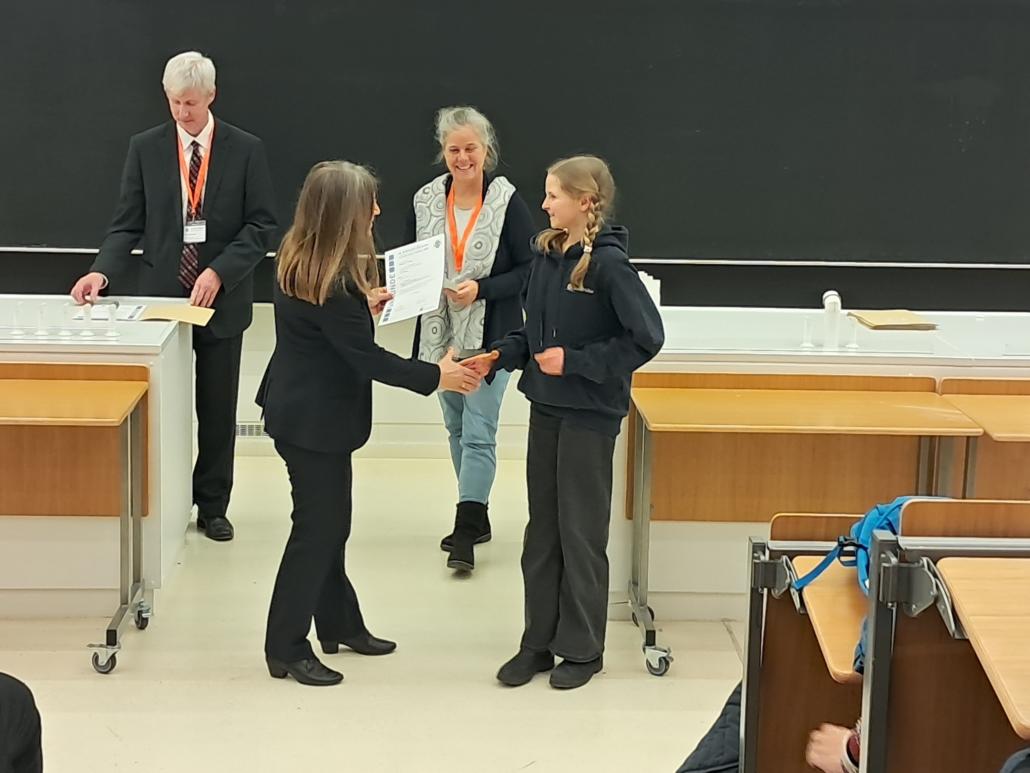
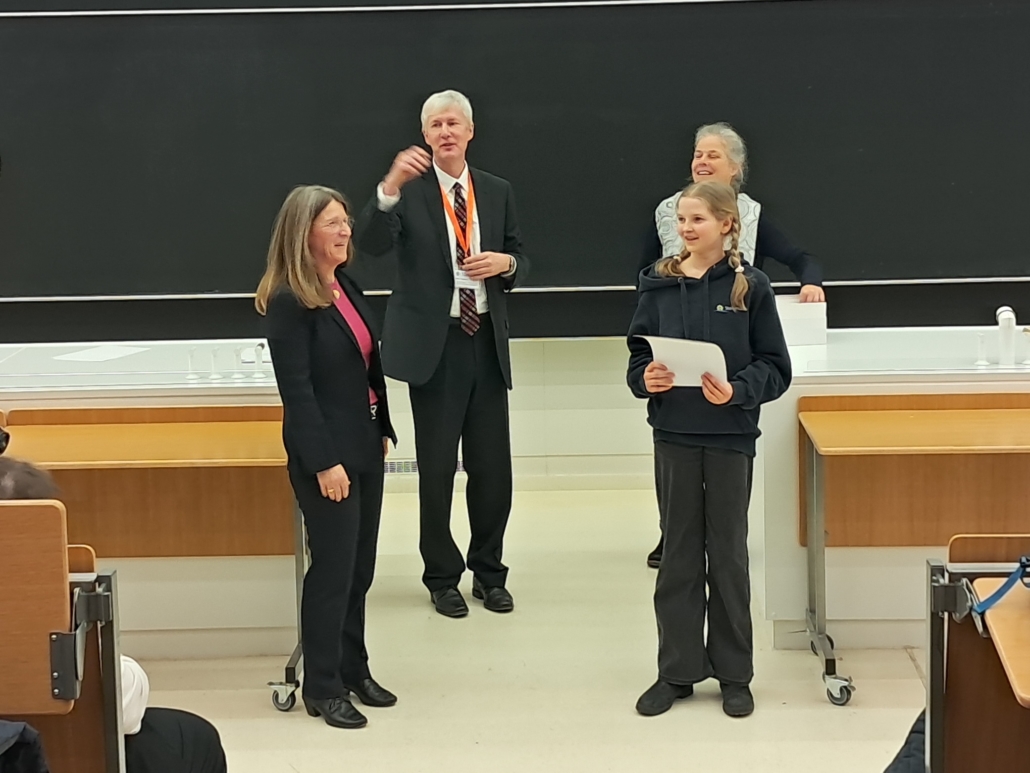
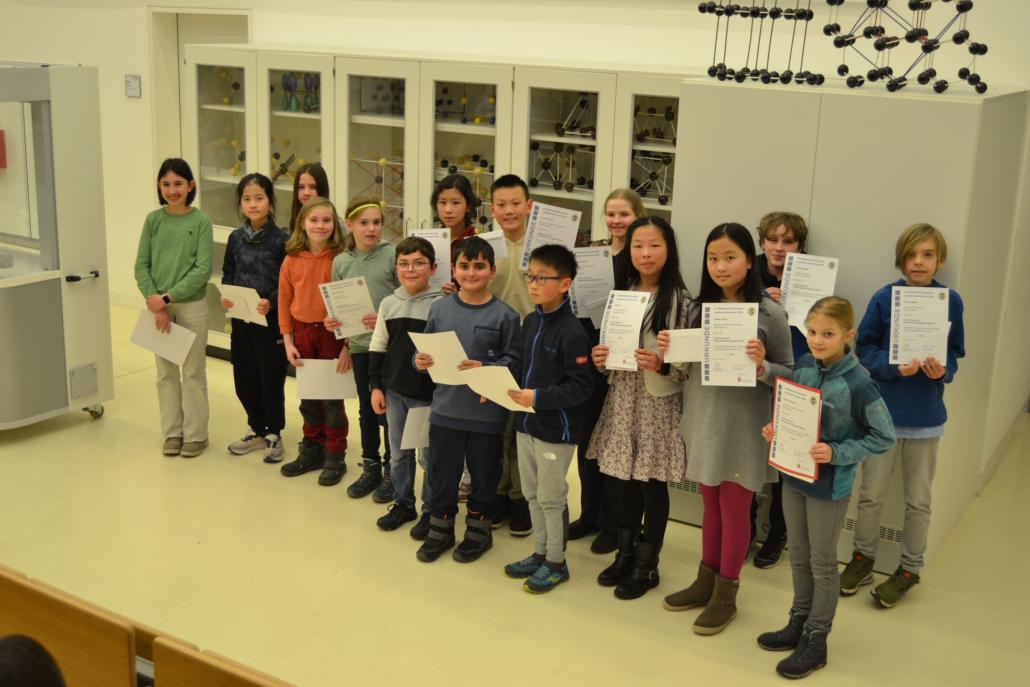
Our photo shows Sophie Sacher at the awards ceremony alongside Brigitte Hirschler from the Hessian Ministry of Education and Cultural Affairs, organizer Rainer Grabowski, and the head of Olympiad Class 5. All the award winners from this Olympiad class then gathered for a group photo. Sophie can be seen in the back row, center.

Germany’s best-known competition for young talent in mathematics, computer science, natural sciences, and technology—Jugend forscht—kicked off on Friday. And once again, this competition ended with an outstanding performance by Schule & Internat Steinmühle!


Standing out among 34 teams

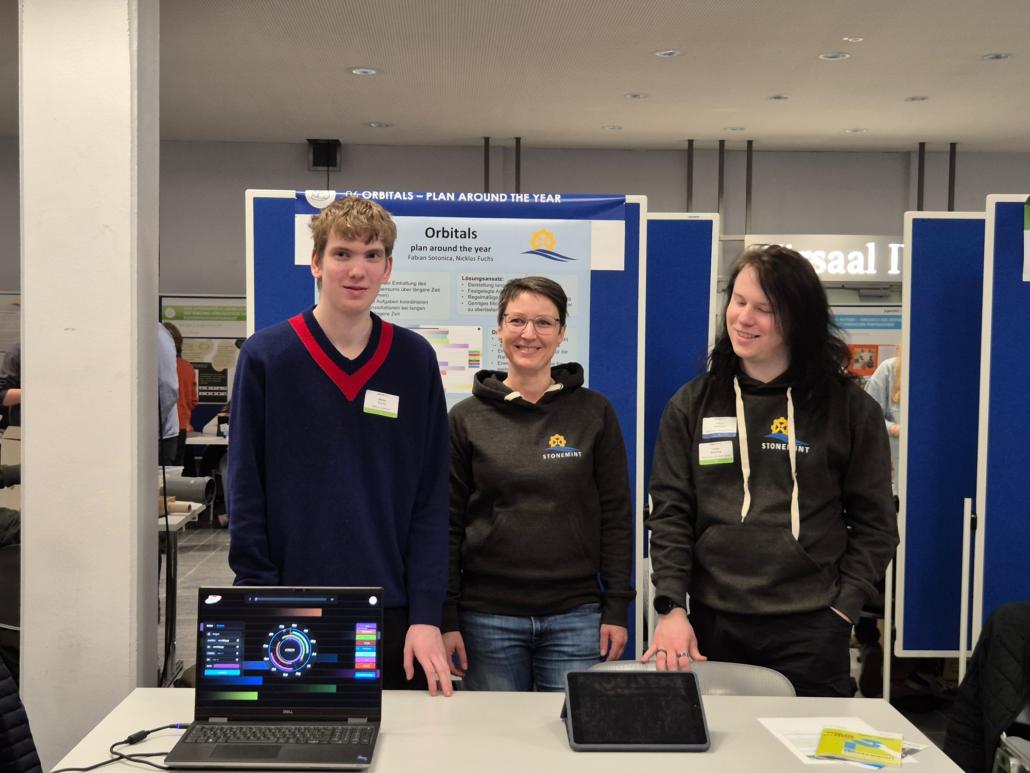
At the Central Hesse Regional Competition, coordinated and organized jointly by Justus Liebig University Giessen and the Technical University of Central Hesse, Steinmühle took home the regional title with no fewer than four projects! A total of 34 teams presented their research and experiments to a 24-member jury, after which other interested attendees had the opportunity to ask the participating groups various questions.


Collaboration Between Two plus-MINT Boarding Schools

We’ll be presenting the experiments over the next few days, including, as a special feature, a collaborative project with the Louisenlund Foundation—which, like the Steinmühle, is a plus-MINT boarding school. We’re proud of the entire group, including the teachers led by MINT coordinator Dr. Jutta Töhl-Borsdorf. Thank you all so much! Simply amazing!


In-depth insights through engaging workshops: For four days, 23 students in grades 10 and 11 from the Louisenlund, Sankt Afra, and Birklehof boarding schools immersed themselves in mathematics and related STEM fields. For the third year in a row, the plus-MINT Math Camp at Steinmühle provided an inspiring platform for young talents with a special passion for numbers, logic, and analytical thinking.


A Warm Welcome

Our guests were picked up right at the train station and welcomed at the bistro with snacks and drinks—a well-deserved refreshment after their journey, which had been long for some. Afterward, they went straight into the first workshop, led by engineers from the Office of Land Management. During the workshop, the students explored fascinating topics in surveying and learned, among other things, how to calculate the continental drift of the Eurasian Plate. After dinner together, the participants met in the tea room to discuss organizational details and make their final preparations for the upcoming International Bolyai Mathematics Competition.


Bolyai Competition and Workshops

The next day began with participation in the Bolyai Competition. Afterward, Dr. Karl-Heinz Muth led an engaging workshop on the topic “Mental Math—A Forgotten Art Between Variety Show and Everyday Practicality.” During the workshop, participants were introduced to impressive computational skills, such as calculating the exact day of the week for any given date—a fascinating blend of mathematical logic and practical skill.


Variety in the Program

After lunch, the group headed to the Lahnberge, where Prof. Dr. Elmar Tischhauser from the Department of Computer Science captivated the audience with a practical lecture on cryptography. After an eventful day, everyone returned for dinner, and many then took the opportunity to burn off some energy with the sports activities on offer—a welcome change of pace from the intensive program.


Mathematikum: A Must-See

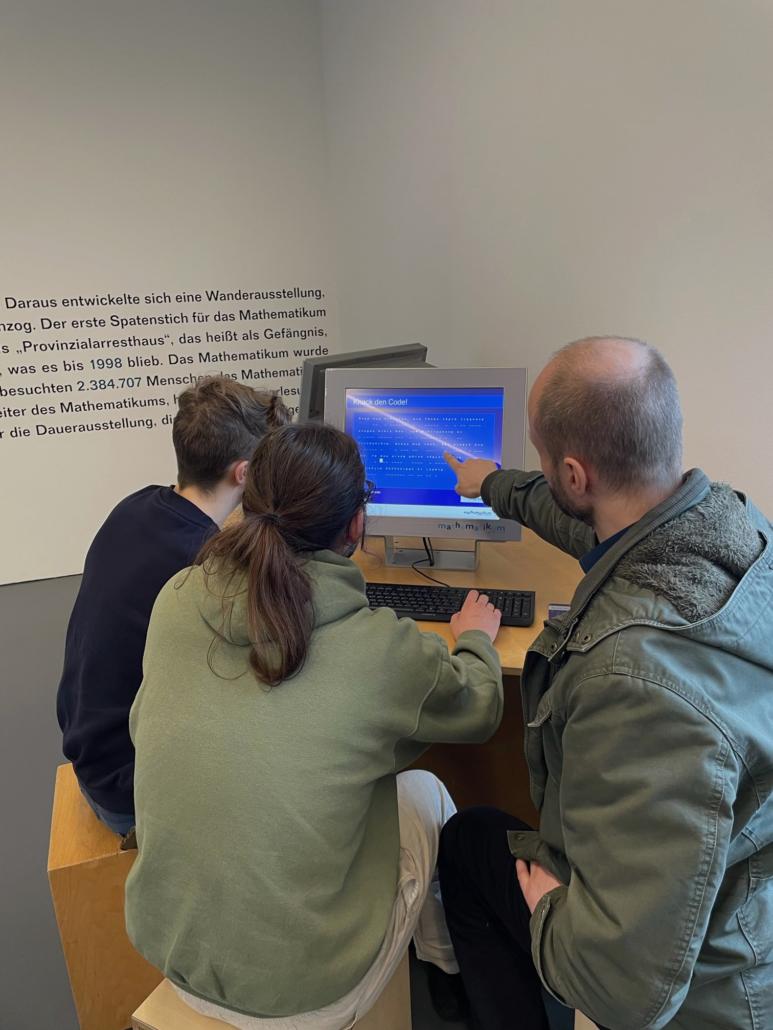
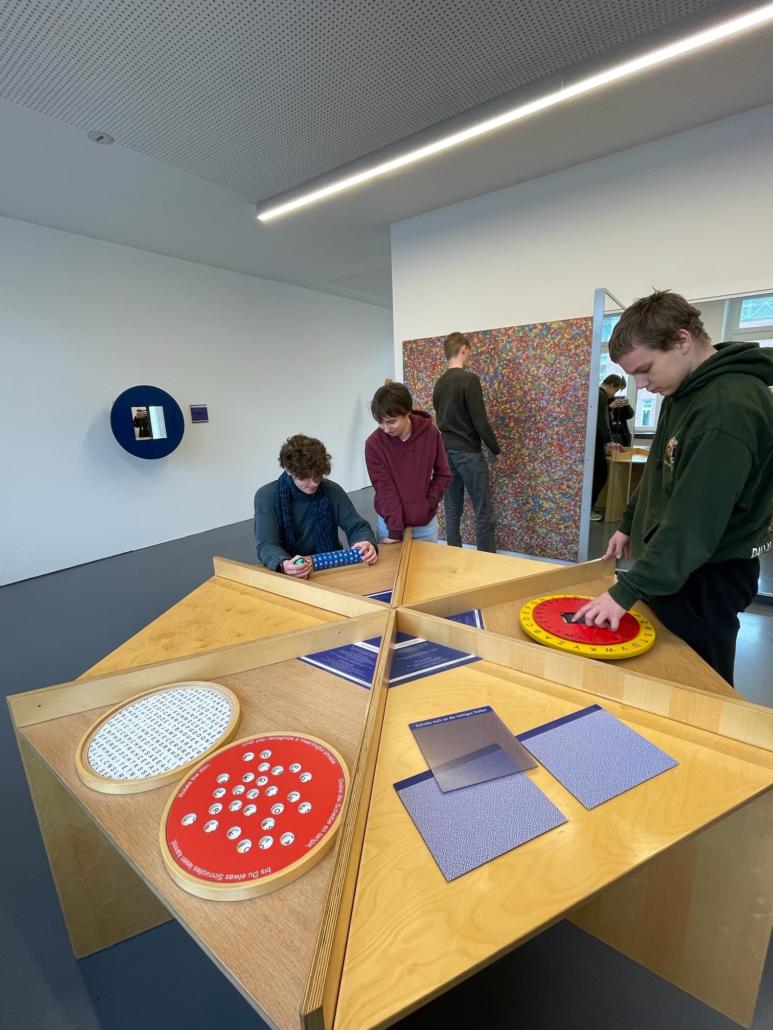
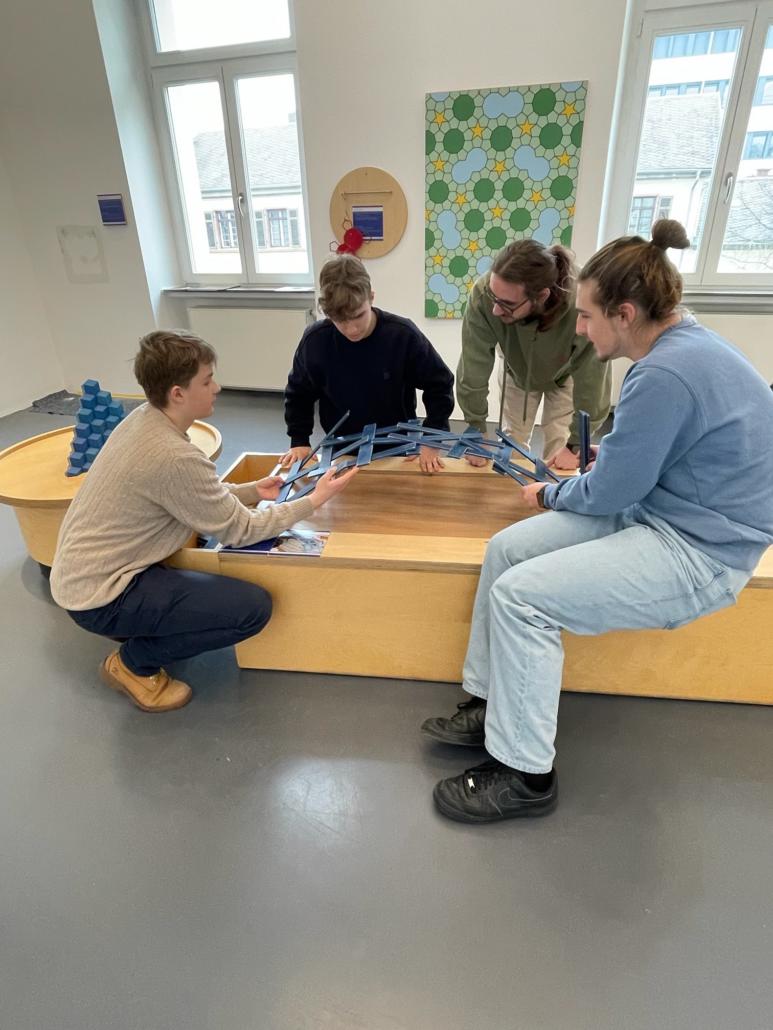
The Mathematikum in Giessen was the destination for the next morning’s excursion. The exhibits and activities at this well-known, large hands-on museum never fail to captivate visitors. Back in Marburg, the group headed once again to the multipurpose building on the Lahnberge, where Prof. Dr. Patrick Mehlitz discussed fundamental questions of mathematical optimization with his young guests.


Experience Industry Up Close

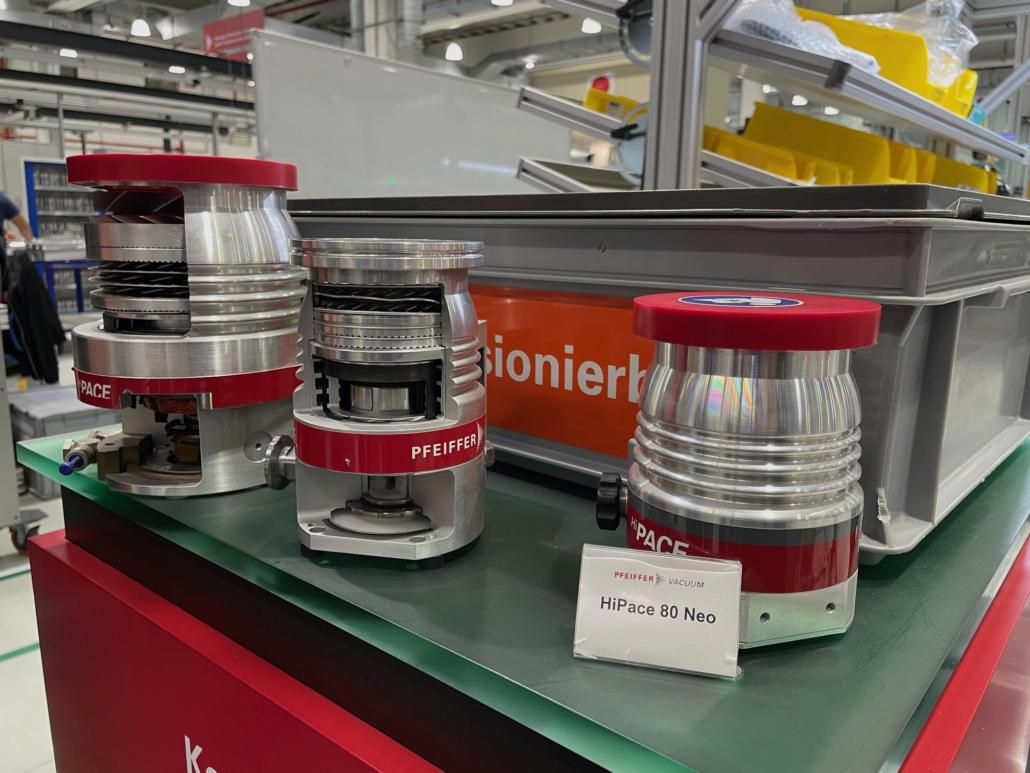
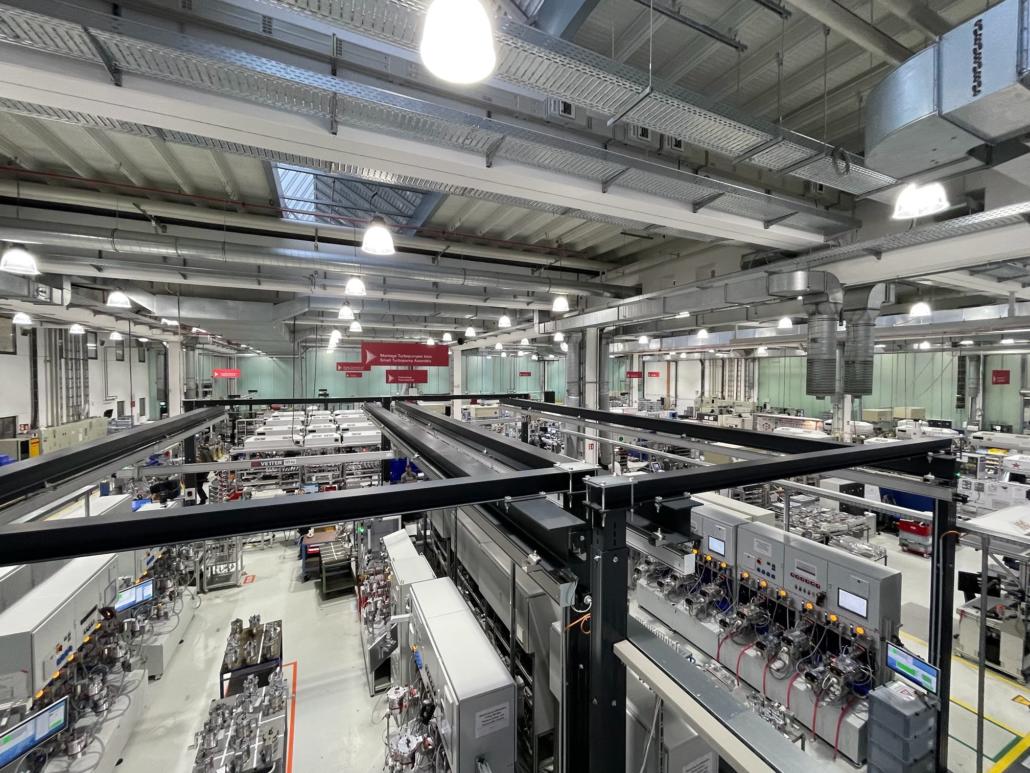
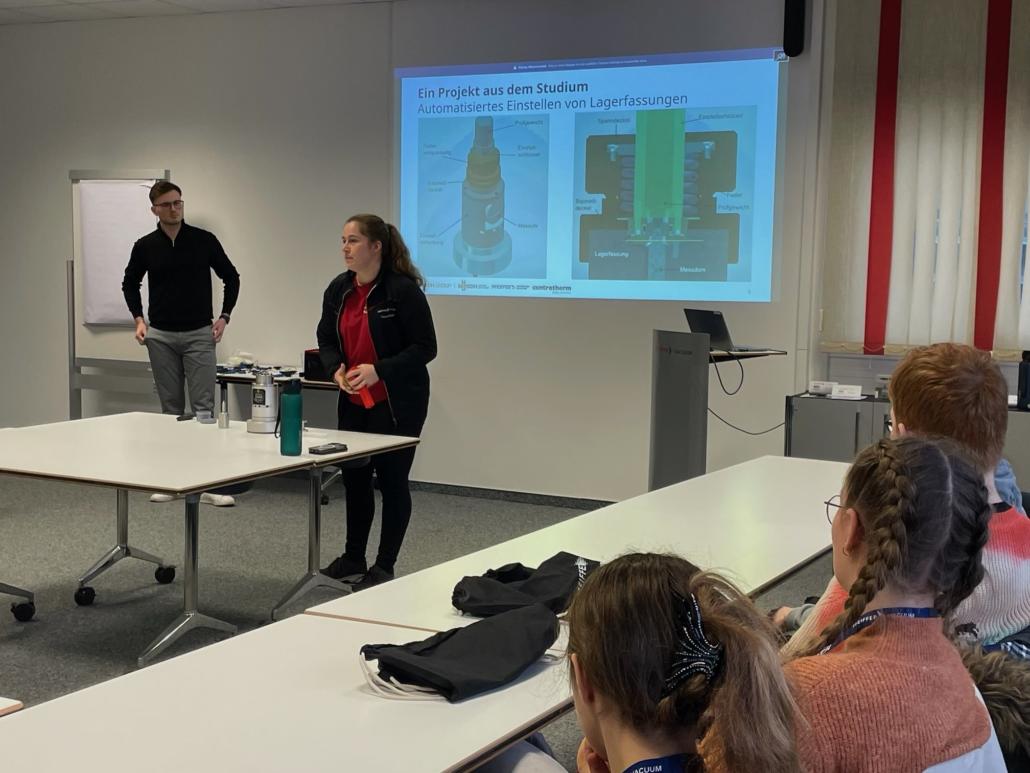
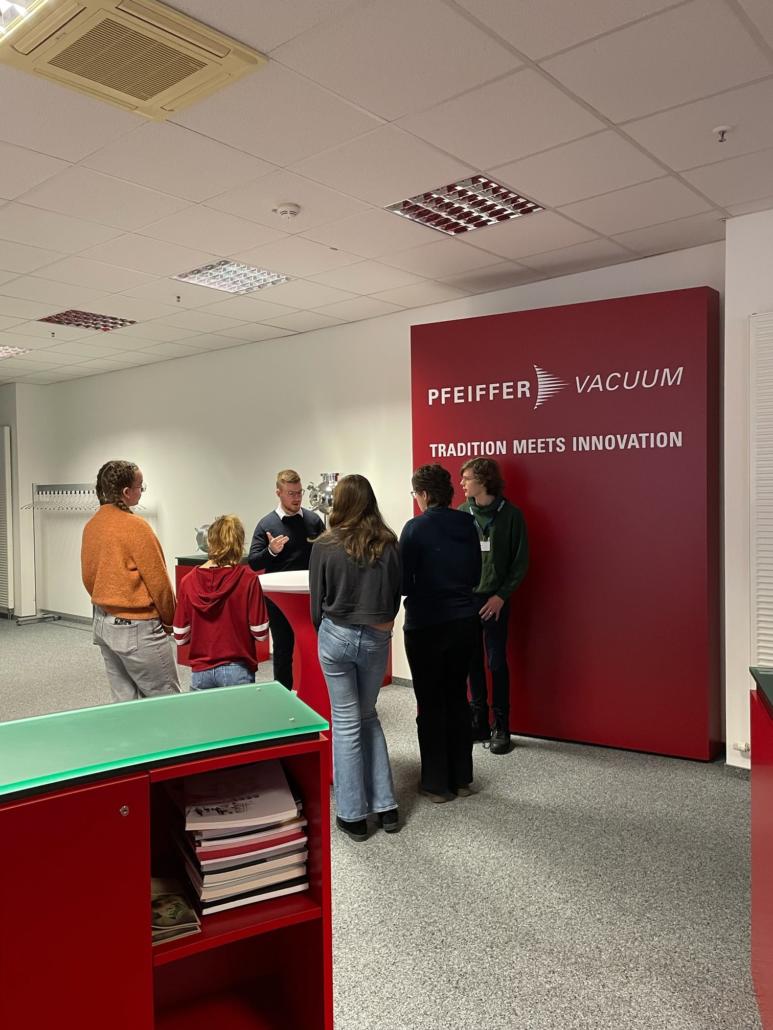
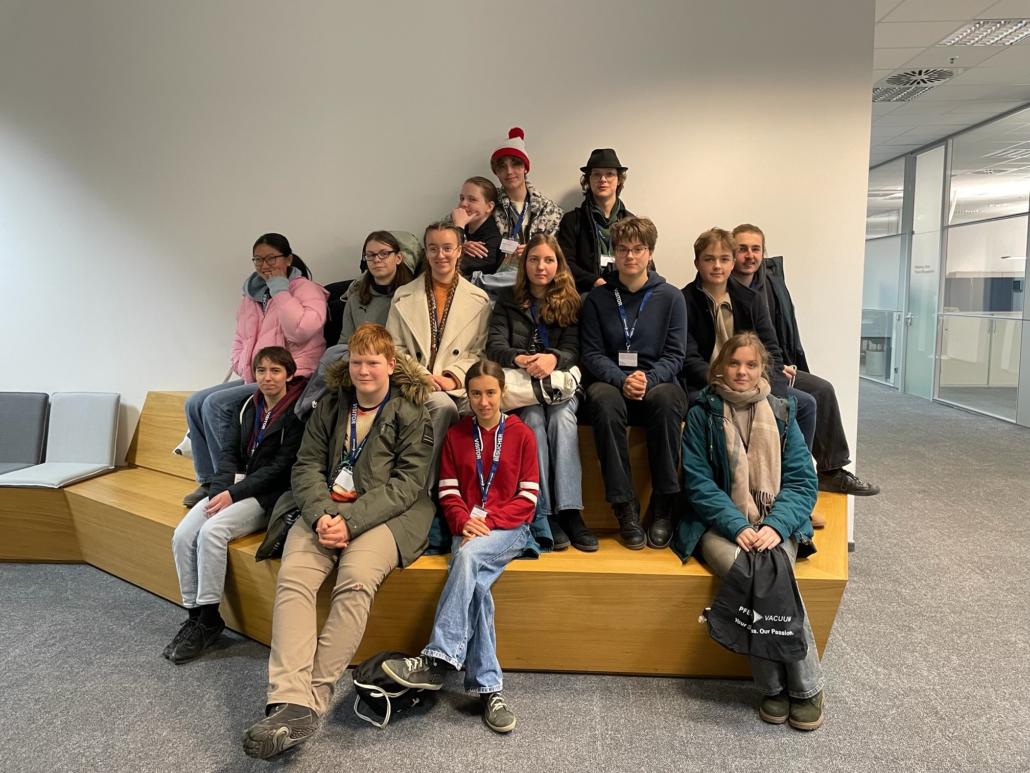
The evening was celebrated with a festive dinner in the cafeteria, as it was, unfortunately, the last one the group of STEM enthusiasts would be able to spend together. The next day’s itinerary included one final excursion to the neighboring Lahn-Dill district. The visit there to the mechanical engineering company Pfeiffer-Vacuum not only offered interesting insights into technical applications but also gave the young people the opportunity to talk directly with students and recent graduates in the fields of mechanical engineering, business informatics, and industrial engineering. During the visit, they were able to ask valuable questions and received helpful guidance regarding their own career prospects.


Farewell and Outlook

After four eventful days, it was finally time to say goodbye. Around noon, the young talents set off for home—full of new impressions, experiences, and (hopefully) inspiration. The time we spent together, during which everyone was able to pursue their passion for STEM subjects, will surely remain in our memories—and those of our guests—for a long time to come.

The plus-MINT Camp, organized by math teacher Maximilian Moll, is an initiative of Steinmühle and is supported by the Association for the Promotion of MINT Talent.

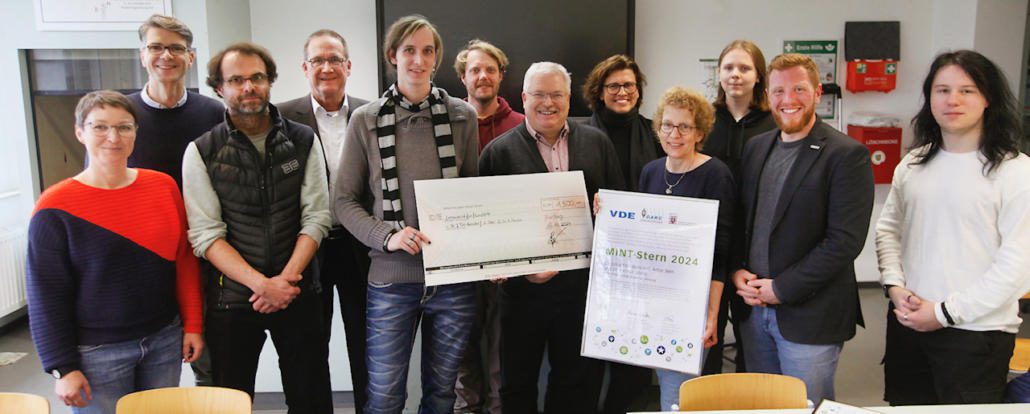
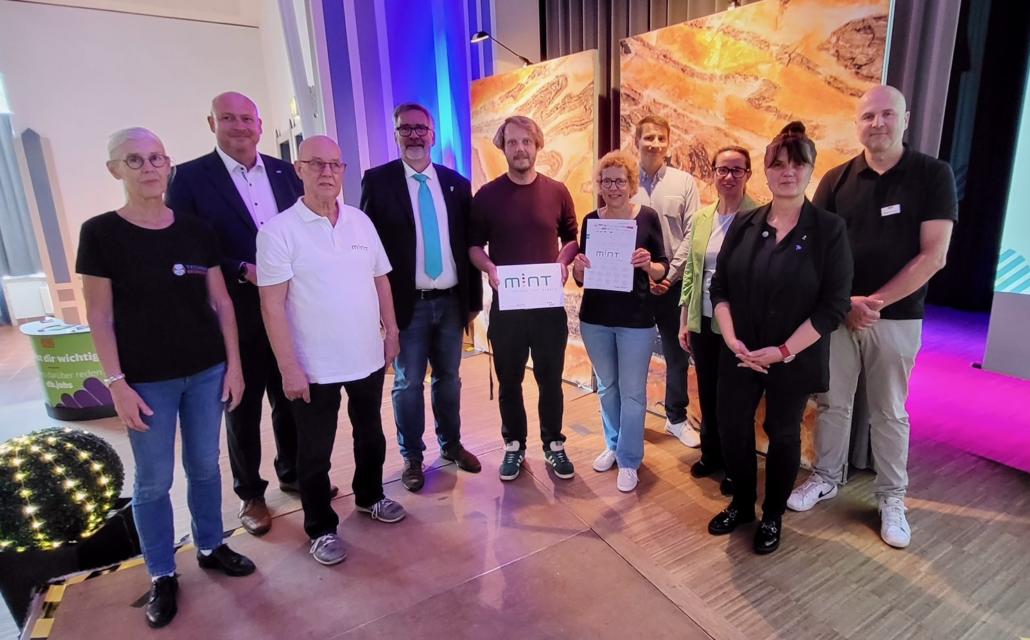
A grand reception on our campus: Steinmühle welcomed a five-member delegation to accept a very special award in the STEM field. The Association for Electrical, Electronic, and Information Technologies (VDE) and the German Amateur Radio Club (DARC) awarded the Steinmühle School & Boarding School the STEM Star 2024, thereby recognizing “outstanding and sustained commitment to the fields of mathematics, computer science, natural sciences, and technology.”


The interplay between the disciplines was convincing

Individual teachers and teams from schools in Hesse were eligible to apply. “With a STEM Star, we recognize projects and programs that demonstrate exceptional impact, continuity, and ingenuity,” said Dr. Kevin Rick, director of VDE Südwest. The award was presented to STEM coordinator and head of the STEM gifted education program, Dr. Jutta Töhl-Borsdorf, her colleague Antje Seel, and her colleague Dr. Patrick Szabo. “Without qualified guidance that inspires students and spurs them on to peak performance in research and experimentation, such outstanding achievements would not be possible,” commented the laudators, including Thomas Beiderwieden from VDE Rhein-Main and Christian Entsfellner from DARC, in recognition of their work. In the case of Steinmühle’s winning project, “Water Analysis 2.0,” the jury was particularly impressed by the interplay of the disciplines involved in the project—ranging from ecology to programming to model building. The team of students from the Plus-MINT track at the Steinmühle boarding school thus advanced to the national finals of “Jugend forscht” this early summer. This project involves a measurement platform developed and built by the students themselves to determine water quality (we have reported on it several times).


Minister of Culture as Patron

“Steinmühle is delighted to receive this very special award and is proud of everyone who contributed to it through their hard work, perseverance, and dedication,” said Principal Björn Gemmer on behalf of the award recipients, who received certificates and prize money totaling 1,500 euros. For Steinmühle, this serves as an incentive to continue investing energy in this area. Because, as you can see, it’s worth it in every way!

The award ceremony, held under the patronage of Armin Schwarz, Hessian Minister of Culture, was celebrated by the participants with a meal together in the dining room of the Steinmühle. And there, too, there was plenty of praise—for our cuisine.


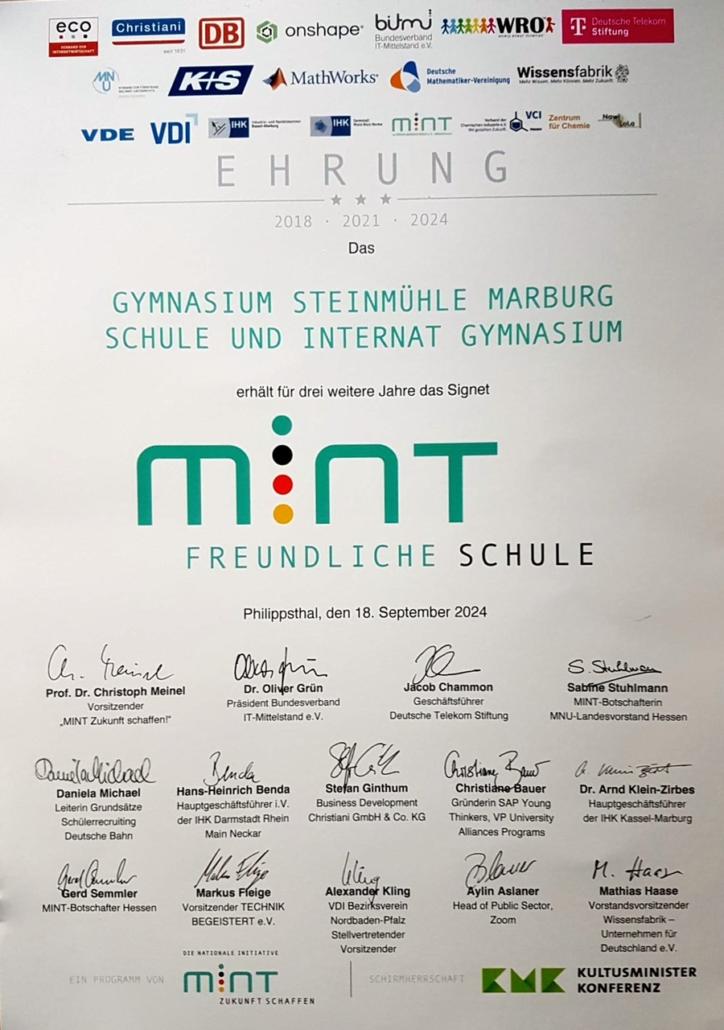
Once again, Steinmühle was recognized as a STEM-friendly school yesterday, Wednesday. Dr. Jutta Töhl-Borsdorf and Dr. Sven Freibert accepted the award in Philippstal, North Hesse, representing Steinmühle as the only participating school from Marburg.


Steinmühle Receives Top Rating


“In the evaluation, the Steinmühle was ranked at the highest level,” said Dr. Jutta-Töhl-Borsdorf happily.

According to the two teachers, in the morning, participants were able to visit the training center of the host company, K+S Minerals and Agriculture GmbH Philippsthal, and gain interesting insights, for example, into dual degree programs.

The schools were honored by Sabine Stuhlmann (MNU Hesse Regional Association and the NaWi LoLa project), Benjamin Gesing (Executive Director of MINT Zukunft e.V.), and Harald Fisch (Senior Advisor at MINT Zukunft e.V.). The awards are valid for three years.


Recognized and supported by the business community


Mathematics, computer science, natural sciences, and technology (MINT) have become increasingly important for school development. The award-winning “STEM-friendly schools” demonstrate that their educational approach enables them to integrate ad hoc measures—such as those related to digitalization—into everyday school life in a didactically and pedagogically sound manner. The “STEM-friendly schools” gain visibility among students, parents, businesses, and the general public through this recognition and are not only acknowledged but also receive special support from the business community. Nationwide partners of the national initiative “MINT Zukunft schaffen!” (Creating a Future with STEM!) honor those schools that consciously prioritize STEM. The schools are evaluated based on a rigorous, standardized set of criteria and undergo a nationally uniform application process.

The group photo, taken by Uwe Handke on behalf of the organizer, shows Dr. Jutta Töhl-Borsdorf and Dr. Sven Freibert holding their award certificates during the ceremony.

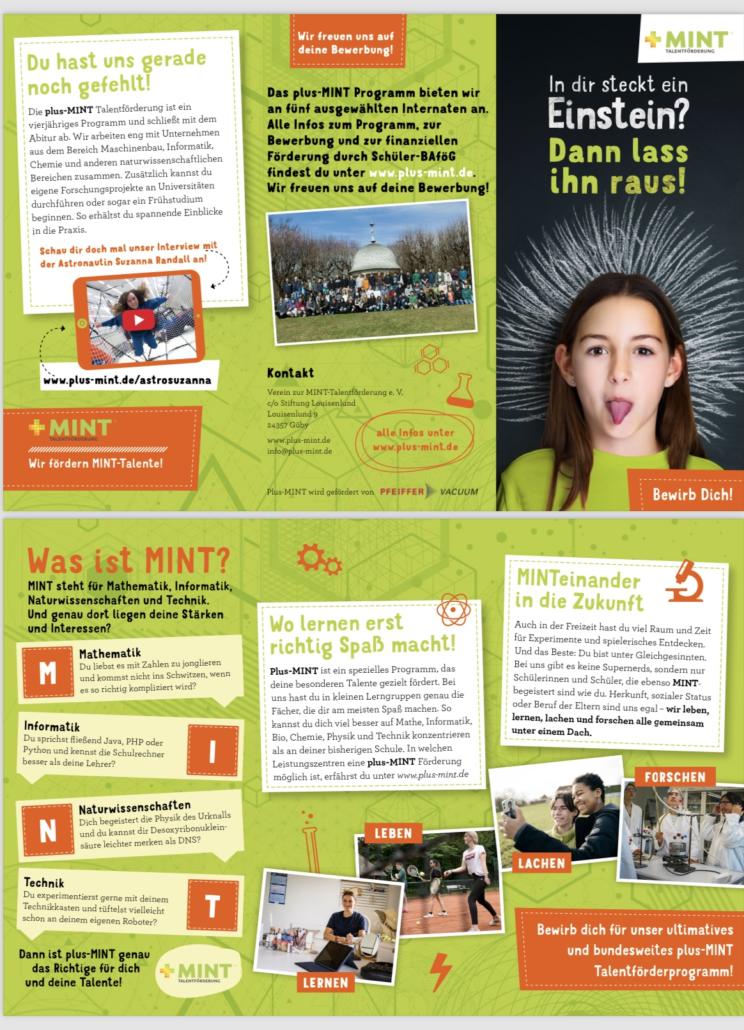
The Association for the Promotion of STEM Talent (Verein zur MINT-Talentförderung e.V.) has unveiled its new plus-MINT flyer! So if you really enjoy math, computer science, natural sciences, and technology, are quite successful in these areas, and can imagine attending a plus-MINT boarding school like Steinmühle, you’re warmly invited to take a look at the flyer and apply if it sounds like a good fit for you. The flyer for the plus-MINT program can be viewed in this post, but is also available for download: pm_flyer-2025-26#web

With their boat project, Clara Steiner, Luis Gerloni, and Fabian Sotonica from the plus-MINT program at Schule & Internat Steinmühle advanced to the national “Jugend forscht” competition, which took place this year over four days at Germany’s largest science center, Experimenta in Heilbronn (as we reported). Reaching this level marks Steinmühle’s greatest success to date in this field!

You can now also find more information and replicate the platform on our website (https://boatproject.steinmuehle.de/). The first schools in the Marburg-Biedenkopf district and the Central Hesse Student Research Center (SFM) have already expressed interest.

The “Boot Project,” which involves the construction and programming of a low-cost measurement platform for automated water analysis, was carried out in collaboration with Dr. Christoph Reudenbach from the Department of Geography at Philipps University of Marburg.

Marlene Bigeschke from the plus-MINT program also helped build the platform. The project was supervised by the plus-MINT team at Steinmühle, which includes Antje Seel, Dr. Patrick Szabo, and Dr. Jutta Töhl-Borsdorf, who was also present for two days in Heilbronn.

Just making it to the national round of the “Jugend forscht” competition is something special in itself. That’s quite an achievement! Our “MINTies”—Steinmühle boarding students Fabian Sotonica, Luis Gerloni, and Clara Steiner—have actually done just that. All three attend our boarding school as part of the plus-MINT program. Fabian Sotonica looks back on this amazing event from the second semester. What does he wish for? You get three guesses…

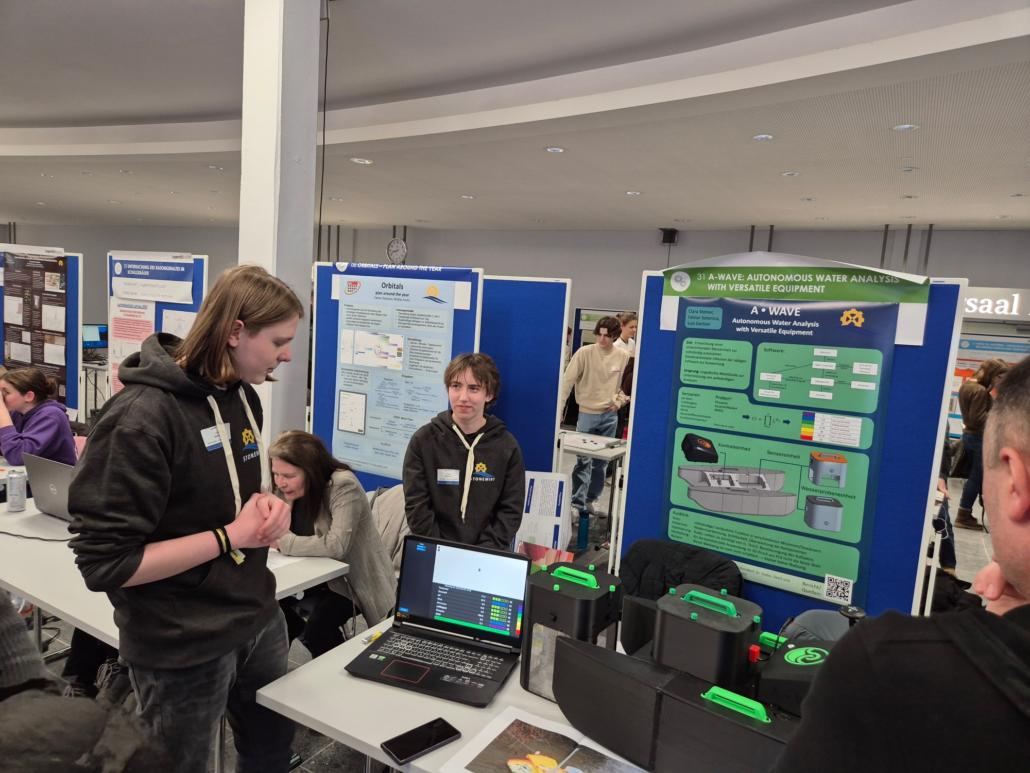
It’s an impressive sight as you ride the escalator down into the exhibition hall: a bustling crowd of young researchers, parents, and chaperones—107 projects with 175 participants. Our booth was located a little further back in the Earth and Spatial Sciences section, number 51. Along the way, you could already see some of the other projects, which, thanks to their uniqueness, size, or significance, made it clear that this was where the competition’s finals were taking place.

We had until the afternoon to travel there and set up. That turned out to be necessary, since it turned out that our Raspberry Pi (microcomputer)—the “brain” of our measurement platform—had been damaged and was no longer working (properly). Fortunately, we were able to turn to the “Jupas” (young researcher mentors), who had accompanied us throughout the four days. Thanks to them, we were able to borrow one of the Raspberry Pis from the Maker Lab there. Their extensive help with all our questions and needs was an unexpected but wonderful introduction to Experimenta, the science center in Heilbronn.

After that, we checked into our rooms at the youth hostel—where we were staying—or rather, at the hotel, though there wasn’t really any difference in quality between the two. On the way to the hostel, we were able to enjoy the beautiful view of the green banks of the Neckar. The evening concluded with a delicious dinner at Experimenta, as well as workshops and presentations at the “Science Dome” on topics such as the Apollo 13 mission.
Project Presentation in No Time
On the second day, things got serious, as the jury interviews were scheduled following a brief briefing (which took place every morning). Each project had two separate jury teams, to whom they had to present their project in 5 minutes before moving on to a 25-minute interview. Outside of these sessions, participants could visit the Experimenta exhibition or relax in the Jufo Lounge. The evening was spent at Campus Founders, where a workshop on starting a startup was presented after dinner.
Search for a spot for the live demo
On Saturday, we had the opportunity to speak with juries from other fields—if they were interested—to prepare our booth for the public, or to evaluate the other projects. In addition to the scheduled photo shoot for our booth, however, we spent a good portion of the time looking for a suitable spot on the Neckar River where we could launch our platform for a live demonstration. But we were unsuccessful: heavy rain and high water levels blocked the few accessible points. At noon, we walked to the “Harmonie” event hall, where the awards ceremony would take place on Sunday. There, we had lunch and went over the ceremony’s schedule.
After we returned, the public exhibition began, and a surprisingly large number of alumni—that is, former participants—took part. During the exhibition, we were able to get brief feedback from our judges at specific times.
After a lively, interesting, but also exhausting exchange with the visitors, we took buses to “RedBlue,” an InterSport event hall where the special awards ceremony took place. Interwoven with the various courses of the meal and the entertainment (the drum group “Bounce”), groups of projects and award presenters were called to the stage. About halfway through, it was our turn: “Award for Original Work in the Field of Geosciences,” sponsored by the German Geological Society – Geological Association.
Afterward, the dance floor opened up and the evening ended with a party, while a regular shuttle service took people back to their accommodations either earlier or, at the latest, by 2 a.m.
Great New Friends
Sunday was the shortest day: another exhibition was held for the (honored) guests of the awards ceremony to give them a chance to get acquainted before the ceremony began.
While the winners in each category from 5th to 2nd place were announced all at once, the national champions were presented individually on stage. Each also received an impressive laudatory speech from the jury. The event also featured a variety of entertainment: European beatboxing champion “Robeat” and “Prof. Bubbles” with his soap bubble tricks provided plenty of variety.
Of course, at the end, we had to take down the booths again. It was a truly wonderful experience, one that involved meeting many great people at all levels and in all areas. I hope and look forward to experiencing this level of competition again.
As a team, we would like to once again express our heartfelt thanks to everyone involved for their extensive and active support, as we could not have carried out this project without their help!

Fabian Sotonica

From June 6 to June 9, a delegation from Steinmühlen traveled to the MINT Campus 2024 in Louisenlund: Maya Fischer (Grade 7), Anna-Lena Griesler (Grade 8), Jonathan Kurz (11th grade), and Fabian Sotonica (12th grade) set off on the long journey to the Baltic Sea with their chaperones, Dr. Jutta Töhl-Borsdorf and Dr. Sven Freibert, where they had the opportunity to enjoy a fantastic program combined with a pleasant atmosphere.

After the project booths were set up for the upcoming fair, the official program kicked off on Friday morning with a keynote talk by Dr. Caroline Rodenbeck from the Karlsruhe Institute of Technology (KIT) on the KATRIN experiment and neutrino mass—a complex topic presented in a clear and accessible way. This was followed by the main event—the fair, where everyone had the opportunity to present their current projects to a jury and the public. The event was divided into three categories: Math/Computer Science/Engineering; Biology/Environmental Sciences; and Physics/Chemistry. The wide range of topics provided ample opportunity for interesting discussions.
Shortly after the fair ended, an evening program began with a pub quiz, where participants had to answer questions from various categories in small groups at their tables. This was a pleasant way to get to know each other better. Afterward, we had time until midnight to chat with other participants outside the “school” setting, which created a relaxed atmosphere.


Workshops and Relaxation

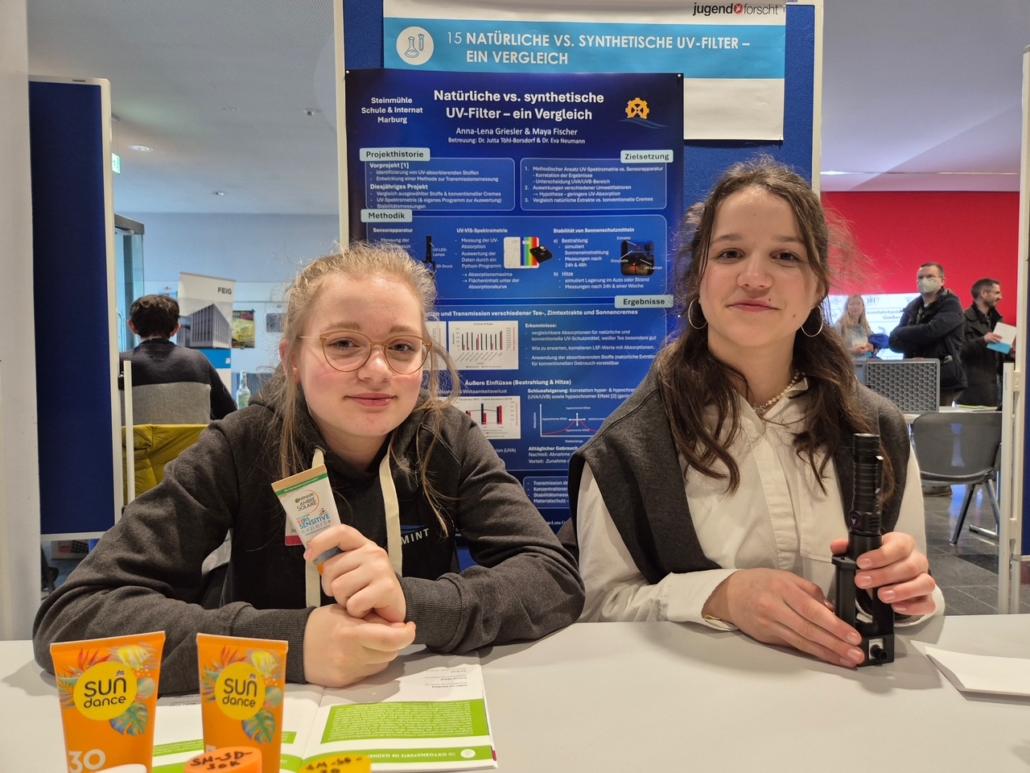
On Saturday, the event began with workshops on various topics, followed by another keynote talk by Prof. Dr. Mira Pöhlker from the Leibniz Institute for Tropospheric Research on the topic of aerosols, and the event concluded with the awards ceremony. In the Biology/Environmental Sciences category, Fabian Sotonica won the prize for his “Boat” project. Maya Fischer and Anna-Lena Griesler received the prize in the Physics/Chemistry category. These were truly great achievements that we were all delighted to celebrate!
Last but not least, even the audience voted for Maya & Anna-Lena, so they can call themselves the “Winners of the Hearts.”

After a brief wrap-up with snacks, the plan was to go sailing as an optional extra activity, but that literally fell through. Unfortunately, due to the weather, this part of the program had to be canceled. Nevertheless, we were able to relax with a few games and snacks and bring our stay at Louisenlund to a close. Over the course of these just under four days, a truly wonderful sense of community developed, and we’re all glad we were there! After saying our goodbyes the next morning, we set off on our journey back to Marburg.

Anna-Lena Griesler & Maya Fischer

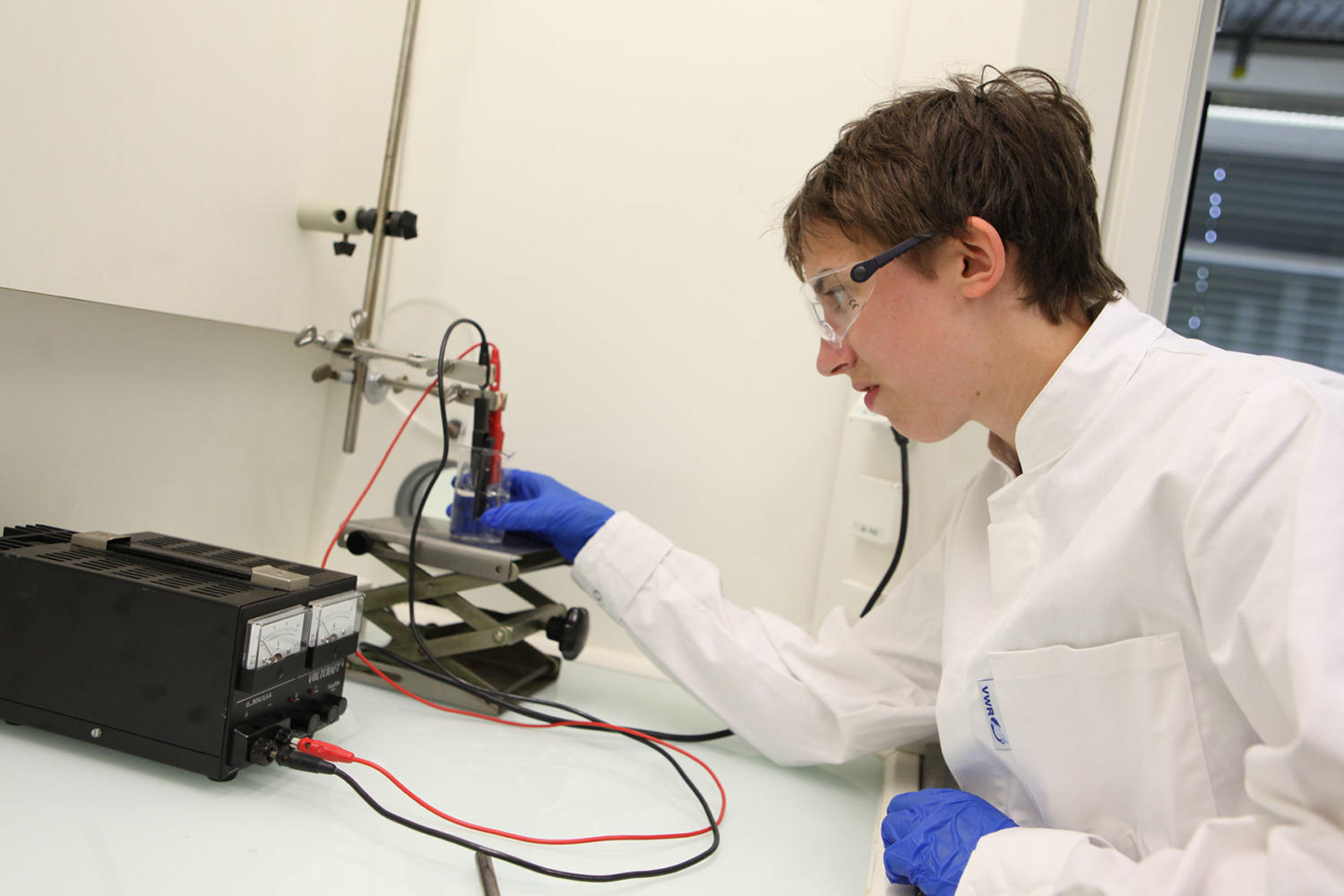
On a regular basis, exceptionally talented students from schools in Hesse present their research findings on specific topics at the Center for Chemistry’s (ZFC) MINT Inventor Lab. This year, our plusMINT student Clara Steiner was among the group of 16 students who were selected from a total of 237 applicants. Clara, a student at the plus-MINT Steinmühle Boarding School and already a college student majoring in mathematics, spent a week working on the production and analysis of photocatalytically active titanium dioxide layers. According to her, the experience gave her “insights into real research.”

For Clara, the journey to this year’s venue for the 35th Inventors’ Lab wasn’t very far: It took place in cooperation between ZFC and Philipps University in the departments of chemistry and physics on the Lahnberge in Marburg. Four groups of four each focused on different research topics, and Clara was especially looking forward to getting to know her three teammates so she could work with them as a team.


Titanium Dioxide: The All-Purpose Solution of the Future?

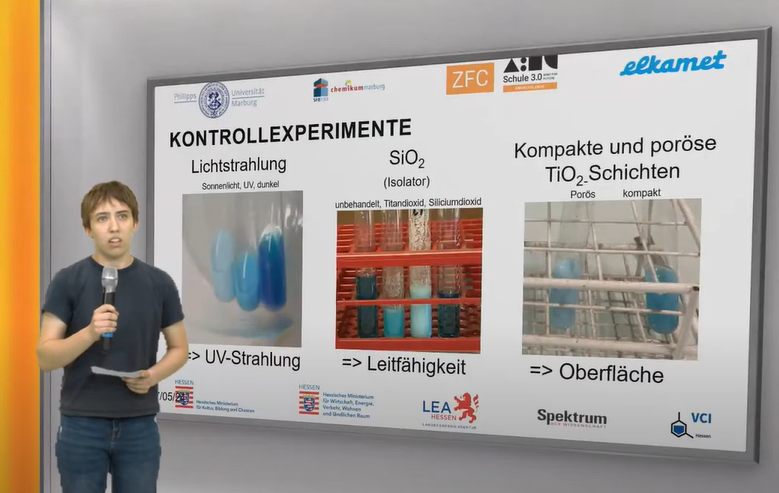
The quartet began their presentation of the research project to a predominantly virtual audience with a question: What do sunscreen, wall paint, and solar panels have in common? The answer led to the substance that was the subject of their joint study: titanium dioxide, TiO₂.

The goal was to determine whether this substance might be the “jack-of-all-trades” of the future: a versatile material that is thermally stable, has high coloring and opacity, is lightfast, and is practically insoluble in water. Of these, photocatalysis is arguably the most important property—that is, the ability to trigger chemical reactions through light. All of this explains the use of titanium dioxide in the aforementioned areas. Titanium dioxide is produced by electrolysis, is inexpensive, and is the most important white pigment. The young researchers examined the substance under a scanning electron microscope and focused on the production and analysis of photocatalytically active titanium dioxide layers. Thanks to its properties, the material could potentially contribute to the development of more efficient methods of energy conversion. However, according to Clara and her colleagues, a great deal of research is still needed before that can happen.


“Directly relevant to science”

The event was broadcast on multiple screens. Not only did the team from Steinmühle, led by supervisor Dr. Jutta Töhl-Borsdorf, follow the presentations, but Minister of Culture Armin Schwarz also joined virtually. He praised the participants’ outstanding achievements and described the topics covered in the Inventors’ Lab as “directly relevant to the state’s scientific and economic development.” The minister provided feedback to one of the four groups. The feedback for Clara and her team came from Michael Schmidt (Elkamet Kunststofftechnik). He emphasized that the presentation had excellently illustrated the wide range of applications for titanium dioxide and had also shown just how much fun and enjoyment the group had while conducting their research.

In addition to the technical presentations, the scientific event also offered plenty of entertainment. It wasn’t just the pedal boat ride on the Lahn River—which participants enjoyed during their free time at the research retreat—that was well received. In keeping with the overall theme, during the live broadcast, hosts Joelina Gärtner and Pablo del Rio—both MINTIES themselves—welcomed chemist and science slammer Arne Nisters from TU Darmstadt.

Opening remarks were delivered by Prof. Dr. Sabine Pankuweit, Vice President for Equal Opportunity and Career Development at Philipps University of Marburg; Dr. Thomas Schneidermeier from the event organizer, the Center for Chemistry (ZFC); and Julia Woth from the State Energy Agency (LEA) of Hesse. Videos and Reels were also used to explain how MINTIES work at the ZFC and what they hope to achieve.


Goal: STEM Assessment Competence

ZFC Board Member Dr. Thomas Schneidermeier emphasized how important it is to equip young people with STEM critical thinking skills so they can contextualize media headlines in the context of new technologies. For him and ZFC Project Manager Magdalena Schmitt, it is important to collaborate with schools, universities, companies, associations, foundations, and ministries on STEM projects for students, linking traditional classroom content with career fields in the STEM sector in everyday life. In this way, the ZFC association aims to help ensure a sufficient supply of STEM professionals.