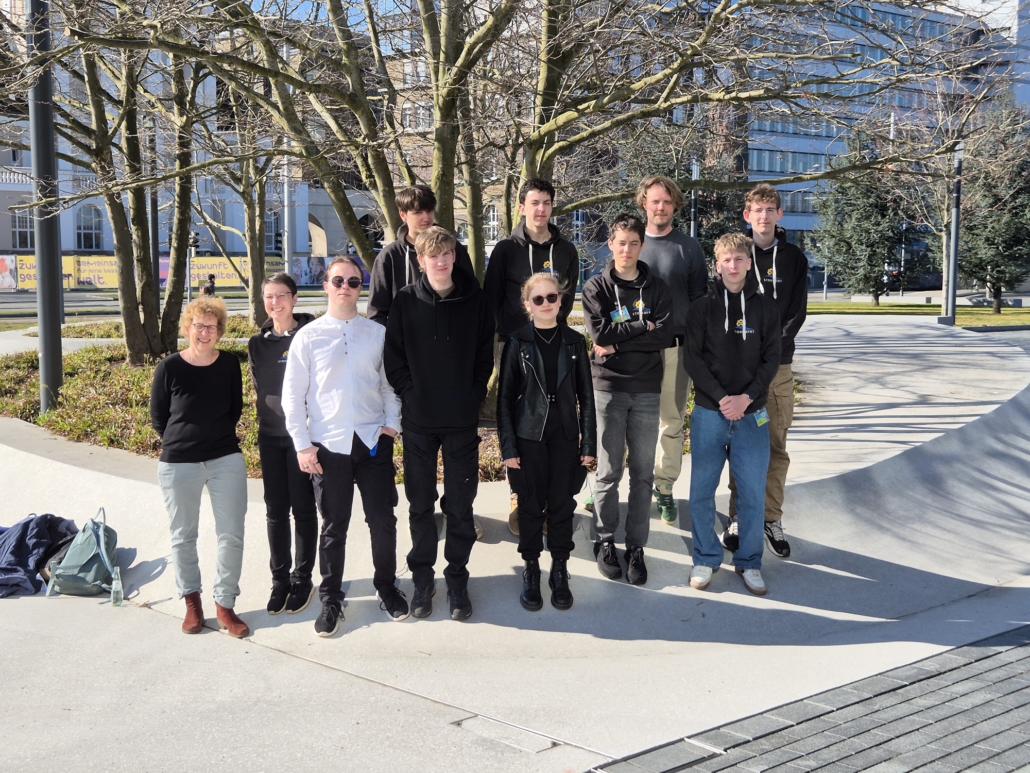
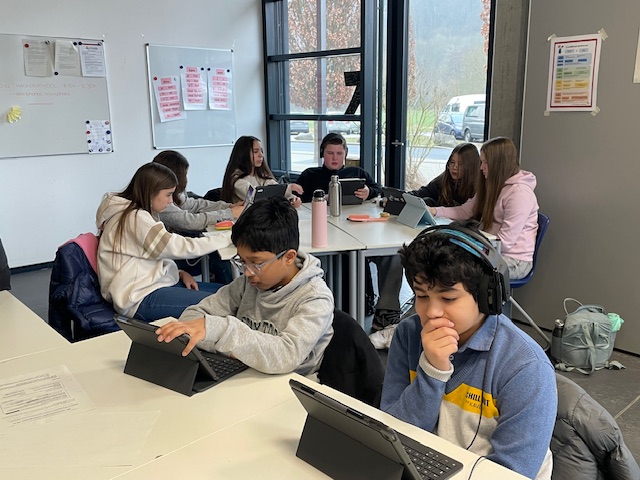
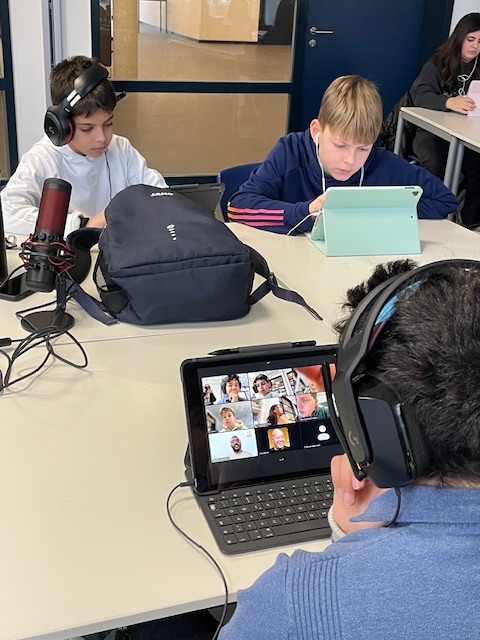
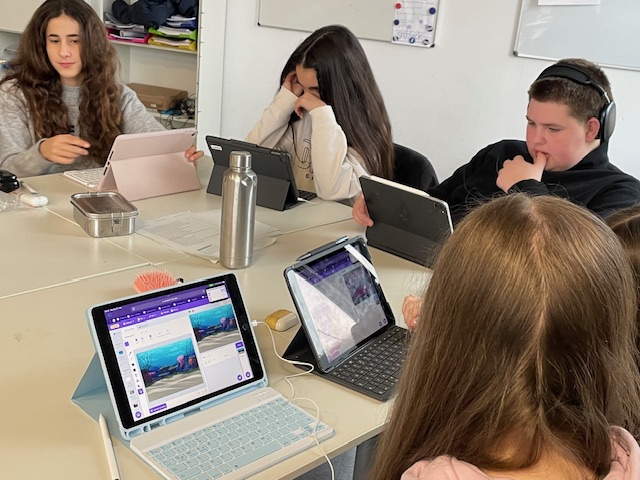
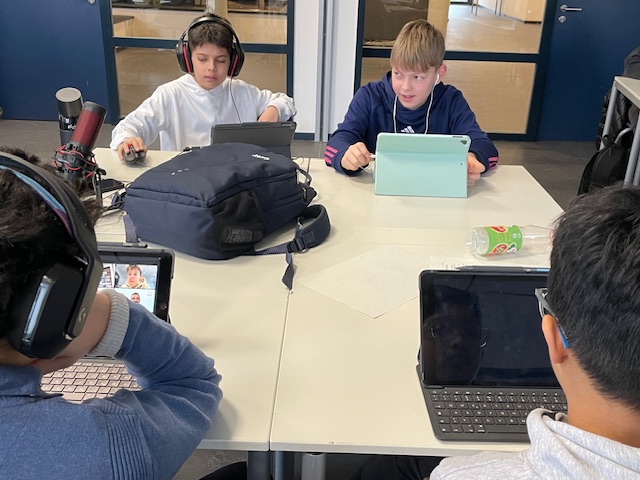
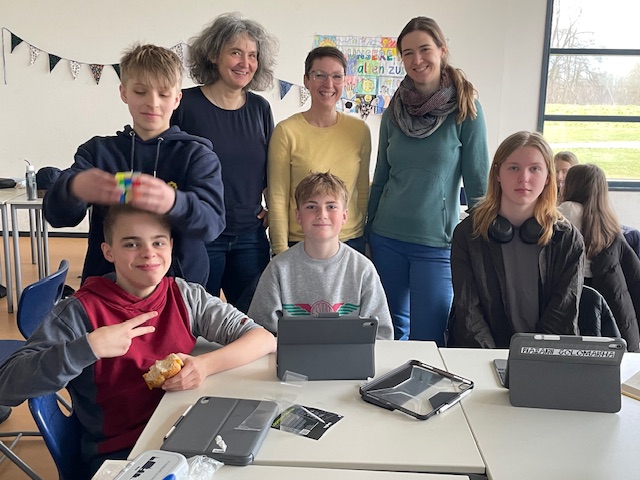
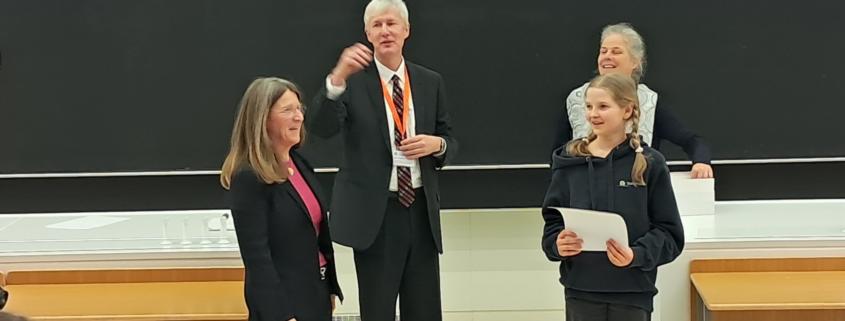
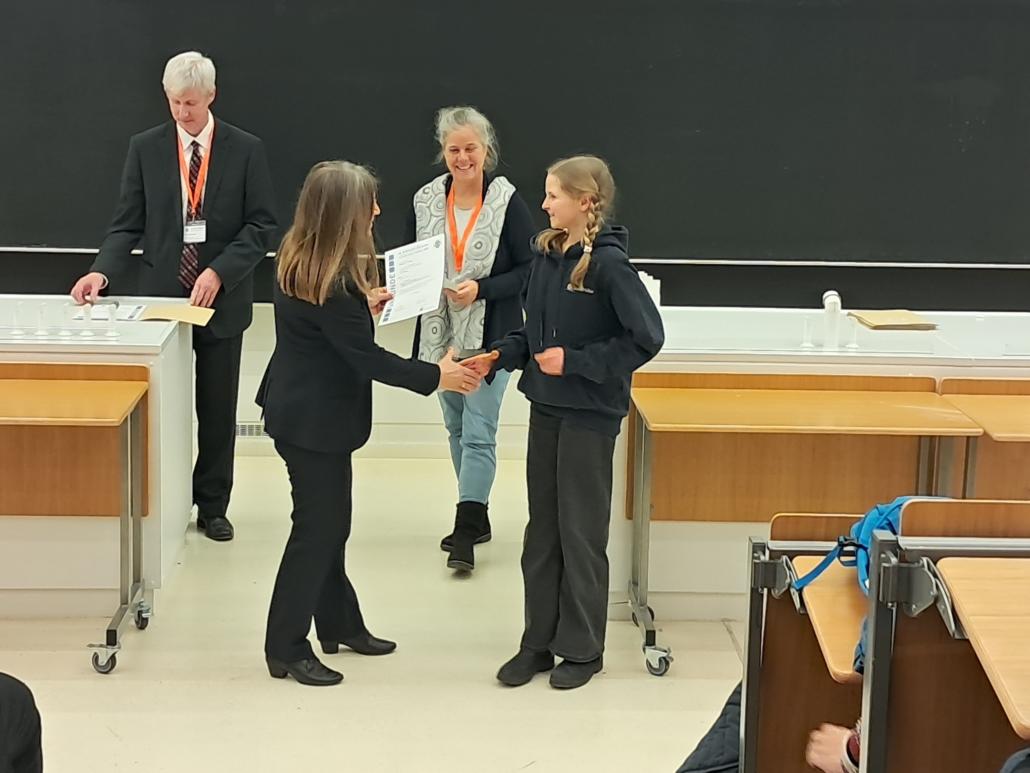
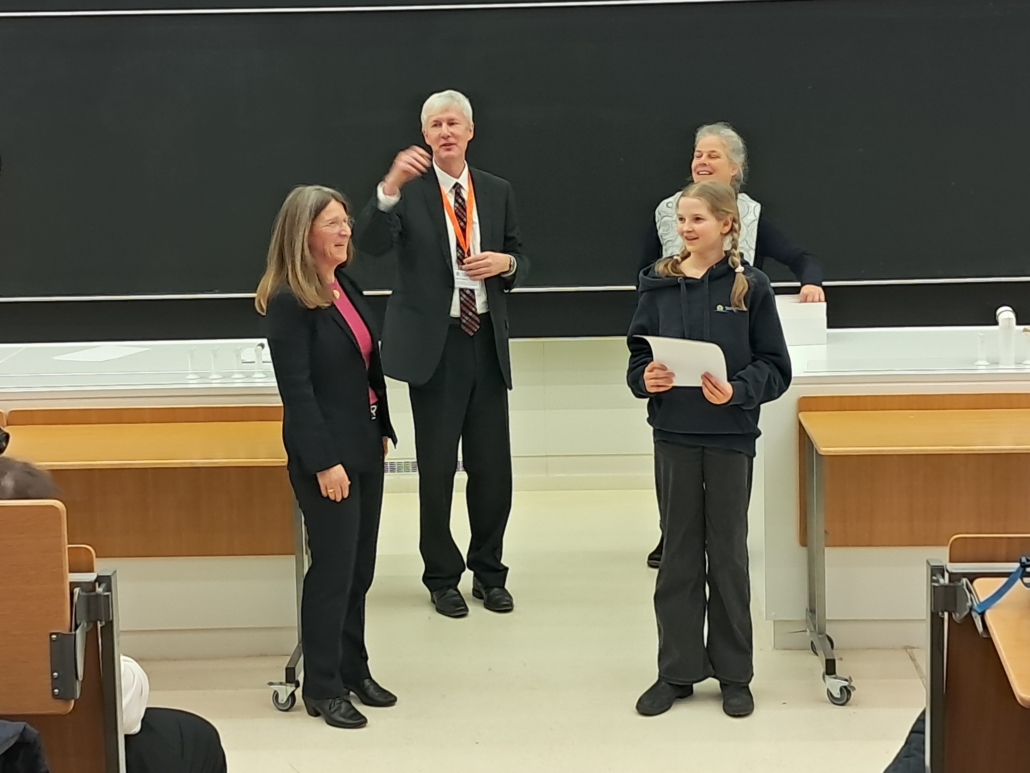
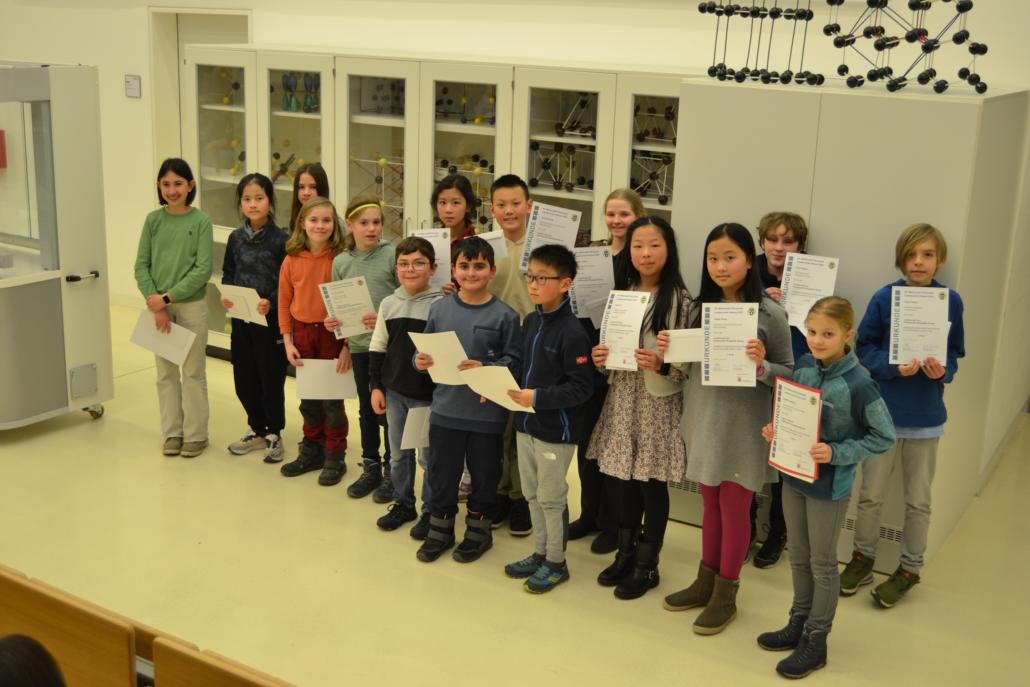
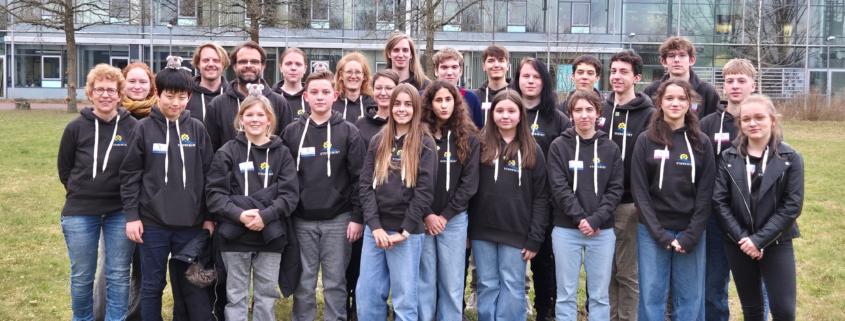
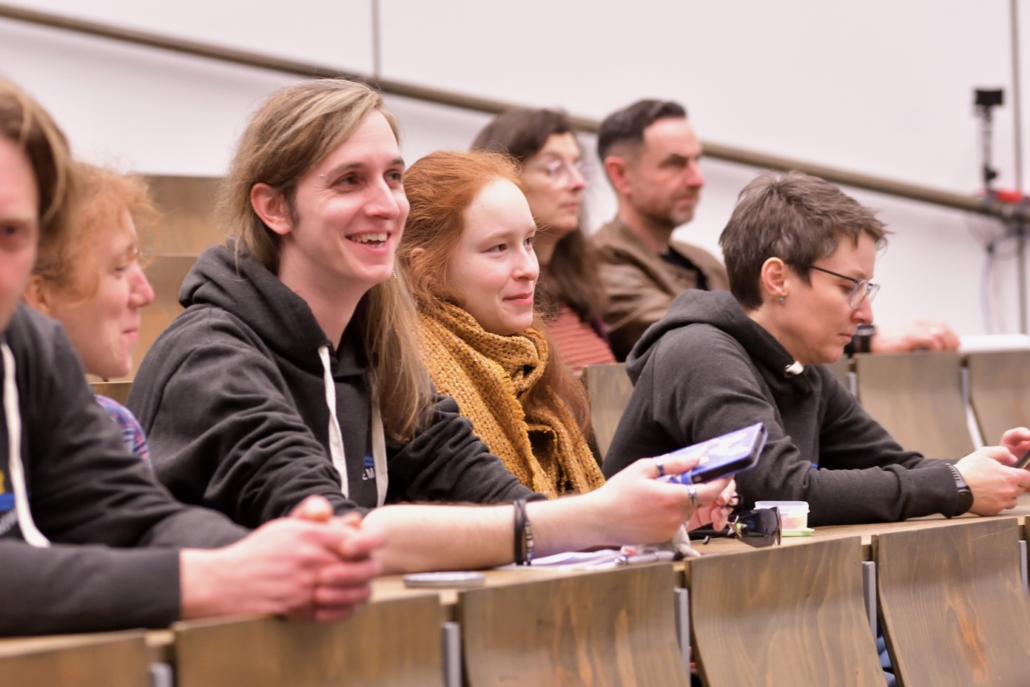
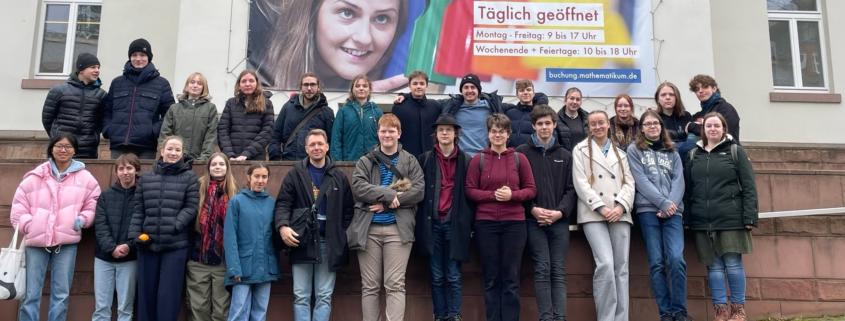
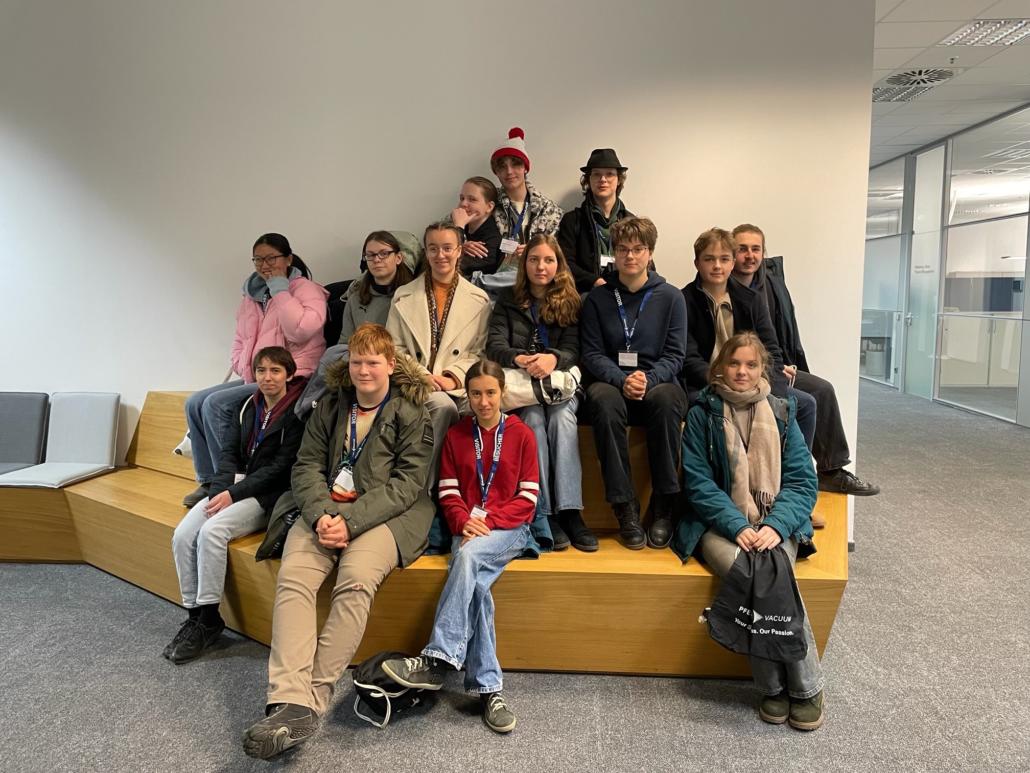
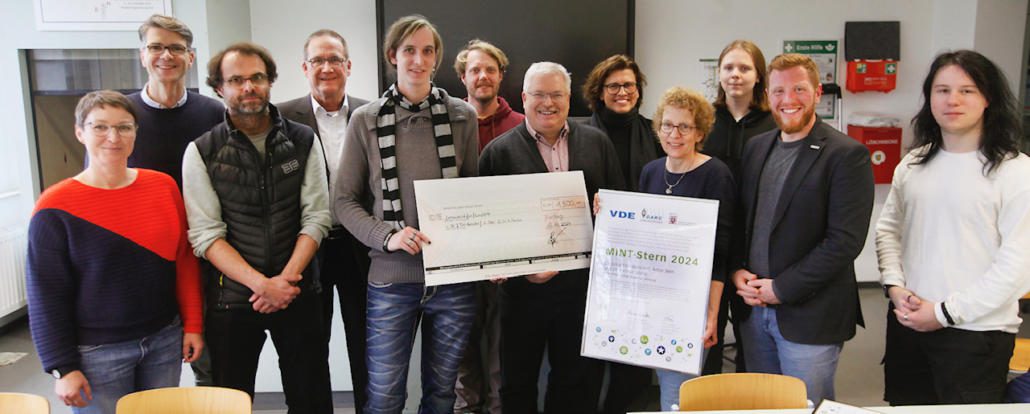
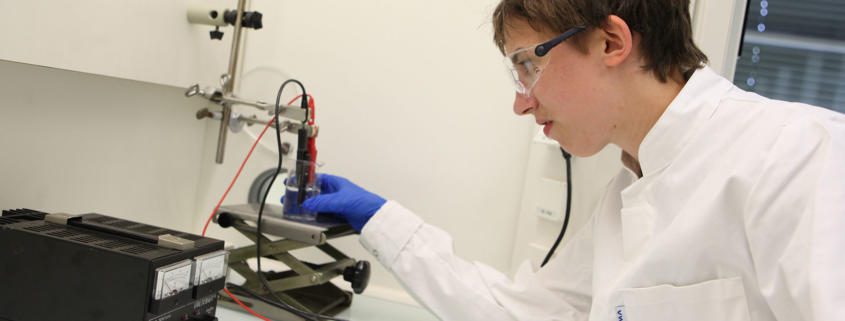
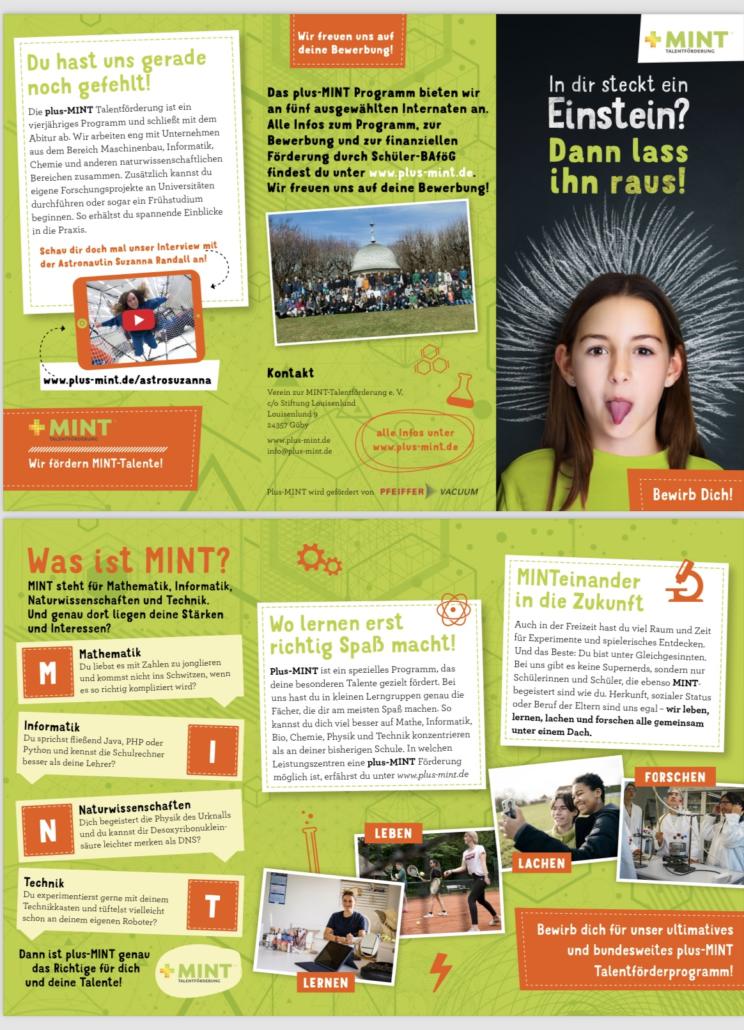
At the Central Hesse regional round of “Jugend forscht”—Germany’s best-known competition for young talent in mathematics, computer science, natural sciences, and technology—Steinmühle took first place four times. Following a team from the plus-MINT boarding school Steinmühle’s advancement to the national competition last year, this marks another outstanding start to the competition. Now in its 60th year, the competition invites young researchers to present their projects to a 24-member jury.
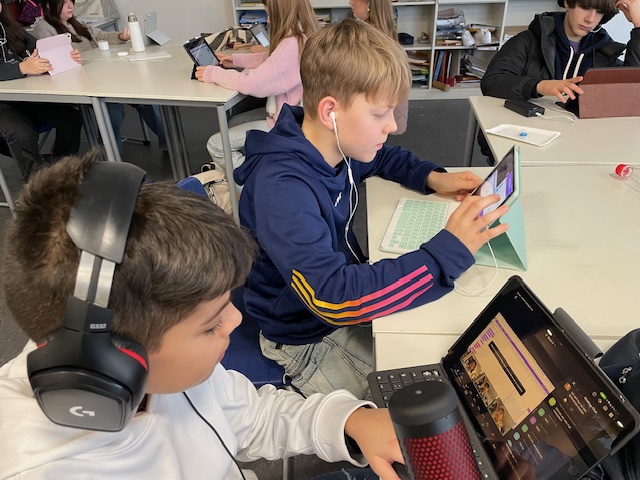
A total of 34 teams presented their research projects at the event, which was coordinated and jointly organized by Justus Liebig University Giessen and the Technical University of Central Hesse. Steinmühle was represented by seven teams, all of which addressed different topics in chemistry, the working world, biology, and technology. Using equipment, poster presentations, and scientific explanations, the students described their research questions and methods and reported on their findings. Key criteria included innovative thinking, the level of scientific rigor, as well as attention to detail and the ability to derive plausible and practically applicable insights.
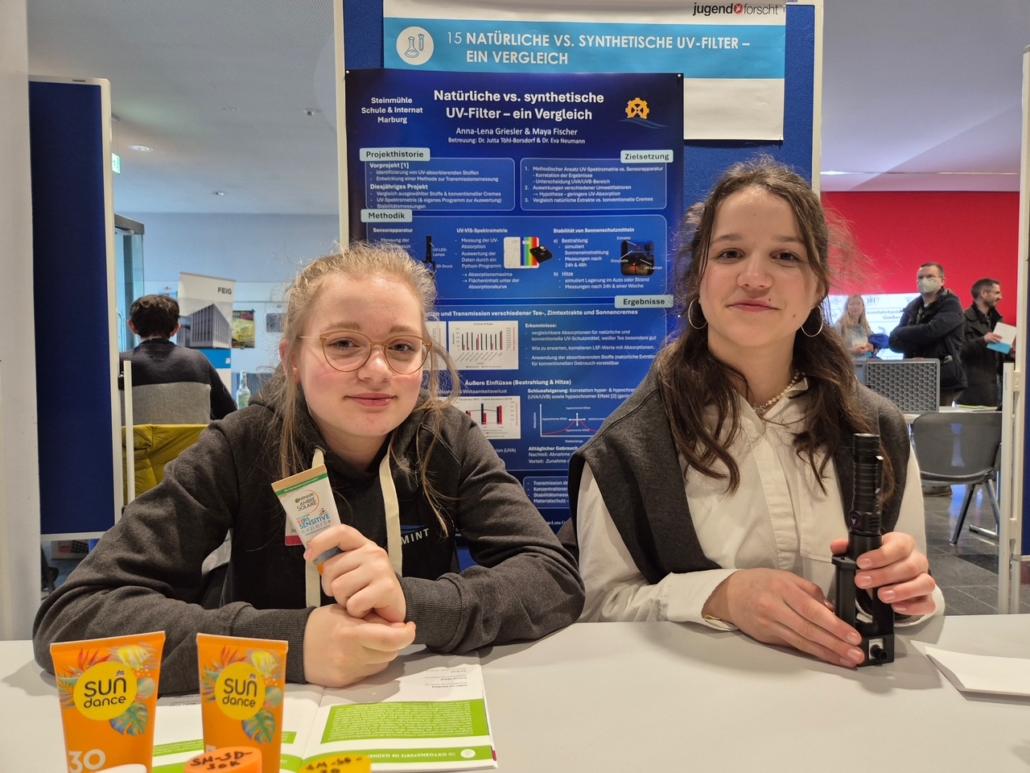
For gentle UV filters in sunscreens
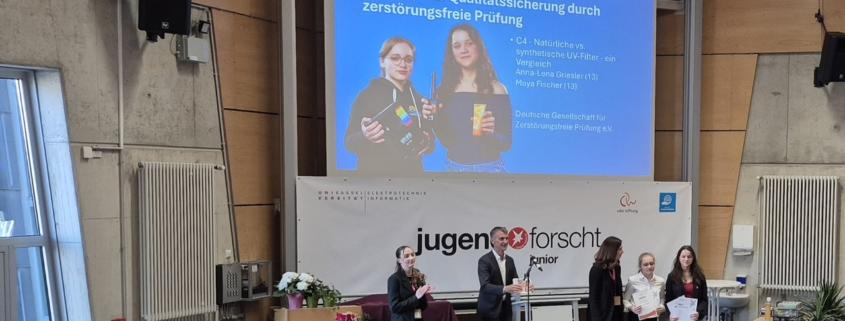
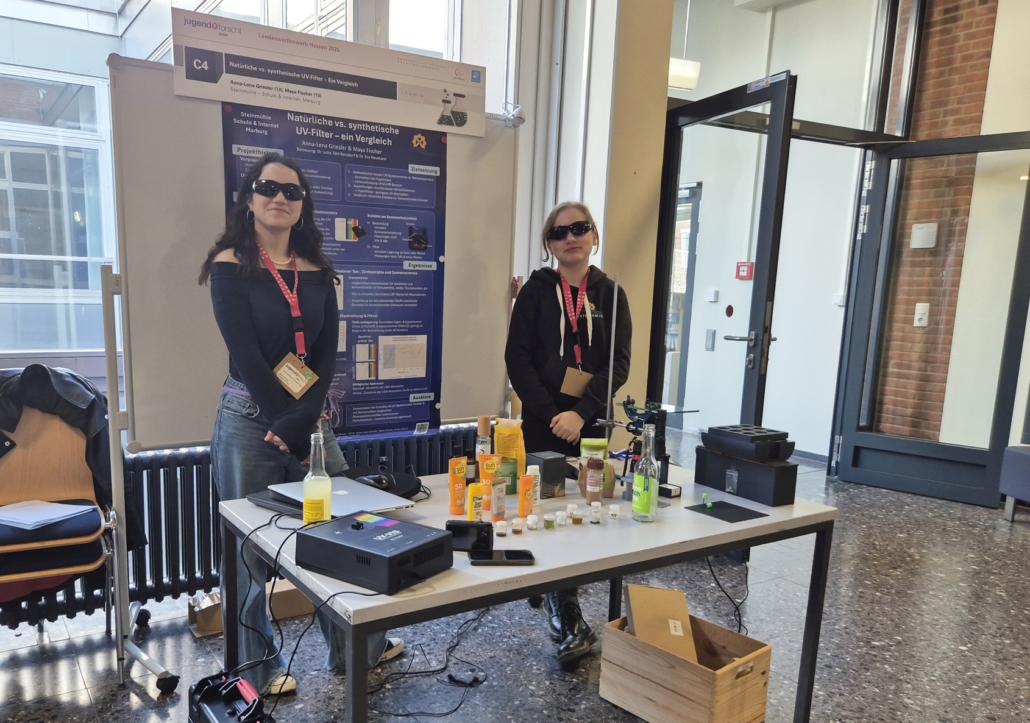
Anna-Lena Griesler and Maya Fischer from 9th grade took first place in chemistry. Building on a project from the previous year, they investigated the possibility of replacing synthetic and potentially harmful UV filters in conventional sunscreens with natural and long-term stable extracts, which required specialized equipment in the form of a UV-VIS spectrometer.
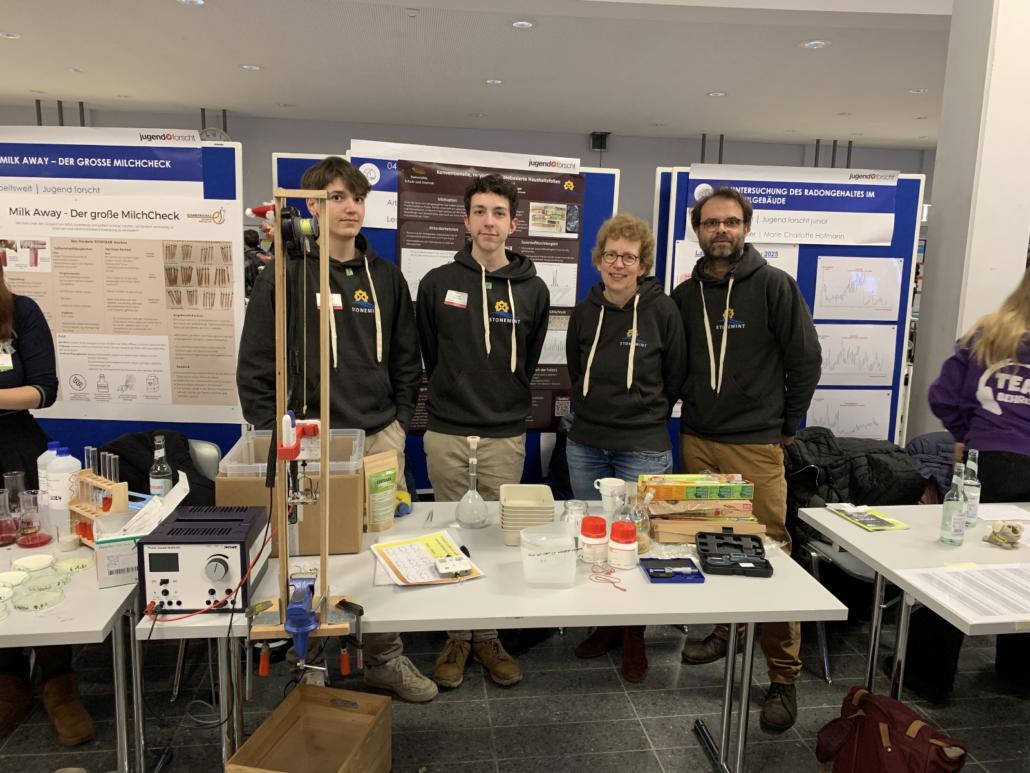
A Closer Look at Film Properties
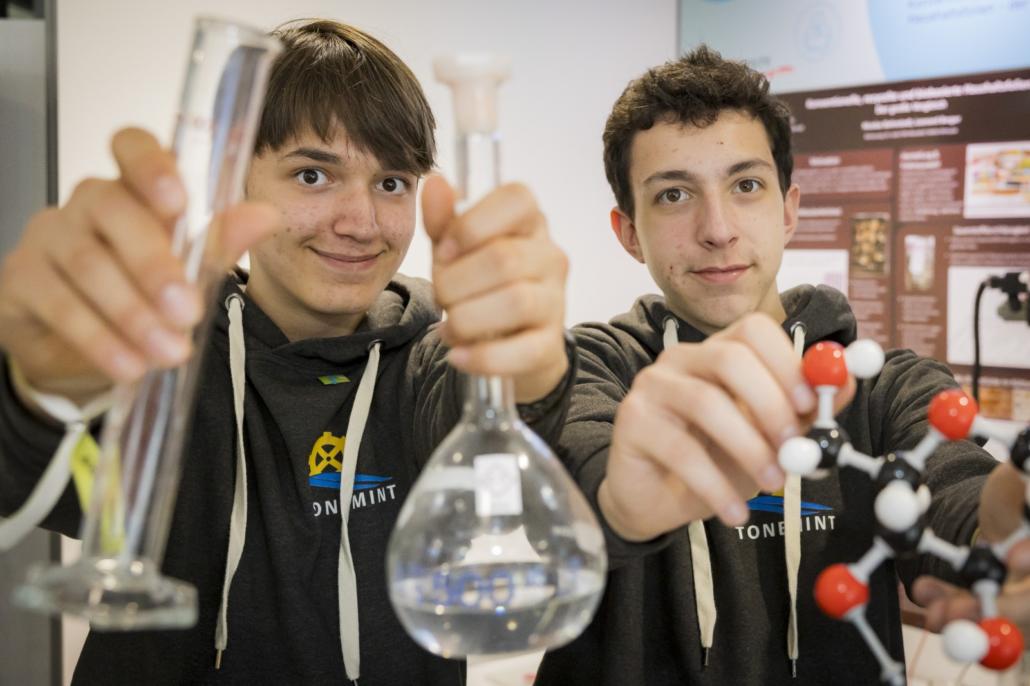
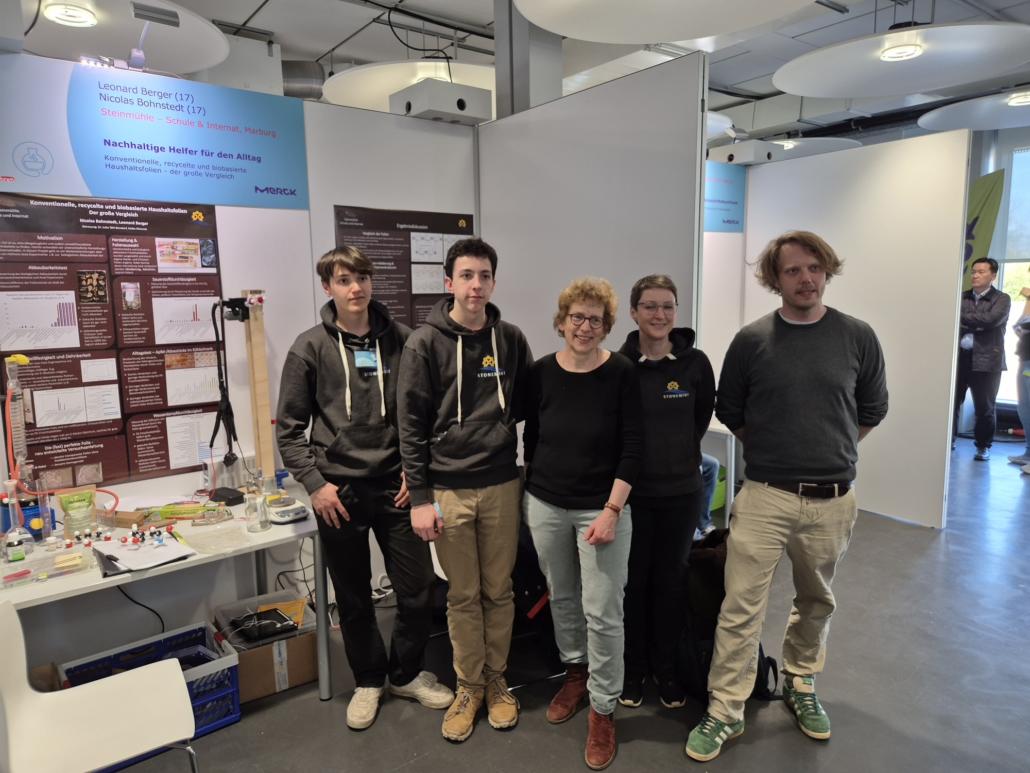
First place in chemistry also went to Leonard Berger and Nicolas Bohnstedt, who are conducting research on sustainable alternatives to conventional petroleum-based plastic wrap. Their work focused on films that are partially recyclable or biodegradable, and they used precise methods to investigate their properties relevant to everyday use—including tear resistance, elasticity, oxygen barrier properties, and degradability.
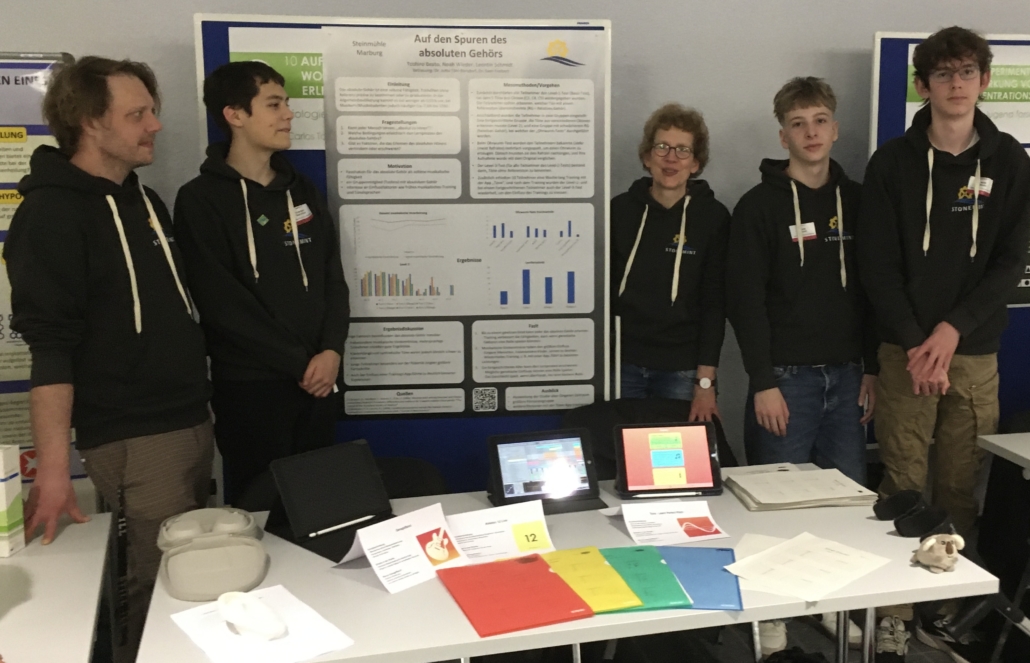
Can You Learn Perfect Pitch?
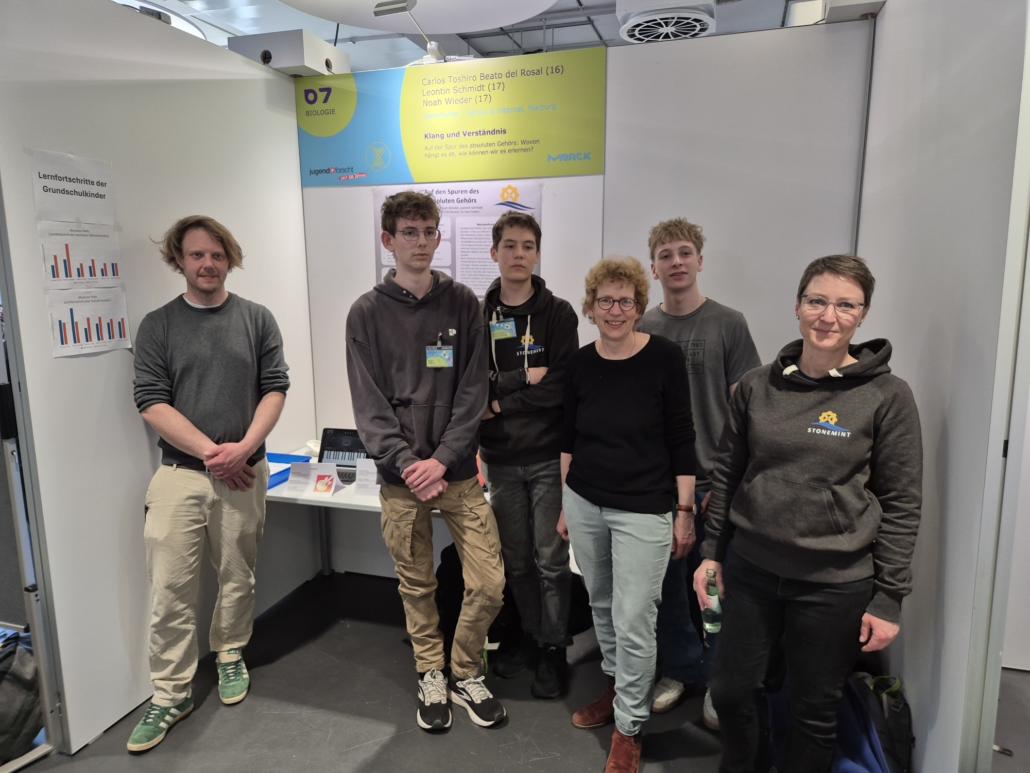
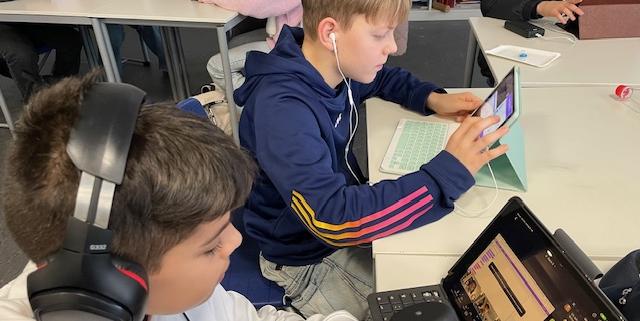
Toshiro Beato, Leontin Schmidt, and Noah Wieder were delighted to take first place in biology. The trio of young researchers explored the topic of perfect pitch—what it depends on, how it can be learned—and whether it can be learned at all. To investigate this topic, the three young researchers designed questionnaires and conducted tests as part of a study.
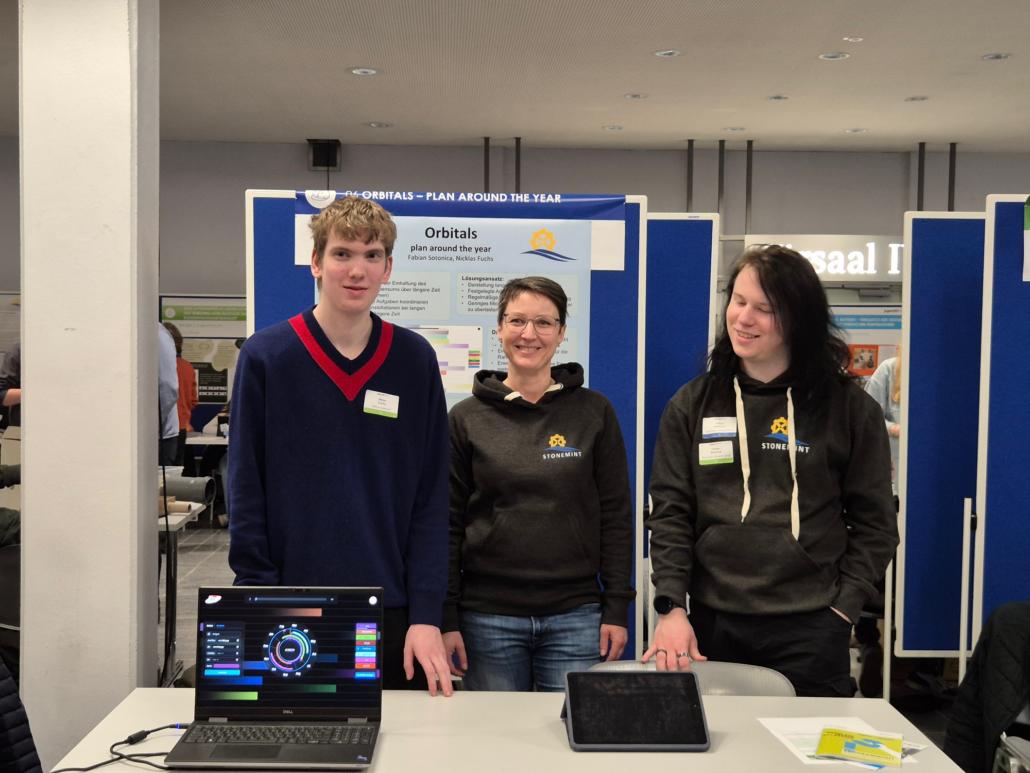
Collaboration Between Two plus-MINT Boarding Schools
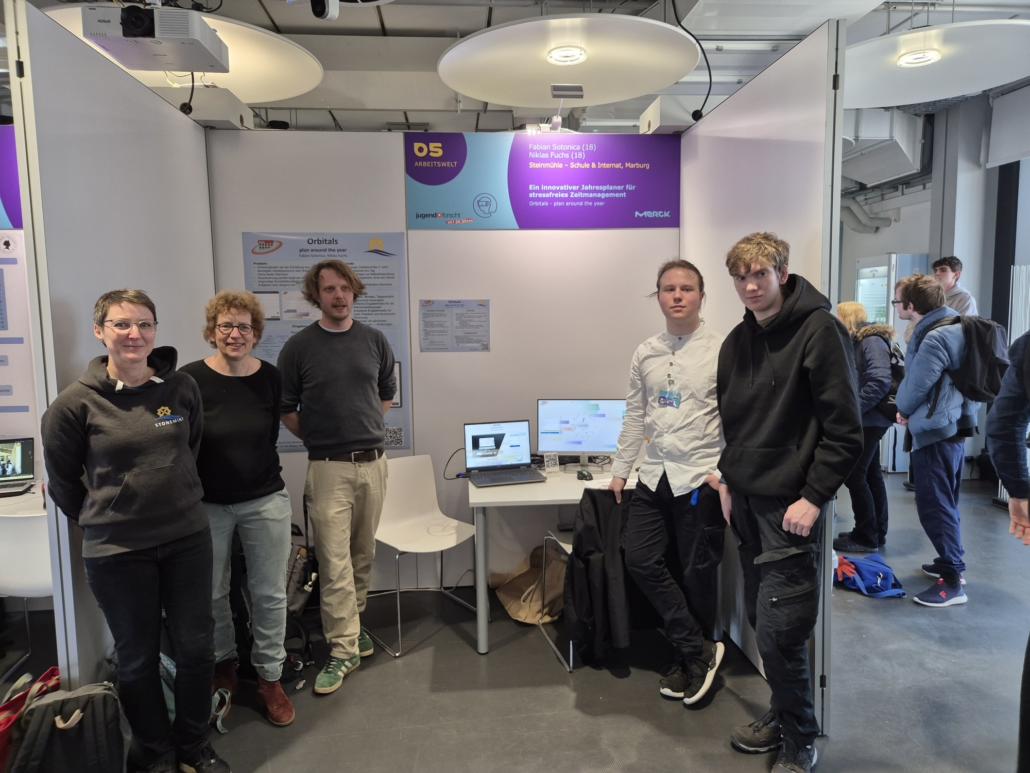
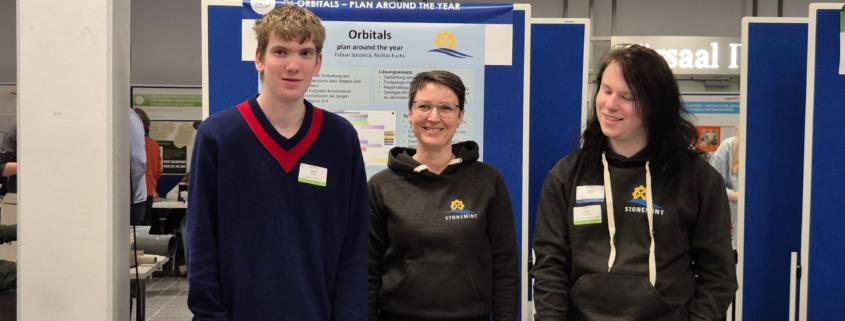
The project “Orbitals – plan around the year” by Fabian Sotonica, a student at Steinmühlen, and Nicklas Fuchs from the Louisenlund Foundation was the fourth project to win first place, in the “Working World” category. The project focused on annual schedule management, taking into account not only individual dates but also broader time frames. An application was developed for this purpose. This project marked the first collaboration between two plus-MINT boarding schools in the “Jugend forscht” competition.
Paper Made from Horse Manure
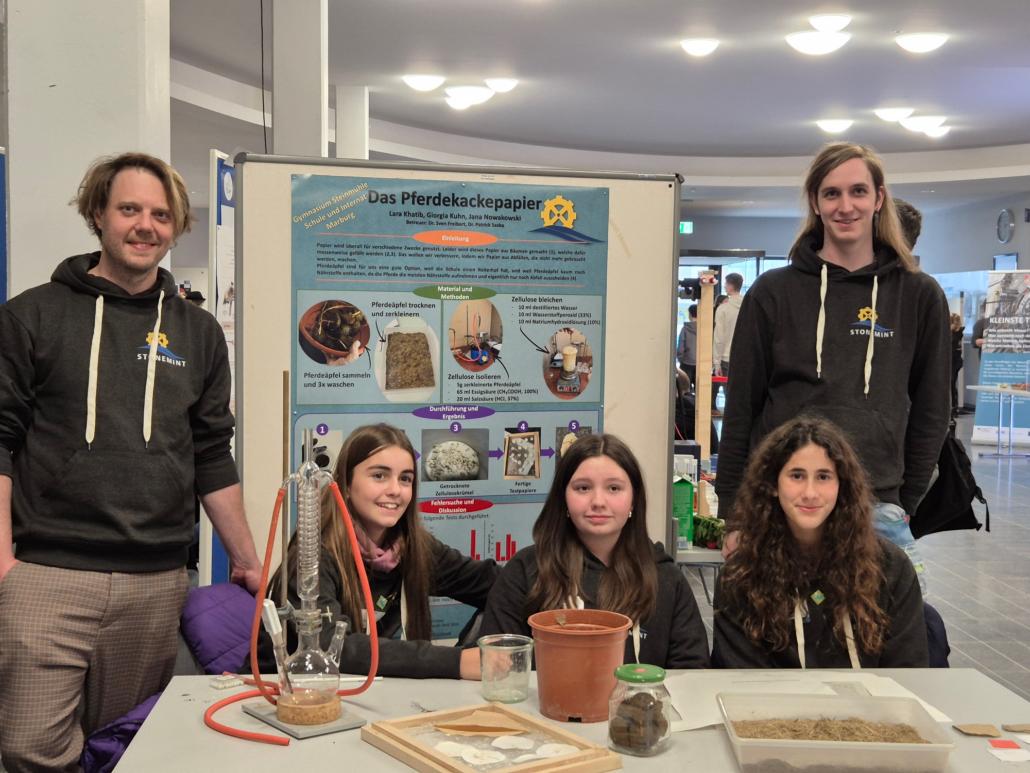
Lara Khatib, Jana Nowakowski, and Giorgia Kuhn (7th grade) took second place in the “Working World” category and won a special prize for resource efficiency with their project “Environmentally Friendly Paper Made from Horse Manure.” By producing paper from this resource—which is virtually unlimited at Steinmühle thanks to the school’s own horse farm—tree die-off can be reduced.
Professionalizing Water Quality Testing
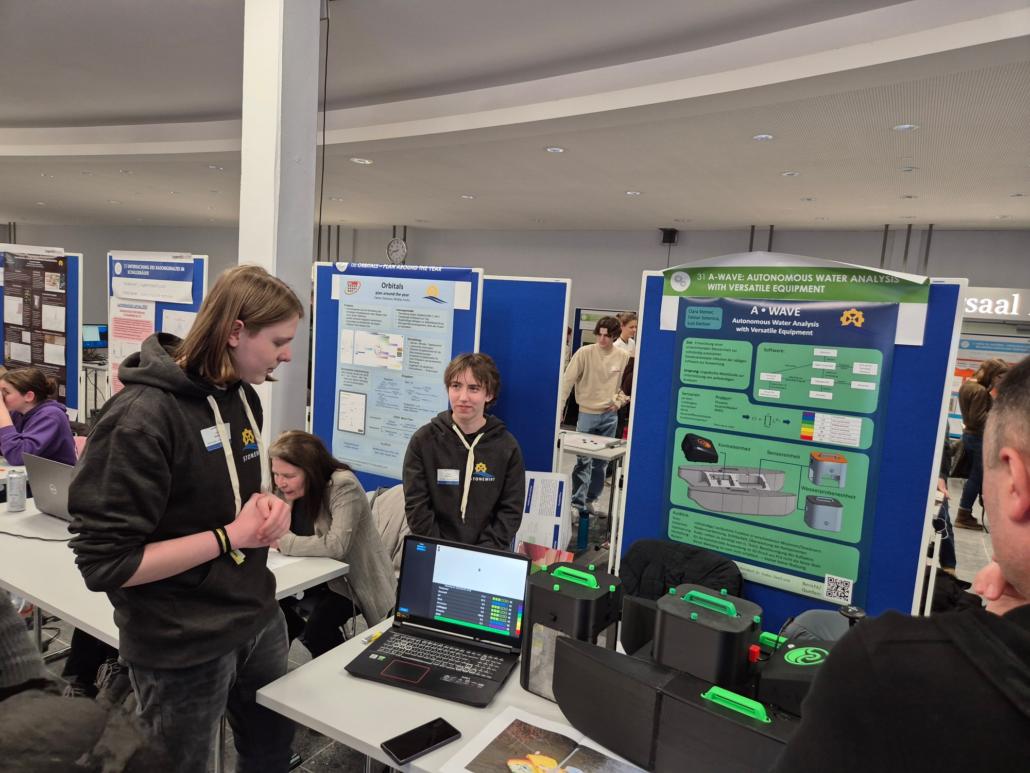
Fabian Sotonica, Luis Gerloni, and Clara Steiner won third prize, along with the special “Make Annual Subscription” award, for their optimization measures aimed at the professional use of the low-cost boat they developed for the semi-automatic determination of water quality classes. The focus was on individual functions and autonomous waypoint tracking to enable completely autonomous sampling and subsequent analysis.
A Bubbling Experiment
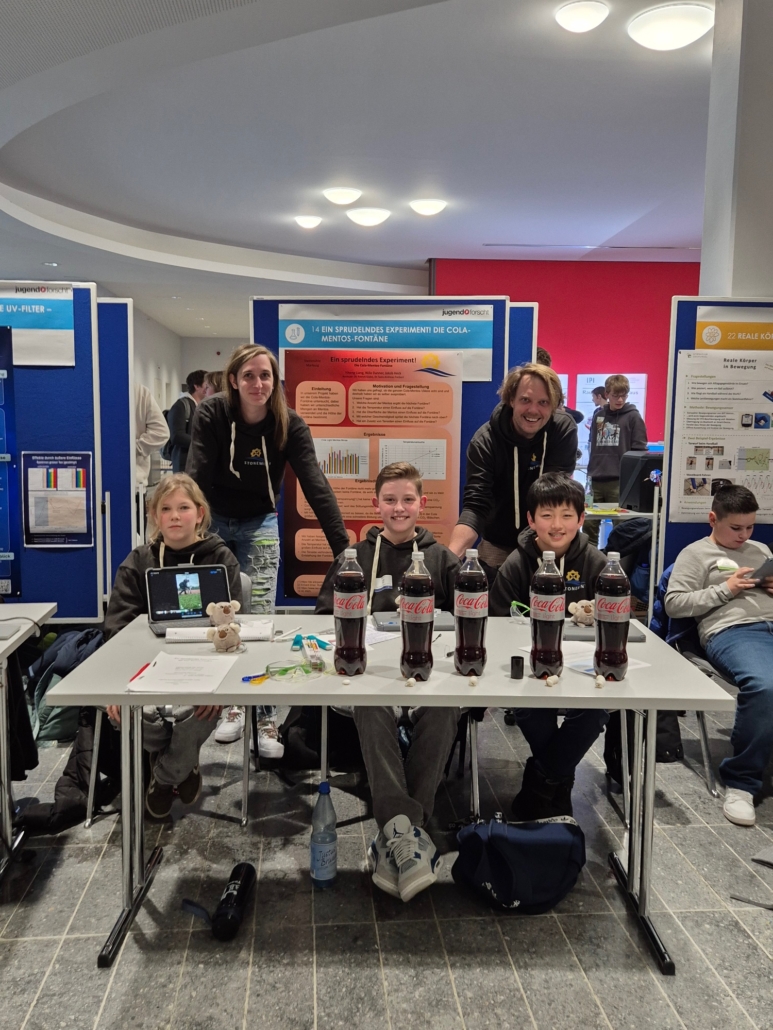
Third place also went to Yiheng Liang, Niilo Danner, and Jakob Heck from 6th grade. The trio had investigated the height of the “Coke-Mentos fountain” as a function of the quantity, state, and temperature of the ingredients. The three young researchers were also interested in the fountain’s speed and whether adding dish soap would change its height.
All Steinmühlen projects were ranked
This means that all of Steinmühle’s “Jugend forscht” projects have placed in the competition. To top off all these awards, Steinmühle received the MINTSPACE School Award from Hohenloher.
Many thanks to the support team!
The Steinmühle projects, which achieved outstanding results among the 34 participating teams, were supervised by Steinmühle teachers Dr. Jutta Töhl-Borsdorf, Dr. Sven Freibert, Malte Klimczak, Dr. Eva Neumann, Antje Seel, Dr. Patrick Szabo, and Dr. Christian Drews (Louisenlund).