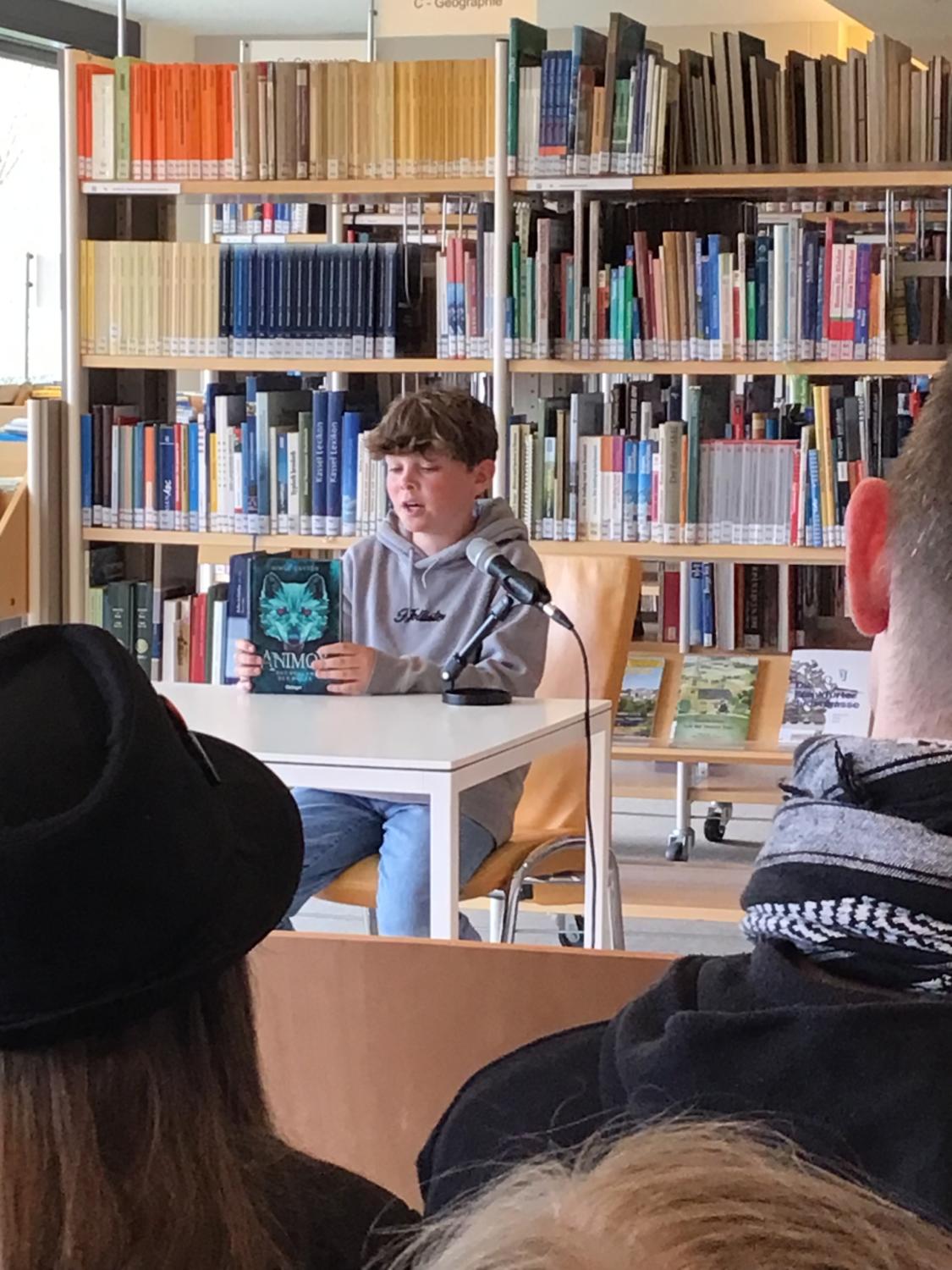
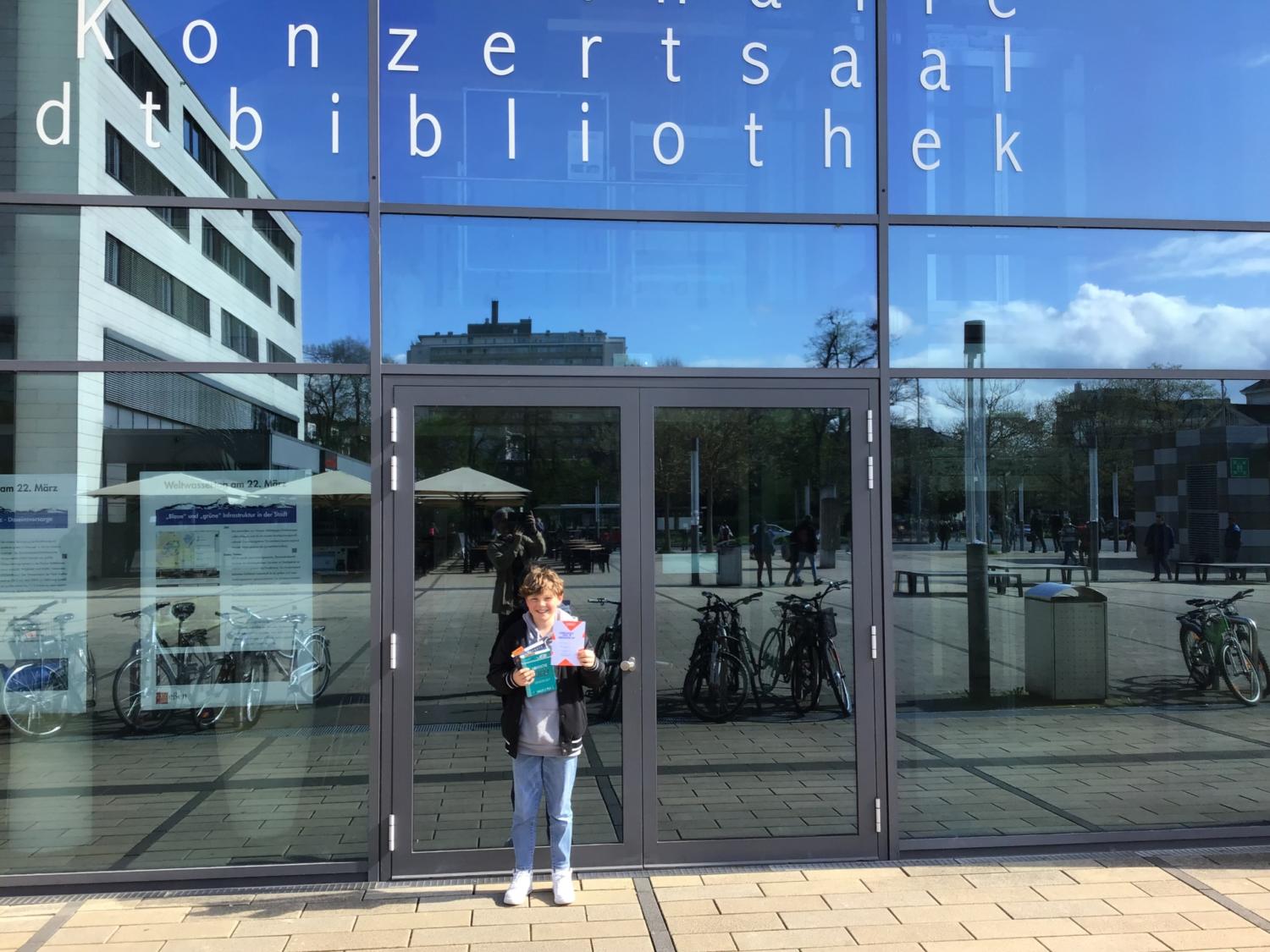
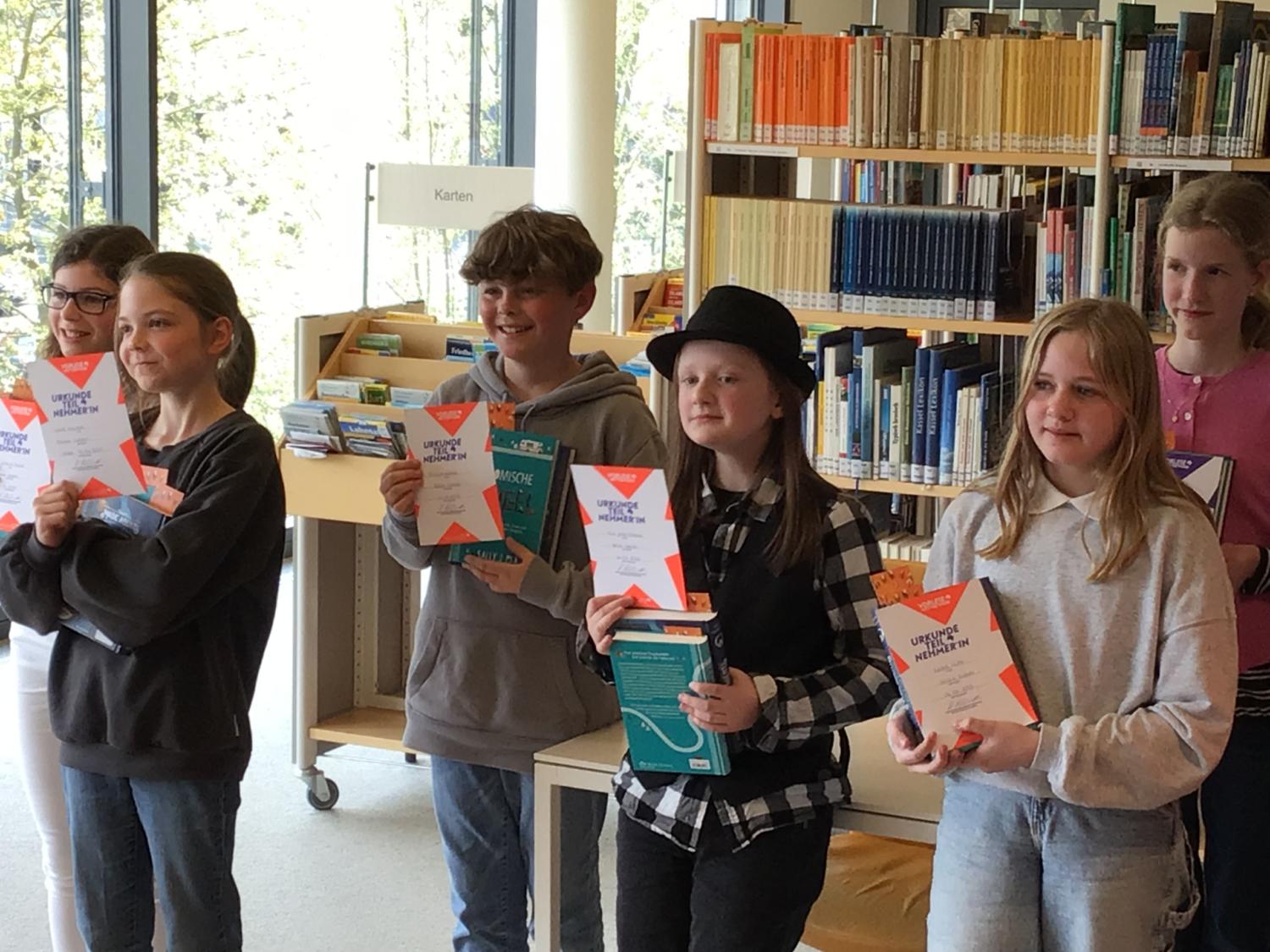
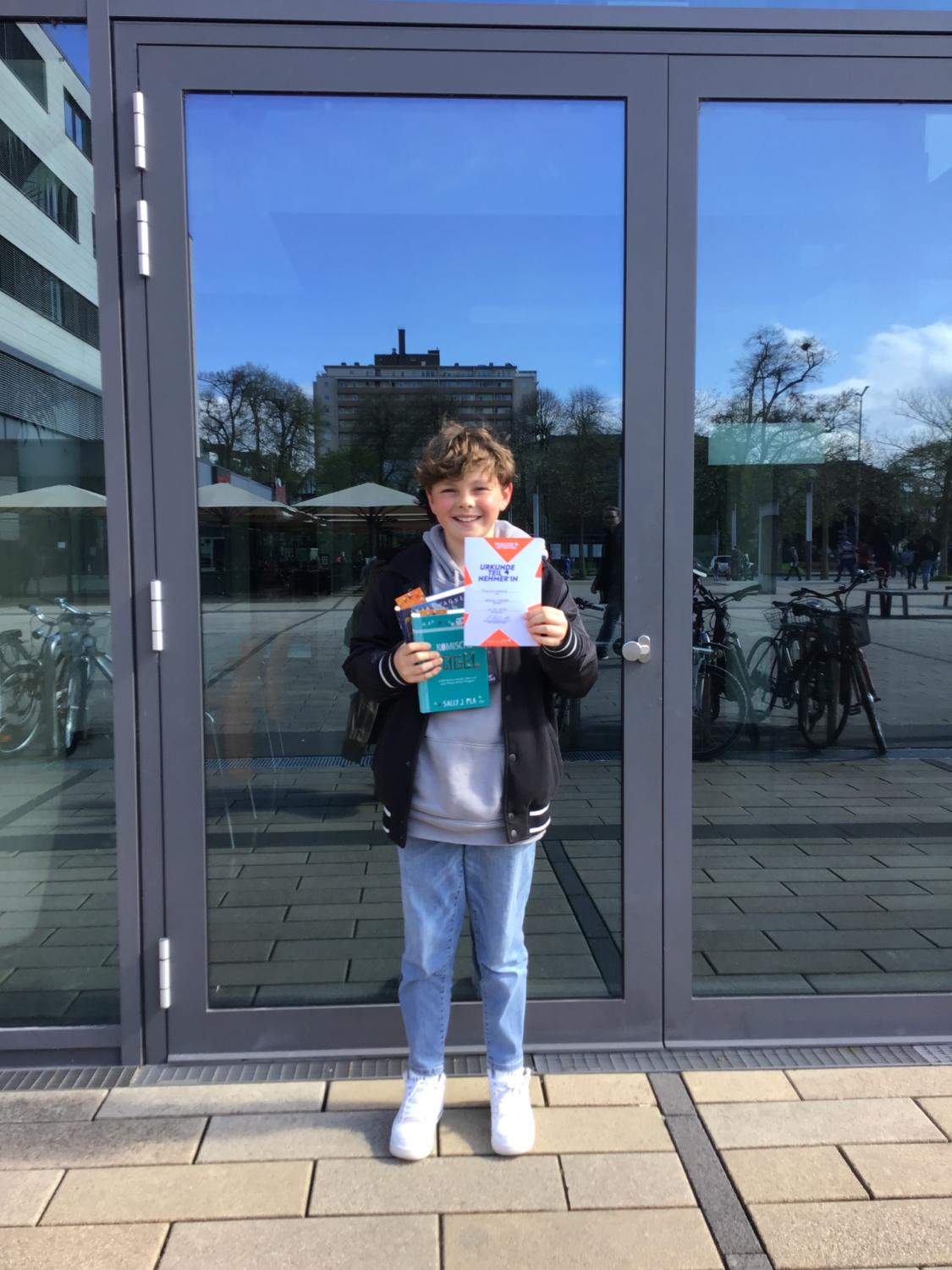
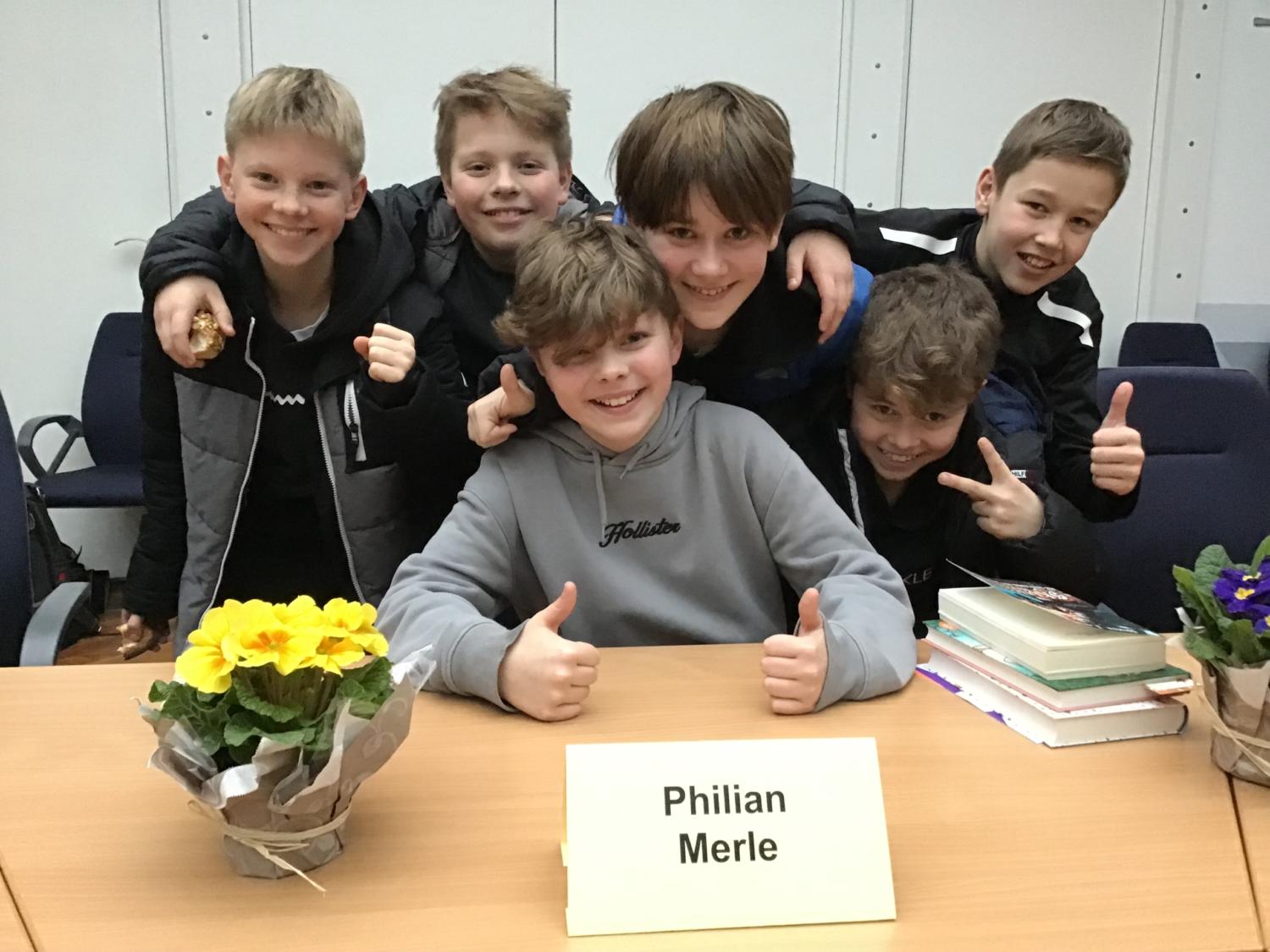
On the very first Monday after the Easter break, the winners of the city and county rounds had to take the stage as readers in the next round of the district competition at the Giessen City Library. Philian from Class 6c once again delivered a compelling performance.
Once again, he skillfully evoked the moods of the texts—both the prepared ones and the unfamiliar ones—and, with the latter, he once more demonstrated his quick grasp of the given moments. Overall, he was very skilled at drawing the audience into the story. However, he was not alone in this regard during this round. Nine talented young readers demonstrated remarkable reading skills, a fact the jury highlighted in their brief remarks. The selection was, inevitably, not an easy one for the jury. The fact that Philian did not advance to the next round—along with six other strong young readers—was something we had to accept, as is customary in competitions. All in all, it was an admirable “reading journey,” and we were delighted to accompany him on it. Hats off to him!

All eight school winners from across the city gave excellent and captivating readings on Monday, February 27, in the hall of the Building Authority at Barfüßertor, whether they were reading their prepared text or the assigned “unknown text.”

There was also a wide variety of talent on display: one participant skillfully brought the various characters to life with a subtle voice; another knew how to effectively highlight the onomatopoeic nature of certain terms; others developed an impressive dramatic structure through calm delivery and sensually intelligent pauses—and there were many other powerful moments as well. In his reading of the text of his choice, Philian Merle created a remarkably vivid scene with strong characterization in the dialogues. That may have been the deciding factor in the jury ultimately awarding him the victory. We’re thrilled for Philian (and his “fans”) and wish him the best of luck in the next round. At the same time, we’d like to thank the organizers from the Haus der Jugend as well as the friendly jury, who put together a wonderful, entertaining event that truly honored the young readers.


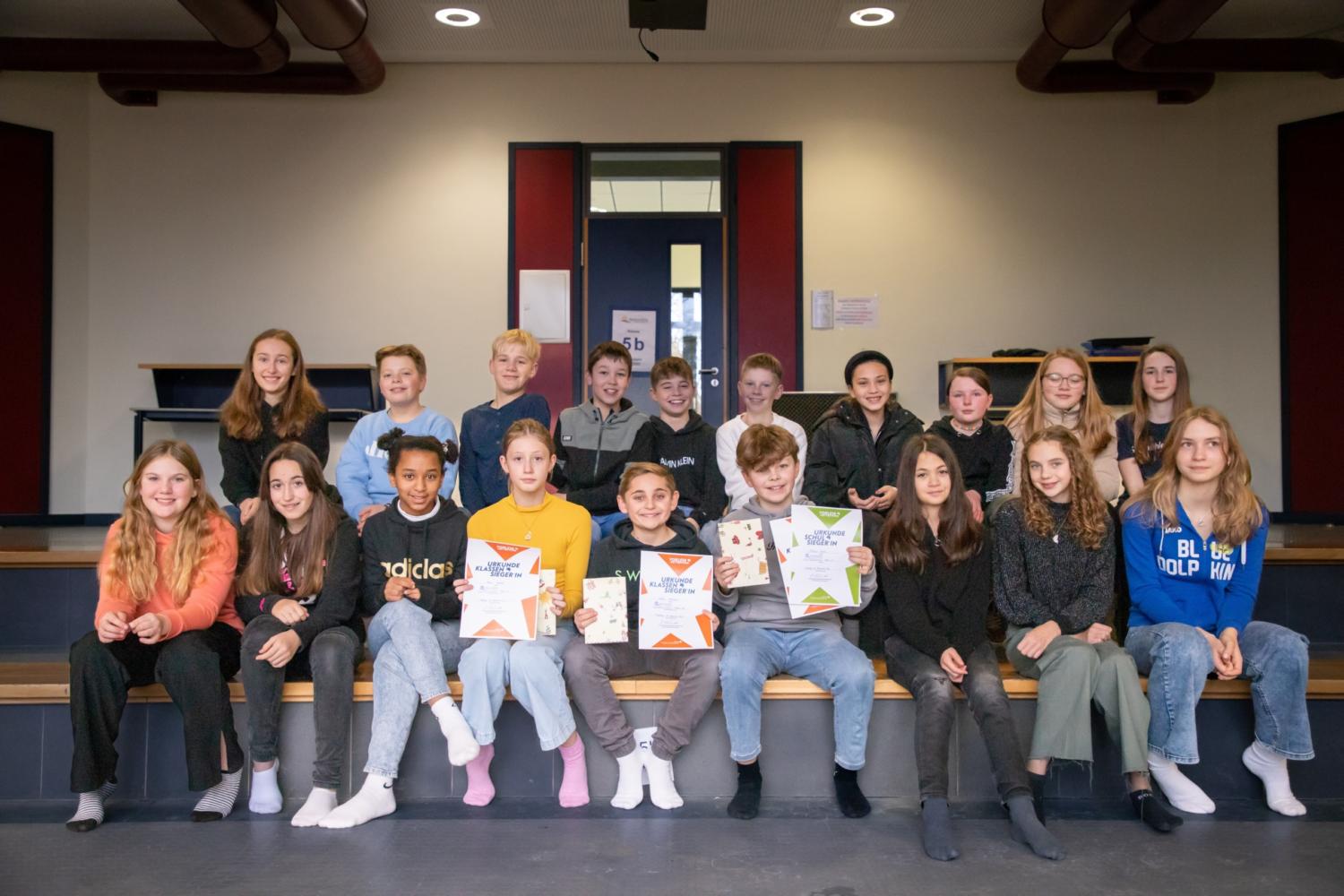
By the age of 12, reading has long since become a part of everyday life. At the same time, reading well and understanding well remain an ongoing and ever-changing challenge—one that lasts a lifetime. This also applies to reading aloud well, where we can often notice how language has the power to enchant us. Readers can thus become enchanters! Around 20 children from classes 6a, 6b, and 6c embraced this magic at the end of 2022 and took part in the nationwide reading competition for sixth graders. The event was organized by the German Publishers and Booksellers Association.


Philian Merle represents Steinmühle at the city level

All the girls and boys gave compelling and moving readings, which were met with applause and admiration from their classmates in the audience as well as from the “juries,” consisting of teachers and, in some cases, fellow students. Only one person advances to the next round in this competition, whether it’s during the class reading or in the second round, which took place in early December and involved reading in front of all classmates in the grade. As the “school winner,” according to Frank Wemme, head of the lower secondary school, Philian Merle will “represent” Steinmühle in the next round at the city level in 2023. He was selected by the teachers’ jury in December—which was no easy decision, given the high quality of reading by all three “class winners,” including Aenna Arnold and Matteo Dörbecker.The school extends its heartfelt thanks to all the brave readers for taking part. Their participation is what made it possible for Steinmühle to compete in the first place.

Our photo shows the participants in the 6th-grade reading contest: (top row, from left) Antonia Mahnken, Fabian Preis, Till Kretschmann, Ben Borawski, Ben Templer, Arthur Böning (Class 6c), Sara Strempel, Lotte Schröder (Grade 6b), Anna-Lena Griesler (Grade 6c), Helena Taschner (Grade 6b). Bottom row, from left: Janna Gosejacob, Julia Hedoch (Grade 6c), Samri Wulf, Aenna Arnold (Grade 6a), Matteo Dörbecker (Grade 6b), Philian Merle, Ceysu Sevinc, Maja Böttcher (Grade 6c), Fenja Schlegel (Grade 6b).

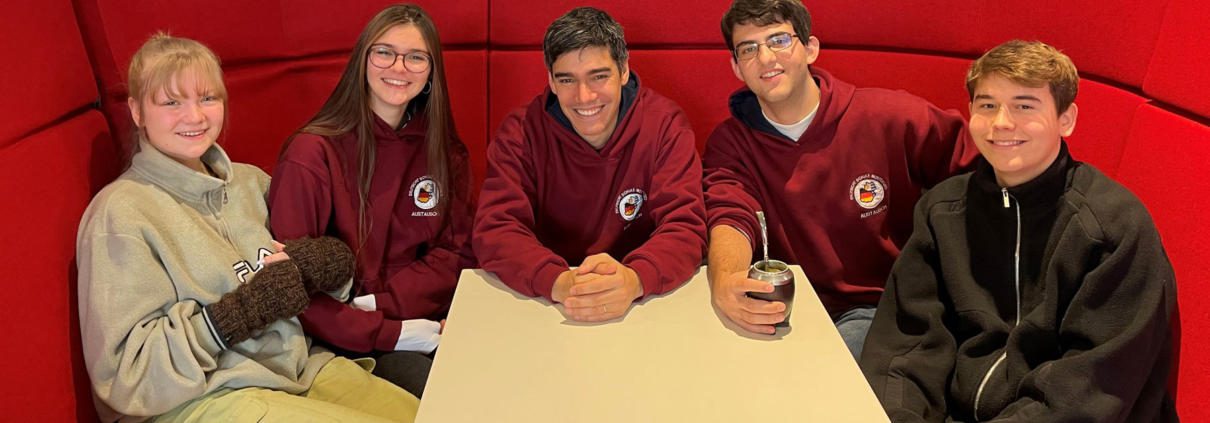
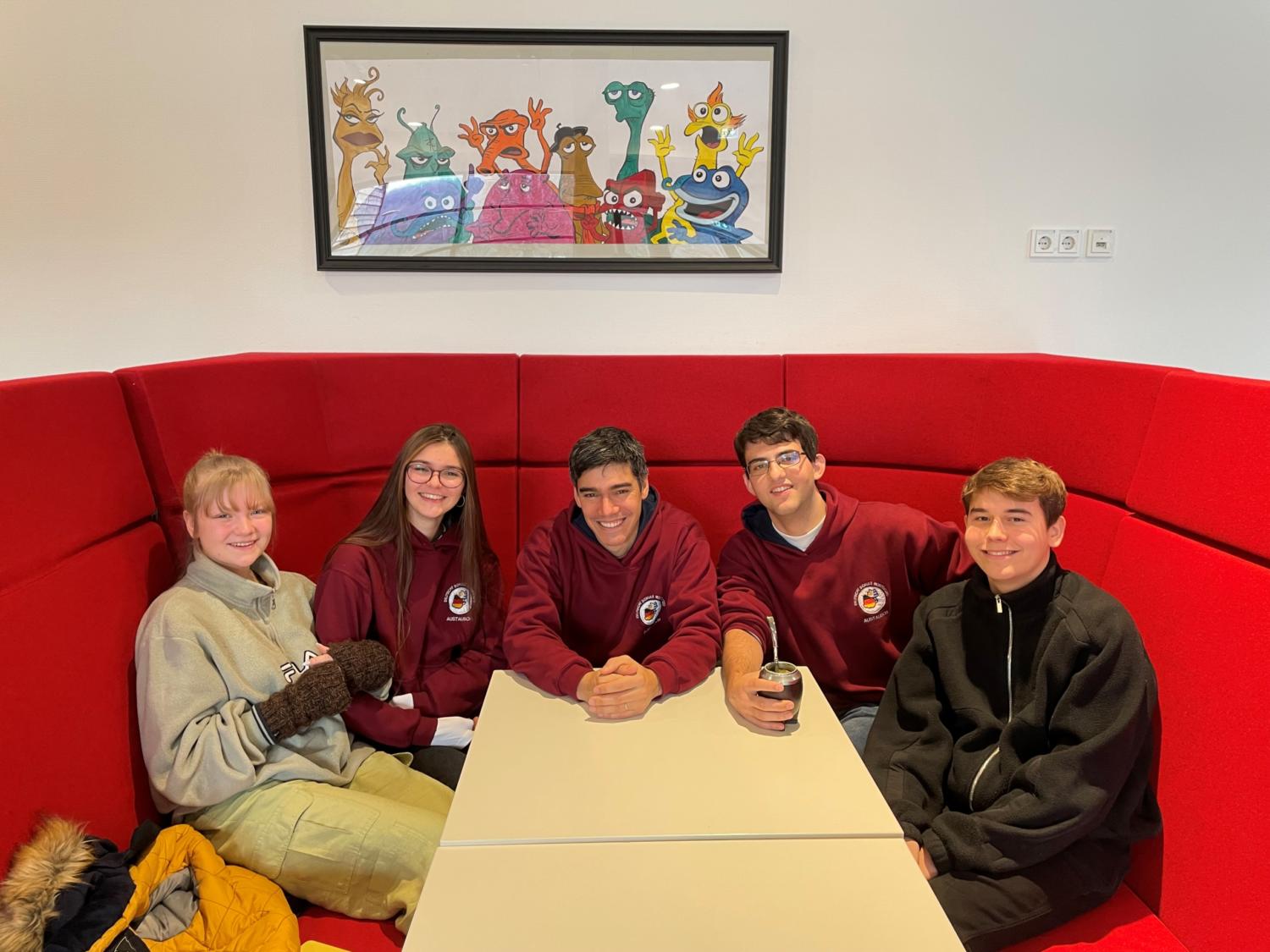
They miss their mate tea a little, and dinner is always “pretty early”—but everything else is absolutely perfect for Giulianna and Bruno from the German School in Montevideo. Together with their teacher Riobaldo, they are guests at Steinmühle for a total of six weeks. The stay is part of the Uruguay exchange, a project organized by Steinmühle Spanish teacher María Ramos. Following exchanges in 2019 and 2020, this is the third exchange between students from Uruguay’s capital and Steinmühle. In turn, 11th-grade Spanish students have the opportunity to experience everyday school life in Montevideo. For Lilli and Ben-Luis, there are only a few weeks left until they set off on their return visit to South America and experience daily life at the partner school. 1,300 students attend that school; it is the oldest German school in Latin America.

Bruno began learning German in Montevideo when he was in kindergarten, and added English in elementary school. He enjoys learning languages. His classmate Giulianna’s interest in the German language stemmed from her German uncle and a visit her father made to Germany, “which he enjoyed.” Ben-Luis, a student at Steinmühlen, also has family reasons for wanting to improve his Spanish: “I have relatives in Spain.” Lilli, Giulianna’s exchange partner from Marburg, wants to travel a lot when she grows up and is looking forward to improving her Spanish where it’s spoken.

Of course, the young people had already done a bit of research on their respective host countries before their trip. When asked about the environmental problems of our time, they collectively conclude that there is still room for improvement on both sides: Montevideo, with its population of just under 1.5 million, meets 90 percent of its energy needs through wind and hydroelectric power, but does not practice waste separation. — Just one example of this.

Exchanges offer the best opportunities to improve language skills and learn a lot from one another. The young people all agree: “It’s a great program. We recommend it.” Our photo shows (from left) Lilli, Giulinanna, teacher Riobaldo, Bruno, and Ben-Luis.


This year marked the 11th time a Cambridge exam was held at Steinmühle. It’s a good opportunity to look back. Subject teacher Nicole Hohm reports:

In 2010, I received an invitation to “Cambridge Day”—at first, I thought it was just another invitation to a professional development event like any other. Since the topics of the workshops and presentations sounded interesting, I signed up on the spot without knowing exactly what it was all about—even though it took place on a Saturday in Frankfurt and required a small fee for the presentations and catering. The speakers were excellent across the board, and I was pleasantly surprised by the good organization and the overall experience, which isn’t always the case with training events hosted by the Ministry of Education and Cultural Affairs.

As the event went on, it became clear to me what it was all about—they wanted to bring the Cambridge exams to schools. One might ask, why would anyone want to pursue an external certificate—one they have to pay for, no less—when schools already offer English classes? The Cambridge exams are administered exactly as they are in every country around the world—whether in Japan, Singapore, Ghana, Egypt, or even Germany—which makes them comparable. You receive certification of your language proficiency, which is recognized worldwide.

Back at Steinmühle, I went straight to the school administration on Monday, presented the concept, and asked if we could try it out in the WU program. The school administration gave the green light: Why not?

In 2011, I taught my first Cambridge course, preparing 11 students for the FCE exam (First Certificate of English), which is now usually referred to simply as First B2 (B2 is the upper-intermediate language level). We were all nervous—the students, of course, because external examiners were coming to test them. And I was just as nervous, because I hoped I had prepared them properly: 10 passed the exam, and one missed it by just one point…

The following year, 16 students participated, and two even performed so well that they were certified at the next higher level—C1. This time, no one failed. In 2014, due to the high number of students (28), we offered two courses: Jeannine Walter taught one, and I taught the other, as always; in 2015, 21 students participated, and in 2016, 17 students took part.


We worked with rubber gloves, face masks, and disinfectant

In 2017, we took a year off because we switched from the FCE exam to the Business English exam—we now had a two-year plan: In the newly established WU Business English course in 10th grade, I began preparing the students for the business aspects. In 11th grade, the students were then prepared for the BEC exam (Business English Certificate). In 2018, 18 students took the exam—unfortunately, two did not pass, but two others reached the next higher level. Despite the pandemic, we all bravely carried on—wearing face masks, rubber gloves, and using plenty of hand sanitizer: 28 students participated in 2019, and 14 in 2020. In 2021, 34 students signed up—which was definitely too many for a single class. Matthäus Otte immediately agreed to take over a class. In 2021, an impressive four people reached the C1 level.

But this year’s class really took the cake—out of 29 students, 7 achieved such good results that they were certified at the C1 level. Huge kudos to the students who achieved such outstanding results despite the long period of online instruction in grades 9 and 10. Congratulations!

This year’s Cambridge candidates were: Alina Adamski, Paula Auschill, Max Badouin, Svea Bredendiek, Felix Busch, Anton Graf, Lena Herzog, Ellen Hilt, Emilia Hoffmans, Lennart Holly, Neele Jansen, Lotte Jungfer, Tino Kraft, Sarah Kremer-Golder, David Krüger, Nina Marko, Chiara Massa-Enders, Emilia Quaissa, Ana Catalina Pohl, Finn-Jonas Posingies, Tamira Preck, Luisa Reinhardt, Fabian Seidel, Adama Sow, Anna Steinfeldt, Ariane Stry, Bijan Teymoortash, Anna Tille, Joshua Wieder.
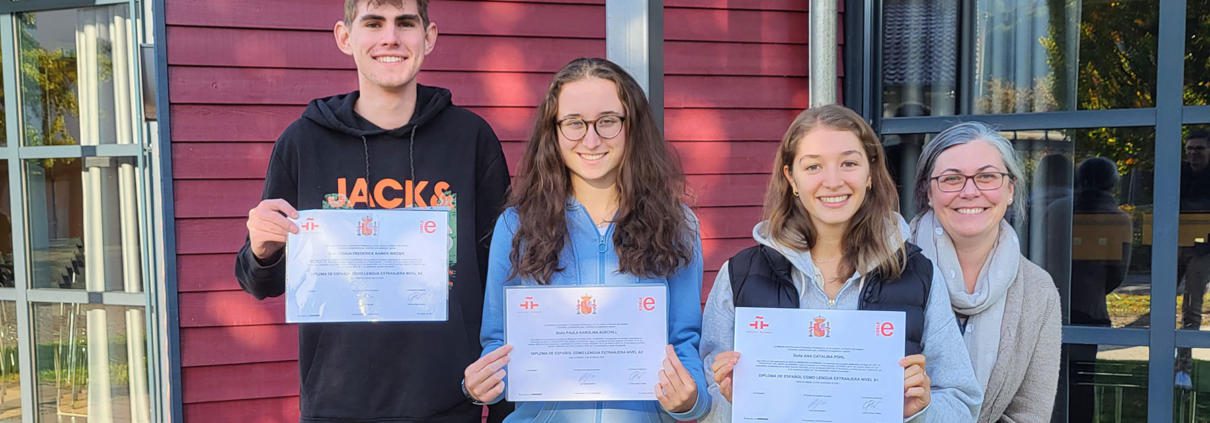
By earning their DELE certificates, Joshua Wieder (12d), Paula Auschill (12d), and Ana Catalina Pohl (12b) demonstrated their excellent Spanish language skills—the official paper diplomas arrived at Steinmühle some time later. The DELE diplomas are official certificates attesting to proficiency in the Spanish language, awarded by the Instituto Cervantes on behalf of the Spanish Ministry of Education and Science. They are internationally recognized and are equally valid in both academic and professional settings. The test assesses all four skills—namely reading, writing, listening, and speaking—as well as knowledge of linguistic structures.
The DELE A2/B1 exam for schools offers students the opportunity to demonstrate proficiency at either the A2 or B1 level. The exam is intended for students up to age 17. Ana-Catalina Pohl (2nd from right) took the DELE exam in May 2021 during the lockdown and achieved level B1. Paula Auschill (2nd from left) and Joshua Wieder (left) took the exam in November 2021 and achieved level A2. Congratulations to all three certificate recipients, who posed for the photographer here together with their teacher, Mar Montenegro (right).

Those who can read have a clear advantage! This often flippant remark—made when someone hasn’t looked closely enough—is absolutely justified in terms of its meaning. If someone can’t grasp a text and doesn’t understand its content, they can’t participate in the conversation and are excluded. With nearly 60 volunteer mentors, the MENTOR association —the Marburg-Biedenkopf Region Reading Tutors—aims to improve the alarming statistic that, by the end of fourth grade, 20 out of 100 children cannot read properly and 30 out of 100 cannot write according to the rules. The association was founded at the district level one year ago at the Steinmühle and recently celebrated its first anniversary there.

A special guest provided entertainment at the event in the Steinmühlenforum: children’s and young adult author Andreas Steinhöfel. By reading excerpts from his works, he not only brought a few smiles to people’s faces but also elicited the occasional laugh. The “MENTOR” initiative is important to him and something he takes very seriously; he supports it as a patron and states: “Those who cannot read have a very hard time navigating life with dignity.”

Working as a mentor is fulfilling. This volunteer position—which requires an extended police background check and participation in a training seminar—demands patience, but it’s very rewarding. At the Steinmühlenforum, four mentors spoke about their work, in which they introduce students—often from educationally disadvantaged and socially vulnerable backgrounds—to the world of letters and words. The district is still urgently seeking 15 to 20 additional reading mentors for this work.

“The situation hasn’t exactly improved during the pandemic,” reported Chairwoman Inge Maisch. She is the point of contact for people who might be interested in taking on the role of a mentor (info@mentor-marburg-biedenkopf.de). She is encouraged by the fact that nearly all of the reading mentors from the previous school year are continuing their work. It’s wonderful to see children develop a love of reading.

It was also a pleasure to listen to those who provided the artistic entertainment for the anniversary celebration. The Steinmühle Jazz Ensemble, led by Frank Wemme, was among them, as was Talea Funk with a contemplative composition.

The administration of Steinmühle Elementary and High School, as well as the school’s management team, consider MENTOR’s mission to be important. After all, reading is the fundamental skill underpinning the entire spectrum of school education. Steinmühle therefore hopes that as many people as possible will come forward and express interest in becoming a reading mentor.

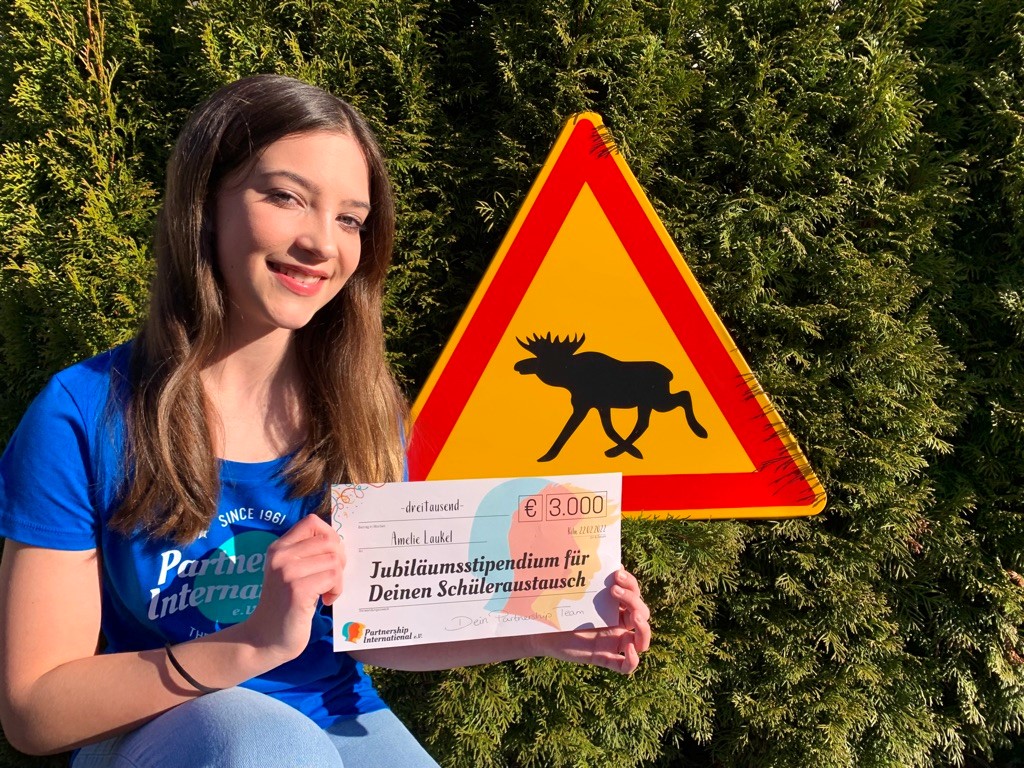
Amelie Laukel (9a) Receives a Scholarship for Her Stay

It worked out great: Amelie Laukel, a student at Steinmühle School, beat out 240 other applicants in the competition for a scholarship to study abroad in Canada. This marks the fulfillment of a big dream for the 14-year-old.

The student exchange program begins at the end of August. It is made possible by Partnership International e.V. The Cologne-based organization is supporting the student with one of the coveted anniversary scholarships that Partnership International awarded to mark the organization’s 60th anniversary.

Amelie is really looking forward to her time in Canada: “What appeals to me about Canada, aside from its impressive and, in some places, still untouched nature, is the openness and tolerance of Canadians. They’re also known for being incredibly friendly and multicultural. I think it will be easy for me to make connections and find friends there.”

To ensure that Amelie is well-prepared for her adventure, she and other exchange students underwent extensive preparation during a seminar lasting several days. The organization Partnership International e.V. places great importance on personal contact and thorough preparation for the students, as both are crucial to a successful student exchange.

The association (www.partnership.de) has set itself the goal of enabling as many students as possible to participate in an intercultural exchange. To that end, it awards partial scholarships to its program participants each school year. Students can currently apply for scholarships for exchanges beginning in the summer of 2023. In addition to Canada, the United States, Ireland, and England are also available as exchange destinations.

Photo: Amelie (9a) attended a preparatory seminar for her stay abroad and is delighted to have received her scholarship.

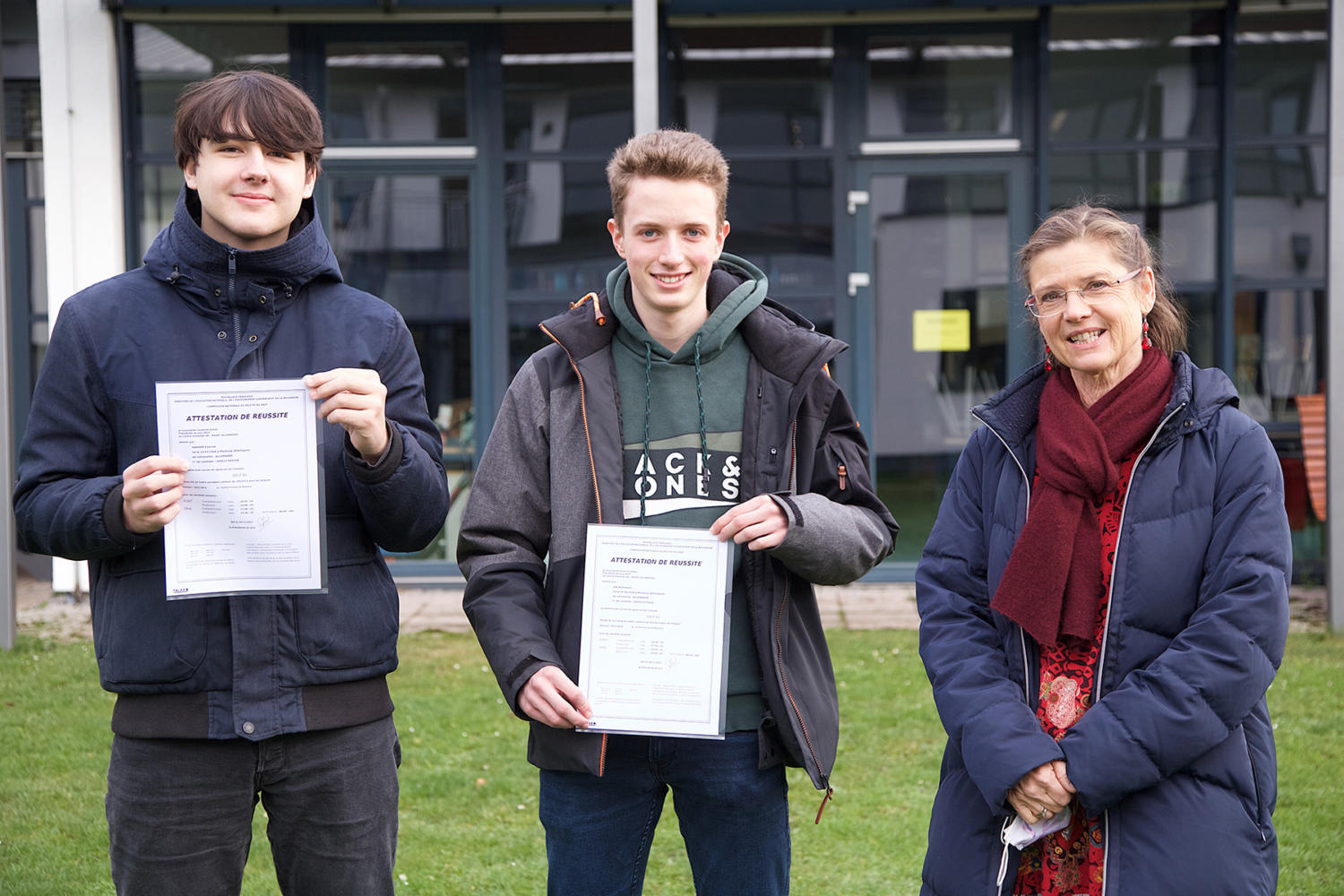
Despite pandemic-related restrictions, exams were held again in 2021, allowing students to earn the French DELF certificate. Due to the restrictions, the number of participants was lower than usual, but two brave Francophile students still took the B1 exams, prepared for them on their own, and traveled to Giessen for the oral exam: Etienne Harder (left) and Jan Audretsch. It’s all the more wonderful that both achieved excellent results! French teacher Jeannine Walter (right)—who is also the head of languages and the arts at Steinmühle—and the entire school community extend their congratulations.

This was the second time the Cambridge exam was held under COVID-19 restrictions. This year, preparation was even more heavily influenced by the lockdown and, consequently, online instruction. Despite these challenging conditions, 34 students decided to take the exam, leading to the formation of two classes led by Nicole Hohm and Matthäus Otte.

This was the first time we offered two BEC Cambridge courses. BEC stands for Business English Certificate. The Cambridge Business English Certificate series comprises a total of three certificates, and here at Steinmühle we offer the middle level—
: BEC Vantage, language level B2. With this certificate, students can demonstrate to potential employers that they are capable of working in English in an international environment. The certificate can help them when applying for internships, as well as later on when looking for a job or seeking promotions.


High degree of self-organization

While preparing for the exam, the students demonstrated a very high degree of self-organization and motivation. They voluntarily participated in online classes and also independently used digital practice rooms for language exercises. When in-person classes were finally able to resume, they worked very efficiently and with great focus in the classroom—with plenty of fresh air and the windows kept open at all times…
At the end of May, the big day arrived. After the mandatory COVID-19 tests, the exam began at 8:30 a.m.: the Reading, Writing, and Listening sections were administered until approximately 12:45 p.m., and starting at 1:15 p.m., the oral exams followed, taking place every 20 minutes in two exam rooms until 5:45 p.m.—which meant a truly nerve-wracking wait for the last exam pairs.
But the hard work paid off! The students achieved very good results—two candidates were even certified at the next higher language level, C1.

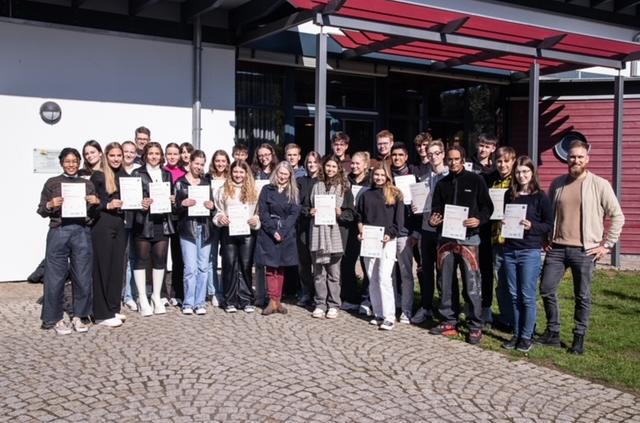
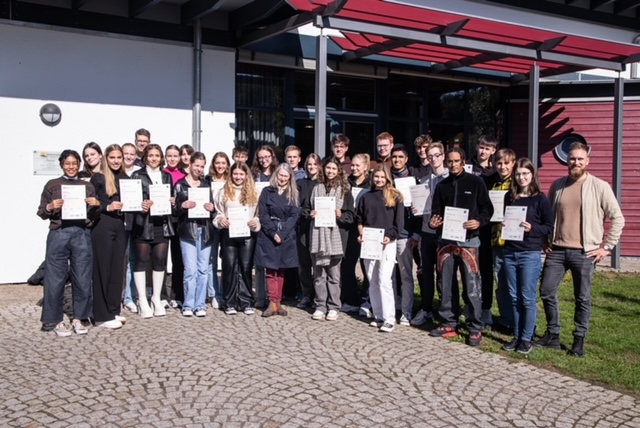
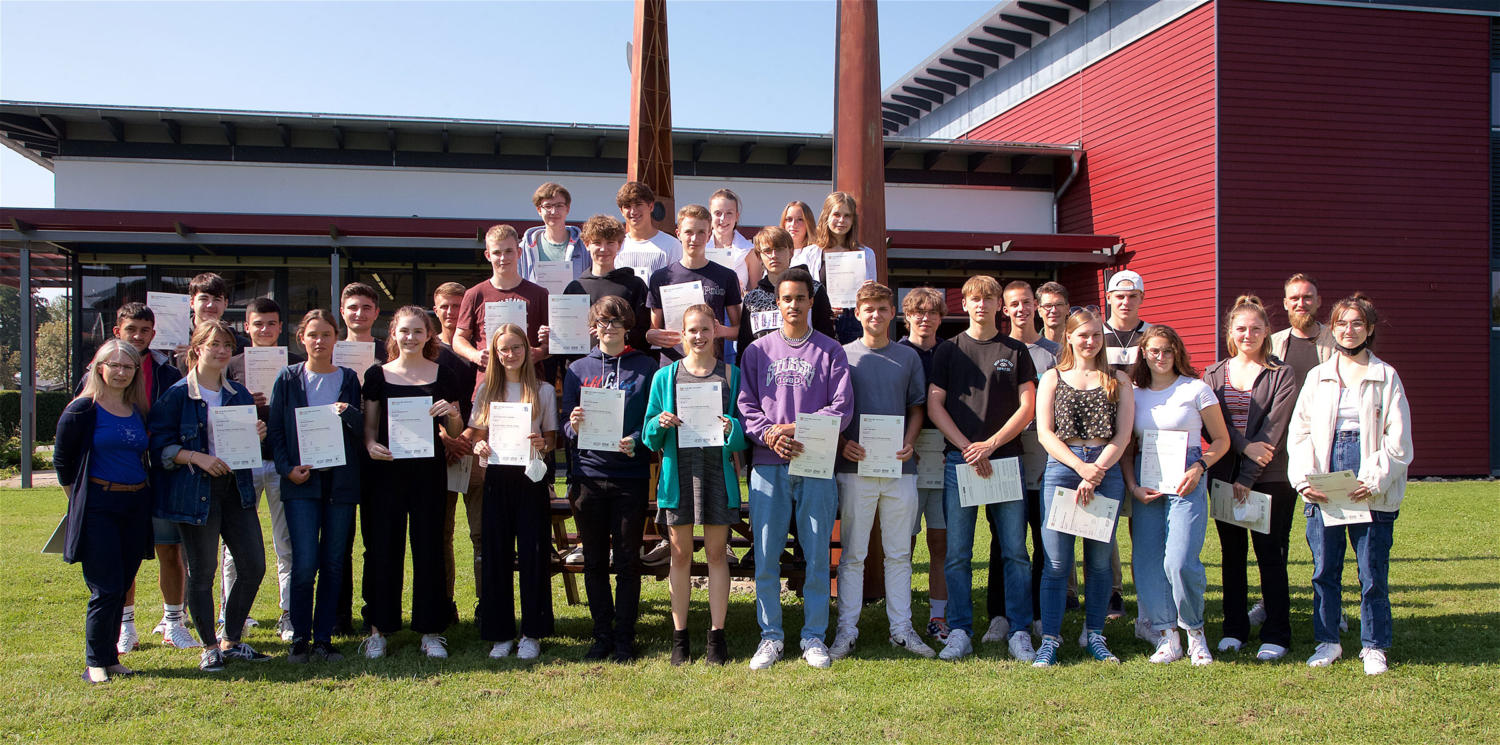
We congratulate all participants on receiving their certificates! Our photo shows the entire group together with their teachers and their certificates, which always arrive at different times.