The Steinmühle has once again been awarded the “Environmental School – Learning and Acting for Our Future” certificate. Steffen Ullwer reports on this. He accepted the certificate on behalf of Carmen Bastian, who worked tirelessly to secure the certification for the Steinmühle.

This award is part of a joint initiative by the Hessian Ministry of Education and Cultural Affairs and the Ministry of the Environment, which recognizes schools for their exceptional commitment to “Education for Sustainable Development” (ESD). This year, a total of 94 schools from across Hesse were honored for their outstanding contributions to integrating sustainability topics into the classroom and school life.


Environmental Awareness and Sustainability Embedded in Everyday Education


Steinmühle impressed with two innovative projects: In the STEM field, the students developed an autonomous, low-cost boat for determining water quality that enables efficient water sample analysis. In addition, the school participated in the “Miyawaki Forest” project, which supports the rapid establishment of biodiverse mini-forests on small plots of land, thereby making an important contribution to reforestation and climate protection.

Through its commitment, Steinmühle demonstrates how important it is to embed environmental awareness and sustainability in everyday education from an early age and to actively involve students in shaping a sustainable society.

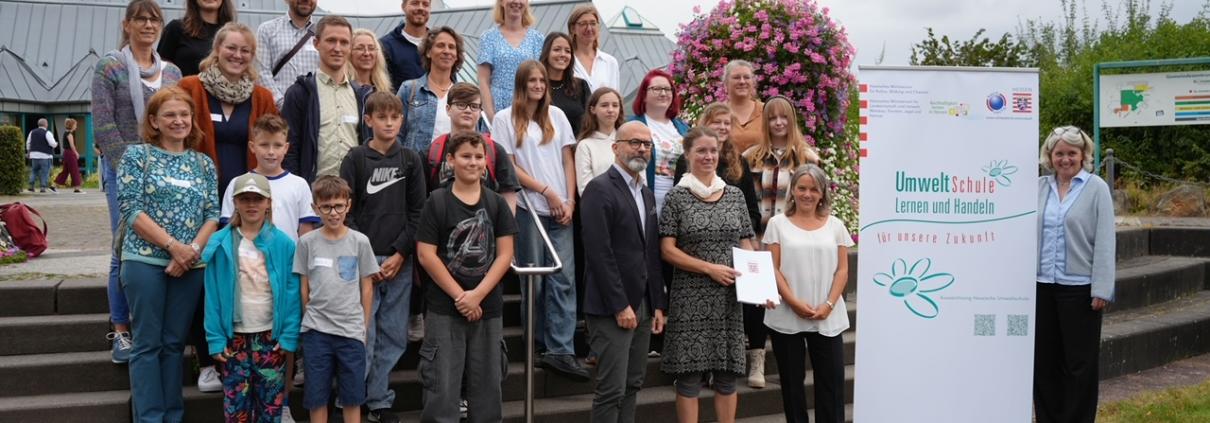
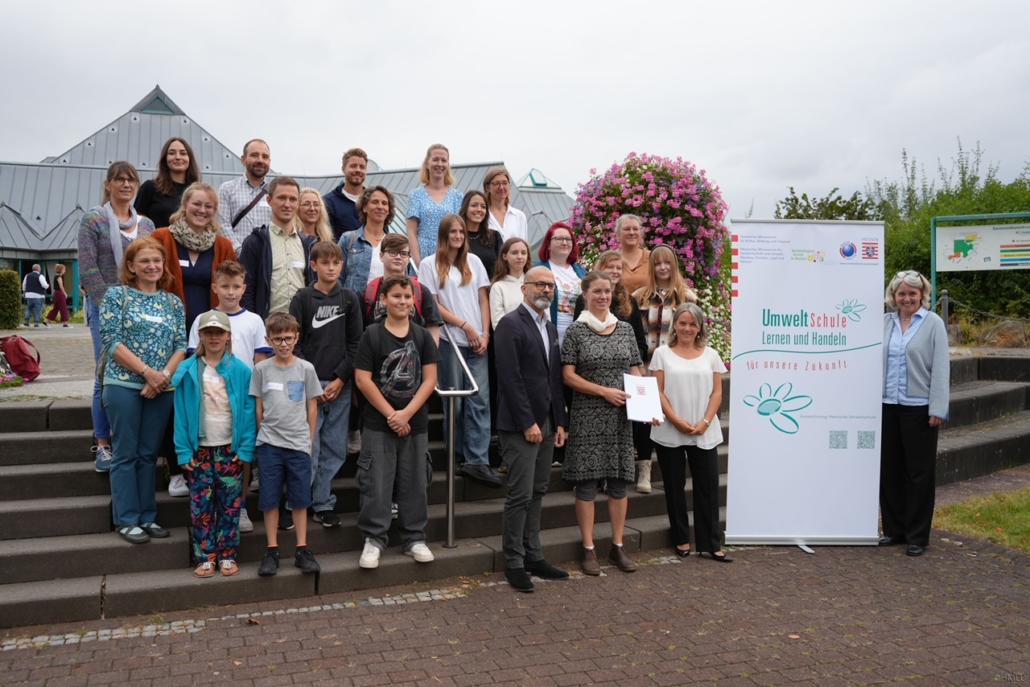
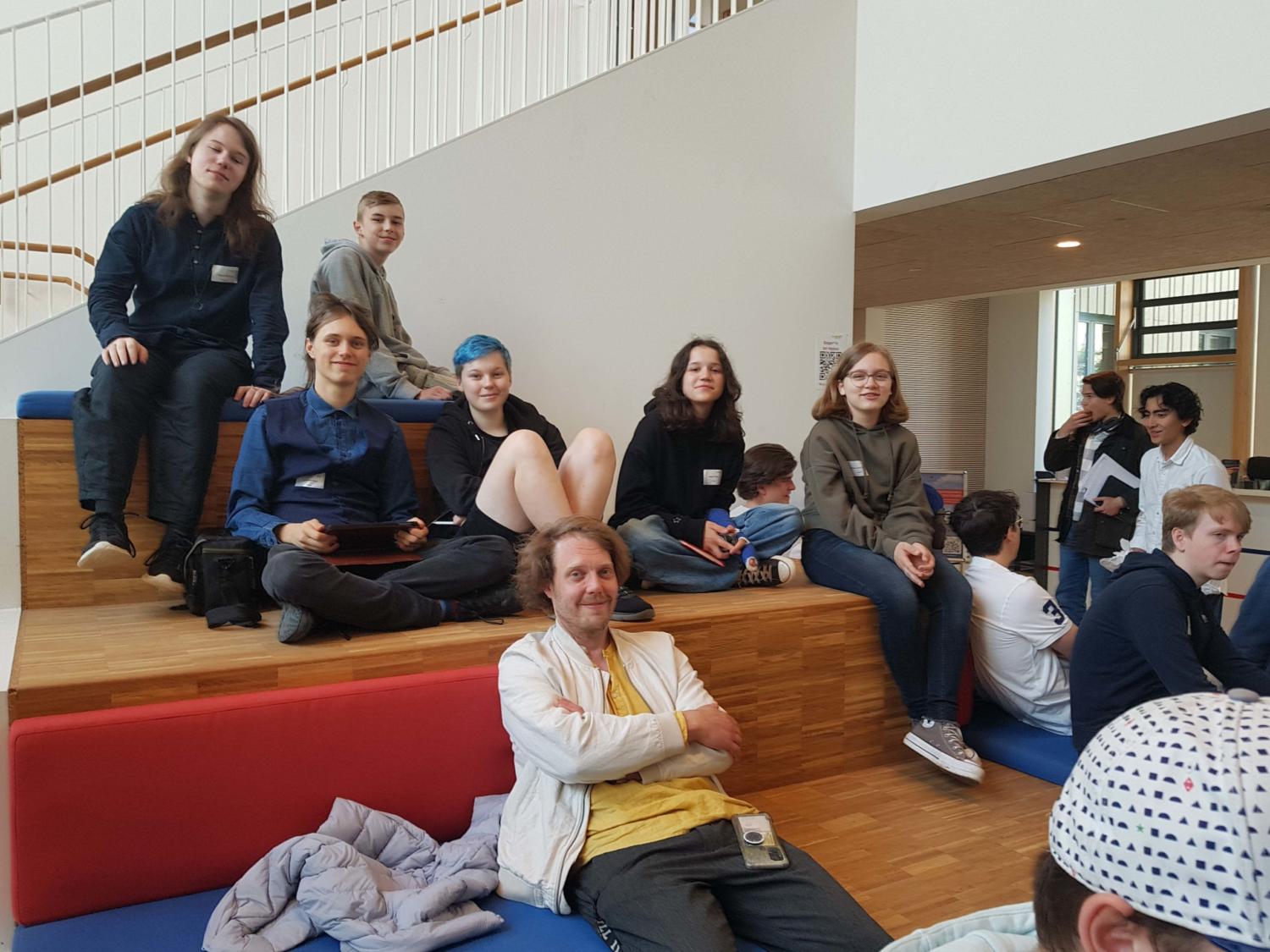
Our photos show Steffen Ullwer receiving the certificate from Ute Visser, regional director of the Environmental Schools program for the Roßberg Youth Forest Camp area, along with a large group of representatives from the award-winning schools.


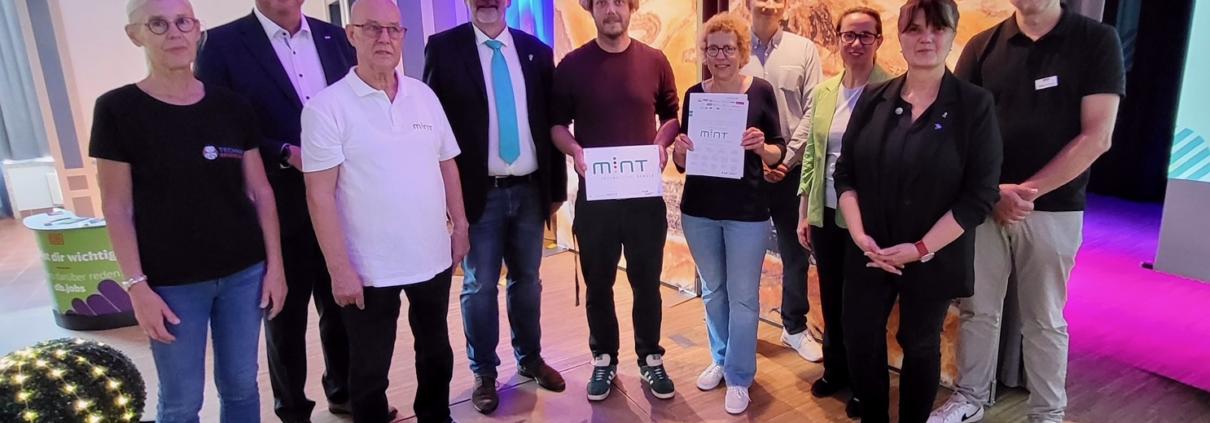
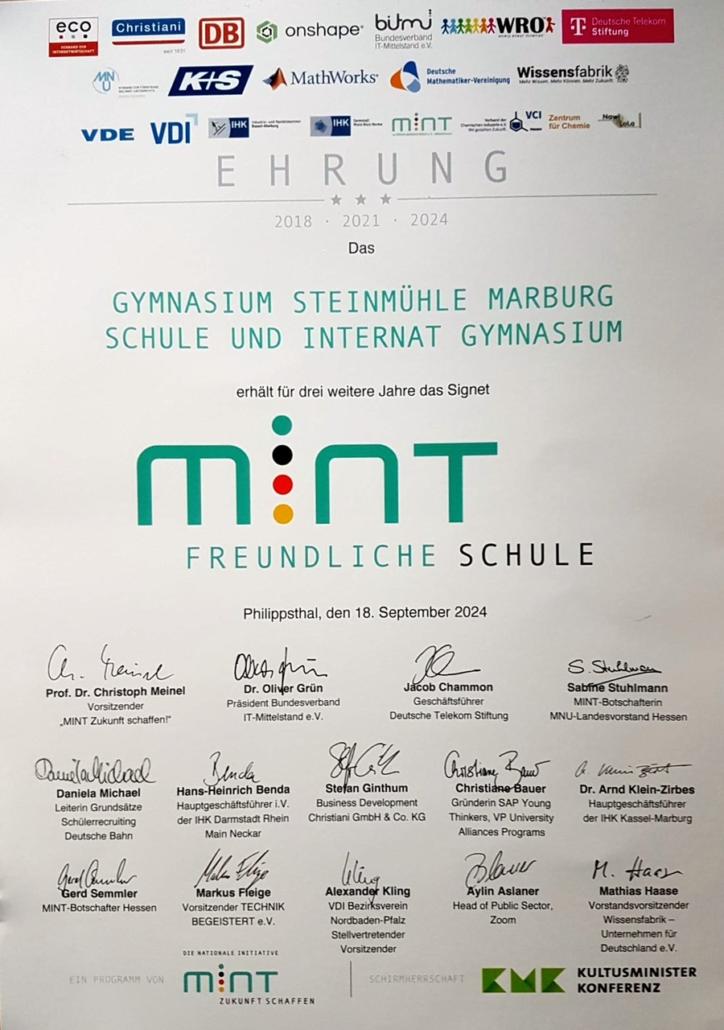
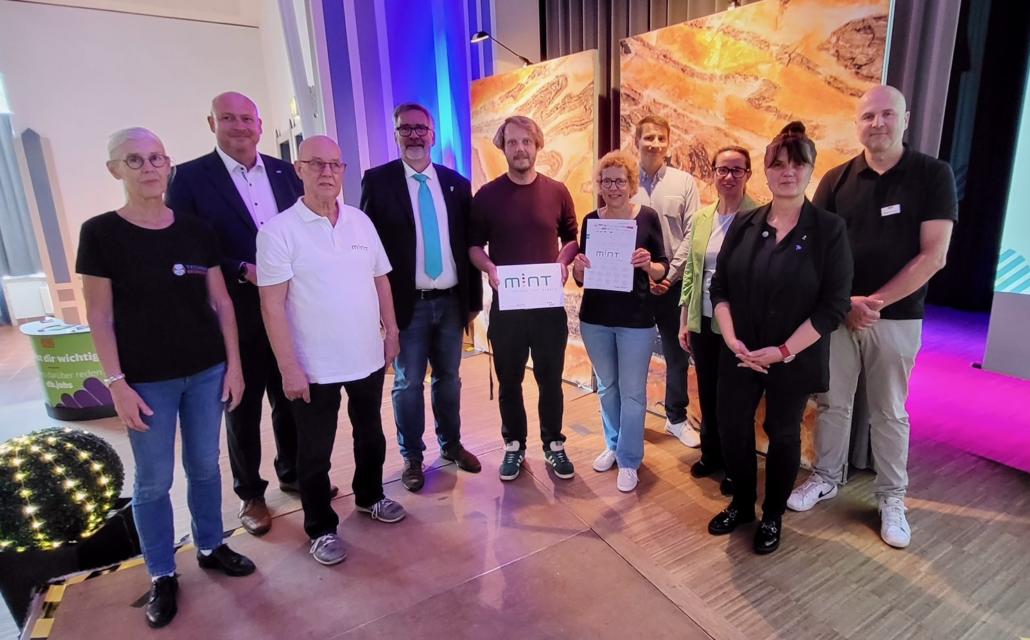
Once again, Steinmühle was recognized as a STEM-friendly school yesterday, Wednesday. Dr. Jutta Töhl-Borsdorf and Dr. Sven Freibert accepted the award in Philippstal, North Hesse, representing Steinmühle as the only participating school from Marburg.


Steinmühle Receives Top Rating


“In the evaluation, the Steinmühle was ranked at the highest level,” said Dr. Jutta-Töhl-Borsdorf happily.

According to the two teachers, in the morning, participants were able to visit the training center of the host company, K+S Minerals and Agriculture GmbH Philippsthal, and gain interesting insights, for example, into dual degree programs.

The schools were honored by Sabine Stuhlmann (MNU Hesse Regional Association and the NaWi LoLa project), Benjamin Gesing (Executive Director of MINT Zukunft e.V.), and Harald Fisch (Senior Advisor at MINT Zukunft e.V.). The awards are valid for three years.


Recognized and supported by the business community


Mathematics, computer science, natural sciences, and technology (MINT) have become increasingly important for school development. The award-winning “STEM-friendly schools” demonstrate that their educational approach enables them to integrate ad hoc measures—such as those related to digitalization—into everyday school life in a didactically and pedagogically sound manner. The “STEM-friendly schools” gain visibility among students, parents, businesses, and the general public through this recognition and are not only acknowledged but also receive special support from the business community. Nationwide partners of the national initiative “MINT Zukunft schaffen!” (Creating a Future with STEM!) honor those schools that consciously prioritize STEM. The schools are evaluated based on a rigorous, standardized set of criteria and undergo a nationally uniform application process.

The group photo, taken by Uwe Handke on behalf of the organizer, shows Dr. Jutta Töhl-Borsdorf and Dr. Sven Freibert holding their award certificates during the ceremony.

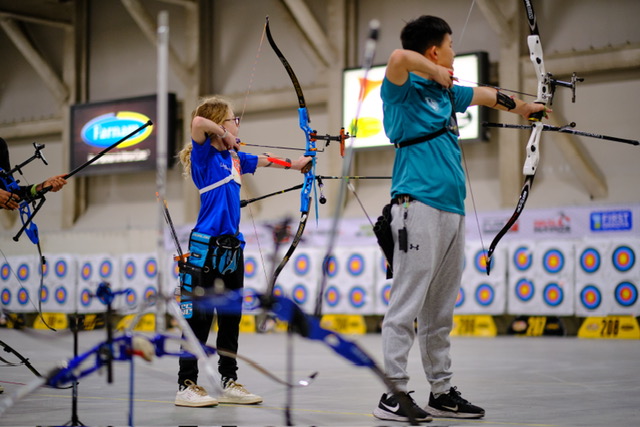
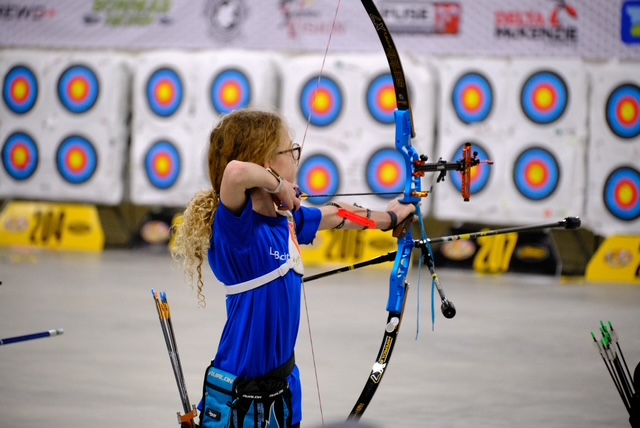
During the 2023–24 school year, Liam Bacht was in fifth grade at Steinmühle. But even now, this young student has a hobby that has made him well-known far beyond the school grounds: archery. He took up the sport in the summer of 2022, and he has been passionate about it ever since. With the support of his parents, Liam trains regularly at his archery club’s grounds and shows tremendous dedication.


Seventh Place at the “Vegas Shoot”

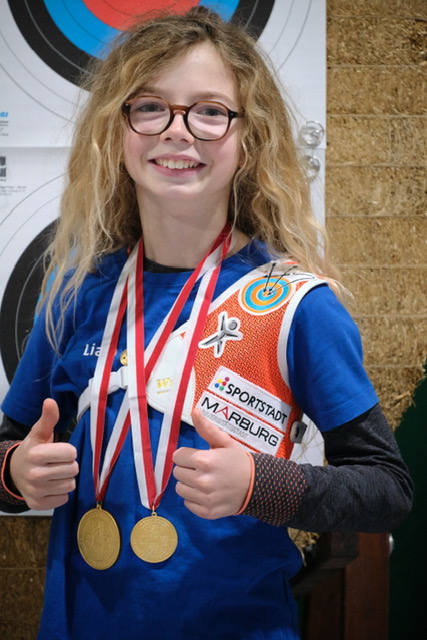
This dedication is paying off, as Liam is already competing in numerous tournaments. In an interview, he explained that the tournaments are held at various levels—from district and state competitions to Germany-wide and Europe-wide tournaments, as well as world championships. He is particularly proud of his victory at the Hesse state level, where he won the gold medal by an impressive margin of 30 rings.

But Liam doesn’t just think locally—he’s taking his bow and arrow out into the world. A highlight of his career so far was competing in an international tournament in the U.S. He traveled to the U.S. with his parents, where he faced off against about 80 of the world’s best archers and ultimately achieved an outstanding seventh-place finish—a success that Liam and his family are rightly proud of.

The venue where Liam competed in an archery tournament in the U.S. is the South Point Hotel, Casino & Spa in Las Vegas, Nevada. That’s where the “Vegas Shoot” takes place every year—one of the largest and most prestigious indoor archery events in the world. The competition attracts participants from all over the world, including many talented archers like Liam. The venue is located in the southwest part of Las Vegas and offers an impressive space for the competitions and accompanying activities.

There, he also met the German national team, which made him pretty excited. Meeting the top athletes and experiencing the international atmosphere were a special experience for Liam. Despite his nerves, he demonstrated his skills and ultimately finished in an outstanding seventh place. This already ranks him among the world’s best young archers.


A young athlete with big goals

“Getting to travel to the desert for the competition was a dream come true. It motivated me even more,” Liam says, looking back on his participation in the “Vegas Shoot.” His enthusiasm for archery is palpable—and he knows exactly what makes this sport special. “In archery, it’s important to stay calm. You can learn how to concentrate,” Liam says with conviction.


At just 11 years old, he already has clear goals in mind. He’s especially looking forward to his 13th birthday, because once he turns 13, he’ll finally be able to compete in the German Championships. However, he’ll have to wait a little longer to compete in the European Championships or play in the Bundesliga—those competitions are open only to athletes 18 and older.


“I want to become a pro”

Despite his impressive achievements, Liam has remained just another ordinary student in his class. His classmates are happy for him and regularly congratulate him whenever he wins another tournament. “For them, my success has almost become the norm,” Liam says with a smile. With his long blond hair and determined demeanor, he’s a standout not only on the tournament court but also at school.

One of Liam’s favorite subjects is German, taught by his teacher Frank Wemme. It was Frank who encouraged Liam to tell the school community about his fascinating hobby. When asked about his plans, Liam says quite clearly, “I want to become a professional.” He knows that the German Armed Forces or the police offer exciting career prospects for elite athletes. If his passion for archery continues, this very path could one day become a reality.


At the moment, Liam Bacht seems to be consistently pursuing his goals. The student trains at least twice a week with his coaching team, consisting of Michael and Judith Icking. With this discipline and support, the odds are good that Liam will achieve his goals. His story impressively demonstrates just how far enthusiasm, perseverance, and strong support can take you. We can’t wait to see what new chapters he’ll write in his athletic career in the future.

 

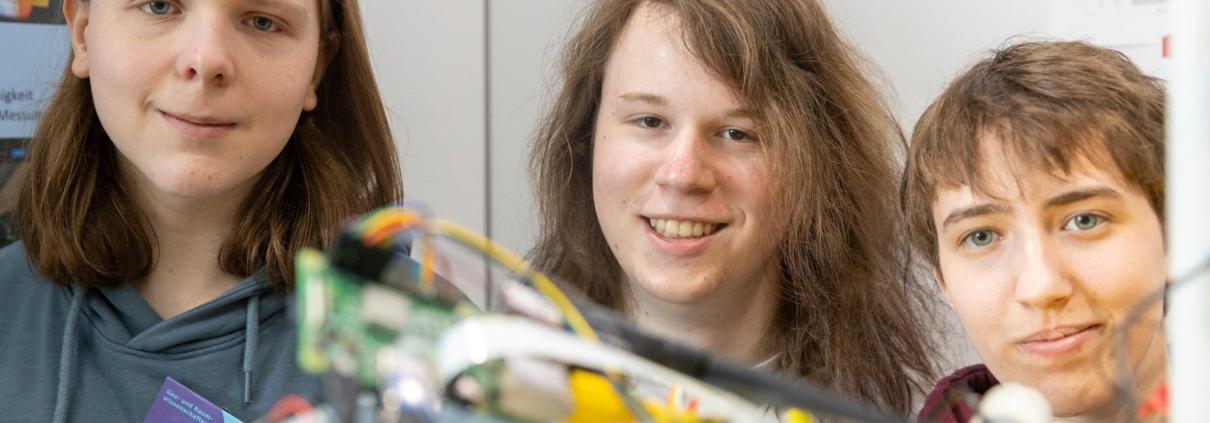
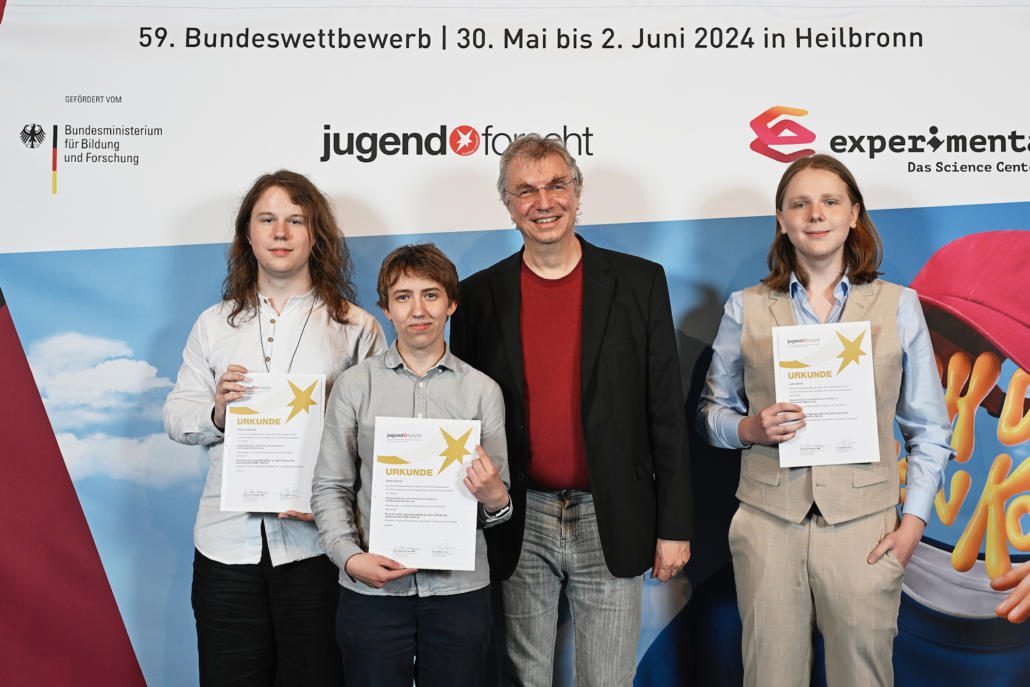
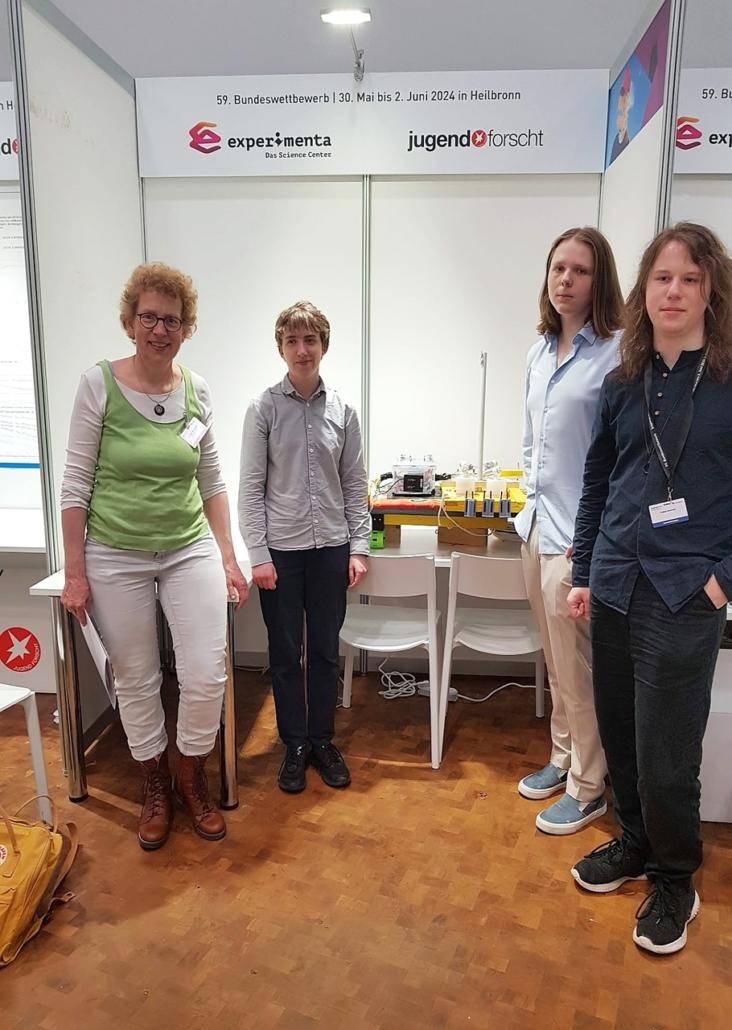
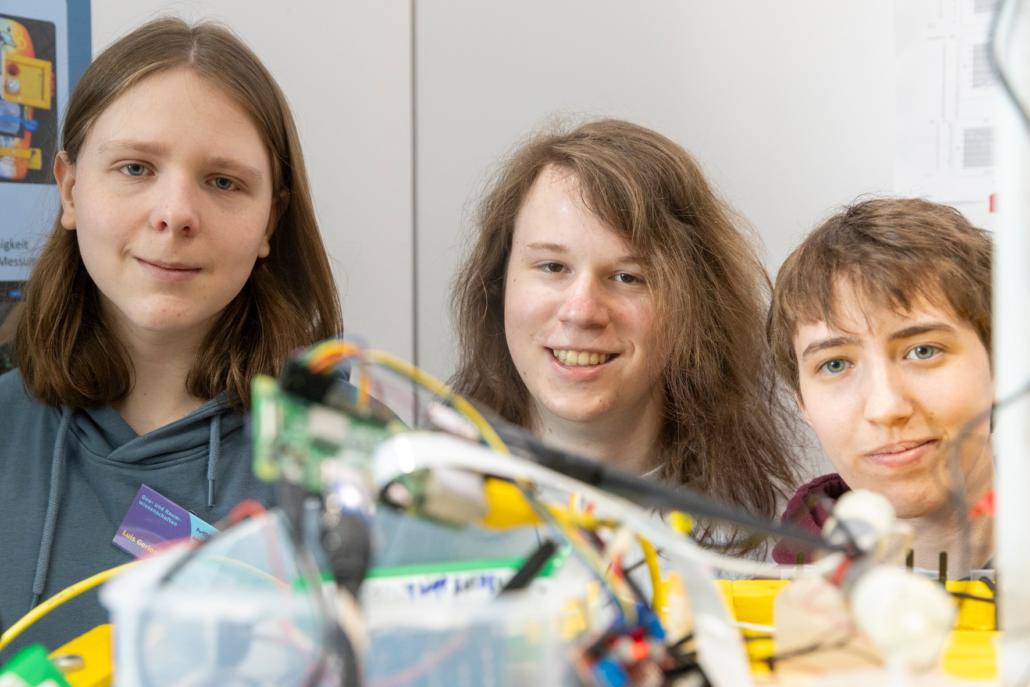
Just making it to the national round of the “Jugend forscht” competition is something special in itself. That’s quite an achievement! Our “MINTies”—Steinmühle boarding students Fabian Sotonica, Luis Gerloni, and Clara Steiner—have actually done just that. All three attend our boarding school as part of the plus-MINT program. Fabian Sotonica looks back on this amazing event from the second semester. What does he wish for? You get three guesses…

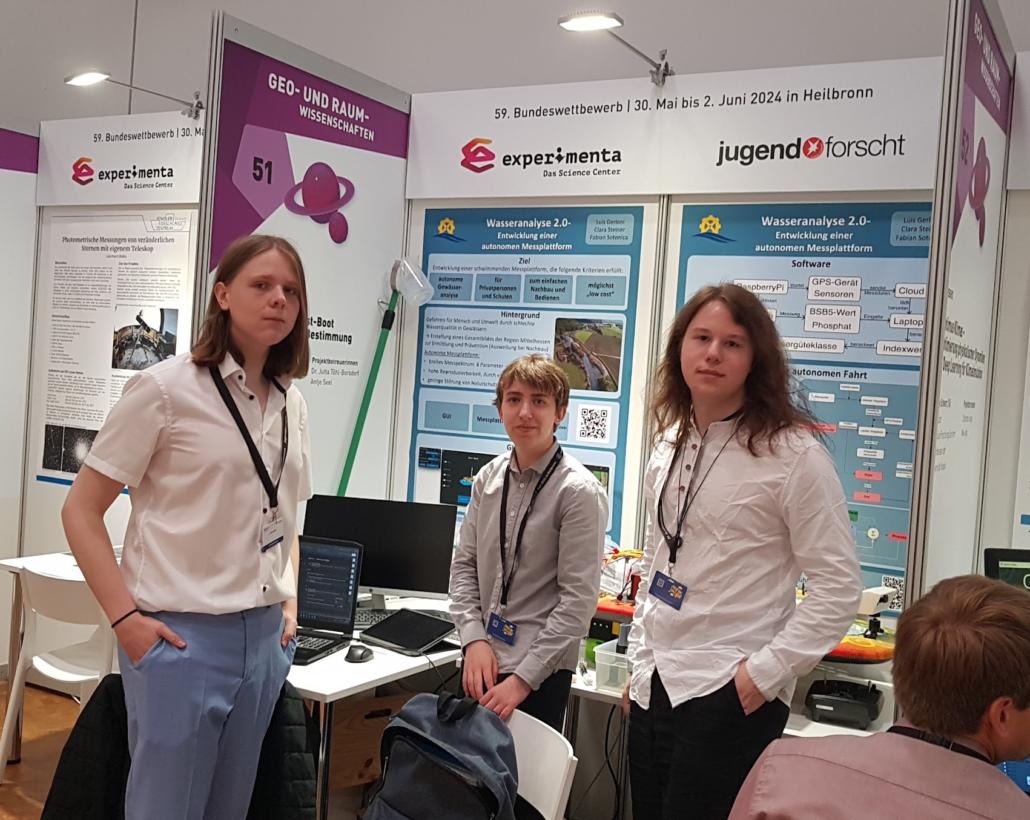
It’s an impressive sight as you ride the escalator down into the exhibition hall: a bustling crowd of young researchers, parents, and chaperones—107 projects with 175 participants. Our booth was located a little further back in the Earth and Spatial Sciences section, number 51. Along the way, you could already see some of the other projects, which, thanks to their uniqueness, size, or significance, made it clear that this was where the competition’s finals were taking place.

We had until the afternoon to travel there and set up. That turned out to be necessary, since it turned out that our Raspberry Pi (microcomputer)—the “brain” of our measurement platform—had been damaged and was no longer working (properly). Fortunately, we were able to turn to the “Jupas” (young researcher mentors), who had accompanied us throughout the four days. Thanks to them, we were able to borrow one of the Raspberry Pis from the Maker Lab there. Their extensive help with all our questions and needs was an unexpected but wonderful introduction to Experimenta, the science center in Heilbronn.

After that, we checked into our rooms at the youth hostel—where we were staying—or rather, at the hotel, though there wasn’t really any difference in quality between the two. On the way to the hostel, we were able to enjoy the beautiful view of the green banks of the Neckar. The evening concluded with a delicious dinner at Experimenta, as well as workshops and presentations at the “Science Dome” on topics such as the Apollo 13 mission.
Project Presentation in No Time
On the second day, things got serious, as the jury interviews were scheduled following a brief briefing (which took place every morning). Each project had two separate jury teams, to whom they had to present their project in 5 minutes before moving on to a 25-minute interview. Outside of these sessions, participants could visit the Experimenta exhibition or relax in the Jufo Lounge. The evening was spent at Campus Founders, where a workshop on starting a startup was presented after dinner.
Search for a spot for the live demo
On Saturday, we had the opportunity to speak with juries from other fields—if they were interested—to prepare our booth for the public, or to evaluate the other projects. In addition to the scheduled photo shoot for our booth, however, we spent a good portion of the time looking for a suitable spot on the Neckar River where we could launch our platform for a live demonstration. But we were unsuccessful: heavy rain and high water levels blocked the few accessible points. At noon, we walked to the “Harmonie” event hall, where the awards ceremony would take place on Sunday. There, we had lunch and went over the ceremony’s schedule.
After we returned, the public exhibition began, and a surprisingly large number of alumni—that is, former participants—took part. During the exhibition, we were able to get brief feedback from our judges at specific times.
After a lively, interesting, but also exhausting exchange with the visitors, we took buses to “RedBlue,” an InterSport event hall where the special awards ceremony took place. Interwoven with the various courses of the meal and the entertainment (the drum group “Bounce”), groups of projects and award presenters were called to the stage. About halfway through, it was our turn: “Award for Original Work in the Field of Geosciences,” sponsored by the German Geological Society – Geological Association.
Afterward, the dance floor opened up and the evening ended with a party, while a regular shuttle service took people back to their accommodations either earlier or, at the latest, by 2 a.m.
Great New Friends
Sunday was the shortest day: another exhibition was held for the (honored) guests of the awards ceremony to give them a chance to get acquainted before the ceremony began.
While the winners in each category from 5th to 2nd place were announced all at once, the national champions were presented individually on stage. Each also received an impressive laudatory speech from the jury. The event also featured a variety of entertainment: European beatboxing champion “Robeat” and “Prof. Bubbles” with his soap bubble tricks provided plenty of variety.
Of course, at the end, we had to take down the booths again. It was a truly wonderful experience, one that involved meeting many great people at all levels and in all areas. I hope and look forward to experiencing this level of competition again.
As a team, we would like to once again express our heartfelt thanks to everyone involved for their extensive and active support, as we could not have carried out this project without their help!

Fabian Sotonica

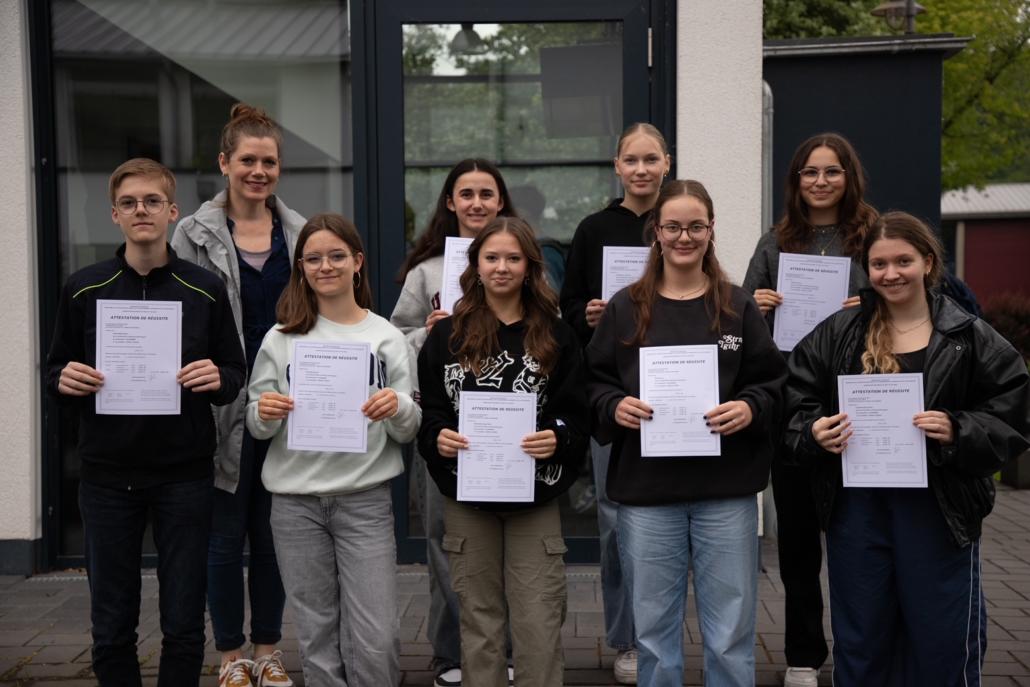
This year, many younger students also took the plunge to earn the DELF, the European-recognized French language diploma, and successfully passed their first DELF exam at the A1 level. We are delighted that Emma Edelmann, Hannah Fischer, Felice and Sophie Gurschi, Mattis Hoffmann, Lotta Steinfeld, and Anna-Lena Wilhelm from 8th grade passed the exam.

There were also great results in the upper grades. Lina Hoyer from 10th grade achieved the A2 level. Dihia Emilia Ouaissa demonstrated her skills with an outstanding result on the most challenging school exam at the B2 level. With a few practice sessions in class and some individual practice at home, the students mastered the challenge.

The oral exam took place on a Friday afternoon in Giessen, and the written exam took place at the Steinmühle on a Saturday morning.

We are delighted by this extracurricular involvement and extend our warmest congratulations to everyone.

Congratulations!

Our photo shows the students with their teacher, Kristina Sokoli.

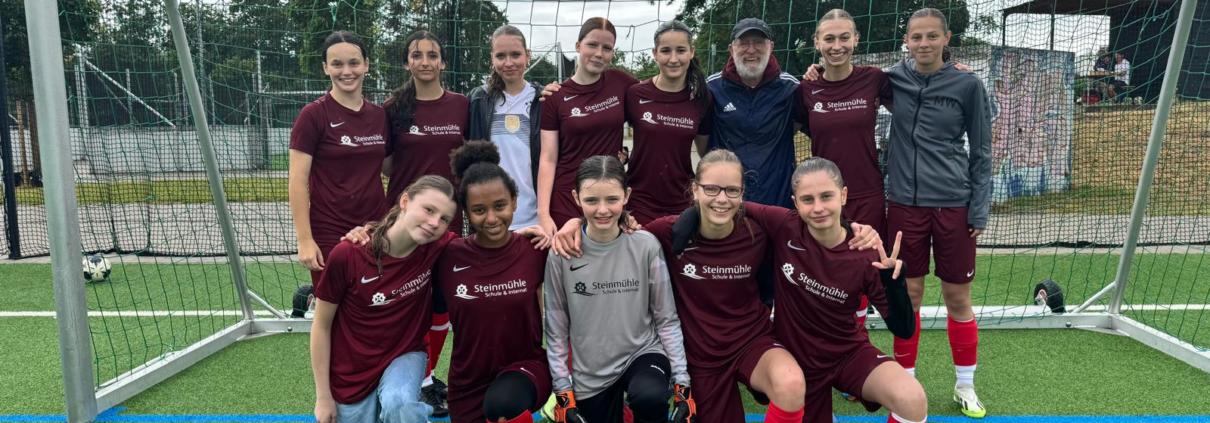
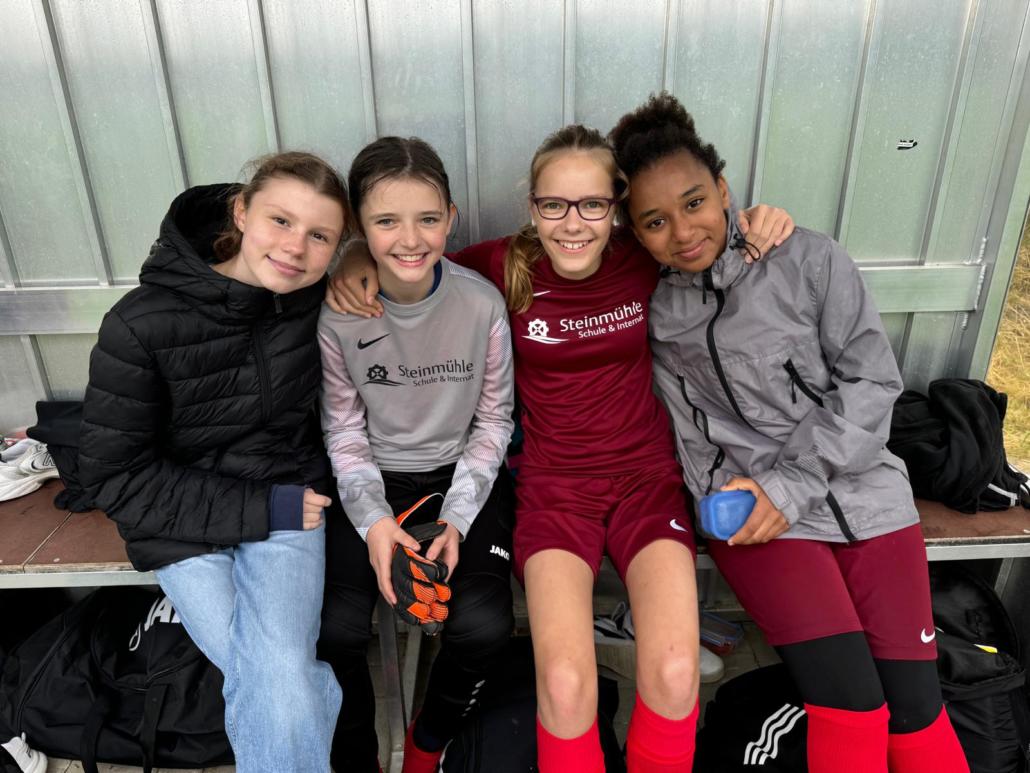
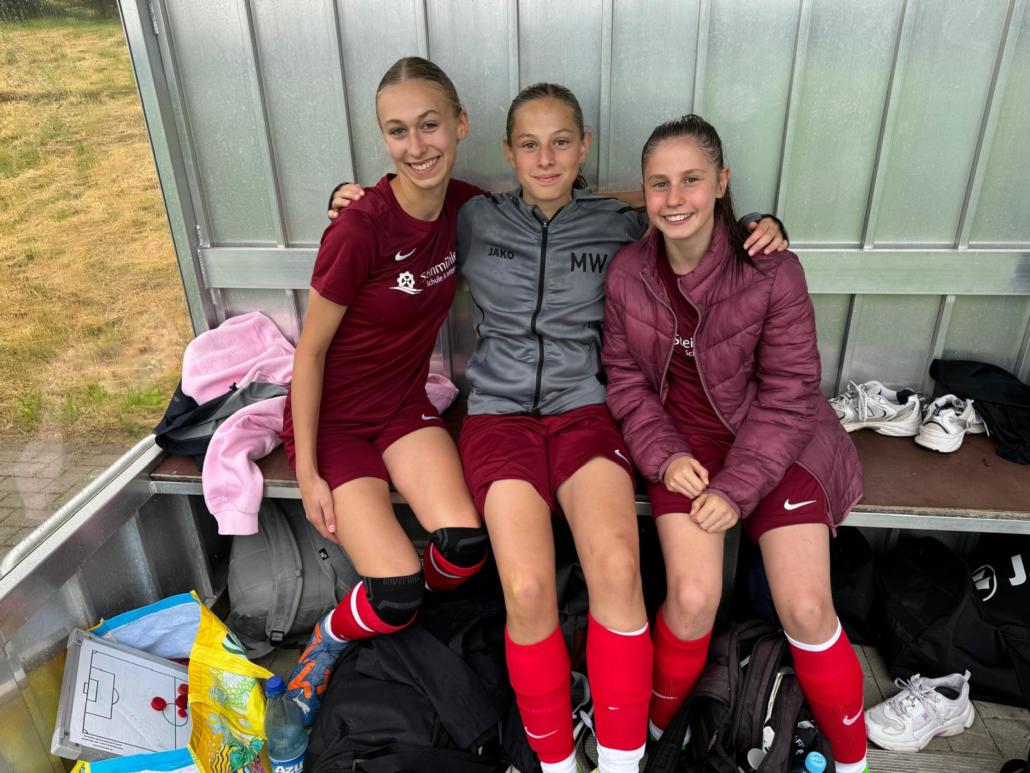
Podium finish at the Hesse Championships for the Steinmühlen women’s soccer team in Competition Class III: After winning the regional round of the “Youth Training for the Olympics” competition, the team led by Coach Lothar Potthof took home the bronze medal in Frankfurt, making them the third-best women’s soccer team in Hesse in their division.

At the regional tournament, they had three wins against Taunusschule, Gesamtschule Schlitzerland, and FvSS Wetzlar—along with two ties against IGS Busecker Tal and Gymnasium Oberursel, which had won the state championship two years ago. As always, our team played with great dedication and shone thanks to a cohesive team effort. Full of hope and enthusiasm, our players then set off for Frankfurt to compete in the Hesse finals.
At first, things were looking pretty good—despite the pouring rain, our women’s soccer team made it to the semifinals. Perhaps, in the end, they were too cautious and nervous. An unfortunate back pass ultimately led to a 0–1 loss to the team from Offenbach.
Your performances were still fantastic, girls! We want to say a huge thank you—both to our female soccer players for their dedication to the sport and to Lothar Potthoff for his great commitment. We’re already looking forward to seeing more from you! Keep up the great work!

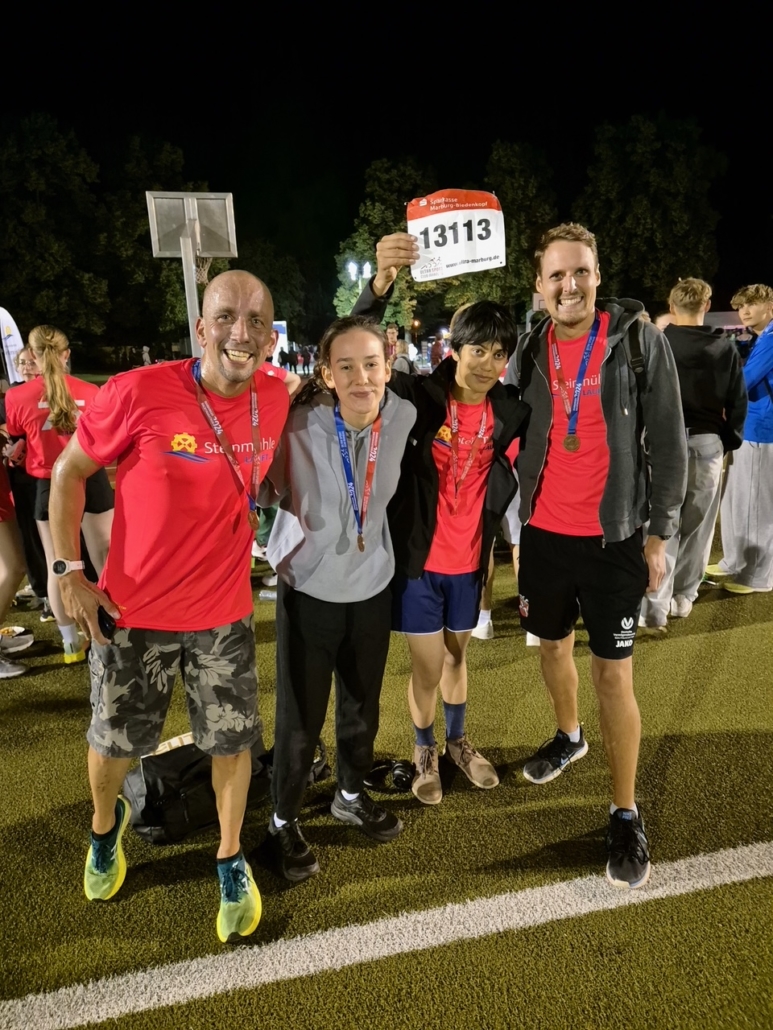
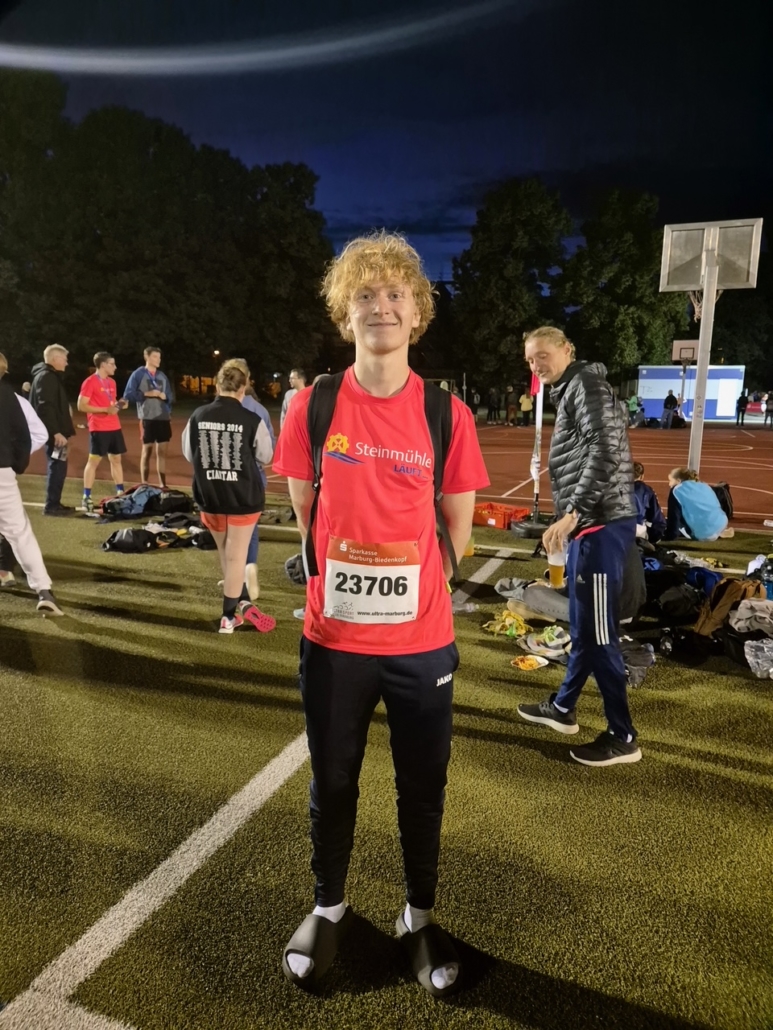
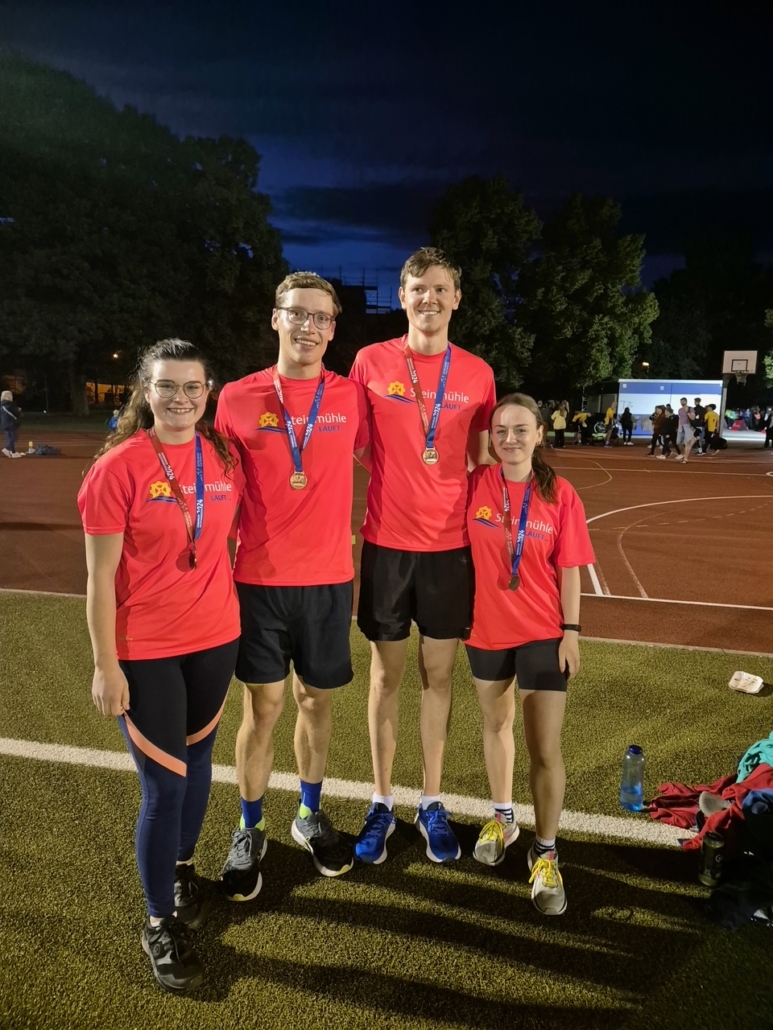
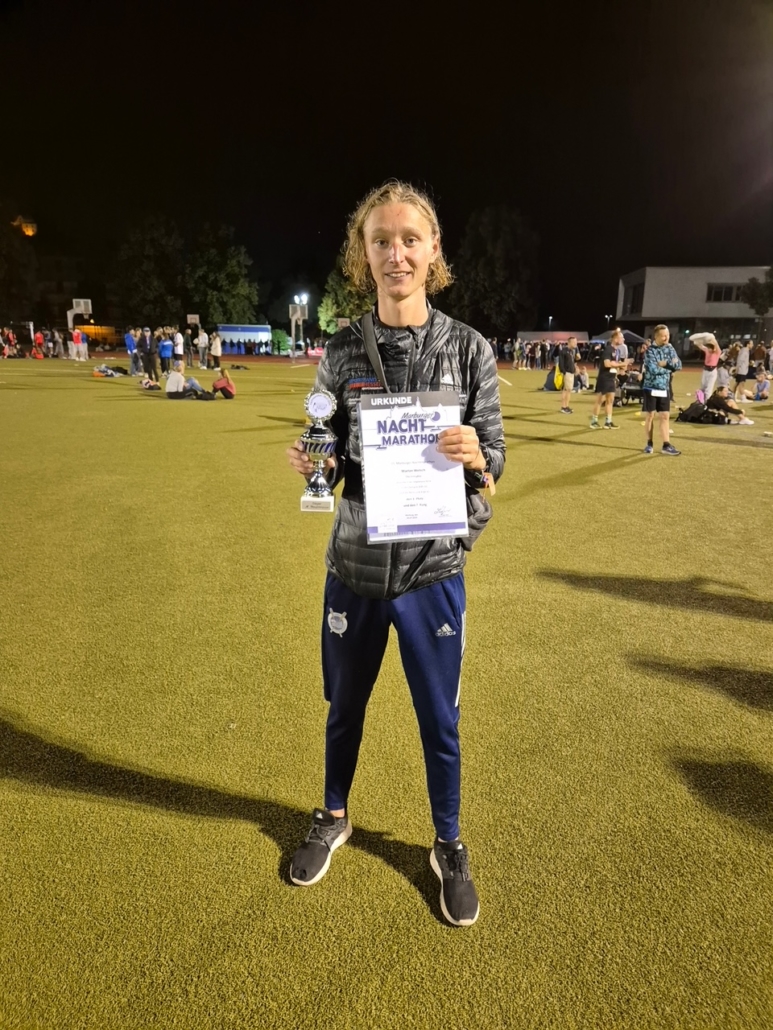
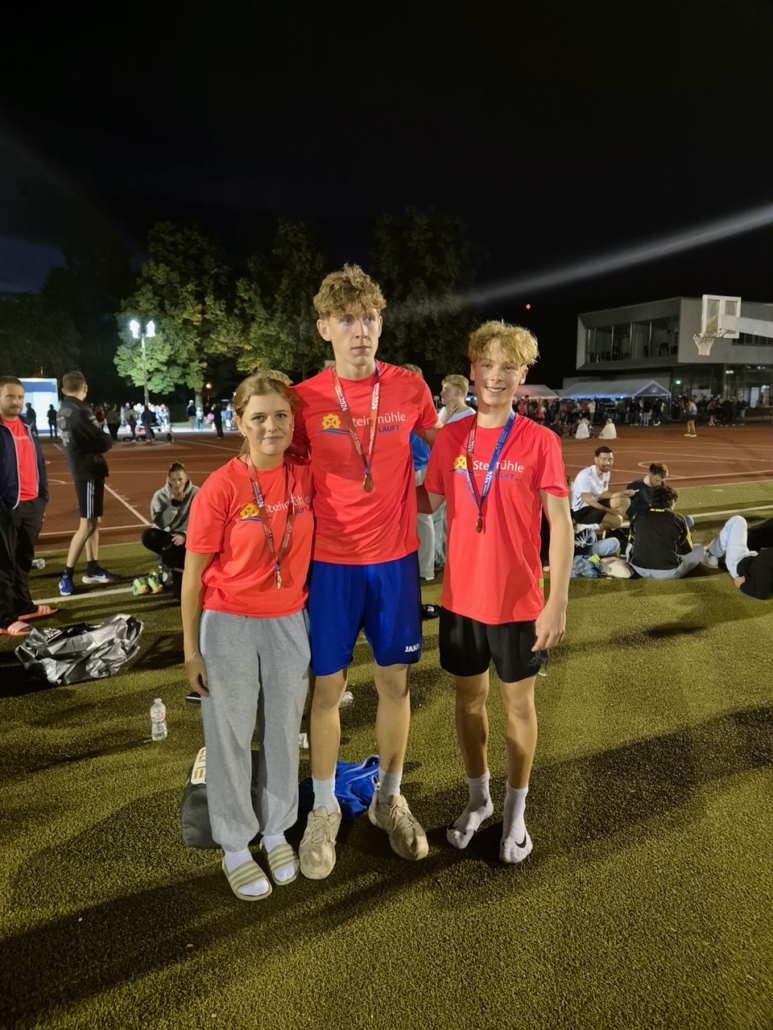
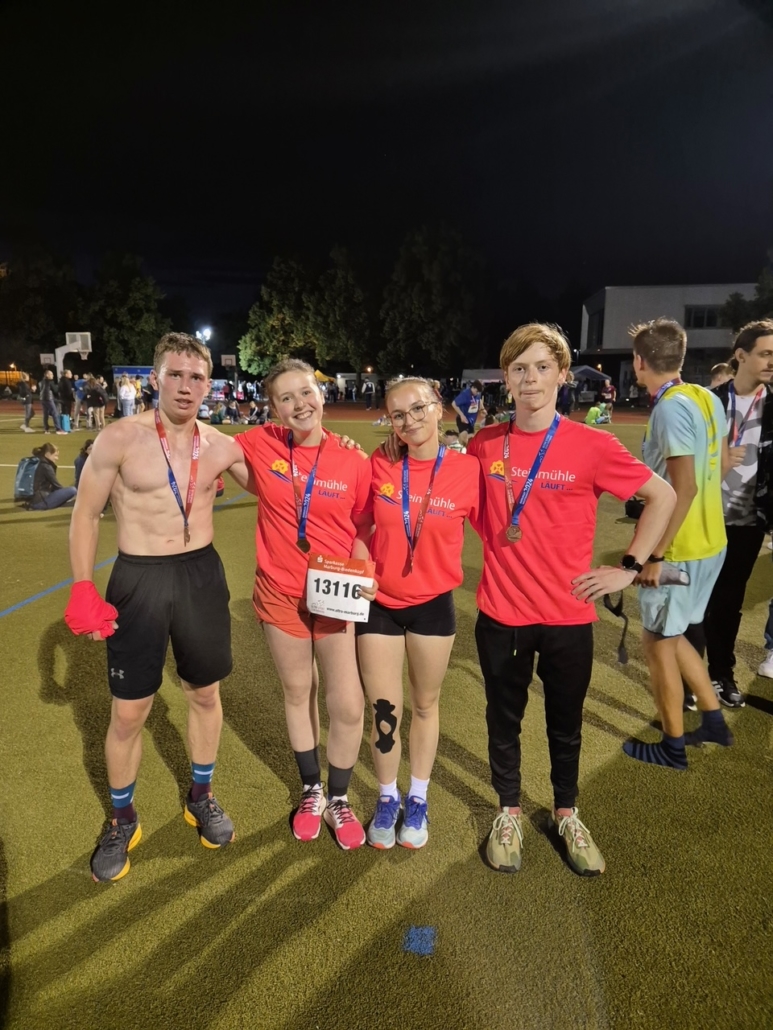
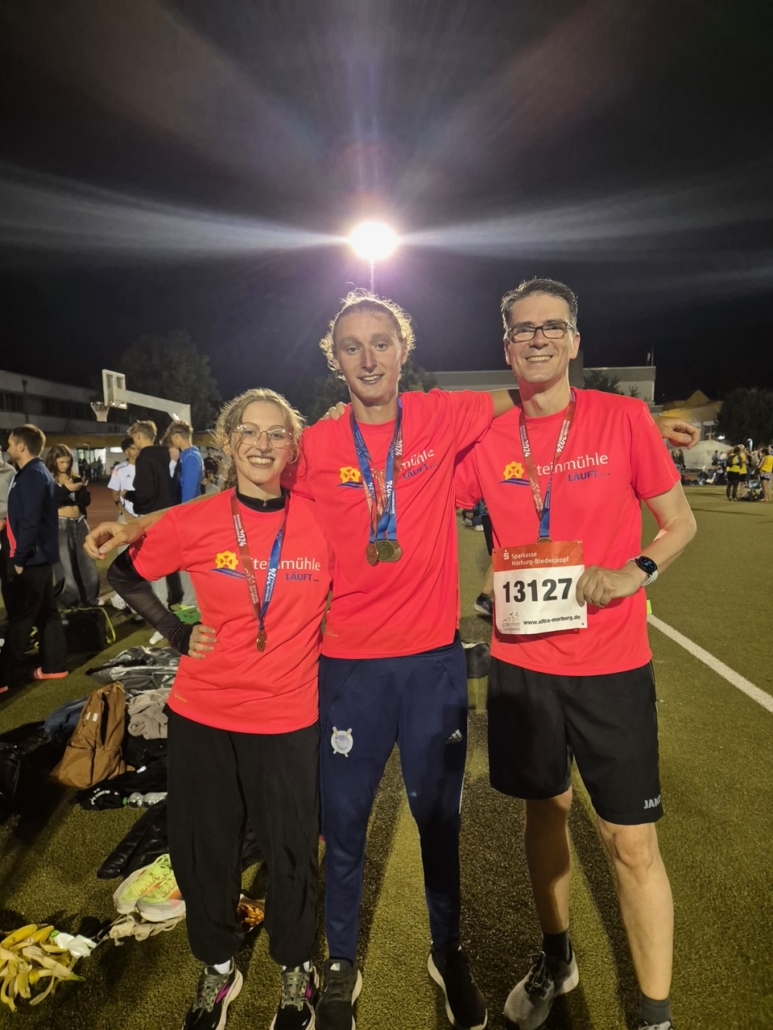
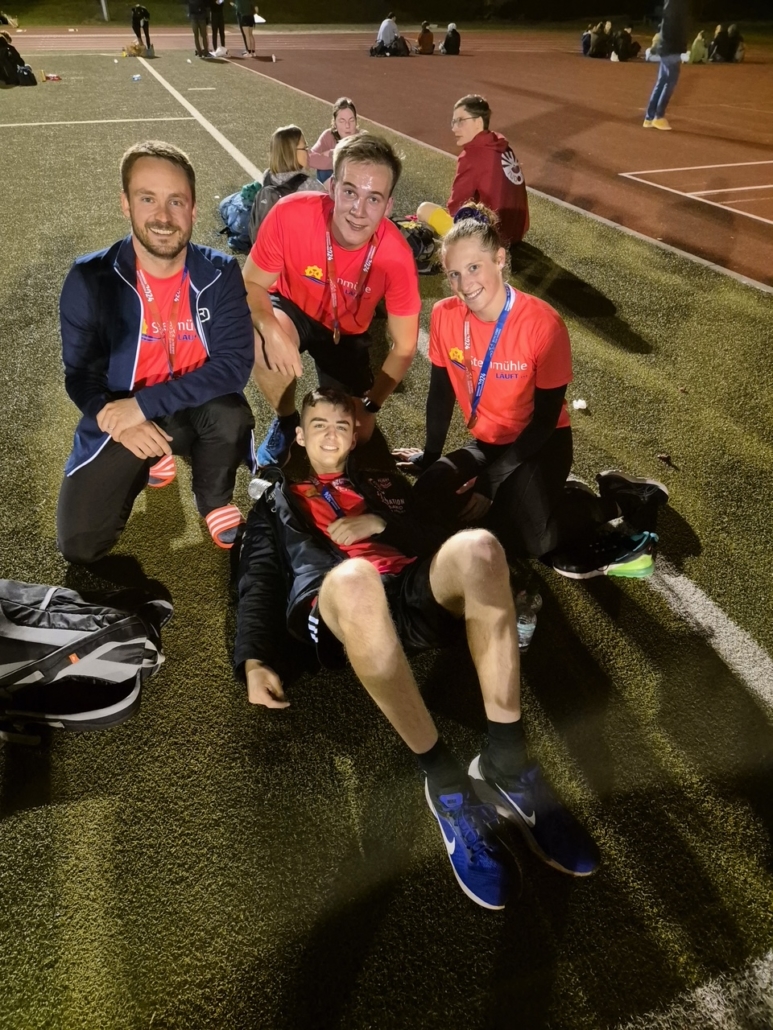
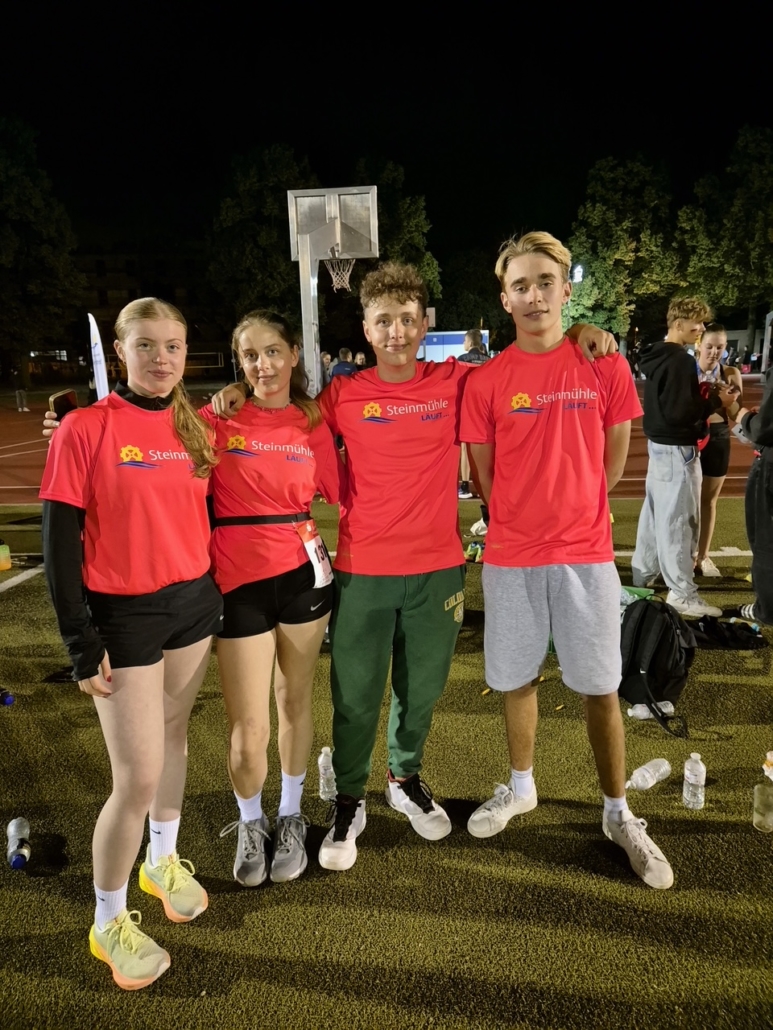
With nine relay teams, three half-marathon runners (Leon Vielhaben, Ron Owen, and Clara Freudenstein), and one marathon runner (Marlon Welsch), Steinmühle was once again the largest group of runners at this year’s Marburg Night Marathon.

The groups were diverse, meaning they were mixed in terms of running ability and not focused on achieving particularly high rankings. Fun and camaraderie were once again the main priorities this year, reported Principal Björn Gemmer, who successfully participated in the race. His group secured the top spot among those who finished. The fact that this particular group didn’t have a name—and that this was even noted on the certificate—was a minor source of amusement.

The following photos, showing all participants, depict—in no particular order—those who started the Marburg Night Marathon at the Steinmühle.

Have fun scrolling!


The Duke of Edinburgh’s International Award is a new elective course offered at Steinmühle for students aged 14 and older. The program is offered in over 130 countries and was developed to encourage young people to learn new skills, get involved in community service, promote physical fitness, and experience adventure. Upon successful completion at the end of the school year, participants receive the Duke of Edinburgh’s Award, which consists of a pin and a certificate and is internationally recognized. The program consists of four main areas: Service, Skills, Fitness, and Expedition. By participating in various activities within these areas, participants can earn Bronze, Silver, and Gold awards, each of which has different requirements and presents an increasing level of challenge. Steinmühle will begin with the Bronze level in the coming school year. Everything is documented in an online record book and ultimately verified by assessors. At the end of the school year, the nature expedition takes place. In groups of 4–7 students, the students must independently carry out a two-day, one-night expedition in nature—without technical aids—to complete a specific “research assignment” or expedition goal. The expedition is unaccompanied, meaning the students set out together on foot along a route they have chosen themselves—armed with a map and a backpack—and then spend the night in a tent before continuing the next day. At the end, they give a final presentation on their expedition and present their research findings. Prerequisites for the expedition are participation in expedition training and the completion of a shortened trial expedition.
Theresa Großer, along with René Schulenberg, Marc Bepperling, and Linda Hörner, will serve as Award Leaders in the coming school year. To prepare for this role, the team attended a training session together with Aylin Yüzgülen-Bienek. Currently, 25 students from the upcoming 8th, 9th, and 10th grades have registered. Principal Björn Gemmer thanked Theresa Großer for overseeing the certification process that Steinmühle had to complete to offer the program, and Frank Wemme for implementing it as part of the elective curriculum.

More information about the program is available at https://duke-award.de/

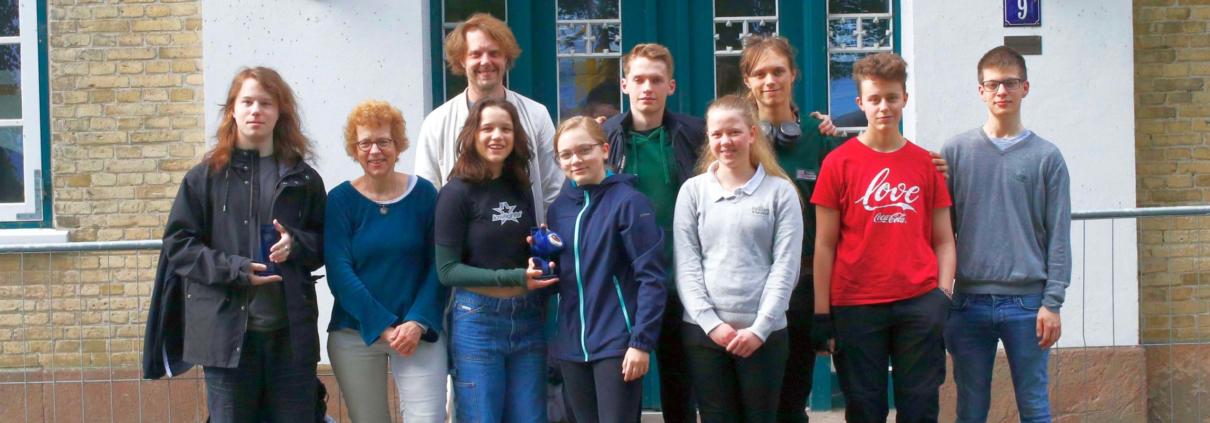
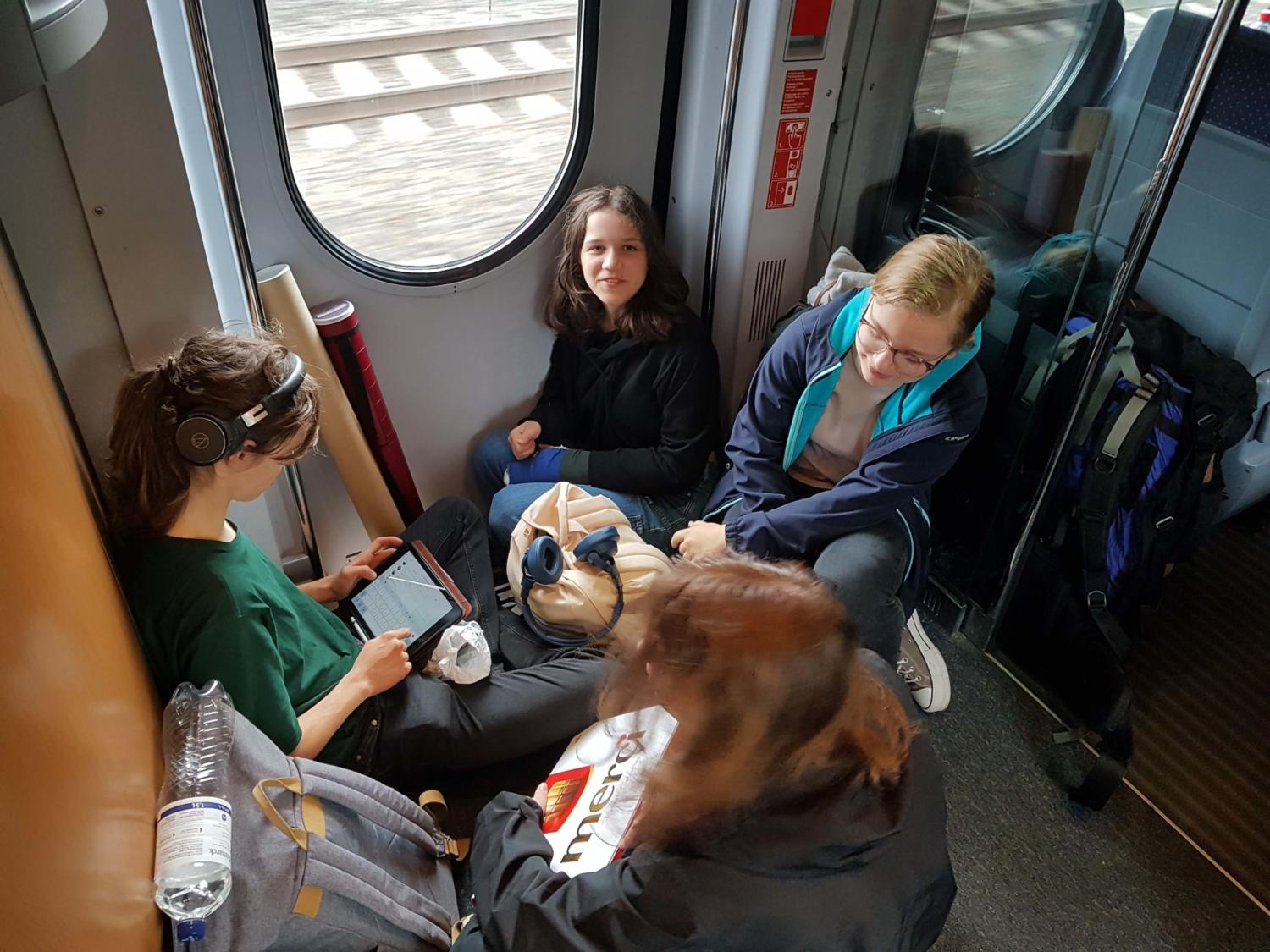
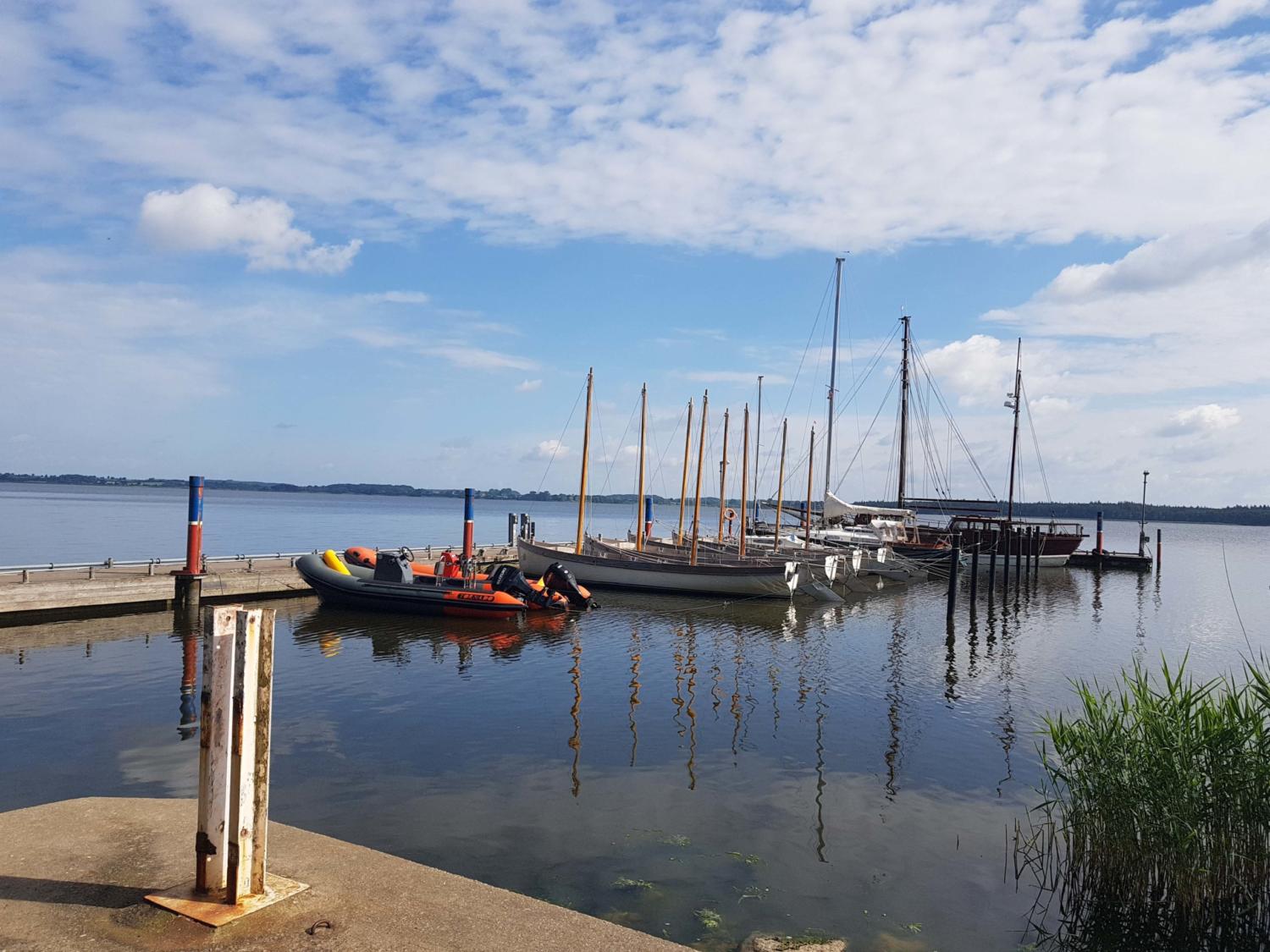
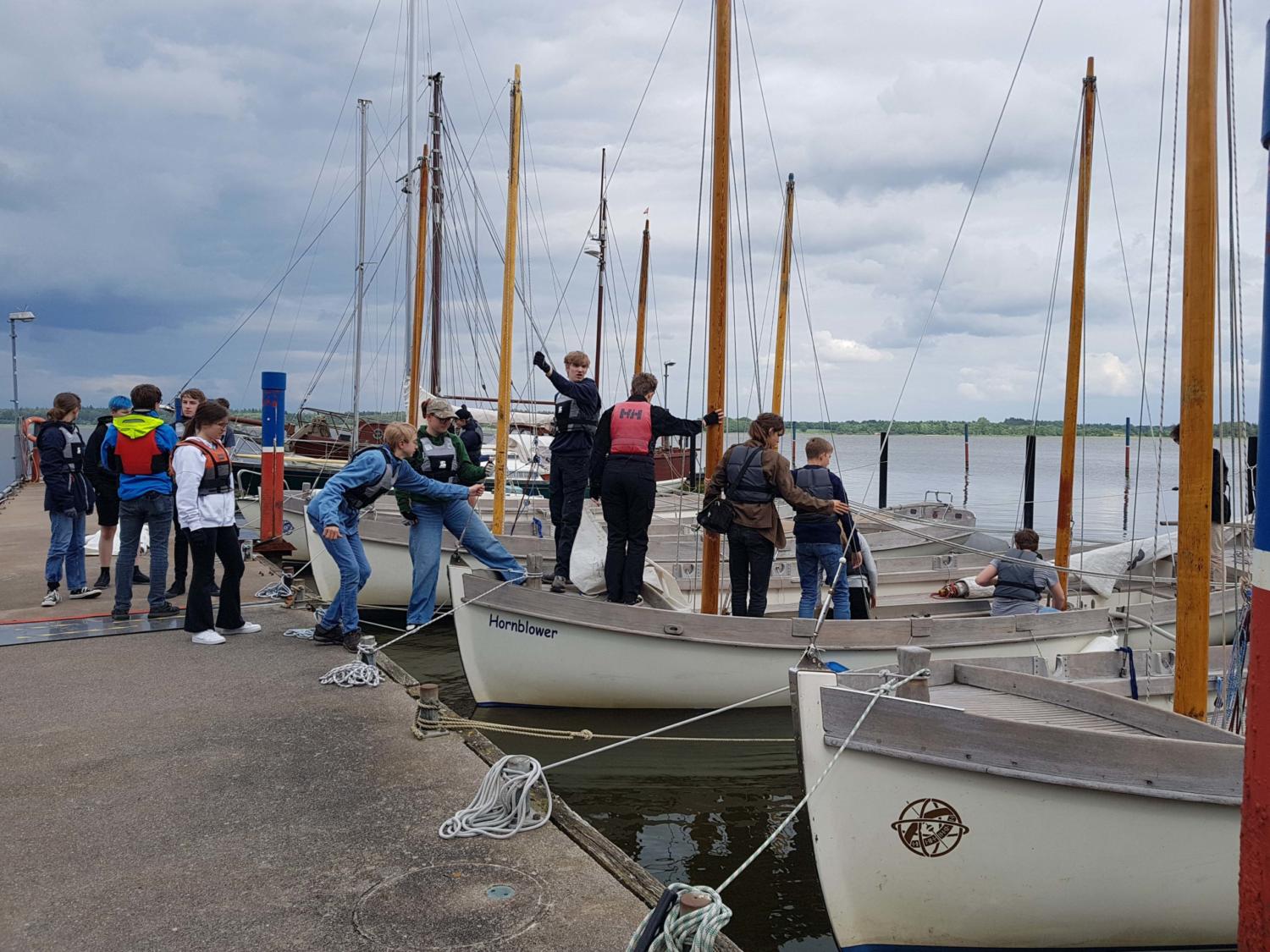
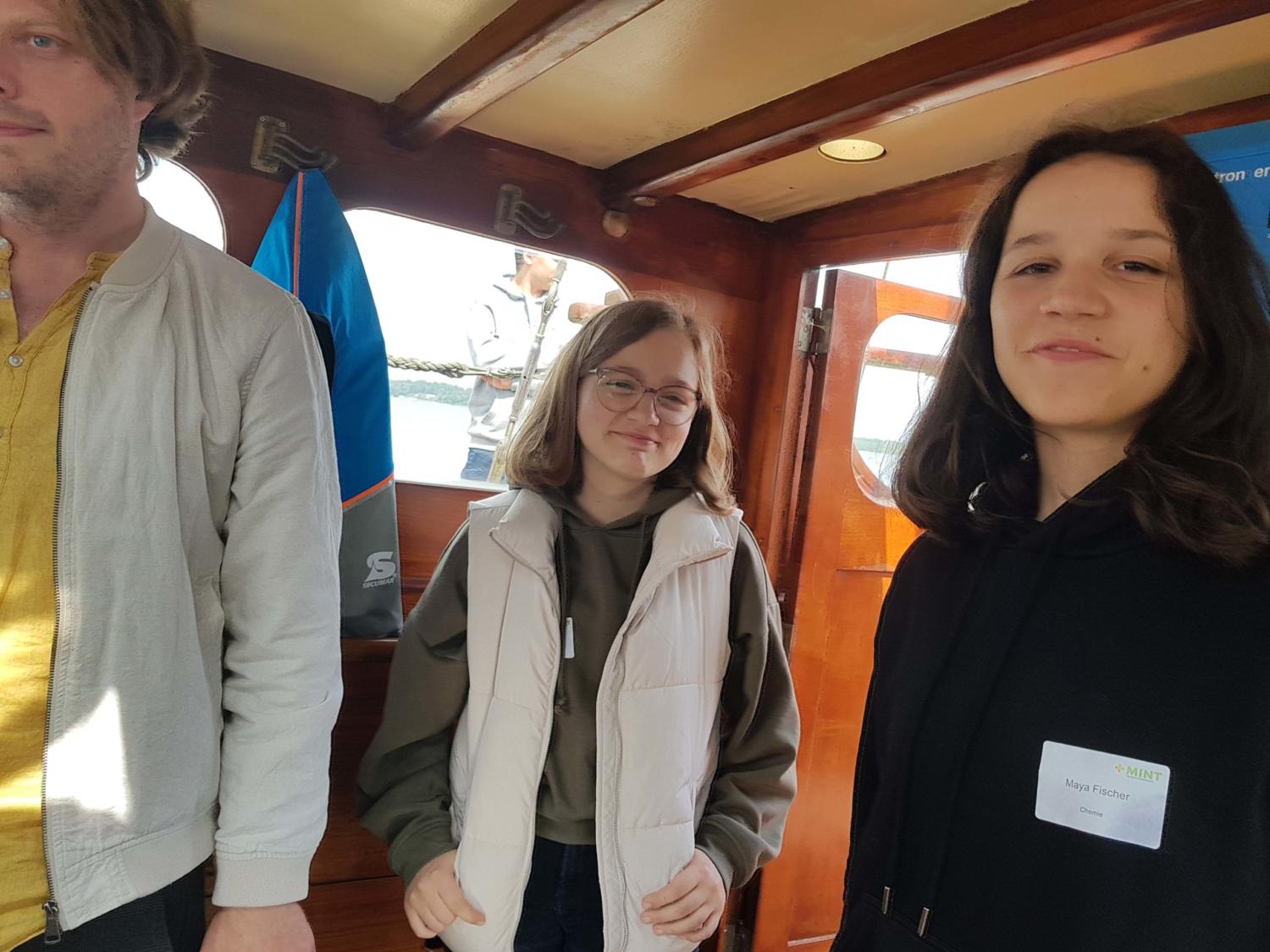
From June 6 to June 9, a delegation from Steinmühlen traveled to the MINT Campus 2024 in Louisenlund: Maya Fischer (Grade 7), Anna-Lena Griesler (Grade 8), Jonathan Kurz (11th grade), and Fabian Sotonica (12th grade) set off on the long journey to the Baltic Sea with their chaperones, Dr. Jutta Töhl-Borsdorf and Dr. Sven Freibert, where they had the opportunity to enjoy a fantastic program combined with a pleasant atmosphere.
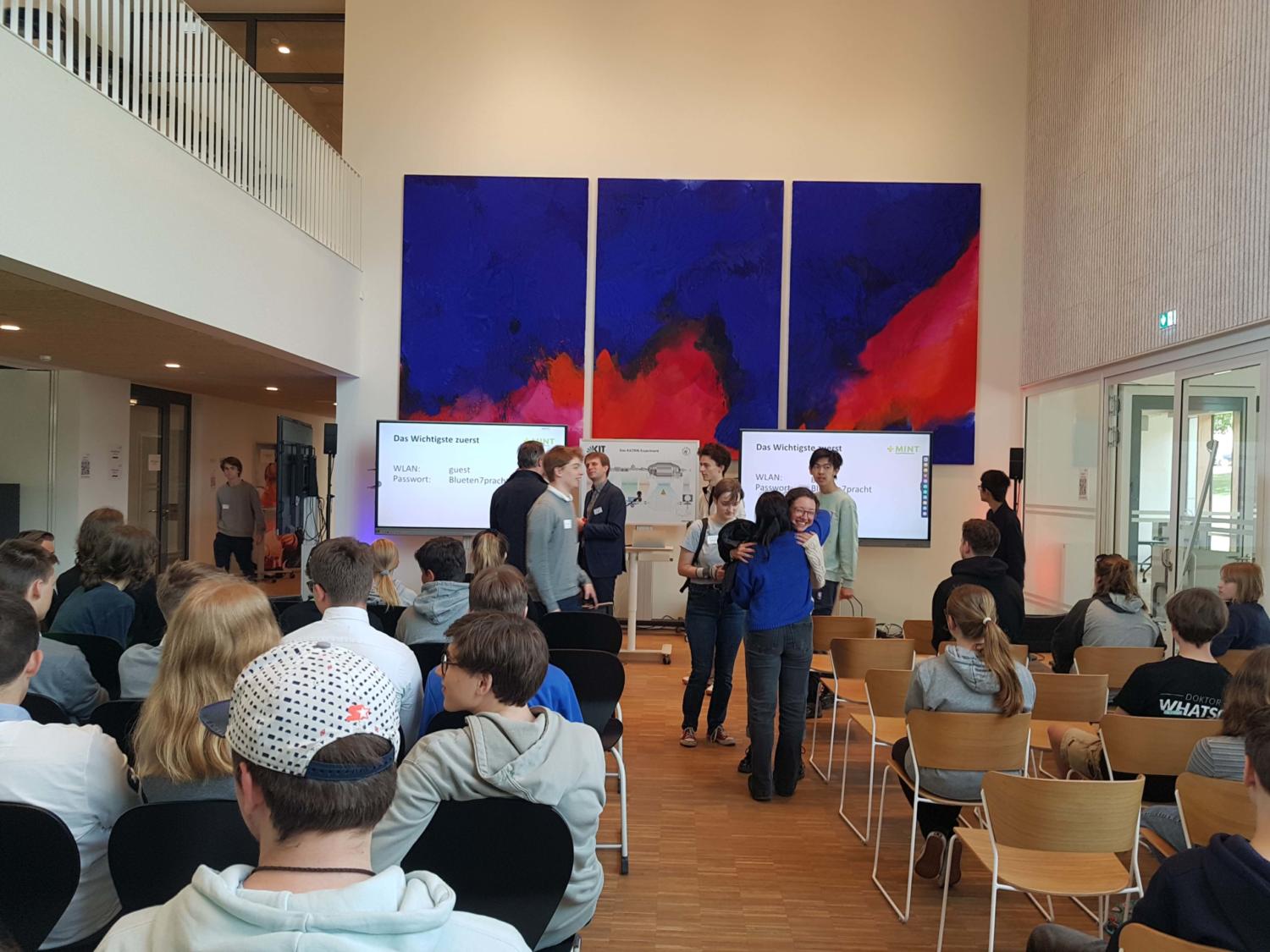
After the project booths were set up for the upcoming fair, the official program kicked off on Friday morning with a keynote talk by Dr. Caroline Rodenbeck from the Karlsruhe Institute of Technology (KIT) on the KATRIN experiment and neutrino mass—a complex topic presented in a clear and accessible way. This was followed by the main event—the fair, where everyone had the opportunity to present their current projects to a jury and the public. The event was divided into three categories: Math/Computer Science/Engineering; Biology/Environmental Sciences; and Physics/Chemistry. The wide range of topics provided ample opportunity for interesting discussions.
Shortly after the fair ended, an evening program began with a pub quiz, where participants had to answer questions from various categories in small groups at their tables. This was a pleasant way to get to know each other better. Afterward, we had time until midnight to chat with other participants outside the “school” setting, which created a relaxed atmosphere.
 

Workshops and Relaxation

On Saturday, the event began with workshops on various topics, followed by another keynote talk by Prof. Dr. Mira Pöhlker from the Leibniz Institute for Tropospheric Research on the topic of aerosols, and the event concluded with the awards ceremony. In the Biology/Environmental Sciences category, Fabian Sotonica won the prize for his “Boat” project. Maya Fischer and Anna-Lena Griesler received the prize in the Physics/Chemistry category. These were truly great achievements that we were all delighted to celebrate!
Last but not least, even the audience voted for Maya & Anna-Lena, so they can call themselves the “Winners of the Hearts.”

After a brief wrap-up with snacks, the plan was to go sailing as an optional extra activity, but that literally fell through. Unfortunately, due to the weather, this part of the program had to be canceled. Nevertheless, we were able to relax with a few games and snacks and bring our stay at Louisenlund to a close. Over the course of these just under four days, a truly wonderful sense of community developed, and we’re all glad we were there! After saying our goodbyes the next morning, we set off on our journey back to Marburg.

Anna-Lena Griesler & Maya Fischer

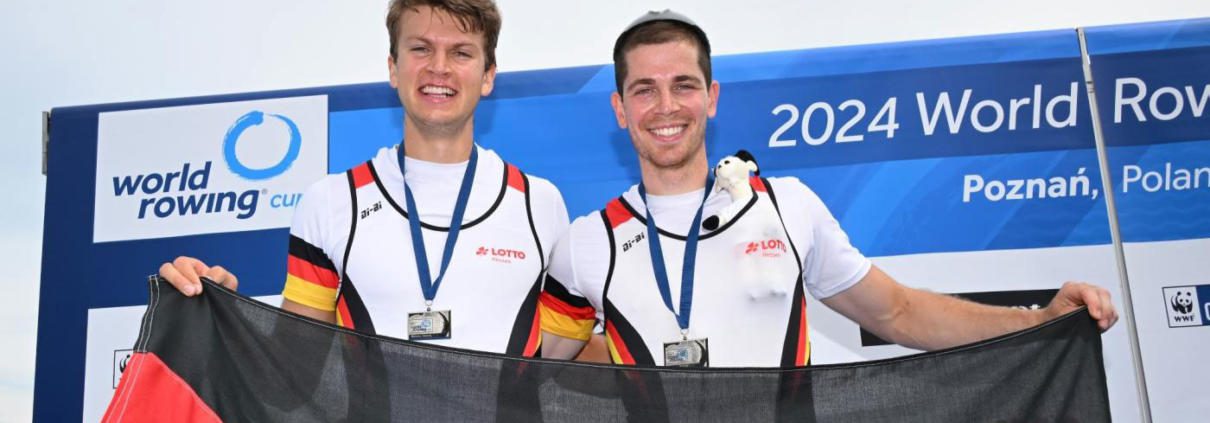
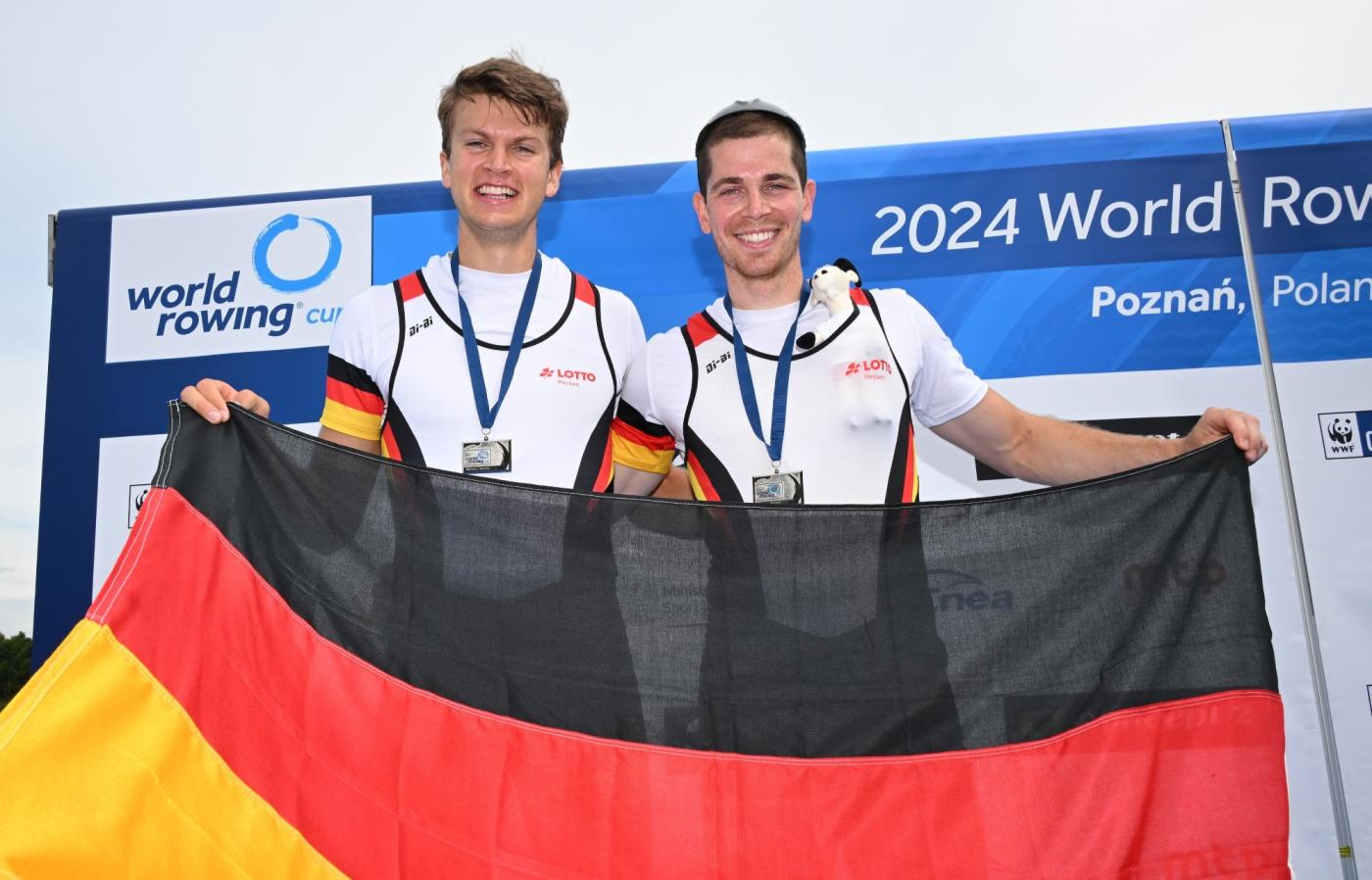
Congratulations on their podium finish: Marc Weber (RuS Steinmühle Marburg) and Jonas Gelsen (RC Nassovia Höchst) won the silver medal in the doubles event at the final World Cup before the Olympic Games in Poznan, Poland! In a thrilling race, the German duo demonstrated their outstanding skills against a world-class field.

In the race, Marc and his rowing partner clocked a time of 6:27.72 minutes, securing second place behind the Irish team, which took first place with a time of 6:25.28 minutes. The New Zealand team followed closely behind with a time of 6:28.41.

Winning the silver medal is a major achievement for “our” two guys and gives them a huge boost of motivation for the upcoming Olympic Games. The duo is officially competing this season under the name “Lottozweier,” as Lotto Hessen is so convinced of the athletes’ rowing abilities that the company has joined their ranks of supporters as part of a sponsorship agreement.