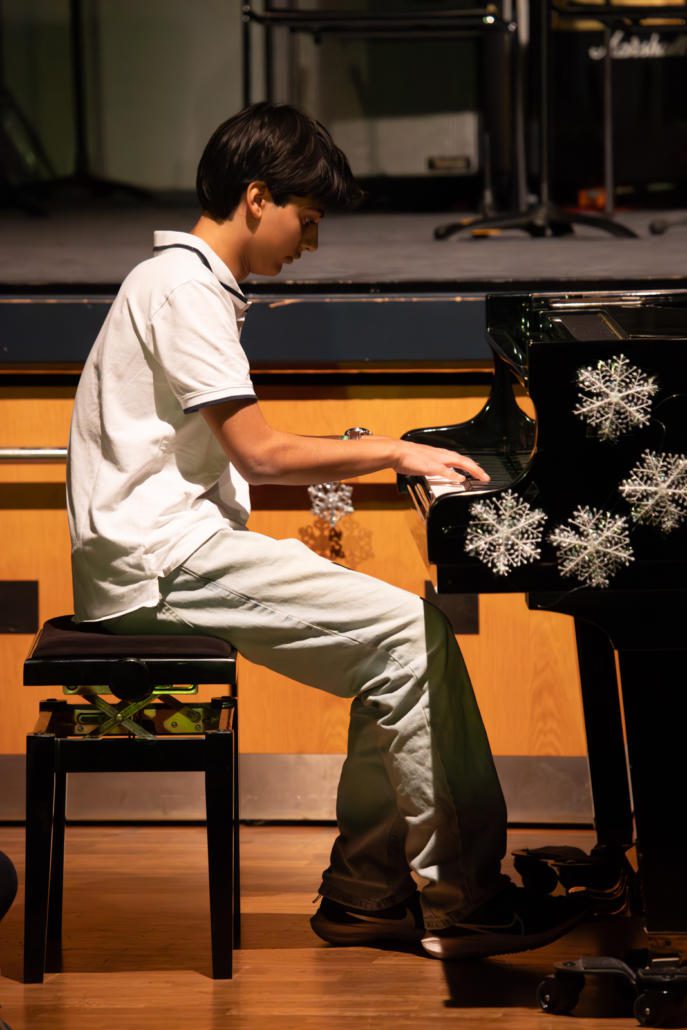
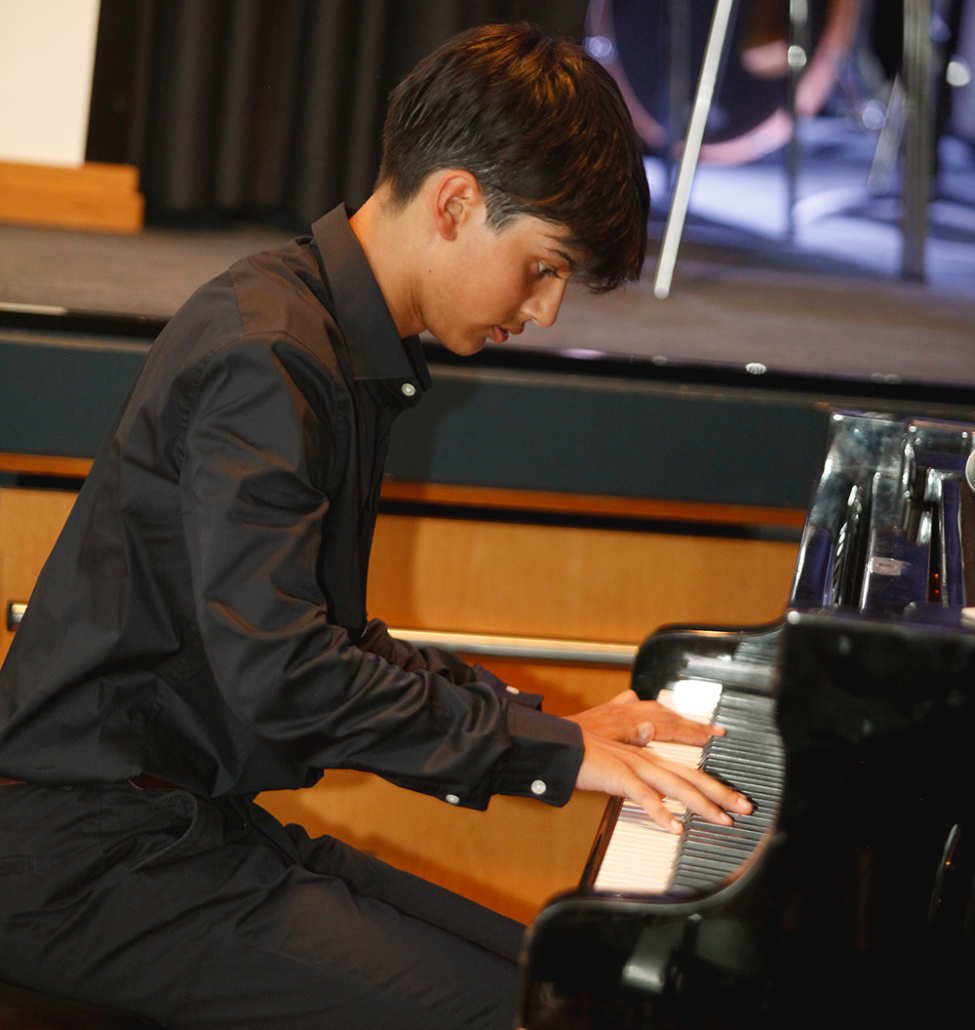
Music lovers have surely already seen the young man with dark hair playing the piano at events at the Forum. Gojus Kanes, a boarding student at Steinmühle, loves this instrument—and it shows. Last school year, he took on the challenges of the “Jugend musiziert” competition, first at the regional level, then statewide. He placed third—and anyone familiar with the competition knows that’s no small feat.


Three hours of practice a day

Gojus has been at Steinmühle for a good year now. He has made the Steinmühle boarding school in Marburg, Central Hesse, his home and is happy about it: “I like it here.” In public, he tends to keep a low profile and defines himself through his piano playing. He has devoted three hours a day to this art since he was 13.


Piano Performance and Presentation at the Competition

At the Steinmühle concerts, a variety of works are performed. One composer he personally admires is Mikalojus Konstantinas Ciurlionis from Lithuania. “He’s considered the national composer there,” Gojus explains, describing how he traveled to that country himself, following in Ciurlionis’s footsteps to transcribe his piano music—a task that wasn’t all that easy. Gojus Kanes also dedicated his presentation to Ciurlionis at the “Jugend musiziert” state competition in Schlitz, which required not only a musical performance at the piano but also a verbal presentation before the four-member jury. The student presented his knowledge of the composer on the occasion of the 150th anniversary of his birth, which was all the more interesting given that Ciurlionis left behind not only passionate musical works for posterity but also paintings—from the early days of abstract art—through his concurrent career as a painter.


Significant research effort

“You can find practically no works by this artist online,” Gojus had noticed during his research. Untitled pieces, cataloged late, and suppressed in terms of distribution—these were the reasons for the great effort the boarding school student had to expend to obtain information and to be able to dedicate his piano performance and lecture to the Lithuanian national composer Mikalojus Konstantinas Ciurlionis.


Possible career goal: Something related to music

This makes his outstanding placement in the “Jugend musiziert” competition all the more wonderful and well-deserved. Charlotte Schmidt-Schön from the Marburg Music School had encouraged him to participate; “I’d never done anything like that before,” he says. It remains to be seen whether Gojus will enter other competitions, and his career goals are also still up in the air. He knows that making a living through music is rather difficult. But he doesn’t completely rule out the possibility that the piano could play a role in that.

Angela Heinemann
 

The Steinmühle won both the “School Cycling” and “City Cycling” competitions organized this year by the university city of Marburg, reported Principal Björn Gemmer, who proudly added: “This makes us not only the most active school when it comes to cycling, but also the most active company in Marburg.”

Every summer, the city organizes a three-week “City Cycling” campaign for businesses. One subcategory is dedicated to “School Cycling.” There are many reasons to get around by bike: health, reducing CO2 emissions, or cost savings—whatever your personal priorities may be.

A huge lead over the runners-up

Teachers Ines Vielhaben and Antje Seel were the main ones to drum up support within the Steinmühle school and boarding school community, encouraging students to register for the competition and to get around primarily by bike during the period from May 24 to June 23. Steinmühle ultimately accounted for 196 of the 1,274 active cyclists registered in the competition and logged an incredible 32,662 kilometers. This represented a significant lead over the next-ranked participating company, which cycled 27,4423 kilometers, and a huge lead over the second-place school, which managed just under 14,000 kilometers.

The City of Marburg recognized Steinmühle’s outstanding results with a certificate in both categories—City Cycling and School Cycling—as well as a cash prize of 250 euros. Principal Björn Gemmer and teacher Ines Vielhaben accepted the awards and prize from Mayor Nadine Bernshausen (center). Steinmühle would like to thank everyone who contributed to this success—including those who were inspired to get on their bikes even if they don’t usually cycle very far. Perhaps we can make cycling a habit more and more often.

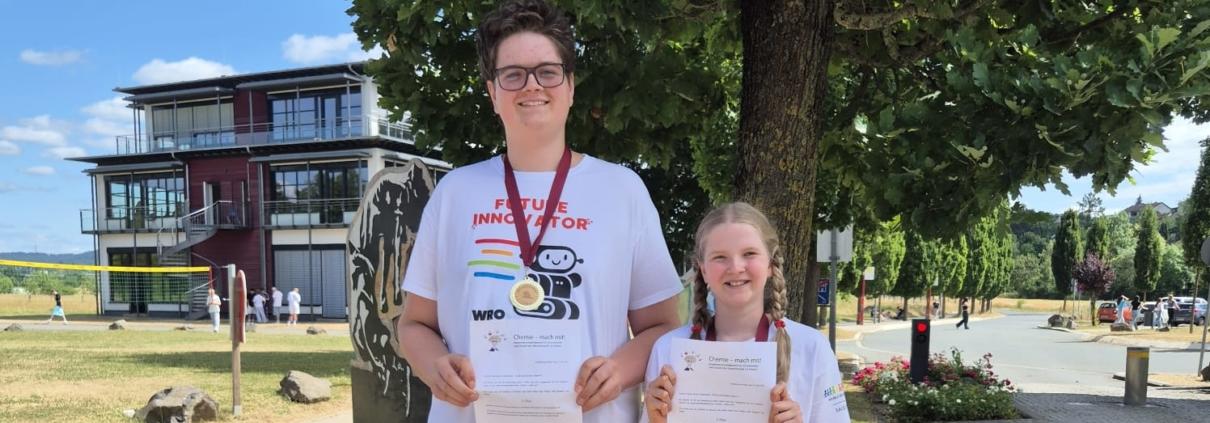
Felix and Sophie Sacher had just received their invitation to the World Robot Olympiad (WRO) World Finals in Singapore when the next award came in for the young scientist siblings from Steinmühle: They took third place in the 47th edition of the Hesse-wide experimental chemistry competition “Chemie – mach mit!” (Chemistry—Join In!), organized by Dr. Jens Salzner and his team at Goethe University Frankfurt am Main.
Steinmühle would like to thank both of you and your advisor, Dr. Jutta Töhl Borsdorf, our school’s STEM coordinator, for your interest and enthusiasm in science projects and competitions. You’re a great team, and we’re delighted that you’ve been invited to the awards ceremony in Frankfurt at the end of the year. We’re also looking forward to everything that’s still to come!

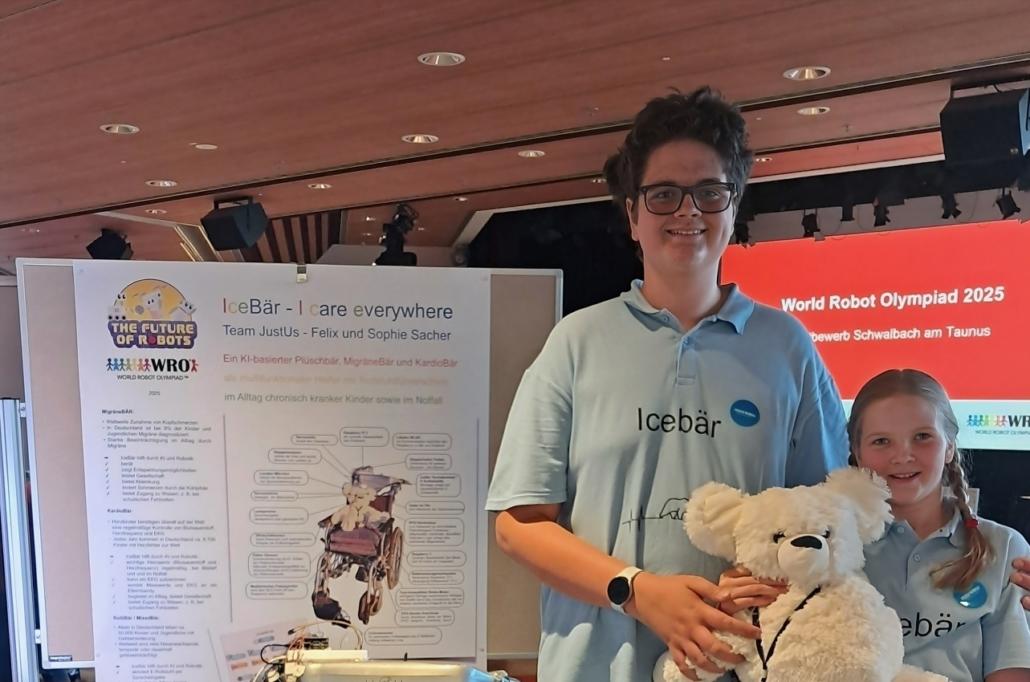
Felix and Sophie Sacher, a pair of siblings from Steinmühlen School, have shared some amazing news with us: At the World Robot Olympiad (WRO), the ninth-grader and fifth-grader qualified for the world finals in Singapore in the “Future Innovators” junior group with their project “Ice Bär – I care everywhere.” From November 26 to 28, up to 500 teams from 80 countries are expected to compete there.


Project Description

It is the central component and also serves as the title of her project: “IceBär – I care everywhere.” The “IceBär” is a highly complex system for this age group, consisting of various modules and biometric sensors. An AI-based stuffed bear with an integrated ECG and computer serves as a multifunctional assistant—complete with a “wheelchair license”—in the daily lives of chronically ill children as well as in emergencies. The target groups are young migraine sufferers, young people with heart conditions, and young people with mobility impairments. The technology provides a cooling function for migraines when needed or, in the case of heart problems, important cardiac readings, which it can also transmit. Through a voice function powered by generative AI, it can also provide emotional support. The combined electric wheelchair can start and stop, and the IceBär responds to voice commands.


Two Jack-of-all-trades

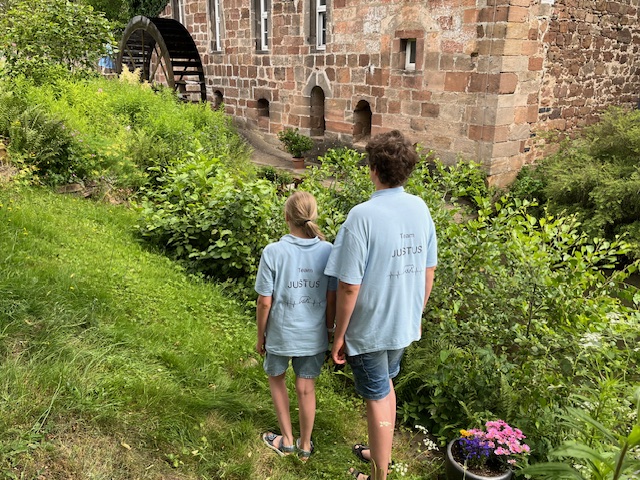
The two young inventors came up with the entire technical design and even tailored the IceBear’s shaggy plush fur themselves. The IceBear is designed for children between the ages of 3 and 17. It could be used at home, in children’s hospitals, or in emergency medicine. The Sacher siblings, who have given themselves the double-entendre name “Team JustUs” (just us—or, in Latin, “just”), envision numerous applications and opportunities for further development of the system.


A victory by a wide margin

In the competition, the “Future Innovators” teams were tasked with developing a robotic solution that combines AI with robotics to improve people’s lives. “Out of a total of 111 teams in Future Innovators Germany, we were the only ones left in our ‘Junior’ age category at the German finals, and we’ll be representing Germany at the world finals in Singapore,” Felix and Sophie say happily. The siblings had already impressed the jury during the qualifiers for the German finals in the “Junior” age group, taking first place by a wide margin.


27-page document

In the competition, projects must be presented using working models, and technical questions must be answered on the spot. Entries were evaluated using a detailed evaluation form across various sections and categories: the idea, the technical solution, the presentation, and teamwork.

According to the jury, the project was not only presented in an outstanding and confident manner, but was also documented with impressive professionalism. Steinmühle had the opportunity to review the 27-page documentation, which was produced to the highest standards and demonstrates that young people are pursuing this project with heart and soul, convinced of its practicality for everyday use.


Fascinated by medical professionals and STEM teachers

Felix and Sophie have already interviewed several medical experts across Germany about their project, and they were encouraged by these experts to present it on the international stage. The STEM teachers at Steinmühle were also fascinated by the project when it was tested “live” at the school.

We’re curious to see how the IceBear’s journey will unfold and whether it will find supporters who might one day help bring it to market.


Well, if the upcoming school year goes as well for the class of 2026 as the Abi-Cup did, then we can sit back and relax. The future Steinmühlen high school seniors won this tournament against teams from other local high schools, took home the trophy along with 300 euros in prize money, and had hours of fun.

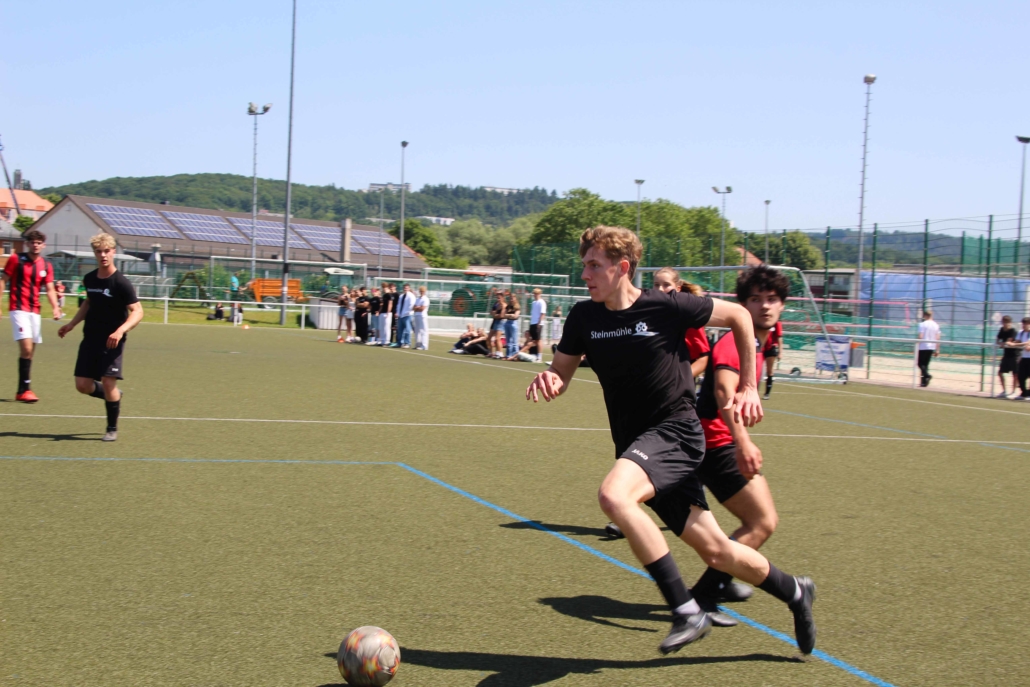
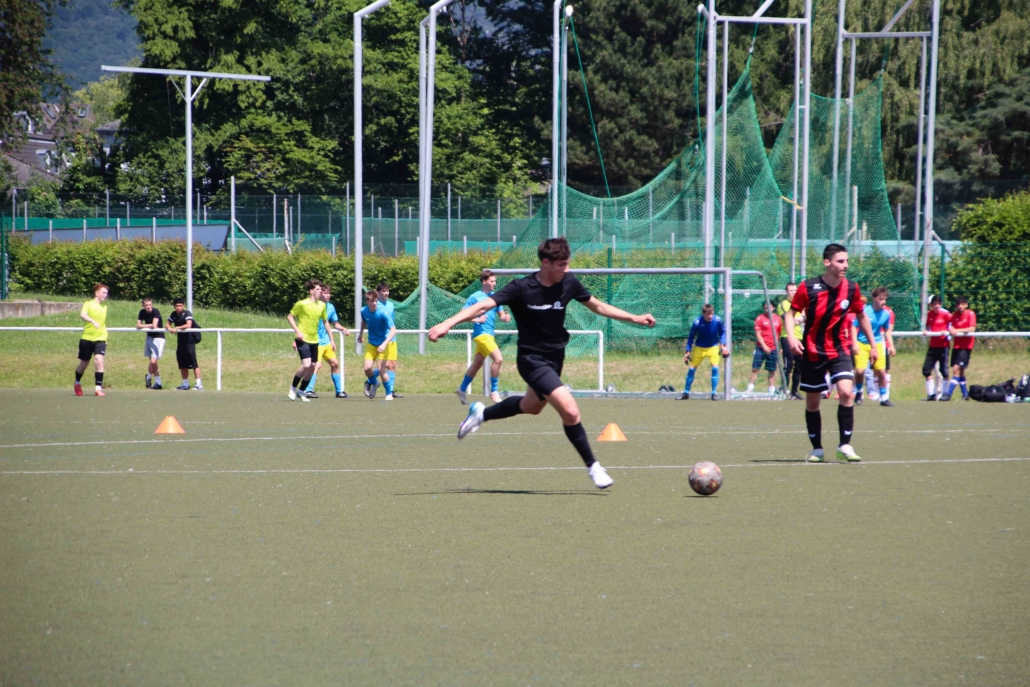
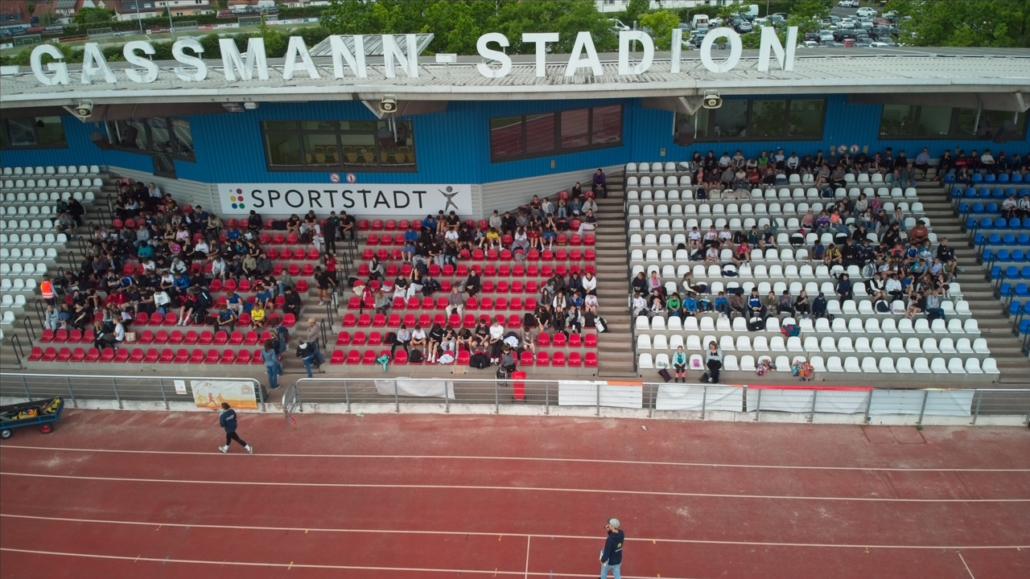
About 400 fans had gathered at the Marburg Sportpark to cheer on the teams from Steinmühle, Martin Luther School (MLS), Marburg Commercial Schools (KSM), Elisabeth School, Philippinum, and Alfred Wegener School from Kirchhain. Steinmühle got off to a great start right away. They dominated their opponent, Philippinum, from the very beginning and walked off the field with a 3–0 victory thanks to goals by Theo von Campenhausen, Tim Laukel, and Sinan Heinzmann.


The tension mounted

The intense match between Steinmühle and KSM ended in a 0-0 draw. Two well-prepared teams faced off against each other. In Game 3, the semifinal, our team emerged victorious with a 2–1 win over the Alfred-Wegener-Schule from Kirchhain. No doubt due to the fact that staying in the tournament was at stake, the level of physical play had intensified on both sides. The referee responded by issuing yellow cards to both teams. The goal scorers for Steinmühle were Tim Laukel and Ron Georg.


Game-winning goal by Theo von Campenhausen

In the fourth game, the final between Steinmühle and MLS, it wasn’t clear from the start how things would ultimately play out. The spectators witnessed a showdown between two strong teams, with MLS dominating the first half. In the second half, the tide turned, particularly with one shot on goal: Theo von Campenhausen’s goal gave Steinmühle a 1-0 victory and, with it, the tournament title.

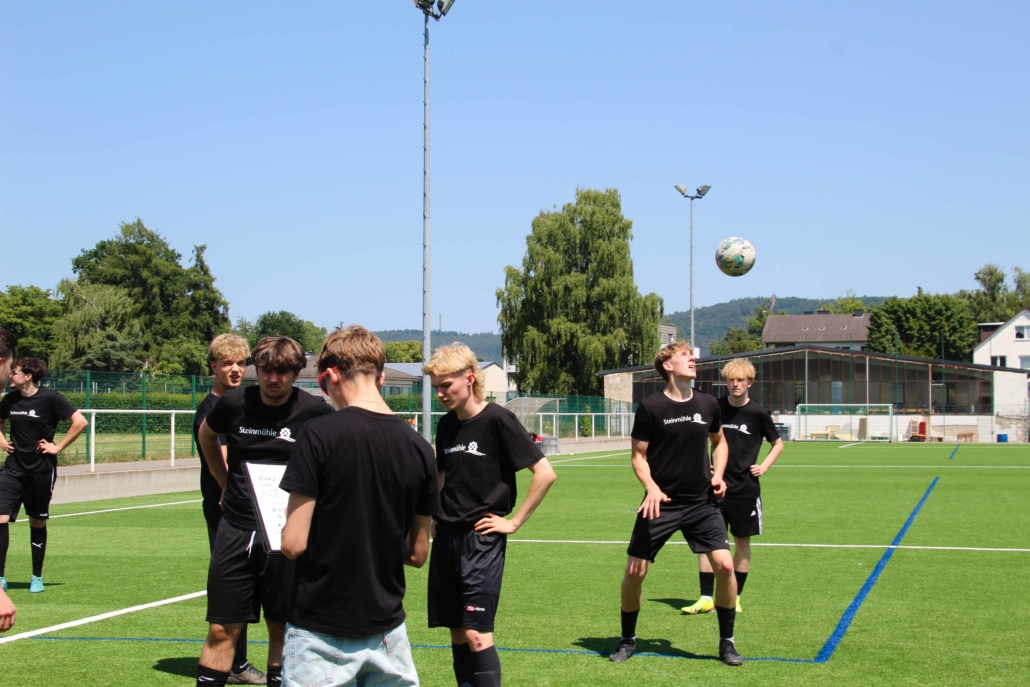
The Steinmühlen team consisted of Theo Seifert (coach), Ben Hantelmann (goalkeeper), Theo von Campenhausen, Damian Vogel, Leon Schmidt, Max Preidel, Laurin Immisch, Sinan Hinzmann, Victor Teres Loytved, Tim Laukel, Tim Gasparic, Ron Georg, and Luca Krantz. A special thank you goes to the last four players mentioned—all 11th graders—who stepped in to provide reinforcement and help the 12th-grade team cope with absences due to illness and injury.
 

Friends of the School Association Sponsored Jerseys

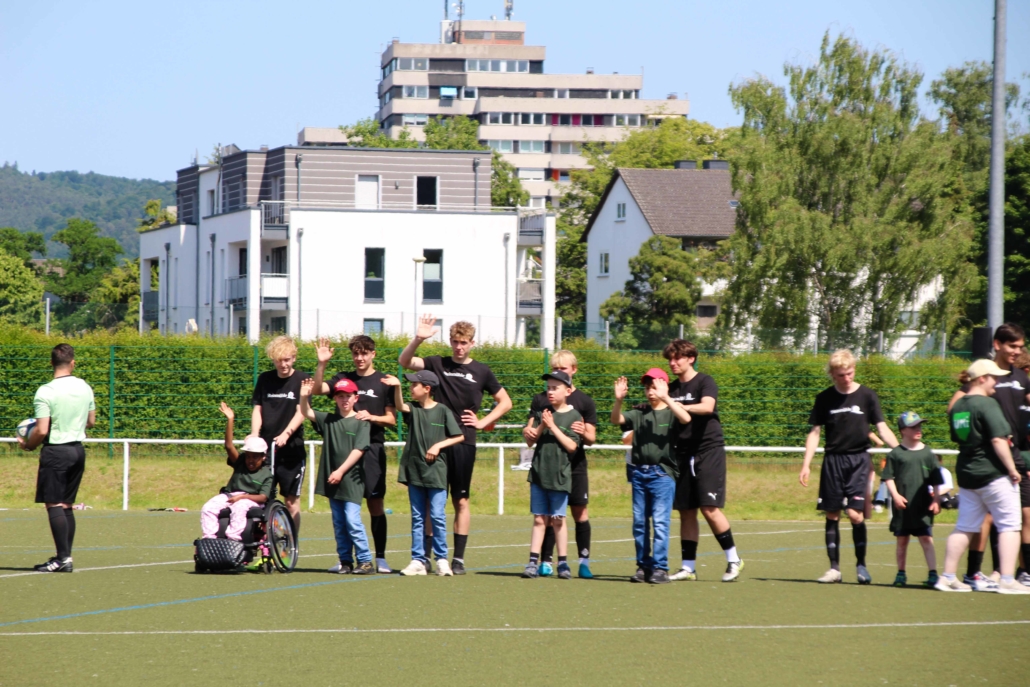
“We’d also like to thank the exceptionally well-organized event organizer, KSM, who also provided food and drinks, organized the raffle, the escort kids, and the Champions League anthem at
,” says Rebecca Zenker, who was in charge of organizing the jerseys and the team within Steinmühle. In this context, she also extends a big thank you to Jasmine Weidenbach, the chairwoman of the Steinmühle Support Association, for sponsoring the jerseys.

Together with Anna Reinhardt and Nele Schultheis, Rebecca Zenker also documented the tournament on Instagram and TikTok. Hessein Koheil filmed a highlight reel of the tournament. The Steinmühlen team provided wonderful support from the sidelines, keeping spirits high and motivation strong. – What a great effort you all put in together! We’re proud of you!


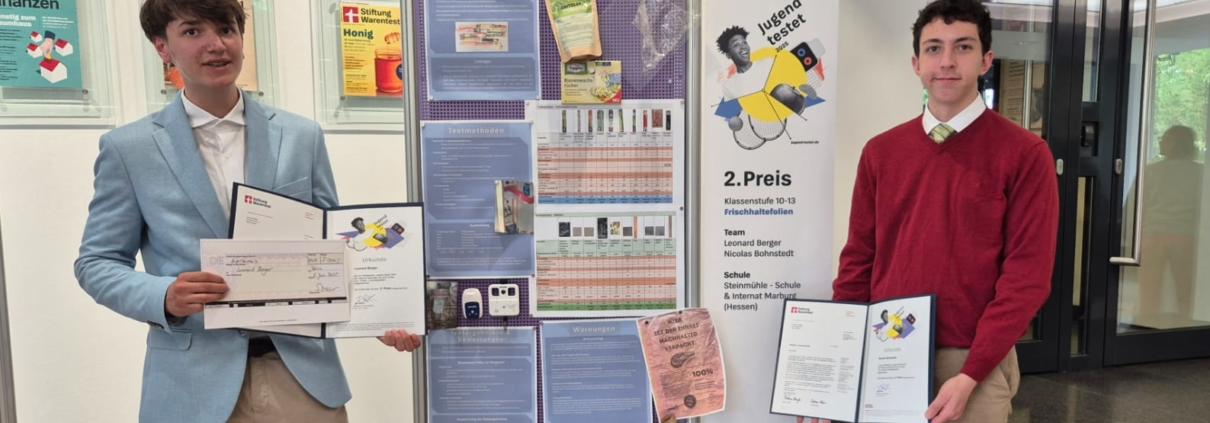
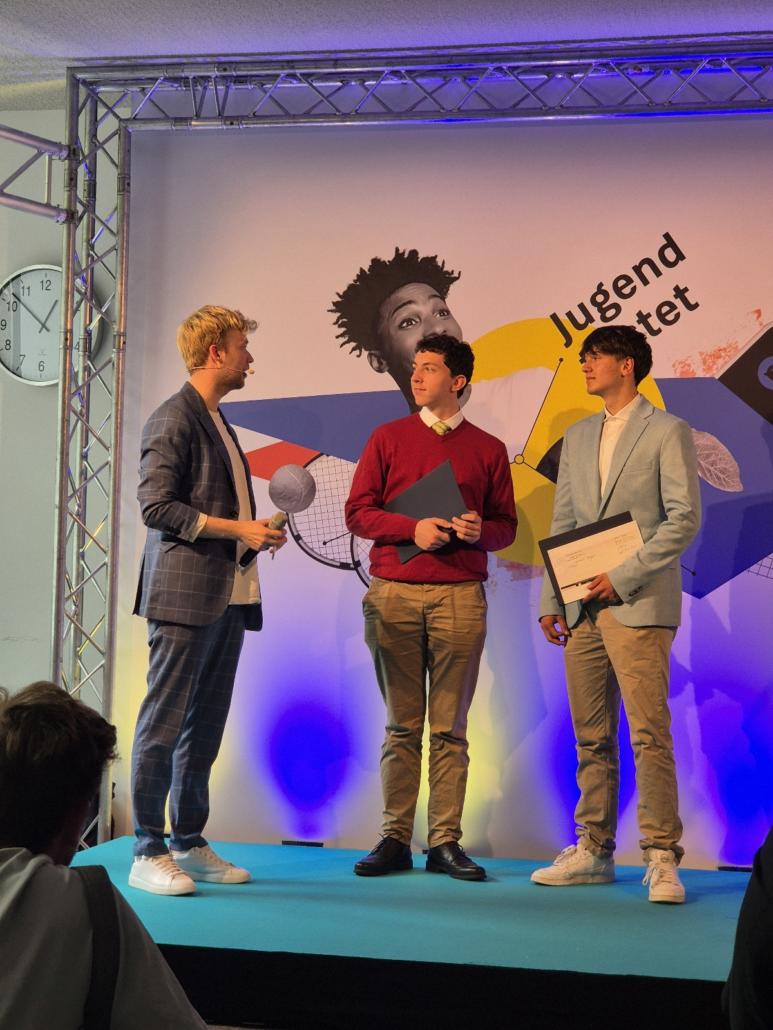
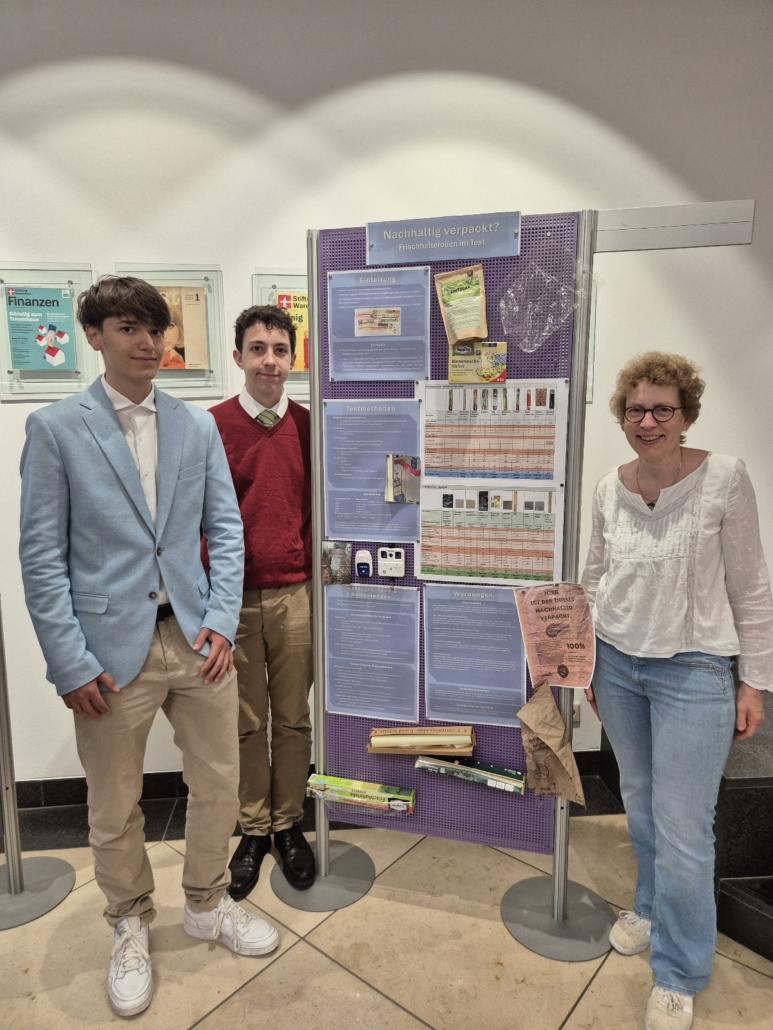
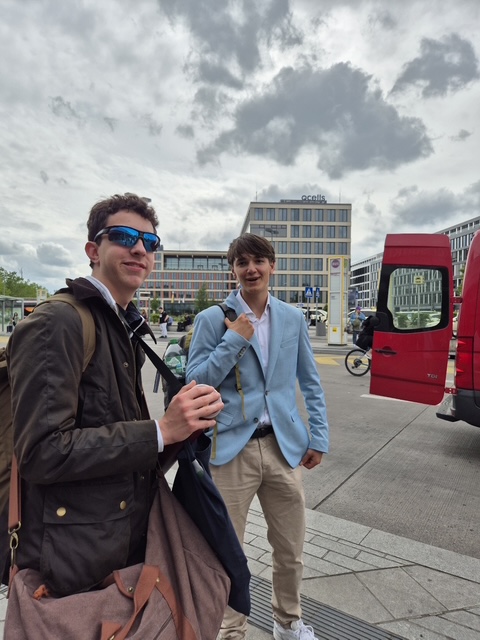
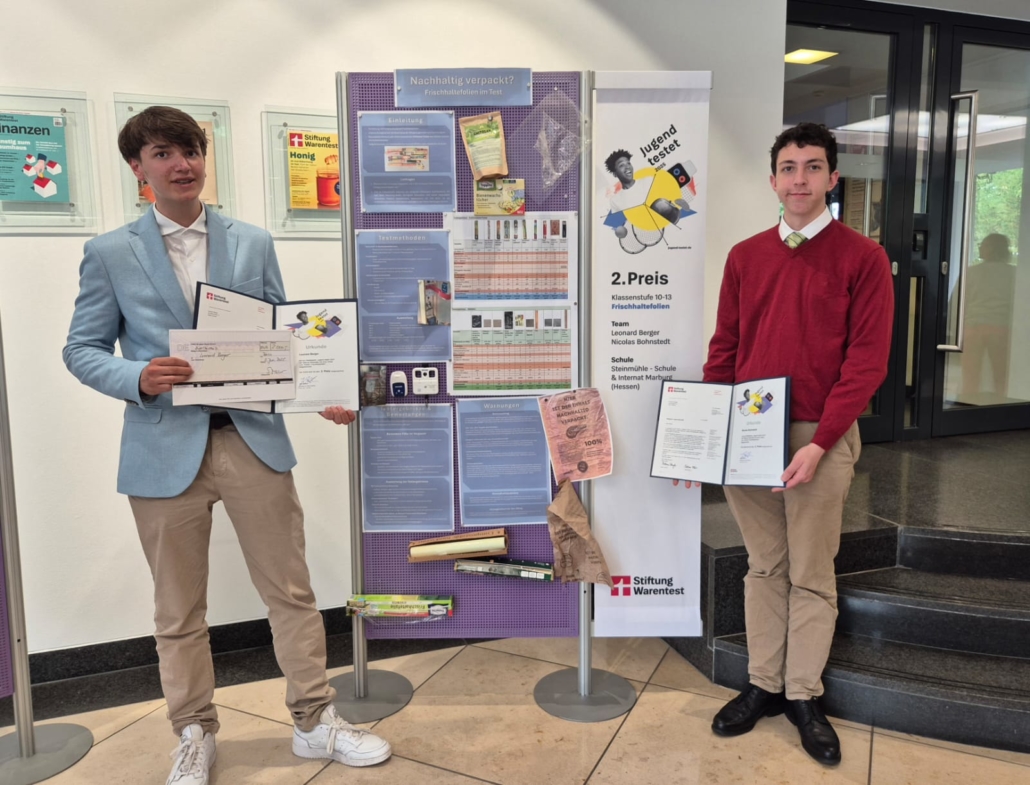
With scientific precision, homemade testing equipment, and surprising findings, young researchers impressed the expert jury at Stiftung Warentest’s renowned “Jugend testet” competition. Among a total of 1,103 submitted tests involving more than 3,700 participants —a new record—Steinmühlen students Leonard Berger and Nicolas Bohnstedt secured an outstanding second place in the 10th–13th grade category with their research on sustainable alternatives to conventional petroleum-based plastic wrap! Together with their advisor, Dr. Jutta Töhl-Borsdorf, they traveled to Berlin for the awards ceremony.


In-house production of biofilms

Leonard and Nicolas tested 20 different types of plastic wrap and produced their own biodegradable wraps. Their conclusion: While conventional wraps have good performance characteristics, they harm the environment—and some “eco-products” turn out to be nothing more than greenwashing.


A six-member panel of experts

Steinmühle congratulates the team on their outstanding ranking, which was determined by a six-member jury of experts from the fields of science and journalism.


2,000 euros in prize money

The award came with a cash prize of 2,000 euros. In addition, there was a very appealing supporting program; “the foundation really went out of its way,” reports Dr. Jutta Töhl-Borsdorf.
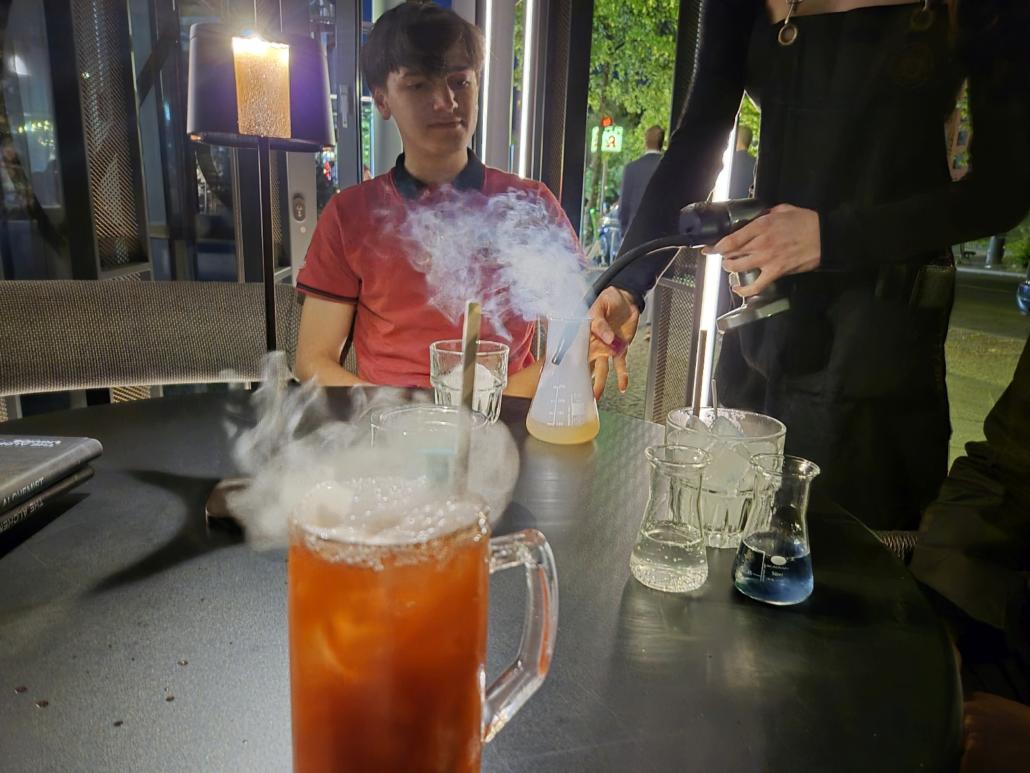
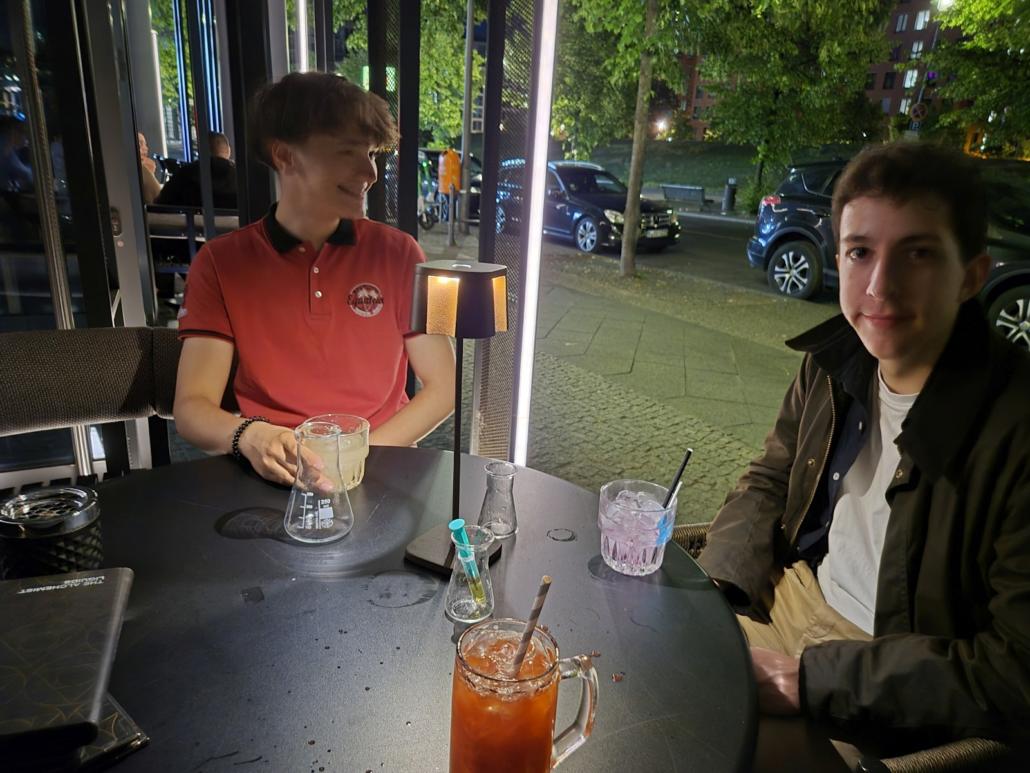
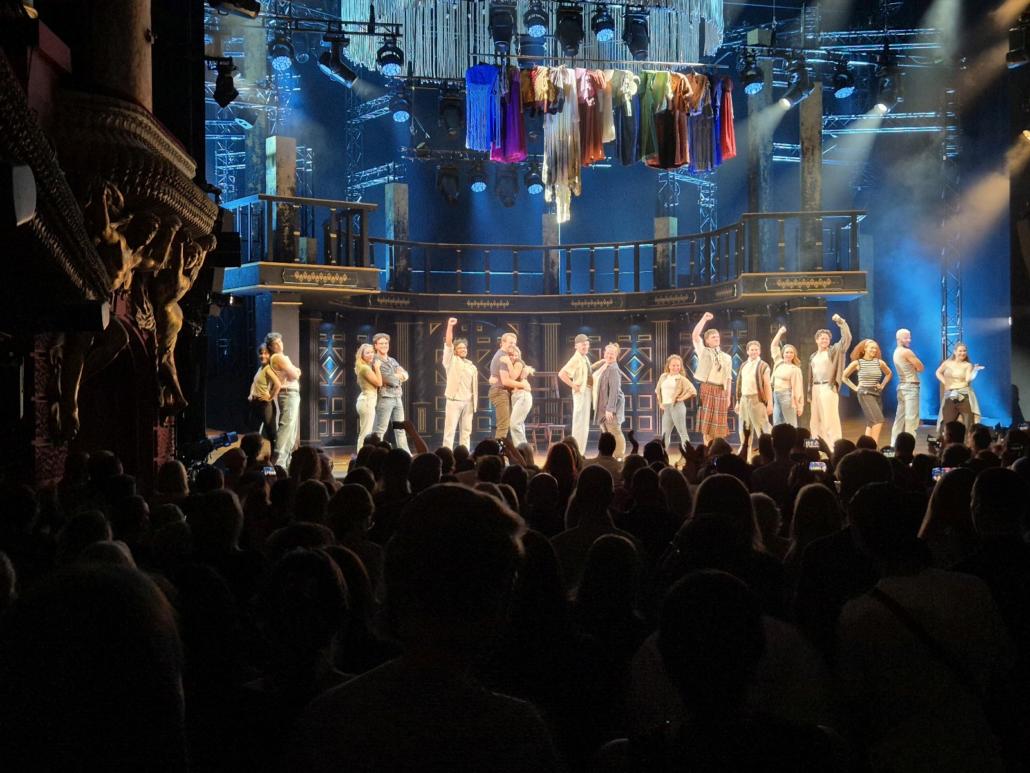
For example, attendees were invited to see the musical *Romeo & Juliet* at the Theater des Westens and to participate in a city scavenger hunt in Kreuzberg.

The awards ceremony, featuring a magician and very heartfelt laudatory speeches, is also fondly remembered: “A wonderful experience for everyone involved.”

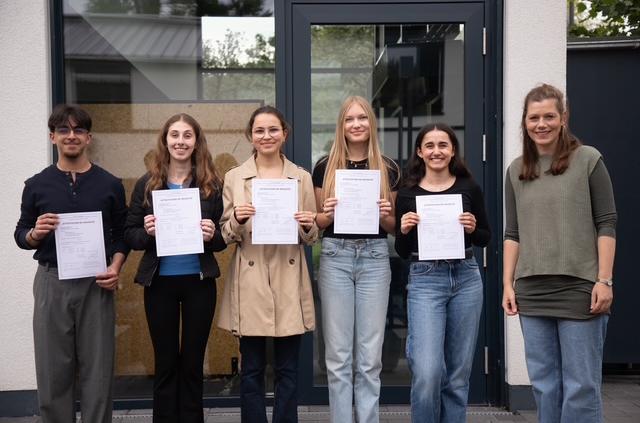
Once again this year, several students can celebrate earning their DELF diploma.
Nine students took the exam this year for this European-recognized language certificate, which certifies proficiency in reading and listening comprehension, as well as speaking and writing in French, according to the respective grade level.


Learned with motivation and a sense of personal responsibility

With a few practice sessions outside of class, along with great motivation and personal responsibility, the students in grades 9 (A2), 11 (B1), and 13 (B2) all passed and achieved very good results. The oral exam took place in Gießen, and the written exam was held at Steinmühle, both on Saturday mornings.

We are delighted by this extracurricular involvement and would like to congratulate the participants (from left to right): Parsa Vahhabzadeh (left), Felice Gurschi (3rd from left), Lotta Steinfeldt (4th from left), and Anna-Lisa Wilhelm (5th from left); on the right in the photo is subject teacher Kristina Sokoli.

Congratulations!


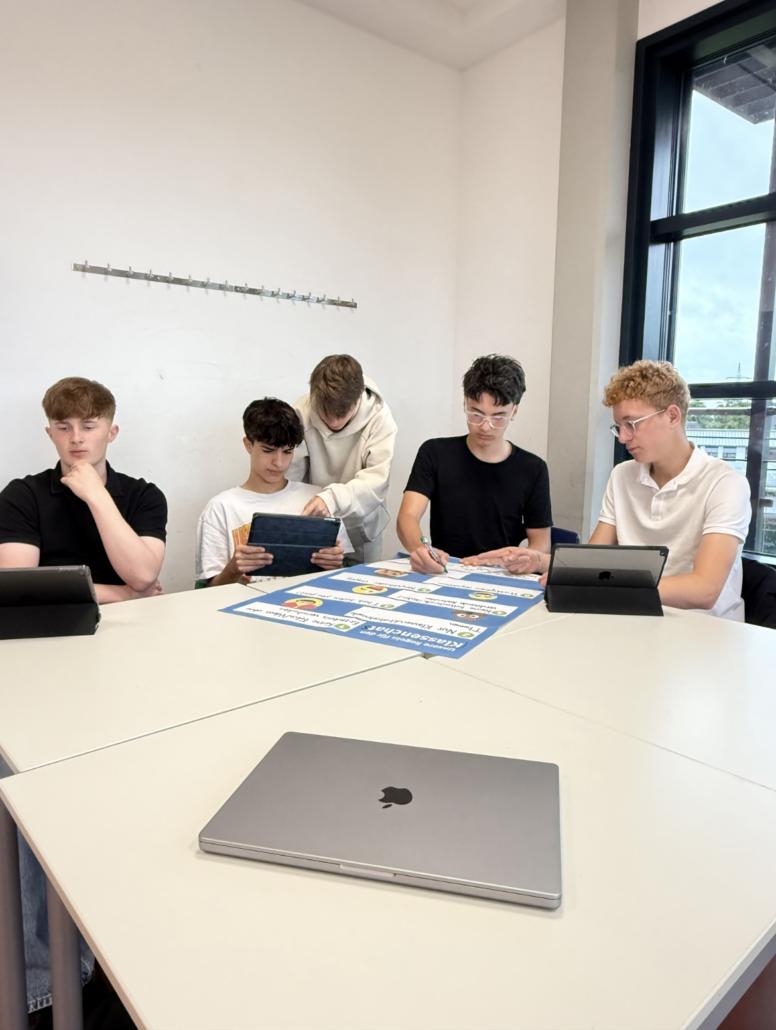
This school year, we had the opportunity to experience the “Digital Heroes” elective course in 10th grade for the first time—an innovative project that was very well received by everyone involved. The goal was to train 10th-grade students to become digital media experts who would then pass on their knowledge to younger students using a peer-to-peer approach.


Staying Safe and Responsible Online

Under the guidance of Tim Elmshäuser, participants explored important topics related to the digital world in various workshops. The focus was on topics such as class chats, cyberbullying, and cybergrooming. The workshops for the younger grades were designed to be engaging and offered not only theoretical knowledge but also practical tips on how to navigate the internet safely and responsibly.


Contribution to the School Community’s Digital Literacy

The success of this first round has shown just how valuable it is to raise awareness among young people about the safe use of digital media and to turn them into advocates. The “Digital Heroes” have not only expanded their own knowledge but have also made an important contribution to the digital literacy of our school community. We look forward to continuing this project in the coming years!


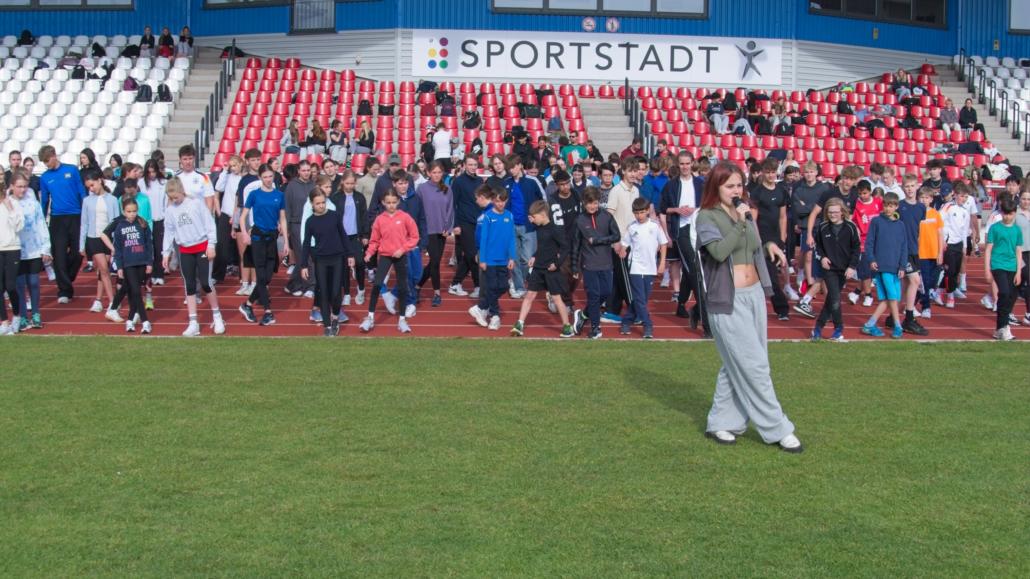
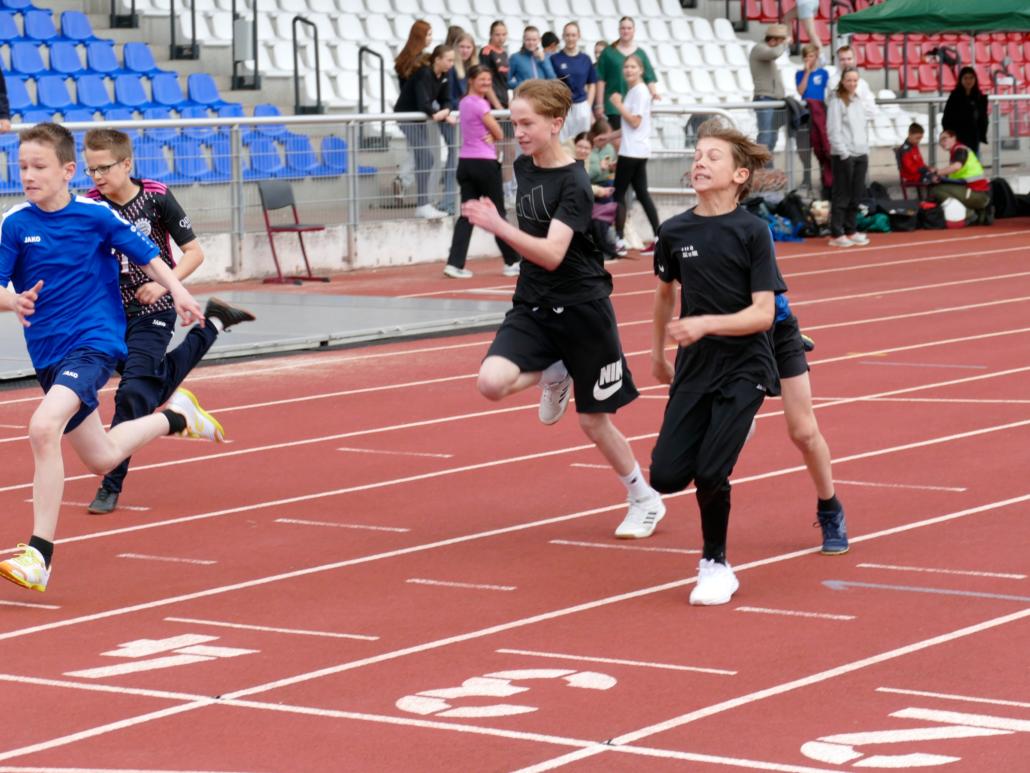
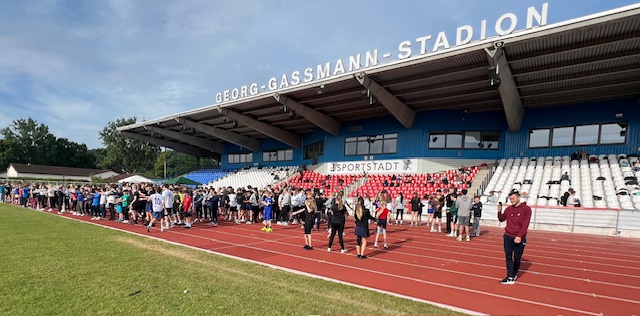
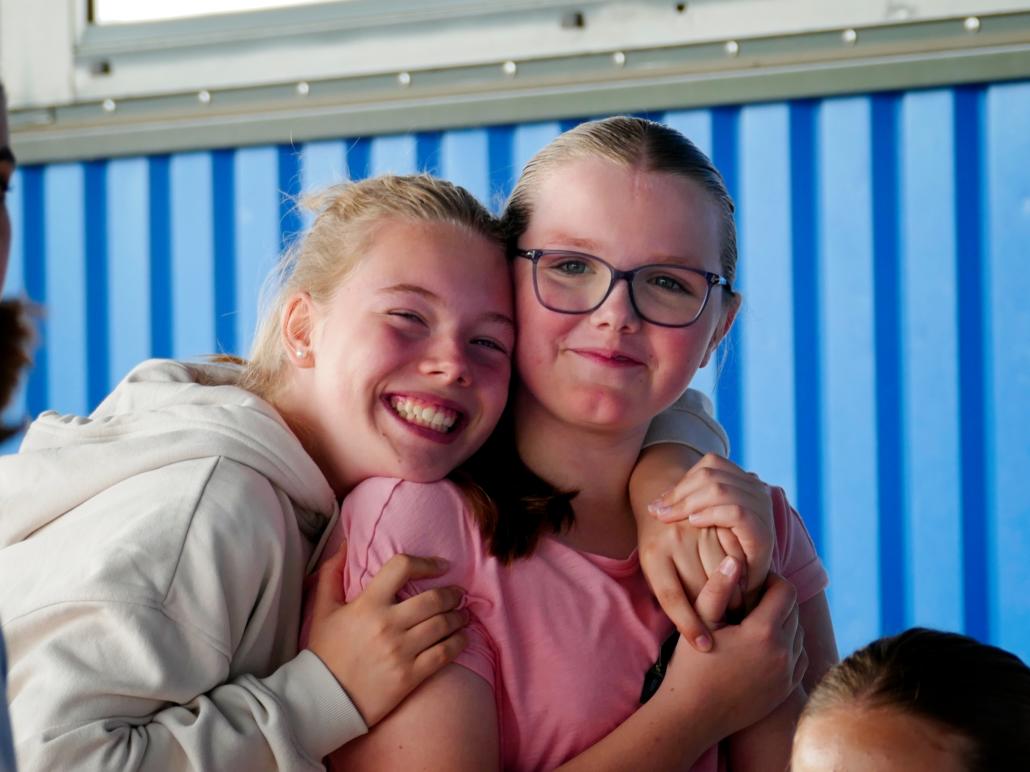
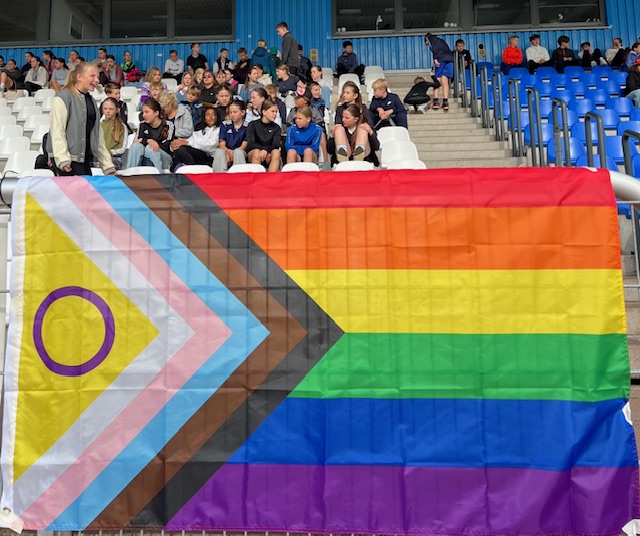
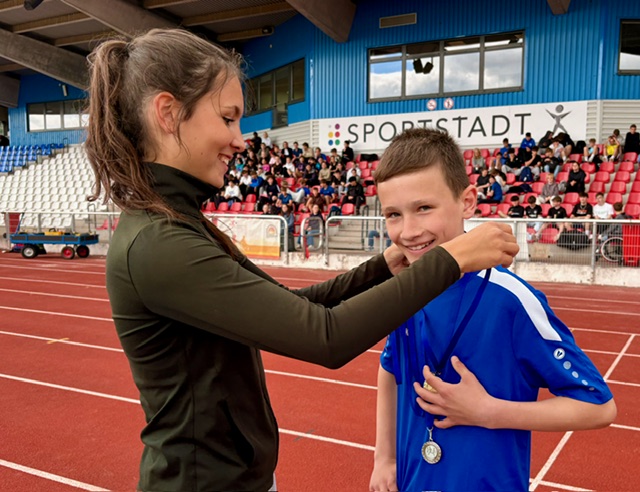
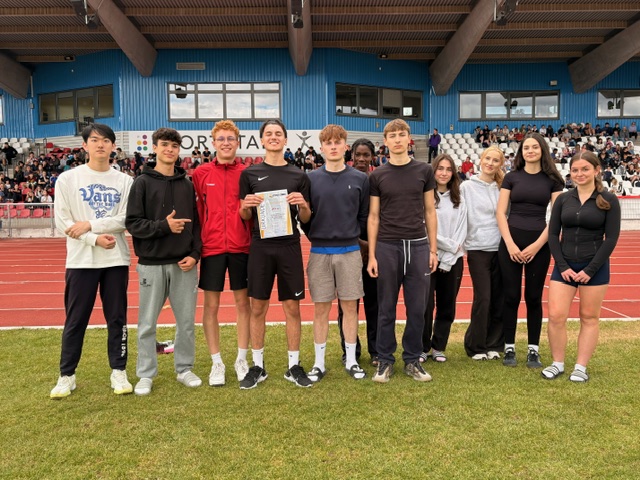
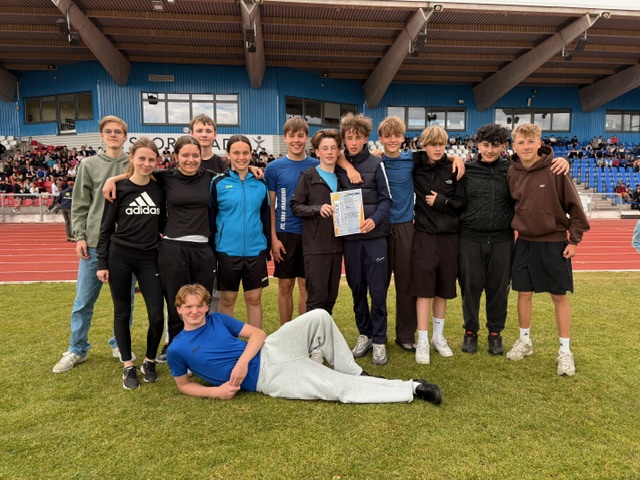
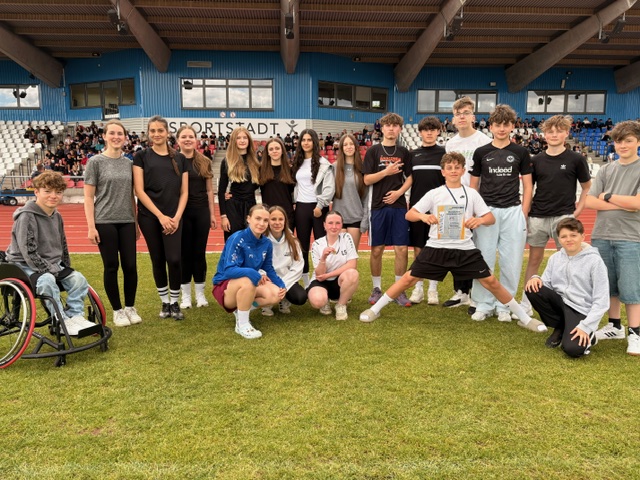
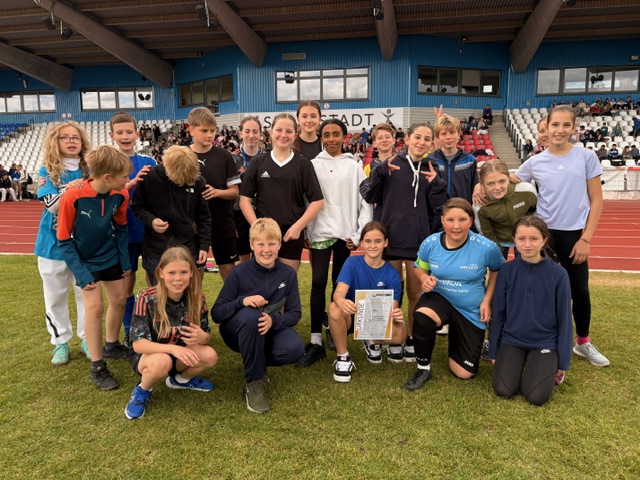
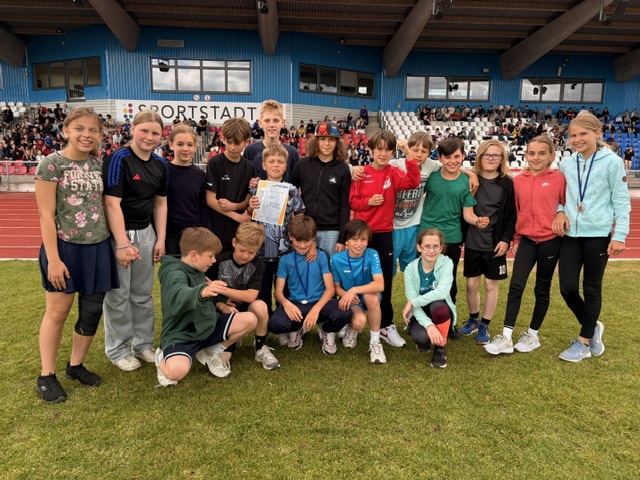
Leaving the Steinmühle campus for a change: The Lower Secondary School Sports Day and Diversity Day had been moved to a shared off-campus venue, namely the Georg-Gassmann Stadium.
Principal Björn Gemmer noted at the outset: “We live well and happily when we draw our zest for life from the diversity of people at Steinmühle, and are thus ready to showcase and celebrate talents—including in sports and through active collaboration.” – With this spirit, the day began—a day that the physical education department had prepared and executed with great ease, together with the 12th-grade students in the advanced course and additional helpers from among the student teachers.


Track and Field and Sports Tournaments

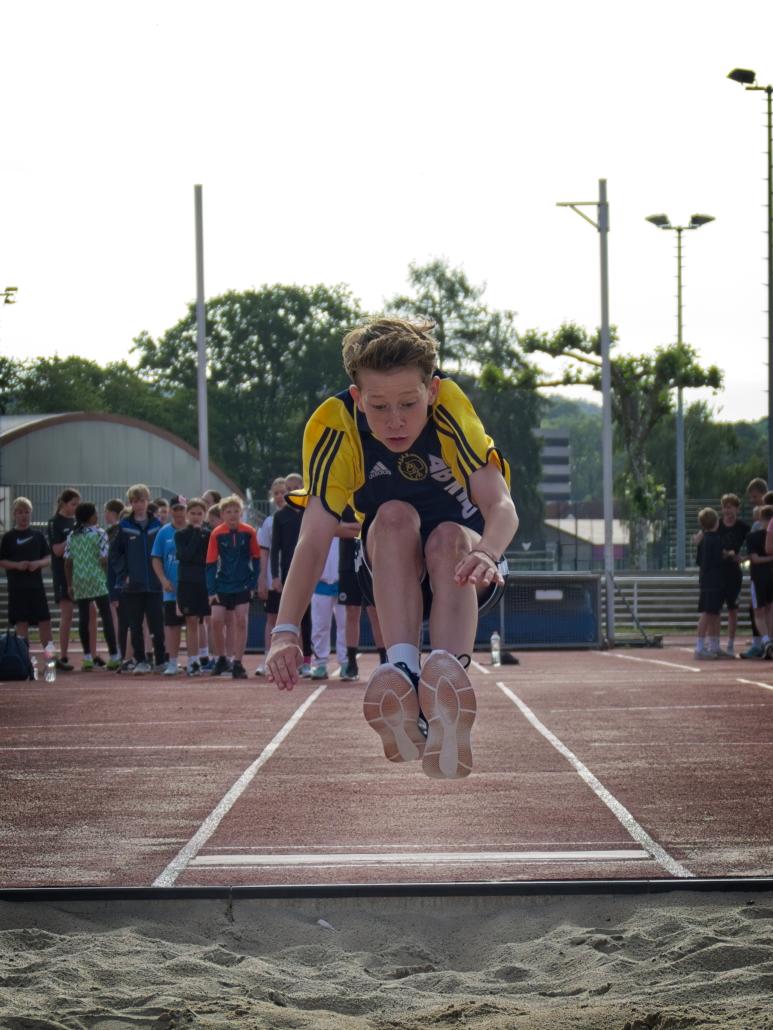
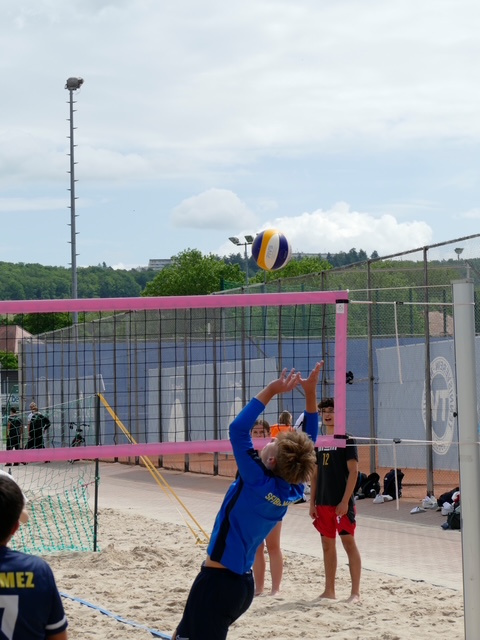
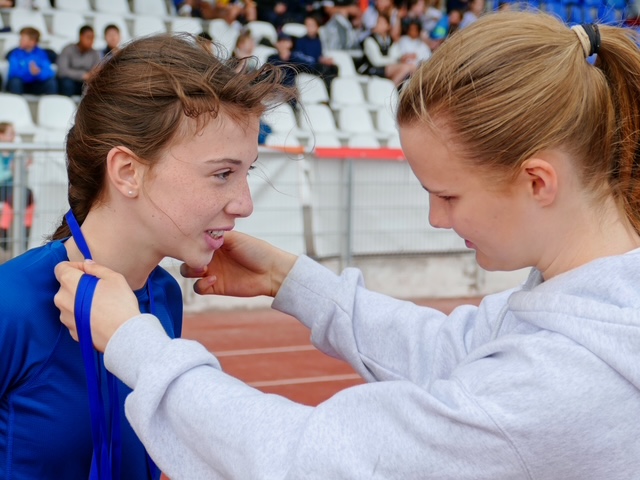
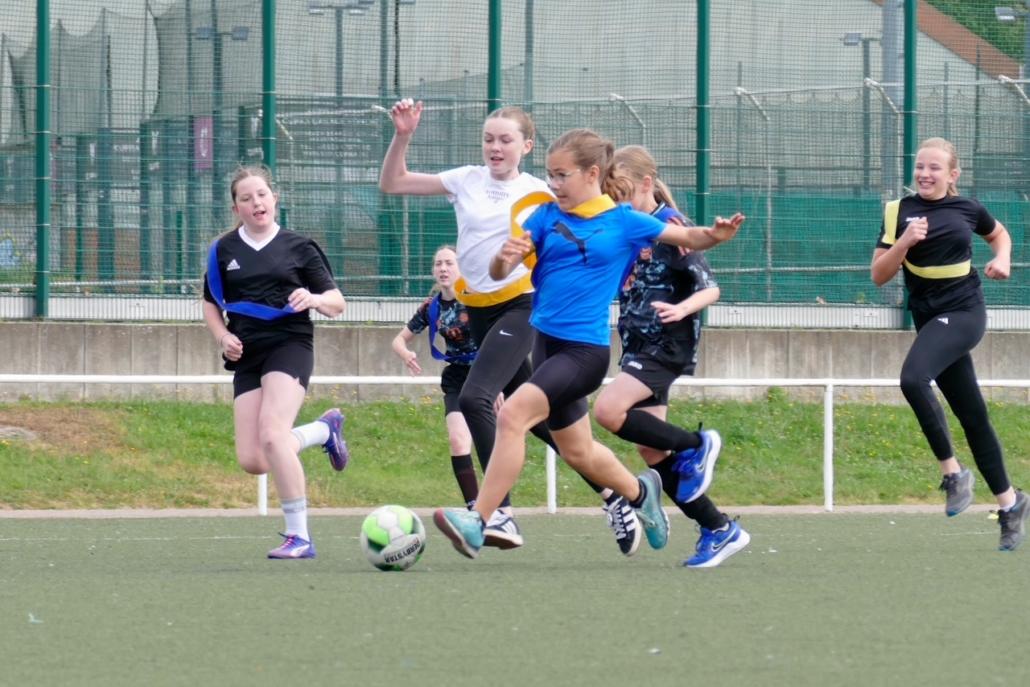
The event began—after a group warm-up and a short flash mob dance led by Maya Vielhaben—with the sprint, long jump, and ball throw—classic track and field events as part of the Federal Youth Games—were on the program, before the action shifted in the second half of the sports festival, following the final races over sprint and 800-meter distances, to the various class-level tournaments —ranging from dodgeball to soccer and 3×3 basketball to Ultimate Frisbee and beach volleyball—all organized by school athletic director Marcel Kalb and his colleagues.


Dishes from Around the World

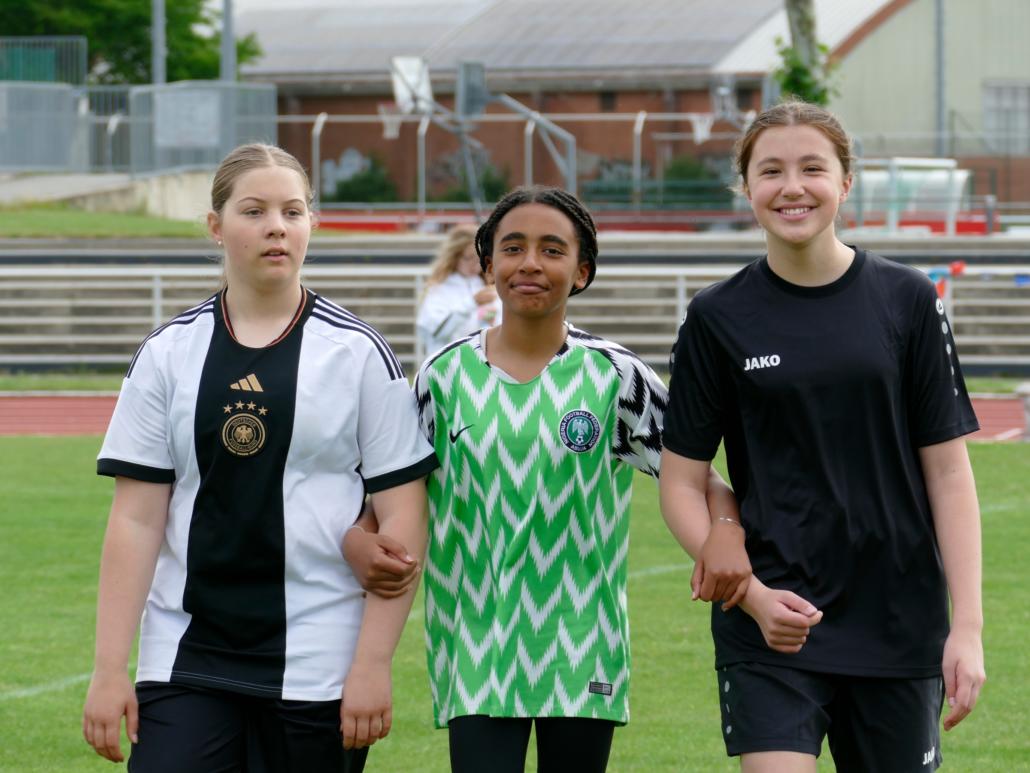
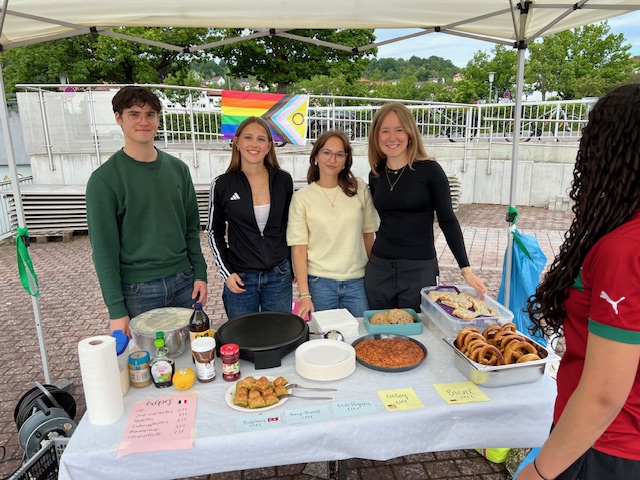
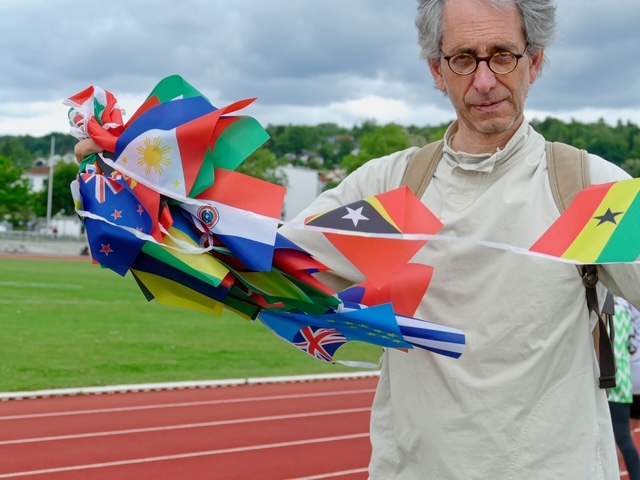
The pleasant, spring-like, and rain-free weather contributed to the positive atmosphere that morning at Georg-Gassmann Stadium, which was also designated as Diversity Day and marked the kickoff for further student council activities at the school: The 12th-grade class offered dishes from around the world, which proved to be a wonderful complement to the sports and games festival—a school morning during which impressive athletic achievements were witnessed and celebrated, while everyone also enjoyed a relaxed time together in the open air.
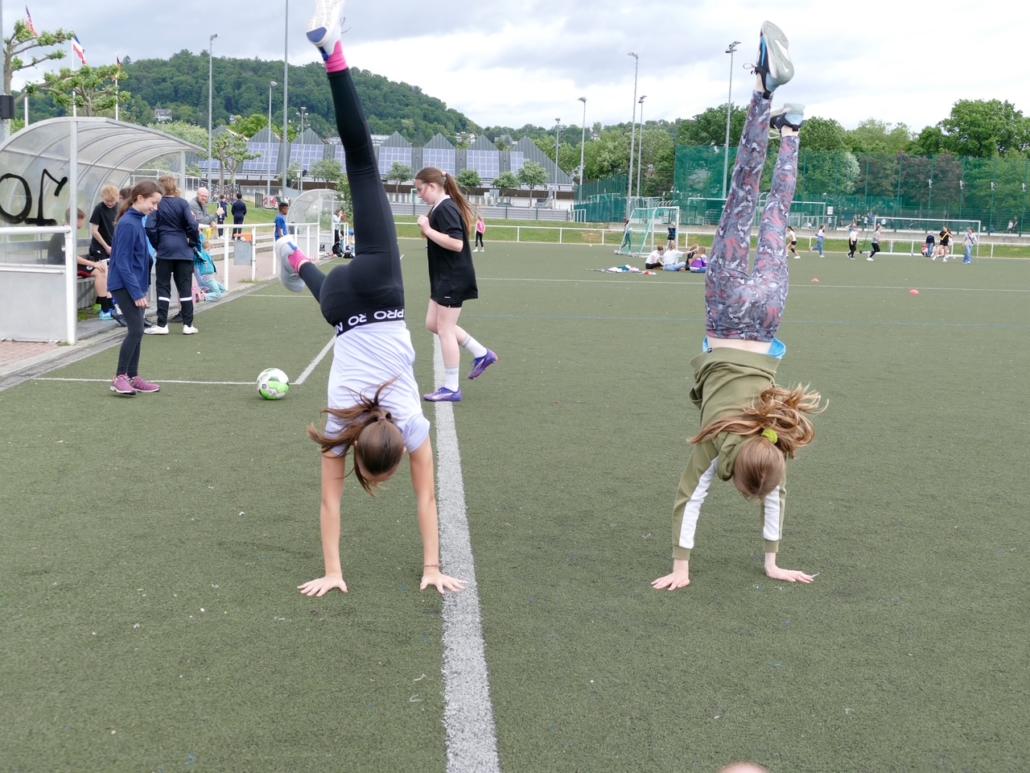
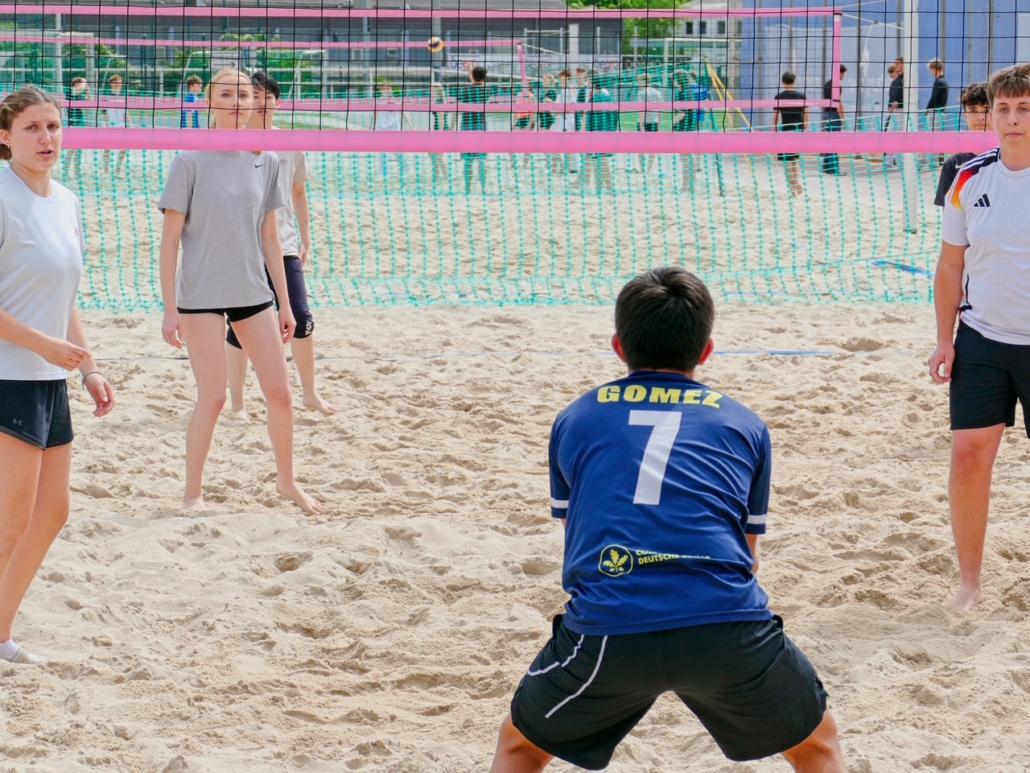
Björn Wagner captured various moments in his photos. Ines Vielhaben contributed the photos from Diversity Day.

Frank Wemme and the participants in the Sports Day


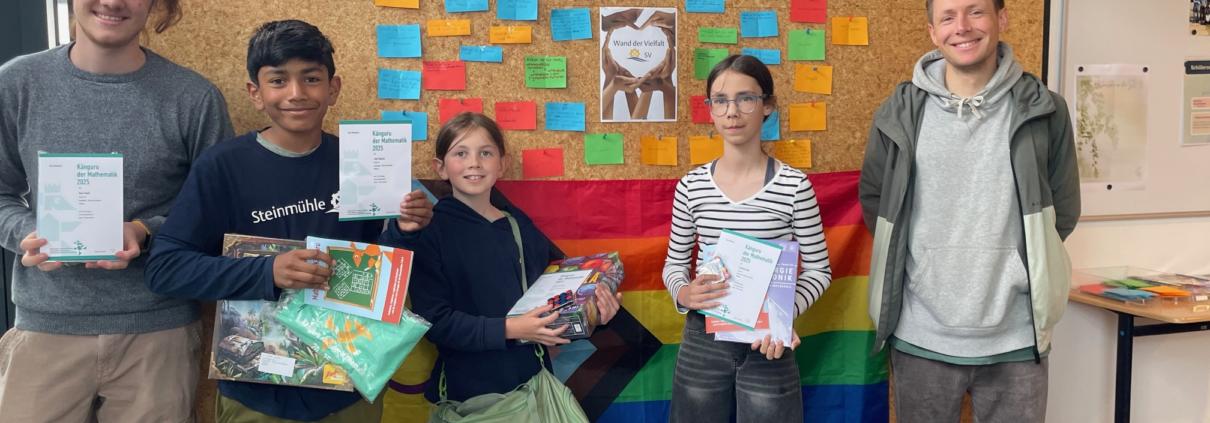
The annual Kangaroo Competition is designed to spark an interest in mathematics and encourage students to engage with mathematical problems. In this competition, students from various grade levels who are skilled at arithmetic and problem-solving, can concentrate well, and are having a good day stand out in particular.

The competition is based on a multiple-choice format, reports subject teacher Maximilian Moll. Participants in grades 3 through 6 can earn a maximum of 120 points, while all others can earn a maximum of 150 points. The top approximately five percent of all participants nationwide in each grade level receive a 1st, 2nd, or 3rd prize. There is no more detailed breakdown or further comparisons. After all, the focus is on having fun with math and solving puzzles.
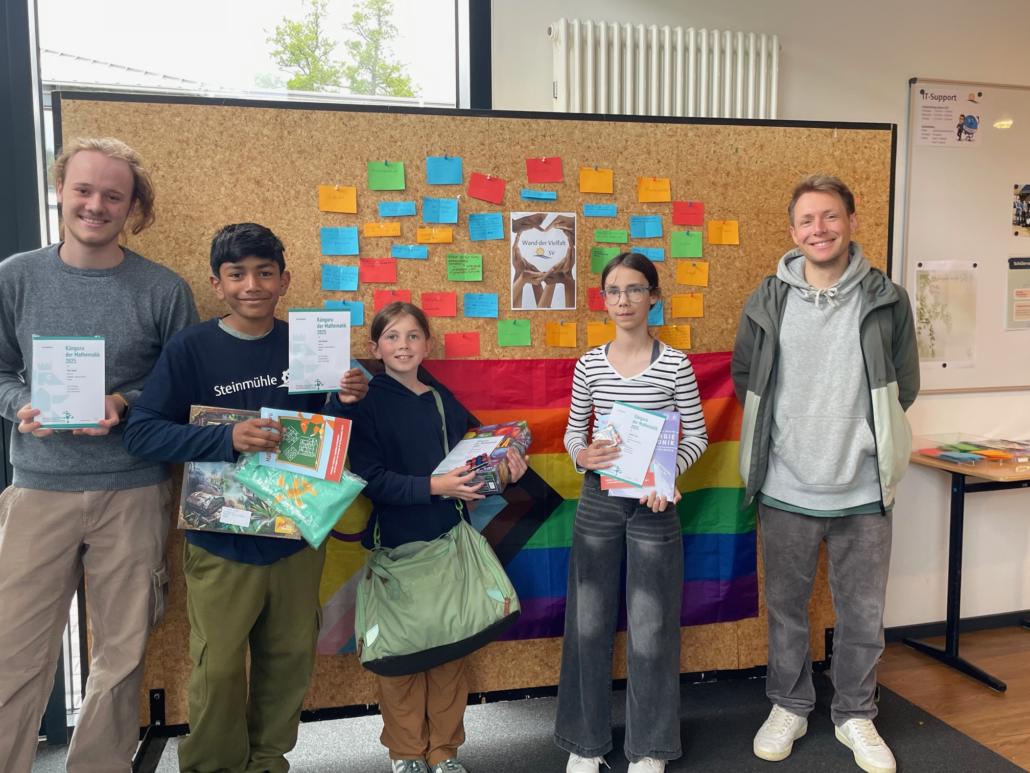
Our photo shows, from left to right, the award winners: Bent Deidl (2nd prize, Class 11d), Joel Chacko (1st prize and the “Long Jump” special prize, Class 5a), Emil Zuckermann (1st prize, Class 5a), Isabella Kuhl (2nd prize, Class 6a), and math teacher Maximilian Moll.

Missing from the photo: Theodor Wild (1st prize, Class 5i), Sophie Sacher (2nd prize, Class 5i), Orlando Geisel (2nd prize, Class 11d).