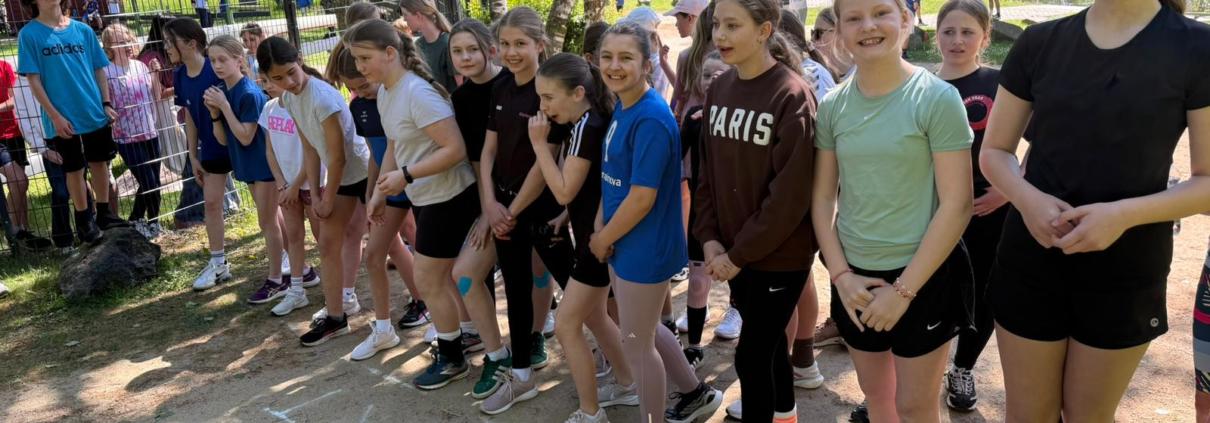
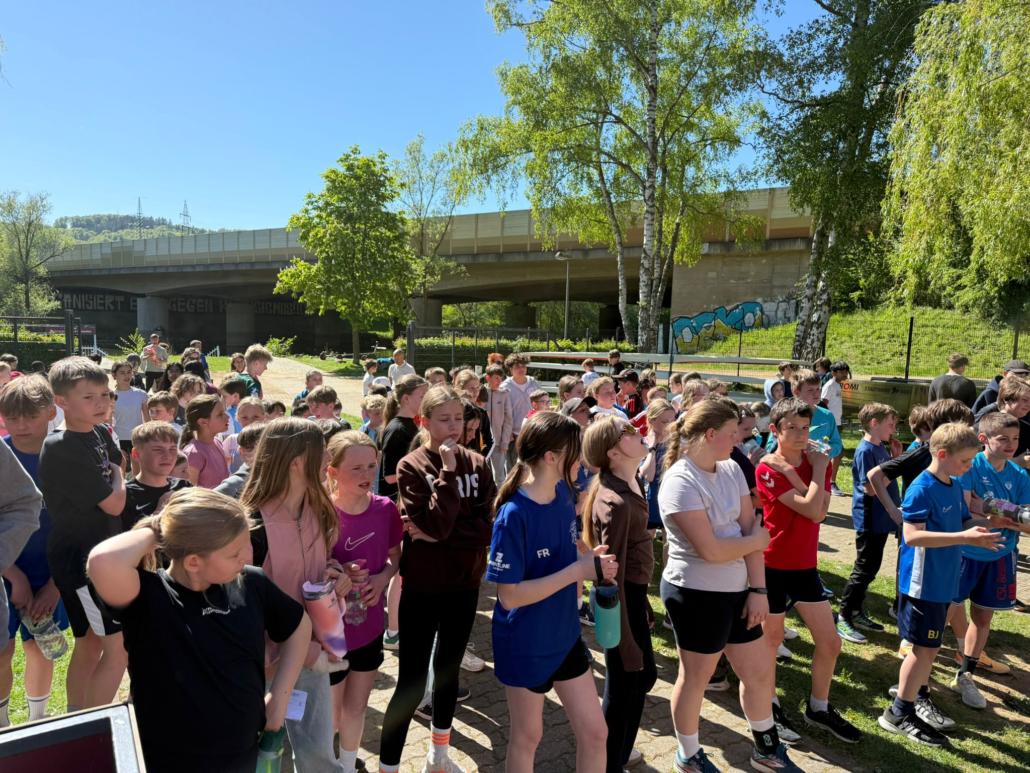
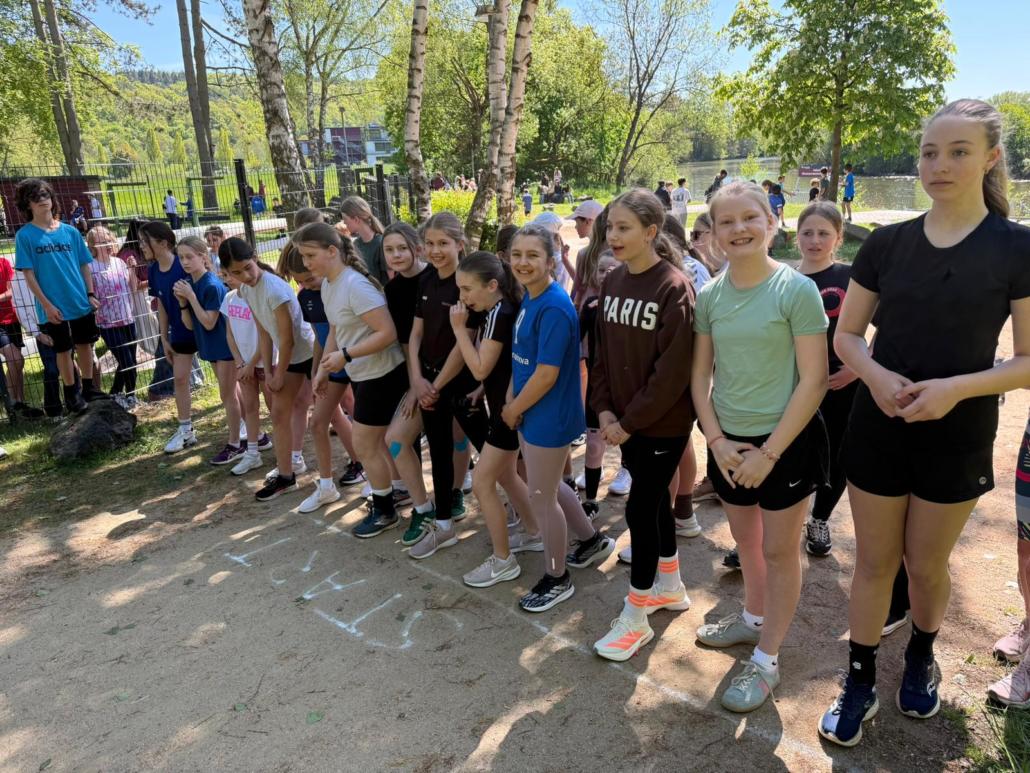
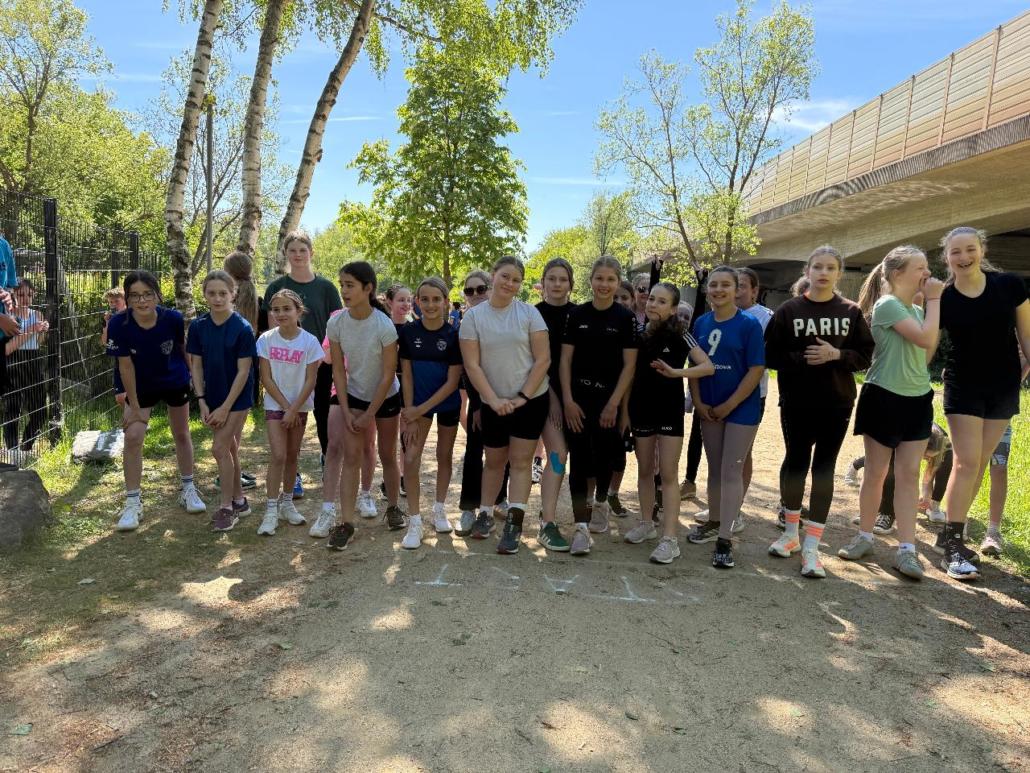
In Formula 1, extra caution is required at the start. The same goes for the traditional spring race for Classes 5 and 6: On your marks—get set—go! And full concentration is needed to ensure that everyone in the tightly packed starting grid gets away without any collisions.

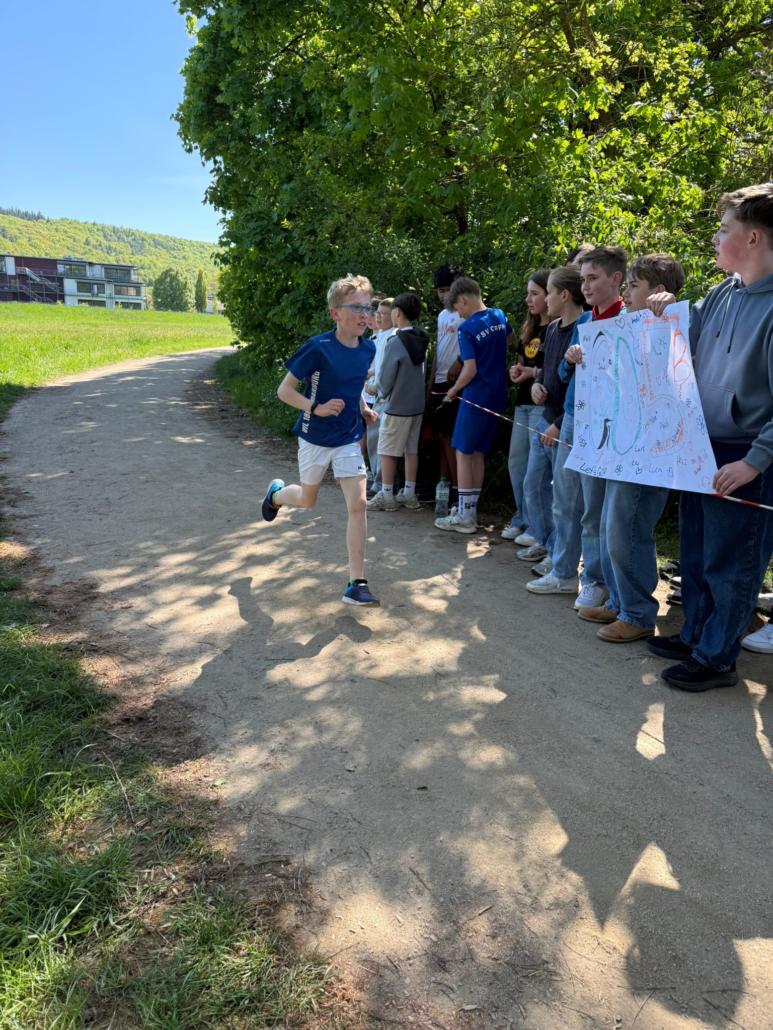
The lower-grade students ultimately put up a valiant effort and gave it their all during the race, as school athletic director Marcel Kalb reports. With support from the faculty, the event—whose course ran around the boathouse—was carried out smoothly, with plenty of applause, pats on the back, and the hope that, while not this time, they might be among the top runners at one of the next track and field meets.


Here are the results from the spring run:

Girls’ 5: Carlotta Porth (1st, 5:52), Lanah Reithmayer (2nd, 5:54), Paulina Venter (3rd, 5:58)
5-year-old boys: Julius Schröder (1st, 4:54), Levi Grimmelbein (2nd, 4:56), Jonas Meyer (3rd, 5:01)

Girls’ 6-person team: Caroline Hecker (1st, 5:17), Marlene Jerrentrup (2nd, 5:25), Juna Bamberger (3rd, 5:32)
Boys’ 6-person team: Oliver Mand (1st, 4:36), Samuel Pacho (2nd, 4:37), Kai Gundlach (3rd, 4:56)

(Heinm)


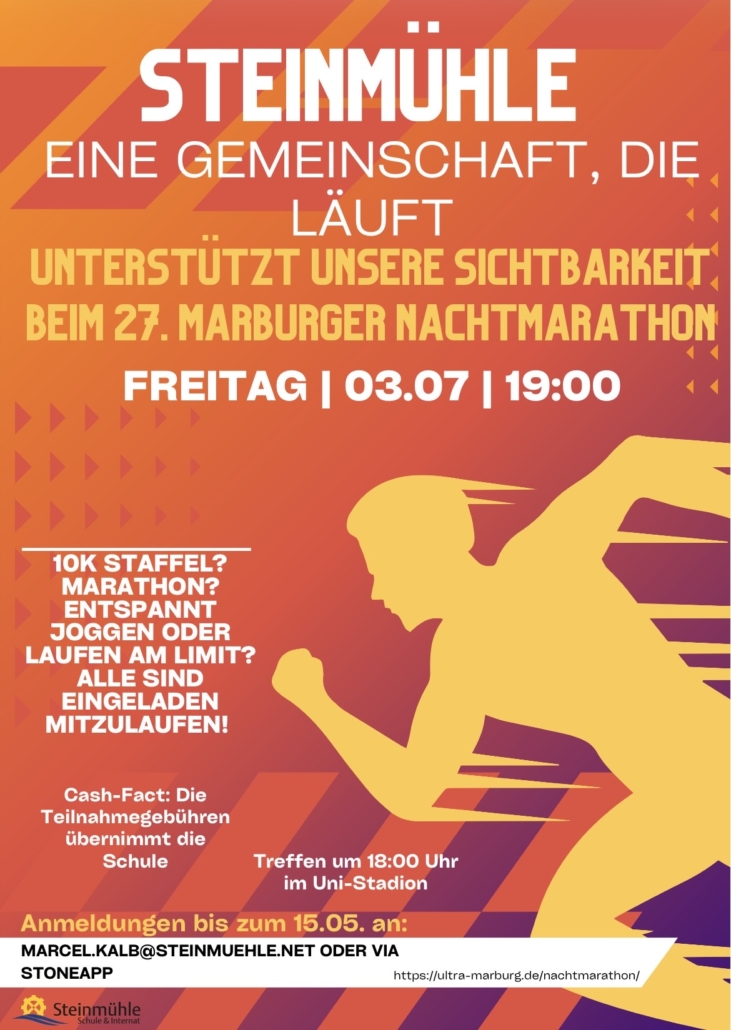
This date is a must-mark on the calendars of all runners who want to join the Steinmühle team at the Marburg Night Marathon: Friday, July 3, at 7 p.m.

School sports coordinator Marcel Kalb is now actively promoting the event to anyone who wants to participate. In the past, there have been great runs practically every year, sometimes with some quirky stories—and in any case, a lot of fun as a group. Because that’s what it’s all about.

Our poster lists the different running activities available. There’s definitely something for everyone.

Go ahead and give it a try!

If you have any questions or would like to register, please contact Marcel Kalb—either by email at marcel.kalb@steinmuehle.net or, for StoneApp users, right there in the app!

(Heinm)

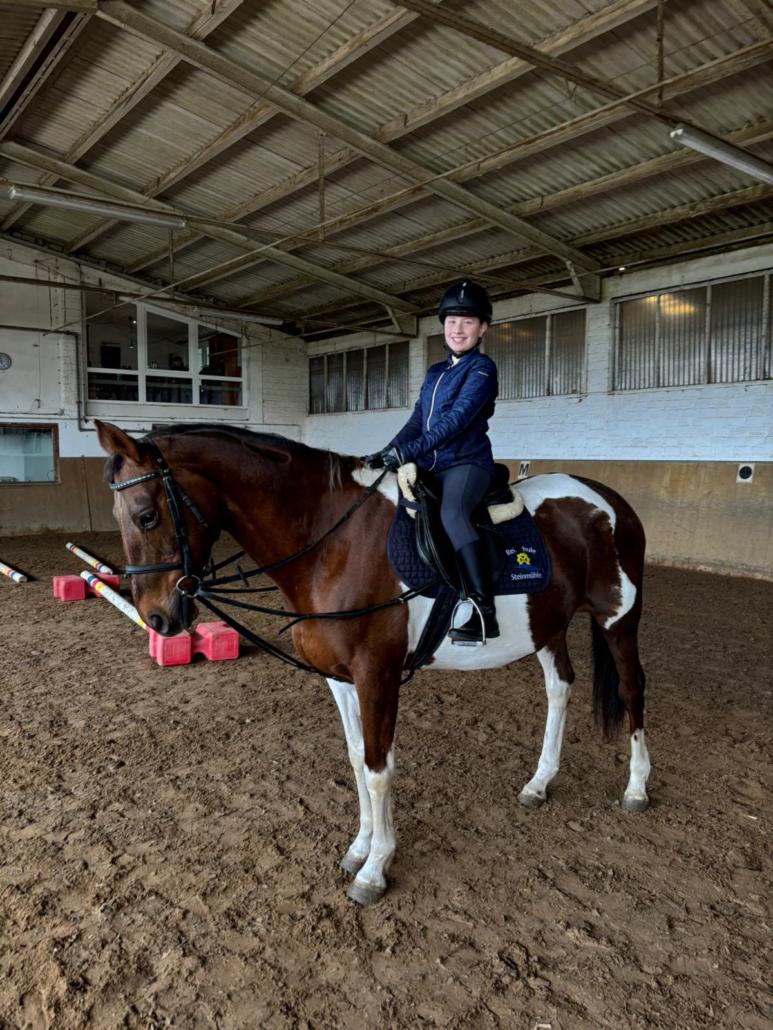
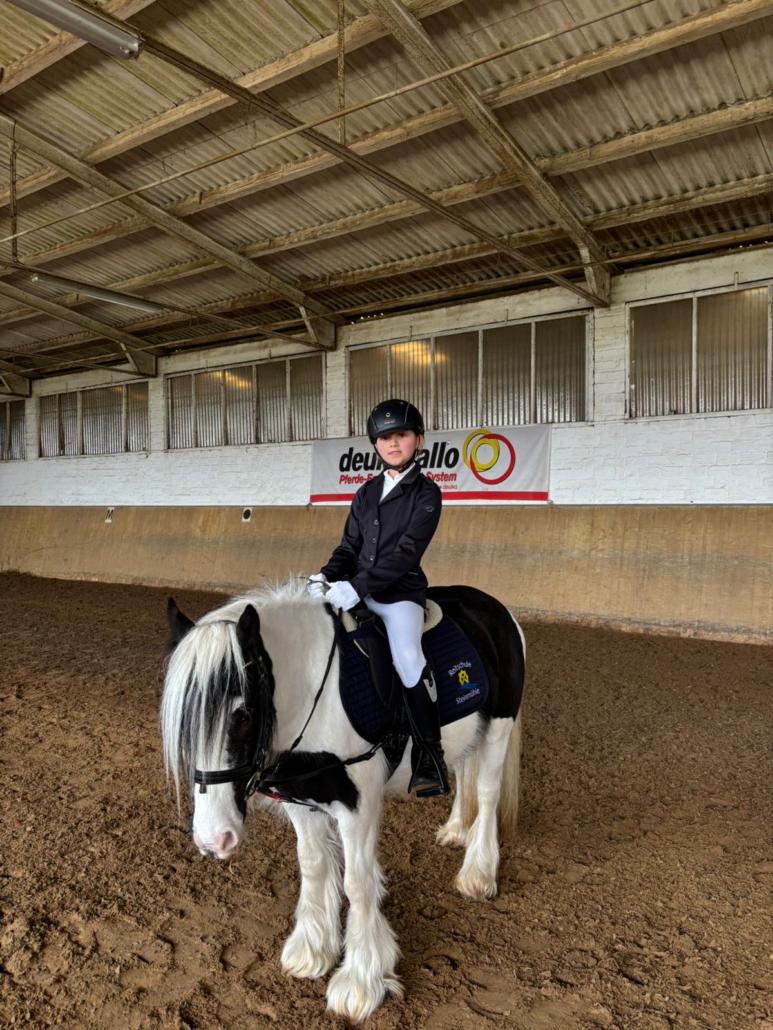
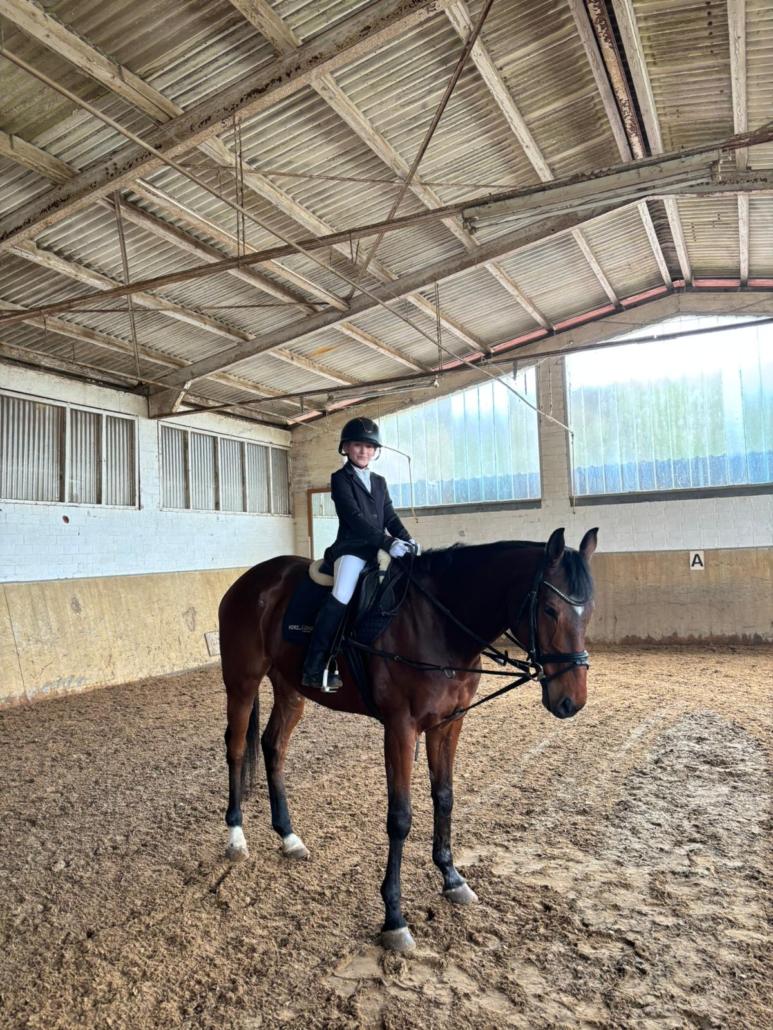
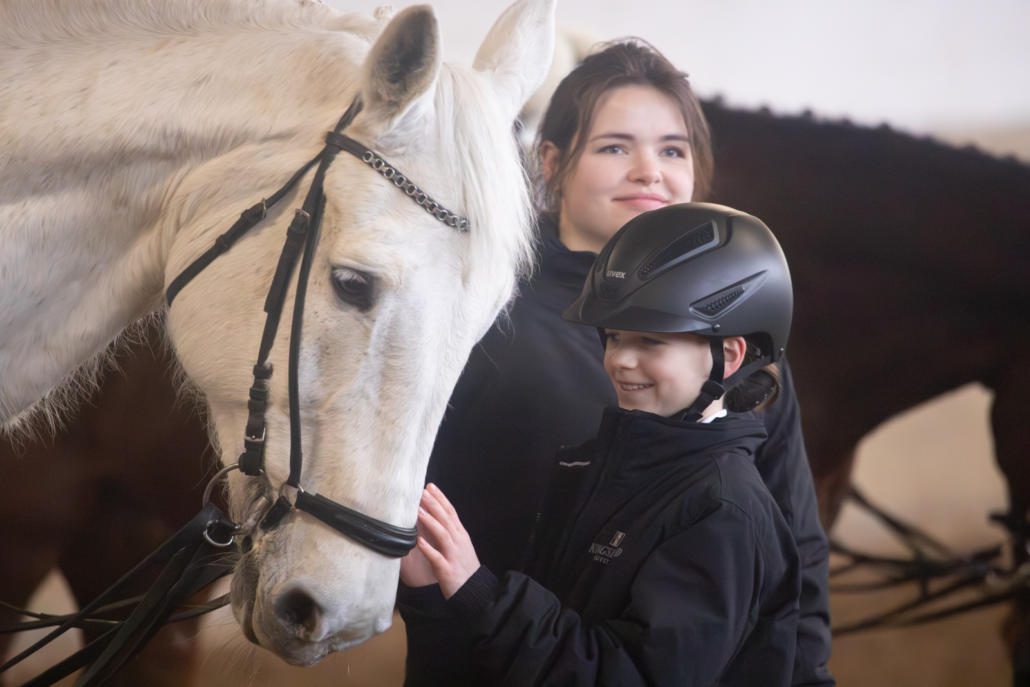
With plenty of enthusiasm, team spirit, and a passion for horses, ten girls aged 7–12 completed a course at the riding school of the Steinmühle boarding school. Under the guidance of course instructor Beate Schridde, the young horse enthusiasts learned all the necessary skills during the last week of the Easter break to earn their achievement badges at the end of the course. The exam consisted of riding, theory, and ground work.


Various tasks awaited us at the riding stable

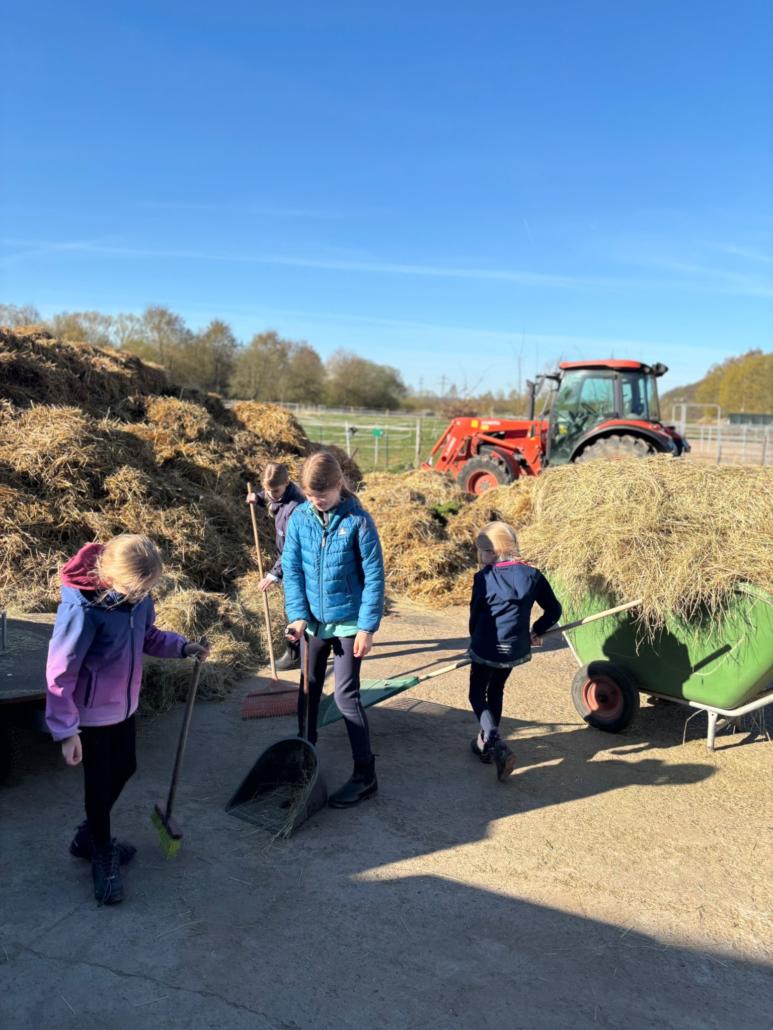
The course team—consisting of Sabrina Schneider, Chiara Cordes, Amaia Balzer, Julia Werth, and Anni Bohn—led the participants through various activities each day of the course. Starting at 9 a.m., after a meeting and welcome, the schedule included farm chores such as tending to the horses, sweeping the yard, and cleaning up manure from the paddocks. Then it was time to groom the horses. To boost everyone’s enthusiasm a bit more, a grooming competition was held, with the promise of a grooming trophy at the end of the week.

Under expert guidance, the horses were then saddled and bridled. Afterward, the girls rode in three groups.


Animal Care

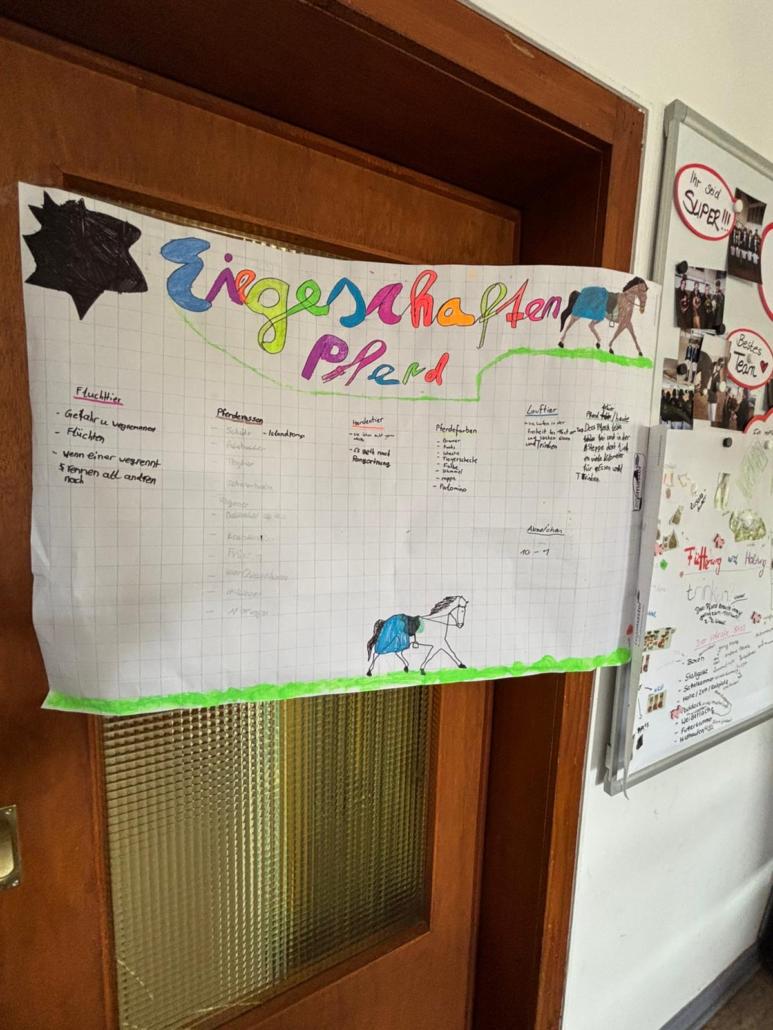
How do you properly care for horses? That was also a topic covered during the training week. Along the way, the participants absorbed the necessary theoretical knowledge. Together, they created posters to help them better internalize the individual topics. The young riders then proudly presented their insightful results to the entire group. Really well done!


Balanced Meal Plan

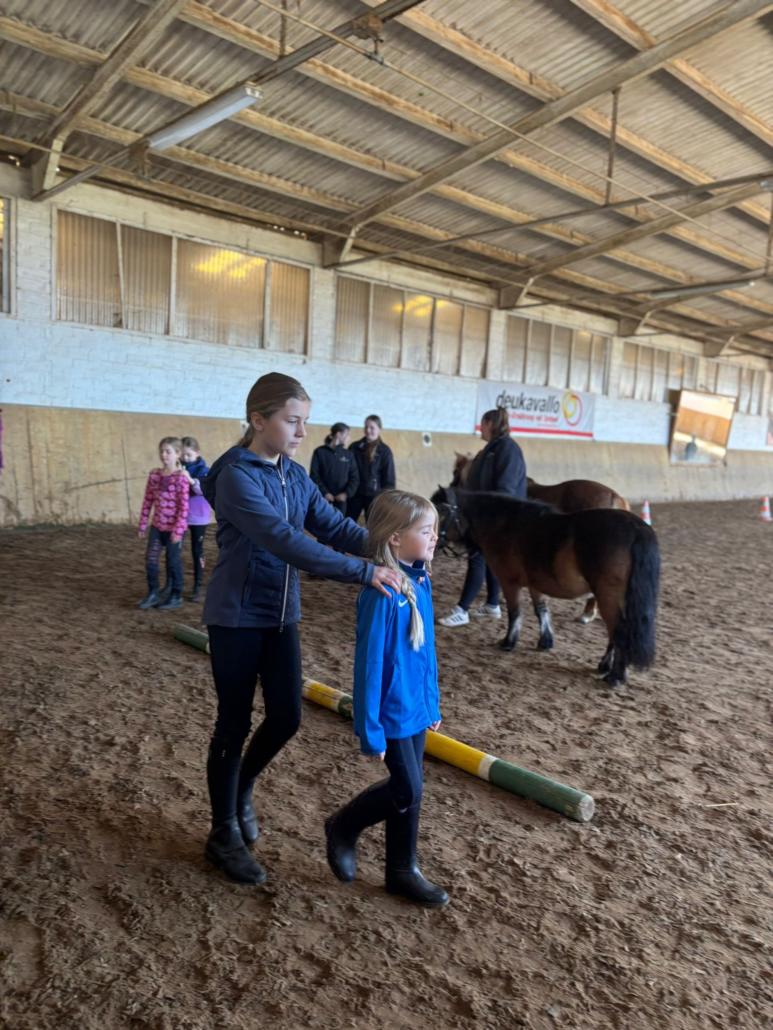
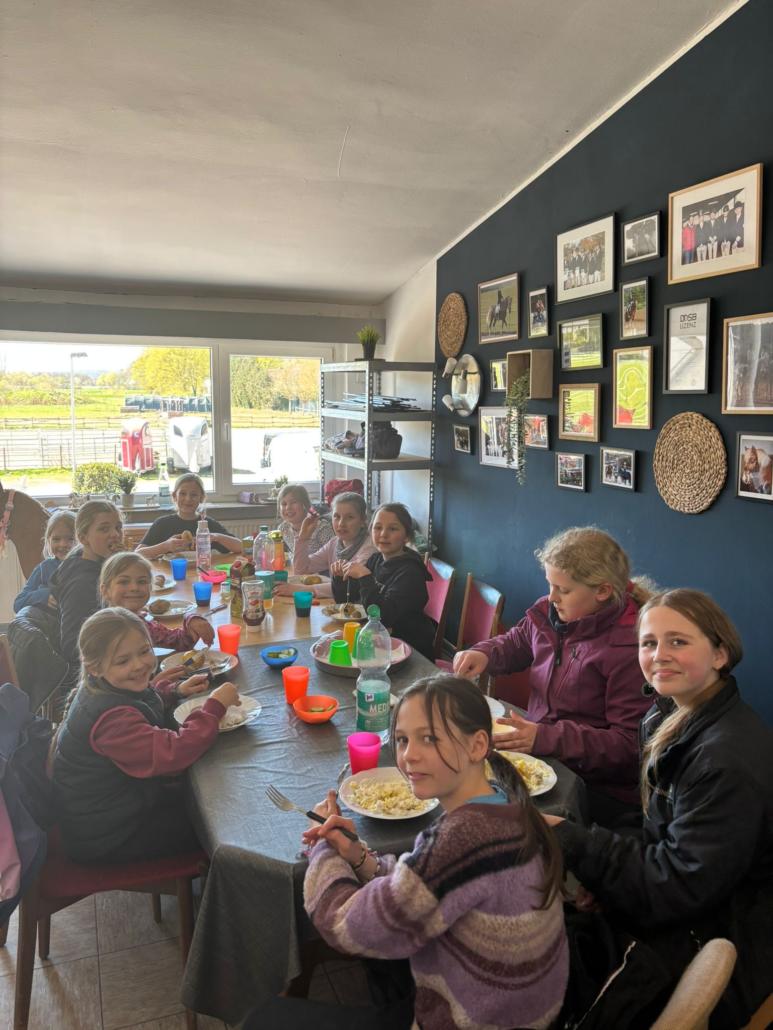
Next up was ground work—with ponies and on foot. After lunch together at the Reiterstübchen, featuring a specially planned menu, everyone enjoyed some playtime together in the riding arena and in the tent before parents and relatives arrived to pick them up at 2:00 p.m.


Enormous progress

“It was a really great week with the girls; they all got along really well, and their progress in riding from Day 1 to Day 6 was truly remarkable!” Julia Werth says enthusiastically.

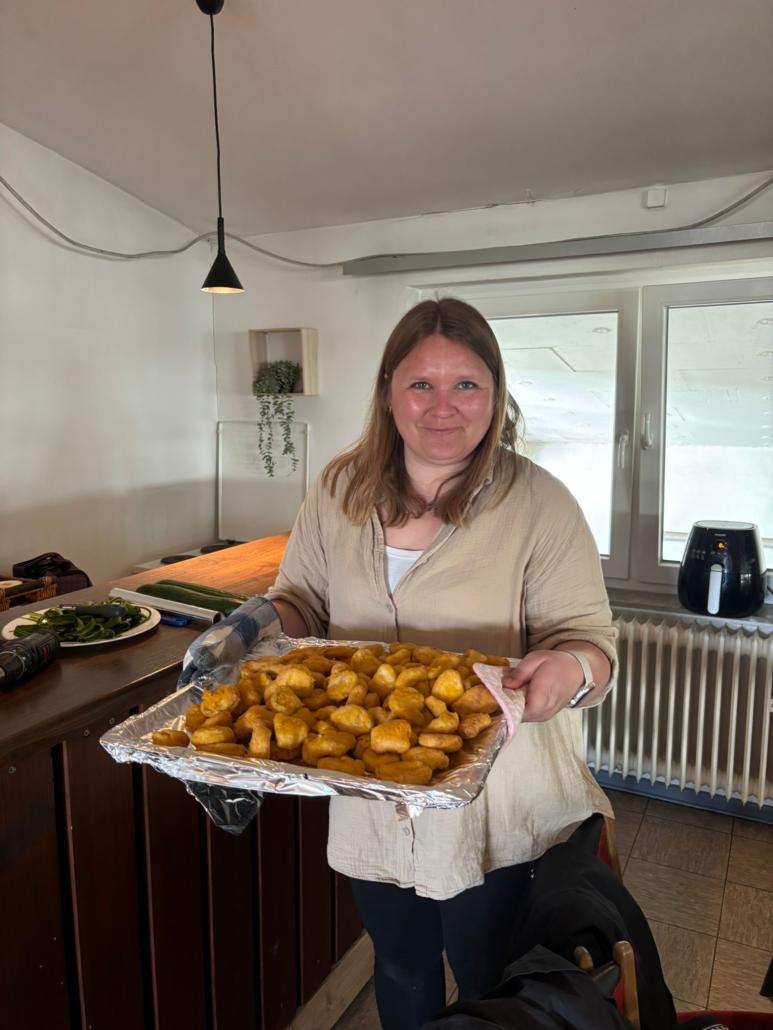
On the day of the exam, family members watched, and there was a delicious potluck buffet. During the exam, the students had to demonstrate what they had learned under the watchful eye of the judge.


Personalized Support from the Riding School Team

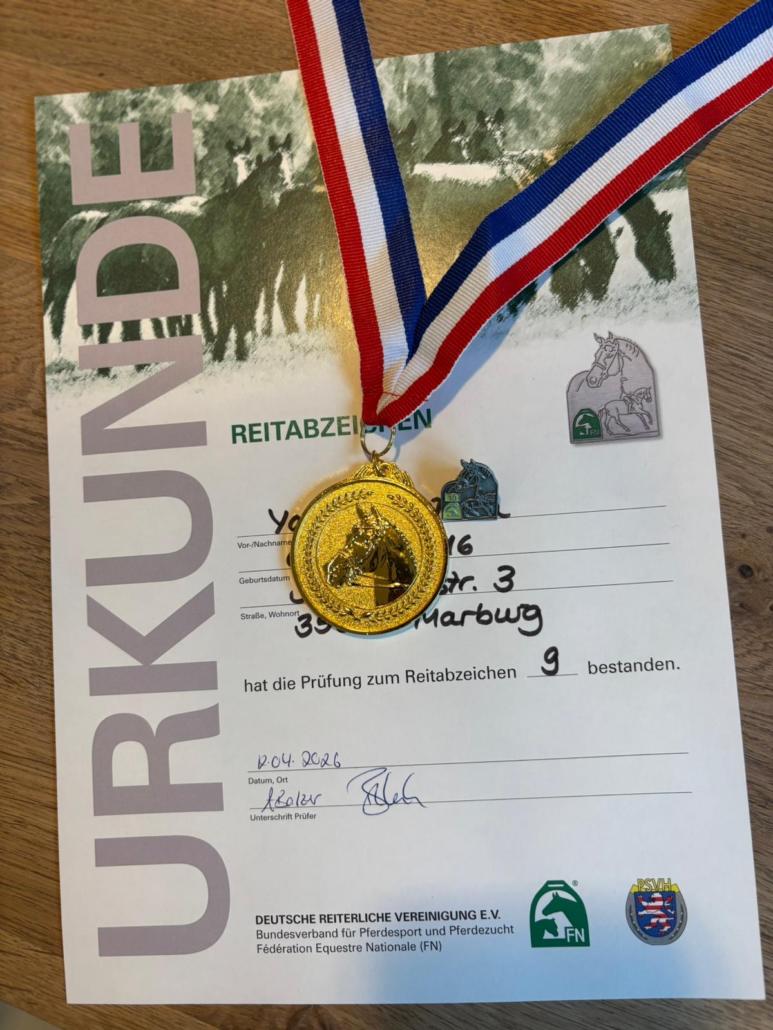
Some of the children were very excited, but thanks to the attentive guidance of the riding school team and their mutual support, all the riders passed their motivation badge test with flying colors and were beaming as they received their certificates.

The grooming competition prize was quickly changed to medals for everyone, since it was impossible to choose a single winner. Everyone did such a great job and made the ponies’ and horses’ coats shine!


The following badges were developed:


Motivational Badge 8:

Greta Emilie Reimann

Elise Charlotte Backes

Marie Di Cato

Anna Ayiana Schneider


Motivational Badge 9:

Cleo Emilia Bohn

Julia Geisler

Annabelle Estelle Wenz

Yasmin Werth


Motivational Badge 10:

Maya Sophie Mey

Frieda Sophia Reimann


The Badge System as a Measure of Training Progress: What Do Badges 10 through 6 Mean in Equestrian Sports?

You can find answers to this question at the following link on the website of our partner, the German Equestrian Federation (FN): https://www.pferd-aktuell.de/ausbildung/abzeichen-im-pferdesport/abzeichen-im-pferdesport


Interested in a course or riding lessons?

The next course at Steinmühle is already in the planning stages; for more information, visit https://reitschule.steinmuehle.de/

Those interested can find information about riding lessons at reitschule@steinmuehle.de

(Heinm)


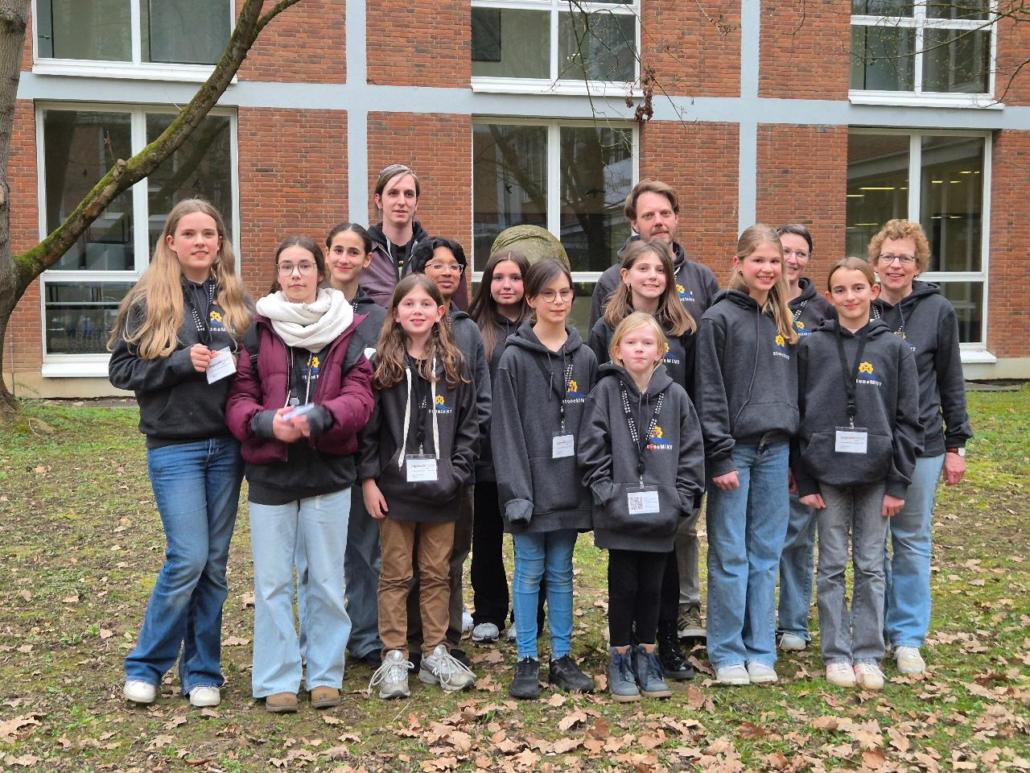
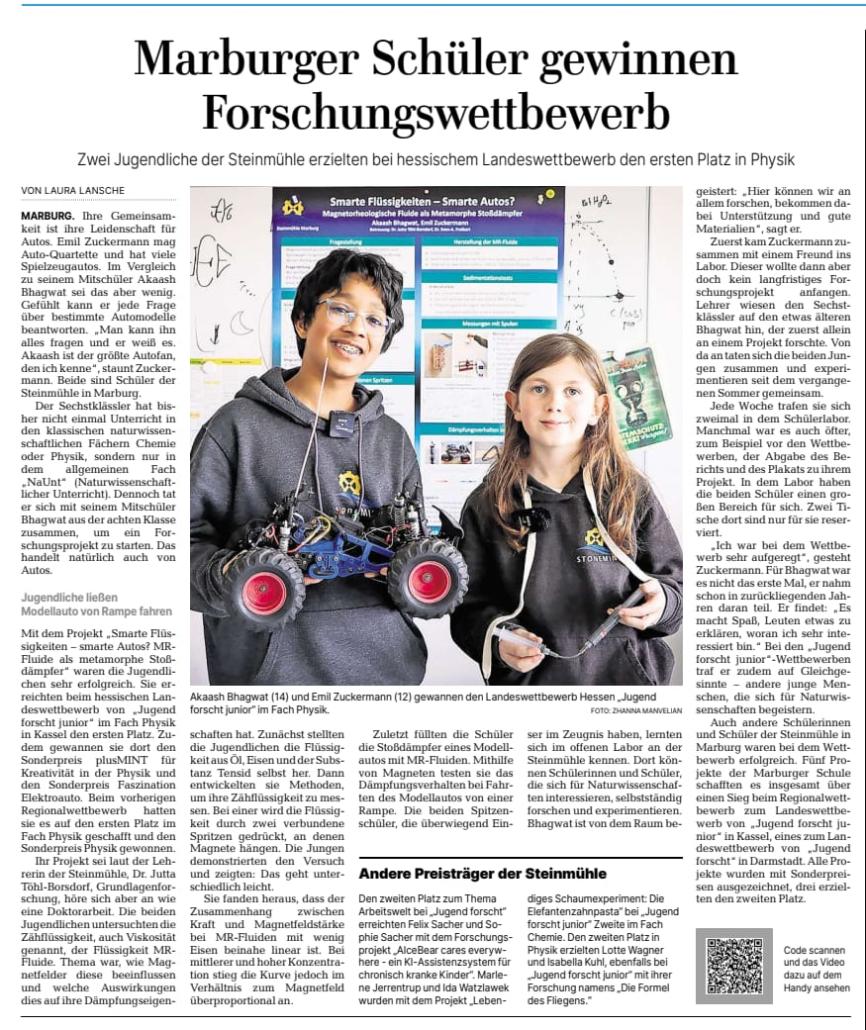
Anyone who claims that young people today lack an interest in the natural sciences and fail to achieve success in those fields clearly hasn’t yet taken a look around the plus-MINT boarding school Steinmühle. There, in fact, the students have racked up one victory after another in the “Jugend forscht” competitions. Akaash Bhagwat (14) and Emil Zuckermann (12) recently took first place in physics at the state level in this competition.


A Dedicated Team of Teachers

There’s a whole team of students at Steinmühle High School who are investing a lot of enthusiasm and time in the subjects of math, computer science, natural sciences, and technology. An amazing fact: Not a single one of them went home empty-handed from this year’s “Jugend forscht” competition! The fact that Steinmühle in Marburg stands out from surrounding high schools with these results also makes the teachers proud. STEM coordinator Dr. Jutta Töhl-Borsdorf says, “Our students are eager to do research, and we as a team of teachers support them in that.”

It goes without saying that this team itself consists of die-hard scientists. However Dr. Jutta Töhl-Borsdorf, Dr. Sven Freibert, Malte Klimczak, Dr. Eva Neumann, Antje Seel, and Dr. Patrick Szabo manage to do it—they manage to inspire the young people.


“An outstanding piece of work”

The laudatory speech for the winners of the Hessian state competition “Jugend forscht” in physics, Akaash Bhagwat and Emil Zuckermann, certainly offers deep insight: “…They presented an outstanding project on the topic “Smart Fluids—Smart Cars?”, which impressed us with its exceptionally high level of motivation and genuine interest in the subject.
We particularly appreciated your highly structured scientific approach, in which you systematically varied influencing factors independently of one another, conducted measurement series meticulously, and evaluated your results in a clear, meaningful, and reproducible manner,” the laudatory speech states.


What had Akaash and Emil done?

Since both students are huge car fans, it was obvious: their joint research project would be about cars. The two teenagers investigated the viscosity of MR fluids. Magnetorheological (MR) fluids are smart functional fluids that change their viscosity—that is, their viscous properties—from liquid to semisolid within milliseconds when exposed to a magnetic field. Using various measurement methods, Akaash and Emil developed a working prototype for adaptive shock absorbers. — A success that earned them press coverage, including an article and a video, about their research.

Considering that in the previous regional qualifying round, all 6 of the 6 teams from Schule & Internat Steinmühle that competed had emerged victorious, that fact alone must be described as absolutely extraordinary. The fact that several Steinmühle teams subsequently competed at the very top at the state level is evident from the following list:


The “Jugend forscht” winning teams in the regional competition (RW) and the state competition (LW):

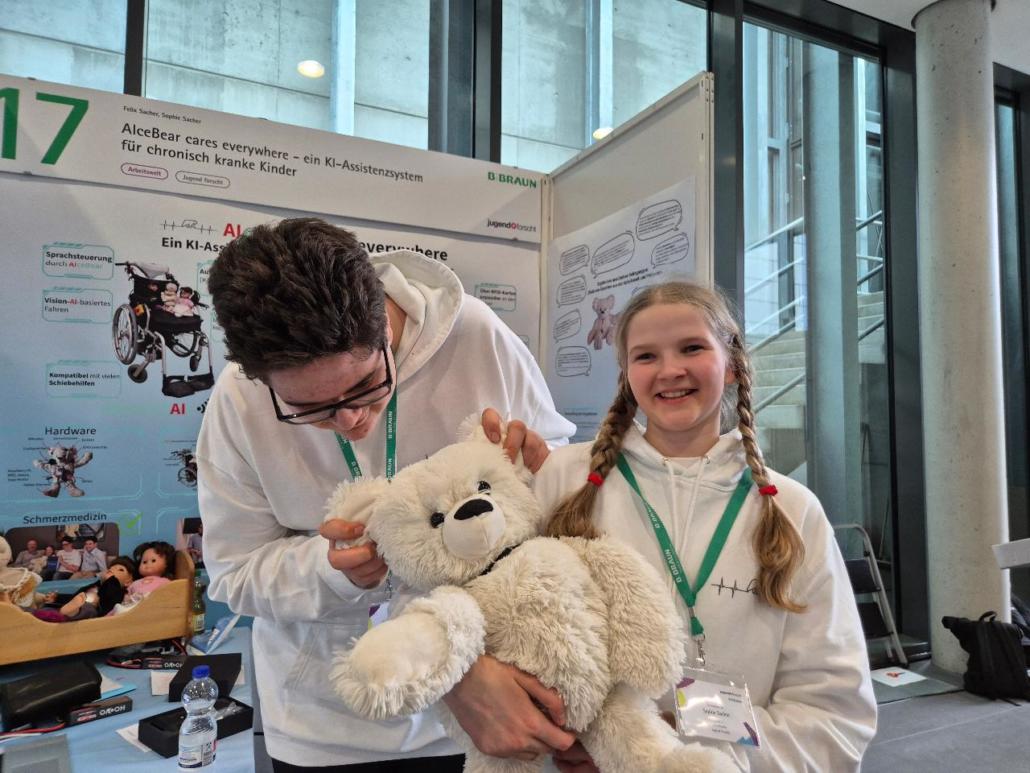
Felix Sacher (10th grade) and Sophie Sacher (6th grade) / Topic: AIceBear cares everywhere—AI assistance system for chronically ill children: RW 1st place in the “Working World” category, LW 2nd place in the “Working World” category & Special Prize from the German Hearing Aid Industry Association

Aurelia Wild, Marietheres Schwabe, Fatma Sepetcigil (5th grade) / Topic: Making Baby Diapers More Eco-Friendly—Plant Power Instead of Superabsorbents: RW 1st Place in Chemistry, LW Geolino Special Prize (Participation in the “Jugend Forscht Junior” competition)

Marlene Jerrentrup, Ida Watzlawek (6th grade) / Topic: Living Foam Experiment: Elephant Toothpaste: RW 1st Place in Chemistry, LW 2nd Place in Chemistry & Special Prize from the German Chemical Industry Association (VCI) (Participation in the “Jugend Forscht Junior” competition)

Lotte Wagner, Isabella Kuhl (7th grade) / Topic: The Formula for Flight: RW 1st place in physics, LW 2nd place in physics & special award for attention to detail (participation in the “Jugend Forscht Junior” competition)

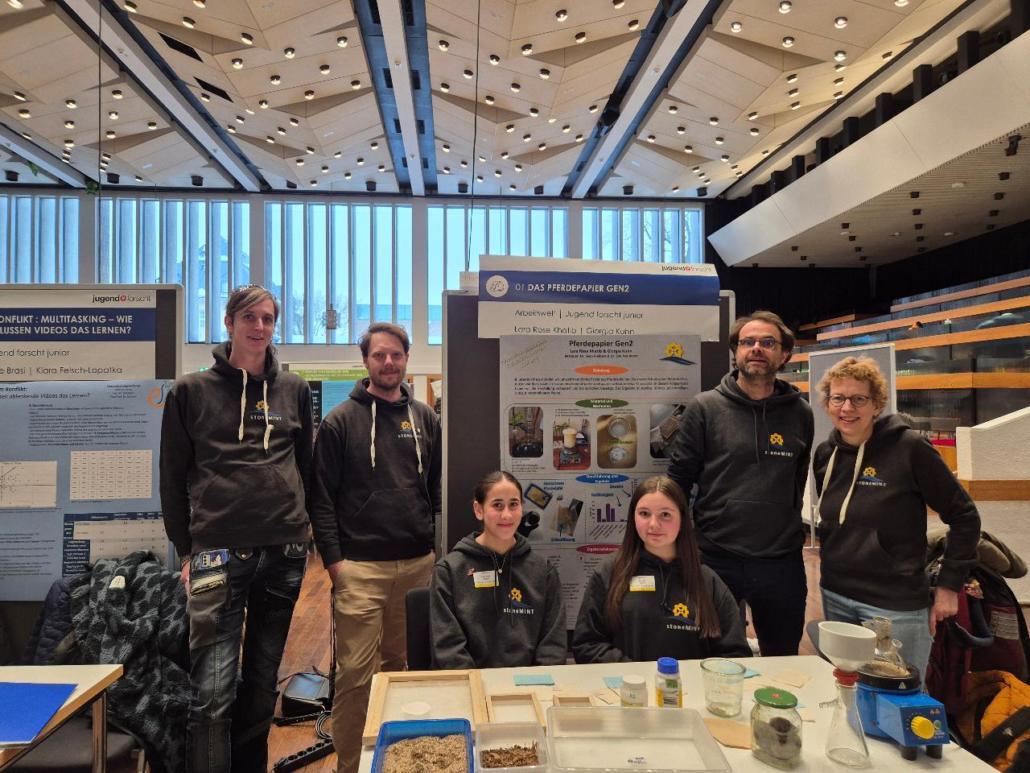
Lara Khatib, Giorgia Kuhn (8th grade) / Topic: The Gen2 Horse Paper: RW 1st Place in the “Working World” category, LW Special Prize for Materials and Substances (Institute of Materials Science and Engineering). Participation in the “Jugend Forscht Junior” competition.

Akaash Bhagwat (8th grade), Emil Zuckermann (6th grade) / Topic: Smart Fluids—Smart Cars? MR fluids as metamorphic shock absorbers; RW: 1st place in Physics & Special Prize in Physics (game prize); LW: 1st place in Physics and the plusMINT Special Prize for Creativity in Physics. “Fascination with Electric Cars” experiment kit.


Unfortunately, there is no national competition in this category.

Akaash and Emil also participated in the “Jugend Forscht Junior” competition, which is for their age group. There is no national finals round in this competition category. However, both have been invited to the plusMINT Research Camp in Louisenlund in early August. — Have fun there, you two!

(Angela Heinemann)


Oberhessische Presse, April 7, 2026
109 schools submitted their videos to the 6PM brand’s challenge. The goal: to “win” graduation hoodies. Our graduating class was one of the entrants—and now we’re overjoyed. Because it actually worked out!

Livia Sophie Schulze, a 13th-grade student, explains that the path to the goal wasn’t as easy as it seemed:

The idea came about in early February, when a well-known TikTok challenge by the brand 6PM reached our graduating class. Several students took inspiration from it and developed their own version in the style of a casting show centered around our senior hoodies. Hessein Koheil, in particular, was a strong advocate for making sure the idea actually came to fruition.


Two days of filming and two sleepless nights

The project was supported by a dedicated group of about 15 students from our class. Despite initial criticism—mainly due to the very tight deadline—we decided to go ahead with the project anyway. After just two days of filming and two sleepless nights spent editing, the finished video was finally complete.


A round of applause for the IT team

Our IT team also played a major role in this: Raphael Miller and Christian Savage supported us with their technical expertise, high-quality equipment, and assistance with the script and its implementation.

We are very grateful for the dedication of everyone involved and proud of what we’ve created together in such a short time. Now we’re even more excited for our graduation hoodies from 6PM!

(Heinm)


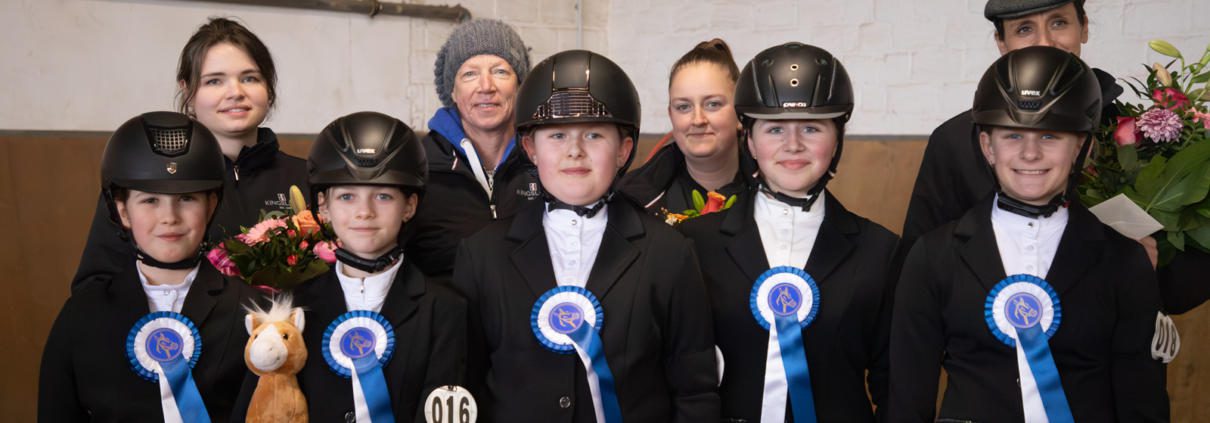
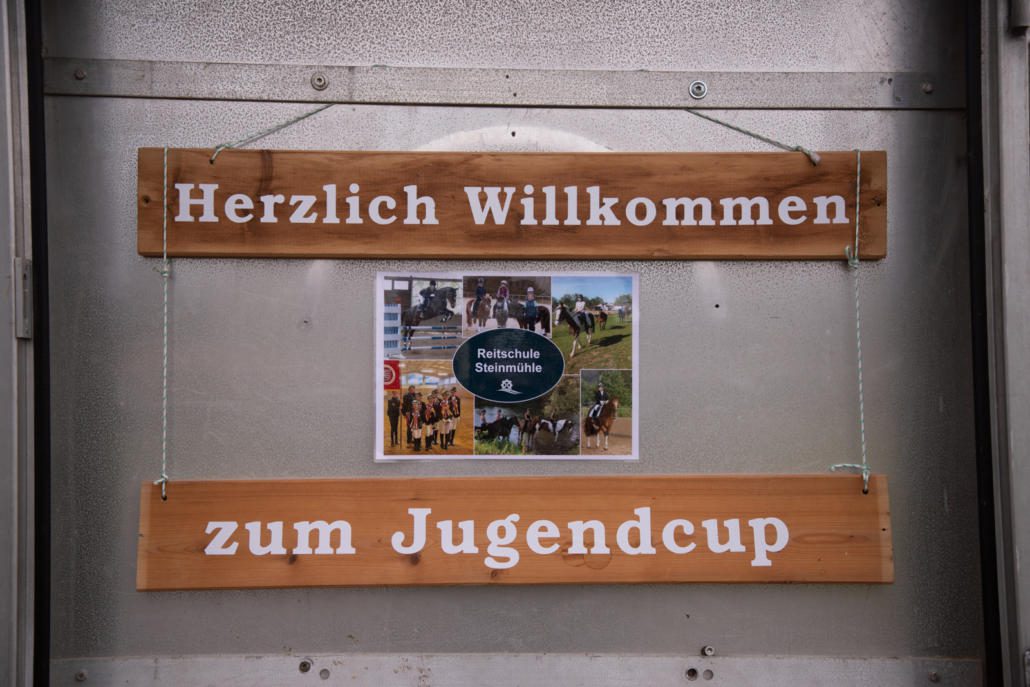
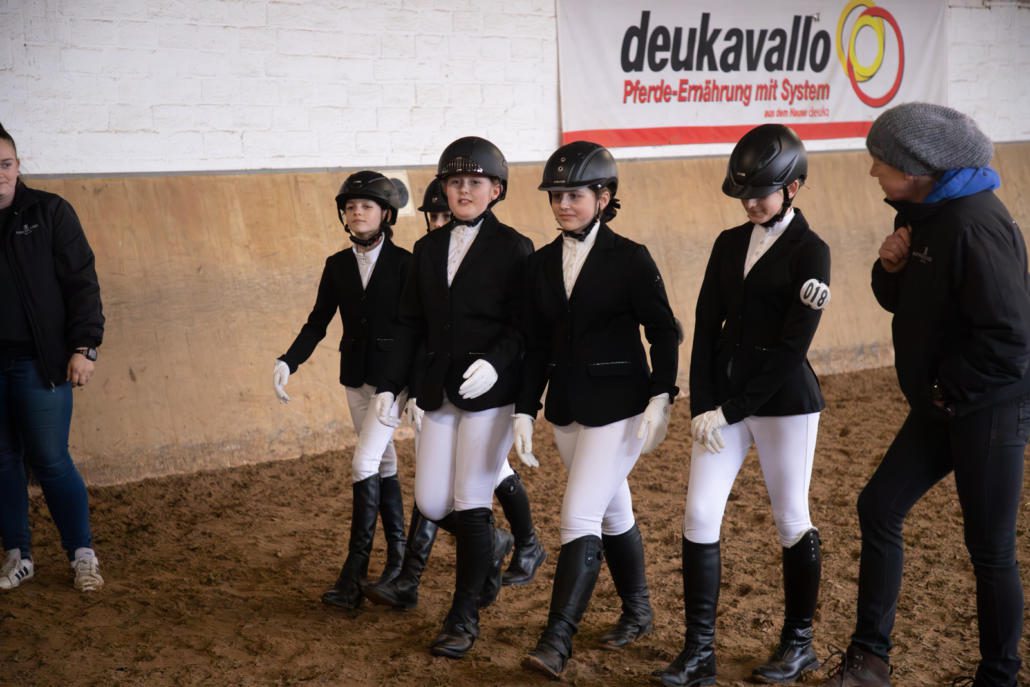
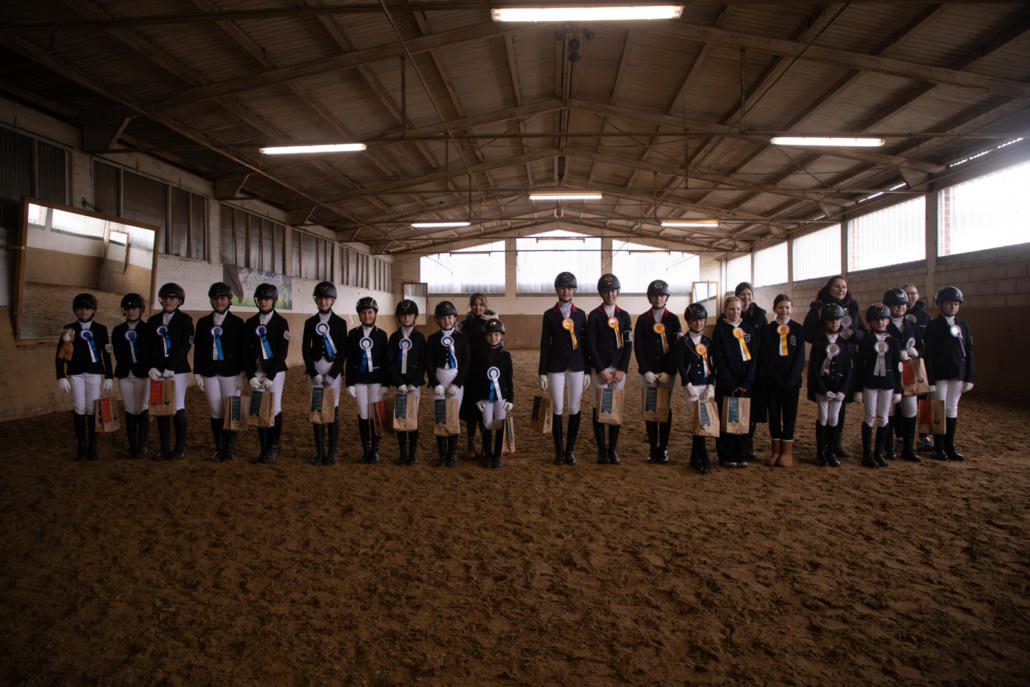
Finally, another horse show at Steinmühle! Shortly after the return of Beate Schridde—the trusted stable manager, riding instructor, and trainer—to the Steinmühle Riding School, the popular Youth Cup was held there again following a lengthy hiatus. Teams from Sterzhausen, Mengsberg, and Rauschenberg were in attendance to demonstrate their skills before the experienced judge Albrecht Welz. In addition to the dressage test, participants were also tested on their theoretical knowledge, as is customary at the Youth Cup.


Improvements in performance are already clearly evident

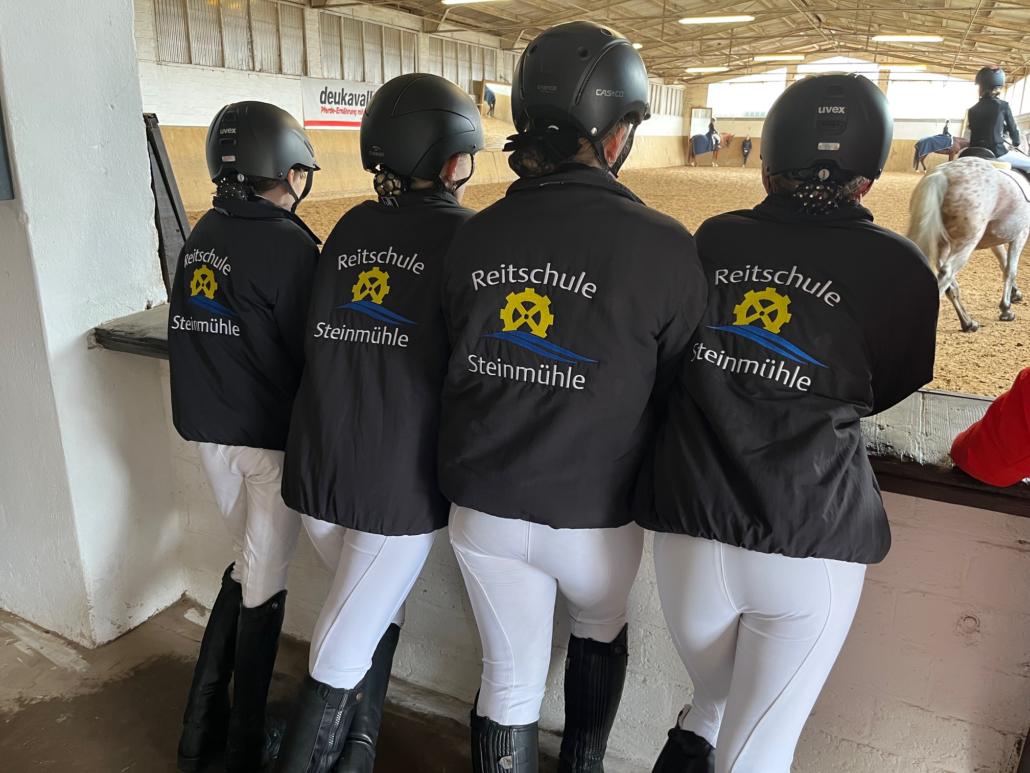
As for the riding performances of the Steinmühlen riders, Beate Schridde has already noted a significant increase in the scores achieved compared to their first two appearances in the Youth Cup following their long “hiatus.” The girls, dressed in their riding attire bearing the Steinmühlen emblem, cut a fine figure not only as spectators along the sidelines but also on horseback—much to the delight of the parents of all the participating riders.


Applause for the Renovation and Decor

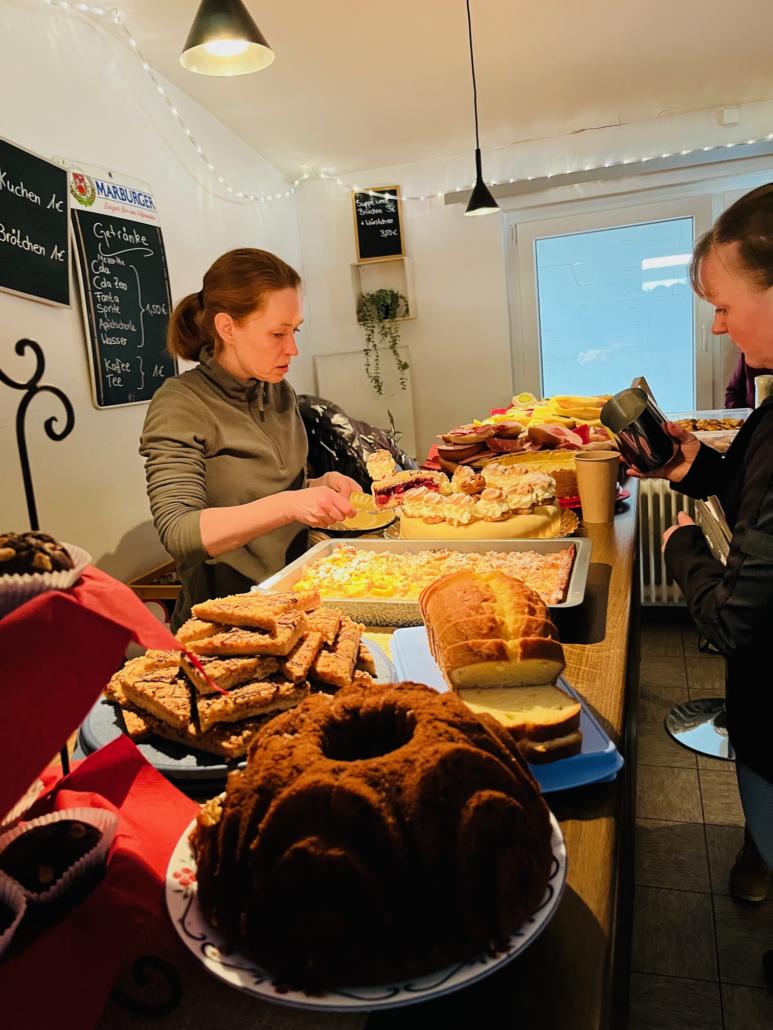
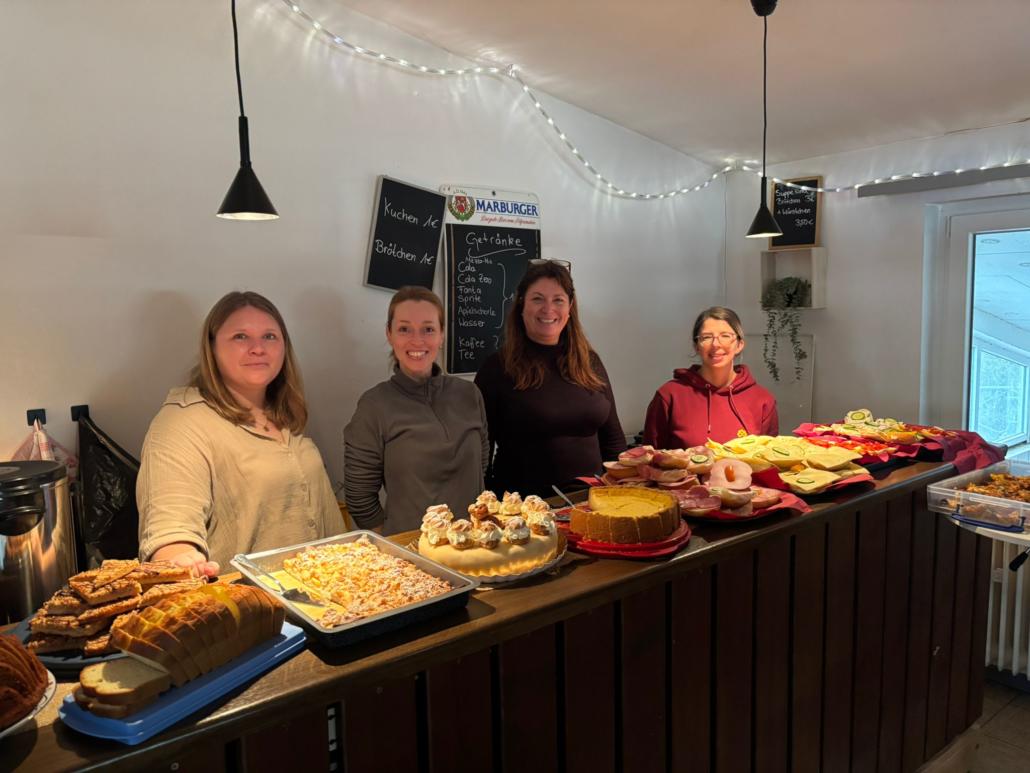
The riding club’s planning team had worked tirelessly to prepare for the event, renovating and decorating the premises until they were barely recognizable. A wide selection of food and drinks was provided to cater to the needs of the visitors, who included members of the riding teams and numerous interested guests.


“Proud to be able to lead the riding club”

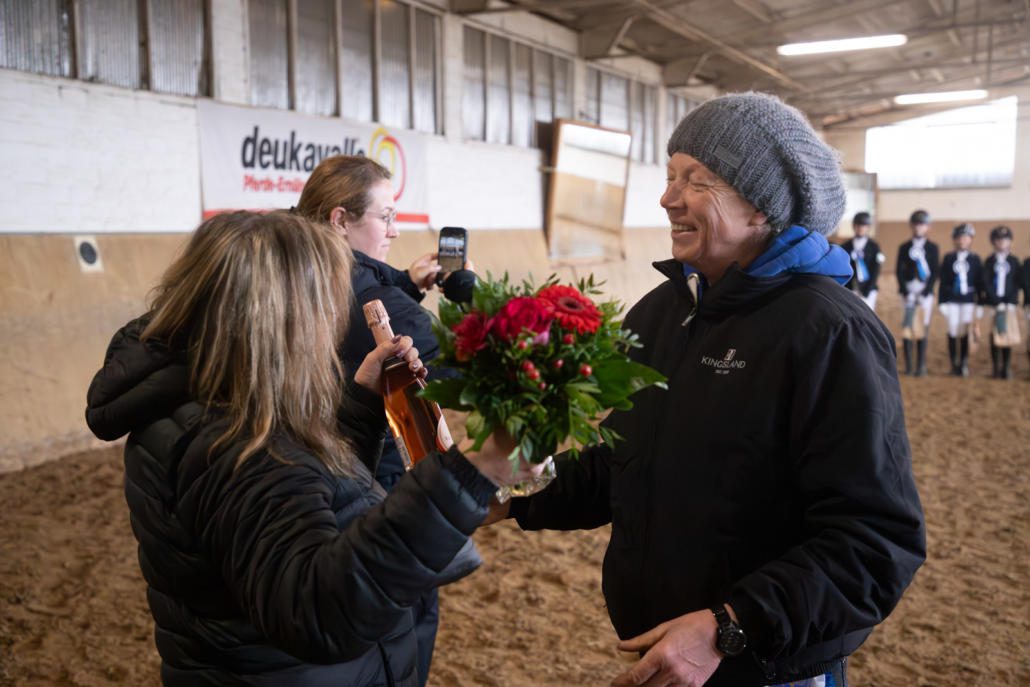
In light of all these positive developments, Manuel Miltschelff, the new president of the Steinmühle Riding Club, was full of praise: “My daughter has been taking riding lessons with Beate Schridde since November 2025 and is part of the Steinmühle Youth Cup team. It’s really great to see how the girls have grown together as a team and how much their riding skills have improved in such a short time. I’m grateful, and it fills me with pride to be able to lead this wonderful riding club.”


Lots of activity on the grounds

There will continue to be a lot of activity at the Steinmühle Riding Club’s stables in the near future, including the renovation of the stable wing, which is already underway. As for the club’s activities, a variety of courses and workshops are enriching the existing riding programs. More on this coming soon. For an overview of the various courses, click here: https://reitschule.steinmuehle.de/ausbildung/

(Angela Heinemann)

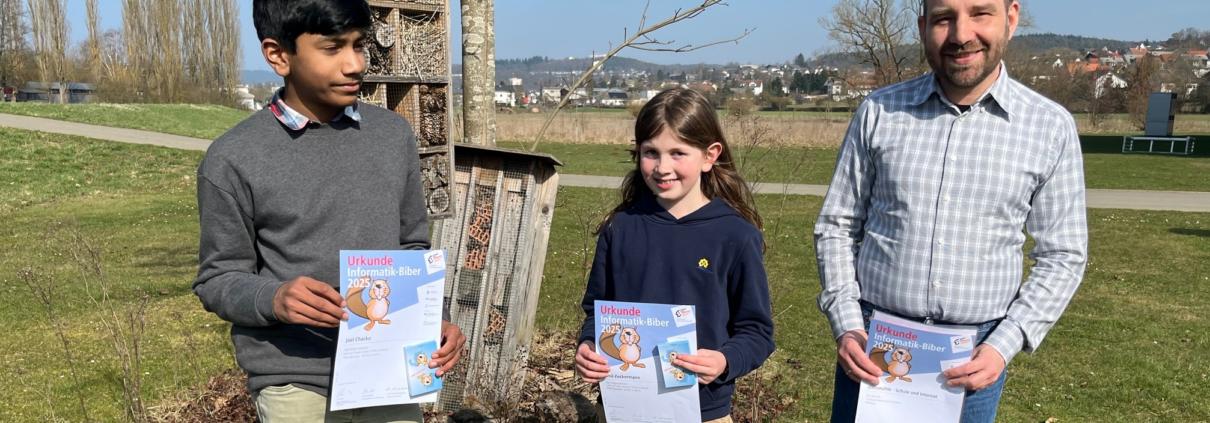
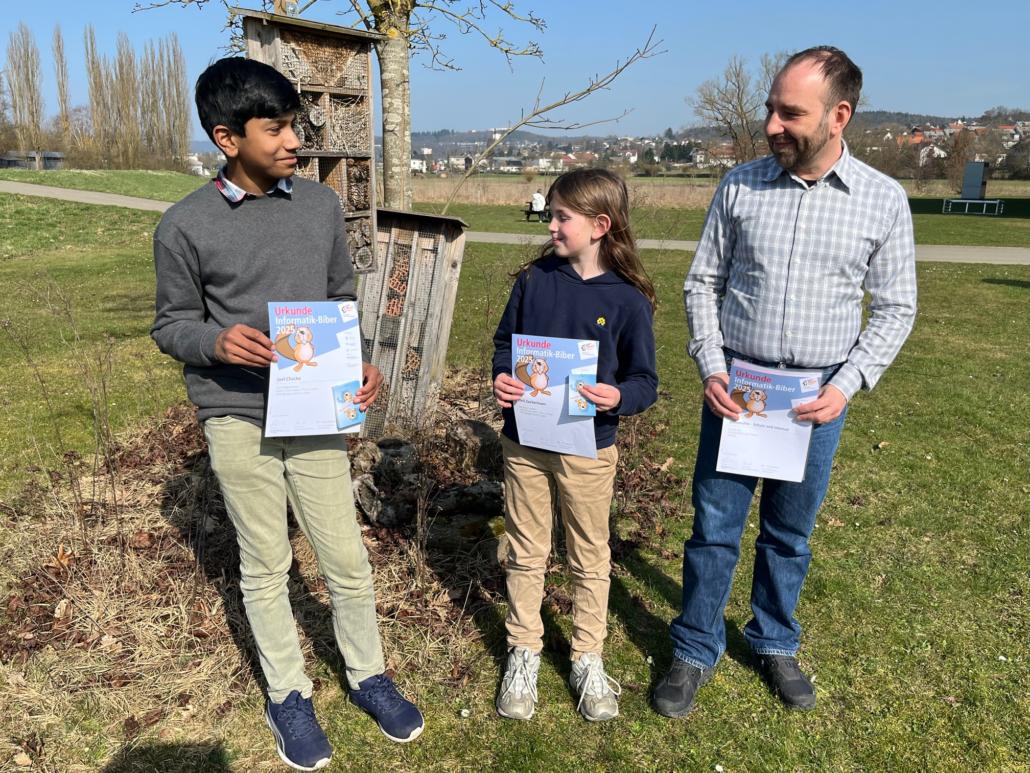
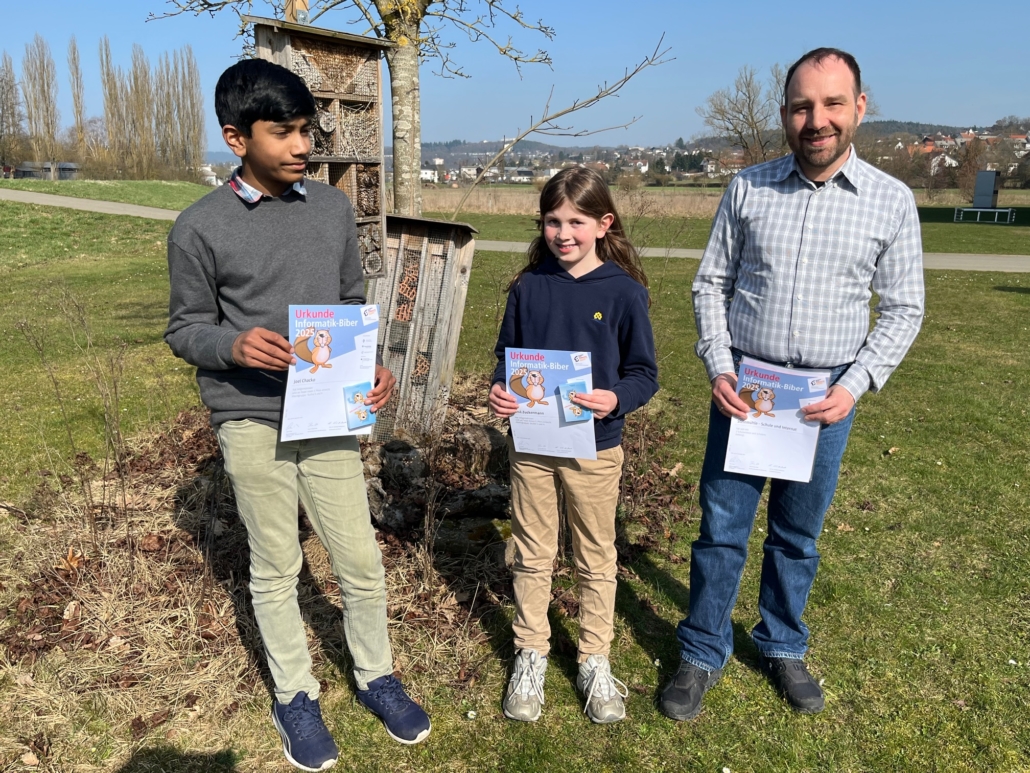
With a performance that far exceeded the standard required for first place, Steinmühlen students Joel (left) and Emil (both in 6a) impressed the judges at the Germany-wide Informatik-Biber competition.

Among the 204,150 participants in grades 5 and 6, they were ultimately among the nearly 2 percent who took home a first prize. That required 117 points—but Joel and Emil scored 144!

The two classmates had worked together as a team on the same screen—and that clearly worked out wonderfully, said computer science teacher Steffen Ullwer. Like his two students, he, too, was awarded a certificate for this remarkable achievement.

All we can say is: Hats off to such talent in computer science! We’re sure we’ll be hearing even more from you in the future.

(Angela Heinemann)


The Steinmühle sent six projects to the regional “Jugend Forscht” competition over the weekend—and returned with six first-place finishes! All of the Steinmühle’s participating projects won the regional title in their respective fields! As a result, the Marburg high school will travel to Kassel from March 20 to 21 with a total of 11 students and five projects to compete in the state competition of “Jugend Forscht Junior.” One group will compete in the state competition for older students in Darmstadt.

Ideas… they don’t really exist. Marietheres Schwabe, Aurelia Wild, and Fatma Sepetcigil from 5th grade had one. In their research, they focused on making baby diapers more eco-friendly—using plant power instead of superabsorbents.

Under the guidance of teachers Dr. Jutta Töhl-Borsdorf and Dr. Patrick Szabo, the group’s project in the “Working World” course sought an ecological alternative to the non-biodegradable superabsorbent used in baby diapers. In extensive tests of absorption capacity, absorption speed, and pressure stability, the students found that a mixture of apple pectin and konjac powder works very well. This combination of materials even passed the practical test in a “modified diaper” with Aurelia’s little brother.


A Closer Look at Elephant Toothpaste

Marlene Jerrentrup and Ida Watzlawek from 6th grade, under the guidance of Dr. Patrick Szabo and Antje Seel, conducted a “Living Foam” experiment in their chemistry class: Elephant Toothpaste

The group investigated how temperature, the amount of yeast, the amount of dish soap, and the concentration of hydrogen peroxide affect the amount of foam produced. Among other things, the young researchers found that you should use a lot of yeast, but not too much dish soap.


Unraveling the Formula for Flight

Isabella Kuhl and Lotte Wagner, seventh-graders, tested the formula for flight under the supervision of Malte Klimczak and Dr. Jutta Töhl-Borsdorf in the physics department.

The two researchers re-examined a recently discovered formula that can be used to calculate the wingbeat frequency of insects and birds based on the animals’ masses and wing areas. To do this, they measured and analyzed free-flying insects and butterflies they had raised themselves using video analysis. They also investigated how changes in the mass of an ornithopter (a wind-up model bird) affect its flight behavior.


A special project by young car enthusiasts

Akaash Bhagwat (8th grade) and Emil Zuckermann (6th grade) focused their project on the potential interaction between smart fluids and smart cars. Under the guidance of Dr. Jutta Töhl-Borsdorf and Dr. Sven-A. Freibert in their physics class, they investigated the fascinating properties of magnetorheological fluids and subsequently conducted experiments they designed themselves, which demonstrated how viscosity and damping behavior can be specifically controlled by magnetic fields. Finally, the students filled the shock absorbers of a model car with the magnetorheological fluid and demonstrated adaptive damping using a ramp test.


Paper made from horse manure has been further developed

Lara Khatib and Giorgia Kuhn from 8th grade worked on further developing their project, which involves producing eco-friendly paper from horse manure. Under the guidance of Dr. Sven Freibert and Dr. Eva Neumann, the two students were able to significantly improve the production of their eco-friendly paper from horse manure in this follow-up project as part of the “Working World” course. Among other things, adding starch reduced the paper’s brittleness. The result is a second-generation (Gen2) paper that is sturdy, thin, uniform, and easy to write on.


The AIceBear is a seasoned competitor

The AIceBear has already traveled with siblings Sophie and Felix Sacher to many competitions, including one in Singapore (as we reported). Now, the project—an AI-driven assistance system for chronically ill children—has been presented at Jugend Forscht in the “Working World” category and has qualified directly for the state competition. To present it to the jury, they’ll be heading to Darmstadt at the end of March, while the younger students will have to explain their experiments to the experts in Kassel.

The students are feeling confident about the next round.

(Angela Heinemann)

Gymnastics is a new sport at Steinmühle; at any rate, this sport has been revived after a very long hiatus—and is currently highlighted by the school’s participation in the “Youth Training for the Olympics” competition. Lotta Jerrentrup from Class 9a reports:

“At the end of January, our school gymnastics team had the opportunity to compete in the regional finals of ‘Youth Trains for the Olympics’ in Limburg. The team members were Zoe Gundlach, Lotta Jerrentrup (9th grade), Miranda Lammerskötter (7th grade), Marlene Jerrentrup, and Ida Watzlawek (6th grade).

In the morning, a shuttle bus picked us up and took us to Limburg. The trip there took 2 hours because we picked up several other school teams along the way. Once we arrived, we found a large gym with a competitive atmosphere, since the “Jugend trainiert” competition mainly features competitive gymnastics teams.


Competition Start According to the English System

First, we warmed up for half an hour. After the entrance march accompanied by music, the competition began according to the English system, which means that each gymnast is allowed one minute on each apparatus (vault, parallel bars, balance beam, and floor) to warm up and get familiar with it, since the apparatus can be used differently in every gym.

Our team started on the vault alongside the Elisabethschule. Next came the parallel bars, followed by the balance beam, and then the floor exercise. We completed all the apparatus and were satisfied with our performance. It was very impressive to see what some of the gymnasts from the competitive groups were able to do—the elements they had mastered on each apparatus. This was followed by a break during which all the apparatus was taken down. Finally, there was the awards ceremony, where, as expected, the school teams from the competitive gymnastics centers swept the top spots. Our school team came in 8th place!


“Taking part really motivated us”

In conclusion, we can say that competing in Limburg was a wonderful experience. Being able to participate really motivated us, and we hope to compete again in 2027! A big thank you goes to our chaperone, physical education teacher Marcel Kalb, who made our participation possible and gave us great support.”


A Pleasant Collaboration

Marcel Kalb, the physical education director at Steinmühle, immediately expressed his gratitude and praise: “We weren’t able to prepare for the competition at Steinmühle because we lack the necessary gymnastics equipment. Here, we received active support from teacher and club coach Thomas Nickol (TSV Ockershausen, Sophie von Brabant School), who not only guided us through the competition and our preparation but was also a very pleasant partner to work with.” Perhaps, says Marcel Kalb, this will lead to a formal gymnastics partnership in the future.

(Heinm)

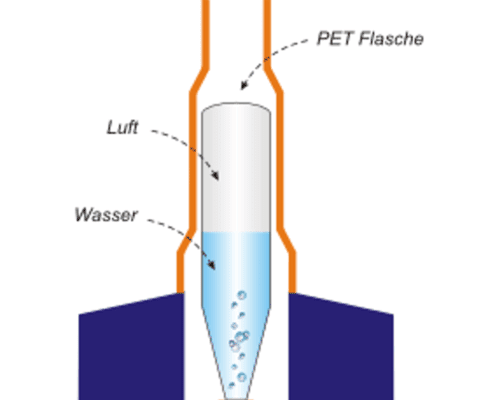
Sign up to participate in the rocket competition, build a water-pressure-powered rocket, and launch it as high as possible on our campus! — That was the challenge issued in project-based learning to physics-enthusiastic students in 6th grade and above.

Several teams got together and began tinkering before later presenting the results of their work to an audience of STEM teachers and classmates.

The rockets could be made of any material, had to have space for an altimeter, and had to include a parachute. The key requirement was that only water-pressure propulsion was allowed.


Start in the cordoned-off area

On the day of the competition, the demonstration began at 2:00 p.m. The setup time in the specially cordoned-off area was also limited—work could not continue for more than an hour.

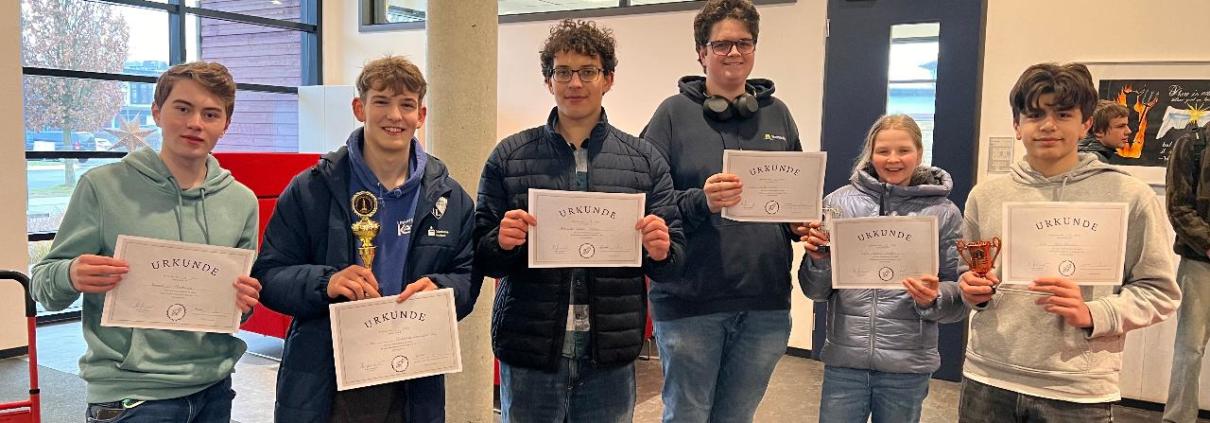
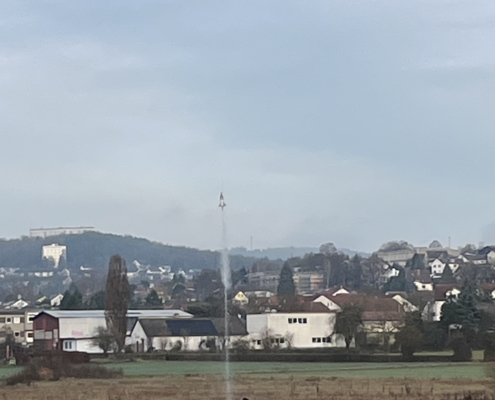
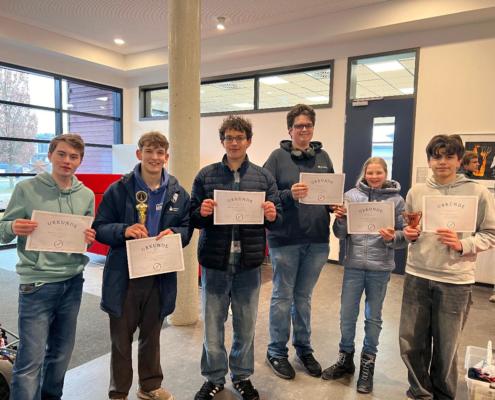
Finally, the moment had arrived: All the rockets took off one after another. Then it was time to determine which rockets had flown the highest. The winners were later presented with certificates and posed for a photo. They were (from left to right) Emanuel (11d), Jan (11d), Alexander (12 PoWi), Felix (10b), Sophie (6), and Junus (10c).

– A slightly different kind of class that everyone really enjoyed, organized mainly by students Helena Steidl and Luca Weingärtner.
(Heinm)