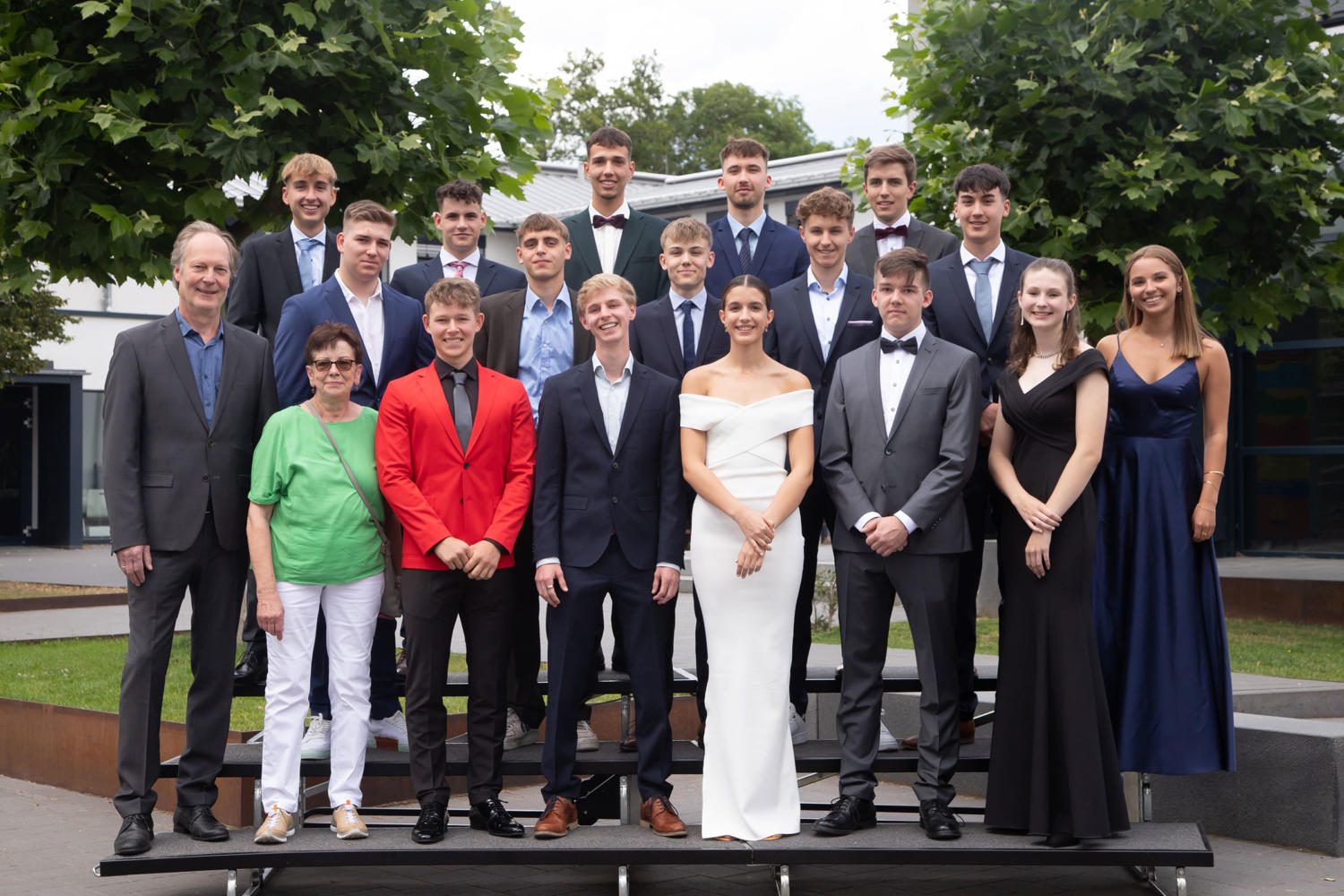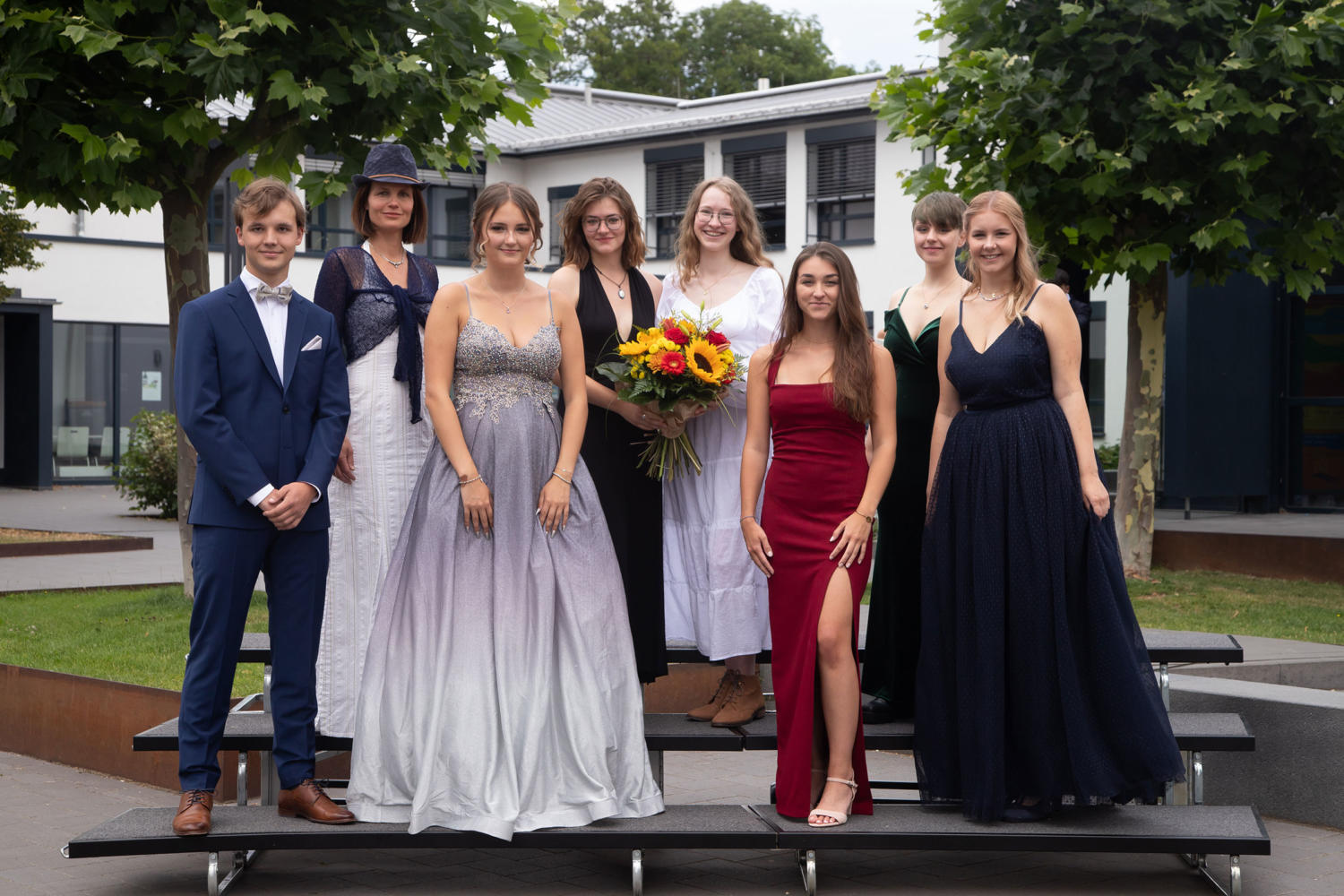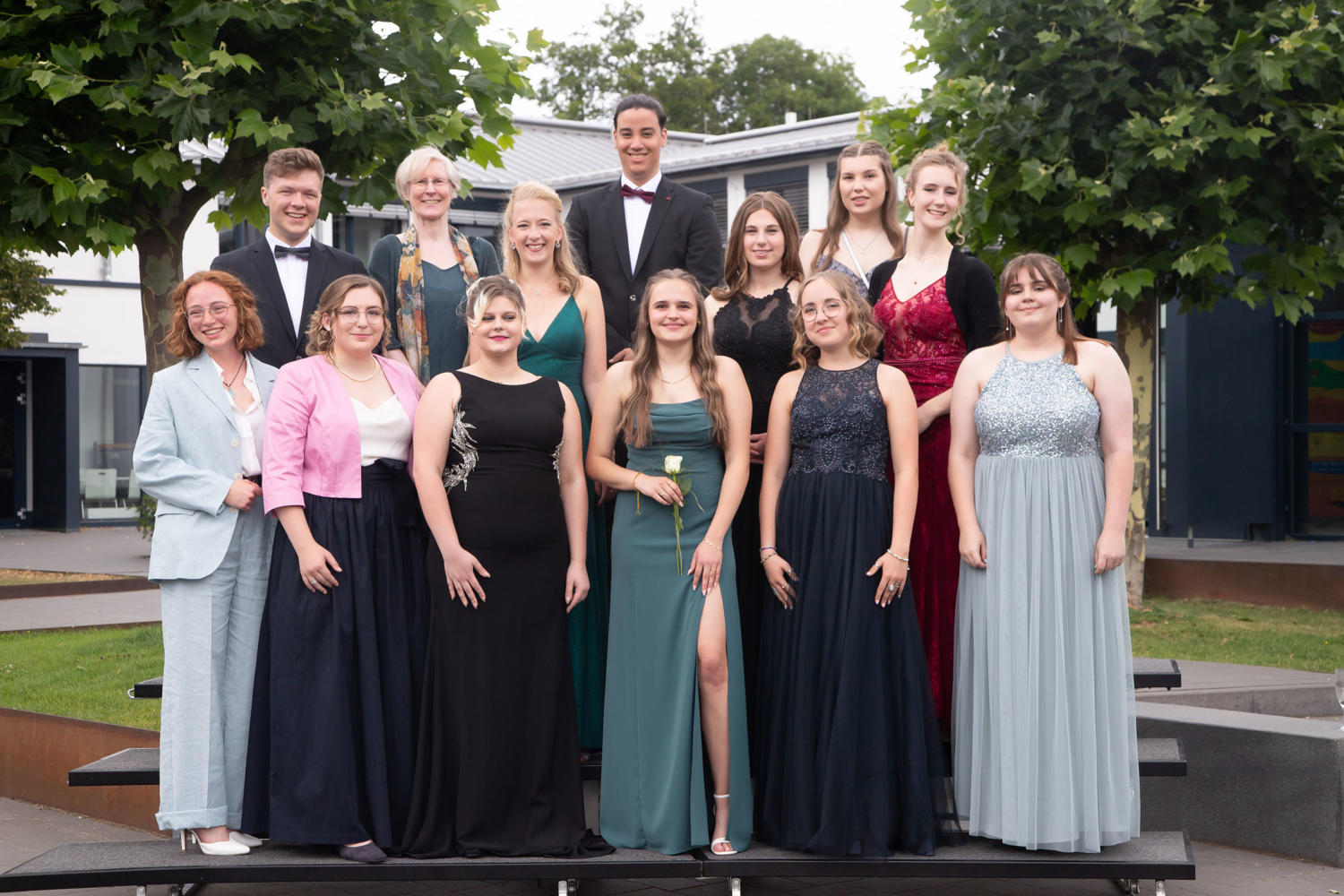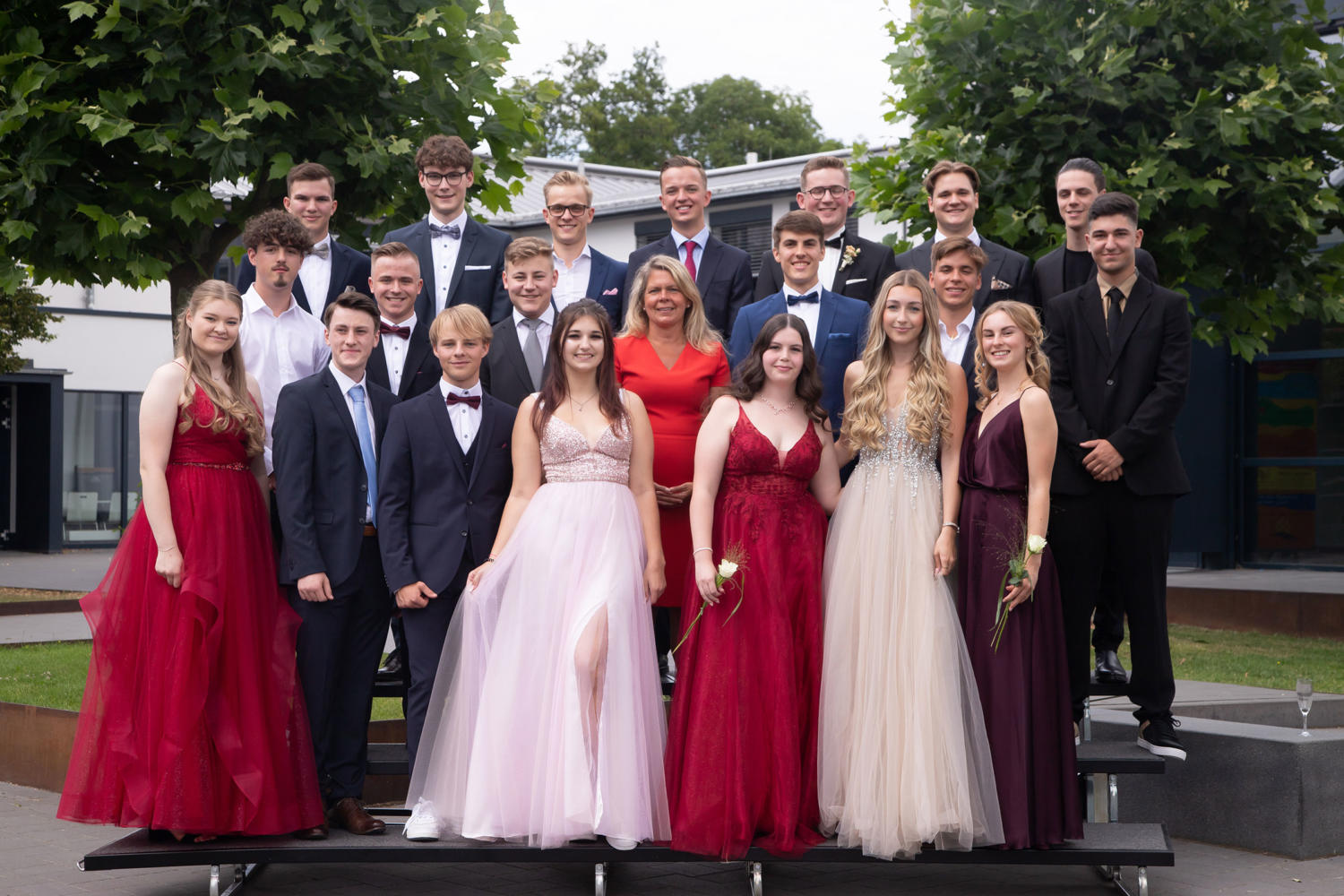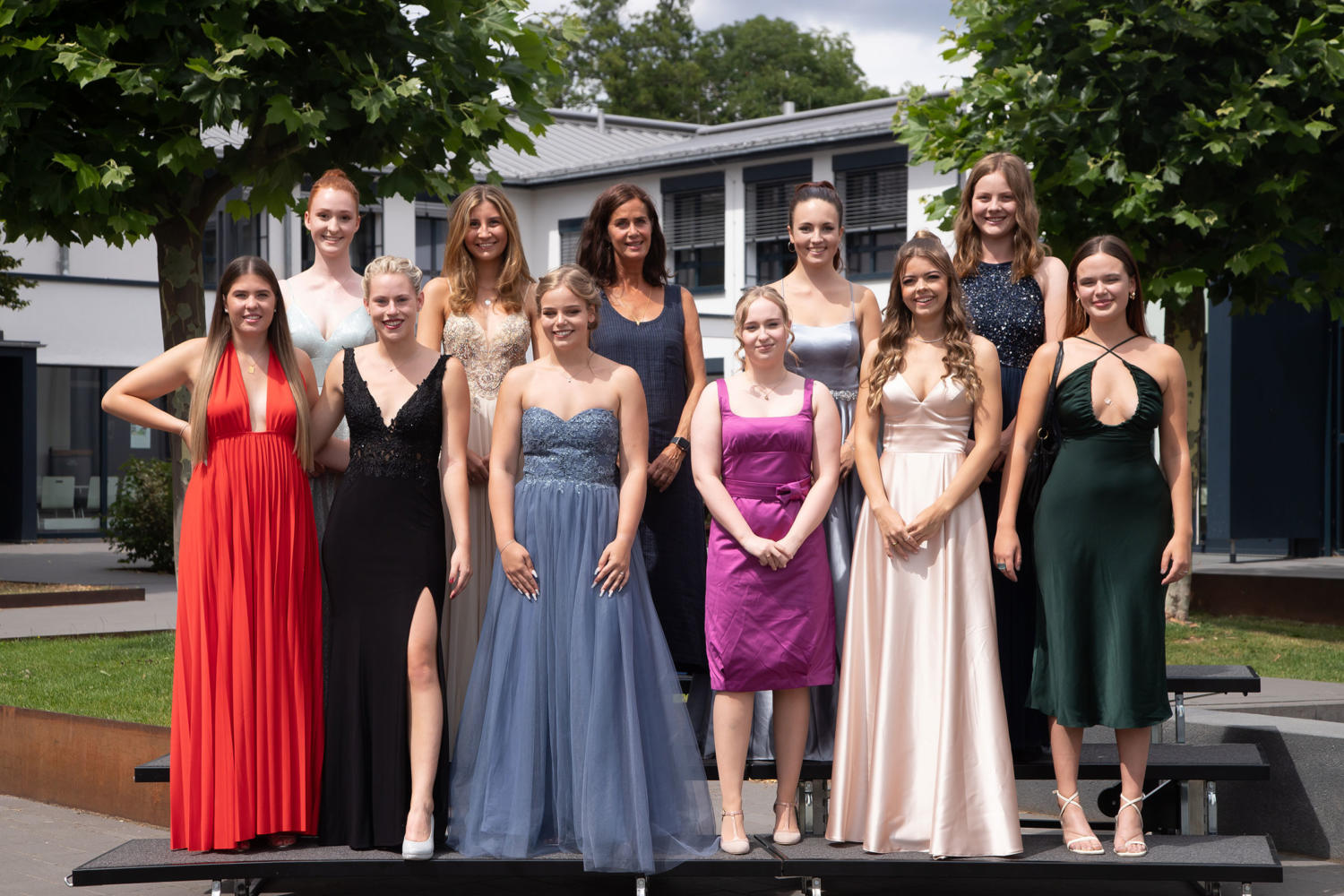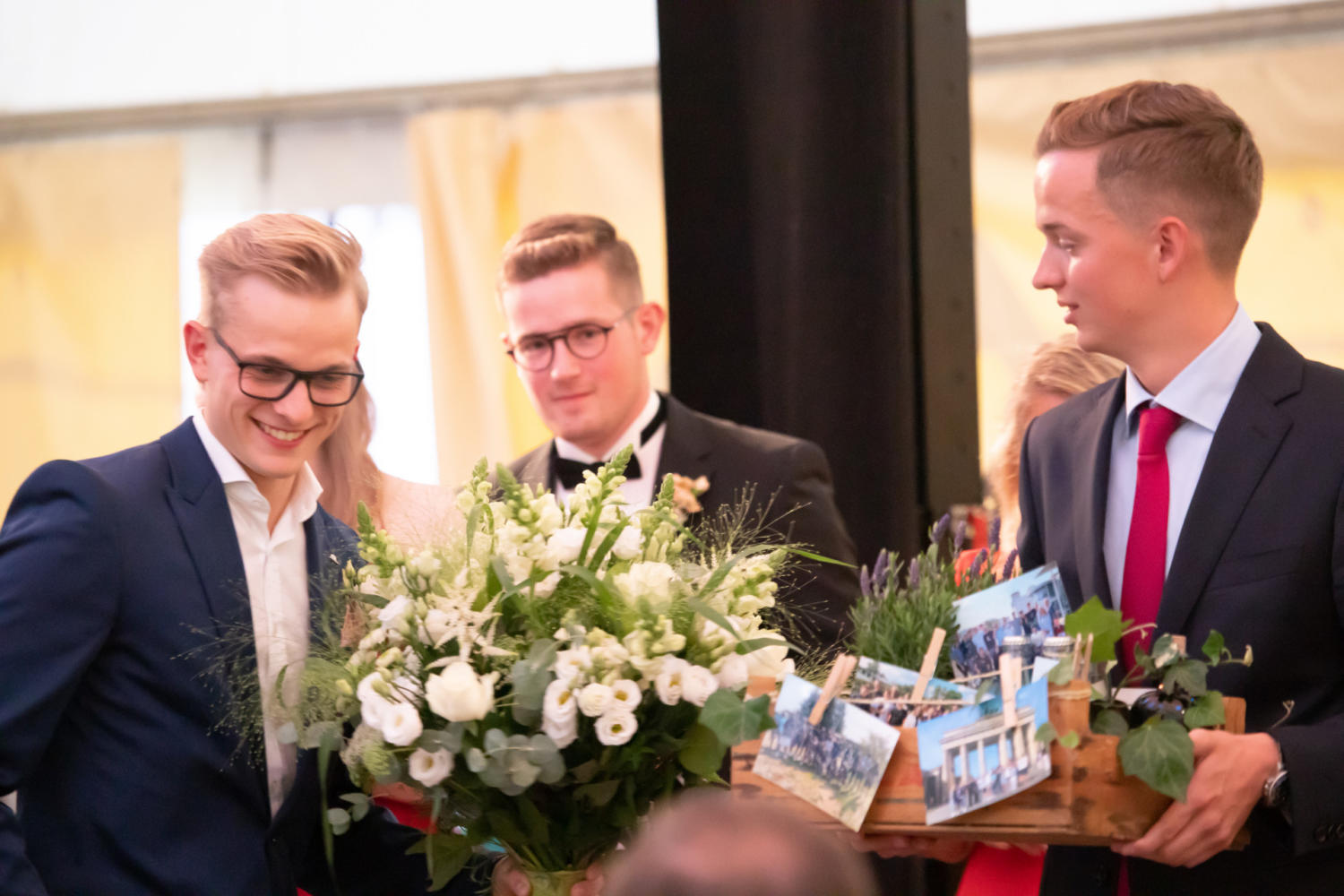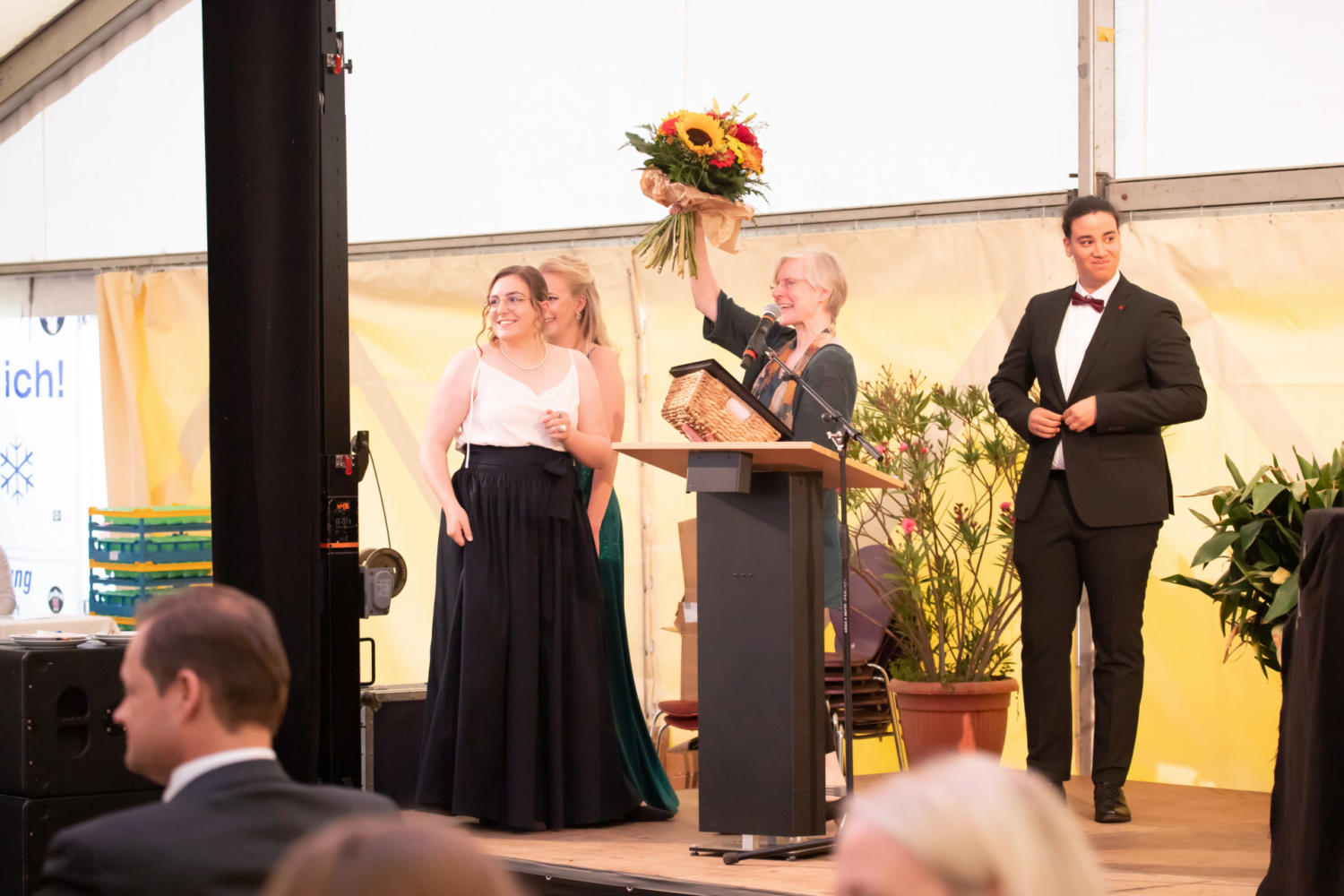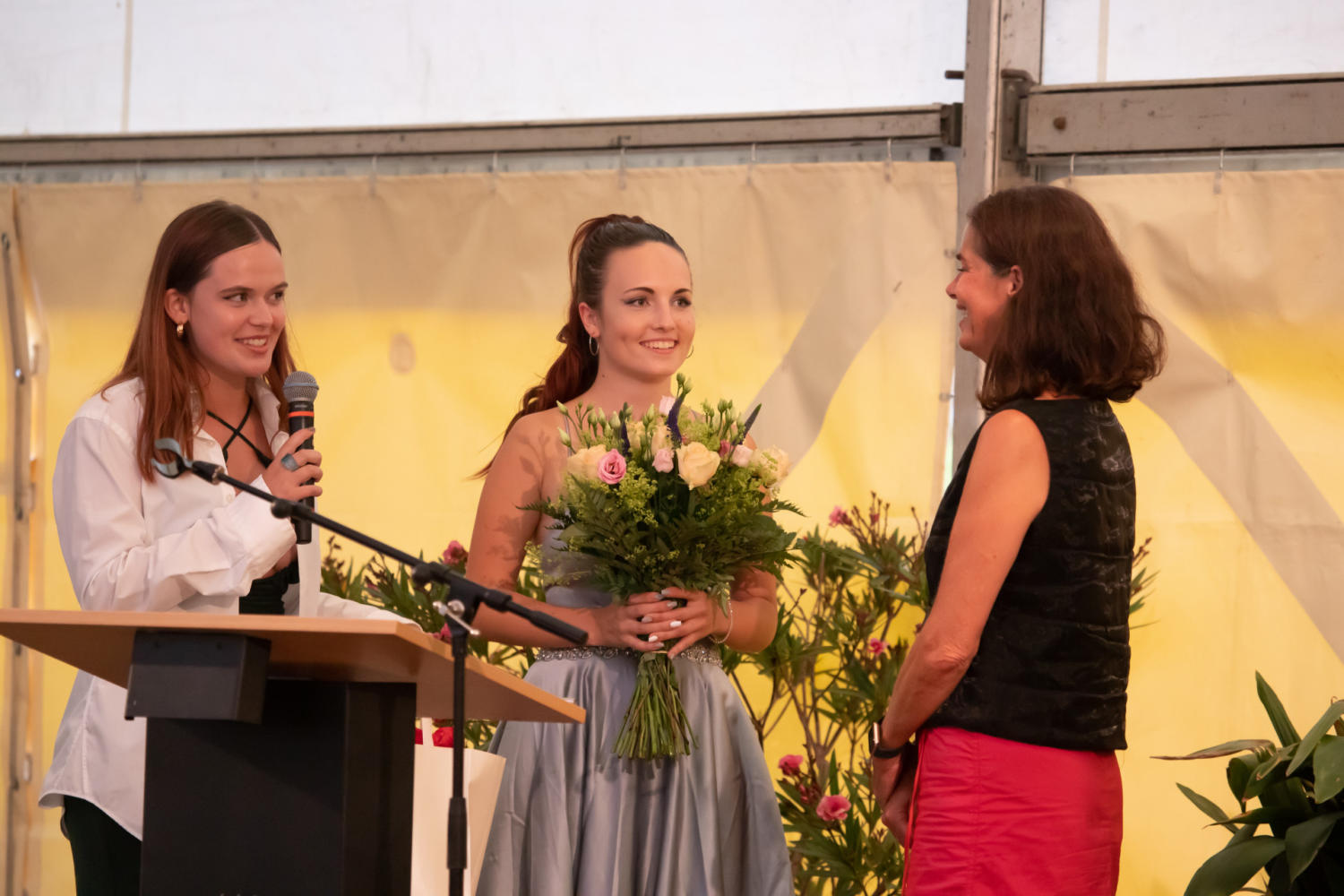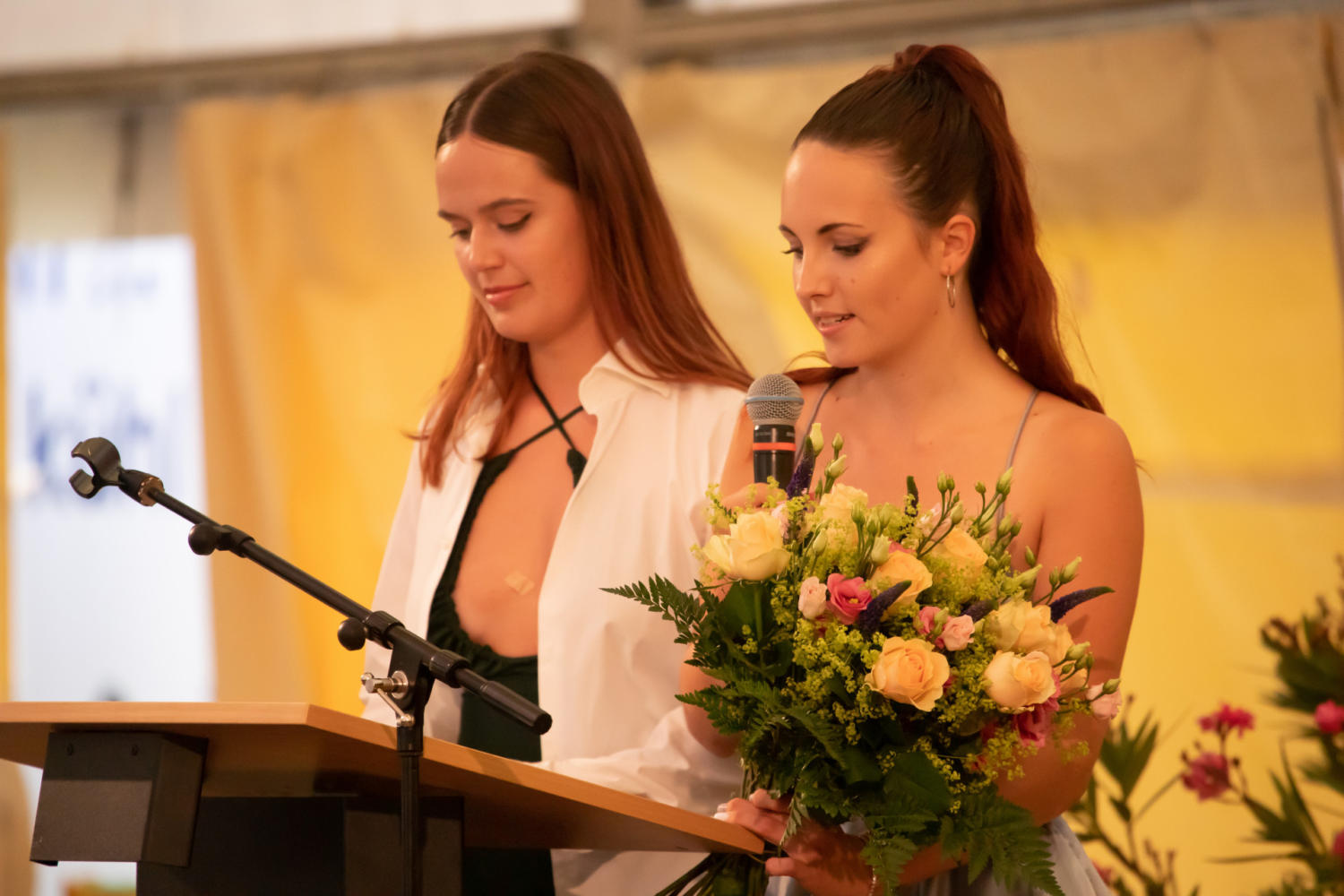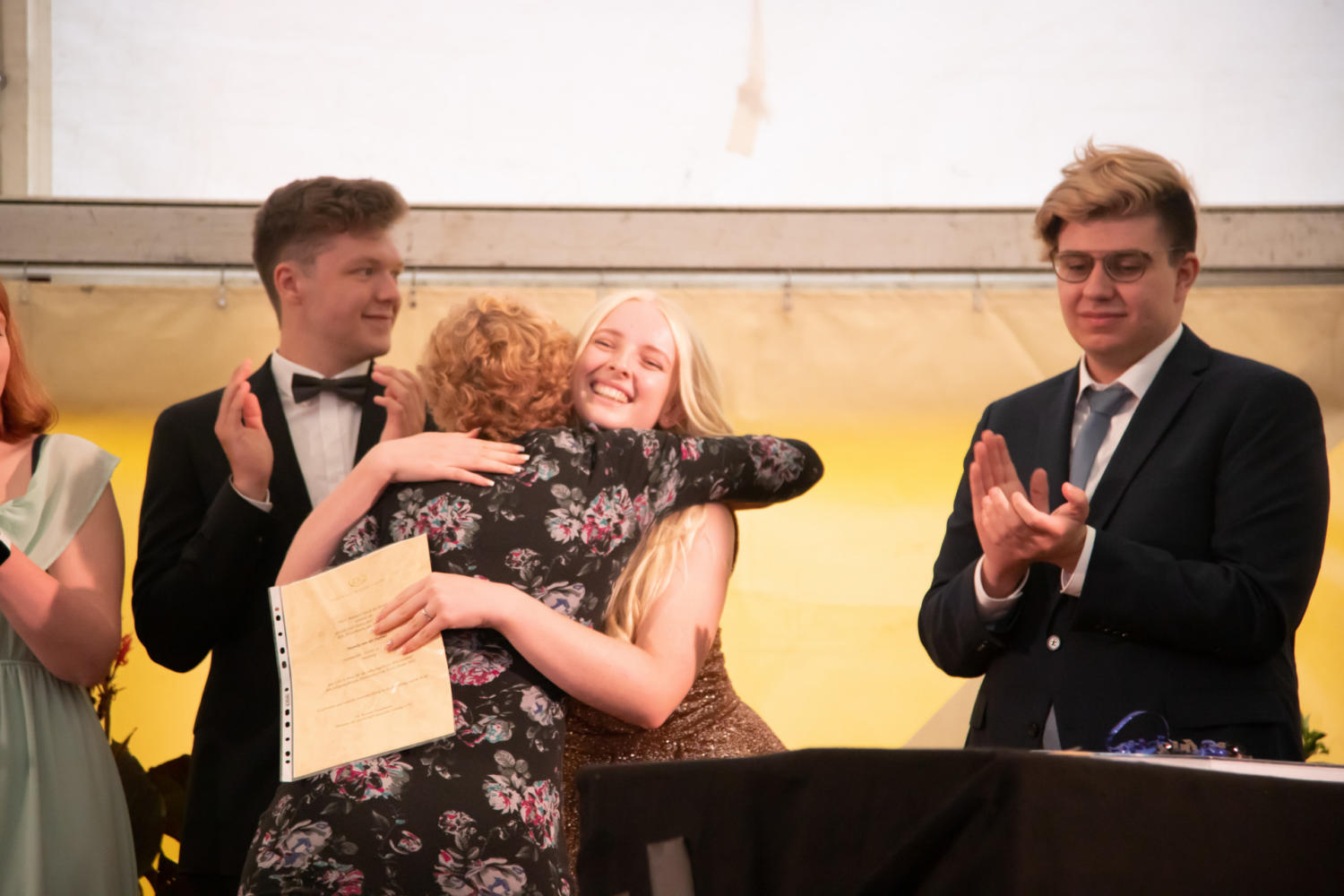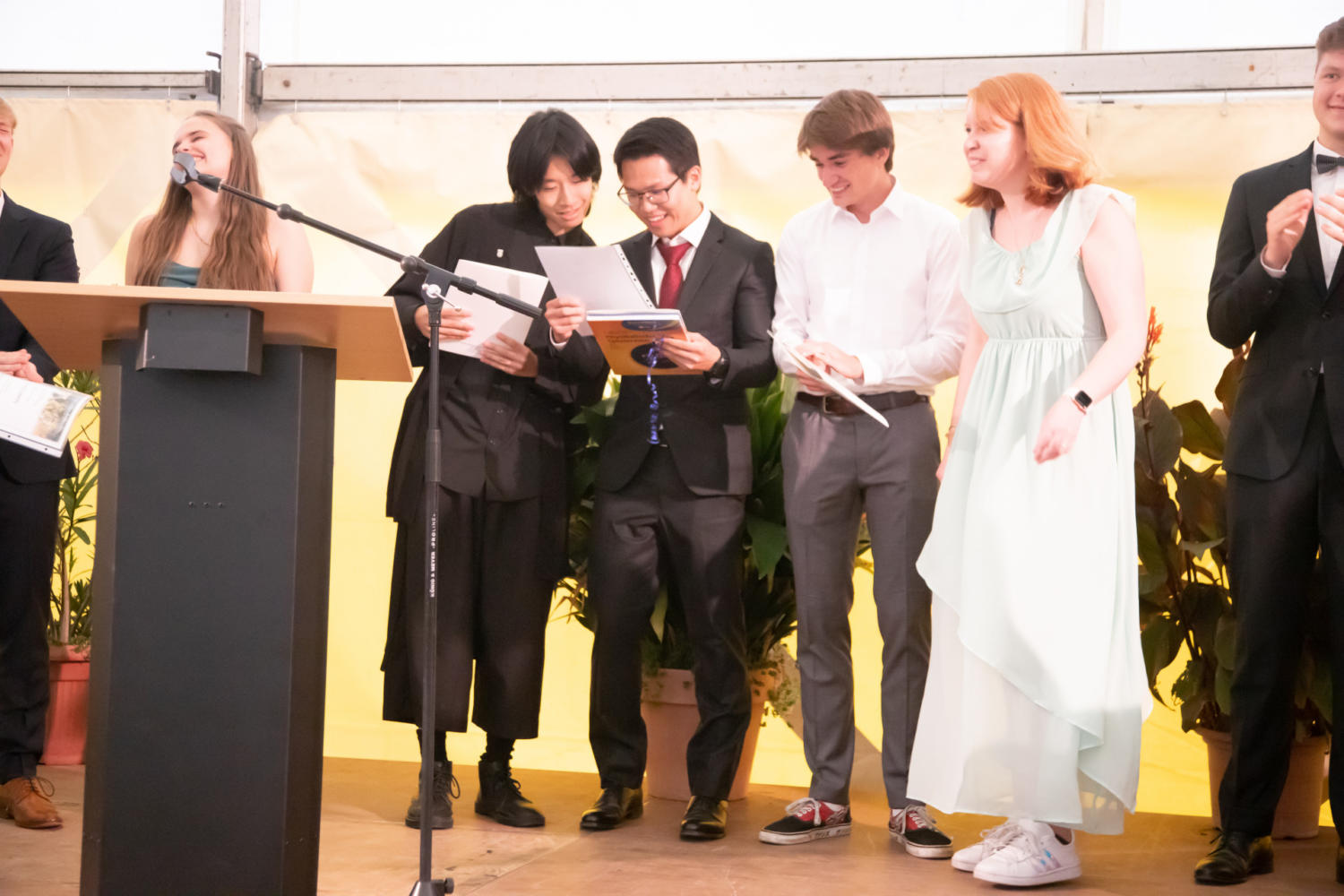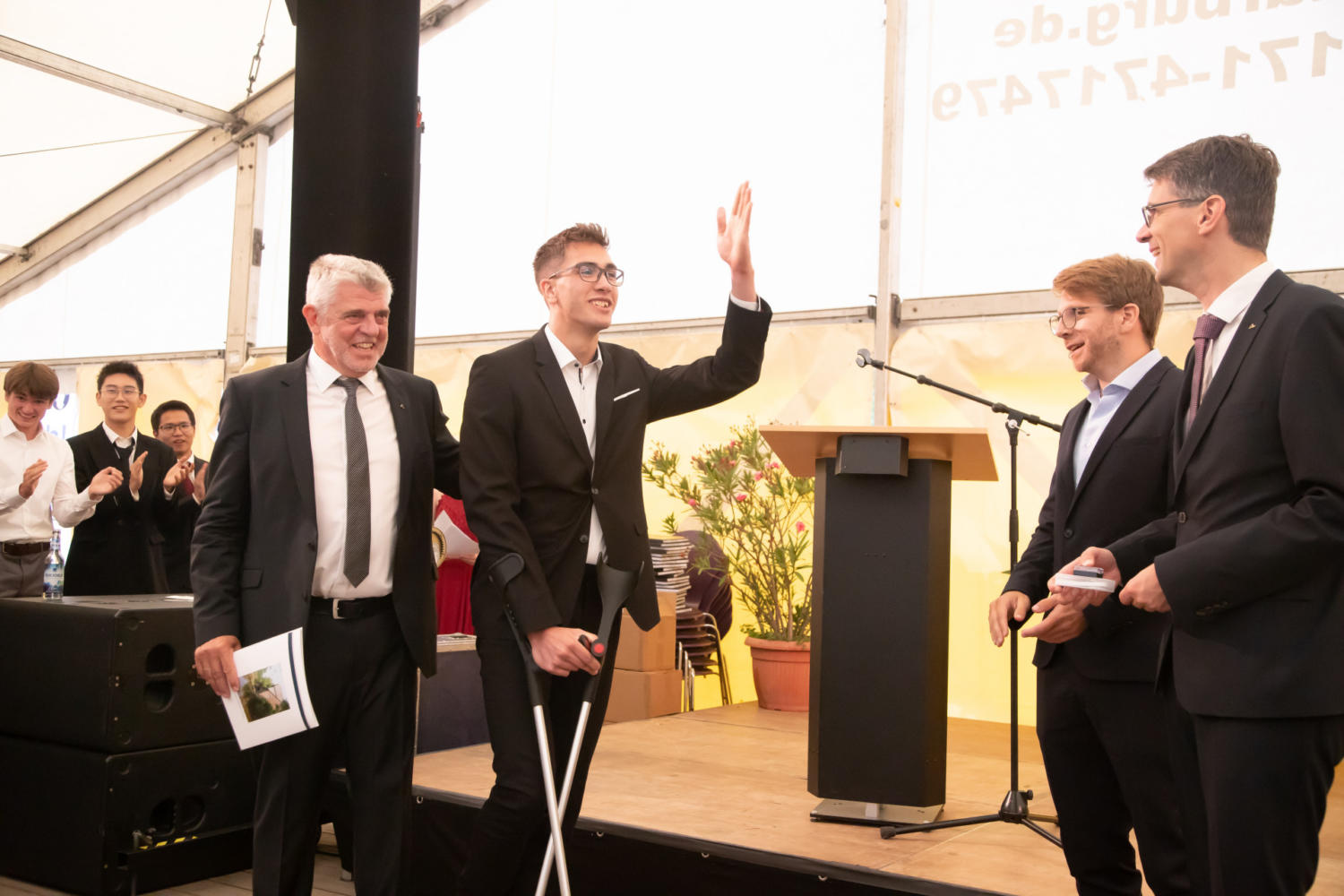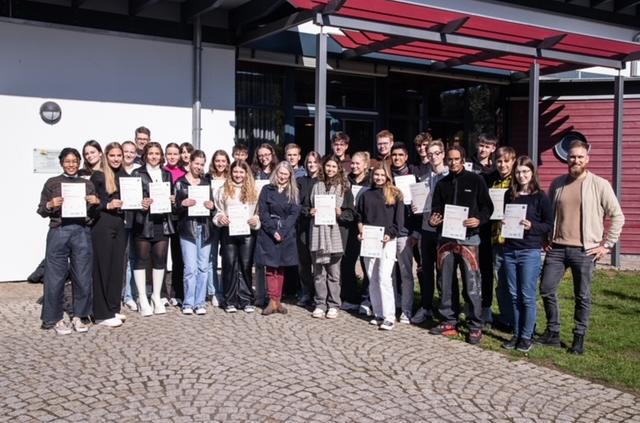
This year marked the 11th time a Cambridge exam was held at Steinmühle. It’s a good opportunity to look back. Subject teacher Nicole Hohm reports:

In 2010, I received an invitation to “Cambridge Day”—at first, I thought it was just another invitation to a professional development event like any other. Since the topics of the workshops and presentations sounded interesting, I signed up on the spot without knowing exactly what it was all about—even though it took place on a Saturday in Frankfurt and required a small fee for the presentations and catering. The speakers were excellent across the board, and I was pleasantly surprised by the good organization and the overall experience, which isn’t always the case with training events hosted by the Ministry of Education and Cultural Affairs.

As the event went on, it became clear to me what it was all about—they wanted to bring the Cambridge exams to schools. One might ask, why would anyone want to pursue an external certificate—one they have to pay for, no less—when schools already offer English classes? The Cambridge exams are administered exactly as they are in every country around the world—whether in Japan, Singapore, Ghana, Egypt, or even Germany—which makes them comparable. You receive certification of your language proficiency, which is recognized worldwide.

Back at Steinmühle, I went straight to the school administration on Monday, presented the concept, and asked if we could try it out in the WU program. The school administration gave the green light: Why not?

In 2011, I taught my first Cambridge course, preparing 11 students for the FCE exam (First Certificate of English), which is now usually referred to simply as First B2 (B2 is the upper-intermediate language level). We were all nervous—the students, of course, because external examiners were coming to test them. And I was just as nervous, because I hoped I had prepared them properly: 10 passed the exam, and one missed it by just one point…

The following year, 16 students participated, and two even performed so well that they were certified at the next higher level—C1. This time, no one failed. In 2014, due to the high number of students (28), we offered two courses: Jeannine Walter taught one, and I taught the other, as always; in 2015, 21 students participated, and in 2016, 17 students took part.


We worked with rubber gloves, face masks, and disinfectant

In 2017, we took a year off because we switched from the FCE exam to the Business English exam—we now had a two-year plan: In the newly established WU Business English course in 10th grade, I began preparing the students for the business aspects. In 11th grade, the students were then prepared for the BEC exam (Business English Certificate). In 2018, 18 students took the exam—unfortunately, two did not pass, but two others reached the next higher level. Despite the pandemic, we all bravely carried on—wearing face masks, rubber gloves, and using plenty of hand sanitizer: 28 students participated in 2019, and 14 in 2020. In 2021, 34 students signed up—which was definitely too many for a single class. Matthäus Otte immediately agreed to take over a class. In 2021, an impressive four people reached the C1 level.

But this year’s class really took the cake—out of 29 students, 7 achieved such good results that they were certified at the C1 level. Huge kudos to the students who achieved such outstanding results despite the long period of online instruction in grades 9 and 10. Congratulations!

This year’s Cambridge candidates were: Alina Adamski, Paula Auschill, Max Badouin, Svea Bredendiek, Felix Busch, Anton Graf, Lena Herzog, Ellen Hilt, Emilia Hoffmans, Lennart Holly, Neele Jansen, Lotte Jungfer, Tino Kraft, Sarah Kremer-Golder, David Krüger, Nina Marko, Chiara Massa-Enders, Emilia Quaissa, Ana Catalina Pohl, Finn-Jonas Posingies, Tamira Preck, Luisa Reinhardt, Fabian Seidel, Adama Sow, Anna Steinfeldt, Ariane Stry, Bijan Teymoortash, Anna Tille, Joshua Wieder.
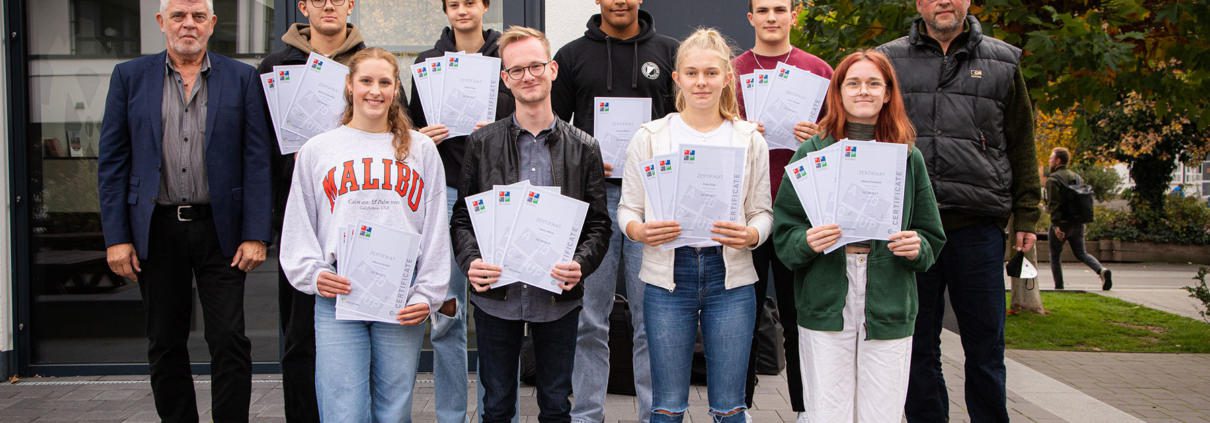
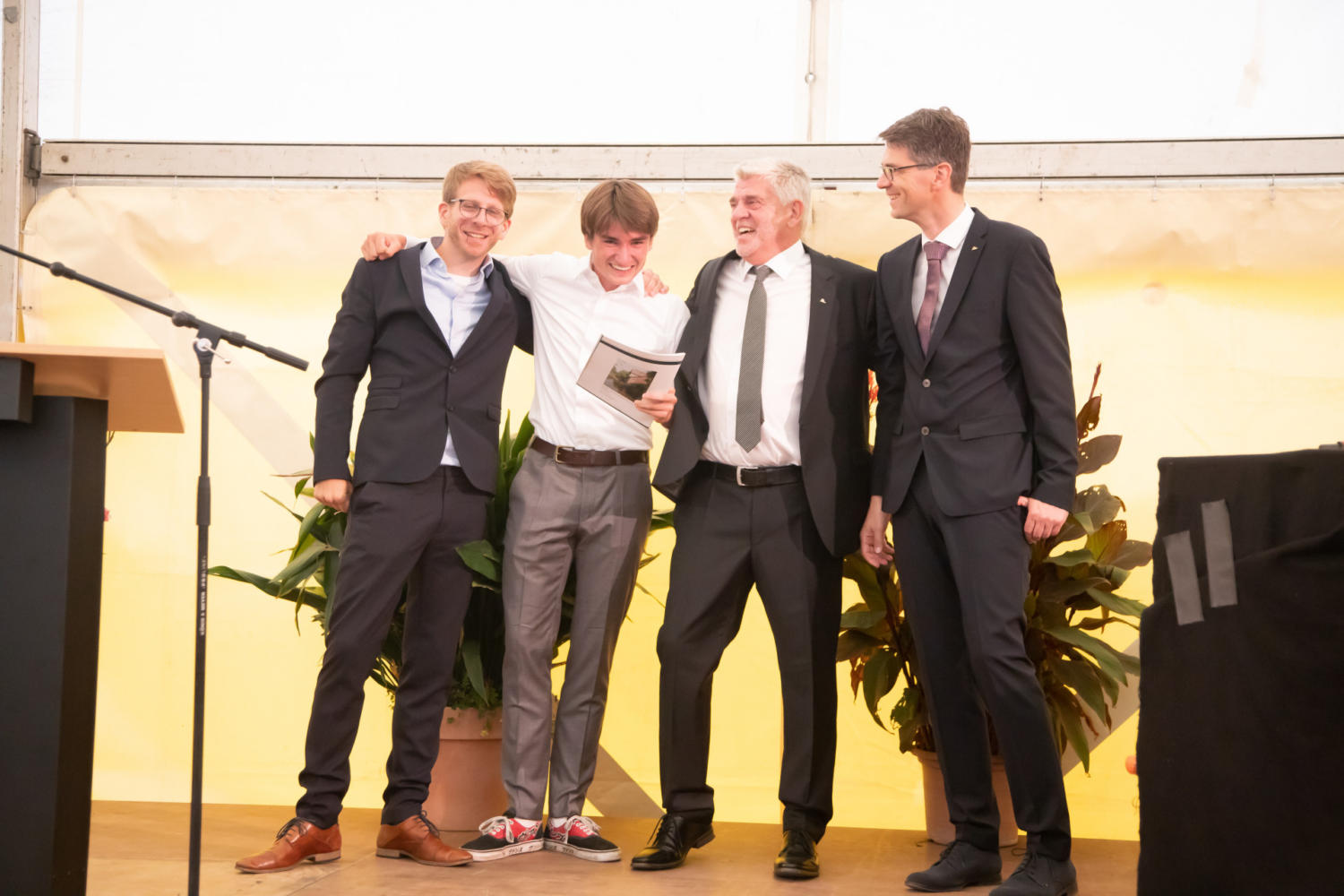
During the past school year, several students took their exams for the Entrepreneur’s License. They have now received their certificates and posed for a photo with Principal Bernd Holly (left) and subject teacher Erno Menzel (right). The following students qualified:

Johanna Arndt, Fiona Claar, Aliena Entebach, Finja Grün, Lauritz Kleine, Jannis Mitze, Acelya Olcuk, Anton Schneider, Daniel Schöne, Lenn Stumm, Emilia Wagner. Of 33 exams (Modules A/B/C), 29 were successfully completed.

The modules are structured as follows: Module A: Basic Economics; Module B: Fundamentals of Economic Interrelationships; Module C: Basic Entrepreneurial Knowledge—The Business Plan.
The certificates are part of the “Entrepreneur’s Skills Certificate” program and are awarded by Eurochambres, the umbrella organization of European chambers of commerce and industry.

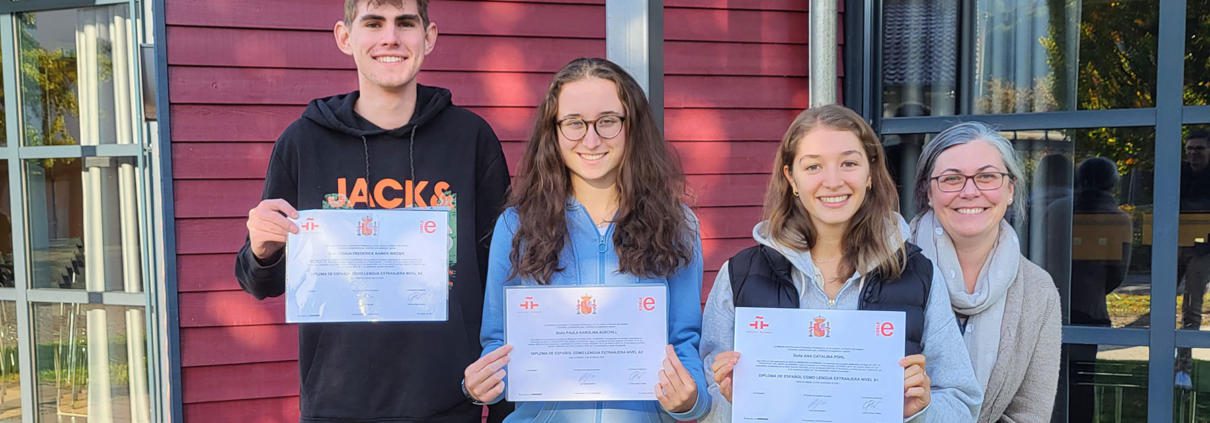
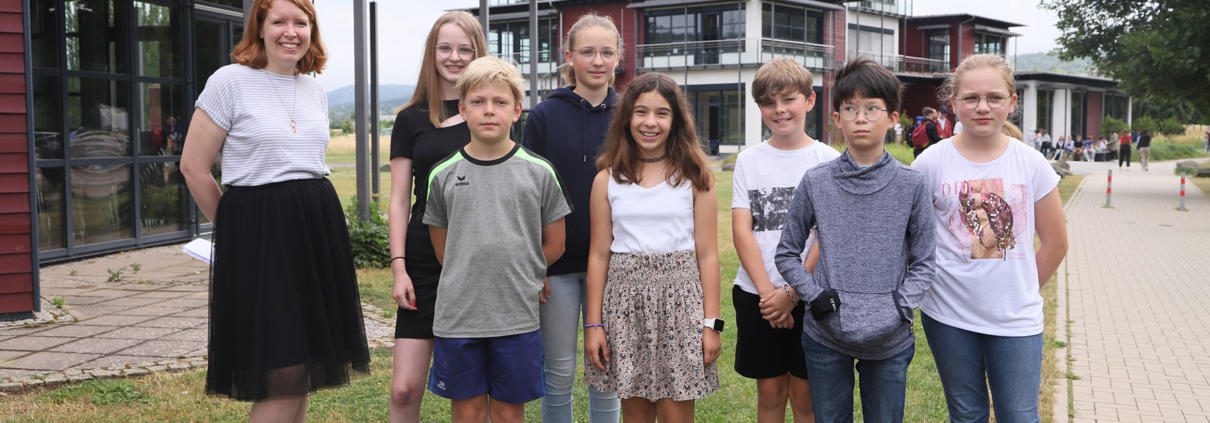
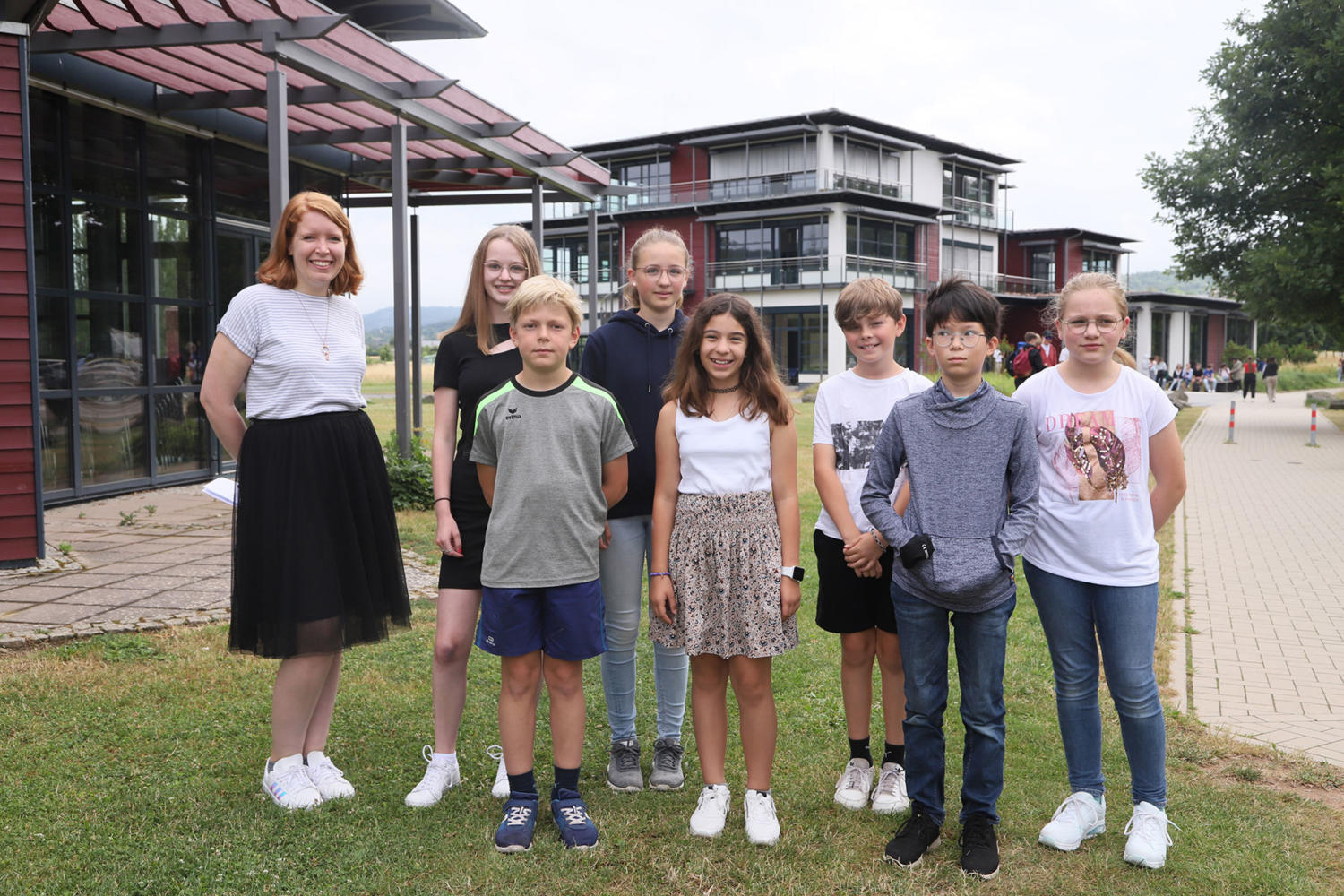
By earning their DELE certificates, Joshua Wieder (12d), Paula Auschill (12d), and Ana Catalina Pohl (12b) demonstrated their excellent Spanish language skills—the official paper diplomas arrived at Steinmühle some time later. The DELE diplomas are official certificates attesting to proficiency in the Spanish language, awarded by the Instituto Cervantes on behalf of the Spanish Ministry of Education and Science. They are internationally recognized and are equally valid in both academic and professional settings. The test assesses all four skills—namely reading, writing, listening, and speaking—as well as knowledge of linguistic structures.

The DELE A2/B1 exam for schools offers students the opportunity to demonstrate proficiency at either the A2 or B1 level. The exam is intended for students up to age 17. Ana-Catalina Pohl (2nd from right) took the DELE exam in May 2021 during the lockdown and achieved level B1. Paula Auschill (2nd from left) and Joshua Wieder (left) took the exam in November 2021 and achieved level A2. Congratulations to all three certificate recipients, who posed for the photographer here together with their teacher, Mar Montenegro (right).

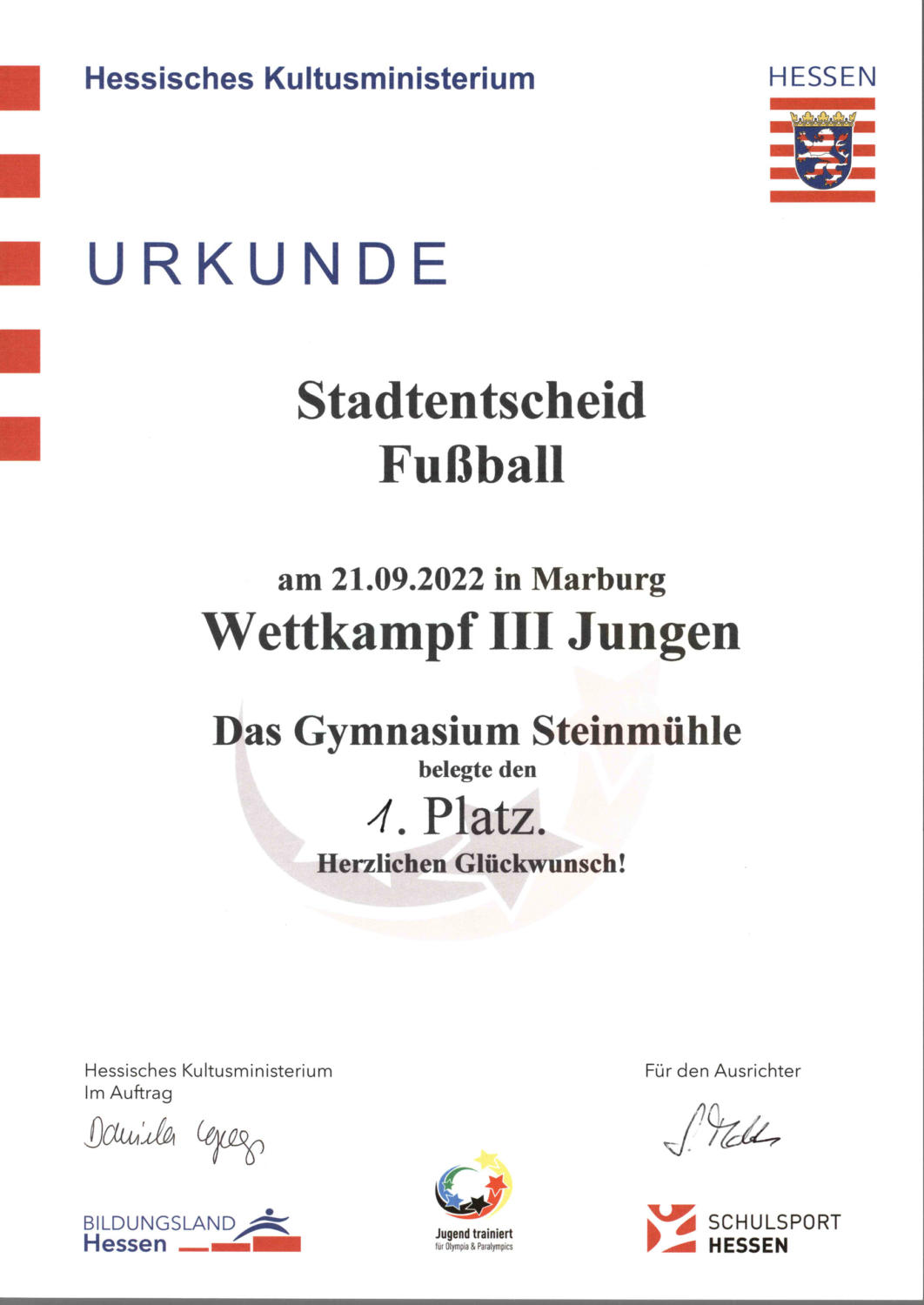
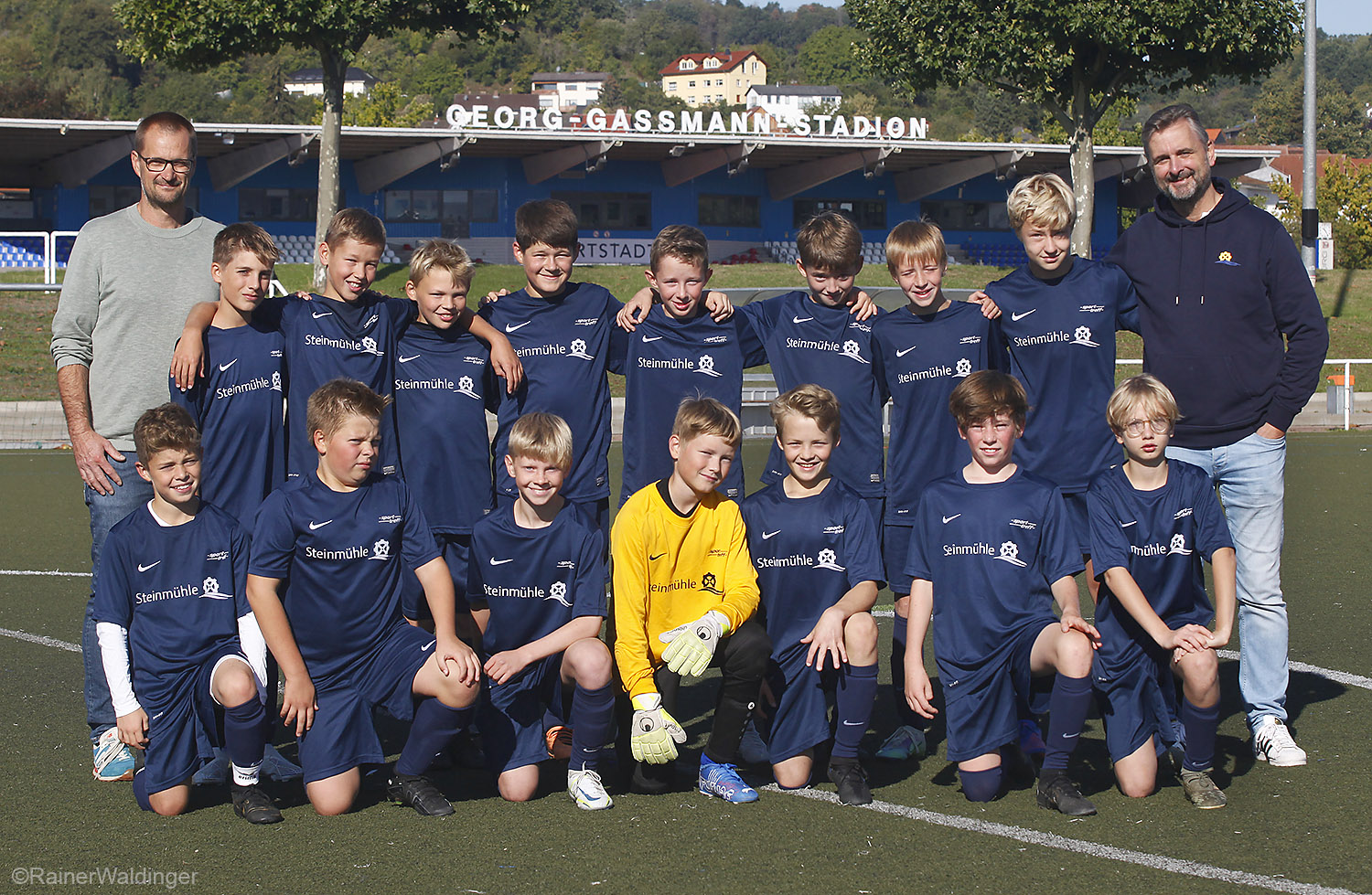
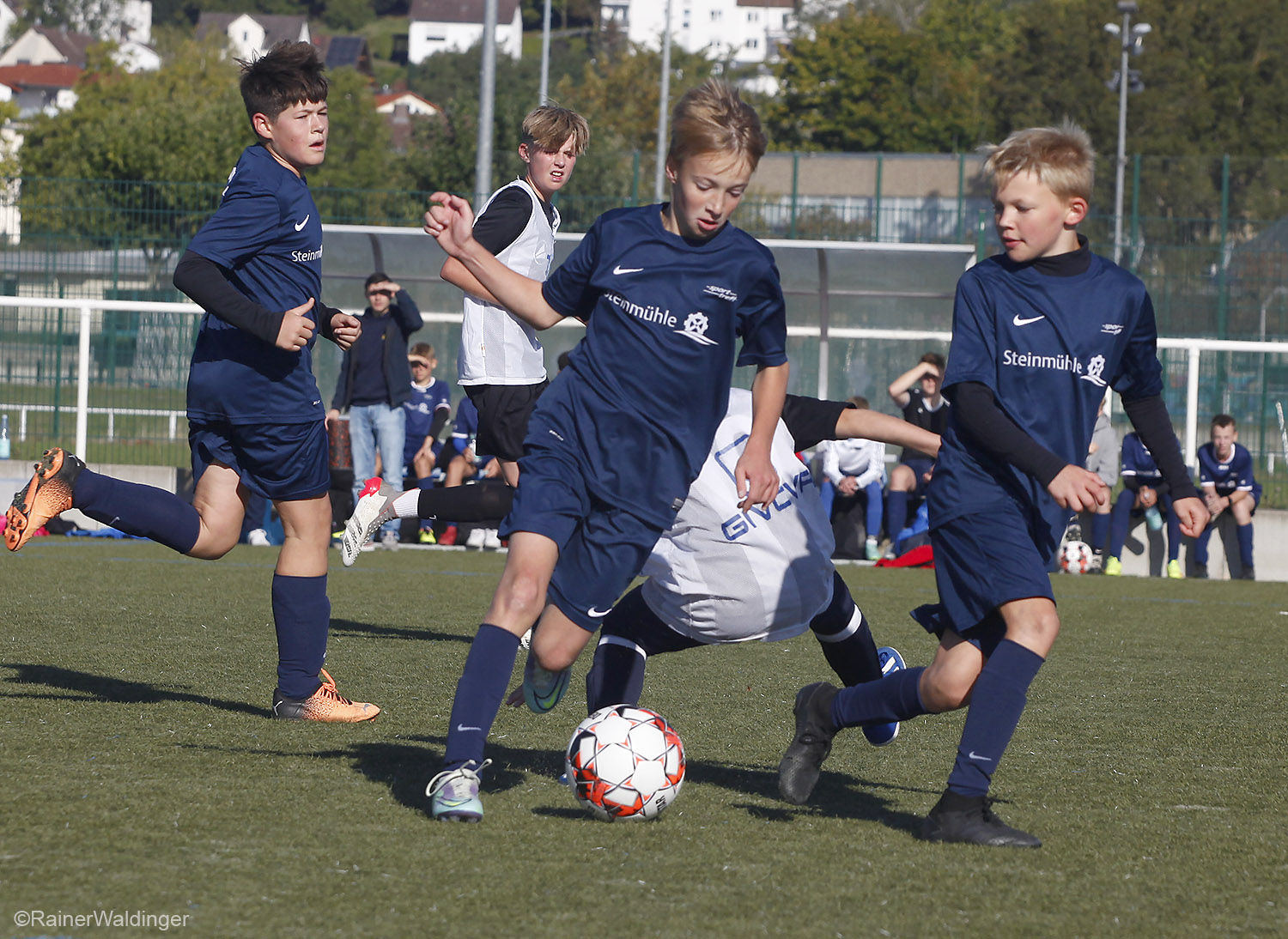
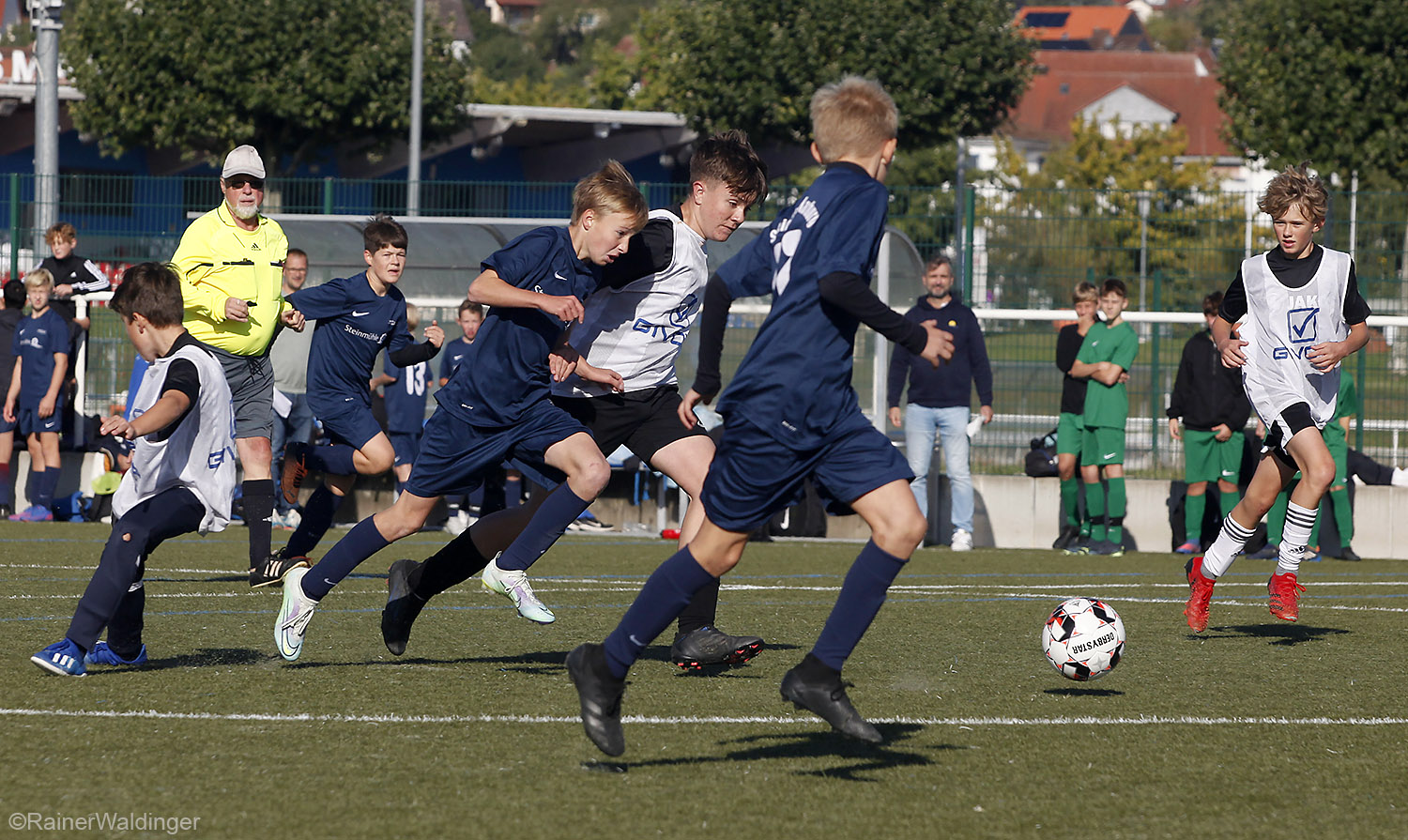
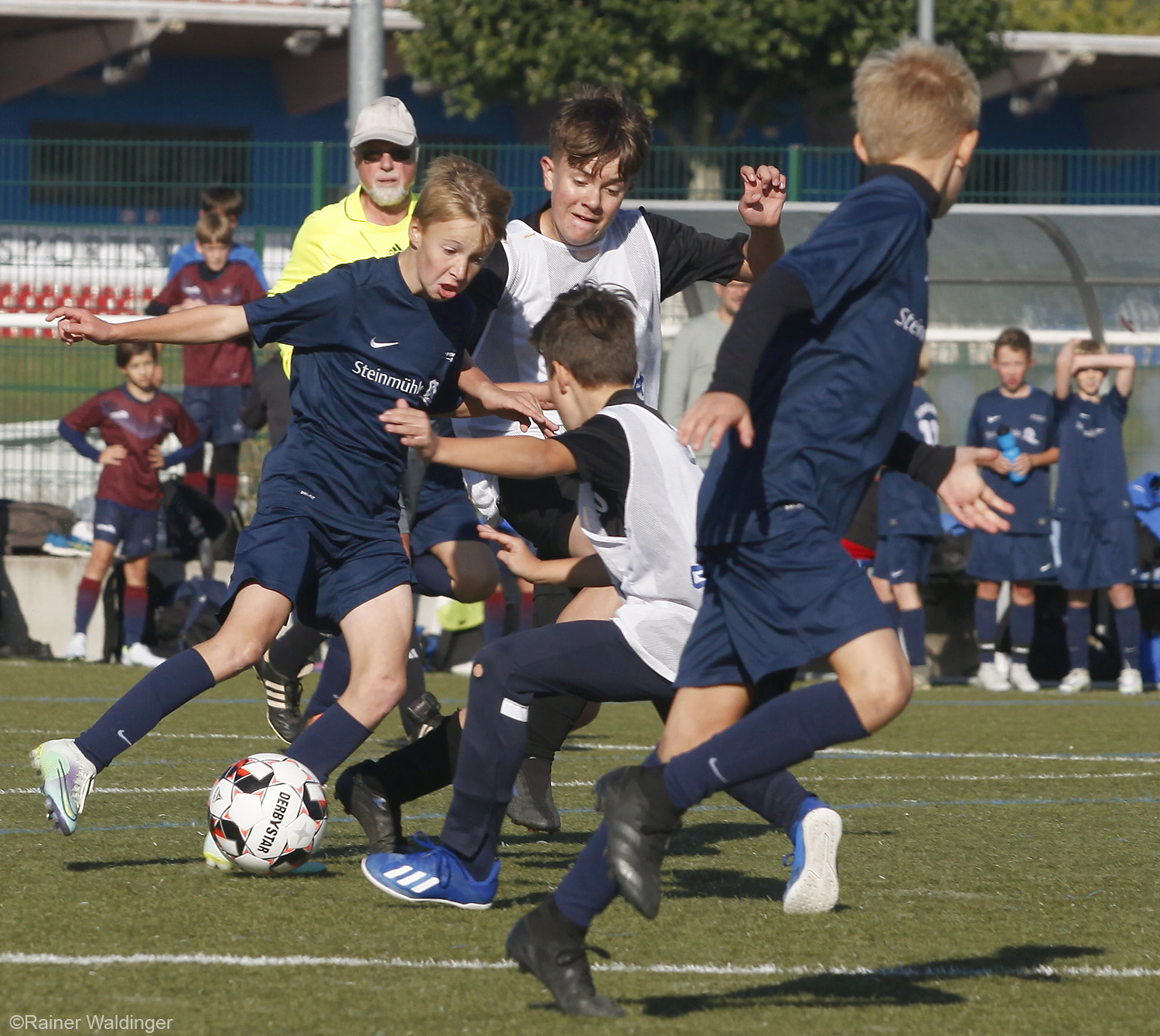
Great joy for our 6th- and 7th-grade soccer players: With a 3-1 victory over the favored Elisabethschule and a 1-1 draw against the Martin-Luther-Schule, our Competition Class II “Youth Trains for the Olympics” team secured a spot in the district finals on October 12. Coached by Bernd Schweitzer and Dirk Konnertz, the team was wide awake from the start at the city finals at Georg-Gassmann Stadium and played as a cohesive unit. Although no preparation was possible due to the proximity of the summer break and subsequent school trips, the team played well together and didn’t let a 0–1 deficit in the first game faze them. While it was a team effort, special mention must be made of the outstanding performance by Lasse Schweitzer, who scored three of the four goals that secured the tournament victory.

The following athletes were successful: Arthur Böning, Ben Borawski, Felix Bork, Julius Brückmann, Len Hülsbeck, Tiemo Irmisch, Jonah Isenberg, Felix Martens, Jonas Mierisch, Rafael Piller, Fabian Preis, Lasse Schweitzer, Paul Sondergeld, Ben Templer, and Moritz Wagner.

For the first time, a team from Steinmühle participated in the “Jugend testet” competition. This is a nationwide competition organized by Stiftung Warentest in Germany, in which young people can independently test products and services. A jury composed of experts from Stiftung Warentest, the media, and consumer protection organizations awards prizes for the best tests. The goal of the competition is to encourage young people to adopt a critical approach to consumer behavior.

This year, under the patronage of Federal Minister for Consumer Protection Steffi Lemke, 3,152 young people participated, and a total of 826 tests were submitted.
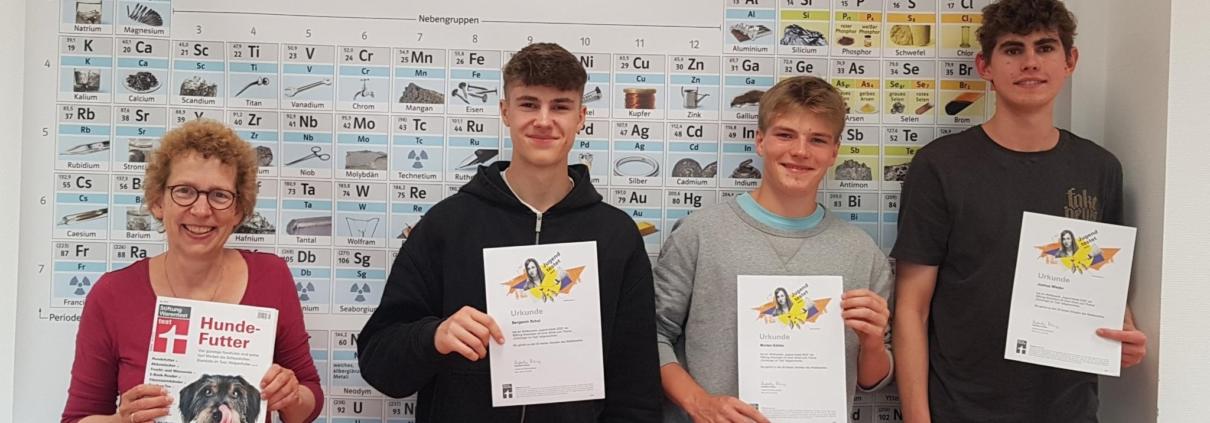
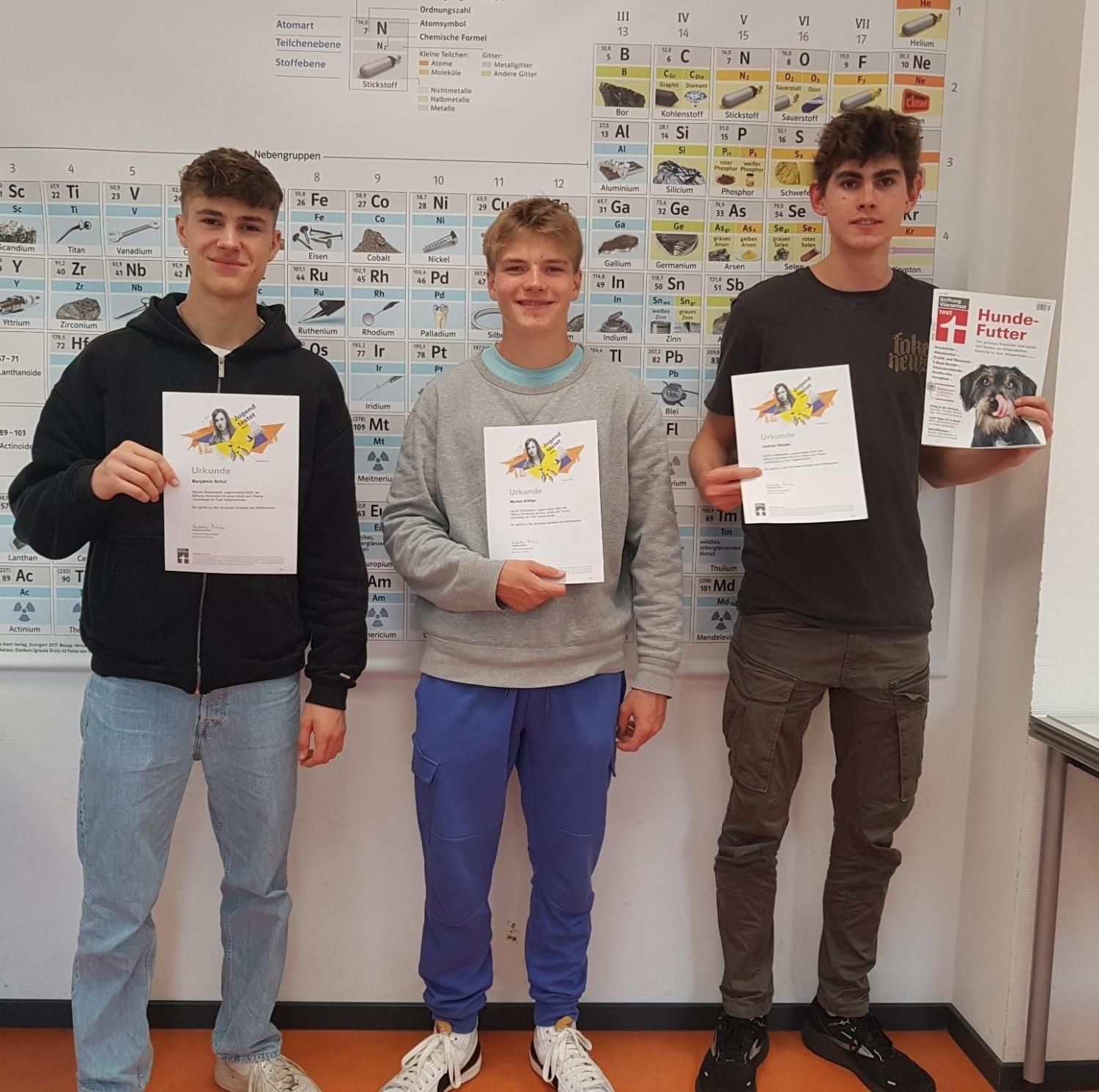
Joshua Wieder, Benjamin Schul, and Morten Köhler tested so-called “oxi-cleaners,” which are also used in laundry as stain removers or bleaches (we reported on this in March). Their submitted project has now been recognized as one of the top 50 tests in all of Germany. For this achievement, they were honored with a certificate and a one-year subscription to the magazines *Test* and *Finanztest*.

The three participants offered nuanced assessments of the competition. They thought it was cool that their research had practical relevance and that the whole thing wasn’t quite as complex as the “Jugend forscht” competition. In short: it was less time-consuming and less exhausting.
However, all three are critical of the fact that the “Top 50” ranking is vague overall and that there is no feedback. They would have liked to know how they could improve for a potential next time.
Furthermore, this competition does not include in-person events where teams can exchange ideas. Without regional qualifying rounds, as is the case with the “Jugend forscht” competitions, for example, the competition is already very fierce with over 3,000 participants.
Nevertheless, it was an interesting experience overall, and I certainly wouldn’t rule out participating again in the future.

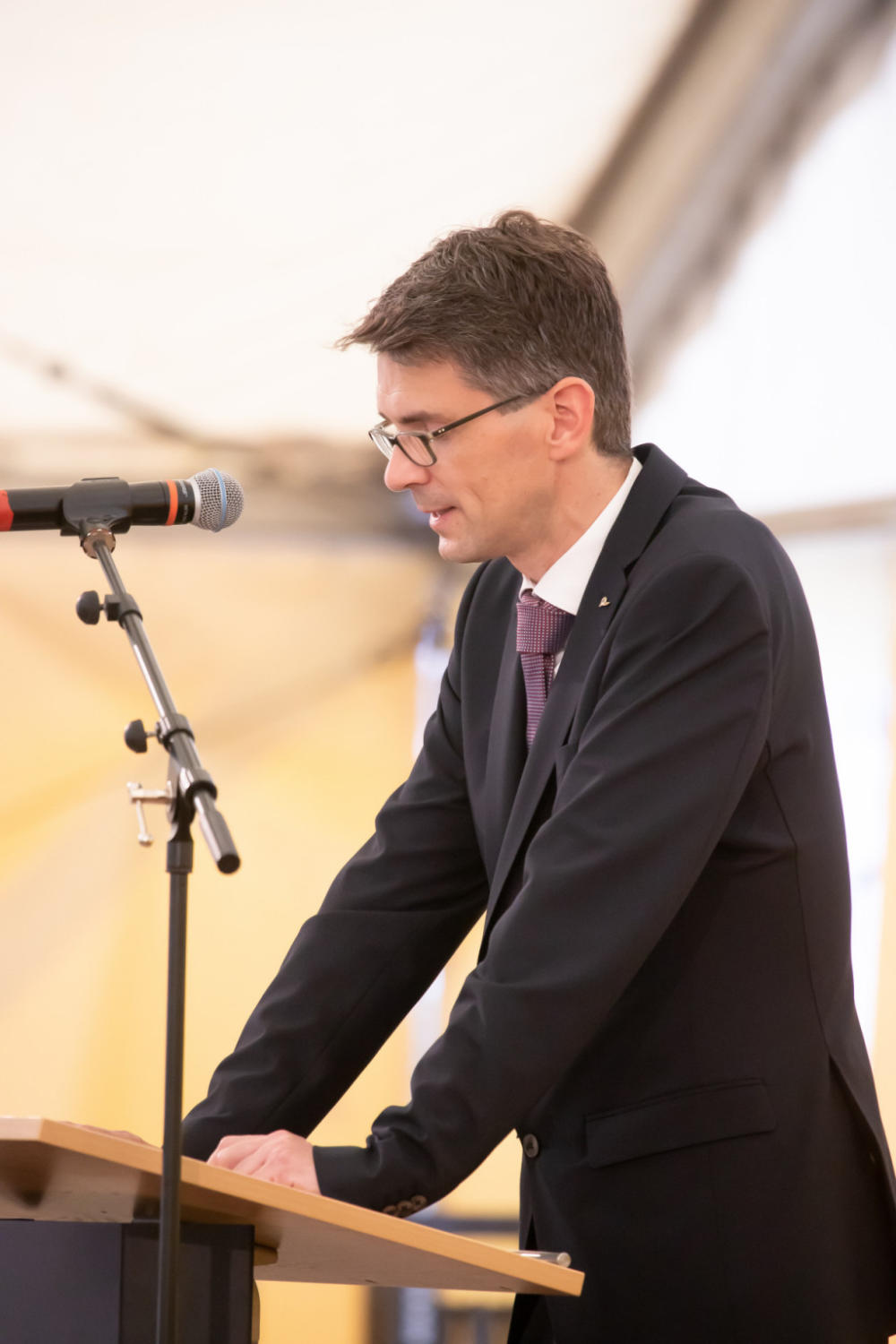
The 2022 high school graduates were not always a homogeneous group. With their diverse personalities, they each had their own minds, their attitudes varied, and tolerance was required on all sides. Principal Björn Gemmer also emphasized this in his speech at the graduation ceremony in the festival tent, while at the same time announcing another fact: This group of young people achieved the best Steinmühlen high school graduation results to date.

“Nevertheless”? Or “therefore”? Was this a matter of causality or coincidence? The only thing that’s certain is that diversity among young characters isn’t really anything out of the ordinary. Even the children’s book author Andreas Steinhöfel, whom Gemmer quoted, presented such examples as a clear reality in his work *Rico, Oskar, and the Deep Shadows*, while the principal “didn’t want to look at anyone” and just smiled. In any case, Steinhöfel’s recommendation is to take children and adolescents seriously. Who, if not Steinmühle, offers the ideal setting for this? It has made it its mission to both enable the personal development of each individual and to achieve goals in everyday school life. Quite clearly, this is working out excellently.

Principal Bernd Holly introduced these contributions—which recounted the events and anecdotes that took place over the years during this eventful period—from the perspectives of teachers and students. But he did not do so without thanking everyone involved who, in a symbolic sense, keeps Steinmühle running: parents, students, the teaching staff, the non-teaching staff, and the boarding school.

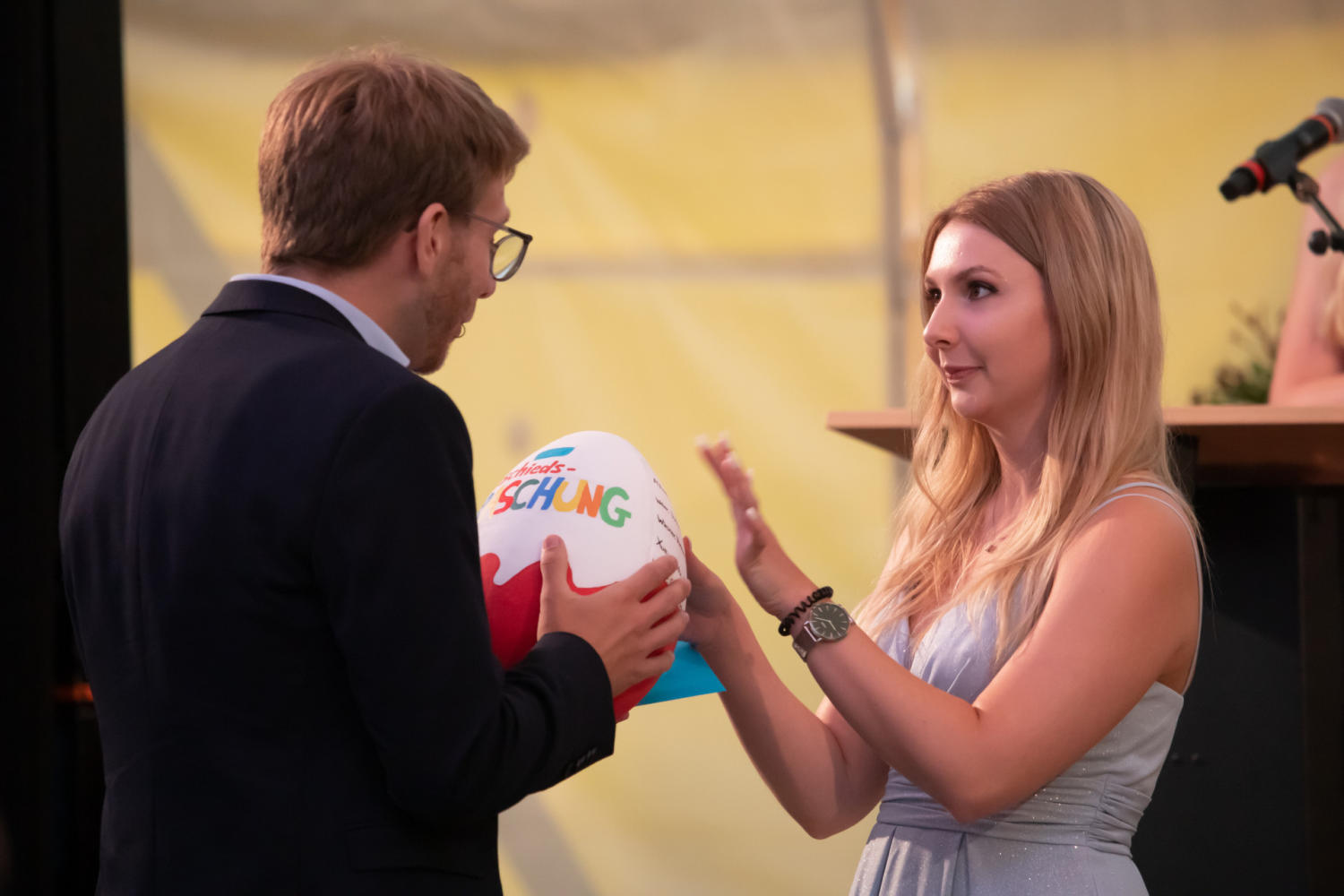
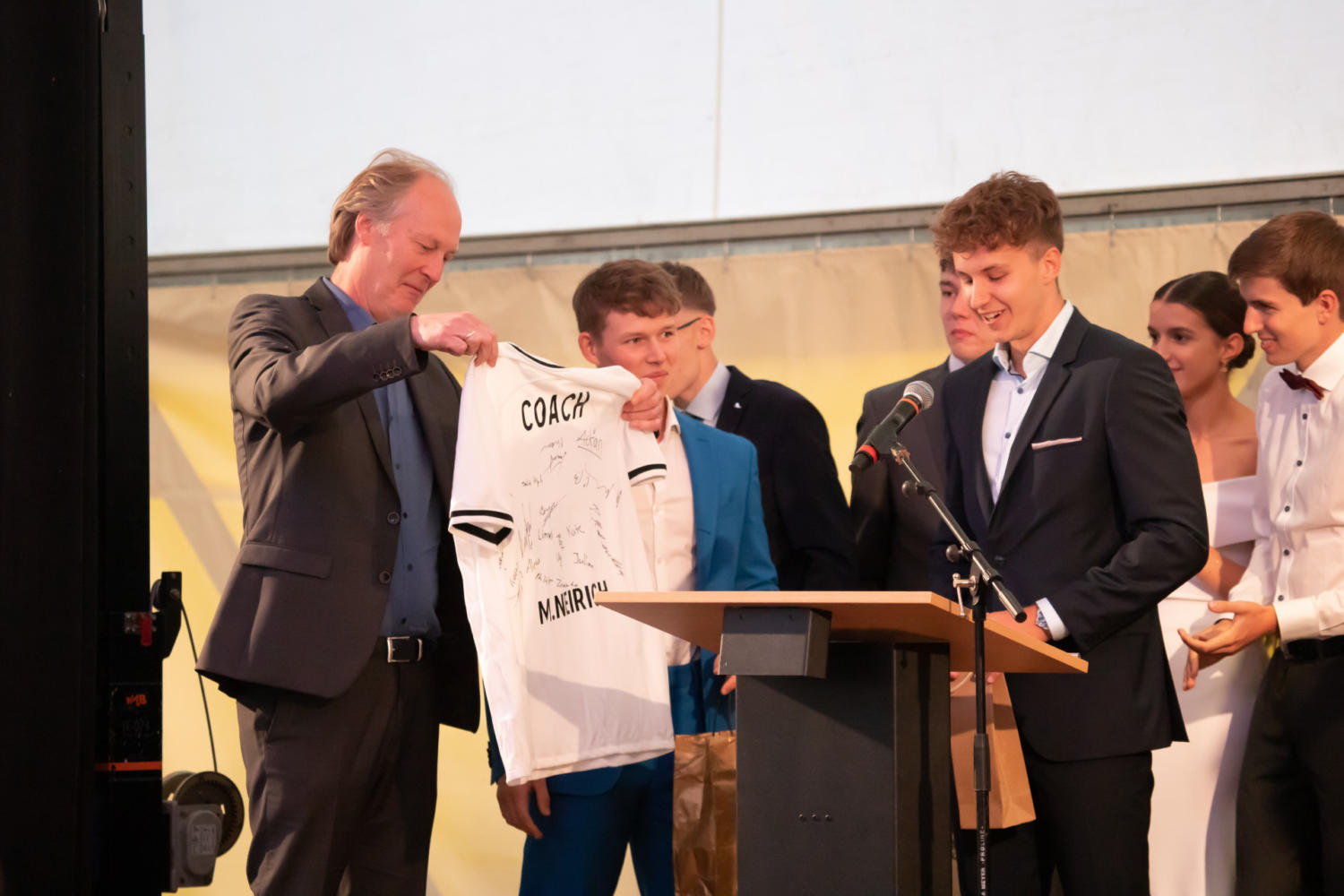
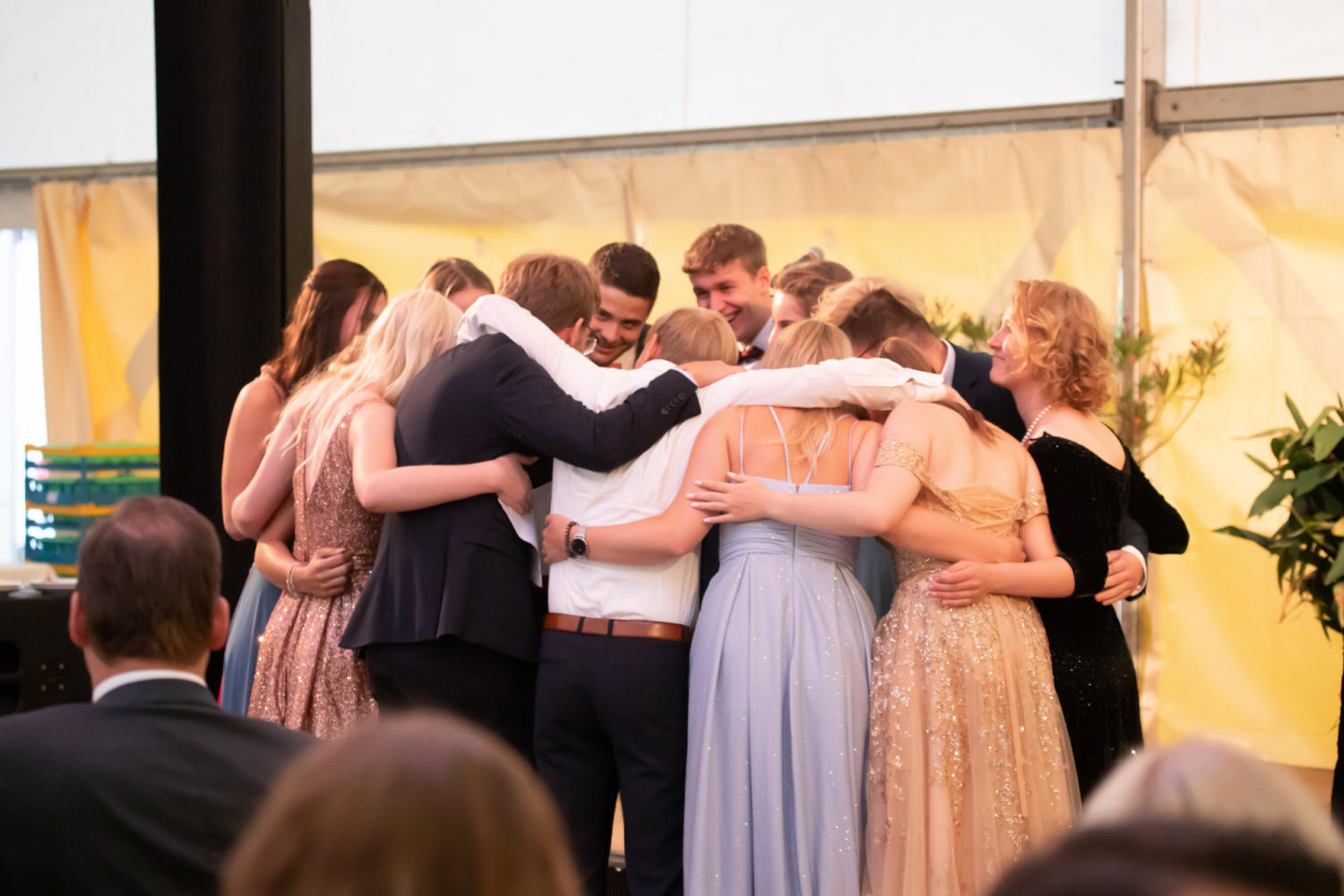
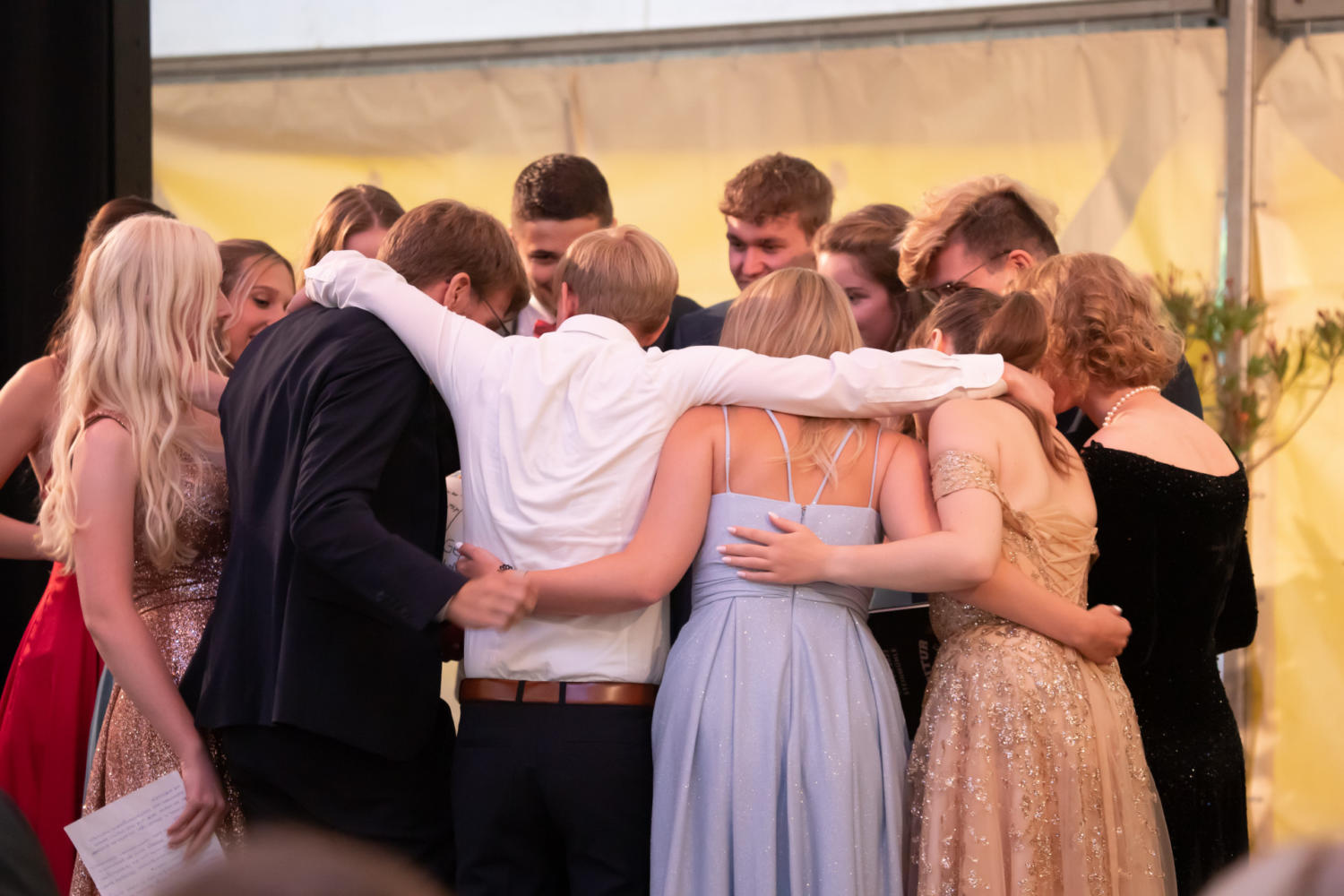
There was an outpouring of emotion at the farewell celebration, which also spread among the guests who filled the festival tent on the Steinmühlen grounds. Following the successful high school graduation ceremony last summer, Steinmühlen Managing Director Dirk Konnertz had no trouble deciding to hold the prom on the school’s own grounds again, together with the students’ families.

The graduating seniors took a moment to look back on their first day of school on August 20, 2013, and smiled at the flyer from back then, which had been created especially for their “big day.” The young people extended their greetings and thanks to all the teachers, the administrative staff, in the dining hall and cafeteria, the cleaning team led by Erika Thiel, and especially to the teachers who had made their experiences unforgettable by organizing ski and rowing trips as well as the trip to Schuby.

A huge success for Steinmühle: After winning the district and regional competitions, the Steinmühle girls in Competition Class IV (born in 2010 and 2011) took third place—a surprise but well-deserved result—at the state competition in Grünberg.

Lothar Potthoff, the athletic director of MSG Marburg/Weimar, accompanied the girls to all their competitions and prepared them exceptionally well for this tournament. He was assisted by Carlotta Weber from 6th grade. “This is a huge success! Of course, the girls wanted to go to Berlin for the national finals. But after some initial disappointment, the joy of finishing in third place now prevails,” the coach summed up. His team was ultimately on the verge of reaching the final when, in the semifinals, they were unfortunately defeated in a penalty shootout by the eventual champions from Gymnasium Oberursel.

In the group stage, they recorded two wins (4–0 against Gerhard-Hauptmann-Schule Wiesbaden and 1–0 against Rabanus-Maurus-Schule Fulda) as well as a decisive loss to the favored team from Carl-von-Weinberg-Schule Frankfurt (0–7). After missing out on a spot in the final in a penalty shootout against Oberursel, the team was able to muster all its strength once again in the third-place match: The Steinmühlen girls defeated the Eltville High School 3–2, securing the bronze medal in the Hesse championship. Huge congratulations on this extraordinary achievement! “Next year, we’ll compete in Competition Class III with this team and see what we can accomplish,” says Lothar Potthoff, already looking forward to the upcoming competitions.

Playing for Steinmühle were Juli Grosse, Hannah Harbrecht, Sophia Lo Lacono, Ceysu Sevinc, Ella Steiner, Antonia Tapia Gehring, Mira Vienken, Marlene Wagner, and Samri Wulf.

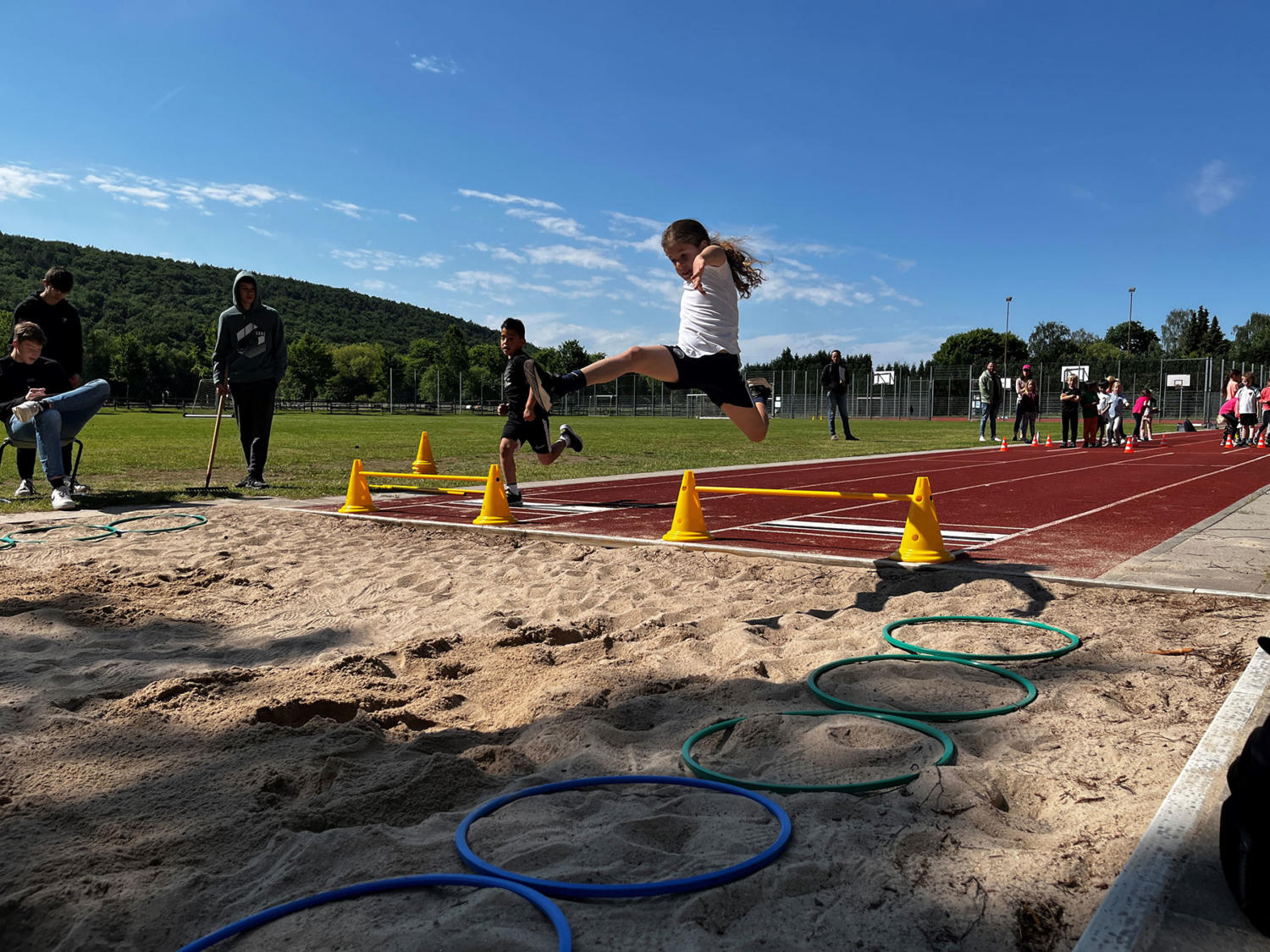
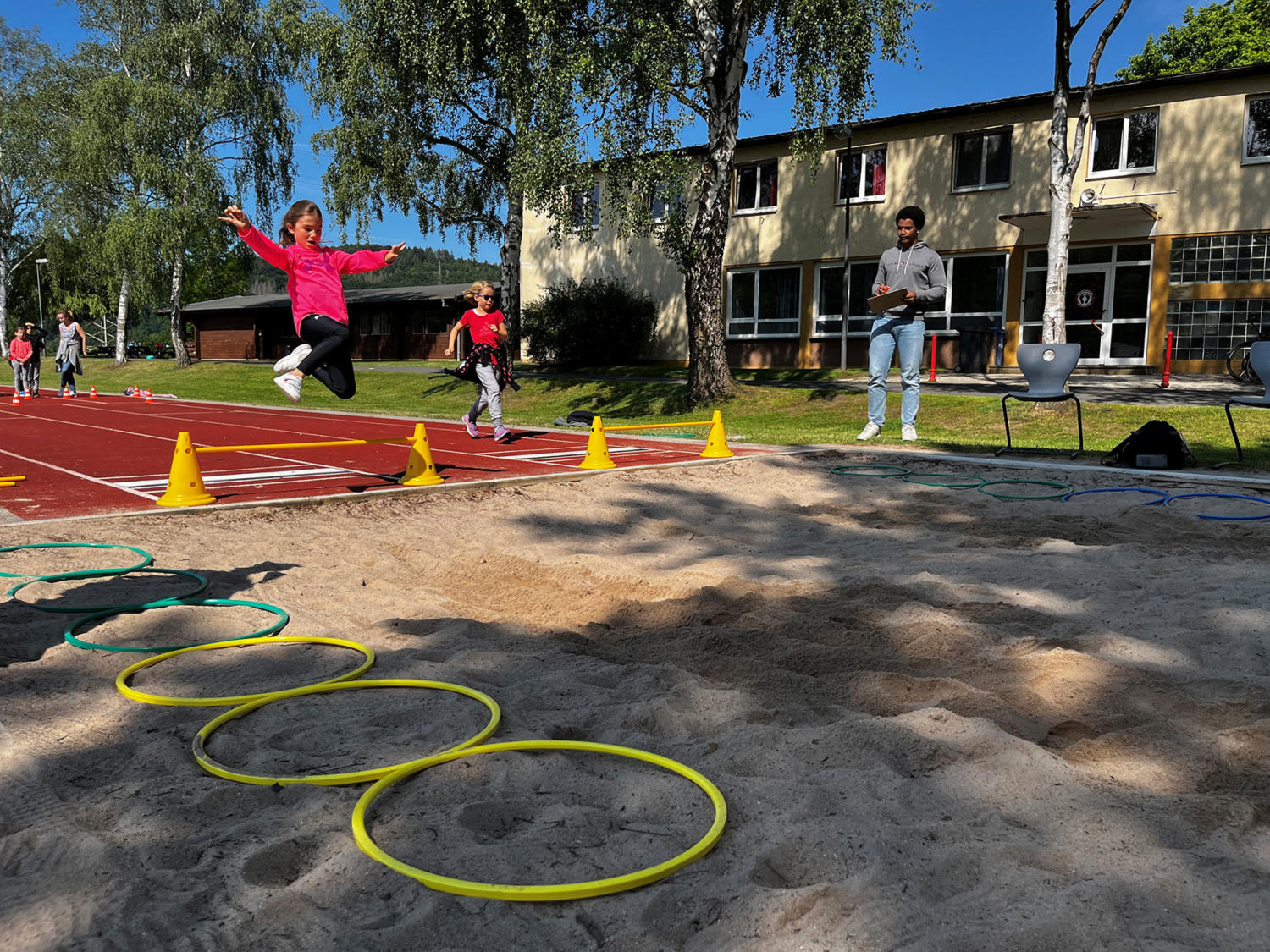
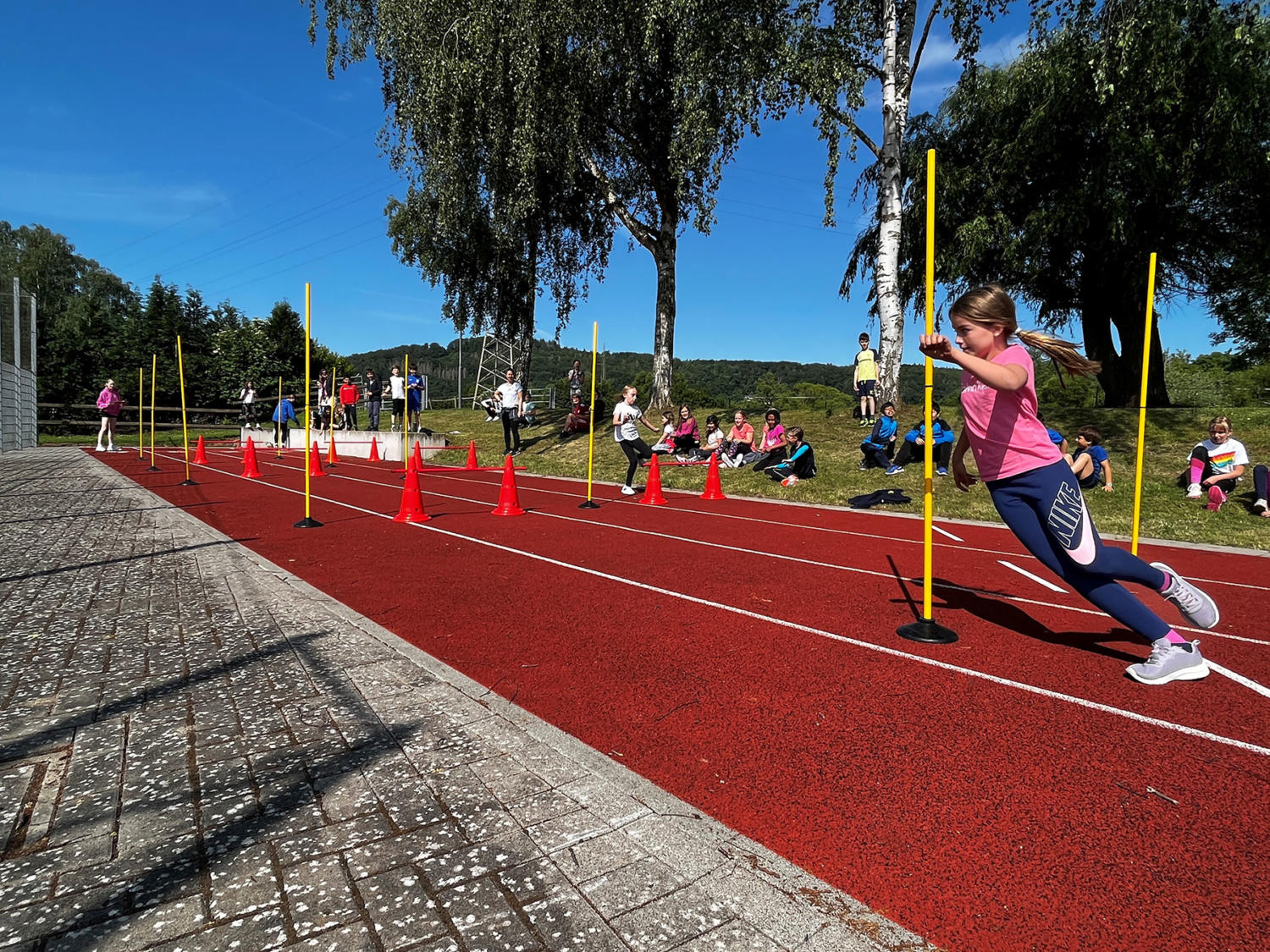
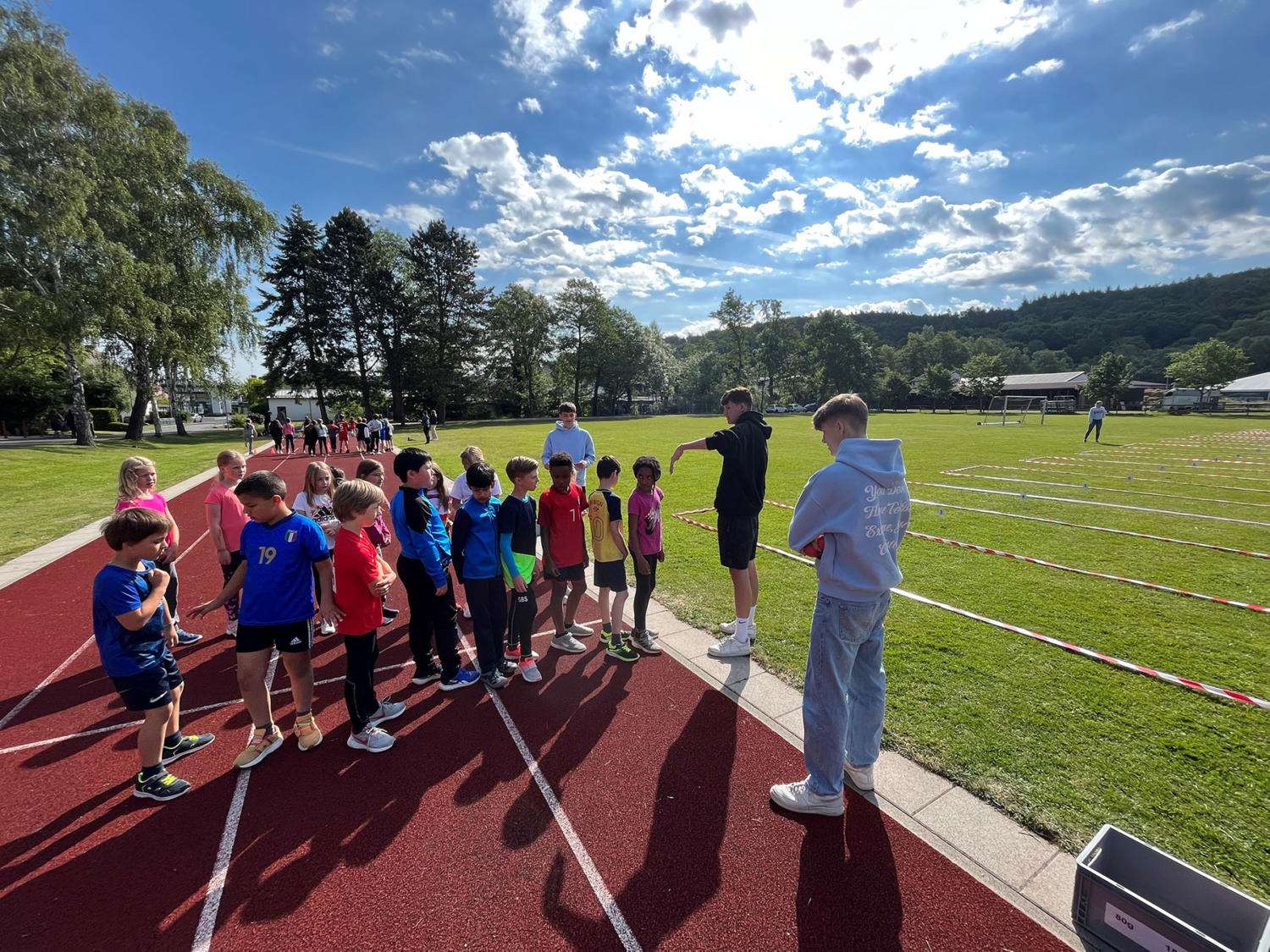
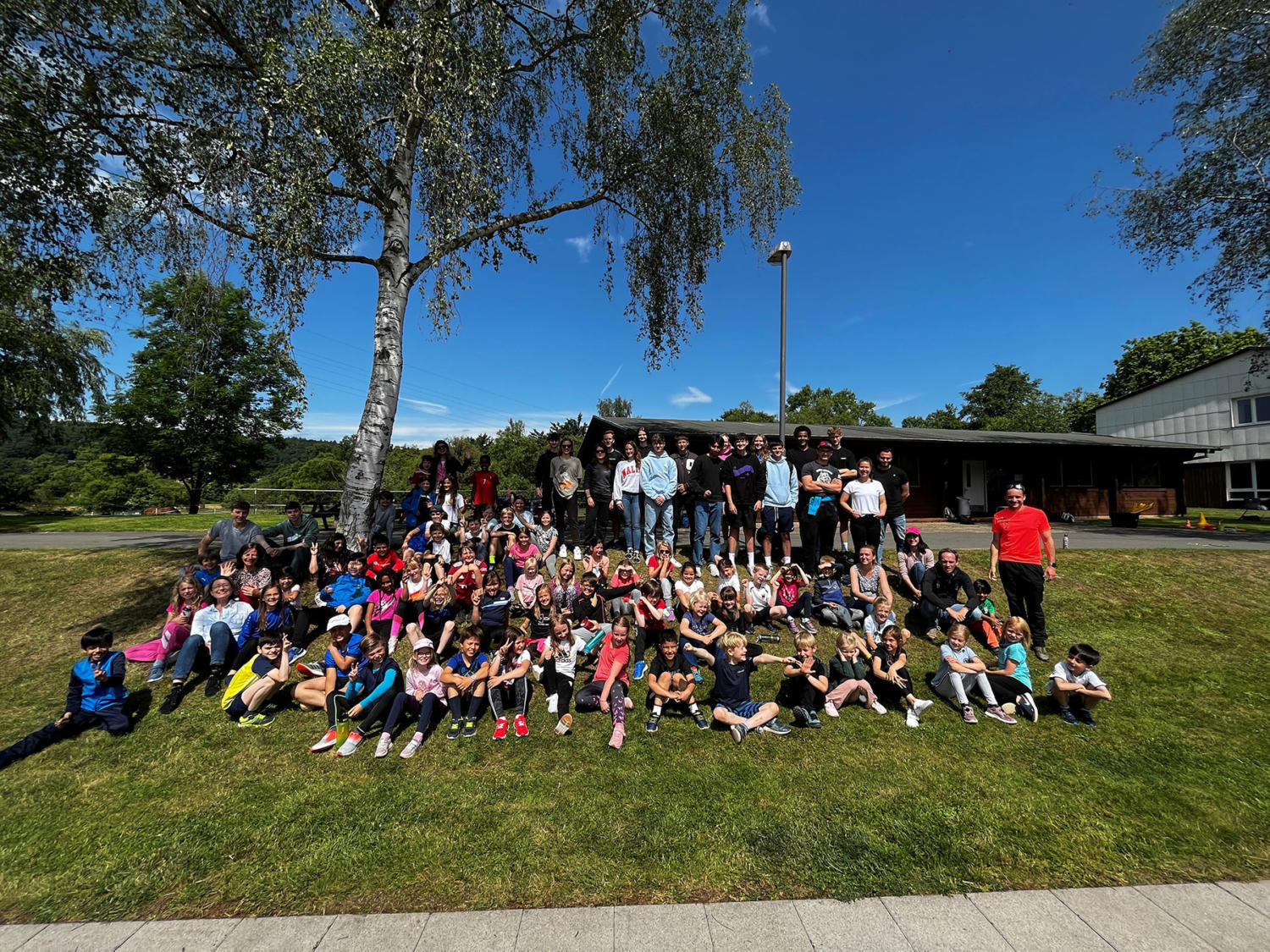
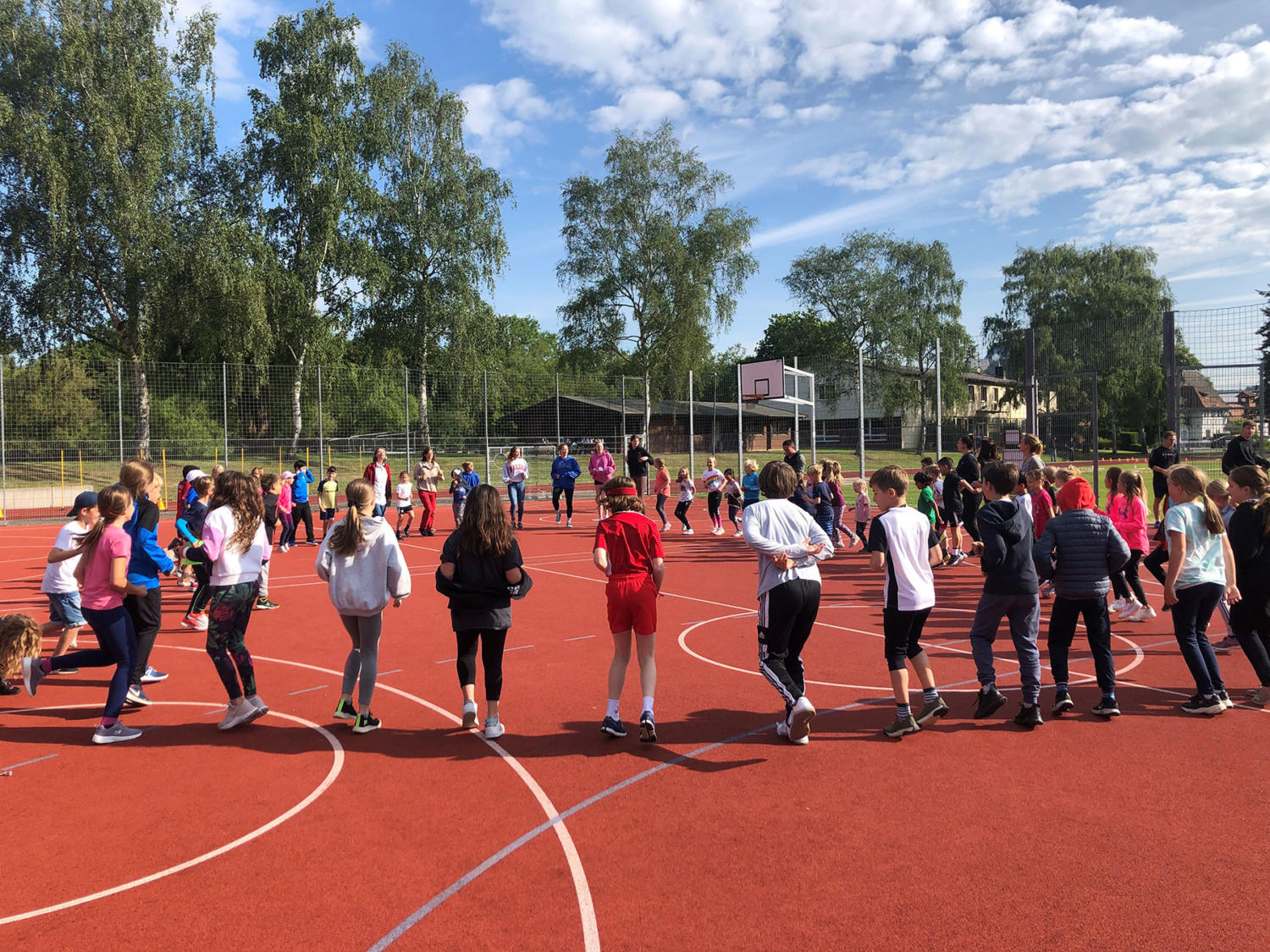
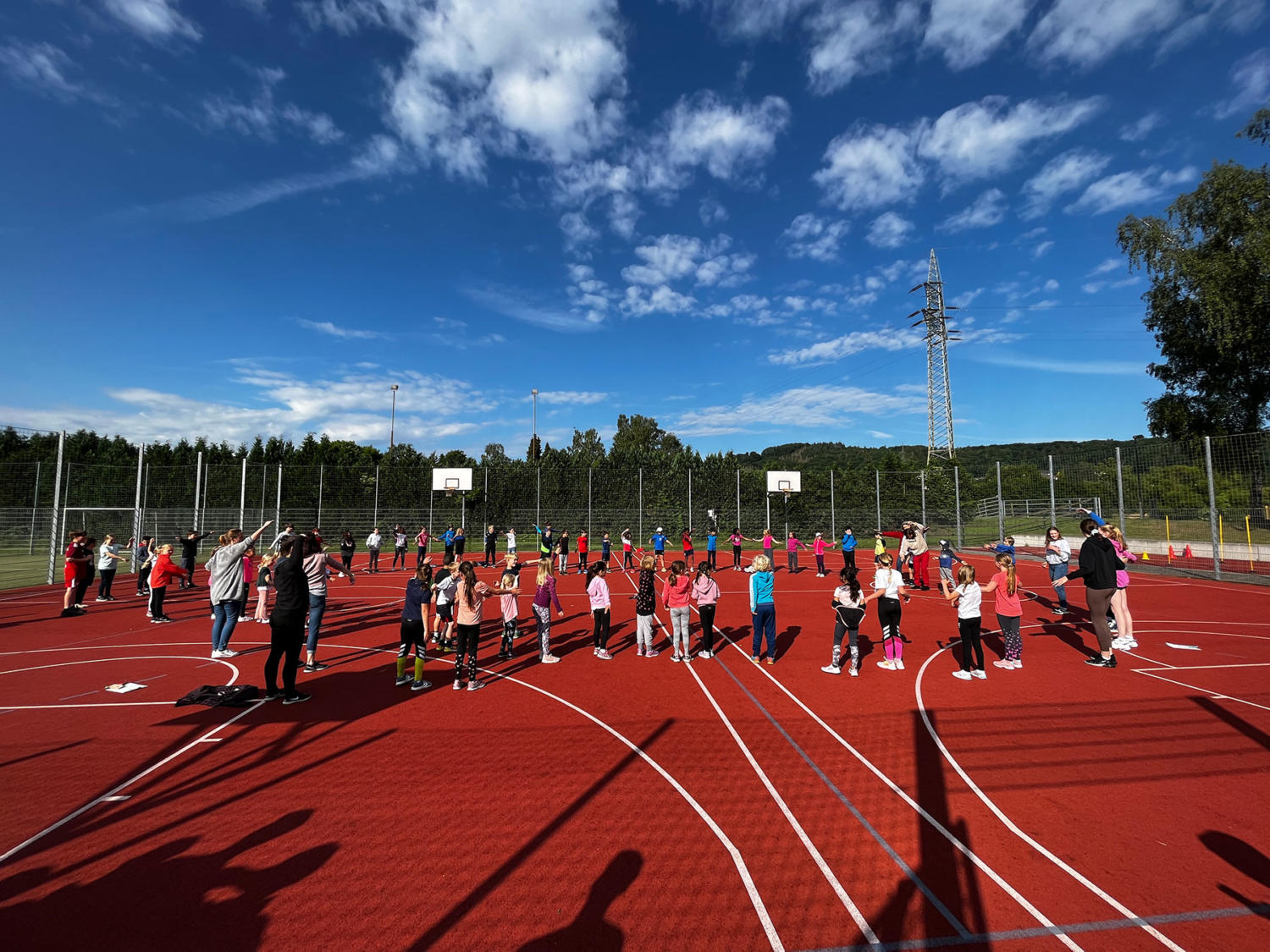
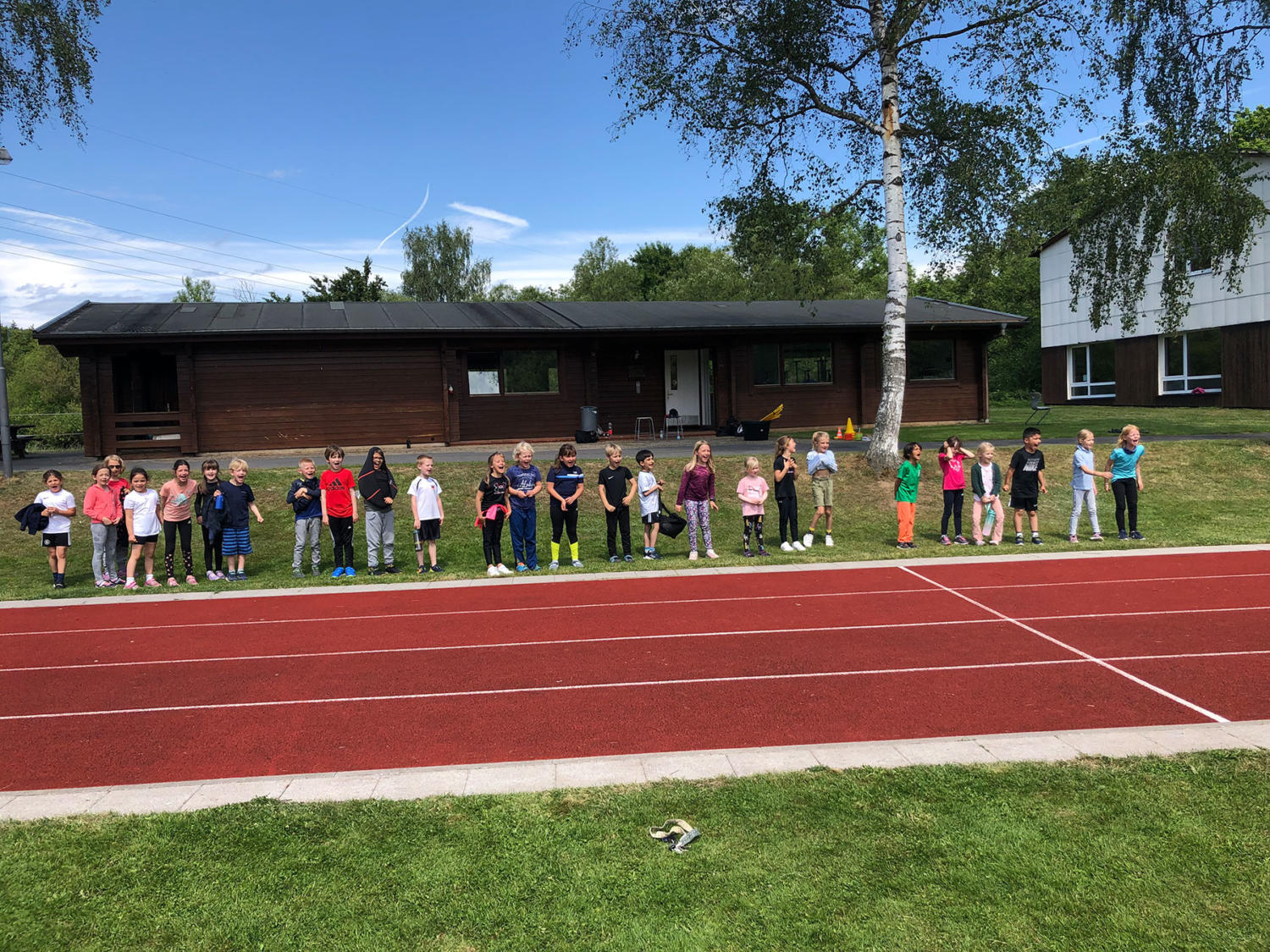
On May 31, the time had finally come: After two years of the pandemic, during which the importance of school sports had been downplayed, school sports events were finally allowed to take place again. As a result, our elementary school students got to experience their very first Federal Youth Games at Steinmühle.

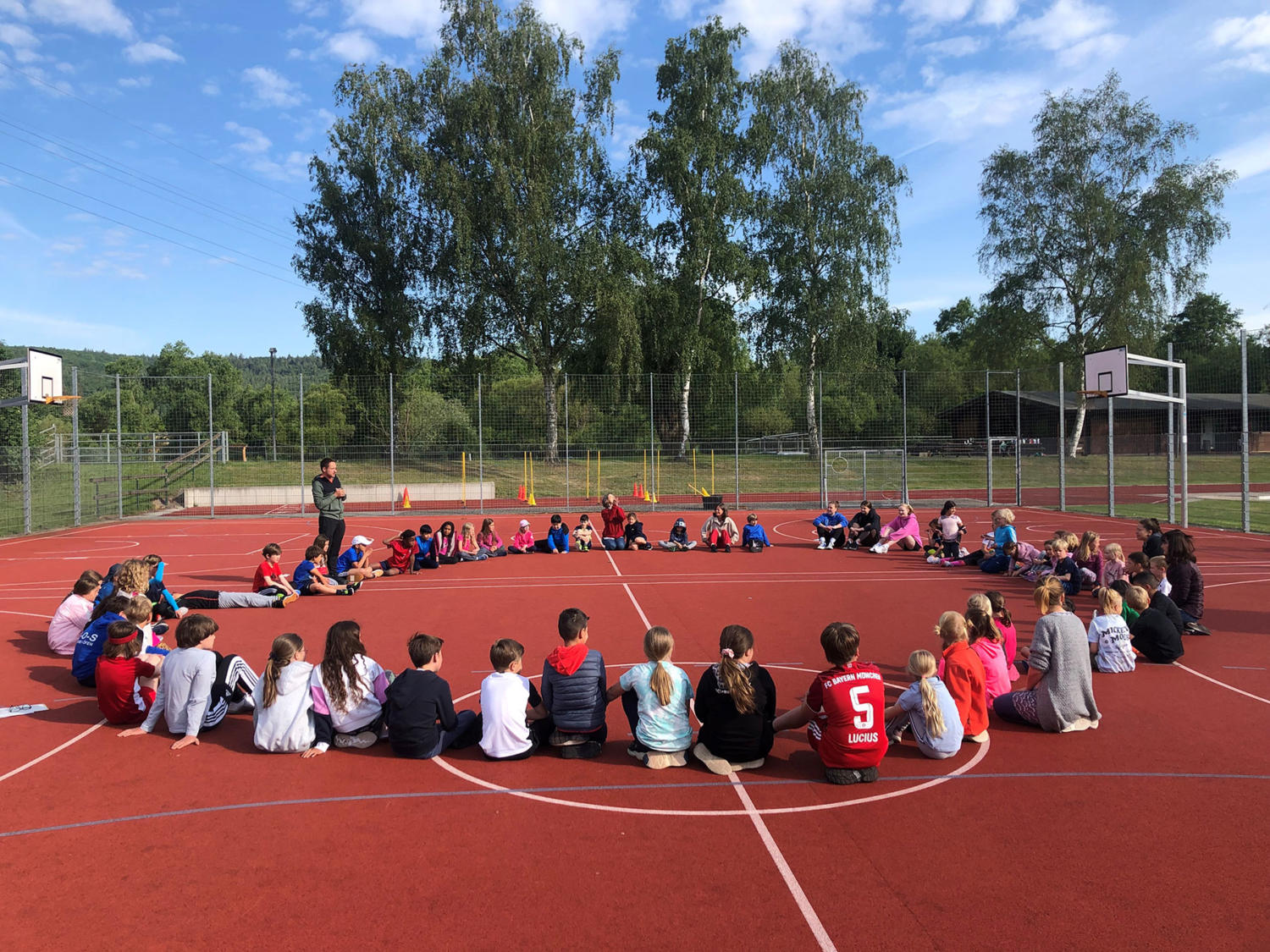
With the active support of the Sports Track (11e), all the students had a blast all morning long and got to compete and let off some steam. Here’s how our fourth graders described their morning in their own words:

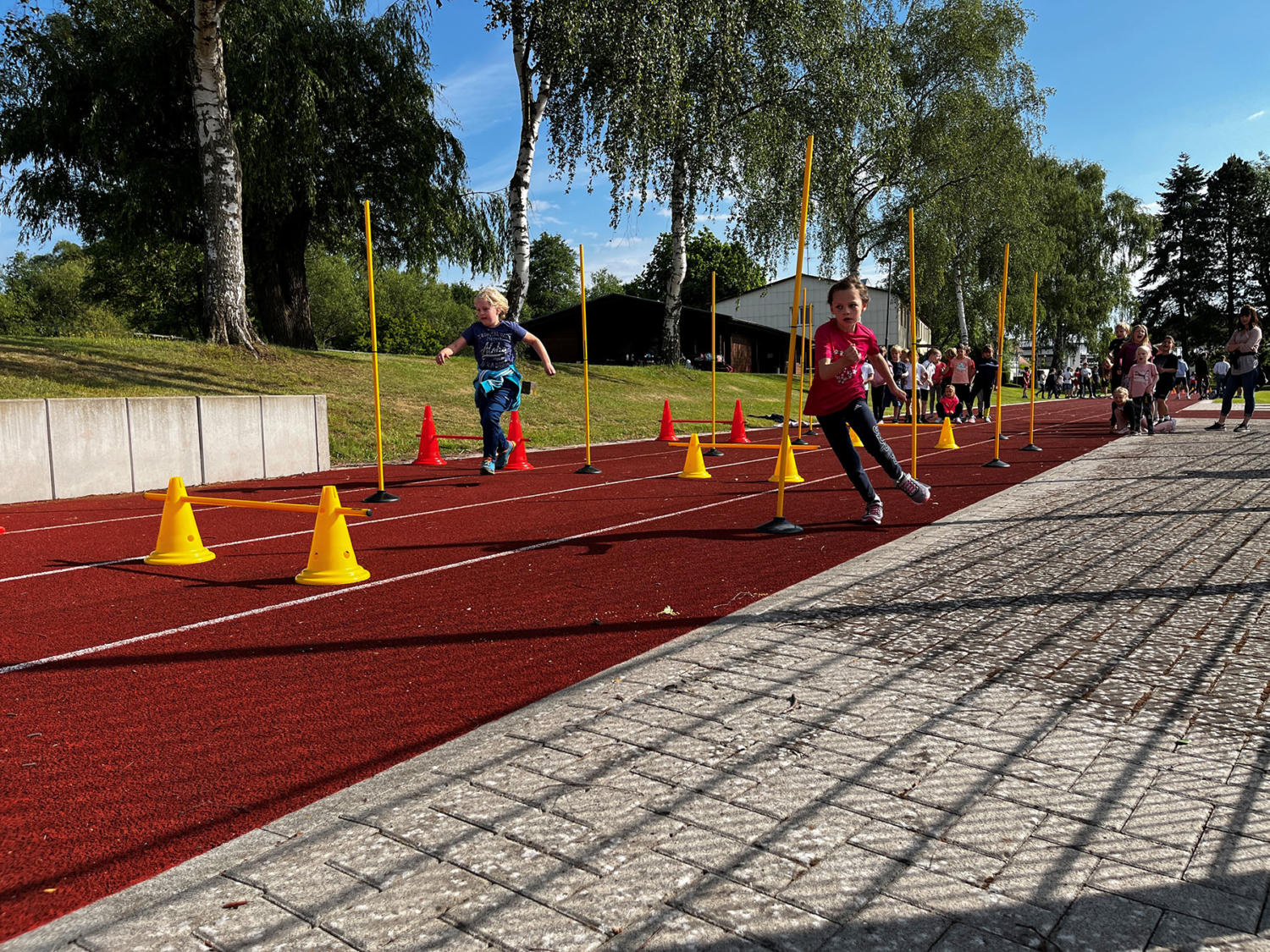
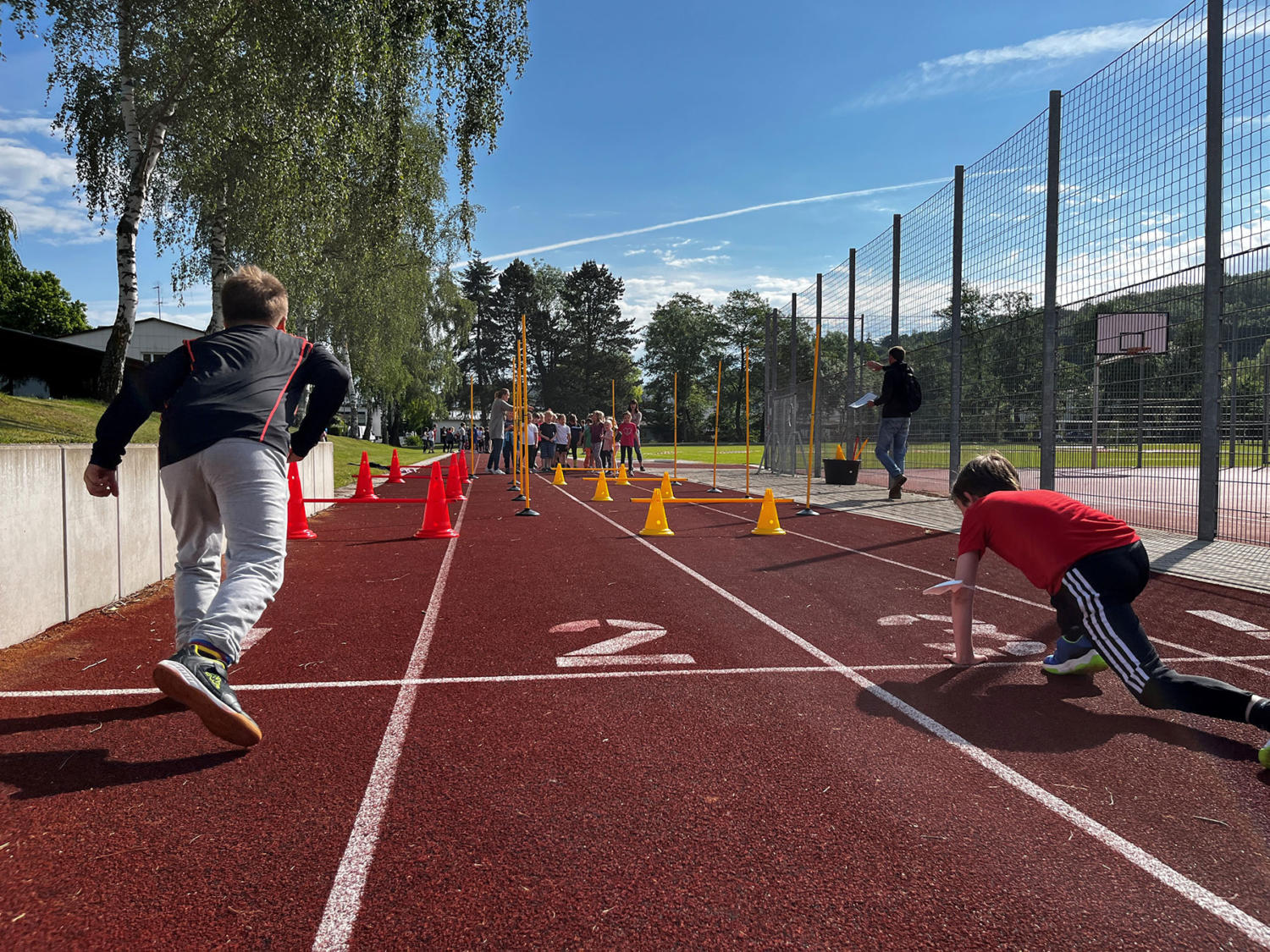
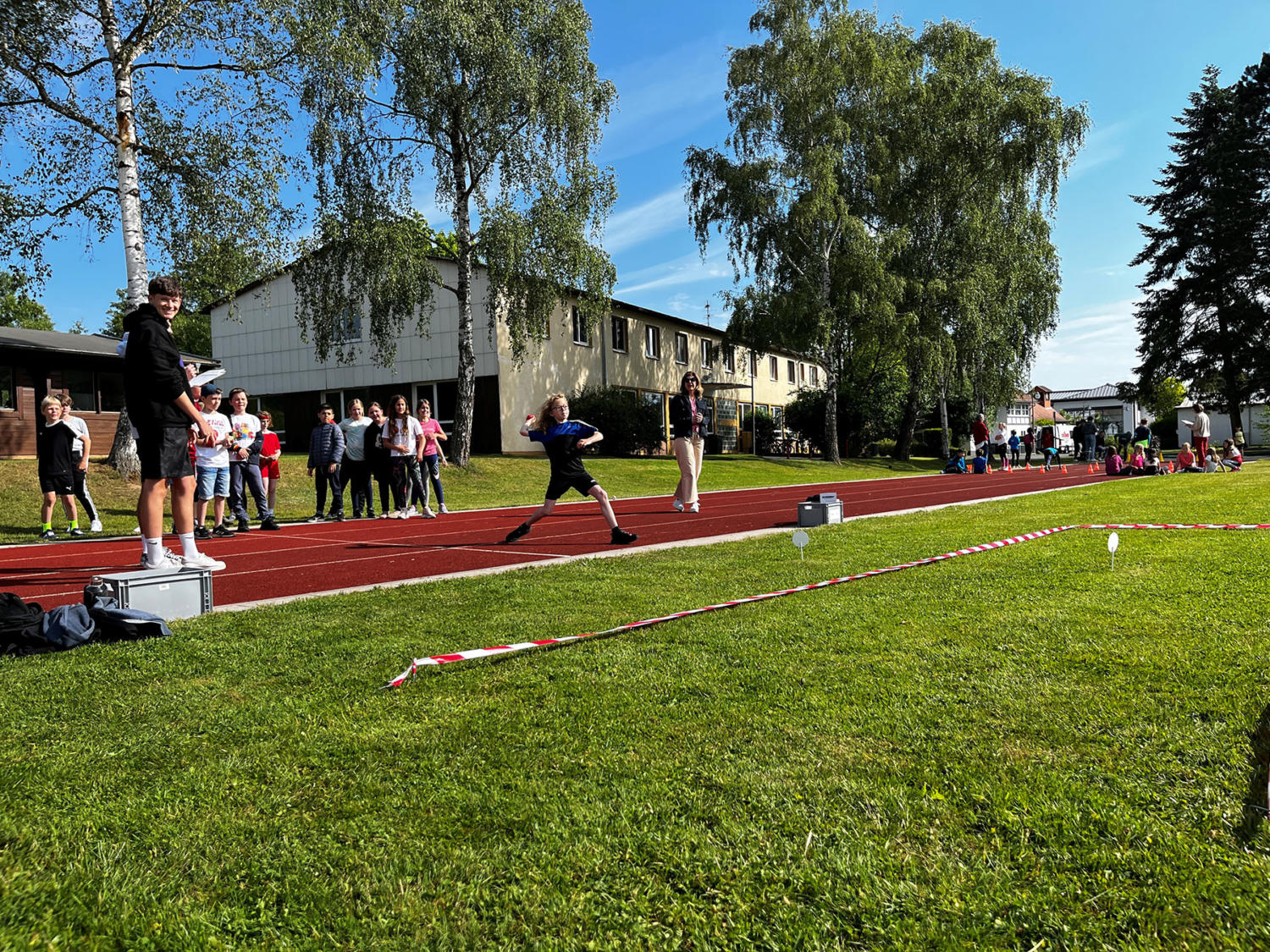
“On May 31, we attended the National Youth Games. Marcel Kalb had his 11e advanced physical education class help us prepare for the National Youth Games. They were behind the cafeteria, near the log cabin. The 11e class helped us warm up and showed us everything. We participated in four events. They showed us everything and explained everything to us. For the long jump, the 11th graders first gave us tips, and then we got started. It was a lot of fun, and the 11th graders were goofing around a lot. The ball toss is a sport where you have to throw a ball into squares numbered 1–20. Class 11e organized the ball toss and helped us understand the rules. If you didn’t hit the marked squares, you didn’t get any points. The third station was the sprint. At this station, the fourth-grade class raced against the third-grade class. We had to jump over hurdles, run a slalom course, and our times were recorded. The final event was the cross-country run. The Flexies went first. Then the fourth graders started. One of them fell over. Five minutes later, the third-grade class began. There were obstacles in the race, too.”


“I liked the race because it was fun”

Since the Federal Youth Games are set to remain a regular part of the school curriculum next year as well, third-graders were asked for their opinions for the purposes of quality assurance and “event development.” When asked, “What did you like?” they responded as follows:

  • “We liked the hurdle race and the fact that the 11e and our class cheered us on. They didn’t give up!”
  • “I liked the hurdle race because I was good.”
  • “I ended up liking the race because it was fun”
  • “The best helper for me was Sahra. Because she helped me and said, ‘You’re the sweetest first-grader.’”
  • “I liked the whole-school race because everyone was happy. I love the long jump and the hurdle race.”


“There might be more breaks to play”

The atmosphere was great, and the kids had fun. Nevertheless, there were also some critical comments from Class 3. In response to the question “What could be better next time?”, the following comments were made:

  • “There could be more breaks to play, go to the bathroom, and drink!”
  • “That the hurdles are lower for the younger kids.”
  • “Next time, I’d better make sure there’s a place to eat there!”
  • “The 11th-grade class could count better by jumping!”
  • “Next time I want more games [between each discipline] because I liked them”

In summary, it can be said that the very first Federal Youth Games at the Bilingual Elementary School fully achieved their goal of helping elementary school students discover the joy of physical activity and “competing,” but there is still room for even more progress, especially looking toward the future—or, in Tim Cook’s words:“We are proud of what we have and what we are, but there is much more to come and we can take it even further!”

—

Additional information about the report: The statements written in italics are the students’ original words. In some cases, we have made only minor grammatical changes to these statements and otherwise left them as is—in the spirit of an open culture of learning from mistakes. By the way: No one needs to worry about the fourth-grader (“One of them fell over”). He just tripped…

Marcel Kalb

The annual Kangaroo Math Competition took place on March 17. This is a multiple-choice competition in which students have 75 minutes to answer as many questions as possible correctly across three difficulty levels.

This year, an enormous number of students from grades 3 through 10 signed up. There were 95 in total.

Based on a predetermined point system, prizes 1 through 3 are awarded, as well as a prize for the “biggest kangaroo jump”—that is, the longest streak of correct answers.

The winners at Steinmühle have been announced:

  • Johannes Stroth from Class 4 for the longest kangaroo jump in elementary school
  • Anna-Lena Griesler (5c), 1st Prize
  • Philian Merle (5c), 2nd Prize
  • Liam Randau (6b), 2nd Prize
  • Johanna Rogosch (6b), 3rd Prize
  • Antonia Tapia Gehring (6b), 3rd Prize
  • Carlos Toshiro Beato del Rosal (7a), 3rd Prize
  • Teresa Dinges (7b), 2nd Prize
  • Orlando Geisel (7c), 1st Prize
  • Mathilda Lambach (9b), 2nd Prize

The Math Olympiad begins shortly after summer break with a homework round, in which students with a particular passion for math work on competition problems appropriate for their grade level and submit them to their teachers for grading. Successful completion of the problems qualifies students to participate in the second round.

Round 2 consisted of a four-hour written exam in November 2021. Fourteen students in grades 5–12 took part in it. The top students from each grade level then qualified for the next round of the state-wide competition in Hesse. Jan Audretsch (12d) and Teresa Dinges (8b) made the cut.

In the spring, the two of them took another four-hour exam, which was submitted online. Unfortunately, a trip to Darmstadt to compete at the university where the Hessen round is usually held was once again canceled due to the coronavirus.

Jan and Theresa once again achieved great results in the Hessen Round.

Steinmühle extends its congratulations!

Highly Qualified Teamwork in the Language of Science

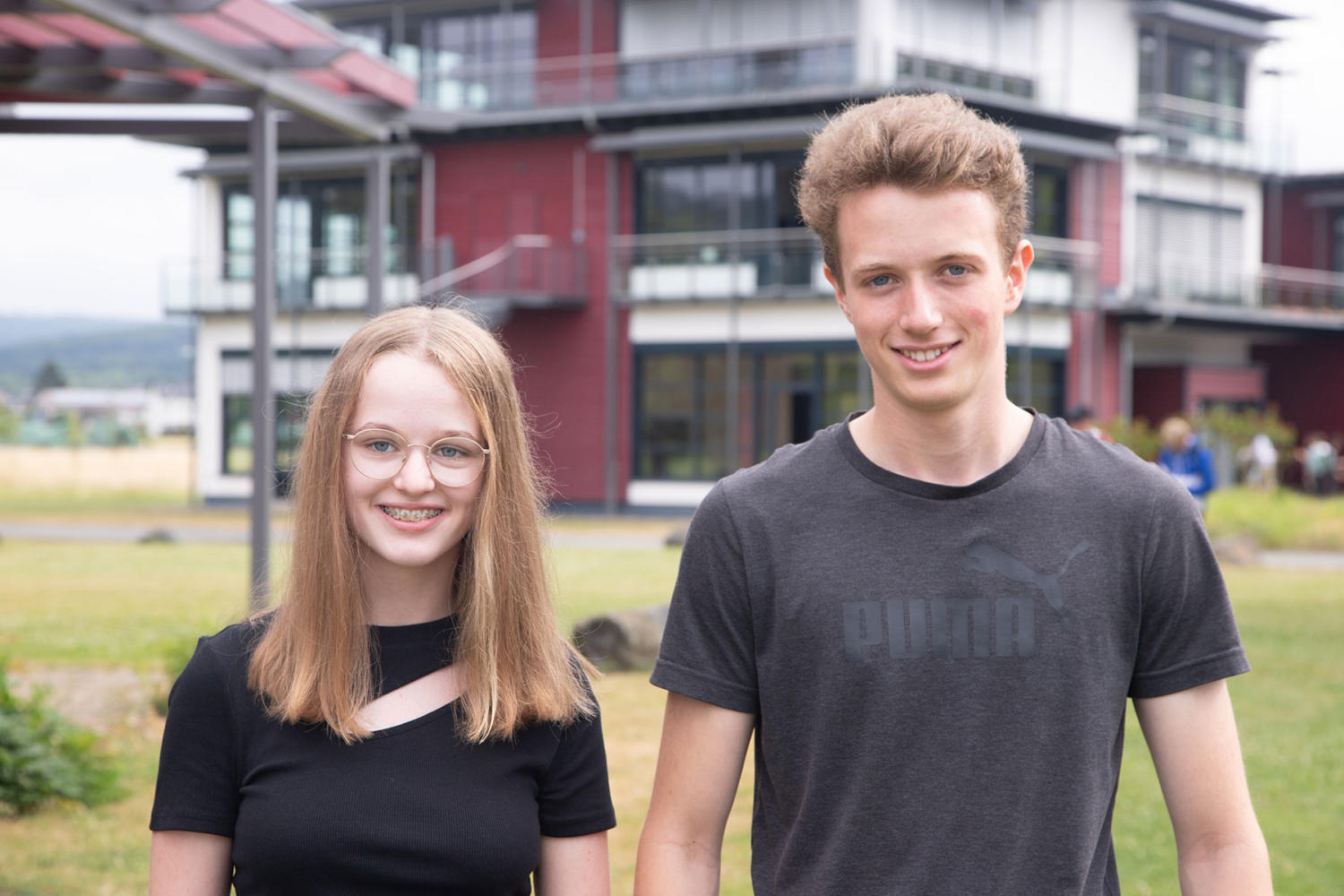
“Unfortunately, technology and invention aren’t school subjects.” — That’s not just the view of the vice president of the Technical University of Darmstadt (TUD), Prof. Dr. Jens Schneider. The Steinmühle school administration and Dr. Jutta Töhl-Borsdorf, the school’s STEM coordinator, also have their eyes on one or two male and female students who might be interested in such a subject. Currently, the Inventor Lab in Darmstadt offers interested and talented students a platform each year to engage in dialogue with scientists from the Institute of Materials Science at TU Darmstadt. This year, Jan Audretsch from Steinmühle was there and conducted research as part of a team focused on the energy transition.
It’s teamwork at the highest level. “A total of 16 exceptional students from all over Hesse took part again this year to conduct experiments in a professional setting and then present their findings clearly to a wider audience.” – This statement from the press release illustrates the level at which the team of young researchers was operating. “We urgently need the next generation of researchers,” say the experts.

The closing ceremony took place virtually once again. But even on the online stage, according to reports, everyone looked great. The closing ceremony was streamed.

“Youth Shapes the Future”—that was roughly the working title of the event. It focused on sustainable solutions, alternative technologies, and innovative concepts for the world of tomorrow.


Insights into research beyond the daily school routine

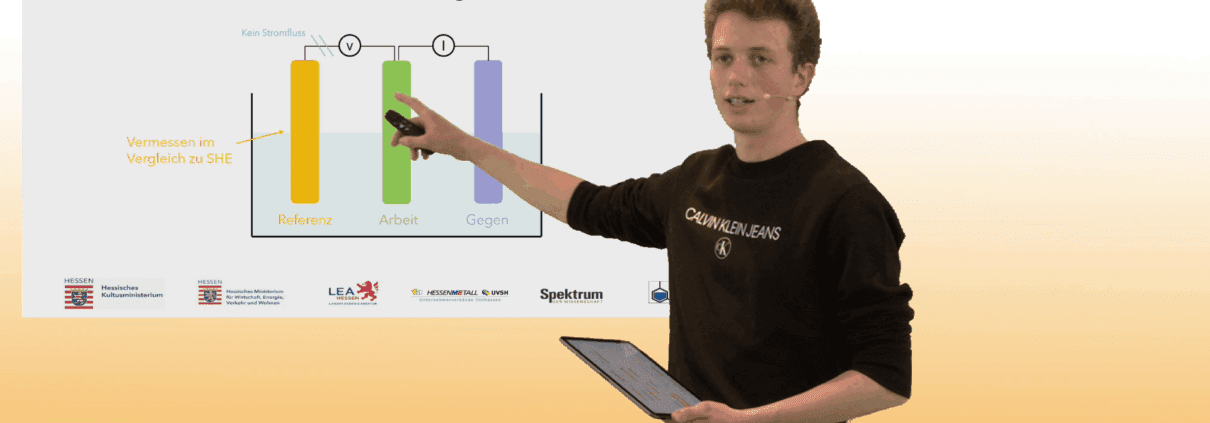
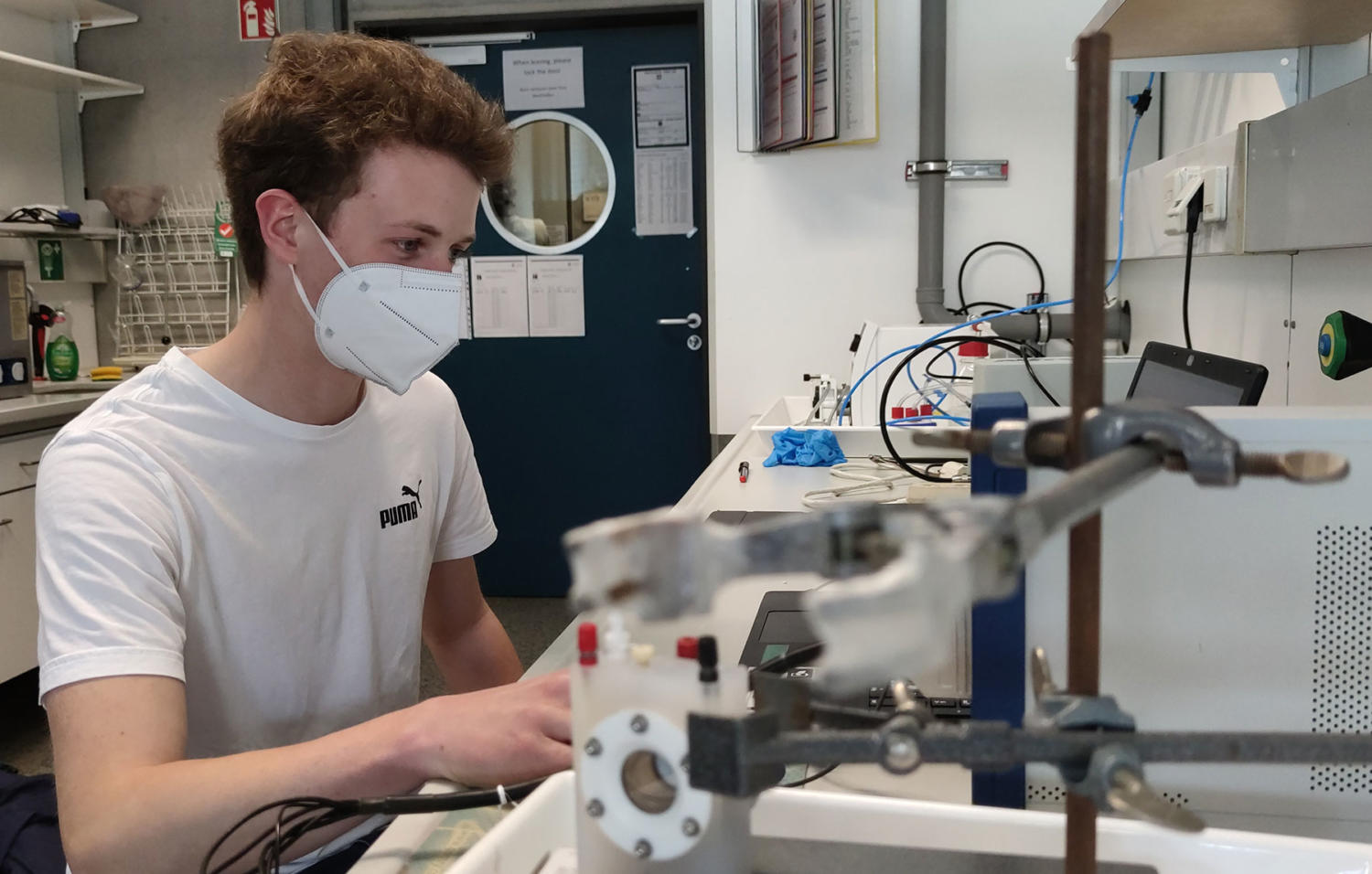
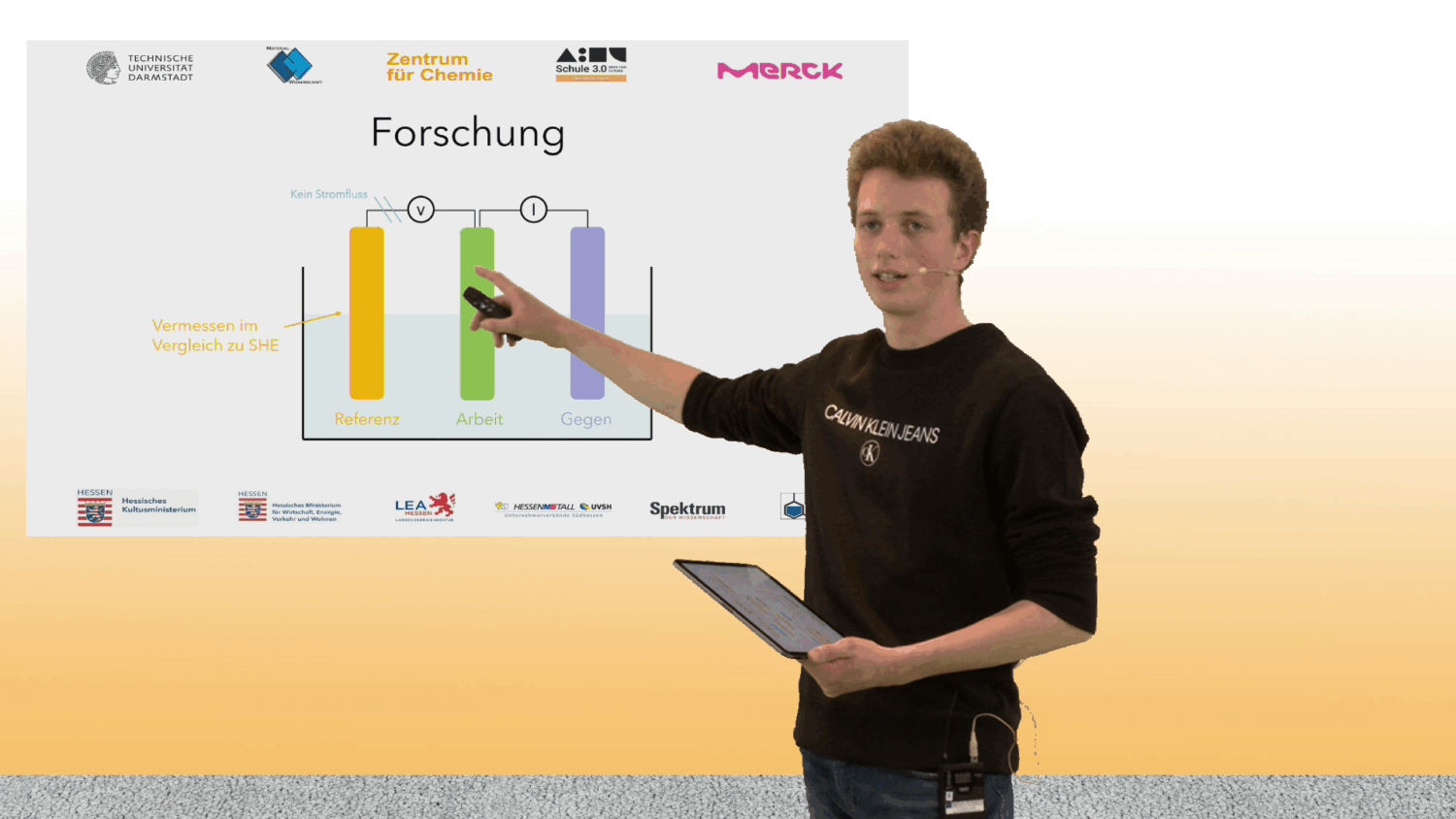
“Ms. Töhl-Borsdorf asked me if I was interested and registered me accordingly,” says Jan Audretsch, describing how he came to participate in the prestigious event. “Afterward, I received all the further details by email from the Center for Chemistry. I worked on the topic ‘Hydrogen vs. Batteries,’” says the young scientist. The other groups conducted research on the topics ‘Cooling with Magnets,’ ‘Can Solar Cells Clean Themselves?,’ and ‘The Battery of the Future.’ All results had to be explained in a 10-minute presentation tailored to a high school audience.

“I think the basic concept behind the Inventors’ Lab is really great and exciting,” Jan Audretsch says, reflecting on his participation. “The opportunity was very valuable to me—it allowed me to step away from my everyday school routine and gain insights into research at the university.”

On a personal level, the high school senior has confirmed his desire to pursue a degree in the natural sciences. But Jan Audretsch says it’s still too early to make a decision: “I don’t know exactly what yet.”