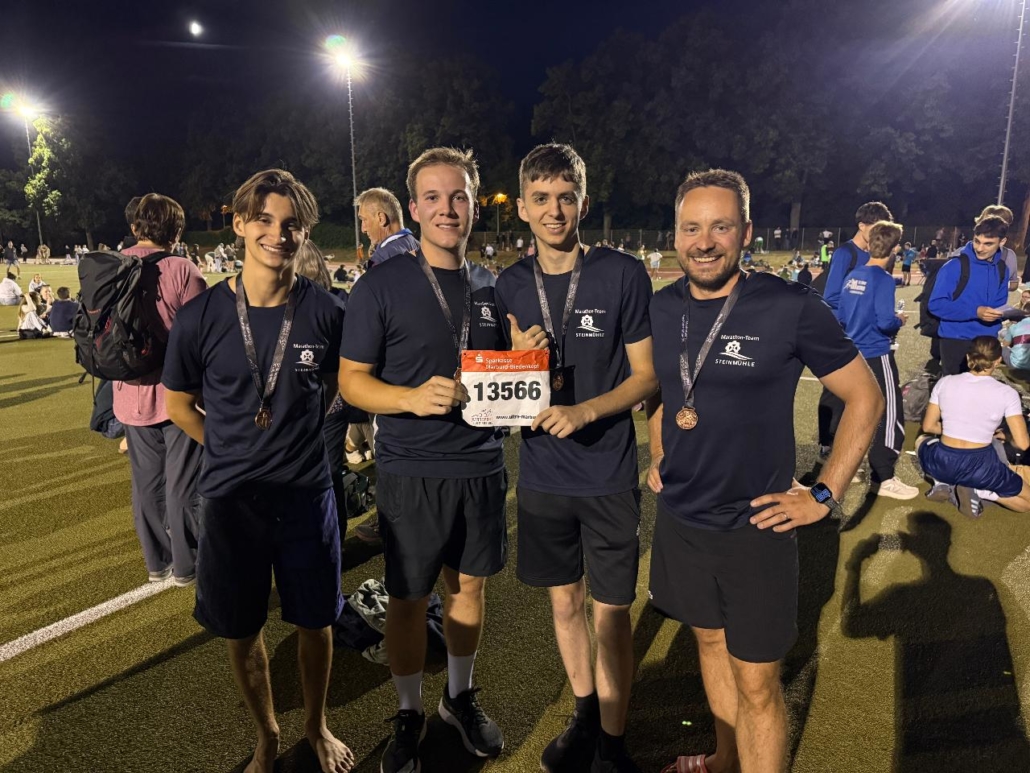
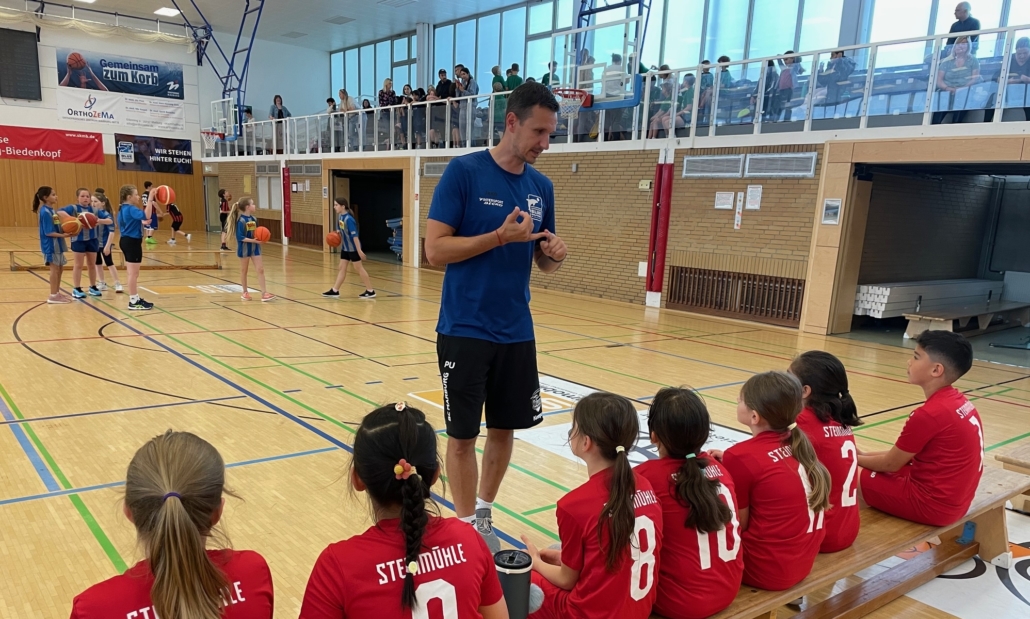
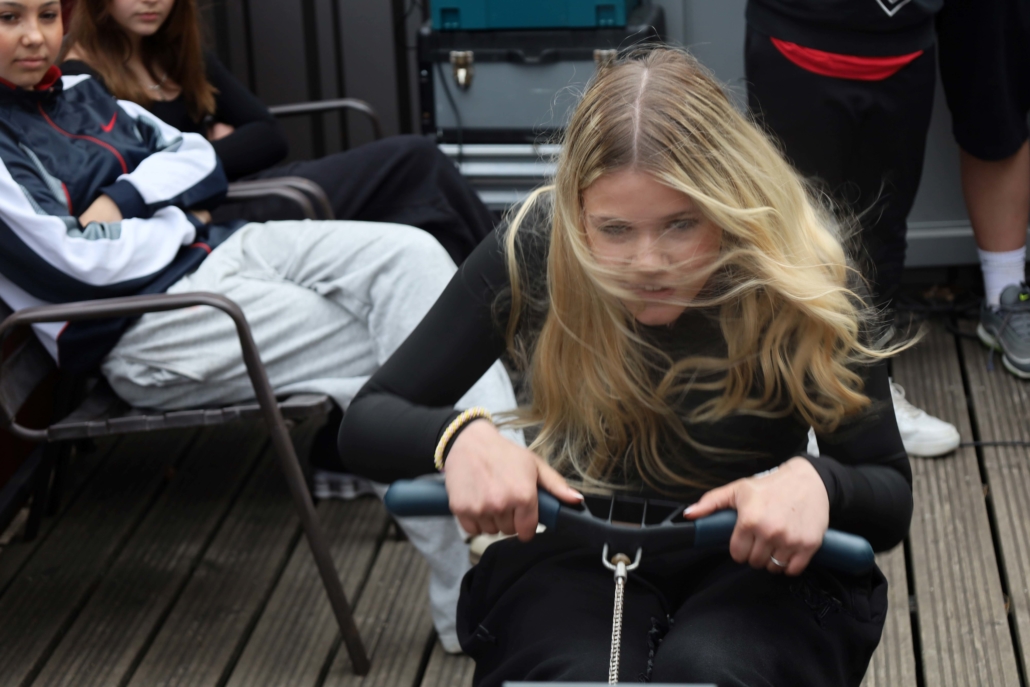
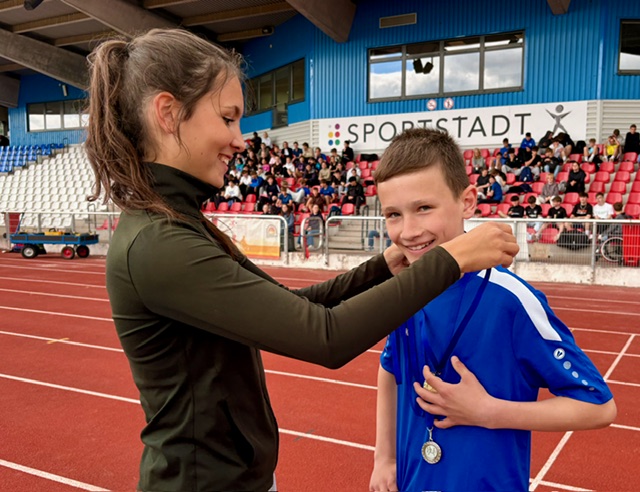
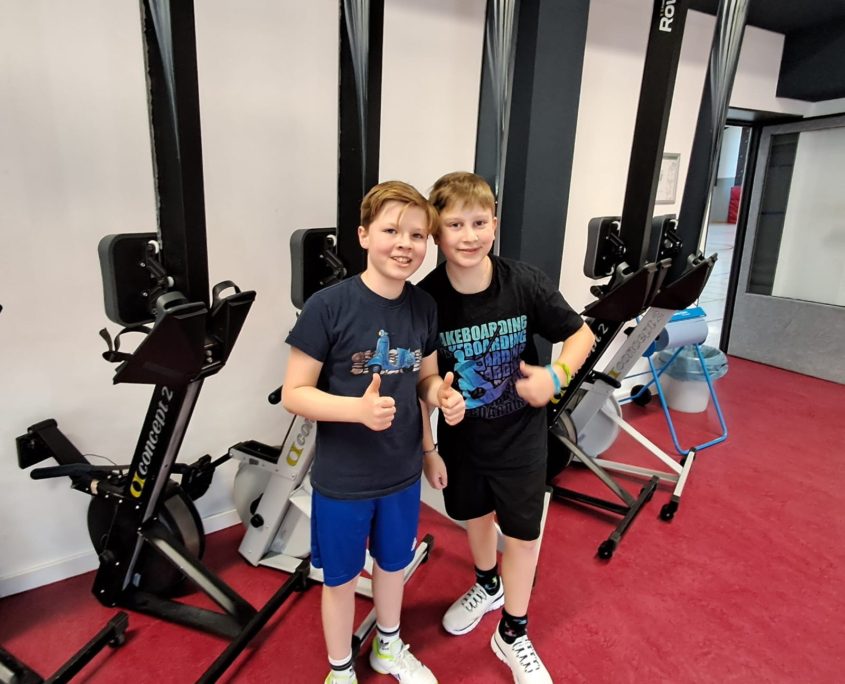
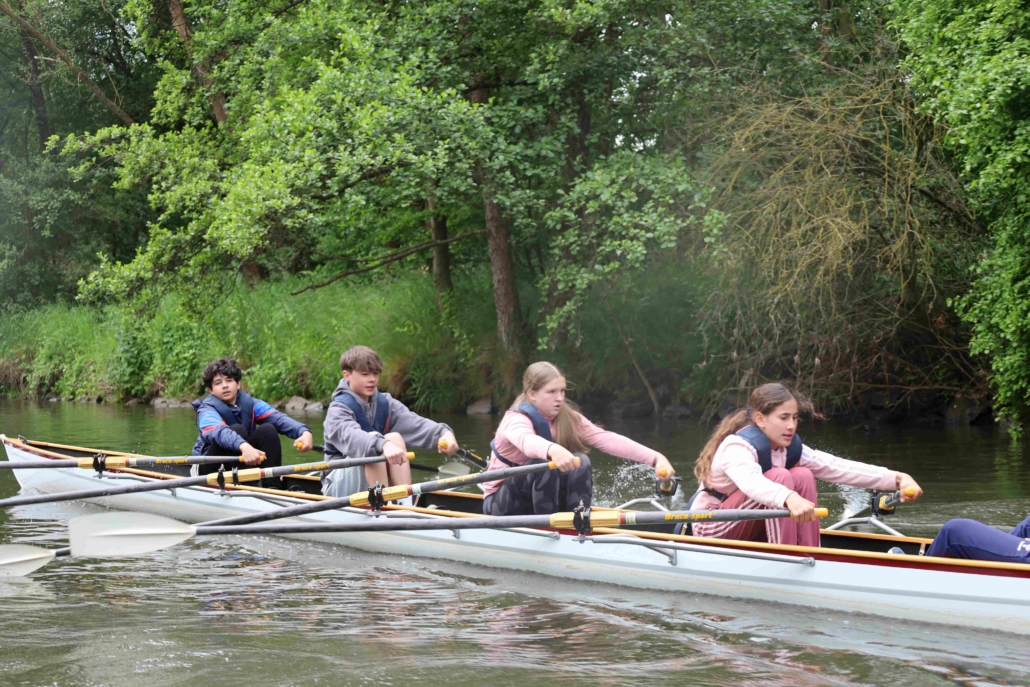
It was “Health” theme weekend again at the Steinmühle boarding school. Each student had the opportunity to choose two different workshops.
In keeping with the theme, all the workshops were designed to focus on physical or mental health. Topics included community, achieving a sense of accomplishment, moments of self-efficacy, mindfulness, and openness to new experiences.


Another topic: How to deal with news

The program also included the workshop “Journey Through the Five Senses,” in which an example was discussed for each sense: walking barefoot for “touch,” trying different foods for “taste,” and more. Other activities included replanting raised beds with lettuce and herbs, playing baseball, a session on “Women and Menstruation” for female students, and ice bathing.

Other examples included dealing with less-than-positive news, “my year in pictures,” creating a vision board, attending a basketball game, taking a walk in the woods, as well as health exercises and circuit training in the weight room.


On Sunday evening, the individual residential groups reflected on their experiences with the educators. Julia Ploch summed it up on behalf of the educational team: “The young people really enjoyed the weekend. In addition to the great response, we had plenty of sunshine and high spirits over the two days.”

(Heinm/Photo: KI)


Mara von Essen has been a school social worker at Steinmühle since January 1. Together with Hanne Wolf, the school psychologist, she is expanding the range of counseling and support services available to students.


Support in Everyday School Life

Mara von Essen is the point of contact for students regarding personal, academic, and social issues—such as stress, conflicts, or feelings of uncertainty.
Counseling is voluntary, confidential, and independent of academic performance. Students can initiate consultations on their own, or they can be referred by teachers or parents. Together, they then work to find appropriate solutions.


Support Upon Arrival

A particular focus is currently on grades 5 and 6. Here, Mara von Essen supports the students as they transition to middle school—helping them settle into new groups, build relationships, and cope with new challenges.
The goal is to provide early support and foster the positive development of the class community.


Prevention and Collaboration – From “I” to “We”

In addition to working with individual students, she also offers preventive programs, such as those focused on social interaction, conflict resolution, or outdoor activities. These can take place in a classroom setting or in groups.
Collaboration with teachers and parents is an important part of this effort to strengthen social processes and foster a sense of community in the classroom.


Support for all grade levels

Mara von Essen is available to all students as a point of contact. Topics for discussion may include, among other things, academic pressure, friendships, family stress, or personal crises. Preventive programs are also currently being developed for the various classes to provide students with early support.


Accessibility

Mara von Essen is at school Monday through Thursday from 8:30 a.m. to 2:15 p.m.
Students can visit her during open office hours on Tuesdays and Thursdays during the second long break.
Additional appointments can be scheduled as needed.

The best way for teachers and parents to contact Mara von Essen is via the StoneApp or by phone at +49 1590 6204687.


In cooperation with the agency Play the Pro and its managing director, Heiko Hampl from Marburg, Steinmühle has put its tennis program on a professional footing. Now that the tennis facilities on the boarding school grounds have been modernized and are complemented by the newly opened Café Mühle—run by the boarding school students—the focus is shifting toward tournament participation—but that’s not all. Beginners are also warmly welcome.

The tennis program at Steinmühle is open to students in grades 1 through 13—that is, all grade levels represented on campus. “It’s popular with both elementary school students and high school students,” reports Heiko Hampl.

You don’t have to be a pro to start playing tennis at Steinmühle. According to Hampl, many of the people on the court are beginners, while some are more advanced. “Anyone who wants to learn to play tennis should feel free to give it a try.”


Morning Sessions for Parents

The program is primarily aimed at students at Steinmühle, who no longer have to travel long distances for their after-school sports activities. Training times have therefore been scheduled mainly in the afternoon. “But we also offer morning sessions, so we can keep an eye on the parents,” Hampl reports. Players can play on three courts at the same time.

Siblings Philipp and Jana Nowakowski show what it’s like when you’ve caught “tennis fever.” Philipp, who is still in elementary school, has attended a few tennis camps with his sister. “The camps will be back,” says Heiko Hampl, looking ahead to the future and at his calendar. Demand is currently being finalized, and after Easter—to stick with the sports metaphor—things will be in full swing.


Even a spontaneous start can be successful

There is great excitement about the revival of tennis at Steinmühle: “This wonderful sport had been in a deep slumber here for a long time, and we have now brought it back to life together with a professional partner,” explains Dirk Konnertz, managing director of Schule & Internat.

Anyone interested in tennis—whether you’d like to take lessons, pick up a racket again after a break, or try the sport for the first time—is cordially invited to learn more about our offerings at the following link: https://www.play-the-pro.com/steinm%C3%BChle-schule-internat/. If possible, you can also join a class on the spot.

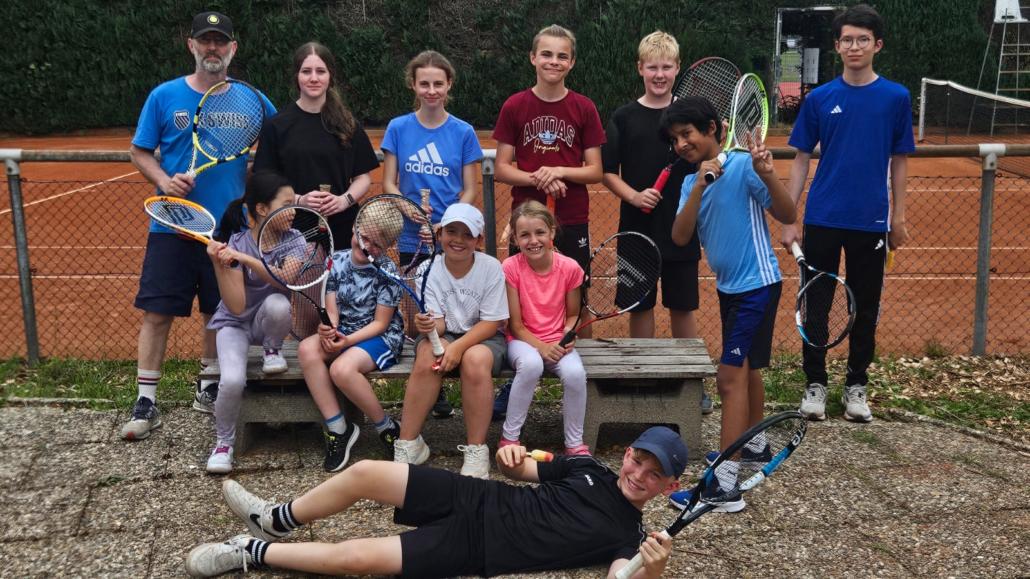
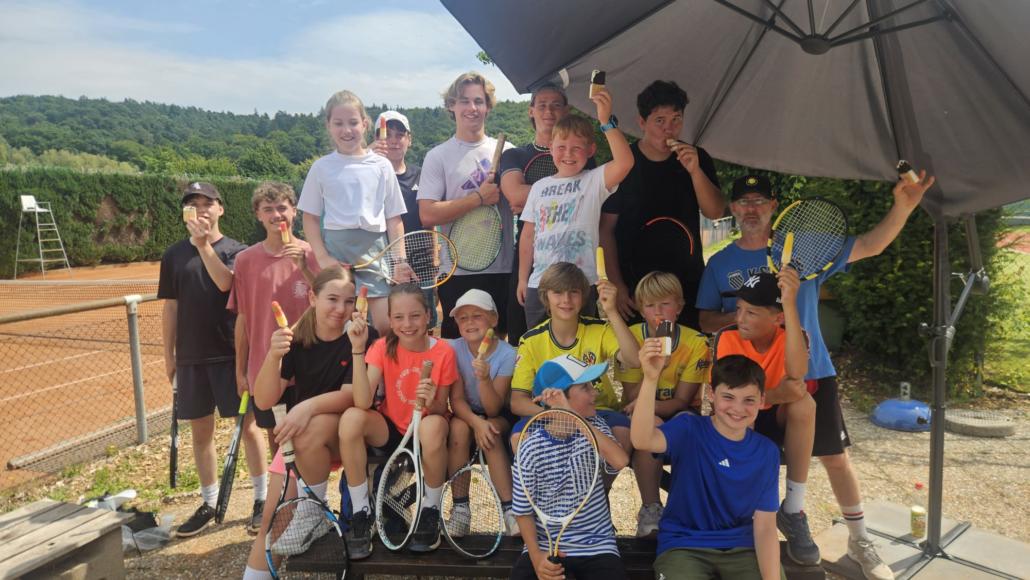
Our cover photo shows Lanah Reithmayer and Jana Nowakowski enjoying their hobby. The group photos give a glimpse of the tennis camps.

(Angela Heinemann)


Horseback riding, rowing, team sports, and an ever-growing number of partnerships: The sports program at Steinmühle School & Boarding School has evolved significantly in recent years. Modernized facilities, a growing team, and numerous projects ensure that physical activity has a firm place in the students’ daily school life—and will continue to be expanded in the future.


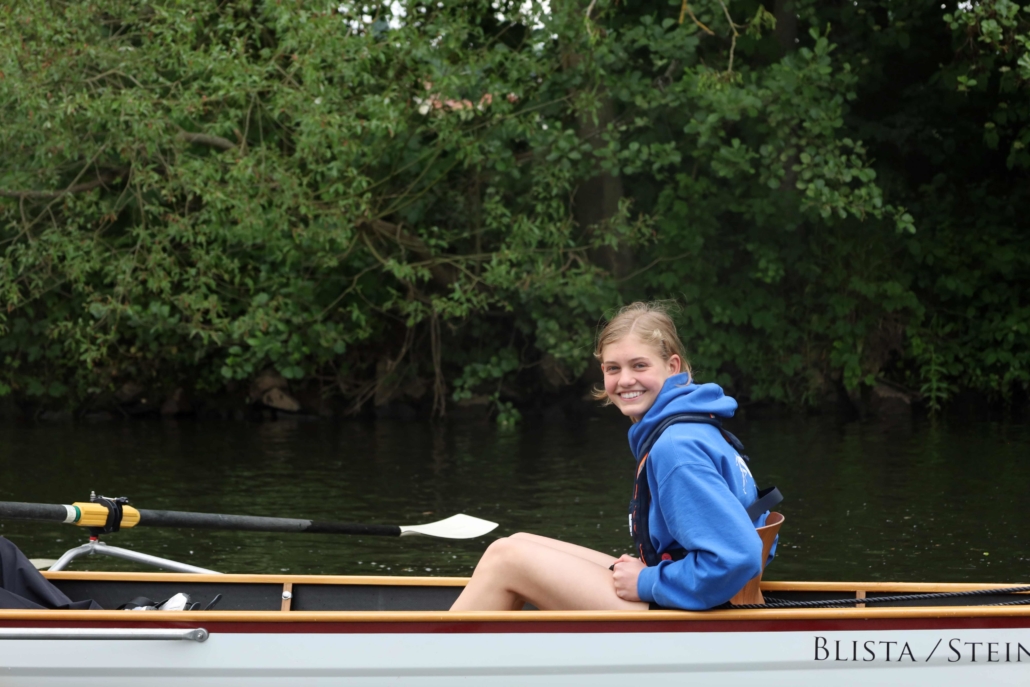
Steinmühle has always been known for its wide range of sports programs: established equestrian programs, professional rowing instruction, and successes that have even led to Olympic participation. Tennis has long been played on the school’s own courts, ball sports—including beach volleyball—are played along the Lahn River, and strength training is offered even during the winter months. But even good things can be made even better, explains Marcel Kalb, head of school sports, organizer of many training sessions, and coordinator of partnerships with other clubs.


Modern Infrastructure

At this point, we’ve already reached a stage where things have expanded considerably compared to about ten to 15 years ago. Compared to back then, the infrastructure has been modernized and significantly expanded. A renovated boathouse, a large second sports hall, and a modernized existing hall are now available for rowing equipment and indoor sports. The selection of sports equipment is also being continuously expanded. The selection in the weight room already gives a good idea of what this looks like.


More People for Sports

The development of the sports program was a process—both in terms of infrastructure and staffing. The faculty in the Sports Department has now grown to 17 teachers, with one educator from the boarding school and three FSJ volunteers providing support in various roles. “We’re also in contact with the departments of Sports Science and Motology at Philipps University in Marburg,” reports Marcel Kalb.


No Grades in Physical Education for Grades 5–8

Promoting physical activity is a top priority at Steinmühle. For example, there are extracurricular programs such as rowing trips and ski trips, and students have the option to choose the sports track in 11th grade—the so-called “E-Phase” of upper secondary school. One unique feature is also worth mentioning: In grades 5 through 8, no numerical grades are given in physical education. “We believe that a numerical grade cannot reflect the diversity of sports and the associated assessment of student performance. For this reason, we strive to provide differentiated and meaningful feedback on performance in physical education classes,” explains the school’s physical education director.


Para-sports are part of the program

Thanks to partnerships with other clubs, the range of sports offered at Steinmühle School & Boarding School is virtually limitless. While some Steinmühle teachers offer sports such as fencing out of personal interest, traditional sports like volleyball, basketball, and soccer are already part of the regular program. The new, spacious sports hall enables Steinmühle—which is already a Paralympic training center for rowing—to now also offer wheelchair basketball as a team sport.

On Mondays, inclusive soccer is also held: A few years ago, the Unified Team began regular training in cooperation with the local sports club, SF Blau-Gelb Marburg. At the time, Egon Vaupel, chairman of the sponsoring association Steinmühle Marburg e. V., had been a particularly strong advocate for the formation of this team.


New School Structure Model Opens Up Opportunities

According to Kalb, the school’s athletic director, the school is seeking further partnerships with other clubs. He has in mind extracurricular activities such as track and field, gymnastics, and swimming. “The new school restructuring model set to be implemented in the future will open up great opportunities in this regard.”


Keeping an eye on competitive sports

Marcel Kalb also keeps an eye on competitive sports and cites, for example, the volleyball club and the elective volleyball classes (WU) for grades 5 and 6, as well as the gymnastics program offered as part of “Youth Training for the Olympics,” in which five female students performed exceptionally well. His credo: “Sports and achievement go hand in hand. And that’s what we encourage.”

In addition, a two-hour-per-week upper-school sports program is offered to students across all grade levels. Marcel Kalb oversees the program, but the students also organize many activities on their own, thereby creating self-directed spaces for physical activity and training.


Getting to know each other in two ways

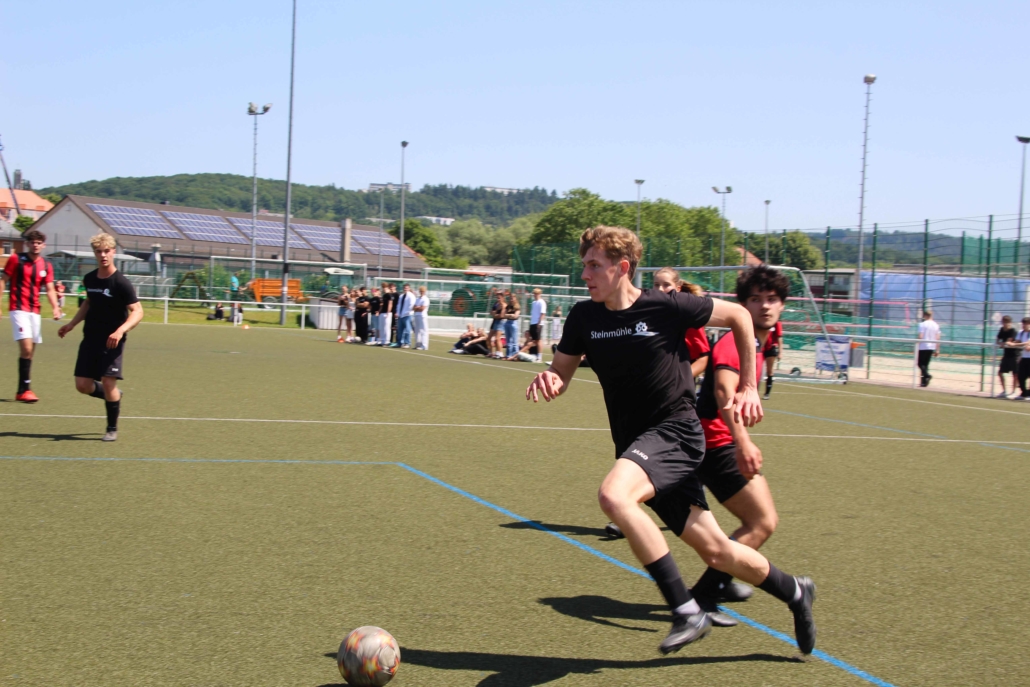
For several years now, Steinmühle has also been holding sports project days during the last week of school, says Kalb, who has been working at Steinmühle for seven years. The additional sports days in May are for grades 5 through 10 and include rowing, running finals, and other disciplines. In addition, Steinmühle has held—and plans to continue holding—a sports festival during the last week of school. Partnering sports clubs and physical education students from the university are also invited to this event. In addition to promoting physical activity, the festival serves as an opportunity for participants to get to know one another—both among the athletes themselves and through exposure to other sports programs.


Fitness Programs for Faculty

“Our day-to-day work is becoming increasingly complex, so we also need to ensure that our staff gets enough exercise,” adds Marcel Kalb. At this point, he brings up the “StoneFIT” program—an initiative designed to promote physical activity specifically for employees.

“We can be proud of the opportunities we have,” Marcel Kalb sums up. But he adds that they haven’t reached the finish line yet: “… there’s still more to come.”

He also mentions the lively break in the gym that comes with the cell phone ban. Led by a volunteer doing a year of voluntary social service (FSJ), grades 5 and 6 are active during the first long break, and grades 7 and 8 during the second long break. “If you curb the urge to play digital games, you have to offer other alternatives—ones that promote health through sports and physical activity.”


Sports are part of school culture

Steinmühle does not see its future as limited to its own offerings. “We also like to take a look at what public schools are doing and try to adopt the best practices.”

This makes it clear: At Steinmühle, physical education is much more than just a school subject. It is part of the school’s culture—driven by dedication, collaboration, and the shared goal of sustainably promoting physical activity, health, team spirit, and a drive to excel.

(Angela Heinemann/Photos: Steinmühle Archive)


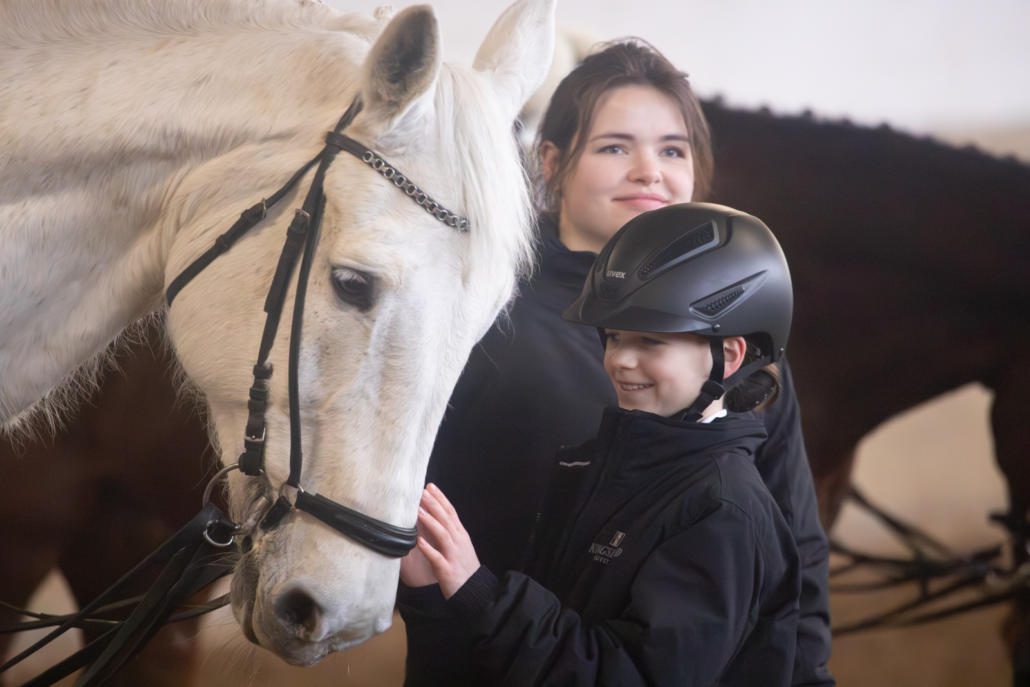
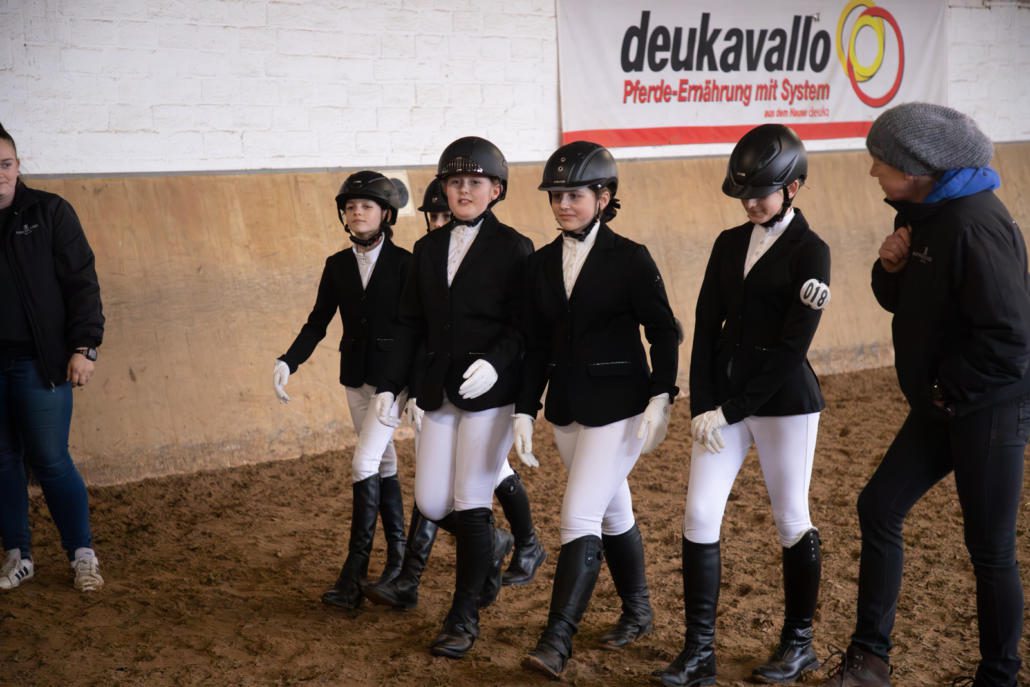
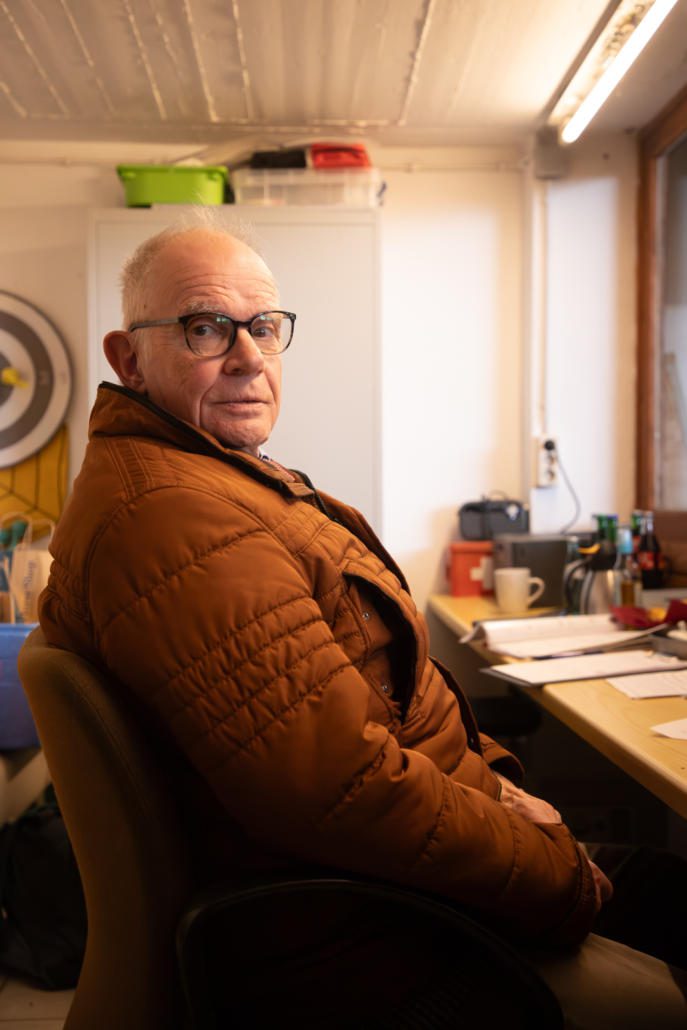
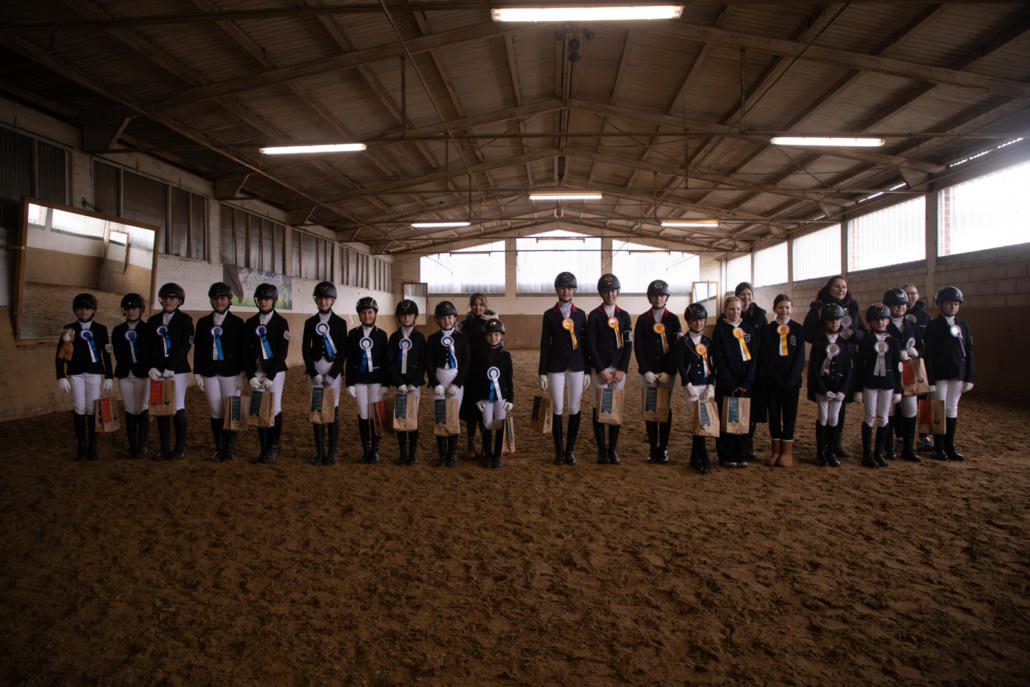
Finally, another horse show at Steinmühle! Shortly after the return of Beate Schridde—the trusted stable manager, riding instructor, and trainer—to the Steinmühle Riding School, the popular Youth Cup was held there again following a lengthy hiatus. Teams from Sterzhausen, Mengsberg, and Rauschenberg were in attendance to demonstrate their skills before the experienced judge Albrecht Welz. In addition to the dressage test, participants were also tested on their theoretical knowledge, as is customary at the Youth Cup.


Improvements in performance are already clearly evident

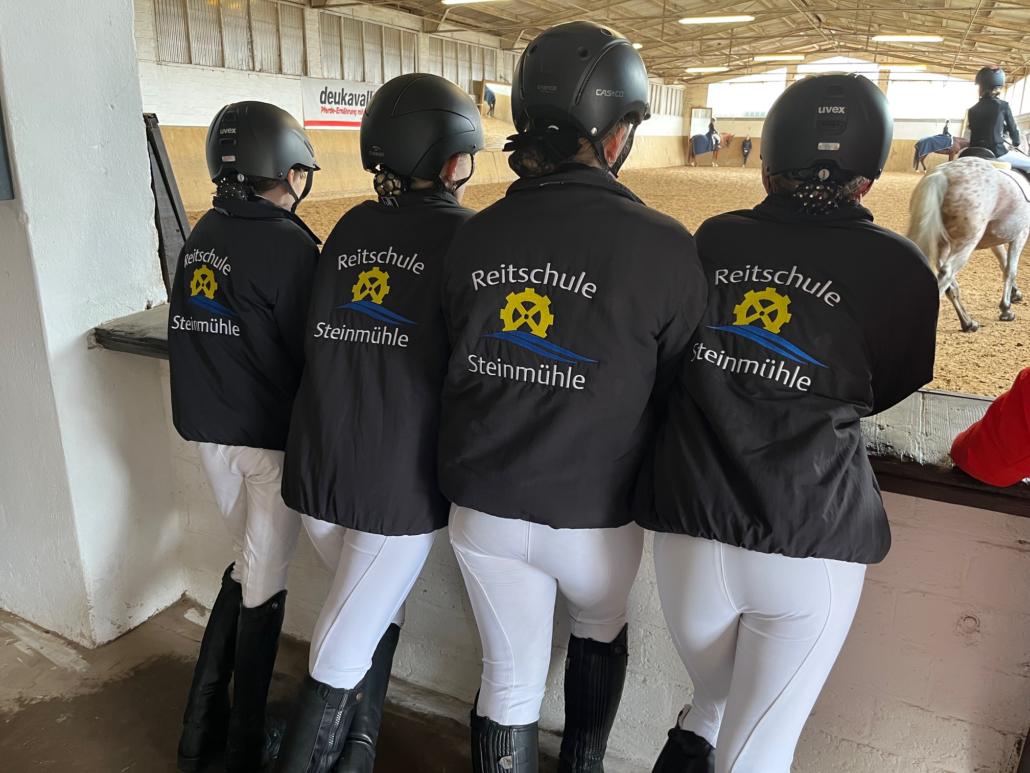
As for the riding performances of the Steinmühlen riders, Beate Schridde has already noted a significant increase in the scores achieved compared to their first two appearances in the Youth Cup following their long “hiatus.” The girls, dressed in their riding attire bearing the Steinmühlen emblem, cut a fine figure not only as spectators along the sidelines but also on horseback—much to the delight of the parents of all the participating riders.


Applause for the Renovation and Decor

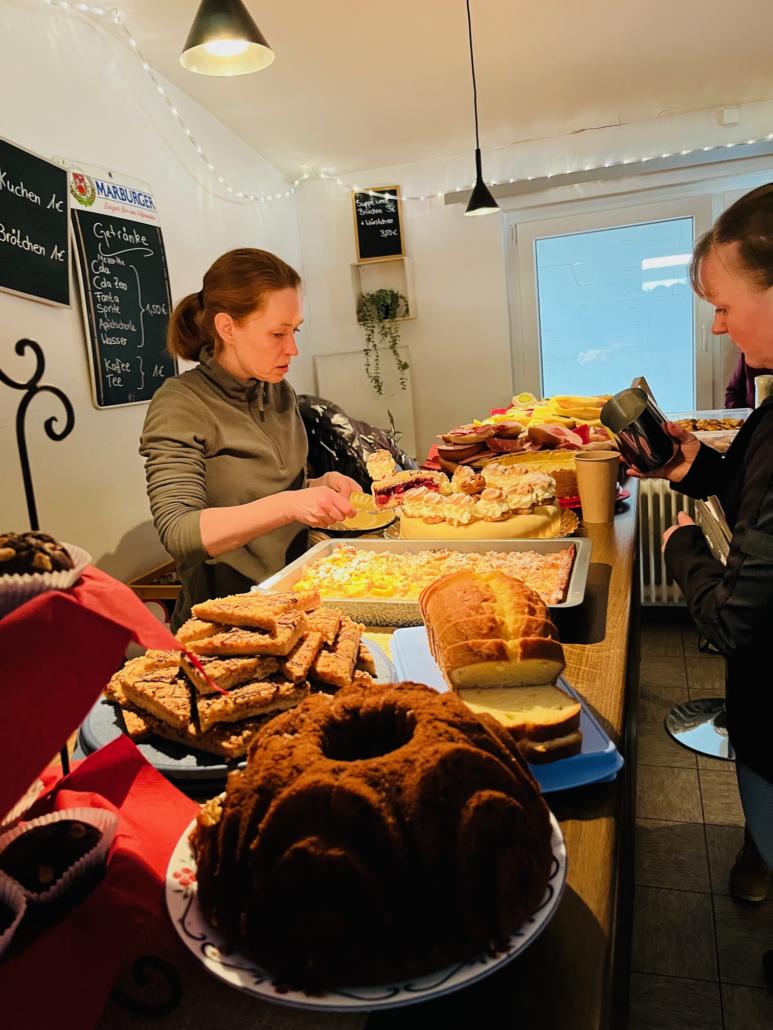
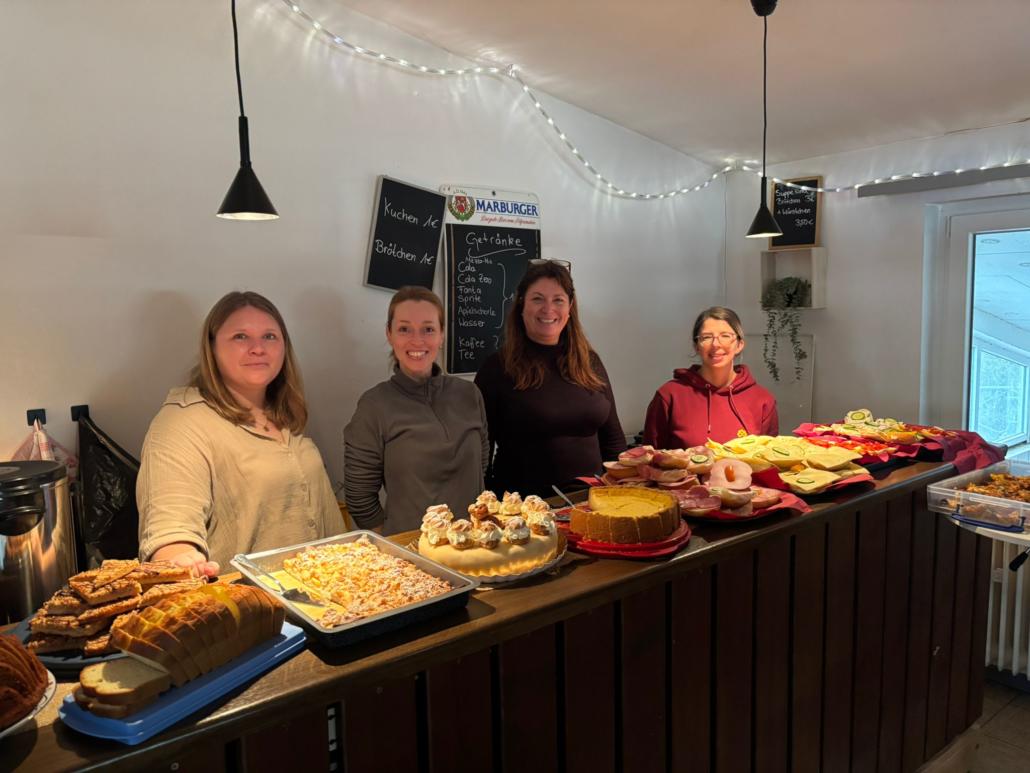
The riding club’s planning team had worked tirelessly to prepare for the event, renovating and decorating the premises until they were barely recognizable. A wide selection of food and drinks was provided to cater to the needs of the visitors, who included members of the riding teams and numerous interested guests.


“Proud to be able to lead the riding club”

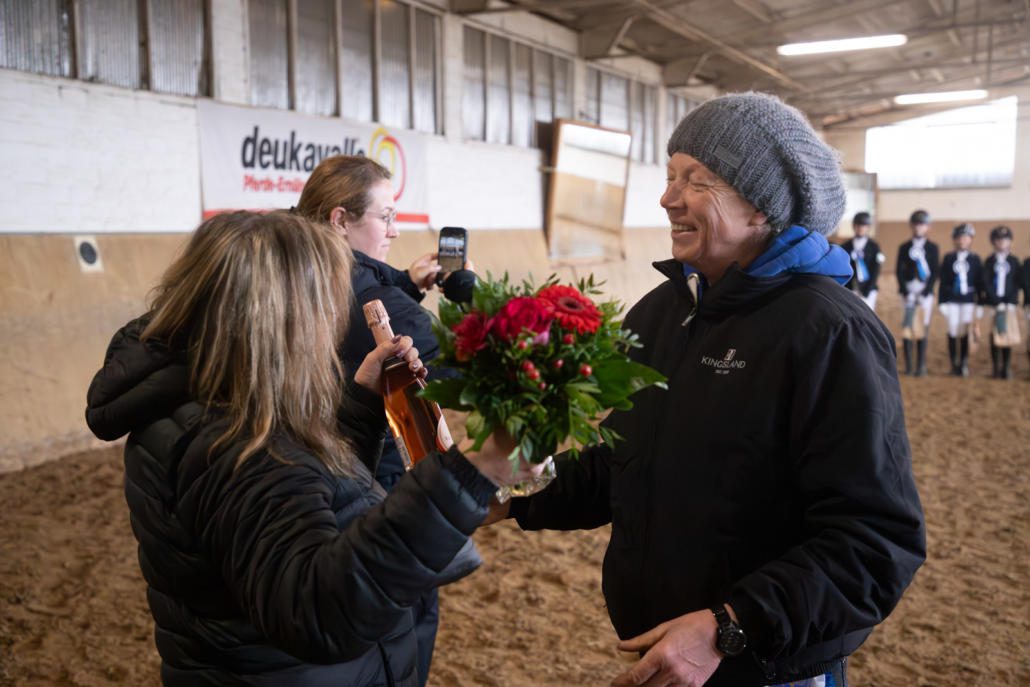
In light of all these positive developments, Manuel Miltschelff, the new president of the Steinmühle Riding Club, was full of praise: “My daughter has been taking riding lessons with Beate Schridde since November 2025 and is part of the Steinmühle Youth Cup team. It’s really great to see how the girls have grown together as a team and how much their riding skills have improved in such a short time. I’m grateful, and it fills me with pride to be able to lead this wonderful riding club.”


Lots of activity on the grounds

There will continue to be a lot of activity at the Steinmühle Riding Club’s stables in the near future, including the renovation of the stable wing, which is already underway. As for the club’s activities, a variety of courses and workshops are enriching the existing riding programs. More on this coming soon. For an overview of the various courses, click here: https://reitschule.steinmuehle.de/ausbildung/

(Angela Heinemann)

Gymnastics is a new sport at Steinmühle; at any rate, this sport has been revived after a very long hiatus—and is currently highlighted by the school’s participation in the “Youth Training for the Olympics” competition. Lotta Jerrentrup from Class 9a reports:

“At the end of January, our school gymnastics team had the opportunity to compete in the regional finals of ‘Youth Trains for the Olympics’ in Limburg. The team members were Zoe Gundlach, Lotta Jerrentrup (9th grade), Miranda Lammerskötter (7th grade), Marlene Jerrentrup, and Ida Watzlawek (6th grade).

In the morning, a shuttle bus picked us up and took us to Limburg. The trip there took 2 hours because we picked up several other school teams along the way. Once we arrived, we found a large gym with a competitive atmosphere, since the “Jugend trainiert” competition mainly features competitive gymnastics teams.


Competition Start According to the English System

First, we warmed up for half an hour. After the entrance march accompanied by music, the competition began according to the English system, which means that each gymnast is allowed one minute on each apparatus (vault, parallel bars, balance beam, and floor) to warm up and get familiar with it, since the apparatus can be used differently in every gym.

Our team started on the vault alongside the Elisabethschule. Next came the parallel bars, followed by the balance beam, and then the floor exercise. We completed all the apparatus and were satisfied with our performance. It was very impressive to see what some of the gymnasts from the competitive groups were able to do—the elements they had mastered on each apparatus. This was followed by a break during which all the apparatus was taken down. Finally, there was the awards ceremony, where, as expected, the school teams from the competitive gymnastics centers swept the top spots. Our school team came in 8th place!


“Taking part really motivated us”

In conclusion, we can say that competing in Limburg was a wonderful experience. Being able to participate really motivated us, and we hope to compete again in 2027! A big thank you goes to our chaperone, physical education teacher Marcel Kalb, who made our participation possible and gave us great support.”


A Pleasant Collaboration

Marcel Kalb, the physical education director at Steinmühle, immediately expressed his gratitude and praise: “We weren’t able to prepare for the competition at Steinmühle because we lack the necessary gymnastics equipment. Here, we received active support from teacher and club coach Thomas Nickol (TSV Ockershausen, Sophie von Brabant School), who not only guided us through the competition and our preparation but was also a very pleasant partner to work with.” Perhaps, says Marcel Kalb, this will lead to a formal gymnastics partnership in the future.

(Heinm)

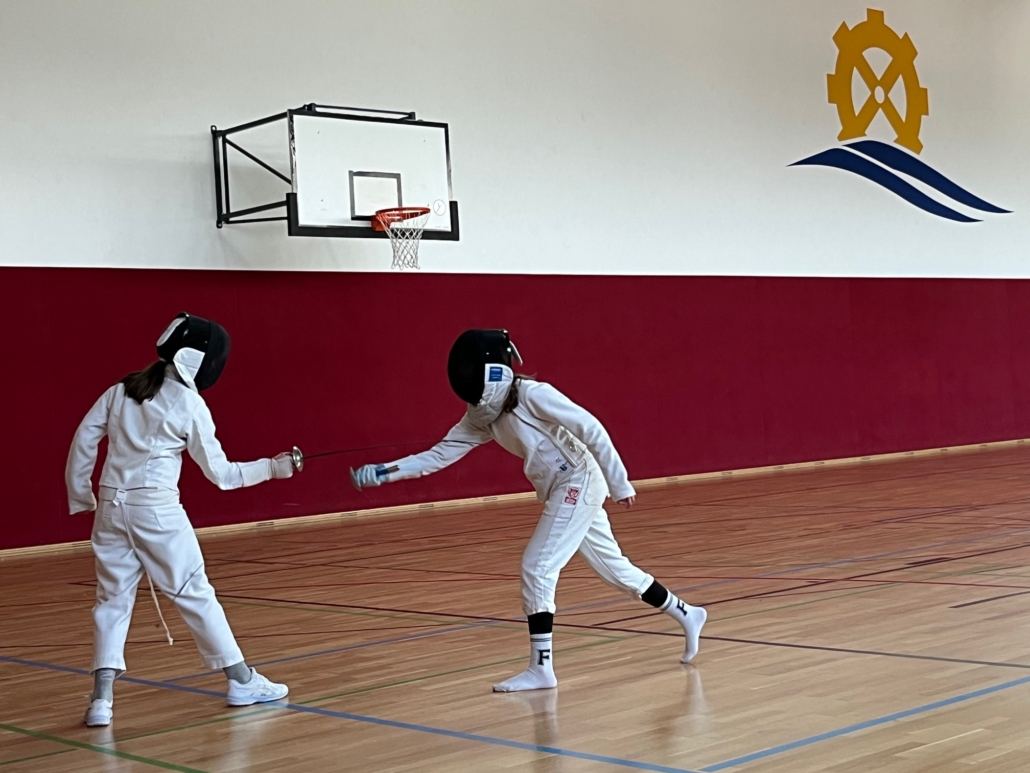
For several years now, foil fencing has enjoyed consistently high popularity at Steinmühle. Math and physics teacher Steffen Ullwer is the founder of the club and, as an experienced foil fencer, also serves as the coach. A club tournament was recently held. A group of five—somewhat depleted due to illness—first met in the large gym to warm up, then headed off to their respective bouts, accompanied by the fitting music “Eye of the Tiger”:

It’s the eye of the tiger, it’s the thrill of the fightRising to the challenge posed by our rival

Concentration, speed, and strict adherence to the rules ensure that this sport—which seems so dangerous—is both fun and safe. With one exception, the participants had only been fencing for half a year, but they already seemed quite experienced in their sparring matches in front of the small audience, which applauded enthusiastically.

In the end, Malte Rinkleff was crowned the tournament champion, followed by Kvido Kruncl in second place and Hannah Meißner in third. — And yes, it really is a sport for girls, too.

Angela Heinemann


For its successful integration of school development with the process of health promotion, Steinmühle High School received the “Movement & Perception” certification from the Hessian Ministry of Education and Cultural Affairs. Karsten Vestweber, one of the school sports coordinators at the State Education Authority, presented the certificate to school sports director Marcel Kalb in the presence of principal Björn Gemmer.


Health-Oriented Physical Activity Promotion in Schools

“The ‘Movement & Perception’ certification aims to promote health-oriented physical activity in schools—not only for students, but also for teachers and staff,” explains Kalb. In particular, the certification evaluates aspects such as active learning in the classroom, equipment that promotes physical activity—such as furniture or sports equipment—sports events both inside and outside of school, as well as opportunities for active breaks and relaxation periods.


A fundamental part of a holistic education

According to the school’s physical education director, this certificate demonstrates that physical activity is a fundamental part of a well-rounded education and is consistently incorporated into the school and classroom settings at Steinmühle. The certificate is valid for a period of five years.

(Heinm)

There was a bustling atmosphere filled with Christmas spirit at the Steinmühle boarding school’s riding stable: Many children from Steinmühle and the surrounding area, along with their parents, accepted the invitation to this event at the riding facility, billed under the promising name “Advent Magic.” Not only were the bar tables and the snack stand attractively decorated—where guests could enjoy winter hot drinks and treats while taking in the “scent of horses”—but the ponies were also tastefully adorned as they moved about in the arena alongside the children.


Clearing the obstacle with momentum in hobby horsing

Getting to play at being a pony—that’s what the youngest kids got to do at Hobbyhorsing. The challenge there was to use their hobbyhorses and plenty of momentum to clear the obstacles that had been set up. Upstairs in the building, in the Reiterstübchen, the craft station awaited them. In this room, skilled hands and patient young minds created some truly amazing Christmas decorations. — Hats off to them!


Introducing Beate Schridde, the experienced riding stable manager

The Steinmühle School and Boarding School look back on a successful event marking the start of Beate Schridde’s tenure as the experienced riding stable manager. She introduced herself to guests of all ages, welcomed new faces, and greeted old acquaintances from her earlier time at Steinmühle. The equine manager and riding instructor, who holds an A-level trainer’s license, has ambitious plans. So if you’re interested in Steinmühle’s riding program, it’s worth staying tuned—even if this image doesn’t quite capture the spirit of the occasion. So let’s just say: get comfortable in the saddle. You can read more about who’s in charge of riding at Steinmühle here: https://reitschule.steinmuehle.de/