The Steinmühle has once again been awarded the “Environmental School – Learning and Acting for Our Future” certificate. Steffen Ullwer reports on this. He accepted the certificate on behalf of Carmen Bastian, who worked tirelessly to secure the certification for the Steinmühle.

This award is part of a joint initiative by the Hessian Ministry of Education and Cultural Affairs and the Ministry of the Environment, which recognizes schools for their exceptional commitment to “Education for Sustainable Development” (ESD). This year, a total of 94 schools from across Hesse were honored for their outstanding contributions to integrating sustainability topics into the classroom and school life.


Environmental Awareness and Sustainability Embedded in Everyday Education


Steinmühle impressed with two innovative projects: In the STEM field, the students developed an autonomous, low-cost boat for determining water quality that enables efficient water sample analysis. In addition, the school participated in the “Miyawaki Forest” project, which supports the rapid establishment of biodiverse mini-forests on small plots of land, thereby making an important contribution to reforestation and climate protection.

Through its commitment, Steinmühle demonstrates how important it is to embed environmental awareness and sustainability in everyday education from an early age and to actively involve students in shaping a sustainable society.

Our photos show Steffen Ullwer receiving the certificate from Ute Visser, regional director of the Environmental Schools program for the Roßberg Youth Forest Camp area, along with a large group of representatives from the award-winning schools.


In collaboration with photographer and animal ecologist Dr. Sascha Rösner, Steinmühlen teachers Ines Vielhaben and Antje Seel put together a digital exhibition and presented it in the lobby of the main building on International Biodiversity Day.

At various, specifically identified locations across Europe, the photographer succeeded in capturing images of wildlife and ecologically significant regions. Explanatory notes helped convey to viewers an idea of the diversity and importance of the examples presented. A laminated poster with captions was hung on the wall next to the screen in the entrance of the main building. Meanwhile, the photo presentation played on a loop on the screen.

The Steinmühle would like to thank everyone involved for their dedication to raising our awareness—once again—of the beauty, value, and significance of our natural world.


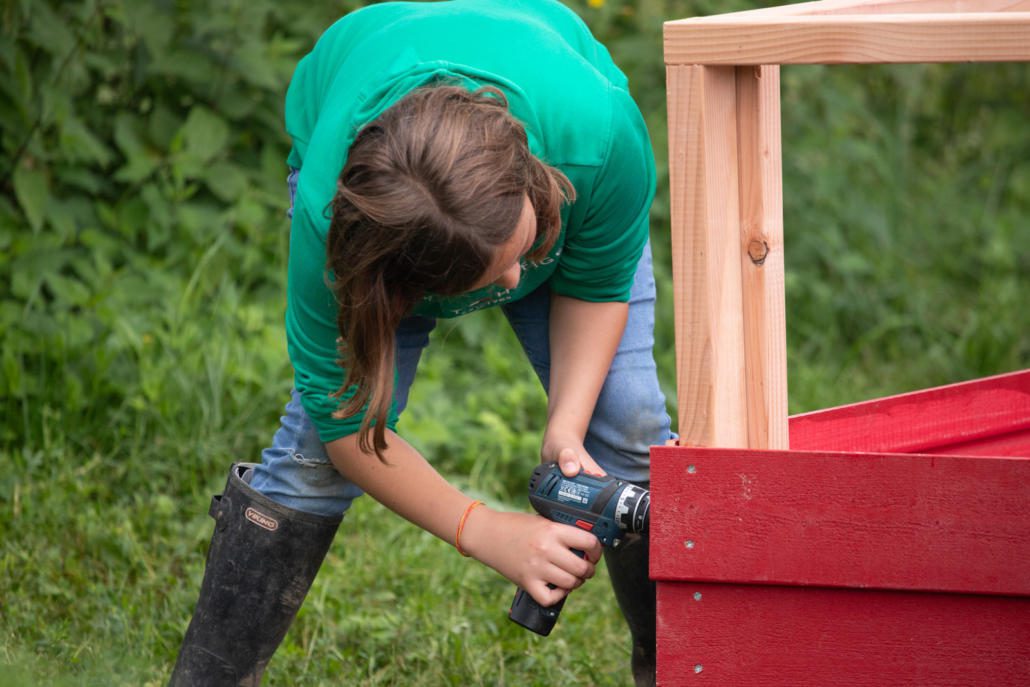
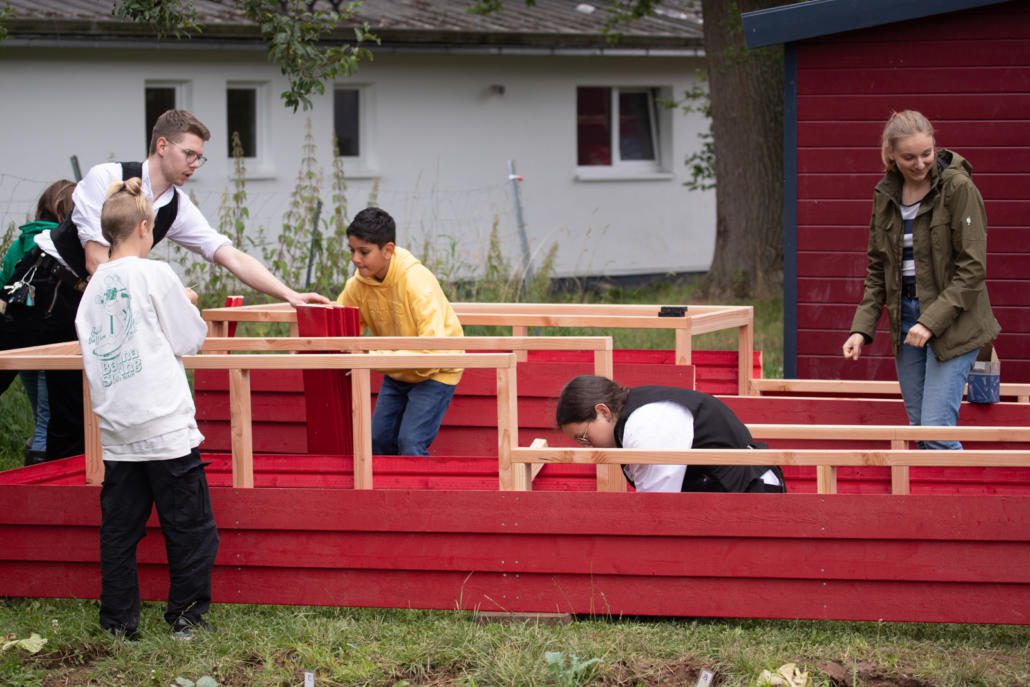
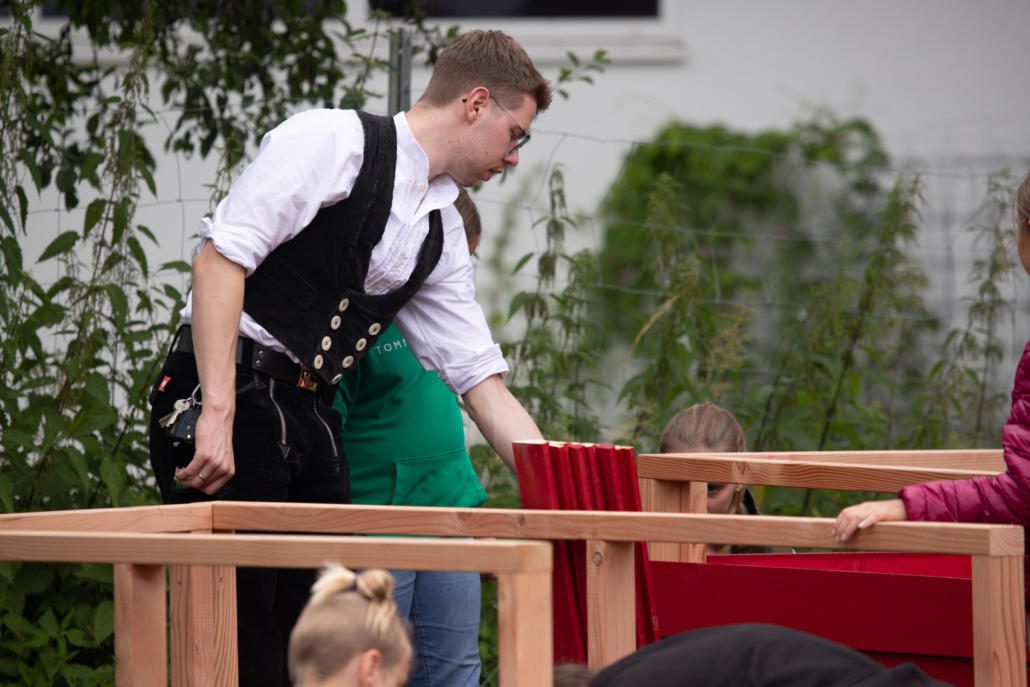
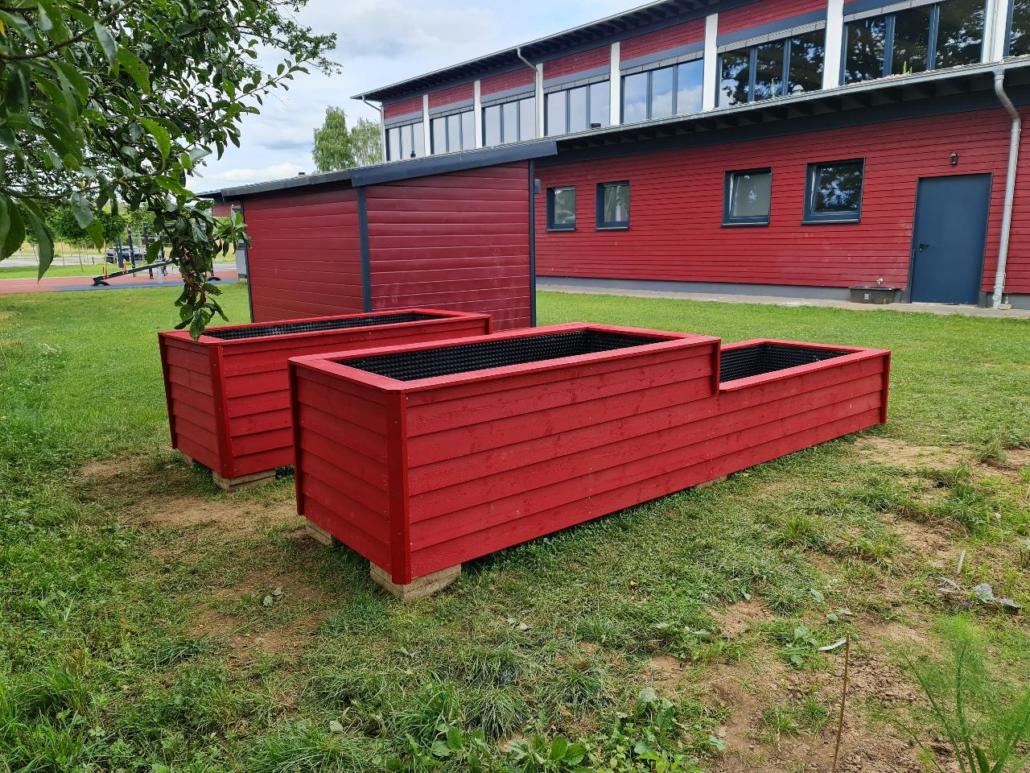
Thanks to the support of the Steinmühle Friends Association, chaired by Jasmine Weidenbach, and the carpentry firm Holzbau Jasky from Stadtallendorf-Wolferode, the Steinmühle Bilingual Elementary School received new raised garden beds to continue its gardening project. After the Friends Association had already provided new gardening tools and a garden shed at the beginning of the year to help the elementary school students plant their garden, the new raised garden beds were purchased and professionally installed at various heights. In the process, some of the students proved to be real pros with the cordless screwdriver!

This was preceded by a workshop for the children on designing the raised garden beds. The project was initiated by Katrin Weißenborn. The Friends of the School Association would like to once again thank the Holzbau Jasky carpentry shop for their cooperation!


After ten years of “retirement,” the stone mill wheel was set in motion again

After decades of constant, round-the-clock rotation, the millwheel of the stone mill could no longer hide the signs of wear and tear: Both the left and right bearings had practically disintegrated; they had “worn out.” The worst part of this situation was the terrible squeaking that constantly echoed through the neighborhood. Ten years ago, a decision was finally made: We’ll block the millwheel; we’ll shut it down.

No matter how bustling the activity on the Steinmühle grounds became from then on, its millwheel—the actual symbol featured in the school and boarding school’s logo—stood still. Every now and then, voices were raised calling for the millwheel to be brought back to life. At first, to no avail.

A few months ago, a change began to take shape. At that time, Principal Björn Gemmer also suggested that people please take care of the traditional millwheel. With the upcoming anniversary, the time seemed right to take this step: “Steinmühle Moves” and “Steinmühle Runs” were the slogans used in recent promotional campaigns. — But the millwheel—was that supposed to stay put?

“We got to work on it,” recalls Till Buurman, referring to the challenging undertaking that could only be accomplished as a team. The mill wheel had to be lifted out using a hydraulic tool from the auto body repair trade, the kind normally used to straighten dented cars. Once it was jacked up, the old bearings were removed and new ones installed. The wheel was then put back in place—a meticulous process that required strength, patience, and skill.

That makes the excitement over the revitalized landmark all the greater across the entire Steinmühlen campus. And it’s not just the school administration and management who are thrilled to see things in motion everywhere—in the school and the boarding school—and even when looking at the mill building.


To mark German Diversity Day on May 28, which promotes diversity and inclusion in organizations, Steinmühle actively addressed the topic of diversity both in the classroom and as a school community. To mark the occasion, a special program was held in the schoolyard during the second long break that day, featuring live band music, a flash mob, presentations, and performances. The students supported the event by wearing T-shirts with designs representing the theme of diversity. Even elementary school students joined in the fun! Once again, the Student Council made a strong showing at this event. Art teacher Ines Vielhaben hosted the activities in the schoolyard and was delighted by the presence of various colleagues. “We need everyone! Because diversity enriches our lives,” explained middle school principal Frank Wemme. Earlier, students had written down on colorful slips of paper what diversity means to them personally and why it is important. In this way, the event became a cross-grade-level activity with practical applications for everyday life.


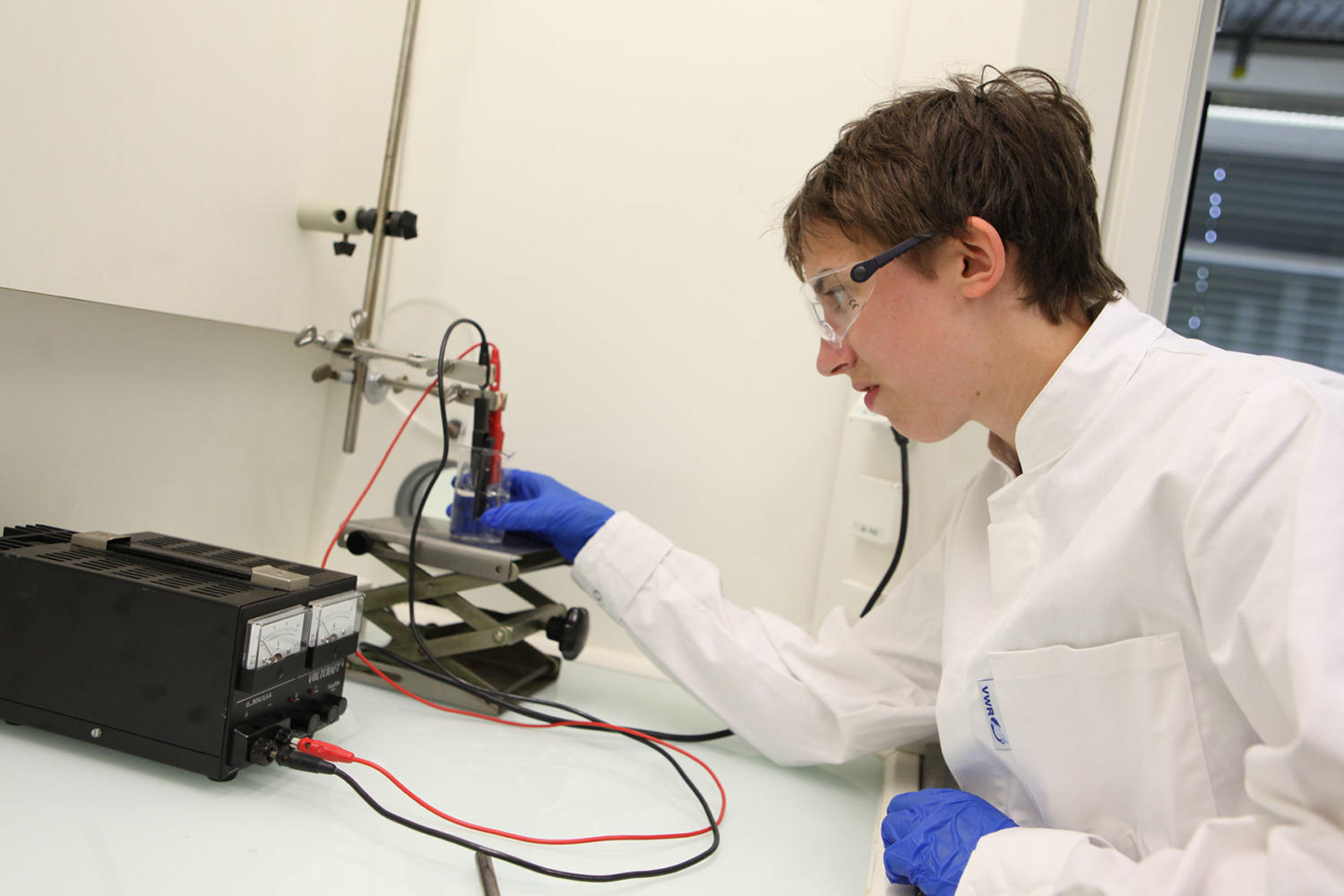
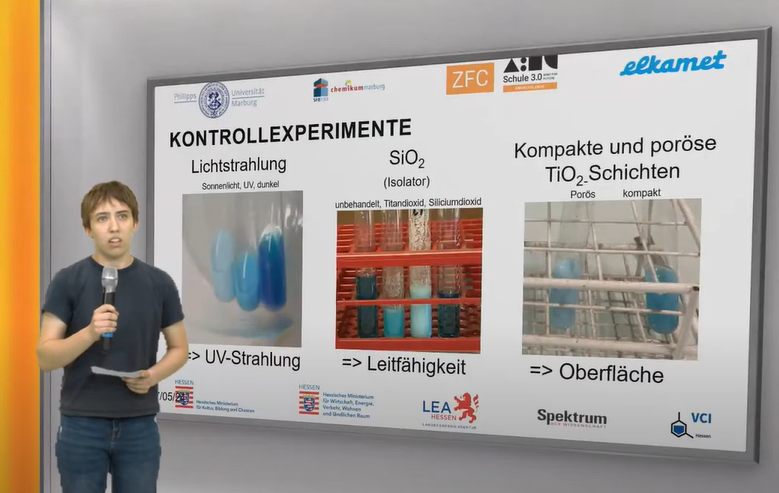
On a regular basis, exceptionally talented students from schools in Hesse present their research findings on specific topics at the Center for Chemistry’s (ZFC) MINT Inventor Lab. This year, our plusMINT student Clara Steiner was among the group of 16 students who were selected from a total of 237 applicants. Clara, a student at the plus-MINT Steinmühle Boarding School and already a college student majoring in mathematics, spent a week working on the production and analysis of photocatalytically active titanium dioxide layers. According to her, the experience gave her “insights into real research.”

For Clara, the journey to this year’s venue for the 35th Inventors’ Lab wasn’t very far: It took place in cooperation between ZFC and Philipps University in the departments of chemistry and physics on the Lahnberge in Marburg. Four groups of four each focused on different research topics, and Clara was especially looking forward to getting to know her three teammates so she could work with them as a team.


Titanium Dioxide: The All-Purpose Solution of the Future?

The quartet began their presentation of the research project to a predominantly virtual audience with a question: What do sunscreen, wall paint, and solar panels have in common? The answer led to the substance that was the subject of their joint study: titanium dioxide, TiO₂.

The goal was to determine whether this substance might be the “jack-of-all-trades” of the future: a versatile material that is thermally stable, has high coloring and opacity, is lightfast, and is practically insoluble in water. Of these, photocatalysis is arguably the most important property—that is, the ability to trigger chemical reactions through light. All of this explains the use of titanium dioxide in the aforementioned areas. Titanium dioxide is produced by electrolysis, is inexpensive, and is the most important white pigment. The young researchers examined the substance under a scanning electron microscope and focused on the production and analysis of photocatalytically active titanium dioxide layers. Thanks to its properties, the material could potentially contribute to the development of more efficient methods of energy conversion. However, according to Clara and her colleagues, a great deal of research is still needed before that can happen.


“Directly relevant to science”

The event was broadcast on multiple screens. Not only did the team from Steinmühle, led by supervisor Dr. Jutta Töhl-Borsdorf, follow the presentations, but Minister of Culture Armin Schwarz also joined virtually. He praised the participants’ outstanding achievements and described the topics covered in the Inventors’ Lab as “directly relevant to the state’s scientific and economic development.” The minister provided feedback to one of the four groups. The feedback for Clara and her team came from Michael Schmidt (Elkamet Kunststofftechnik). He emphasized that the presentation had excellently illustrated the wide range of applications for titanium dioxide and had also shown just how much fun and enjoyment the group had while conducting their research.

In addition to the technical presentations, the scientific event also offered plenty of entertainment. It wasn’t just the pedal boat ride on the Lahn River—which participants enjoyed during their free time at the research retreat—that was well received. In keeping with the overall theme, during the live broadcast, hosts Joelina Gärtner and Pablo del Rio—both MINTIES themselves—welcomed chemist and science slammer Arne Nisters from TU Darmstadt.

Opening remarks were delivered by Prof. Dr. Sabine Pankuweit, Vice President for Equal Opportunity and Career Development at Philipps University of Marburg; Dr. Thomas Schneidermeier from the event organizer, the Center for Chemistry (ZFC); and Julia Woth from the State Energy Agency (LEA) of Hesse. Videos and Reels were also used to explain how MINTIES work at the ZFC and what they hope to achieve.


Goal: STEM Assessment Competence

ZFC Board Member Dr. Thomas Schneidermeier emphasized how important it is to equip young people with STEM critical thinking skills so they can contextualize media headlines in the context of new technologies. For him and ZFC Project Manager Magdalena Schmitt, it is important to collaborate with schools, universities, companies, associations, foundations, and ministries on STEM projects for students, linking traditional classroom content with career fields in the STEM sector in everyday life. In this way, the ZFC association aims to help ensure a sufficient supply of STEM professionals.

Congratulations to our trio of researchers—Luis Gerloni, Fabian Sotonica, and Clara Steiner from the plus-MINT boarding school Steinmühle—on winning the special prize for “Original Work in the Field of Geosciences” at the national “Jugend forscht” competition in Heilbronn! We’ll be posting a report about your unforgettable four days and all the experiences you had on our website soon!

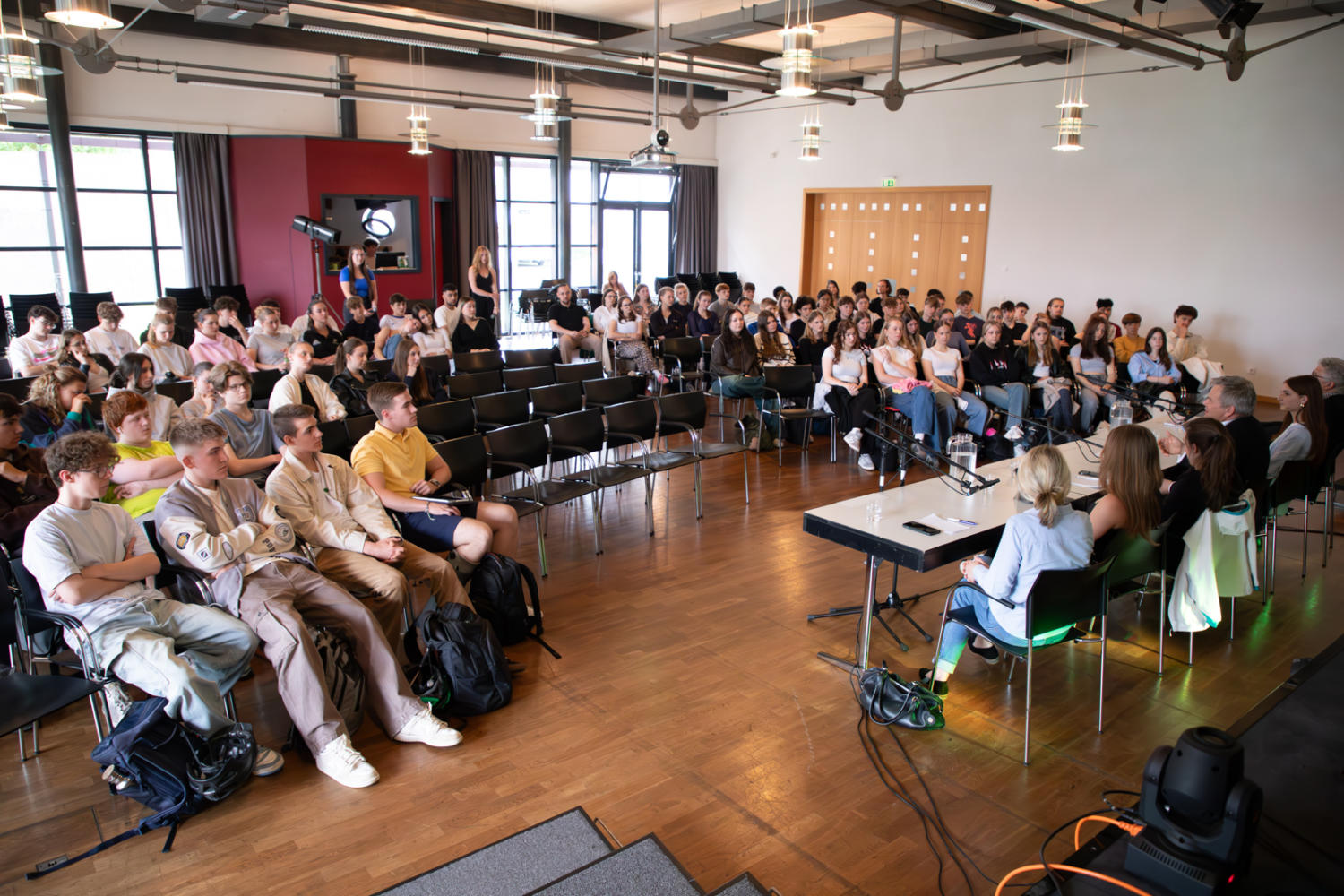
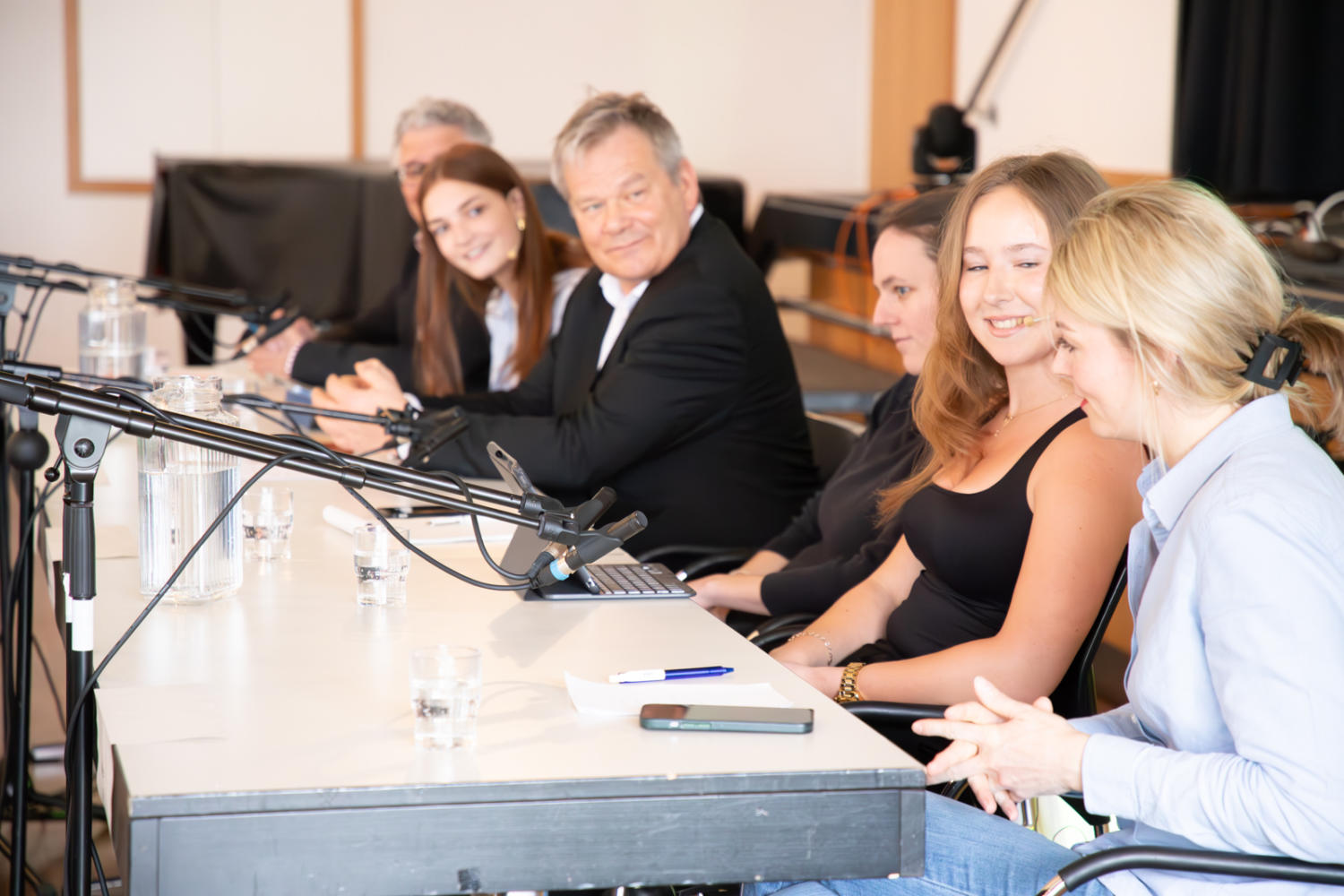
It wasn’t the most relaxed event the Steinmühle had ever seen, clearly due to the topic:

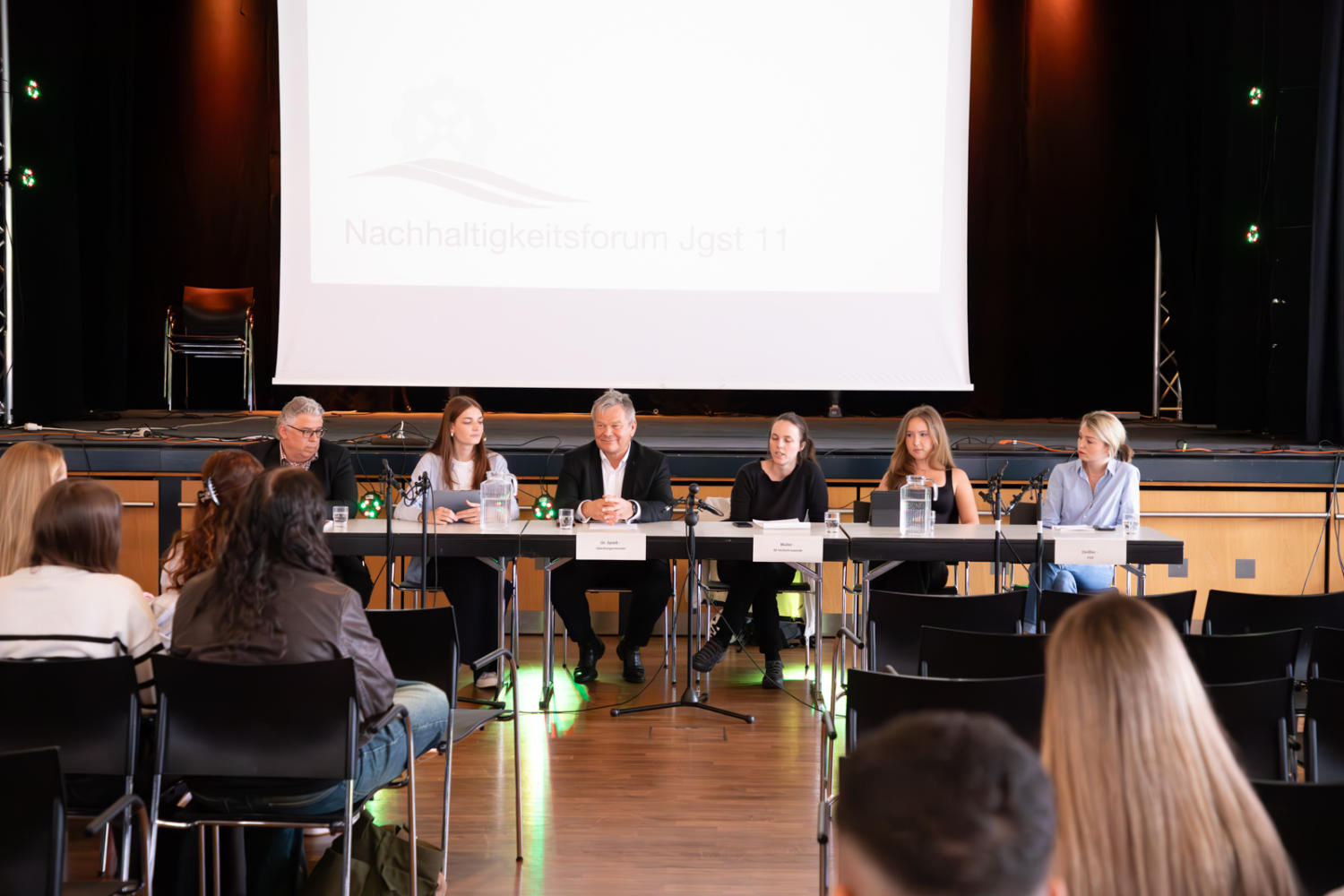
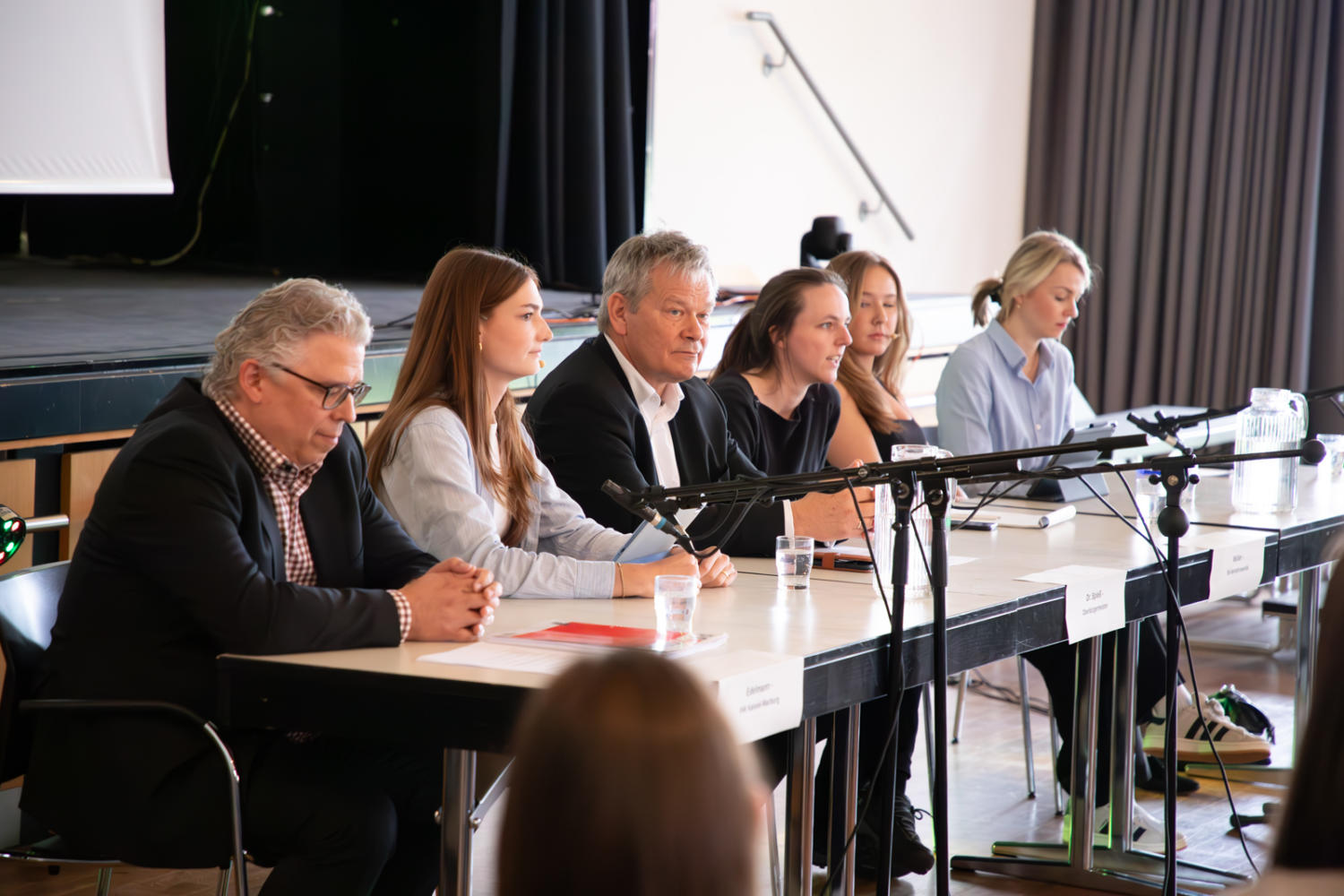
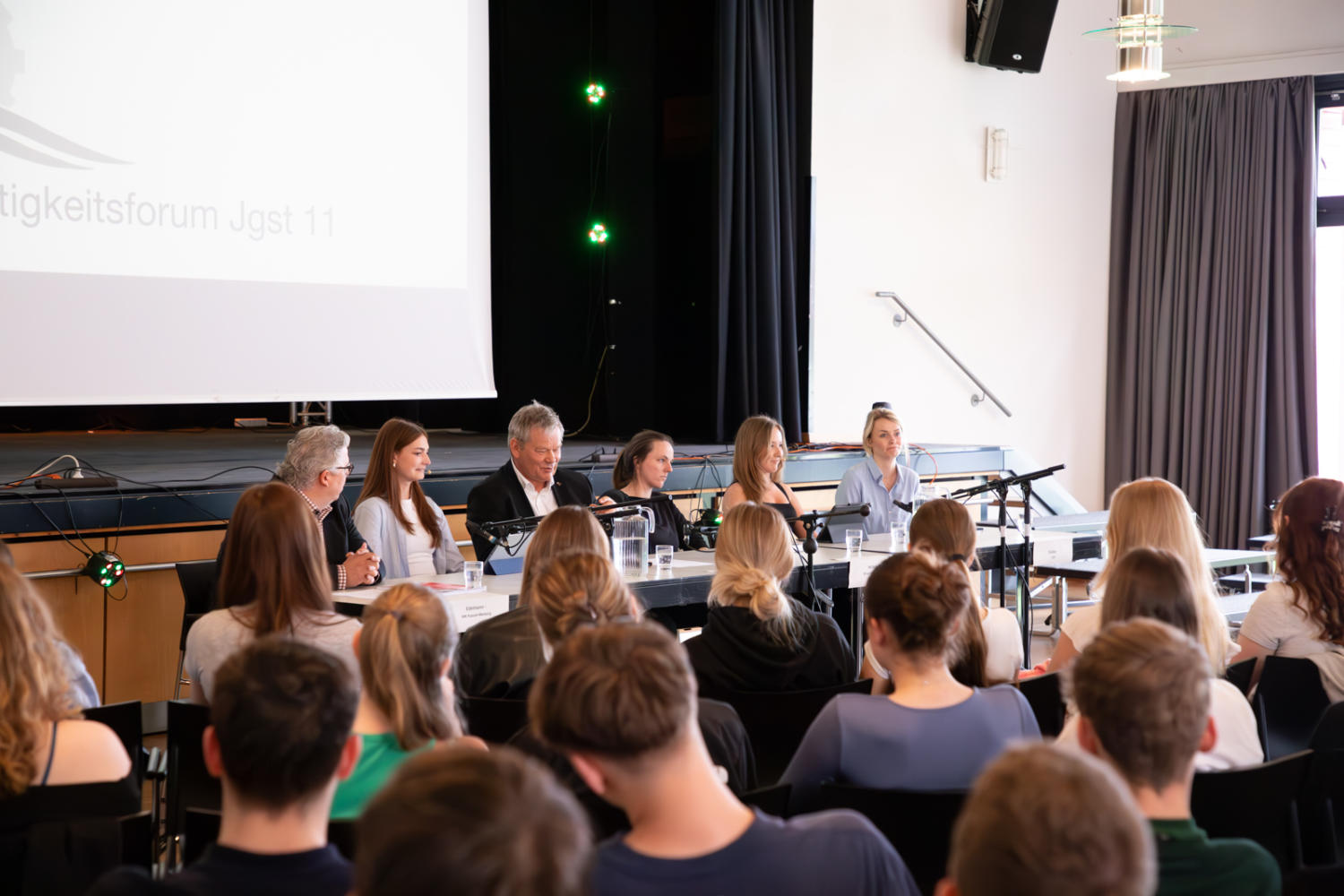
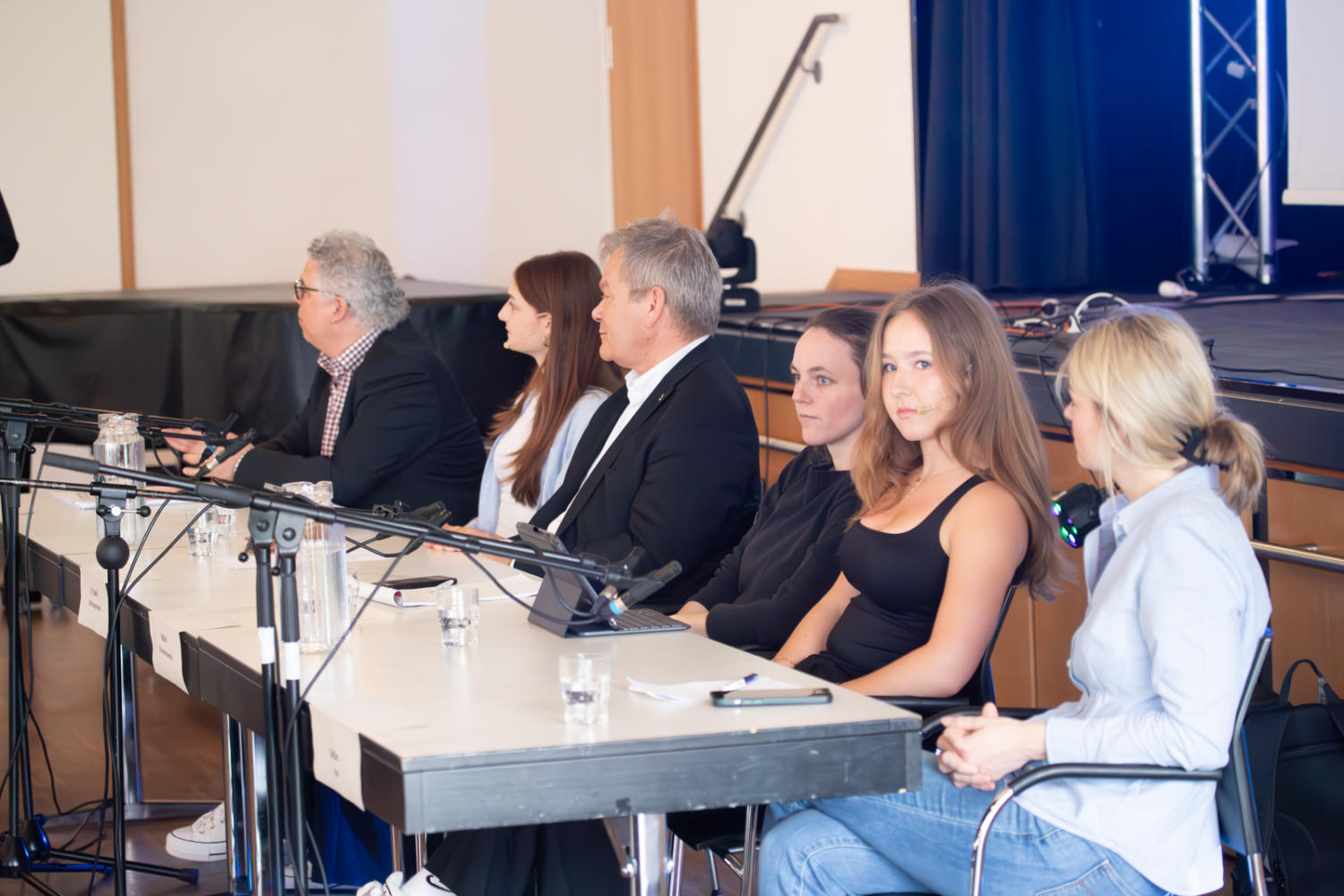
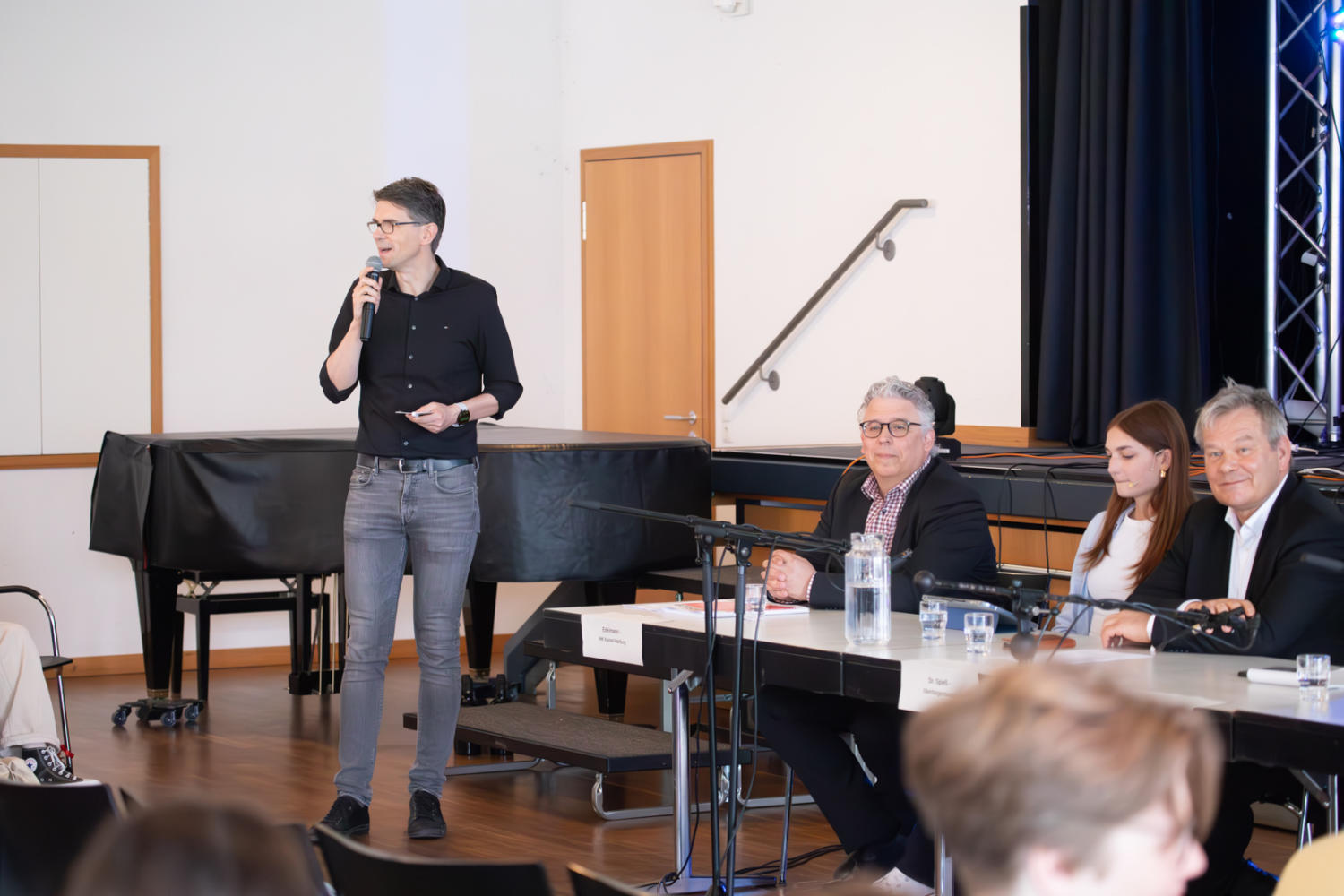
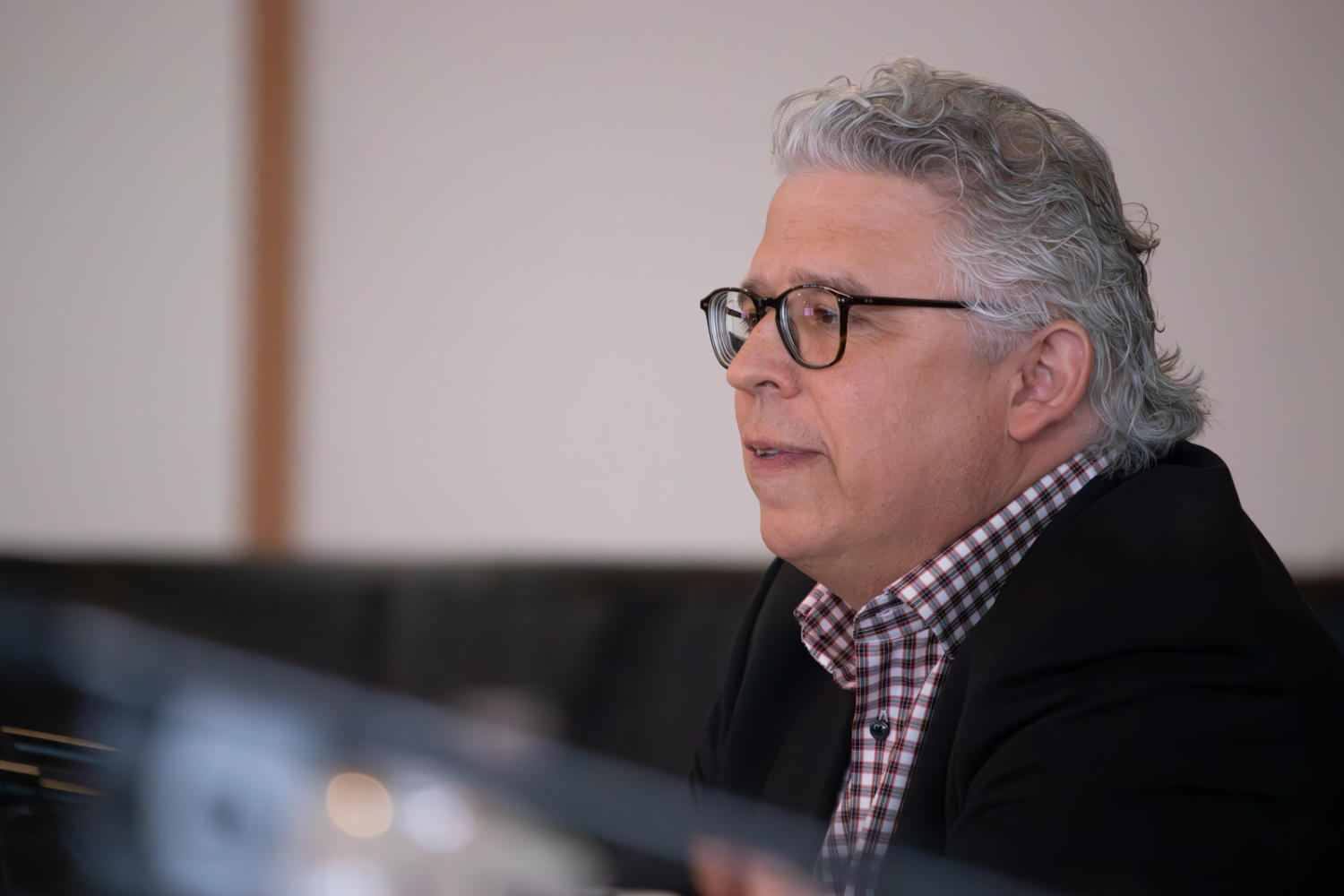
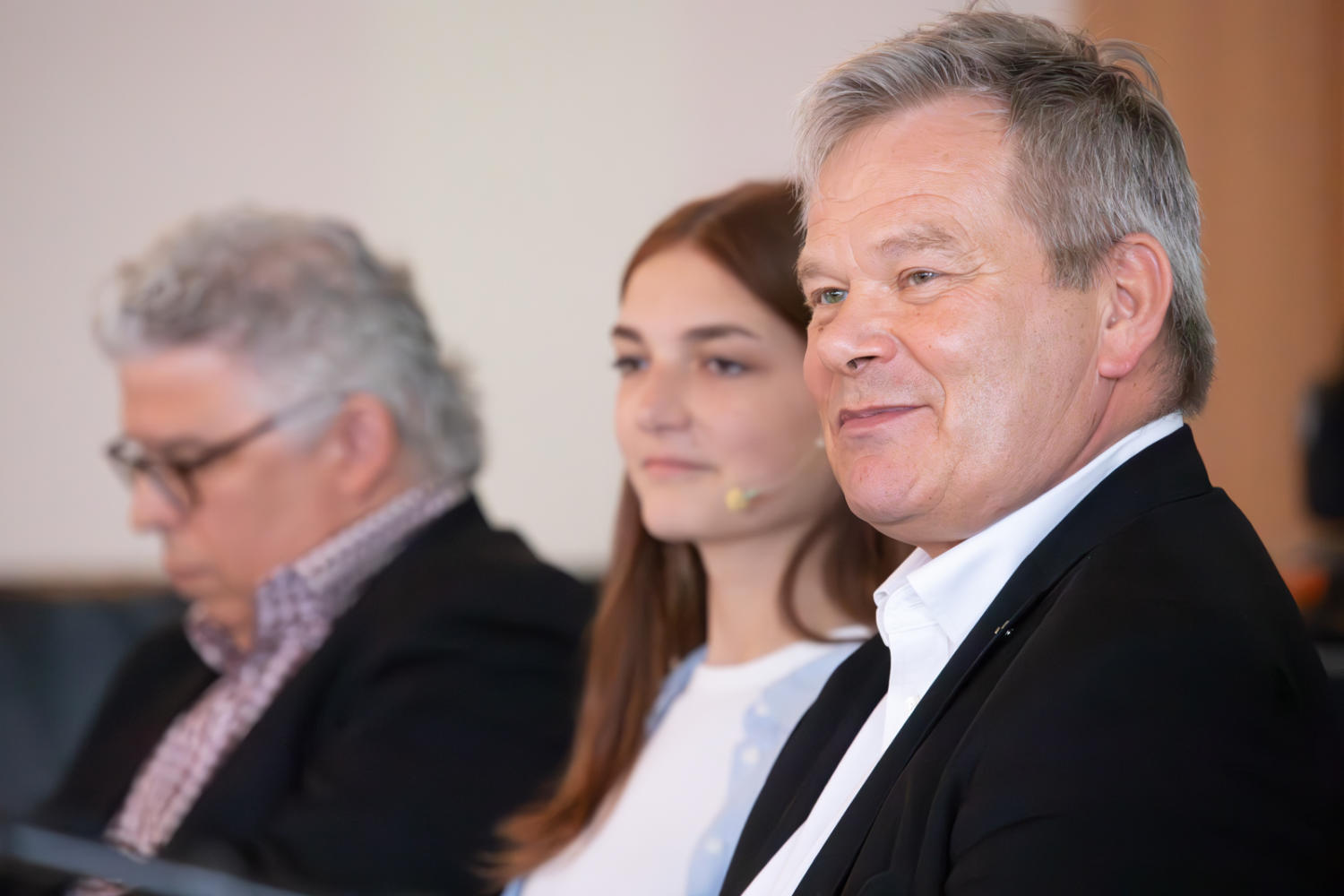
Mayor Dr. Thomas Spies and Sara Müller of the citizens’ initiative “Verkehrswende” discussed the MOVE 35 transportation plan with Oskar Edelmann, deputy executive director of the Kassel-Marburg Chamber of Commerce and Industry, and Lisa Deißler of the CDU/FDP/BfM parliamentary group.

Everyone was suddenly faced with questions from the 11th-grade class at Steinmühle.

Ecology vs. Economy. — Or Can They Go Hand in Hand After All?

Against the backdrop of climate change and the international and national agreements ratified in this context, transportation and mobility are central issues that are the subject of heated debate. Are ecology and the economy an irreconcilable contradiction?

A variety of topics will be incorporated into the 250-page MOVE 35 concept if it is implemented. This quickly became apparent from the statements made by the panelists.

“They want to rush this through here, and accessibility to Marburg’s outlying neighborhoods is being neglected,” stated Lisa Deißler, reaffirming her faction’s “no” vote due to various shortcomings: “There are no concrete plans.” Sara Müller’s approach was quite different. “We have declared a climate emergency for Marburg,” she reminded the audience, “Voting ‘yes’ on MOVE 35 is a climate necessity.” Mayor Dr. Thomas Spies began his statement by noting, “Mobility isn’t just about moving machines.” Unfortunately, he said, every transportation debate is framed as a debate about car traffic—when it’s really just about how people get from one place to another.


“Many business owners are concerned”

This argument didn’t really take hold—at least not with Chamber of Industry and Commerce representative Oskar Edelmann. For him, it was clear: “First, we need to expand public transportation; only then can we consider mandatory measures against car use.” The representative of the local business community spoke of the deep concerns local business owners have about the reduction of parking spaces and one-way street regulations: “More business owners than ever before are worried.”

The mayor acknowledged that mobility is essential and dismissed the claim that the city wants to ban cars as “nonsense.” Of course, a certain level of accessibility is needed, but it must be balanced fairly. According to the Chamber of Industry and Commerce representative, removing parking spaces creates an environmental contradiction: “More traffic searching for parking generates more CO2.” Furthermore, there is no need to impose restrictions on drivers in order to expand public transportation and bike lanes. Furthermore, people often don’t come into the city for personal enjoyment: “You have to keep in mind that Marburg has 29,000 commuters every day.”

“How do the municipal utilities plan to handle putting even more buses into service? We’re already short on bus drivers,” one student asked. Sara Müller sees the solution in using smaller vehicles, at least for the outlying neighborhoods. These could be operated without a bus driver’s license—a passenger transport permit would suffice.

Lisa Deißler cast serious doubt on the intention expressed by MOVE supporters to create “neighborhood parking garages” and asked where these were supposed to be located. Incorporating some questions from students, those present also discussed the topics of impervious surfaces, possible changes to the bus route system, carsharing, and community buses.


“Opponents spread bad vibes”

In the end, what remained of the event were mutual accusations among the panelists that the other side had failed to take entrepreneurs and the district into account (quote from Edelmann), had distorted the facts, and had spread bad vibes (quote from Spies).

Whether department store owner Ahrens or the company Pharmaserv was for or against MOVE 35 could not be definitively determined during the event, as each panelist claimed the position that suited them best.

The majority of the 11th-graders seemed to oppose the proposal—which is hardly surprising for students at a private school whose parents tend to be more economically minded. Whether they will be in the majority or minority in Marburg will become clear after the vote on June 9.

The Sustainability Forum at the school—as the event is officially titled—has a long tradition at Steinmühle. The panel discussion was organized by the Political Science Department, primarily by Carmen Bastian. She also serves as Steinmühle’s Ecology Coordinator and Environmental Officer.
At the state competition “Jugend Forscht” in Darmstadt, Steinmühlen students Leonard Berger, Clara Steiner, and Quentin Herwig narrowly missed second place—and with it, qualification for the national competition—with their project “Food Wrap Made from Crab Shells—Is That Possible?” For the trio—which recently became a quartet with the addition of Nicolas Bohnstedt—the project is now moving on to the next round at a different level. In addition to second place and a special prize at the state competition, an inquiry from ZDF is a wonderful sign of recognition.

An editor from the ZDF science program PUR+ had visited the “Jugend Forscht” state competition, looked at the many exciting projects, and presented the most interesting ones to the planning editorial team. Among them was the Steinmühle project by the four teenagers. While still at the event, the journalist spoke with Quentin about the project and shortly thereafter reached out to the Steinmühle and project leader Dr. Jutta Töhl-Borsdorf to stay in touch with the students and their project.

“We don’t yet have a specific program in mind that this project might fit into,” according to ZDF. The plan is to produce a segment for 2025.

PUR+ is an educational program for children that covers a wide range of topics, from sports and the environment to social issues and technology. The target audience is children aged approximately 10–14.

Meanwhile, the group is very excited about this request, according to Dr. Jutta Töhl-Borsdorf, project supervisor and STEM coordinator at Steinmühle. The team now plans to continue working on the project and perhaps submit it to “Jugend testet” next year.
This works out well, because the group has not only produced many different types of films made from chitosan—a byproduct of crab shells—but has also developed various testing methods. For example, the highly sustainable films can be tested for tear resistance using a homemade pulling machine, or to determine how much moisture or oxygen they allow to pass through.
Further information: https://www.zdf.de/kinder/purplus, https://www.jugend-testet.de/.


As is customary with every 11th-grade class, Principal and math teacher Björn Gemmer conducted a packaging optimization project with his current 11th-grade class. This time, they took a close look at a product from the ESN brand, examining the dimensions of one of its popular whey products. ESN, along with the More Nutrition brand, is part of The Quality Group. The company focuses on “premium products for health, enjoyment, and performance.”

Leon, Piet, Hessein, and Rebecca investigated whether, in the case of the selected item, not only the product but also the packaging could impress with top-notch qualities. The focus was on reducing material usage, which could lead to lower costs and a better sustainability record due to reduced amounts of plastic packaging. Their take: There’s still room for improvement.

This statement was supported by detailed calculations that were attached to the letter to ESN. Although it took several weeks to receive a response, it was unusually accommodating. Employee Sina Frömberg expressed her sincere thanks and explained in detail that, due to various regulations and provisions, packaging that may appear “too large” can nevertheless comply with the rules and may even be necessary in its current form. She also noted that consumer acceptance is an important factor. Sina Frömberg explained all these aspects in detail.


Packaging Technology Degree Program

At the same time, the contact person suggested that anyone with a deeper interest in the topic as a whole might want to look into the Packaging Technology and Sustainability degree program in Leipzig. — It’s a complex topic, then, one that, as such, may not yet have entered the consciousness of consumers.

By the way, the students were also delighted to receive a box filled to the brim with numerous ESN products, which, as expected, were very well received. Of course, we had to take a group photo as a thank-you!
In any case, the class and math teacher Björn Gemmer would like to say a big thank you for the nice surprise and the kind feedback on the Steinmühle’s activities!