

Bio-Olympics with a State Seminar at TU Darmstadt
Conduct Biochemical Experiments Yourself and explore new areas of biology
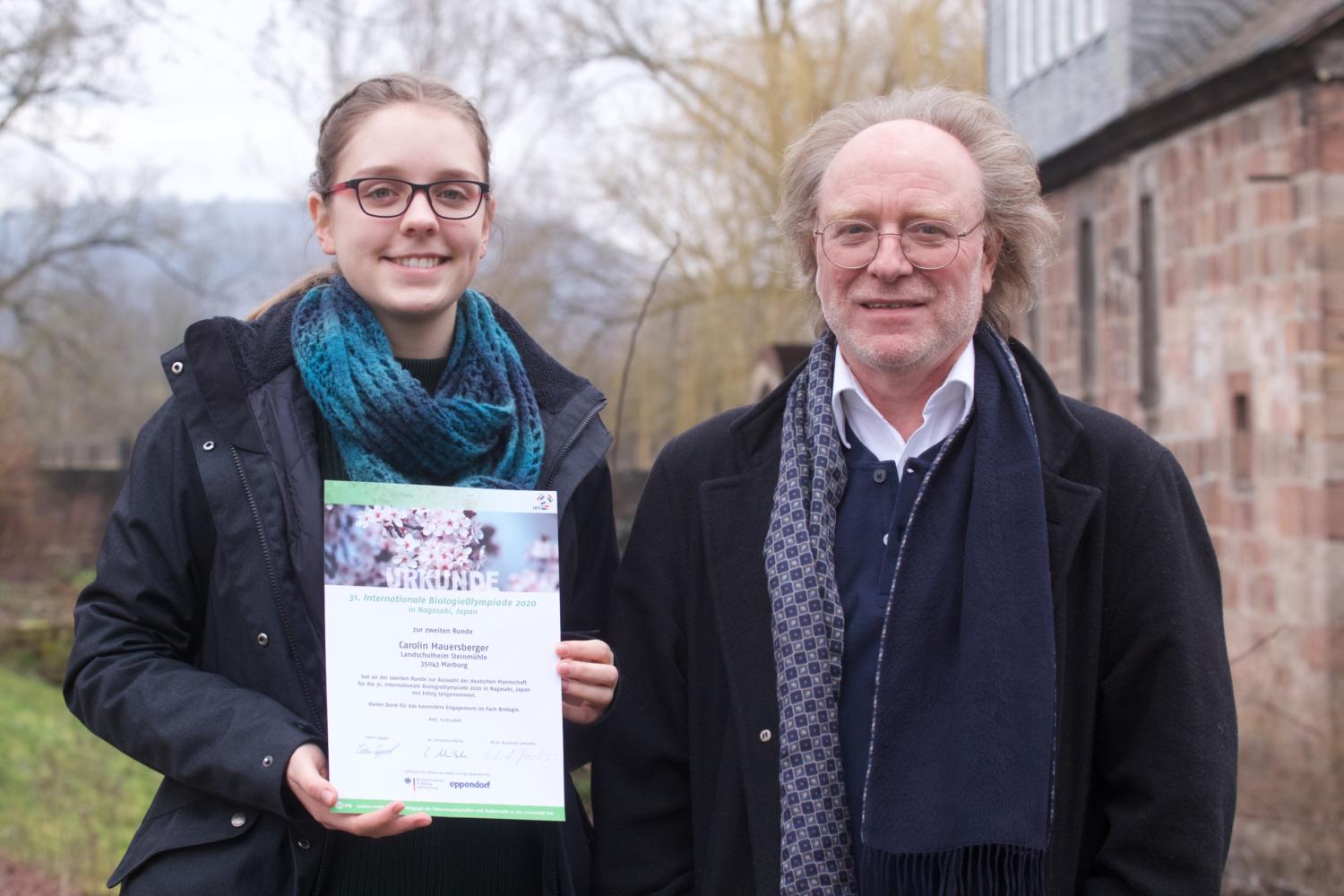
First things first: You don’t have to be in the advanced biology class—this is all about personal interest and extracurricular involvement! The International Biology Olympiad (IBO) is an annual competition for high school students that consists of four rounds. After successfully completing written knowledge tests and practical lab work, the four top German students will travel to the host country of the respective Olympiad for the final round. This year, that country is Japan (Nagasaki).
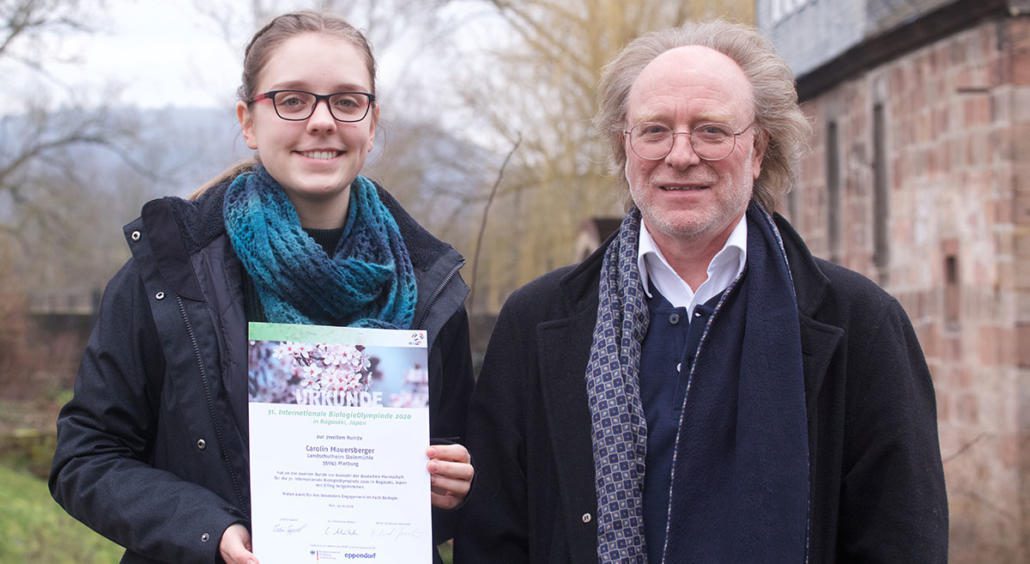
In my first year participating, I made it to the second round and, as one of the top ten students from Hesse, was invited to attend a four-day state seminar at TU Darmstadt. Throughout the entire time, I was supervised by Dr. Dietmar von der Ahe, who serves as the contact person at Steinmühle for student competitions in biology.
Requirements Beyond the High School Level
In the first round, four open-ended problems are presented covering all areas of biology. The difficulty level exceeds that of high school, but participants may use any relevant reference materials to solve the problems. The submitted solutions, in the form of a term paper, are reviewed by the supervising teacher. For me, the decision to participate in the Biology Olympiad wasn’t based on the expectation that I would definitely advance to the third and fourth rounds. My primary goal was to take advantage of the opportunity to tackle more challenging problems in biology, since I plan to study medicine after graduating from high school and enjoy taking on new challenges.
The first round requires a significant time commitment, but for me it was worth it—both to gain new knowledge in the fields of botany, genetics, zoology, physiology, systematics, and biochemistry, and to practice writing a scientific paper.
About half of all participants made it to the second round this year. In roughly two hours, they had to complete 30 multiple-choice questions and eight more complex problems. The resources available on the IBO website, as well as past exams, offer a useful way to prepare for this very challenging test and familiarize yourself with the format. Overall, I can say that there is no foolproof way to prepare for this round, as some of the questions present challenges even for biology teachers with a degree in biology.
Final Presentation
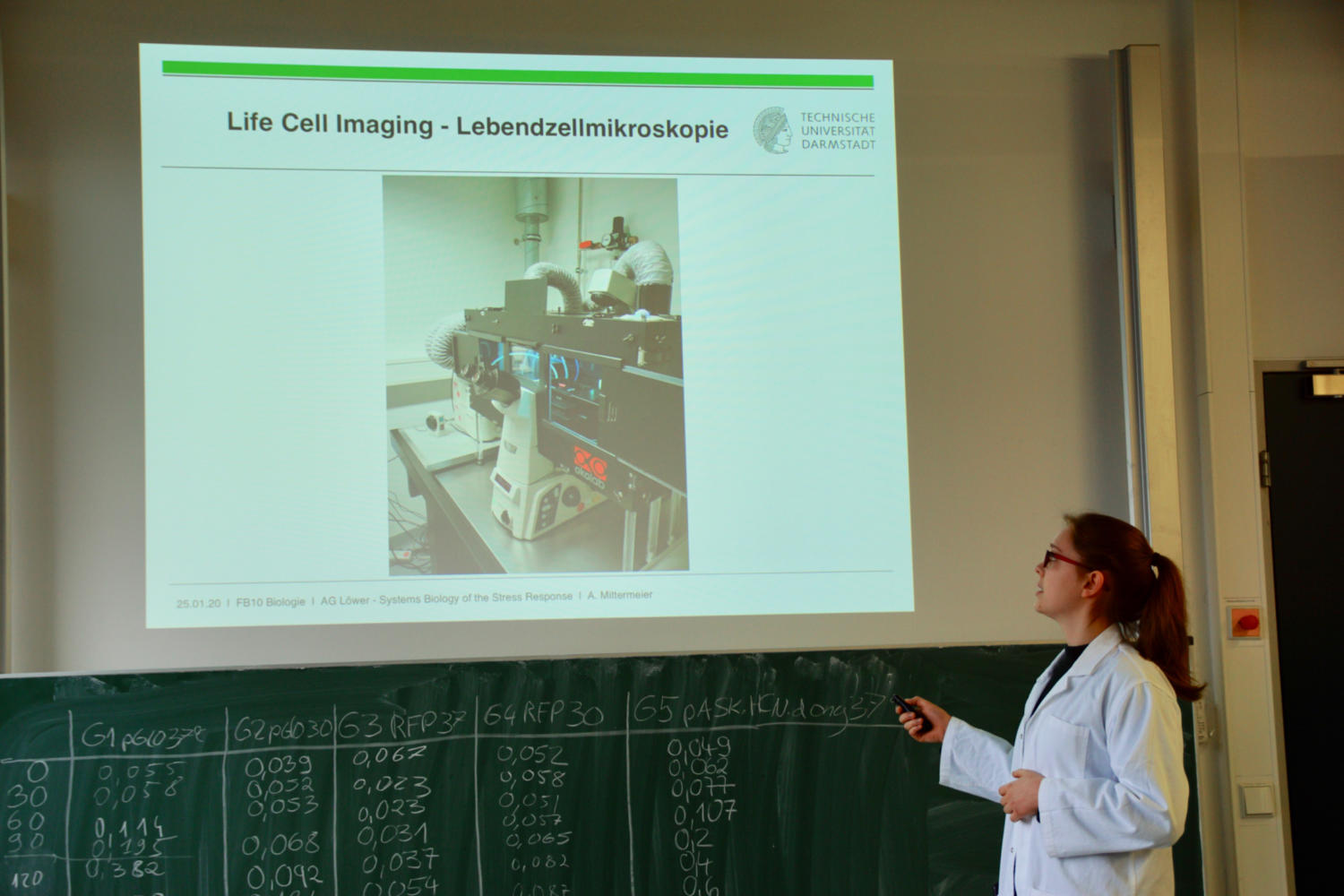
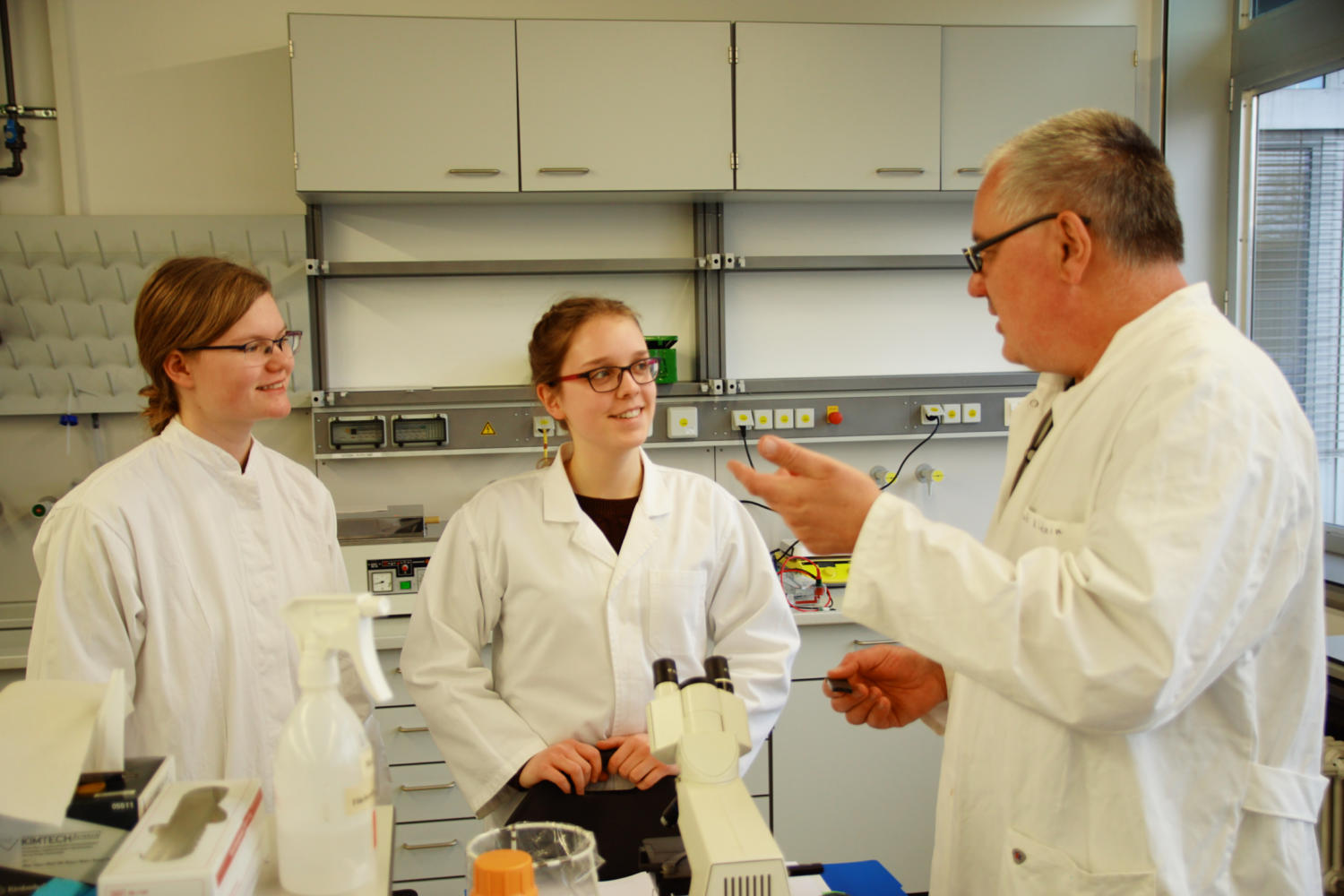
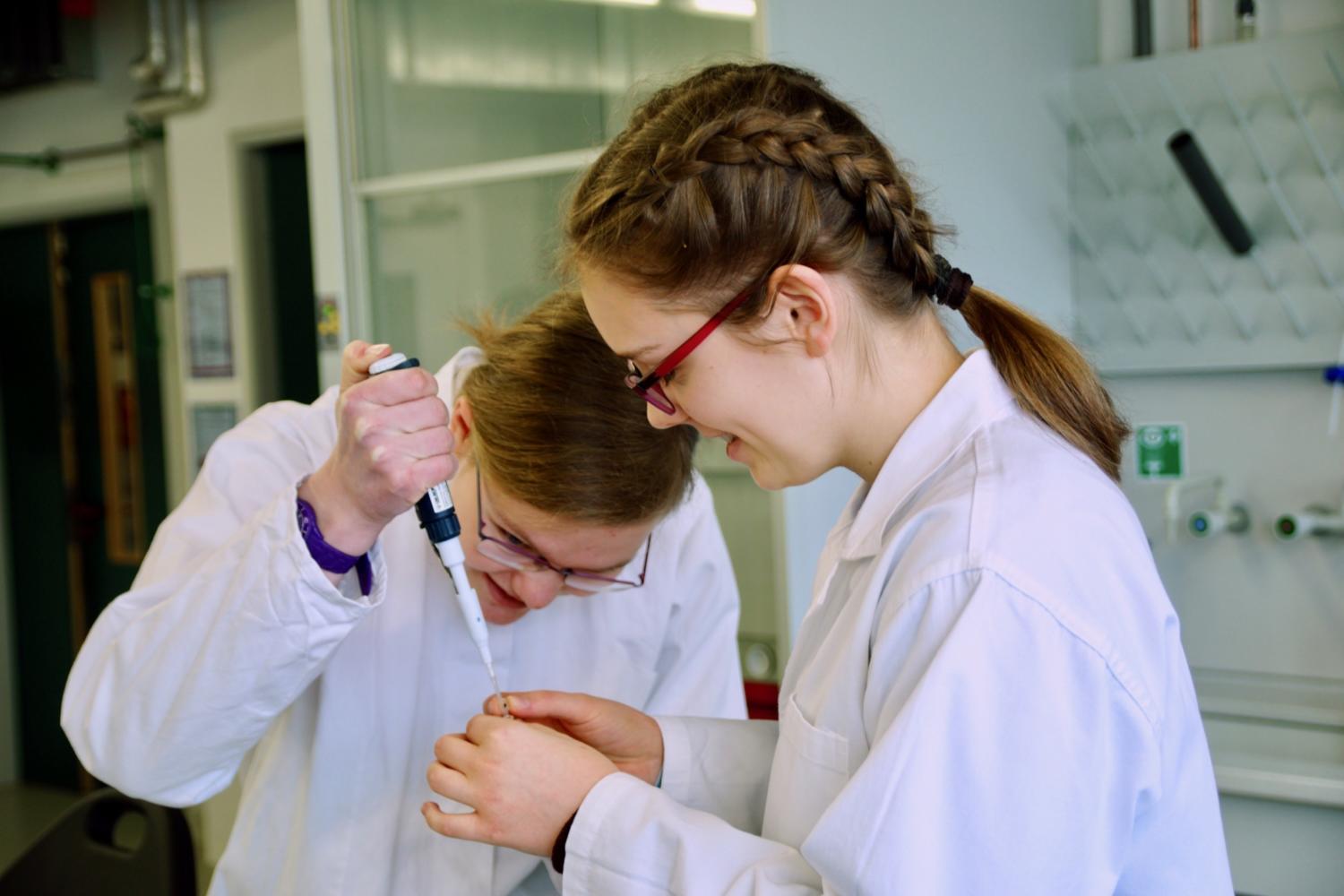
The top 10 participants from Hesse in the second round will then be invited to Darmstadt as a “reward for their achievements.” Working in teams of two, under the guidance and supervision of a lecturer, we were able to set up bacterial cultures, measure and record their growth, and perform biochemical procedures such as plasmid isolation, polymerase chain reaction (PCR), and gel electrophoresis ourselves. On one of the four days, we had the opportunity to explore other areas of biology in small groups and actively try out more complex biological techniques. In addition to topics such as neurophysiology (measuring action potentials in neurons), fluorescence and electron microscopy (learning about and testing how they work), and RNA methods (Western blotting), we also explored live-cell imaging. My experience in the field of live-cell microscopy was very positive, as we received excellent guidance and the professor in charge even took the time personally to answer our questions. The program concluded with short presentations by each small group on their findings from the individual experiments.
I was very pleasantly surprised by the work in the lab at TU Darmstadt, and since the internship isn’t graded, I can really recommend it!
Encouragement to Participate
To all interested high school students: If you’d like to give yourself the chance this year to challenge yourself and—by participating—not only earn credit toward your biology qualification but also gain hands-on experience working in a university lab under the guidance of a professional instructor, talk to your biology teacher and start working on the first-round assignments for this year’s Biology Olympiad as early as April! Have fun and good luck! (My results: Round 1: 13th place in Hesse, 182nd out of 1,165 in Germany; Round 2: 6th place in Hesse, 54th out of 518 in Germany)
(Carolin Mauersberger)