

Sports at Steinmühle: Strengthening Tradition, Breaking New Ground
Horseback riding, rowing, team sports, and an ever-growing number of partnerships: The sports program at Steinmühle School & Boarding School has evolved significantly in recent years. Modernized facilities, a growing team, and numerous projects ensure that physical activity has a firm place in the students’ daily school life—and will continue to be expanded in the future.
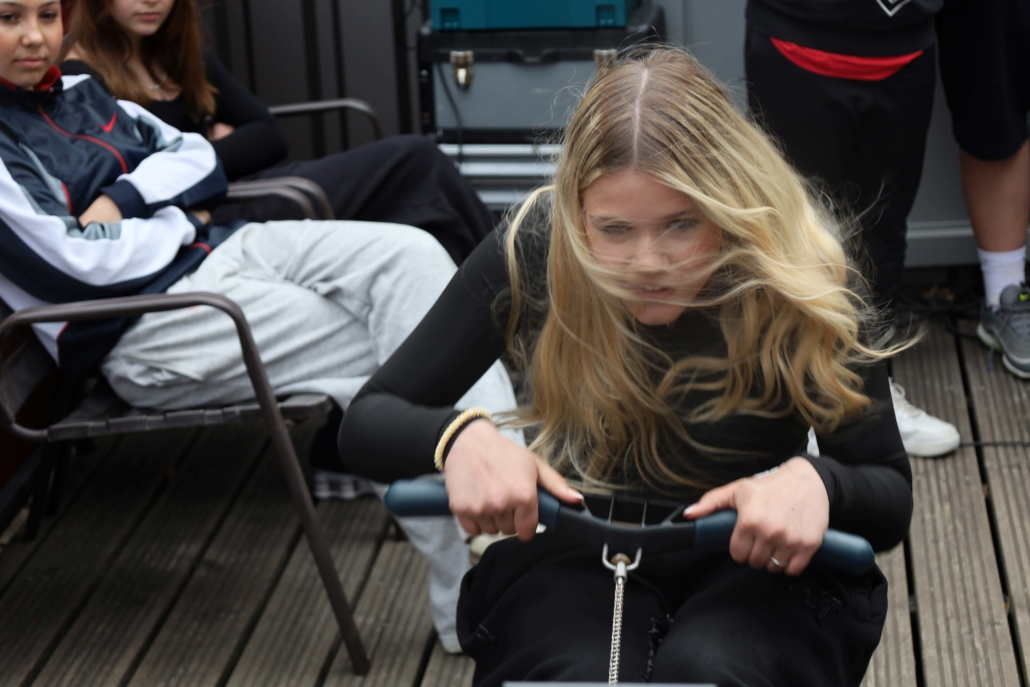
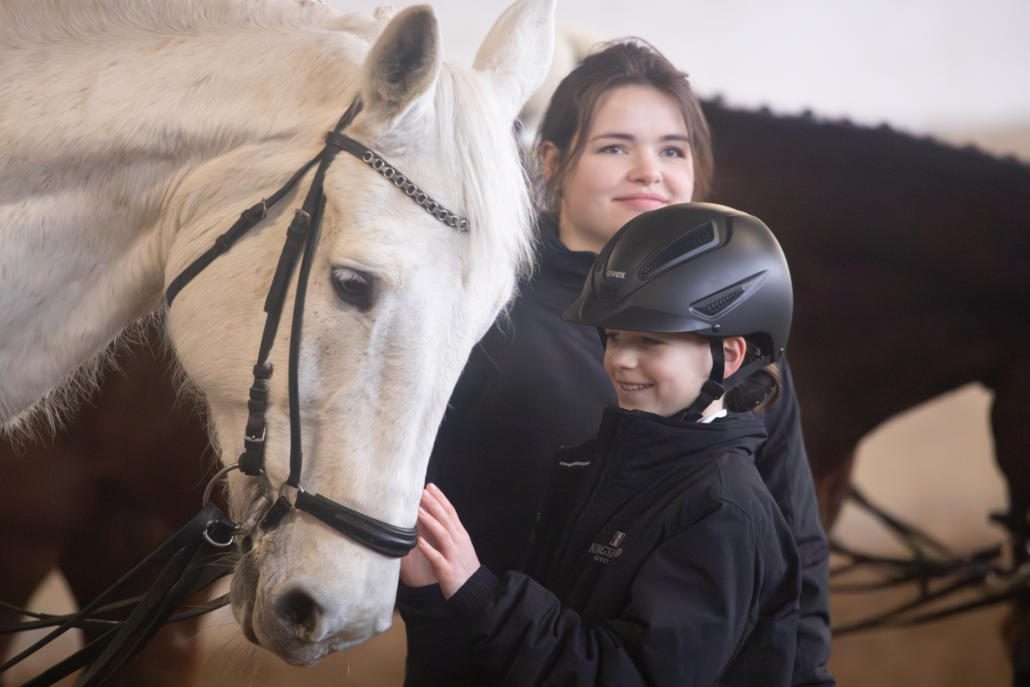
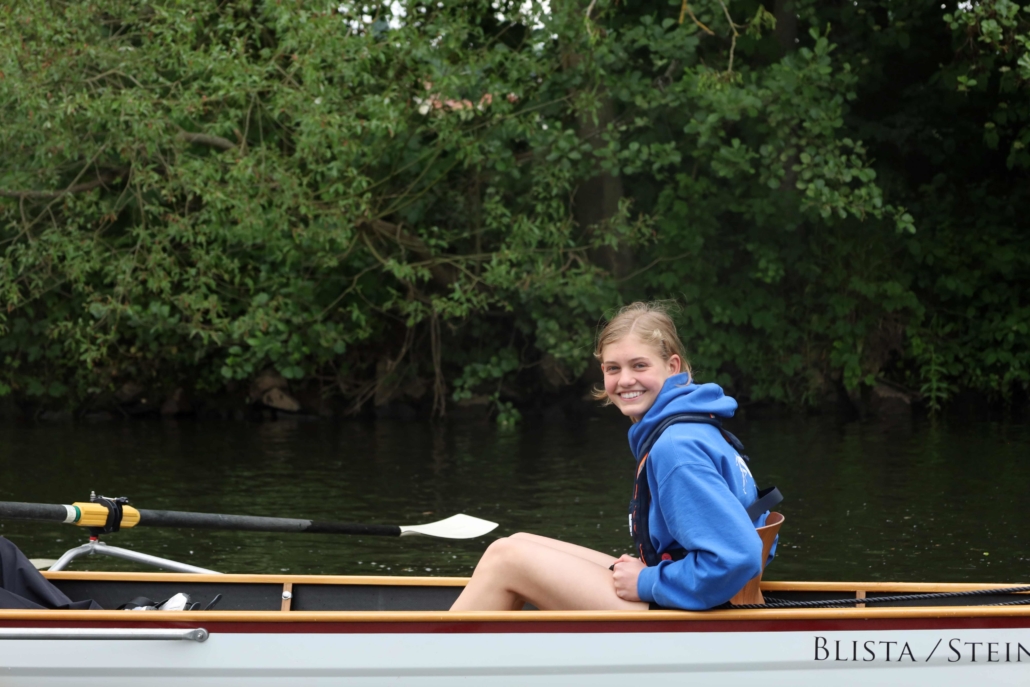
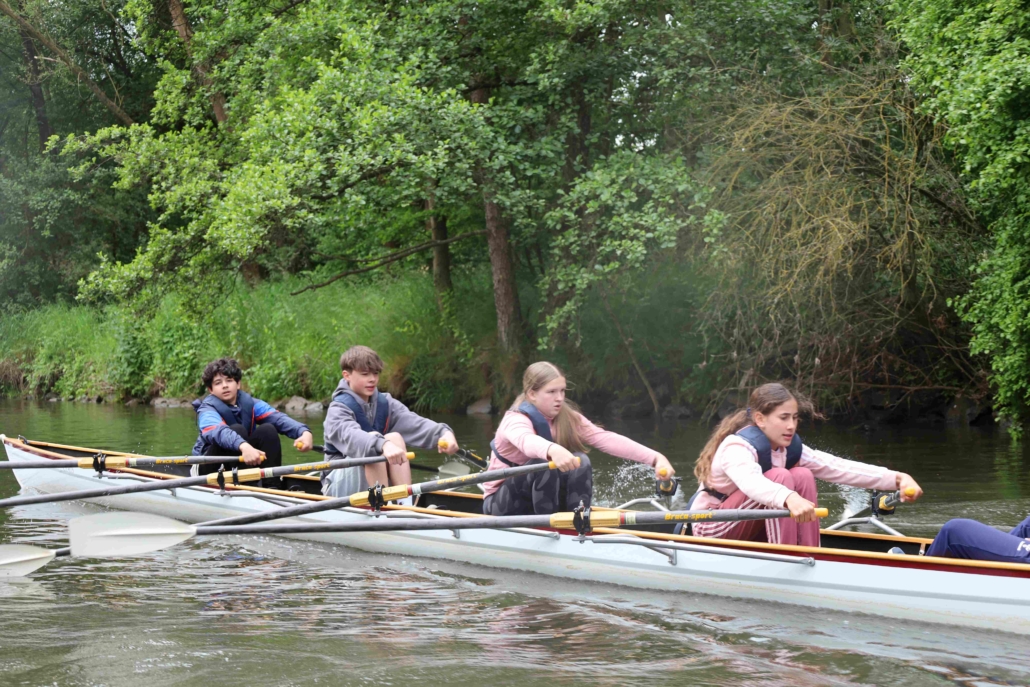
Steinmühle has always been known for its wide range of sports programs: established equestrian programs, professional rowing instruction, and successes that have even led to Olympic participation. Tennis has long been played on the school’s own courts, ball sports—including beach volleyball—are played along the Lahn River, and strength training is offered even during the winter months. But even good things can be made even better, explains Marcel Kalb, head of school sports, organizer of many training sessions, and coordinator of partnerships with other clubs.
Modern Infrastructure
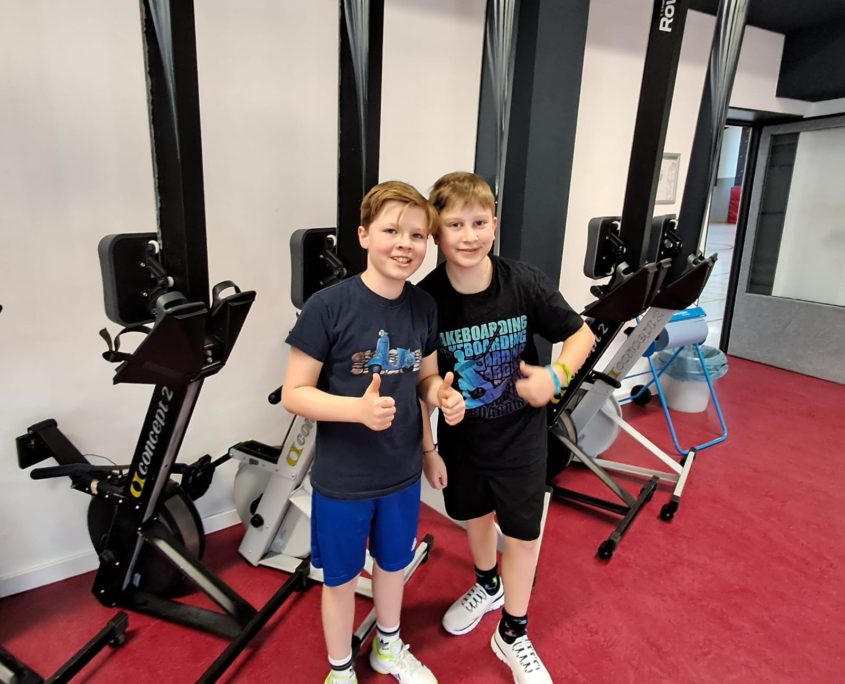
At this point, we’ve already reached a stage where things have expanded considerably compared to about ten to 15 years ago. Compared to back then, the infrastructure has been modernized and significantly expanded. A renovated boathouse, a large second sports hall, and a modernized existing hall are now available for rowing equipment and indoor sports. The selection of sports equipment is also being continuously expanded. The selection in the weight room already gives a good idea of what this looks like.
More People for Sports
The development of the sports program was a process—both in terms of infrastructure and staffing. The faculty in the Sports Department has now grown to 17 teachers, with one educator from the boarding school and three FSJ volunteers providing support in various roles. “We’re also in contact with the departments of Sports Science and Motology at Philipps University in Marburg,” reports Marcel Kalb.
No Grades in Physical Education for Grades 5–8
Promoting physical activity is a top priority at Steinmühle. For example, there are extracurricular programs such as rowing trips and ski trips, and students have the option to choose the sports track in 11th grade—the so-called “E-Phase” of upper secondary school. One unique feature is also worth mentioning: In grades 5 through 8, no numerical grades are given in physical education. “We believe that a numerical grade cannot reflect the diversity of sports and the associated assessment of student performance. For this reason, we strive to provide differentiated and meaningful feedback on performance in physical education classes,” explains the school’s physical education director.
Para-sports are part of the program
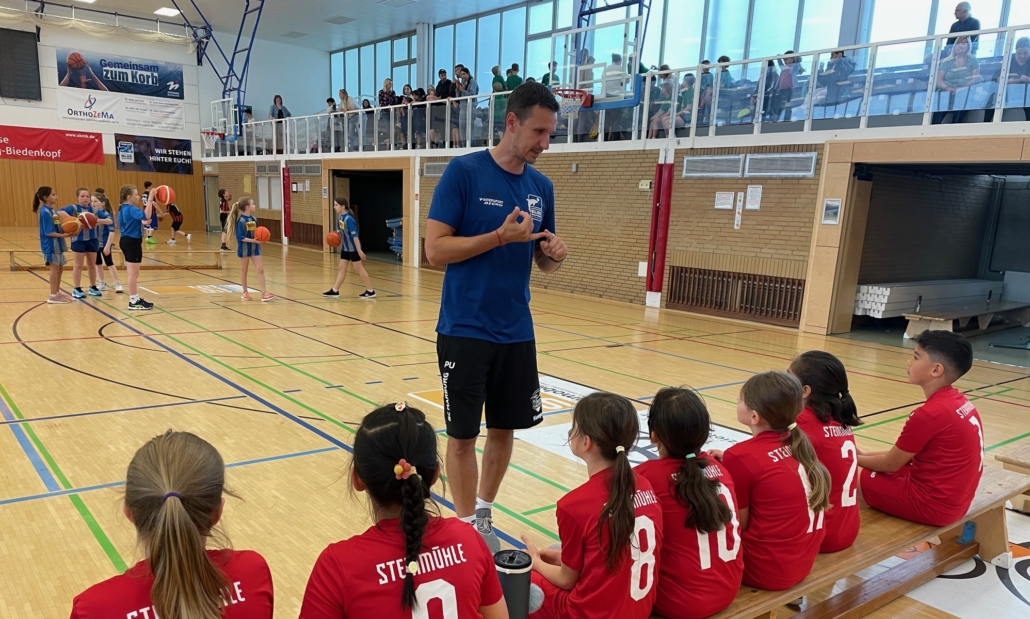
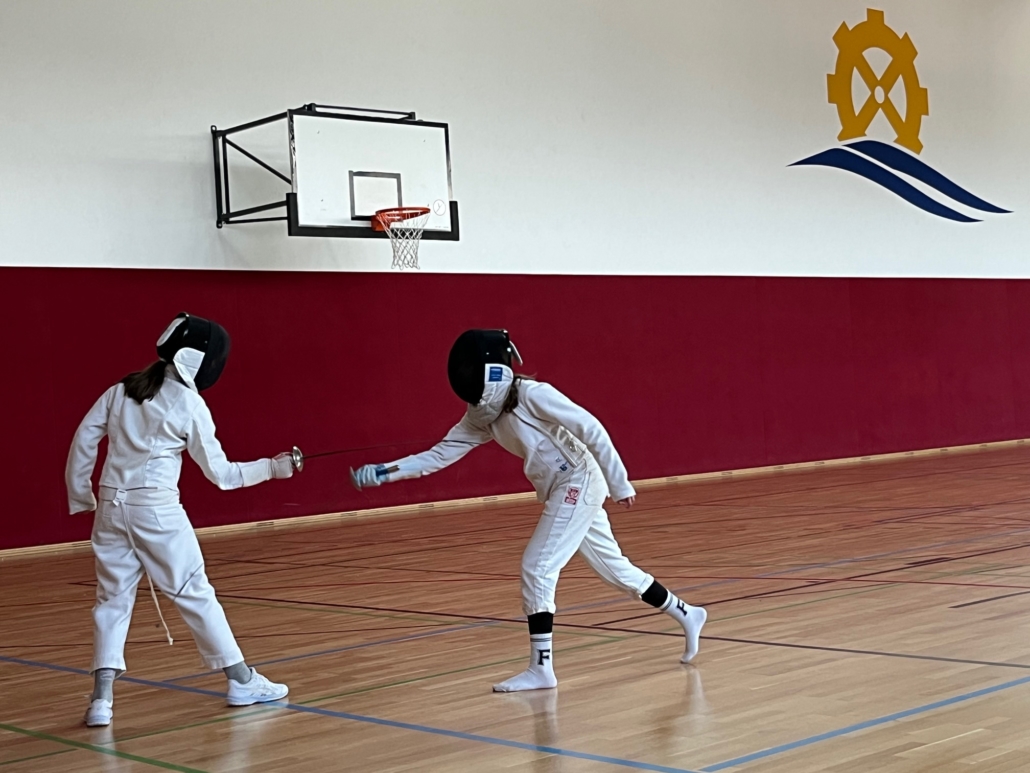
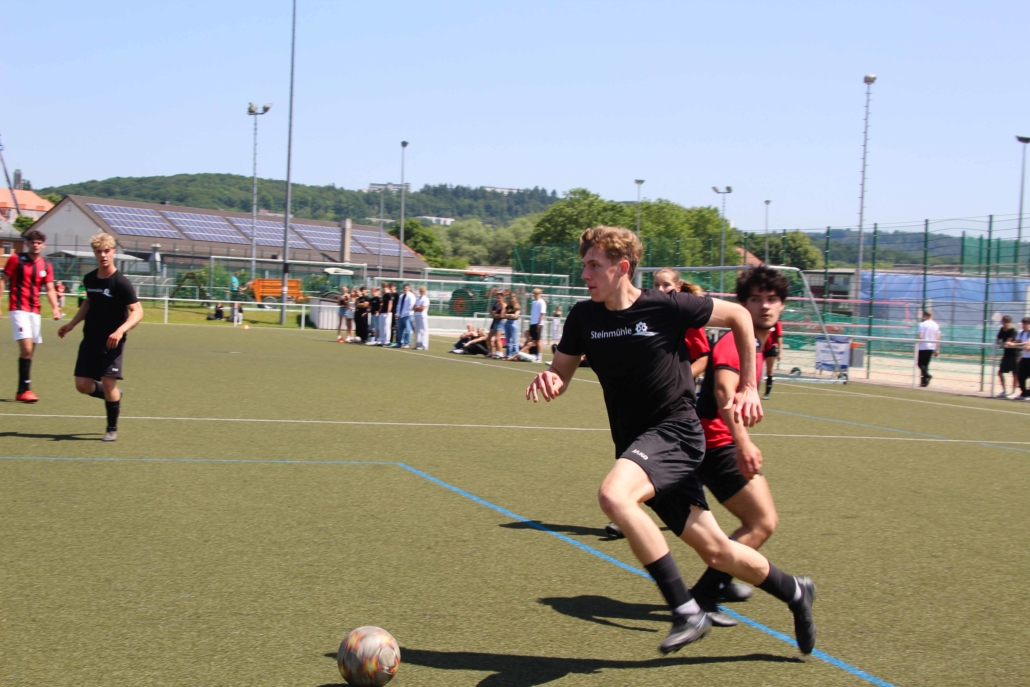
Thanks to partnerships with other clubs, the range of sports offered at Steinmühle School & Boarding School is virtually limitless. While some Steinmühle teachers offer sports such as fencing out of personal interest, traditional sports like volleyball, basketball, and soccer are already part of the regular program. The new, spacious sports hall enables Steinmühle—which is already a Paralympic training center for rowing—to now also offer wheelchair basketball as a team sport.
On Mondays, inclusive soccer is also held: A few years ago, the Unified Team began regular training in cooperation with the local sports club, SF Blau-Gelb Marburg. At the time, Egon Vaupel, chairman of the sponsoring association Steinmühle Marburg e. V., had been a particularly strong advocate for the formation of this team.
New School Structure Model Opens Up Opportunities
According to Kalb, the school’s athletic director, the school is seeking further partnerships with other clubs. He has in mind extracurricular activities such as track and field, gymnastics, and swimming. “The new school restructuring model set to be implemented in the future will open up great opportunities in this regard.”
Keeping an eye on competitive sports
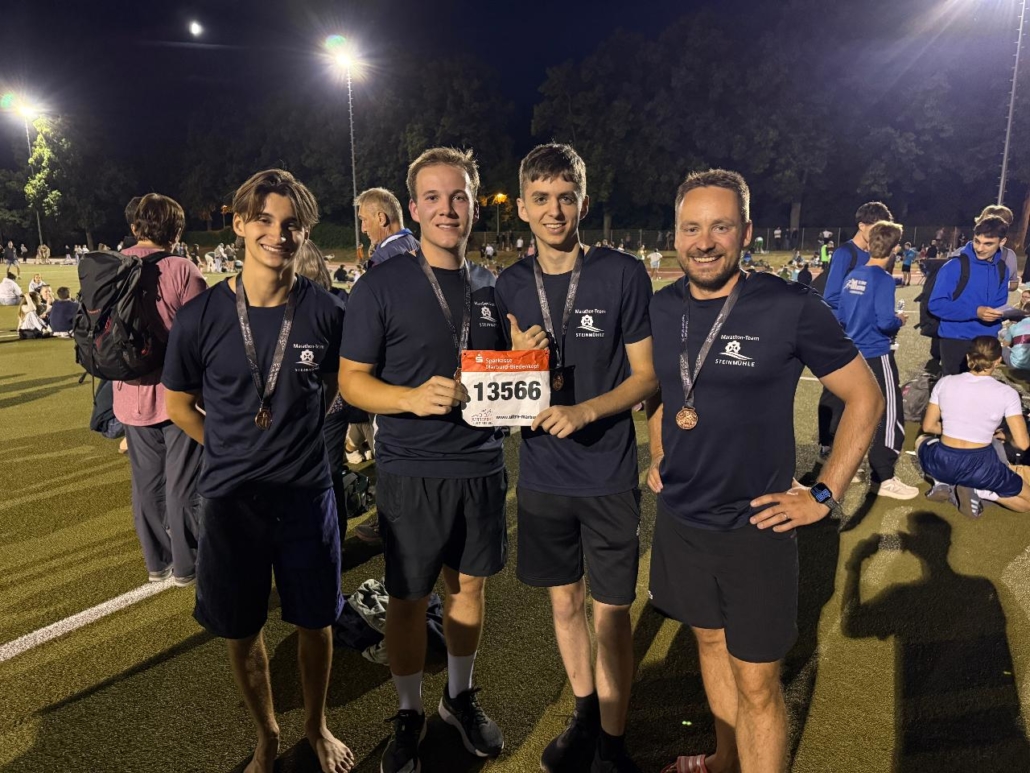
Marcel Kalb also keeps an eye on competitive sports and cites, for example, the volleyball club and the elective volleyball classes (WU) for grades 5 and 6, as well as the gymnastics program offered as part of “Youth Training for the Olympics,” in which five female students performed exceptionally well. His credo: “Sports and achievement go hand in hand. And that’s what we encourage.”
In addition, a two-hour-per-week upper-school sports program is offered to students across all grade levels. Marcel Kalb oversees the program, but the students also organize many activities on their own, thereby creating self-directed spaces for physical activity and training.
Getting to know each other in two ways
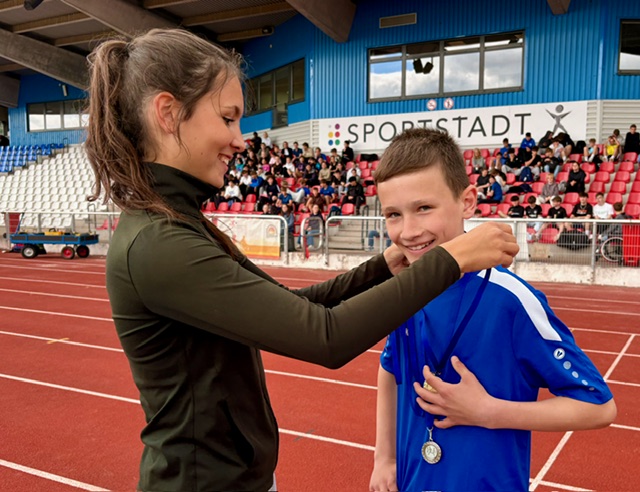
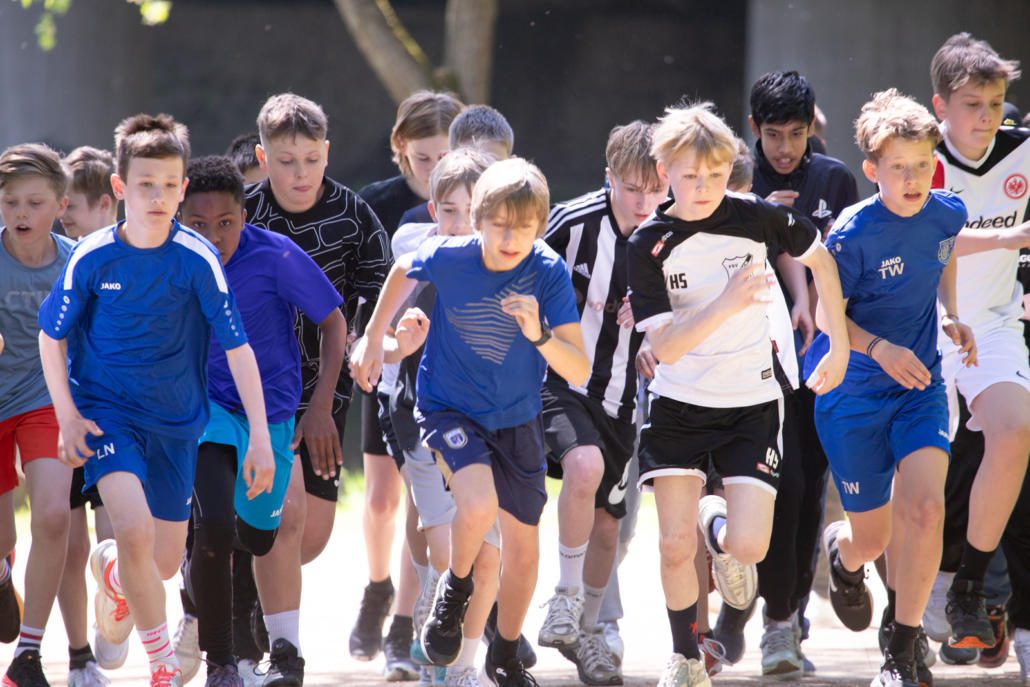
For several years now, Steinmühle has also been holding sports project days during the last week of school, says Kalb, who has been working at Steinmühle for seven years. The additional sports days in May are for grades 5 through 10 and include rowing, running finals, and other disciplines. In addition, Steinmühle has held—and plans to continue holding—a sports festival during the last week of school. Partnering sports clubs and physical education students from the university are also invited to this event. In addition to promoting physical activity, the festival serves as an opportunity for participants to get to know one another—both among the athletes themselves and through exposure to other sports programs.
Fitness Programs for Faculty
“Our day-to-day work is becoming increasingly complex, so we also need to ensure that our staff gets enough exercise,” adds Marcel Kalb. At this point, he brings up the “StoneFIT” program—an initiative designed to promote physical activity specifically for employees.
“We can be proud of the opportunities we have,” Marcel Kalb sums up. But he adds that they haven’t reached the finish line yet: “… there’s still more to come.”
He also mentions the lively break in the gym that comes with the cell phone ban. Led by a volunteer doing a year of voluntary social service (FSJ), grades 5 and 6 are active during the first long break, and grades 7 and 8 during the second long break. “If you curb the urge to play digital games, you have to offer other alternatives—ones that promote health through sports and physical activity.”
Sports are part of school culture
Steinmühle does not see its future as limited to its own offerings. “We also like to take a look at what public schools are doing and try to adopt the best practices.”
This makes it clear: At Steinmühle, physical education is much more than just a school subject. It is part of the school’s culture—driven by dedication, collaboration, and the shared goal of sustainably promoting physical activity, health, team spirit, and a drive to excel.
(Angela Heinemann/Photos: Steinmühle Archive)