

Electronics and Programming in Elective Classes
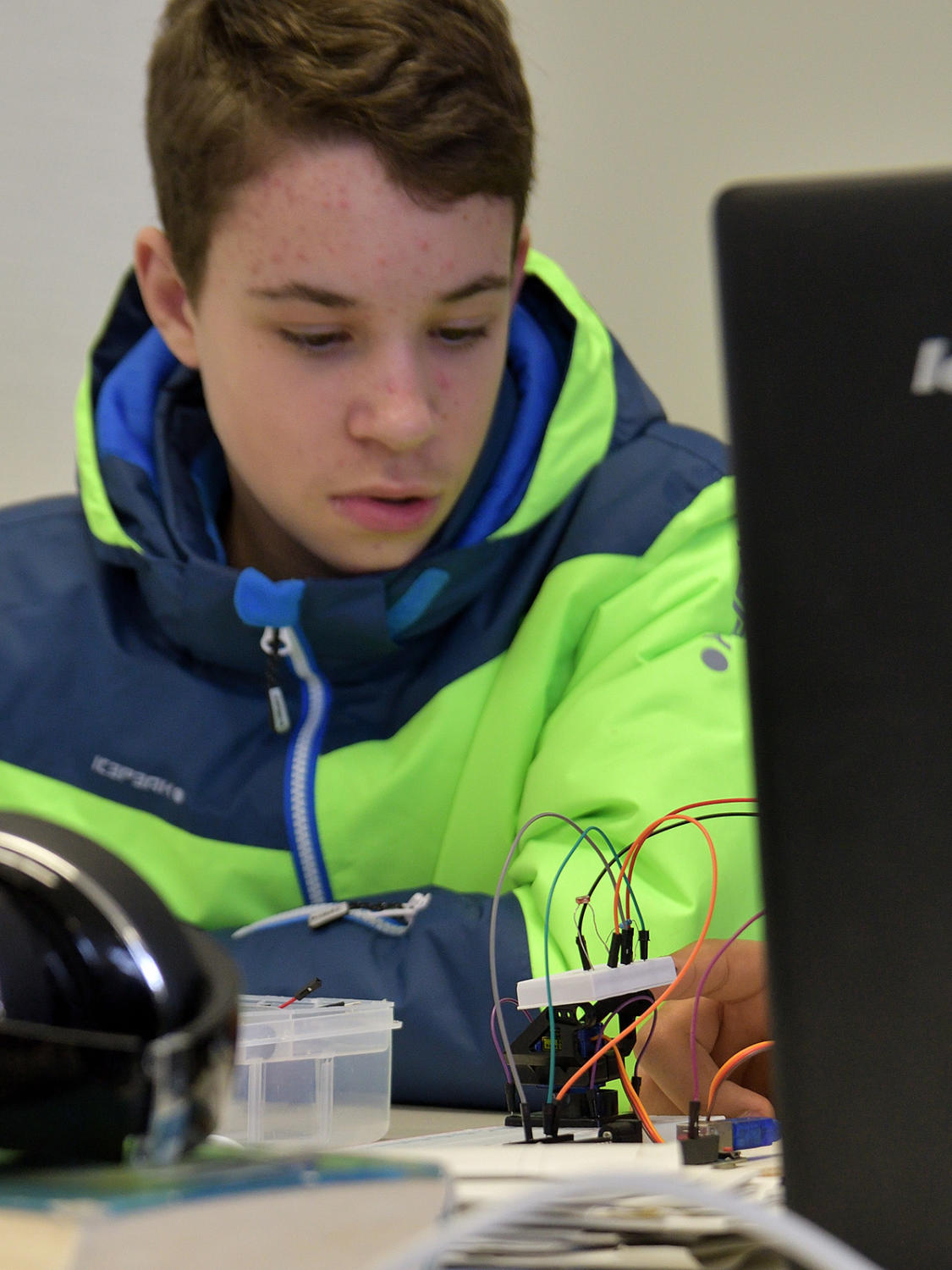
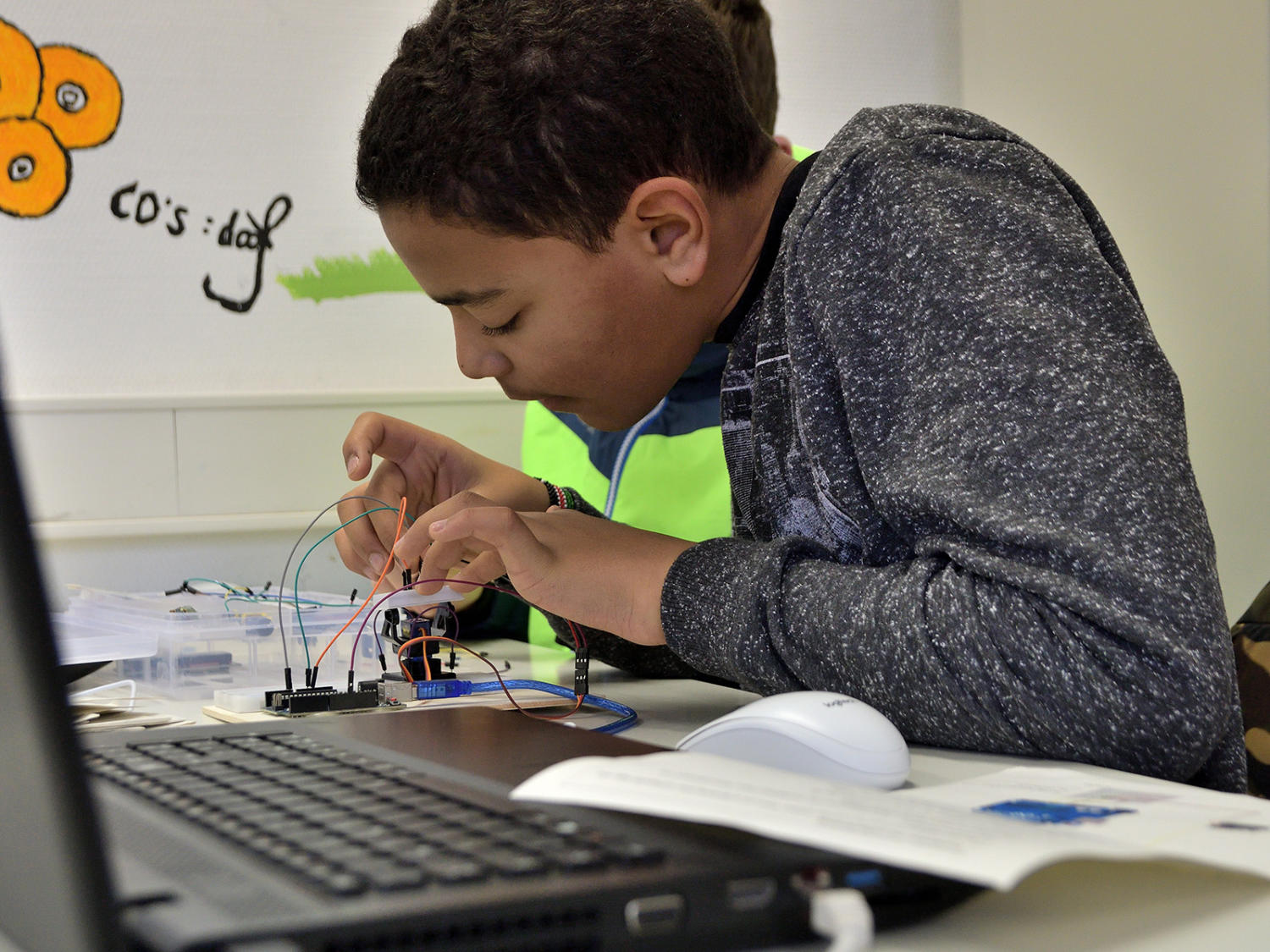
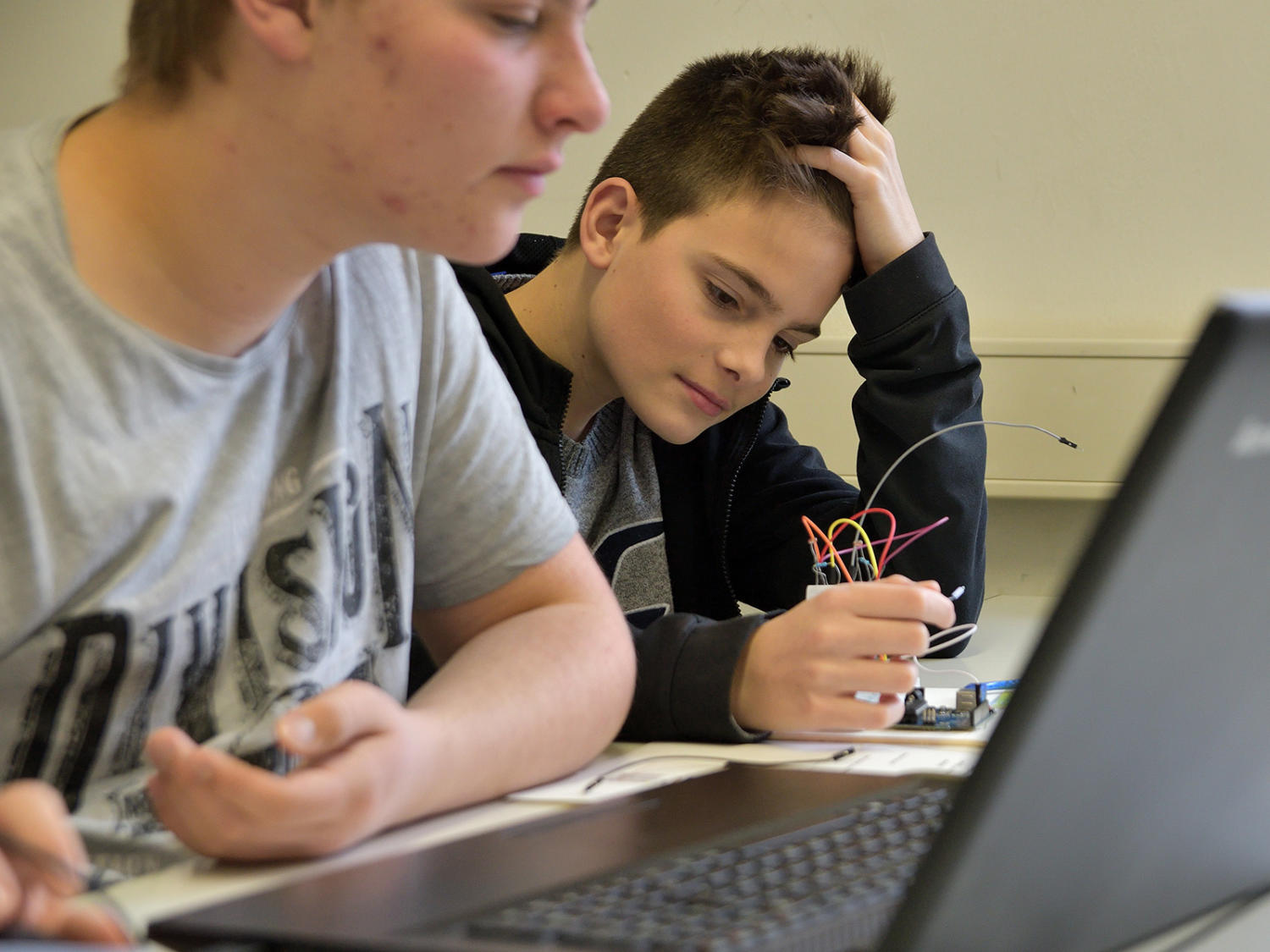
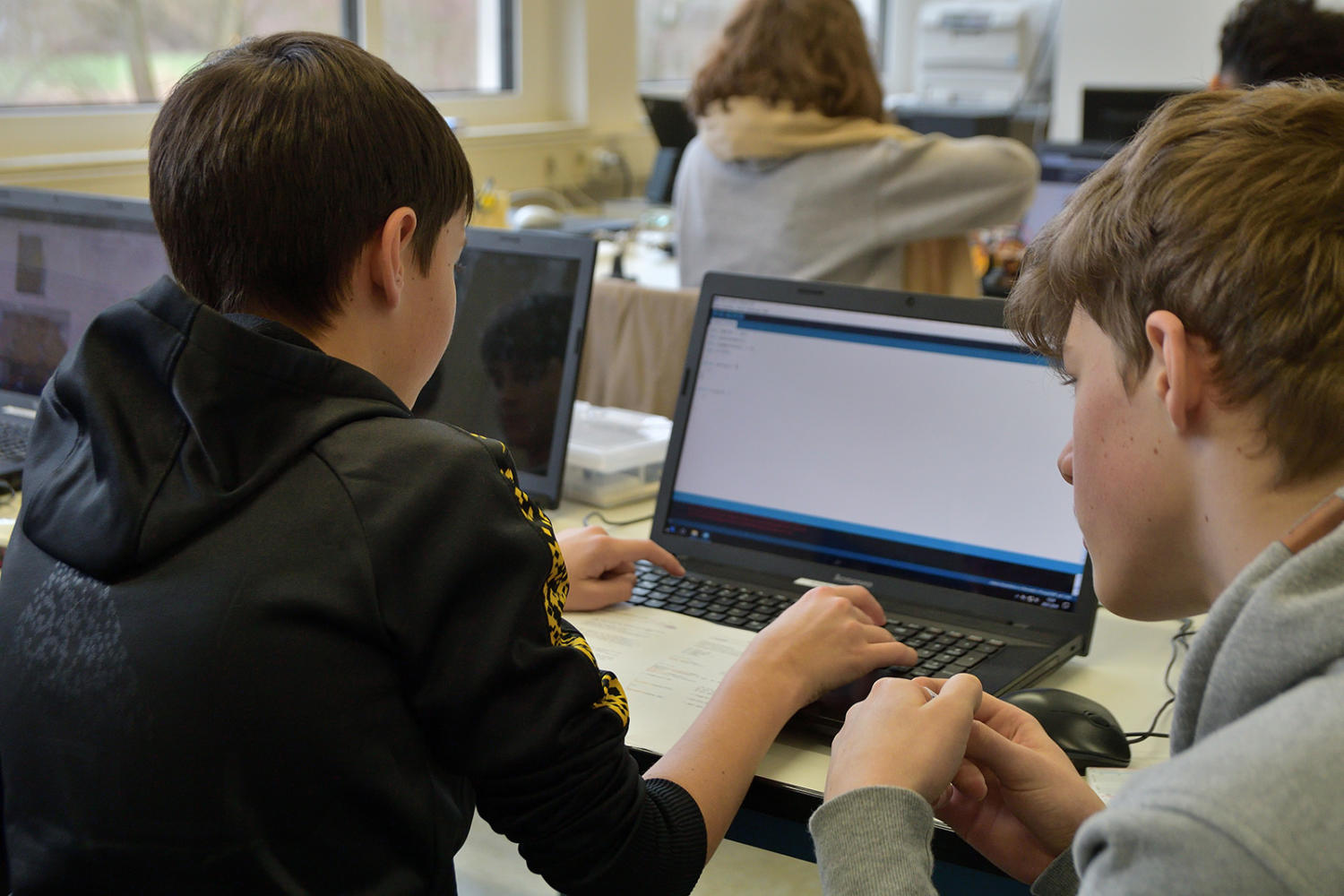
As part of the elective course (WU), the offerings in the area of technology and computers were expanded this school year. Students in grades 8 and 9 had the opportunity to carry out their own electronics projects using Arduino microcontrollers. Arduino, according to Malte Klimczak, the teacher in charge, in his report, is an open-source electronics prototyping platform for flexible, easy-to-use hardware and software. It is primarily used by artists, designers, tinkerers, and hobbyists to bring creative ideas to life.
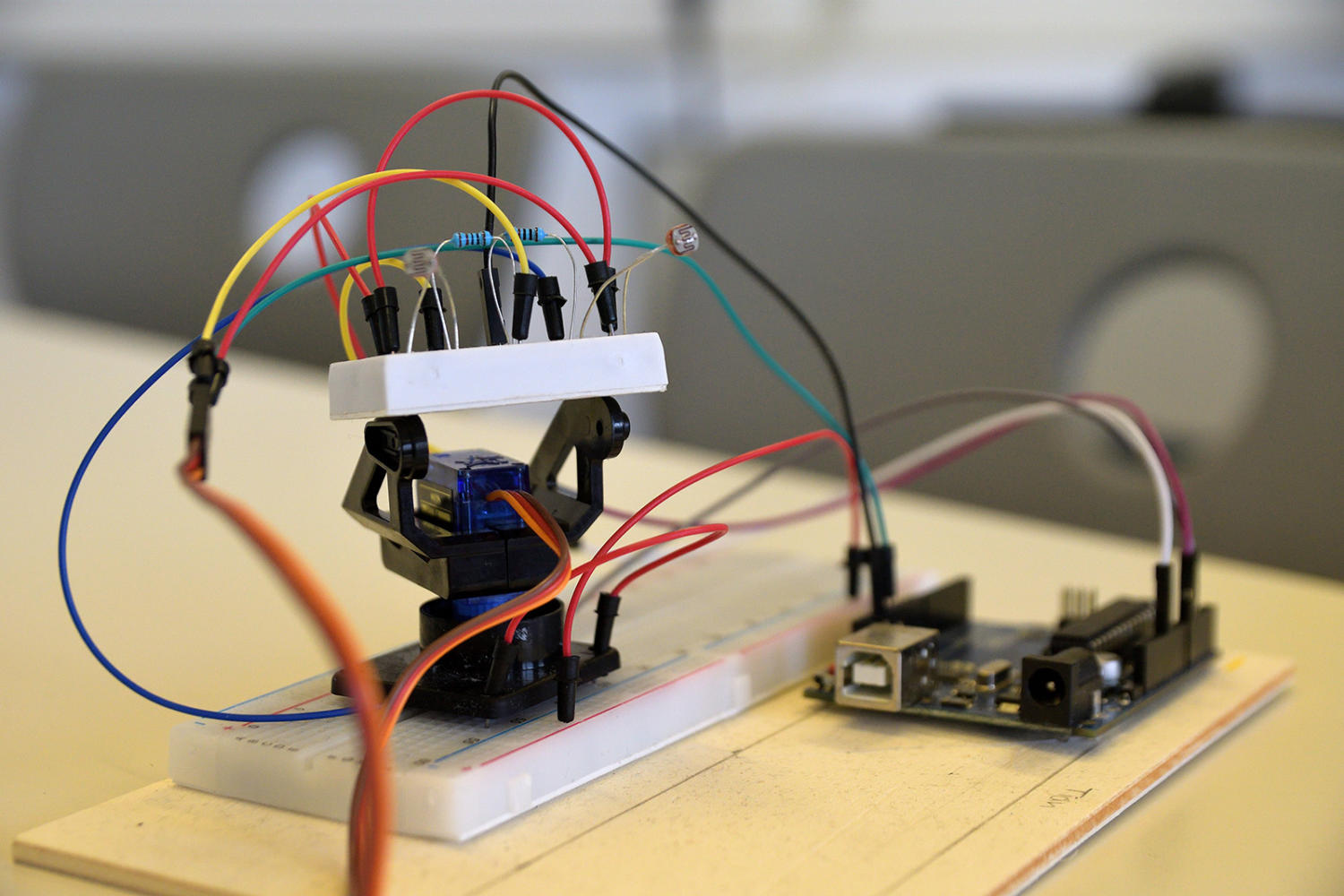
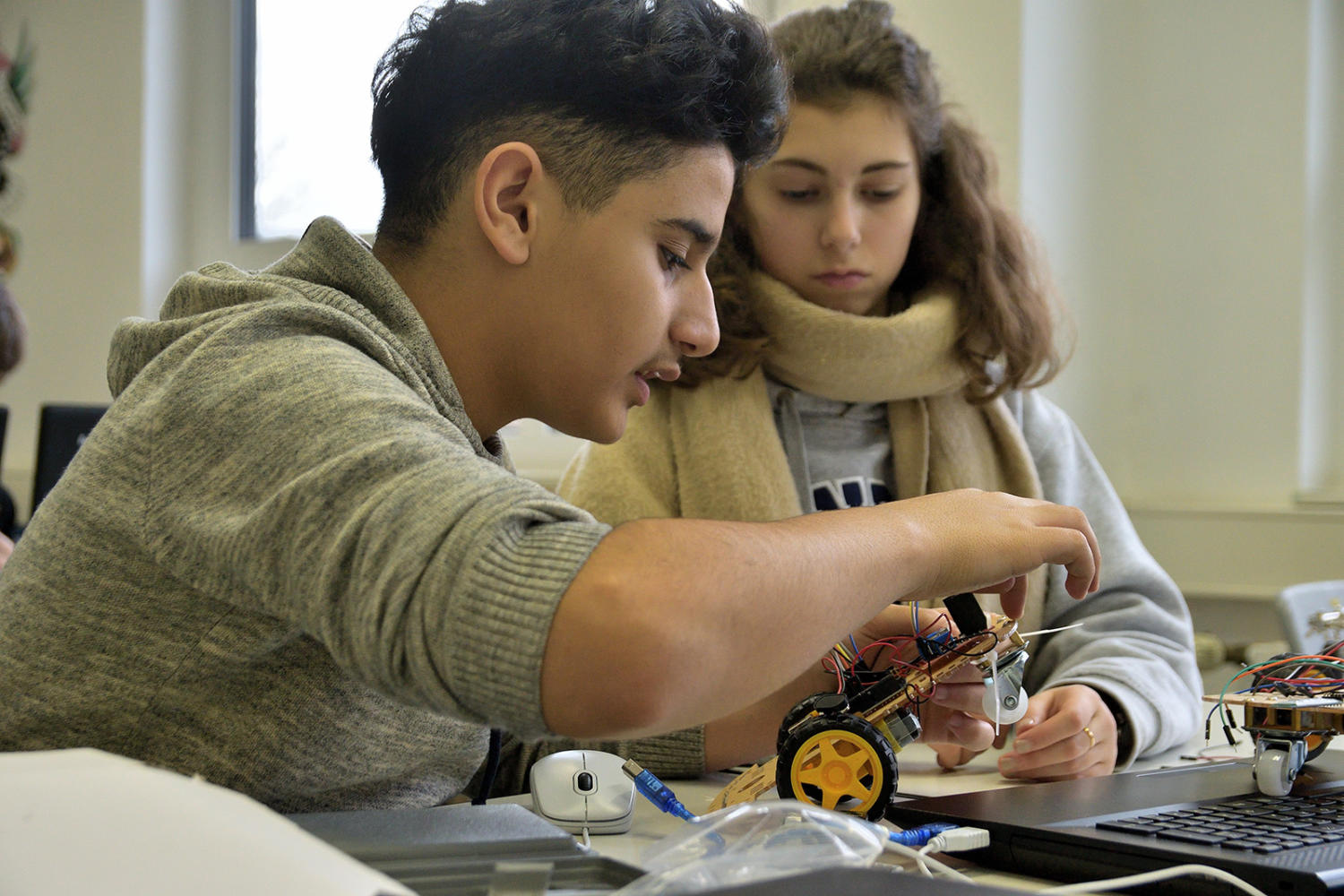
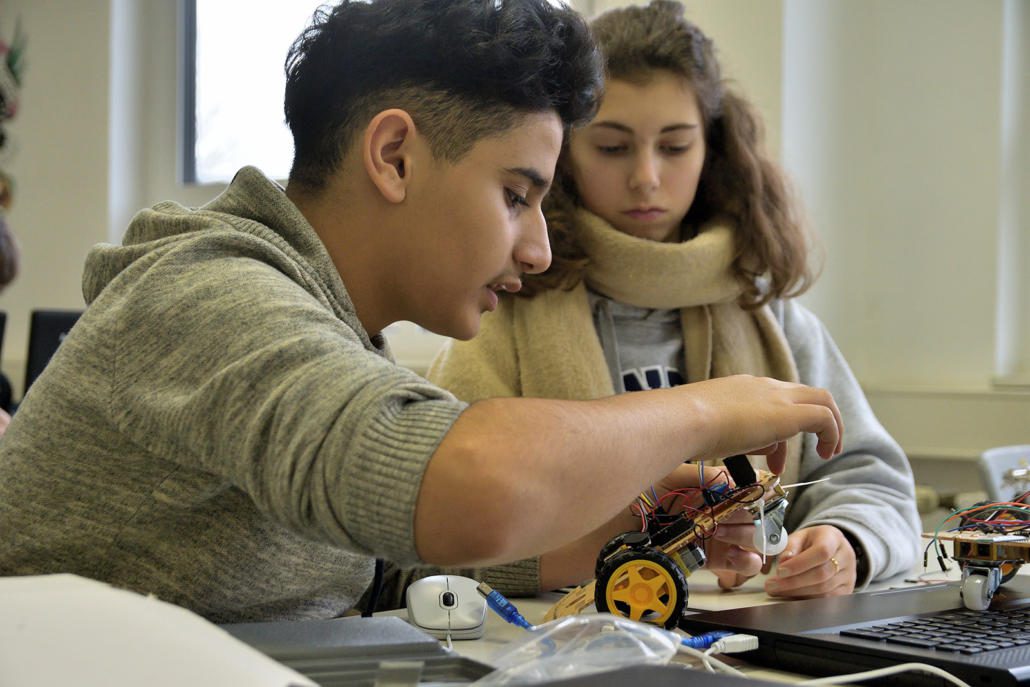
Various sensors (e.g., temperature, motion, light, etc.), as well as LEDs, motors, buttons, and displays, can be connected to the microcontroller. The individual components are controlled through simple programming. This allows students to create small interactive objects in a short amount of time. Among other things, the students have built a small robot that follows the light of a flashlight, a car controlled via Bluetooth and a smartphone, and a digital thermometer. In addition, a group of students independently developed a motor control system for a remote-controlled model airplane.
Analytical thinking is developed
The focus was not only on programming microcontrollers, but also on the practical assembly of electronic circuits. In particular, students can develop technical skills and acquire competencies in computer science and programming. Logical and analytical thinking are honed and applied in real-world situations. This program builds on physics and project-based learning and serves as a valuable supplement.
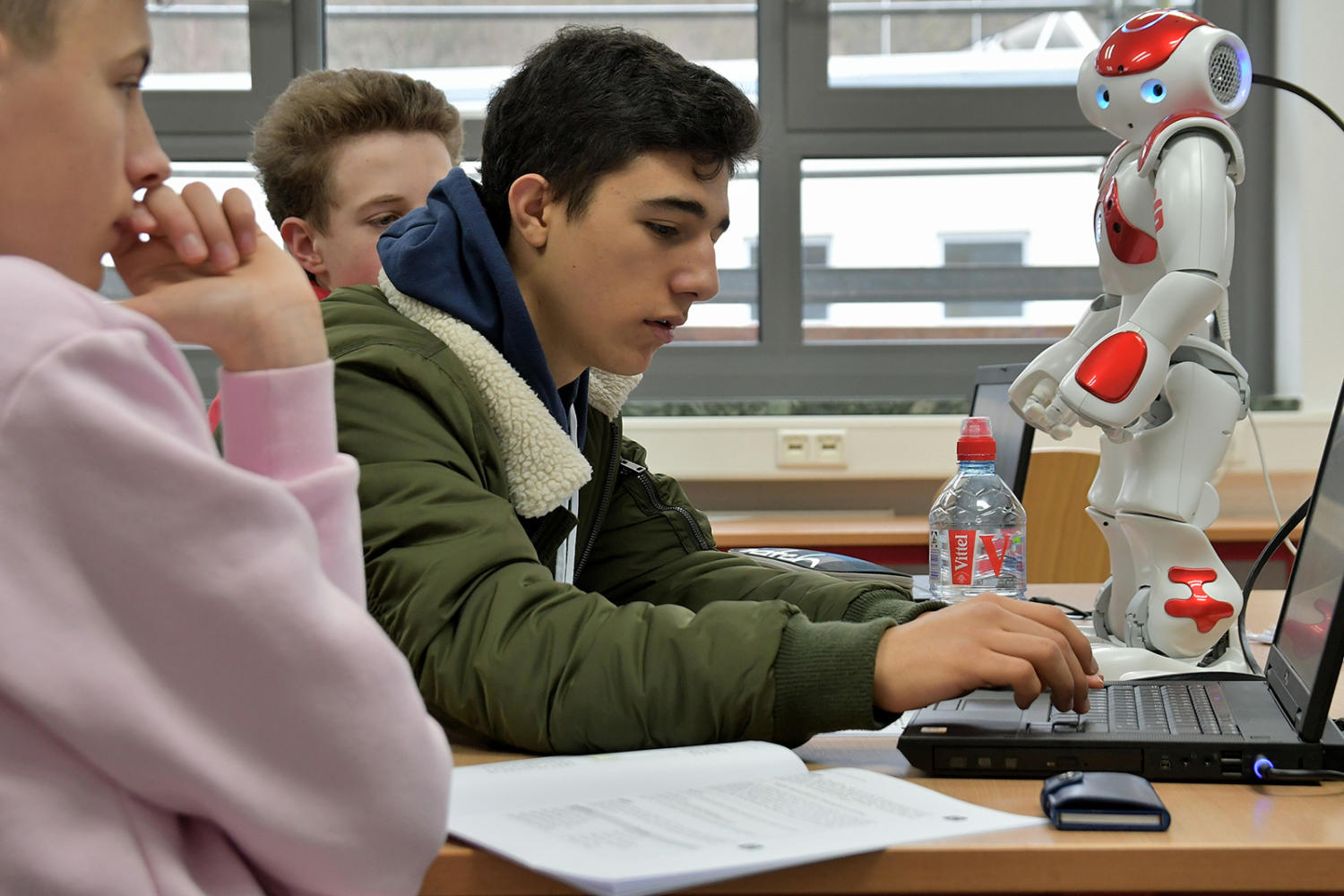
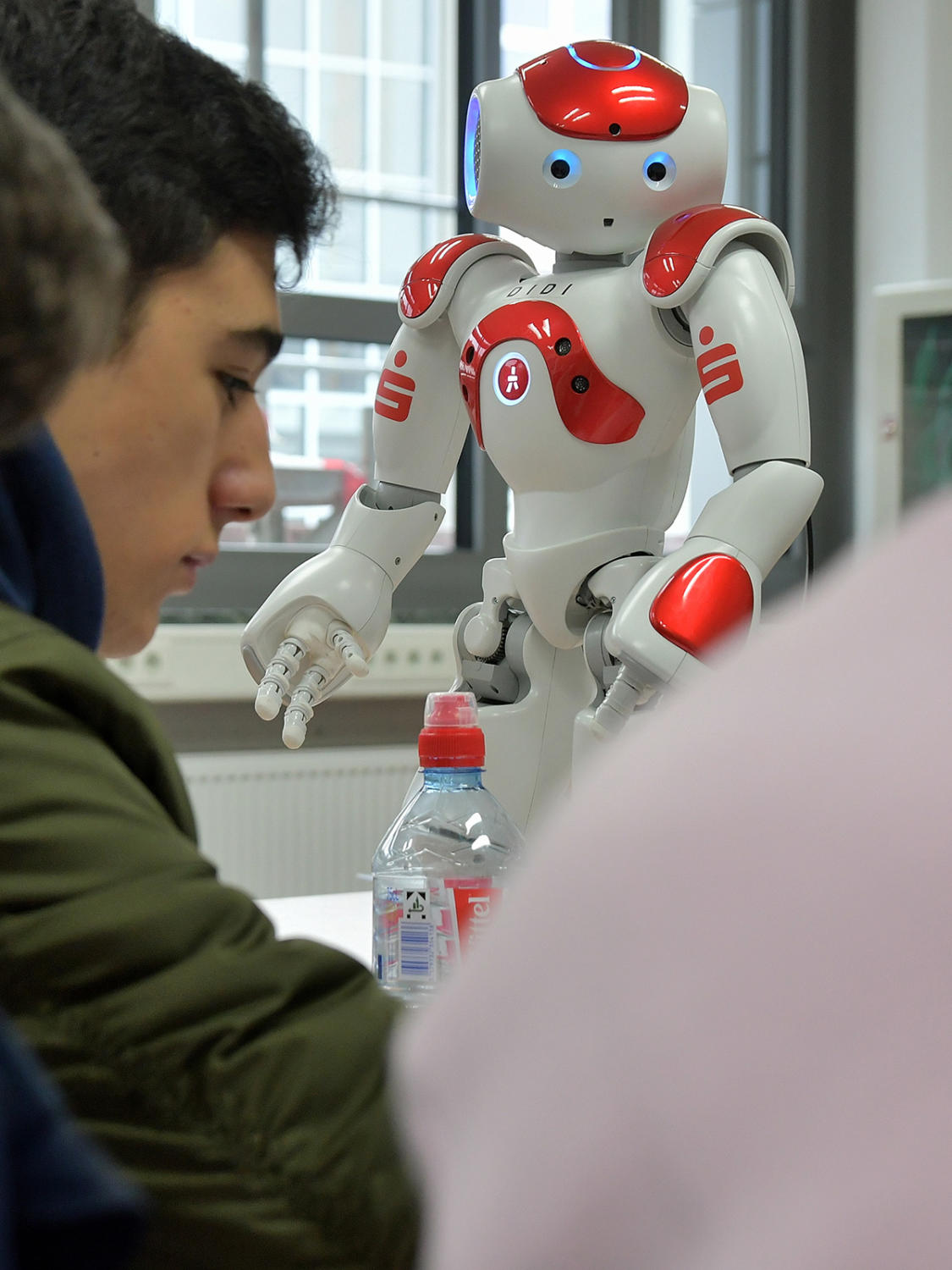
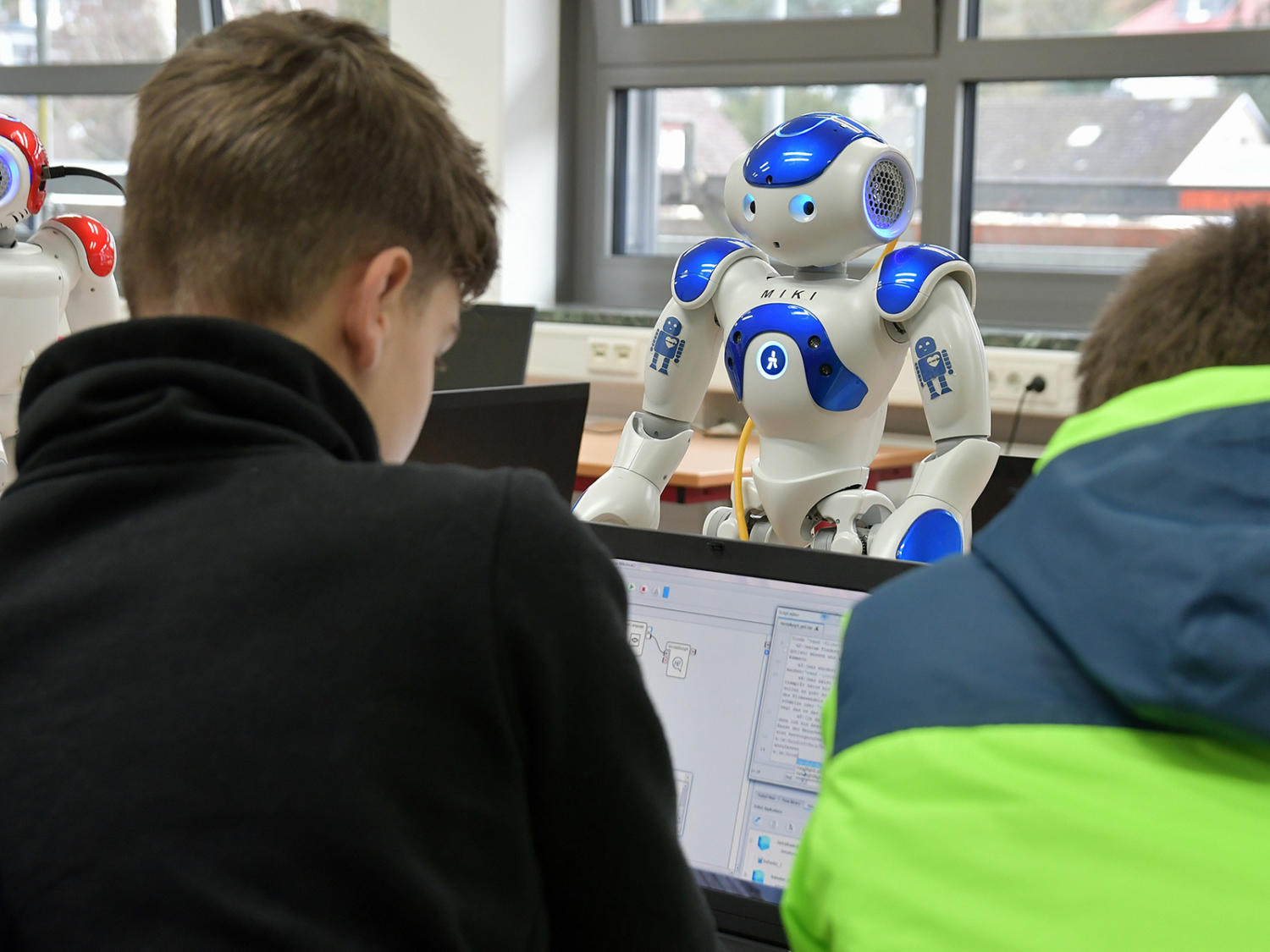
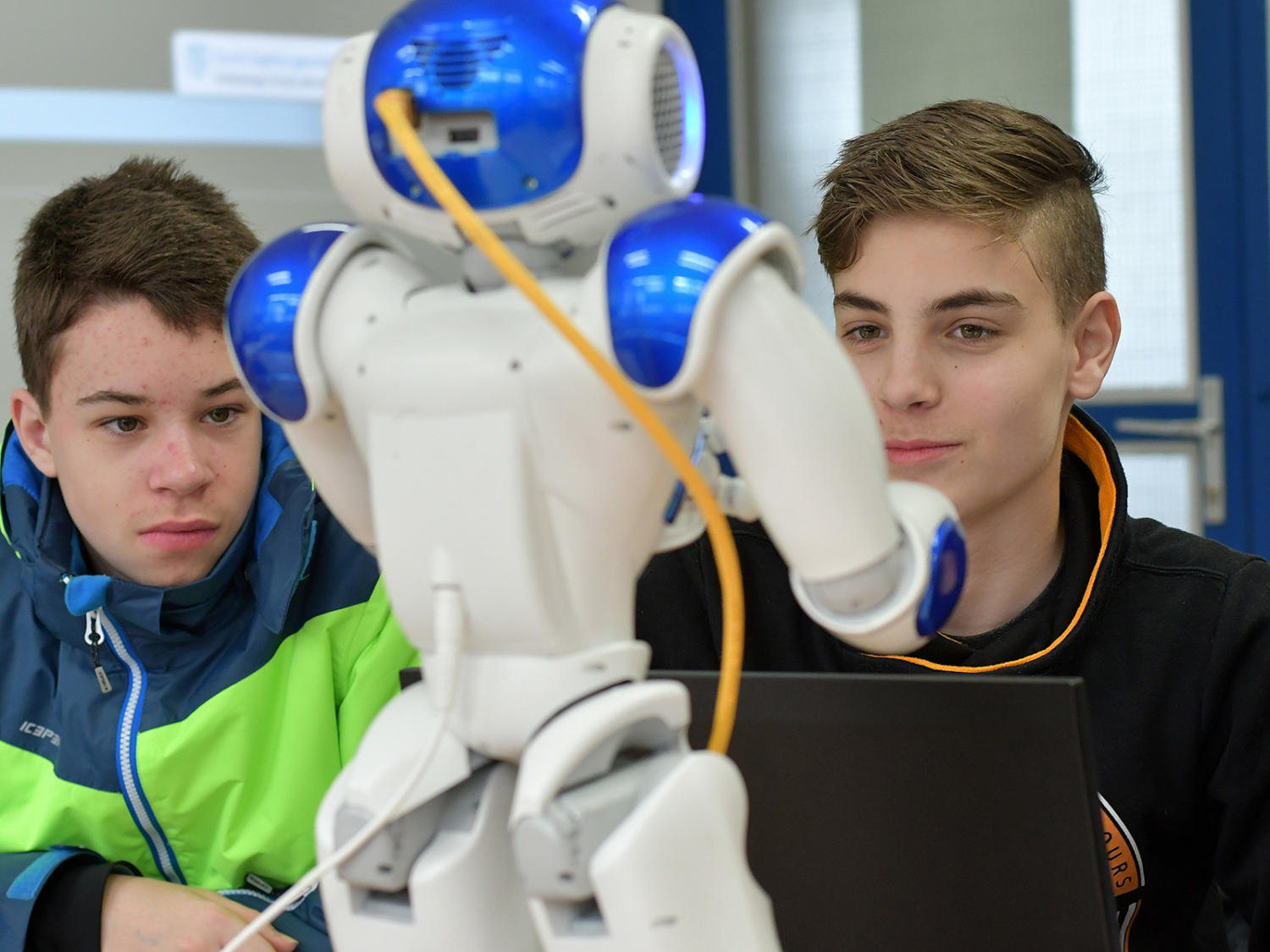
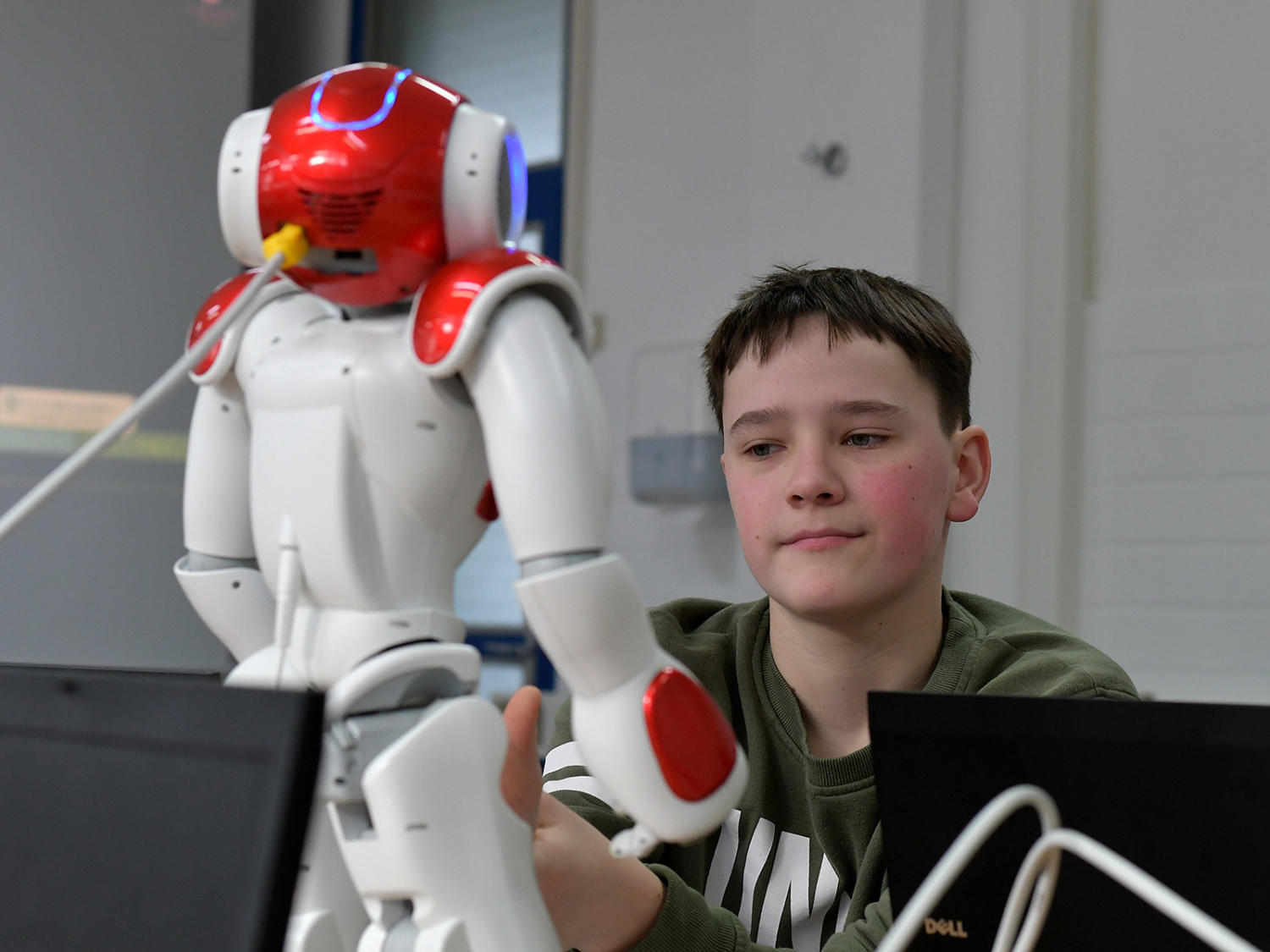
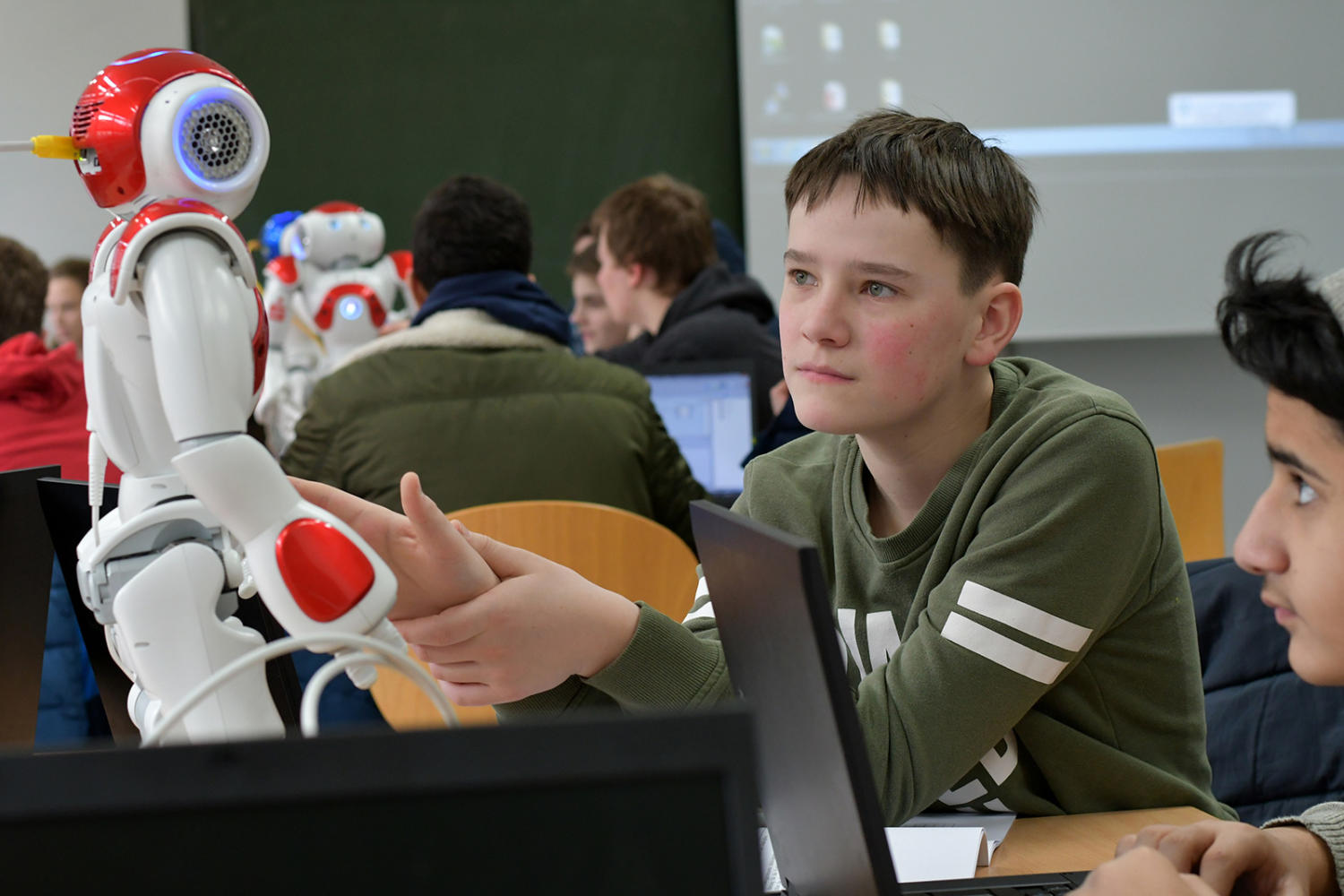
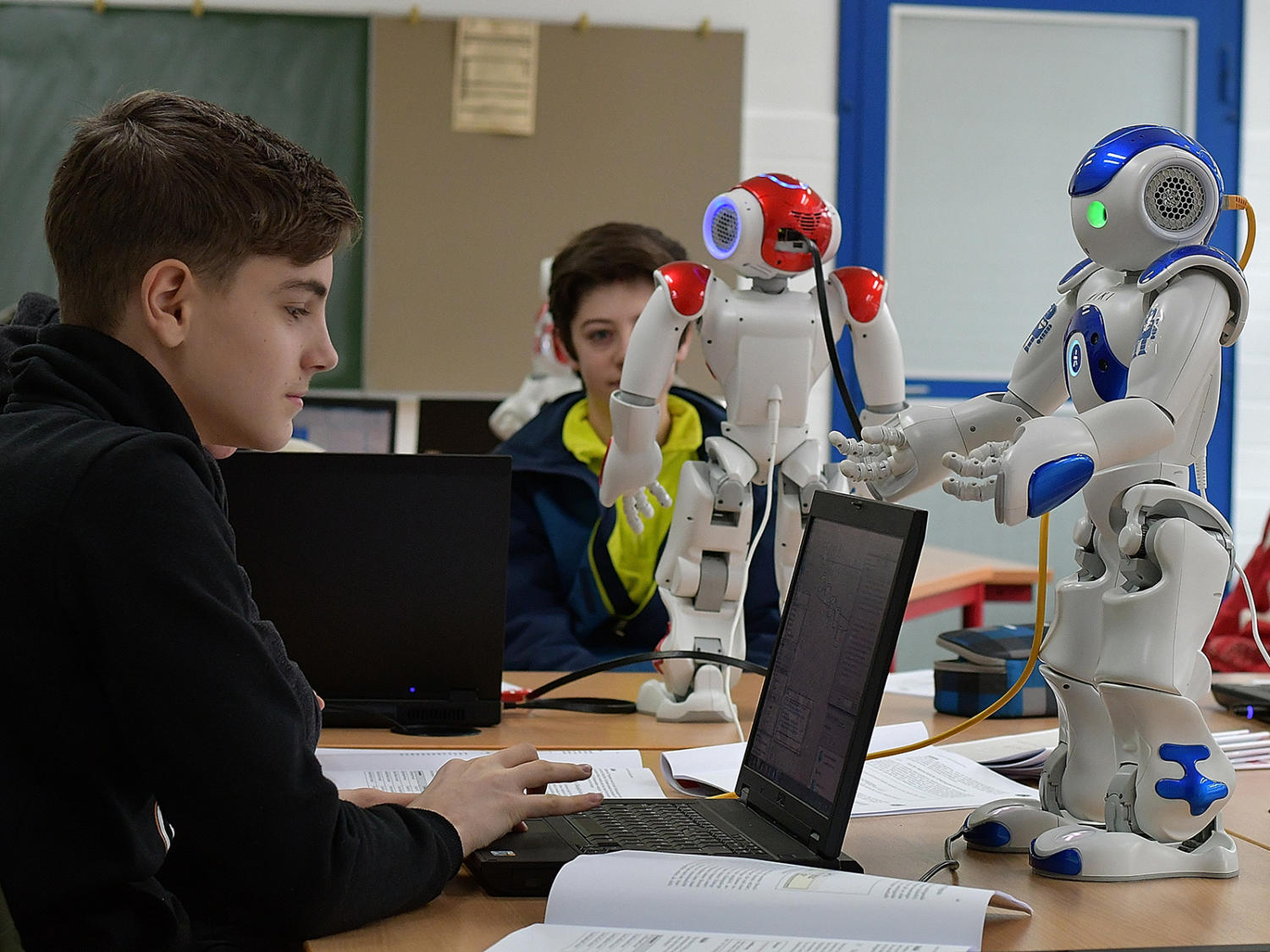
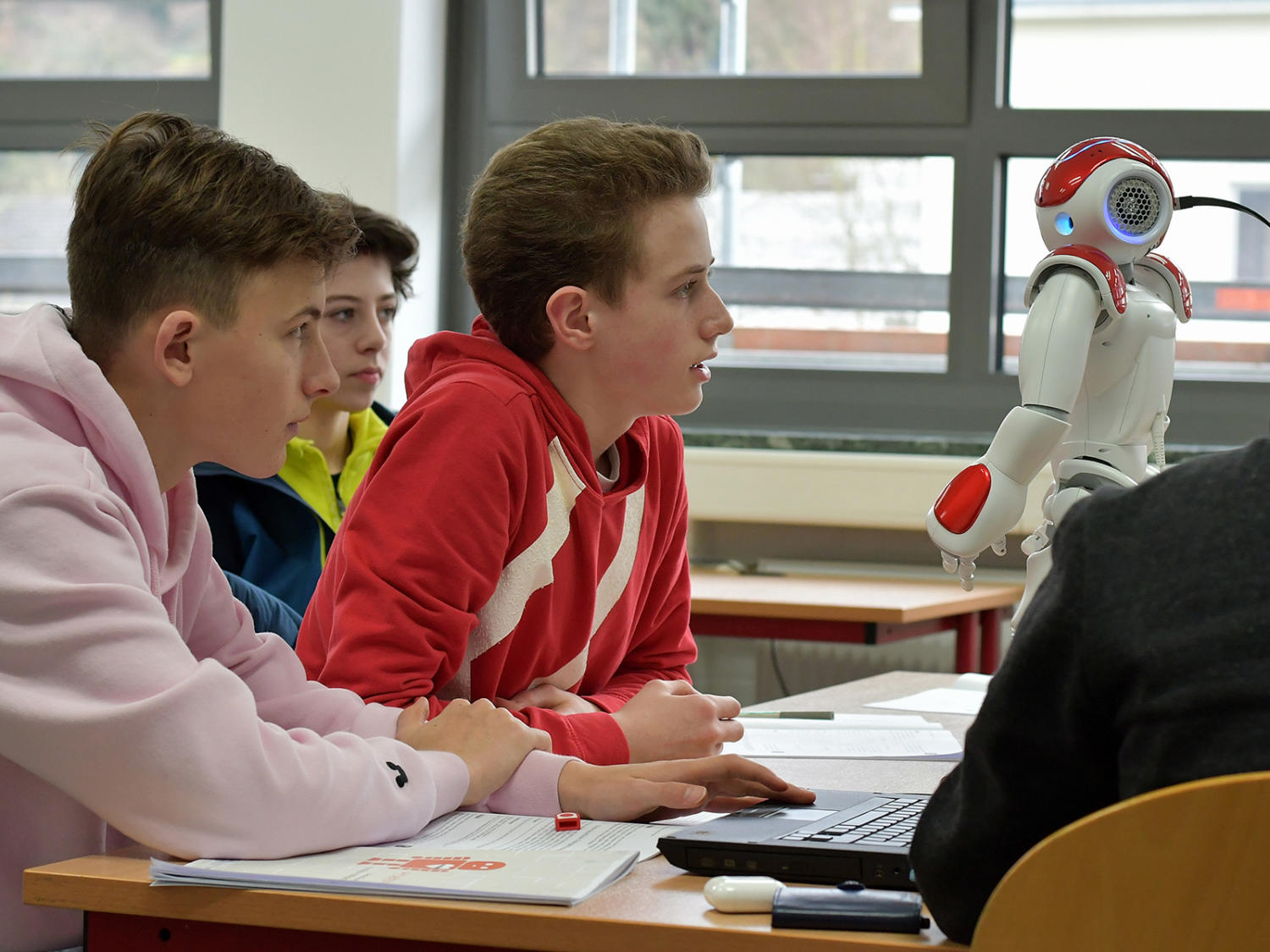
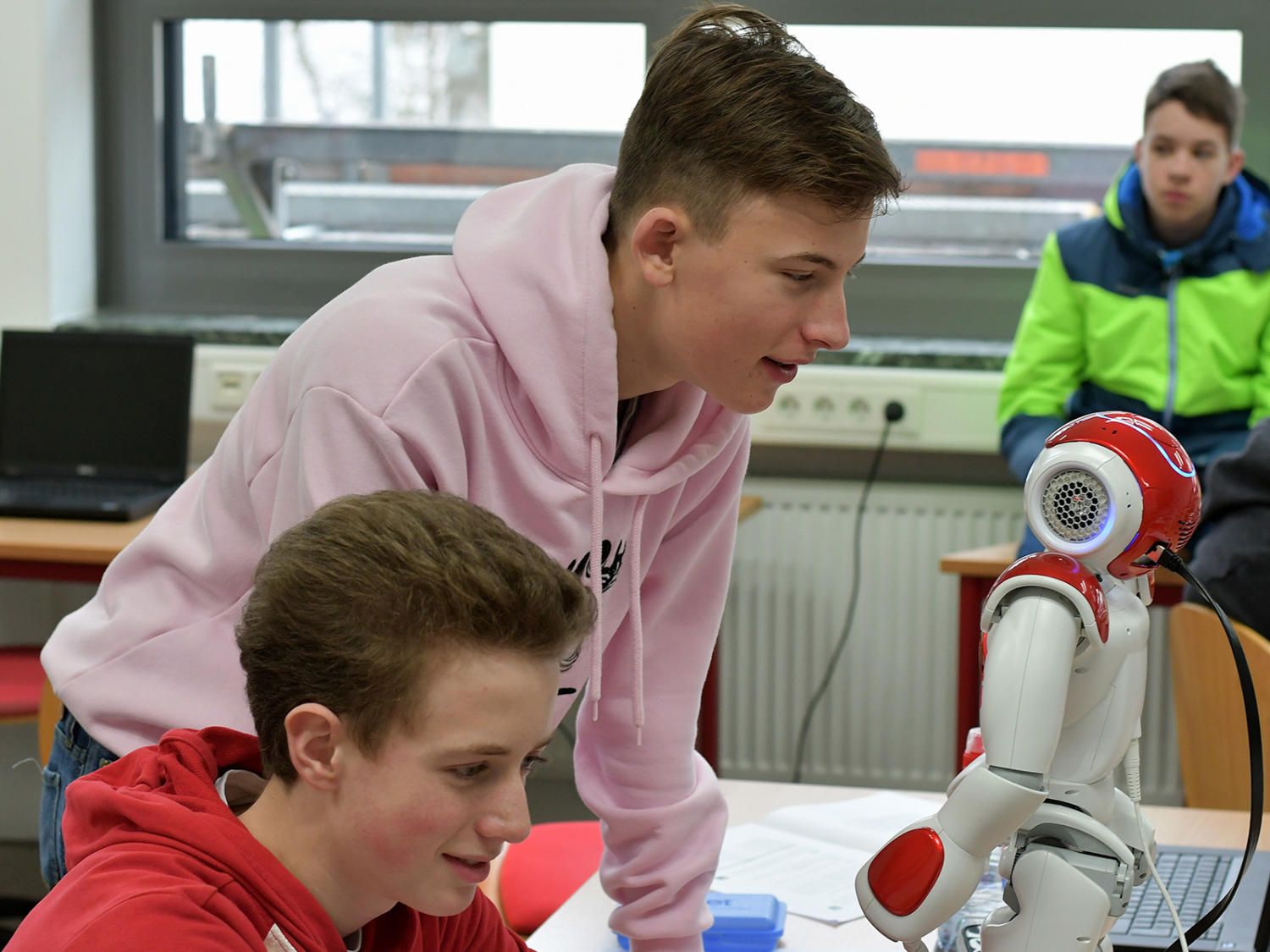
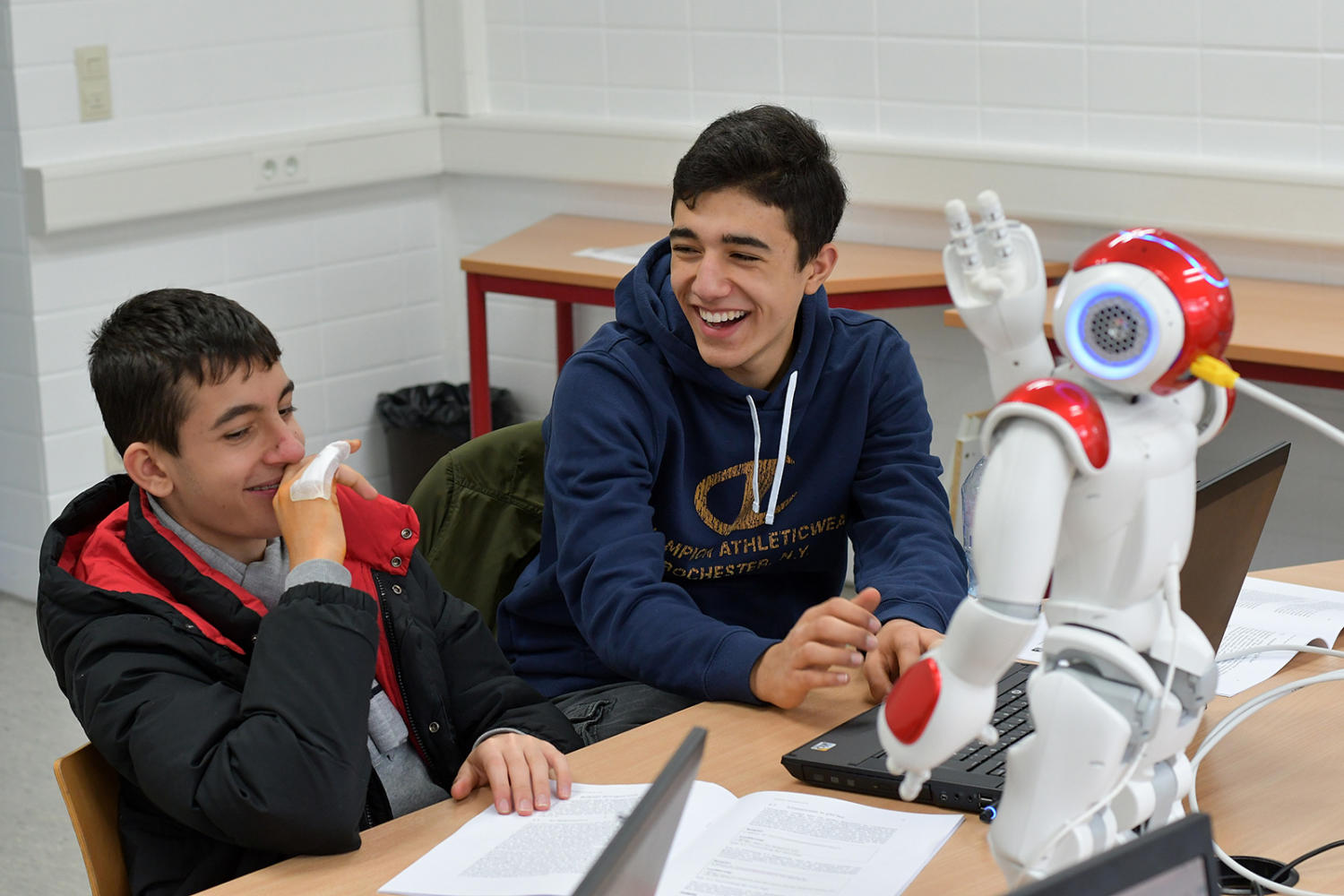
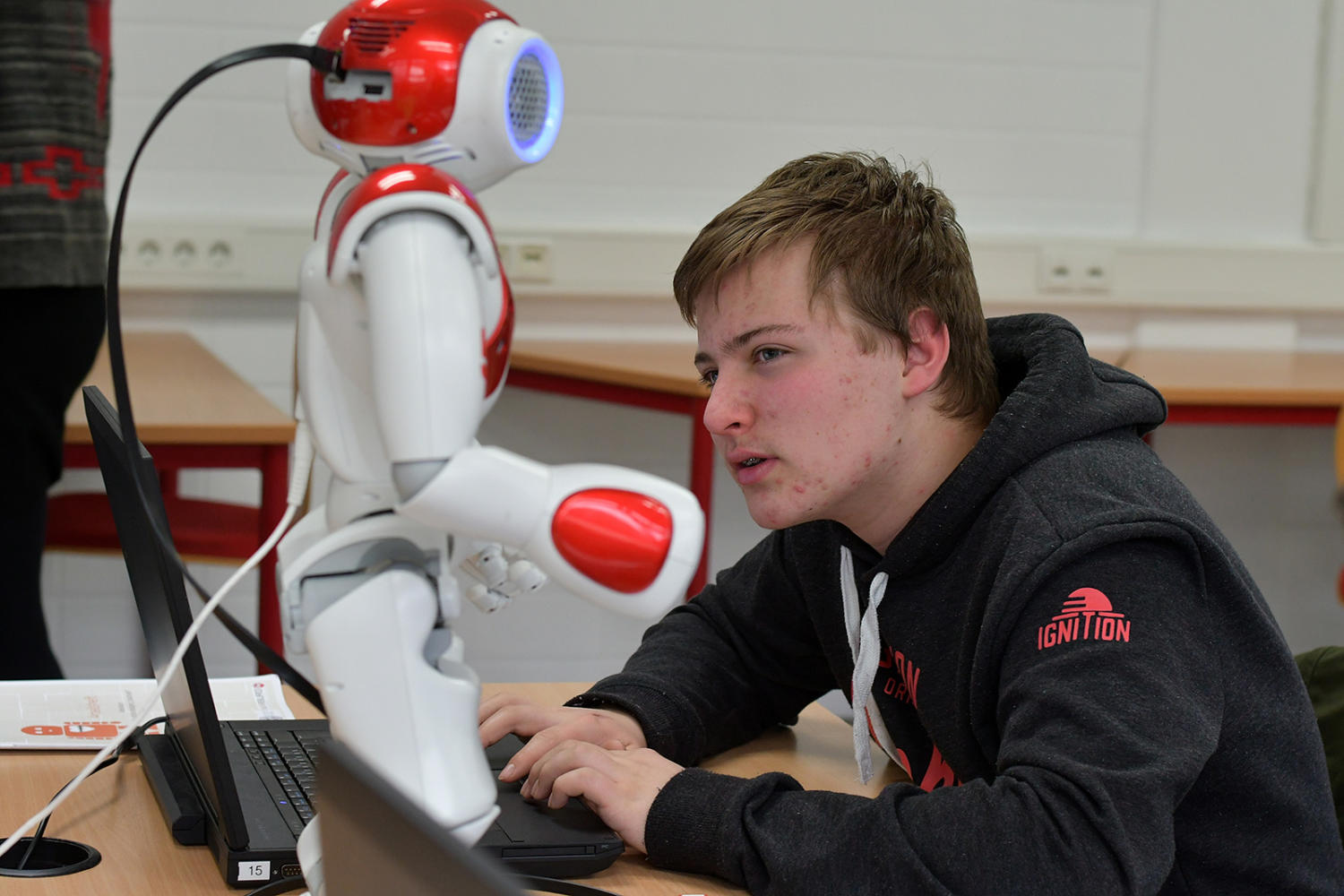
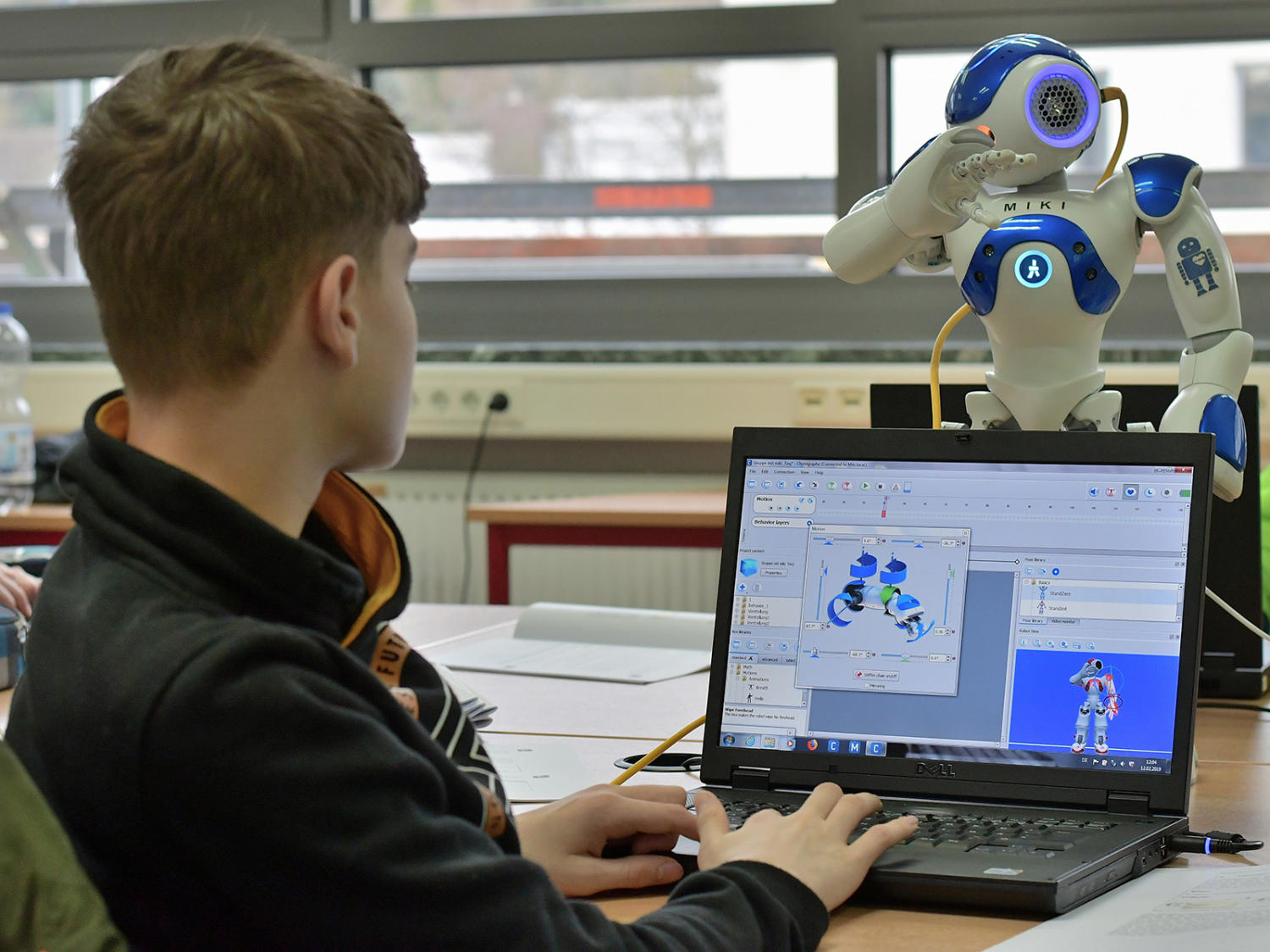
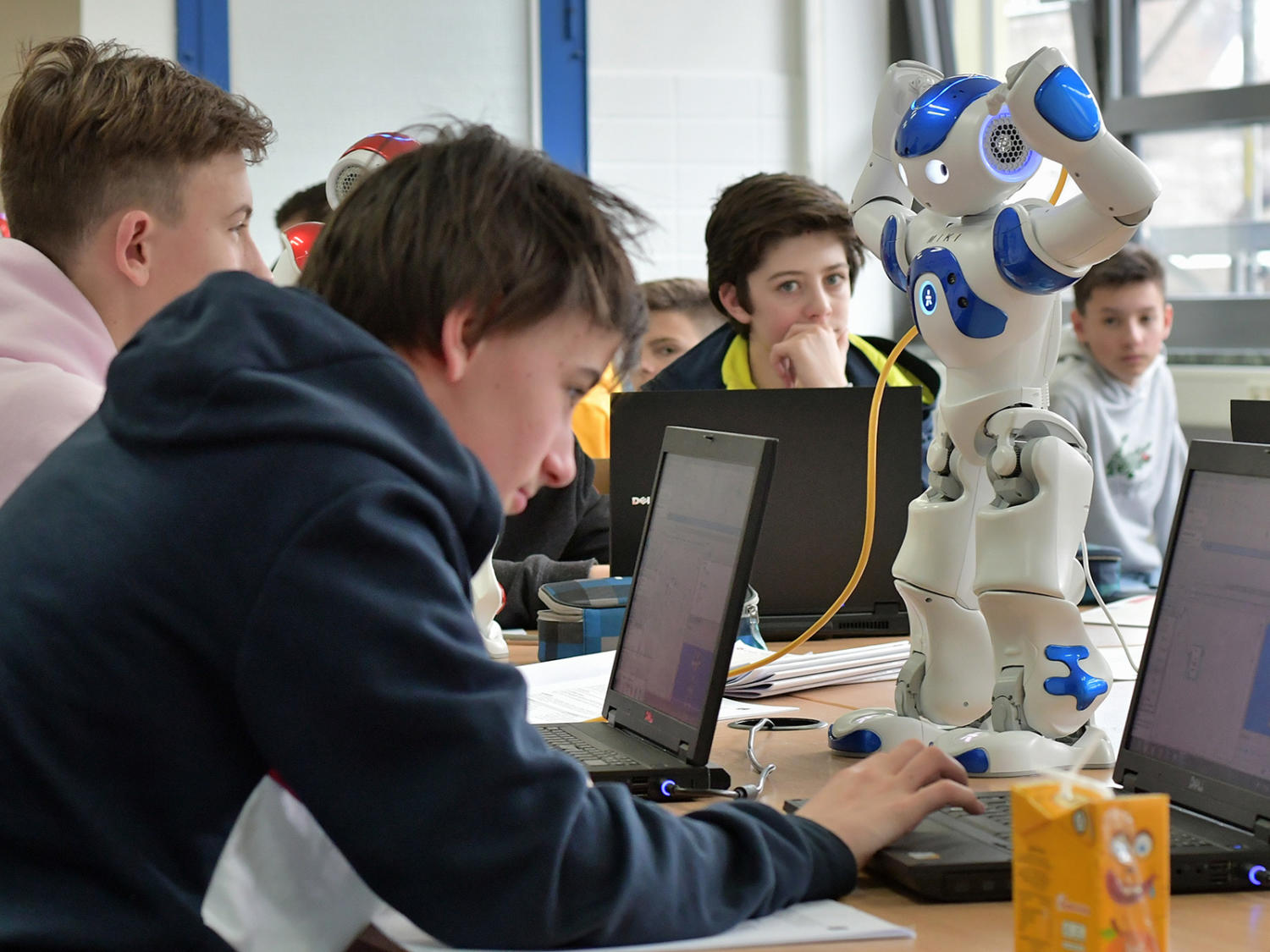
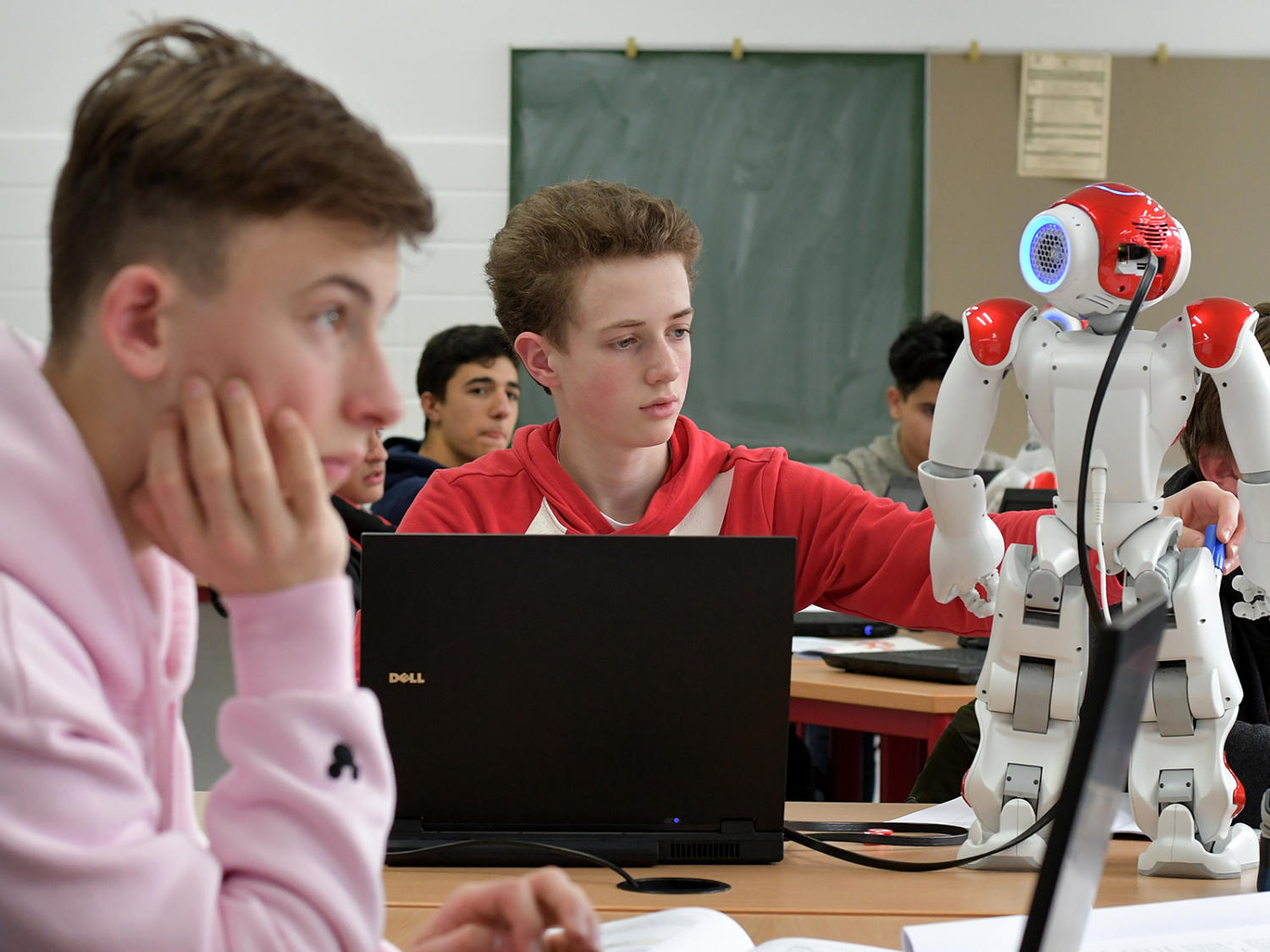
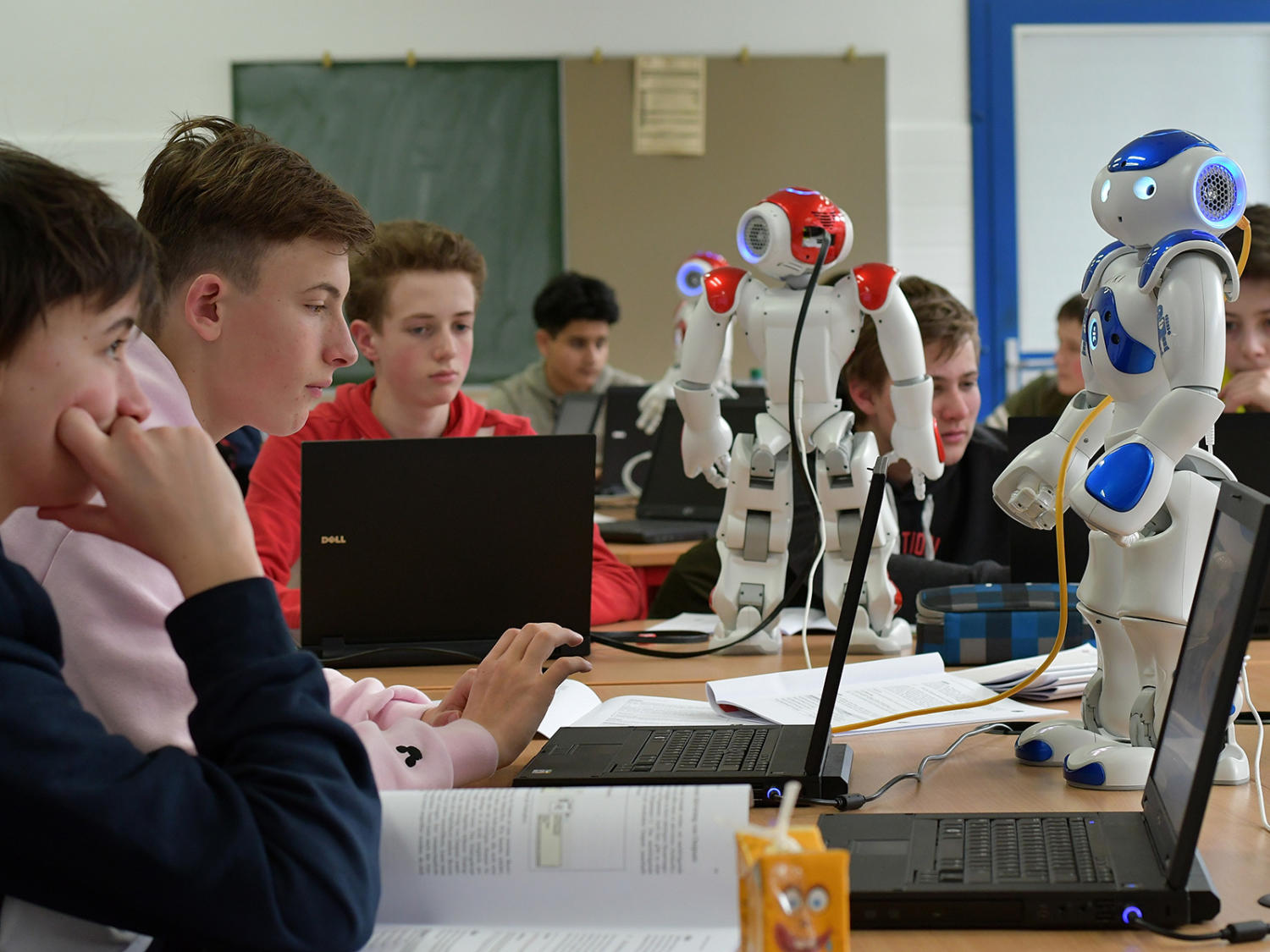
The semester concluded with a visit to the so-called “Robotikum” at Philipps University of Marburg, located on the grounds of the Adolf-Reichwein School. During the three-day workshop, the students had the opportunity to try out NAO-type humanoid robots. The robots can walk, speak, and interact with the people around them. Artificial intelligence makes these diverse interactions possible.
During the internship, the students had the opportunity to develop and test dialogues, movements, and facial recognition with the robots. The goal was not only to become familiar with the robots and understand how they work, but also to improve their own algorithmic thinking, which is particularly important in today’s digital world.