The young people at Steinmühle Boarding School continue to put their hearts and hands into refining the concept for the new “Café Mühle” at the school’s tennis facility. “We want to tailor it as best as possible to our needs,” explain Lennard and Helene, the two main organizers behind the café. The renovated and redesigned gathering spot plays a major role for the students themselves during boarding school weekends. Hot and cold drinks, smoothies, and pastries invite students to gather and socialize. The Pen and Paper Club meets there regularly, reports boarding school counselor Marlon Welsch. Other group activities also take place there.


Encounters and Exchange

In the medium term, the goal will be to adjust the café’s hours and offerings to align with the operations at the adjacent tennis facility, so that active athletes can also stop by Café Mühle from time to time. “Above all, the café is meant to be a place where people can meet and build a sense of community,” adds Philipp Dönges, assistant head of the boarding school.

“Café Mühle” is a project run by the Inno-Club of the same name at Steinmühle Boarding School. The Inno-Clubs focus on various topics, such as event planning, the boarding school council, decoration and design, and content creation for social media.


Shaping and Expanding Your Own World

Philipp Dönges: “The Inno-Clubs are primarily intended as spaces for participation. Young people should have the opportunity to independently and collaboratively help shape, change, and expand their living environment—in line with their individual abilities and interests, and with the goal of identifying new skills and interests.”


For this fantastic event, we’ve tweaked our tagline “Steinmühle—a community that supports” slightly: A community that runs! This slogan is the theme of our participation in this year’s 26th Marburg Night Marathon. It starts on Friday, July 4, at 7 p.m.


Achievements are not the main focus

The participation of Steinmühle and its entire school and boarding school community is both a tradition and legendary. Students, teachers, educators, parents, and alumni all join in to be part of the event. It’s less about the results and more about having fun, says Principal Björn Gemmer, who is one of the most consistent participants.


Marcel Kalb is pulling the strings

Our school athletic director, Marcel Kalb, is in charge of the Steinmühle. Please contact him if you’d like to sign up or have any questions. You can find more information on the poster shown here.

We’re looking forward to an entertaining evening, at the end of which we’re sure to conclude once again: Things are going well for us!


Appreciation Week took place for the third time this year. Each day featured various challenges centered on the theme of appreciation: “Give someone a hug,” “Pay someone a compliment,” “Smile at someone,” and much more. Throughout the week, small treats or kind messages can also be placed in a mailbox for all boarding school residents. Affirmations are also posted in various locations.

“The week has now become an integral part of the year, and we hope that it will continue to be just as wonderful in the years to come,” explain boarding school educators Ben Zriki and Michel Hermens, who documented Appreciation Week in words and pictures.

Expertise Meets New Vision: At the start of the year, the Steinmühle Equestrian Center set the course for the future. Thomas Trischberger and Isabella Ranz have moved from Upper Bavaria to Marburg and are bringing equestrian activities at the Steinmühle up to a modern standard. The two-time Bavarian U25 champion and the experienced riding instructor are bringing not only several horses but also a wealth of experience with them. Their enthusiasm has won over the management, boarders, and riding students alike.

Buildings inevitably age, and regulations change. When the school and boarding school merged, it became clear that the Steinmühle equestrian facility needed investment. Thanks to the Buurman family, the founders, Steinmühle has been associated with equestrian sports for decades and has developed a strong reputation that extends beyond the region. Young riders—often girls interested in boarding school—have found and continue to find a new home at Steinmühle, both for themselves and their own horses, and certainly for their hobby. “It would have been very difficult for us to do without this flagship of Steinmühle,” explains Managing Director Dirk Konnertz.


The Steinmühlen network led to a bullseye.

Sometimes, knowing someone who knows you can lead to the solution you’ve been dreaming of. Head rowing coach Martin Strohmenger, the face of the second major sports offering in the Steinmühle portfolio, knows a lot of people. The driving force, known simply as “Stromi,” remembered Petra Stähle in southern Germany, who once learned to ride at the Steinmühle riding school near Buurmans and still practices the sport today. Through her, contact was established with Thomas and Isabella, who quickly became deeply involved with the situation in Marburg. After a meeting on-site with management, it was clear to both sides: this could work.

Once expectations and possibilities on one side had been aligned with requirements and ideas on the other, we moved right into implementation. Since early February, Tom and Isa have been working as operations managers, overseeing the horses’ housing, grooming, mucking out, farrier services, medical care, and the procurement and monitoring of feed. Three employees assist them in these tasks. For riding lessons, it’s not just the availability of suitable school horses that’s essential, but also that of riding equipment. This includes, in particular, saddles, bridles, and gaiters. And everything has to be maintained.


Goal: A modern, forward-looking equestrian facility

In terms of facilities, the young couple is currently making do with conditions that, while offering temporary protection of existing rights, have no future. The stalls no longer meet current standards, and the arena is not competition-sized. Tom and Isa are currently focused on making the transition as smooth as possible for schoolchildren, horses, and staff. However, such a restructuring takes time—whether it involves organizing daily routines, adapting housing conditions, or planning future measures. “Our goal is to gradually transform the Steinmühle into a modern and forward-looking equestrian facility that offers optimal conditions for riders and horses. Once this transition is complete, we will place greater emphasis on training, lessons, and athletic development.”The couple running the facility not only want to provide basic training in all equestrian disciplines and offer a home for boarders’ horses, but also to create the conditions that enable their students to participate in equestrian competitions at various levels.Several sponsors have already recognized that knowledge and skill meet ambition here—all with a shared vision.


The supporters’ group is open to new members.


Isabella Ranz took her first steps as a stable hand on the outskirts of Vienna. That’s where her journey with horses began—not as a rider on a sponsored competition horse, but through hard work in the stable, such as feeding, mucking out, and caring for the horses. This time not only taught her to treat horses with respect, but also deepened her understanding of the animals’ needs.

Eager to delve deeper into the world of dressage, she began training with the renowned national dressage instructor Tamara Brandner, who has brought numerous horses to the Grand Prix level. Her next step took her to Carinthia, where, alongside her studies, she worked for Christian Schumach—a two-time Olympian and trainer of numerous Grand Prix horses—as well as for Stephanie Dearing, Austria’s most renowned young horse rider, who also has experience training horses up to the Grand Prix level.

Isabella then went on to Munich to train with Uwe Schwanz, a recipient of the Golden Riding Badge in show jumping and dressage. With his experience as a trainer of numerous Grand Prix horses and his successes in both disciplines, Isabella had the opportunity here to further deepen her knowledge and gain valuable insights into training at the highest level. It was through him that she eventually met her current fiancé, Thomas Trischberger. This led her to decide to take a position at the Trischberger Dressage Training Center on Lake Tegernsee rather than, as originally planned, moving north to a well-known German stud farm.


Thomas Trischberger was introduced to equestrian sports at an early age. From the age of 8 to 15, his brother trained him. Under his brother’s guidance, he developed a solid foundation in dressage and soon learned to take responsibility for handling horses. This period laid the foundation for his passion and athletic ambitions.

At age 15, Thomas began training under two-time Olympic champion and two-time world champion Ulla Salzgeber and benefited from her exceptional expertise until he turned 18. At the same time, he was a member of the Bavarian state team from the age of 15 to 25. This period allowed him to gain valuable competition experience at the national and international levels, receive additional guidance from the country’s top coaches, and continuously expand his knowledge and skills.

After his time with Ulla Salzgeber, Tom began his professional career in equestrian sports. He completed his apprenticeship with Master Equine Manager Isabell Dehning, during which he also received training in show jumping. This phase allowed him to broaden his range of riding skills and gain valuable experience on the show jumping course.
At the same time, Thomas Trischberger was trained by Christian Lanterdinger. Under his guidance, he continuously refined both his own riding skills and the training of his own horses. From the ages of 23 to 25, he was ultimately selected for the national squad, where he received training at the highest level and demonstrated his skills on the international stage. In addition to these successes, Thomas Trischberger has always been particularly committed to passing on his knowledge, sharing his passion for equestrian sports with the next generation, and guiding them on their journey.


Isabella Ranz and Thomas Trischberger are also members of the newly elected board of the Steinmühle Riding Club. The board is composed as follows:


🔹 Petra Stähle, President
🔹 Isabella Ranz, Vice President
🔹 Treasurer, Maike Lorenz
🔹 Secretary, Sabrina Schneider
🔹 Sports Director, Tom Trischberger
🔹 Youth Director, Chiara Cordes


A listening ear, a tip, a perspective: Hanne Wolf, a licensed psychologist, joined the staff at Steinmühle this fall. Her advice and assistance are particularly sought after at the points of contact between students, teachers, parents, and the educational team. “I’m here for all of them, but first and foremost, I want to be a point of contact for the students,” explains the psychological psychotherapist and mother of three.

Hanne Wolf’s counseling is provided on a voluntary basis. Anyone who seeks a conversation with her does so of their own free will. If there’s a problem at school or boarding school, her tips, advice, or mediation can be helpful. An outside, neutral perspective, an assessment—and often a problem that seemed insurmountable just moments before is quickly resolved.


Confidentiality and Discretion

The psychologist not only has an office on the Steinmühlen campus but is also part of a group practice in Marburg. She has a wide range of experience, whether dealing with eating disorders, depression, or school- or family-related problems. Hanne Wolf is bound by confidentiality. If a minor student comes to see her, the initial consultation takes place without parental consent and remains confidential—unless otherwise requested and discussed.

Hanne Wolf does not provide psychotherapy at the Steinmühle. The time frame is not designed for that. However, visiting her office in the boarding school building is a good place to discuss a problem, find a solution, or consider next steps.

Sessions with Hanne Wolf last 45 minutes each and can be scheduled via the StoneApp. This is arranged through the teacher.


In the future, school social work should serve as a complement

Steinmühle is also considering hiring a school social worker. This area is intended to complement the psychologist’s work in the near future. Among other things, it involves direct and preventive conflict support—for example, during class—as well as direct and preventive conflict mediation. This can refer to conflicts between students, but also to those between students and teachers. It also involves providing strategies for de-escalating deadlocked disputes, as well as counseling students facing difficult life situations. These situations may include frustration with school, bullying, conflicts, as well as problems at home, personal issues, or questions regarding sexuality.

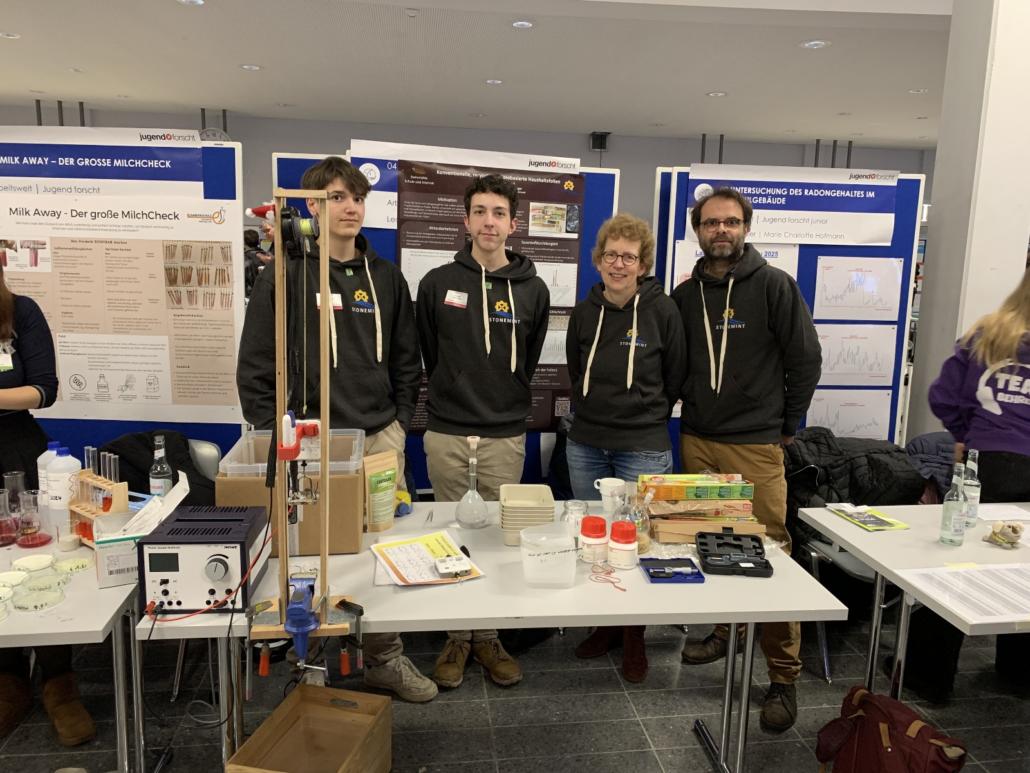
At the Central Hesse regional round of “Jugend forscht”—Germany’s best-known competition for young talent in mathematics, computer science, natural sciences, and technology—Steinmühle took first place four times. Following a team from the plus-MINT boarding school Steinmühle’s advancement to the national competition last year, this marks another outstanding start to the competition. Now in its 60th year, the competition invites young researchers to present their projects to a 24-member jury.

A total of 34 teams presented their research projects at the event, which was coordinated and jointly organized by Justus Liebig University Giessen and the Technical University of Central Hesse. Steinmühle was represented by seven teams, all of which addressed different topics in chemistry, the working world, biology, and technology. Using equipment, poster presentations, and scientific explanations, the students described their research questions and methods and reported on their findings. Key criteria included innovative thinking, the level of scientific rigor, as well as attention to detail and the ability to derive plausible and practically applicable insights.


For gentle UV filters in sunscreens

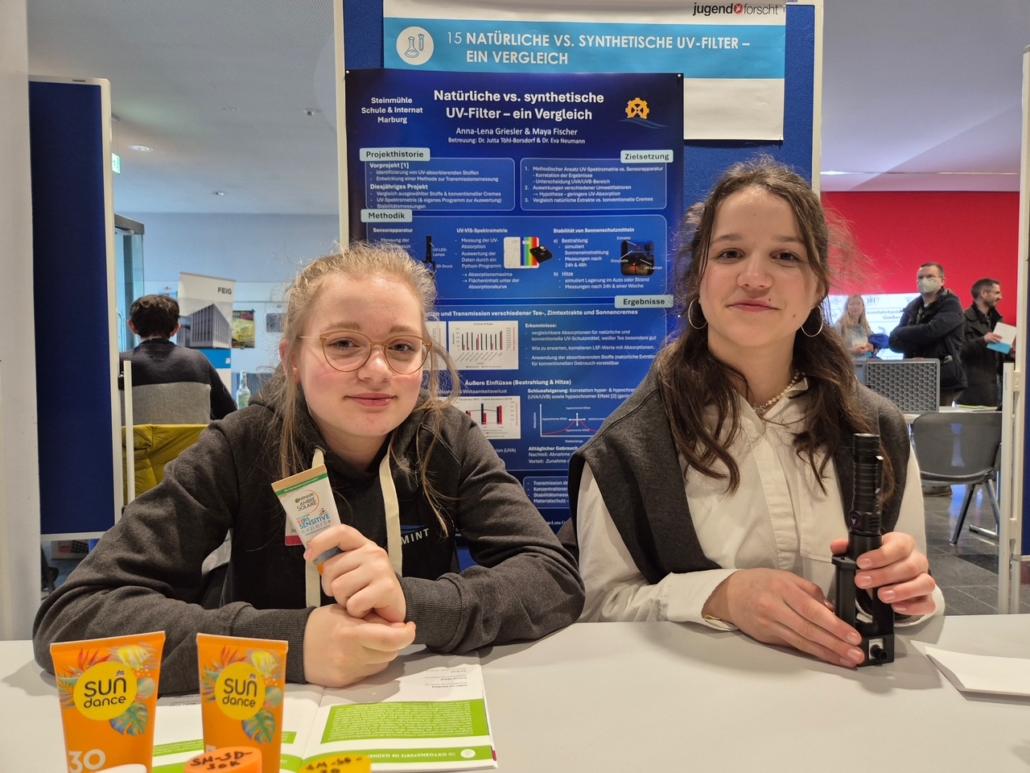
Anna-Lena Griesler and Maya Fischer from 9th grade took first place in chemistry. Building on a project from the previous year, they investigated the possibility of replacing synthetic and potentially harmful UV filters in conventional sunscreens with natural and long-term stable extracts, which required specialized equipment in the form of a UV-VIS spectrometer.


A Closer Look at Film Properties

First place in chemistry also went to Leonard Berger and Nicolas Bohnstedt, who are conducting research on sustainable alternatives to conventional petroleum-based plastic wrap. Their work focused on films that are partially recyclable or biodegradable, and they used precise methods to investigate their properties relevant to everyday use—including tear resistance, elasticity, oxygen barrier properties, and degradability.


Can You Learn Perfect Pitch?

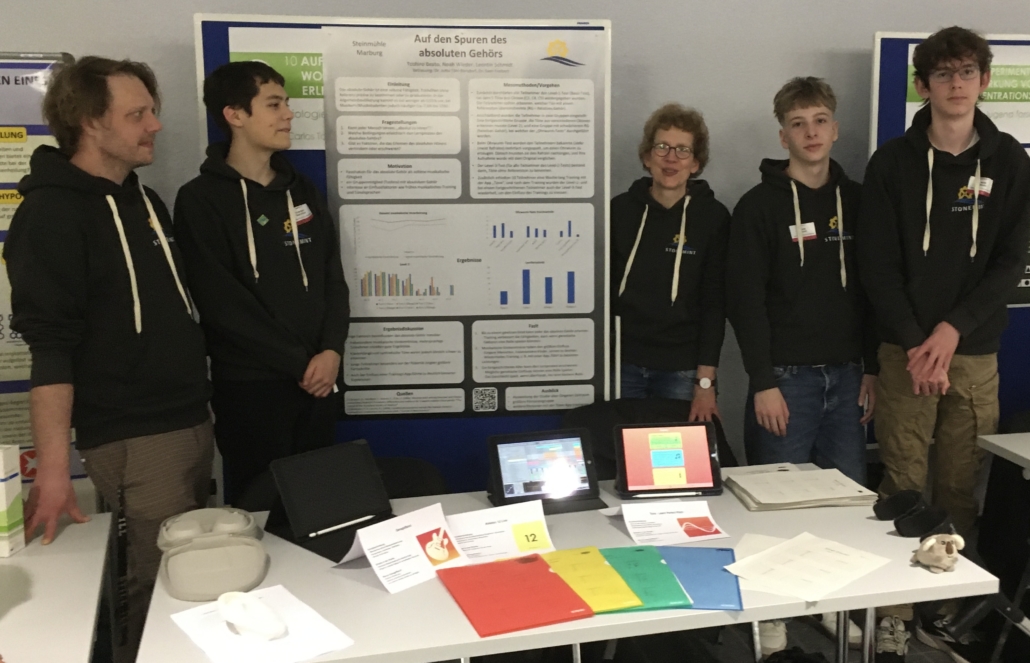
Toshiro Beato, Leontin Schmidt, and Noah Wieder were delighted to take first place in biology. The trio of young researchers explored the topic of perfect pitch—what it depends on, how it can be learned—and whether it can be learned at all. To investigate this topic, the three young researchers designed questionnaires and conducted tests as part of a study.


Collaboration Between Two plus-MINT Boarding Schools

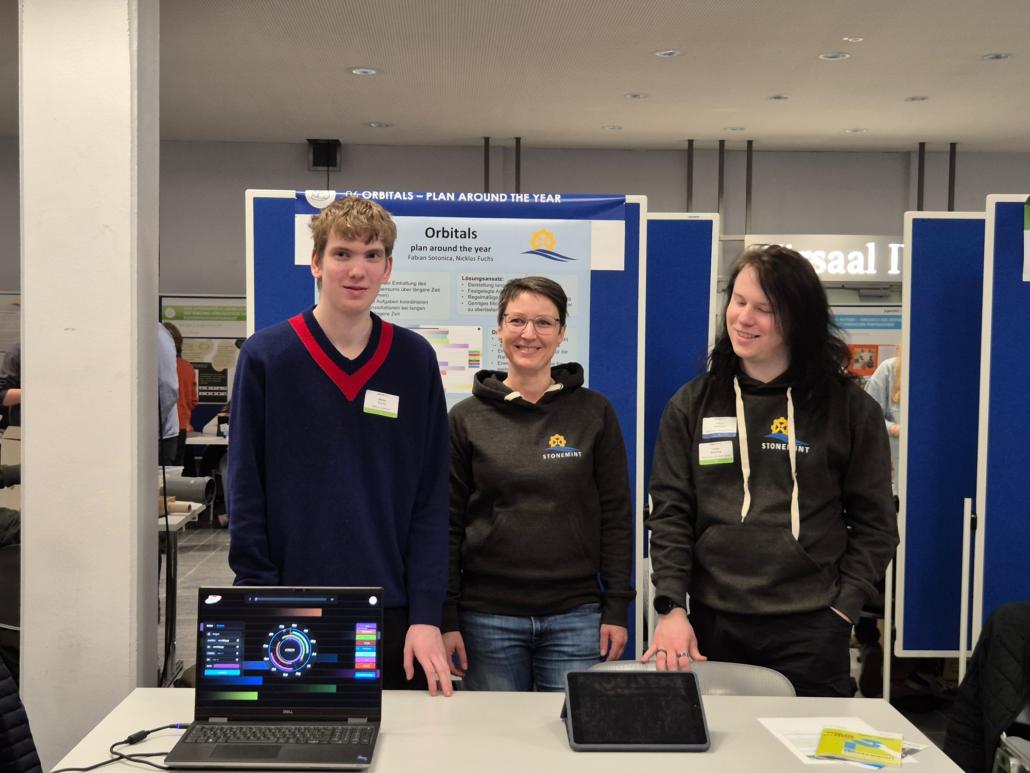
The project “Orbitals – plan around the year” by Fabian Sotonica, a student at Steinmühlen, and Nicklas Fuchs from the Louisenlund Foundation was the fourth project to win first place, in the “Working World” category. The project focused on annual schedule management, taking into account not only individual dates but also broader time frames. An application was developed for this purpose. This project marked the first collaboration between two plus-MINT boarding schools in the “Jugend forscht” competition.


Paper Made from Horse Manure

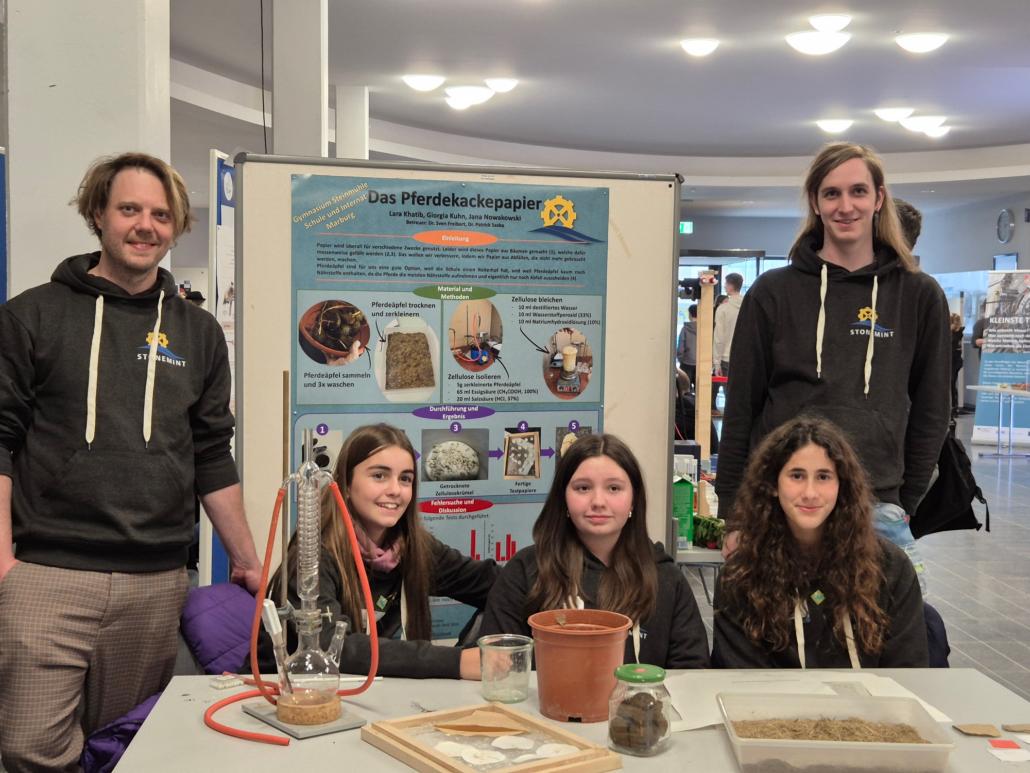
Lara Khatib, Jana Nowakowski, and Giorgia Kuhn (7th grade) took second place in the “Working World” category and won a special prize for resource efficiency with their project “Environmentally Friendly Paper Made from Horse Manure.” By producing paper from this resource—which is virtually unlimited at Steinmühle thanks to the school’s own horse farm—tree die-off can be reduced.


Professionalizing Water Quality Testing

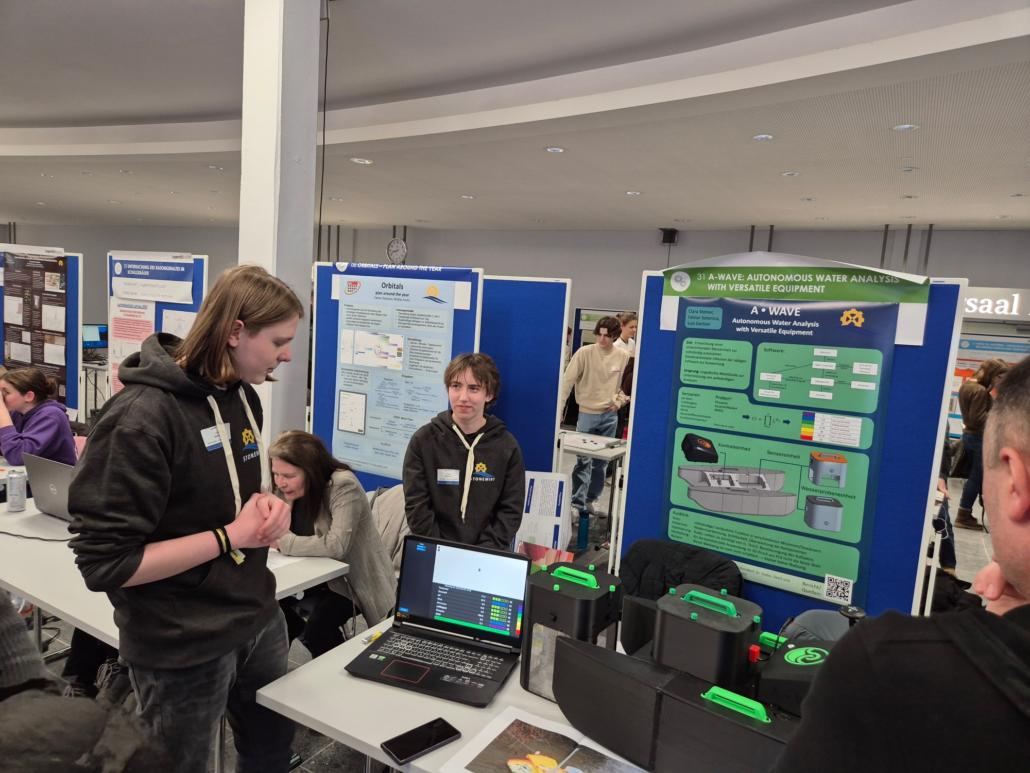
Fabian Sotonica, Luis Gerloni, and Clara Steiner won third prize, along with the special “Make Annual Subscription” award, for their optimization measures aimed at the professional use of the low-cost boat they developed for the semi-automatic determination of water quality classes. The focus was on individual functions and autonomous waypoint tracking to enable completely autonomous sampling and subsequent analysis.


A Bubbling Experiment

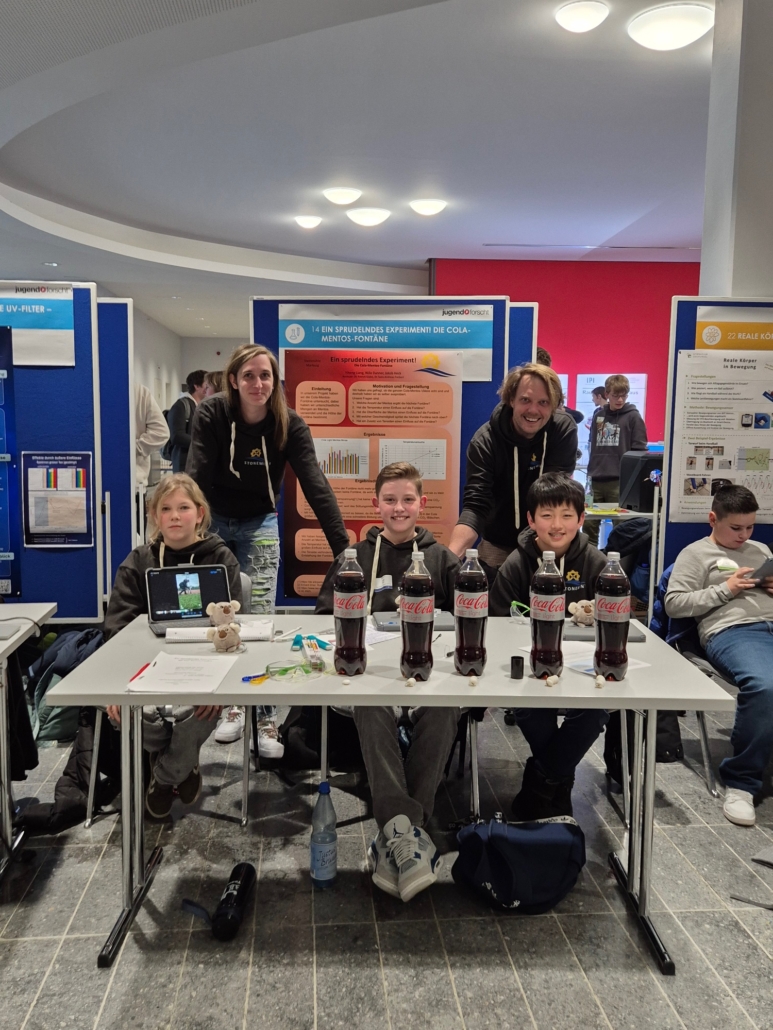
Third place also went to Yiheng Liang, Niilo Danner, and Jakob Heck from 6th grade. The trio had investigated the height of the “Coke-Mentos fountain” as a function of the quantity, state, and temperature of the ingredients. The three young researchers were also interested in the fountain’s speed and whether adding dish soap would change its height.


All Steinmühlen projects were ranked

This means that all of Steinmühle’s “Jugend forscht” projects have placed in the competition. To top off all these awards, Steinmühle received the MINTSPACE School Award from Hohenloher.


Many thanks to the support team!

The Steinmühle projects, which achieved outstanding results among the 34 participating teams, were supervised by Steinmühle teachers Dr. Jutta Töhl-Borsdorf, Dr. Sven Freibert, Malte Klimczak, Dr. Eva Neumann, Antje Seel, Dr. Patrick Szabo, and Dr. Christian Drews (Louisenlund).

With as many as 60 guests at times, the new Café Mühle at the Steinmühle tennis complex celebrated its grand opening. Visitors were eager to see the new addition and took in the atmosphere while enjoying a hot drink and something sweet. According to the plan, the café will now be open every weekend and twice during the week—initially only for boarding students, but eventually also for students from outside the school.

Work areas are divided into

With more than 20 young people, the café is Steinmühle’s largest Inno-Club, Ben Zriki announced on behalf of the educational team. For this reason, the work was divided into various areas of responsibility: barista, a baking group, PR, decoration, and finances.

Check Cost-Effectiveness

At the opening, everything was still free of charge. Now, however, we need to develop an idea of how such a café can—and must—be run profitably. To better cater to the interests of young people, this task was also included in the plan. —It’s like a small student-run business, so to speak!

A smoothie maker is on its way

We already have some concrete ideas for the product lineup. Every week, there will be a rotating selection of different cakes. In the near future, we’ll be adding a smoothie maker so we can offer delicious and healthy juices.

Designed as a multipurpose space

The opening was a complete success, and everyone was delighted with the overwhelmingly positive feedback. Ben Zriki: “We hope the café can become a new gathering place at the boarding school where young people enjoy spending time—whether to study or just to relax.”

You can find a reel offering a 360-degree view of Café Mühle at instagram.com/steinmuehle/.


In-depth insights through engaging workshops: For four days, 23 students in grades 10 and 11 from the Louisenlund, Sankt Afra, and Birklehof boarding schools immersed themselves in mathematics and related STEM fields. For the third year in a row, the plus-MINT Math Camp at Steinmühle provided an inspiring platform for young talents with a special passion for numbers, logic, and analytical thinking.
 

A Warm Welcome

Our guests were picked up right at the train station and welcomed at the bistro with snacks and drinks—a well-deserved refreshment after their journey, which had been long for some. Afterward, they went straight into the first workshop, led by engineers from the Office of Land Management. During the workshop, the students explored fascinating topics in surveying and learned, among other things, how to calculate the continental drift of the Eurasian Plate. After dinner together, the participants met in the tea room to discuss organizational details and make their final preparations for the upcoming International Bolyai Mathematics Competition.


Bolyai Competition and Workshops

The next day began with participation in the Bolyai Competition. Afterward, Dr. Karl-Heinz Muth led an engaging workshop on the topic “Mental Math—A Forgotten Art Between Variety Show and Everyday Practicality.” During the workshop, participants were introduced to impressive computational skills, such as calculating the exact day of the week for any given date—a fascinating blend of mathematical logic and practical skill.


Variety in the Program

After lunch, the group headed to the Lahnberge, where Prof. Dr. Elmar Tischhauser from the Department of Computer Science captivated the audience with a practical lecture on cryptography. After an eventful day, everyone returned for dinner, and many then took the opportunity to burn off some energy with the sports activities on offer—a welcome change of pace from the intensive program.


Mathematikum: A Must-See

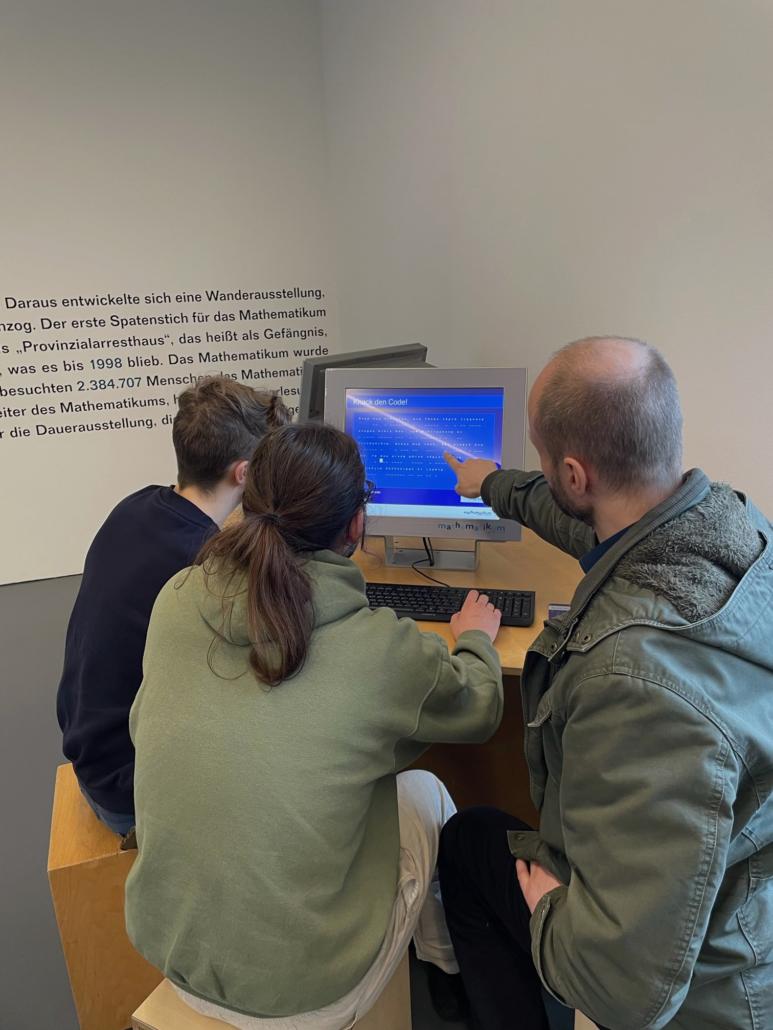
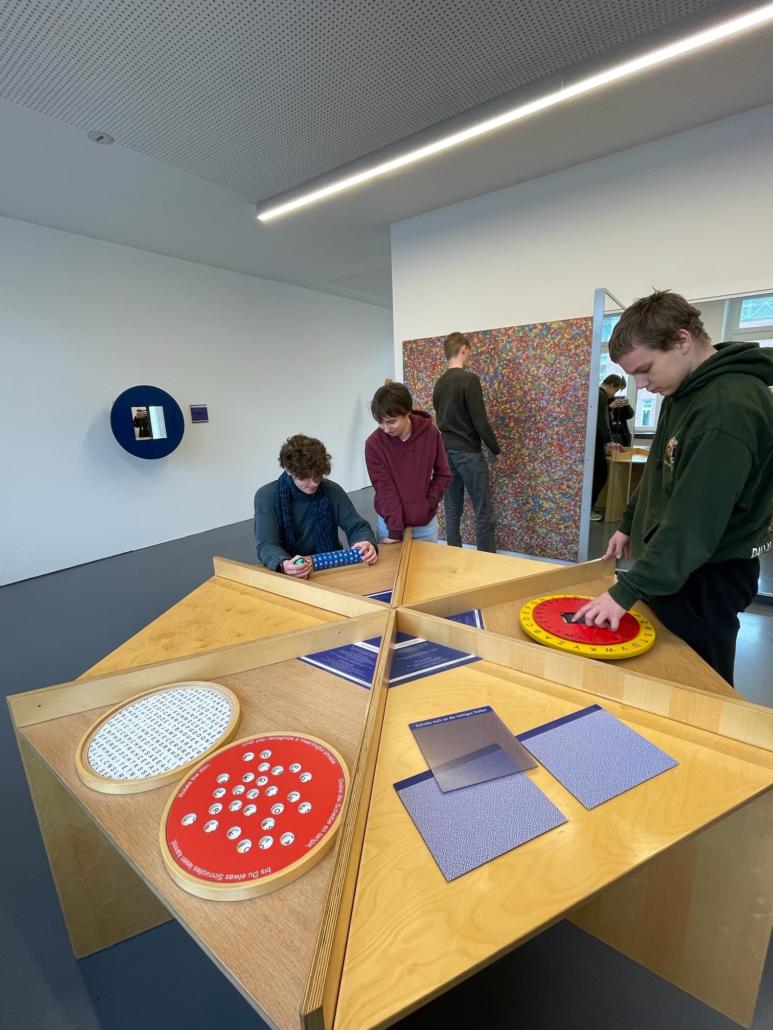
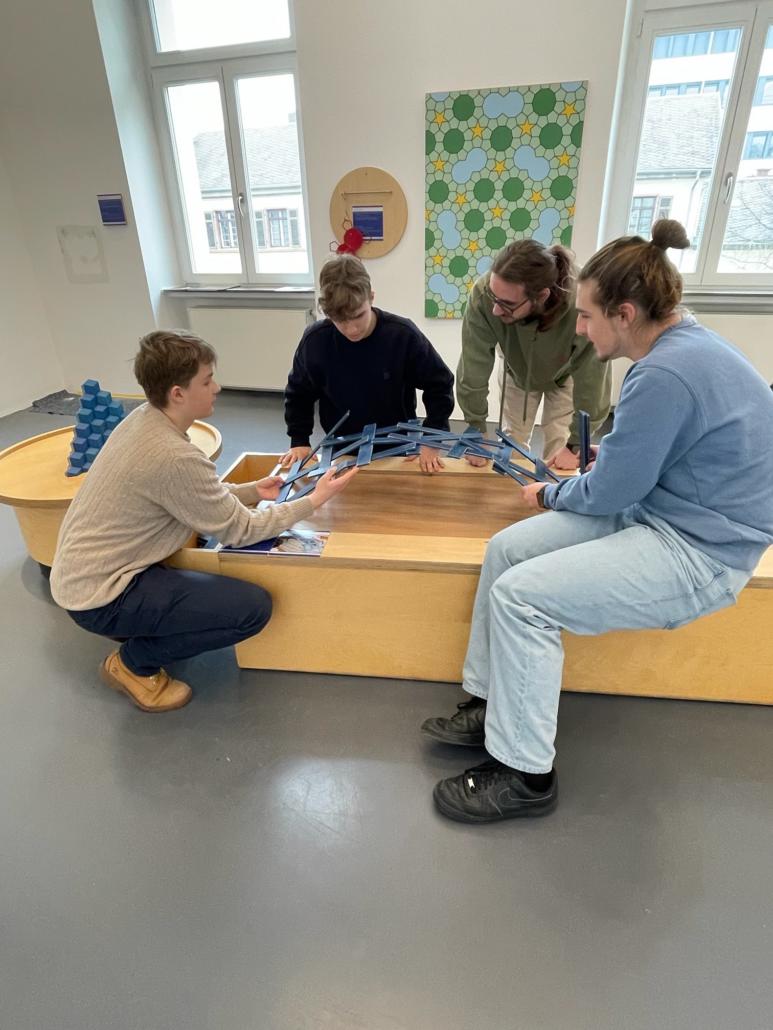
The Mathematikum in Giessen was the destination for the next morning’s excursion. The exhibits and activities at this well-known, large hands-on museum never fail to captivate visitors. Back in Marburg, the group headed once again to the multipurpose building on the Lahnberge, where Prof. Dr. Patrick Mehlitz discussed fundamental questions of mathematical optimization with his young guests.


Experience Industry Up Close

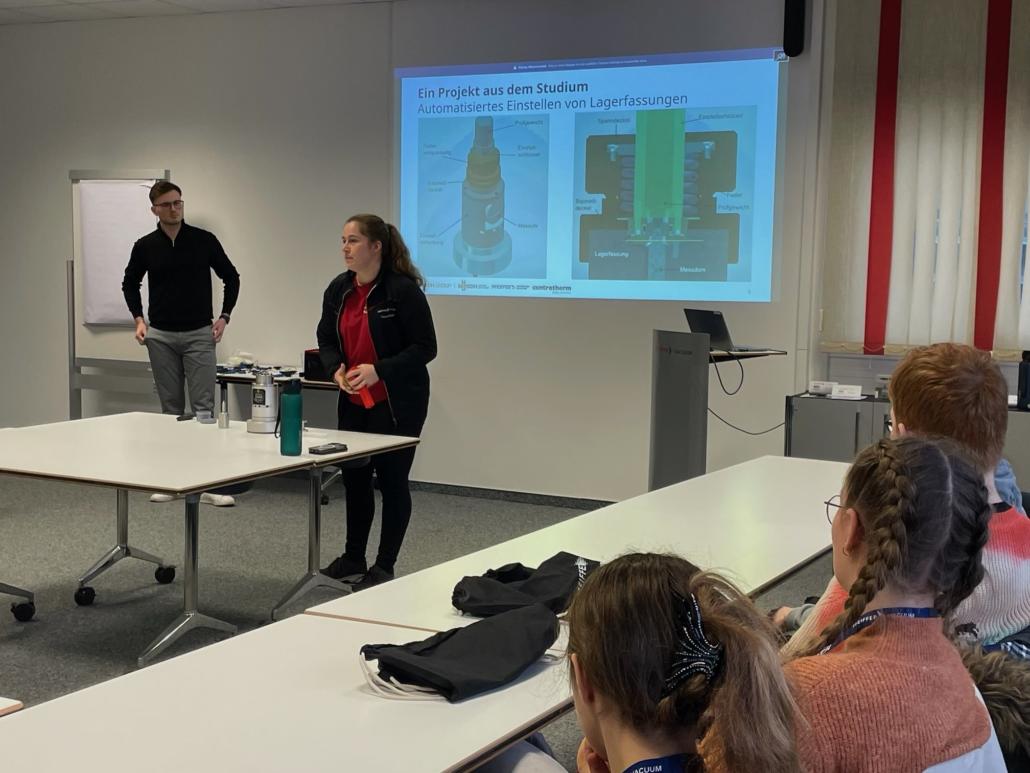
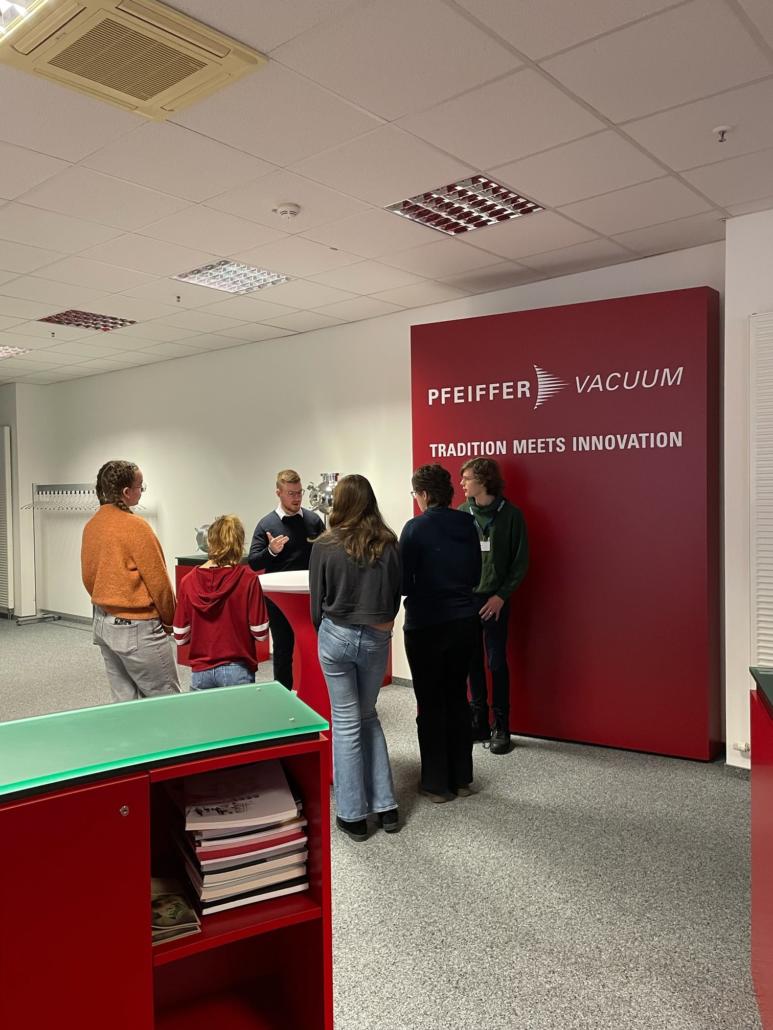
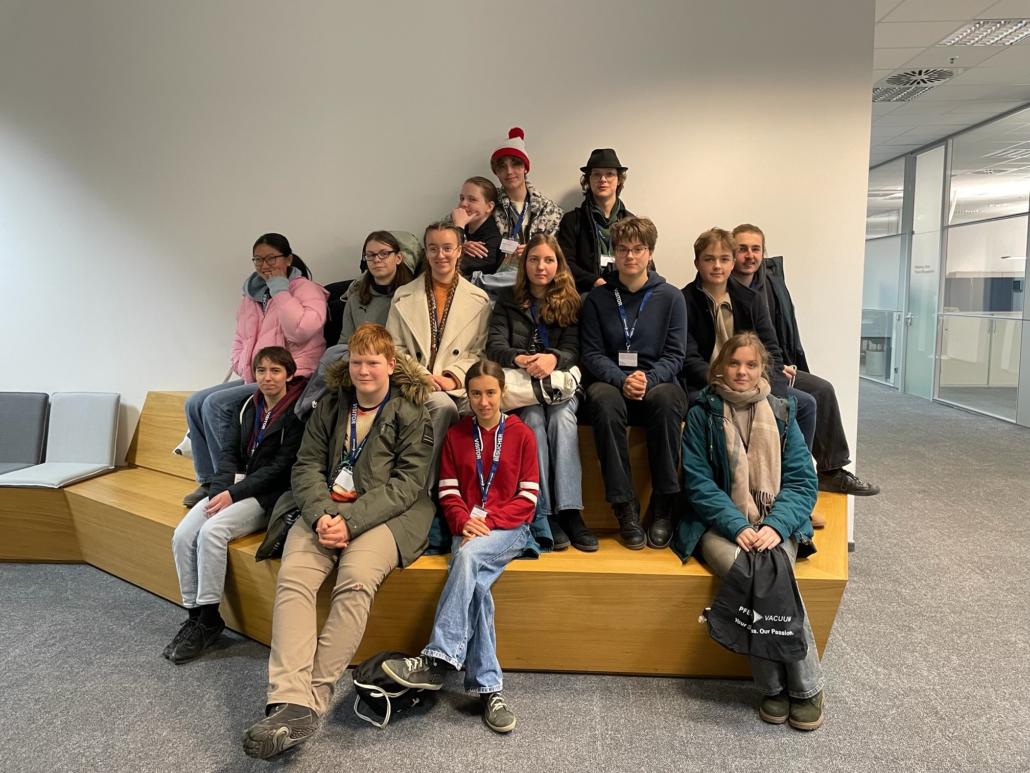
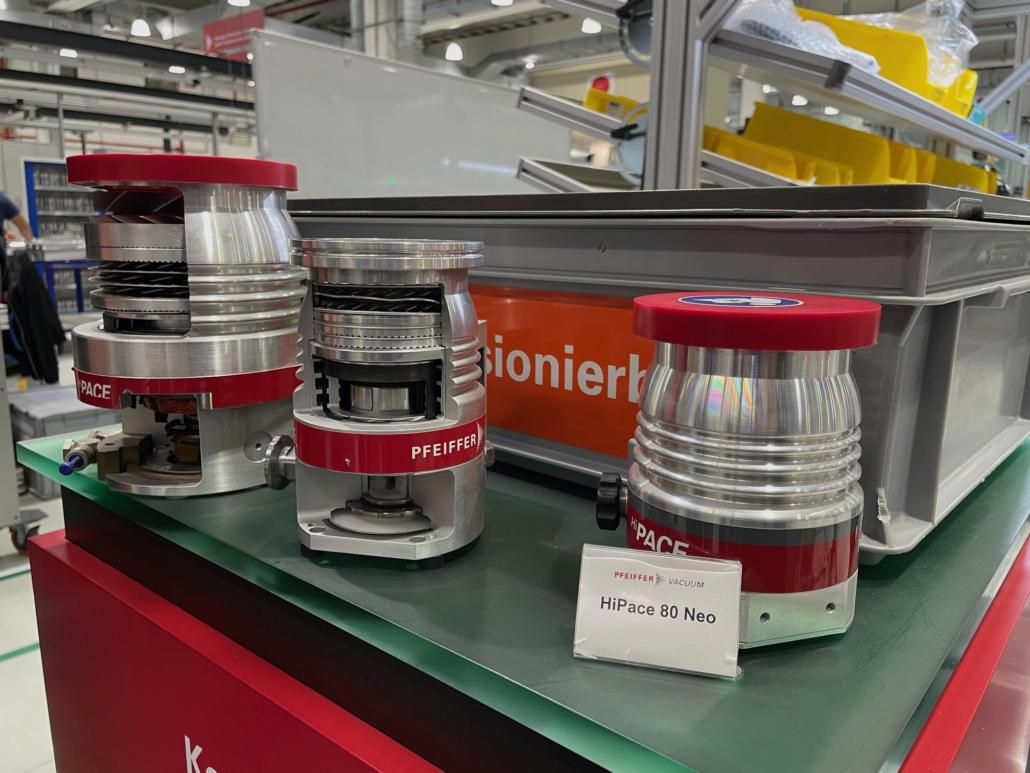
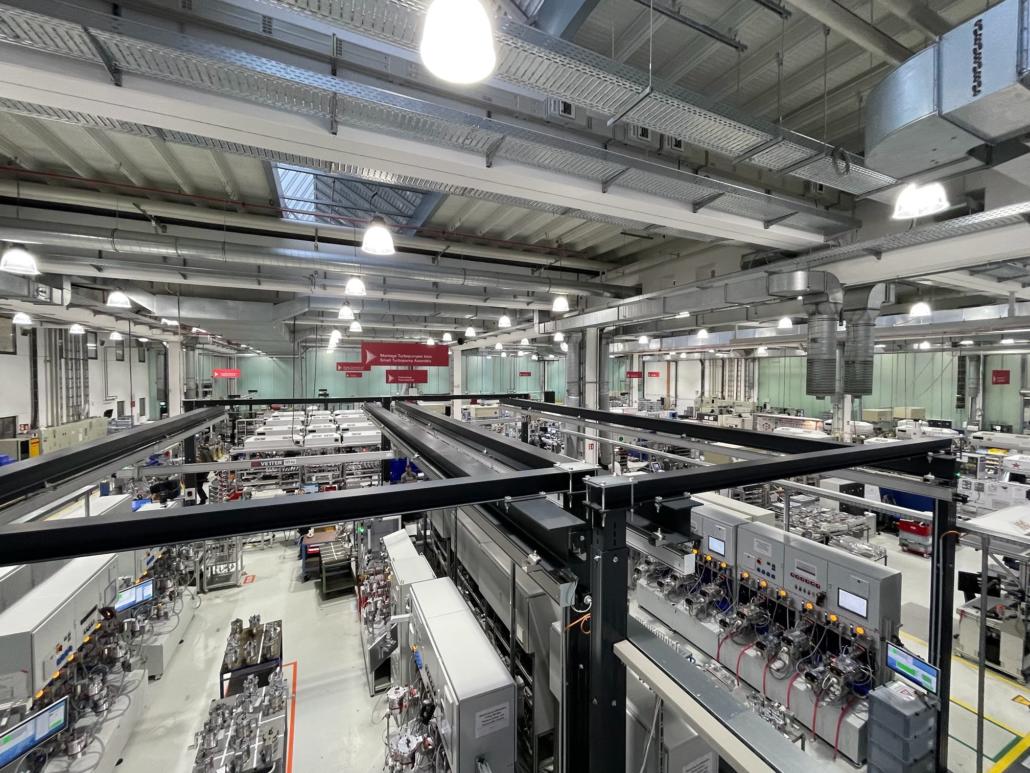
The evening was celebrated with a festive dinner in the cafeteria, as it was, unfortunately, the last one the group of STEM enthusiasts would be able to spend together. The next day’s itinerary included one final excursion to the neighboring Lahn-Dill district. The visit there to the mechanical engineering company Pfeiffer-Vacuum not only offered interesting insights into technical applications but also gave the young people the opportunity to talk directly with students and recent graduates in the fields of mechanical engineering, business informatics, and industrial engineering. During the visit, they were able to ask valuable questions and received helpful guidance regarding their own career prospects.


Farewell and Outlook

After four eventful days, it was finally time to say goodbye. Around noon, the young talents set off for home—full of new impressions, experiences, and (hopefully) inspiration. The time we spent together, during which everyone was able to pursue their passion for STEM subjects, will surely remain in our memories—and those of our guests—for a long time to come.

The plus-MINT Camp, organized by math teacher Maximilian Moll, is an initiative of Steinmühle and is supported by the Association for the Promotion of MINT Talent.

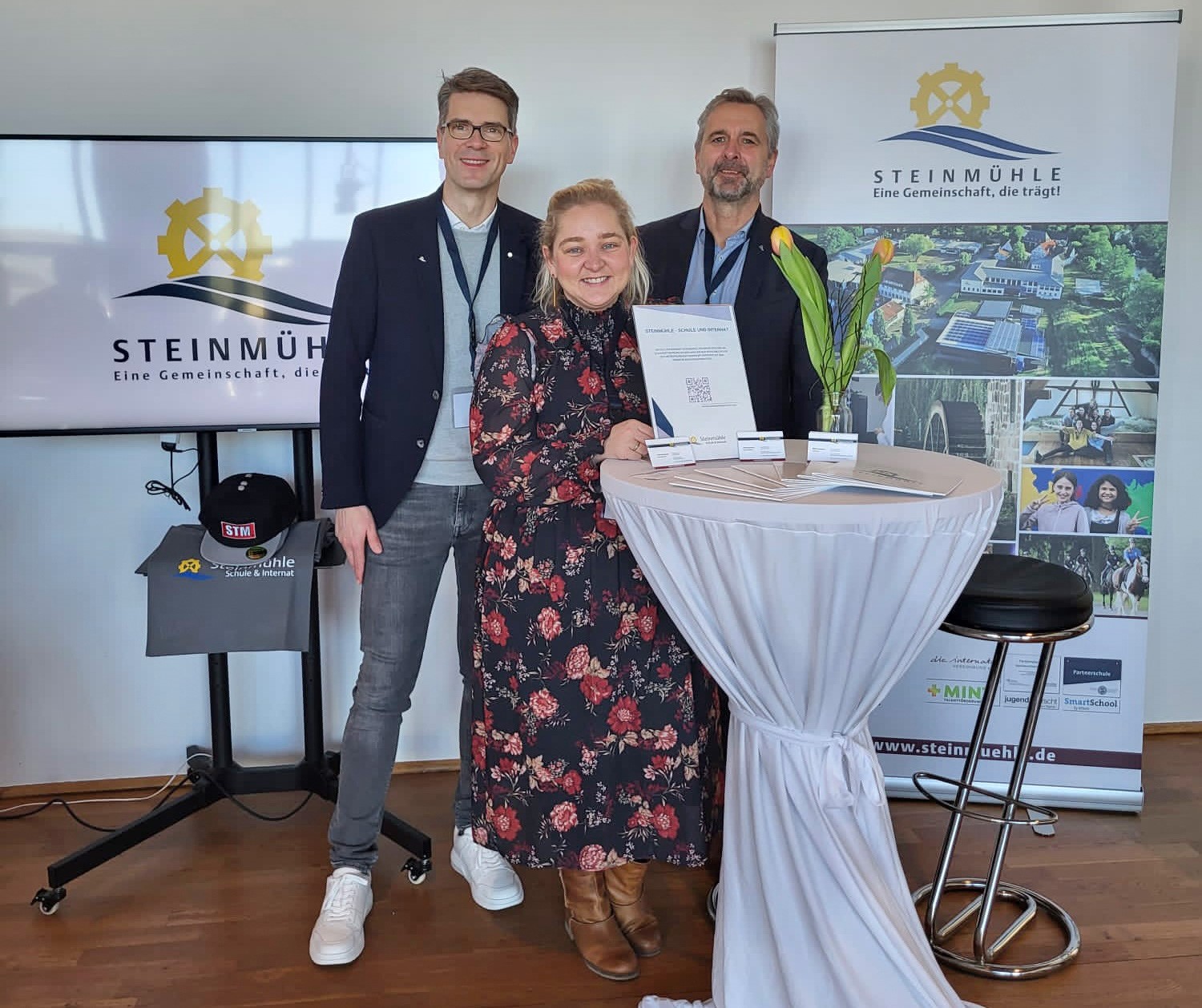
Just like last year, we’ll be attending the Education Fair in Munich in 2025. Anyone interested in a boarding school spot at Steinmühle and who would like to get to know us better is cordially invited to come talk with us.

We are offering appointments for no-obligation consultations during the educational days at the Literaturhaus München on Sunday, January 26 (between 10 a.m. and 4:30 p.m.) or at the “Scandic München Macherei” hotel all day on Saturday, January 25.

➡️If you’re interested, please send us an email at internatsleitung@steinmuehle.de or call our boarding school director, Anke Muszynski (01590 6584451), to schedule an appointment.

We look forward to seeing you all!🤩

Warm regards from Marburg,

Anke Muszynski (Head of the Boarding School), Björn Gemmer (Principal), and Dirk Konnertz (Managing Director)

Information about the training days:

www.bildungstage-muenchen.de

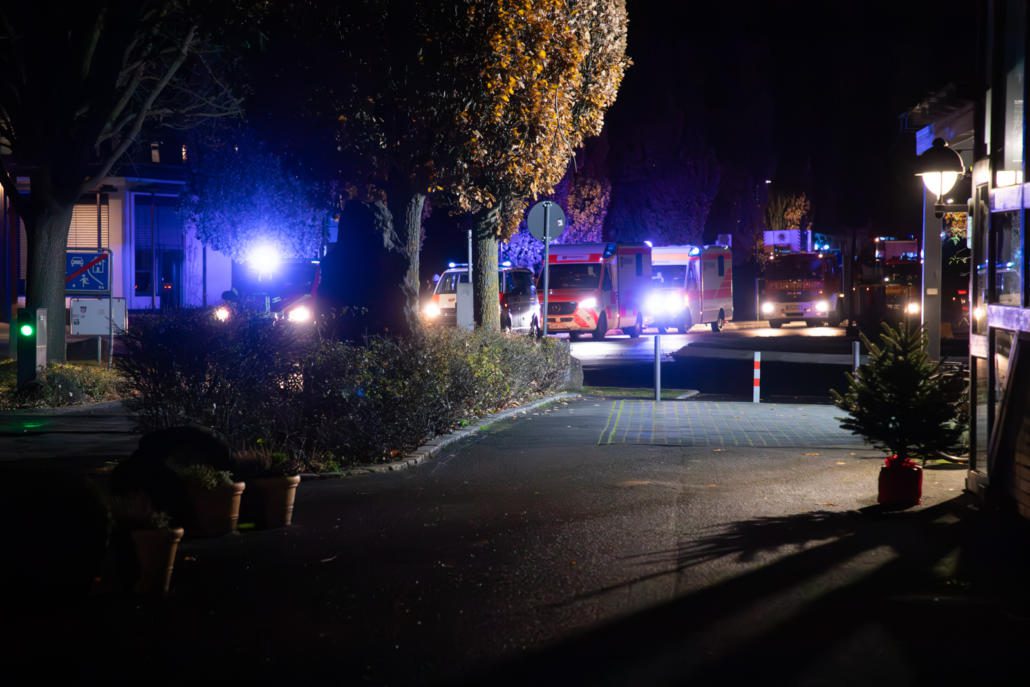
Fire departments can be called upon not only on New Year’s Eve, but throughout the entire year. For this reason, it is important to be able to carry out the necessary measures as routinely and effectively as possible. One of the largest fire department drills of the past 10 years took place in late November on the campus of the Steinmühle School and Boarding School in the Cappel district.

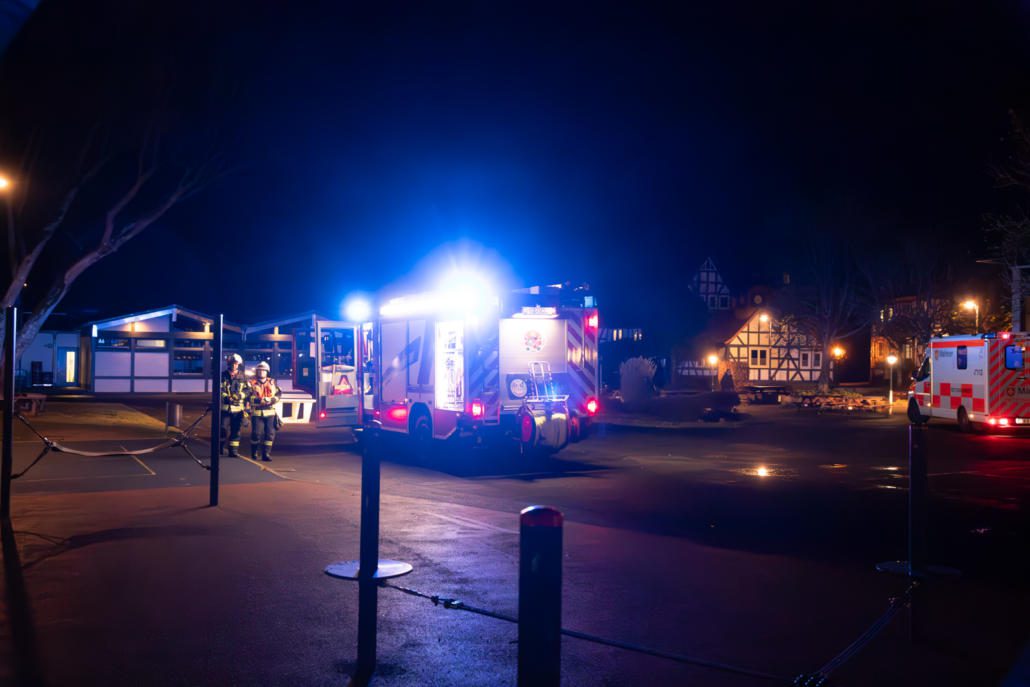
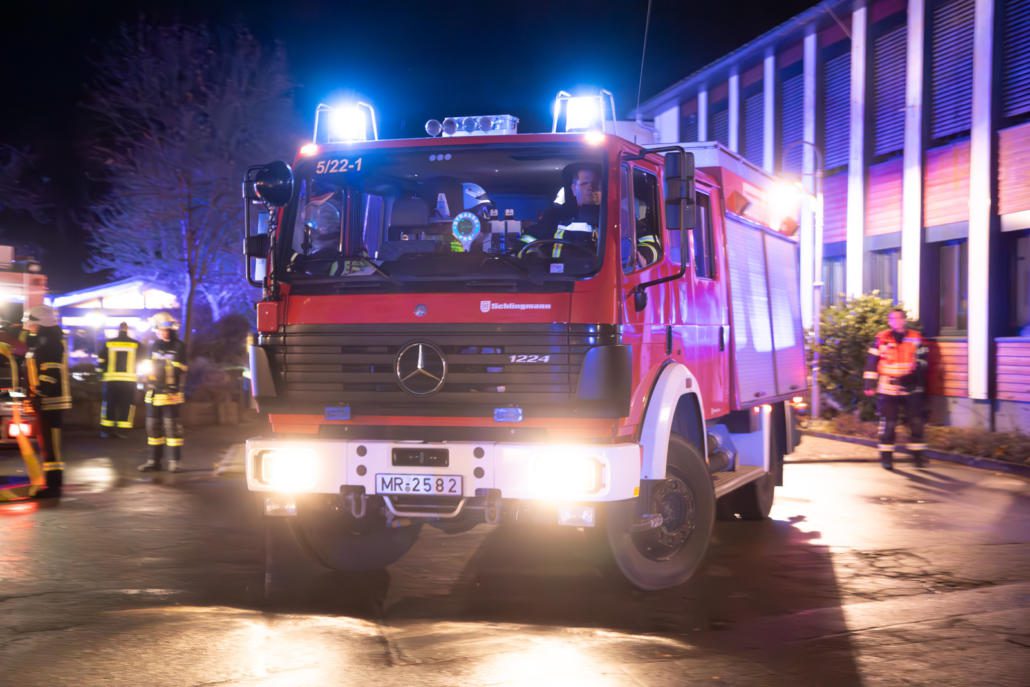
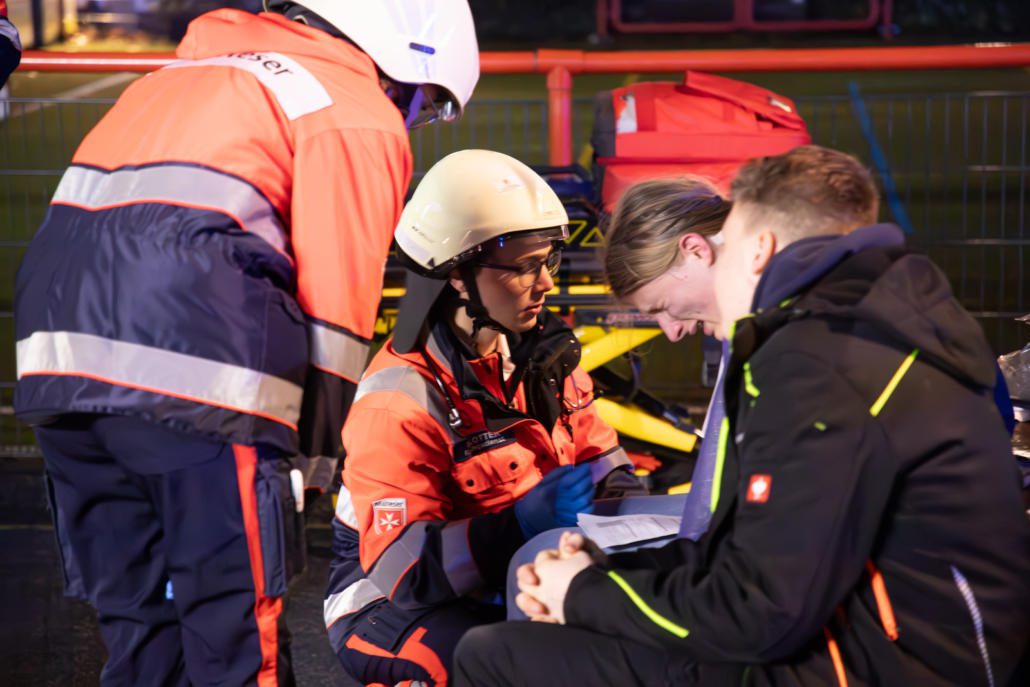
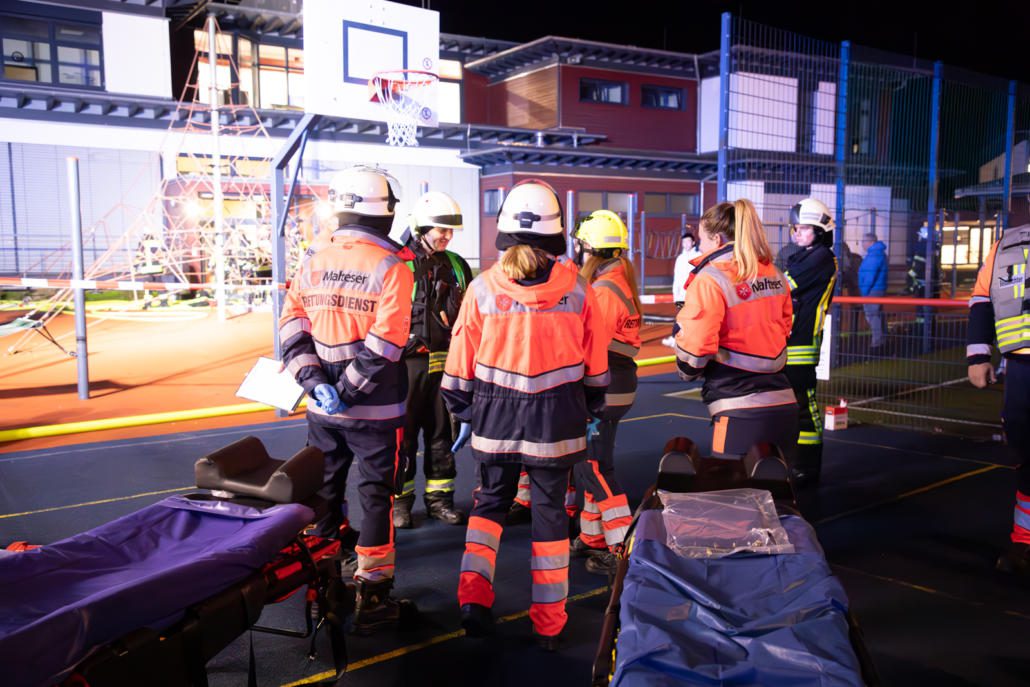
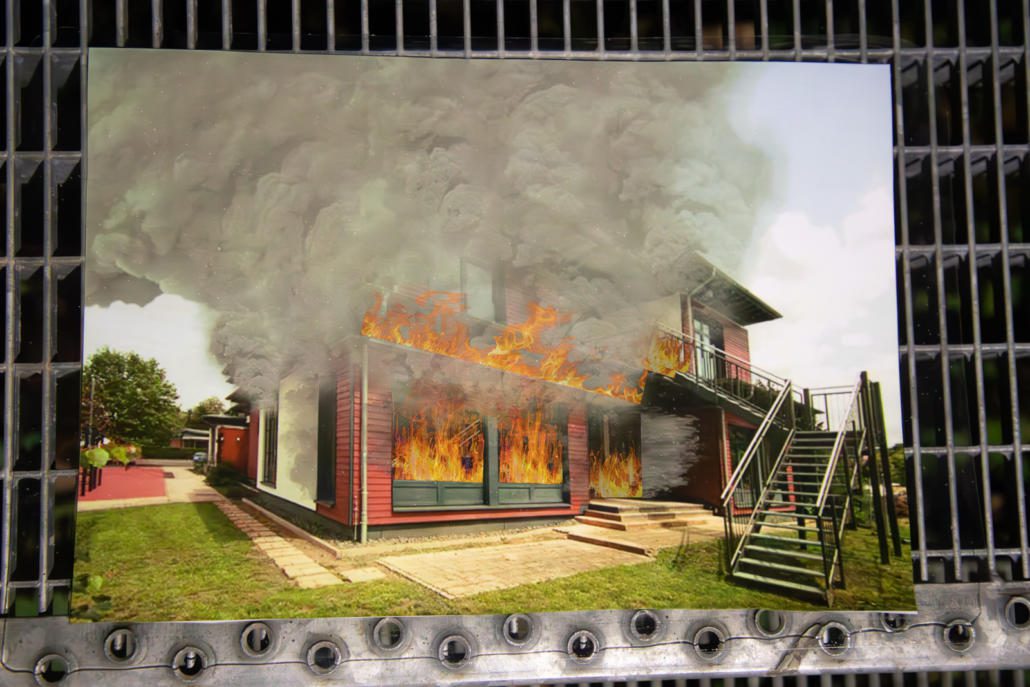
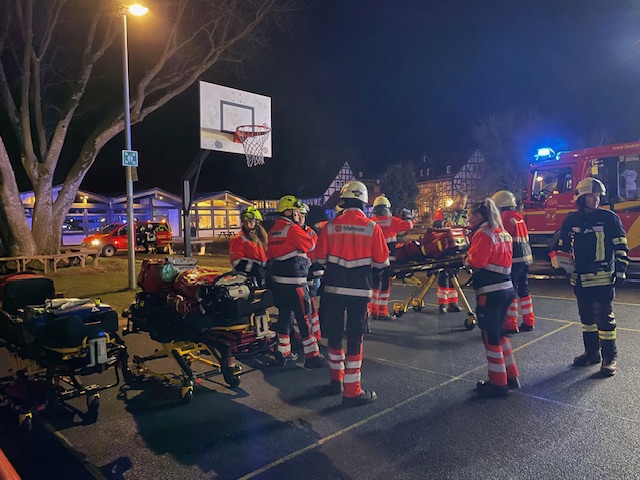
With a fleet of well over 20 vehicles and more than 70 emergency responders, the Steinmühle schoolyard and the adjacent Steinmühlenweg were filled that evening. Countless flashing lights and uniformed firefighters and emergency medical personnel—an unusual sight in this location. The drill being conducted here simulated an emergency response at the learning center for grades 5 and 6 and the adjacent bilingual elementary school. The simulated scenario: After a celebration by the students on the lowest floor of the building, a fire broke out and spread to the upper floors. According to the scenario, children were in danger, some suffered smoke inhalation, and had to be evacuated.


Evacuation Using a Turntable Ladder

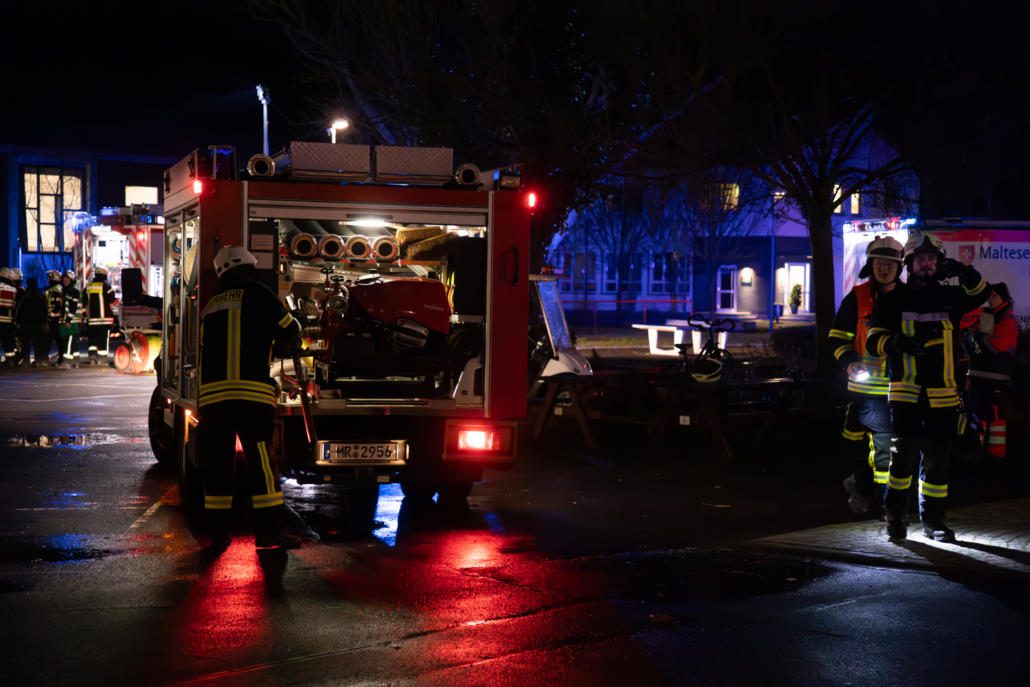
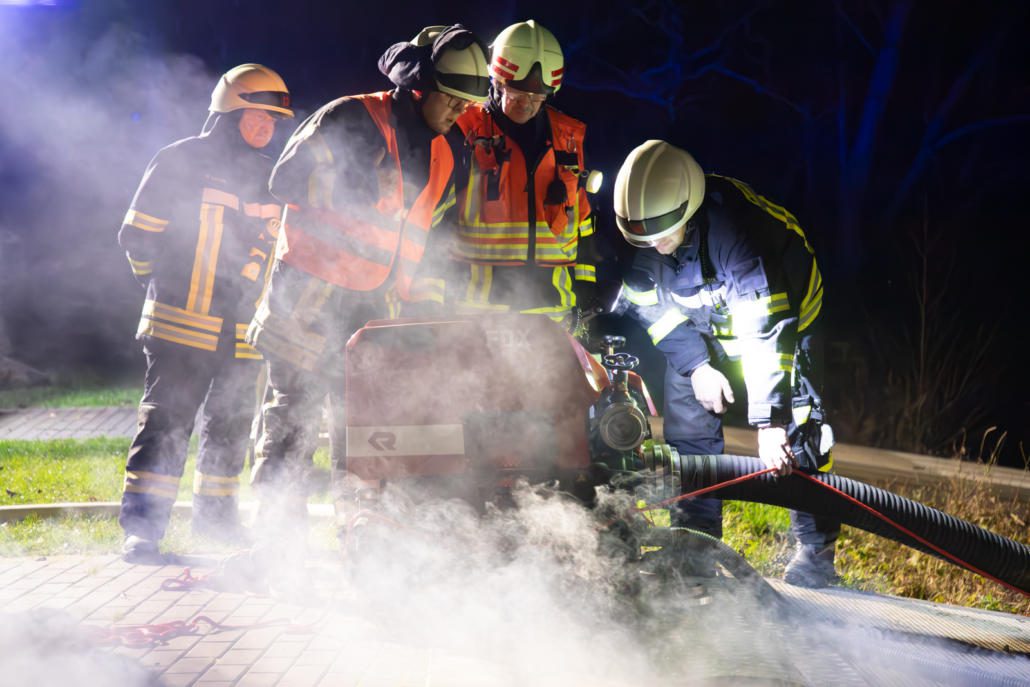
Just as they would in a real emergency, firefighters rolled out hoses to fight the “fire” with water from the nearby Lahn River. Paramedics from the Malteser, who arrived with three ambulances, rushed to the scene with their equipment to provide medical assistance. The evacuation wasn’t possible without a turntable ladder. So it was extended and positioned in such a way that the girls and boys could be guided outside by the rescuers as quickly and safely as possible.


Various fire departments involved

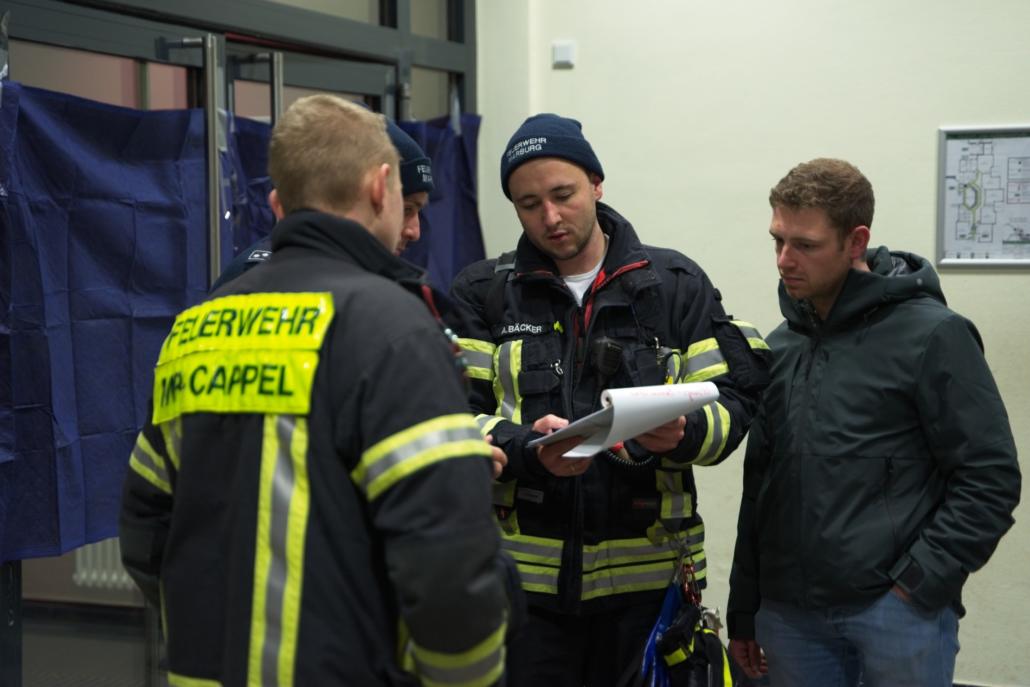
On site were the fire departments of Marburg-Cappel, Marburg-Mitte, Marburg-Ronhausen, Marburg-Bortshausen, and Marburg-Moischt, as well as the City of Marburg’s incident command team and the Malteser. Also present as exercise observers were the leadership of the Marburg Fire Department, additional executives from the City of Marburg’s Fire Safety Division, and observers from the Malteser. The exercise command center was simulated by an employee of the Marburg-Biedenkopf control center. The youth fire department, the honorary and senior divisions, and individuals from the personal circles of the operational department served as role-players—and, of course, students from the Steinmühle School & Boarding School.


The result of a successful collaboration

The impressive fire drill, which lasted just under three hours, is the result of a successful collaboration between the Marburg-Cappel Fire Department—located not far from Steinmühle—and Jonathan Gröb, a teacher at Steinmühle. Gröb is not only a math and physics teacher, but he is also responsible for fire safety at Steinmühle.


All in all, the drill is viewed by both sides as a win-win situation. On the Steinmühle grounds, emergency responders encounter a wide variety of buildings, each of which presents different challenges for responding to an emergency. For the students and staff at Steinmühle, the drills conducted in different buildings provide reassurance about what to do in the event of a fire and give them an idea of what might happen if…