• Anruf
  • E-Mail
  • Zu Facebook
  • Zu Instagram
  • Zu LinkedIn
Loading
Steinmühle – Schule & Internat
  • About us
    • Organization & History
    • Teams
    • Stakeholders
    • Internal clubs
      • Riding School
      • Rowing Talent Development
      • Tennis
    • Friends of the School Association
    • Partners
    • Mission Statement & Vision
    • Ecology & Sustainability
    • A Safe Place
    • Quality Management
  • School
    • High School
    • Bilingual Elementary School
    • Project-Based Learning
    • Promoting STEM Talent
    • Languages & International Affairs
    • Sports & Health
    • Art, Music & Theater
    • Social Responsibility
    • Digitization
    • Promoting Independence & Individuality
    • Social Responsibility & Strengthening the Community
  • Boarding School
    • Boarding School as an Opportunity
    • Support for Families
    • Life
    • Learning
    • Sports & Recreation
    • Trips & Weekends
    • plus-MINT Boarding School Program
    • Fit for Life
    • Summer Camps
  • Admission
    • Boarding School Admission
    • High School Admission
    • International High School Program
    • Bilingual Elementary School
    • Costs & Contract Terms
  • News
    • News
    • News Archive
    • Support Current Projects
  • Friends & Alumni
    • Stories
    • Alumni Reunion
    • Steinmühle Alumni Network
  • Fanshop
  • English
    • German
    • Spanish
    • French
    • Italian
    • Russian
    • Chinese (Simplified)
  • Search
  • Menu Menu
  • English
    • German
    • Spanish
    • French
    • Italian
    • Russian
    • Chinese (Simplified)

“Youth Research”: Both Teams Take First Place and Another School Award

Contests & Awards, News, STEM, Talent Development

Once again this year, our teams performed very well at the regional “Jugend Forscht” competition, which unfortunately could only be held online this time.
Given the difficult conditions caused by the pandemic, only two groups competed this year, both of which were supervised by Dr. Jutta Töhl-Borsdorf.


Qualification for the State Competition

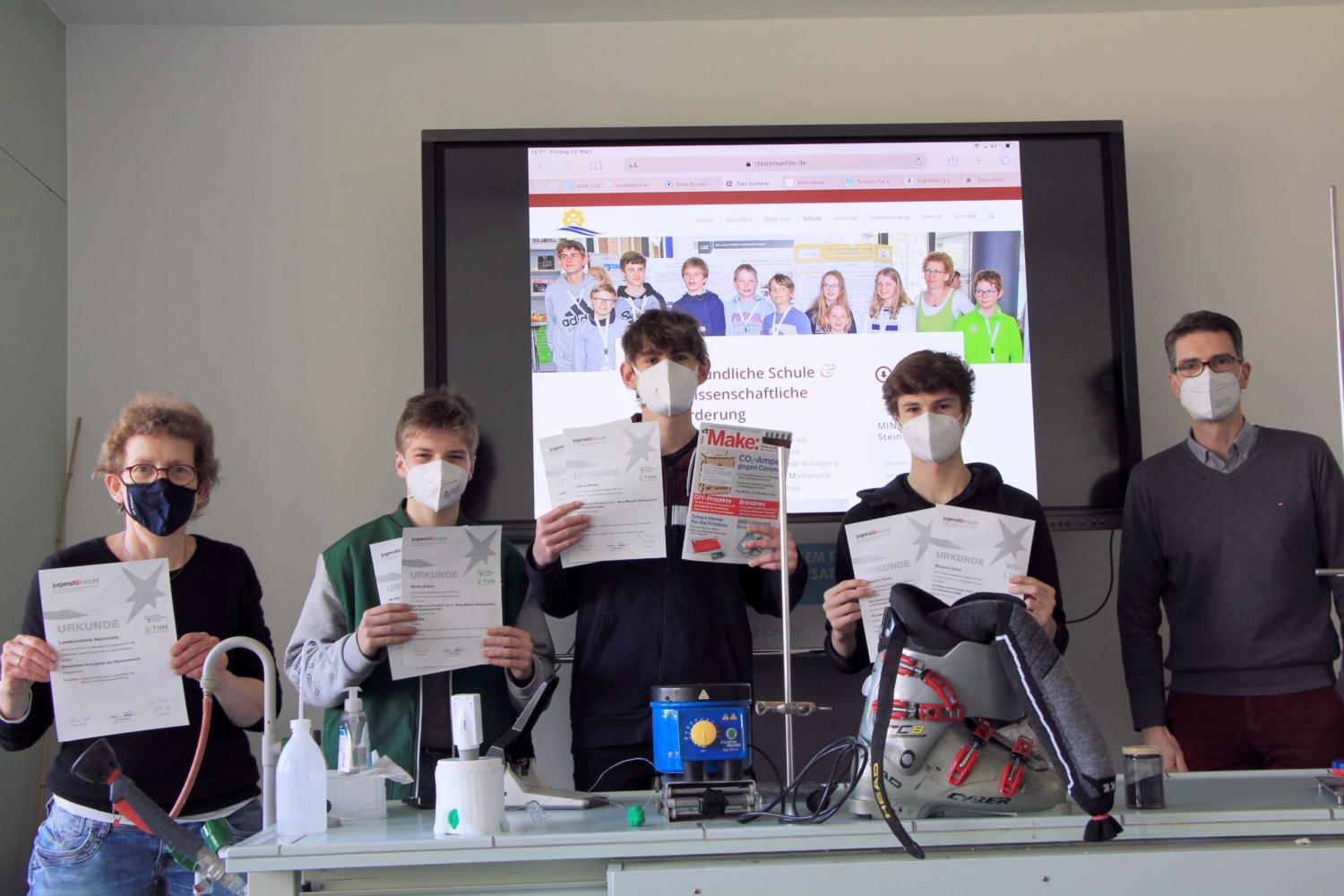
Just like last year, the team consisting of Joshua Wieder, Morten Köhler, and Benjamin Schul (10th grade) took first place in chemistry. They were able to successfully expand their project on heating pads for ski boots. With the project
With their project “The Ski Boot Problem, Part 2—New Metals, Catalysts, and Oxidizing Agents,” they qualified for the state competition in Darmstadt.
The team received two certificates, as they also won a special prize from Heise Medien: a one-year subscription to “Make,” a magazine popular in the maker scene.

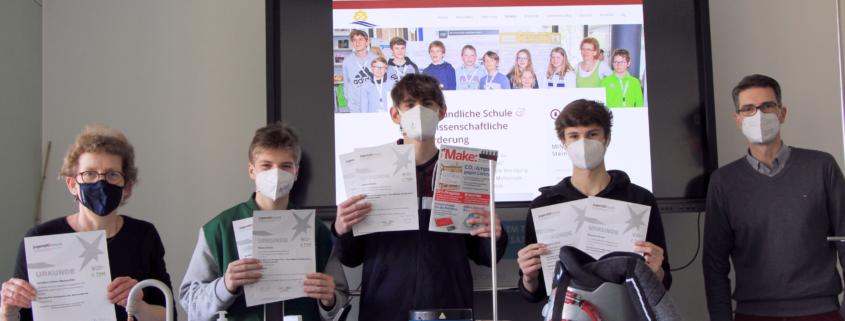
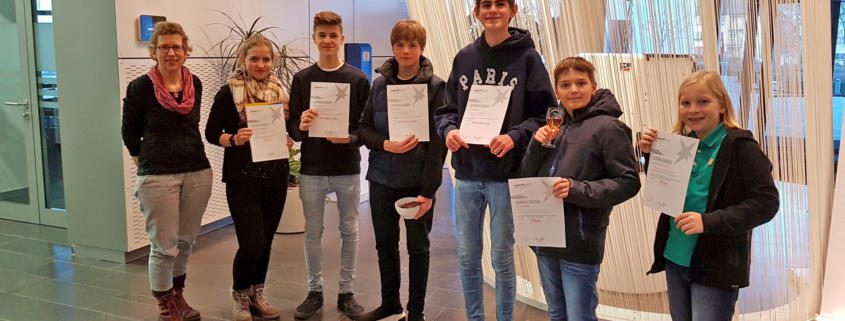
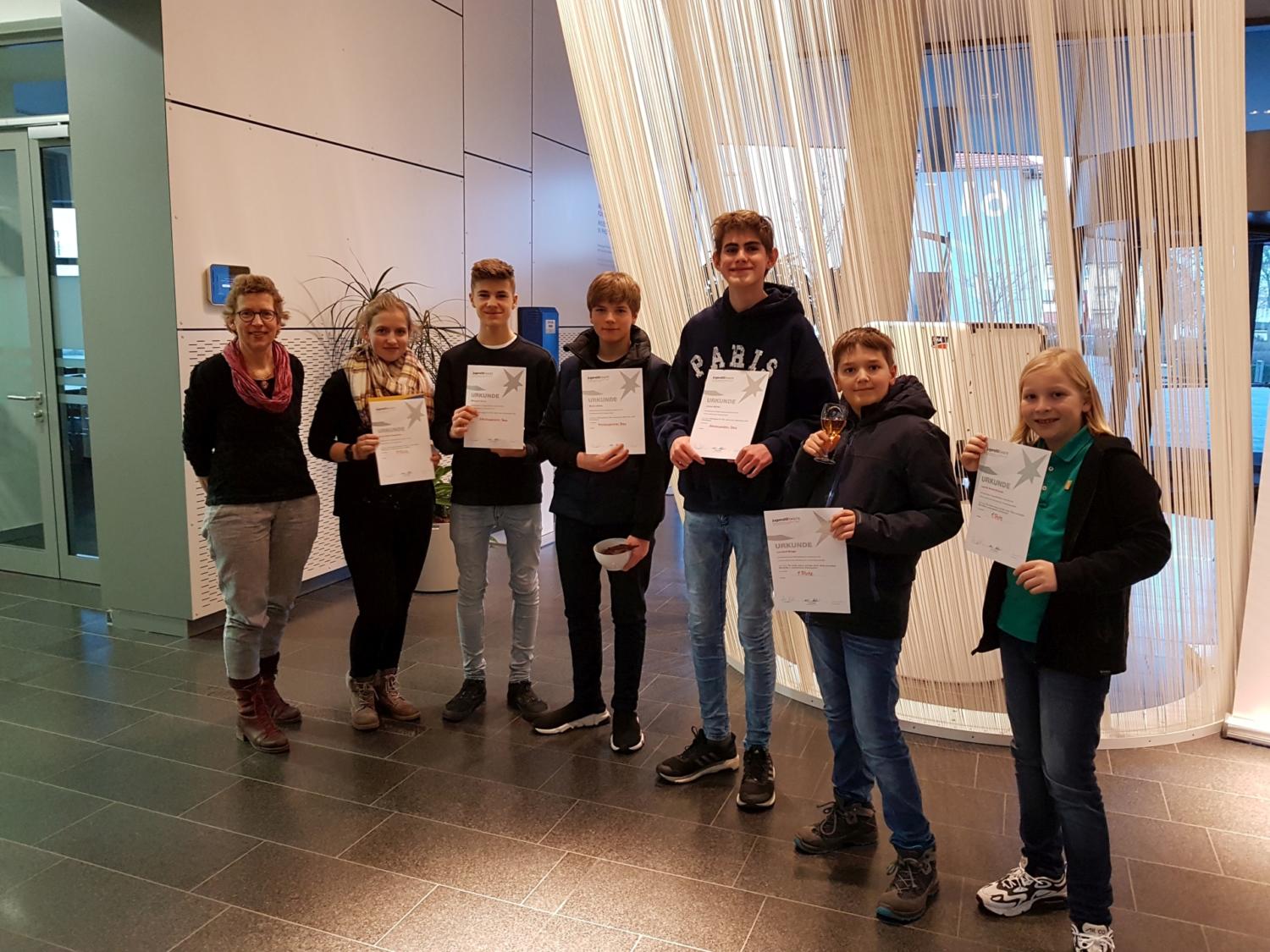
Our photo shows (from left) Dr. Jutta Töhl-Borsdorf, Morten Köhler, Joshua Wieder, Benjamin Schul, and Principal Björn Gemmer.


“A high level of expertise for someone so young”

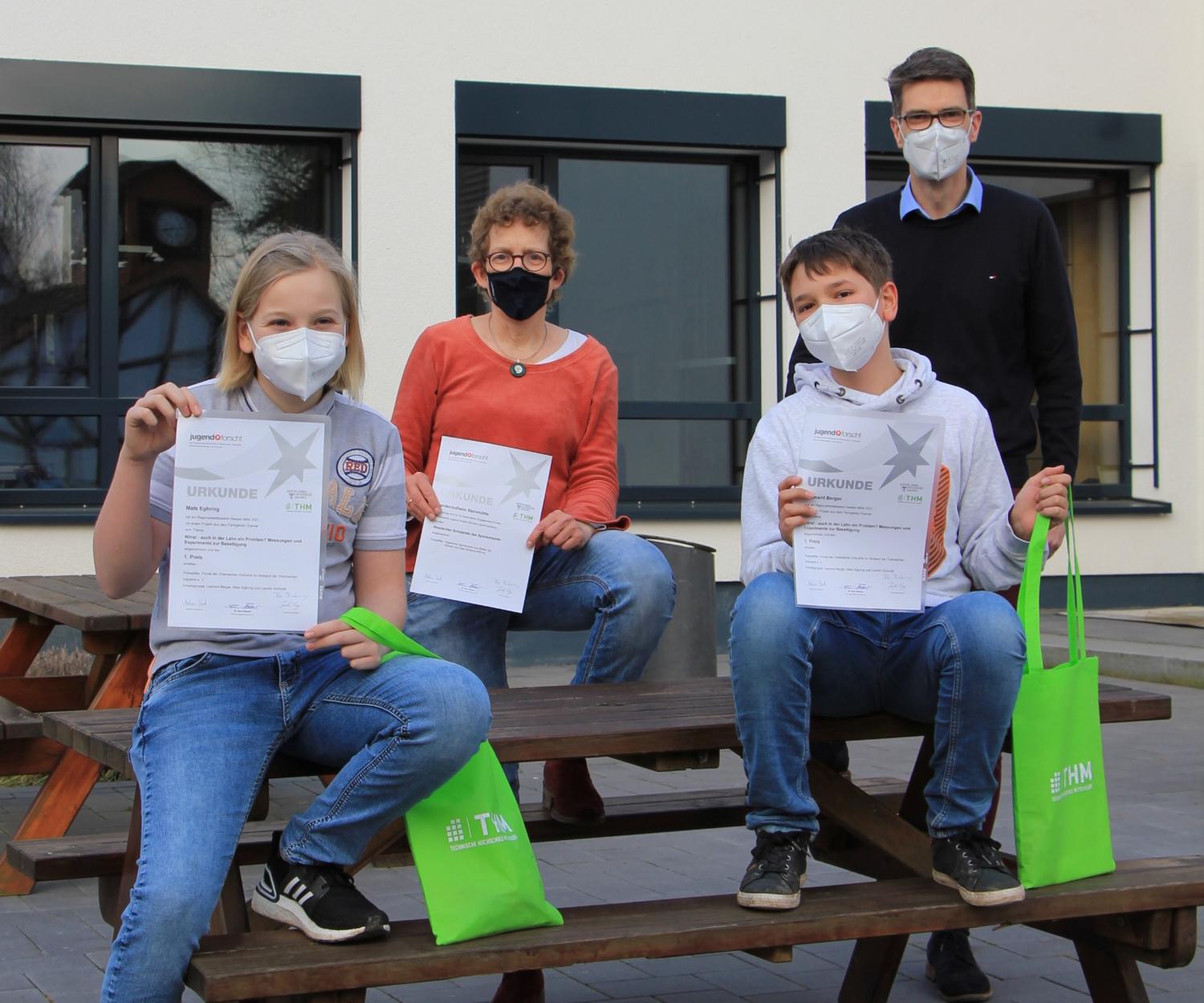
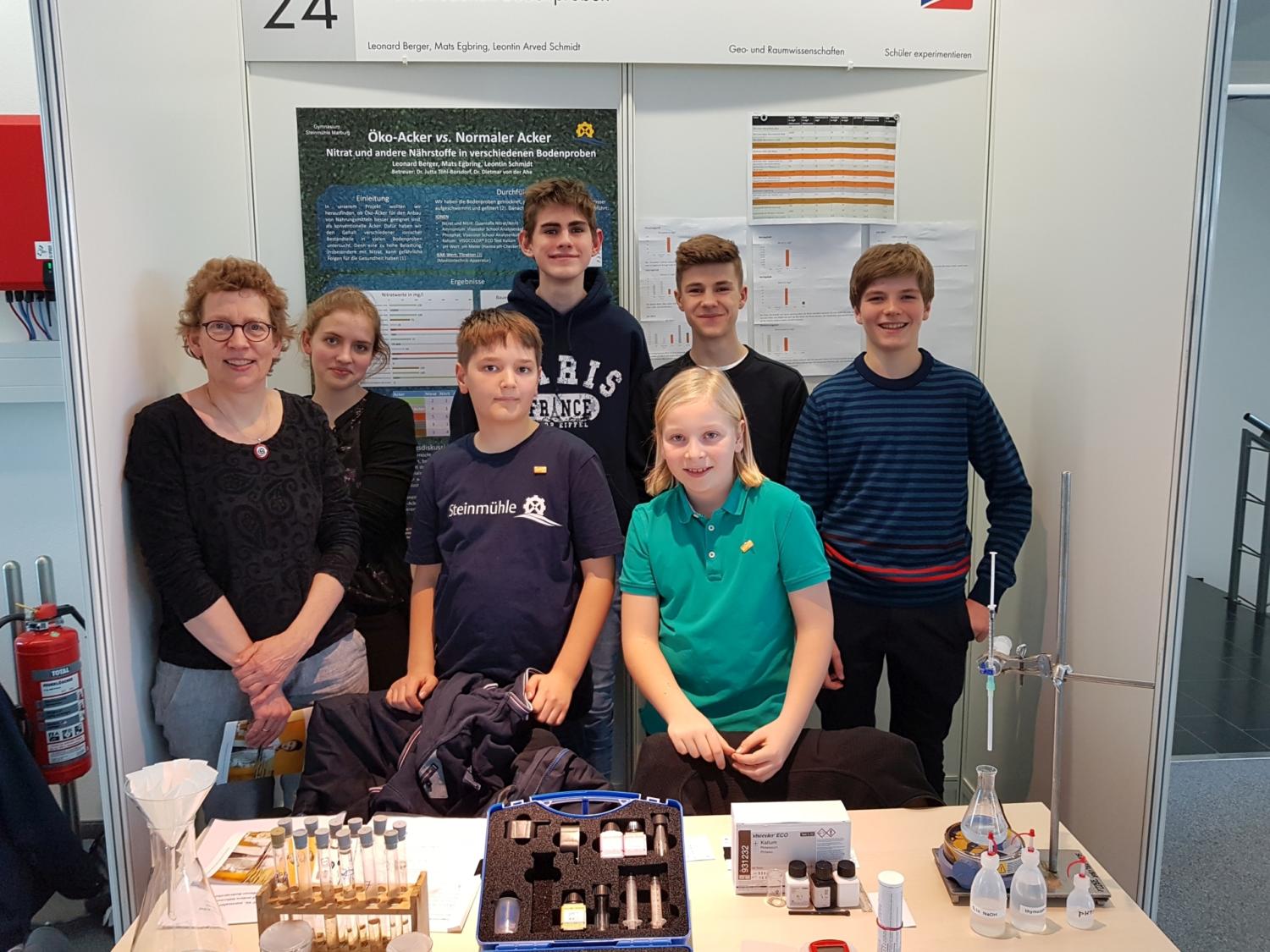
In the junior division of “Schüler experimentieren,” Leontin Schmidt, Leonard Berger, and Mats Egbring from 7th grade also took first place in the chemistry category with their project “Nitrate—Is It a Problem in the Lahn, Too? Measurements and Experiments for Removal.” They have thus qualified for the state competition in Kassel.

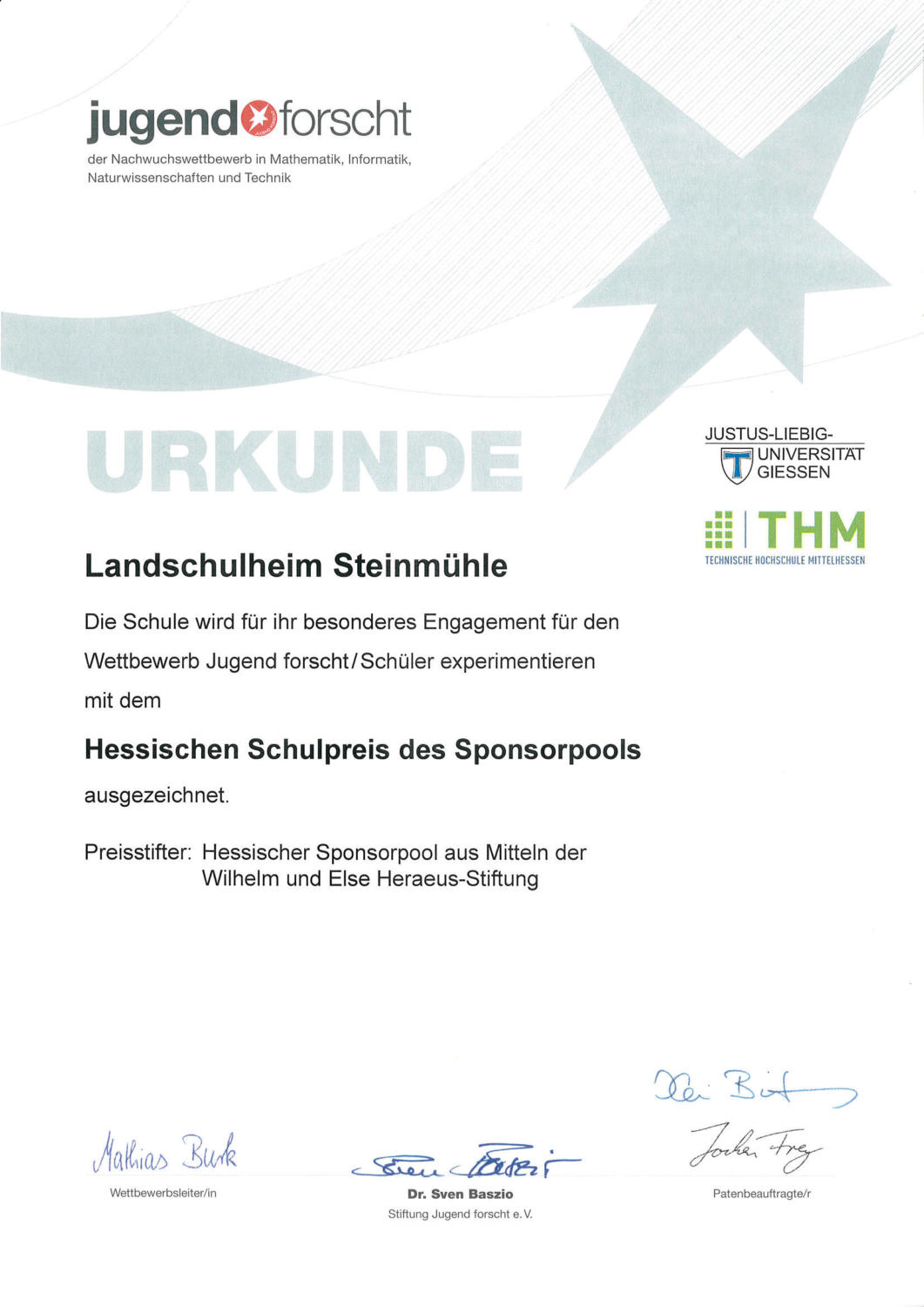
In addition, Steinmühle won the Hessian School Prize from the “Jugend Forscht” sponsor pool, which is funded by the Wilhelm and Else Heraeus Foundation.
In the laudatory speech, special recognition was given to the fact that, as in previous years, the students at Steinmühle possess a remarkable level of expertise on their project topics, especially given their young age.

Our photo shows (from left) Leontin Schmidt, Dr. Jutta Töhl-Borsdorf, Leonard Berger, and Principal Björn Gemmer. Mats Egbring is not in the photo.

Our photo shows the certificate that Steinmühle received as the winner of the Hessian School Award from the “Jugend Forscht” sponsor pool.

8. April 2021
https://steinmuehle.de/wp-content/uploads/sites/5/2021/04/JuFo-Siegerehrung-Steinmuehle-scaled-1-scaled.jpg 1000 1500 konnertz https://steinmuehle.de/wp-content/uploads/sites/5/2025/11/Logo_SchuleInternat_Steinmuehle_2026_3.png konnertz2021-04-08 15:55:022026-06-18 17:34:48“Youth Research”: Both Teams Take First Place and Another School Award

Live experiments at home on your screen – Online workshop “STEM: The Stars of Tomorrow”

Contests & Awards, News, STEM, Talent Development

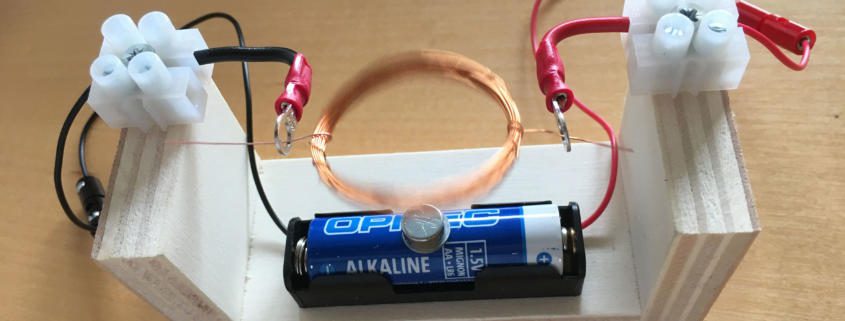
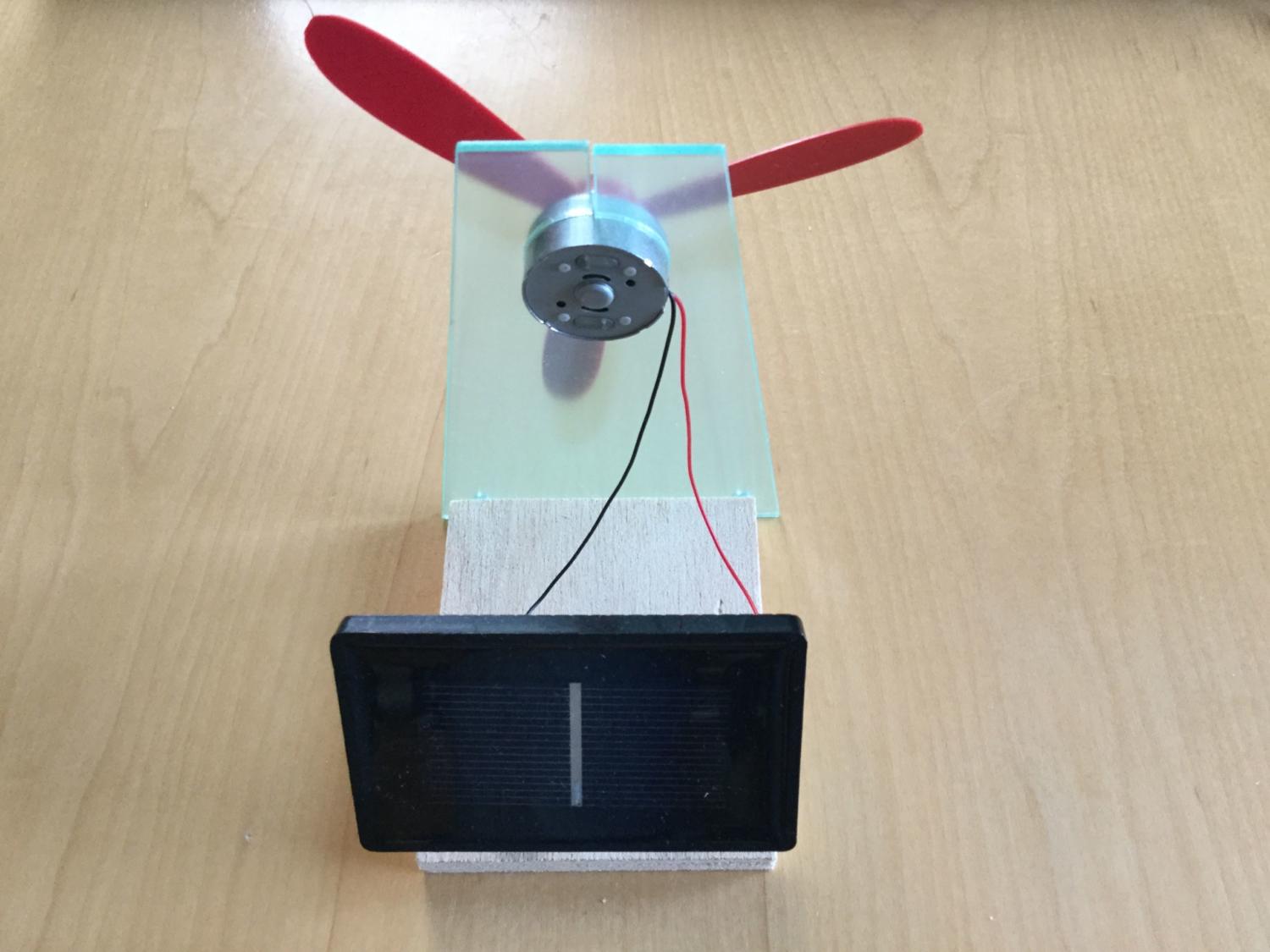
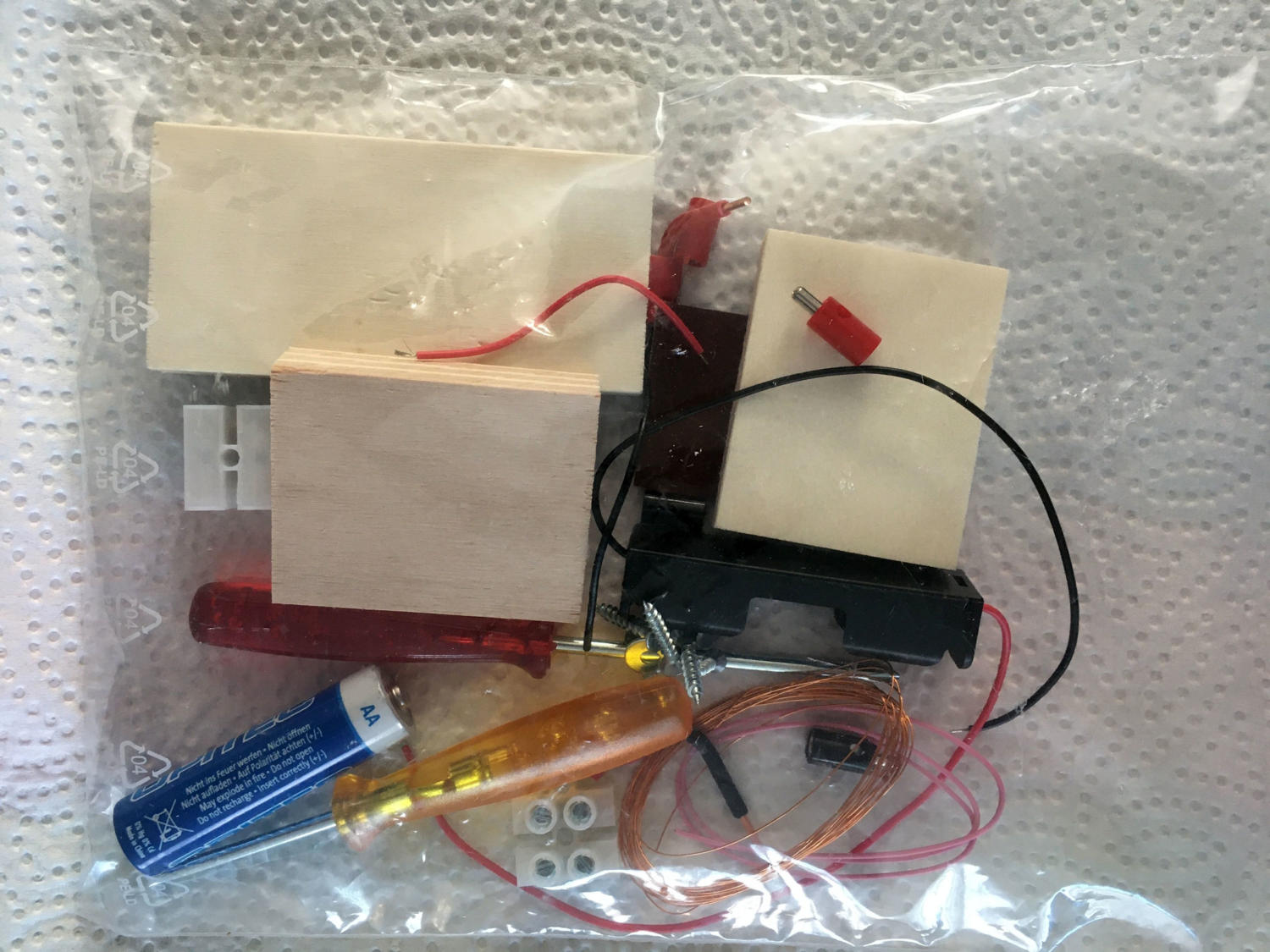
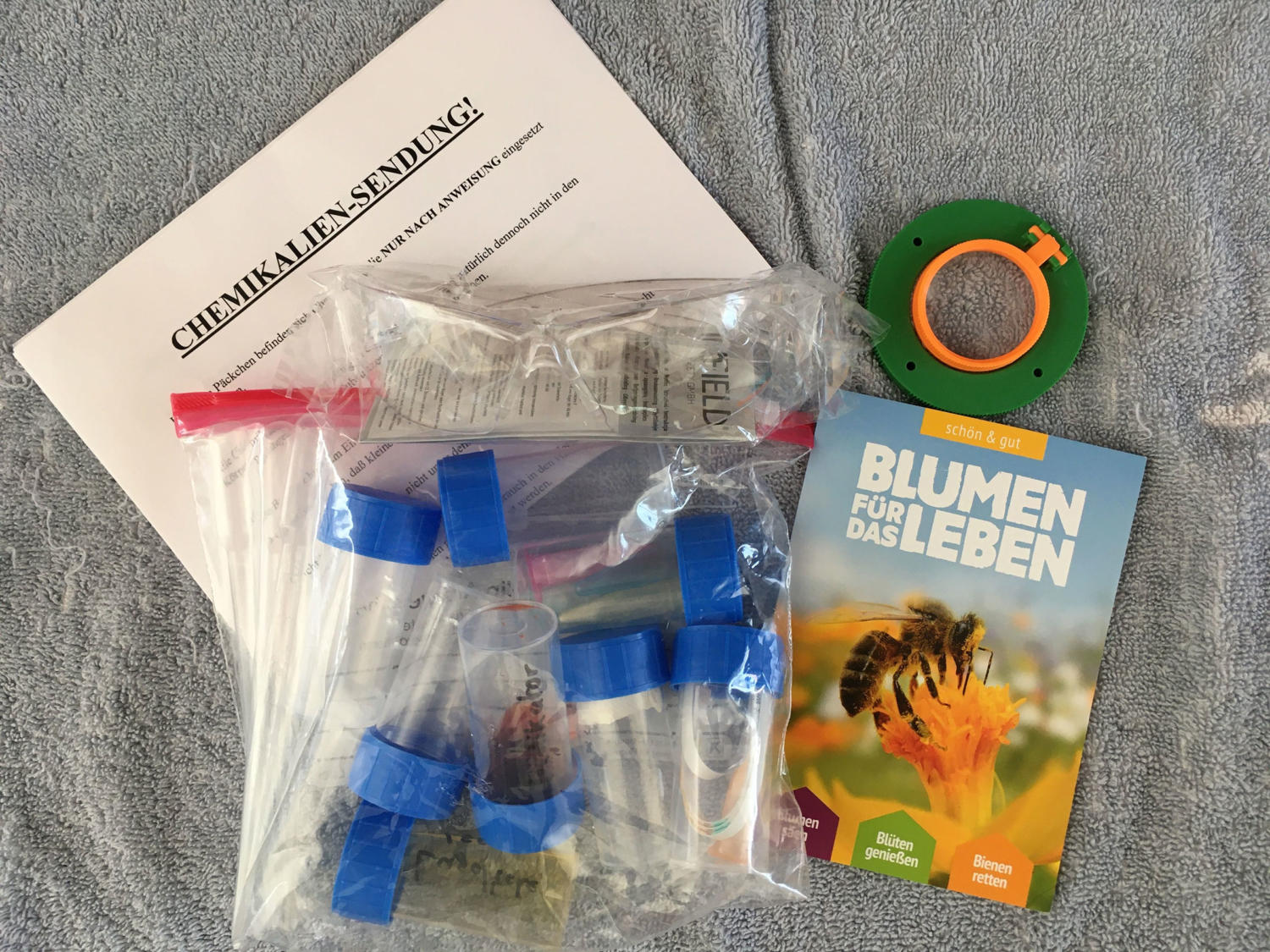
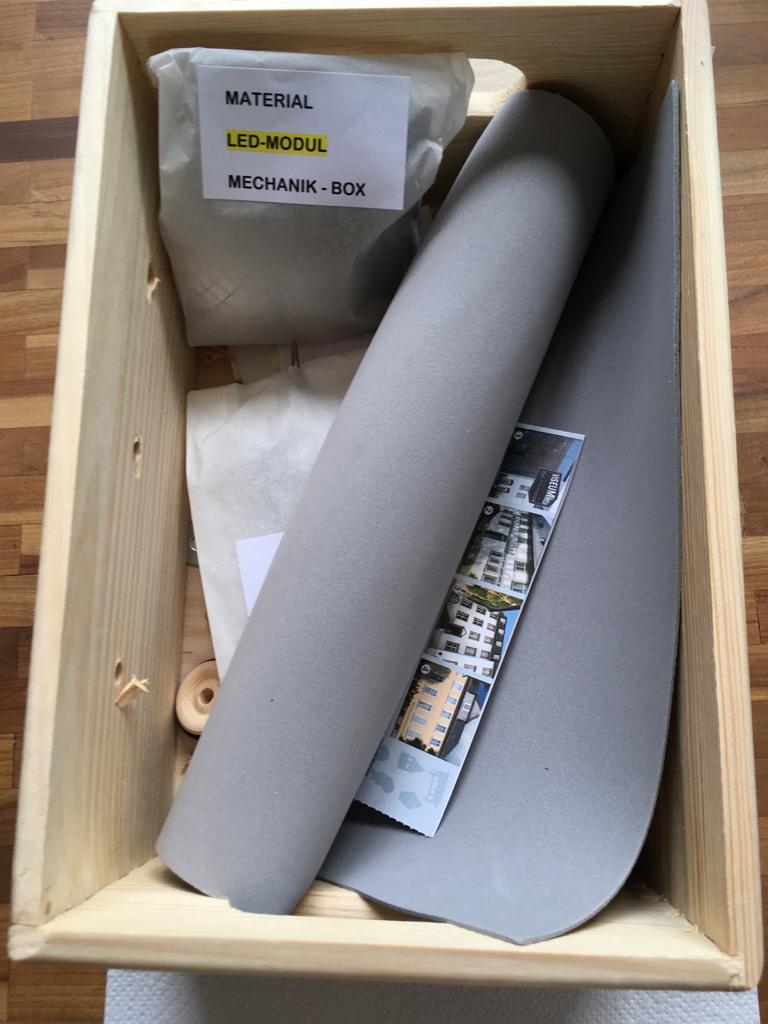
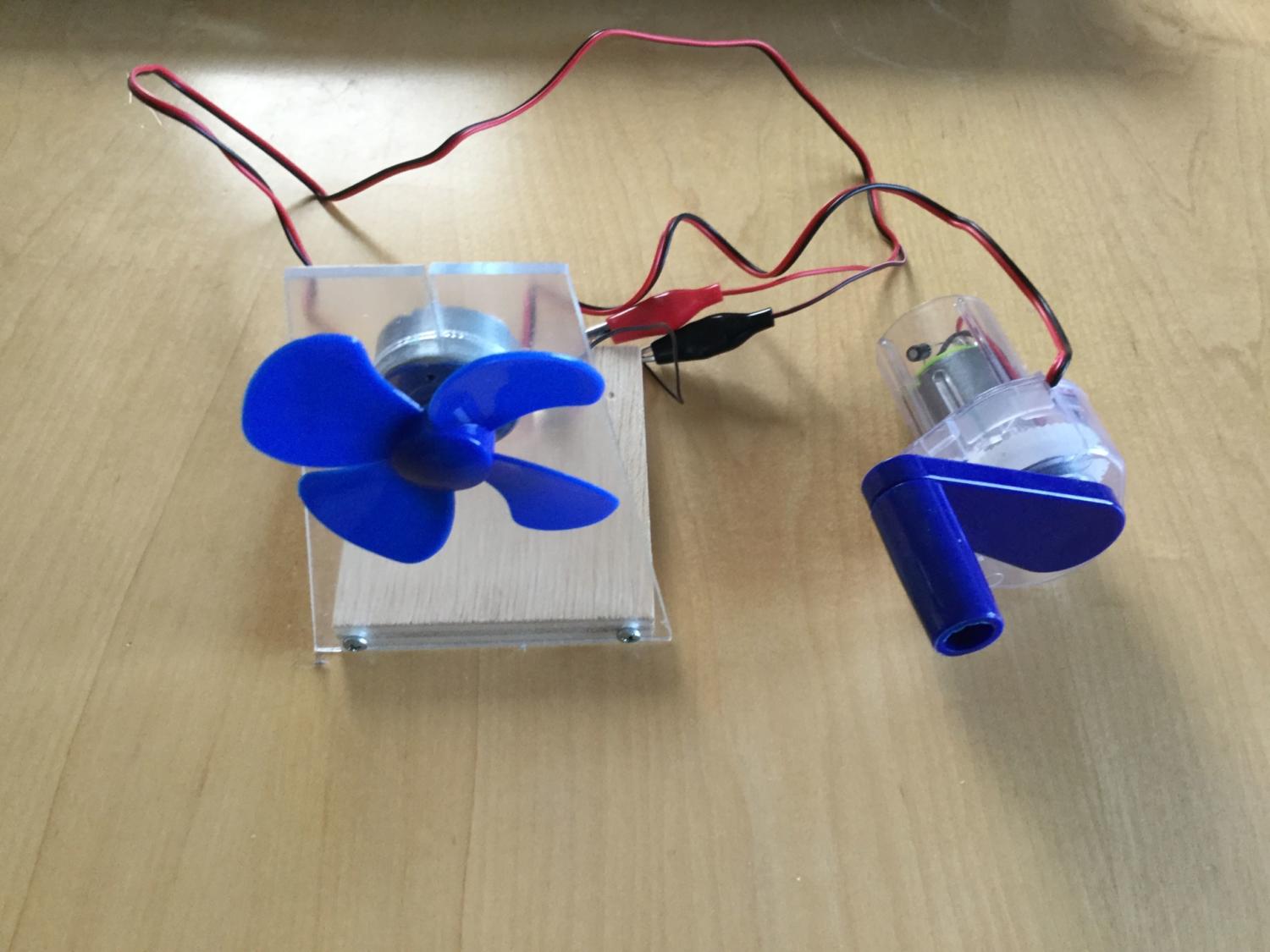
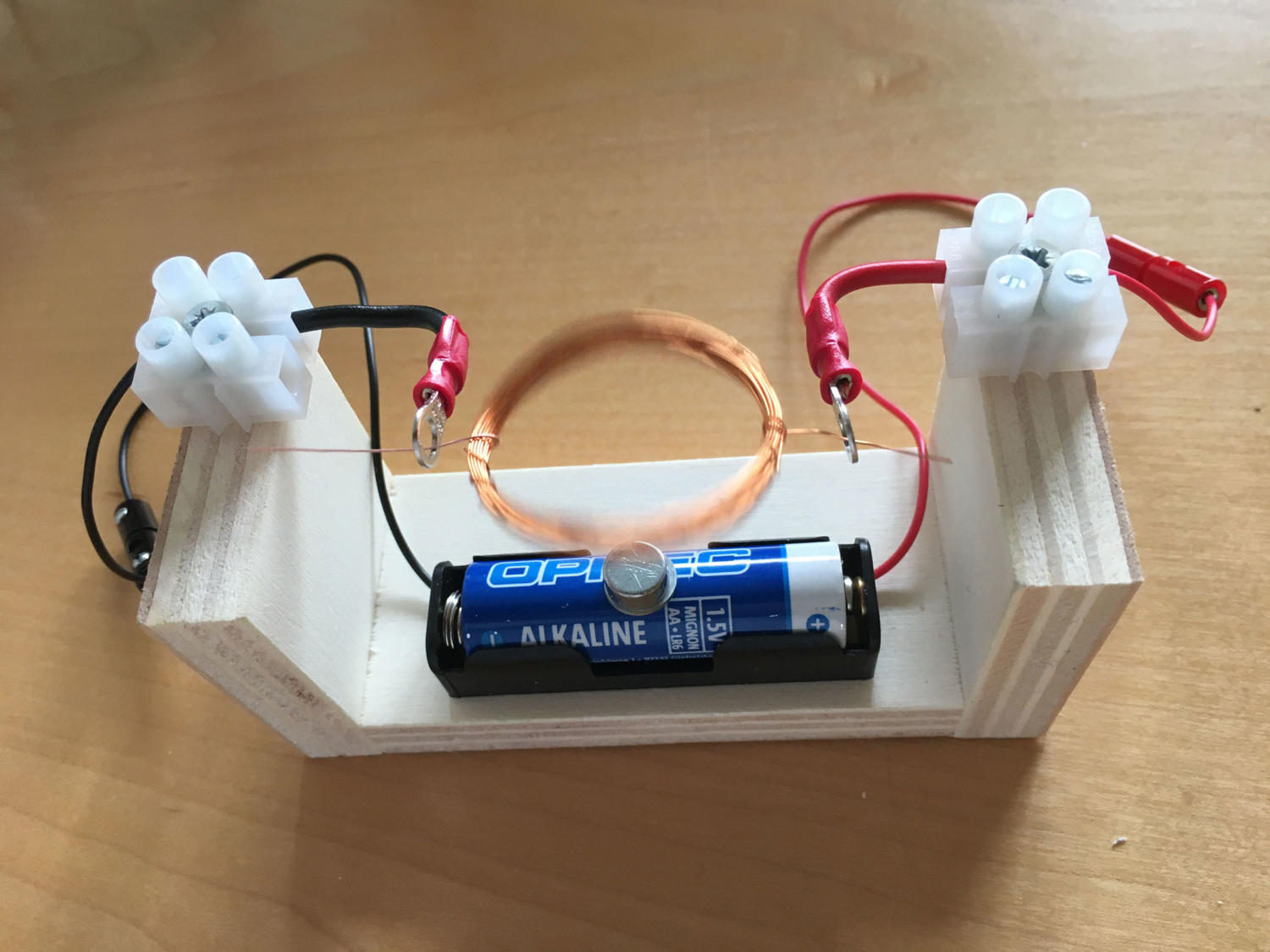
From late June through late August, eighth- and ninth-graders from Hesse had the opportunity to participate in an online workshop on STEM. During the workshop, the students received guidance from top-notch instructors on topics that are rarely covered—or only briefly touched upon—in school. These included many fascinating insights into renewable energy technology, biological and chemical processes, as well as experiments and mathematical equations. In addition, the students programmed their own game on the computer and even built an electric motor. To enable the students to conduct experiments on their own at home, Provadis sent material kits to their homes for the sessions (e.g., construction materials and chemicals). During the 10 two-hour video conferences, the students conducted experiments at home and discussed their findings with their peers and the subject experts. At the final session, several experts presented various STEM careers.

Provadis originally developed this series of events in Frankfurt a few years ago in cooperation with five science centers in Hesse. When in-person events were no longer permitted starting in March 2020, they developed this “Online STEM Workshop.” Since this workshop has been so well received by young people, it will be offered in the future both as an “online program” and, as soon as possible, as an in-person event.

Students who are interested can find out more about the upcoming “Mint – The Stars of Tomorrow” program by clicking the following link: https://www.provadis.de/provadis-gruppe/aktuelles/details/news/schuelerinnen-experimentieren-zuhause-live-am-bildschirm.html

I definitely had a lot of fun at the workshop, and I can really recommend taking part.
Joshua Wieder

Many thanks again to Ms. Tschirch from Chemikum Marburg for bringing this opportunity to our attention!

30. September 2020
https://steinmuehle.de/wp-content/uploads/sites/5/2020/09/Elektromotor-scaled.jpg 1125 1500 konnertz https://steinmuehle.de/wp-content/uploads/sites/5/2025/11/Logo_SchuleInternat_Steinmuehle_2026_3.png konnertz2020-09-30 14:48:522026-06-18 17:34:40Live experiments at home on your screen – Online workshop “STEM: The Stars of Tomorrow”

Successful Young Researchers at the IJSO

Contests & Awards, News, STEM, Talent Development

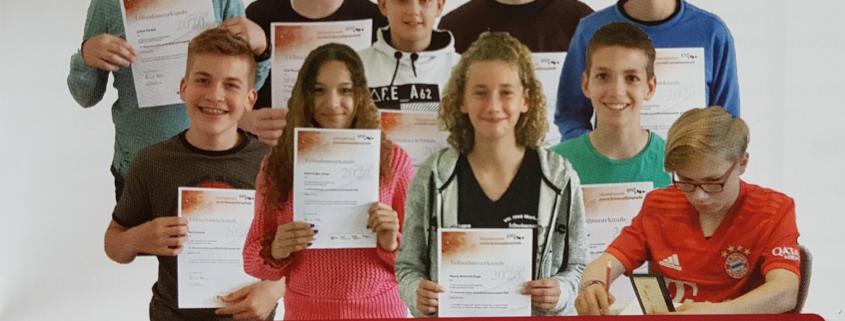
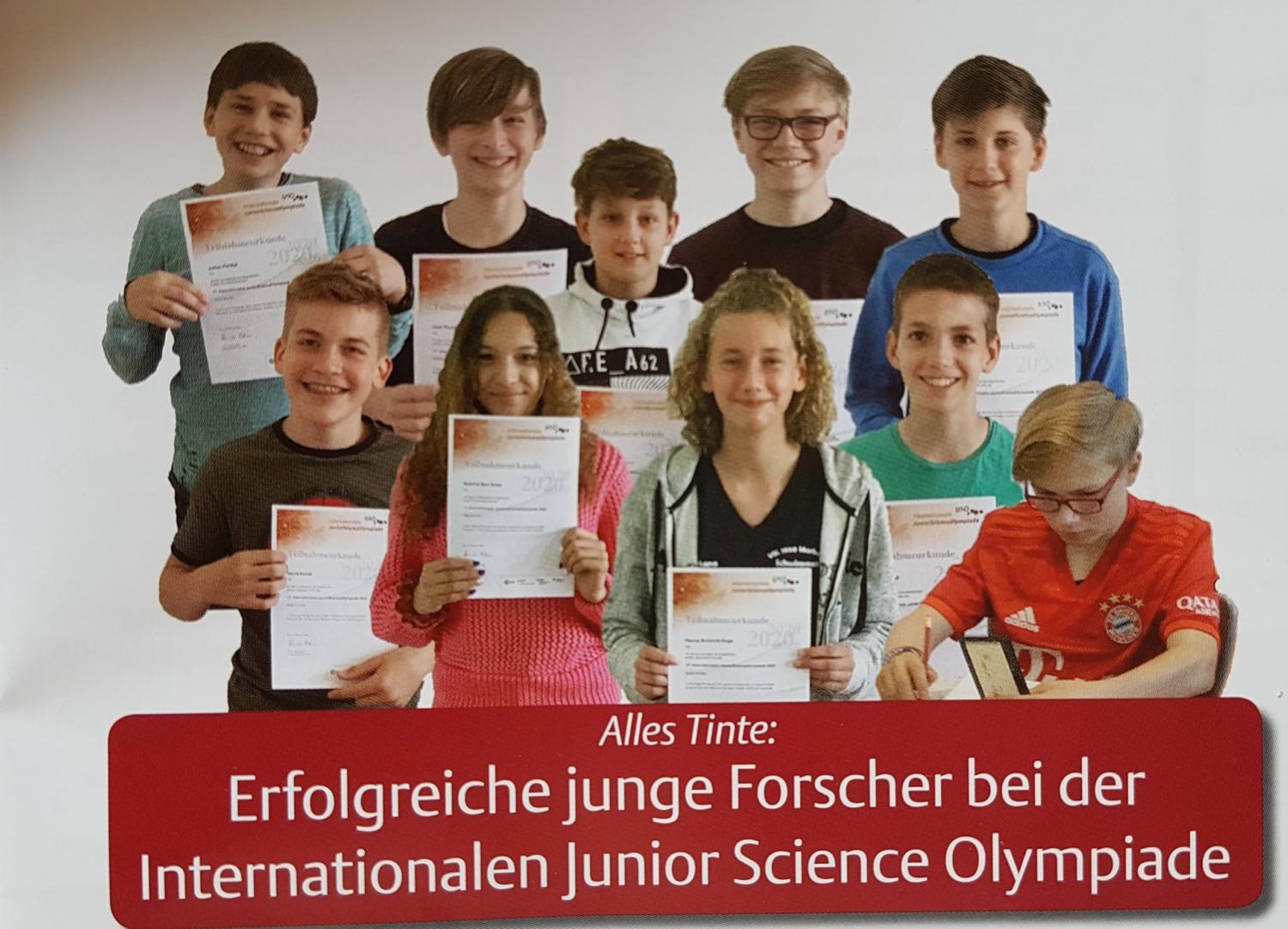
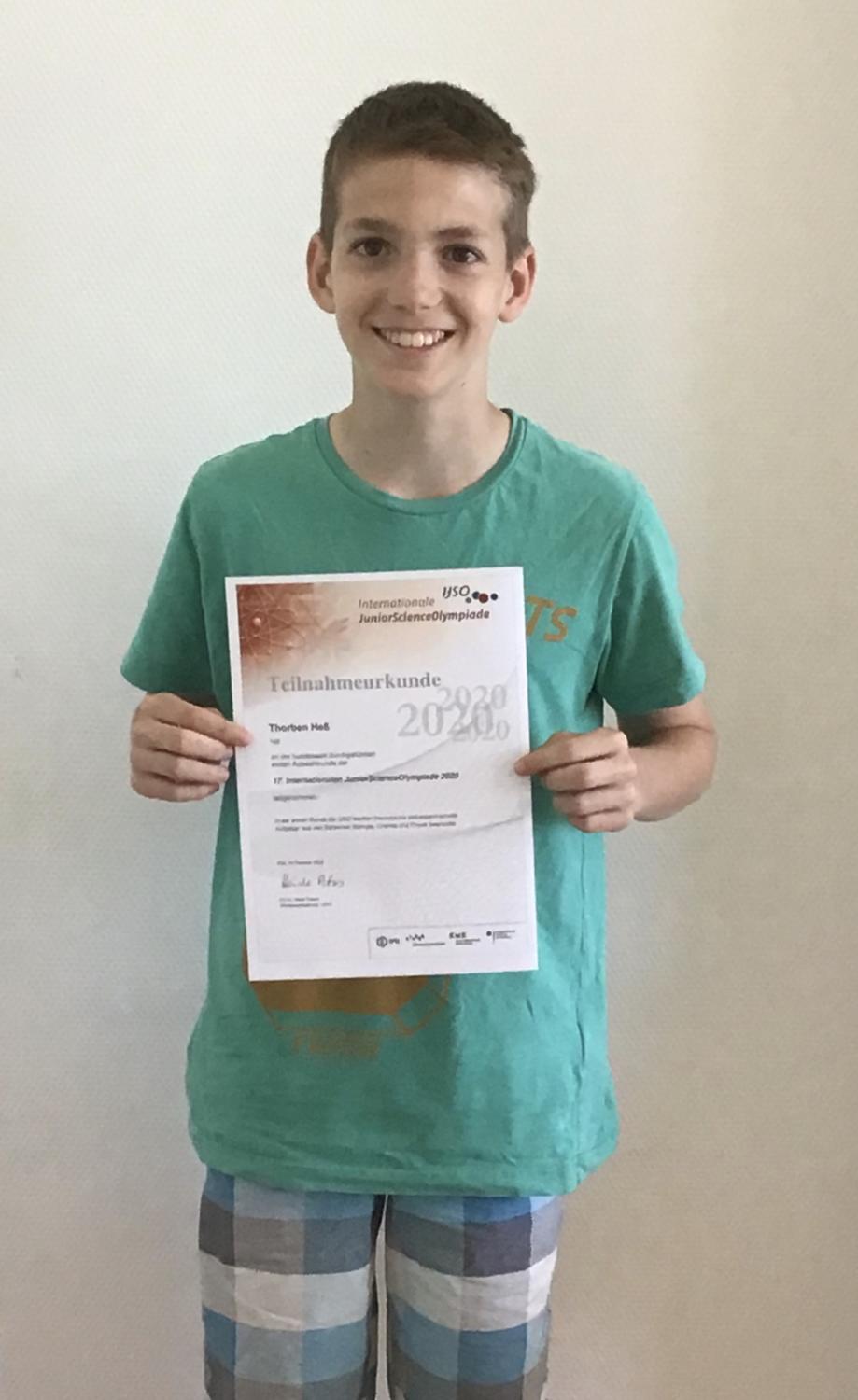
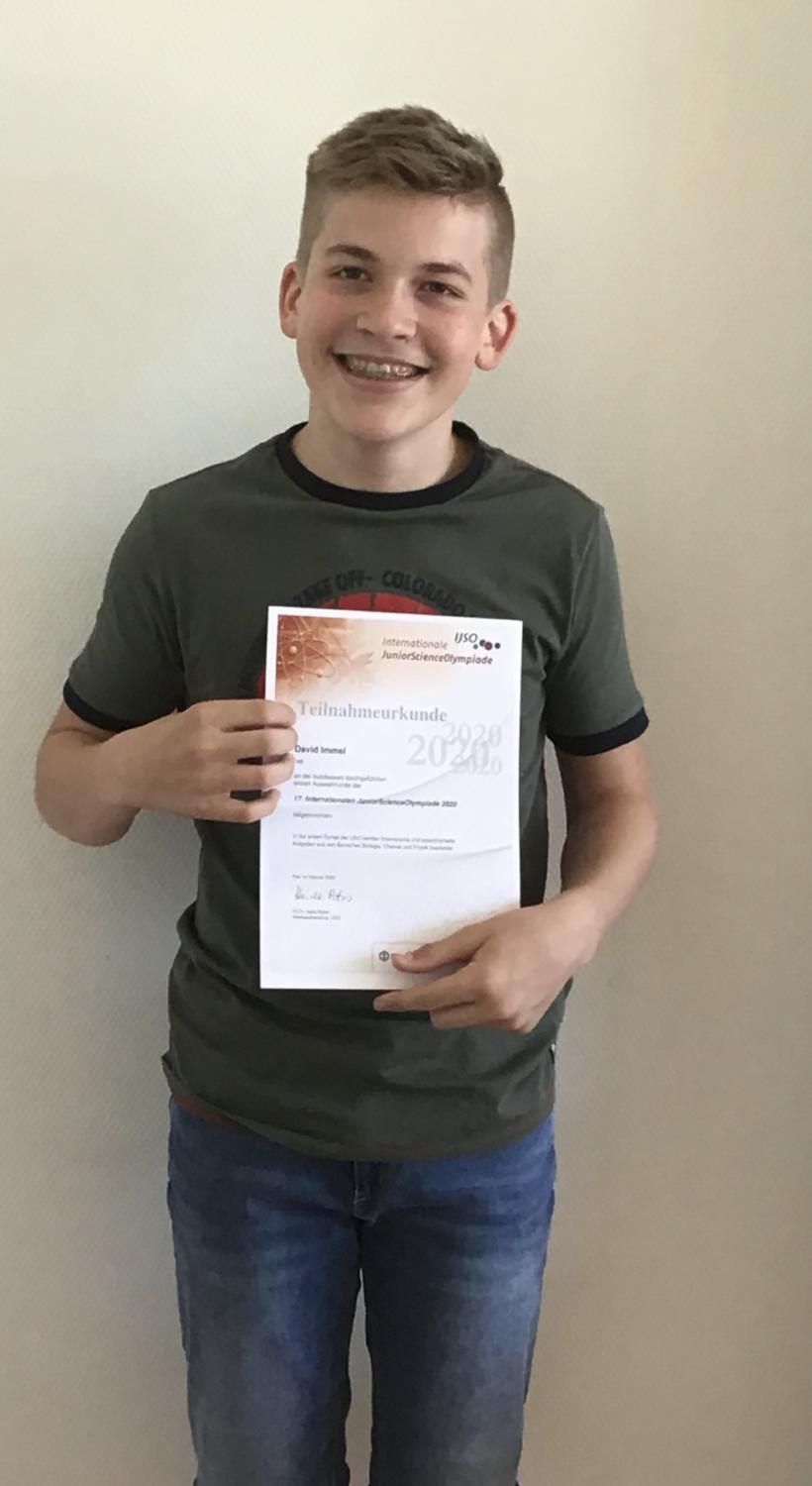
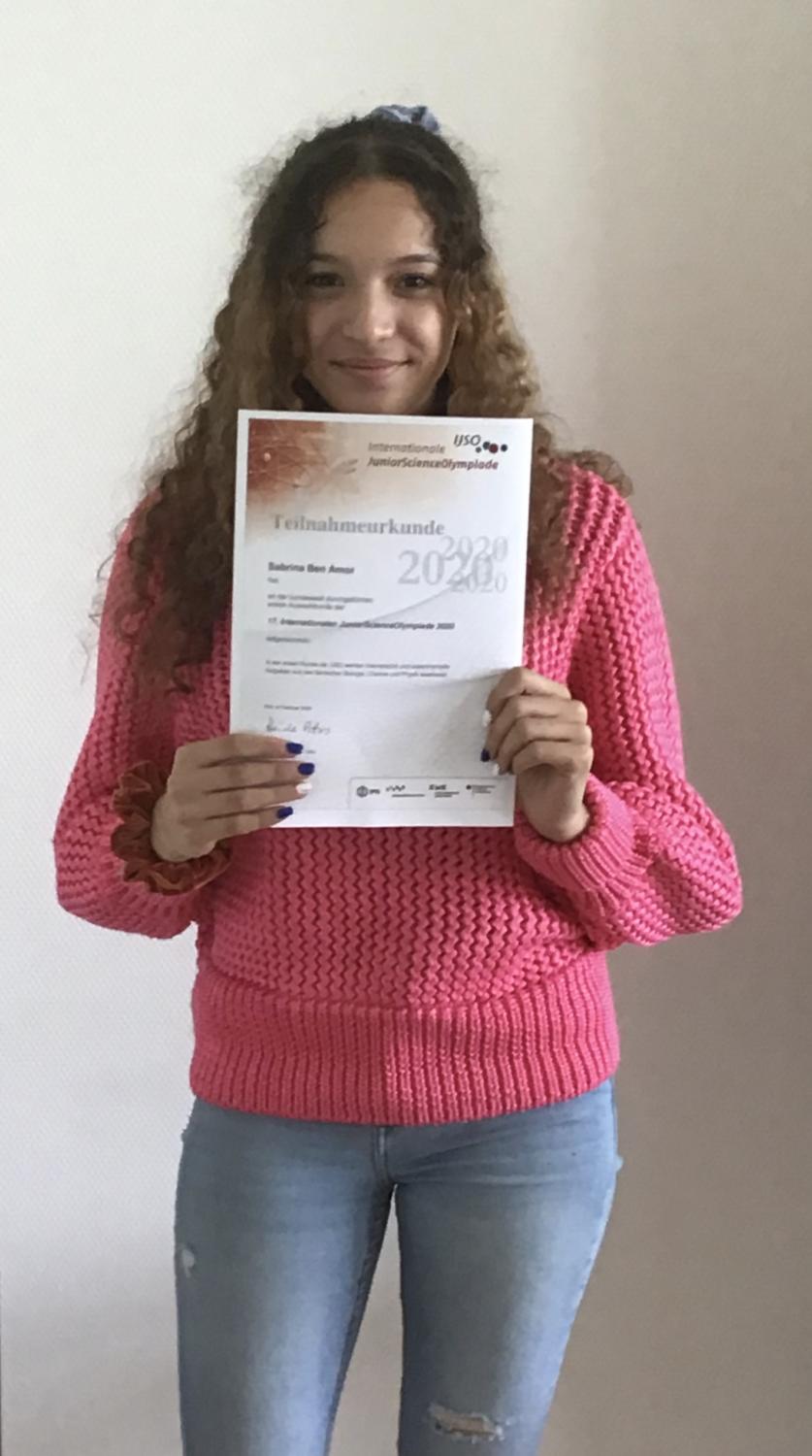
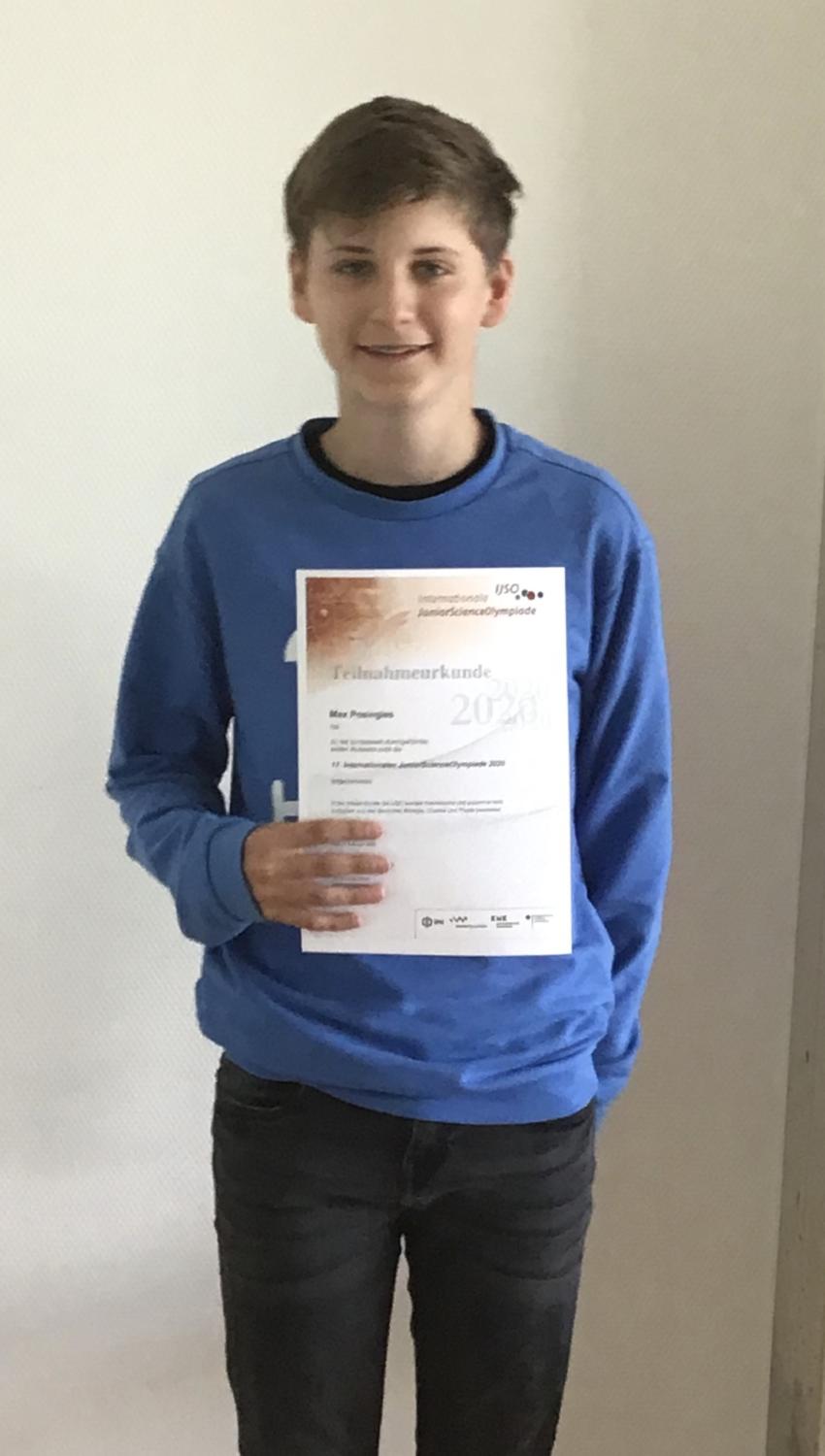
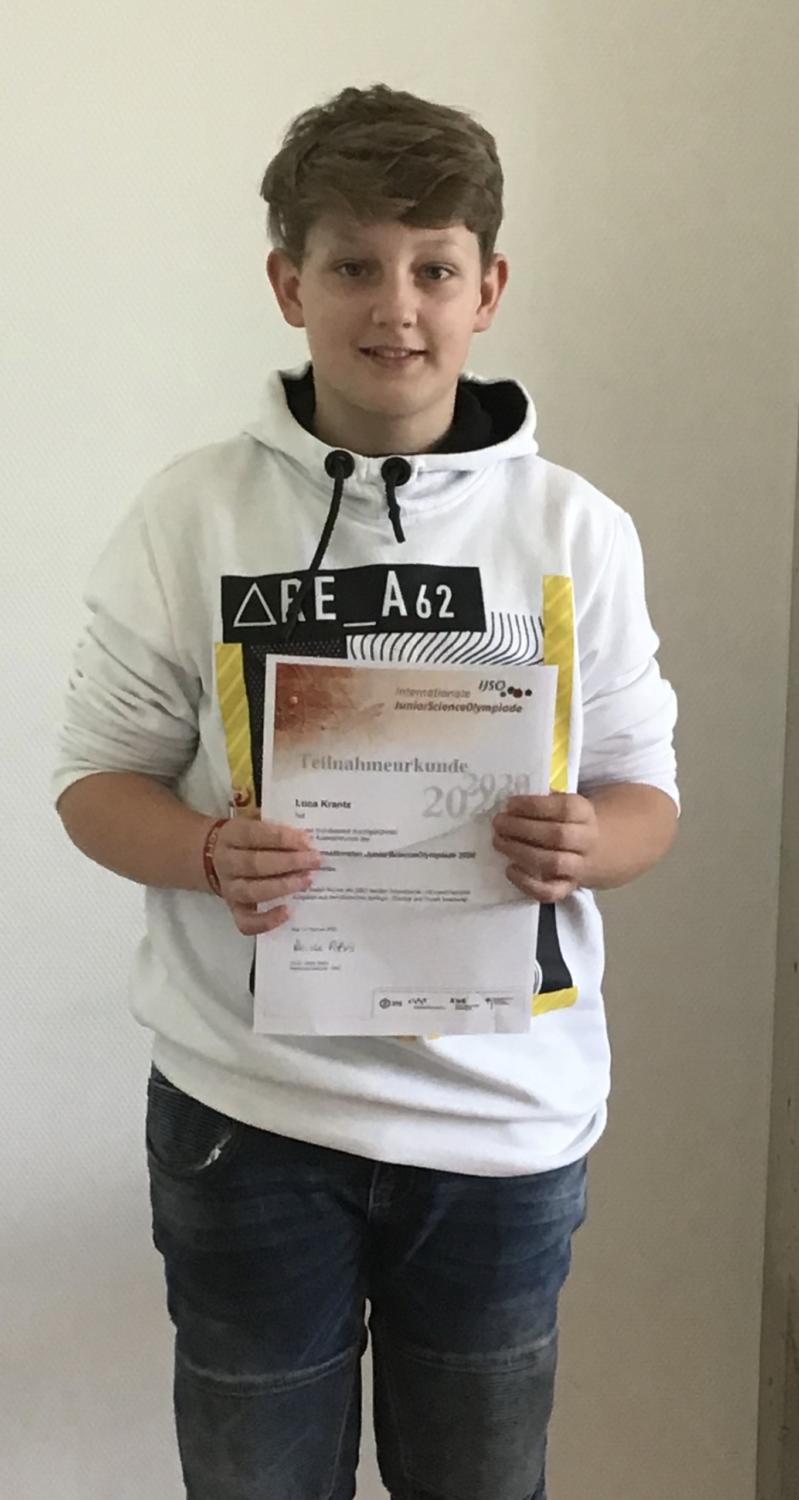
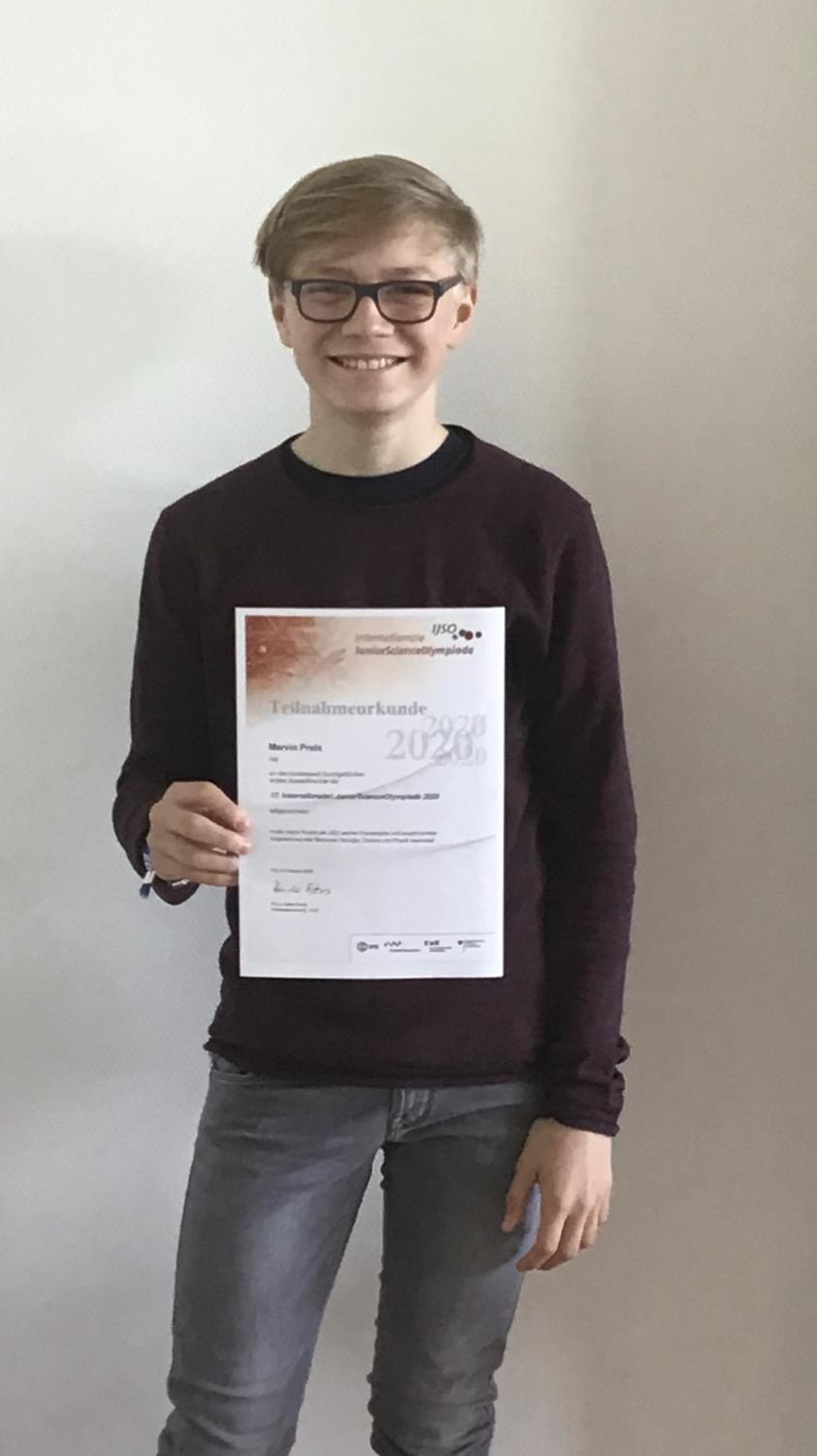
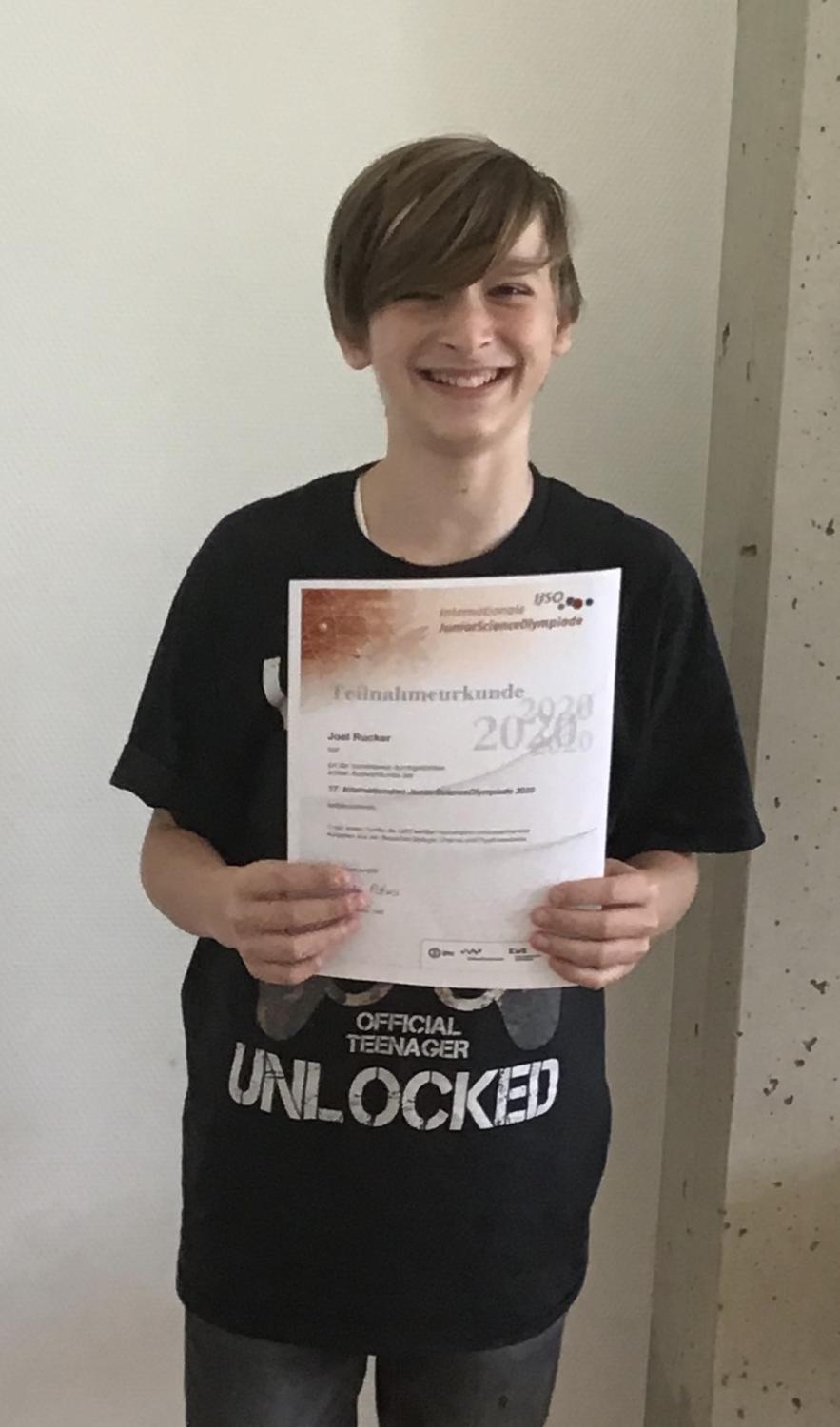
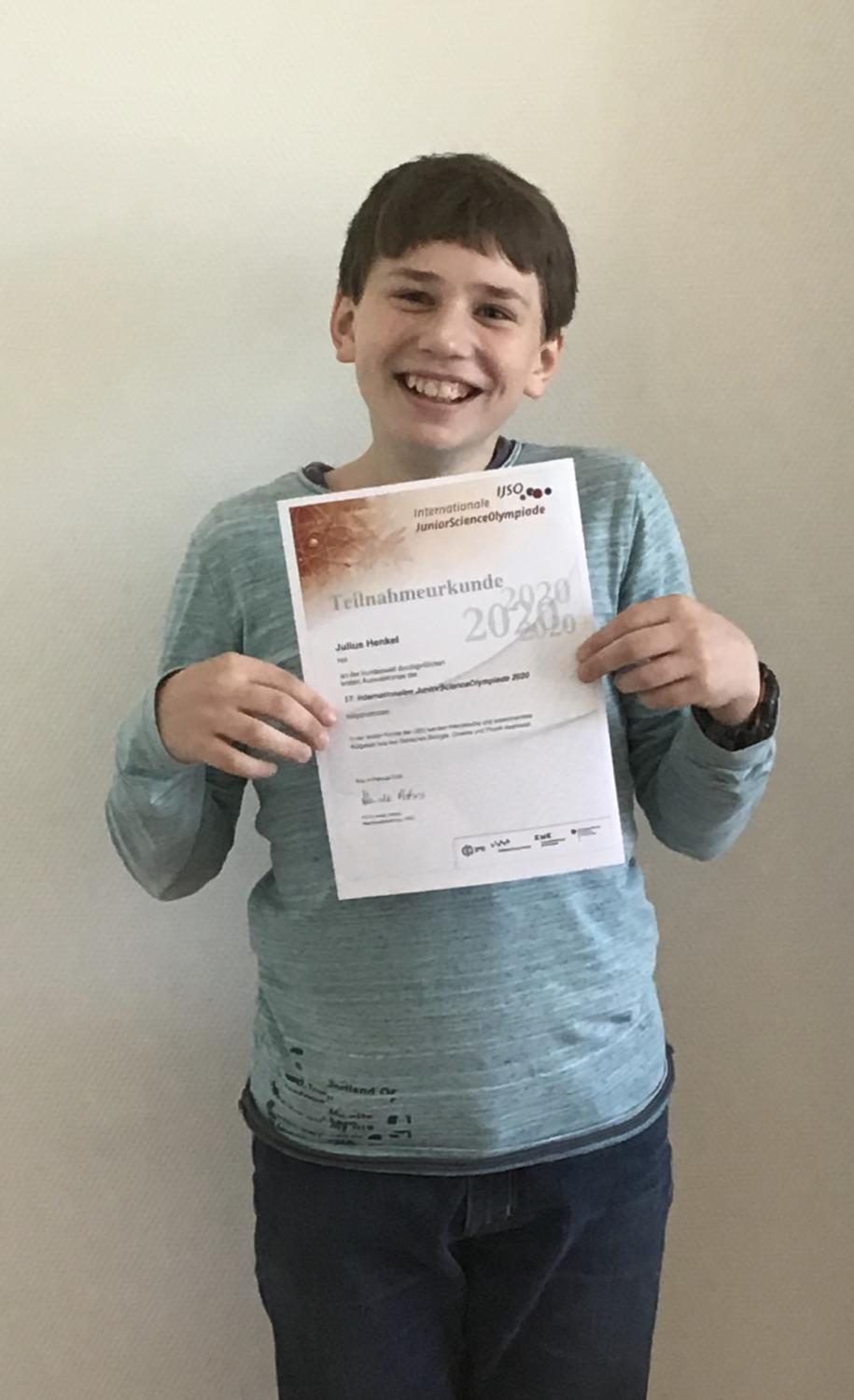
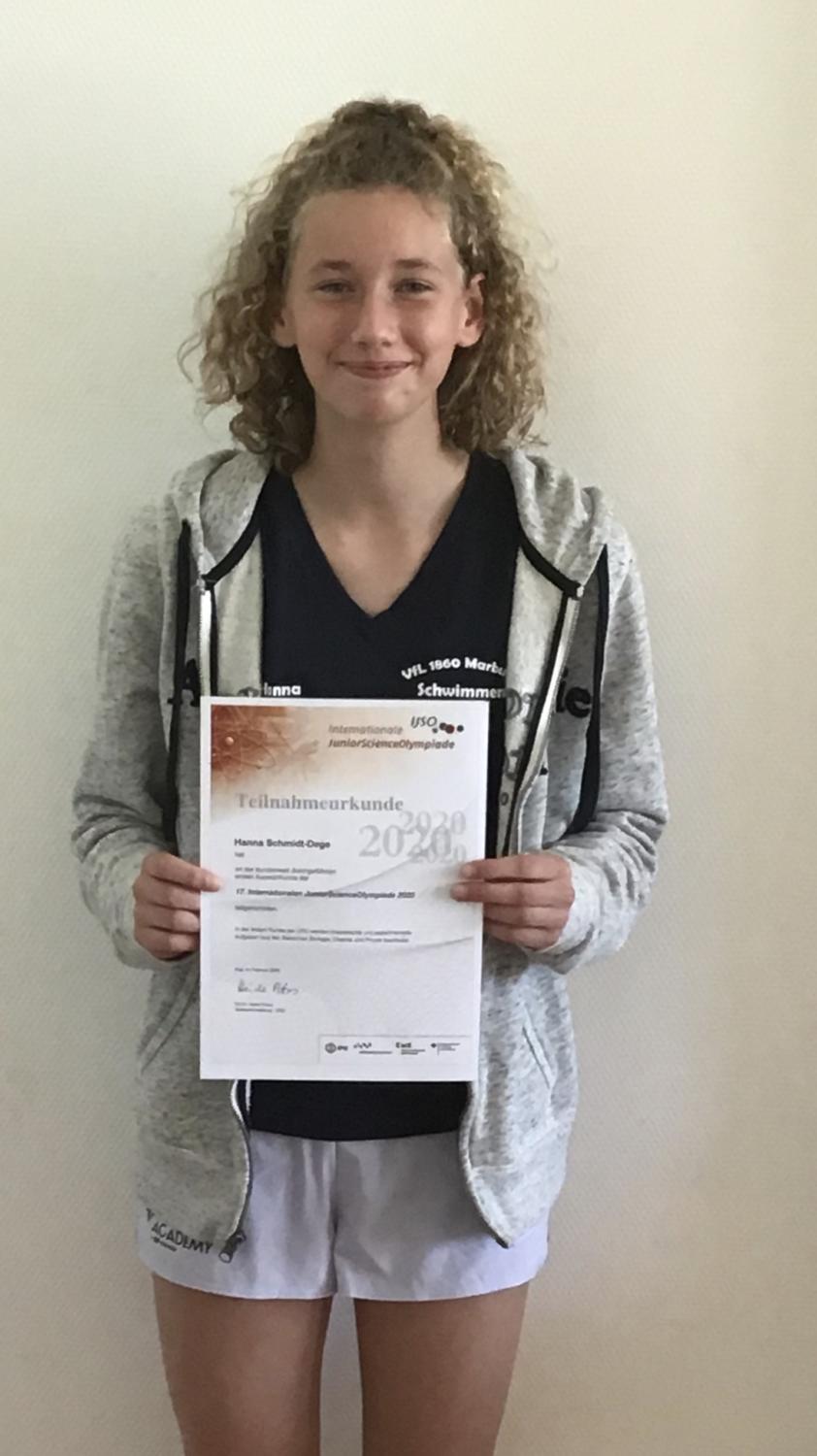
For the second time, Hanna Schmidt-Dege (7a), Sabrina Ben Amor, Julius Henkel, Thorben Heß, David Immel, Luca Krantz, Max Posingies, Marvin Preis, and Joel Rucker (all 7c) took part in the International Junior Science Olympiad, which this year had the theme “All About Ink.” In this competition, children and teenagers up to age 15, under the supervision of a teacher, can work on various competition tasks either alone or in small groups. The most important part of each task is an experiment that must be conducted, documented, and evaluated. This year, for example, the students investigated what happens to ink when it is “erased” with an ink eraser, and they made their own ink using various recipes. In two additional experiments, they used ink to examine water transport in flowers more closely and to visualize particle movement in liquids of varying concentrations and temperatures.

The students were able to conduct the experiments during their regular physics classes and thus also make use of the school’s resources (e.g., the student lab, physics equipment collection). The results show that everyone learned from last year’s experiences and acquired a high level of experimental competence.

Marvin Preis (7c), who not only participated in this year’s Olympiad but also successfully competed in the “Jugend experimentiert” contest last year, advanced to the next round of the competition. There, he had to answer a total of 24 quiz questions on various topics in the natural sciences that went far beyond the school curriculum for his age group. Marvin rose to this challenge as well and qualified for the next round—a written exam—which will take place in June, and we wish him the best of luck.

17. June 2020
https://steinmuehle.de/wp-content/uploads/sites/5/2020/09/IJSO0-scaled-1-scaled.jpg 1082 1500 konnertz https://steinmuehle.de/wp-content/uploads/sites/5/2025/11/Logo_SchuleInternat_Steinmuehle_2026_3.png konnertz2020-06-17 08:50:412026-06-18 15:54:57Successful Young Researchers at the IJSO

Steinmühle won top honors and special prizes at regional “Jugend Forscht” competitions

Contests & Awards, News, STEM, Talent Development

With a total of six projects, Steinmühle competed this year in the regional competitions in Lollar and Kassel. Three teams took first place, thereby qualifying for the state competitions in Darmstadt and Kassel in the “Schüler experimentieren” category. Three teams earned a special award.

Noteworthy is the participation of teams from various grade levels—from the lower school to the upper school. Grade 6 was represented twice, while grades 8, 9, 11, and 13 were each represented once. The subject areas were also quite diverse: research and experiments were conducted three times in biology and once each in chemistry, physics, and earth and space sciences.

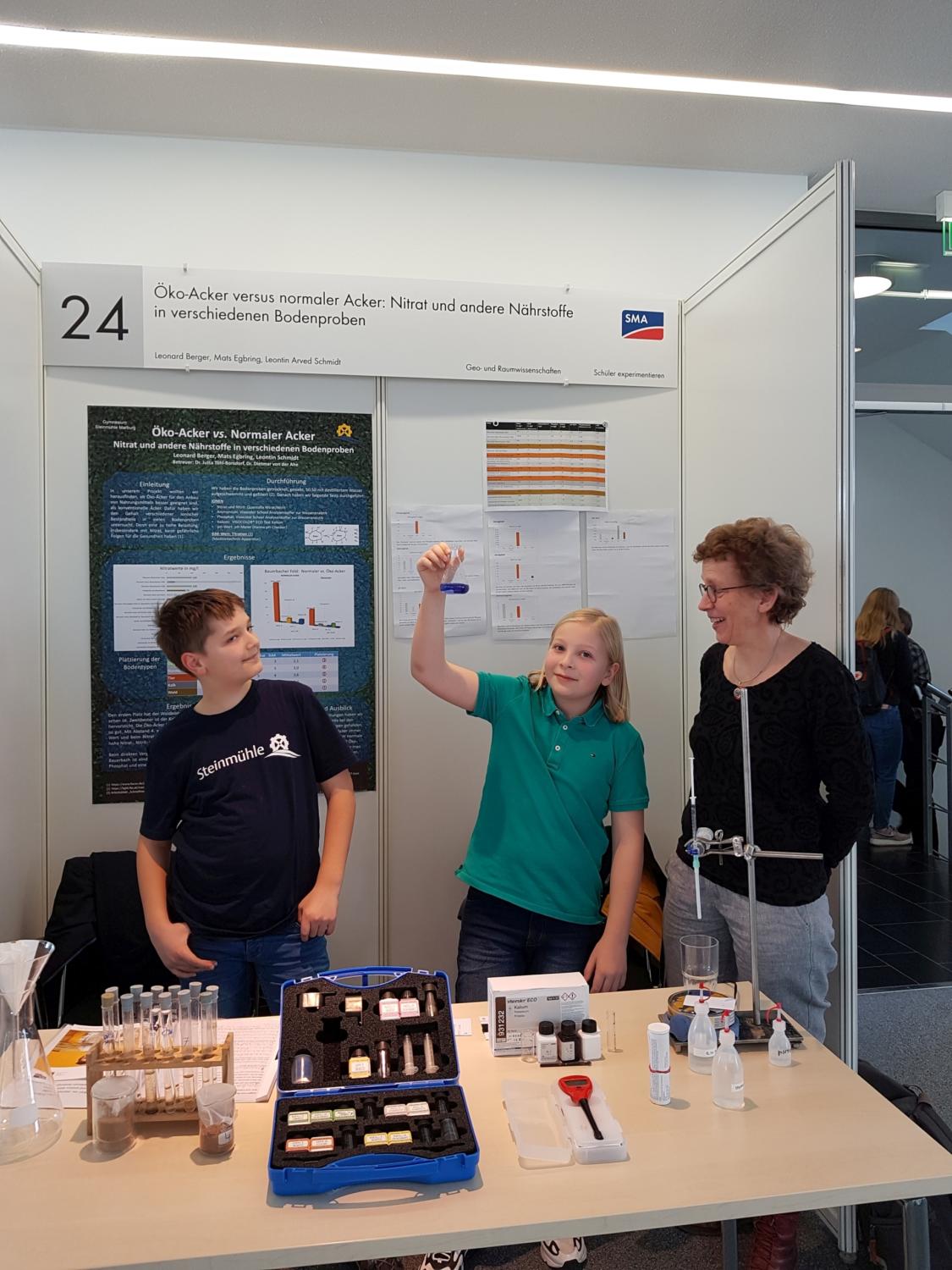
Leonard Berger, Mats Egbring, and Leontin Schmidt were the sixth-graders who, in the “Schüler experimentieren” under the guidance of teachers Dr. Jutta Töhl-Borsdorf and Dr. Dietmar von der Ahe, and also took home the special prize for environmental technology. They compared organic fields with conventional fields. In doing so, they analyzed a total of nearly 20 soil samples and found that organic fields scored highly both due to their low nitrate levels and their ability to bind and subsequently release nutrients. Conventional fields—and especially those fertilized with liquid manure—almost universally exhibited concerning levels of nitrate and nitrite. The jury deemed the topic, the project, and its results worthy of the highest possible ranking. Next up is the state competition in Kassel.


Not enough oxygen in the shoe

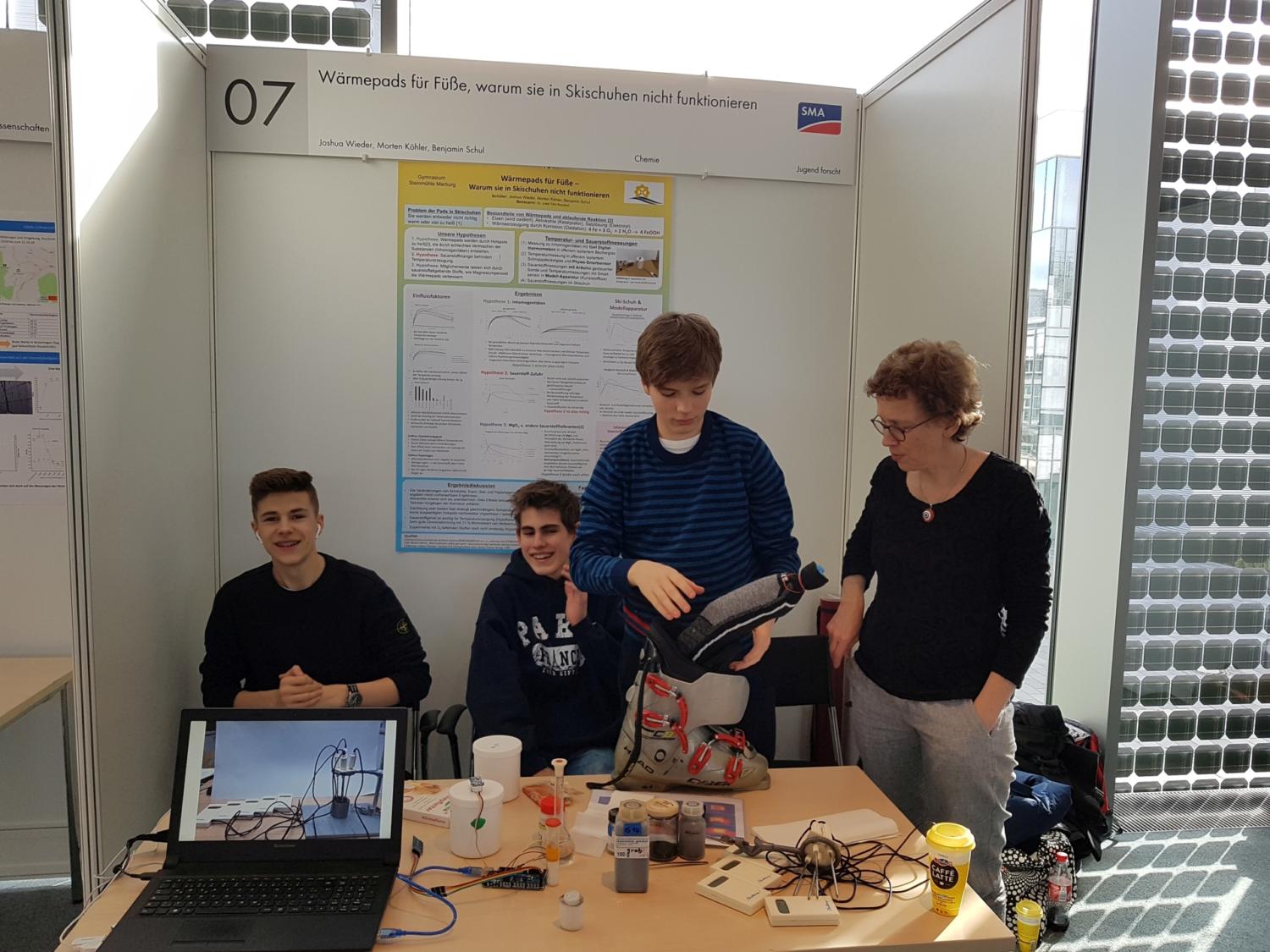
Morten Köhler, Benjamin Schul, and Joshua Wieder from 9th grade investigated why heat pads don’t work in ski boots. The three students had gotten cold feet during the Steinmühle ski trip and noticed that heat pads for feet—which are supposed to provide relief—work very poorly. They investigated the chemical reaction and found—in part by measuring temperature and oxygen curves—that there is simply not enough oxygen inside ski boots. As a result, the desired reaction quickly comes to a halt.

Under the guidance of teacher Dr. Jutta Töhl-Borsdorf, they used smartphone-controlled temperature sensors and an oxygen probe controlled by an Arduino. Arduino microcontroller boards were first introduced at Steinmühle by Malte Klimczak in the elective technology class and were also used here to address chemistry problems. These three students also won first place in chemistry for the best interdisciplinary project and can look forward to competing in the state competition in Darmstadt.


How Flour Beetles “Break Down” Styrofoam

Clara Müller, Marie Englert, and Jennifer Weber, all 11th-grade students, investigated—under the guidance of Dr. Dietmar von der Ahe—whether bacteria in the gut flora of mealworm larvae play a role in the degradation of Styrofoam. The students observed the feeding behavior of mealworm larvae (Tenebrio molitor) under various conditions. Using molecular biology methods (PCR, genomic and PCR DNA isolation, DNA quantification with a photometer, gel electrophoresis, and 16S rRNA gene sequencing performed by Eurofins Genomics, Ebersberg), they examined 230 different bacterial clones from the larvae’s gut flora for their phylogenetic relationships and their ability to degrade polystyrene. In the process, they identified several bacterial clones from the Enterobacteriaceae family that can degrade the plastic in a nutrient solution. The genome of one of these clones (Clone No. 43) was fully sequenced (approximately 6 million base pairs) by Eurofins Genomics on their behalf in order to search the genome for coding regions for enzymes that might be involved in styrene degradation. The students also presented a possible mechanism for the chemical process of styrene degradation. As a special prize, the trio received a one-year subscription to the scientific journal “Bild der Wissenschaft.”


Connecting with the University Through a Competition

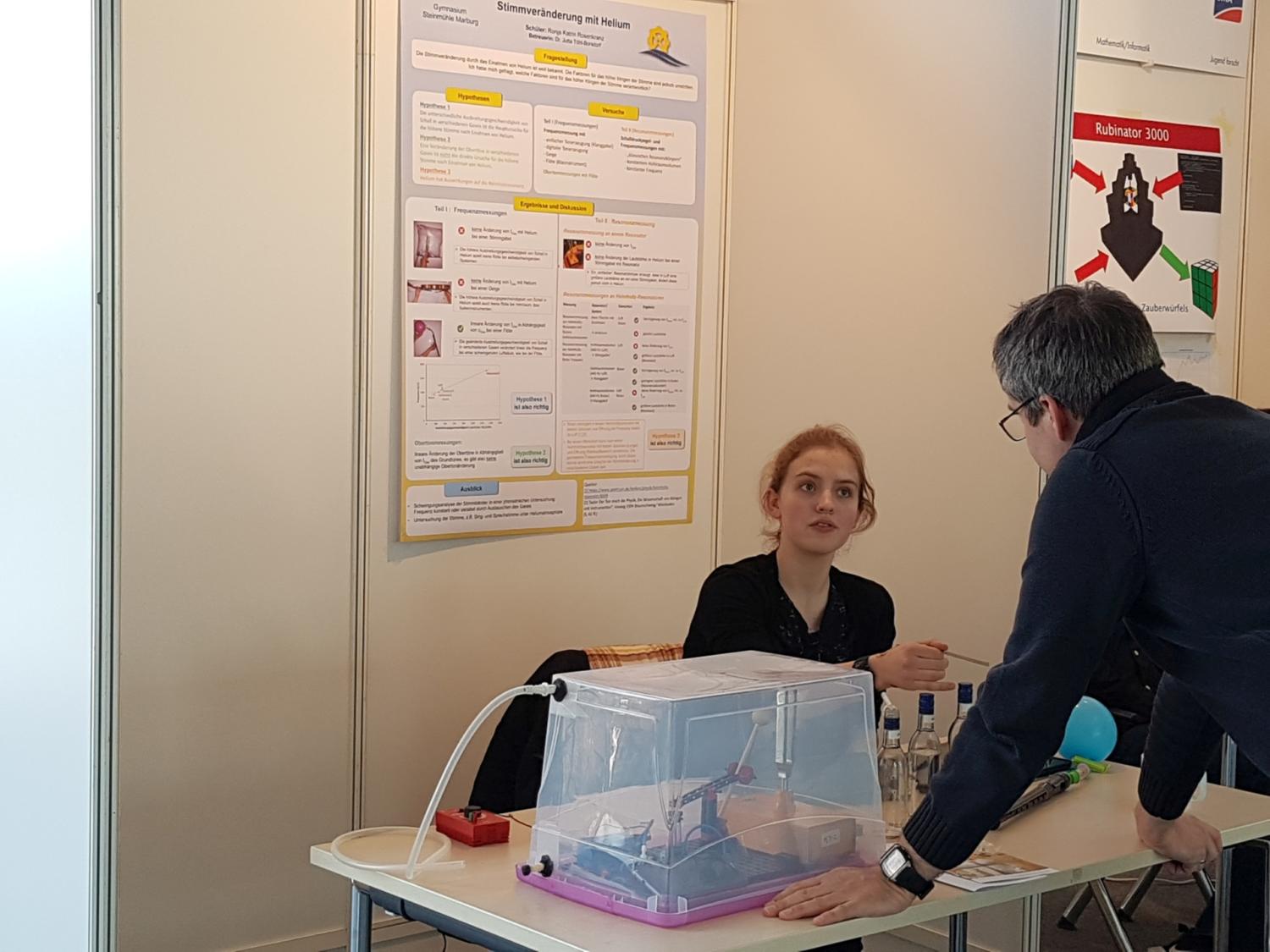
Ronja Rosenkranz, a 13th-grade student, impressed the jury in the physics category. She investigated what causes voice changes when inhaling helium. Students asked themselves this question in the 5th-grade NaUnt course taught by Dr. Jutta Töhl-Borsdorf. Ronja quickly realized that the explanation found almost everywhere is only partially correct and that the phenomenon is much more complex than previously thought. She developed various experimental setups to get to the bottom of the matter. The jury particularly emphasized her highly scientific approach to this question. Through the competition, she quickly established contacts with the University of Marburg, making it possible to conduct measurements in the Department of Phoniatrics. First place in physics for this project and the special prize for acoustics also qualify Ronja Rosenkranz for the state competition in Darmstadt.


What Earthworms Like

In the “Schüler experimentieren” competition, led by Dr. Dietmar von der Ahe, young researchers Teresa Dinges (Class 6b) and Sophia Rogosch (6c) investigated the potential effects of earthworms on soil and climate. In this project, the students took a close look at the behavior of the native earthworm Lumbricus terrestris and its interaction with soil bacteria. In the process, they discovered:

  • the type of soil that earthworms prefer
  • what soil conditions he avoids (pH level, calcareous soil, sandy soil, etc.)
  • that earthworms produce significant amounts of the greenhouse gas CO2 in the soil through their interaction with soil bacteria.
  • that the bacterial families present in the soil differ from those found in earthworm feces.


The Environment of Horsehide

Silas Krüger and Jan Vollmer (both in Class 8c) wanted to learn more about “life on a horse’s skin.” Under the guidance of Dr. Dietmar von der Ahe, the students examined various skin areas of two horses (skin, ear, nose, mouth) for bacterial colonization—the so-called microbiome. In the process, they discovered that the summer microbiome differs significantly from the winter microbiome—that is, different bacterial families are found on the various skin areas in summer than in winter. This corresponds to the different skin functions under varying climatic conditions.


18. March 2020
https://steinmuehle.de/wp-content/uploads/sites/5/2020/03/1-scaled.jpg 673 1500 konnertz https://steinmuehle.de/wp-content/uploads/sites/5/2025/11/Logo_SchuleInternat_Steinmuehle_2026_3.png konnertz2020-03-18 12:44:412026-06-18 15:50:38Steinmühle won top honors and special prizes at regional “Jugend Forscht” competitions

First Prize at “Jugend musiziert” for Nela Haeberle and her flute quartet

Art, Music & Theater, Contests & Awards, News, Talent Development

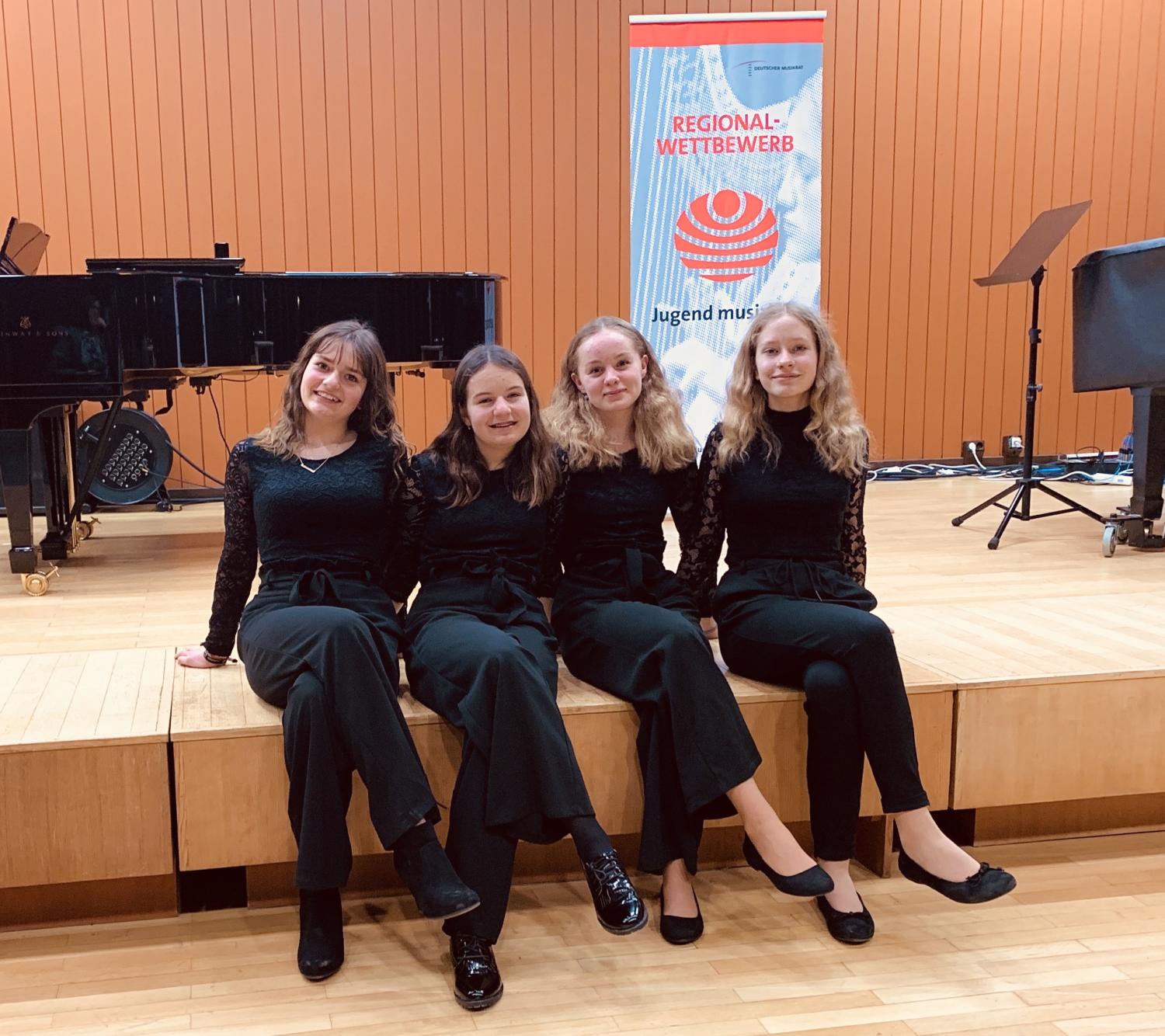
Nela Haeberle and her flute quartet won first prize with a perfect score of 25 points at the Central Hesse regional round of “Jugend musiziert” held at the Philosophikum II in Giessen. The “Vier Notenschlüssel” have thus qualified directly for the state competition, which will be held at the end of March at the State Music Academy in Schlitz. The quartet’s ultimate goal—which includes Nela Haeberle (second from the left) along with students Anna Briel, Anna Schwarz, and Miriam Lange—is to qualify for the national competition. We’re keeping our fingers crossed for them!

18. March 2020
https://steinmuehle.de/wp-content/uploads/sites/5/2020/03/IMG_0086-scaled.jpg 1334 1500 konnertz https://steinmuehle.de/wp-content/uploads/sites/5/2025/11/Logo_SchuleInternat_Steinmuehle_2026_3.png konnertz2020-03-18 10:59:542026-06-18 17:34:25First Prize at “Jugend musiziert” for Nela Haeberle and her flute quartet

“Jugend Forscht” Training Trip for Winners of the State Advisor Awards

Contests & Awards, News, STEM, Talent Development

Under the motto “Jugend Forscht Offers More,” the award-winning mentors from the individual federal states gathered for an interesting professional development trip from November 15 to 17, 2019.
Dr. Jutta Töhl-Borsdorf, a teacher at Steinmühlen School, was awarded the Mentor Prize for Hesse at the state-level “Jugend forscht” competition in Kassel. A varied program awaited her in Paderborn, to which the “Jugend forscht” ambassadors from the federal states were also invited. In addition to exciting program activities, there was also ample time and opportunity for collegial exchange in a relaxed atmosphere.
It was particularly interesting to see how differently individual schools organize their participation in the “Jugend forscht” competition, depending in part on the specific conditions and opportunities in each federal state.
The new contacts made, as well as the many stimulating conversations and ideas, will certainly be valuable for the further development of the “Jugend Forscht” projects at Steinmühle.

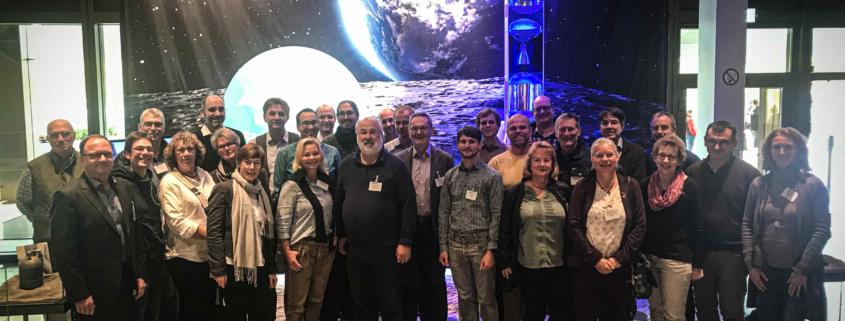
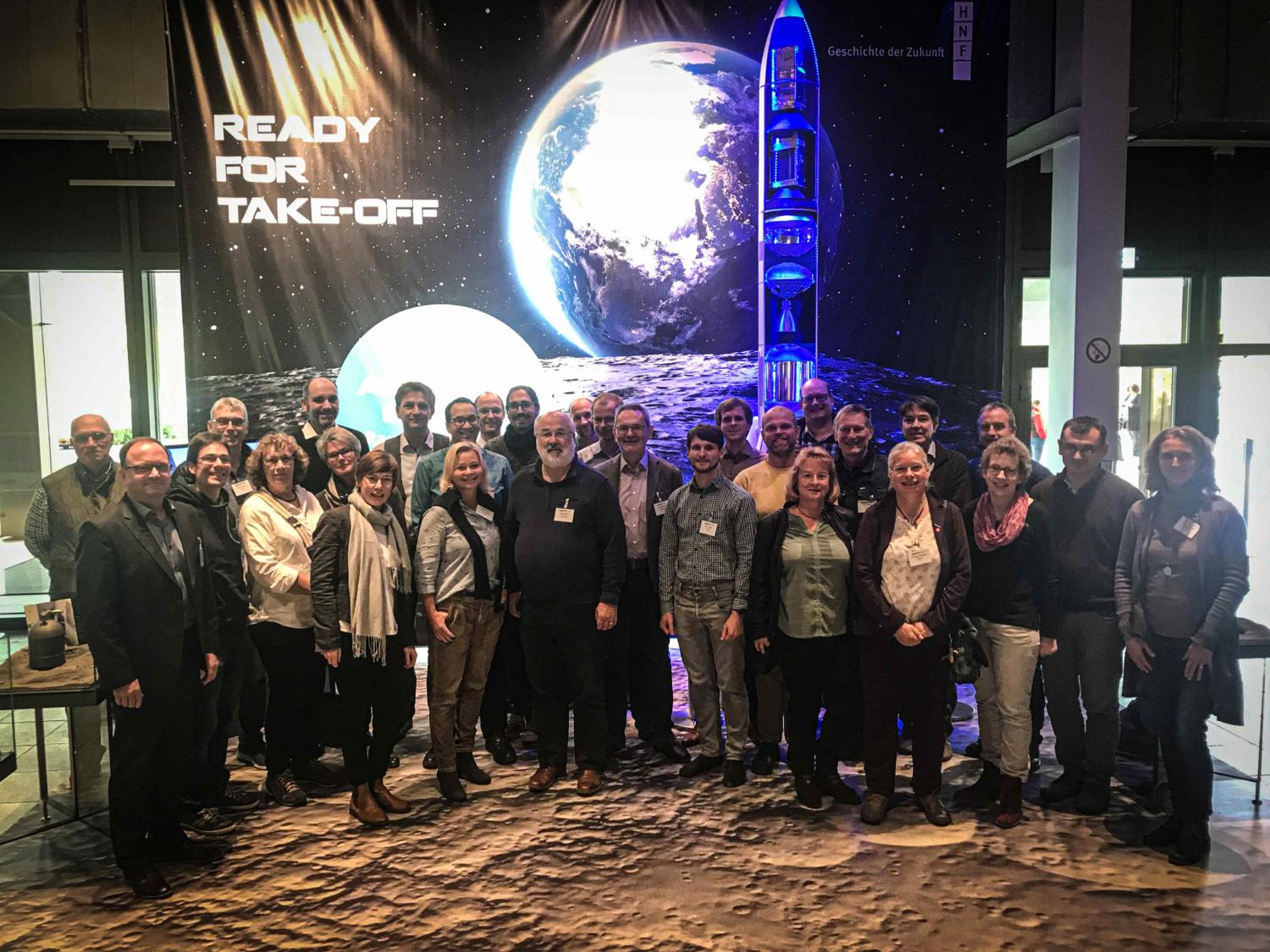
(Photo: Award-winning mentors with the ambassadors from the federal states and the organizers “on the moon” at the Heinz Nixdorf Museum)

28. November 2019
https://steinmuehle.de/wp-content/uploads/sites/5/2020/01/2019-11-16_13-34-07x_Jugend-Forscht-Betreuerpreis-Nixdorf-Paderborn-scaled.jpg 1125 1500 konnertz https://steinmuehle.de/wp-content/uploads/sites/5/2025/11/Logo_SchuleInternat_Steinmuehle_2026_3.png konnertz2019-11-28 08:28:382026-06-18 15:48:35“Jugend Forscht” Training Trip for Winners of the State Advisor Awards

Awards for everyone in the junior division of “Jugend forscht”

Contests & Awards, News, STEM, Talent Development

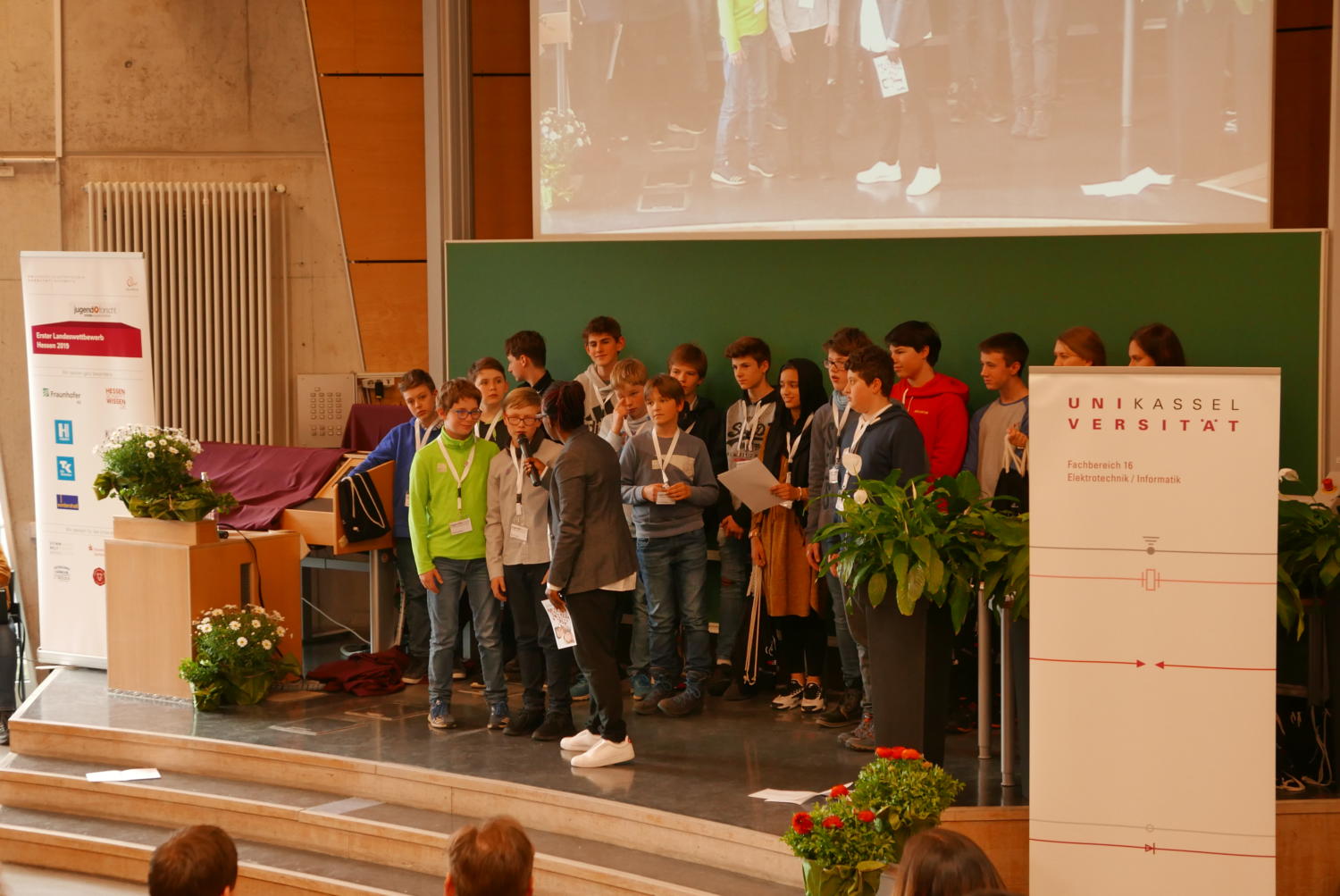
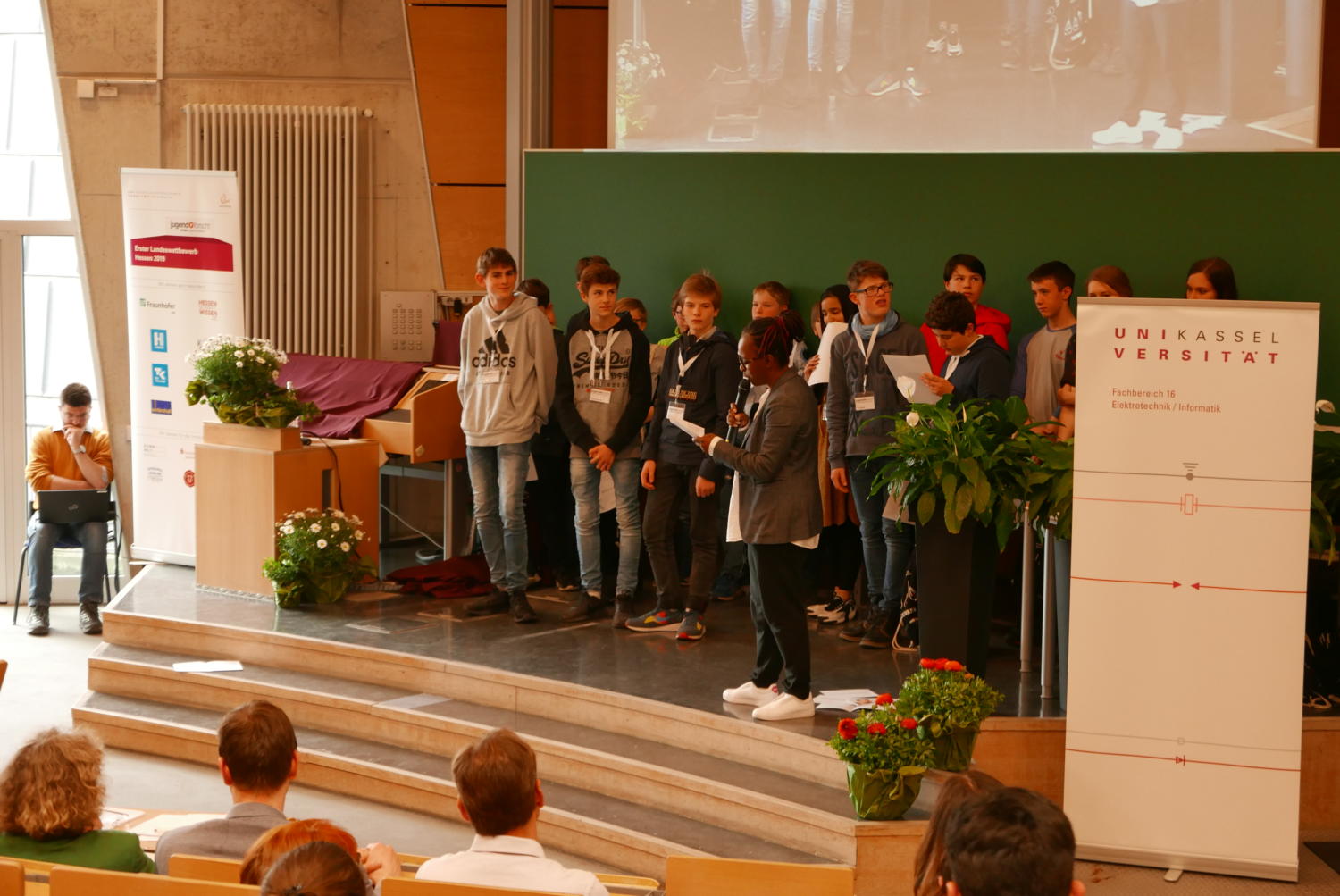
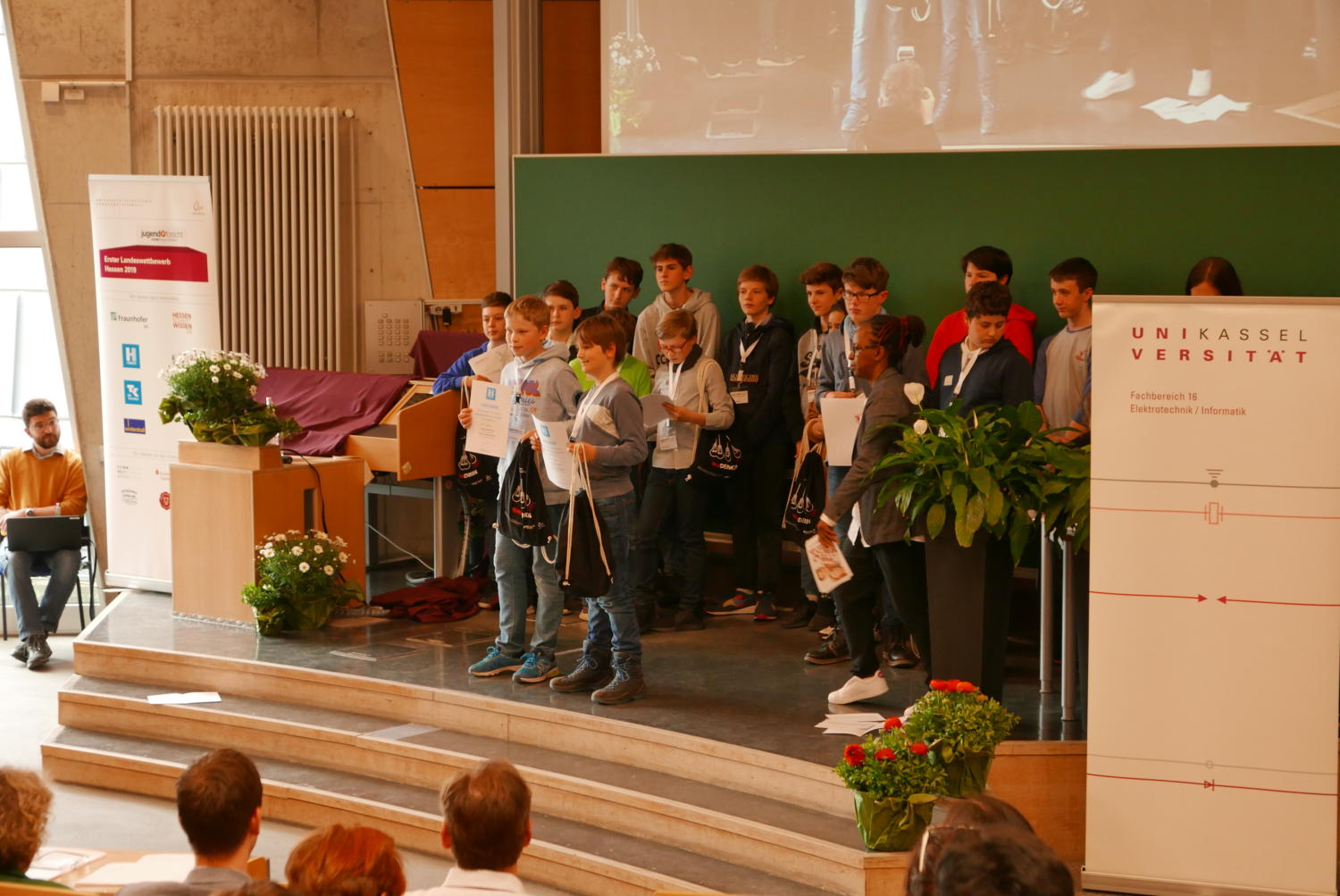
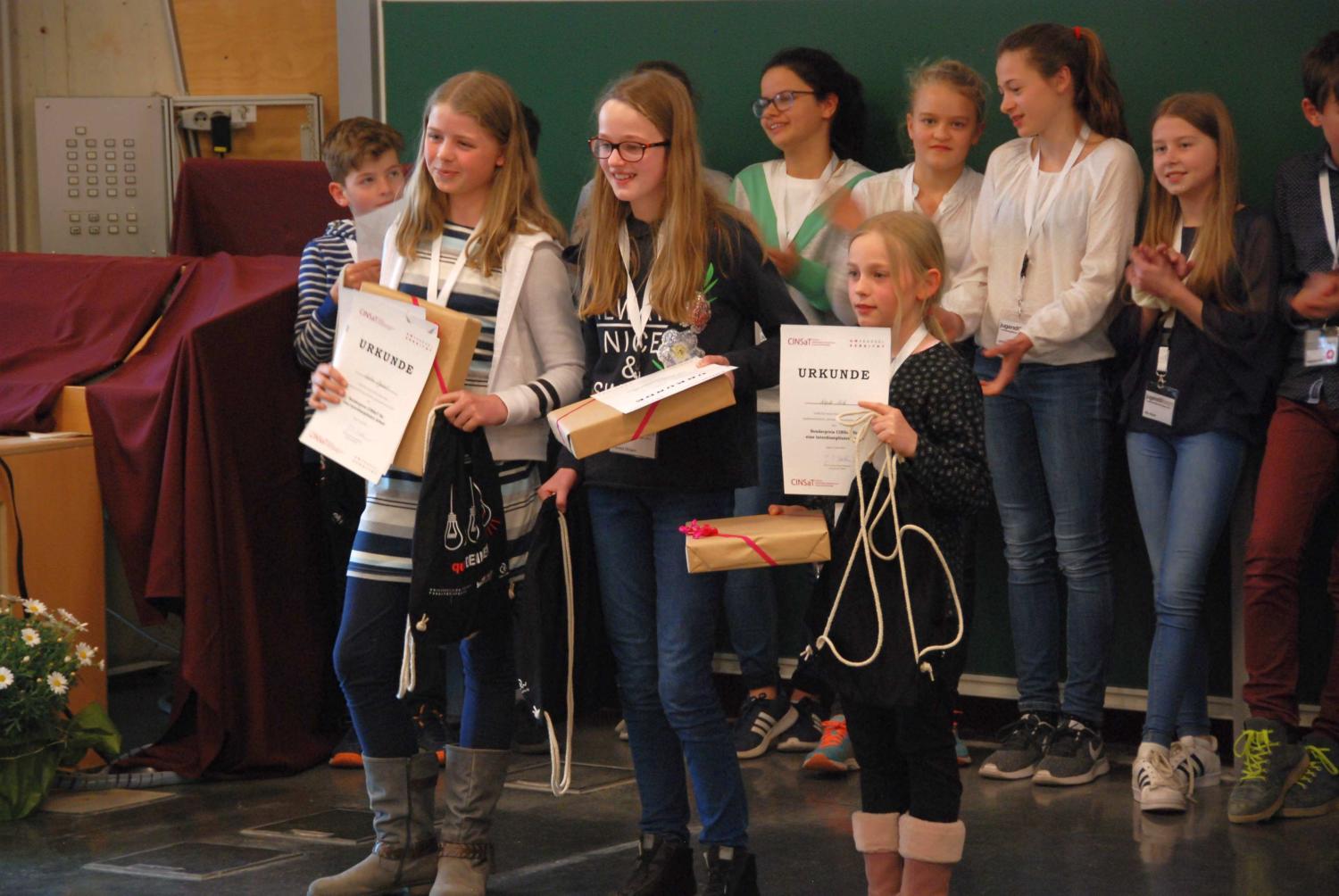
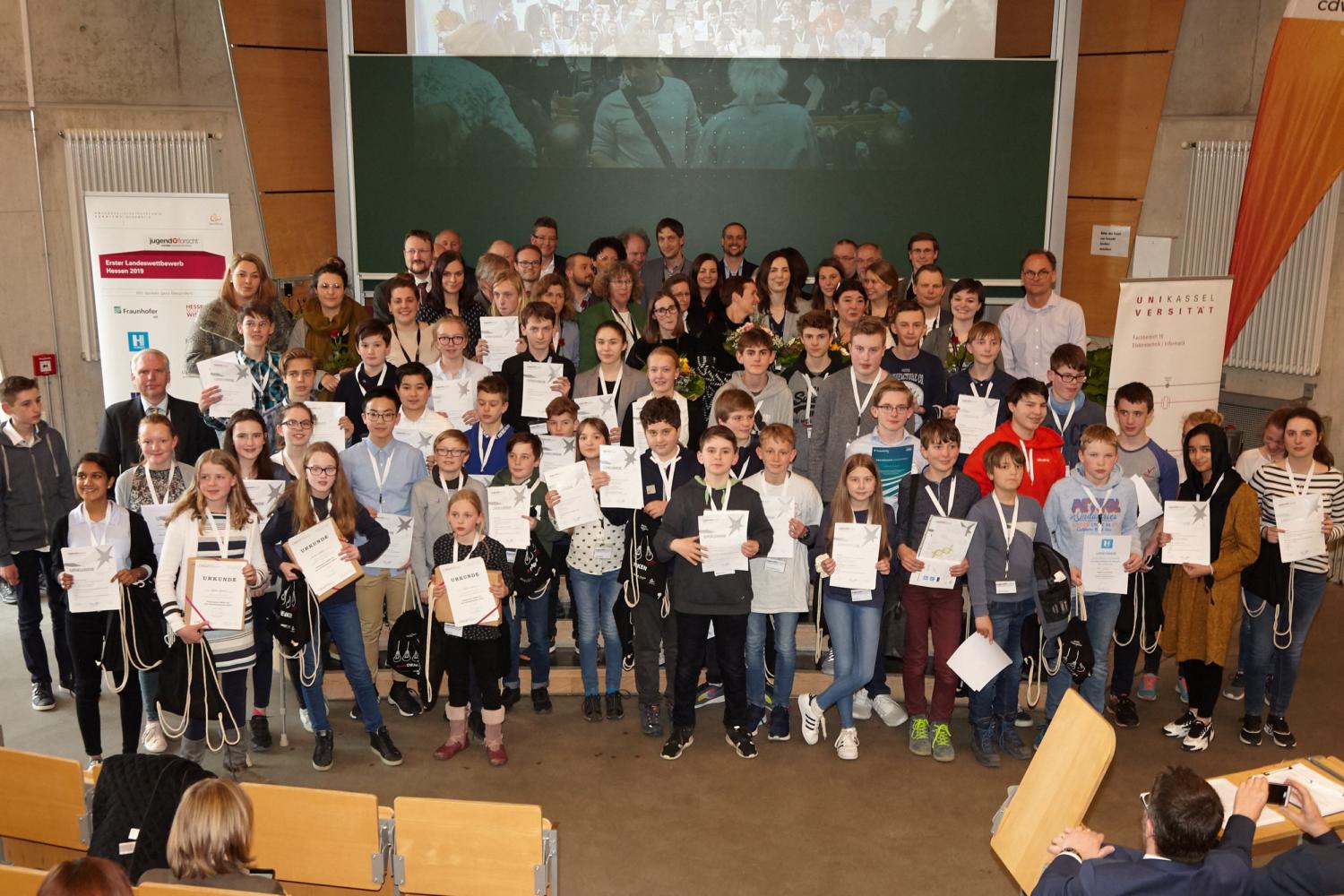
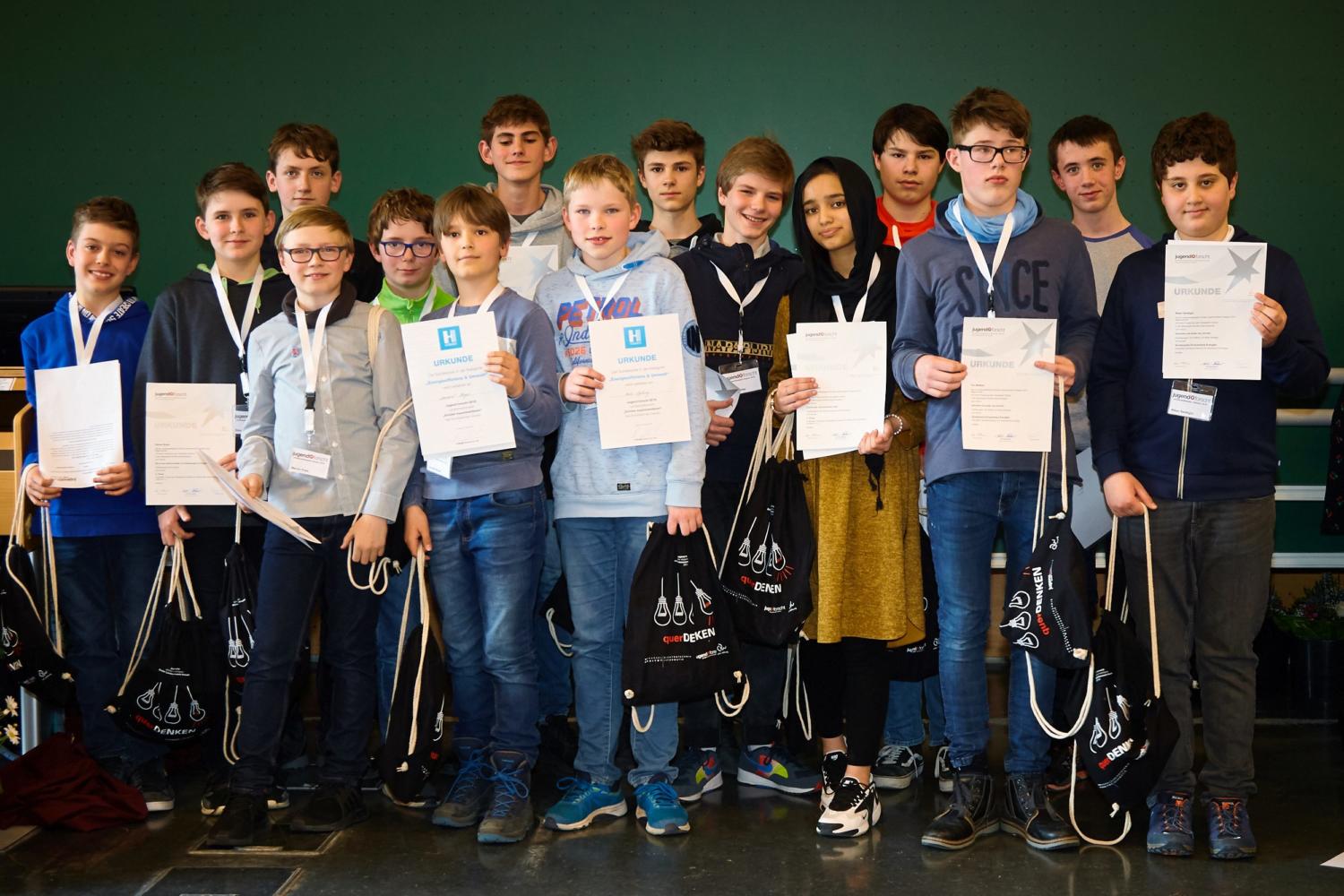
This spring, for the first time, a state competition was held in Hesse in the junior division of Jugend Forscht, also known as “Schüler experimentieren.” For Steinmühle, participating was a complete success, as no one returned to school without a prize.

The competition was organized by the Department of Electrical Engineering and Computer Science at the University of Kassel and was held there as well.
Steinmühle was able to field four teams (one biology project and three chemistry projects) that had won first place in the regional competition. The students from grades 5, 6, and 8 had to arrive early to set up their booths by around 8 a.m. Over the course of two days, they presented their research projects at their booths using scientific posters to a panel of experts and, on the second day, to the general public as well. It quickly became apparent that—compared to the regional competition—the overall standard of the research projects was very high.

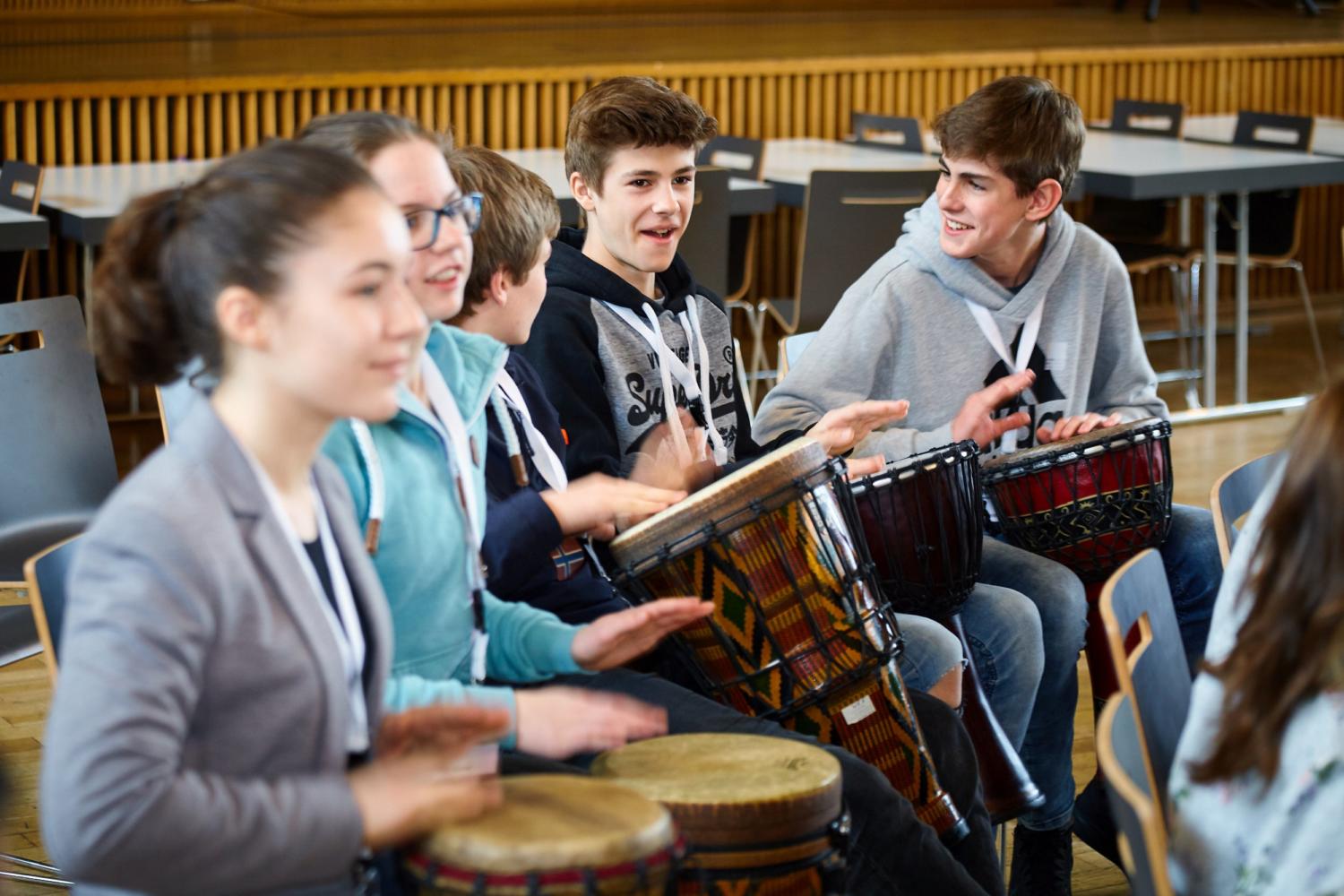
A varied program of activities, including a visit to Grimm-Welt on Friday and a drumming workshop on Saturday, was on the agenda for the students. They spent the night at the nearby youth hostel.

Famous TV Host

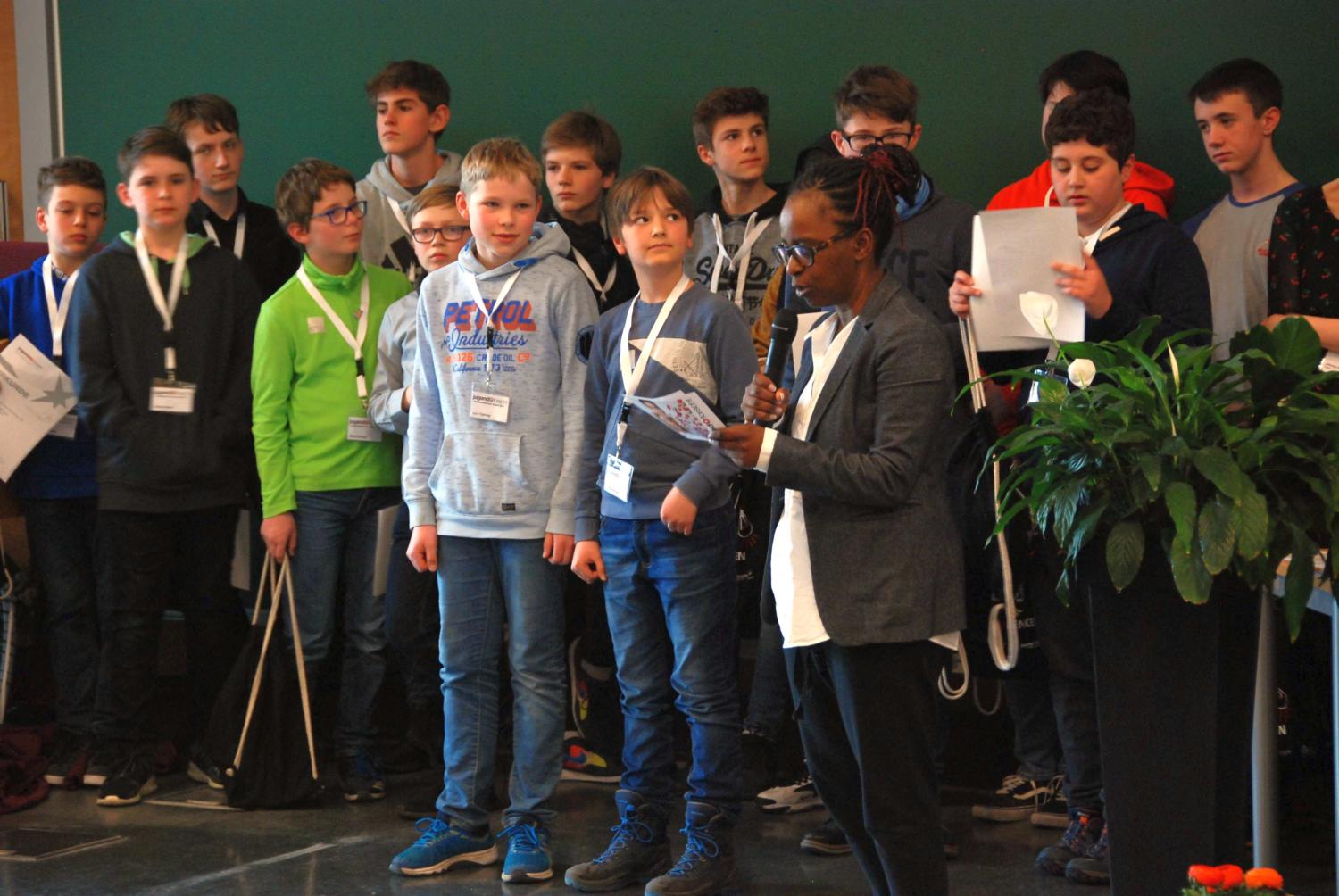
The awards ceremony finally took place on Saturday afternoon and was hosted in a very entertaining manner by Shary Reeves, whom many recognize from the KiKa show “Wissen macht Ah.”
The program began with a series of thank-you speeches by representatives from the Hessian Ministry of Education and Cultural Affairs, the business community, and the University of Kassel. Shary Reeves then announced the rankings in the individual disciplines and presented the special awards.

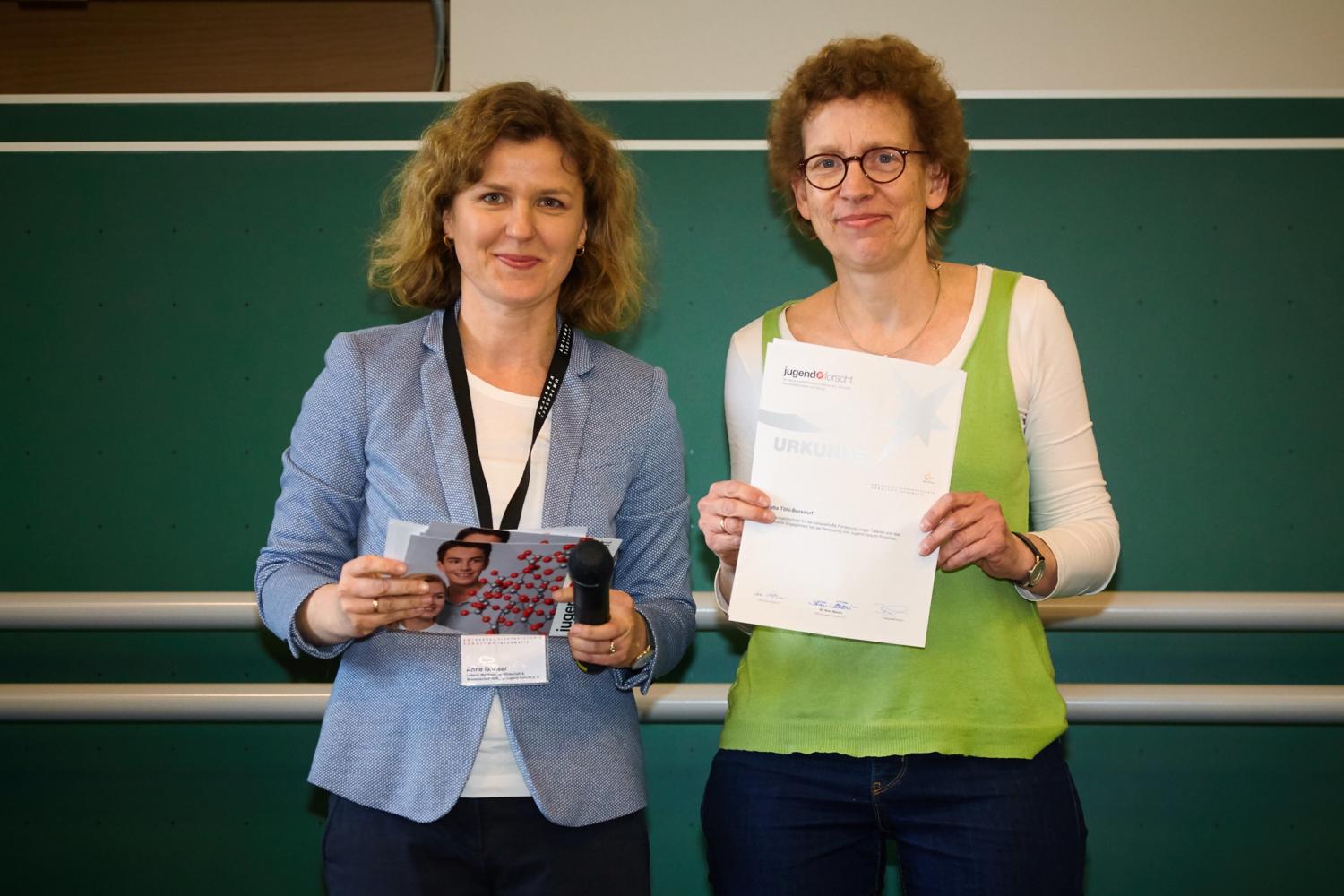
The result was sensational for Steinmühle. Happily, all of Steinmühle’s participants went home with prizes! This was also true for Dr. Jutta Töhl-Borsdorf, our school’s STEM coordinator, who received a mentor award: “When it comes to the supervisor awards, it’s repeatedly emphasized that we’re able to have even very young students work on challenging projects.” There was also an interview in Kassel about the structures at Steinmühle.


Many would like to continue

Dr. Jutta Töhl-Borsdorf: “It’s great that the students who leave the GuFi Lab in 7th grade often continue—or now want to continue—for example, on Friday afternoons in the ‘Open Lab’ or during the 8th and 9th periods in elective classes.”

Another goal is for the project to extend all the way to the upper grades. While students there often have a very full schedule, it is possible to substitute a subject required for the Abitur with a “Jugend Forscht” project as a “special academic achievement.”


The following projects were developed for the “Schüler experimentieren” competition:

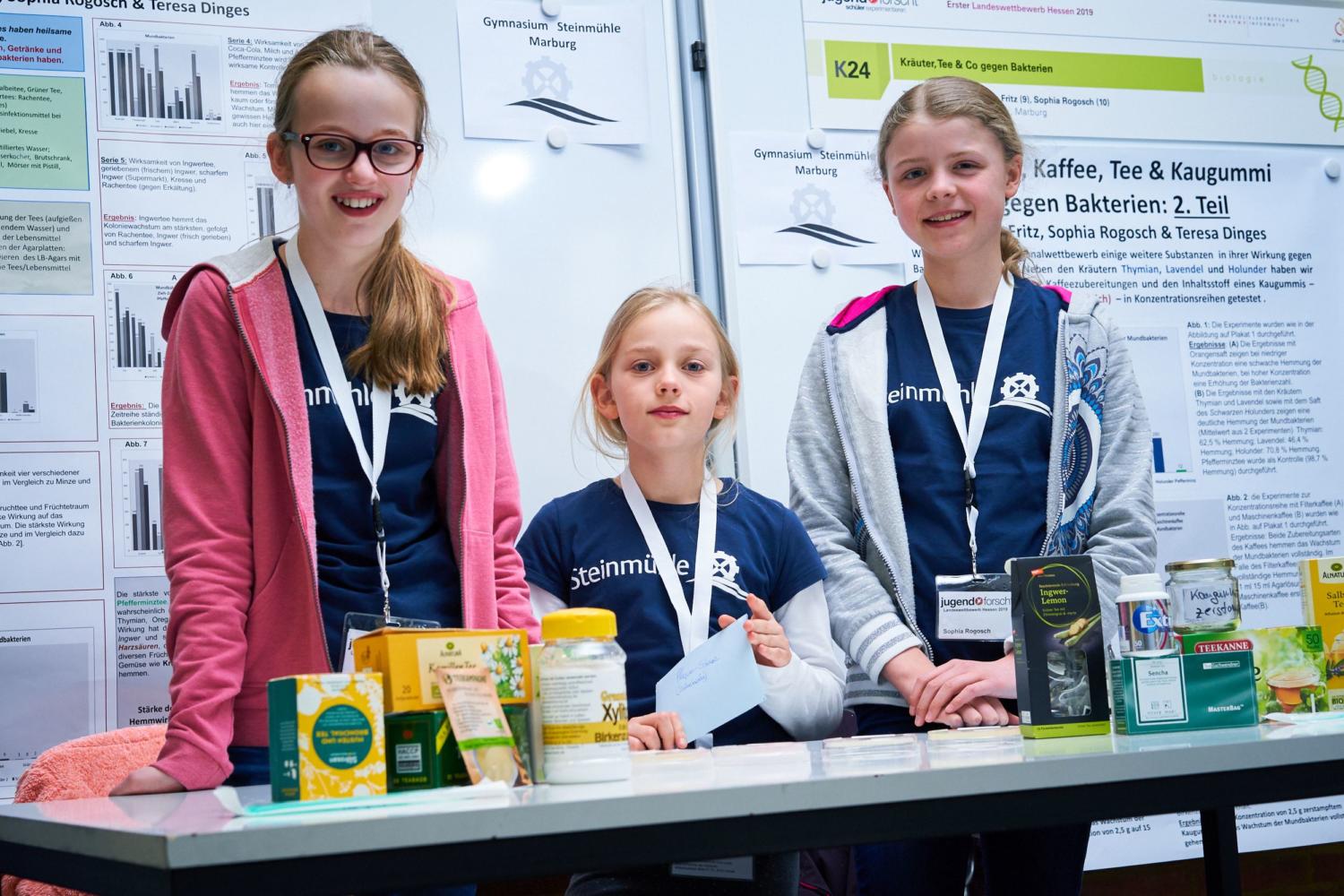
Teresa Dinges, Neyla Fritz, Sophia Rogosch
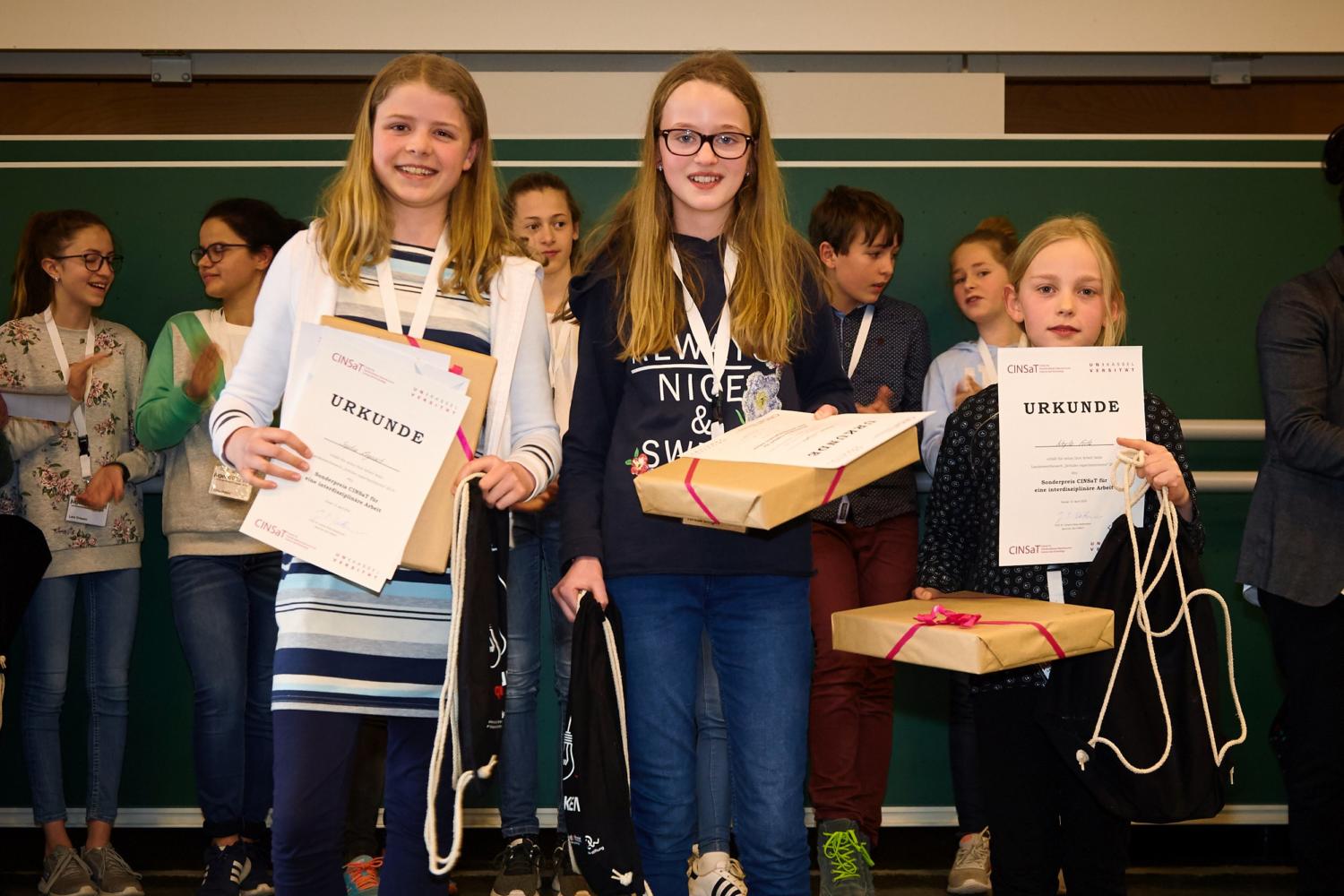
: Herbs, Tea & Co. Against Bacteria: 3rd place in Biology (75€) and a non-cash prize (a multimeter) from CINSaT for an interdisciplinary project.

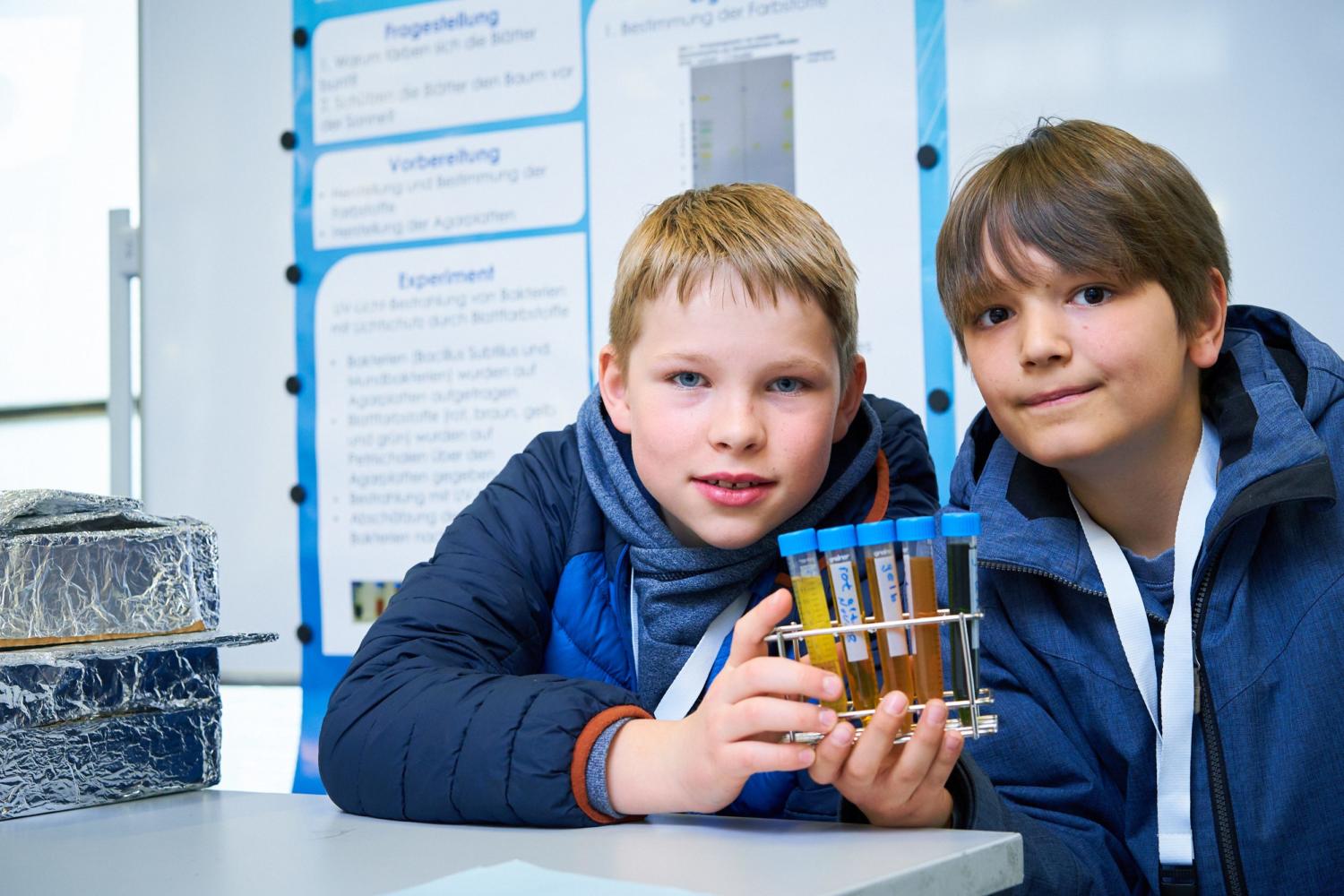
Mats Egbring & Leonard Berger
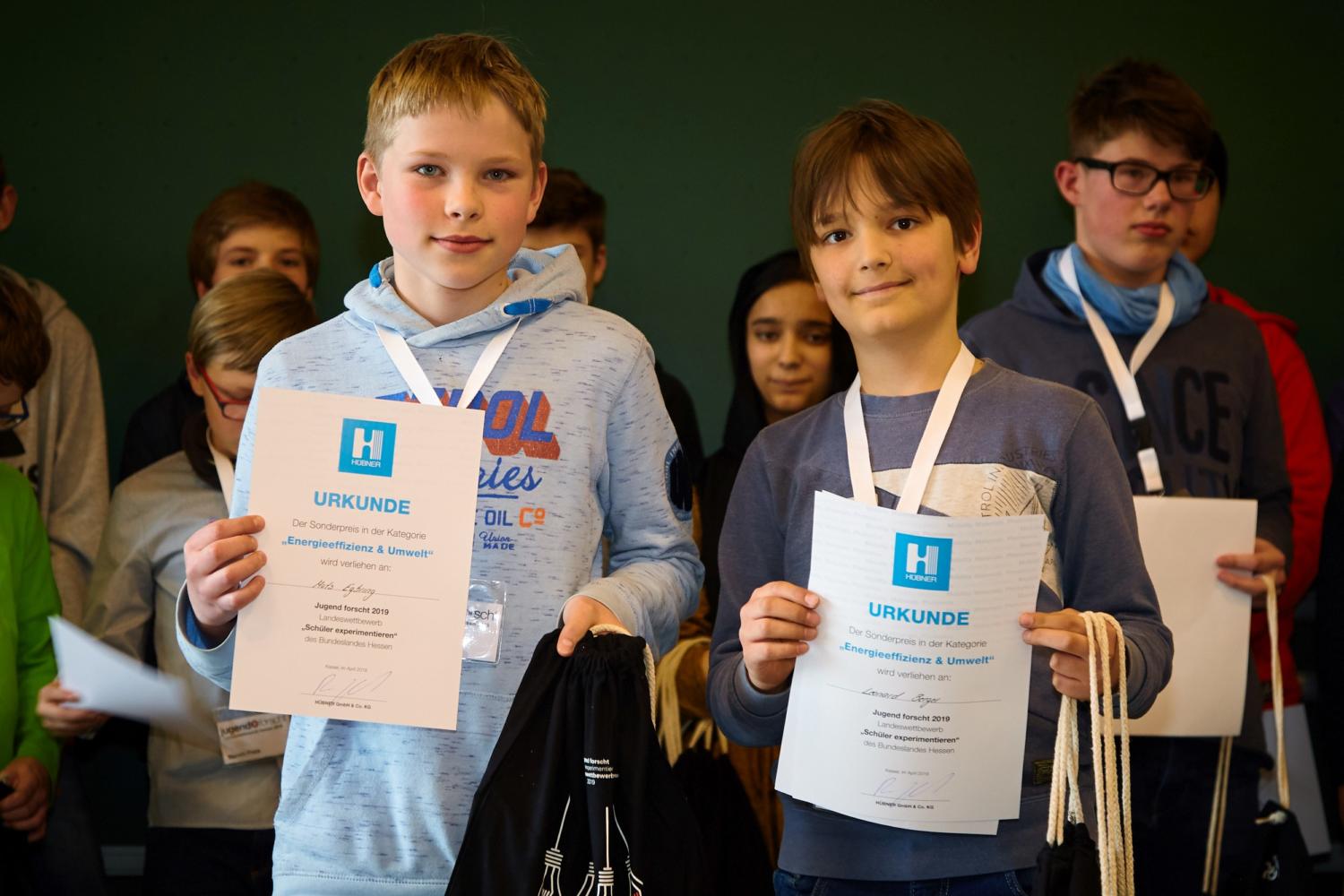
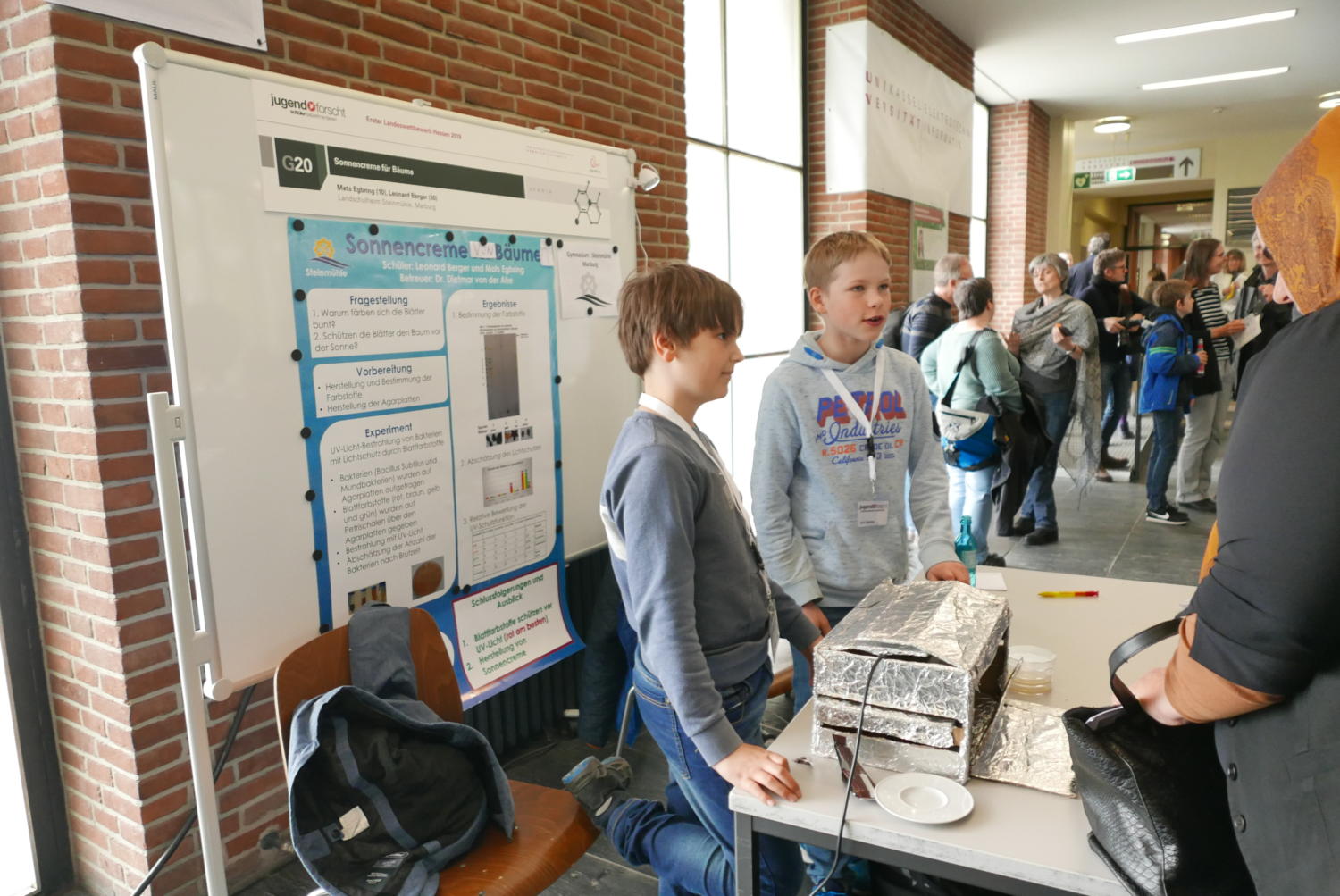
Sunscreen for Trees: Special Prize for Energy Efficiency and the Environment (150€)

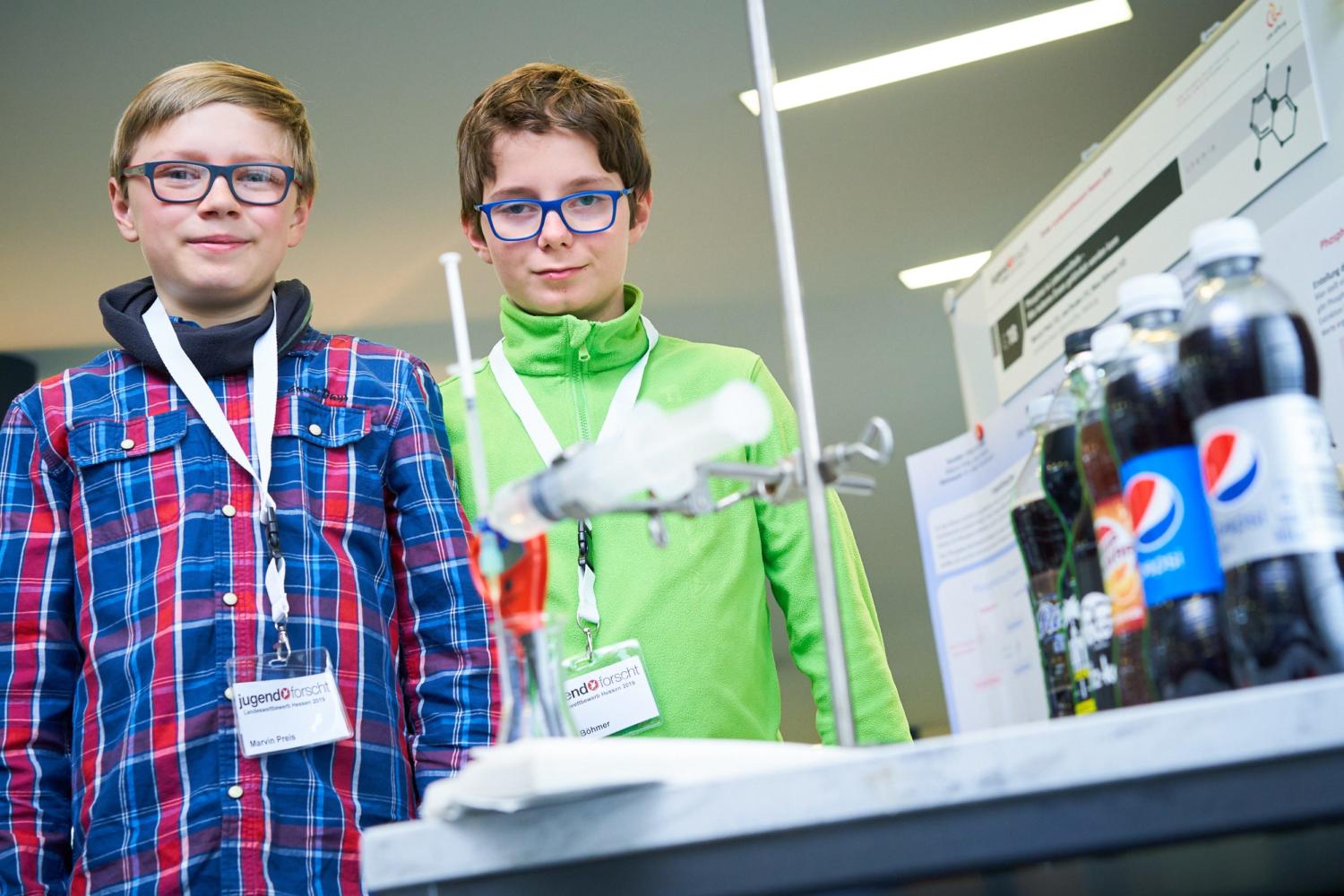
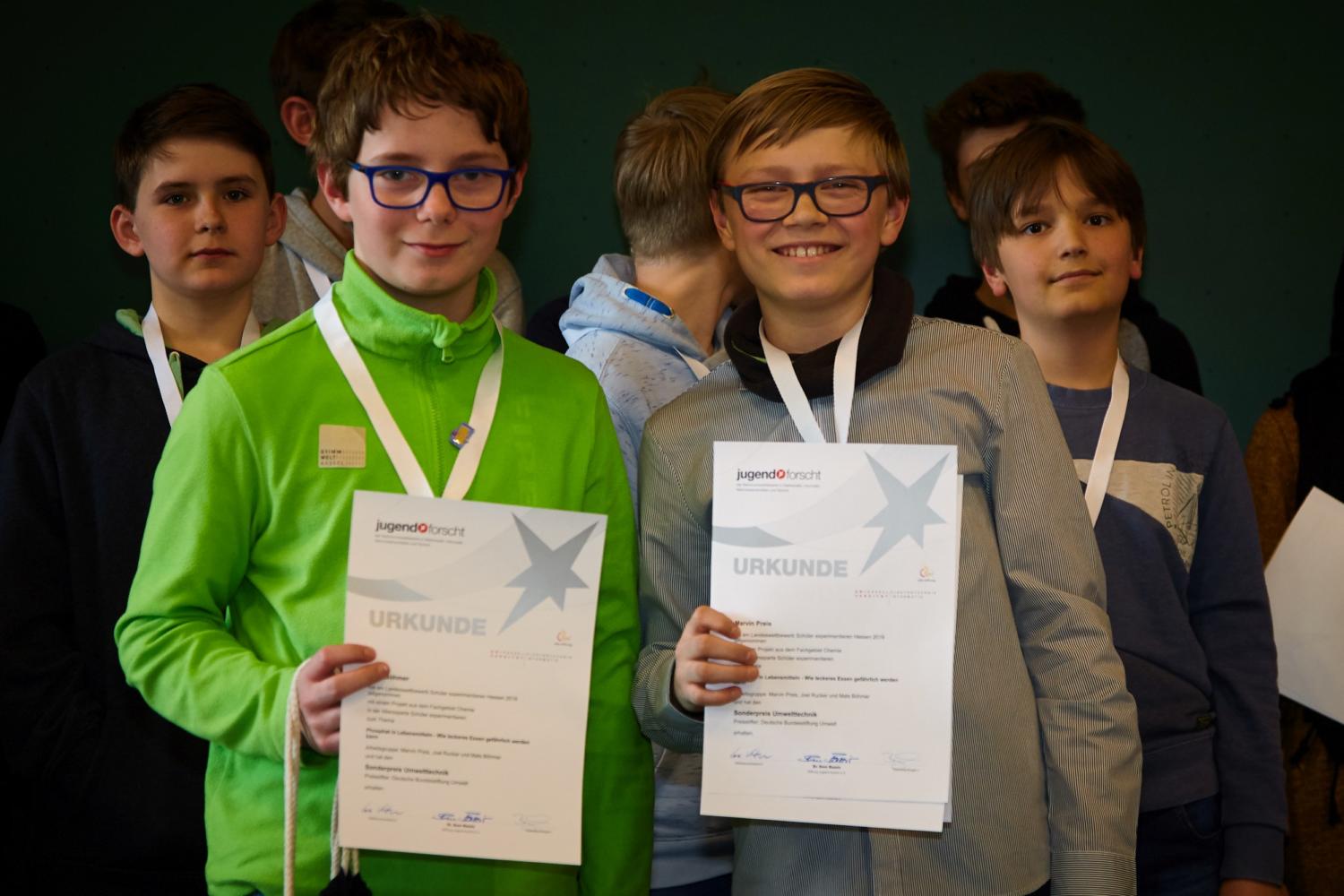
Marvin Preis, Joel Rucker, Mats Böhmer
, “Phosphate in Food—How Delicious Food Can Become Dangerous”: Special Prize for Environmental Technology from the German Federal Environmental Foundation (150€)

Joshua Wieder, Morten Köhler, Benjamin Schul
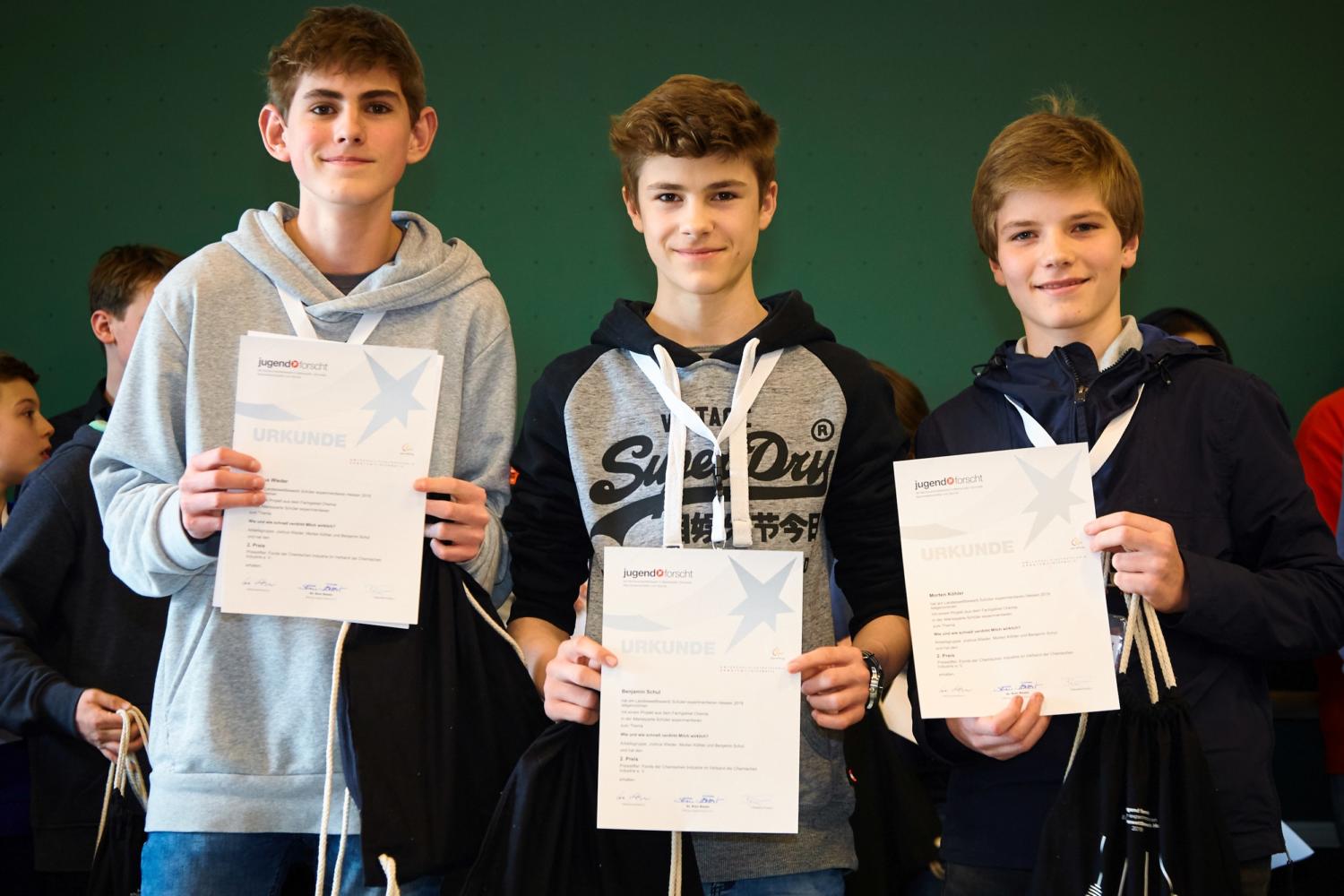
How and How Fast Does Milk Really Go Bad?: 2nd Place in Chemistry (100€)

The mentor award for Dr. Jutta Töhl-Borsdorf includes participation in a training workshop to be held in November in Paderborn at the Nixdorf company, together with mentors from the other federal states.

19. June 2019
https://steinmuehle.de/wp-content/uploads/sites/5/2019/06/Teresa-Neyla-Sophie-scaled.jpg 1000 1500 konnertz https://steinmuehle.de/wp-content/uploads/sites/5/2025/11/Logo_SchuleInternat_Steinmuehle_2026_3.png konnertz2019-06-19 12:18:222026-06-18 15:45:58Awards for everyone in the junior division of “Jugend forscht”

“Jugend Forscht”: Grade 12 Team Takes Second Place in Darmstadt

Contests & Awards, News, STEM, Talent Development

At the regional “Jugend Forscht” competition, the two 12th-grade students, Lena Noelle Joußen (17) and Janina Seip (18), qualified for the Hesse state competition in Darmstadt. This meant they had to keep putting the finishing touches on their project right up until the very end.

The two-person team set off for Darmstadt the day before the competition, right after school ended. The next morning at 8 a.m., they were admitted to the Merck company’s gym. A total of 36 teams from the fields of the working world, biology, chemistry, earth and space sciences, mathematics and computer science, physics, and technology set about setting up their booths, taking the opportunity to check out the other participants’ projects.

Each team received two partition walls as well as tables and chairs; parents and guardians were not permitted to attend that day. At 9 a.m., the opening remarks were given, highlighting this year’s motto, “Don’t ask me, ask yourself,” and outlining the schedule for the day. A list of the jury’s evaluation times was passed around. This was much more enjoyable than at the regional competition, since we didn’t have to stand at the booth the whole time but could also attend various workshops on topics such as dual study programs or patent law, etc. We also got to know the other teams better, who also had very good projects to present.


45-minute evaluation by a four-member panel of experts

The wait until the jury’s questioning seemed relatively long, and our nerves kept getting worse. At 12:15 p.m., the jury arrived at our booth, “Microorganisms and Plastic Degradation: Identification of Bacteria in the Larval Intestines of Galleria mellonella.” Our presentation was followed by questions from the four-member expert jury, after which a sort of conversation developed, making the 45 minutes go by faster than expected.

We were done just in time for lunch, so we were able to spend the rest of the day in a more relaxed manner. Until 4:00 p.m., camera crews, photographers, and radio teams were on the move, interviewing the candidates. The jury also conducted their final evaluations. This was followed by a dress rehearsal for the awards ceremony, which seemed a bit unnecessary. Then, after a long wait, the moment finally arrived: buses took us participants to the Kinopolis so that everyone could watch the movie “Ex Machina” and then enjoy dinner together. During this time, the atmosphere among us grew increasingly lively, and by the end of the evening—when everyone had settled into either a youth hostel or a hotel—many new connections had been made.


“Feel free to put your own ideas into action!”

The next morning, we had breakfast, and afterward everyone was driven back to the Merck campus. There was a lot of excitement about the awards ceremony, as well as a noticeable sense of fatigue among everyone. However, the schedule didn’t allow for any long breaks. The tour of the Merck Innovation Center, where ideas for the future are brought to life, was very impressive and innovative, and our fatigue quickly faded away. We were given an insight into the idea development process—which usually takes more than two years—and a startup entrepreneur explained his company’s process to us in a very relaxed manner, encouraging us to put our ideas into action.

After spending nearly three hours at the Merck plant, we made our way back to the gym, where parents, chaperones, and science enthusiasts were now waiting to hear explanations of the projects. This part was exhausting but also very interesting, as a noticeable number of interested people came to our booths.


Vince Ebert as host

At 3:30 p.m., the awards ceremony began as the participants entered the hall, and host Vince Ebert welcomed everyone in his usual warm and friendly manner. This was followed by many more speeches from Merck representatives, mayors, and the Minister of Culture.

With its second-place finish in the biology category, along with 200 euros in prize money, Steinmühle achieved a very gratifying result, which delighted our parents as well as our advisor, Dr. Dietmar von der Ahe, and our chemistry and physics teacher, Dr. Jutta Töhl-Borsdorf, who had also traveled to Darmstadt. Dr. von der Ahe, as our advisor, received the Advisor’s Award. All in all, these two days were extremely enlightening, interesting, yet also very exhausting, and were filled with many wonderful experiences. Janina Seip
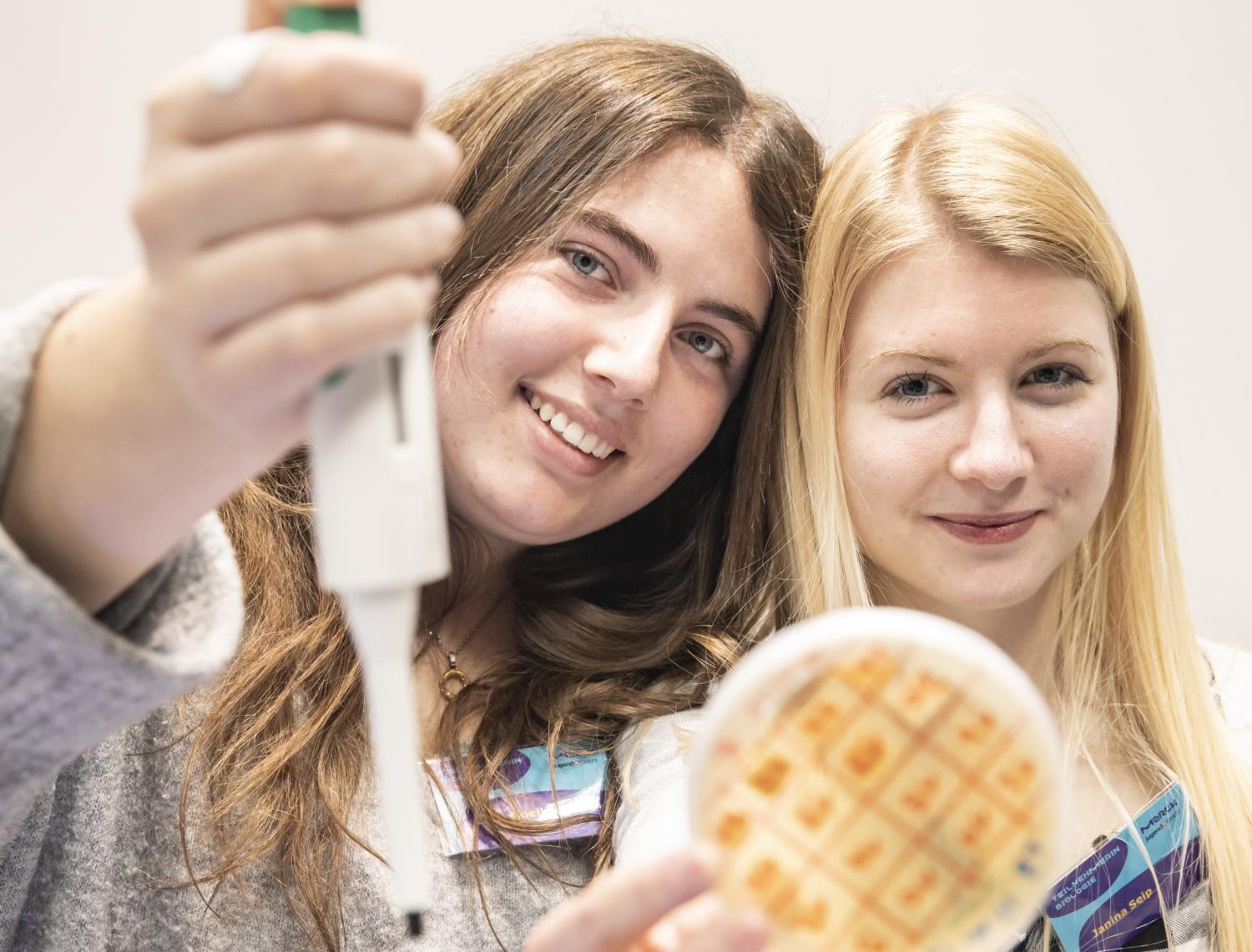
 

Lena Noelle Joußen and Janina Seip won second prize at the state-level “Jugend Forscht” competition for their research on “Microorganisms and Plastic Degradation: Identification of Bacteria in the Larval Intestines of Galleria mellonella.”
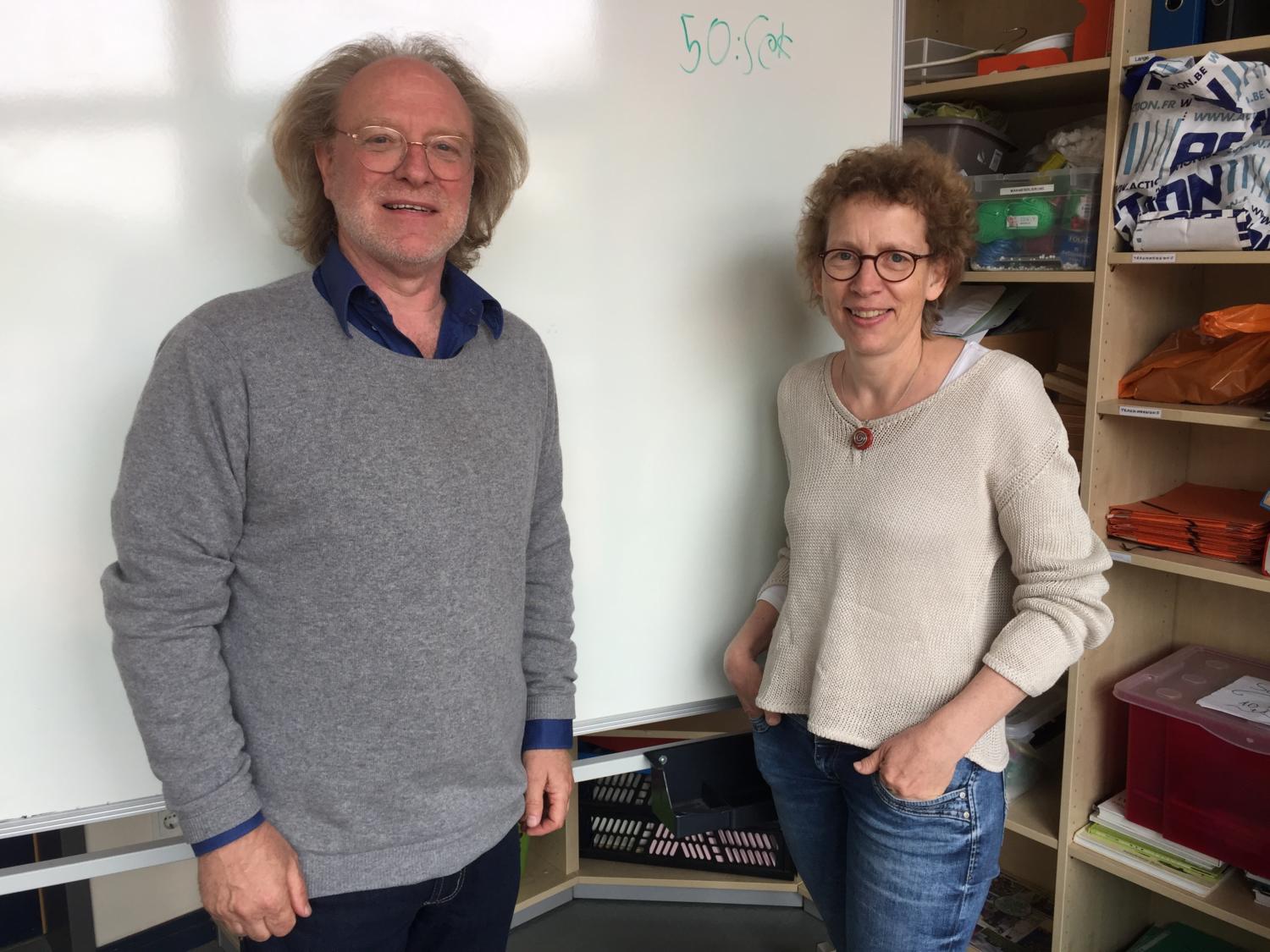
 

This speaks to the quality of the education at Steinmühle: Just like his colleague Dr. Jutta Töhl-Borsdorf (right) at the “Schüler experimentieren” junior competition, Dr. Dietmar von der Ahe (left) also received the Mentor Award at the “Jugend Forscht” competition.

 

19. June 2019
https://steinmuehle.de/wp-content/uploads/sites/5/2019/06/chemie_p0a6697-scaled.jpg 1141 1500 konnertz https://steinmuehle.de/wp-content/uploads/sites/5/2025/11/Logo_SchuleInternat_Steinmuehle_2026_3.png konnertz2019-06-19 11:50:192026-06-18 15:45:22“Jugend Forscht”: Grade 12 Team Takes Second Place in Darmstadt

Justus Schneider on the Gifted Students’ Team at the 27th Inventors’ Lab

Contests & Awards, News, STEM, Talent Development

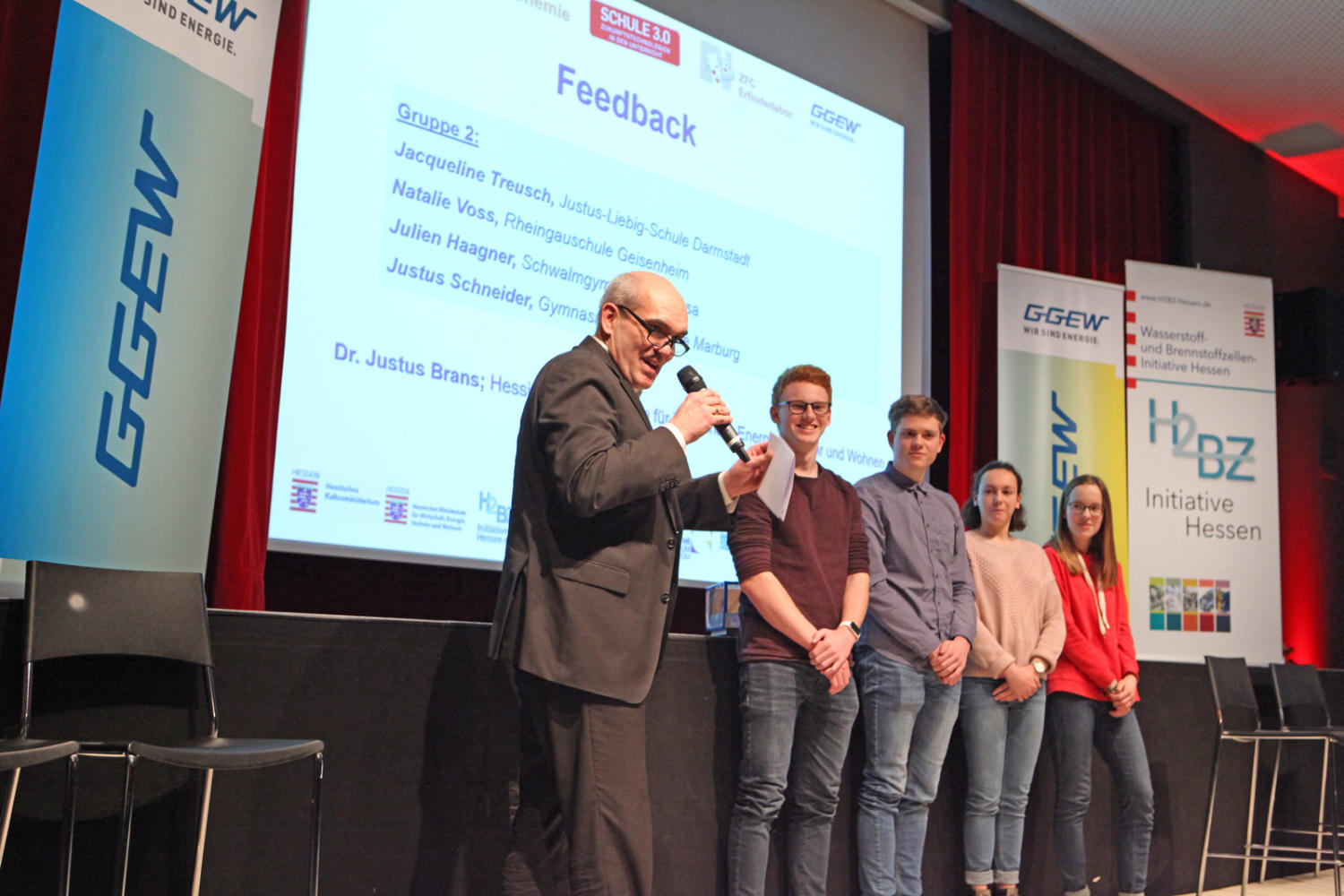
At the 27th Inventors’ Lab organized by the Center for Chemistry, based in Bensheim an der Bergstraße, 17-year-old Justus Schneider, a student at Steinmühlen High School, was one of 16 highly gifted students who spent a week at RheinMain University of Applied Sciences exploring the topic “Electromobility—Fuel Cells.” In front of a large audience, including prominent figures from business, academia, and government ministries, he and his group presented their research ideas and proposed solutions at the event’s conclusion.

Out of nearly 200 outstanding applicants from all over Hesse, Justus was one of the 16 selected participants. He and Luca Weigel from the Lahntalschule in Biedenkopf were the only representatives from the entire county. At the Inventor Lab in the Department of Engineering at Rhein-Main University of Applied Sciences in Rüsselsheim, the young inventors were given their challenge. The challenge was to build a small vehicle on site that is powered by fuel cells. But that wasn’t all: the vehicle also had to be capable of powering other devices at the same time, including a lamp.

Fuel cells and a capacitor were among the components provided. But that was the extent of the assistance. Justus Schneider’s team built a car body out of wood and cardboard. The wheels were created using a 3D printer. The young researchers used the capacitor as an energy storage device. This allowed the lamp to stay lit even when the car was no longer moving.


Inspired by the topics of electric mobility and fuel cells

Producing hydrogen proved to be a test of patience. Since the fuel cells had two ports for hydrogen, this was the stated goal. In the lab, the talented young scientists broke down water through electrolysis. However, the endeavor to store hydrogen in balloons required the staying power necessary for research work. “Don’t give up” was also Justus Schneider’s motto when the balloon burst several times. It ultimately took five hours to make everything airtight.

The successful completion of this project has inspired Justus Schneider. Although he had already planned to pursue a career in research in mathematics or physics before the project, he can now imagine working on the further development of vehicles powered by fuel cells. Although such vehicles already exist, Justus Schneider says, they are relatively expensive to purchase. Justus Schneider’s idea is that gas stations could produce hydrogen themselves or have it delivered by industry. Based on his observations, he believes it would be easy to make changes in this area.

Justus was encouraged by his Steinmühlen teacher and STEM coordinator, Dr. Jutta Töhl-Borsdorf, to enter the competition, which had previously required practical skills. She, along with his physics teacher Dr. Rainer Nietzke and the entire school, is delighted that Steinmühle’s “streak” of participation in this prestigious event has continued this year as well.

If Justus’s work in the Inventors’ Lab did indeed serve as a catalyst for his career—so much the better. Who knows: Perhaps one day it will be a team led by Justus Schneider that achieves a breakthrough in the further development of fuel-cell-powered vehicles.

7. March 2019
https://steinmuehle.de/wp-content/uploads/sites/5/2019/03/Justus-Schneider_1-scaled.jpg 1000 1500 konnertz https://steinmuehle.de/wp-content/uploads/sites/5/2025/11/Logo_SchuleInternat_Steinmuehle_2026_3.png konnertz2019-03-07 08:51:542026-06-18 15:42:06Justus Schneider on the Gifted Students’ Team at the 27th Inventors’ Lab

“Youth Researches”: Young researchers from Steinmühlen took home plenty of awards

Contests & Awards, News, STEM, Talent Development

Of the 15 students, 13 qualified for their respective state competitions
Steinmühlen students explored interesting everyday questions related to nutrition and nature in the “Schüler experimentieren” competition. Under this competition title—the “Jugend Forscht” category for lower and middle school students (up to age 14)—the youngest Steinmühlen students won numerous prizes: They were able to prevail against mostly older competitors. They took first place five times and second place once. The early-intervention program—featuring the so-called “GuFi Lab,” where both basic and advanced work is conducted—has thus proven its worth in an impressive way.
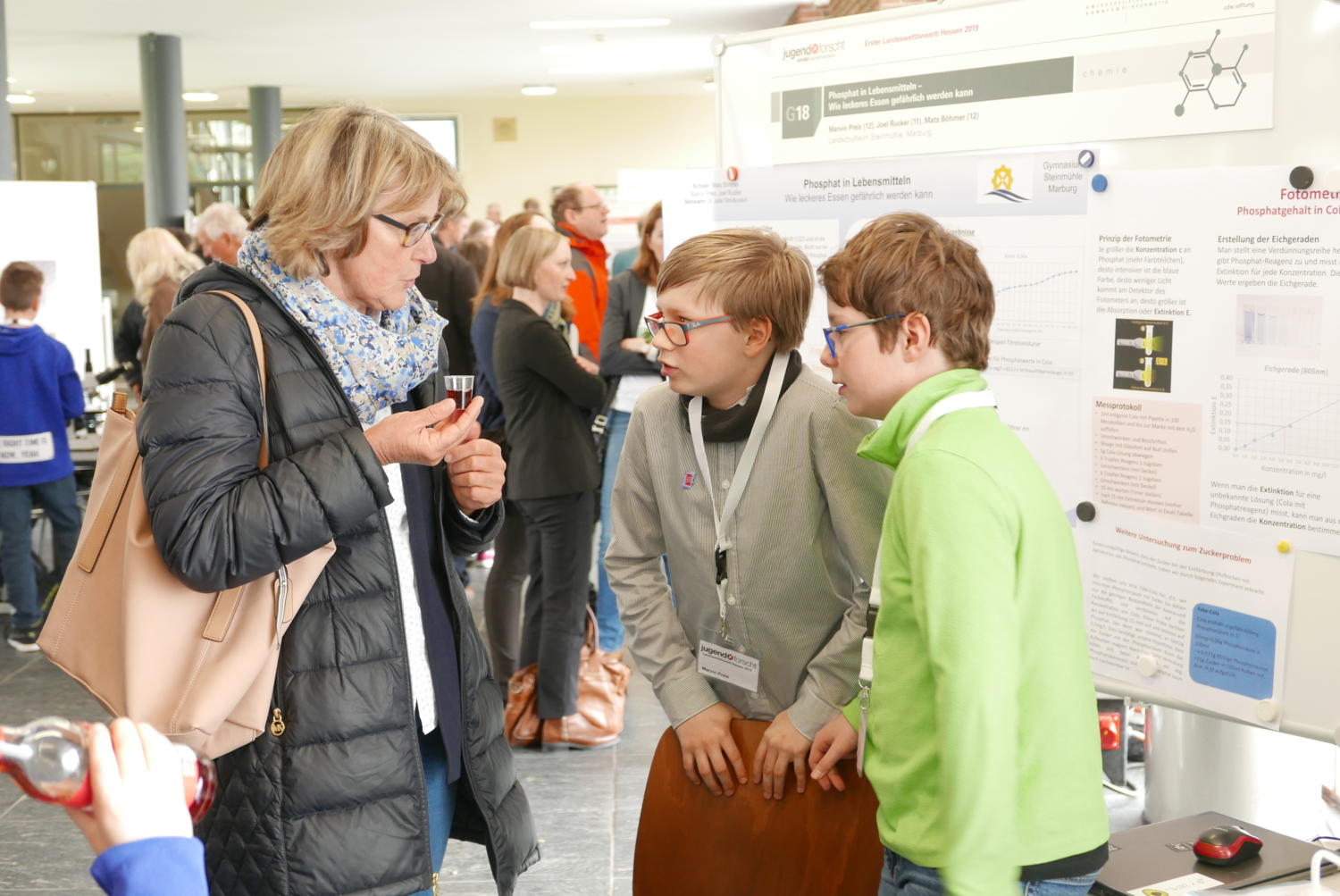
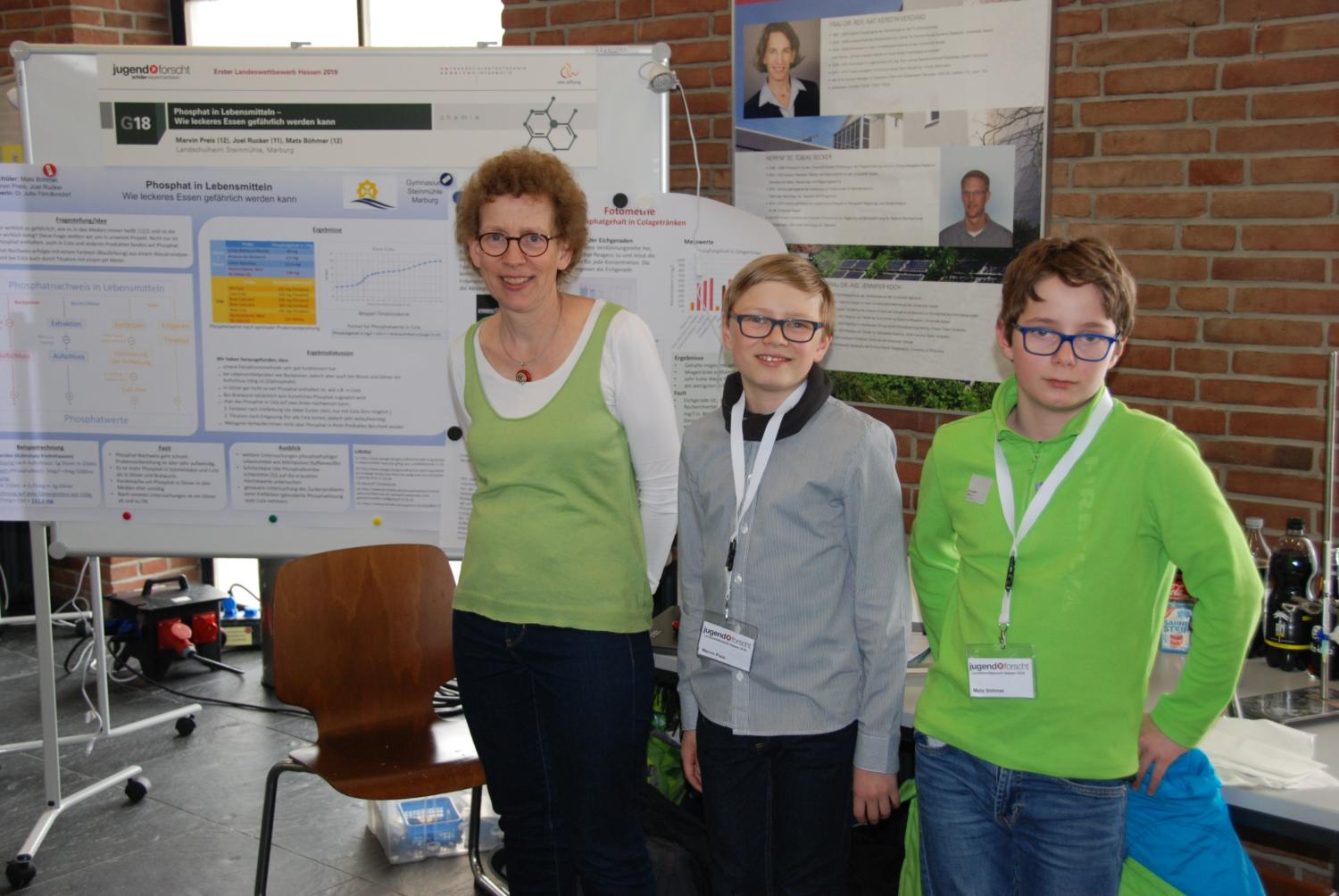
Phosphate in Food—How Delicious Food Can Be Dangerous
Under this title, students Mats Böhmer, Marvin Preis, and Joel Rucker, along with their advisor Dr. Jutta Töhl-Borsdorf, entered the competition in the field of chemistry.

Excessively high phosphate levels in the blood can lead to cardiovascular disease and osteoporosis. The group of students developed testing methods to analyze the phosphate content of various foods, such as döner, bratwurst, and cola. In the process, they discovered that you consume far less phosphate from the much-criticized doner than from a cola. The project was awarded first prize and will compete in the state competition in April.

Does Diet Coke Make You Fat? – A Study of Blood Sugar Levels
In their biology class, students Rebecca Zenker and Hanna Schmidt-Dege studied blood sugar levels after consuming various sweeteners, as well as cola, Diet Coke, and potatoes.

Based on their findings, they concluded that it is best not to consume artificial sweeteners at the same time as sugar, and that potatoes do not cause blood sugar levels to rise as sharply if they are allowed to cool beforehand. The project, conducted in the Biology department under the supervision of Dr. Jutta Töhl-Borsdorf, won second place.

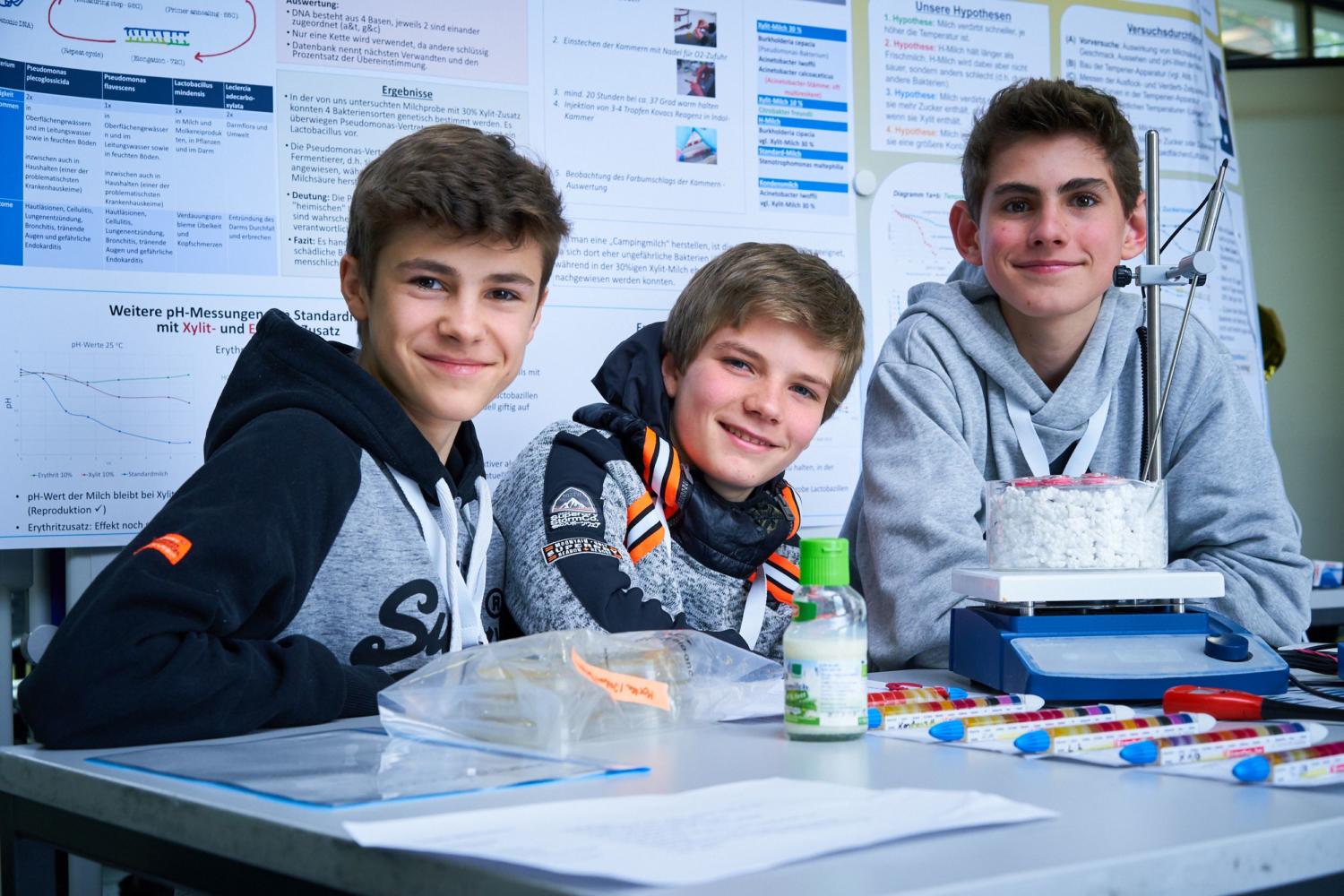
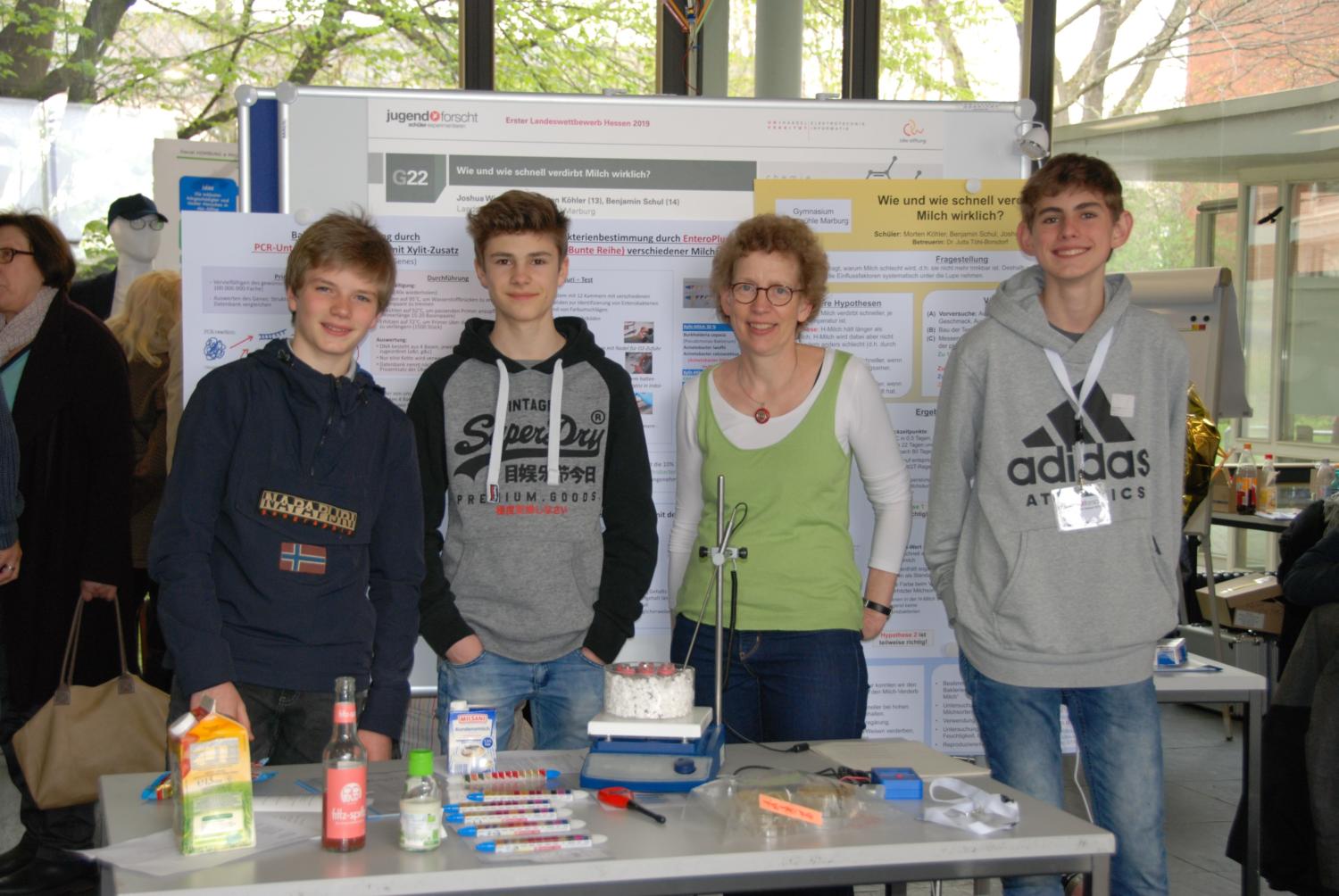
How and how quickly does milk really go bad?
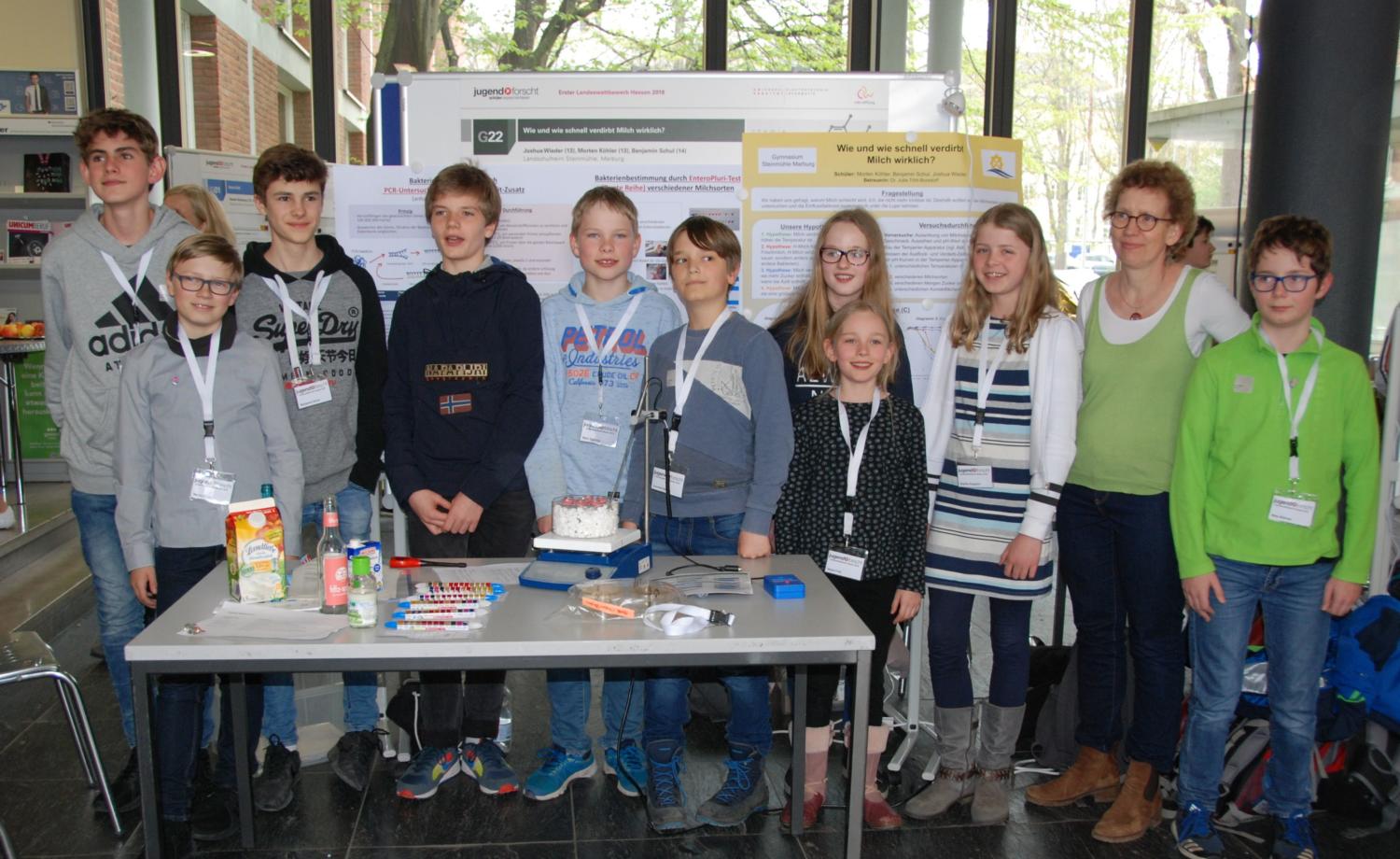
In search of an answer to this question, students Joshua Wieder, Morten Köhler, and Benjamin Schul conducted research in the Department of Chemistry. The team investigated how different types of milk spoil under various conditions. To do this, they built a temperature-control apparatus, determined the timing of curdling, and took bacterial swabs. Among other things, they found that added sugar accelerates spoilage, while longer shelf lives—even at room temperature—can be achieved by adding the sugar alcohol xylitol and by introducing air. The judges awarded first place in the same age group to the project, which was supervised by Dr. Jutta Töhl-Borsdorf. The team will now compete in the state competition.
Sunscreen for Trees
Once again in the field of chemistry, fifth-graders Mats Egbring and Leonard Berger entered the competition under the guidance of their teacher, Dr. Dietmar von der Ahe. Because his partner was unable to attend on the day of the competition, Leonard Berger presented the results. The two students isolated the leaf pigments from various colored autumn leaves and plotted them on a chromatogram. They used the leaf pigments—green, red, yellow, and brown-yellow—in solution as “sunscreen protection” against UV radiation, which simulates sunlight, on agar plates containing oral bacteria. Without color filters, bacterial growth is inhibited. The protective effect of the pigment filters ranges from 30% to 80%. The red filter provides the strongest protection against UV light. Leonard Berger received a special interdisciplinary award (equivalent to first prize) for his presentation and has been admitted to the state competition “Schüler experimentieren.”

Herbs, Tea, and More to Fight Bacteria
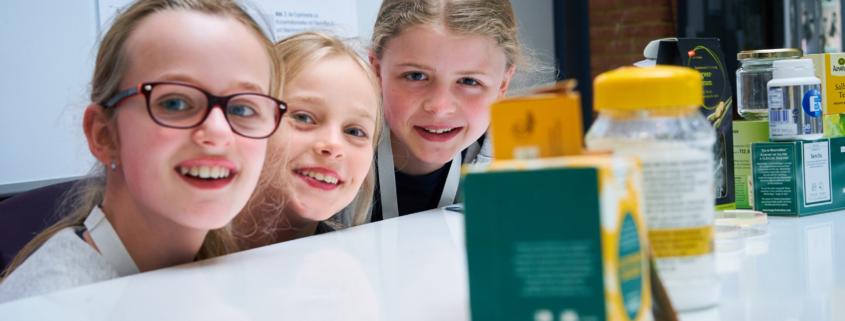
In their biology experiments, students Teresa Dinges, Neyla Fritz, and Sophia Rogosch (all in 5th grade), under the guidance of their teacher Dr. Dietmar von der Ahe, investigated the effect of various types of tea, herbal infusions, and food-based beverages on bacterial growth. The various solutions were mixed into liquid agar, poured into Petri dishes, and oral bacteria were spread onto them. By counting the bacterial colonies, the students were able to test the inhibitory effect of the herbal, tea, and food solutions on bacterial growth. Peppermint tea and ginger tea inhibit bacterial growth the most. The project was presented by Neyla Fritz and Sophia Rogosch (Teresa Dinges was unable to attend due to her participation in the Math Olympiad). The project won first place and has thus qualified for the state competition.
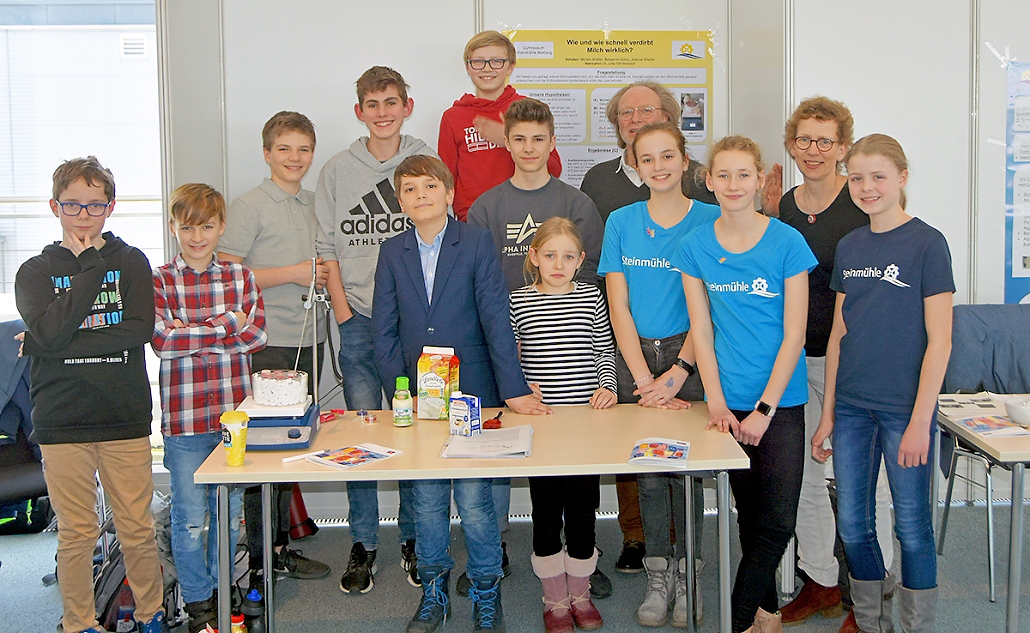
The young researchers (Schüler experimentieren) in Kassel with their mentors:
From left to right: Mats Böhmer, Joel Rucker, Morten Köhler, Joshua Wieder, Leonard Berger, Marvin Preis, Benjamin Schul, Neyla Fritz, Dr. Dietmar von der Ahe, Rebecca Zenker, Hanna
Schmidt-Dege, Dr. Jutta Töhl-Borsdorf, Sophia Rogosch. Not pictured are participants Teresa Dinges and Mats Egbring.

26. February 2019
https://steinmuehle.de/wp-content/uploads/sites/5/2019/02/Jugend_forscht-1030x633_rw.jpg 633 1030 konnertz https://steinmuehle.de/wp-content/uploads/sites/5/2025/11/Logo_SchuleInternat_Steinmuehle_2026_3.png konnertz2019-02-26 14:07:452026-06-18 15:41:52“Youth Researches”: Young researchers from Steinmühlen took home plenty of awards
Page 10 of 11«‹891011›

Pages

  • A New Shetland Pony Riding Arena
  • A Safe Place
  • About Us
  • Alternative Sports
  • Alumni Feed
  • Alumni Login
  • Alumni Reunion
  • Annual Calendar Download
  • Art, Music & Theater
  • Awards
  • Bilingual Elementary School
  • Bilingual Elementary School
  • Boarding School
  • Boarding School Admission
  • Boarding School as an Opportunity
  • Charity Projects
  • Contact
  • Costs & Contract Terms
  • Digitization
  • Donation Failed
  • Donation Receipt
  • Donor Dashboard
  • Ecology & Sustainability
  • Elementary School Registration
  • Events
  • Fan Shop
  • Fit for Life
  • Forgot your password?
  • Friends & Alumni
  • Friends of the School Association
  • Funding Partners
  • Fundraising
  • Gifted Education
  • Groups
  • High School
  • High School Admission
  • High School Registration Form
  • Home
  • Internal Clubs
  • International High School
  • International High School Program
  • International High School Registration Form
  • International School
  • International School Registration
  • Keyword Search
  • Languages & International Affairs
  • Learn About the Boarding School
  • Learning
  • Legal Notice
  • Life
  • Members
  • MINT Lab Equipment
  • Mission Statement & Vision
  • My Profile
  • News
  • News
  • News Archive
  • Newsletter
  • Newsletter
  • Organization & History
  • Partners
  • plus-MINT Boarding School Program
  • Privacy Policy
  • Privacy Policy (Detailed)
  • Project-Based Learning
  • Promoting Independence & Individuality
  • Promoting STEM Talent
  • Publications
  • Quality Management
  • Recording
  • Registration Form for the Bilingual Elementary School
  • Reset Password
  • Riding School
  • Rowing Talent Development
  • School
  • School as a Community
  • Shop
  • Signed up for the newsletter
  • Social Responsibility
  • Social Responsibility & Strengthening the Community
  • Sponsorship
  • Sports & Health
  • Sports & Recreation
  • Stakeholders
  • Steinmühle Alumni Network
  • Steinmühle Alumni Network
  • Steinmühle Alumni Network
  • Steinmühle Alumni Network
  • Steinmühle Alumni Network
  • Steinmühle Alumni Network
  • Steinmühle as a Youth Welfare Agency
  • Steinmühle Online
  • Stories
  • Summer Camps
  • Support Current Projects
  • Support for Families
  • Teams
  • Tennis
  • Terms and Conditions for High School
  • Terms and Conditions for the Bilingual Elementary School
  • Terms and Conditions of the International High School
  • Terms of Contract for the Bilingual Primary School
  • Terms of Contract for the International School
  • Thank you, boarding school
  • Thank you, school
  • Trips & Weekends
  • Upload Transcript
  • What is … up to today, anyway?
  • What People Are Saying About the Steinmühle
  • Why Steinmühle?
  • Work at the Steinmühle
  • Your Home

Categories

  • Archive
  • Art, Music & Theater
  • Bilingual Elementary School
  • Boarding School
  • Career Guidance
  • Class Trips, Field Trips, and School Outings
  • Collaborations & Partnerships
  • Contests & Awards
  • Digitalization & AI
  • Ecology and Sustainability
  • Events & Celebrations
  • Former Students & Alumni
  • International High School
  • Job Openings
  • Languages & International Affairs
  • Life at Boarding School
  • News
  • Politics, Business & Responsibility
  • Rowing
  • Social Engagement
  • Sports
  • Sports & Health
  • Steinmühle on the Road
  • Steinmühle Riding School
  • STEM
  • Surveys & Studies
  • Talent Development
  • Uncategorized
  • Youth Researches

Archive

  • October 2026
  • September 2026
  • August 2026
  • July 2026
  • June 2026
  • May 2026
  • April 2026
  • March 2026
  • February 2026
  • January 2026
  • December 2025
  • November 2025
  • October 2025
  • September 2025
  • August 2025
  • July 2025
  • June 2025
  • May 2025
  • April 2025
  • March 2025
  • February 2025
  • January 2025
  • December 2024
  • November 2024
  • October 2024
  • September 2024
  • August 2024
  • July 2024
  • June 2024
  • May 2024
  • April 2024
  • March 2024
  • February 2024
  • January 2024
  • December 2023
  • November 2023
  • October 2023
  • September 2023
  • August 2023
  • July 2023
  • June 2023
  • May 2023
  • April 2023
  • March 2023
  • February 2023
  • January 2023
  • December 2022
  • November 2022
  • October 2022
  • September 2022
  • August 2022
  • July 2022
  • June 2022
  • May 2022
  • April 2022
  • March 2022
  • February 2022
  • January 2022
  • December 2021
  • November 2021
  • October 2021
  • September 2021
  • August 2021
  • July 2021
  • May 2021
  • April 2021
  • March 2021
  • February 2021
  • December 2020
  • November 2020
  • October 2020
  • September 2020
  • August 2020
  • July 2020
  • June 2020
  • May 2020
  • April 2020
  • March 2020
  • February 2020
  • January 2020
  • December 2019
  • November 2019
  • October 2019
  • September 2019
  • August 2019
  • July 2019
  • June 2019
  • May 2019
  • April 2019
  • March 2019
  • February 2019
  • January 2019
  • December 2018
  • November 2018
  • October 2018
  • September 2018
  • August 2018
  • July 2018
  • June 2018
  • May 2018
  • April 2018
  • March 2018
  • February 2018
  • January 2018
  • December 2017
  • November 2017
  • October 2017
  • September 2017
  • August 2017
  • July 2017
  • June 2017
  • May 2017
  • April 2017
  • March 2017
  • February 2017
  • January 2017
  • December 2016
  • November 2016
  • October 2016
  • September 2016
  • August 2016
  • July 2016
  • June 2016
  • May 2016
  • April 2016
  • March 2016
  • February 2016
  • December 2015
  • November 2015
  • October 2015
  • September 2015
  • July 2015
  • June 2015
  • May 2015
  • April 2015
  • March 2015
  • February 2015
  • January 2015
  • December 2014
  • November 2014
  • October 2014
  • September 2014
  • July 2014
  • June 2014
  • May 2014
  • April 2014
  • March 2014
  • February 2014
  • January 2014
  • December 2013
  • November 2013
 
PreviousNext
12
 
PreviousNext
123456

Sie haben Fragen zur Schule?

Schulleitung & Geschäftsführung

Björn Gemmer & Dirk Konnertz
Telefon: 06421 408-20

schule@steinmuehle.de

Sie haben Fragen zum Internat?

Internatsleitung & Geschäftsführung

Anke Muszynski & Dirk Konnertz
Telefon: 06421 408-0

internat@steinmuehle.de

  • NEWSLETTER
  • VERÖFFENTLICHUNGEN
  • KARRIERE AN DER STEINMÜHLE
  • SOMMERCAMPS
  • IMPRESSUM
  • DATENSCHUTZ
  • KONTAKT

Sie haben Fragen zur Schule?

Schulleitung & Geschäftsführung

Björn Gemmer & Dirk Konnertz
Telefon: 06421 408-20

schule@steinmuehle.de

Sie haben Fragen zum Internat?

Internatsleitung & Geschäftsführung

Anke Muszynski & Dirk Konnertz
Telefon: 06421 408-0

internat@steinmuehle.de

  • NEWSLETTER
  • VERÖFFENTLICHUNGEN
  • ARBEITEN AN DER STEINMÜHLE
  • SOMMERCAMPS
  • IMPRESSUM
  • DATENSCHUTZ
  • KONTAKT

© Copyright – Steinmühle 2026 | Erneuern oder ändern Sie Ihre Cookie-Einwilligung
Scroll to top