A week of summer, sun, and surfing. That already sounds like vacation, doesn’t it!? But it wasn’t quite time for that yet… For the 12th-grade advanced sports class, however, it was already a reality—they went on a field trip! Early Saturday morning, they hopped on the TGV headed for the popular surfing town of Carcans-Plage in southern France.

After a long trip, we kicked off the evening by watching the soccer round of 16 match between Germany and Denmark at a local restaurant. The initially bad weather was more than made up for by the great atmosphere and joy over Germany’s victory.

The next day, feeling refreshed and well-rested, we set out for our first day of surfing. For some, it was their first time on a surfboard; others had already moved beyond the beginner stage and were giving their skills a thorough refresher. The great weather and excellent conditions sparked a love of surfing in most of us and allowed us to enjoy the rest of the day at the beach.


Surfing the “green waves”

The following surfing sessions led to more and more success, and we realized that with the right technique and a few tricks, you can make rapid progress. In the evenings, we sat together on the beach, built bonfires, and enjoyed the sunset on Carcans Plage. With our experienced surf instructor Tim, the bravest among us ventured out to ride the taller “green” waves, while others honed their basic skills in the “whitewater.” We also strengthened our class bond and spent a lot of time together through our group Spikeball, volleyball, and soccer tournaments.

Even though the trip was coming to an end at an ever-faster pace, our schedule was still packed. On the last evening, the sports class passionately cheered on our German national soccer team, wearing Germany jerseys and waving flags. The entire restaurant was filled with the spirit of Germany, and emotions ran high. The frustration and sadness over our national team’s elimination from the European Championship briefly dampened the mood, but it couldn’t take away the wonderful memories of a fantastic week of surfing!

Martha Mengel and Emiliya Yanets


For the 9th-grade Latin field trip, we traveled to Germany’s oldest city, Trier. After a long train ride and a brief detour to the beautiful city of Luxembourg, we checked into our hostel, which was located right in the city center, just a few hundred meters from the Porta Nigra. After getting an overview of tranquil Trier through a city scavenger hunt, we had the chance to explore the city on our own. The next day, a “Roman slave girl” guided us through the city. She took us to many places where traces of Roman life are still visible. We also gained deeper insights into Roman life through a guided tour of the Rhineland State Museum in Trier, featuring mosaics, sculptures, and everyday objects. The tour ended with a look at the gold treasure that was discovered in 1993 during the construction of an underground parking garage in Trier. In addition to the Porta Nigra, we also visited the Basilica of Constantine and the thermal baths. Our visit to Trier was rounded off with a private theatrical tour of the amphitheater. Isaac Boateng used a dramatic performance to tell us the story of a gladiator who attended a gladiator school in Trier and took part in fights in the amphitheater.

Nele Heinemann and Lotta Ritter


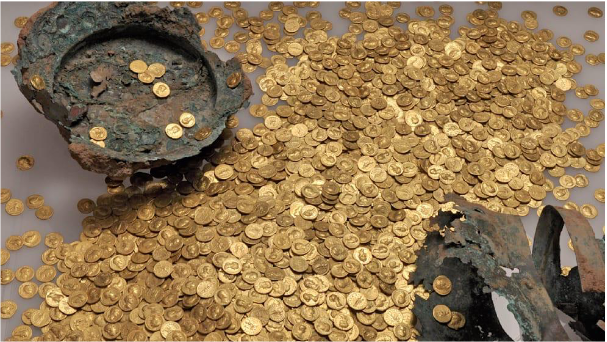
This year’s Latin field trip took us to the historic city of Trier, considered Germany’s oldest city. There, at the Rheinisches Landesmuseum, a truly impressive exhibit awaited us: the Trier Gold Coin Hoard.
This sensational discovery is one of the largest and most significant coin hoards ever found worldwide. It was discovered in 1993 during excavation work in Trier and handed over to the museum. In total, the hoard comprises 2,650 gold coins that were minted during the Roman Empire between 63 and 196 AD.

From Emperor Nero to Marcus Aurelius, the coins feature the portraits of 27 famous Romans. The discovery gives us a fascinating glimpse into just how splendid Trier was during the Roman Empire. The gold used in these coins alone is worth several million euros today.

However, something so valuable also attracts shady characters. In October 2019, two masked men attempted to steal the treasure by force. Fortunately, the robbery failed because the thieves were unable to break the display case’s security glass. Since then, security measures have been strengthened, and the “
” gold treasure of Trier can now continue to be admired by interested visitors.

My conclusion:
Trier is great! If you ever find yourself there, immerse yourself in the history and richness of a city that was once almost as resplendent as mighty Rome itself.

Clara Victoria Meinrad


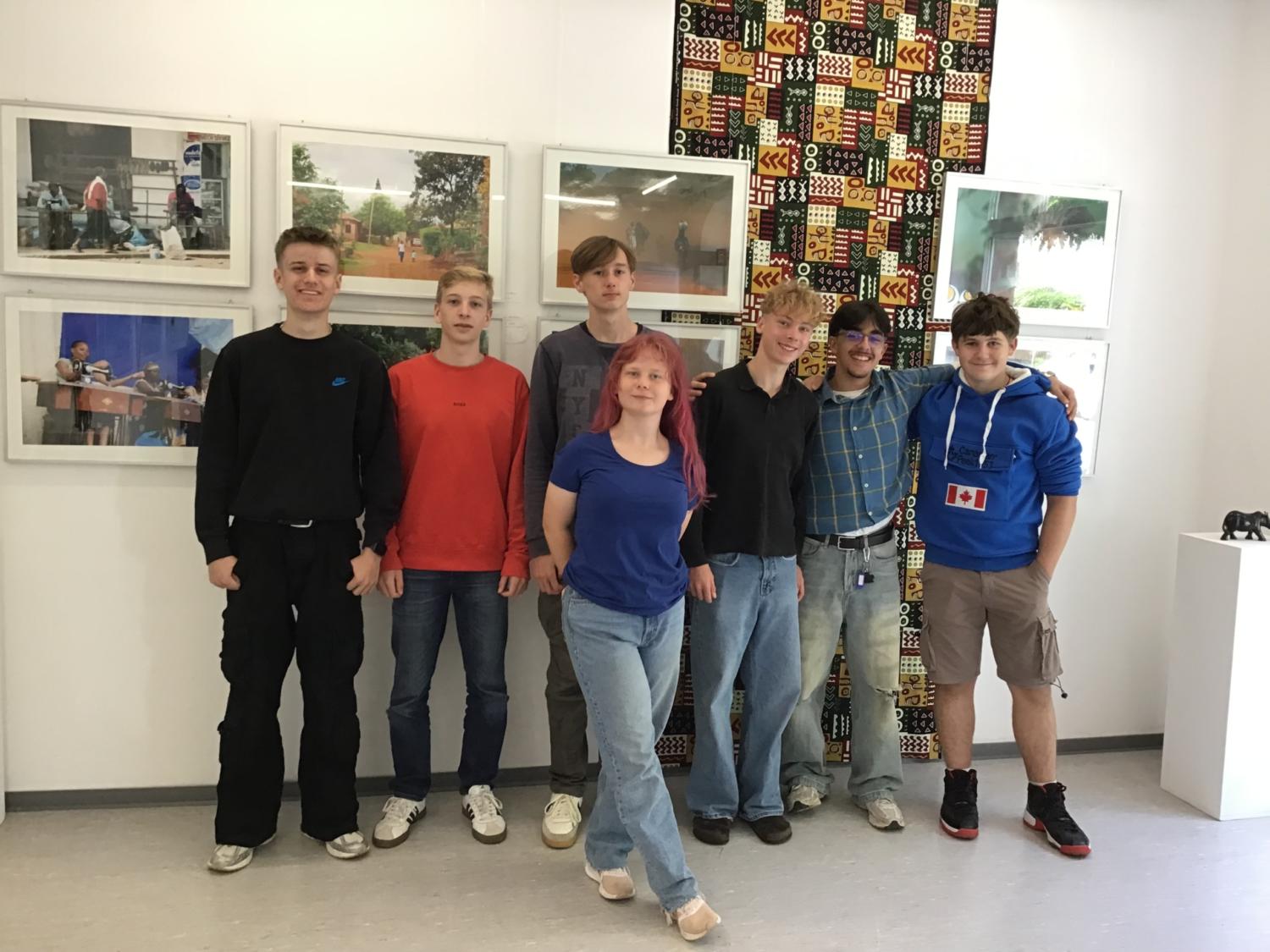
Tenth-graders visit an exhibition about Marburg’s sister city, Moshi, with their teacher, María Ramos

On June 12, María Ramos and the students from Steinmühle—who had spent eight weeks in Tanzania earlier this year—visited the photo exhibition on Moshi at Galerie Haspelstraße eins.

Seeing these familiar images stirred up emotions that led to comments such as “Recognition, familiarity, nostalgia—that’s just Tanzania.” Viewing the exhibits gave them an opportunity to reflect on their own experiences.

The students talk about the projects they took part in at the One World School Kilimanjaro. They had been staying there—at Steinmühle’s partner school—during their time there. Now they’re experts on German-Tanzanian history, with a focus on colonization.

Every project should culminate in a creative product. Whether skulls made of clay or African masks, or fossil reproductions—everything should also serve as inspiration for other schools, for the Tanzanian audience and listeners of these presentations—but also for German politicians such as Deputy Foreign Minister Katja Keul, who was currently paying an official visit to Tanzania.

During a reflection session held in conjunction with the exhibition, the students shared what they had brought back to Germany from Tanzania in their “suitcases”:

“You learn to be grateful, even though the experience was also wonderful.”

“I’ve discovered something new about myself—just how adaptable I am.”

“I now have a realistic picture of Africa that isn’t portrayed in the media.”

“We have too many things; material possessions aren’t that important.”

“Spending the day without media wasn’t bad at all; on the contrary, we talked so much with each other.”

“It was an adjustment, a challenge, but the experience was worth it.”

These were the words of our participants, all of whom grew a little through this experience.

We look forward to welcoming new generations of students who would also like to have this experience so they can return with “a suitcase full of memories.” Future 10th graders interested in a trip to Tanzania should contact María Ramos or Principal Björn Gemmer.

(María Ramos)

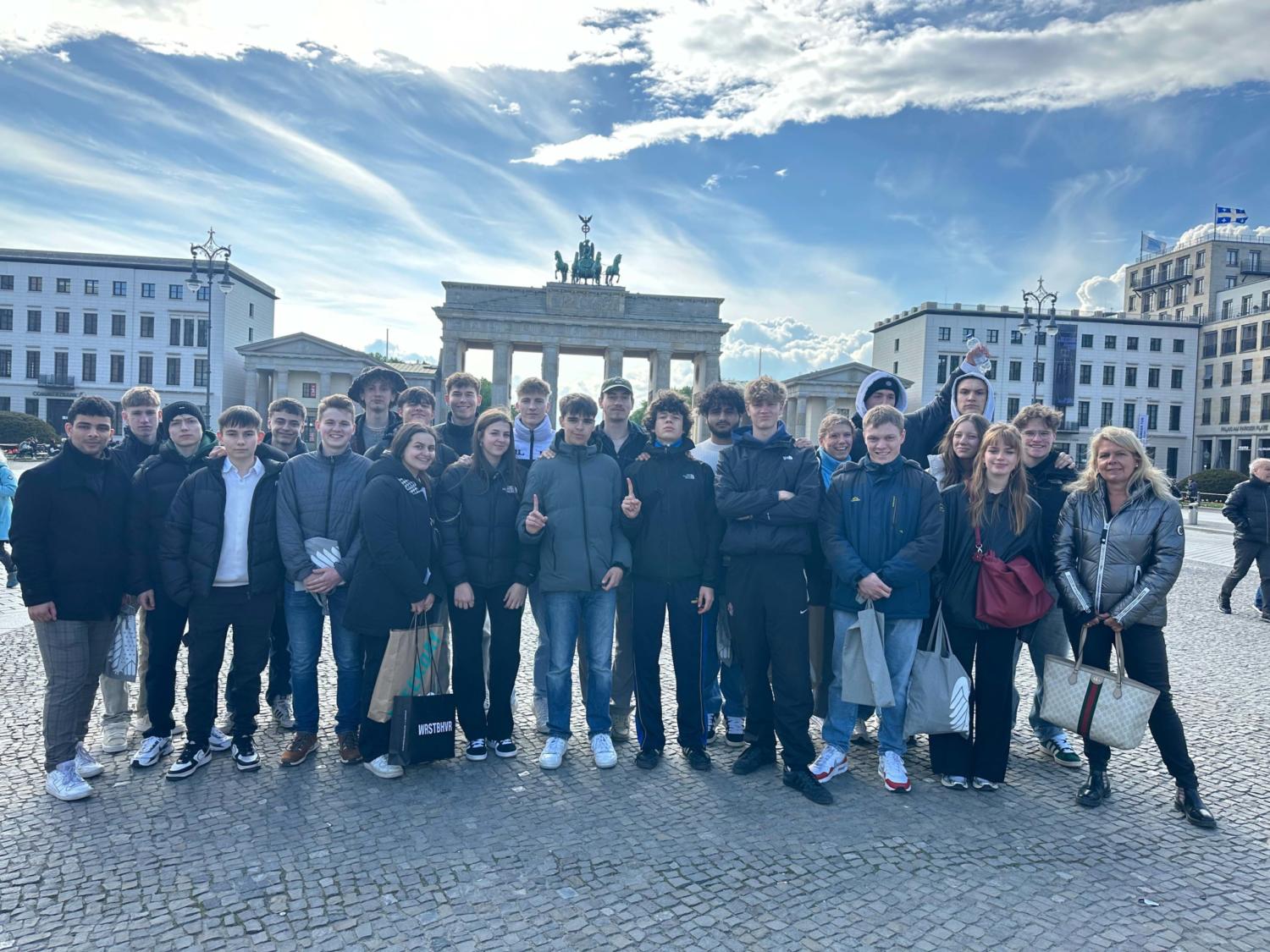
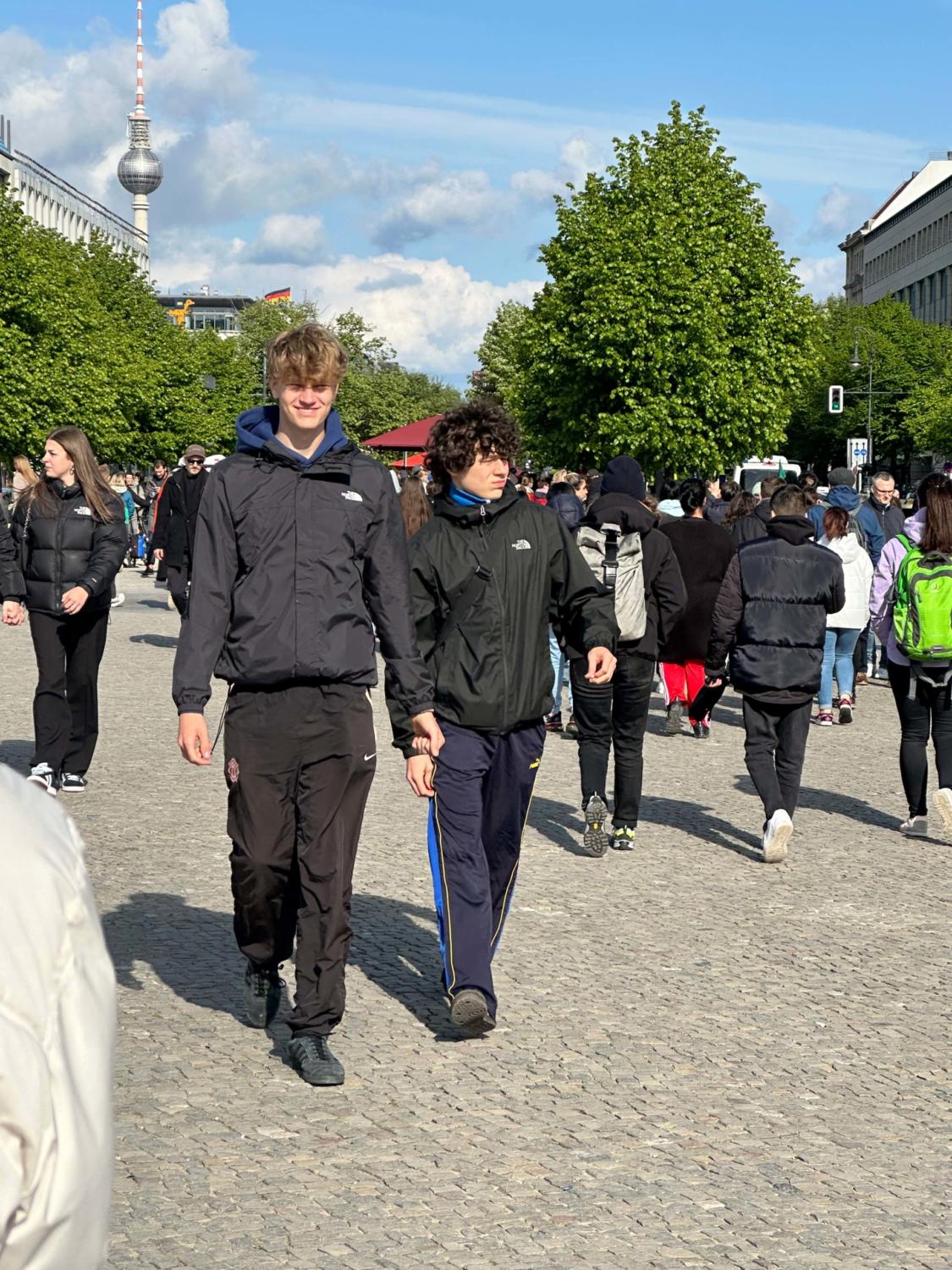
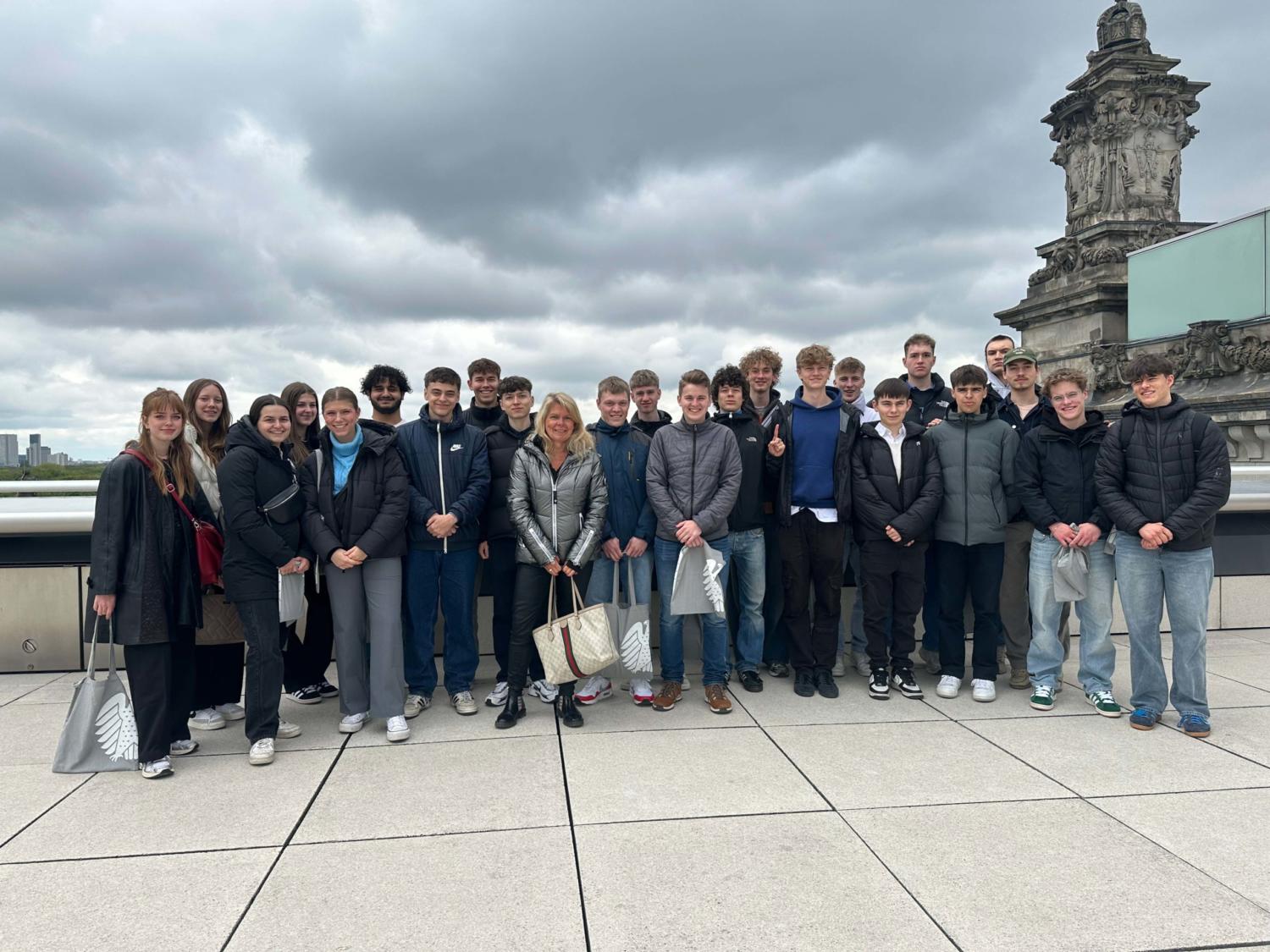
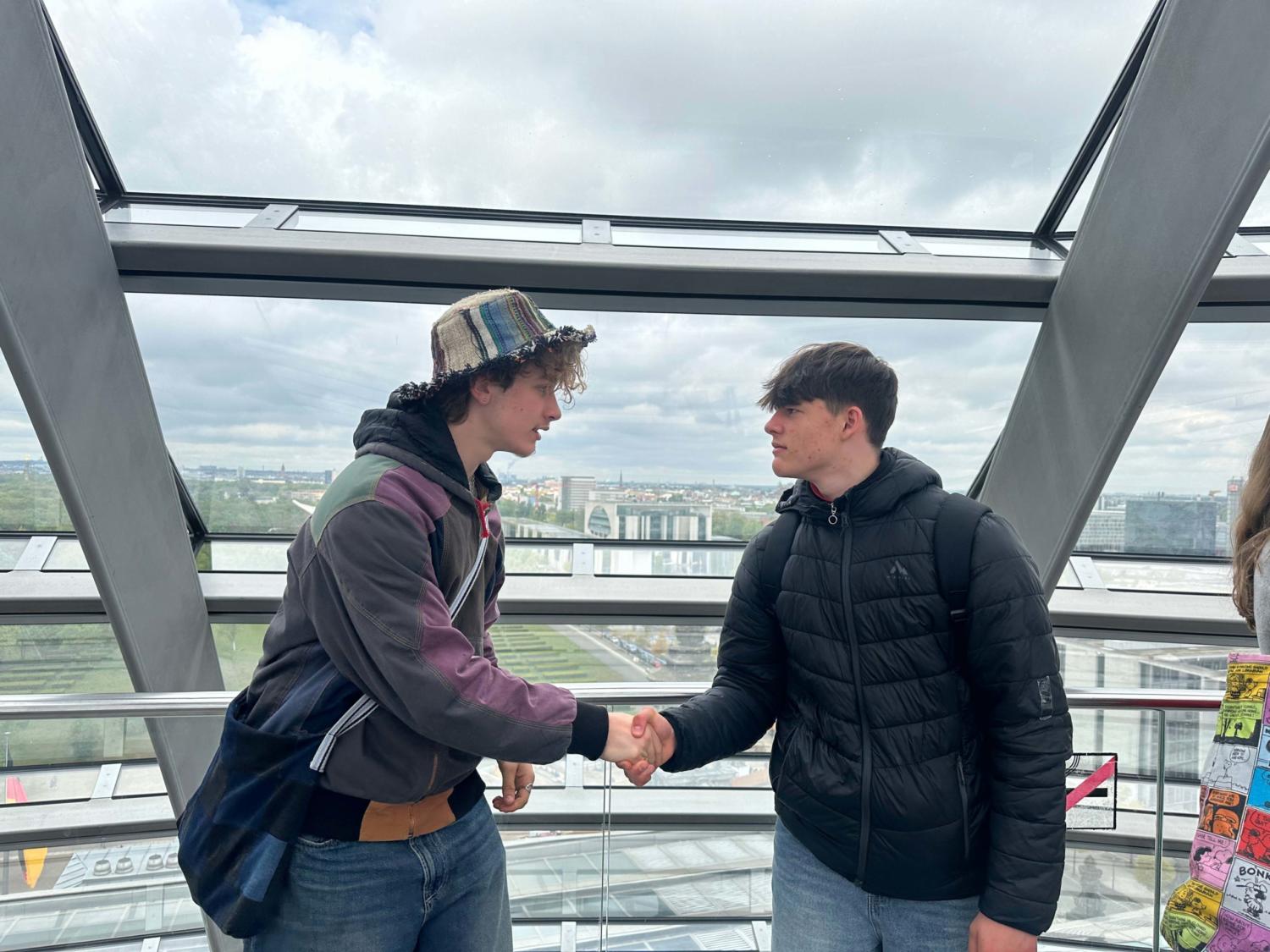
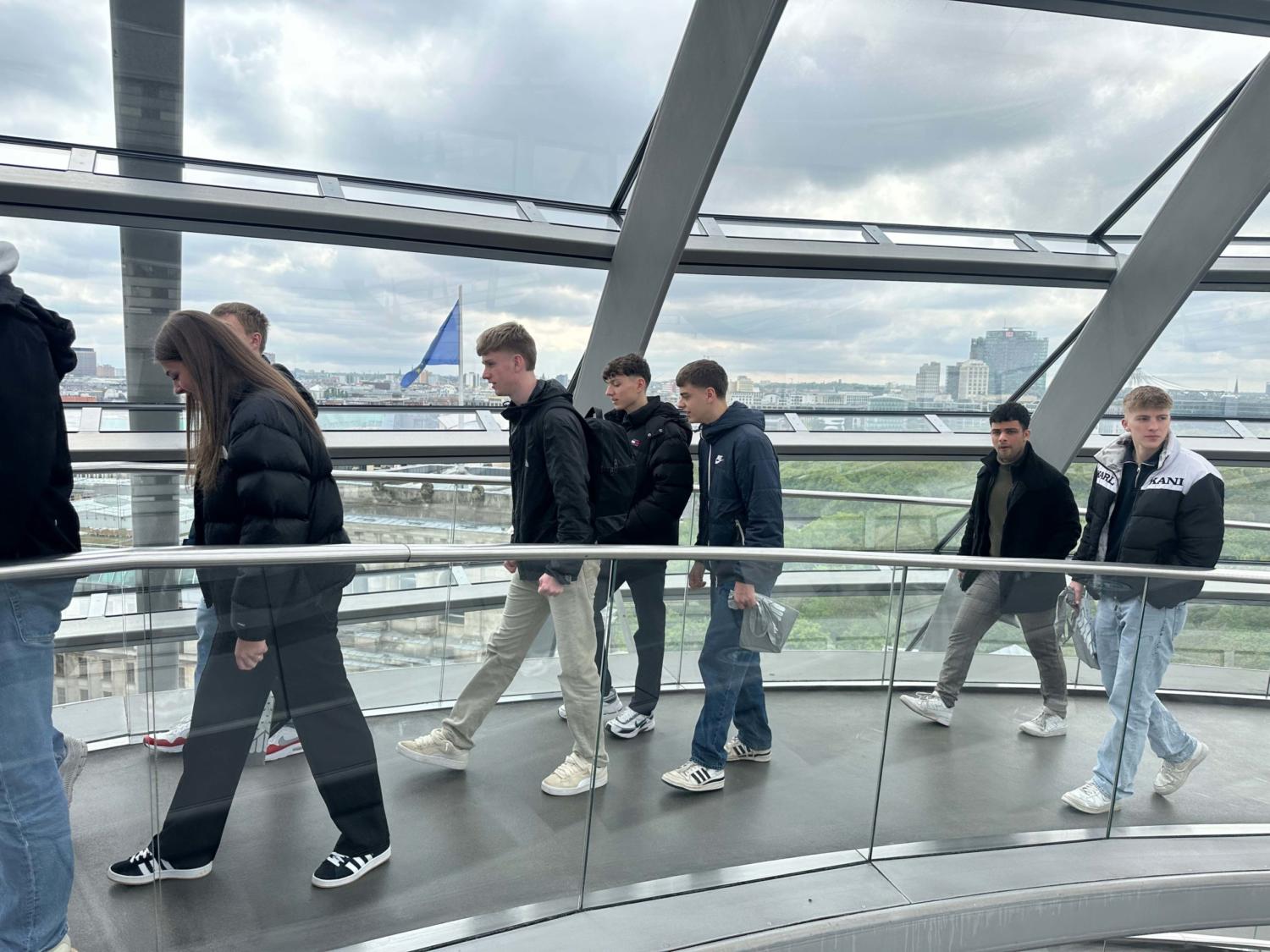
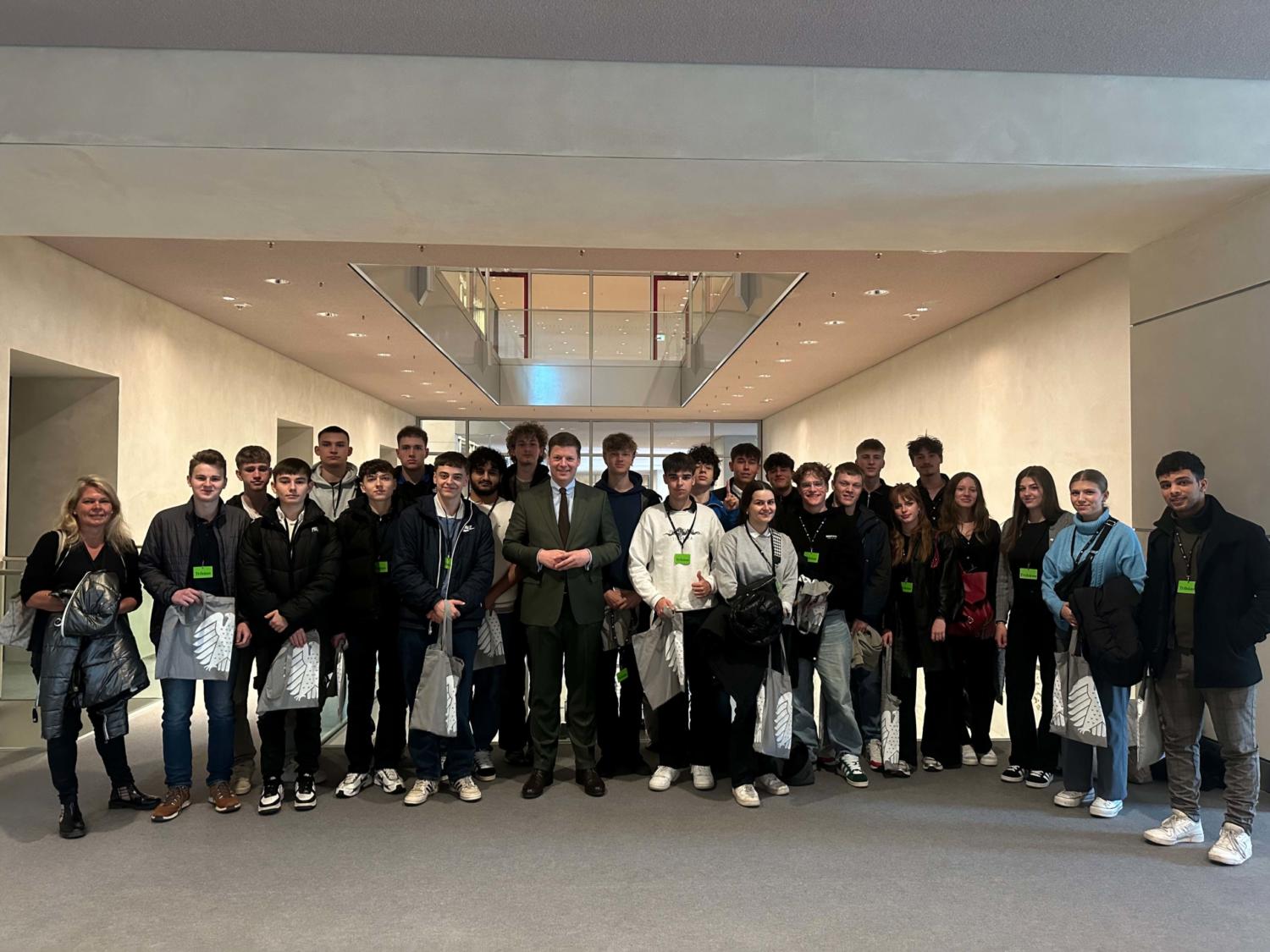
At the invitation of local Member of the Bundestag Dr. Stefan Heck (CDU), the Steinmühlen 12th-grade advanced political science class, accompanied by their teacher Dr. Claudia Röder, visited the German Bundestag in Berlin. The trip began on a Wednesday at 2:00 p.m. and took them via Kassel. The group arrived in the capital around 7:30 p.m. The day ended with a group dinner, followed by a ride to a very nice hotel.

On Thursday morning, the group visited the German Bundestag, where the Political Science Advanced Course students were able to follow exciting and quite controversial discussions on the topic of the EU’s eastward expansion. Afterward, the group had a personal meeting with Member of the Bundestag Stefan Heck, who also invited the guests from Steinmühle to lunch in the Bundestag cafeteria. During the discussion with the CDU politician, topics such as social inequality, the future of the Bundeswehr, the new payment card, and issues surrounding the legalization of cannabis were addressed. The day concluded with a guided tour of the government district. The day ended with an Indian dinner with the class. Felix celebrated his 18th birthday!

The next morning, the group headed to *Die Welt*, where the students were invited to participate in an editorial board meeting on current events. To wrap up the two-day trip, the group visited the House of the Wannsee Conference in the afternoon before heading back to Marburg around 5:15 p.m.

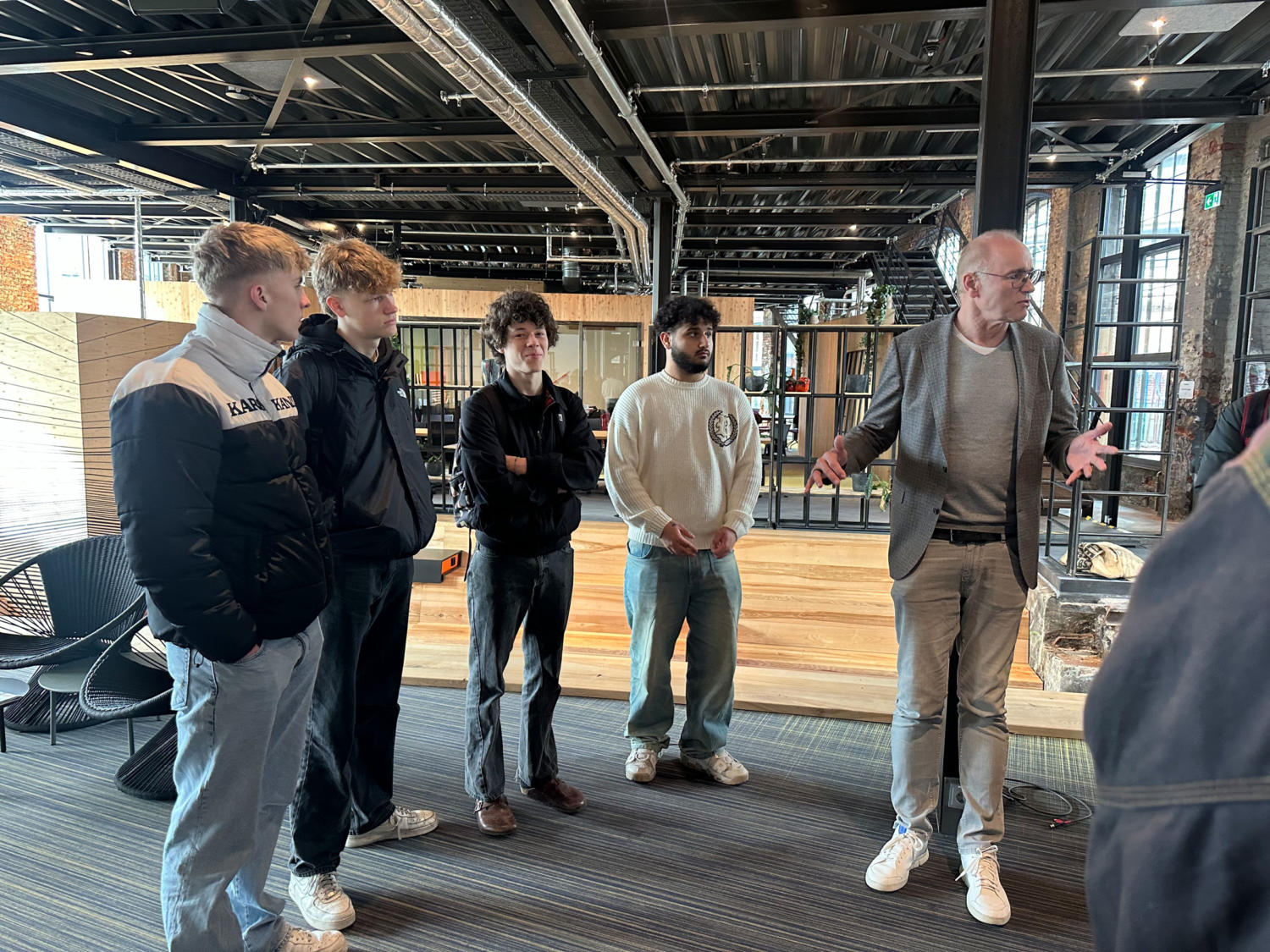
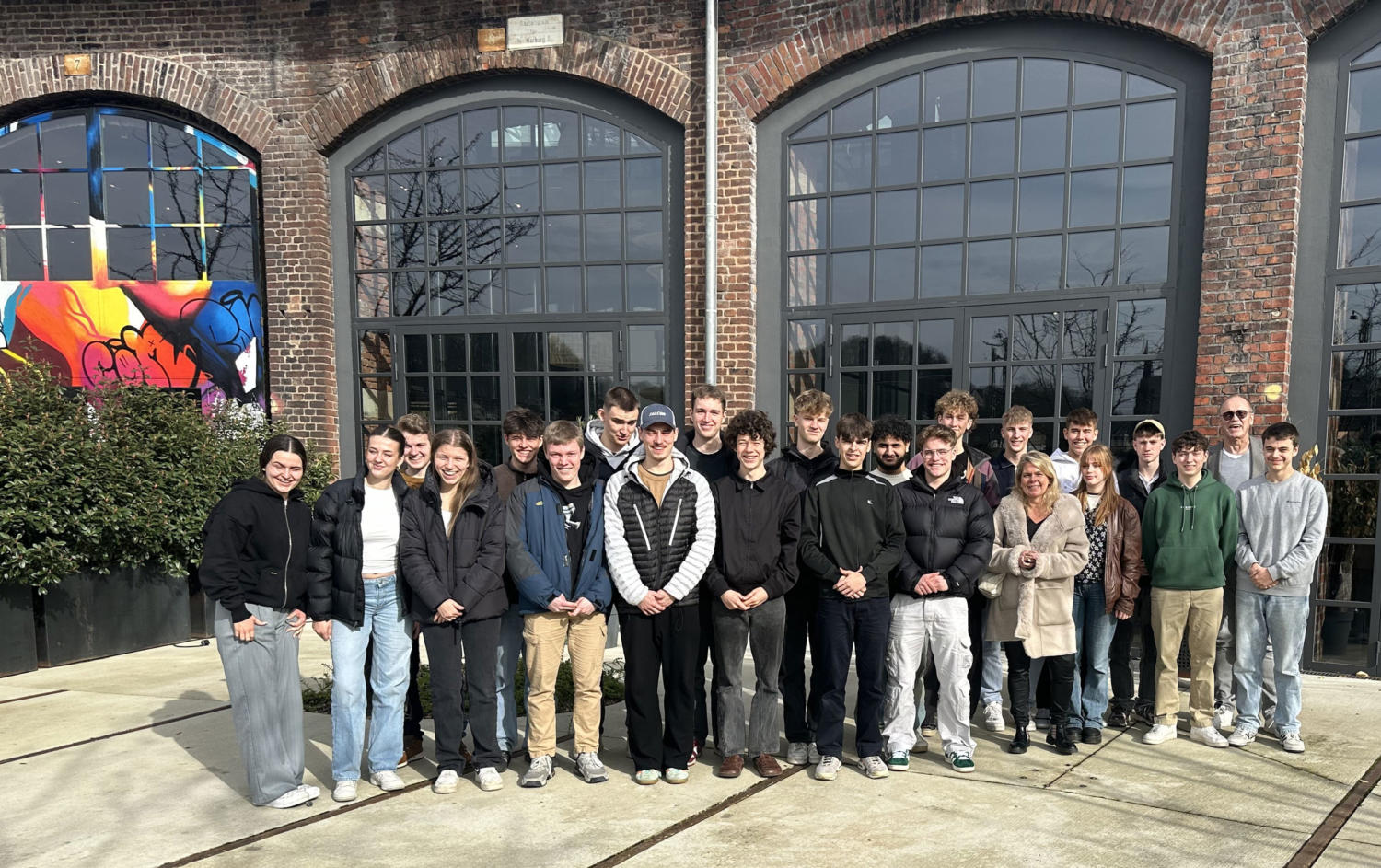
Starting a startup—wouldn’t that be something? But how do you turn an idea into a business, and how do you go about it? Together with their teacher, Dr. Claudia Röder, the advanced political science class visited the Marburg Lokschuppen. It is recognized beyond the district as Marburg’s startup hub.

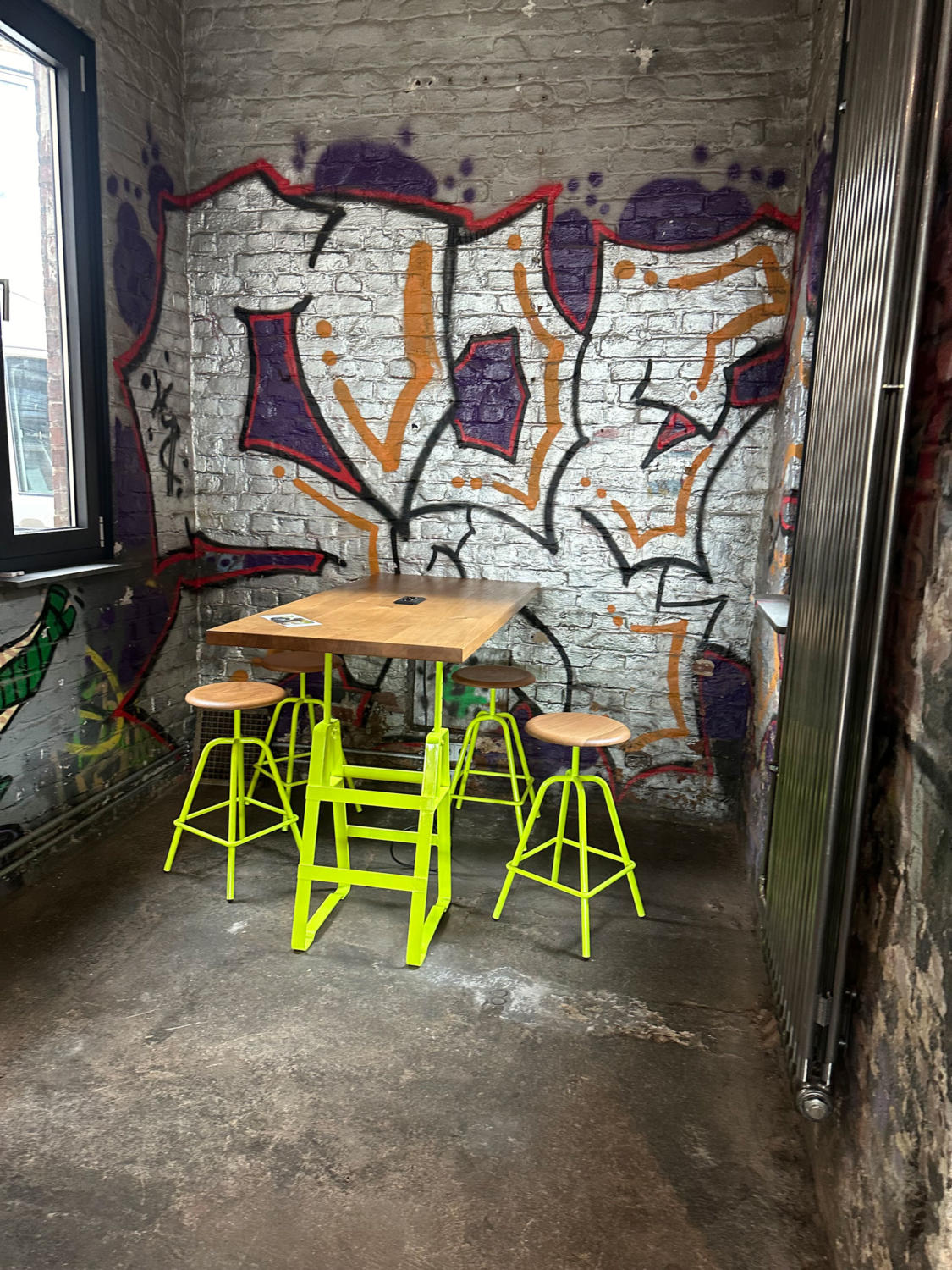
The group meets with Gunter Schneider, the owner of the Lokschuppen, at Innocou, the café and culinary hub of the renovated complex, which has been saved from decay. The café is called the Coworking & Startup Hub; it is intended to provide ample space for diversity and creativity and to be a place of enjoyment and culture—as the owner is quoted as saying in the press.
Gunter Schneider sums up the idea behind the entire project in one sentence: “What was once a hub for locomotives is now becoming a hub for people.” This is also the motto of the startup center, which features numerous workspaces: The “hot seats” serve as workspaces for workers passing through; the “dedicated seats” are for short-term use of up to two weeks; and the “cubes.” The latter are small offices for up to 8 people. In addition, there are also “real offices,” Schneider explains. Larger companies use these for longer-term work.

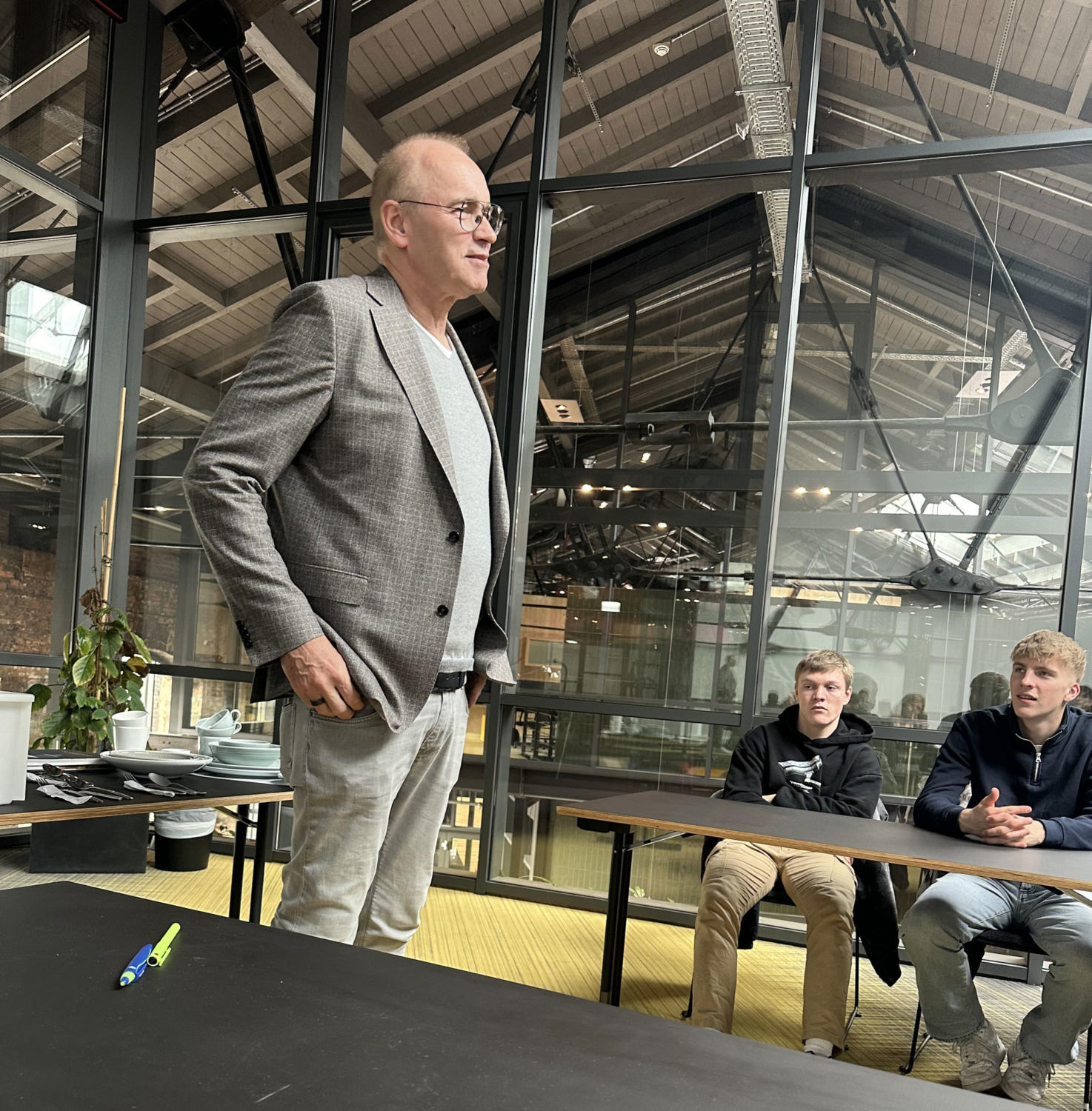
After the guided tour, Gunter Schneider answers questions from the Steinmühlen students. He also talks about his own company, Schneider Maschinenbau in Fronhausen, which has about 500 employees and branches on several continents. The company is one of the world’s leading manufacturers and developers of machinery and system solutions for the eyewear, precision, and ultra-precision optics industries.


Working Together and Helping One Another

During the discussion with the students, the host cannot avoid the topic of politics and makes a few critical remarks regarding industrial transformation. Startups could drive this transformation and, for example, develop systems to reduce CO₂ emissions.

To drive this development forward, Lokschuppen supports startups in refining their ideas, guides them as they grow, and connects them with various industries. According to Schneider, startups generally thrive on collaboration and mutual support.
Unfortunately, according to the owner, there are too few young people with their own fresh ideas: “To continue achieving economic growth, Germany simply needs new ideas from new people.” In his view, policymakers should provide a platform for startups: “The startup ecosystem must be supported”—also to become less dependent on other countries. Overall, Germany invests too little in education; education must be further digitized. According to Gunter Schneider, the key skills needed to found a startup are a solid high school education, a college degree, and a passion for the chosen field.

The visit to the locomotive shed ended with a short presentation by the host on the topic of patent law—which the Political Science class found very interesting.

French teacher Ulrike Wilmsmeyer sent in a student report on the Marburg-Châlons French exchange:

On Tuesday, February 6, our exchange partners from Châlons-en-Champagne arrived. After a nine-hour train ride to Marburg, we gave them a warm welcome at the train station.

Our extensive program began on Wednesday with a day at school. We showed them around our school, and they observed a German class. In the evening, we got to watch the revue premiere with our exchange students. On Thursday, we went on our first group field trip, which took us to the Chemikum Marburg. There were two different labs there where we were able to conduct many experiments. The dry ice experiment was the most popular.

Afterward, we went to the climbing gym together. There, we had the chance to boulder and climb. After refueling with tarte flambée, we walked to St. Elisabeth Church. Due to the bad weather, we then ended our outing. On Friday, we took the train to Frankfurt to visit the Film Museum. We started with a detailed guided tour of the exhibition, and then we were divided into small groups to shoot our own films. These films were created using still images played back one after another. This is called pixilation.

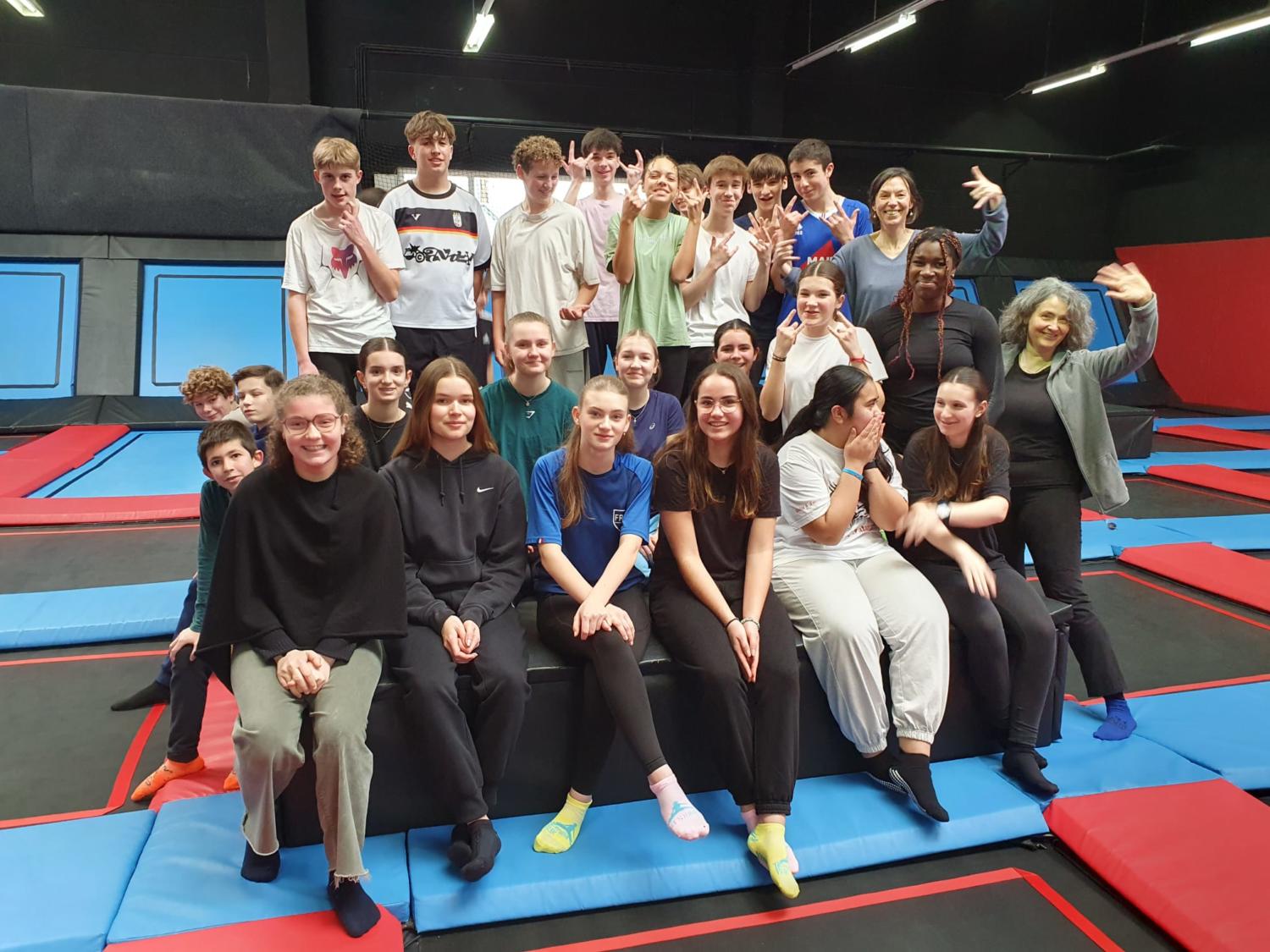
After a wonderful weekend with our host families, which included individual outings, we drove to Linden on Monday to visit the trampoline park. Afterward, under the theme “bleu-blanc-rouge,” we headed to the carnival parade in Marburg. In the evening, we gathered at the Forum for a closing party. We enjoyed a large buffet and a lovely look back at the past week, as Mme Barrière had put together a great slideshow for us with photos and videos. On Tuesday morning, we took our exchange partners to the train station at nine o’clock and said our goodbyes.

Looking back, we can say that the exchange was a wonderful addition to our regular French classes, as it gave us the chance to experience things firsthand. Our French skills have, of course, improved significantly over the course of this week. Hopefully, this will also be the case during our return visit to Châlons in May.

We are grateful for this opportunity to exchange ideas and hope that future students will have an equally wonderful opportunity and great experiences.

By Lilli Ansorge, Sophie Böhm, Luna-Marie Körner, and Nils Rettig (9th grade)


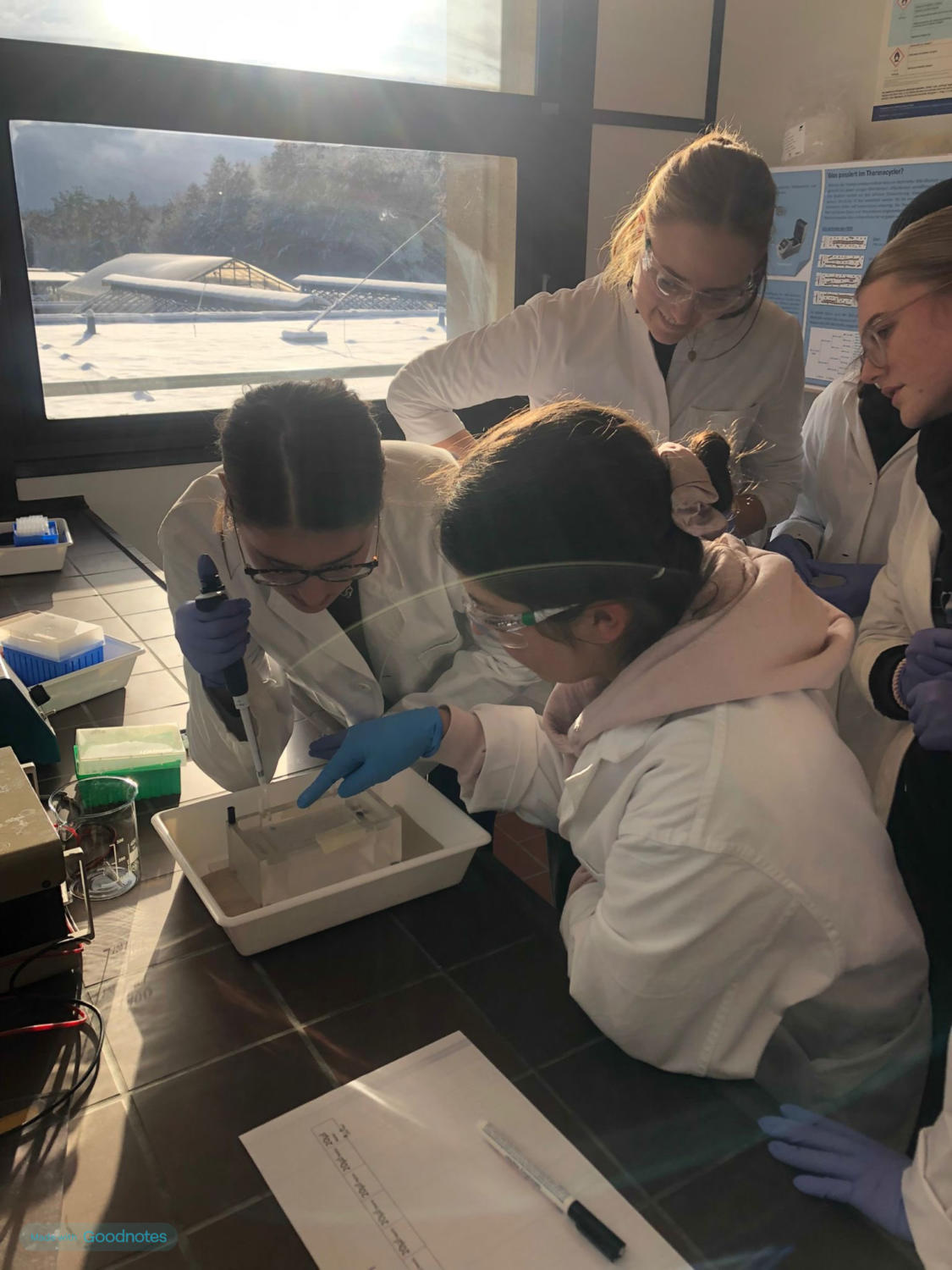
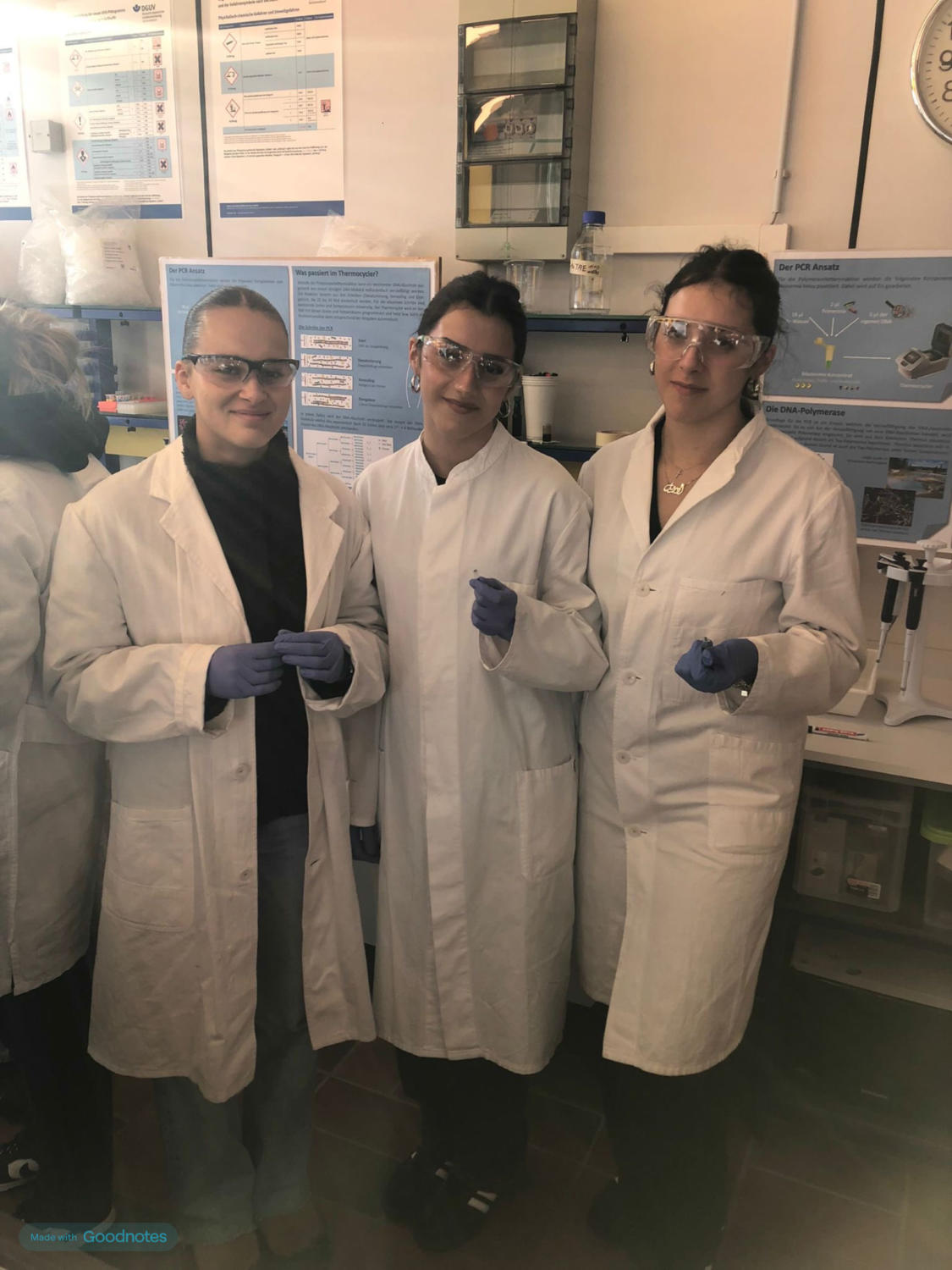
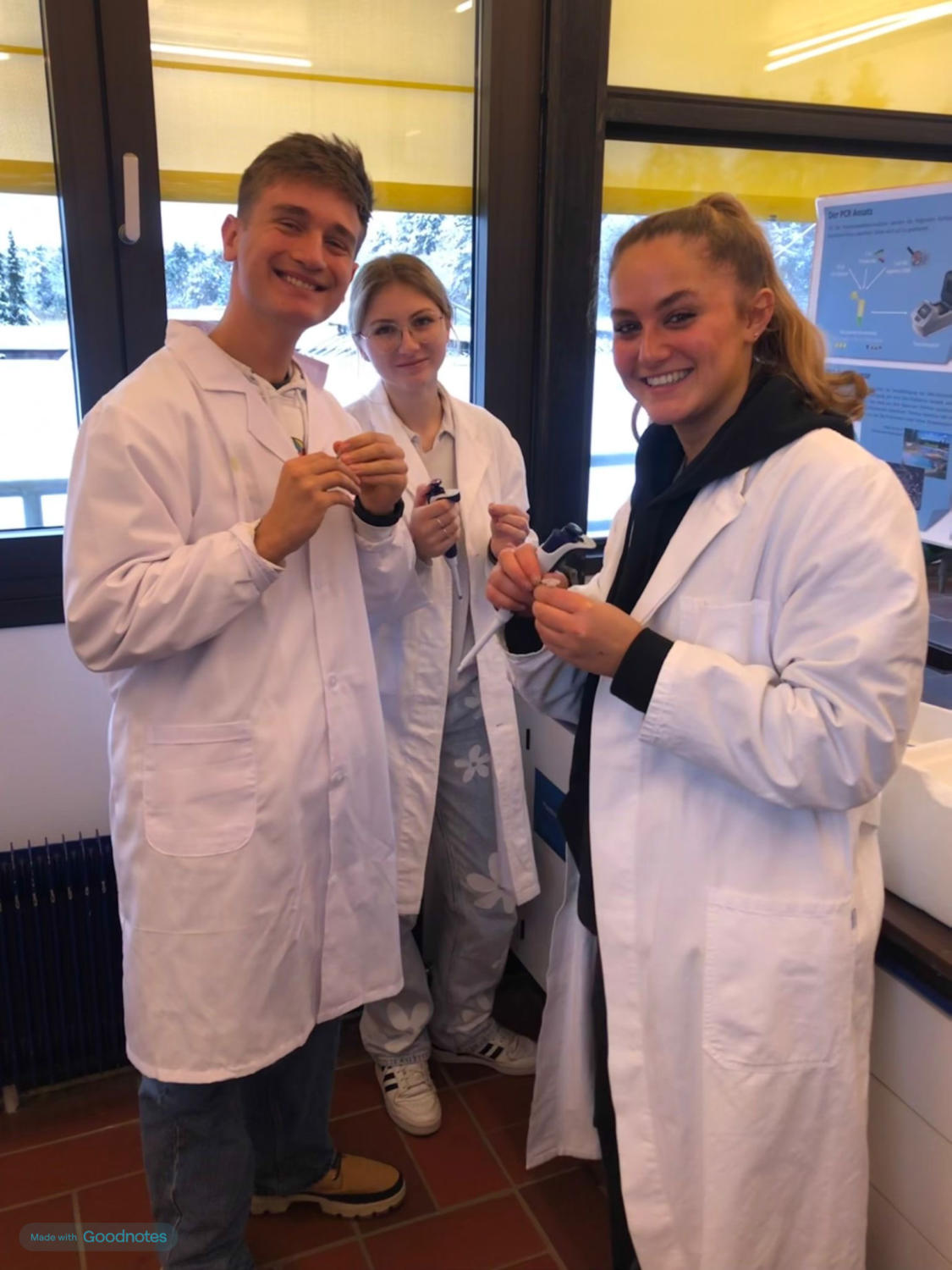
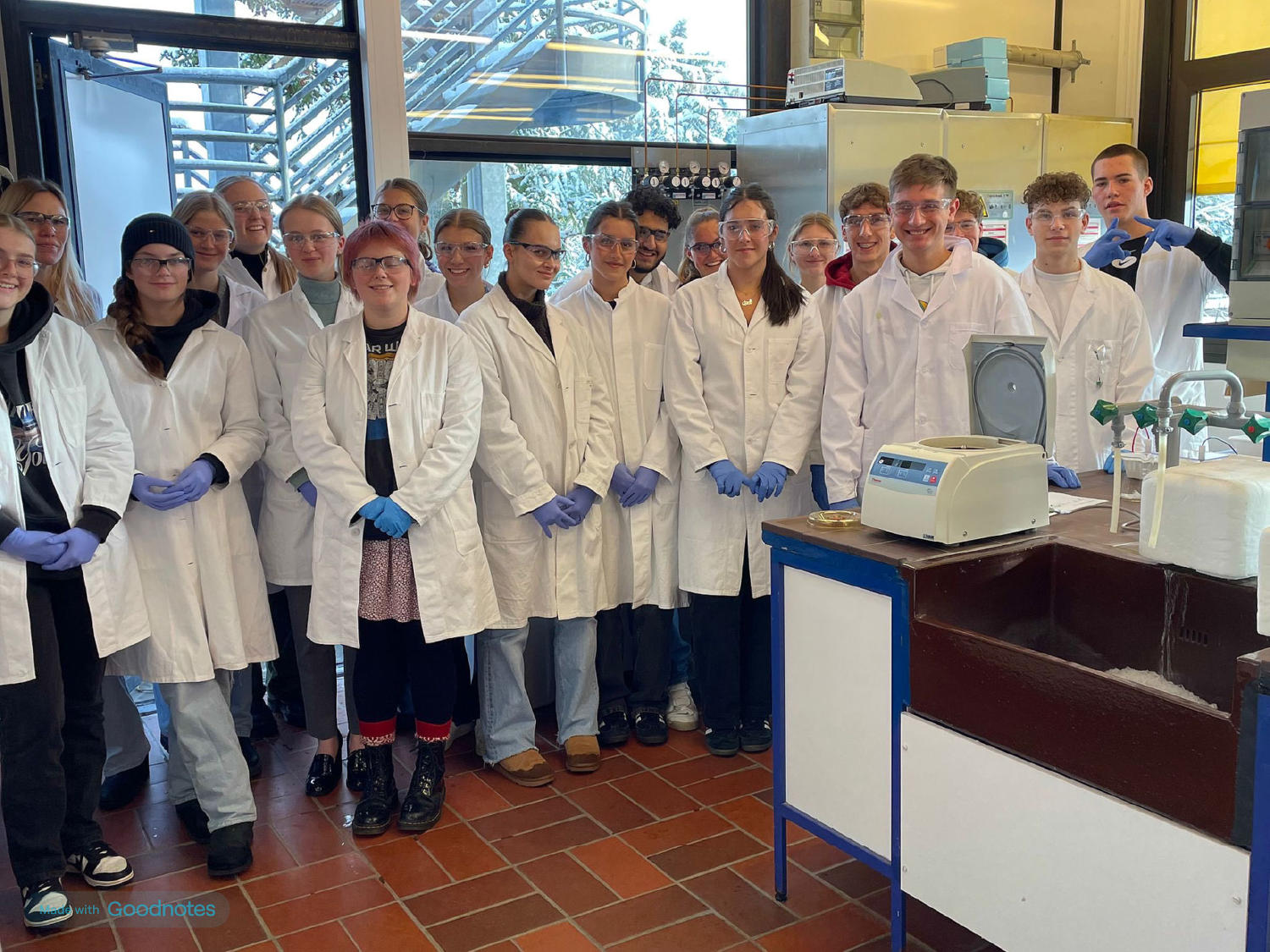
Applying what you’ve learned. Seeing your own DNA. Making DNA visible? — That’s exactly what the 12th-grade advanced biology class did during their genetics course at Lahnbergen. Alicia Spitzhüttl writes:

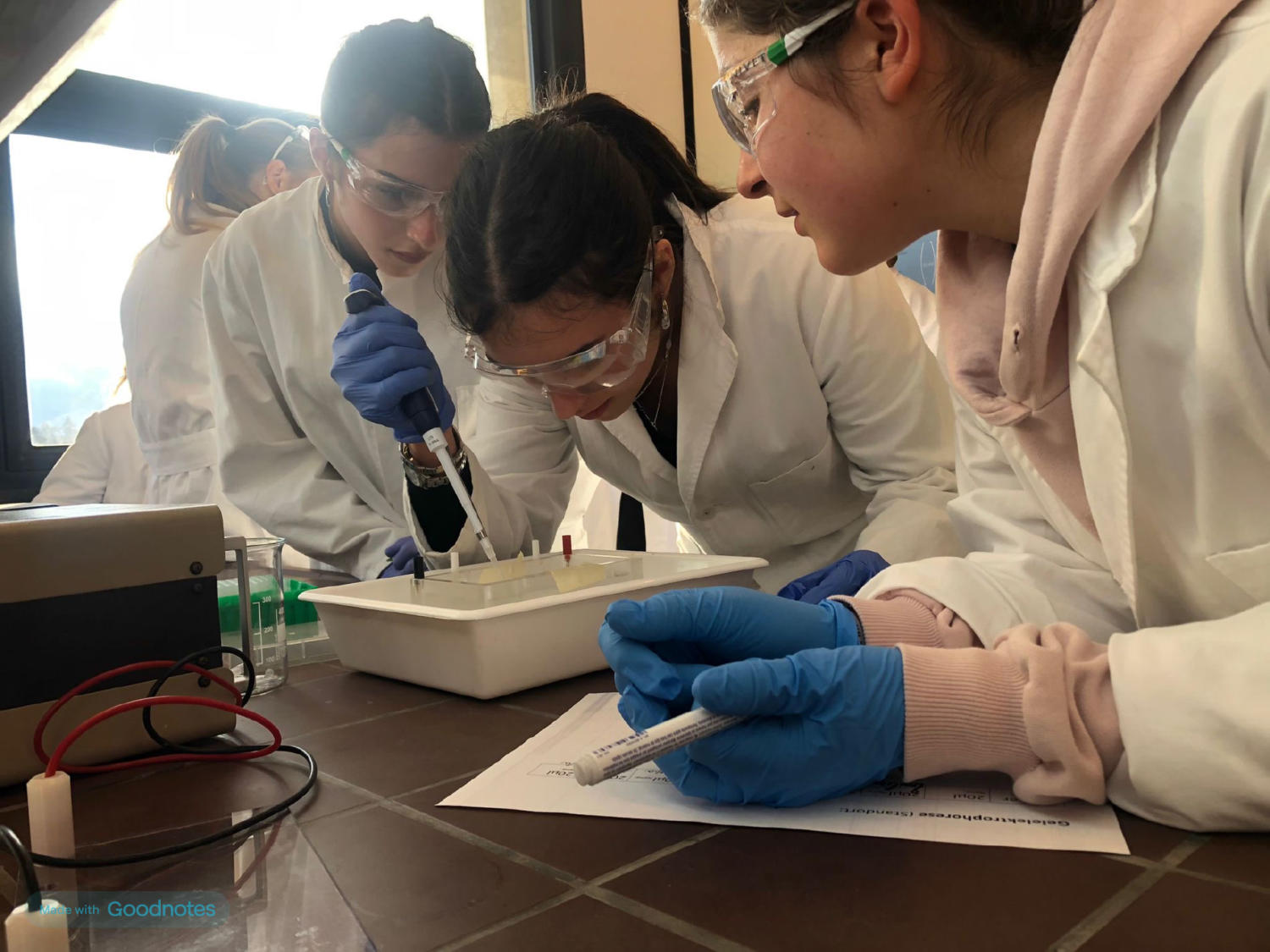
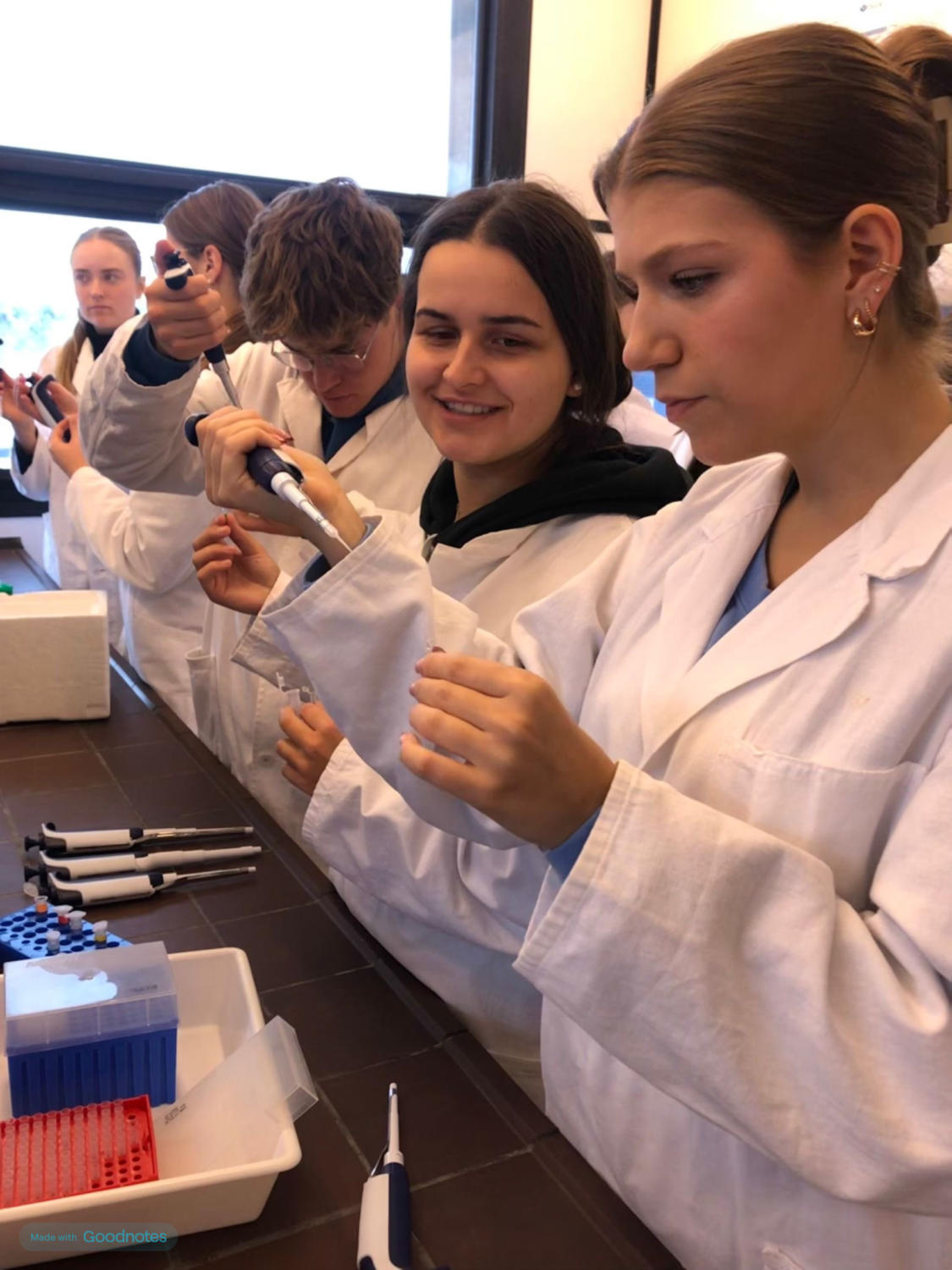
We met at the Marburg Botanical Garden and, by the end of this course, were able to see our DNA. More specifically, our genetic fingerprint, which is unique to each person and is used, for example, in criminal cases to unequivocally identify the perpetrator. To examine our DNA, we first learned how to use a microbiological pipette. We were given a few rules and some background theory at the beginning to reinforce or refresh what we’d learned before heading into the lab.


DNA extraction is a complex process

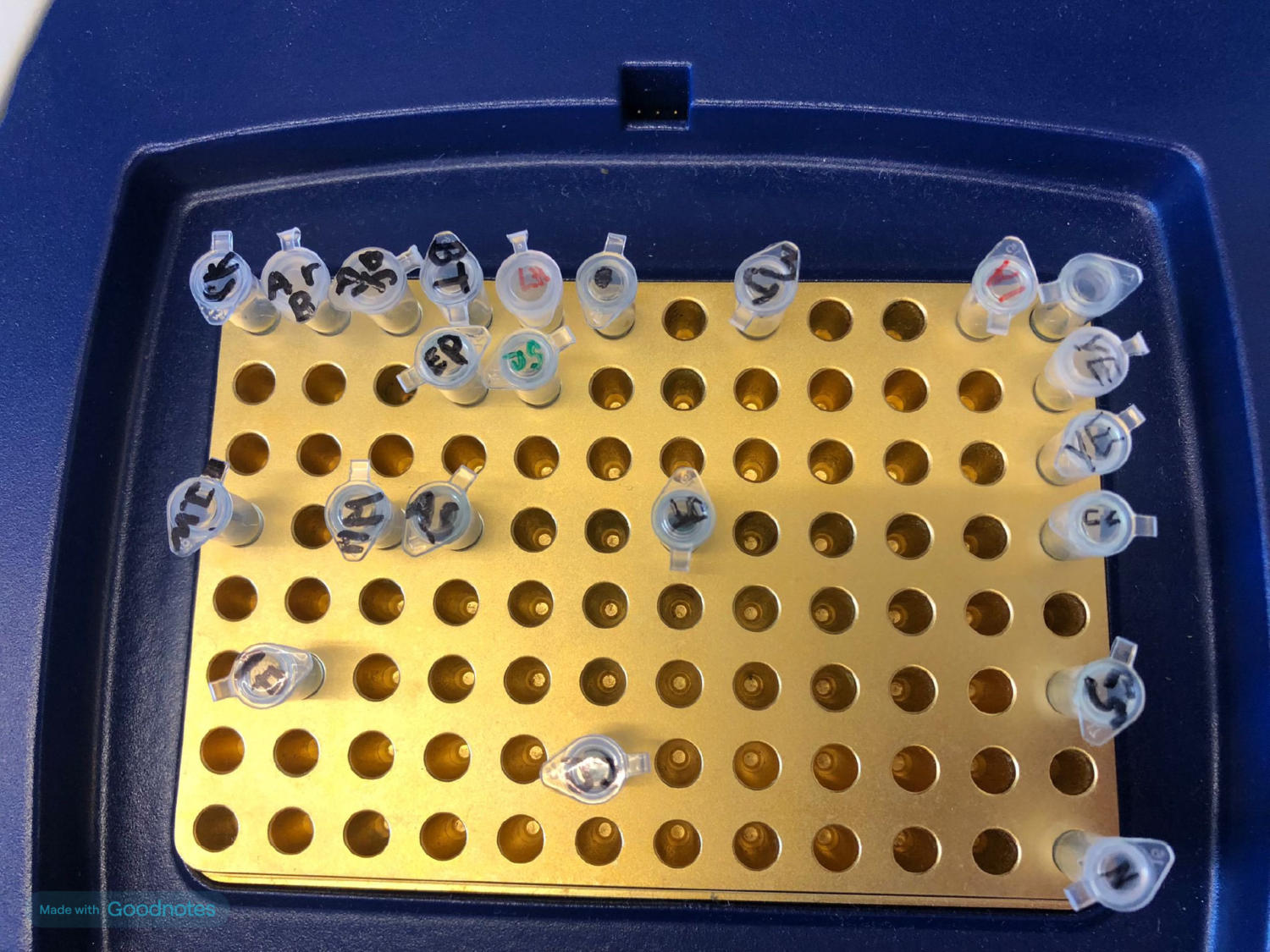
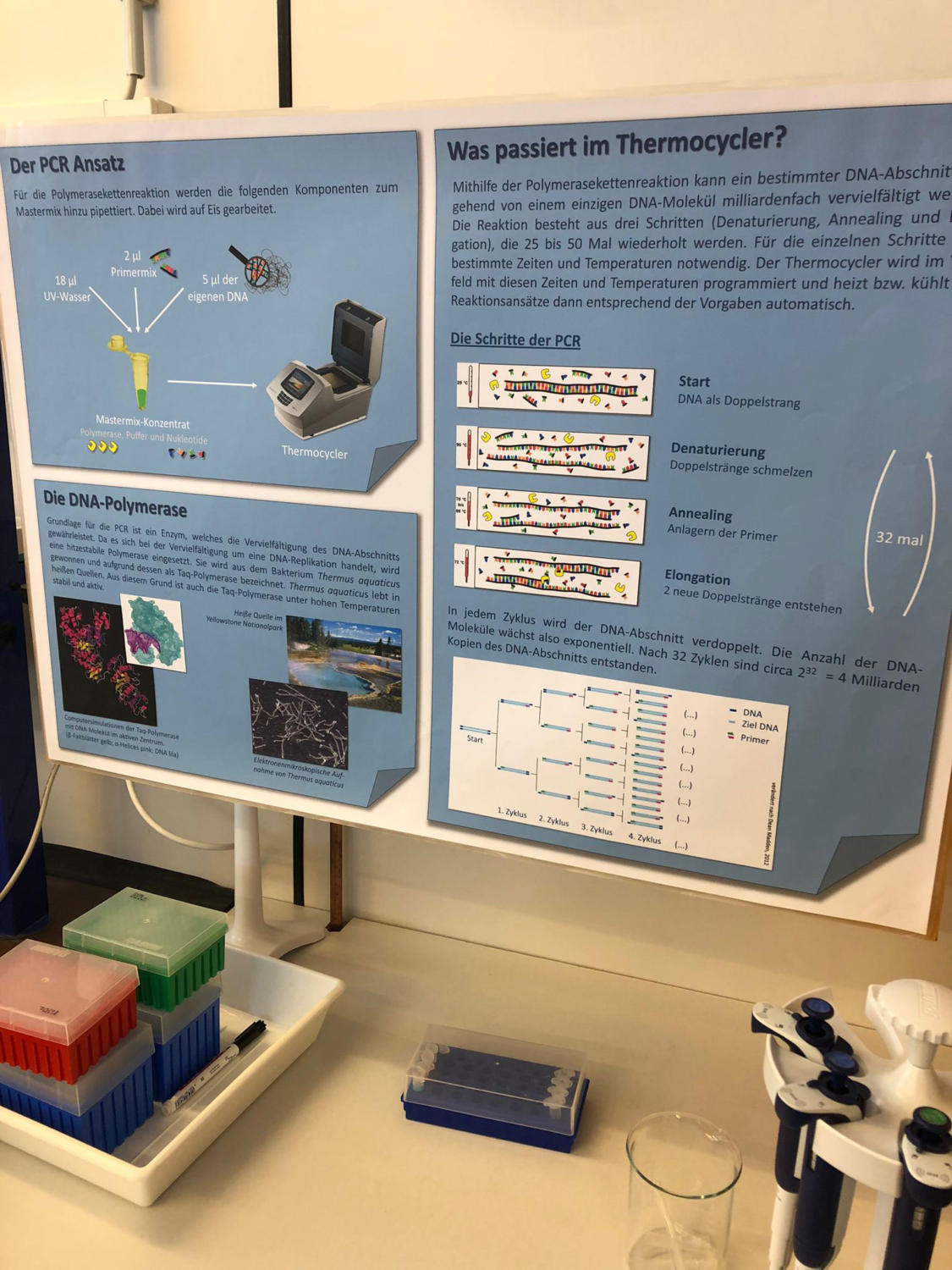
The first step in the lab was to collect our cells. To do this, we rinsed thoroughly with water, which allowed us to collect cells from our oral mucosa. We then centrifuged our water-cell mixture so that the cells would settle at the bottom and the excess water could be removed. Since our DNA is well protected within the cell nucleus, we had to break down the cell membrane in several steps using buffers. For this reason, a lysis buffer and a precipitation buffer were added to dissolve the cell membrane. Furthermore, our DNA mixture was centrifuged repeatedly to allow the solid components to settle and to remove excess water. Gradually, all cellular components were dissolved using buffers and centrifugation, so that in the end only a DNA pellet remained. Finally, we purified this DNA pellet with ethanol and UV-deionized water so that we could then perform the polymerase chain reaction.
Using the polymerase chain reaction, a specific DNA segment can be amplified billions of times starting from a single DNA molecule.


View Your Own Genetic Fingerprint

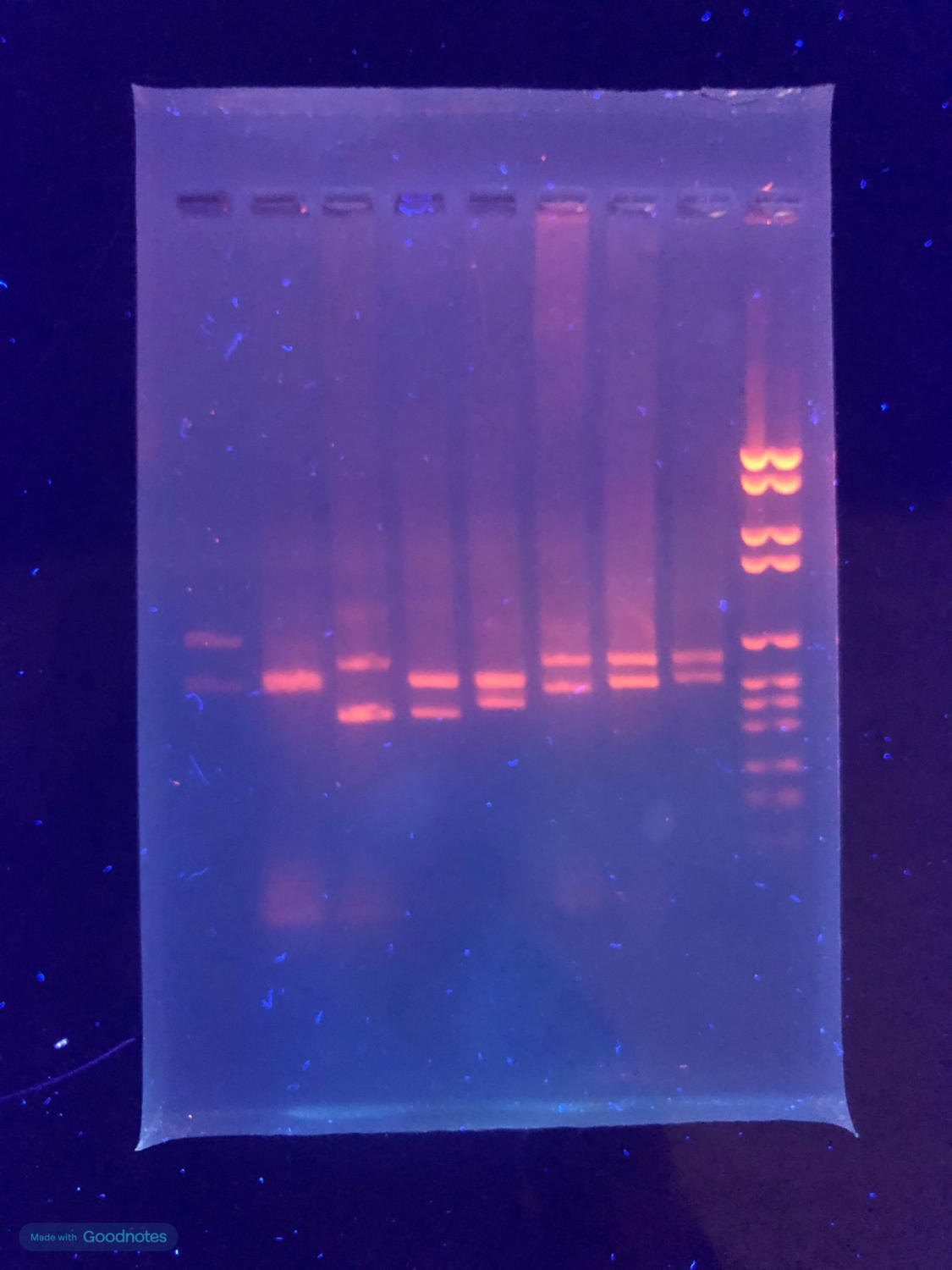
During our lunch break, we ordered pizza and took a look at the botanical garden in the snow flurries. After the break and once the polymerase chain reaction was complete, we made our DNA visible using electrophoresis and agarose. We then added the amplified DNA
to the agarose gel. Next, we turned on the device that was responsible for making the lengths of the individual satellites visible. We were then able to observe this in a darkroom, allowing each of us to see and visualize our own genetic fingerprint.

It was a truly fun and educational day, and it may even have motivated some of the students to pursue a career in this field later on. The student laboratory at the Botanical Garden is an extracurricular learning center that offers various lab courses for high school biology classes. Some of these programs are carried out in cooperation with the newly founded Central Hesse Student Research Center. The Student Research Center is a place for all students in the region who are enthusiastic about STEM subjects and offers workshops, lectures, and guidance and support for students’ own research projects.

For more information, visit: https://sfz-mittelhessen.de/ and https://www.uni-marburg.de/de/botgart/schuelerlabor.

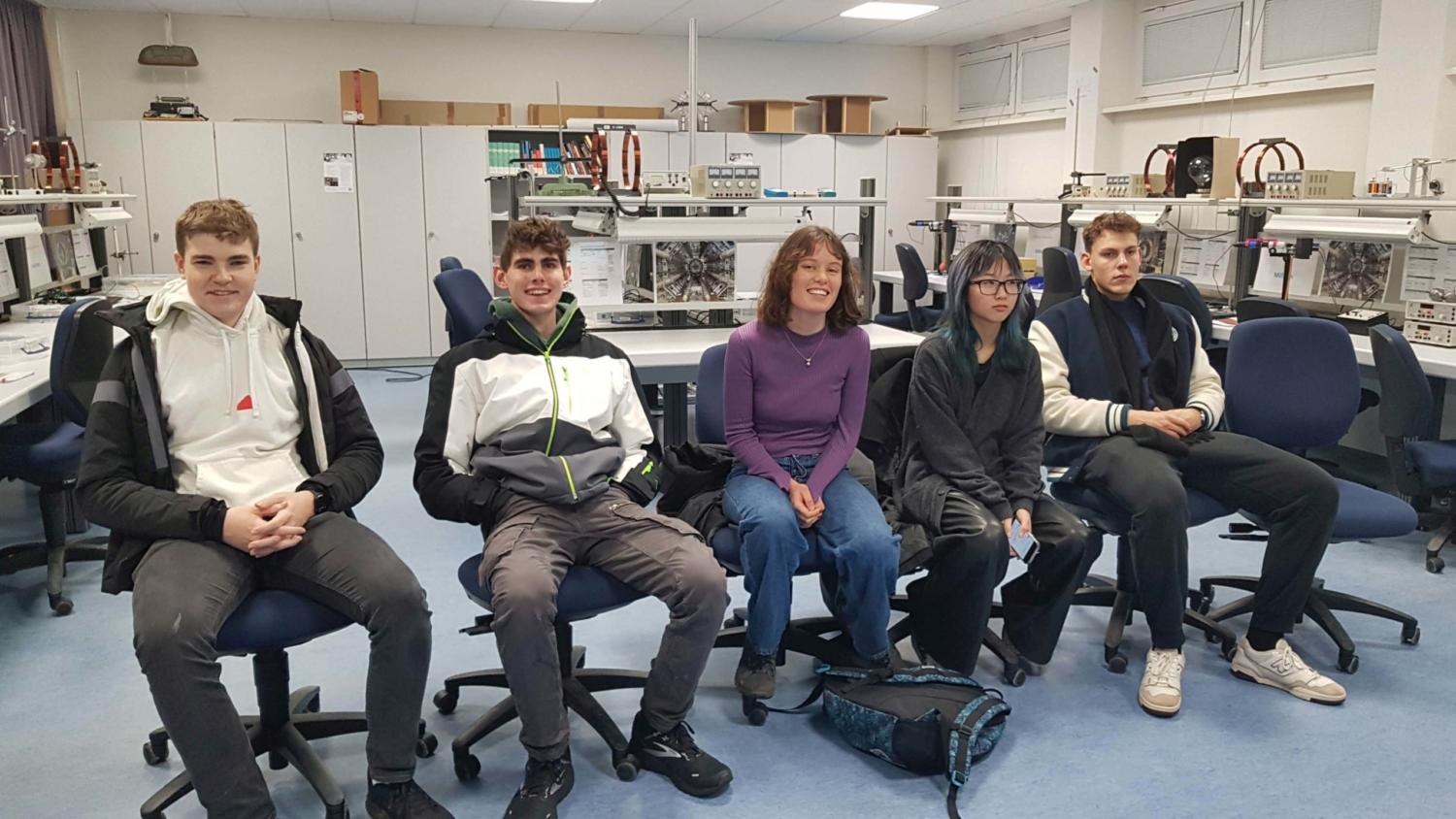
At the end of Q3, from Thursday morning through Saturday evening, the 13th-grade advanced physics class, accompanied by their teacher Dr. Jutta Töhl-Borsdorf, embarked on a varied field trip to Hamburg to explore the German Electron Synchrotron (DESY). The trip was packed with other exciting activities and experiences.
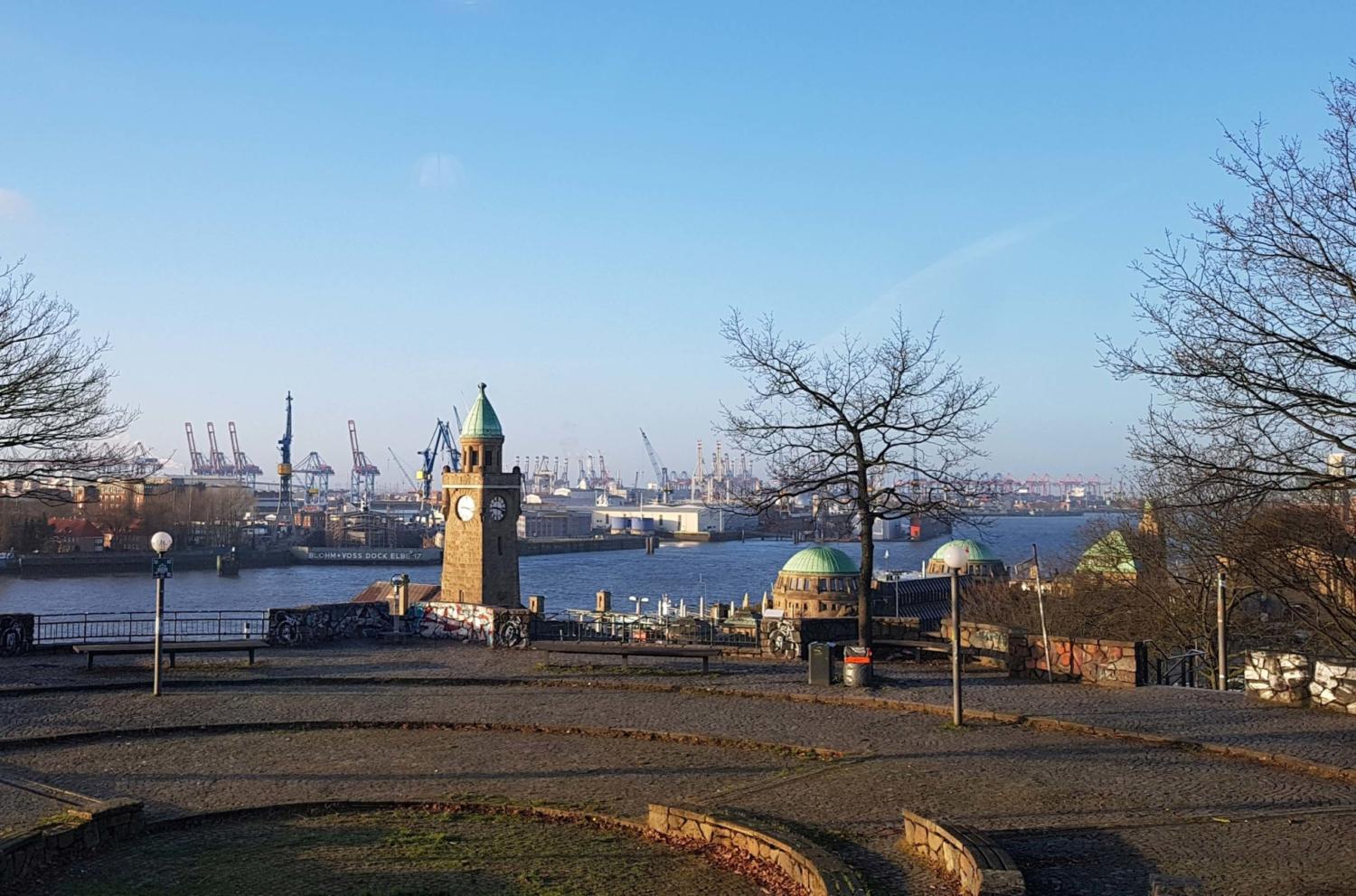
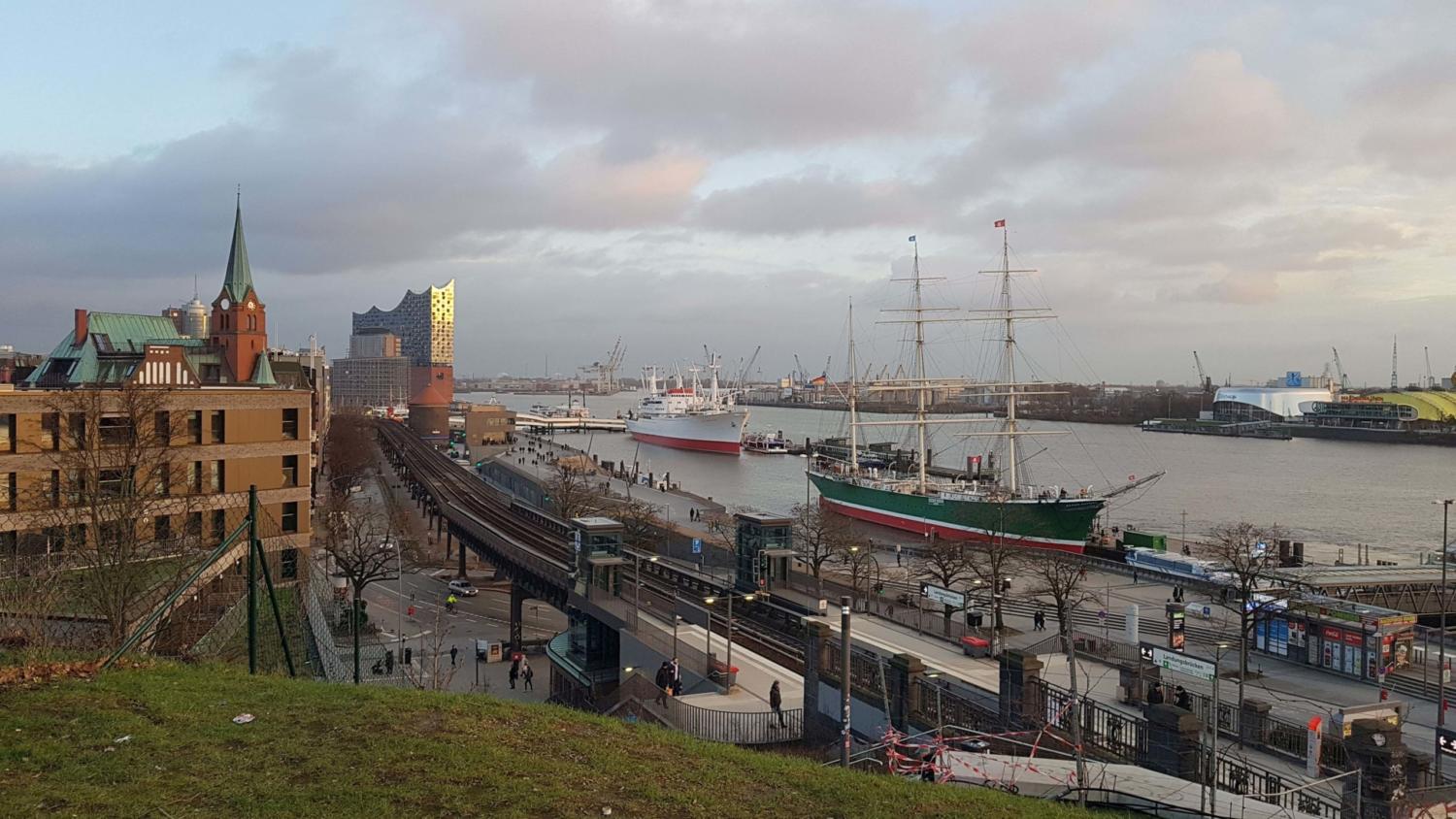
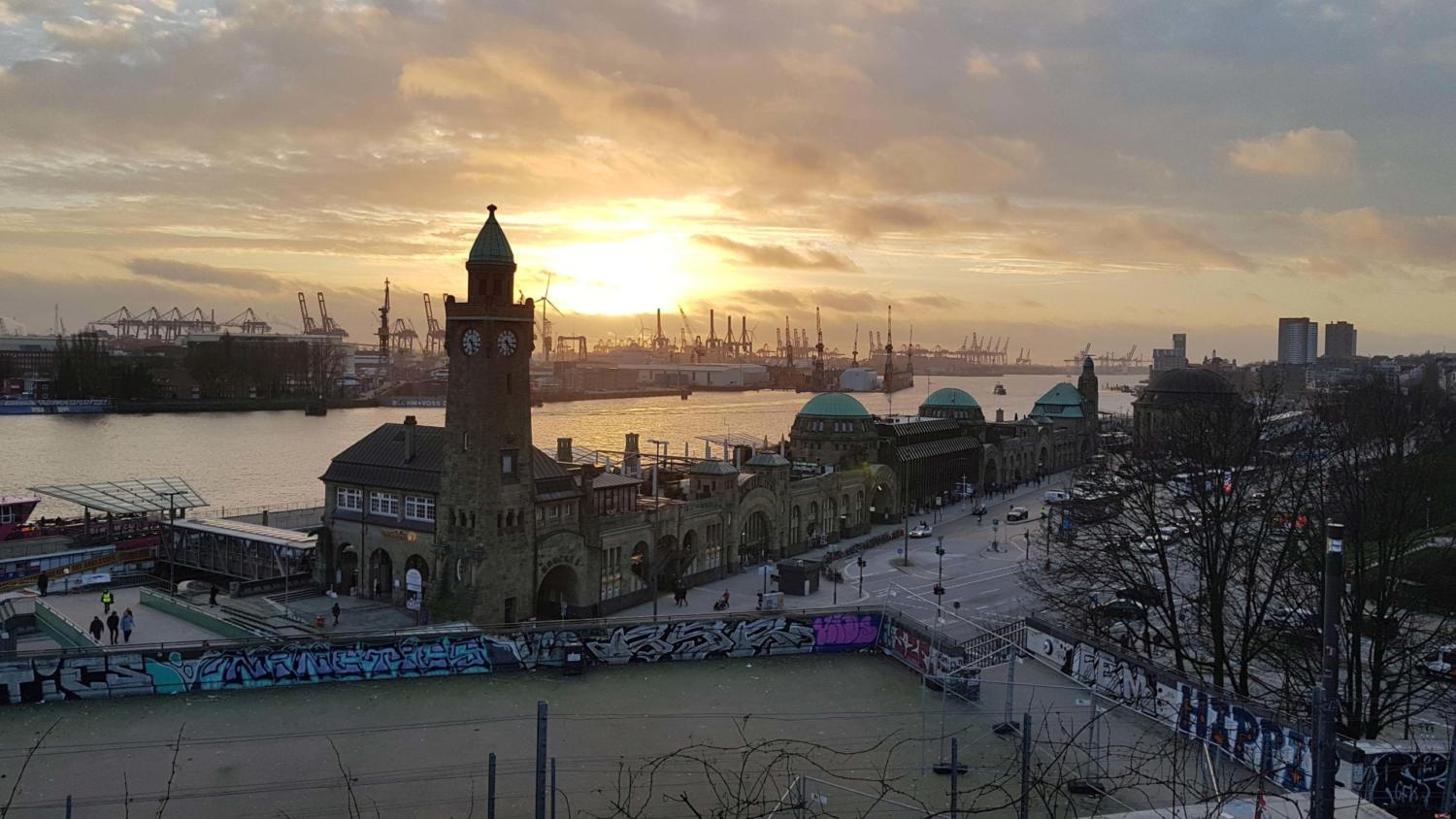
Even the journey there turned out to be an adventure, as the planned departure was delayed by a full two hours due to a rail strike. Despite this challenge, the group finally arrived at the youth hostel at the Landungsbrücken around noon. The accommodation not only offered a very pleasant stay in a central location but also an impressive view of the Elbe River and the harbor.

The first item on the agenda took place in the afternoon—a visit to the Hamburg Student Research Center. There, all those interested gained insight into the work of the facility, which has already accumulated far more experience than the Central Hesse Student Research Center (SFM), which recently opened in Marburg.
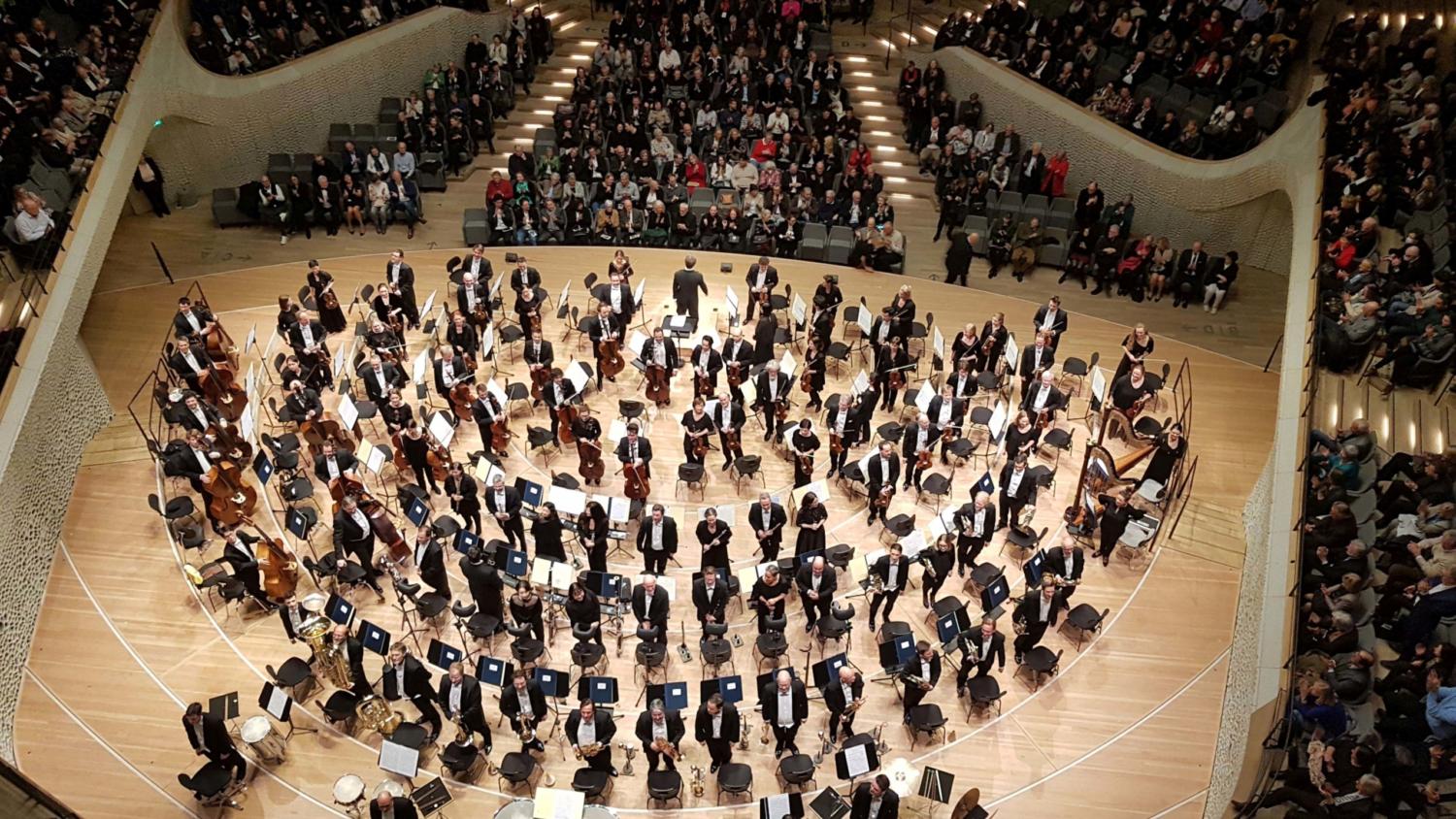
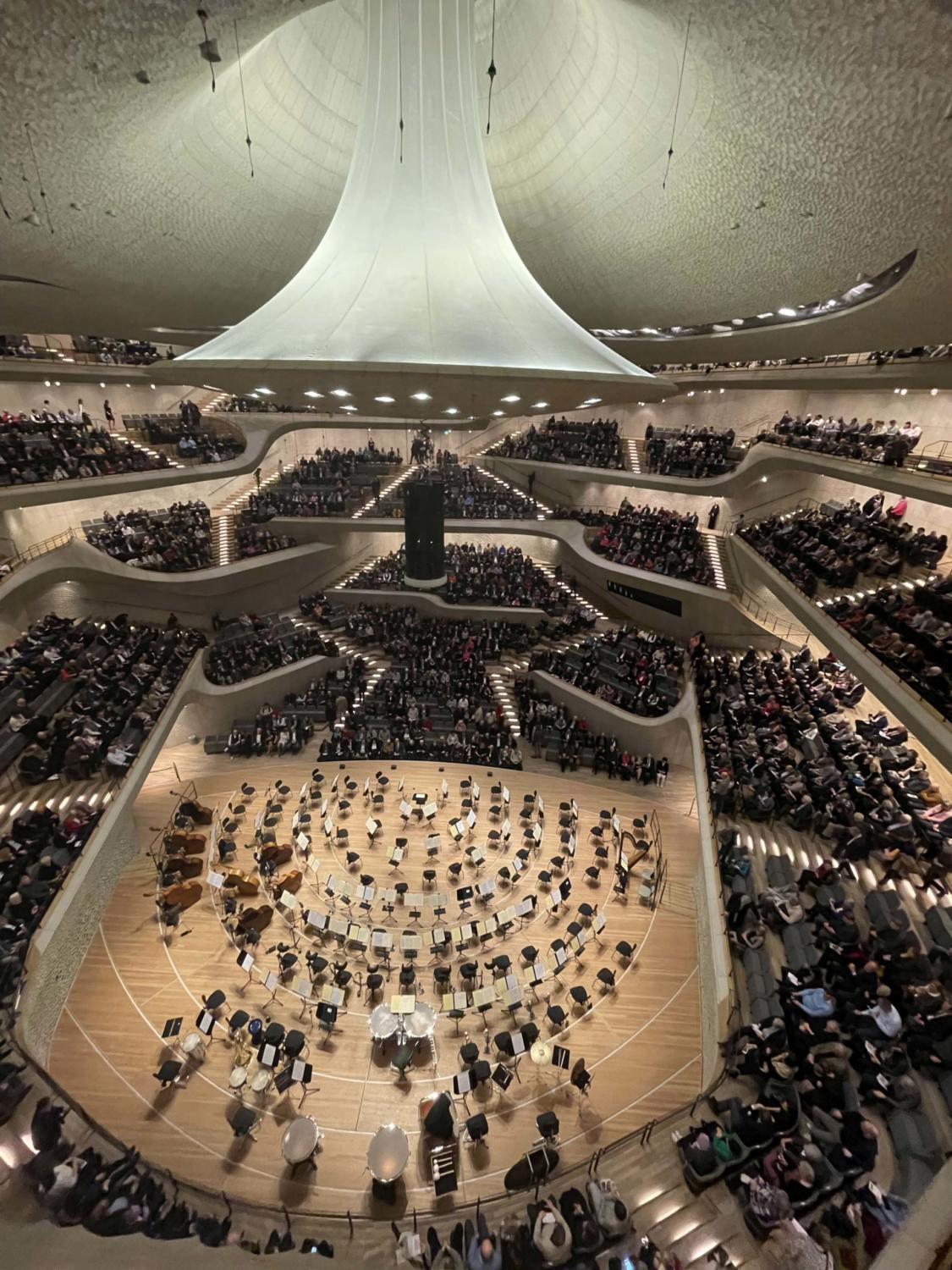
A cultural highlight was on the agenda for the evening: a classical concert in the main hall of the Elbphilharmonie, a building that is impressive both architecturally and acoustically. The Bamberg Symphony Orchestra performed, among other works, Beethoven’s Symphony No. 3 and “A Hero’s Life” by Richard Strauss.

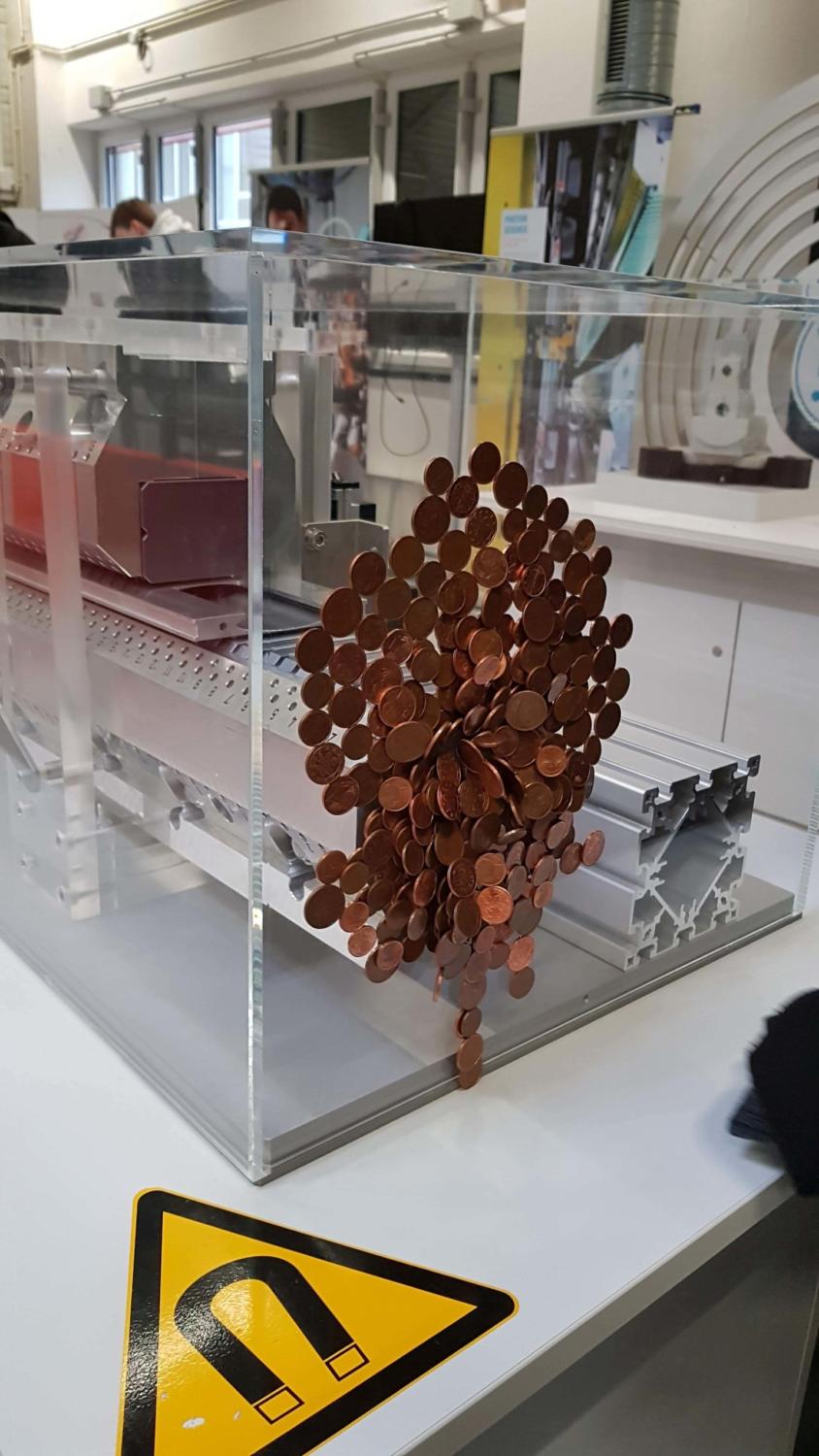
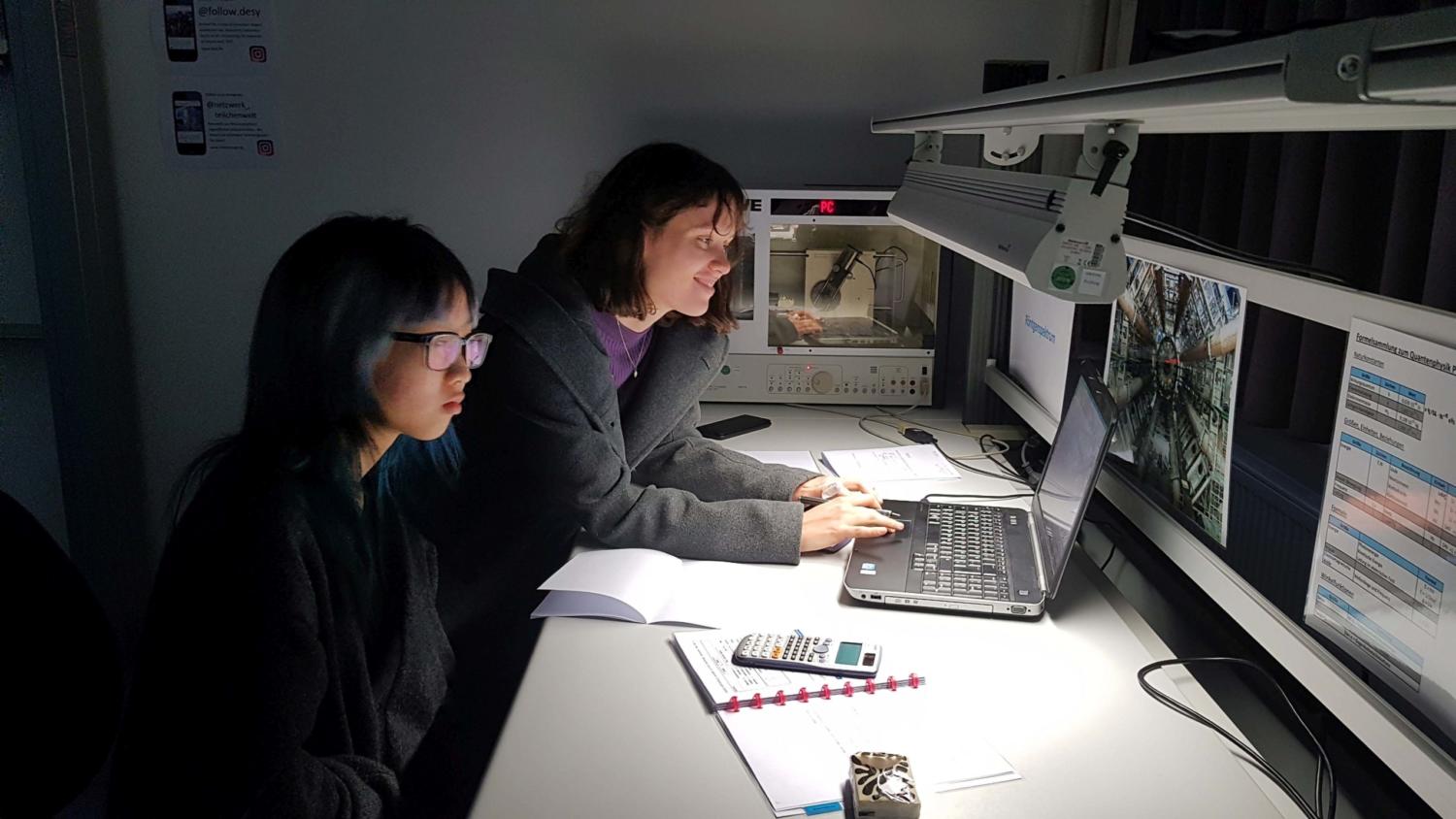
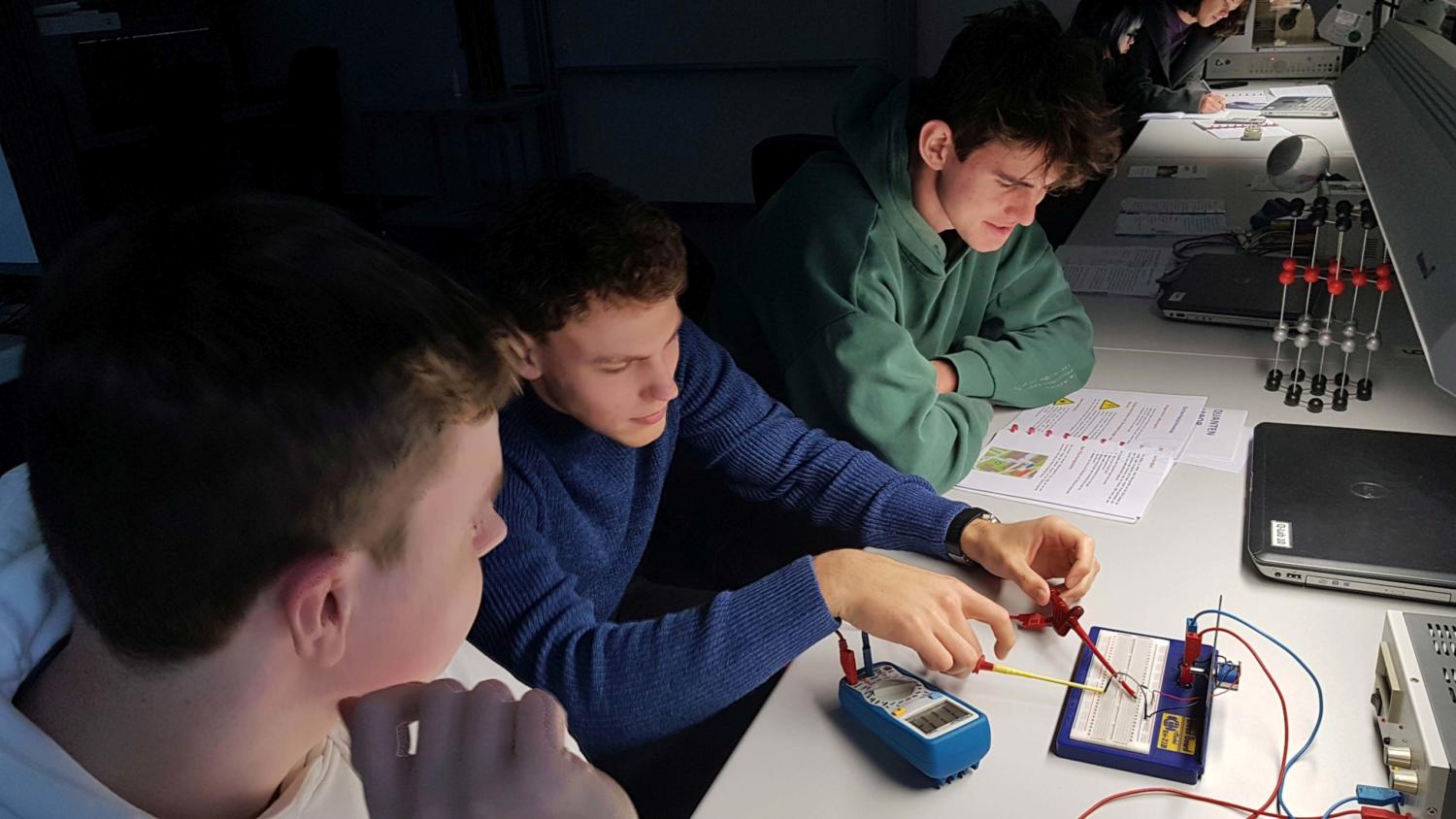
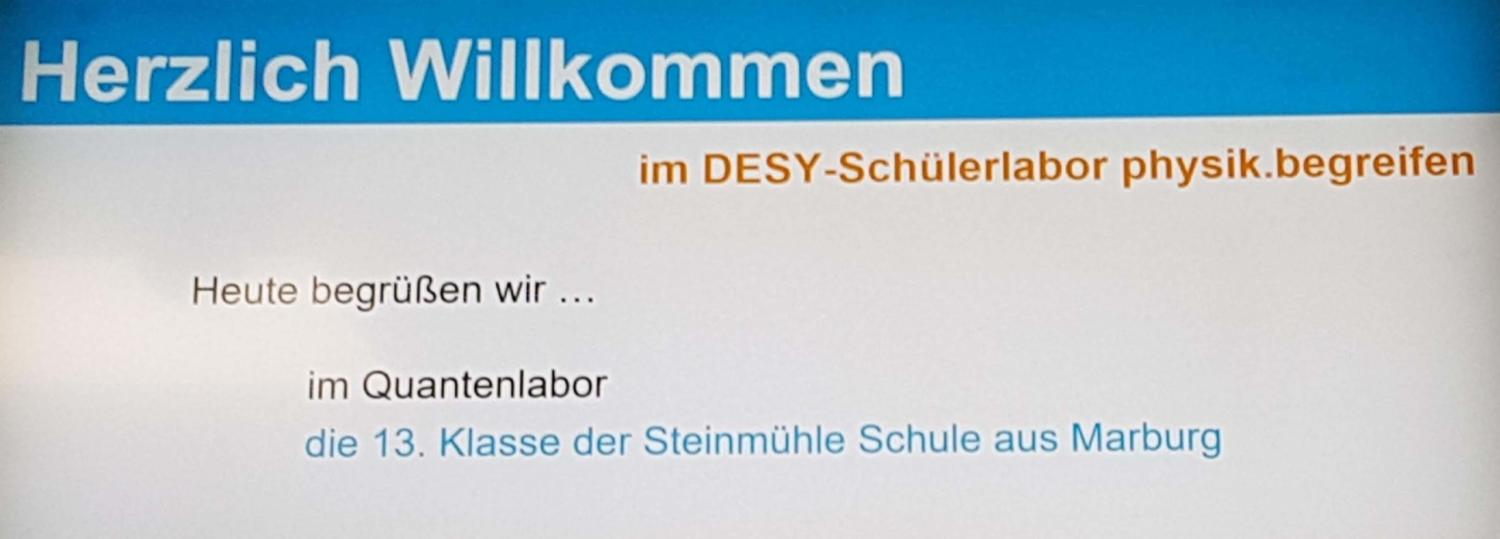
The second day began with a visit to the quantum laboratory at DESY, a leading research center for particle physics. Here, the students had the opportunity to conduct in-depth experiments on quantum physics themselves, which will certainly be helpful in preparing for their upcoming physics Abitur exams.
It was also exciting to record an X-ray spectrum ourselves—something you just can’t do at school.
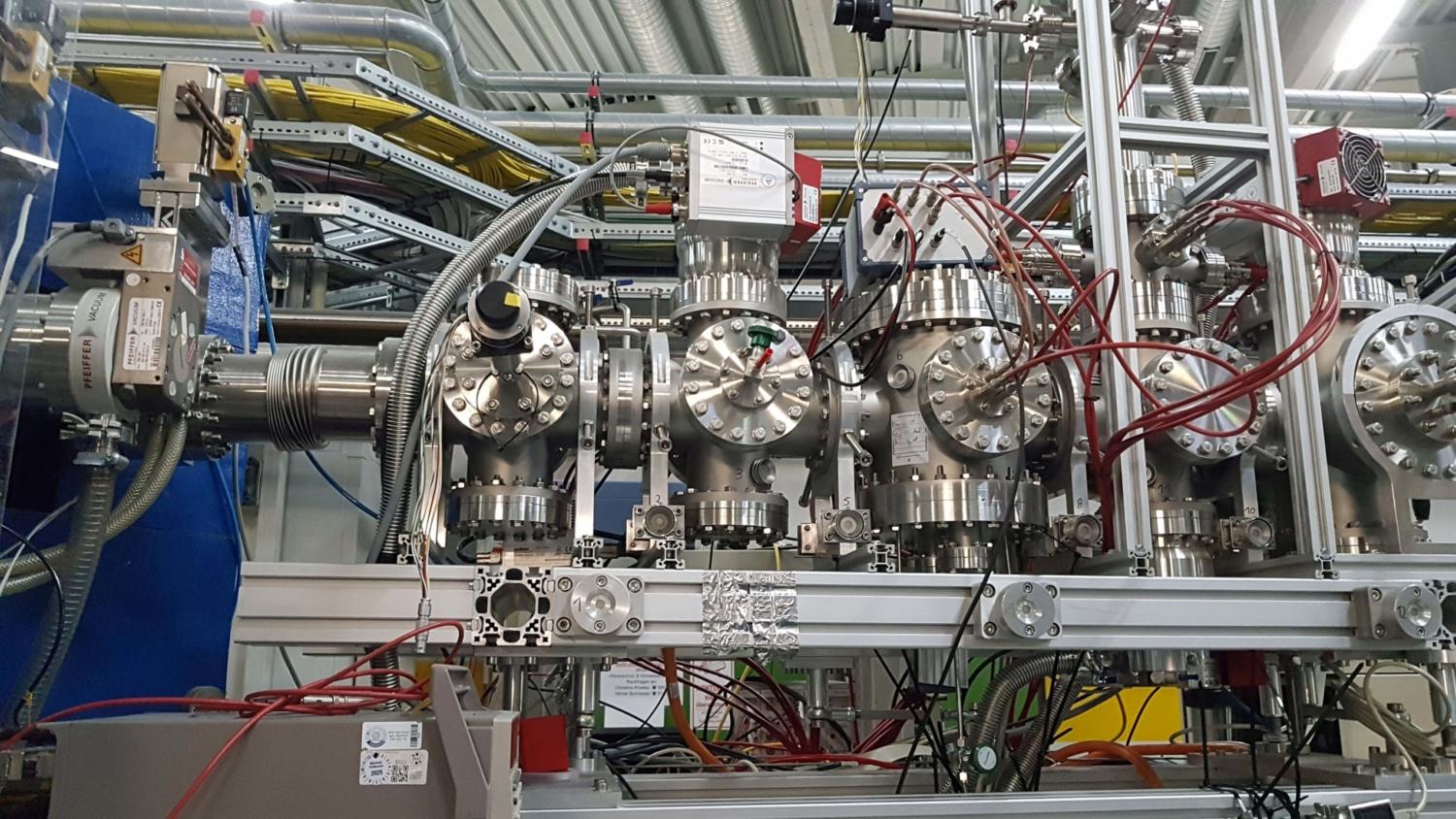
The subsequent guided tour of the sprawling research institute offered everyone a fascinating glimpse into the world of subatomic particles.
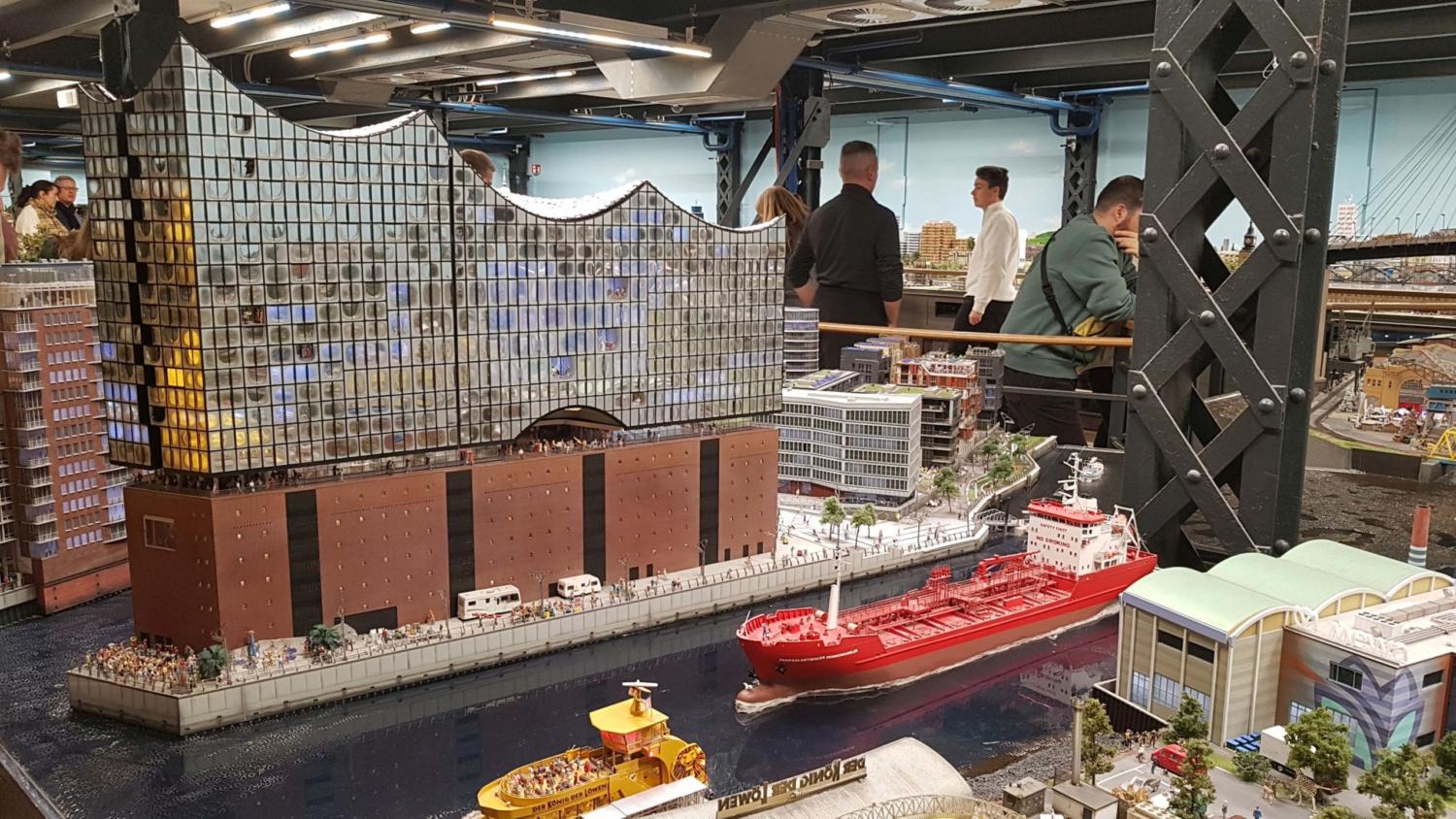
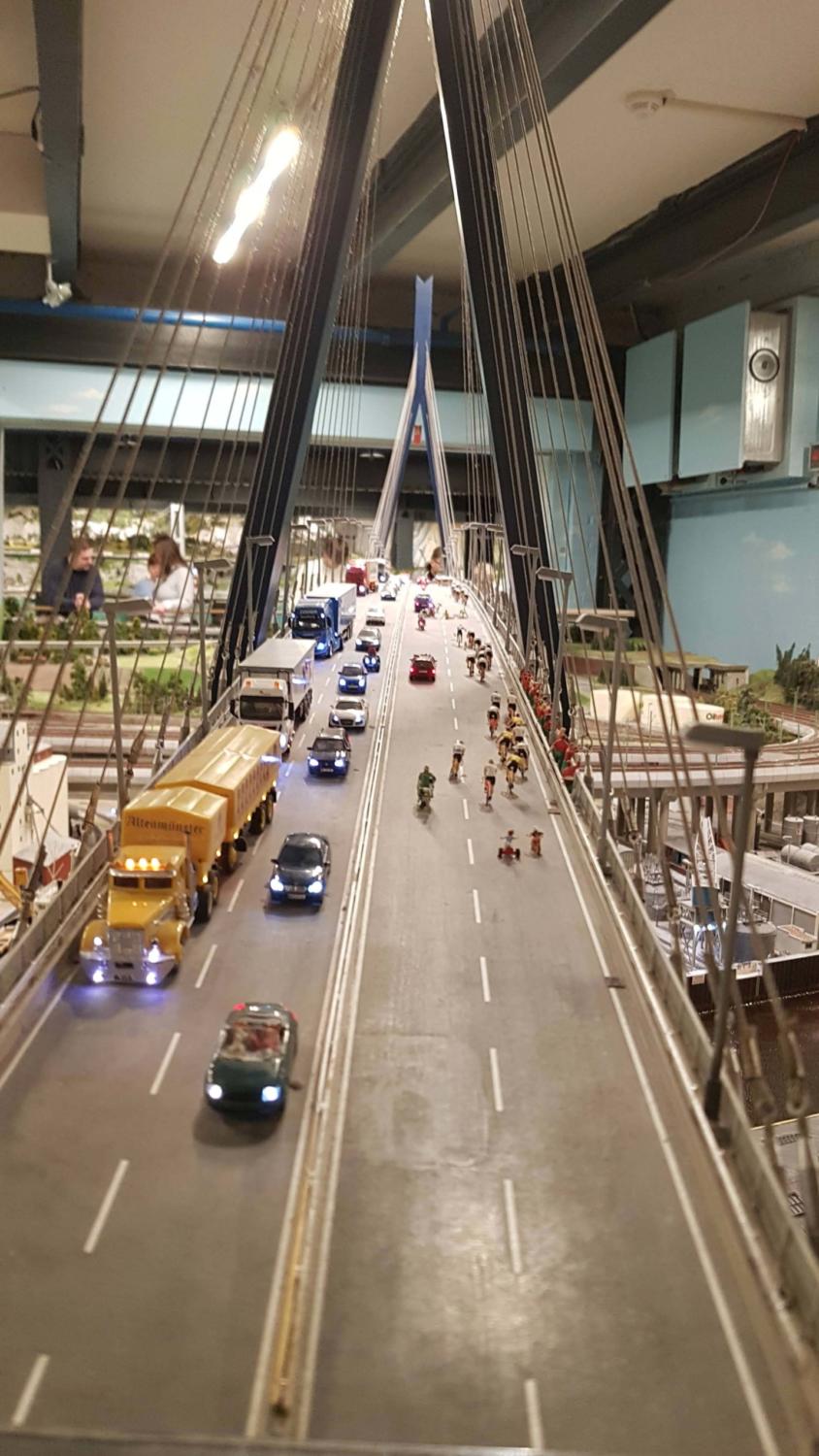
In the evening, the group continued its cultural journey, this time to Miniatur Wunderland, one of Hamburg’s most popular tourist attractions. The meticulously detailed miniature worlds delighted the students and provided a wonderful conclusion to the day.

On the last day of the field trip, the students had the opportunity to explore the city on their own. The trip finally came to an end, as planned and even right on time, with the evening return trip on the ICE, during which the participants were able to reflect on their impressions and experiences. The field trip was an enriching experience that not only deepened their academic understanding but also undoubtedly left them with lasting memories.

Right in the middle of the Christmas break, we received some fantastic news: René Schulenberg’s Class 6a won first place in the “Class Competition” category of “Math in Advent” among all 6th-grade classes! The “Schulenbergies” achieved the best results in their grade level across all federal states in the digital math Advent challenge.

Principal Björn Gemmer was among the very first to offer his congratulations and gushed, “That’s fantastic!”

This victory is truly fantastic for the sixth graders, as it also means that the entire class has been invited to the awards ceremony on January 26 in Berlin. A major math event will take place at the Max Kade Auditorium at Freie Universität Berlin, featuring an awards ceremony for all winners, music, games, and entertainment. There will be plenty to discover at a math fair. A total of 1,000 people are expected to attend.

“Mathe im Advent” is a digital Advent calendar and math competition for students in grades 4 through 9, organized by the nonprofit Mathe im Leben GmbH.

(A report on the trip will follow!)

On September 25, we, Class 8a, visited the Marburg Regional Court on Universitätsstraße as part of the “Youth and Crime” project, accompanied by our teacher, Dr. Claudia Röder. The visit was made possible by the father of one of our classmates, who works as a judge at the regional court; he also gave us a tour of the building and answered our questions. The date was chosen so that we would have the opportunity to observe a criminal trial.

We met at 8:10 a.m. at the courthouse on Universitätsstraße in the city center. Before the trial began, we had a little time to look around the building. This gave us the opportunity to see the holding cells. Defendants can be detained there on the day of their trial. These cells resemble prison cells, with a toilet, sink, table, and chair—though without a bed.


Inspection of ankle restraints and protective gear

Afterward, we spoke with a member of the security staff. Among other things, court officers are responsible for escorting and guarding prisoners in the courthouse. We were allowed to look at the equipment used for this purpose, such as handcuffs and leg irons, as well as the court officers’ protective gear.

Since the trial we wanted to attend was being held in a smaller courtroom, we took a look at the building’s largest courtroom—the jury courtroom—which was not in use that morning. It is a fairly large, high-ceilinged room, almost the size of a small gymnasium, and it also has a section for spectators. There were also many chairs for all the defendants and plaintiffs, along with their respective attorneys.

Shortly before the hearing, we took a look at a smaller courtroom at the regional court and then went to the district court shortly afterward, where the hearing took place.

The hearing was actually supposed to begin at 9 a.m. However, due to a road closure on the B3 caused by an accident, some of the participants—including the judge—were delayed, so the start of the hearing was postponed by one hour to 10 a.m.


Surveillance video from the crime scene

The criminal case heard in court involved a charge of aggravated assault and illegal possession of a weapon. The incident in question took place in Marburg in August 2022. The defendants were an 18-year-old at the time of the crime and his adoptive father. The younger of the two was accompanied by a lawyer. The plaintiff did not appear at the hearing. The trial was presided over by Juvenile Court Judge Kai Michel Dronka, and the prosecution was represented by the public prosecutor.

At the start of the trial, surveillance video from the crime scene was first reviewed, followed by an interrogation of the two defendants by the judge and the prosecutor. The younger defendant admitted to possessing the weapon; both described the physical altercation with the plaintiff as self-defense. In addition, two female witnesses were questioned; one refused to testify, while the second confirmed the defendants’ statements.


Penalty for Absence on the Day of the Hearing

After the questioning ended, a 15-minute break was scheduled. Since the hearing had started an hour later than planned, we didn’t have time to wait for the verdict and had to head back to school. Later at school, we learned that the older of the two defendants had not received a sentence. The younger one was sentenced to 80 hours of community service for illegal possession of a weapon. The plaintiff was also fined 300 euros or sentenced to three days in jail for being absent on the day of the hearing, because the judge did not accept his doctor’s note.

It was a very successful morning during which we were able to get a little insight into the day-to-day workings of the justice system and the courts. Just seeing the inside of the courthouse—which we’d otherwise only seen in photos in the newspaper—was interesting. Even though we had to head back to school before the verdict was handed down, the day was well worth it.

Photos were also taken during the visit that will serve as a memento of the day at the regional court.