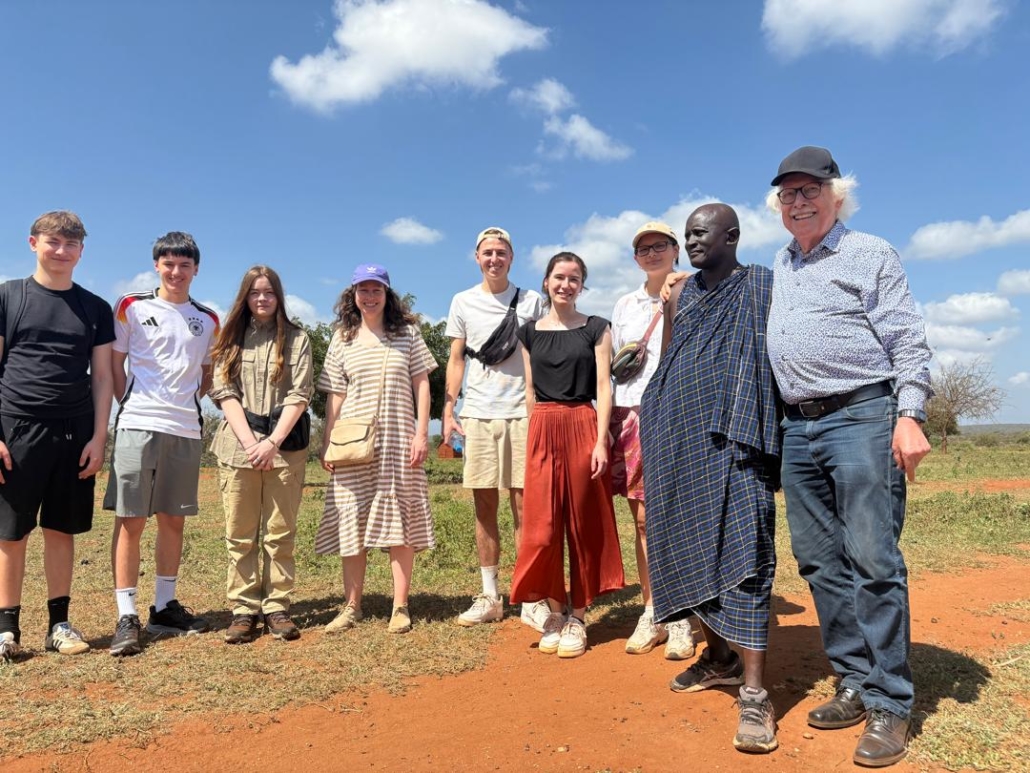
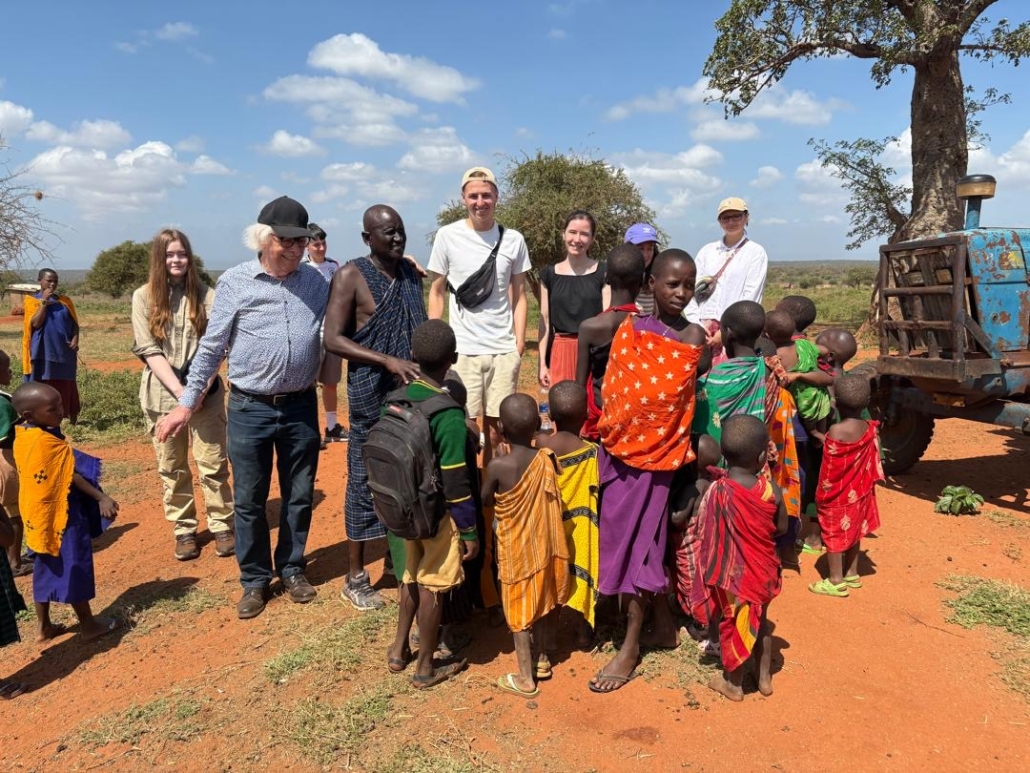
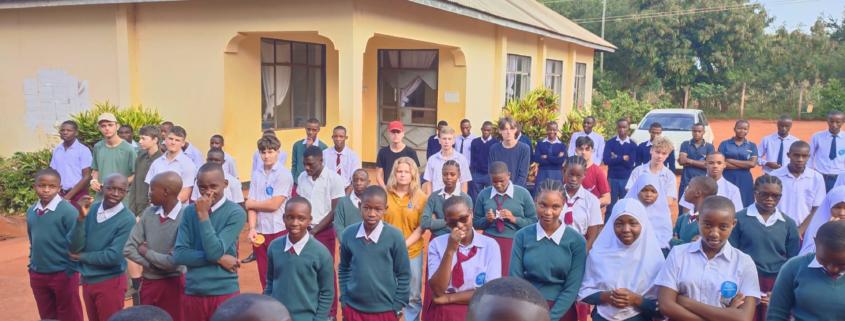
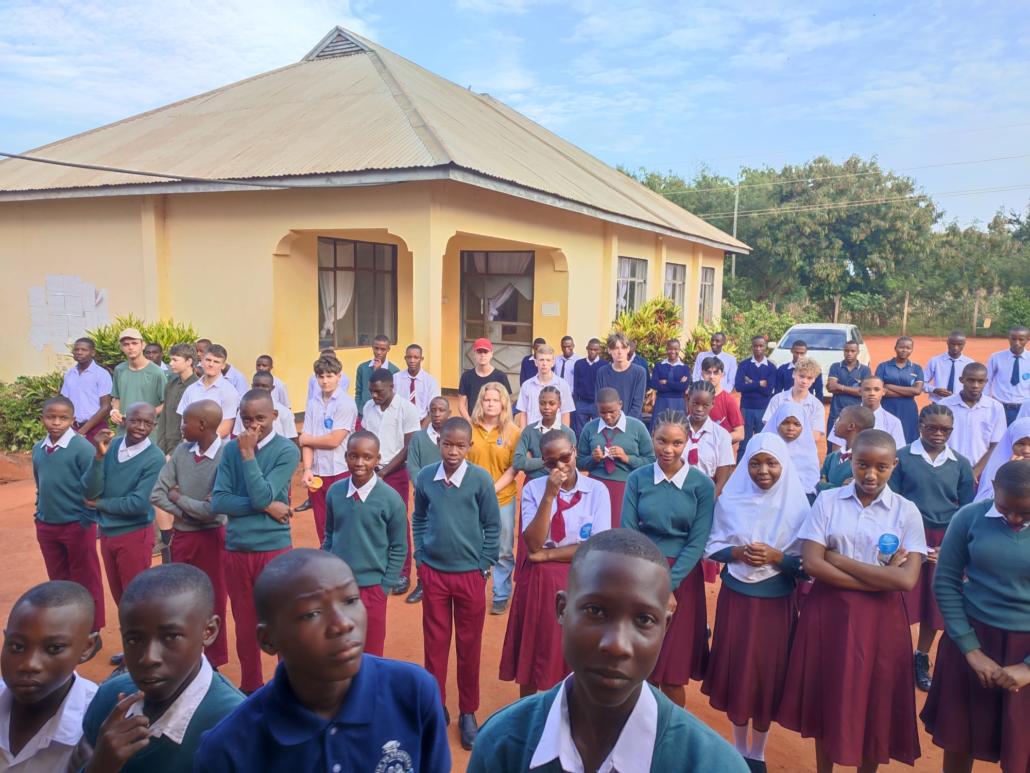
Learning to make do with little, to live simply, and to do without Central European comforts for a while—that’s what a stay in Tanzania is all about. It’s about looking beyond one’s own horizons, getting to know everyday life on another continent, redefining one’s standards, and appreciating the value of community. – For the second time, students from Steinmühle visited their partner school in Africa, the One World Secondary School Kilimanjaro in Kisangara. Their conclusion: We’re going back. Despite some inconveniences and a lack of comforts.
“We’ve rediscovered a lot of things”
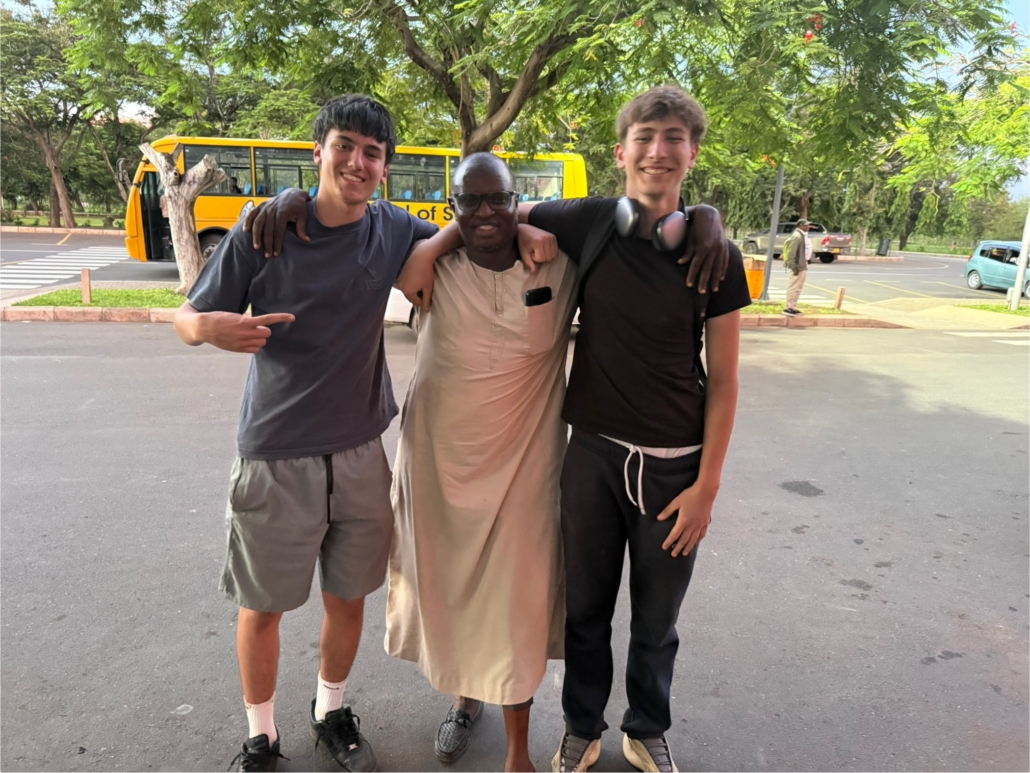
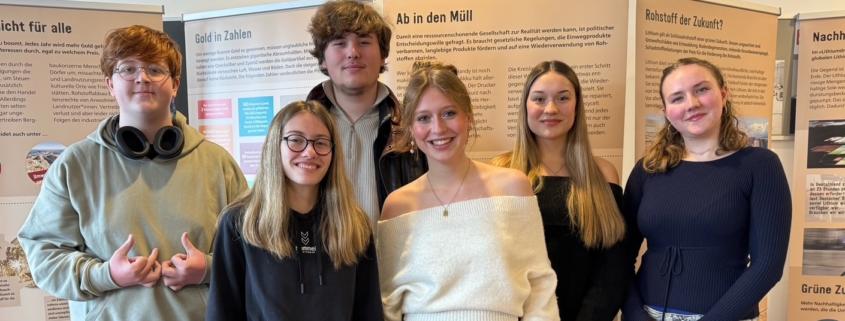
There were three of them—and that was a good thing: Paul Schicha, Matteo Deja, and Ida Kraft. “When we didn’t have something, we had each other.” Impressive words from tenth-graders who tell their story without drama or sugarcoating.
Getting used to the cell phone-free time—exactly twenty-three and a half hours a day for six weeks—went faster than we expected. “We discovered many things we would otherwise hardly have access to.”
Work, relax, philosophize
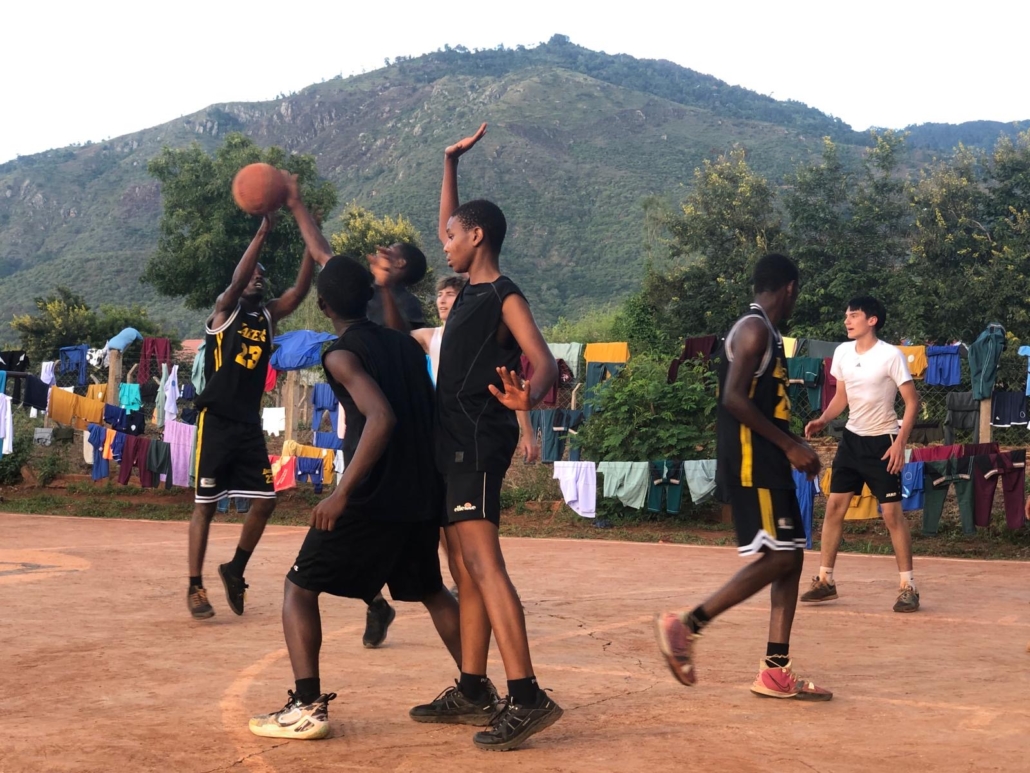
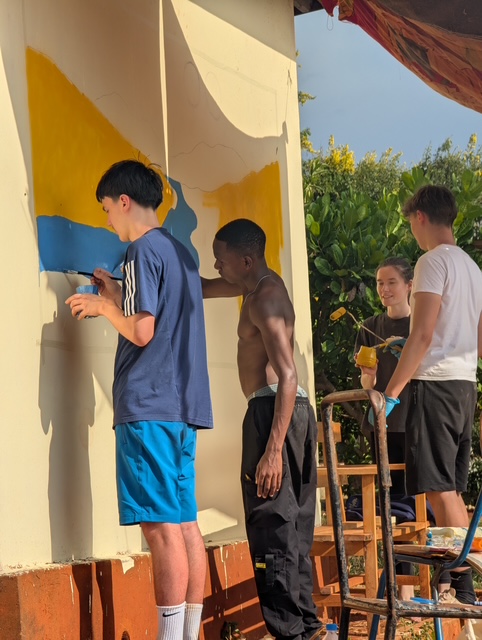
It’s true—you can survive without a cell phone. The interns’ projects, always taking place on-site, invited everyone to join in: painting workshops, sports days with soccer and basketball on Wednesdays and Saturdays. People made music, and the German classroom was painted in a yin-and-yang pattern.
Work, but also relaxation, were part of the routine in an environment where nature and the circumstances were accepted as they were—with a touch of homesickness at first, and, once I had settled in, the question of whether money really does bring happiness.
When questions arose, solutions were found
The One World Secondary School Kilimanjaro, founded by the German couple Swantje and Dr. Karl-Heinz Köhler, is a German-Tanzanian project. Schoolchildren are not beaten here—an absolute exception in Tanzania. School uniforms are part of everyday life at the One World School. The school’s in-house tailor lives and works on site, making pants, polo shirts, and long-sleeved shirts. Prolonged exposure to the sun is not recommended.
For the most part, the Tanzanian students’ schedule was the same as that of the guests from Marburg. They had a bit of a hard time with the food—it was very simple and very monotonous—but they found ways to cope.
A safari and three days on the Indian Ocean
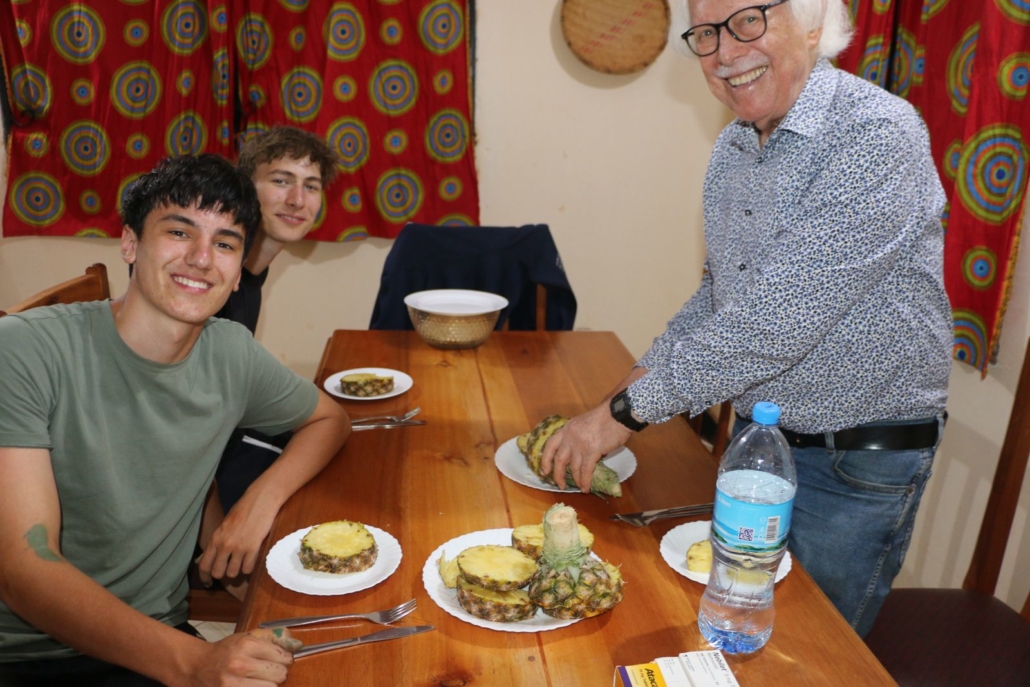
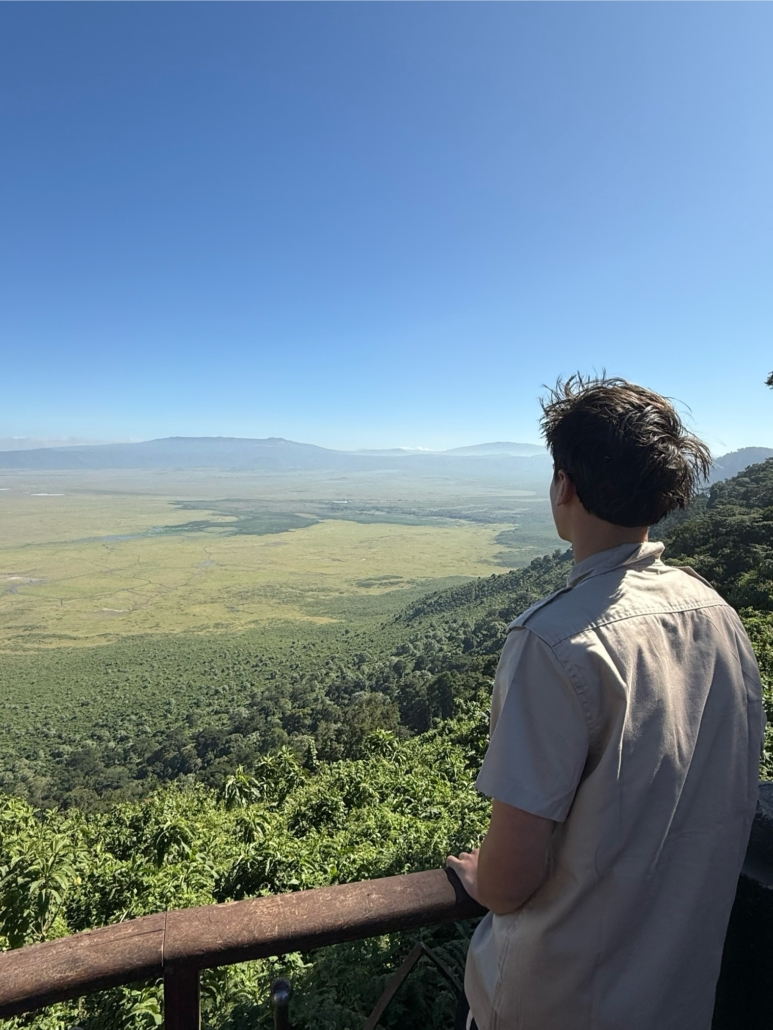
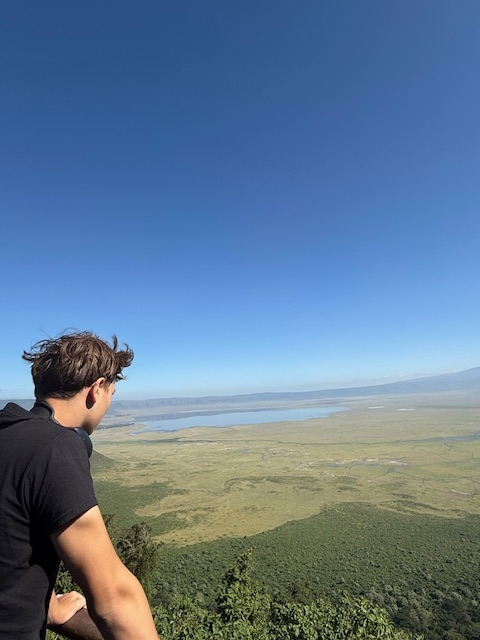
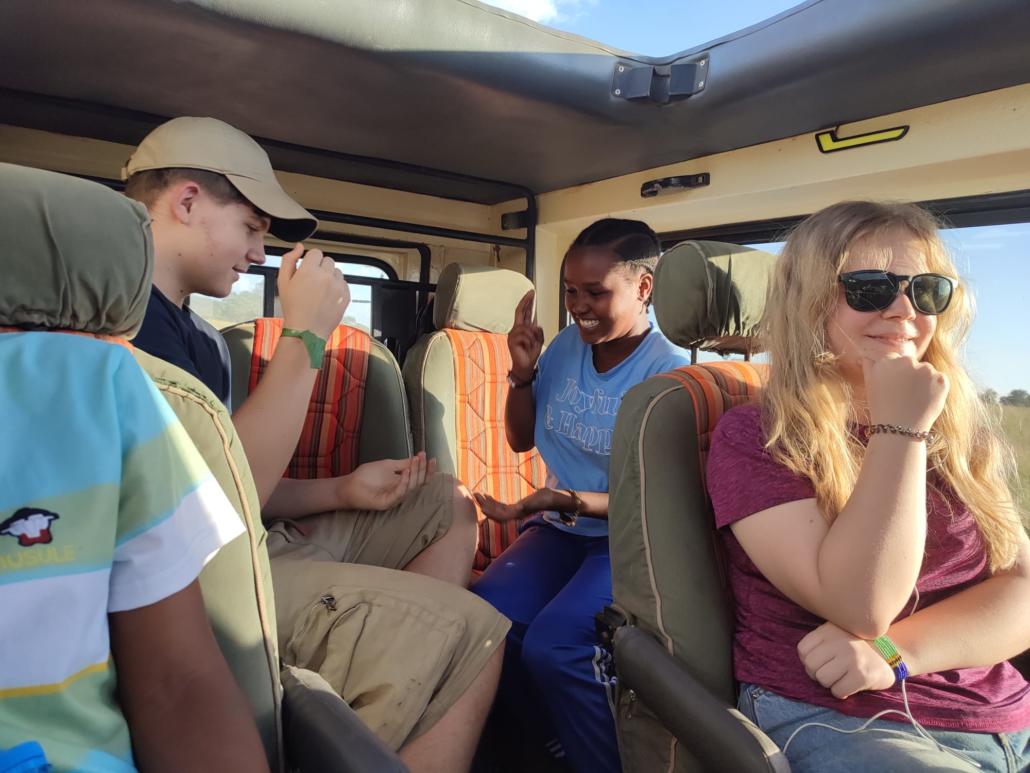
And there were many things that enriched the stay of the Steinmühlen Trio from Class 10a. Jogging during the cooler part of the day, a hike, a visit to a restaurant. Among the highlights was the trip to Moshi, Marburg’s sister city, which, with its 220,000 residents, is the cleanest city in Tanzania. A visit to the market, three days at a beach hotel on the Indian Ocean, and a five-day safari trip made up for the bean-heavy menu, which—after consulting with the “food leader”—was revised to include spaghetti, rice with tomato sauce, and fruit.
“We could talk about anything and always find a solution,” Matteo says.
A Cow for the School Festival
Dr. Beatrix Freibert, a teacher at Steinmühle and a mentor during the African “introductory phase,” confirms this. The somewhat different way of evaluating students, the different way of showing respect—she, too, remains fondly remembered, just like the cow, a gift from a student’s father for the school festival.
Visit to the Art School and the Maasai Museum
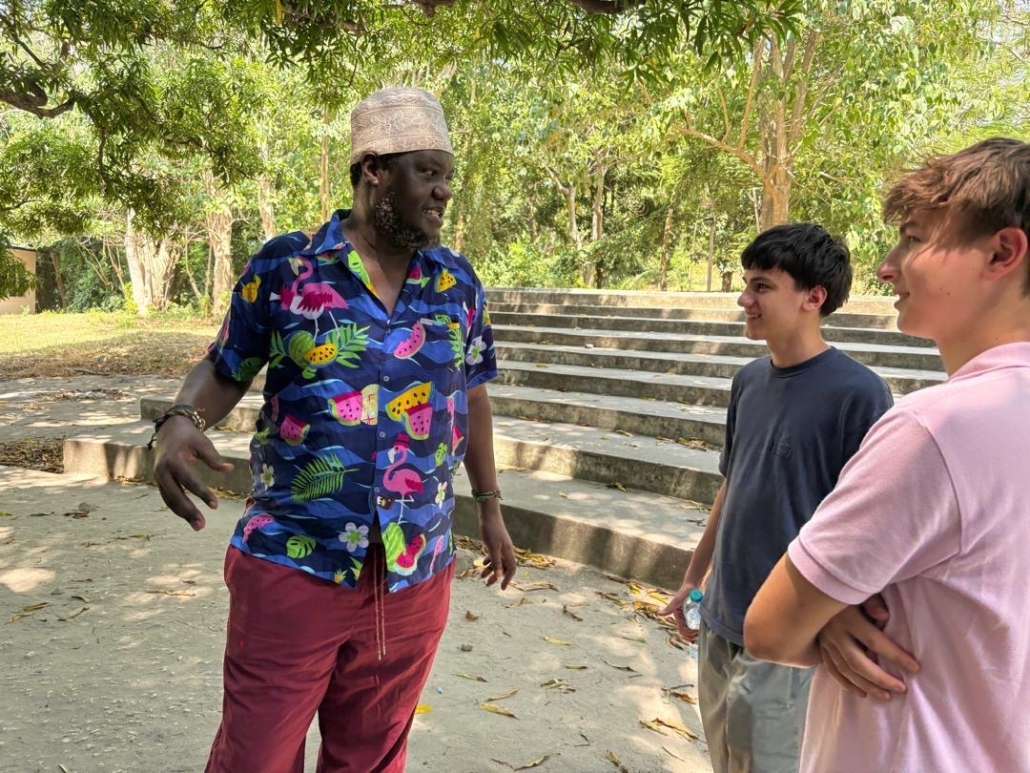
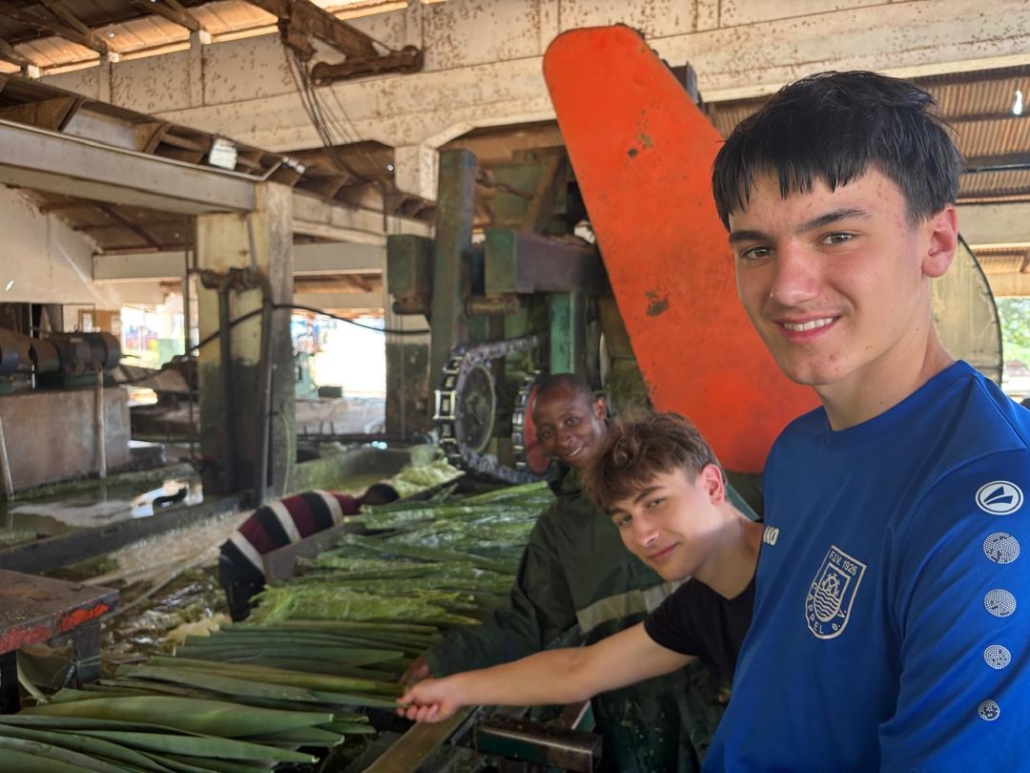
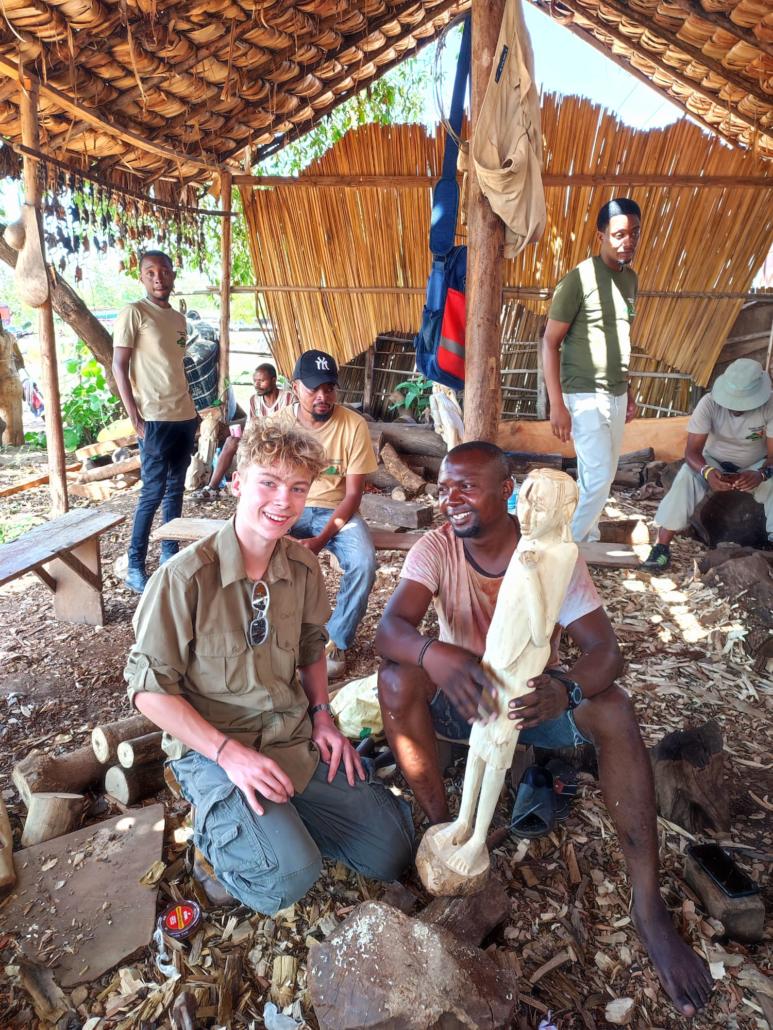
To see and learn as much as possible, the students from Steinmühle were introduced to many local aspects. They visited the sisal factory, which exports its products to Saudi Arabia; stopped by the salt factory and the art school; and made a brief visit to Bagamoyo, the “German capital,” which also features Indian and Arab influences. Also inspiring were Arusha, the second-largest city; the national park; the snake park; and the Maasai Museum.
The school itself, run by Steinmühle, is a boarding school that houses about 150 young people aged 11–24. They study English, German, and Swahili. Dr. Beatrix Freibert noted: “Community is valued even more highly here than it is back home. Everyone takes a great deal of responsibility for themselves and is an active part of the community. People help one another there—they have no other choice.”
I’ve come to appreciate the standard at home: “It brought tears to my eyes”
Paul, Matteo, and Ida confirm this; they’ve gotten to know practically all the students. “Everyone was very friendly.” The fact that two other students slept in Paul and Matteo’s room—well, that’s just how it is.
“We’ve come to appreciate the Standard at home.”
Paul remembers. With the harsh conditions in Tanzania still fresh in his mind, he returned home and opened the refrigerator. He recounts that moment as if he were still deeply moved. “It brought tears to my eyes.”
Angela Heinemann