

Genetics Course in the Lahn Mountains: Making Your Own DNA Visible
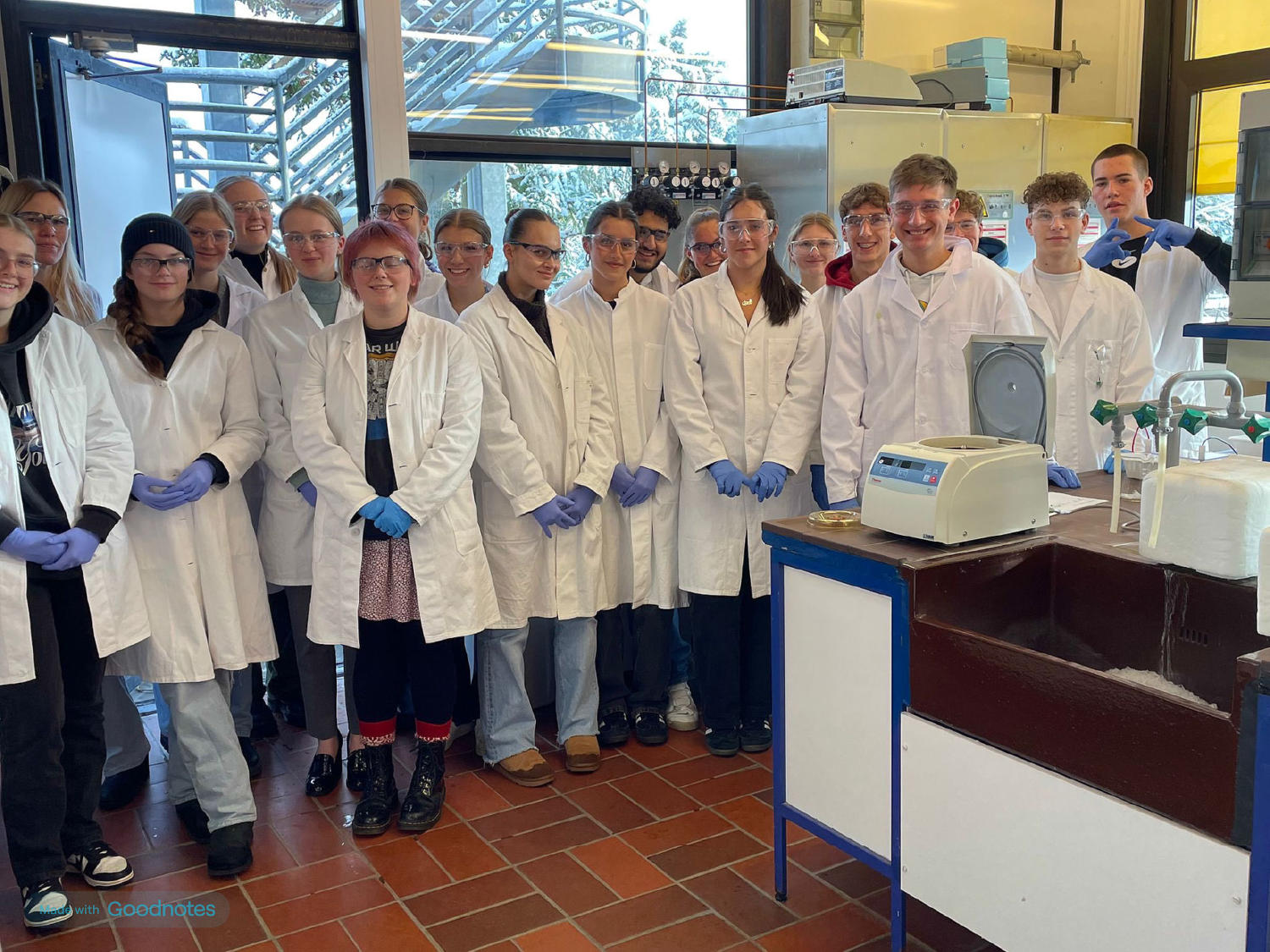
Applying what you’ve learned. Seeing your own DNA. Making DNA visible? — That’s exactly what the 12th-grade advanced biology class did during their genetics course at Lahnbergen. Alicia Spitzhüttl writes:
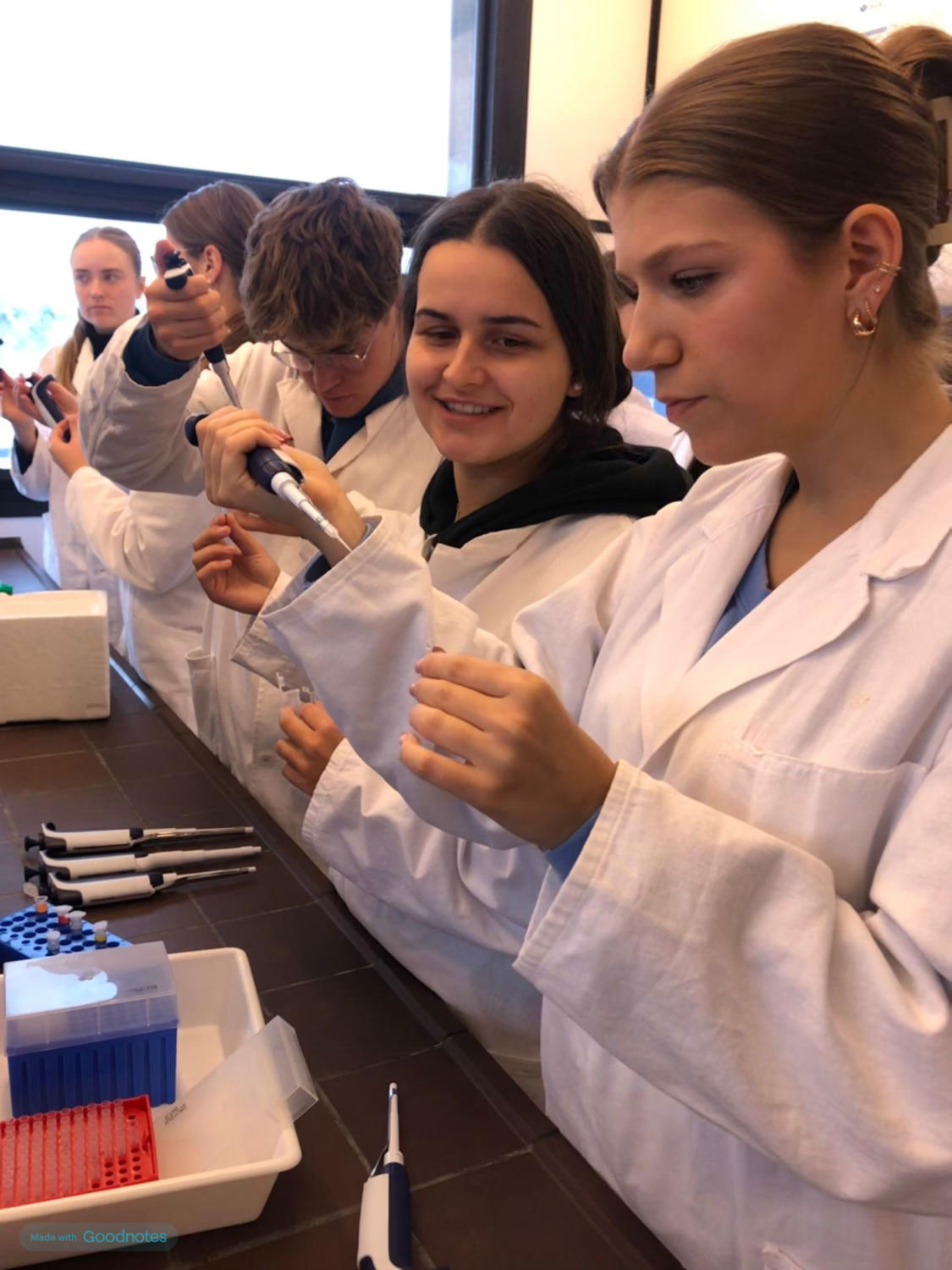
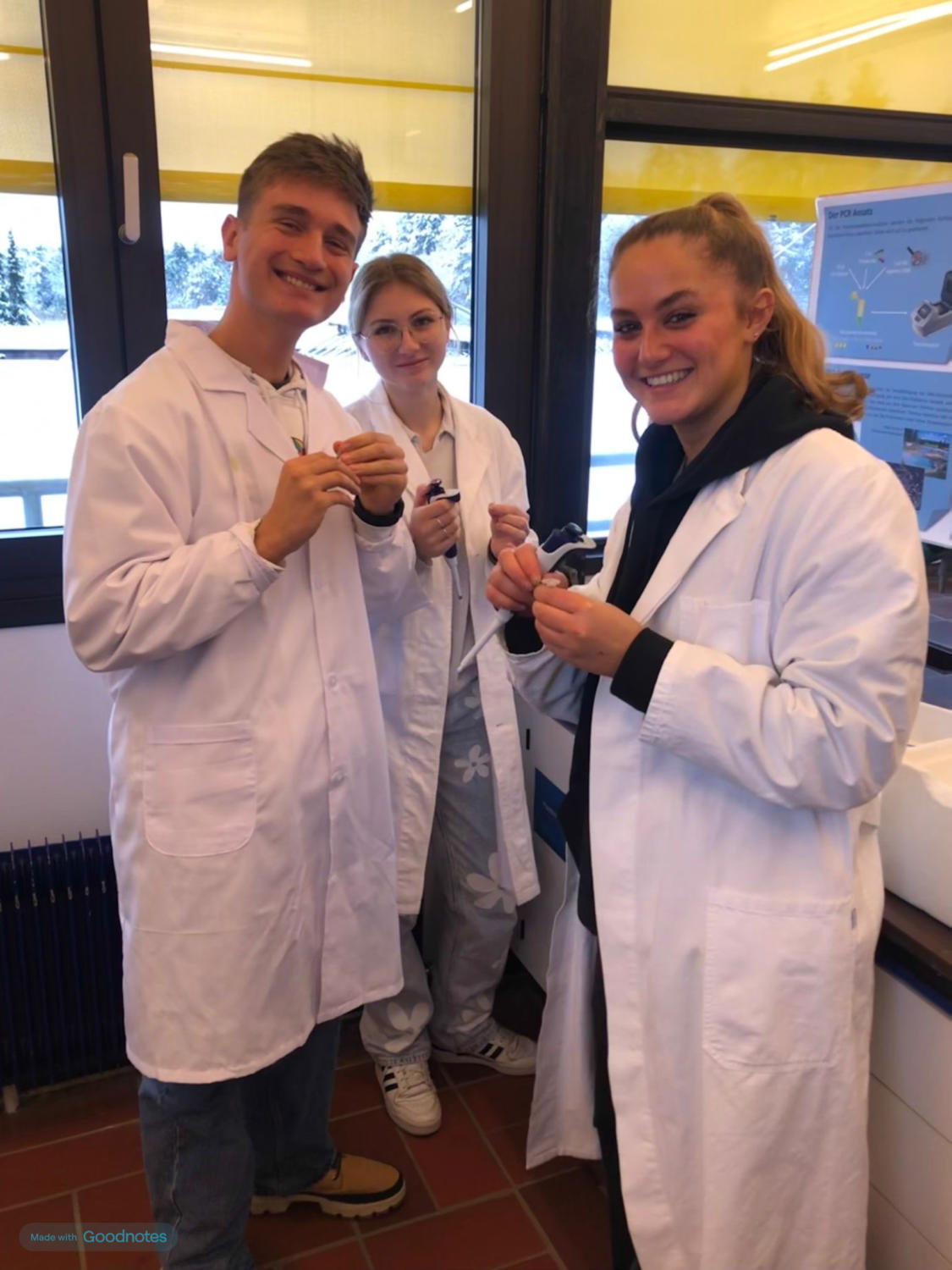
We met at the Marburg Botanical Garden and, by the end of this course, were able to see our DNA. More specifically, our genetic fingerprint, which is unique to each person and is used, for example, in criminal cases to unequivocally identify the perpetrator. To examine our DNA, we first learned how to use a microbiological pipette. We were given a few rules and some background theory at the beginning to reinforce or refresh what we’d learned before heading into the lab.
DNA extraction is a complex process
The first step in the lab was to collect our cells. To do this, we rinsed thoroughly with water, which allowed us to collect cells from our oral mucosa. We then centrifuged our water-cell mixture so that the cells would settle at the bottom and the excess water could be removed. Since our DNA is well protected within the cell nucleus, we had to break down the cell membrane in several steps using buffers. For this reason, a lysis buffer and a precipitation buffer were added to dissolve the cell membrane. Furthermore, our DNA mixture was centrifuged repeatedly to allow the solid components to settle and to remove excess water. Gradually, all cellular components were dissolved using buffers and centrifugation, so that in the end only a DNA pellet remained. Finally, we purified this DNA pellet with ethanol and UV-deionized water so that we could then perform the polymerase chain reaction.
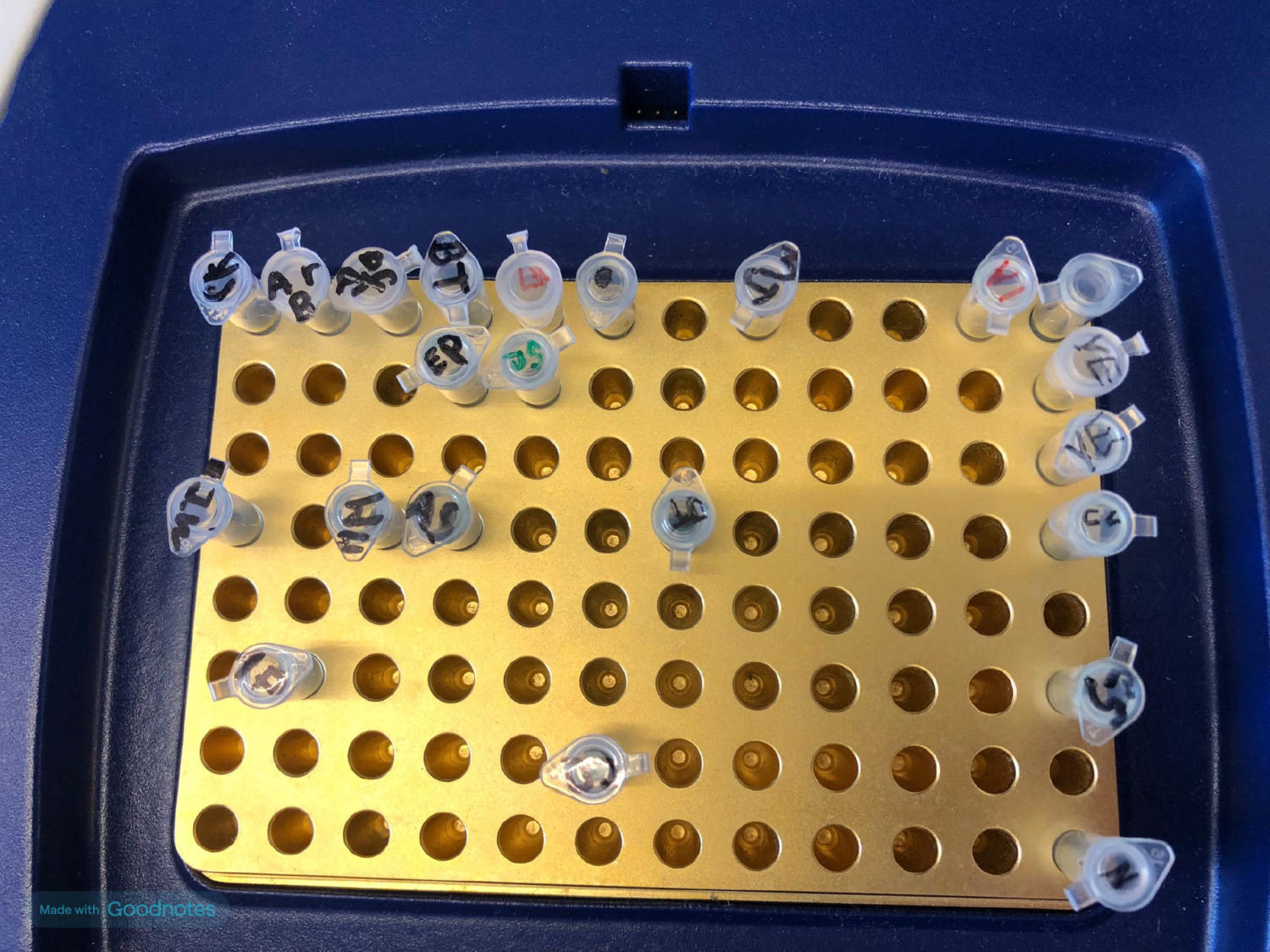
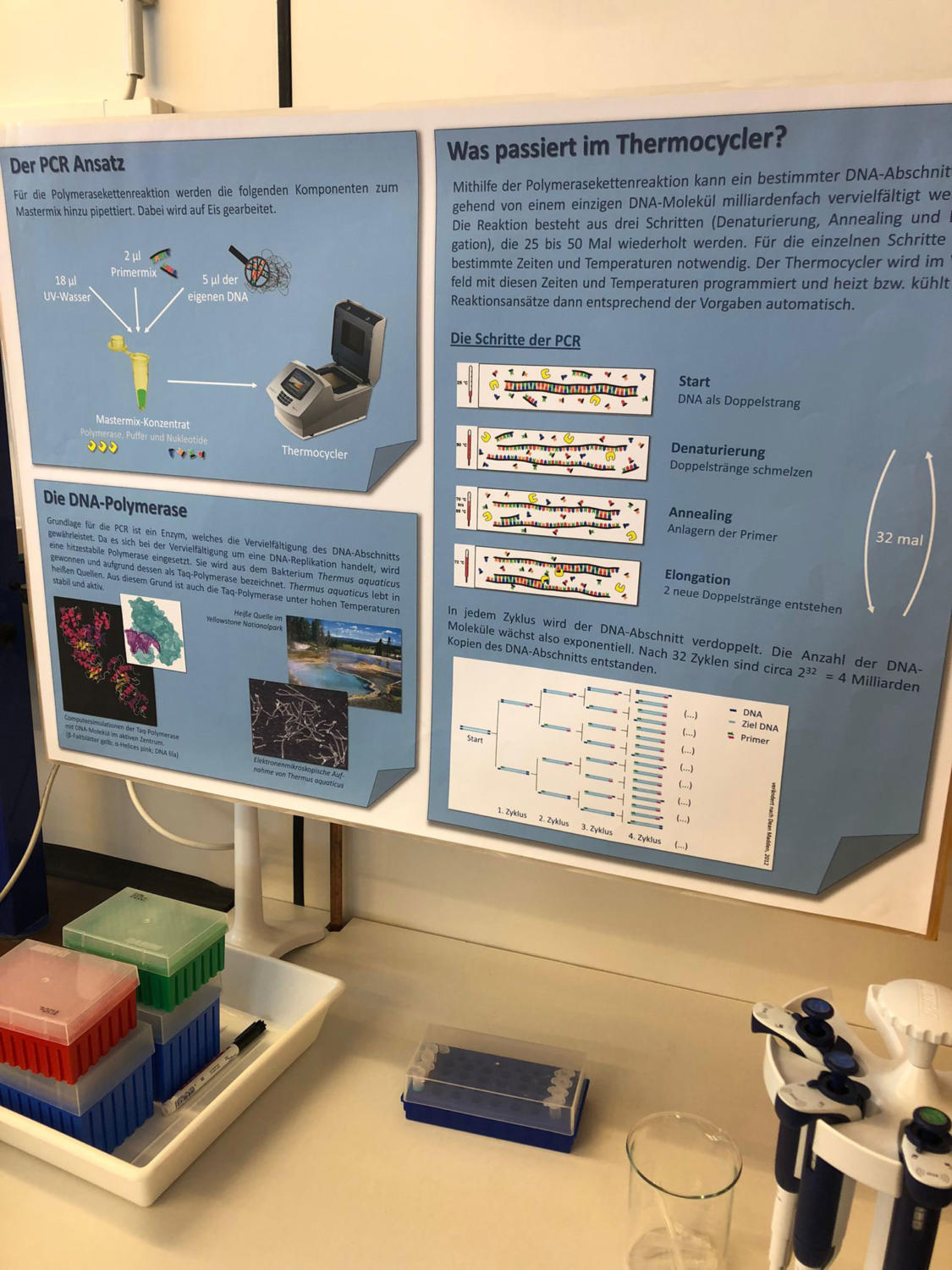
Using the polymerase chain reaction, a specific DNA segment can be amplified billions of times starting from a single DNA molecule.
View Your Own Genetic Fingerprint
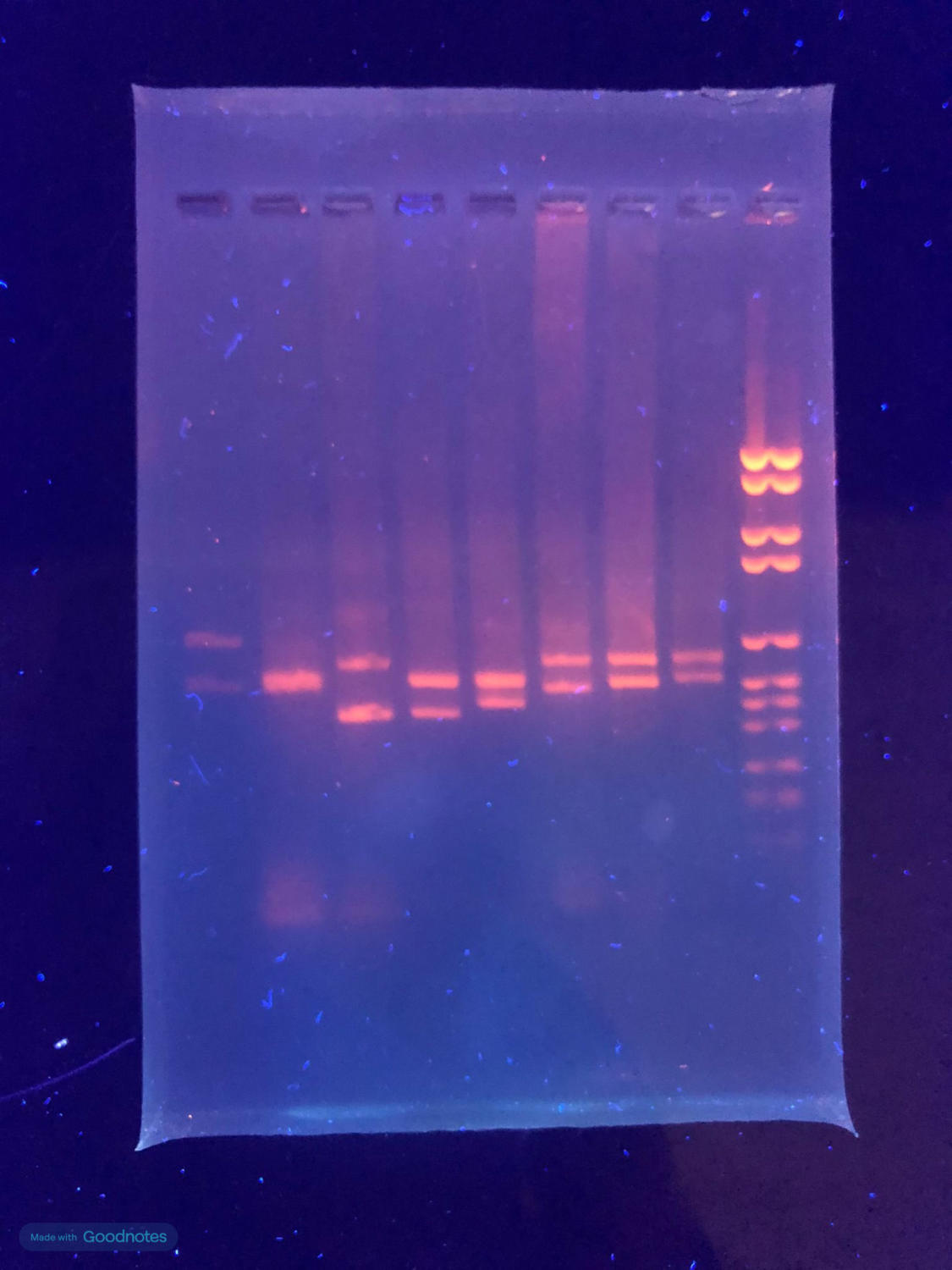
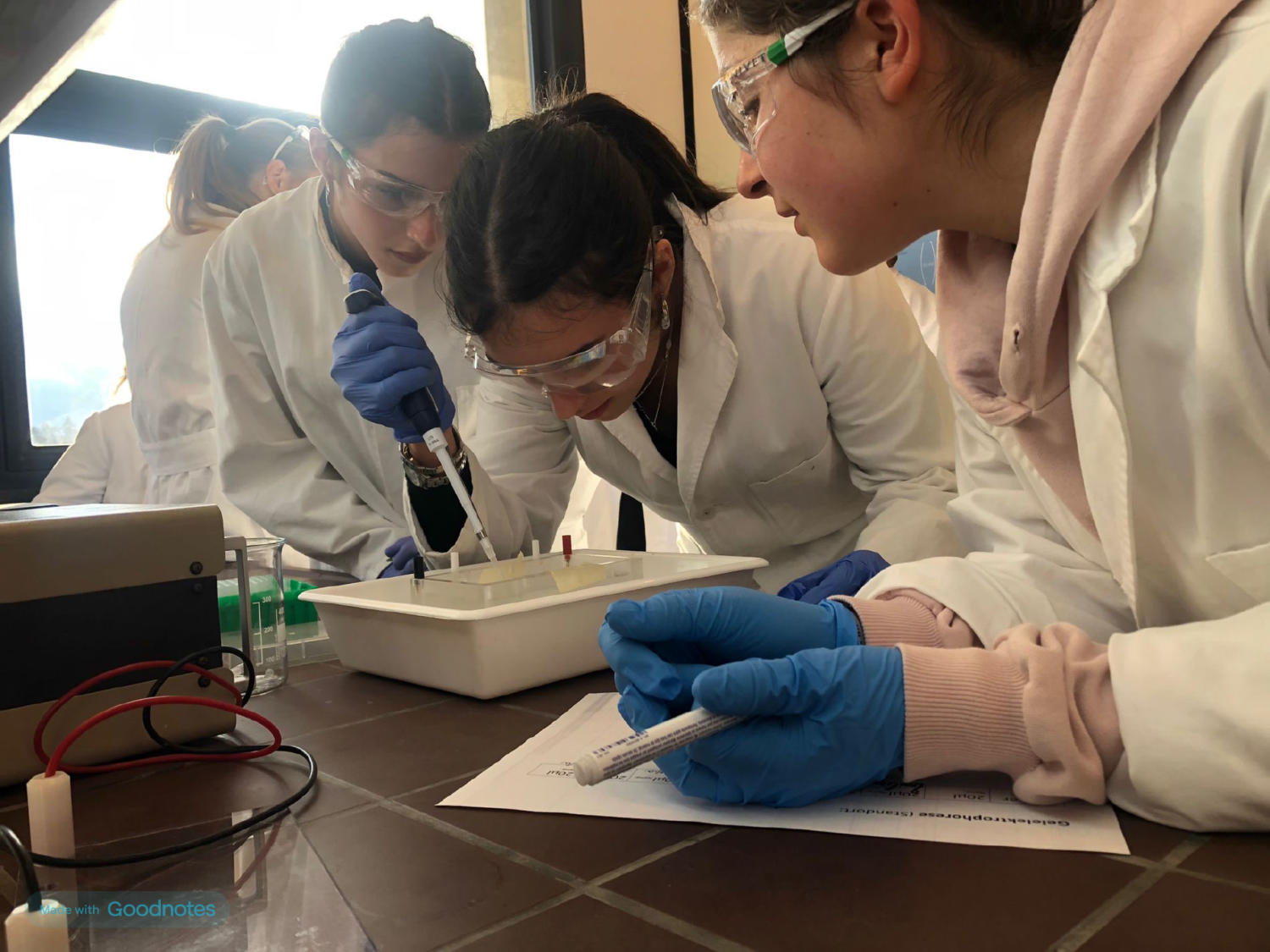
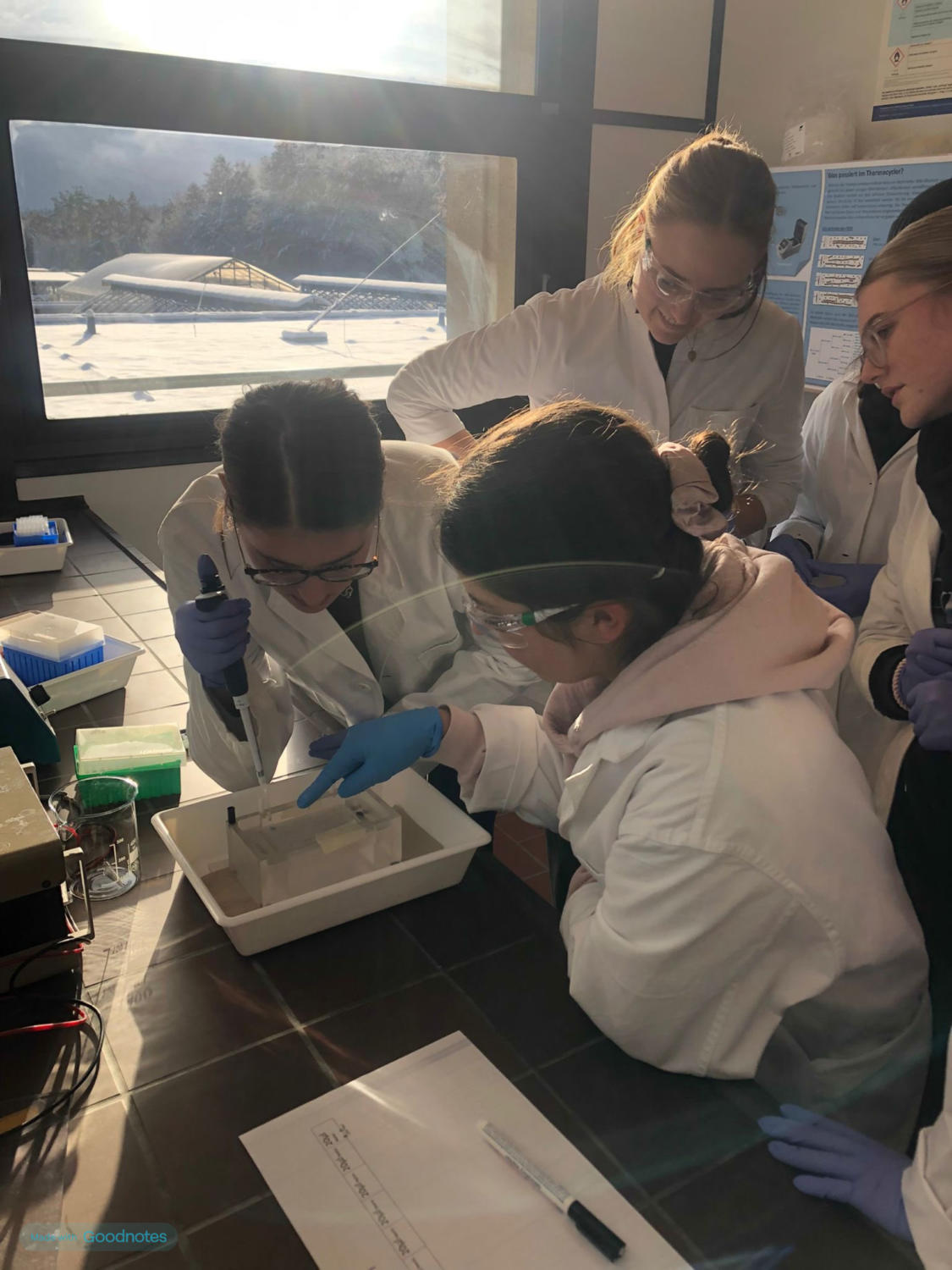
During our lunch break, we ordered pizza and took a look at the botanical garden in the snow flurries. After the break and once the polymerase chain reaction was complete, we made our DNA visible using electrophoresis and agarose. We then added the amplified DNA
to the agarose gel. Next, we turned on the device that was responsible for making the lengths of the individual satellites visible. We were then able to observe this in a darkroom, allowing each of us to see and visualize our own genetic fingerprint.
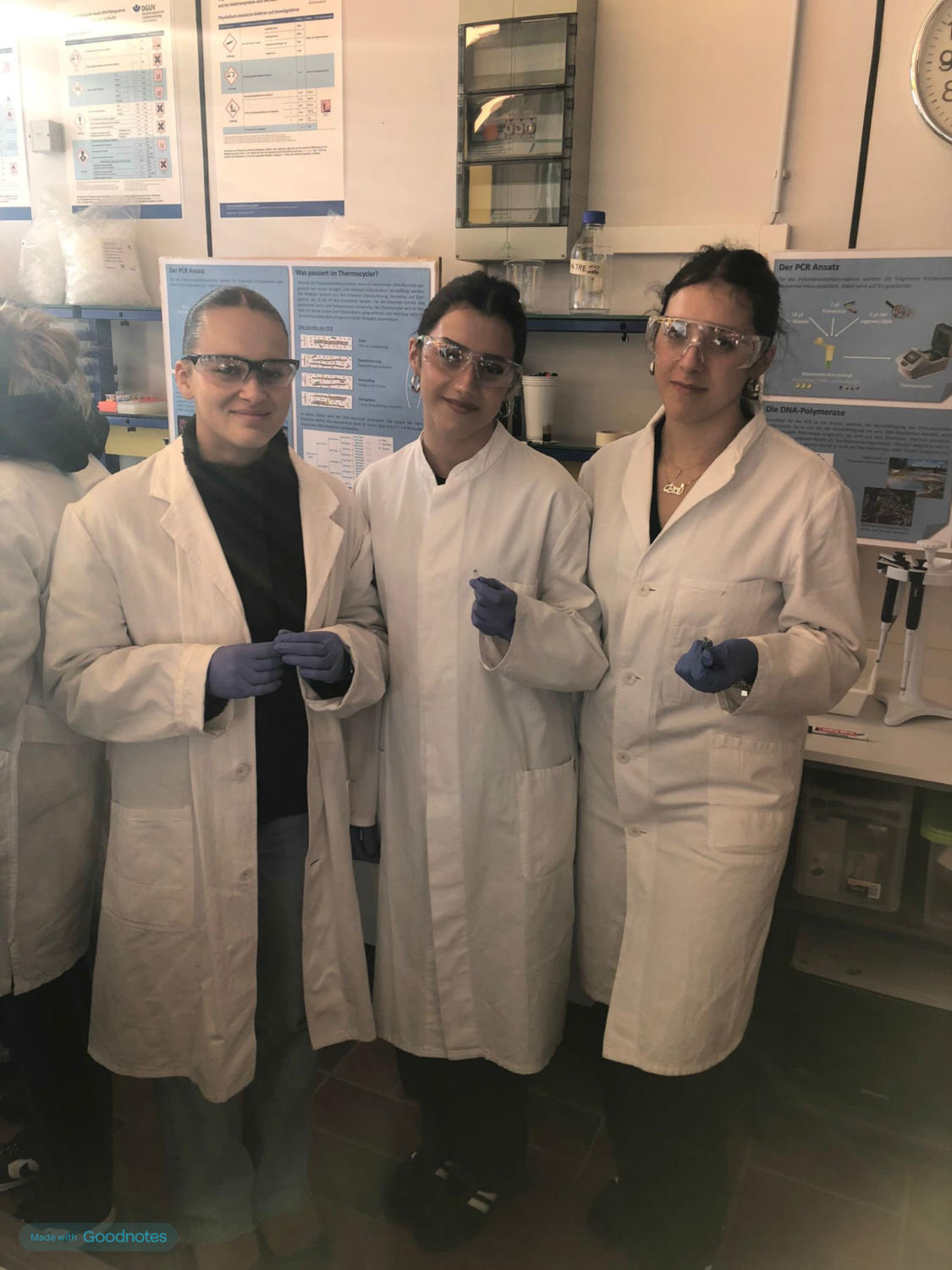
It was a truly fun and educational day, and it may even have motivated some of the students to pursue a career in this field later on. The student laboratory at the Botanical Garden is an extracurricular learning center that offers various lab courses for high school biology classes. Some of these programs are carried out in cooperation with the newly founded Central Hesse Student Research Center. The Student Research Center is a place for all students in the region who are enthusiastic about STEM subjects and offers workshops, lectures, and guidance and support for students’ own research projects.
For more information, visit: https://sfz-mittelhessen.de/ and https://www.uni-marburg.de/de/botgart/schuelerlabor.